
Few things are more frustrating than turning the key in your car and hearing nothing but a weak click. Most drivers assume the battery itself is the problem, especially if the car suddenly refuses to start. But when a battery keeps dying repeatedly, the real issue is often something deeper within the vehicle’s electrical system.
A car battery is designed to last several years under normal conditions. If it fails regularly, that usually signals an underlying fault that is draining power or preventing the battery from charging properly.
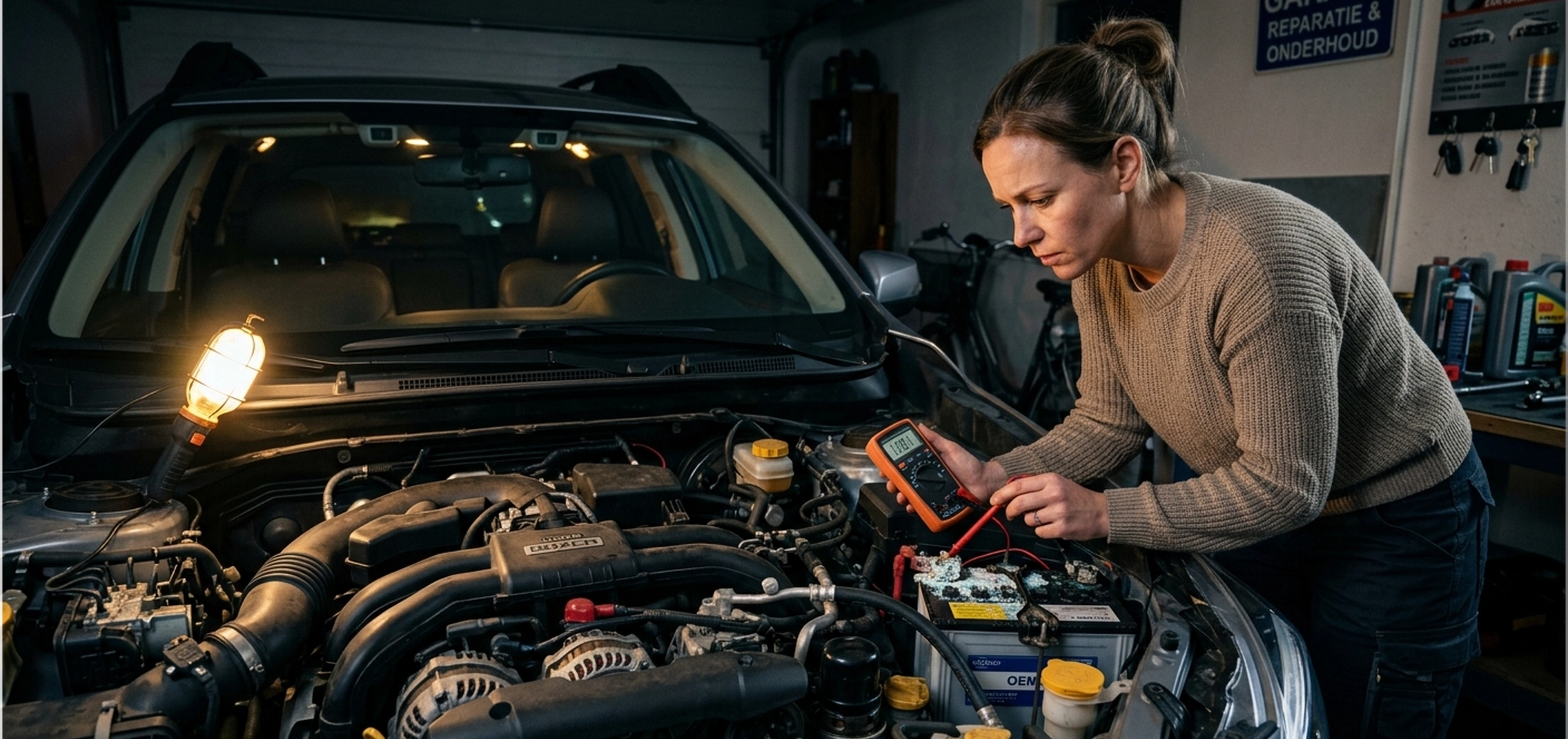
In many cases, diagnosing the problem requires professional electrical testing. Drivers sometimes turn to a specialist, such as a mobile auto electrician Sydney service, when the issue appears repeatedly, because electrical problems can be difficult to trace without the right tools and experience.
Understanding the most common causes of battery drain can help you identify the warning signs early and prevent being stranded with a car that will not start.
The Battery May Simply Be Old
The most straightforward explanation is age.
Car batteries typically last between three and five years, depending on driving habits, climate, and vehicle usage. Over time, the internal chemical components break down, reducing the battery’s ability to hold a charge.
When a battery reaches the end of its lifespan, you may notice:
- Slower engine cranking when starting
- Dashboard lights dimming during ignition
- Electronics behaving inconsistently
- The car needing frequent jump-starts
If your battery is several years old, replacement may solve the issue completely.
However, if a new battery dies quickly, it often indicates another problem within the vehicle.
The Alternator May Not Be Charging the Battery
The alternator plays a critical role in keeping your battery charged. While the battery provides power to start the car, the alternator takes over once the engine is running.
Its job is to generate electricity and recharge the battery while also powering the vehicle’s electrical systems.
If the alternator begins to fail, the battery may slowly lose charge every time you drive. Eventually, the car will not start because the battery never receives enough power to replenish itself.
Common signs of alternator trouble include:
- Headlights that appear dim or flicker
- Warning lights on the dashboard
- Electrical systems behaving unpredictably
- A burning smell near the engine
When these symptoms appear, the battery is often blamed first, but the alternator is frequently the true cause.
Electrical Drains While the Car Is Off
Another common reason batteries die repeatedly is something called a parasitic drain.
Even when your car is turned off, small amounts of electricity are still used to power systems such as the clock, alarm, or computer modules. This normal draw is very small and should not affect the battery significantly.
Problems occur when an electrical component continues pulling power when it should not.
Examples include:
- Interior lights that remain on
- Faulty door sensors
- Aftermarket electronics
- Glove compartment lights stuck on
- Malfunctioning control modules
These drains can slowly empty a battery overnight or over several days.
Because these issues involve complex wiring systems, they can be difficult to identify without specialised testing equipment.
Corroded Battery Connections
Sometimes the problem is not the battery itself but the connections attached to it.
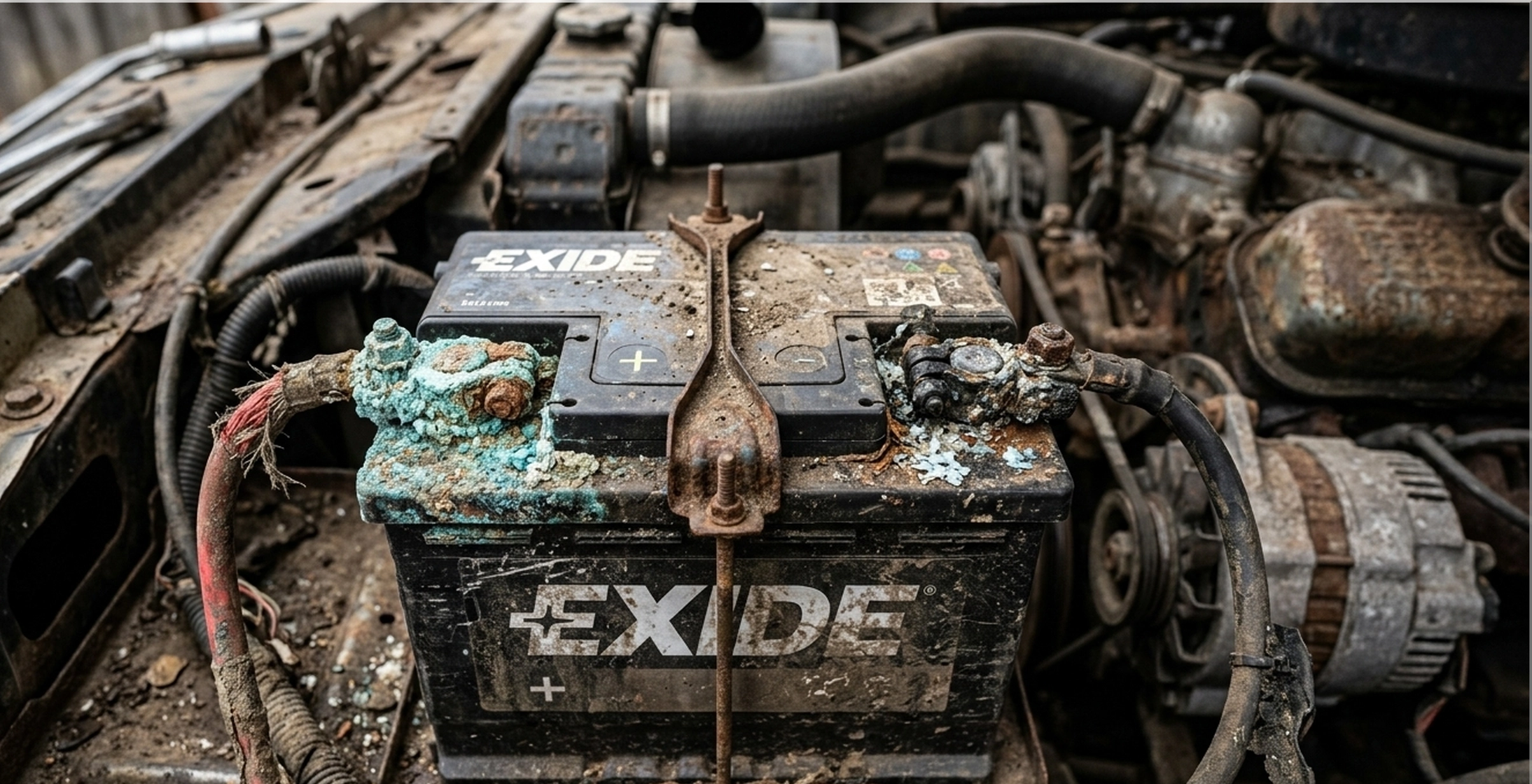
Corrosion can build up on battery terminals over time. This white or bluish residue interferes with the flow of electricity between the battery and the vehicle.
When connections become weak or dirty, you may notice:
- Difficulty starting the car
- Flickering electronics
- Inconsistent power delivery
Cleaning battery terminals and ensuring cables are tightly secured can often restore proper electrical flow.
Regular inspection of battery connections is one of the simplest ways to avoid unexpected starting problems.
Short Trips That Prevent Proper Charging
Your driving habits can also affect battery life.
When you start your car, the battery supplies a large burst of power to turn the engine over. Afterward, the alternator needs time to recharge that energy.
If most of your trips are very short, the alternator may not have enough time to fully recharge the battery before the engine is switched off again.
Over time, this repeated partial charging weakens the battery.
Drivers who frequently make short trips may notice their battery drains faster than expected, especially in colder weather when engines require more power to start.
Taking occasional longer drives helps the alternator properly recharge the battery.
Extreme Temperatures
Both heat and cold can shorten battery lifespan.
High temperatures accelerate chemical reactions inside the battery, which can degrade internal components over time. Cold temperatures, on the other hand, reduce the battery’s ability to deliver power.
When weather conditions are extreme, batteries may struggle to perform normally.
This is why many drivers notice battery problems during seasonal temperature changes.
Parking in shaded areas, garages, or sheltered spaces can help reduce temperature-related stress on the battery.
Warning Signs You Should Not Ignore
A dying battery rarely fails without warning. Most vehicles show subtle signs before the problem becomes serious.
Watch for symptoms such as:
- Repeated jump-starts becoming necessary
- Slow engine cranking
- Electrical systems resetting unexpectedly
- Dashboard battery warning lights
- Headlights dimming when the engine idles
Addressing these signs early can prevent the inconvenience of a complete breakdown.
If the issue keeps returning even after replacing the battery, it is important to investigate the vehicle’s charging system and electrical components.
A healthy car battery depends on a larger network of systems working together. When any part of that network fails, the battery is usually the first thing drivers notice.
By understanding the most common causes of repeated battery failure, you can spot potential problems sooner and take action before your car leaves you stranded.
Image gallery
- Add new comment
- 179 views