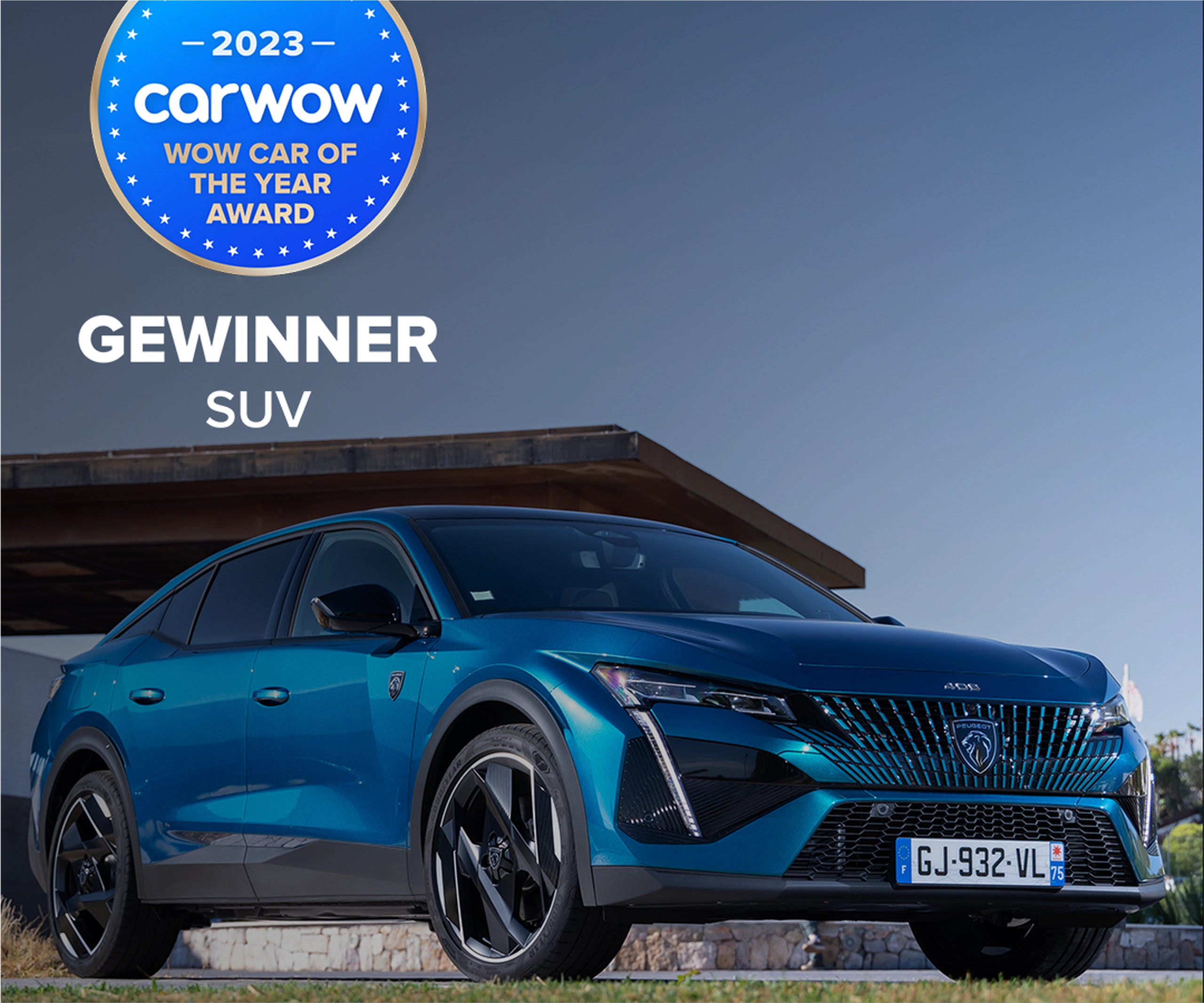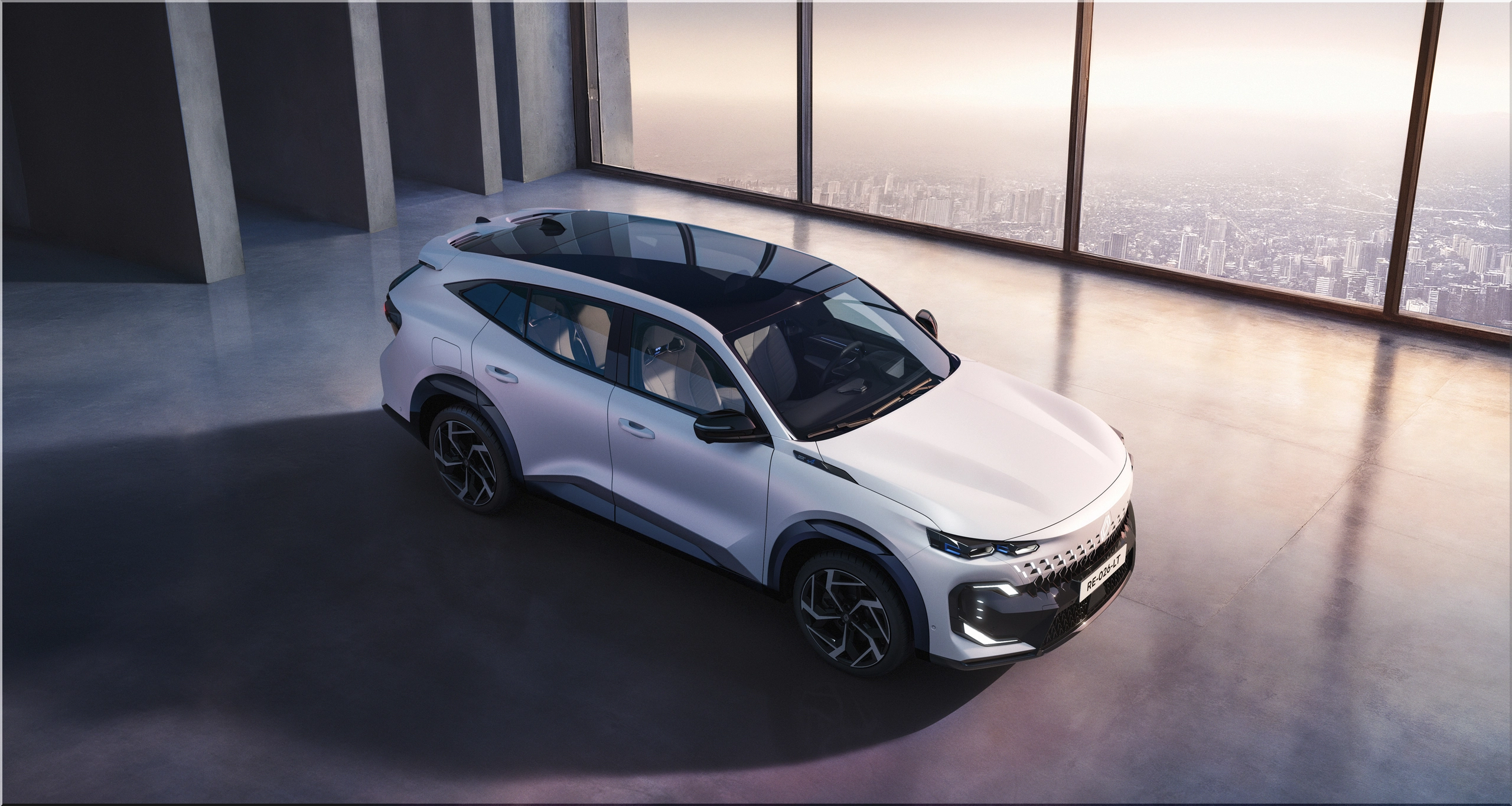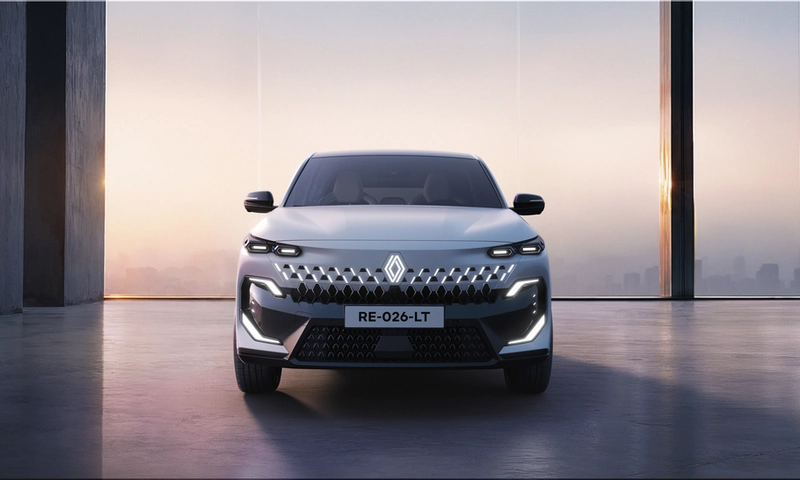
Peugeot aims straight at buyers who want fastback styling, electrified powertrains, and usable space without moving into a full SUV. The 2026 Peugeot 408 sits high in the compact segment and pushes design, efficiency, and tech harder than most rivals.
This update matters. Peugeot expands the lineup with a full-electric E-408, updates hybrid systems, and tightens interior tech. The result targets daily commuters, fleet buyers, and EV adopters who value efficiency and layout over badges.
Image
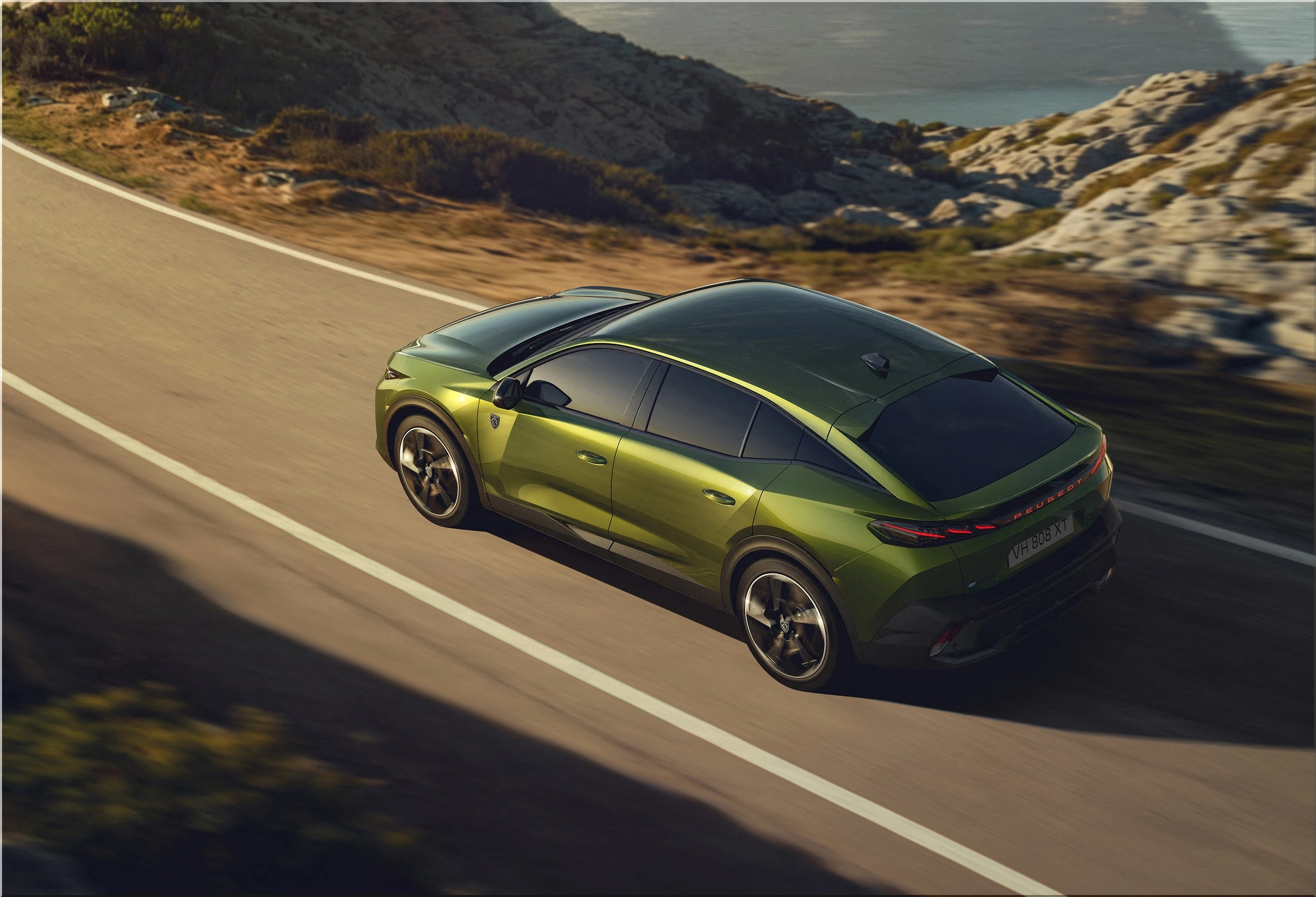
A Fastback That Breaks Segment Habits
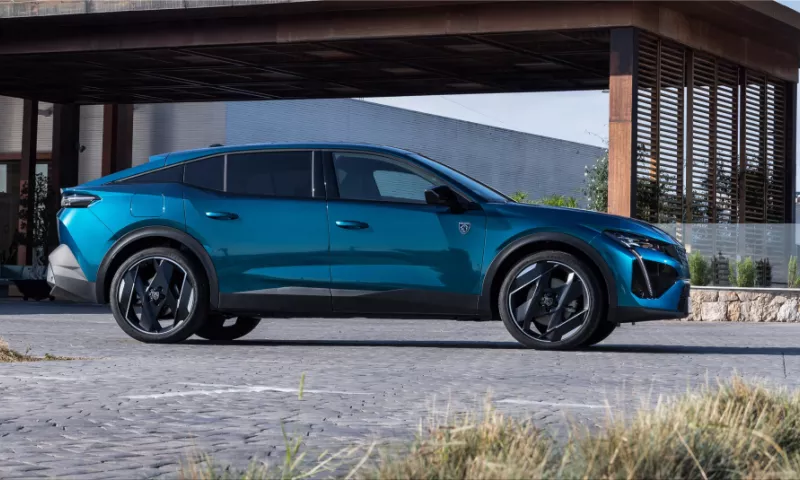
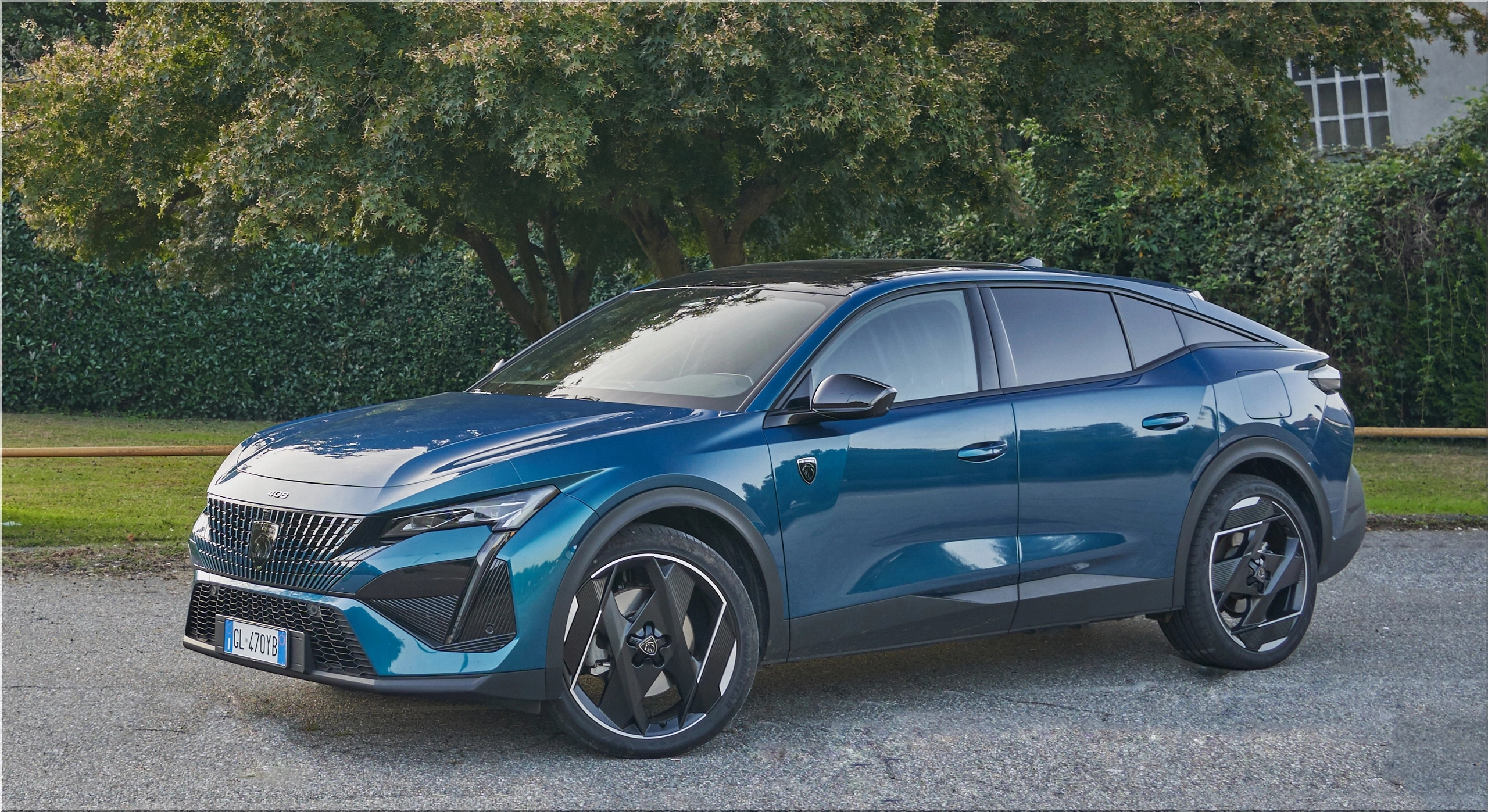
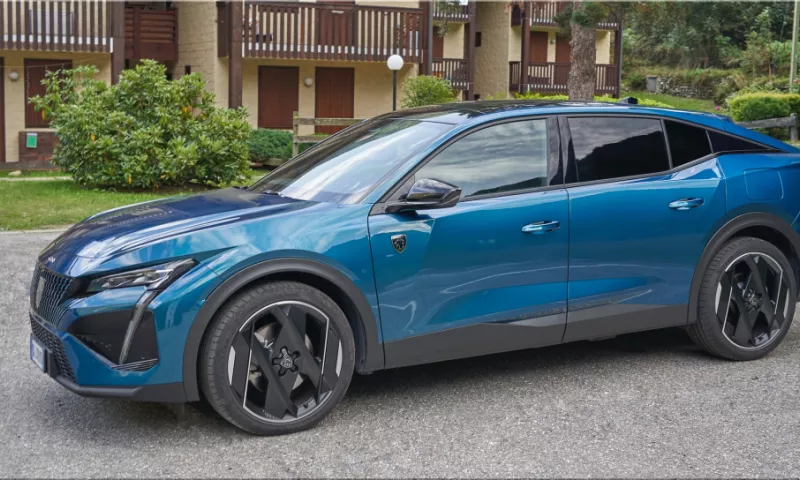
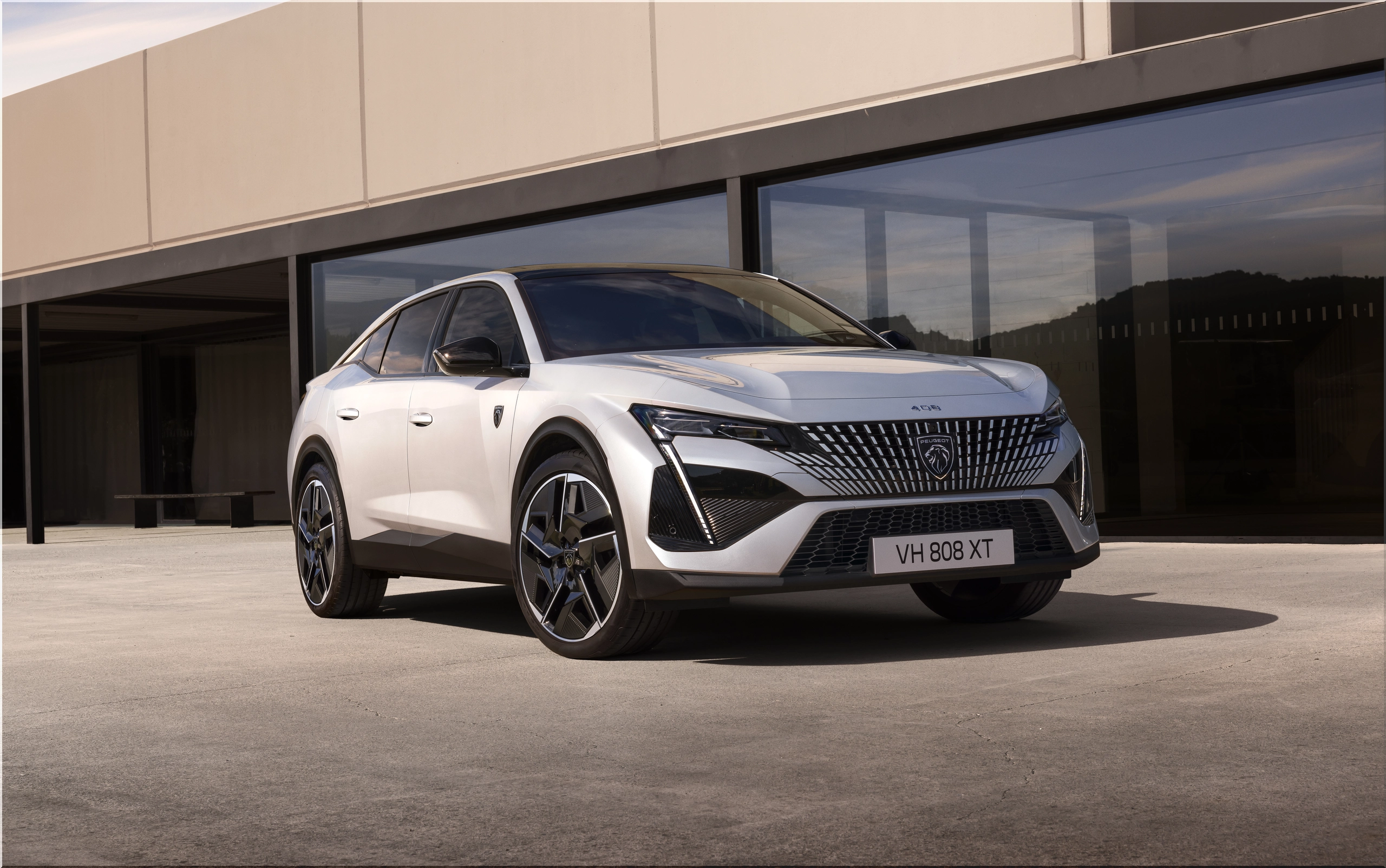
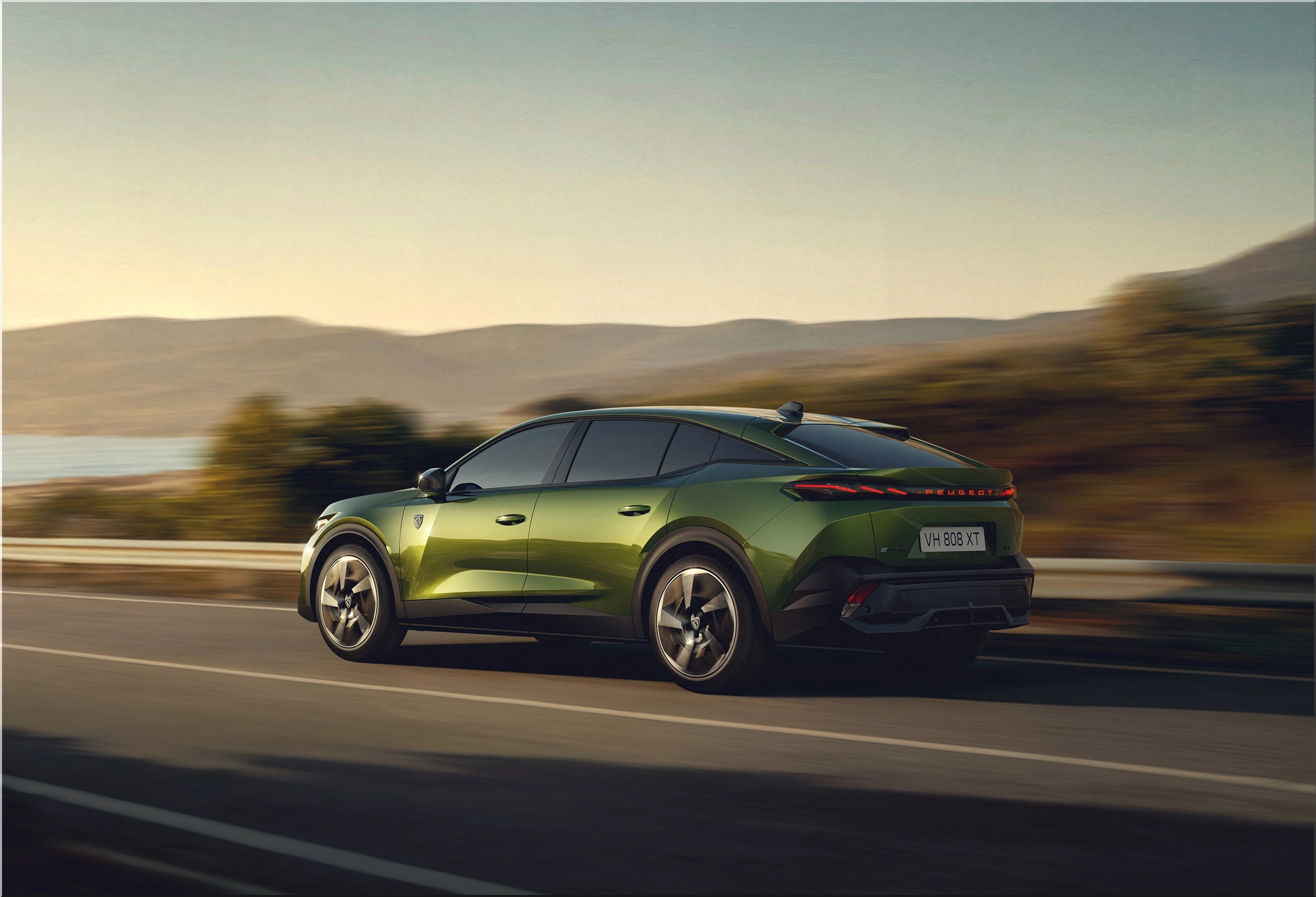
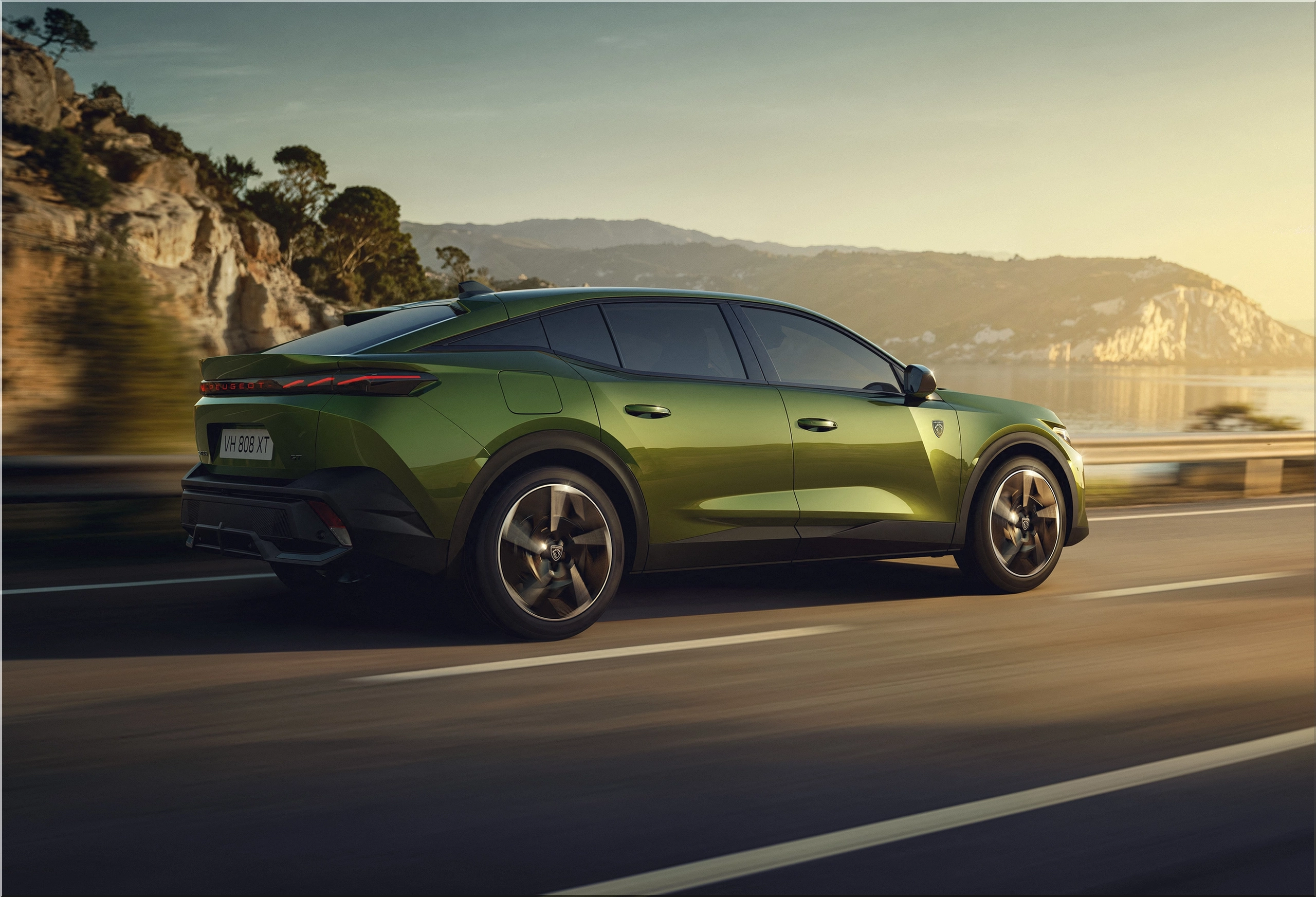
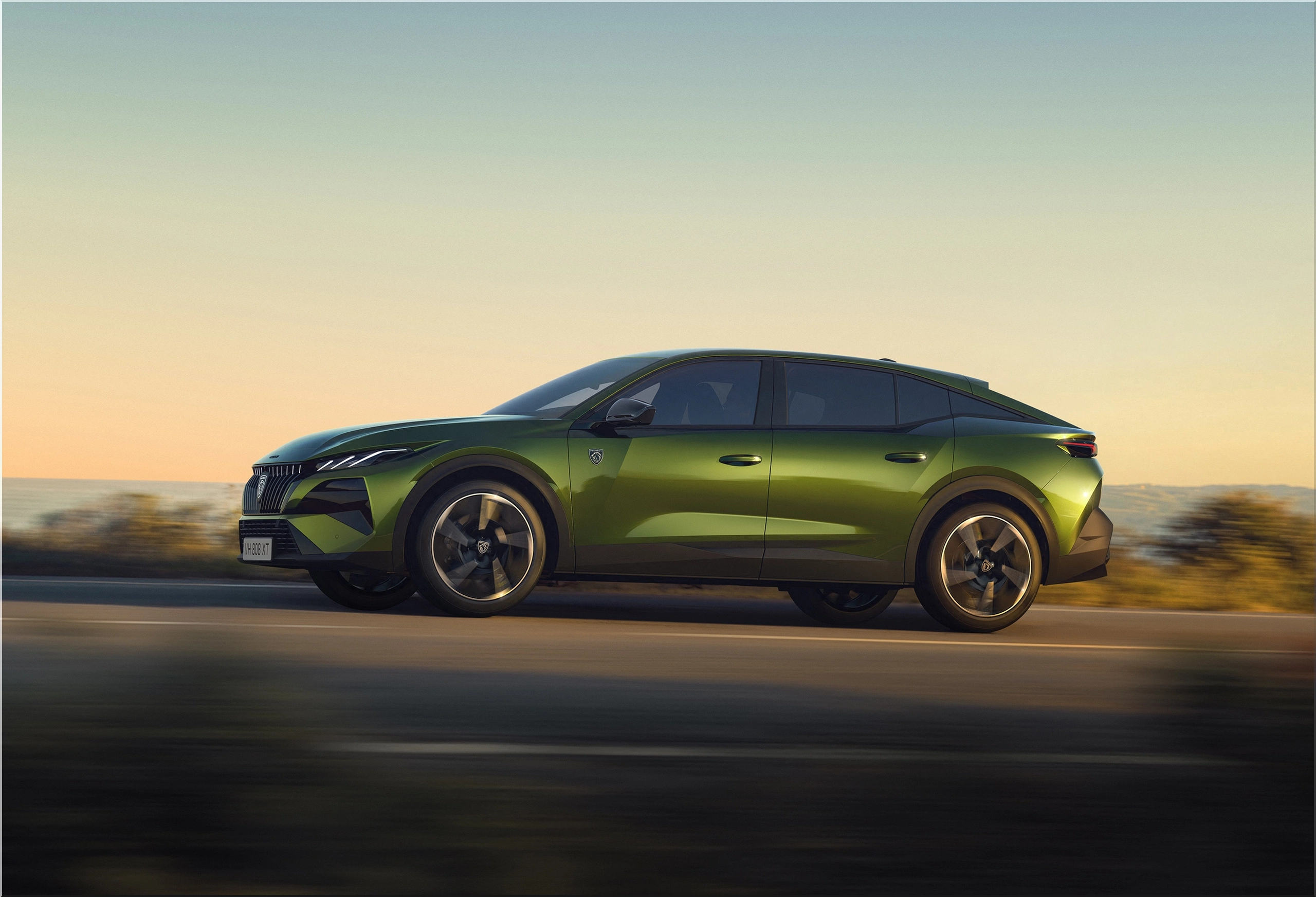
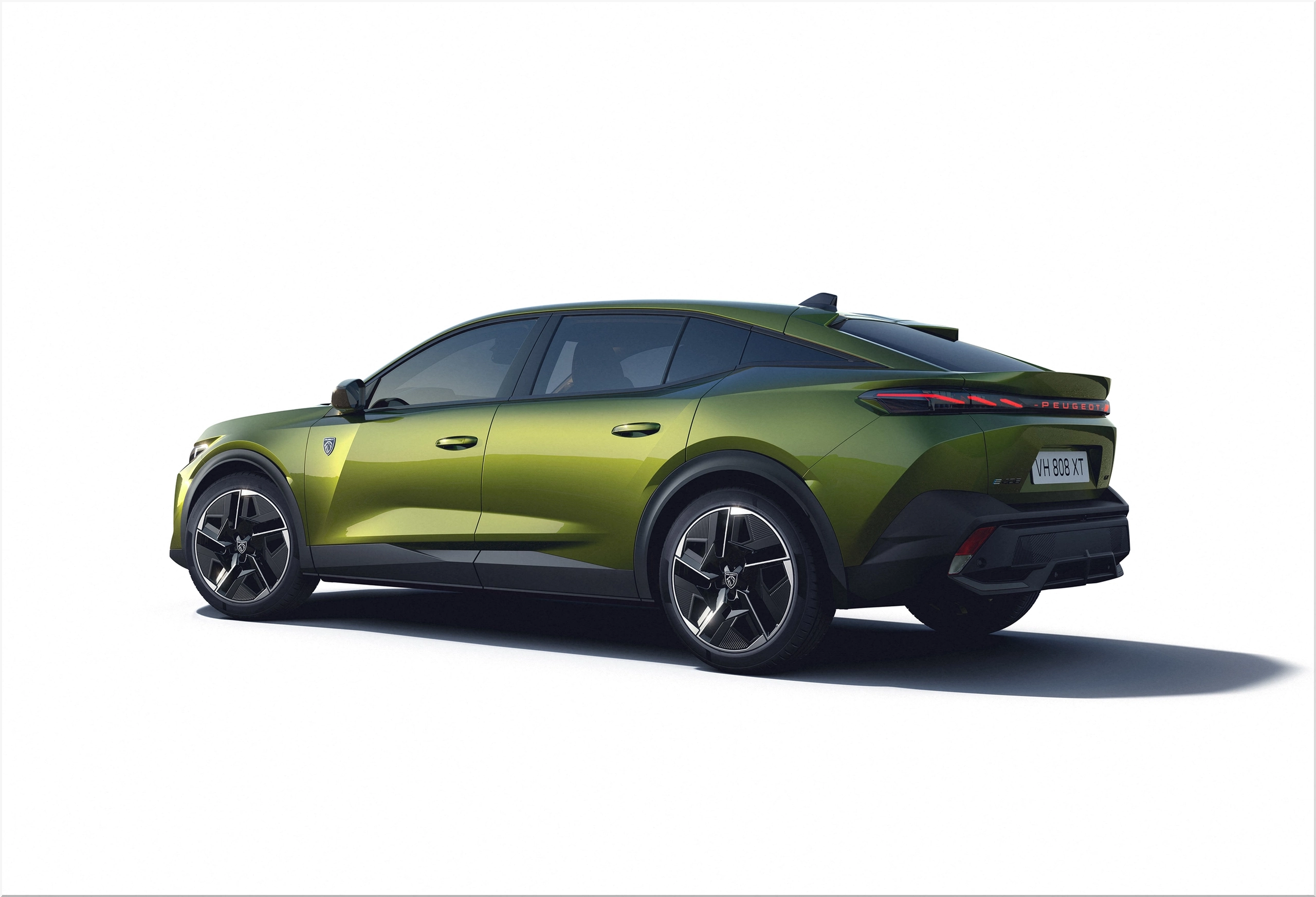
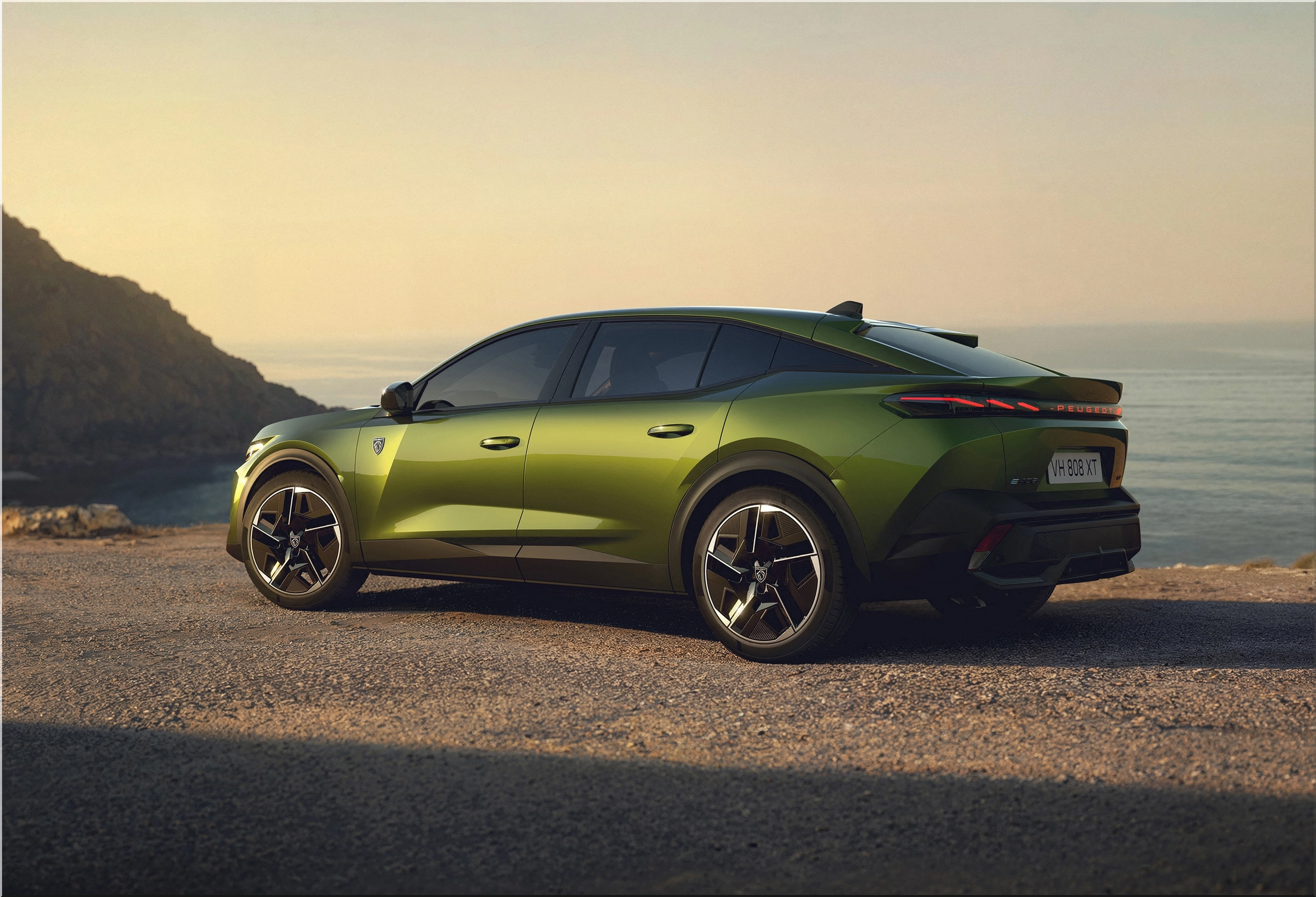
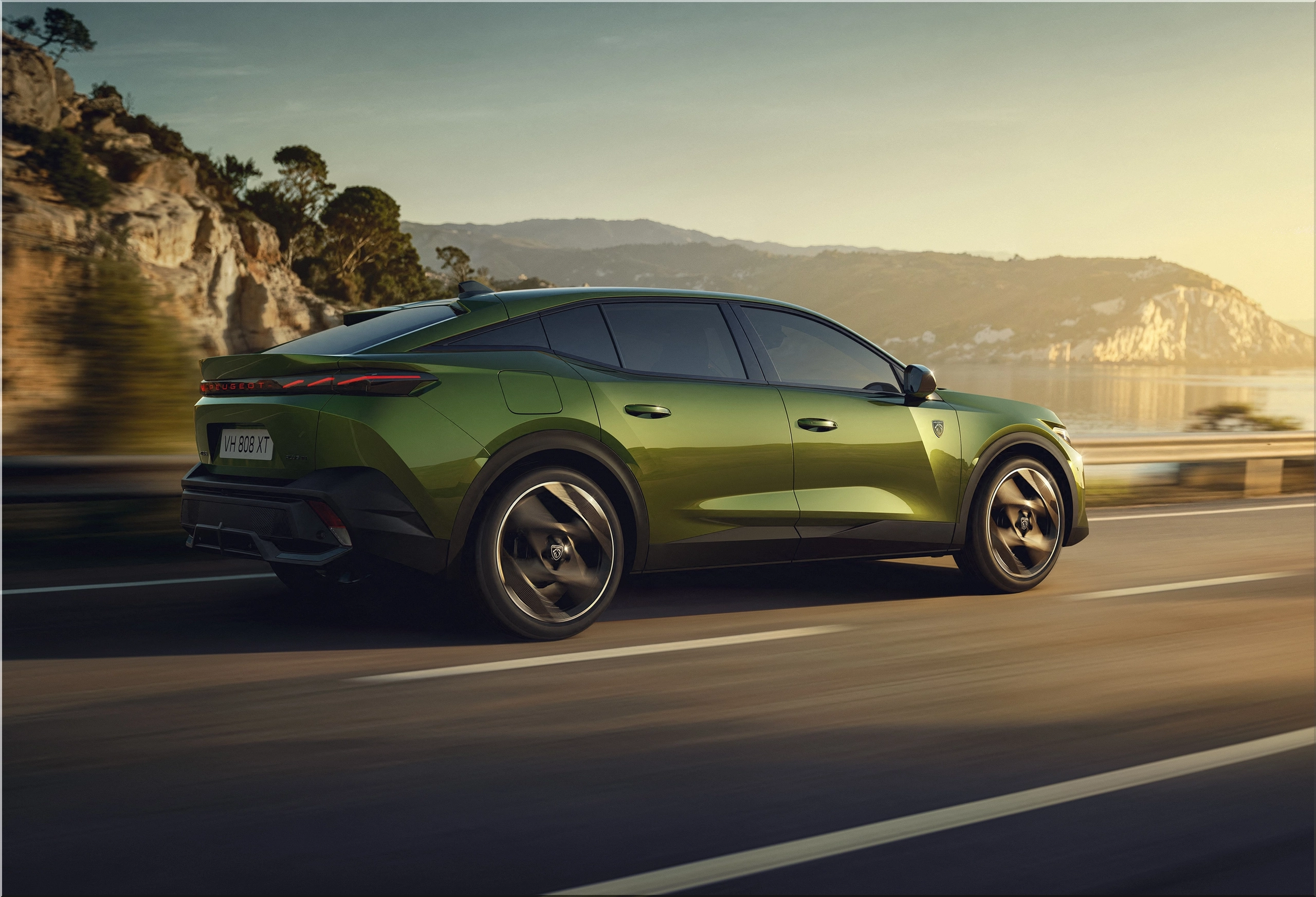
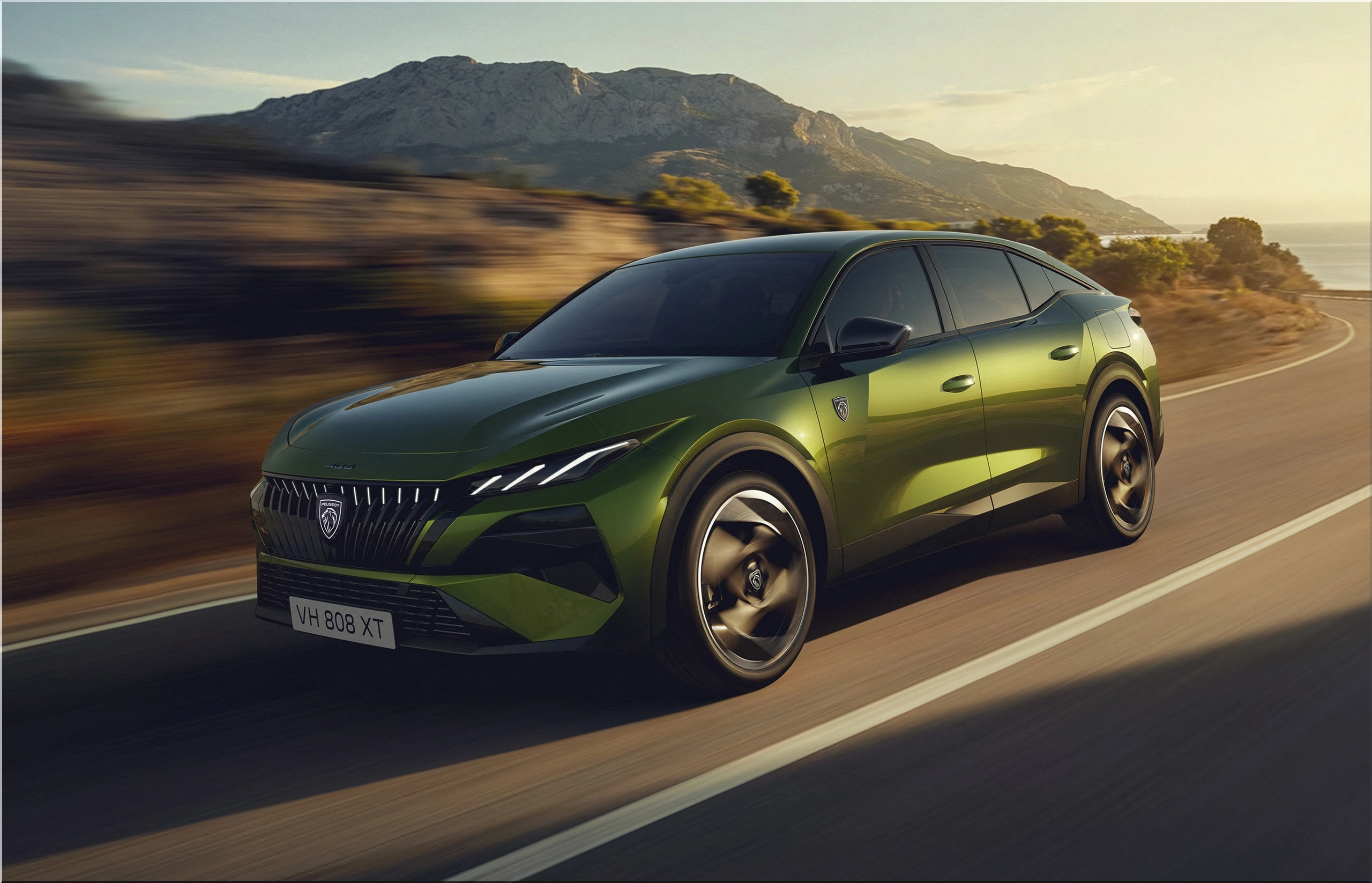
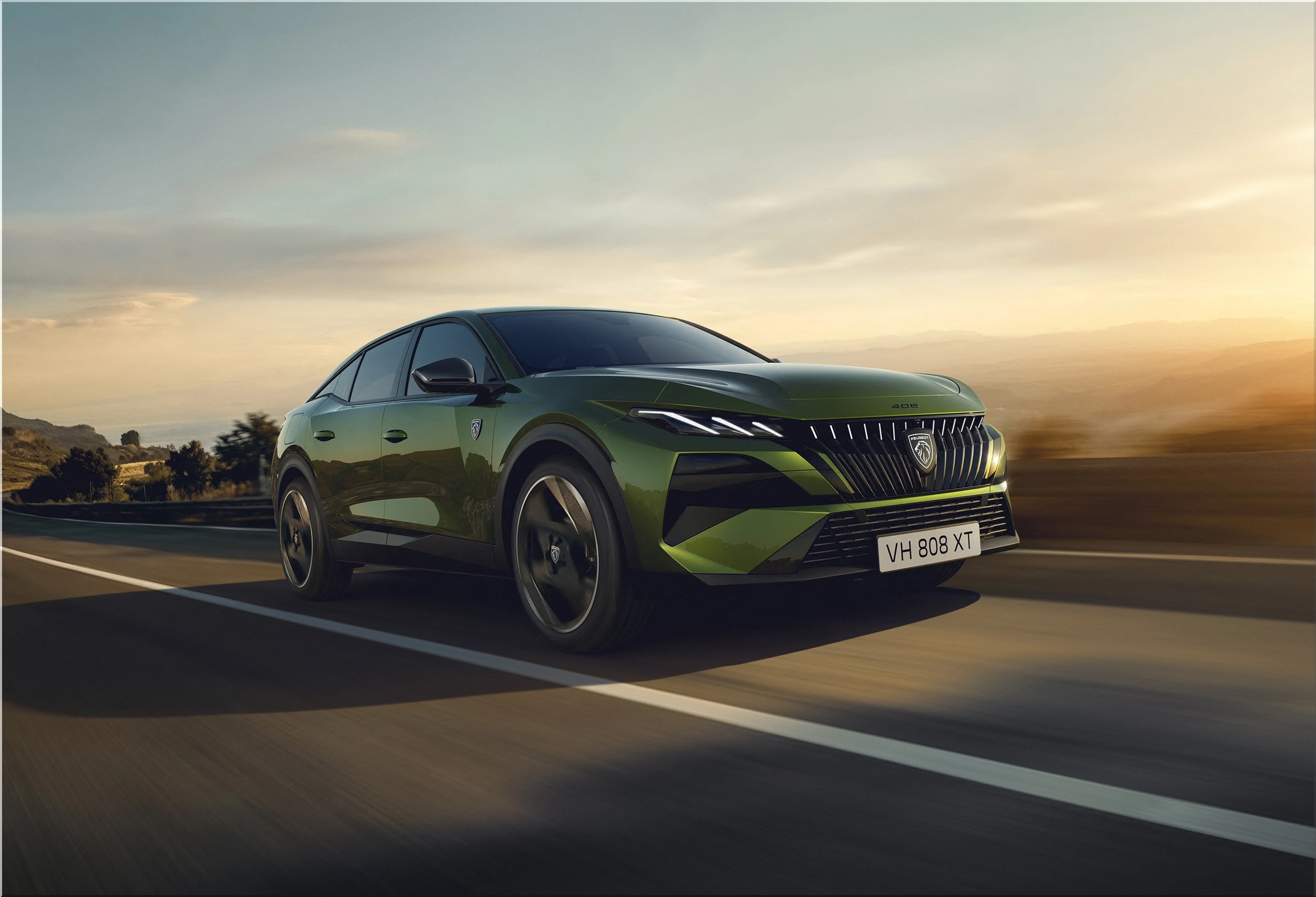
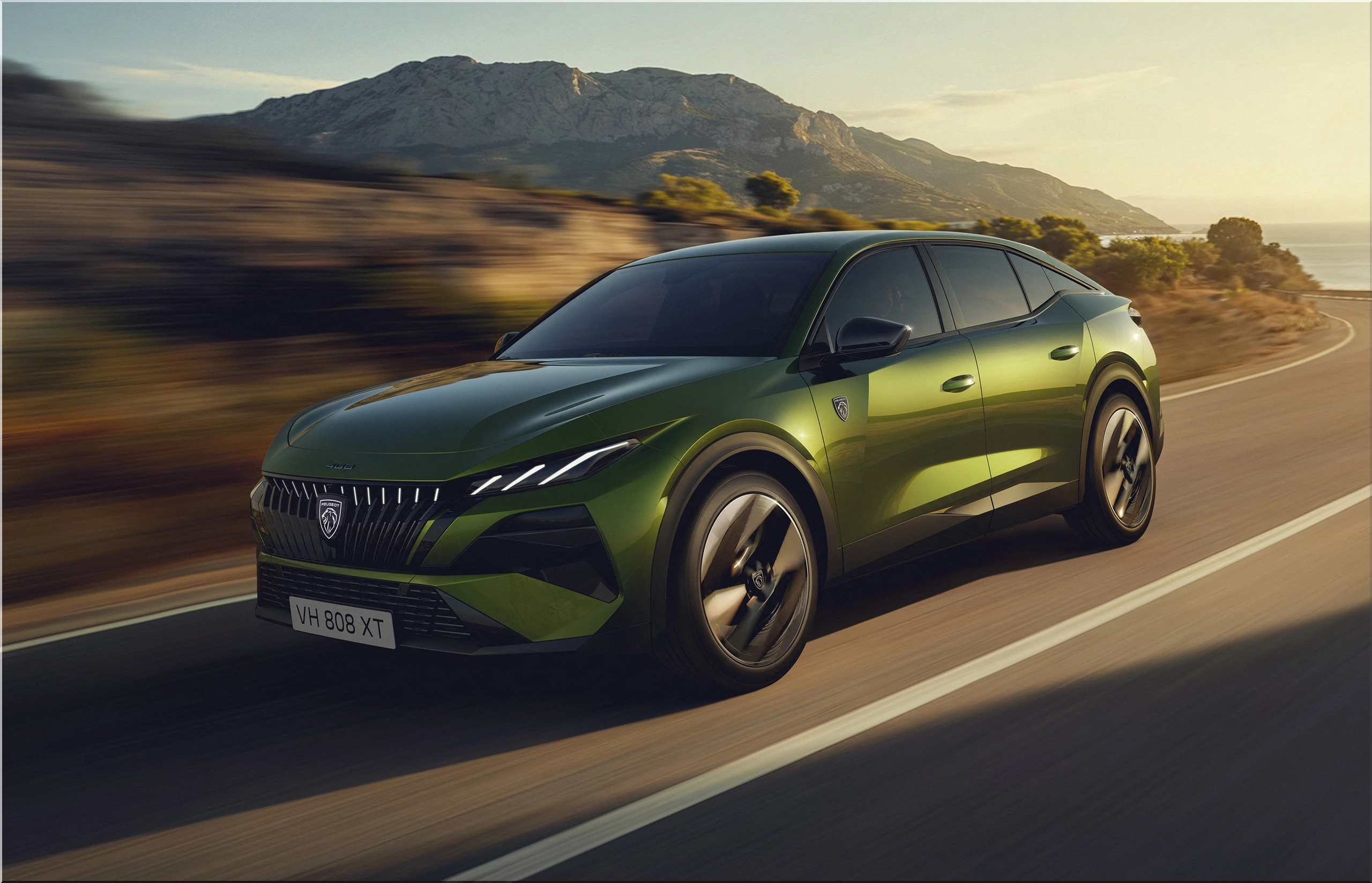
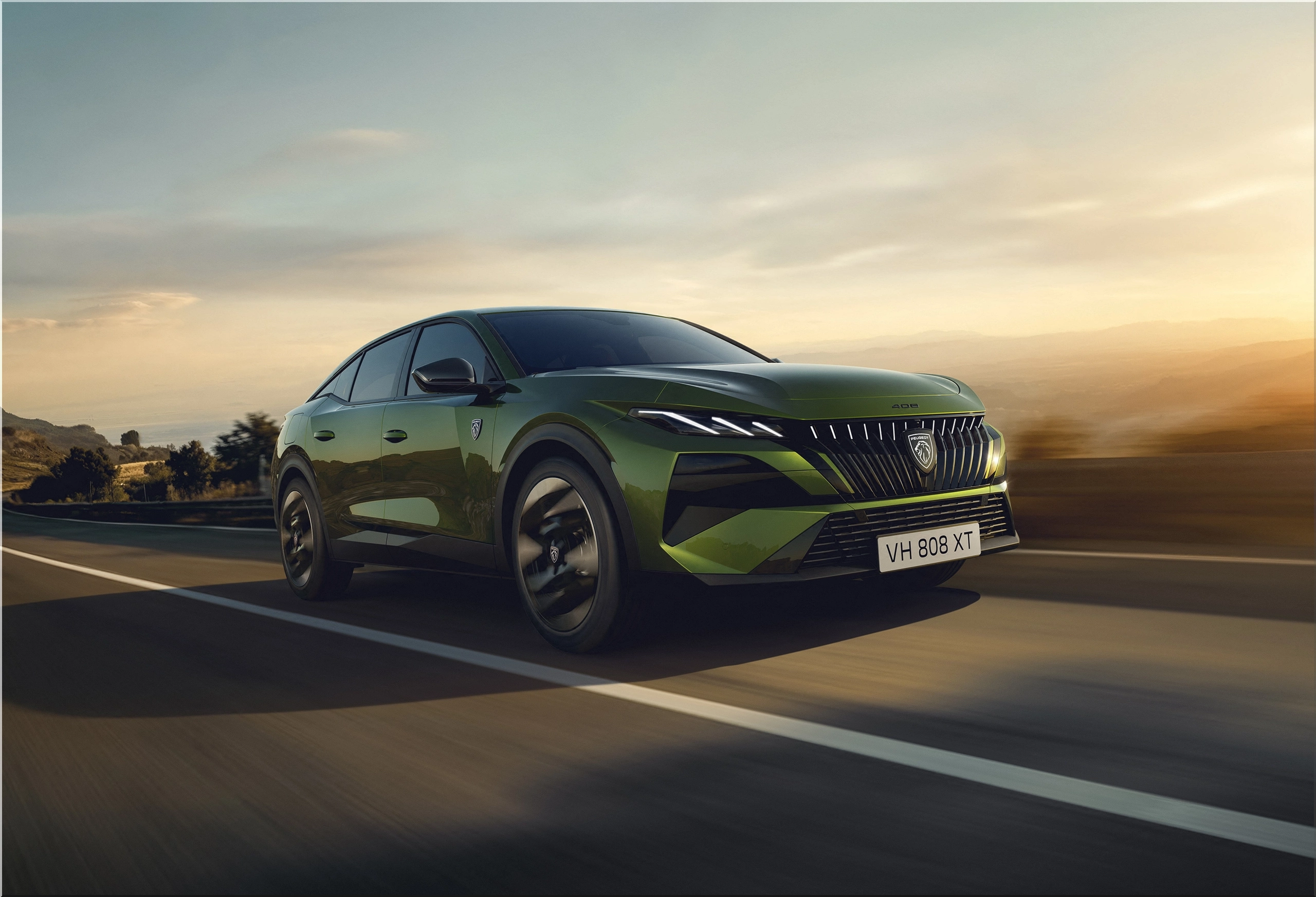
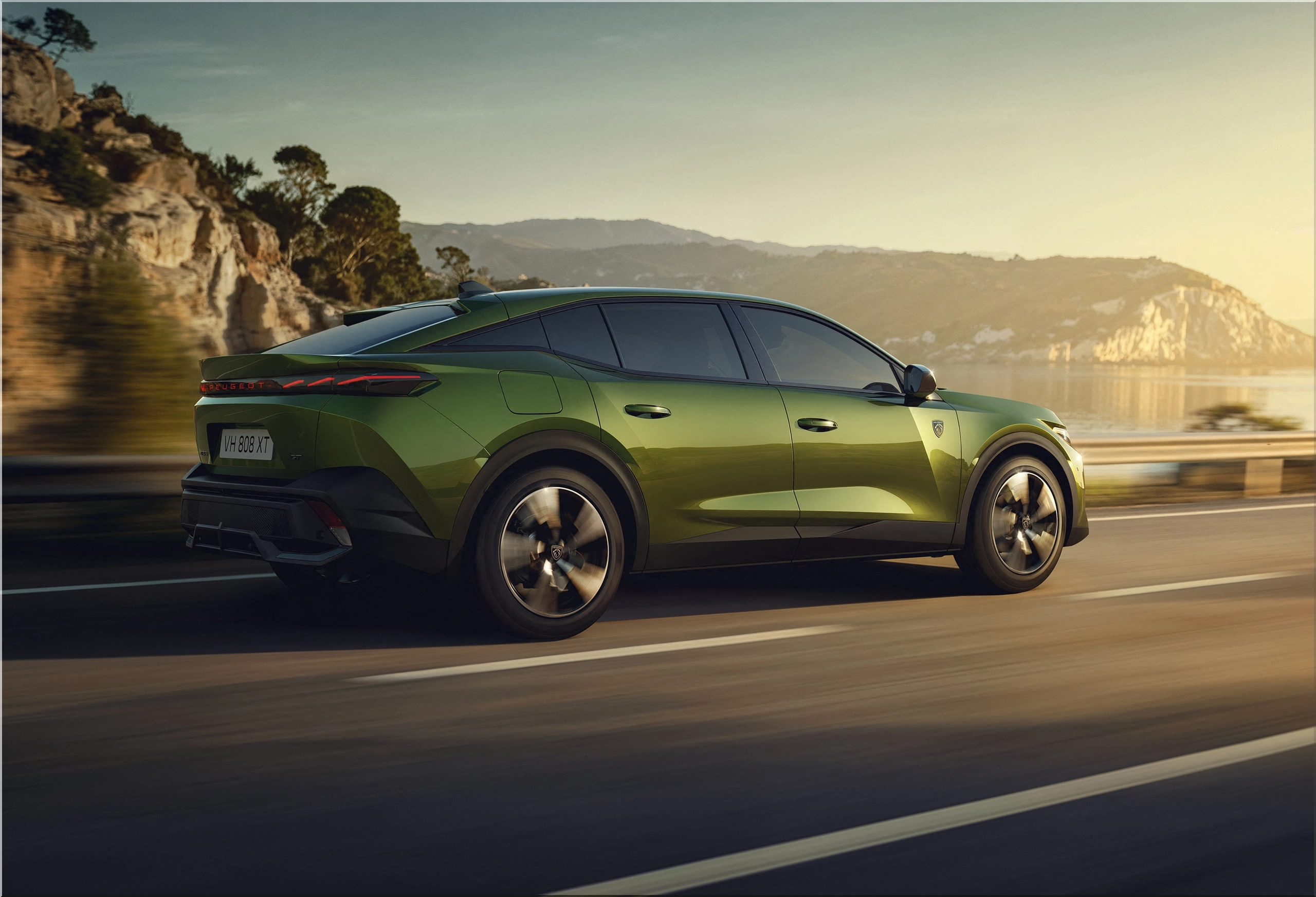
The Peugeot 408 fastback refuses the hatchback-or-SUV binary that defines the C-segment. It rides taller than a sedan but keeps a low roofline and wide stance.
Key dimensions shape its road presence:
- Overall height: 1.48 m
- Wheelbase: 2.79 m
- Wide track: 1.59 m front, 1.60 m rear
Those numbers matter. They support rear-seat space while keeping the car stable at speed.
Exterior Details That Drive Recognition
Peugeot sharpens its visual identity here:
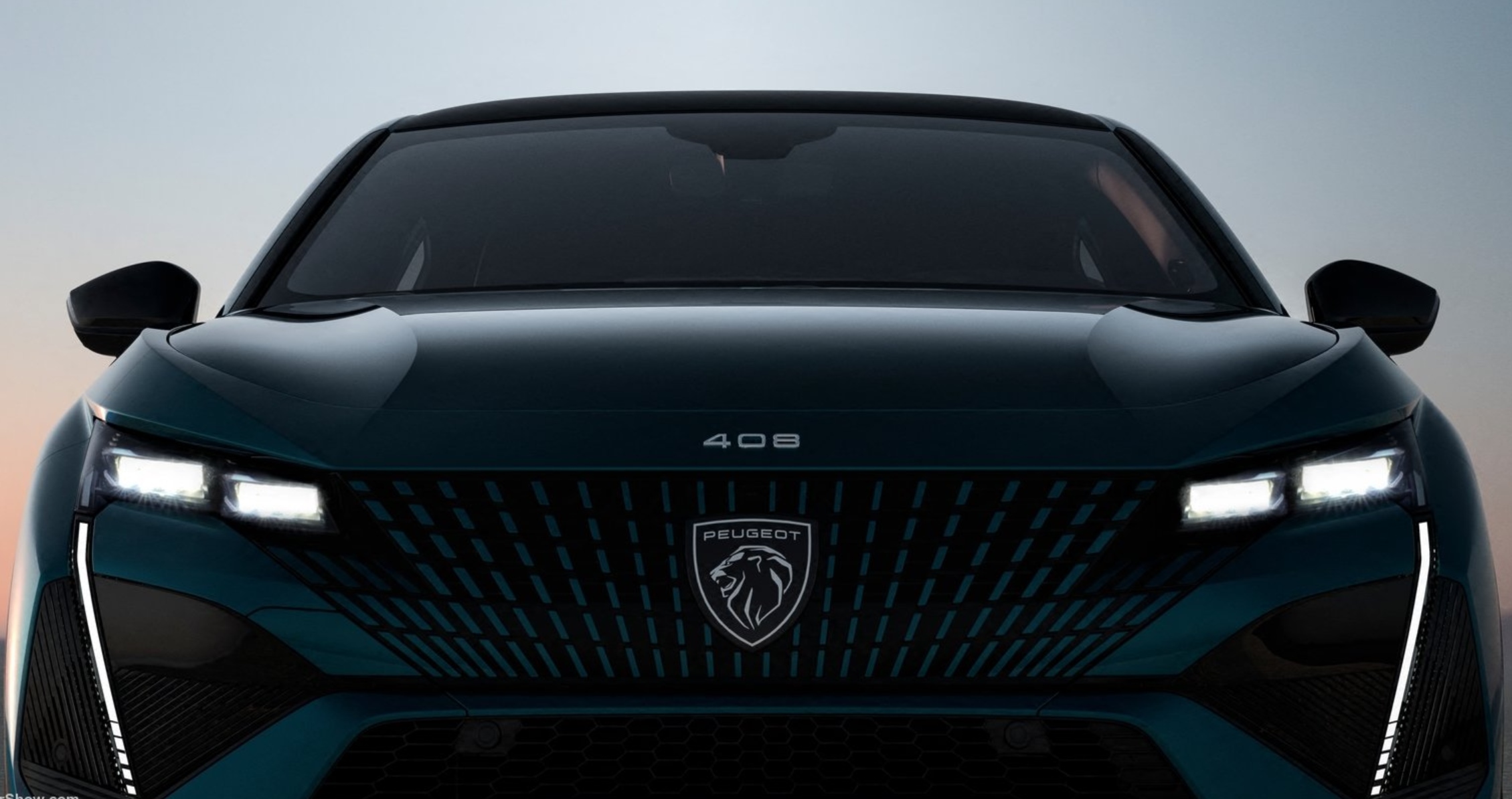
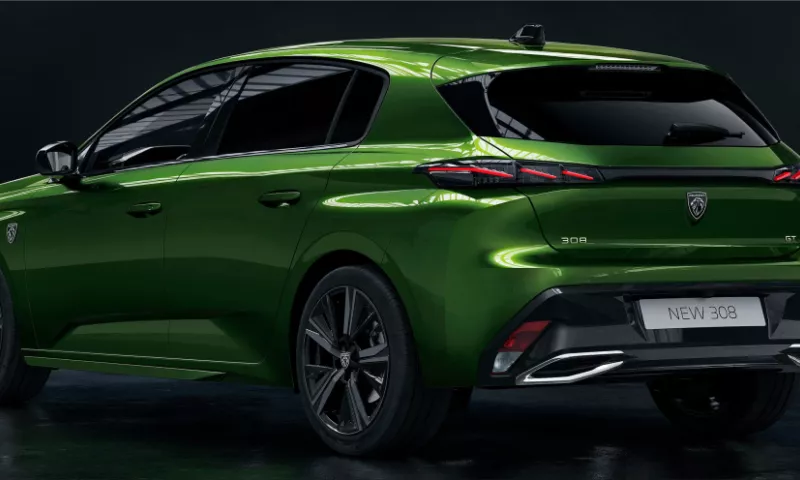
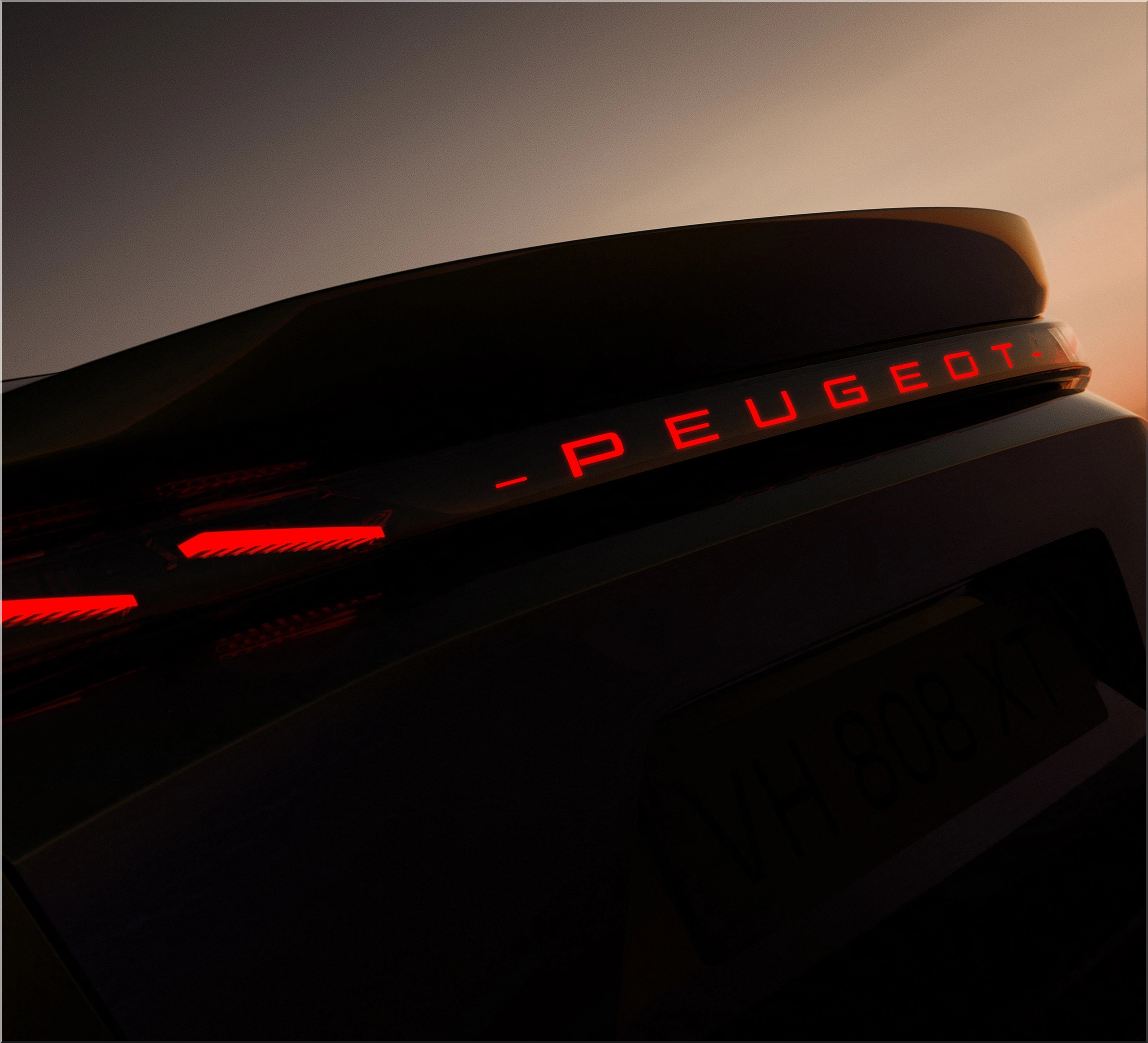
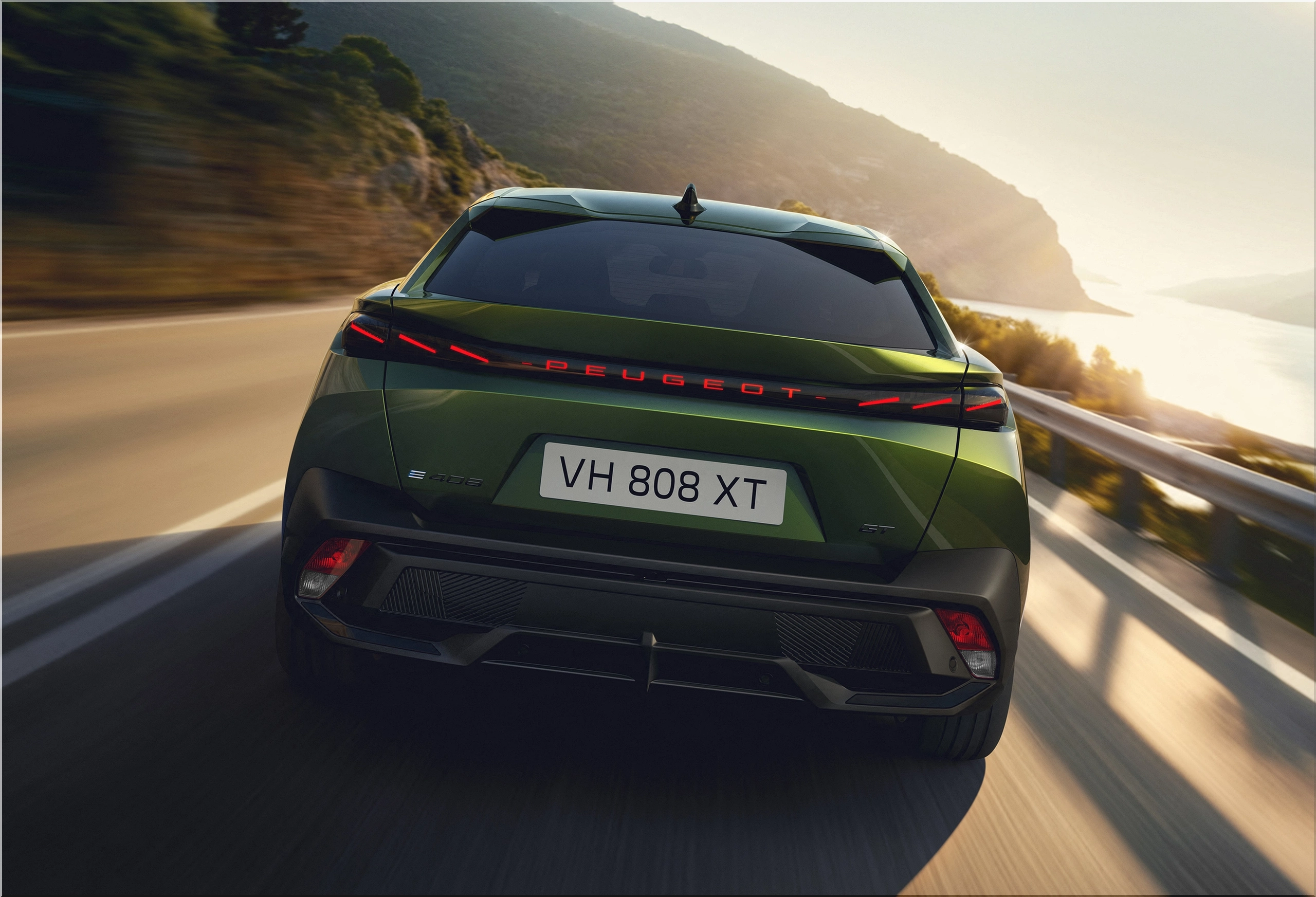
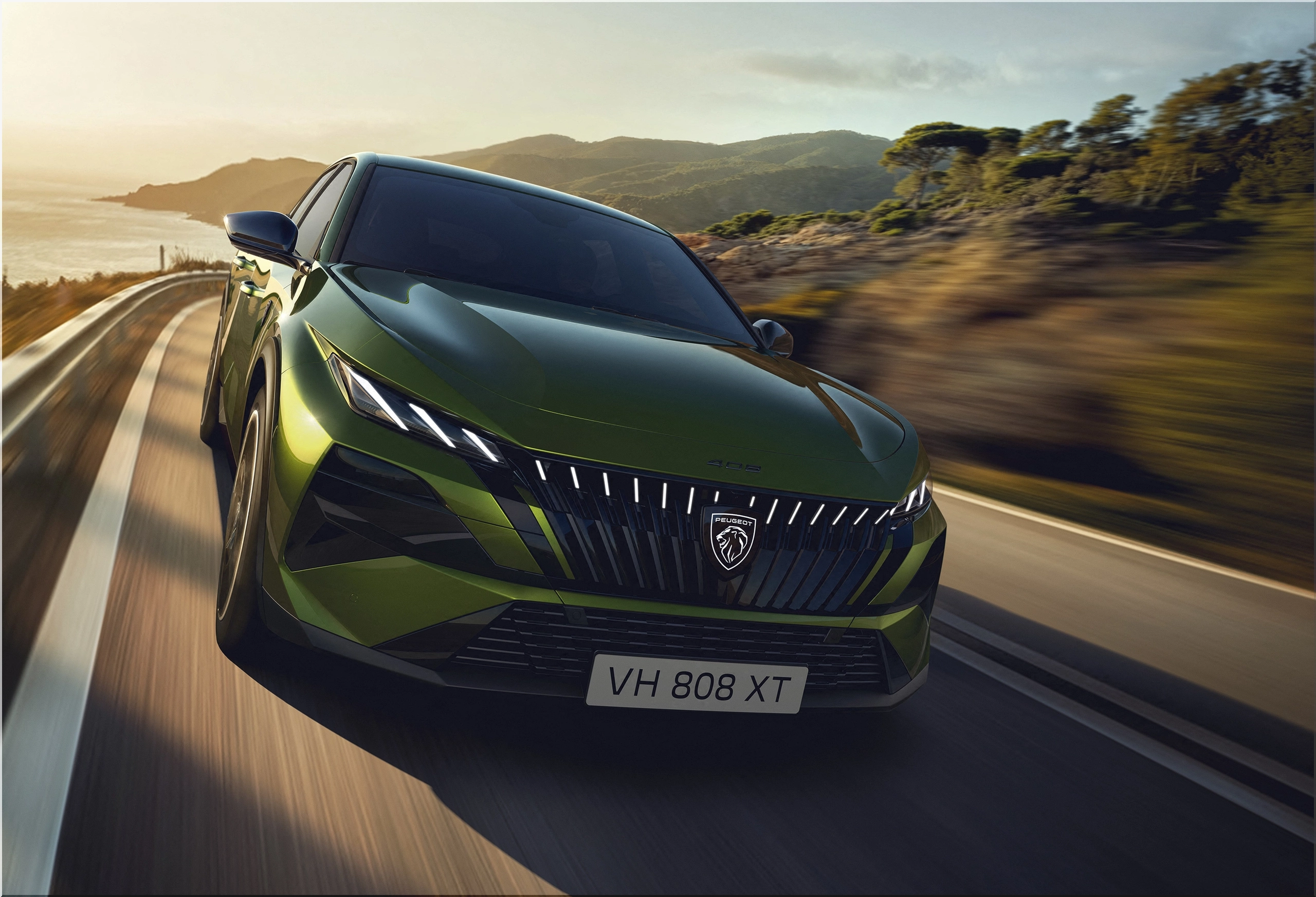
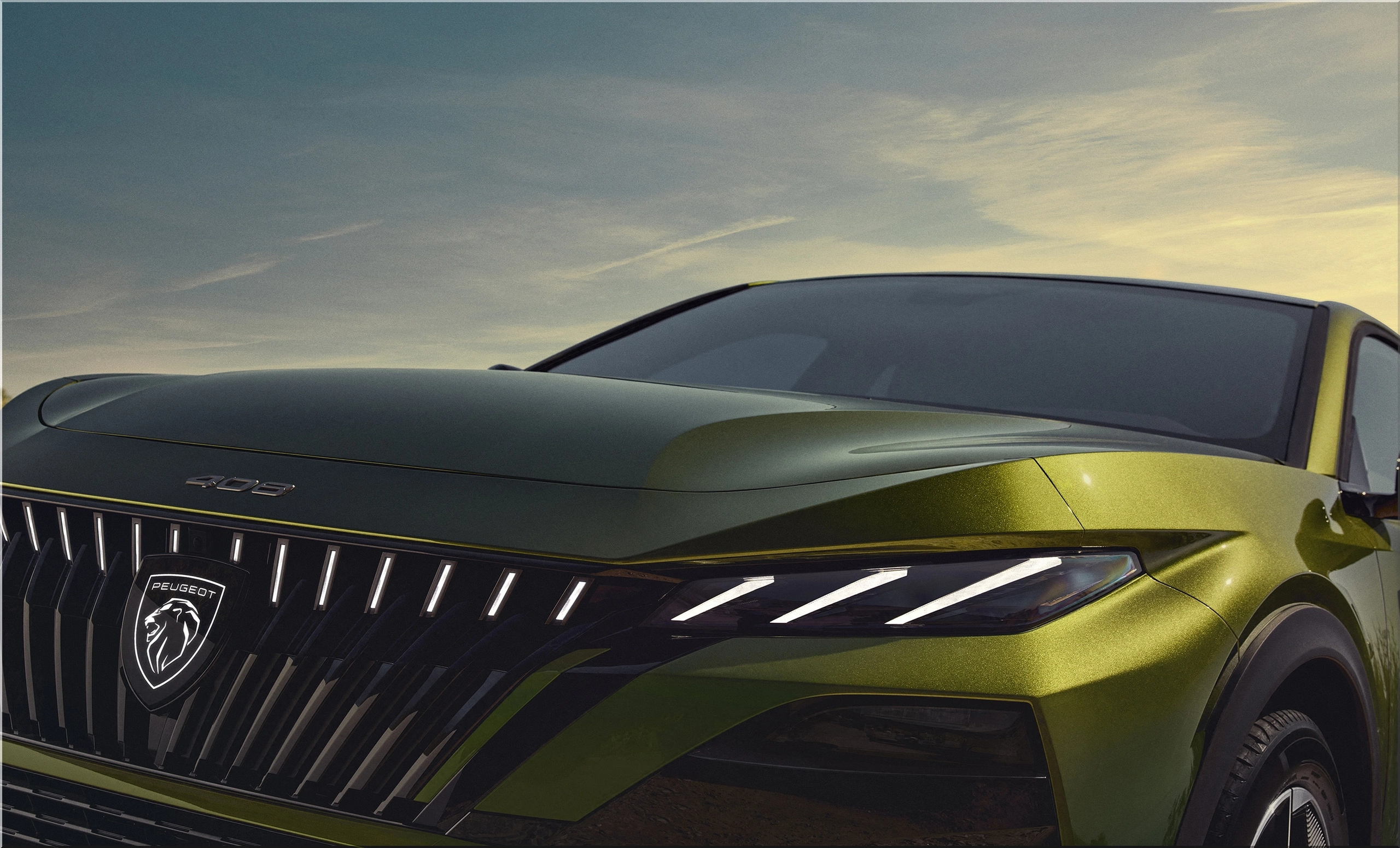
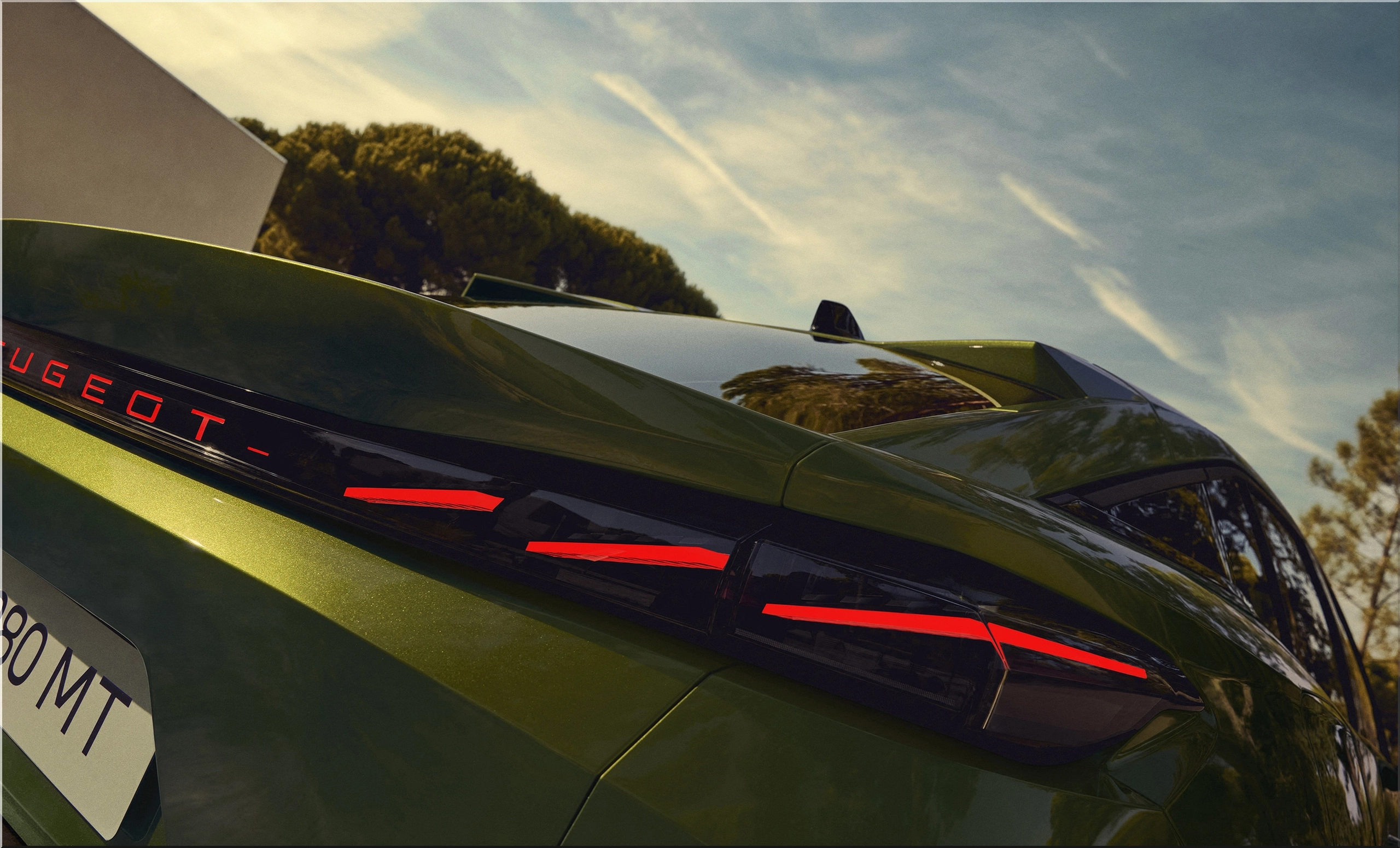
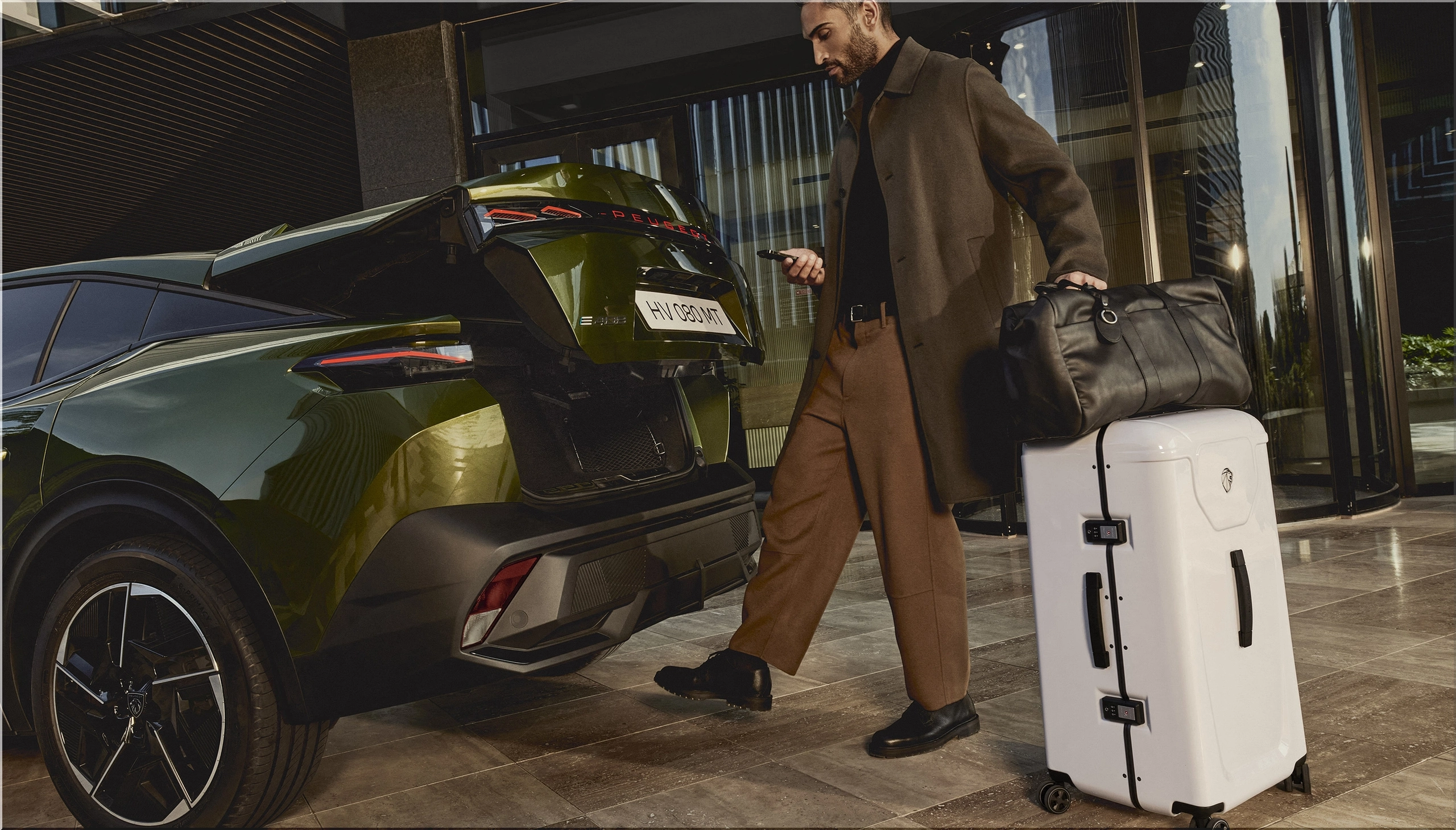
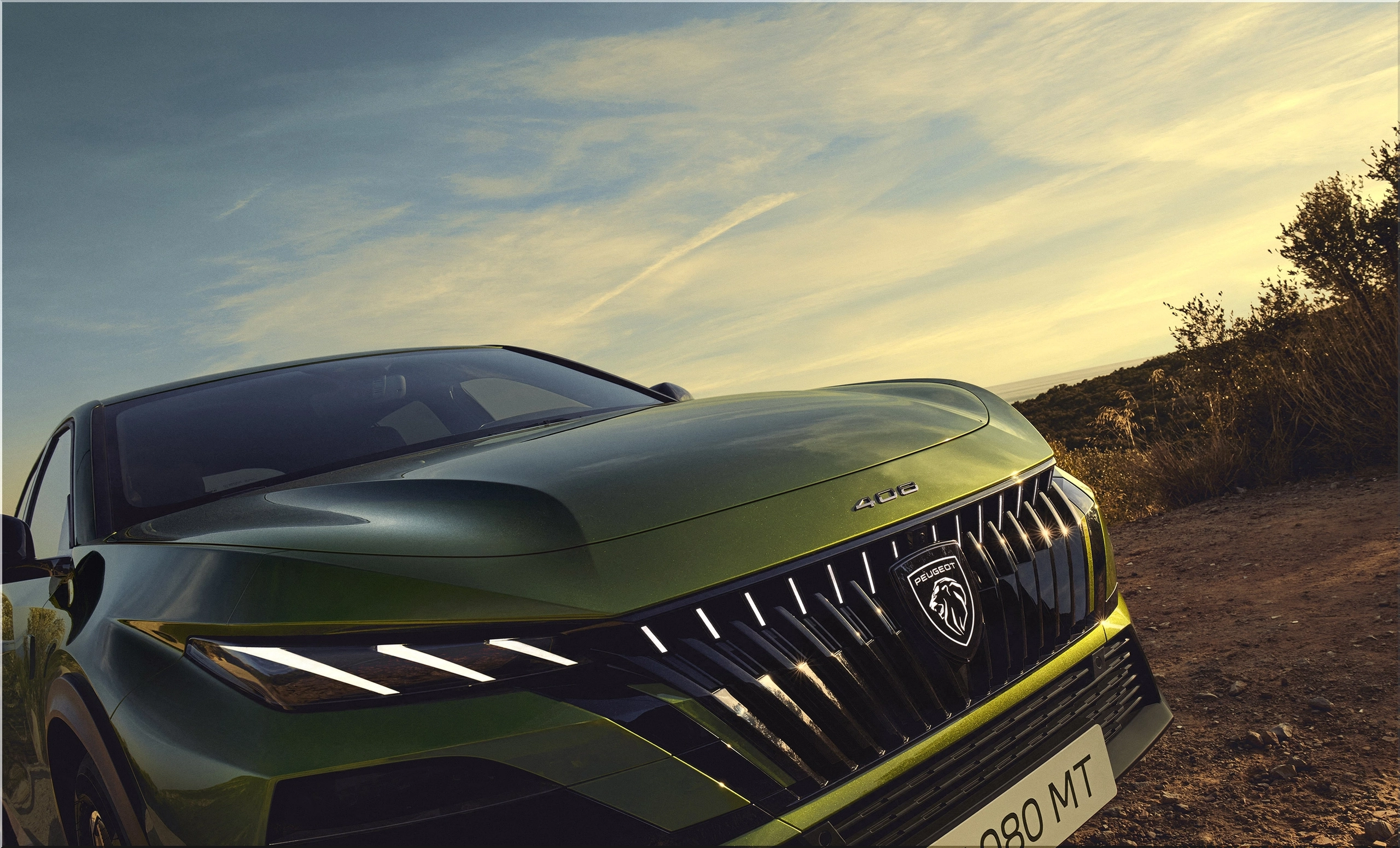
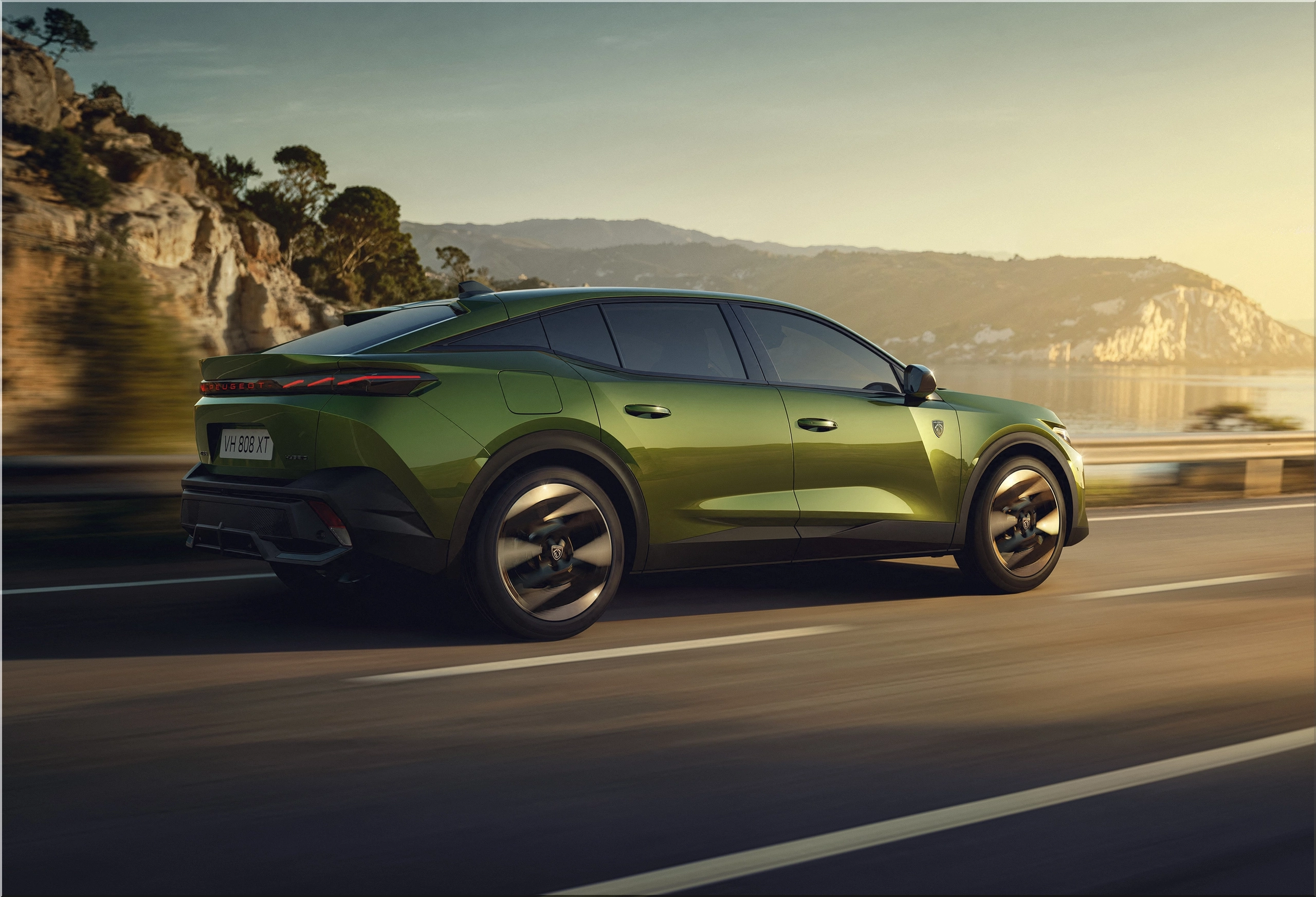
- Illuminated PEUGEOT lettering across the rear, a first for the brand
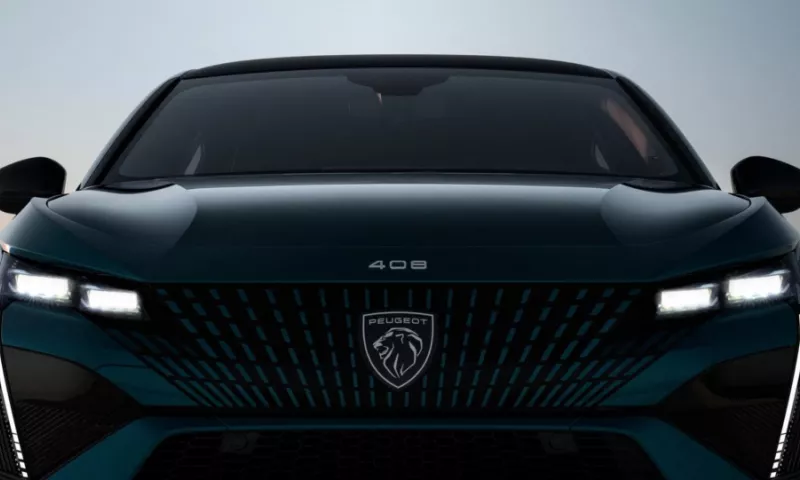
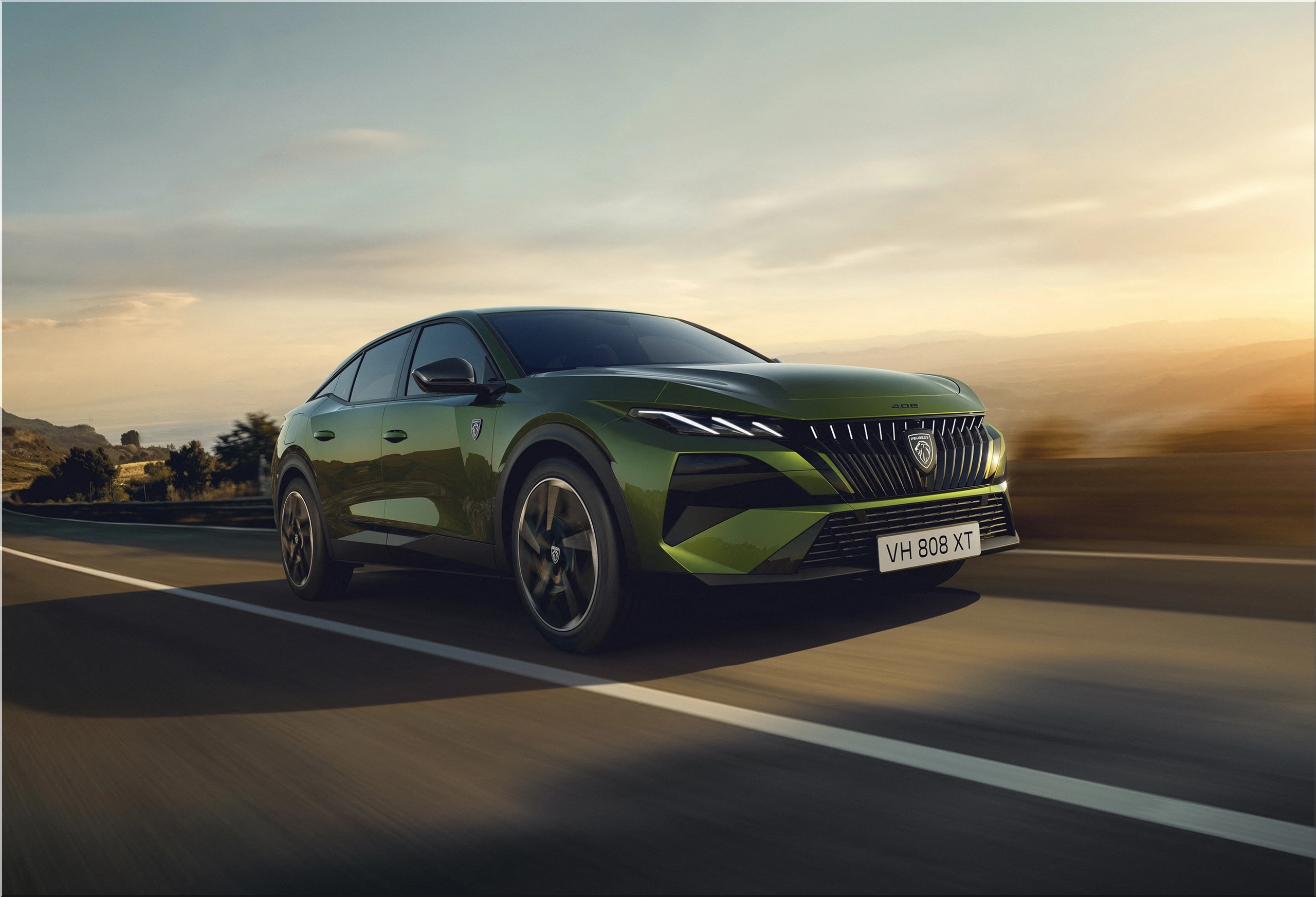
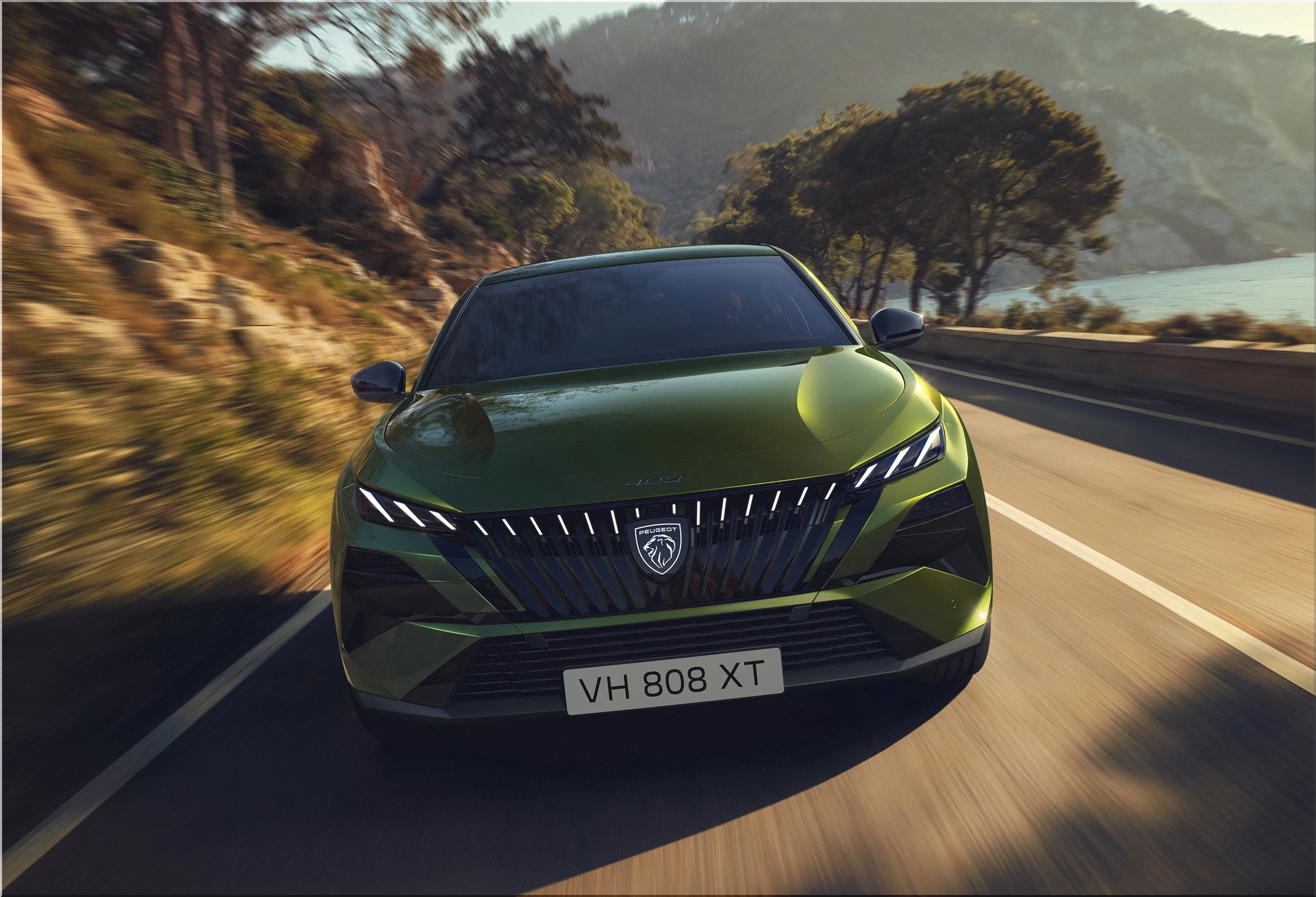
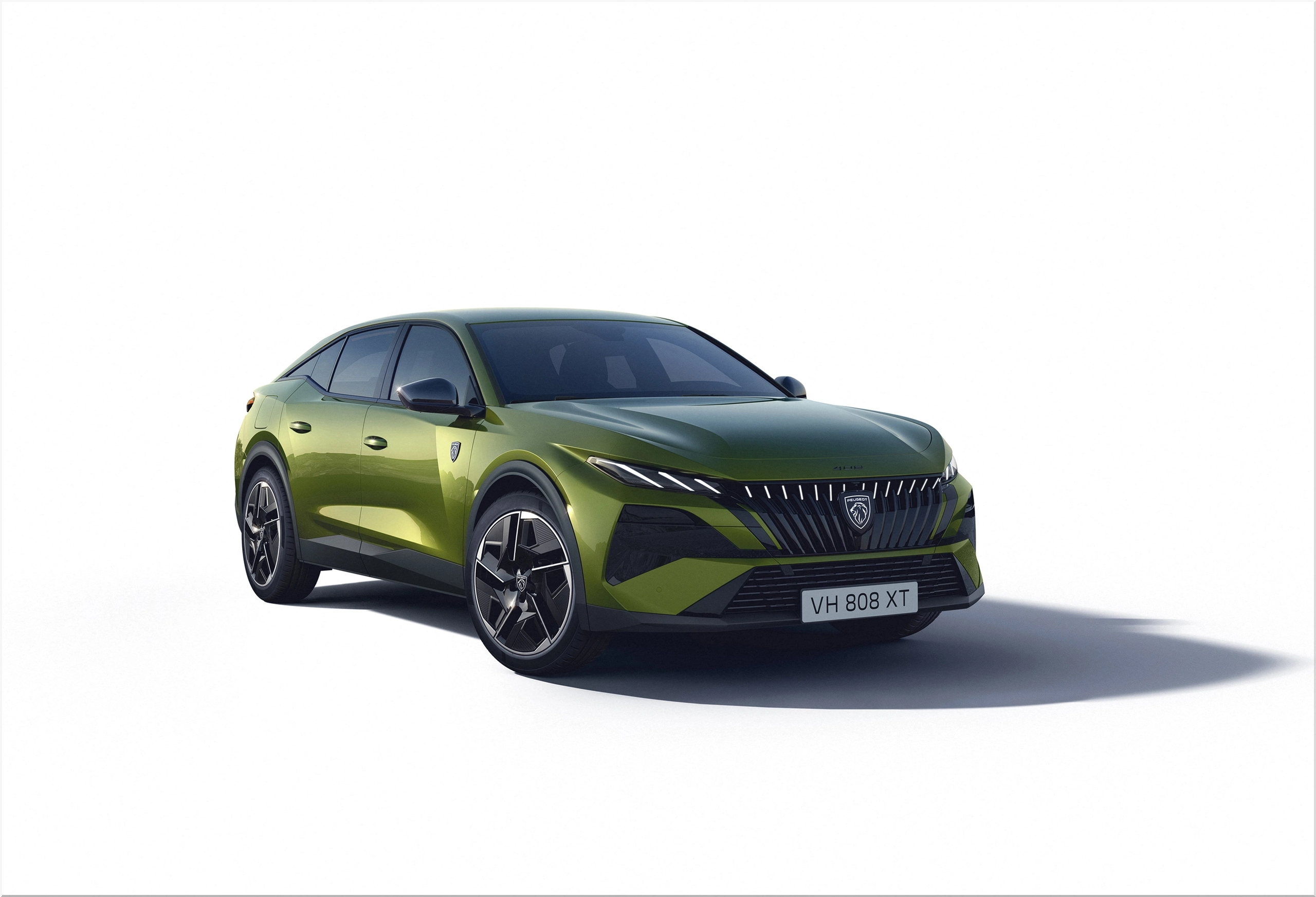
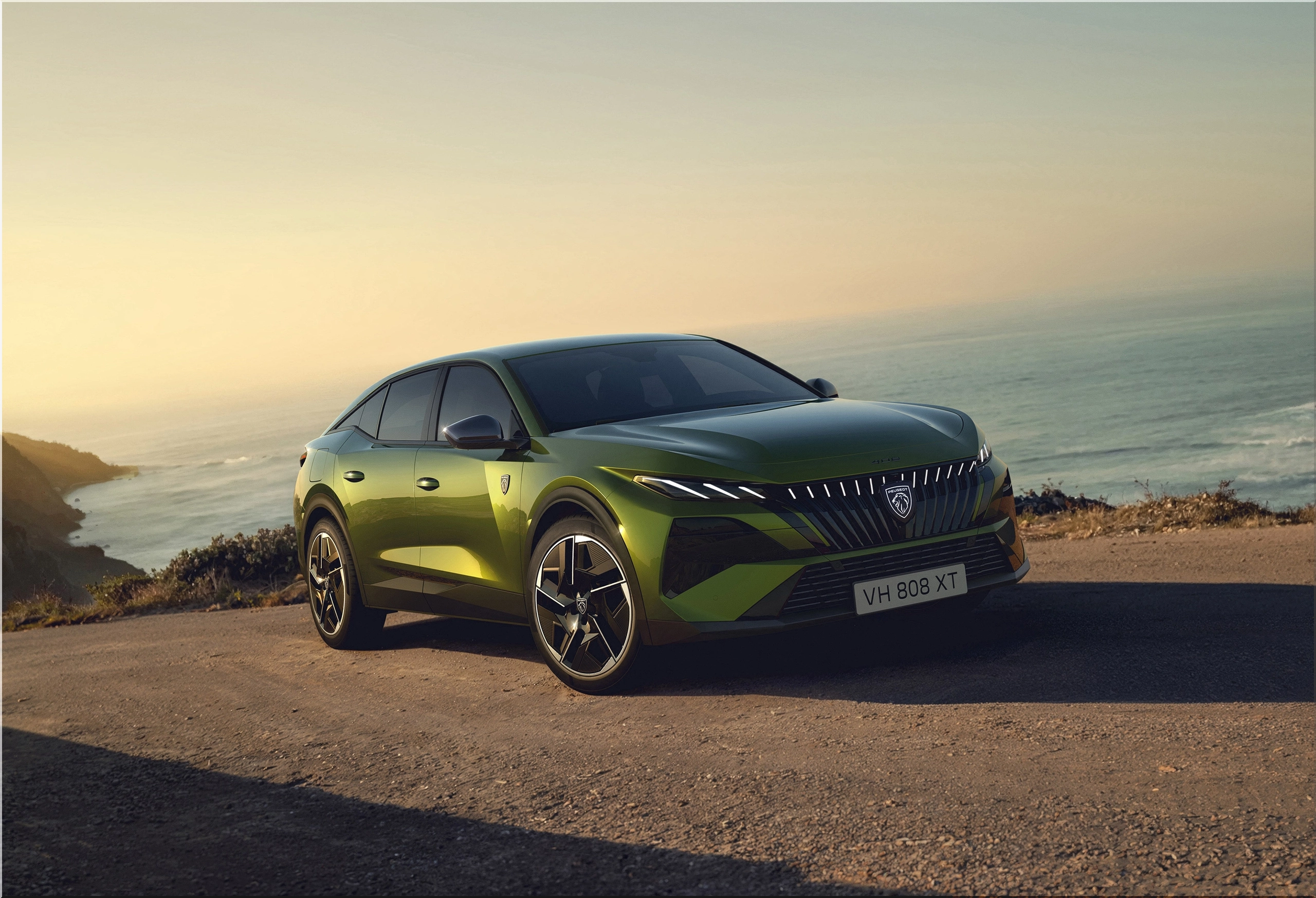
- Three-claw LED light signatures front and rear
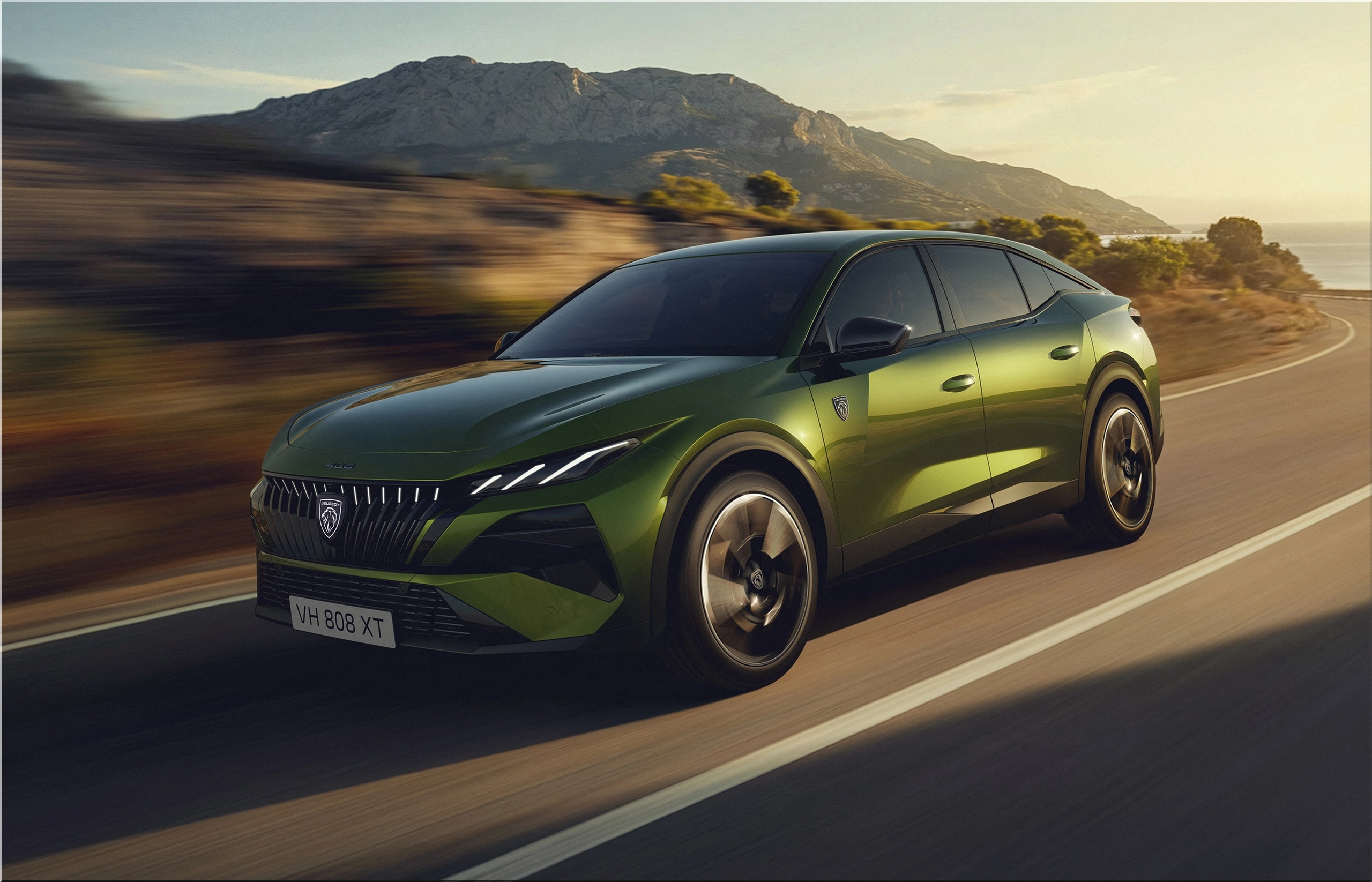
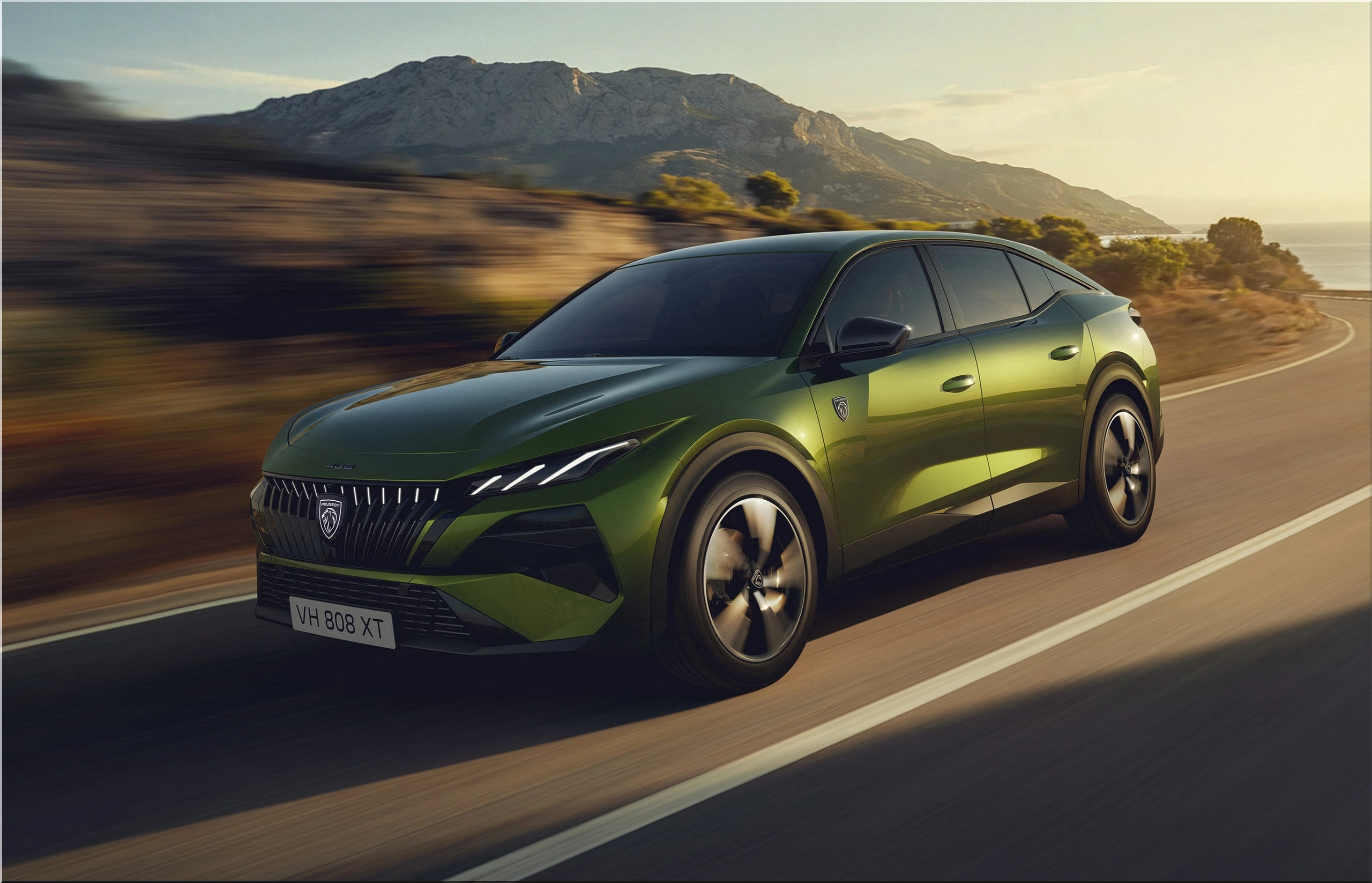
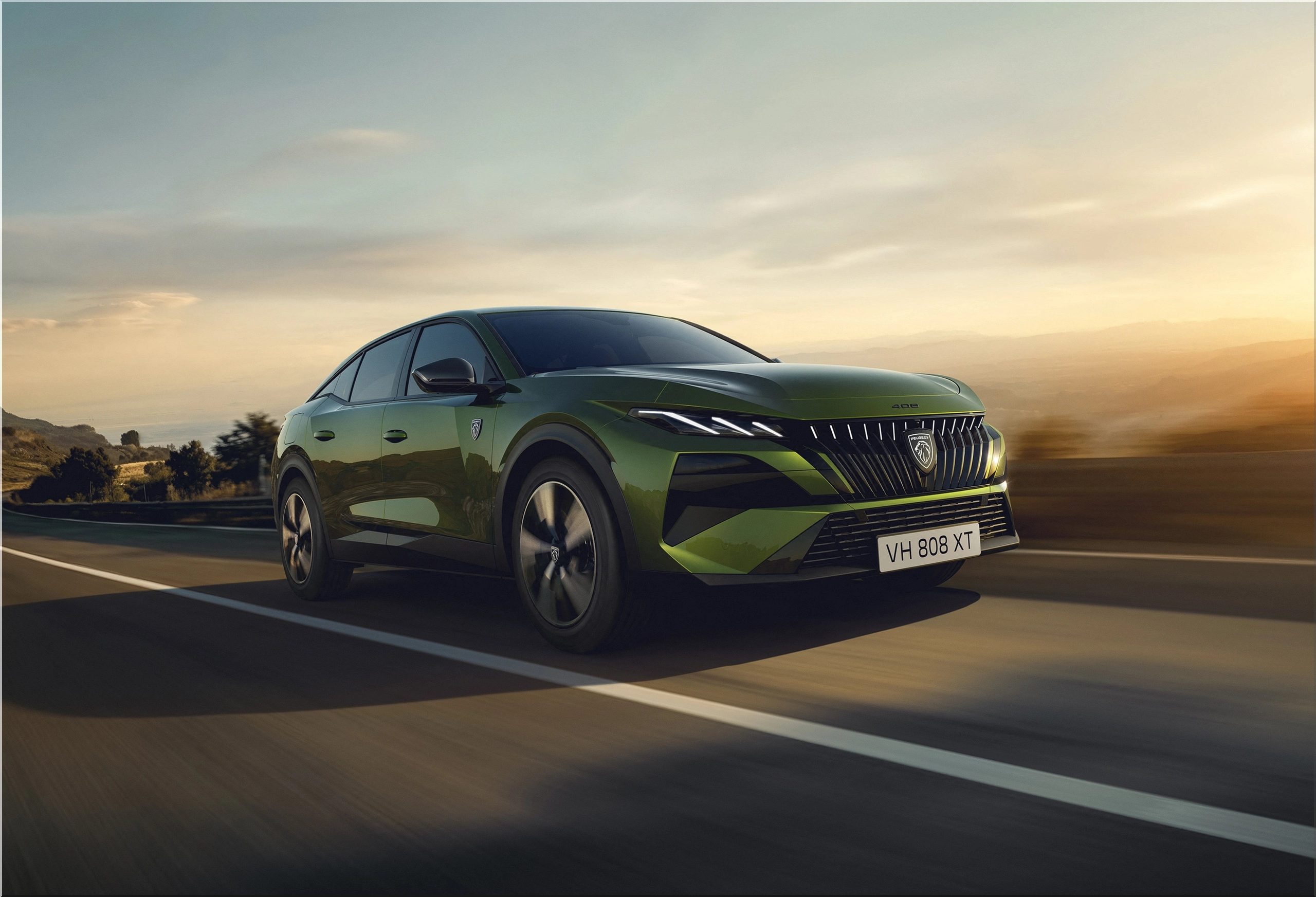
- New Flare Green paint that shifts tone with light exposure
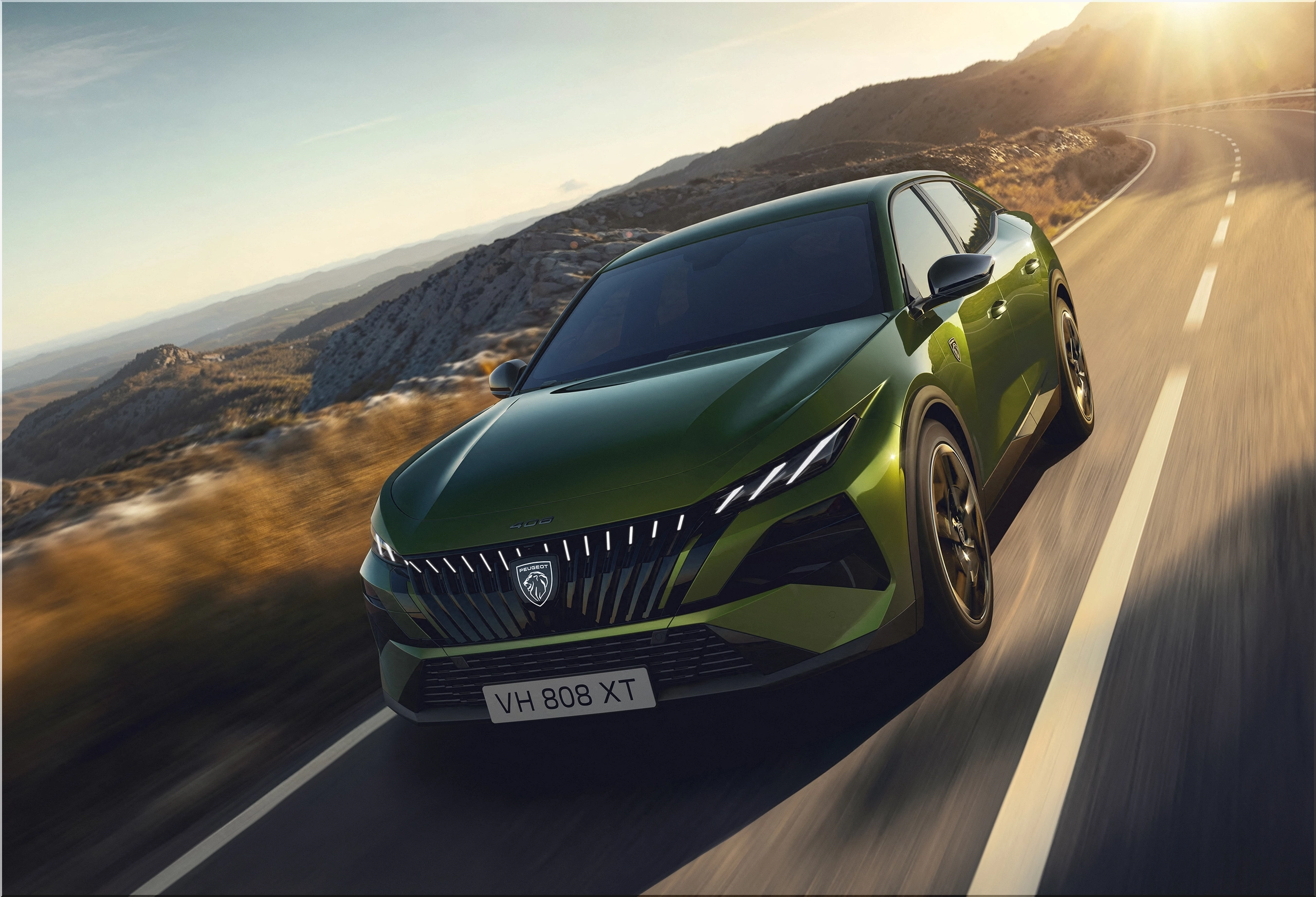
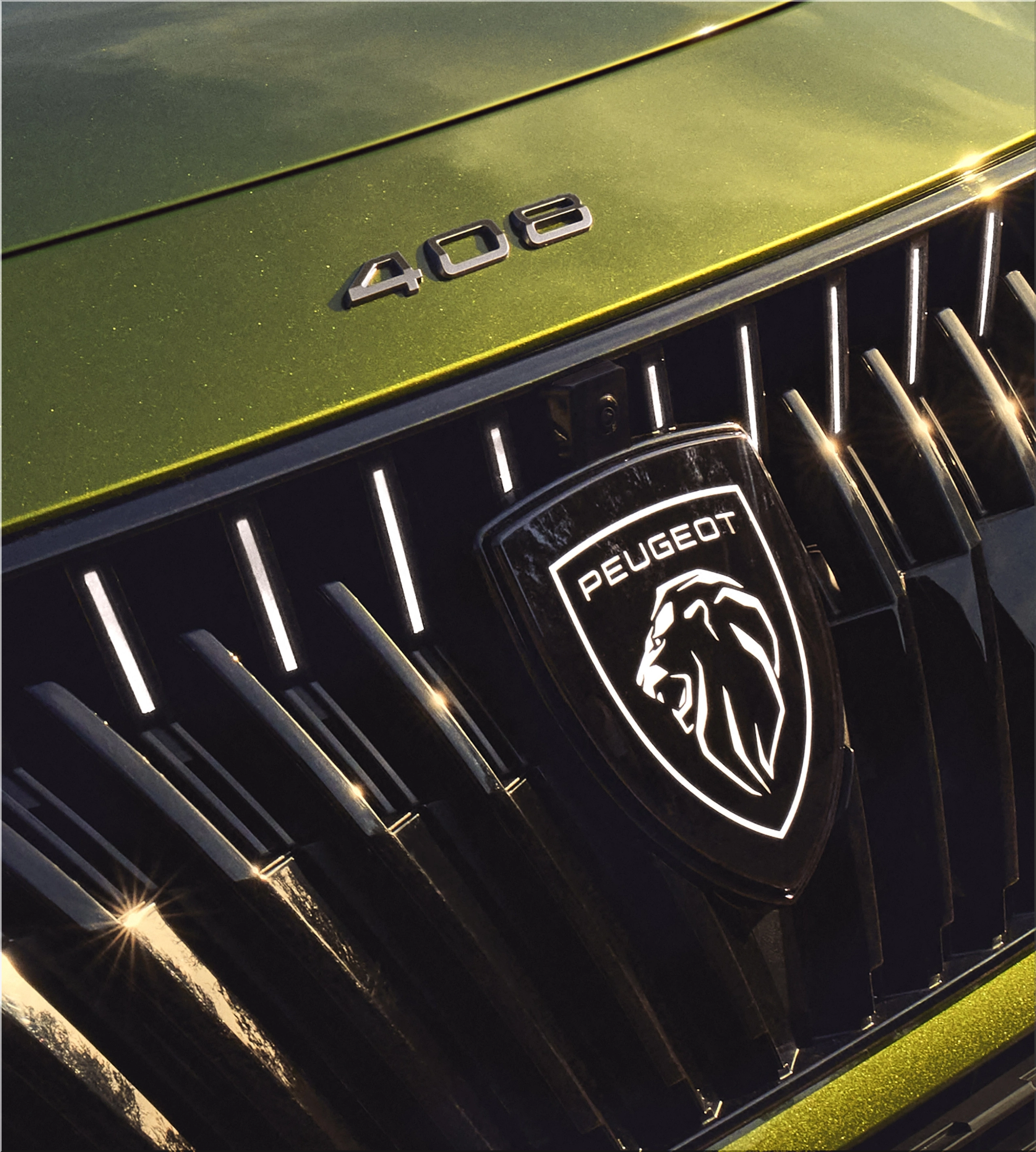
- Redesigned grille with layered black textures
Matrix LED headlights sit low in the bumper on upper trims. That placement keeps the light signature clean and avoids visual clutter.
Interior Layout Focuses on Visibility and Control
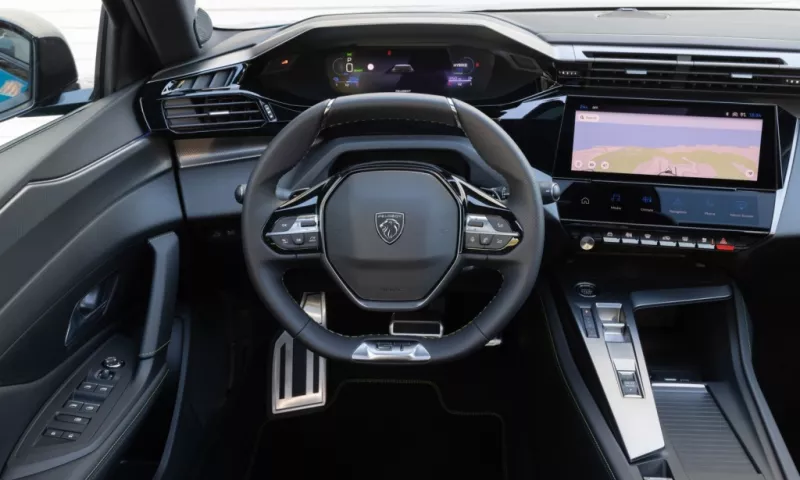
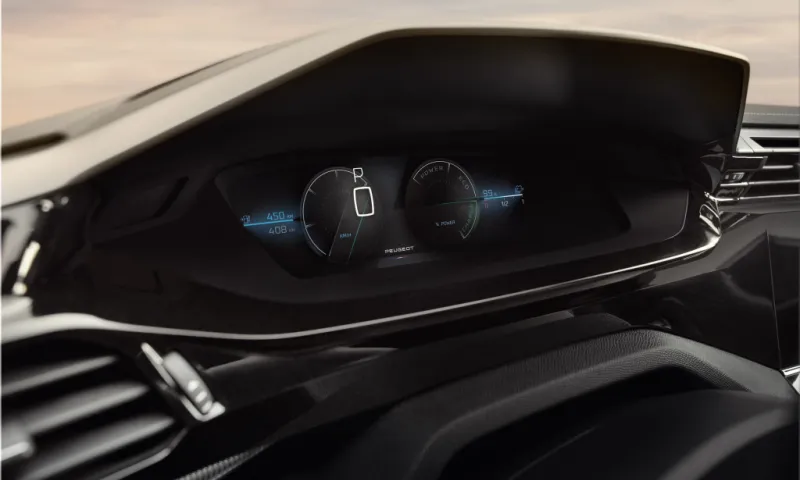
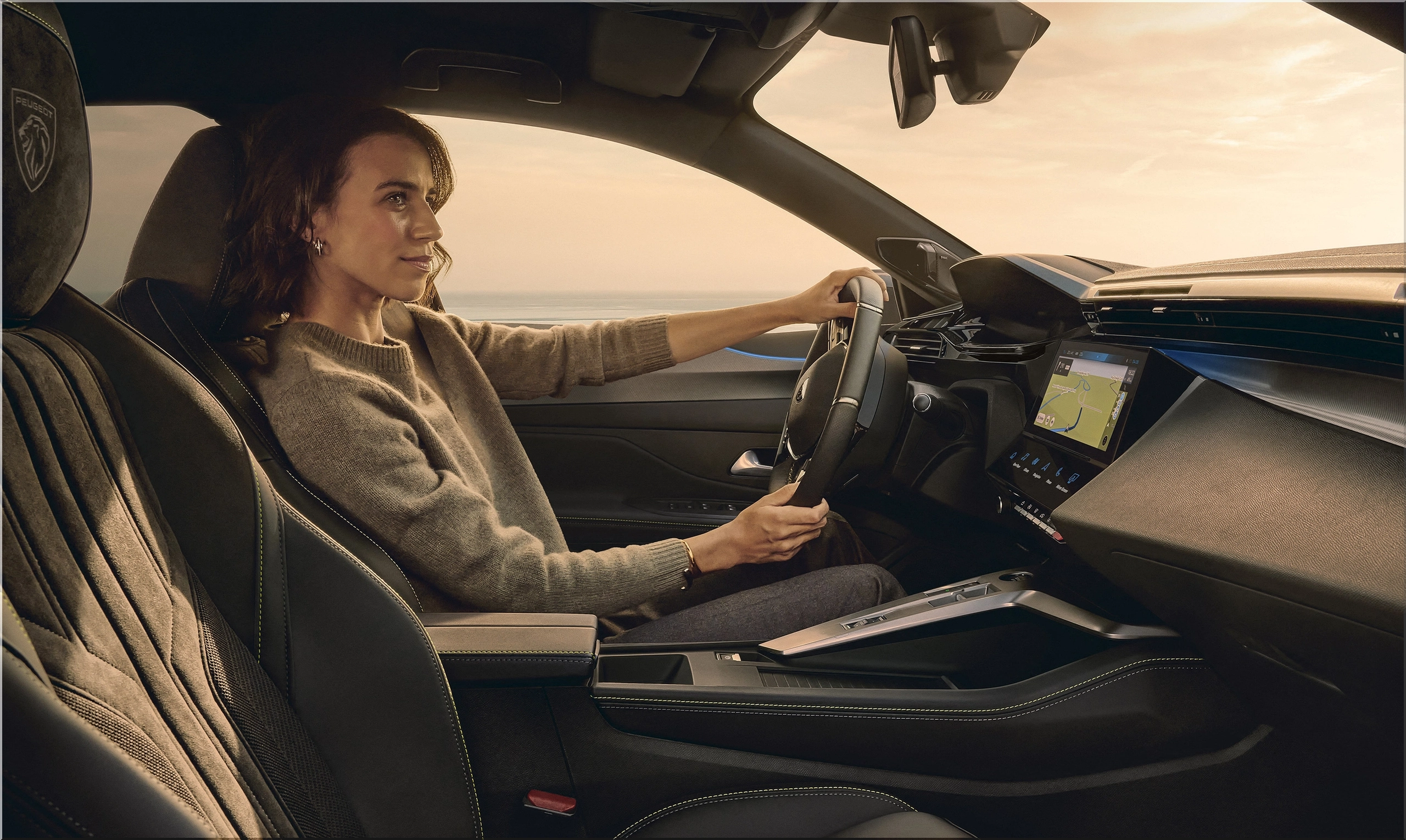
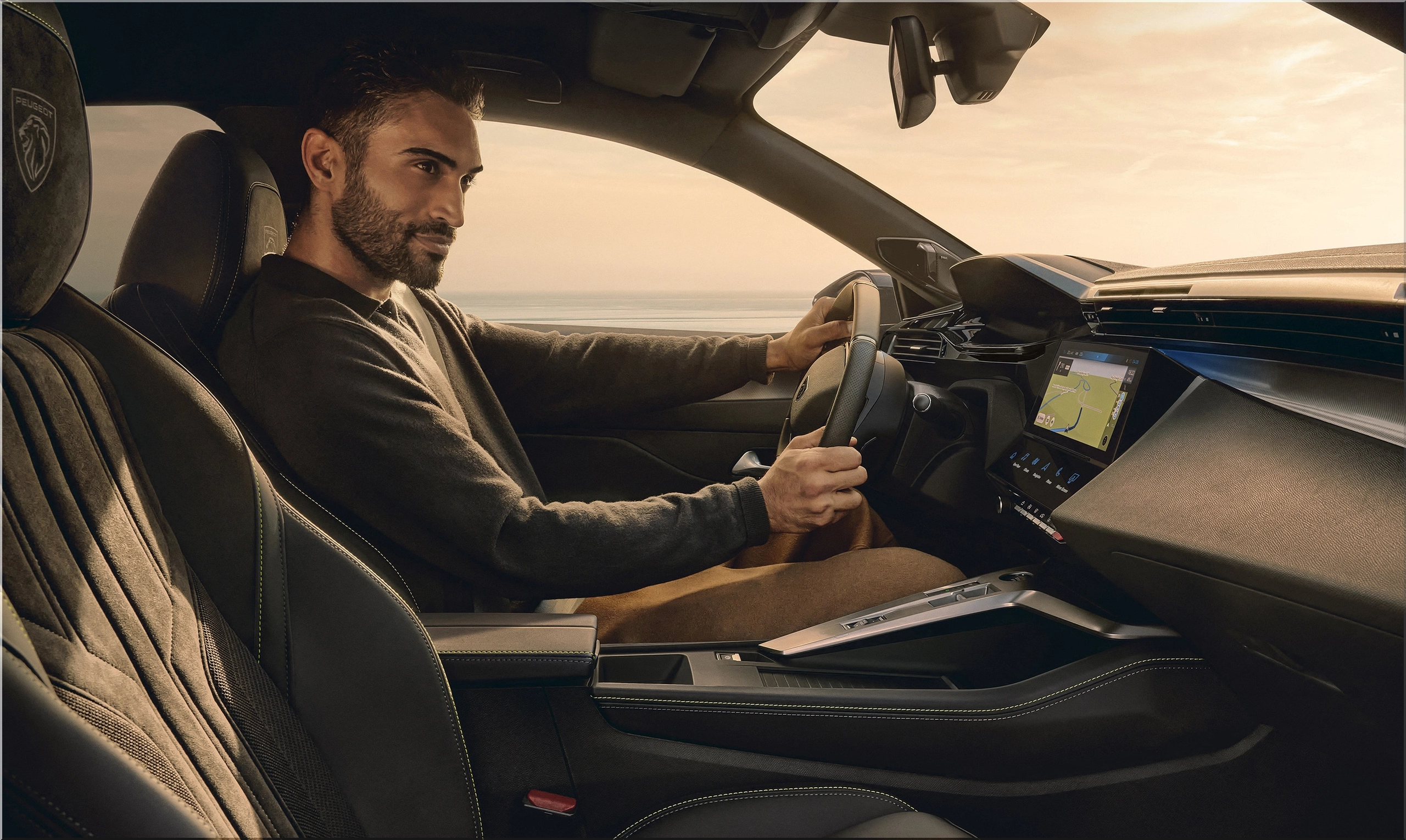
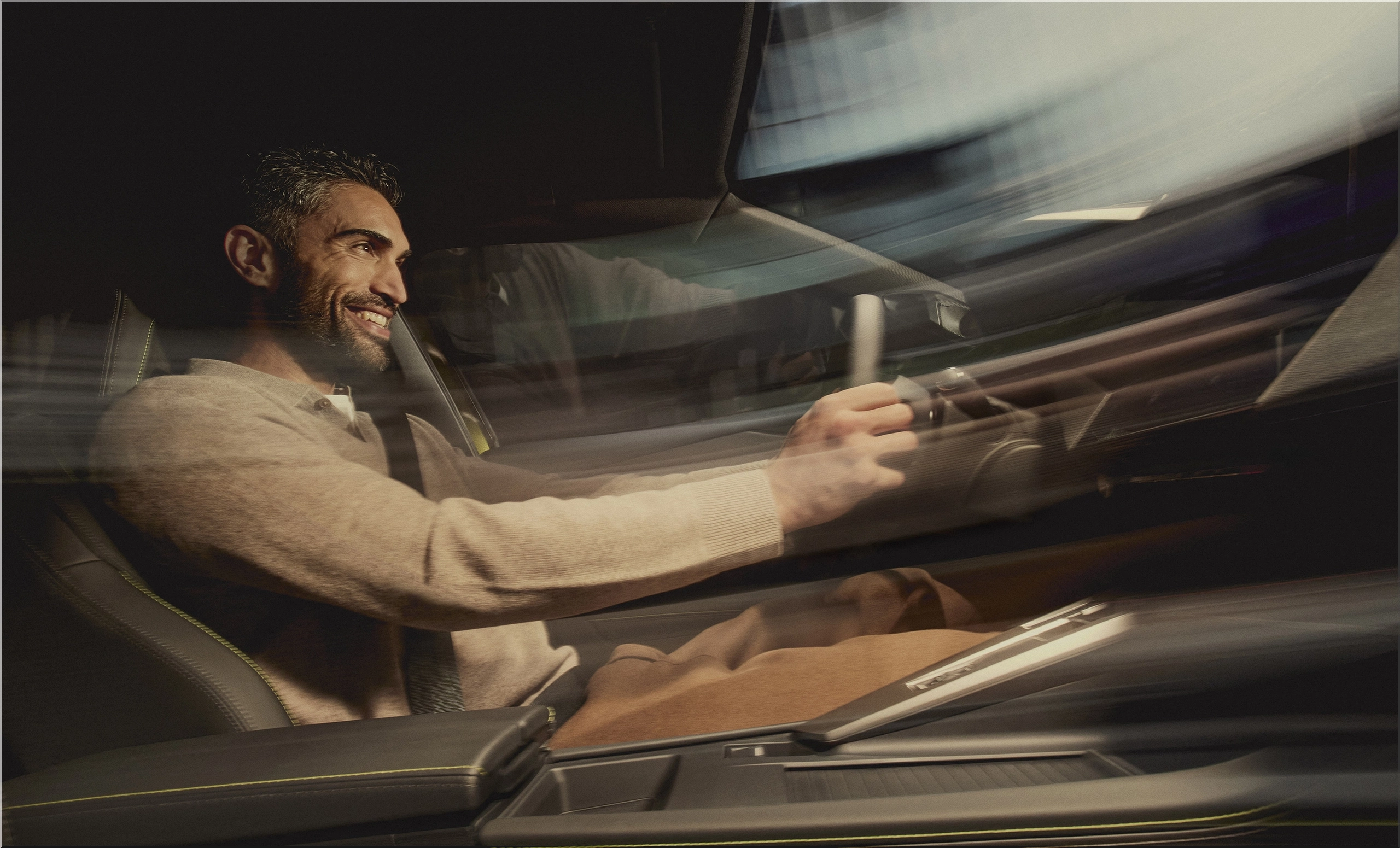
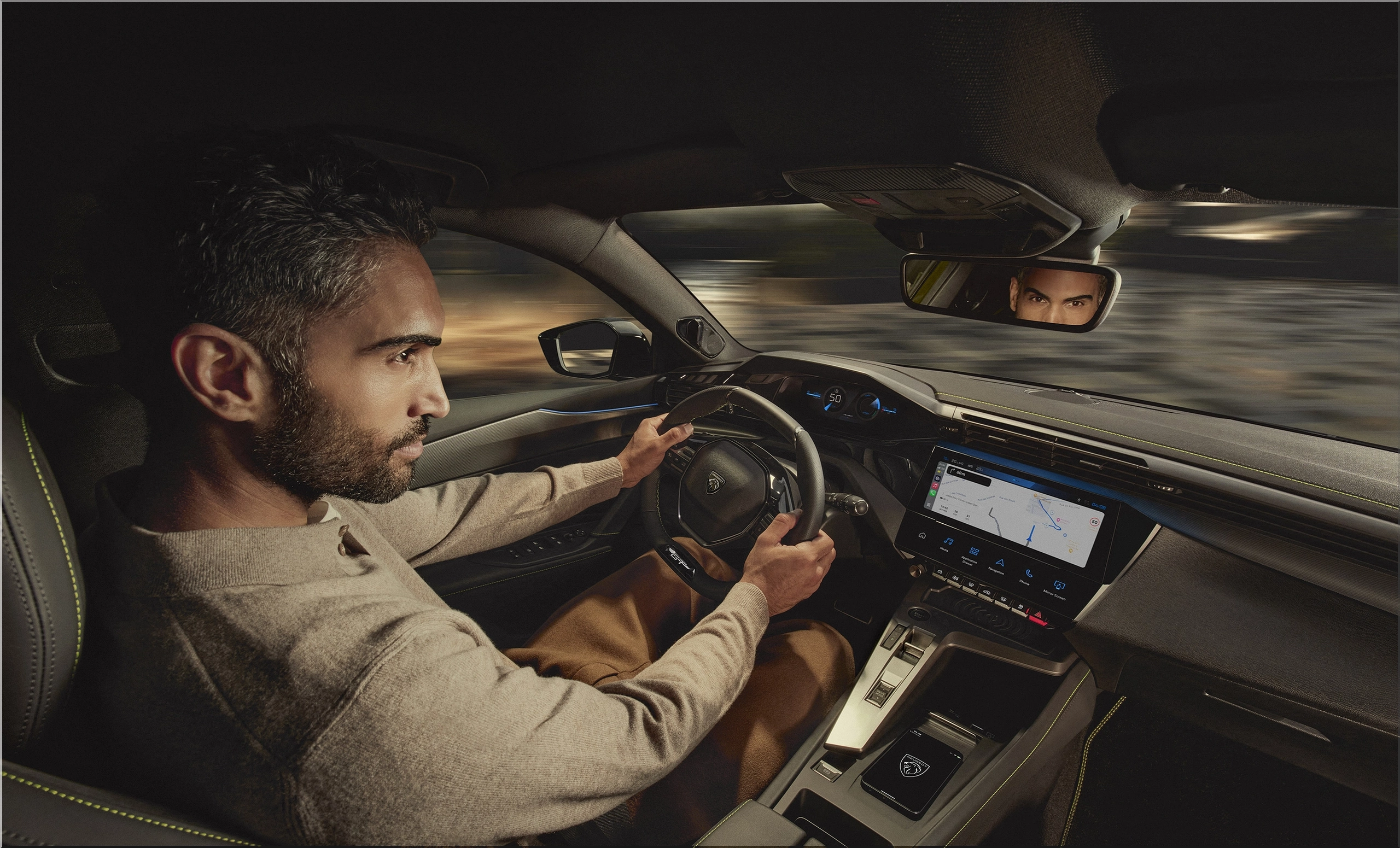
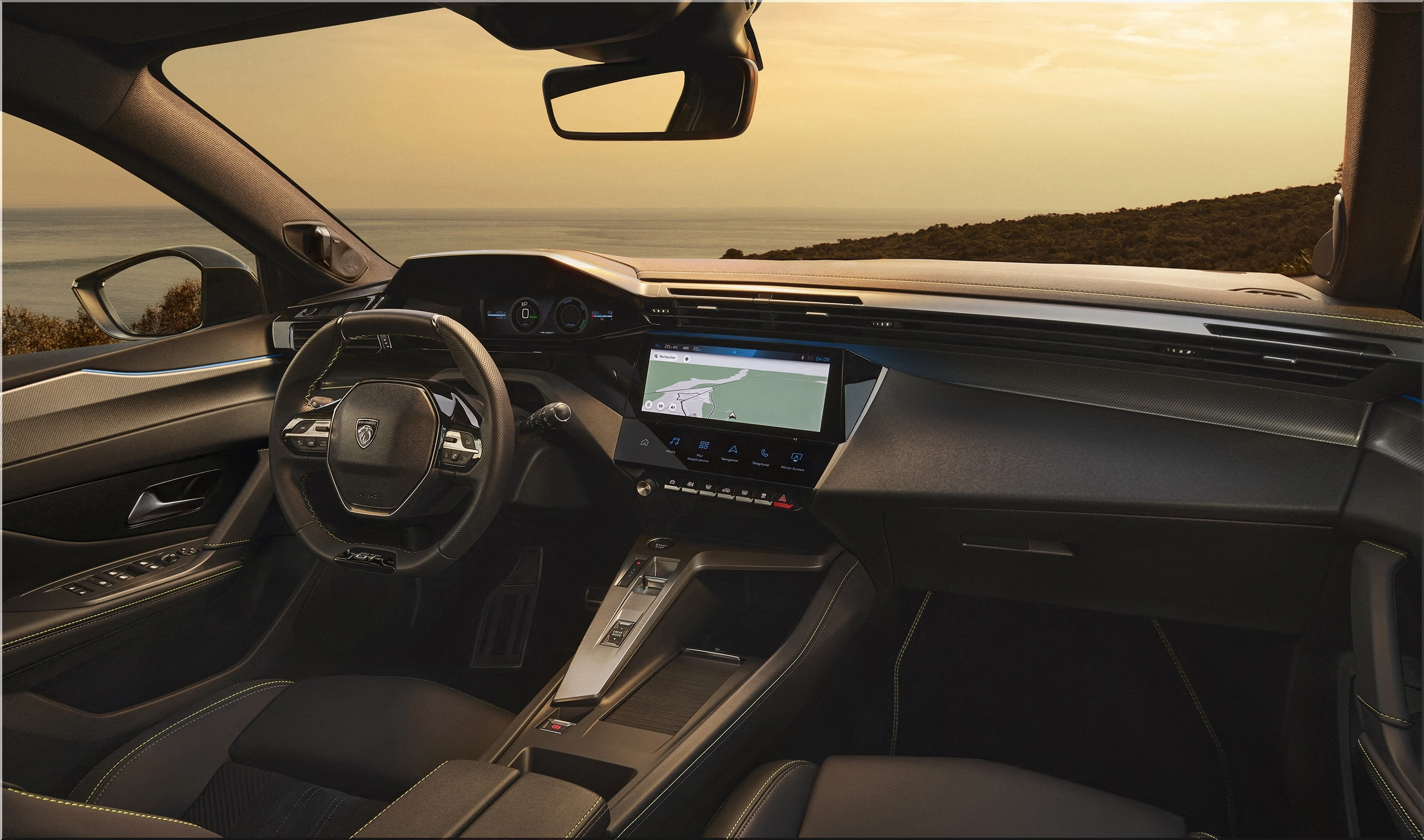
Inside, the Peugeot i-Cockpit keeps its compact steering wheel and raised digital cluster. The setup aims at quick glance readability rather than wide-screen flash.
Core cabin hardware includes:
- 10-inch digital instrument display
- 10-inch central touchscreen angled toward the driver
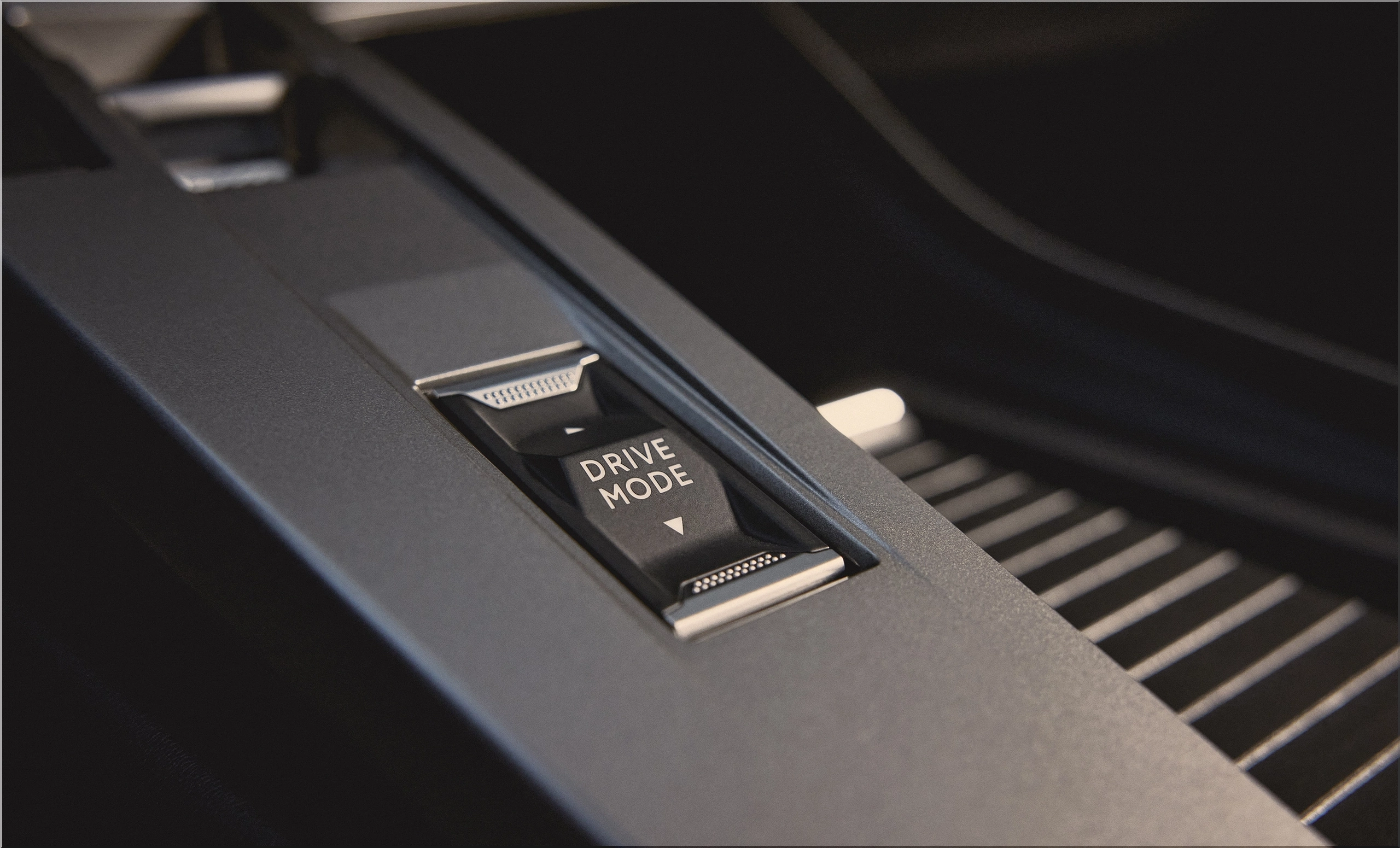
- Customizable i-Toggles for fast access to core functions
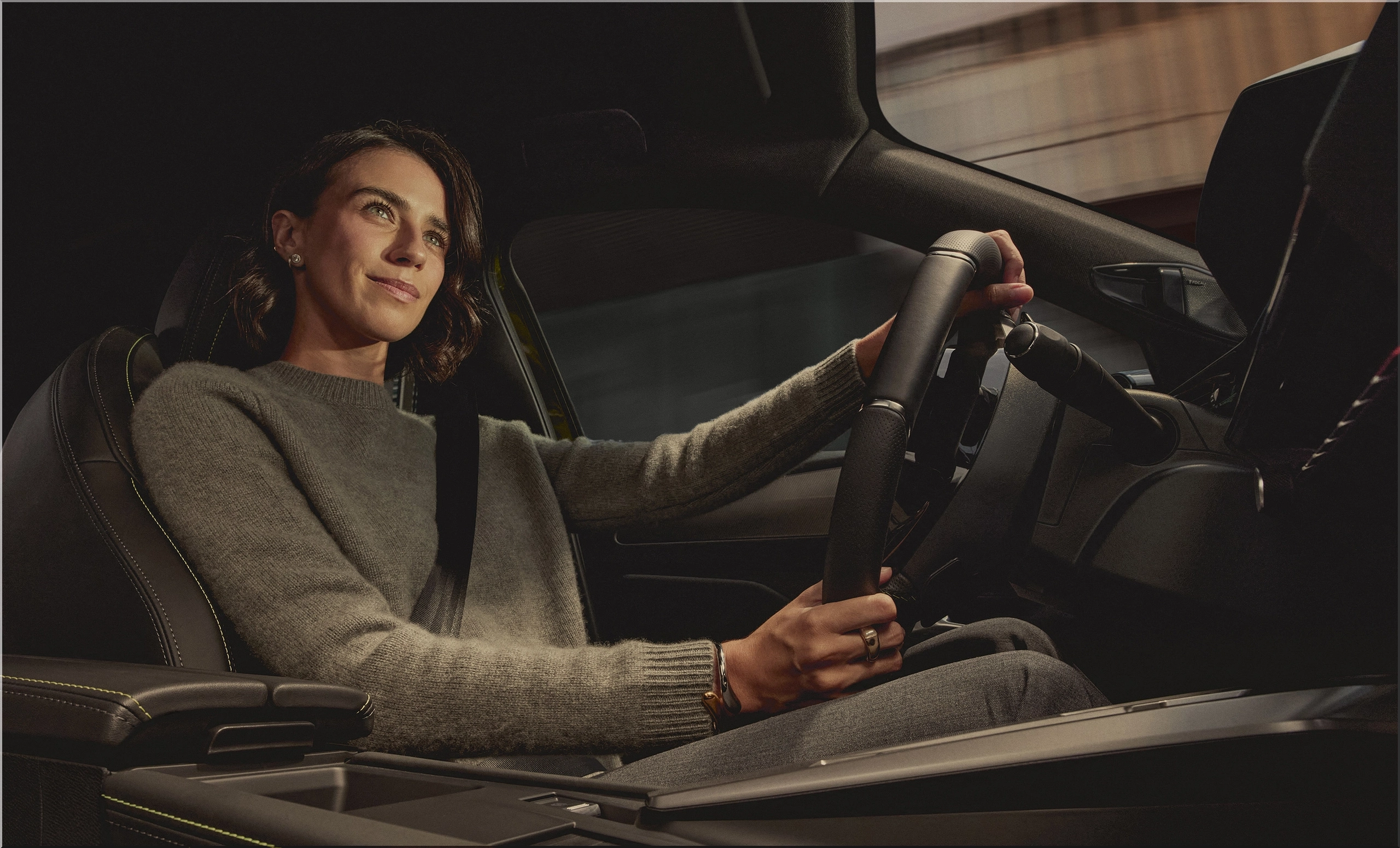
Higher trims add 3D instrument graphics, aluminum trim, Alcantara, and optional Nappa leather. Ambient lighting runs through eight selectable colors but stays restrained.
Image
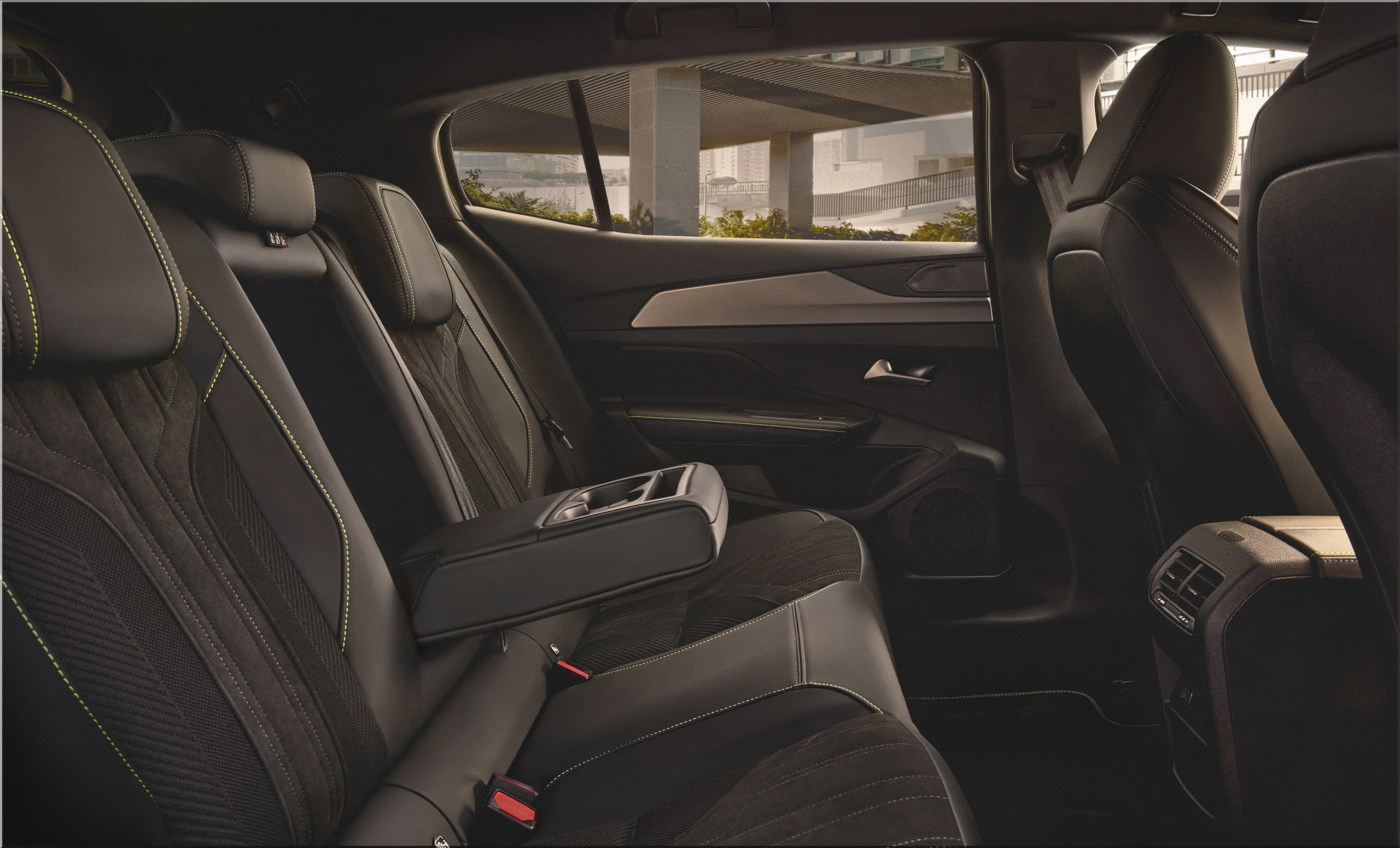
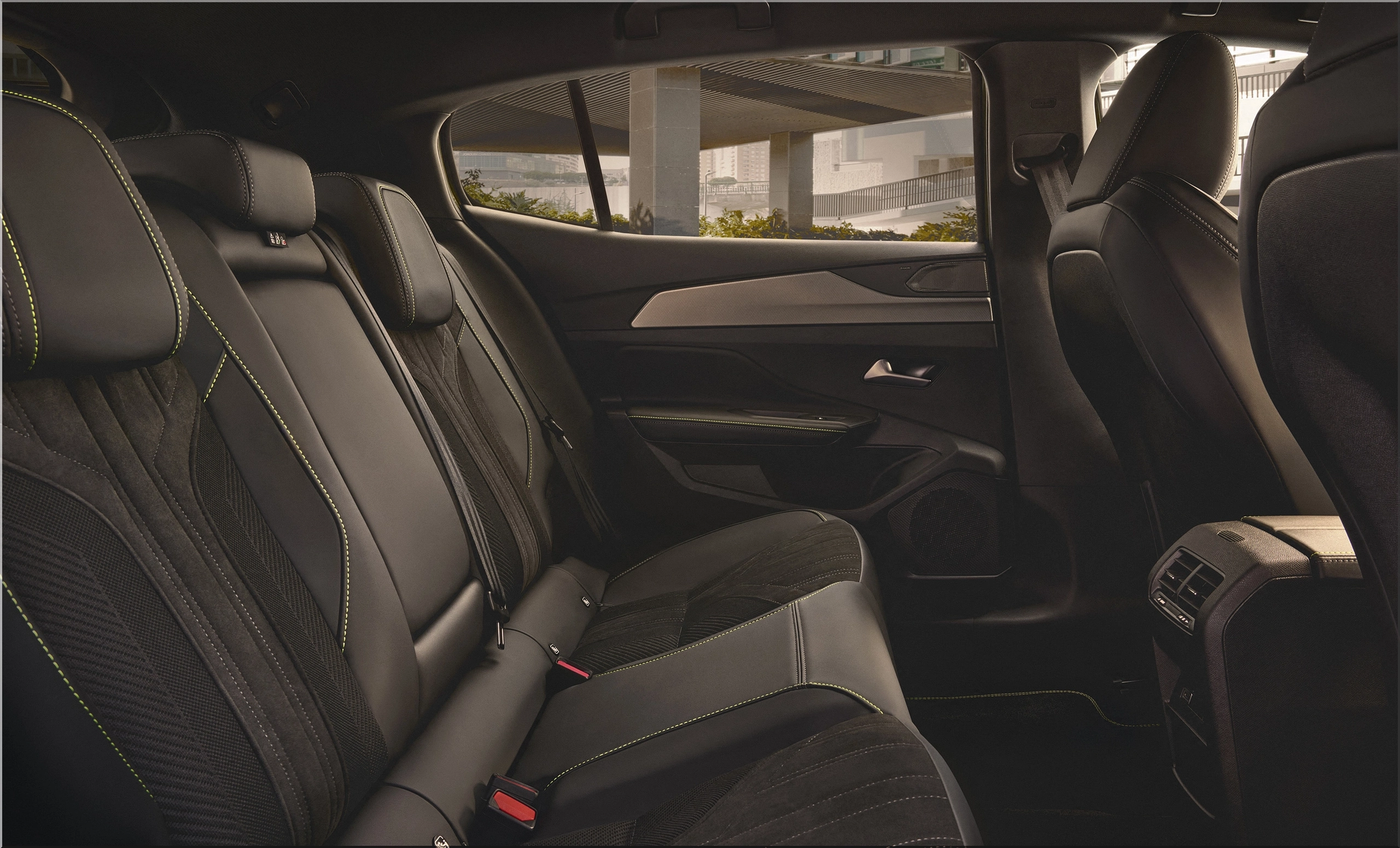
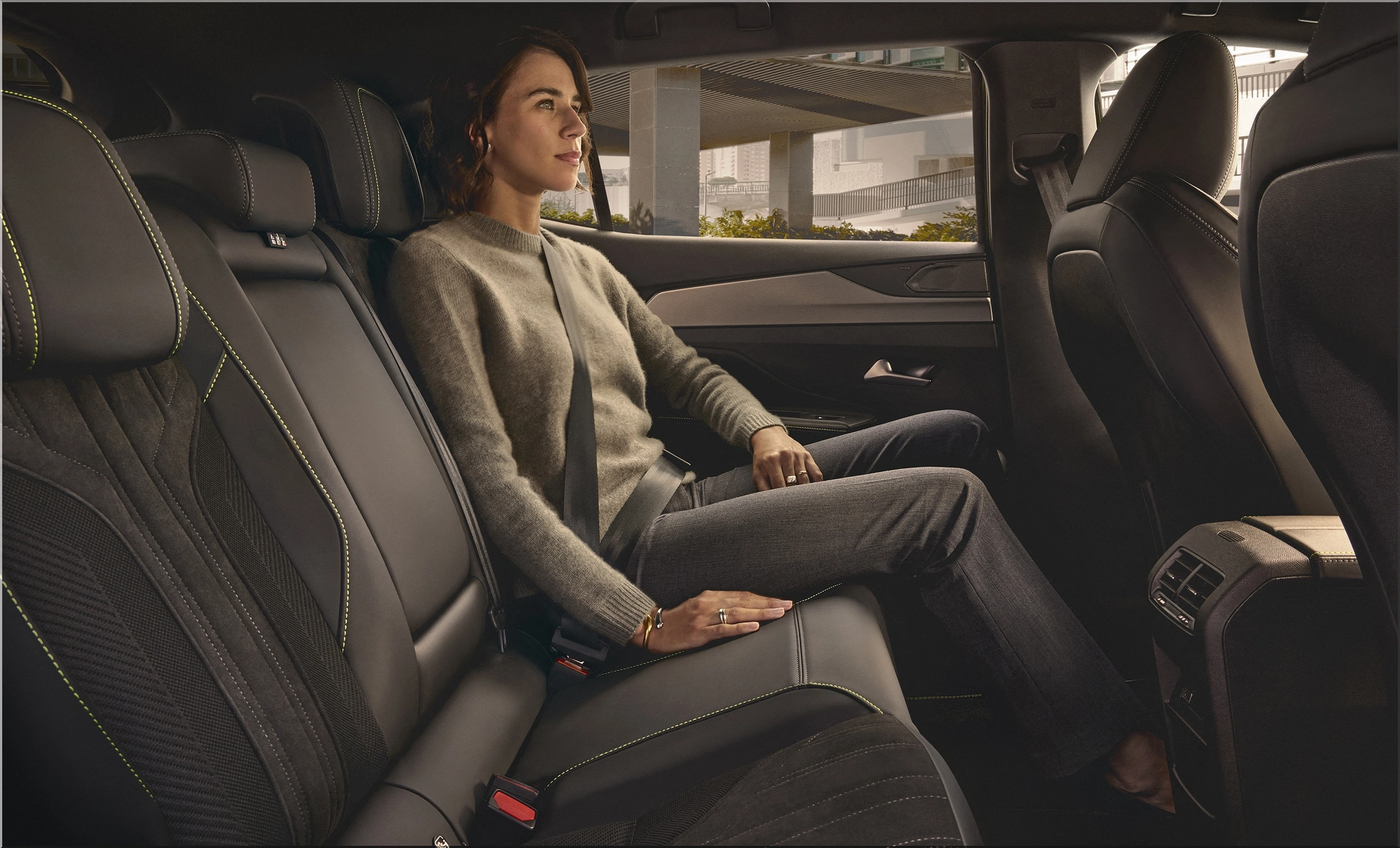
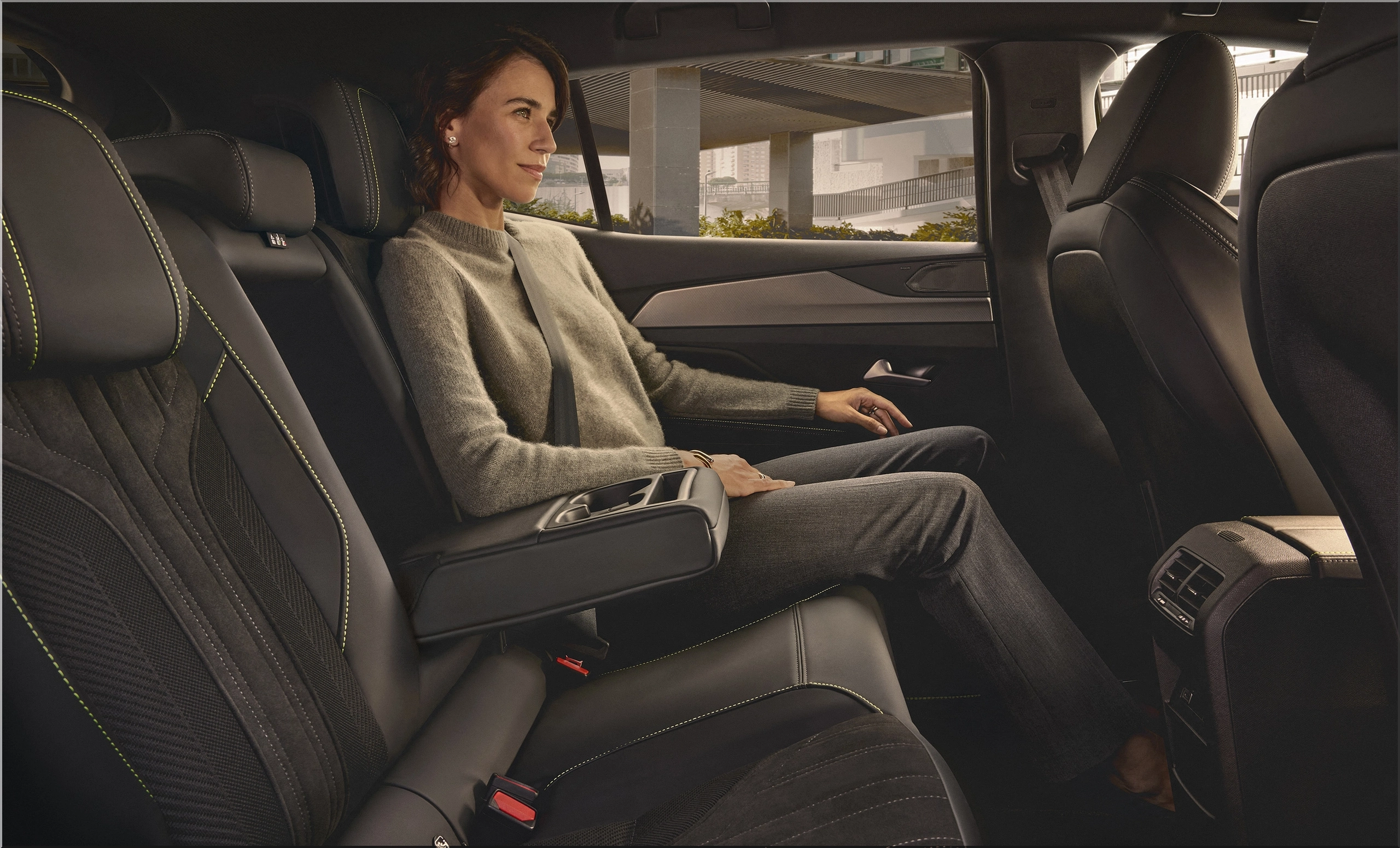
Space That Beats Expectations
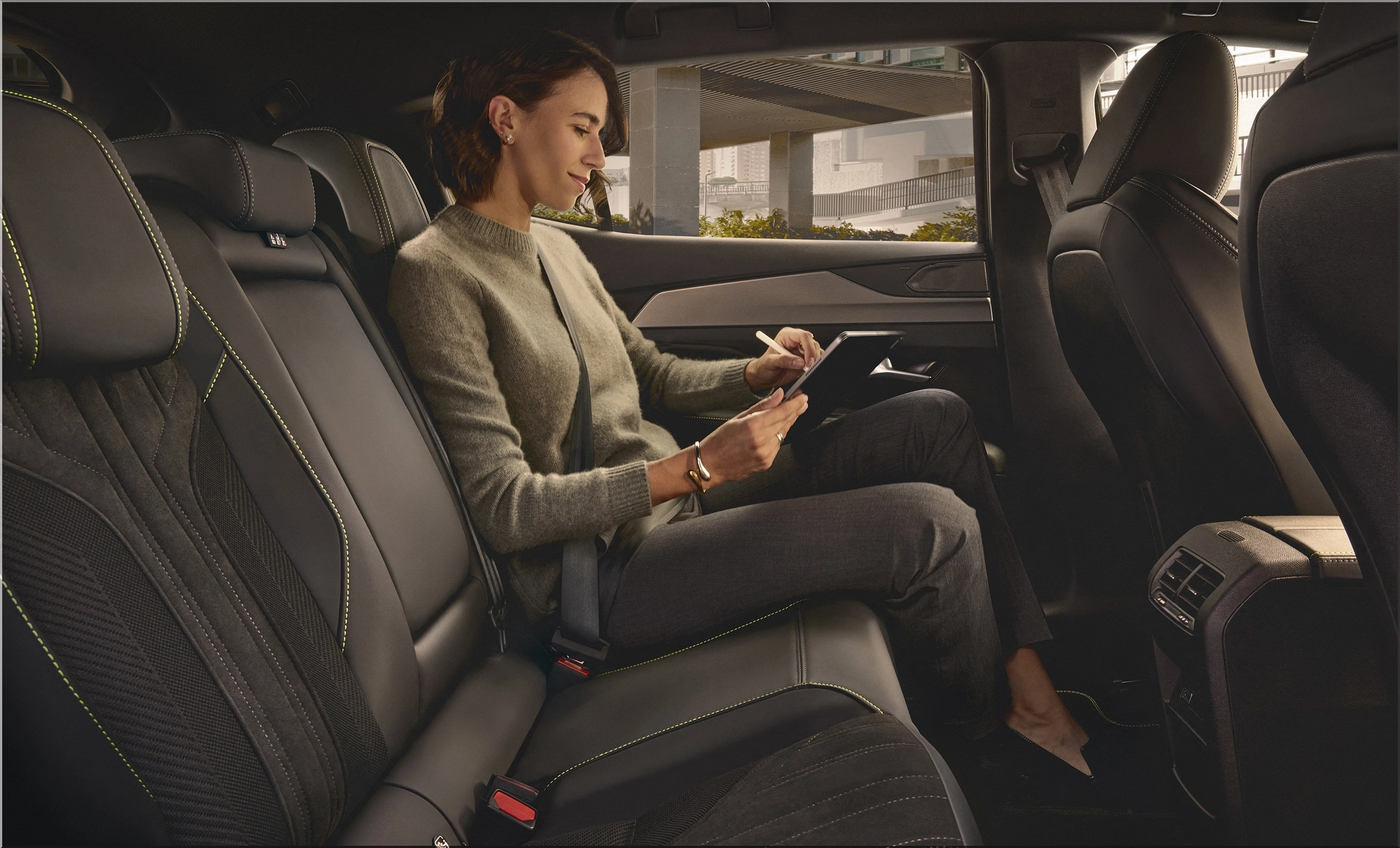
The long wheelbase pays off in daily use.
Interior measurements that matter:
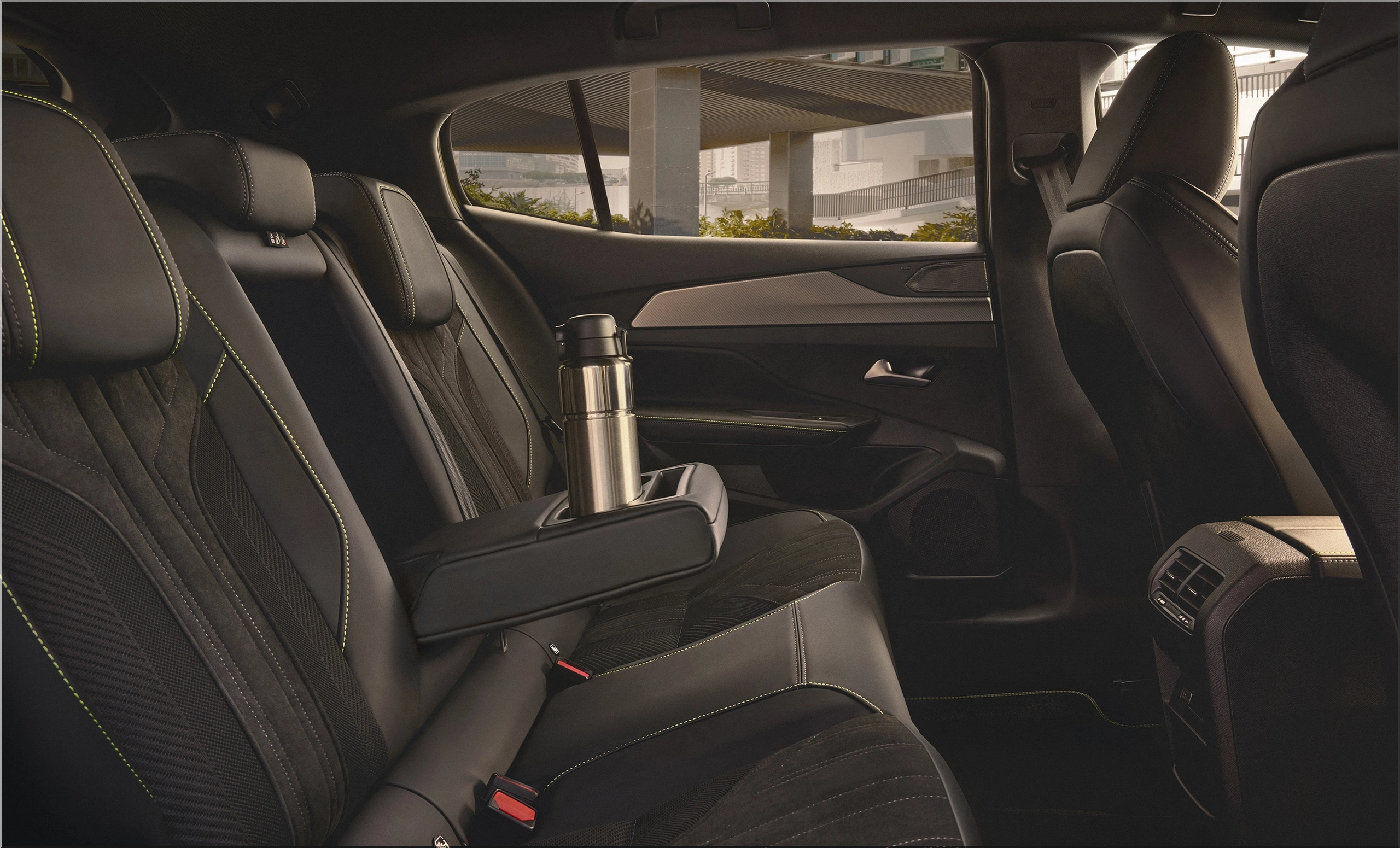
- Rear knee room: 183 mm
- Cargo volume: 536 liters
- Max cargo with seats folded: 1,611 liters
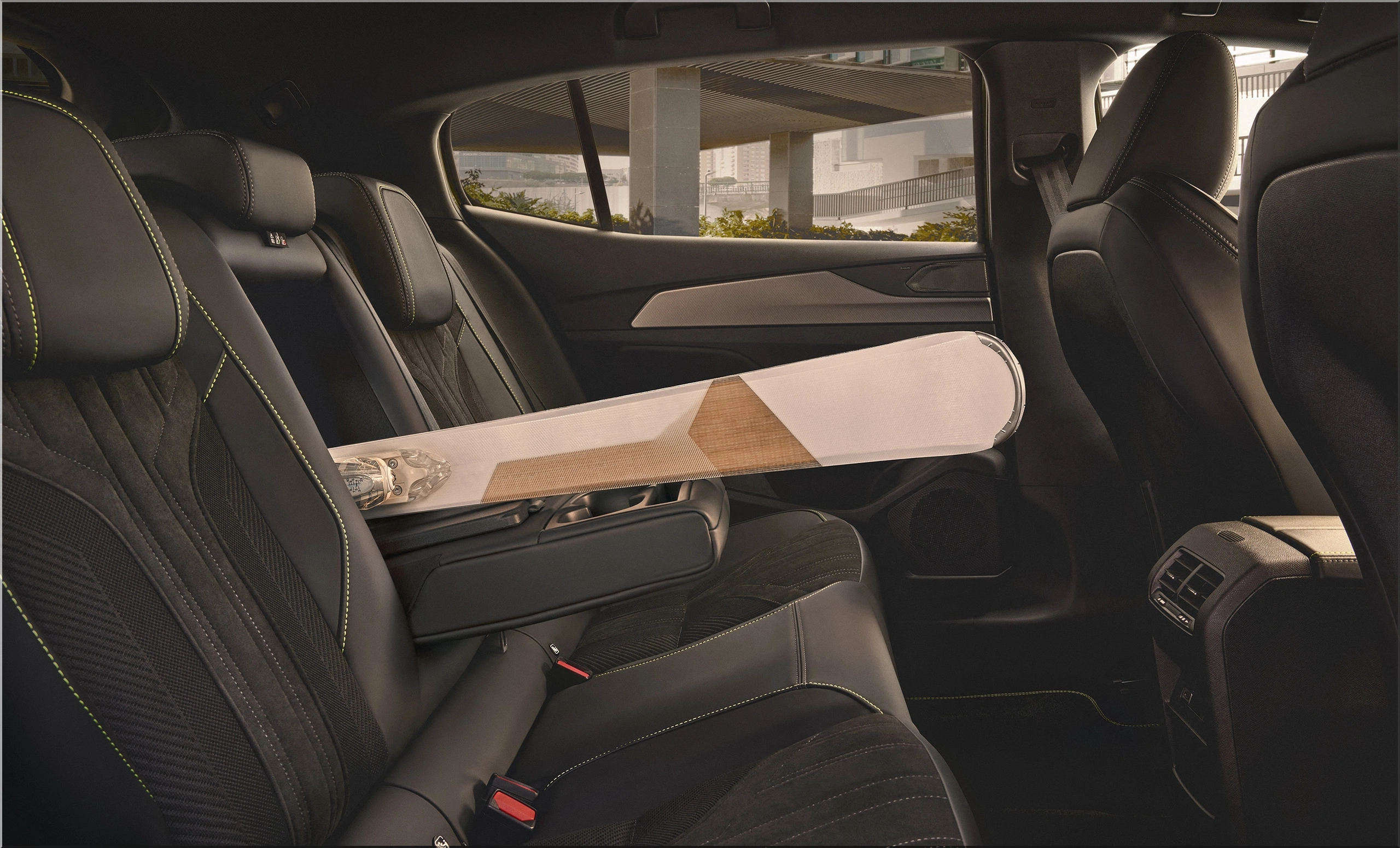
- Max load length: 1.89 m
That puts the Peugeot 408 cargo space near compact SUVs while keeping a lower roofline and better aerodynamics.
Powertrains: Electric Leads, Hybrids Fill the Gaps
Peugeot builds the 408 lineup around electrification. Buyers choose full EV, plug-in hybrid, or 48V mild hybrid.
Peugeot E-408: Electric Range Without Range Anxiety
The Peugeot E-408 electric sits at the top of the range.
Key specs:
- Output: 213 hp
- Torque: 343 Nm
- Battery: 58.2 kWh usable
- WLTP range: 456 km
- Energy use: 14.7 kWh per 100 km
- DC fast charging: 20 to 80 percent in about 30 minutes at up to 120 kW
Aerodynamics play a major role here. The drag factor sits at SCx 0.66, which supports efficiency at highway speeds.
EV-specific tools include:
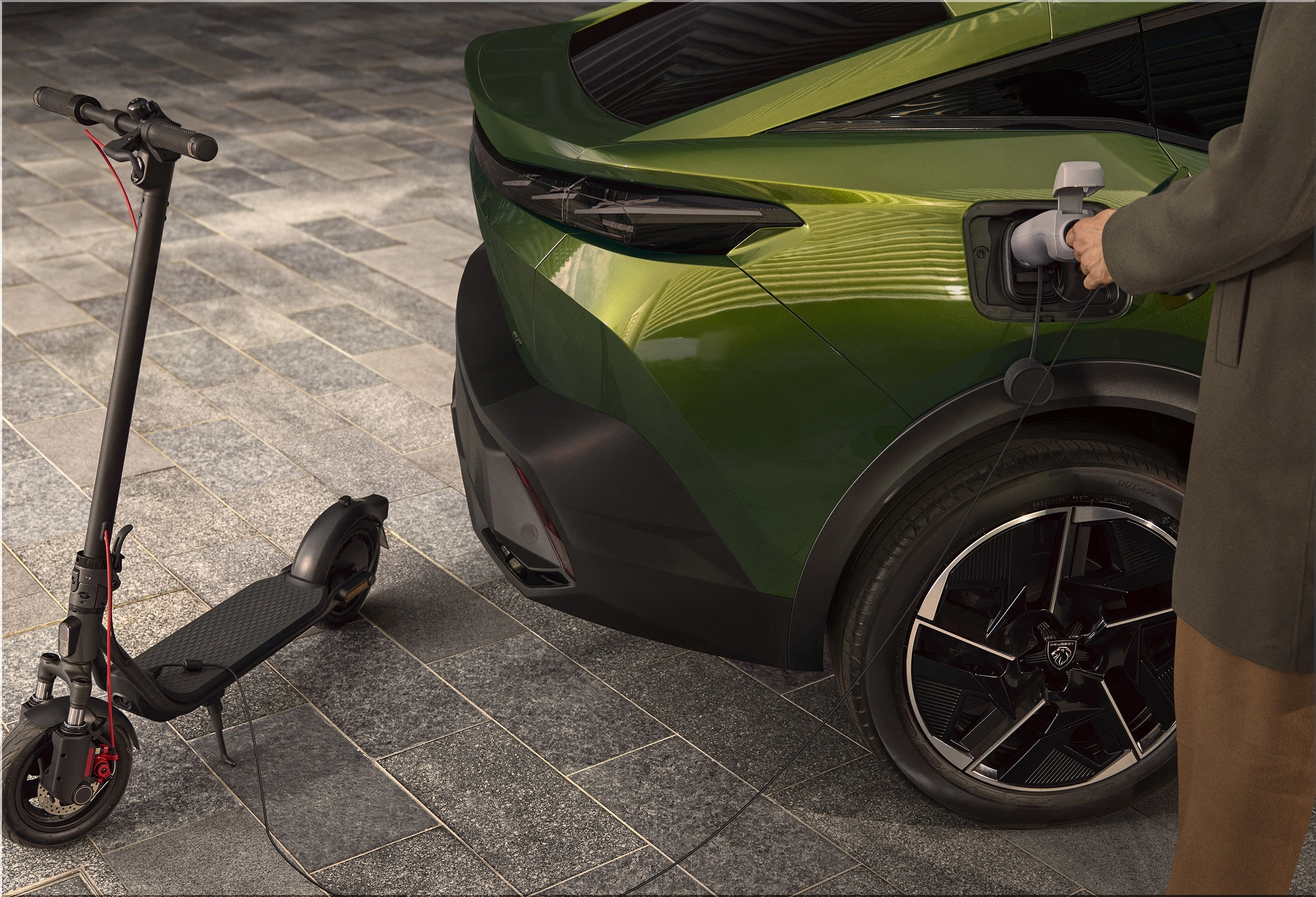
- Battery preconditioning
- Plug & Charge compatibility
- Vehicle-to-Load output up to 3.5 kW
Plug-In Hybrid: Daily Electric, Long-Trip Flexibility
The Peugeot 408 Plug-in Hybrid 240 targets drivers who want electric commuting without full charging reliance.
Specs at a glance:
- Combined output: 240 hp
- Electric-only range: 85 km urban
- Battery: 14.6 kWh
- Charging time: about 2 hours on a 7.4 kW wall box
The system pairs a turbo petrol engine with a dual-clutch electric gearbox. It handles short trips on electric power and longer drives without charging stops.
Mild Hybrid: Efficiency Without Plugs
The Peugeot 408 Hybrid 145 uses a 48V system.
What it delivers:
- Output: 145 hp
- Urban electric driving up to 50 percent of the time
- WLTP fuel use: 5.0 liters per 100 km
This option suits fleet users and buyers without charging access.
Image
Ride, Handling, and Daily Use
Peugeot tunes the 408 for balance. The elevated seating position supports visibility. The wide track keeps body motion in check.
Urban driving benefits from:
- 11.20 m curb-to-curb turning radius
- Compact steering wheel for fast inputs
- Clear forward sightlines
The setup favors predictability over aggression, which matches its target audience.
Comfort and Safety Equipment
Front seats carry AGR certification for ergonomic support. Options include:
- 10-way electric adjustment
- Multi-zone pneumatic massage
- Heating by trim level
Sound insulation uses thicker glass than segment norms. Laminated front side windows cut road noise at speed.
Safety systems include:
- Driver monitoring camera
- Advanced driver assistance with radar hidden behind the front badge
- Over-the-air software updates
Tech and Connected Features
Infotainment splits by trim:
- Allure models use Peugeot i-Connect with wireless smartphone integration
- Higher trims add connected navigation, AI voice support, and vehicle tracking
The MyPeugeot app supports remote locking, charging control, cabin preconditioning, and service alerts.
EV routing tools factor traffic, elevation, and charging availability into route planning.
Image gallery
How the Peugeot 408 Compares
The C-segment fastback field stays small, but competition exists.
| Model | Powertrain Options | Electric Range | Cargo Volume | Approx Starting Price (USD) |
|---|---|---|---|---|
| Peugeot 408 | EV, PHEV, Hybrid | 456 km | 536 L | ~$38,000 |
| Volkswagen ID.4 | EV | 443 km | 543 L | ~$39,700 |
| Toyota C-HR Hybrid | Hybrid | N/A | 388 L | ~$32,000 |
| Renault Arkana E-Tech | Hybrid | N/A | 513 L | ~$34,000 |
The Peugeot 408 electric range and cargo figures place it near electric SUVs while keeping a sleeker profile.
Image gallery
What Now: Who Should Buy the 408
The 2026 Peugeot 408 fits buyers who:
- Want EV capability without SUV bulk
- Need real rear-seat and cargo space
- Value efficiency over raw speed
- Prefer clear controls over oversized screens
The E-408 makes the strongest case. The plug-in hybrid suits mixed driving patterns. The mild hybrid fits cost-controlled fleets.
Peugeot positions the 408 as a rational alternative in a segment crowded with lookalike crossovers. The numbers support that claim.
- Add new comment
- 393 views