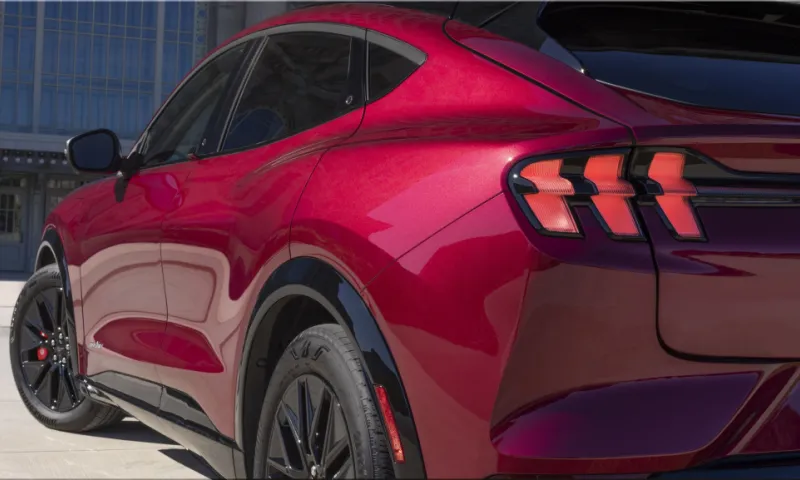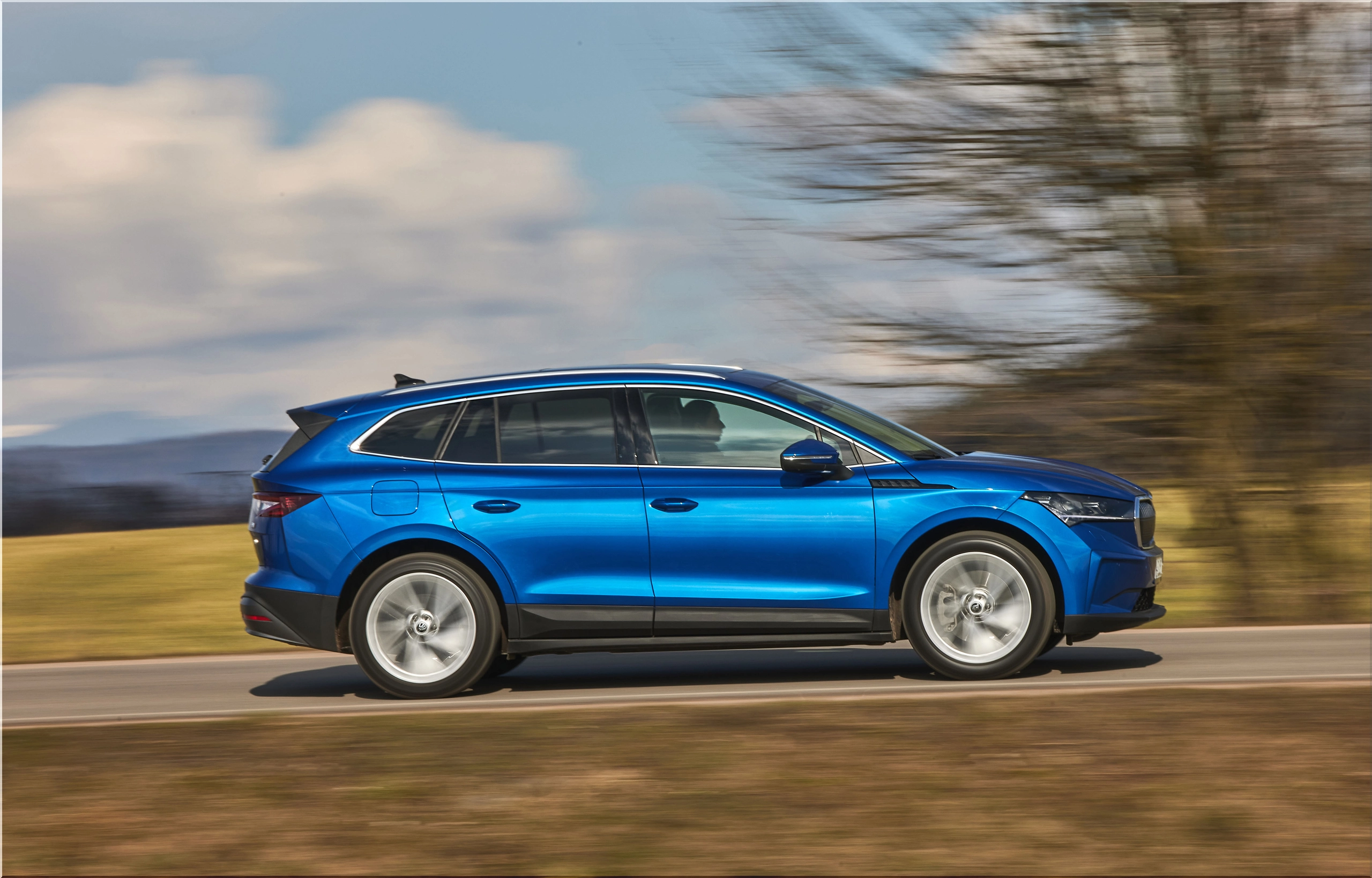
Exterior Focused on Aerodynamics and Efficiency
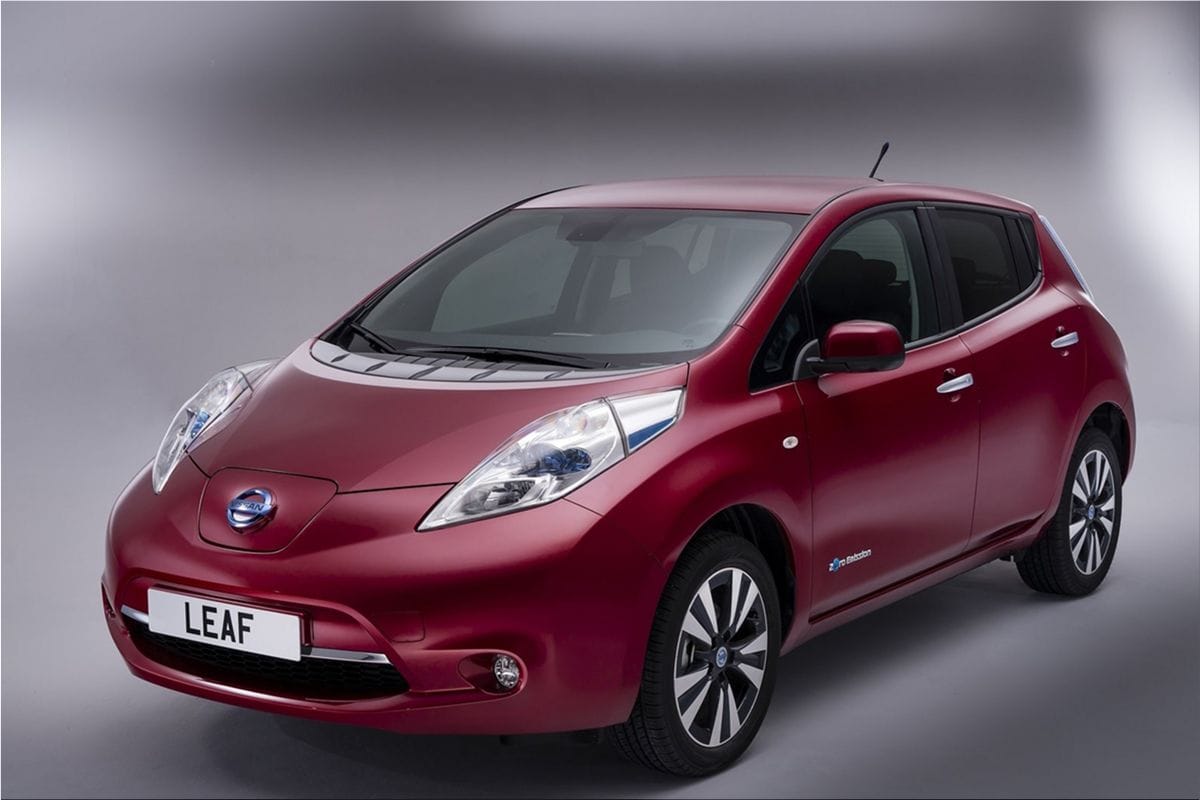
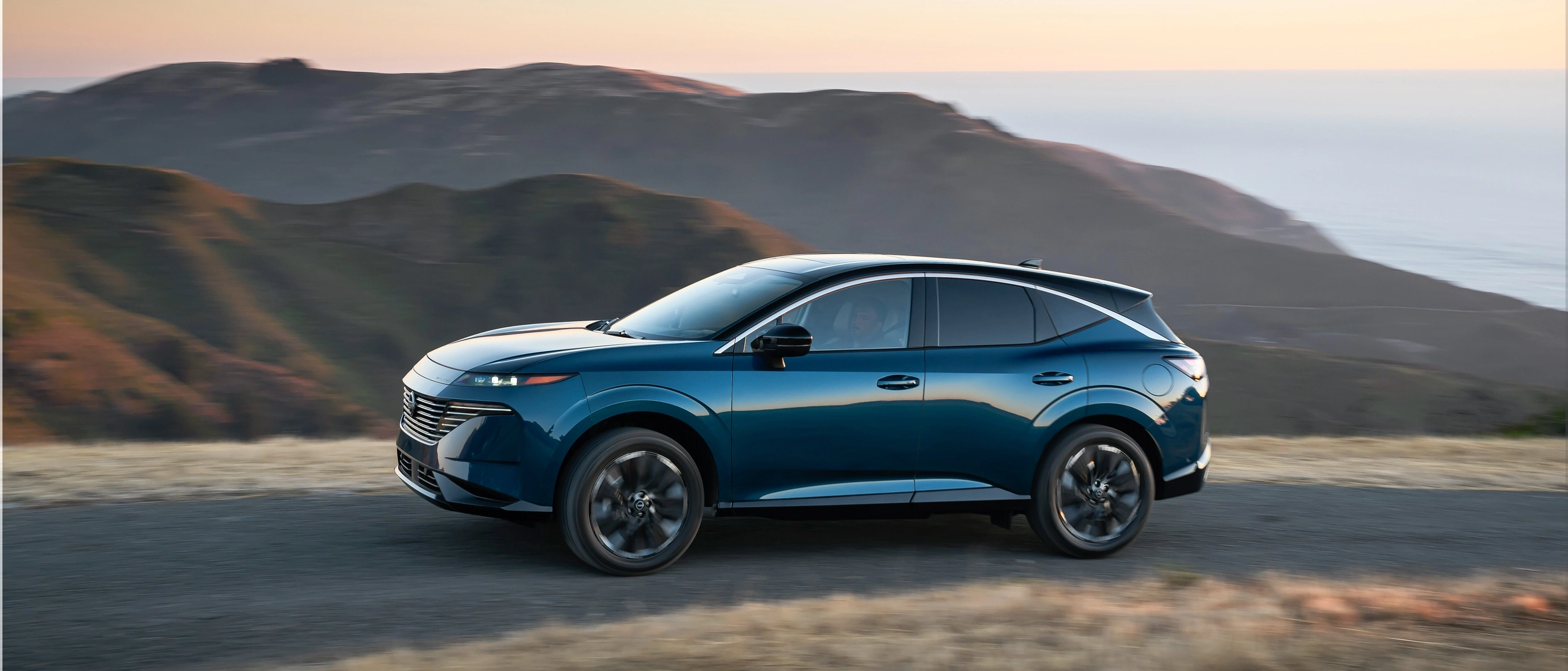
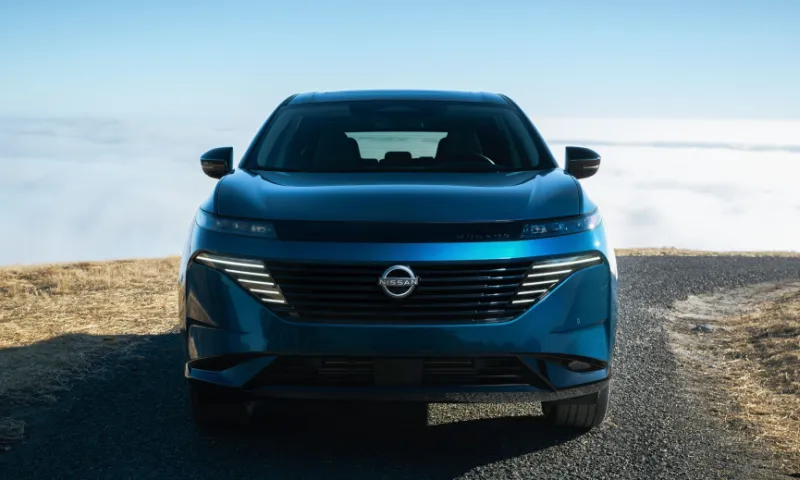
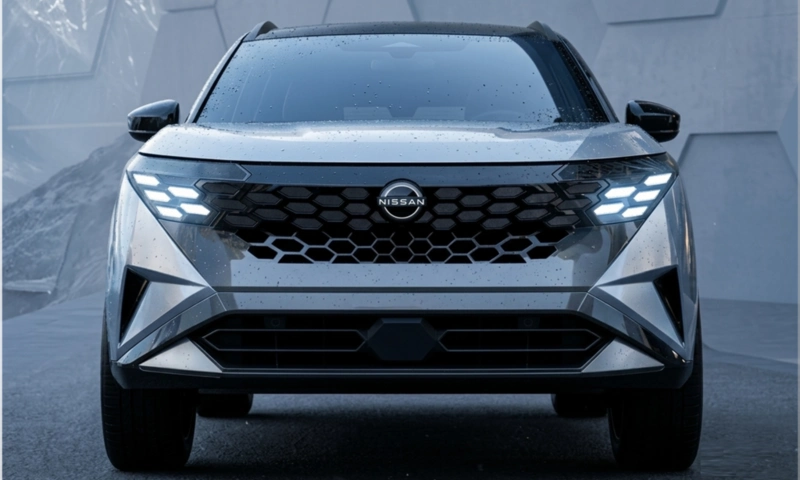
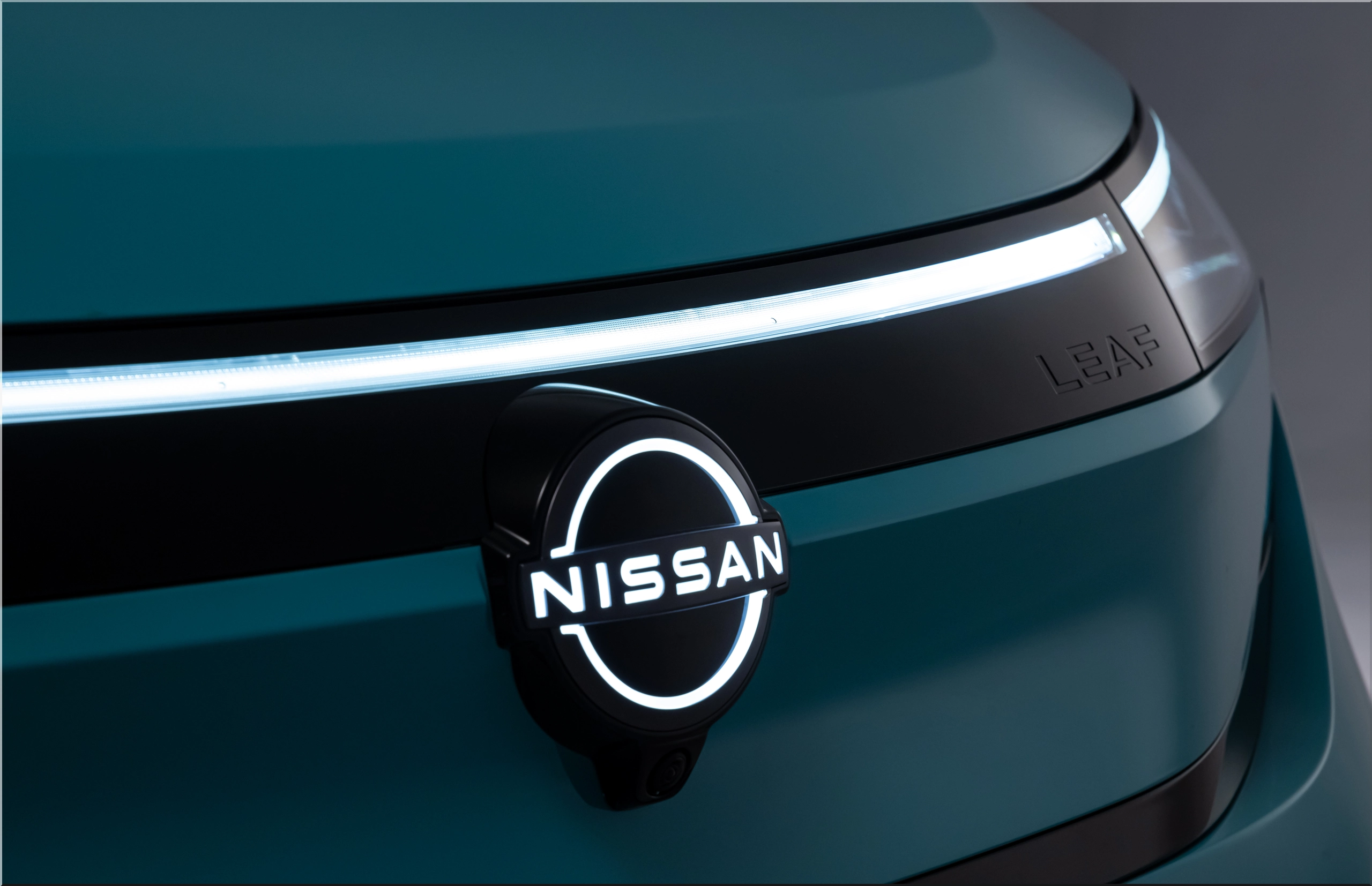
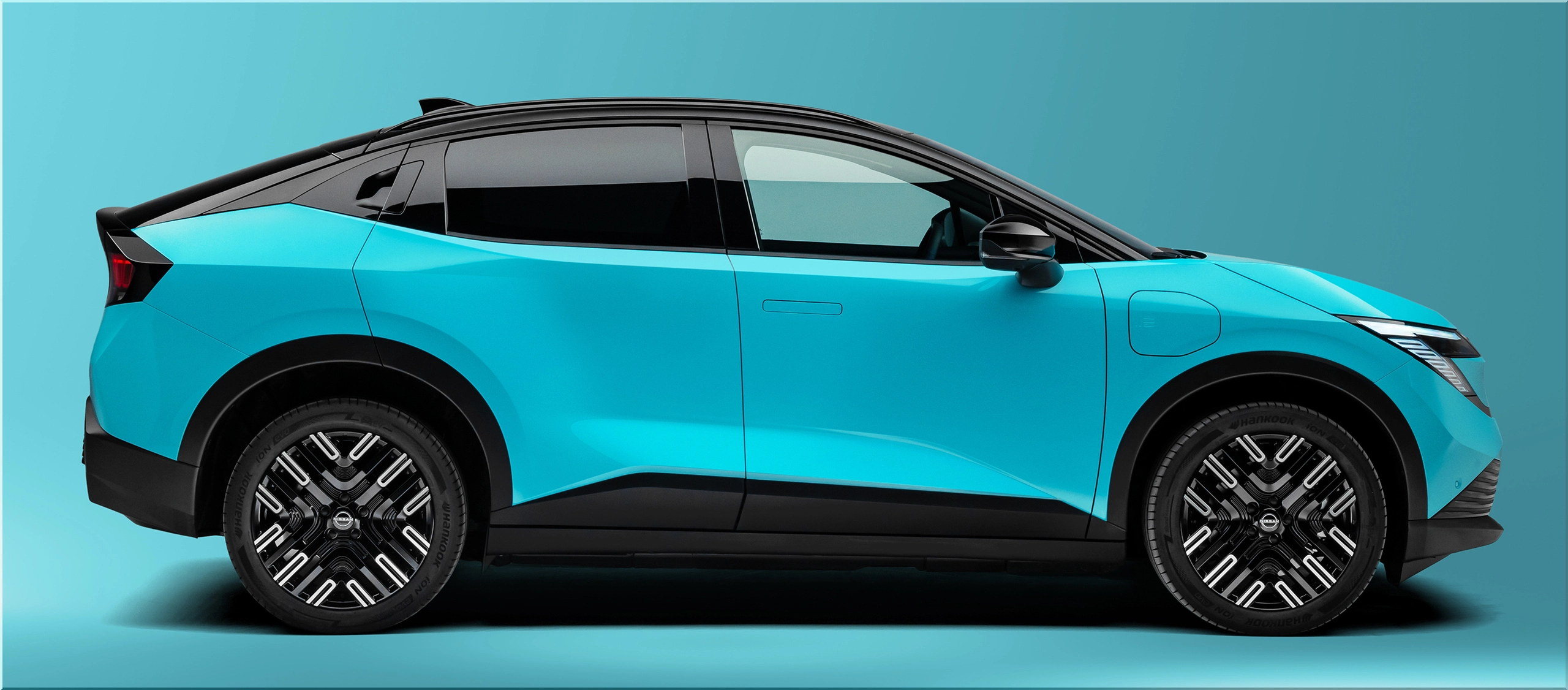
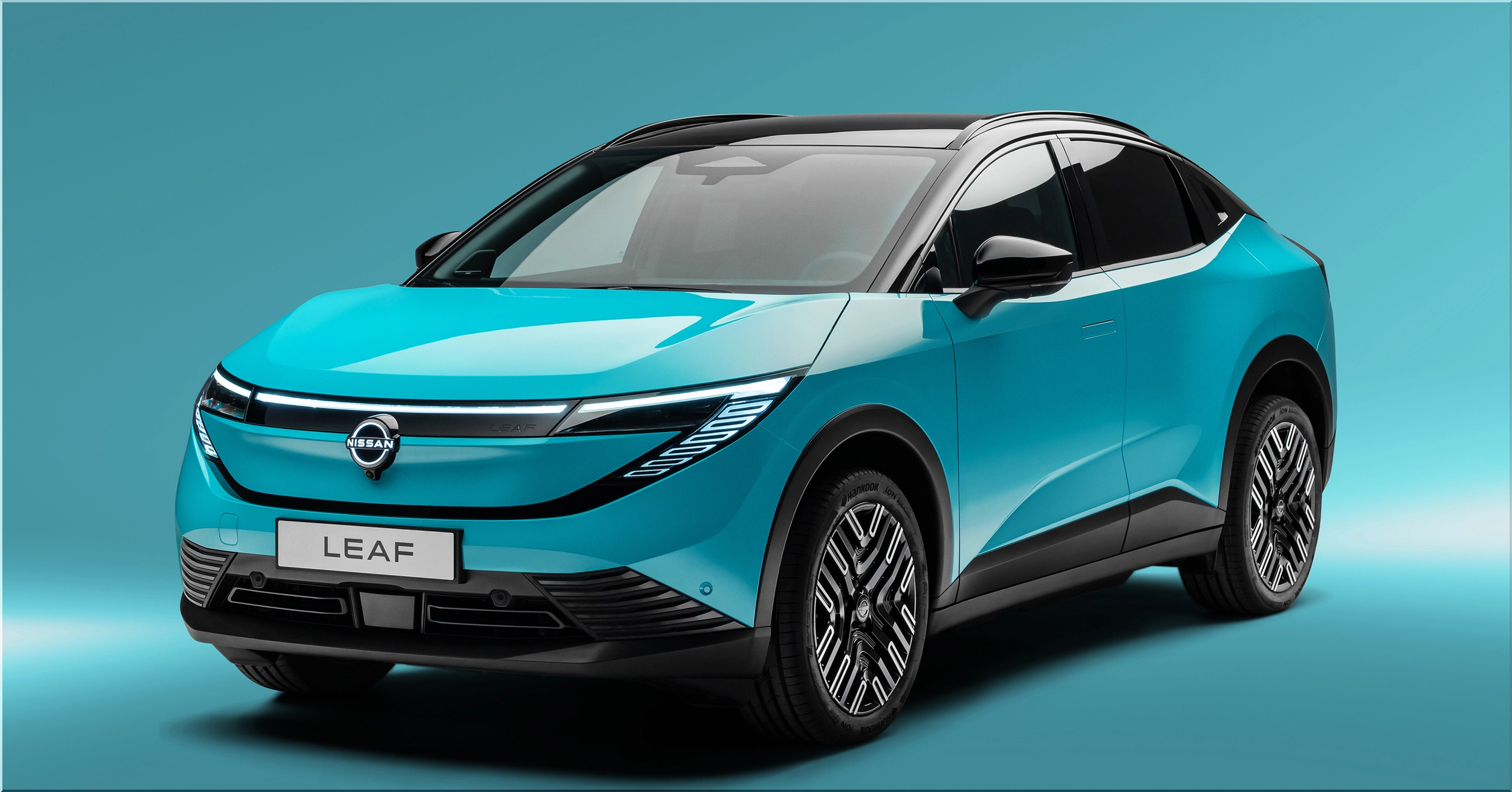
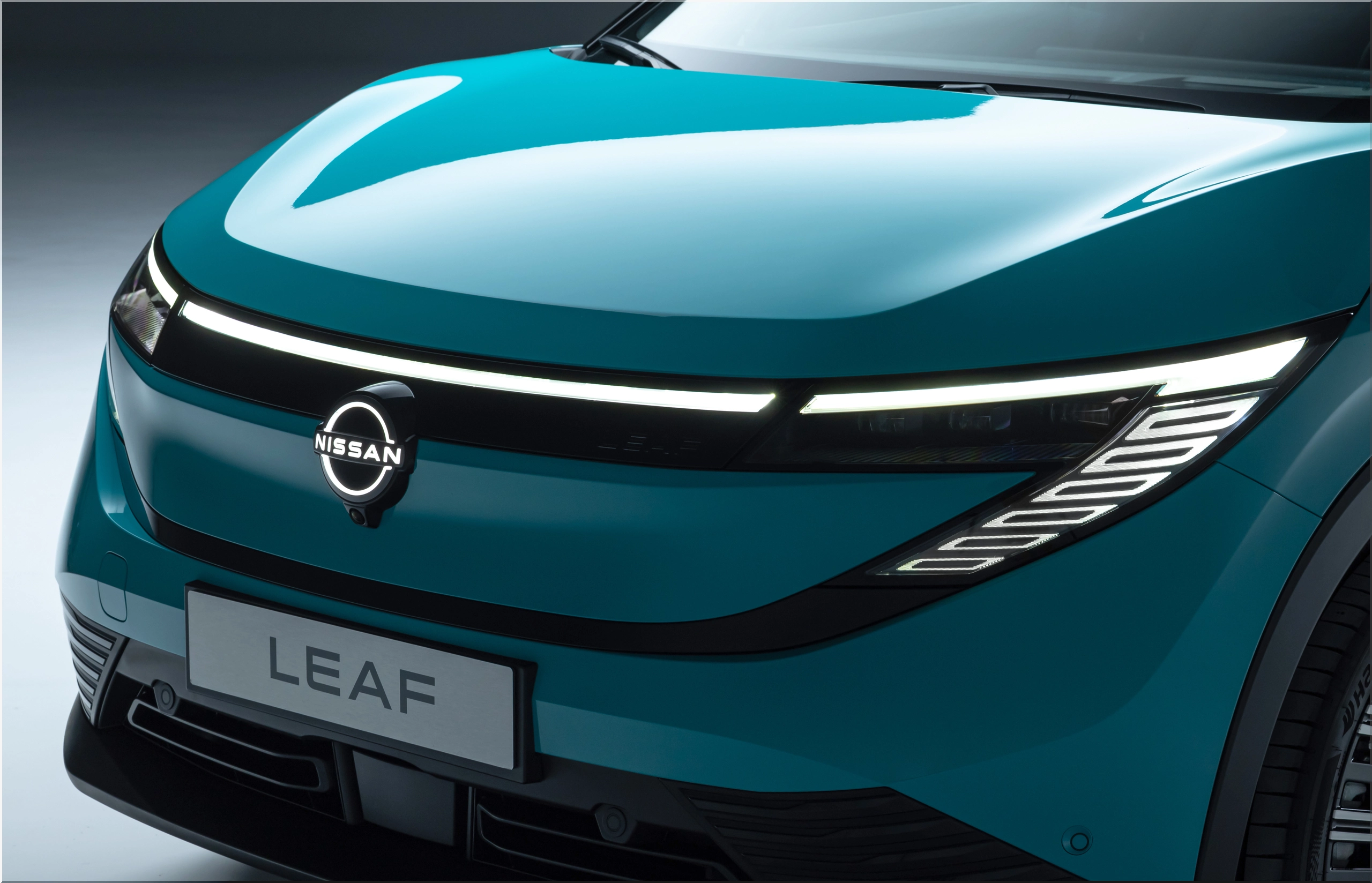
Nissan’s overhaul of the LEAF prioritizes aerodynamics, battery packaging, and driver usability. The vehicle now reflects more EV-specific design thinking than ever.
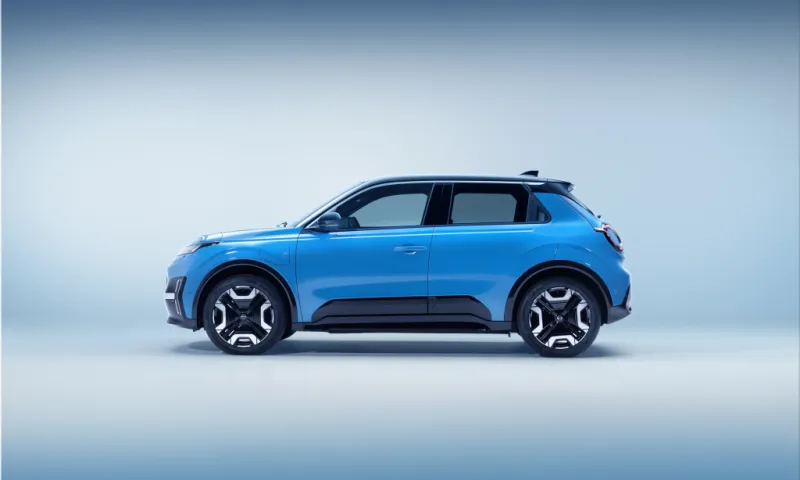
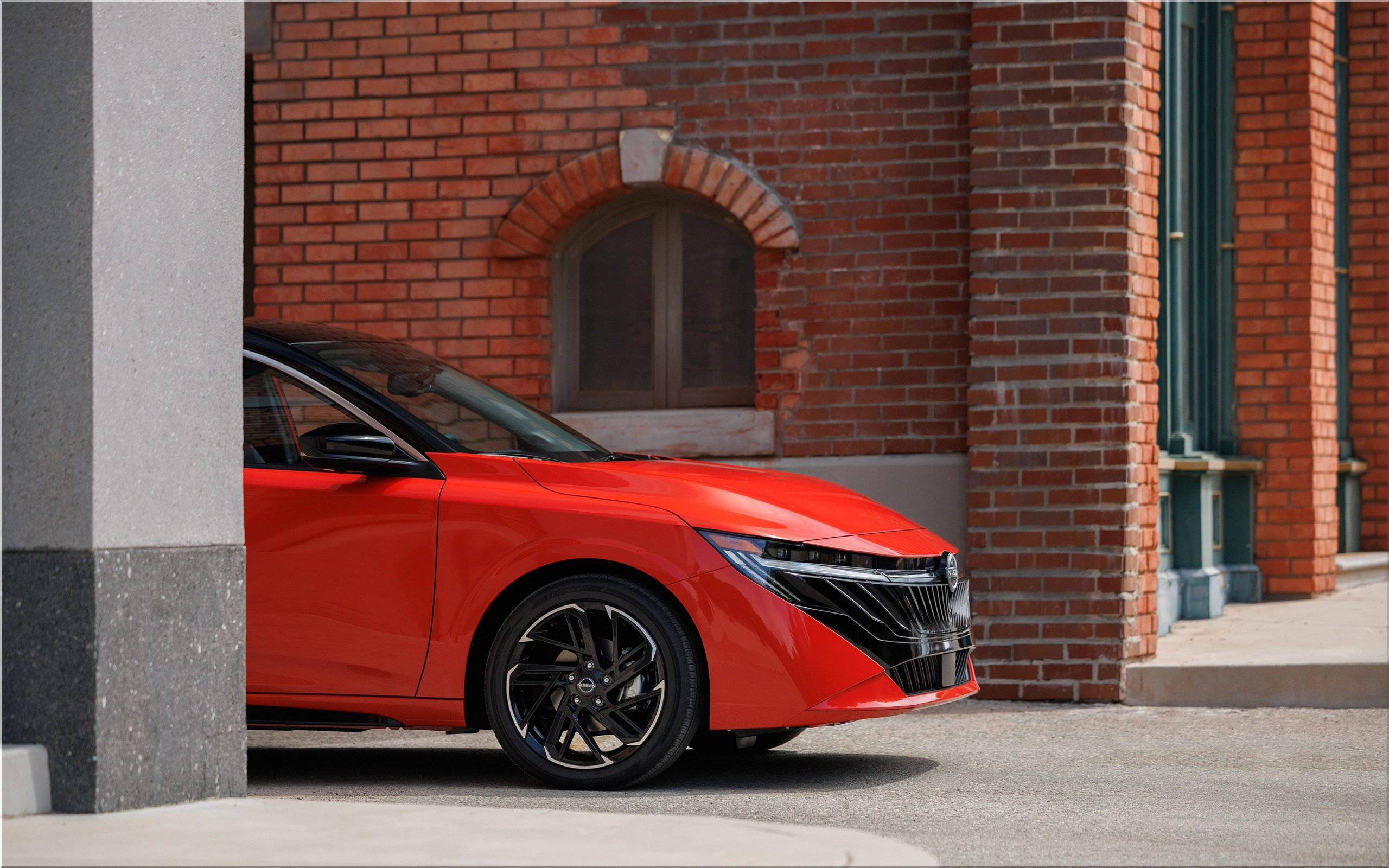
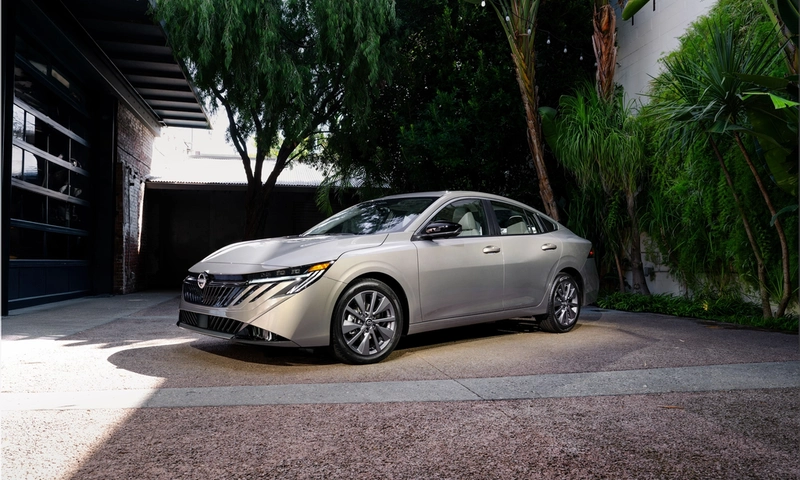
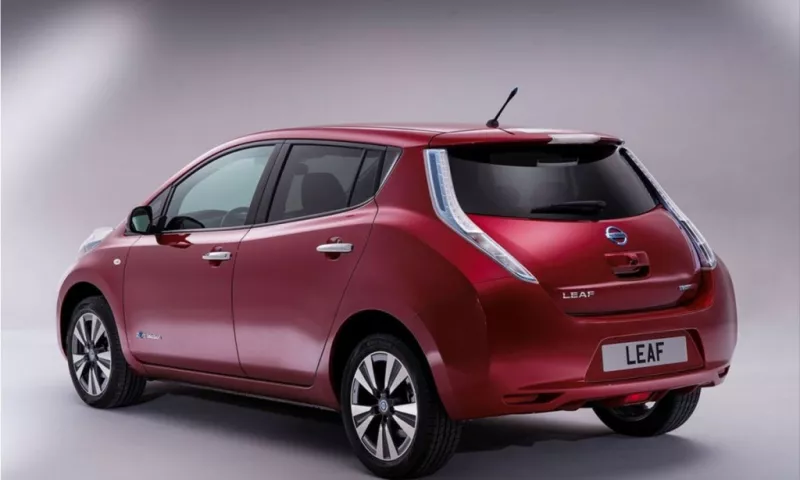
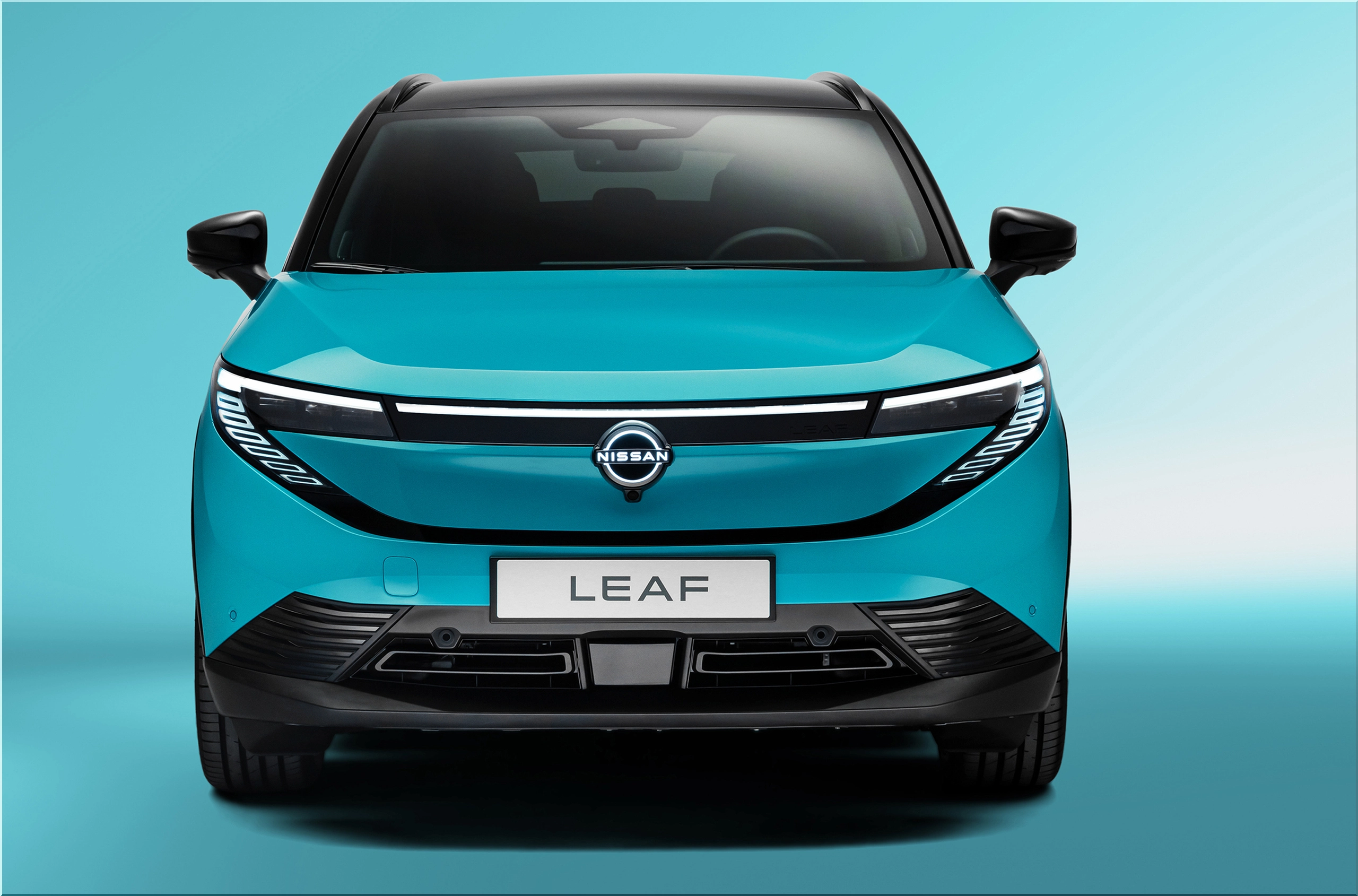
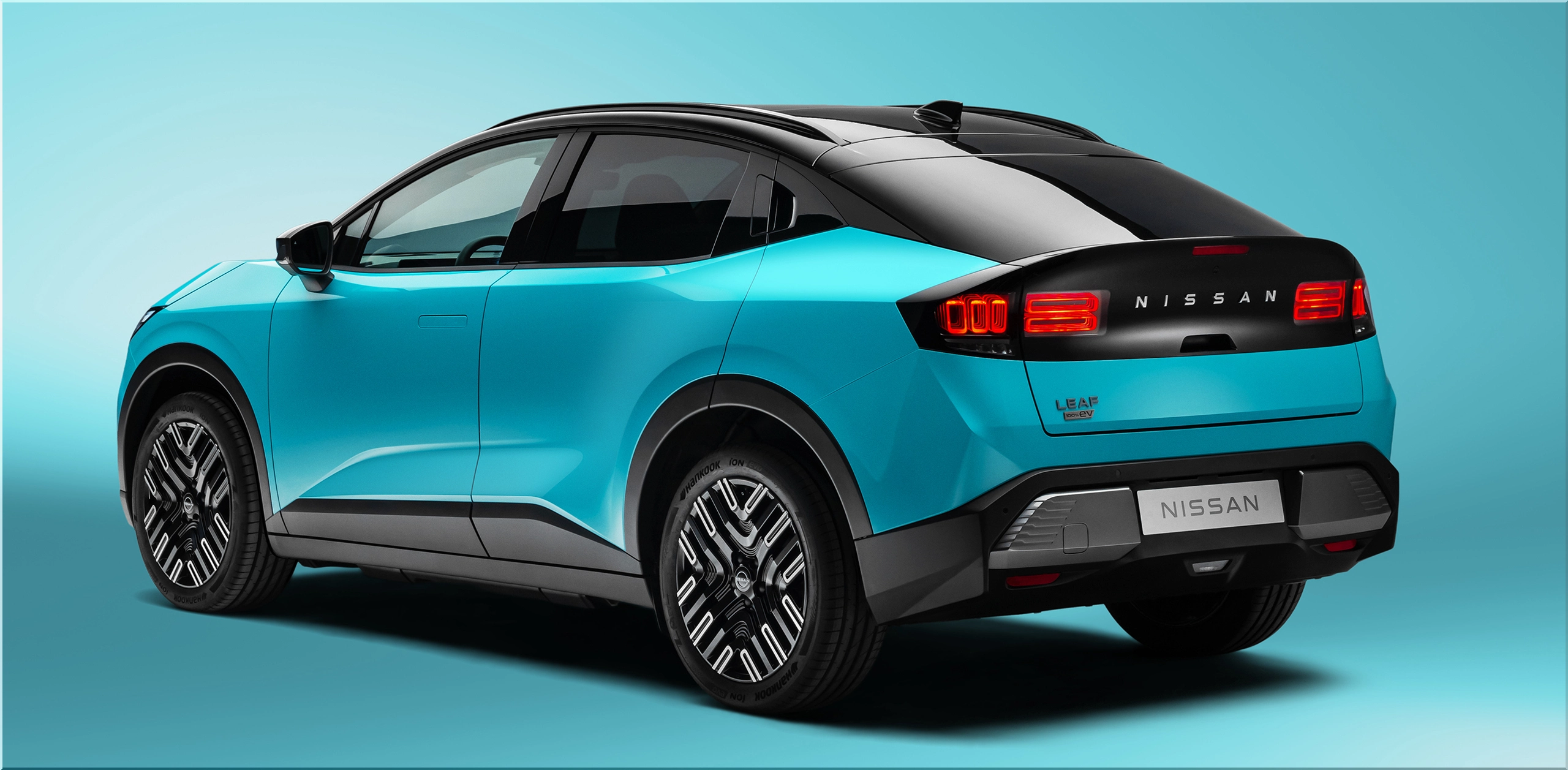
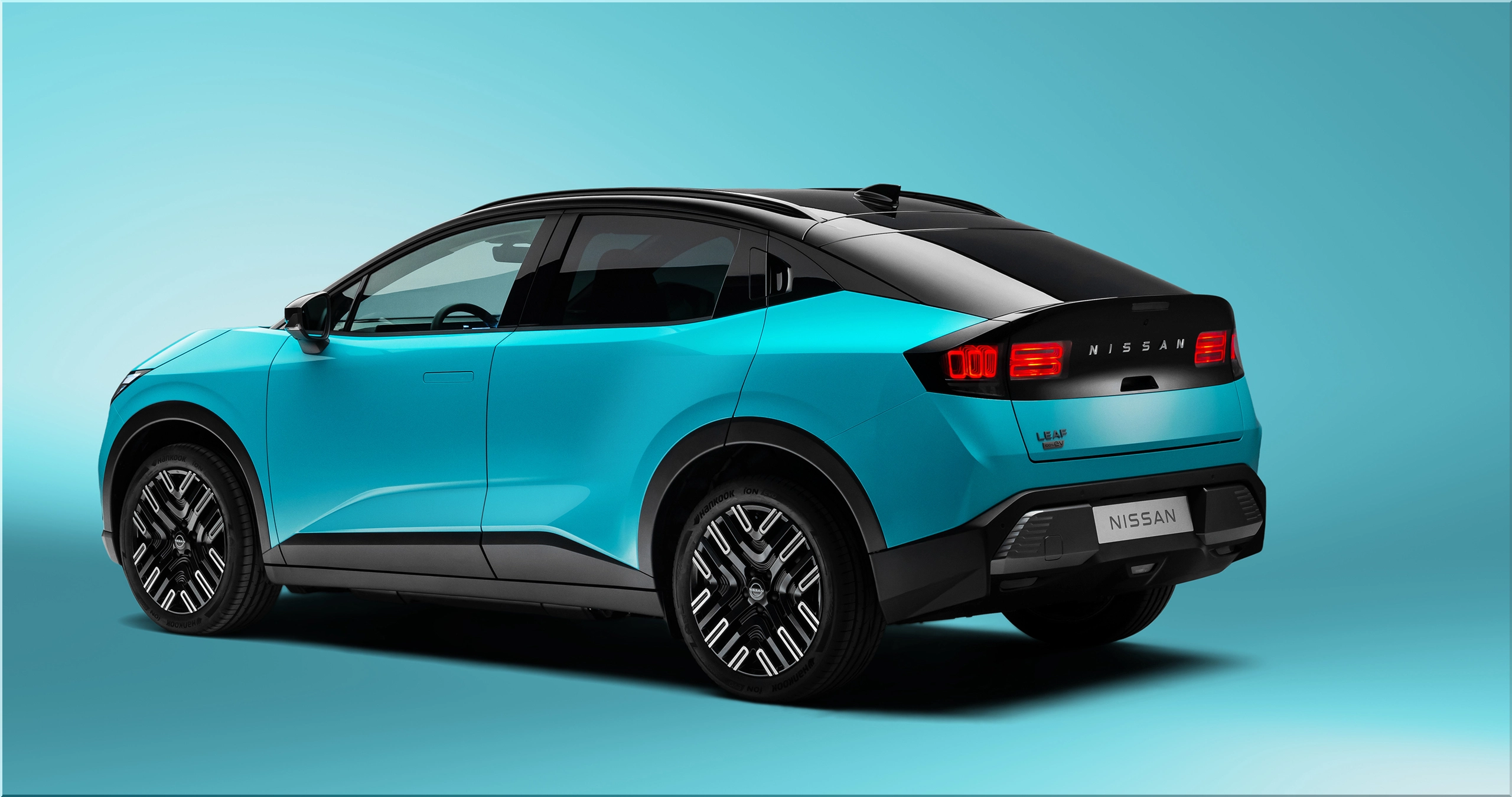
- A sculpted profile with a new ducktail spoiler improves airflow.
- Smoothed body surfaces cut drag and aid range.
- A lowered center of gravity improves agility.
This isn’t about standing out. It’s about moving better through air. Nissan has focused every external design cue on functional performance gains.
Design Inputs:
- Developed by Nissan Design Europe (Giovanny Arroba) and Technical Centre Europe (James Coaley).
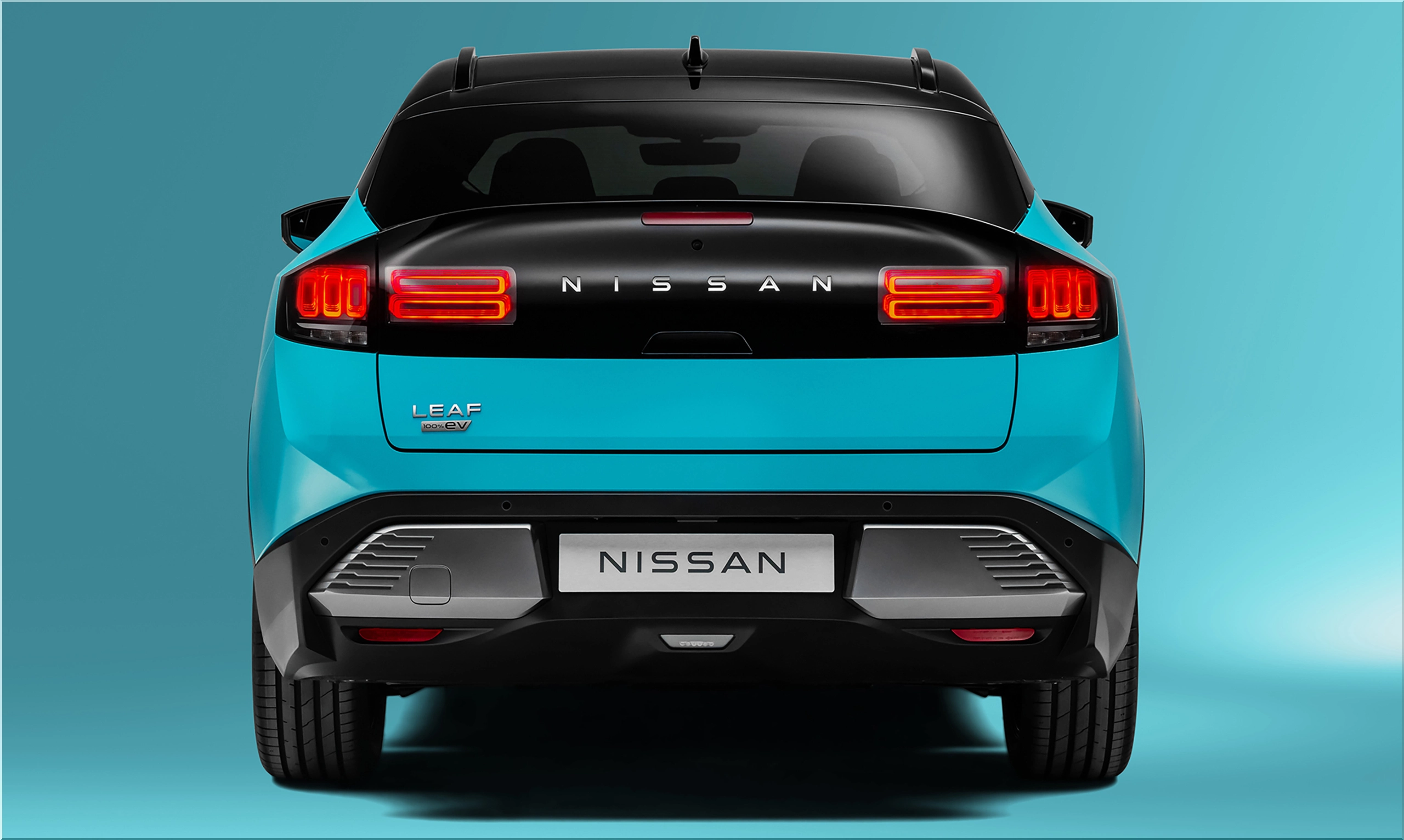
- New ducktail-style spoiler serves dual purpose: styling and drag reduction.
- Flowing roofline channels air to boost range and reduce wind noise.
Expect subtle efficiency gains from form alone. Nissan isn’t sharing drag coefficients yet, but the silhouette matches modern EV optimization.
Built on the CMF-EV Platform for Better Packaging
The new Nissan LEAF uses the CMF-EV platform, the same modular base that supports the Ariya. That’s not just for scale—it transforms space.
- The battery sits flat under the cabin.
- No tunnel or bulky motor packaging cuts into legroom.
- The result is more usable volume for both cargo and passengers.
Interior Metrics:
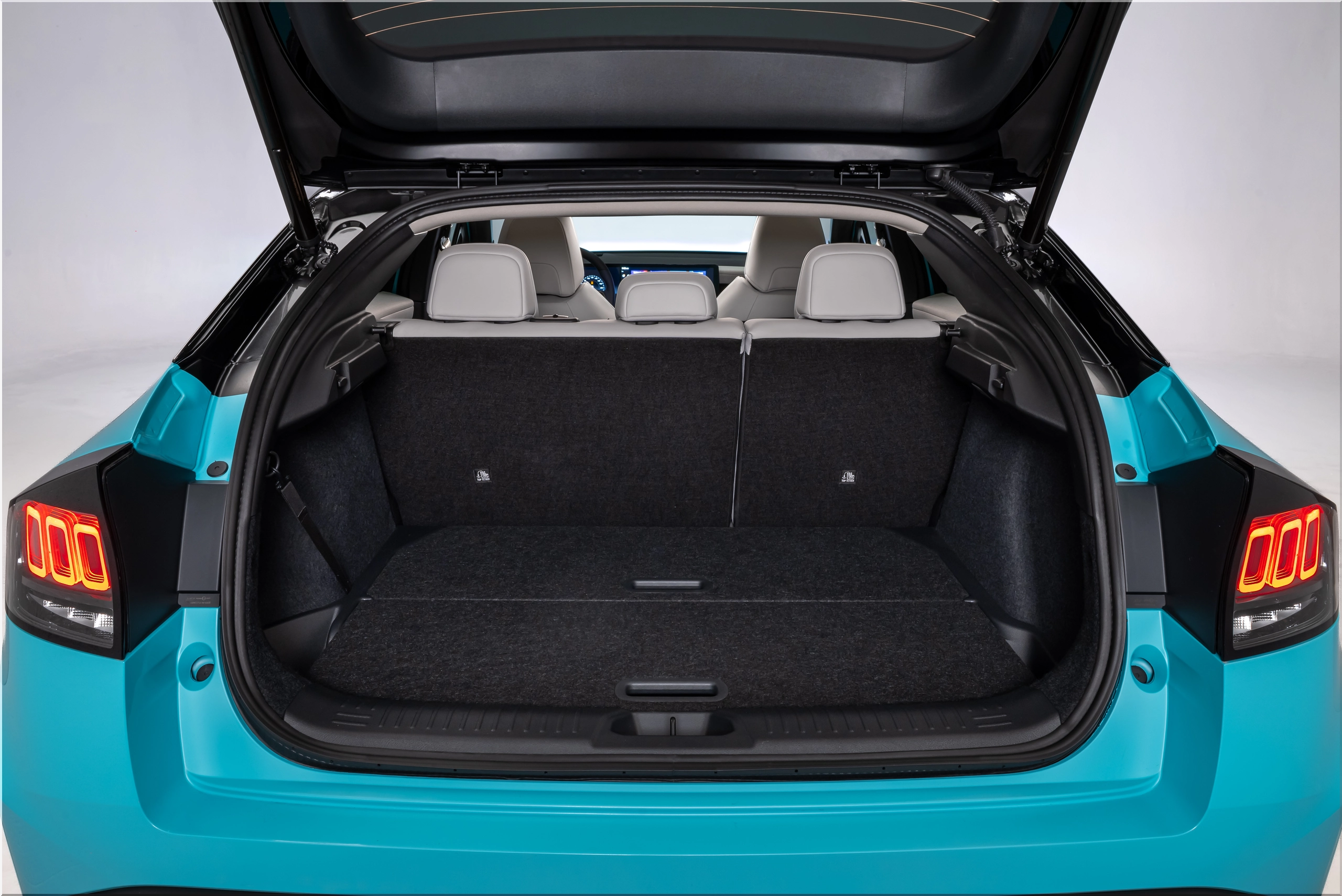
- 437 liters of trunk volume (VDA).
- Split-level cargo area improves loading flexibility.
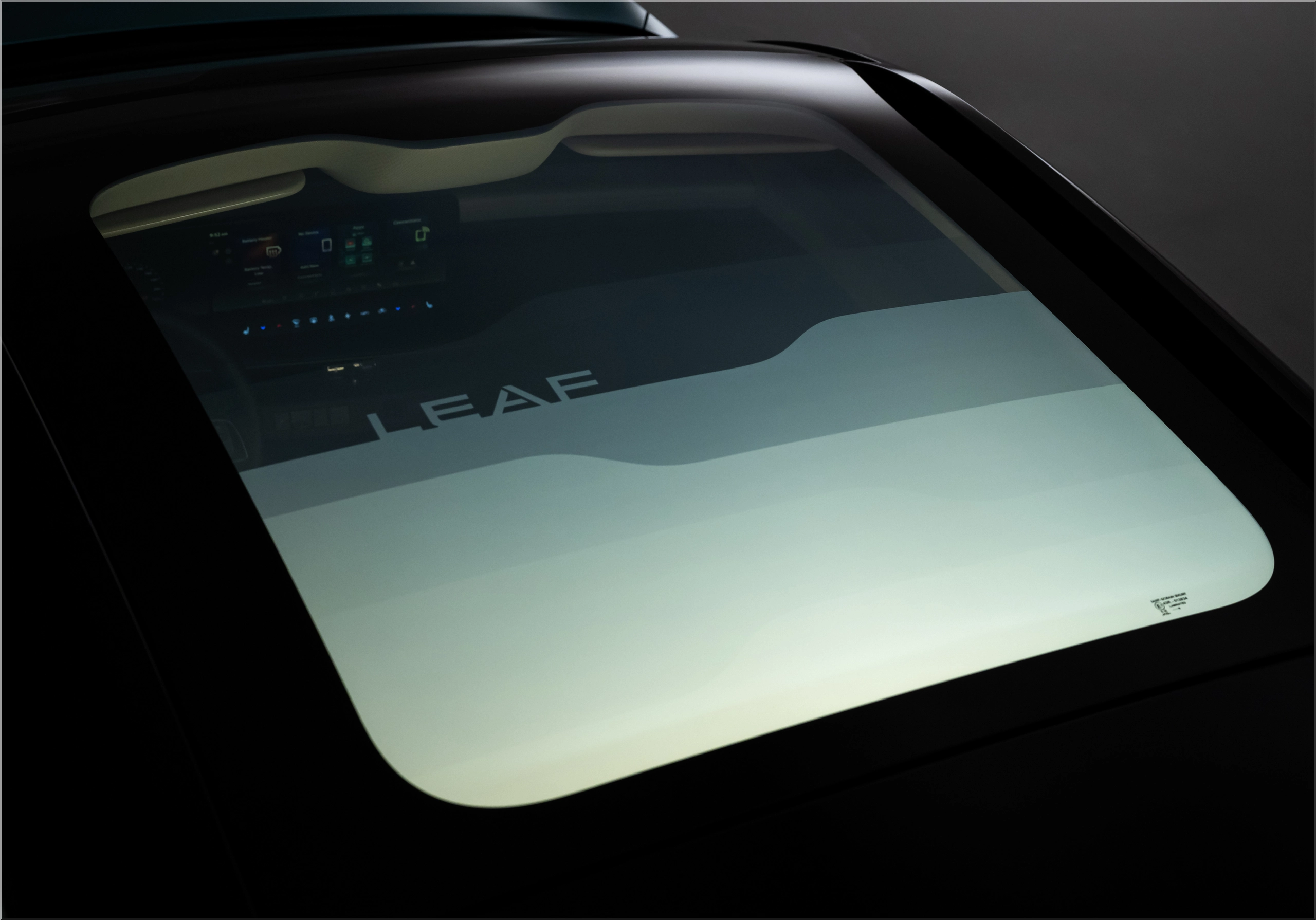
- Dimming panoramic glass roof reduces heat gain without sacrificing headroom.
This platform allows Nissan to focus on EV-specific layout efficiency rather than adapting from gas-powered blueprints.
Interior: Functional, Spacious, European-Tuned
Inside, Nissan targets real-world usability, not just screen count or flash. Space, layout, and materials all serve practical needs.
Cabin Highlights:
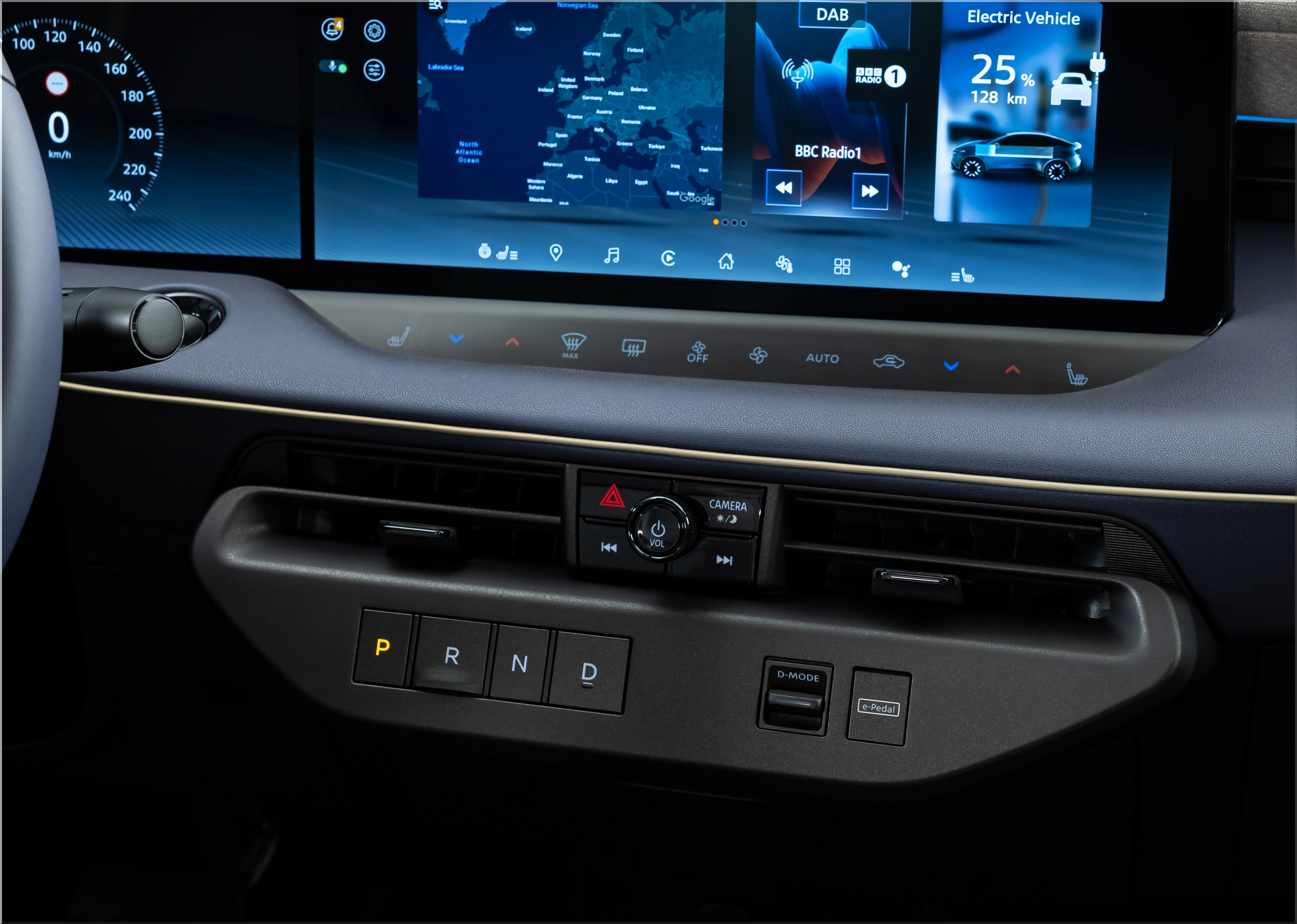
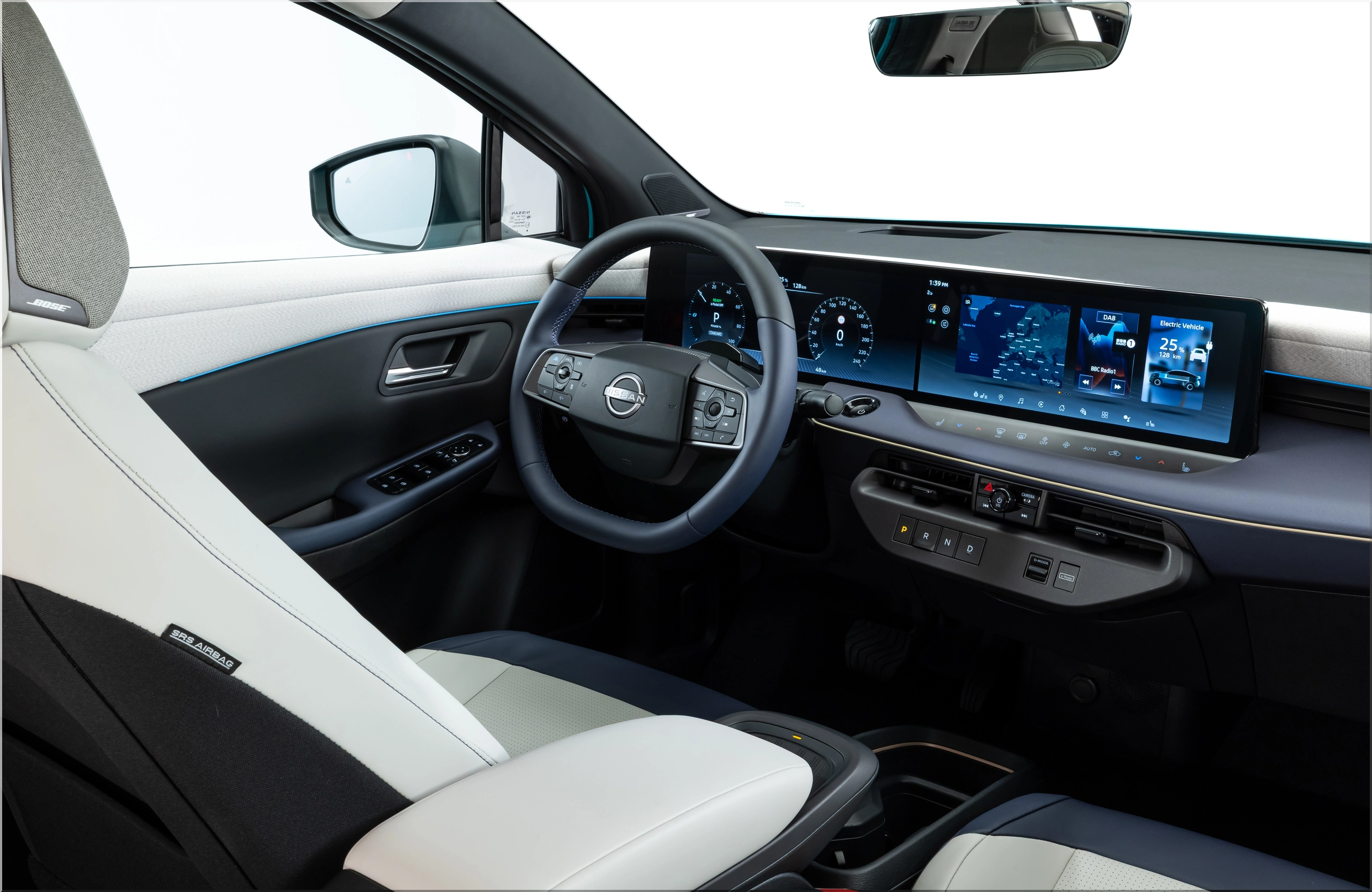
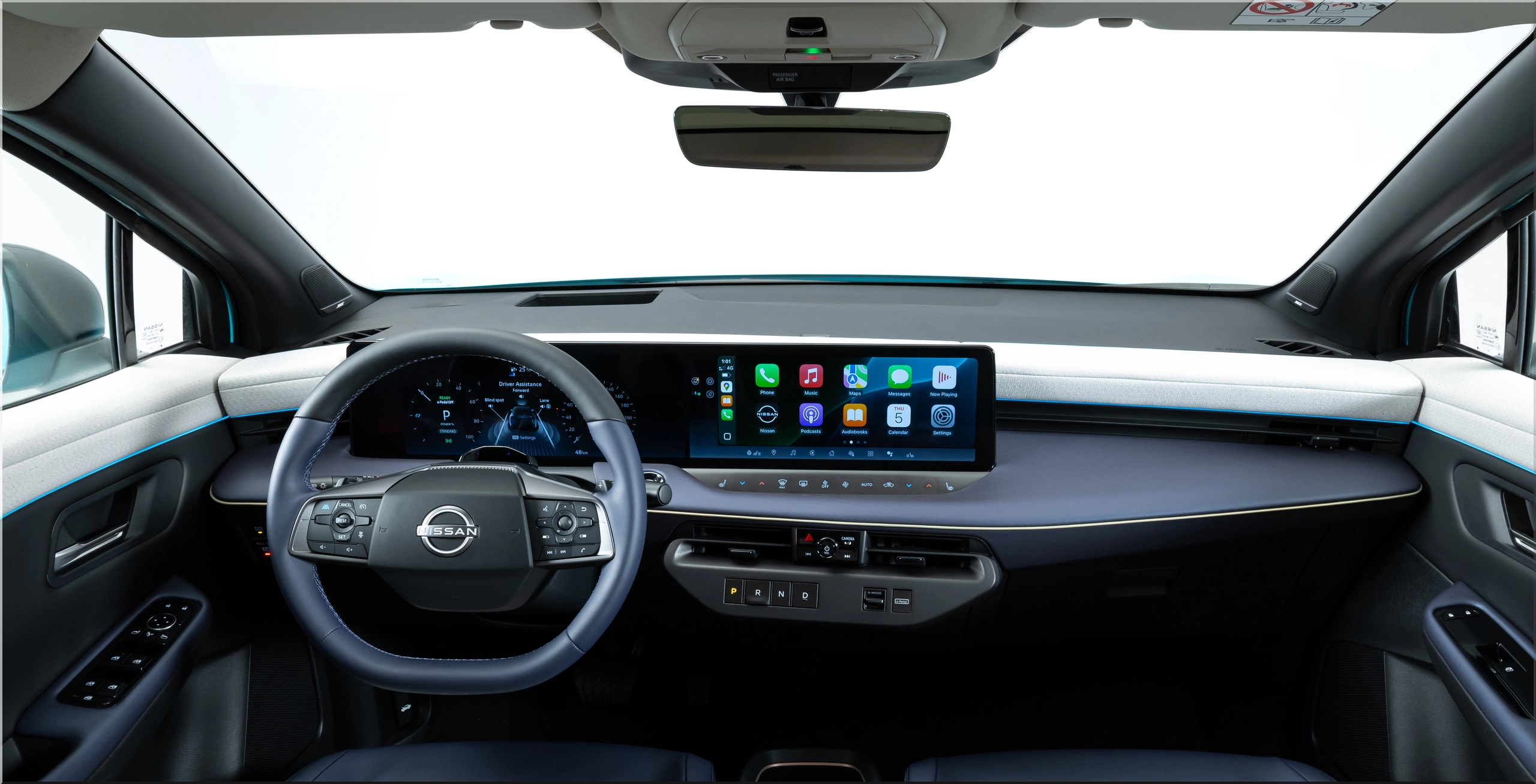
- Dual 14.3-inch screens deliver clear, simple information.
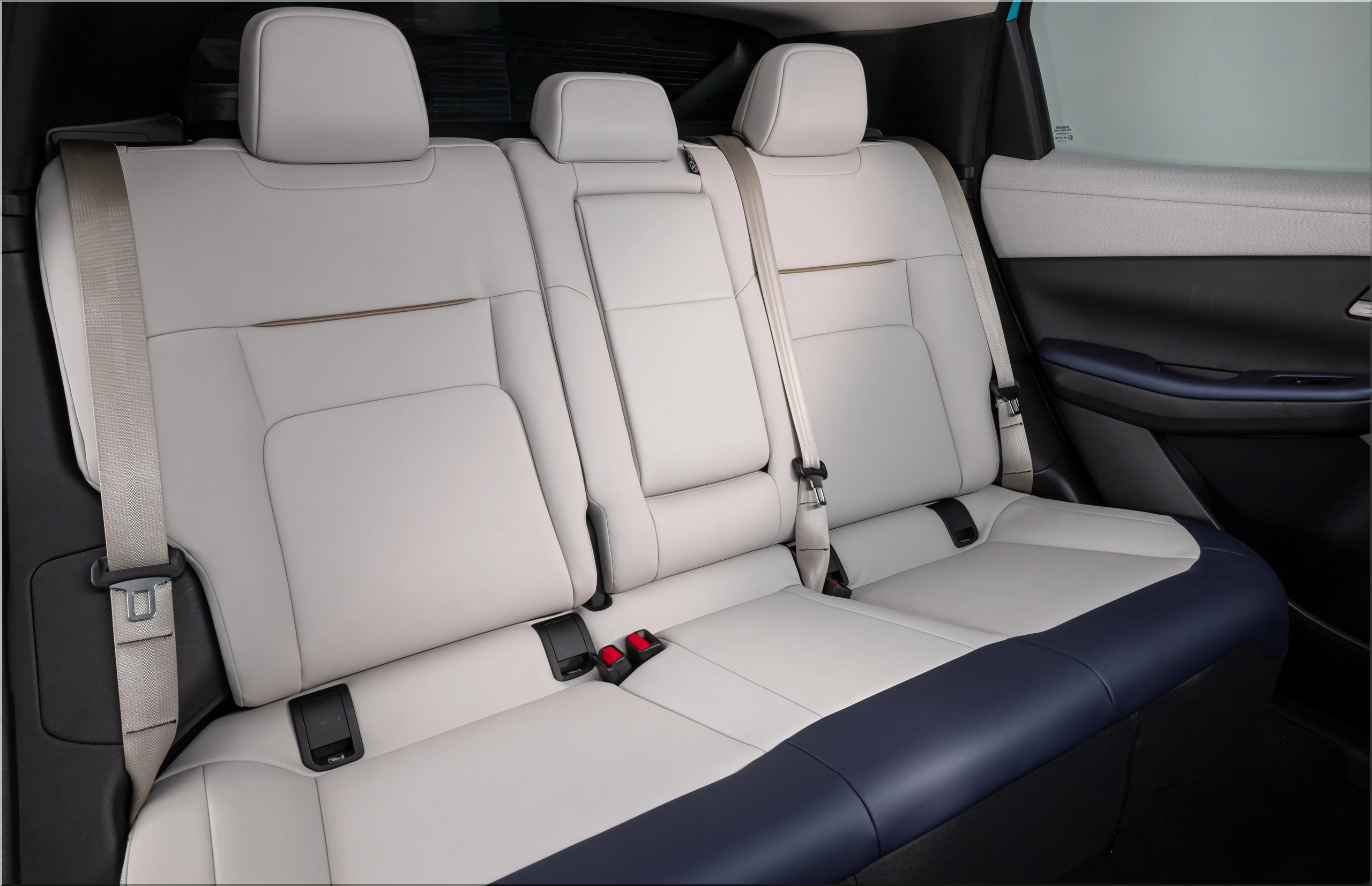
- Flat cabin floor opens up foot space front and rear.
- Rear seatbacks fold flat to maximize cargo usability.
- Touchpoints use softer, premium-feel materials in high-contact areas.
It’s not luxury. It’s pragmatic premium, shaped by how drivers actually use their cars.
Key Design Priorities That Impact Driving
Nissan’s team says the LEAF’s design had one guiding rule: function leads. That means design impacts how the car drives, not just how it looks.
Key examples:
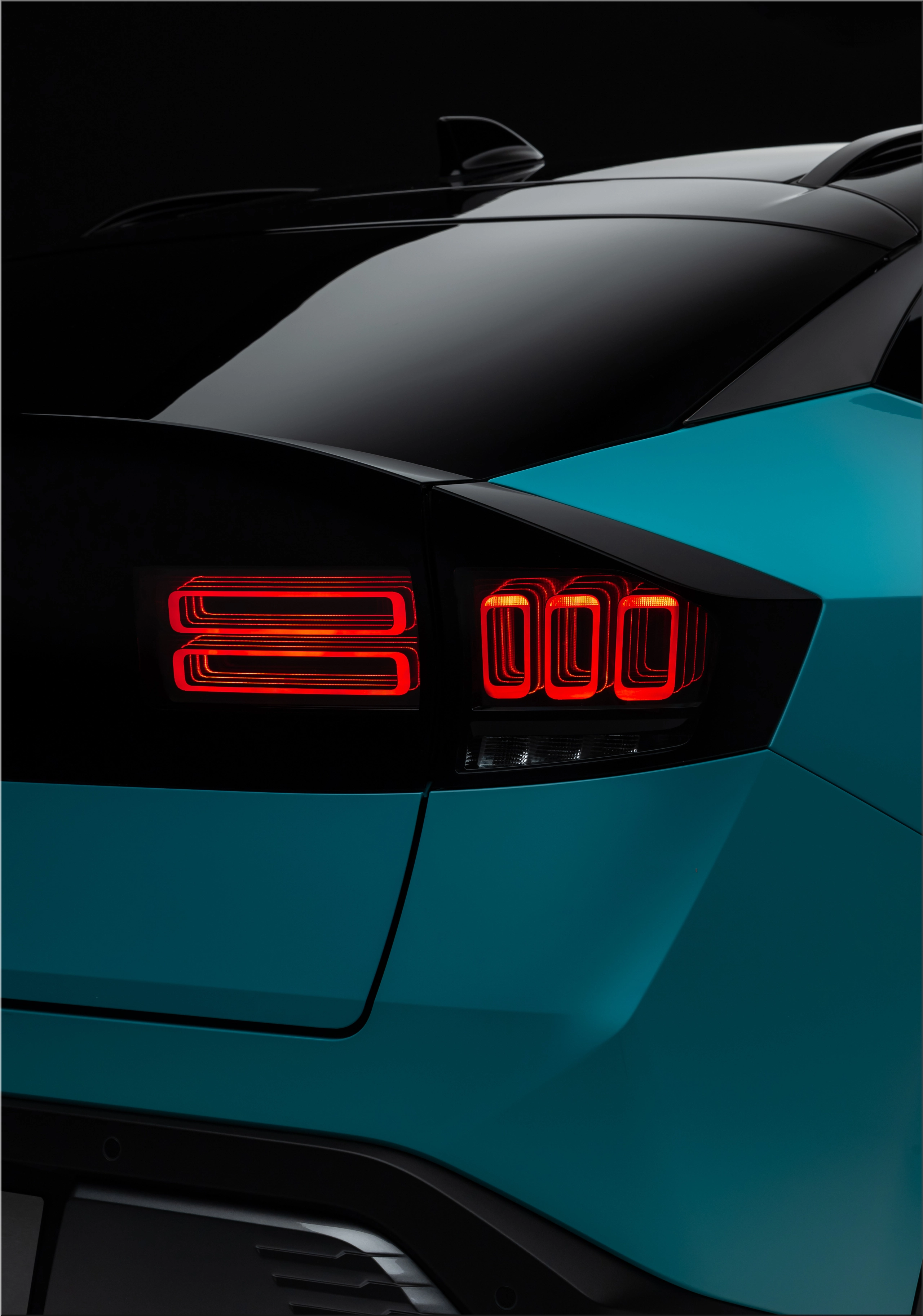
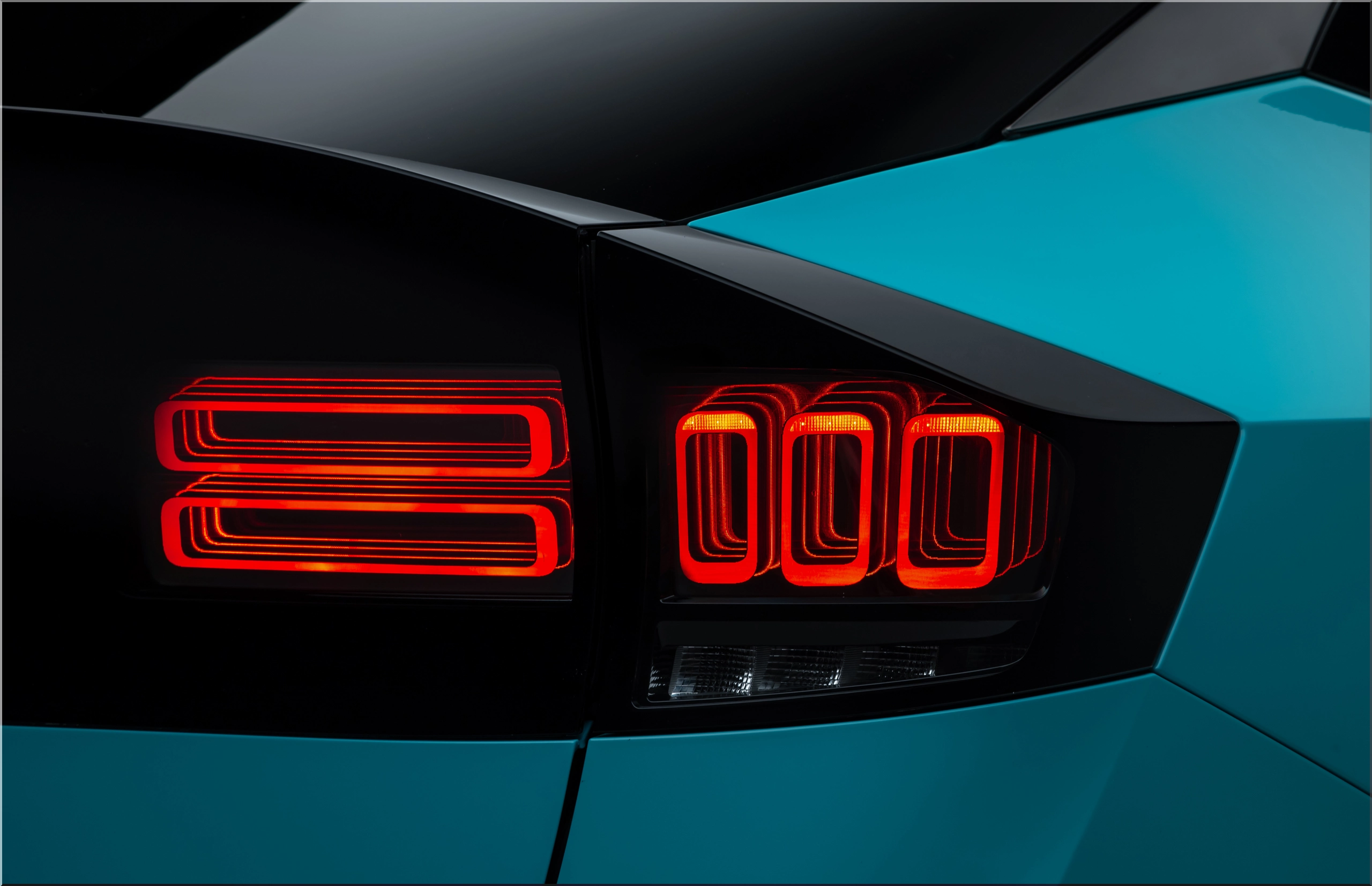
- Rear lamps with 3D architecture aid visibility at sharper angles.
- Narrower A-pillars slightly improve forward visibility.
- Low-mounted battery keeps weight near the ground for sharper handling.
This isn’t speculation. Lower center of gravity means less body roll. Nissan aims for responsiveness without the harshness that plagues some EVs.
Image gallery
Target Market and Segment Positioning
This isn’t a luxury EV or a sports sedan. It’s compact, affordable, and city-capable. Nissan’s placing the LEAF at the center of the everyday EV buyer segment in Europe and beyond.
Competitor Snapshot
| Vehicle | Starting Price (approx.) | Cargo Volume | Platform |
|---|---|---|---|
| Nissan LEAF | $34,000 USD | 437 liters | CMF-EV |
| VW ID.3 | $35,500 USD | 385 liters | MEB |
| Renault Megane E-Tech | $36,000 USD | 440 liters | CMF-EV |
| Tesla Model 3 RWD | $38,990 USD | 425 liters | Tesla Custom |
Nissan undercuts Tesla and Renault on pricing, while offering more cargo space than VW.
Nissan's Ambition 2030 and the LEAF's Role
This new Nissan LEAF electric car plays a strategic role in Nissan’s electrification roadmap. Under Ambition 2030, the company aims to reach carbon neutrality across operations and product lifecycles by 2050.
The LEAF:
- Fills the gap between entry-level EVs and midsize crossovers.
- Leverages CMF-EV to scale more models faster.
- Will likely see further variants to appeal to global markets.
Nissan AMIEO (Africa, Middle East, India, Europe, Oceania) is using the LEAF as a regional anchor EV. Its compact size and tight turning radius are tuned for European urban use cases.
Technology Overview
No specs confirmed yet for the U.S. market, but expectations include:
- Battery options: Likely 40–60 kWh usable capacity.
- Range: Projected between 230–310 miles WLTP.
- Charging: Expected 130 kW DC fast charging support.
- Drivetrain: FWD, with possible dual-motor AWD version later.
Based on CMF-EV and past model cadence, Nissan will likely reuse powertrains from the Ariya for cost efficiency.
Strategic Design Insights
The Nissan LEAF doesn’t try to chase headlines with gimmicks. Instead, it focuses on cost control, real-world performance, and space optimization.
Top-level takeaways:
- All-new exterior design improves aerodynamics without adding production complexity.
- CMF-EV architecture opens space and future-proofs the model.
- Cabin choices show restraint and focus on daily driving habits.
- Material selections prioritize wear resistance and tactile usability.
- Feature packaging avoids overload, sticking with tech that adds measurable value.
This vehicle isn't trying to be premium. It’s designed to scale globally and meet local expectations.
Cost Efficiency and Manufacturing Considerations
The shift to CMF-EV helps reduce part variance across Nissan’s lineup. Expect:
- Simplified supply chains through shared component usage.
- Battery cell and pack sourcing aligned with Ariya for logistics savings.
- European production likely to keep costs stable against currency fluctuations.
These decisions matter for cost per unit. Nissan must keep the LEAF profitable even at a sub-$35K price point.
Image gallery

Conclusion: Smarter, Not Flashier
The Nissan LEAF skips flash for measurable gains. Aerodynamics, space, and usability drive every design move. While some competitors add complexity, Nissan sticks to what works.
For buyers wanting an efficient, affordable, and functional EV, this version of the LEAF offers fewer compromises than ever before.
Nissan didn’t rebuild the LEAF to make headlines. It rebuilt it to work better.
- Add new comment
- 152 views