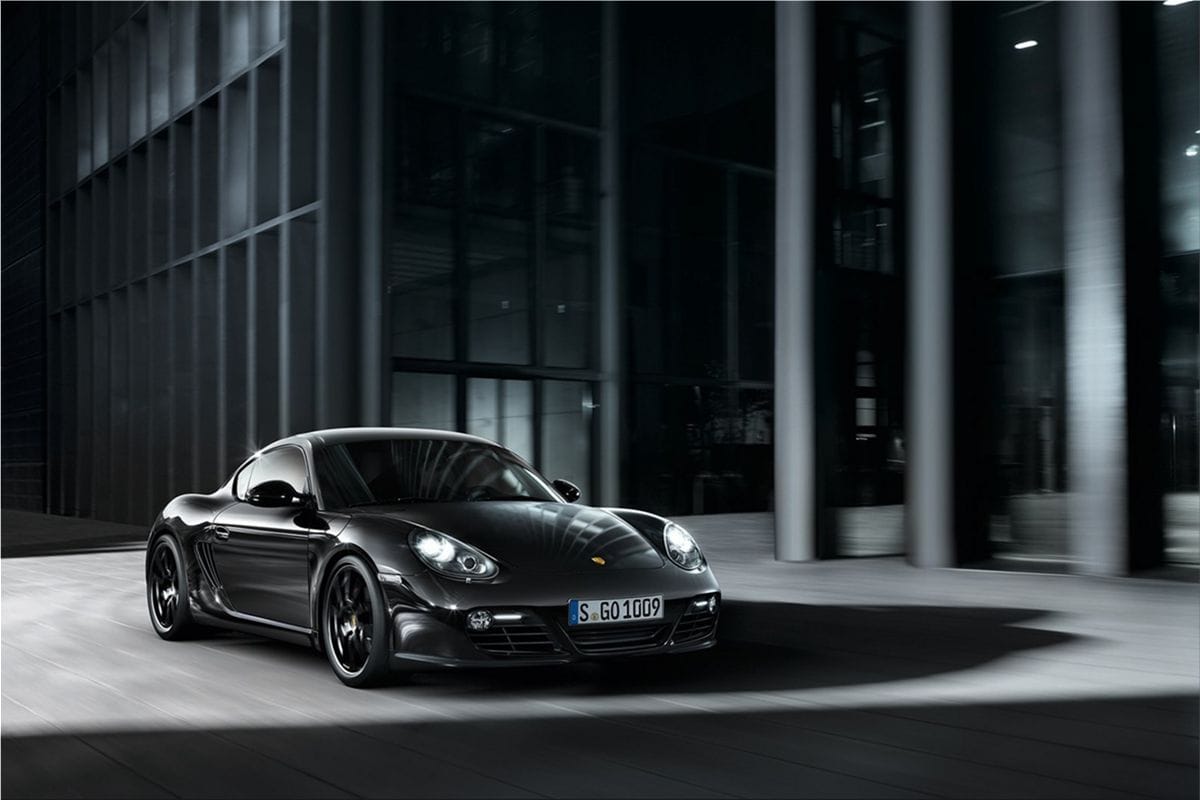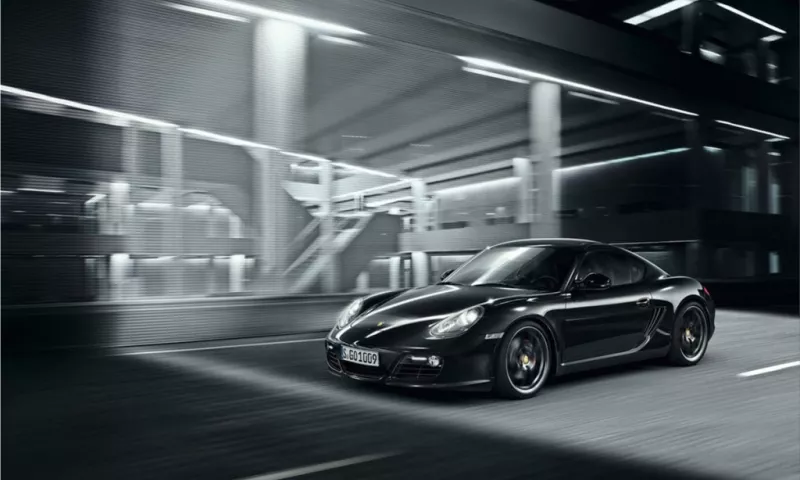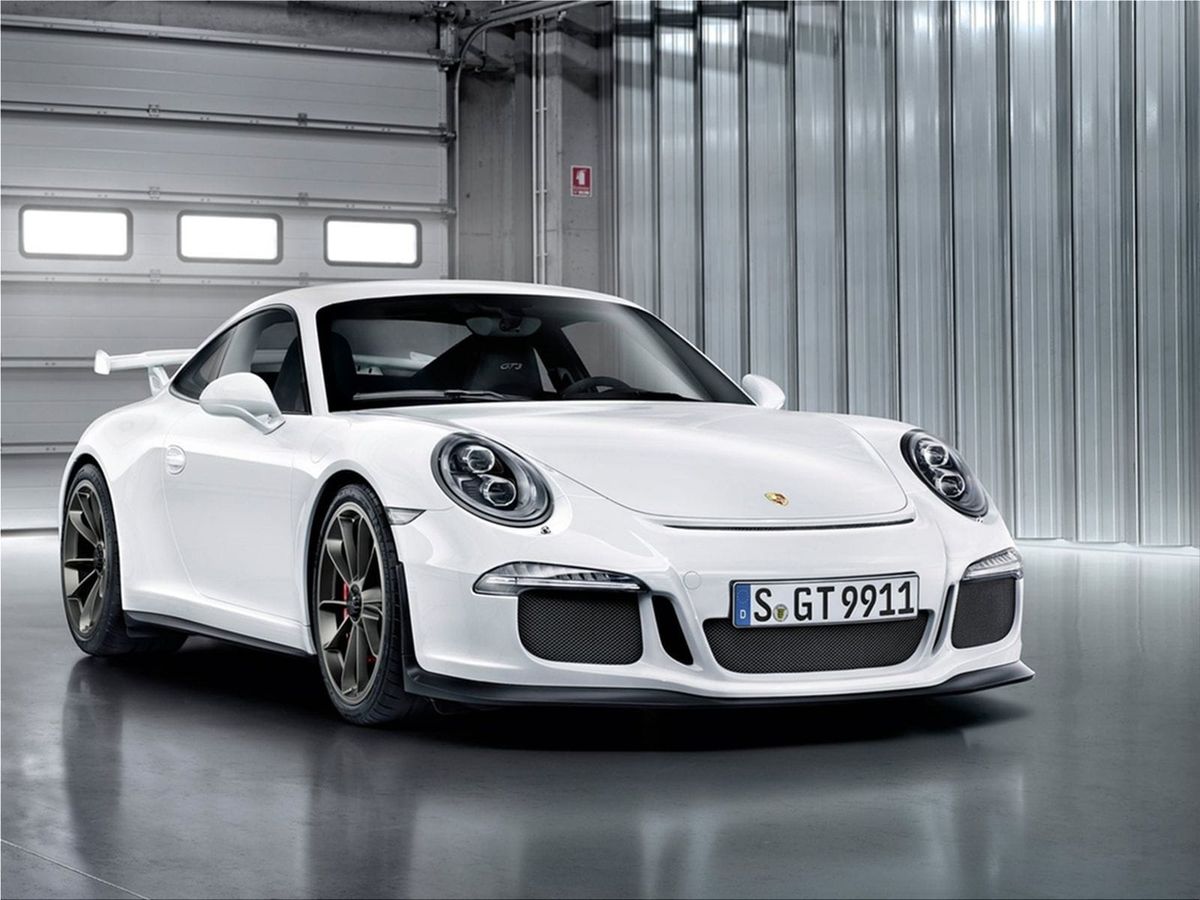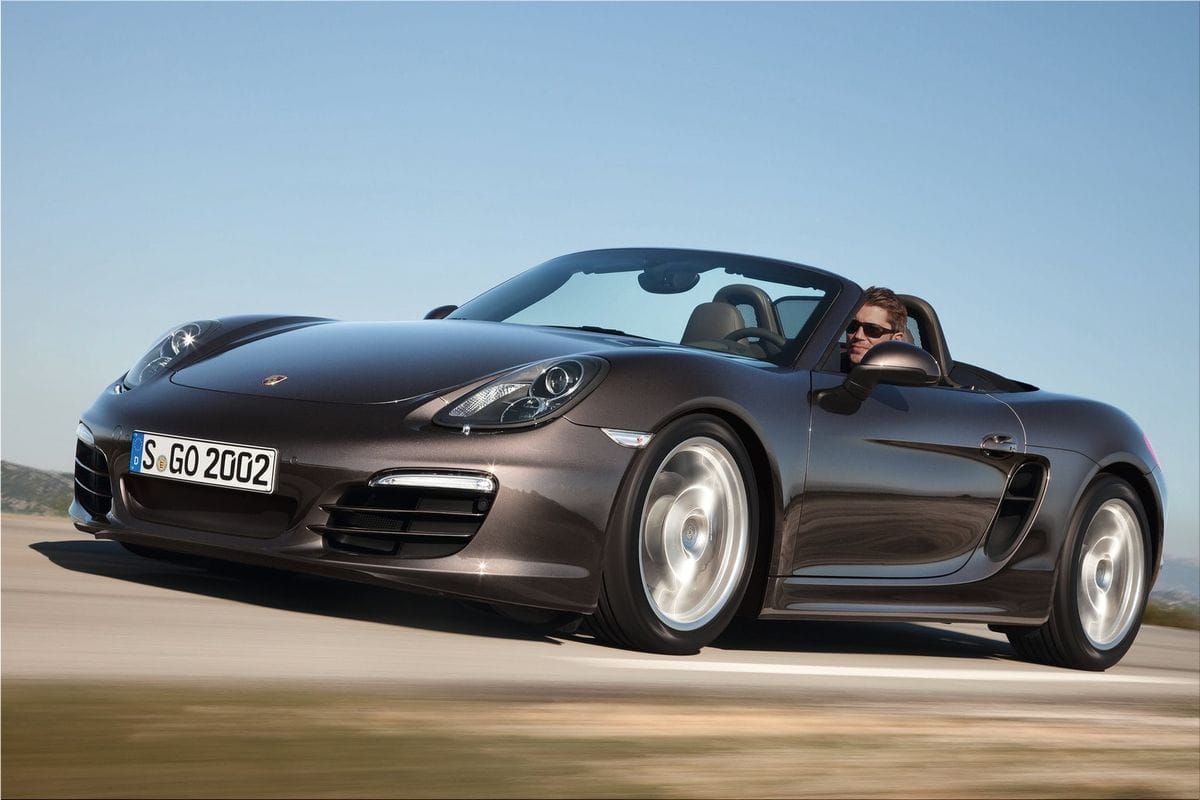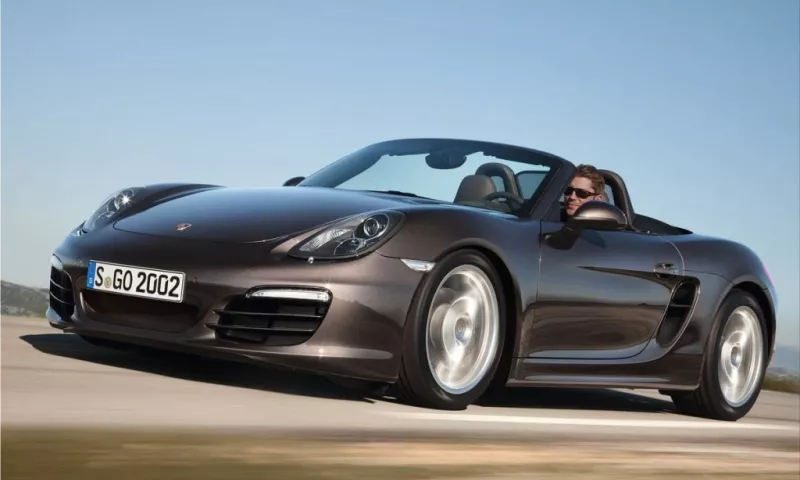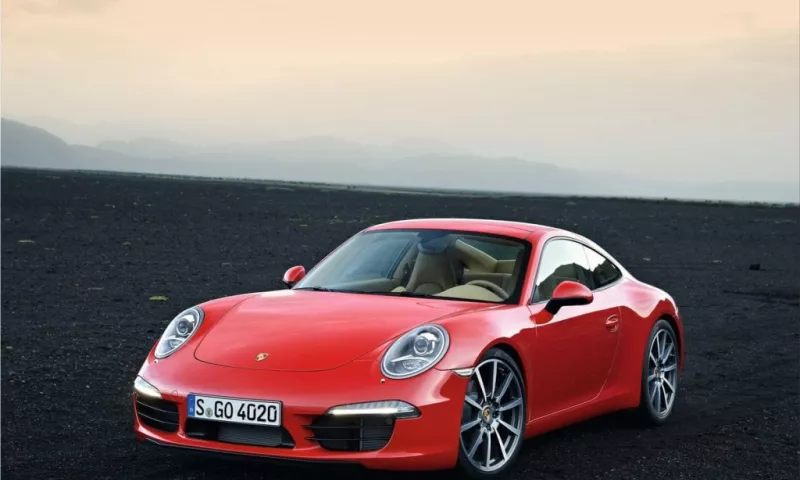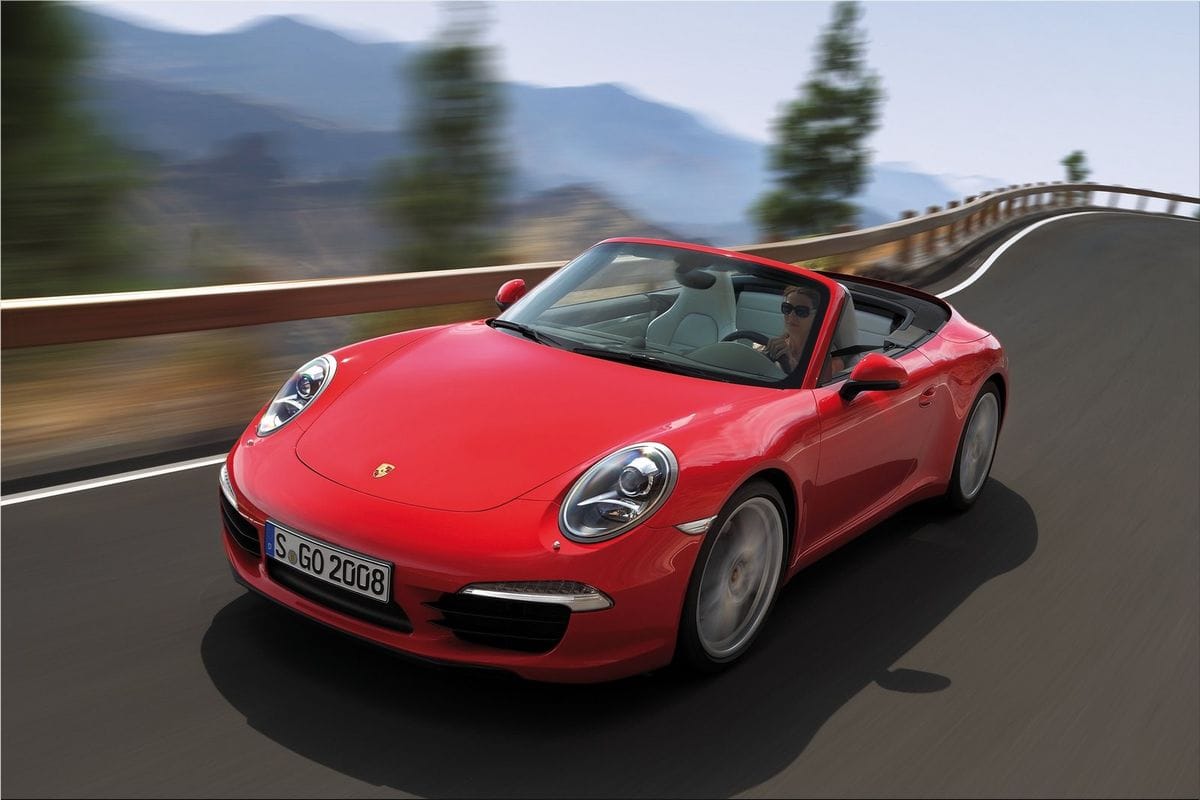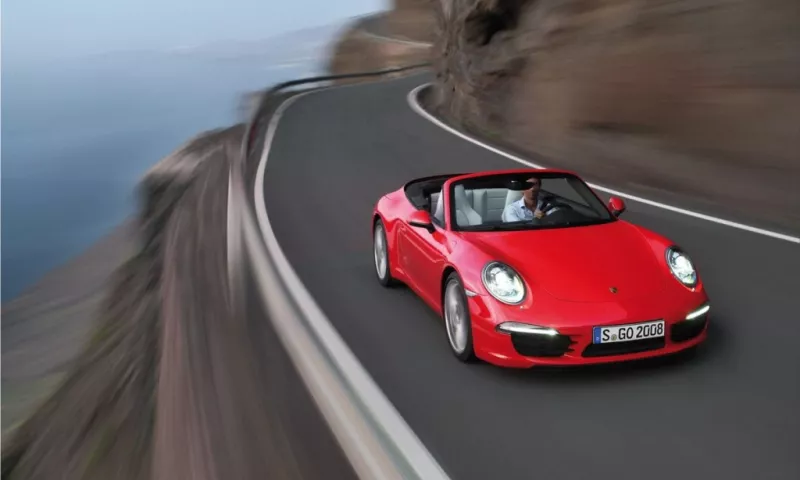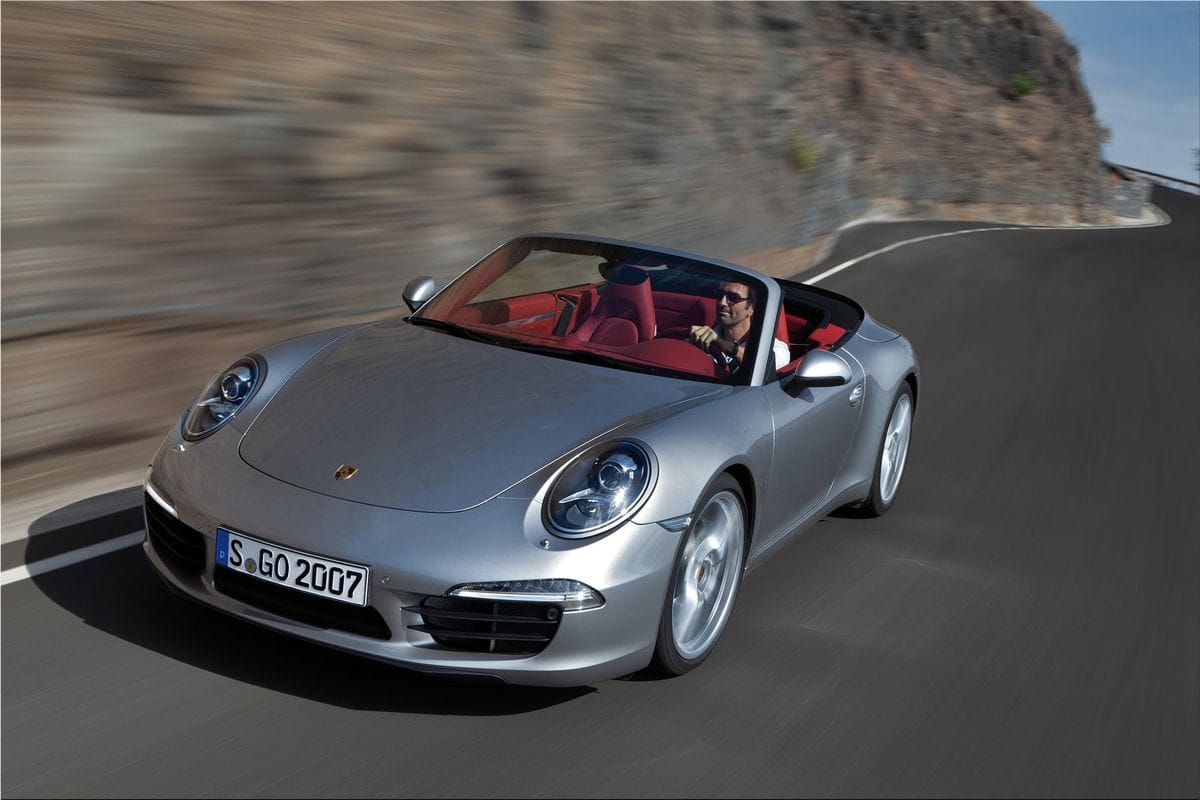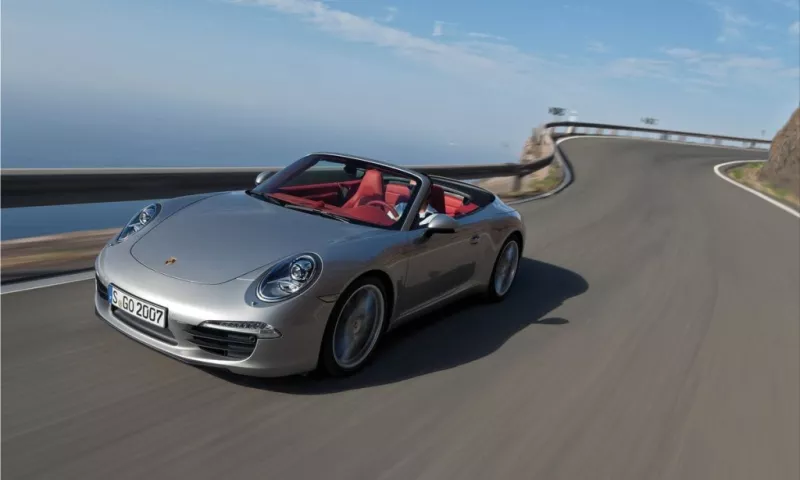
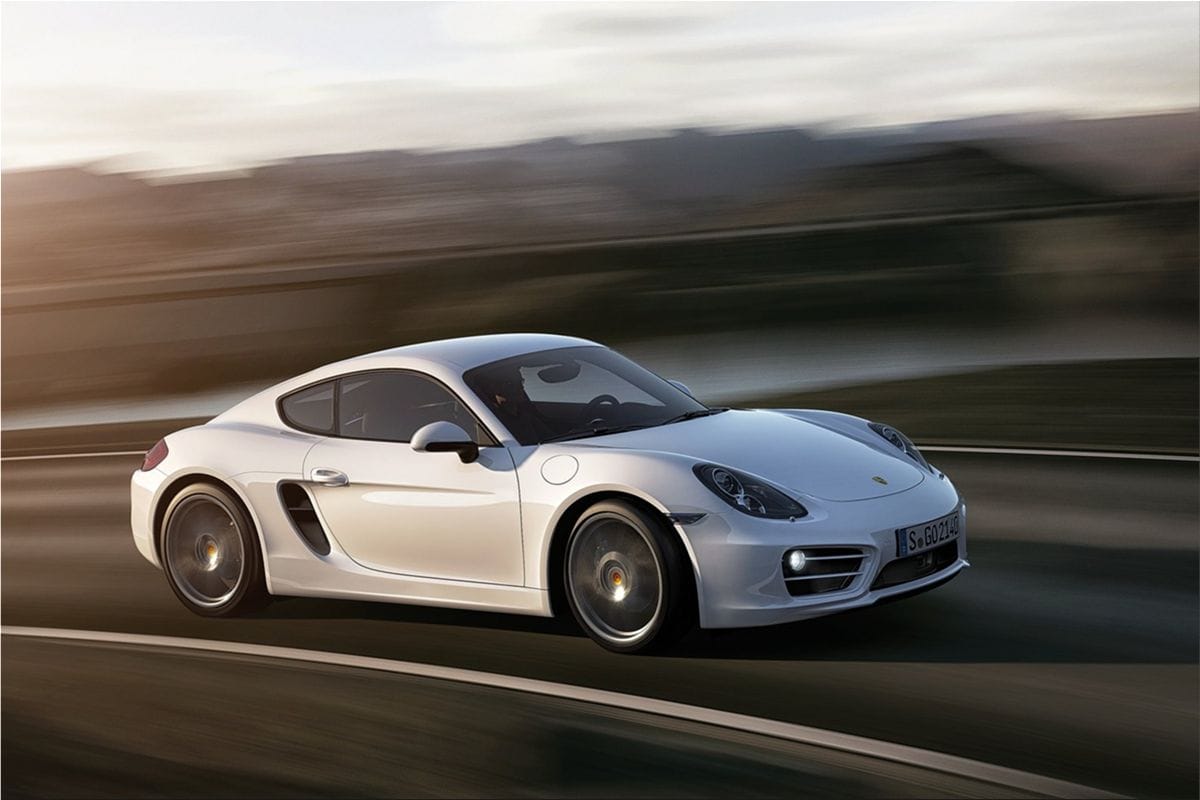
Porsche chose to reveal its new generation of Porsche Cayman at the L.A. Auto Show.
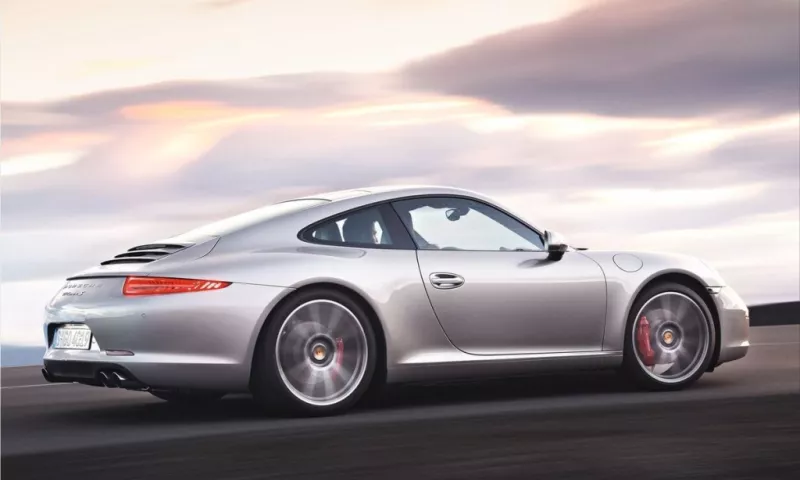
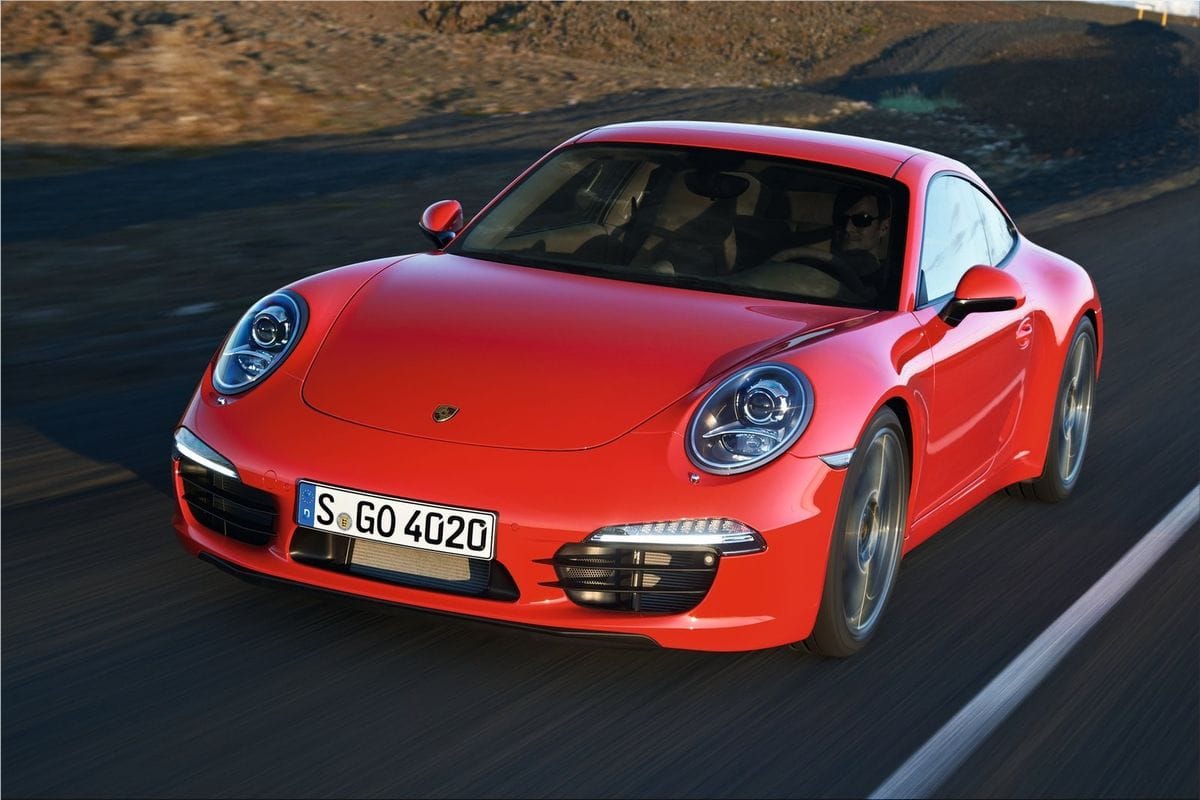
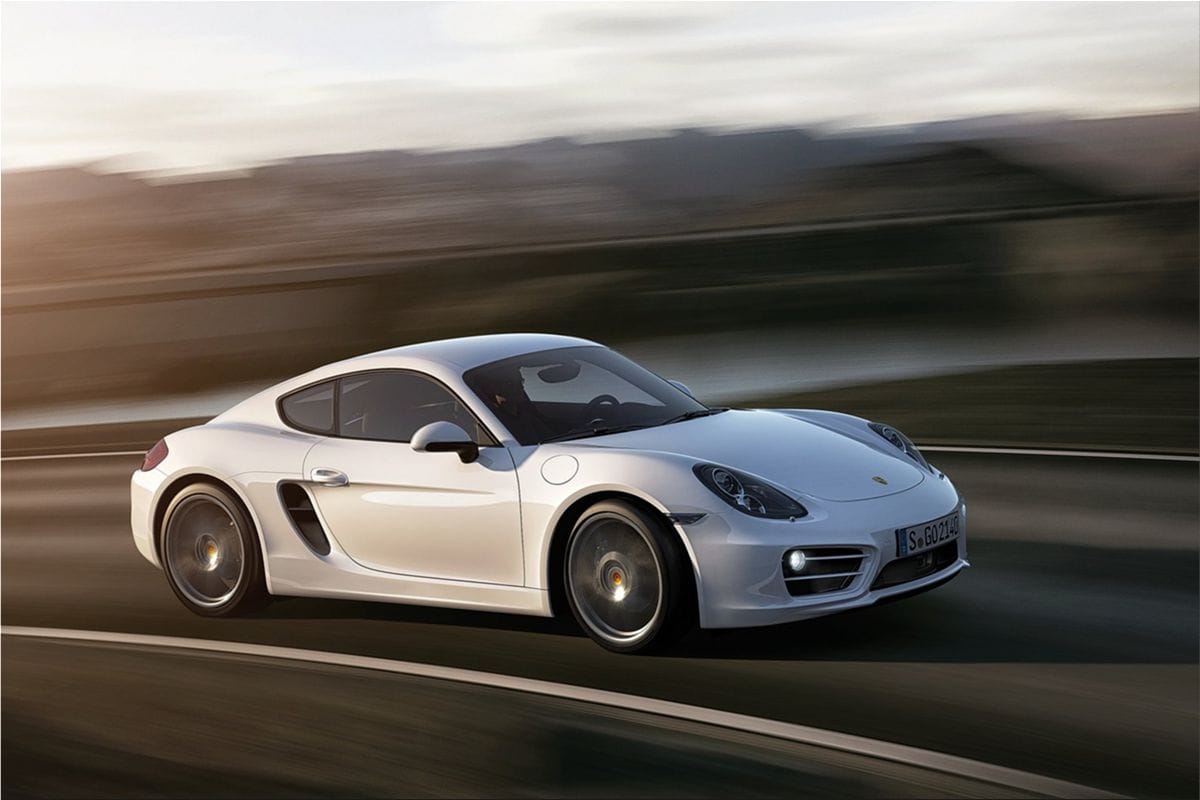
The new Porsche Cayman comes with a fresh design with a more rigid chassis, but with better direction. In the rear, Porsche Cayman is smaller and has an undersized spoiler which I think it suits better.
Porsche Cayman comes with a 2.7-liter engine capable of producing now 275hp. It sprints from 0 to 100 km / h in 5.4 seconds, and has a top of 266 km / h. Average fuel consumption is down 15% compared to the old Porsche Cayman generation. The new Cayman is with 30 kg lighter.
The Porsche Cayman S powered by the 3.4-liter six-cylinder engine has 325 hp, 0 la 100 km/h in 4.7 seconds, 283 km/h maximum speed and still is 15 percent more fuel-efficient.
Image gallery
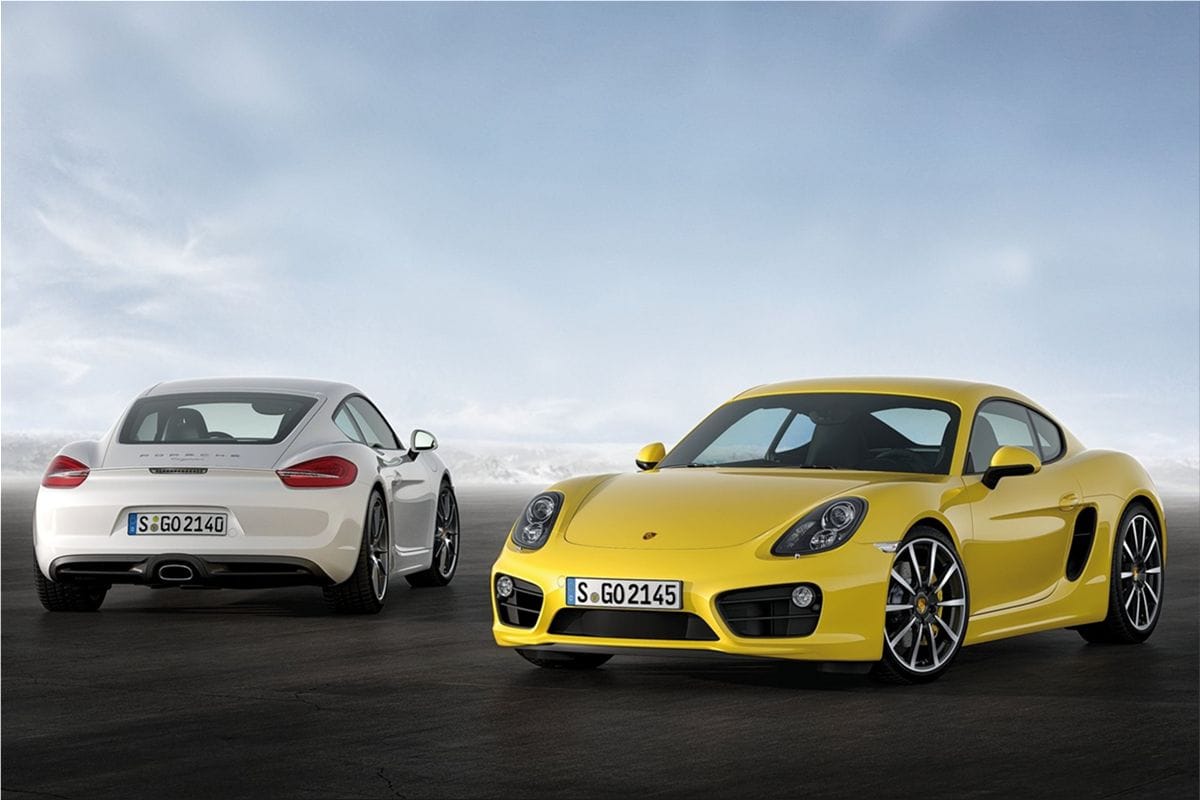
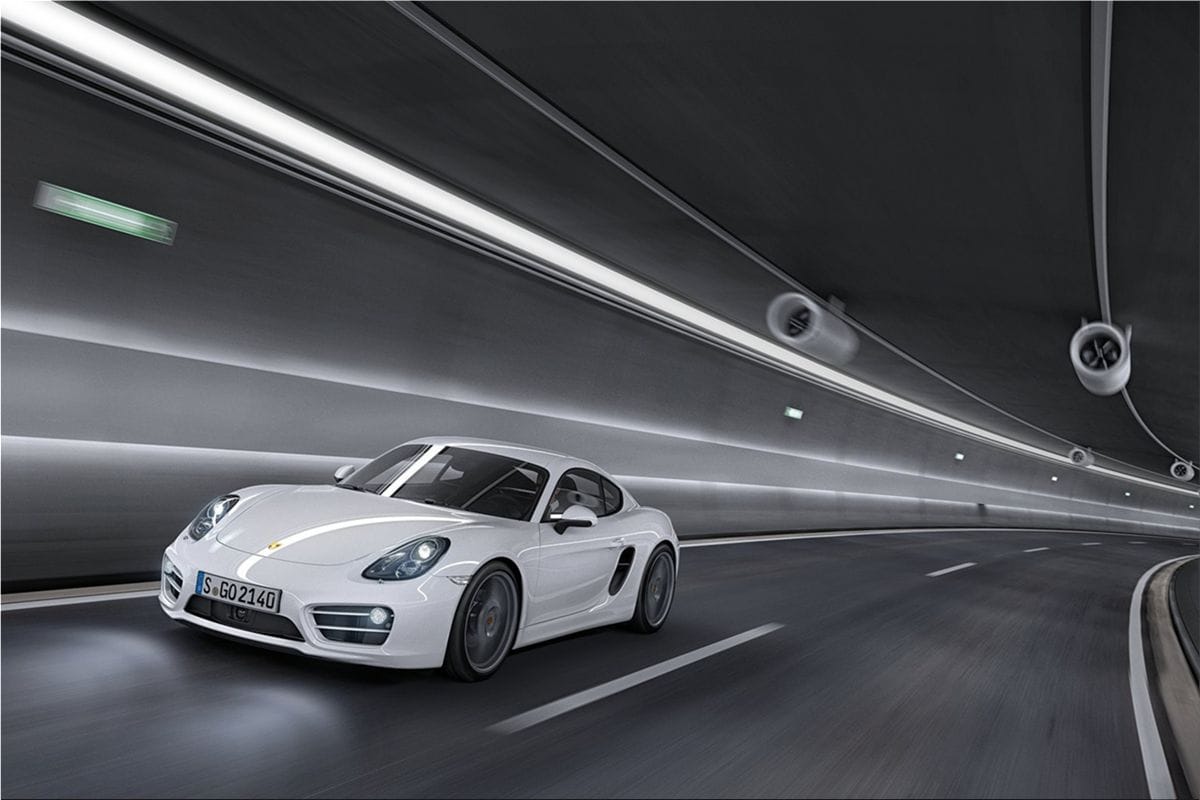
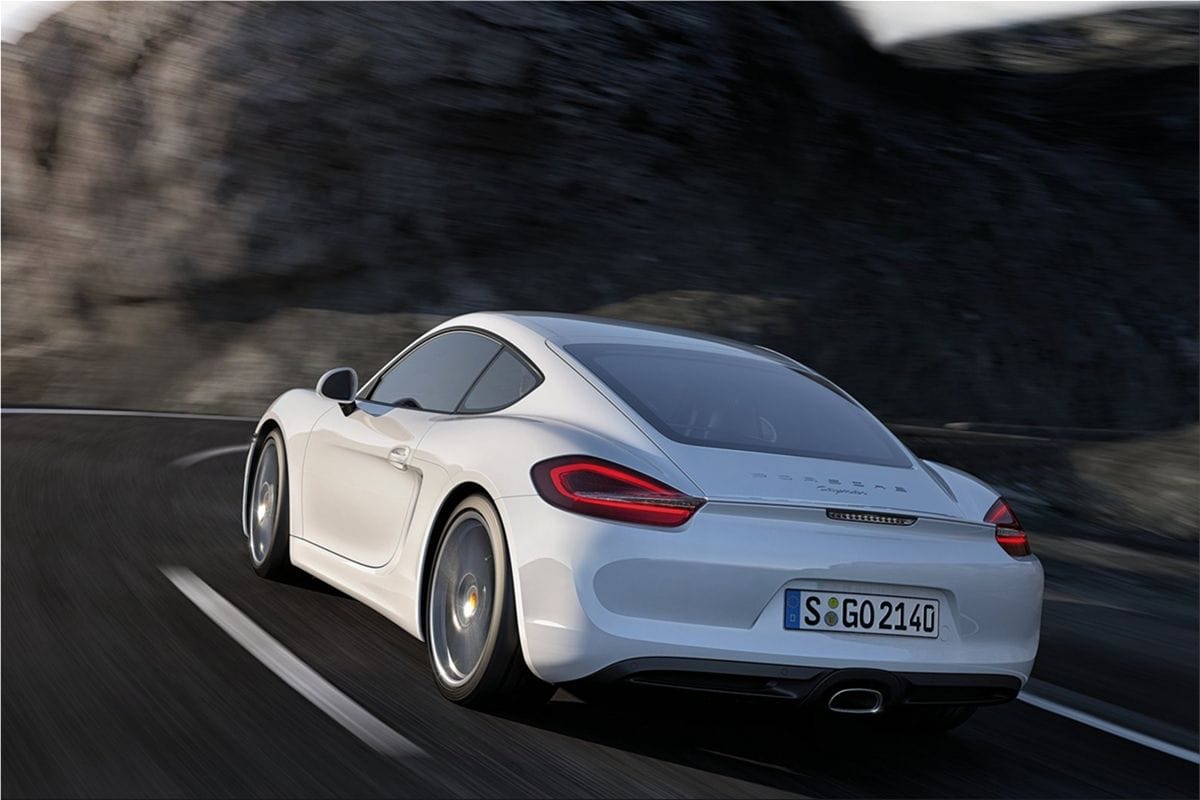
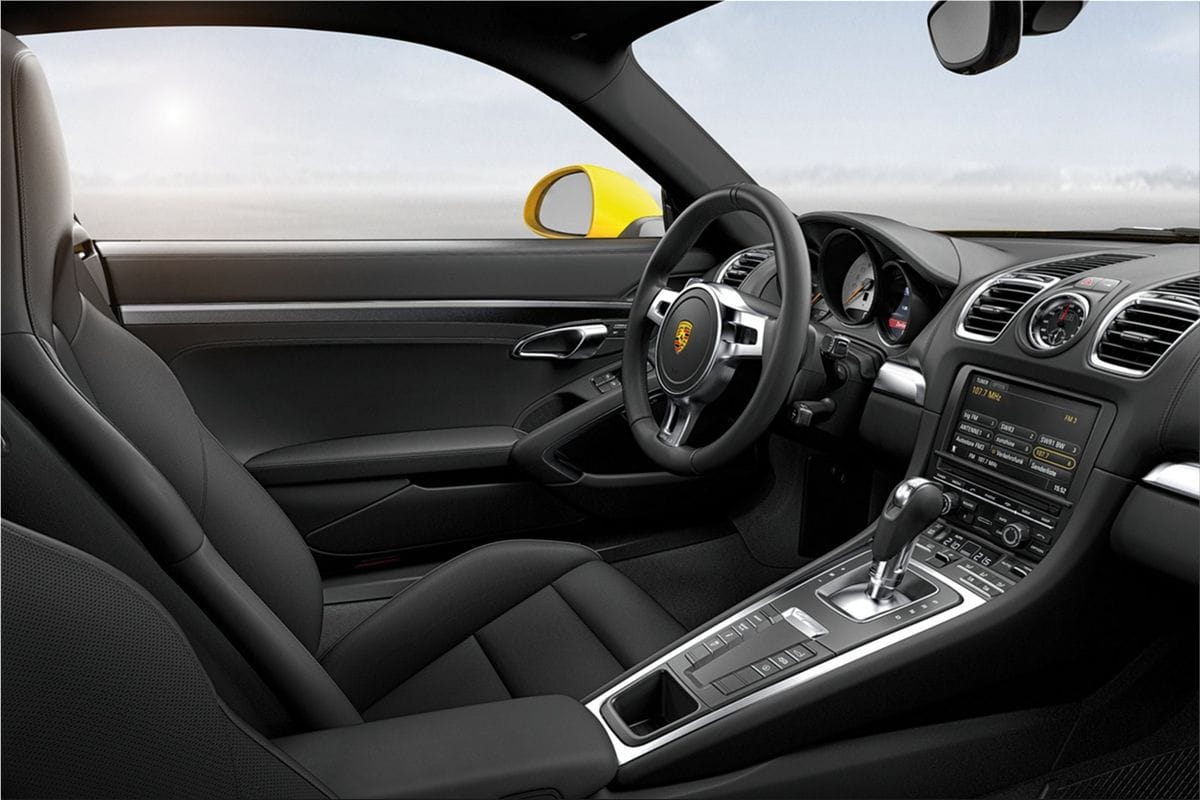
With its specific power of 101.6 hp/litre, the 2.7-litre engine is the first Cayman to break the magic 100 hp per litre displacement barrier for sports car engines. Both engines now produce their maximum nominal power at 7,400/min; it was 7,200/min previously. Not only were peak powers increased by 10 hp to 275 hp (202 kW) in the Cayman and by five hp to 325 hp (239 kW) in the S-model; their two power curves also lie above those of the previous engines, which means that overall the six-cylinder engines produce more power at identical engine revs.
Technical Specifications
Porsche Cayman - 2.7-litre flat-six cylinder engine with 275 PS (202 kW); rear-wheel drive, six-speed manual transmission, optional seven-speed Porsche Doppelkupplungsgetriebe (PDK); acceleration from zero to 100 km/h in 5.7 seconds, with PDK in 5.6 seconds (5.4 seconds with Sport Chrono package); top speed 266 km/h, with PDK 264 km/h; fuel consumption (NEDC) 8.2 l/100 km, CO2 192 g/km; with PDK 7.7 l/100 km, CO2 180 g/km.
Porsche Cayman S - 3.4-litre flat-six cylinder engine with 325 PS (239 kW); rear-wheel drive, six-speed manual transmission, optional seven-speed Porsche Doppelkupplungsgetriebe (PDK); acceleration from zero to 100 km/h in 5.0 seconds, with PDK in 4.9 seconds (4.7 seconds with Sport Chrono package); top speed 283 km/h, with PDK 281 km/h; fuel consumption (NEDC) 8.8 l/100 km, CO2 206 g/km; with PDK 8.0 l/100 km, CO2 188 g/km.
- Add new comment
- 252 views