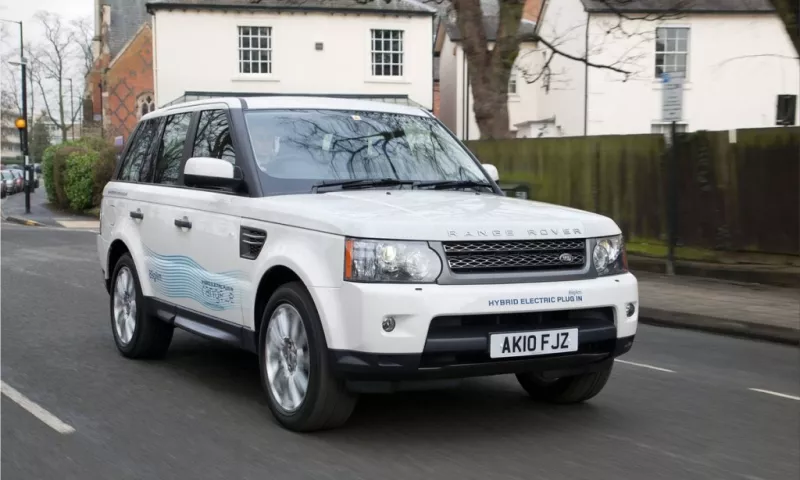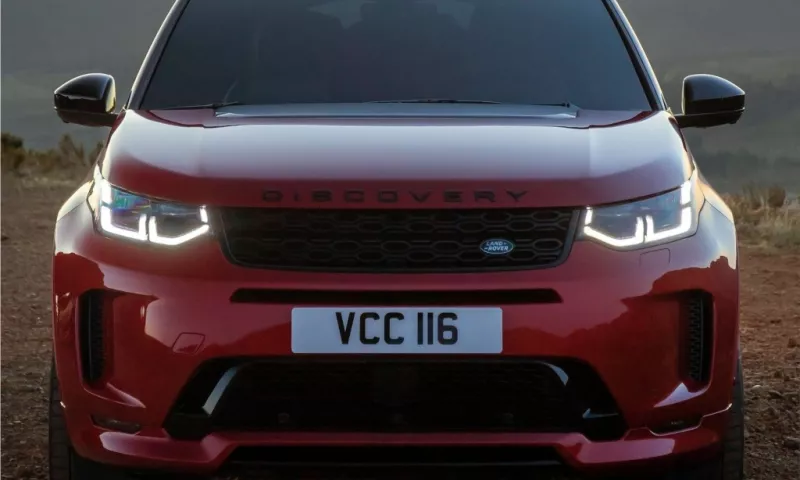

Jaguar Land Rover is developing a prototype with hydrogen-powered fuel cell technology (FCEV) for the new Land Rover Defender, and testing will begin this year.
A fuel cell car is like a normal emission-free electric car, except that it produces its electricity using hydrogen and a fuel cell. It only takes a couple of minutes to fill the hydrogen tank and driving in winter has very little effect on the range.
Image gallery
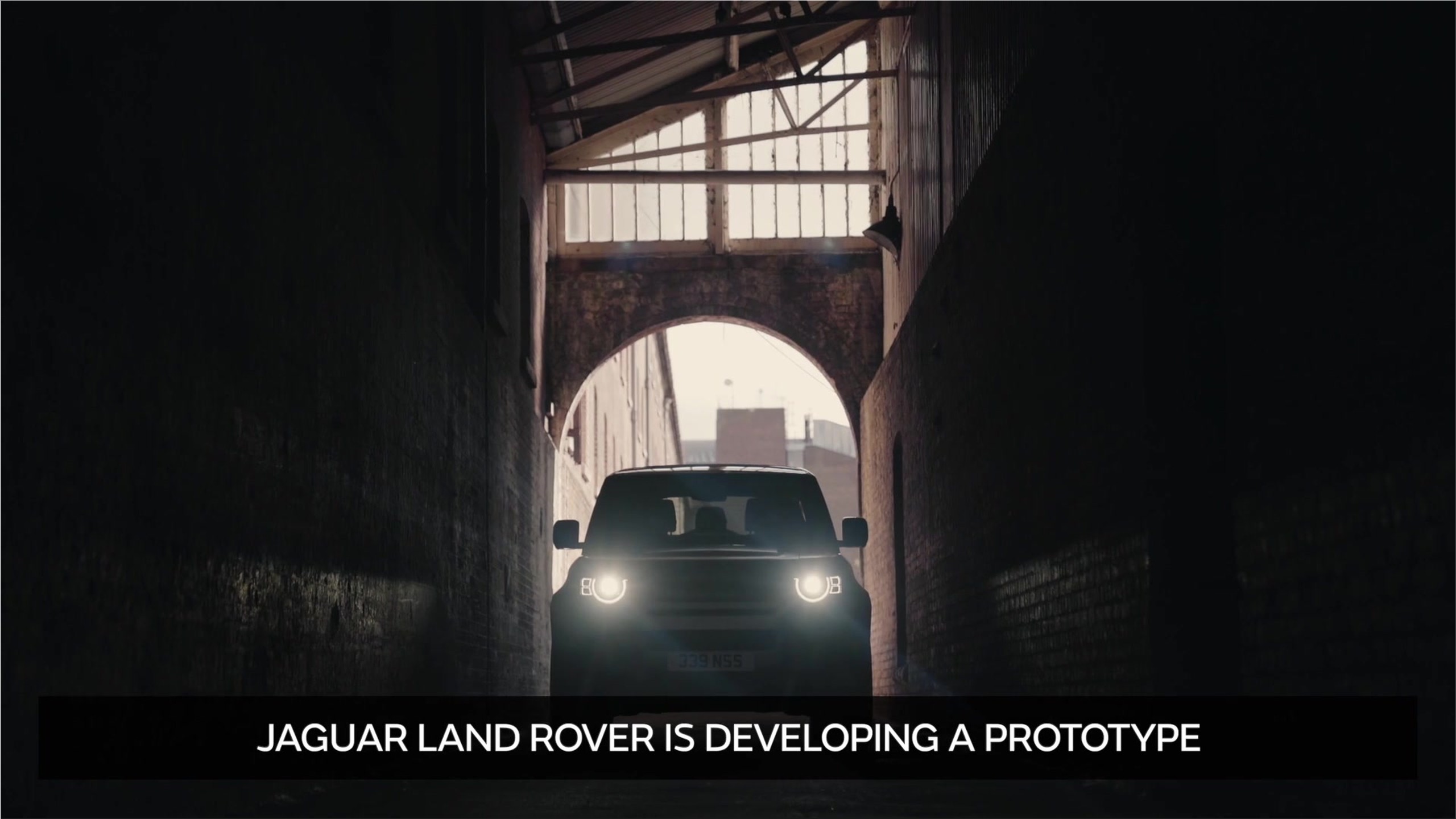
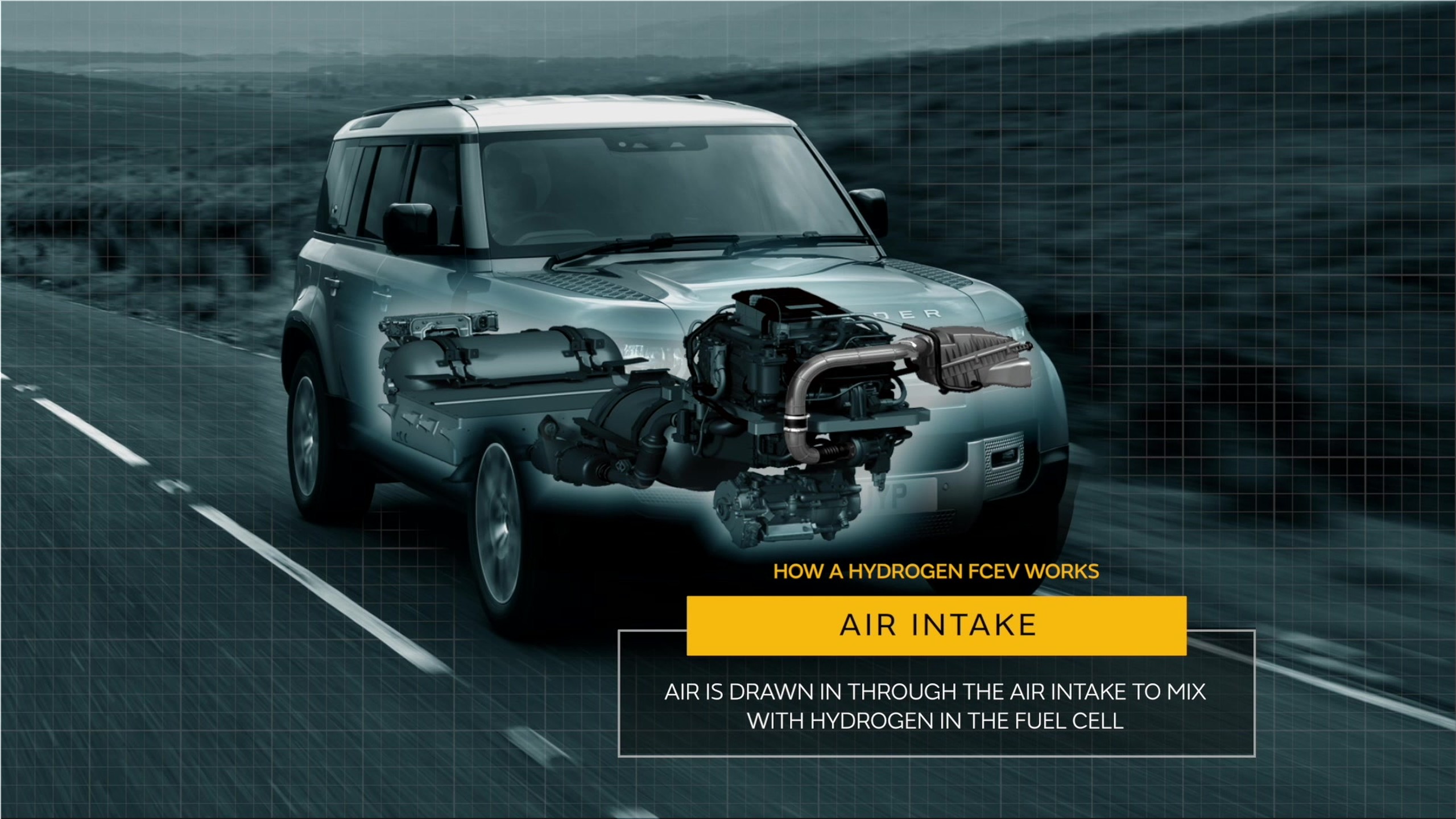

The Hydrogen concept car is part of Jaguar Land Rover's goal of achieving zero emissions by 2036, and zero emissions across the supply chain, products, and operations by 2039, in line with the Reimagine strategy announced last month. Jaguar and Land Rover will offer real all-electric power for all car models by 2030. In addition to electric cars sales from Jaguar, it is expected that approximately 60% of Land Rover cars will be equipped with zero-emission engines.
Jaguar Land Rover's advanced technical project, known as Project Zeus, is partly state-funded and the purpose is better knowledge of how a fuel cell system in a passenger car can best be adapted to users' preferences. All aspects must be reviewed, such as time spent refueling, driving with a trailer or features in the terrain.
The Land Rover Defender hydrogen-powered practical testing will start in the second half of this year. Then relevant data on fuel consumption, temperature and ventilation properties will be collected.
Image gallery
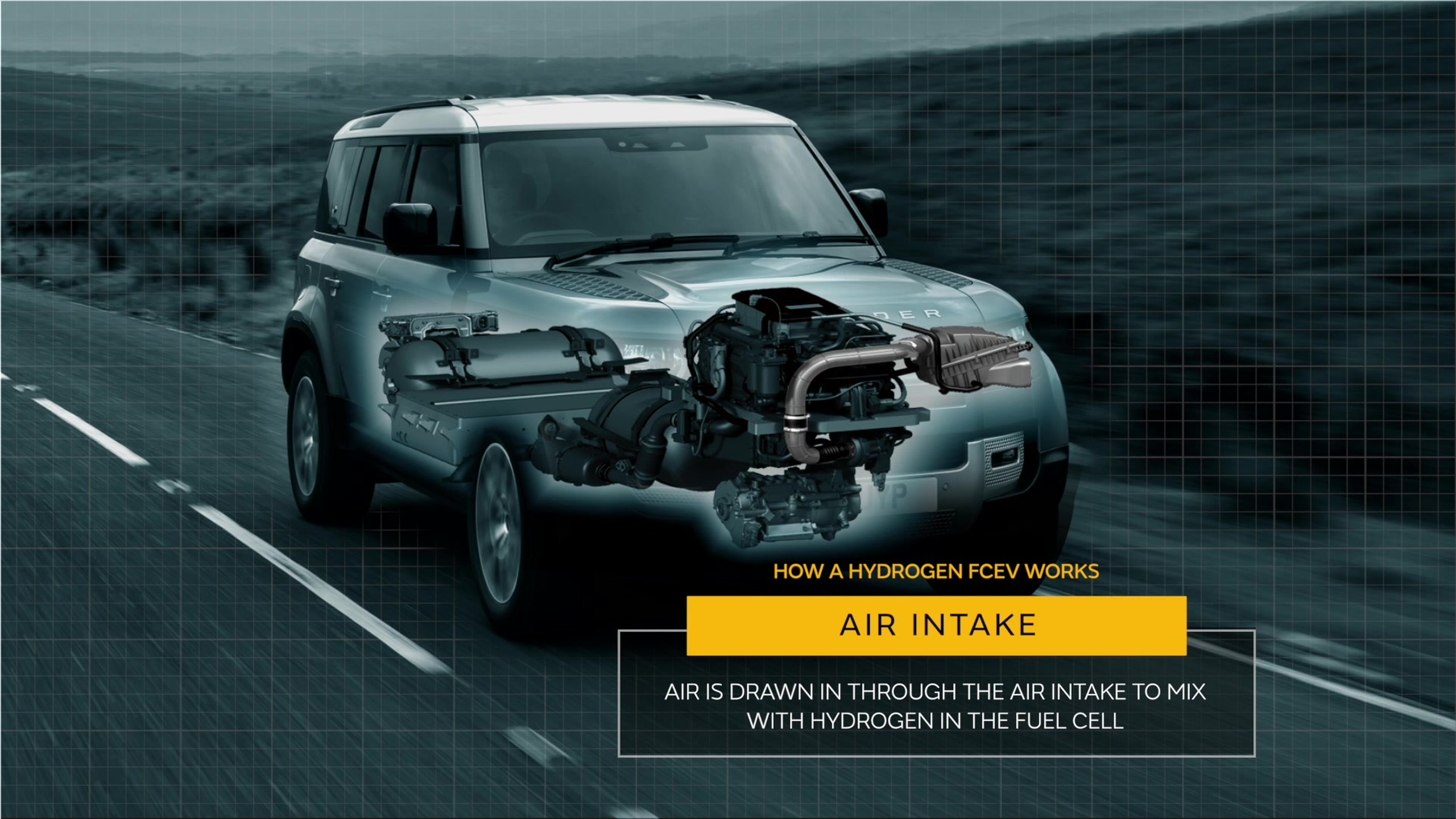
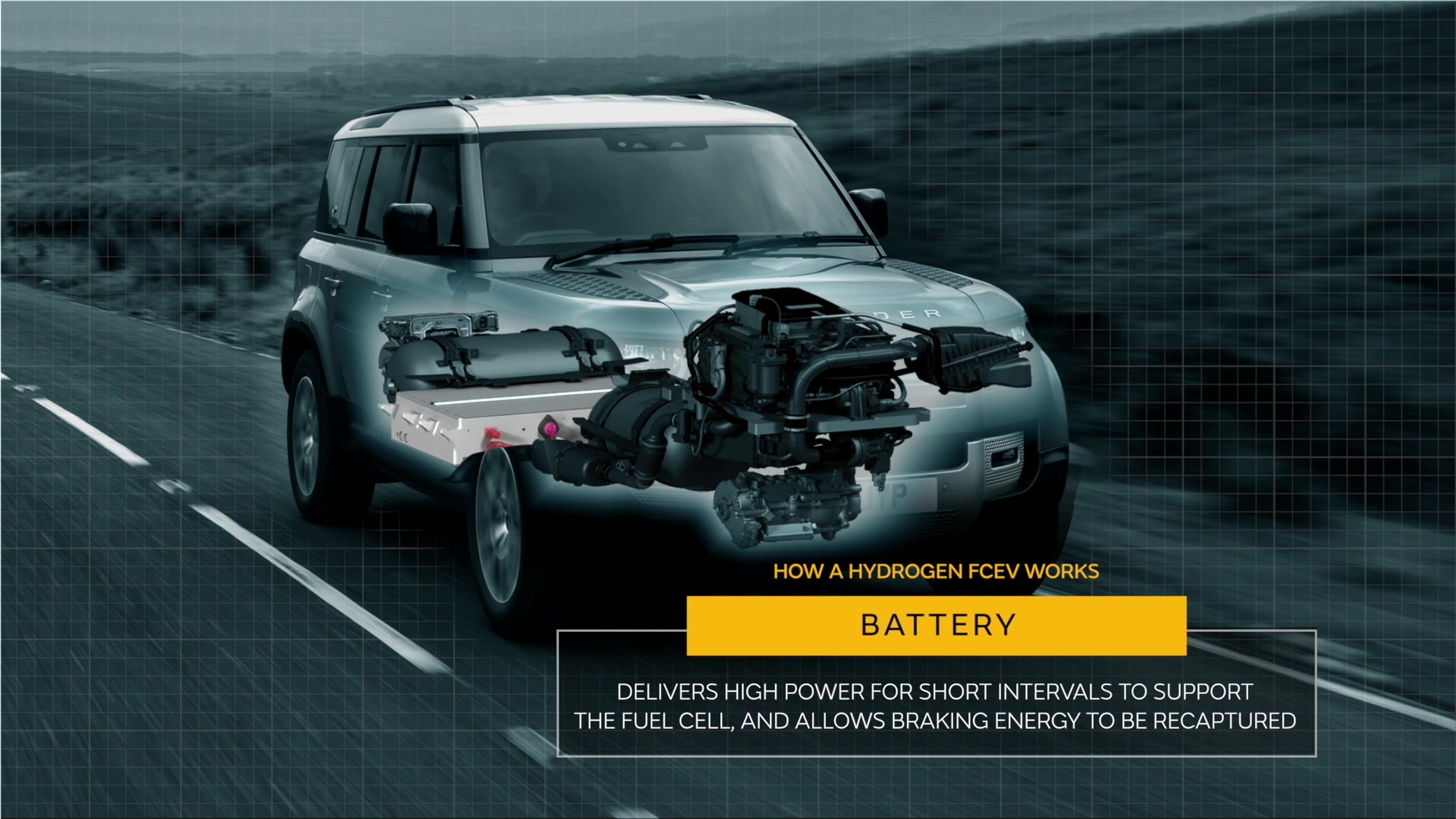
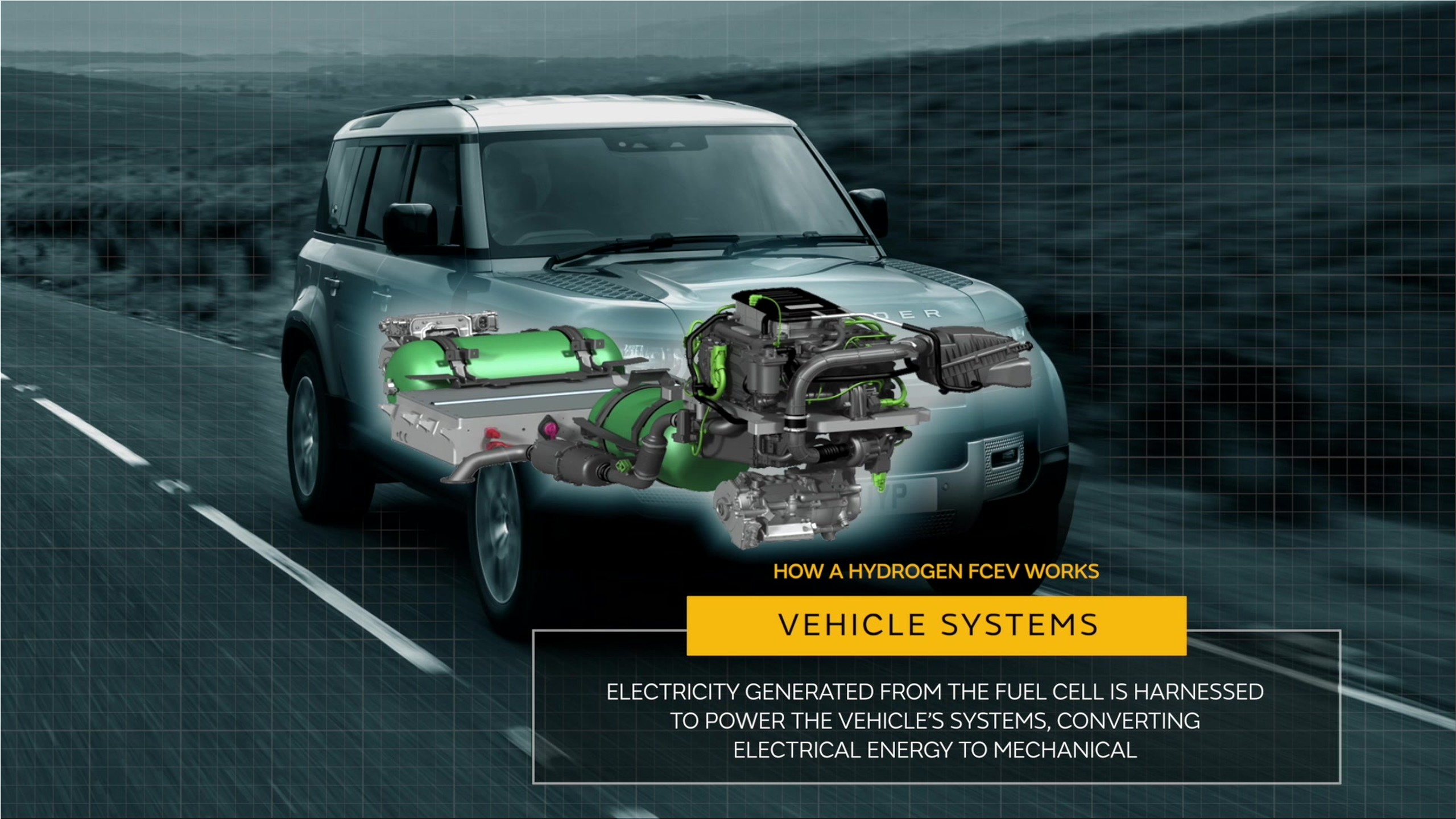
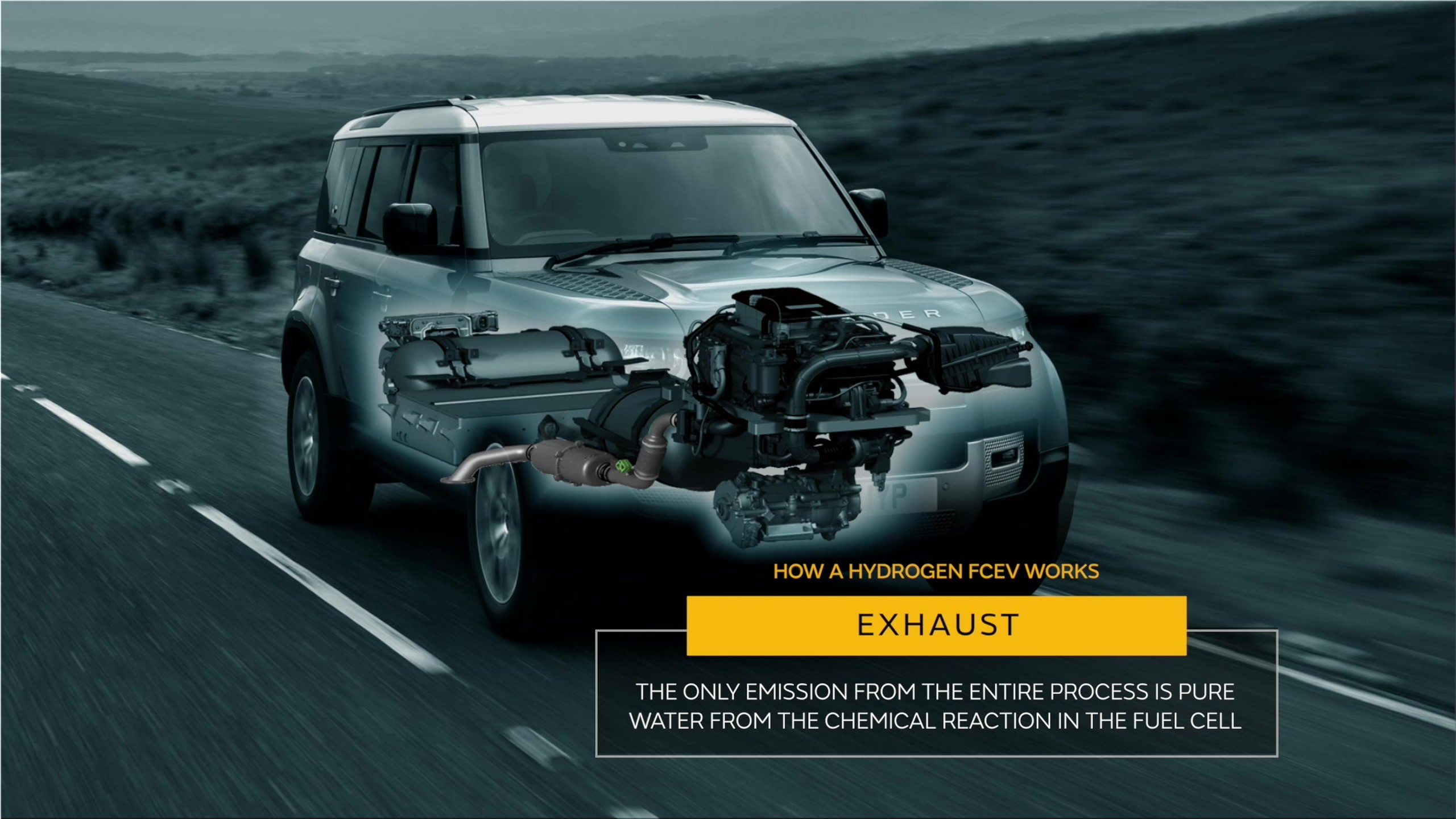



Jaguar Land Rover has heavy partners in this pioneering effort. Delta Motorsport, AVL, Marelli and the UKBIC company are all involved in developing, building and using the new Defender FCEV prototype.
- Add new comment
- 559 views