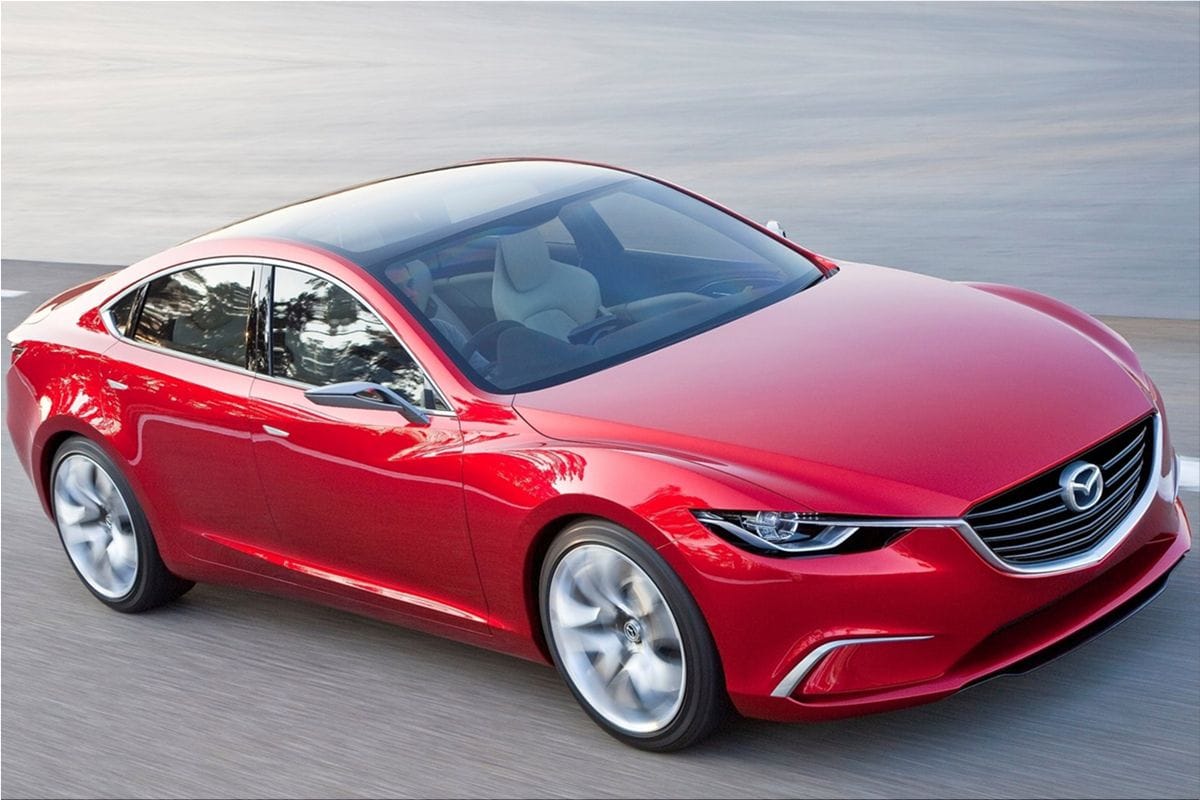

Preparing for the arrival of a newborn is a monumental task that transforms your daily routines in almost every conceivable way. While painting the nursery, assembling the cot, and stocking up on endless supplies of nappies are usually top of the checklist, getting your car completely ready for a tiny passenger is just as crucial. For first-time parents, travelling with a baby means fundamentally shifting your focus from engine performance and top speed to ultimate protection and daily practicality. A thoughtfully prepared vehicle ensures a smoother, safer ride for your growing family, allowing you to focus on the joy of the journey rather than worrying about the logistics of travel.
Prioritising Rear-Facing Child Safety Guidelines
The most important step in preparing your vehicle is selecting and installing the child seat correctly before the baby even arrives. Global safety standards are incredibly strict regarding infant travel, and understanding these rules is vital for any new parent. According to the official NHTSA guidelines, children under one year of age must always ride in a rear-facing car seat. This specific setup is engineered to cradle the child and move with them in the event of a crash, significantly reducing the immense stress that would otherwise be placed on their fragile neck and spinal cord. Experts recommend keeping your child rear-facing for as long as the seat's weight and height limits allow.
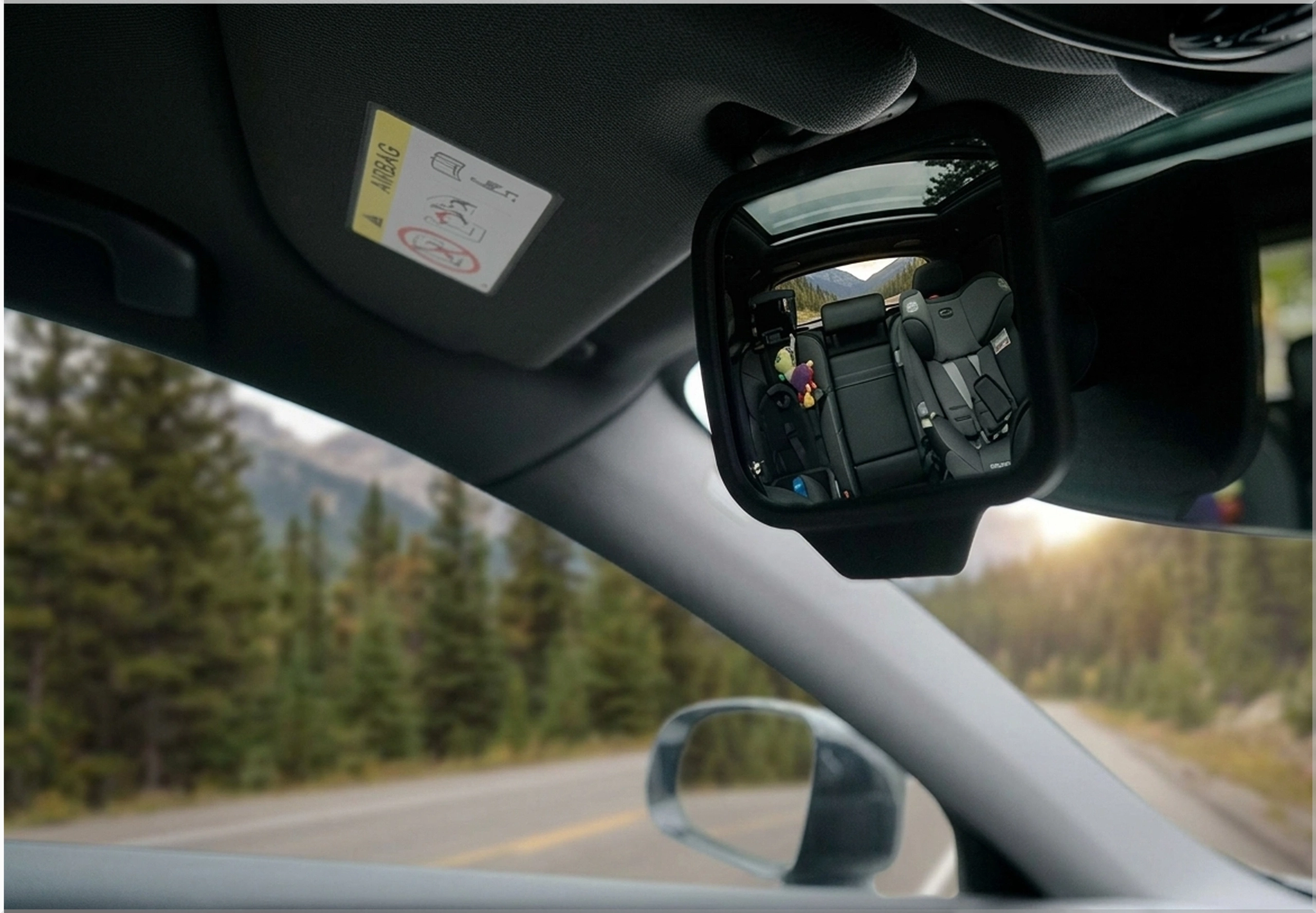
While this rear-facing position is scientifically proven to be the absolute safest option for infants, it does create a practical challenge for the driver. You cannot easily see a rear-facing baby from the front seat to check if they are sleeping peacefully or crying due to discomfort. To solve this issue without turning around and dangerously taking your eyes off the traffic ahead, installing a high-quality mirror for infant car seat is highly recommended. Positioned securely on the rear headrest, it allows parents to quickly monitor their baby via the standard rear-view mirror, minimising dangerous driver distraction while providing much-needed reassurance.
Assessing Your Family Car for Space and Safety
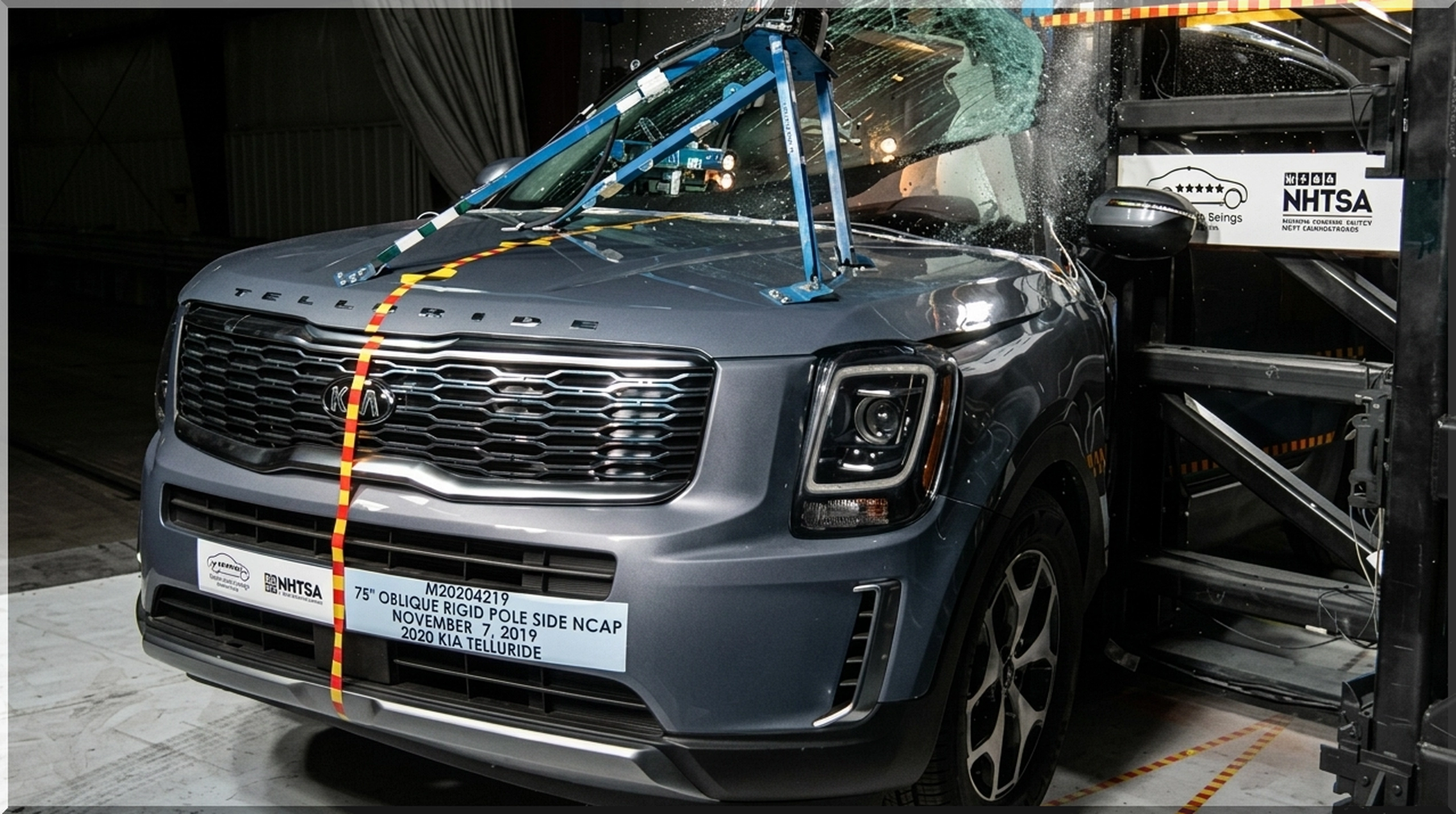
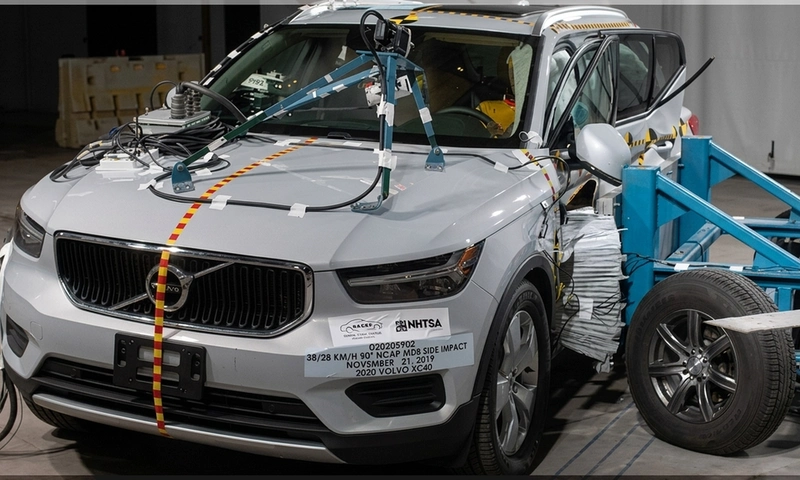
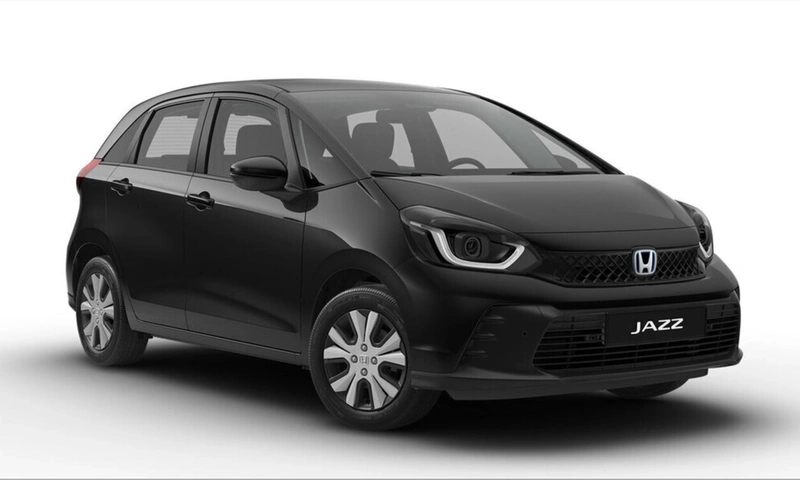
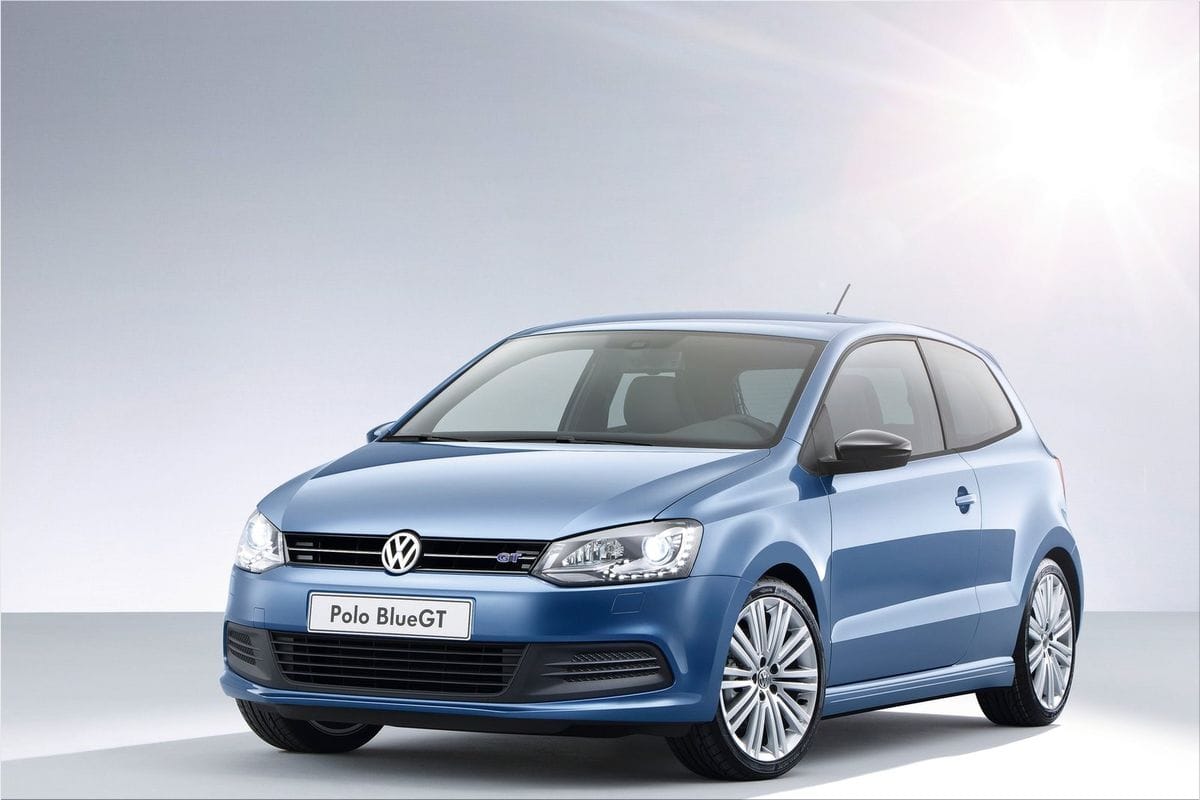
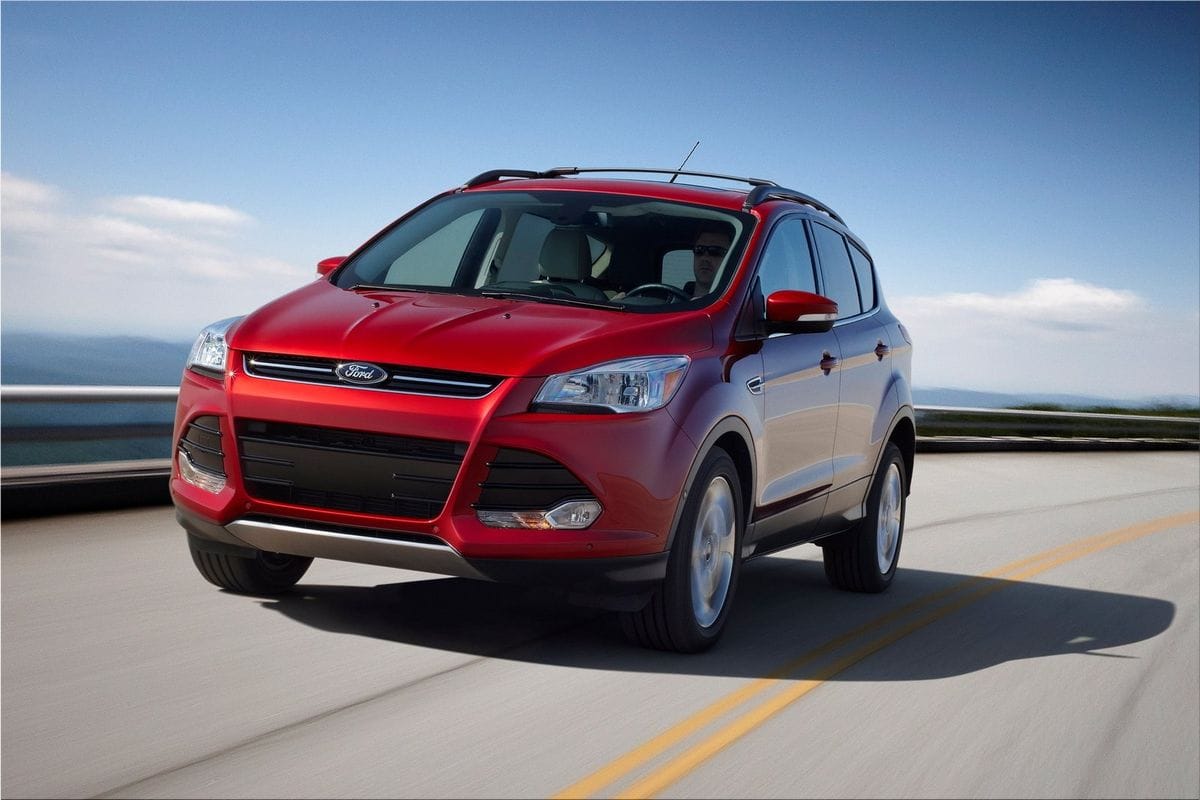
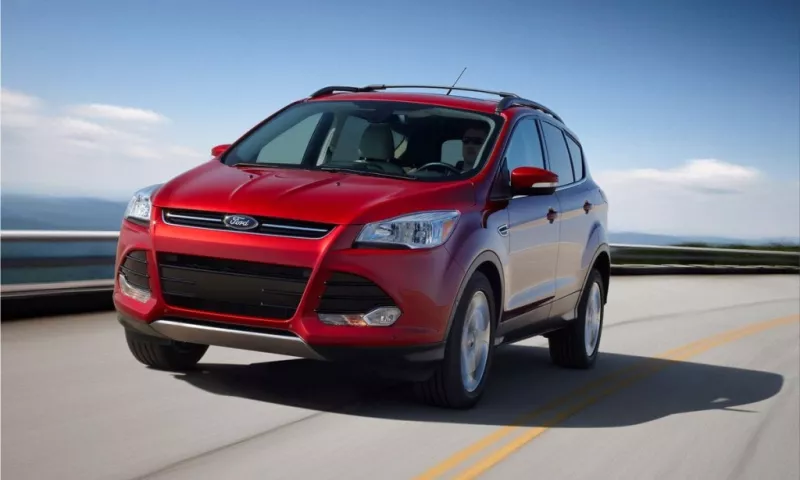
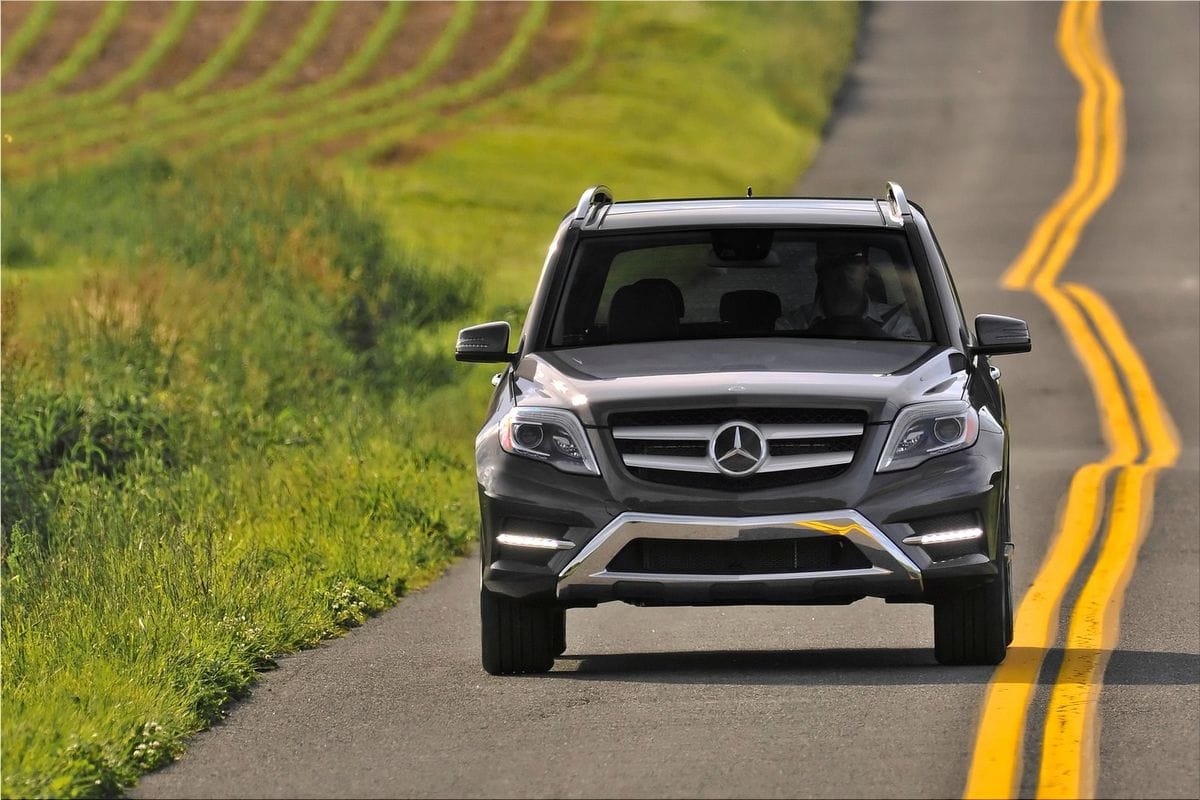
Before you finish purchasing all your interior accessories, it is incredibly wise to evaluate the vehicle itself. A tiny baby requires a surprising amount of gear, meaning boot space and cabin flexibility suddenly become top priorities for daily travel. You need to know that your daily driver can comfortably swallow a bulky pram, a large changing bag, and several grocery bags without compromising passenger comfort. If your current car lacks advanced safety systems, it might be time to look at family-focused alternatives that offer better protection. For instance, evaluating options like the versatile seven-seater highlighted in the recent Dacia Jogger Hybrid 155 review can show you how upgraded emergency braking functions, blind-spot monitoring, and ample luggage space make daily parenting tasks noticeably easier. Establishing a reliable, safe foundation is the very first step in protecting your newest family member.
Creating a Comfortable and Organised Cabin Environment
With the car seat securely installed and your vehicle thoroughly assessed for safety, it is time to focus on the overall environment of the back seat. Babies are highly sensitive to sudden temperature changes and harsh sunlight, requiring a steady supply of essentials while on the move. Creating a dedicated, baby-friendly cabin space will make quick supermarket errands and long holiday road trips much less stressful for everyone involved. Keeping the environment calm and organised directly translates to a happier baby.
Consider adding the following essentials to your vehicle preparation checklist to ensure you are ready for any situation:
- Window sunshades: Protecting your baby's delicate skin and eyes from glaring UV rays is absolutely critical in any climate. Custom-fit shades are ideal because they cover the entire window, block out harsh light, and prevent the rear cabin from overheating during summer months.
- Boot organiser: Keep spare nappies, baby wipes, disposable change mats, and an extra set of clothes neatly stored in the boot. Having a dedicated storage box prevents these essential items from rolling around the cargo area and ensures you are never caught unprepared during an unexpected nappy emergency.
- Mobile first-aid kit: Pack a dedicated baby medical kit containing infant paracetamol, a reliable digital thermometer, soothing creams, and basic bandages. Store this compactly in the glovebox or a seat pocket for immediate access when minor issues arise.
- Seat protectors: A sturdy protective mat placed underneath the child seat will protect your car's expensive upholstery from permanent indentations, accidental spills, and scuff marks as your child grows into the active toddler years.
Transitioning into parenthood is a massive learning curve filled with new challenges, but setting up your vehicle correctly from the very start removes a significant layer of daily stress. By choosing a spacious family car, adhering strictly to rear-facing safety regulations, and outfitting your cabin with smart accessories, you can hit the road with absolute peace of mind. Every journey with your newborn should be focused on creating happy memories together, and a thoroughly well-prepared car provides the perfect starting point for your new family adventures.
Image gallery
- Add new comment
- 97 views