Japanese automotive giant Nissan appears to be changing course again, this time around a smaller lineup, stronger U.S. manufacturing, electrified powertrains, and software-driven vehicles. The shift is already visible: Nissan’s Canton, Mississippi, plant has produced its one-millionth Frontier, the Rogue Hybrid e-POWER is expected to reach the U.S. market, and the Xterra is set to return.
The goal is to rebuild demand without leaning as heavily on discounts and fleet sales. Nissan wants customers to choose its vehicles for design, capability, efficiency, and technology. The strategy is less about chasing volume and more about improving products, reducing development complexity, and creating a stronger retail business.
One Million Frontiers Show the Value of U.S. Manufacturing
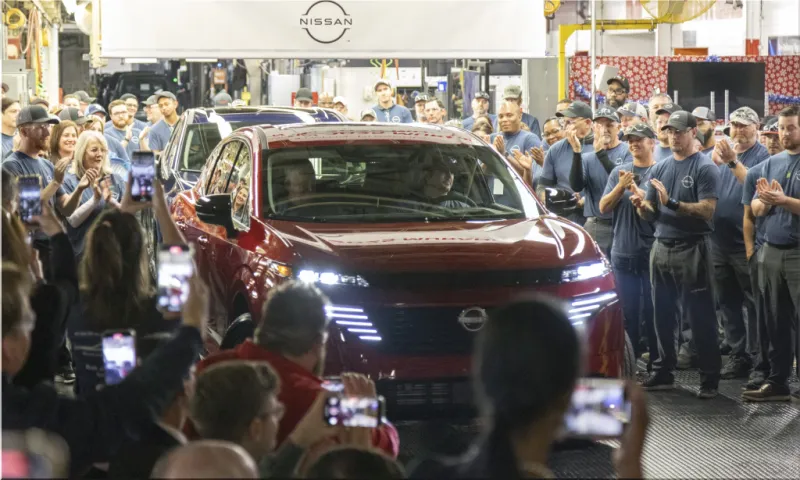
In June 2026, Nissan announced that its Canton Vehicle Assembly Plant had produced its one-millionth Frontier. The milestone matters because the Frontier remains one of the company’s most important U.S. products. Nissan also reported that Frontier sales in May 2026 were 24 percent higher than during the same month a year earlier.
The Canton plant began building vehicles in 2003. Frontier production moved there in 2012, and the current generation has been assembled at the facility since 2021. Nissan’s Decherd Powertrain Plant in Tennessee supports that operation and assembled its 20-millionth engine in April 2026. The milestone engine was a V6 built for the Frontier.
Together, Canton and Decherd give Nissan an established U.S. production base. Local manufacturing can shorten supply lines, improve coordination with suppliers, and help production respond more quickly to demand.
It is worth noting that the Frontier is only one of the models Nissan offers in the U.S. market. Crossovers, SUVs, and, of course, sedans remain popular choices at Nissan dealerships. Current 2026 models and available trim levels can be viewed at https://www.oldorchardnissan.com/new-vehicles/.
Retail Demand Must Replace Discount-Driven Volume
Nissan Group reported 242,741 U.S. vehicle sales in the second quarter of 2026, up 9.6 percent from the same period in 2025. The company also reported 16 consecutive months of year-over-year retail sales growth.
Retail growth matters because Nissan previously depended heavily on incentives and fleet business, including rental-car sales. That approach could lift short-term volume, but it also put pressure on resale values, profitability, and brand perception.
The new strategy is to sell more vehicles to customers who actively prefer Nissan. If the company can reduce incentives while maintaining sales, it could improve margins, support stronger residual values, and give dealers a healthier business model.
The risk is simple: fewer discounts will only work if buyers believe the vehicles are competitive. Product quality, design, technology, and availability must support the shift.
Fewer Models, Lower Complexity
Nissan plans to reduce its global lineup from 56 models to 45. The company says it will concentrate engineering and investment on stronger nameplates while offering more powertrain choices within the models that remain.
Maintaining too many low-volume products increases the cost of engineering, certification, tooling, marketing, and parts support. A smaller portfolio can make development more efficient, especially when several vehicles share platforms, powertrains, electronics, and software.
That does not necessarily mean fewer choices for buyers. Nissan can offer gasoline, hybrid, electric, and other electrified options across a more focused group of vehicles. The Rogue is expected to remain a core U.S. model, while the returning Xterra is intended to add a more distinctive, rugged product.
The challenge is avoiding a lineup that feels too narrow while still capturing the savings promised by fewer vehicle programs.
Rogue Hybrid e-POWER Addresses a Major Product Gap
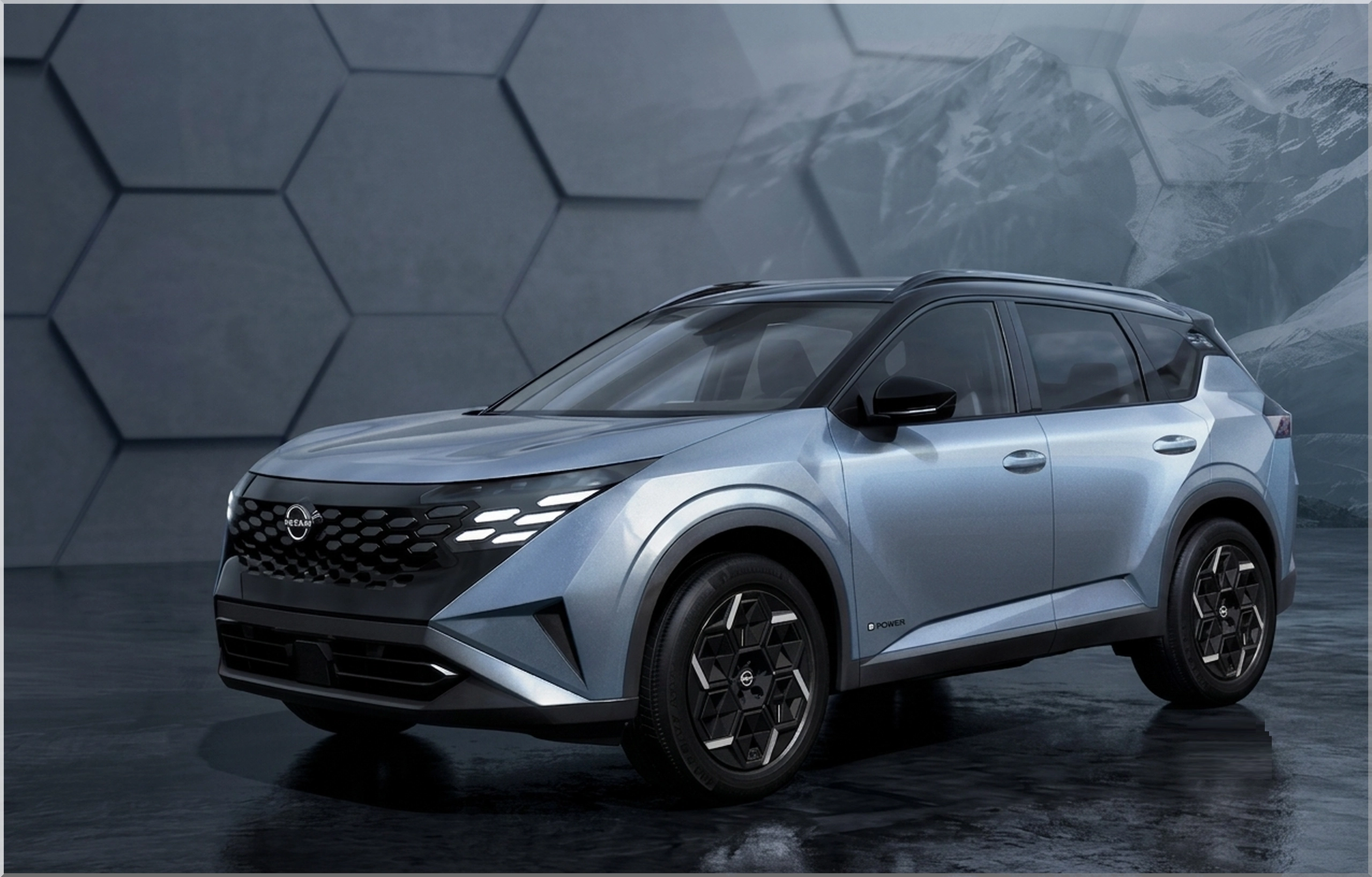
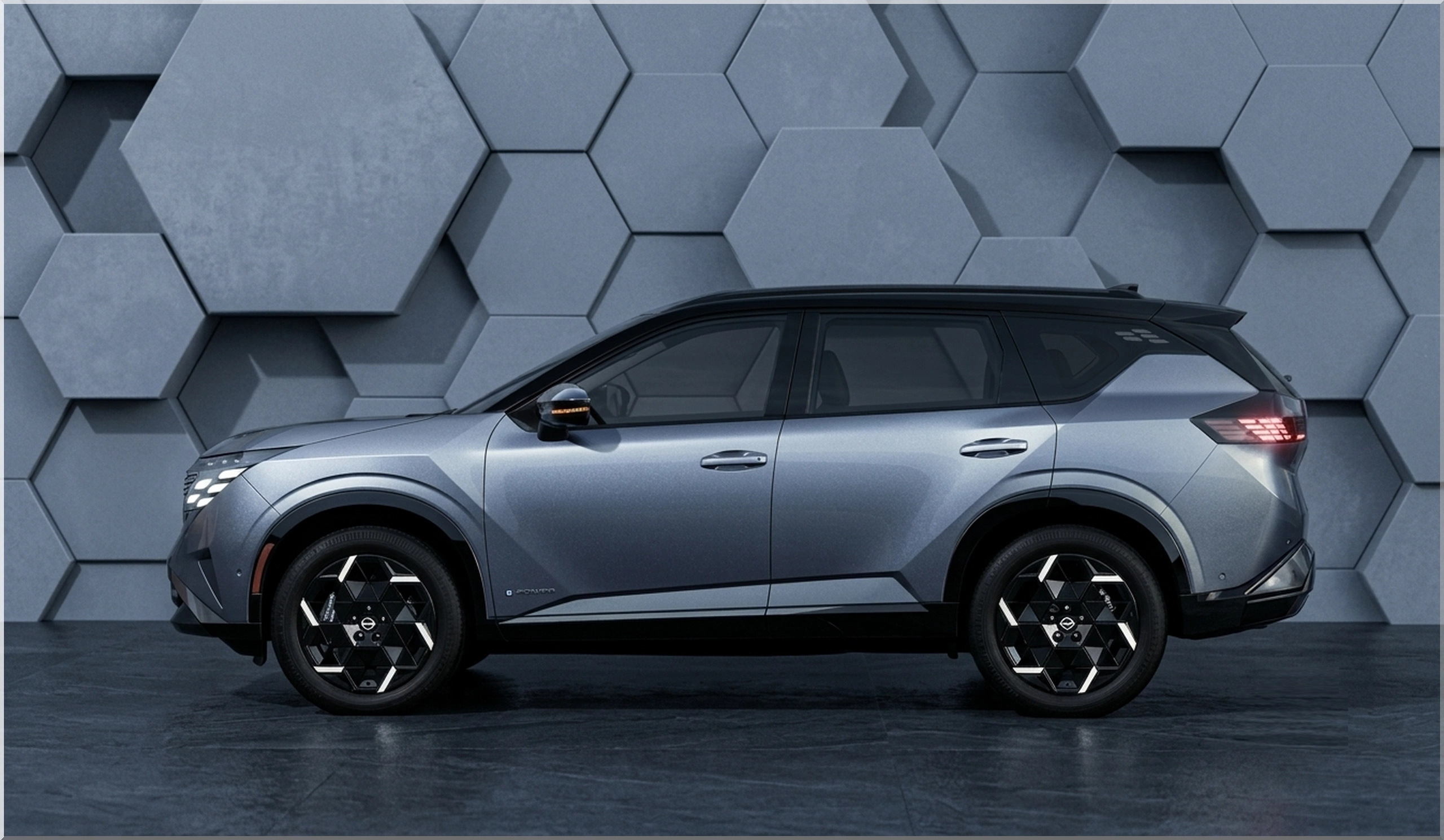
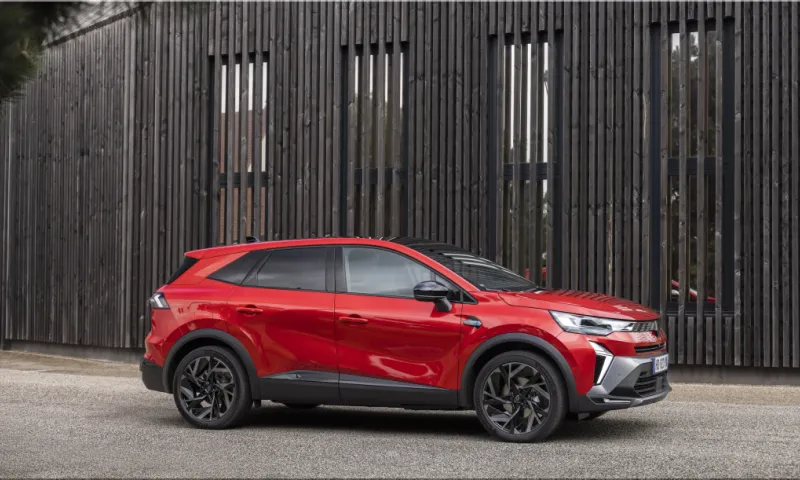
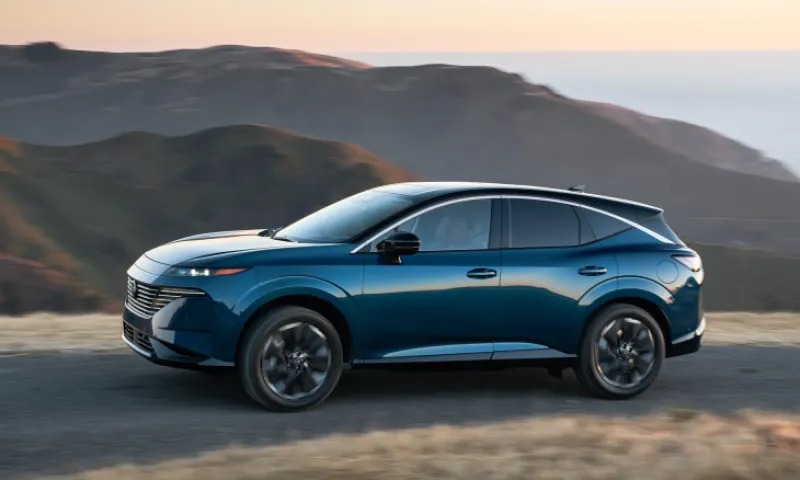
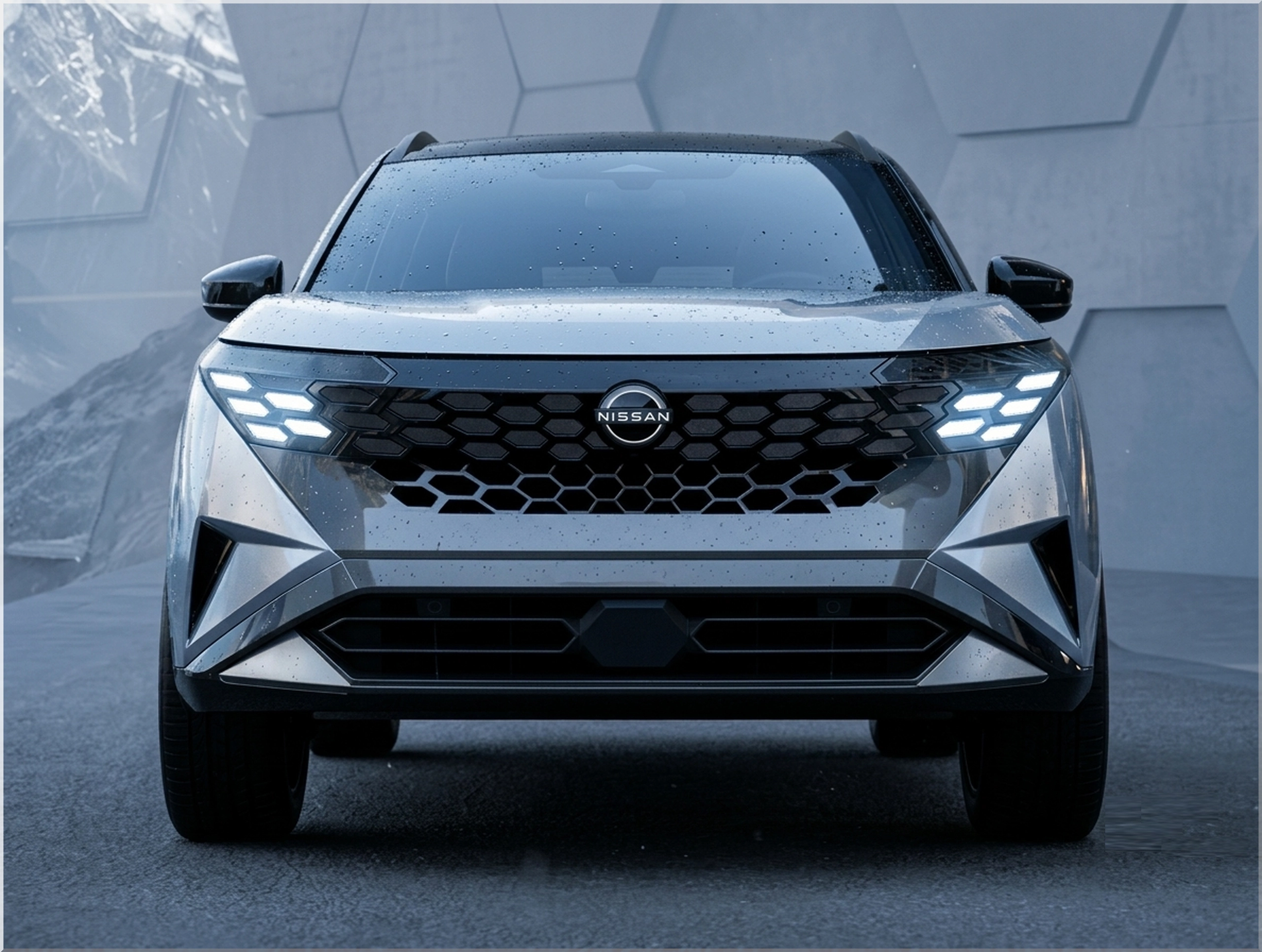
The 2027 Rogue Hybrid e-POWER is expected to launch in the U.S. and Canada in late 2026. It could become one of Nissan’s most important new products because the compact SUV segment is highly competitive and increasingly focused on hybrid powertrains.
Nissan’s e-POWER system differs from conventional parallel hybrids. A gasoline engine generates electricity, while electric motors drive the wheels. The vehicle does not require external charging, allowing it to provide the responsive feel of an electric drivetrain without relying on charging infrastructure. A preview of the 2027 Nissan Rogue Hybrid also notes that the U.S. model will use an all-wheel-drive version of the e-POWER system.
That formula may appeal to buyers who want improved efficiency but are not ready to switch to a fully electric vehicle. It could also help Nissan distinguish the Rogue from established hybrid competitors in the compact SUV market.
The commercial test will be price and execution. Buyers will compare fuel economy, reliability, interior space, performance, and overall ownership costs. Nissan will need to deliver clear efficiency and driving benefits without pricing the Rogue beyond its main competitors.
Xterra Could Bring Back Brand Identity
The return of the Xterra serves a different purpose. While the Rogue Hybrid e-POWER is about efficiency and volume, the Xterra is about identity.
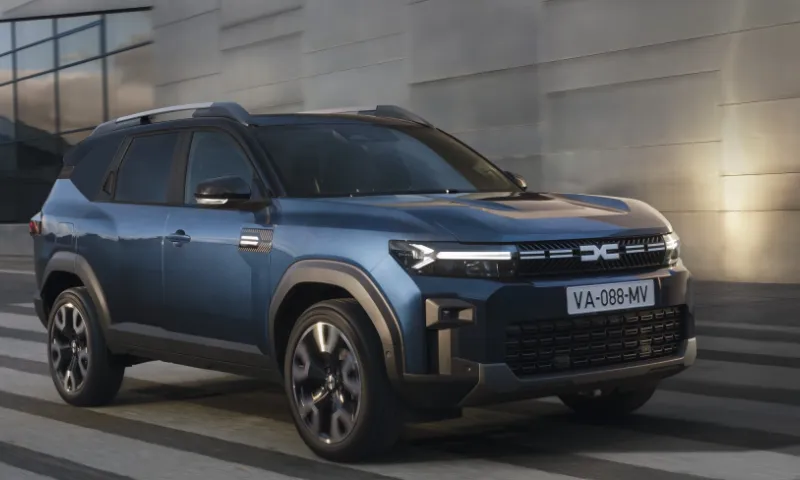
The original Xterra built a loyal following through recognizable design and an outdoor-oriented image. Nissan has described the returning model as a body-on-frame SUV with an adventurous character and purpose-driven design.
That places it in a competitive market for rugged SUVs. Styling alone will not be enough. Buyers will expect credible four-wheel-drive performance, useful ground clearance, towing capability, durable materials, and practical accessories.
A successful Xterra could help Nissan move beyond an image centered on basic transportation and discounts. It could give the brand a product that generates enthusiasm rather than simply competing on value.
AI-Defined Vehicles Raise the Stakes
Nissan’s longer-term plan is to introduce AI-defined vehicles across approximately 90 percent of its future lineup. The company is also developing the next generation of ProPILOT with AI driving technology from Wayve.
An AI-defined vehicle is more than a car with a better voice assistant. Artificial intelligence may influence driver assistance, vehicle control, personalization, navigation, diagnostics, and software updates.
That shift will affect factories, suppliers, and dealers. Production systems must support more sensors, cameras, computing hardware, and power electronics. Technicians will need stronger software and diagnostic skills, while sales teams must explain new features clearly.
Software also introduces risks. Driver-assistance systems must have clear limits, cybersecurity must remain a priority, and updates must be reliable. New features will only strengthen the brand if customers understand them and see practical value.
Execution Will Decide Whether the Strategy Works
Nissan now has several pieces of a possible U.S. recovery: growing retail sales, a substantial manufacturing base, a major hybrid launch, the return of a recognizable SUV, and a long-term plan for AI-supported vehicles.
Some parts are already visible, including Frontier production and retail growth. Others remain ahead. The Rogue Hybrid e-POWER has not yet proved itself in the U.S. market, the Xterra still has to reach production, and broad deployment of Nissan AI Drive will take years.
The main risks are delays, quality problems, high development costs, weak customer response, and a return to heavy discounting if sales slow. Nissan must also ensure that new technology improves ownership rather than adding expense and confusion.
The one-millionth Frontier shows that Nissan still has a strong industrial foundation in the United States. The next step is turning that foundation into better products, efficient production, and sustained customer demand. The strategy is credible, but its success will depend on execution.