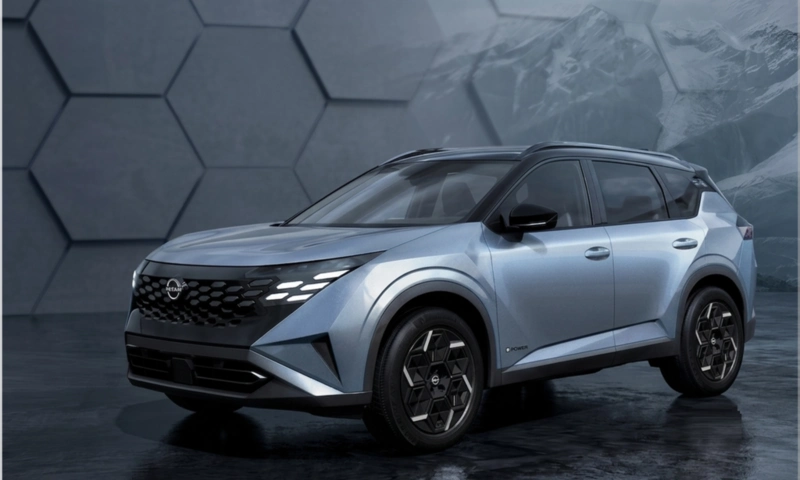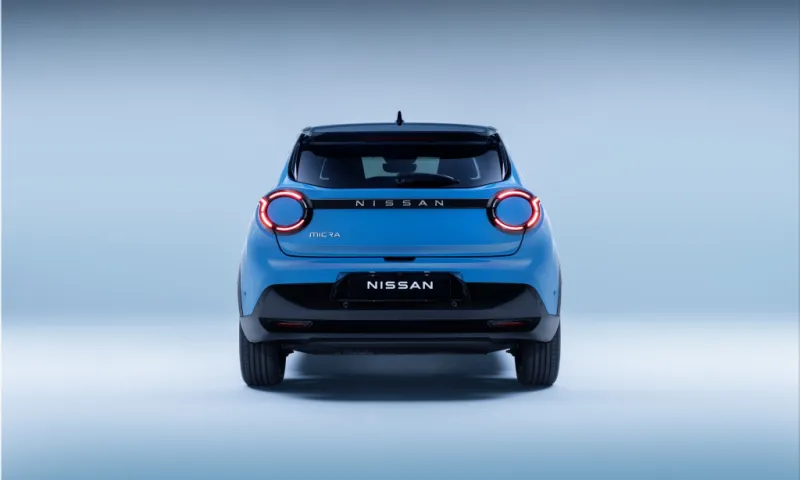
The Nissan Rogue has earned respect in a crowded market. It draws buyers with balanced size and strong appeal. Its designers refined it through methodical steps. They shaped a crossover that connects with many drivers. Its design changes show steady progress. Its appeal goes beyond one generation.
Table Of Contents
- Early Priorities In Exterior Design
- Shaping A Defined Crossover Identity
- Interior Upgrades For Comfort
- Technology As A Core Strength
- Safety And Driver Assistance
- Powertrain Choices And Efficiency
- Pricing Strategy And Market Position
- Future Perspectives
1. Early Priorities In Exterior Design
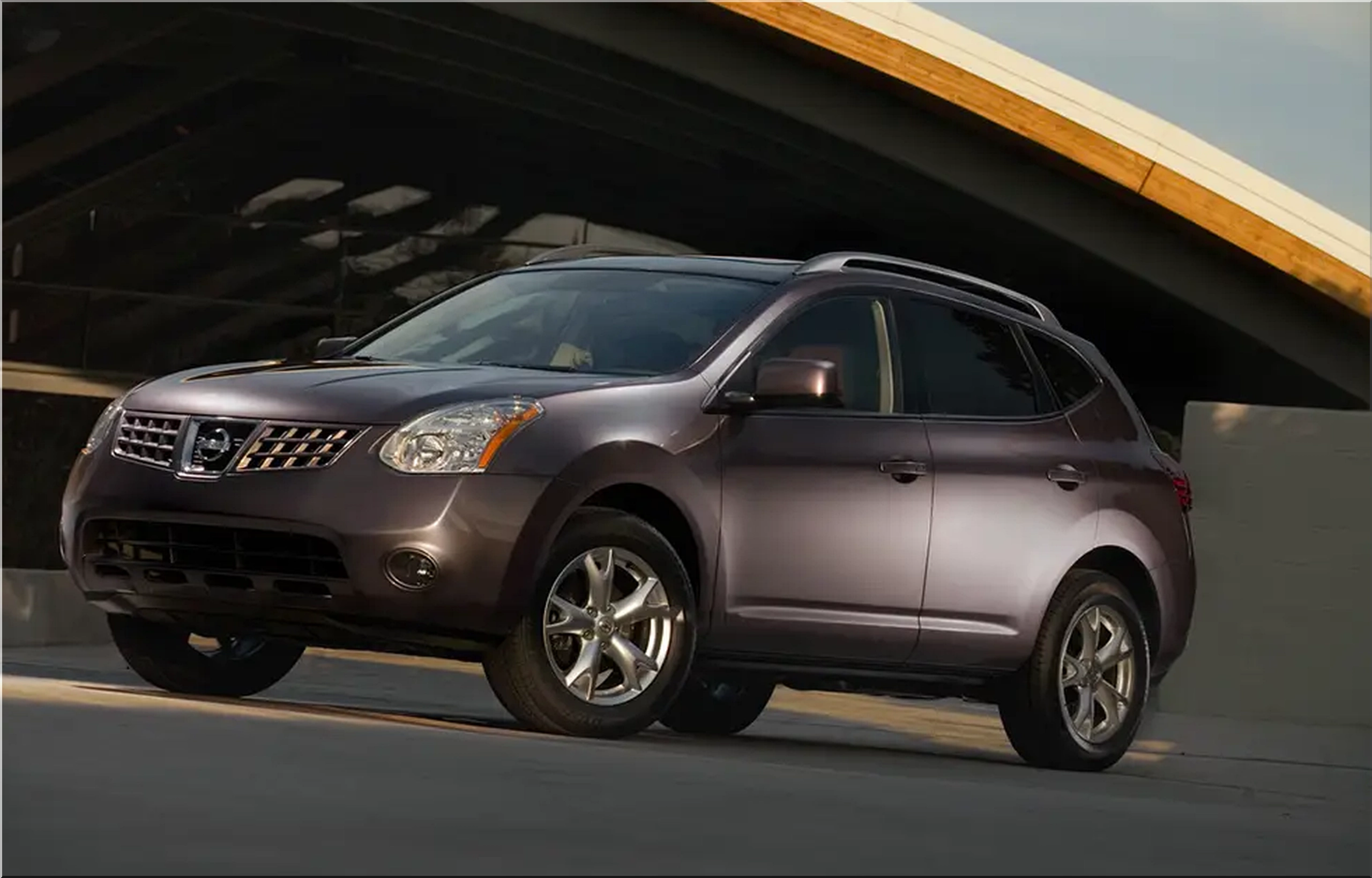
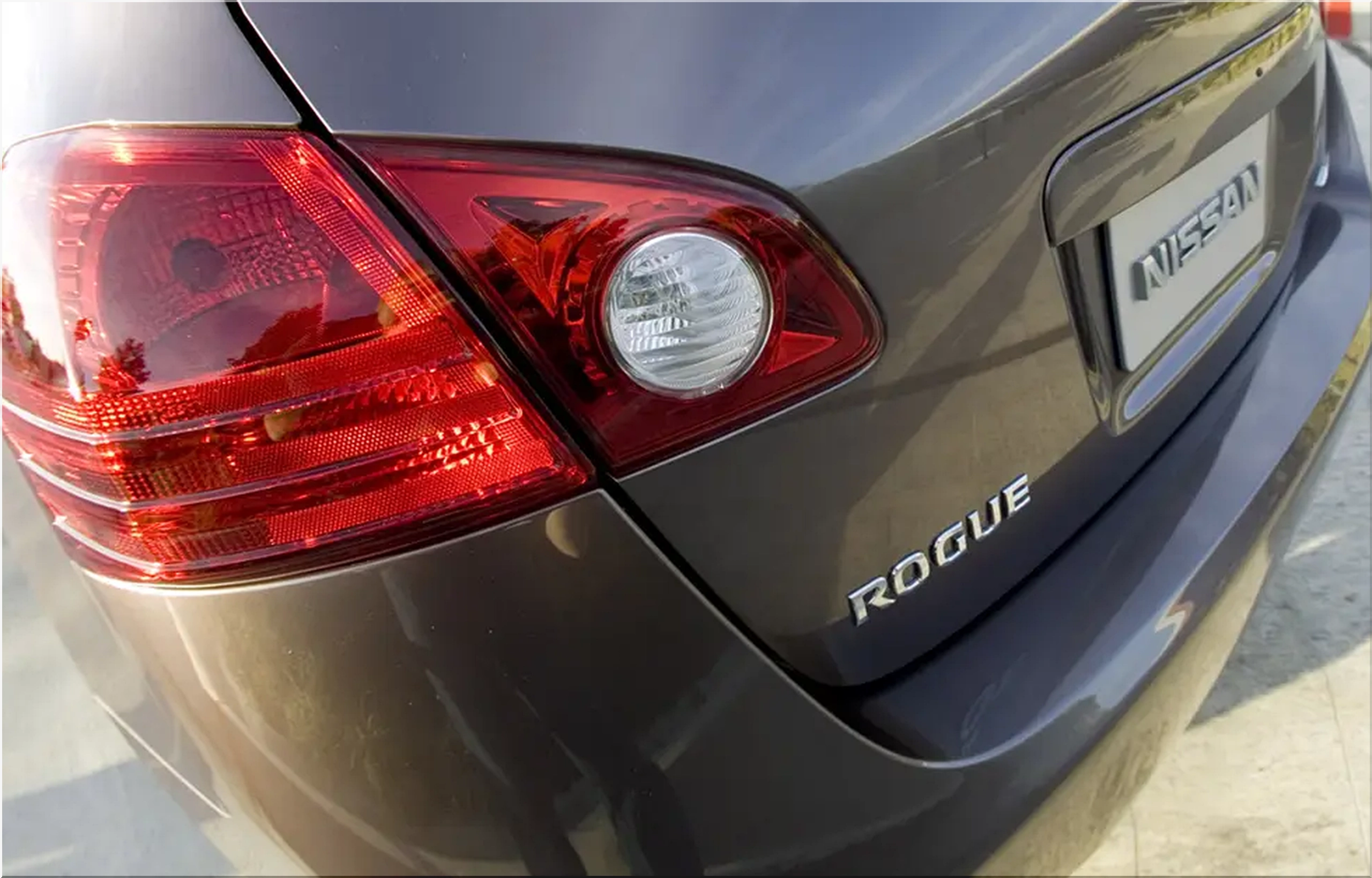
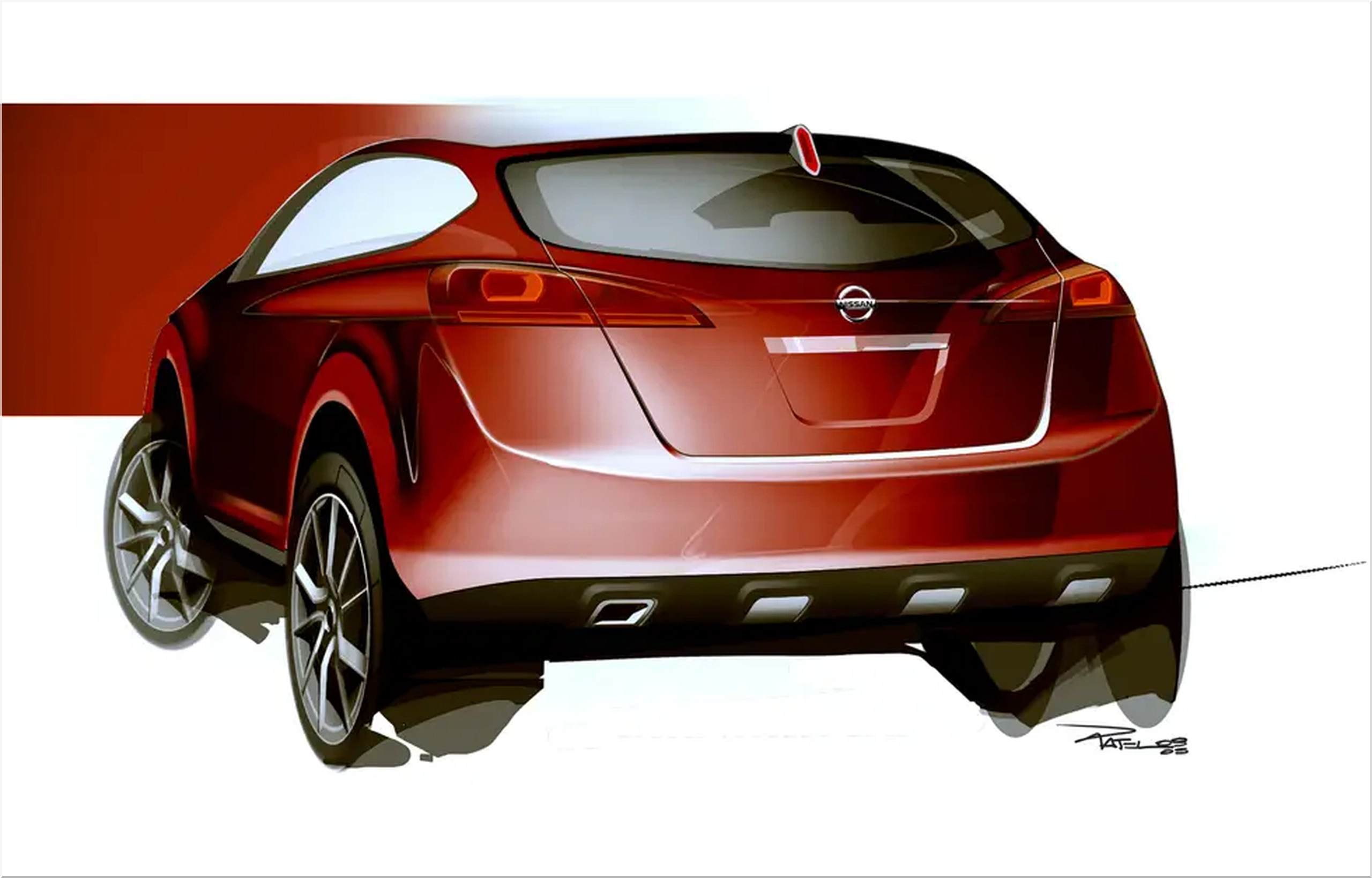
The first Nissan Rogue launched in 2007. It filled a growing demand for a compact crossover. Its original shape balanced efficiency and versatility. Designers chose curves and subtle lines. The goal: practical strength and neutral stance.
- Compact proportions appealed to families.
- Smooth surfaces helped aerodynamic efficiency.
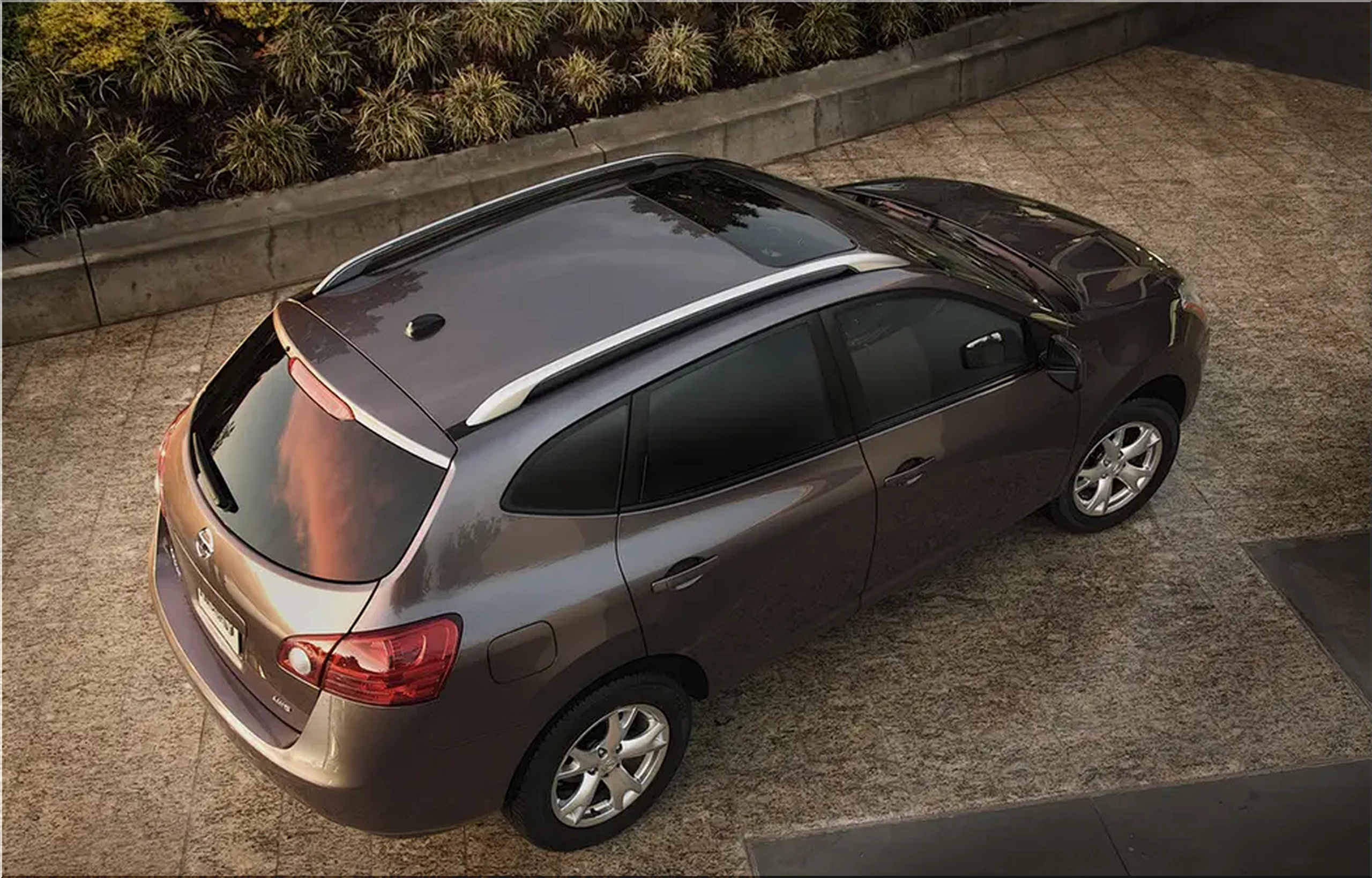
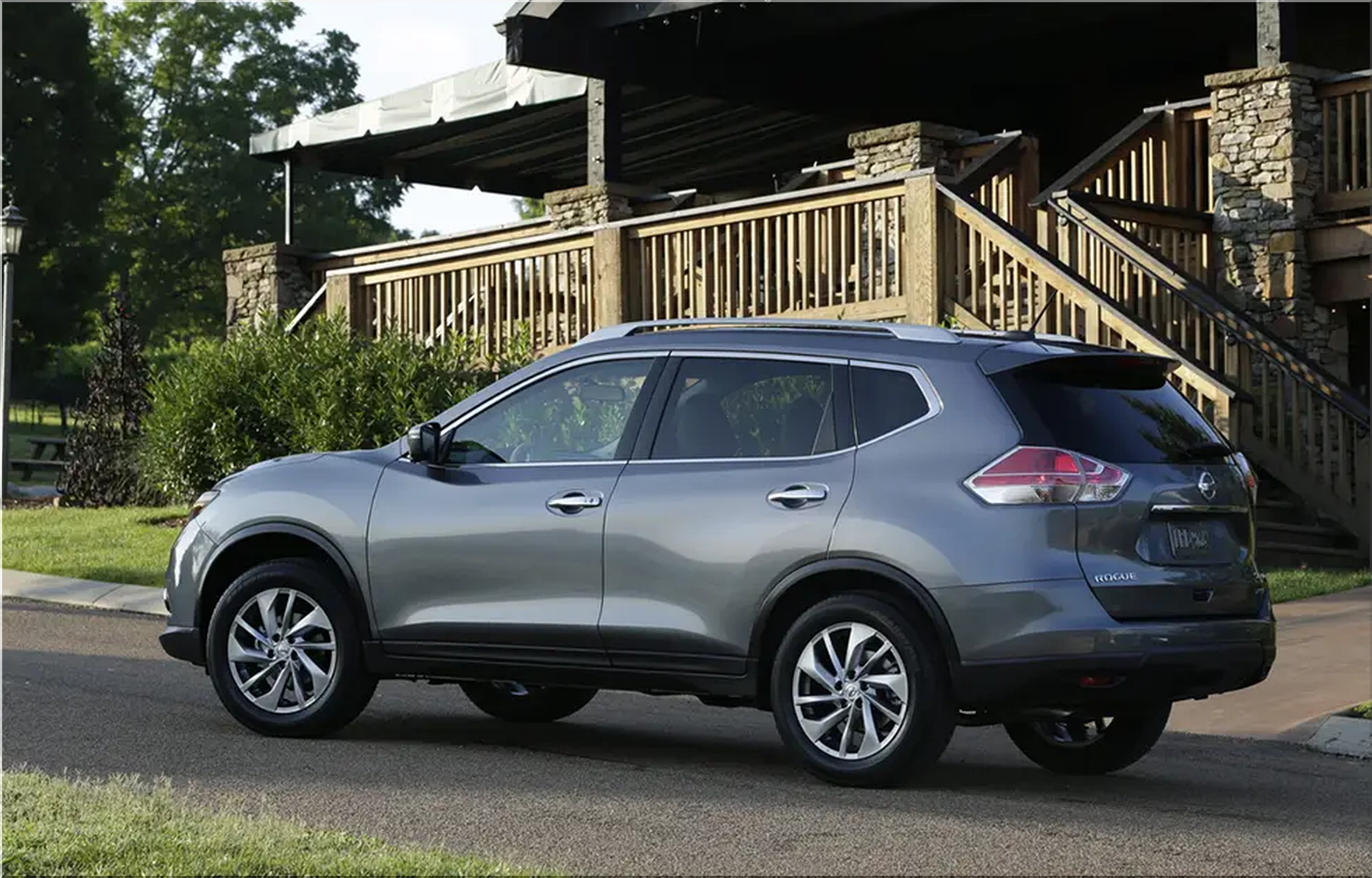
- Integrated roof rails added utility.
These early decisions shaped a model ready for city streets and rural roads. Buyers wanted something approachable, simple, and confident.
2. Shaping A Defined Crossover Identity
As buyer interests grew, designers refined the Rogue’s exterior design. They sought a defined character. They wanted the crossover to stand apart in a busy segment.
Key changes:
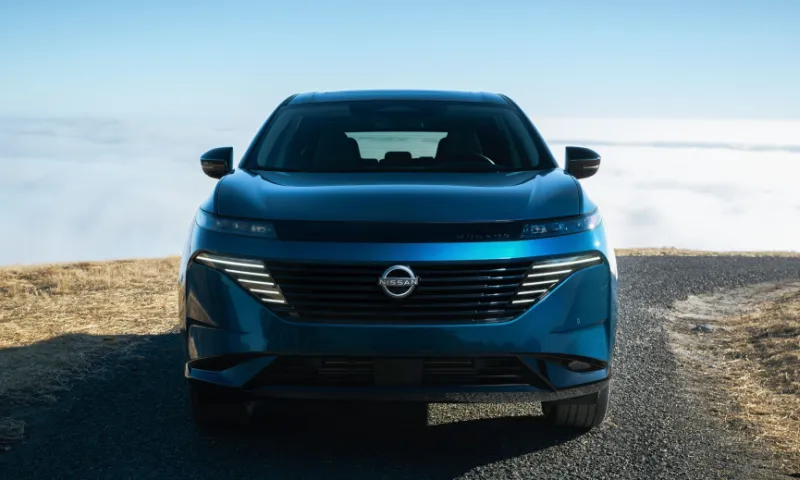
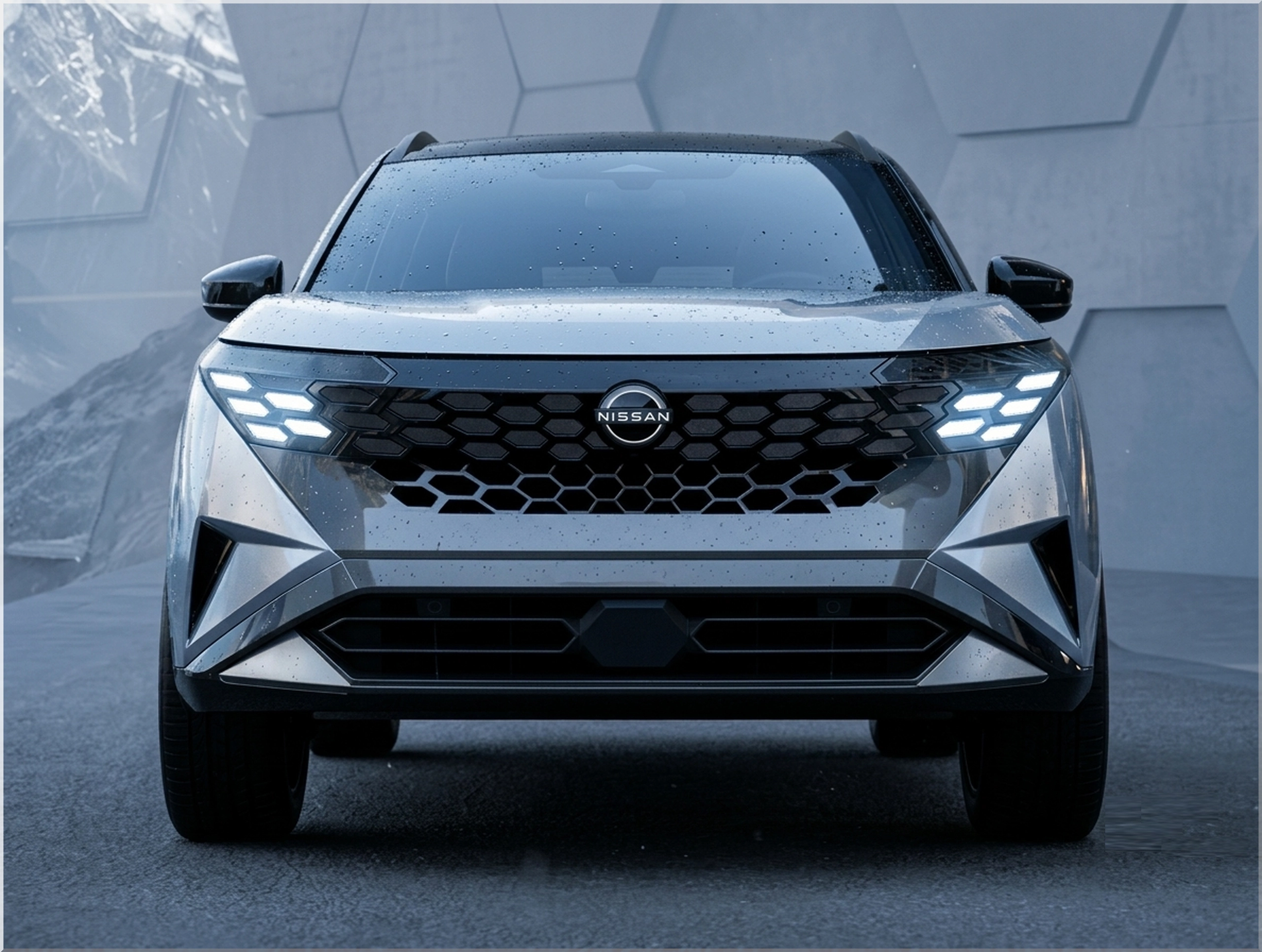
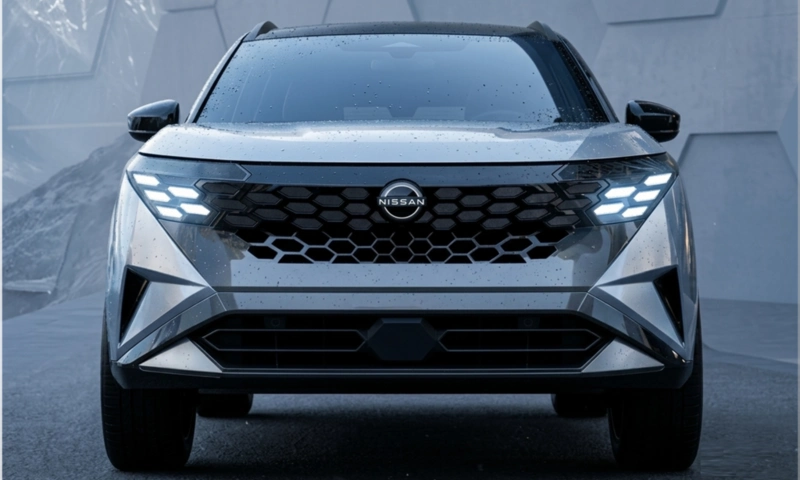
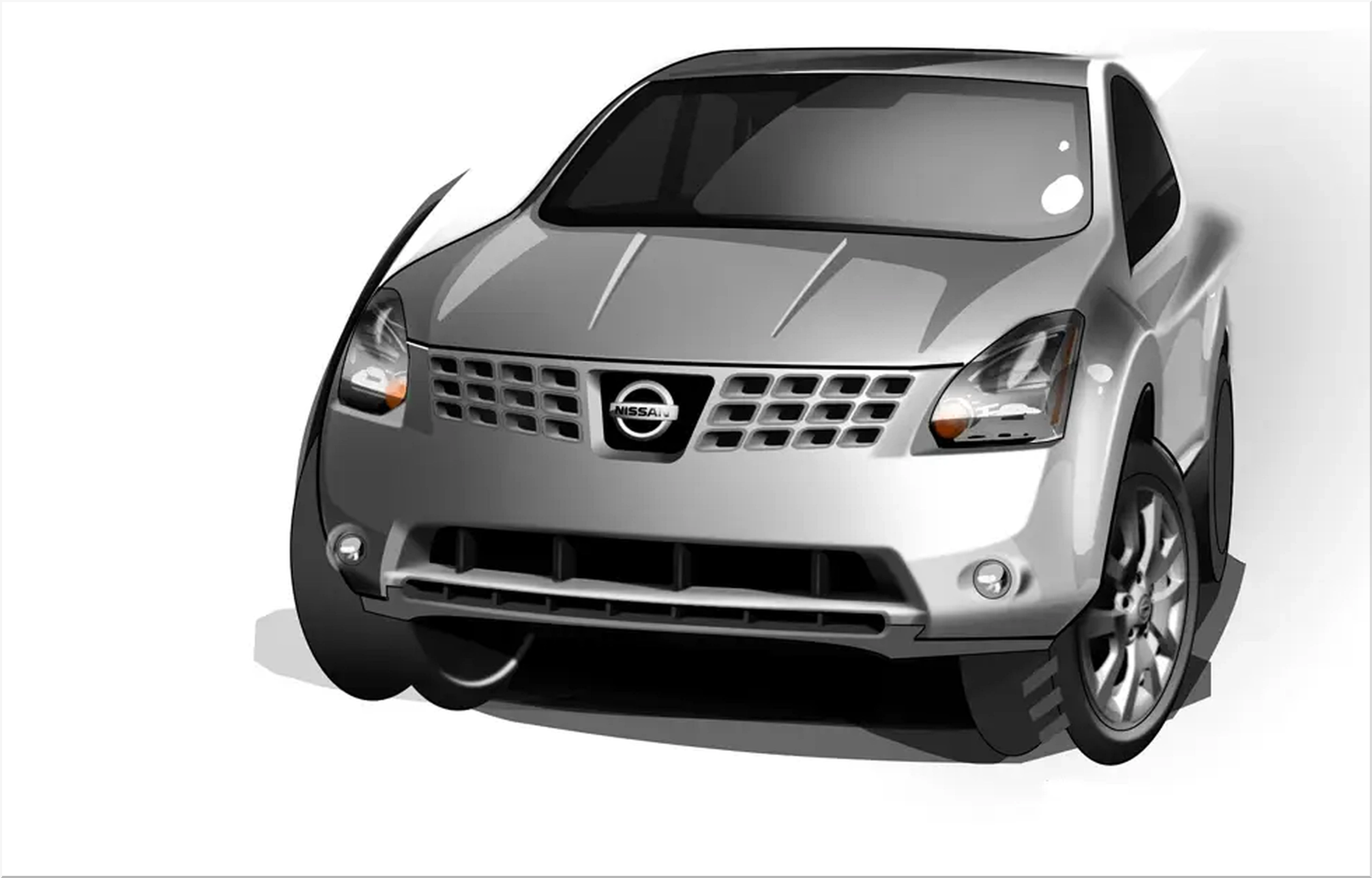
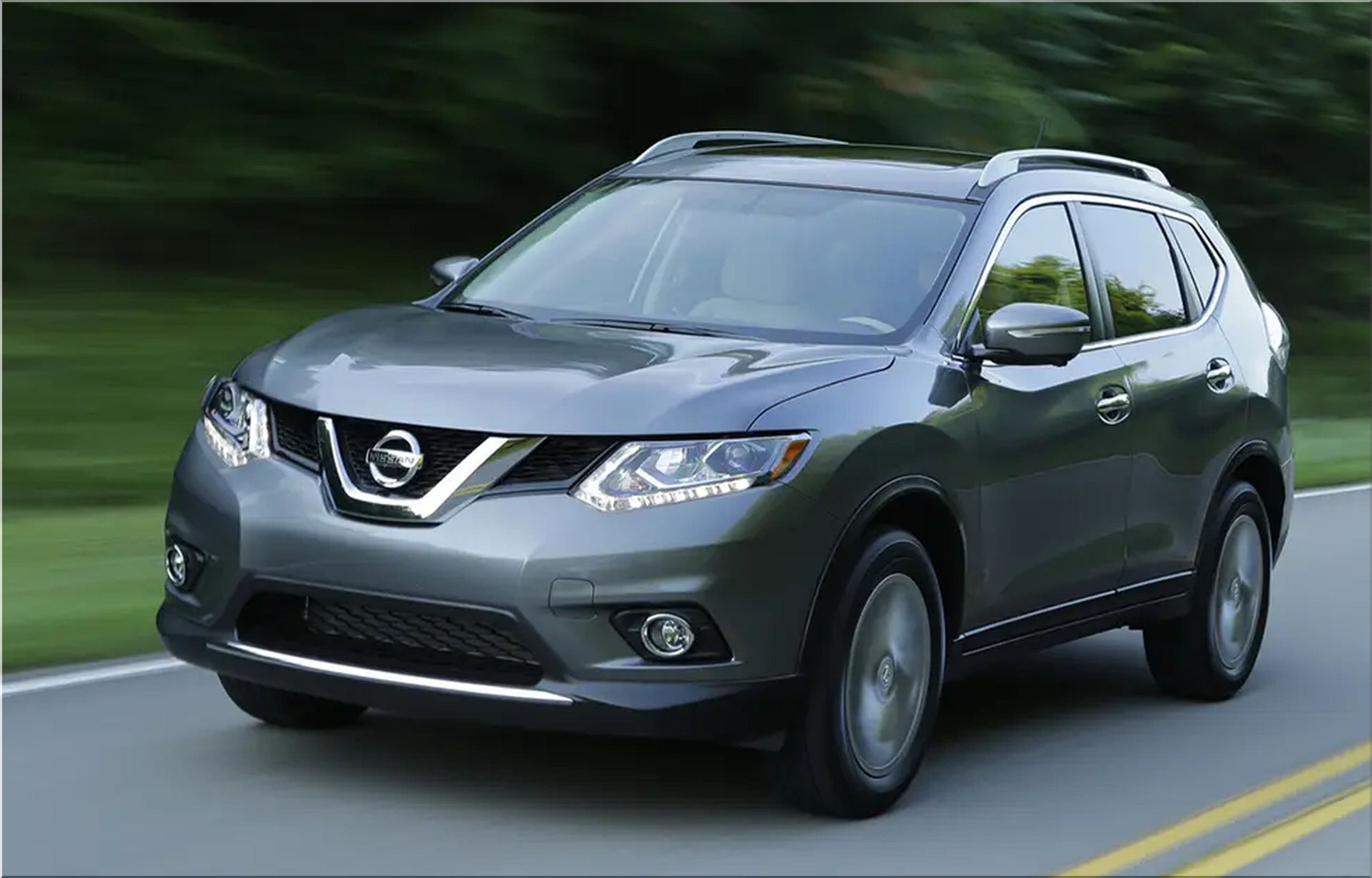
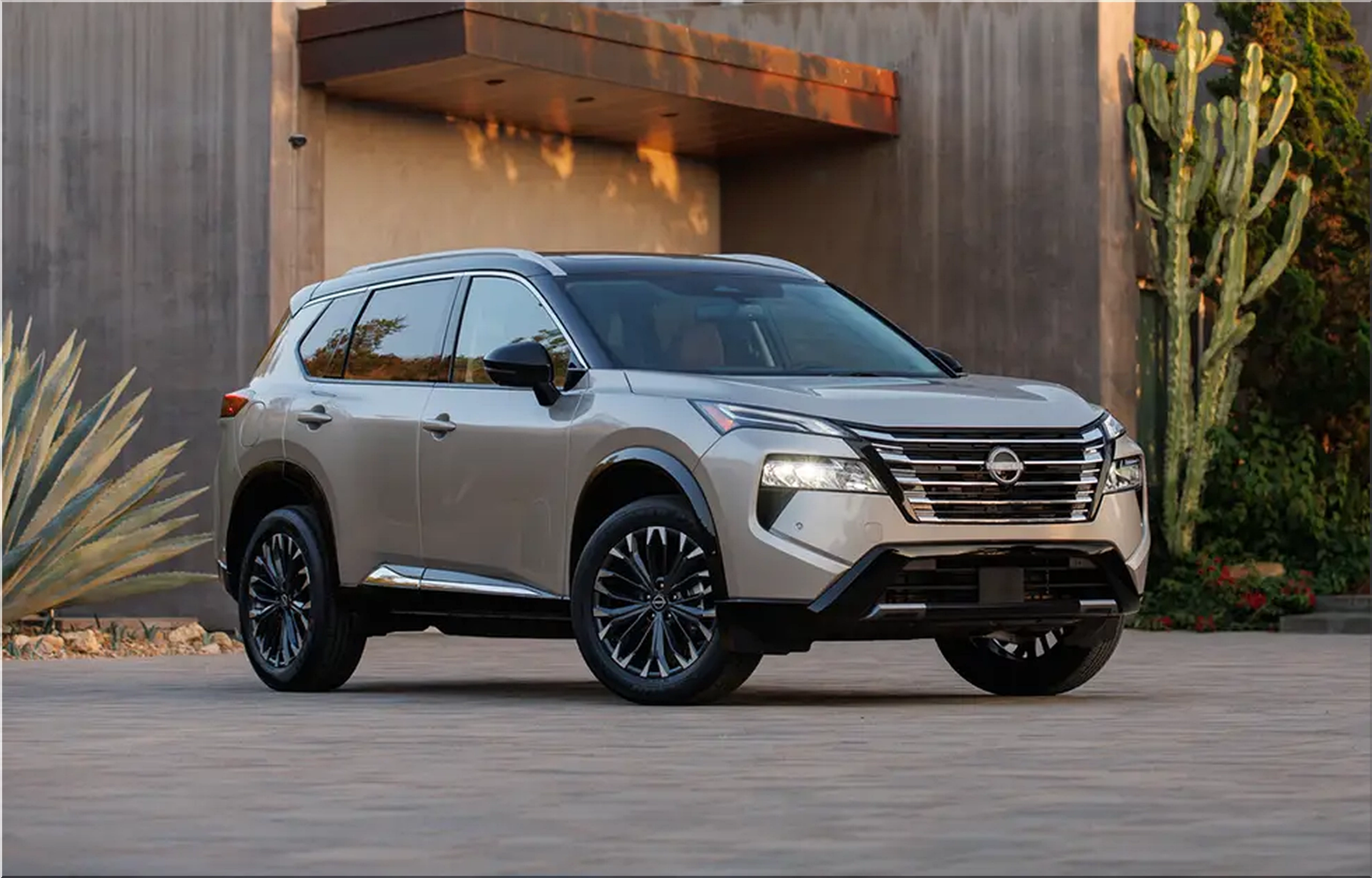
- Prominent front grille defining brand identity.
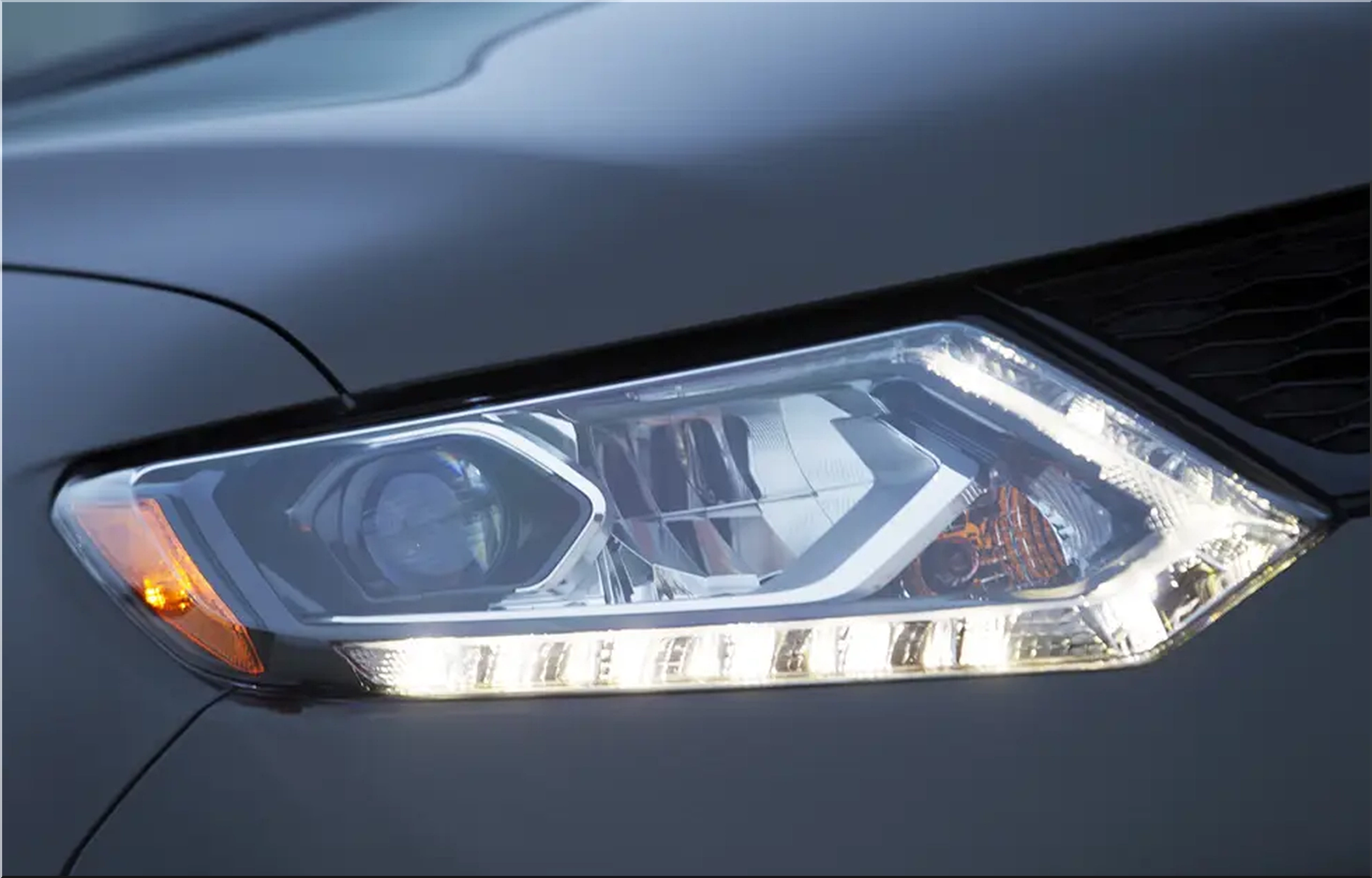
- Distinct LED lighting adding sharp visual cues.
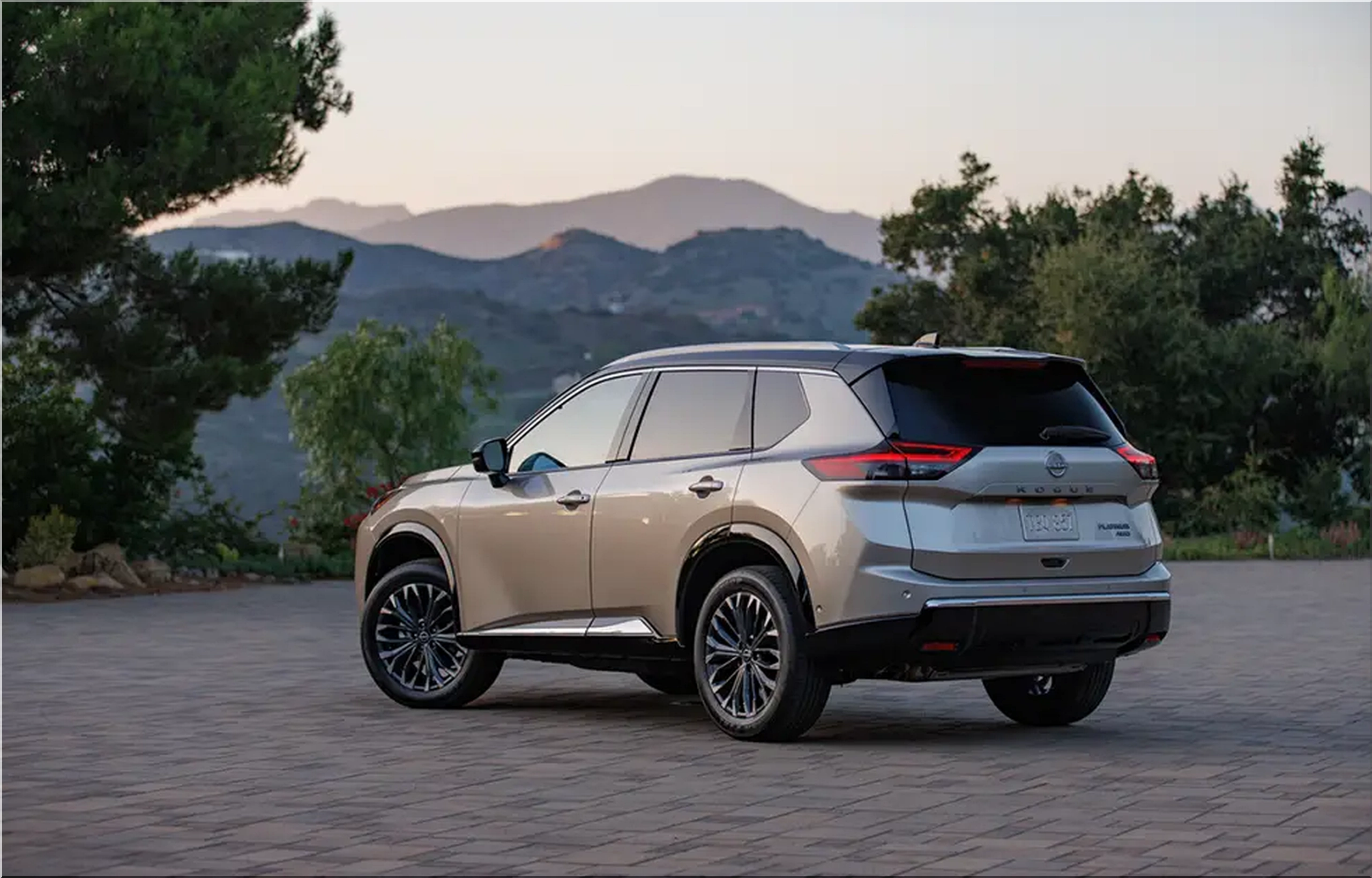
- Stronger character lines along the body panels.
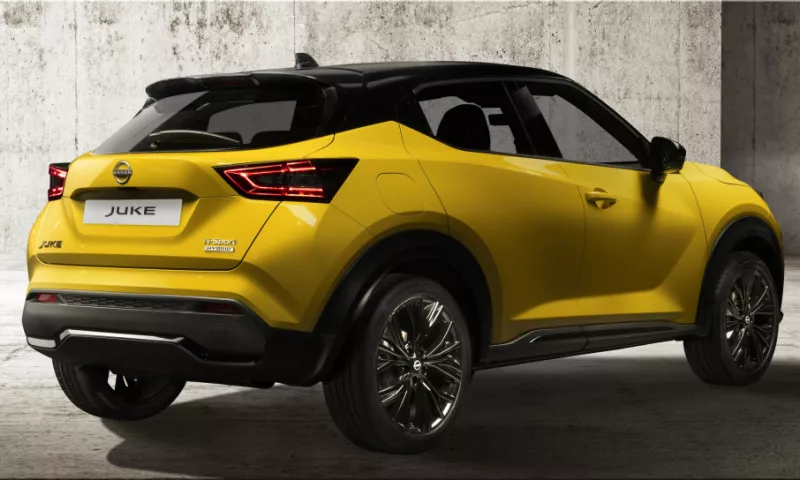
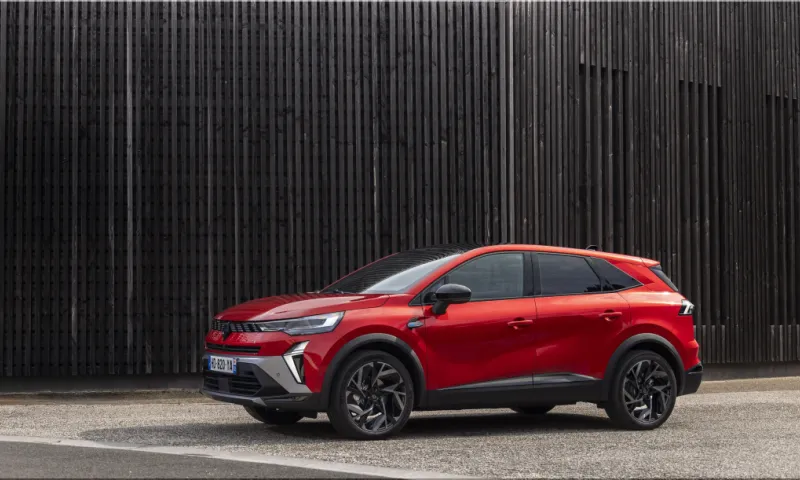
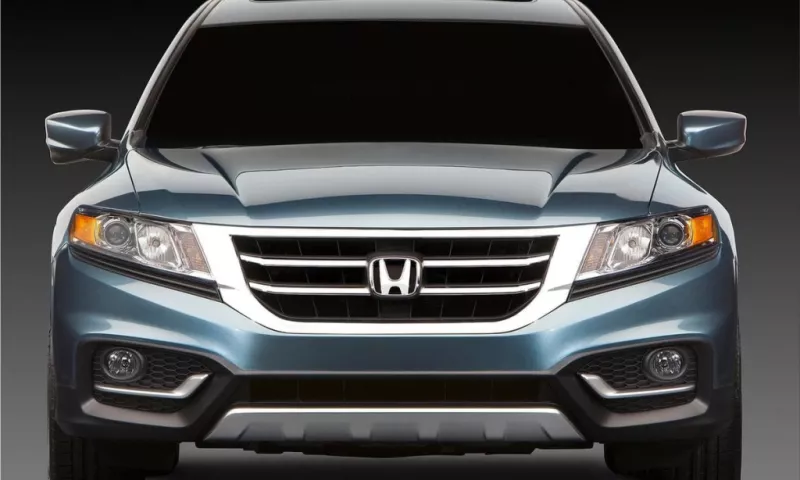
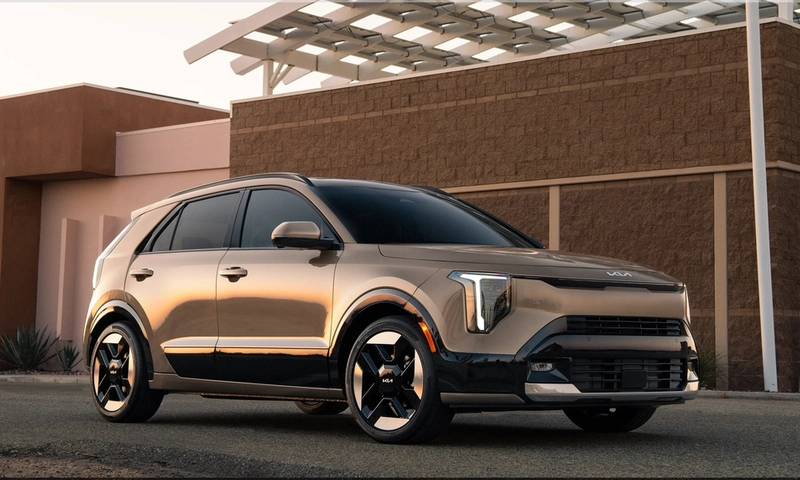
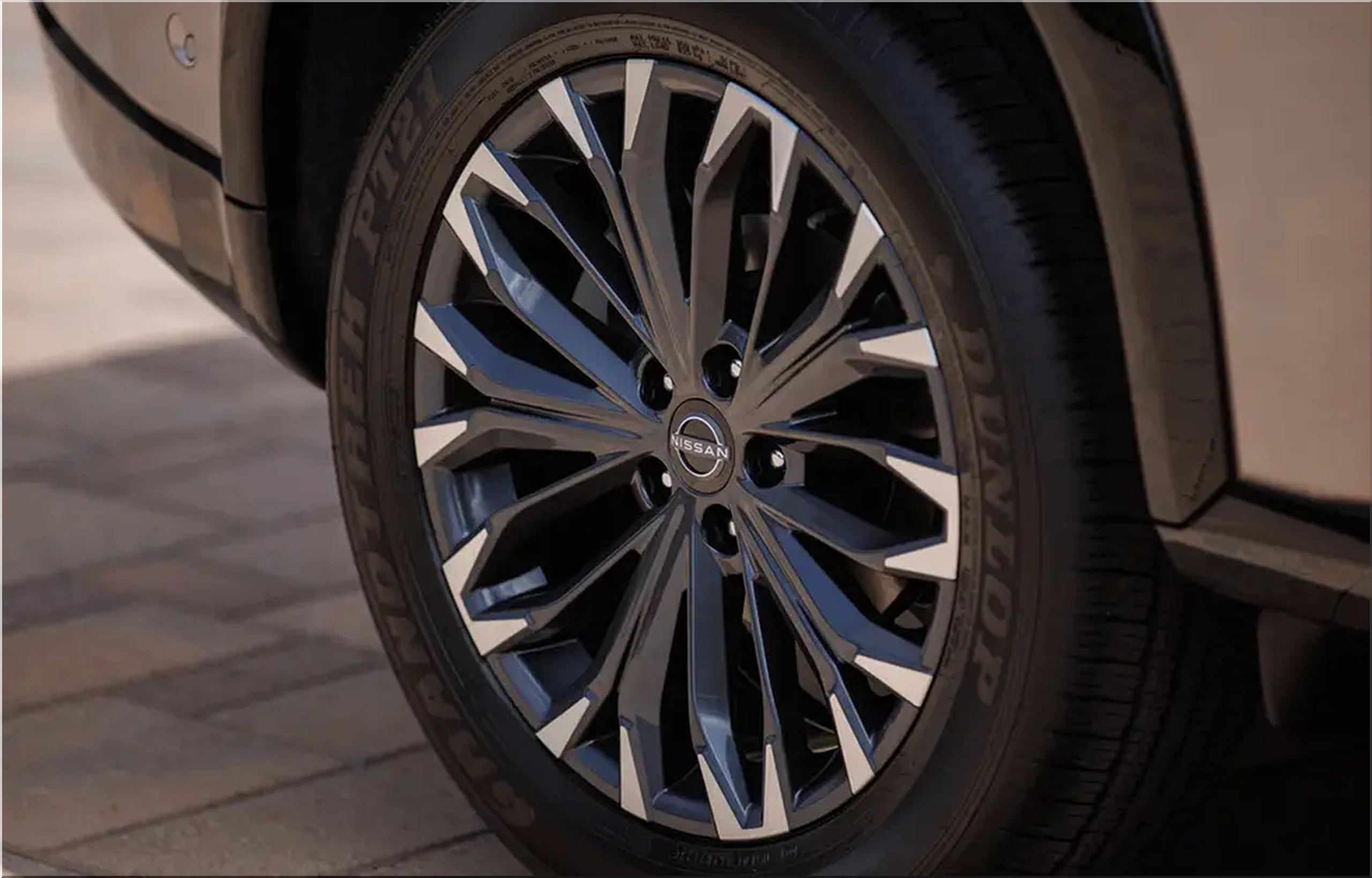
Each redesign made the Nissan Rogue feel more confident. The stance improved. The wheels grew larger. The lights adopted crisp details. Each line served a purpose. The result: a crossover that balanced bold looks with real-world utility.
3. Interior Upgrades For Comfort
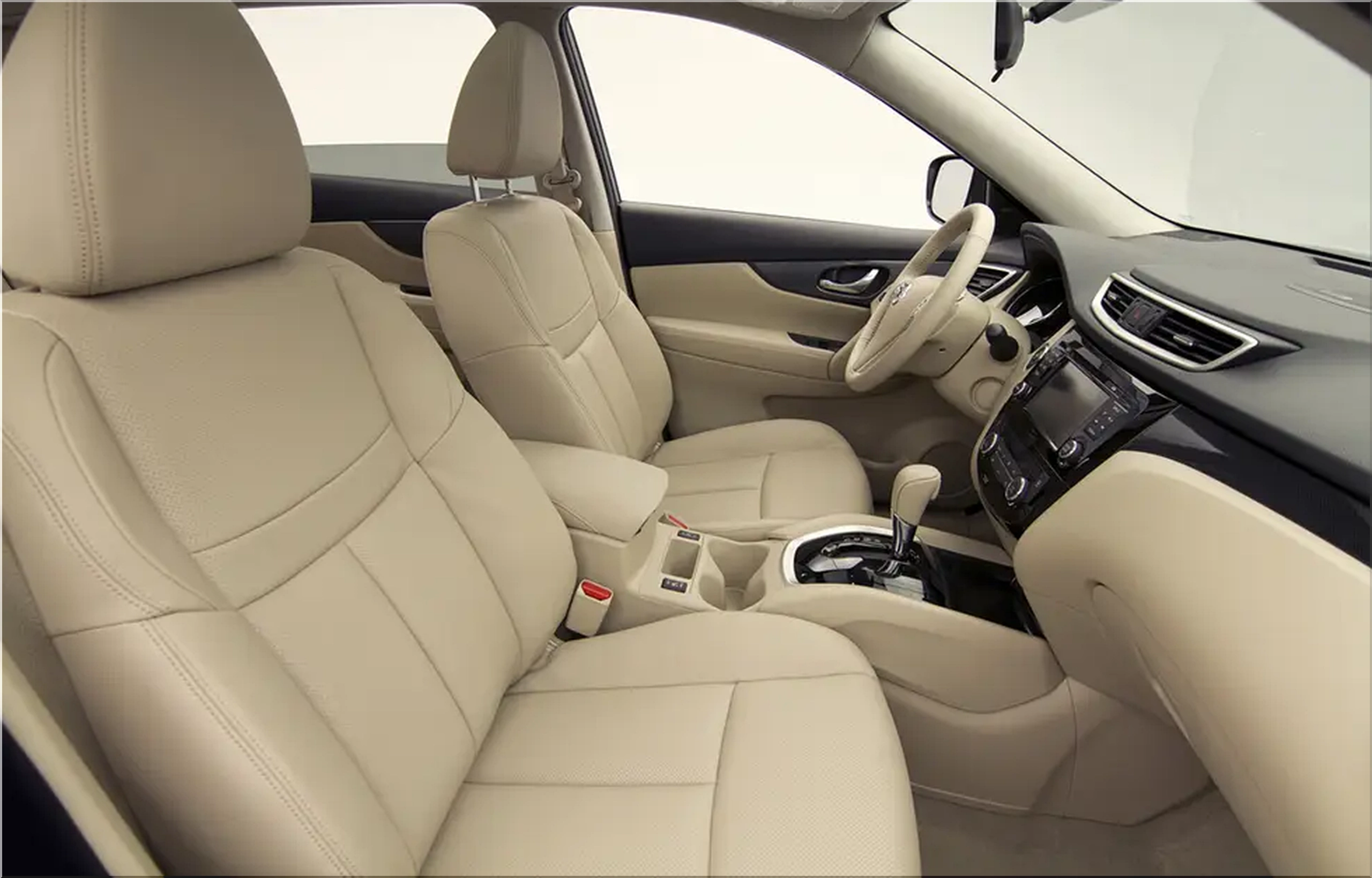
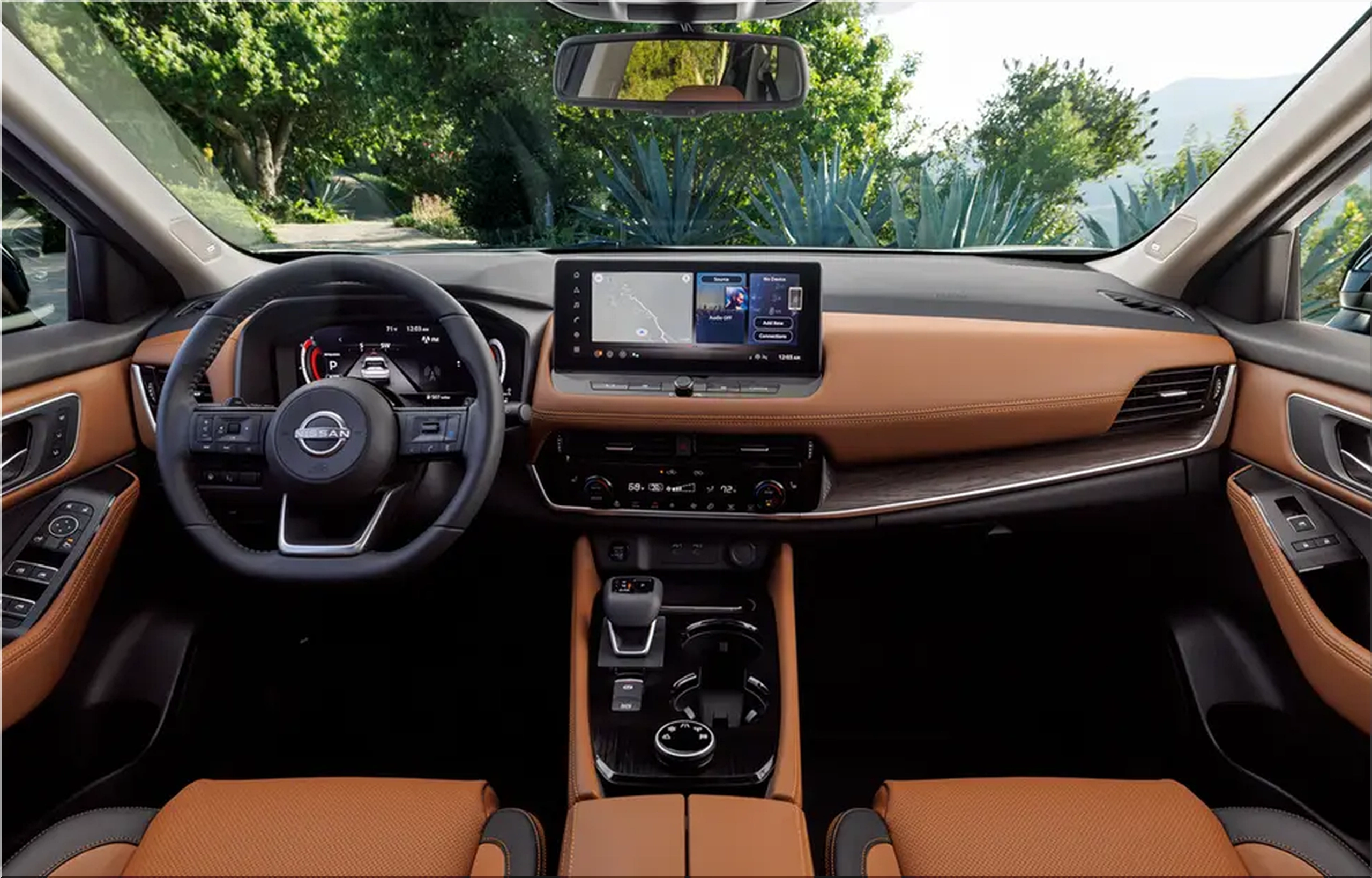
Inside the Nissan Rogue, designers focused on functionality. They prioritized interior space and passenger comfort. They added materials that felt solid and supportive. They arranged controls in logical patterns. They considered details that mattered most to daily drivers.
Key interior improvements:
- Rear seats with more legroom.
- Wider cargo area for groceries and gear.
- Quieter cabin with improved insulation.
Seating layouts evolved. The team optimized angles for better posture. They added cupholders and storage bins where people needed them. Materials felt pleasing to the touch. The cabin became a place where drivers felt in control and relaxed.
4. Technology As A Core Strength
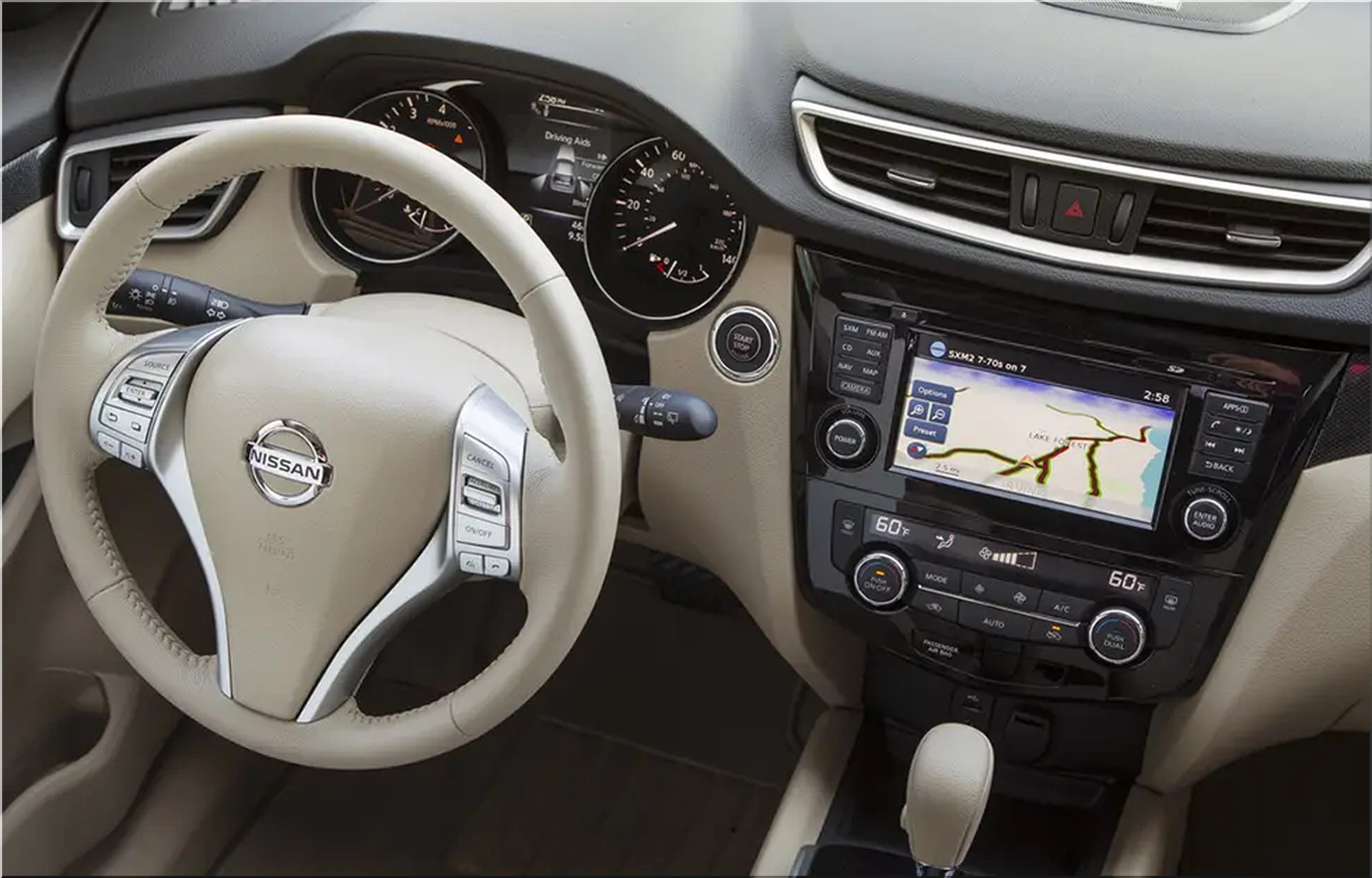
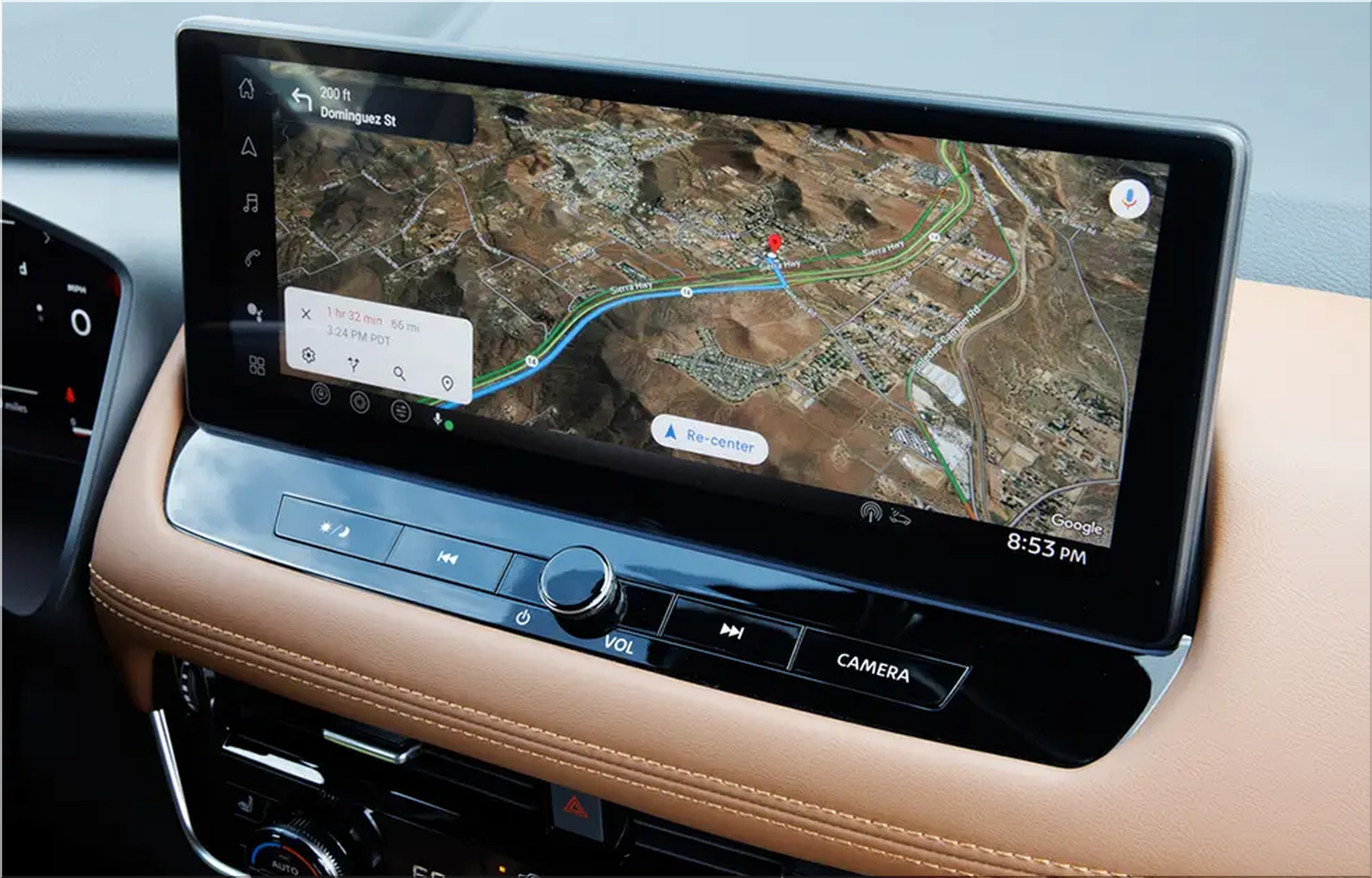
Advancing infotainment systems and connectivity helped the Nissan Rogue gain trust. Each generation integrated more user-friendly tech. The screens grew clearer. The interfaces simplified. The systems responded quicker. Drivers demanded smooth access to smartphone integration and navigation features.
Tech highlights:
- Touchscreen interfaces with logical menus.
- Apple CarPlay and Android Auto integration.
- Digital displays presenting key vehicle data.
This focus on technology kept the Rogue fresh. It bridged gaps between driver needs and easy controls. People valued quick access to their music, directions, and safety alerts.
5. Safety And Driver Assistance
Safety remained a core priority. Engineers integrated active and passive features. Over time, the Nissan Rogue offered advanced driver assistance systems. These systems helped with changing lanes, braking, and maintaining a safe gap.
Important safety features included:
- Automatic Emergency Braking for quick responses.
- Blind Spot Warning for safer lane changes.
- Rear Cross Traffic Alert adding awareness in parking lots.
- Lane Departure Warning keeping the driver on track.
Designers integrated sensors neatly. They ensured that safety systems worked harmoniously. These technologies helped the crossover gain a reputation for protection.
6. Powertrain Choices And Efficiency
The Nissan Rogue always prioritized balanced fuel efficiency. Engineers sought light structures and efficient engines. Early models featured four-cylinder engines focused on everyday reliability. Recent versions integrated improved transmissions and fine-tuned aerodynamics.
Key powertrain elements:
- Efficient four-cylinder engines delivering practical power.
- Continuously Variable Transmission (CVT) smoothing out acceleration.
- Hybrid options in some markets offering better fuel economy.
The result: a crossover that delivered stable mileage. Many buyers saw cost savings at the pump. The approach matched the needs of commuters and families who wanted predictability.
7. Pricing Strategy And Market Position
The Nissan Rogue entered the market with a starting price of around $20,000 in its early years. That pricing strategy aimed at budget-conscious shoppers. Over time, as features expanded, the Rogue adjusted pricing to match rising expectations. Modern trims start around $28,000, offering more standard features.
Pricing approach:
- Base models balanced cost with core features.
- Mid-level trims added comfort and tech.
- Top-tier variants integrated leather seating and advanced systems.
This layered approach matched different buyer budgets. Nissan targeted practicality, aiming to serve many drivers. Buyers saw a crossover that felt like a strong value.
8. Future Perspectives
Designers continue refining the Nissan Rogue. They consider aerodynamics, interior flexibility, and safety. They factor in user feedback, emerging regulations, and shifting market tastes. Each new model year tends to bring subtle improvements.
Potential areas of interest:
- Greater fuel efficiency through materials and lighter components.
- Improved cabin ergonomics for simpler control layouts.
- Advanced driver assistance systems for calm, confident driving.
This approach keeps the Rogue relevant. It ensures that buyers find consistent utility. With steady refinement, the Nissan Rogue stands as a reliable, mass-market crossover.
Image gallery

Additional Details On Rogue’s Design Evolution
Design Language Simplification:
In early models, the body surfaces were smooth. Designers aimed for friendly shapes. Over time, lines gained focus. Each panel now shows a purpose. The front fascia sets the tone with a bold grille. Headlights draw the eye with precise shapes.
Functional Exterior Elements:
- LED headlights ensure good visibility in low light.
- Underbody panels reduce drag at highway speeds.
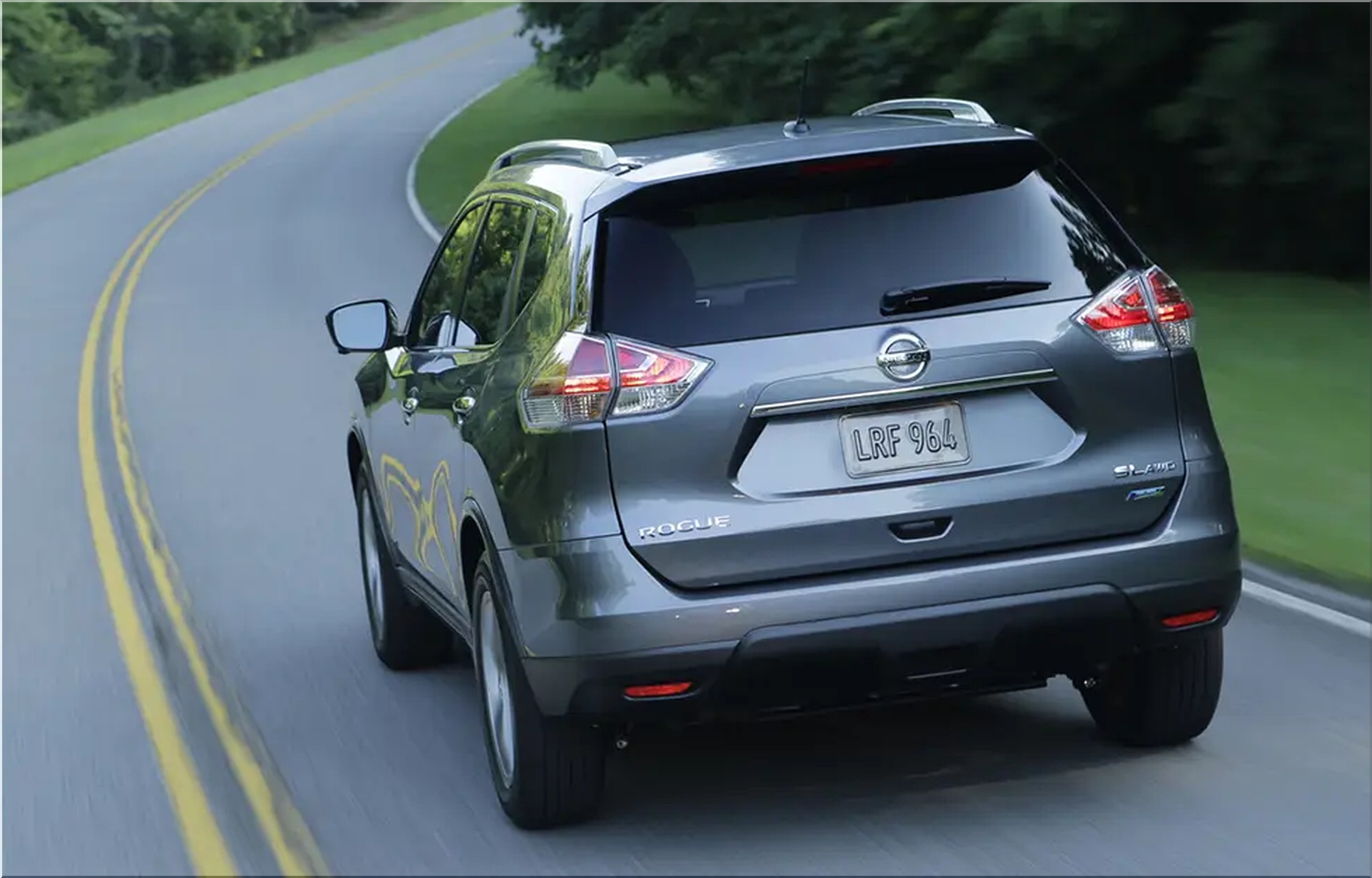
- Rear spoiler improves airflow and stability.
Refined Materials And Build Quality:
Early cabins used simple plastics. Later versions introduced soft-touch dashboards and stitched details. These choices had a direct impact on buyer satisfaction.
Key interior material updates:
| Model Era | Interior Materials | Notable Features |
|---|---|---|
| First Generation | Basic plastics, cloth seats | Simple gauges, manual HVAC |
| Second Generation | Soft-touch surfaces, optional leather | Better layout, improved seat support |
| Current Generation | High-quality plastics, leather in upper trims | Digital screens, heated seats, improved NVH |
Driver-Centric Cockpit:
Designers prioritized the driver’s seat. Gauges sit within clear sight lines. Climate controls are easy to reach. Steering wheels are sized for comfort. Seating positions support long drives. Storage compartments hold phones, wallets, and keys. Each change aimed at practical daily use.
Improved Cargo Management:
The cargo area saw steady improvement. Early models offered basic cargo floors and simple seat-folding. Later models integrated flexible load floors. The seat-folding got easier, giving owners more control over their cargo space.
The Importance Of Aerodynamics:
Designers spent time in wind tunnels. They shaped mirrors, pillars, and bumpers for less resistance. That reduces wind noise and improves fuel economy. This mix of design and engineering yields a more pleasant drive.
Balancing Familiarity With Progress:
Each generation keeps what works and adds improvements. The Nissan Rogue remains a practical, family-ready crossover. Its designers avoid drastic changes that confuse buyers. Instead, they focus on steady enhancements.
Consistency In Branding:
The Nissan V-motion grille became a signature element. It links the Rogue to other Nissan models. This consistency builds trust. Buyers recognize the family resemblance and appreciate the familiar cues.
Market Response:
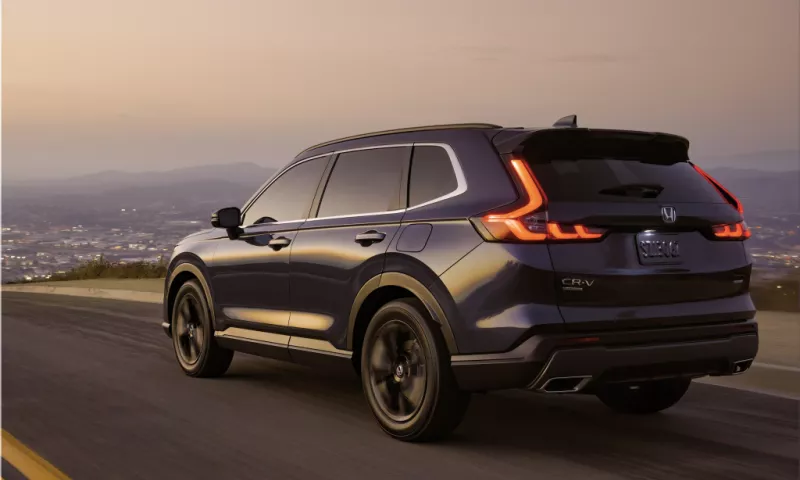
The Rogue holds a top spot in sales. It competes with models like the Toyota RAV4 and Honda CR-V. Nissan’s response included upgrading infotainment and adding more safety features. Buyers rewarded these efforts by choosing the Rogue in large numbers.
User-Friendly Technology Integration:
The infotainment screens now support voice commands. They pair easily with smartphones. The navigation interface responds quickly. These details reduce driver stress. They help maintain focus on the road.
Testing And Validation:
Before new changes reach dealerships, Nissan tests them. Engineers check for strength, corrosion resistance, and durability. They validate that materials last for years. Each generation benefits from lessons learned previously.
Global Influences:
The Rogue shares platforms and strategies with global models. Designers adapt features for local tastes. This flexibility strengthens Nissan’s position in multiple markets.
Value Proposition:
By offering a capable crossover that meets everyday demands, the Nissan Rogue gained popularity. Its pricing stays competitive. Its comfort and fuel economy meet broad expectations. Owners praise its reliability.
Engineers And Designers Working Together:
Designers shape the sheet metal. Engineers refine the chassis. Marketers define trims and options. Each group influences the final product. The result: a Nissan Rogue that matches what consumers want.
No Overstatement, Just Practical Execution:
The team behind the Rogue avoids flashy trends. They focus on what drivers need. They refine safety, comfort, and ease of use. The result pleases crowds because it aligns with day-to-day expectations.
Image gallery
Conclusion:
The Nissan Rogue shows steady design progress. It started as a simple crossover and grew more distinct. Designers sharpened its lines, improved its cabin, and added useful technology. They enhanced safety features and refined drivetrains. They balanced affordable pricing with better materials. This careful approach created a crowd-pleasing crossover that continues to attract buyers. It stays true to Nissan’s core values while adjusting to changing market demands. Each generation stands as a reliable example of thoughtful engineering and design.
- Add new comment
- 193 views