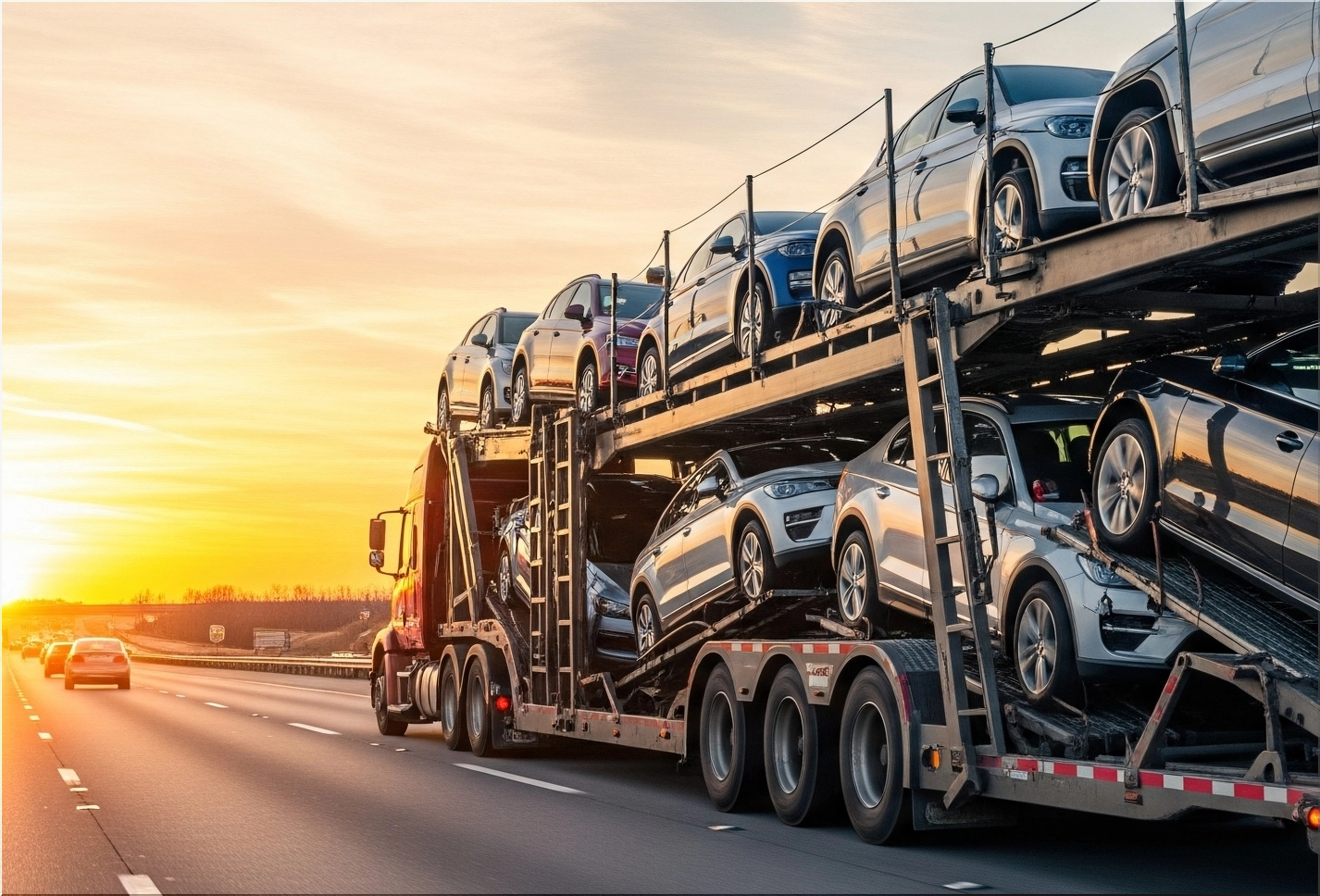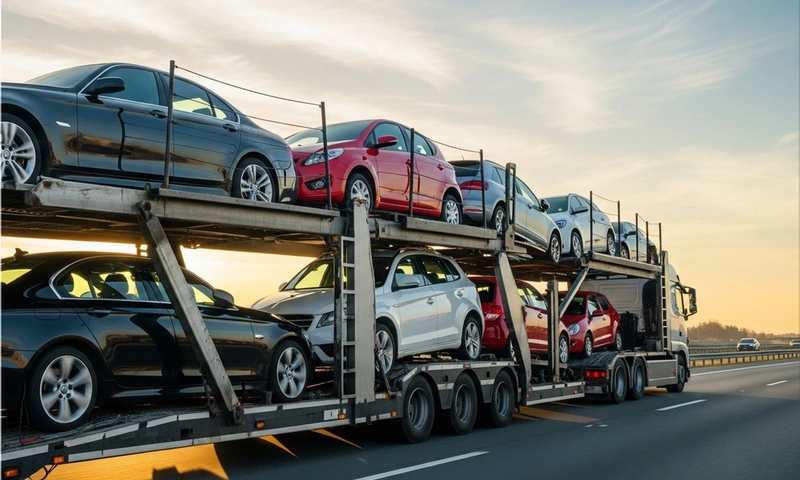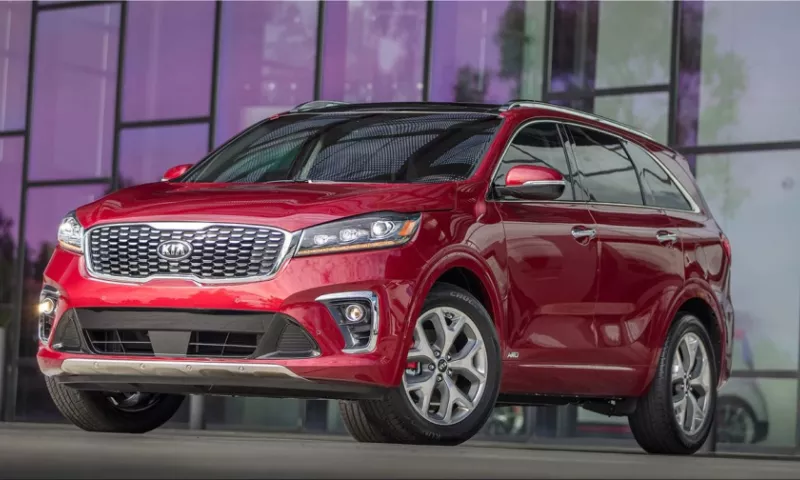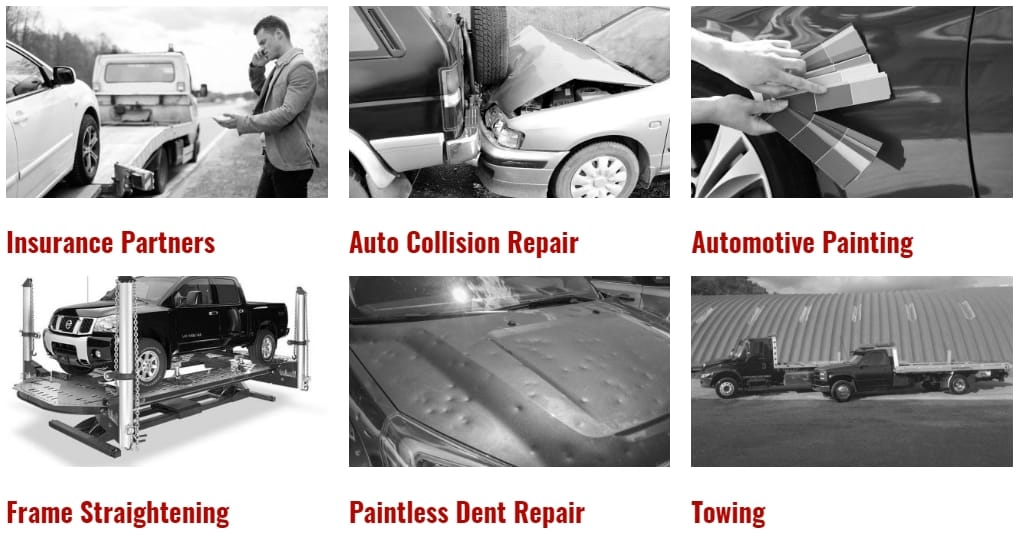
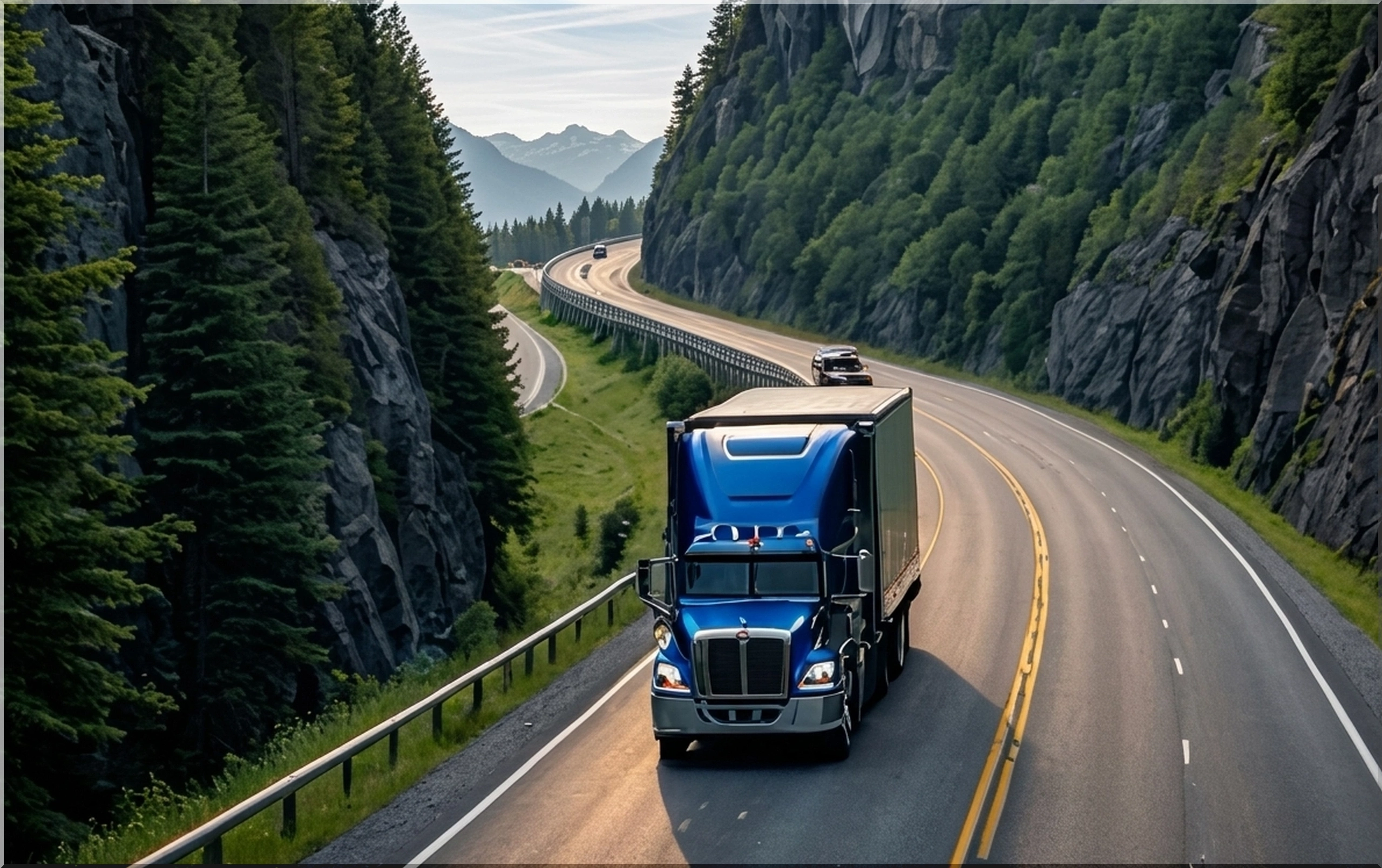
When you admire a brand new vehicle in a dealership showroom, it is easy to overlook the incredible journey it took to get there. Long before a car is ready for the open road, its individual components have already travelled thousands of kilometres. The automotive supply chain is a complex, heavily integrated web of global manufacturing, warehousing, and distribution networks. At the heart of this massive operation is the heavy transport industry. Without commercial trucks, skilled drivers, and highly specialised trailers, the automotive world would simply grind to a halt. The coordination required to build just one modern vehicle involves moving thousands of distinct parts across vast distances, often crossing international borders multiple times before final assembly.
The Massive Scale of Automotive Freight
The sheer volume of materials required to keep car factories running is staggering. Raw materials, microchips, engine blocks, and delicate interior trims must all arrive at assembly plants in a highly coordinated sequence. The automotive sector relies heavily on just-in-time manufacturing processes. This means factories do not hold massive inventories of parts on site. Instead, they depend on trucks arriving at exact delivery windows to keep assembly lines moving.
Road freight is the undisputed backbone of this high-pressure process. To put the scale of commercial transport into perspective, we can look at official data from the Australian Bureau of Statistics. In recent years, Australian domestic freight and logistics have faced dynamic challenges, with variations in shipping volumes and expenses highlighted in their official reporting on recent trends in freight costs. This immense capacity ensures that local and global industries, especially auto manufacturing, have a constant and reliable flow of essential components. Heavy vehicles form a rolling pipeline that prevents costly factory shutdowns.
Specialised Equipment for High-Value Cargo
Transporting automotive parts is not as simple as tossing boxes into the back of a standard truck. Car parts are often bulky, incredibly heavy, or highly sensitive to environmental damage. Logistics providers require equipment tailored specifically to the cargo they carry, ensuring that every trip is safe, efficient, and compliant with local transport regulations. This is why fleet operators work closely with custom trailer manufacturers to design heavy-duty flat tops, curtain-siders, and drop-deck trailers that meet strict industry safety standards. These bespoke solutions allow transport companies to maximise payload efficiency while protecting the goods in transit.
A perfectly designed trailer ensures that fragile electronic components remain secure from the elements, while heavy engine blocks are distributed safely across the axles to comply with road weight limits. Furthermore, the rise of electric vehicles has introduced new logistical challenges. EV battery packs are exceptionally heavy and require specialised transport configurations to ensure safe handling. By investing in high-quality and purpose-built transport solutions, logistics companies can guarantee that valuable automotive freight arrives at its destination without a single scratch, ready for immediate installation.
Key Stages of Supply Chain Transport
The journey of automotive cargo is divided into several distinct phases, each requiring its own logistical approach. Heavy transport vehicles are critical at every single step of this continuous cycle, linking disparate suppliers into one unified manufacturing process. Understanding these specific stages reveals just how much the automotive sector relies on commercial road freight.
There are three main steps in this logistics chain:
- Inbound Logistics: This initial phase involves moving raw steel, bulk plastics, and sensitive electronics from tiered suppliers to the central manufacturing plant. Heavy rigid trucks and prime movers operate around the clock to feed the production line, ensuring that materials arrive exactly when the assembly robots need them.
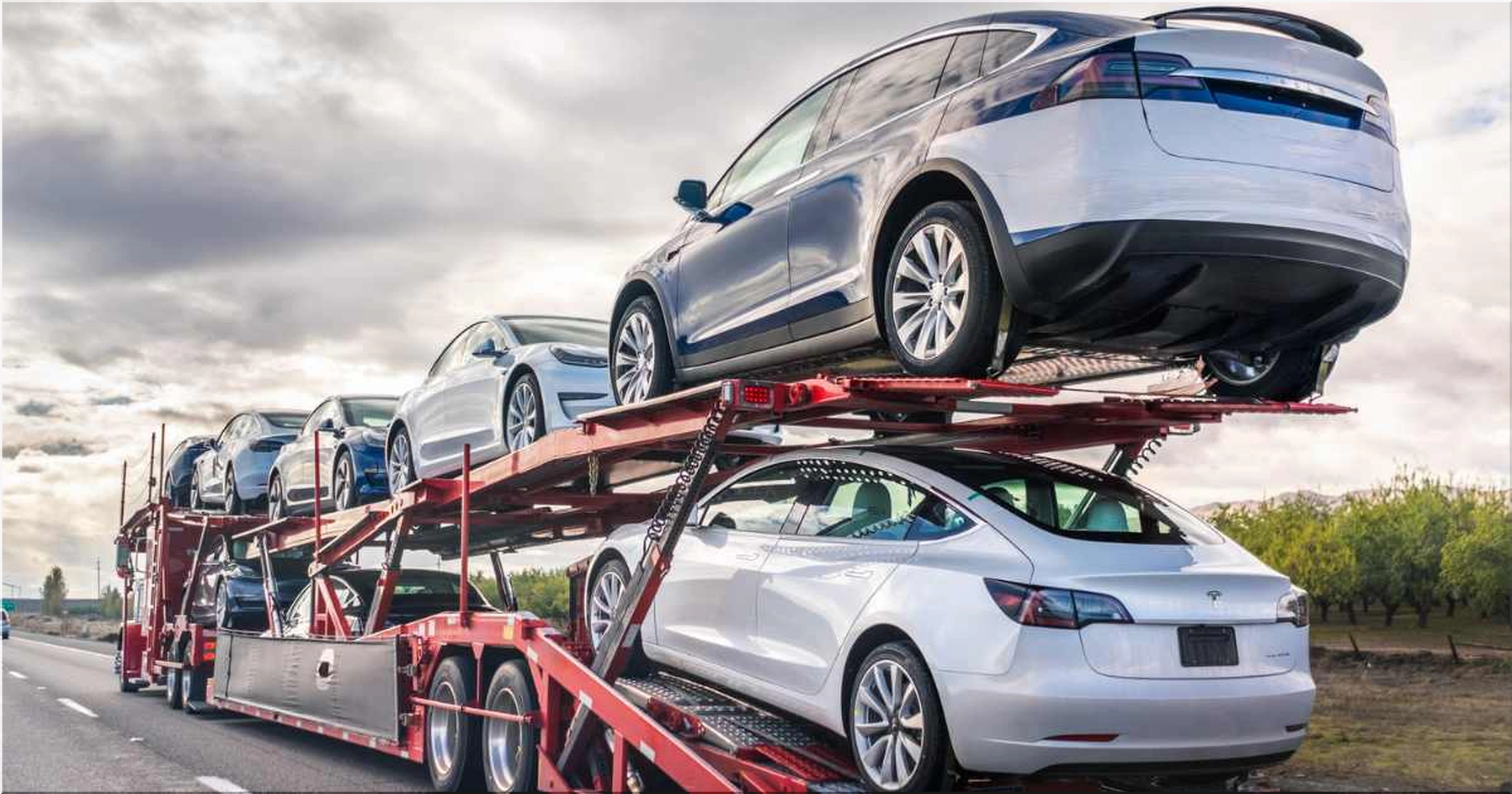
- Outbound Logistics: Once vehicles roll off the assembly line and pass stringent quality control measures, they are loaded onto specialised car carriers. These towering, multi-level heavy rigs distribute fleets of new cars, such as the 2025 Nissan Versa, to regional holding yards, shipping ports, and local dealerships across the country, requiring highly trained drivers to navigate tight urban spaces.
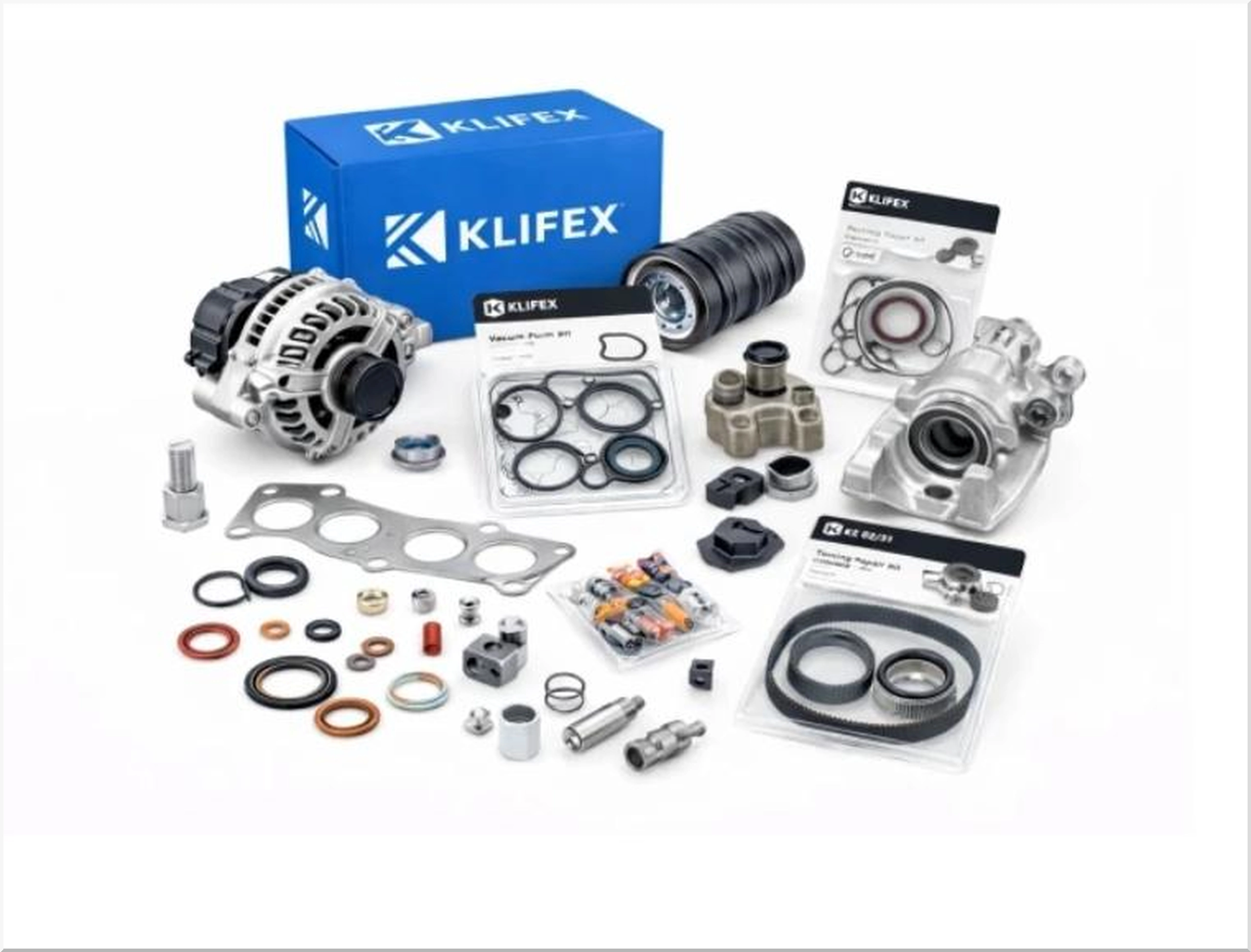
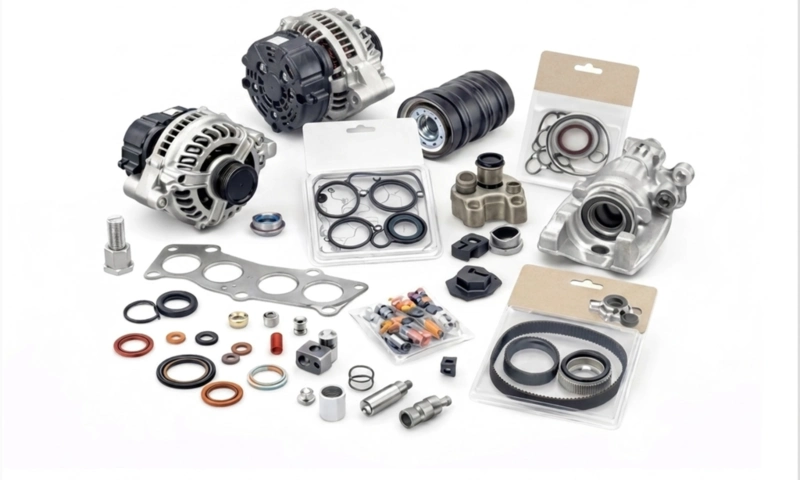
- Aftermarket Distribution: The supply chain does not stop once a car is sold. A massive network of distribution centres, courier trucks, and heavy freight vehicles constantly moves replacement components. This downstream network is what ensures your local mechanic always has access to the automotive spare parts that keep your car running smoothly for years to come.
Driving the Industry Forward
The modern automotive industry is a marvel of automated engineering, but it is equally a masterpiece of human-driven logistics. Every new model parked on a showroom floor and every replacement part sitting on a workshop shelf relies on a dedicated network of heavy commercial vehicles. As car manufacturing continues to evolve with the rapid rise of electric vehicles and advanced smart technology, the heavy transport sector will adapt right alongside it to meet new freight demands. The next time you see a heavy-duty truck hauling vehicle frames or a fully loaded car carrier cruising down the highway, remember that you are witnessing the vital, moving lifeblood of the global automotive world in action.
Image gallery
- Add new comment
- 139 views