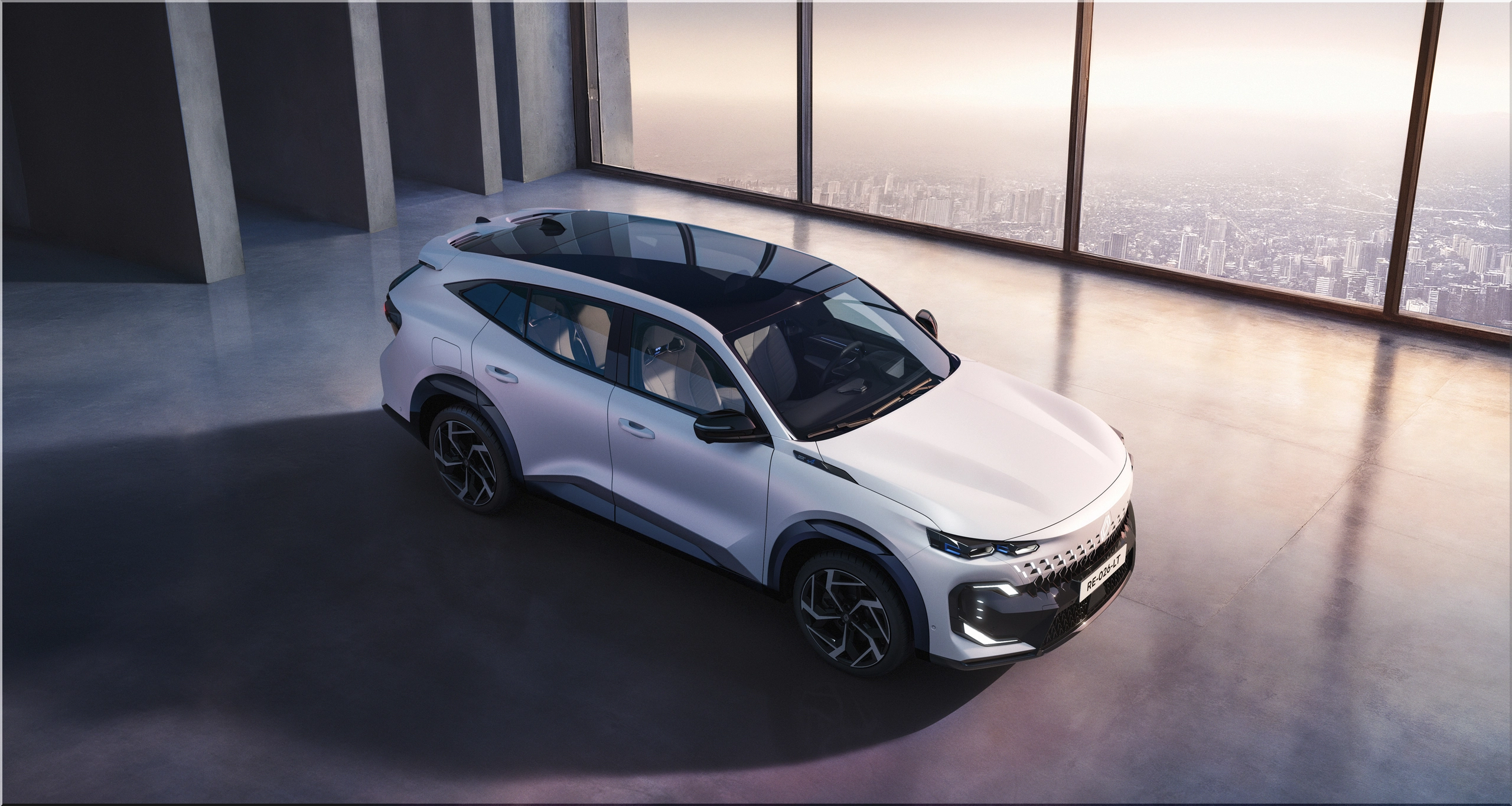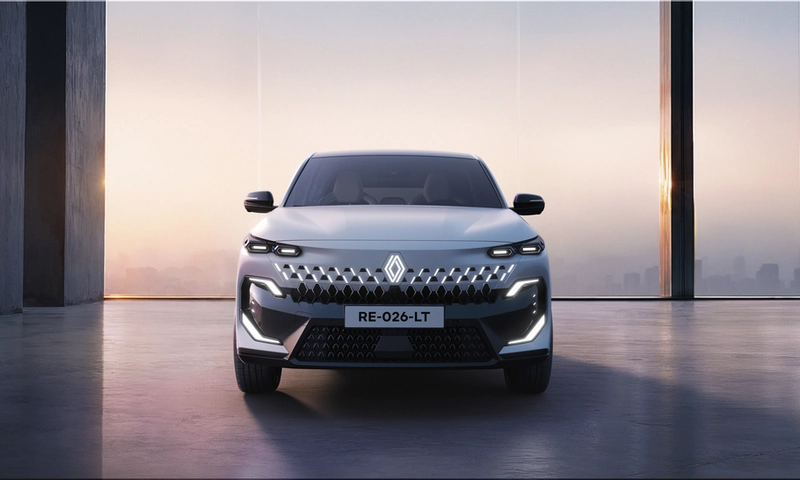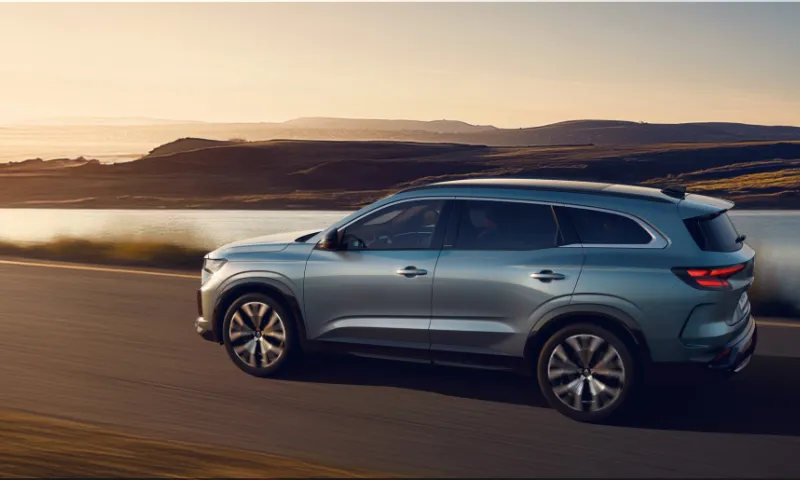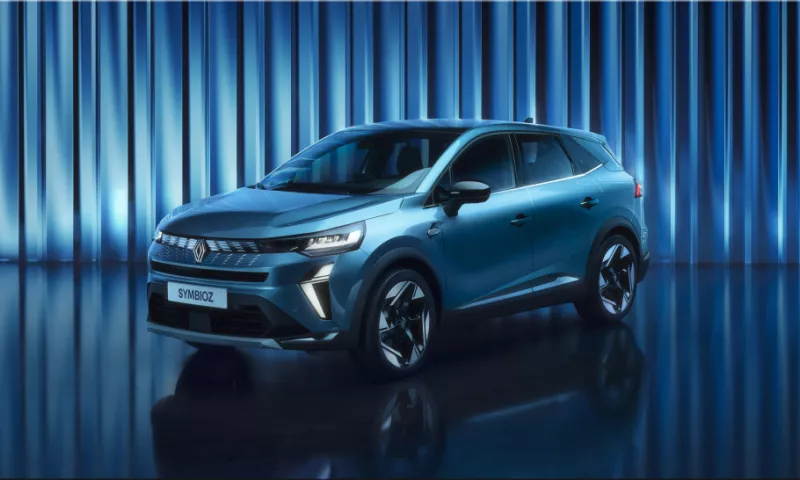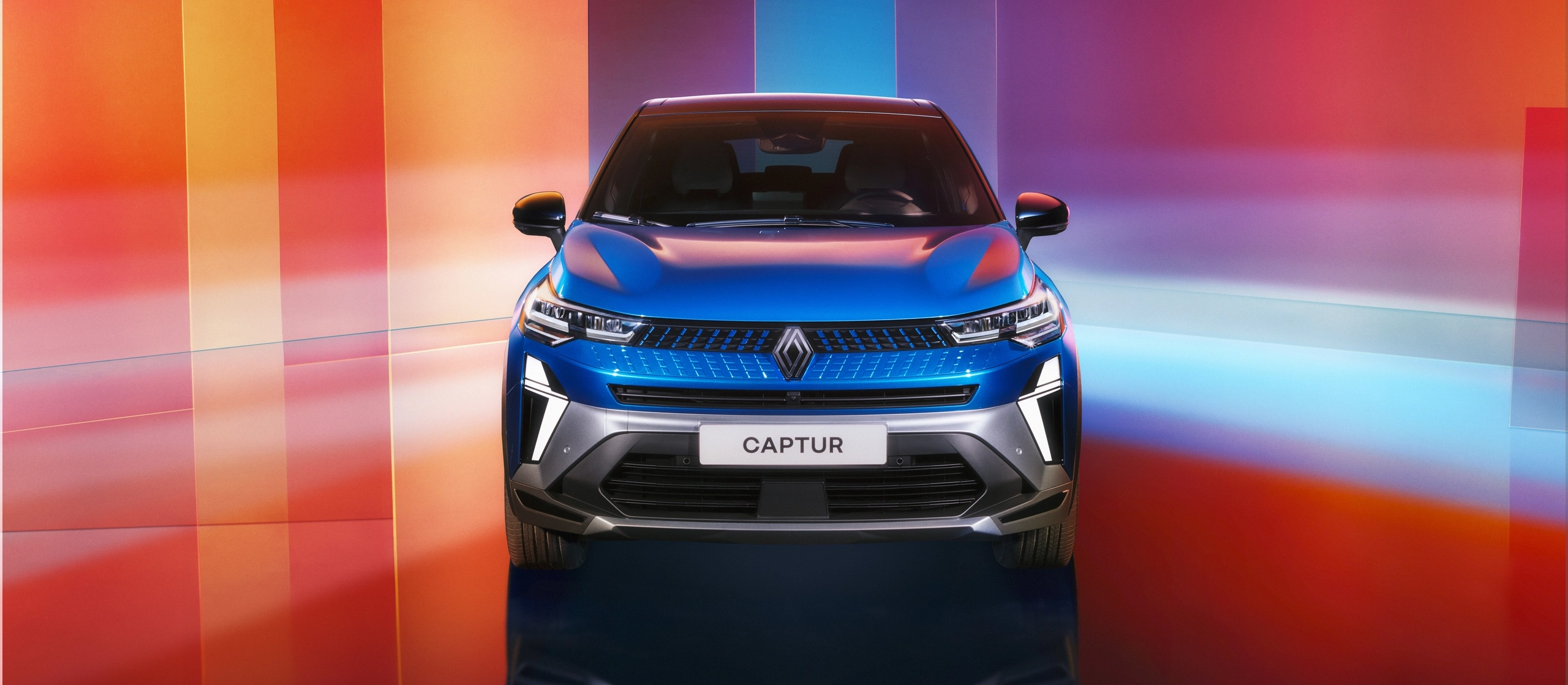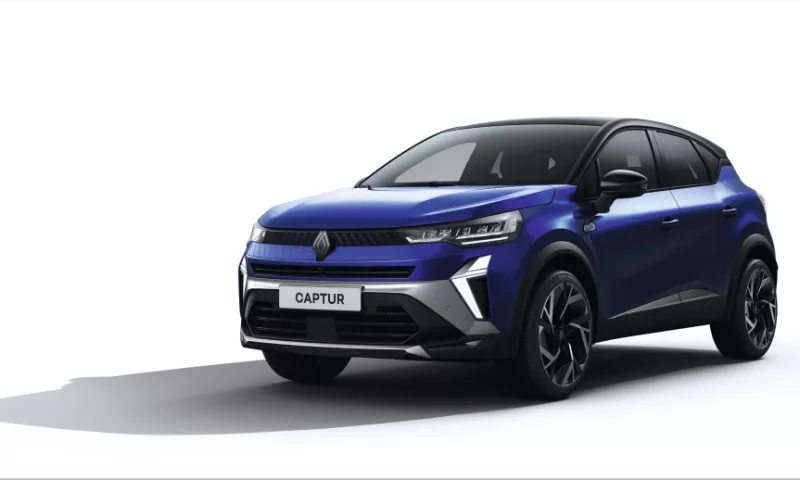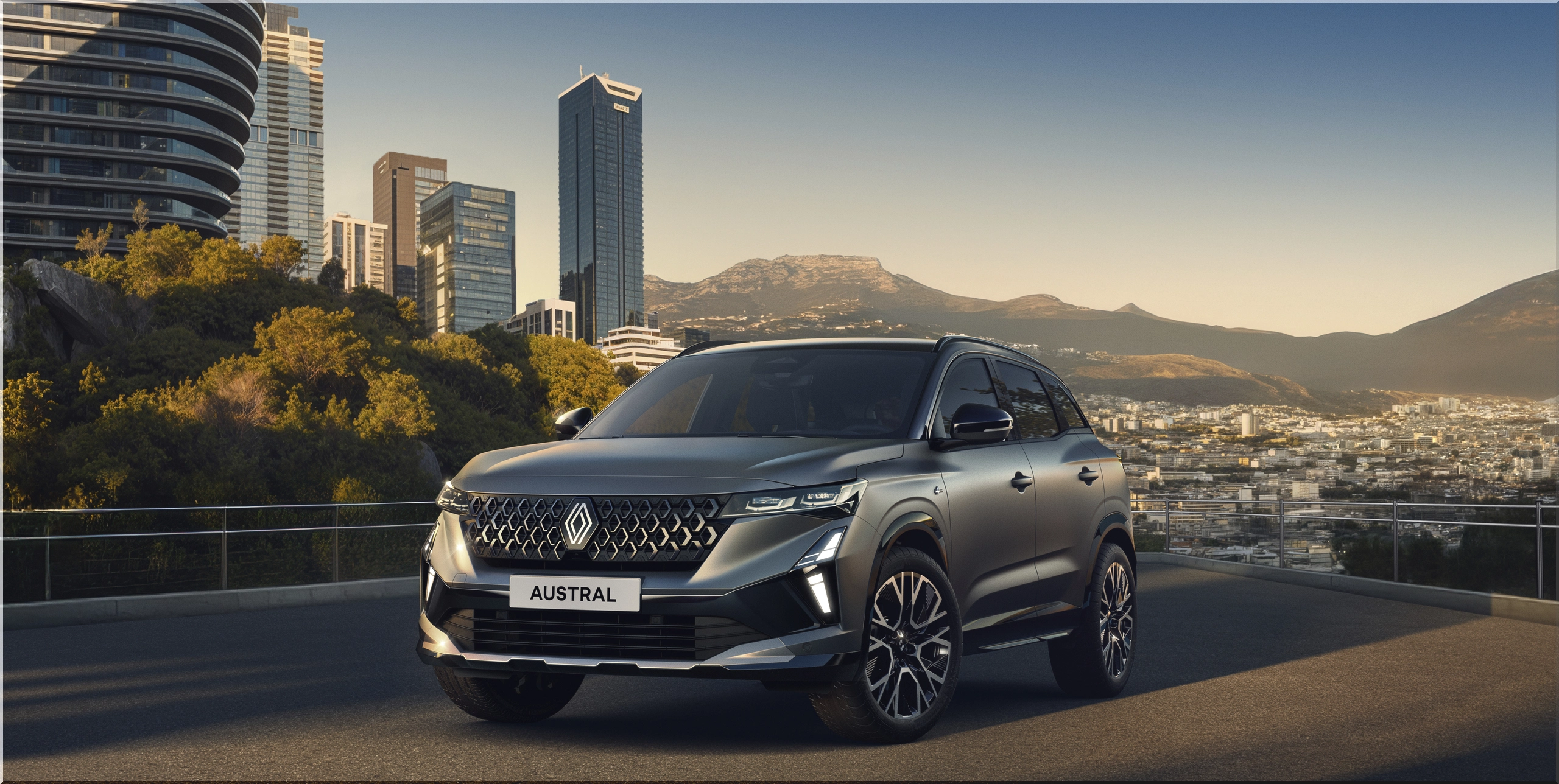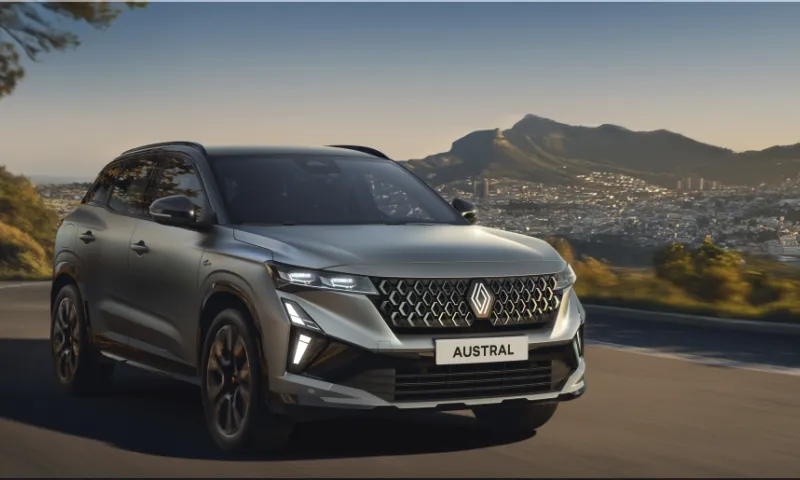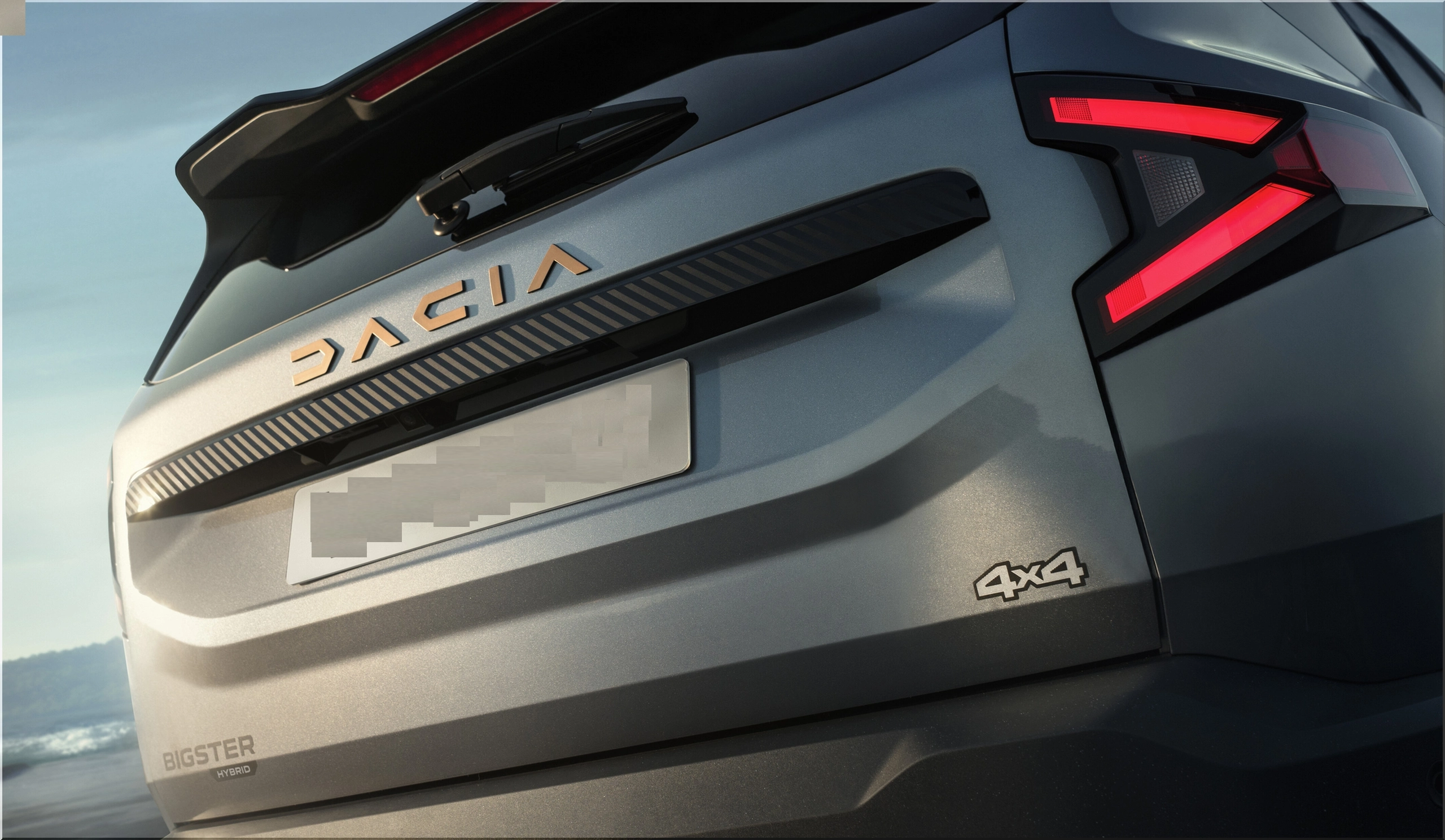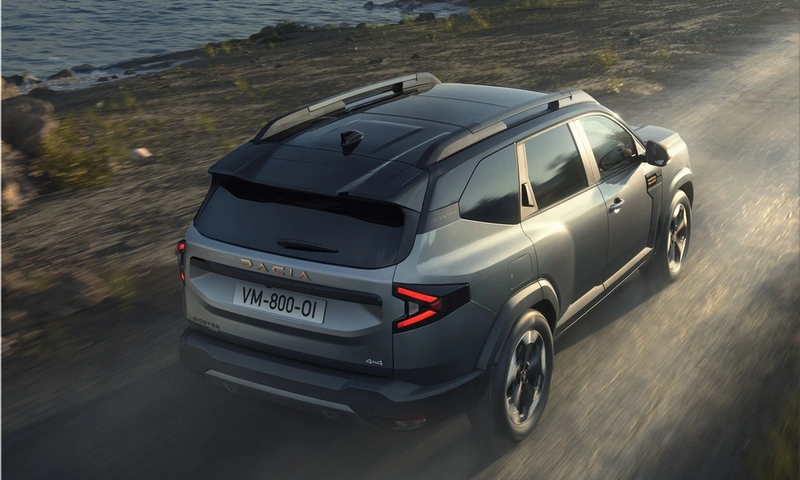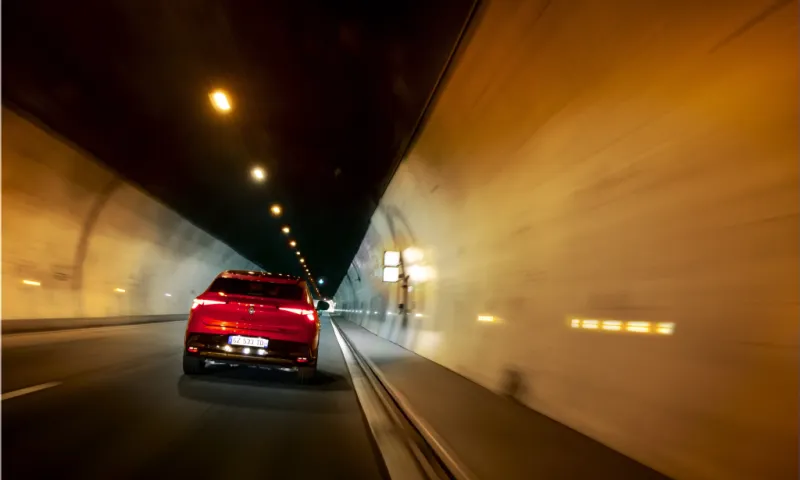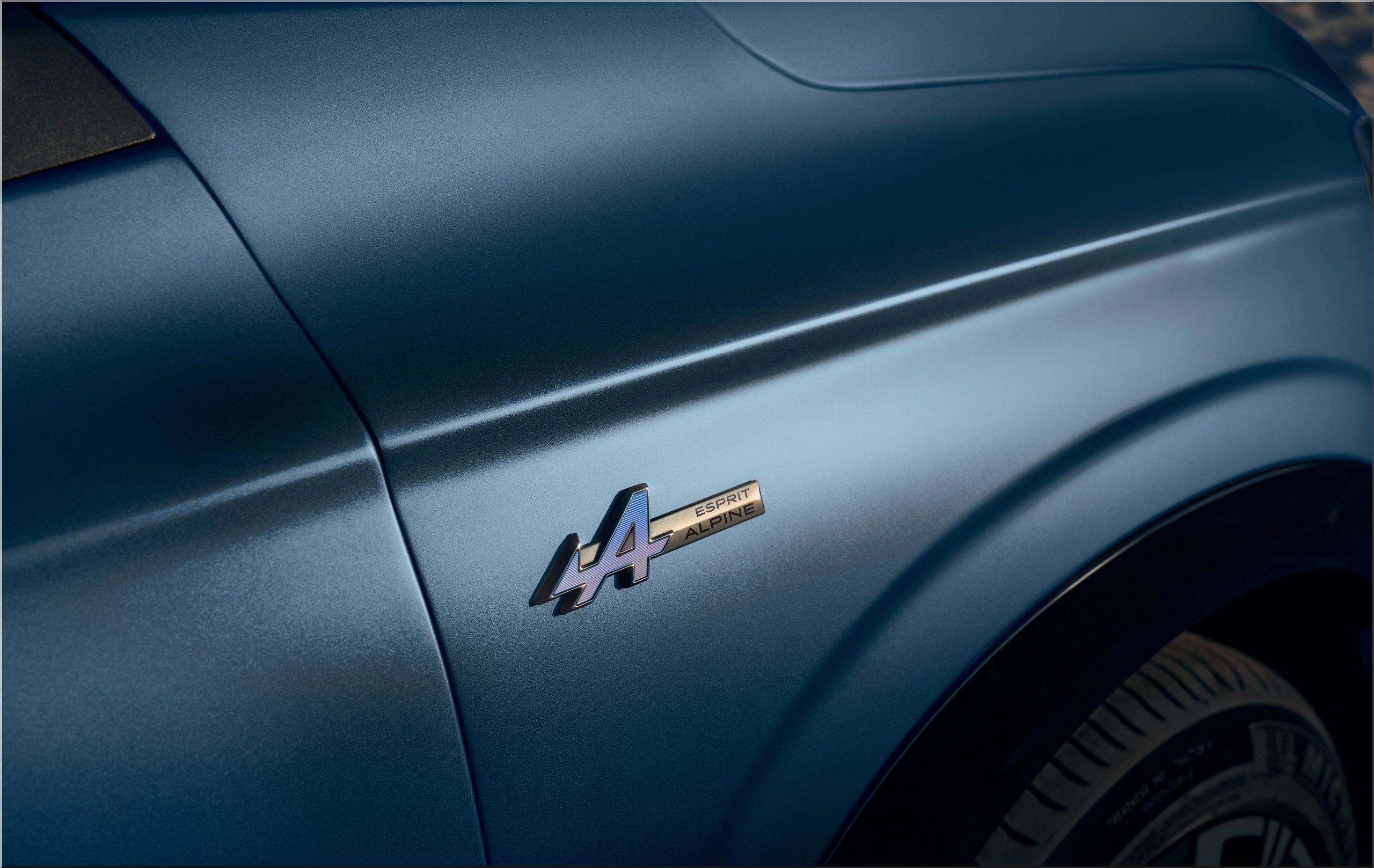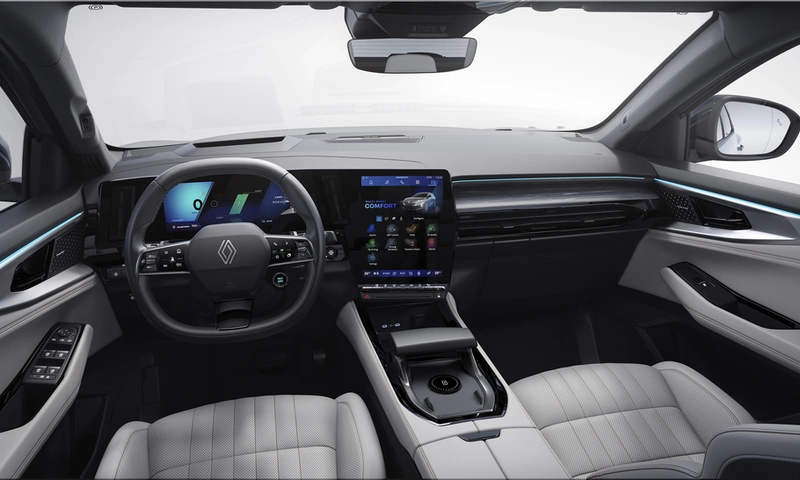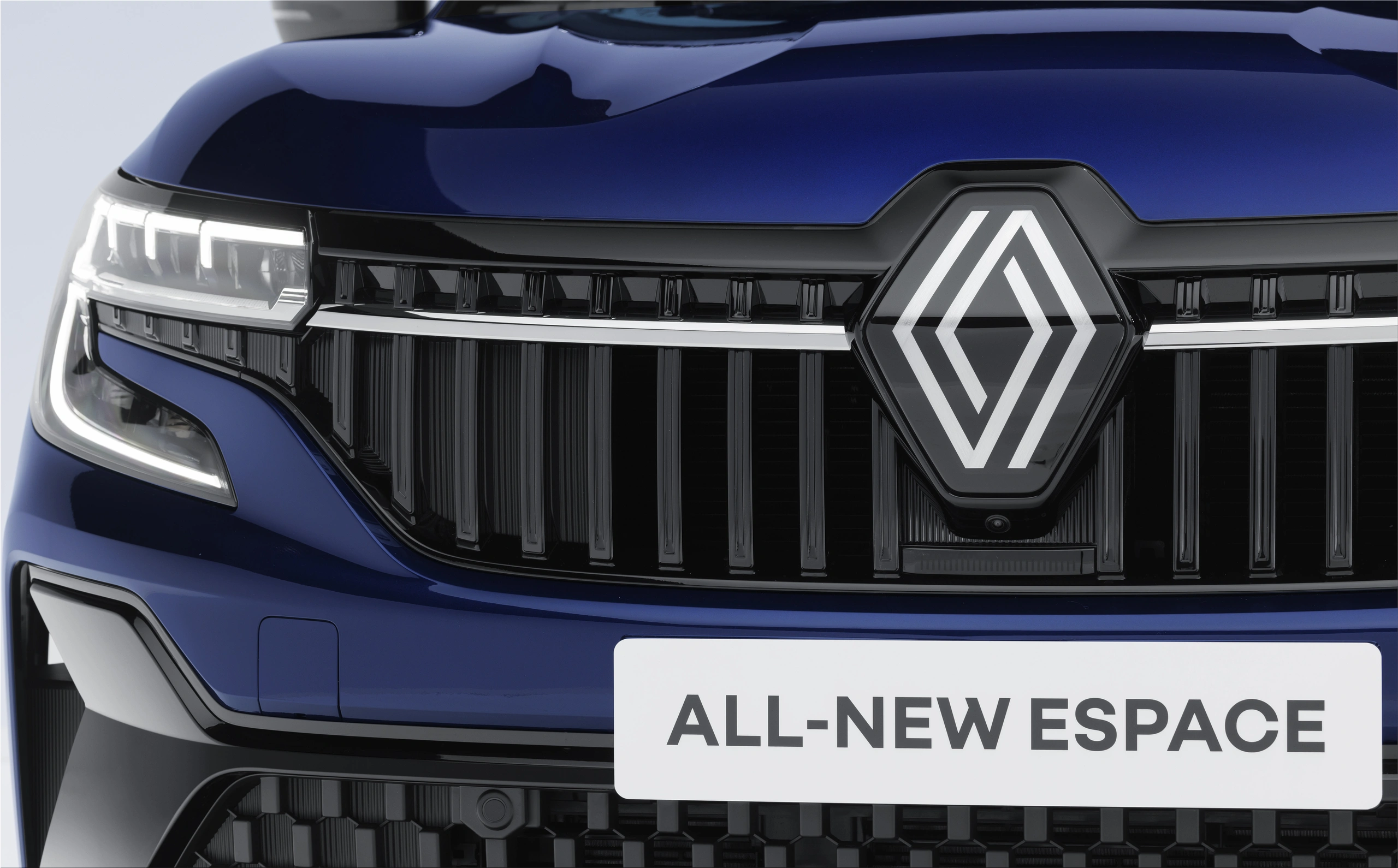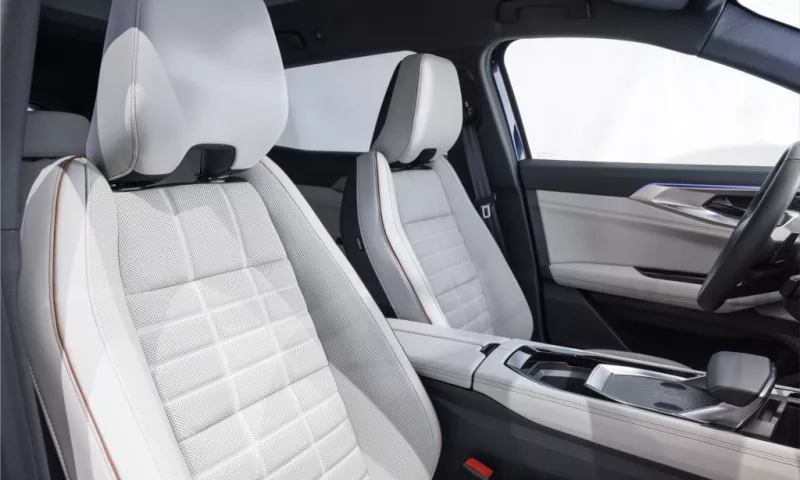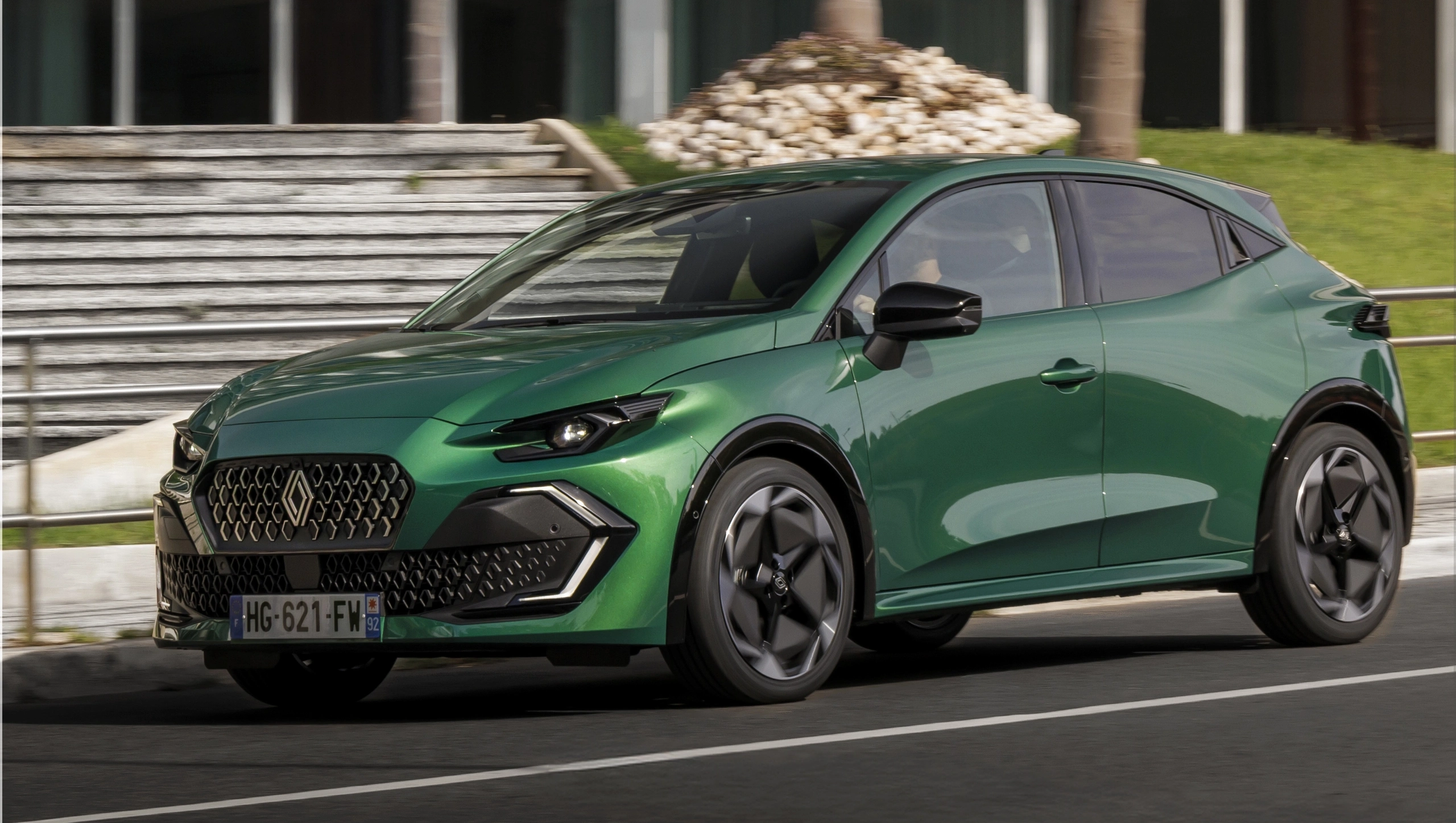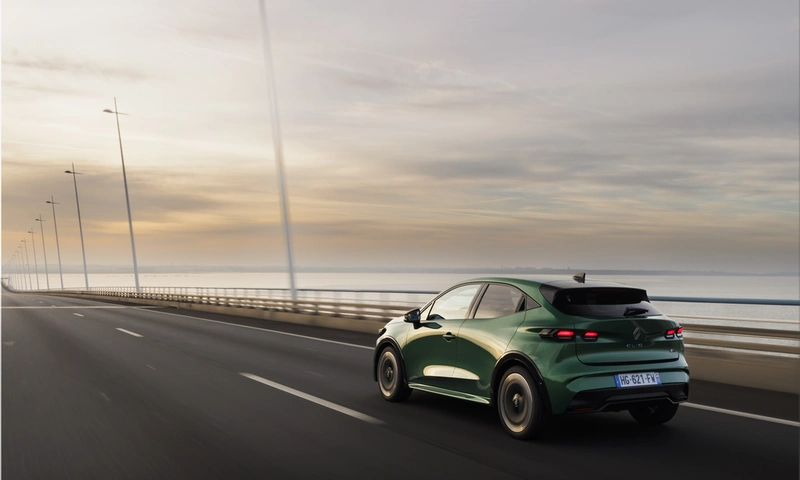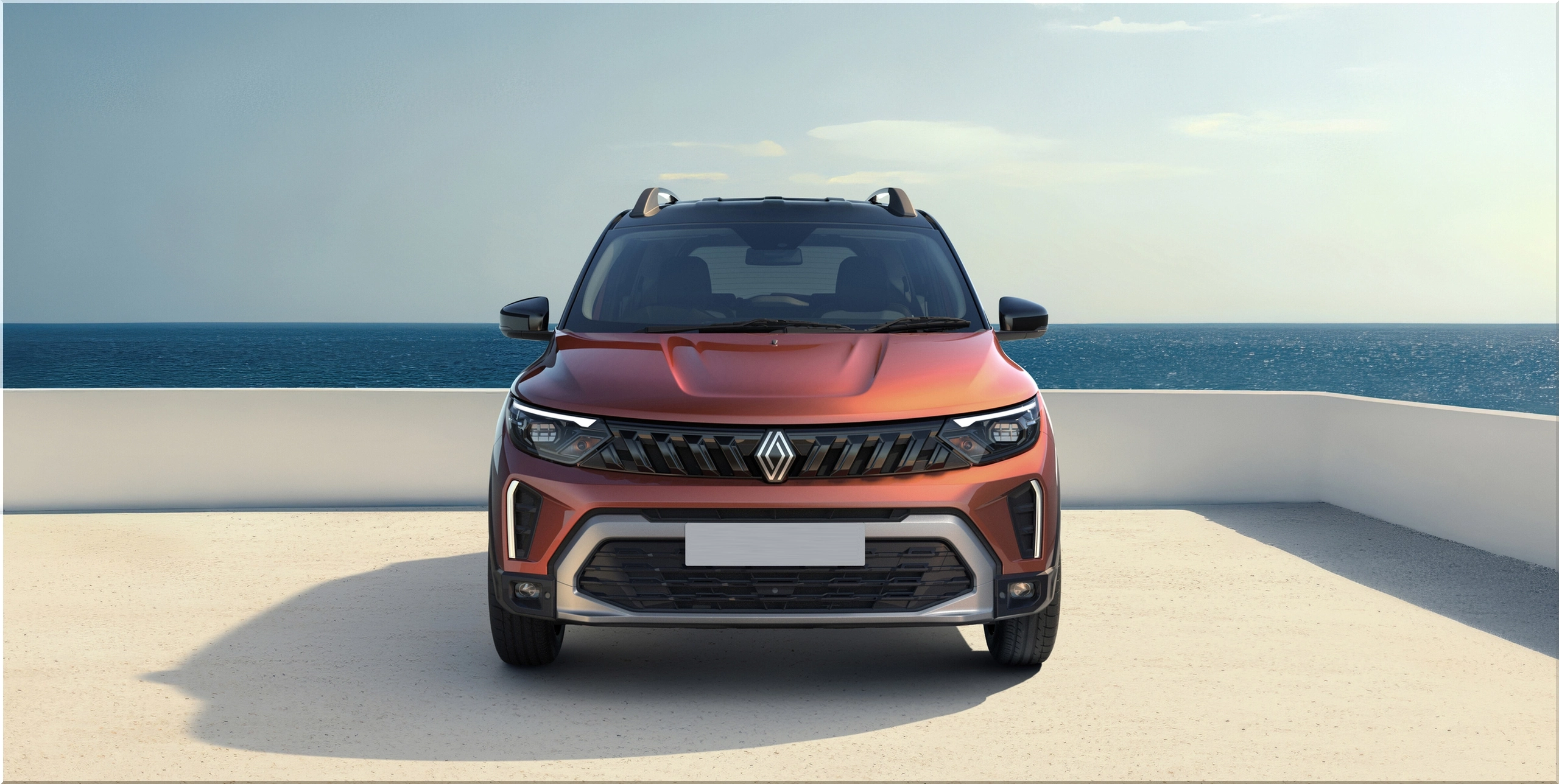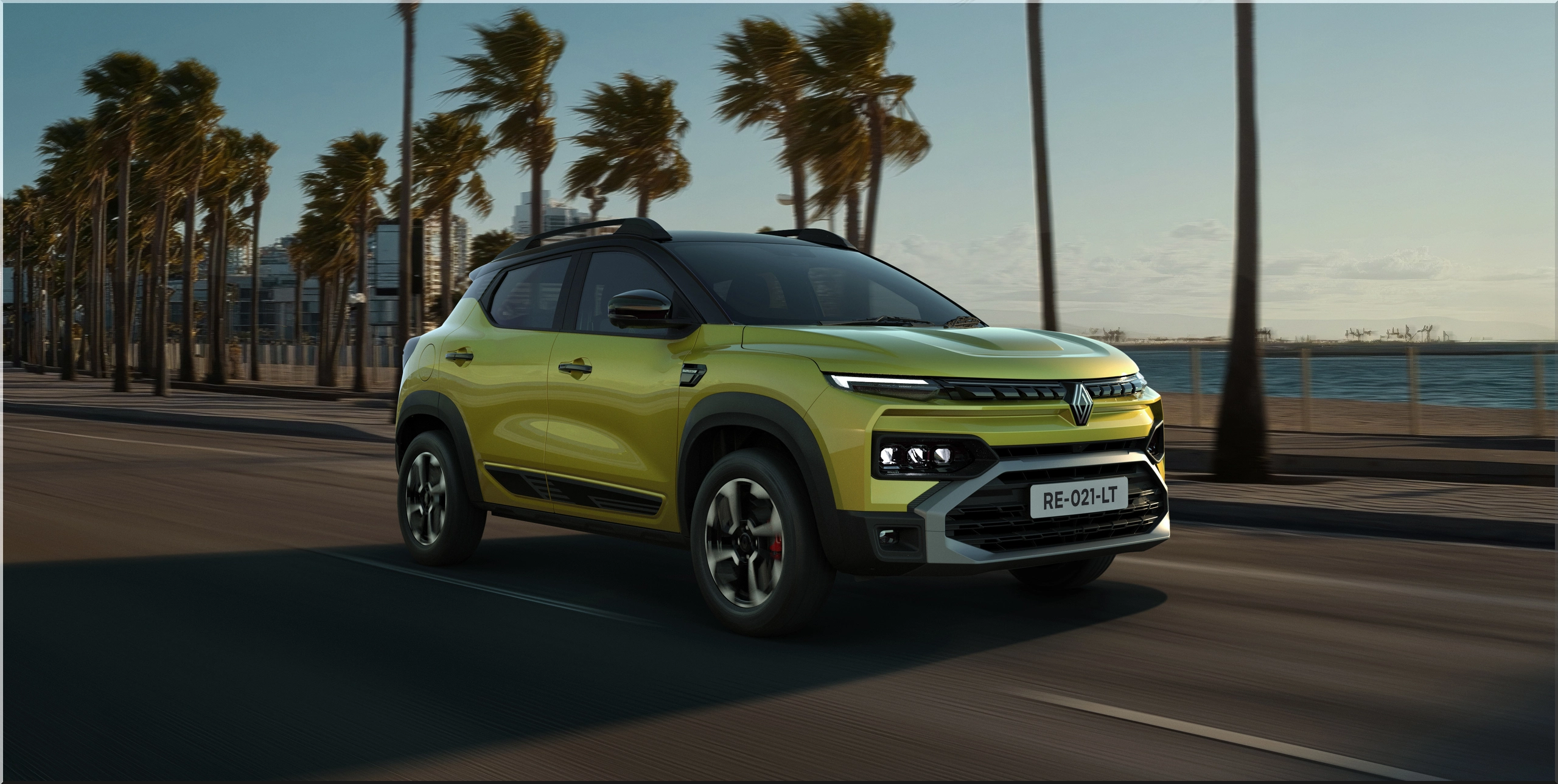
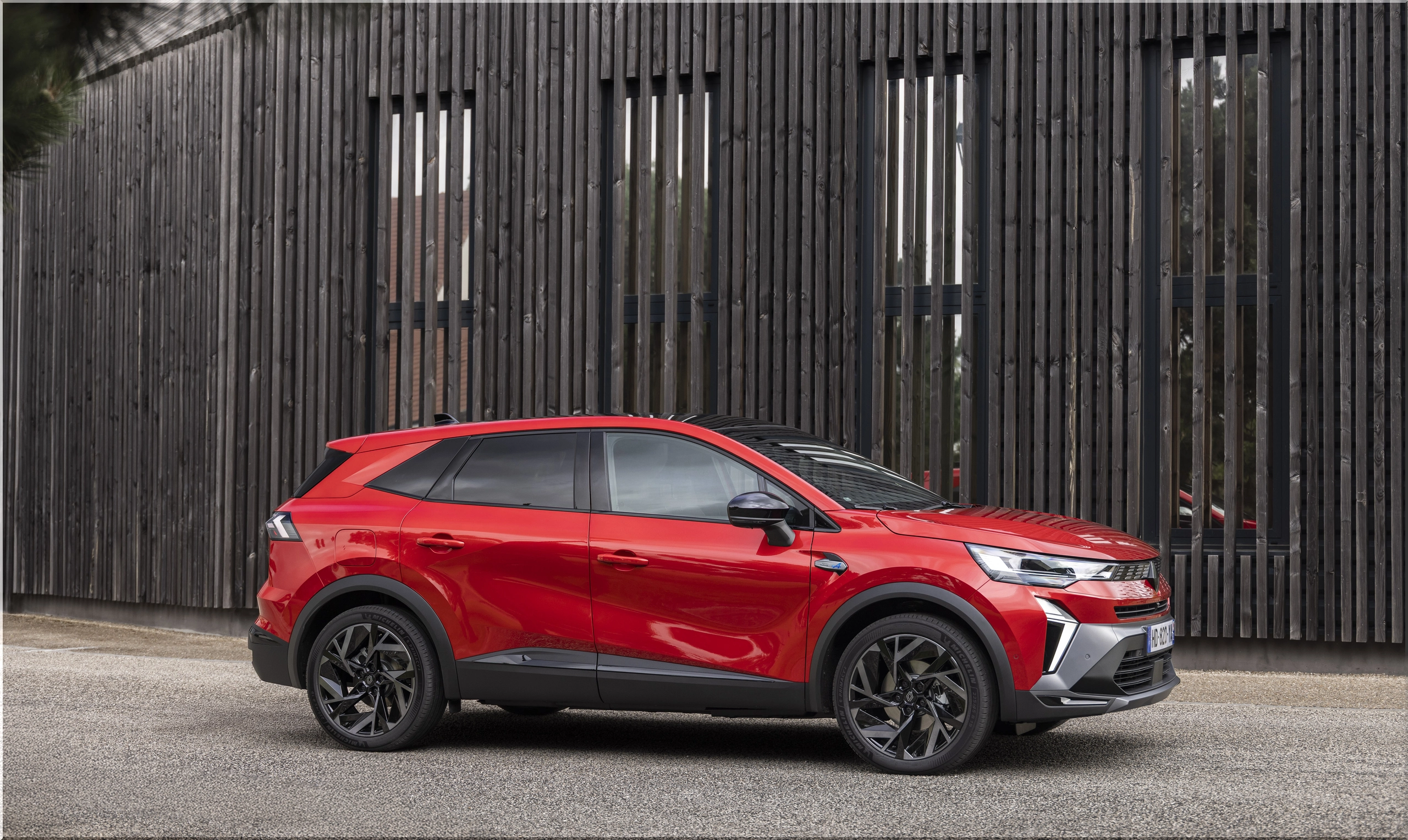
Renault has introduced two next-gen full hybrid powertrains for the European market. These systems are installed in the Renault Symbioz and Renault Espace. The upgrades aren’t just about specs—they aim to push Renault closer to the one-million mark in hybrid sales. This move strengthens Renault’s #2 position in the European hybrid segment.
Why the New Renault Hybrid Powertrains Matter
These aren’t mild tweaks. Both systems feature a series-parallel hybrid architecture, combining internal combustion with electric propulsion. The 160 hp unit powers the compact Symbioz, while the optimized 200 hp variant targets long-distance drivers in the larger Espace. Renault says these solutions deliver real-world fuel savings and low emissions—without charging.
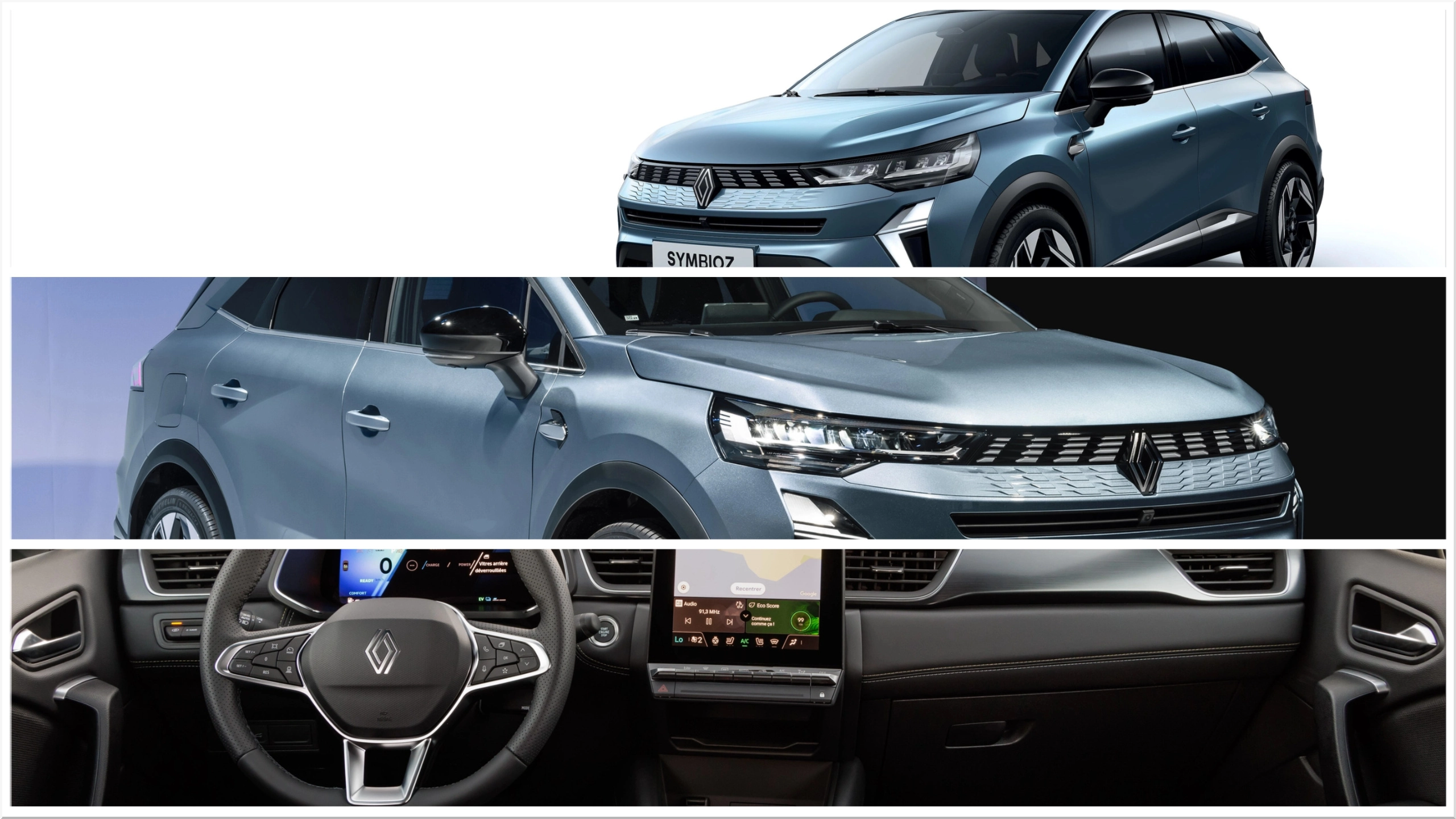
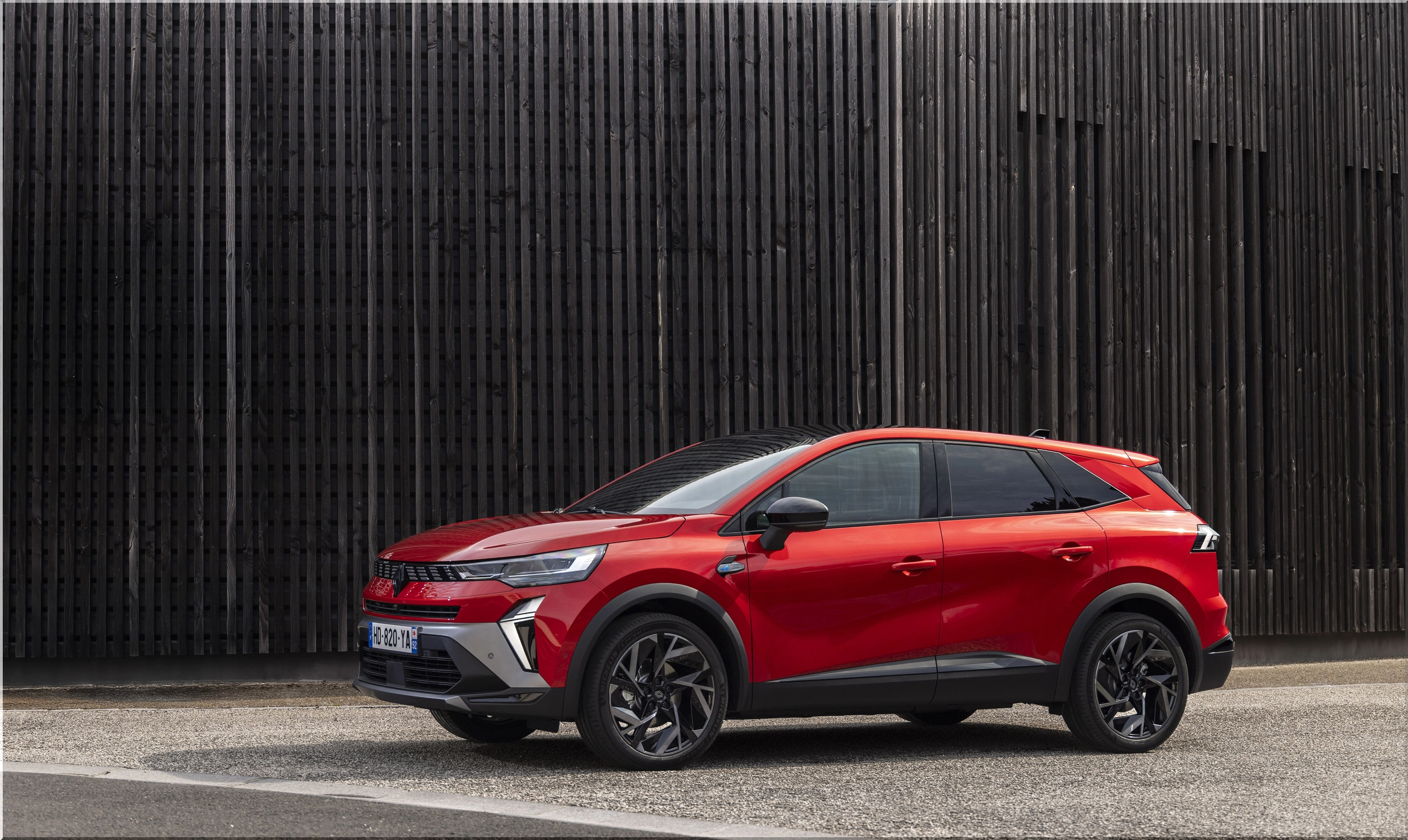
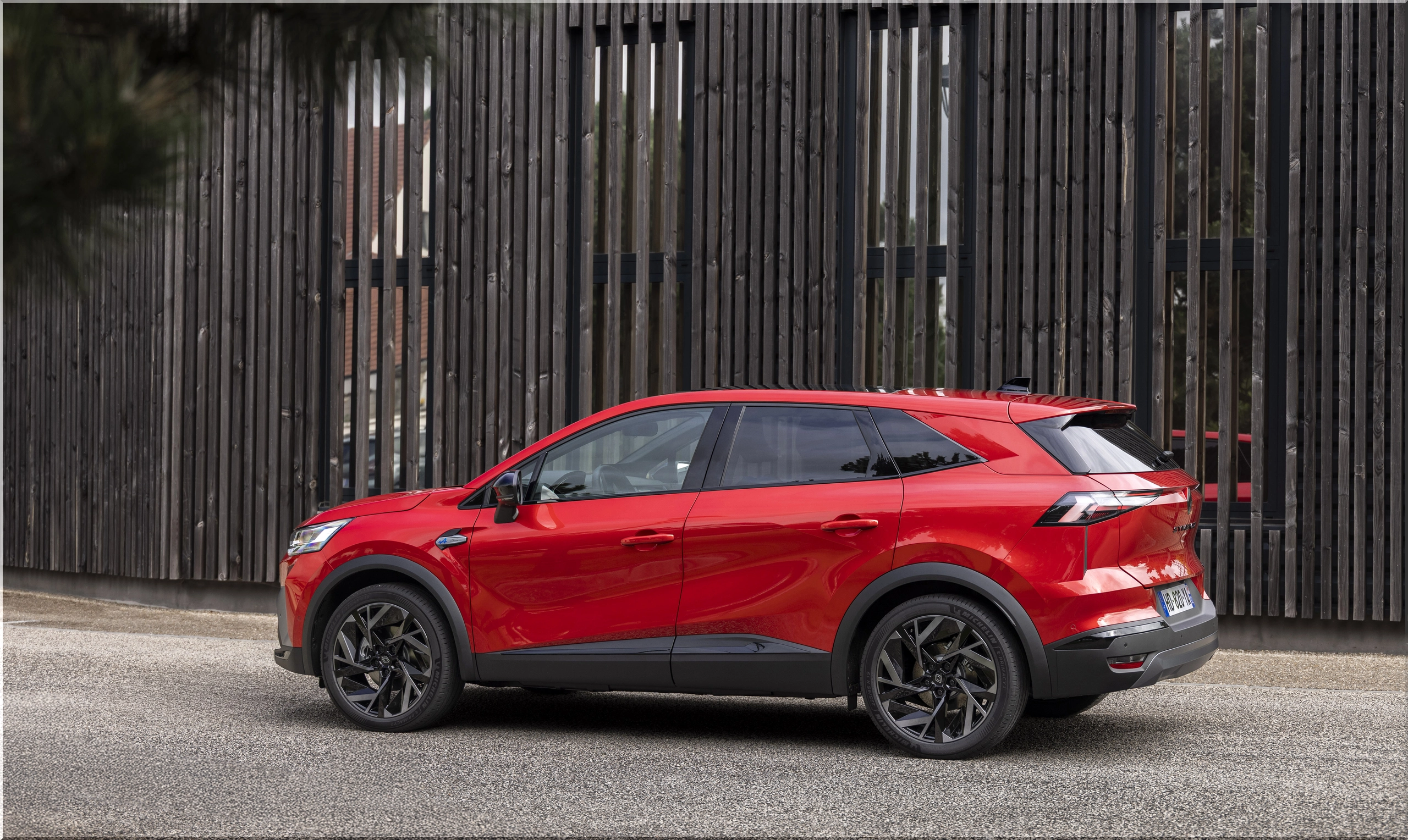
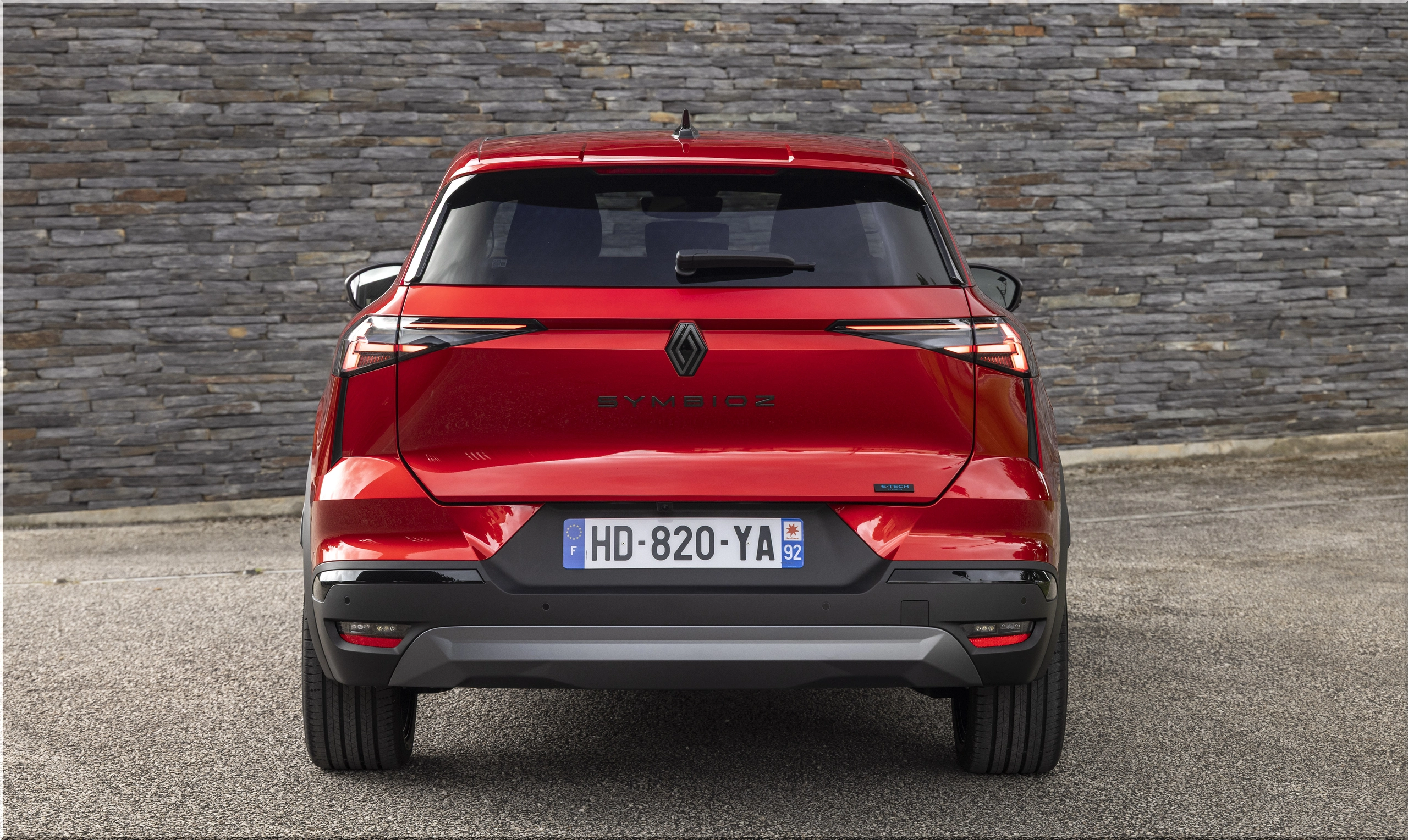
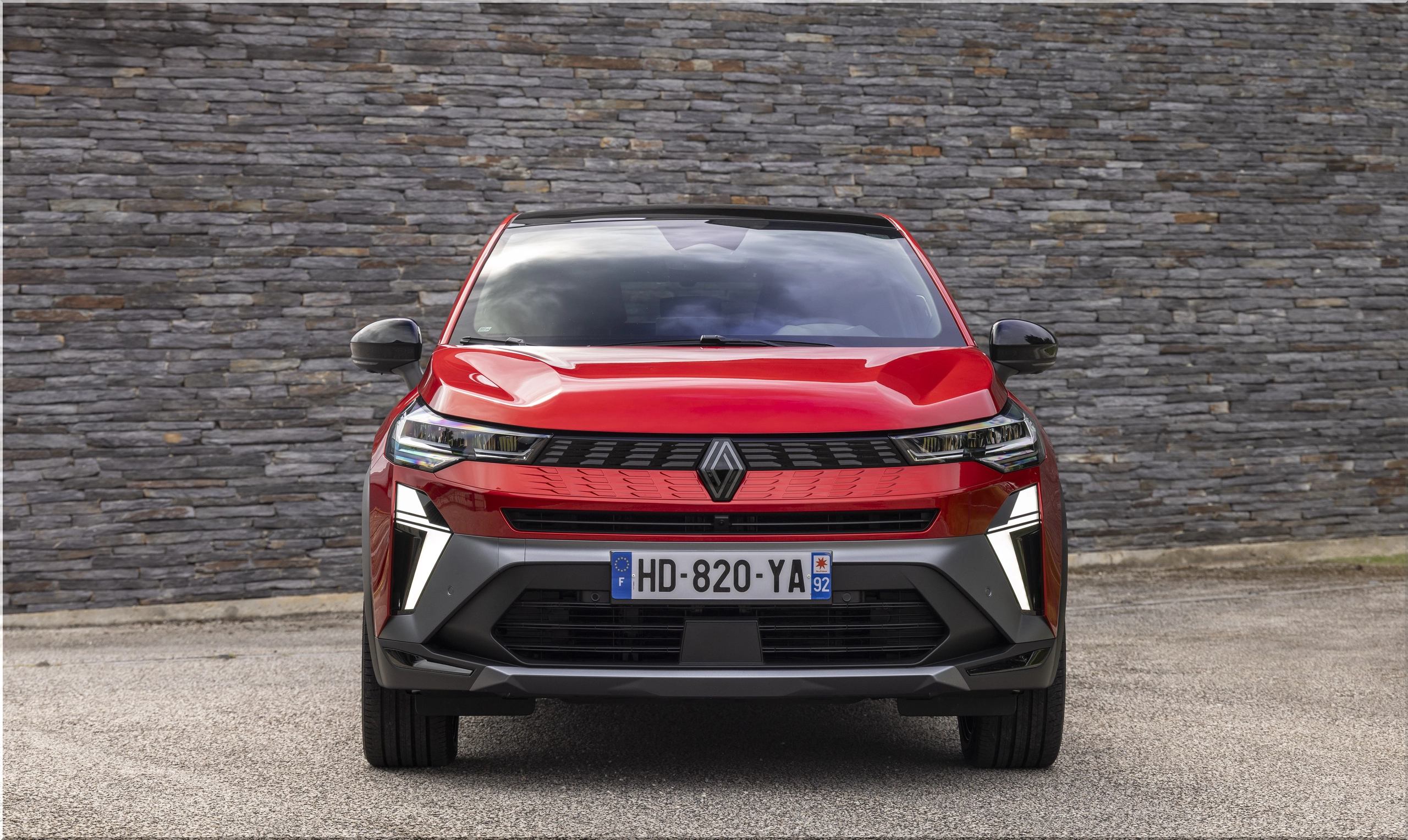
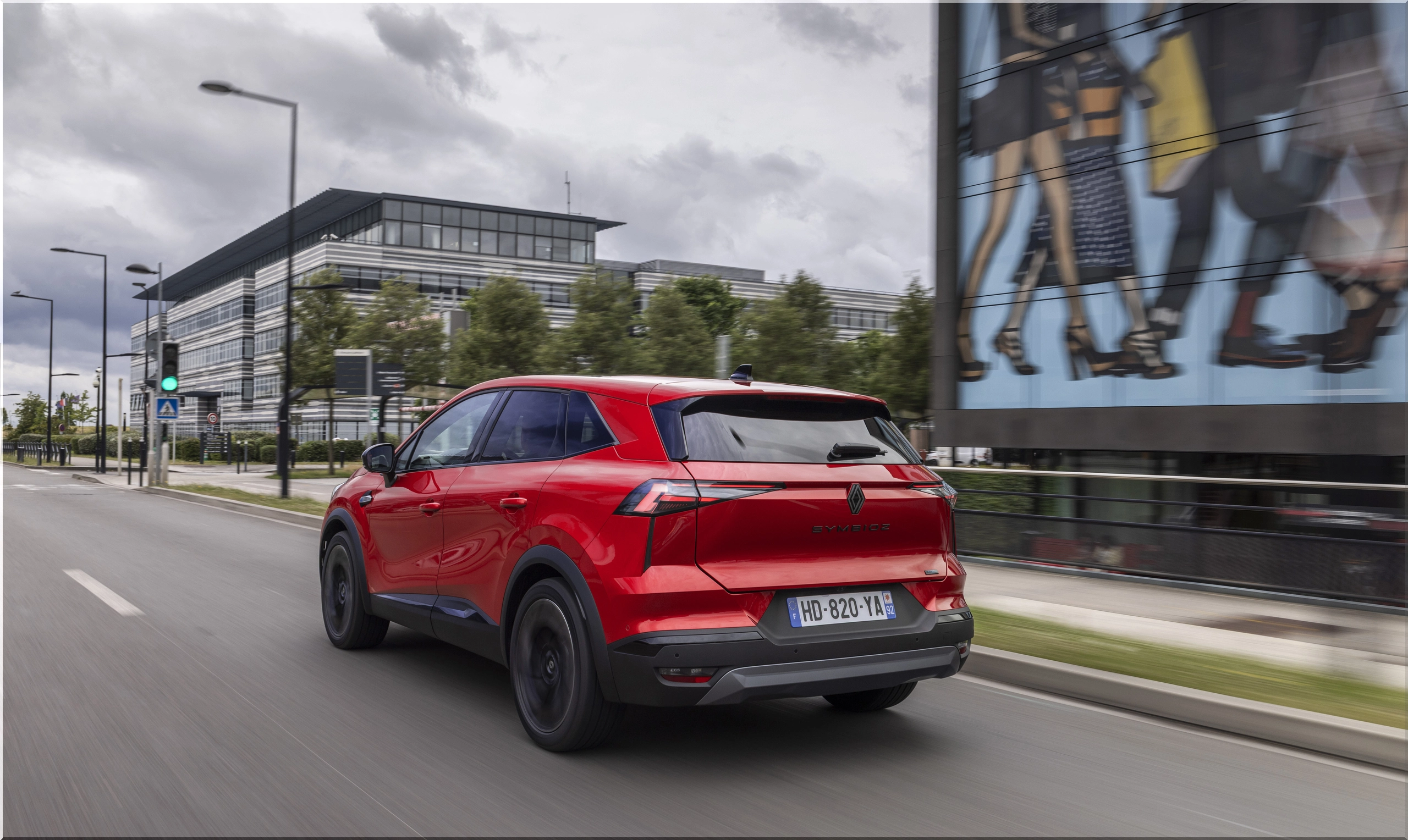
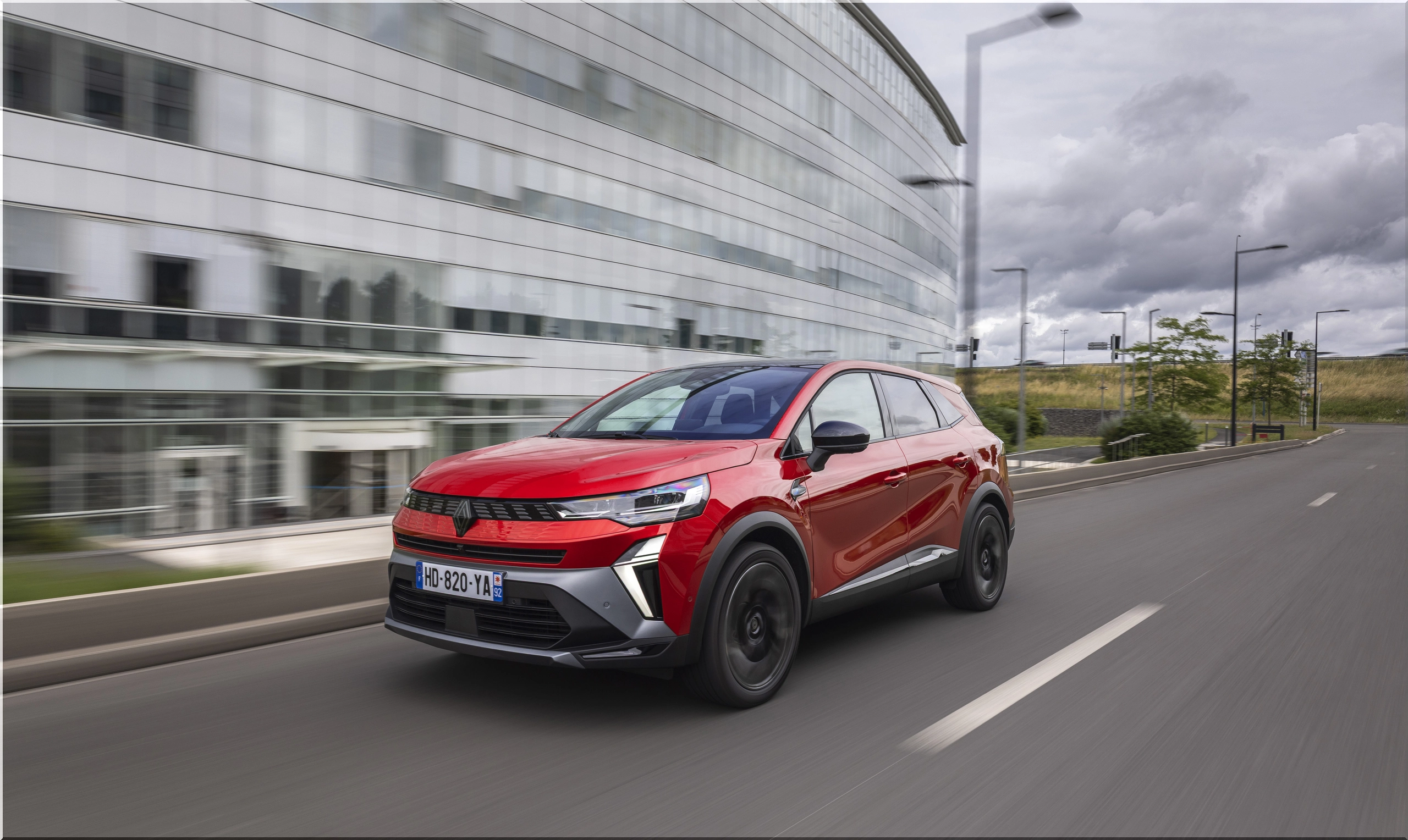
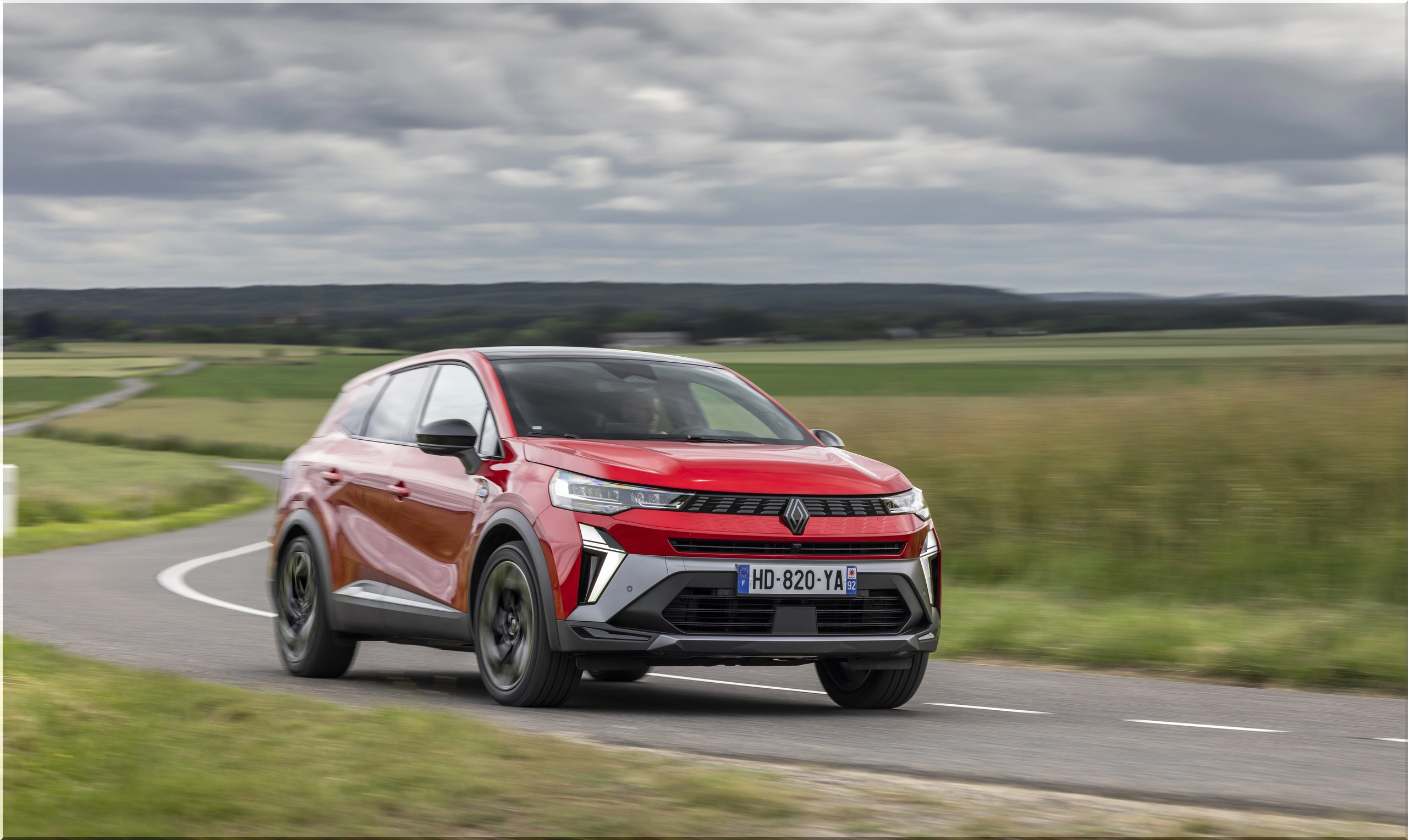
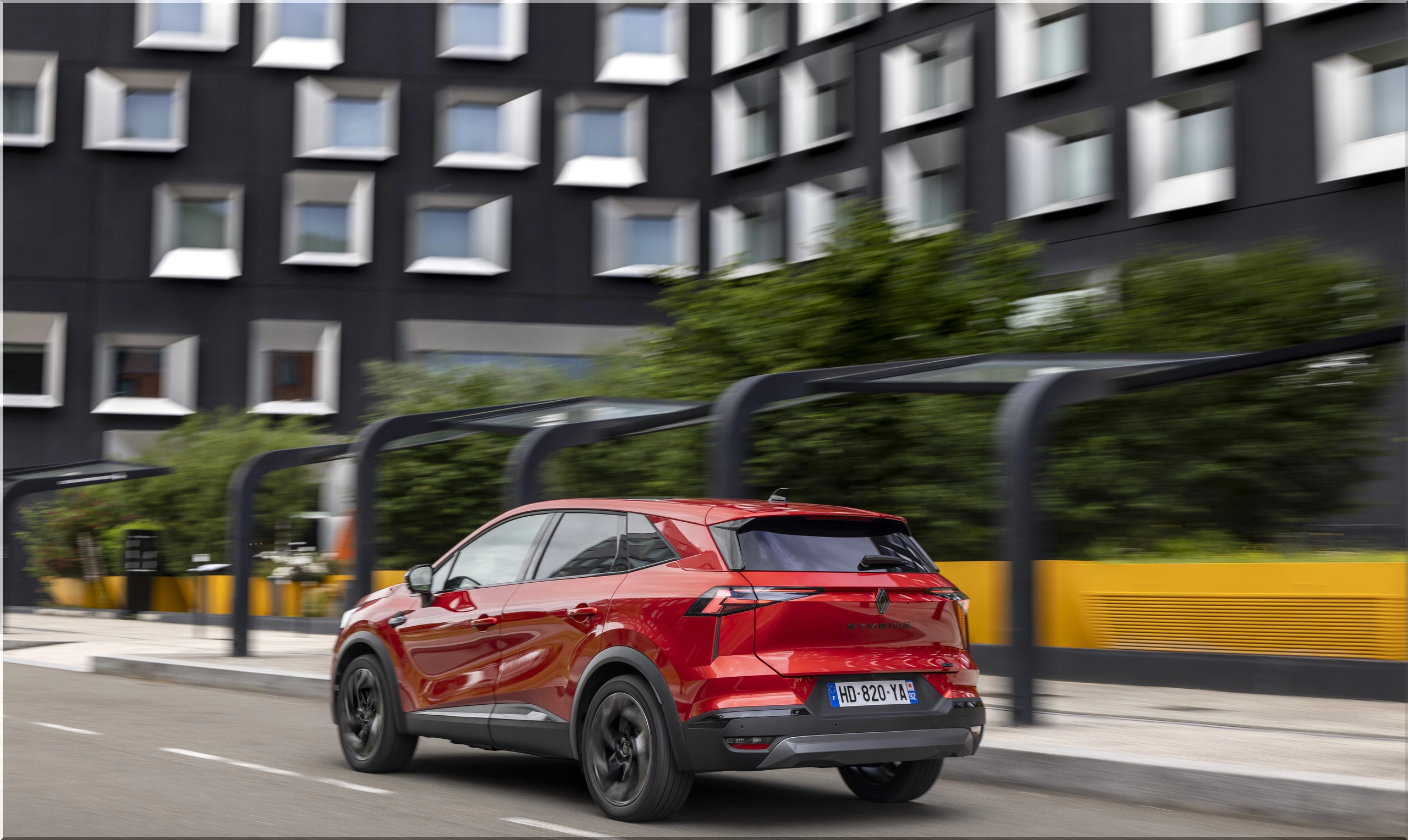
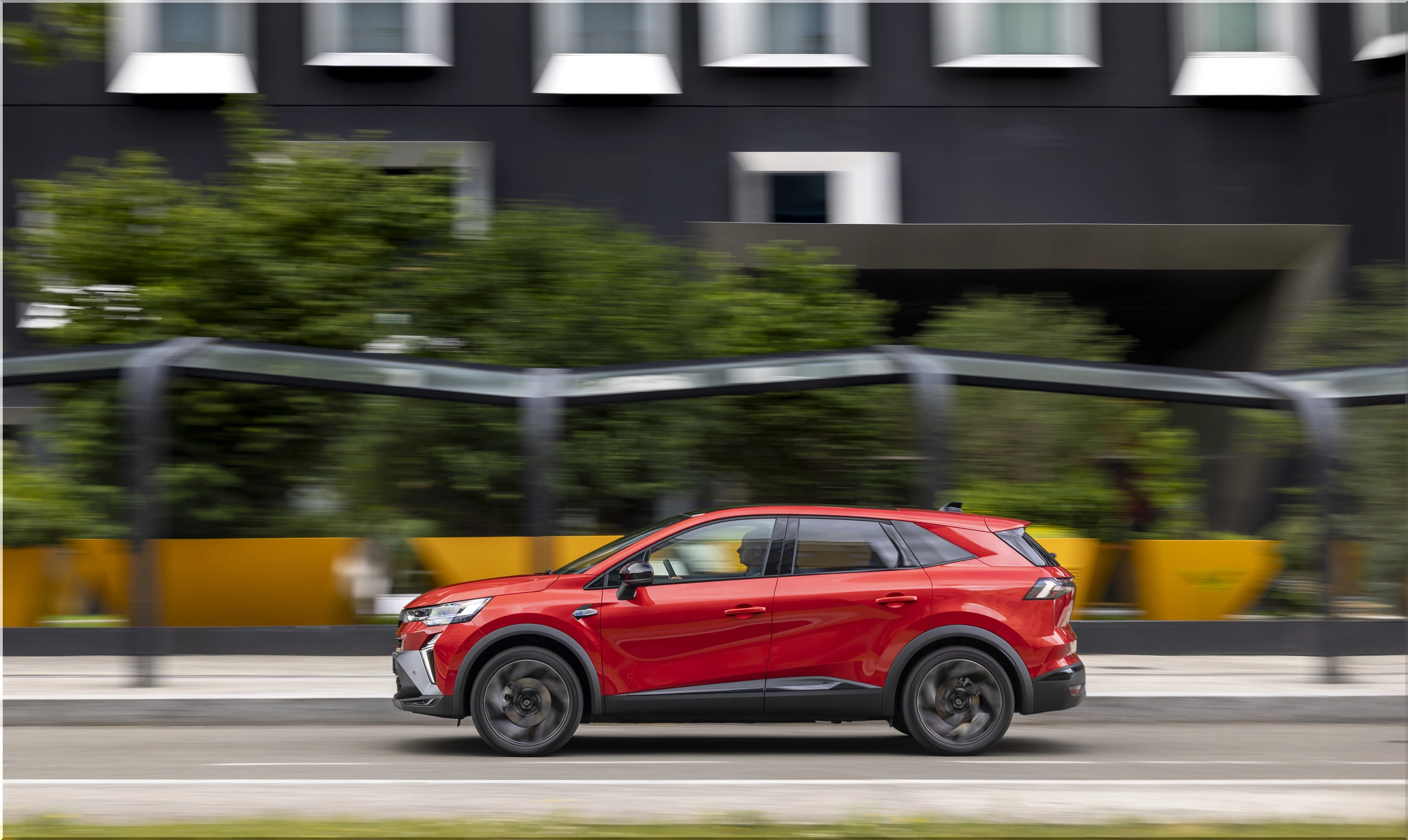
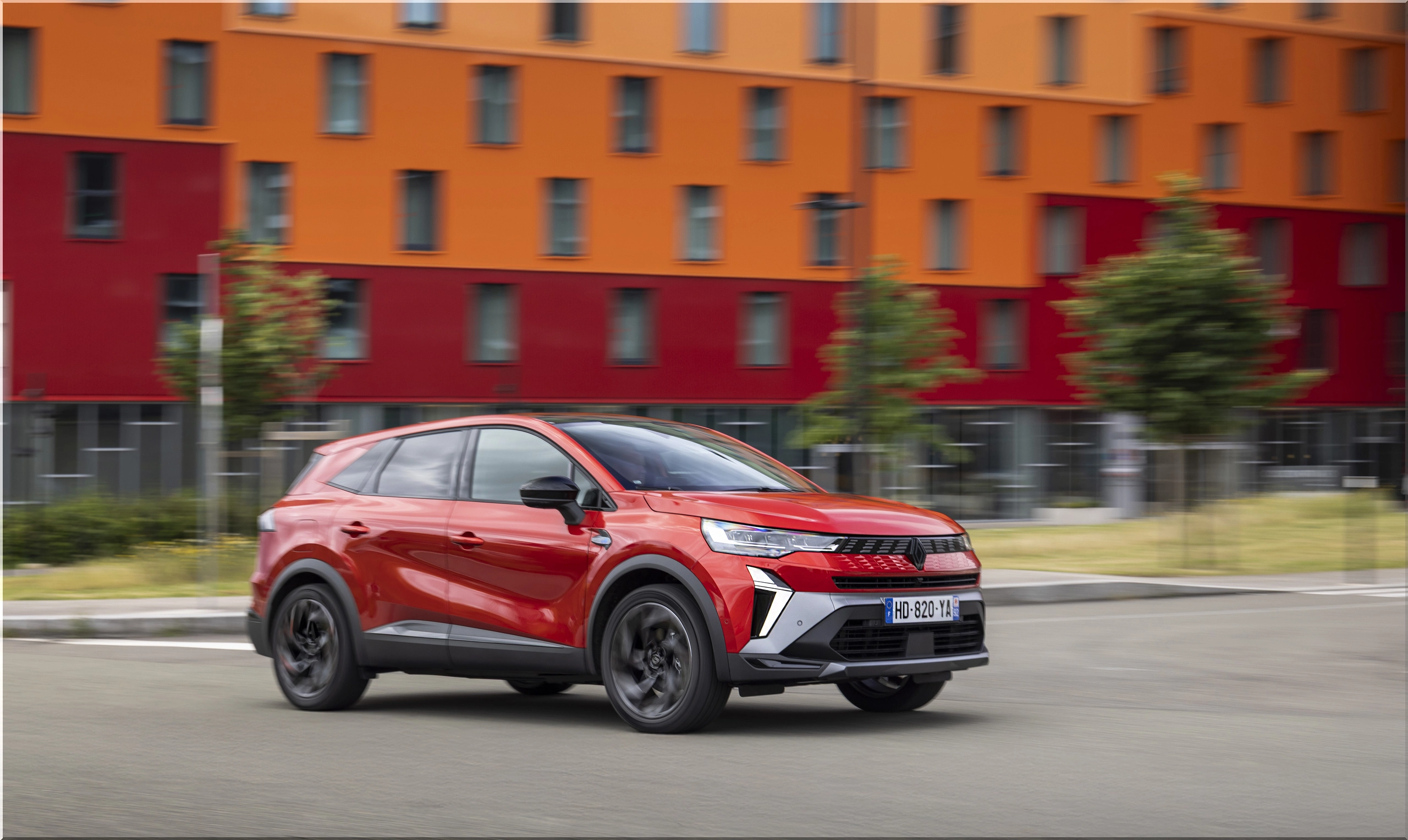
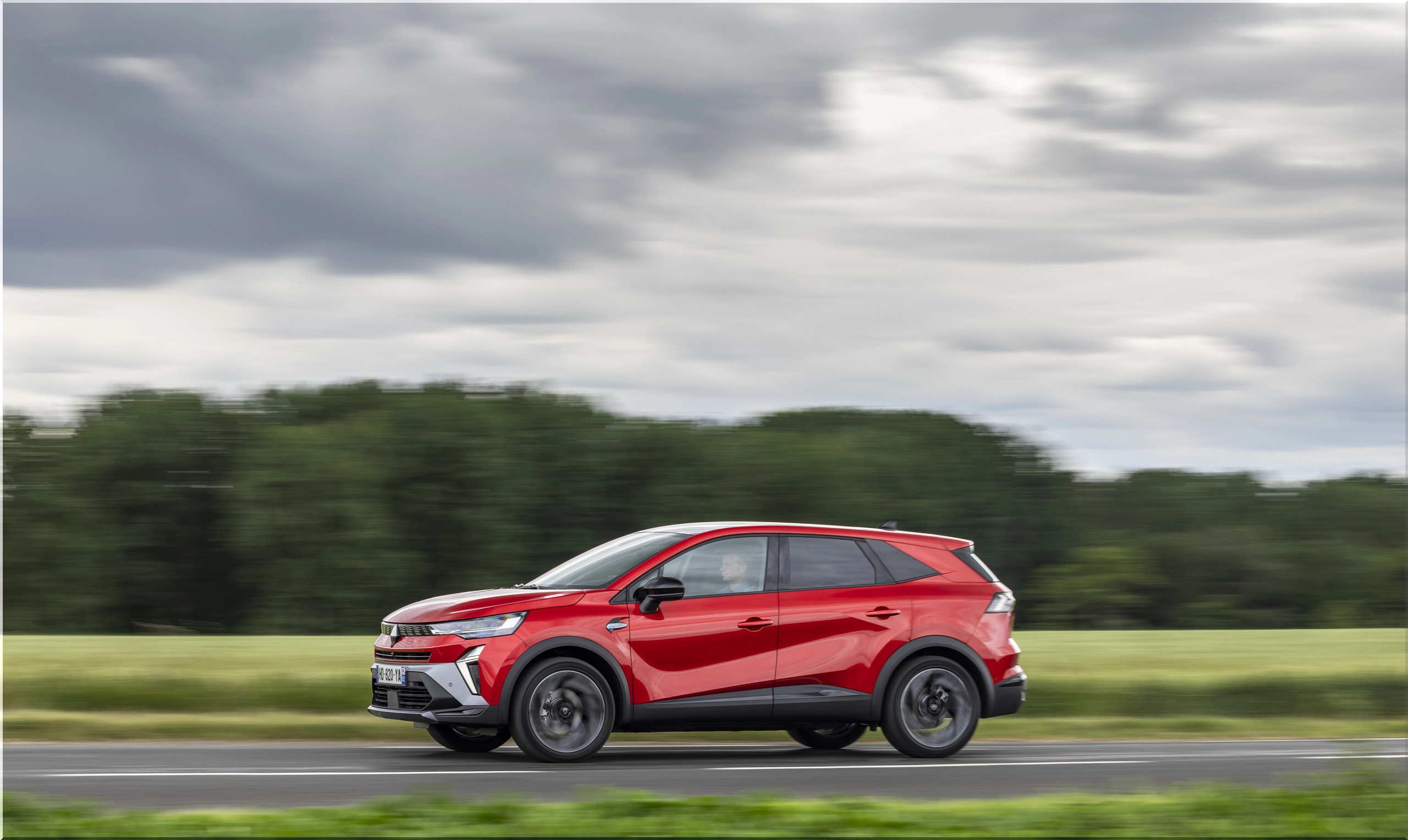
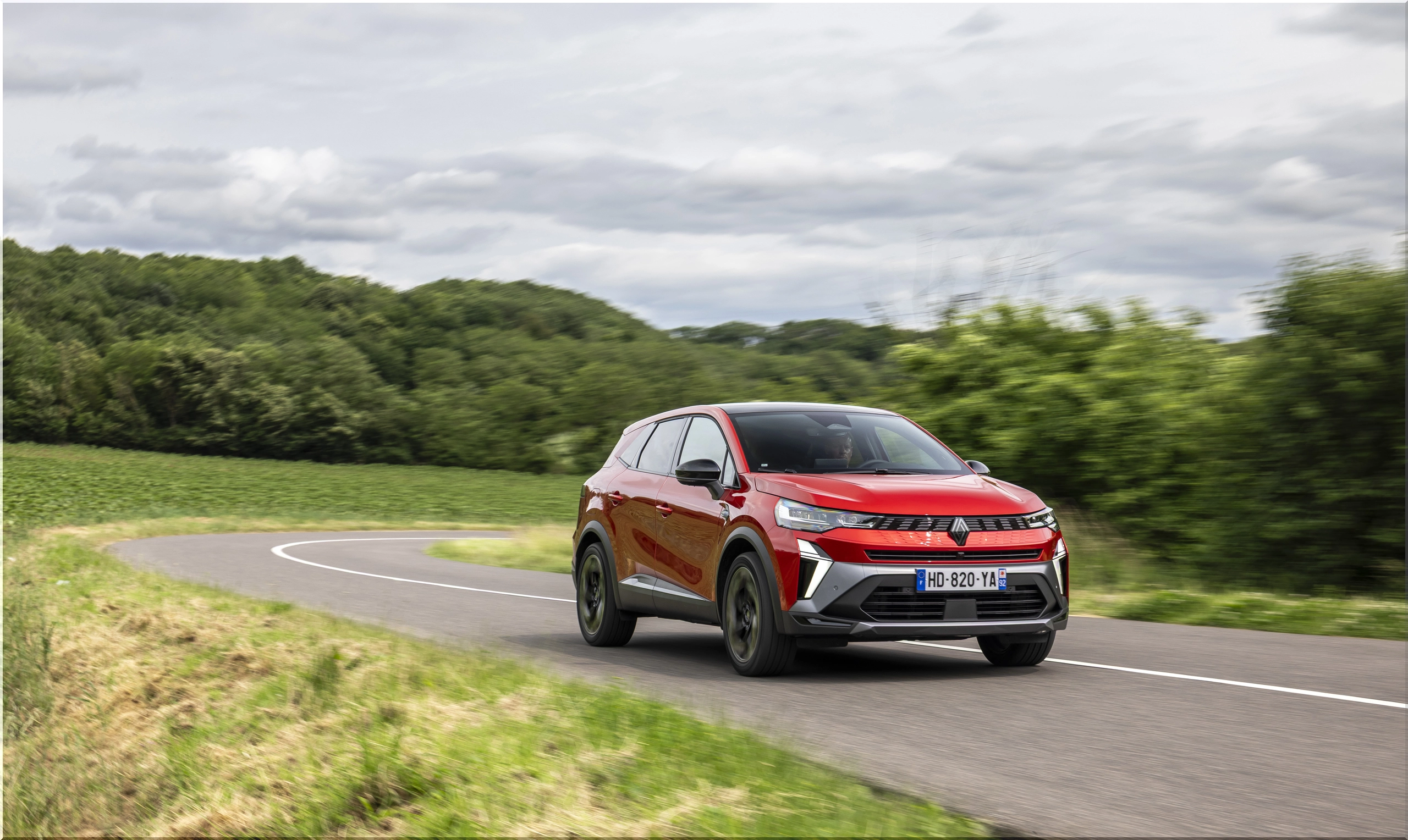
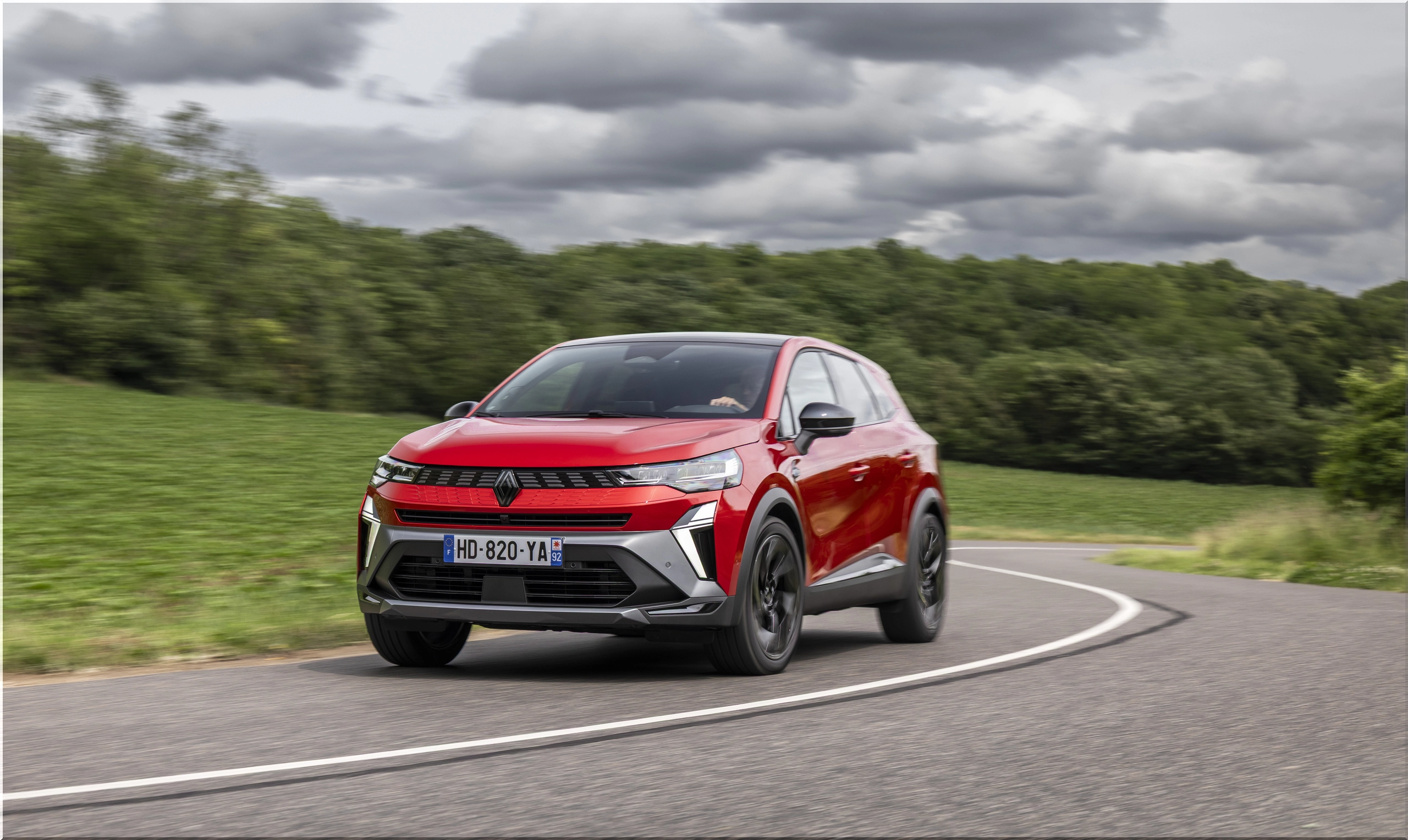
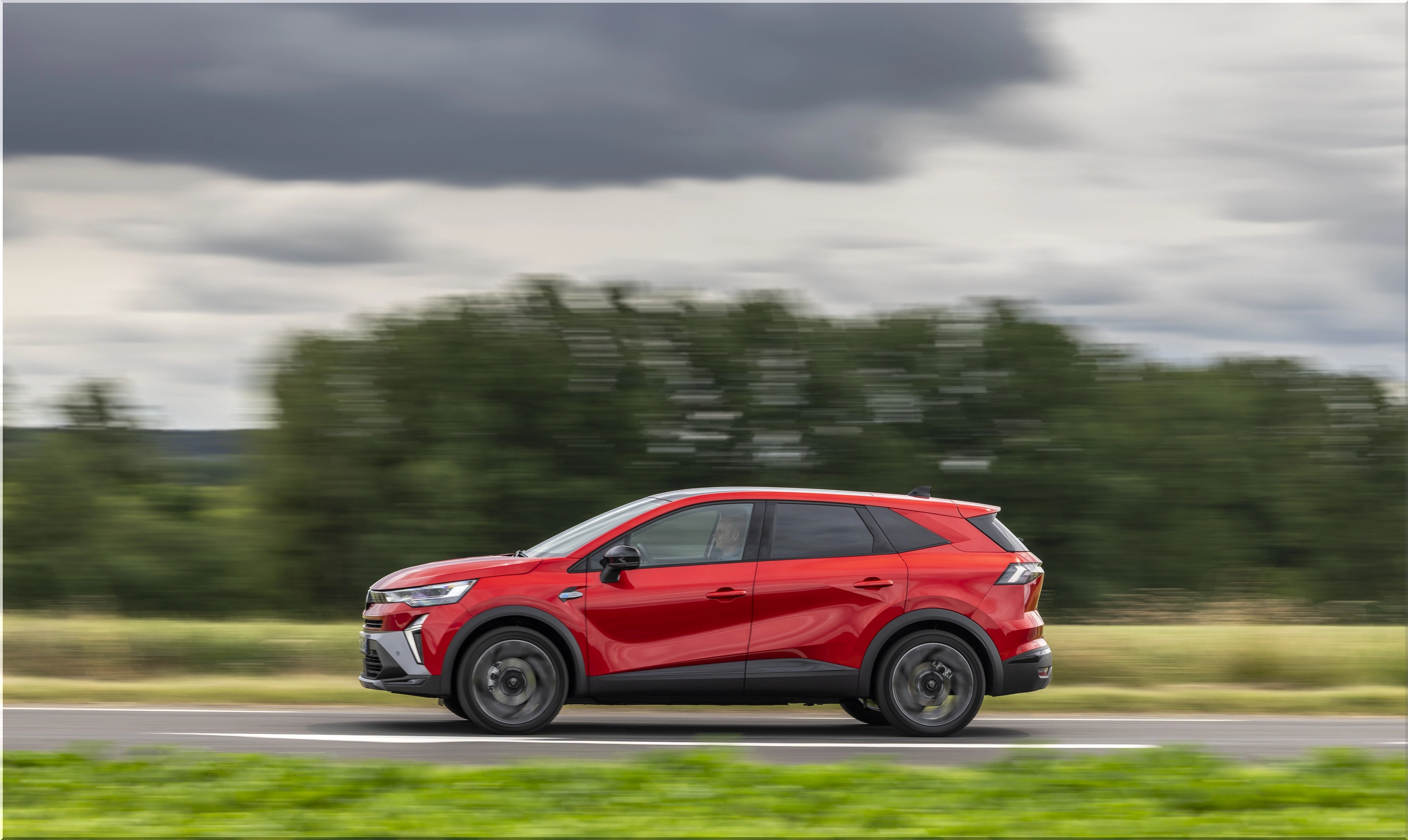
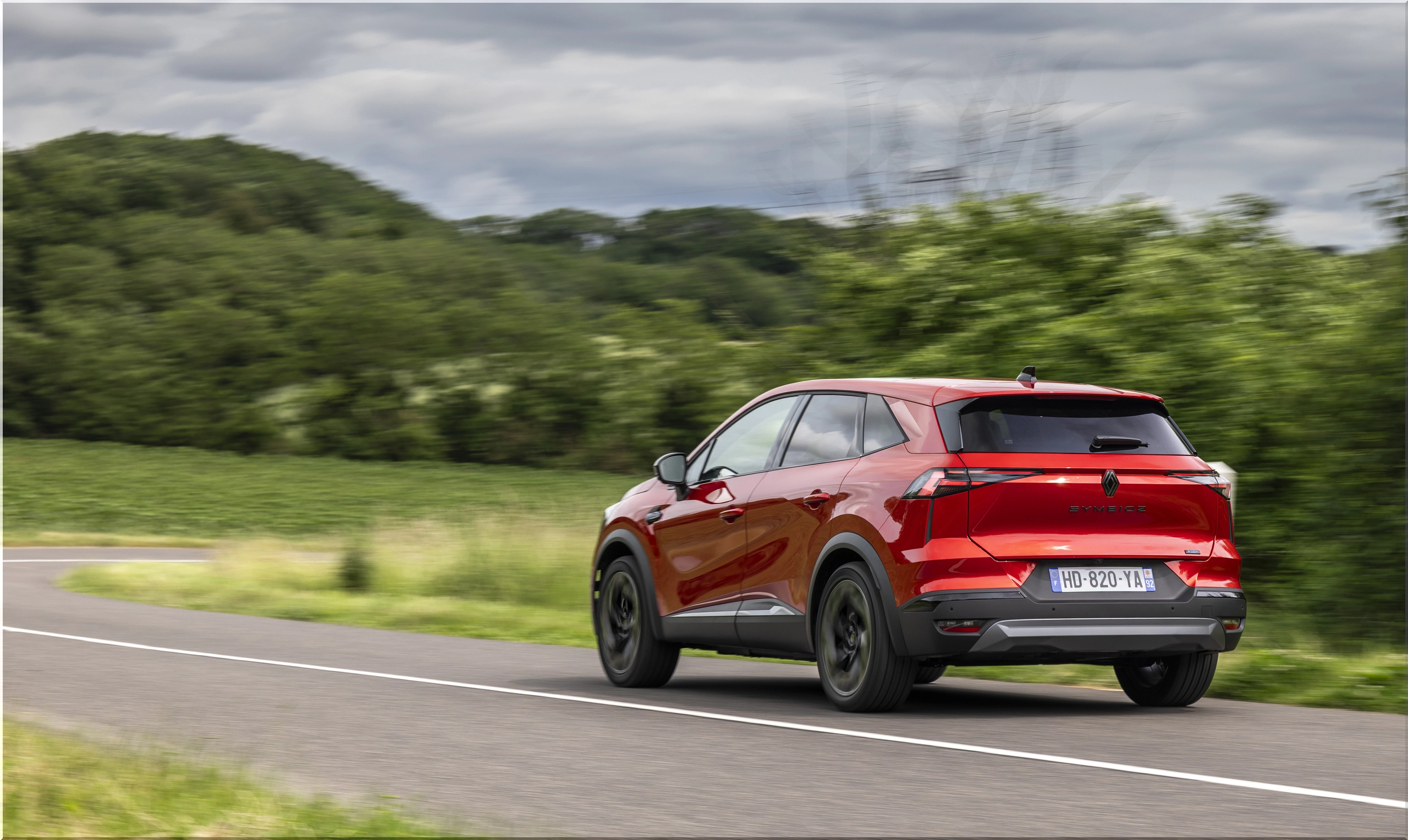
Renault Symbioz with Full Hybrid E-Tech 160 hp 1.8L
The Symbioz gets Renault’s new 160 hp 1.8-liter hybrid, marking a shift from the outgoing 1.6L engine.
Key Technical Specs:
- Engine Power: 109 hp (up from 94 hp)
- Torque: 172 Nm (+22 Nm)
- Battery: 1.4 kWh, 280V
- Electric Motor (Main): 36 kW / 50 hp, 205 Nm
- Electric Motor (Starter/Generator): 15 kW / 20 hp
- 0-100 km/h: 9.1 seconds (improved from 10.6)
- Fuel Economy: 4.3 L/100 km (WLTP)
- CO₂ Emissions: 98 g/km
- Range: Up to 1,000 km
- Towing Capacity: 1,000 kg (up from 750 kg)
Renault boosted torque and performance while cutting fuel use. The engine’s direct injection at 350 bar, Atkinson cycle, and new particulate filter align with Euro 7 standards. The gearbox? An upgraded multi-mode clutchless dogbox that’s simpler, faster, and smoother.
B Mode via a new e-shifter maximizes regenerative braking. The hybrid system can operate in five modes: full electric, dynamic hybrid, e-drive, combustion, and energy recovery.
Real Efficiency Gains:
- Up to 40% fuel savings over conventional gasoline engines
- Electric driving up to 80% of the time in urban conditions
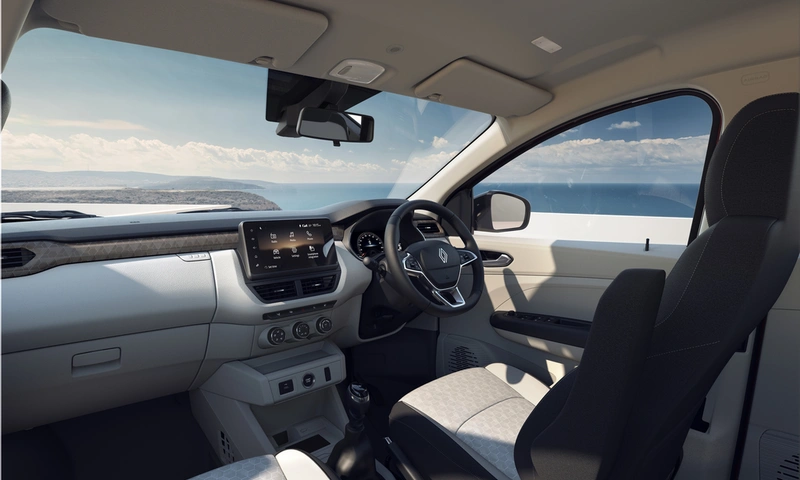
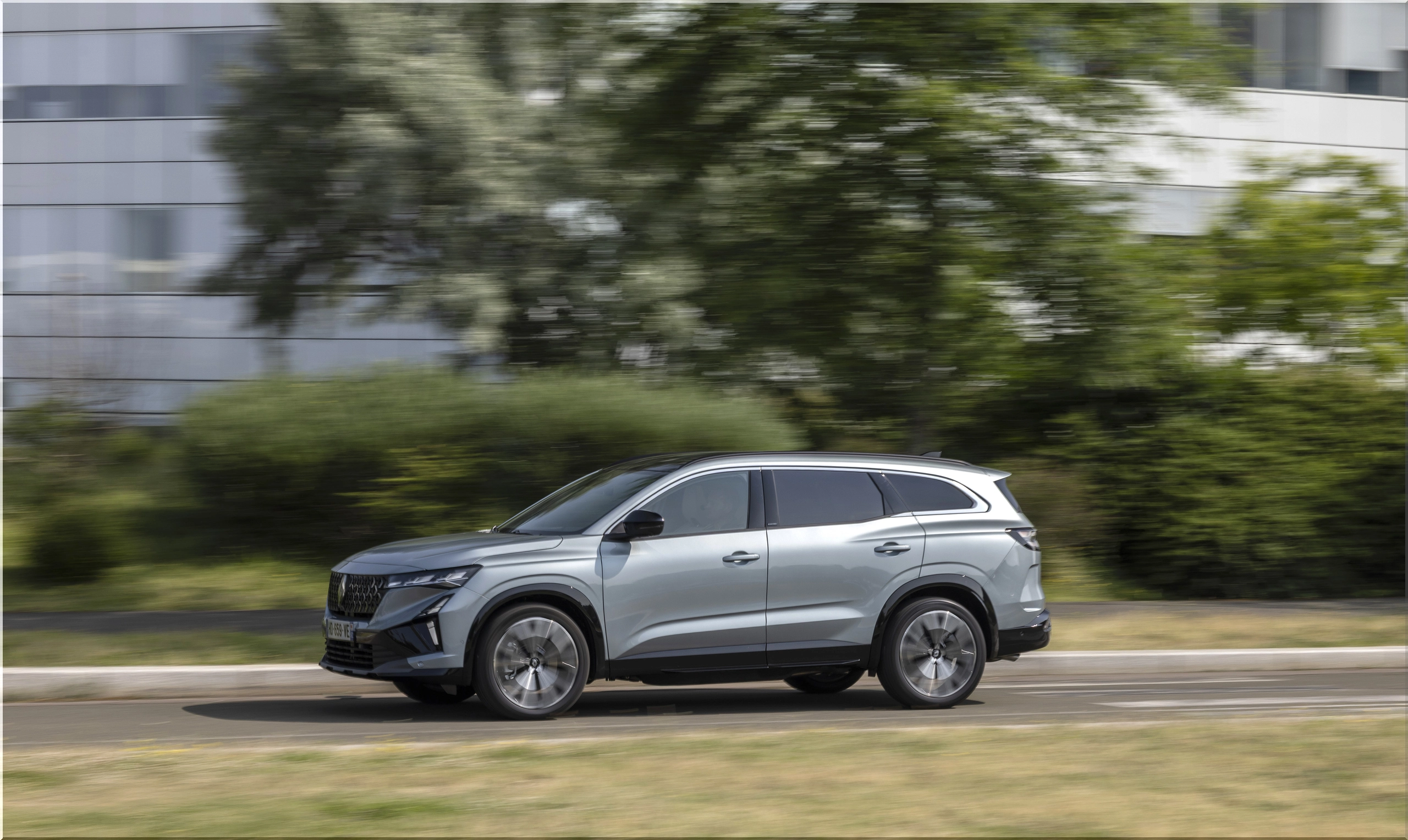
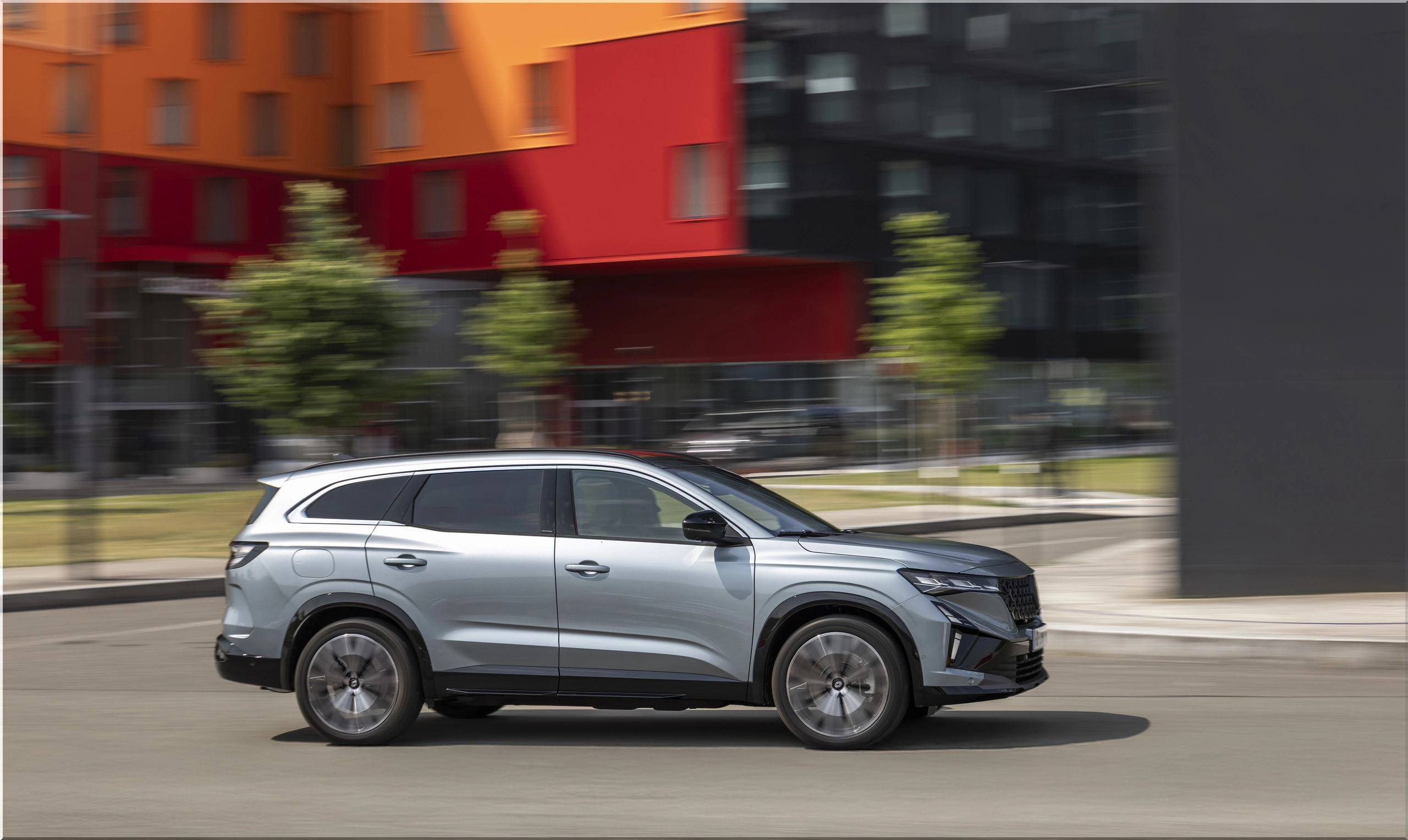
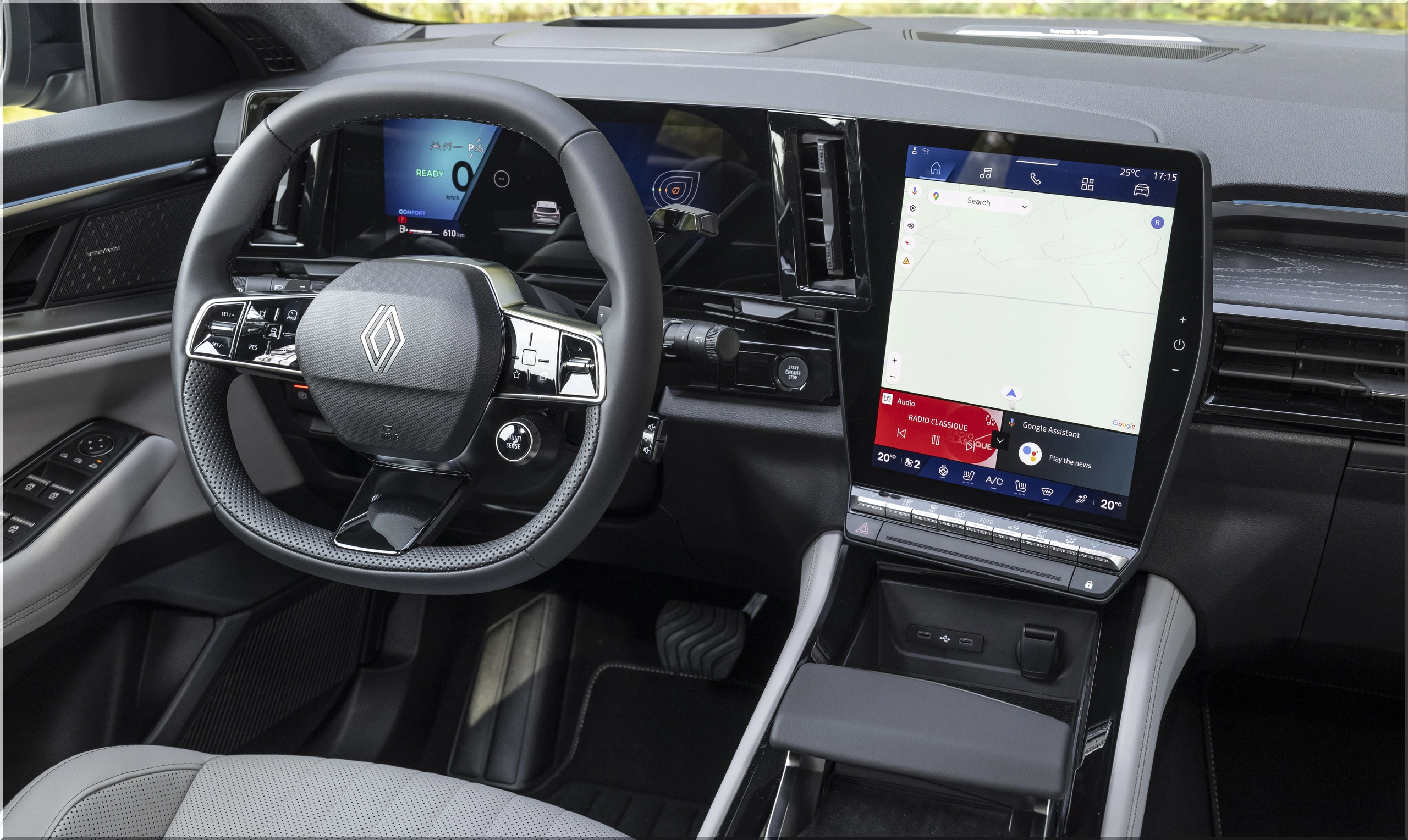
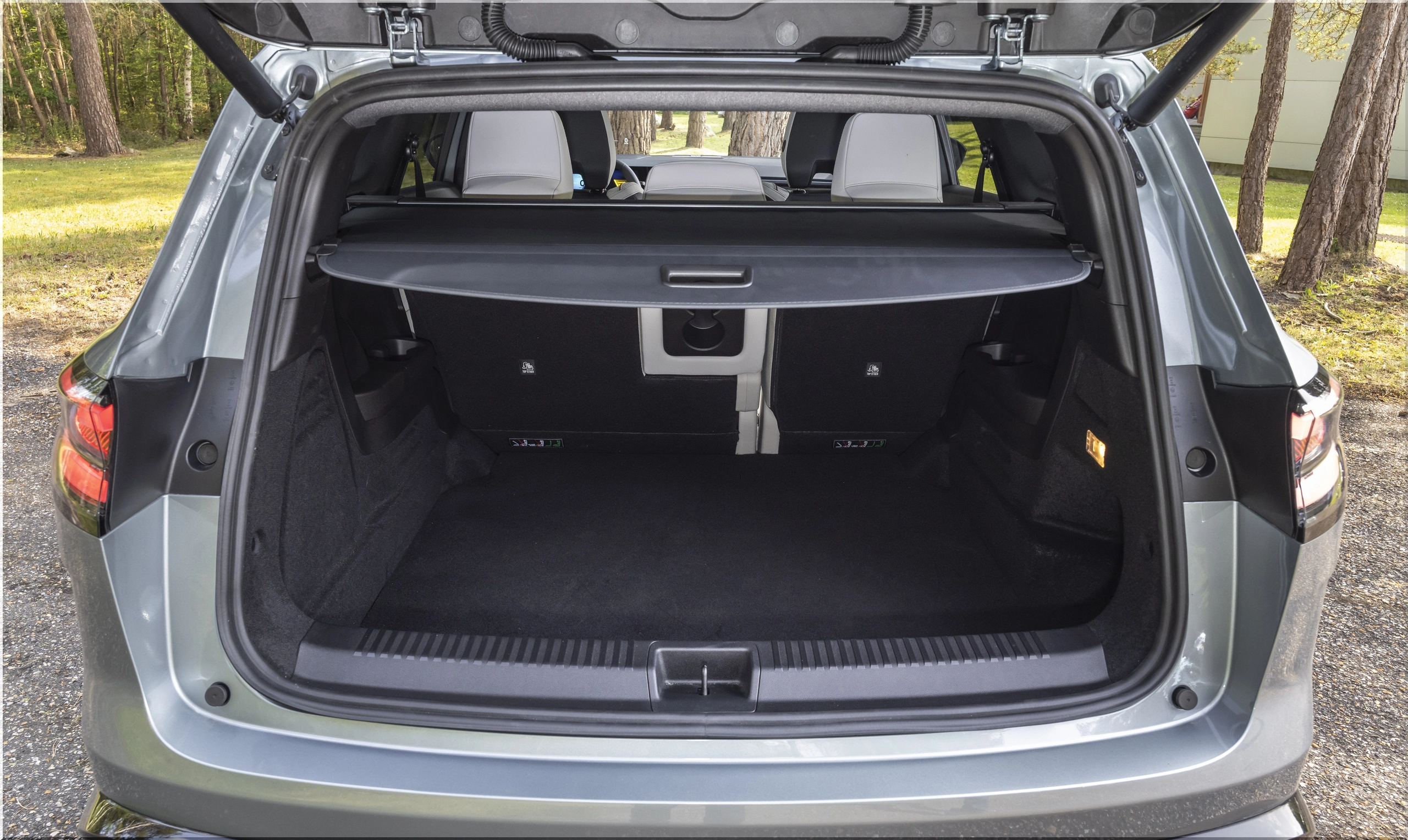
Symbioz combines compact size (4.41 meters) with real utility: up to 624 liters of cargo space, sliding rear seats, and built-in Google services.
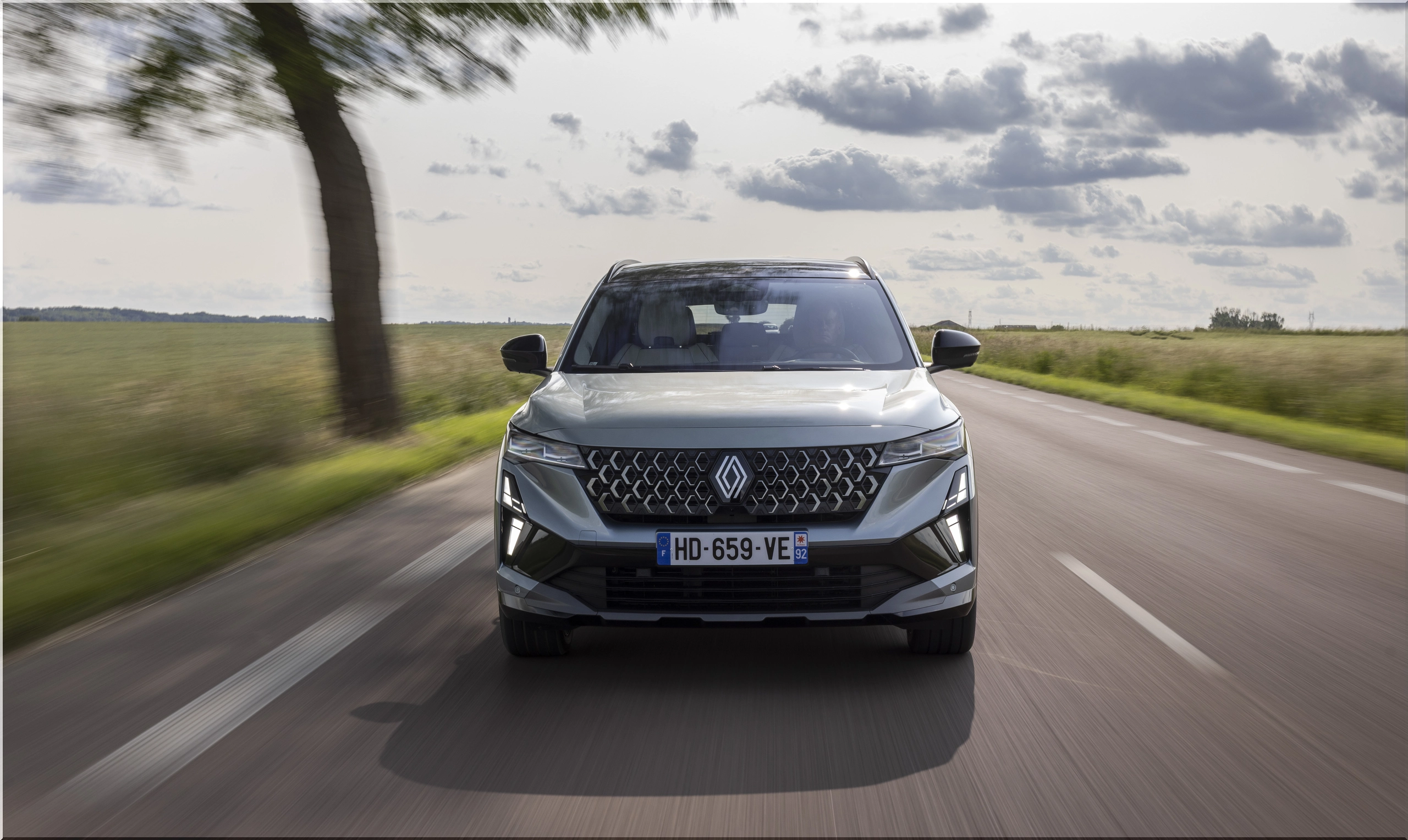
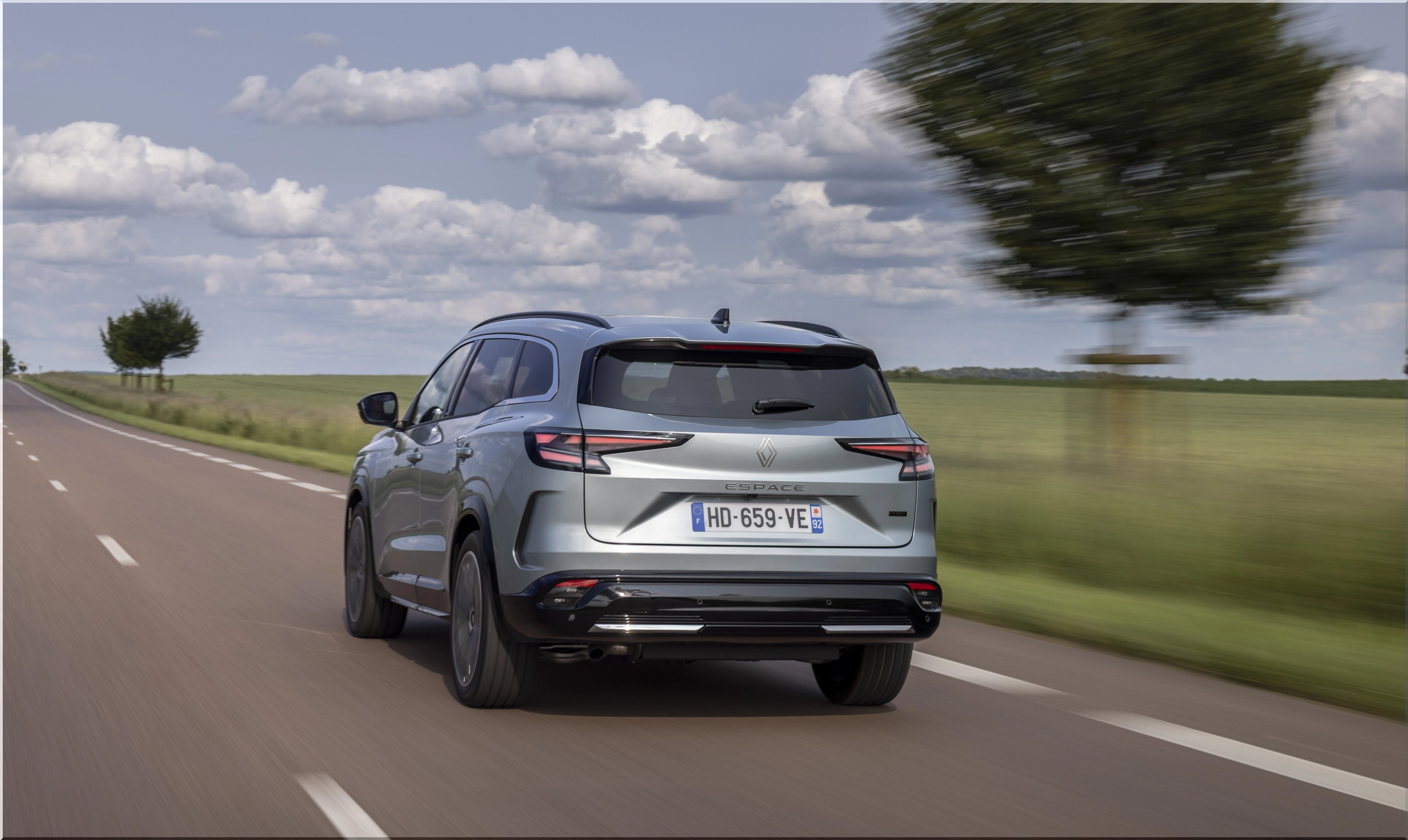
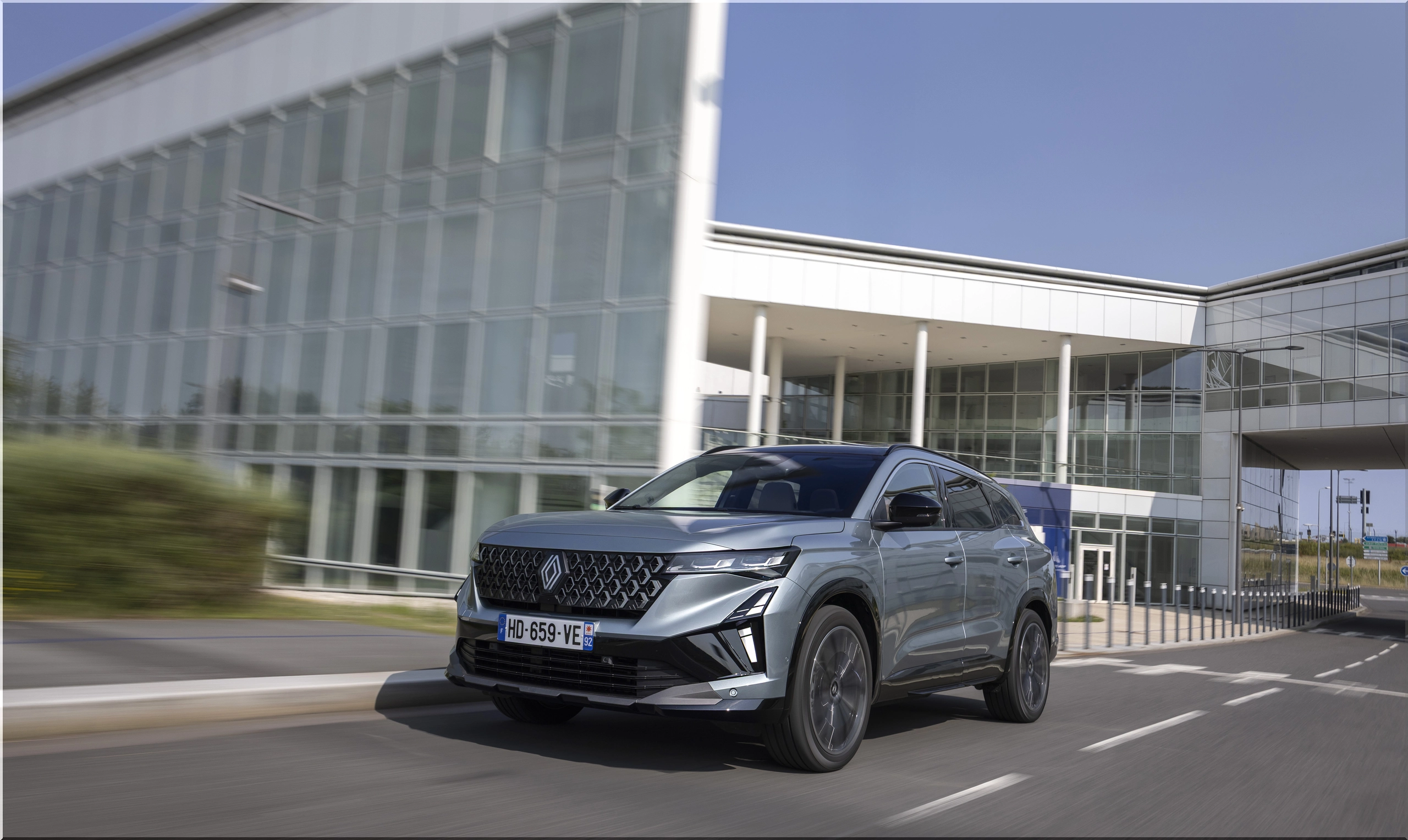
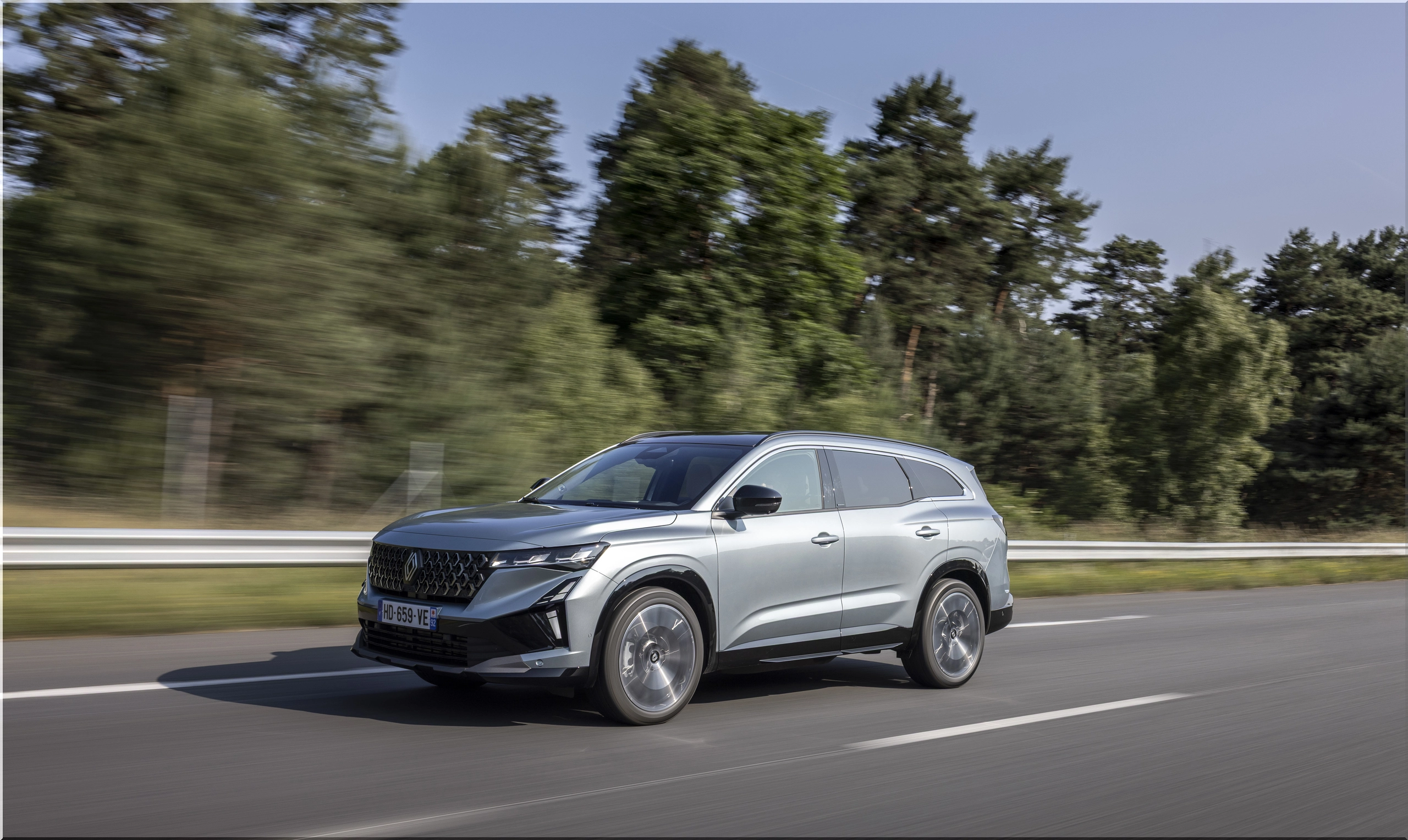
Renault Espace with Full Hybrid E-Tech 200 hp 1.2L
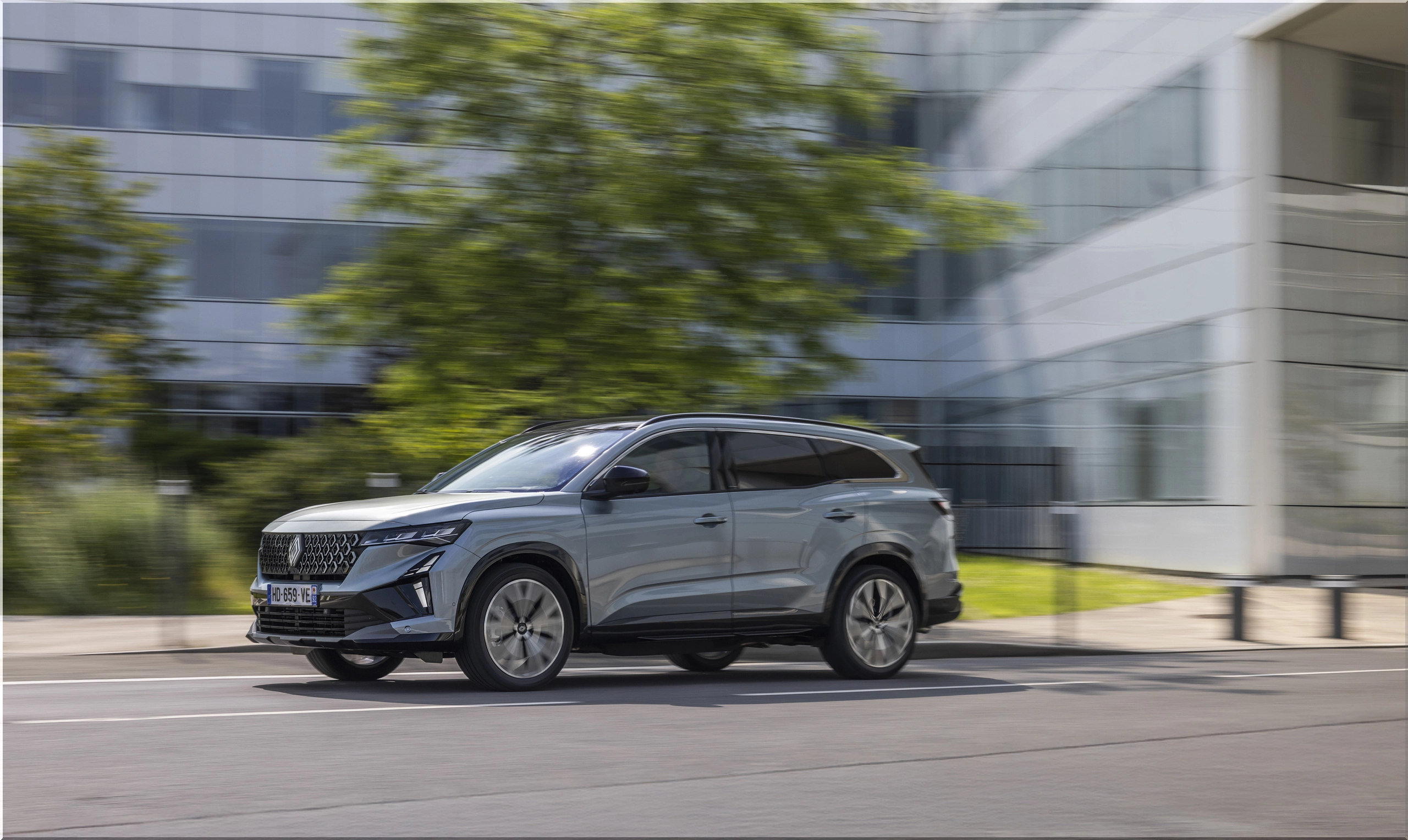
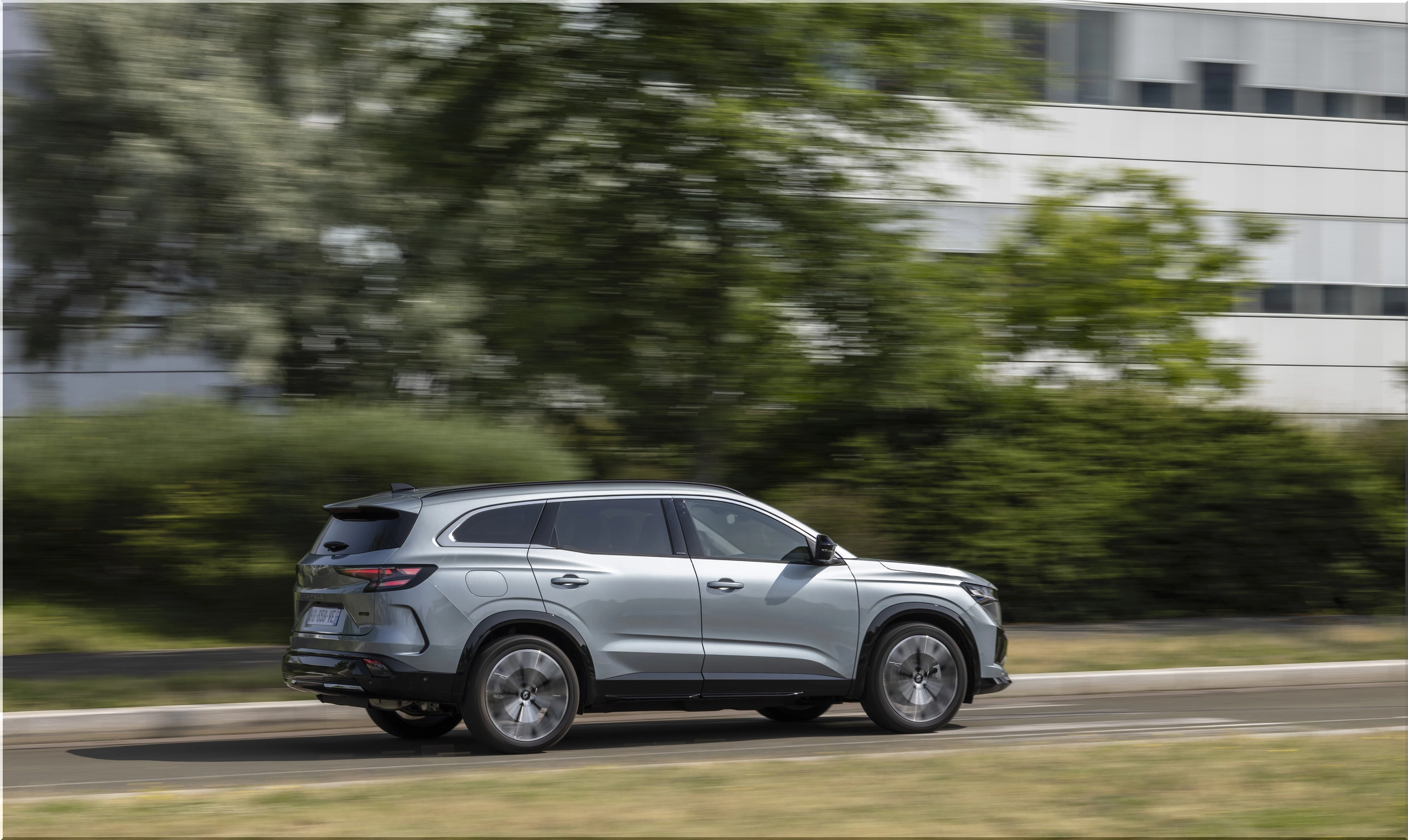
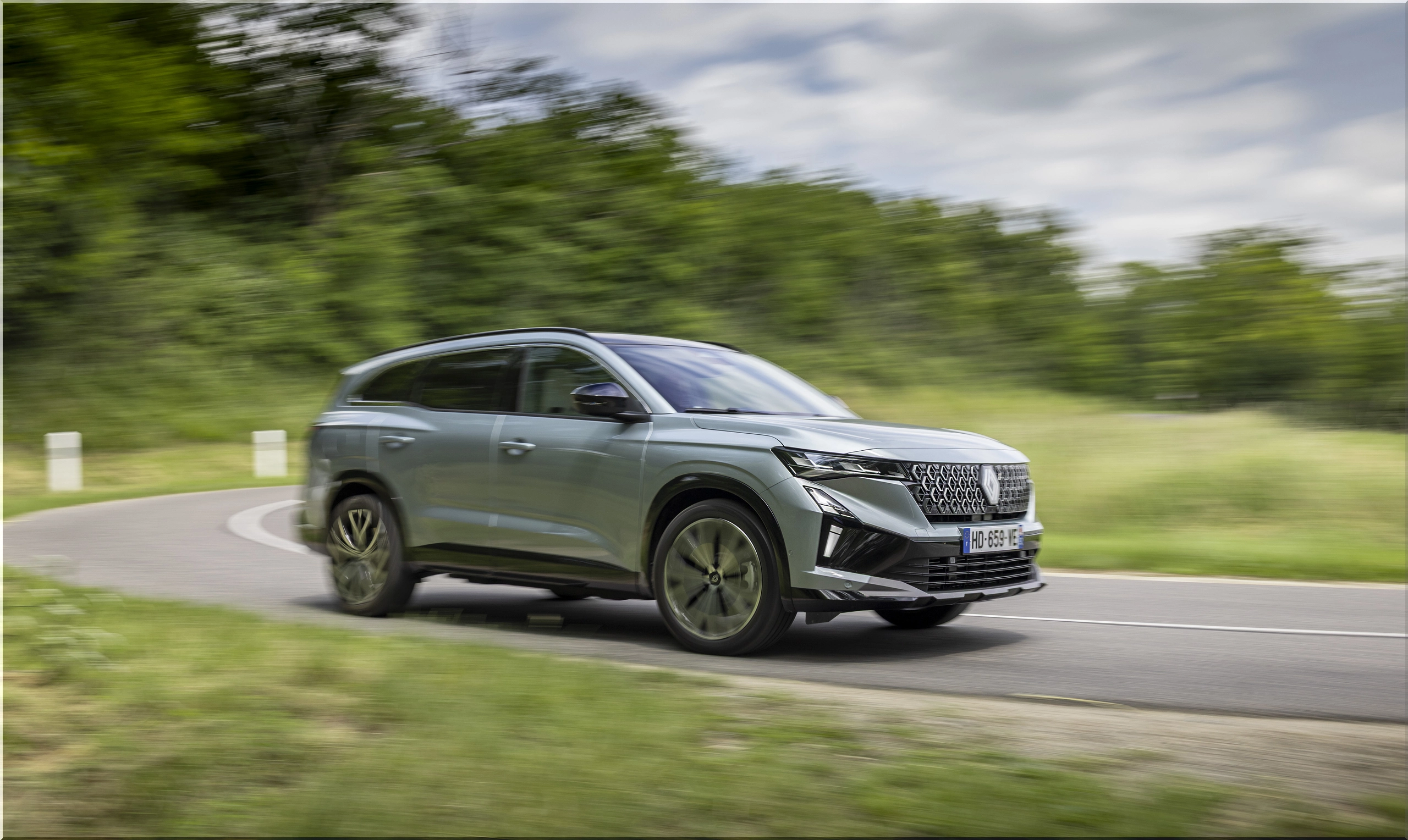
This D-segment SUV uses an optimized 200 hp hybrid with upgrades to both software and mechanicals.
Key Technical Specs:
- Engine: 3-cylinder 1.2L turbocharged gasoline
- Gas Engine Output: 130 hp, 205 Nm
- Main Electric Motor: 50 kW / 70 hp, 205 Nm
- Secondary Electric Motor: 25 hp, 50 Nm
- Battery: 2 kWh, 400V lithium-ion
- Fuel Economy: 4.8 L/100 km (WLTP)
- CO₂ Emissions: 108 g/km
- Range: Up to 1,100 km
- Cargo Volume: 943 liters (5-seat) / up to 2,224 liters
Software Tuning Makes a Difference
Renault upgraded the Espace’s automatic dogbox software, resulting in:
- Smoother acceleration, especially from 40–80 km/h
- Quicker kick-down response
- Reduced engine noise and vibration
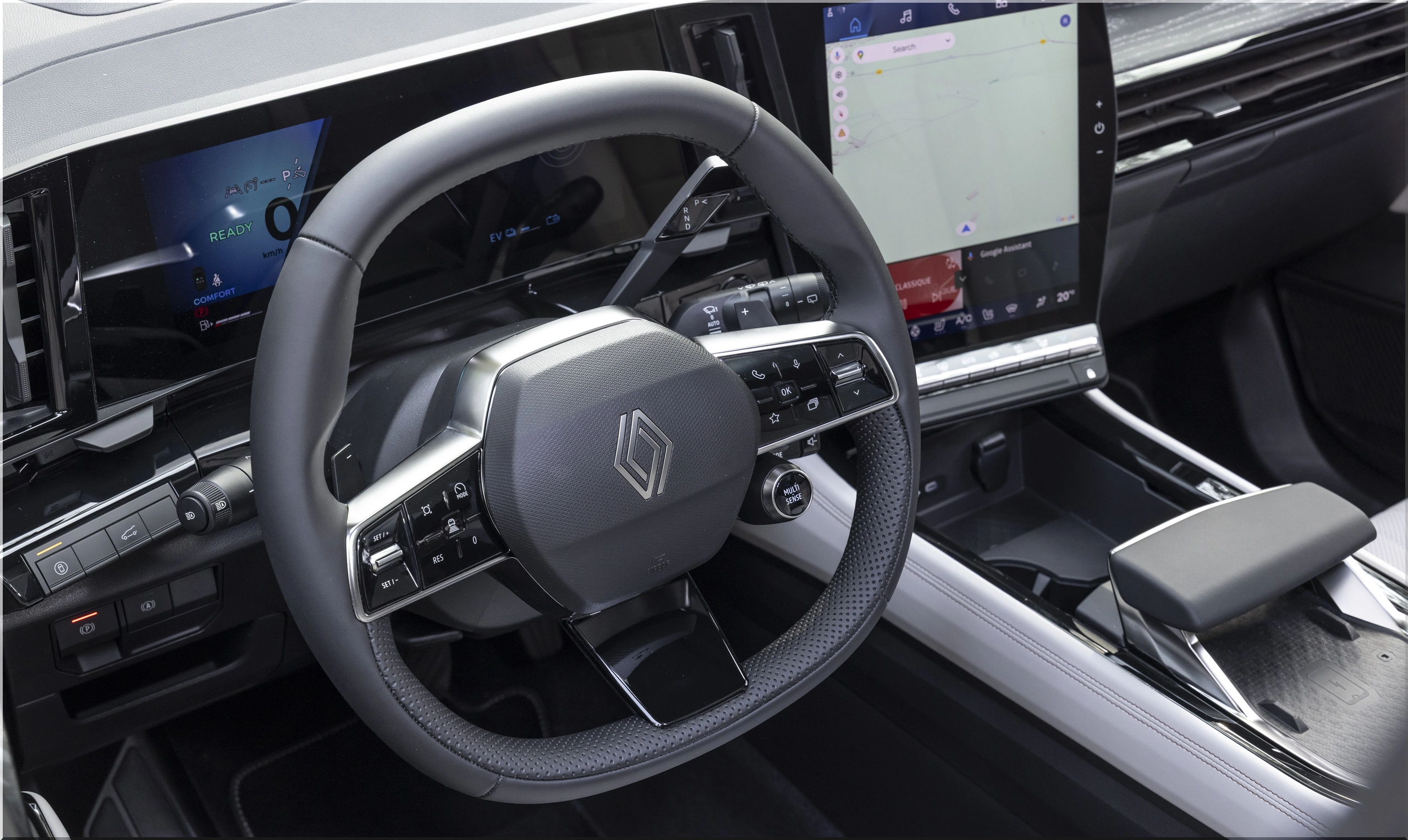
Espace stays true to its long-haul DNA while integrating high-tech features:
- Triple-laminated windows
- Matrix LED lighting
- 4Control Advanced 4-wheel steering
- 32 driving aids including Level 2 autonomous driving
The CMF-CD platform and optimized hybrid gear tuning make this a quiet, efficient hauler.
Comparative Table: Symbioz vs Espace Hybrid Powertrains
| Specification | Renault Symbioz (160 hp) | Renault Espace (200 hp) |
|---|---|---|
| Engine Size | 1.8L I4 | 1.2L I3 Turbo |
| Total System Power | 160 hp | 200 hp |
| Torque (Engine Only) | 172 Nm | 205 Nm |
| Battery Capacity | 1.4 kWh | 2 kWh |
| Fuel Economy (WLTP) | 4.3 L/100 km | 4.8 L/100 km |
| CO₂ Emissions | 98 g/km | 108 g/km |
| Driving Range | Up to 1,000 km | Up to 1,100 km |
| 0–100 km/h | 9.1 seconds | Not disclosed |
| Cargo Space (Max) | 624 liters | 2,224 liters (5-seater) |
| Seating | 5 seats | 5 or 7 seats |
| Towing Capacity | 1,000 kg | Not disclosed |
Image gallery
Hybrid System Architecture: What It Includes
Both E-Tech hybrid systems use a multi-mode, clutchless dogbox combined with:
- A main electric motor for driving
- A secondary motor for startup and gear shifts
- An internal combustion engine for propulsion and charging
These systems dynamically switch between modes based on conditions:
- All-electric: Urban traffic
- Hybrid drive: Highway speeds
- Regeneration: Braking or deceleration
- e-Drive: Battery recharging during engine running
- Combustion-only: High-speed cruising or towing
Strategic Background: Who's Building It
The hybrid systems are built by Horse Powertrain, a joint venture between Renault, Geely, and Aramco. The firm has:
- 17 plants globally
- 19,000 employees
- A portfolio covering 80% of global hybrid demand
Horse Powertrain supplies engines, gearboxes, motors, and full integration services, supporting Renault’s electrification strategy without relying on BEVs alone.
Why These Hybrids Matter in 2025
The European hybrid market share is rising—from 10.3% in 2021 to over 44% in Q1 2025. Consumers want fuel savings without plug-in hassle.
These full hybrids:
- Require no external charging
- Offer silent startup and low-speed EV drive
- Regenerate energy from braking
- Fit consumer habits that resist plug-ins or BEVs
Price and Market Position
Pricing is expected to start around:
- $32,000 USD for Symbioz with hybrid
- $40,000 USD for Espace with 200 hp hybrid
The brand plans to differentiate pricing between 5- and 7-seat Espace models to improve accessibility.
Image gallery
Bottom Line
Renault's new E-Tech full hybrid powertrains are aimed squarely at range anxiety and fuel cost concerns. They offer plug-free efficiency and bring measurable gains in performance and comfort.
The Symbioz offers urban agility with long-range practicality. The Espace delivers family-hauling comfort without the fuel penalty. Both hybrids hit high marks on CO₂ emissions, fuel economy, and daily usability.
With a million hybrid sales in sight, Renault shows no signs of slowing down its hybrid expansion strategy.
- Add new comment
- 314 views