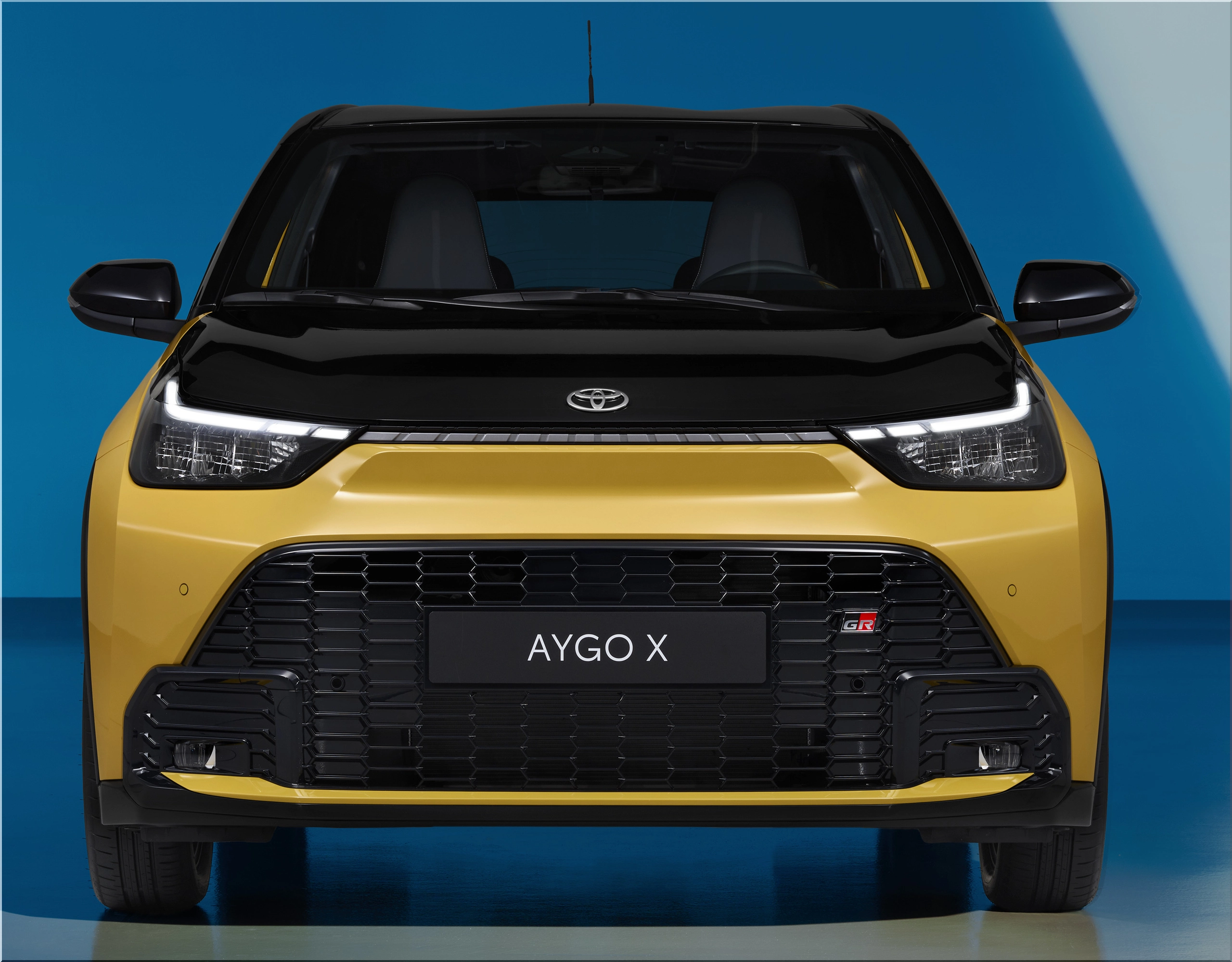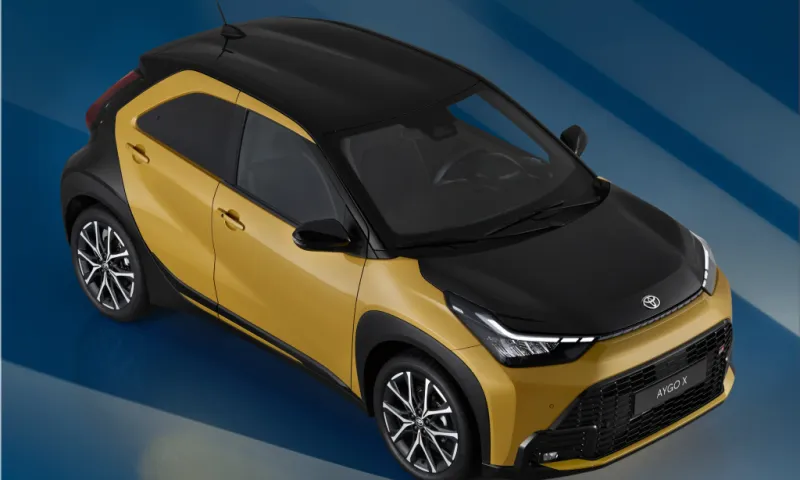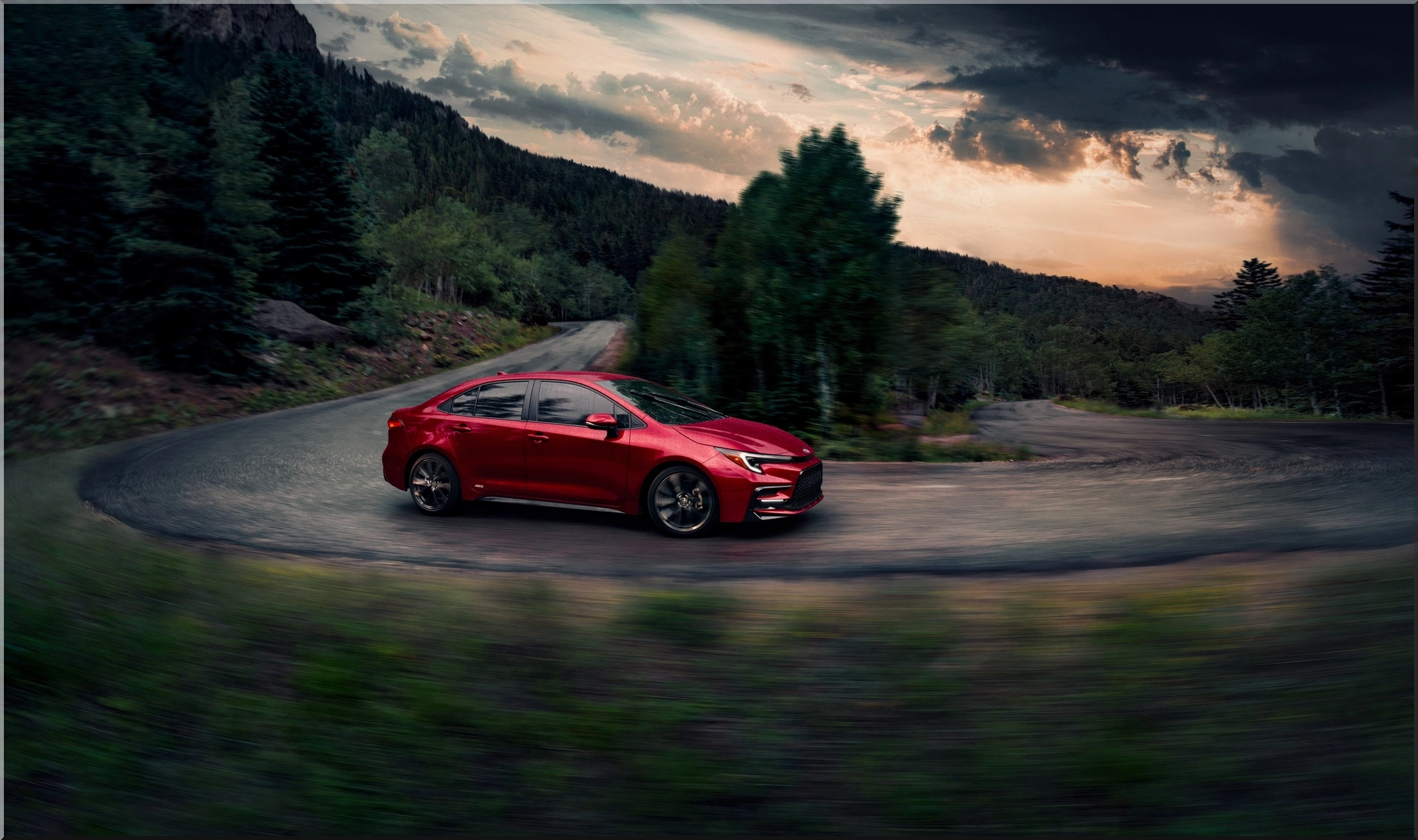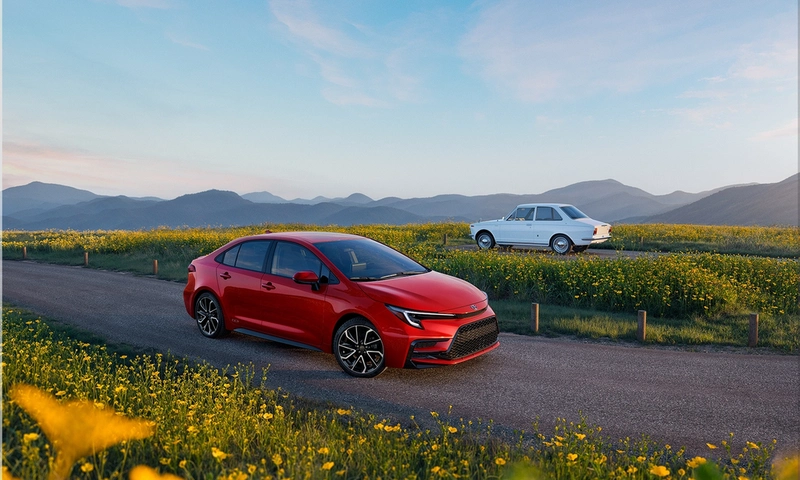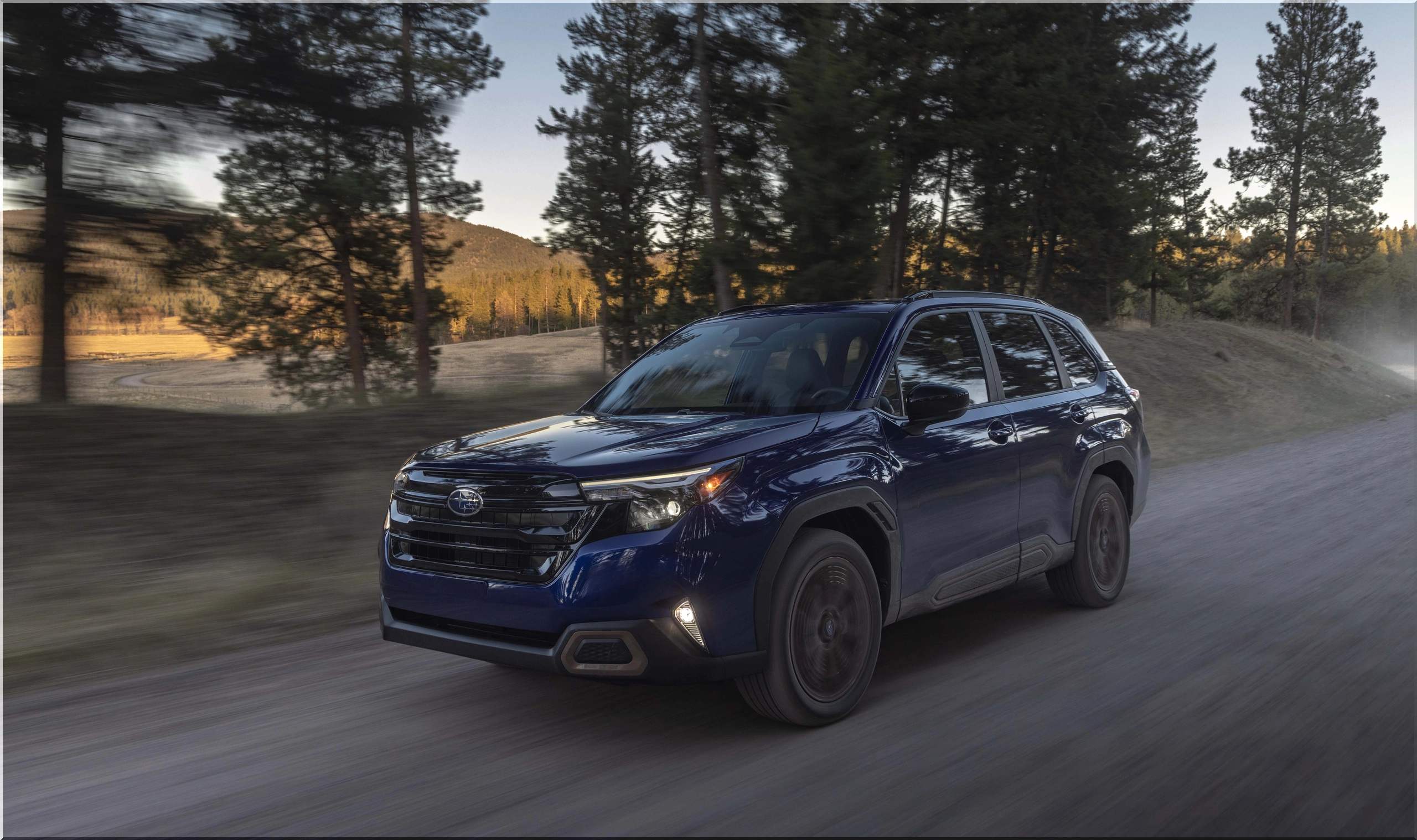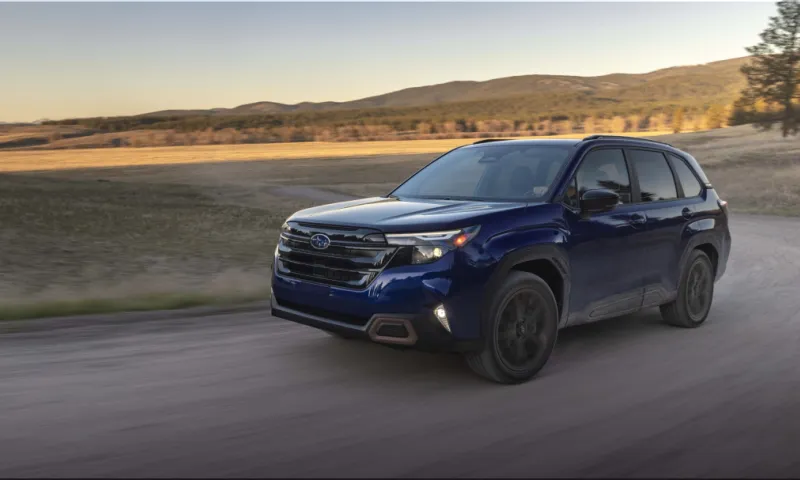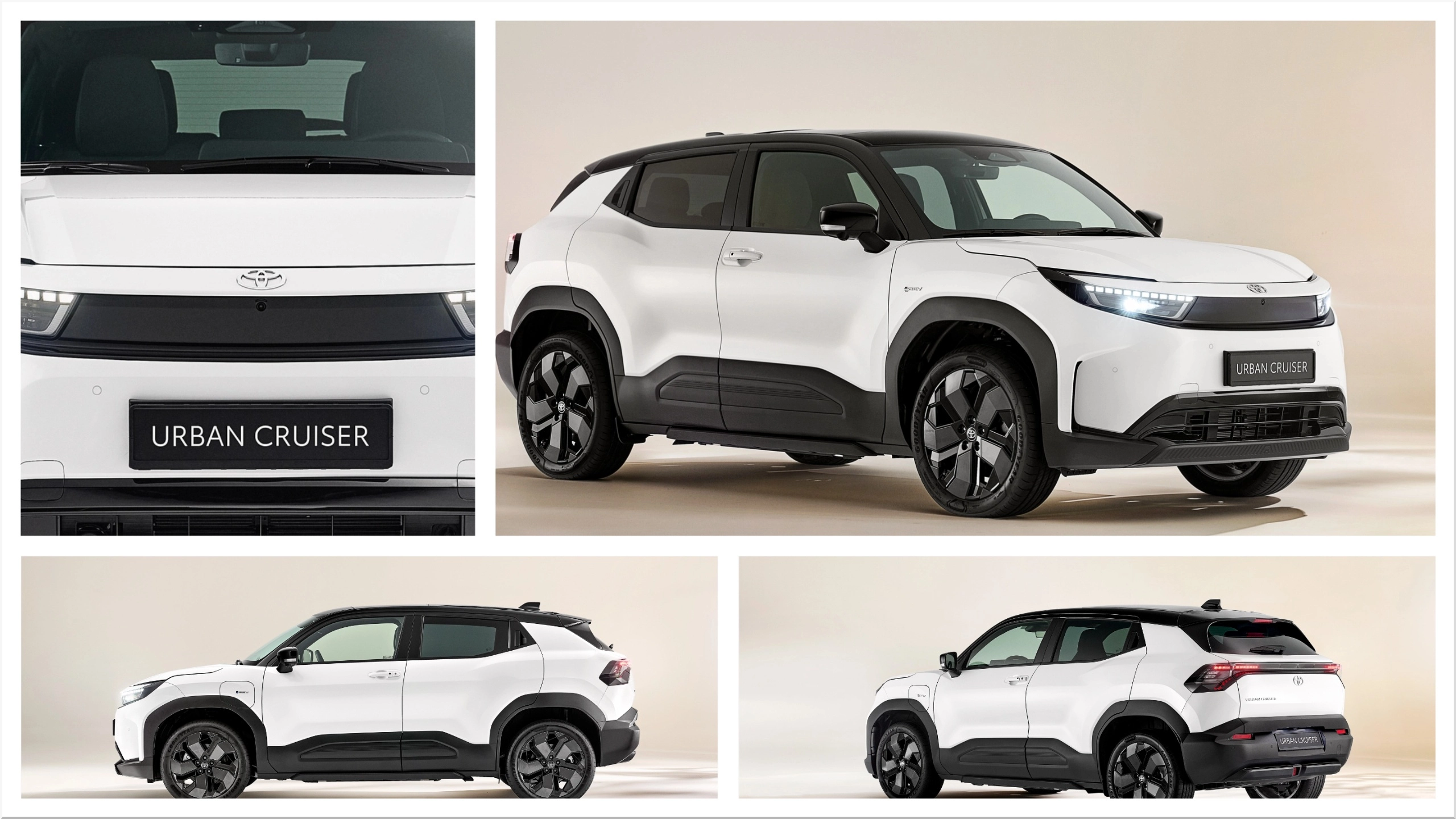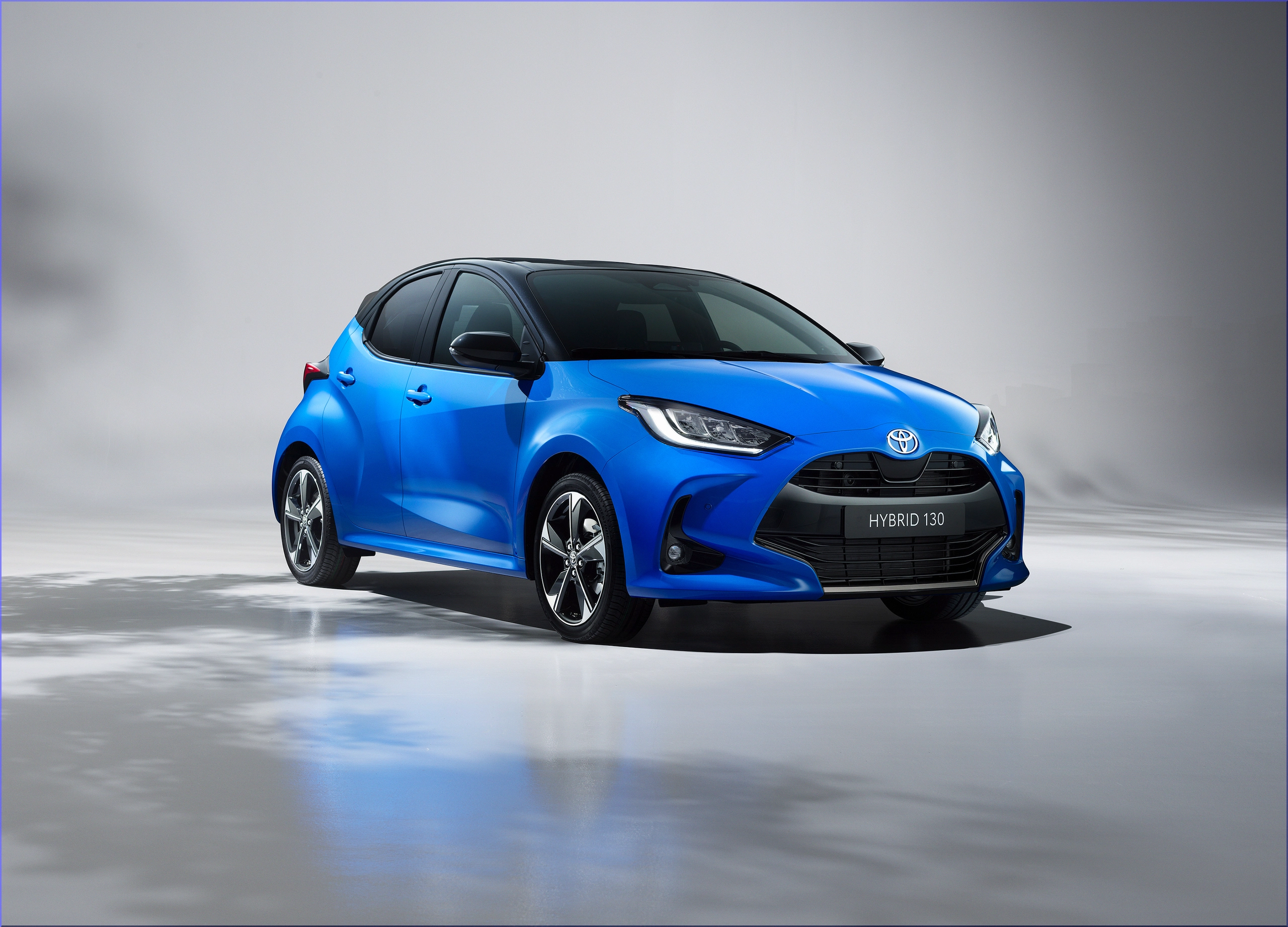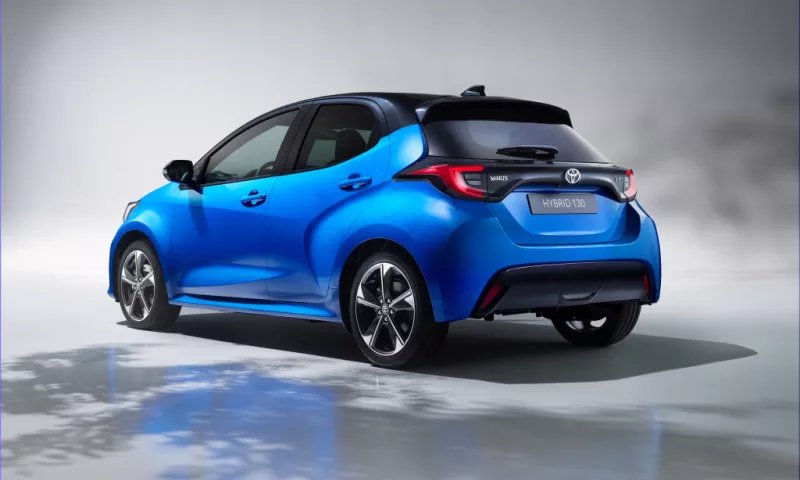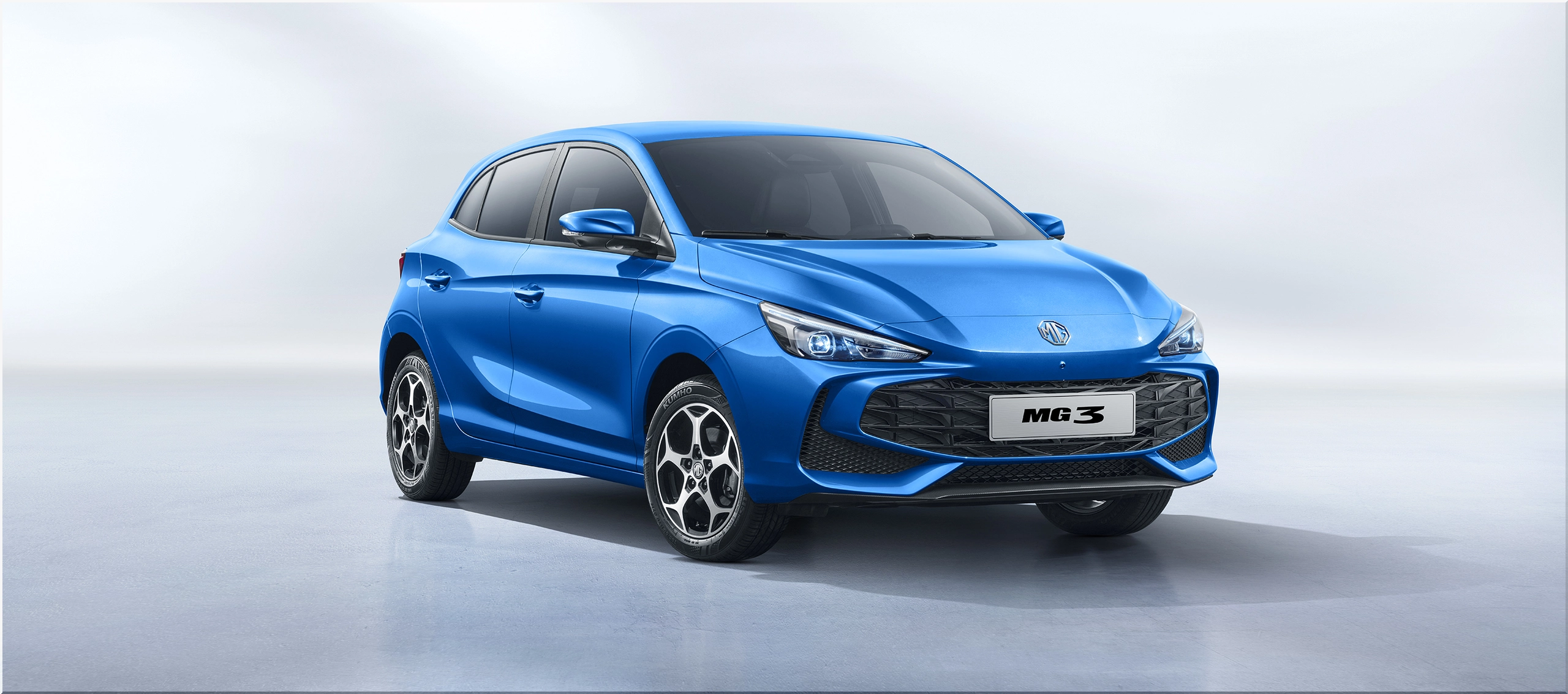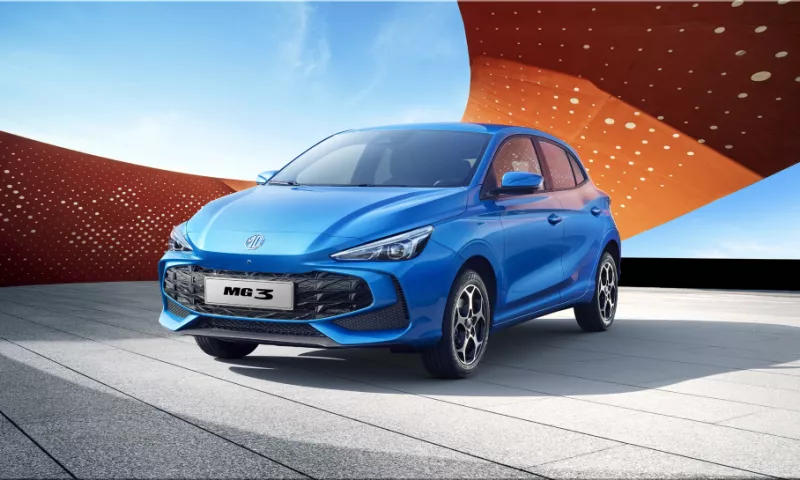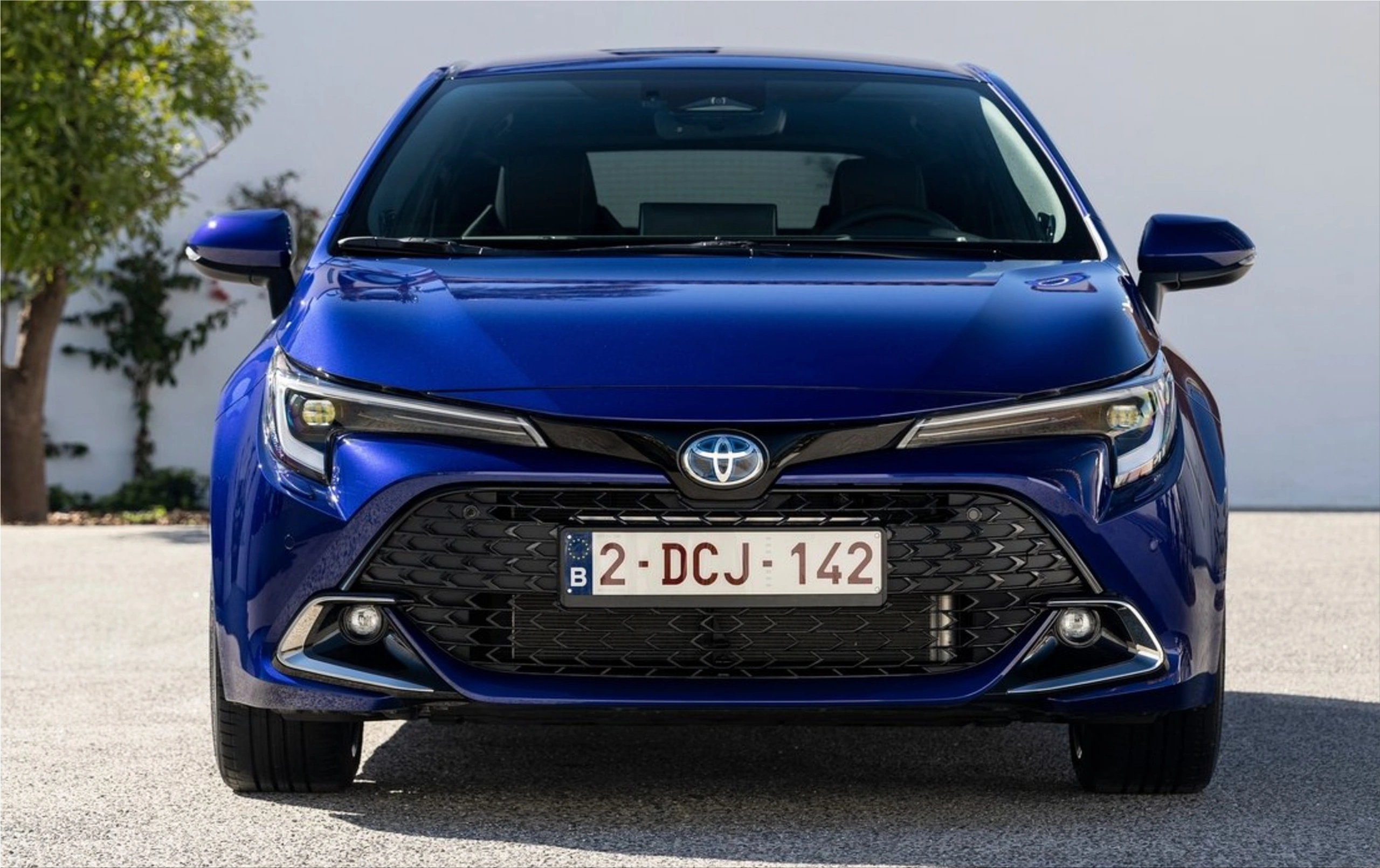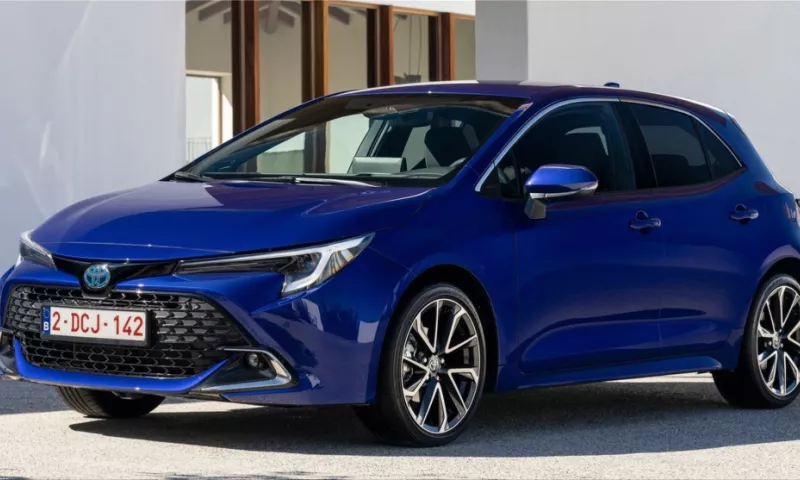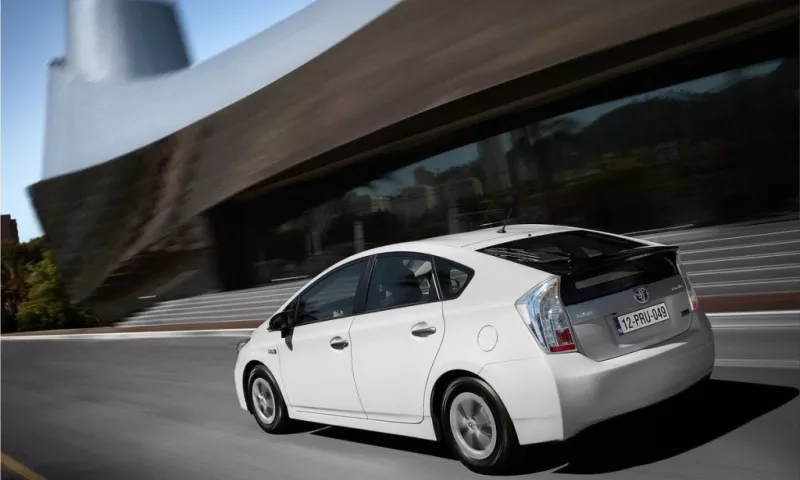
The 2026 Toyota Aygo X Hybrid arrives as a calculated response to a shrinking city car market. Toyota transformed its entry-level model by adding a full hybrid powertrain. This move makes it the first full hybrid in the A-segment. It effectively replaces the previous naturally aspirated 1.0-liter engine. This update is not about style alone; it is a significant technical overhaul aimed at efficiency and urban performance. This car now controls a 20 percent share of its segment, proving that high-tech efficiency wins buyers.
Image
Efficient Performance and Technical Specifications
The headline change for the 2026 model is the 1.5-liter three-cylinder petrol engine. This unit works with a powerful electric motor. It is the same hybrid system found in the larger Yaris and Yaris Cross. Total power output jumps to 116 hp. This represents a 61 percent increase over the outgoing model. The hybrid battery is a high-output lithium-ion unit located under the rear seats.
Torque is the real story for city drivers. The electric motor delivers 141 Nm of torque instantly. This allows the car to reach 62 mph in 9.2 seconds. That is a full five seconds faster than the previous version. Despite adding 308 pounds of curb weight for the battery and motor, the car feels more responsive. Toyota lowered the center of gravity by 1.57 inches. This helps maintain agile handling and reduces body roll during quick urban maneuvers.
| Specification | Details |
|---|---|
| Engine | 1.5-Liter 3-Cylinder Hybrid |
| Total Power | 116 hp |
| Peak Torque | 141 Nm (Electric Motor) |
| Transmission | Electronically controlled CVT |
| 0-62 mph | 9.2 Seconds |
| Top Speed | 106 mph |
The CVT gearbox remains the only transmission option. It is optimized for efficiency and smooth power delivery in stop-and-go traffic. Drivers can select from Eco, Normal, and Power driving modes. A "B" mode on the gear selector increases regenerative braking. This helps charge the small battery pack more quickly during deceleration. The system logic prioritizes electric-only driving in low-speed environments.
Best-in-Class Fuel Economy and Low Emissions
Toyota built this car to win the efficiency war. The Toyota Aygo X Hybrid achieves between 70.6 and 76.3 mpg on the WLTP cycle. These figures make it a leader in its class. It allows for longer distances between fuel stops. The car uses a closed-loop system that requires no external charging. This makes it ideal for urban buyers without access to home charging stations.
Environmental impact is also minimized. The car produces CO2 emissions as low as 87 g/km. Toyota claims this is the lowest for any non-plug-in vehicle currently on the market. Low emissions translate directly to lower ownership costs and tax benefits in many regions. In some cities, this low emission rating grants access to restricted zones without extra fees.
Image
Pricing and Trim Levels
The 2026 lineup consists of three primary grades: Icon, Design, and Excel. A new GR Sport trim also joins the range for the first time. Prices start at approximately $27,000 for the entry-level Icon. High-spec models reach roughly $34,300. These figures reflect the premium tech now standard in the vehicle.
- Icon Hybrid: Starts at approximately $27,400.
- Design Hybrid: Starts at approximately $30,070.
- Excel Hybrid: Starts at approximately $33,050.
- GR Sport: High-spec performance-inspired trim.
For those considering financing, Toyota offers Personal Contract Purchase (PCP) plans. A typical offer might include monthly payments of around $223 after a significant deposit. Toyota also offers a 3-year price promise on car insurance, fixing the rate at approximately $570 per year for three years for eligible owners. This fixed-cost approach reduces financial uncertainty for buyers.
Interior Technology and Practicality
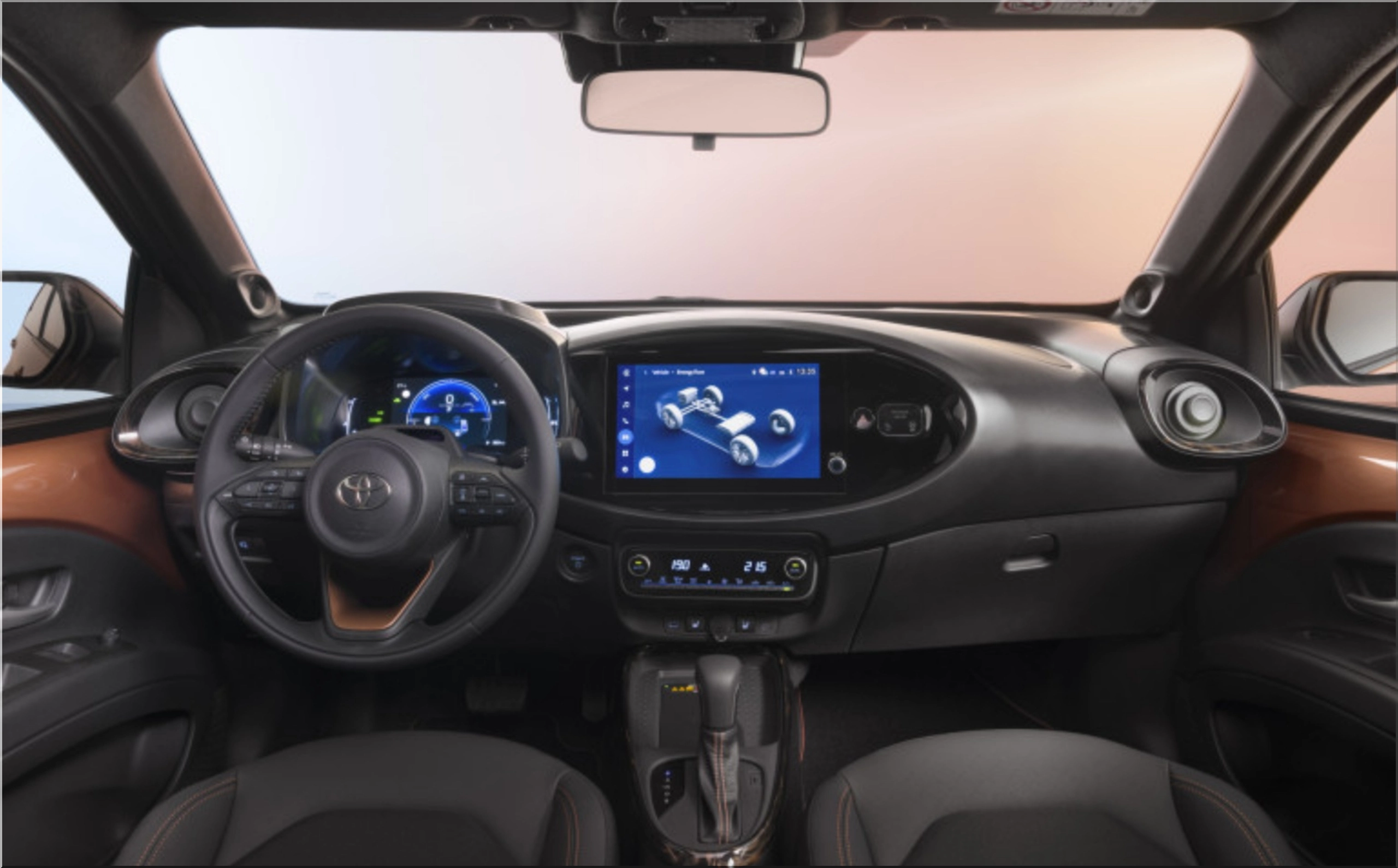
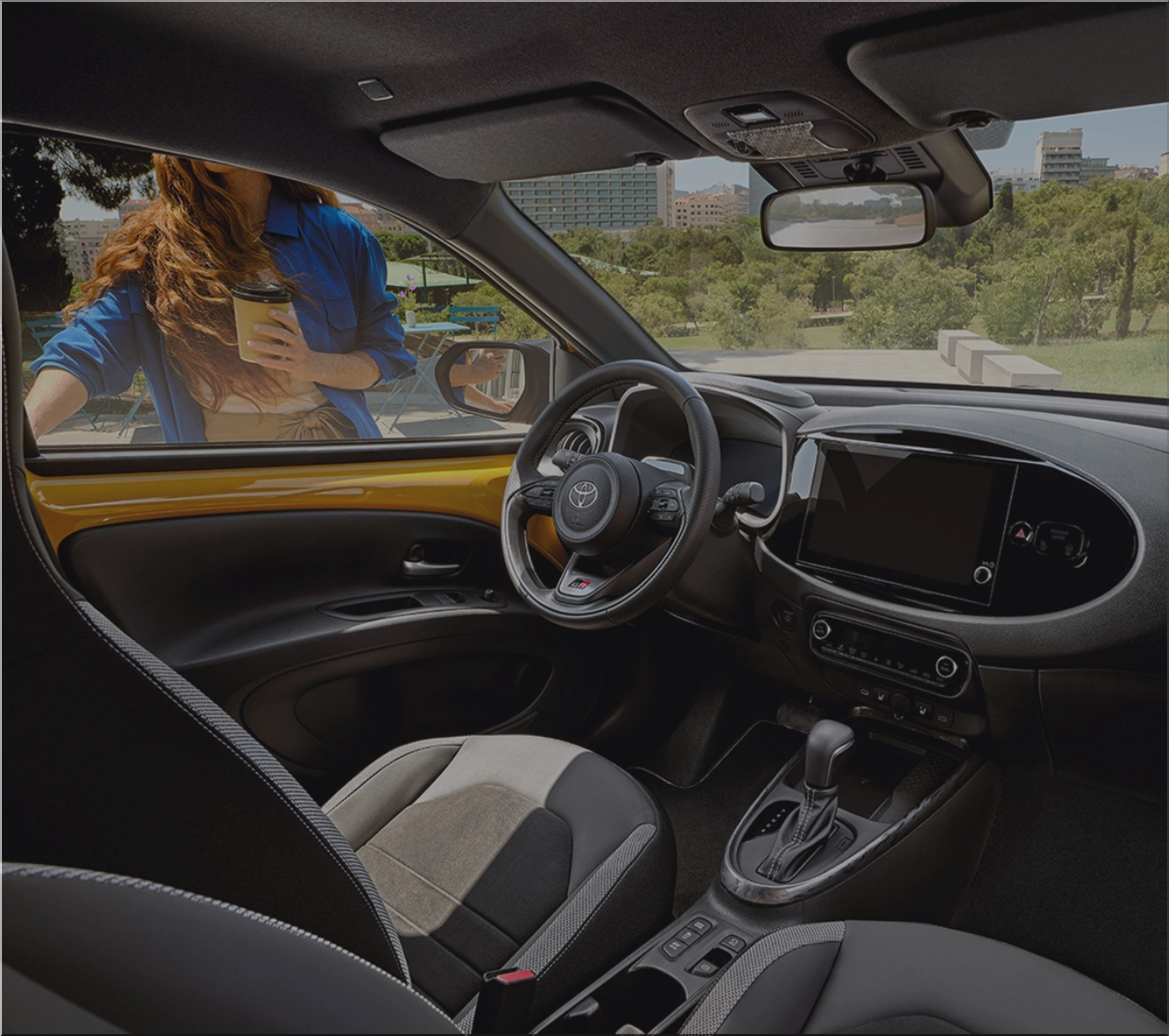
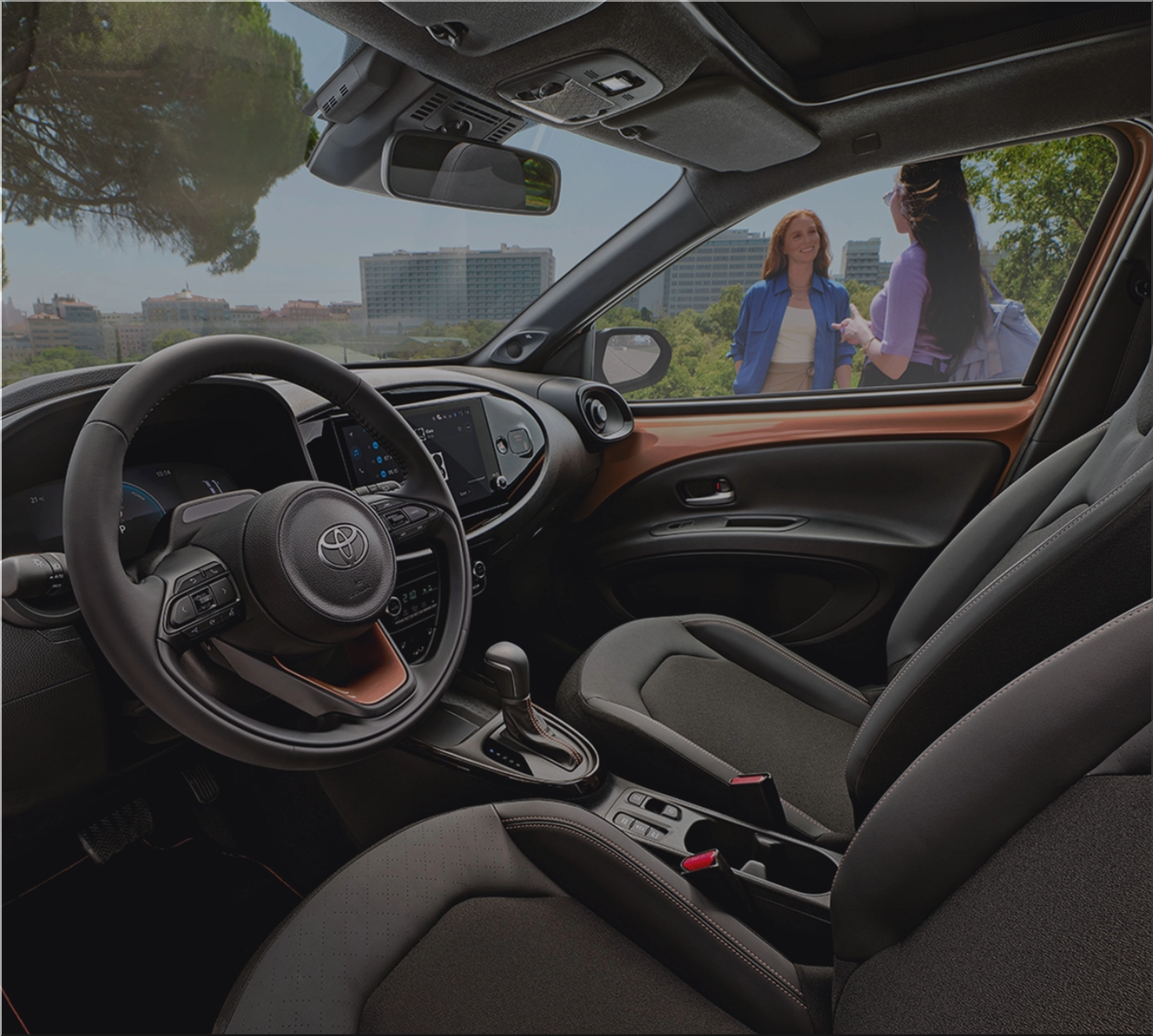
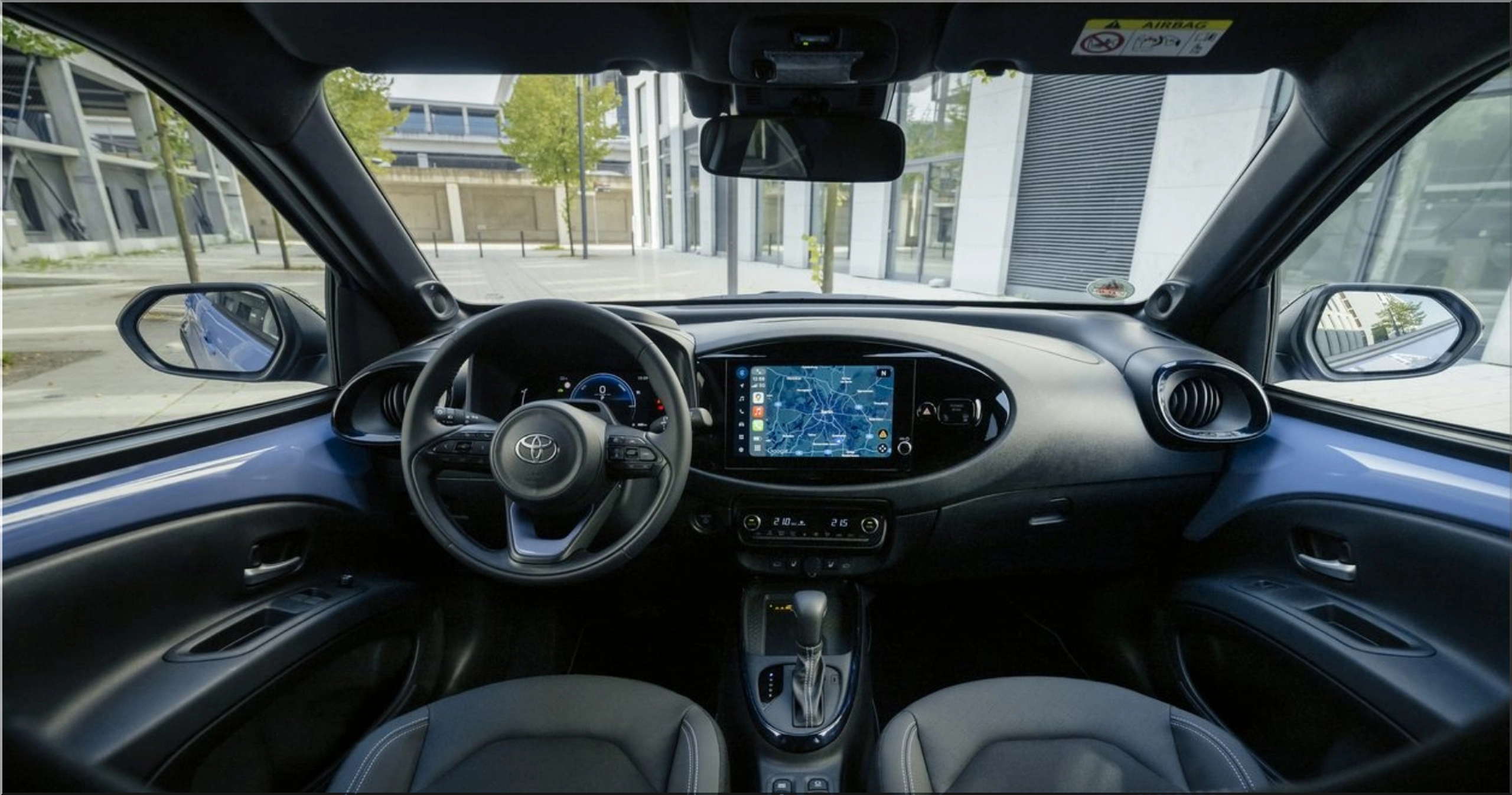
The interior receives several digital upgrades. A new 7-inch digital instrument cluster is standard. This display can show navigation prompts from Google Maps when using Apple CarPlay. The graphics are sharp and designed for quick reading while driving.
The center of the dashboard houses the Toyota Smart Connect infotainment system. The screen size varies by trim. The GR Sport features a 10.5-inch touchscreen. Other models use a 9.0-inch display. Wireless Android Auto and Apple CarPlay are included. Toyota kept physical buttons for the heating and ventilation systems. This is a win for ergonomics. The system supports over-the-air updates to keep software current.
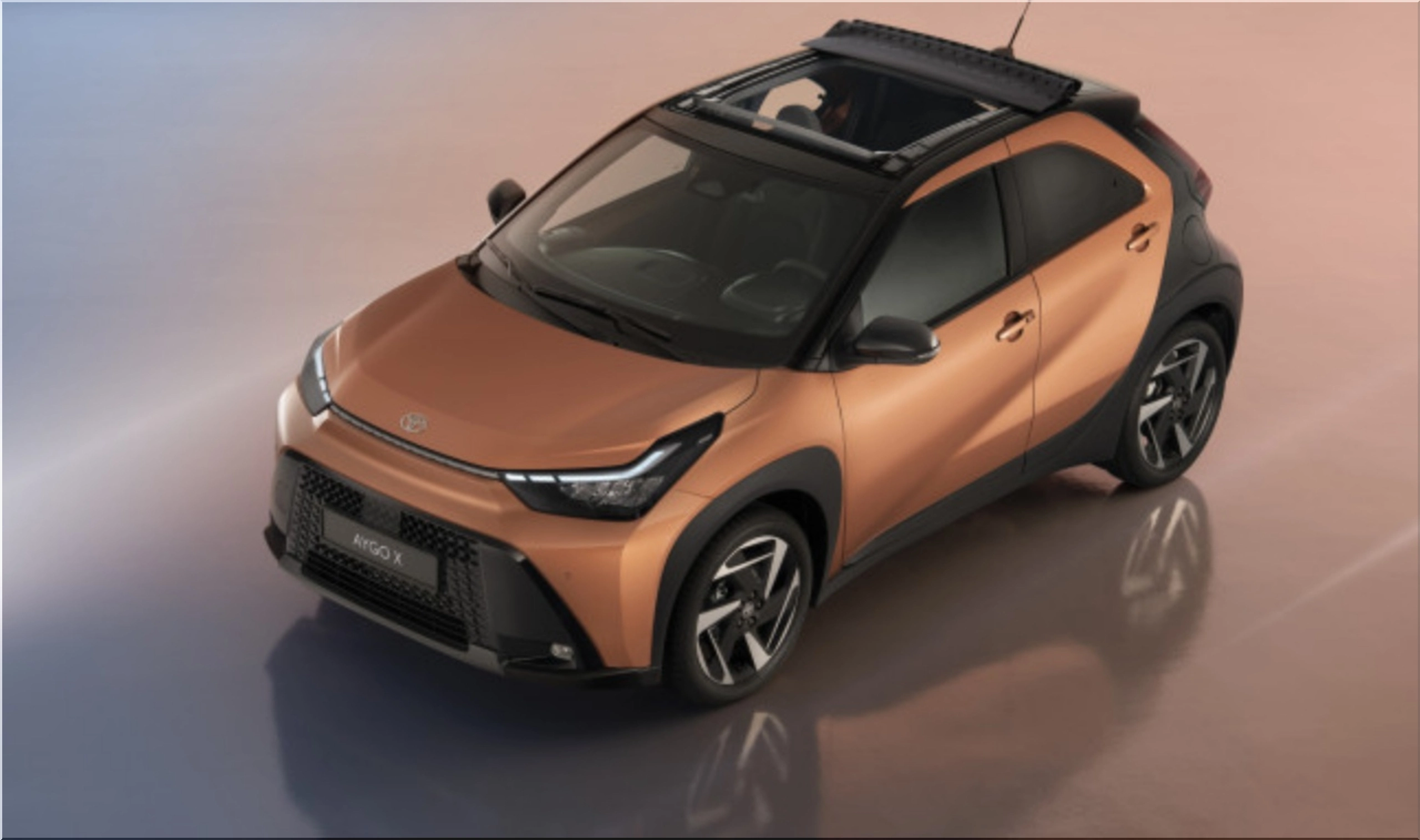
Practicality remains consistent with the previous model. The boot volume stays at 8.15 cubic feet. Toyota engineers managed to fit the hybrid components without sacrificing cargo space. The car remains a strict four-seater. Rear access is through small doors with pop-out windows. It is best suited for children or short trips for adults. The rear seats fold 50/50 to expand the cargo floor for larger items.
Image
Driving Dynamics and Safety Systems
The Aygo X is built on the GA-B platform. This provides a solid foundation for ride quality. The GR Sport trim gets specific tuned suspension for a firmer, more controlled feel. The chassis uses high-strength adhesives to increase structural rigidity without adding unnecessary bulk.
The car excels in urban environments. The high seating position provides a crossover-like view of the road. A tight turning circle makes it easy to maneuver through narrow streets. Refinement is improved because the car operates on electric power frequently at low speeds. Wind noise is reduced through improved insulation around the A-pillars and doors.
Safety is a priority. The latest Toyota Safety Sense suite is standard. This includes:
- Pre-Collision System (PCS): Detects vehicles, pedestrians, and cyclists.
- Intersection Collision Avoidance Support: Helps during turns at junctions.
- Emergency Steering Assist: Aids in evasive maneuvers to stay in the lane.
- Adaptive Cruise Control: Maintains distance from the car ahead automatically.
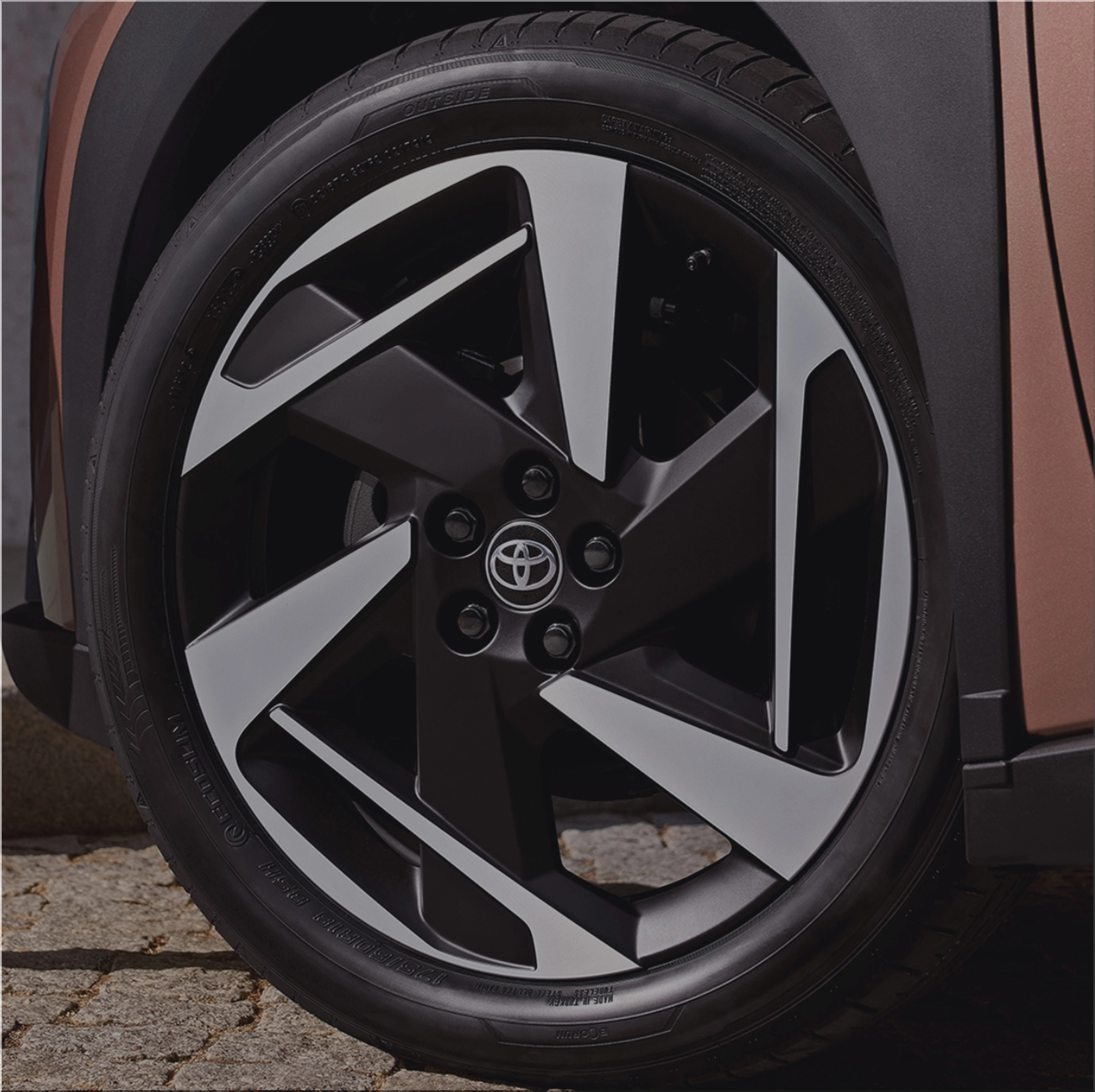
The 2026 model also uses five lug nuts per wheel instead of four. This change accommodates the increased weight and torque of the hybrid powertrain. Rear disc brakes replace the old drum brakes for improved stopping power. This upgrade ensures the car stops effectively even when fully loaded.
Image
GA-B Platform and Structural Rigidity
The GA-B platform underpins the Aygo X. This architecture allows for a stiff body structure. High-tensile steel use reduces weight without losing strength. This platform supports the extra weight of the lithium-ion battery. It also allows for a wider track, which improves stability.
Structural rigidity directly improves steering precision. It also reduces noise and vibration levels inside the cabin. Toyota optimized the suspension mounts for the hybrid transition. The result is a more planted feel at highway speeds compared to the previous generation. The car handles potholes and uneven urban surfaces with more composure than before.
Video title
2026 Toyota Aygo X review
Visual Identity and Exterior Design
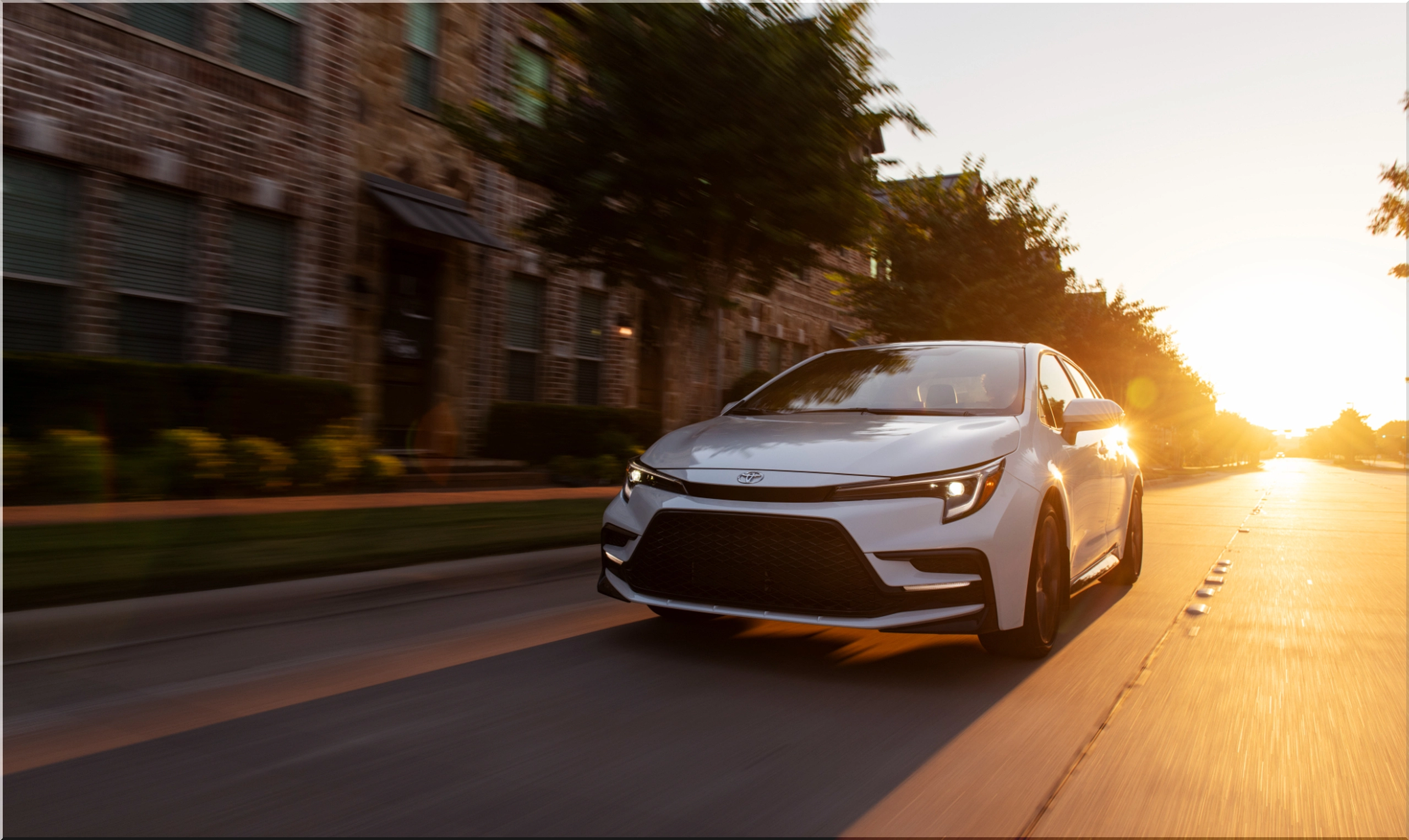
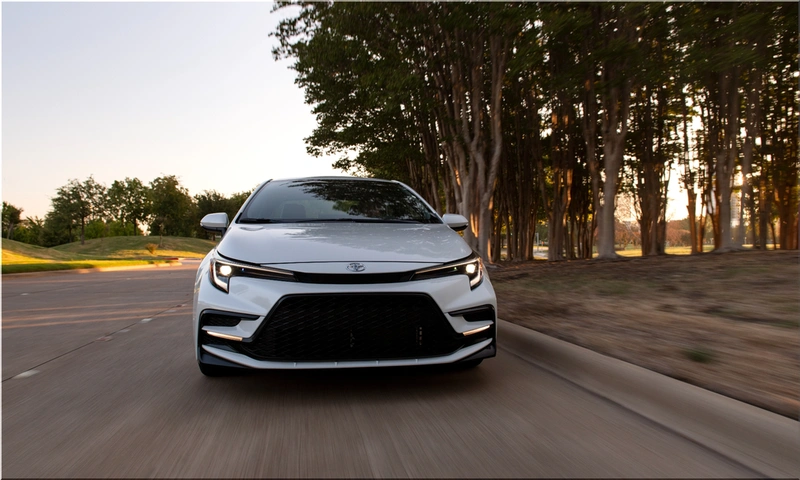
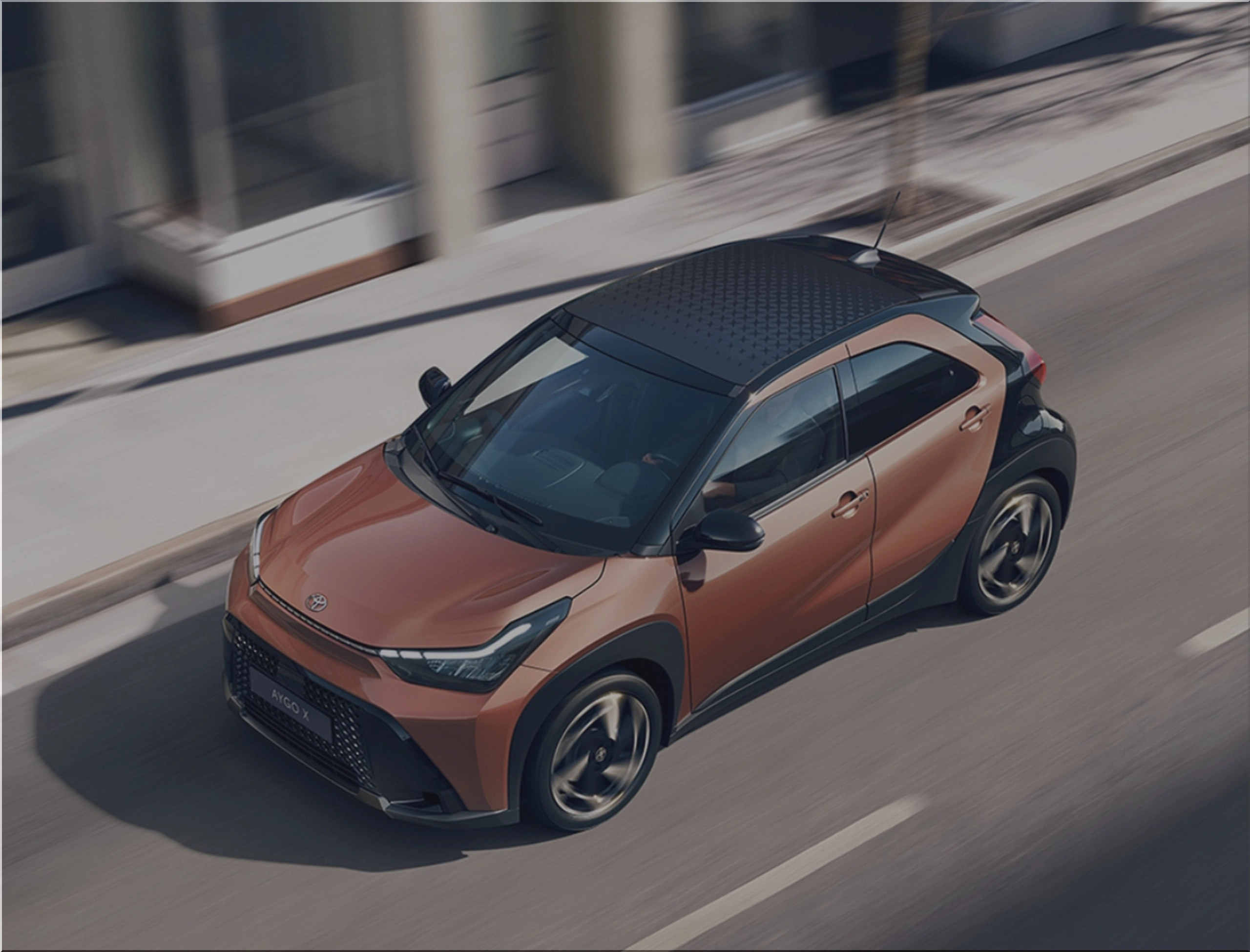
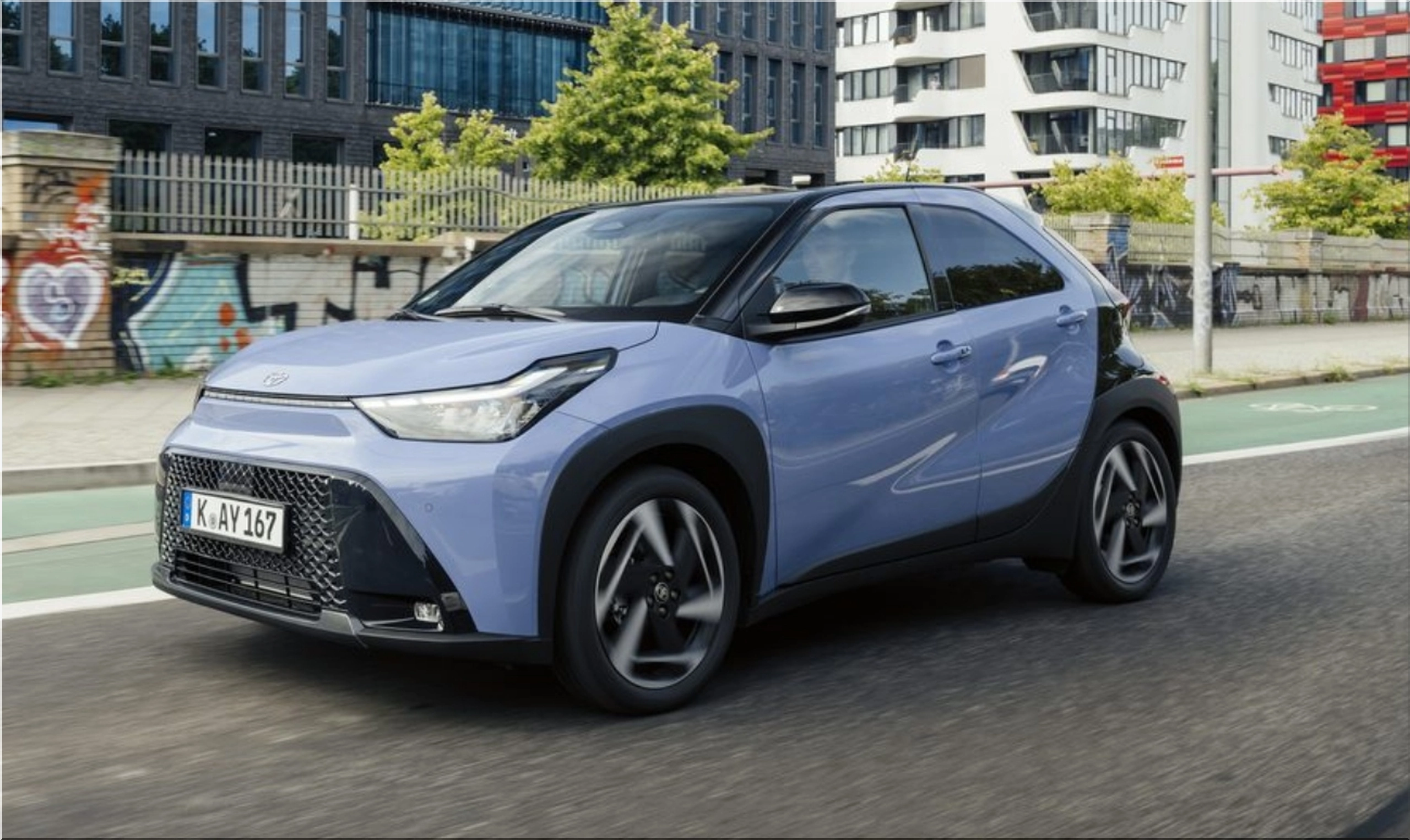
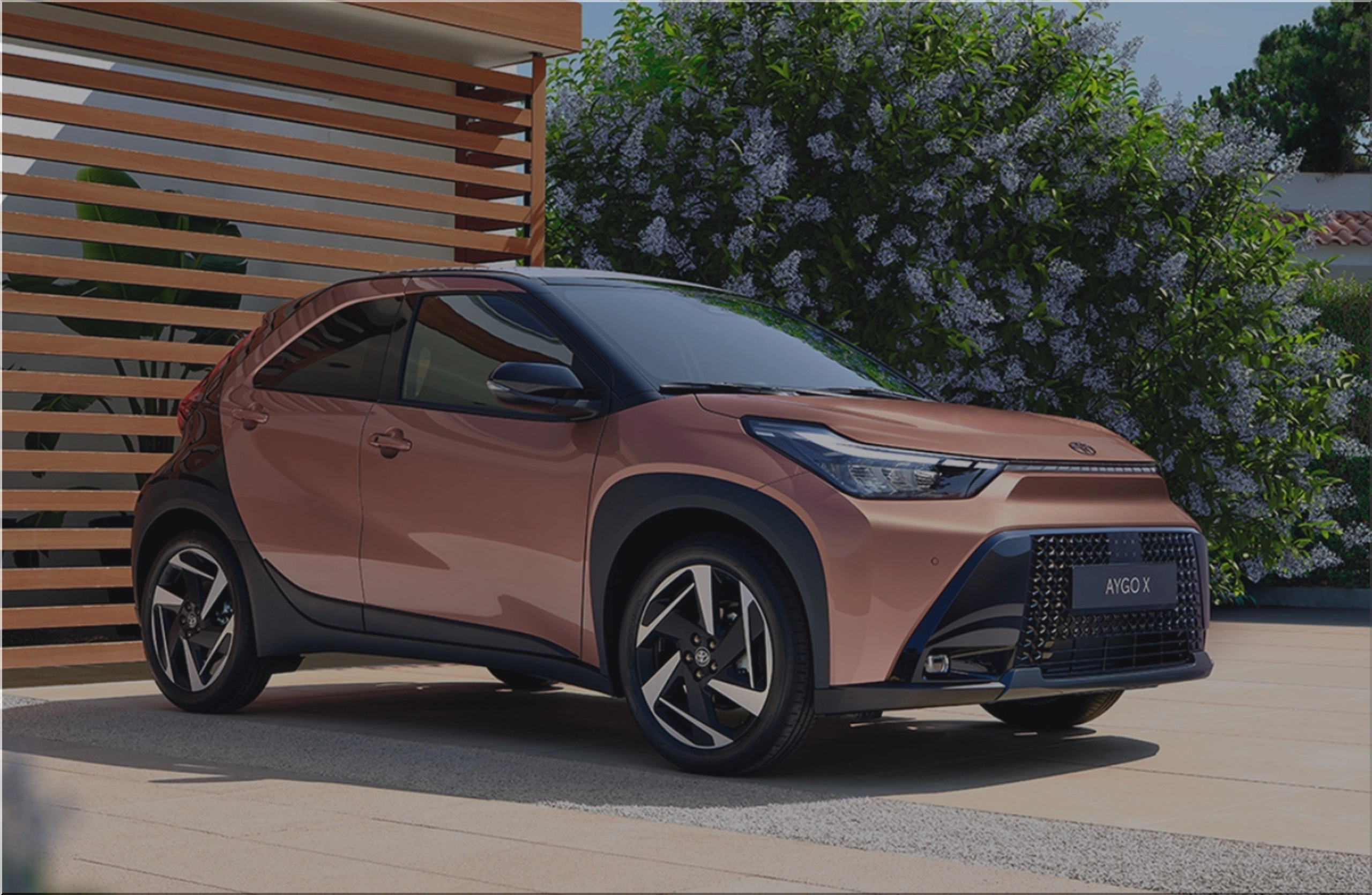
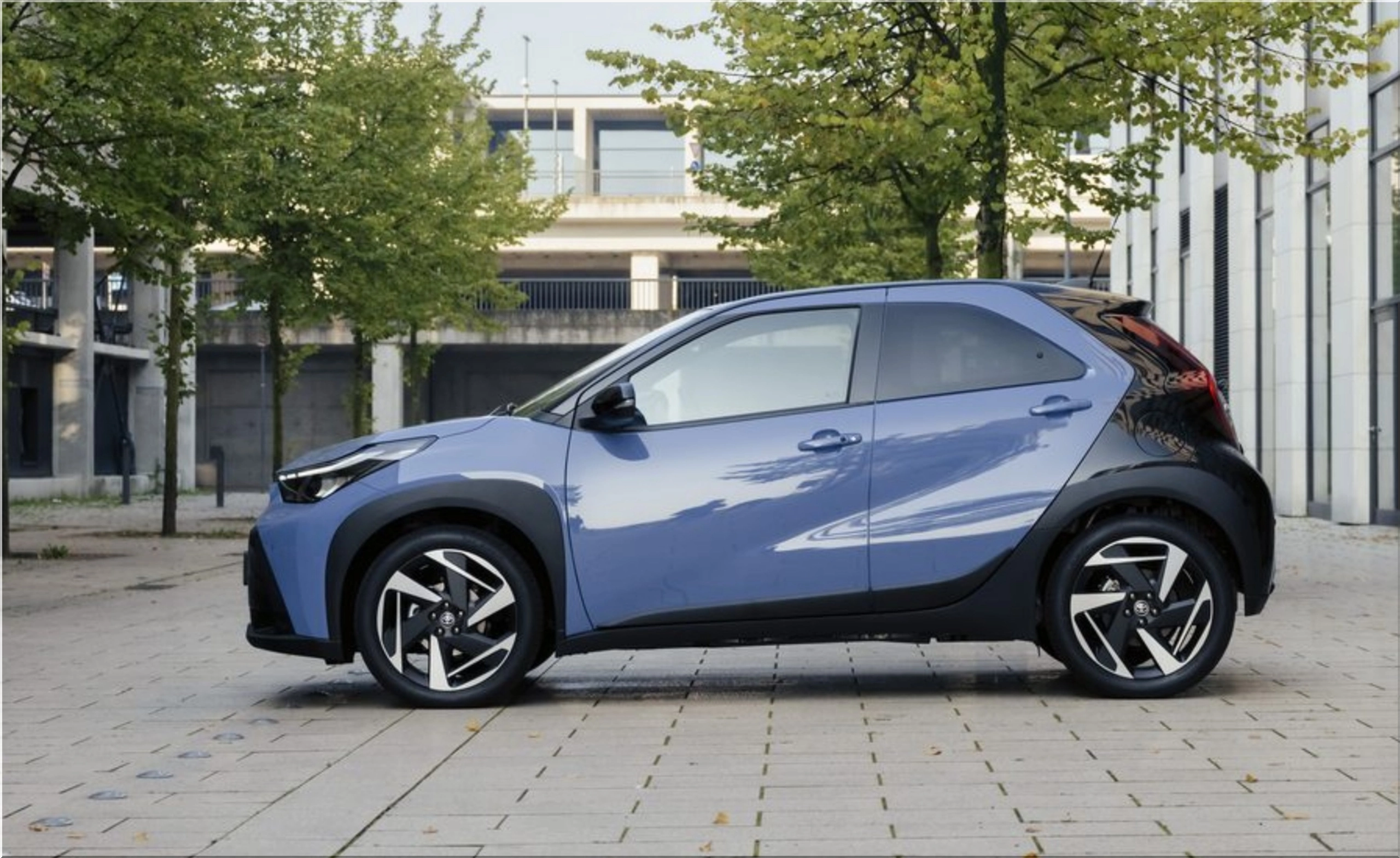
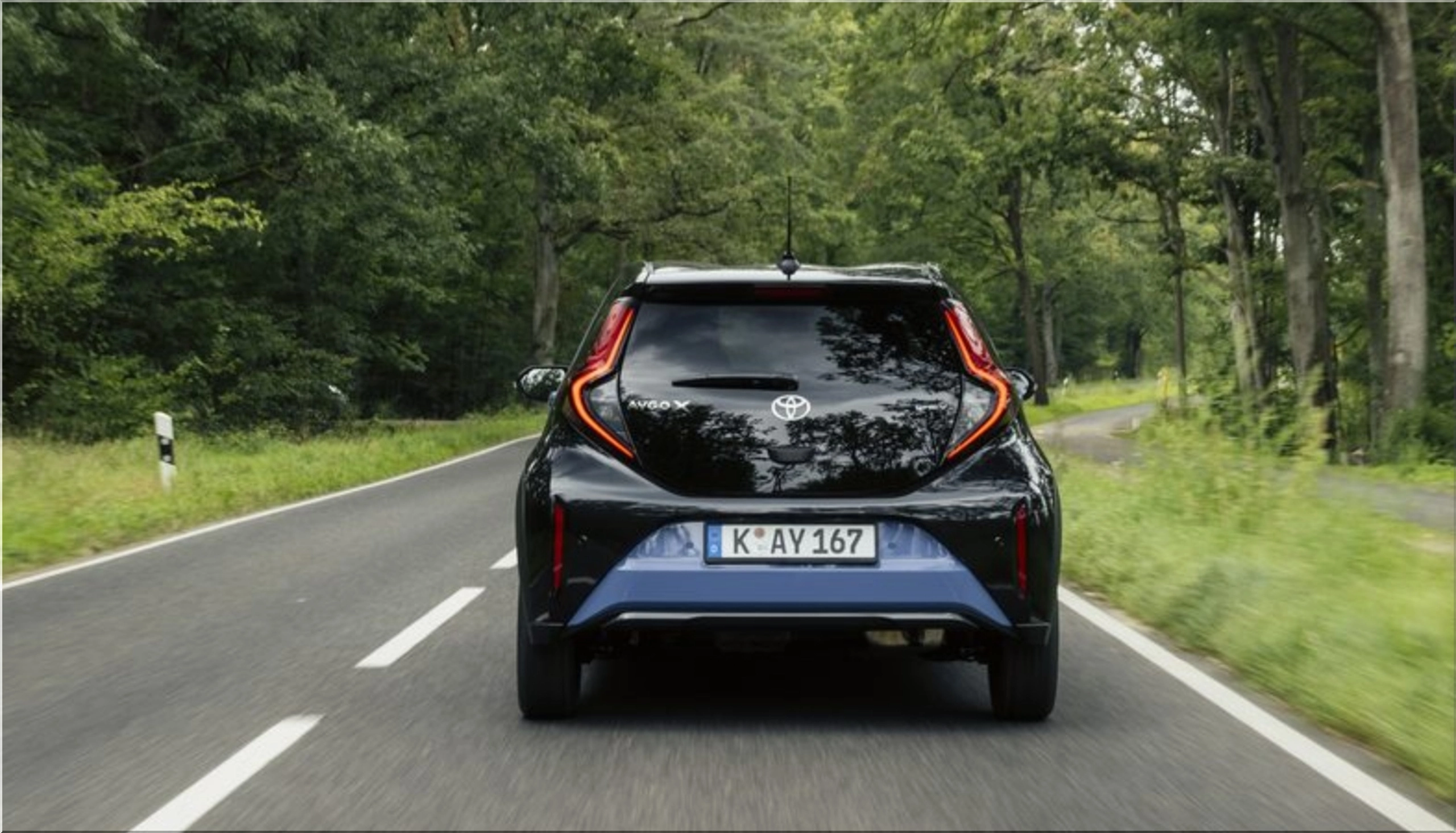
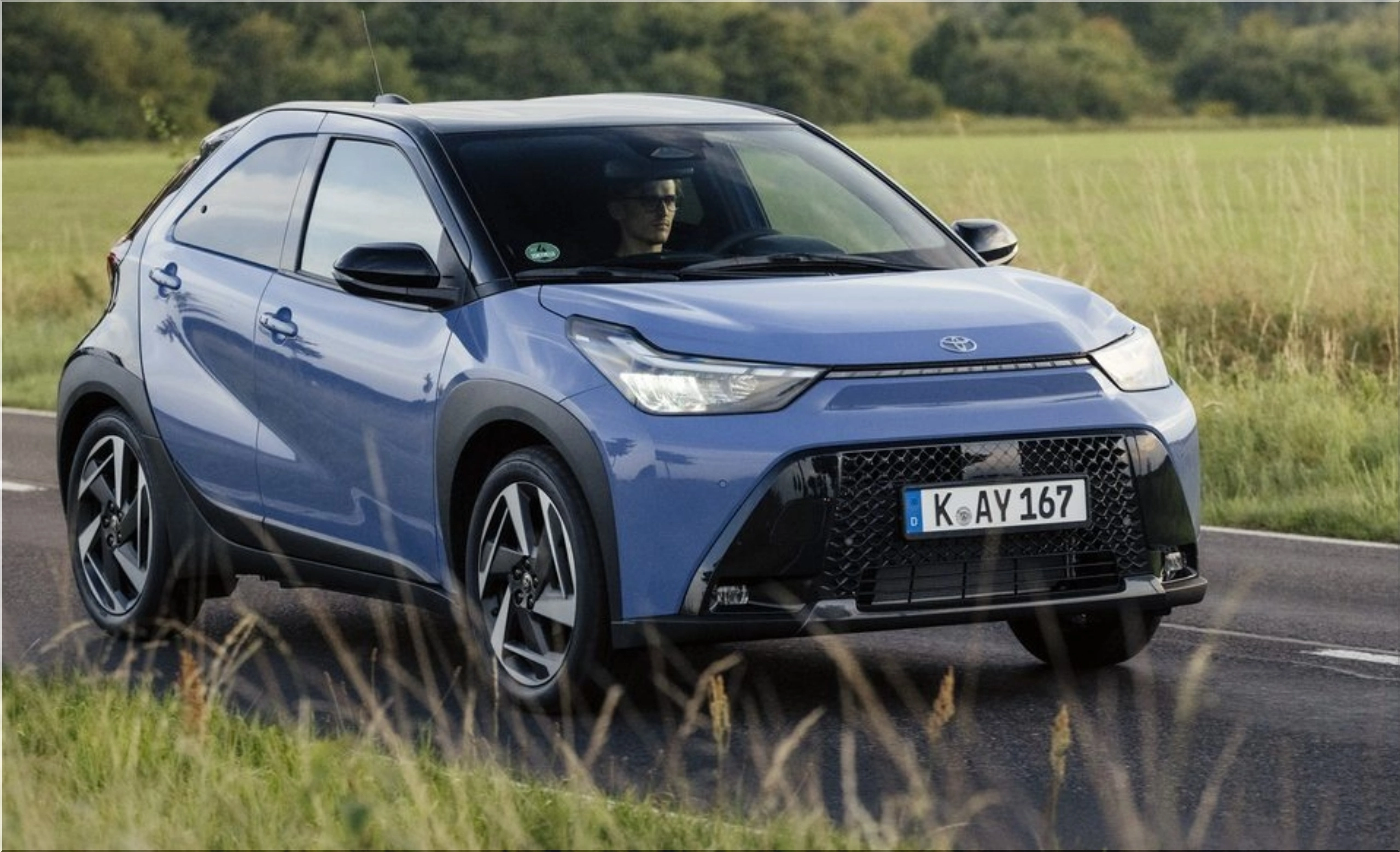
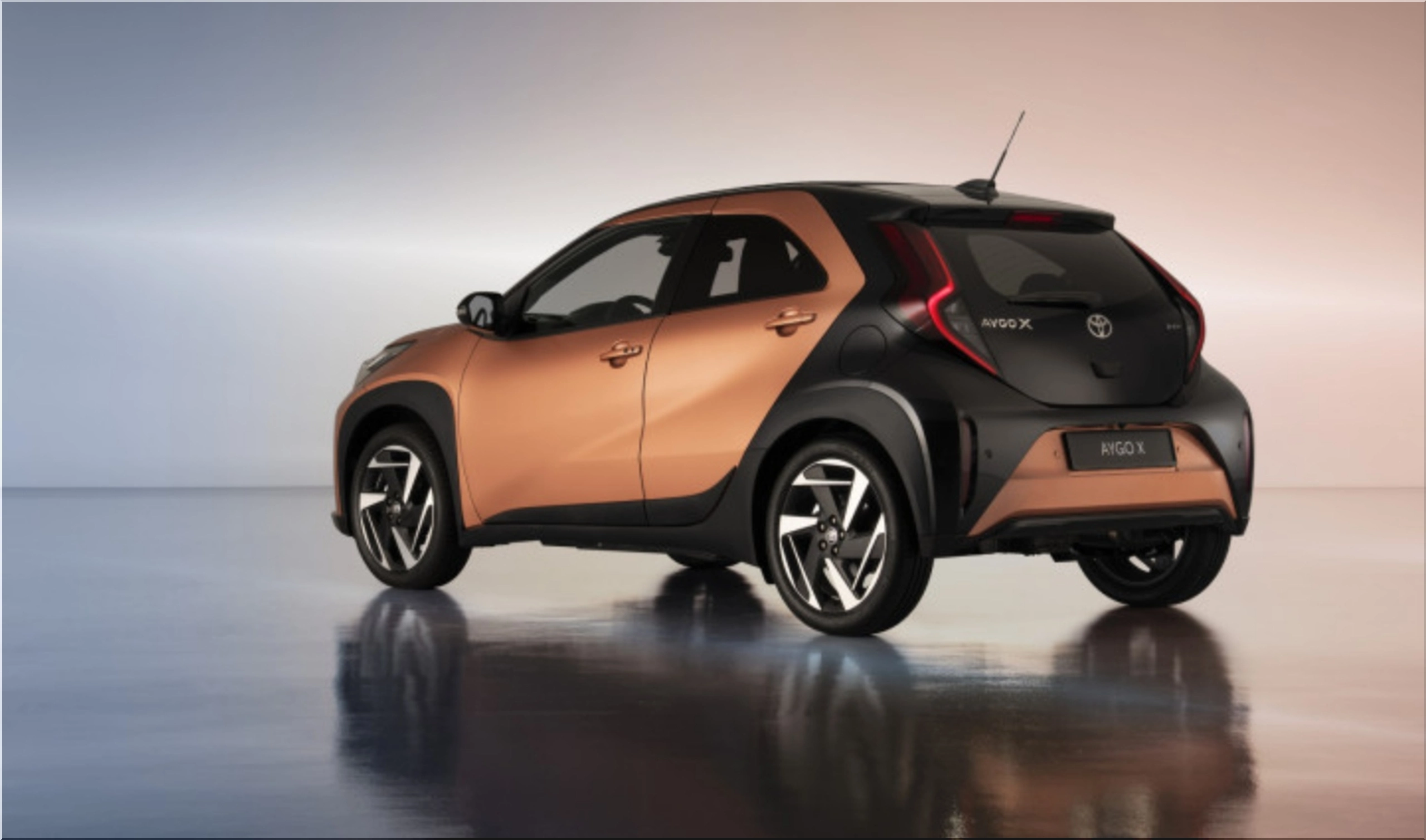
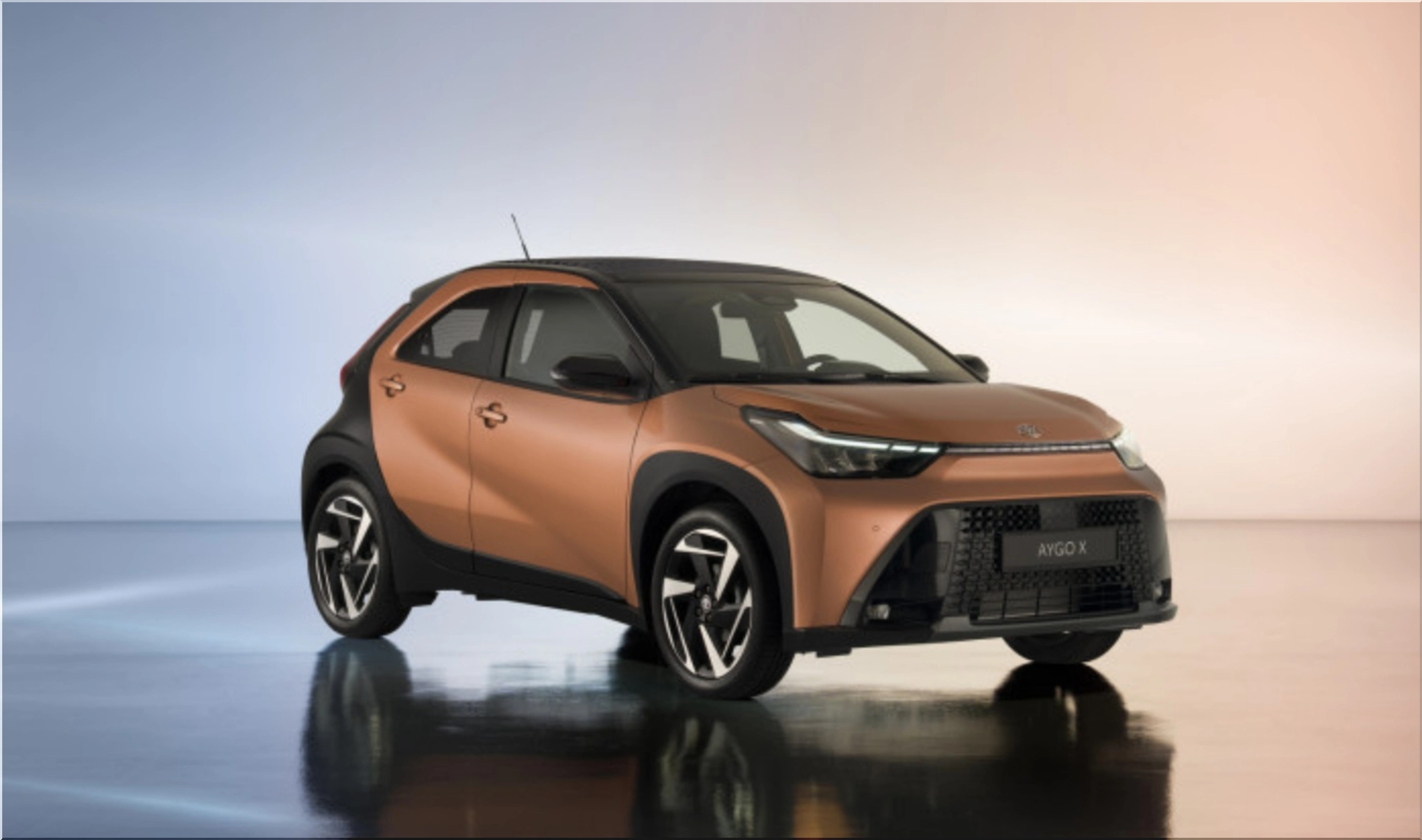
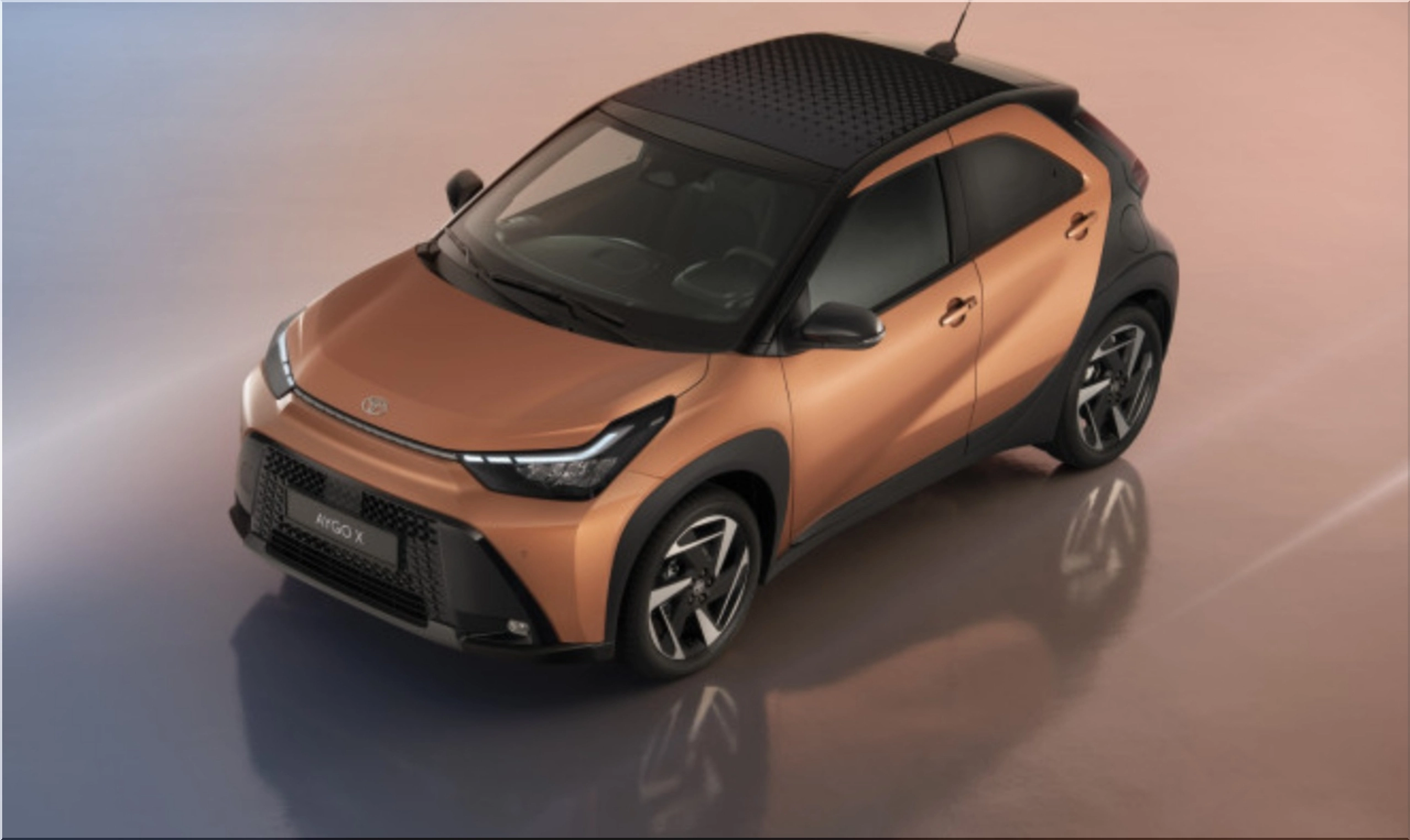
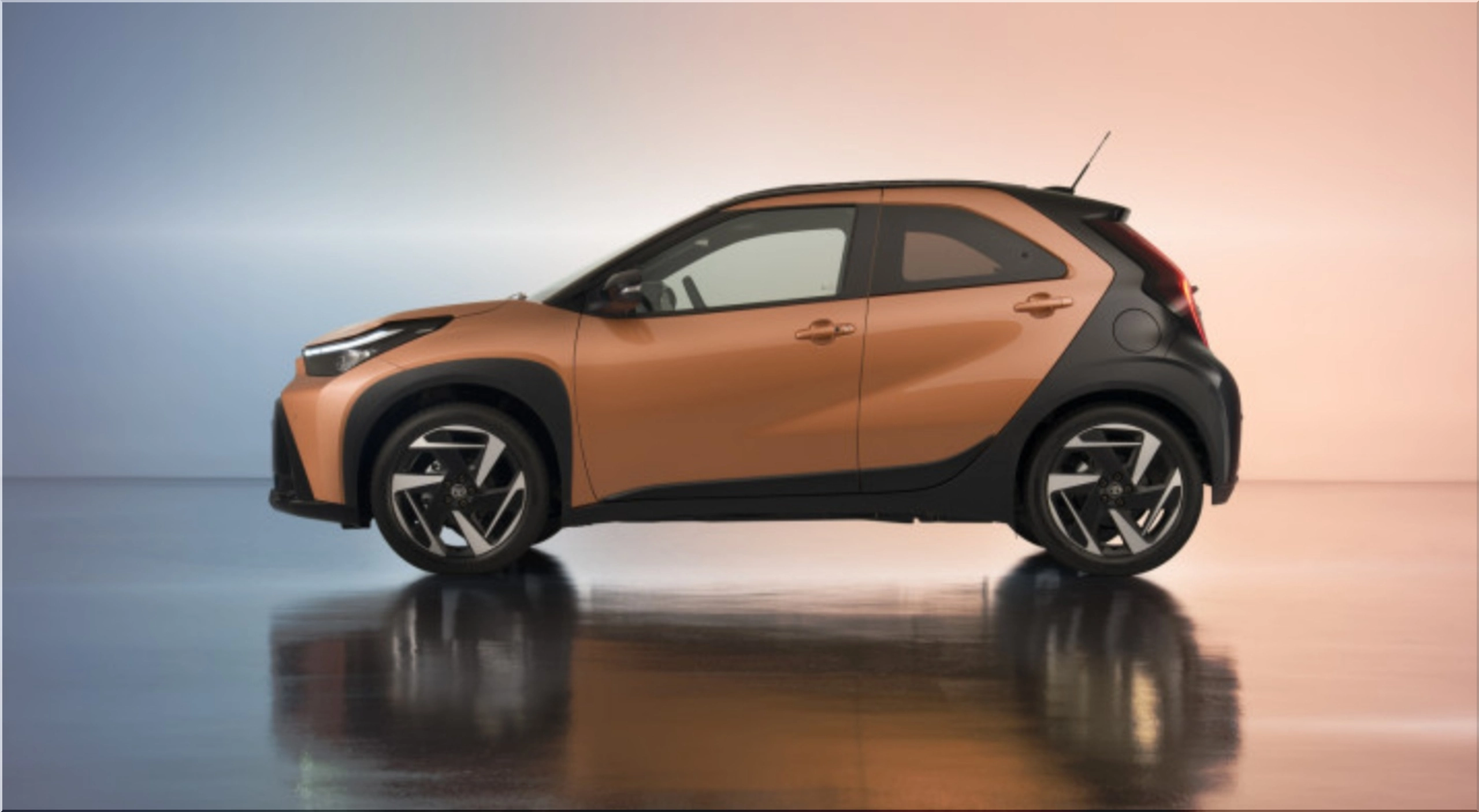
Toyota updated the front fascia for 2026. A bold new grille design distinguishes the hybrid model. The car keeps its crossover stance with a high ground clearance. This design appeals to drivers who want SUV looks in a city-friendly size. The front bumper now includes dedicated air intakes to cool the hybrid electronics.
New color options are available. The "spice" color themes return with updated metallic finishes. Large wheels remain a signature feature. The entry-level Icon uses 17-inch alloys. The Design and Excel trims feature 18-inch wheels. These larger wheels fill the arches and contribute to the aggressive profile. LED light guides and daytime running lights are standard across most of the range.
Image gallery
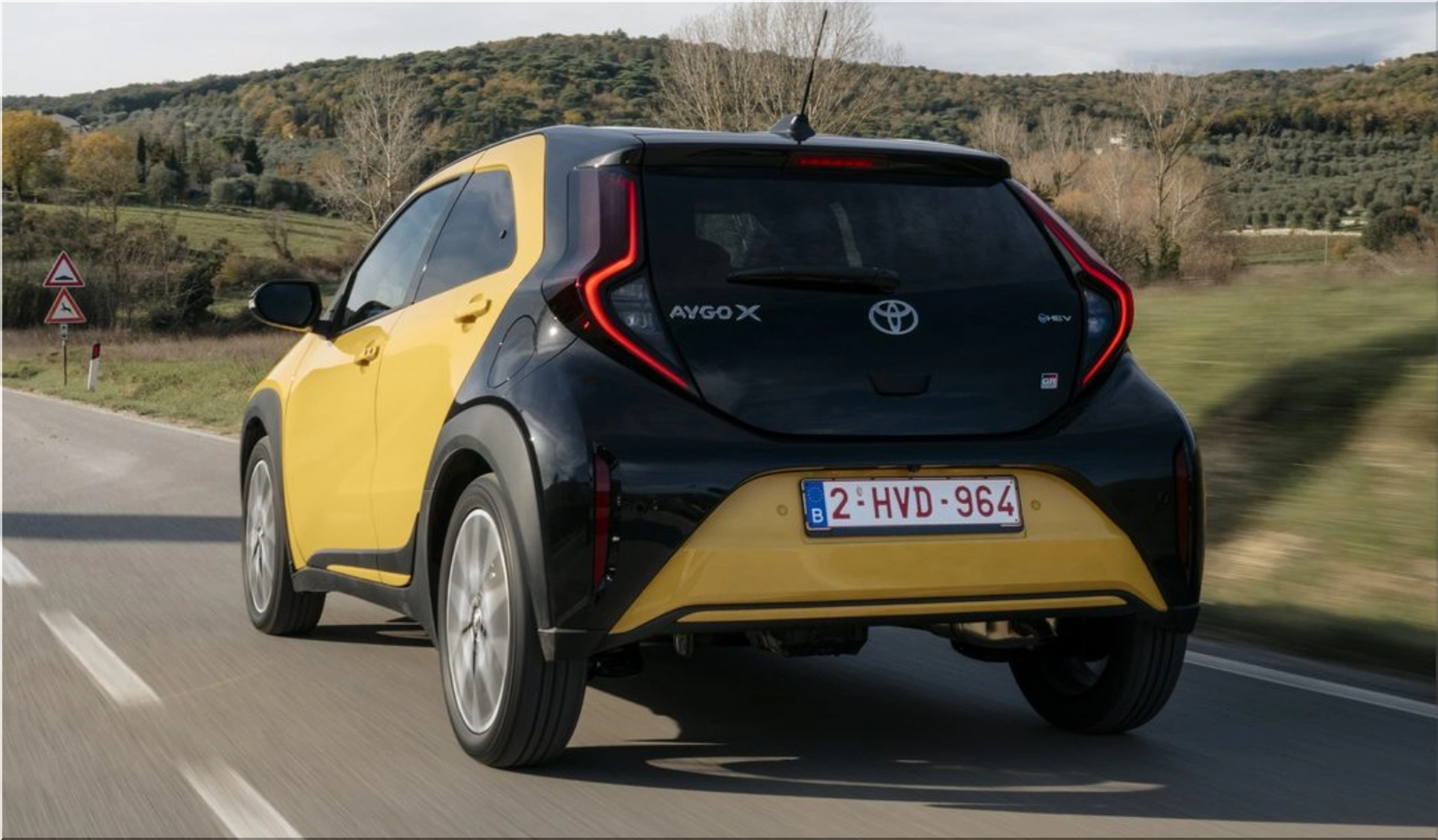
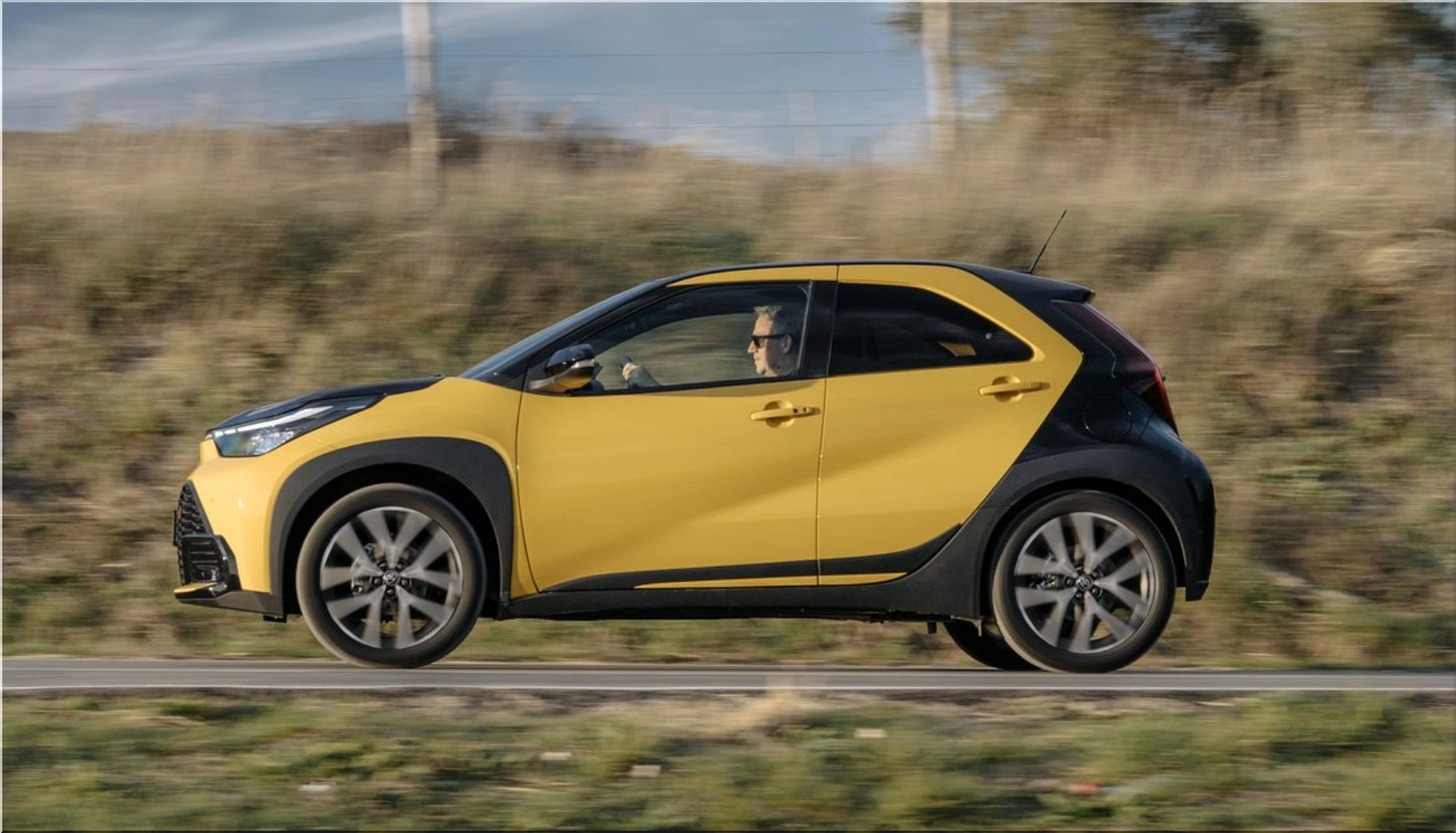
The First Ever Aygo X GR Sport
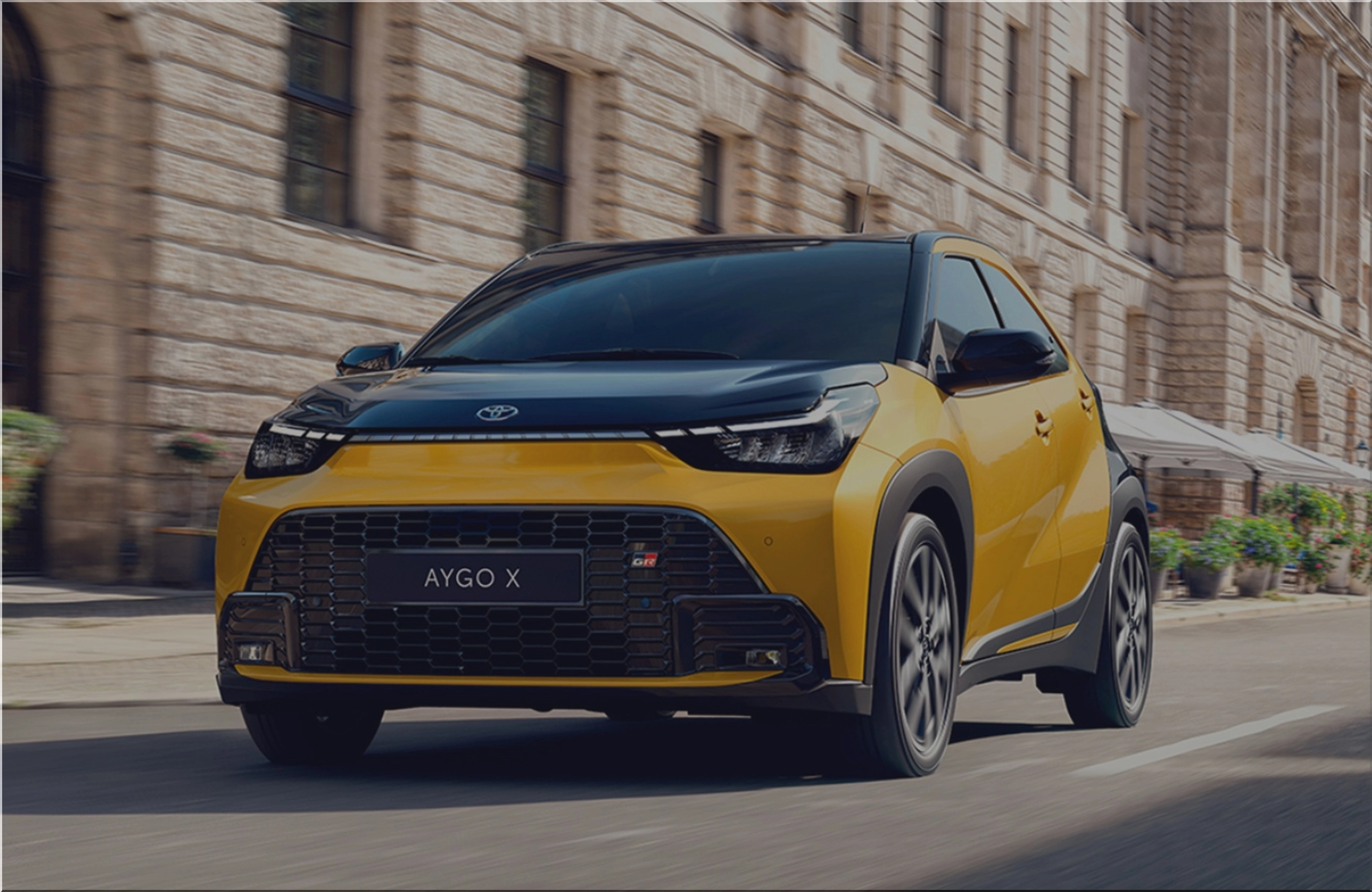
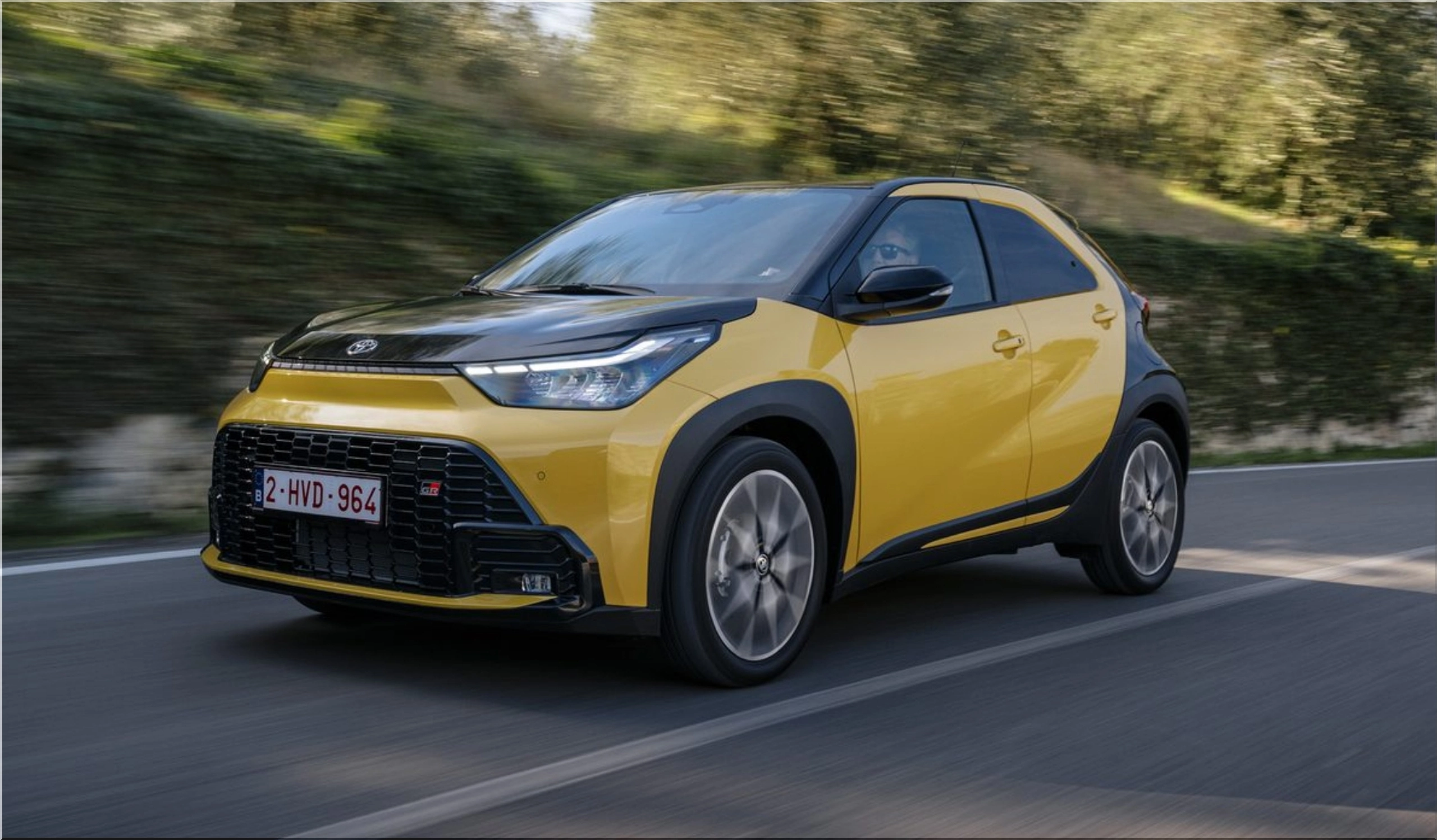
The GR Sport trim is a first for the Aygo nameplate. It adds a performance-inspired aesthetic. This grade features a unique mesh grille and rear diffuser. It includes 18-inch alloy wheels with a machined finish and red accents. The exterior also features GR Sport badging on the front, rear, and side sills.
Inside, the GR Sport receives sports seats with red stitching and a marbled trim finish. A leather-wrapped steering wheel and aluminum pedals are standard. The suspension is retuned for sharper response. It does not increase engine power but improves cornering stability. This trim targets buyers seeking a more engaged driving feel in a compact package.
Image
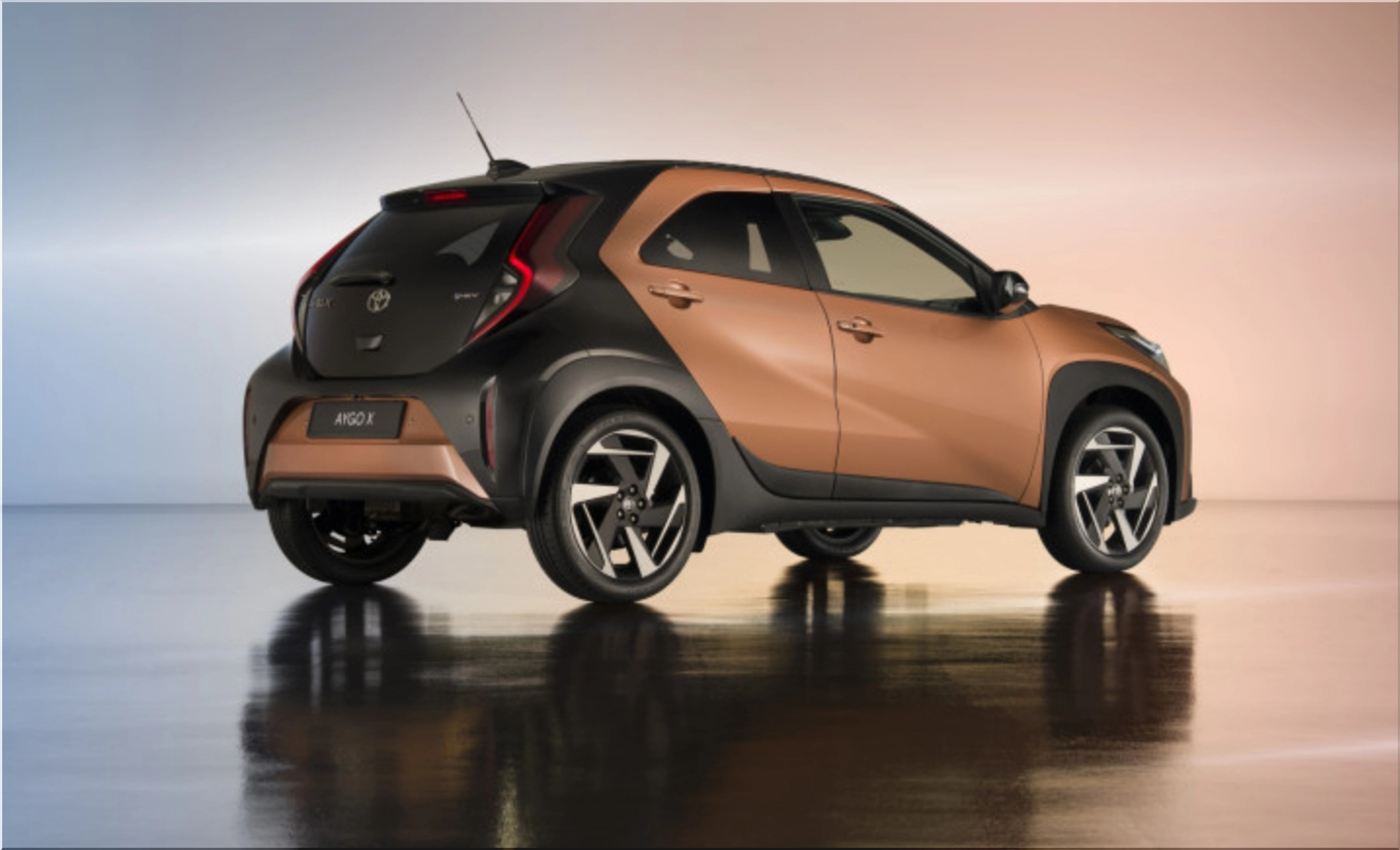
Real-World Urban Maneuverability
The turning circle remains a key selling point. At just 30.8 feet, the Aygo X can handle tight U-turns with ease. This is better than most competitors in the B-segment. The compact dimensions make parking in crowded cities simple. The short front and rear overhangs help in navigating steep parking ramps.
The steering is light at low speeds. This reduces driver fatigue in heavy traffic. As speed increases, the steering gains weight for more confidence. The high driving position improves visibility at junctions. This is a practical advantage for navigating complex urban layouts. Parking sensors and a rear-view camera are available to assist in tight spaces.
Advanced Lighting and Visibility Features
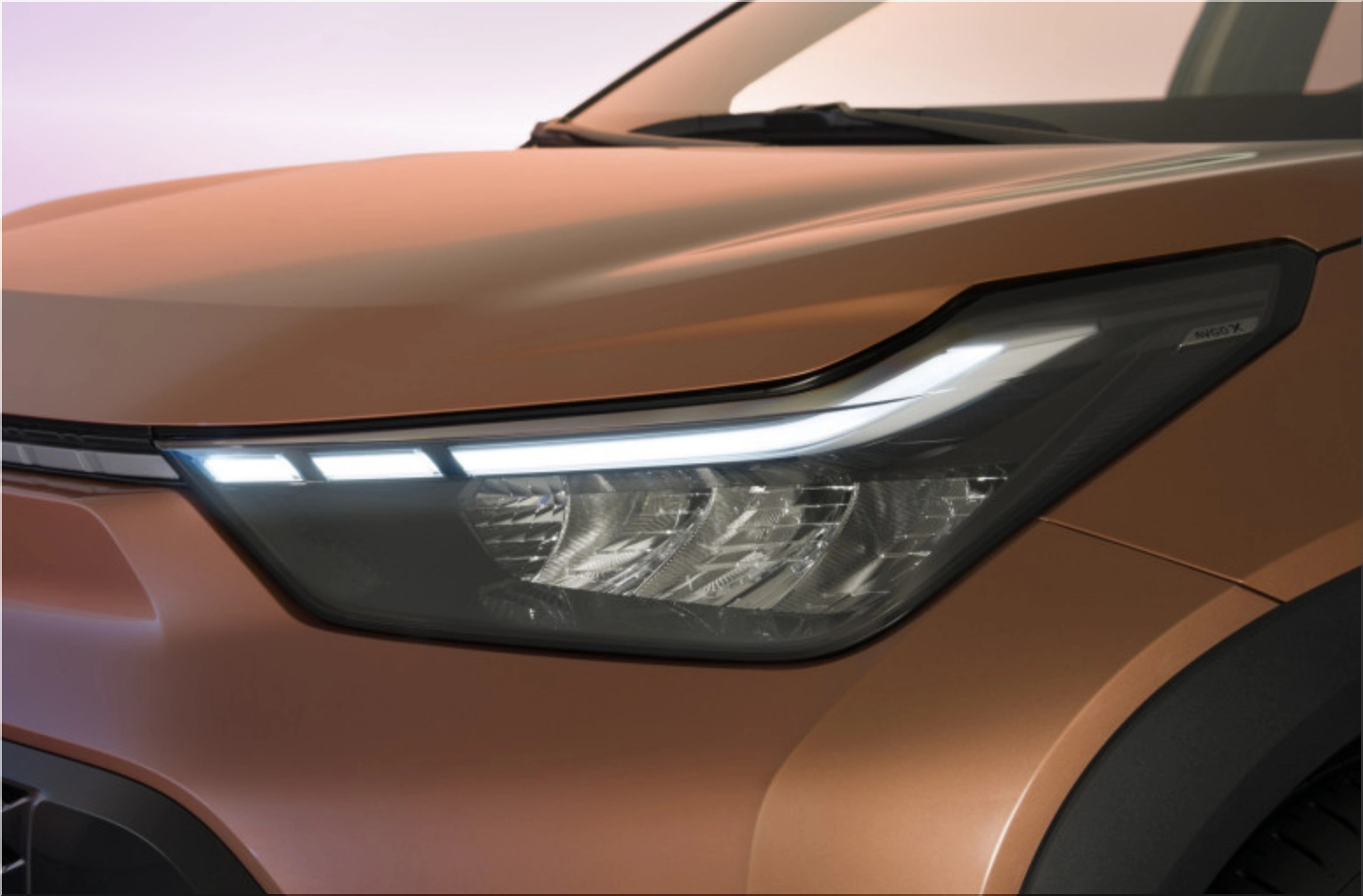
The 2026 model features an upgraded lighting package. LED headlights are standard on Design, Excel, and GR Sport grades. These provide a wider and longer beam pattern for better night visibility. The Icon grade uses halogen units but includes LED light guides for a modern look.
All models include a follow-me-home headlight function. This keeps the lights on for a short period after parking to illuminate the path to your door. Auto-retracting door mirrors are included on higher trims to prevent damage when parked on narrow streets. Rain-sensing wipers and automatic dusk-sensing lights further automate the driving experience.
Image gallery
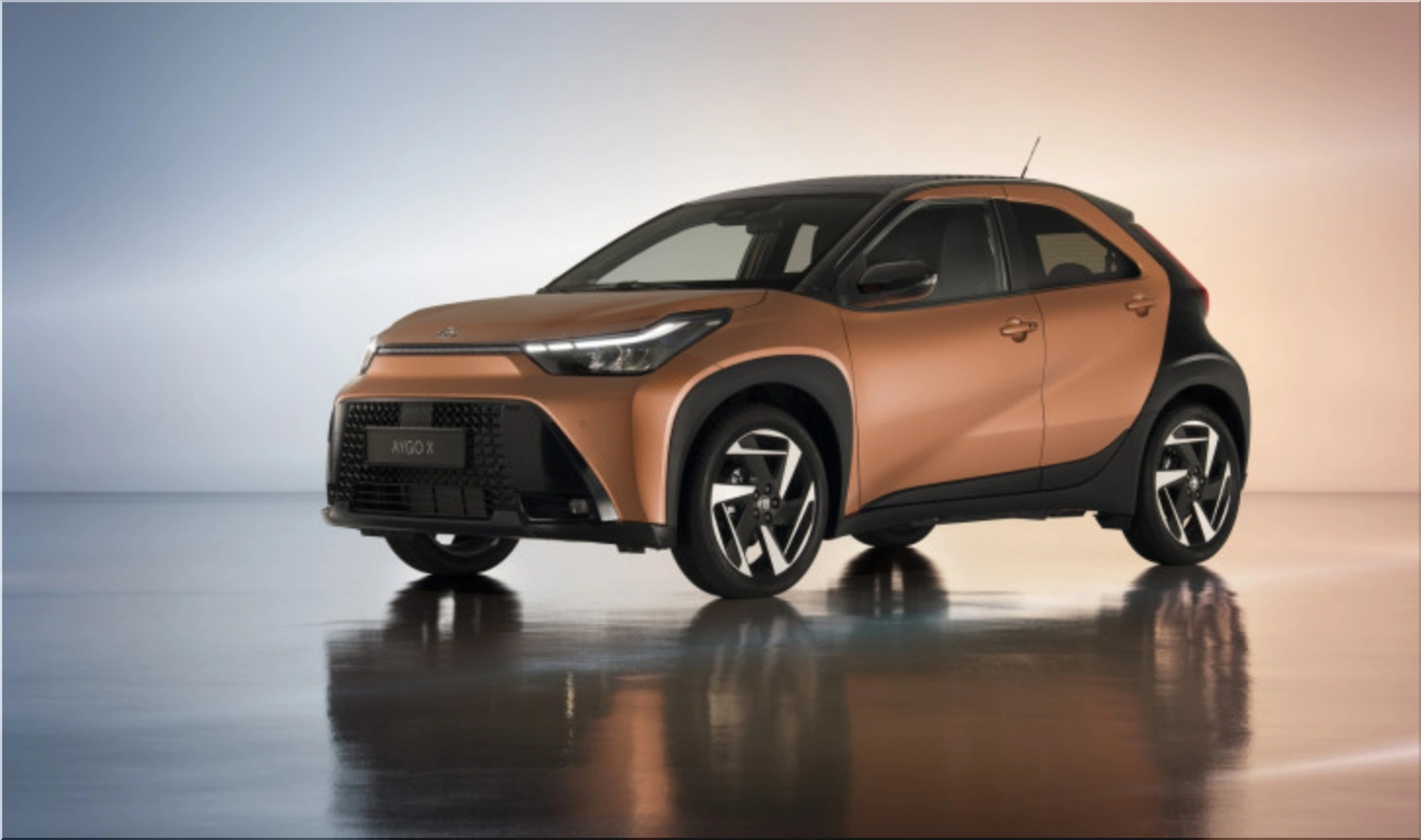
Ownership Costs and Long-Term Value
Toyota focuses on low Total Cost of Ownership (TCO). The hybrid system reduces brake wear through regenerative braking. High fuel economy cuts monthly spending on petrol. The car sits in low insurance groups, making it affordable for new drivers. Toyota also provides 12 months of free roadside assistance with every new purchase.
Resale value for Toyota hybrids remains high. The 2026 model benefits from a 10-year warranty program. This is active as long as the owner services the car at an authorized dealer. This long-term coverage protects the investment and provides peace of mind for second-hand buyers. It effectively removes the risk of high repair bills for a decade of ownership.
Market Position and Verdict
The Toyota Aygo X Hybrid won the WhatCar? Small Car of the Year 2026 award. It succeeds by offering a premium hybrid experience in a small package. Rivals like the Suzuki Swift or Hyundai i10 lack the full hybrid efficiency of the Toyota. The adoption of the 1.5-liter engine transforms the car's highway capability.
The car is more expensive than its predecessors. However, the data shows that the fuel savings and high resale value offset the initial cost. It is a pragmatic choice for urban dwellers who want the latest technology and the lowest possible running costs. The transition to a full hybrid marks a successful evolution for Toyota's smallest car. It proves that small cars can be high-tech, safe, and incredibly efficient.
- Add new comment
- 519 views