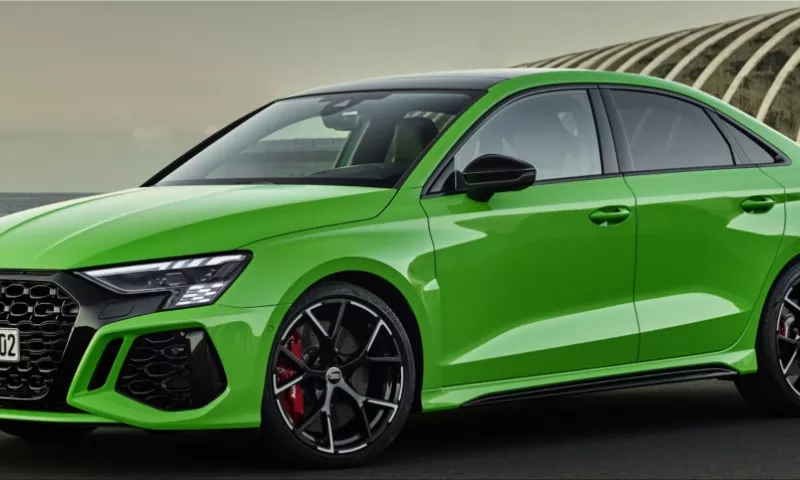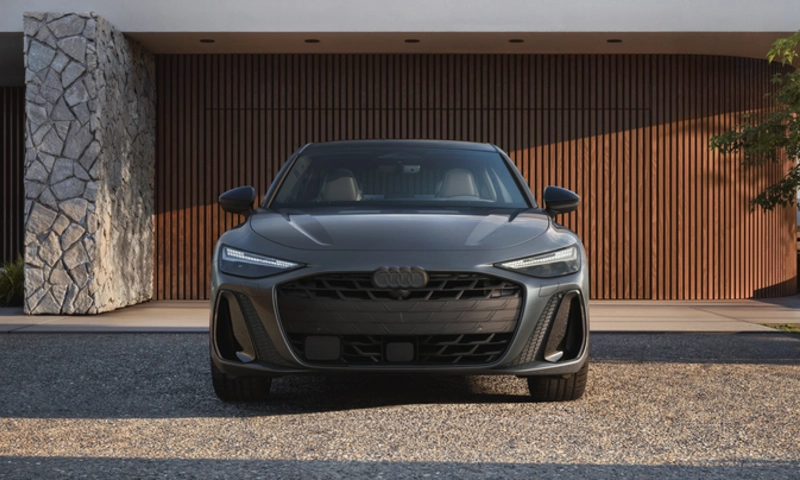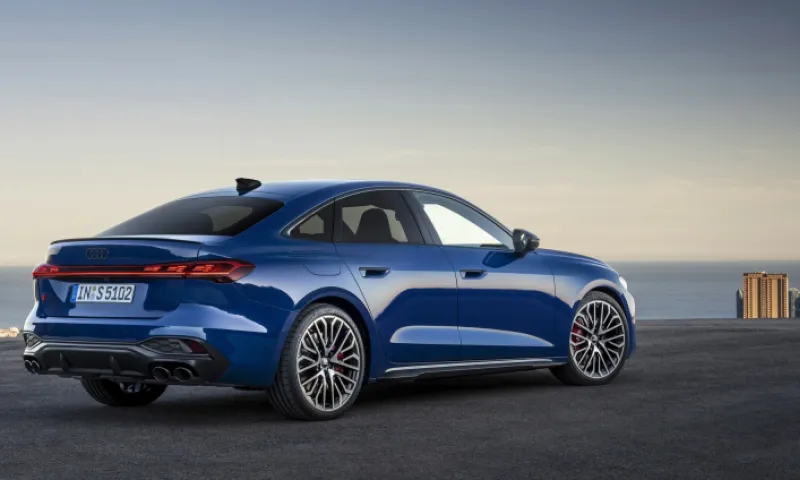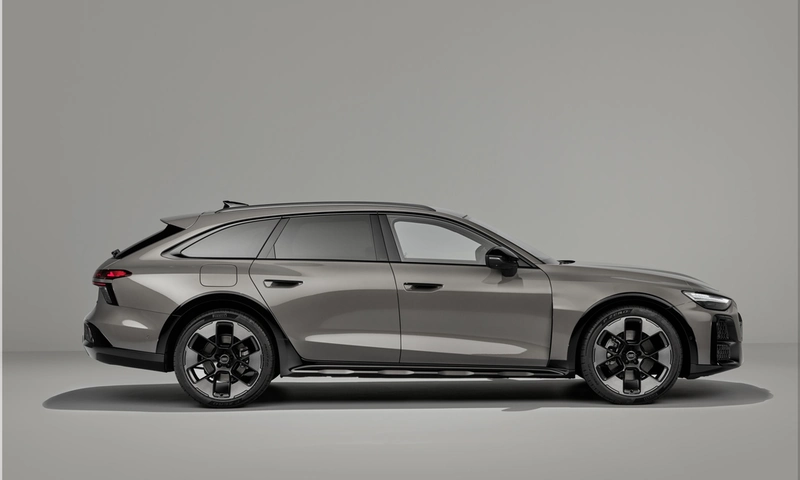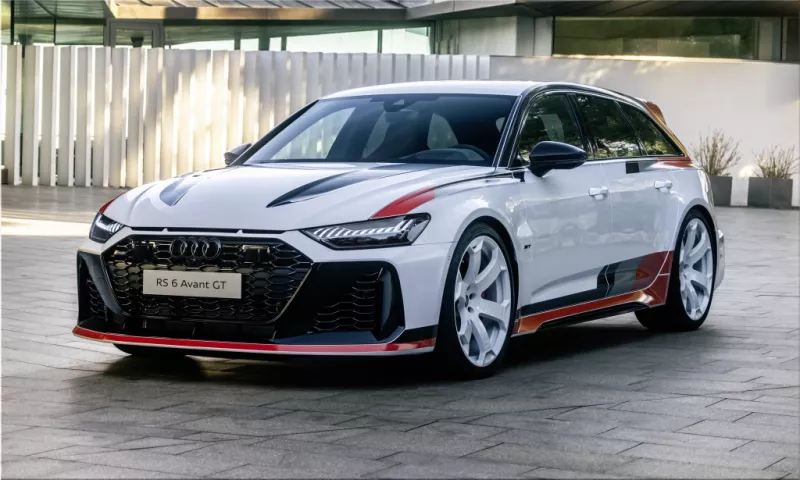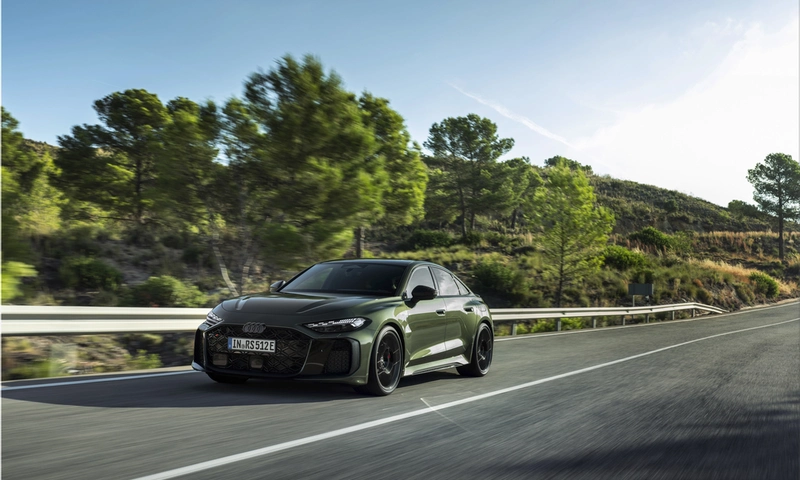
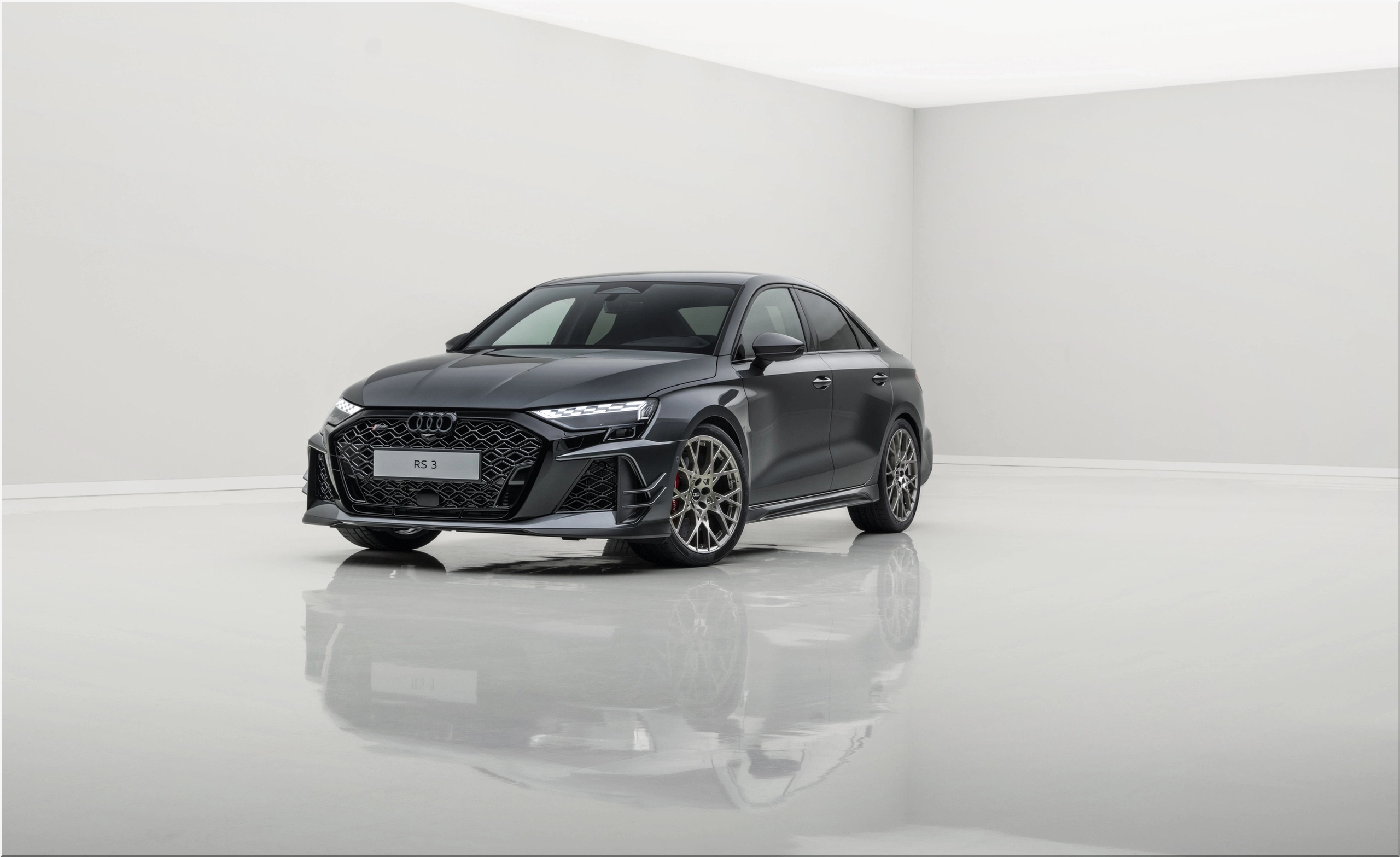
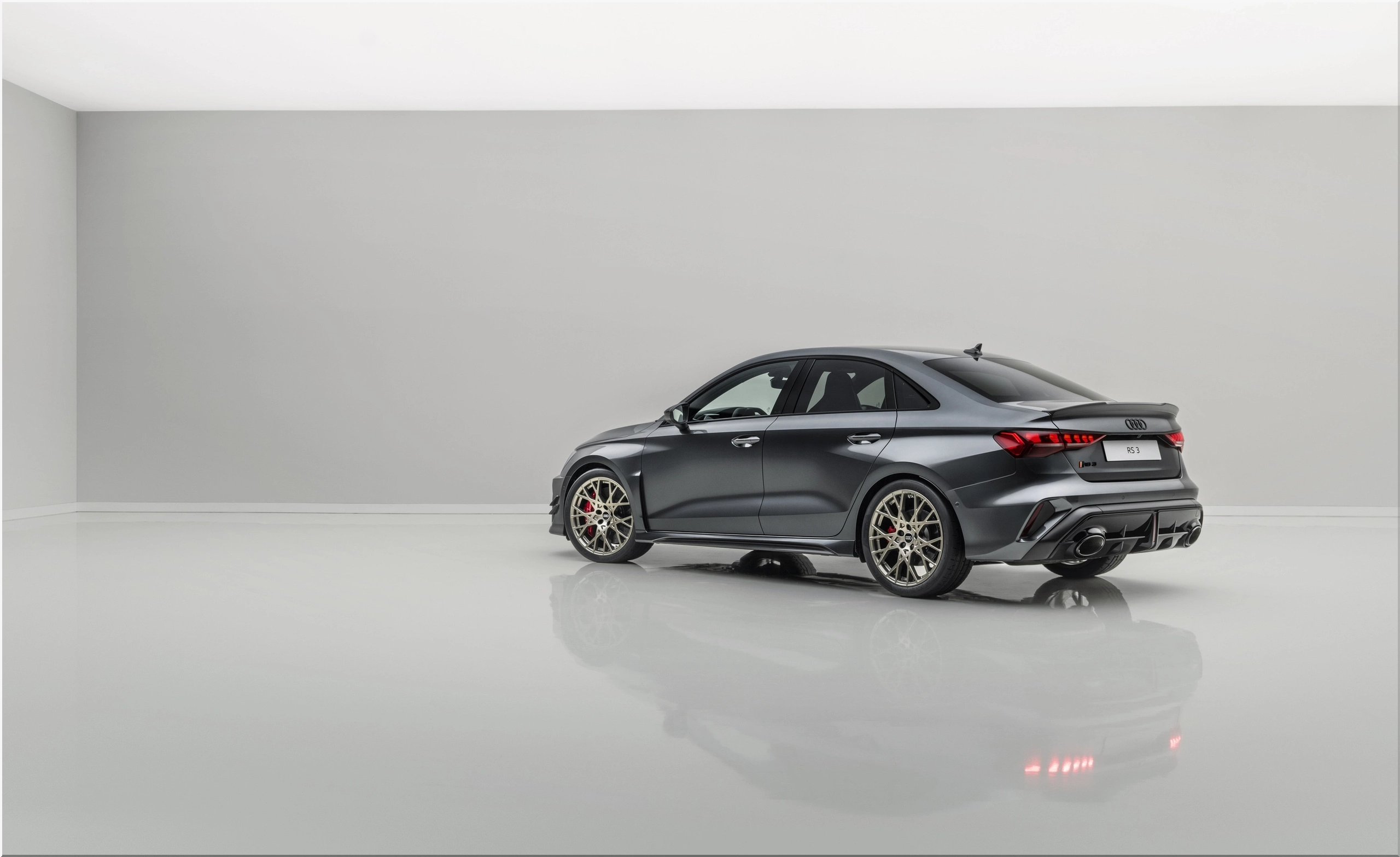
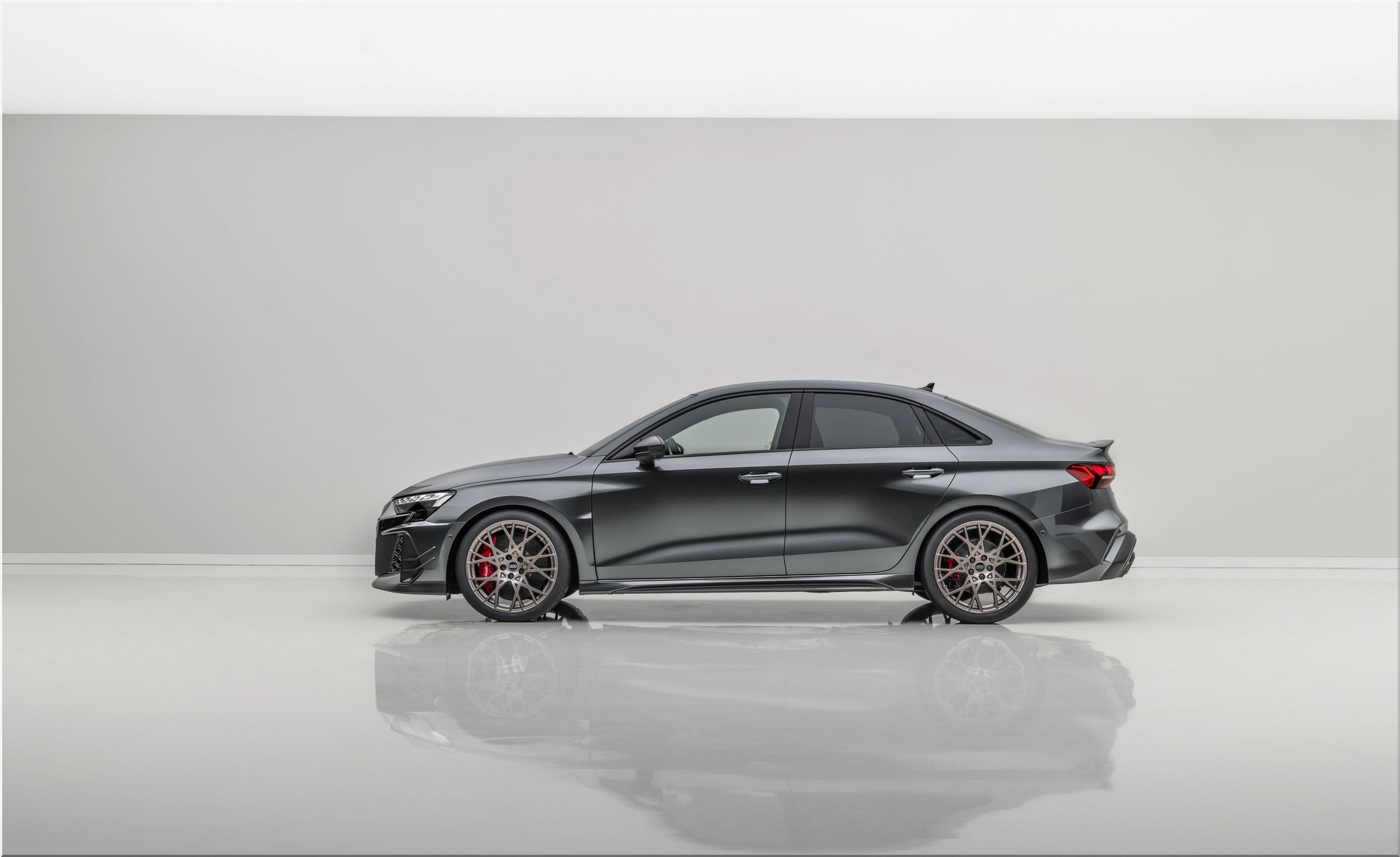
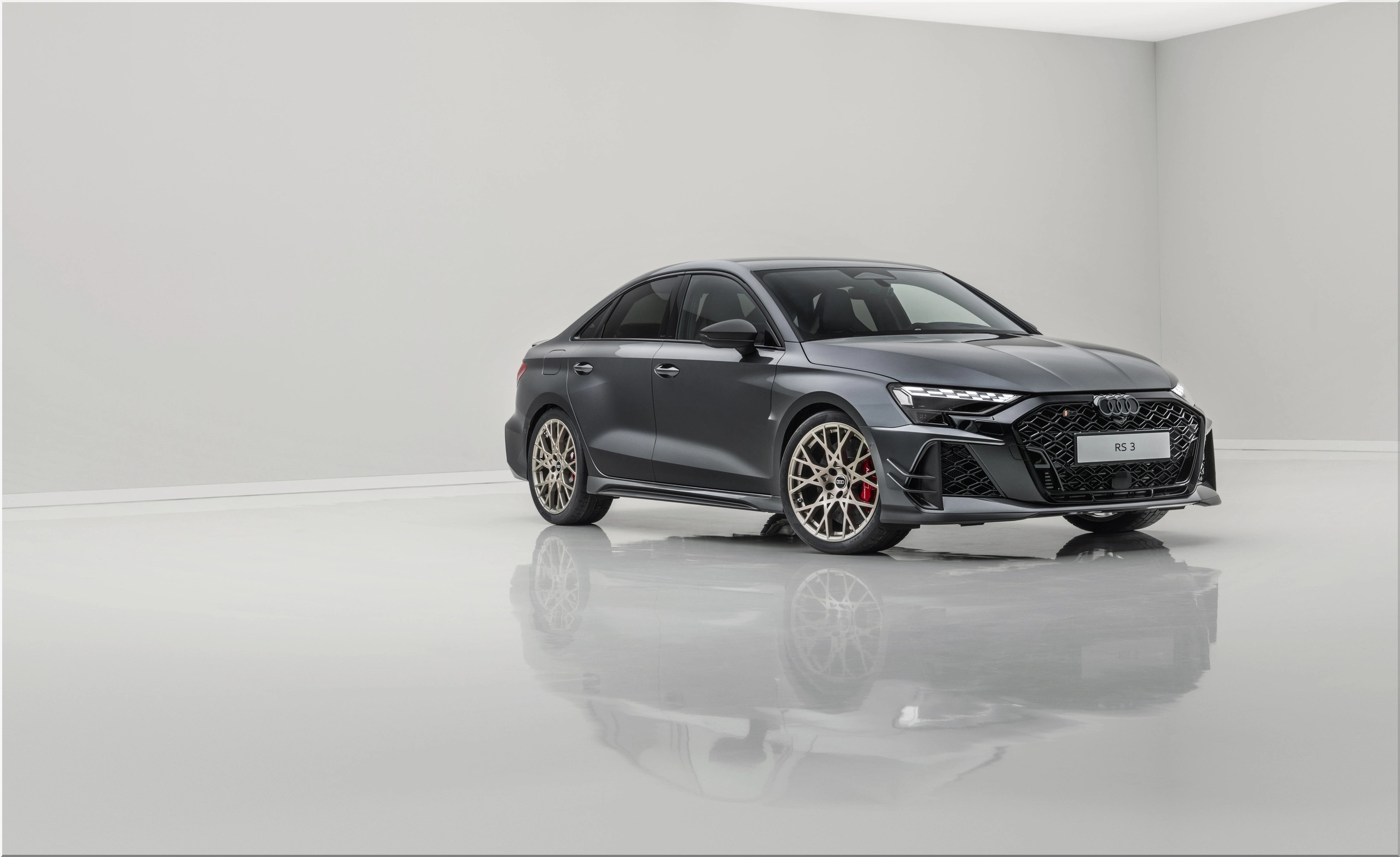
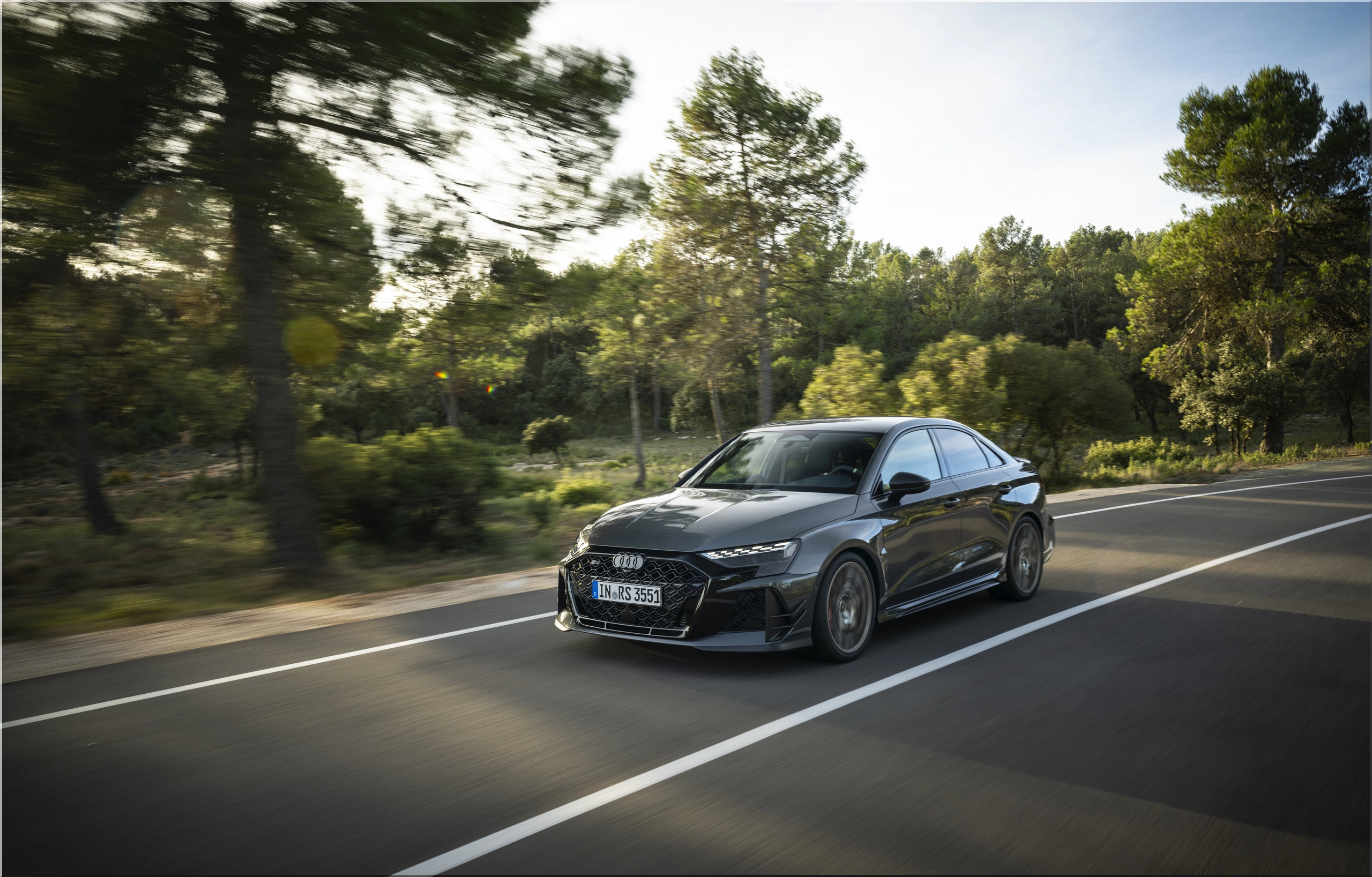
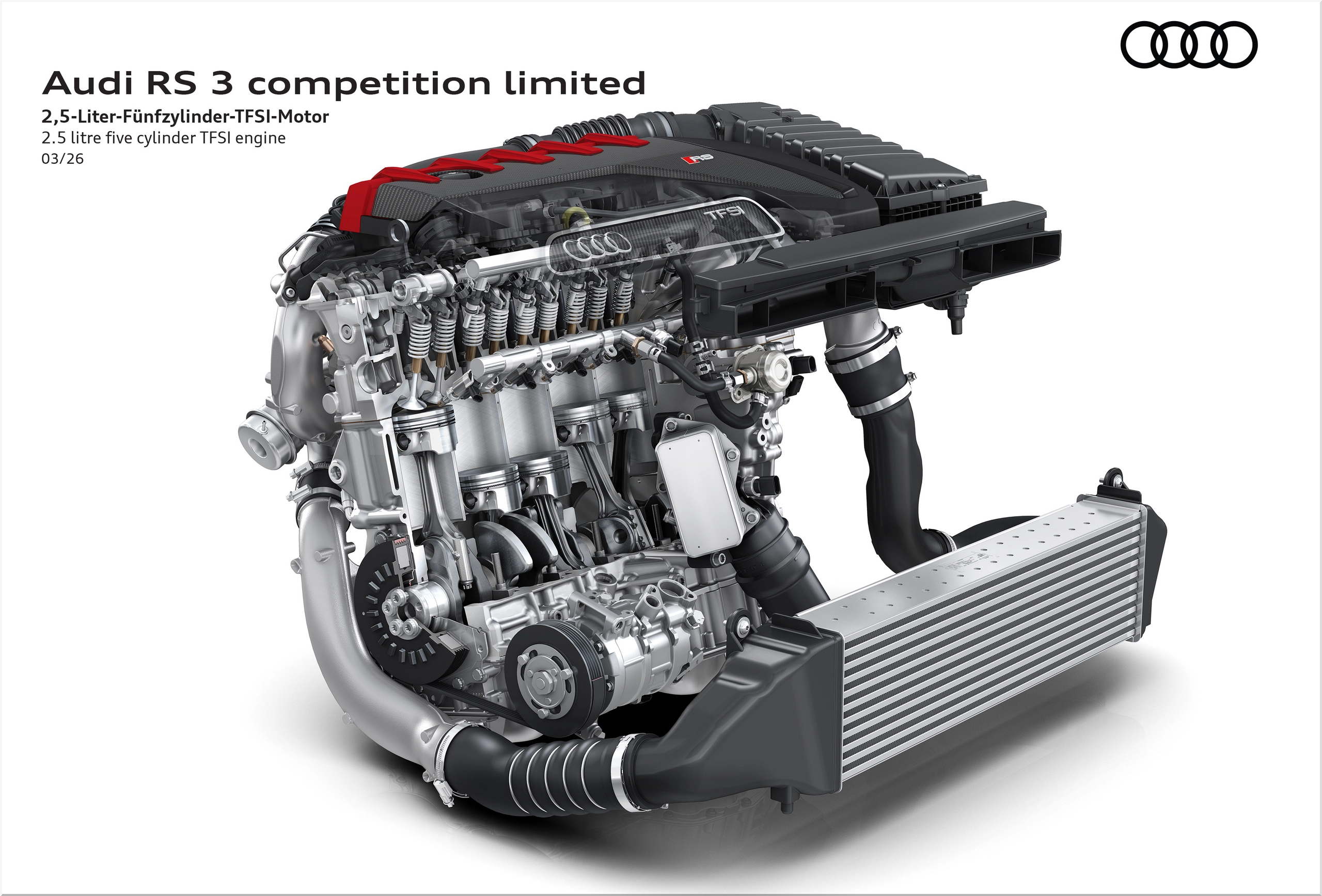
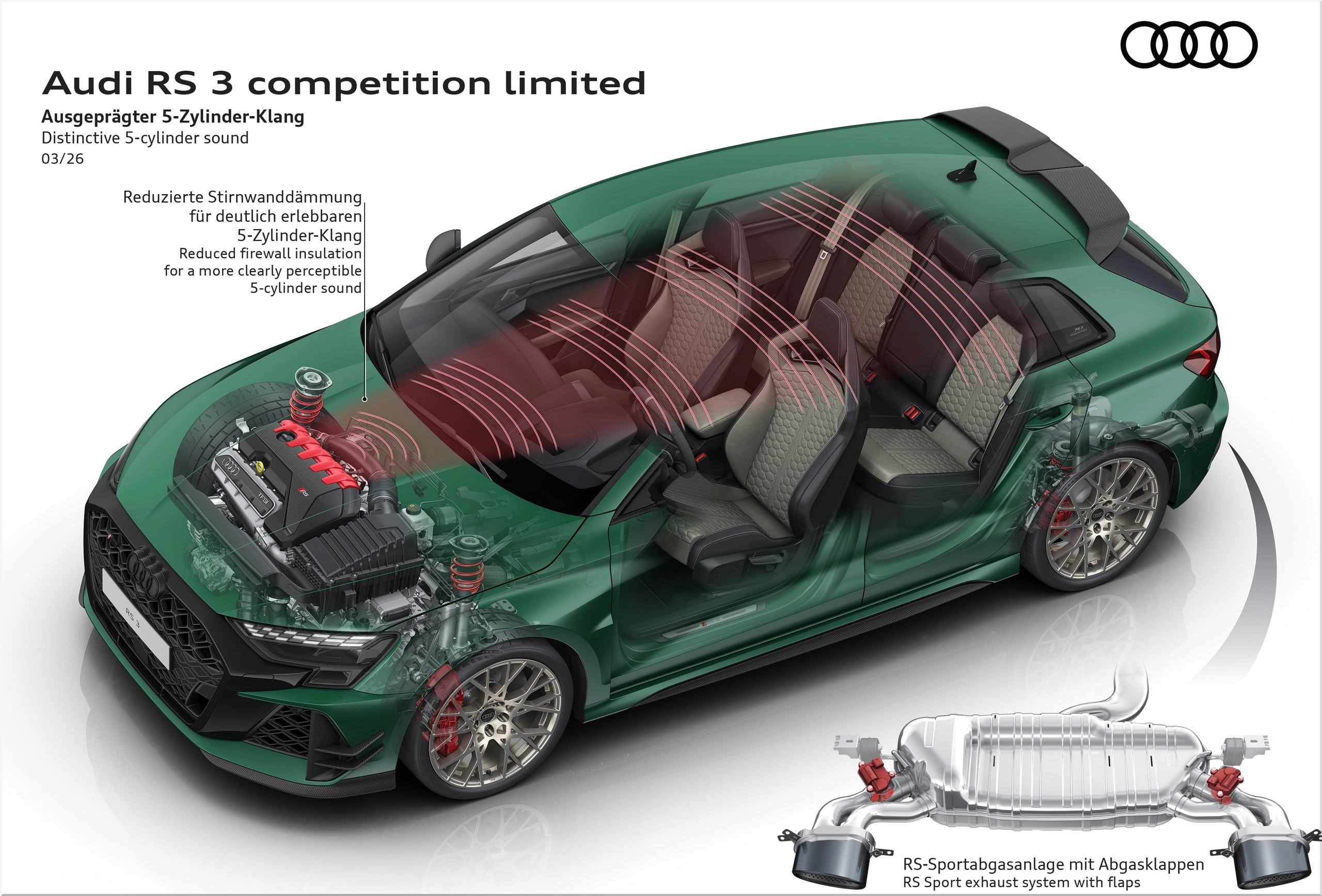
Audi built the Audi RS 3 Sedan competition limited to celebrate 50 years of the brand's five-cylinder engine, and the car leans hard into that mission. Production stops at 750 units worldwide. The formula stays familiar, but Audi sharpens the sedan with a track-minded chassis package, real aero add-ons, matte carbon trim, and a numbered interior that tells buyers this one sits above a standard Audi RS 3 Sedan.
Image
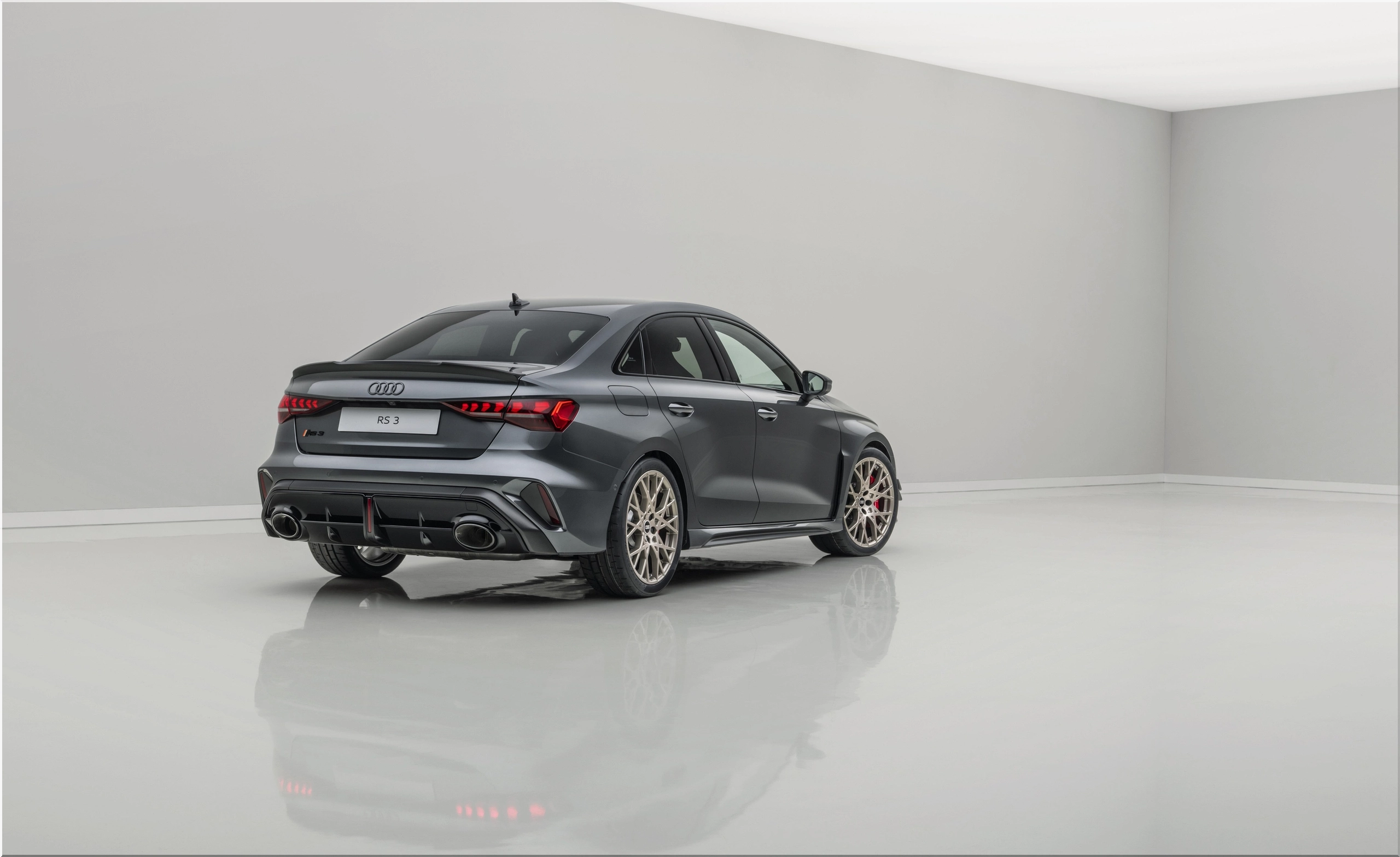
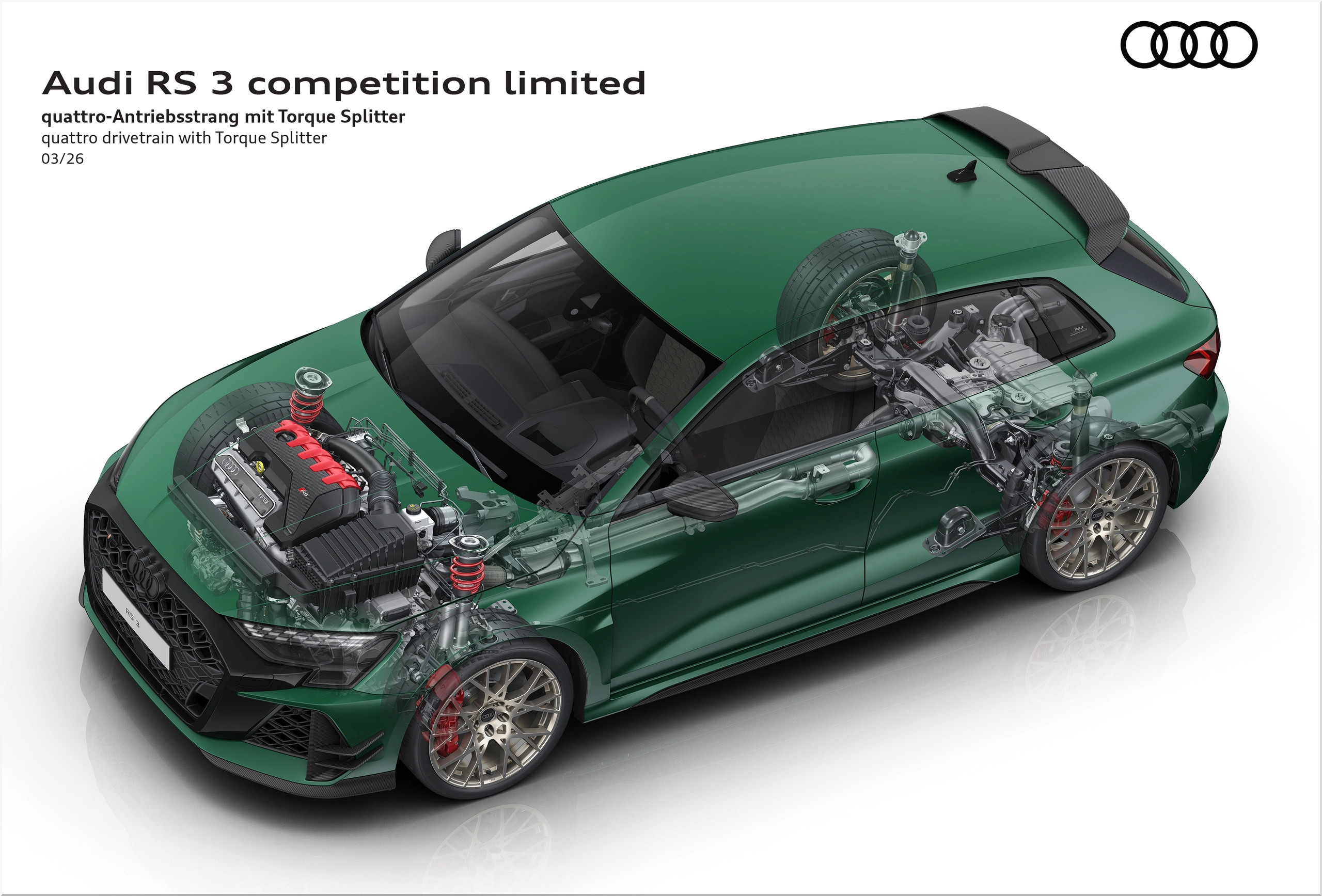
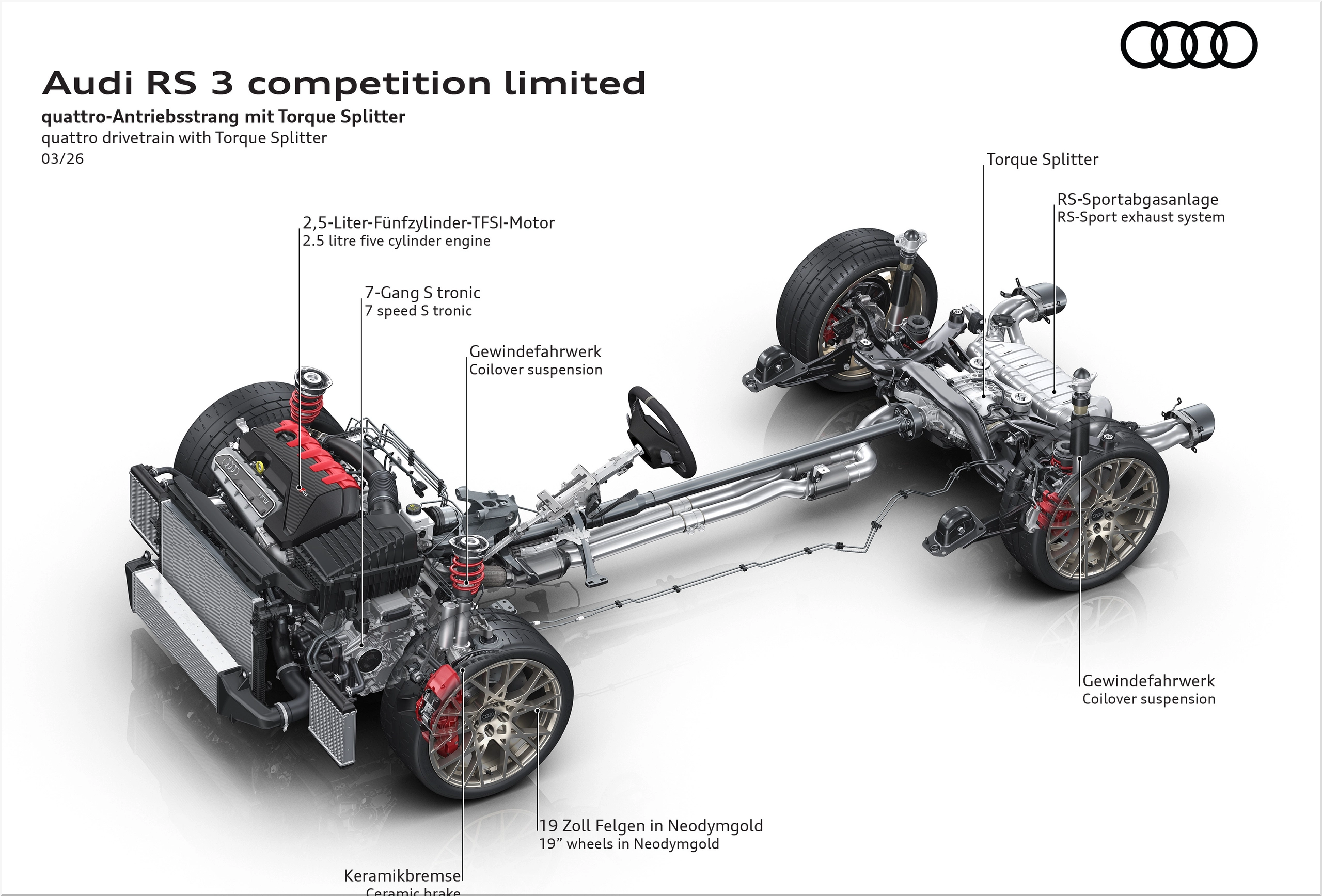
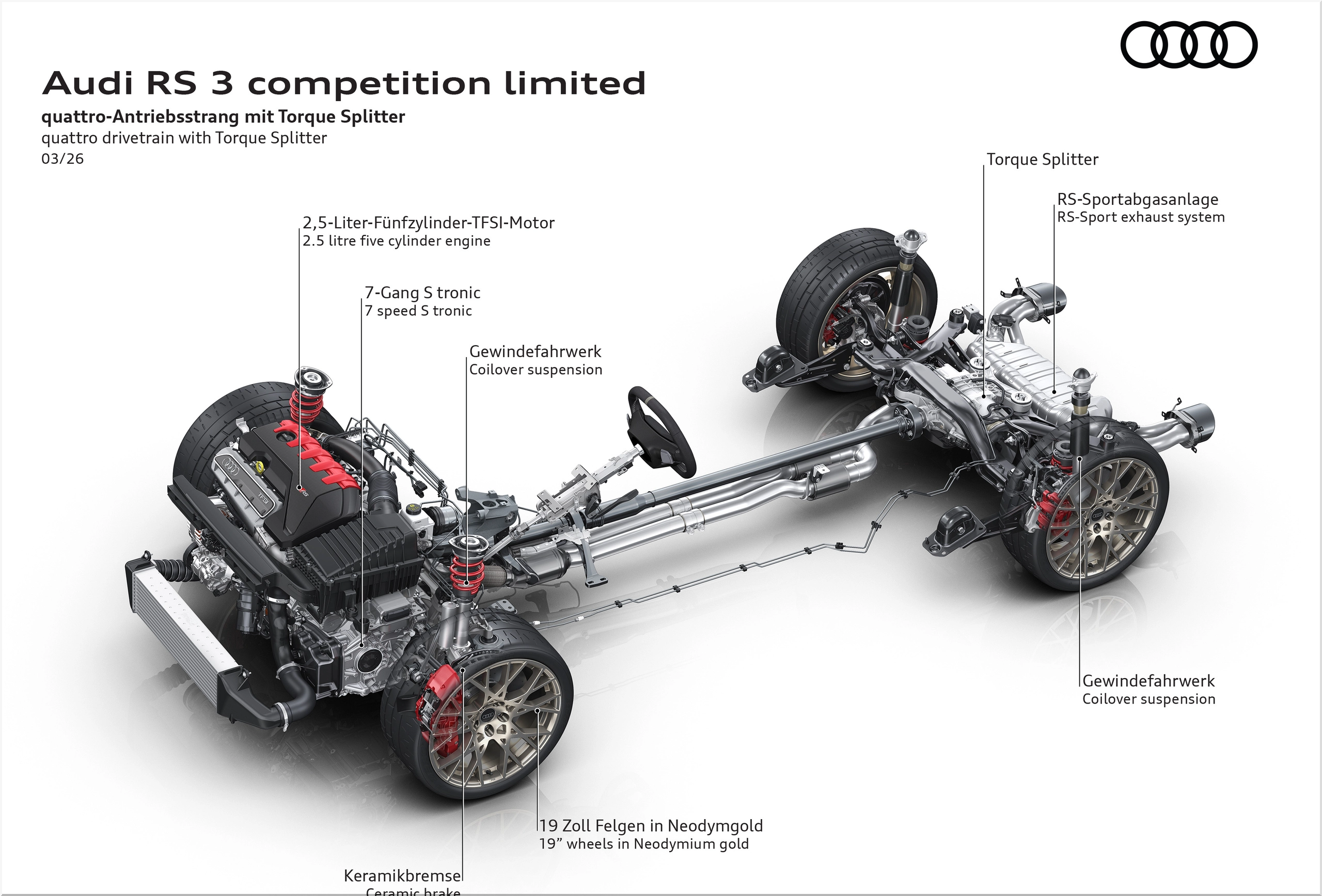
Looking at the data, the hardware matters more than the badges. Audi keeps the 2.5-liter turbocharged inline-five at 400 horsepower, or 294 kW, and 500 Nm, or 368.8 lb-ft, routed through a seven-speed S tronic and quattro all-wheel drive. That setup still rips from 0-62 mph in 3.8 seconds, but the competition limited lifts the governed top speed to 180.2 mph from 155.3 mph on the regular sedan. That change alone tells you Audi aimed this car at buyers who care about more than a paint code.
What Makes the RS 3 Competition Limited Different
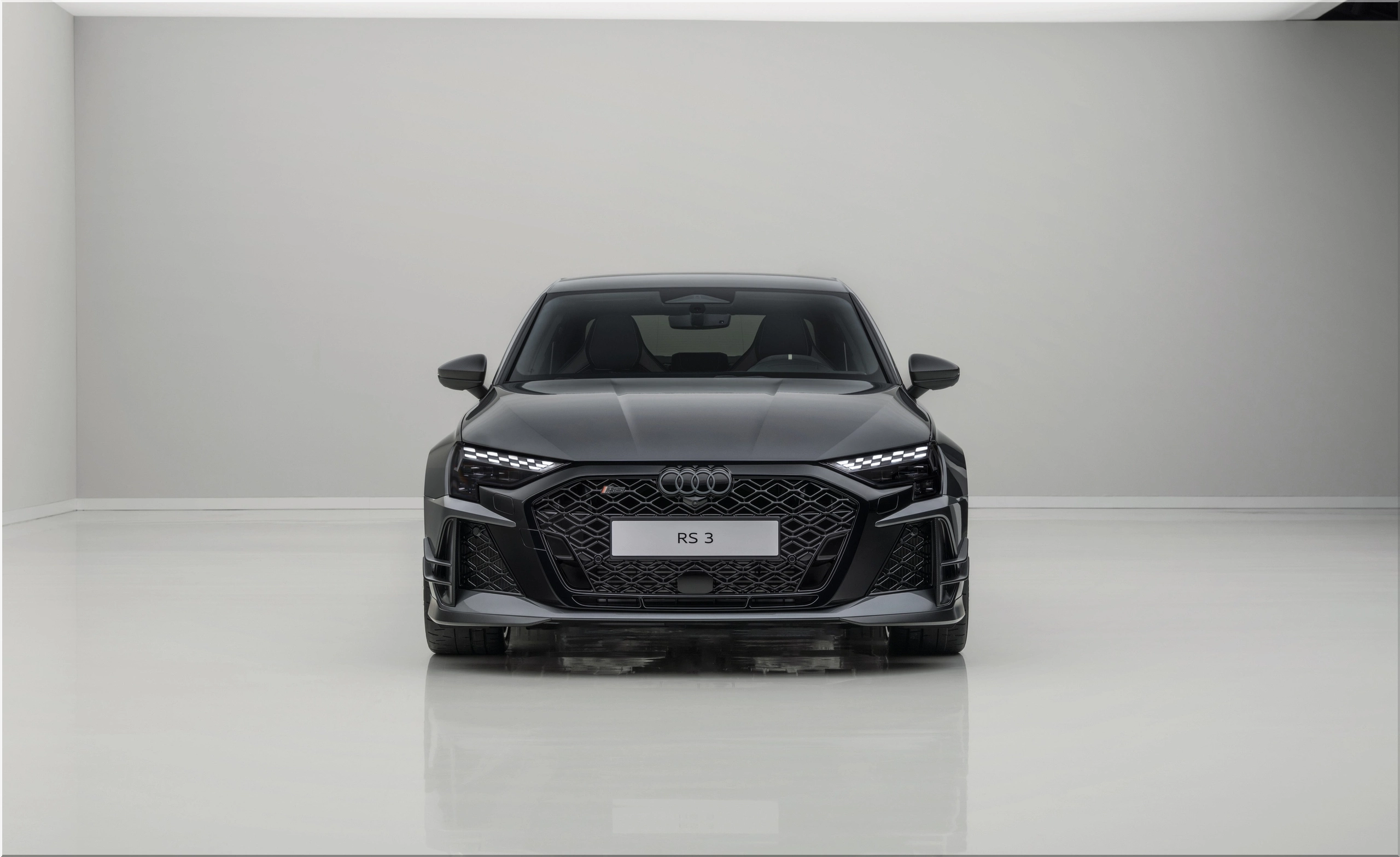
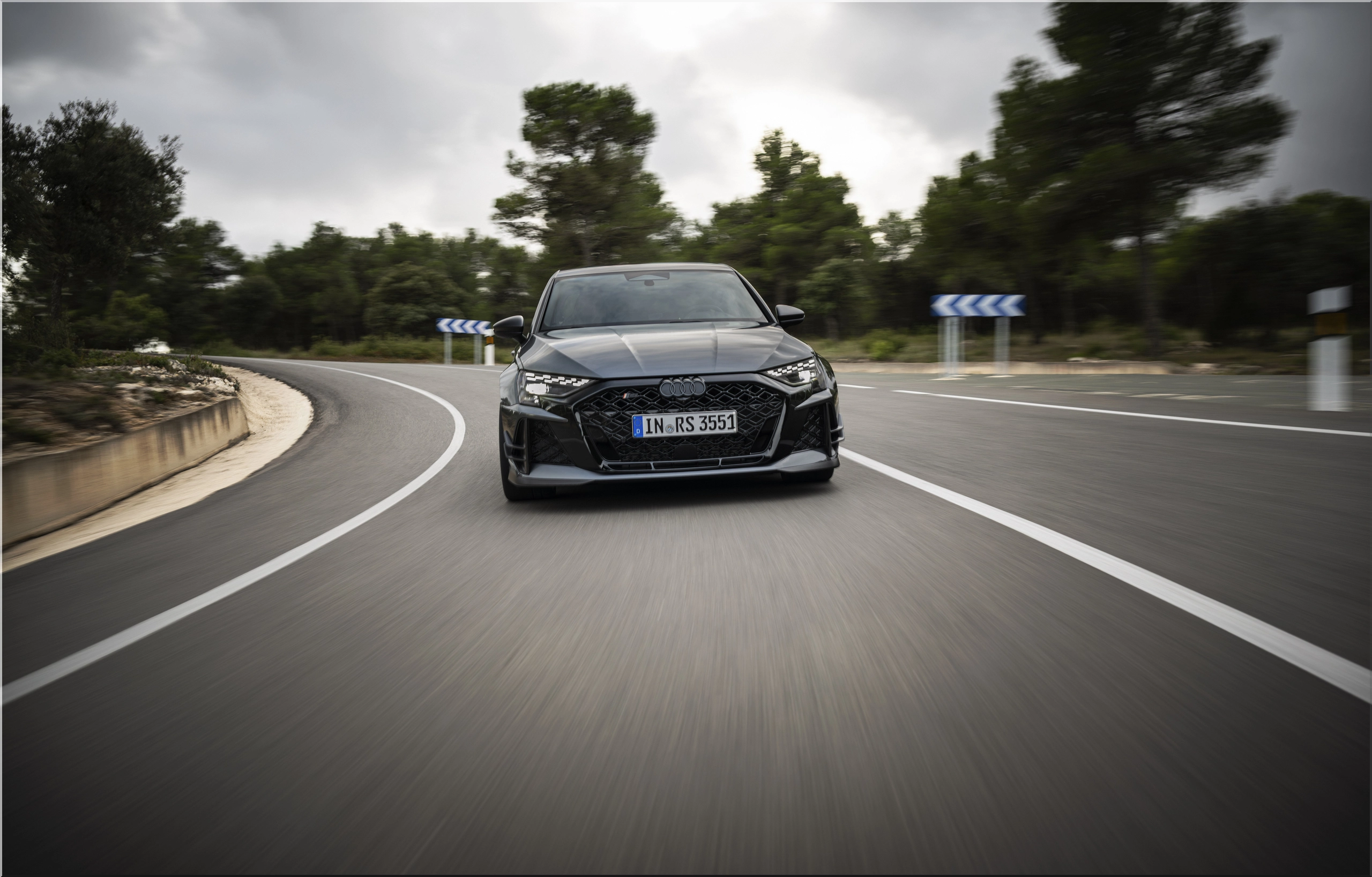
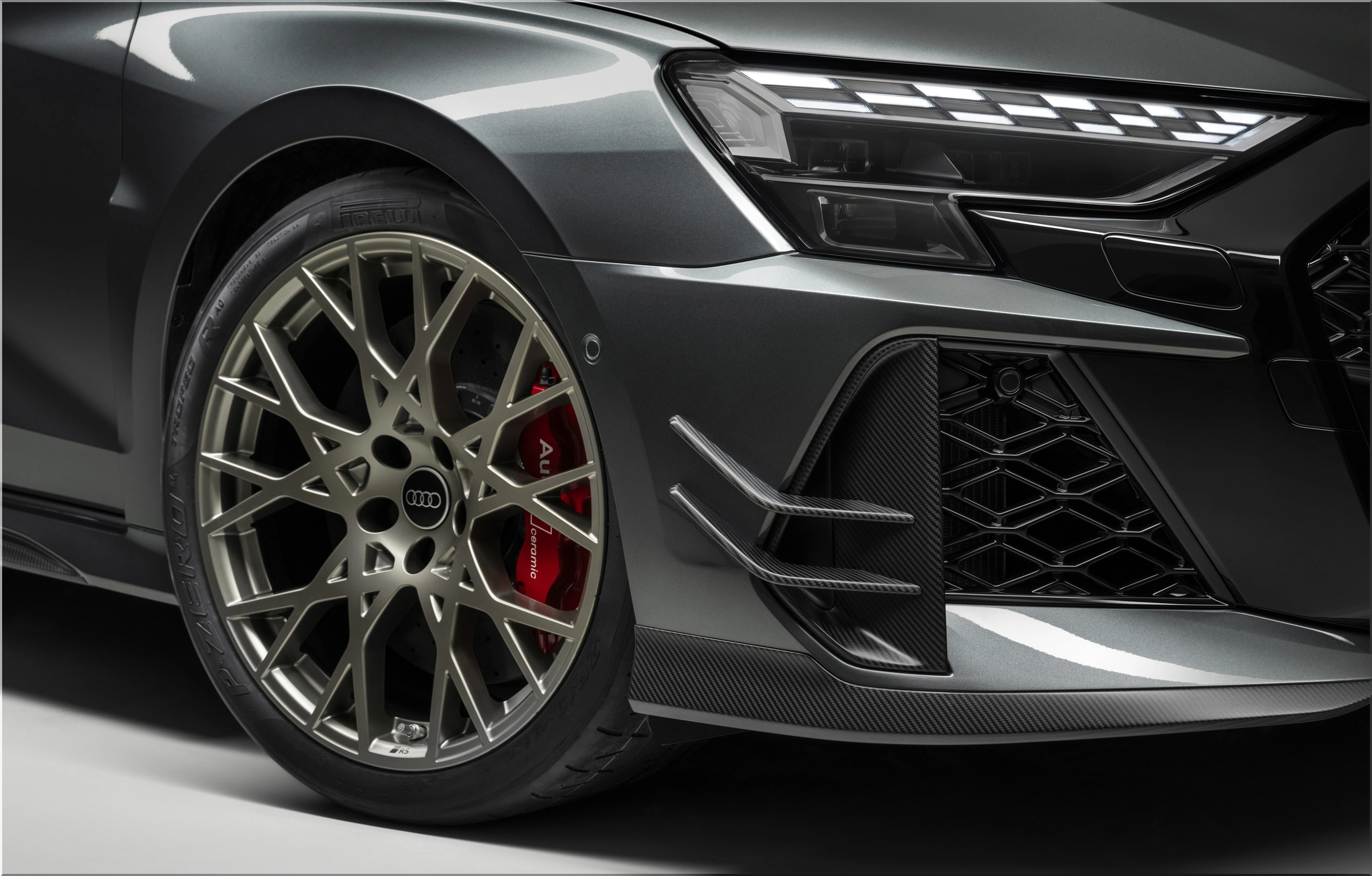
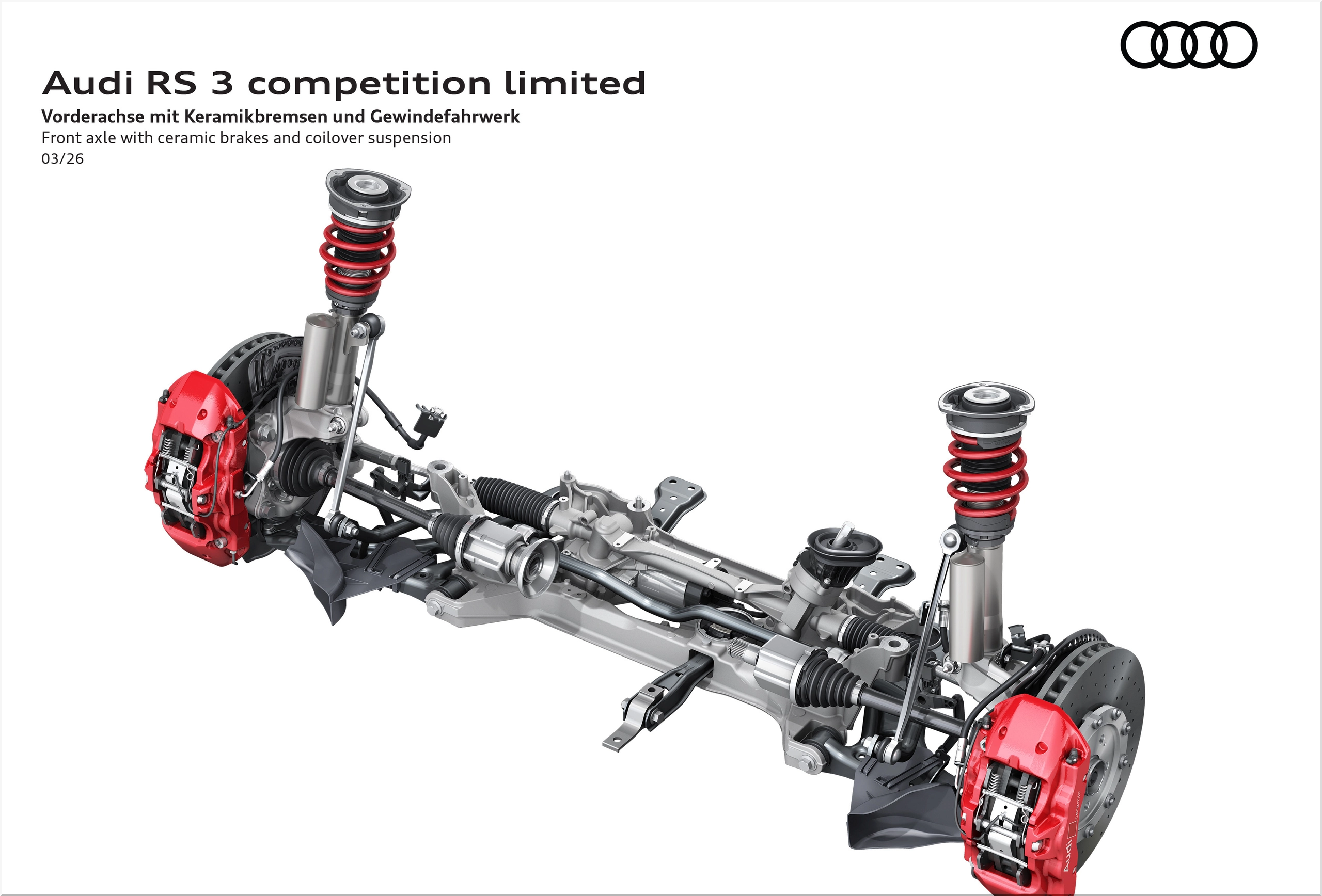
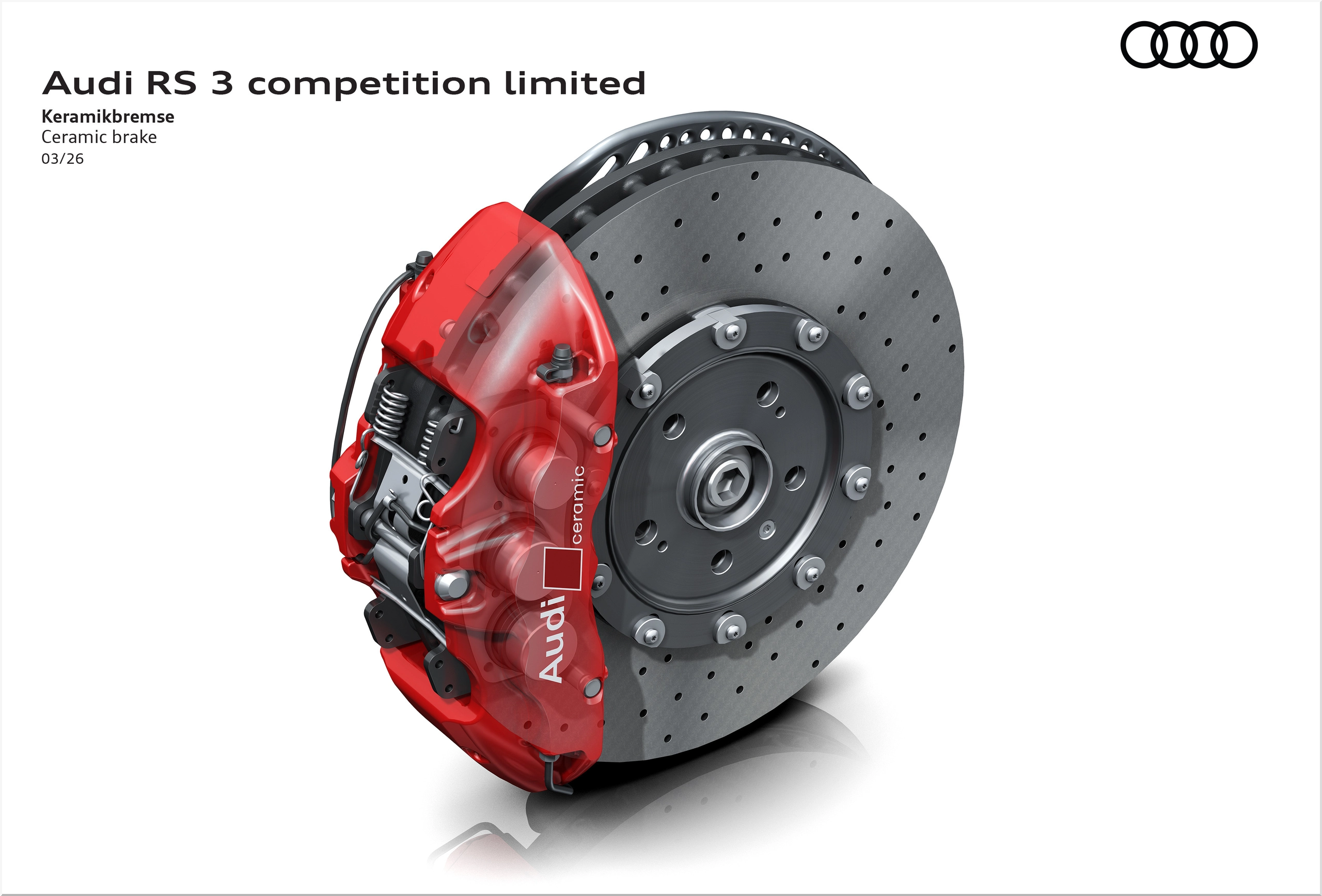
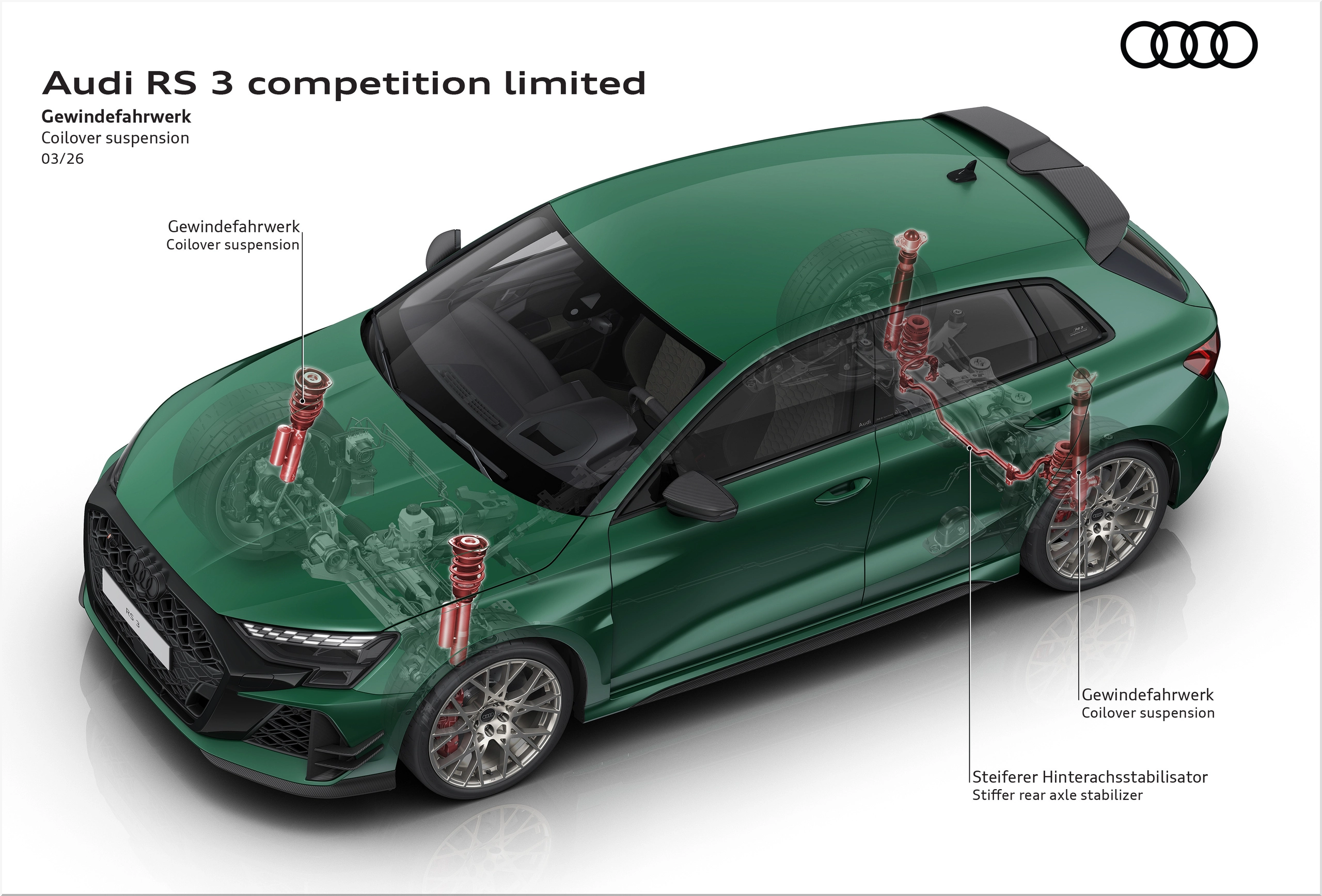
The Audi RS 3 competition limited adds substance where owners will actually feel it. Audi fits an adjustable coilover suspension, a stiffer tubular rear stabilizer, standard ceramic brakes with red calipers, and calibration aimed at harder circuit work. In addition, the sedan gets split front aero elements and carbon canards that help front-to-rear balance instead of serving as dress-up parts.
Core Performance Specs
| Spec | RS 3 Sedan Competition Limited | Standard RS 3 Sedan |
|---|---|---|
| Engine | 2.5L turbo inline-five | 2.5L turbo inline-five |
| Power | 400 hp | 400 hp |
| Torque | 368.8 lb-ft | 368.8 lb-ft |
| 0-62 mph | 3.8 sec | 3.8 sec |
| Top speed | 180.2 mph | 155.3 mph |
| Transmission | 7-speed S tronic | 7-speed S tronic |
| Drive layout | quattro AWD | quattro AWD |
| Combined fuel economy | 25.0-25.8 mpg US | 25.0-25.8 mpg US |
By comparison, Audi does not chase extra peak output here. It chases repeatable speed. That matters more on a technical road or a hot lap, where damper control, rear-axle stability, and brake consistency decide how quickly a car strings corners together.
Why the Chassis Package Matters
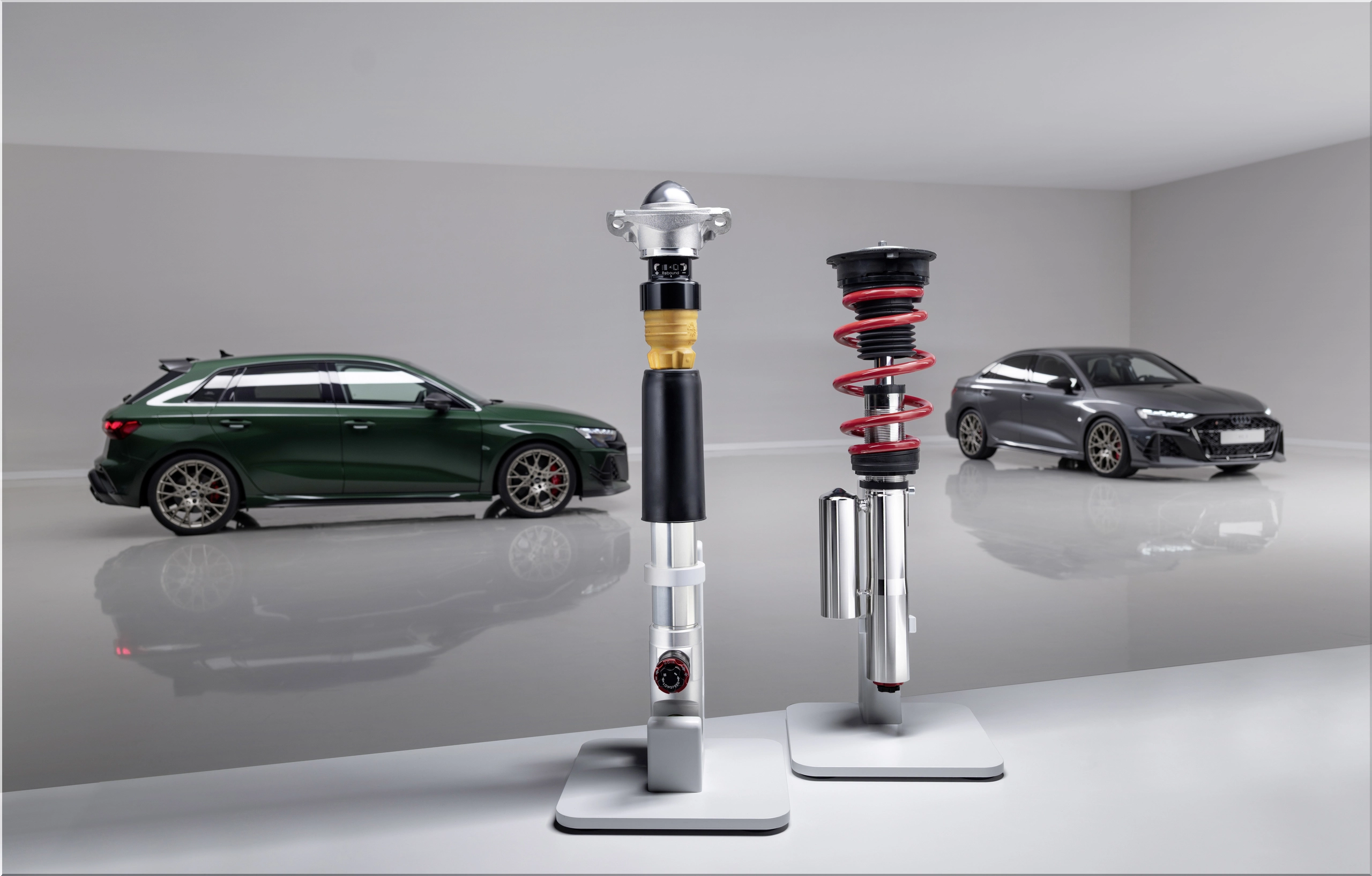
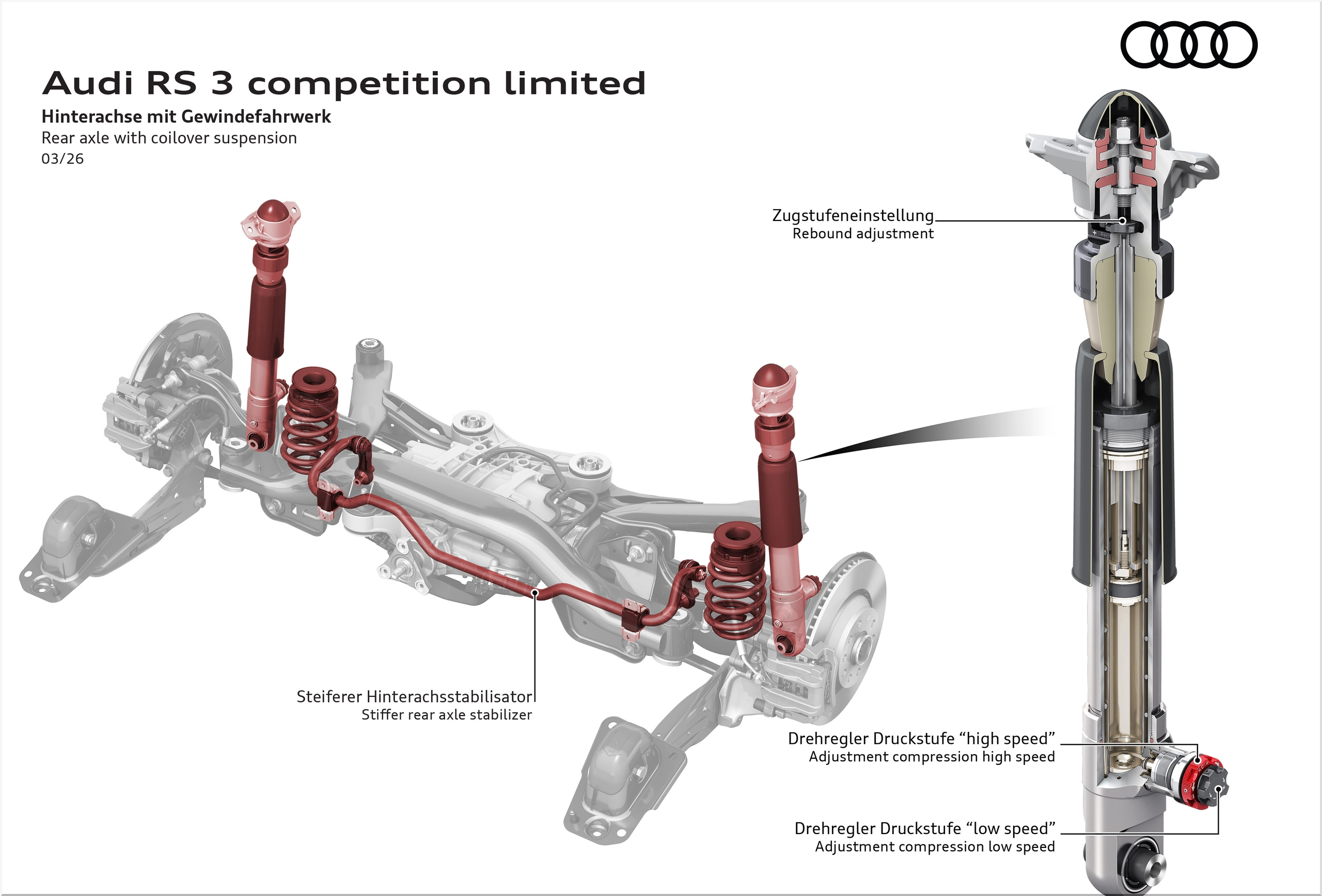
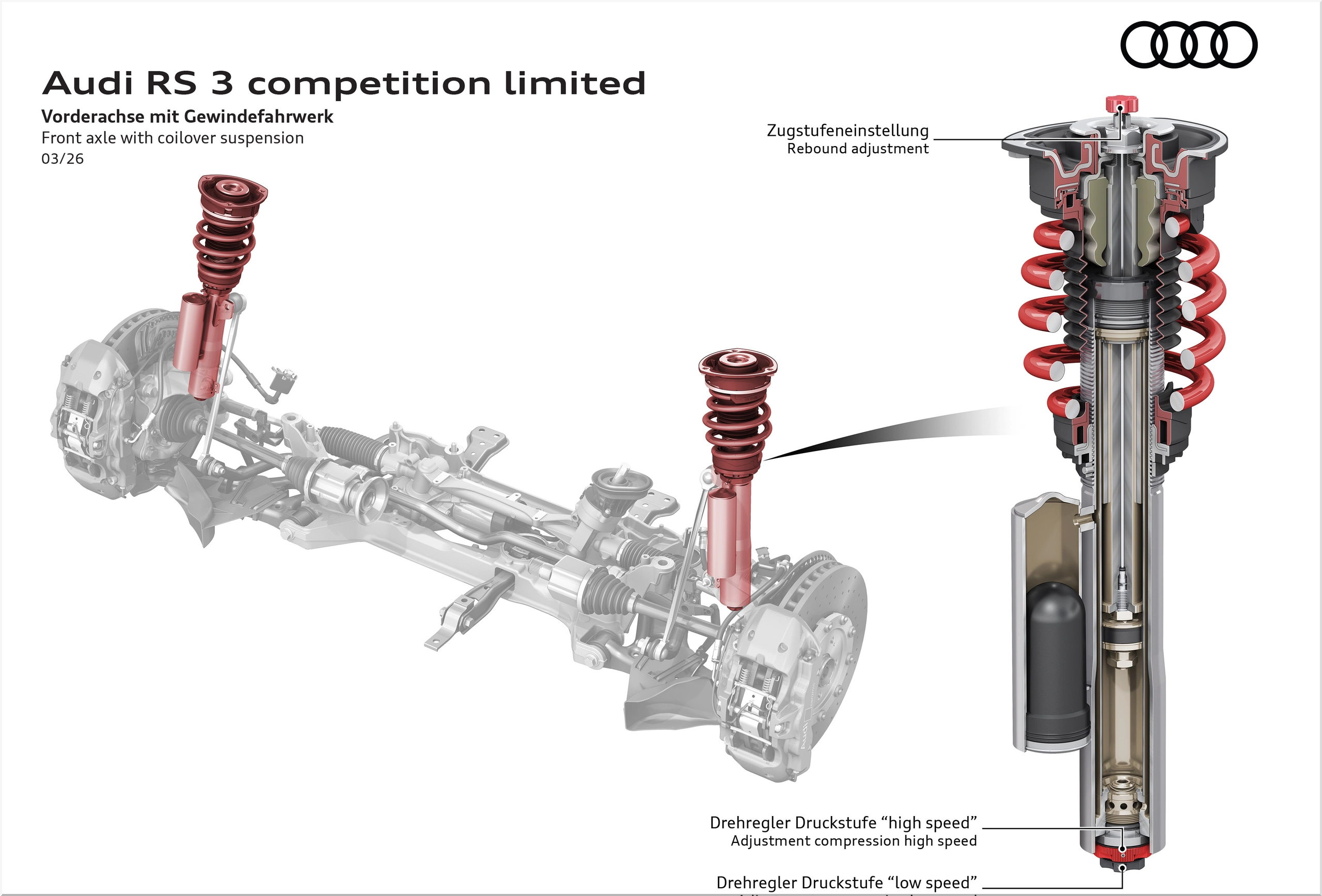
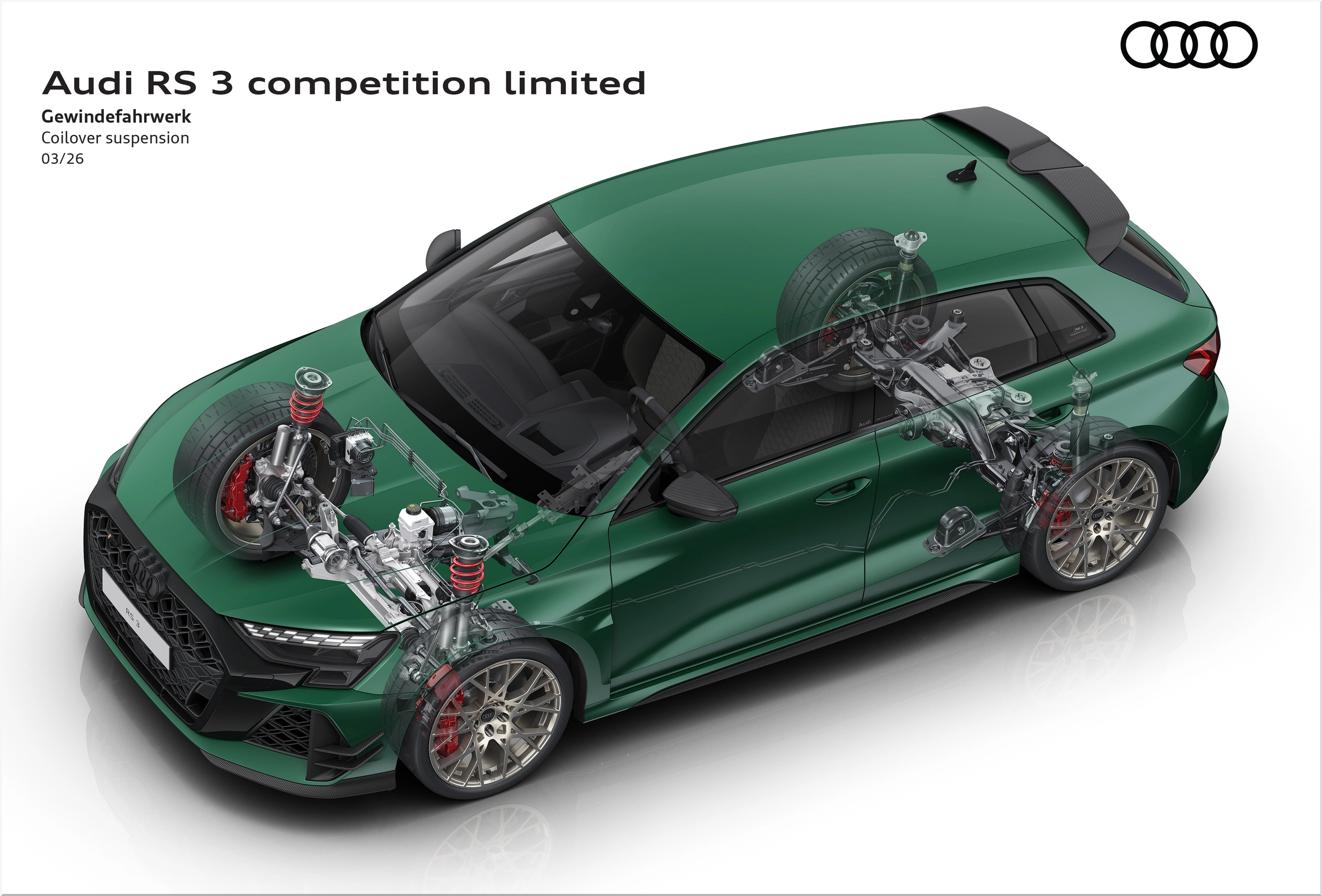
The headline upgrade sits under the body. Audi says the coilover suspension uses twin-tube dampers with stainless steel front construction, aluminum rear construction, added fluid volume, and front external reservoirs for better thermal control under sustained load. Specifically, the dampers offer three-way adjustment:
- Low-speed compression: 12 steps
- High-speed compression: 15 steps
- Rebound: 16 steps
That setup gives drivers a broader tuning window than the standard car. Low-speed compression affects body control during braking, turn-in, and lateral load. High-speed compression deals with bumps, curbing, and sudden vertical hits. Rebound changes how quickly the suspension resets after compression, which directly affects how planted the car feels on corner exit.
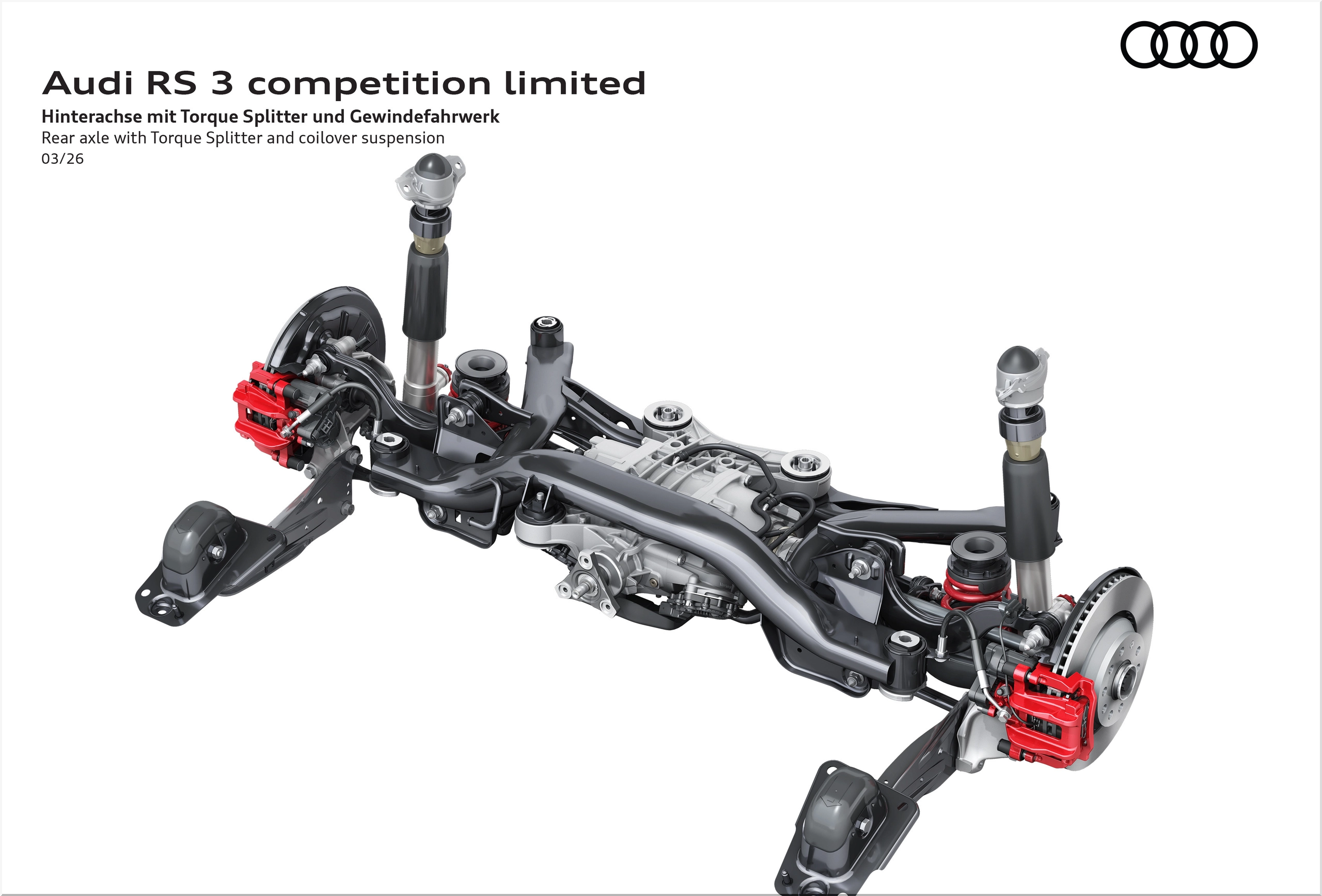
Audi also stiffens the rear stabilizer to 85 N/mm and raises rear spring rates to 80 N/mm. Consequently, the sedan should rotate more cleanly and hold its line better when the torque splitter starts pushing drive torque rearward.
Video title
Audi RS 3 Sedan competition limited
Chassis and Dimensional Data
| Measurement | Value |
|---|---|
| Length | 178.8 in / 4,542 mm |
| Width without mirrors | 72.9 in / 1,851 mm |
| Width with mirrors | 78.1 in / 1,984 mm |
| Wheelbase | 103.6 in / 2,631 mm |
| Height | 55.6 in / 1,412 mm |
| Front/rear track | 62.7 / 60.0 in |
| Unladen weight | 3,450 lb / 1,565 kg |
| Cargo volume | 11.3 cu ft / 321 L |
| Fuel tank | 14.5 gal / 55 L |
From an expert perspective, those numbers tell a familiar RS 3 story: compact footprint, short wheelbase, wide stance, and enough rear-axle tech to make the car feel livelier than most all-wheel-drive sedans in this size class.
Exterior Details That Actually Mean Something
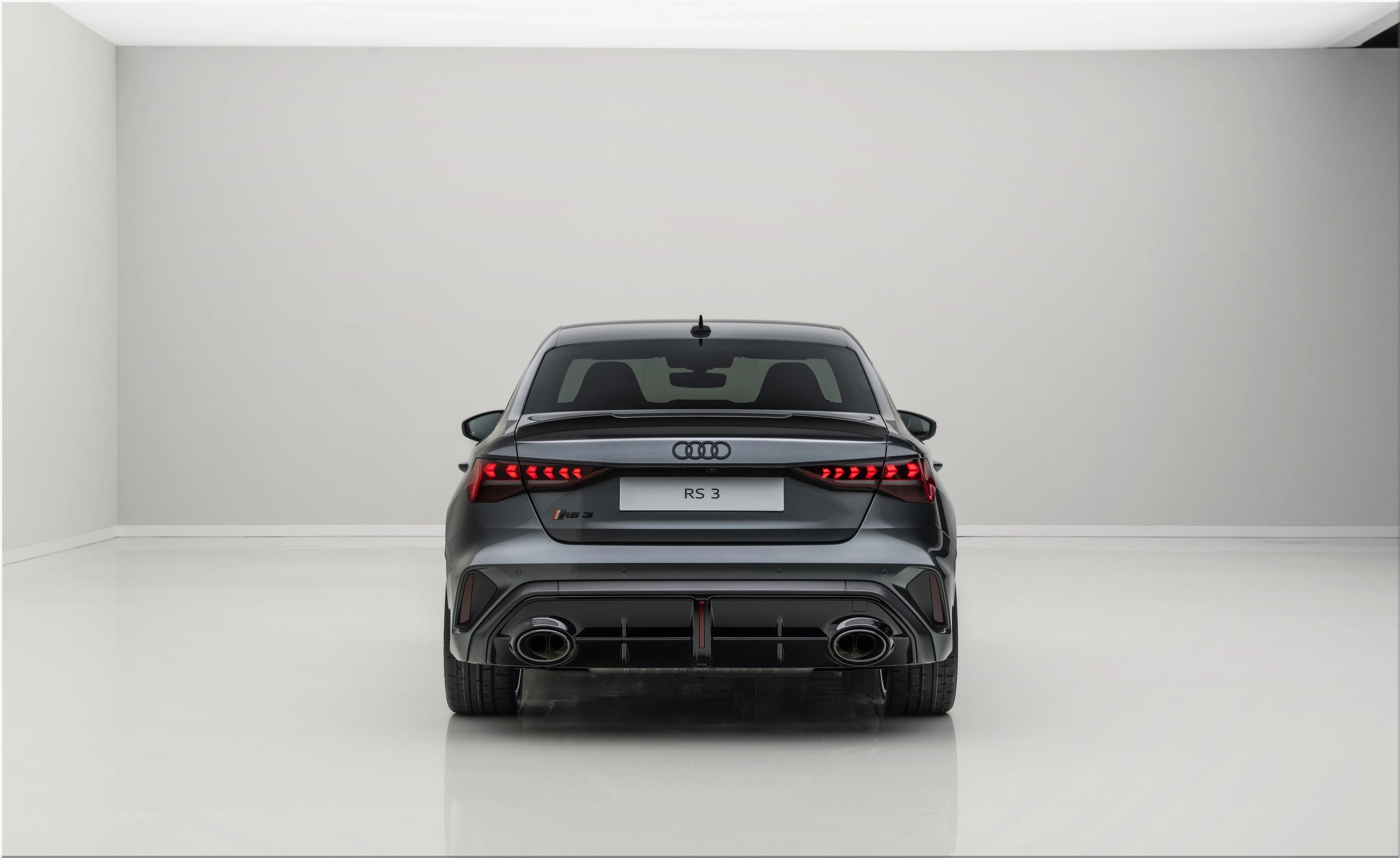
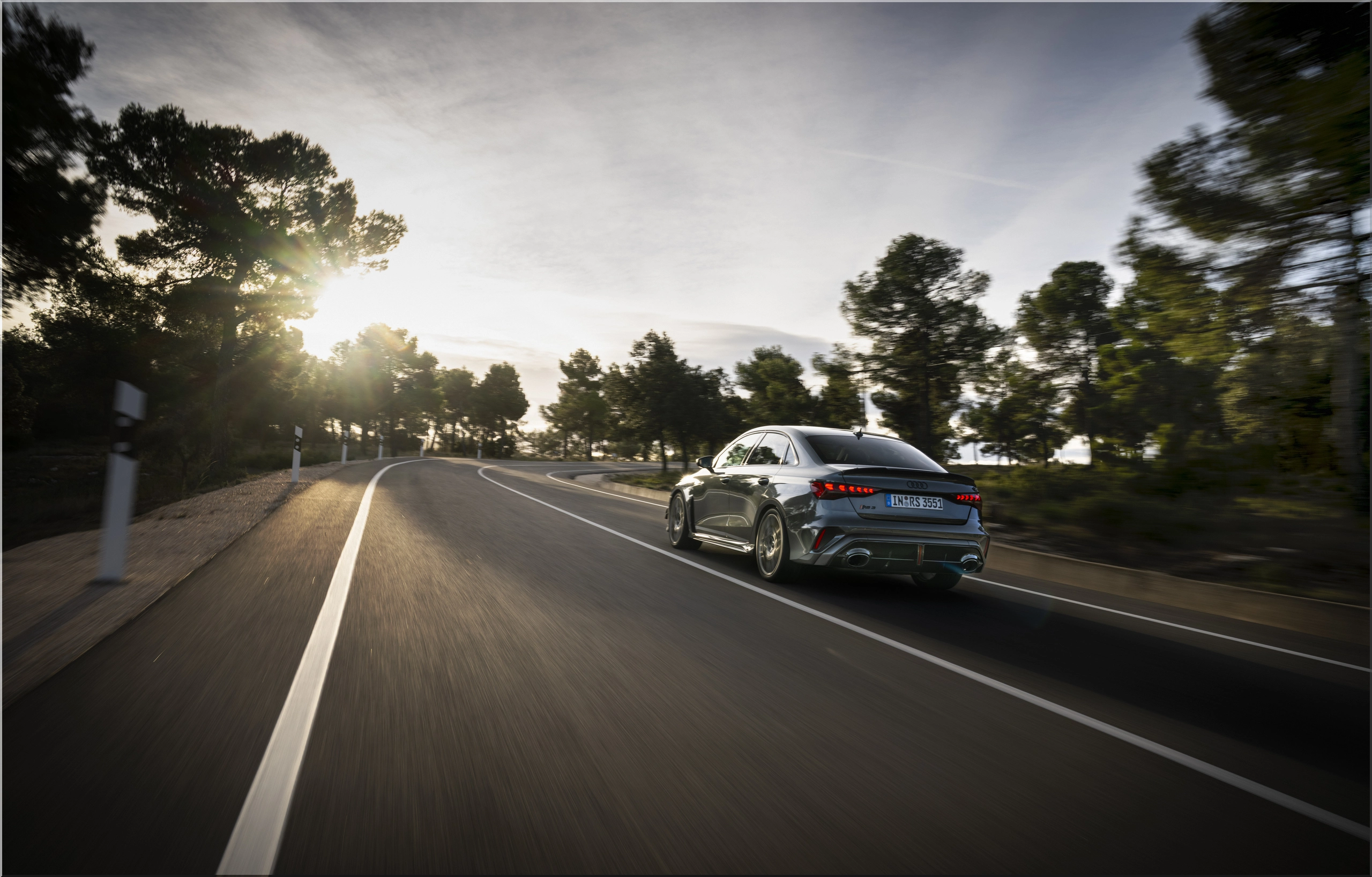
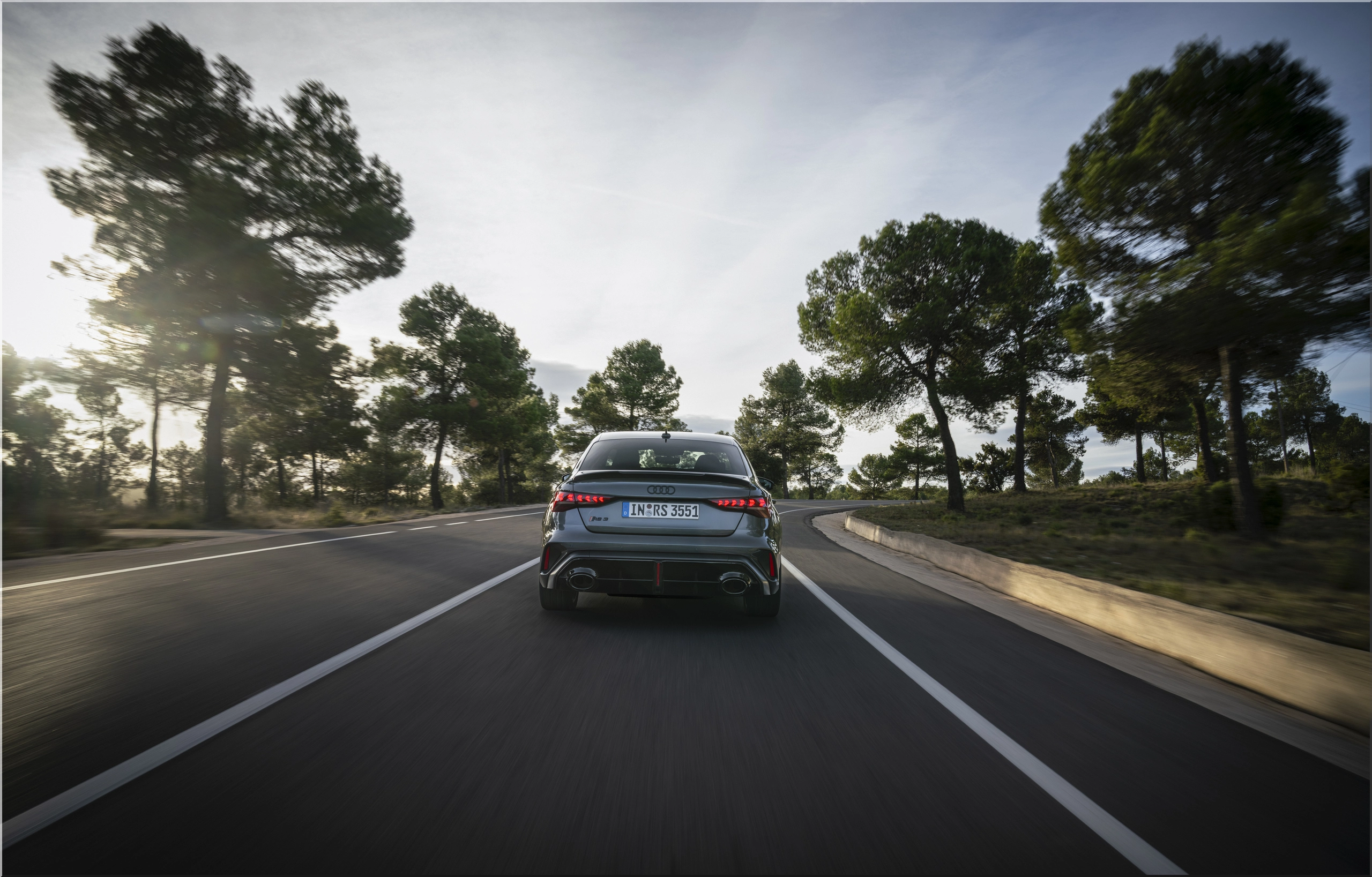
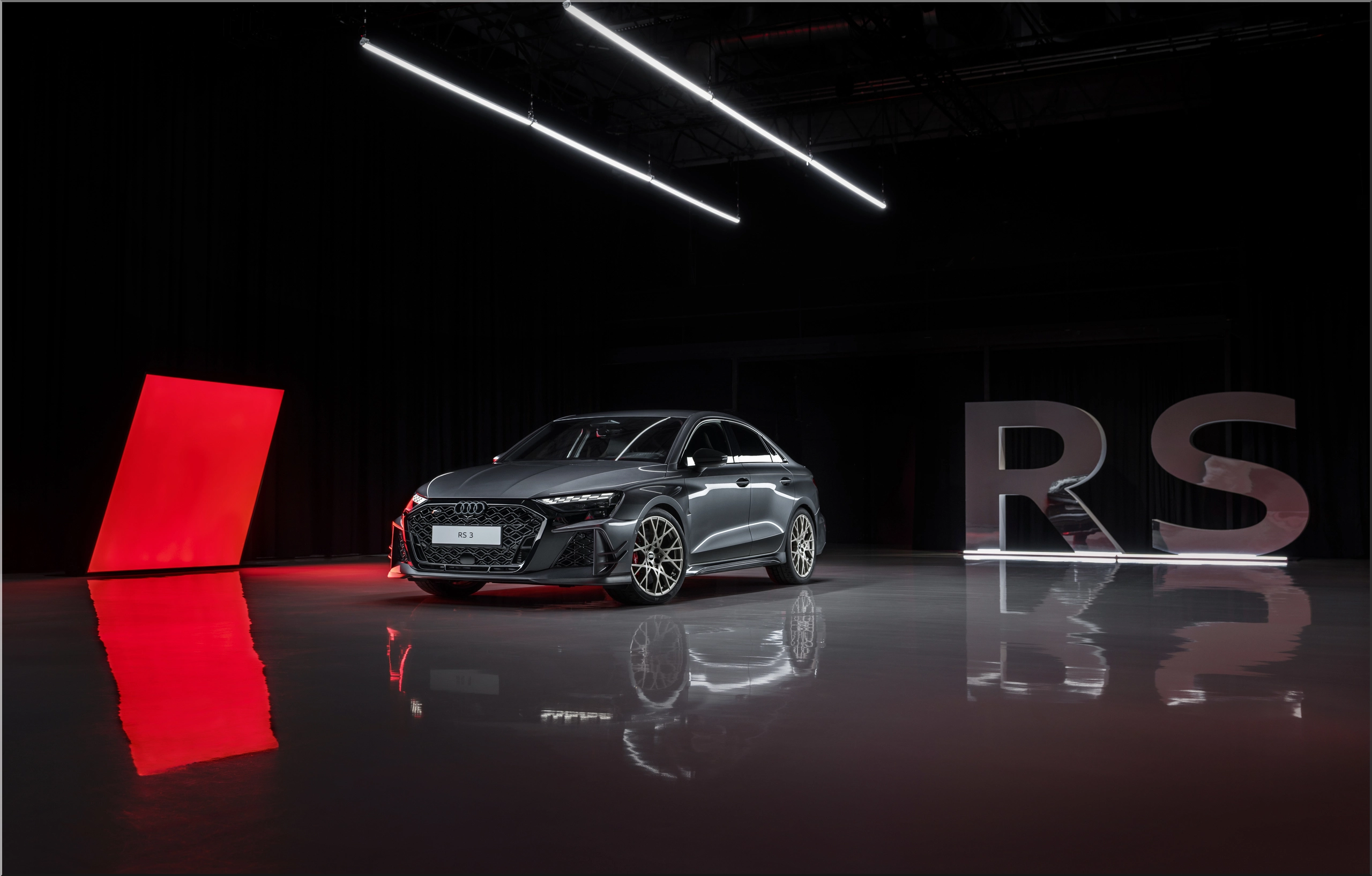
Audi did not stop at paint and wheels. The RS 3 Sedan competition limited gets matte carbon mirror caps, matte carbon side skirts, matte carbon trim above the diffuser, and matte carbon rear spoiler treatment. The sedan also wears 19-inch wheels in matte Neodymium gold, which sounds flashy on paper but works against darker paint.
The best detail may be the headlight signature. When the driver locks or unlocks the car, the matrix LED segments light in a 1-2-4-5-3 sequence, matching the firing order of the five-cylinder. That kind of detail lands because it ties back to the engine instead of chasing social-media theater.
Available colors include:
- Daytona Gray
- Glacier White Matte
- Malachite Green
Malachite Green carries the most heritage weight, since Audi links it to the Sport quattro era.
Interior: Loud in the Right Way
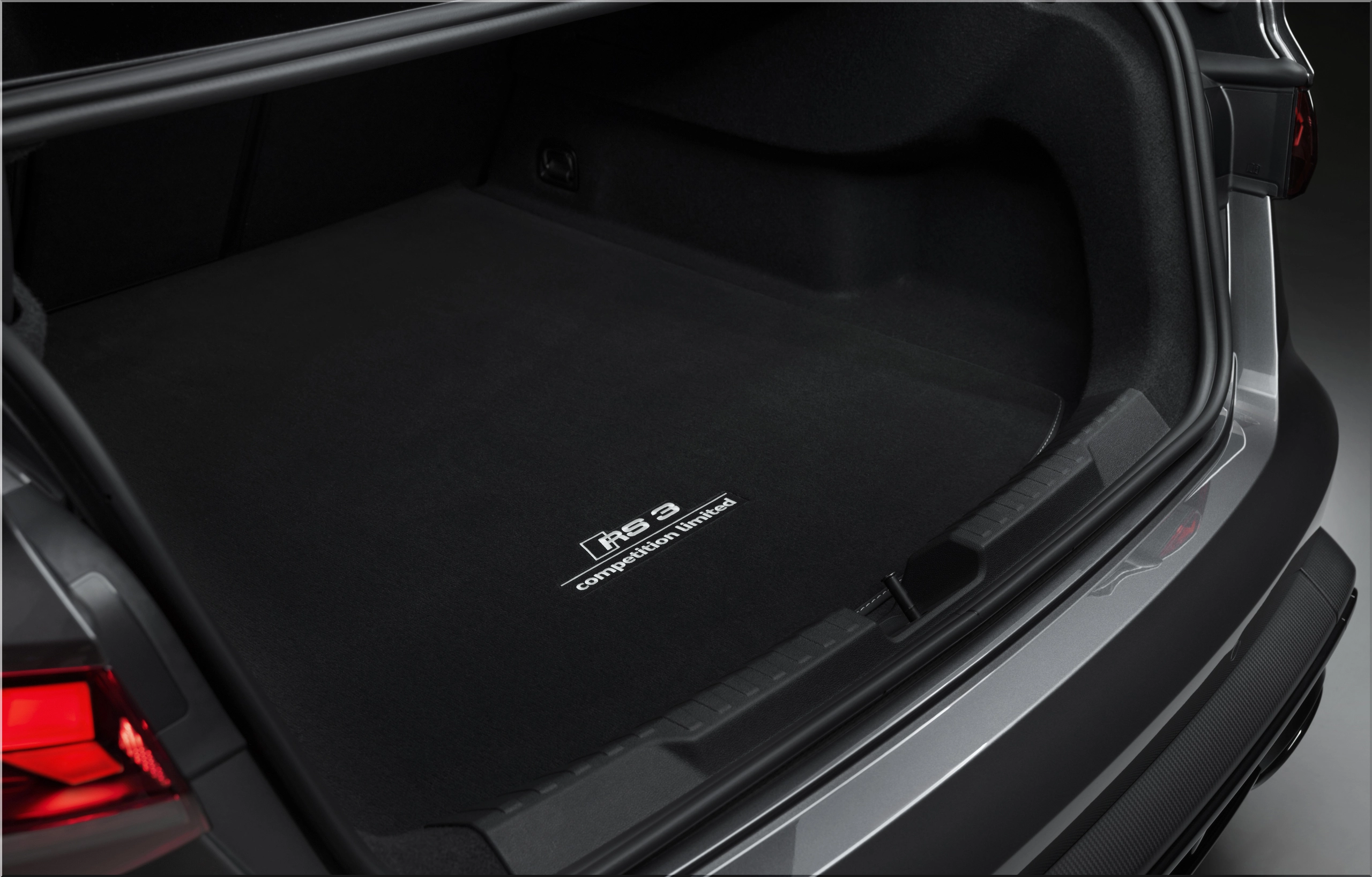
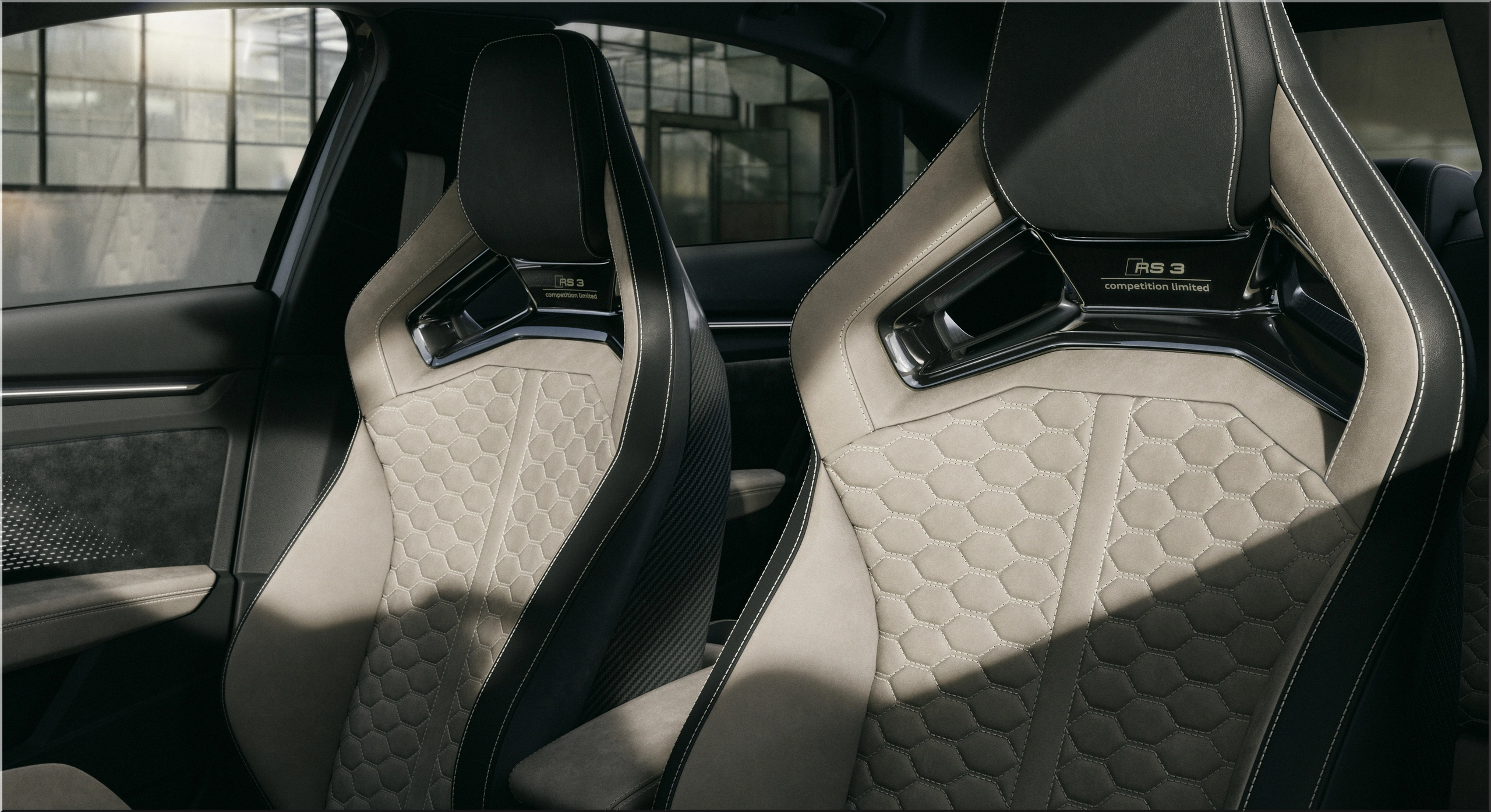
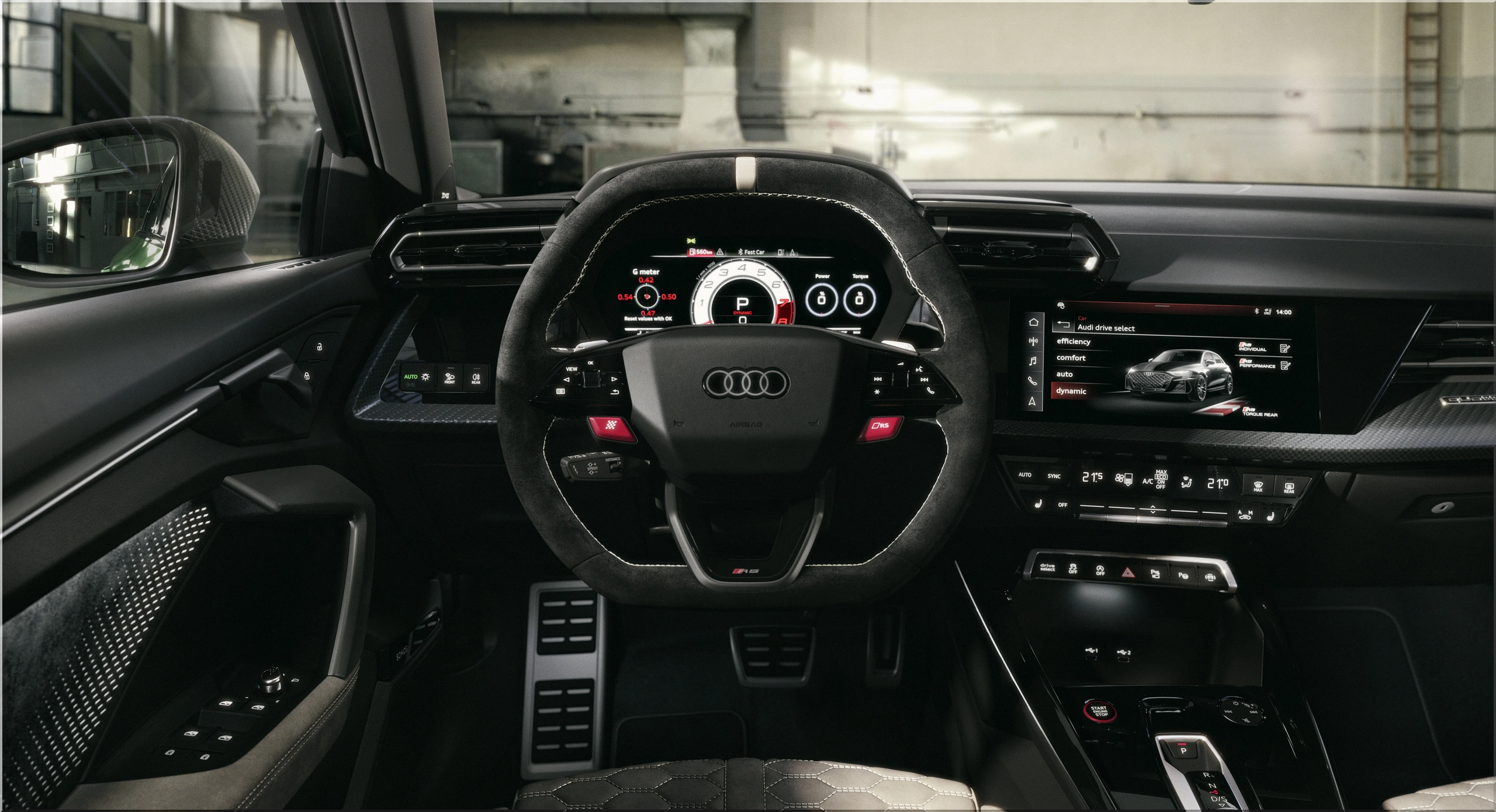
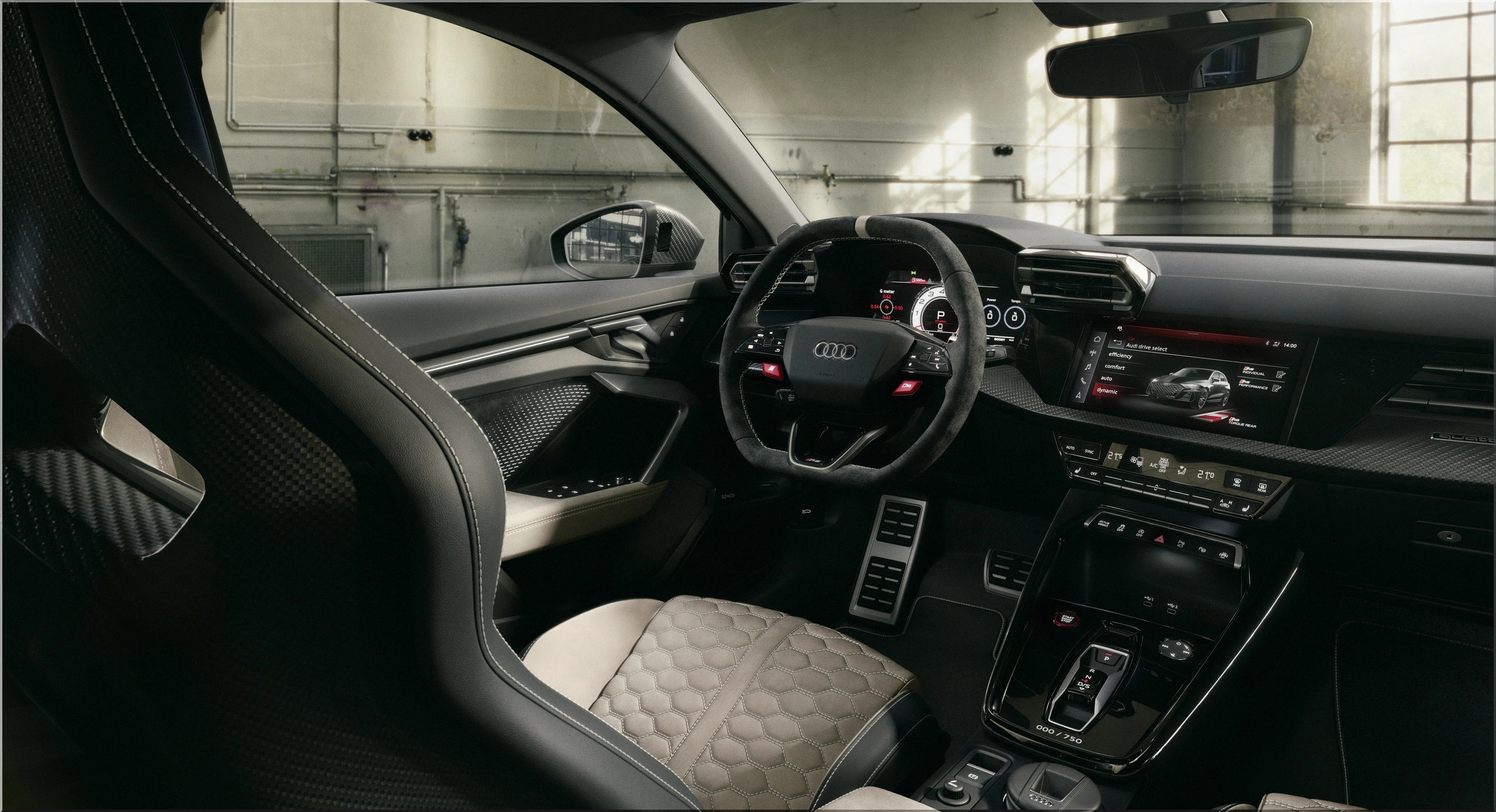
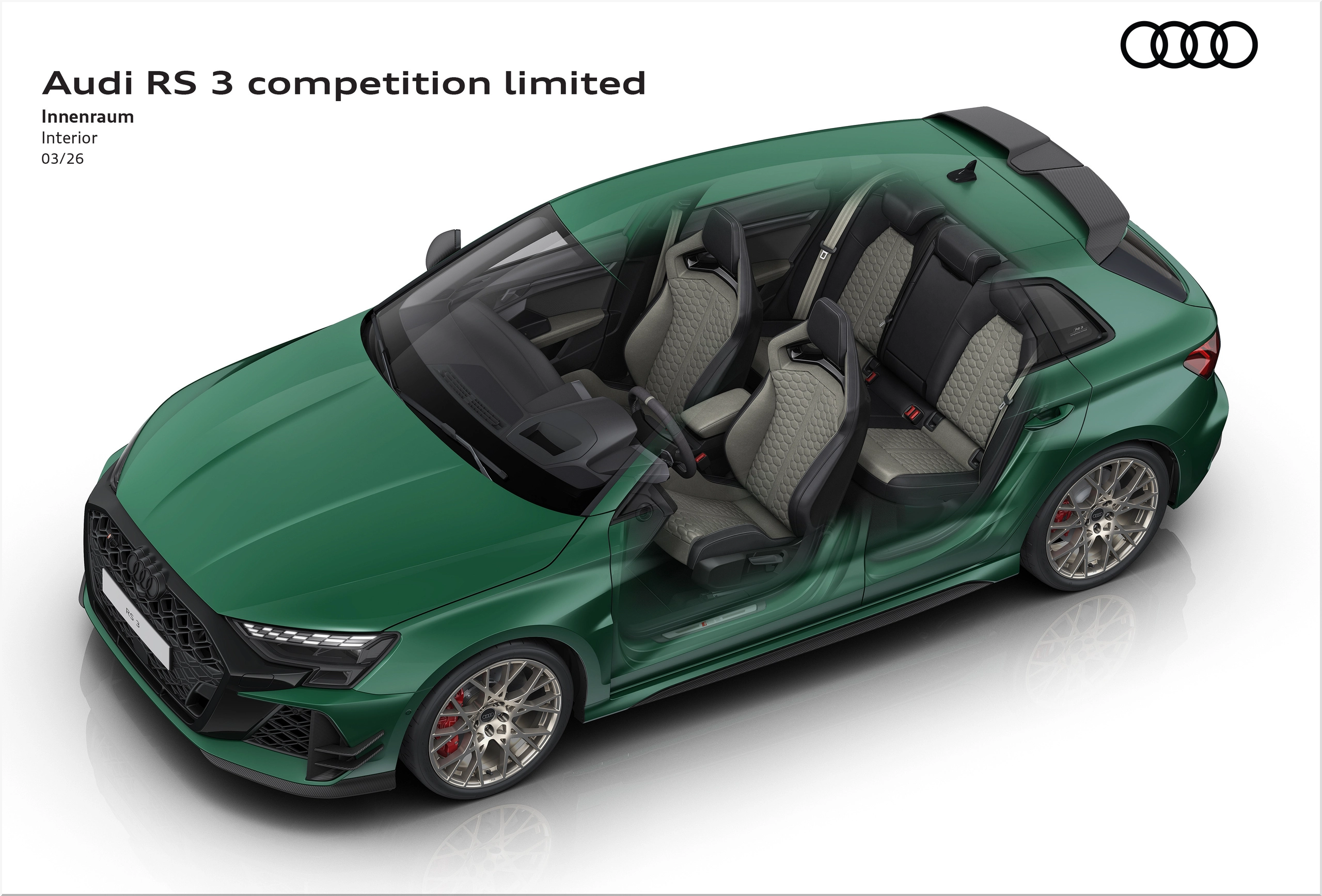
Inside, Audi uses black, Neodymium gold, and Ginger white instead of the usual all-dark RS formula. The numbered plaque ahead of the shifter matters here because it turns a trim package into a traceable limited run. Bucket seats use black leather with Neodymium gold Dinamica centers, Ginger white stitching, and matte carbon seat backs.
The 10.1-inch central display and Audi virtual cockpit plus add RS-specific performance pages for coolant, oil, transmission oil, brake, tire, and torque splitter temperatures. Audi also gives the digital cluster white backgrounds as a nod to the RS2 Avant. Nice touch. Better still, it serves the car's theme without turning the cabin into a costume.
Pricing, Value, and What Buyers Should Watch
Audi lists the German base price at 108,365 euros for the RS 3 Sportback and 110,005 euros for the sedan. The RS 3 Sedan competition limited is about $128,057 before taxes and market-specific costs.
Image gallery
Definition
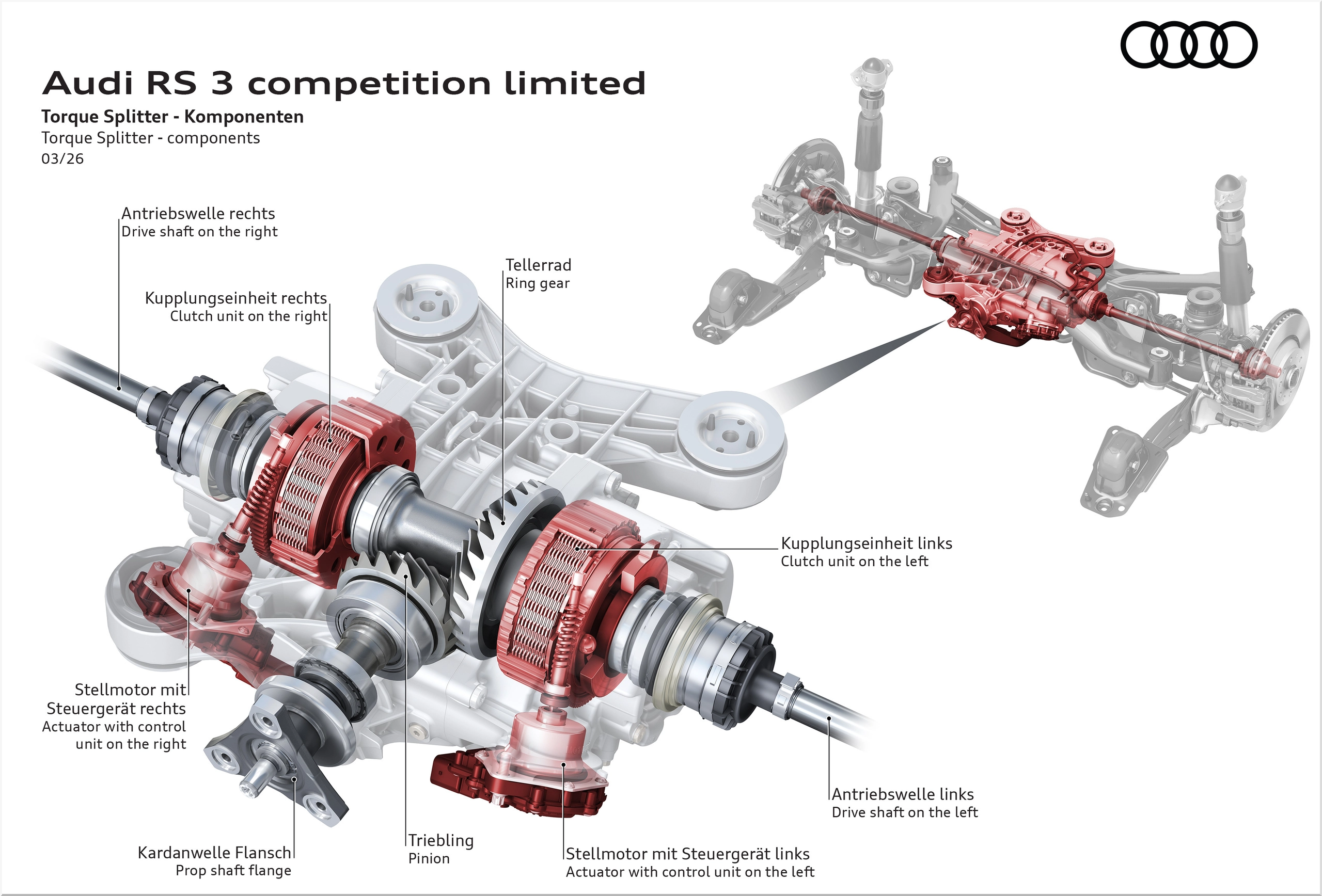
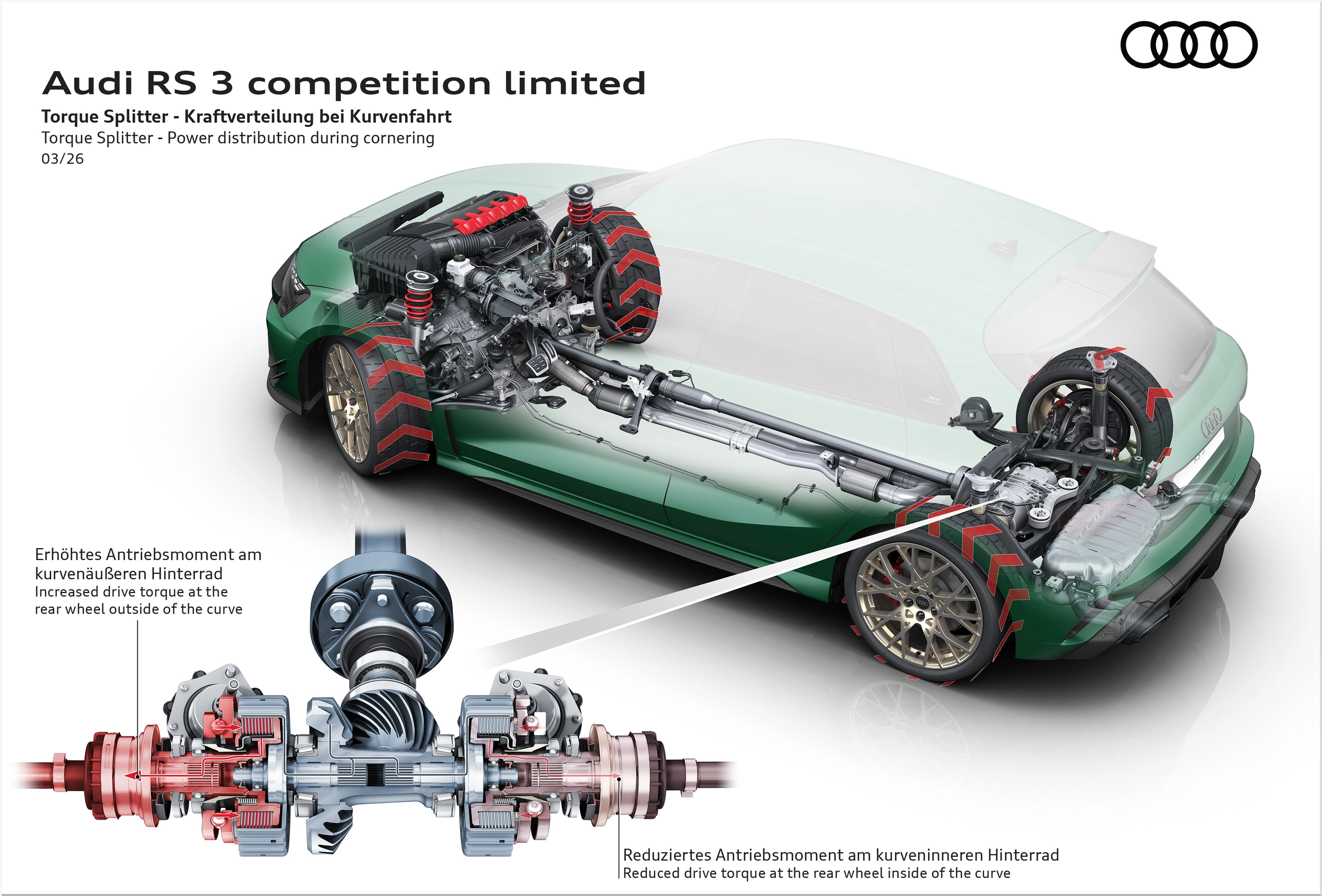
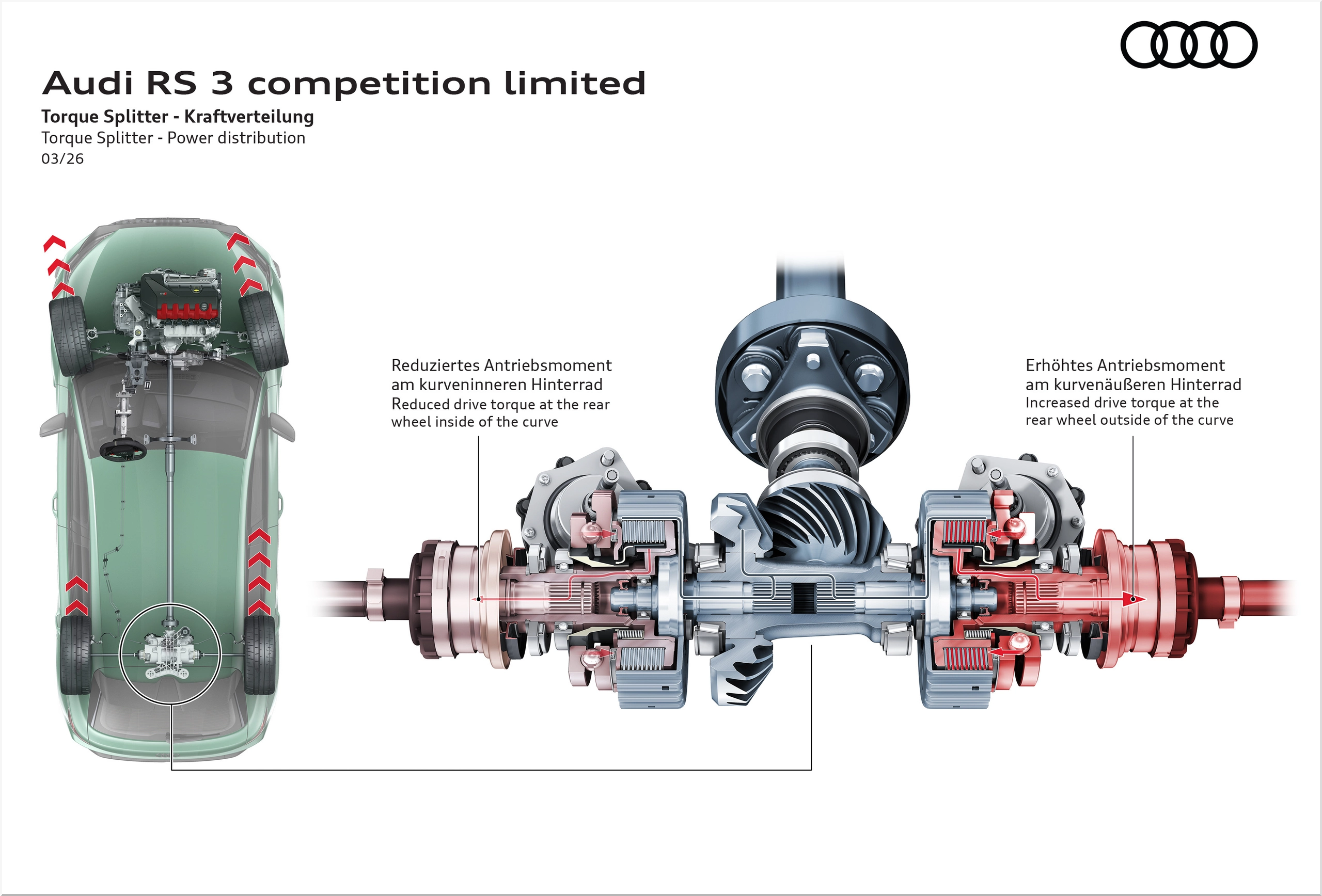
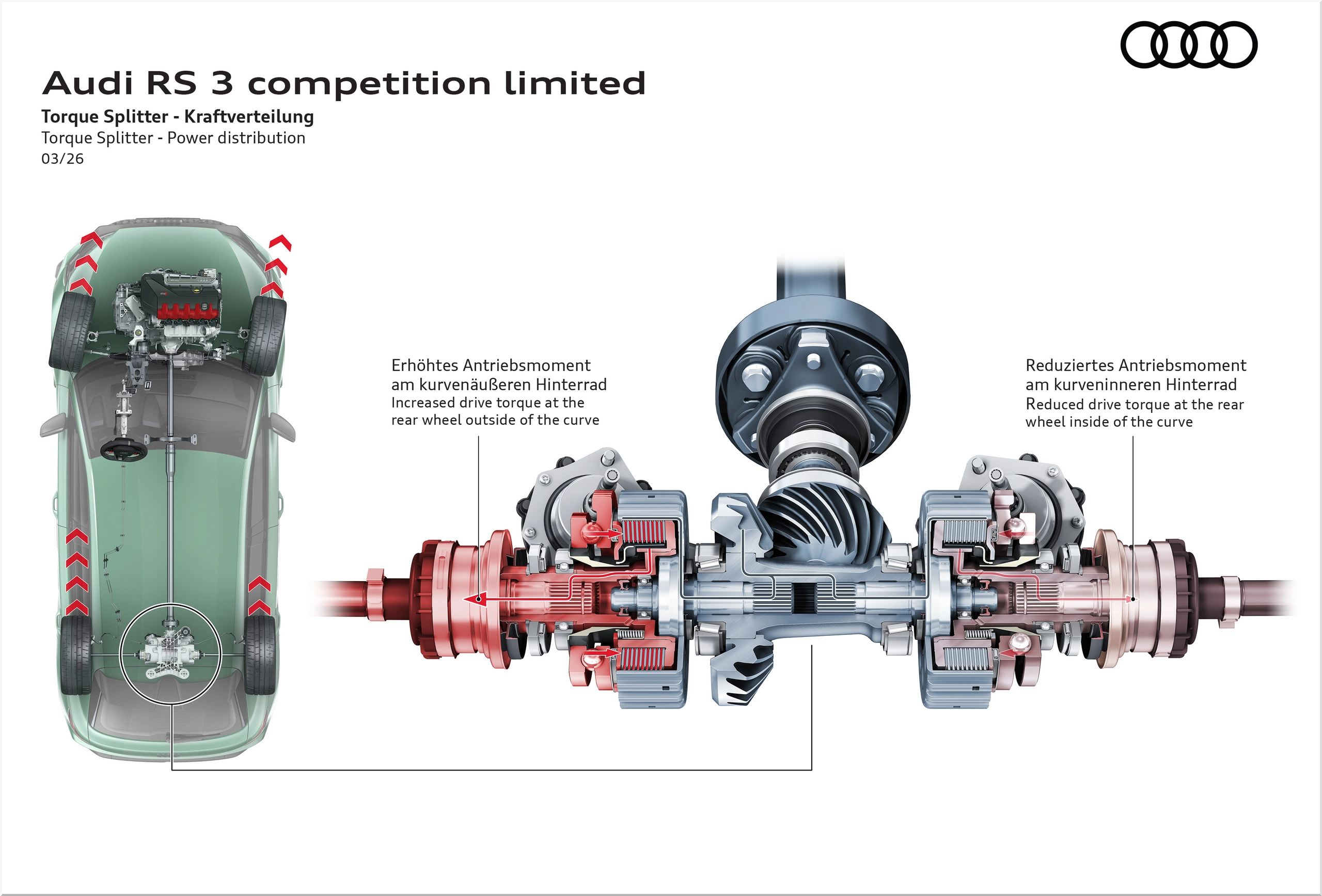
Torque splitter: A rear-drive unit that can vary torque between the left and right rear wheels. In a fast corner, it can send more torque to the outside rear wheel, which helps the car rotate and reduce understeer.
Pro-Tip
Collectors should look past color first and focus on chassis spec and tire fitment. A numbered Audi RS 3 Sedan competition limited with its setup tools, suspension manual, and any optional Trofeo R tire package will likely carry stronger long-term appeal than one chosen only for paint.
Image gallery
What Now?
If you want the sharpest version of Audi's five-cylinder compact sedan, this is the one to watch. The powertrain stays familiar, but the real story sits in the suspension, rear-axle tuning, aero balance, and standard ceramic brakes. That mix gives the car a stronger case as a driver's car and a collector piece at the same time. Audi built 750 for a reason. It knew exactly who this one was for.
- Add new comment
- 330 views