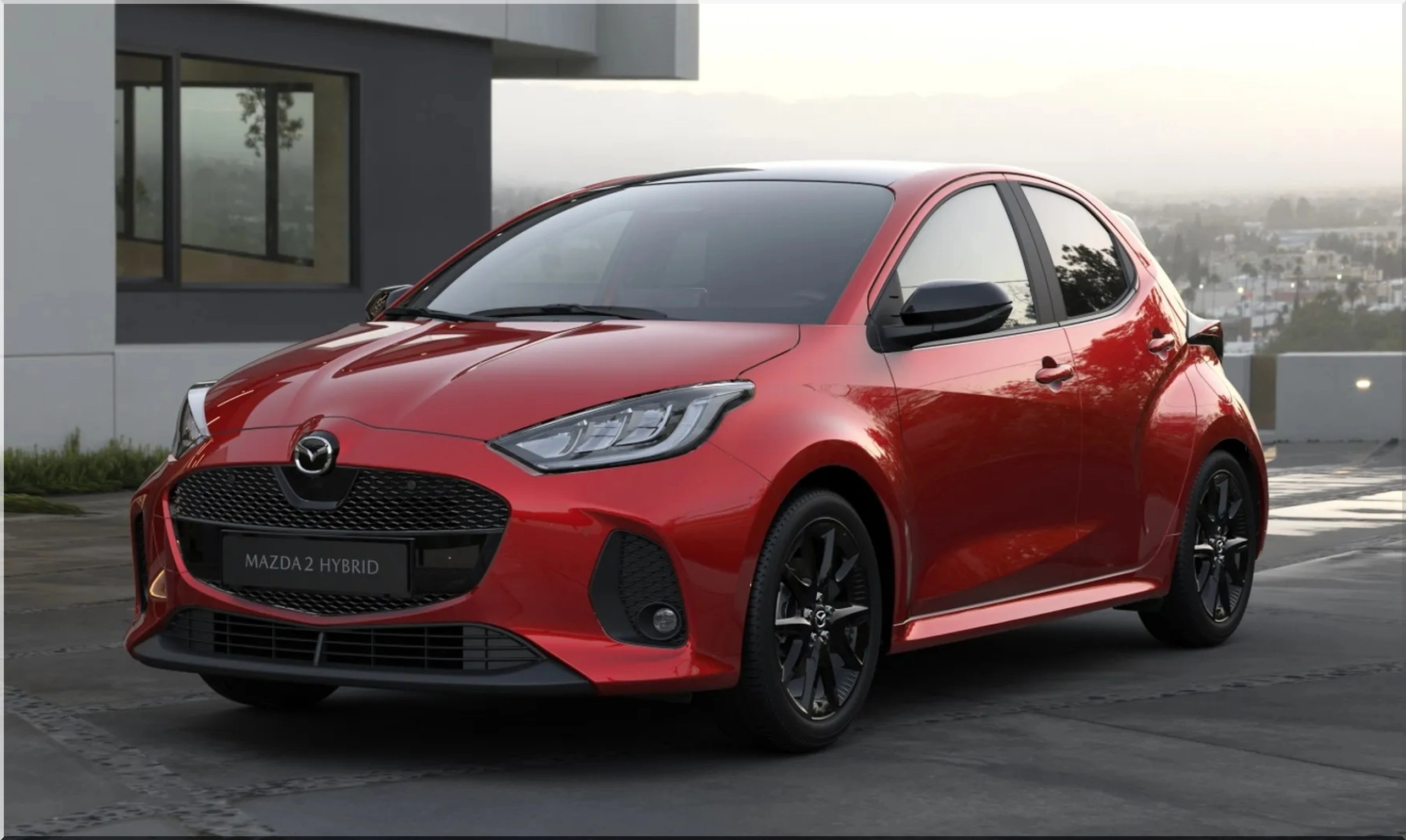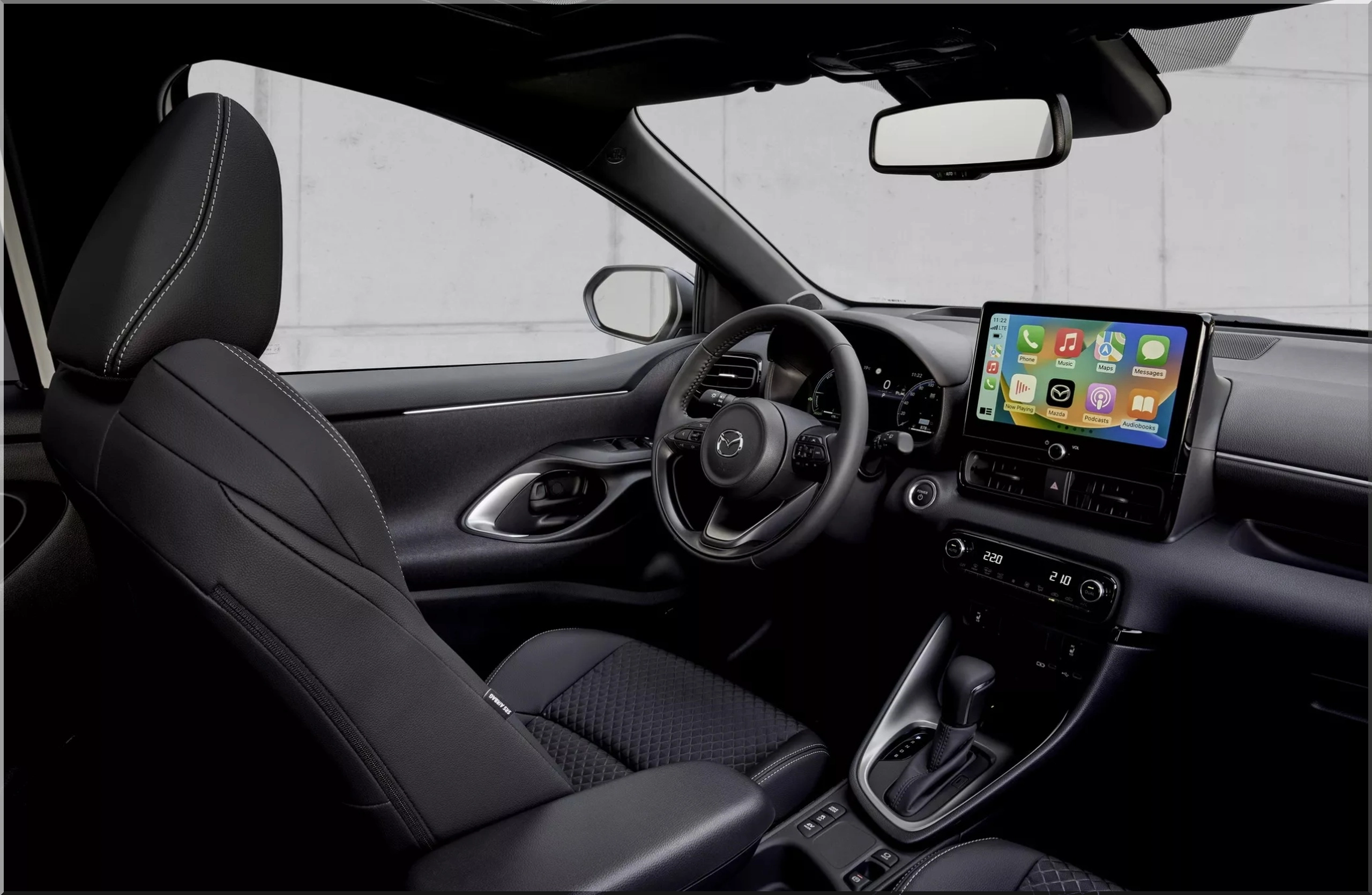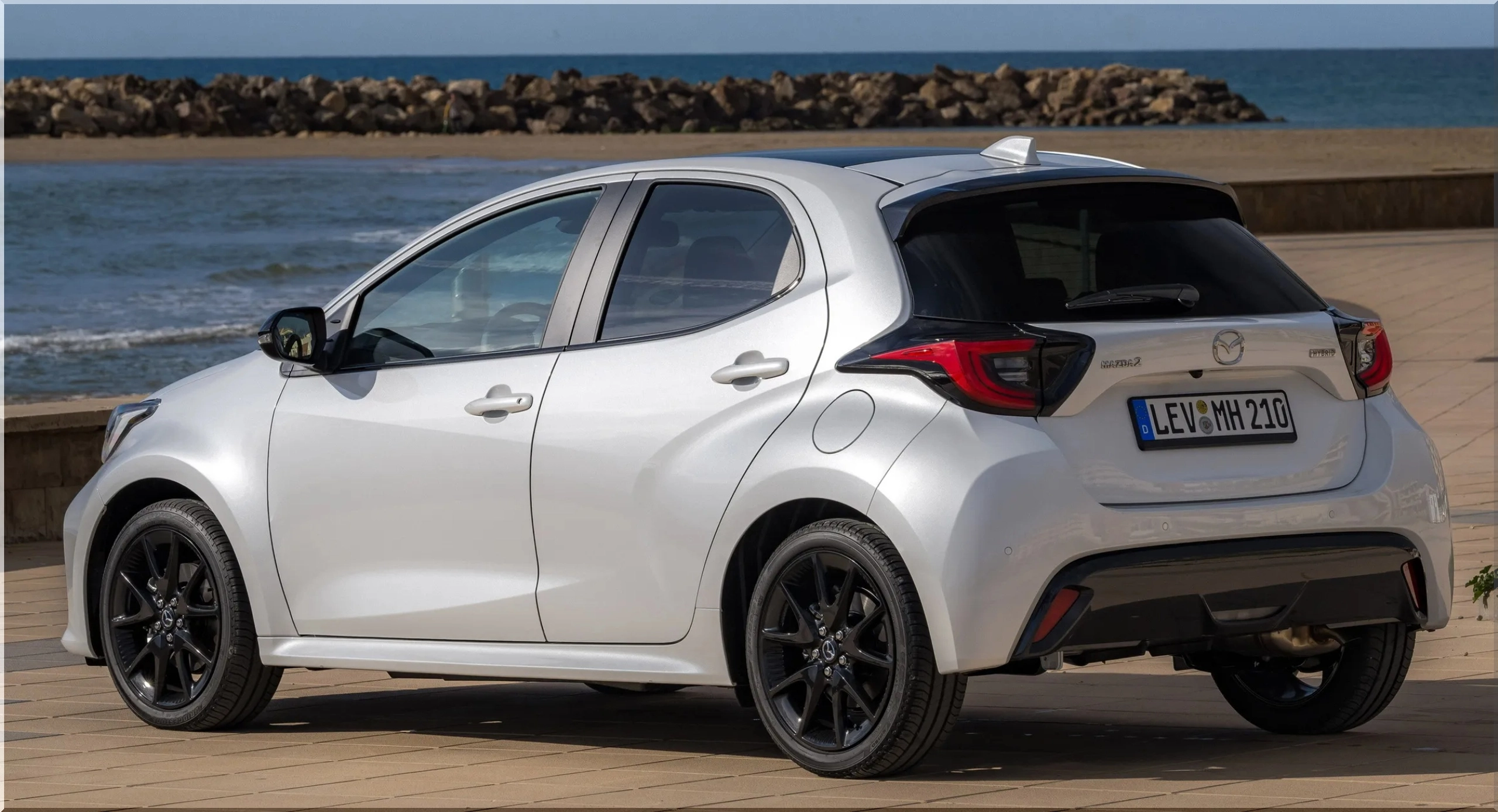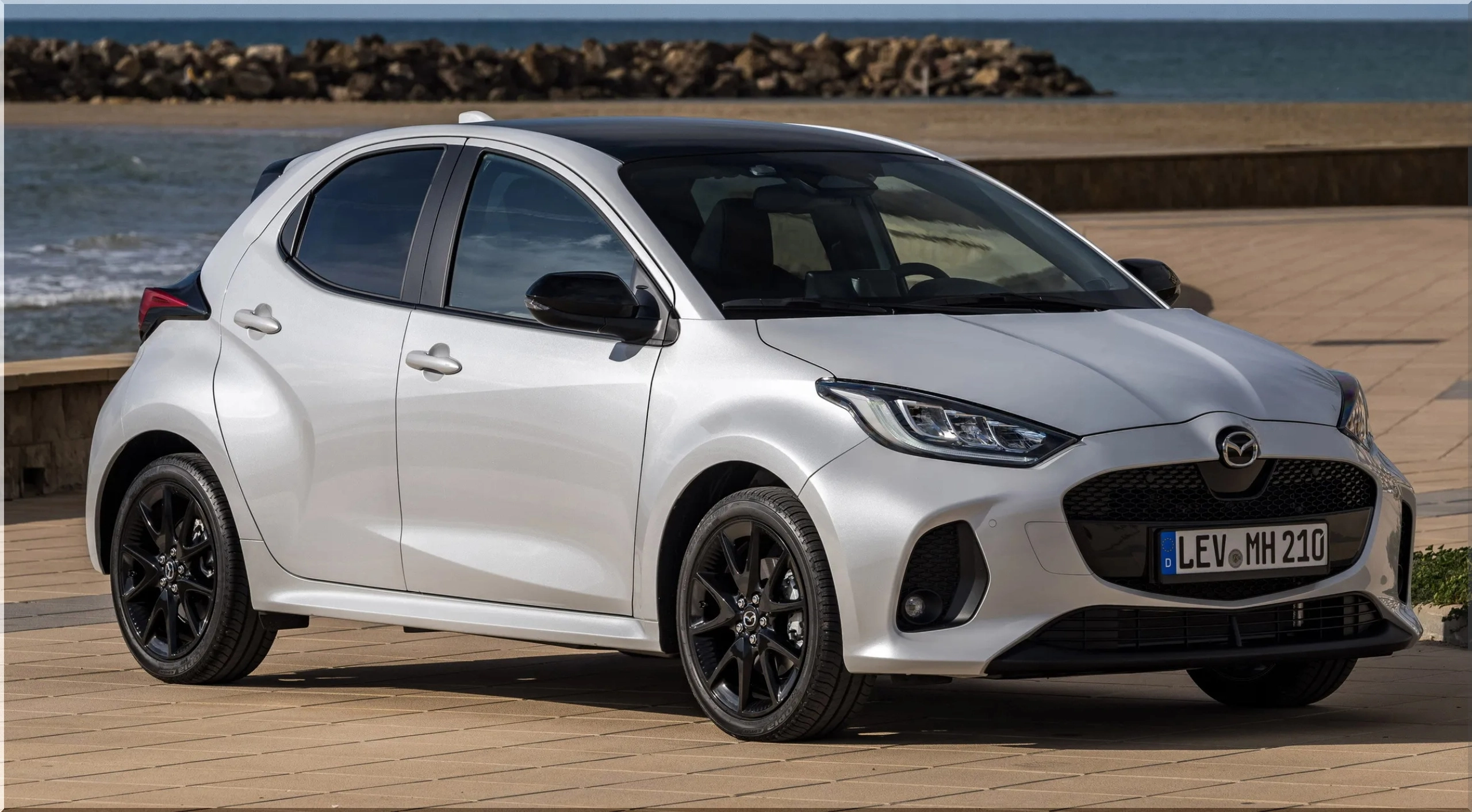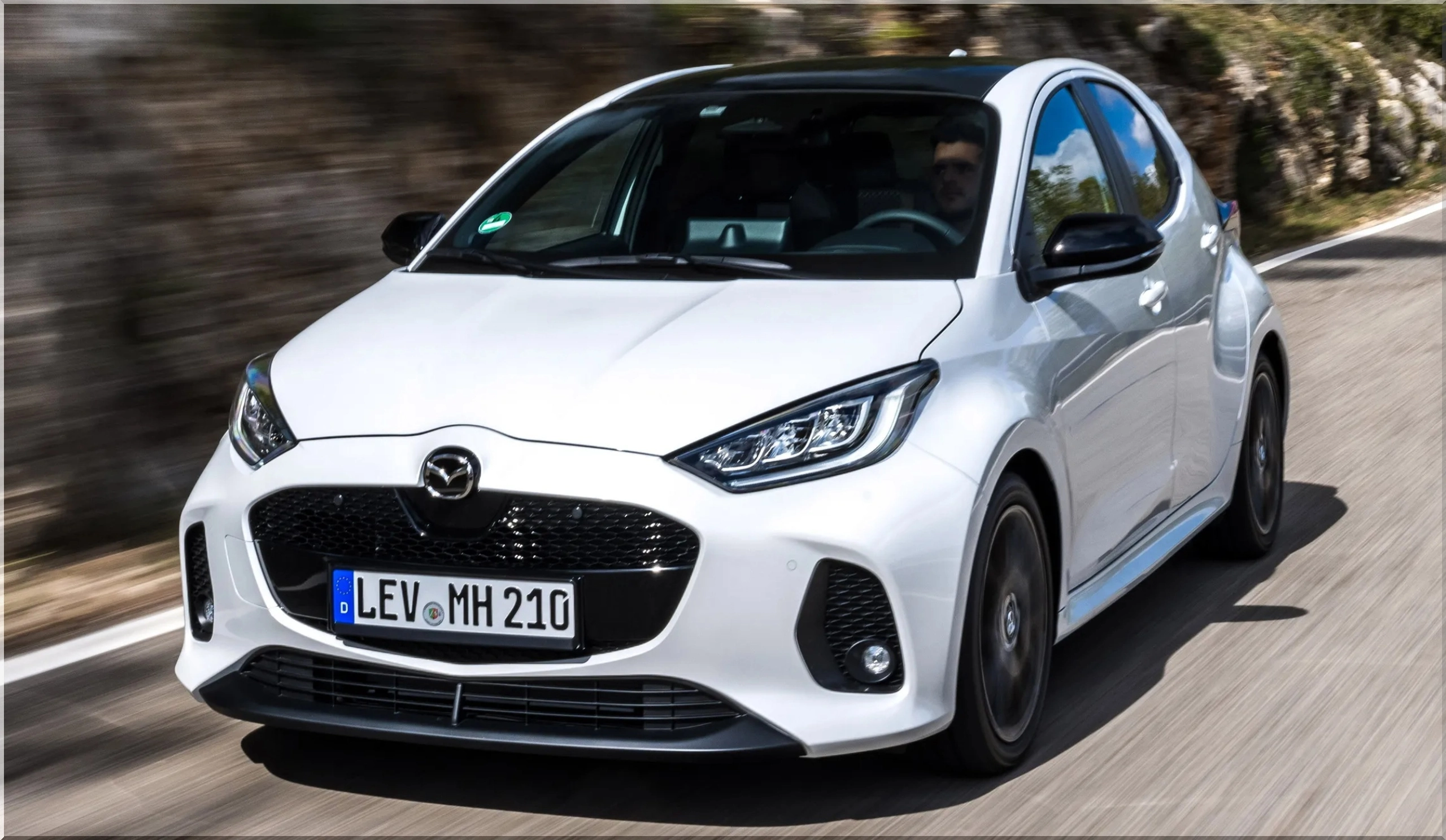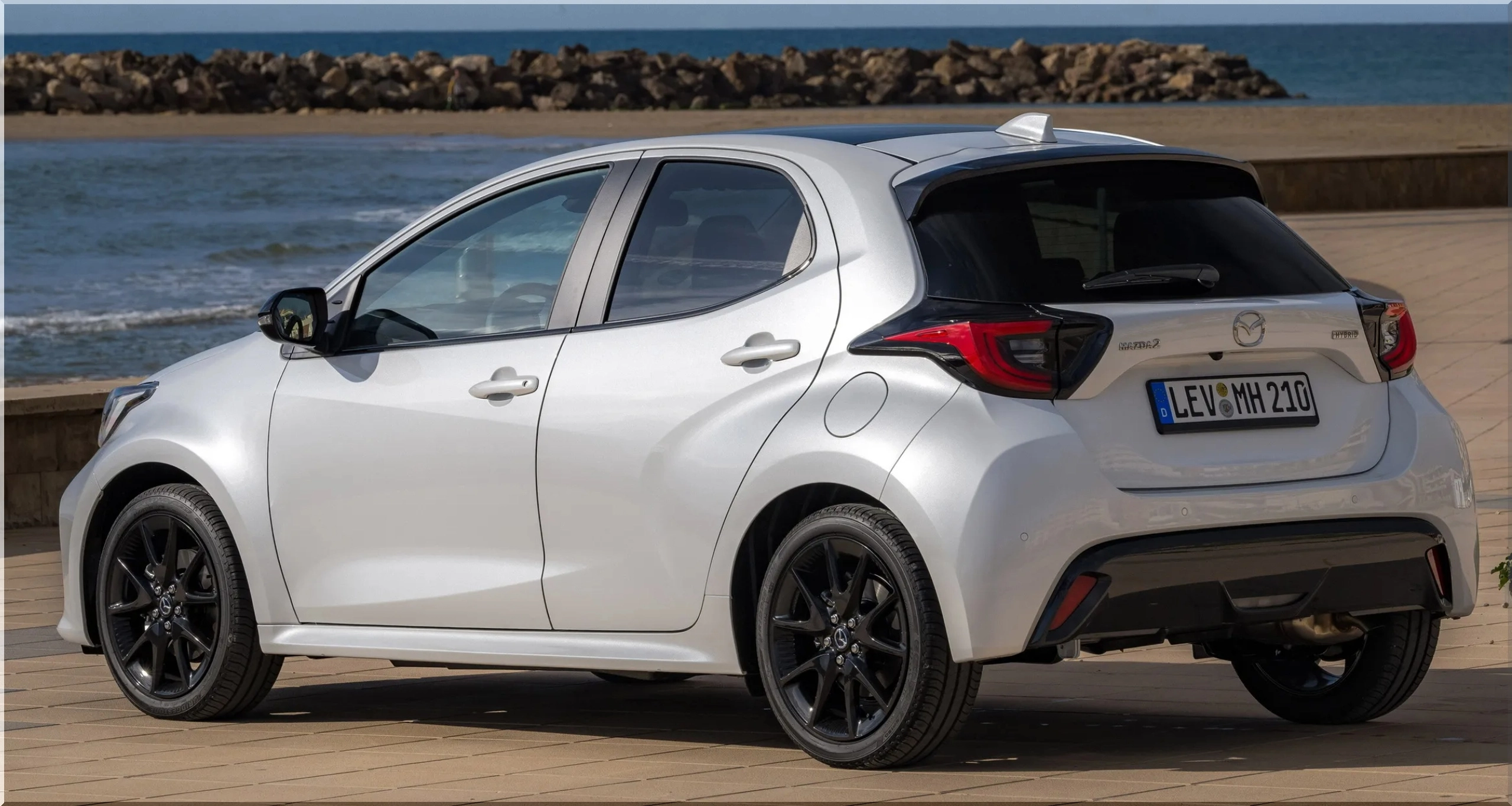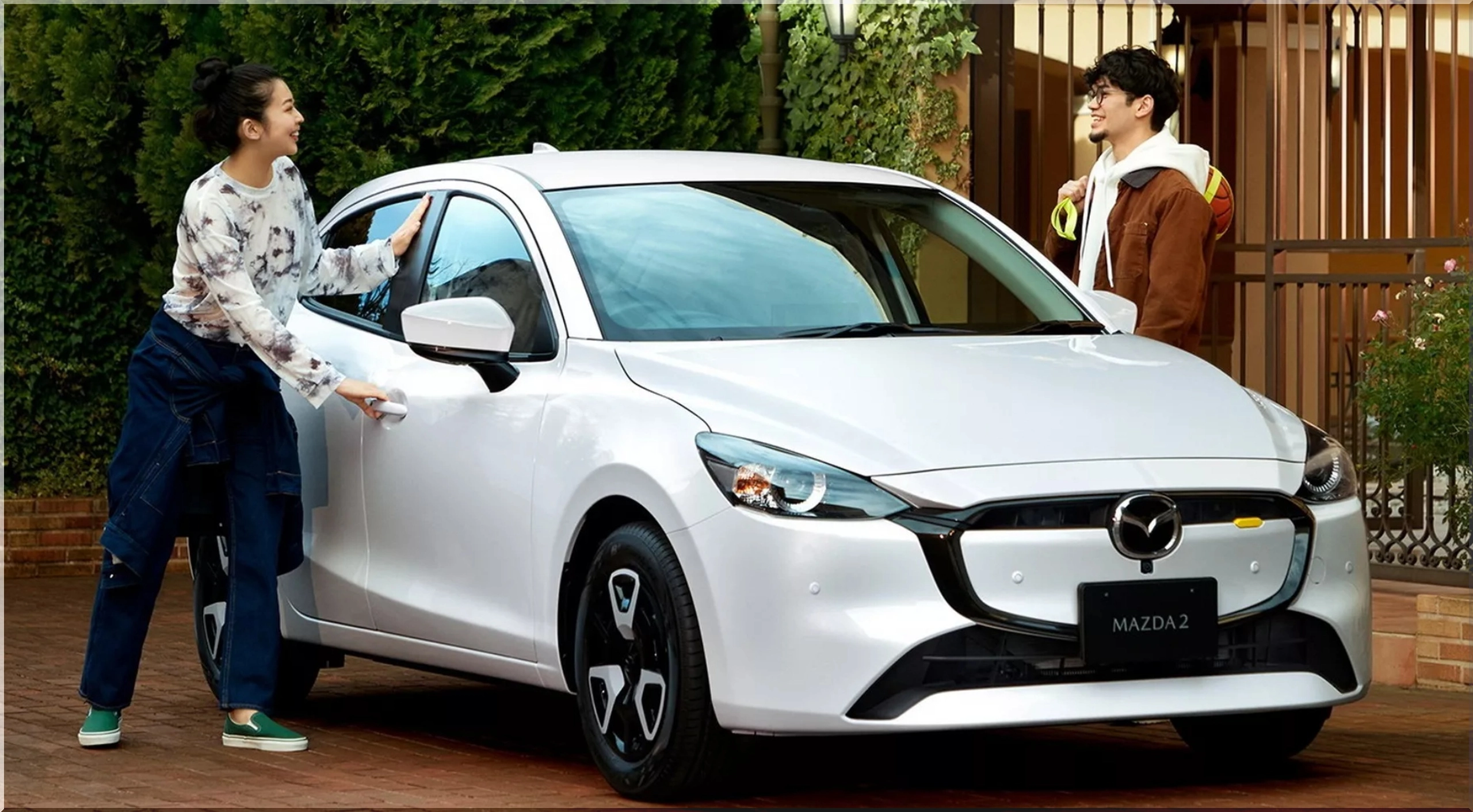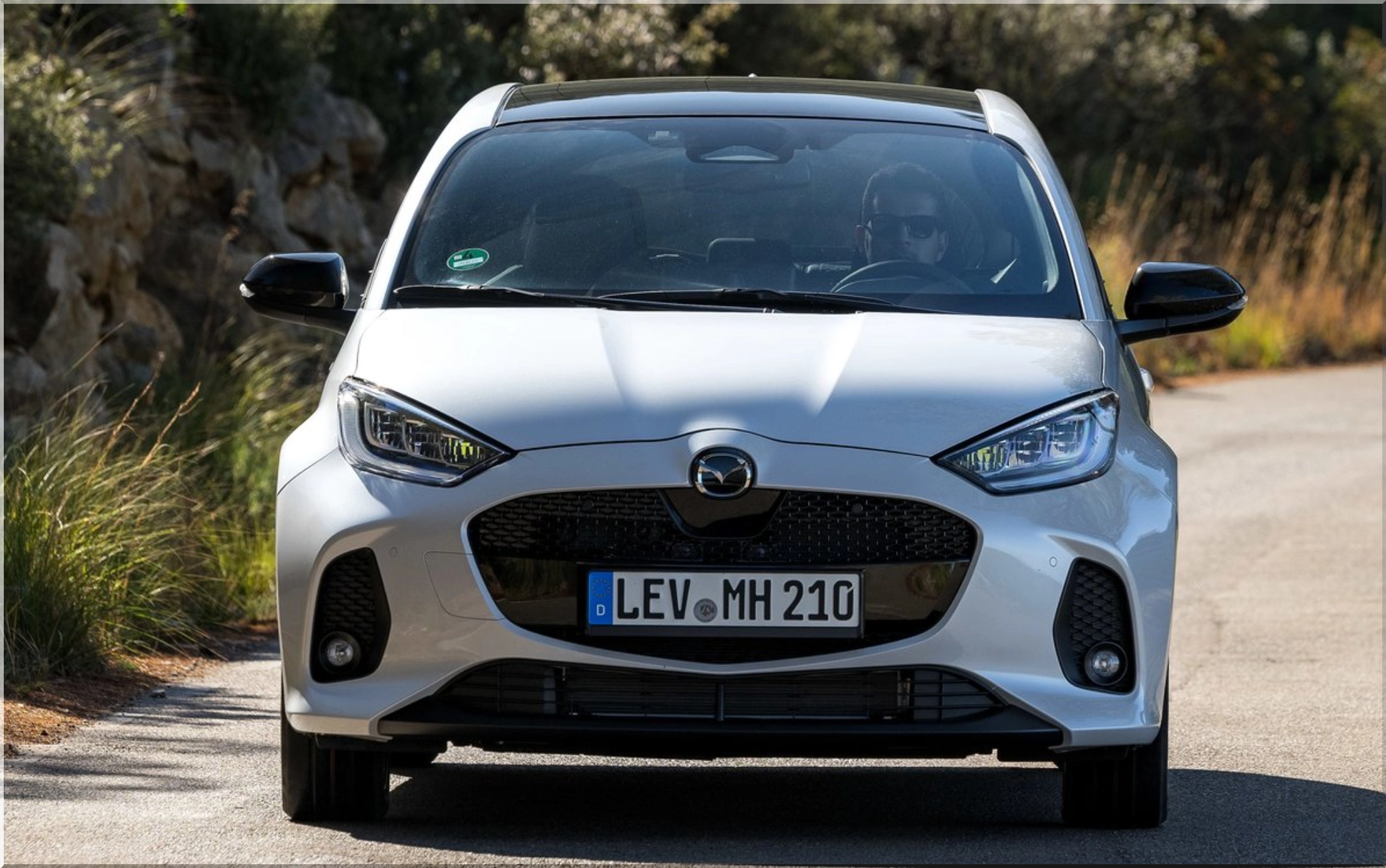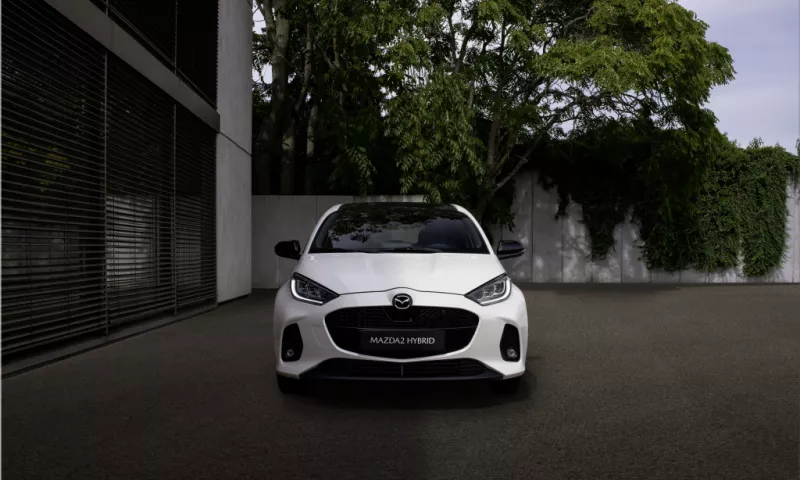
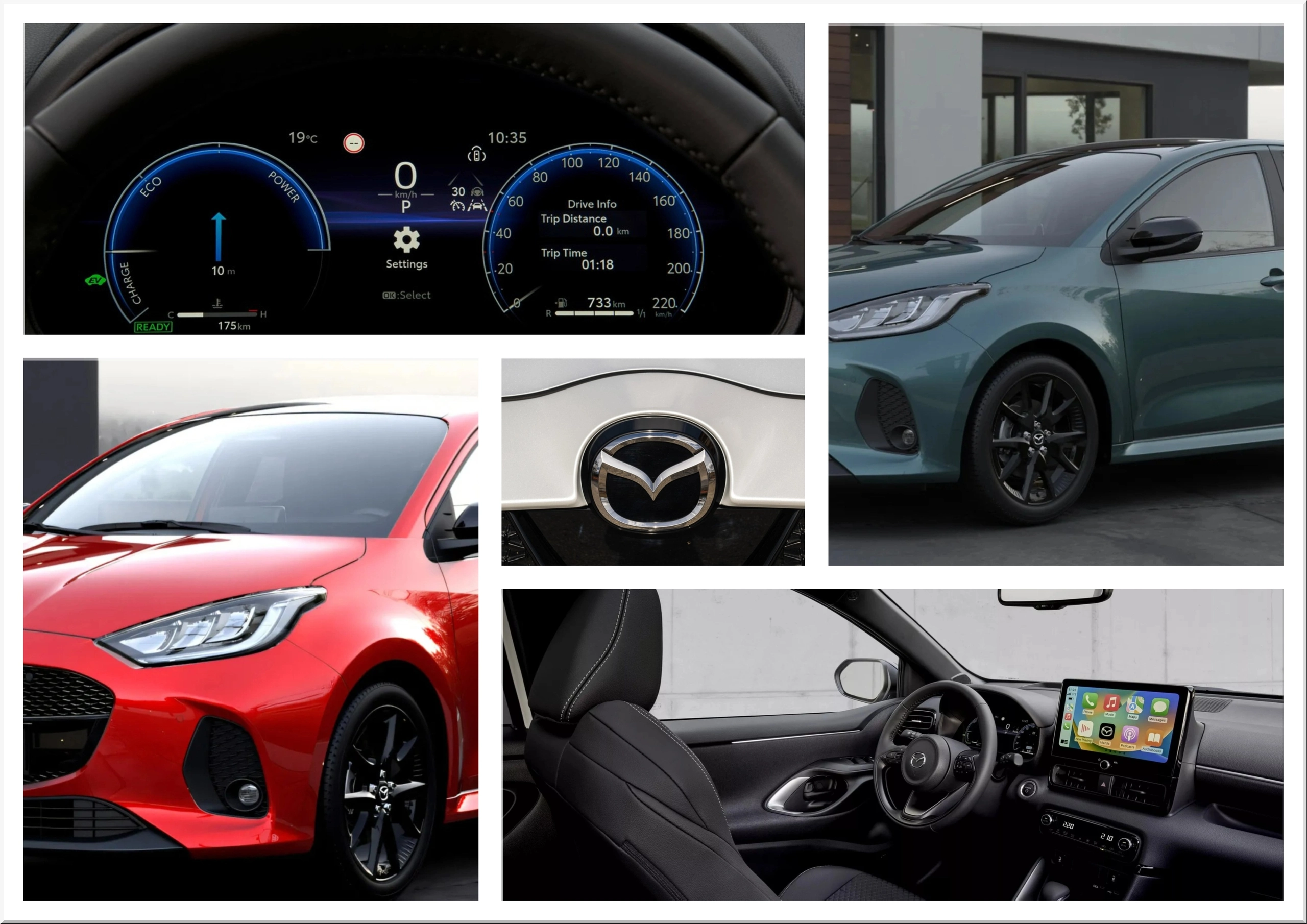
Mazda has updated the 2026 Mazda2 Hybrid for Europe, and the strategy looks clear: keep Toyota's proven hybrid hardware, add more standard equipment, and give Mazda dealers a stronger answer in the small hybrid hatchback class. The car still targets buyers who want low fuel use without charging cables, wallboxes, or EV range maths.
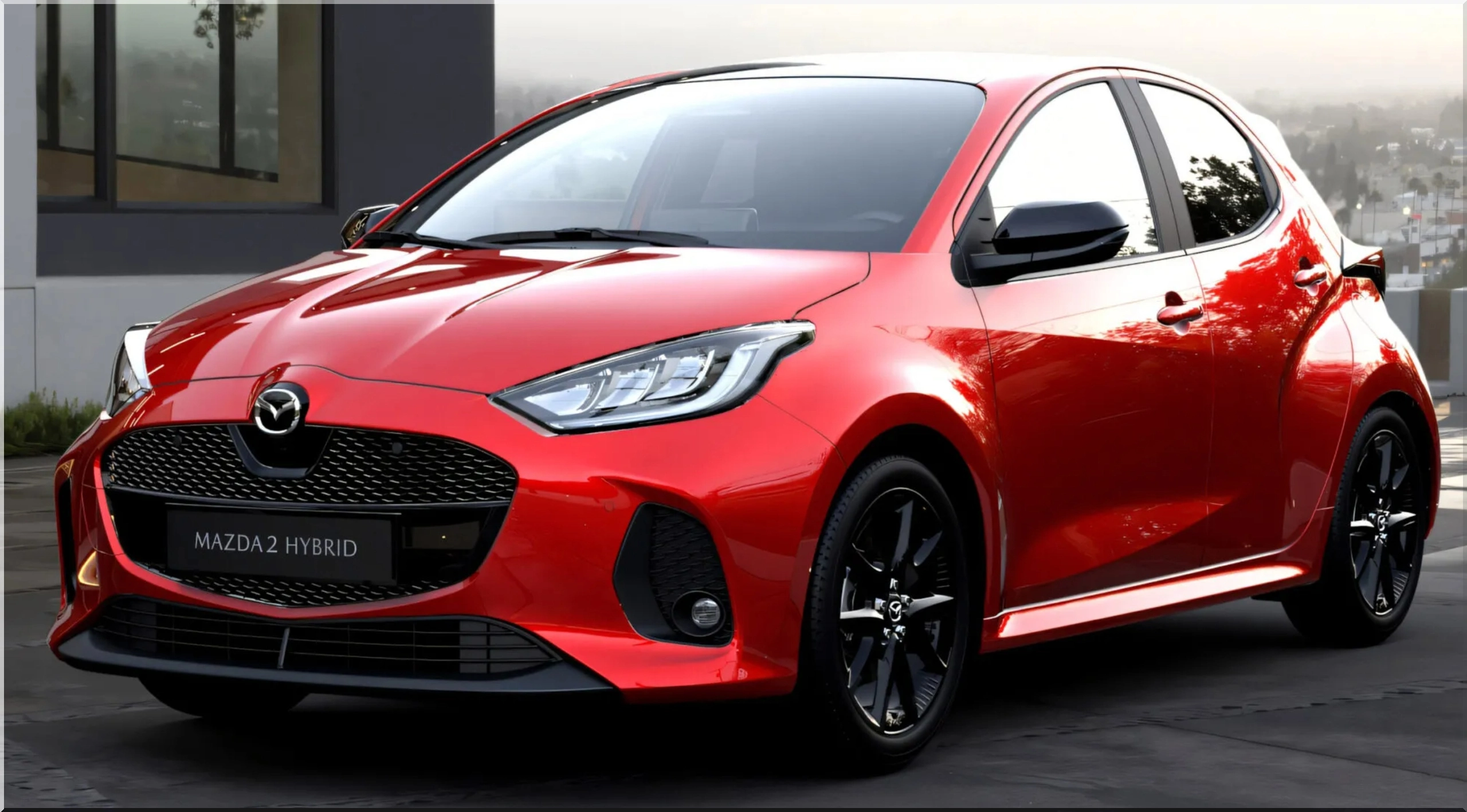
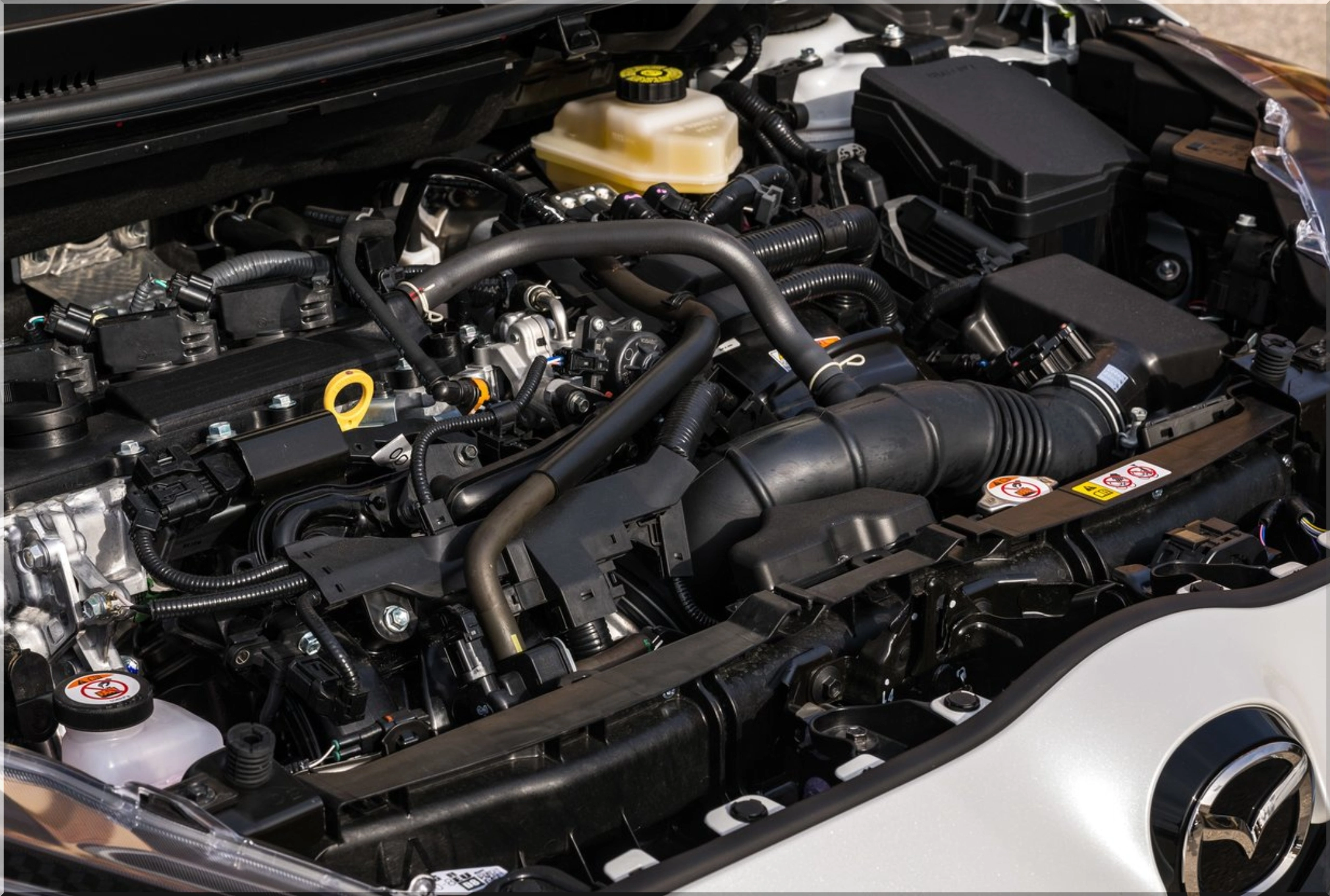
The headline figures stay familiar. The Mazda2 Hybrid uses a 1.5-litre three-cylinder petrol engine with an electric motor for 116 PS of total system output. It accelerates from 0-100 km/h in 9.7 seconds, reaches 175 km/h, and returns a WLTP combined figure of 3.7-4.2 l/100 km, with CO2 emissions of 85-96 g/km, depending on grade.
2026 Mazda2 Hybrid Specifications
| Data point | 2026 Mazda2 Hybrid |
|---|---|
| Engine | 1.5-litre three-cylinder petrol hybrid |
| Petrol engine output | 92 PS / 68 kW |
| Electric motor output | 59 kW |
| Total system output | 116 PS / 85 kW |
| Battery | 177.6 V lithium-ion |
| Gearbox | Automatic hybrid transaxle |
| 0-100 km/h | 9.7 seconds |
| Top speed | 175 km/h |
| WLTP fuel use | 3.7-4.2 l/100 km |
| CO2 emissions | 85-96 g/km |
| Length | 3,940 mm / 155.1 in |
| Width | 1,745 mm / 68.7 in |
| Height | 1,500 mm / 59.1 in |
| Turning circle | 4.9 metres |
What Mazda Changed for 2026
Mazda did not rewrite the drivetrain. Instead, it improved the value equation. That matters because the Mazda2 Hybrid still sits very close to the Toyota Yaris Hybrid mechanically, so the buying decision often comes down to equipment, dealer appeal, warranty terms, price, and brand preference.
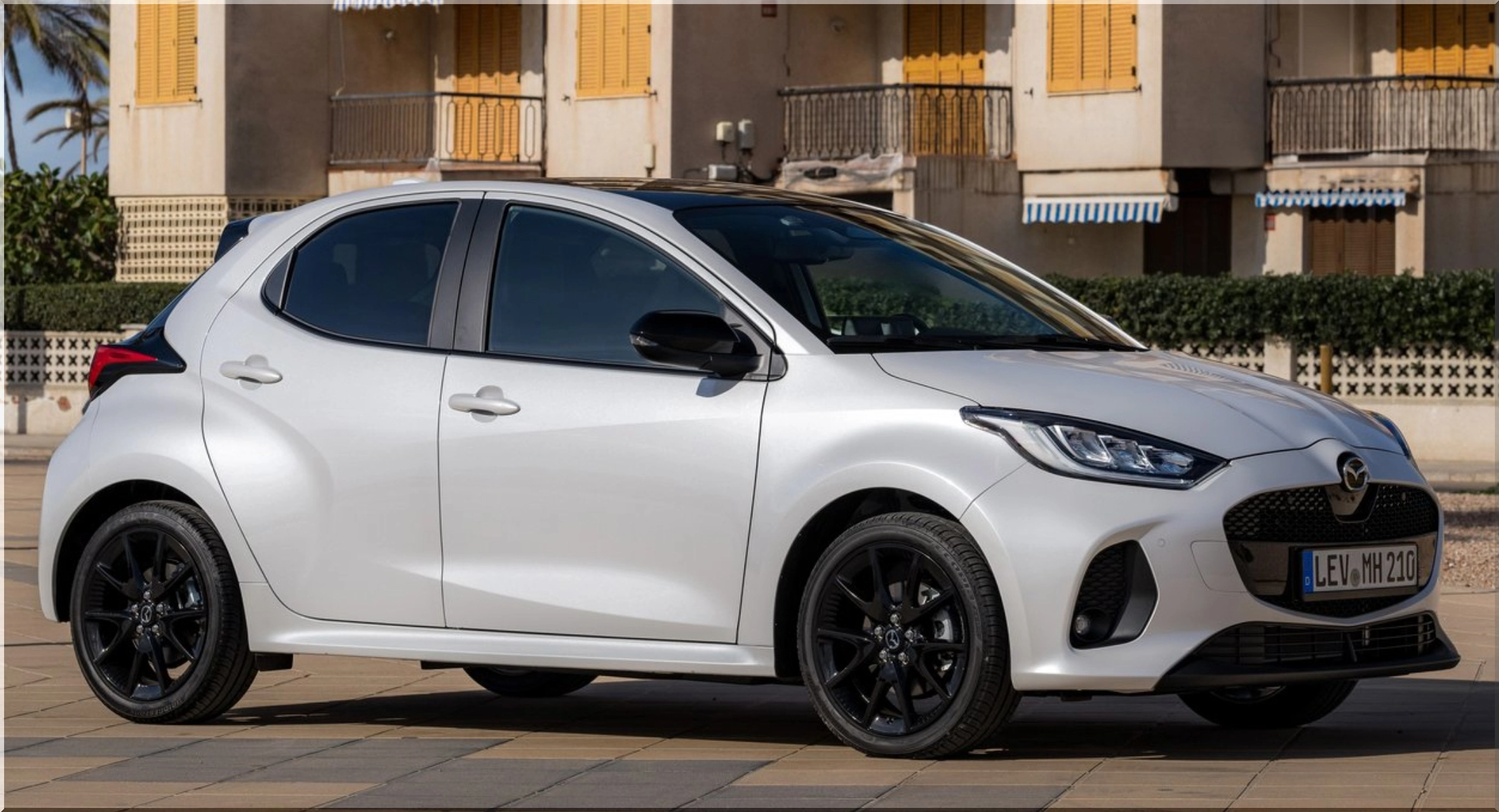
Specifically, the entry Prime-Line now gains items that buyers use every day, not brochure fluff. Mazda adds heated front seats, a height-adjustable passenger seat, rear electric windows, an auto-dimming rear-view mirror, 15-inch alloy wheels, a four-speaker audio system, body-coloured mirror housings, a rear spoiler, and richer black cloth trim.
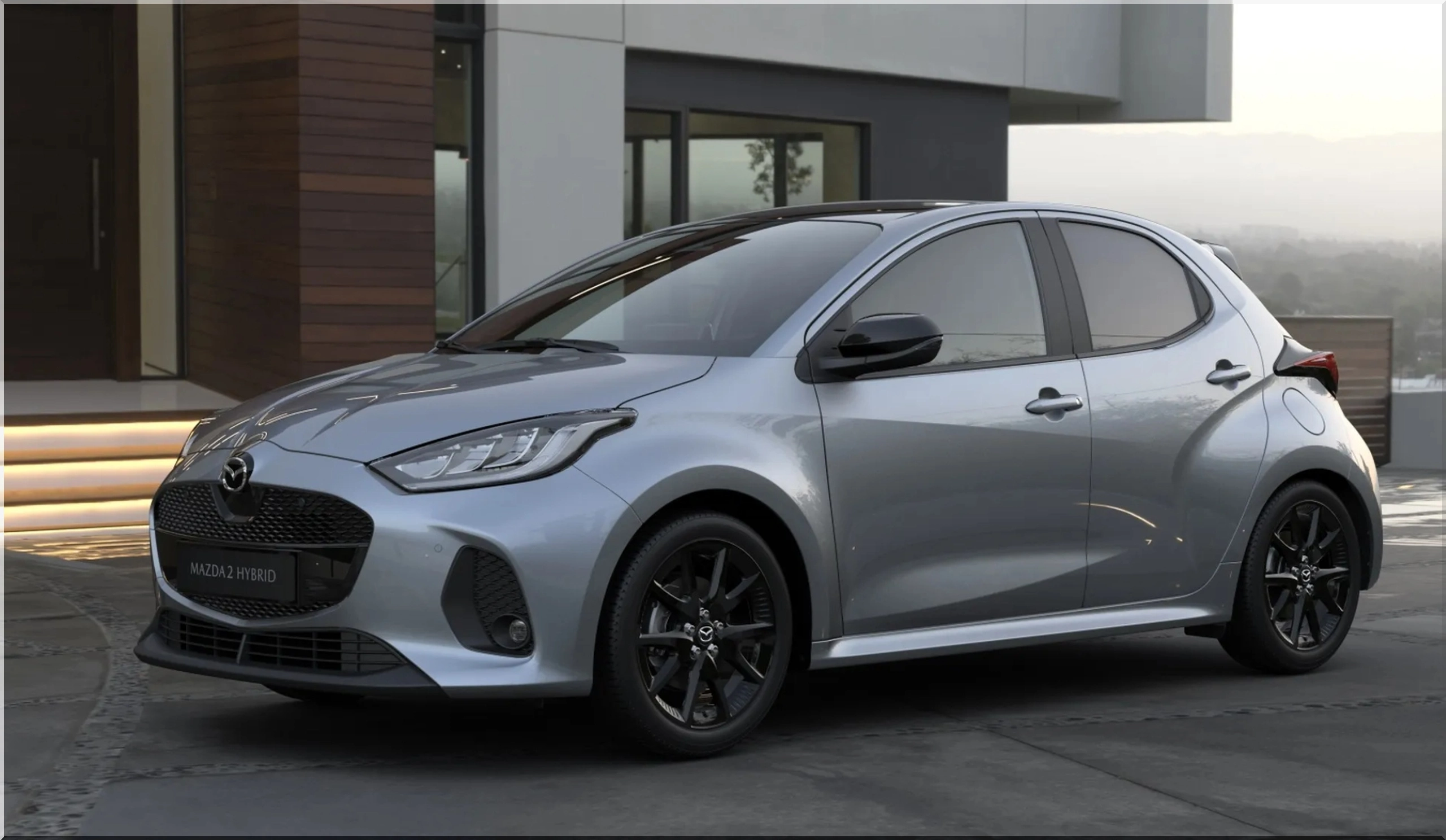
In addition, Mazda adds a Driver Monitoring System across the range to meet newer EU safety requirements. That move strengthens the car's safety pitch in a segment where city-car buyers still expect family-car driver assistance.
2026 Mazda2 Hybrid Trim And Equipment
| Grade | Key equipment upgrades |
|---|---|
| Prime-Line | Heated front seats, 15-inch alloys, rear electric windows, 9-inch display, adaptive cruise control, rear camera |
| Centre-Line | Six-speaker audio, rain sensor, leather-trimmed steering wheel |
| Exclusive-Line | LED headlights, LED fog lights, front/rear parking sensors, Blind Spot Monitoring, heated steering wheel |
| Homura | 17-inch alloys, sports seats, dual-zone climate control, wireless charging, privacy glass |
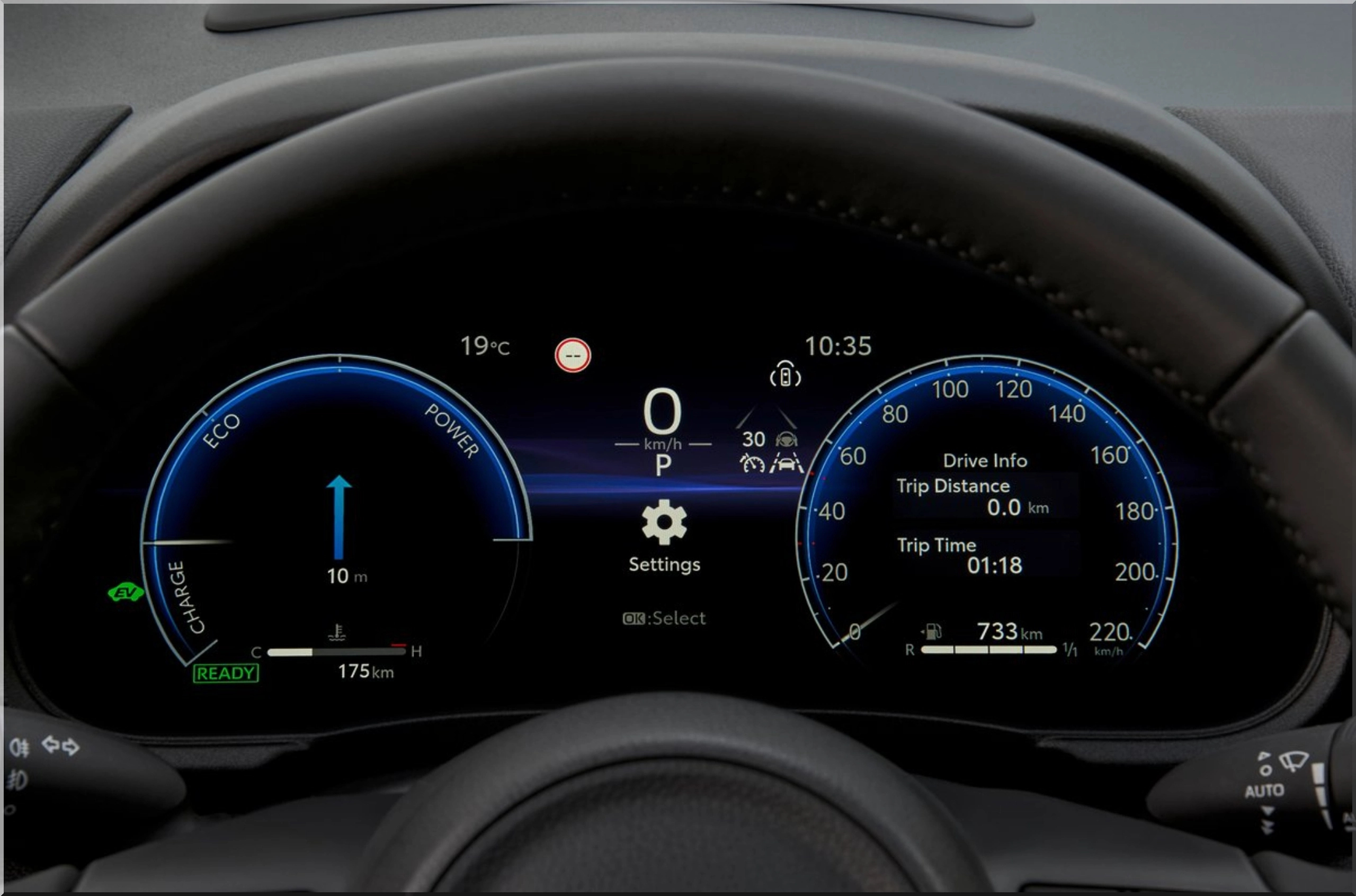
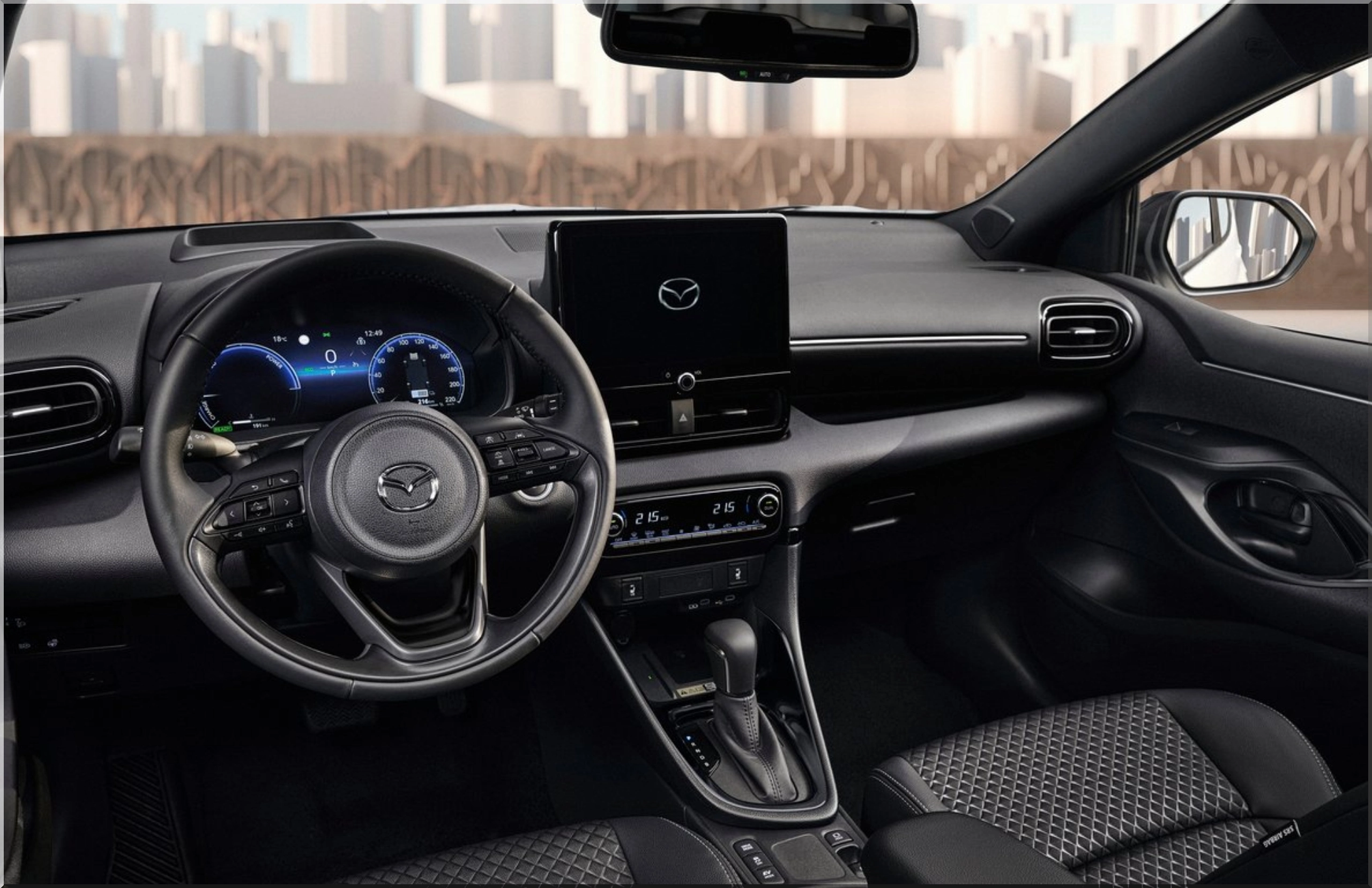
| Homura Plus | 10.5-inch display, 12.3-inch digital cluster, head-up display, navigation, panoramic glass roof |
How The Full Hybrid System Works
The Mazda2 Hybrid full hybrid uses a series-parallel hybrid setup. That means the car can run on petrol power, electric power, or both, depending on speed, battery charge, throttle input, and load. The compact transmission casing houses the electric motor, generator, and power-split device.
Looking at the data, this system makes the most sense in urban driving. At low and medium speeds, the electric motor can move the car without firing the petrol engine when the battery has enough charge. During braking and deceleration, the motor works as a generator, recovers kinetic energy, and stores it in the lithium-ion battery under the rear passenger seats.
By comparison, a mild hybrid cannot drive on electric power alone. That distinction gives the Mazda an efficiency advantage in city traffic, where stop-start driving rewards regenerative braking and short electric bursts.
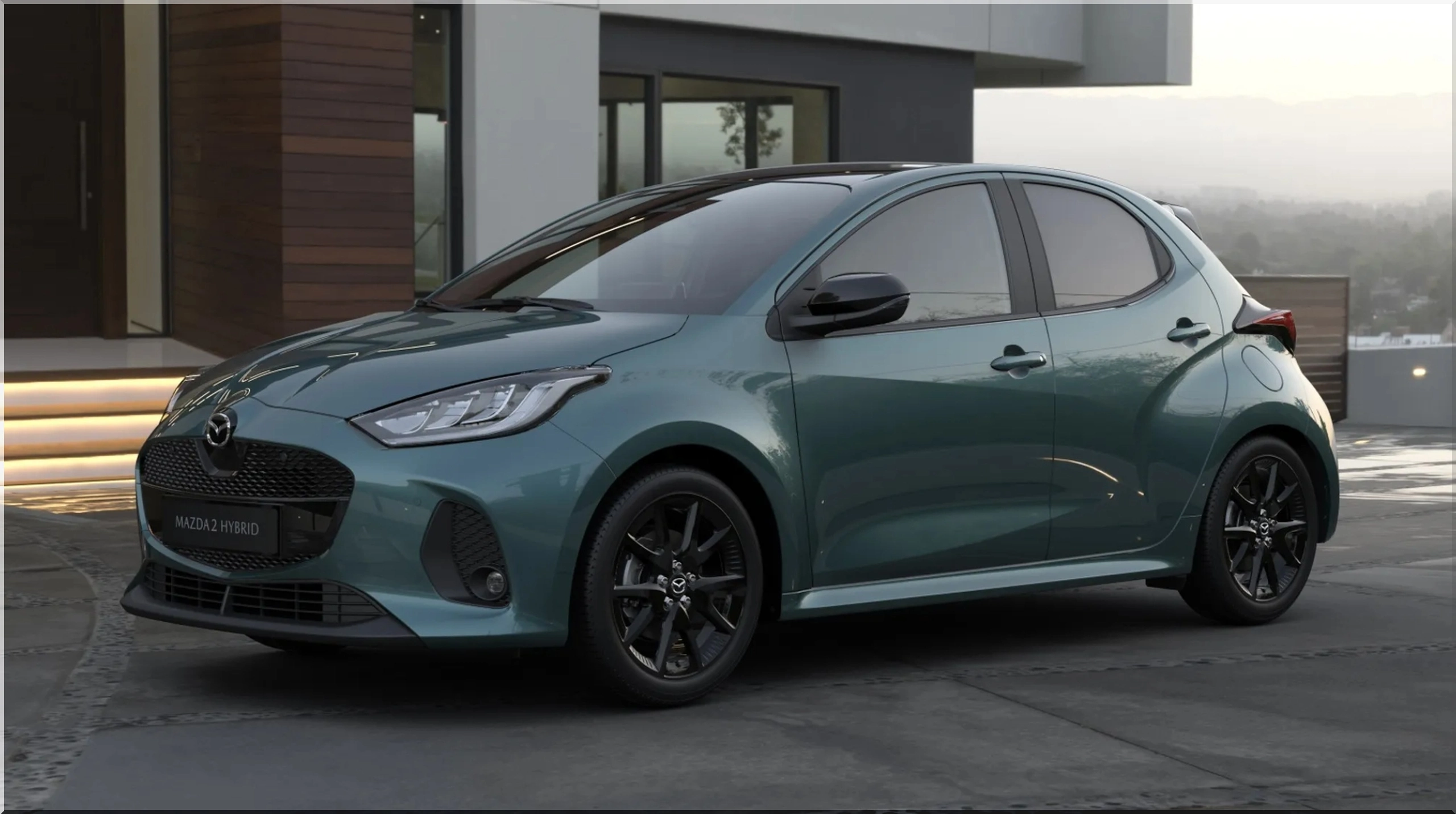
Why It Still Gets Called A Toyota Yaris Twin
Mazda and Toyota have worked together on electrification, connected-car systems, and safety technology since 2015. The 2026 Mazda2 Hybrid comes from that co-operation, and the Toyota connection gives Mazda a ready-made low-emissions B-segment hatchback for Europe.
That helps Mazda meet European CO2 targets without developing a dedicated small hybrid from scratch. It also gives Mazda dealers a fuel-sipping model below the Mazda3, while the brand pushes a broader mix of mild hybrids, plug-in hybrids, battery-electric cars, and range-extender technology.
Consequently, the Mazda2 Hybrid makes more strategic sense than emotional sense. It gives Mazda compliance strength and showroom coverage, even though driving purists may still prefer Mazda's own engineering identity.
2026 Mazda2 Hybrid Versus Key Rivals
| Model | Powertrain | Power | Fuel focus | Mazda win/loss |
|---|---|---|---|---|
| Mazda2 Hybrid | 1.5 full hybrid | 116 PS | 3.7-4.2 l/100 km | Wins on efficiency and standard kit |
| Toyota Yaris Hybrid | 1.5 full hybrid | Up to 130 PS in stronger versions | Very low urban fuel use | Loses on power choice and Toyota warranty appeal |
| Renault Clio E-Tech Hybrid | 1.6 full hybrid | Around 145 PS | Strong mixed-driving performance | Loses on power, wins on compact footprint |
| Honda Jazz e:HEV | Full hybrid | Around 122 PS | Practical urban hybrid | Loses on rear-seat flexibility, wins on styling sharpness |
From an expert perspective, the Toyota Yaris remains the toughest internal rival because it offers similar hardware and stronger name recognition in hybrid cars. The Mazda counters with its own styling changes, upgraded standard equipment, and a more Mazda-flavoured rear design from the brand's European design team.