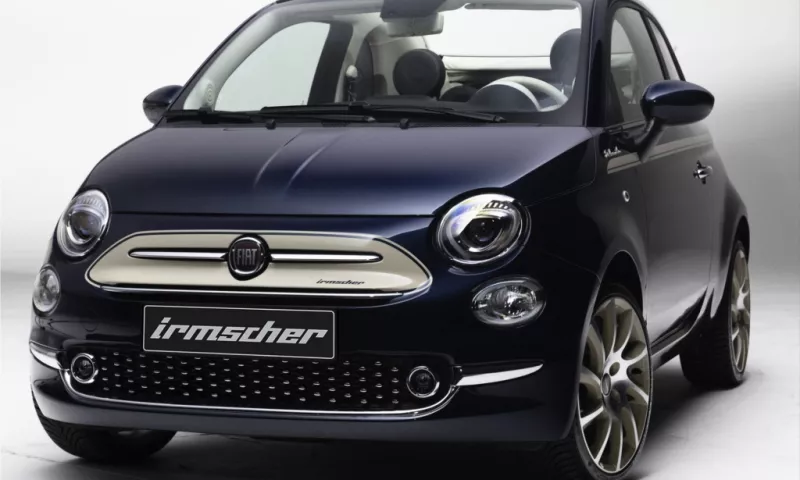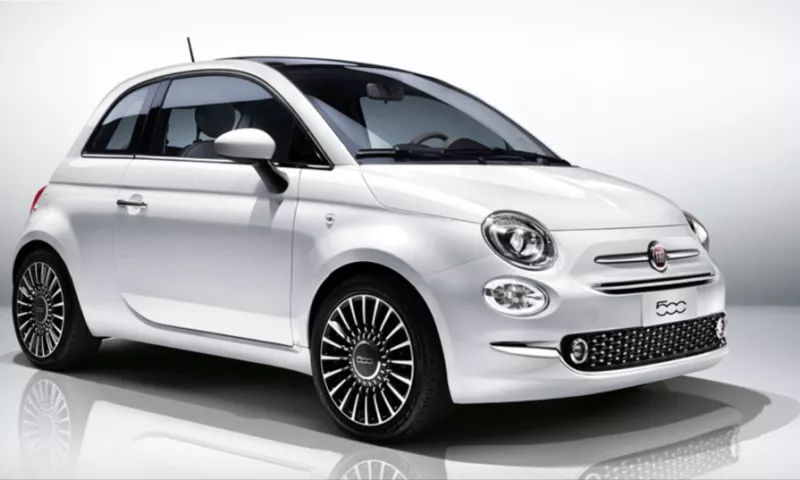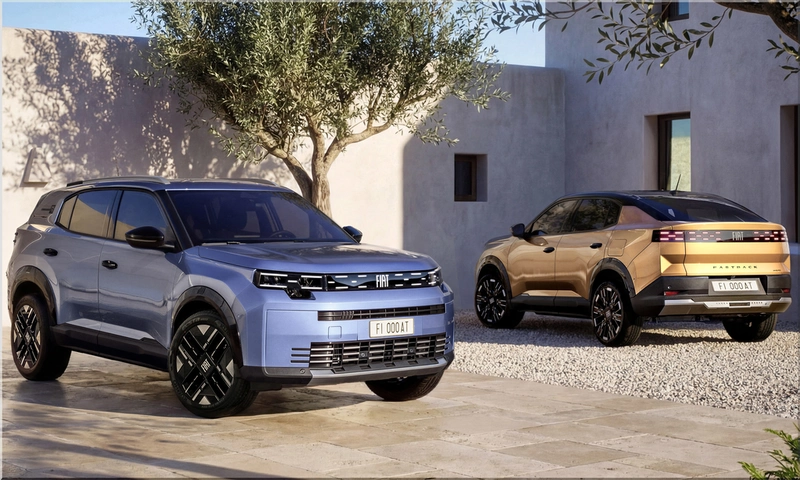

Fiat's Strategic Pivot: 500 Hybrid Starts Production in Turin
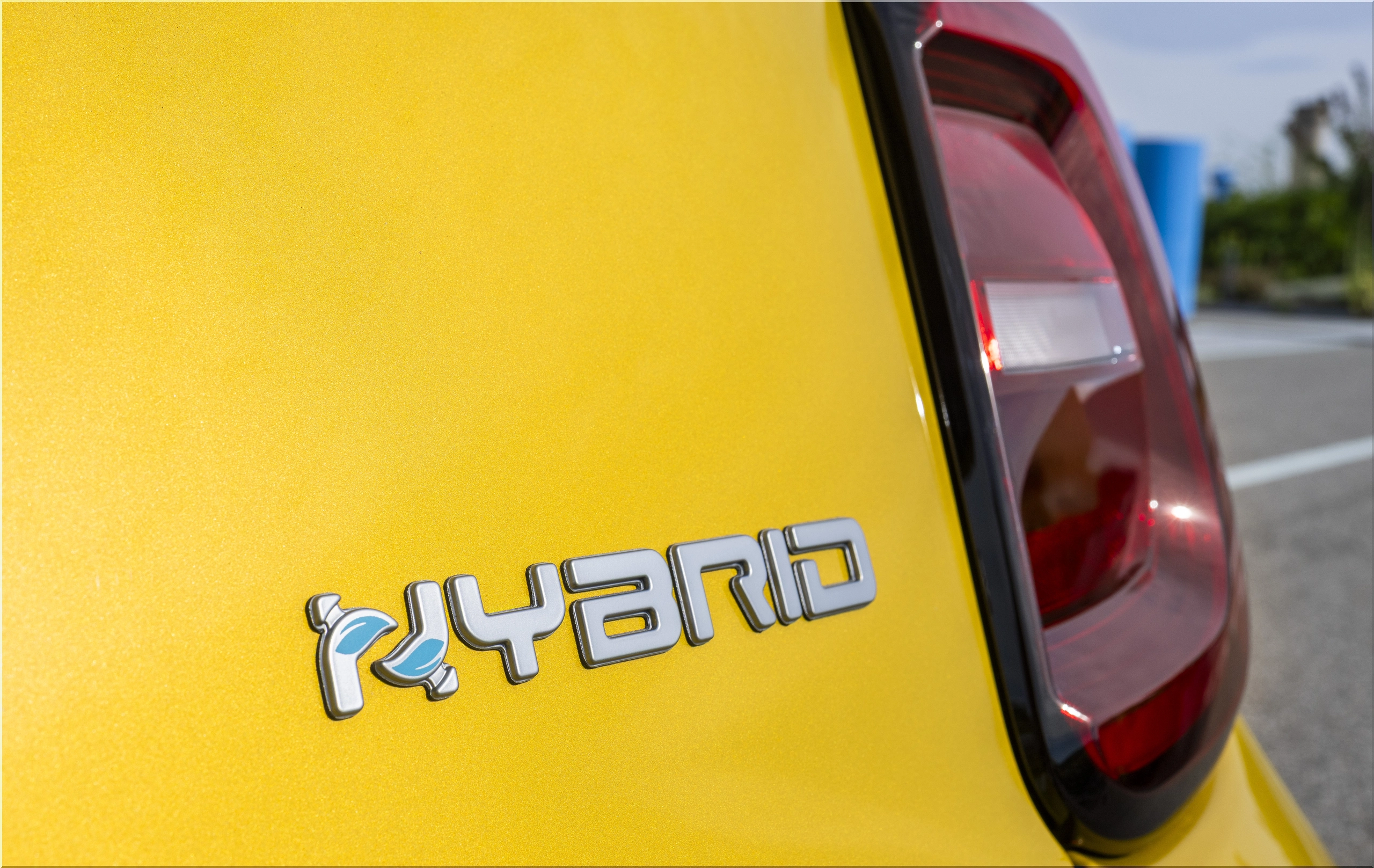
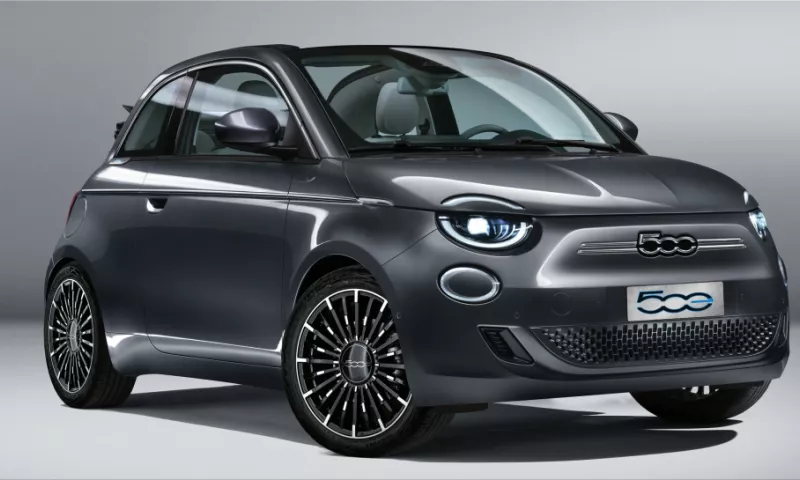
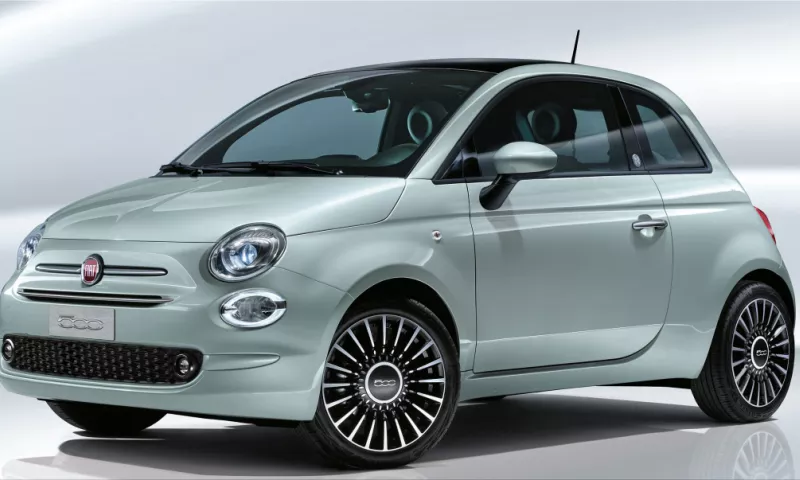
Fiat isn’t reinventing the wheel. It’s optimizing it. By starting production of the Fiat 500 Hybrid at Mirafiori in November 2025, Stellantis makes a cost-efficient play at scale. This isn’t about nostalgia—it’s about unit economics and regulatory survival.
Target output by year-end: 5,000 units
Full capacity goal: 100,000 units annually
Primary markets: Europe, especially Italy, UK, Spain, and Eastern Europe
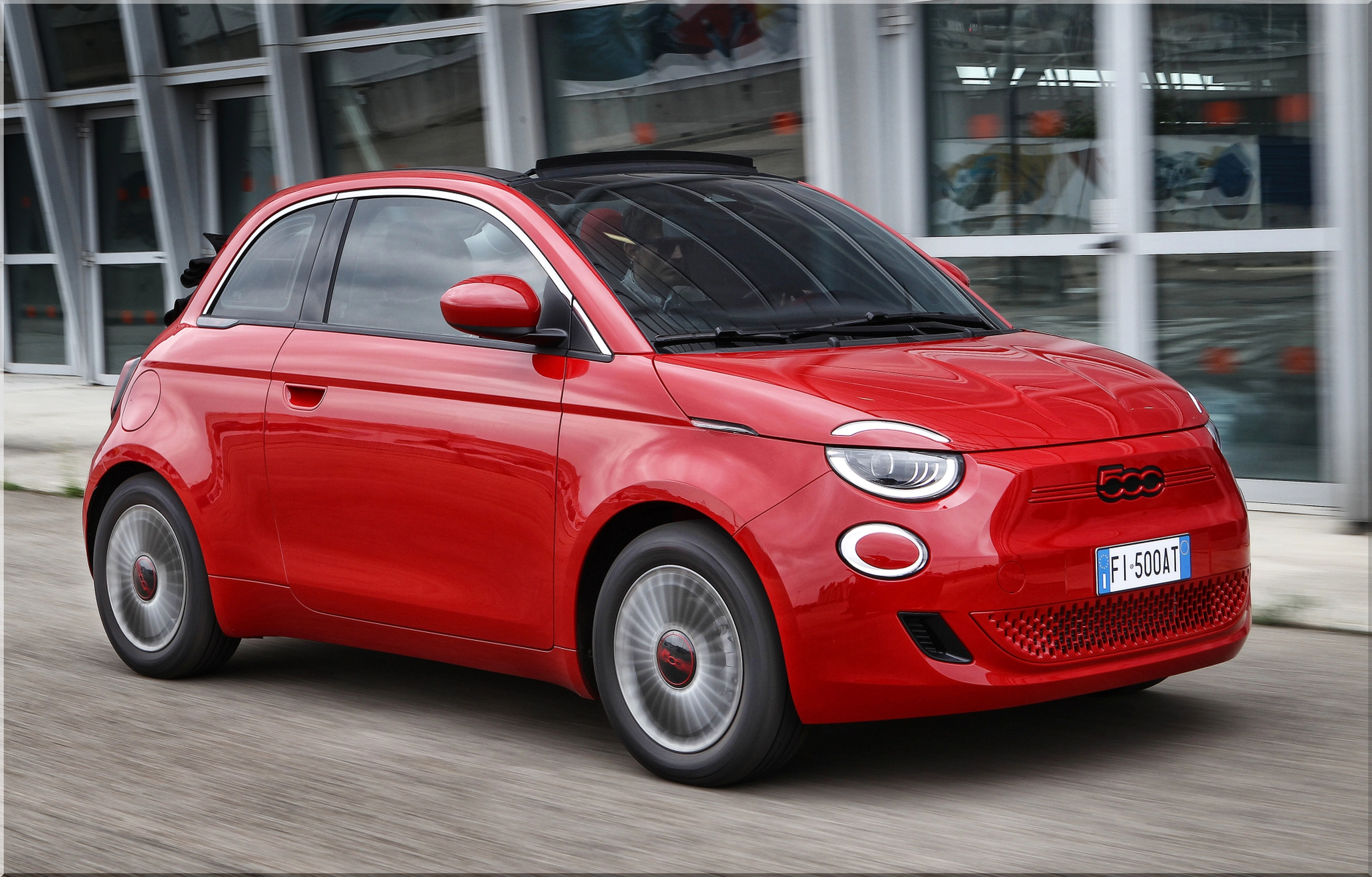
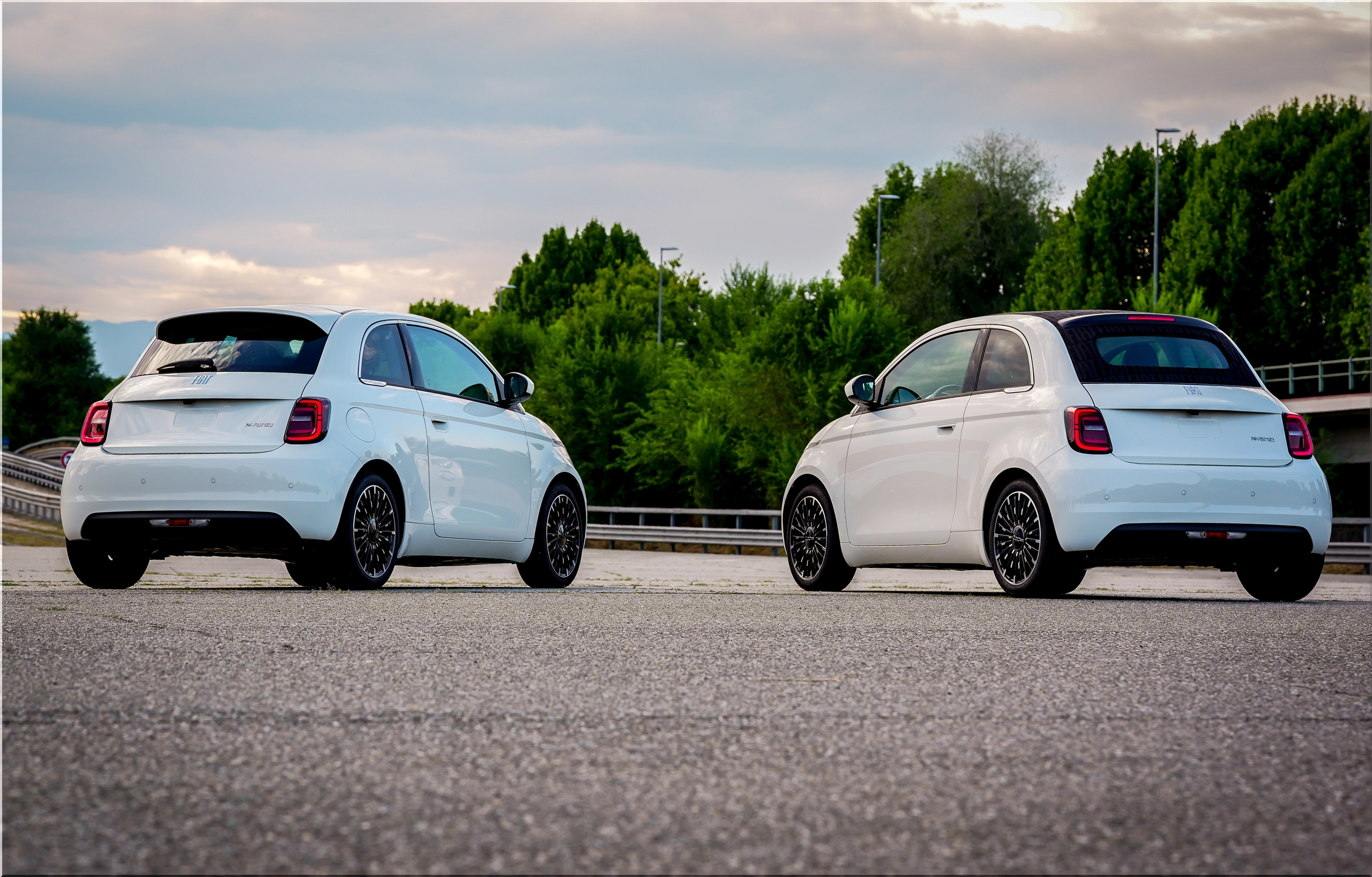
Launch configurations: Hatchback and Cabrio
Engine: 1.0L FireFly mild-hybrid
Transmission: 6-speed manual
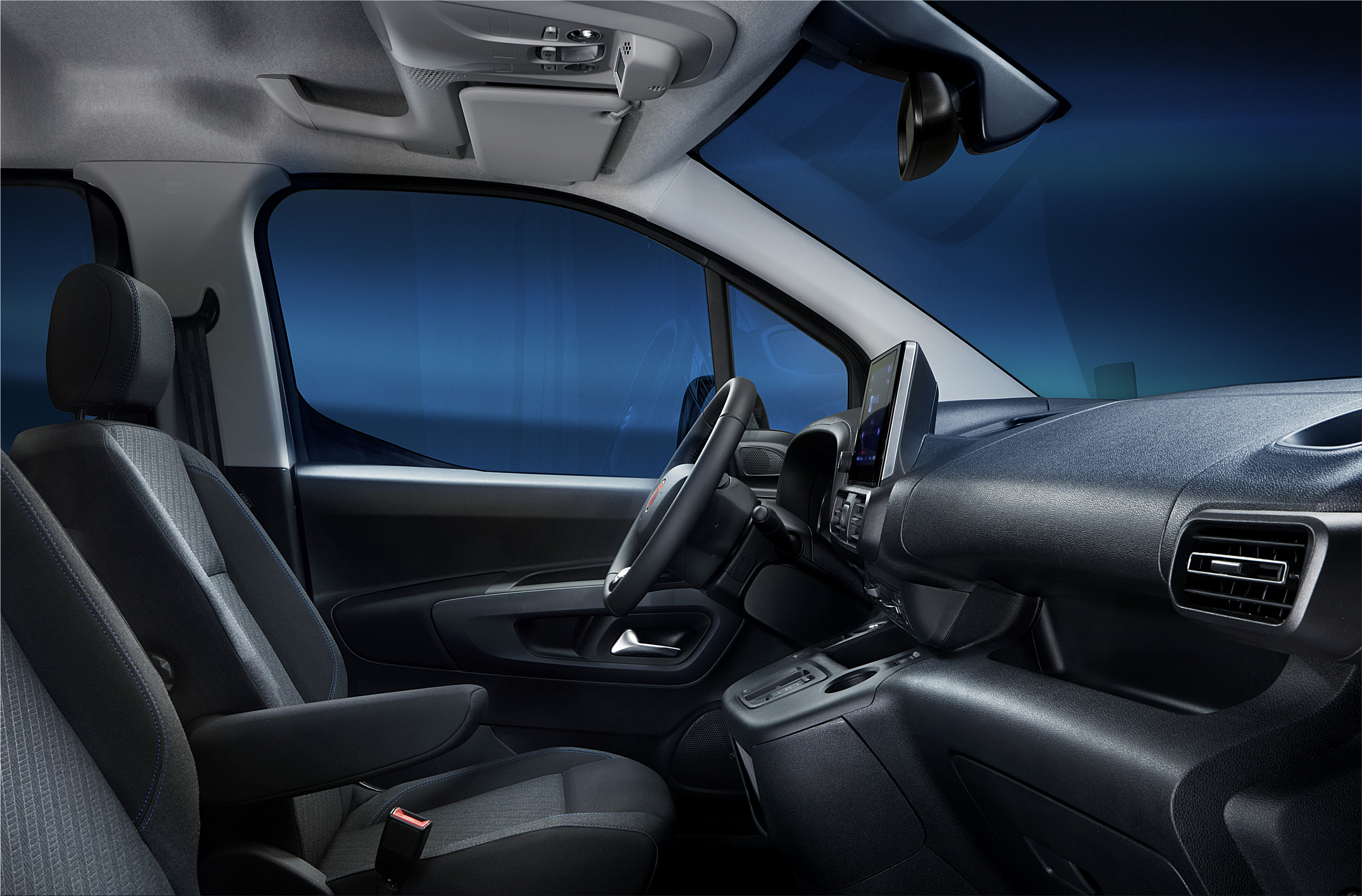
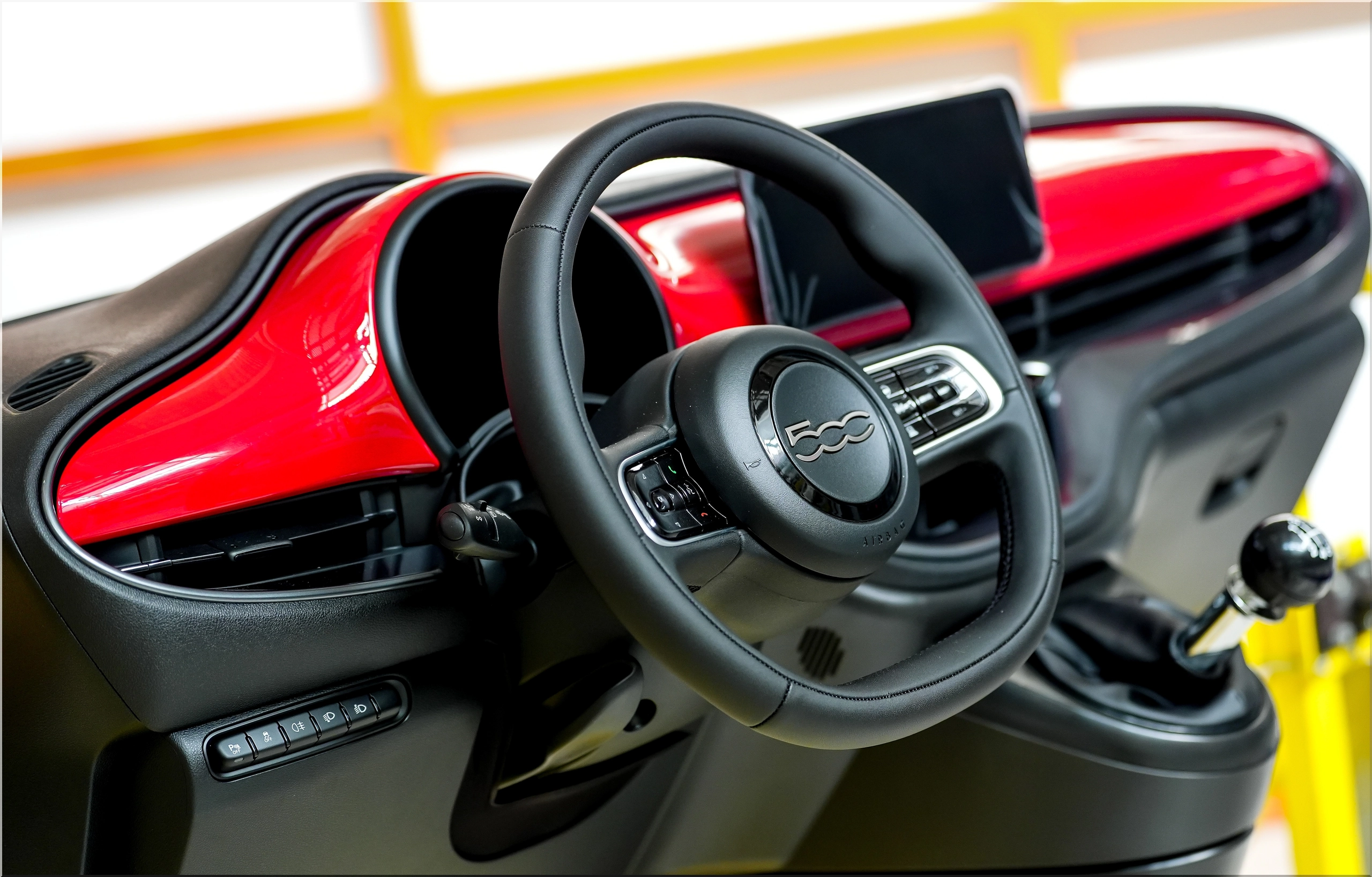
Infotainment: Uconnect 5 with 10.25” touchscreen
Safety: City-focused ADAS suite
This is the next step in Stellantis' European low-emission strategy, bringing back combustion-based hybrids alongside full EVs to hedge against slowing electric vehicle demand.
Why Mirafiori? Fiat’s Commitment to Localized Production
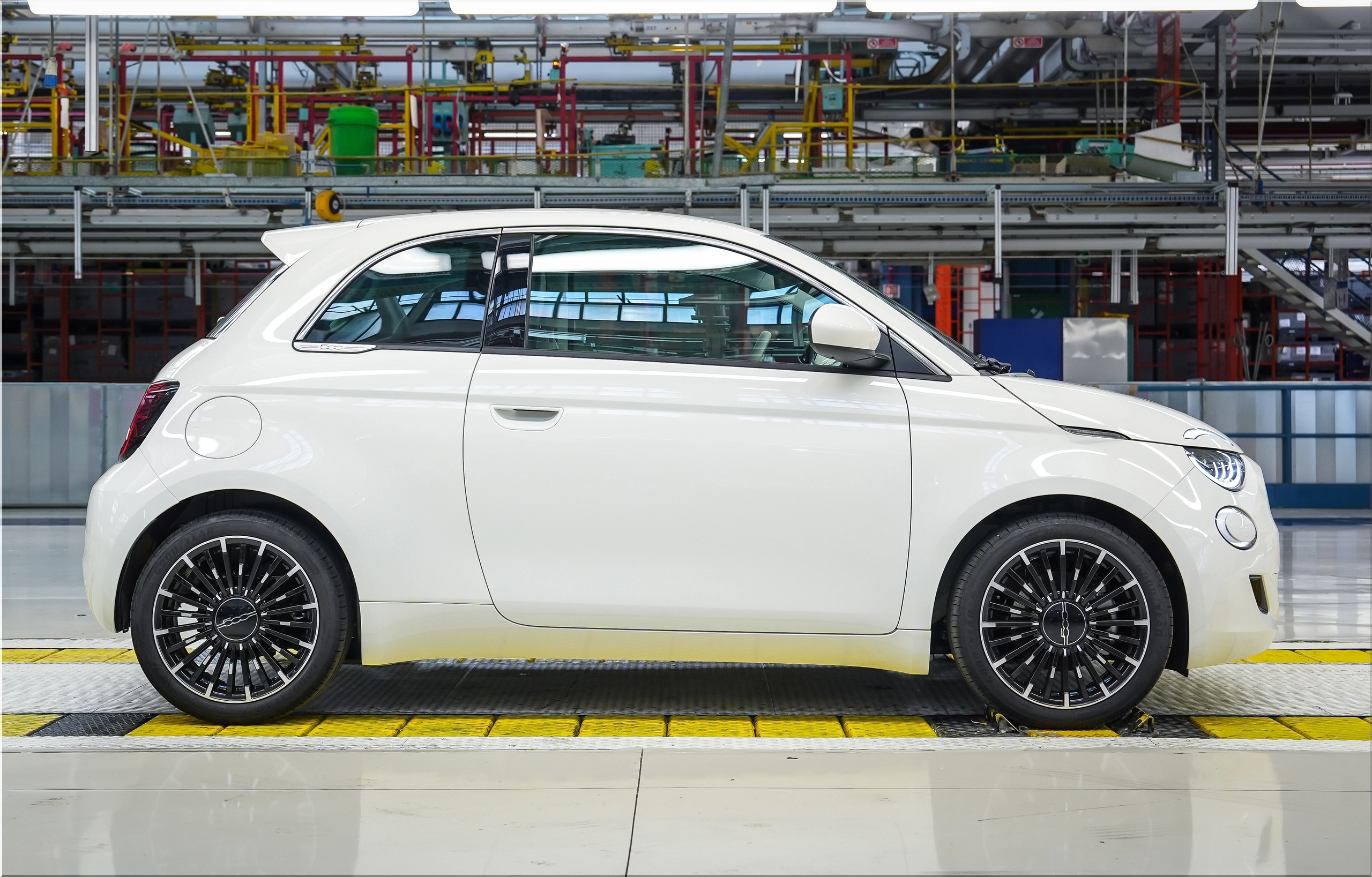
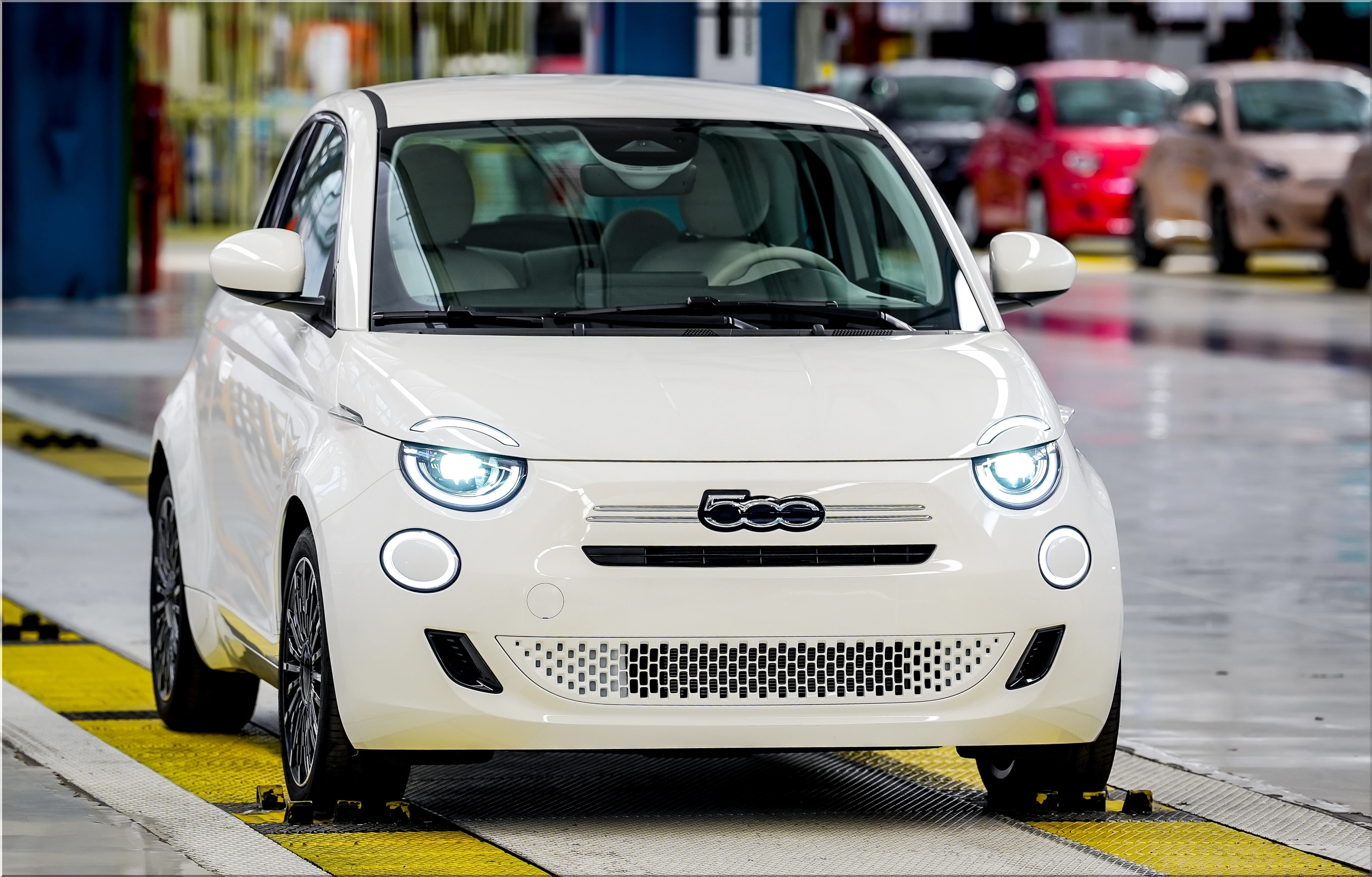
The Mirafiori plant in Turin returns to high-volume relevance. The last few years saw it underused, even with electric 500 production underway. The new Fiat 500 Hybrid model—using a simpler, cheaper powertrain—fills idle lines.
Why this matters:
- Cuts unit transport and logistics costs.
- Supports Italy’s domestic workforce.
- Increases Stellantis plant utilization and reduces per-unit overhead.
- Balances EV and ICE production under one roof.
Fiat CEO Olivier François described the move as a “promise kept.” The statement may be sentimental. The decision isn’t. Stellantis wants cost control, scalability, and regulatory compliance without overcommitting to battery-electric vehicles.
Powertrain Breakdown: FireFly 1.0L Mild-Hybrid
Under the hood is a 1.0-liter three-cylinder FireFly engine, paired with a 12-volt mild-hybrid system. This is not a performance-focused drivetrain. It’s engineered for efficiency, tax compliance, and low-cost operation.
Specs (estimated):
| Component | Specification |
|---|---|
| Engine | 1.0L 3-cylinder FireFly |
| Hybrid System | 12V BSG (belt-integrated starter) |
| Transmission | 6-speed manual |
| Output | ~70 hp |
| Emissions | <100 g/km CO₂ (WLTP) |
| Fuel Economy | ~47 mpg (US) / ~56 mpg (UK) |
| Drive Type | Front-wheel drive |
The setup meets current EU emissions targets without adding significant cost. Fiat avoids high-voltage hybrid components, which are expensive and complex.
Tech Package: Urban-Centric and Efficient
This hybrid is designed for city drivers, not tech showrooms. Still, the spec sheet is competitive within its class.
Infotainment:
- Uconnect 5 system with a 10.25” touchscreen
- Wireless Apple CarPlay and Android Auto
- 7” digital instrument display
Driver Assistance:
- Automatic Emergency Braking
- Lane Keep Assist
- Traffic Sign Recognition
No Level 2 autonomy. No hands-free highway driving. That’s intentional. The 500 Hybrid aims at budget-conscious customers who want essential tech without complexity or subscription fees.
Trim Options and Market Positioning
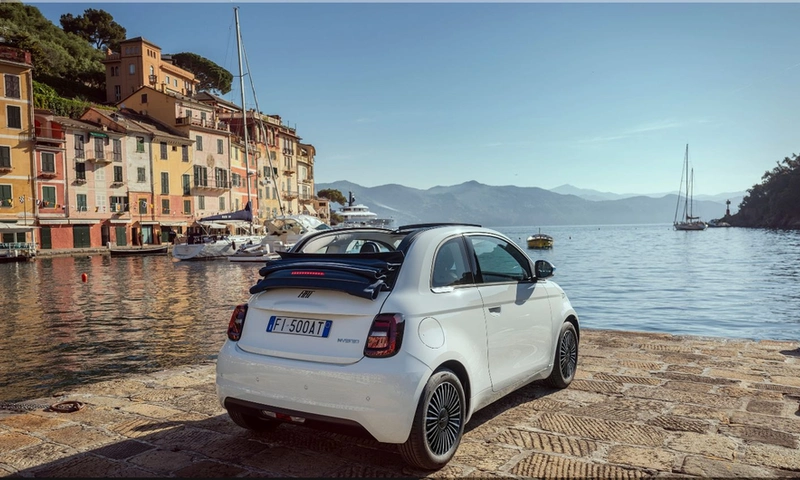
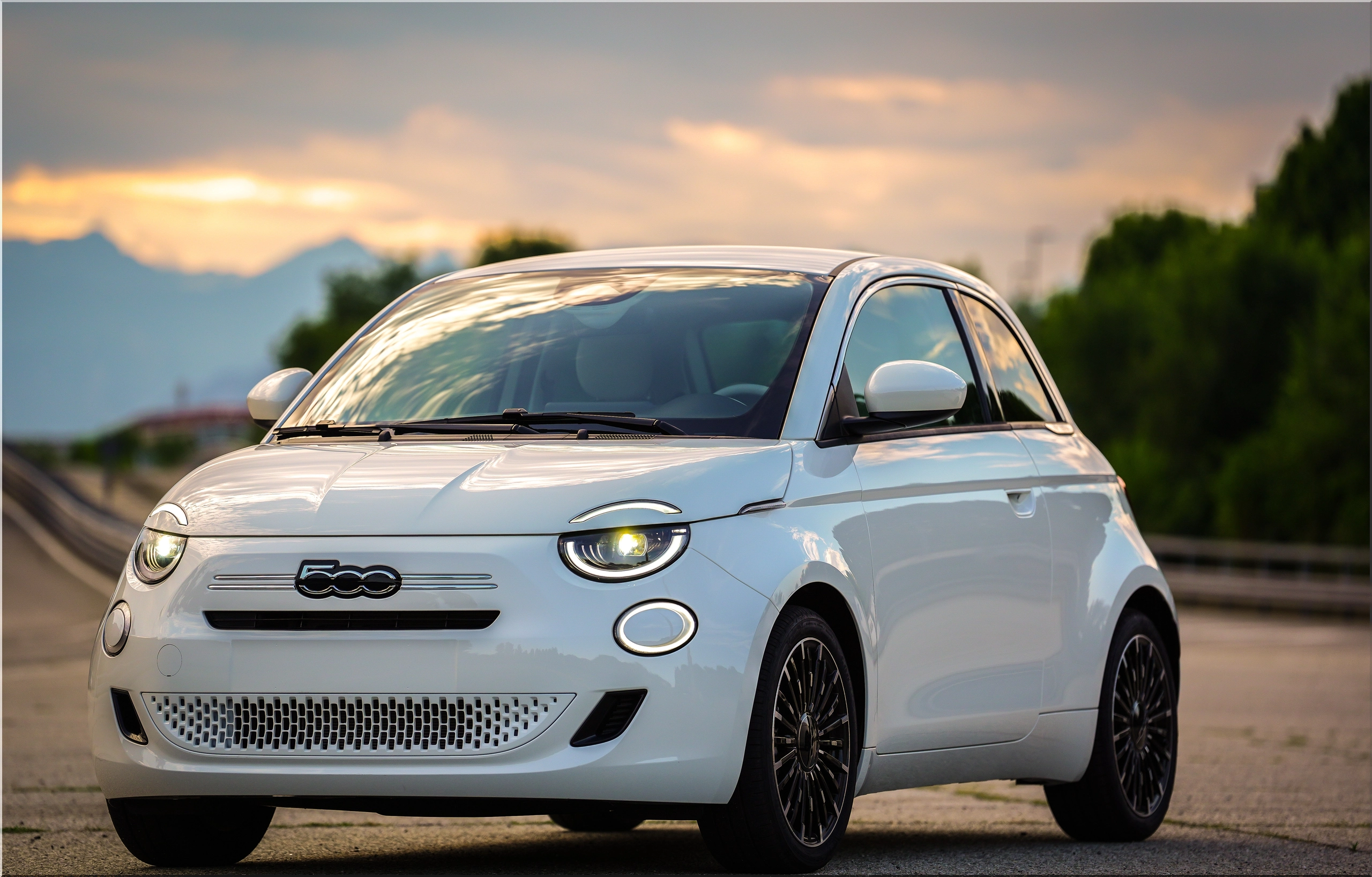
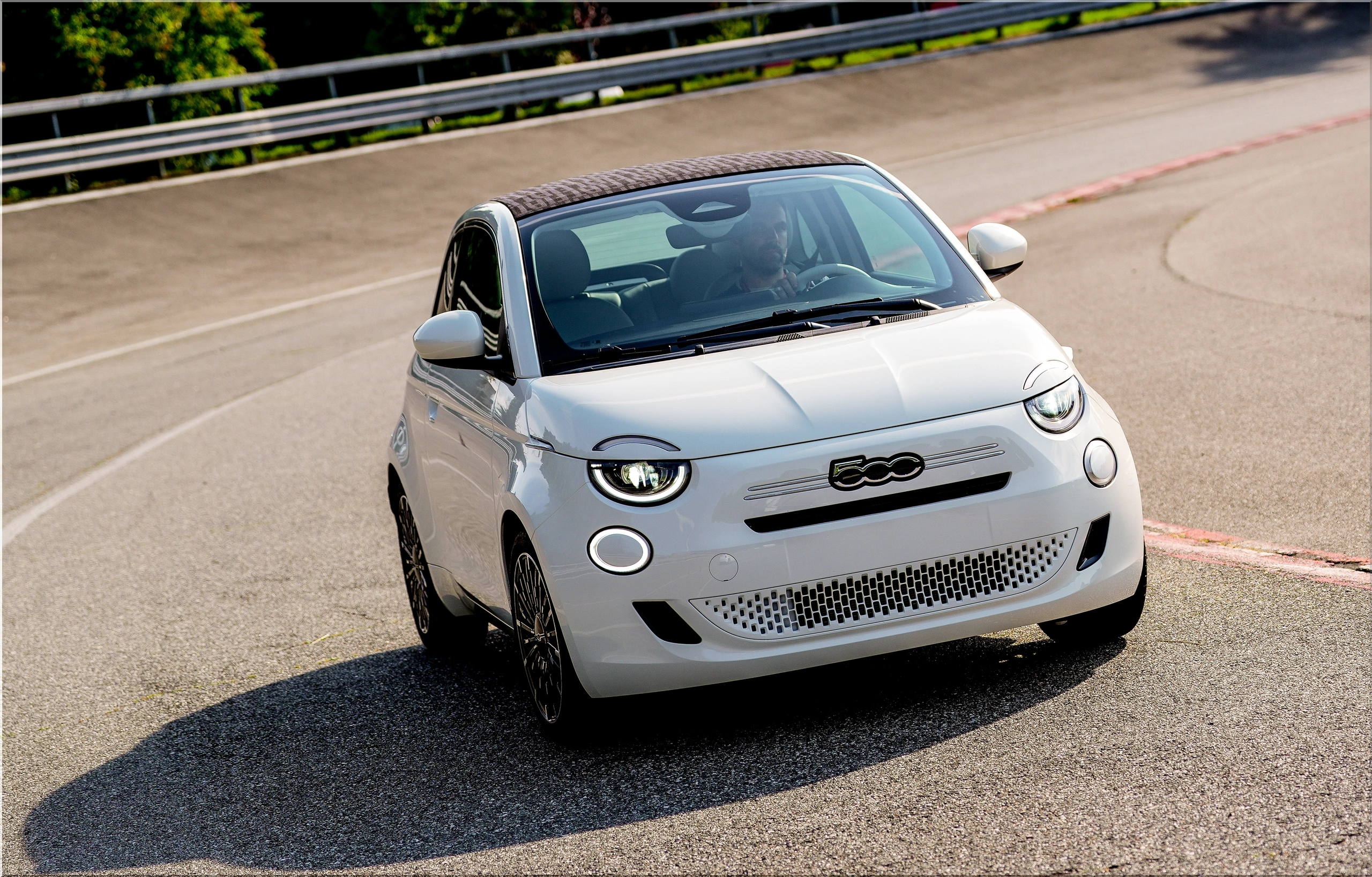
Fiat will offer two body styles: the classic Hatchback and the Cabrio. The latter is still the only convertible in its segment—a niche, but it helps keep brand differentiation alive.
Expected price range:
- Hatchback: from $20,000 USD
- Cabrio: around $23,000 USD
That pricing undercuts the Fiat 500e, which starts near $30,000 USD in most markets. The hybrid also sidesteps charging infrastructure concerns in underserved markets.
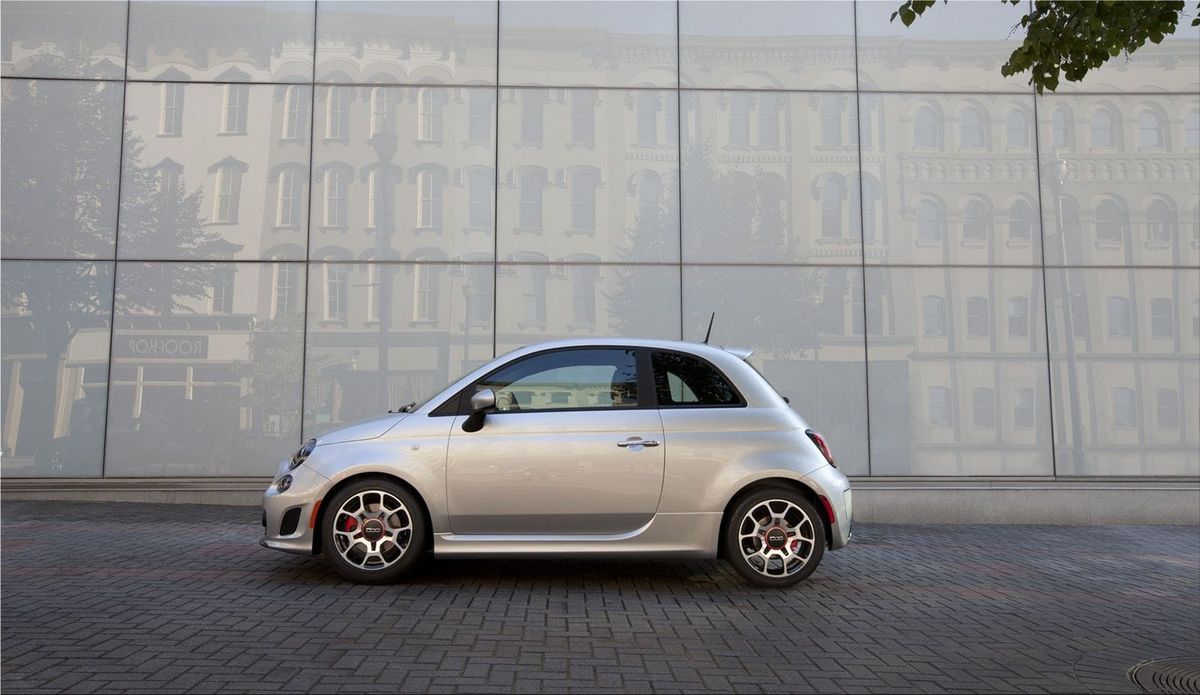
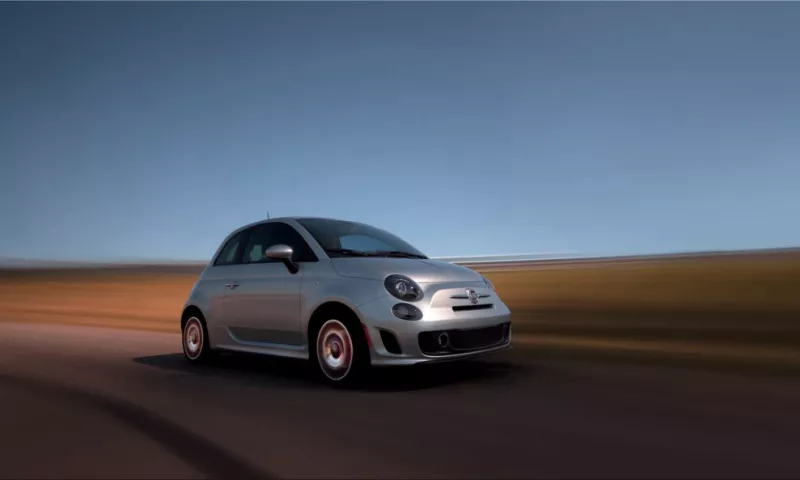
Image gallery
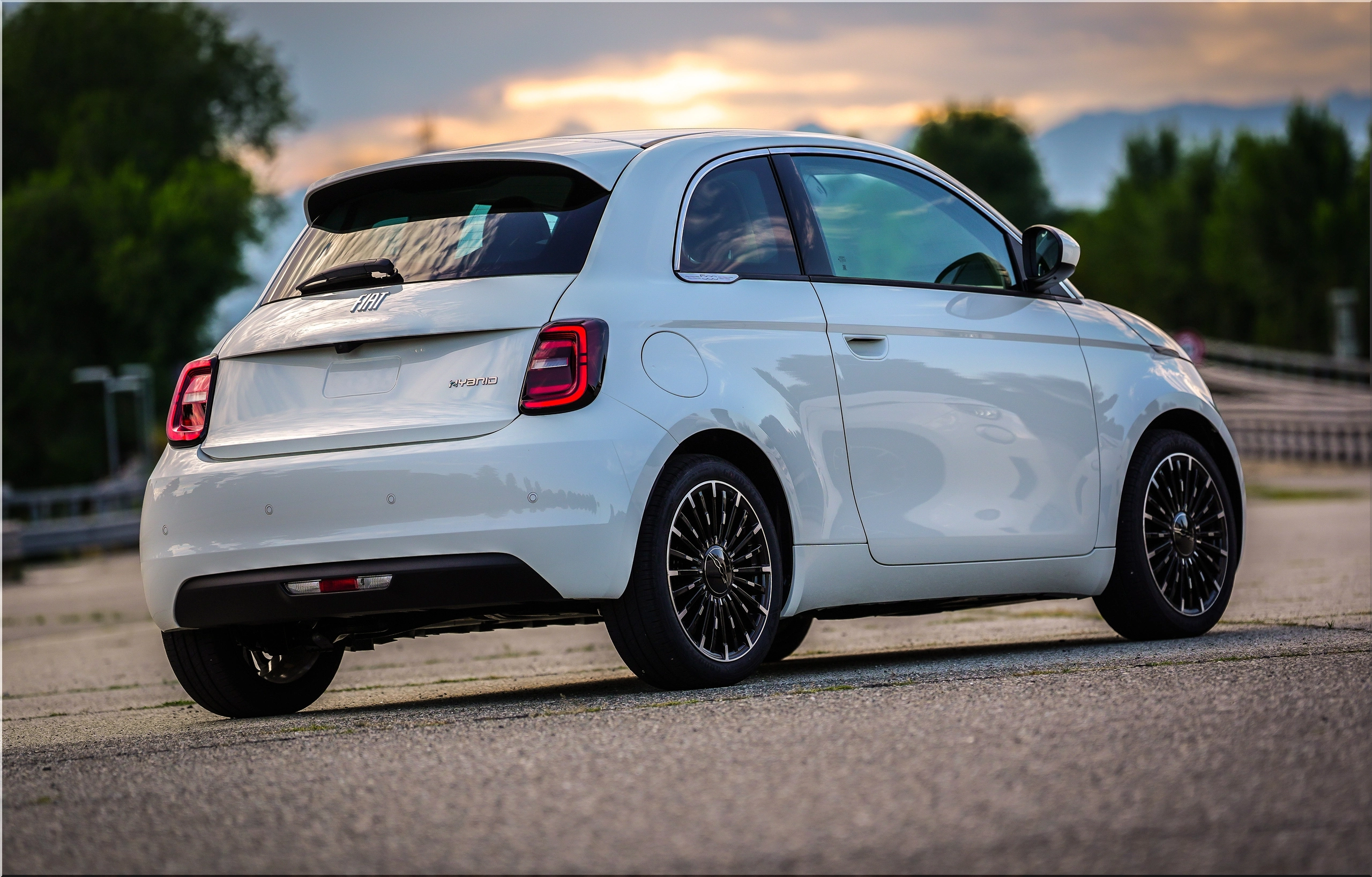



500 Hybrid vs 500e: Two Paths, One Platform
Fiat is diversifying its propulsion options, not abandoning EVs. The 500 Hybrid and 500e will coexist in the same model family.
Comparison Table:
| Feature | Fiat 500 Hybrid | Fiat 500e (Electric) |
|---|---|---|
| Powertrain | 1.0L FireFly mild-hybrid | 87–117 hp electric motor |
| Transmission | 6-speed manual | Single-speed automatic |
| Emissions | <100 g/km CO₂ | Zero |
| Fuel Source | Gasoline | Electricity |
| Range | N/A | ~180–200 miles (WLTP) |
| Starting Price | ~$20,000 USD | ~$30,000 USD |
| Market Position | Affordable, scalable | Premium city EV |
This two-pronged strategy reduces Fiat’s risk while allowing it to serve both early adopters and cost-conscious buyers.
What Stellantis Gains from the Move
The 500 Hybrid brings Stellantis measurable industrial benefits:
- Plant Utilization: Fills production lines at Mirafiori
- Cost Leverage: Shares development costs across 500e and 500 Hybrid
- Fleet Compliance: Helps meet EU emissions requirements
- Market Volume: Targets high-volume segments in Southern and Eastern Europe
Stellantis is banking on this mild-hybrid configuration to scale profitably without investing in expensive EV hardware. That’s why it aims for 100,000 units annually.
Where the Volume Will Come From
Fiat’s top markets for the 500 Hybrid are:
- Italy: Local loyalty and short commutes
- UK: Existing 500 fanbase, strong city car demand
- Spain and Portugal: High hybrid interest, low EV infrastructure
- Eastern Europe: Price-sensitive buyers and limited EV incentives
Fleet buyers—especially rental agencies—are also likely targets. This is a low-operating-cost, low-maintenance city car, ideal for short-turnaround usage.
Fiat’s Next Moves
If the 500 Hybrid succeeds, Stellantis could:
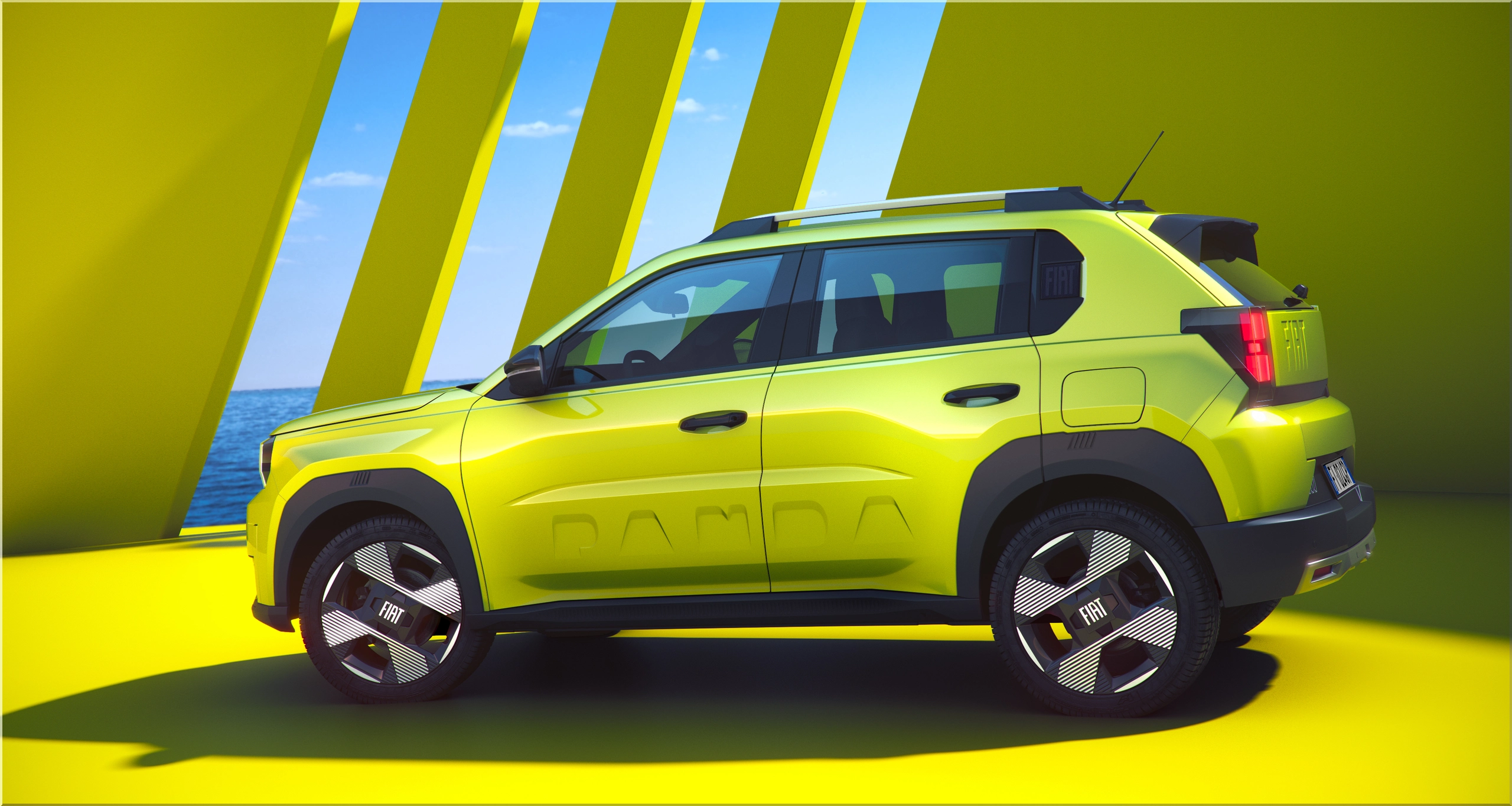
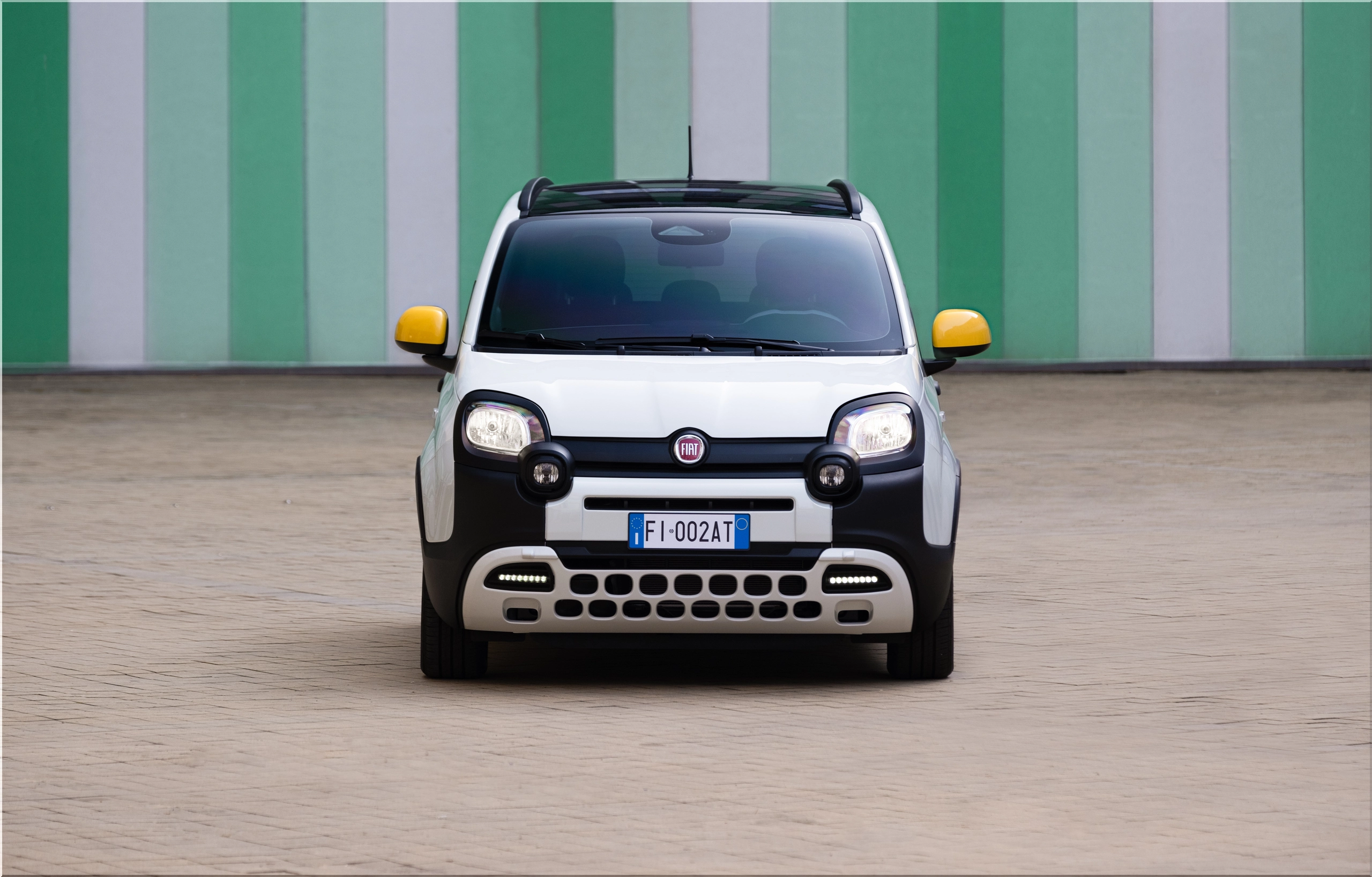
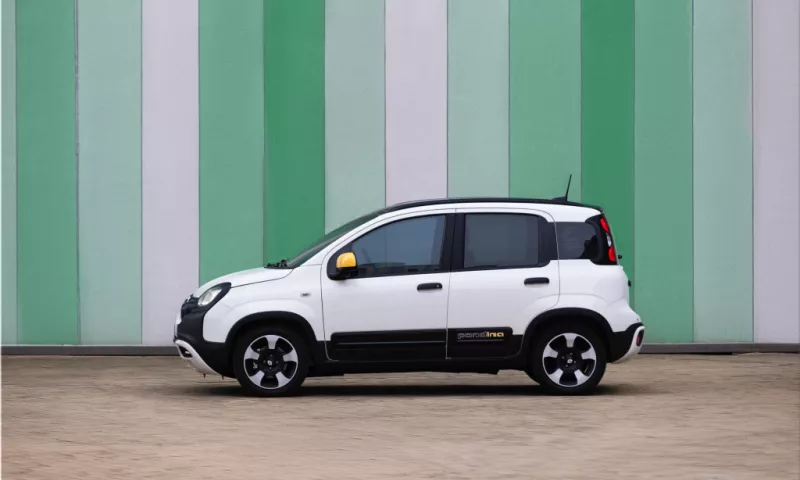
- Expand the FireFly hybrid system to the Fiat Panda
- Use Mirafiori to build export-focused trims for Latin America
- Introduce automatic transmission variants to broaden appeal
- Launch fleet-specific versions with stripped-back features
The production line is modular enough to support these shifts quickly, giving Stellantis flexibility it hasn’t had in years.
Image gallery


Summary: Fiat 500 Hybrid Is a Manufacturing and Market Solution
This isn’t a flagship. It’s a functional volume vehicle built around compliance, cost, and consistency. The 500 Hybrid doesn’t break rules—it plays by them efficiently.
Fiat knows what it’s doing:
- Produces where labor and logistics costs are controlled
- Targets buyers who aren’t ready or able to go electric
- Revives a plant with strong historical significance
- Builds a scalable future off existing platforms
No gimmicks. No excess. Just a simple strategy executed well.
- Add new comment
- 847 views