Introduction
Long-haul trucking demands more than just driving skills and route knowledge—it requires strategic planning around rest, nutrition, and vehicle maintenance. The difference between a productive journey and a gruelling ordeal often comes down to the quality of facilities where drivers stop to recharge. Professional drivers spend countless hours on the road, making rest stops their temporary homes, offices, and service centres. Yet not all facilities are created equal. Some offer bare-minimum provisions, while others provide comprehensive amenities that support driver wellbeing, vehicle maintenance, and operational efficiency. Understanding what separates exceptional stops from mediocre ones helps drivers plan routes more effectively, maintain better health, and ensure their vehicles remain in optimal condition throughout demanding journeys.
Critical Facilities for Driver Wellbeing
Quality Food and Beverage Options
Nutrition significantly impacts driver alertness, energy levels, and long-term health. The best rest stops offer diverse food choices beyond typical fast food—fresh options, balanced meals, and healthy alternatives that fuel drivers properly for extended periods behind the wheel. Access to hot beverages around the clock, clean drinking water, and proper dining areas where drivers can eat comfortably makes substantial differences in daily quality of life.
Clean, Well-Maintained Restroom Facilities
This might seem basic, but clean restrooms remain surprisingly uncommon at many stops. Professional drivers deserve hygienic facilities with hot water, functioning hand dryers or towels, and regular maintenance. Poor sanitation creates health risks and signals overall facility neglect that often extends to other amenities.
Comfortable Rest Areas
After hours of driving, drivers need spaces to genuinely relax. Look for facilities offering comfortable seating away from noise, adequate lighting for reading or paperwork, and climate control that works properly. Some premier locations provide dedicated quiet zones or even rest pods where drivers can take proper breaks between shifts.
Essential Services for Vehicle and Equipment
Secure, Well-Lit Parking
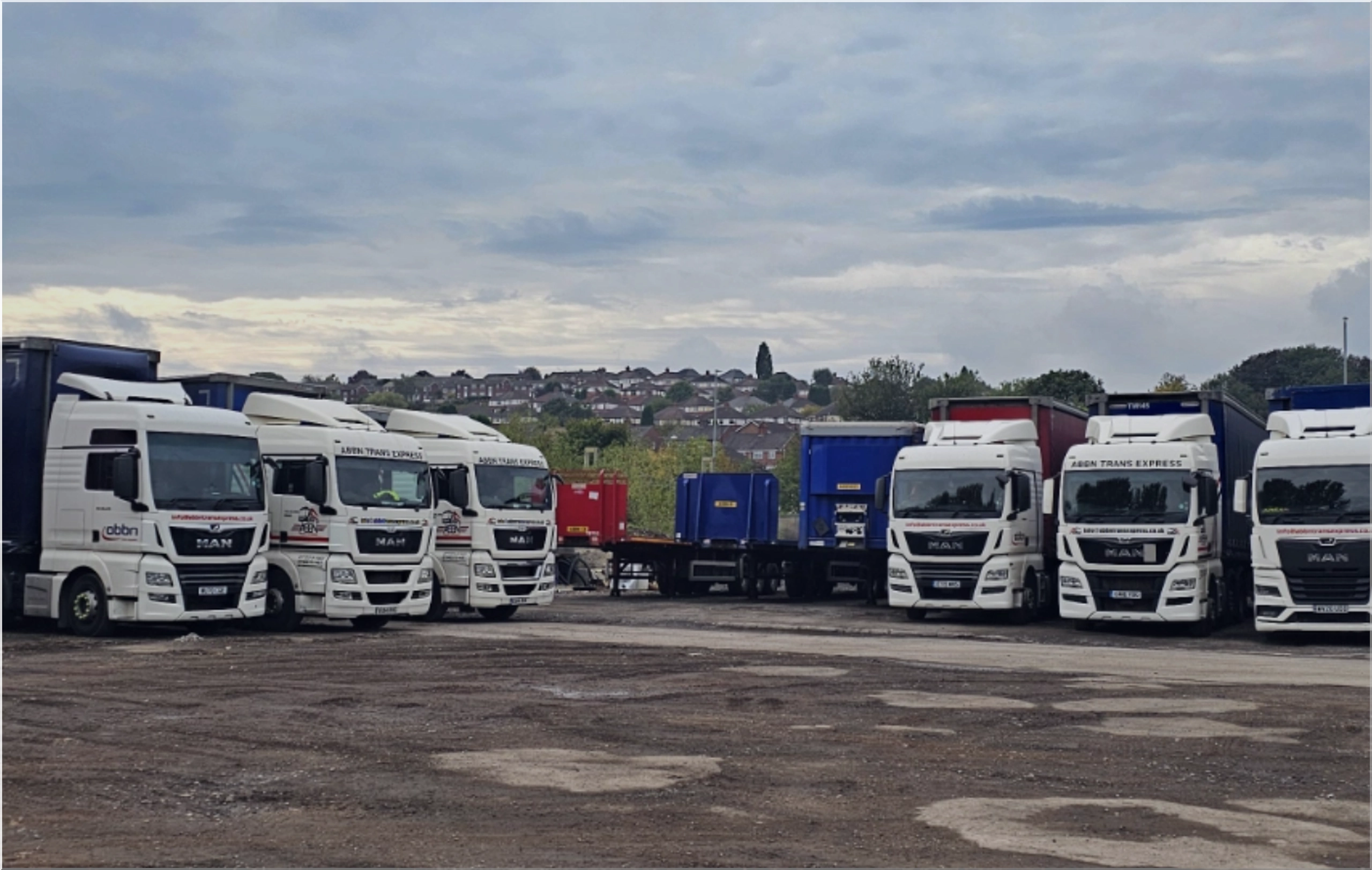
Adequate parking isn't negotiable—it's fundamental. Quality facilities provide ample spaces designed for HGVs, proper lighting for security, and surfaces maintained to prevent vehicle damage. Overnight security presence or monitored CCTV systems offer peace of mind when leaving valuable loads unattended during mandatory rest periods.
Fuel and Basic Maintenance
Efficient fuel stations with commercial diesel pumps designed for trucks save precious time. The best stops also offer basic maintenance services—tyre pressure checks, oil top-ups, and minor repairs that prevent small issues from becoming major problems during critical deliveries. On-site mechanics or partnerships with nearby service providers add valuable convenience.
Shower and Laundry Facilities
For drivers spending days or weeks on the road, shower access transforms from luxury to necessity. Modern facilities provide clean, private showers with hot water and proper ventilation. Laundry services or facilities help drivers maintain professional appearance and personal hygiene standards despite extended time away from home.
Connectivity and Modern Conveniences
Reliable Wi-Fi and Charging Stations
Staying connected isn't just about entertainment—it's essential for route planning, load coordination, regulatory compliance, and maintaining contact with family. Quality facilities provide robust Wi-Fi that actually works, electrical outlets for charging devices, and comfortable areas for handling administrative tasks digitally.
ATM and Financial Services
Access to cash remains important despite increasing card usage. On-site ATMs eliminate detours to find banking services, while some facilities offer additional financial amenities like currency exchange for international drivers or payment services for various fees.
Retail and Supplies
Well-stocked shops offering driver essentials—from logbooks and cleaning supplies to personal items and emergency equipment—save time and stress. The best locations understand driver needs, stocking items specifically relevant to professional transport rather than just general convenience store inventory.
Location-Specific Considerations
Strategic Route Positioning
The best facilities position themselves along major corridors at intervals matching regulatory rest requirements. Facilities located near major intersections or distribution hubs offer particular value, allowing drivers to combine mandatory breaks with strategic stops that align with delivery schedules or shift changes.
Access and Exit Efficiency
Easy access from main routes without navigating complicated turns or unsuitable roads matters enormously when driving large vehicles. Similarly, efficient exits that return drivers quickly to their routes without unnecessary delays or difficult manoeuvres distinguish thoughtfully designed facilities from poorly planned ones.
Local Amenities and Services
Proximity to additional services—medical facilities, vehicle repair specialists, accommodation options, or professional services like accountants or legal advisors—adds value for drivers dealing with emergencies or needing specialist assistance during journeys.
What Sets Premium Facilities Apart
Exceptional rest stops understand that drivers are professionals deserving respect and quality service. Facilities like m6truckstop.com recognise that providing comprehensive amenities isn't just good business—it's about supporting the transport industry that keeps economies moving. The best locations continuously invest in improvements, maintain high standards across all facilities, and genuinely prioritise driver experience rather than treating truckers as afterthoughts.
Frequently Asked Questions
How can I find information about facilities before arriving?
Most quality rest stops maintain websites or social media pages detailing available amenities, current fuel prices, and facility status. Driver apps and community forums also provide real-time information and reviews from fellow professionals who've recently visited specific locations.
What amenities are worth paying premium prices for?
Secure overnight parking, reliable shower facilities, and quality food options justify premium pricing for most drivers. These directly impact safety, health, and comfort in ways that cheap but inadequate alternatives cannot match. Consider the cost against time saved and stress reduced.
Are facilities required to accommodate HGVs specifically?
While general rest areas exist along most major routes, facilities specifically designed for commercial vehicles offer substantially better experiences. Purpose-built truck stops understand vehicle dimensions, turning radiuses, and driver needs in ways generic facilities cannot replicate.
How do I provide feedback about facility quality?
Most facilities welcome direct feedback through websites, social media, or on-site management. Driver review platforms and industry forums also provide channels for sharing experiences that help fellow professionals make informed decisions while encouraging facilities to maintain standards.
What should I do if a facility lacks essential amenities?
Always have backup options researched along your route. Driver apps showing alternative facilities help you pivot quickly if your planned stop proves inadequate. Report serious deficiencies—particularly safety issues or false advertising of amenities—to relevant authorities or industry organisations.
Conclusion
Professional drivers deserve facilities that recognise their crucial role in keeping supply chains functioning smoothly. The best rest stops understand that comprehensive amenities aren't luxuries—they're essential infrastructure supporting driver health, safety, and operational efficiency. By knowing what to look for and planning routes around quality facilities, drivers protect their wellbeing while optimising journey efficiency. Whether you're an experienced driver or new to long-haul transport, prioritising stops with proper amenities transforms gruelling journeys into manageable professional routines. The investment in seeking out quality facilities pays dividends through improved health, reduced stress, better vehicle maintenance, and ultimately, safer, more successful careers on the road.
Image gallery

- Add new comment
- 239 views