

As the Summerlin car accident lawyers at Morris Injury law explains it, getting hurt in an accident is stressful enough on its own. But what happens after the crash often decides whether your injury claim succeeds or falls apart completely. Evidence is the backbone of every strong case.
Insurance companies do not simply take your word for what happened. They want proof. The stronger and more detailed your evidence, the harder it becomes for an adjuster to deny or undervalue your claim.
Below, we break down the types of evidence that carry the most weight, why they matter, and how to protect them before they disappear.
Why Evidence Matters So Much in Injury Claims
Every injury claim comes down to one core question: who was at fault? Without solid proof, that question turns into a battle of opinions between drivers, witnesses, and insurance representatives.
Strong evidence removes the guesswork. It shows an adjuster or judge exactly what happened, in what order, and who caused the damage. This can speed up settlements and increase payout amounts significantly.
Weak or missing evidence, on the other hand, gives insurers room to argue that the injured driver shares blame. That single argument can shrink a settlement by thousands of dollars.
Dashcam Footage
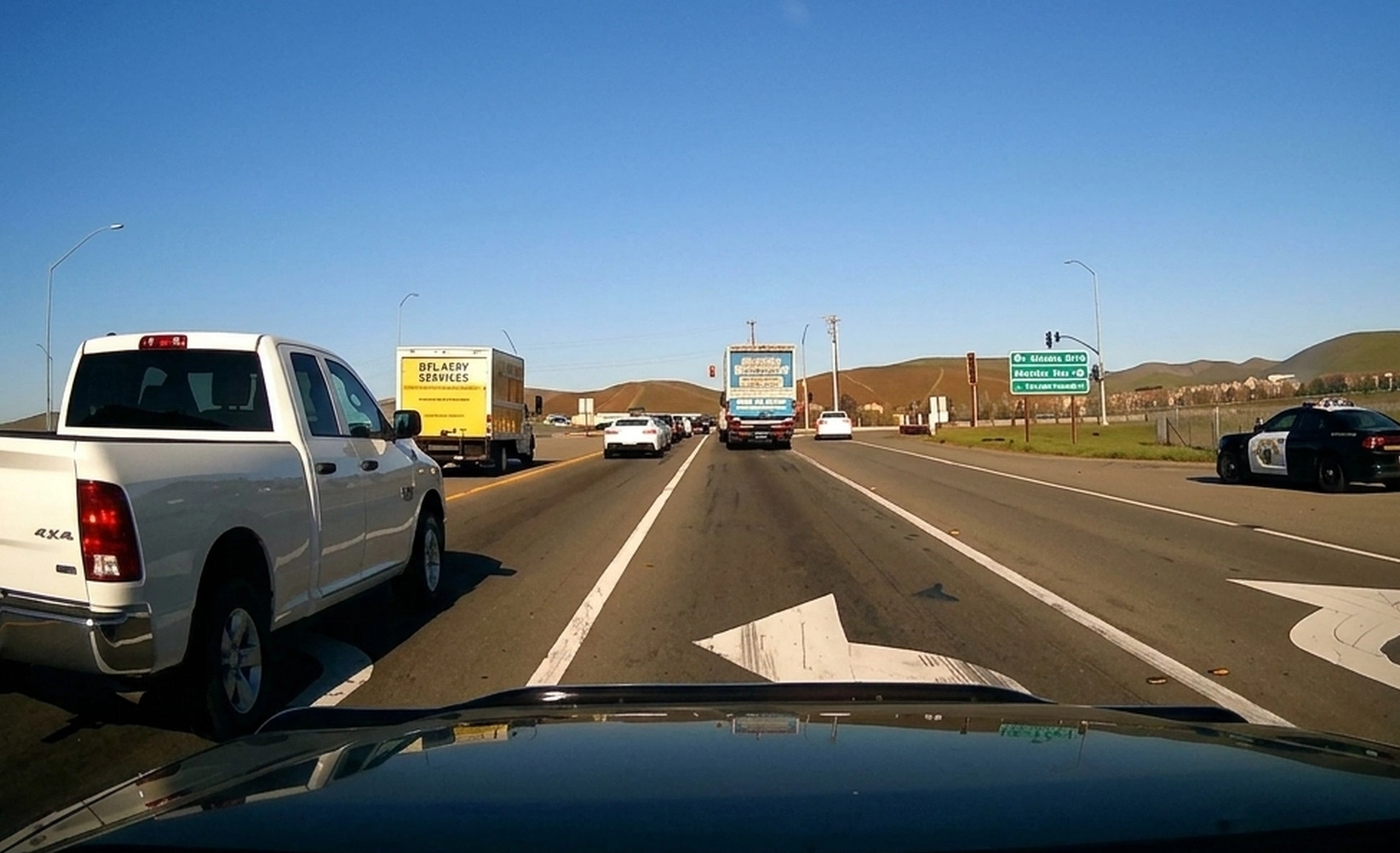
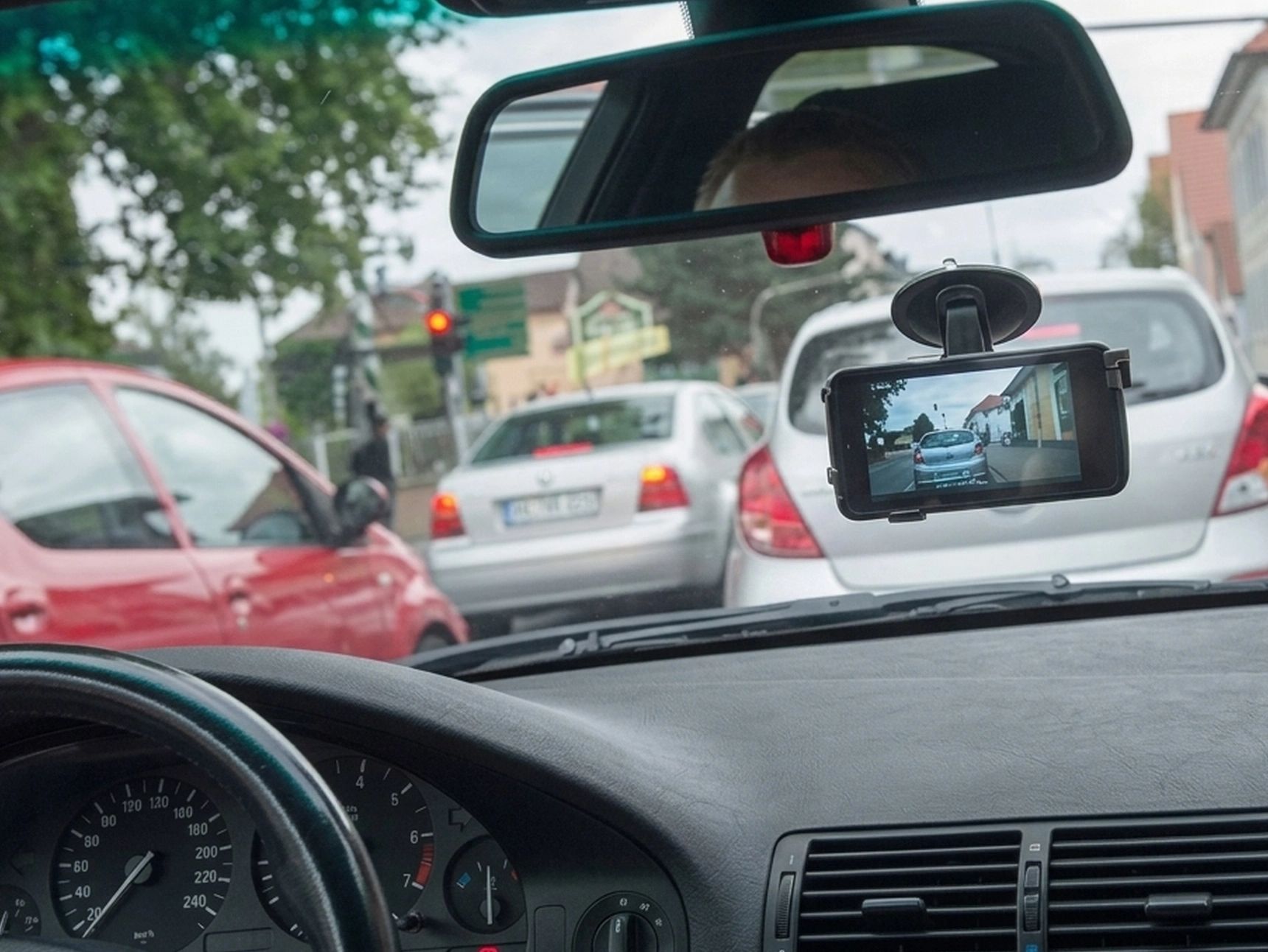
Dashcams have become one of the most powerful tools in modern injury claims. Unlike memories, cameras do not forget details or get confused under pressure.
Footage can show the exact moment of impact, vehicle speeds, traffic signals, and driver behavior leading up to the crash. This kind of visual proof is hard for the opposing side to dispute or twist.
If your vehicle has a dashcam, save the footage immediately. Many devices overwrite old recordings automatically, so waiting even a few days could mean losing the only real time record of the accident.
Footage from nearby vehicles, delivery trucks, or business security cameras can also help. Reaching out quickly to request these recordings before they get deleted is a smart move.
Witness Statements
While cameras capture visuals, witnesses provide context that footage alone cannot always explain. A bystander might notice something a camera angle missed entirely.
Witness statements carry weight because they come from someone with no financial stake in the outcome. Their account can confirm details like who ran the red light or who was distracted.
The challenge with witnesses is timing. Memories fade fast, and contact information can be lost if not collected right at the scene.
Here are ways to strengthen witness evidence for your claim.
- Ask for names and phone numbers before anyone leaves the scene
- Request a brief written or recorded statement while memories are fresh
- Note where each witness was standing during the accident
- Confirm whether they saw the entire event or only part of it
- Follow up within a day or two to thank them and verify contact details
Police Reports: The Official Record
A police report acts as an unbiased summary of what officers observed and were told at the scene. It often includes diagrams, citations issued, and initial fault assessments.
Insurance adjusters tend to give these reports significant weight. Even though they are not the final word on fault, they set an early tone for how the claim gets evaluated.
Always call the authorities after any collision involving injury. Skipping this step can leave your claim without a key piece of documentation that insurers expect to see.
Medical Records
Physical evidence and witness accounts prove how the accident happened, but medical records prove what it did to your body. Without them, insurers may argue your injuries came from somewhere else.
Seeking treatment immediately after an accident creates a paper trail linking the crash directly to your condition. Waiting too long to see a doctor gives insurers an opening to question the connection.
Consistent followup visits also matter. Gaps in treatment can be used against you, suggesting your injuries were not serious or had already healed.
Photos of the Scene and Injuries
Photographs freeze a moment in time before it disappears. Skid marks fade, vehicles get repaired, and bruises heal, but pictures preserve exactly how things looked right after impact.
Photos of vehicle damage, road conditions, weather, and traffic signs help paint a full picture. Images of visible injuries, taken over several days, also show how wounds progressed or worsened over time.
Even seemingly small details, like a broken taillight or a torn seatbelt, can later become important pieces of the puzzle.
Electronic and Digital Records
Modern vehicles and smartphones generate data that can support an injury claim in surprising ways. This includes cell phone records showing whether a driver was texting.
Vehicle event data recorders, sometimes called black boxes, can reveal speed, braking patterns, and airbag deployment timing. This information often confirms or contradicts a driver's version of events.
Traffic camera footage from city intersections may also capture the crash, especially in areas with heavy monitoring. Requesting this footage early is important since many systems only retain data for a limited time.
Expert Testimony
Sometimes the evidence alone is not enough to explain complex details to an insurance company or courtroom. That is where expert witnesses step in to translate technical information.
Accident reconstruction specialists can recreate the crash using physical evidence and physics to determine speed and impact angles. Medical experts can explain long term effects of an injury in a way that supports future damage claims.
These professionals add credibility, especially in cases involving serious injuries or disputed fault.
How an Attorney Helps Gather and Protect Evidence
Collecting evidence on your own while recovering from an injury can feel overwhelming. An experienced attorney knows exactly what to request and how quickly certain records disappear.
Attorneys can send preservation letters to businesses or trucking companies, forcing them to hold onto footage that might otherwise be deleted. They also know how to subpoena records that everyday victims cannot access alone.
Beyond gathering proof, attorneys understand how to present evidence persuasively to adjusters or juries. That skill often makes the difference between a lowball offer and fair compensation.
Final Thoughts
The sooner evidence gets collected, the stronger your position becomes. Waiting too long risks losing recordings, fading memories, or missing documentation that could have changed the outcome entirely.
If you or a loved one has been injured, protecting evidence should start immediately after the crash. Speaking with a personal injury attorney can help ensure nothing important slips through the cracks.
Image gallery
- Add new comment
- 55 views