
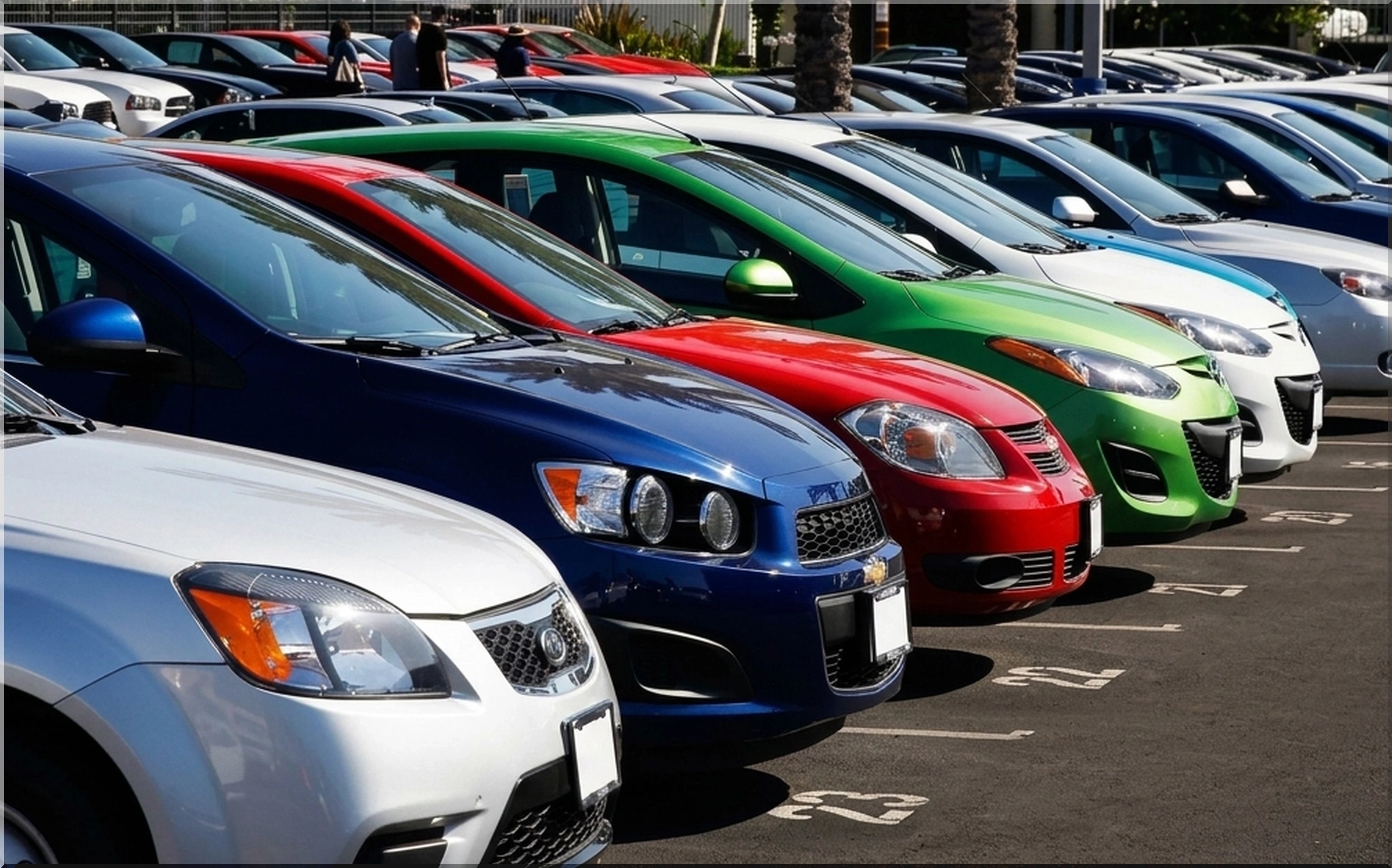
Most people think about brakes, tires, and price tags when they walk into a car dealership. Almost nobody thinks about the floor. But dealership lots and showrooms create a strange mix of hazards that most shoppers never expect, and that mix is exactly why so many injuries happen in places drivers visit all the time. Between the shiny tile, the crowded parking rows, and the constant shuffle of cars in and out of service bays, a dealership can turn into an obstacle course without anyone noticing until someone actually gets hurt.
Showrooms Look Safe. They Are Not Always
Glossy showroom floors are built to show off cars, not to grip shoes. Add a rainy day, a dripping umbrella, or a freshly waxed tile, and that floor turns into a hazard almost overnight. Test drive lots have their own version of the same problem. Loose gravel, oil drips from parked vehicles, and uneven curb cuts near the entrance are easy to miss when you are focused on a shiny new SUV instead of your feet.
If a fall like this happens in Bedford, Texas, talking to a Bedford slip and fall lawyer early on can help someone understand whether the dealership failed to keep the property reasonably safe, and what steps come next. That first conversation often clears up confusion fast, since most people have no idea how premises liability actually works until they need it. In simple terms, a property owner has a duty to keep walkways and lots reasonably safe, and that duty does not go away just because the property happens to sell cars instead of groceries.
Service Bays Bring a Different Kind of Risk
Waiting areas near service bays are another spot people overlook. Customers wander in to ask about their car, and they walk right past wet floor signs, tool carts, or hydraulic lift fluid that never got wiped up. These areas are busy, loud, and full of distractions, which makes it easier to miss a hazard that would be obvious anywhere else. Once an injury happens, the process usually shifts toward paperwork and claims fairly quickly. This is where things start to resemble what happens after a car accident.
Cardivision has covered how the insurance claims process plays out once an incident becomes a legal matter, and many of the same ideas apply here. Insurers look at documentation, witness statements, and how quickly the hazard was reported. Taking photos of the wet floor, torn mat, or broken tile right after a fall can make a real difference later, since conditions get cleaned up or repaired fast at any busy dealership. Waiting even a day to gather that evidence often means it is gone for good.
The Numbers Don't Lie
It is easy to assume these accidents are rare, but they are not. Falls in parking areas and commercial lots send a surprising number of people to the hospital every year, and older adults face the highest risk of serious injury. According to published parking lot safety data, poor lighting, potholes, and debris are consistently named as leading causes, and dealership lots share every one of those same conditions. Add heavy foot traffic from shoppers moving between vehicles, plus staff constantly repositioning cars, and the risk only grows. None of this means a fall is guaranteed to happen. It just means the odds are higher than most people assume, especially at larger dealerships with sprawling lots and multiple buildings to walk between.
What to Actually Do If You Fall
If you slip or trip at a dealership, take a breath first. Check for pain in your wrists, hips, or head before you try to stand up too fast. Once you are steady, report the fall to a manager on duty and ask that it be written down, even if the injury feels minor at the moment. Adrenaline hides pain well, and some injuries do not show symptoms for a day or two. Take pictures of the exact spot where you fell, along with anything that caused it, whether that is a puddle, a torn floor mat, or a pothole in the lot. Get the names of any employees or customers who saw what happened. These small steps protect you later, whether you end up filing a simple report or something more involved.
A Few Simple Habits That Help
Dealership visits do not need to feel risky if you stay a little more aware. Wear shoes with real grip instead of slick soles when you plan to walk a big lot. Watch the ground near entrances after rain or snow, since that is where most puddles collect. If you are walking through a service area, follow posted signs and stay clear of active work zones, even if a staff member waves you through. None of this takes the fun out of car shopping. It just keeps your focus where it belongs, on the car in front of you and the ground beneath your feet.
Buying or servicing a car should be exciting, not risky. A little awareness of where hazards tend to hide, paired with quick action if something does go wrong, puts you in a much stronger position no matter what happens next.
Image gallery

- Add new comment
- 76 views