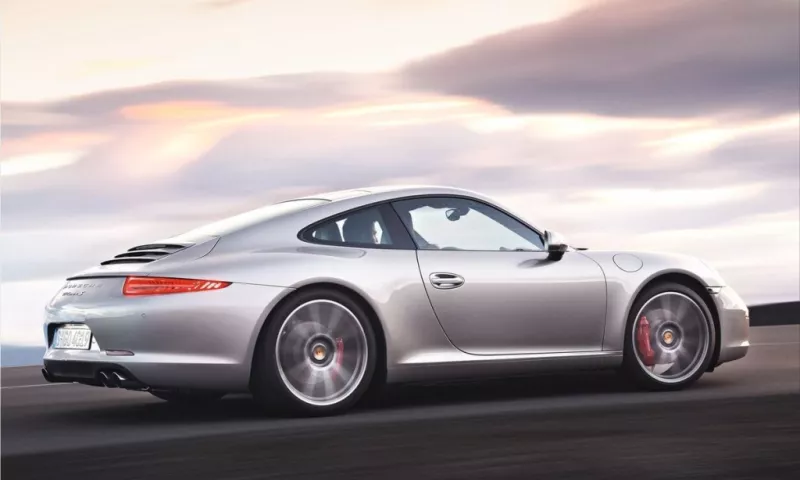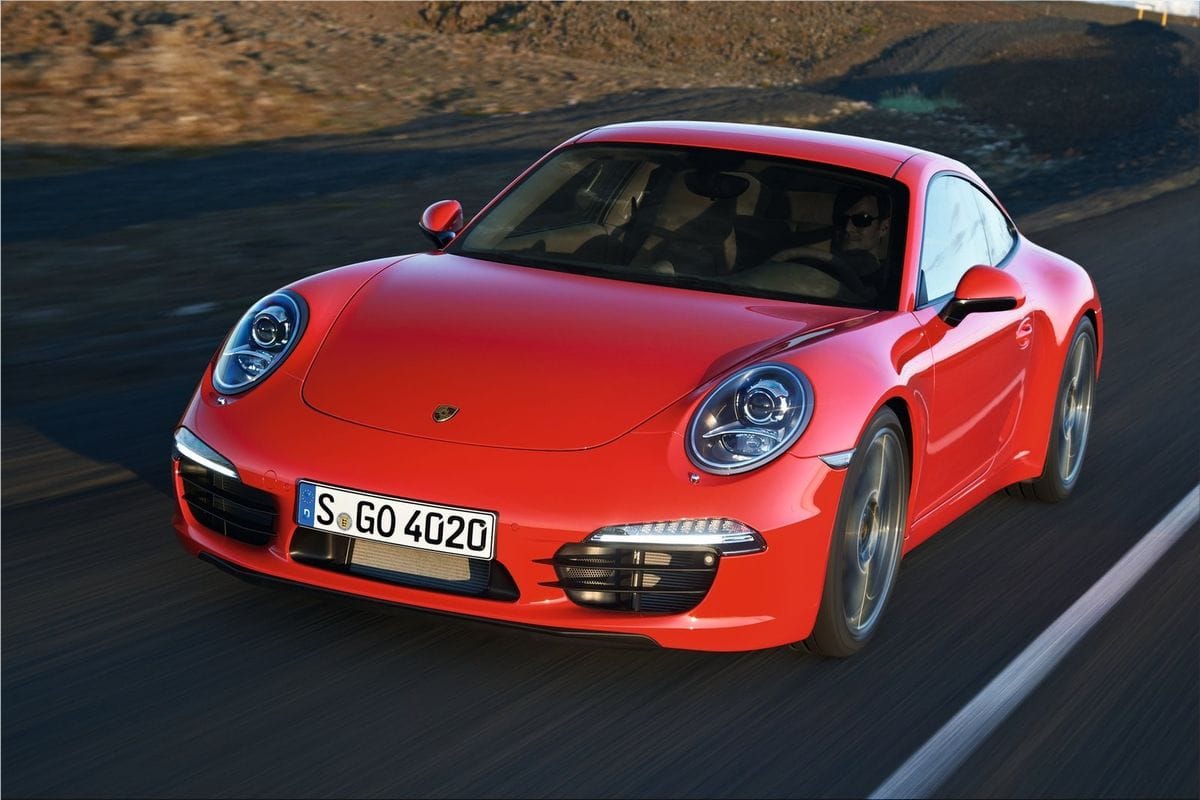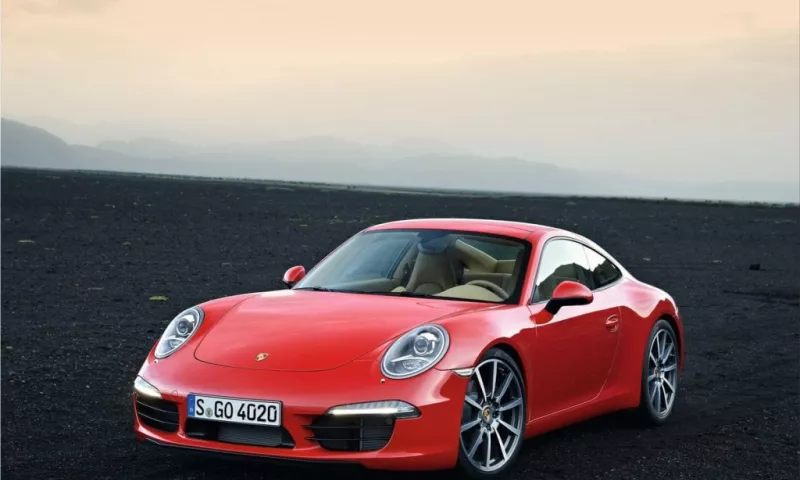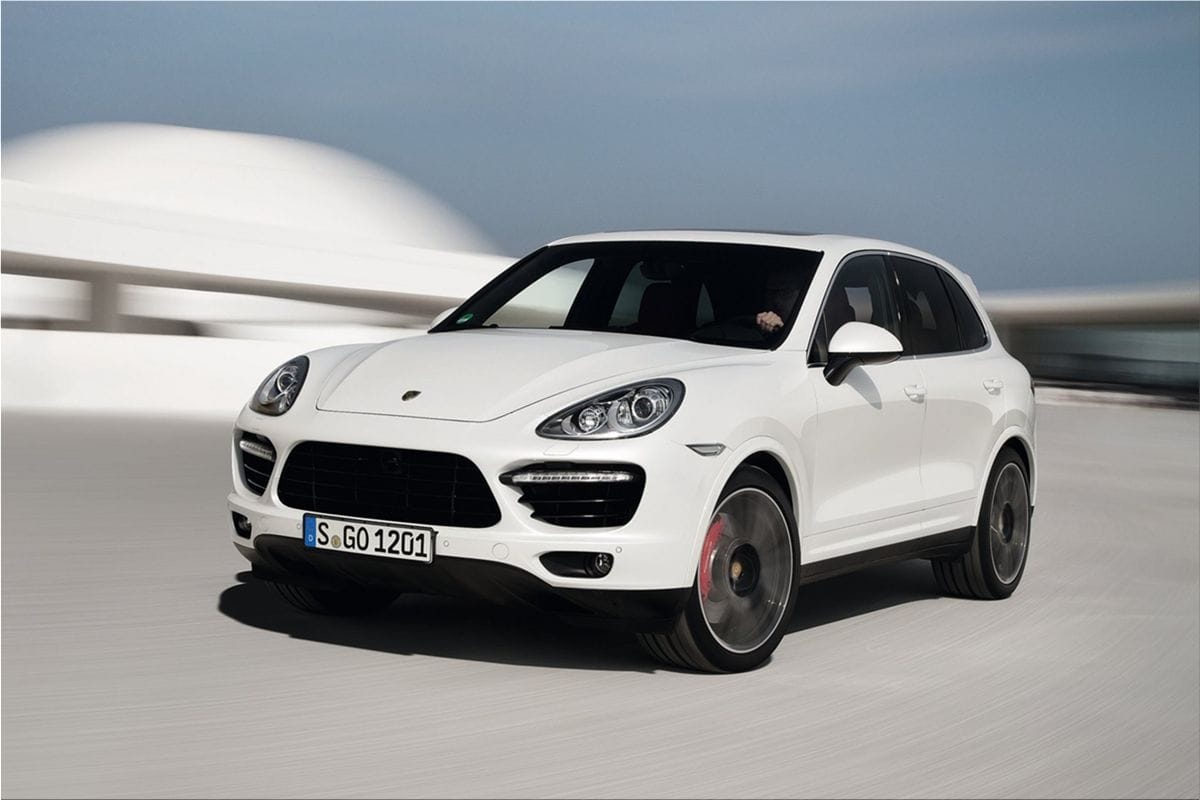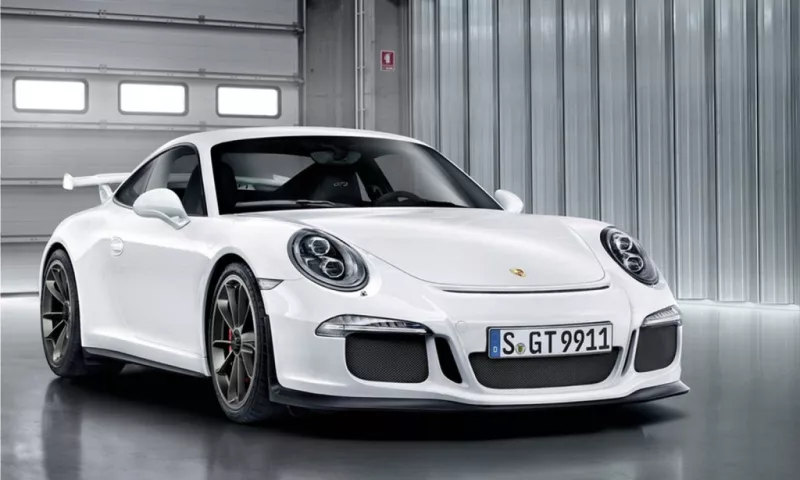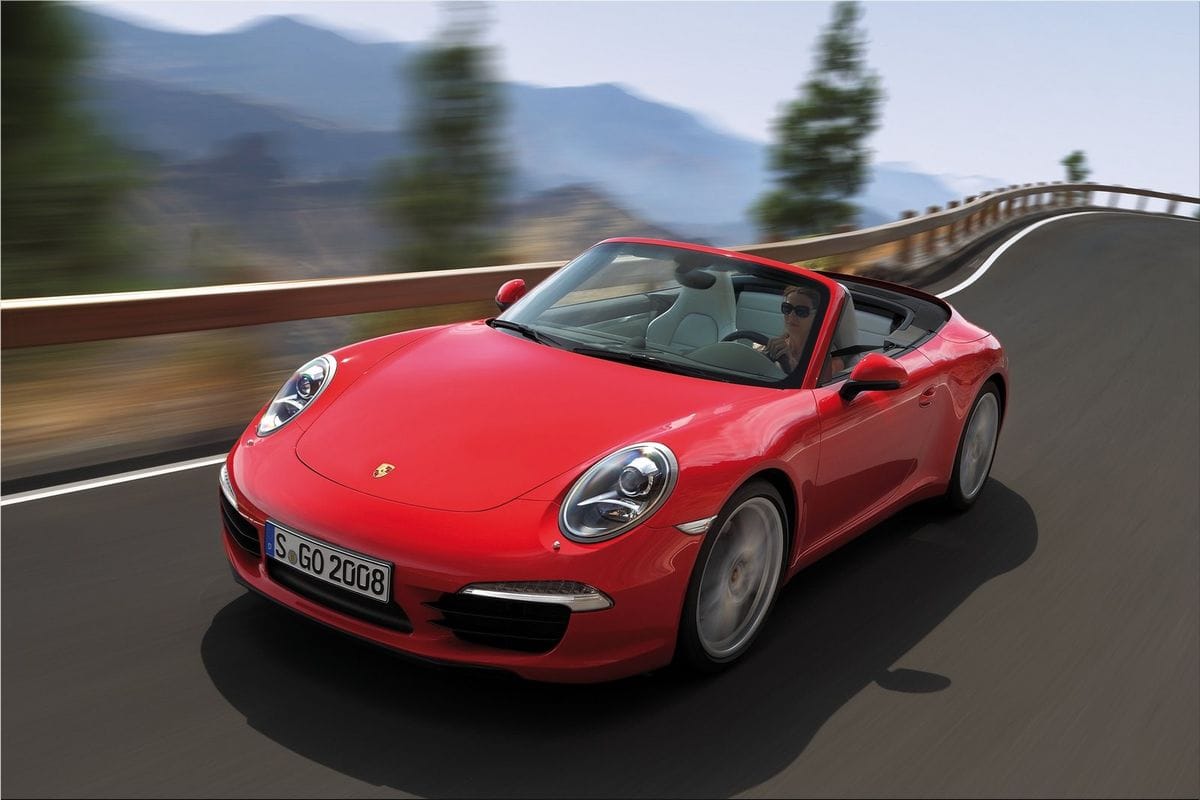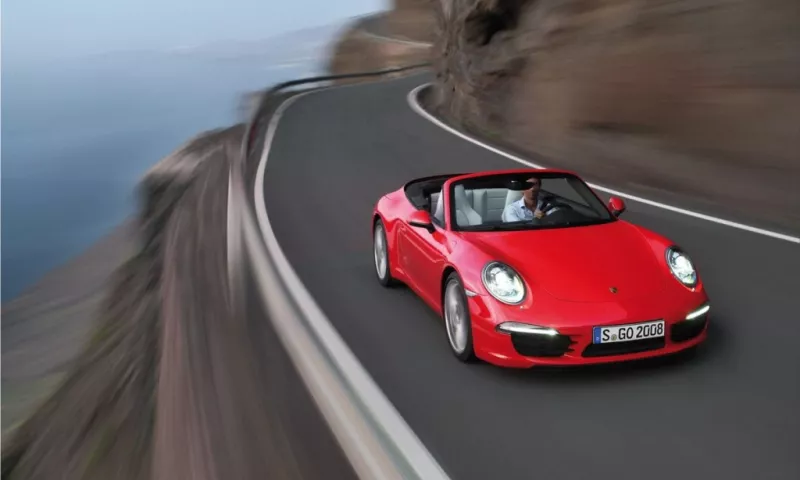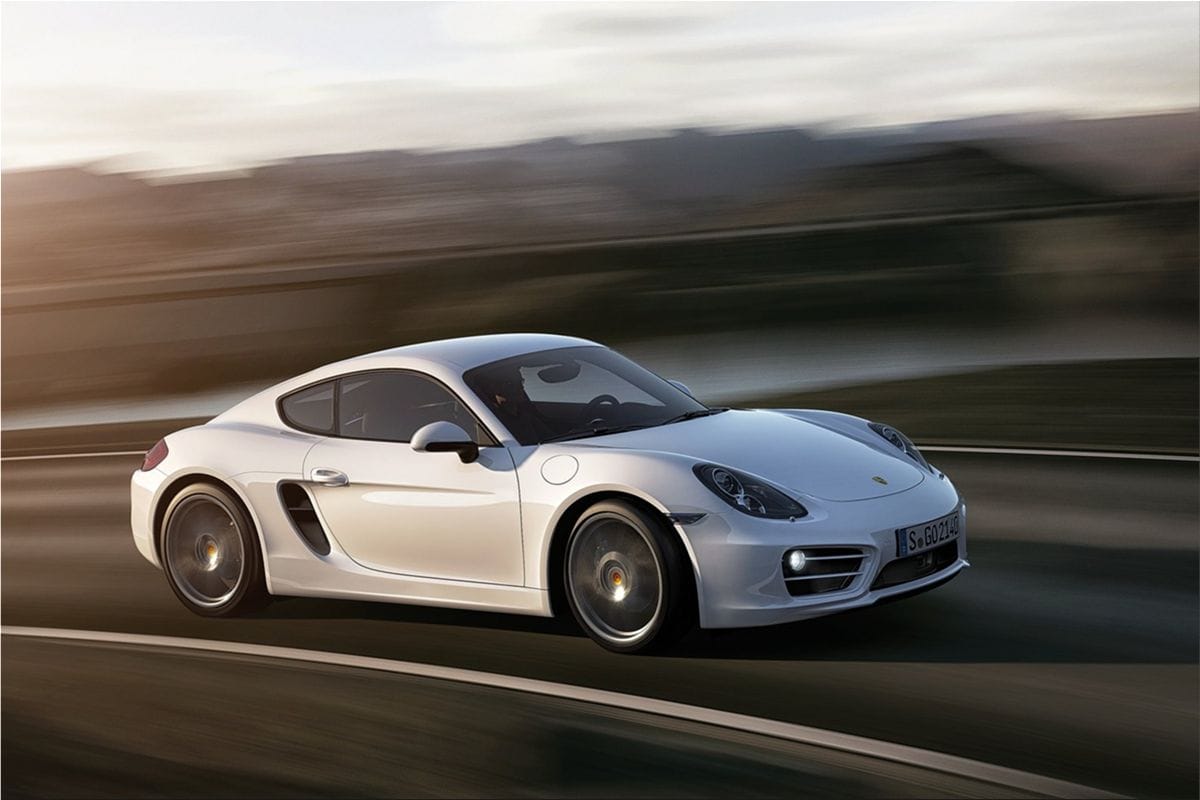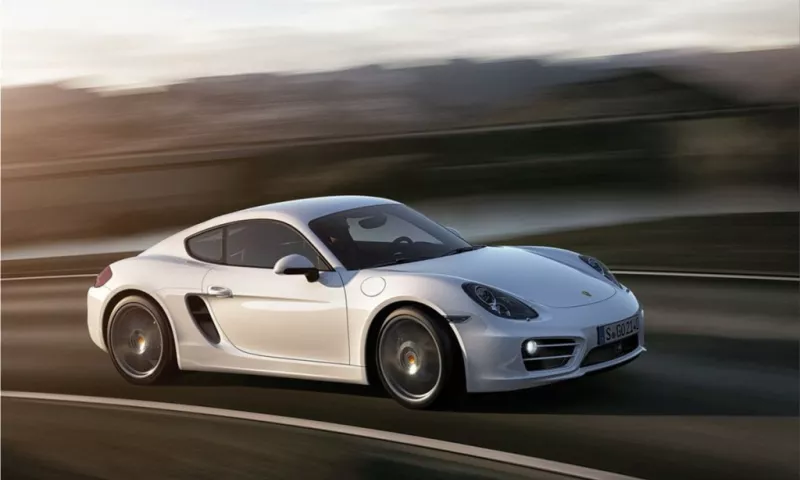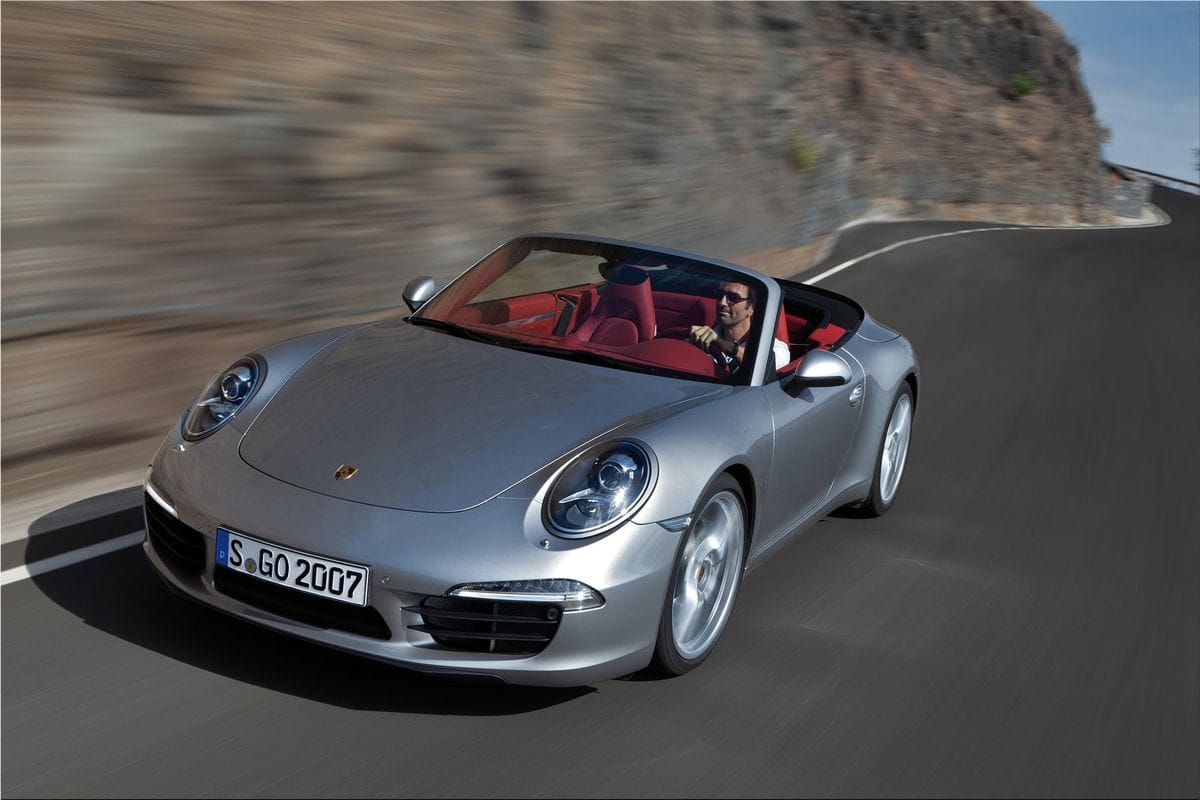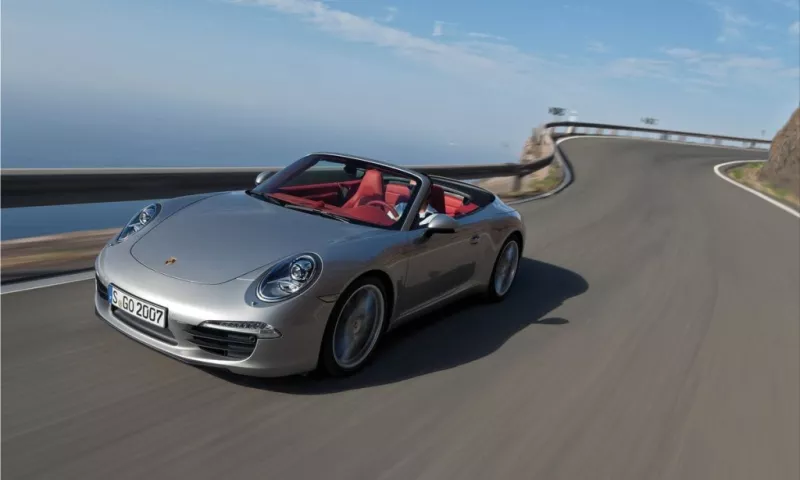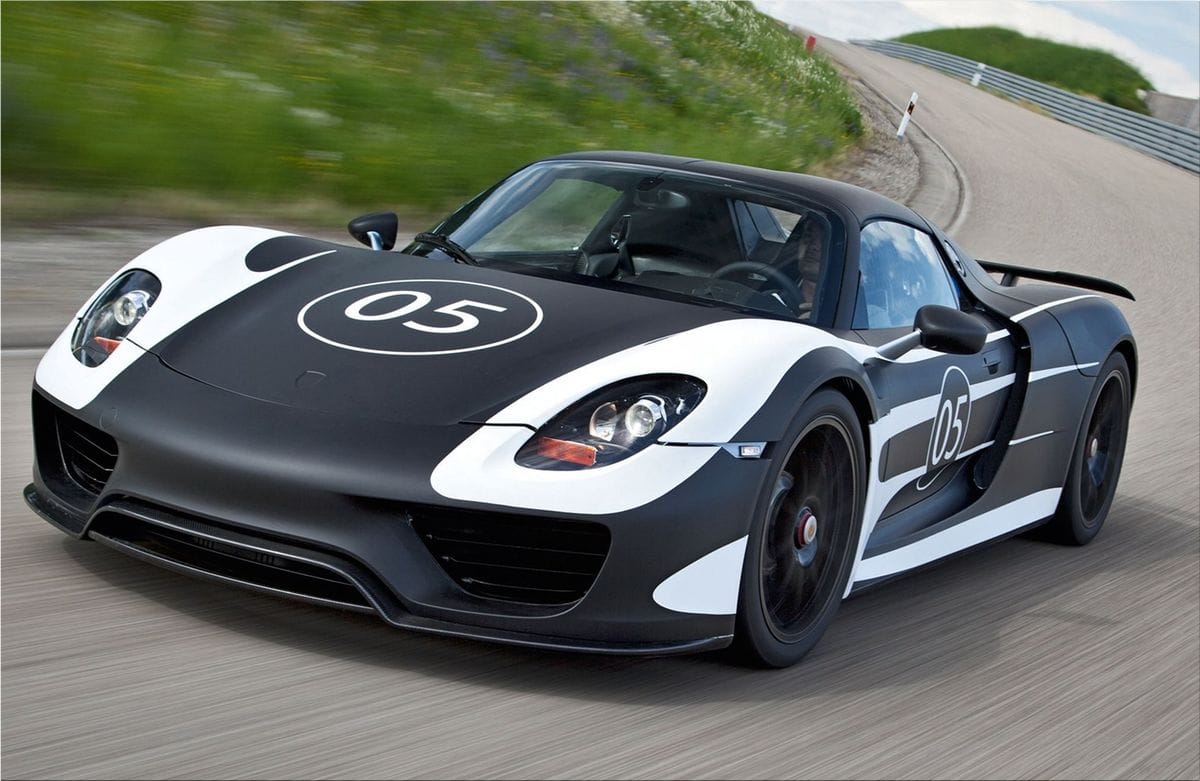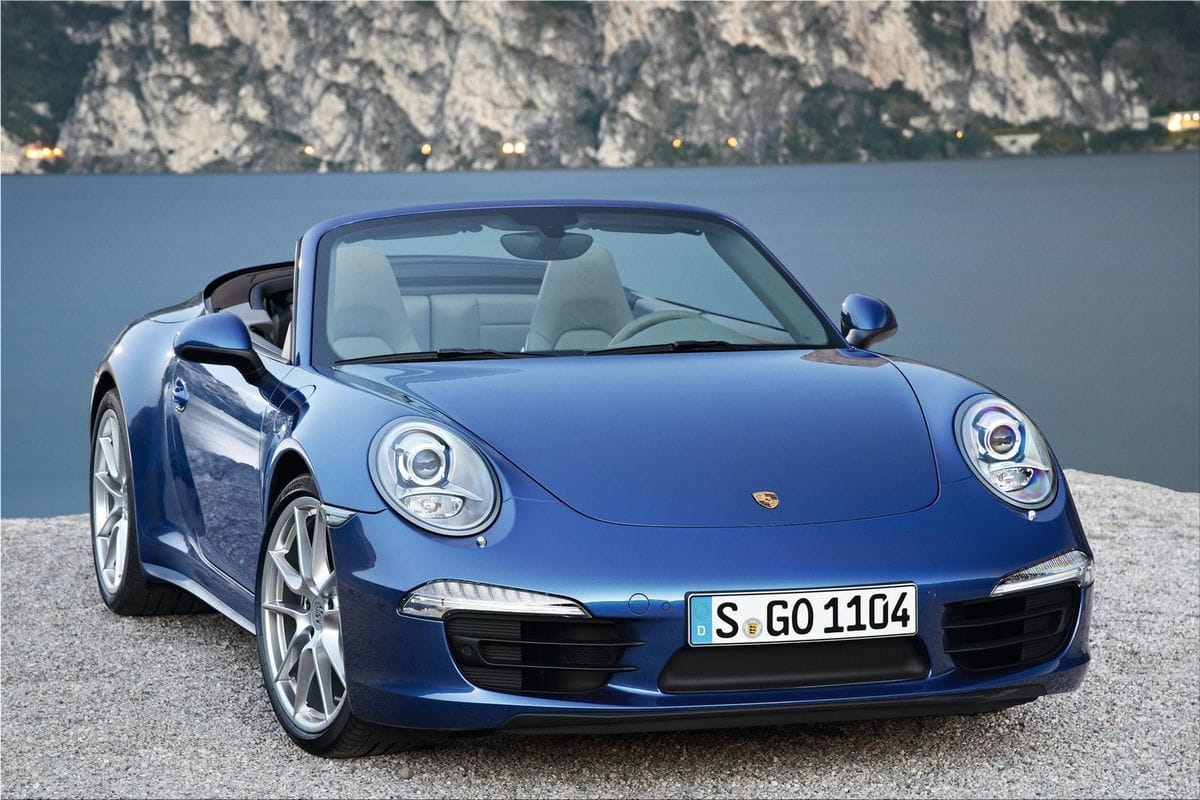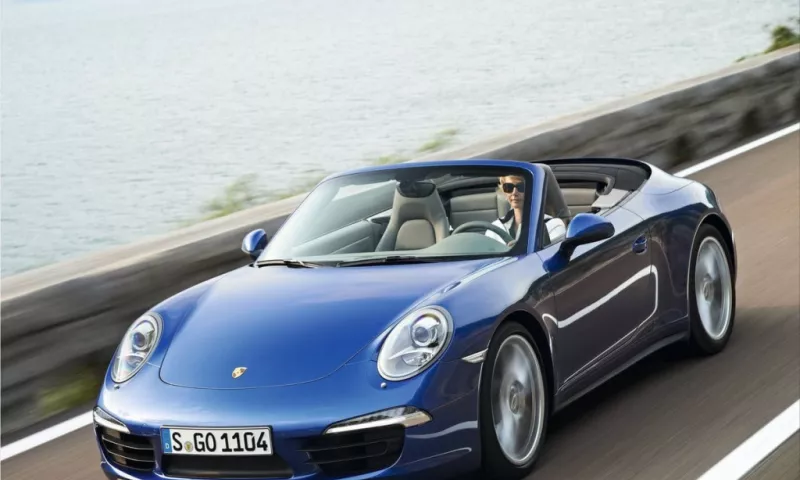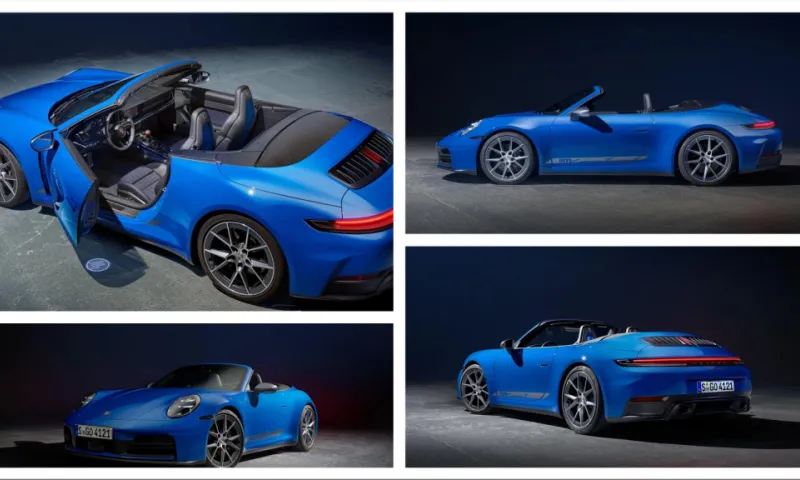
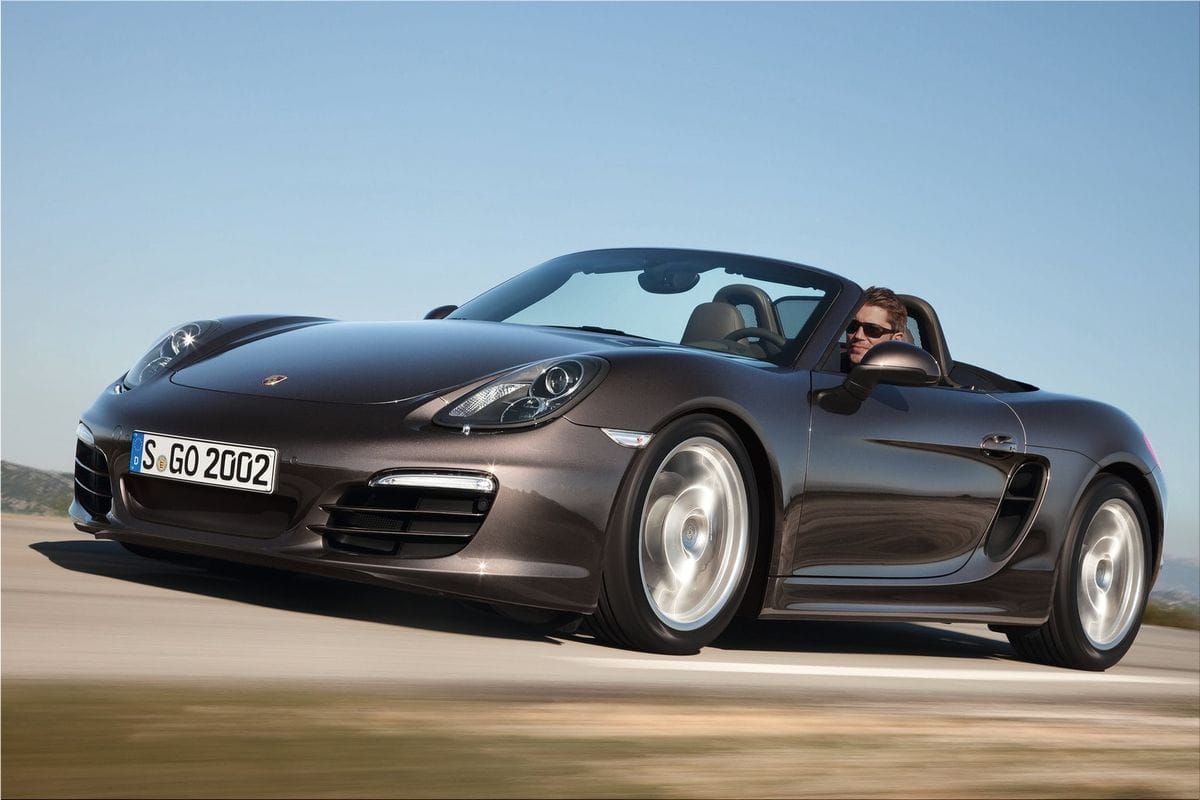
The new Porsche Boxster boasts superior performance and is up to 15 percent more fuel-efficient. They boast ultra-modern, direct fuel injection, six-cylinder engines, and all variants get by with less than nine liters of fuel per 100 kilometers, the Porsche Boxster with PDK even managing with less than eight liters. The most important data at a glance:
Porsche Boxster: 2.7-litre boxer engine with 265 hp (195 kW); rear-wheel drive, six-speed manual transmission, optional seven-speed Porsche-Doppelkupplungsgetriebe (PDK); acceleration 0 - 100 km/h in 5.8 seconds, with PDK in 5.7 seconds (5.5 seconds with Sport Chrono Package); top speed 264 km/h, with PDK 262 km/h; fuel consumption (NEDC) 8.2 l/100 km, CO2 192 g/km; with PDK 7.7 l/100 km CO2 180 g/km.
Image gallery
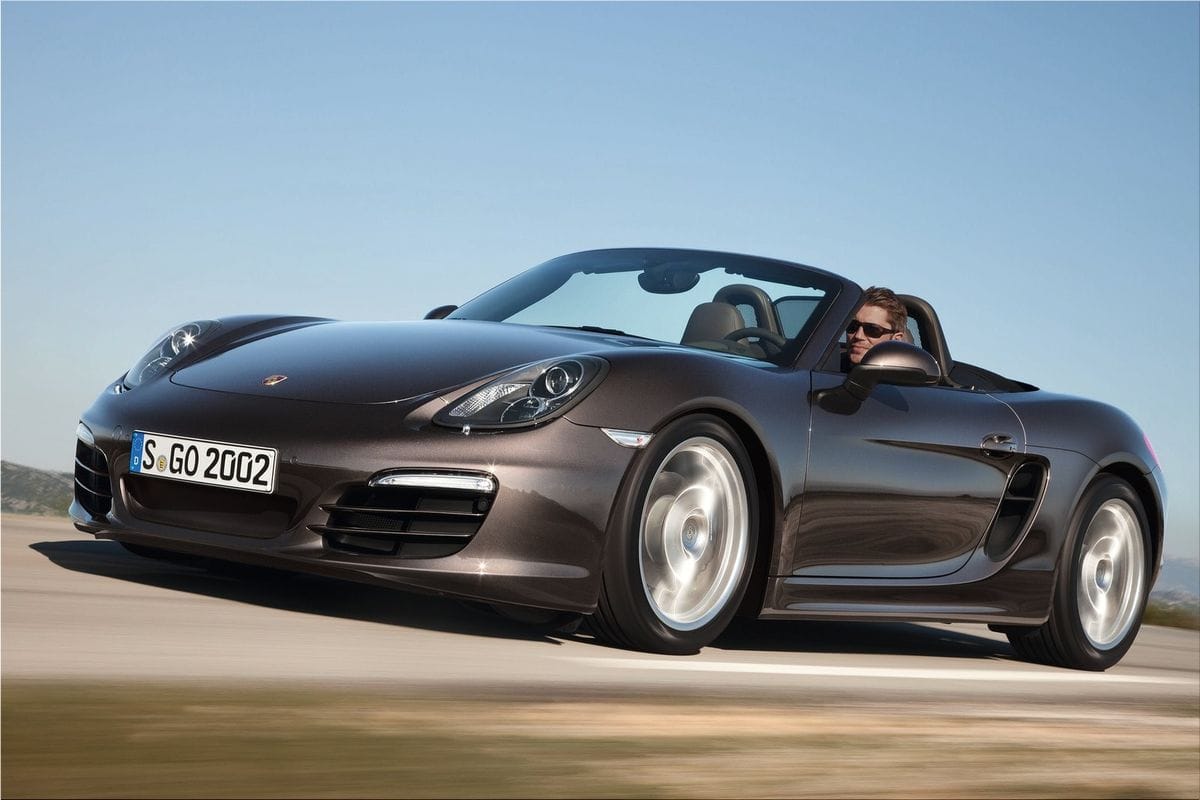

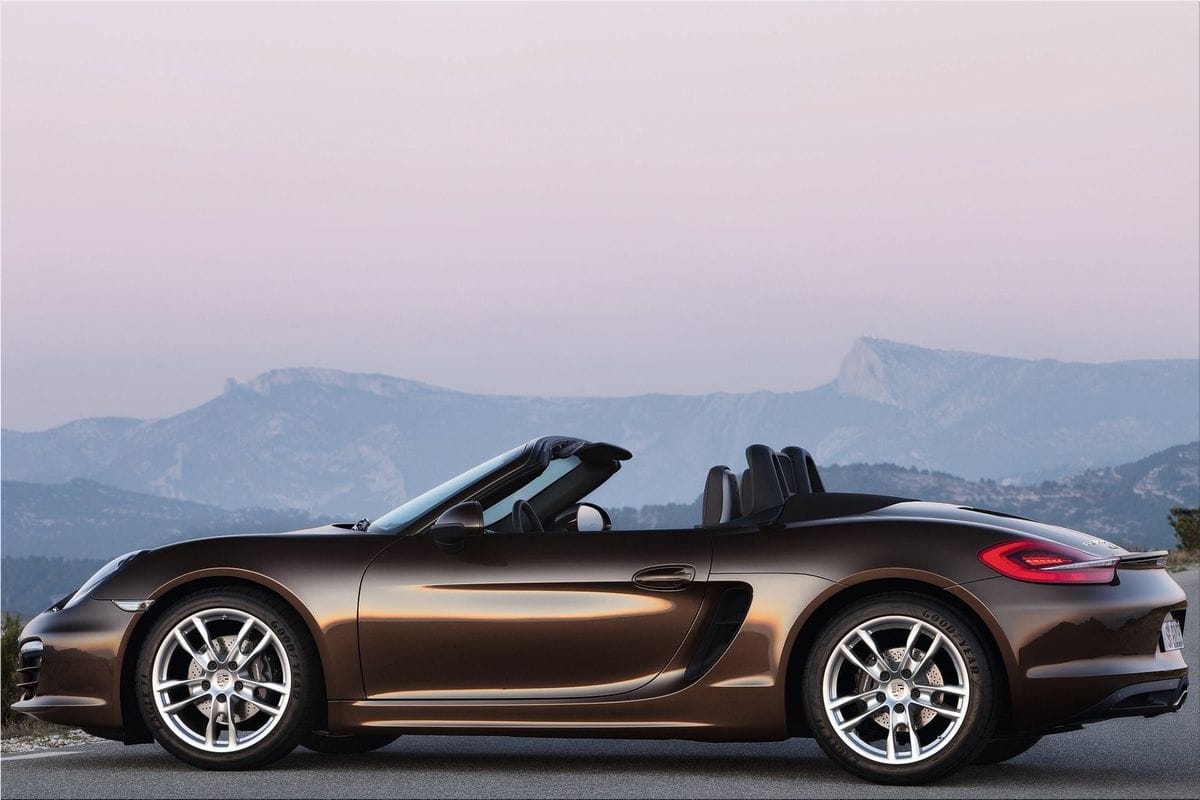
Porsche Boxster S: 3.4-litre boxer engine with 315 hp (232 kW); rear-wheel drive, six-speed manual transmission, optional seven-speed Porsche-Doppelkupplungsgetriebe (PDK); acceleration 0 - 100 km/h in 5.1 seconds, with PDK in 5.0 seconds (4.8 seconds with Sport Chrono Package); top speed 279 km/h, with PDK 277 km/h; fuel consumption (NEDC) 8.8 l/100 km, CO2 206 g/km; with PDK 8.0 l/100 km CO2 188 g/km.
Image gallery
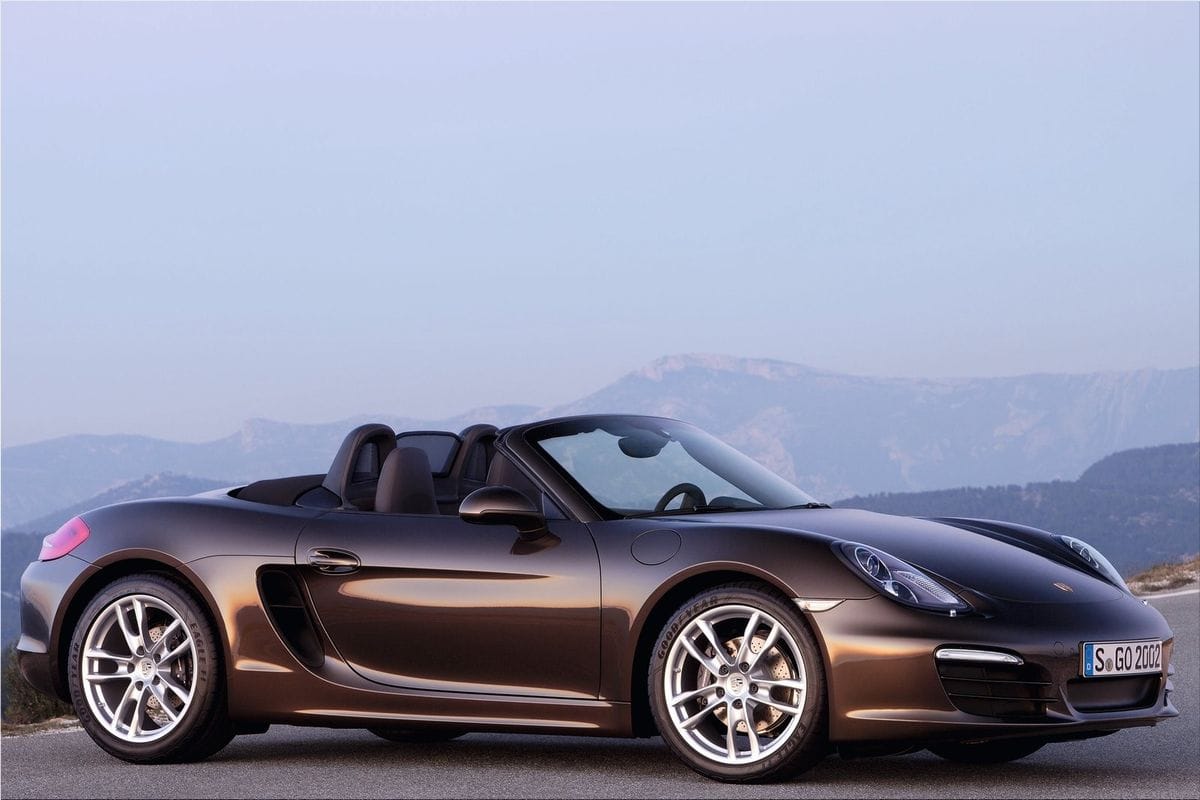
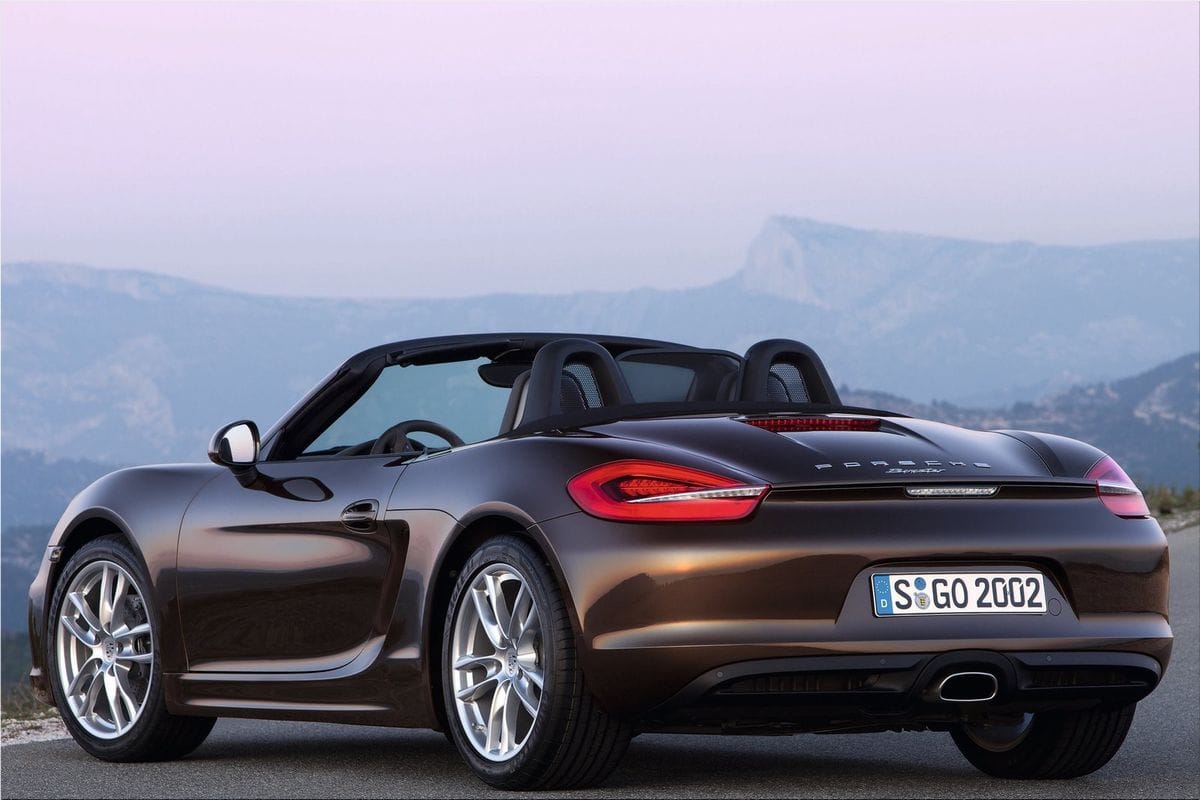
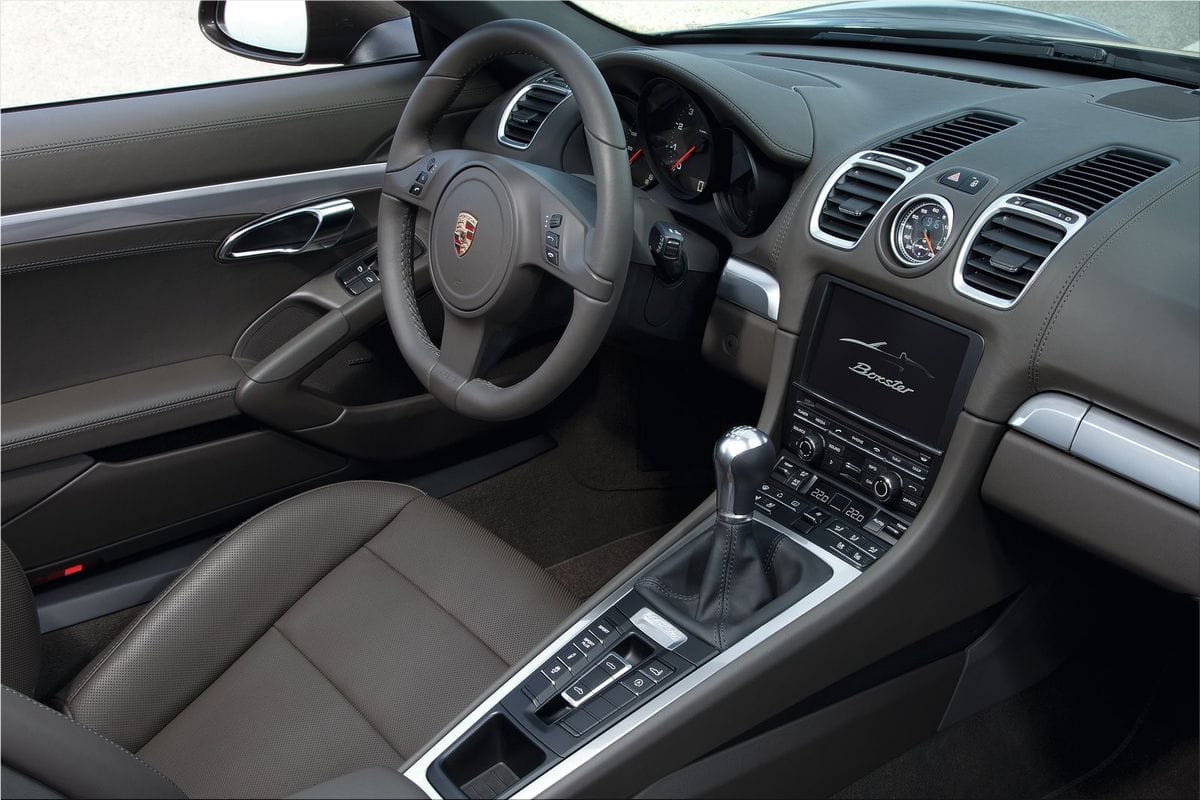
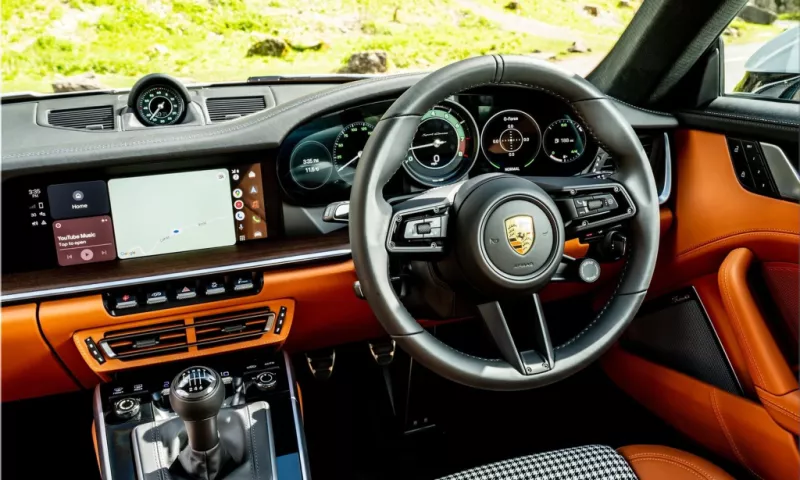
New sports seats with a five-millimeter lower seat position and more legroom offer the driver and front seat passenger greater long-distance comfort and good side support when driving with a dynamic driving style. Compared with predecessor models, the legroom has been extended by 25 mm for more comfort and cabin space. As before, the steering wheel can be adjusted mechanically both in height and reach, with the longitudinal adjustment range being increased by ten millimeters. This enables the driver's seat to be adjusted even more individually and precisely.
- Add new comment
- 277 views