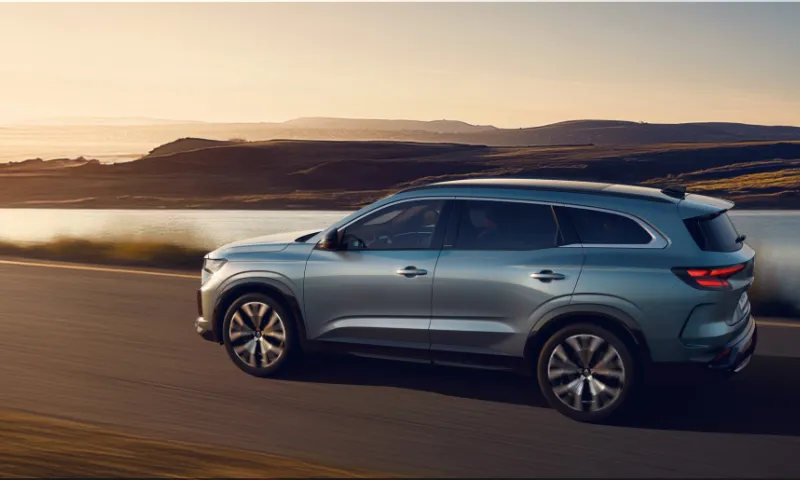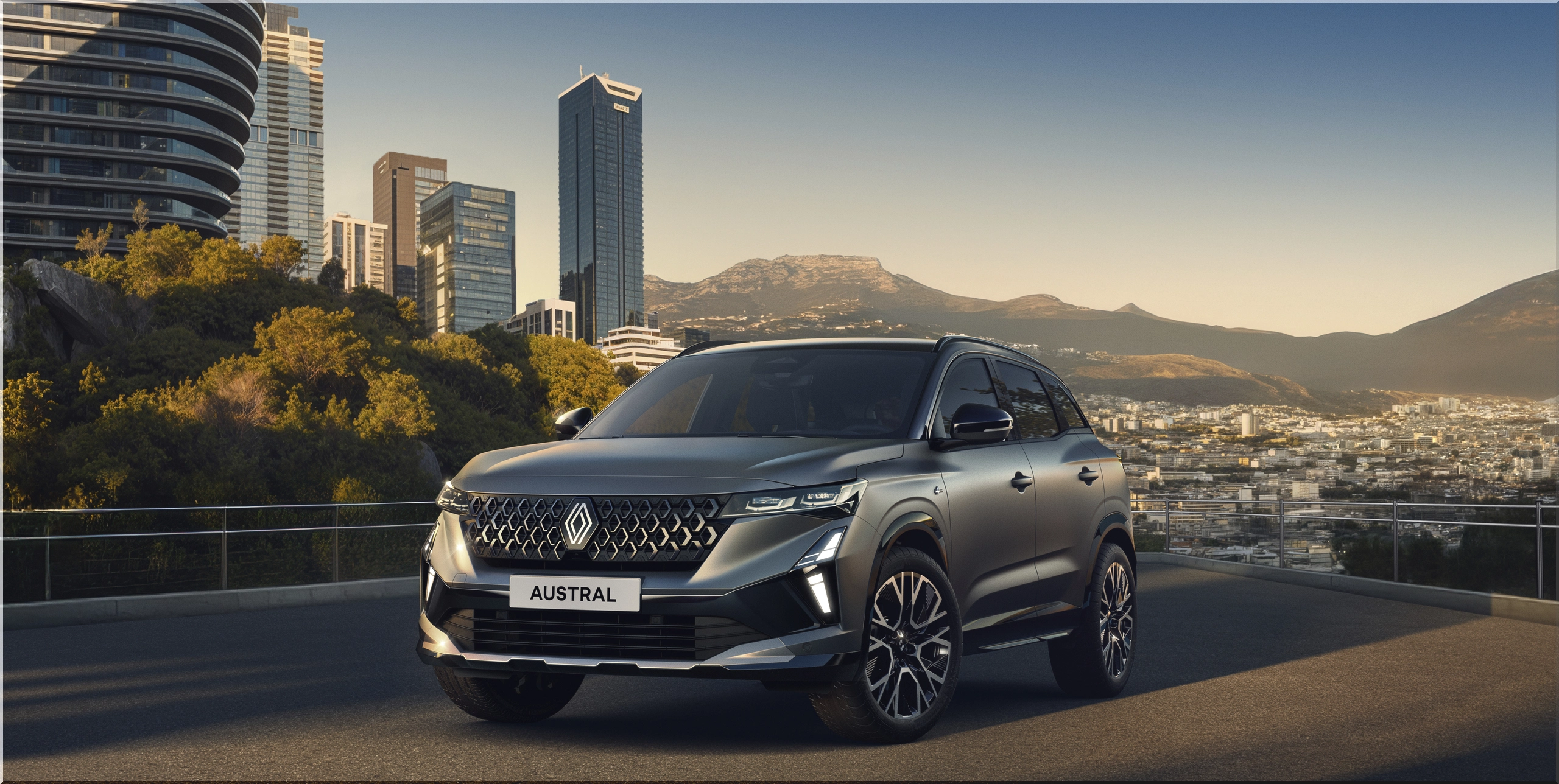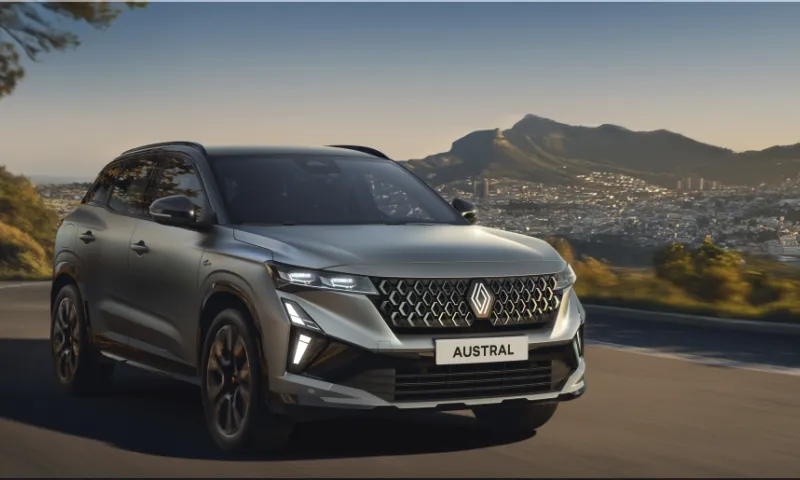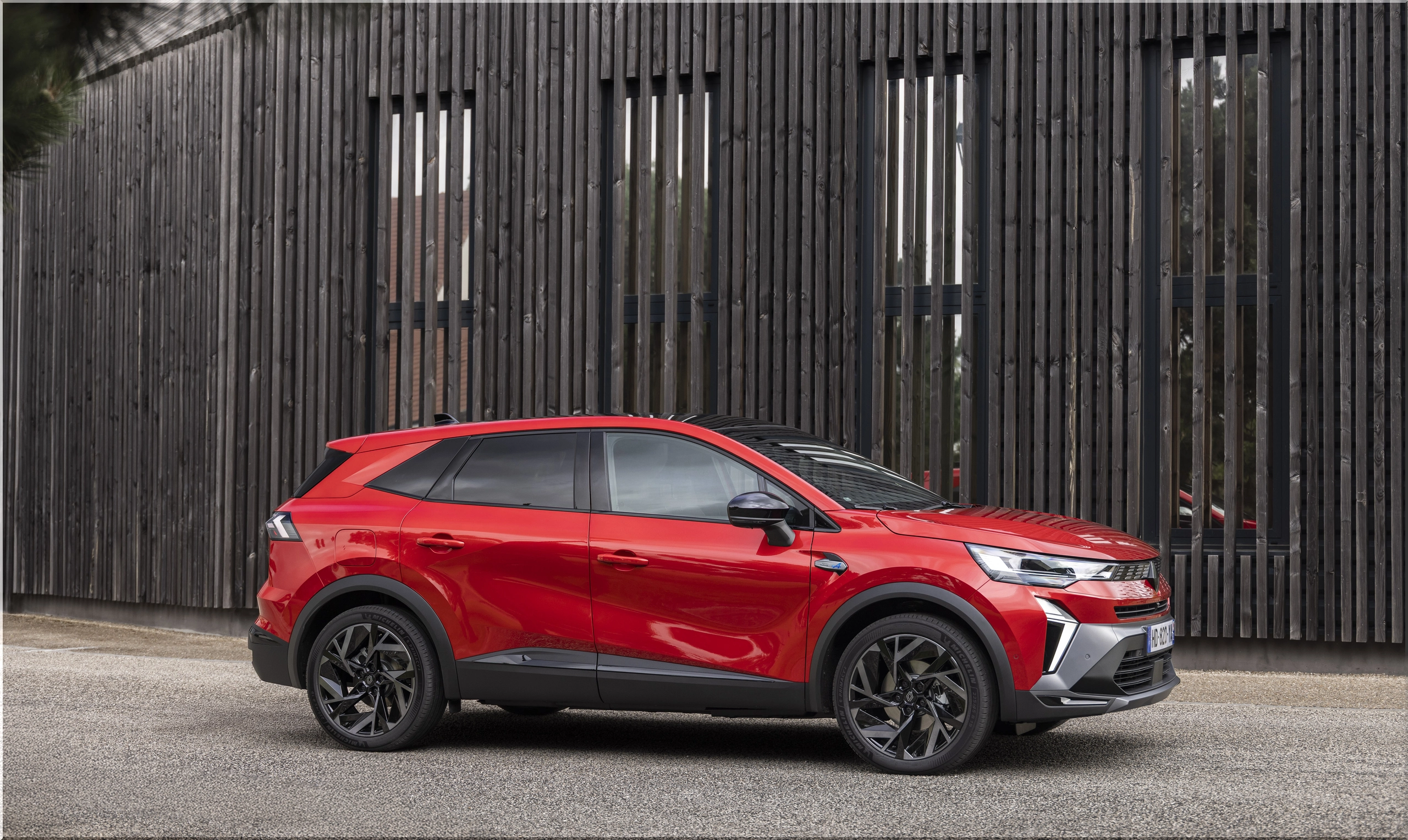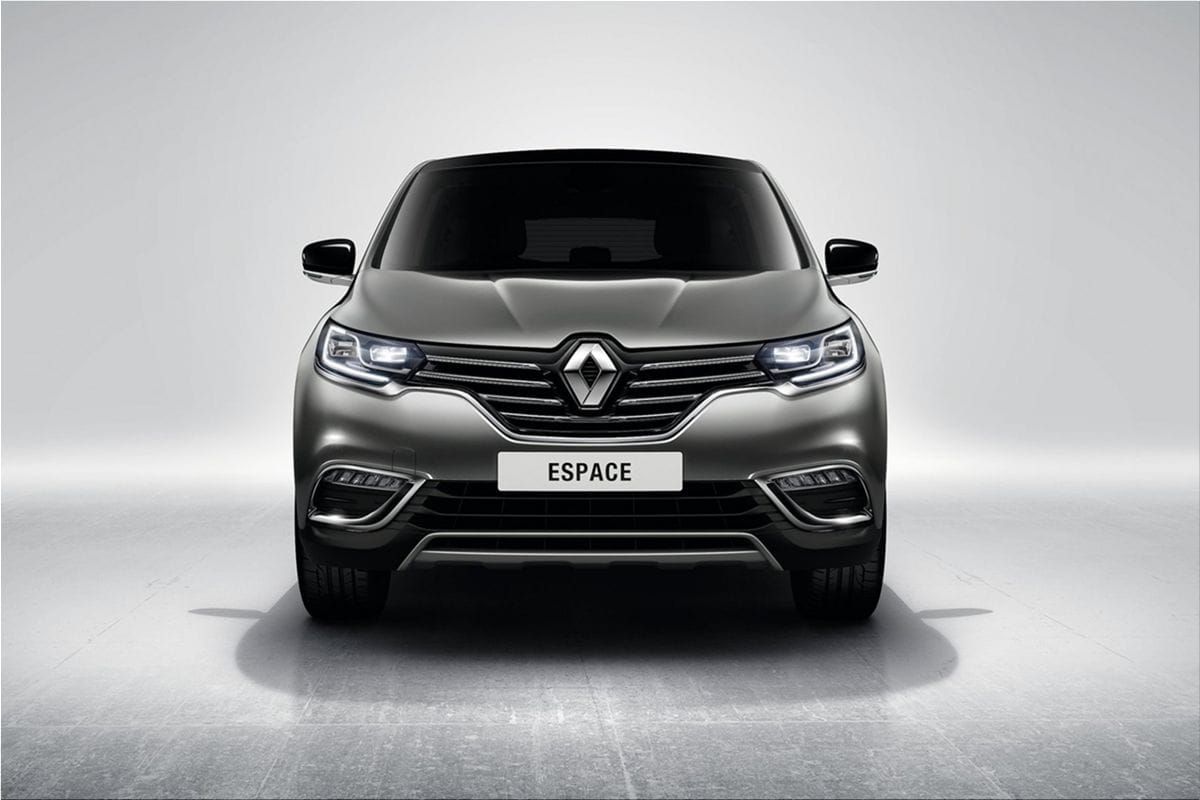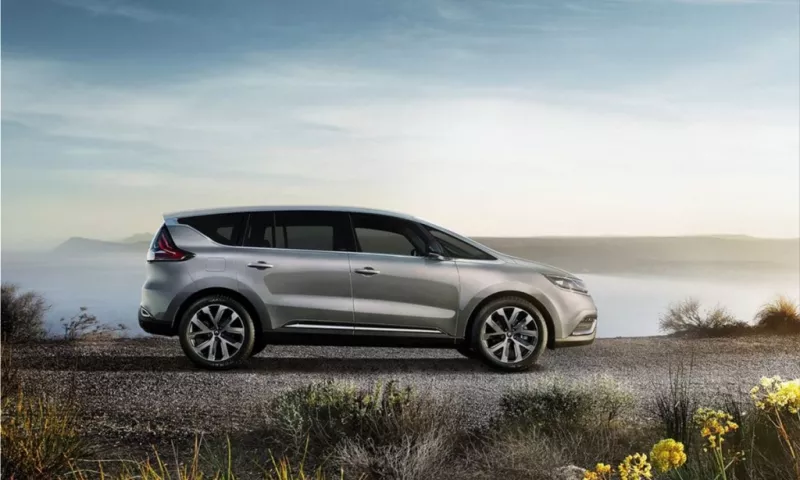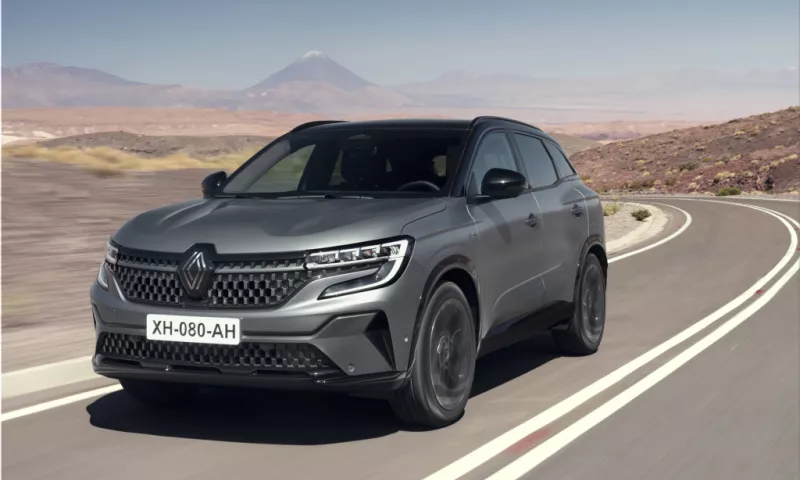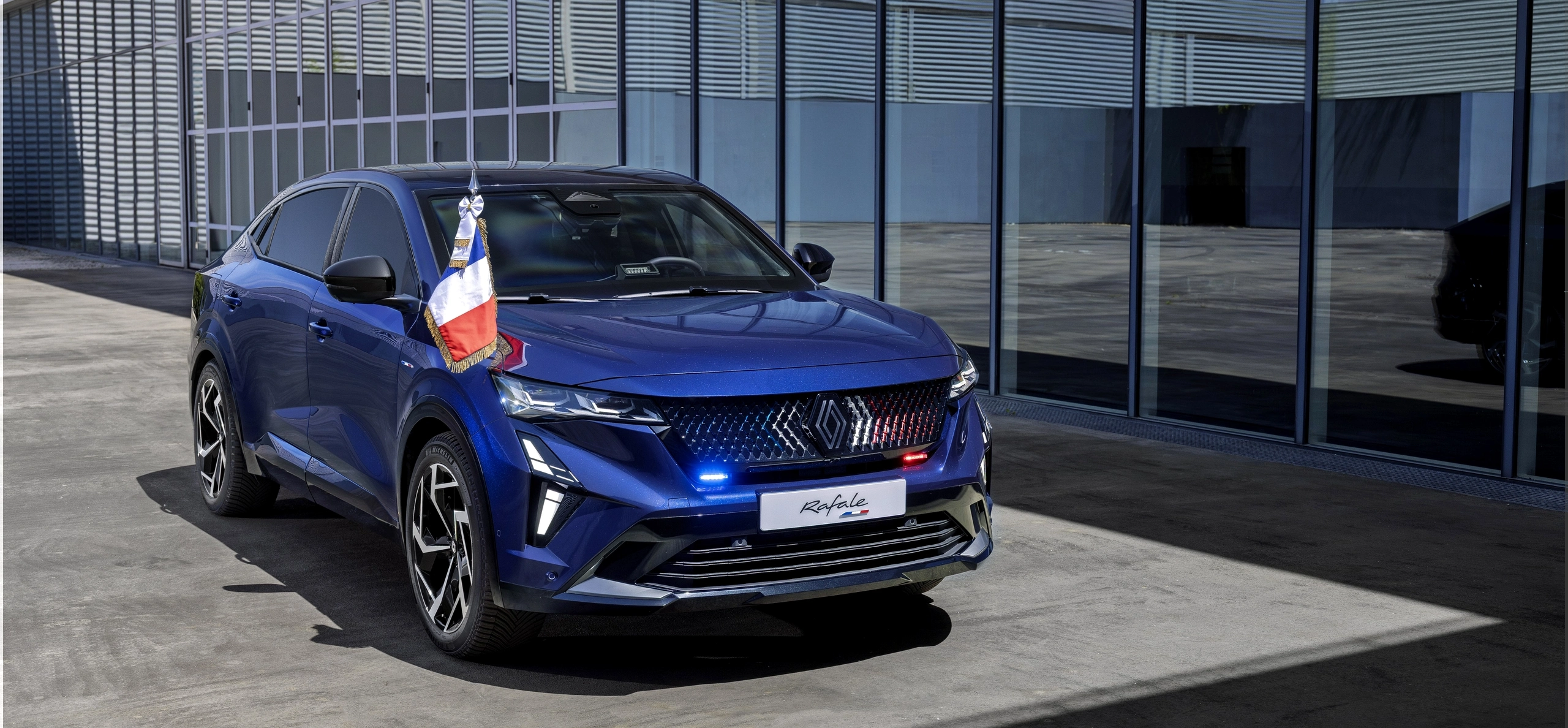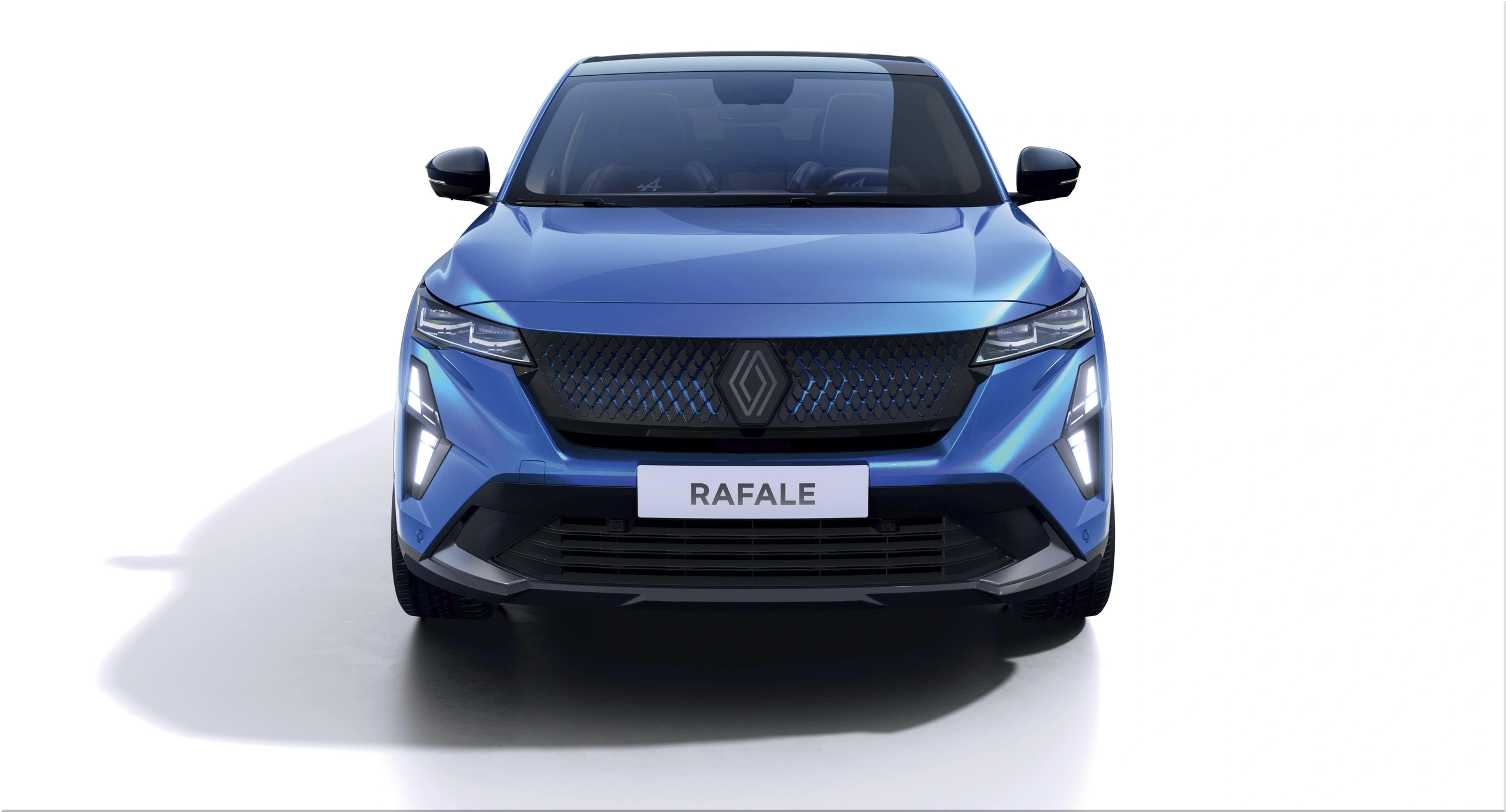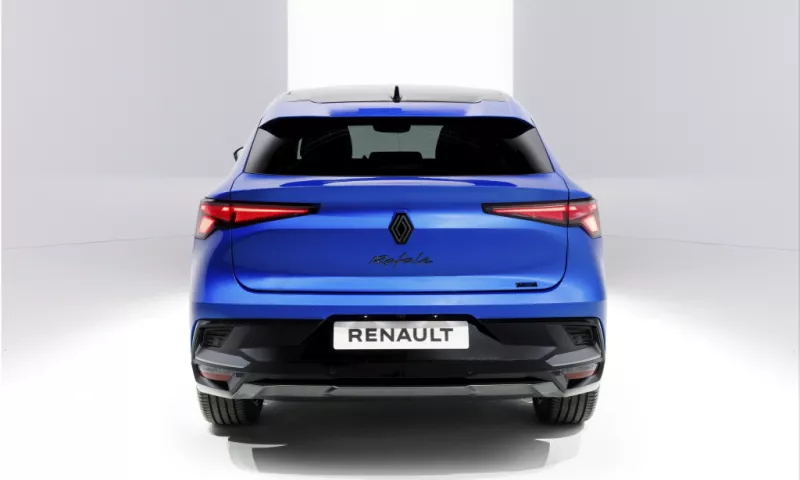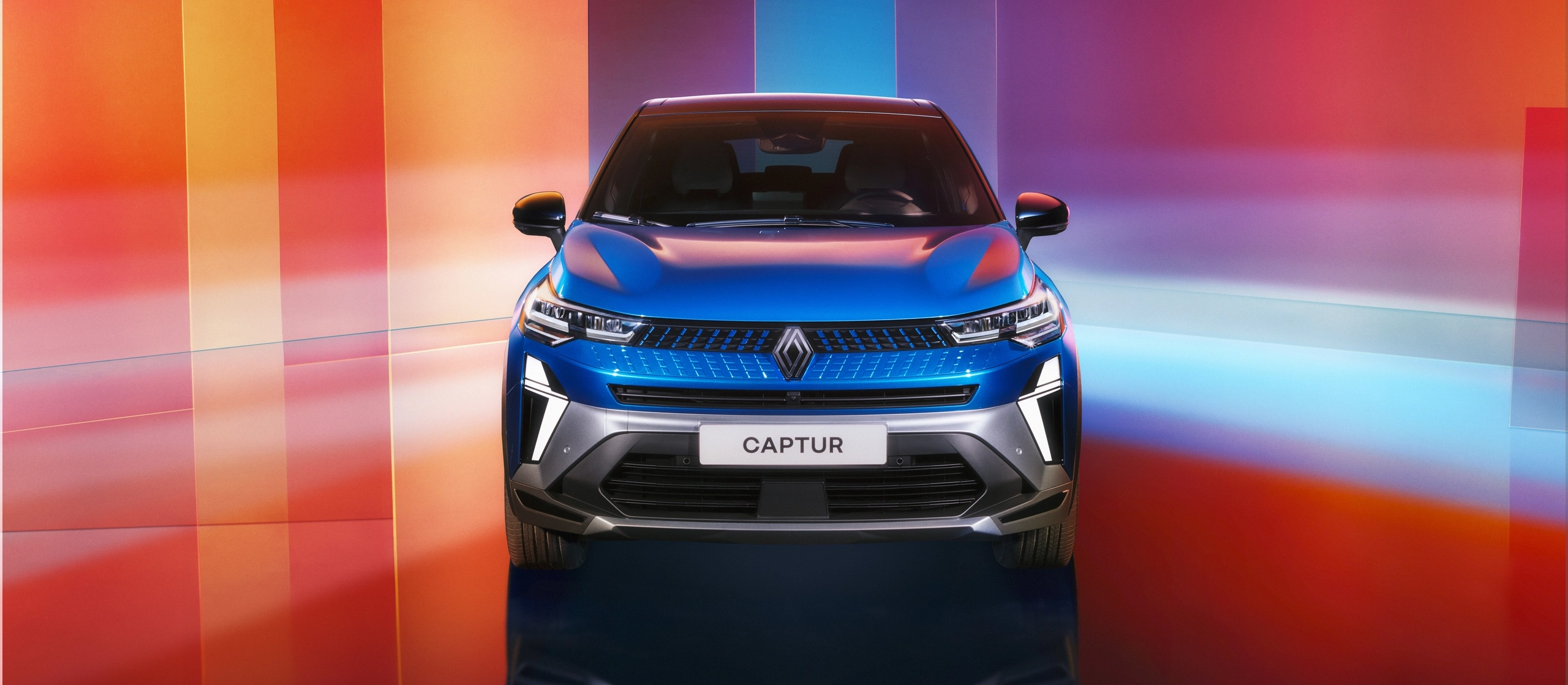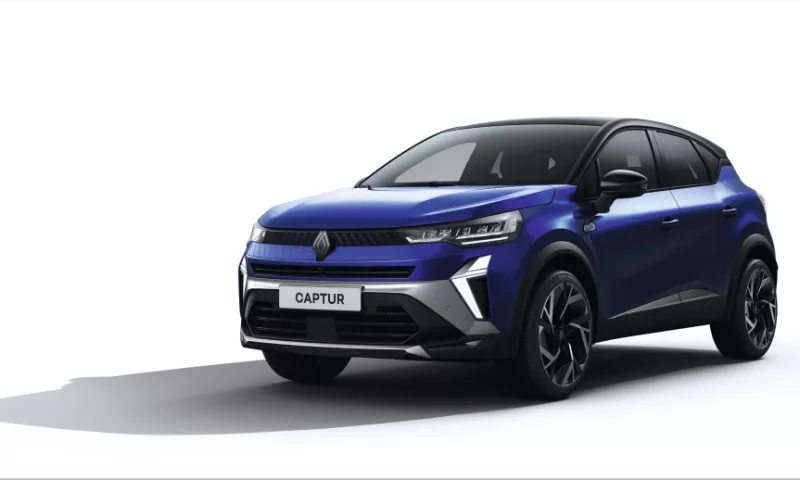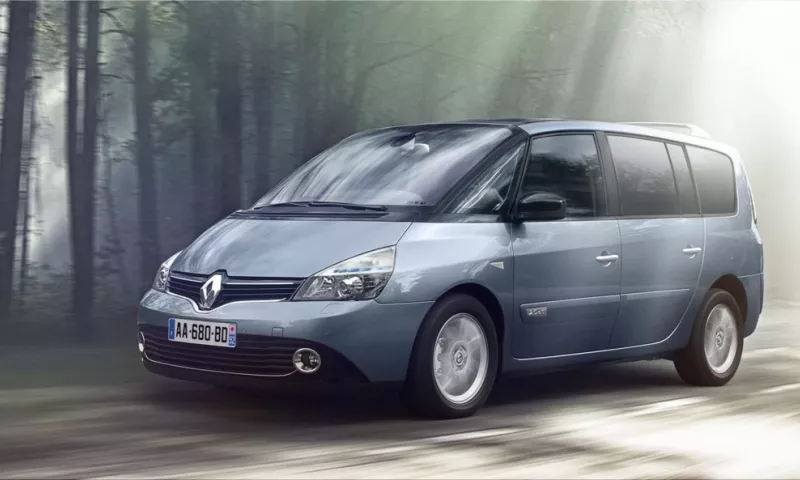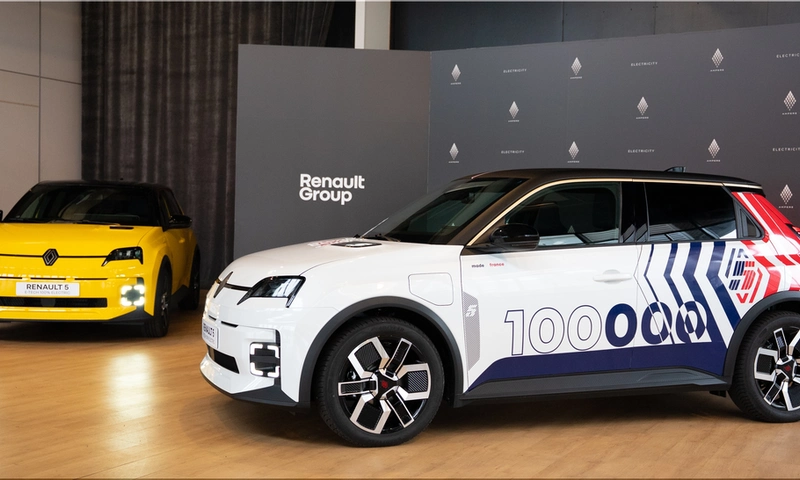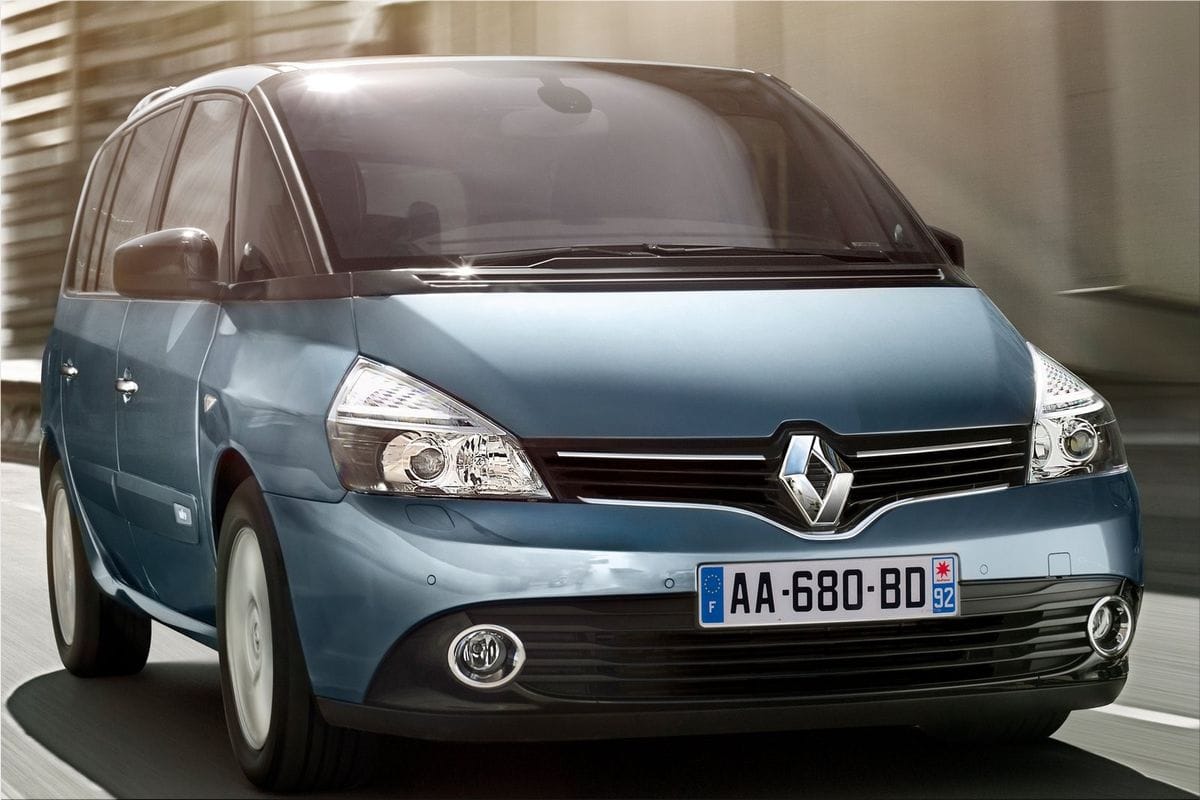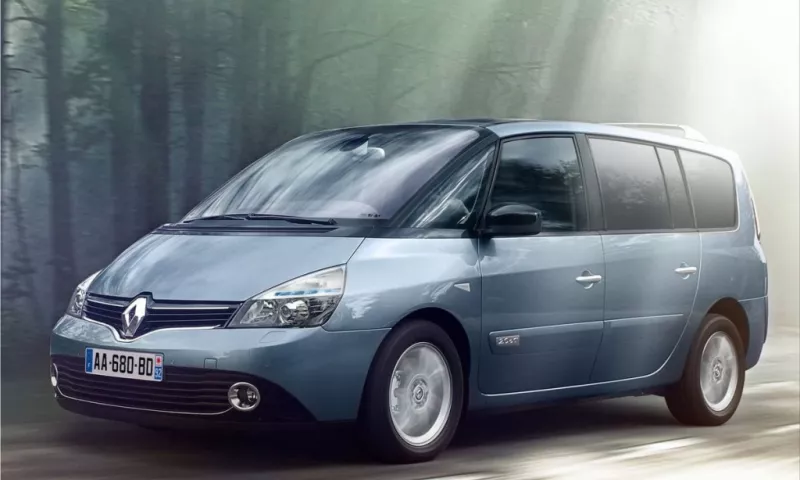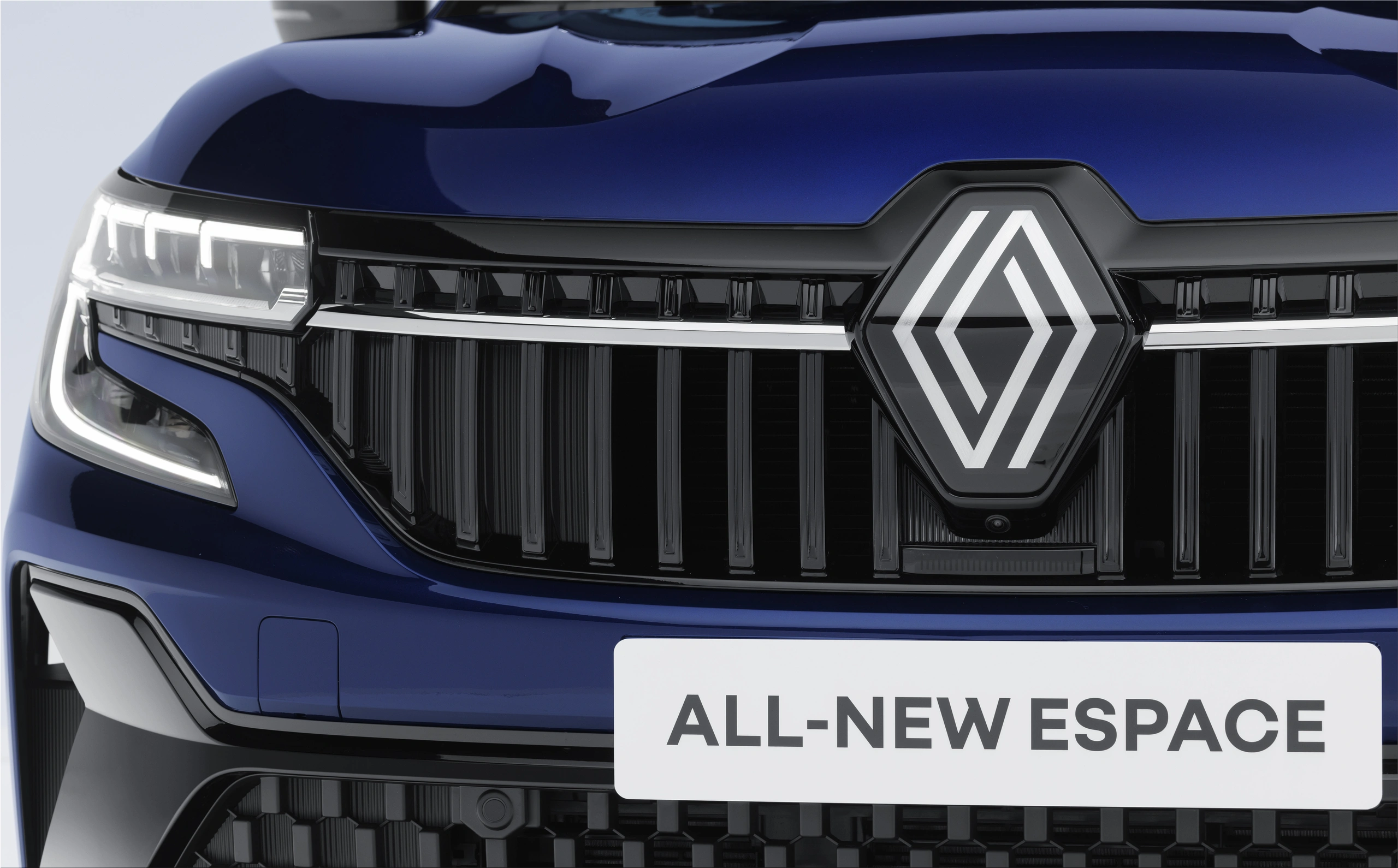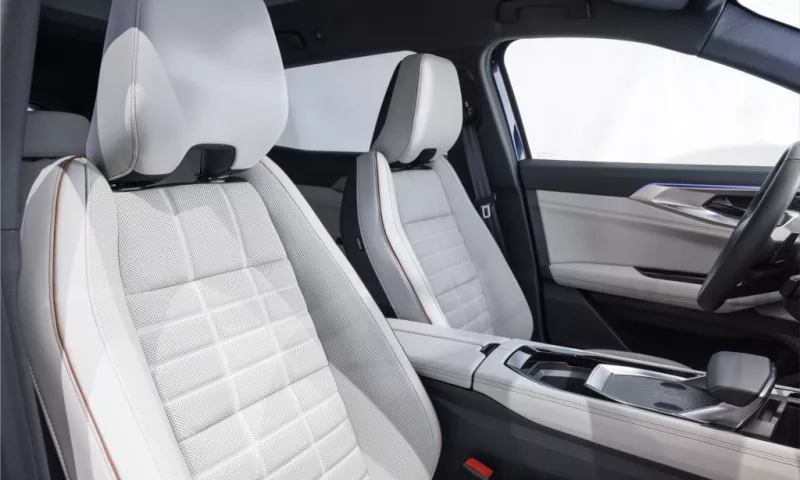
Renault did not redesign the Austral, Espace, and Rafale from the ground up for 2026. It made a sharper move. The brand added high-value tech, tightened the equipment story, and reinforced the trims buyers already want. That matters because Renault now sells these three nameplates as a coordinated upmarket trio, not as isolated products.
Looking at the data, the strategy already works. Renault says its C- and D-segment sales rose 7.9 percent in 2025 to 444,000 units worldwide, with 158,000 of those units sold in France. The company also says it has led the full hybrid market in France since 2023. When a brand sees that kind of traction, it does not usually chase cheap volume. It doubles down on profitable versions, richer option mixes, and tech that makes the cabin feel newer without forcing a full platform reset.
That is exactly what happened here.
Image
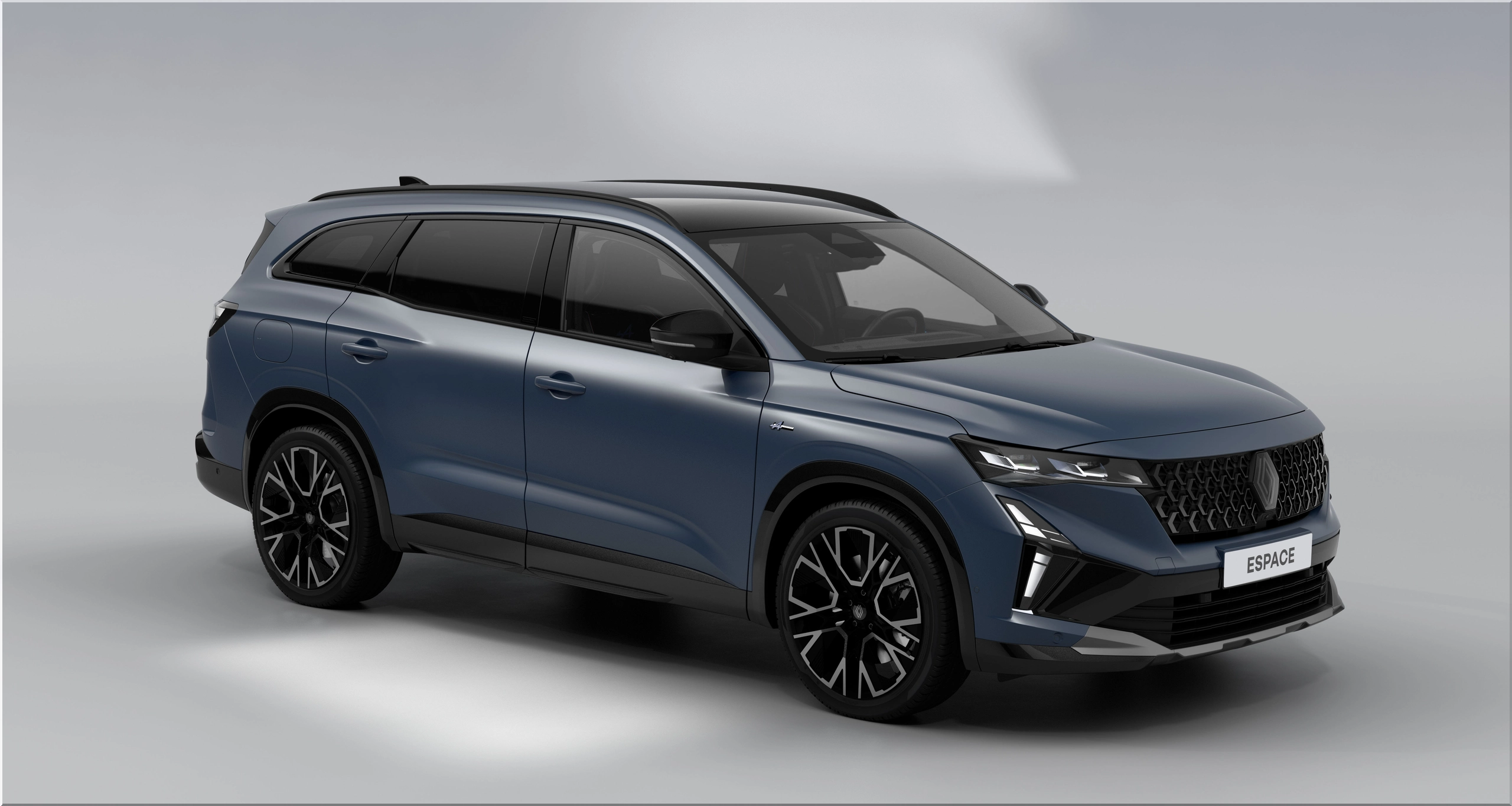
Renault's 2026 update focuses on margin, not sheetmetal
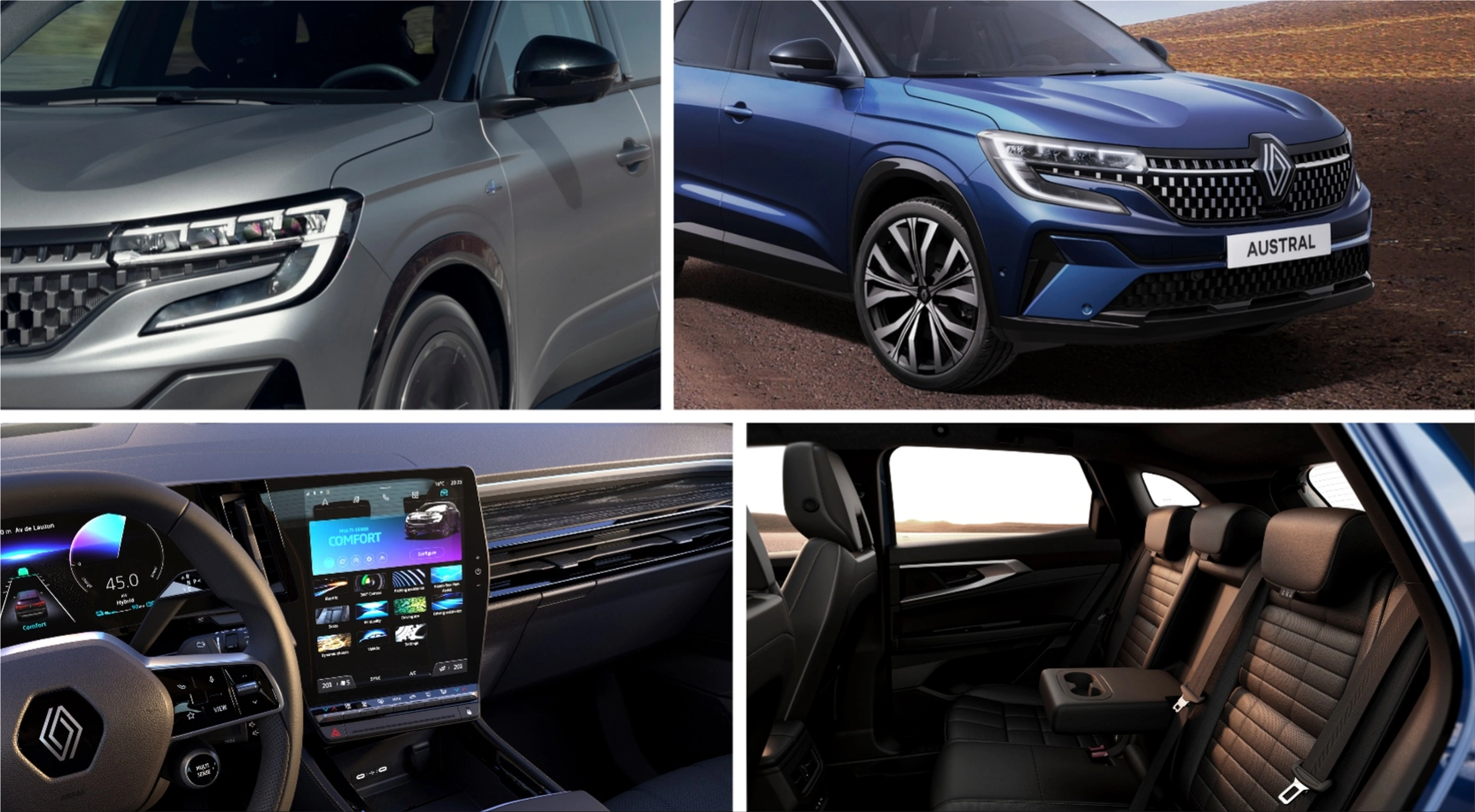
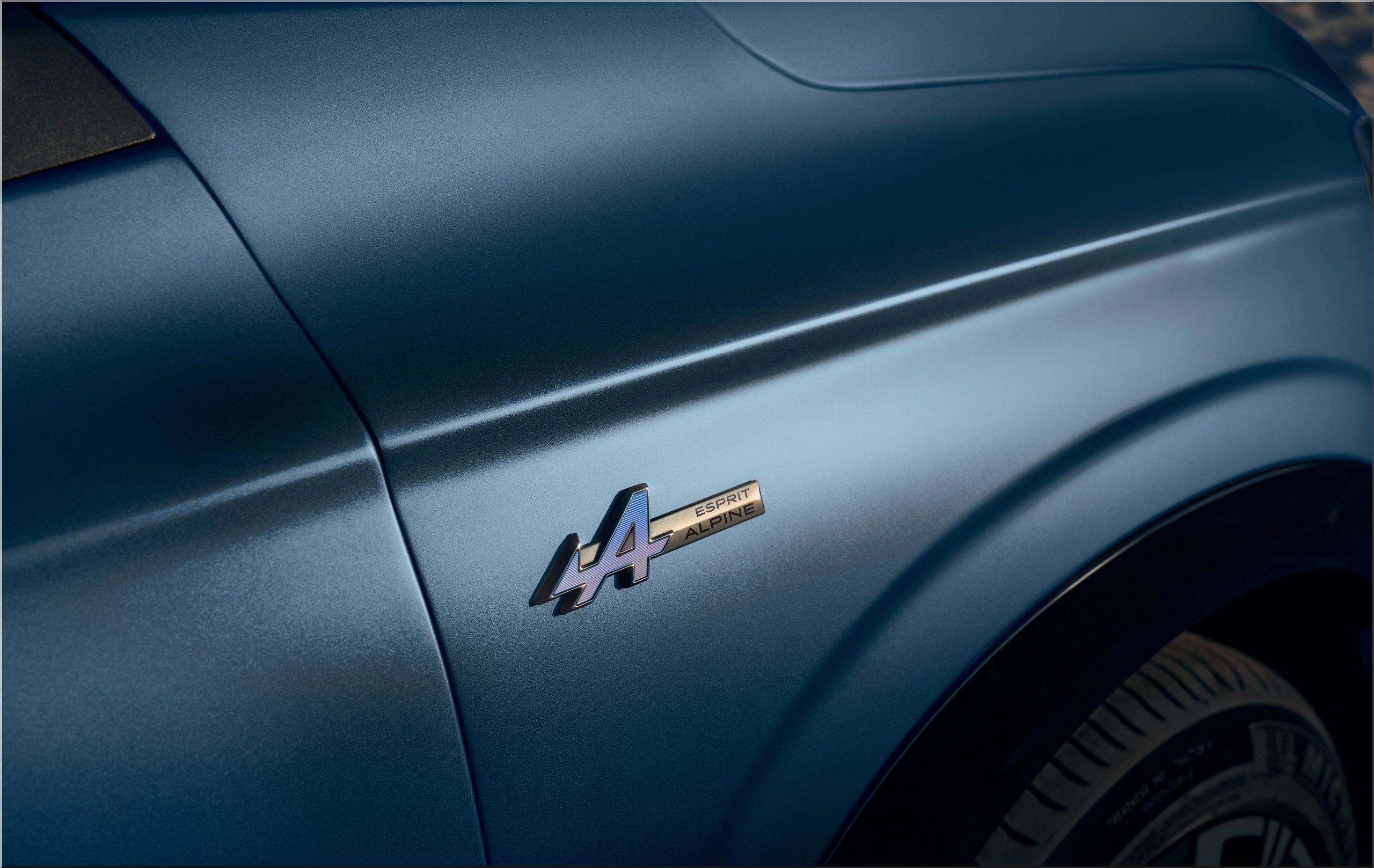
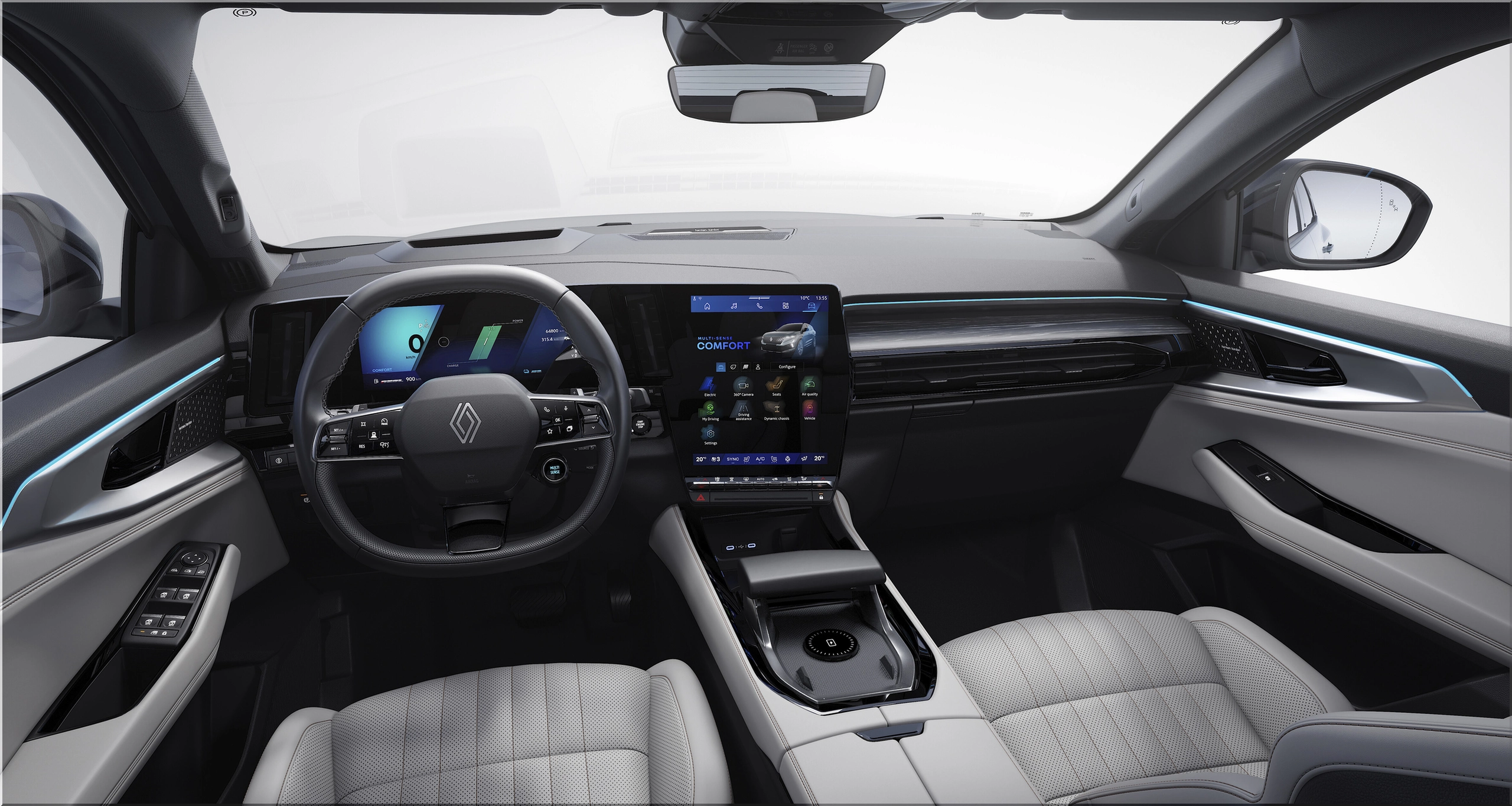
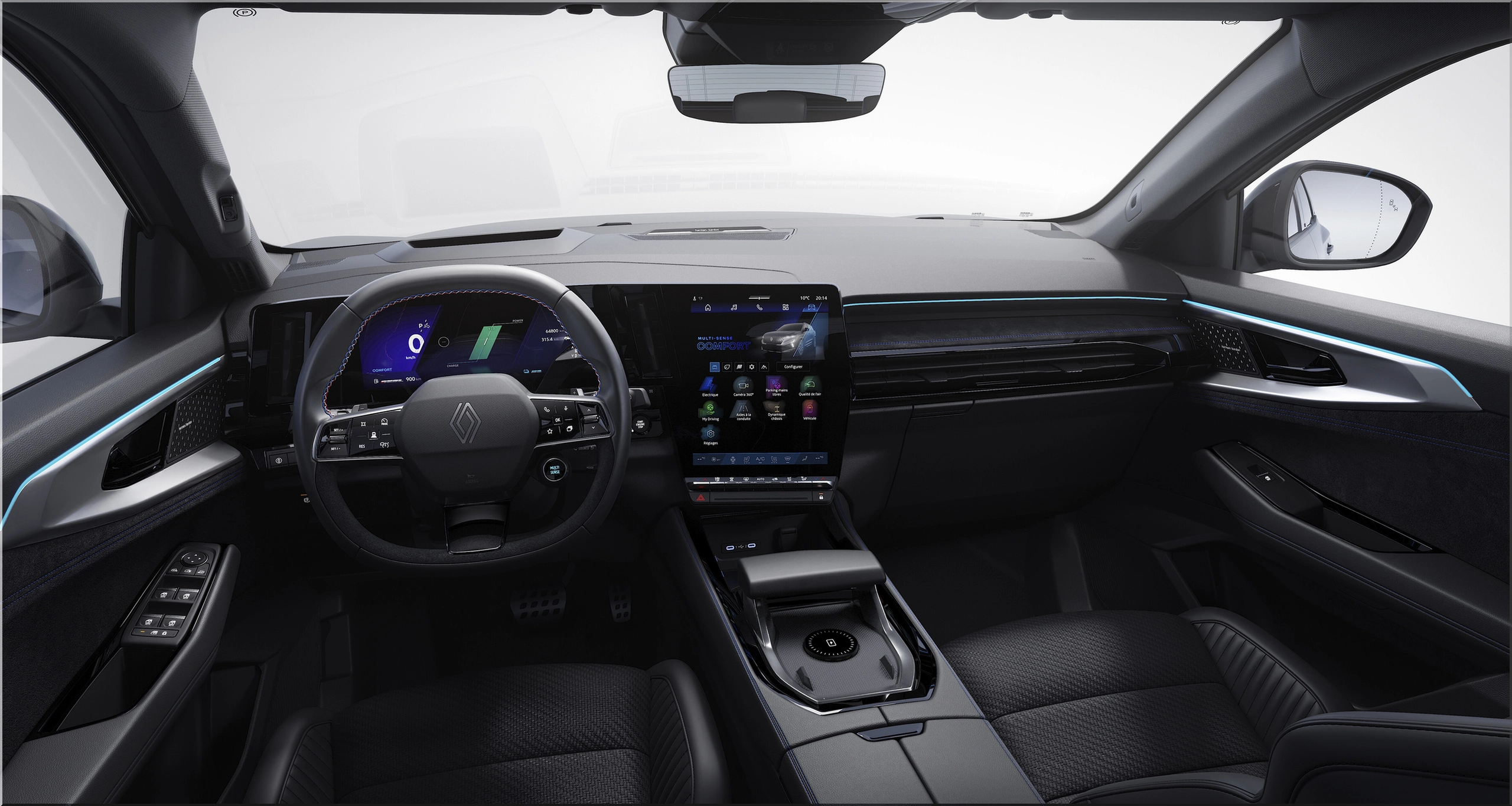
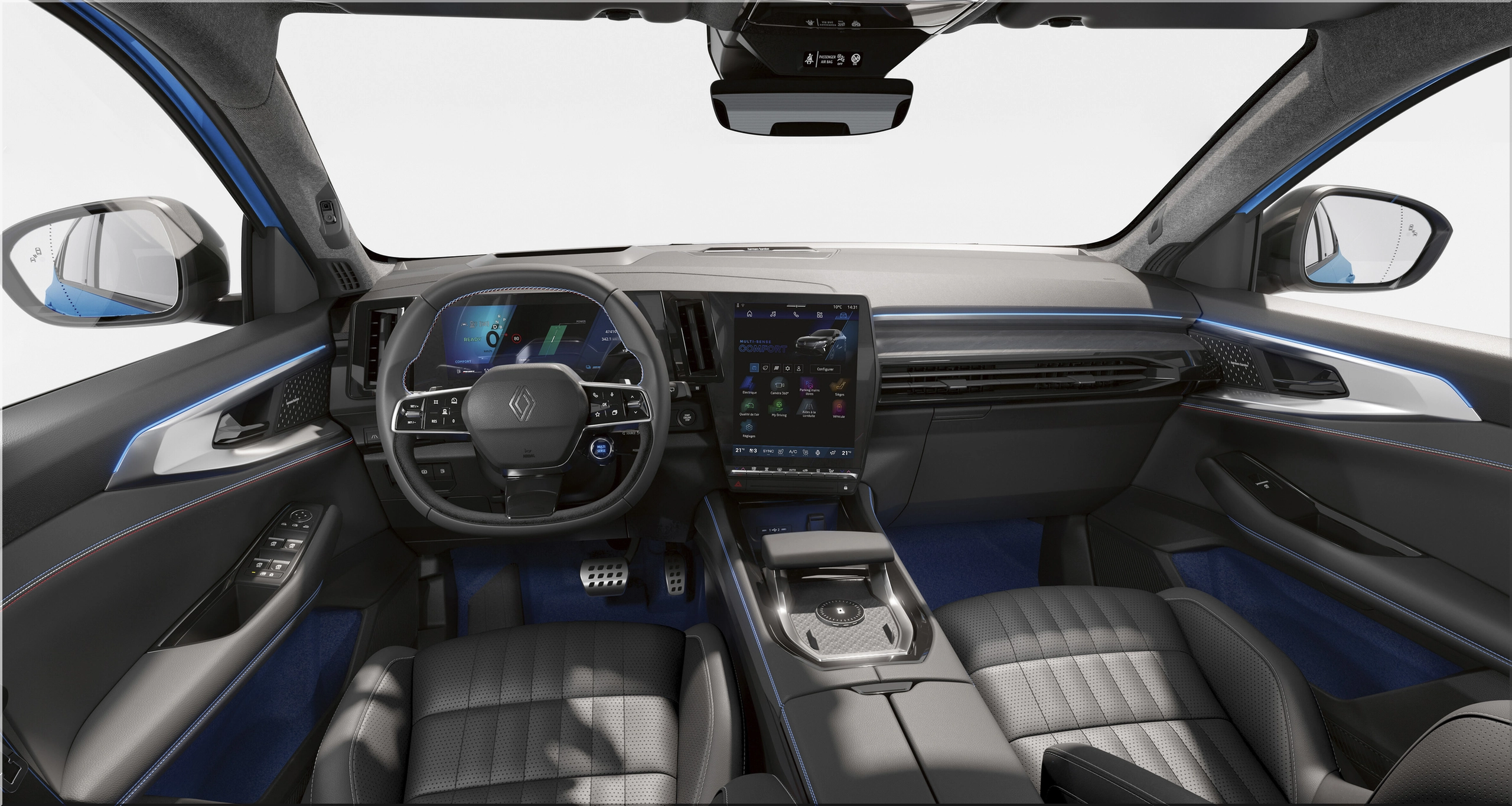
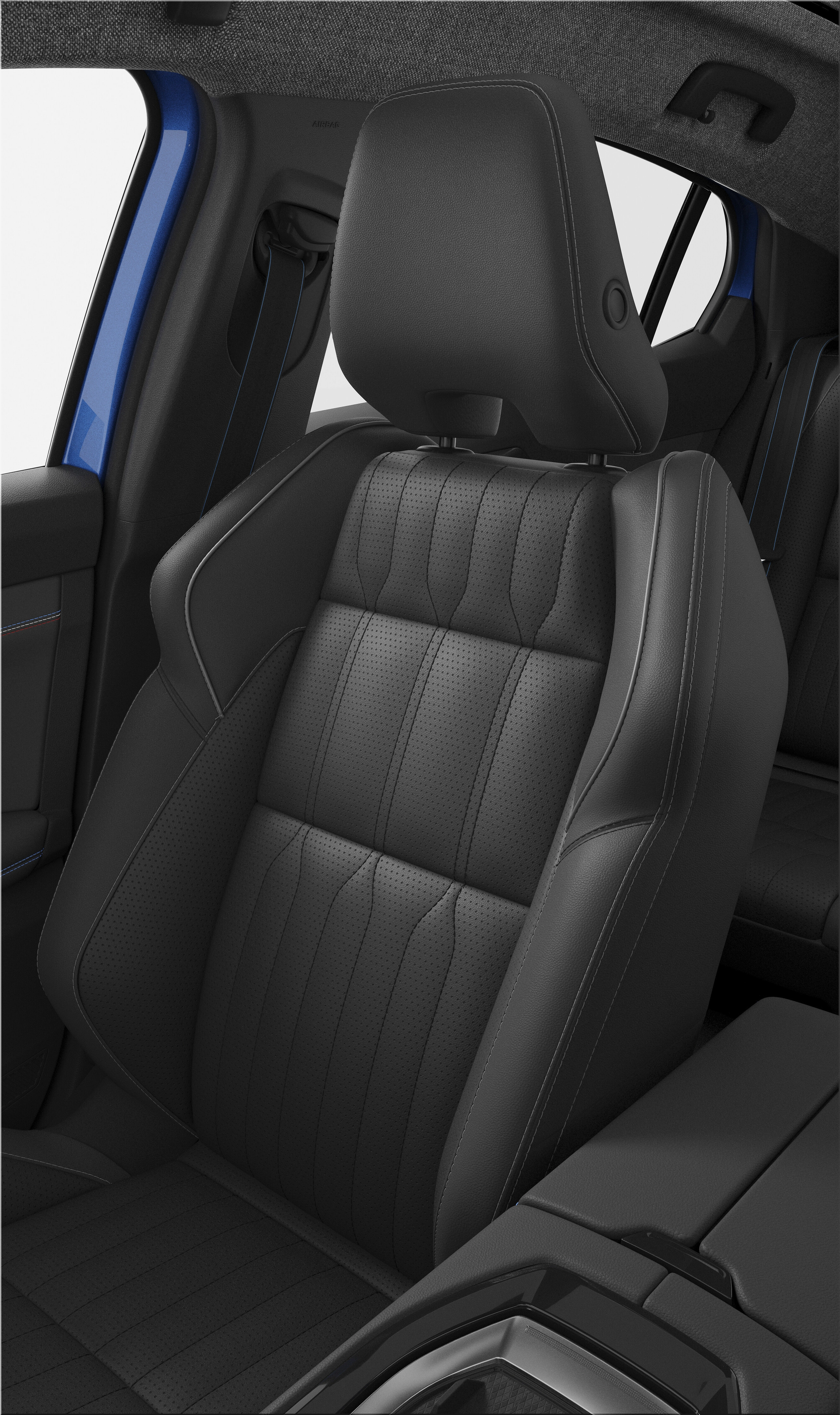
The headline changes sound small at first glance. They are not. Renault added a Qi2 wireless charger, a new onboard connectivity package, a stronger driver monitoring system, and a Smart mode that reacts to driving style changes. Austral and Espace also gain a new Slate Blue satin paint finish, while Rafale gets a new black coated textile upholstery with a grained finish.
Specifically, Renault aims these upgrades at the part of the buyer base that already spends more. The company says nearly half of Austral buyers choose Esprit Alpine, 66 percent of Espace buyers choose Esprit Alpine or Iconic, and 85 percent of Rafale buyers choose Esprit Alpine or Atelier Alpine. That is the clearest signal in the entire release. Renault no longer treats premium trim as a niche. It treats premium trim as the center of the business case.
Why these upgrades matter more than they look
A cosmetic refresh alone does not move a modern hybrid SUV upmarket. Cabin convenience, software access, charging behavior, and perceived tech quality do. Renault targeted those pressure points directly.
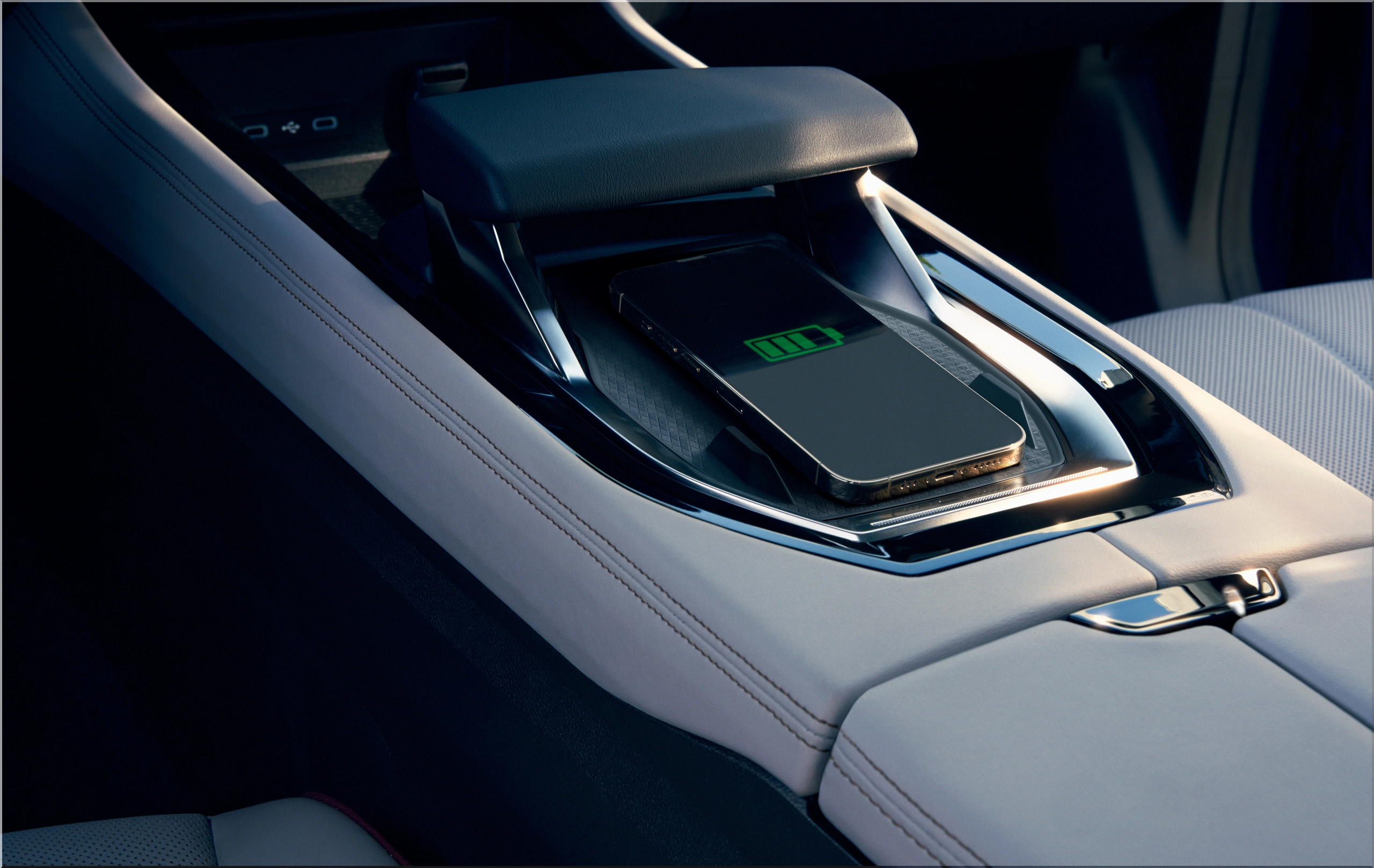
The new Qi2 wireless charger stands out because it fixes a common annoyance. Traditional in-car wireless pads often let phones slide, build heat, and charge slowly. Renault says its Qi2 setup uses a magnetic ring and can recover 50 percent battery charge in one hour without overheating. That changes the user experience in a real way. A charger that works every time feels premium. A charger that cooks your phone feels cheap.
Image
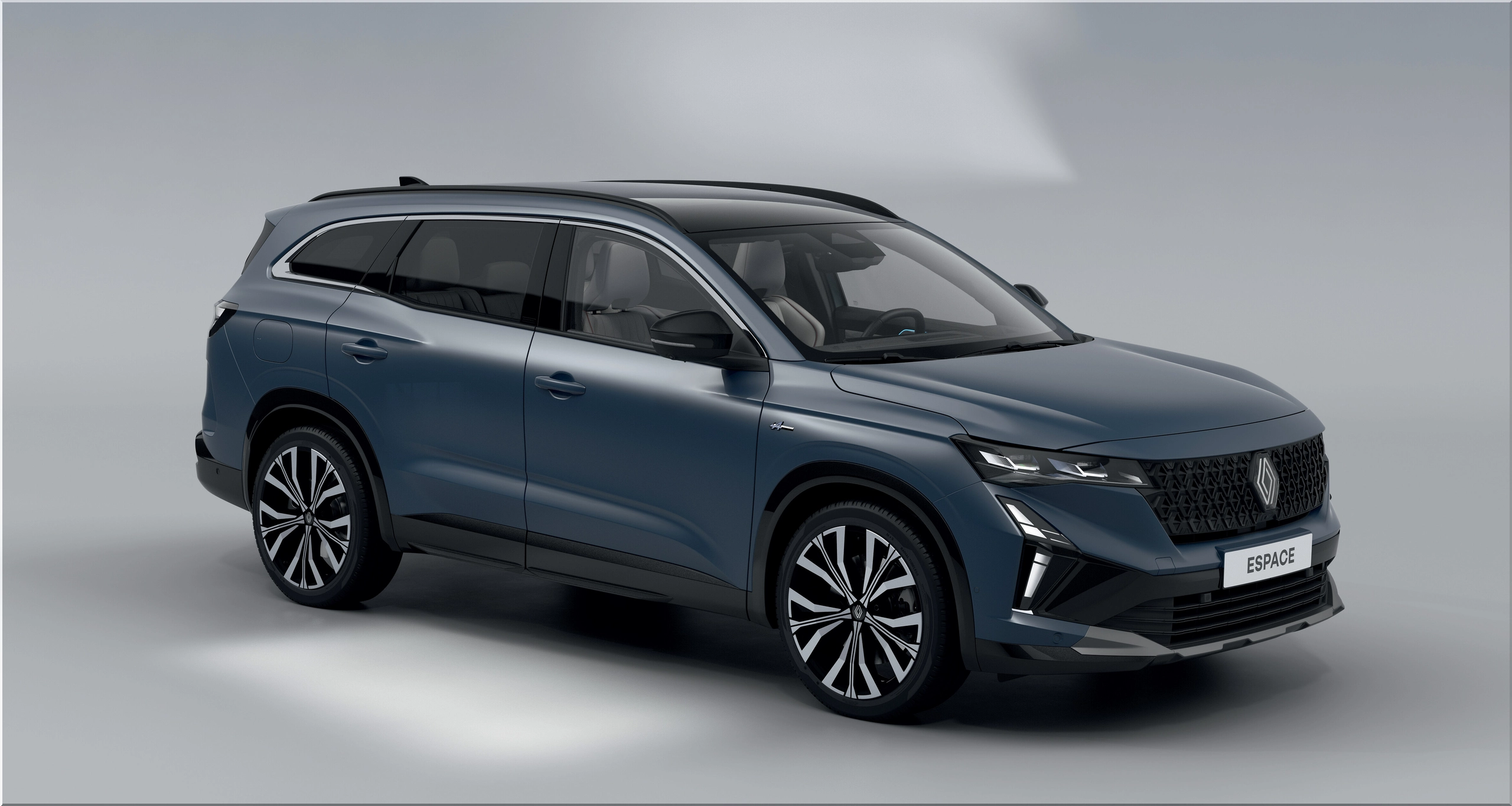
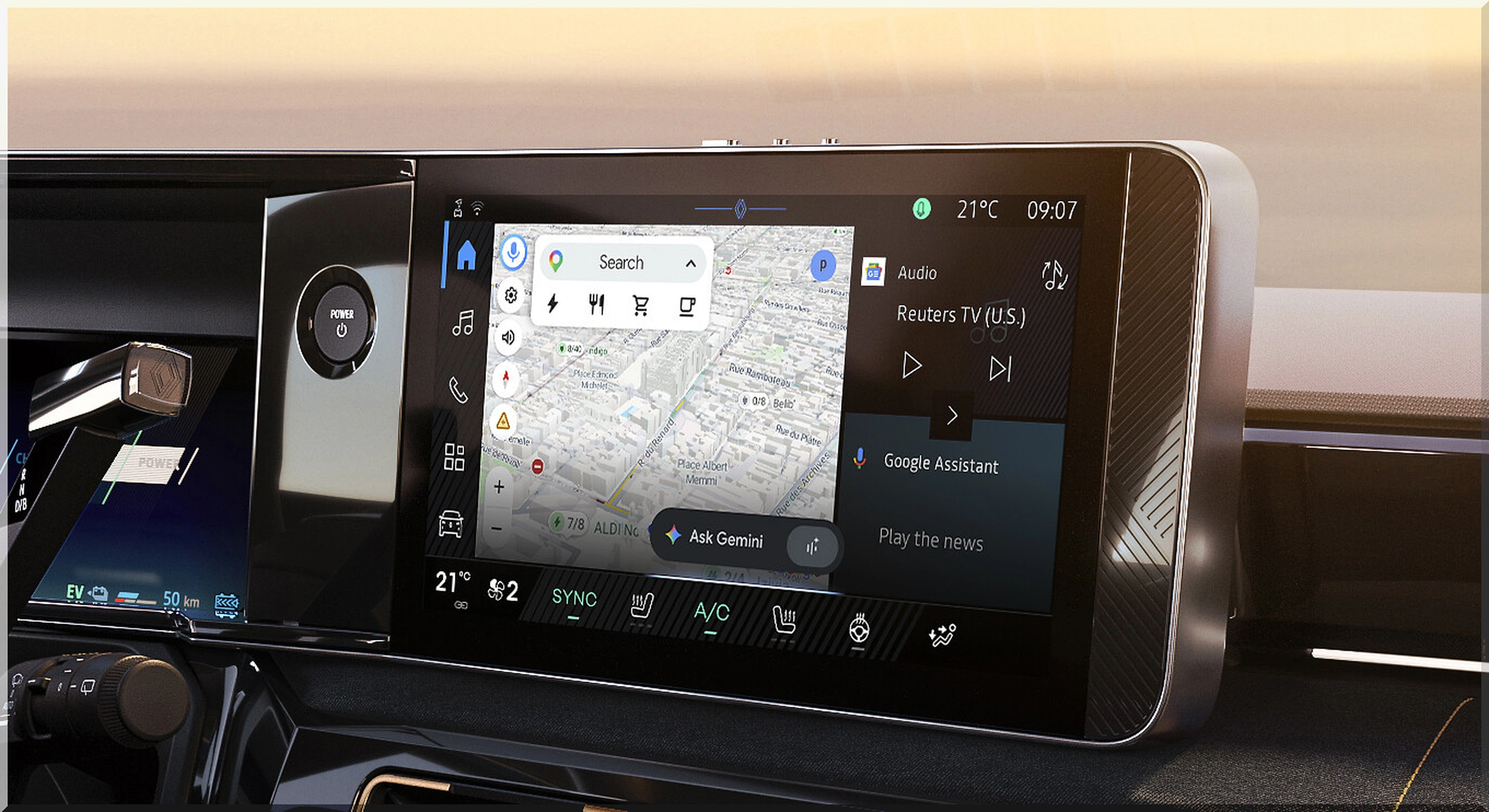
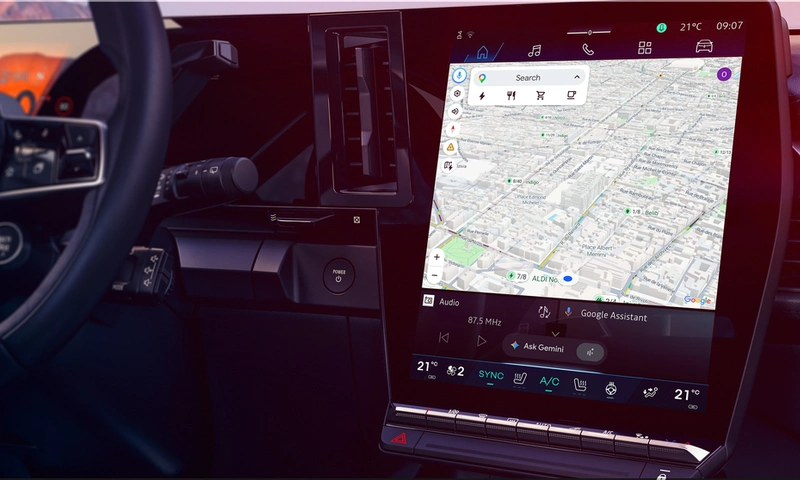
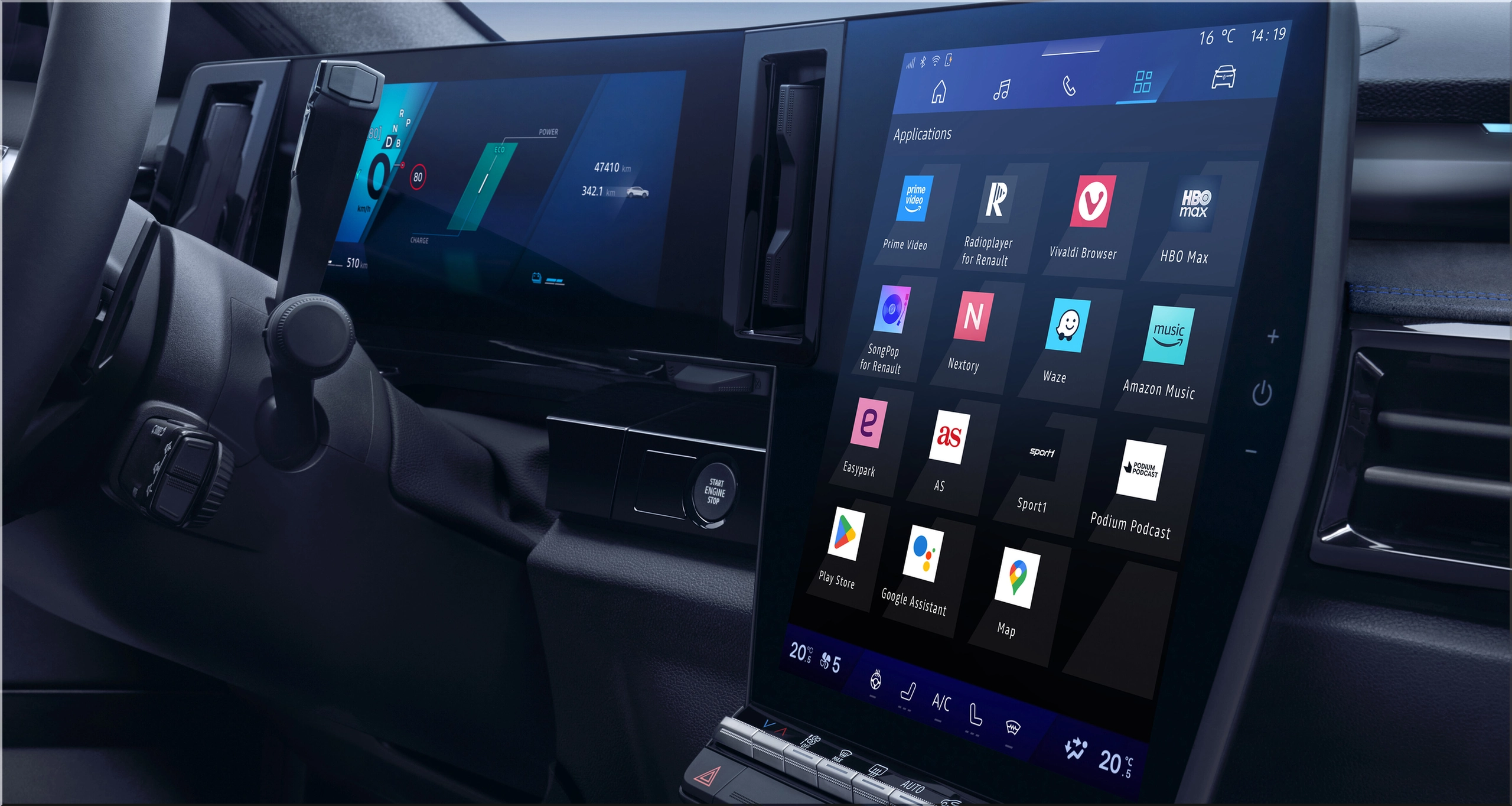
The new data package matters for the same reason. Renault now lets drivers use apps downloaded to OpenR Link without tethering a phone. That sounds like a software footnote, but it removes friction from daily use. By comparison, many connected-car systems still depend too heavily on a smartphone workaround. Renault wants its infotainment stack to behave more like native consumer tech and less like a carmaker bolt-on.
The upgraded driver monitoring system also fits the current regulatory and safety direction in Europe. Fatigue detection and direct driver-state tracking now play a bigger role in compliance and real-world safety scoring. From an expert perspective, this addition gives Renault a better answer to the industry's shift toward driver-state awareness without adding visible complexity to the cabin.
Option uptake proves buyers want the expensive stuff
Renault also disclosed option mix data, and it tells an important story.
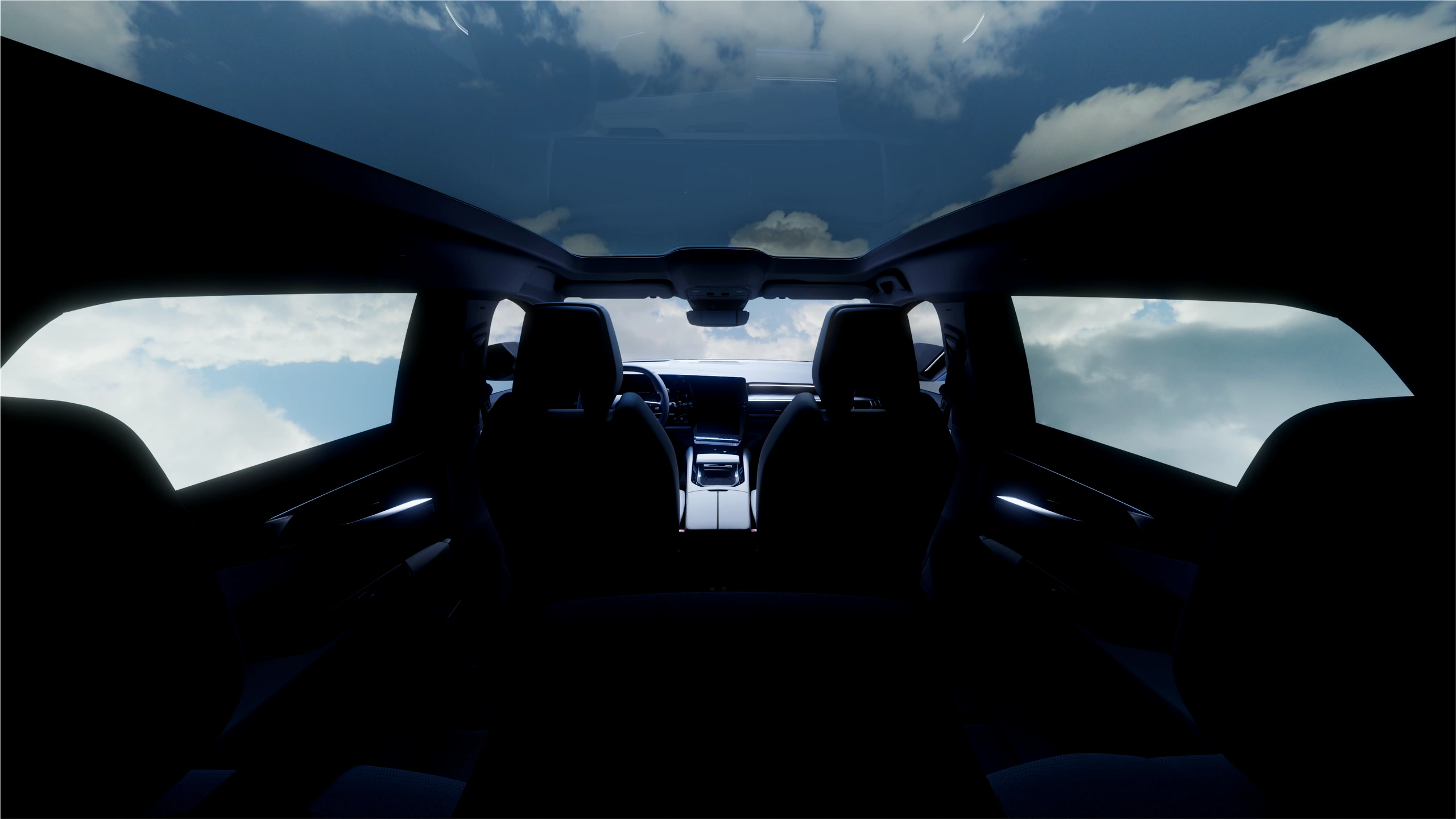
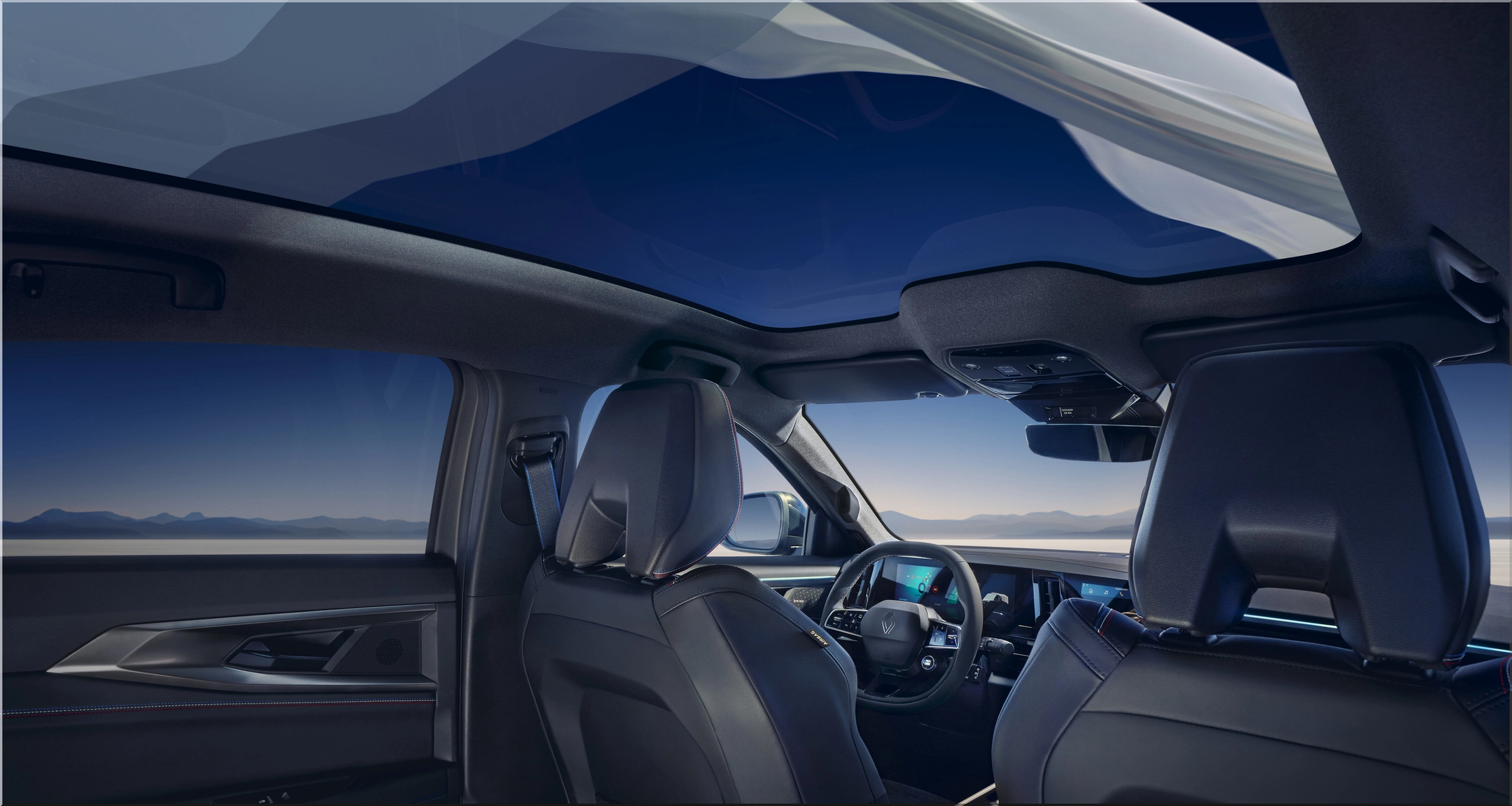
- Solarbay panoramic glass roof appears on 40 percent of Espace and Rafale models sold
- Harman Kardon audio reaches nearly 40 percent on Espace
- Harman Kardon reaches 35 percent on Rafale
- Harman Kardon reaches 32 percent on Austral
That is not random option take-up. That is premium-feature pull. Buyers in this space want visible comfort, better audio, and cabin tech they can feel every day. Renault now has evidence that these customers will pay for those items.
Core specs: what each Renault brings to the table
The three-model spread gives Renault good coverage across the hybrid SUV and crossover field. Austral handles the compact side. Espace handles the three-row family brief. Rafale carries the halo role with coupe-SUV styling and the most ambitious plug-in setup.
Table: Renault Austral vs Espace vs Rafale key technical data
| Model | Powertrain | Output | Length | Wheelbase | Cargo Volume | Seats | Notable Tech |
|---|---|---|---|---|---|---|---|
| Renault Austral | full hybrid E-Tech | 200 hp | 4,510 mm / 177.6 in | 2,667 mm / 105.0 in | 487 to 1,525 L VDA, brand cites up to 657 L in packaging claims | 5 | 33 ADAS, OpenR Link, up to 1,100 km range |
| Renault Espace | full hybrid E-Tech | 200 hp | 4,722 mm / 185.9 in | 2,738 mm / 107.8 in | 581 to 1,818 L VDA for 5-seat layout; 159 to 1,714 L VDA for 7-seat layout | 5 or 7 | 4Control Advanced, Solarbay, up to 1,100 km range |
| Renault Rafale | full hybrid E-Tech / E-Tech 4x4 300 plug-in | 200 hp / 300 hp | coupe-SUV format | segment-spanning fastback profile | varies by version; premium positioning centers on performance and tech mix | 5 | 4Control Advanced, 4x4 on 300 hp version, up to 105 km EV range |
Austral brings the leanest package. At 4,510 mm long, it sits in the heart of the compact hybrid SUV class. Its 2,667 mm wheelbase and 487-liter VDA minimum cargo figure give it a solid utility baseline, while Renault also markets a higher usable-cargo claim of up to 657 liters depending on configuration language and seat position. That sliding rear bench remains one of the model's practical strengths.
Image
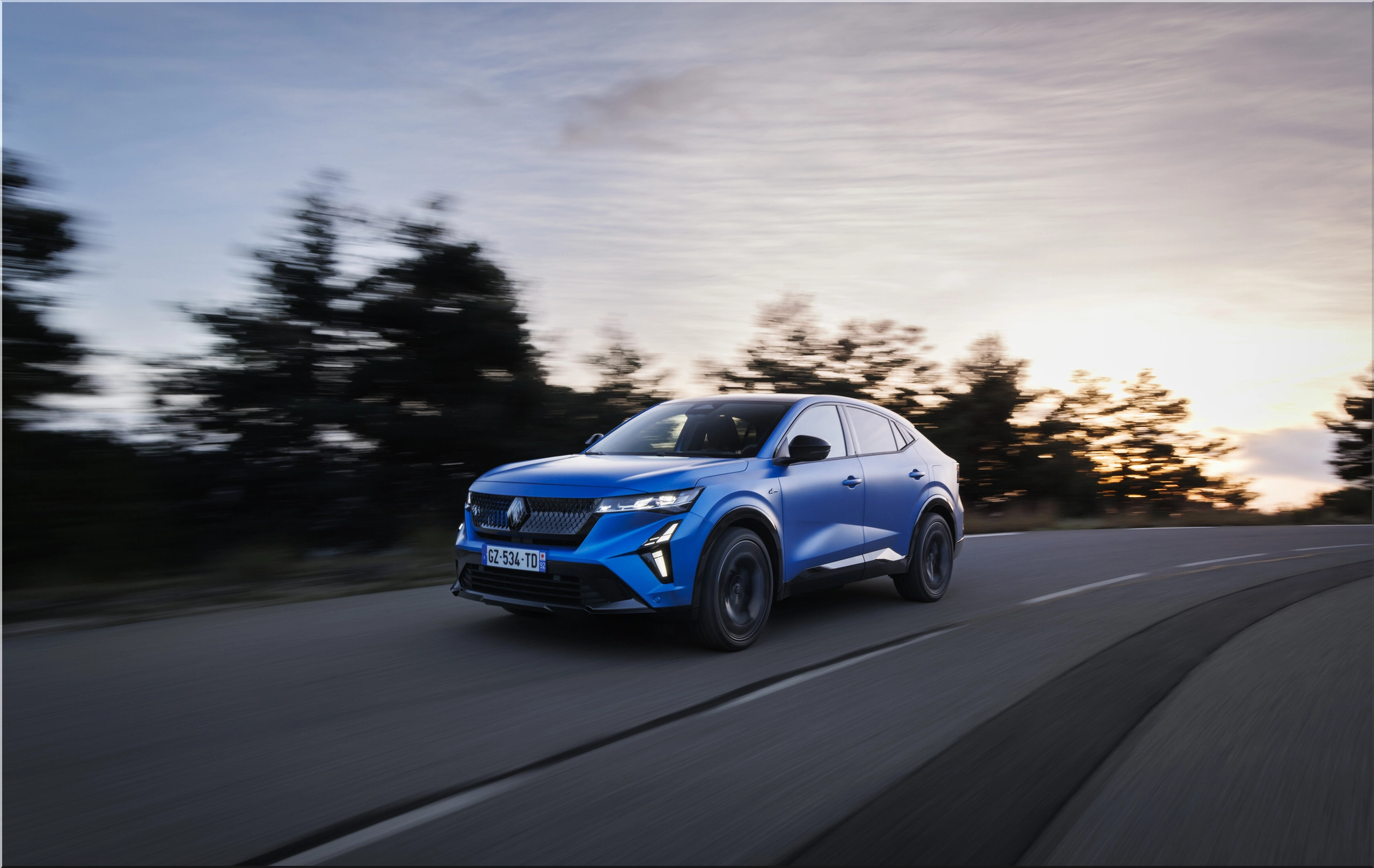
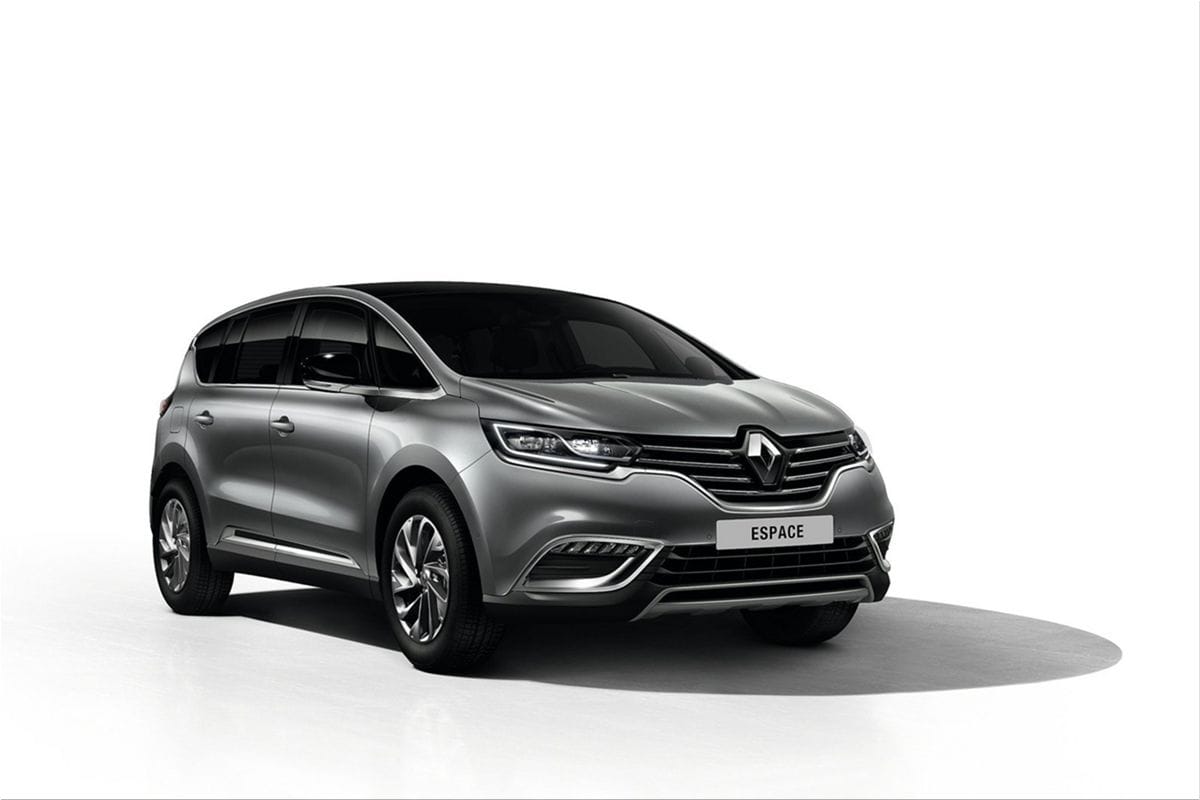
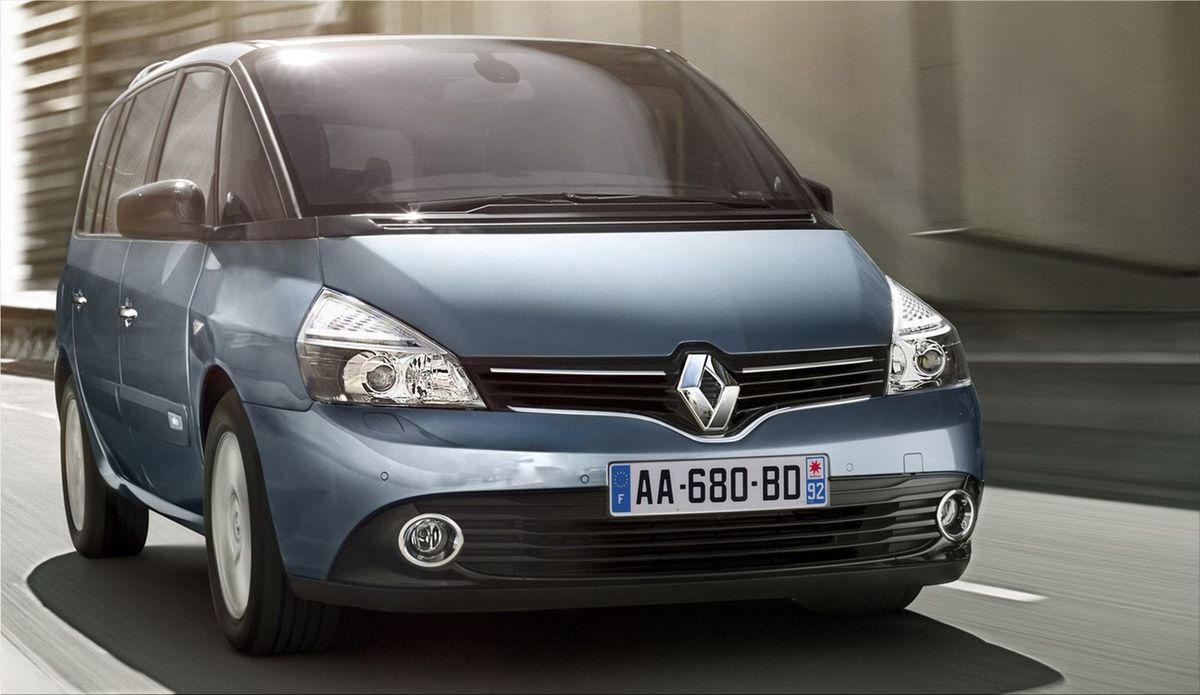
Espace stretches the concept into family duty. Its 4,722 mm length and 2,738 mm wheelbase give Renault a larger footprint without pushing into full-size territory. The 5-seat version offers 581 liters VDA minimum and up to 1,818 liters with the seats folded, while the 7-seat format ranges from 159 to 1,714 liters VDA. Consequently, Espace plays the role of long-distance hybrid family hauler without asking buyers to jump to a heavier, more expensive plug-in system.
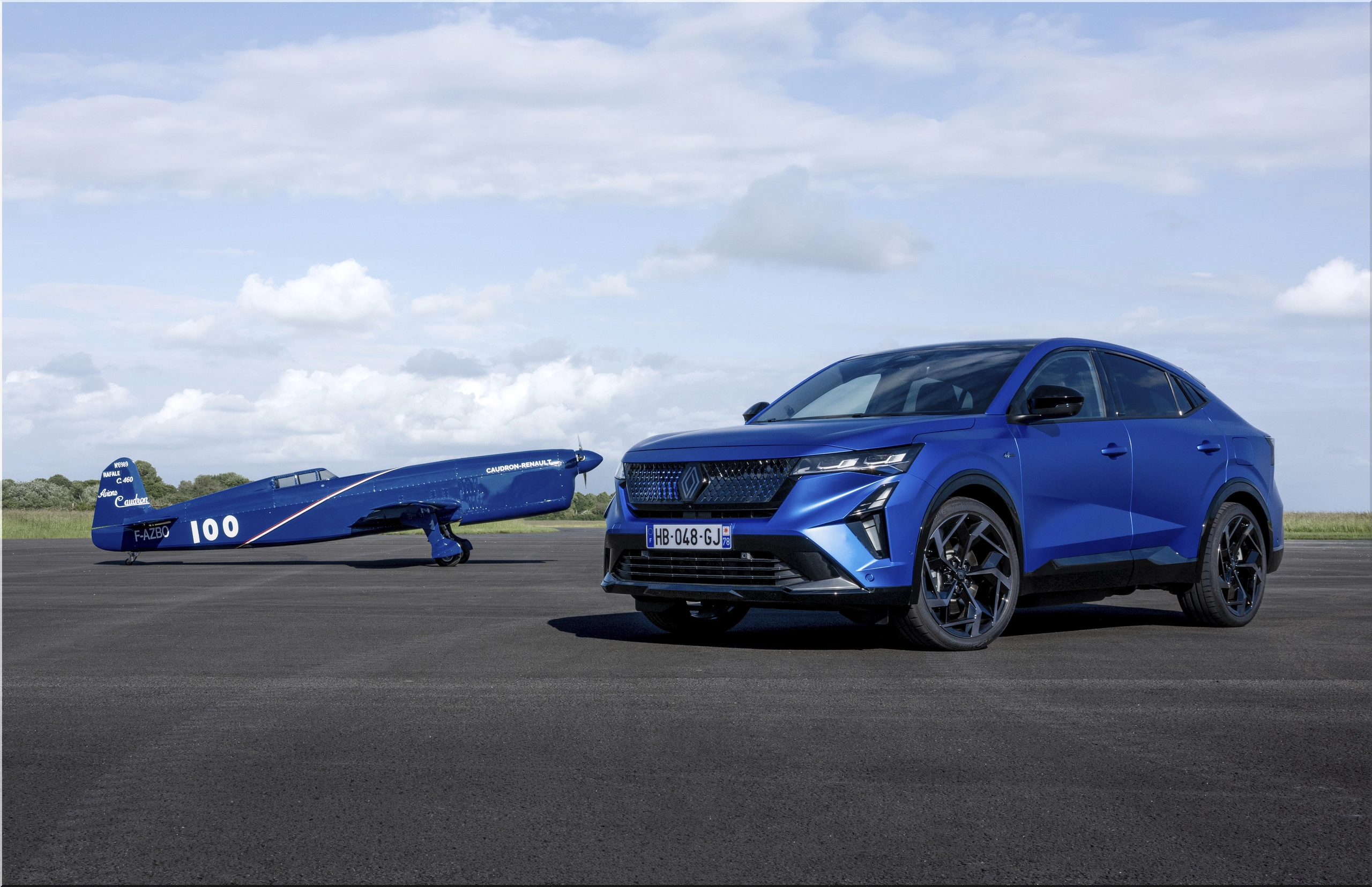
Rafale sits at the top. The full hybrid E-Tech 200 delivers up to 1,100 km of range, 4.8 L/100 km combined WLTP fuel use, and 108 to 109 g/km CO2. The E-Tech 4x4 300 plug-in version adds all-wheel drive, rear-wheel steering via 4Control Advanced, and up to 105 km of electric range. That makes Rafale the engineering statement in the trio.
Pricing in USD: Renault keeps the ladder tight
Renault opened French orders with the following pricing.
Renault 2026 pricing
| Model / Version | Price in EUR | Approx. Price in USD |
|---|---|---|
| Austral Evolution full hybrid E-Tech 200 | EUR 41,900 | USD 48,441 |
| Austral Techno full hybrid E-Tech 200 | EUR 43,100 | USD 49,828 |
| Austral Esprit Alpine full hybrid E-Tech 200 | EUR 46,000 | USD 53,181 |
| Espace Techno 5-seat full hybrid E-Tech 200 | EUR 46,000 | USD 53,181 |
| Espace Esprit Alpine 5-seat full hybrid E-Tech 200 | EUR 49,300 | USD 56,996 |
| Espace Iconic 5-seat full hybrid E-Tech 200 | EUR 51,300 | USD 59,308 |
| Espace Iconic 7-seat full hybrid E-Tech 200 | EUR 51,800 | USD 59,886 |
| Rafale Techno full hybrid E-Tech 200 | EUR 46,000 | USD 53,181 |
| Rafale Esprit Alpine full hybrid E-Tech 200 | EUR 50,000 | USD 57,805 |
| Rafale Esprit Alpine E-Tech 4x4 300 plug-in | EUR 55,000 | USD 63,586 |
| Rafale Atelier Alpine E-Tech 4x4 300 plug-in | EUR 60,000 | USD 69,366 |
That ladder looks disciplined. Renault keeps Austral, Espace, and entry Rafale close enough to cross-shop, then uses Rafale 300 and Atelier Alpine to pull the brand into higher-margin territory.
Image gallery
How Renault stacks up against key rivals
Renault faces a tough field. Buyers in this part of Europe can also look at the Peugeot 3008 Plug-in Hybrid 195, Skoda Kodiaq iV, and Cupra Terramar e-Hybrid. Renault's answer varies by model.
Renault trio vs major hybrid rivals
| Vehicle | Power | Length | Wheelbase | Cargo | Key strength |
|---|---|---|---|---|---|
| Renault Austral | 200 hp | 4,510 mm | 2,667 mm | 487 to 1,525 L VDA | Compact hybrid SUV with strong ADAS count and low-friction tech update |
| Renault Espace | 200 hp | 4,722 mm | 2,738 mm | up to 1,818 L VDA in 5-seat form | 5- or 7-seat packaging with hybrid economy and rear-steer tech |
| Renault Rafale PHEV | 300 hp | fastback crossover | premium-focused | version-dependent | Strongest performance case, 4x4, rear steer, long EV range |
| Peugeot 3008 PHEV 195 | 195 hp | 4,542 mm | 2,739 mm | 520 L | Fresh styling and a strong PHEV efficiency story |
| Skoda Kodiaq iV | PHEV | large SUV | family-first layout | up to 745 L quoted | Cabin and cargo strength |
| Cupra Terramar e-Hybrid | up to 272 hp class | sporty SUV | modern VW Group base | variable by seat position | Sportier brand image and strong EV-only range claims |
By comparison, Austral wins on Renault's hybrid maturity and cabin tech polish, but it faces pressure from newer competitors with bigger cargo claims. Espace answers with packaging flexibility and rear-steer sophistication that many rivals still skip. Rafale makes the strongest emotional and technical pitch because the 300 hp plug-in powertrain, 4x4 traction, and 105 km EV range give Renault a real story against style-heavy rivals that still stop short on chassis hardware.
Pro-Tips for buyers and industry watchers
- Pick Austral if you want the cleanest size-to-efficiency ratio in the trio.
- Pick Espace if you need 7-seat flexibility without going diesel or full EV.
- Pick Rafale 300 if chassis tech and electric commuting range sit at the top of your list.
- Watch the Qi2 charger rollout closely. It sounds minor, but buyers notice daily-use tech failures faster than they notice a new bumper.
- Watch option mix. When Solarbay and premium audio keep pulling strong take rates, Renault gains pricing power.
Image gallery

What now?
Renault's 2026 move tells you where the brand thinks profit lives: in well-equipped hybrid crossovers that feel expensive from the driver's seat. The company did not chase flashy claims here. It improved the ownership touchpoints that buyers use every day, then priced the lineup to keep shoppers inside the Renault showroom as their budget climbs.
That gives the Austral, Espace, and Rafale clearer jobs. Austral remains the core hybrid SUV. Espace stays the practical long-range family choice. Rafale keeps acting as the premium spearhead. In addition, the trim mix data proves buyers already accept that structure. Renault now needs to keep execution clean, software stable, and dealer messaging sharp.
From a market view, this update looks smart. Renault found the buyers willing to spend more, and it gave them more reasons to do it.
- Add new comment
- 418 views