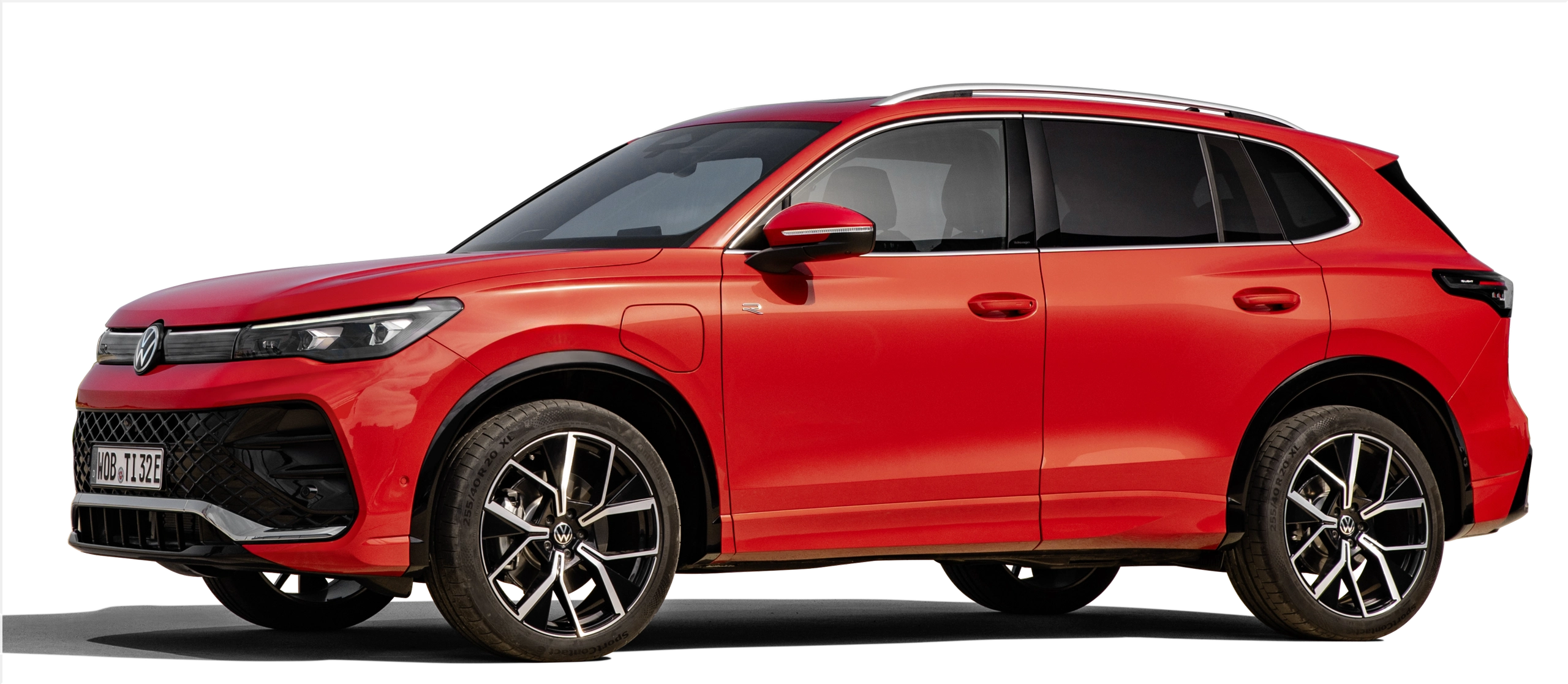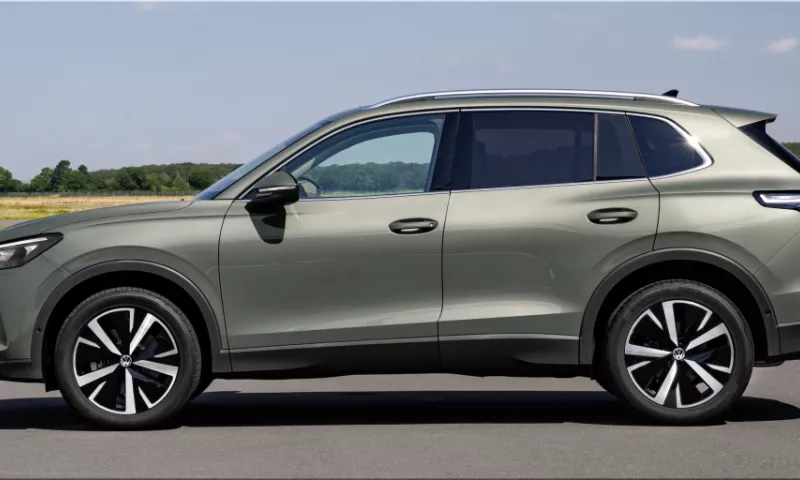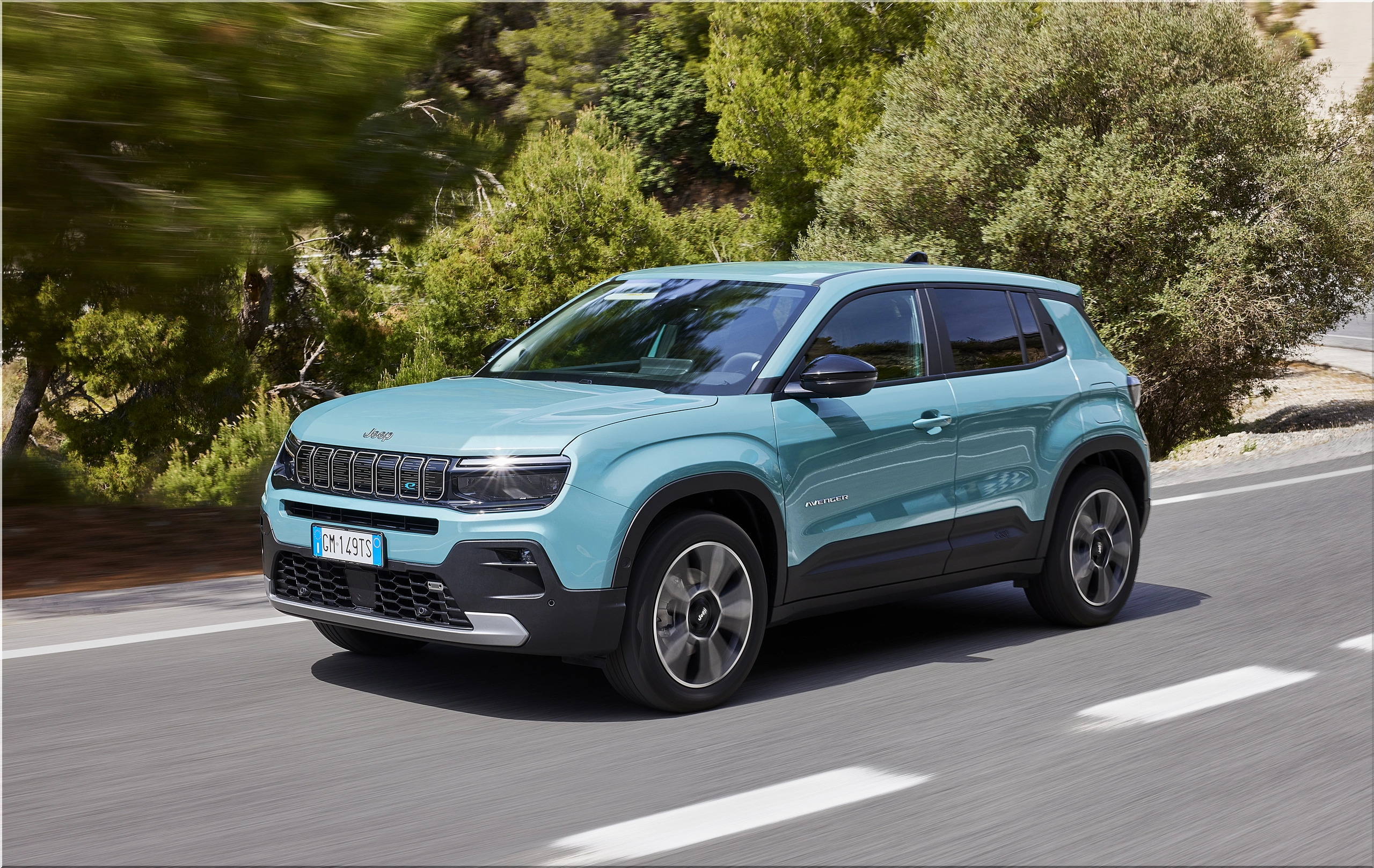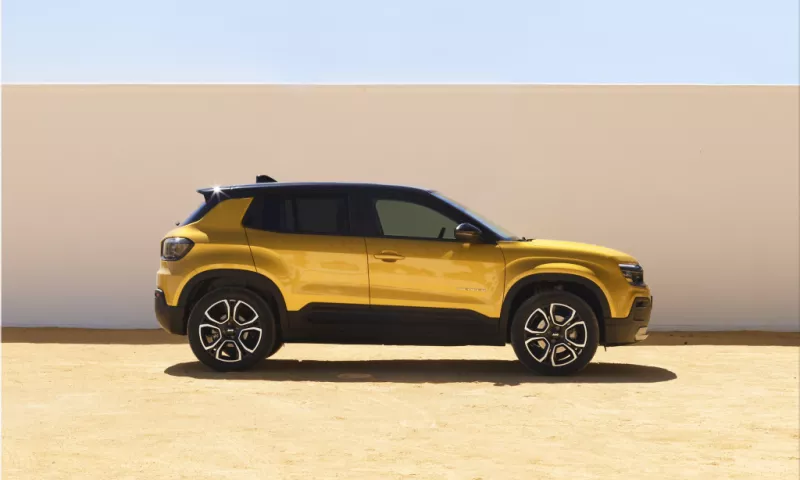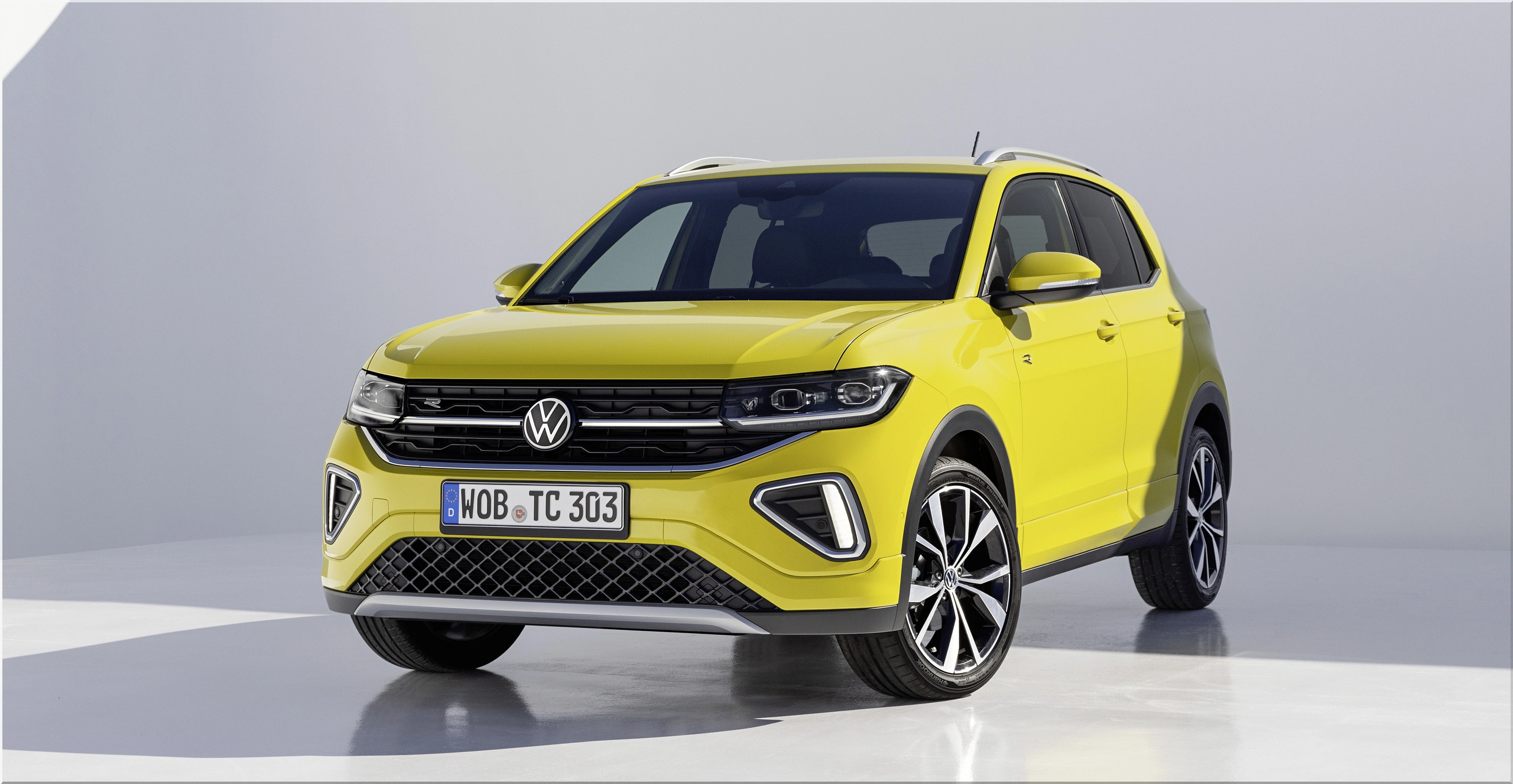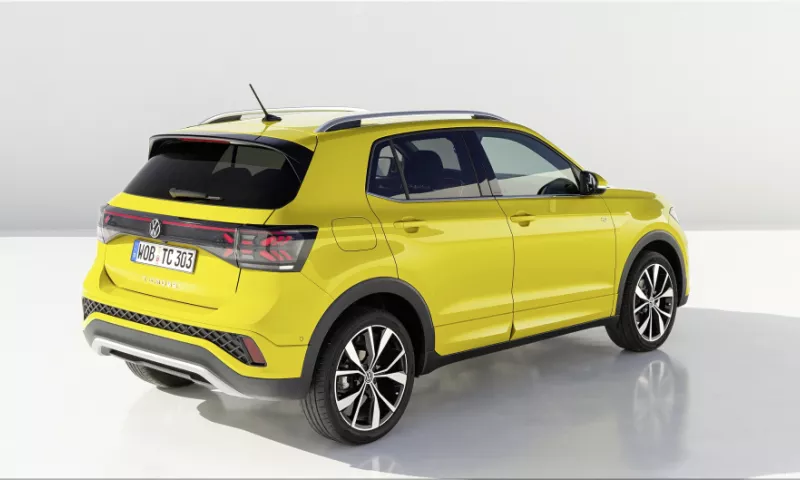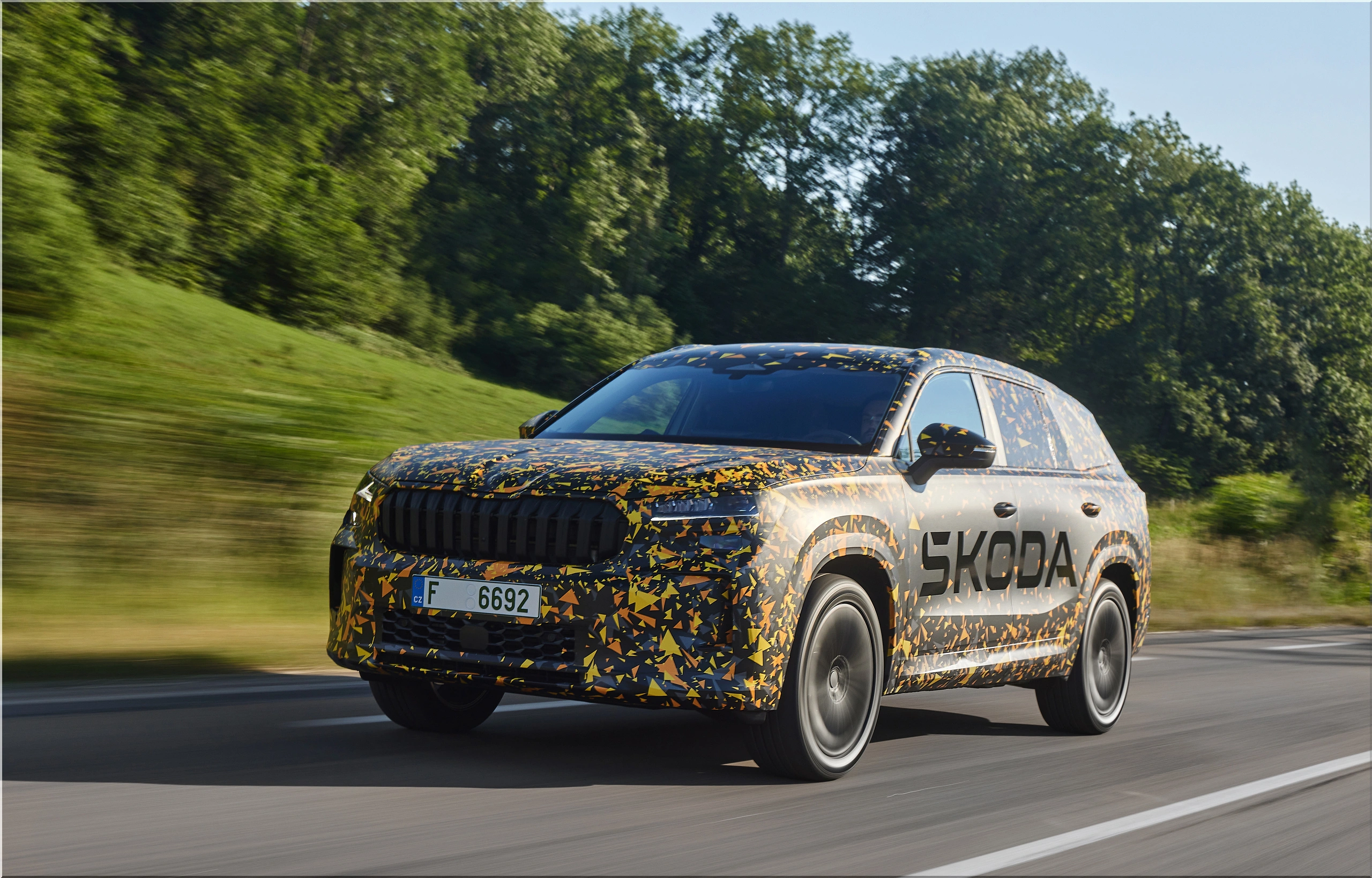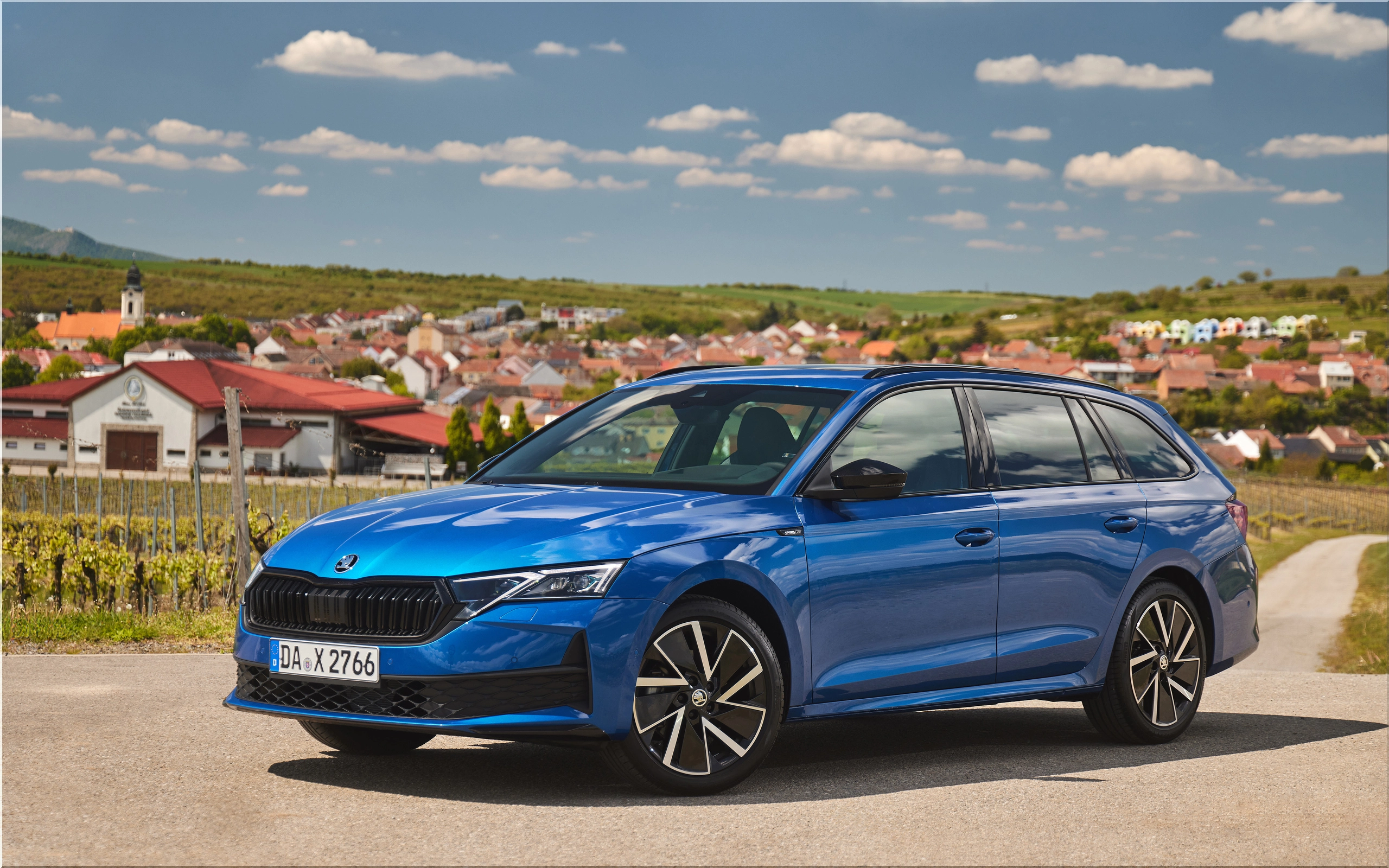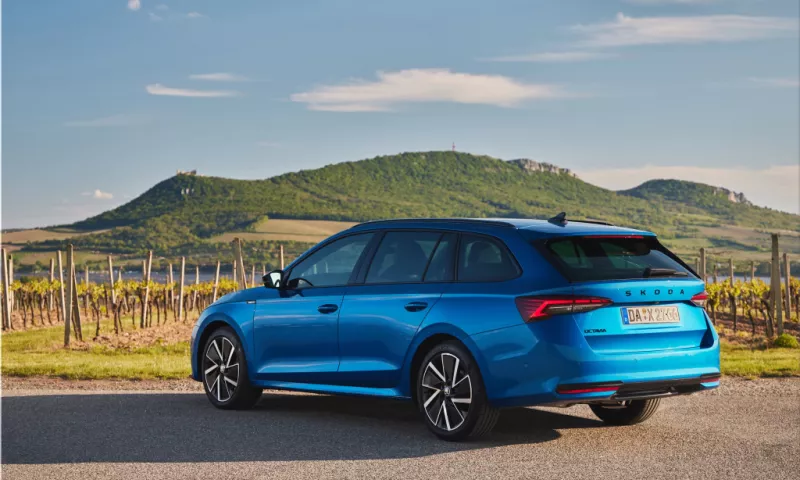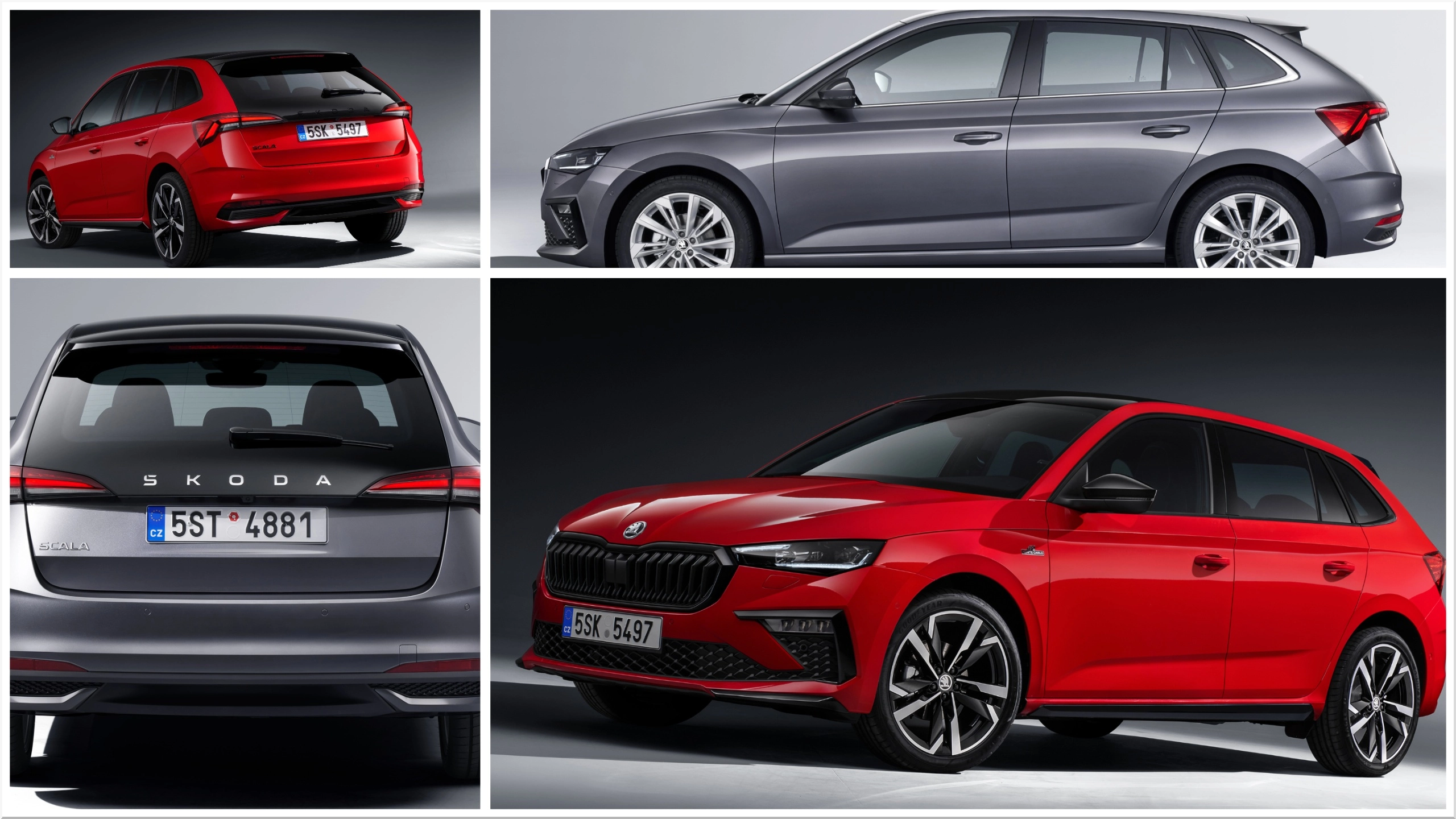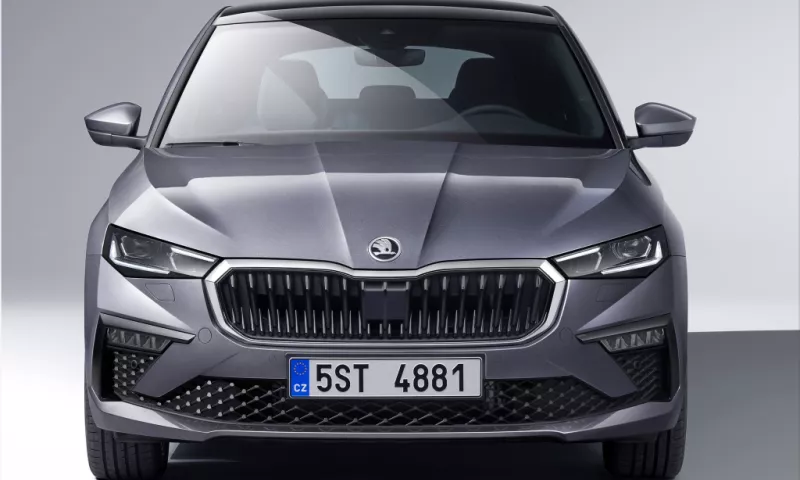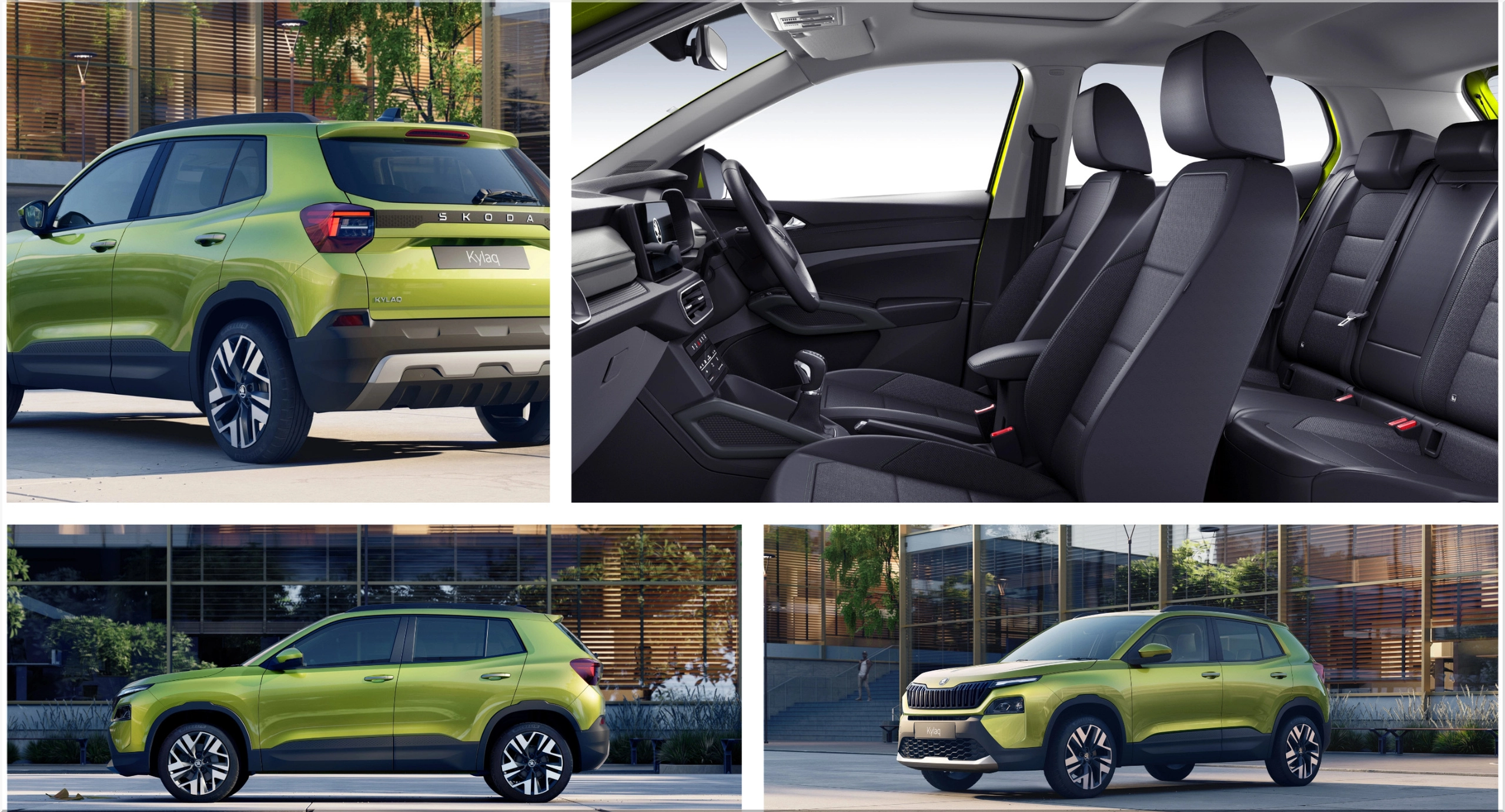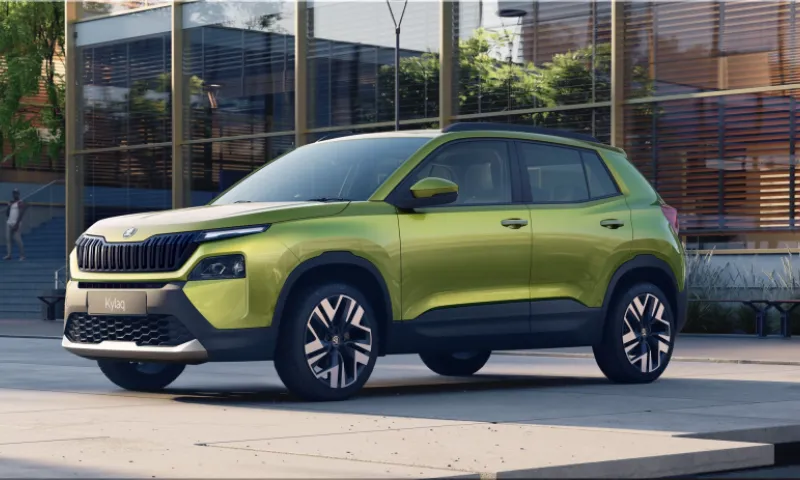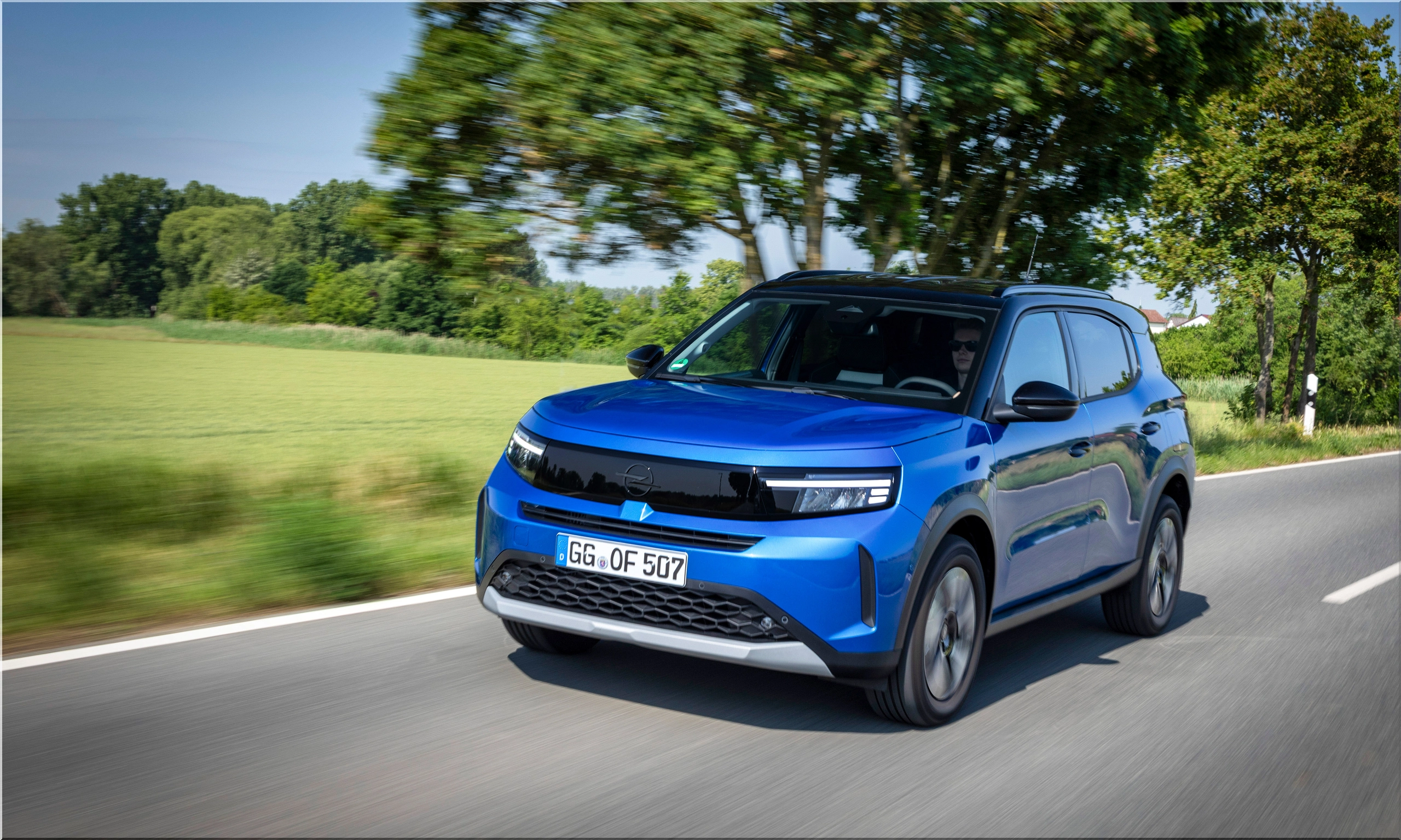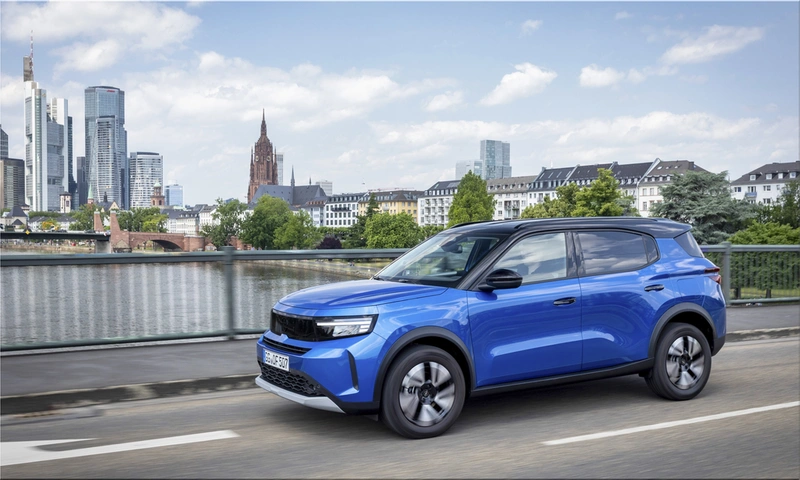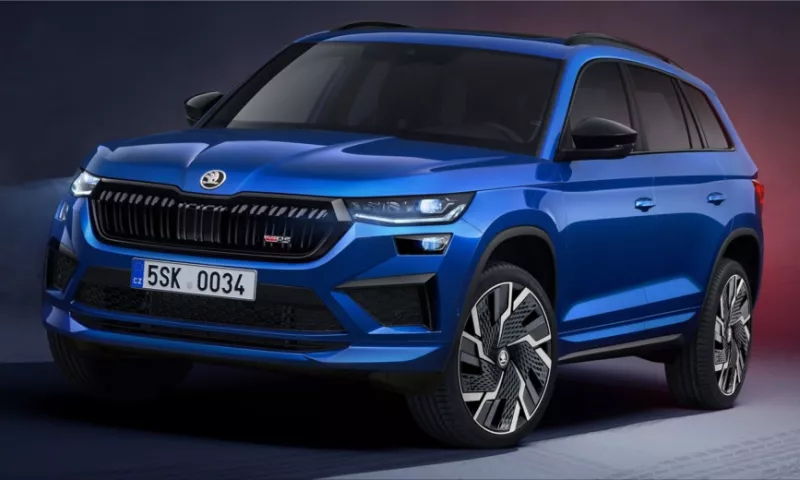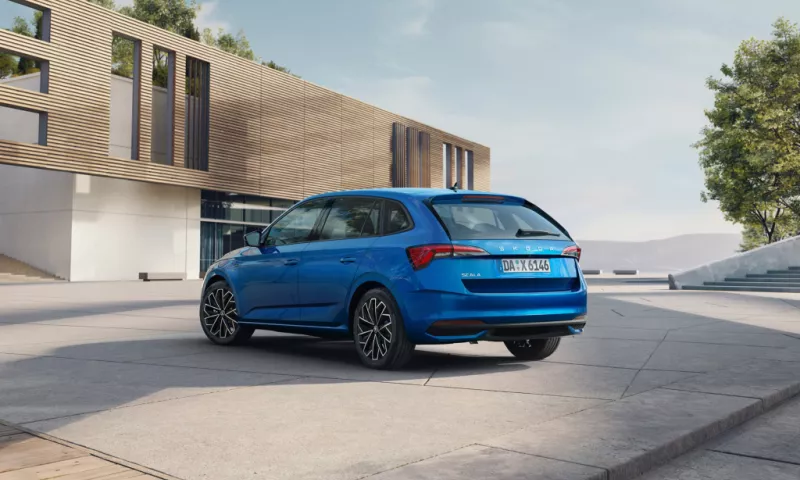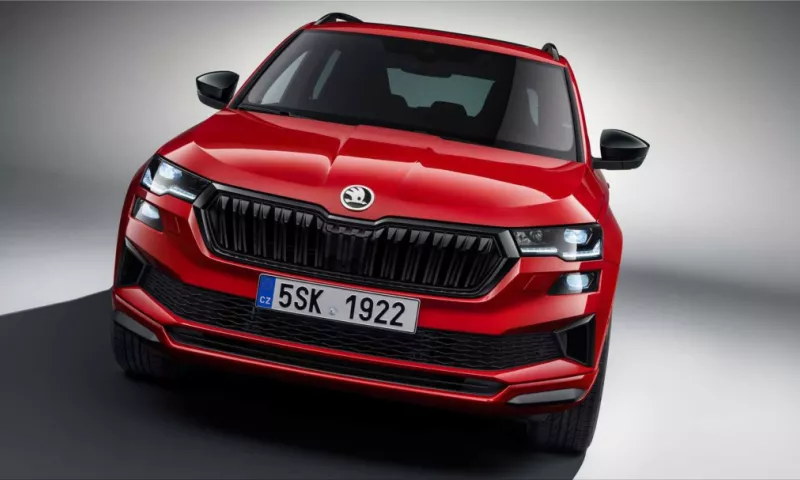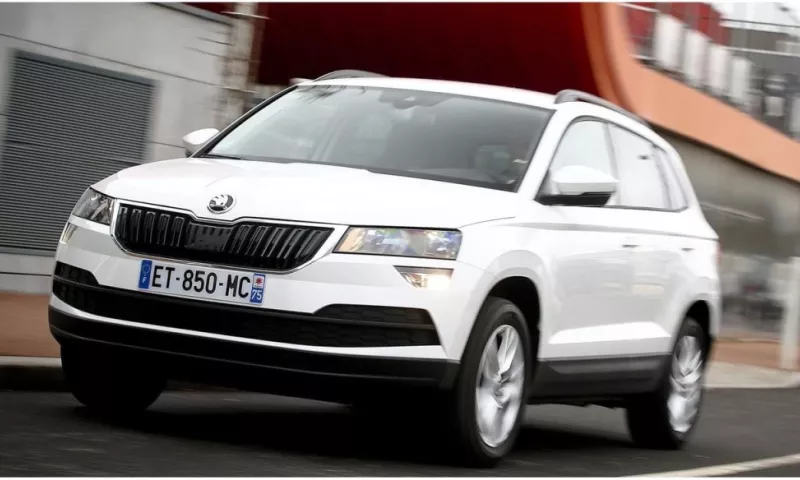
The 2027 Skoda Kushaq represents a calculated engineering shift for a model that carries the weight of the European manufacturer’s growth in emerging markets. This update addresses the "Choice Overload" often found in the midsize SUV segment by streamlining high-value hardware. Skoda introduced a new 8-speed torque converter automatic and a refined cabin architecture to target premium buyers who prioritize mechanical depth over superficial gadgets.
Image
Built on the MQB-A0-IN platform, the Kushaq utilizes high-strength steel in over 73% of its frame. This chassis maintains the 5-star Global NCAP rating under the latest, more stringent 2024 testing protocols. By focusing on structural rigidity, Skoda leverages the Endowment Effect, ensuring owners feel a tangible sense of security that justifies the price premium over thinner-gauged competitors.
Refined Exterior and Modern Solid Design
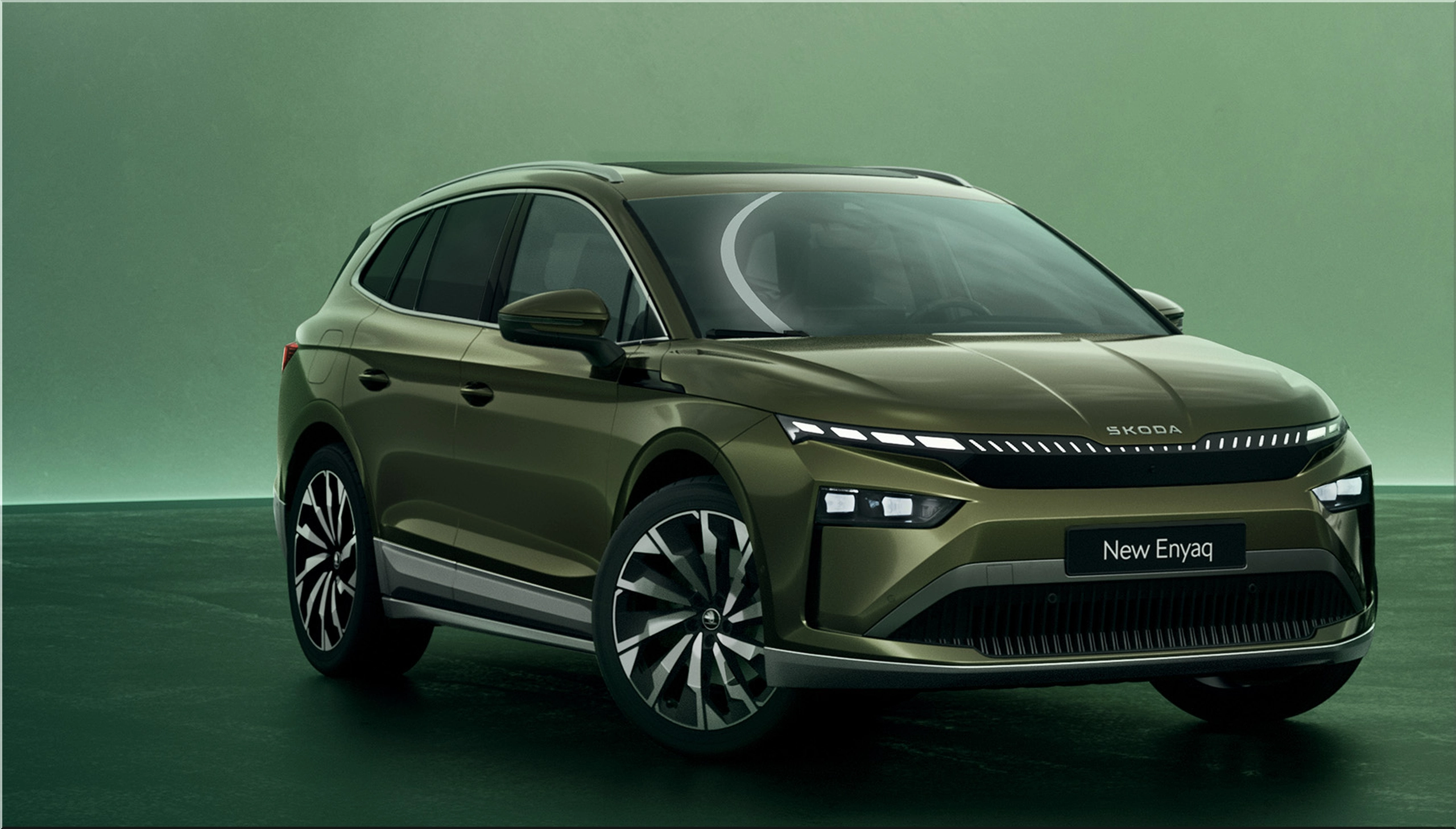
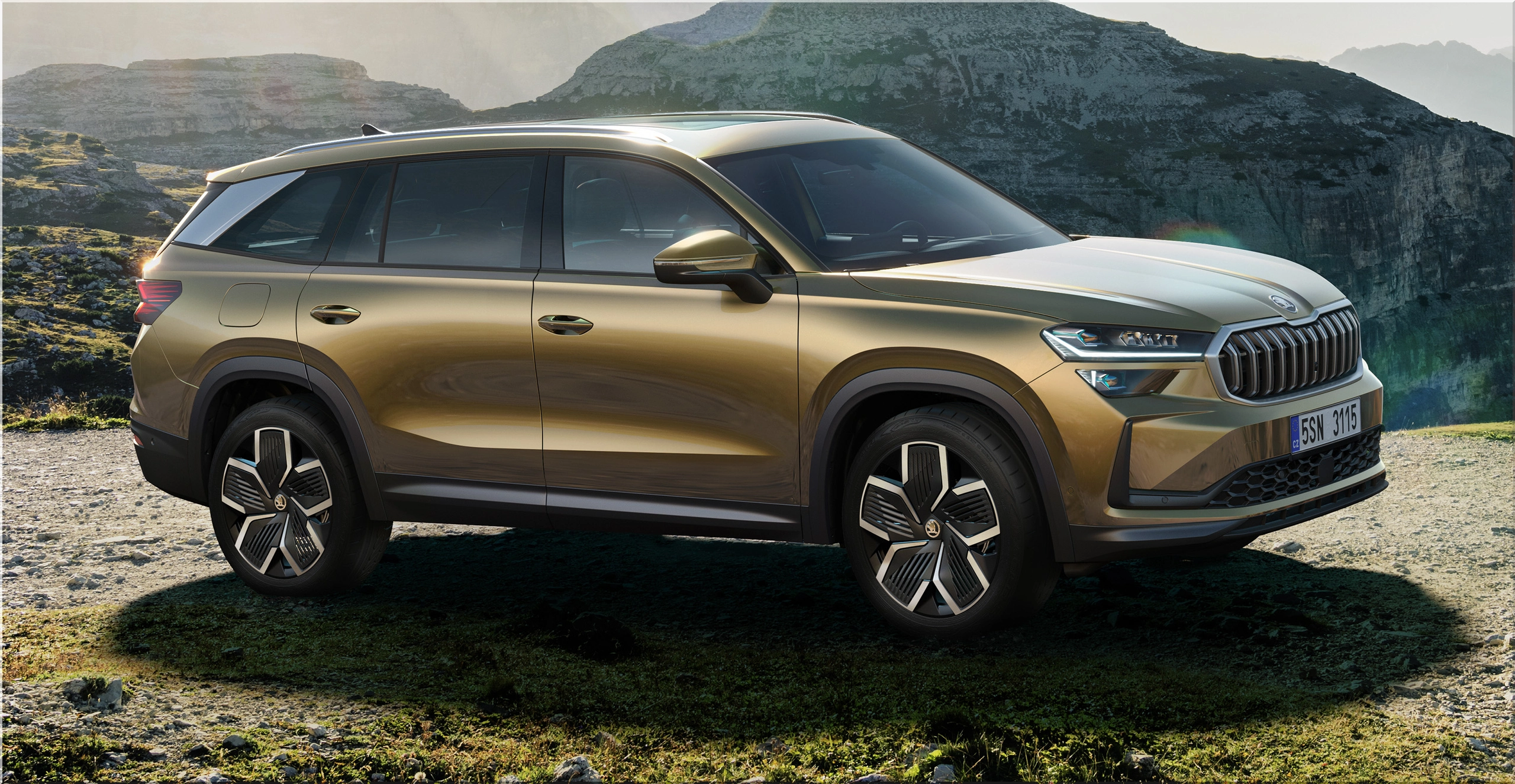
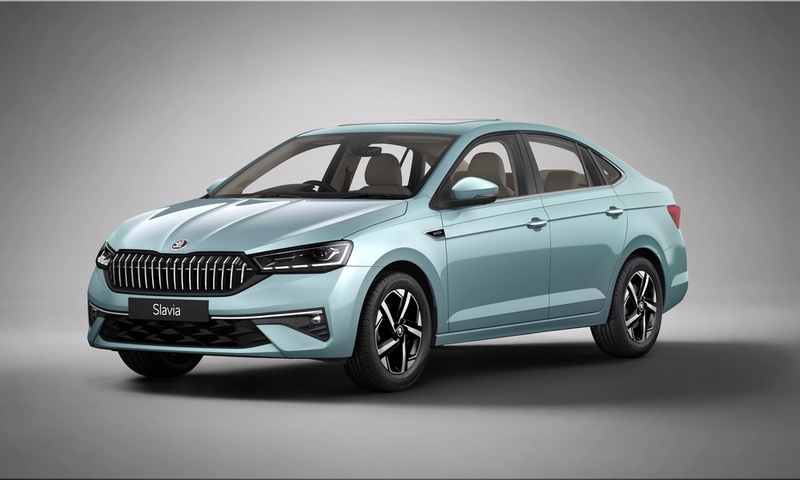
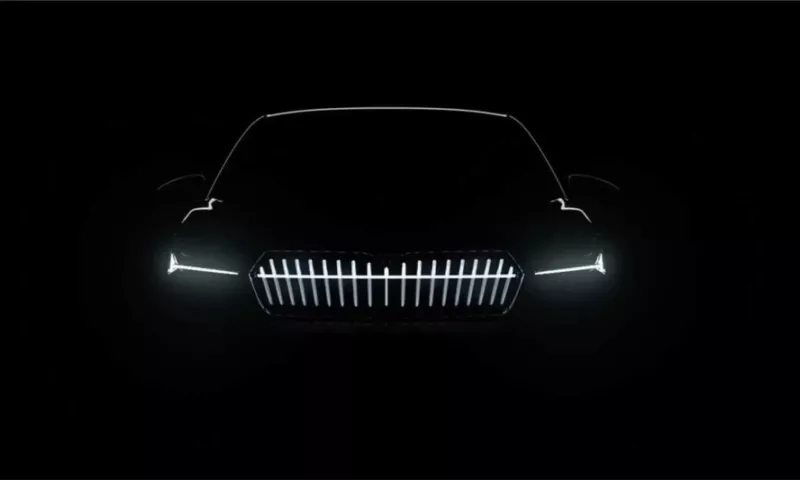
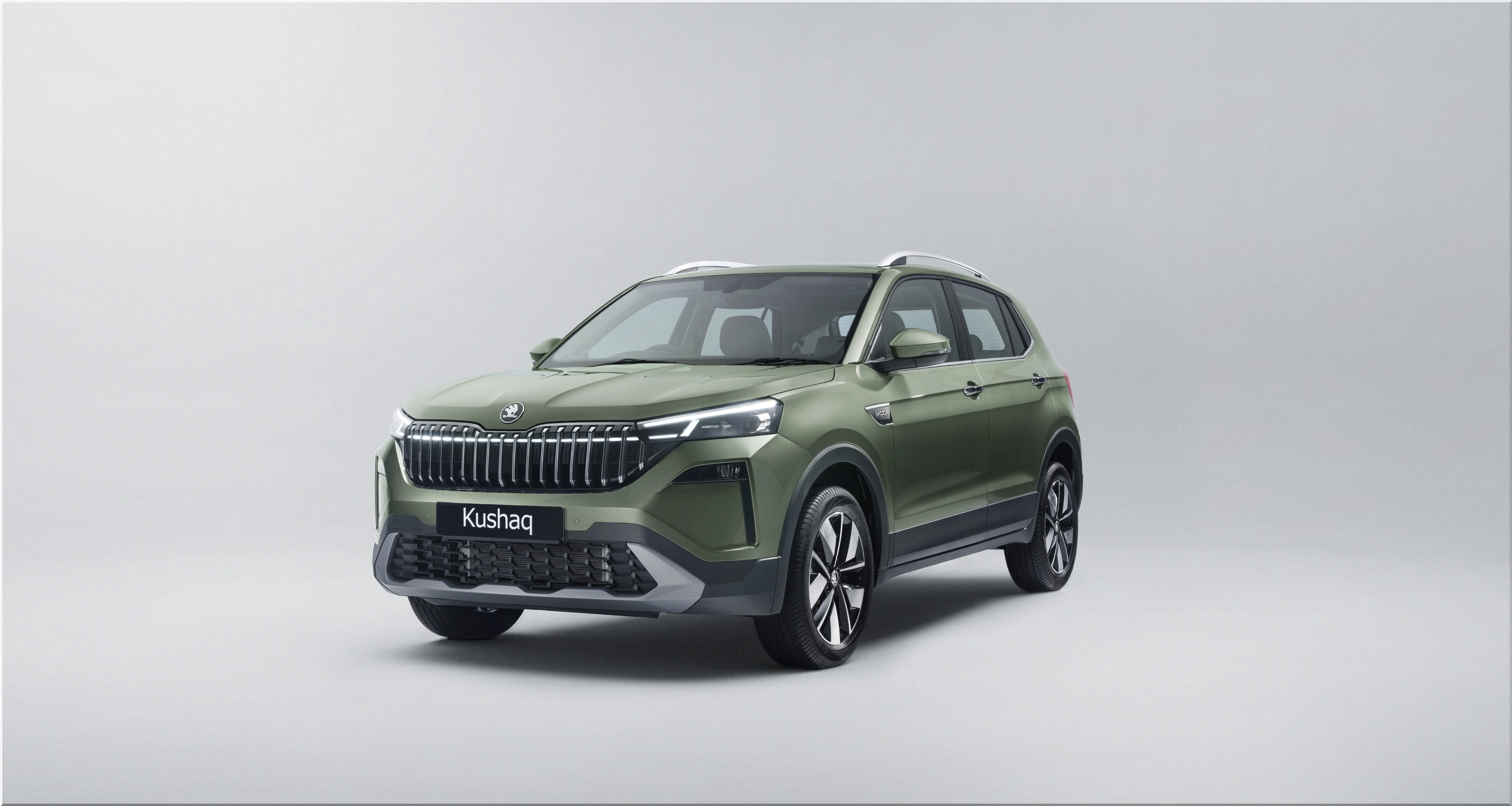
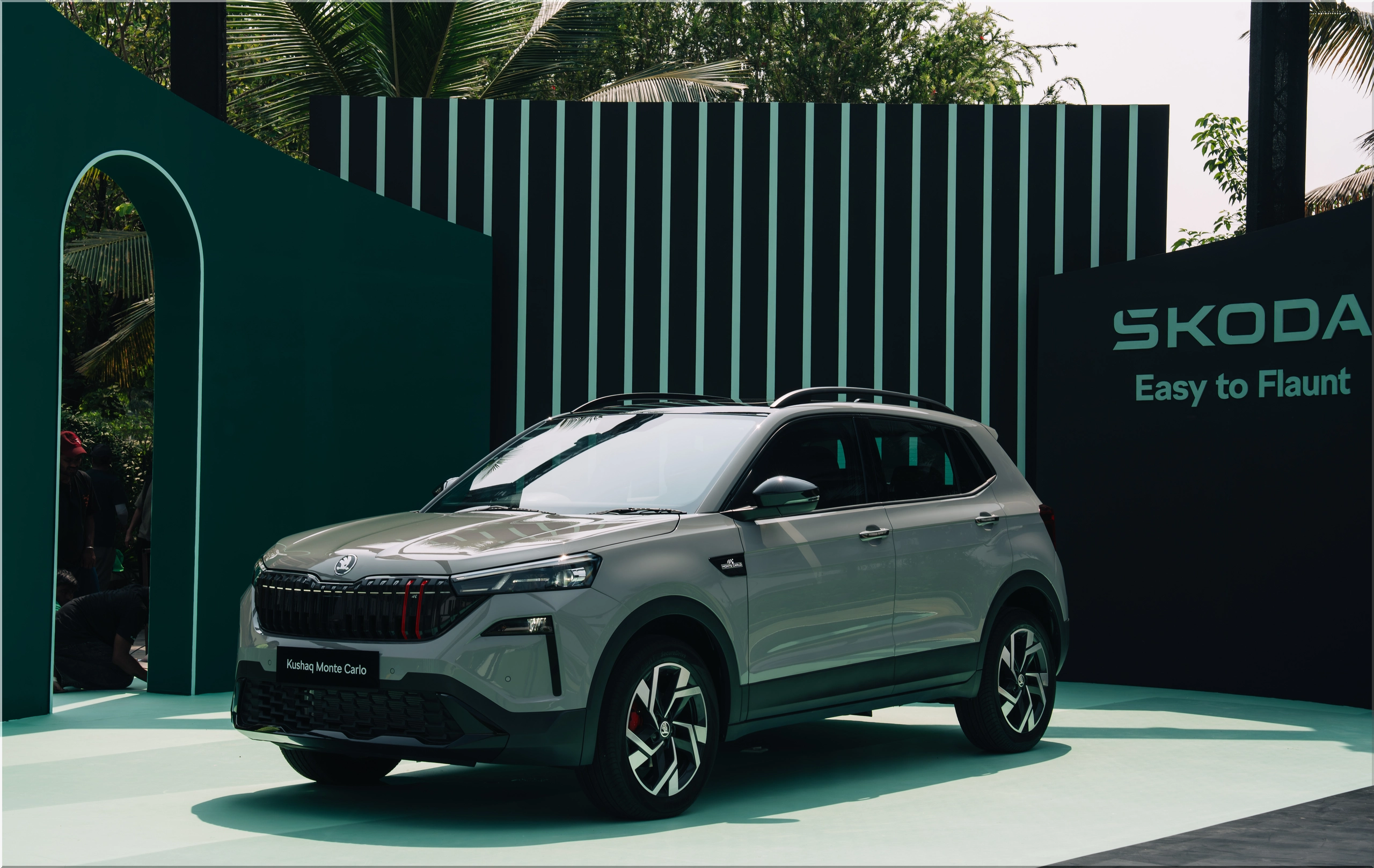
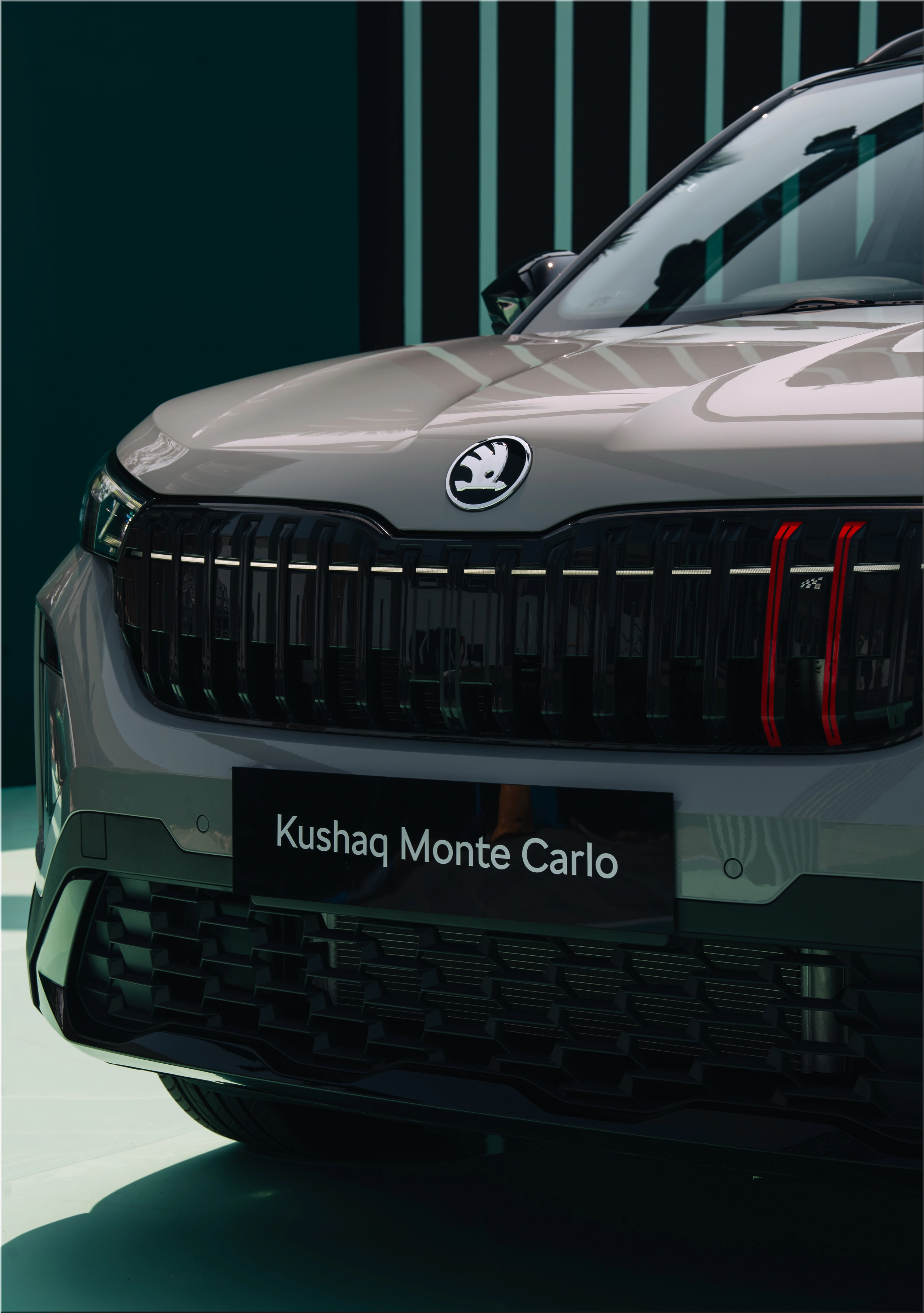
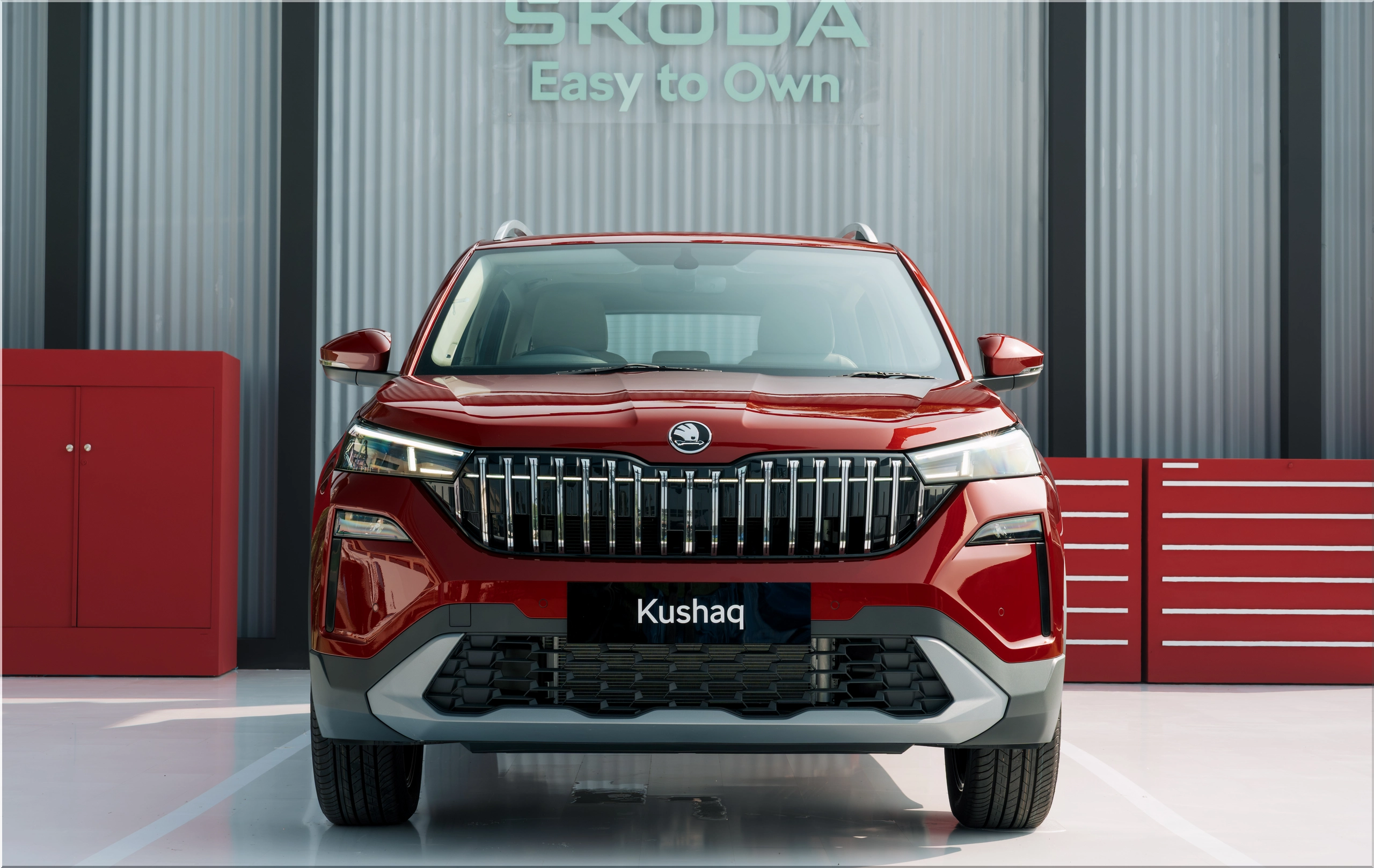
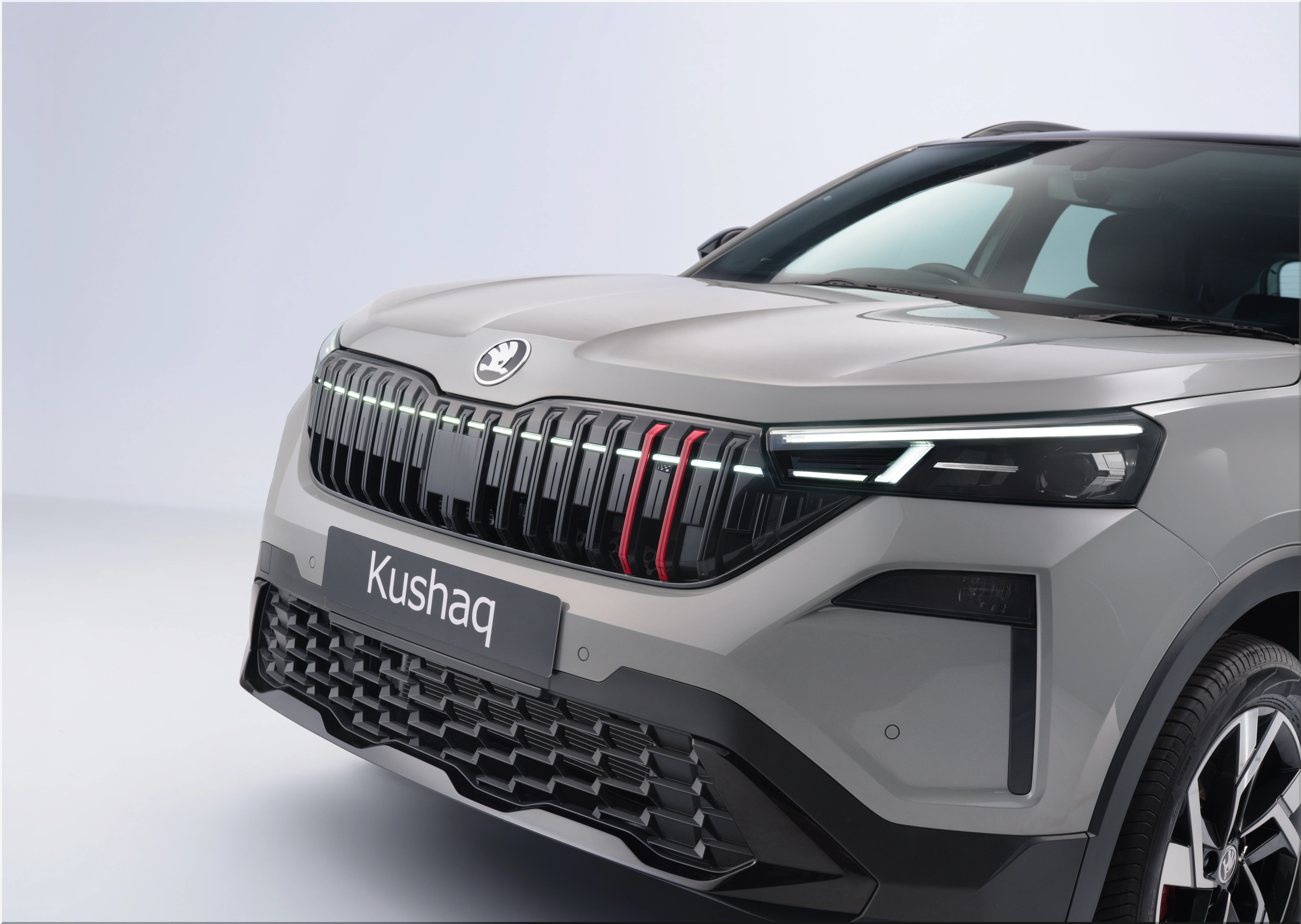
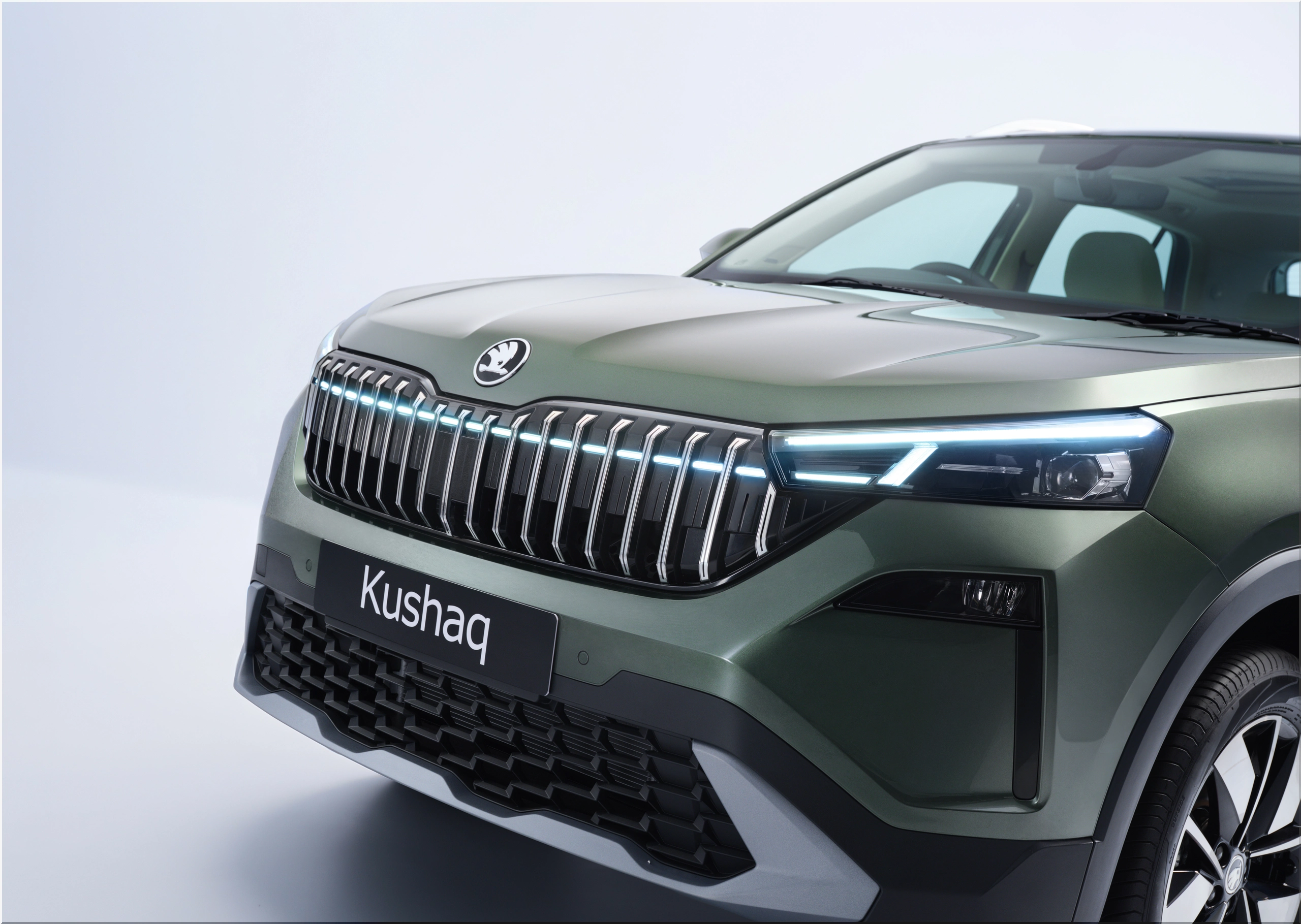
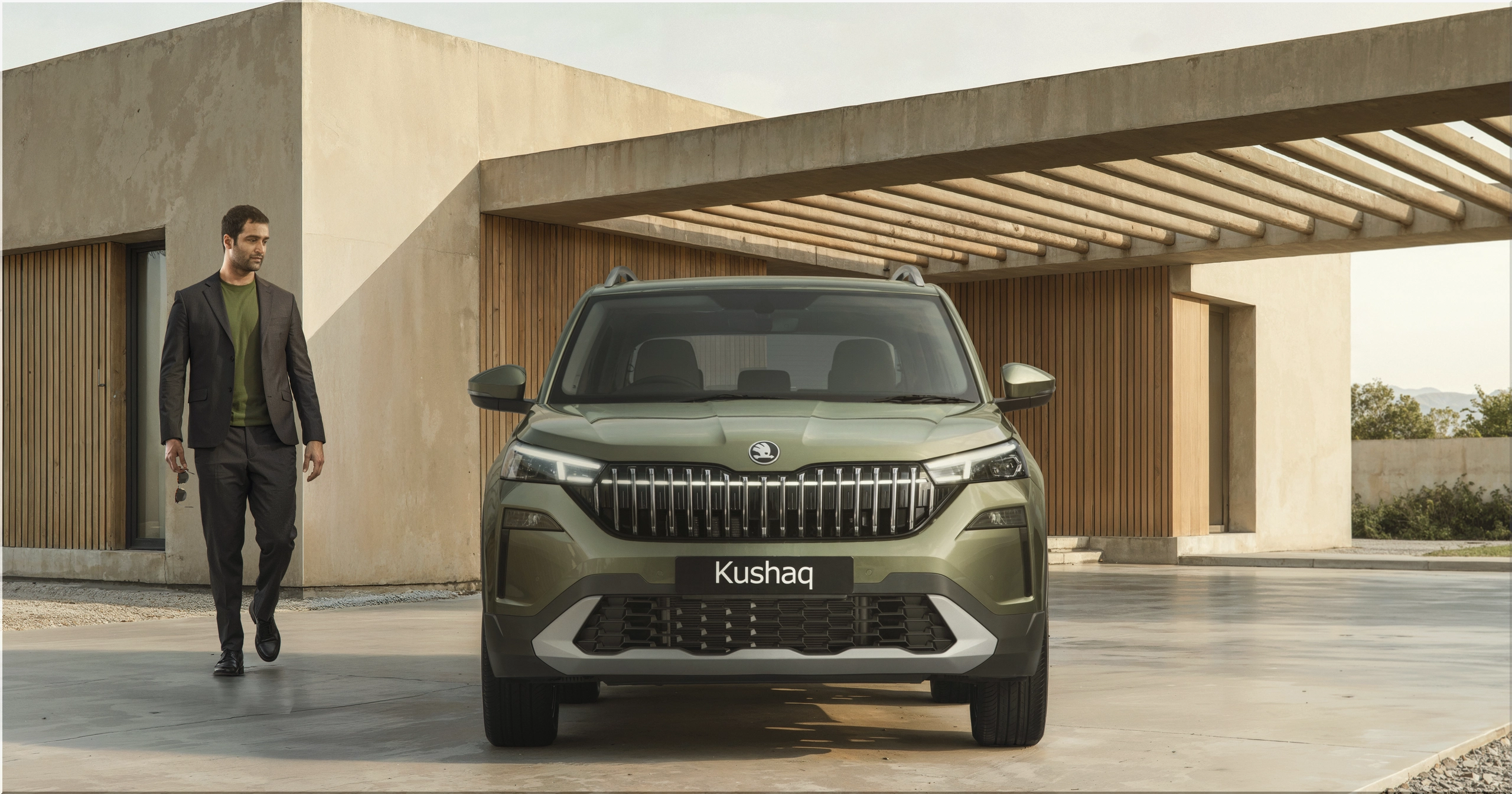
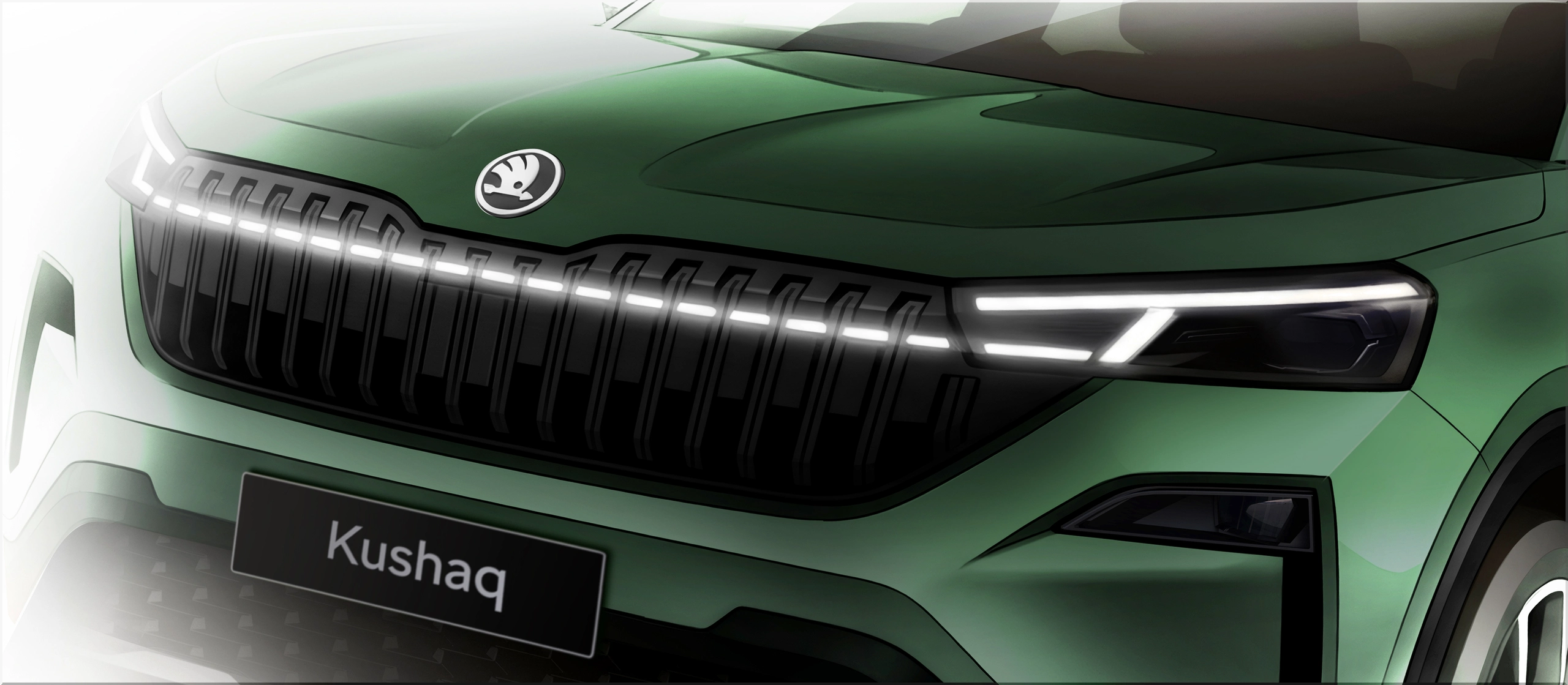
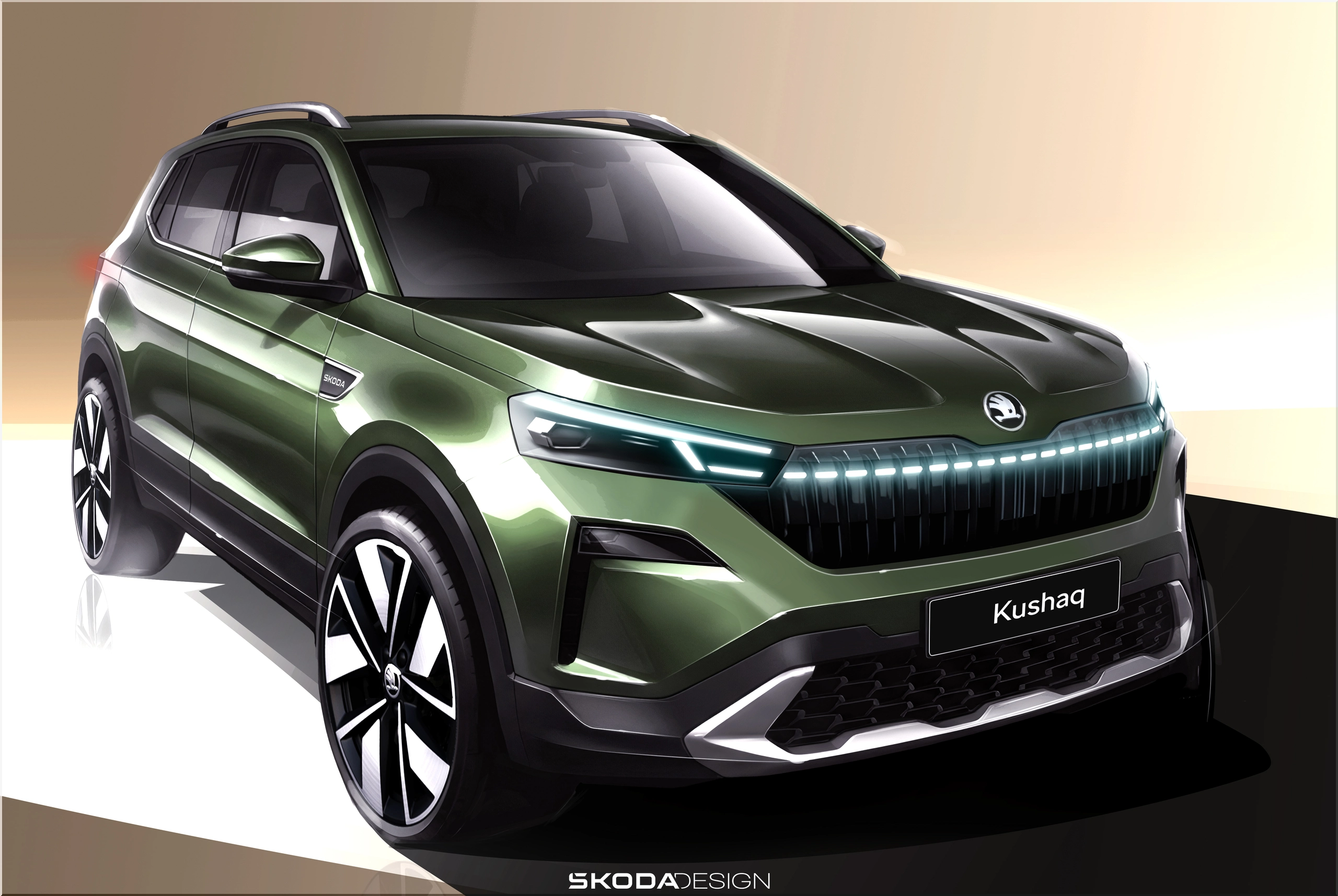
Skoda transitioned the Kushaq to the Modern Solid design language, a visual strategy intended to reduce cognitive load through cleaner lines. The most functional update is the Illuminated Light Band integrated into the grille. This works with the refined LED headlights, which now offer 35% better peripheral illumination for night driving on unlit secondary roads.
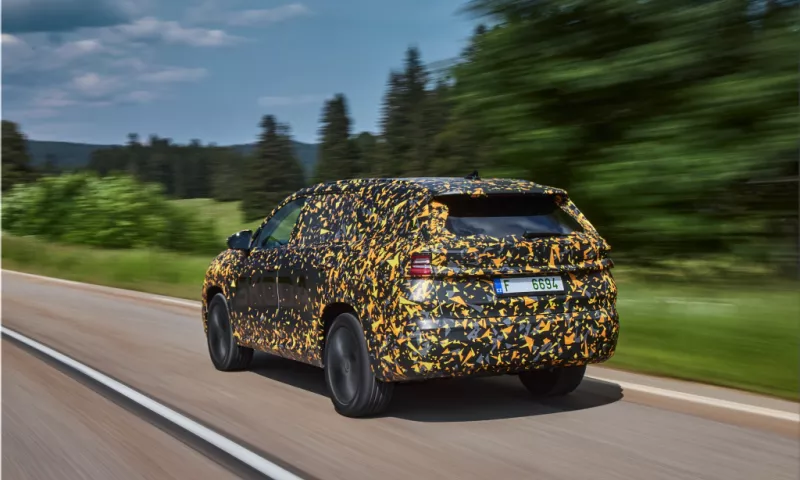
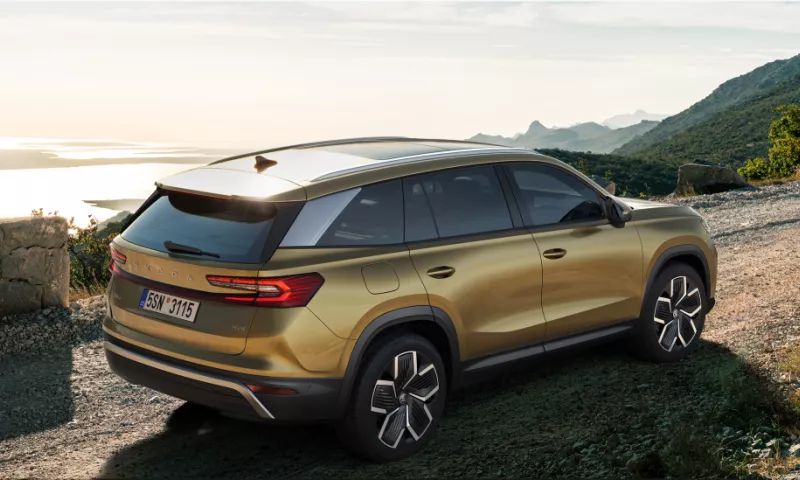
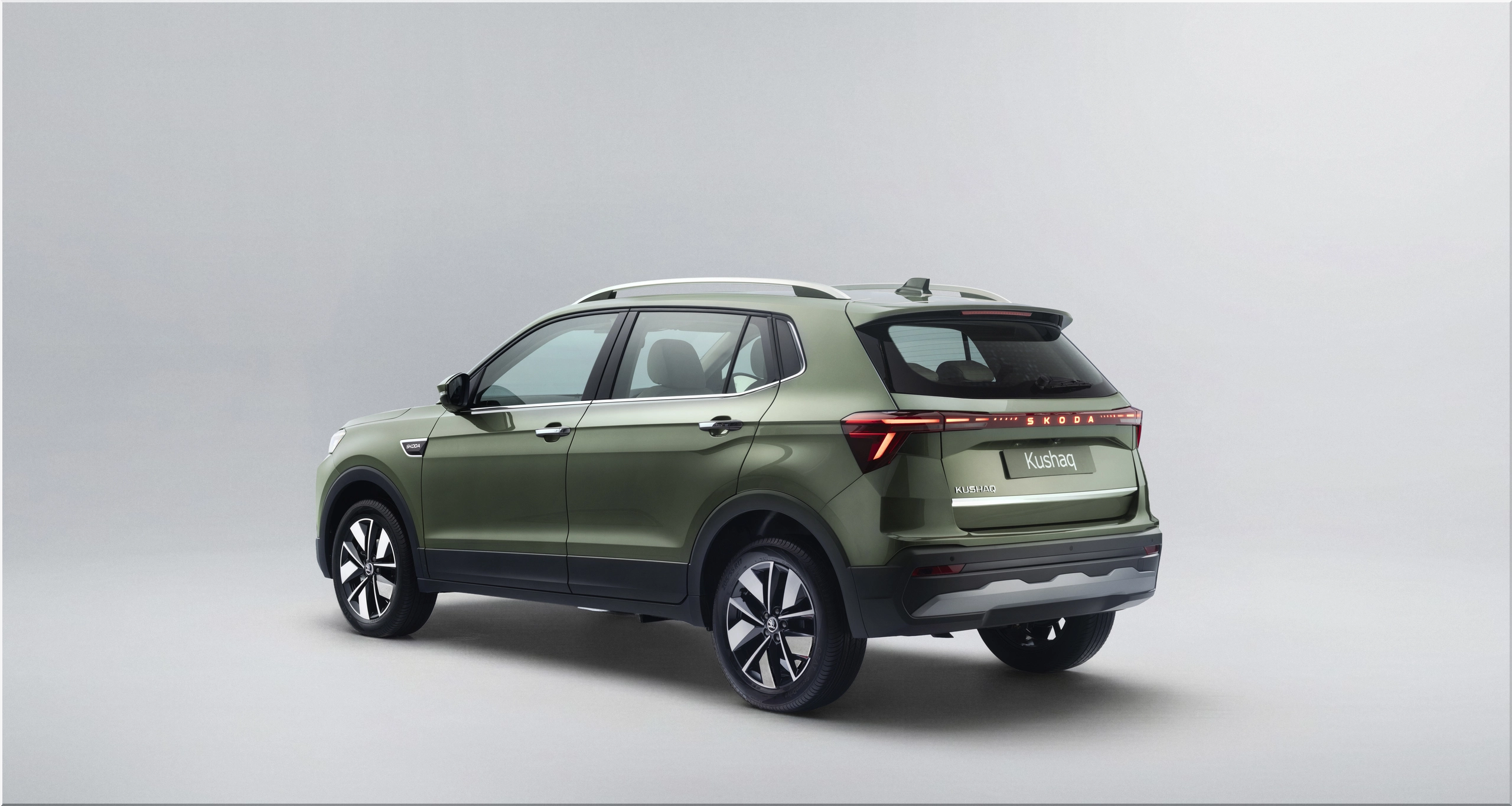
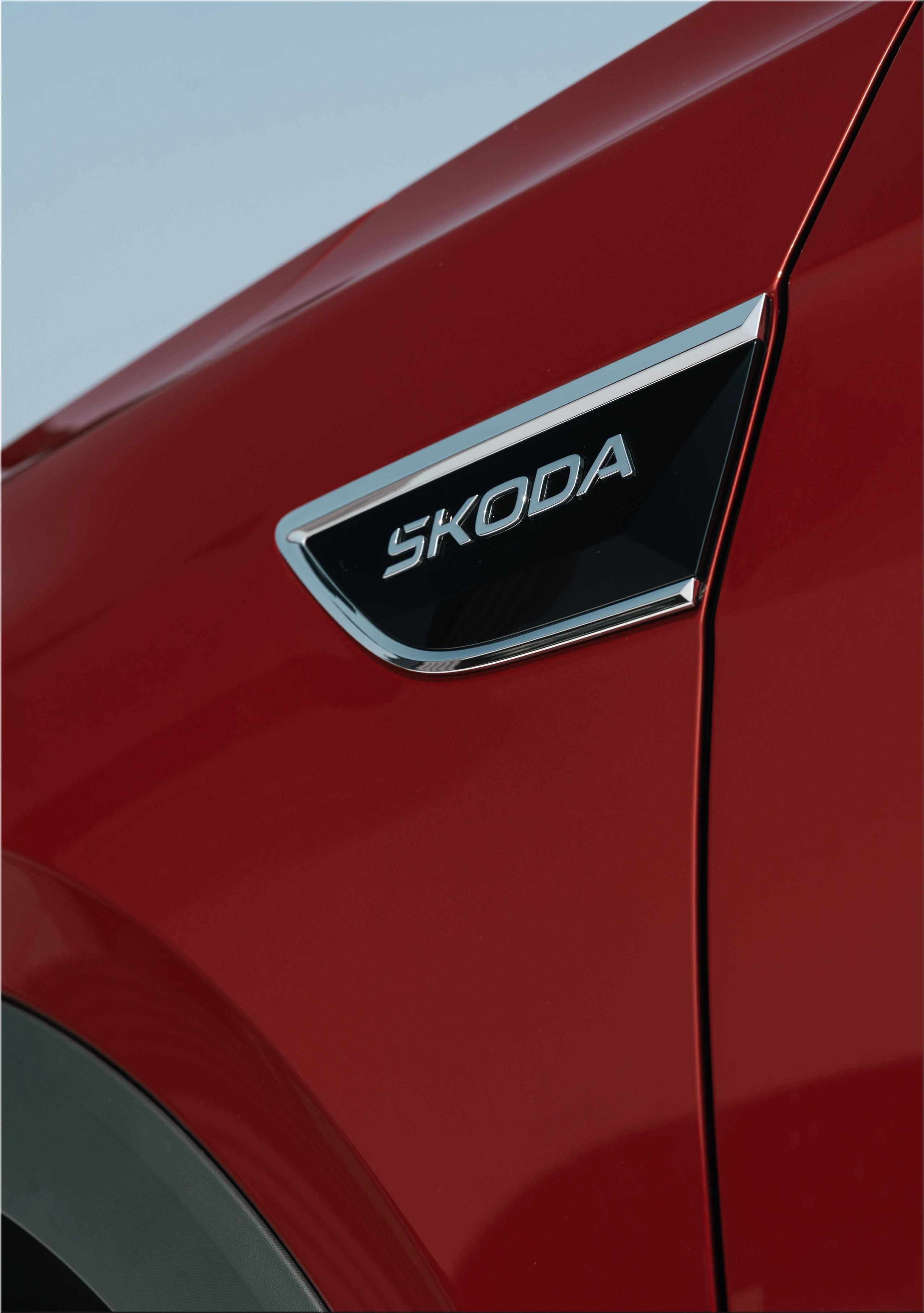
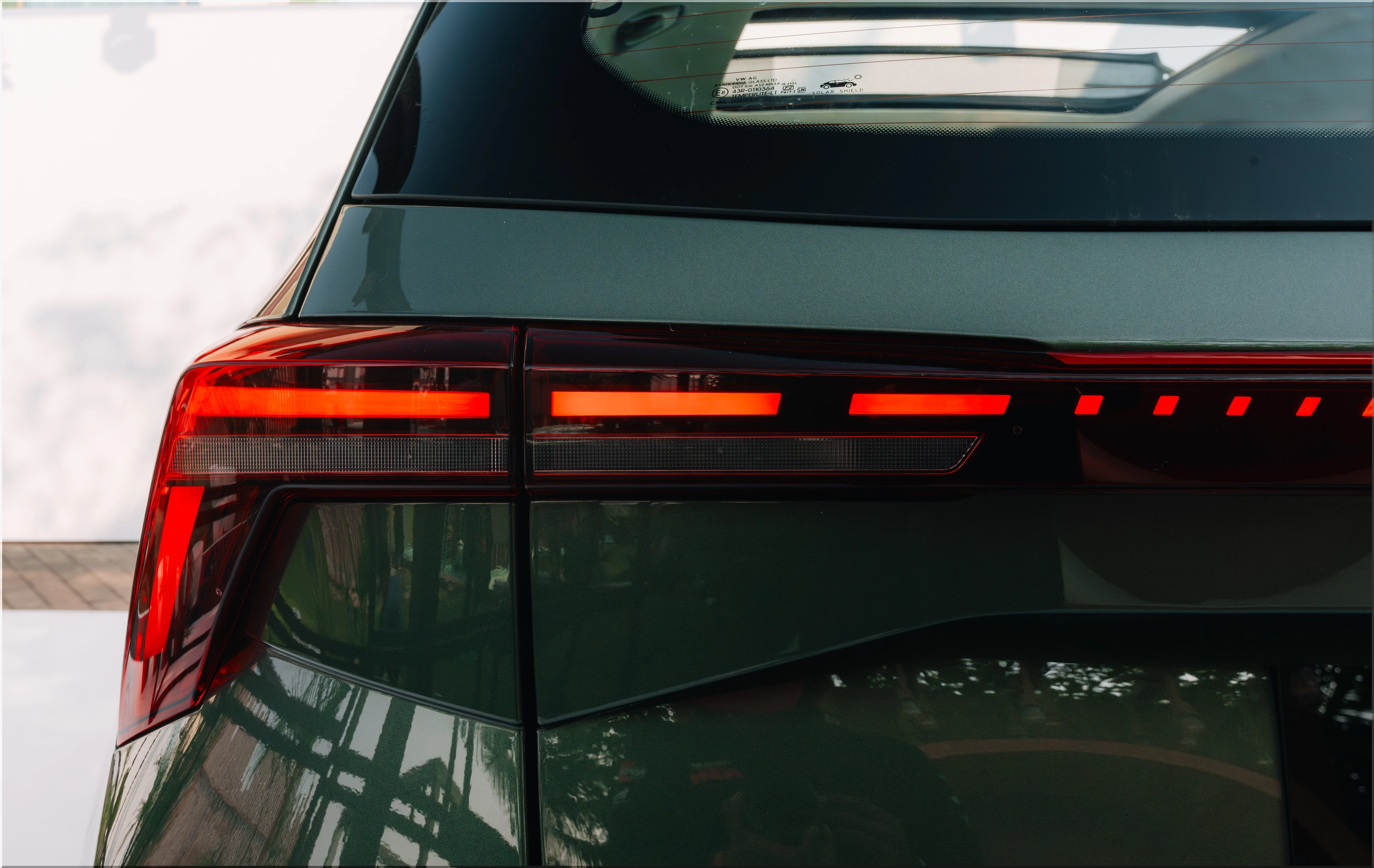
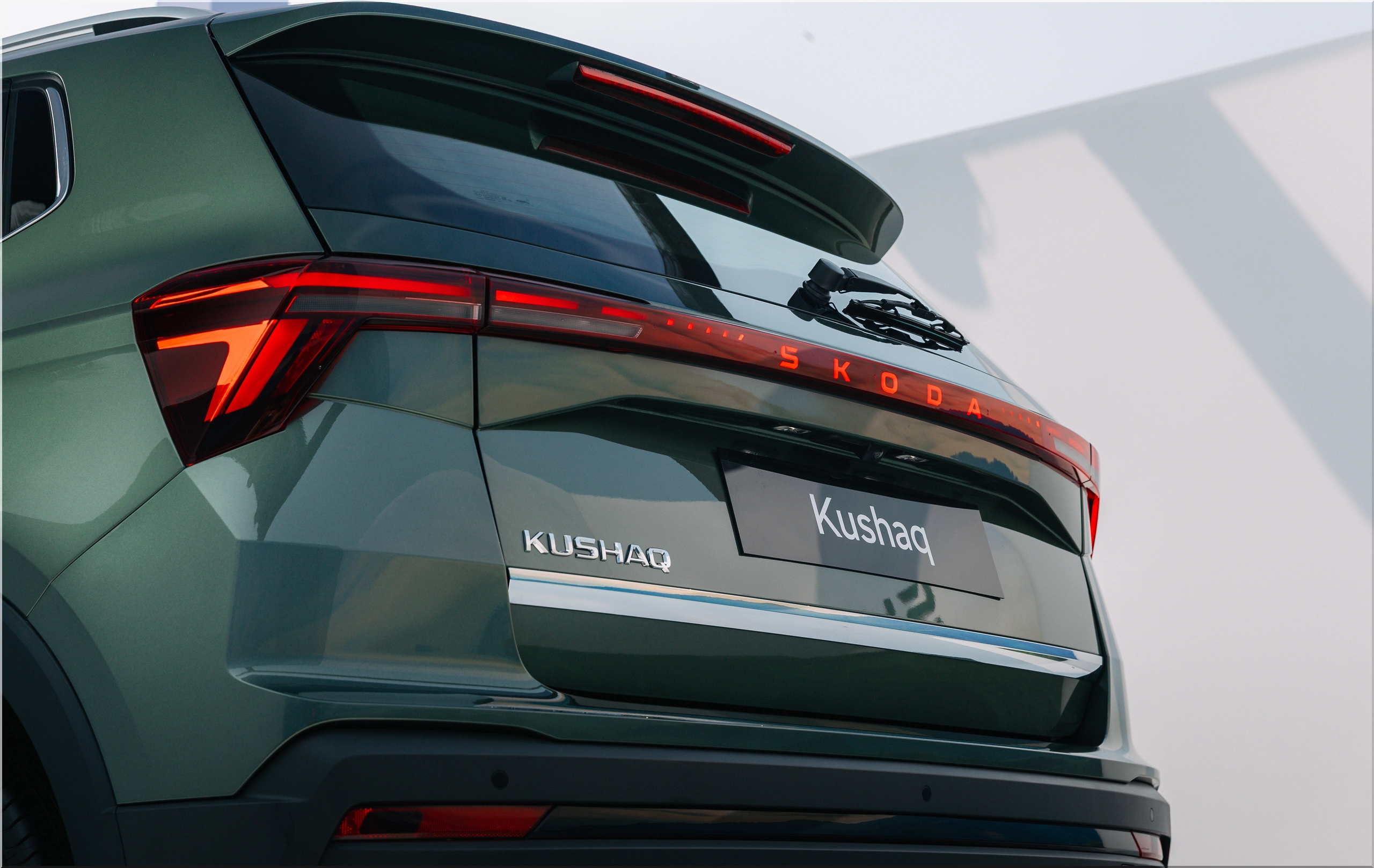
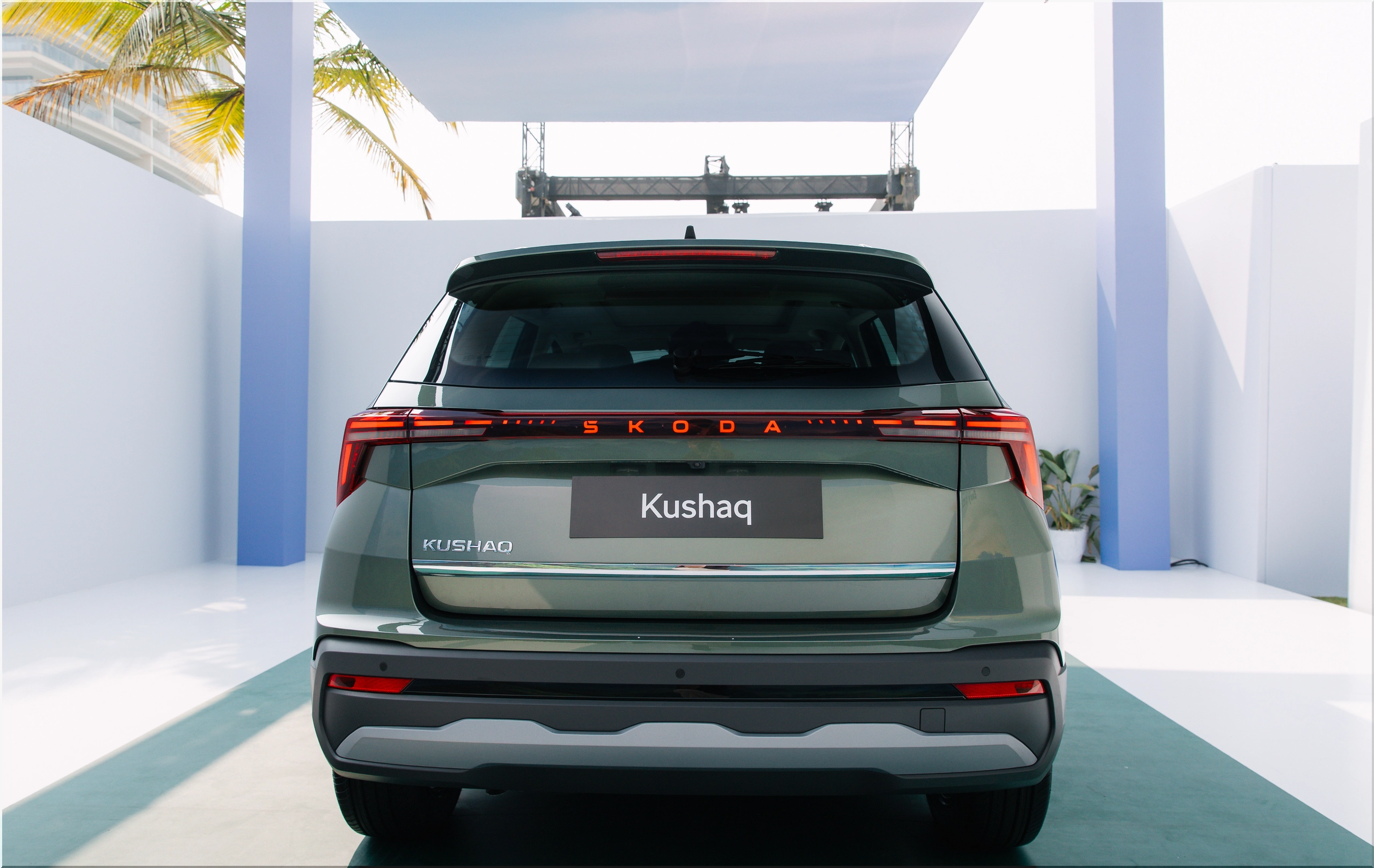
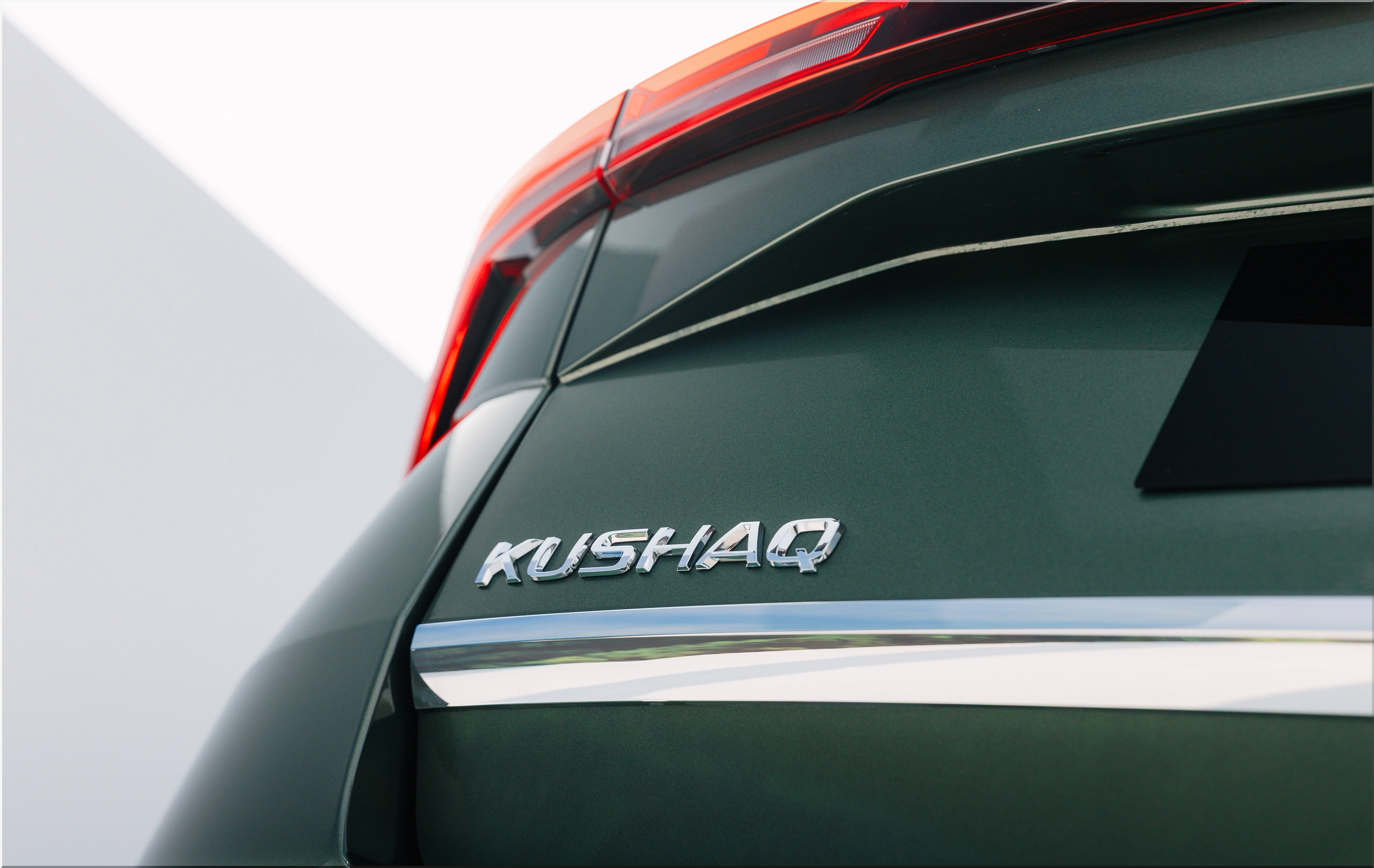
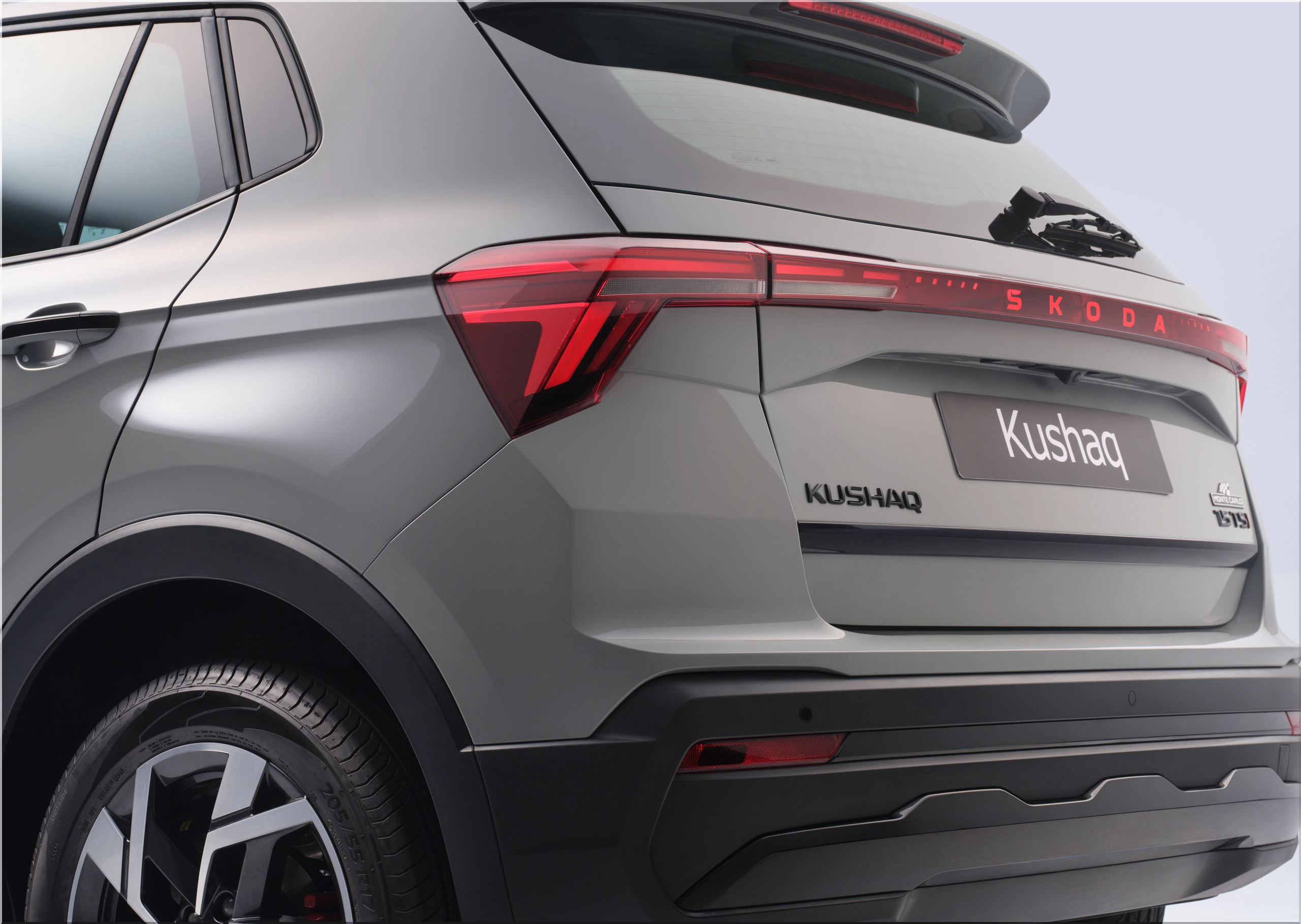
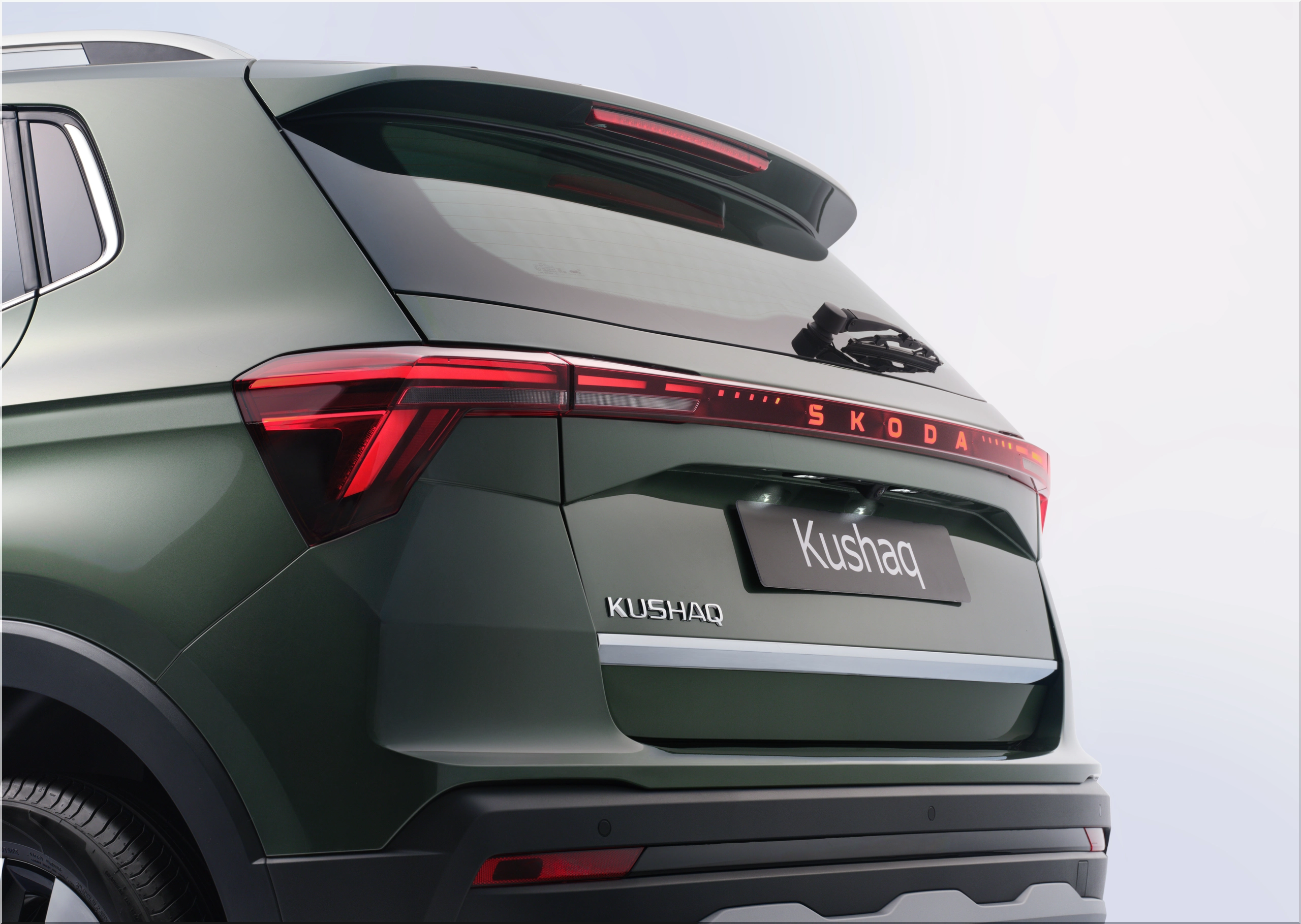
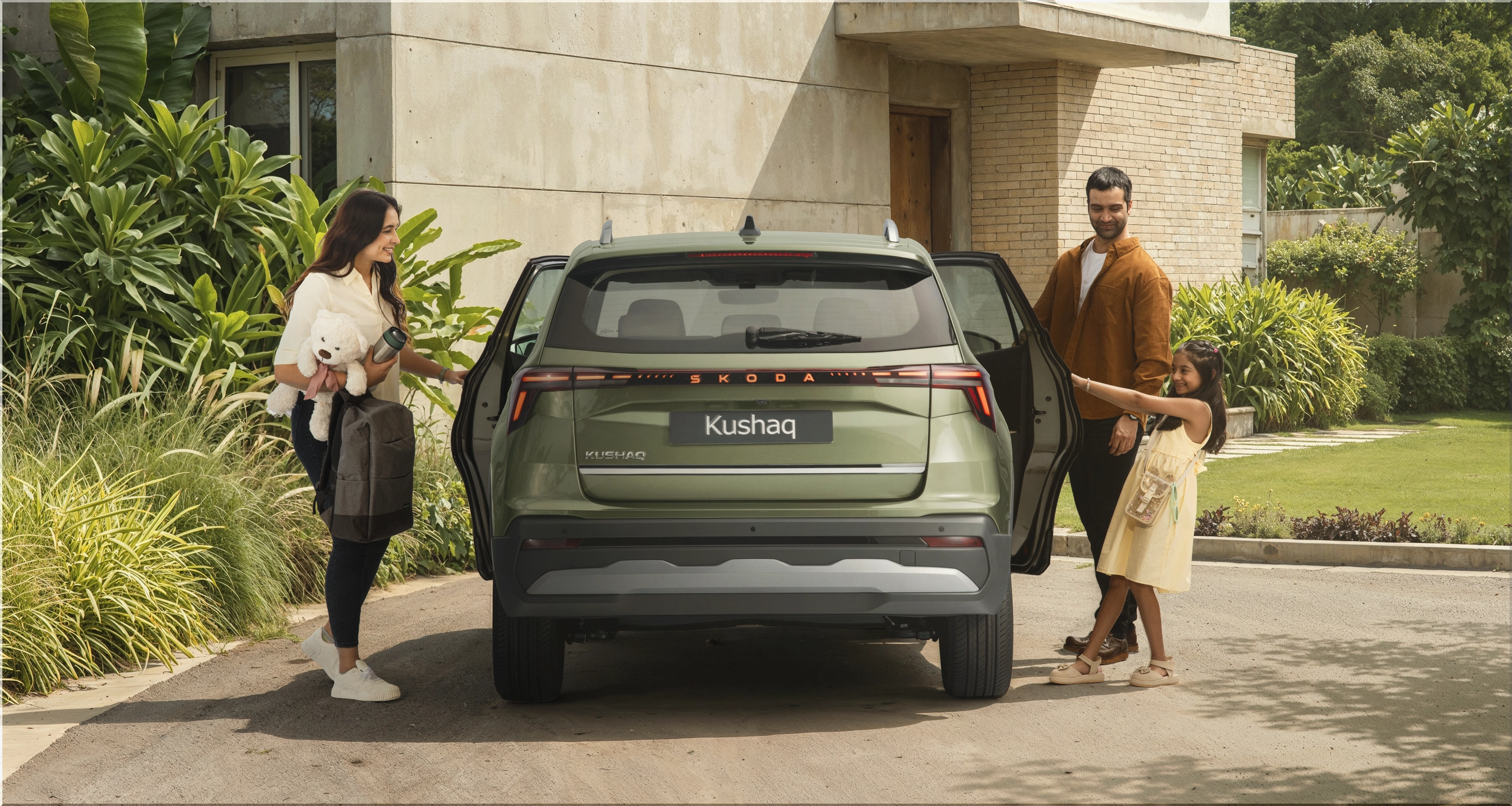
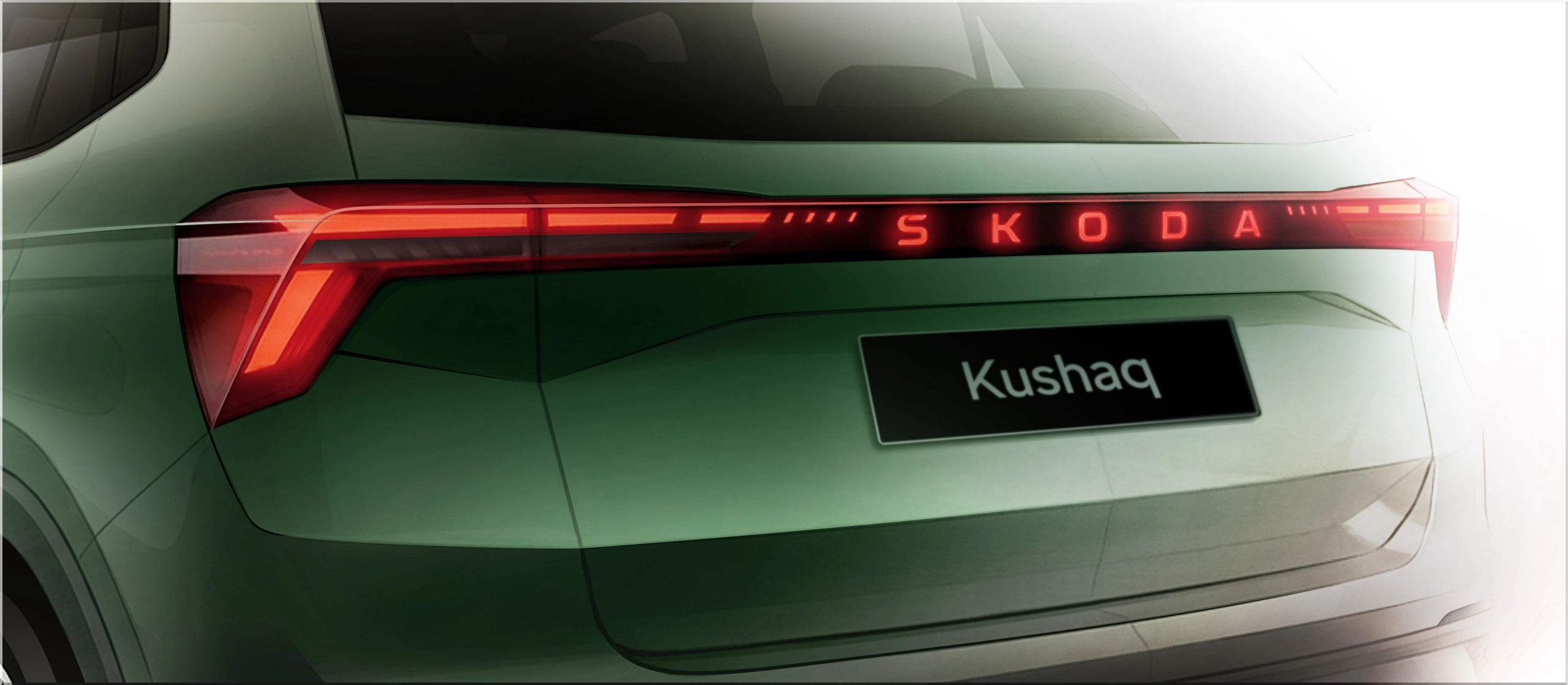
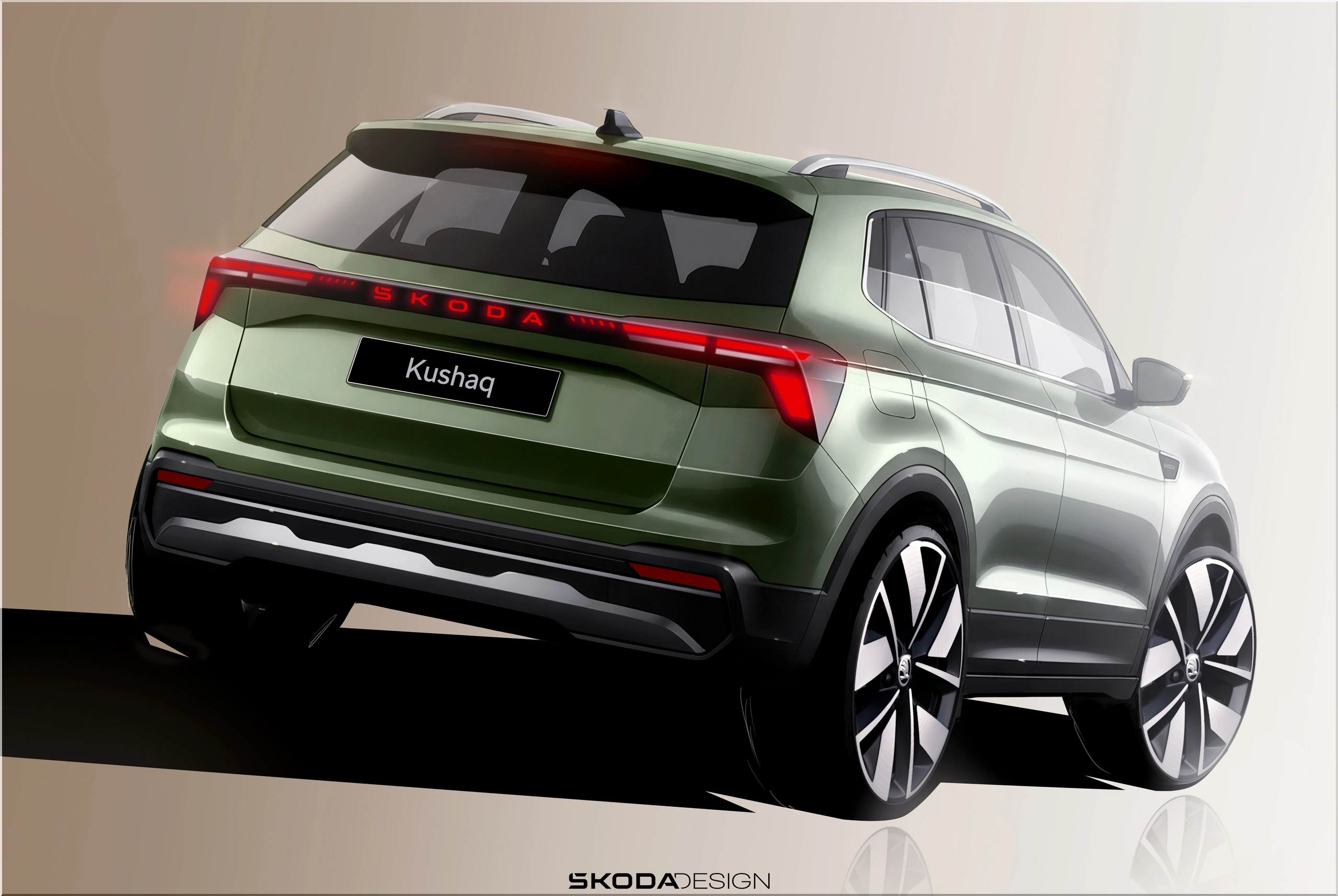
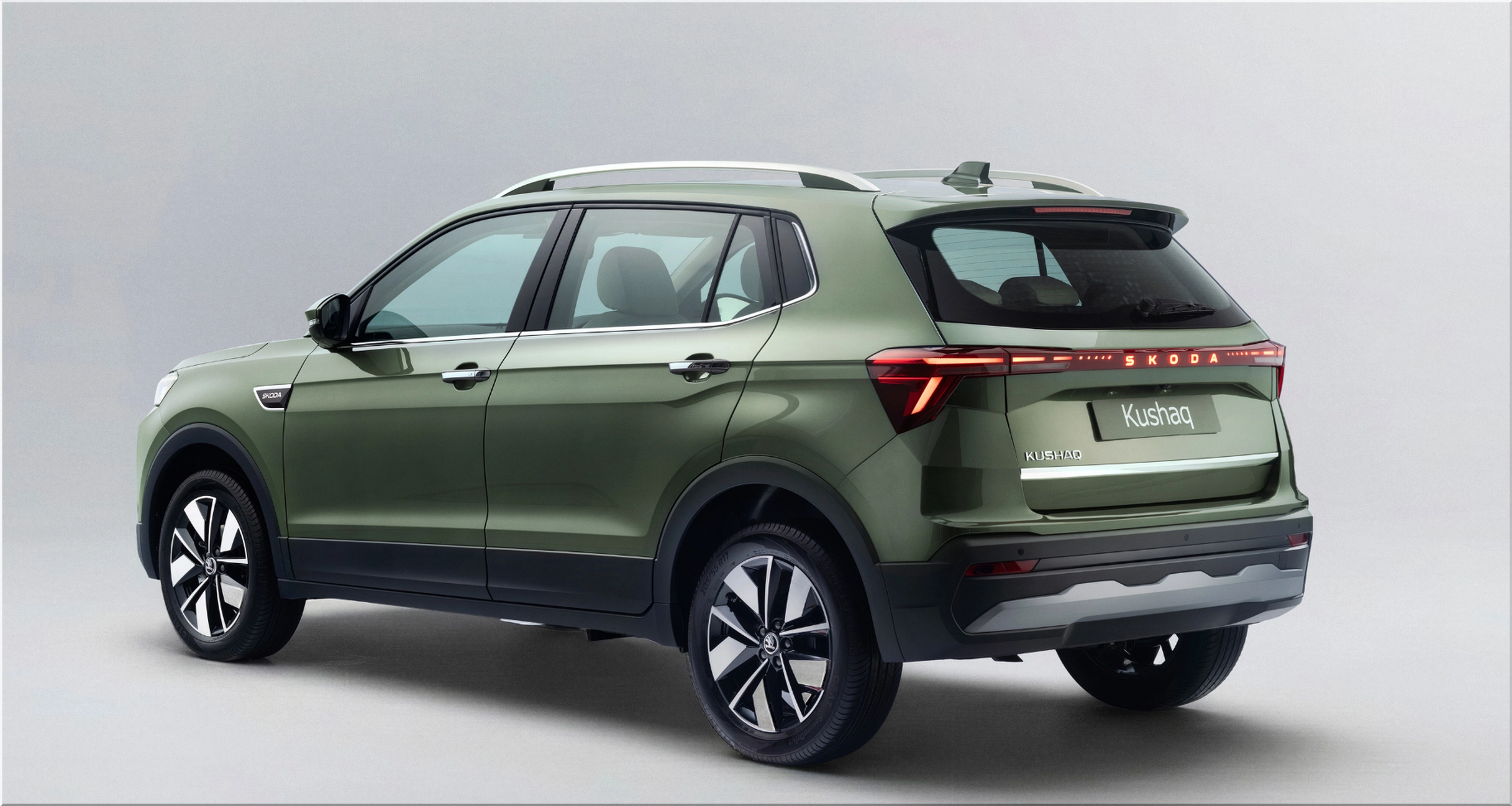
The rear features connected LED taillights and sequential turn indicators that provide a clear visual signal to following drivers, reducing reaction times. The illuminated 'Skoda' lettering on the tailgate signals the brand's shift toward a more modern, digital-first identity. This design choice aligns the Kushaq with the global Enyaq and Superb flagship models.
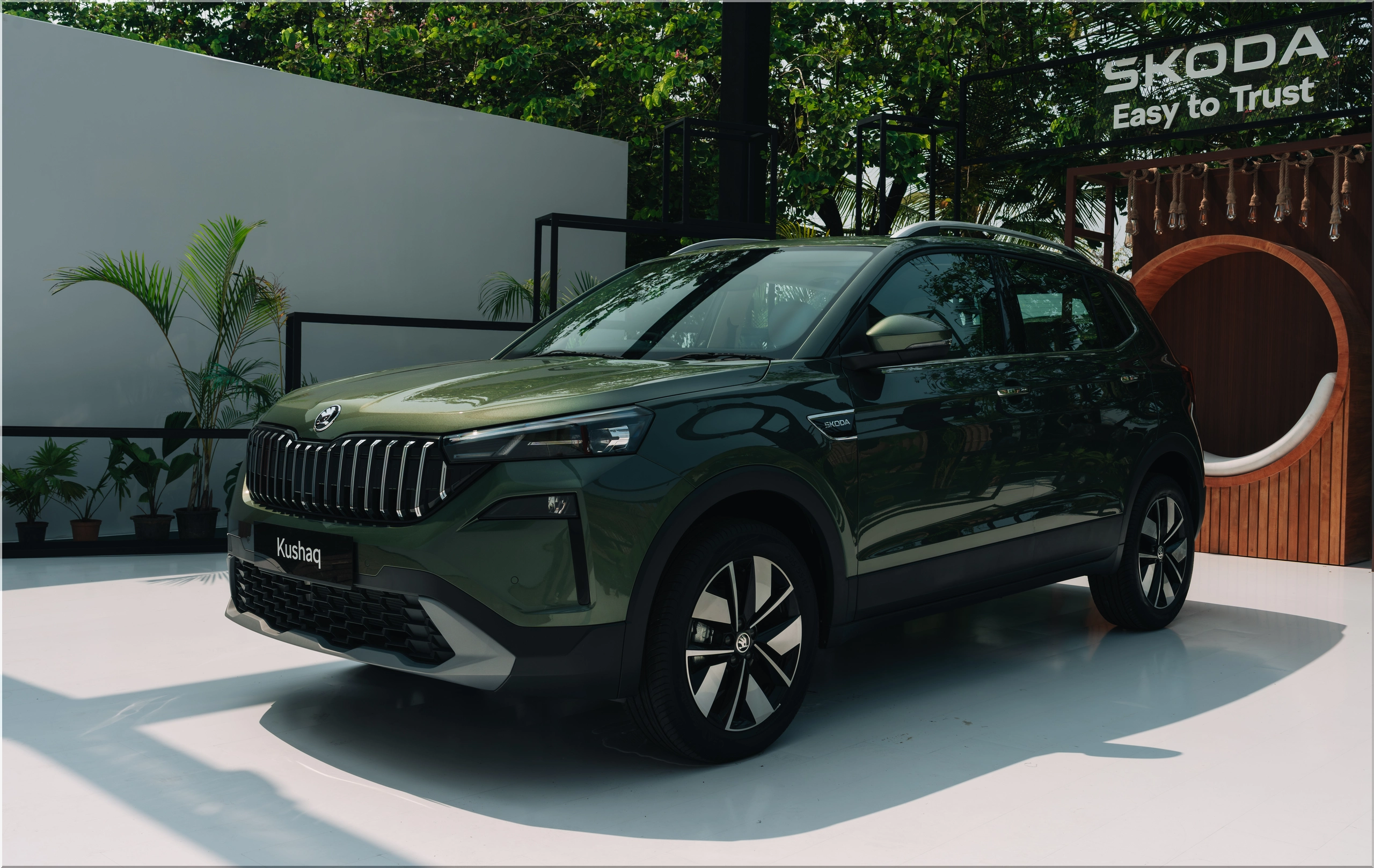
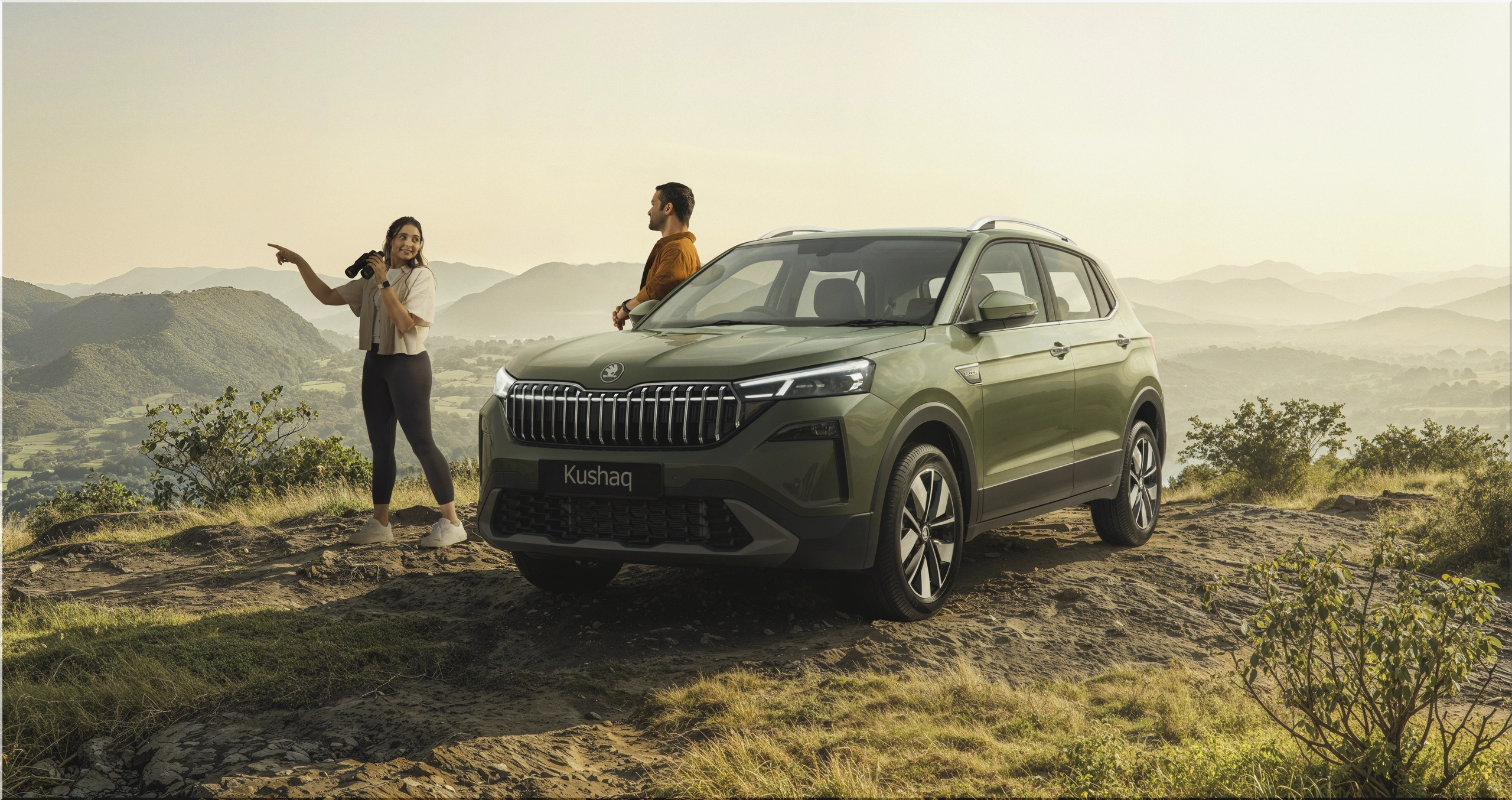
Exterior color options now include Shimla Green, Steel Grey, and Cherry Red. These high-contrast finishes are designed to maintain high Resale Value Perception, a critical factor in the Indian automotive market.
Pro-Tip: The Monte Carlo Factor
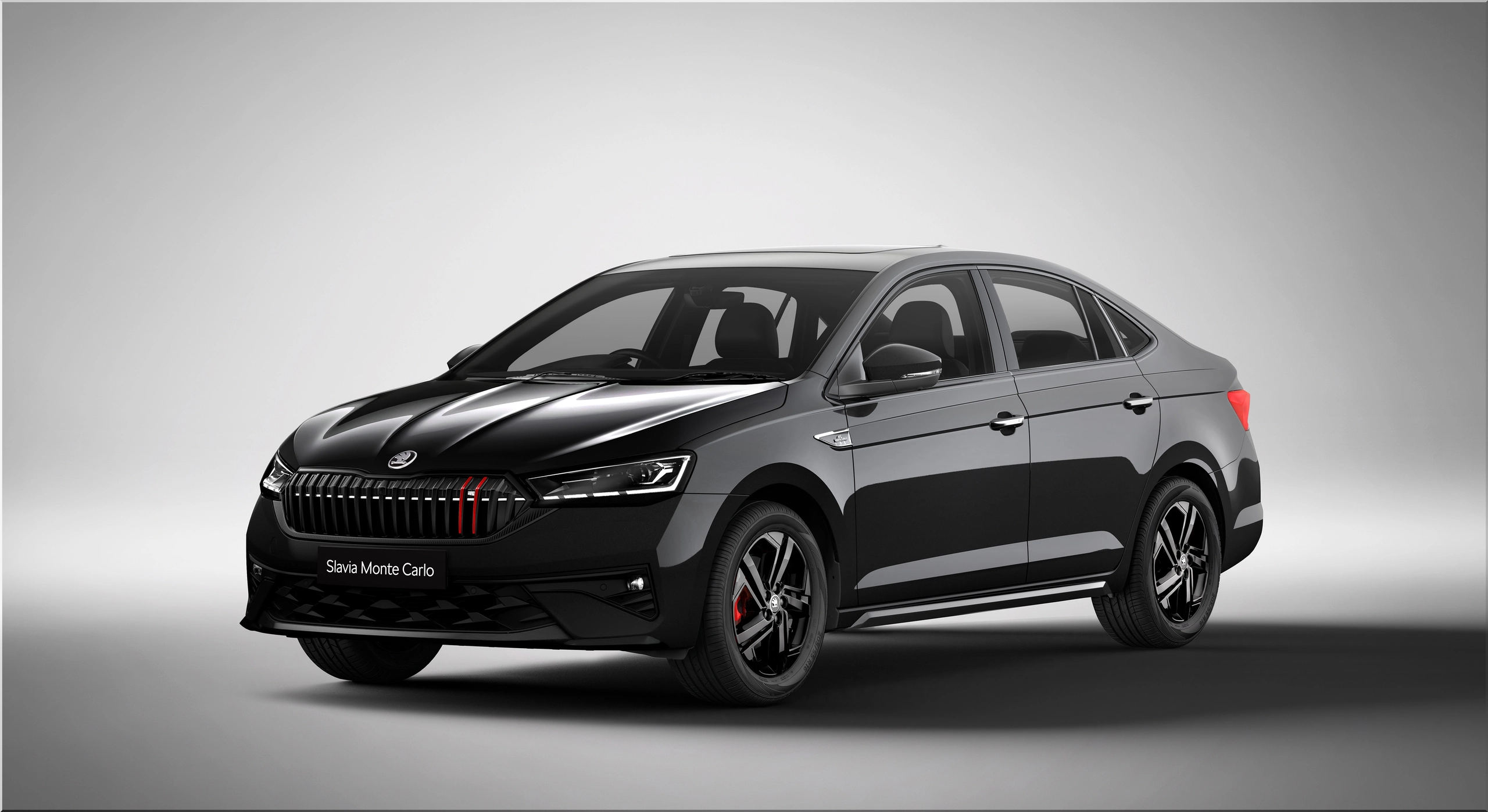
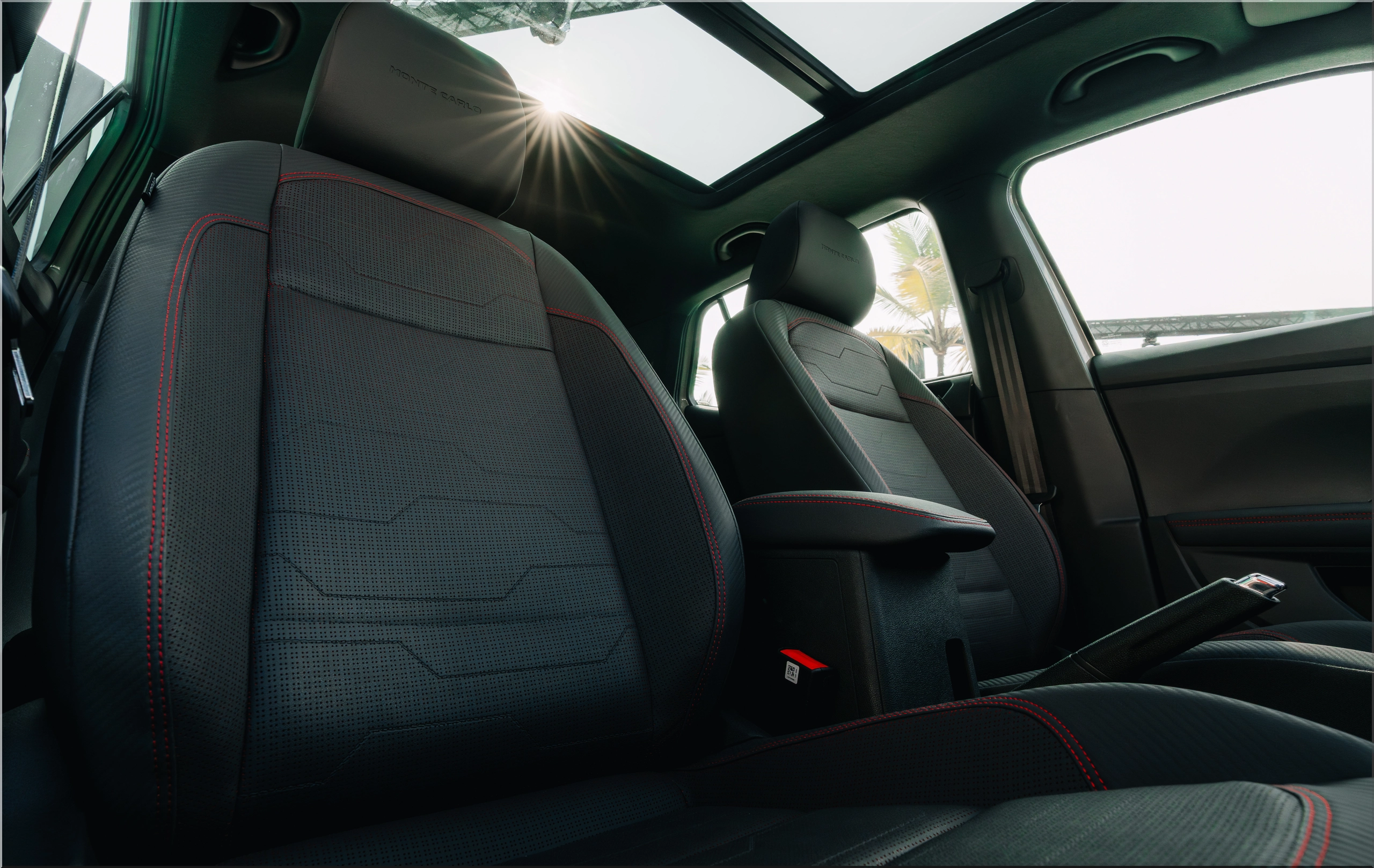
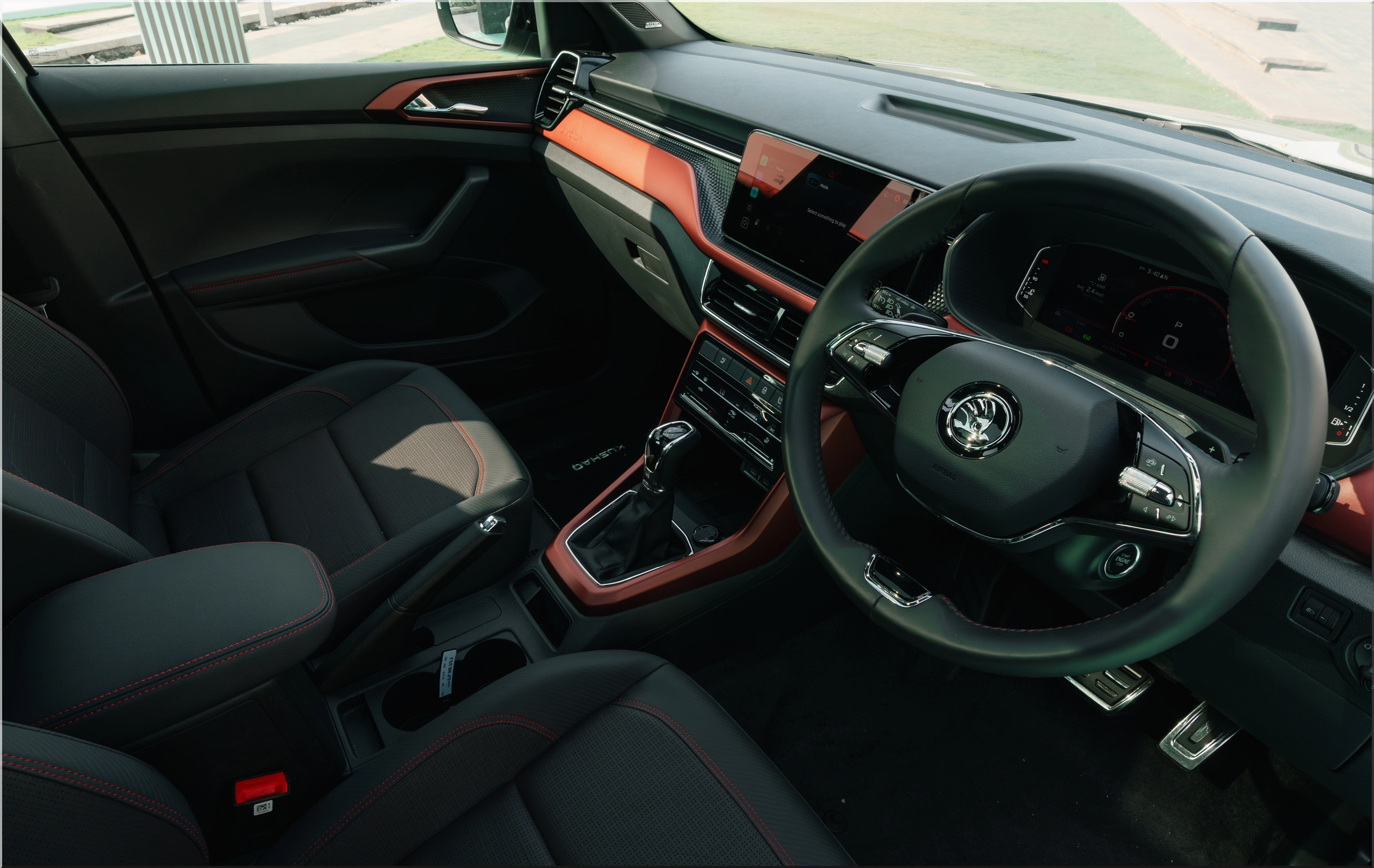
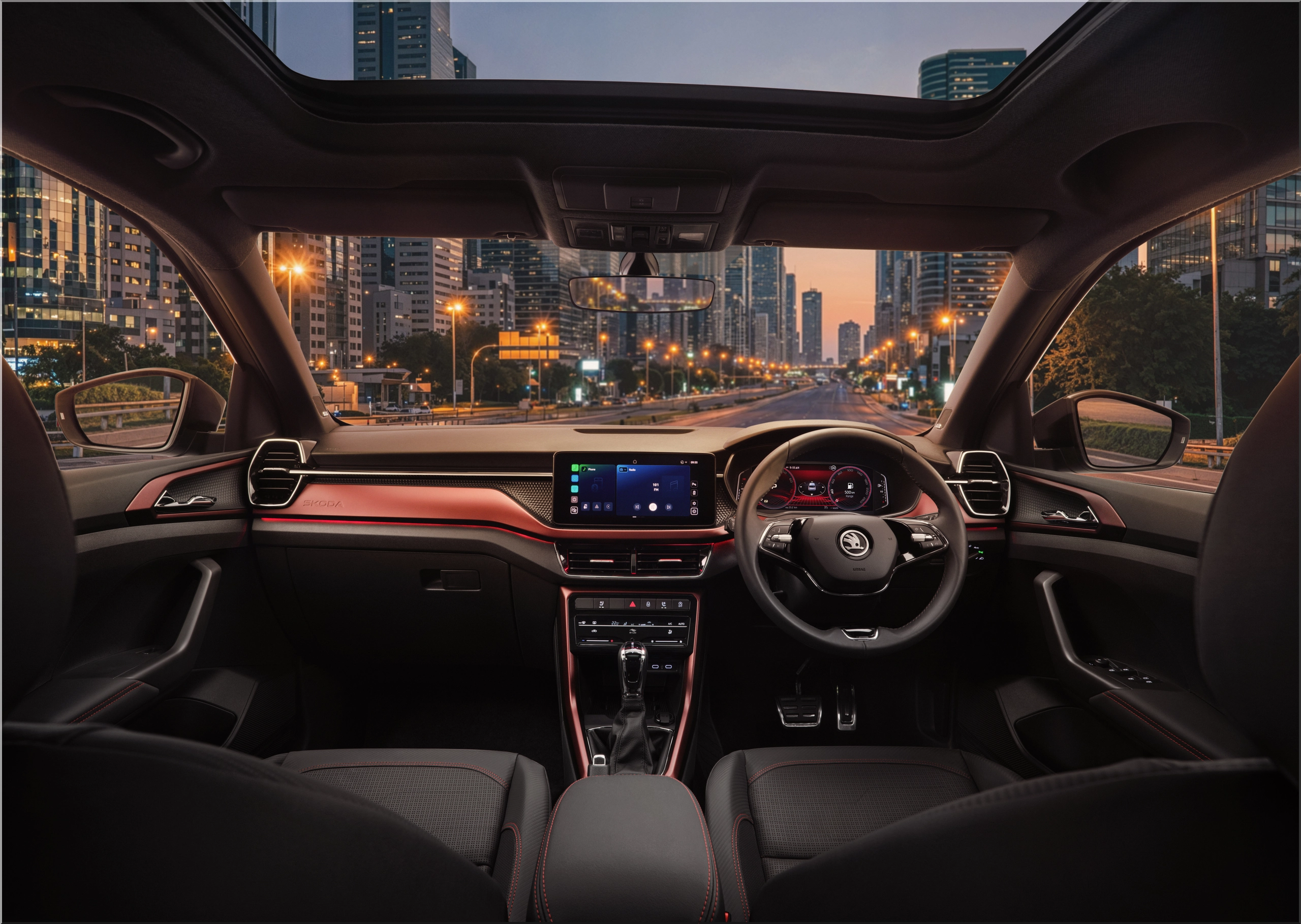
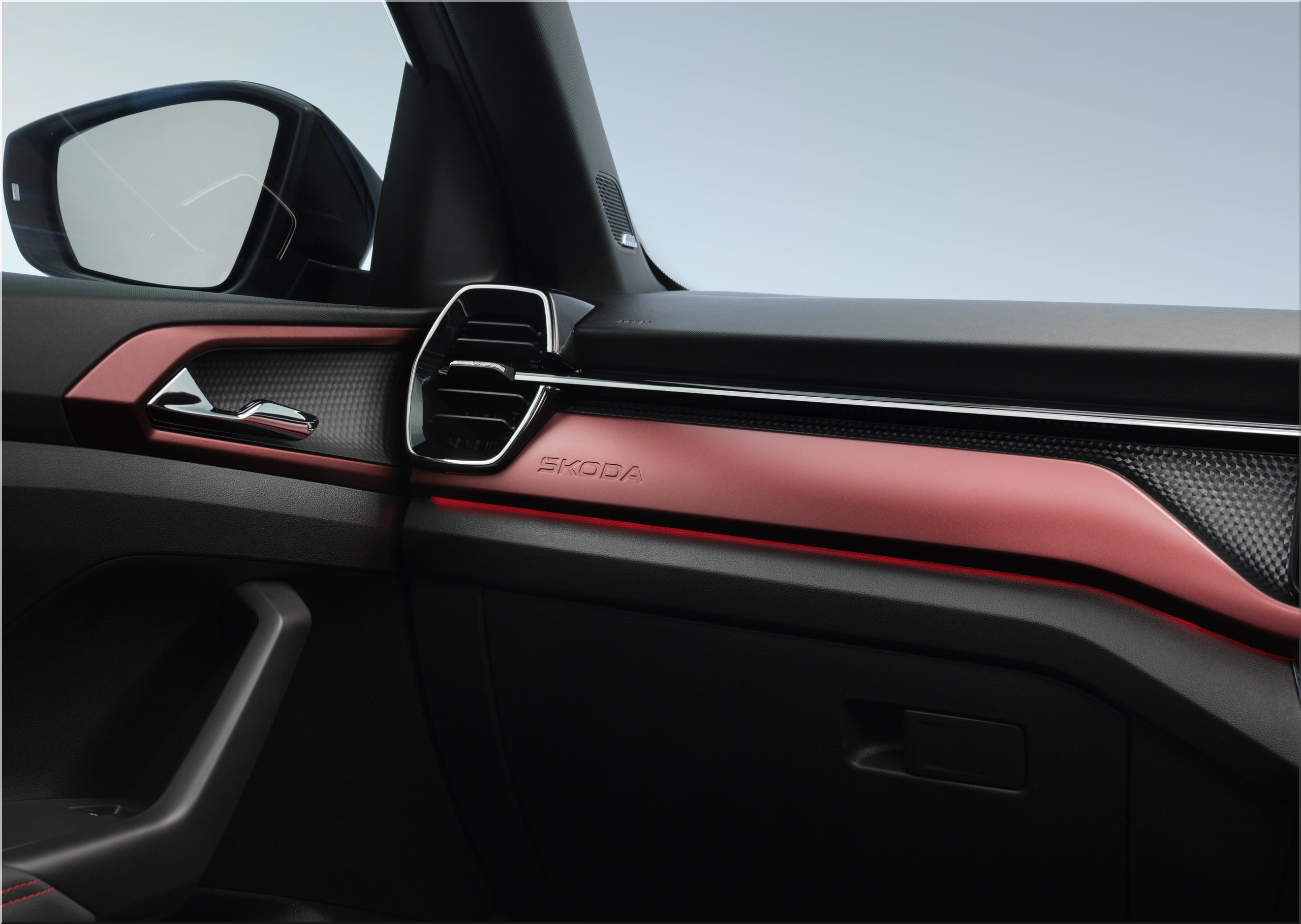
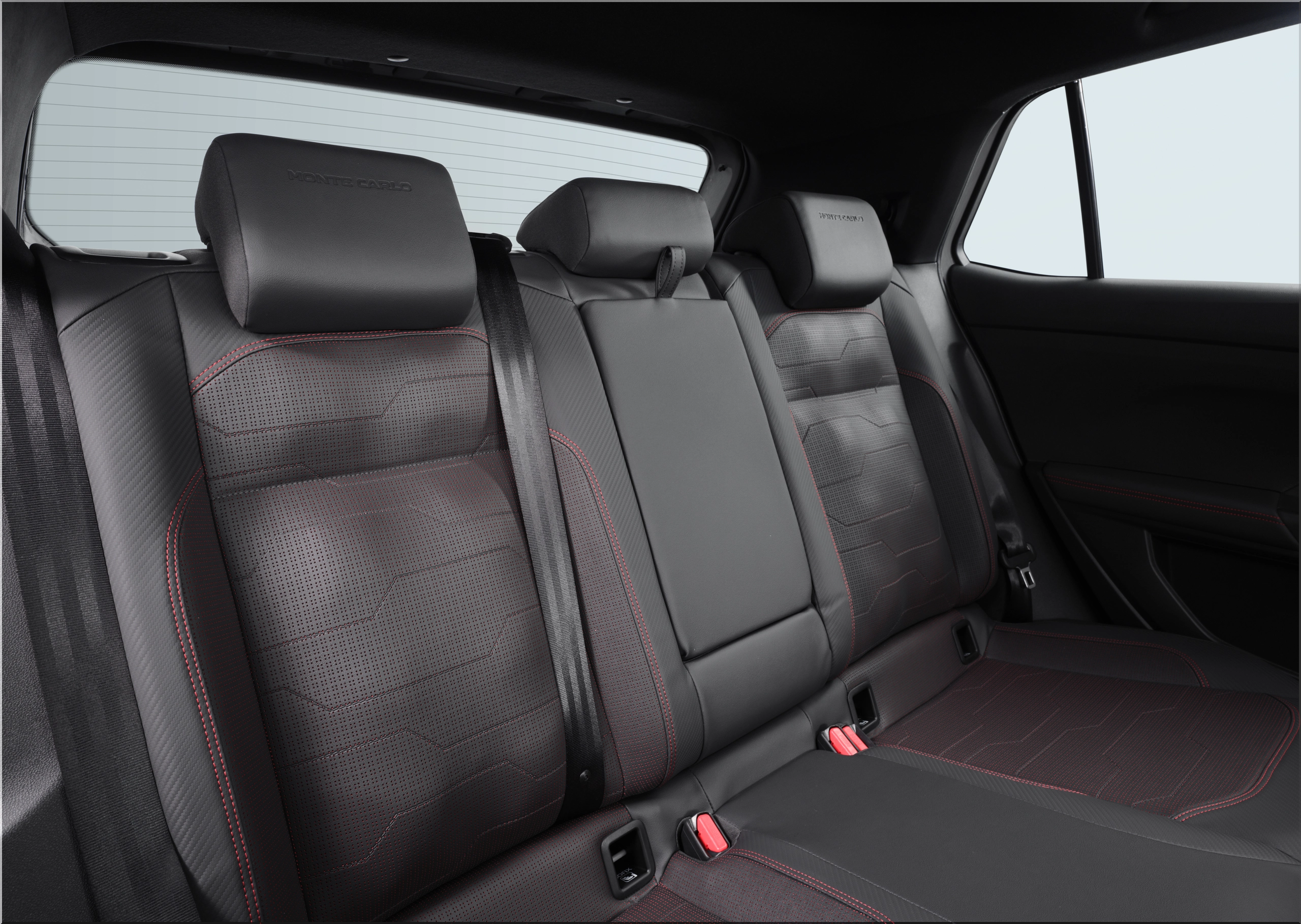
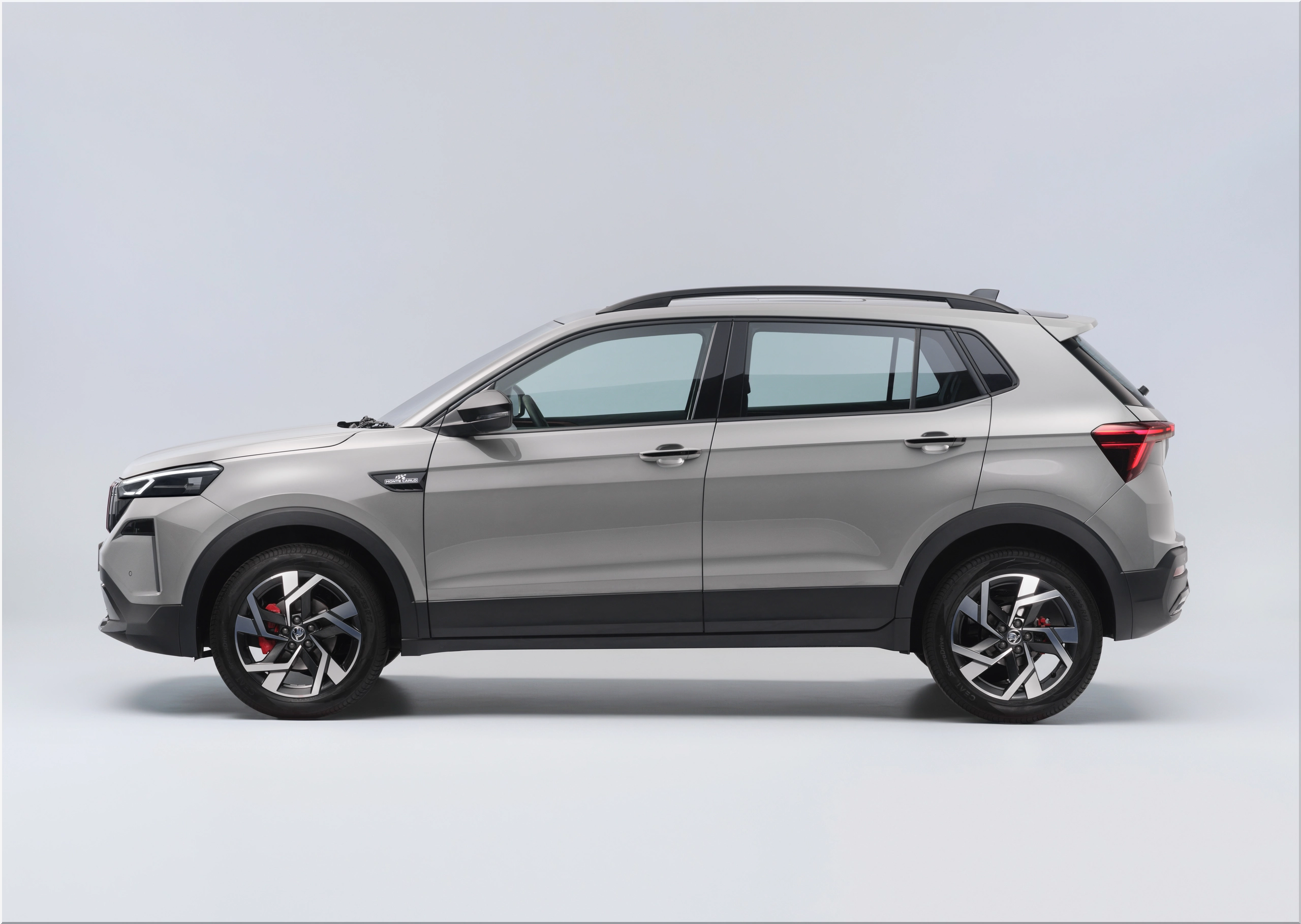
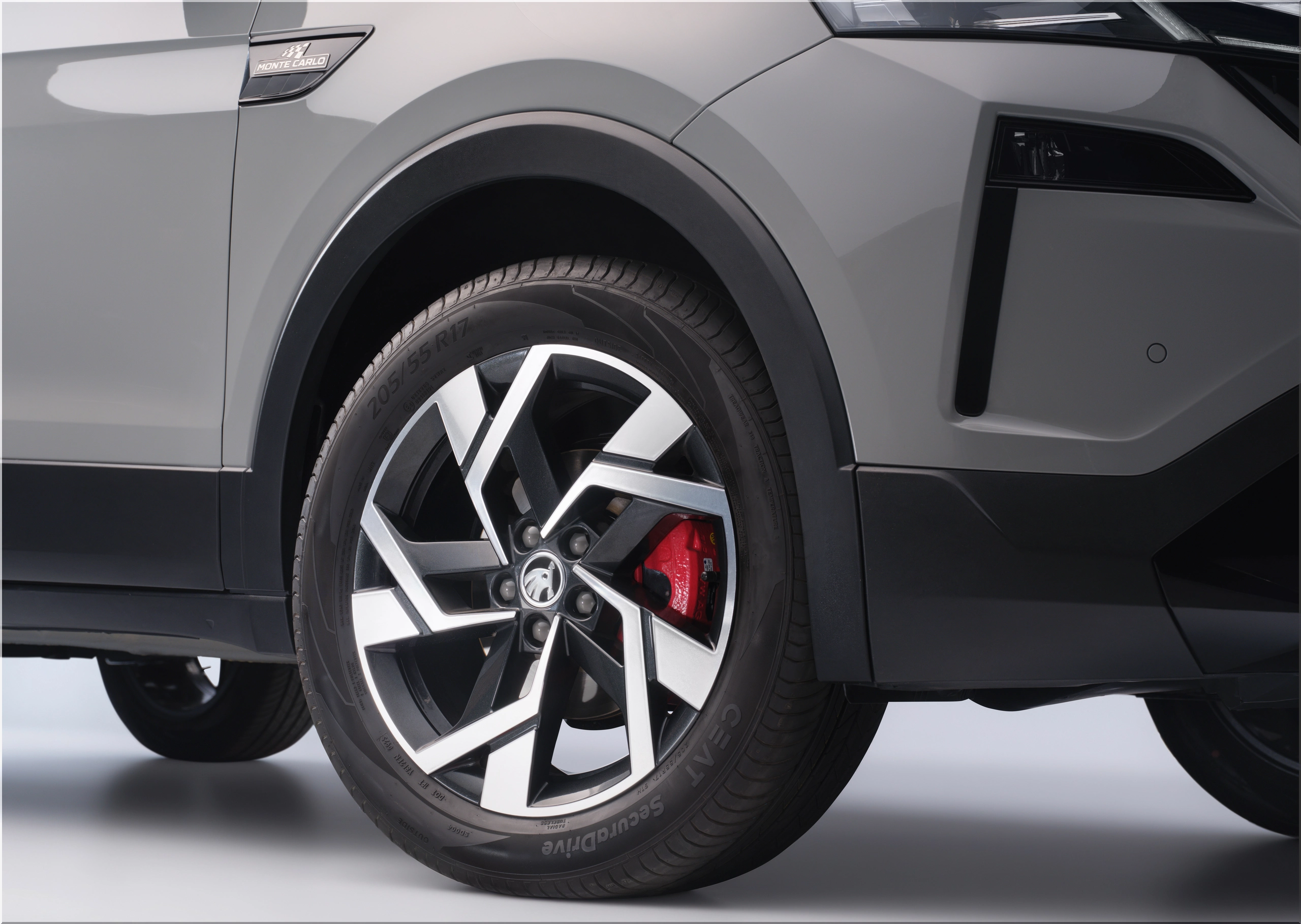
The Monte Carlo trim remains the psychological anchor for the range. It uses Loss Aversion marketing; by offering blacked-out chrome, unique 17-inch Vega alloy wheels, and a bespoke red-themed interior, it makes buyers feel they are missing out on the full European experience if they choose a lower trim.
Performance and Drivetrain Updates
The 2027 Skoda Kushaq update fixes the most significant consumer friction point: the 1.0-liter's low-speed smoothness. The new 8-speed torque converter automatic replaces the older 6-speed unit. The tighter gear ratios minimize "shift shock" and keep the engine in its peak 178 Nm torque band more consistently, which improves city fuel economy by an estimated 8%.
The 1.5-liter TSI remains the segment's performance benchmark. It produces 150 hp and 250 Nm (184 lb-ft) of torque. This engine utilizes Active Cylinder Technology (ACT), which deactivates two cylinders during steady-state cruising between 1,400 and 4,000 rpm. This transition occurs in less than 35 milliseconds, making it imperceptible to the driver.
| Engine Type | Horsepower | Torque | Transmission Options |
|---|---|---|---|
| 1.0L 3-Cylinder TSI | 115 hp | 178 Nm (131 lb-ft) | 6-Speed MT / 8-Speed AT |
| 1.5L 4-Cylinder TSI | 150 hp | 250 Nm (184 lb-ft) | 6-Speed MT / 7-Speed DSG |
To manage this power, 1.5-liter variants now feature four-wheel disc brakes. This hardware upgrade reduces the 100-0 km/h (62-0 mph) stopping distance significantly, providing the "stopping confidence" that performance-oriented buyers demand.
Image
Interior Technology and UX Optimization
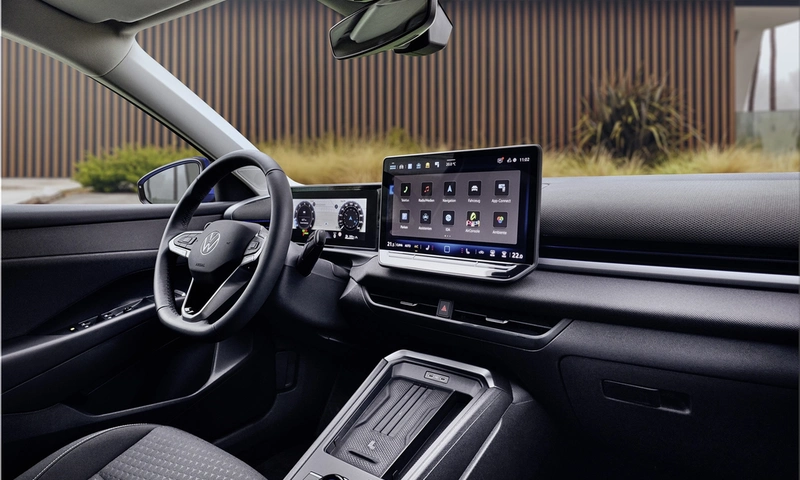
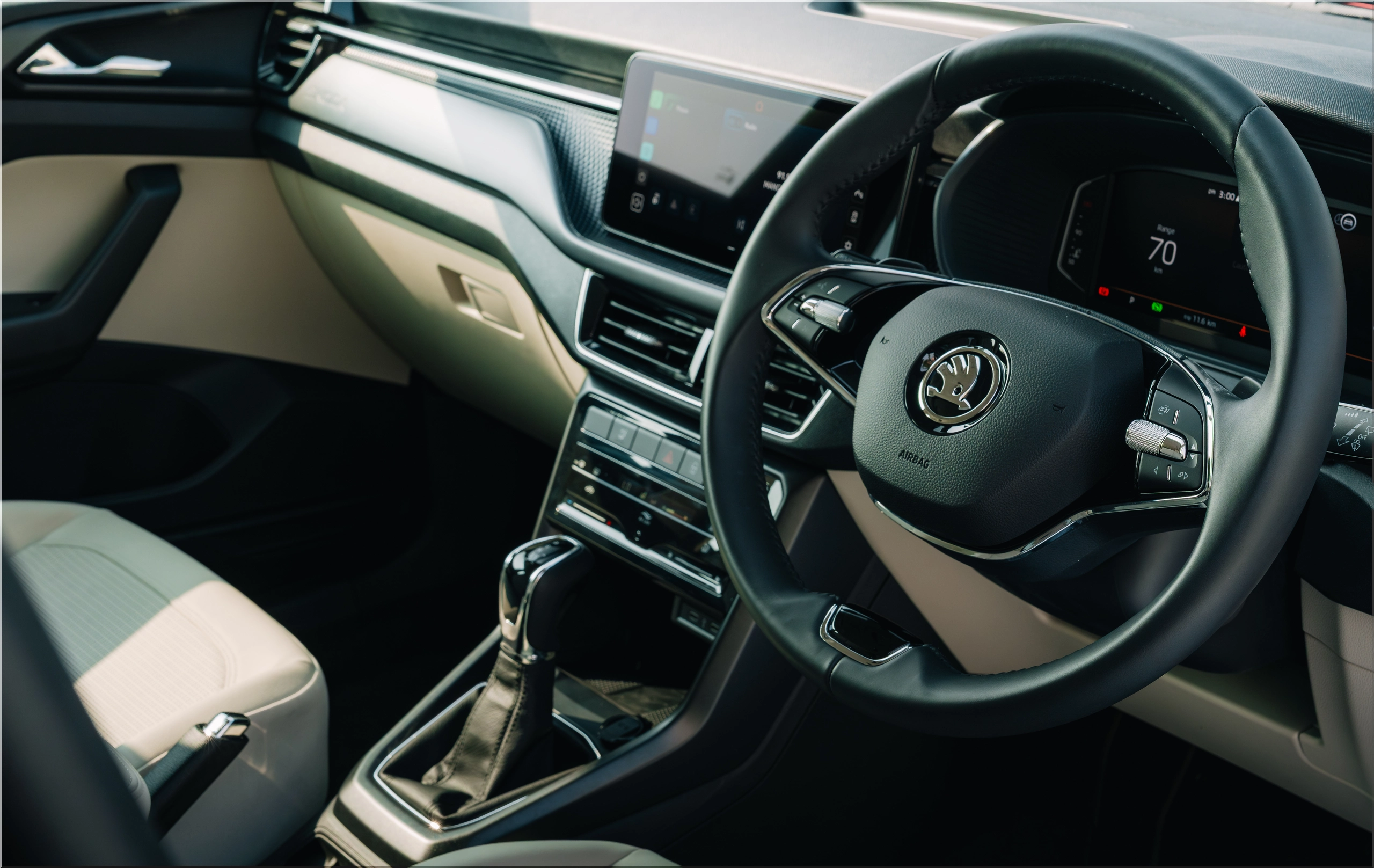
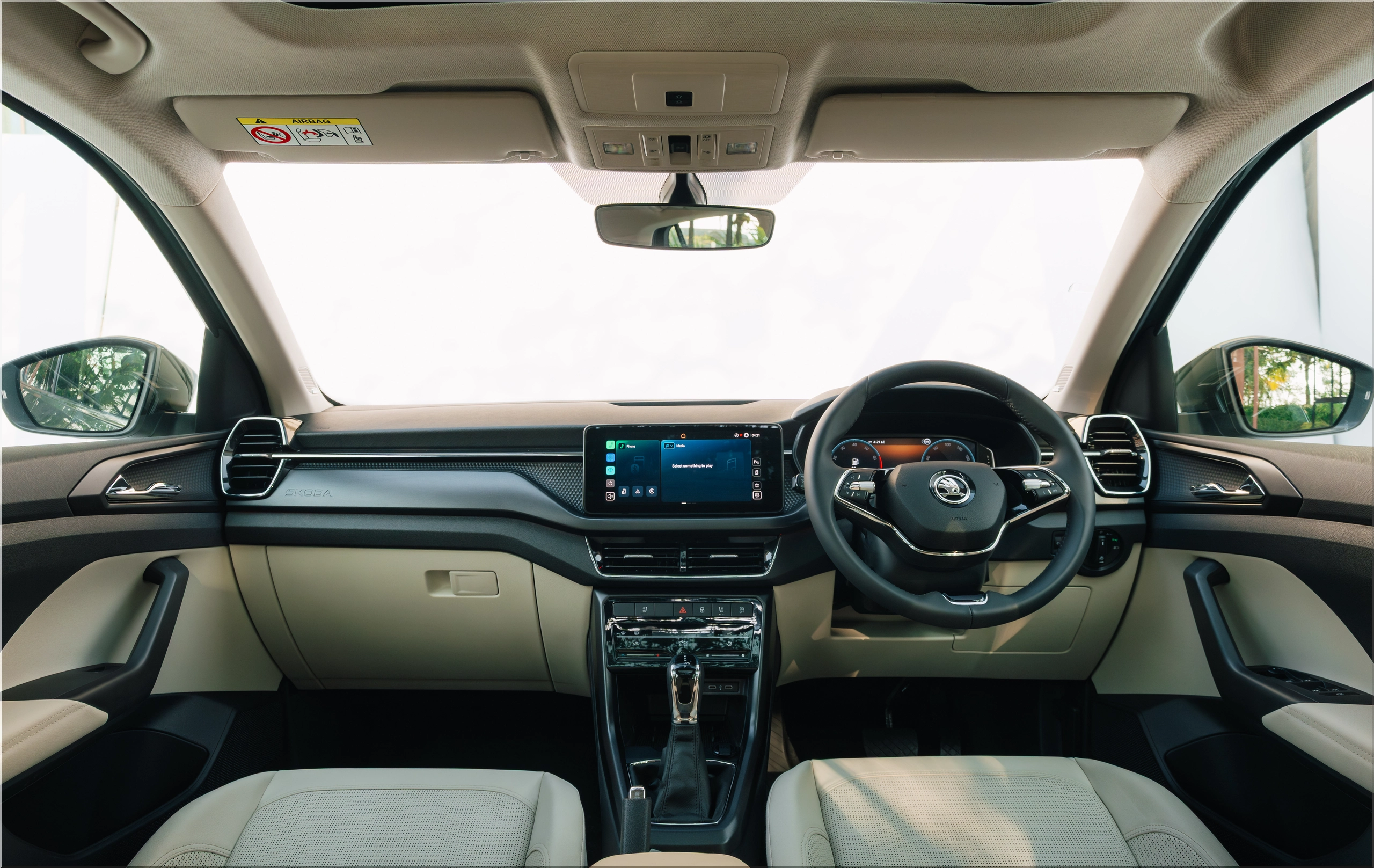
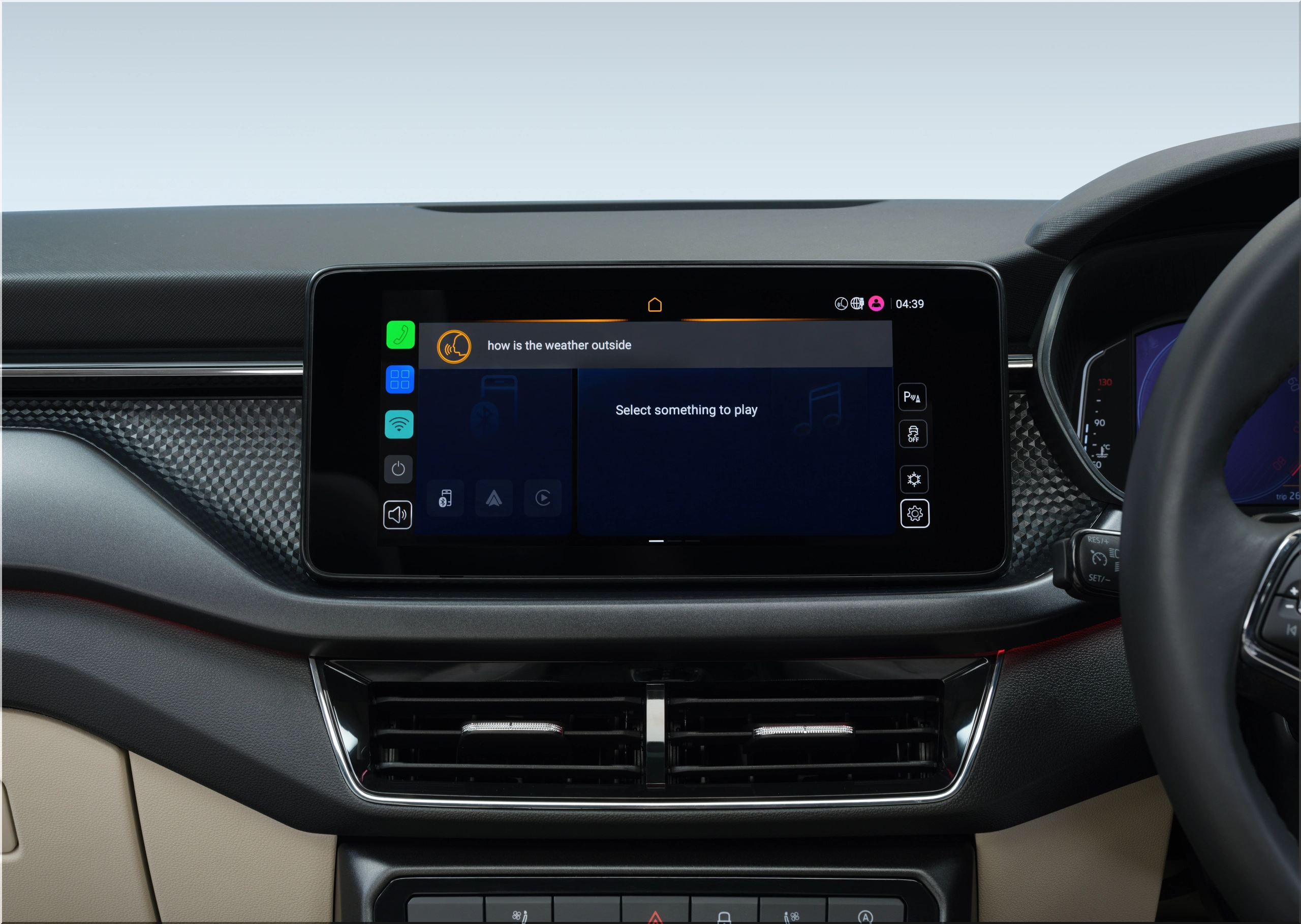
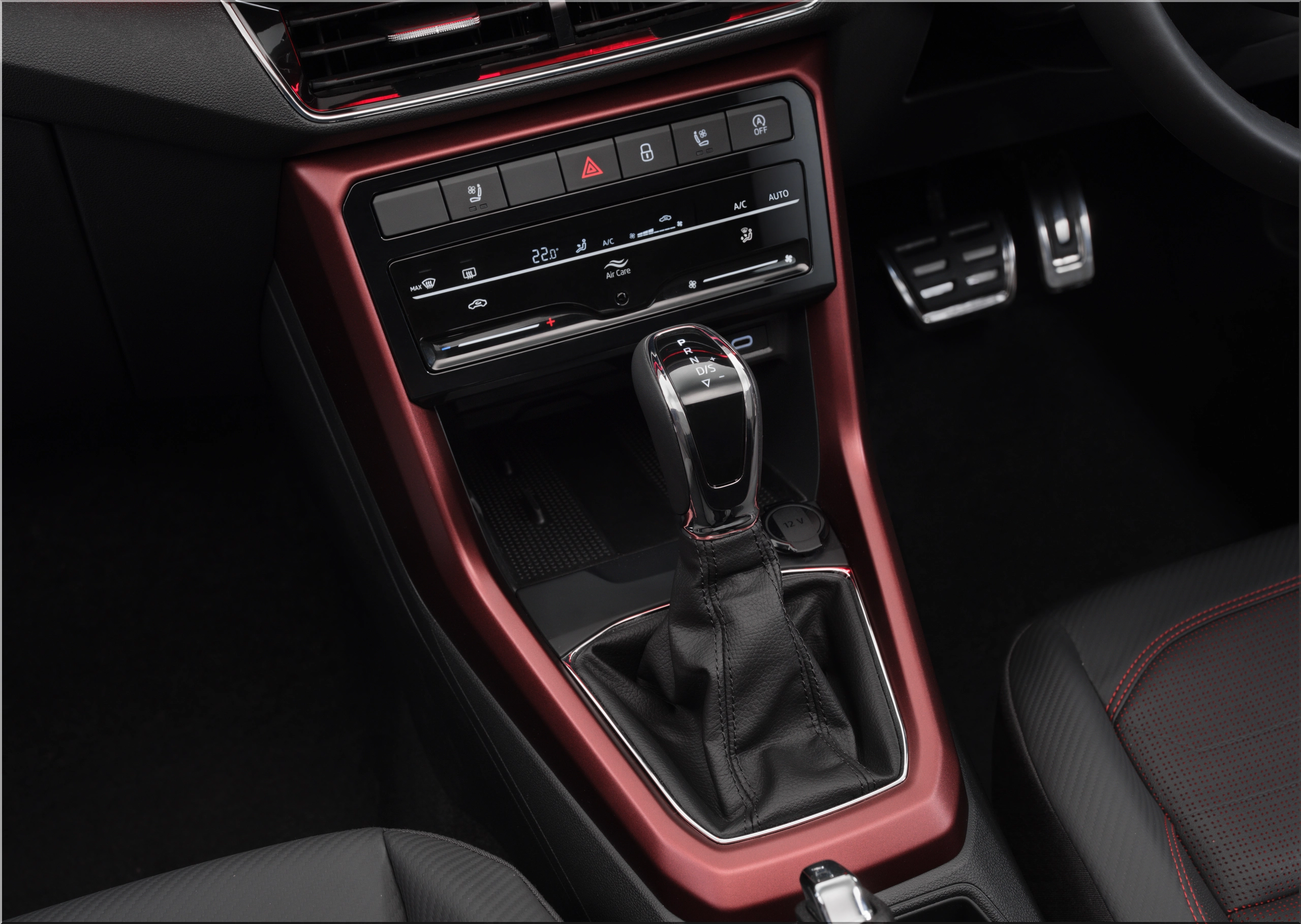
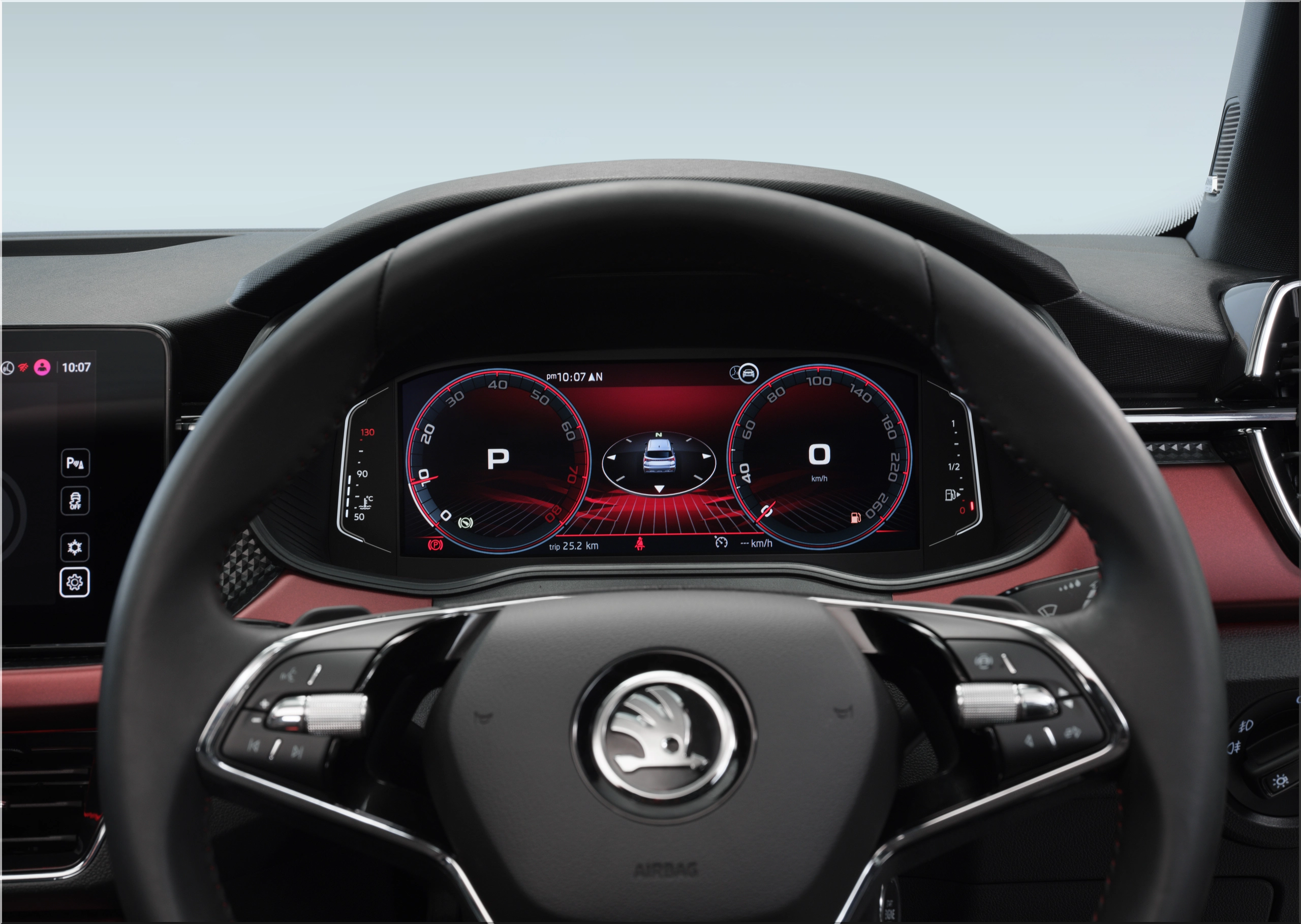
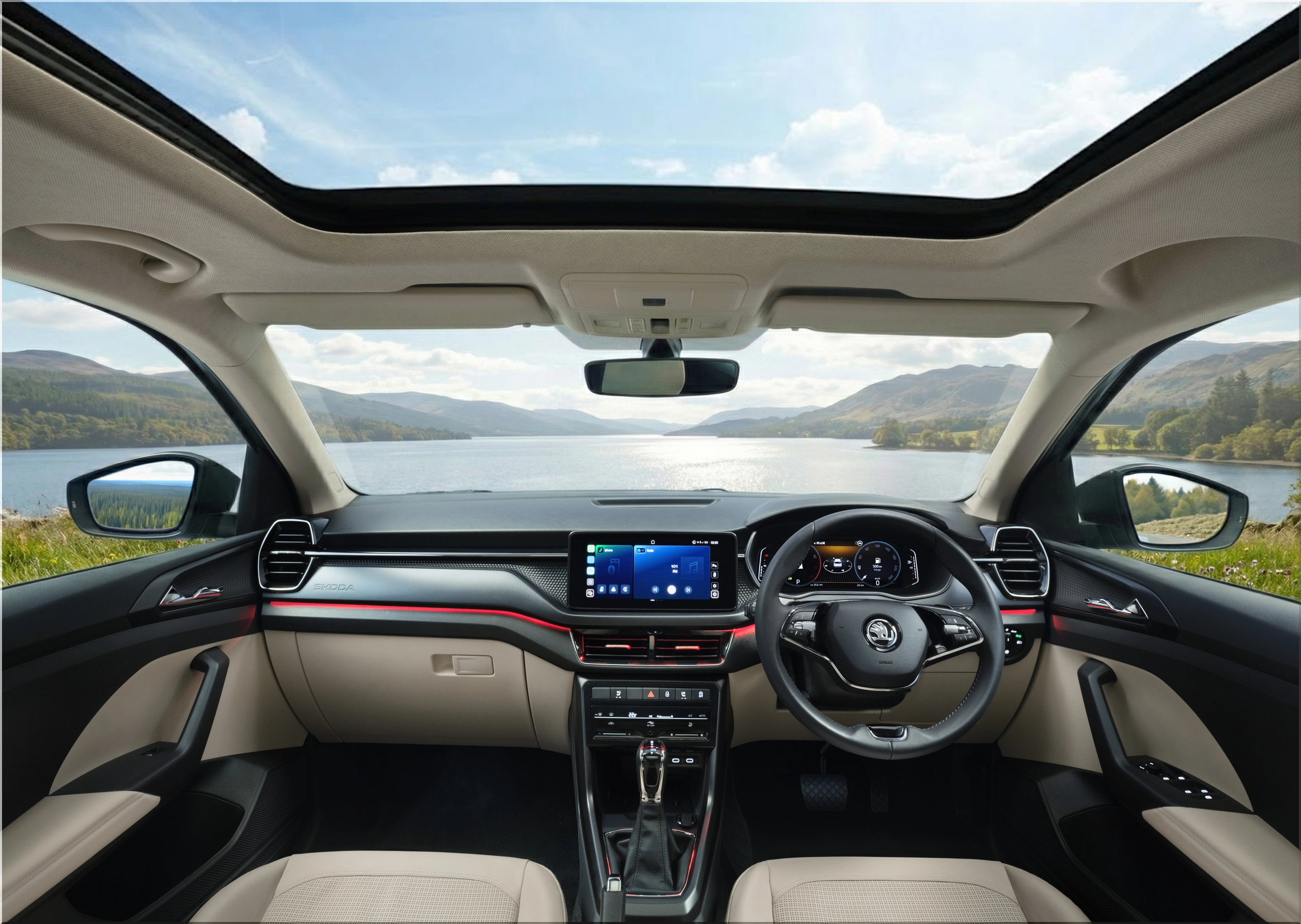
The 2027 cabin minimizes "Interaction Cost" through an improved HMI (Human-Machine Interface). A 10.25-inch Digital Cockpit provides customizable views, allowing drivers to prioritize navigation or fuel data. The central 10.1-inch infotainment screen is now powered by Google Gemini AI, which utilizes natural language processing to handle complex commands like "I'm feeling cold" to adjust the Dual-Zone Climatronic system.
Video title
Skoda Kushaq 2027
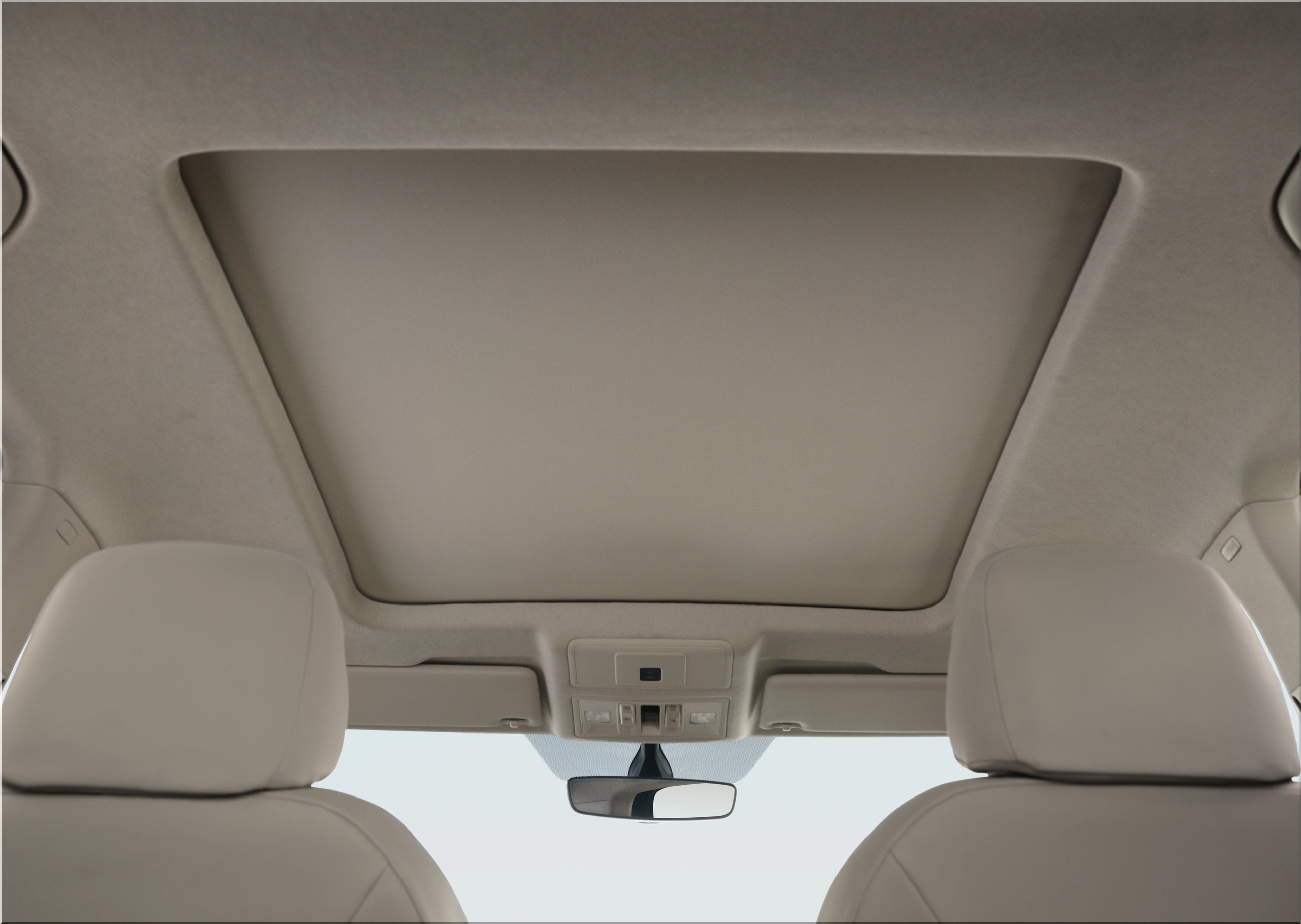
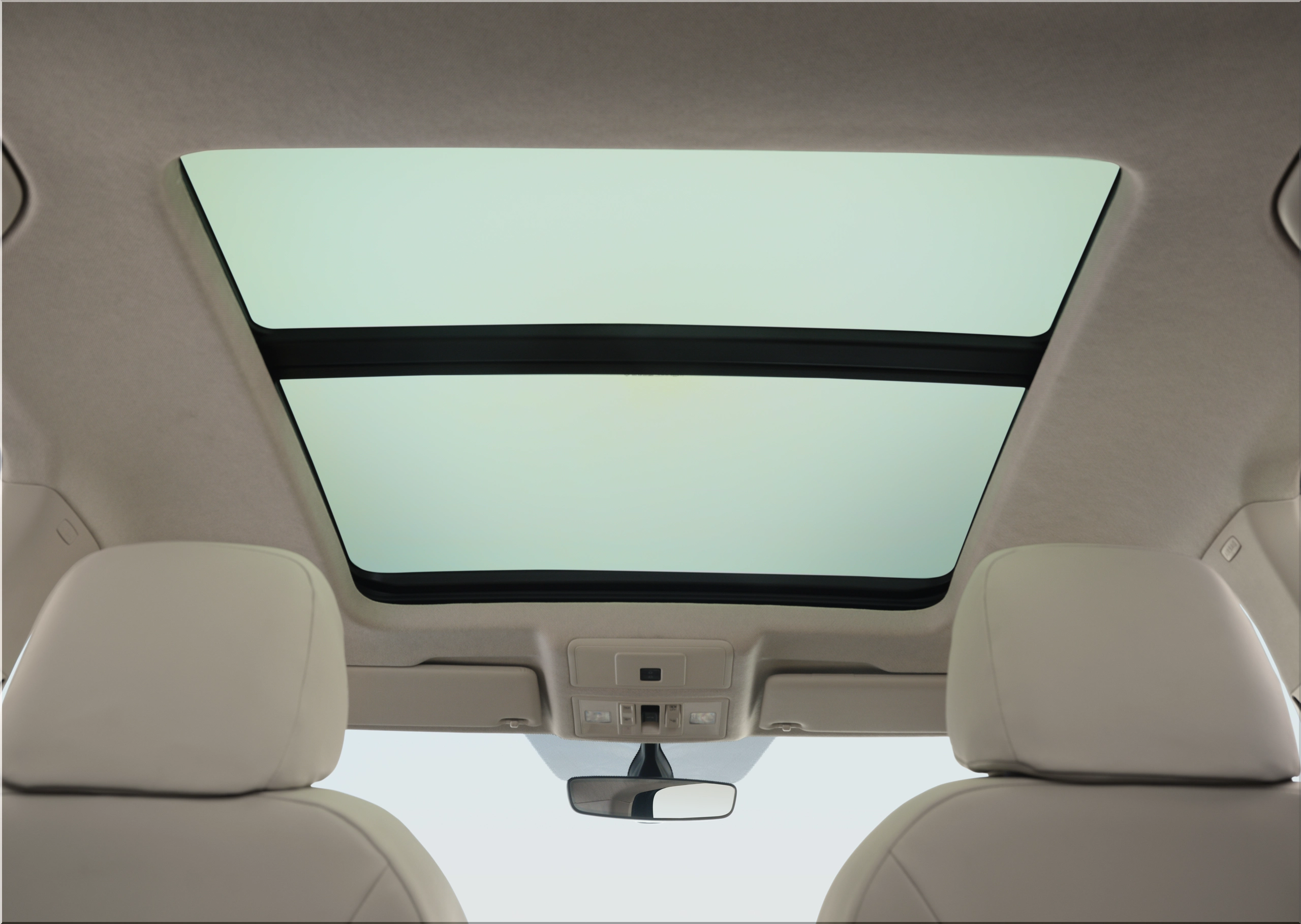
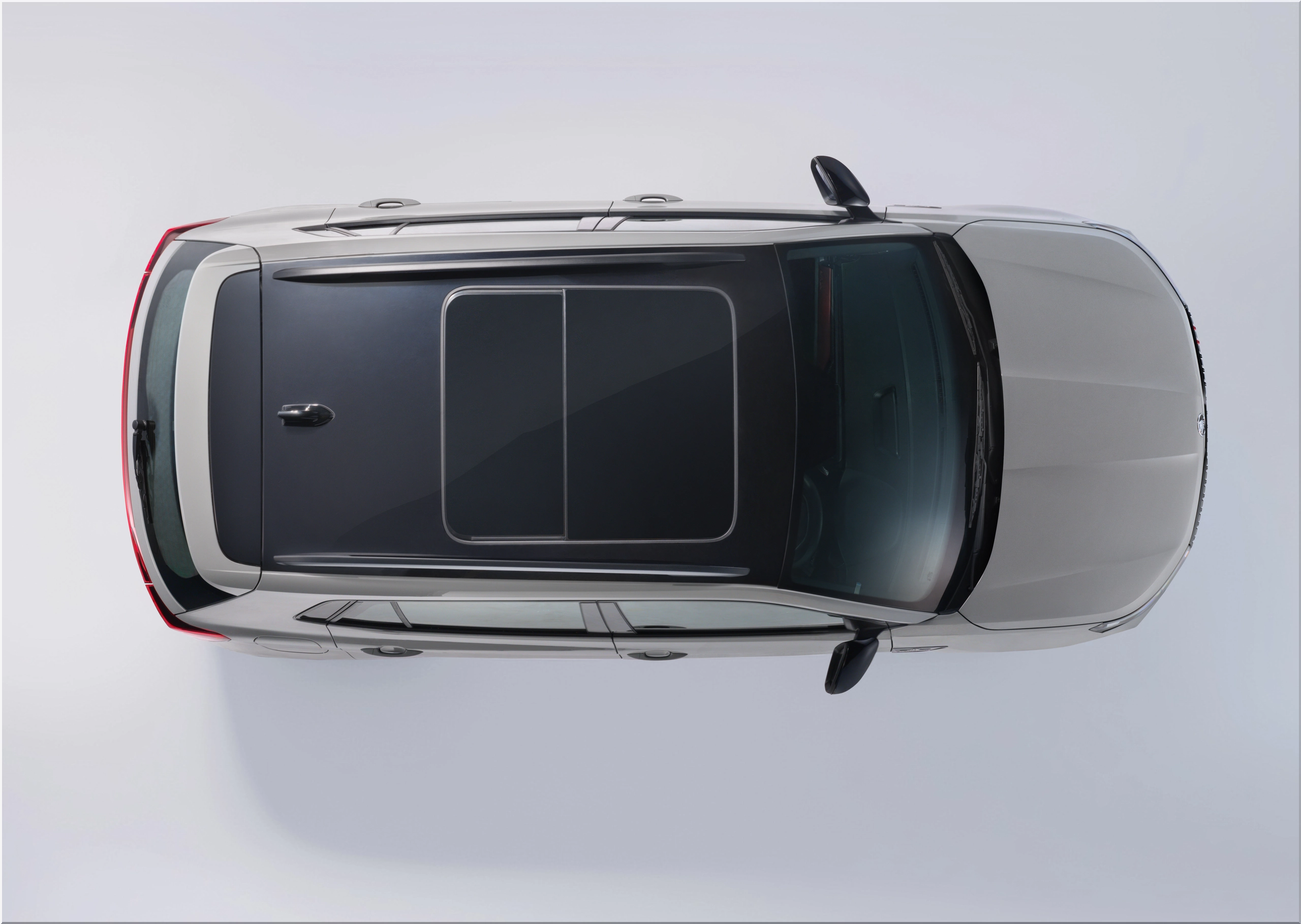
A panoramic sunroof replaces the previous single-pane unit. From a UX perspective, this increases the perceived cabin volume, counteracting the darker interior plastics used in the Monte Carlo editions.
New Comfort and UX Additions
- Rear Seat Massage: Uses pneumatic bladders to reduce driver and passenger fatigue during long commutes.
- 6-Way Powered Front Seats: Includes memory functions to reduce friction when multiple drivers use the vehicle.
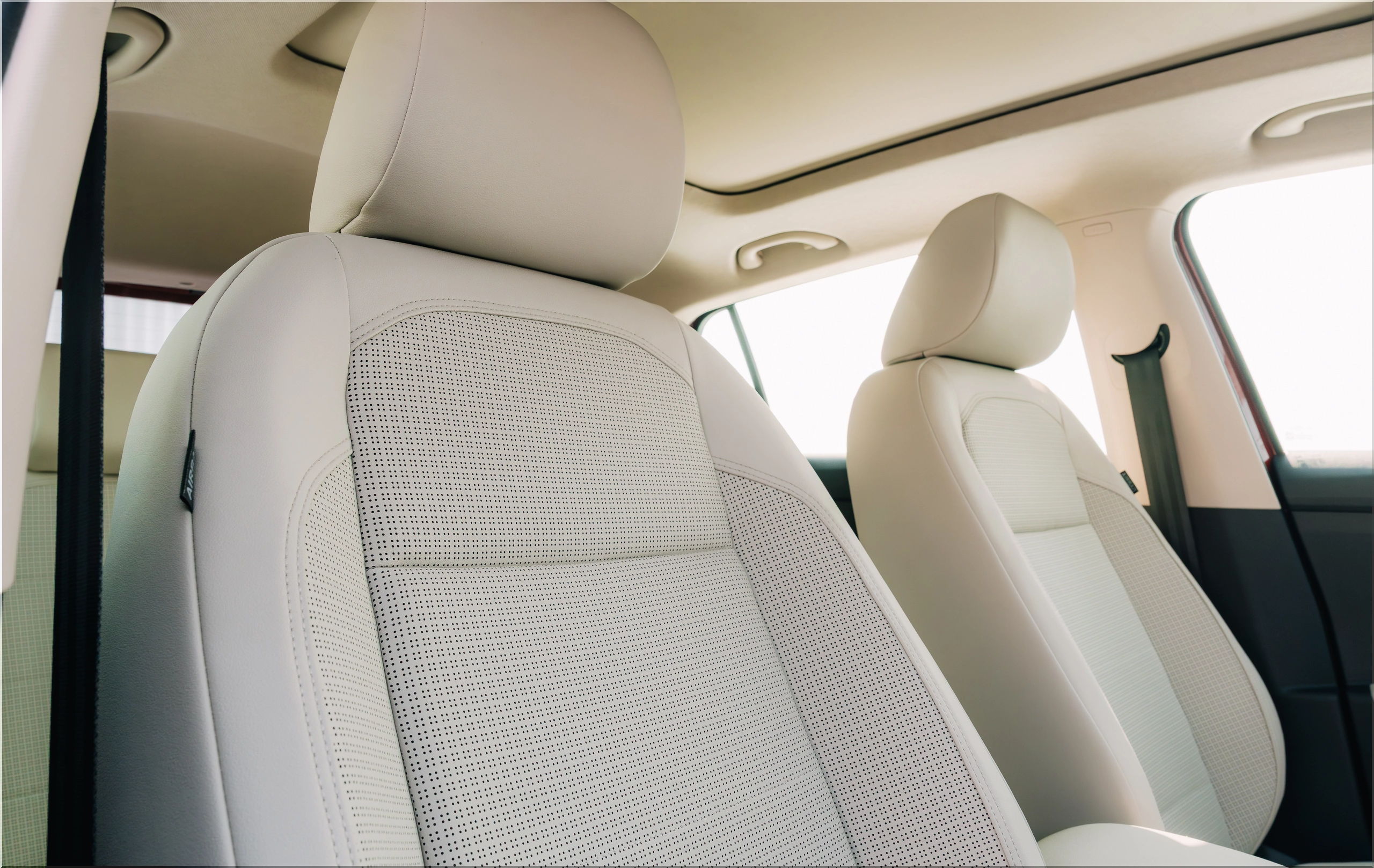
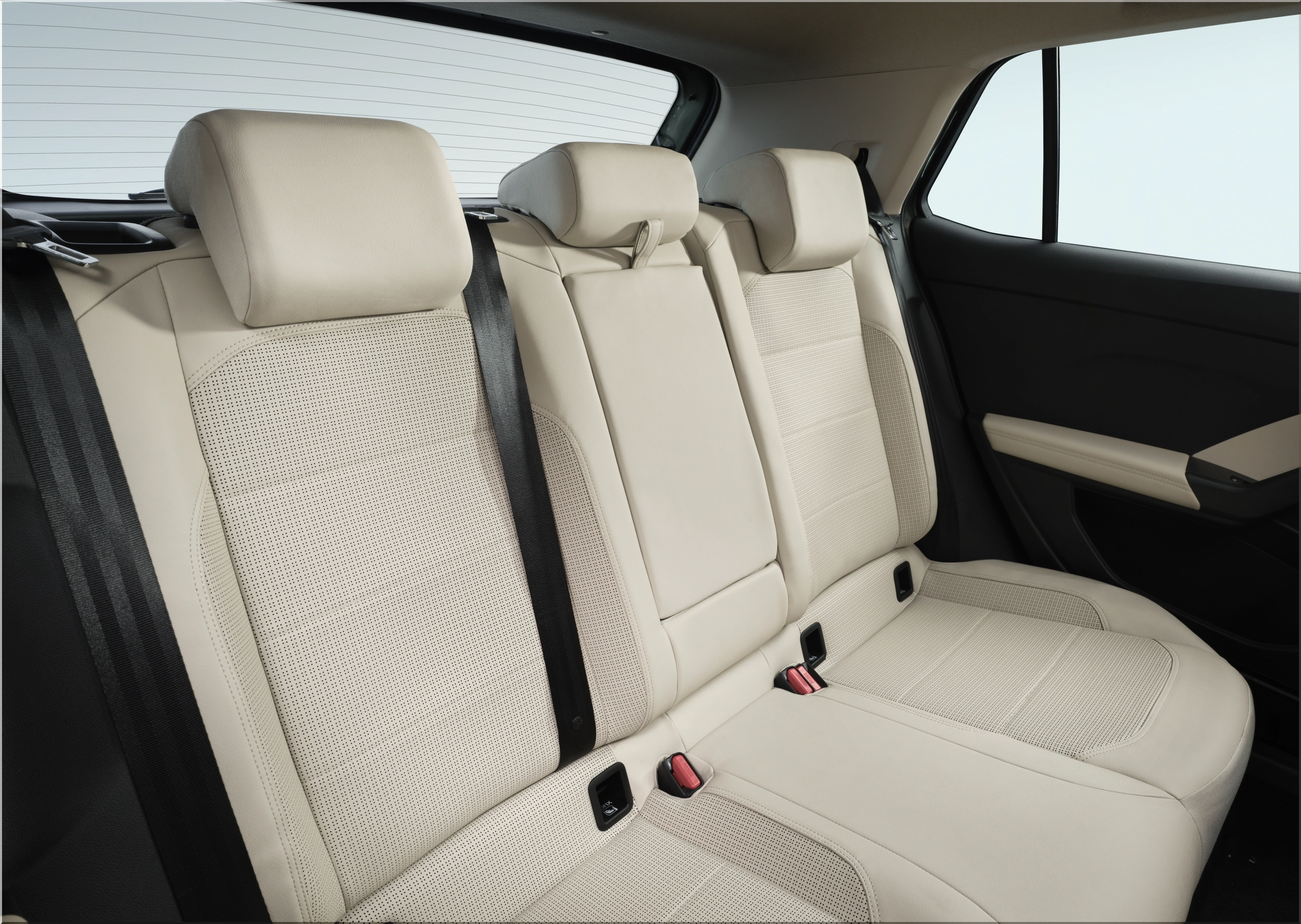
- Ventilated Seats: High-velocity fans integrated into the perforated leatherette seats help maintain a lower body temperature in tropical climates.
- 360-Degree Camera: Uses four high-definition cameras to create a seamless bird's-eye view, essential for parking in tight urban spaces.
Image gallery
Safety and Structural Integrity
The 2027 Skoda Kushaq is engineered with a "Safety First" nudge. Every variant now includes six airbags as standard, removing the psychological barrier for entry-level buyers. The vehicle's Multi-Collision Braking system prevents secondary impacts by automatically applying the brakes after an initial collision is detected.
The safety suite includes over 25 active and passive features even in the base Classic trim. This standardization is a move to dominate the "Safety Leader" niche in the competitive SUV landscape.
Image
Key Active Safety Systems
- Electronic Stability Control (ESC): Standard across the range to prevent skidding.
- Traction Control System (TCS): Optimized for low-grip surfaces like wet tarmac or gravel.
- Electronic Differential Lock (XDS+): Improves cornering precision.
- Tyre Pressure Monitoring System (TPMS): Provides real-time data to prevent blowouts and improve fuel efficiency.
Definition: XDS+
XDS+ is a functional extension of the electronic stability program. It applies a specific amount of brake pressure to the inside front wheel during fast cornering to prevent wheel spin and improve steering response.
Pricing and Market Positioning
The Kushaq faces stiff competition from the Hyundai Creta and Kia Seltos. However, Skoda uses a Value-Based Pricing strategy. While the initial cost may be higher than some base-model rivals, the Cost of Ownership is lower due to extended service intervals (15,000 km or 1 year) and localized spare parts production.
The estimated price range for the 2027 model reflects the inclusion of the 8-speed AT and panoramic roof. Prices start at approximately $12,700 USD (10.59 Lakh) and reach $22,400 USD (18.69 Lakh).
Video title
Skoda Kushaq 2027
Estimated Pricing Table (USD Equivalents)
| Variant | Estimated Price (INR) | Estimated Price (USD) |
|---|---|---|
| Classic 1.0 MT | 10.60 Lakh | $12,720 |
| Signature 1.0 AT | 15.60 Lakh | $18,720 |
| Prestige 1.5 DSG | 18.50 Lakh | $22,200 |
| Monte Carlo 1.5 DSG | 18.70 Lakh | $22,440 |
Image gallery

What now?
Selecting the right Kushaq variant requires balancing your specific driving environment with long-term ownership goals.
- Evaluate your commute: If you spend 80% of your time in stop-and-go traffic, the 1.0 TSI with the 8-speed AT is the logical choice for its smoothness and lower insurance premiums.
- Prioritize the 1.5 TSI for highway use: The Active Cylinder Technology and 7-speed DSG make this the superior choice for high-speed stability and overtaking power.
- Factor in Resale Value: The Monte Carlo and Prestige trims historically hold their value better due to the high demand for features like the panoramic sunroof and 360-degree camera.
- Inquire about Service Packs: Skoda often offers 4-year maintenance packages for a flat fee. This acts as a "commitment device" to keep your vehicle in peak condition while capping your long-term costs.
@via Skoda.
- Add new comment
- 232 views