
Toyota has a simple problem to solve with electric vehicles. Many drivers do not dislike EVs. They doubt them.
That is why Toyota's new all-electric family campaign matters. It does not try to sell battery-electric cars as futuristic gadgets for early adopters. It presents them as ordinary tools for ordinary lives: school runs, coffee businesses, weekend trips, daily commutes, creative work, and the small routines that decide whether a car earns its place in a driveway.
The message is clear. Toyota electric vehicles should feel useful before they feel impressive.
Toyota Puts Everyday Drivers At The Centre Of Its EV Message
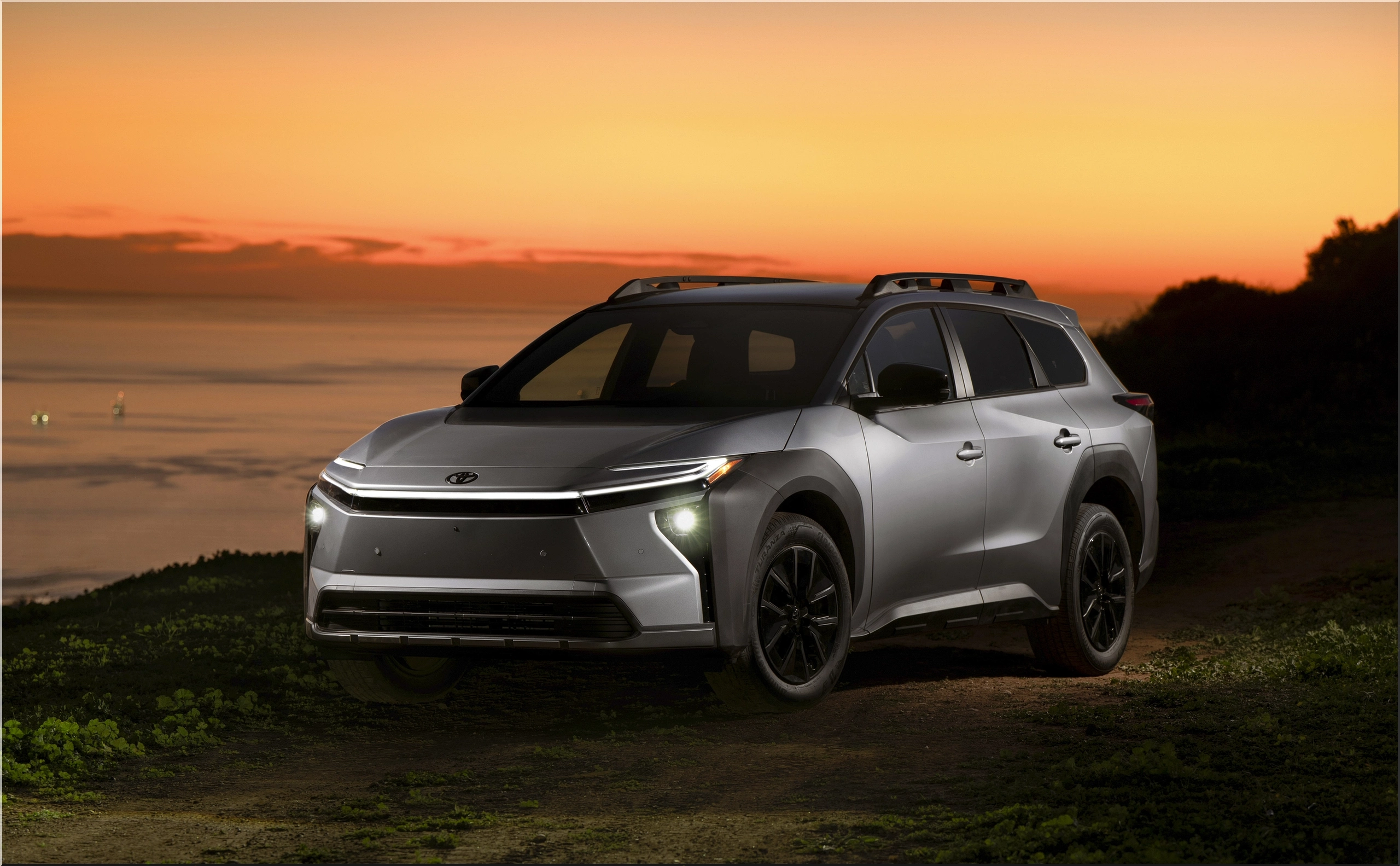
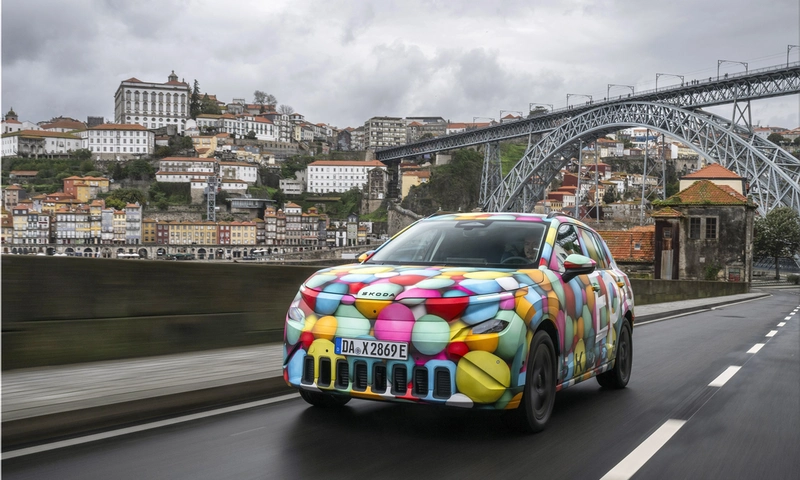
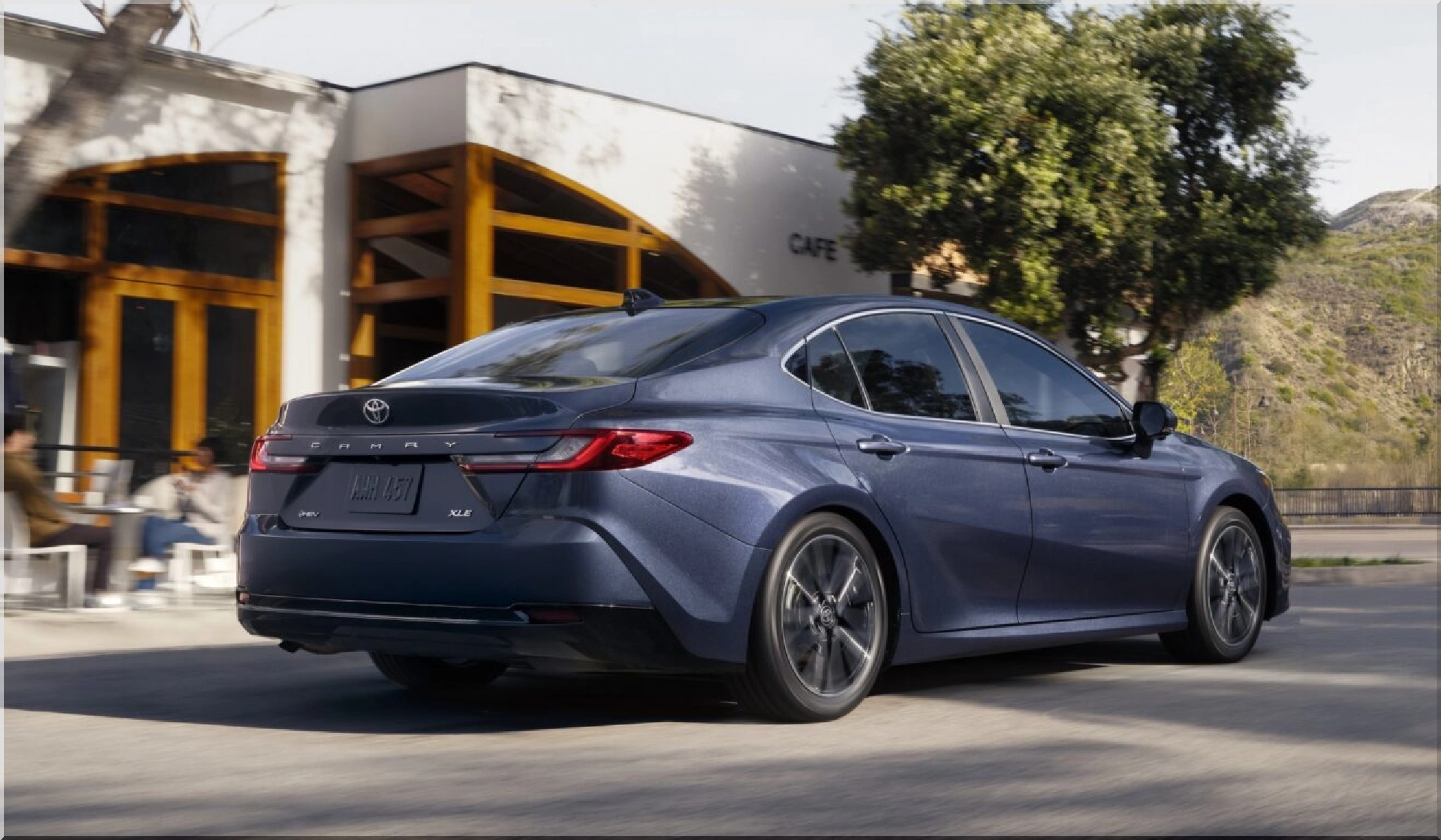
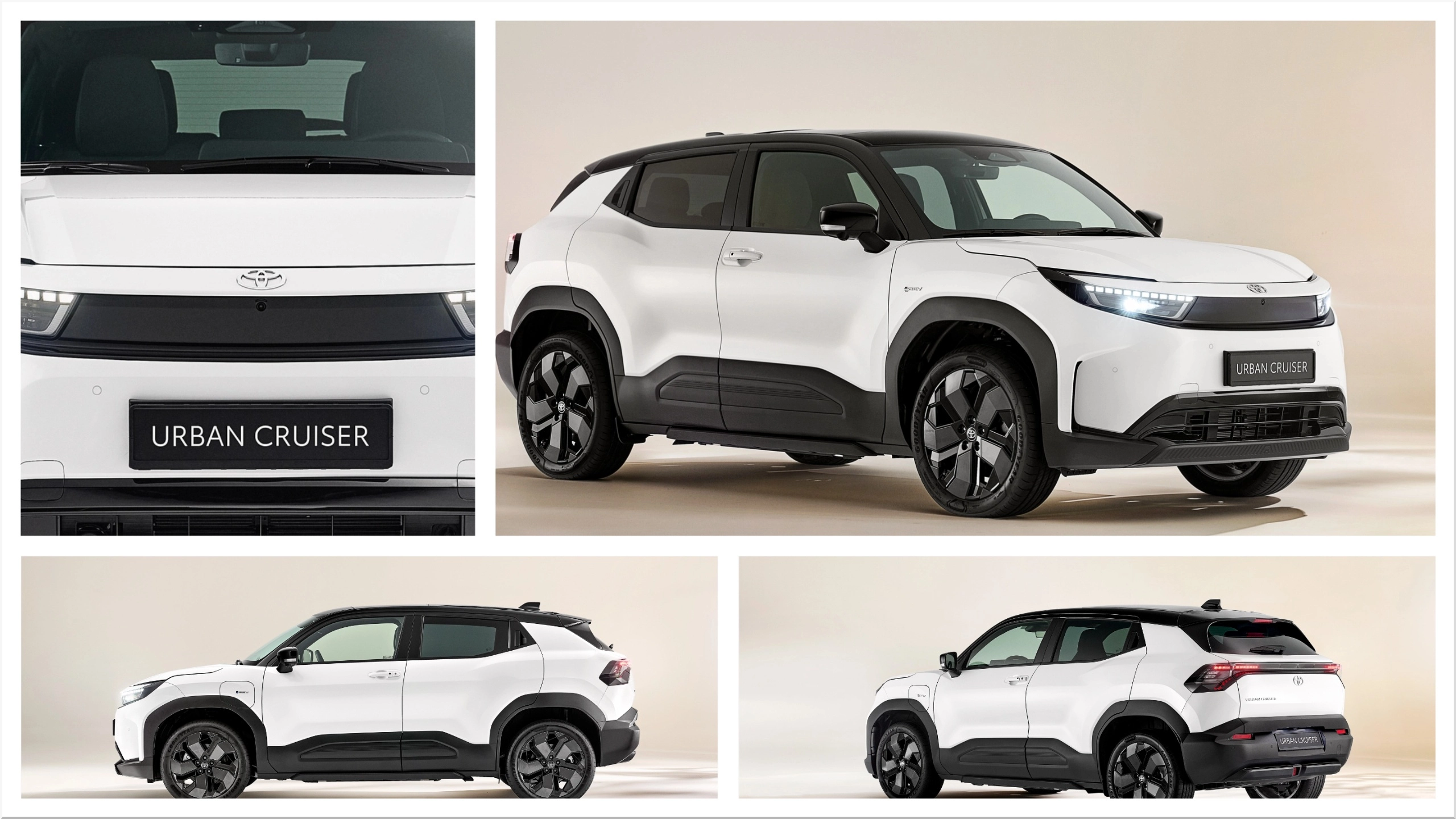
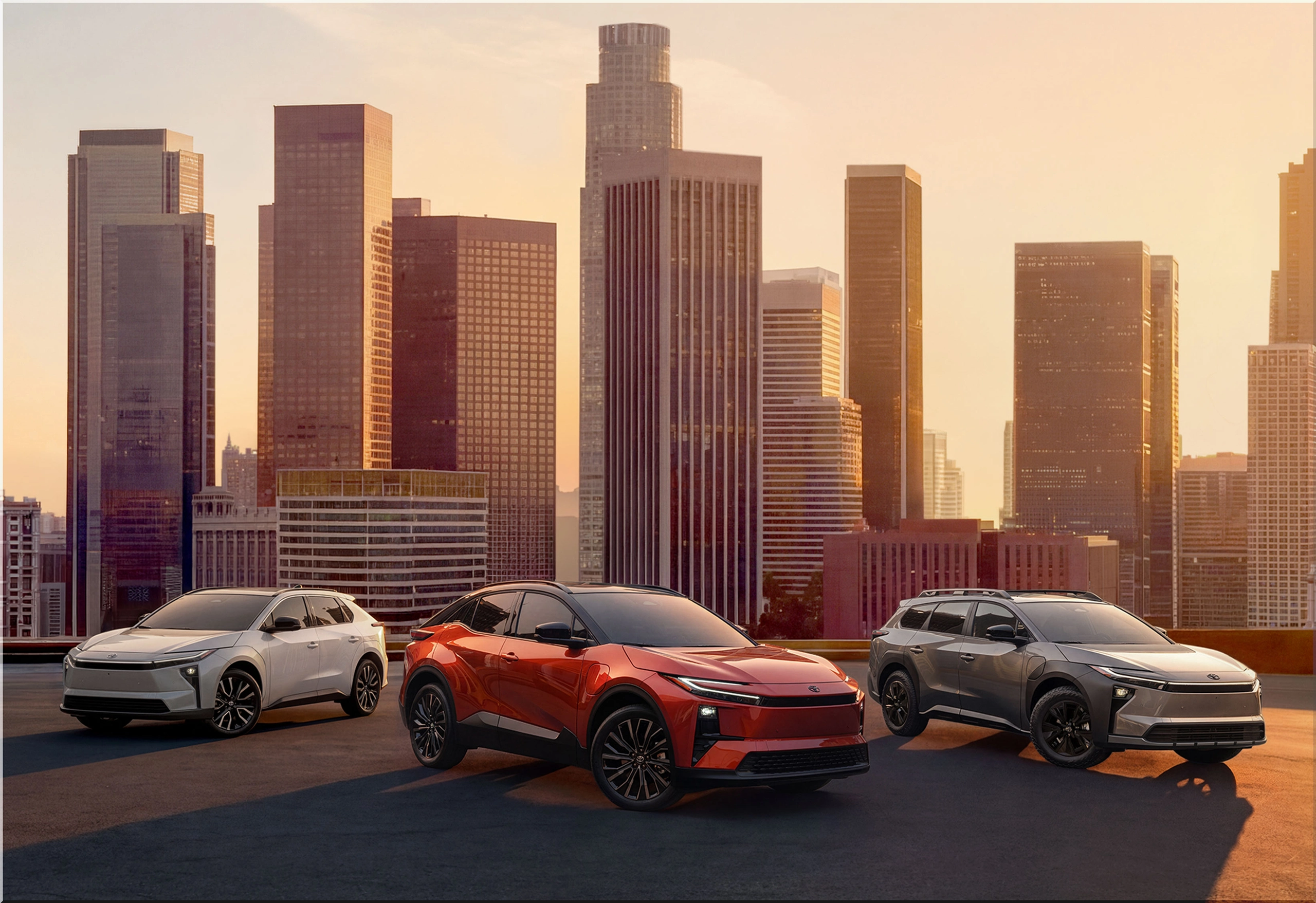
The new campaign introduces Toyota's growing all-electric vehicle family, led by the 2026 Toyota C-HR, 2026 Toyota bZ, and 2026 Toyota bZ Woodland. Each model plays a different role, but the campaign gives them one shared purpose: make electric driving feel approachable.
That approach suits Toyota. The brand built its reputation on reliability, familiarity, and practical engineering. In the EV market, those qualities may matter more than dramatic styling or wild acceleration claims.
Drivers want answers before they want slogans. They want to know whether the car fits their routine, where it charges, how much it costs, and whether it feels easy to live with. Toyota's campaign works because it begins there.
Video title
Toyota x Haters Anthem 2026
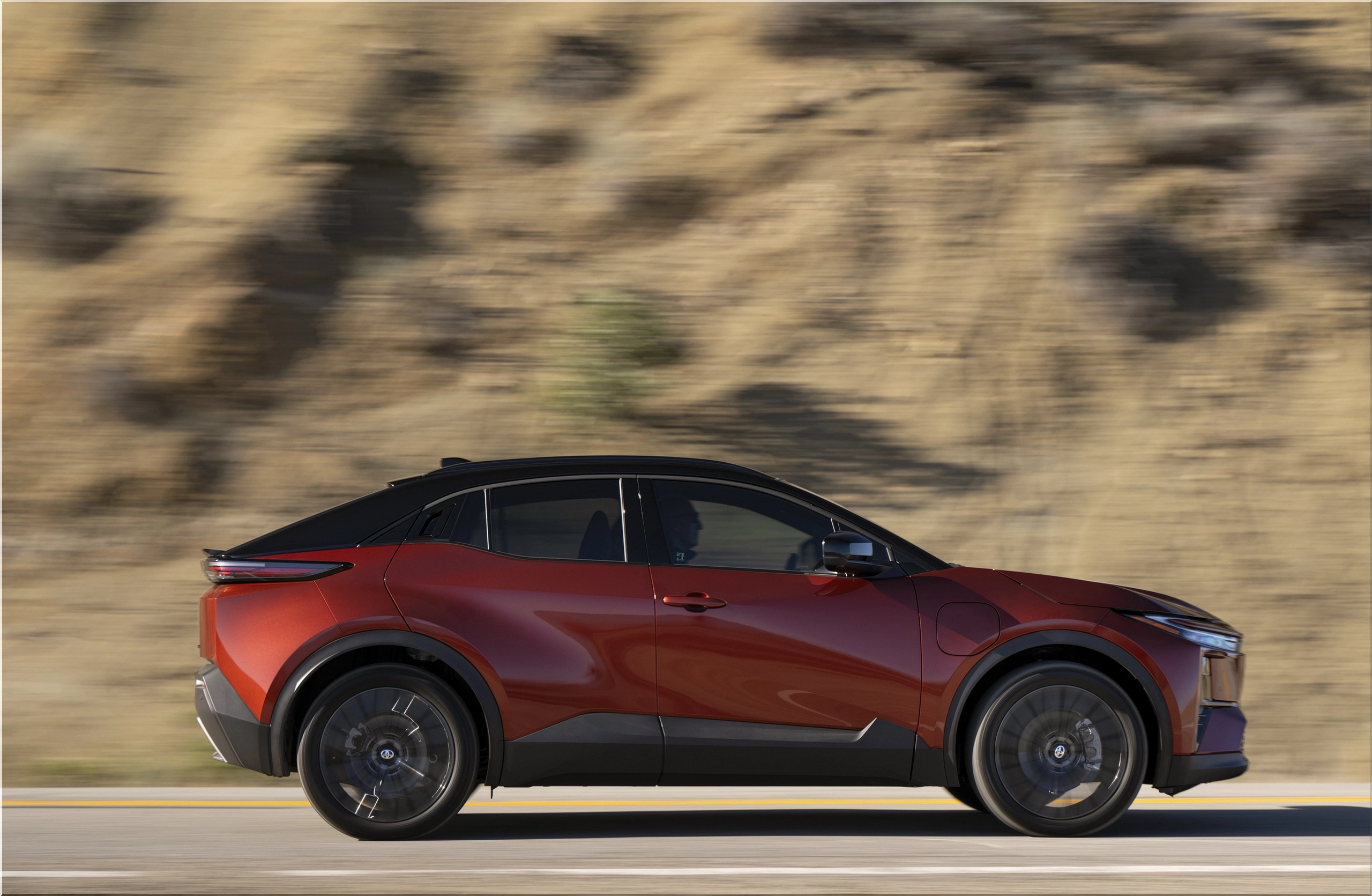
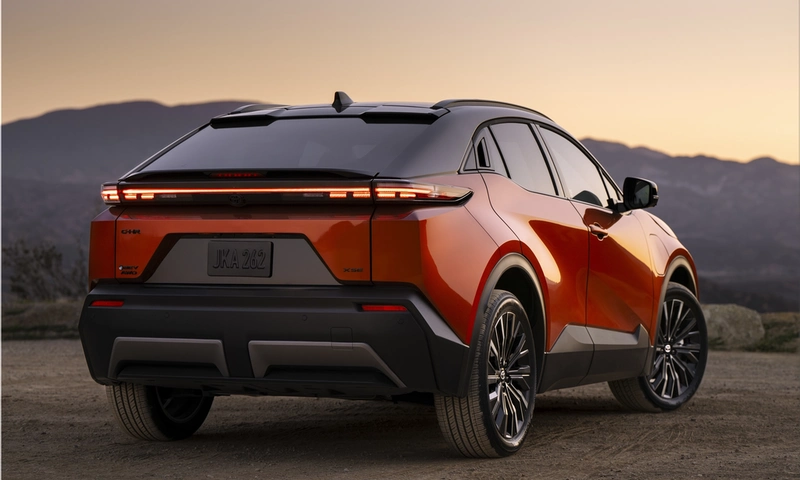
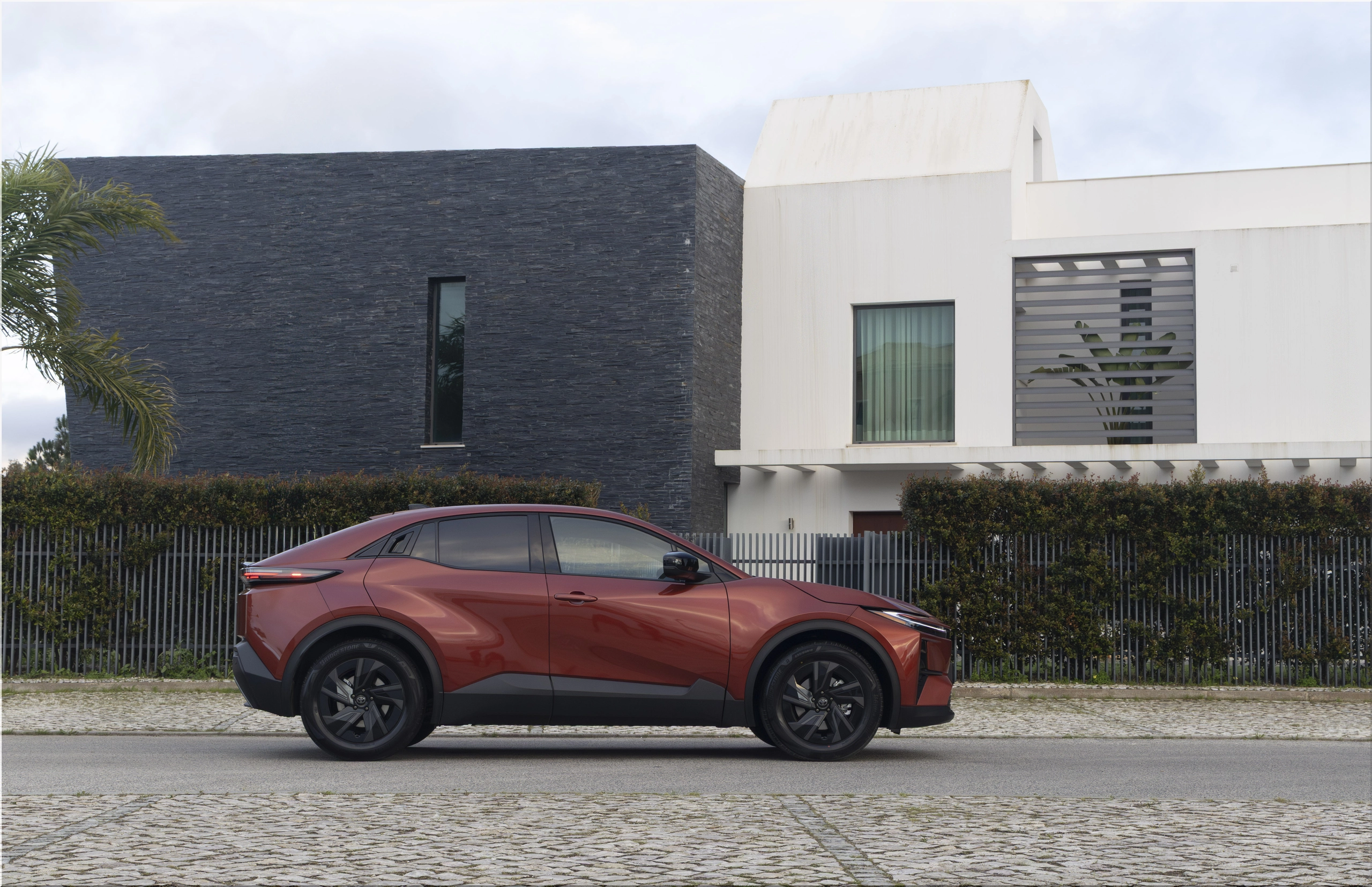
The 2026 Toyota C-HR Gives The EV Lineup Its Sporty Edge
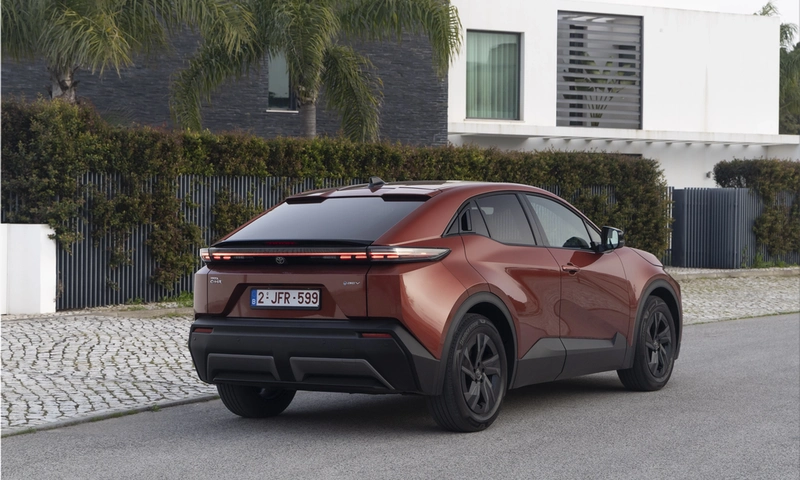
The 2026 Toyota C-HR returns as a compact all-electric crossover with a sharper identity. Toyota positions it for buyers who want style, standard All-Wheel Drive, and a more energetic driving character without moving into a larger SUV.
The C-HR SE starts at $37,000, while the C-HR XSE starts at $39,000, excluding Toyota's listed dealer processing and handling fee. That places it above the lowest-cost EV conversation, but below many premium electric crossovers.
Its real appeal sits in the mix: compact size, bold design, usable cabin space, and daily practicality. Toyota does not need to pretend every EV buyer wants a spaceship. Some simply want a good-looking crossover that happens to run on electricity.
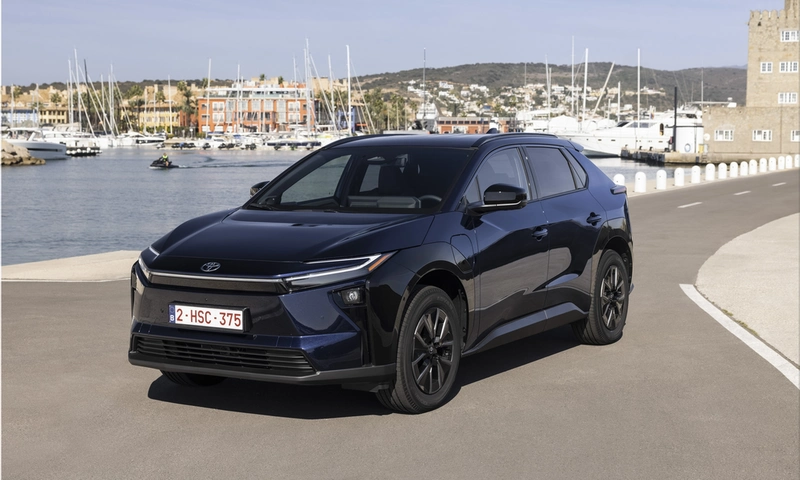
The Toyota bZ Remains The Sensible Everyday Electric SUV
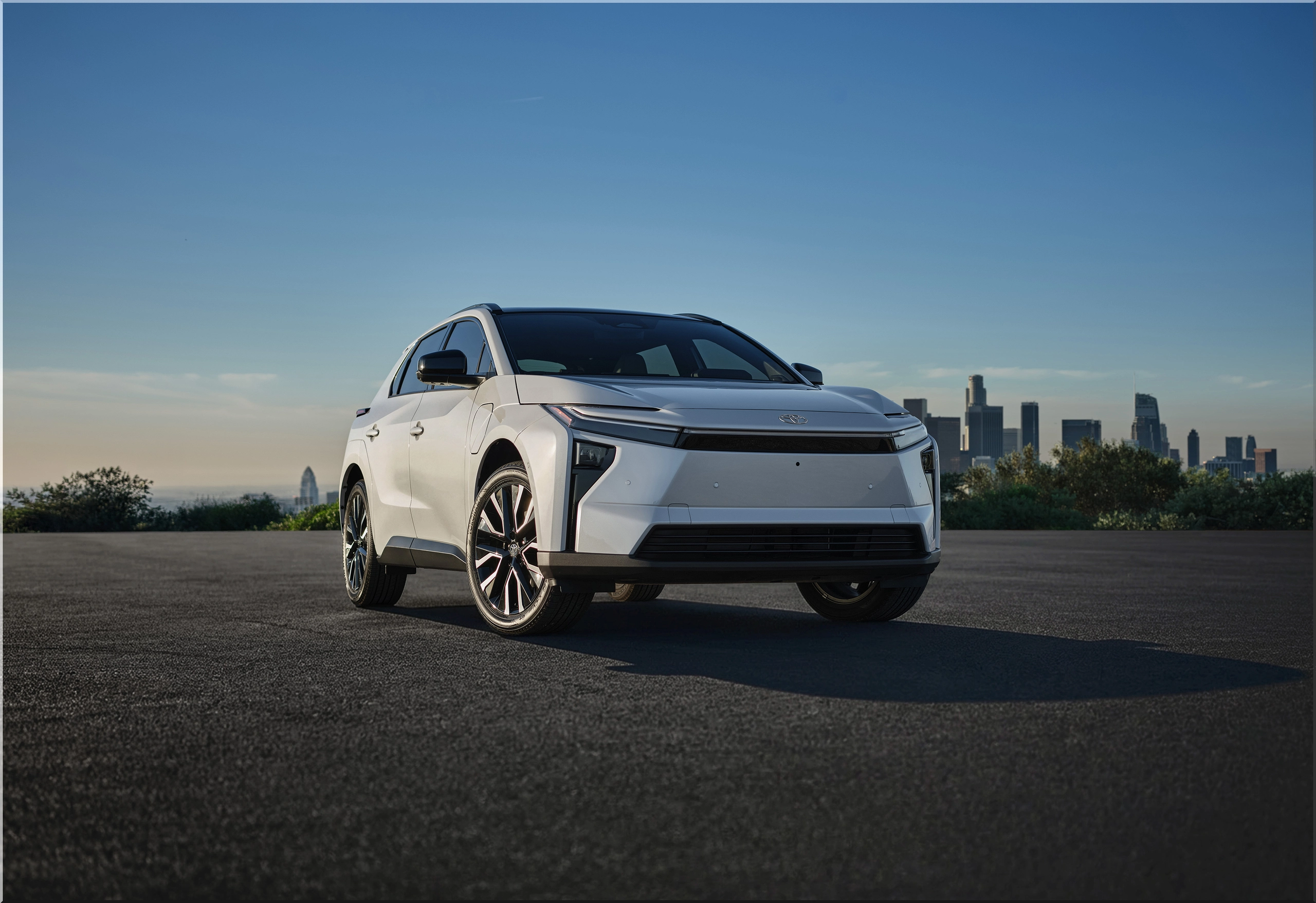
The 2026 Toyota bZ carries the practical centre of the lineup. It aims at drivers who want a familiar small SUV shape, improved battery performance, expanded charging access, and a more connected cabin.
The bZ XLE starts at $34,900, while the bZ Limited starts at $43,400. That makes the bZ the most accessible model in this new Toyota EV family by starting price.
This is the car for buyers who do not want drama. They want comfort, range, predictable usability, and enough technology to make the move from petrol or hybrid feel natural. Toyota understands that many EV shoppers do not need a revolution. They need reassurance.
The Toyota bZ Woodland Adds Adventure Without Losing Common Sense
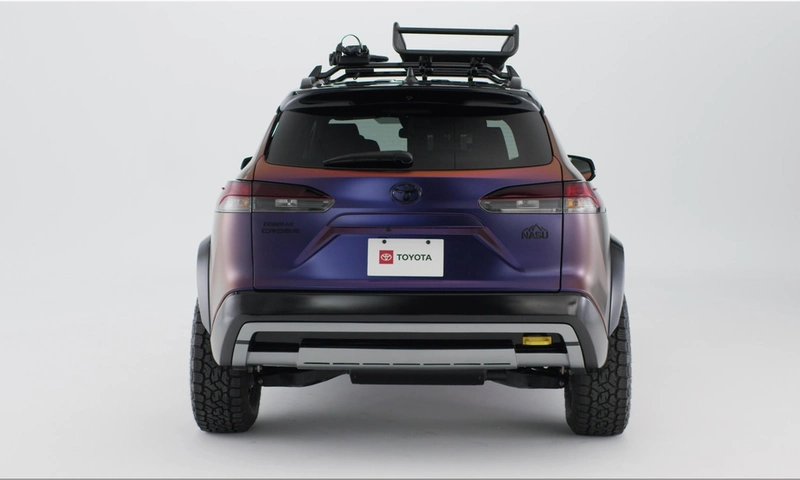
The 2026 Toyota bZ Woodland gives Toyota's electric range a more outdoorsy brief. It adds standard All-Wheel Drive, extra utility, increased ground clearance, and a more adventure-ready personality.
Prices start at $45,300 for the bZ Woodland and $47,400 for the bZ Woodland Premium, before the listed dealer processing and handling fee.
This model matters because it answers a familiar objection: electric SUVs can feel too urban, too polished, or too limited in purpose. The bZ Woodland pushes against that idea. It gives Toyota a battery-electric vehicle for drivers who want commuting comfort during the week and more confidence beyond city streets at the weekend.
Image gallery
The Campaign Sells Belief, Not Just Battery Power
Toyota's creative strategy takes a smart route. It does not lecture buyers about electrification. It shows people using EVs.
The campaign includes humour, multicultural storytelling, and cinematic spots designed for different audiences. One thread focuses on sceptics becoming believers. Another shows a mobile coffee business using a Toyota bZ. Other stories highlight weekend escapes, creative pursuits, and family routines.
That matters because EV hesitation often starts emotionally, not technically. A spec sheet can answer questions. A good story can remove resistance.
Video title
Toyota x Carista Toyota 2026
Pro-Tip
The best EV marketing does not begin with kilowatts. It begins with the driver's life. Toyota's campaign works because it asks a practical question: where does this electric vehicle fit into your day?
Why Toyota's Timing Looks Strategic
The EV market has moved beyond novelty. Buyers now compare electric cars the same way they compare petrol, hybrid, and plug-in hybrid models. They look at price, range, space, charging convenience, brand trust, and resale confidence.
Toyota has an advantage here. It does not need to teach customers what the brand stands for. It needs to convince them that the same qualities they expect from a Toyota can carry into an all-electric vehicle.
The 2026 Toyota EV lineup tries to do that through three clear choices:
- Toyota bZ for everyday electric SUV practicality
- Toyota C-HR for compact electric crossover style and performance
- Toyota bZ Woodland for electric utility with outdoor capability
That structure gives buyers a simple path through the lineup. It also gives Toyota a stronger answer to rivals that already dominate parts of the EV conversation.
What This Means For Car Buyers
Toyota's new campaign does not claim that every driver should switch to an EV overnight. It makes a more persuasive argument: electric driving can fit more lives than many sceptics expect.
That may prove more effective than shouting about the future.
The 2026 Toyota C-HR, Toyota bZ, and Toyota bZ Woodland give the brand three distinct electric personalities. One looks sporty. One feels sensible. One leans adventurous. Together, they show Toyota trying to make EV ownership feel less like a statement and more like a normal purchase decision.
For many buyers, that will be the point.
Image gallery
Final Takeaway
Toyota's all-electric family campaign succeeds because it avoids the usual EV trap. It does not treat electricity as the whole story. It treats electricity as the power behind better daily usability.
That is the right message for the next wave of EV shoppers. They do not need another lecture about the future. They need a car that works today.
- Add new comment
- 144 views