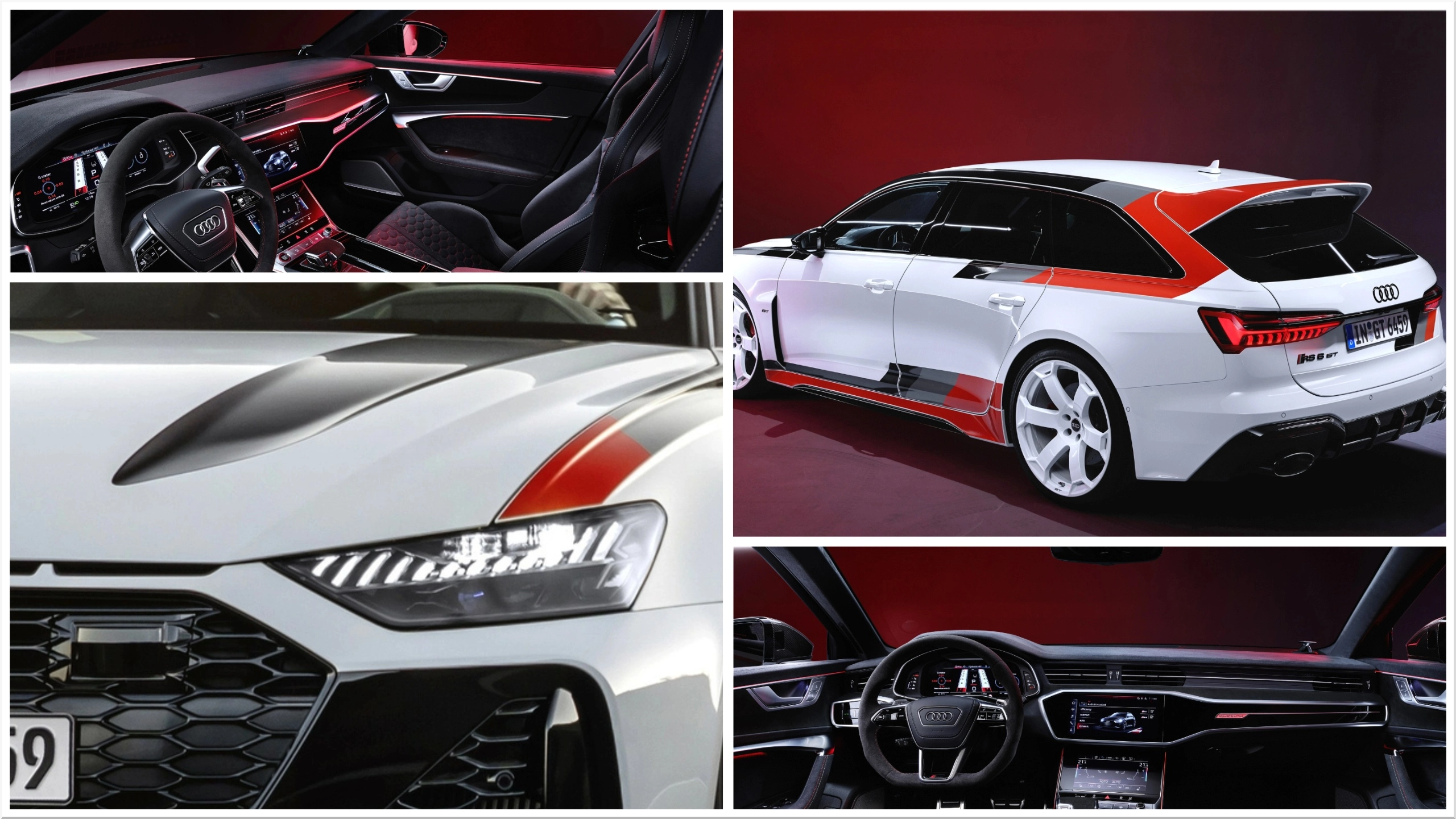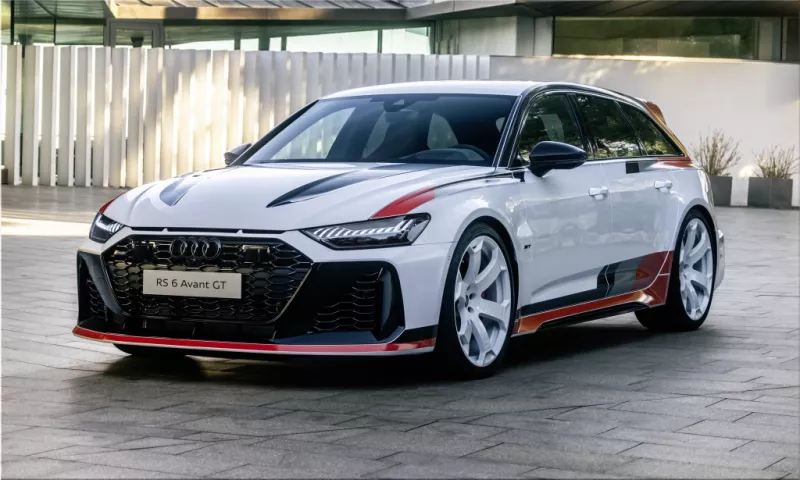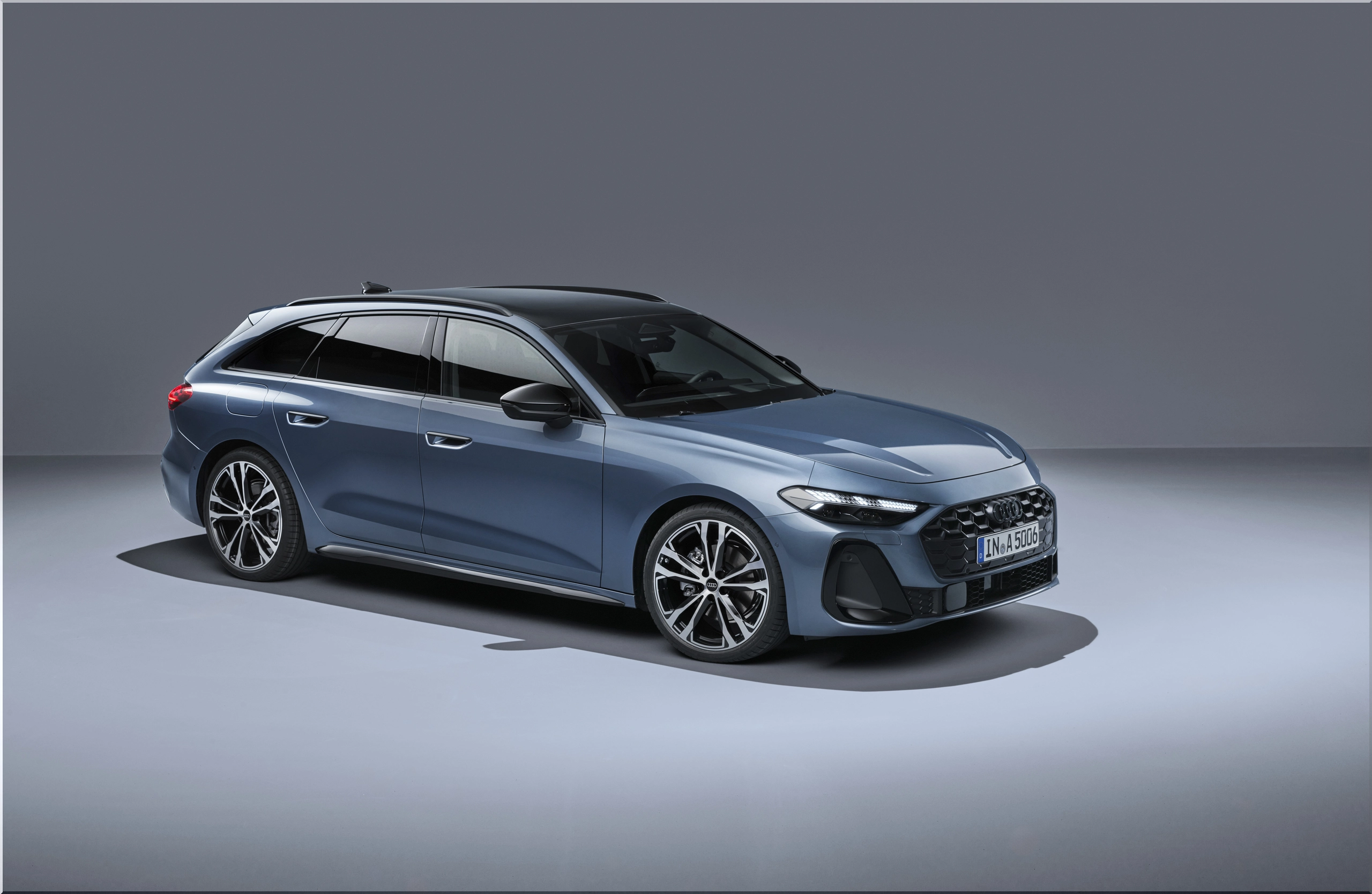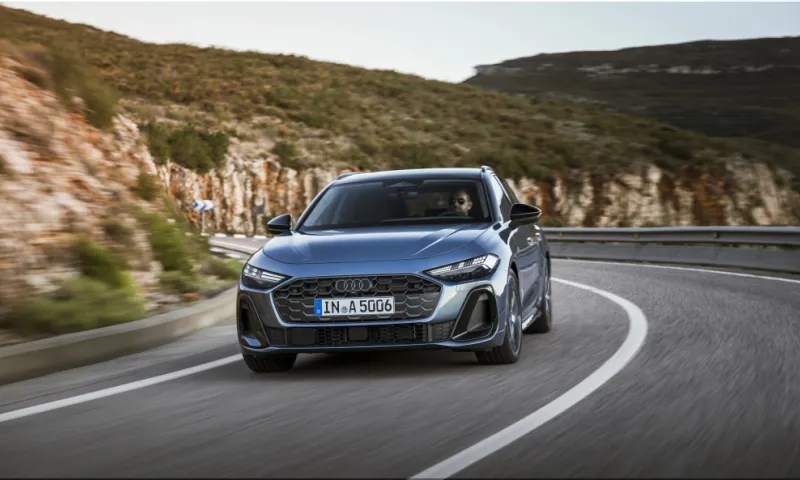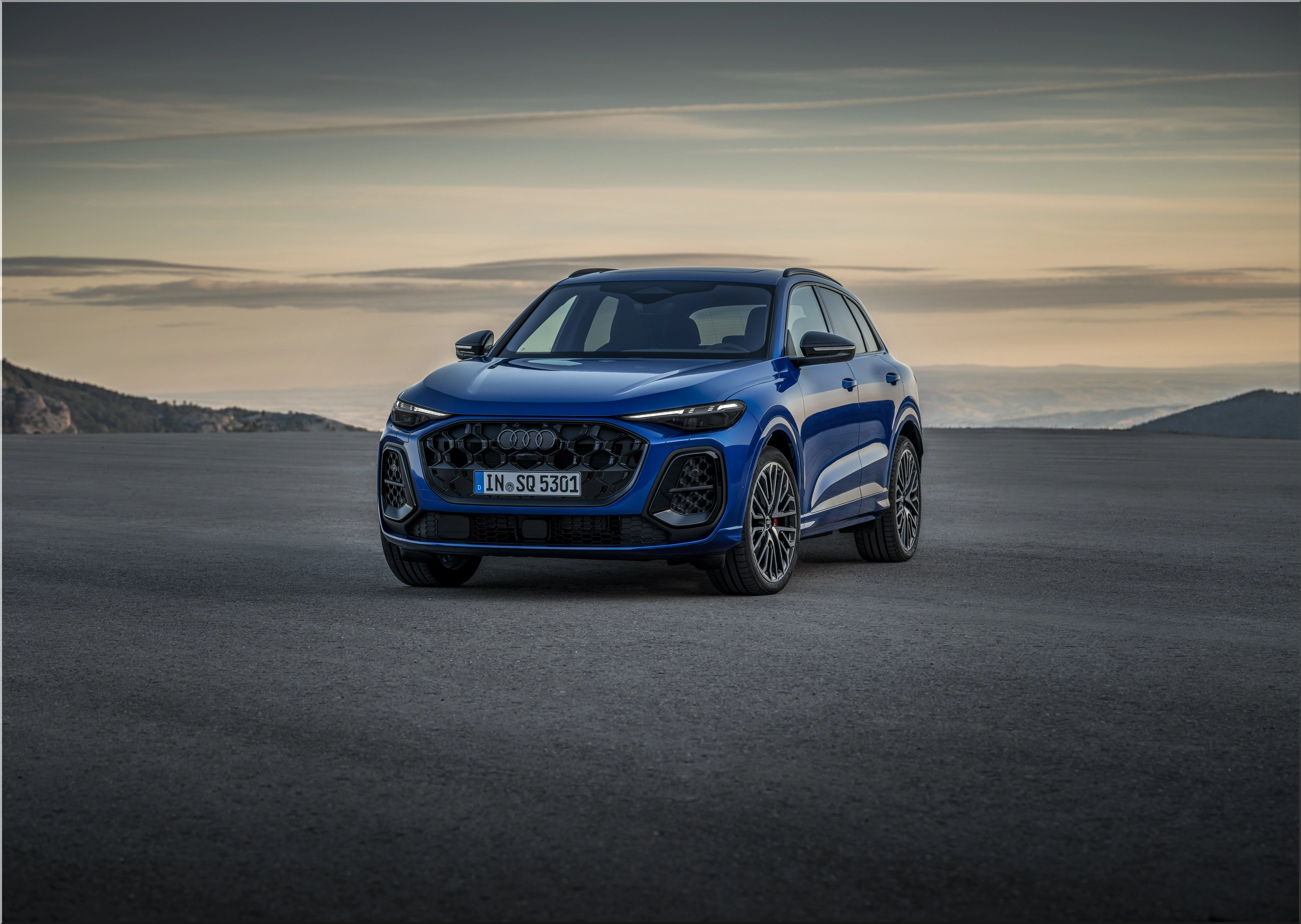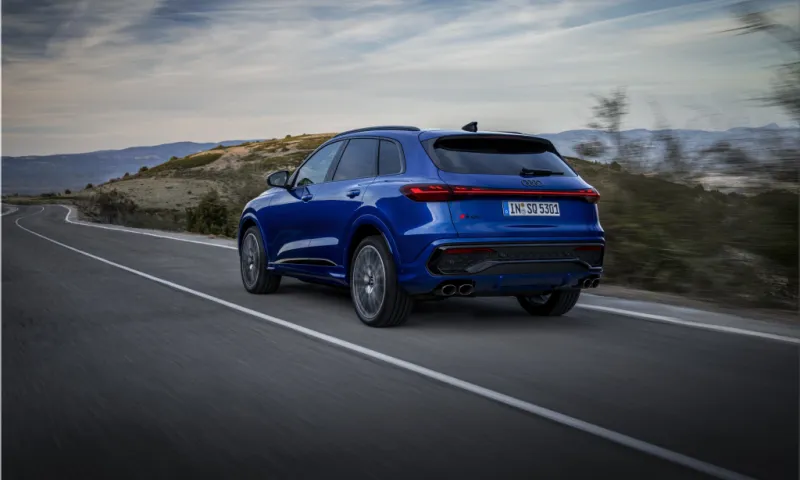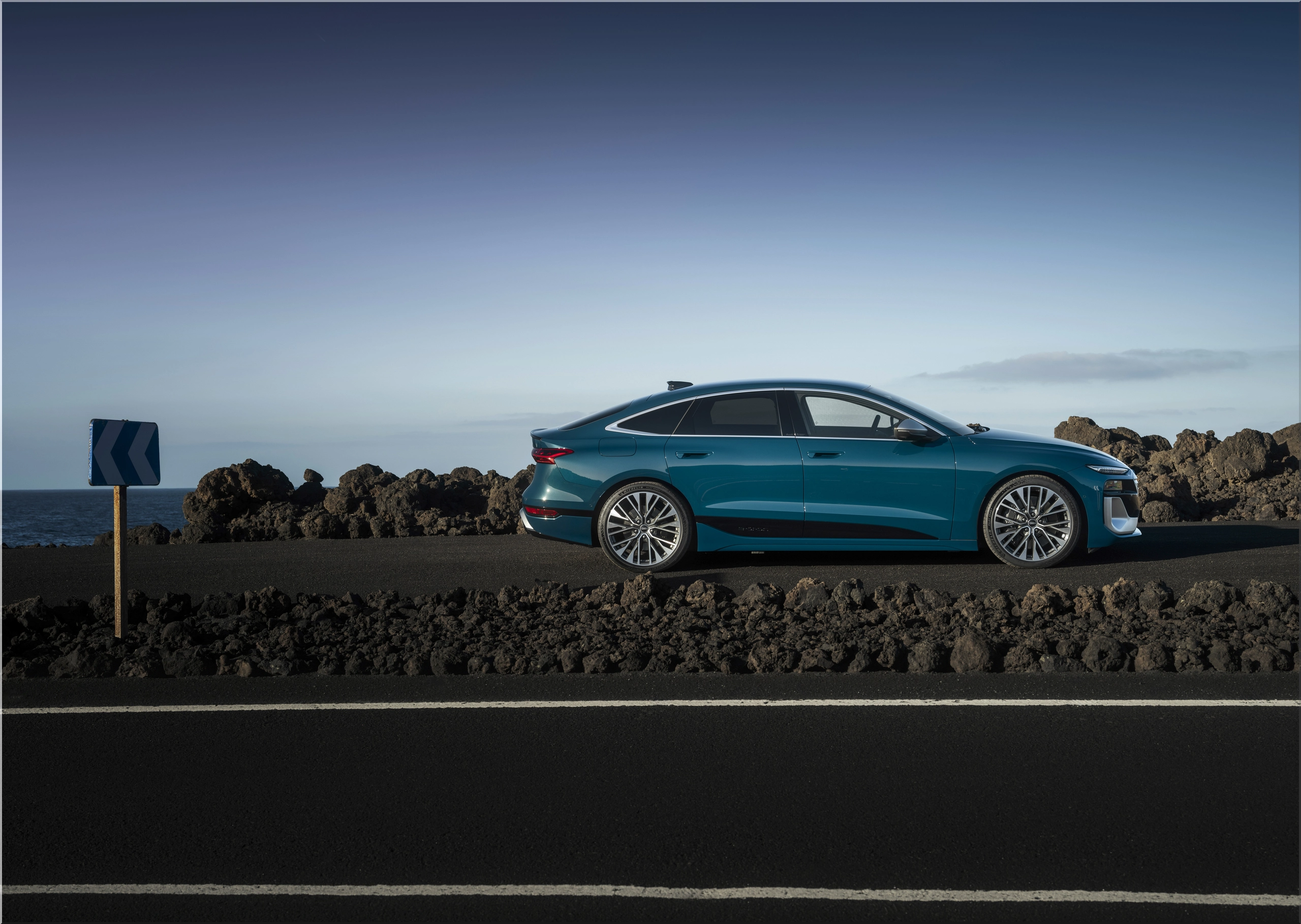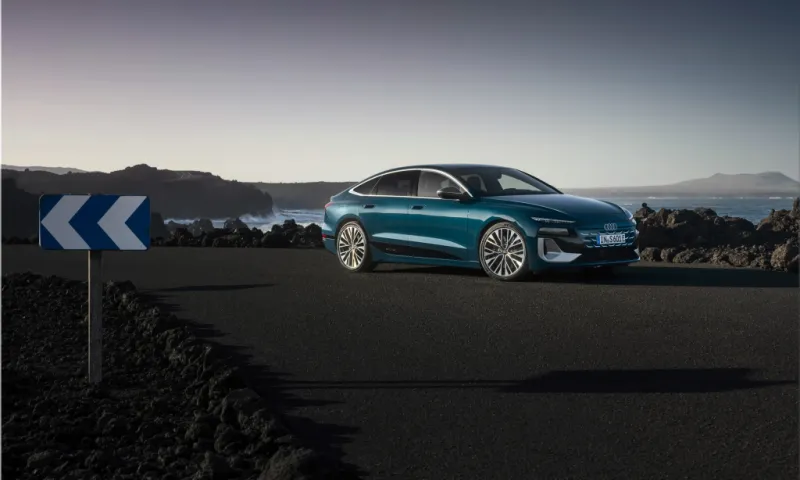
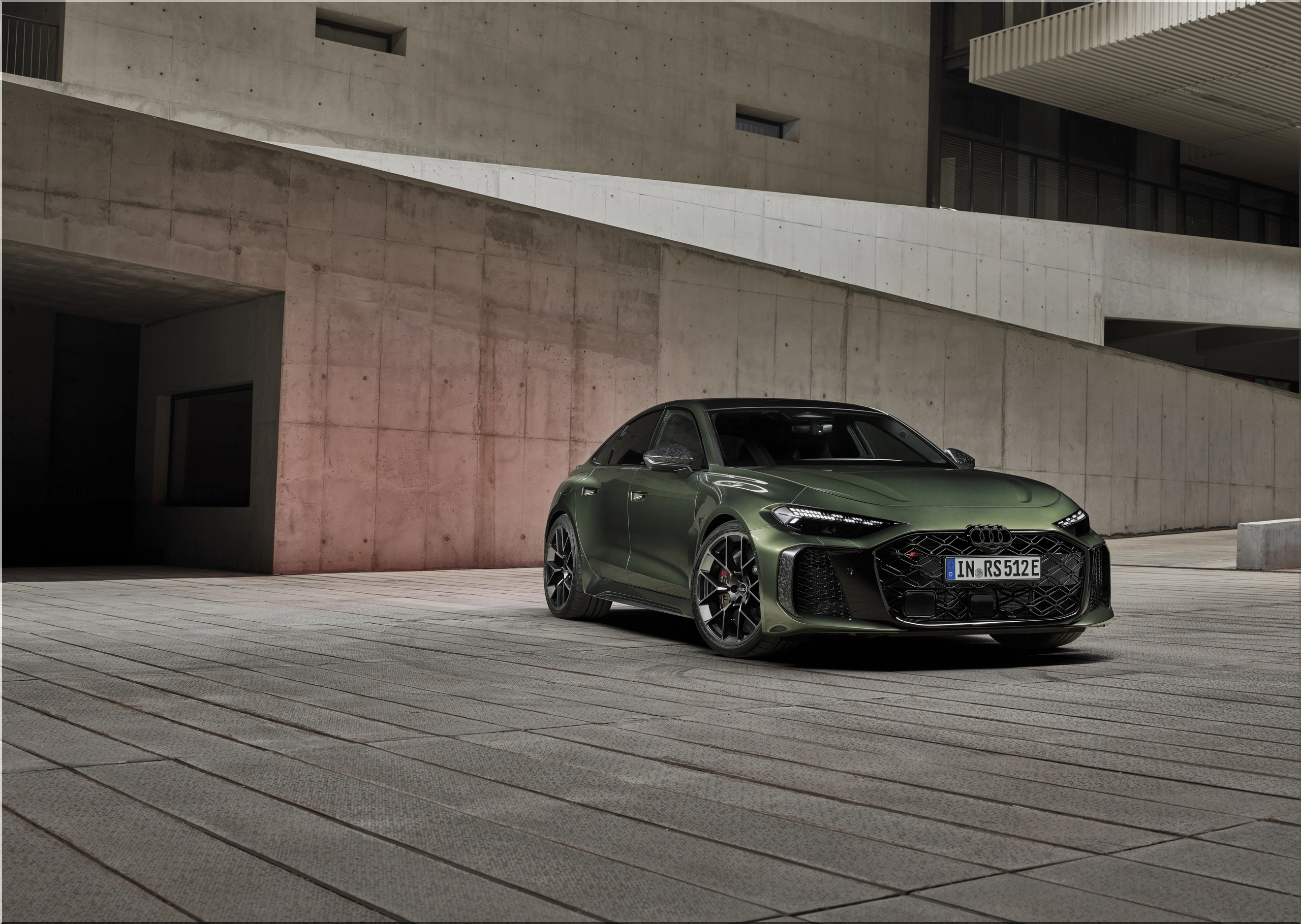
The automotive industry stands at a technical crossroads where internal combustion purity meets the relentless torque of electrification. Audi Sport has answered this challenge with the 2027 Audi RS 5 Sedan, a vehicle that marks the division's first foray into the high-performance plug-in hybrid segment. By integrating a 2.9-liter twin-turbo V6 with a modular electric motor, Audi has not only preserved the visceral RS DNA but has expanded the performance envelope to levels previously reserved for dedicated supercars.
Image
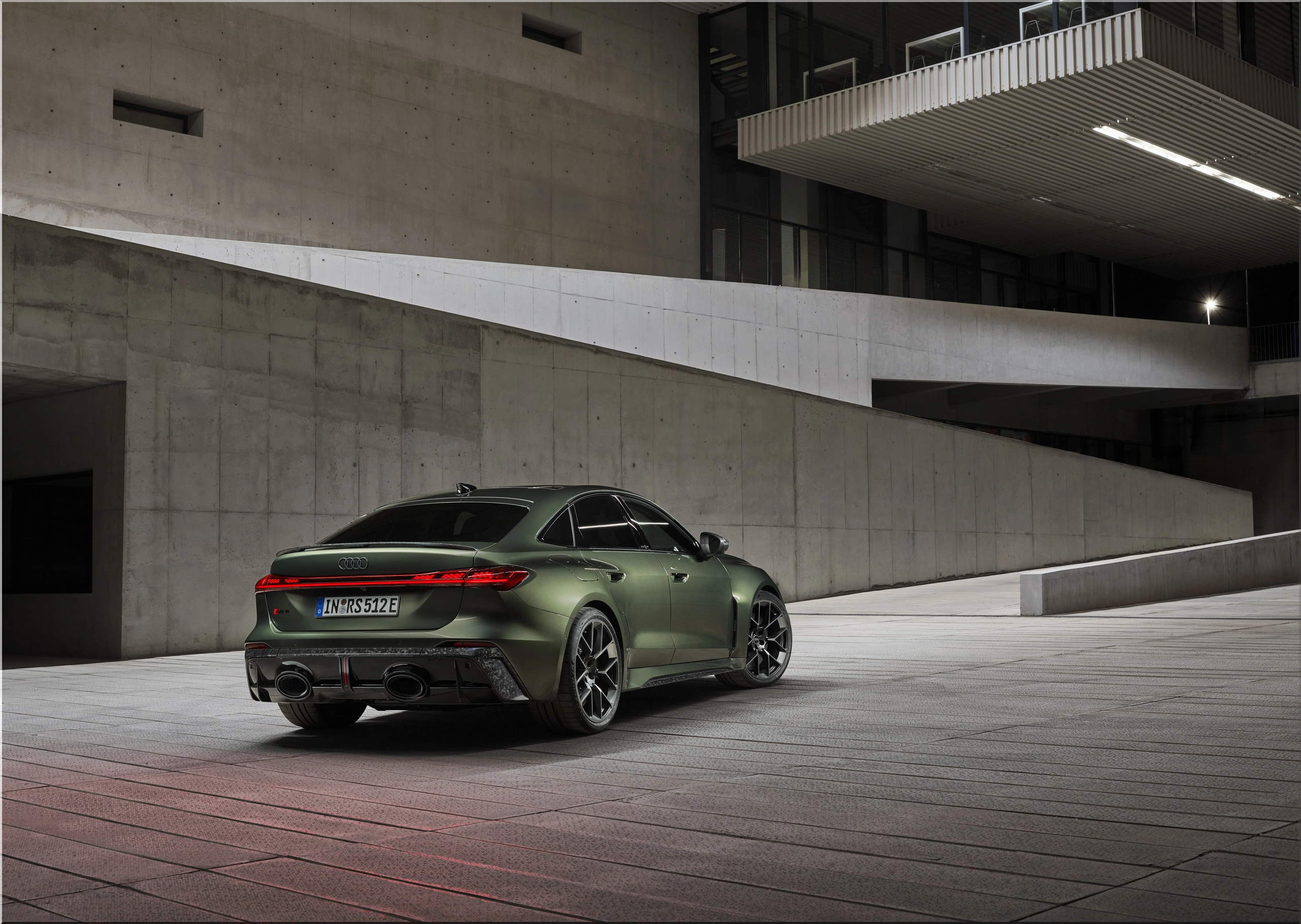
From an expert perspective, the transition to a hybrid powertrain is a strategic necessity that yields significant ROI in both power delivery and daily usability. The result is a machine that delivers 470 kW of system output while maintaining the capability to glide through urban centers on electric power alone.
Powertrain Architecture: The Synergy of Twin-Turbo V6 and 130 kW Electrification
At the heart of the 2027 Audi RS 5 Sedan lies a heavily modified 2.9-liter V6 TFSI engine. Audi Sport engineers implemented a modified Miller cycle to optimize efficiency under partial load, where intake valves close earlier to maximize the expansion ratio. Two variable-geometry turbochargers (VTG) provide boost, utilizing optimized piping designed for high pressures and minimal flow losses. This hardware allows the combustion engine alone to produce 375 kW (510 PS), representing a 44 kW increase over the previous generation.
Specifically, the integration of a 130 kW (177 PS) electric motor into the hybridized eight-speed tiptronic transmission changes the acceleration calculus. This motor contributes 460 Nm of instantaneous torque, bringing the total system output to a staggering 825 Nm. By comparison, this setup eliminates the need for a traditional 12-volt starter motor, as the electric motor handles engine ignition with seamless precision.
Battery Technology and Thermal Management
To support such high energy demands, the Audi RS 5 utilizes a 400-volt electrical system powered by a 25.9 kWh (22 kWh net) battery located beneath the trunk floor. This chemistry is specifically tuned to maintain high power output even at low states of charge or in extreme temperature variables. Looking at the data, the battery can send up to 8 kW to the permanent-magnet synchronous motor within the torque vectoring unit.
Effective performance requires aggressive cooling. When drivers select the RS sport or RS torque rear modes, the vehicle activates an intelligent thermal management system that precools the battery to an optimal 20 degrees Celsius. Consequently, the system can provide repeated maximum load bursts without the thermal throttling typically seen in lesser hybrid systems.
| Component | Technical Specification |
|---|---|
| Engine Type | 2.9-Liter Twin-Turbo V6 TFSI |
| Electric Motor Output | 130 kW (177 PS) / 460 Nm |
| Total System Output | 470 kW (639 PS) / 825 Nm |
| Battery Capacity | 25.9 kWh Gross (22 kWh Net) |
| 0-100 km/h (0-62 mph) | 3.6 Seconds |
| Optional Top Speed | 285 km/h (177 mph) |
| Electric Range (City) | Up to 87 Kilometers (54 Miles) |
Quattro with Dynamic Torque Control: A New Era of Lateral Dynamics
The most significant engineering breakthrough in the 2027 Audi RS 5 Sedan is the world-first quattro with Dynamic Torque Control. While previous systems relied on brake-based vectoring or mechanical limited-slip differentials, this new rear transaxle utilizes an electro-mechanical actuator to shift torque between the rear wheels.
Image
An 8 kW water-cooled electric motor acts as the high-voltage actuator, capable of deploying torque differences of up to 2,000 Nm between the left and right wheels in just 15 milliseconds. This frequency of 200 Hz allows the driving dynamics controller to recalculate optimal distribution every five milliseconds. In addition, a new generation center differential features a mechanical preload, ensuring the axles remain coupled even off-throttle to minimize internal understeer and sharpen turn-in response.
The "Why" Behind Electro-Mechanical Vectoring
Traditional mechanical systems are often reactive, requiring wheel slip before they can redistribute force. Audi's electro-mechanical approach is predictive. By analyzing steering angle, G-forces, and surface friction coefficients, the system can proactively rotate the car into a corner. On corner exit, it shifts torque to the outer wheel to realize maximum acceleration potential, effectively "pushing" the car out of the apex with surgical precision.
Chassis Engineering: Stiffness and Precision
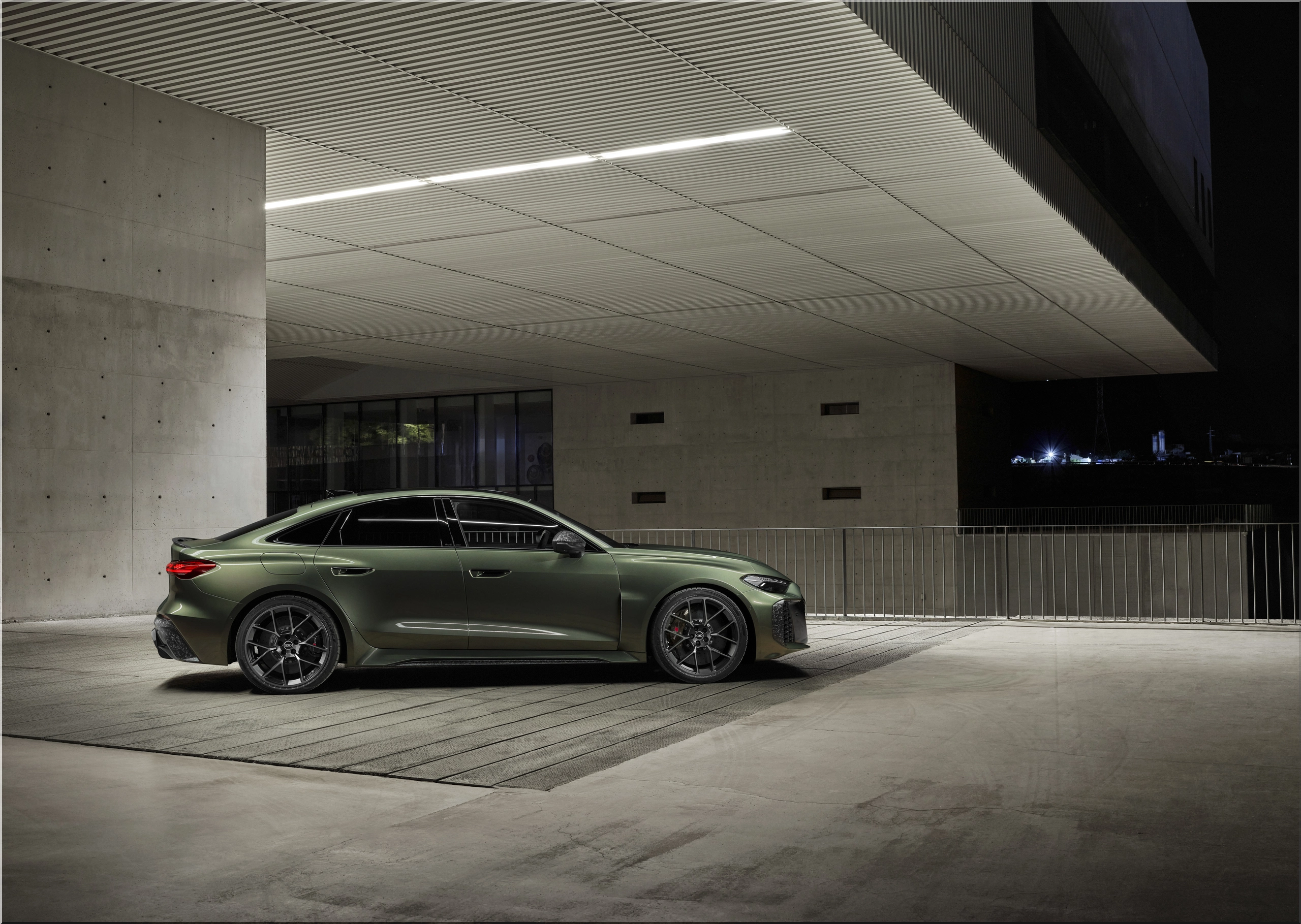
The unibody of the Audi RS 5 is 10 percent stiffer than the base A5, providing a more stable platform for the five-link front and rear suspension. Audi Sport redesigned the front axle with new joints and rubber bushings to improve damping of road imperfections while sharpening steering feedback. The rear axle was a "clean sheet" design necessitated by the new quattro with Dynamic Torque Control hardware.
RS Sport Suspension with Twin-Valve Technology
Standard on the 2027 Audi RS 5 Sedan is the RS sport suspension featuring twin-valve shock absorbers. This technology allows for independent control of compression and rebound strokes. Specifically, the dampers can provide a compliant ride for highway marathons while instantly firming up to eliminate pitch and roll during high-speed maneuvers.
Image
Pro-Tip: Integrated Brake Regulation (iBRS)
The RS 5 uses a brake-by-wire system that prioritizes regenerative braking. The friction brakes only engage when the deceleration request exceeds the motor's recuperation capacity. This "blending" is managed by ABS software version 2.0, ensuring a consistent pedal feel regardless of whether the car is harvesting energy or shedding heat through its ceramic discs.
Exterior Design: Functional Aerodynamics and RS DNA
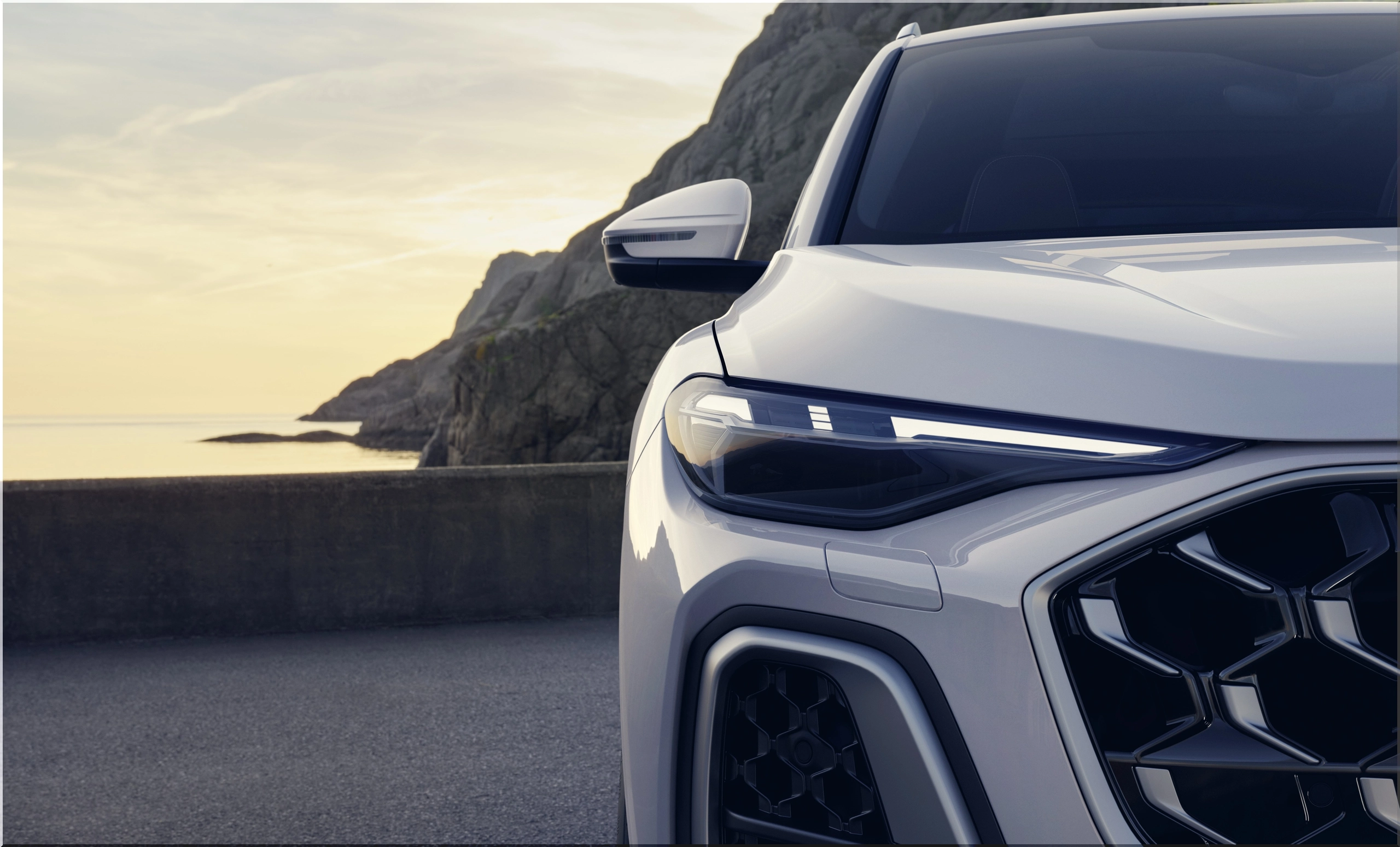
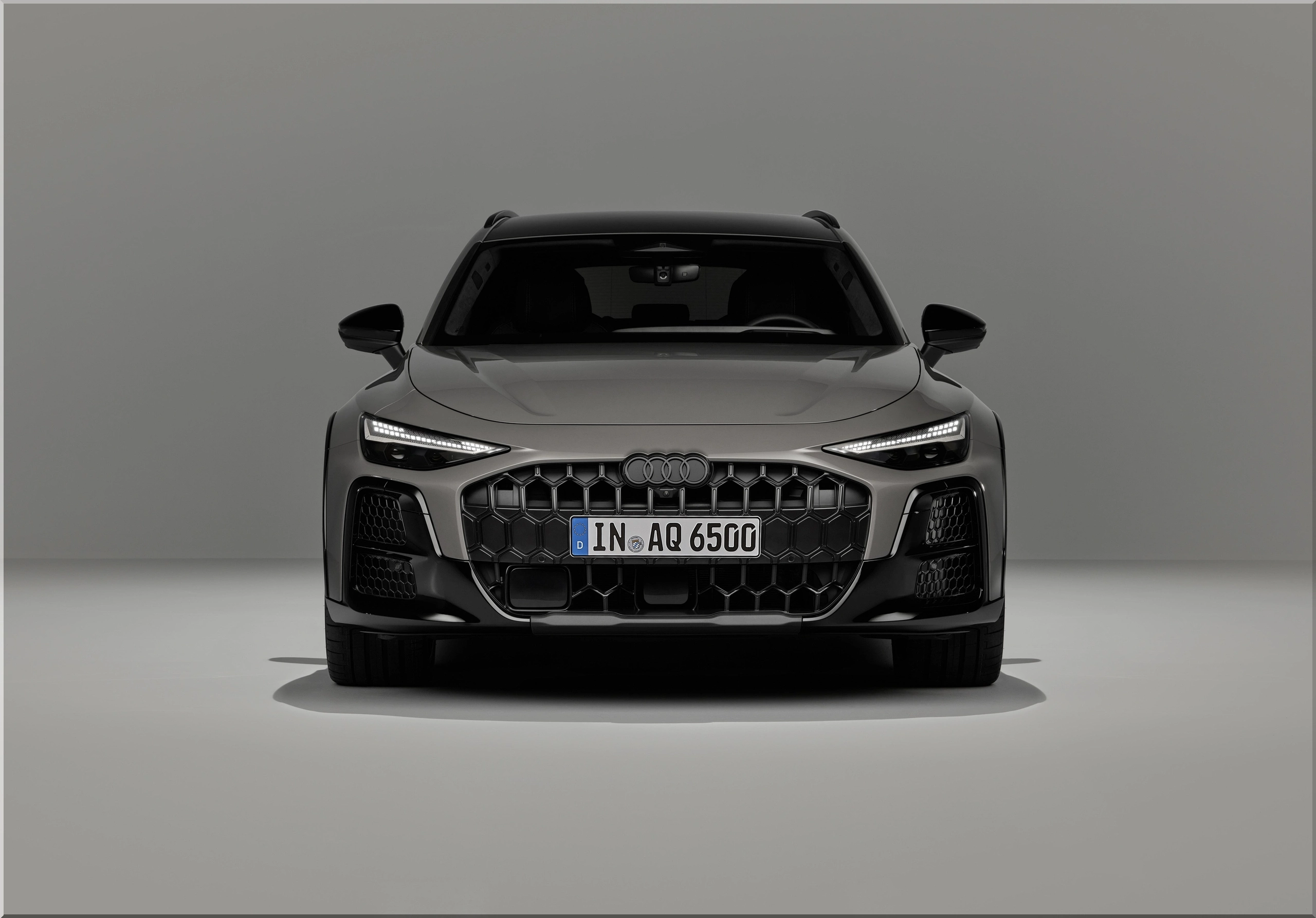
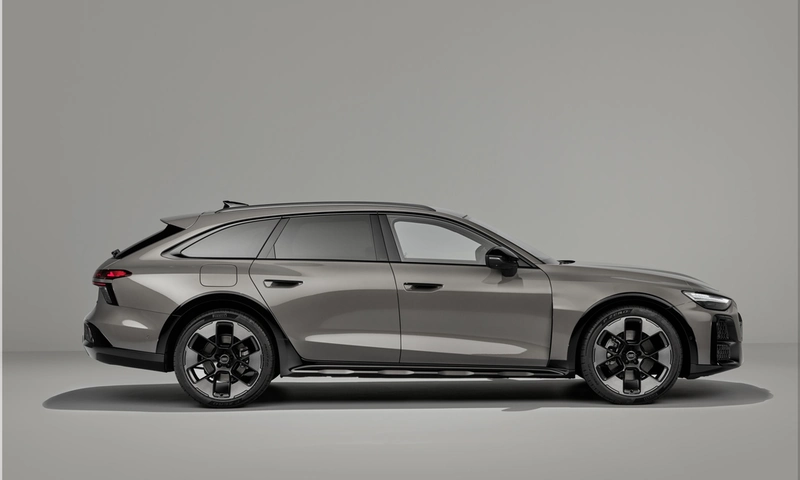
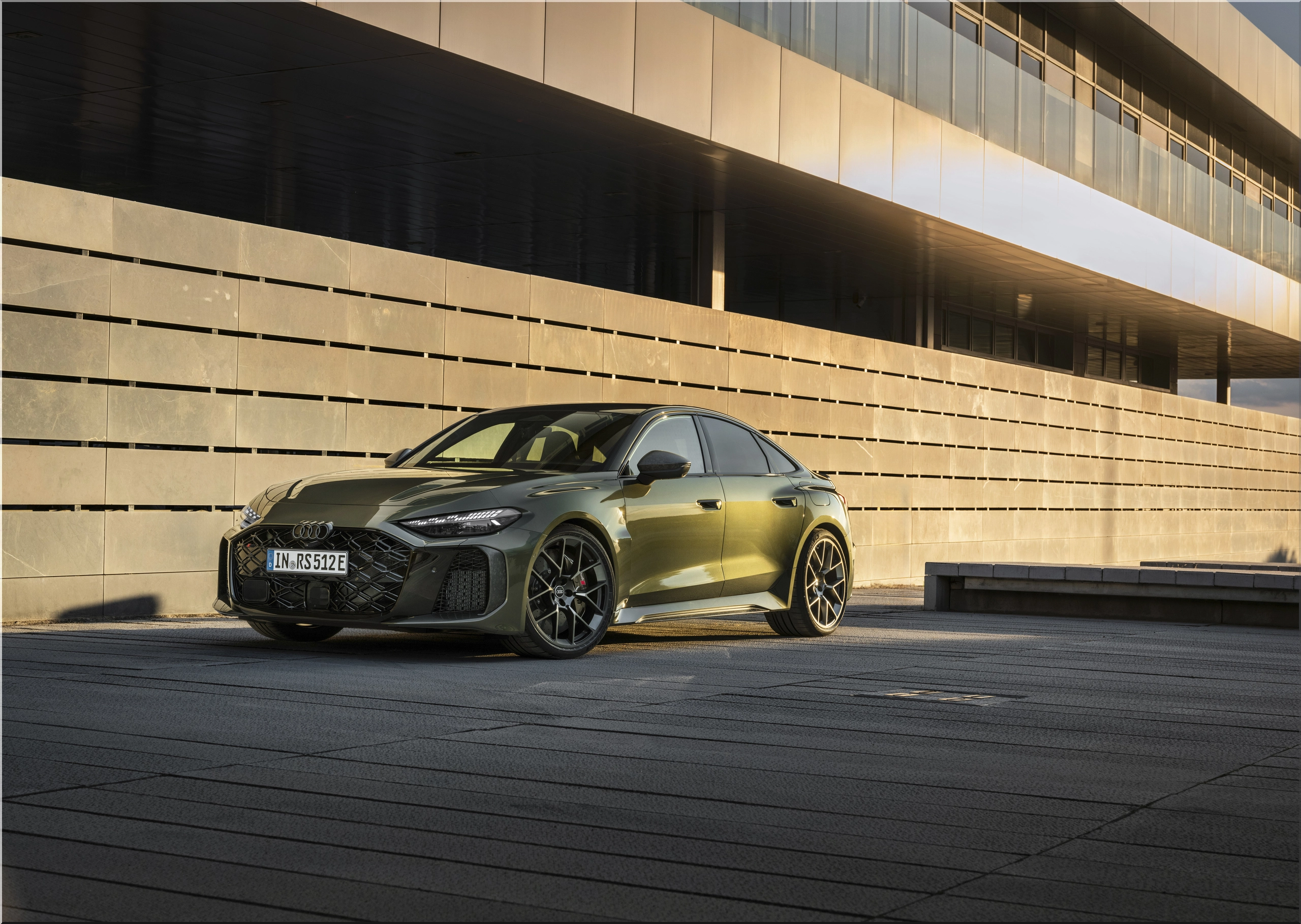
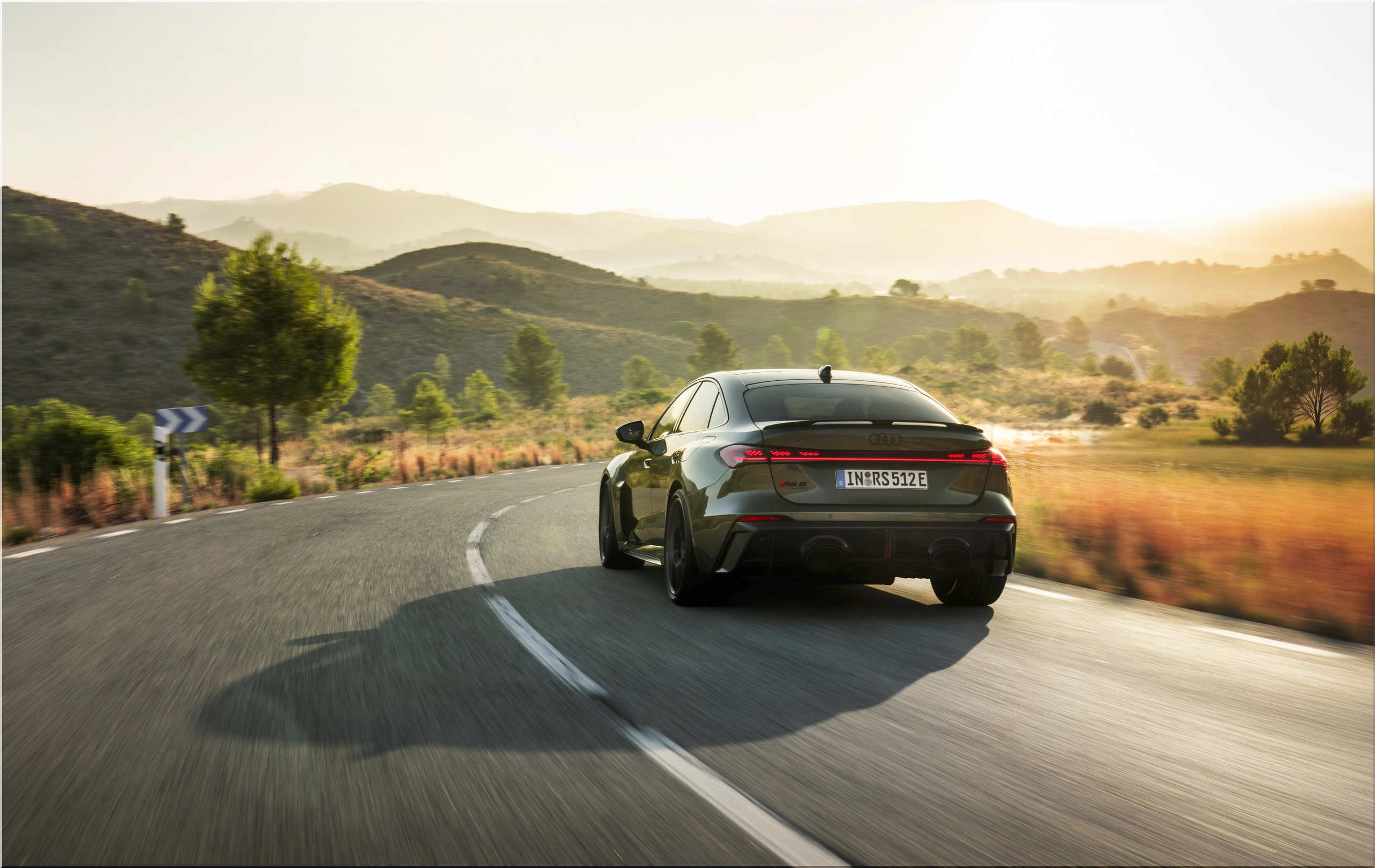
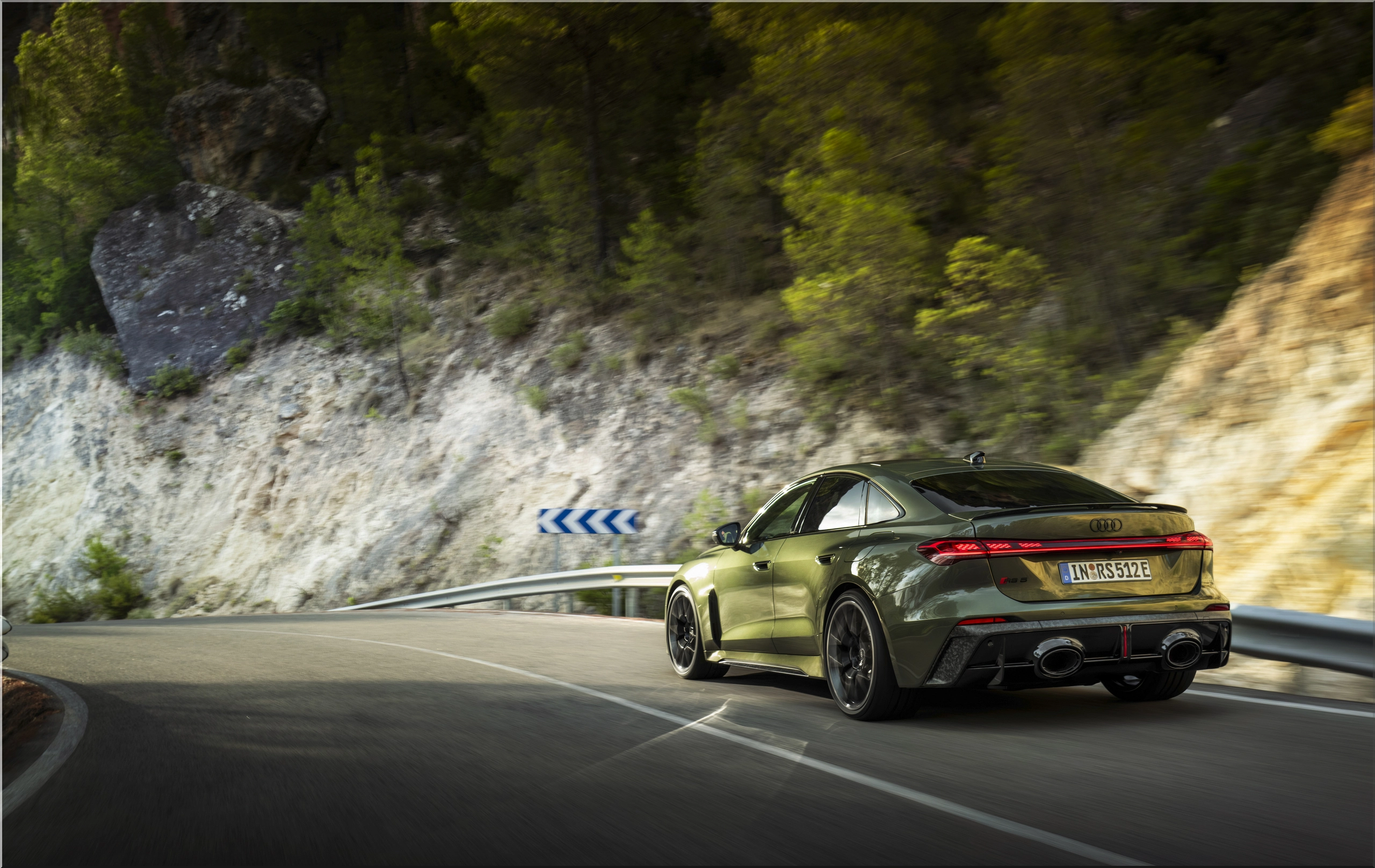
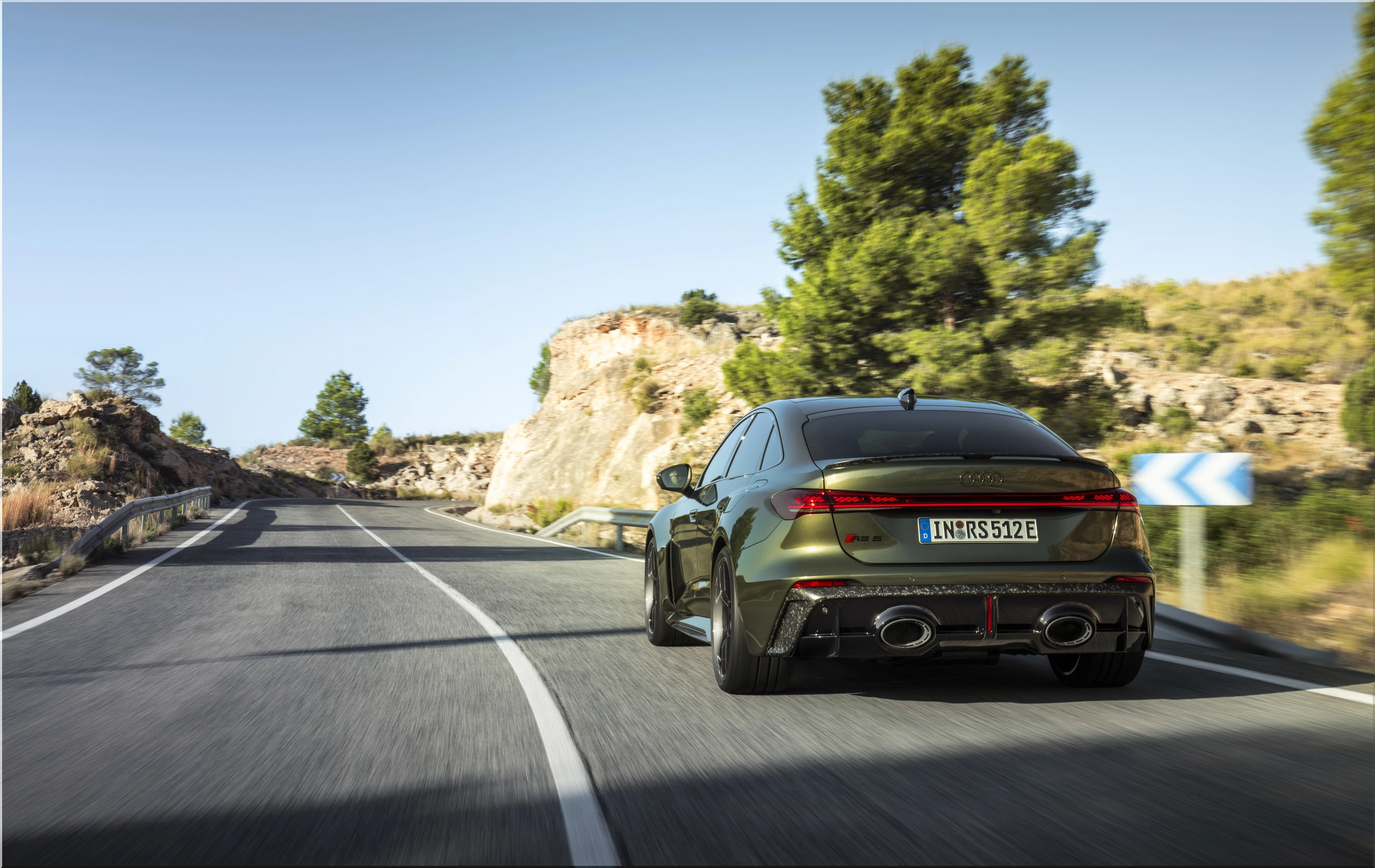
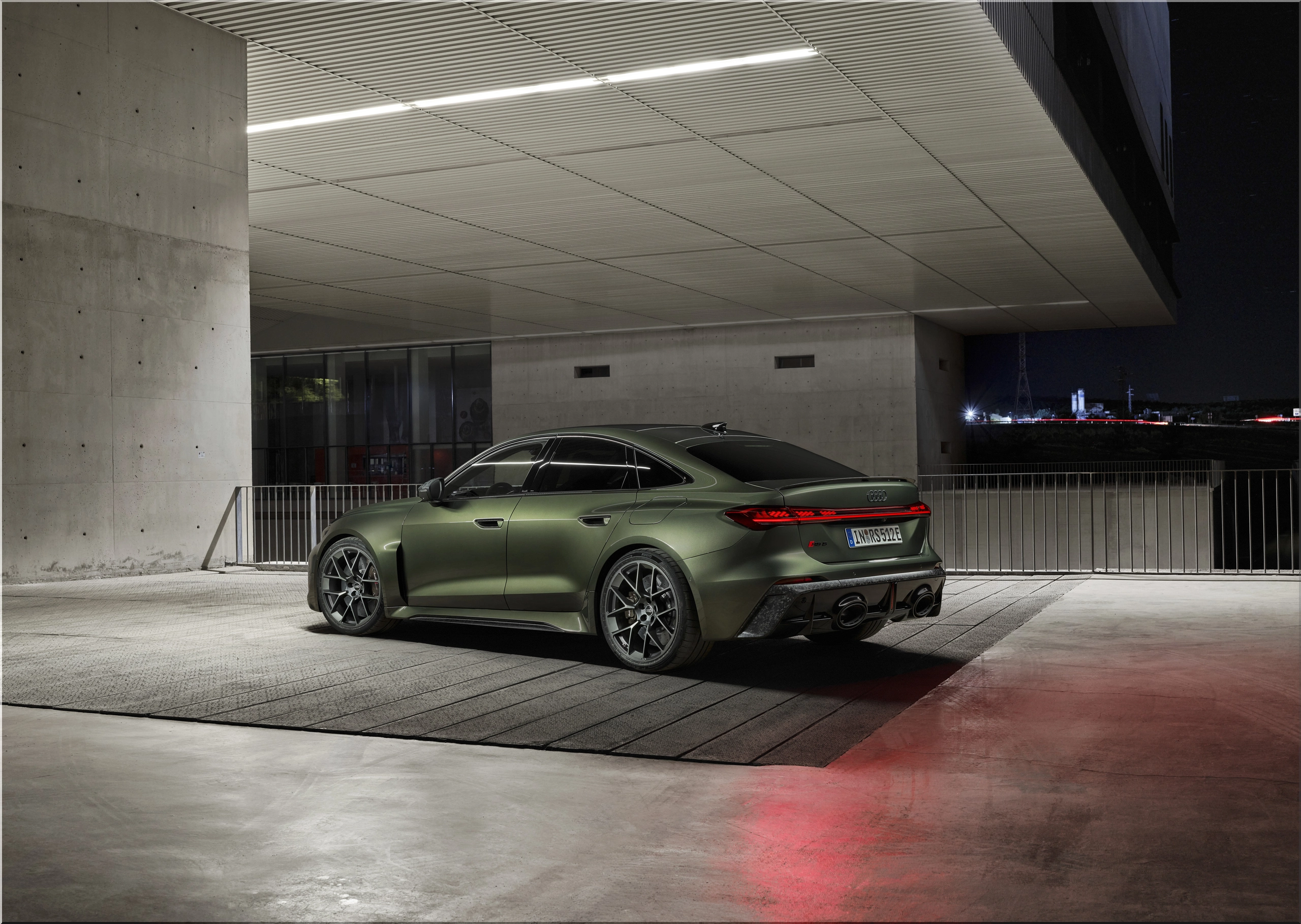
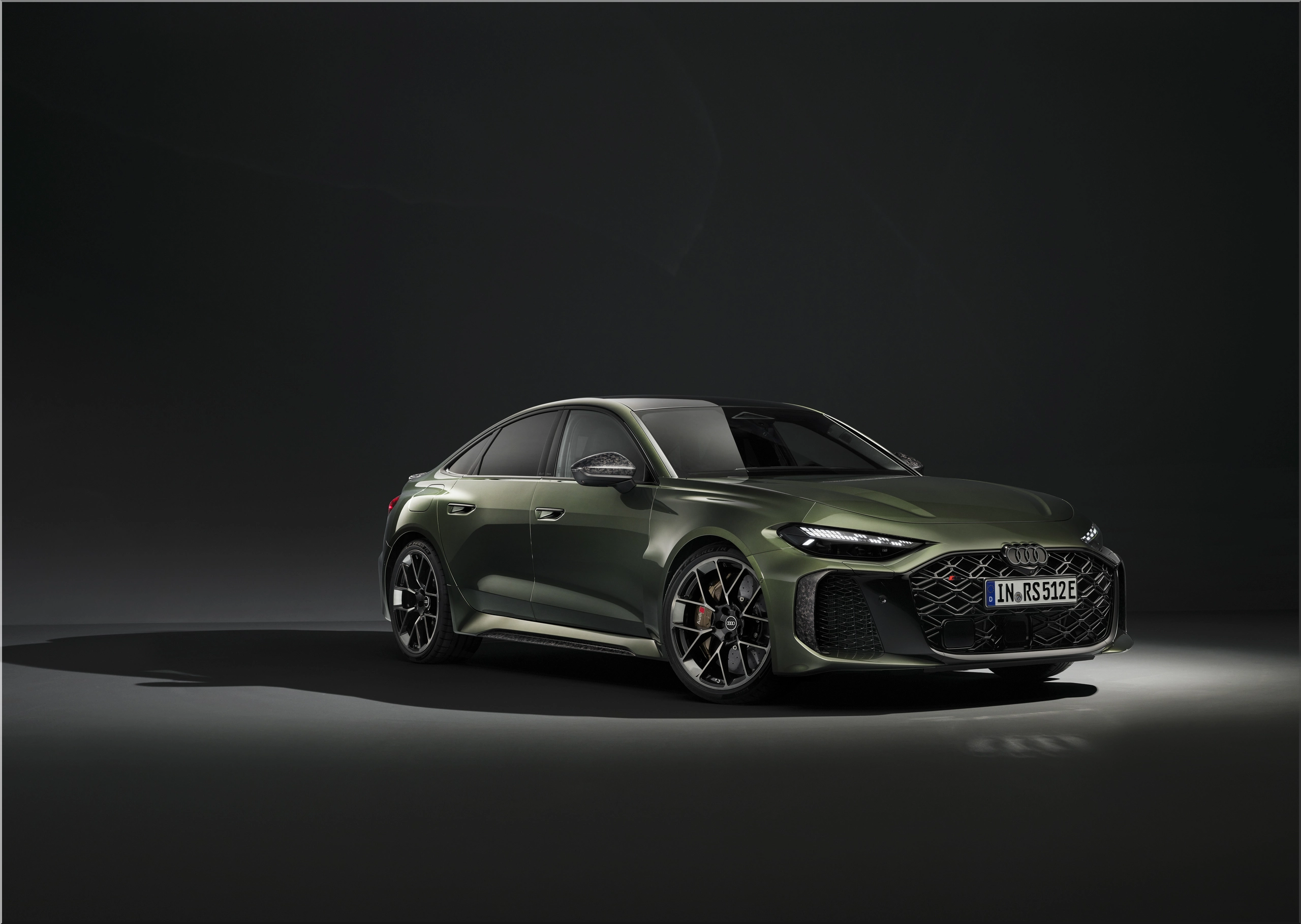
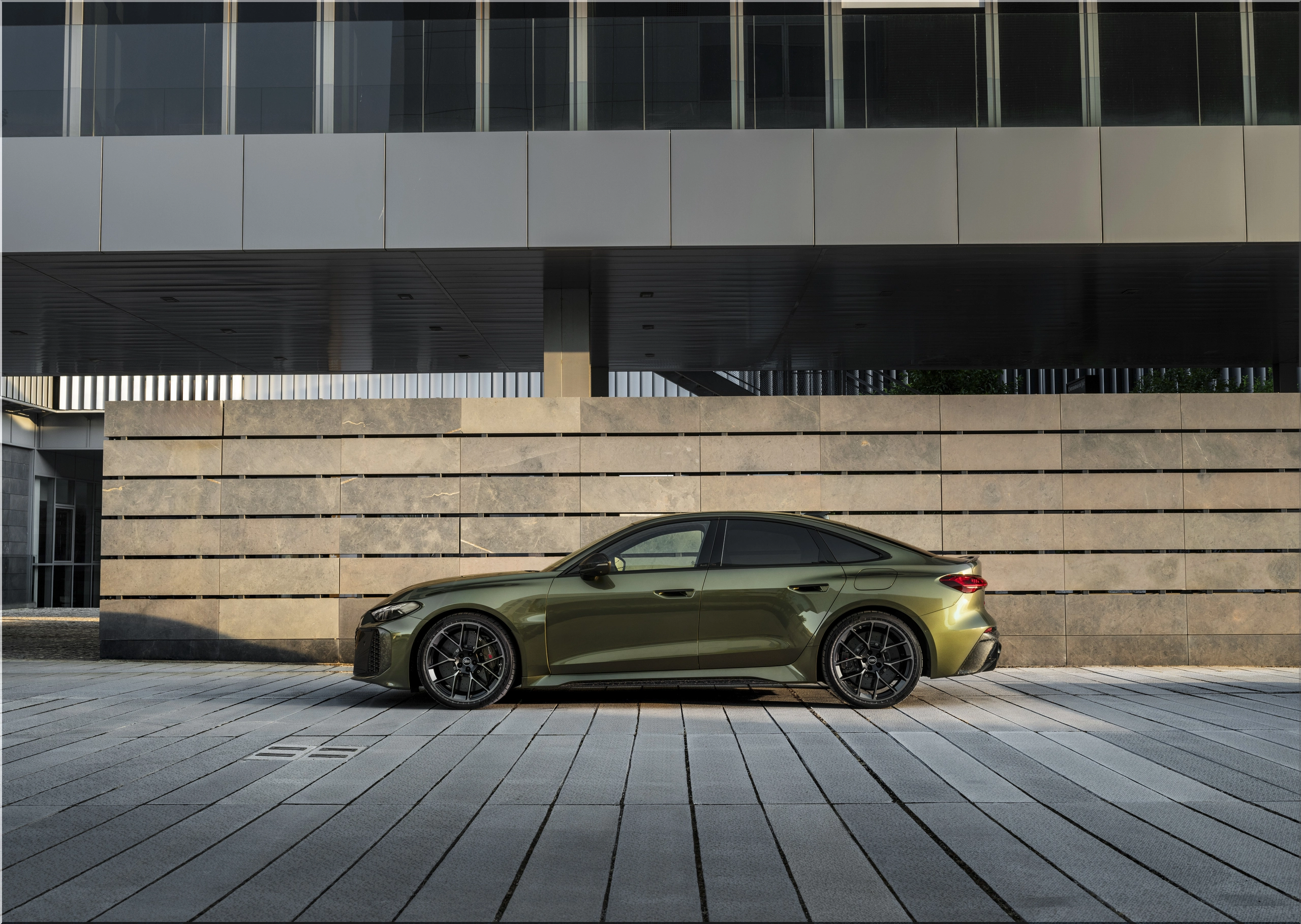
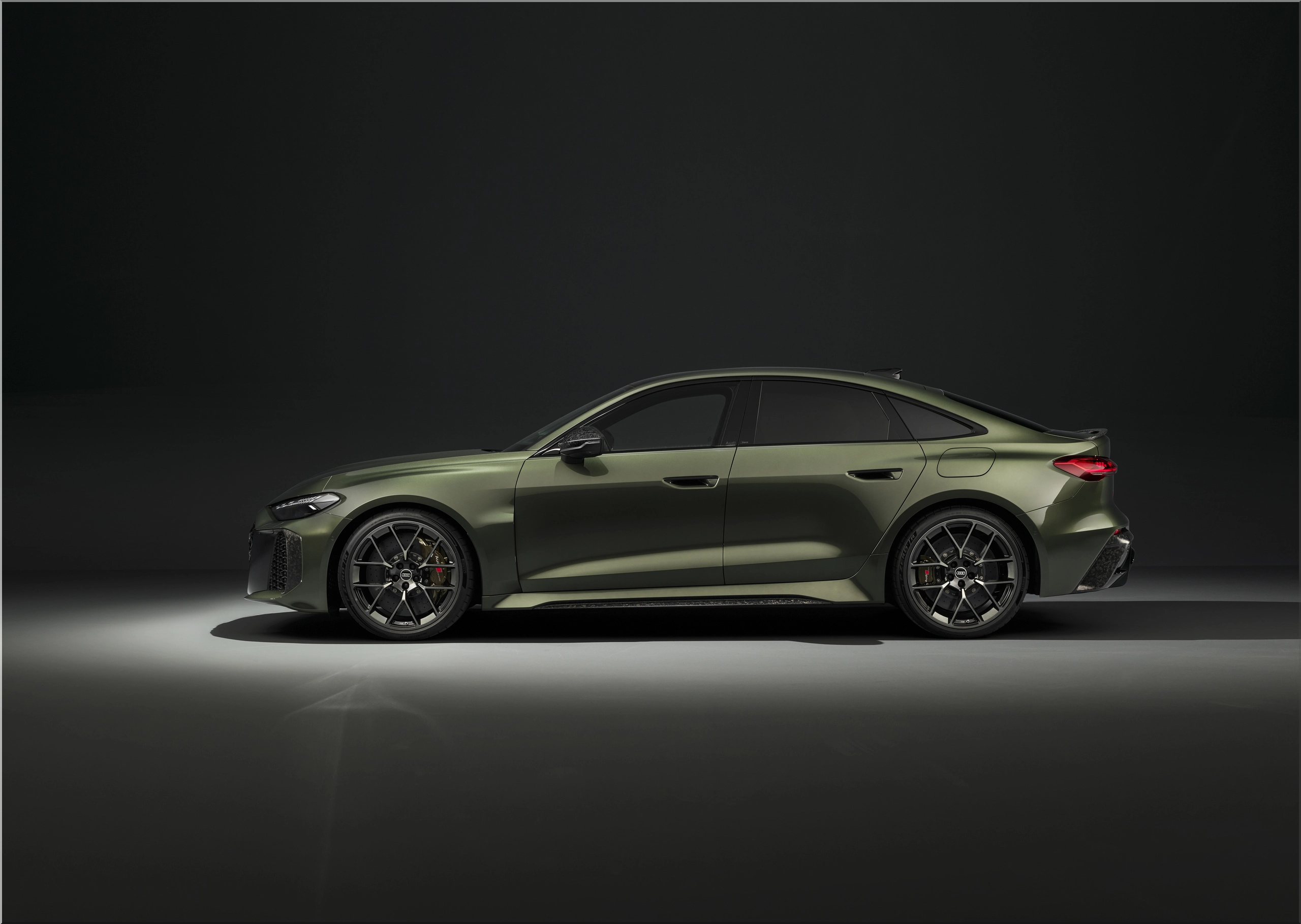
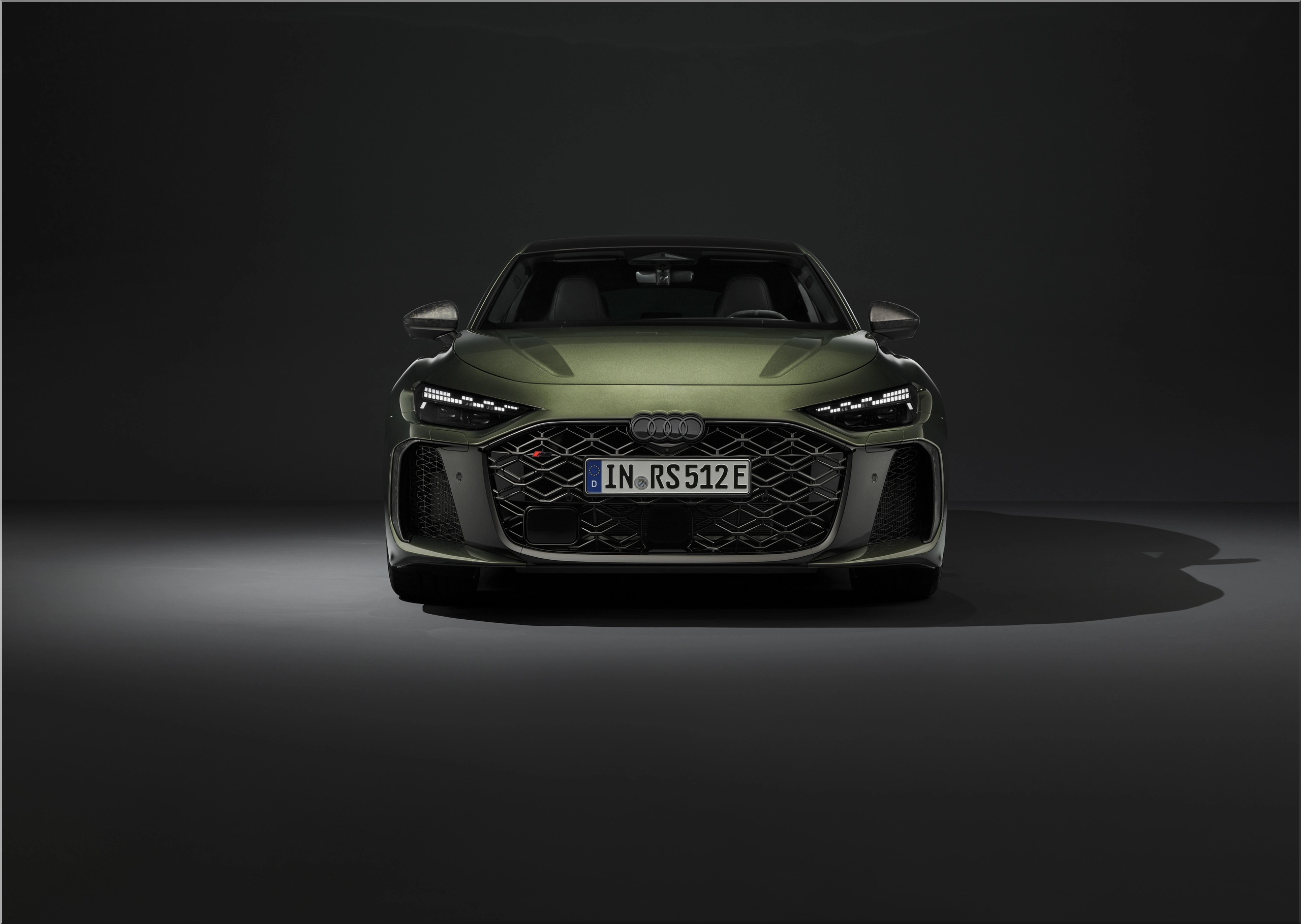
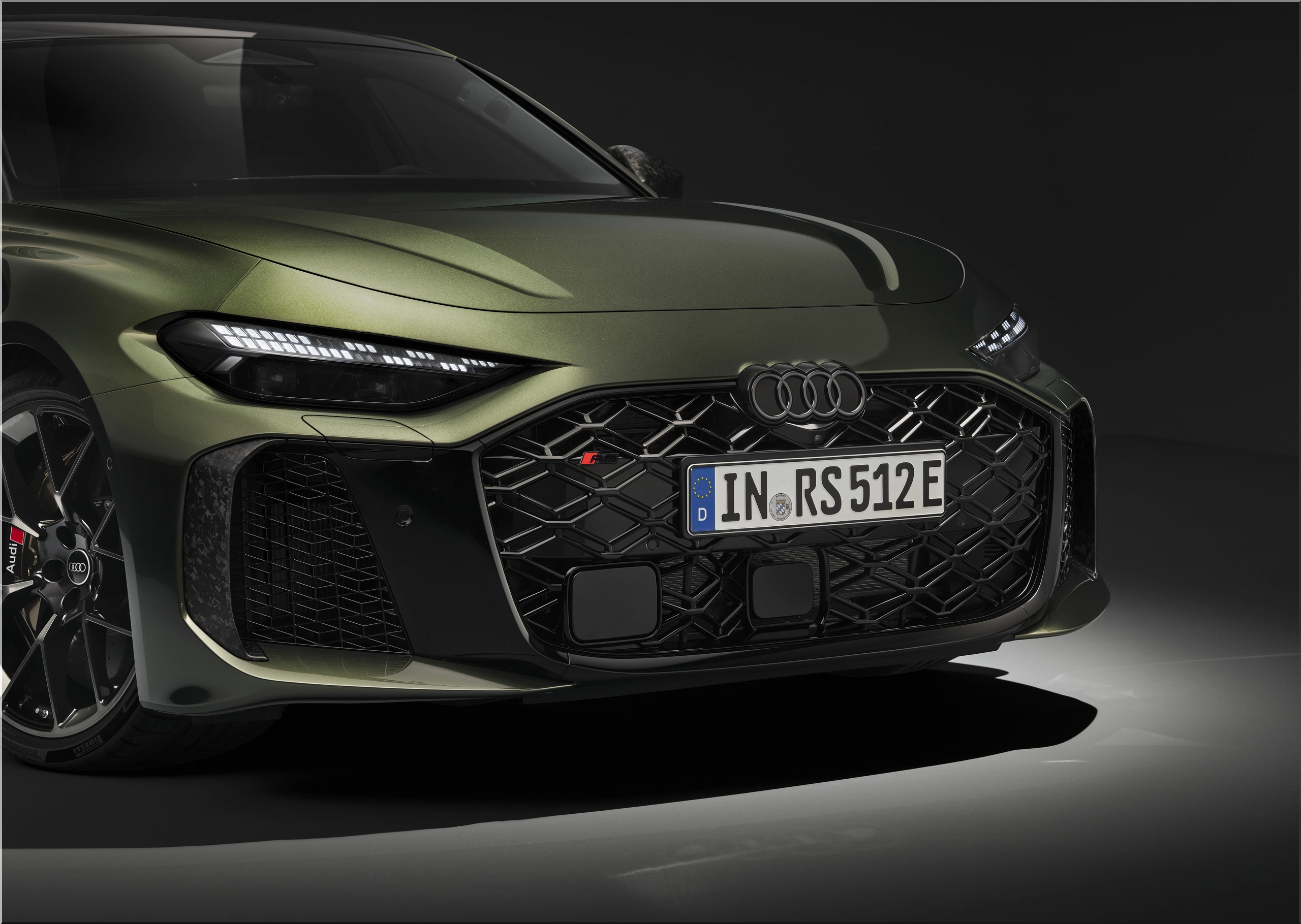
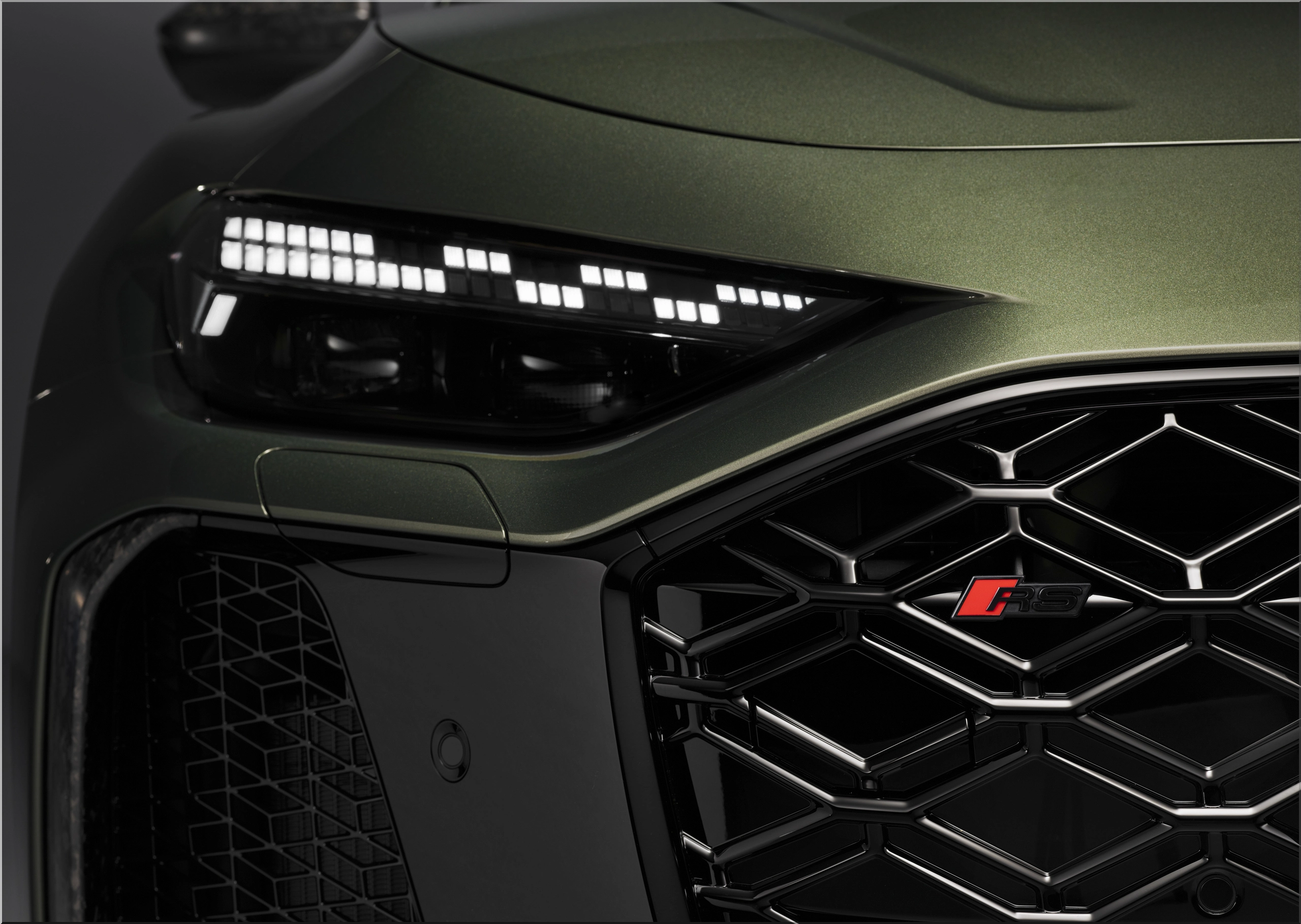
The aesthetic of the Audi RS 5 is dictated by its performance requirements. It is nine centimeters wider than the base A5, featuring flared fenders that pay homage to the original Audi Ur-quattro. The three-dimensional Singleframe grille with a honeycomb pattern is flanked by Air Curtains that manage airflow around the front wheels to reduce turbulence.
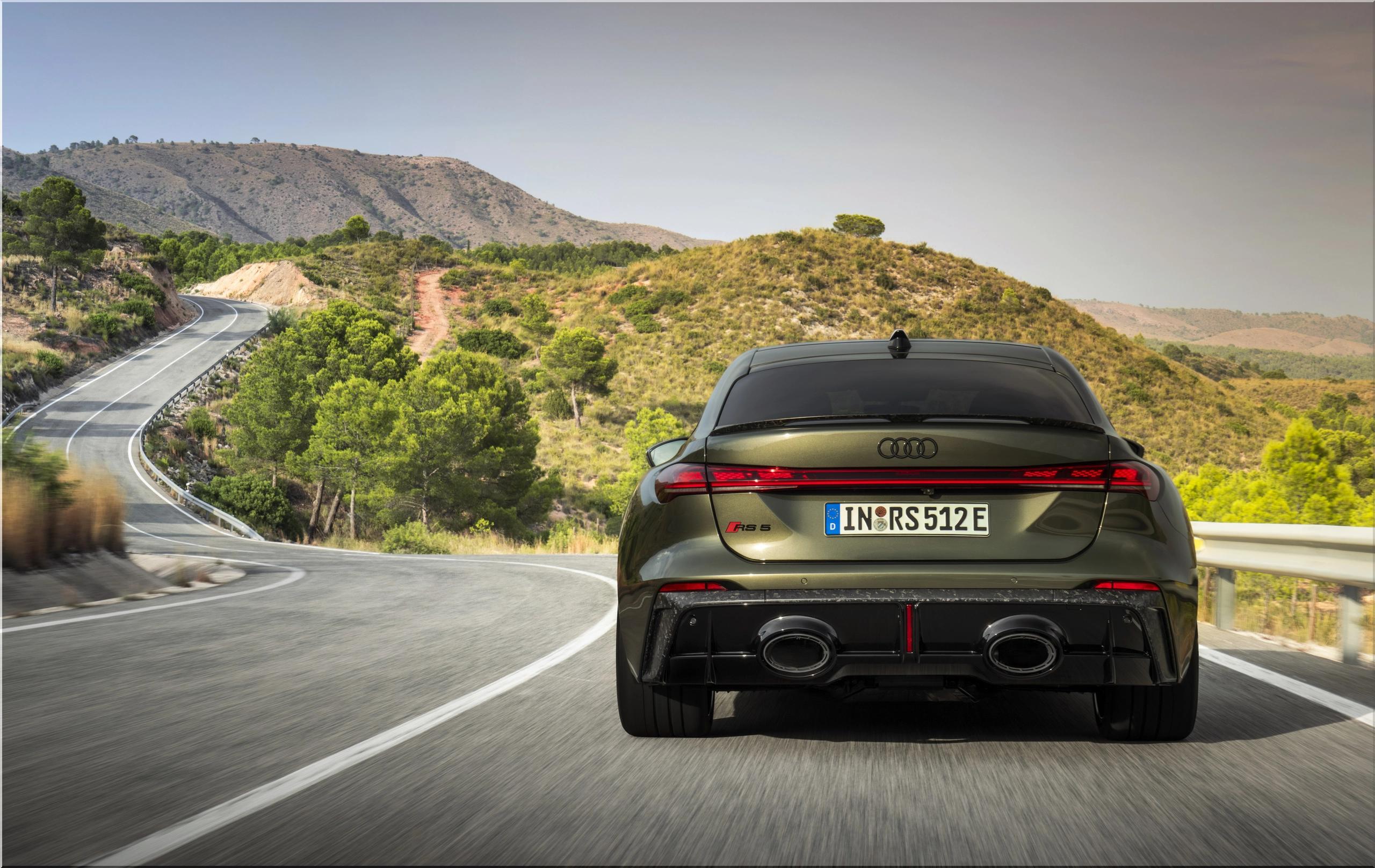
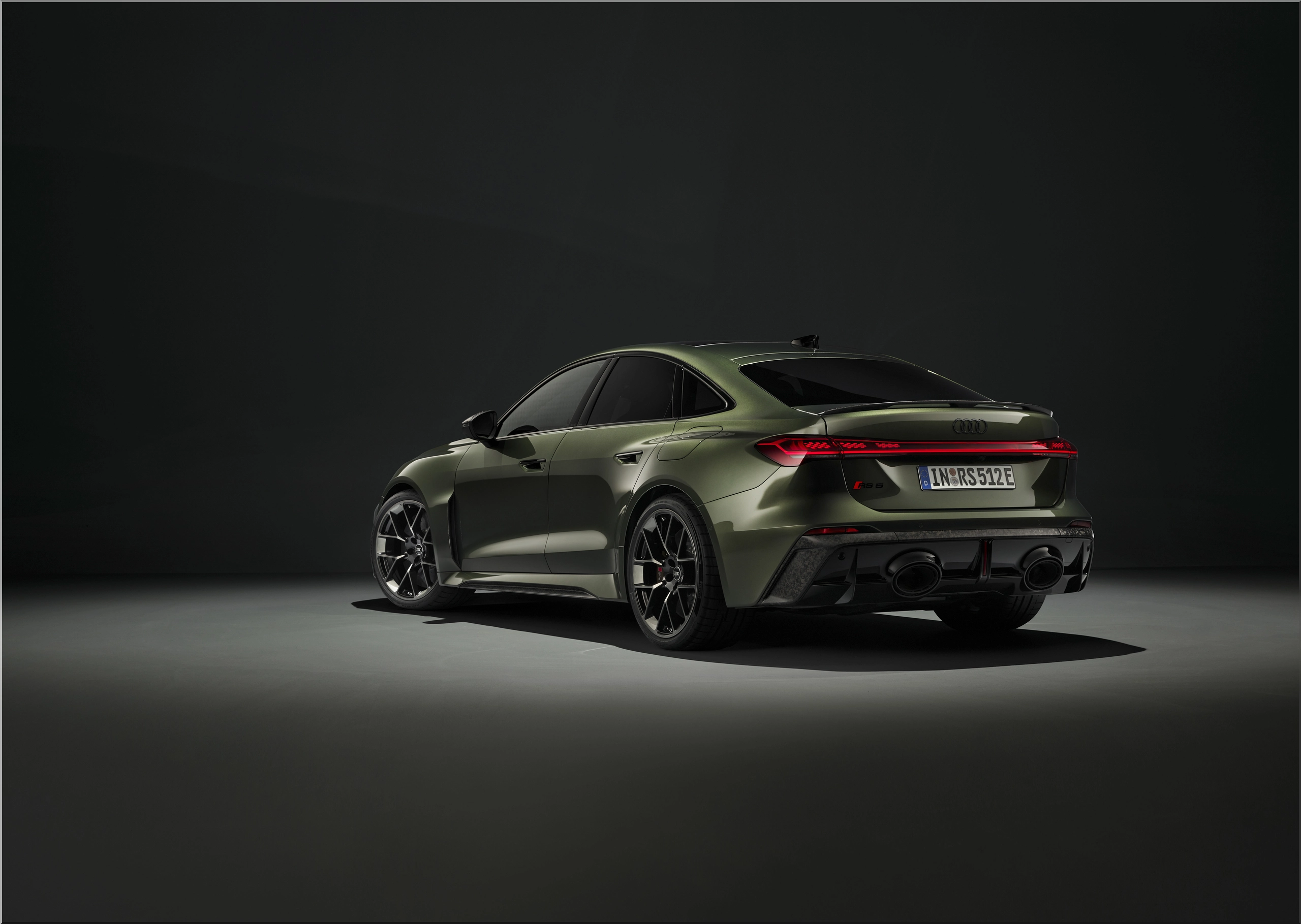
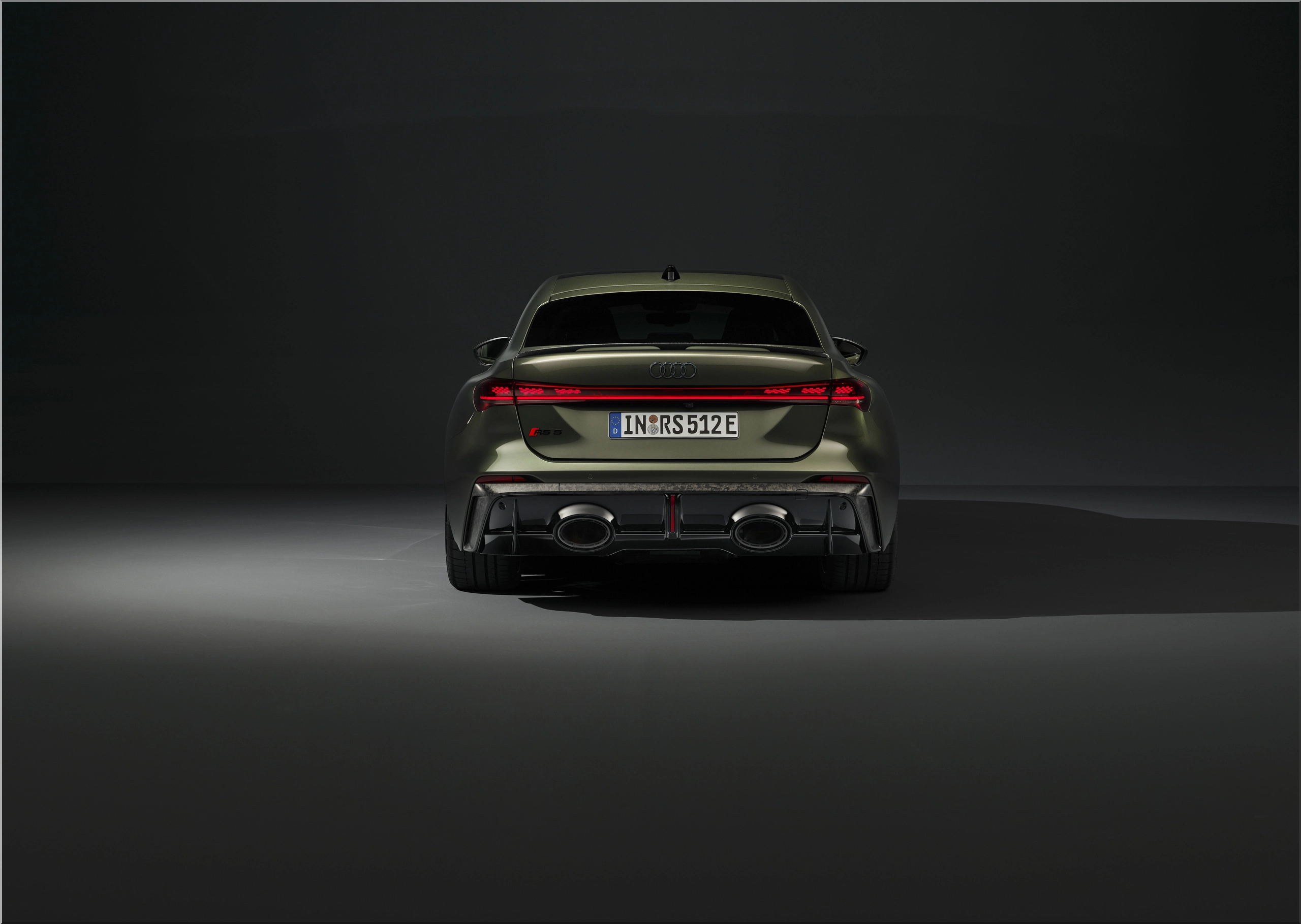
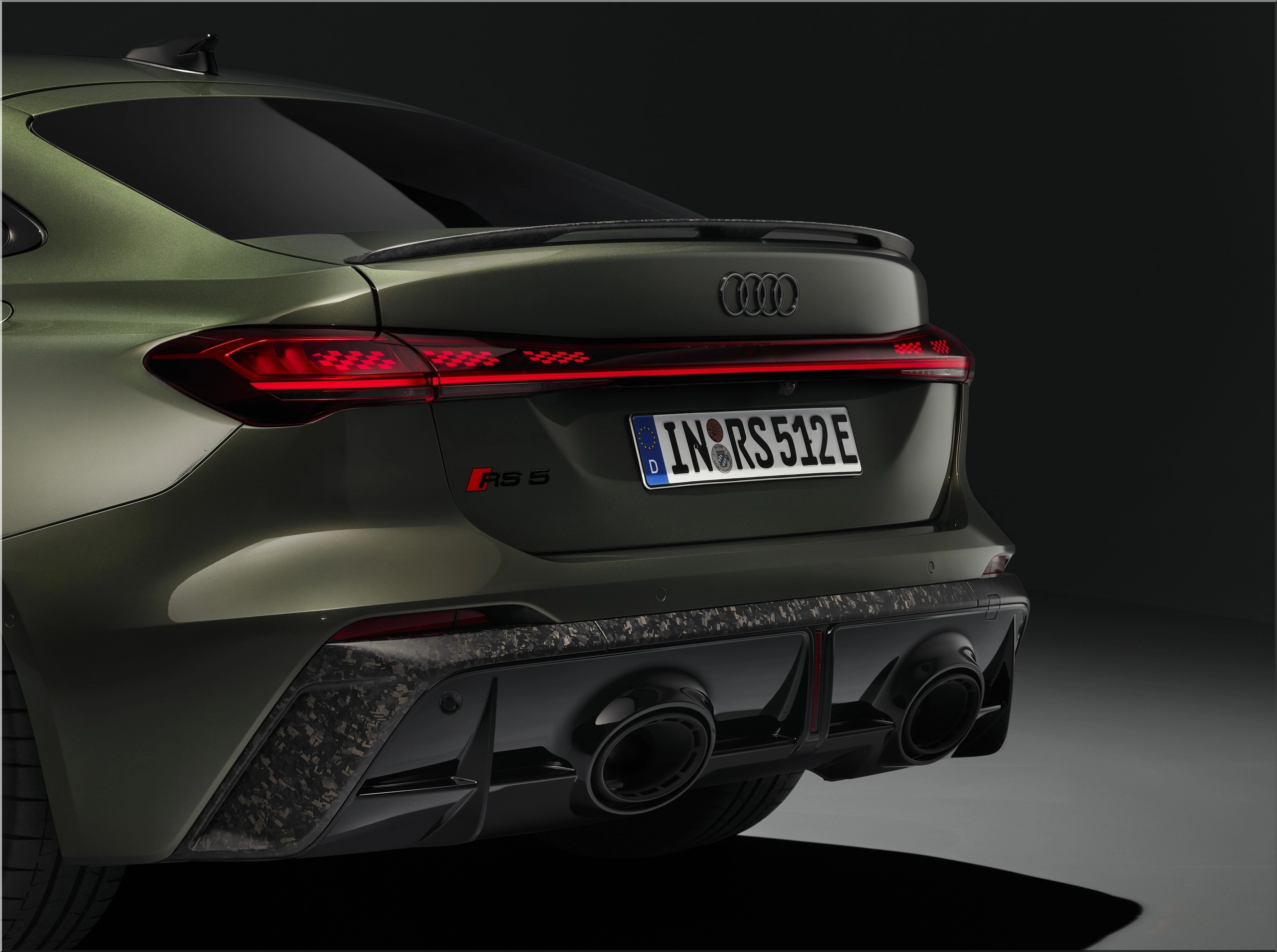
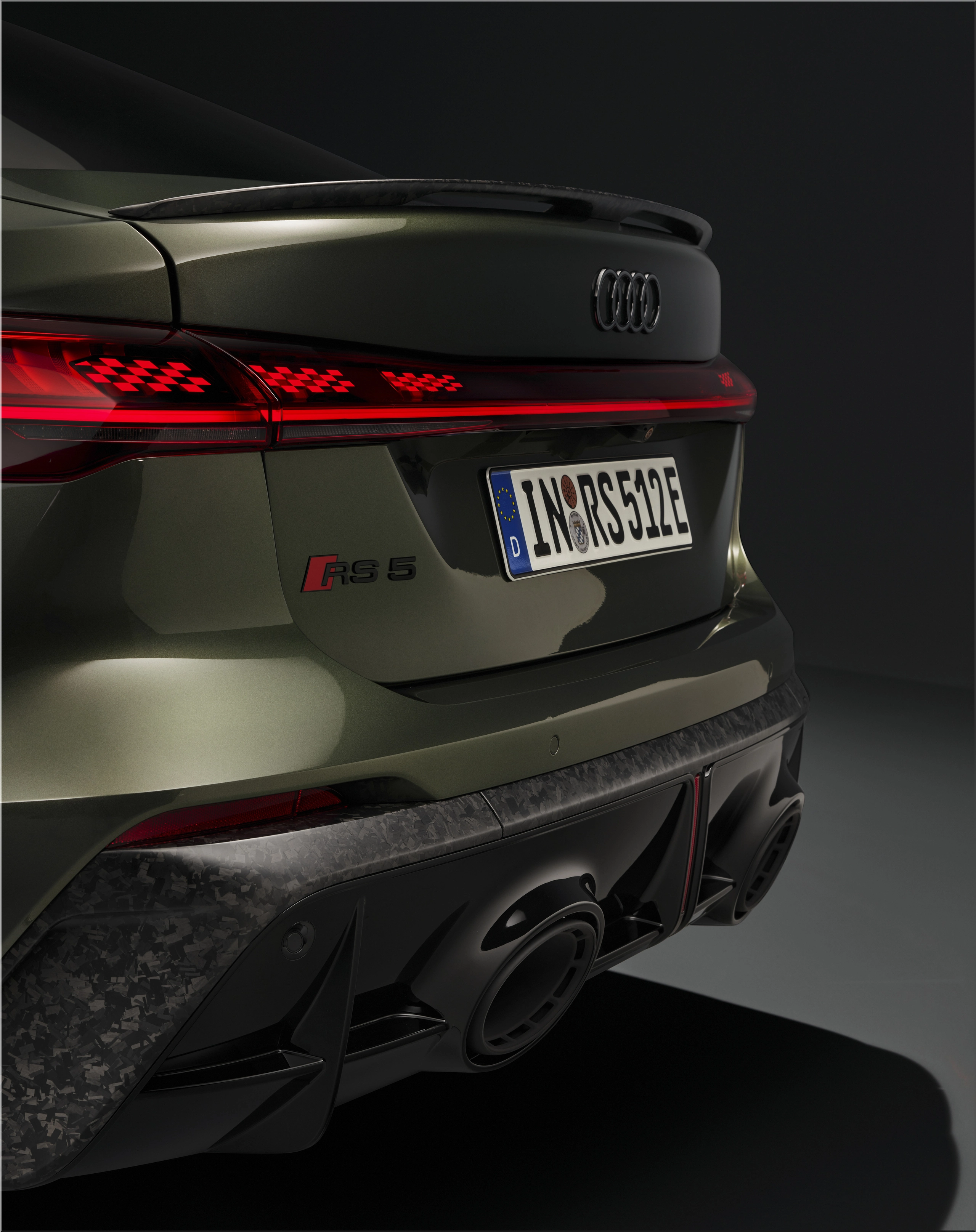
At the rear, a modeled diffuser with vertical fins works in tandem with the centrally positioned RS sport exhaust system. The exhaust valves are infinitely adjustable, allowing the acoustic signature to range from a subtle hum in EV mode to a full-bodied V6 roar in RS sport mode.
Visual Data: Wheel and Tire Configurations
For the first time, Audi has implemented a staggered wheel width setup to optimize lateral grip.
- Front Wheels: 21-inch forged alloys, 10 J width.
- Rear Wheels: 21-inch forged alloys, 10.5 J width.
- Tire Tech: Specifically tailored compounds designed to handle the 2,355-kilogram curb weight while maintaining high-speed stability.
Market Comparison: The Competitive Landscape
In the premium high-performance sedan segment, the Audi RS 5 competes directly with the BMW M3 and the Mercedes-AMG C63 S E-Performance. While the BMW remains committed to a pure ICE or mild-hybrid setup, and the Mercedes has moved to a four-cylinder hybrid, Audi has found a middle ground with the twin-turbo V6 PHEV.
| Feature | 2027 Audi RS 5 Sedan | BMW M3 Competition (xDrive) | Mercedes-AMG C63 S E-Perf |
|---|---|---|---|
| Engine | 2.9L V6 PHEV | 3.0L I6 | 2.0L I4 PHEV |
| System HP | 639 PS | 530 PS | 680 PS |
| System Torque | 825 Nm | 650 Nm | 1,020 Nm |
| 0-100 km/h | 3.6 Seconds | 3.5 Seconds | 3.4 Seconds |
| EV Range | ~52 Miles | N/A | ~8 Miles |
| Drive System | Electro-Mech Quattro | Mechanical AWD | Electronic AWD |
Expert Analysis: The Audi RS 5 wins on versatility. Its electric range is significantly superior to the AMG, making it a more viable daily driver for those with urban commutes. While the BMW M3 is slightly lighter, the Audi's Dynamic Torque Control provides a level of mid-corner adjustability that mechanical systems struggle to match.
Image gallery
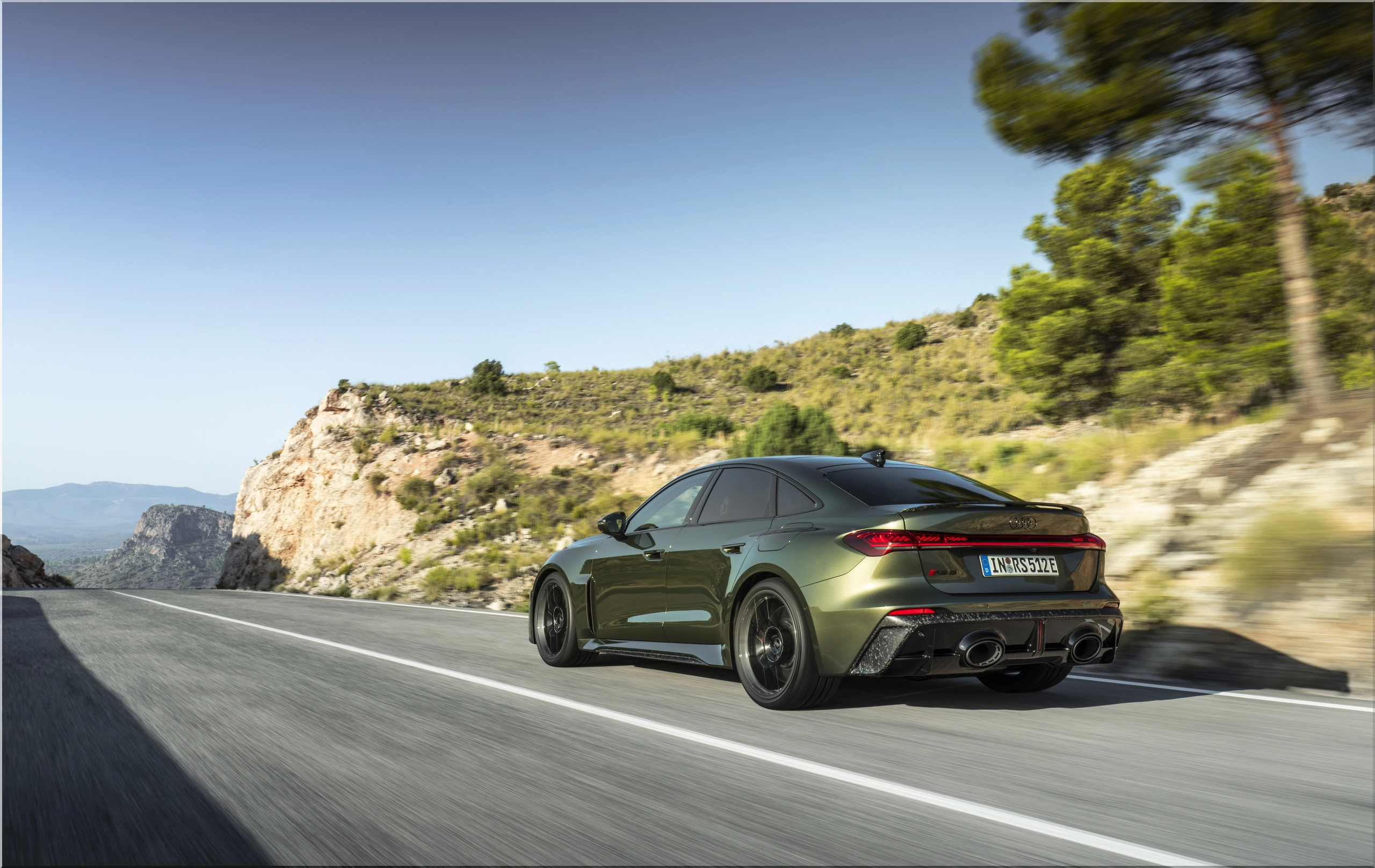
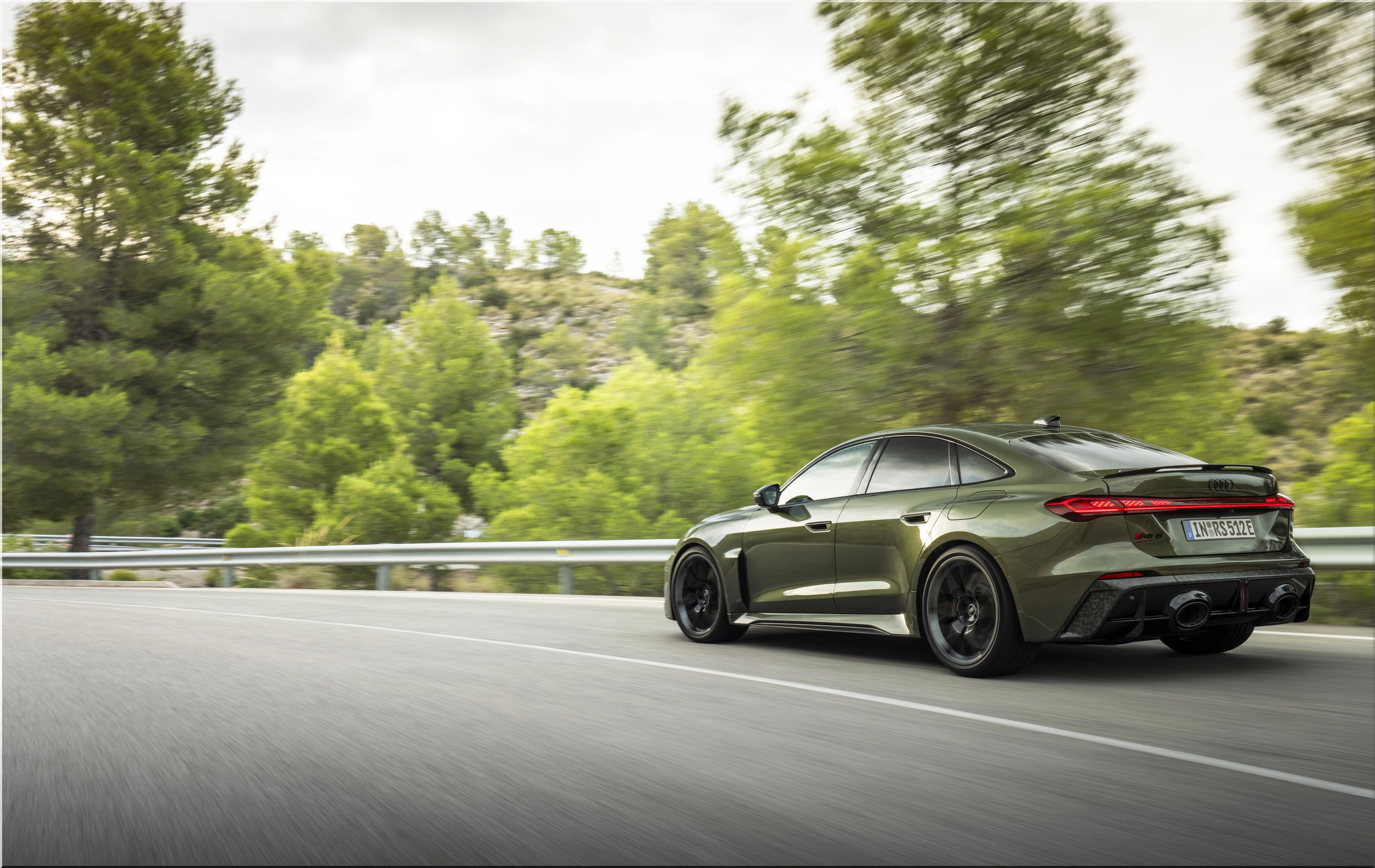
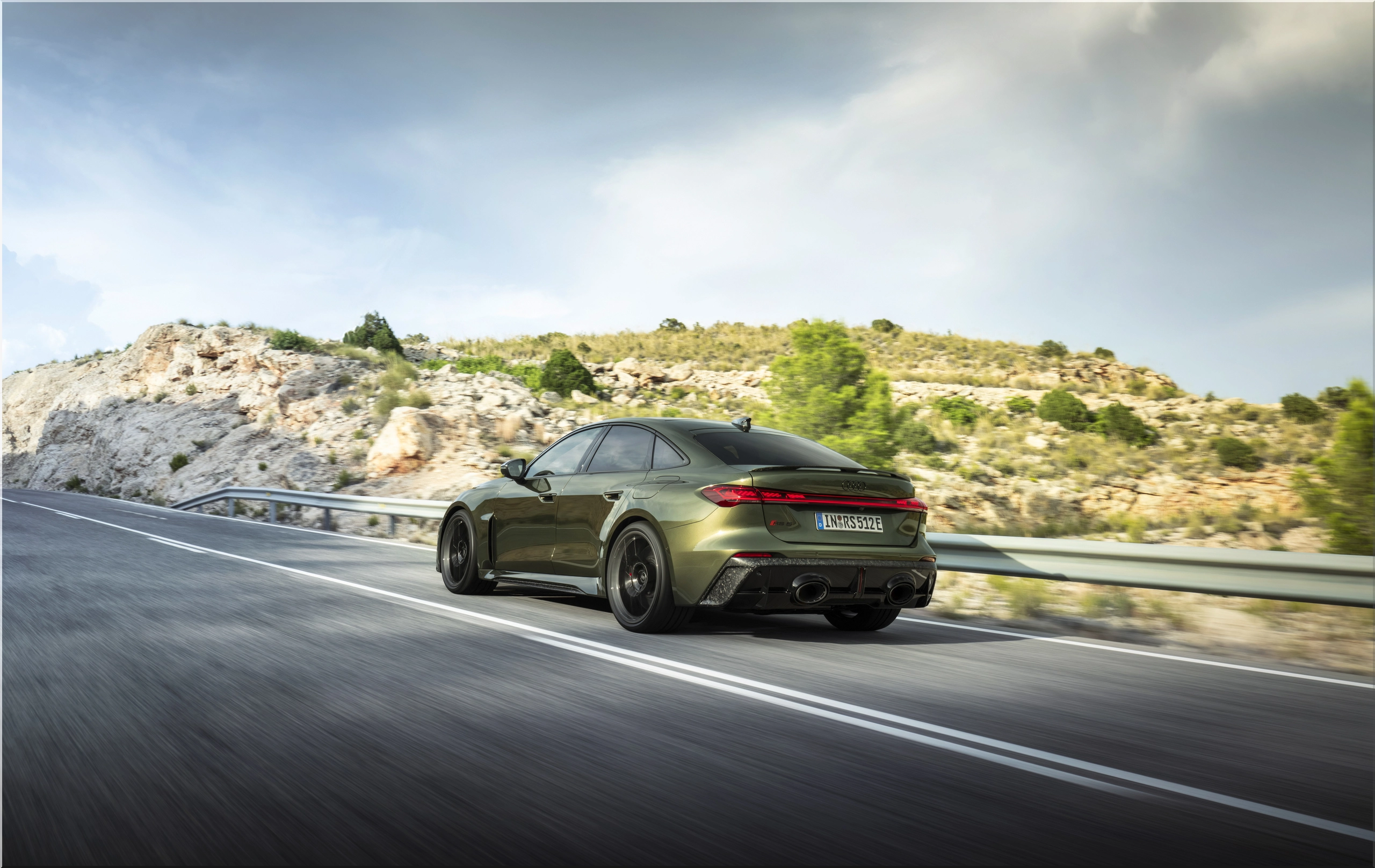
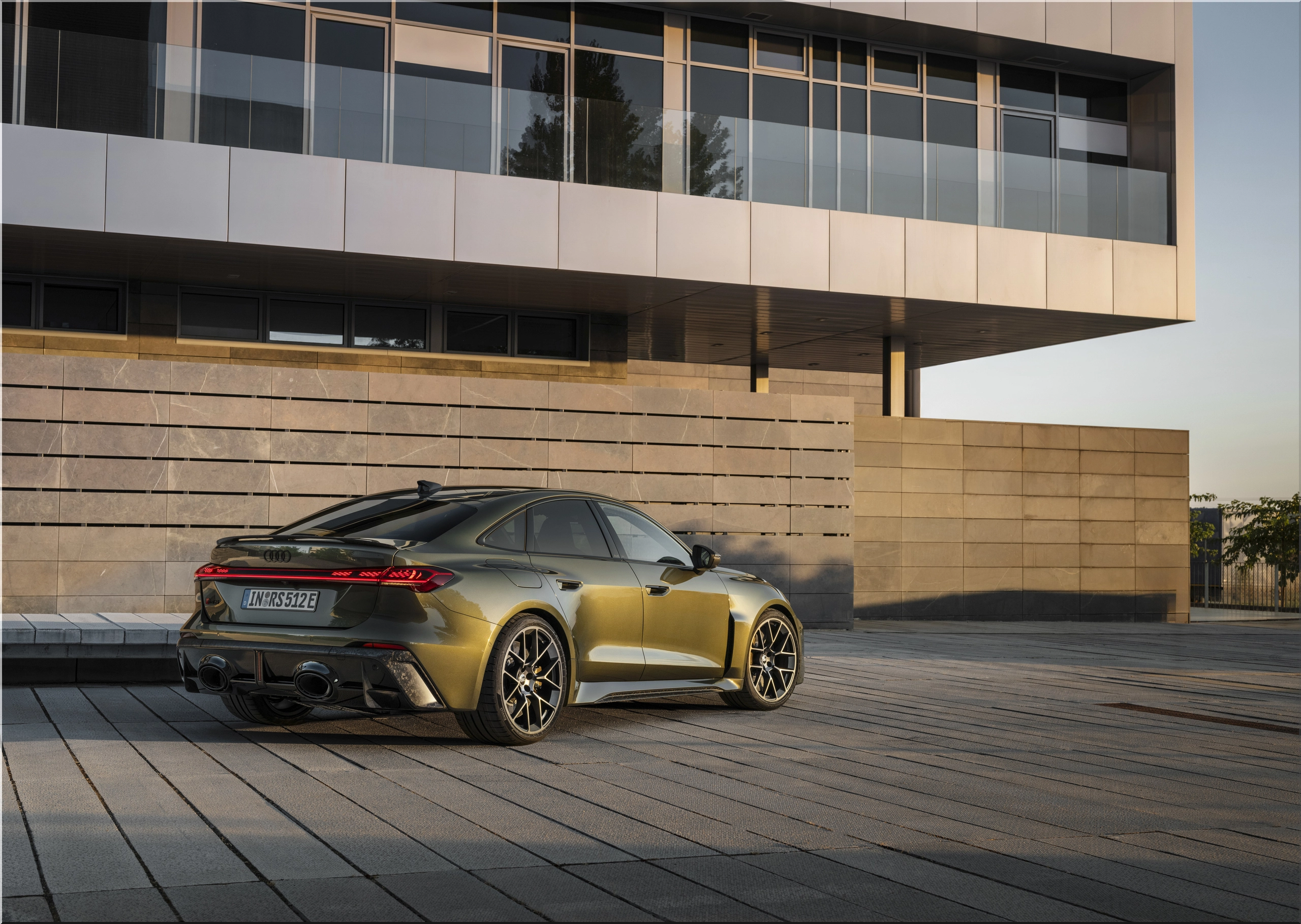
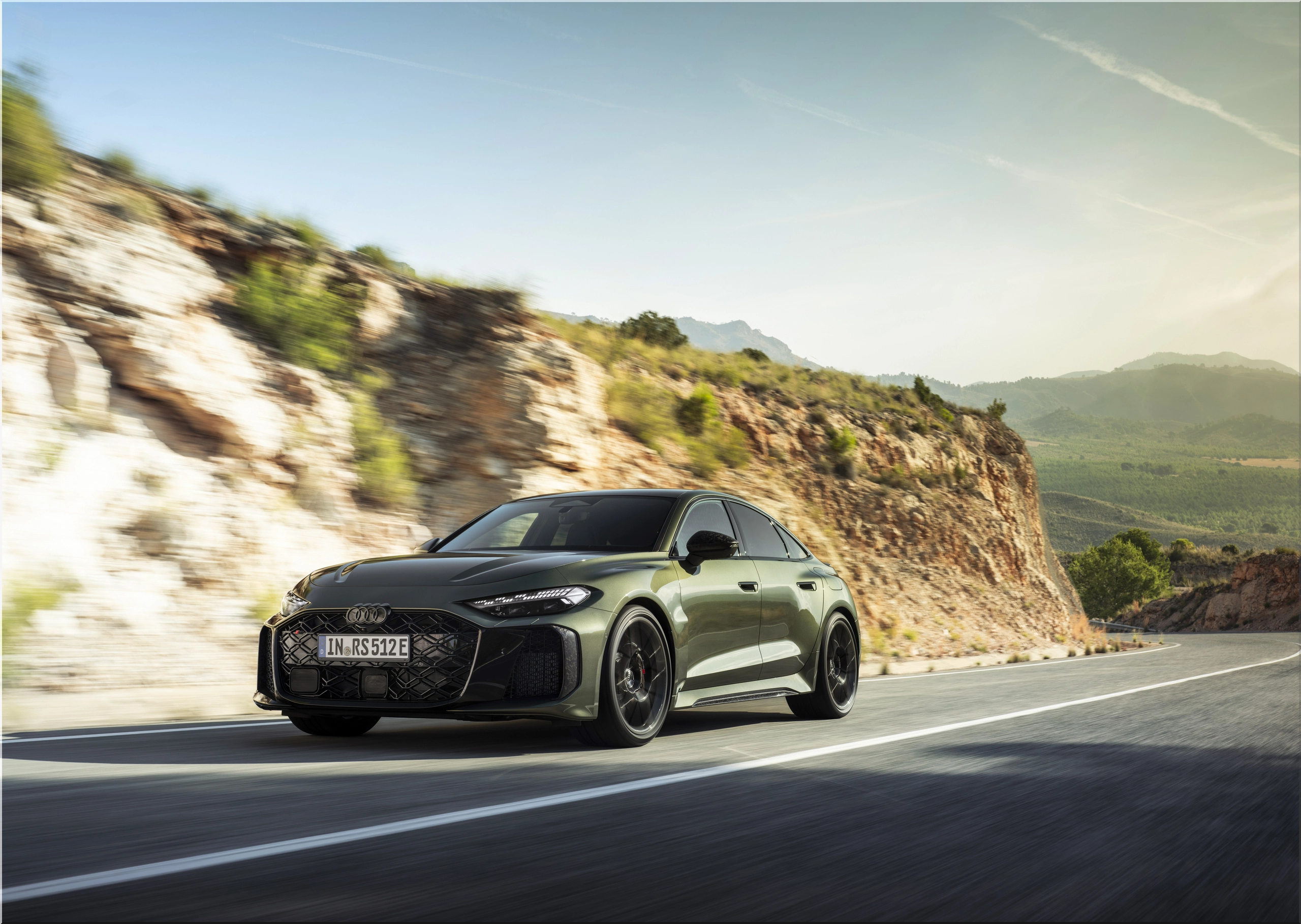
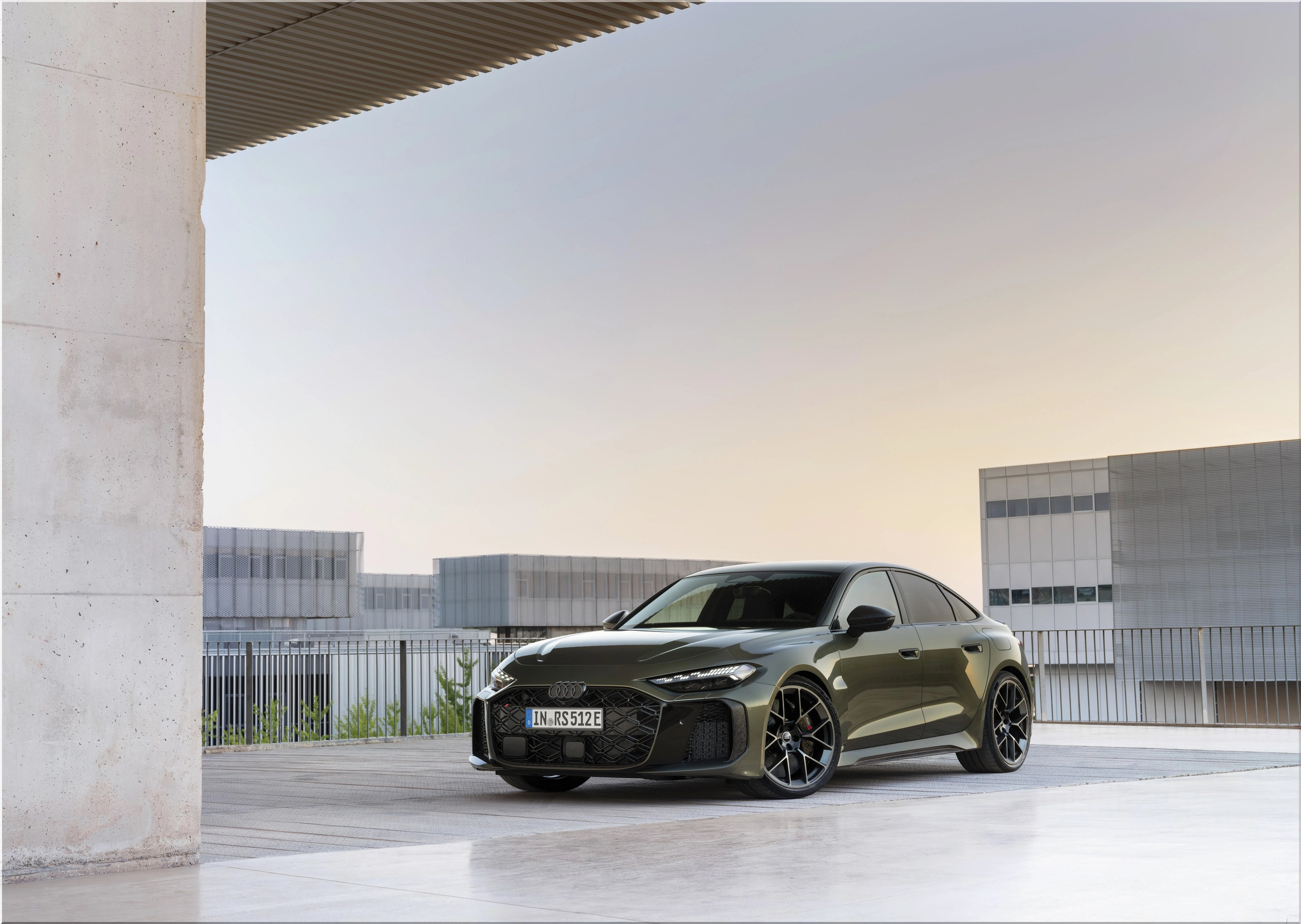
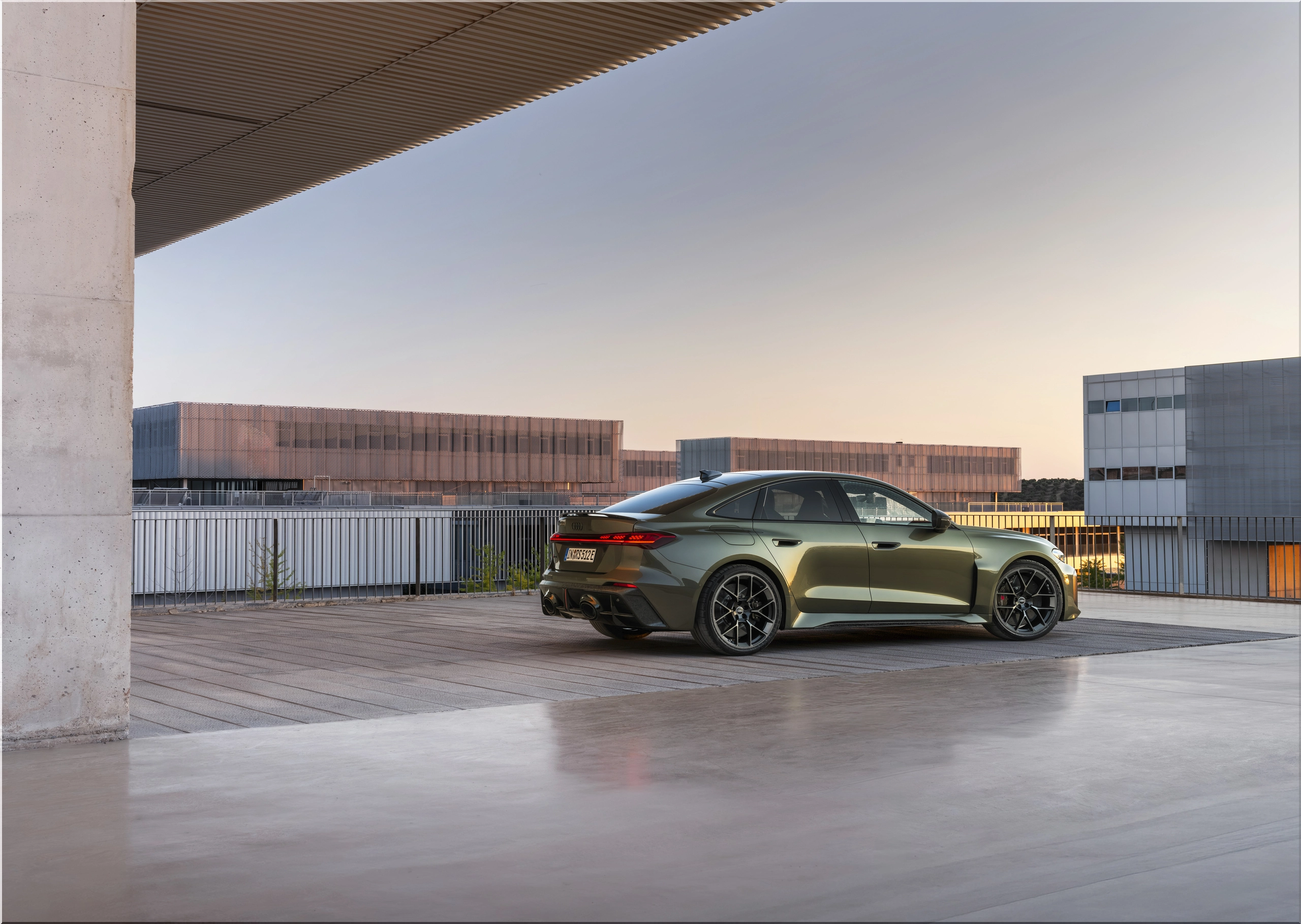
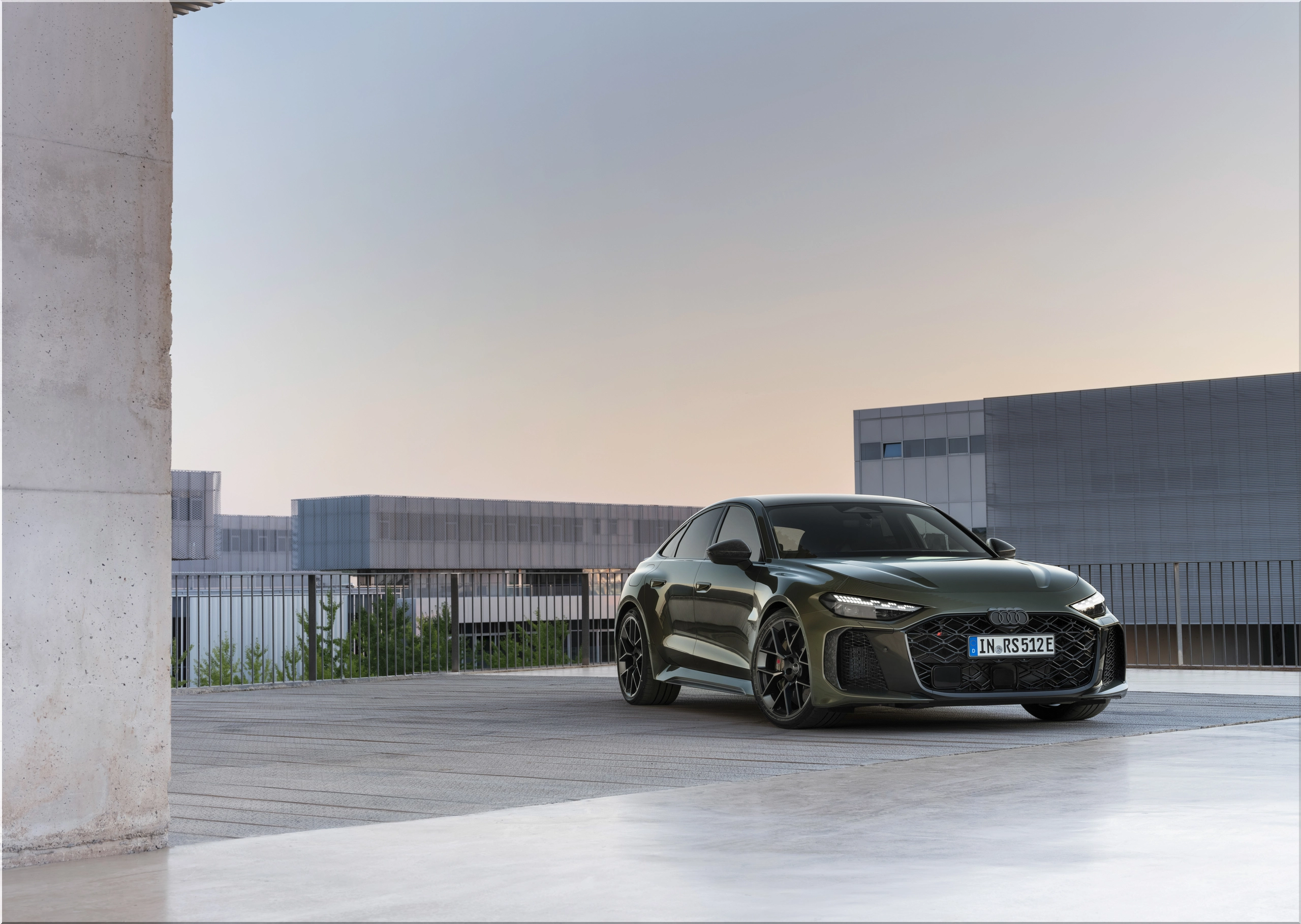
Individualized Performance: The Audi Drive Select Modes
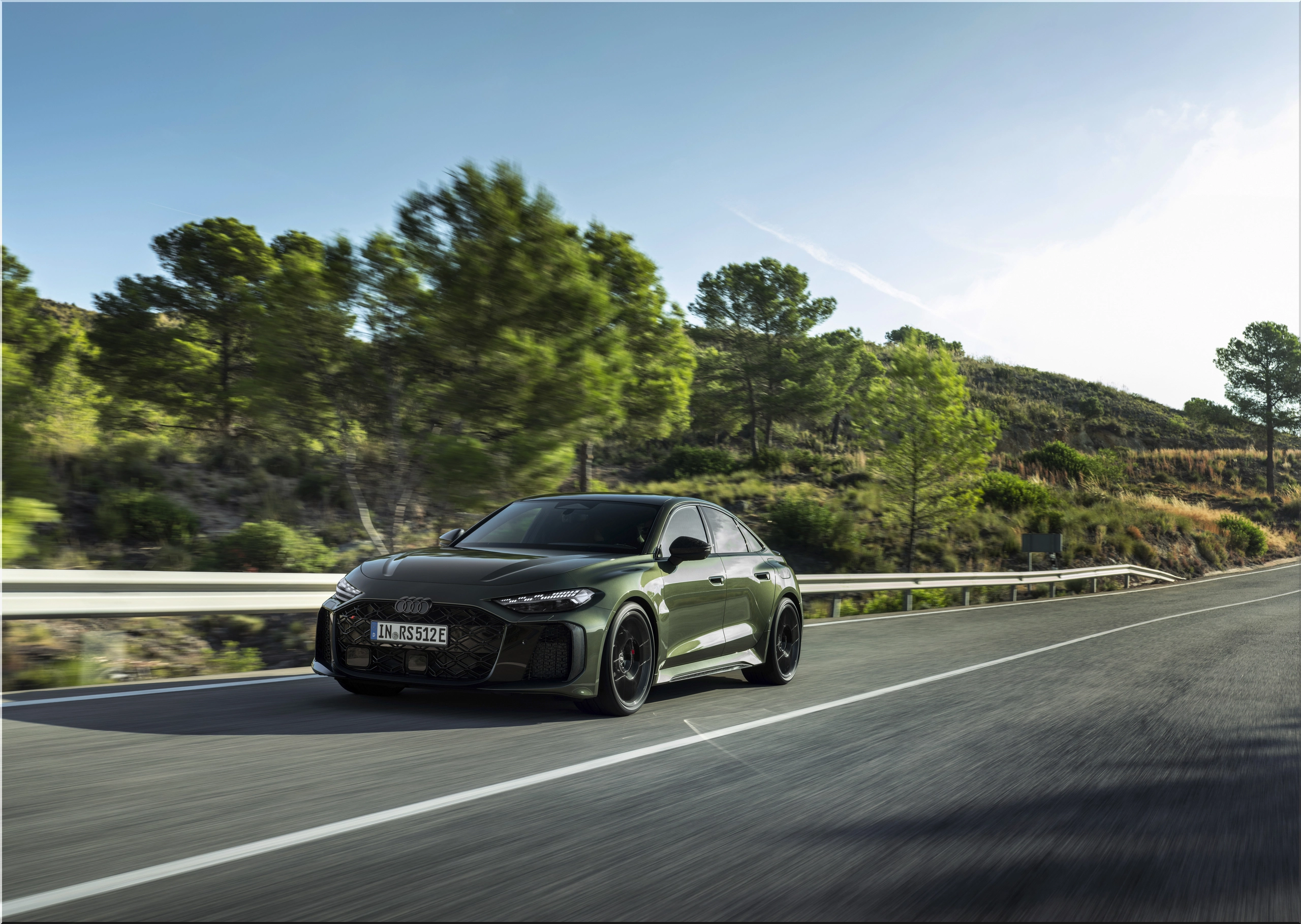
The 2027 Audi RS 5 Sedan offers a wide spectrum of driving personalities through its digital interface.
- EV Mode: The vehicle relies exclusively on the 130 kW motor for whisper-quiet travel up to 140 km/h.
- RS Torque Rear: Designed for closed-course use, this mode directs maximum torque to the outside rear wheel to facilitate controlled drifts.
- RS Sport: This is the "maximum propulsion" setting. It maintains a 90 percent battery state of charge to ensure the boost function is always available.
- Boost Function: A dedicated button on the steering wheel grants the driver 10 seconds of maximum system output and selects the optimal gear for overtaking maneuvers.
Image gallery
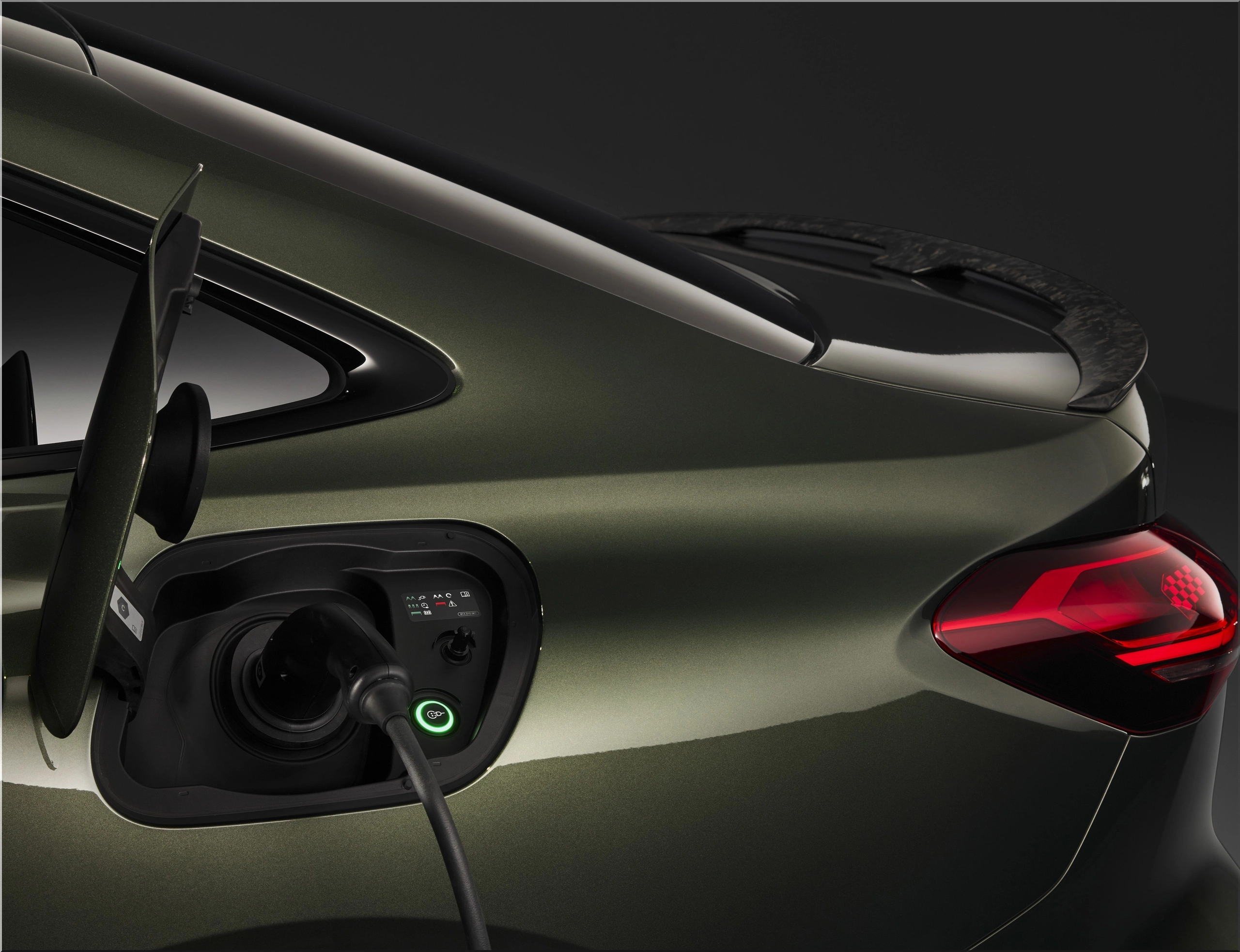
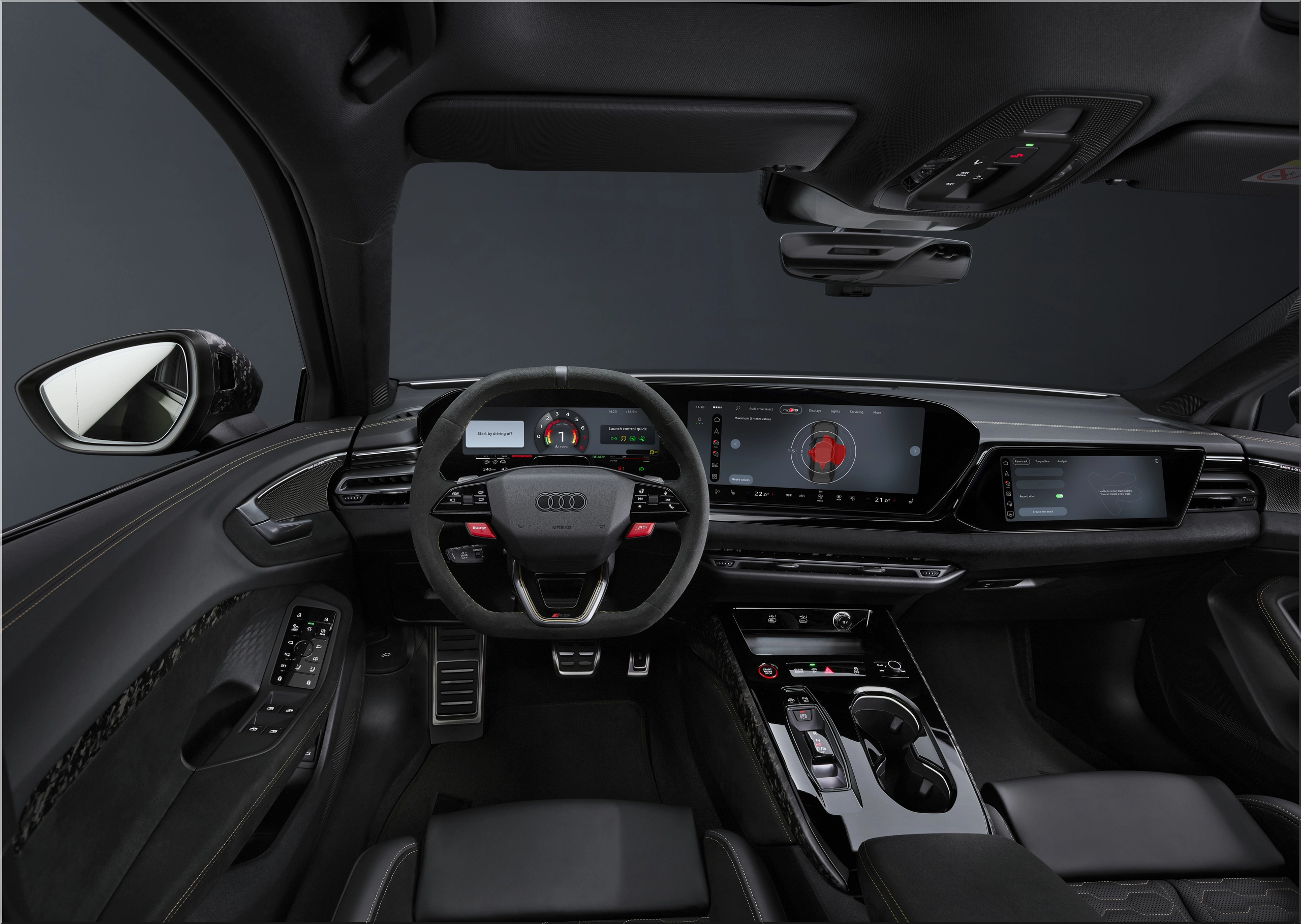
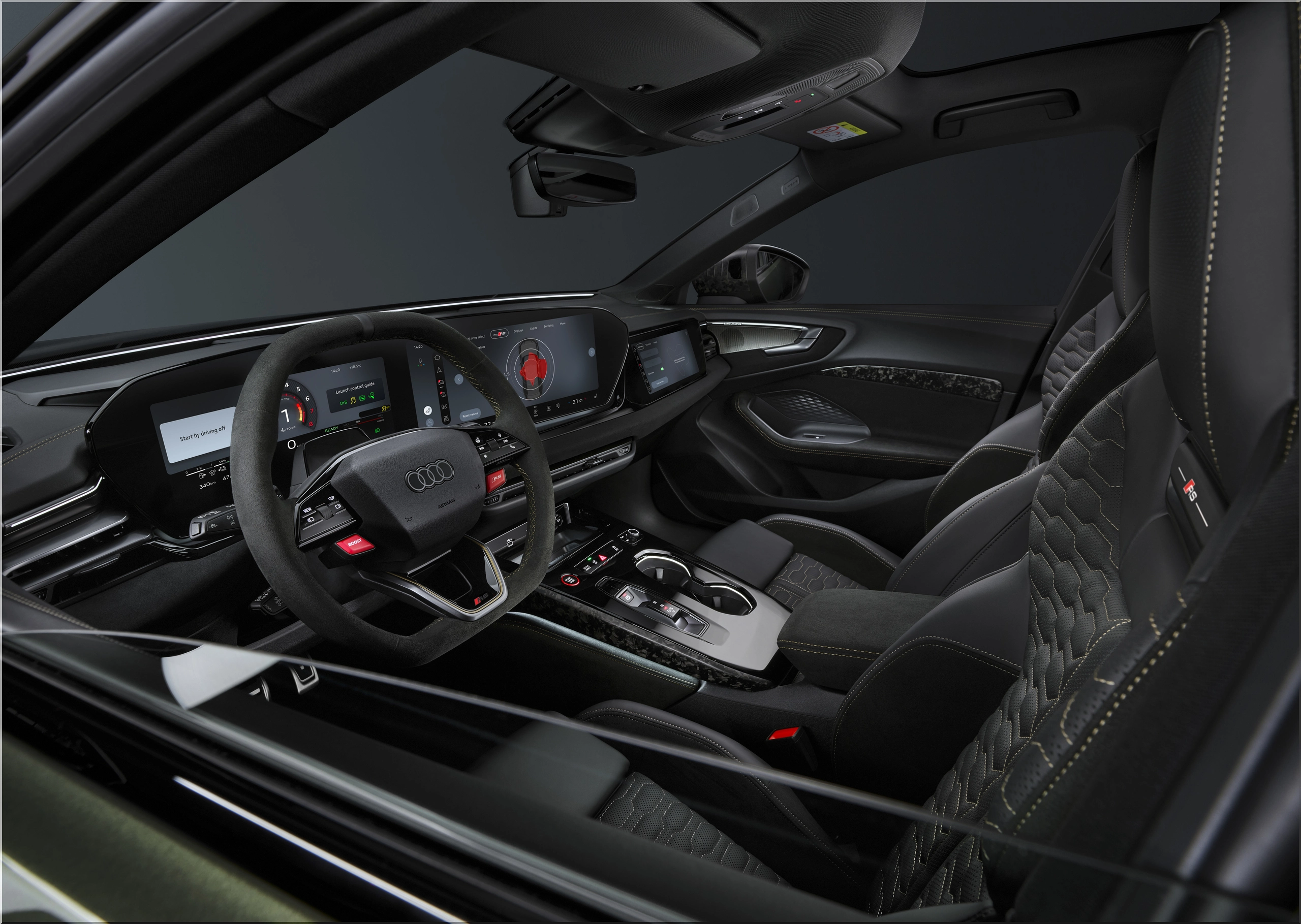
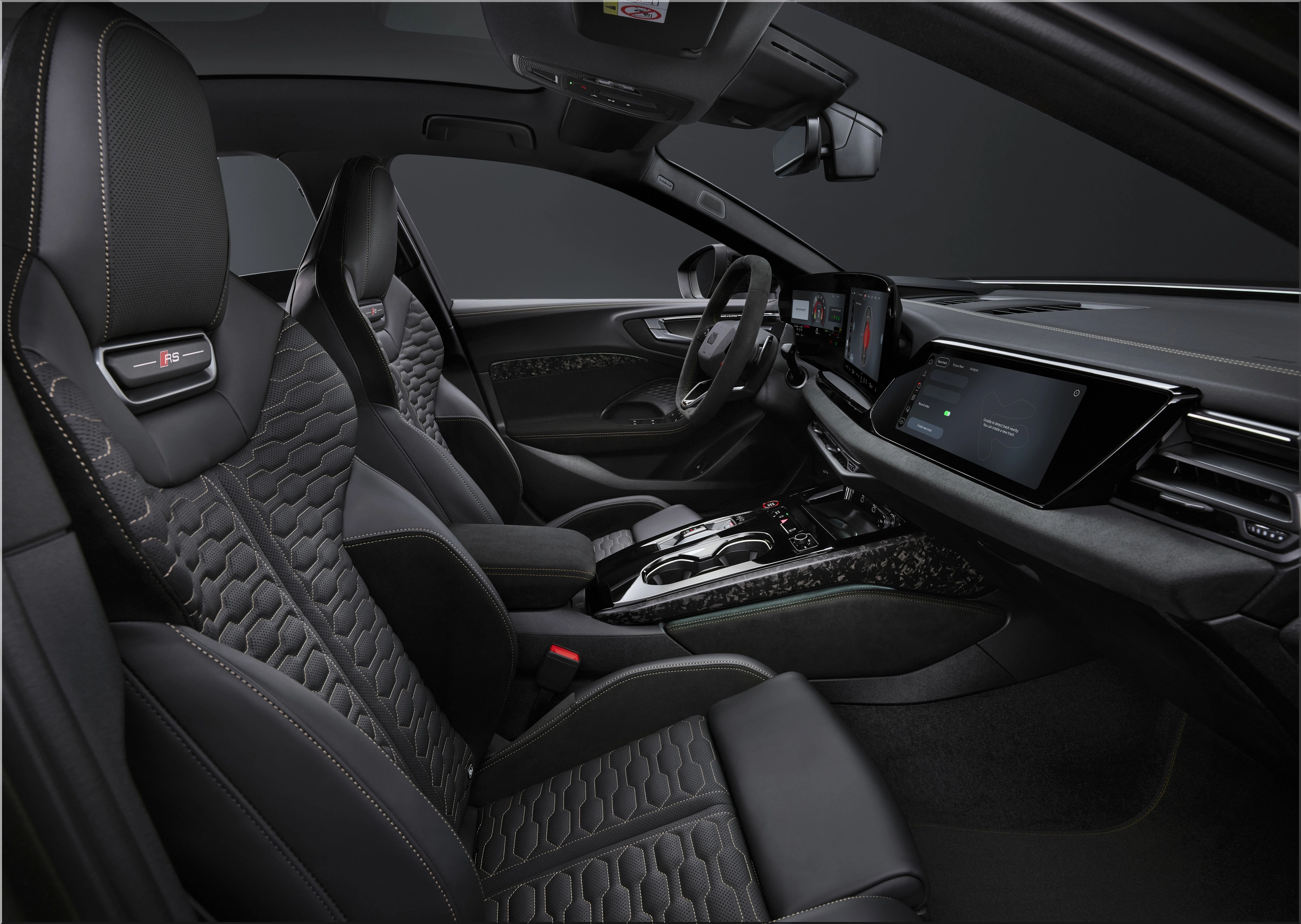
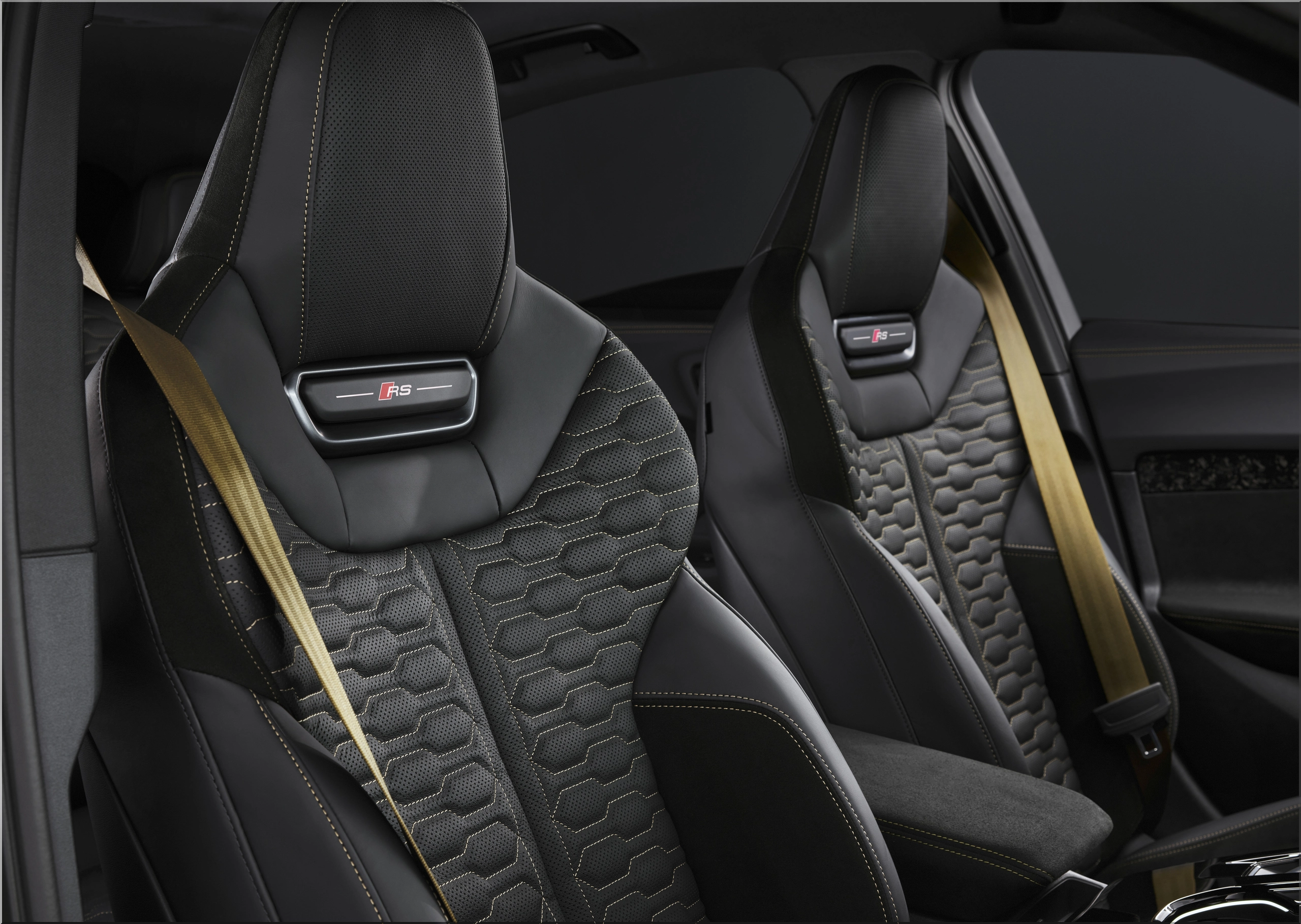
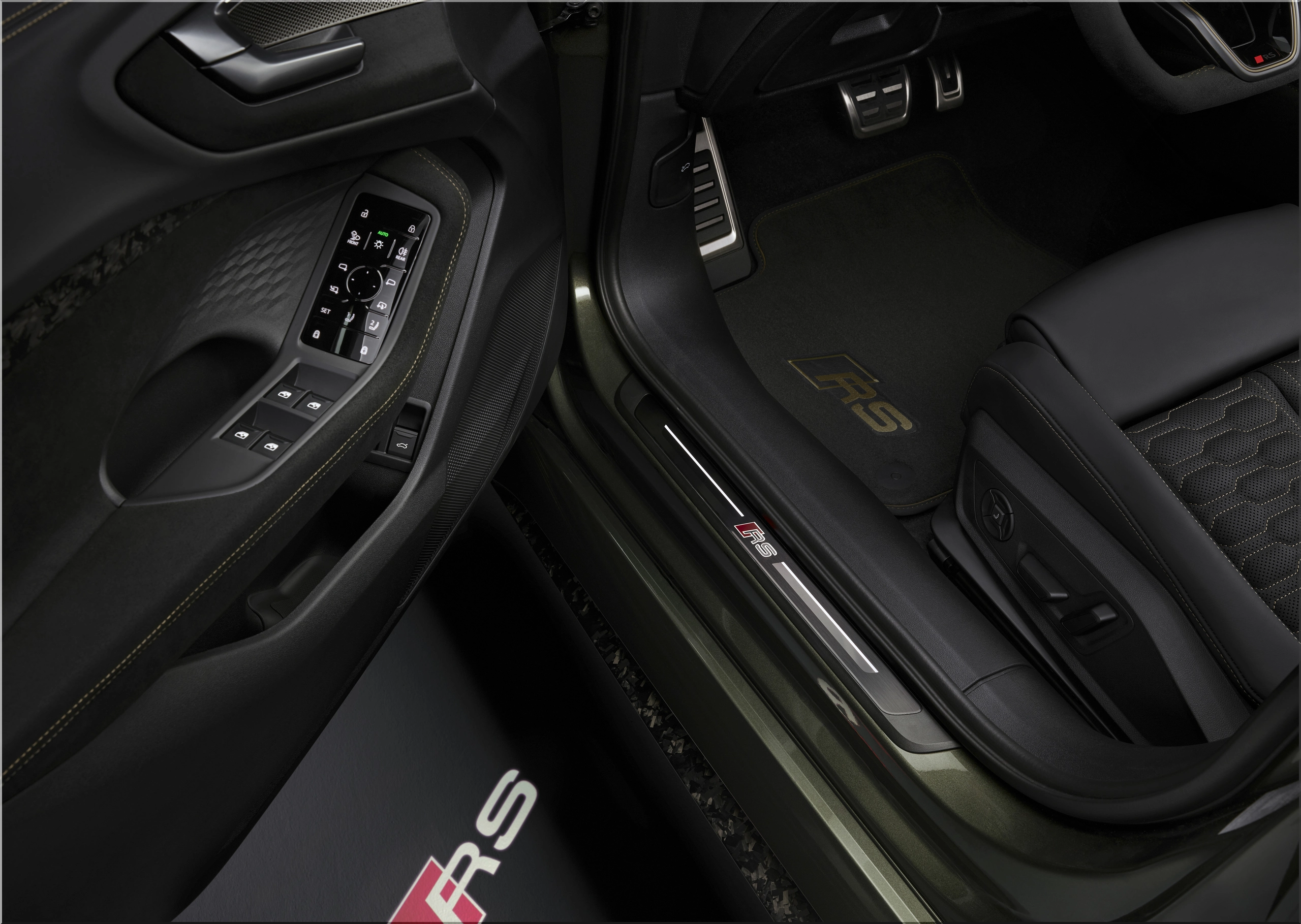
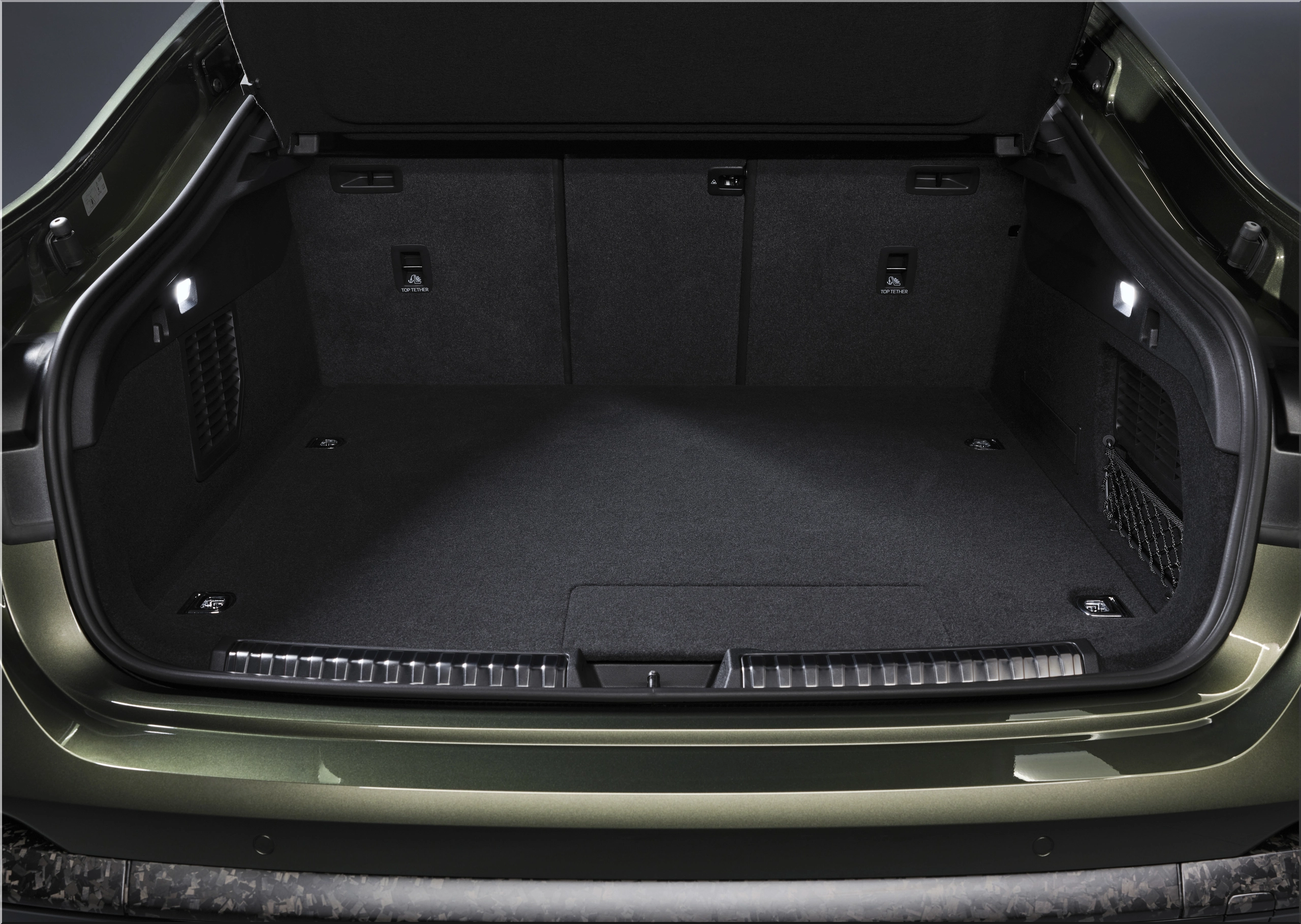
Pricing and Global Availability
In the German market, the Audi RS 5 Sedan carries a starting price of 106,200 euros, which converts to approximately $115,000 USD at current exchange rates. The 2027 Audi RS 5 Avant starts slightly higher at 107,850 euros (~$117,000 USD). Production is slated for the Neckarsulm facility in Germany, with European order books opening in the first quarter of 2026.
U.S. market specifications, including final EPA-rated mileage and emissions figures, will be announced closer to the on-sale date. Due to local regulations, some lighting features like the active communication light and certain Matrix LED signatures will be modified for North American delivery.
- Add new comment
- 289 views