
Purchasing a used car can be an excellent way to save money while still getting reliable transportation. However, the process requires careful consideration and thorough research to ensure you're making a smart investment that won't turn into a money pit.
Whether you're a first-time buyer or looking to upgrade your current vehicle, understanding what to look for can make the difference between driving away with a great deal and ending up with buyer's remorse.
1. Vehicle History and Car Accident Records
“Car accidents happen every day, often due to negligent drivers who fail to maintain proper attention, exceed speed limits, or drive under dangerous conditions. Understanding a vehicle's accident history is crucial not just for safety reasons, but to ensure you don't unknowingly become a negligent driver yourself,” says Seay/Felton LLC Trial Lawyers, a personal injury law firm.
A comprehensive vehicle history report reveals past collisions, the severity of damage, and whether proper repairs were completed. Cars involved in serious accidents may have compromised structural integrity, even after repairs, which can affect handling and safety during critical moments on the road.
Hidden frame damage or improperly aligned suspension systems can cause unpredictable vehicle behavior, potentially putting you and others at risk. This is why obtaining reports from services like Carfax or AutoCheck should be non-negotiable before finalizing any used car purchase.
2. Maintenance Records and Service History
A well-maintained vehicle tells you everything about how the previous owner treated their car. Complete maintenance records demonstrate that oil changes, brake services, and routine inspections were performed on schedule, significantly extending the vehicle's lifespan and reliability.
Missing or incomplete service records should raise immediate red flags. Without documentation, you have no way of knowing whether the vehicle received proper care or was neglected until problems became severe enough to require attention.
Ask the seller for receipts, service invoices, and any warranty documentation. Vehicles serviced at dealerships often have digital records that can be accessed, providing an accurate timeline of all work performed throughout the car's history.
3. Mechanical Inspection by a Trusted Mechanic
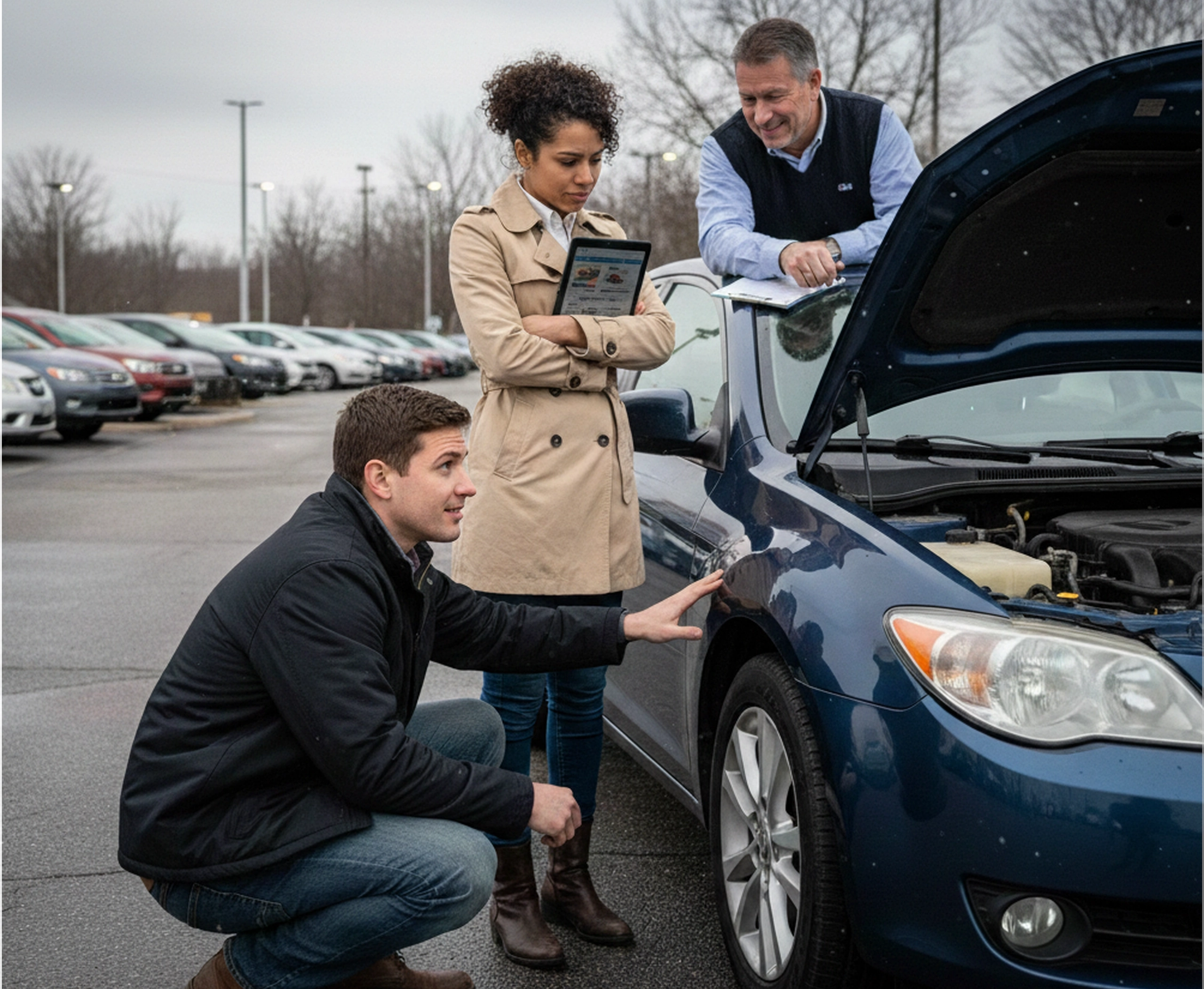
Never rely solely on your own assessment or the seller's word when evaluating a used car's condition. Hiring an independent mechanic to perform a pre-purchase inspection is one of the smartest investments you can make, typically costing between one and two hundred dollars.
A qualified technician will examine the engine, transmission, brakes, suspension, and electrical systems to identify current problems or potential failures. They can spot issues that aren't immediately obvious, such as worn timing belts, leaking seals, or early signs of transmission trouble.
If a seller refuses to allow an independent inspection, walk away immediately. Any legitimate seller understands that buyers need assurance about their investment and will accommodate reasonable inspection requests without hesitation.
4. Current Market Value and Fair Pricing
Understanding what a vehicle is actually worth helps you negotiate from a position of knowledge rather than emotion. Research comparable vehicles in your area using resources like Kelley Blue Book, Edmunds, or recent local sales to establish a baseline price.
Consider factors that affect value, including mileage, condition, location, and current demand for that particular make and model. A car priced significantly below market value might seem like a bargain but often signals underlying problems that will cost you more in the long run.
Don't forget to factor in additional costs beyond the purchase price. Registration fees, taxes, insurance premiums, and any immediate repairs needed should all be calculated into your total investment before making an offer.
5. Title Status and Ownership Documentation
The vehicle's title tells an important story about its legal status and history. A clean title indicates straightforward ownership with no major issues, while salvage, rebuilt, or branded titles signal significant past problems that may affect safety and resale value.
Salvage titles are issued when insurance companies declare a vehicle a total loss due to damage, theft, or flooding. While these cars can be repaired and resold, they often have hidden problems and significantly reduced resale value that can make them poor investments.
Verify that the seller's name matches the title and that there are no liens against the vehicle. Outstanding loans or legal claims can complicate or prevent ownership transfer, leaving you in a difficult legal situation despite having paid for the car.
6. Test Drive Performance and Handling
A comprehensive test drive reveals how the vehicle actually performs under real-world conditions. Drive on various road types including highways, residential streets, and rough pavement to assess handling, acceleration, braking, and overall comfort during different scenarios.
Pay attention to unusual noises, vibrations, or warning lights that appear during the drive. Test all features including air conditioning, heating, power windows, locks, and entertainment systems to ensure everything functions as expected.
Observe how the vehicle handles turns, lane changes, and emergency braking situations. Any pulling to one side, excessive body roll, or mushy brake pedal feel indicates alignment, suspension, or brake system problems that require immediate attention.
7. Ownership Costs and Long-Term Expenses
Beyond the purchase price, consider ongoing costs that will affect your budget for years to come. Research insurance rates for your specific vehicle, as some models carry significantly higher premiums due to repair costs, theft rates, or safety ratings.
Fuel economy makes a substantial difference in annual expenses, especially if you have a long commute. Calculate estimated fuel costs based on your typical driving habits and current gas prices to understand the true cost of ownership.
Investigate common problems for your target vehicle's make, model, and year. Online forums, consumer reports, and reliability ratings help identify whether you're buying a dependable car or one known for expensive repairs and frequent breakdowns.
Making Your Final Decision
Armed with thorough research and careful inspection, you'll be positioned to make an informed decision about your used car purchase. Take your time, trust your instincts, and never feel pressured to buy a vehicle that doesn't meet your standards or budget.
The right used car is out there waiting for you. By following these seven essential guidelines, you'll drive away confident that you've made a smart investment in reliable, safe transportation that serves you well for years to come.
Image gallery

- Add new comment
- 182 views