Why the new Colorado matters in 2012
General Motors set a clear goal. Build a tough, efficient midsize pickup for global buyers. The all-new Chevrolet Colorado launches first in Thailand. GM spent five years and $2 billion USD to get here. The program spans five continents and over 60 target markets. The aim is simple. Deliver capability, tech, and value in one focused truck.
Program overview and market focus
GM’s Thai team leads launch and production. Engineers lived in Thailand to study use cases. They rode in trucks, watched loads, and logged road conditions. That field work shaped the Chevrolet Colorado lineup and tuning. The first wave targets Thailand’s fast-growing pickup market. The rollout then expands to other regions.
Key takeaways:
- GM invested $2 billion USD in development.
- The program targets 60+ markets with local needs.
- Thailand leads as the first sales market in 2012.
Configurations and choice
Chevrolet offers depth, not confusion. Buyers pick body, stance, and drive layout. Packaging remains clear and functional.
Body styles and stance options
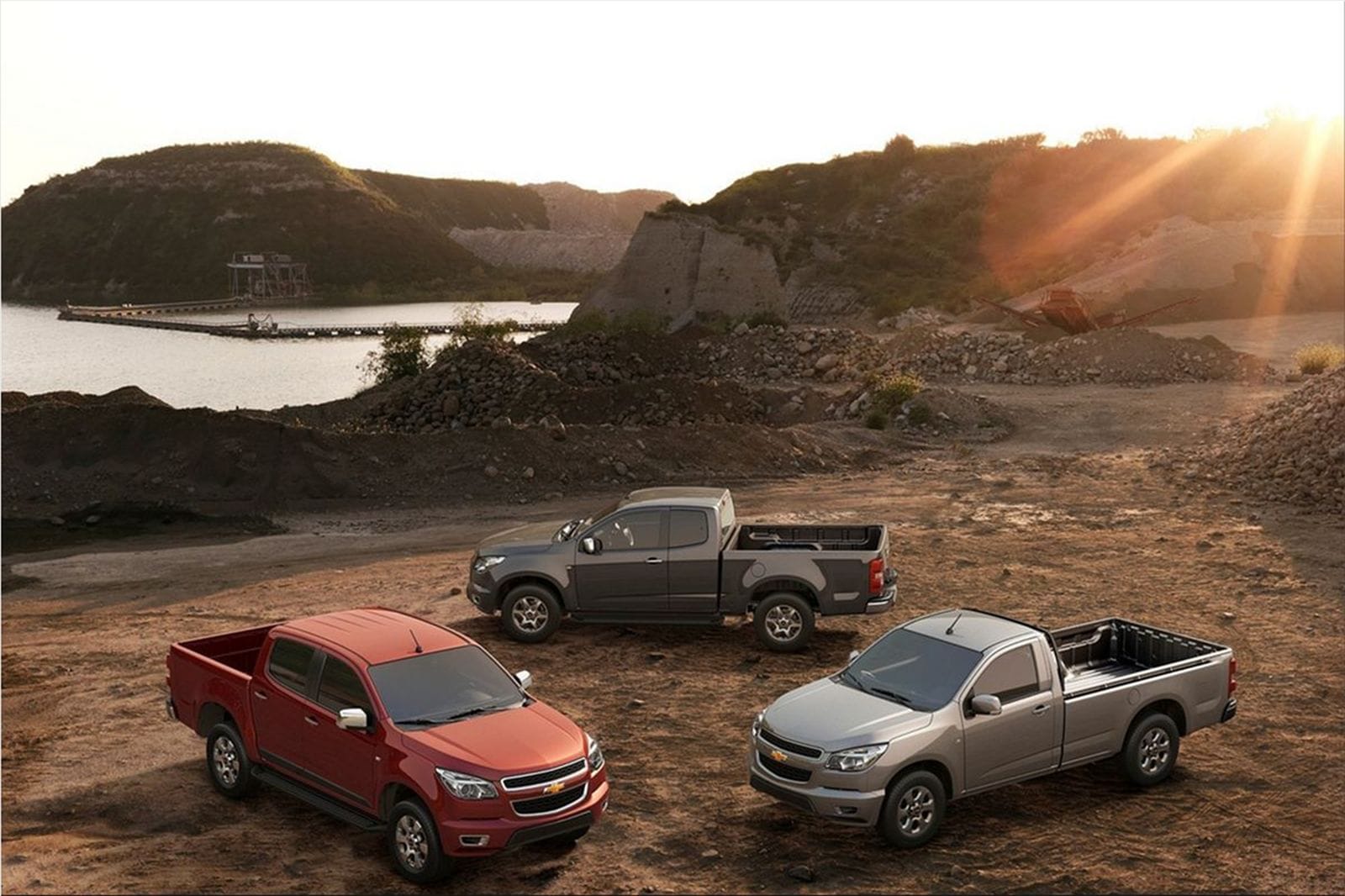
- Single cab, extended cab, and crew cab.
- High-stance and low-stance configurations.
- Wide-body and narrow-body options.
Drivetrain layouts
- 2WD for efficiency and payload.
- 4WD for mixed terrain and work sites.
Colorado combinations in Thailand
Chevrolet lists 26 combinations at launch. That spread covers work fleets and private buyers. Each configuration keeps shared core hardware to control costs.
Chassis, frame, and tuning
The Chevrolet Colorado uses a global body-on-frame platform with rear-drive architecture. Engineers targeted durability, payload stability, and cabin refinement. They tuned two suspension levels to cover load and comfort needs. You feel the benefit in city traffic and on rural roads. The truck tracks straight with a load. It also rides clean when unladen.
What the chassis setup delivers
- Predictable handling with cargo or passengers.
- Noise control from mounts and frame isolation.
- Ride height options tied to duty cycle.
Powertrains: new Duramax diesels
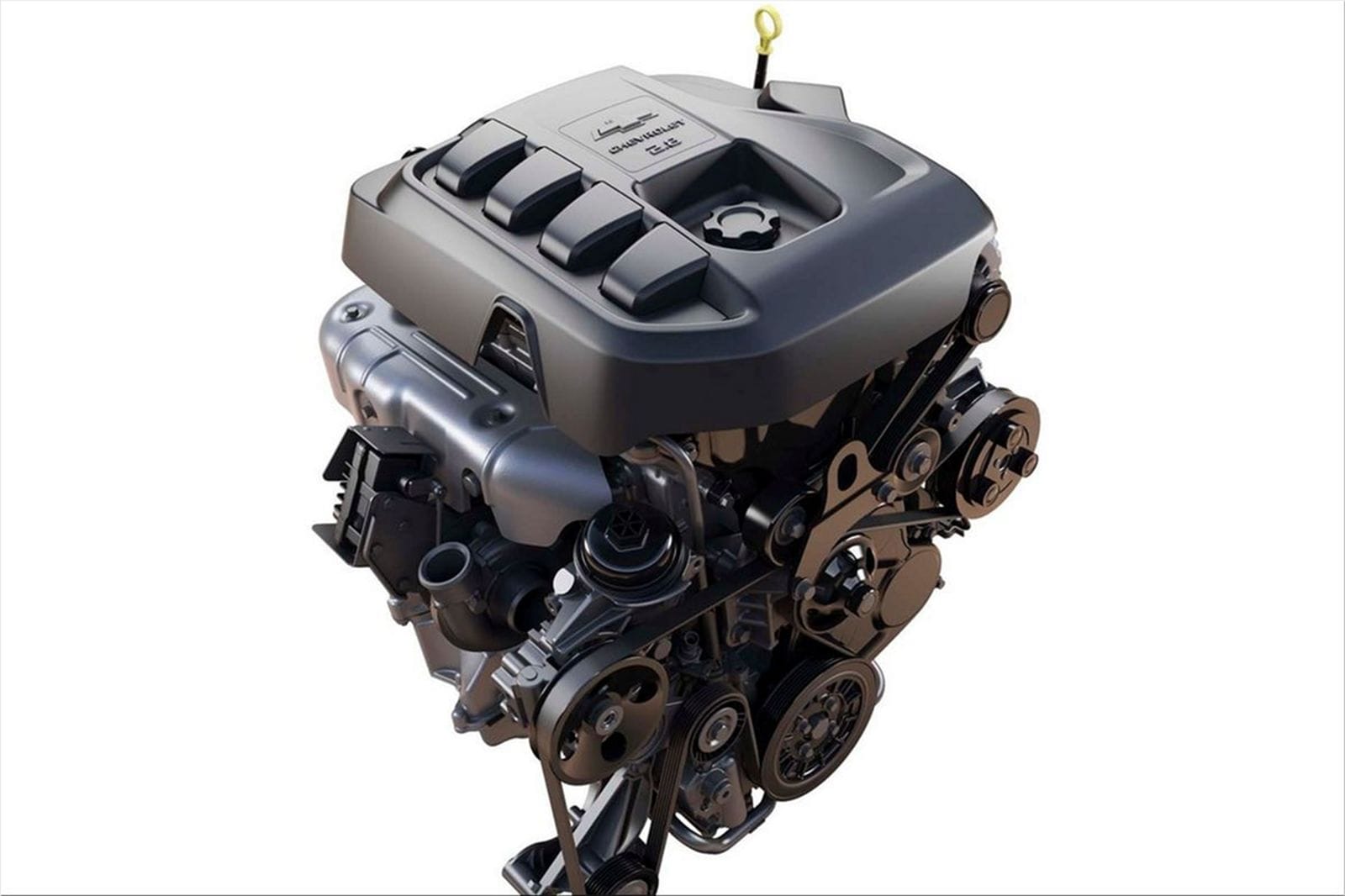
GM designed a new Duramax turbo-diesel family for this truck. The focus is torque, range, and durability. Both engines are inline-four units. Both use components rated for 240,000 kilometers. The factory builds them in a new $200 million USD engine plant in Thailand.
Engine lineup and outputs
| Engine | Turbo | Power | Torque (Auto) | Torque (Manual) | Transmissions |
|---|---|---|---|---|---|
| 2.8-liter Duramax | Variable-geometry | 180 hp / 132 kW | 346 lb-ft / 470 Nm | 324 lb-ft / 440 Nm | 6-speed automatic, 5-speed manual |
| 2.5-liter Duramax | Fixed-geometry | 150 hp / 110 kW | 258 lb-ft / 350 Nm | 258 lb-ft / 350 Nm | 5-speed manual (market dependent) |
Highlights:
- The 2.8-liter uses a variable-geometry turbocharger and a balance shaft.
- The 2.5-liter targets lower acquisition cost and solid economy.
- Both engines focus on tractable torque for towing and hauling.
Transmission strategy
Chevrolet pairs the 2.8-liter with a 6-speed automatic or a 5-speed manual. The 2.5-liter emphasizes manual fitment to keep pricing lean. Ratios support low-speed torque and highway efficiency. Shift logic in the automatic holds gears under load and reduces hunting.
Towing, hauling, and daily use
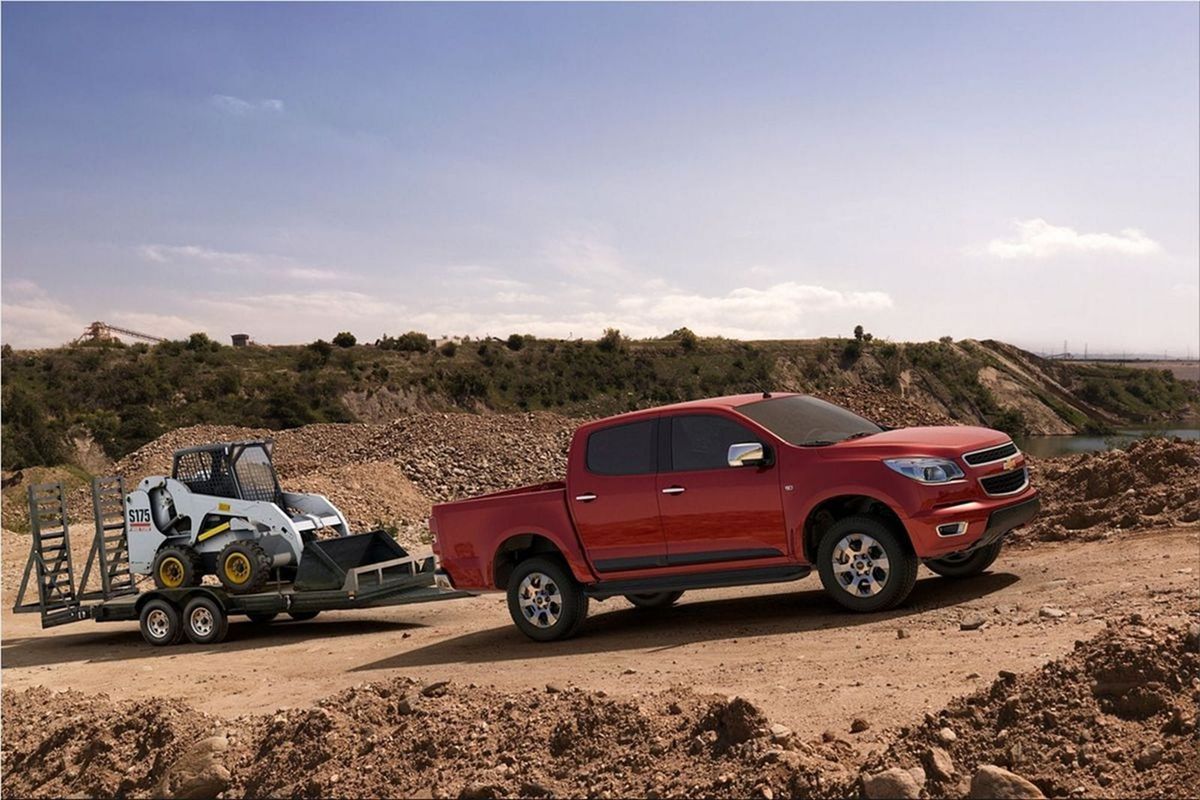
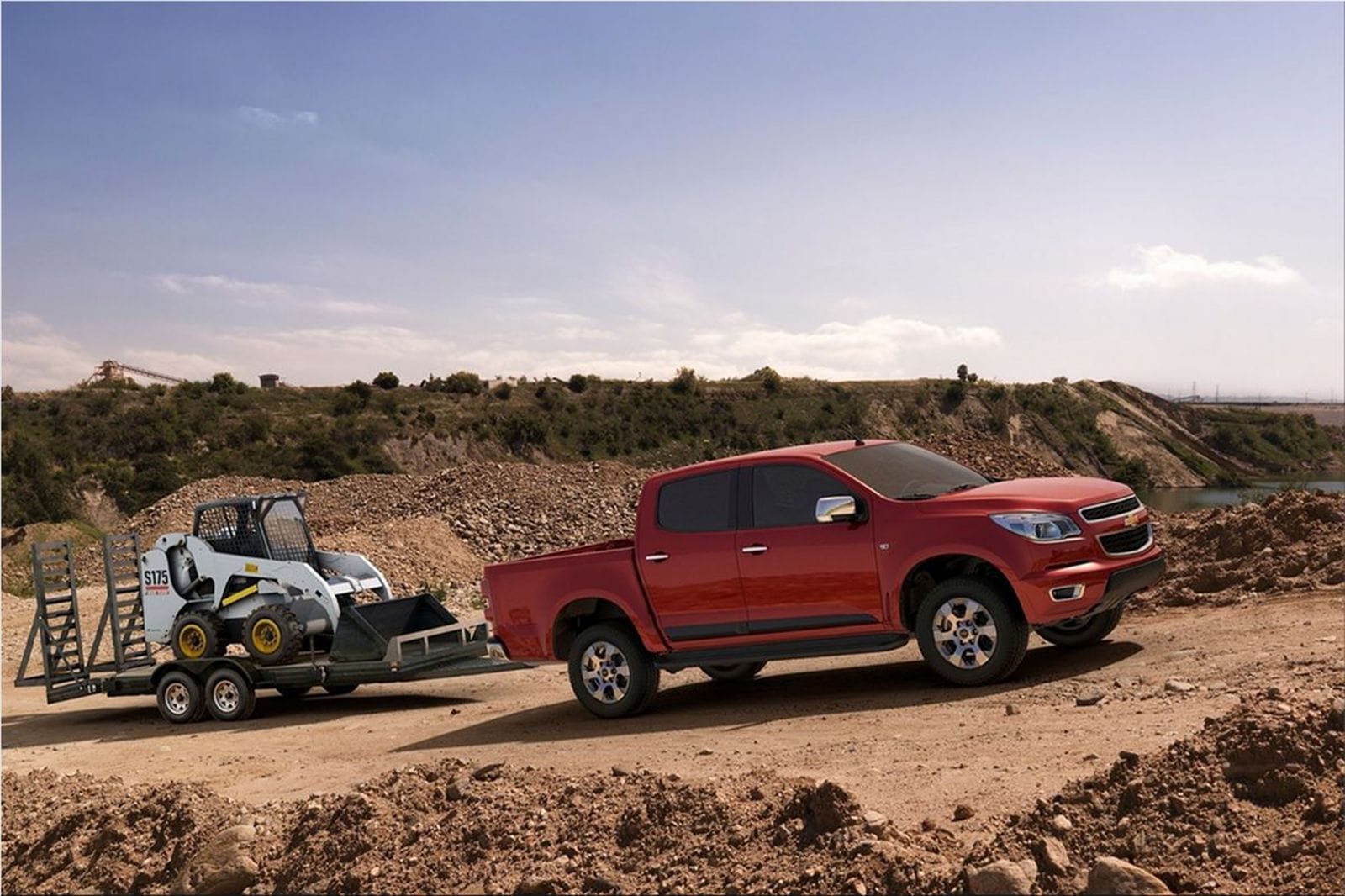
Chevrolet sets the brief around real tasks. The Duramax torque supports trailers and bed payloads. The frame rails and crossmembers manage bending loads. The suspension tuning keeps the rear planted over broken pavement. City drivers get quick steering and predictable brake feel.
What buyers can expect:
- Confident low-rpm pull from both engines.
- Steady ride with mixed payloads.
- Clear step-in and tie-down access for daily work.
Image gallery
Safety and control systems
The truck targets high safety standards across markets. Electronic aids support stability, braking, and traction. Hardware aligns with global regulations.
Active safety feature set
- Electronic stability control
- Anti-lock braking system with electronic brake force distribution
- Traction control
- Hydraulic brake assist
- Cornering brake control
- Driver and passenger front air bags
These systems help in wet season traffic and rural detours. The calibration team tuned for Thai surfaces and loads. The result is predictable control on loose or uneven roads.
Interior: simple layout, smart storage
The cabin follows a dual cockpit design with a flowing center stack. Controls sit high and close. You get Ice Blue LED backlighting in the cluster and HVAC controls. Materials favor durability first. Higher trims add soft-touch surfaces and bright accents.
Storage and seating
Chevrolet maps storage to body style. The counts reflect daily truck life and small-item needs.
| Cab Type | Storage Locations |
|---|---|
| Regular cab | 16 |
| Extended cab | 19 |
| Crew cab | 30 |
Seats use dual-density foam to maintain shape over time. Base trucks can fit a front vinyl bench. Upper trims offer cloth or available leather. Aux power, aux audio, and USB connectivity come standard across the range.
Exterior design: functional strength
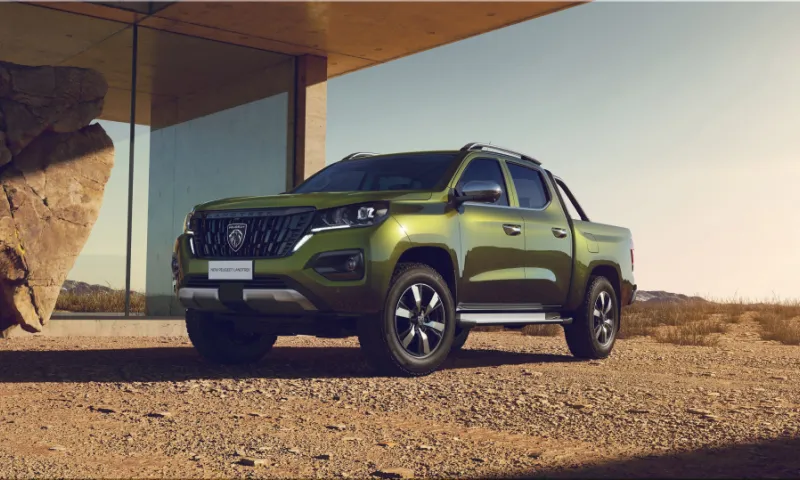
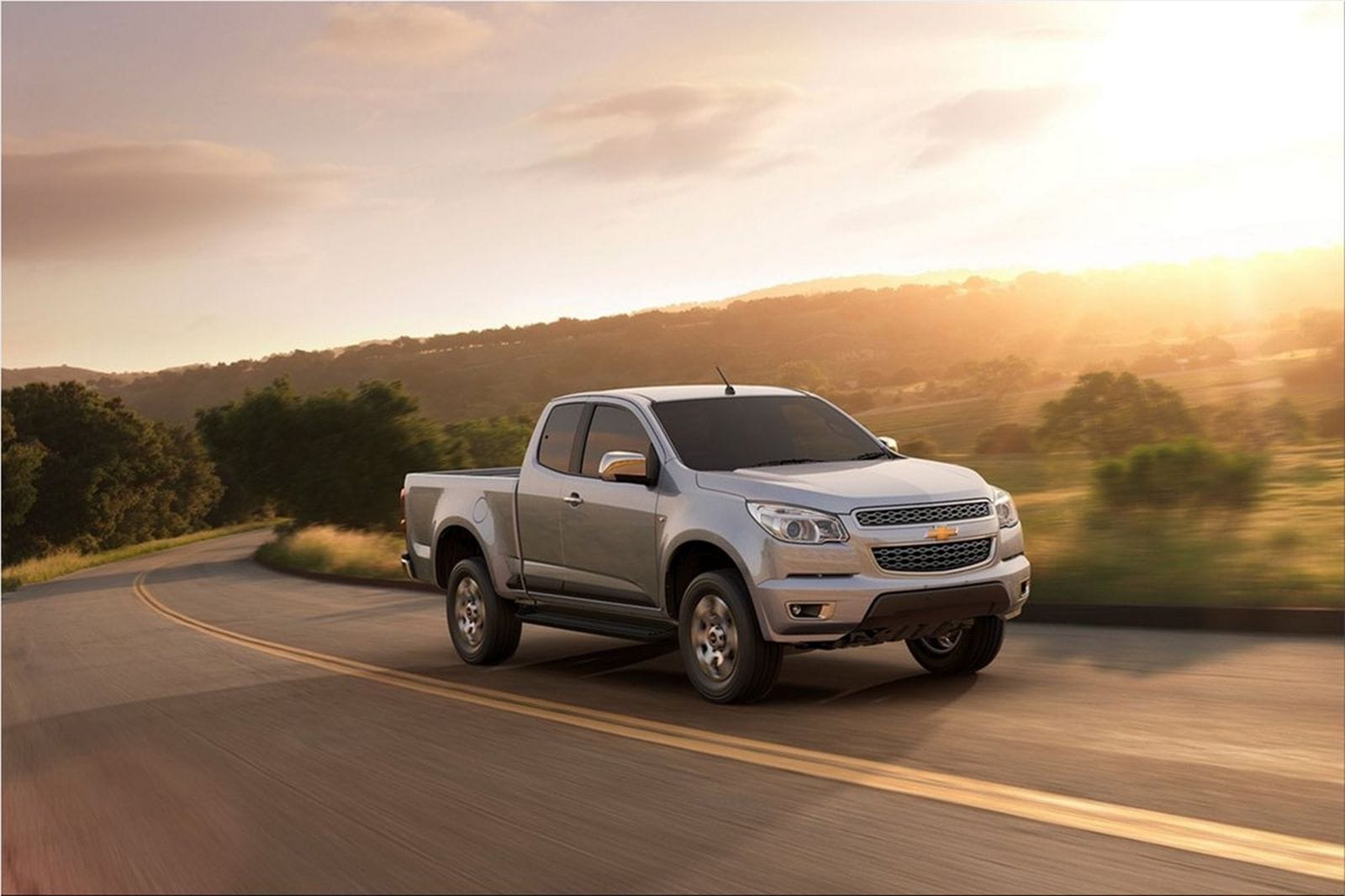
Design work came from GM South America in São Paulo. The look signals strength without excess detail. A power dome and raised cowl shape the front. Dual projector headlamps sit under the dome line for a focused stance. Chevrolet’s dual-port grille uses a three-dimensional mesh. Upper trims add bright accents on select touchpoints.
Lighting and aero details
- LED tail lamps on high-level models mark a first for a Chevy pickup.
- Headlamp and fog lamp treatments vary by trim.
- Sheet metal surfaces stay clean to catch natural light.
These choices target identity and durability. The frontal area supports cooling needs in hot climates. Lighting upgrades also aid visibility during monsoon season commutes.
Trims: LS, LT, and LTZ
Chevrolet structures trims to match budgets and tasks. The LS anchors the range. The LT balances comfort and price. The LTZ leads with features and appearance.
Trim walk highlights
LS
- Work-focused configuration.
- Core safety systems and standard connectivity.
- Vinyl or cloth seating based on spec.
LT
- Added convenience features and appearance upgrades.
- Broad choice of cab and stance combinations.
- Strong value mix for family and work.
LTZ
- Top equipment and lighting upgrades.
- Available LED tail lamps and bright exterior accents.
- Cabin trim with extra chrome detailing.
Ride and handling: two tuning paths
Chevrolet offers two suspension tunes. One targets load and durability. The other targets ride comfort for daily urban use. Both aim for control over speed bumps, ruts, and gravel. Steering effort remains consistent, even with a full bed. Brake feel stays firm after repeated stops.
What this means on the road:
- Stable turn-in with a trailer attached.
- Fewer head-toss motions over broken tarmac.
- Predictable body control in quick avoidance moves.
Factory and local footprint
GM backs the truck with regional manufacturing. The Duramax engines come from a new $200 million USD Thai engine plant. Local content helps manage supply and cost. The line supports regional demand and export volumes. The approach reduces shipping time and currency exposure.
Feature checklist for Thai buyers
Chevrolet aligns the spec sheet with what Thai owners use daily. The list covers safety, connectivity, and hardware that supports hard miles.
Standard or available items:
- Electronic stability control and traction control
- ABS with EBD and hydraulic brake assist
- Cornering brake control
- Front air bags
- USB and aux audio inputs
- High-stance 4WD options for rural routes
- Crew cab space for mixed family and work use
What the Colorado solves in 2012
Thai pickup owners want range, torque, and uptime. The Duramax pair addresses operating cost and towing needs. The body-on-frame chassis handles payload cycles and road abuse. The cabin storage plan tackles everyday small-item clutter. The spec walk lets buyers hit a price and still get core hardware.
Competitive lens
The Chevrolet Colorado enters a crowded field. Competitors bring brand loyalty and deep dealer networks. Chevrolet answers with fresh diesels, wide configurations, and a global parts strategy. Torque output and storage solutions will drive early shopping lists. Fit-and-finish and long-haul comfort will decide repeat sales.
Data snapshot: the essentials
Architecture
- Body-on-frame, rear-drive base
- 2WD and 4WD availability
Engines
- 2.8-liter Duramax: 180 hp, 346 lb-ft (auto), 324 lb-ft (manual)
- 2.5-liter Duramax: 150 hp, 258 lb-ft
Transmissions
- 6-speed automatic (2.8L)
- 5-speed manual (2.8L and 2.5L, market dependent)
Trims
- LS, LT, LTZ
Cabs
- Single, extended, crew
Stance/Body
- High-stance and low-stance
- Wide-body and narrow-body
Safety tech
- Electronic stability control
- ABS with EBD
- Traction control
- Hydraulic brake assist
- Cornering brake control
- Front air bags
Interior
- Dual cockpit layout
- Ice Blue LED backlighting
- 16/19/30 storage locations by cab
Design cues
- Power dome hood
- Dual-port grille
- Dual projector headlamps
- LED tail lamps (select models)
Buyer guide: match the truck to the task
Use these quick filters to land the right spec.
- Choose single cab for fleet duty and max bed use.
- Choose extended cab for tools and occasional second-row needs.
- Choose crew cab for daily family use.
- Pick 2WD for urban routes and lower running cost.
- Pick 4WD for mixed dirt, farm, or seasonal routes.
- Select 2.8-liter Duramax for towing and hilly terrain.
- Select 2.5-liter Duramax for budget-led use and light loads.
- Step to LT for daily comfort without losing value.
- Step to LTZ for lighting, trim, and the most features.
What the numbers say
The 2.8-liter Duramax sets the tone. 346 lb-ft with the automatic supports real towing. The 6-speed helps keep revs low on the highway. The 2.5-liter covers budget and fleet needs. Storage counts by cab show practical thinking. Safety tech breadth matches urban and rural demands. The launch in Thailand fits the market’s pickup share and usage patterns. The spend signals GM’s intent to grow global truck volume.
Final word
The 2012 Chevrolet Colorado keeps the brief tight. Torque where it counts. Configurations that match real work. Safety and storage that cut daily friction. The program delivers a midsize pickup that feels purpose-built for Thailand and ready for global roads. Buyers get choice without fluff and hardware that works hard. That is the right mix for this segment today.
- Add new comment
- 289 views