When it comes to increasing your truck range, and also improving how efficiently you work, fuel tanks become very useful. Not something everyone thinks about in the beginning, honestly. But once you start working longer hours, or traveling far distances, then you really notice the need. A high-quality fuel tank helps store and move fuel safely, which is important, obviously. Whether you are in construction, agriculture, or doing long-distance driving, having extra fuel capacity just makes things easier. Less stopping again and again, more working. That is really the point.
What Are Truck Fuel Tanks?
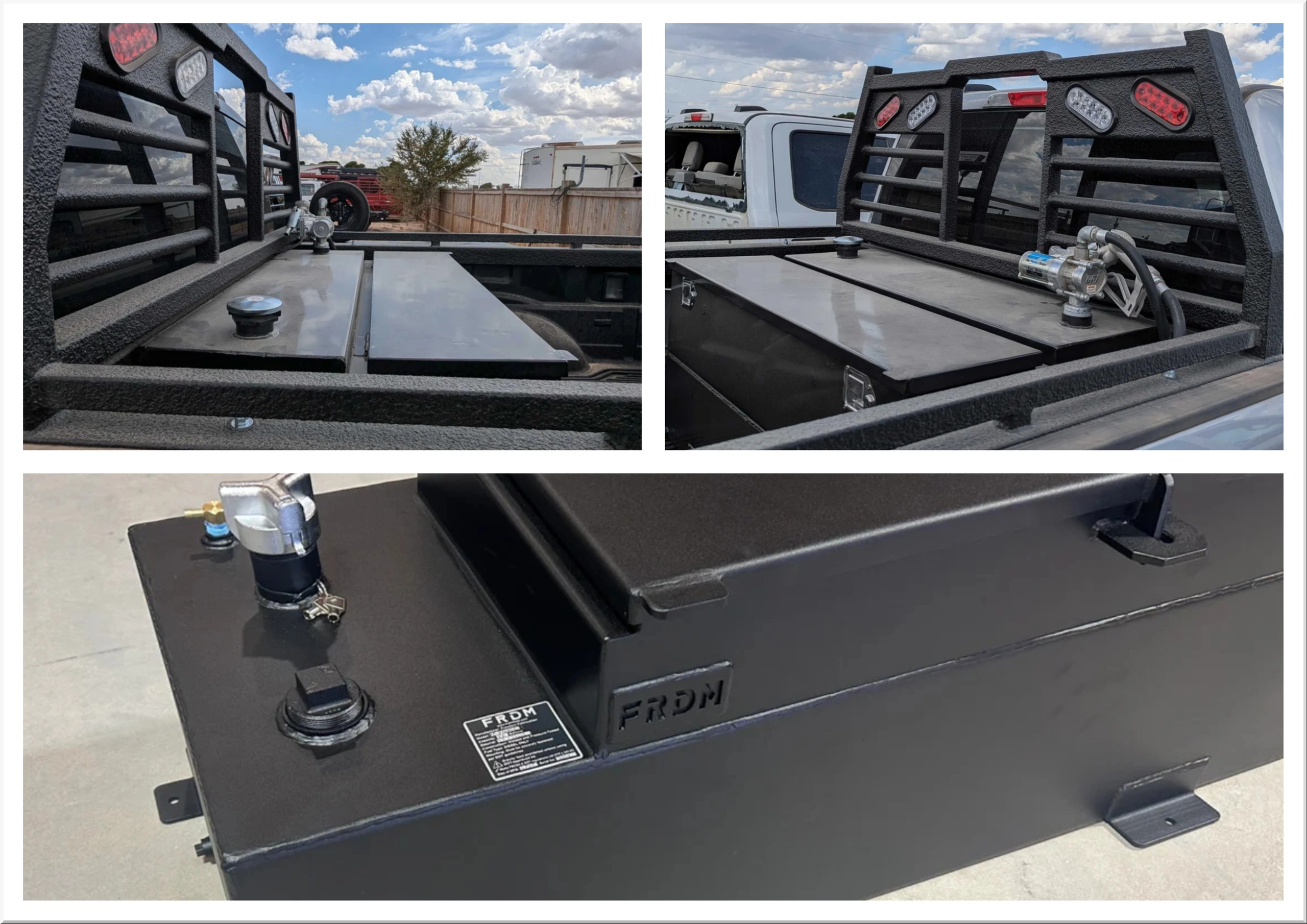
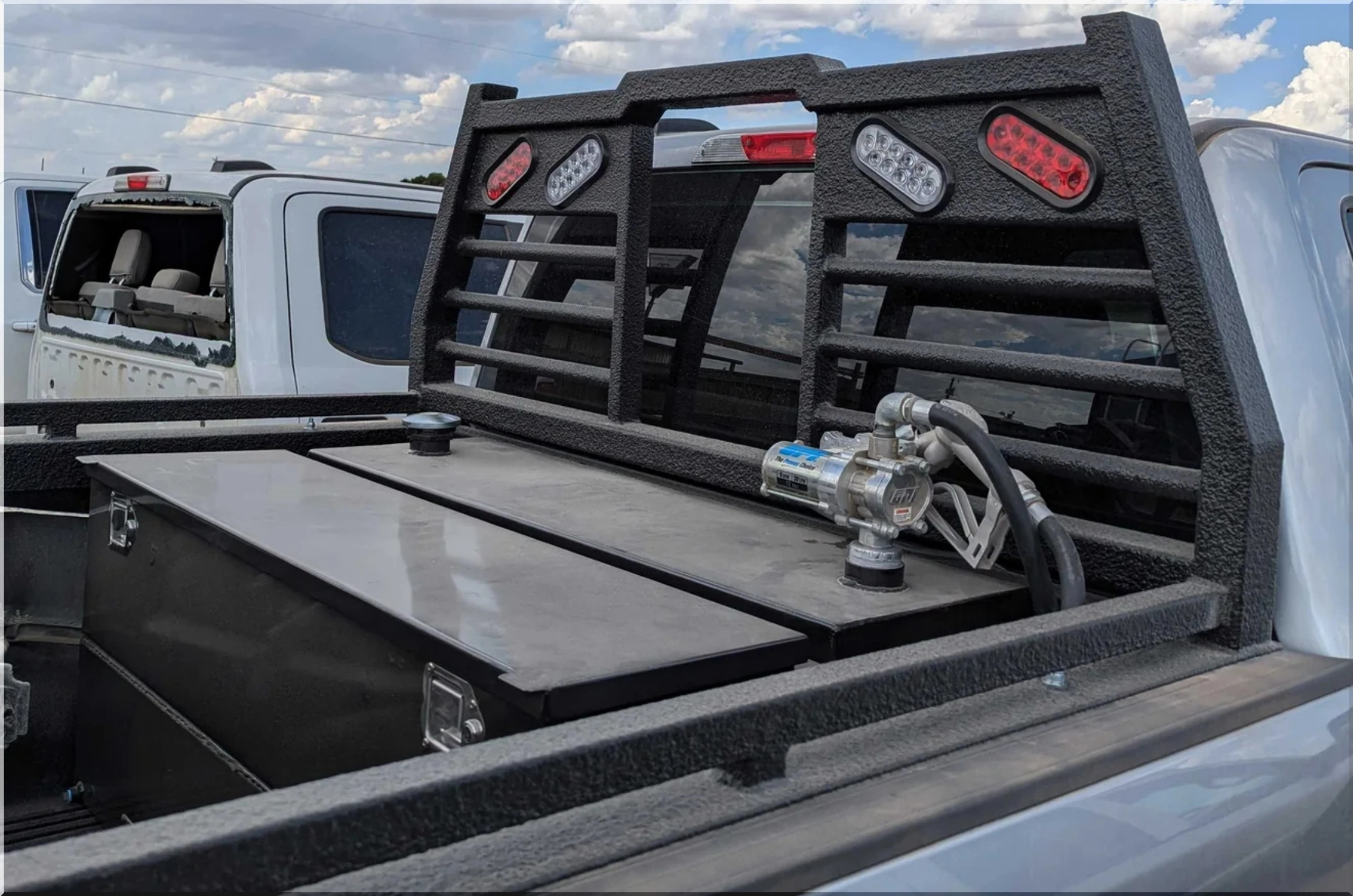
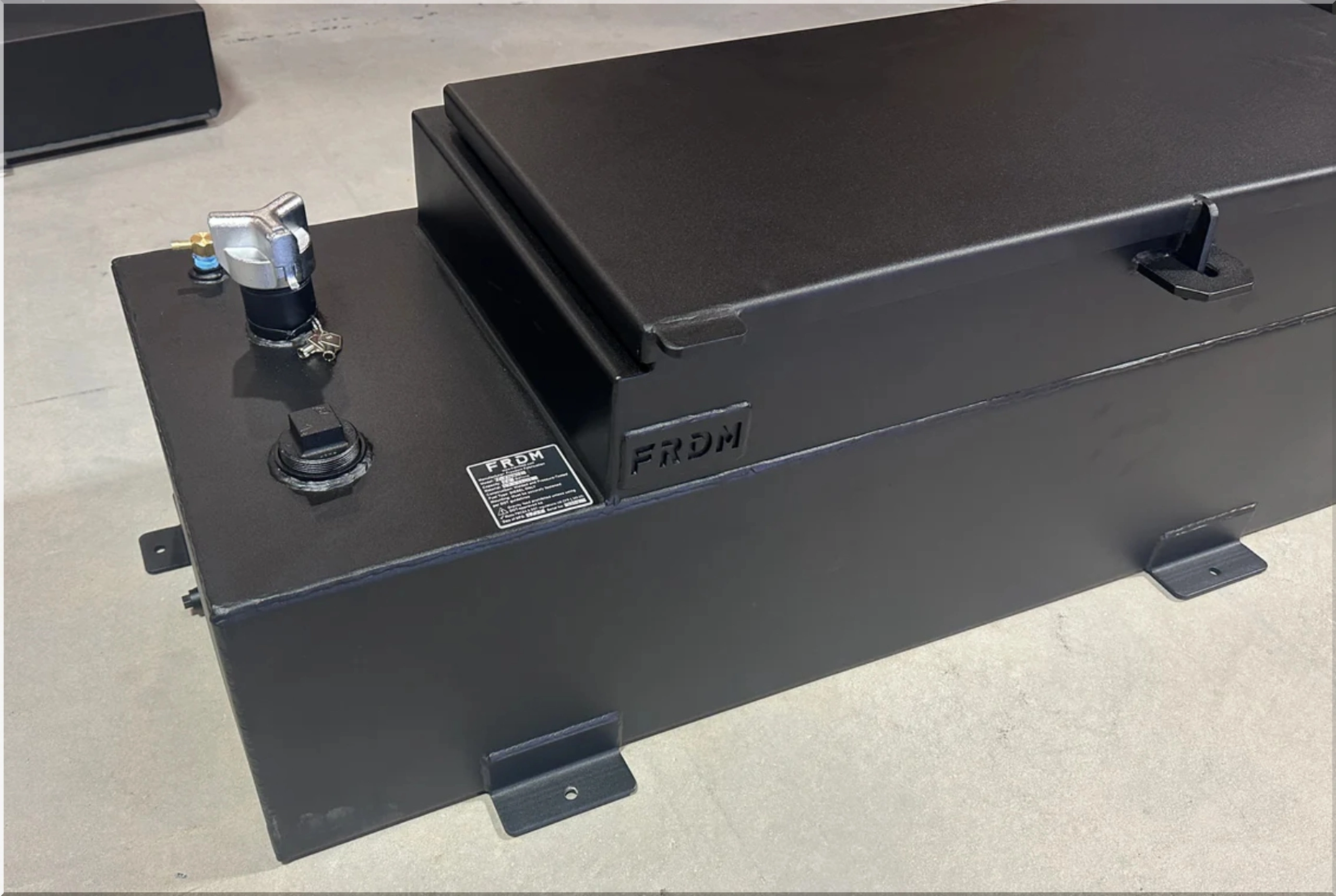
Truck fuel tanks are basically storage systems, made specially to hold fuel. Their job is simple, but important. They store fuel and deliver it safely, either to the engine or sometimes to other equipment. FRDM Fabs makes these tanks with durability in mind, also safety and performance. Not just for occasional use, but for people who depend on their trucks every day.
Modern fuel tanks are built to handle rough conditions. Vibration, temperature changes, uneven roads, all of that. They are designed to keep fuel supply steady, even in those situations. This becomes very important, especially on long trips or remote job sites, where stopping for fuel is not always possible. Or not convenient at least.
Types of Fuel Tanks Available
There are different types of fuel tanks. Which one you choose depends on your usage, mostly.
Transfer Fuel Tanks
Used to carry fuel safely from one place to another
Good for refueling equipment directly on-site
Come in different sizes, like 45, 50, 70, or 75 gallons
Fuel Tank Toolbox Combos
These combine fuel storage with tool storage
Save space in the truck bed, which many people prefer
Give extra convenience, especially for contractors
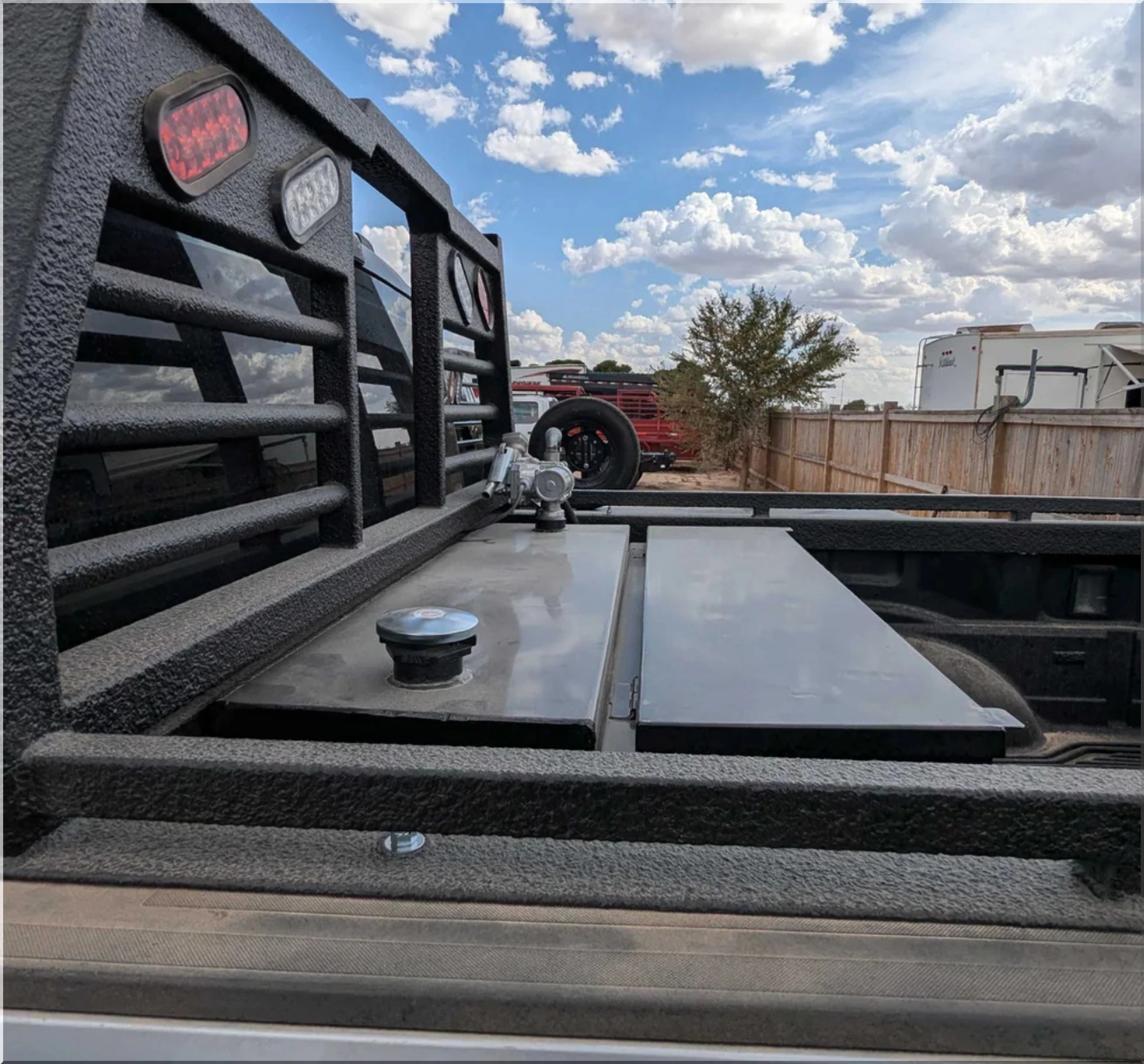
These combo units are quite popular. People like them because they solve two things at once. Storage and fuel, together. Makes sense.
Auxiliary Fuel Tanks
Help increase how far you can drive
Reduce the need for frequent fuel stops
Useful for long trips or working in remote areas
Key Features of Modern Fuel Tanks
High-quality fuel tanks usually include some advanced features. You may not always notice them, but they matter.
Durable Construction
Most tanks are made from aluminum or steel. Aluminum is lighter and resists corrosion better. Steel is heavier, but stronger for heavy-duty use. Both are good, just depends on what you need.
Internal Baffles
Inside the tank, there are baffles. These help control fuel movement. Without them, fuel would move too much when driving, which is not good. So this improves stability, even if people do not always think about it.
Leak Prevention and Safety Systems
Modern tanks come with:
Strong seals
Ventilation systems
Pressure control features
All these things work together to prevent leaks and keep operation safe.
High Capacity Options
Fuel tanks come in many sizes. Bigger tanks mean you can travel longer without stopping. This helps productivity, especially in long or continuous work.
Benefits of Using Fuel Tanks
1. Extended Driving Range
One big advantage is longer driving range. You do not need to stop again and again. This is very helpful in remote places.
2. Increased Productivity
More fuel means less interruption. Work continues without stopping too often. Simple, but effective.
3. Cost Efficiency
Buying fuel in bulk can reduce cost. Also fewer trips to fuel stations, which saves both time and money over time.
4. Convenience on Job Sites
You can refuel directly where you are working. No need to move equipment back and forth. That alone saves a lot of effort.
5. Space Optimization
Combo units help use truck bed space better. Especially useful when carrying both tools and fuel together. Not perfect for everyone, but works well for many.
Common Applications of Fuel Tanks
Fuel tanks are used in many industries. Not just one type of work.
Construction
Used for refueling machines and transporting fuel to job sites.
Agriculture
Farmers use them for tractors, harvesters, irrigation systems, all that.
Transportation and Logistics
Long-distance drivers benefit from fewer stops. Helps with better scheduling also.
Off-Road and Remote Work
In areas where fuel stations are far away, these tanks become almost necessary.
Important Safety Considerations
Fuel tanks must follow strict safety rules. This part is important, not something to ignore.
They usually require:
Leak-proof construction
Secure mounting systems
Resistance to impact
Proper ventilation and pressure control
All these make sure the tank works safely in real conditions.
How to Choose the Right Fuel Tank
Choosing the right tank depends on a few things. Not always simple, but manageable.
Capacity Requirements
Choose a size based on how much fuel you use and how far you travel.
Material Preference
Aluminum is lighter and resists corrosion. Steel is stronger for heavy use.
Compatibility
The tank must fit your truck properly. This is important, but often overlooked.
Additional Features
Look for extra features like storage combos, baffles, or safety systems.
Usage Type
Decide if you need a transfer, auxiliary, or combo tank. Depends on your work.
Installation and Maintenance
Easy Installation
Most tanks are designed for simple installation. Usually placed in the truck bed, with minimal modifications needed.
Regular Maintenance
Check for leaks or damage sometimes
Keep the tank clean
Inspect seals and fittings regularly
Not complicated maintenance, but still necessary.
Why High-Quality Fuel Tanks Matter
Investing in a good fuel tank gives long-term benefits. Not only short-term use.
Reliable fuel storage
Better efficiency overall
Improved safety during operation
Less downtime
Stronger truck performance
For people using trucks every day, this is not just an extra feature anymore. It becomes something you depend on. Almost necessary, you can say.
Conclusion
Fuel tanks are an important upgrade if you want better efficiency and easier fuel management. They help extend driving range and make work smoother, especially in demanding conditions.
With strong materials, safety features, and practical design, fuel tanks from FRDM Fabs offer both performance and convenience. Whether you need a transfer tank, a combo unit, or an auxiliary system, choosing the right one helps a lot. Maybe not in every small situation, but in most real work cases, it does make a difference.
Image gallery
- Add new comment
- 130 views