What Toyota announced
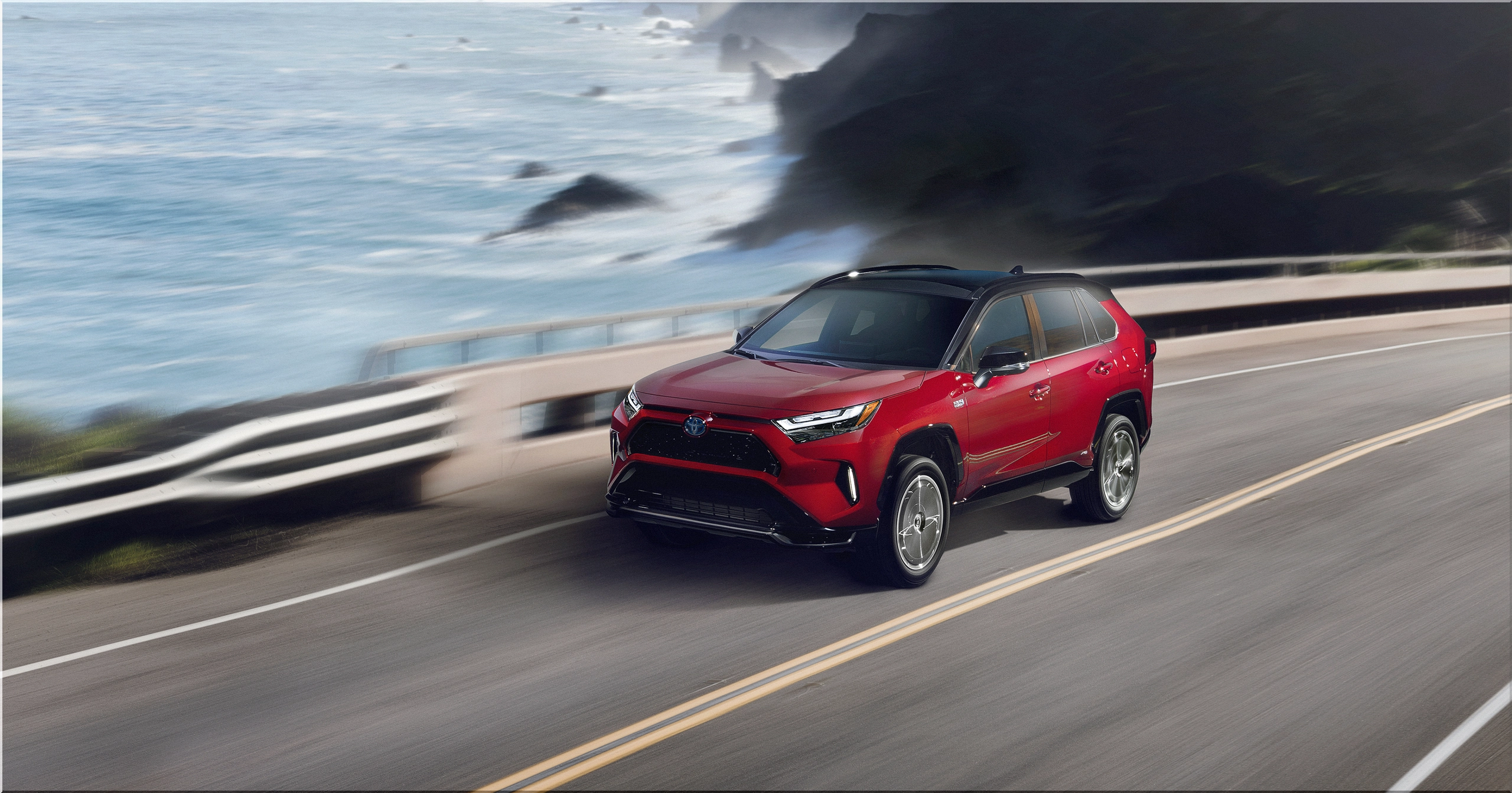
The all-new Toyota RAV4 debuted in Japan. Toyota confirmed a hybrid-only lineup with HEV and PHEV variants. The company flagged the first Arene software rollout on a production Toyota. The event set the tone for a software-defined RAV4 with faster updates and smarter safety. Toyota plans a staged rollout across 180+ countries and regions. Japan gets the new model by the end of fiscal year 2025. Other regions follow through 2026. The RAV4 enters its sixth generation with targeted gains in efficiency, usability, and safety.
Powertrain strategy: HEV and PHEV only
Toyota cuts pure gasoline grades from the global story. The new Toyota RAV4 arrives as HEV or PHEV. That move aligns with Toyota's volume electrification plan. It also trims complexity for buyers and plants. Toyota says the latest systems deliver stronger response and lower losses. The PHEV becomes the flagship for daily electric miles. The HEV targets broad value and fleet volume. Either way, the focus is clear. Electrification drives the RAV4 business case.
PHEV: longer EV range, faster charging, and home power
The Toyota RAV4 PHEV moves to a higher capacity battery. Toyota targets 150 km electric range on a full charge. That equals about 93 miles. The front axle uses silicon carbide power semiconductors to cut losses. The system accepts DC fast charging. Toyota quotes an 80% charge in around 30 minutes on a 50 kW or higher fast charger.
The 2026 Toyota RAV4 plug-in hybrid supports V2H for backup or planned home power. Toyota also cites a 12% motor output increase. The aim is stronger launch and better off-road control. These are tangible upgrades for plug-in owners who road-trip and charge on the go. DC fast charging on a PHEV remains rare. That feature matters for real distance and time.
HEV: fifth-gen tuning and quicker response
The RAV4 HEV focuses on efficiency and feel. Toyota reworked the transaxle, power control unit, and battery. The result is better throttle response and tighter control. The hybrid now delivers more seamless low-speed torque. The calibration targets steady acceleration in daily traffic. The system also trims losses under highway loads. Toyota expects broad volume from HEV grades across regions.
Image gallery
Software and safety: Arene and the next-gen Toyota Safety Sense
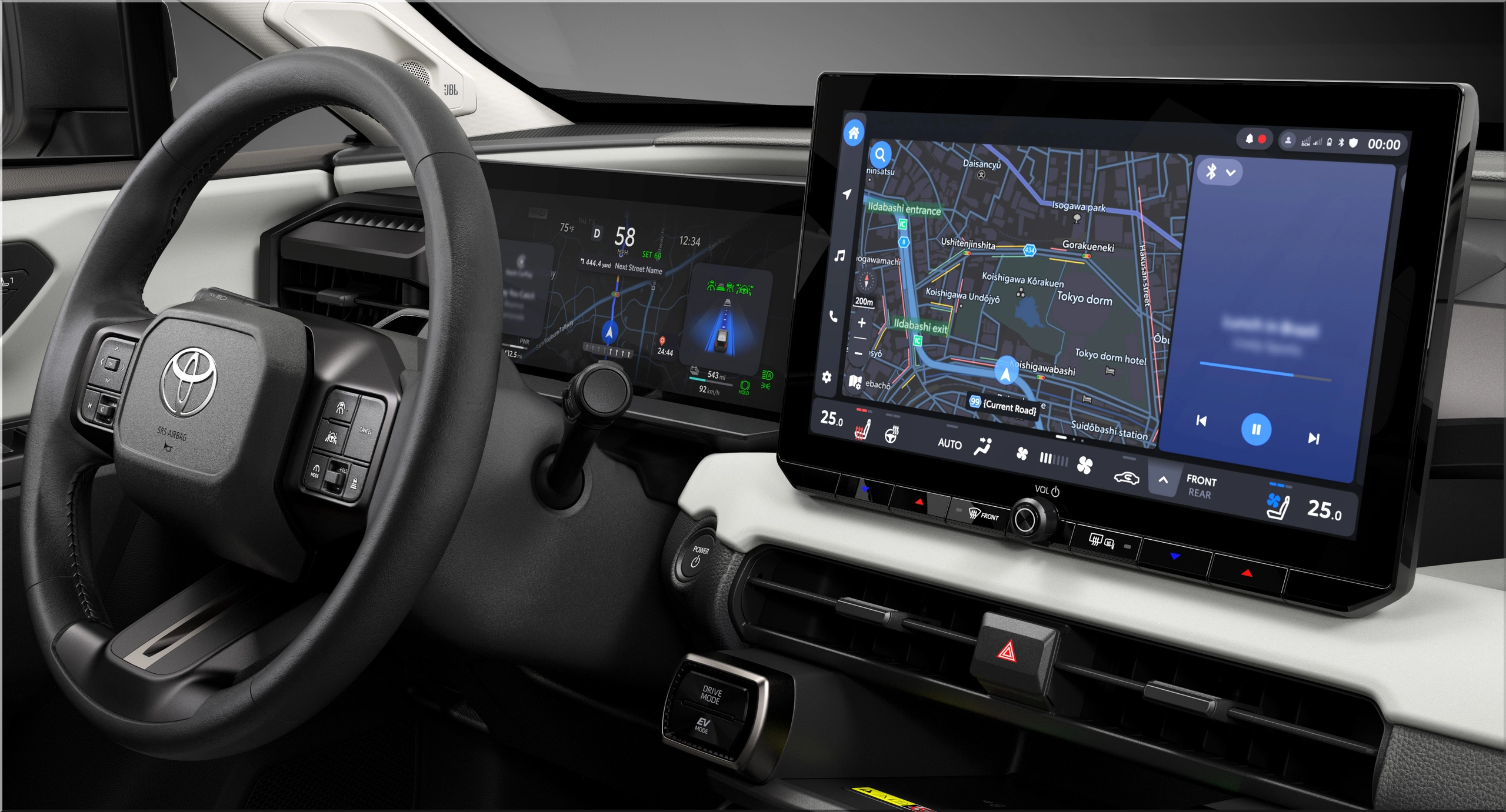
The headline tech is Arene, Toyota's in-house software platform. Arene powers a new multimedia stack and over-the-air updates. It also supports faster voice recognition and a configurable home screen. The move lays the groundwork for shorter update cycles. Owners gain features and refinements without dealer visits.
The RAV4 debuts a new iteration of Toyota Safety Sense. Toyota expands capability and quickens response. The suite adds smarter lane support and smoother handoffs in dense traffic. The stack can grow through software updates as Toyota pushes new functions.
Safety functions you can use
- Emergency Driving Stop System now guides to a safe shoulder when possible. The car slows and stops if the driver becomes unresponsive.
- Sudden acceleration suppression helps prevent unintended bursts of throttle. Toyota now includes this within the standard safety suite.
- Proactive support smooths braking and steering inputs in day-to-day use. The goal is stable, predictable control.
These features reflect Toyota's focus on practical safety. The company builds tools for real problems. It then deploys them at scale.
Design: 'RAV4-ness' shaped by three clear themes
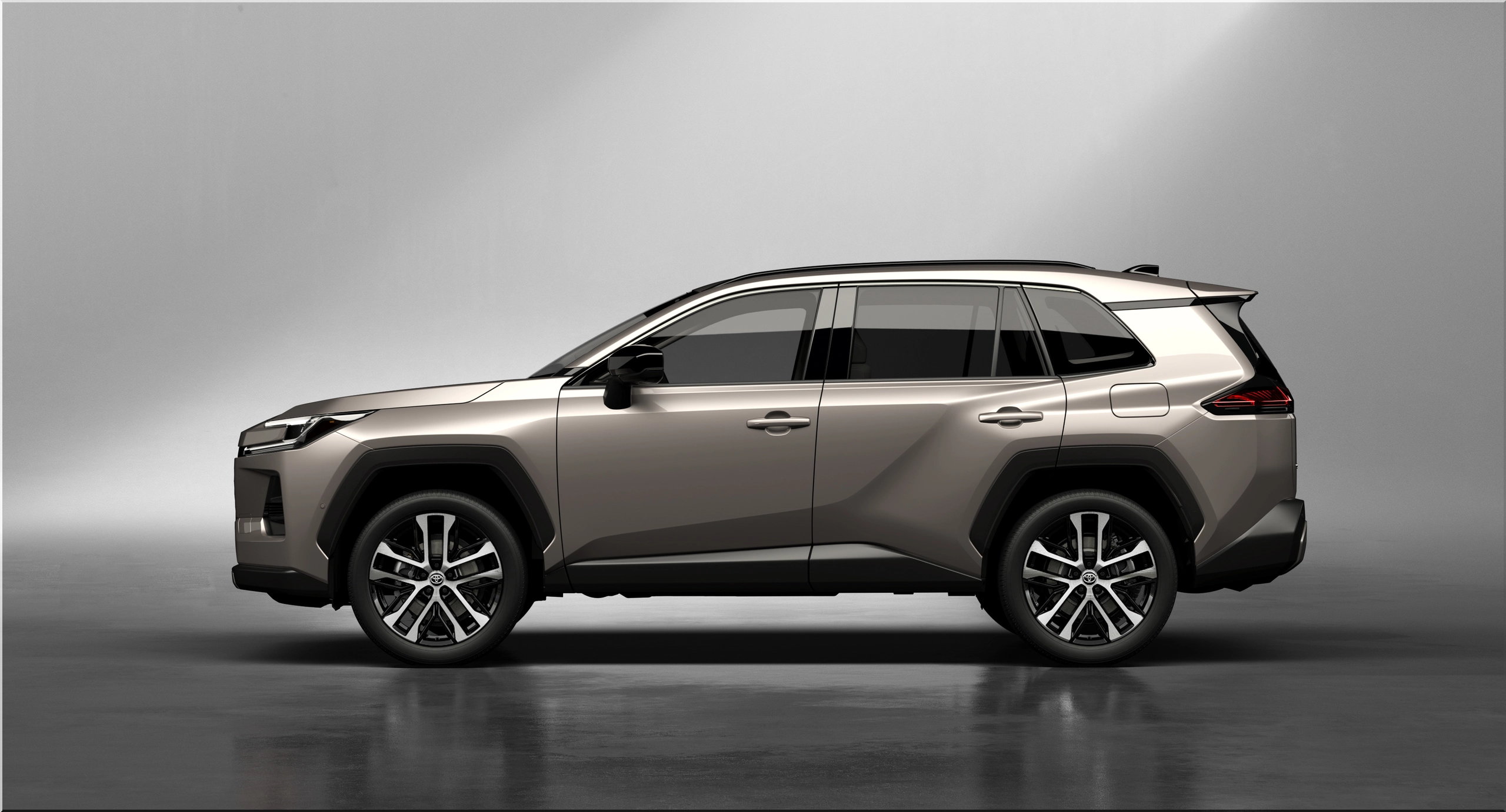
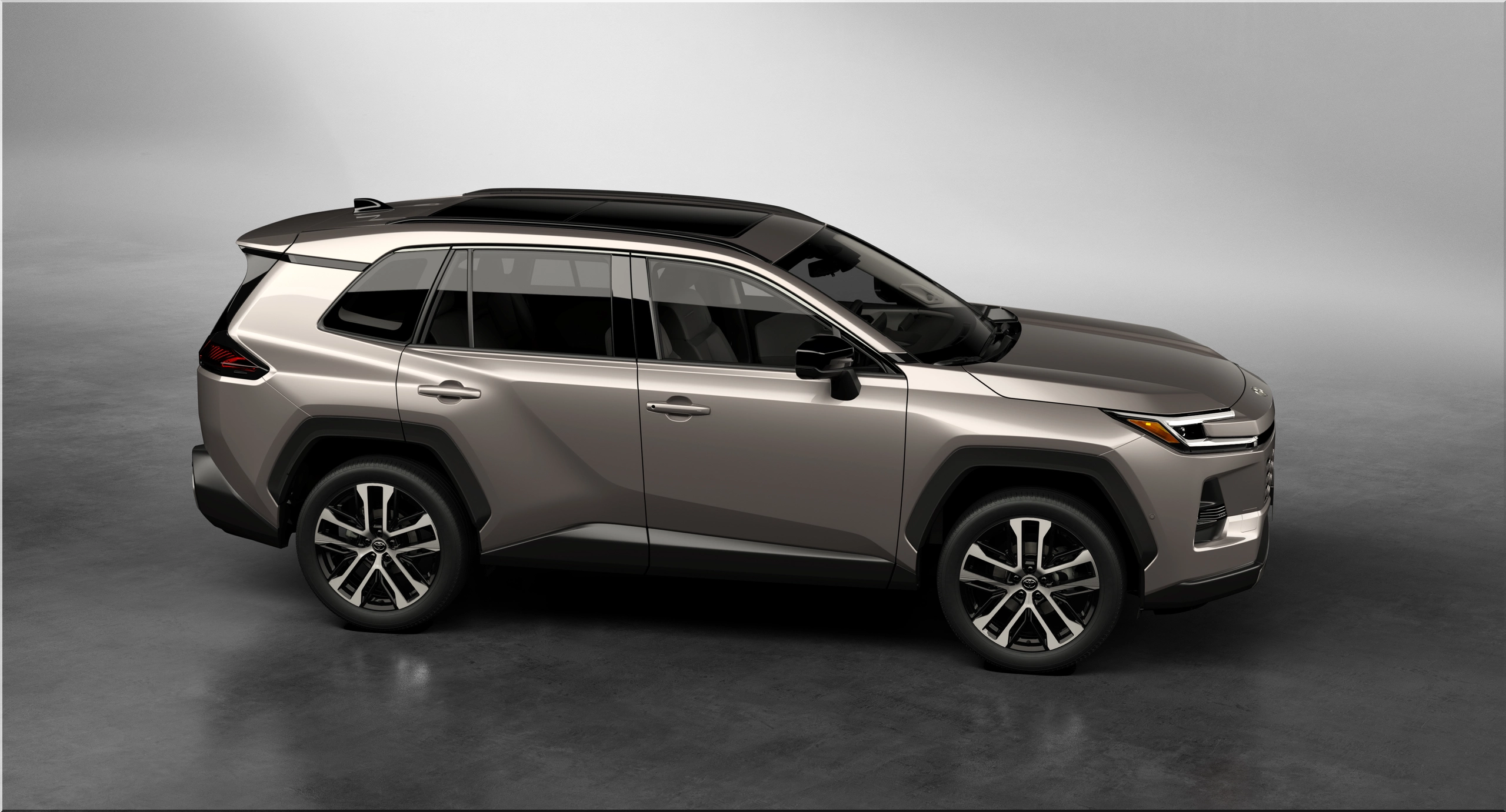
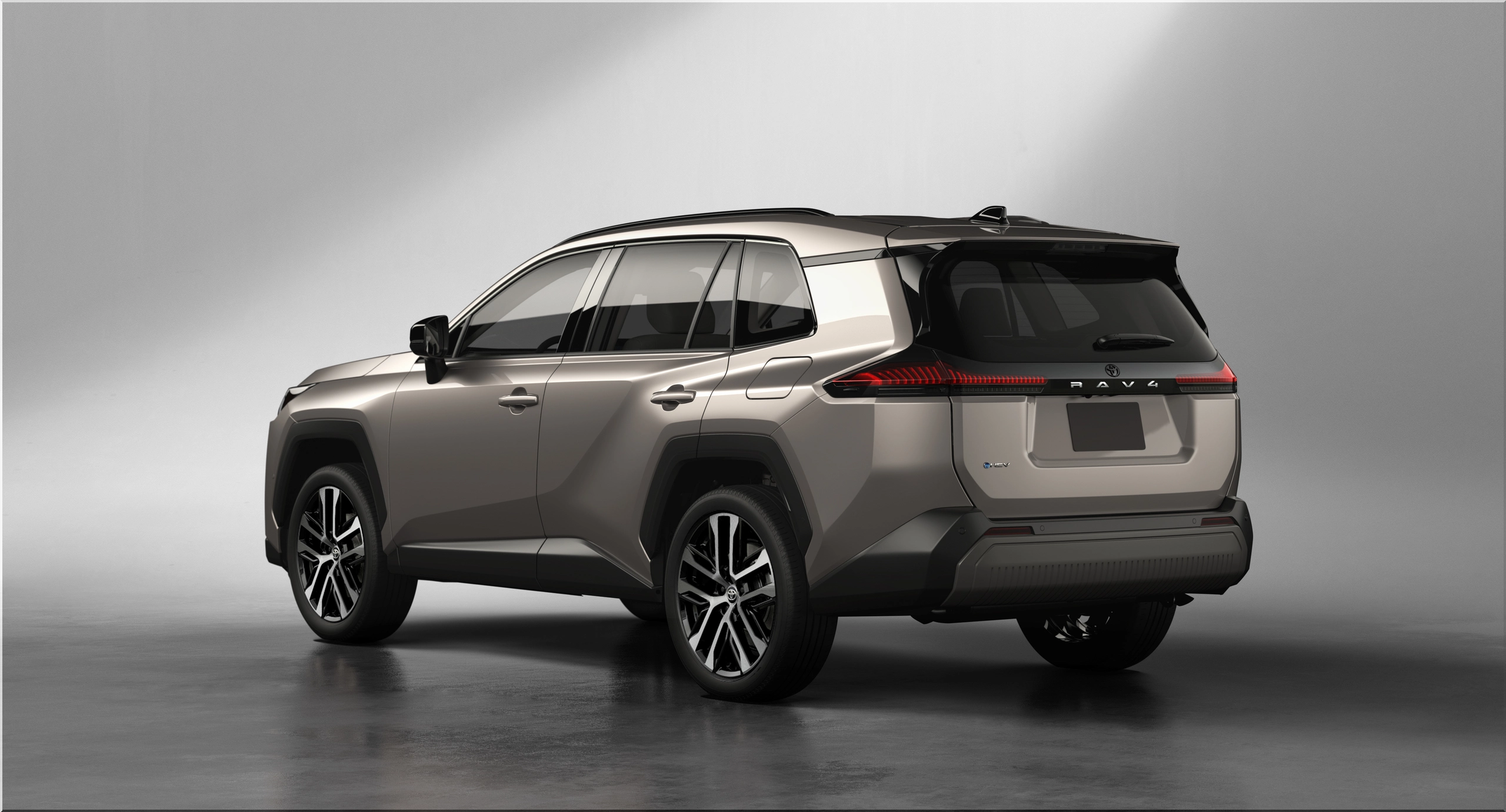
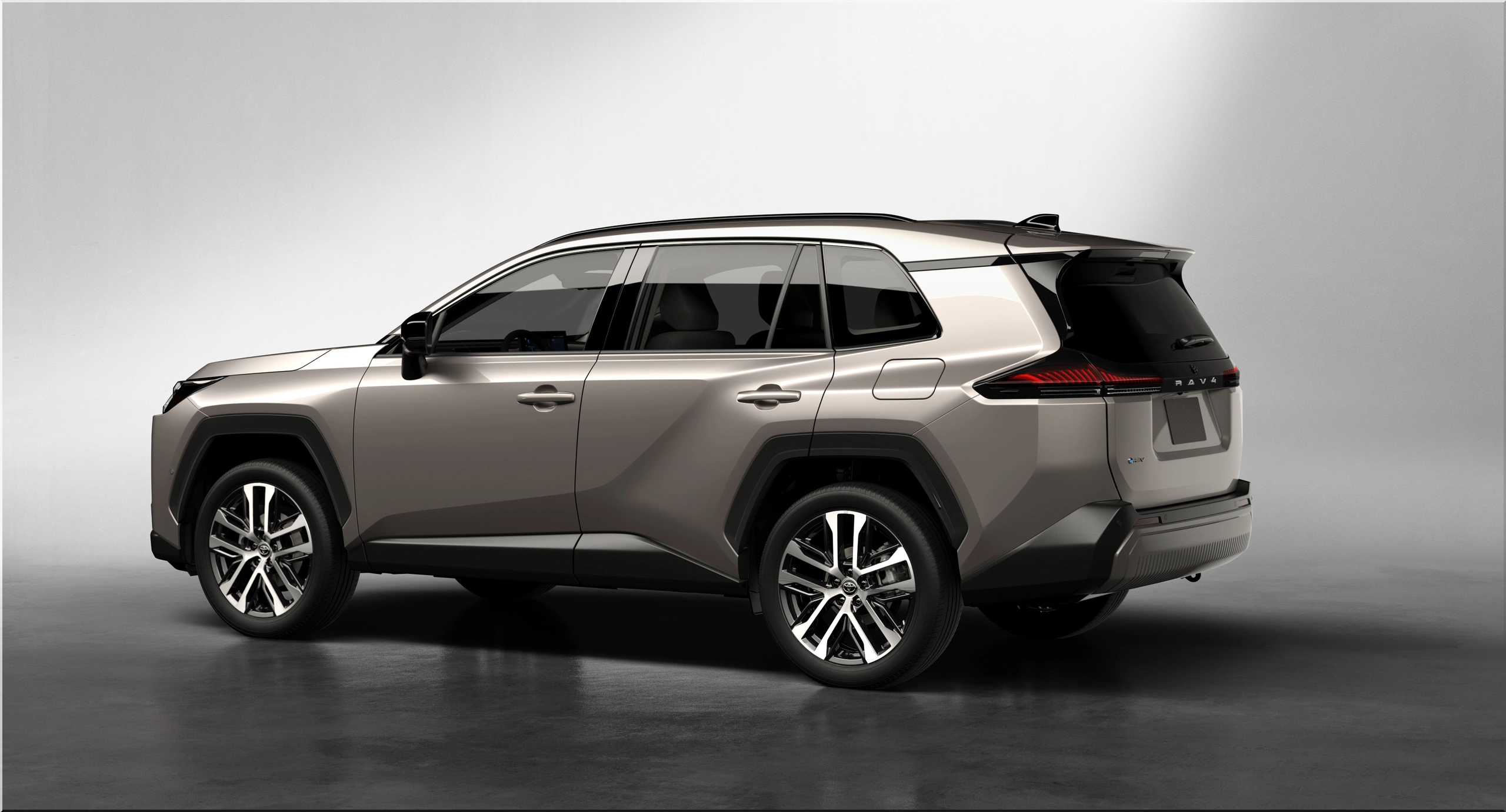
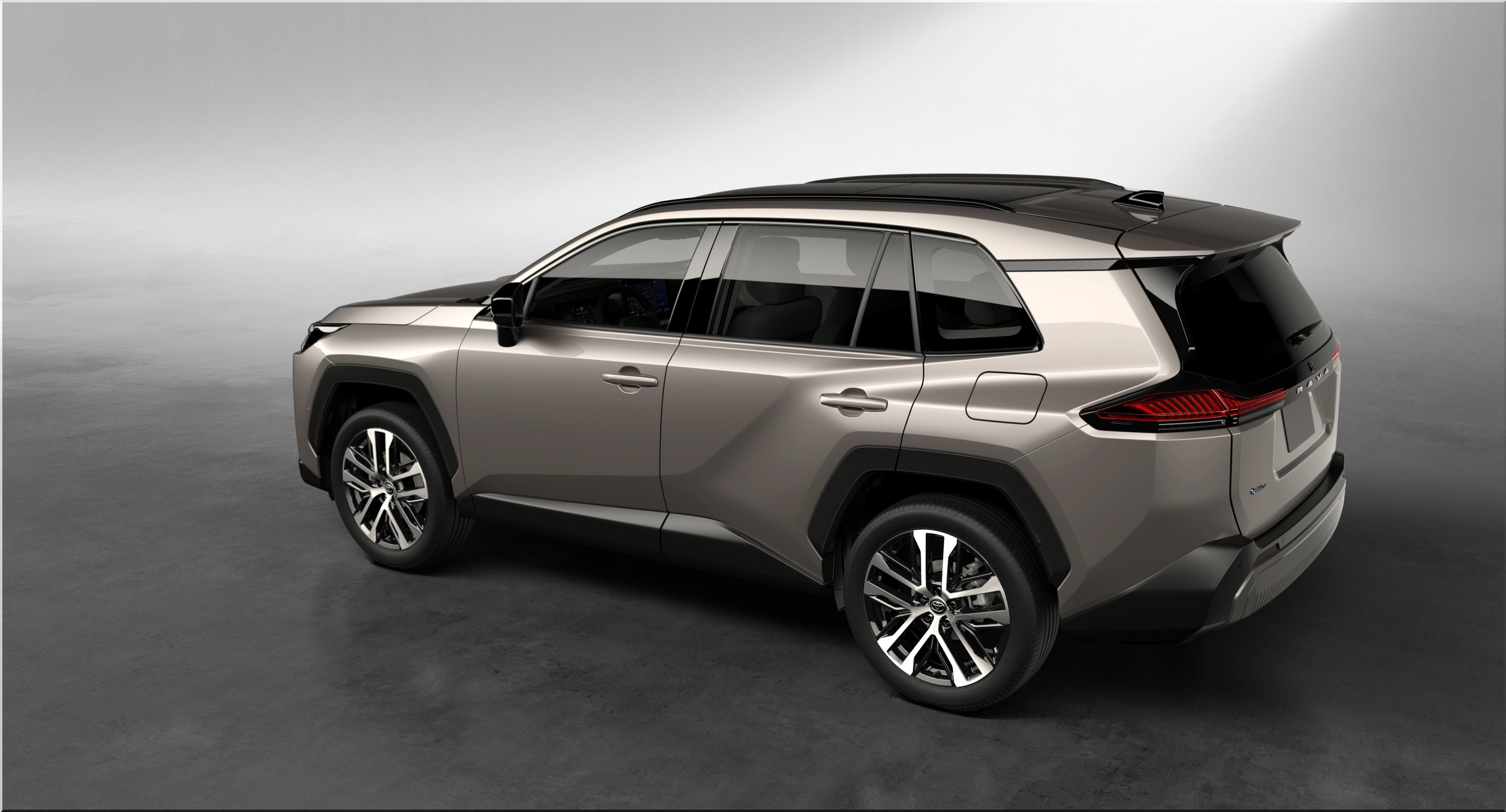
Toyota kept the stance familiar and sharpened the details. The new RAV4 follows three design pillars:
- Big Foot: space for large-diameter tires and a planted footprint.
- Lift-up: a strong nose and raised body cues signal rough-road intent.
- Utility: straightforward cargo access and clean surfaces that stay functional.
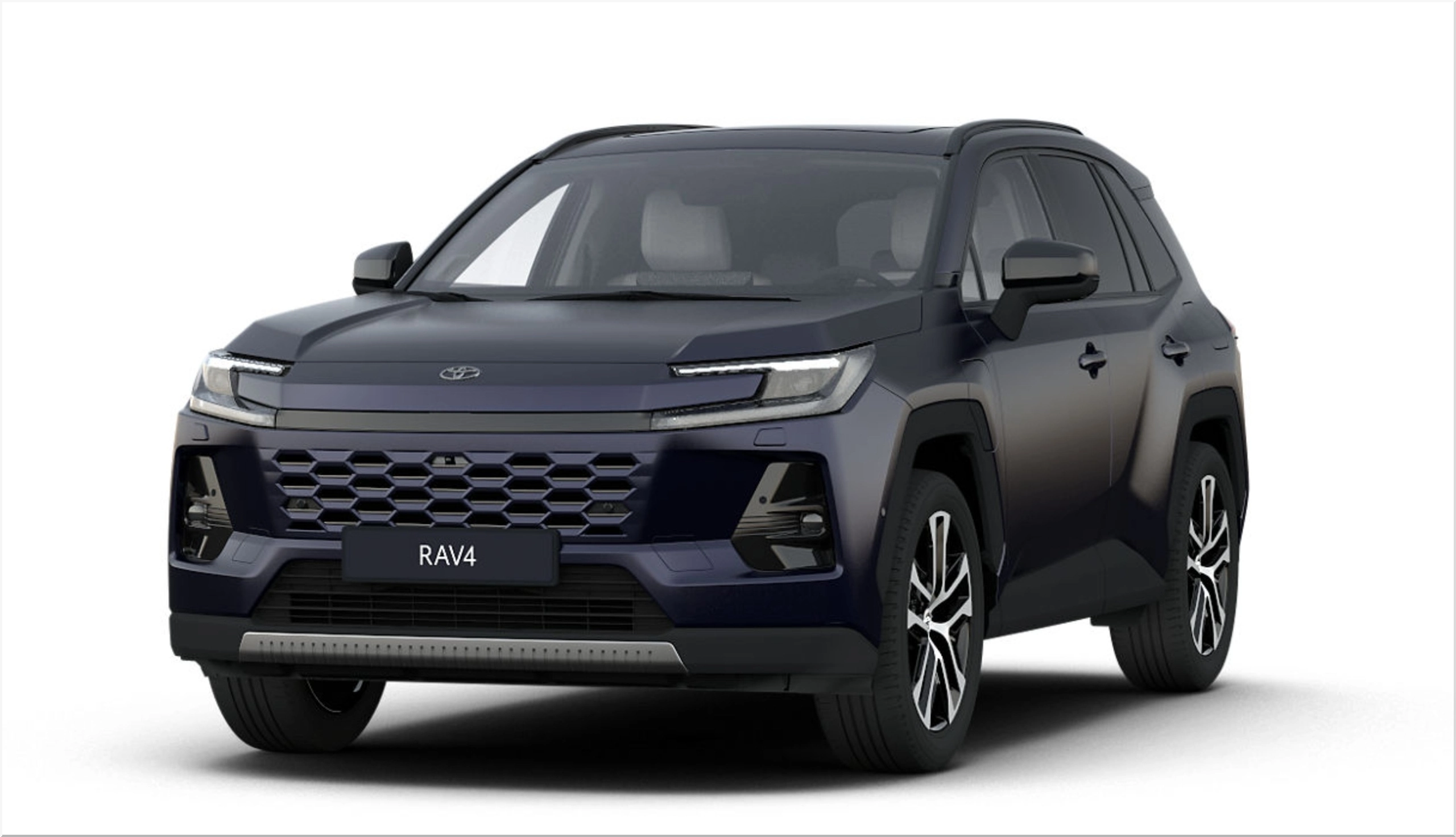
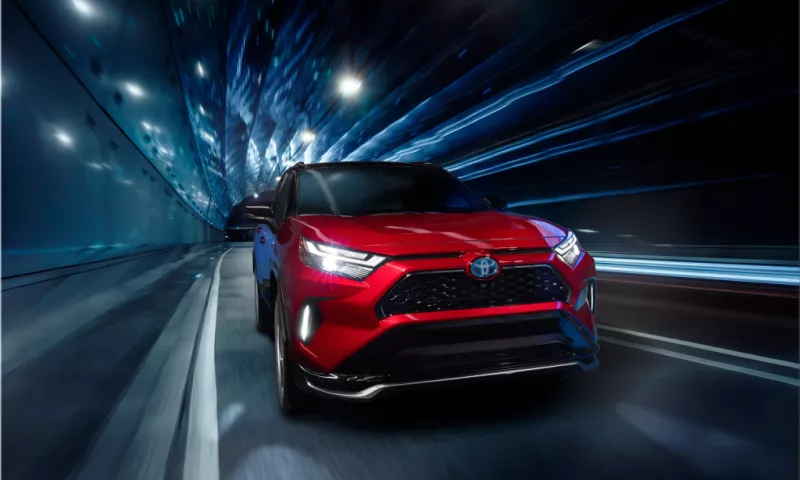
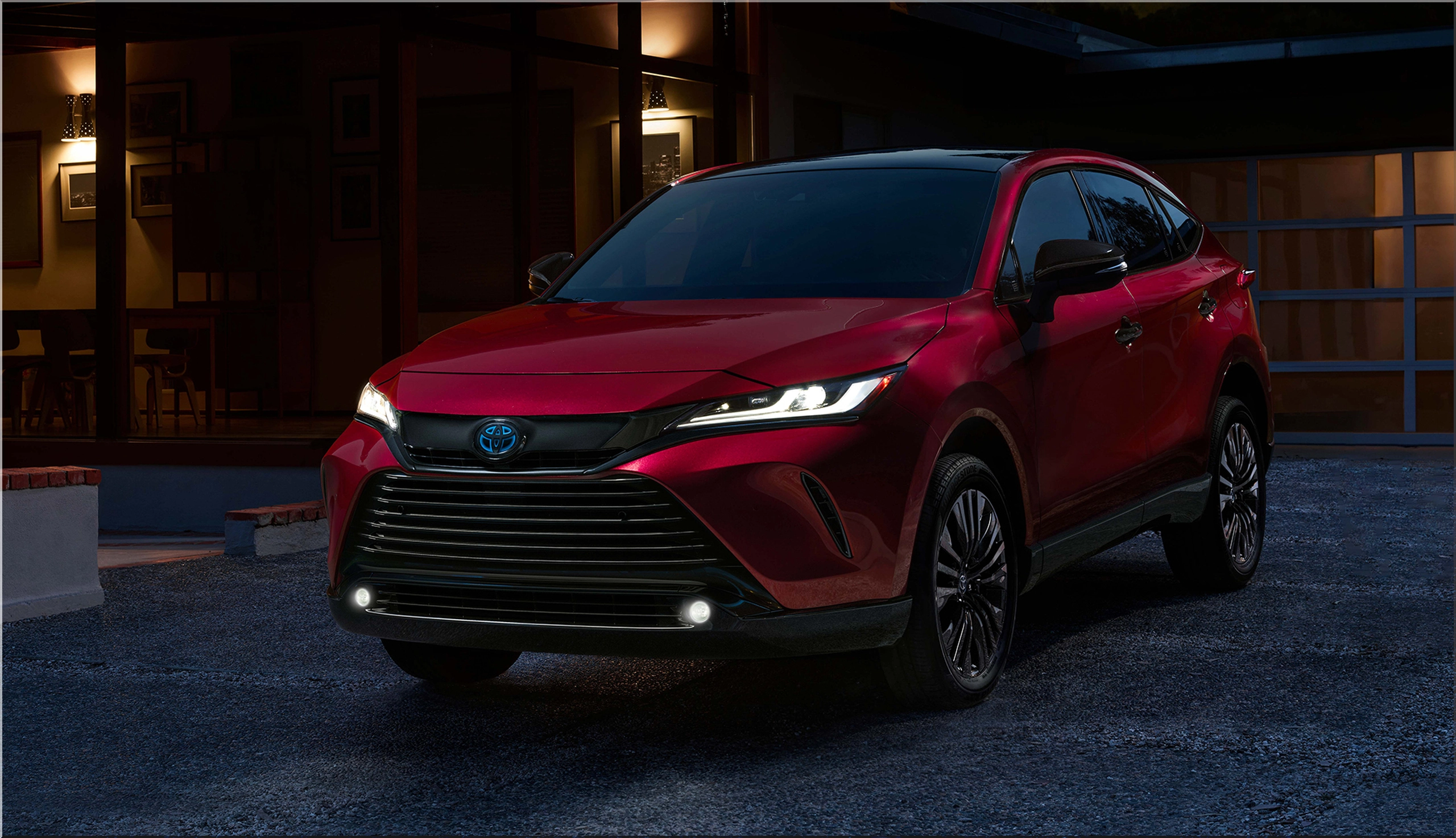
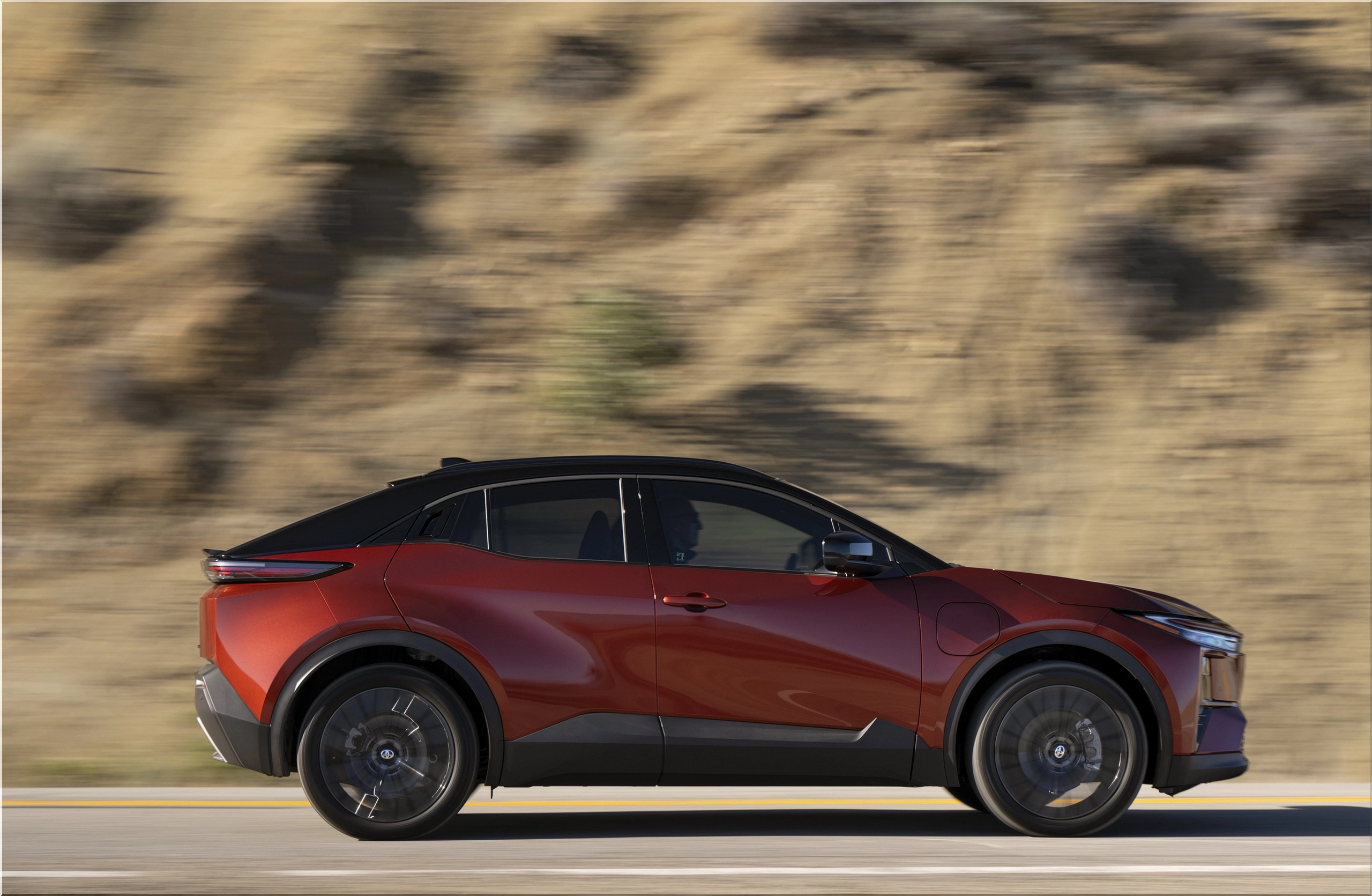
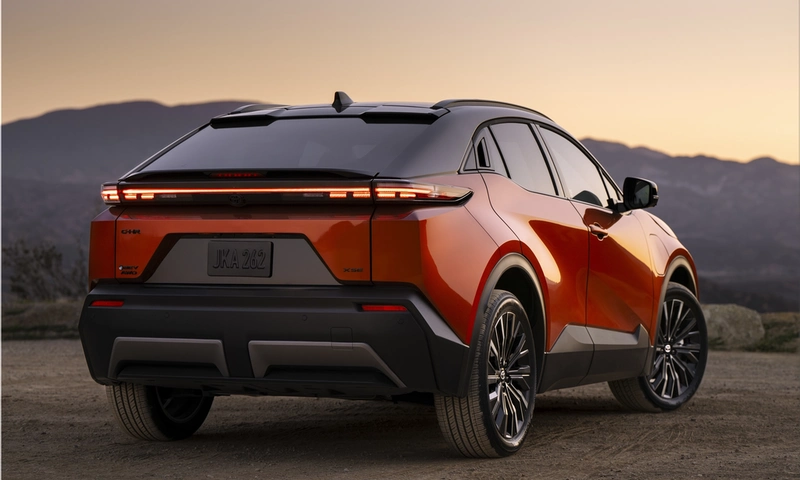
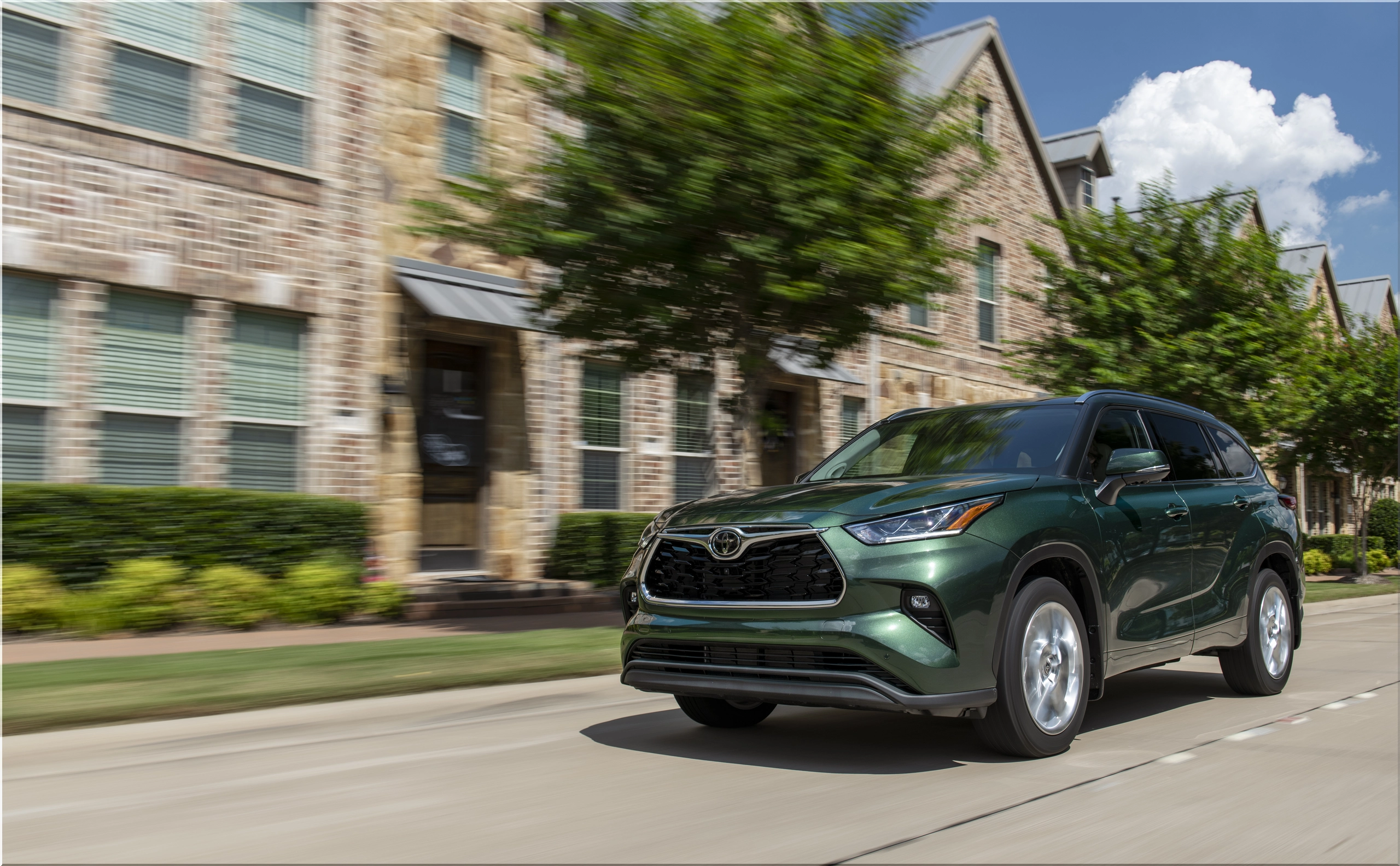
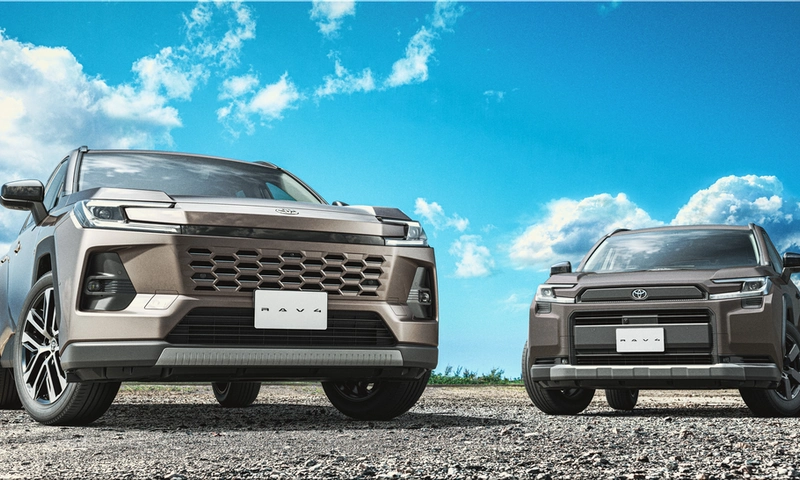
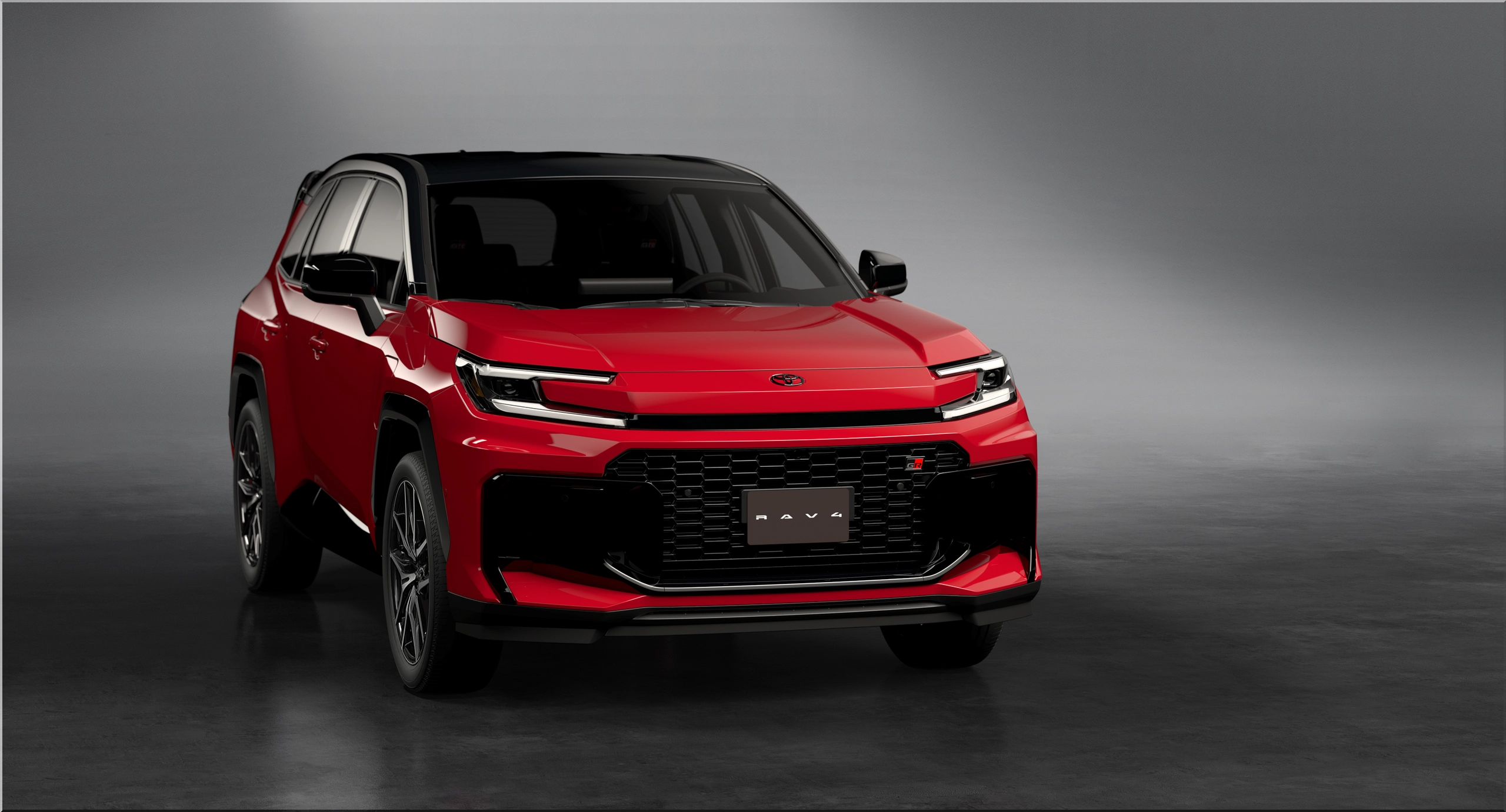
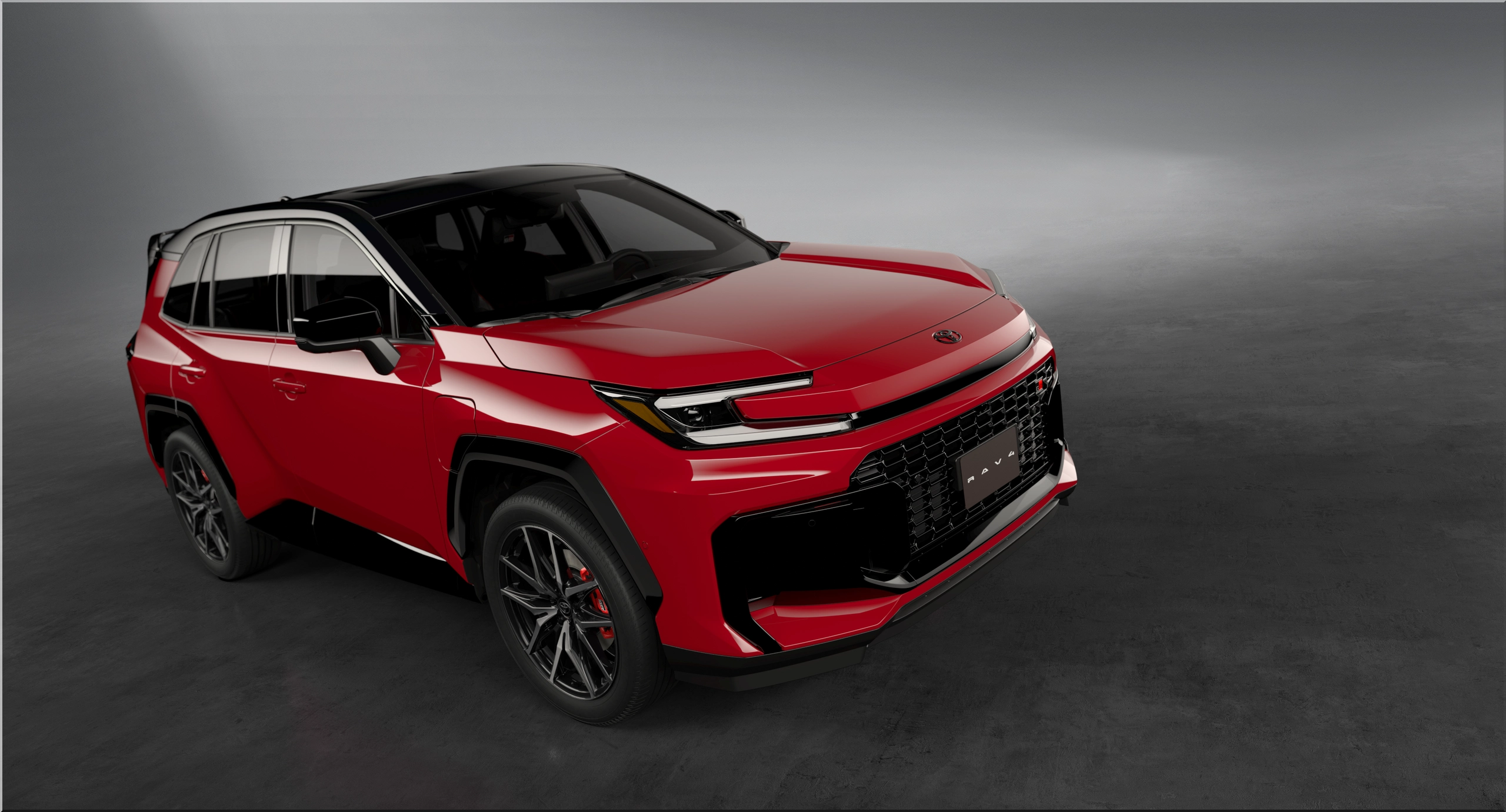
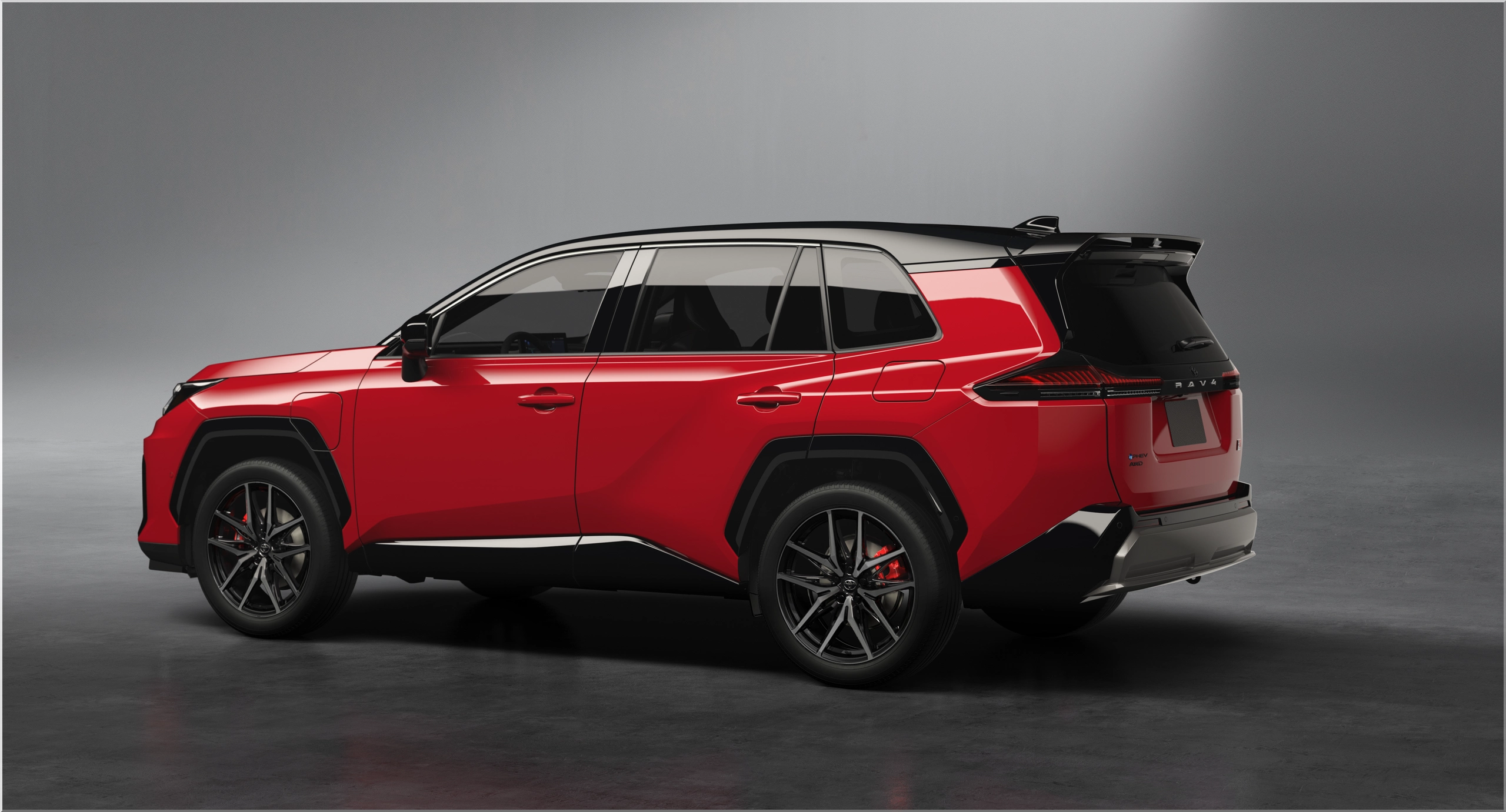
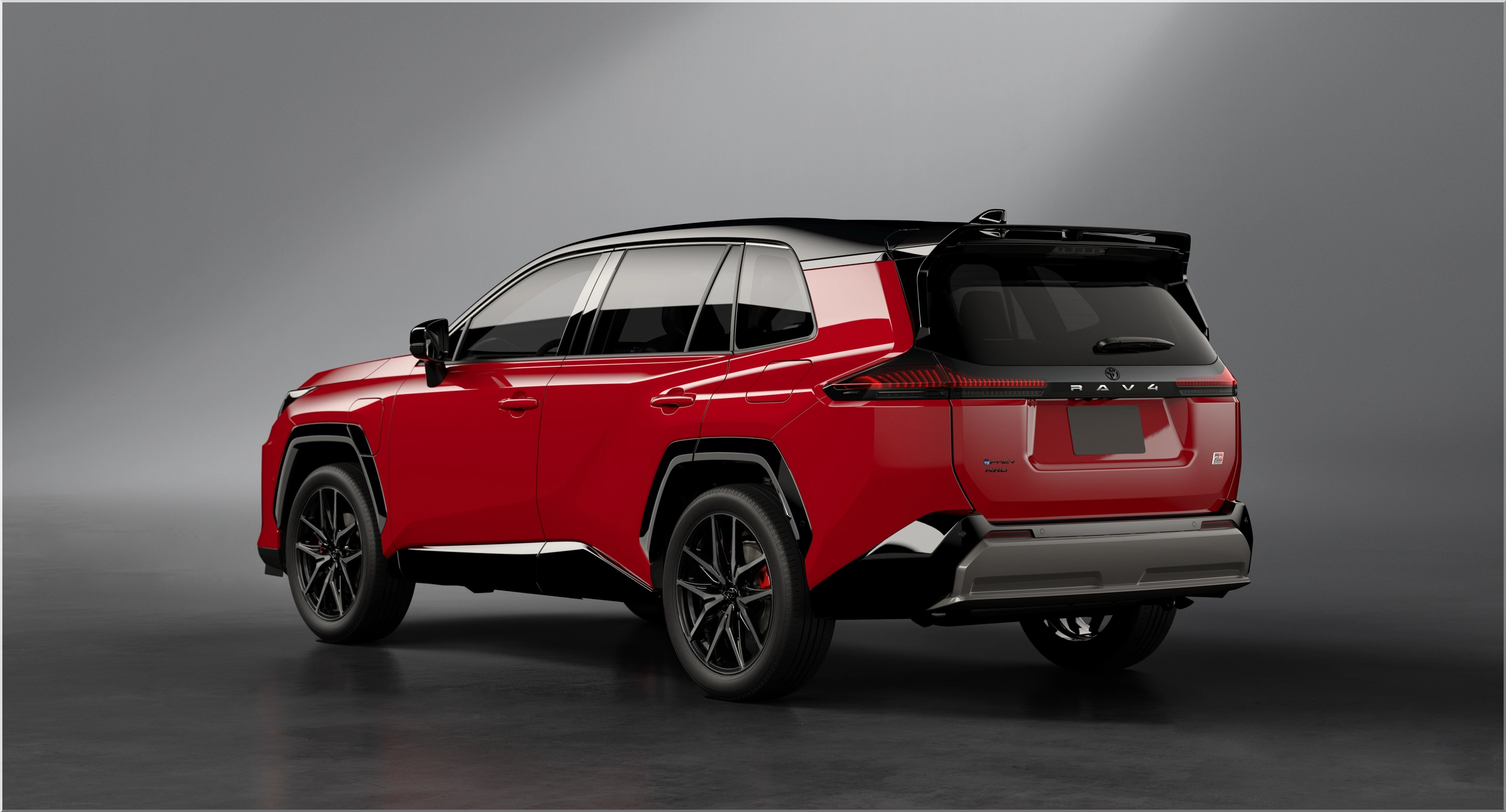
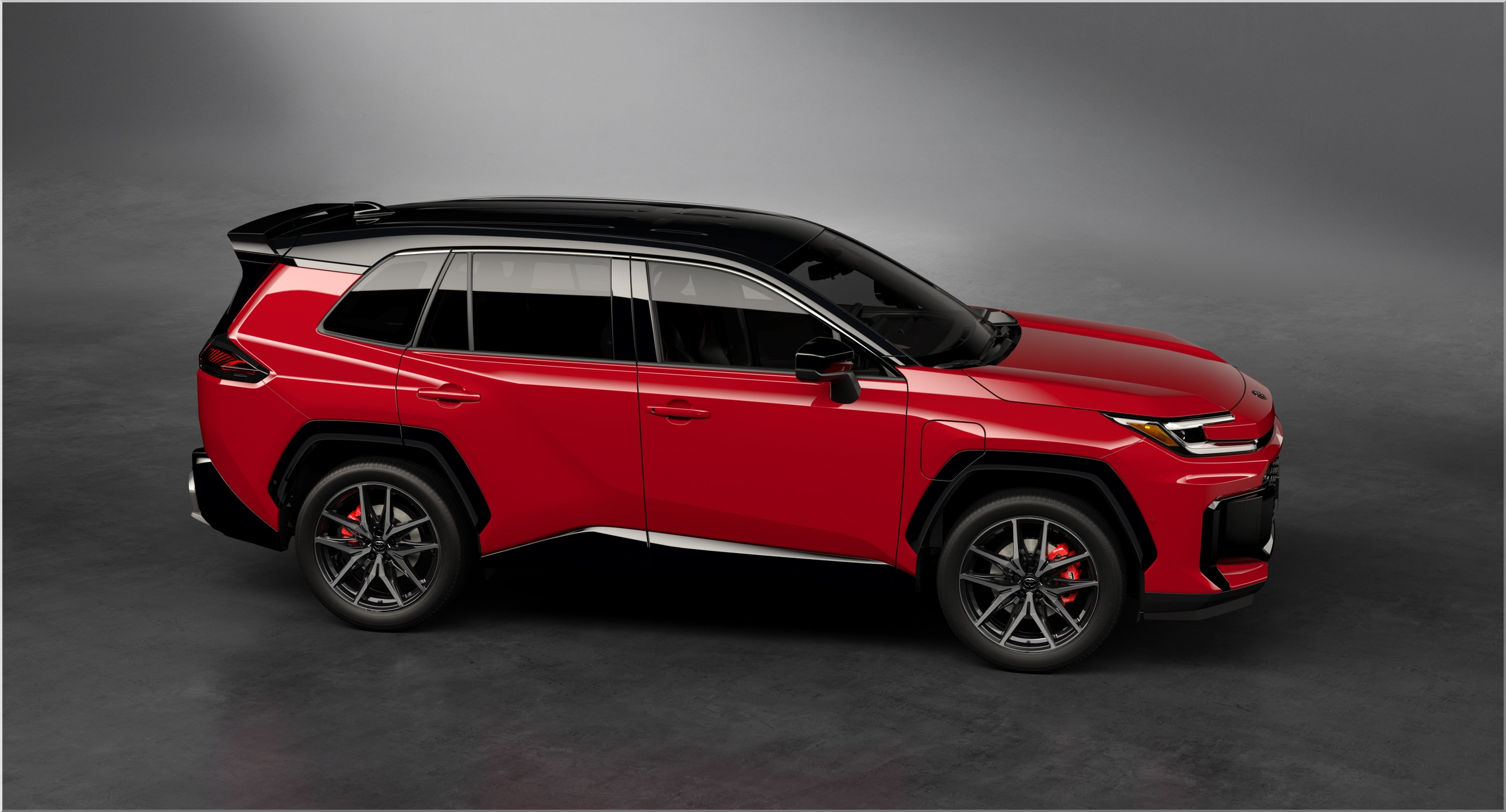
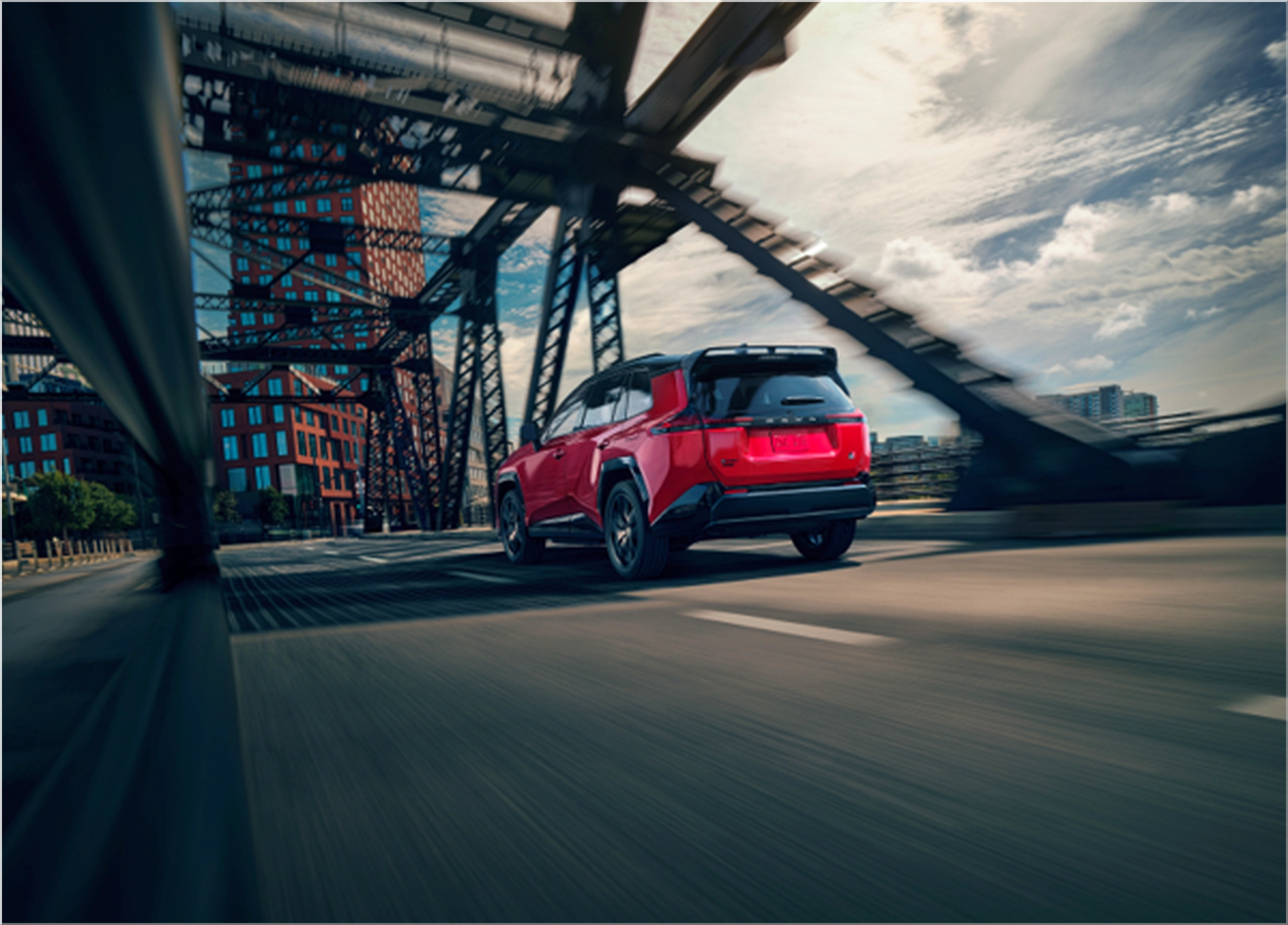
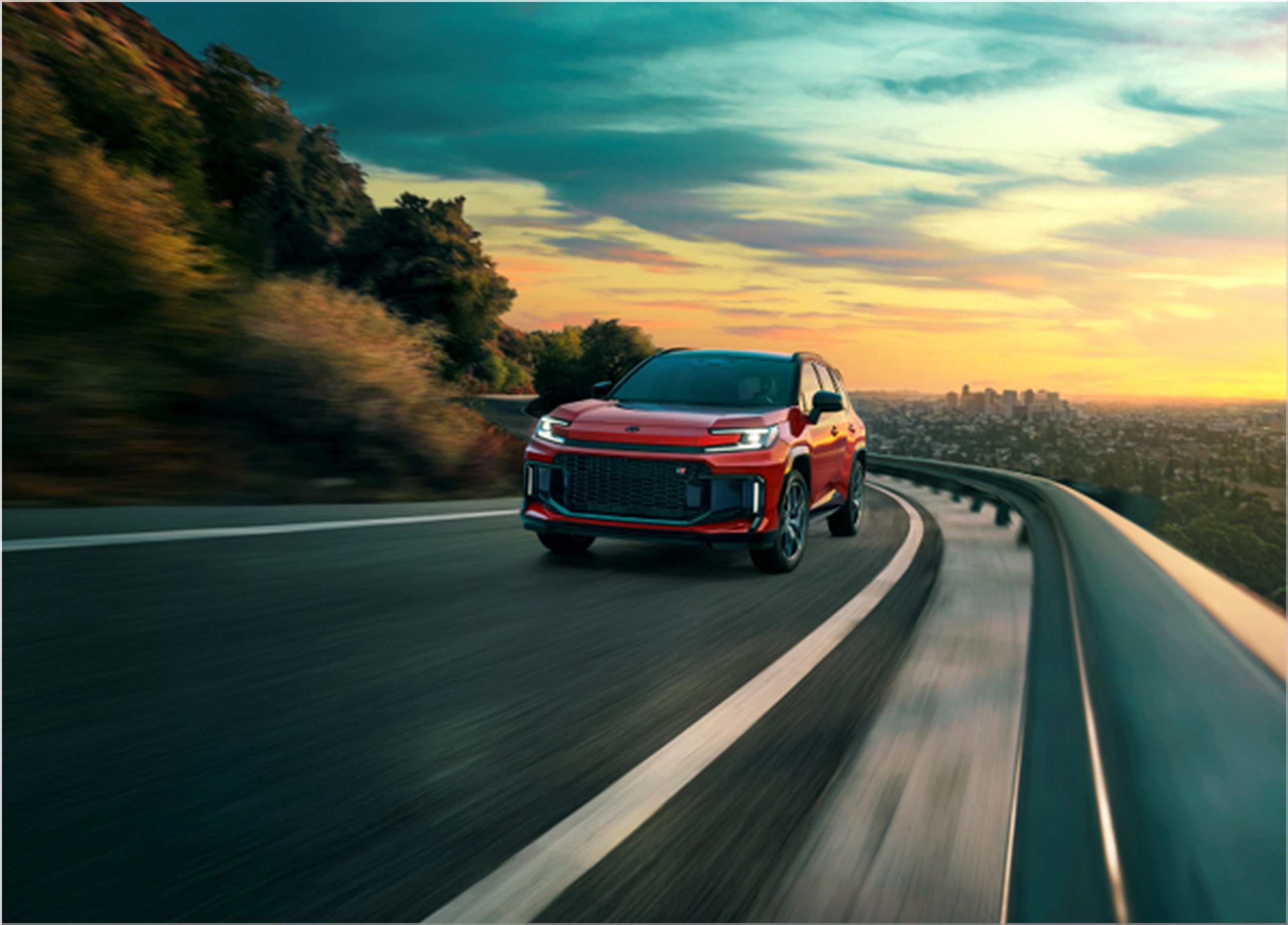
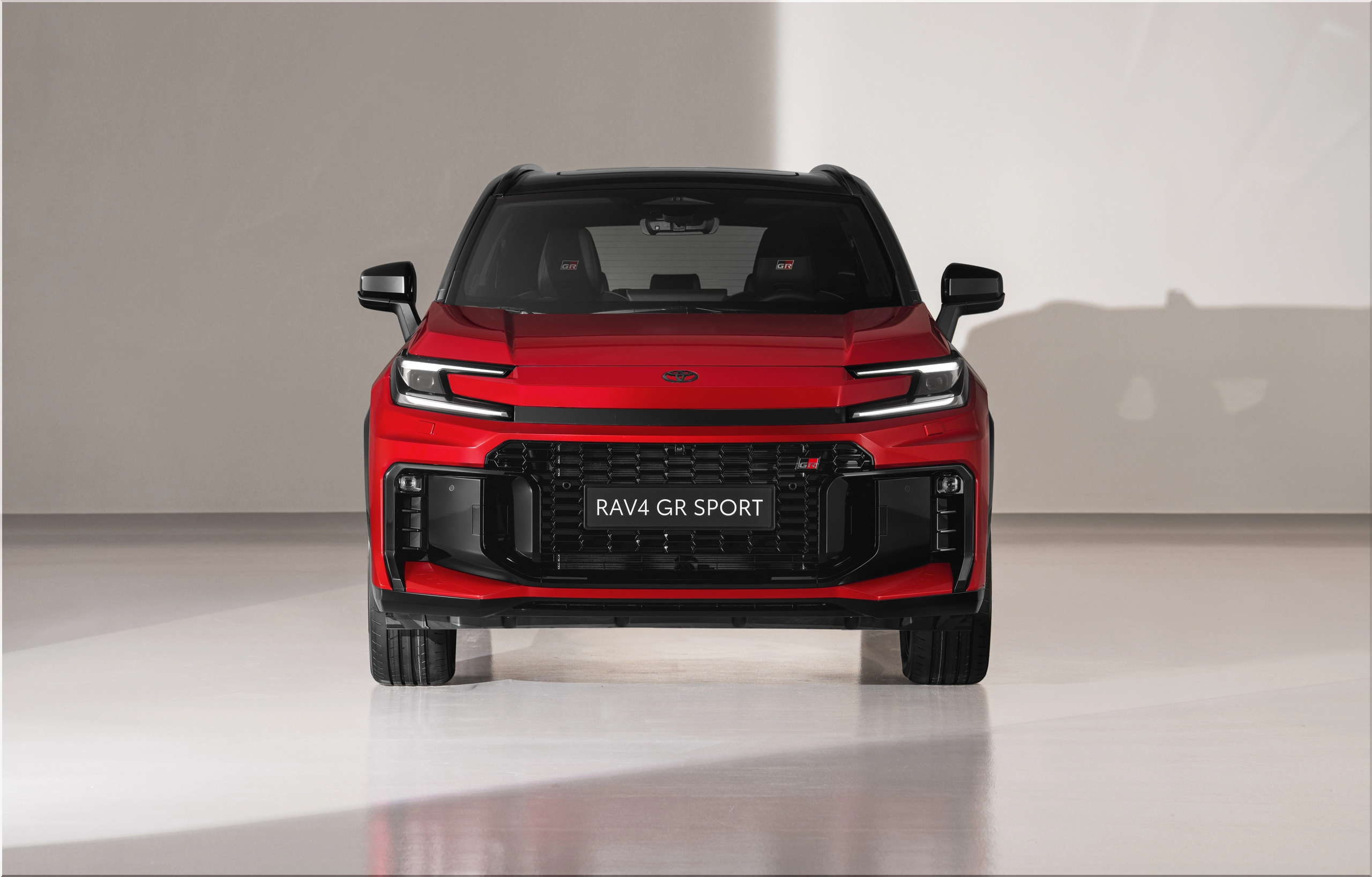
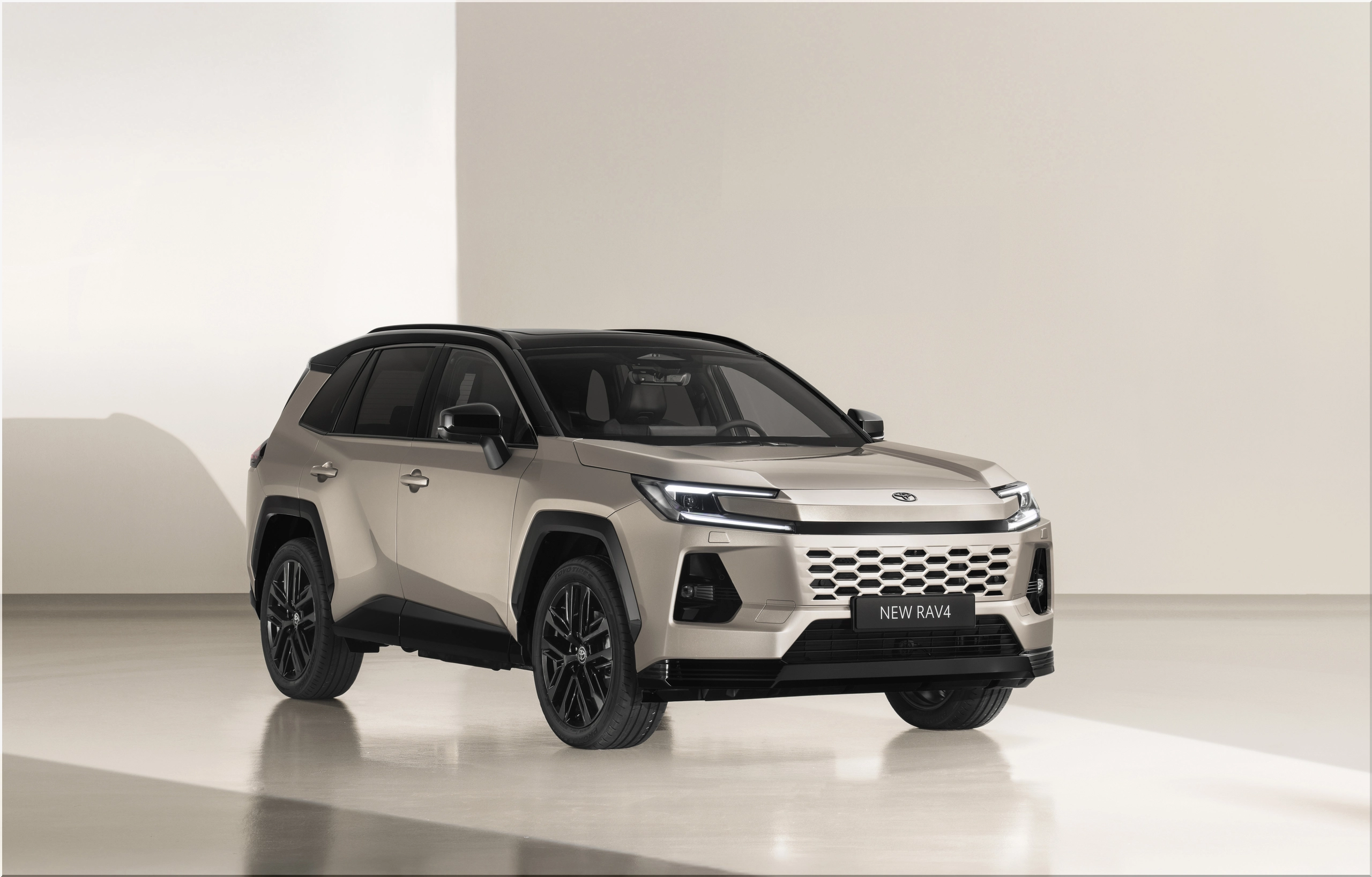
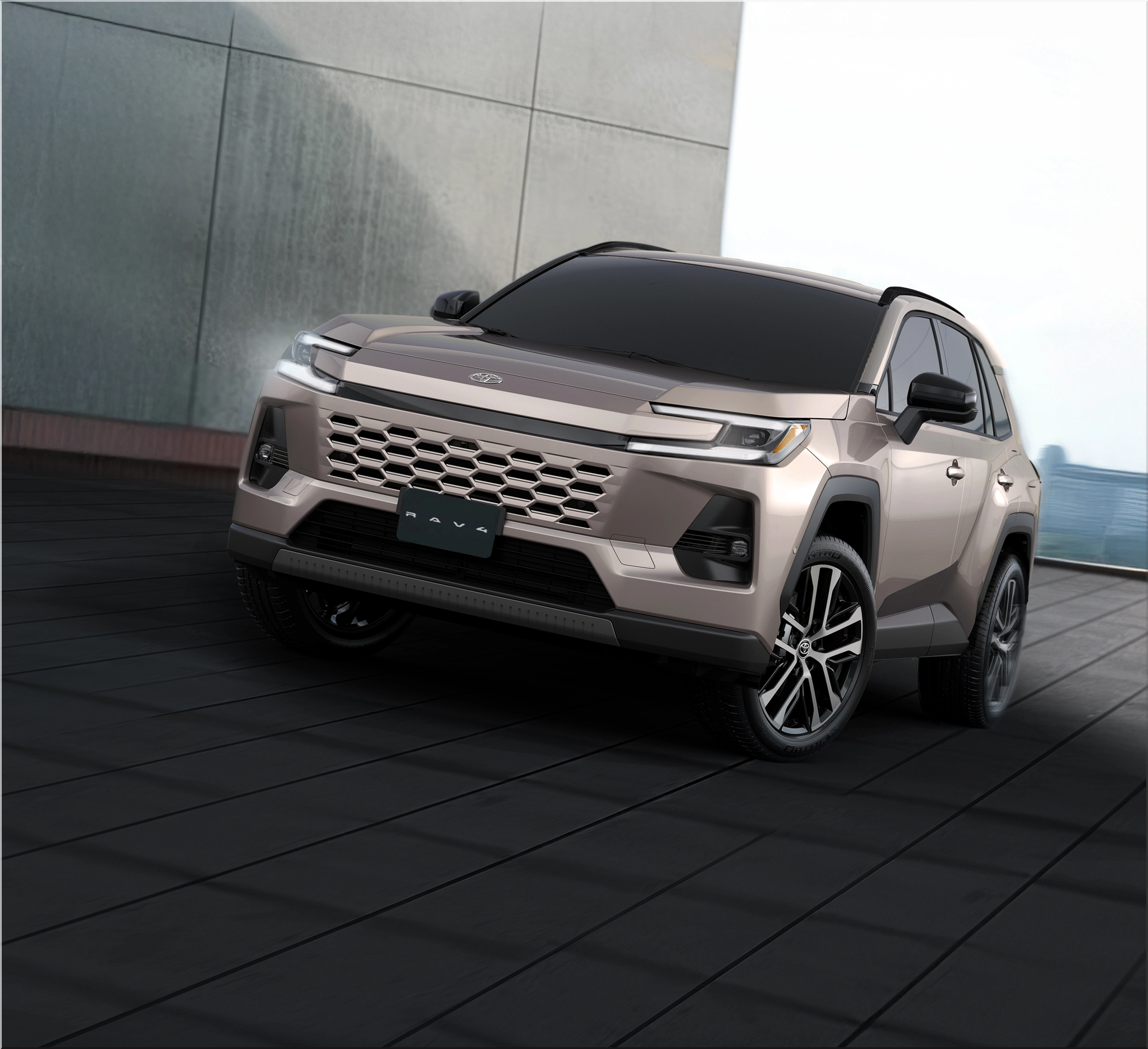
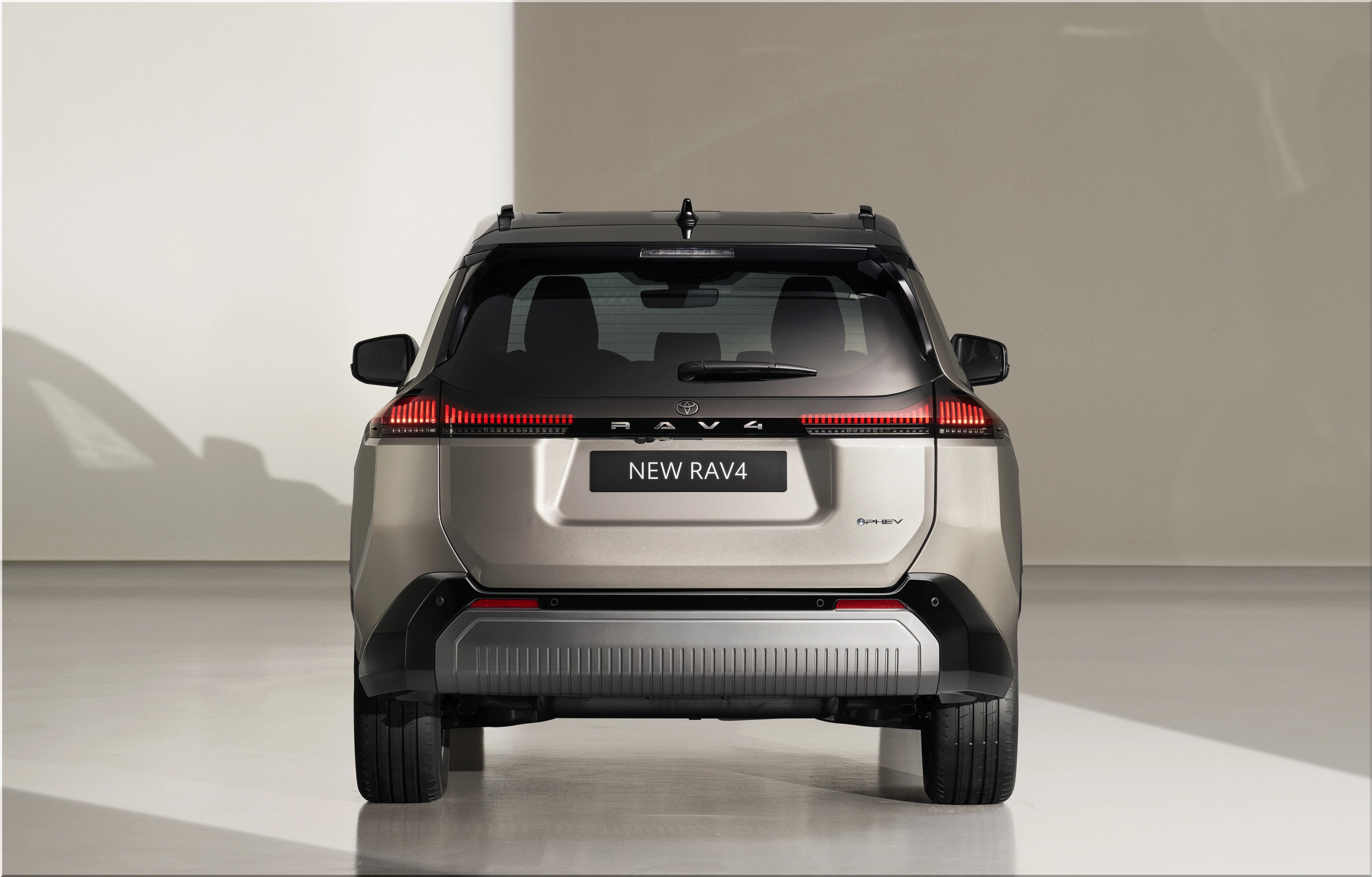
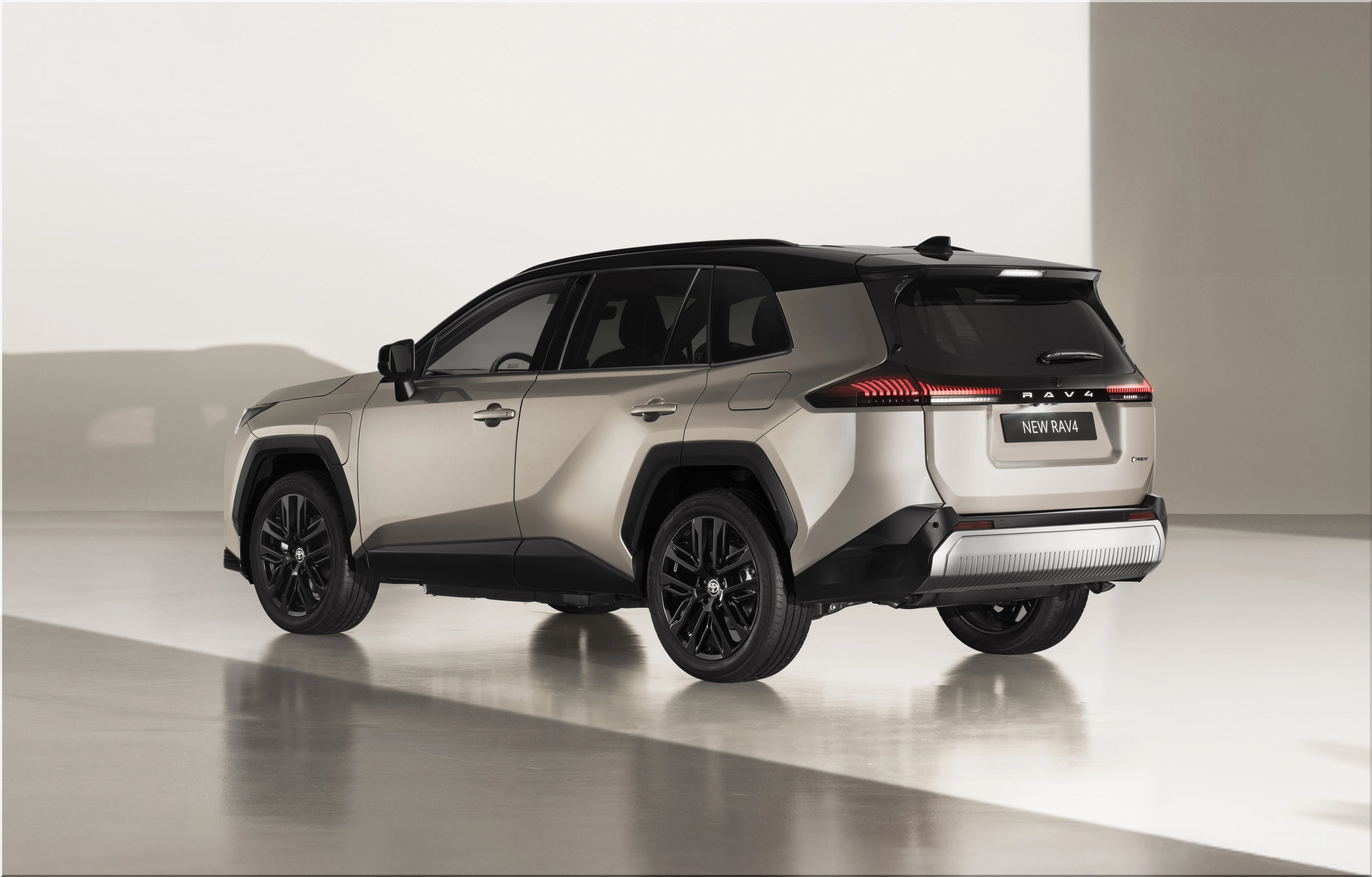
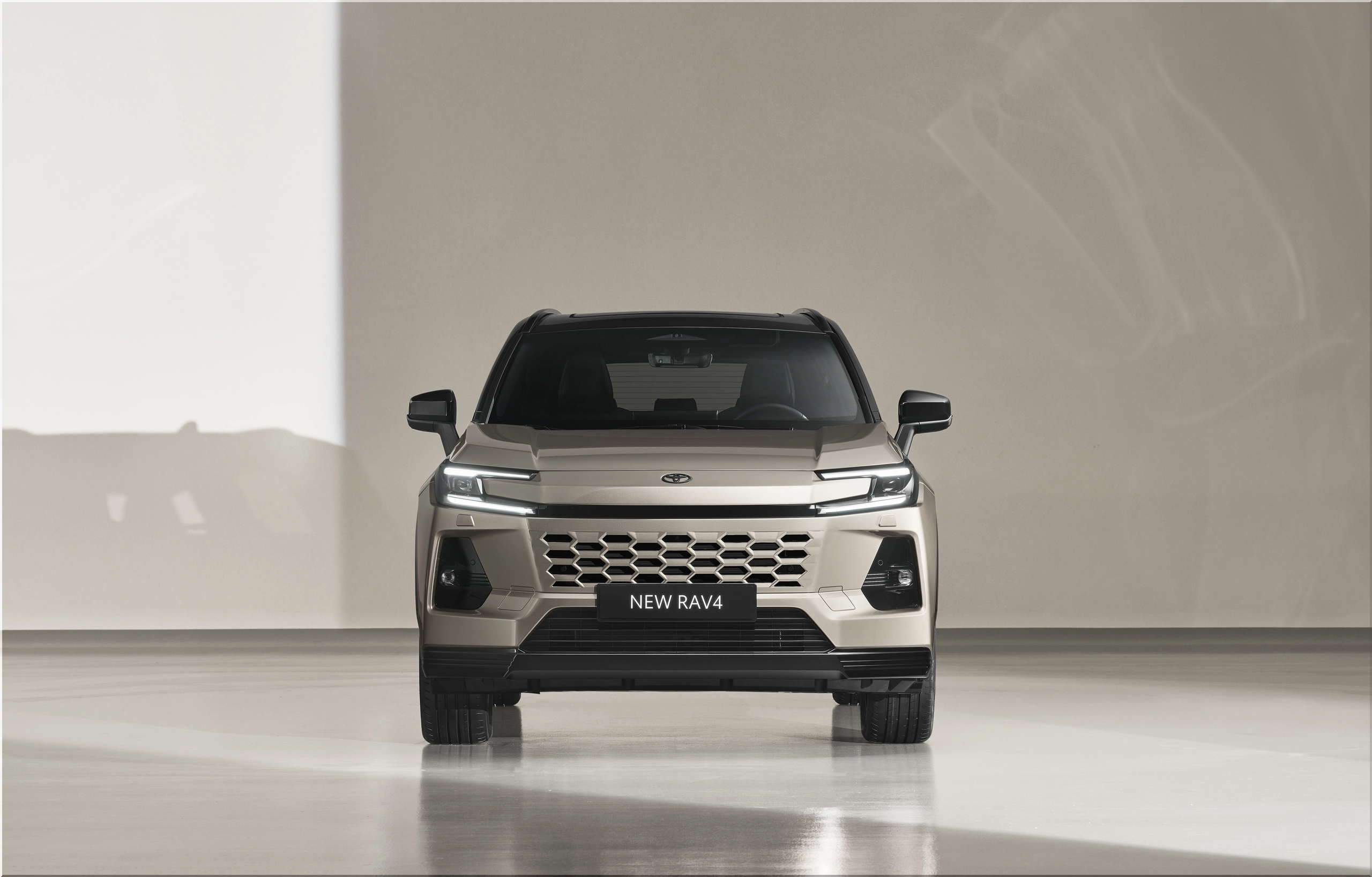
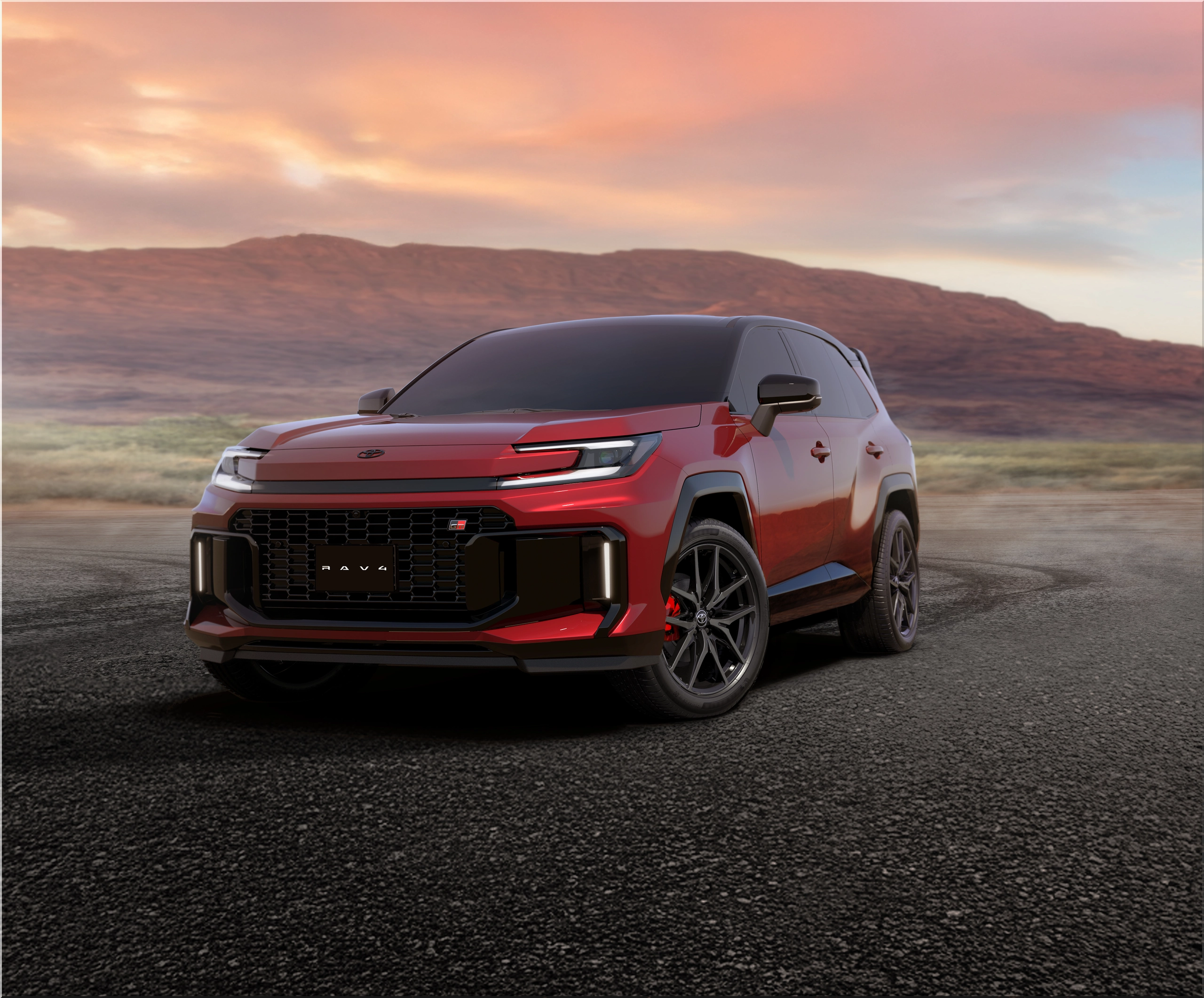
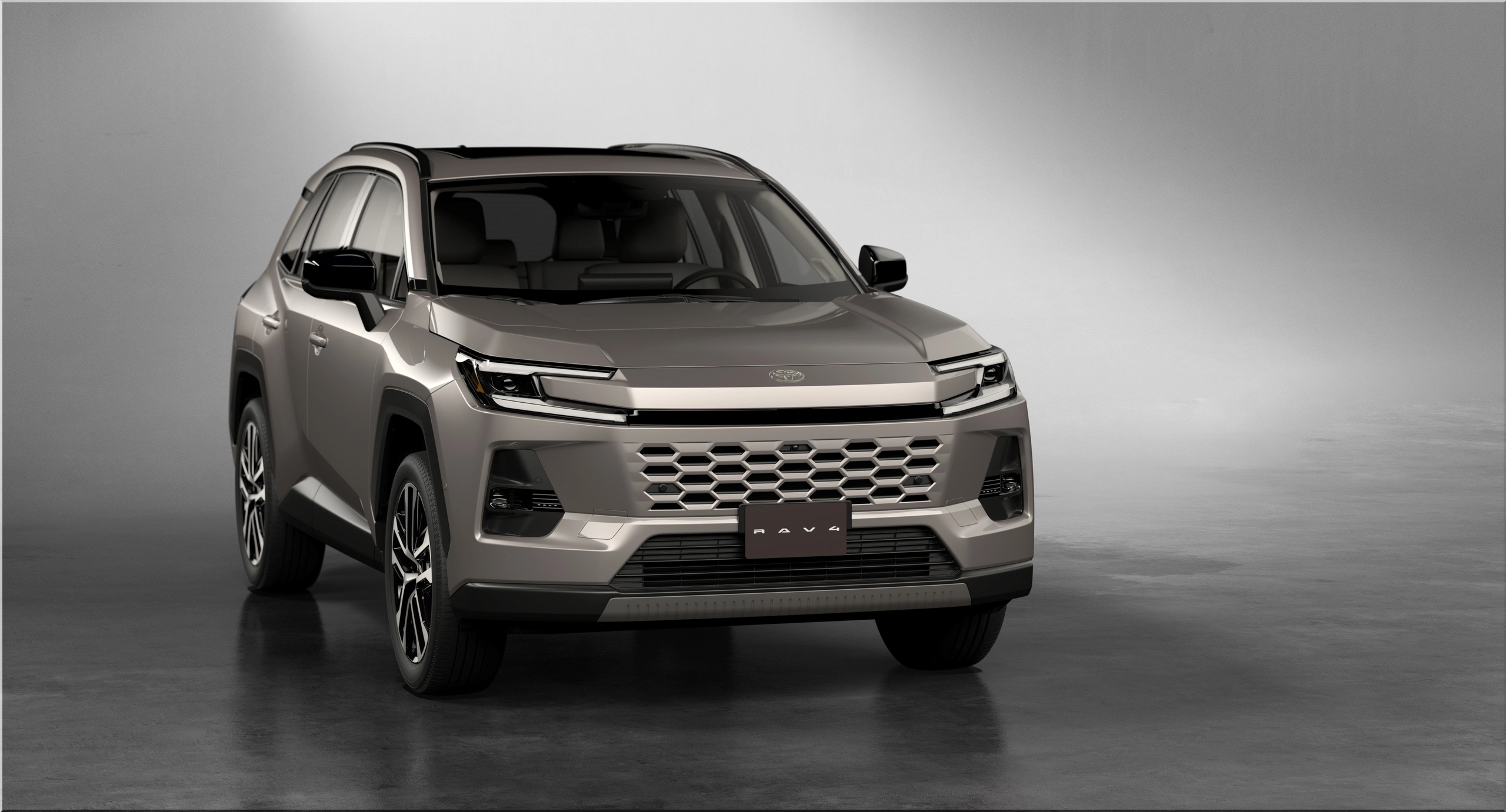
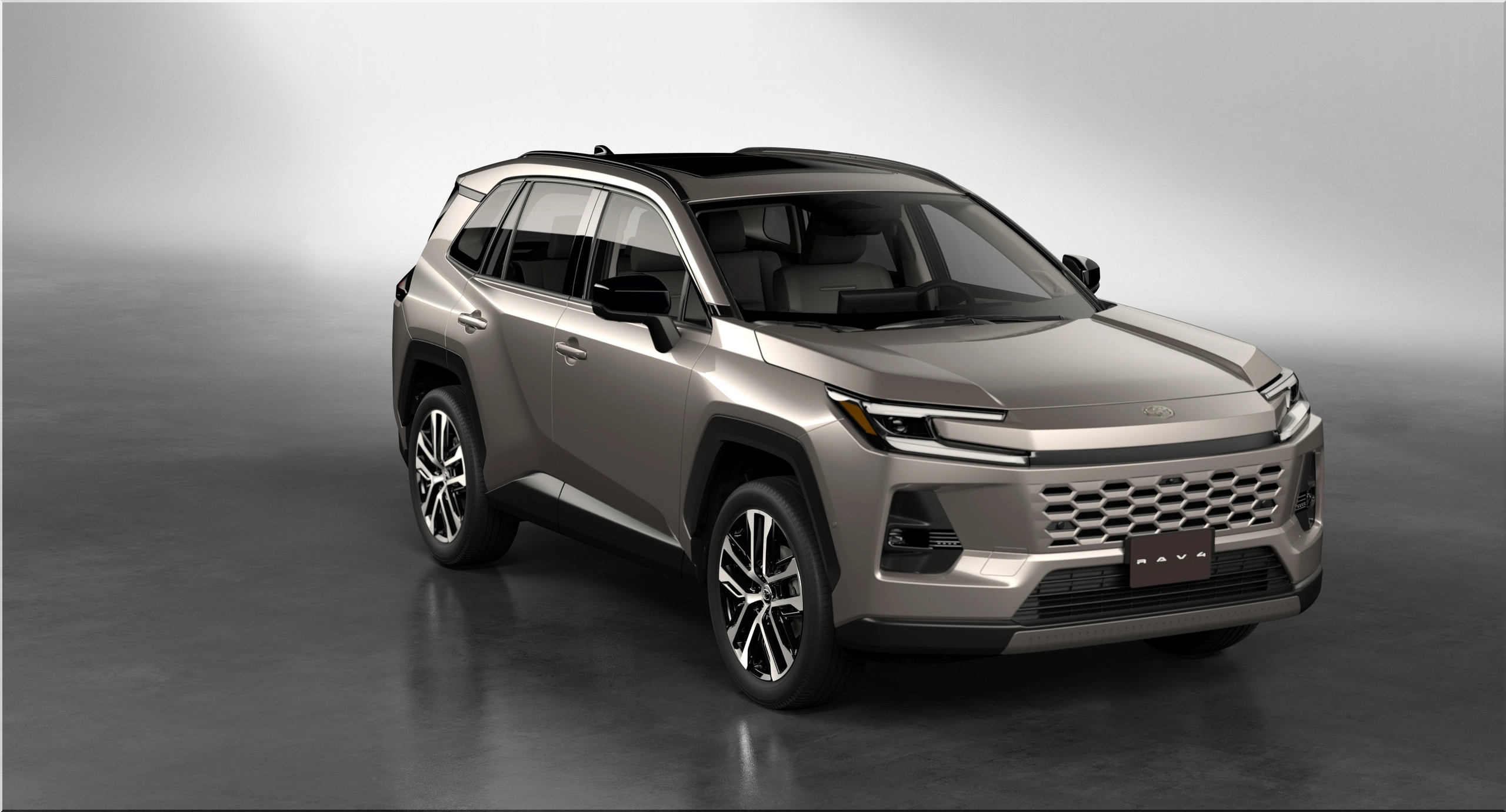
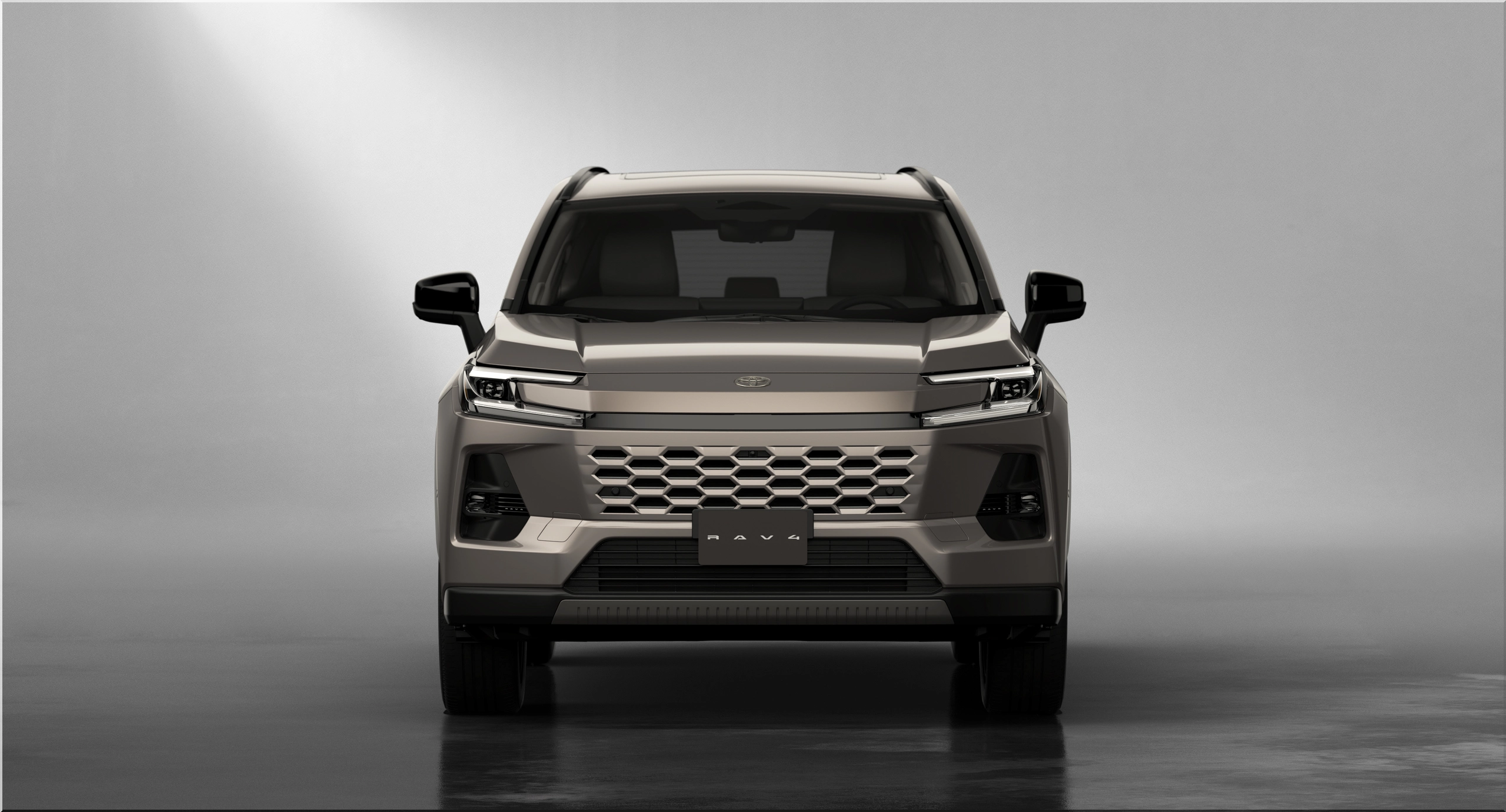
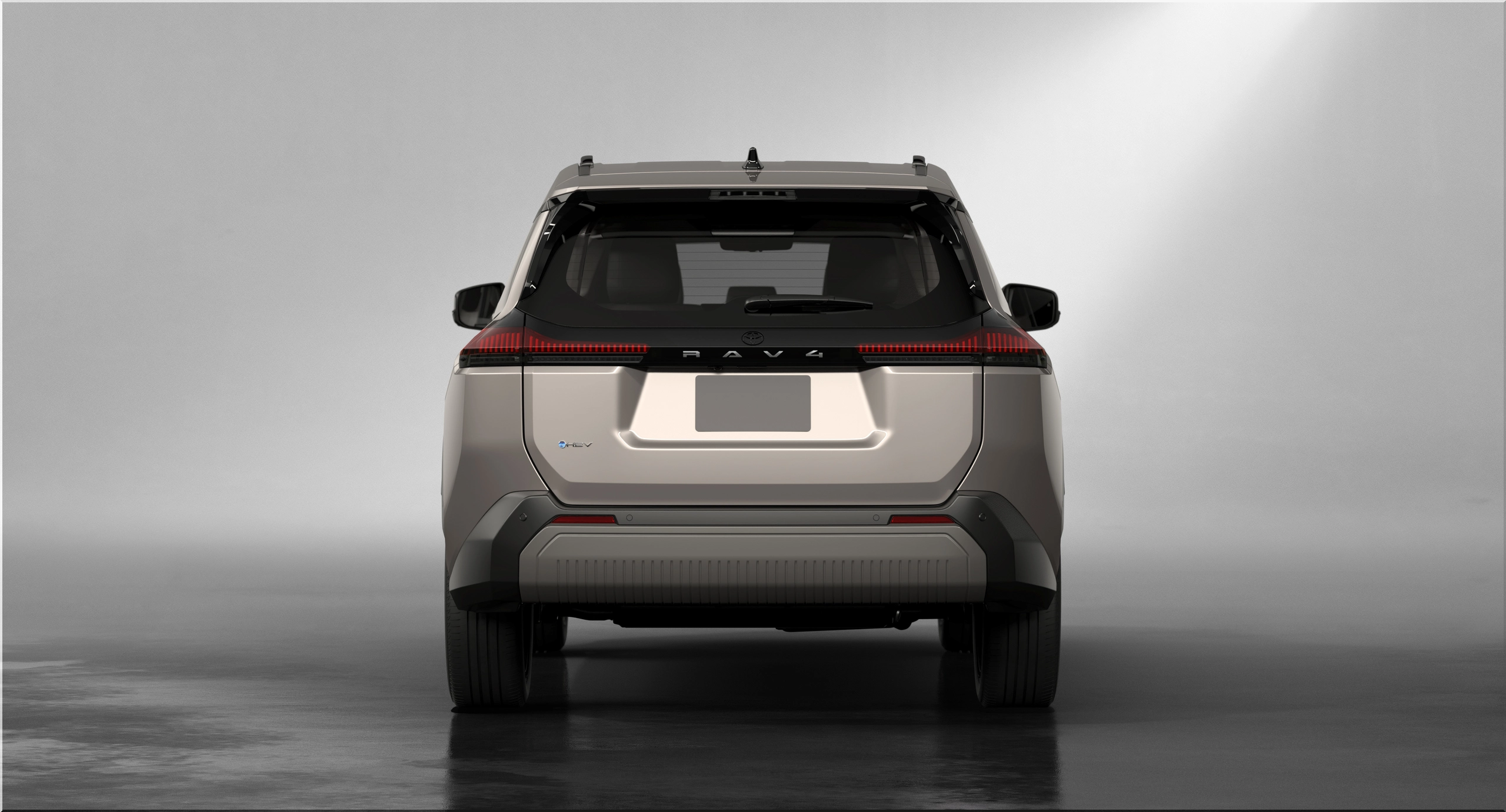
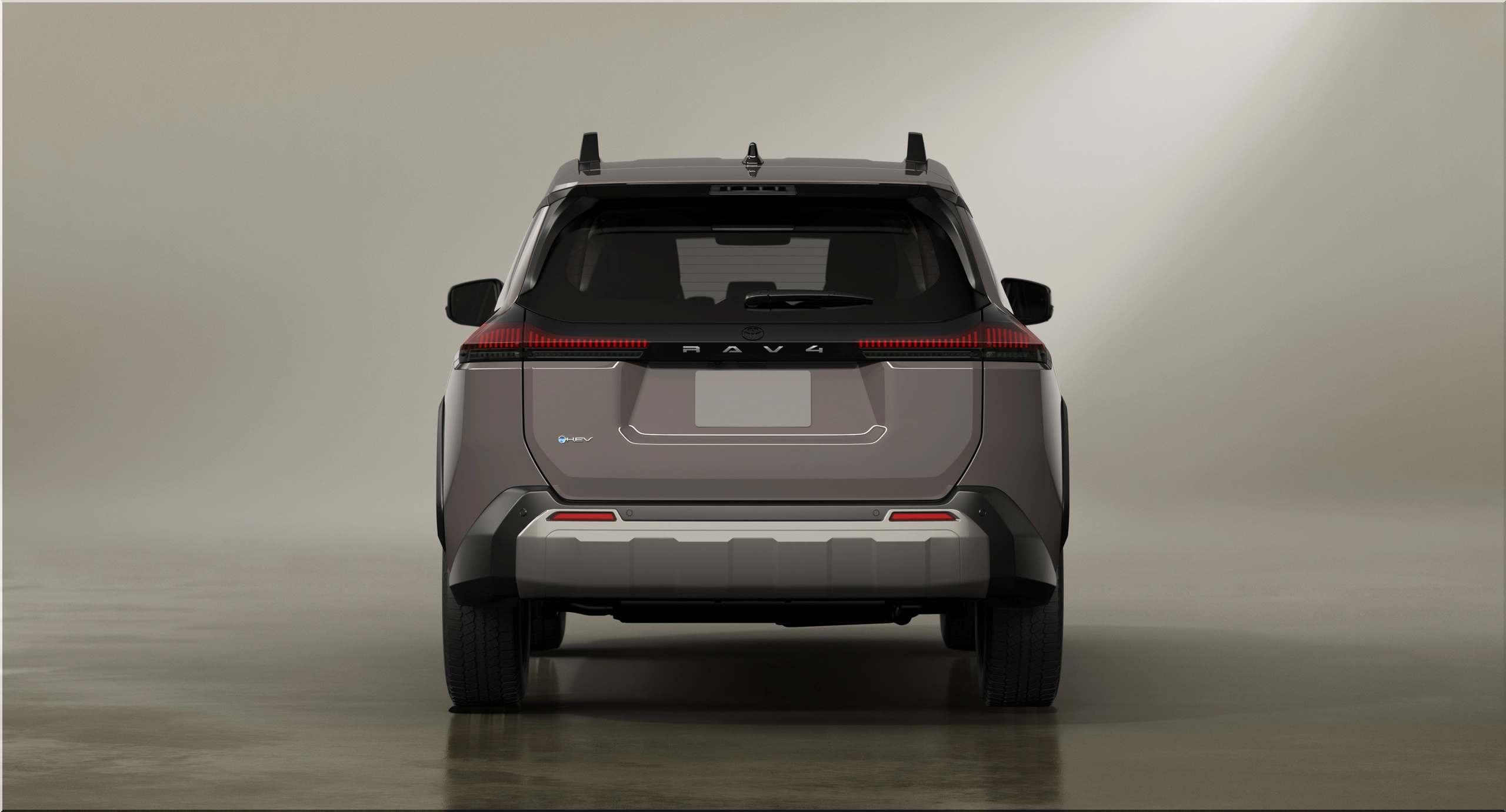
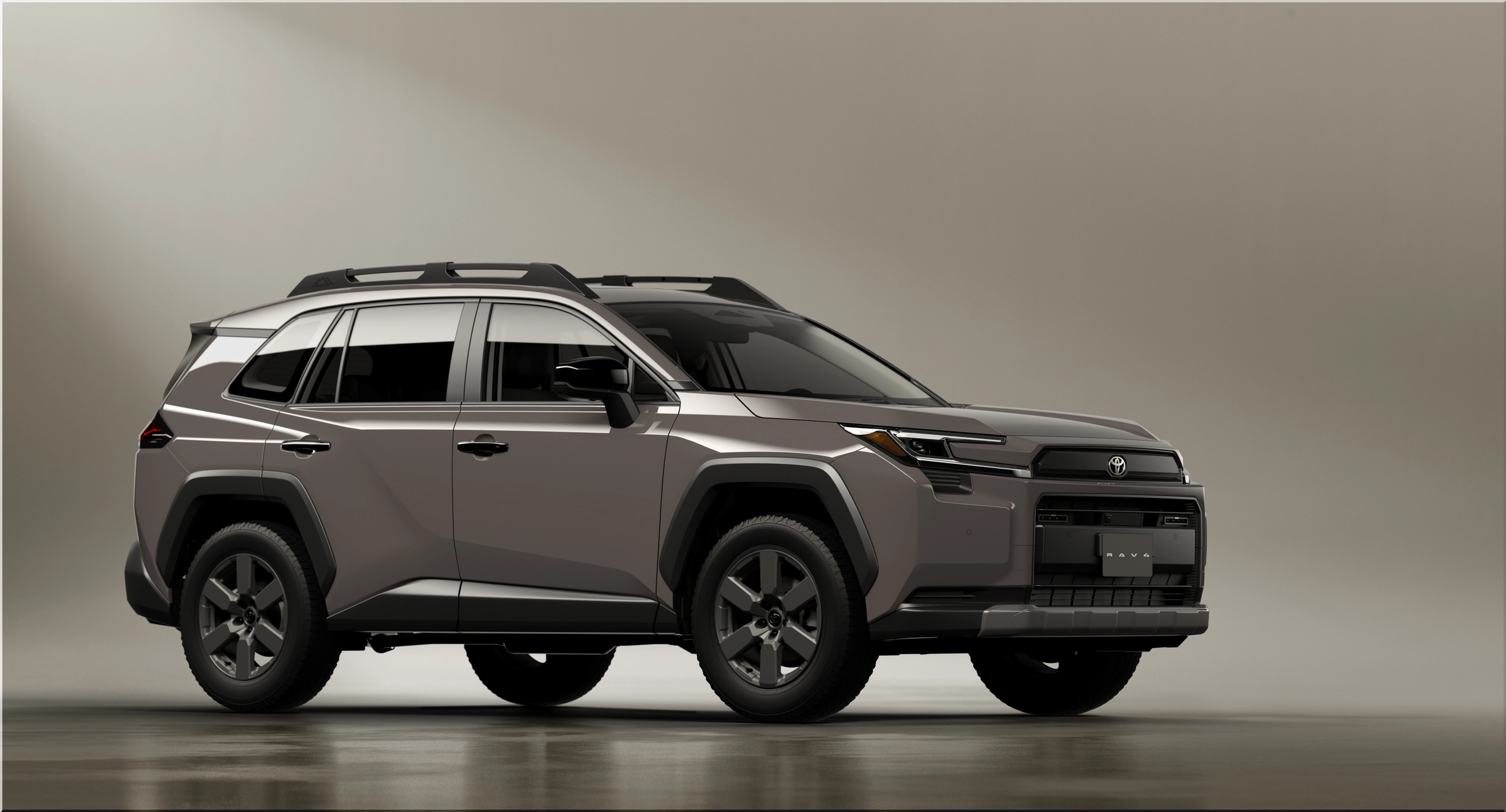
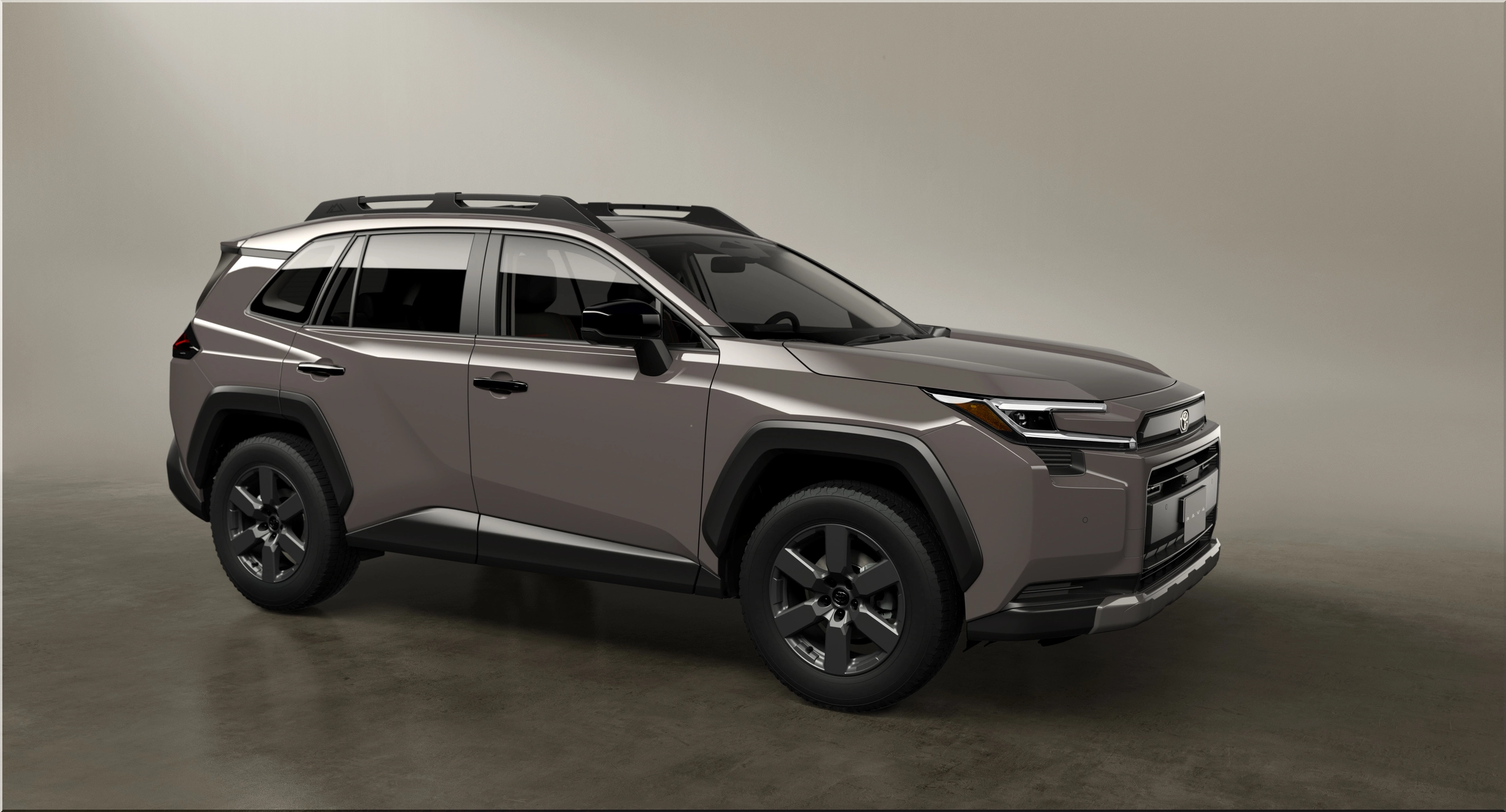
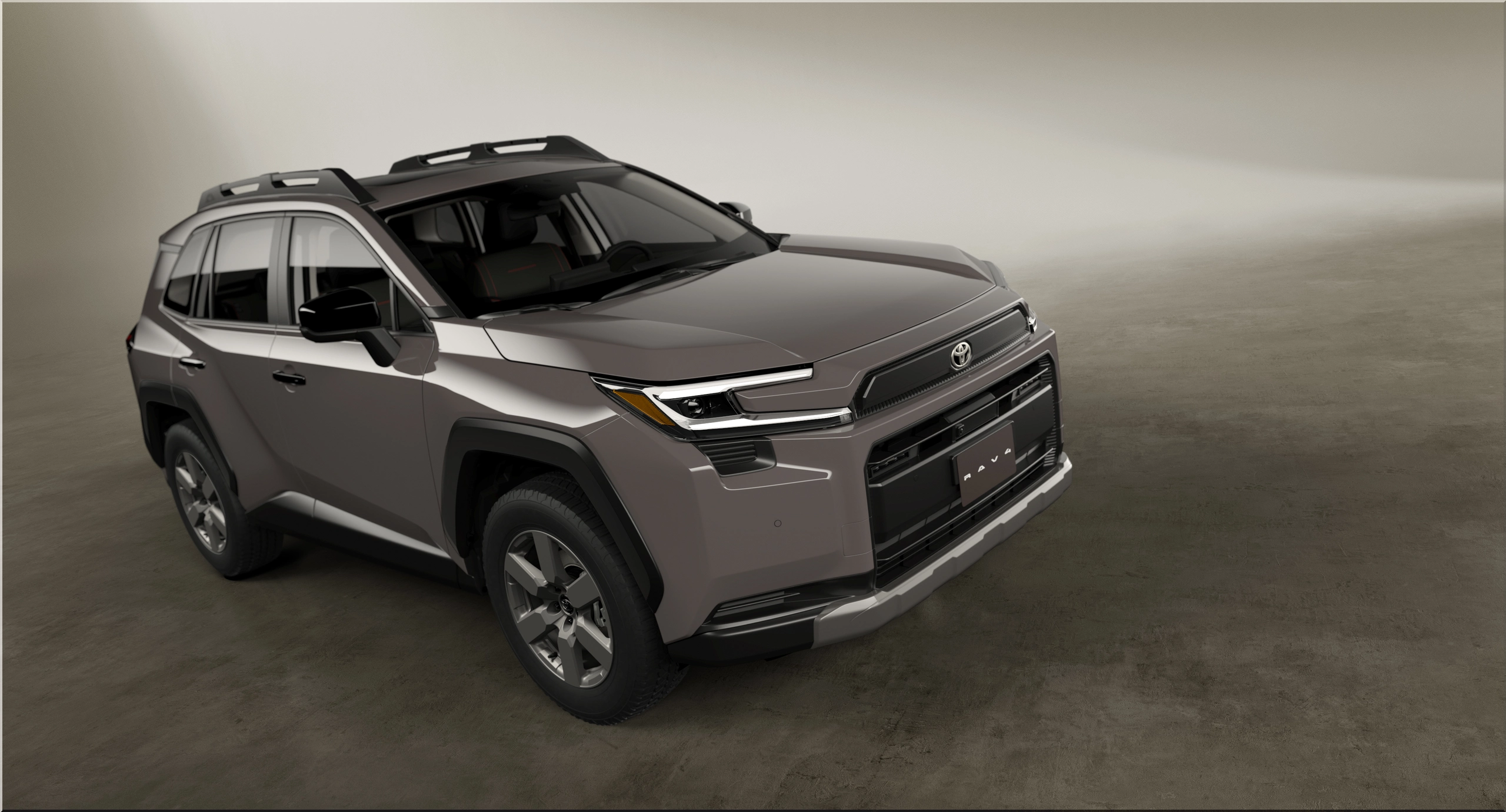
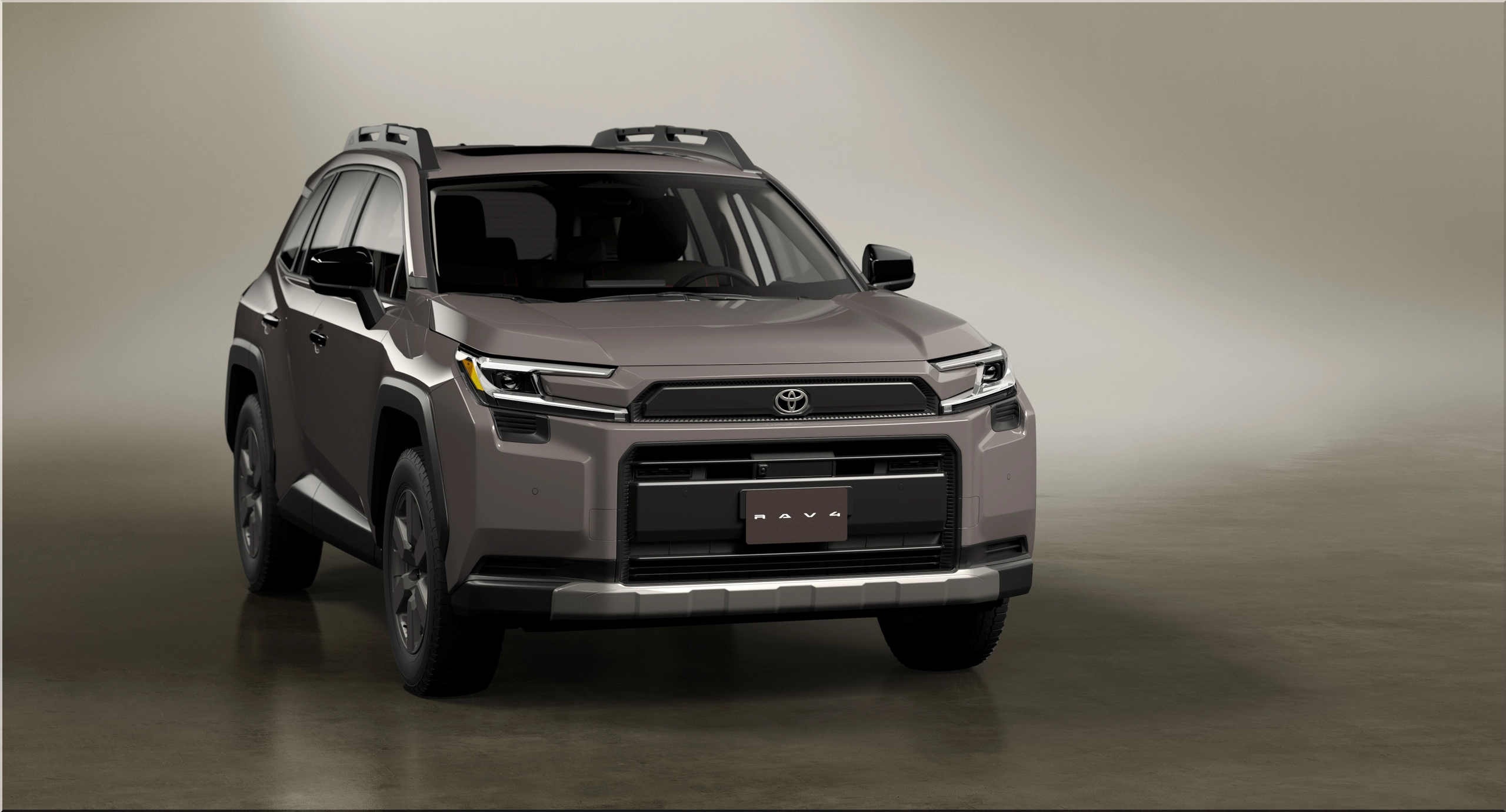
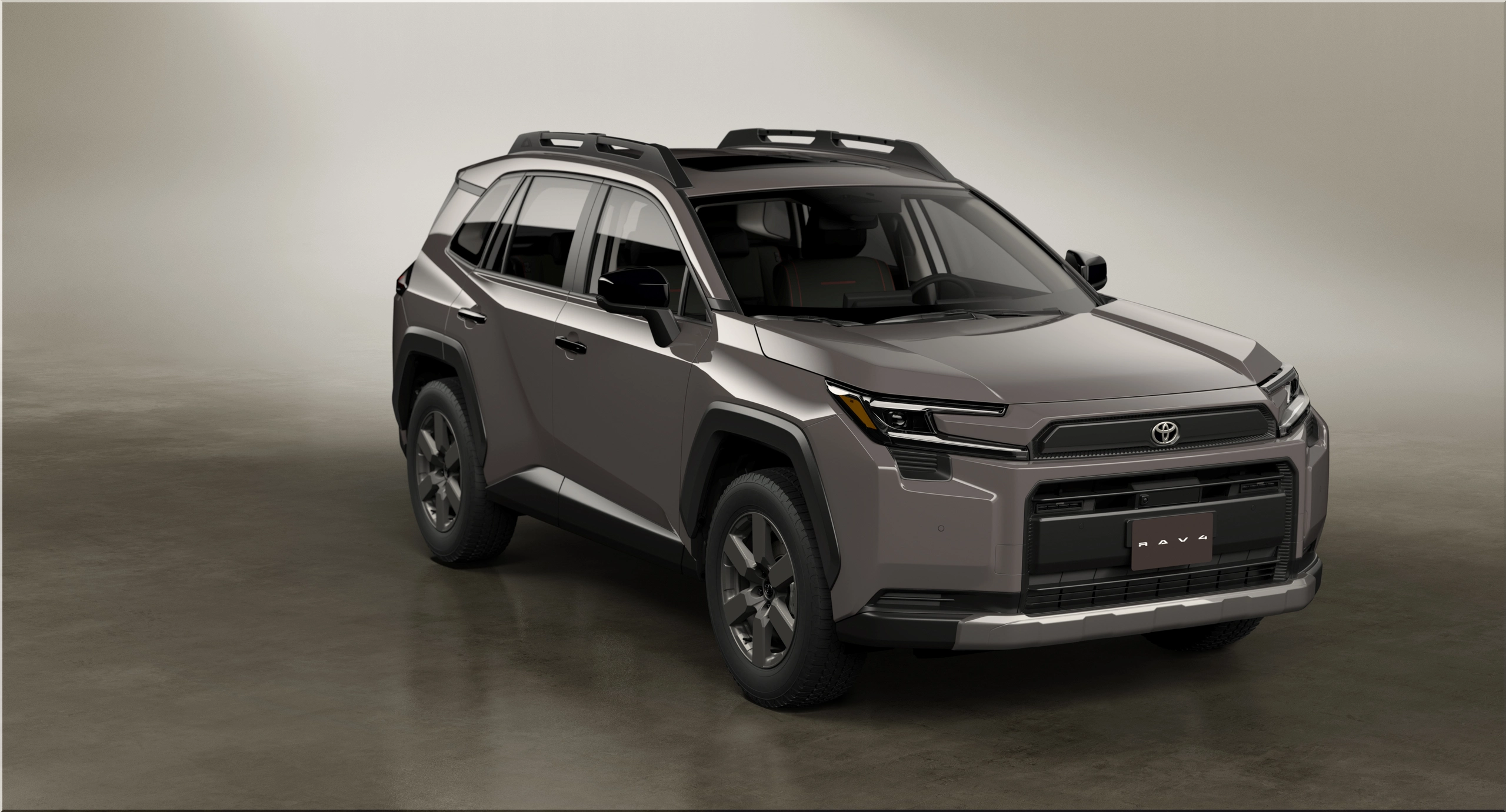
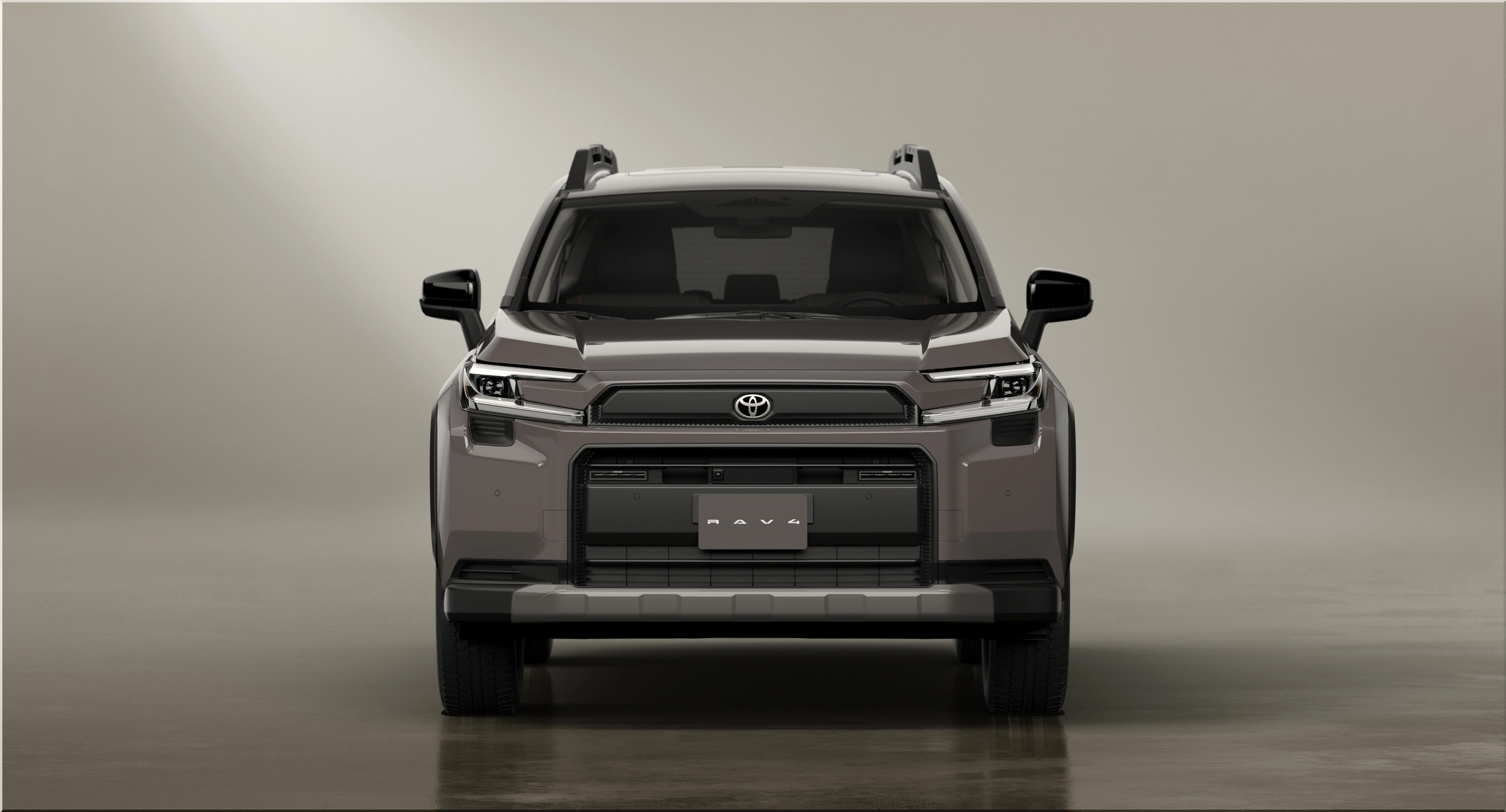
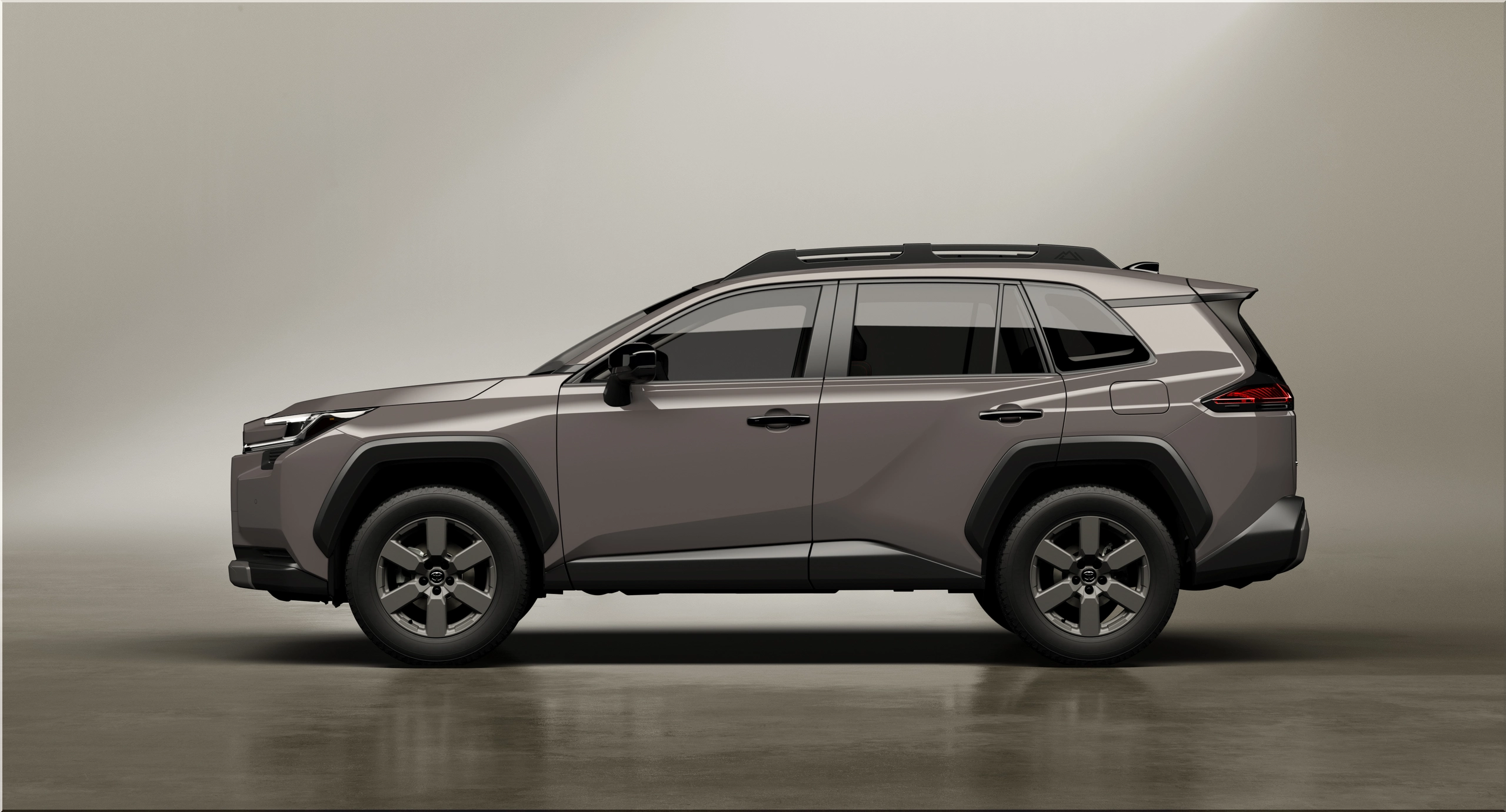
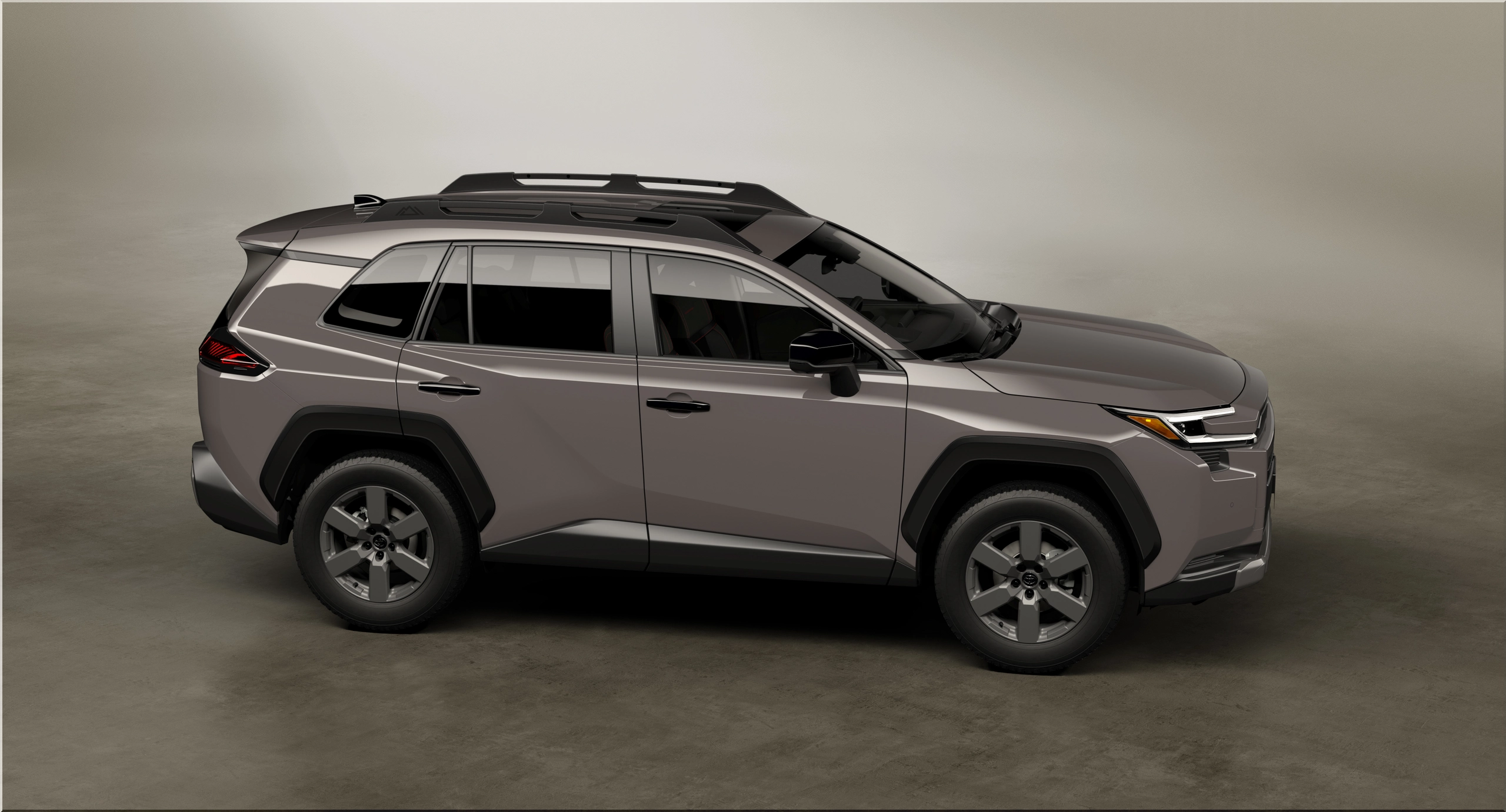
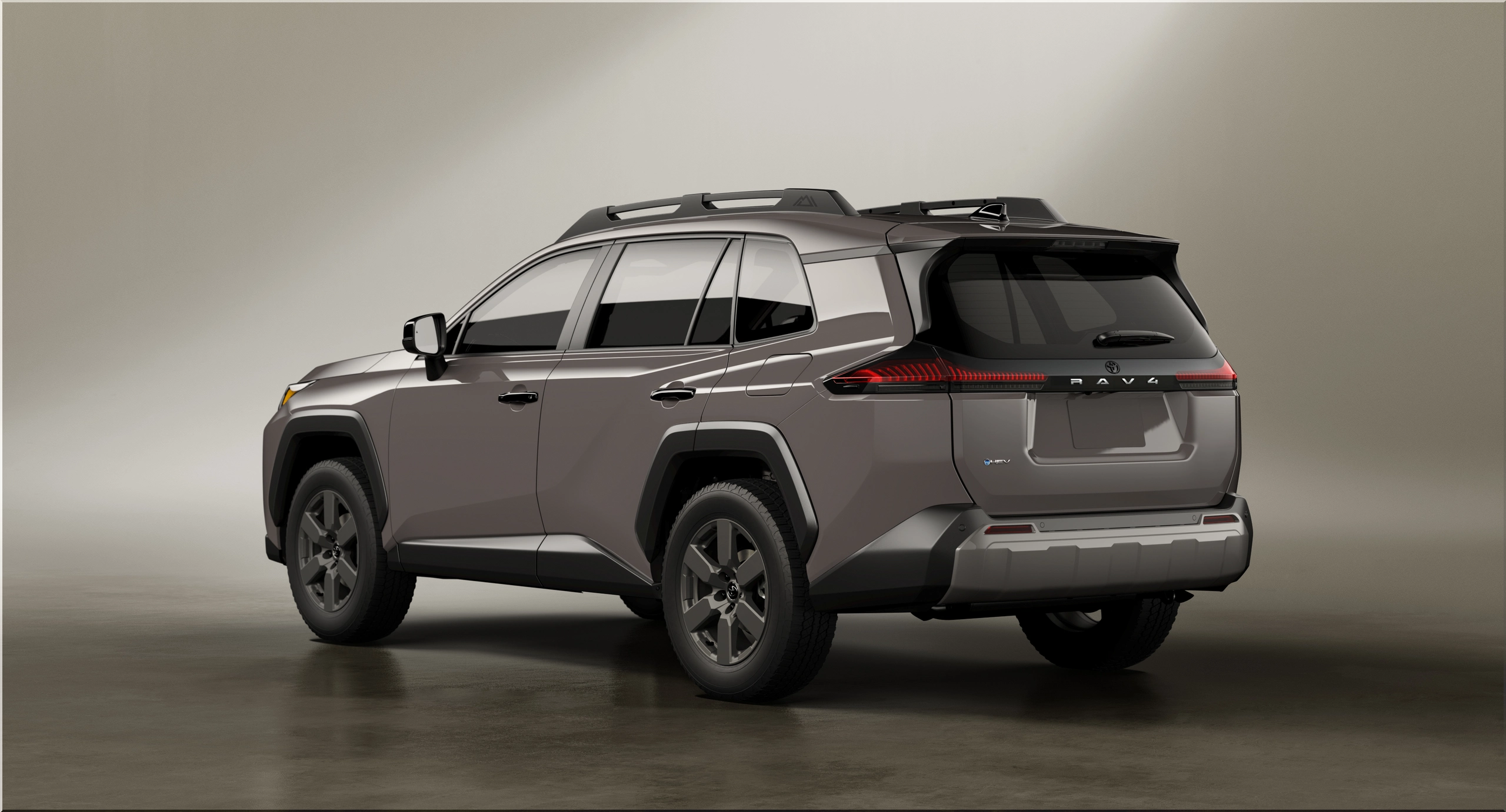
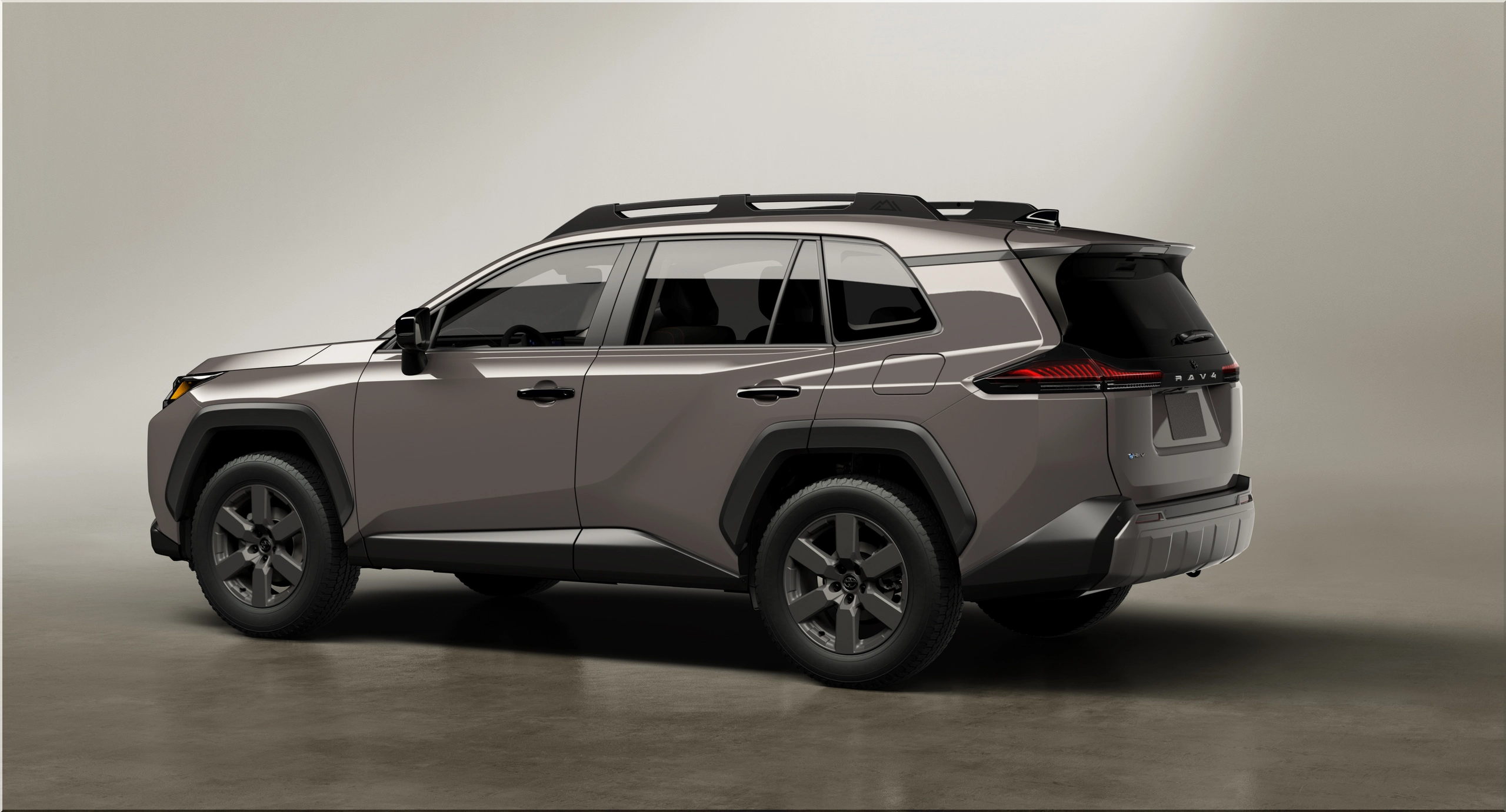
You see it in the hammerhead face and tighter grille work. You also see it in the simpler, bolder lighting. The message is simple. This SUV looks ready for mixed use without drama.
Packaging and cabin: lower cowl, cleaner sightlines, smarter storage
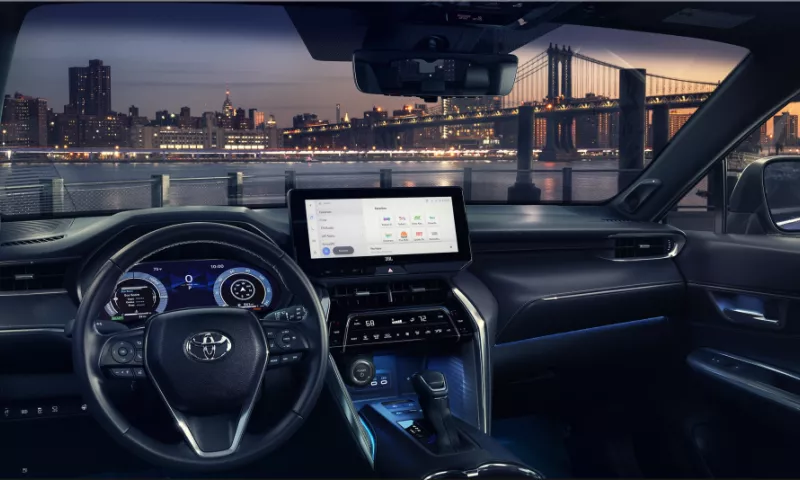
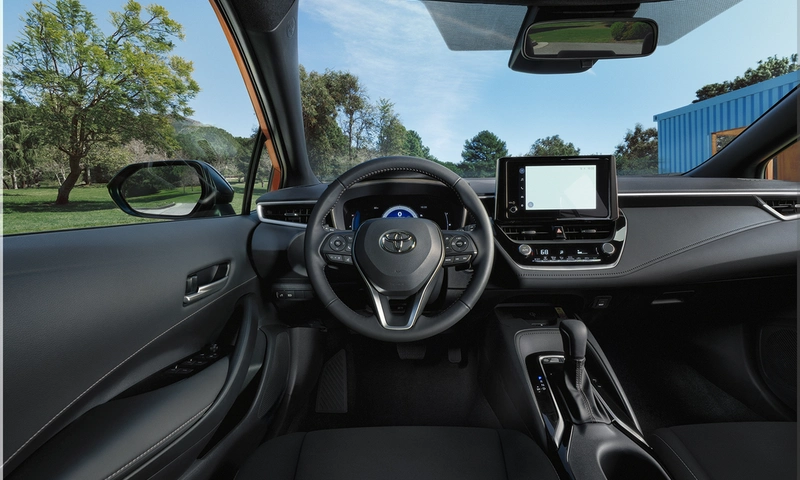
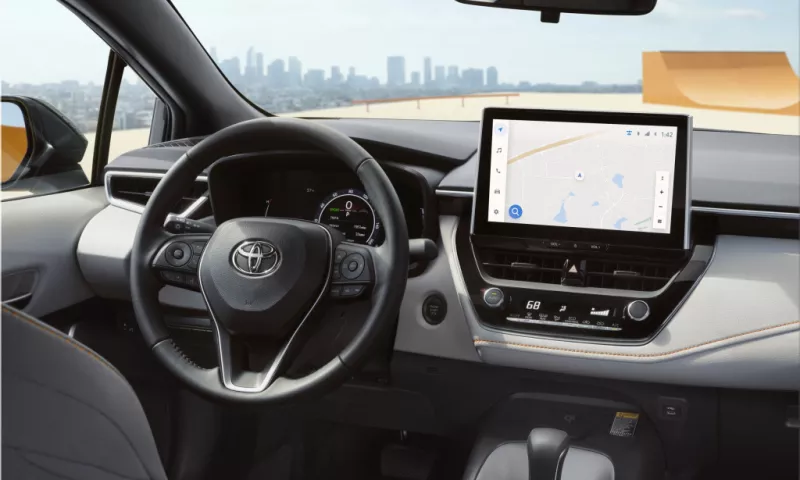
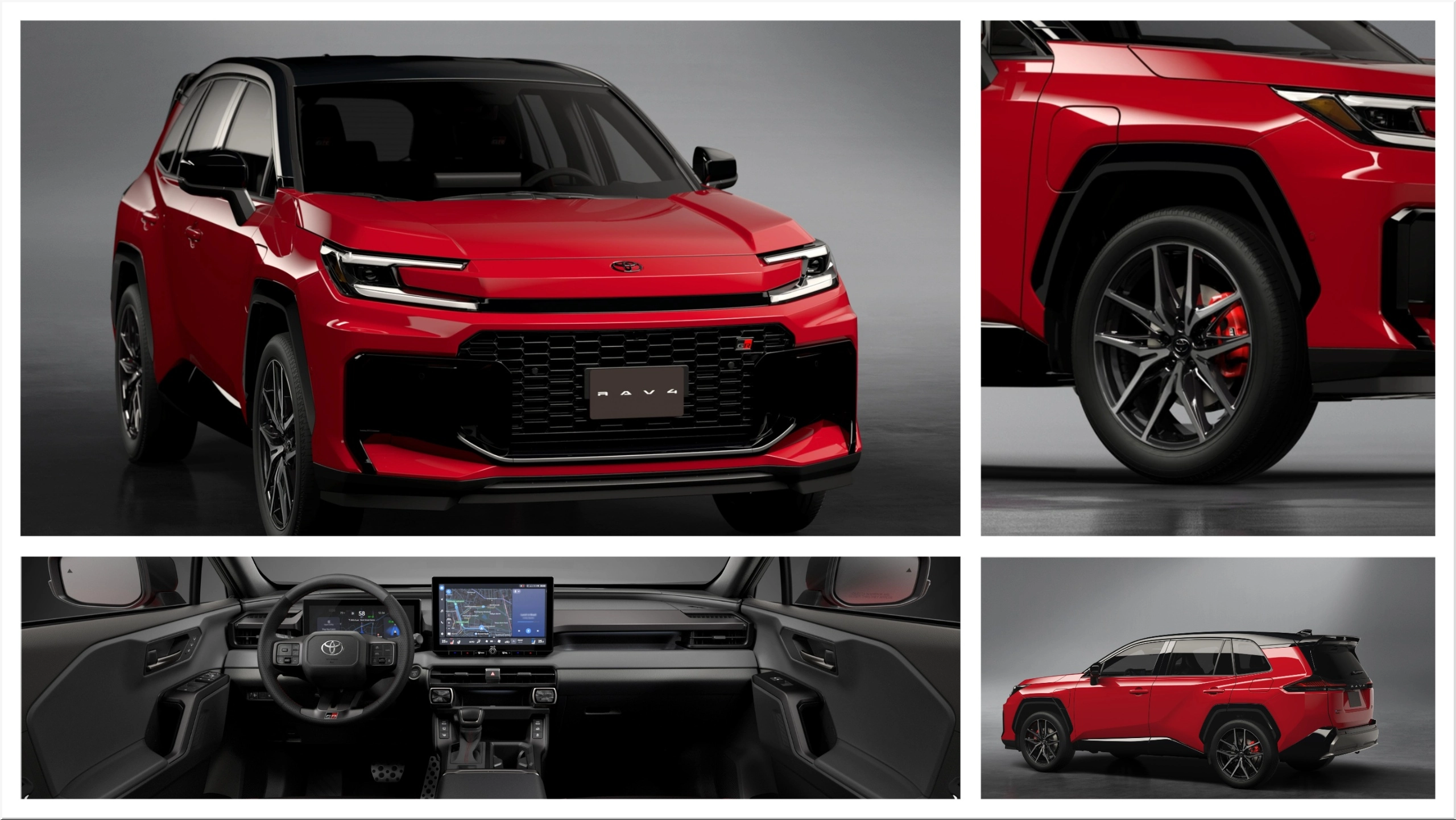
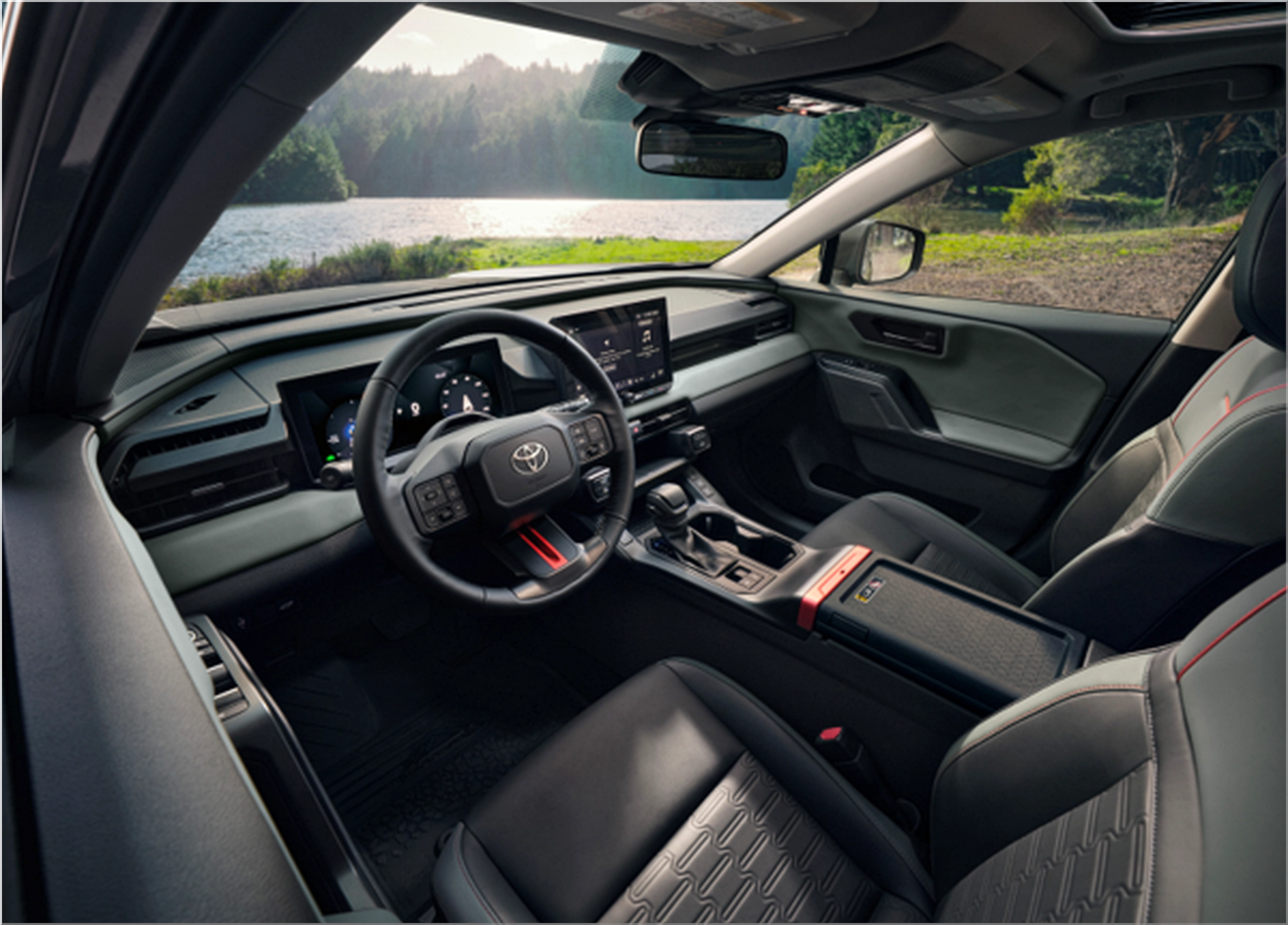
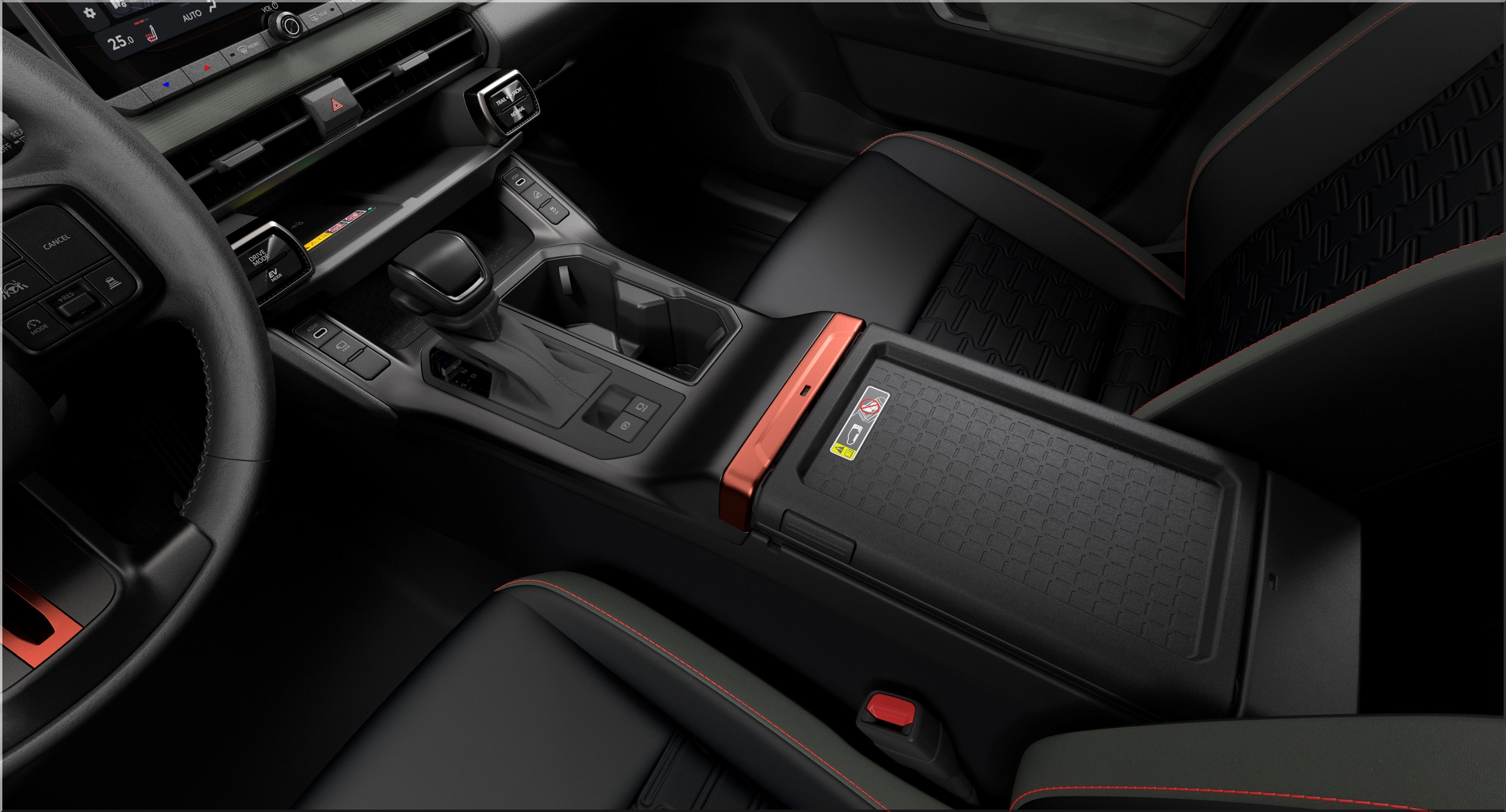
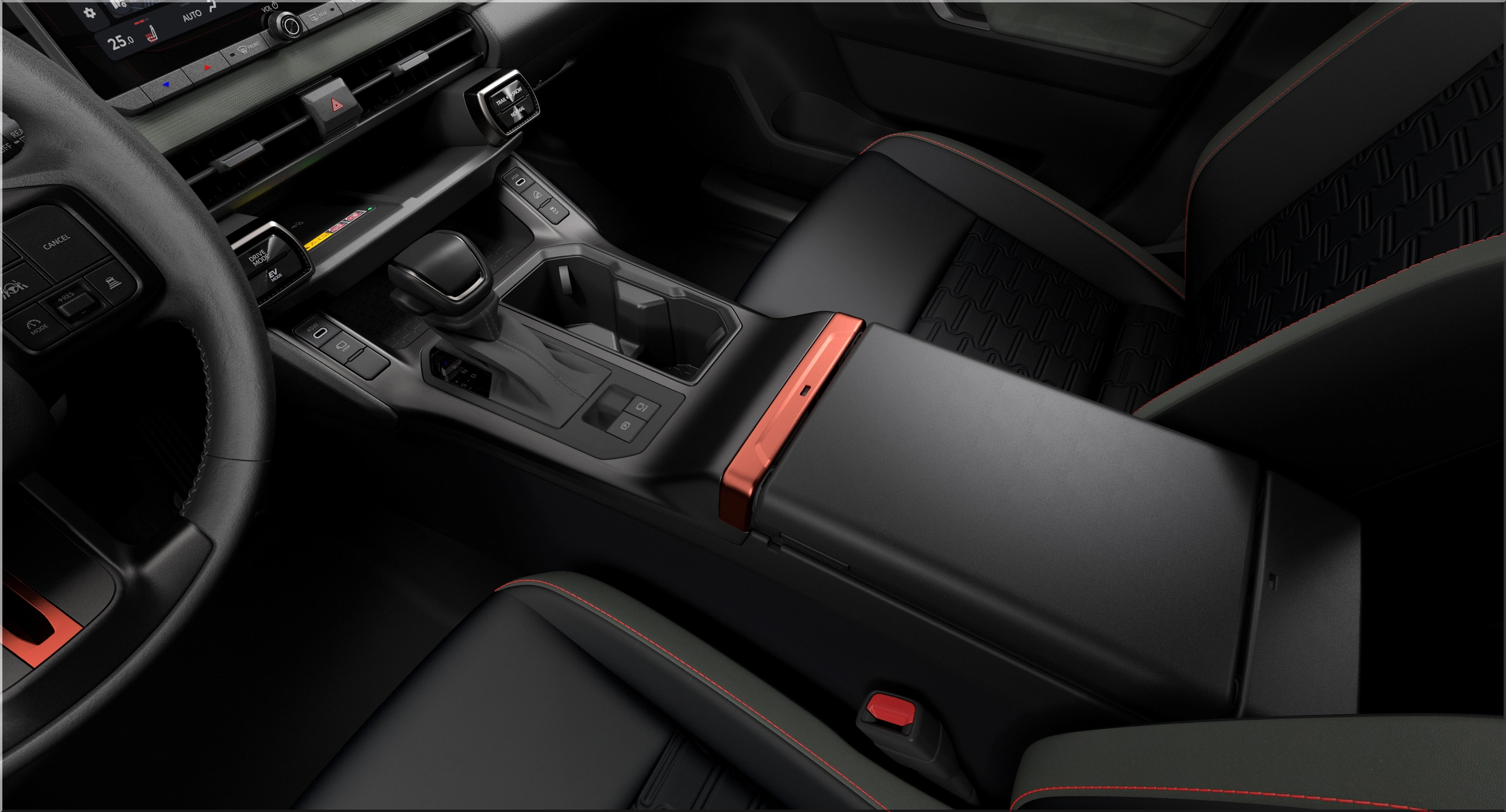
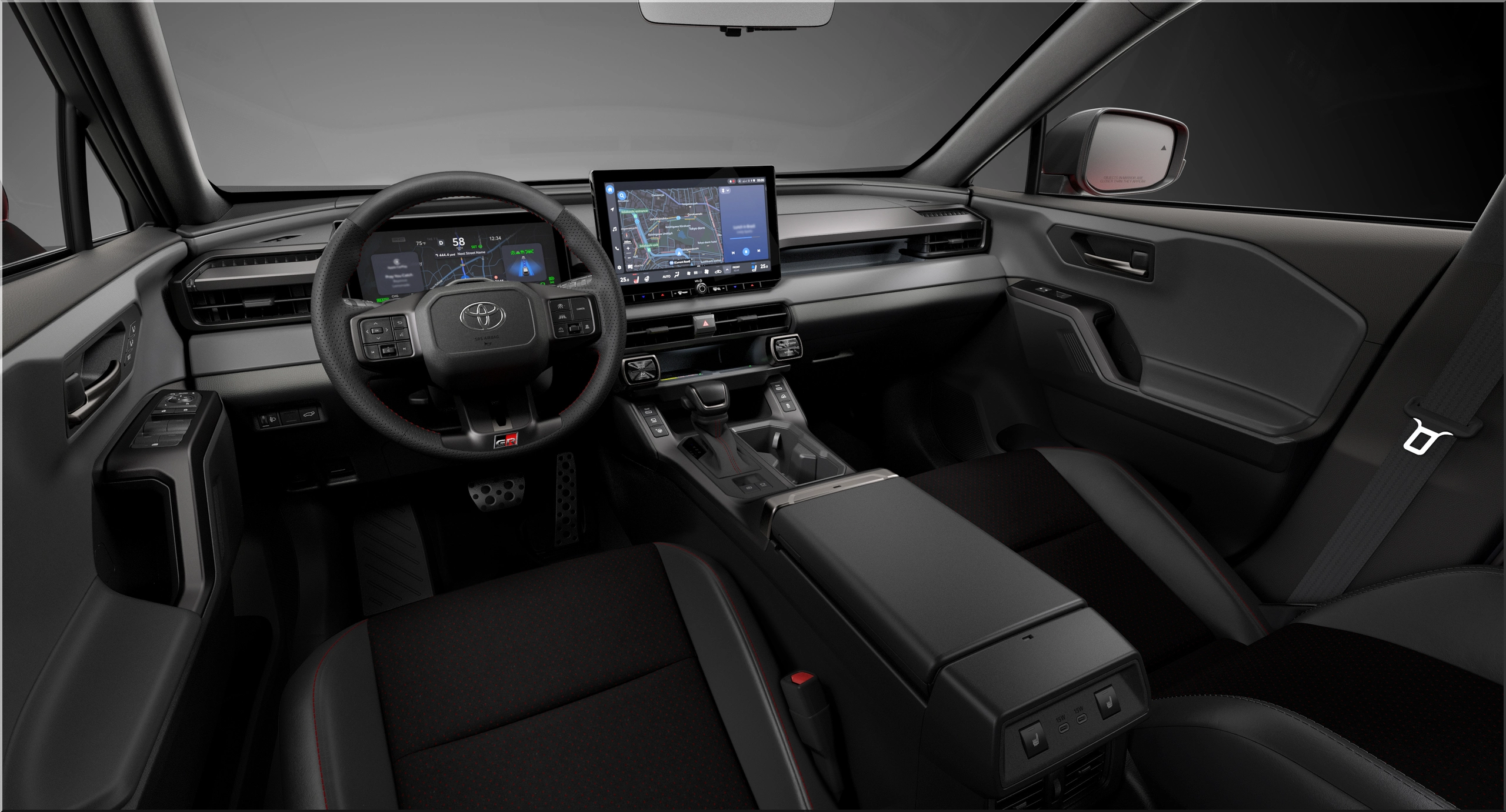
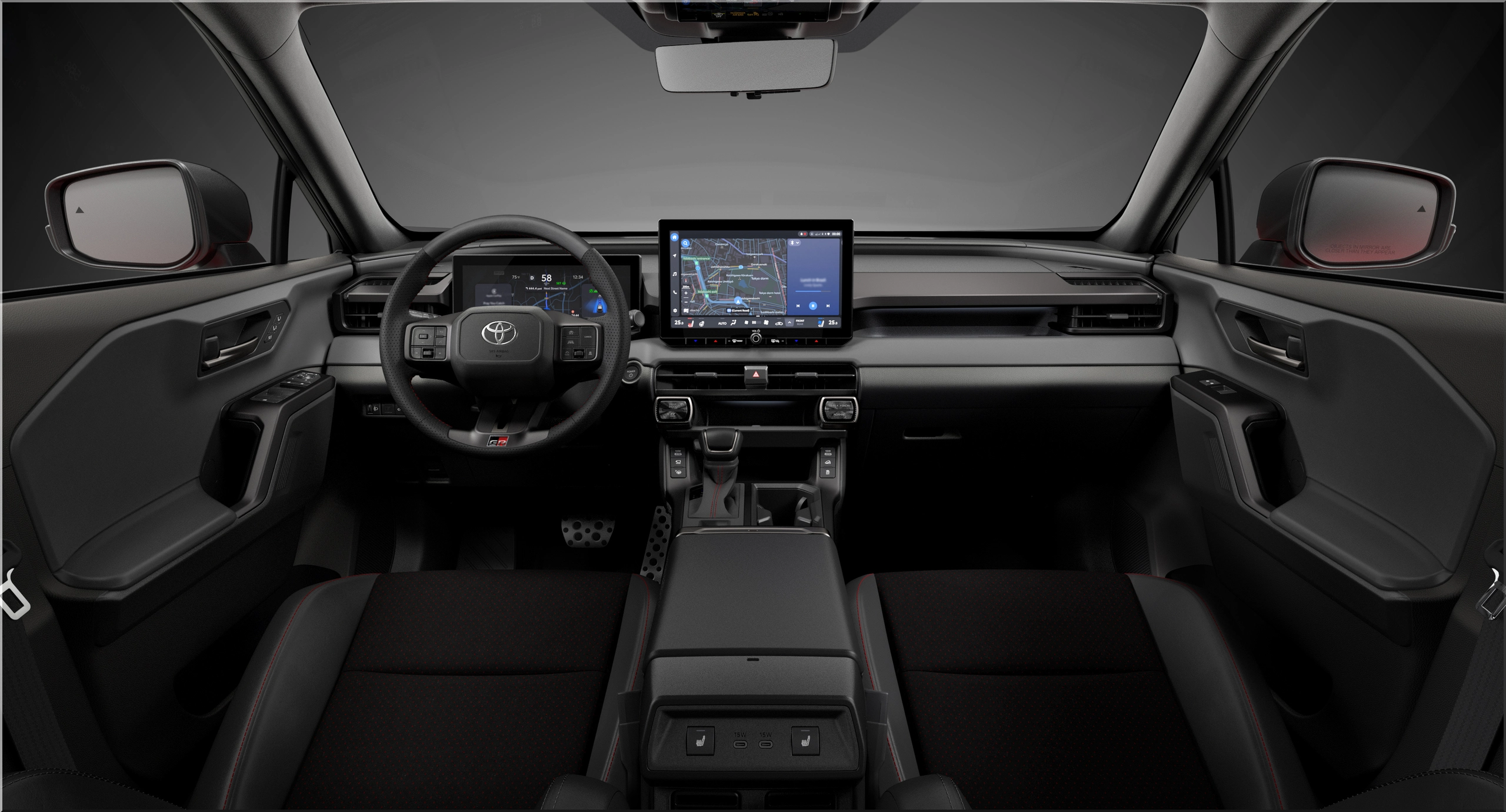
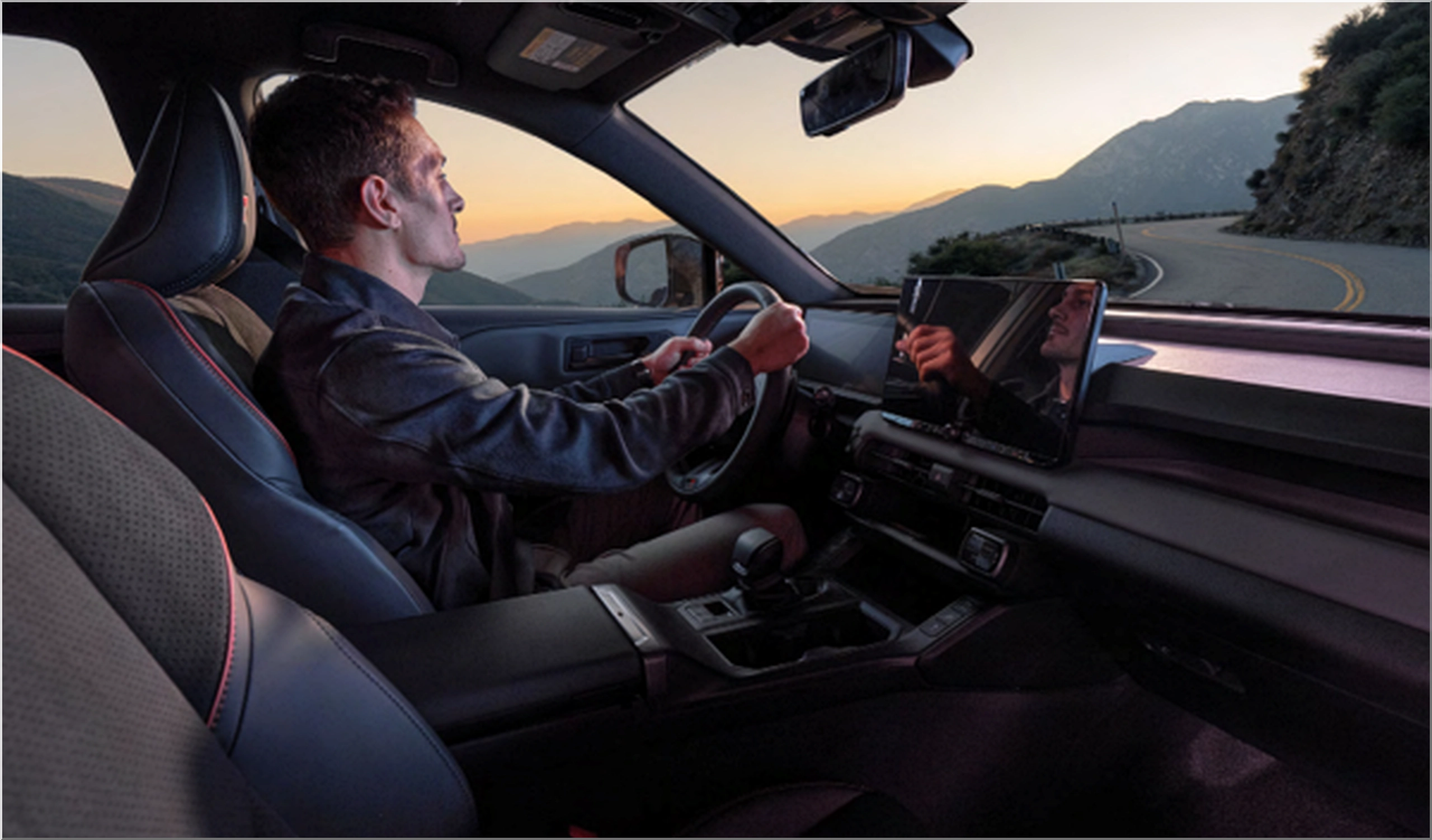
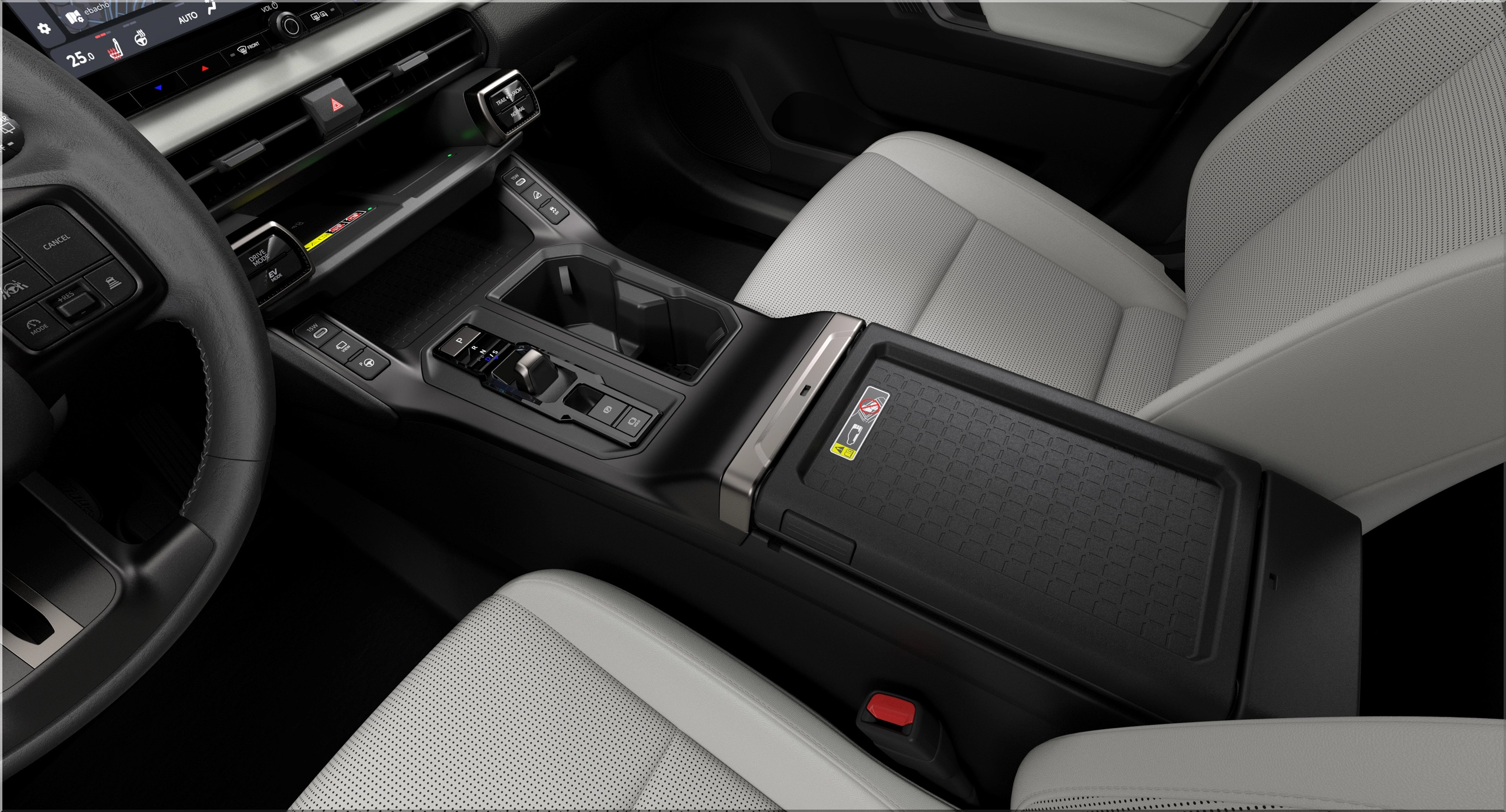
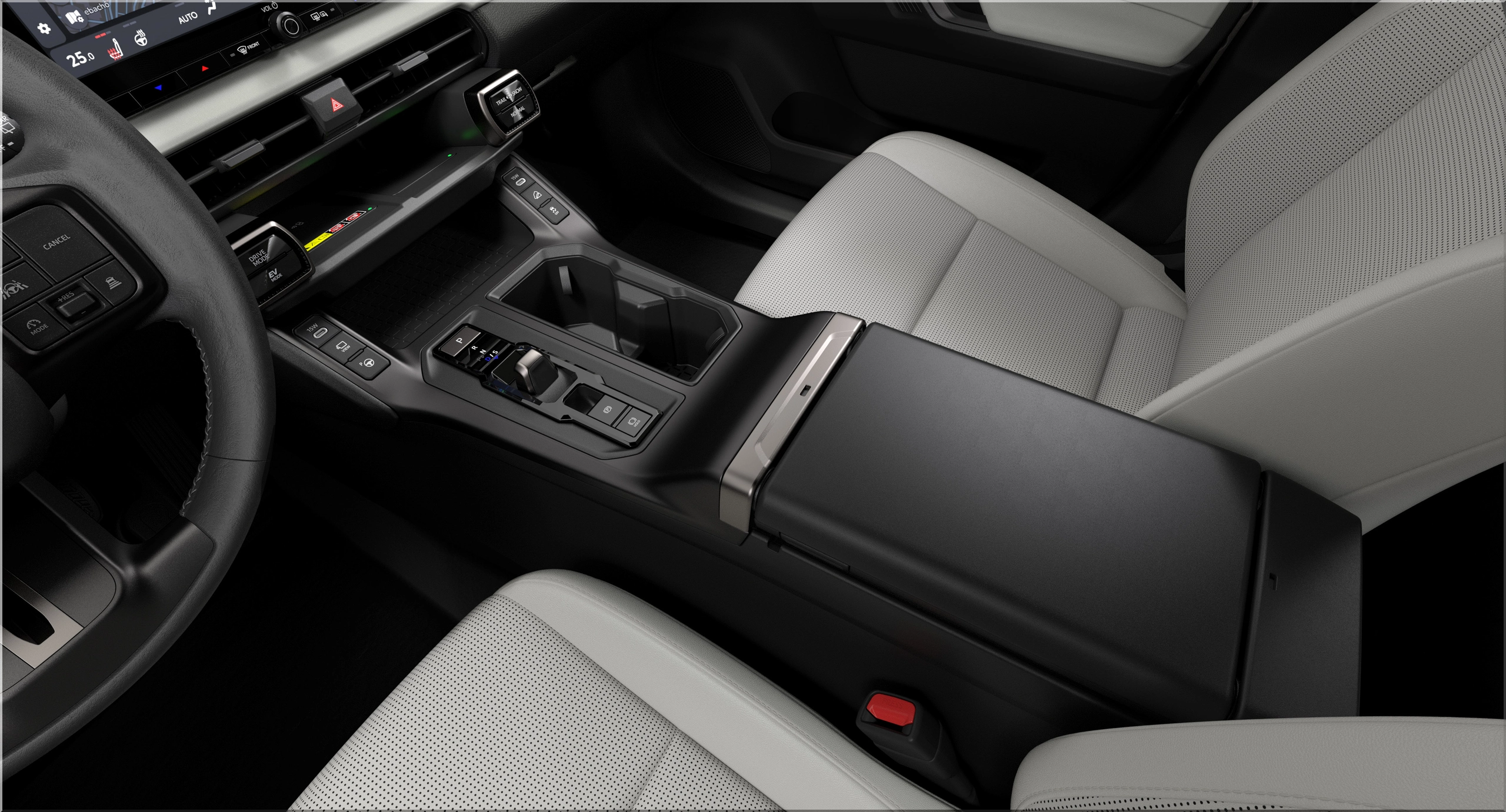
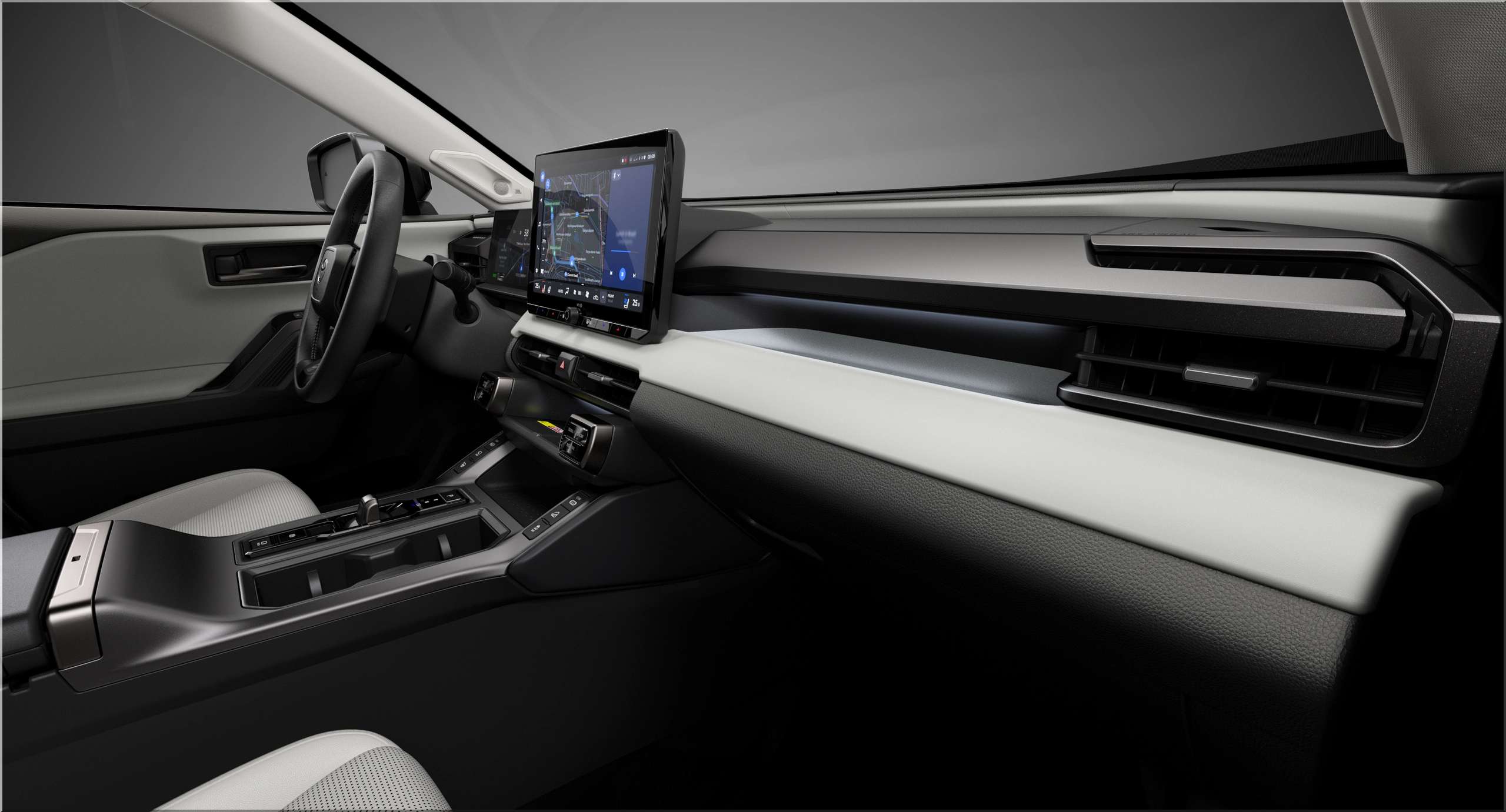
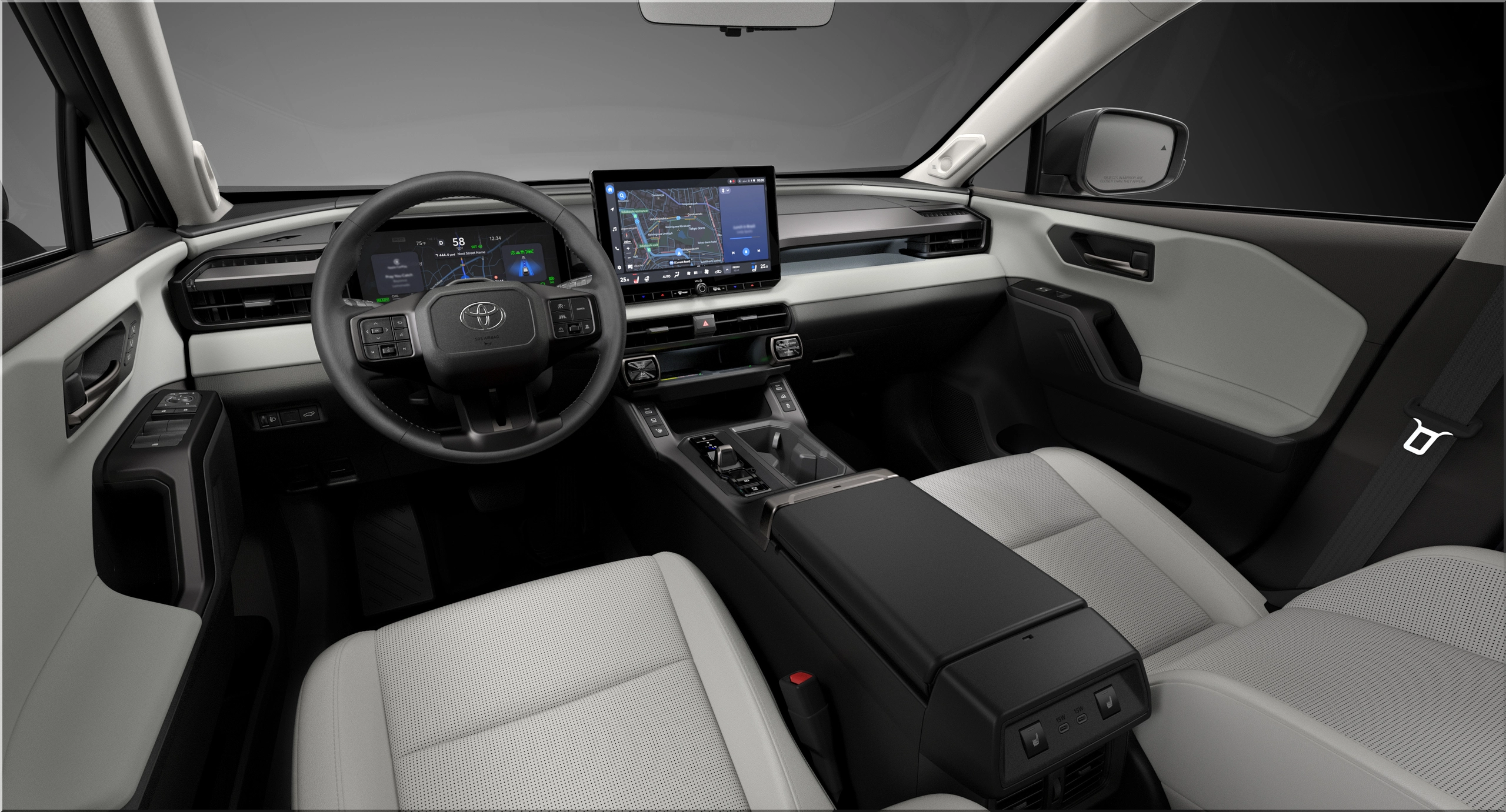
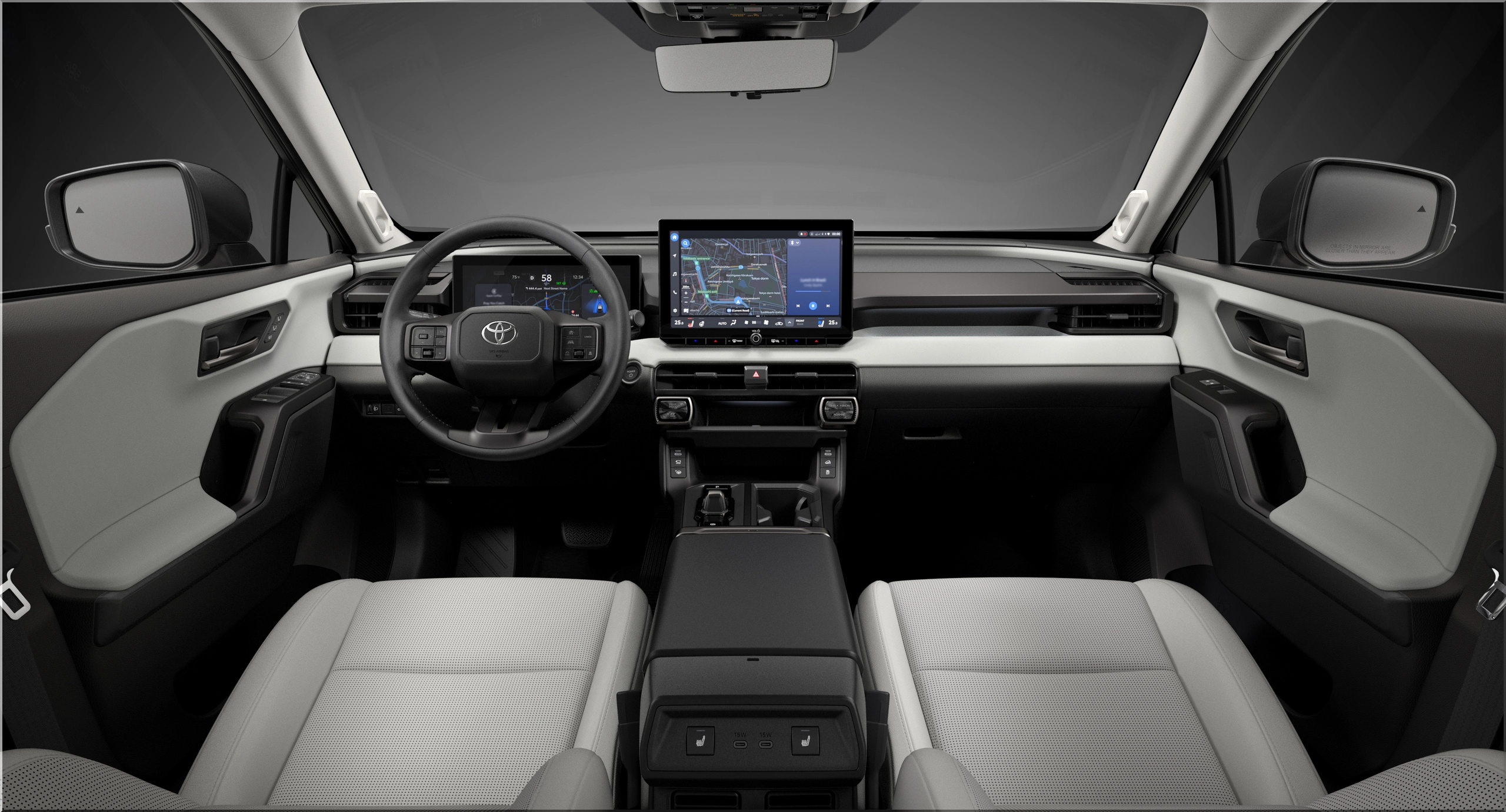
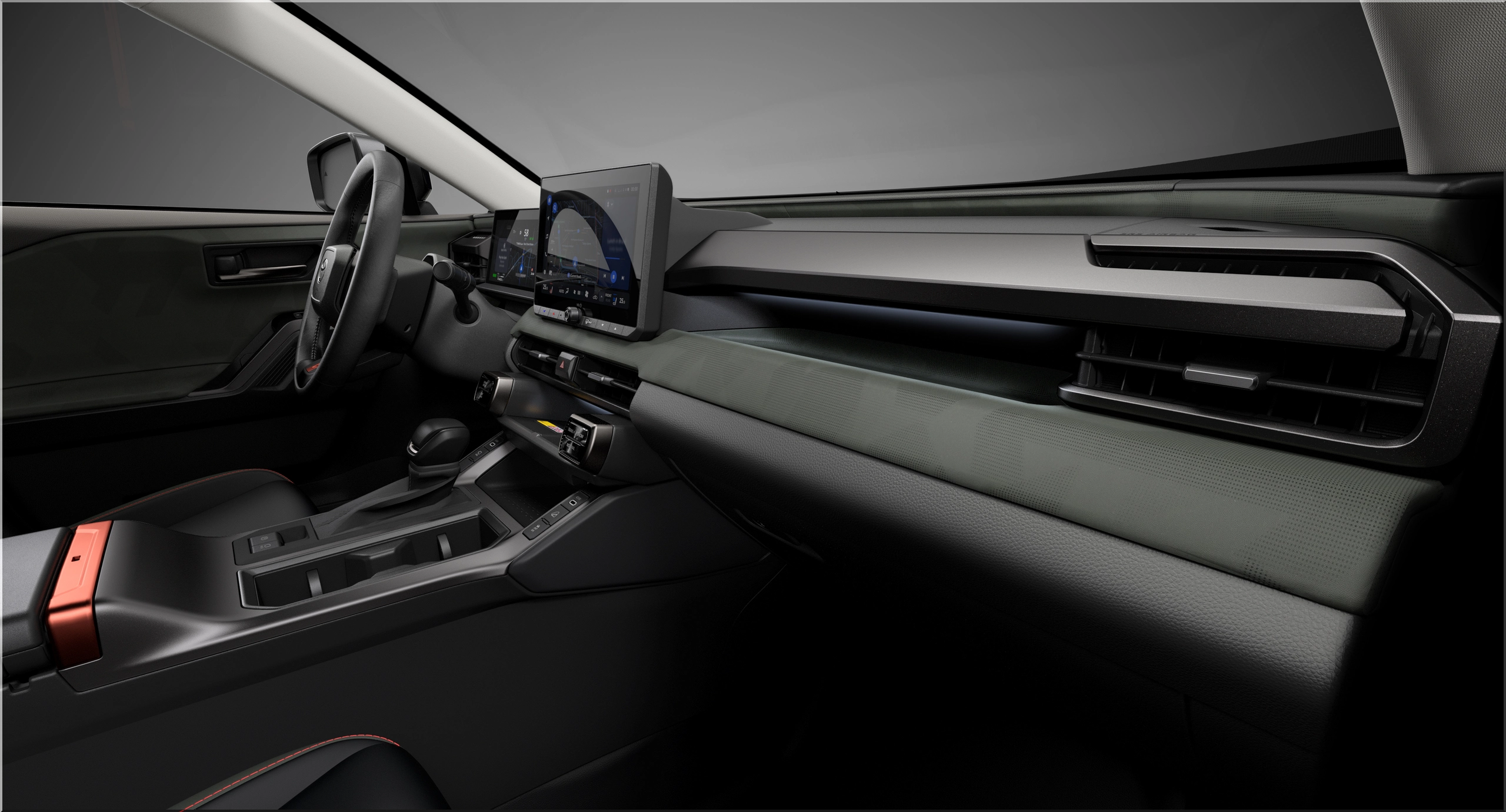
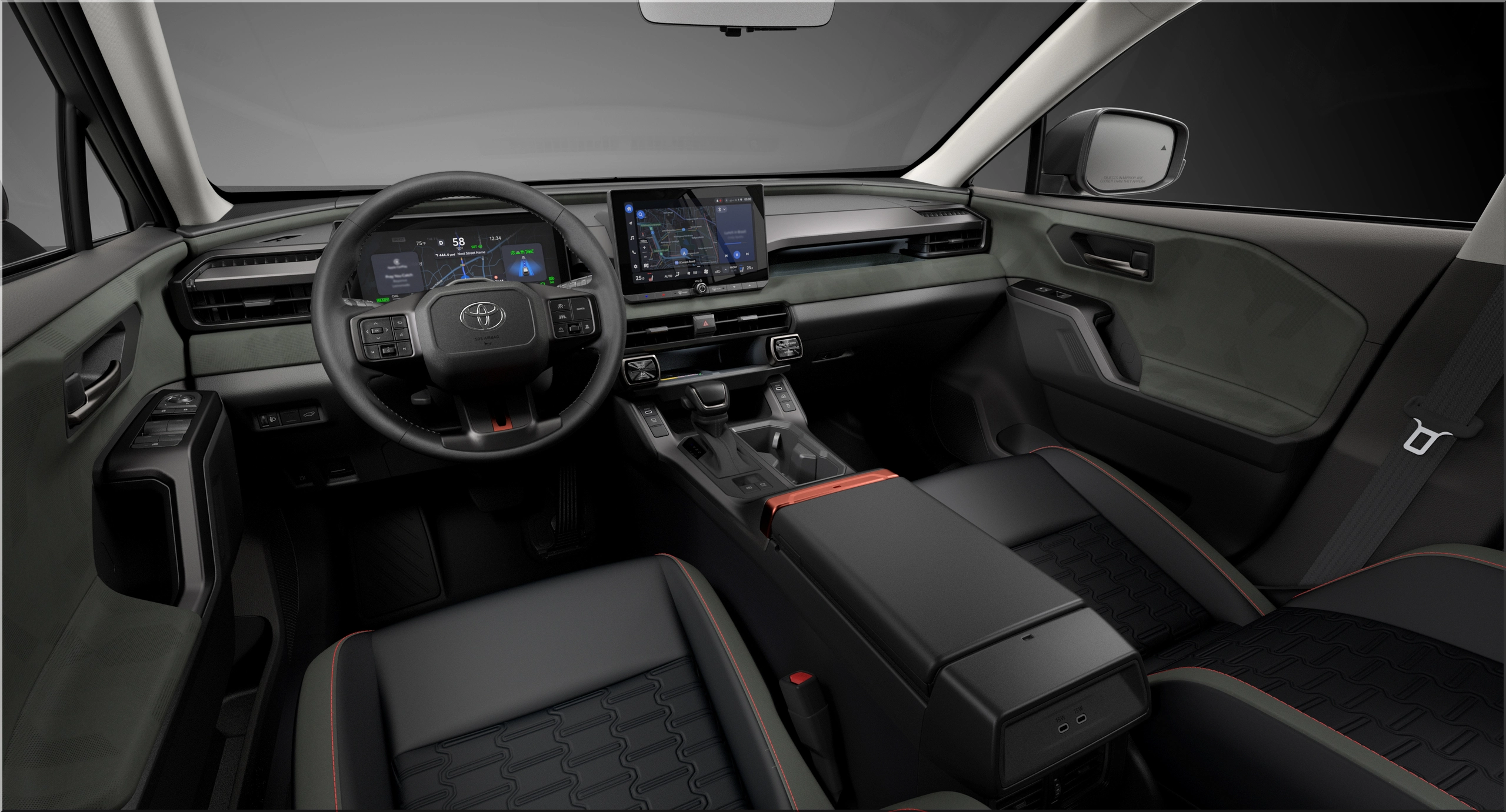
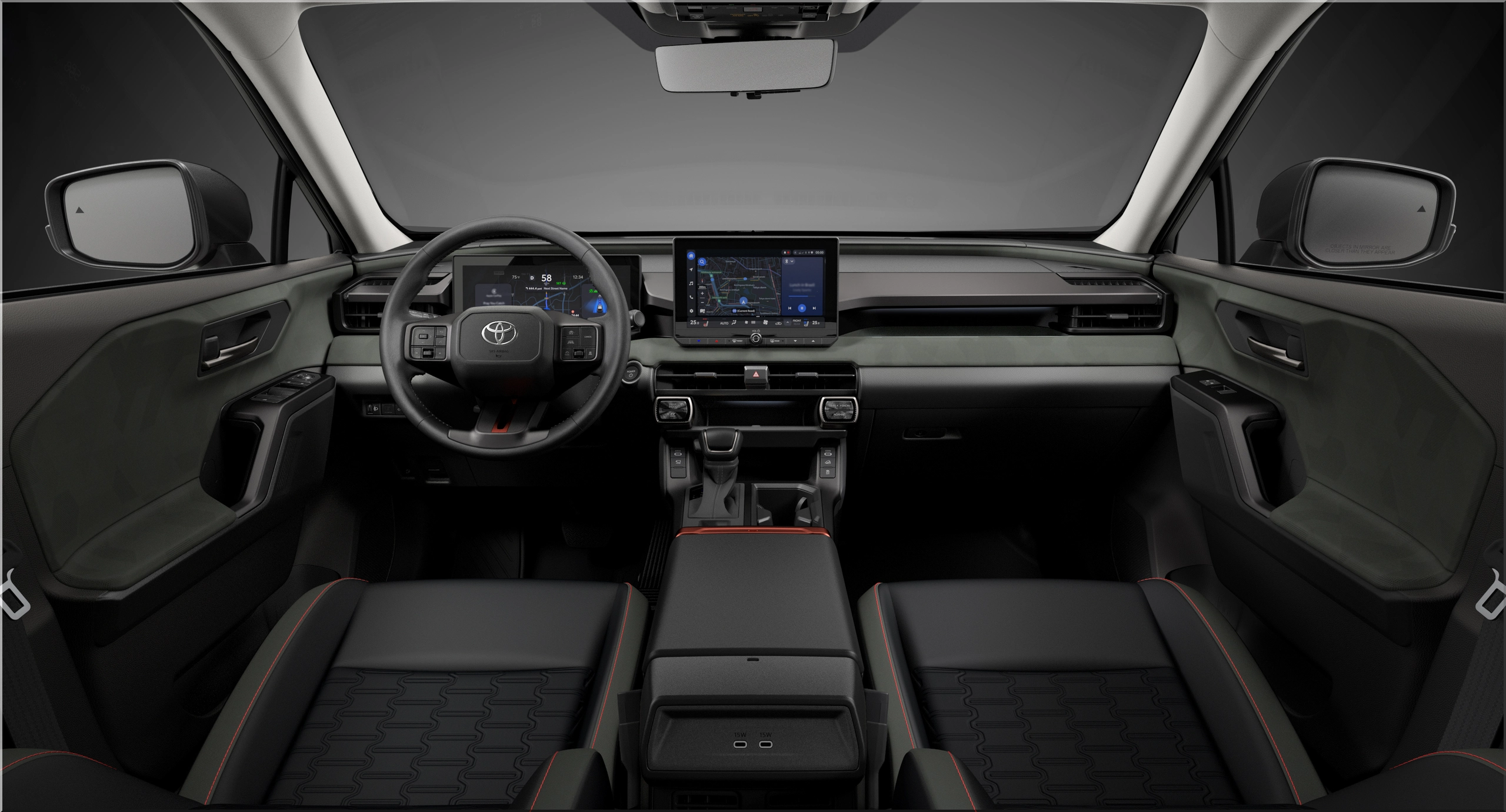
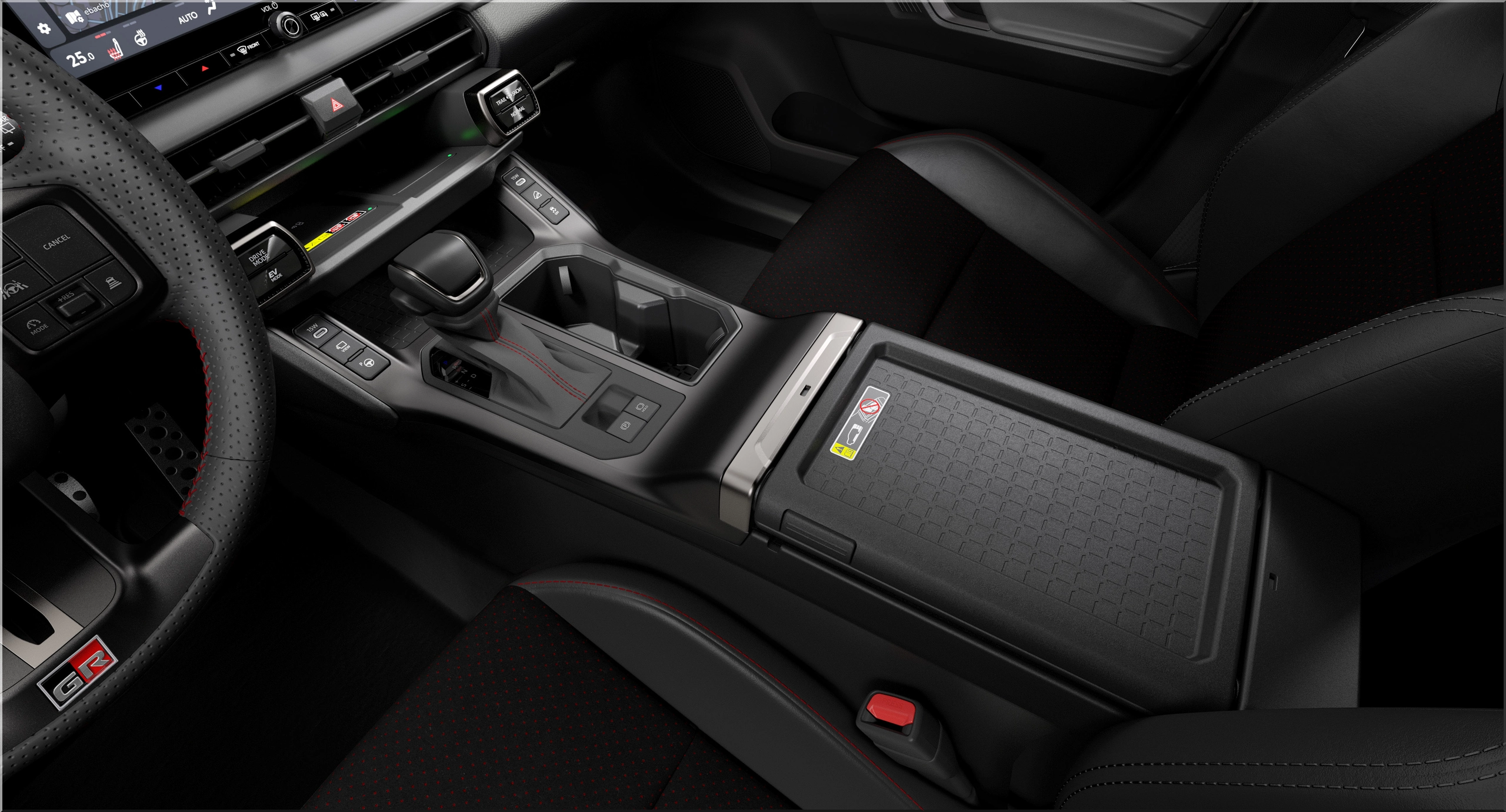
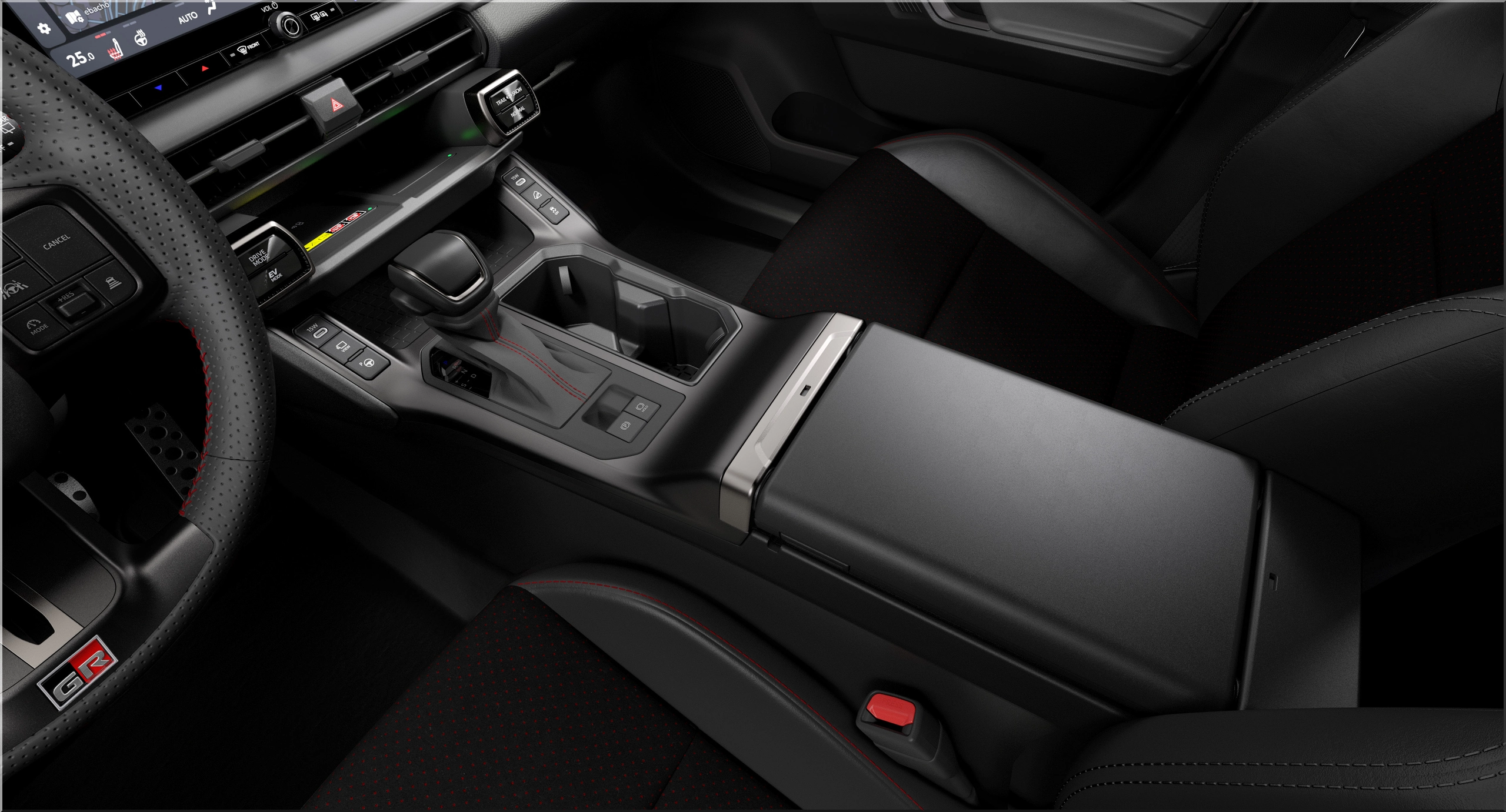
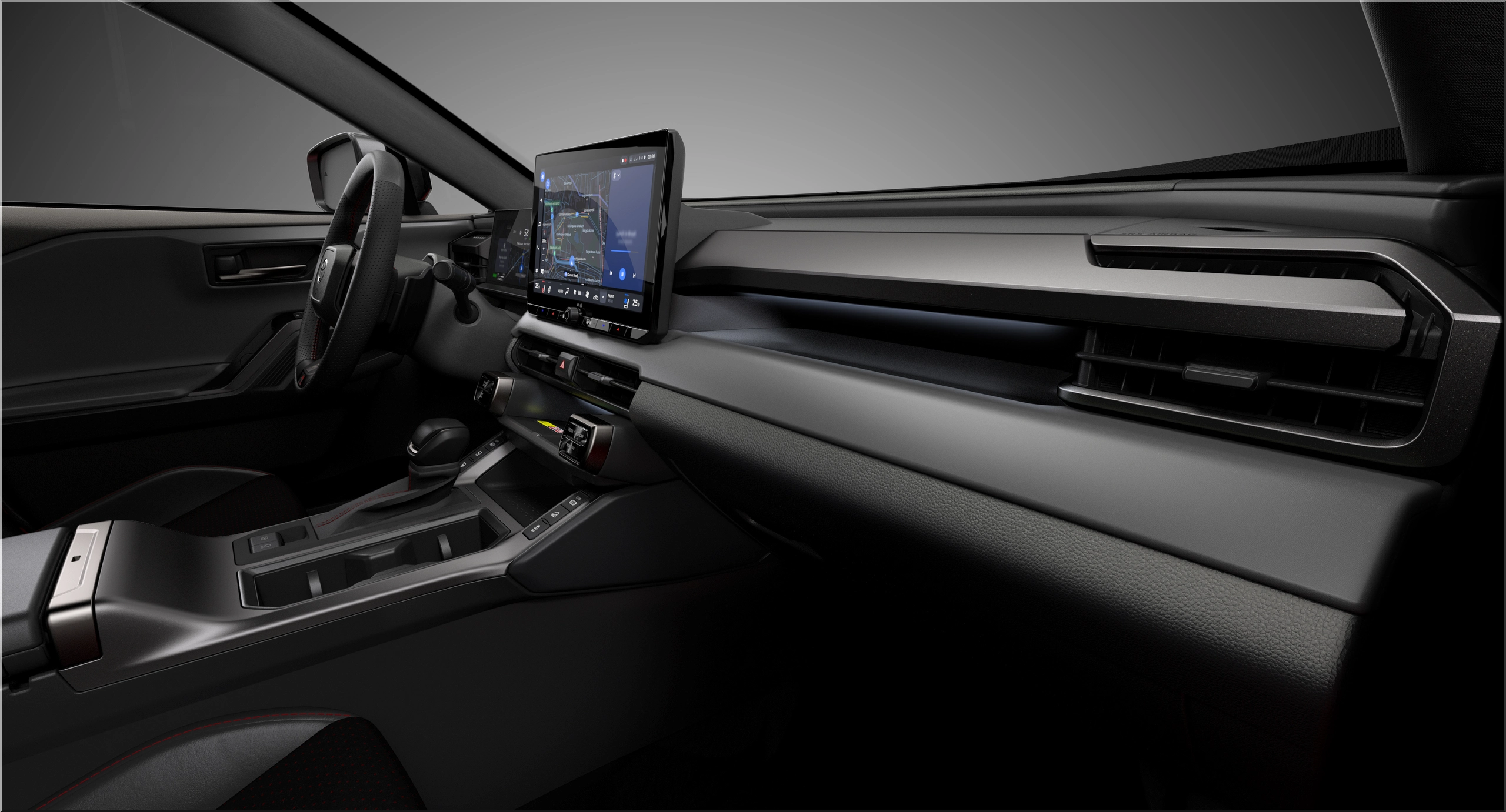
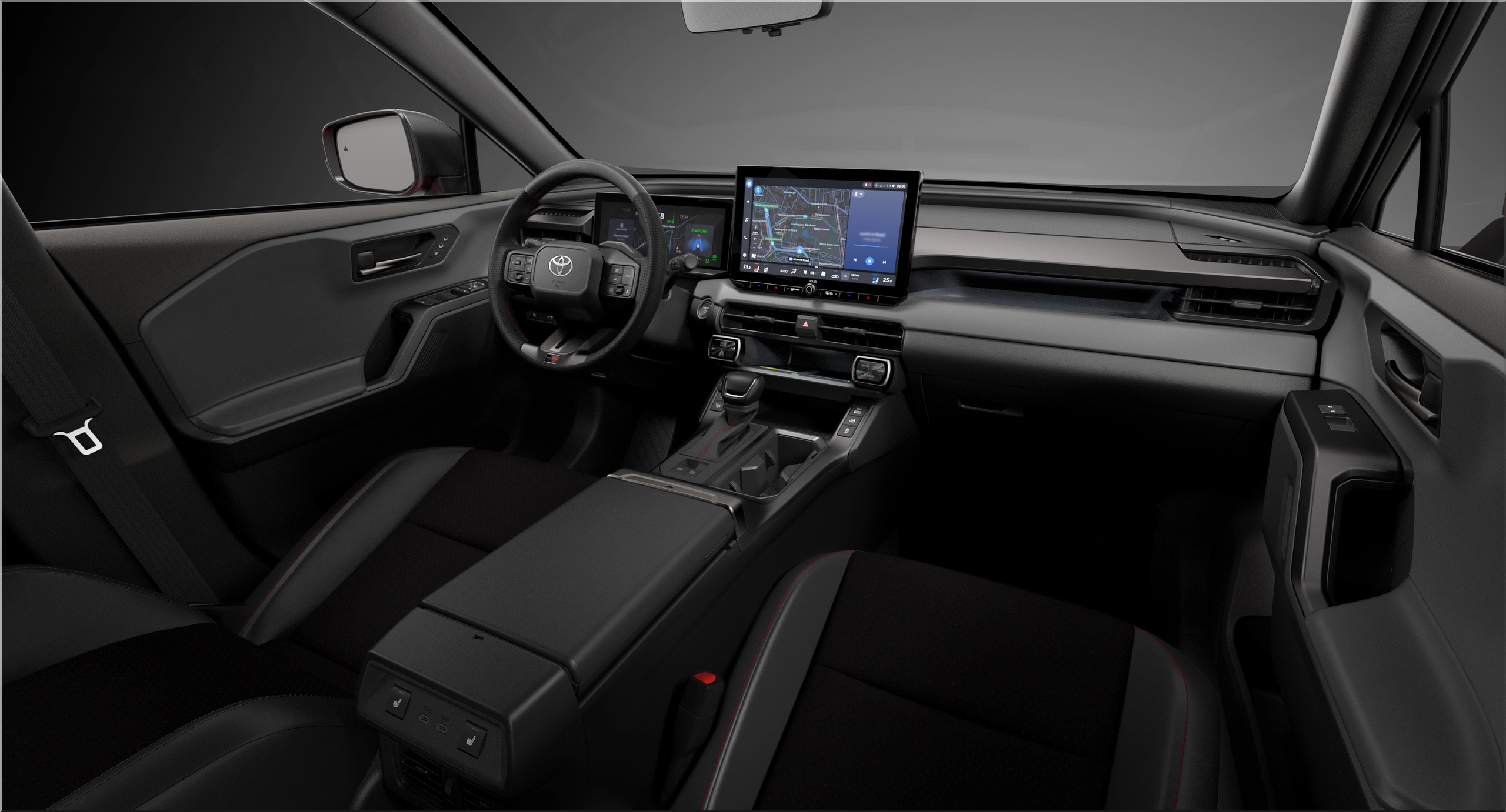
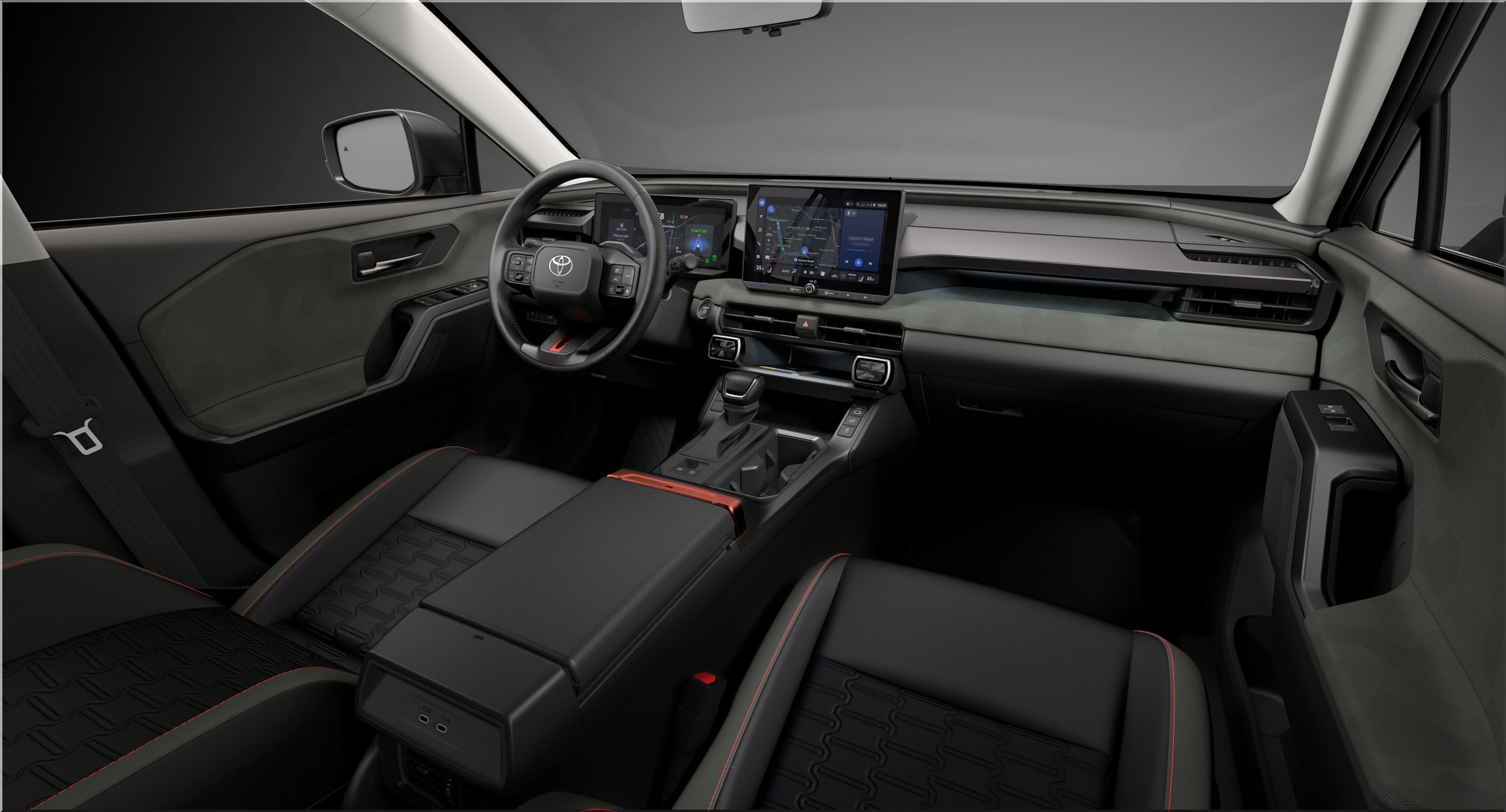
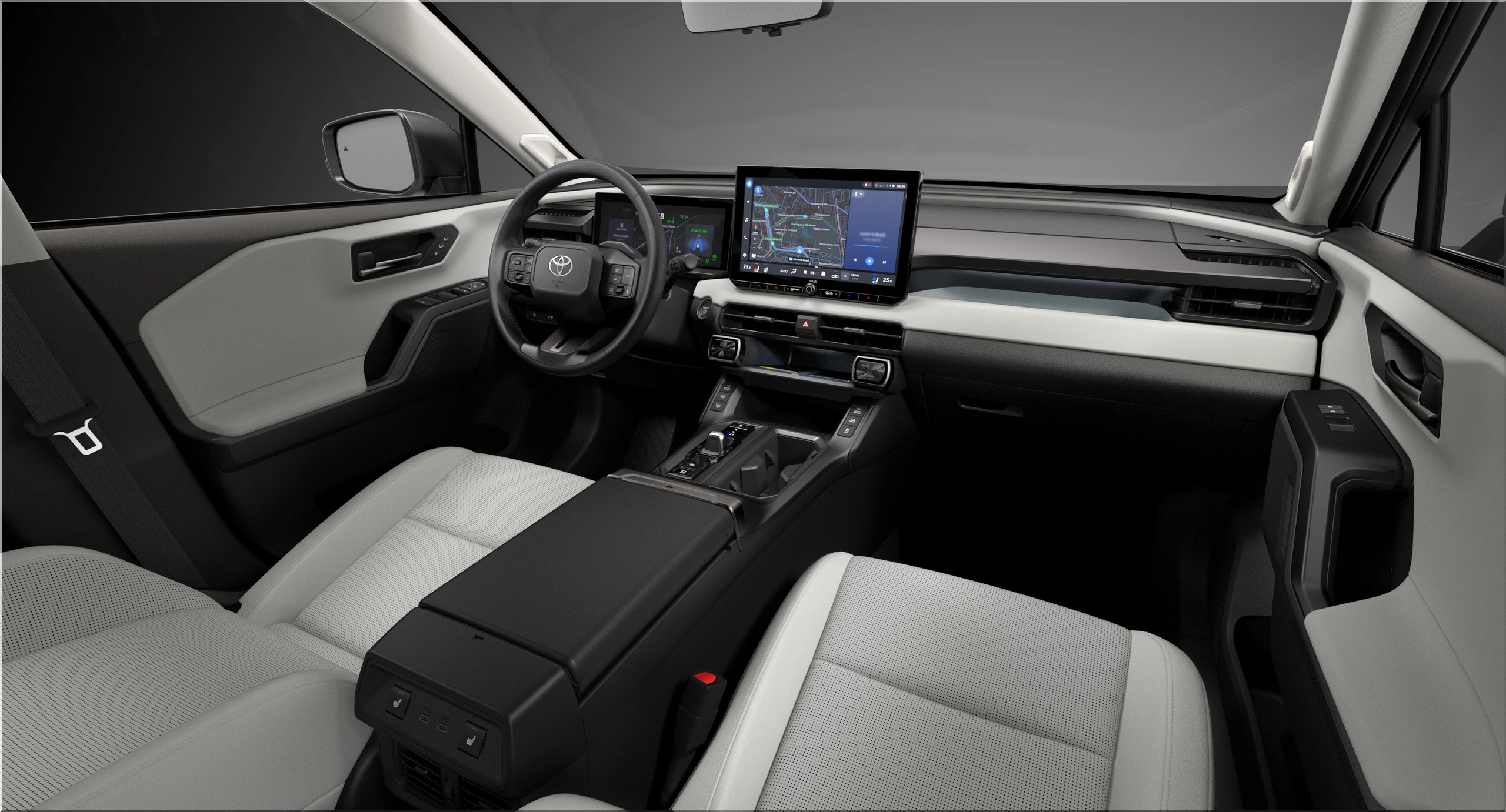
Toyota lowered the instrument panel top by about 40 mm. That opens forward visibility, which helps in tight streets and on trails. The brand adopted an island architecture layout. Key displays and controls sit in grouped pods to cut eye movement. The gearshift panel integrates shift-by-wire, EPB, and brake hold switches within easy reach. Phone pads and USB ports sit where you expect them. The center console flips to serve as either armrest or tray. Small changes add up in daily use.
Cargo: more room without a larger body
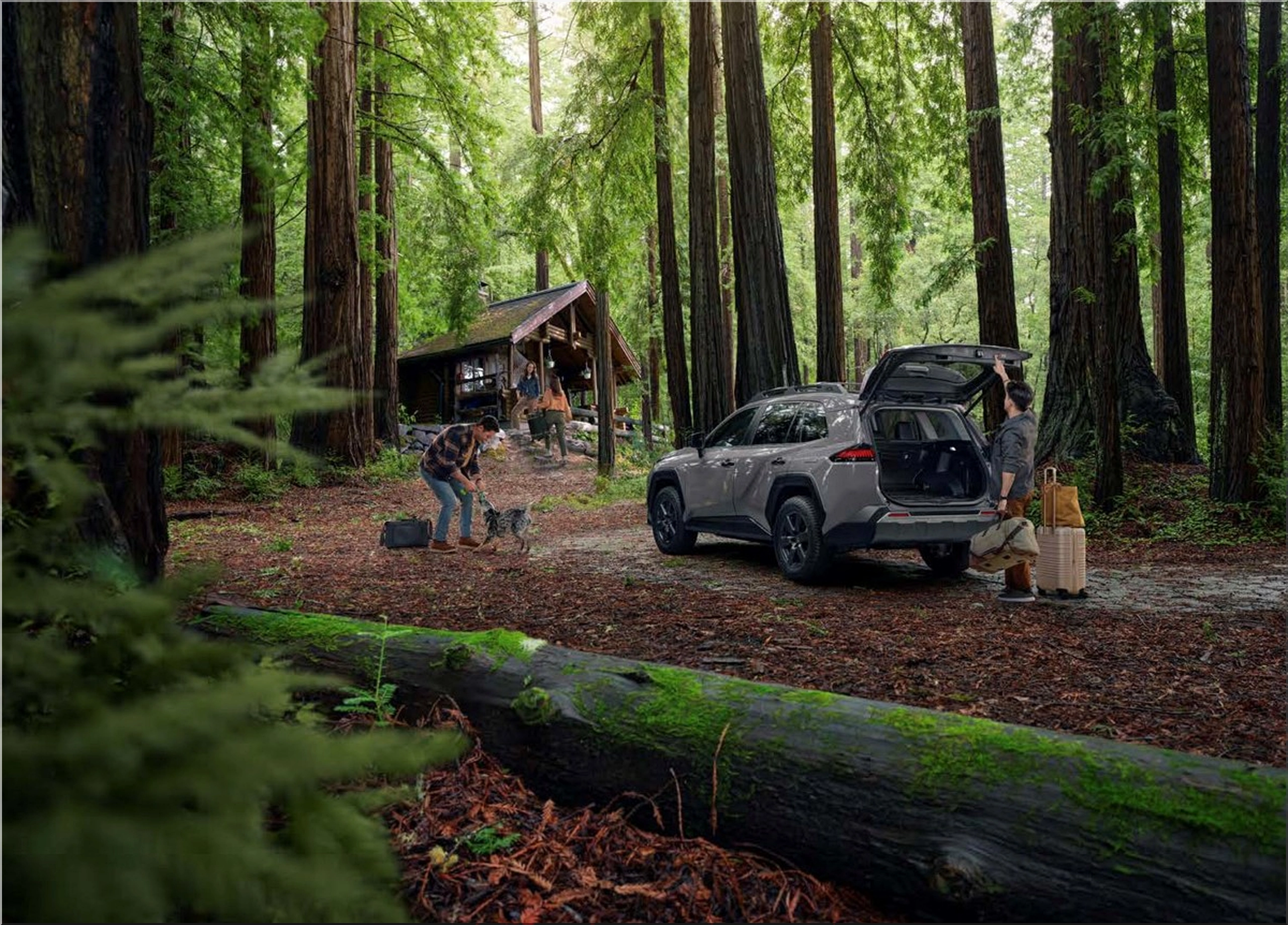
Toyota kept overall size similar but grew usable space. The rear holds 749 liters with seats in place. That is up from 733 liters. Flatter rear seatbacks improve long-item loading. The lift-over remains manageable. Owners who camp or carry gear will notice the change.
Three styles: Core, Adventure, and GR Sport
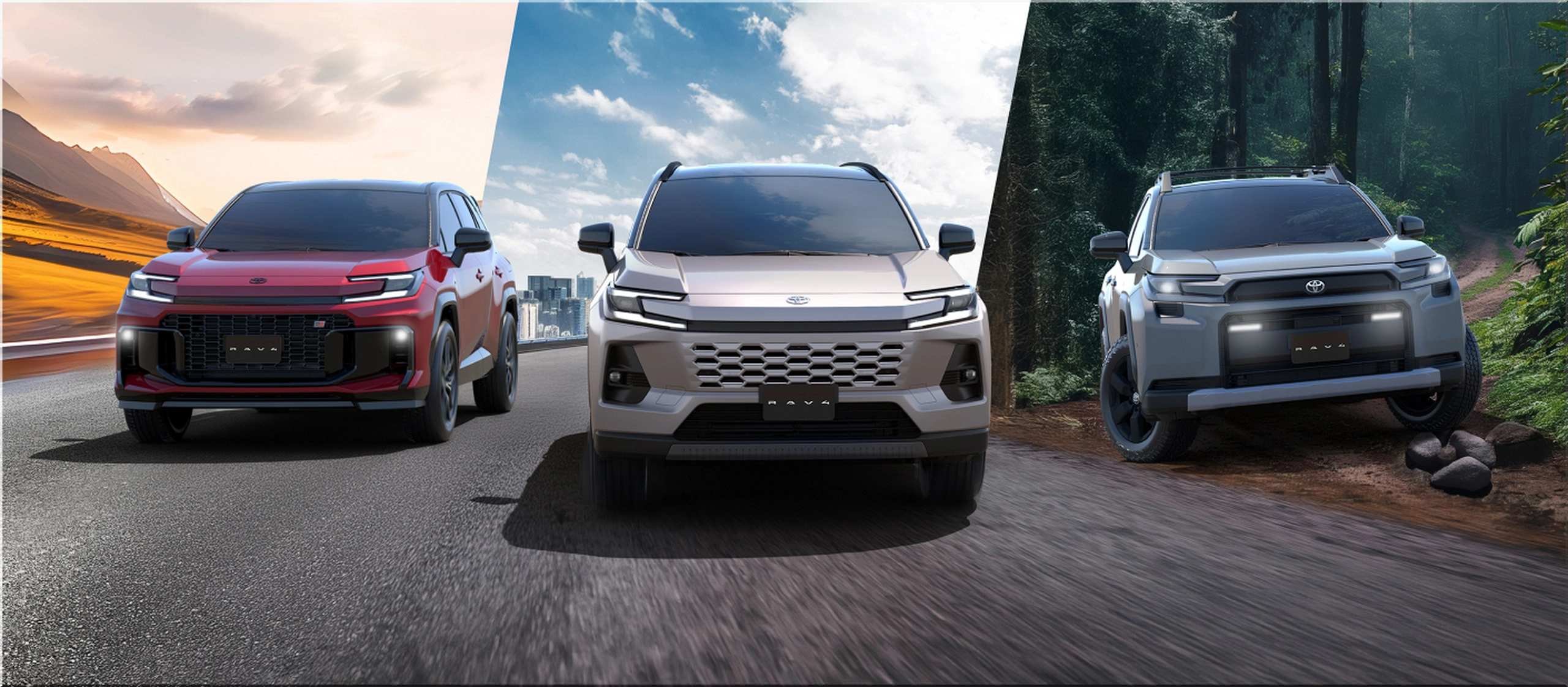
Toyota splits the lineup into three styles to make choices clear.
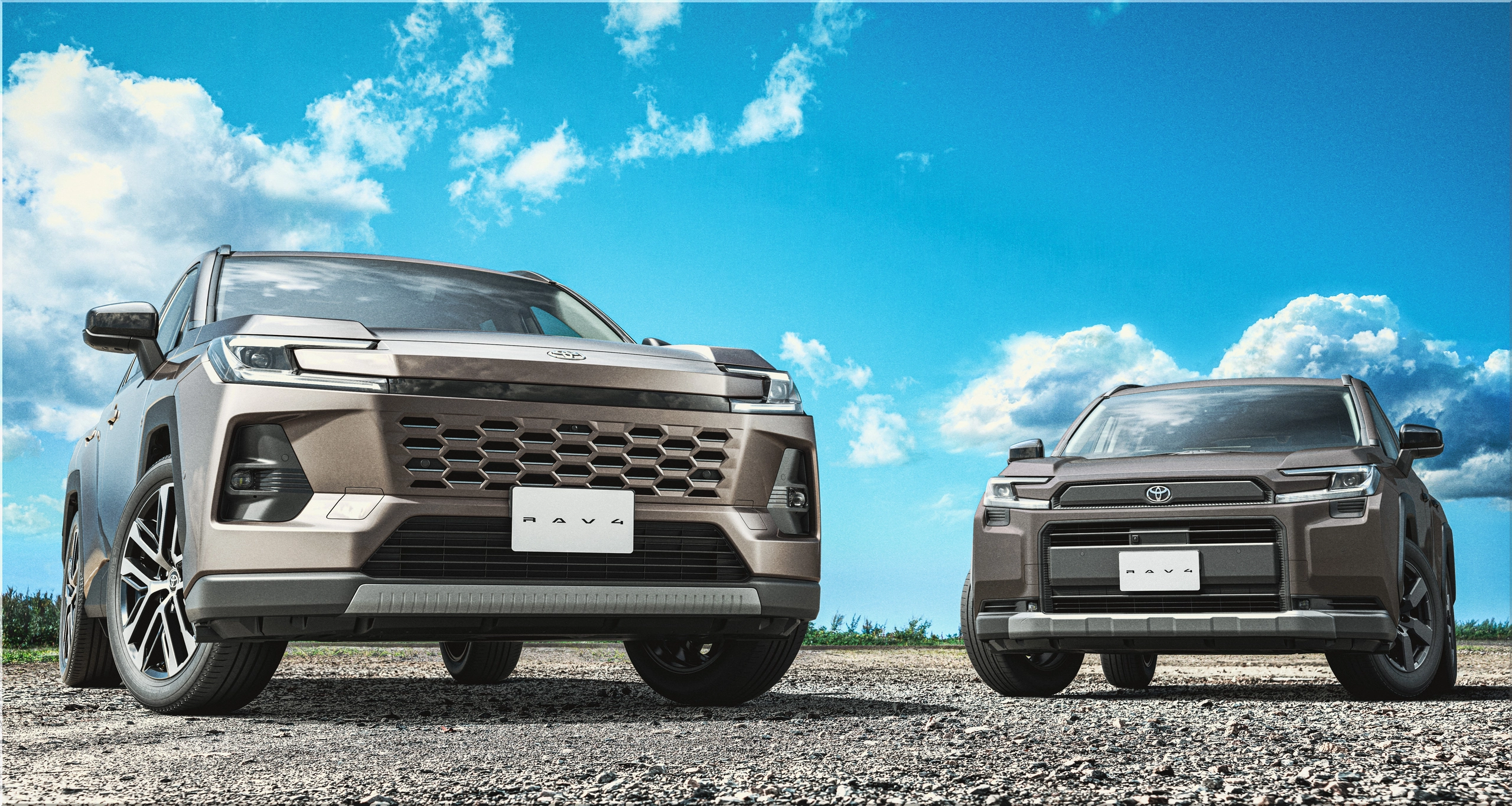
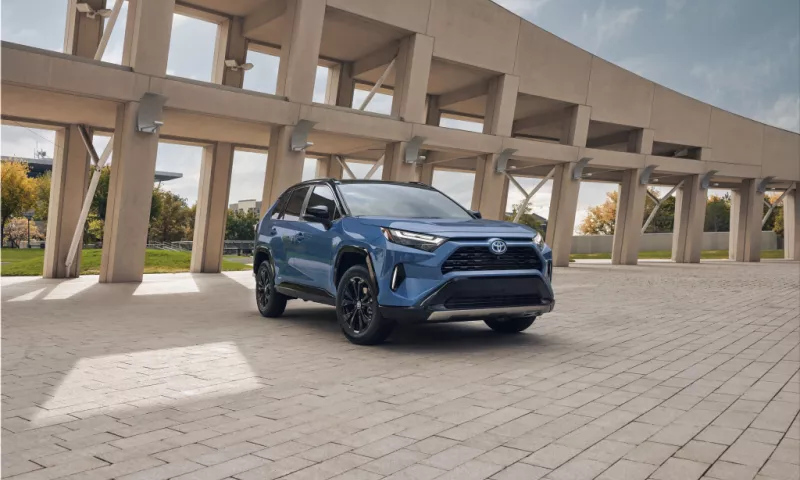
- Core: a refined hammerhead design with an integrated bumper and grille. The look reads tough without excess cladding.
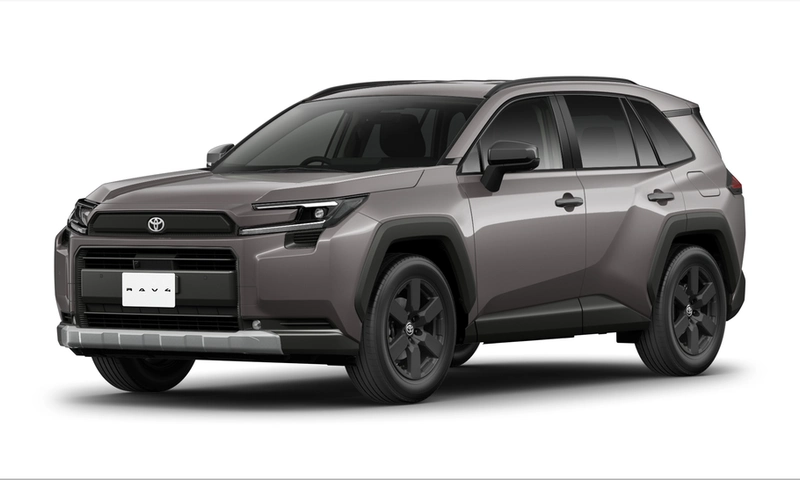
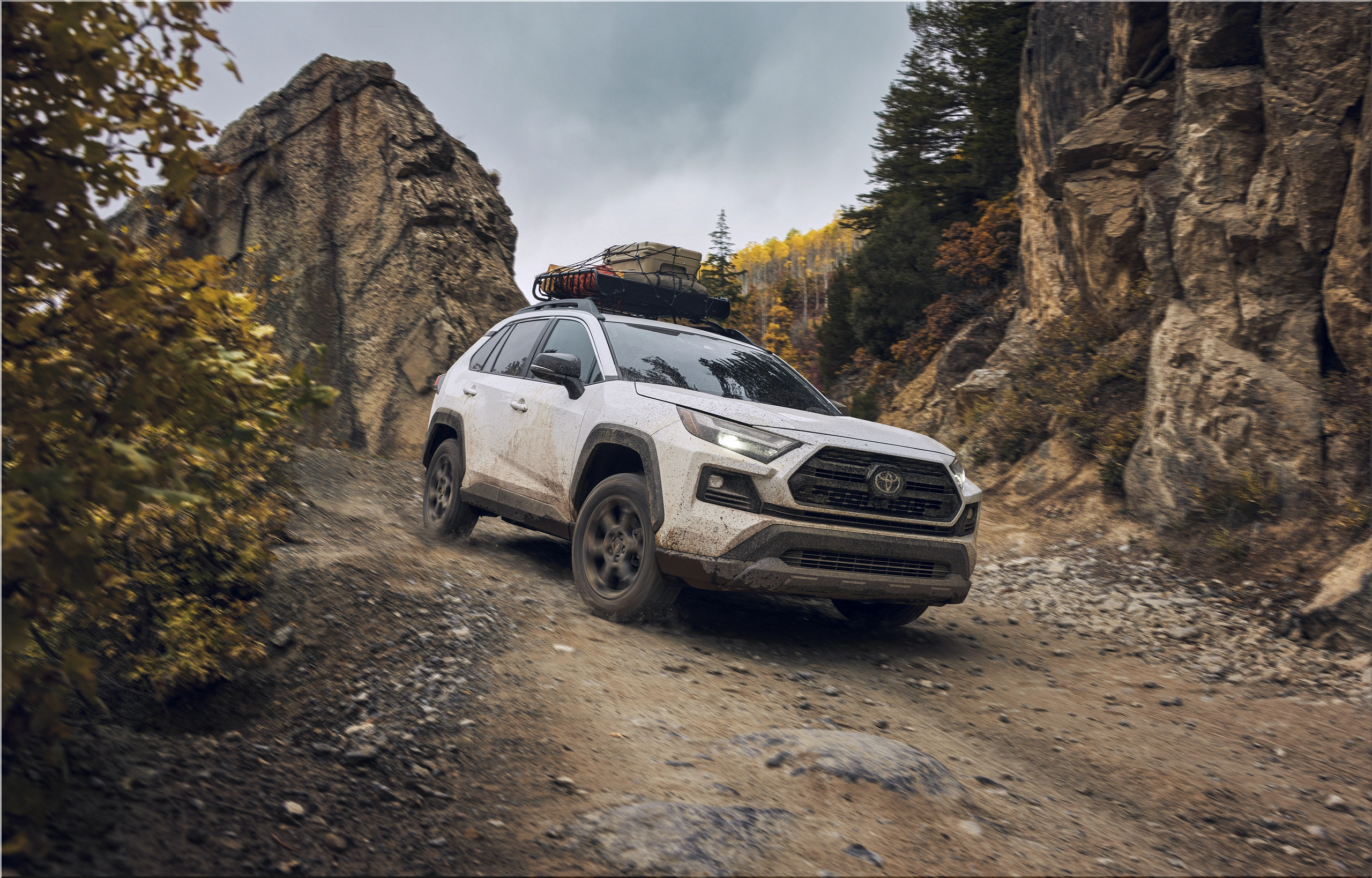
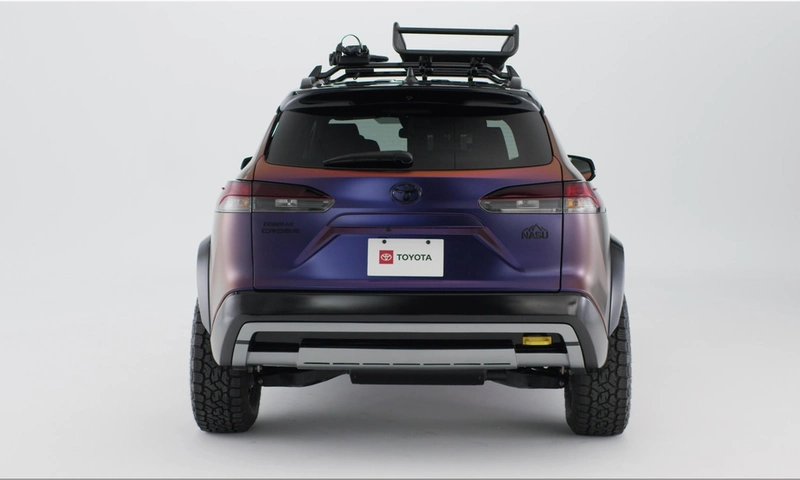
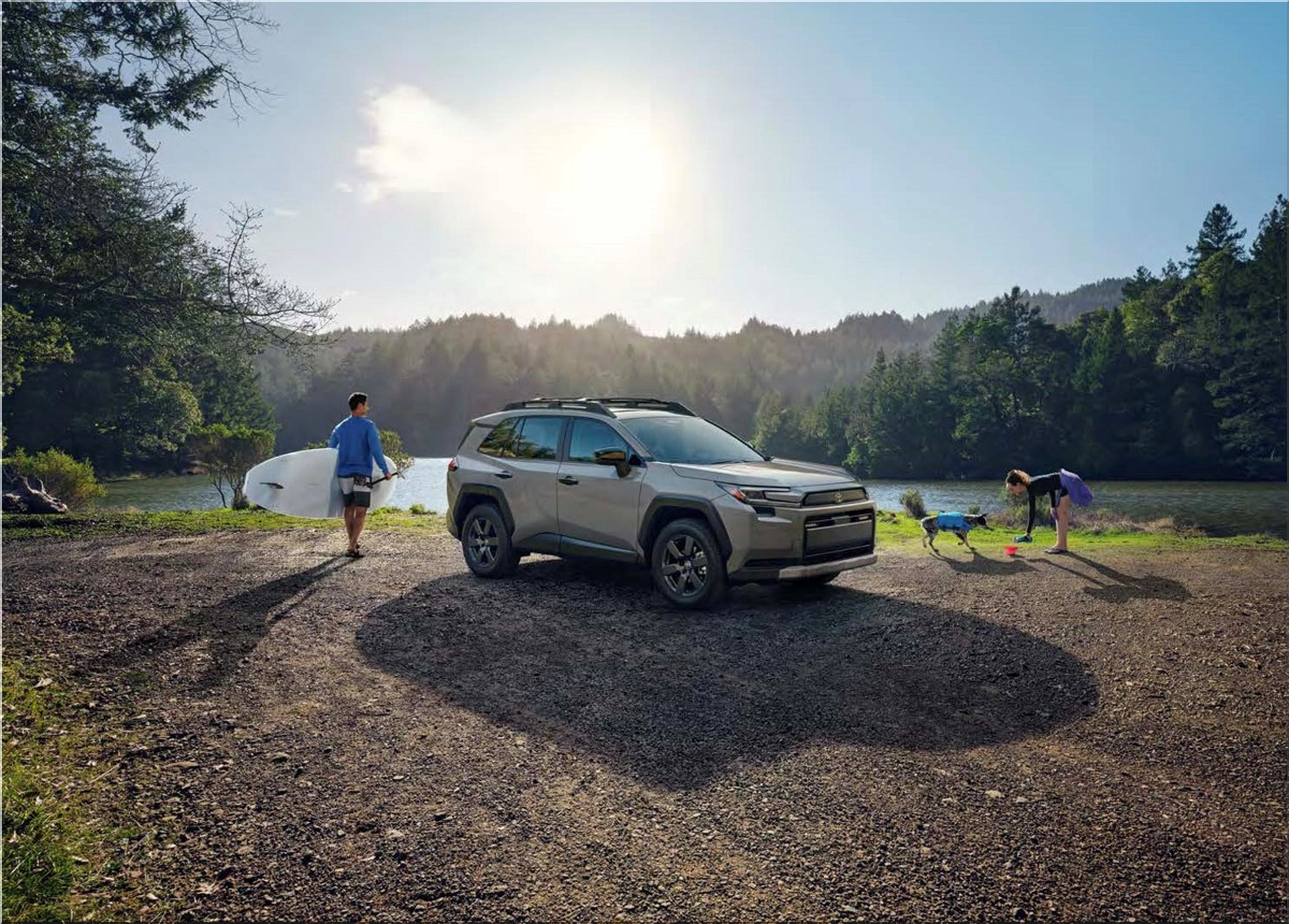
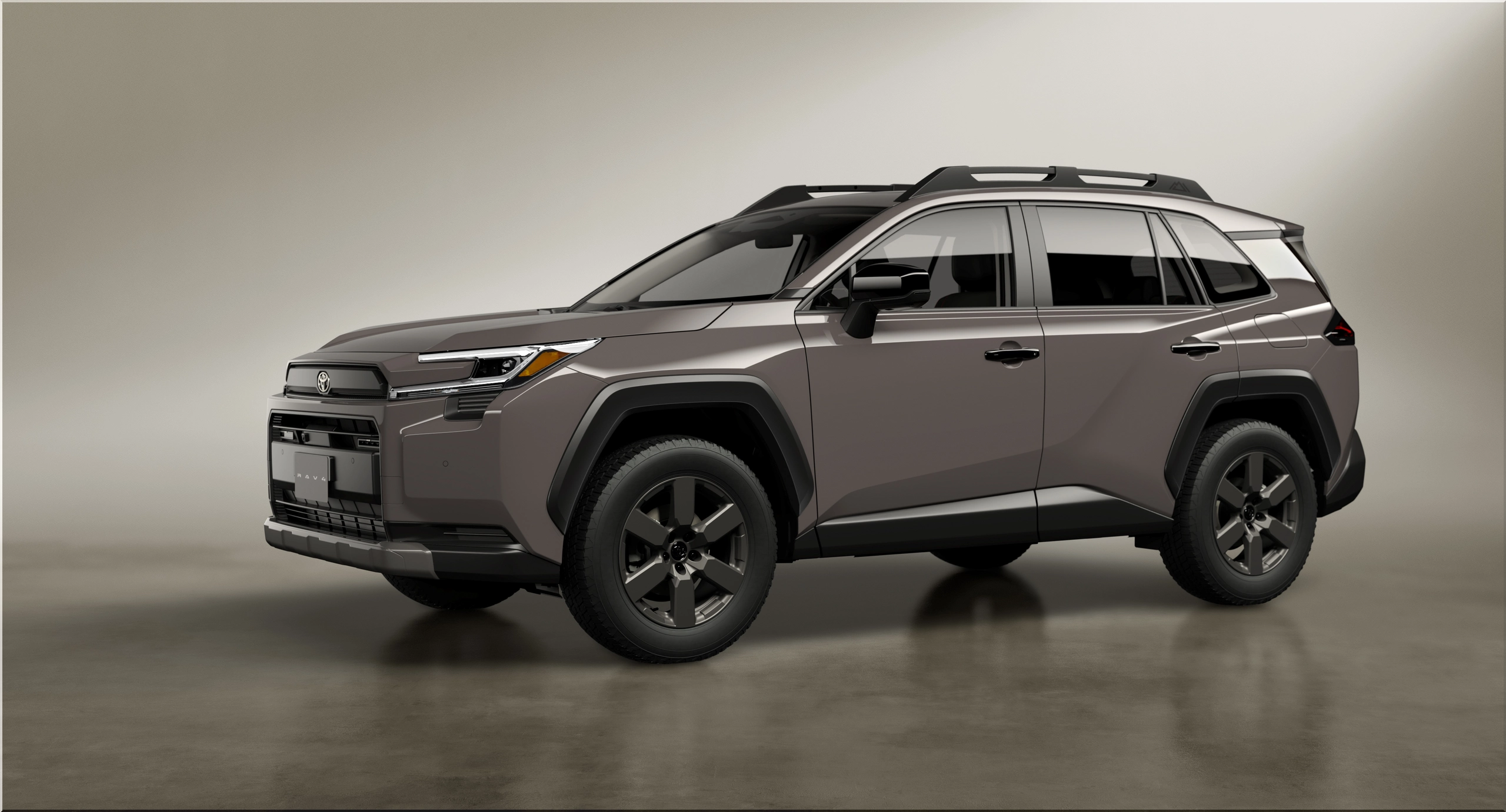
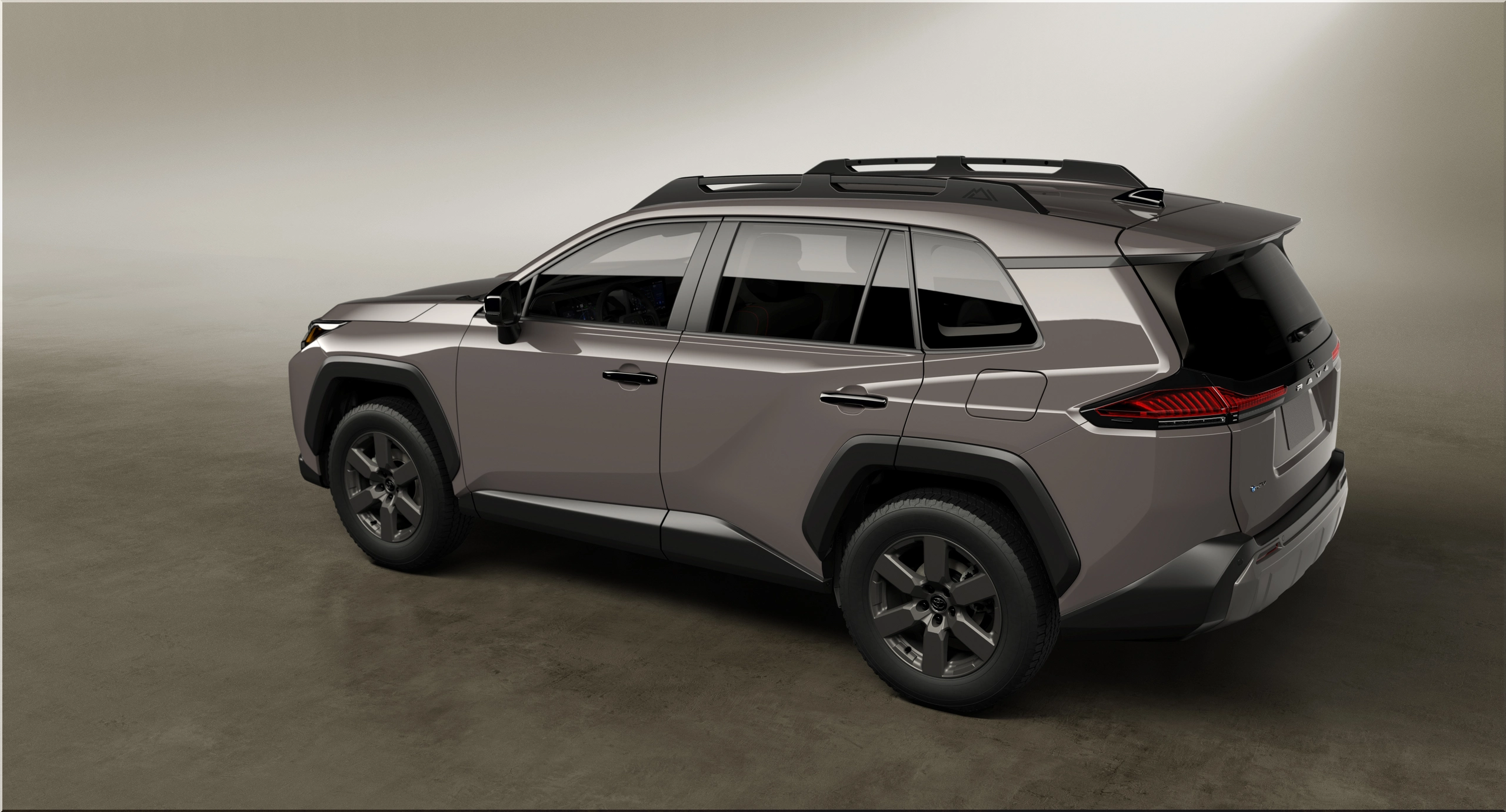
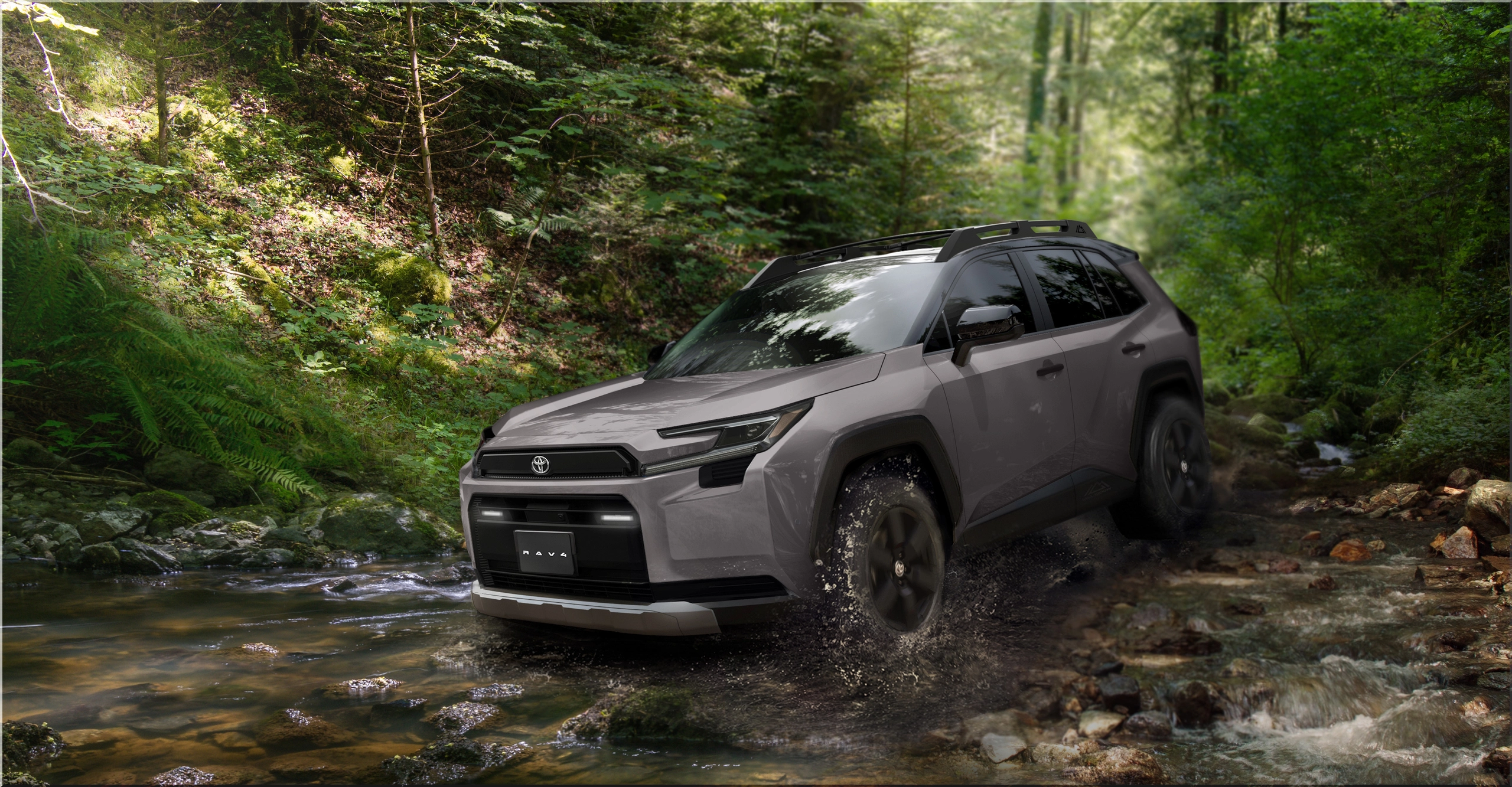
- Adventure: a wider tread, taller grille, and chunkier arches lean into the outdoors brief. The nose peak rises for a stronger profile.
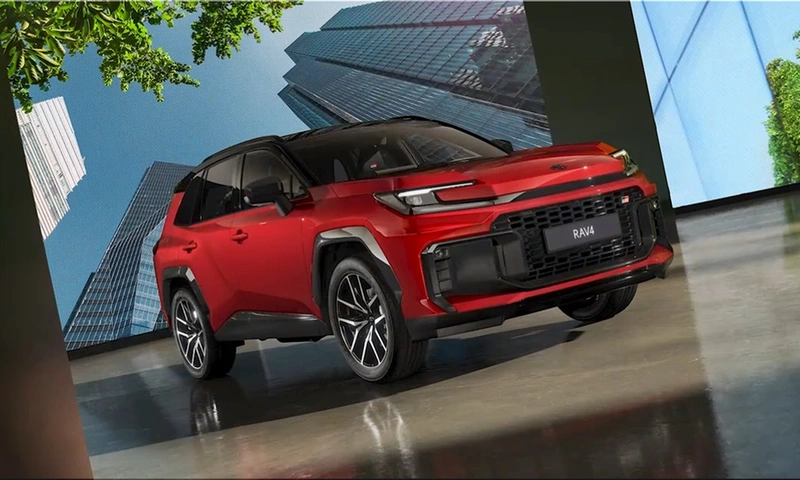
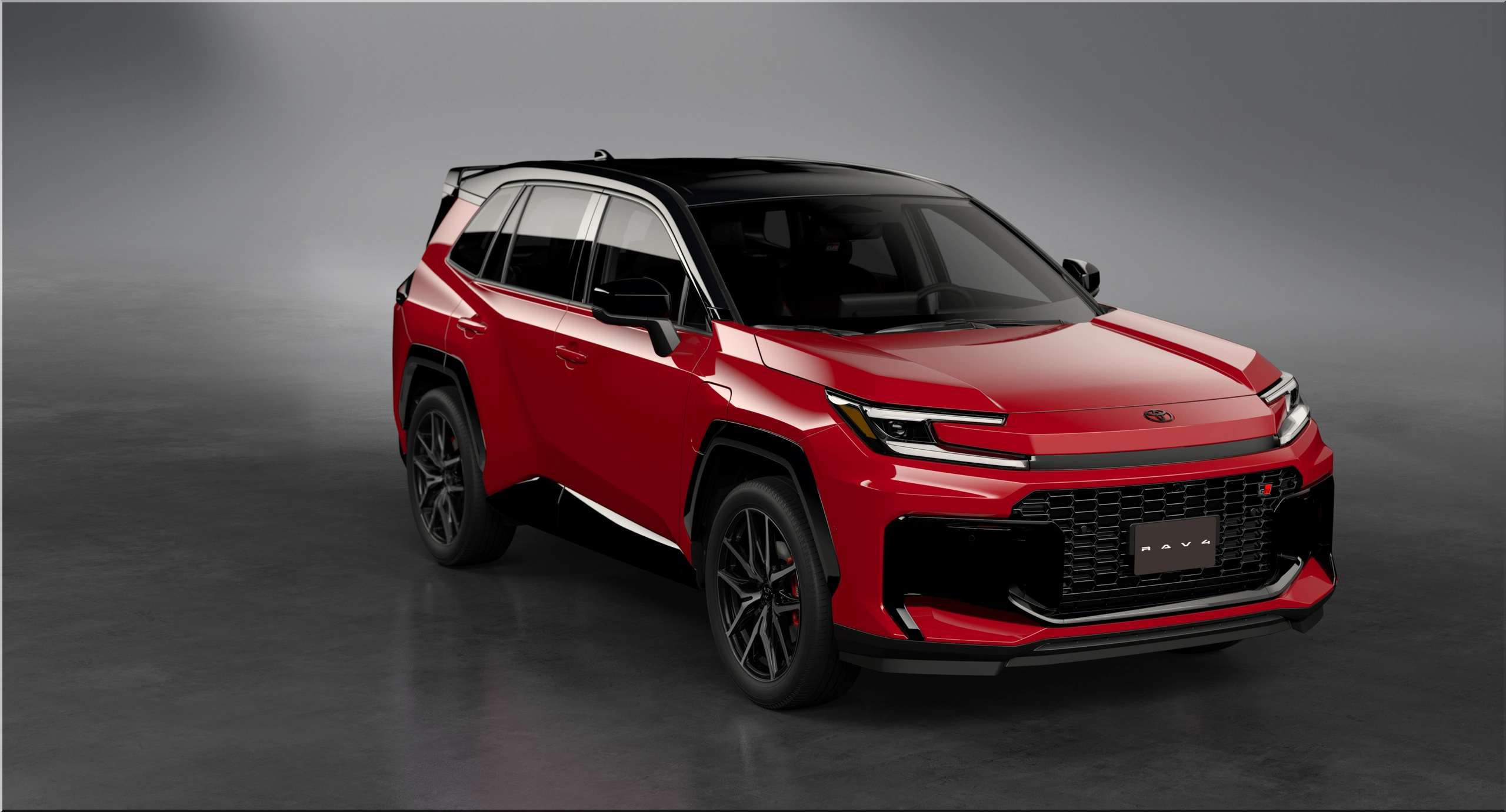
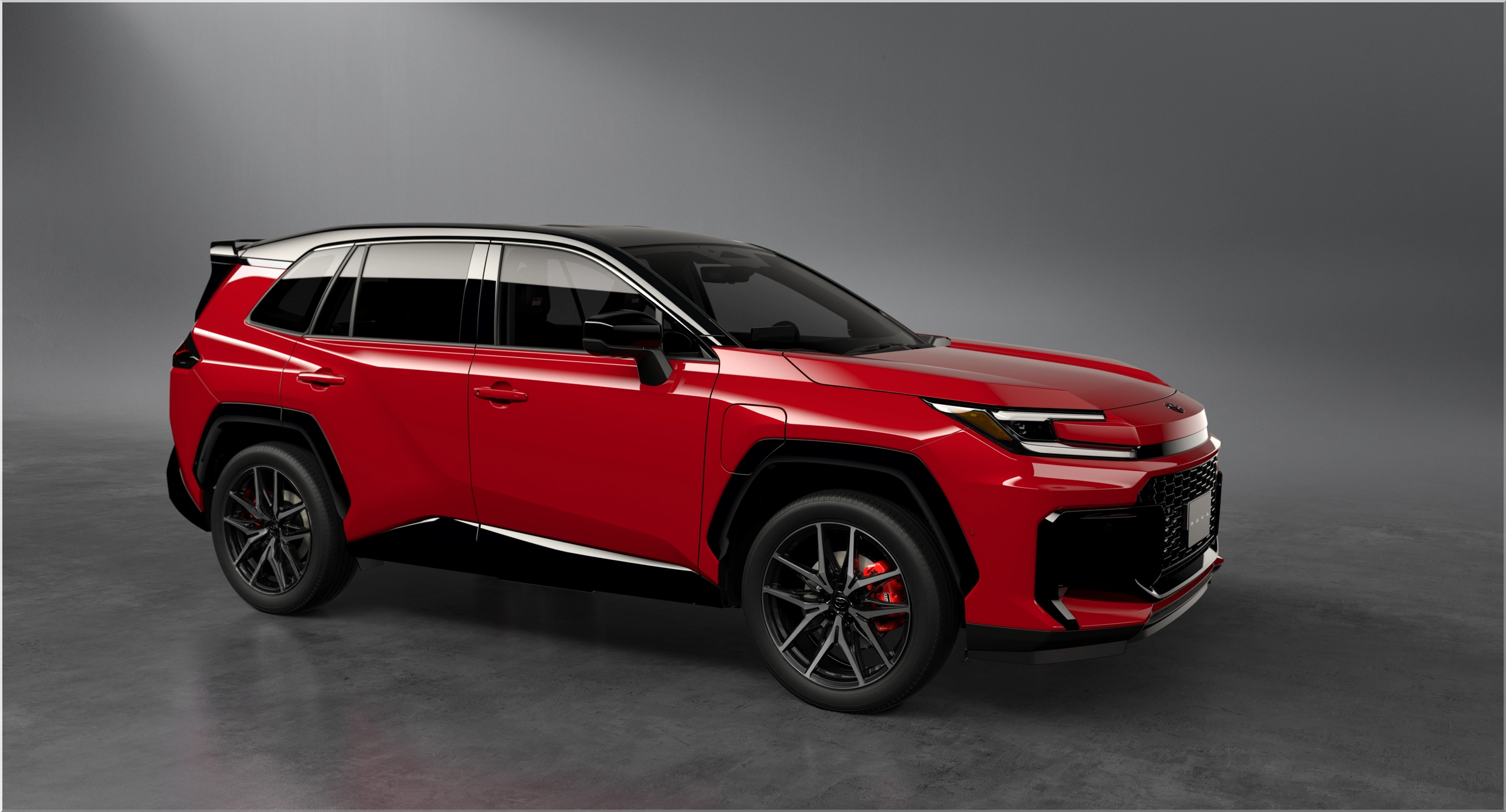
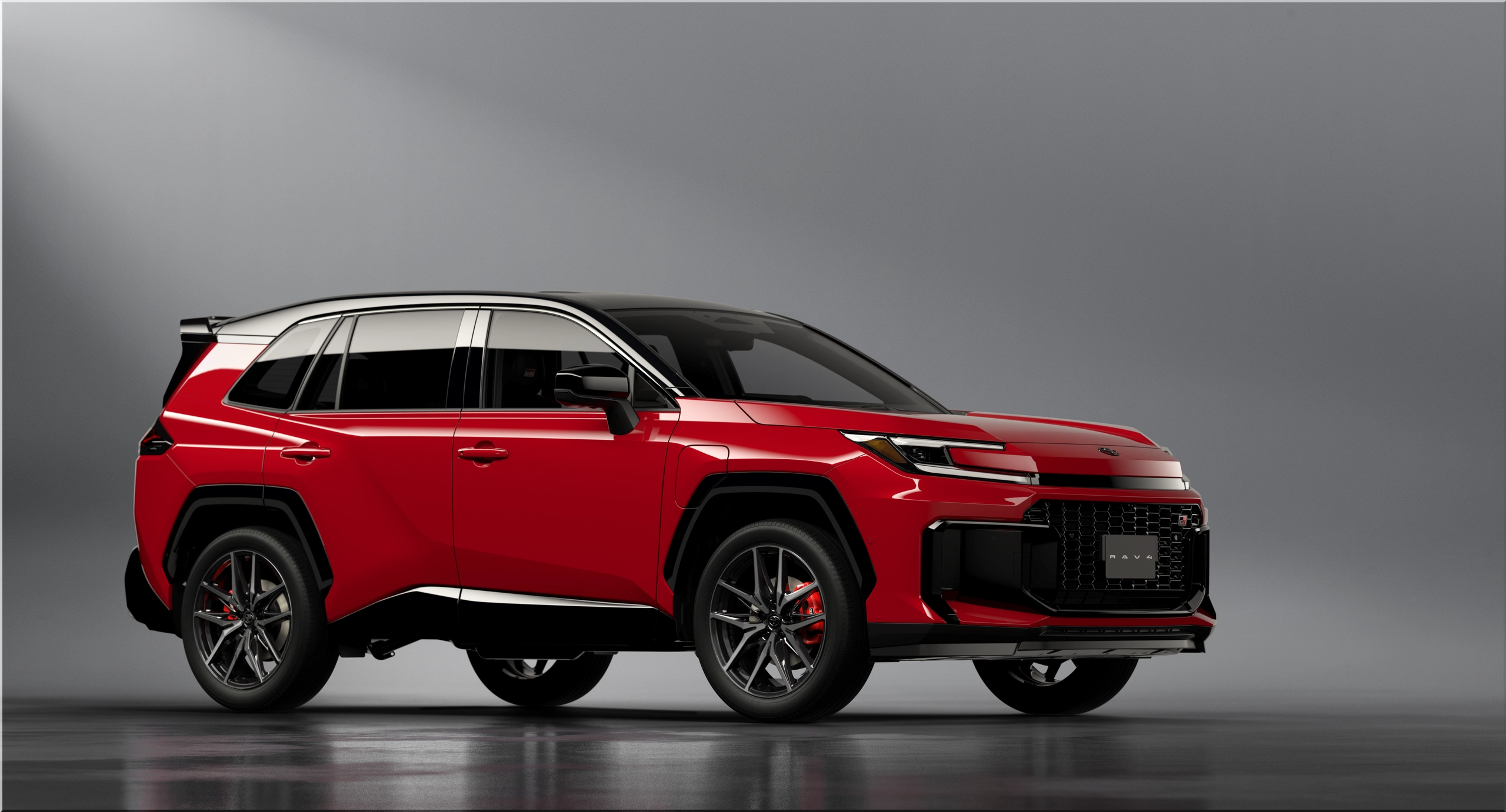
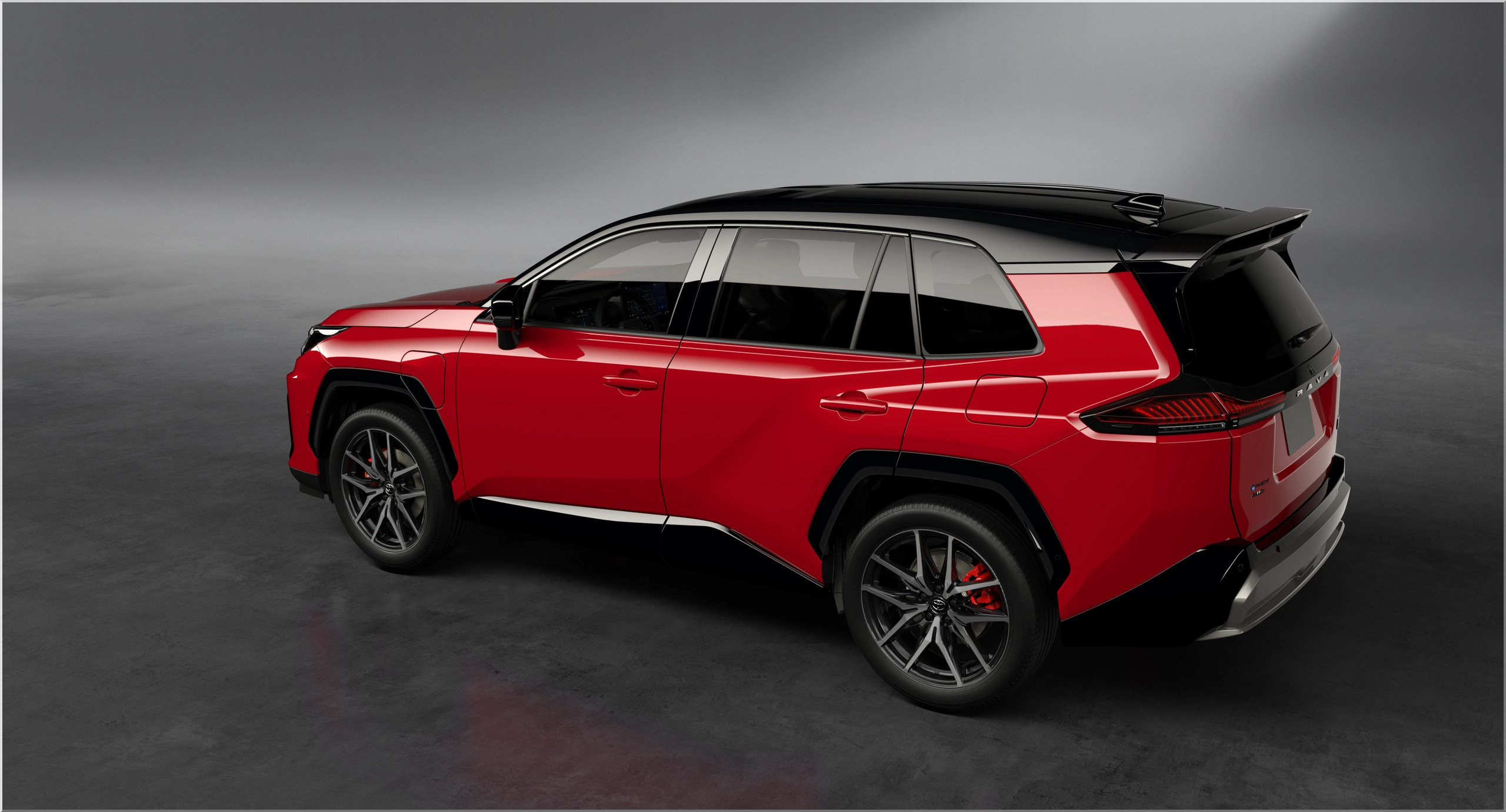
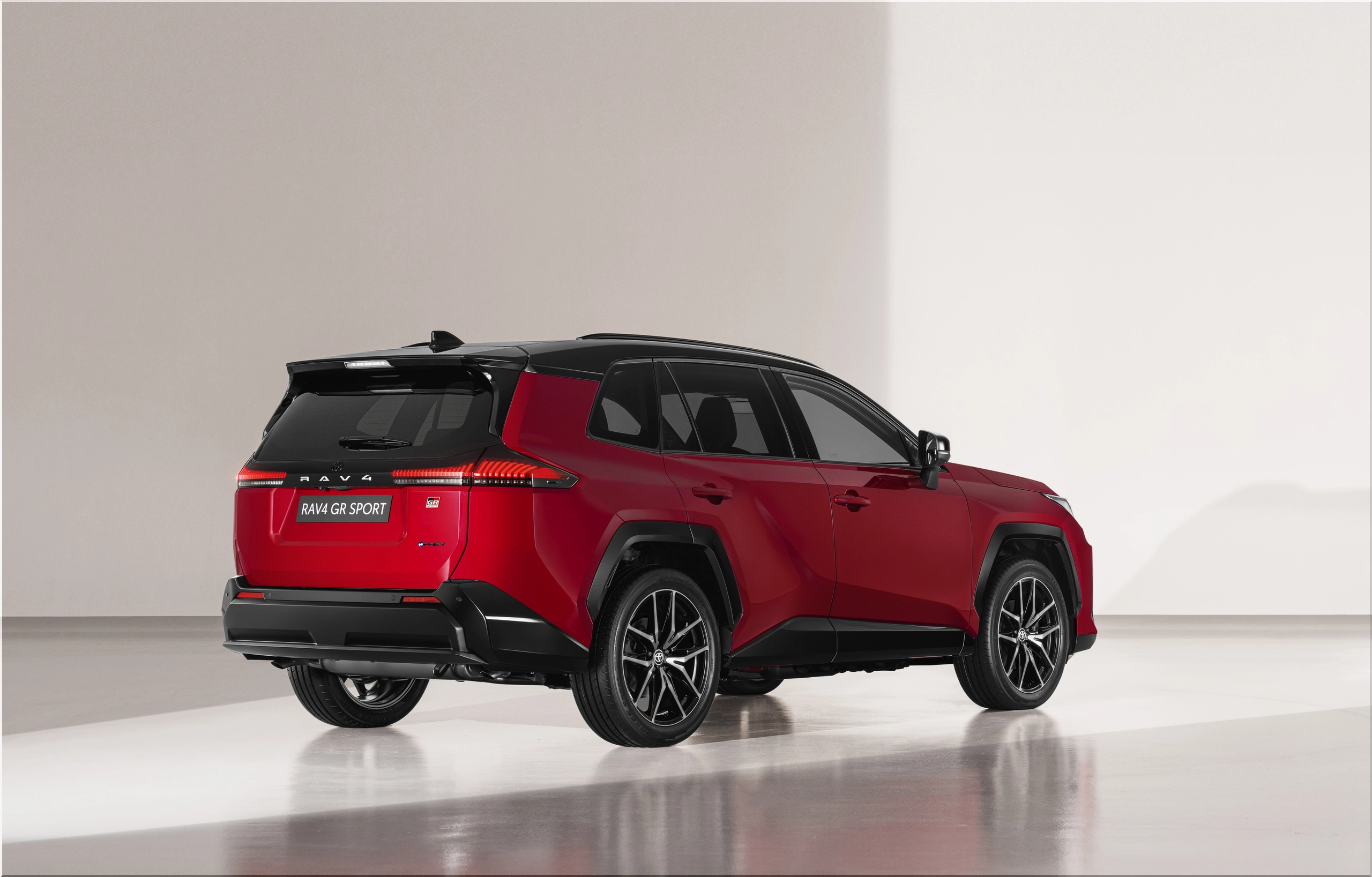
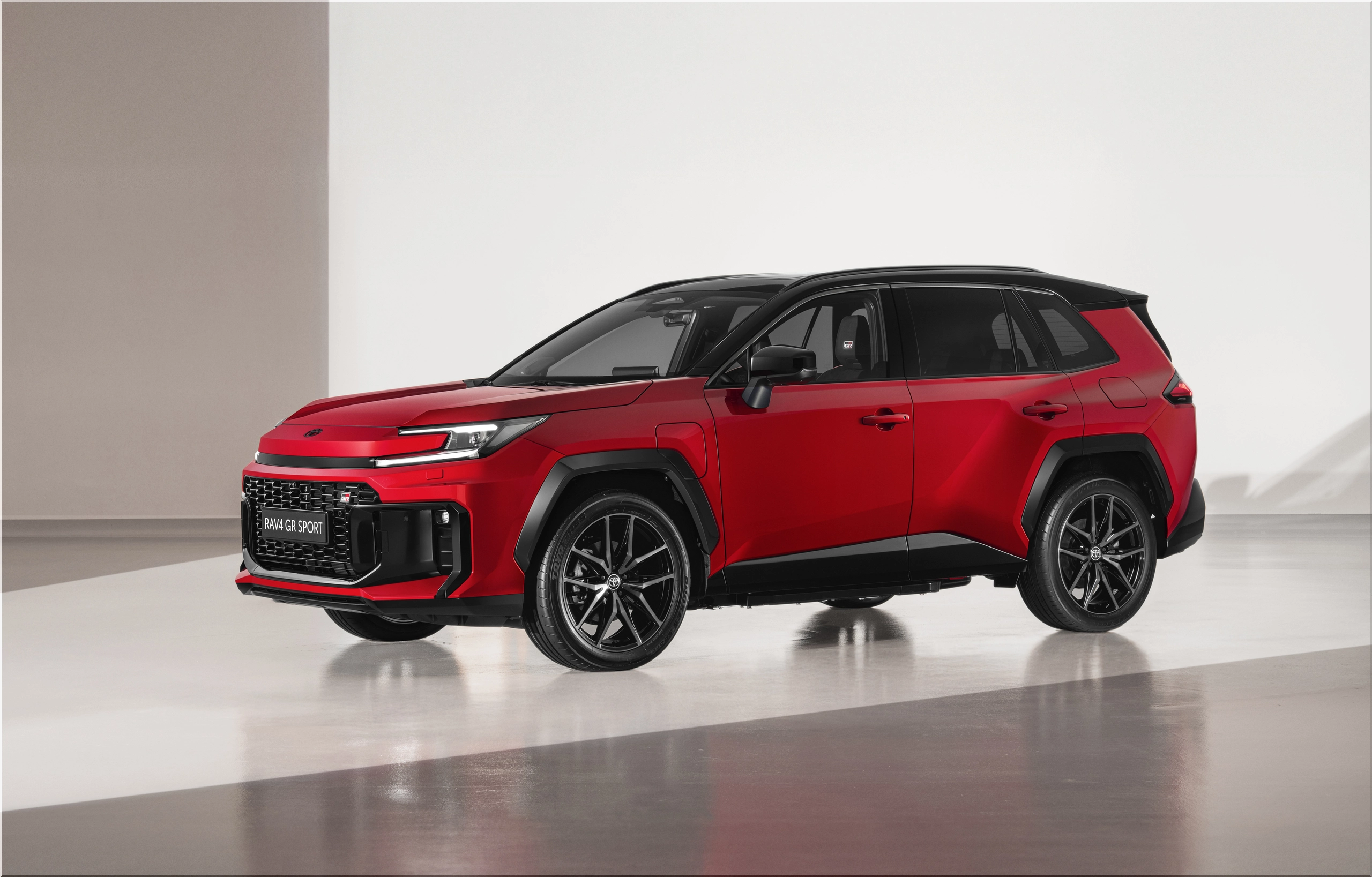
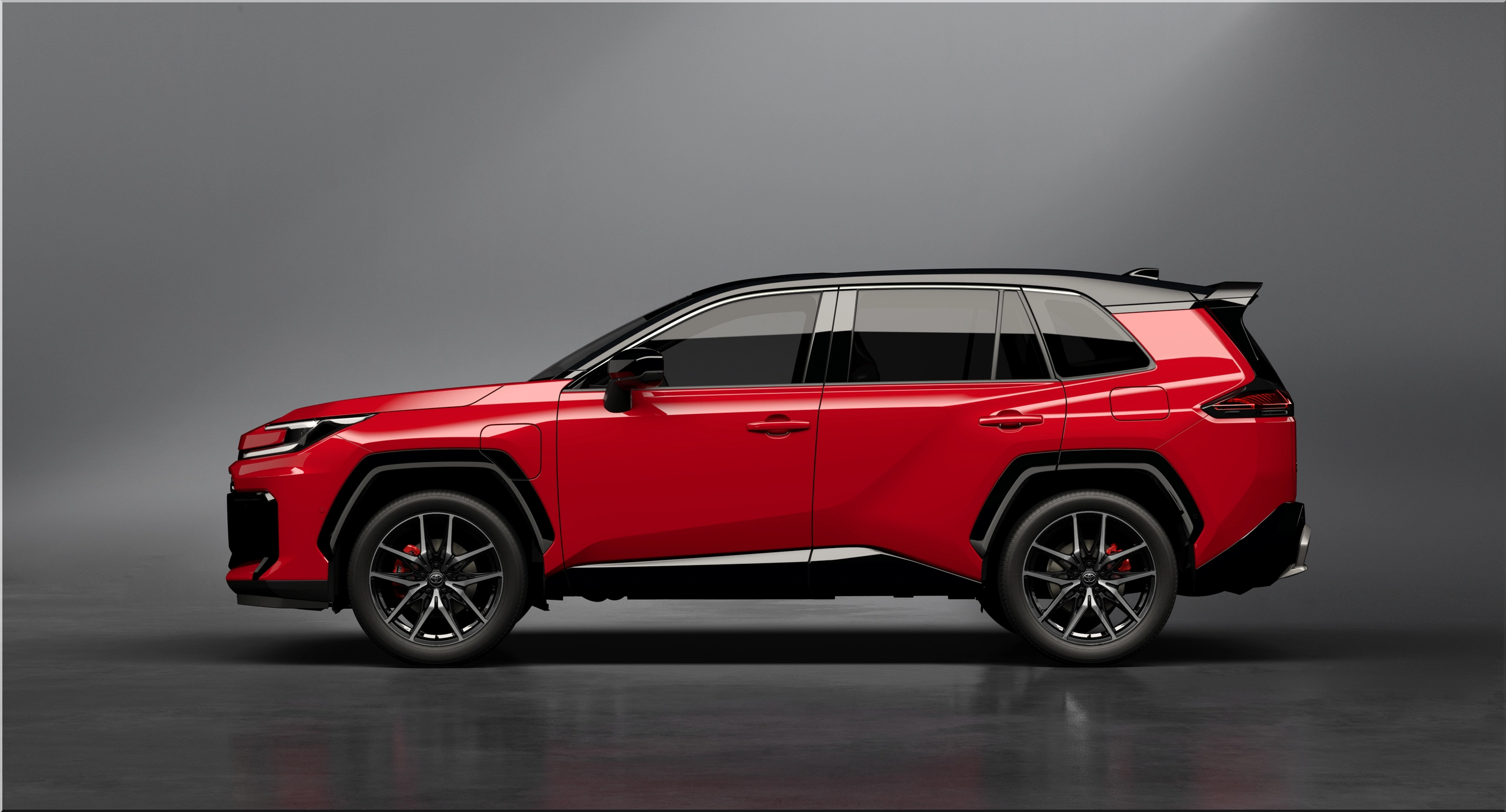
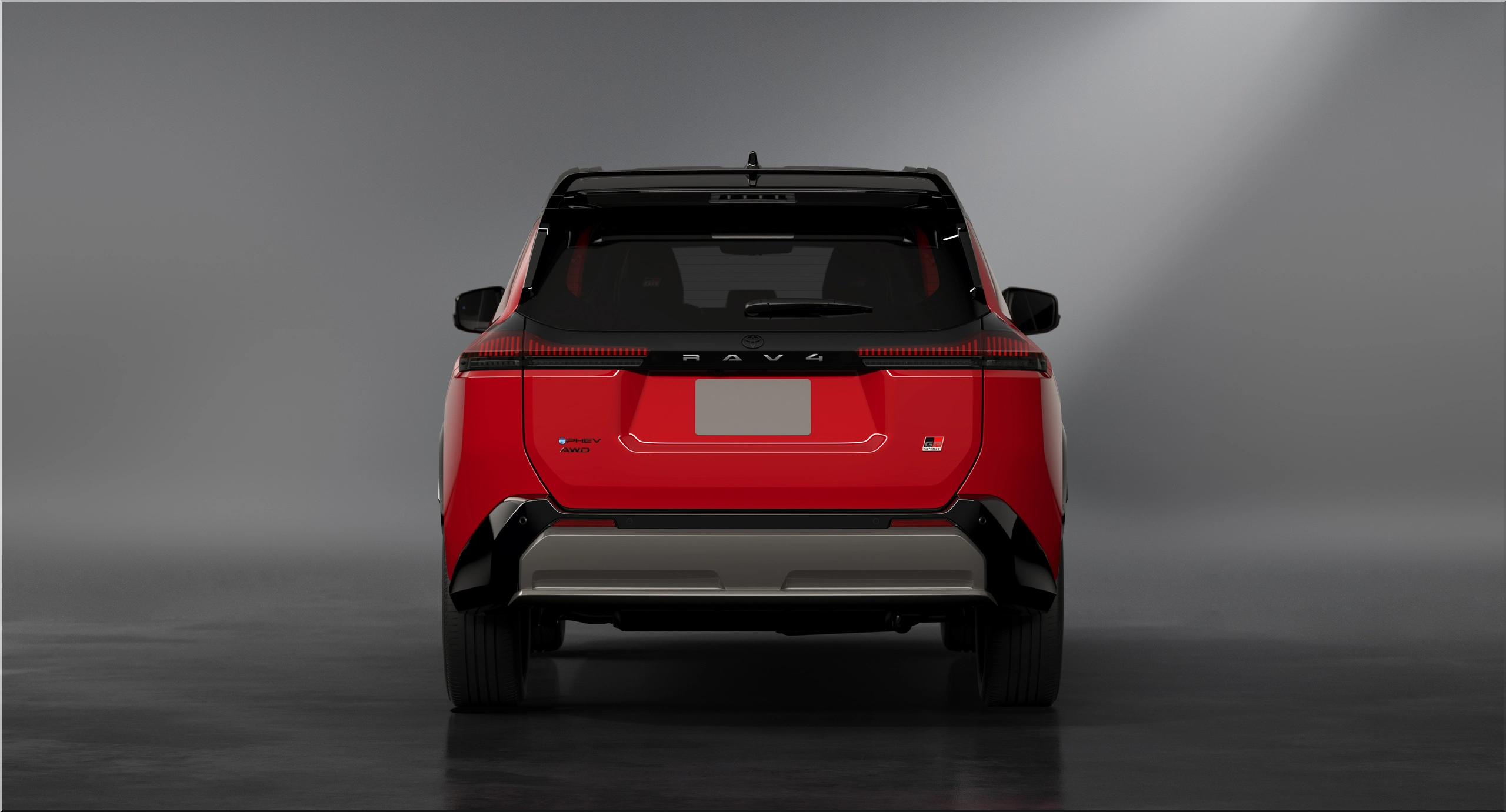
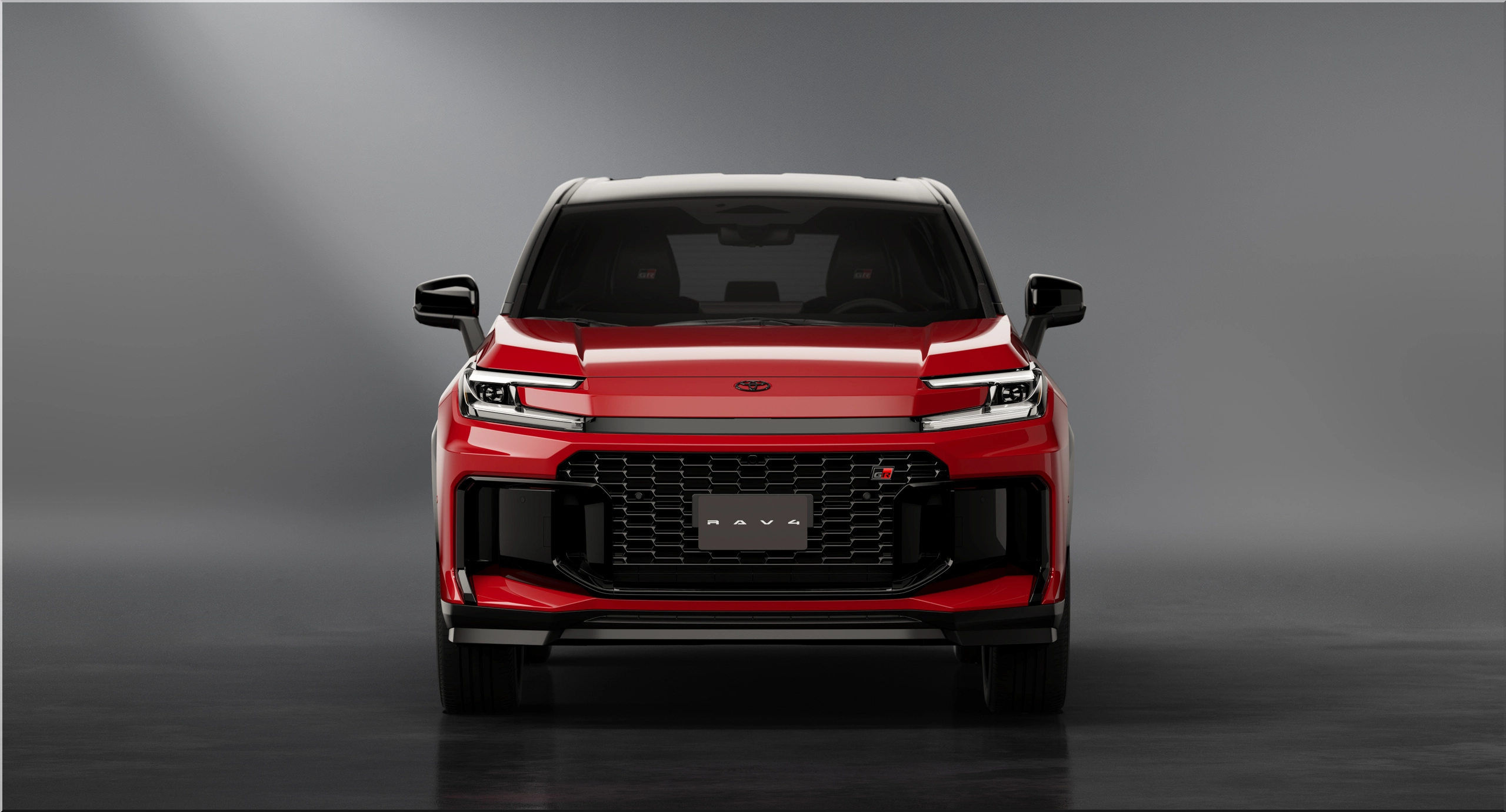
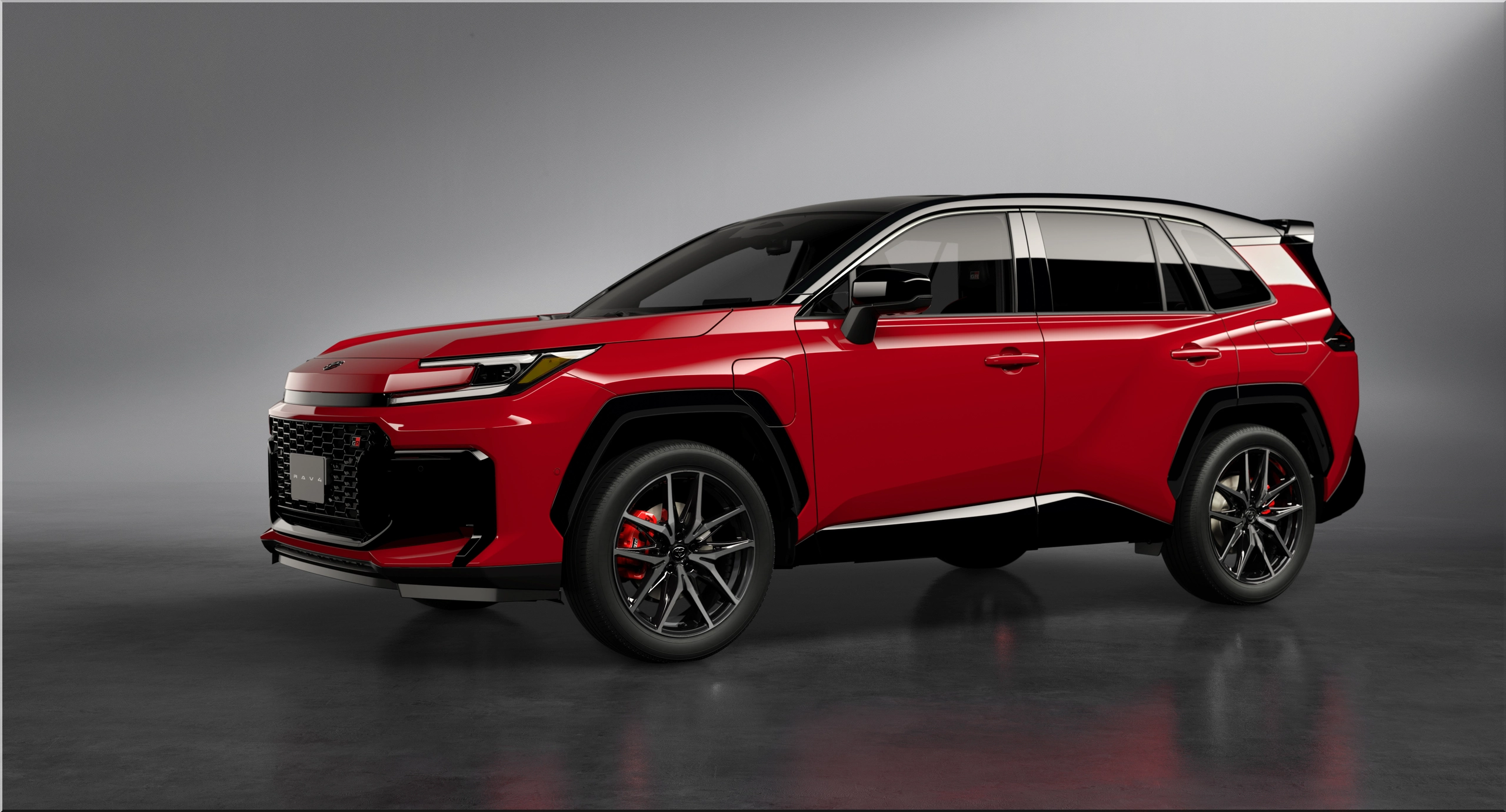
- GR Sport: functional aero, a wider track, and tuned hardware for higher stability. The Evolved Functional MATRIX Grille leads the front. Unique spoilers and lightweight wheels cut drag and sharpen response.
The GR Sport gains +20 mm tread and dedicated suspension tuning. Steering gets bespoke calibration. The target is confidence on poor surfaces and clean highway tracking. It is still a RAV4. It just handles busy roads with more control.
Infotainment and cockpit: faster, clearer, and configurable
The multimedia stack boots quicker and handles voice prompts with less friction. Owners can set widgets on the home screen. Over-the-air updates keep maps and features fresh. Smartphone integration stays wireless. The cluster and center display grow in size and clarity on higher grades. Toyota knows buyers demand modern UX. The new system behaves like a device, not a static car screen.
Production and rollout: timing and markets
Toyota plans a Japan launch by March 2026. The company then rolls out to North America and Europe over the same fiscal window. Toyota positions the RAV4 as a truly global SUV. The brand sells it in 180+ markets today. The new model keeps that footprint. Toyota sold over a million RAV4s worldwide last year. That scale matters for parts, service, and residuals. It also gives Toyota leverage with suppliers on batteries and semiconductors. A staged release smooths supply as plants ramp the new hybrid systems.
What changes for buyers
You get a hybrid by default. You choose HEV for cost control and simplicity. You choose PHEV for daily electric miles and trip flexibility. The PHEV now adds DC fast charging. That cuts wait time on road trips. You also get V2H capability for home power. That appeals in areas with outages or dynamic pricing. The cabin shows practical gains. Forward sightlines improve. Cargo grows without a longer body. The safety stack does more work in the background. It also updates over time.
Spec snapshot: what we know today
The table below consolidates confirmed targets and structural changes. Toyota will publish final homologation data closer to start of sales.
| Area | Key detail | Why it matters |
|---|---|---|
| Lineup | HEV and PHEV only | Simplifies choices and parts planning |
| PHEV EV range | 150 km target (~93 miles) | More errands and commutes on electricity |
| PHEV charging | 80% in ~30 minutes at 50 kW+ | Adds trip flexibility for a PHEV |
| Semiconductors | SiC on front axle | Higher efficiency, smaller components |
| Motor output (PHEV) | +12% | Better launch and hill climbs |
| V2H | Supported | Backup power or rate shifting at home |
| HEV hardware | New transaxle, PCU, battery tuning | Smoother response, lower losses |
| Visibility | IP top ~40 mm lower | Easier forward view in traffic and on trails |
| Cargo volume | 749 L vs 733 L | More space with same body size |
| GR Sport | +20 mm tread, aero pieces, tuned EPS | Greater stability and feedback |
| Software | Arene platform, OTA updates | Faster feature deployment |
| Safety | Upgraded Toyota Safety Sense | New and improved driver assists |
Trim logic and buyer fit
- Core fits buyers who want clean design and balanced spec.
- Adventure targets owners who value stance, tire sidewall, and a tougher look.
- GR Sport suits drivers who want tighter body control without going aftermarket.
This three-way split keeps the matrix clear. Shoppers align style with real needs.
What we still wait to confirm
- EPA and WLTP efficiency figures will arrive closer to launch.
- Final charging curves and times may vary by market and hardware.
- Output numbers for HEV and PHEV grades will vary across regions.
- Pricing remains unannounced. When Toyota publishes local prices, convert them to USD for apples-to-apples budgets.
- Assembly mix by plant and market will finalize as production nears.
The fundamentals are set. The details will lock before sales start.
Buyer checklist: action steps before ordering
- Decide between HEV and PHEV based on charging access.
- If you pick PHEV, plan fast-charging routes using 50 kW or higher stations.
- Verify home power needs. Ask your installer about safe V2H integration.
- Sit in a showroom car to check the lower cowl and sightlines.
- Bring your cargo gear. Test the 749 L space with your actual items.
- Compare Core, Adventure, and GR Sport ride quality on the same roads.
- Review Toyota Safety Sense menu items in the settings. Confirm defaults and alerts you want on day one.
- Ask your dealer about OTA cadence and data plans in your region.
This list keeps the decision practical and outcome-driven.
Image gallery
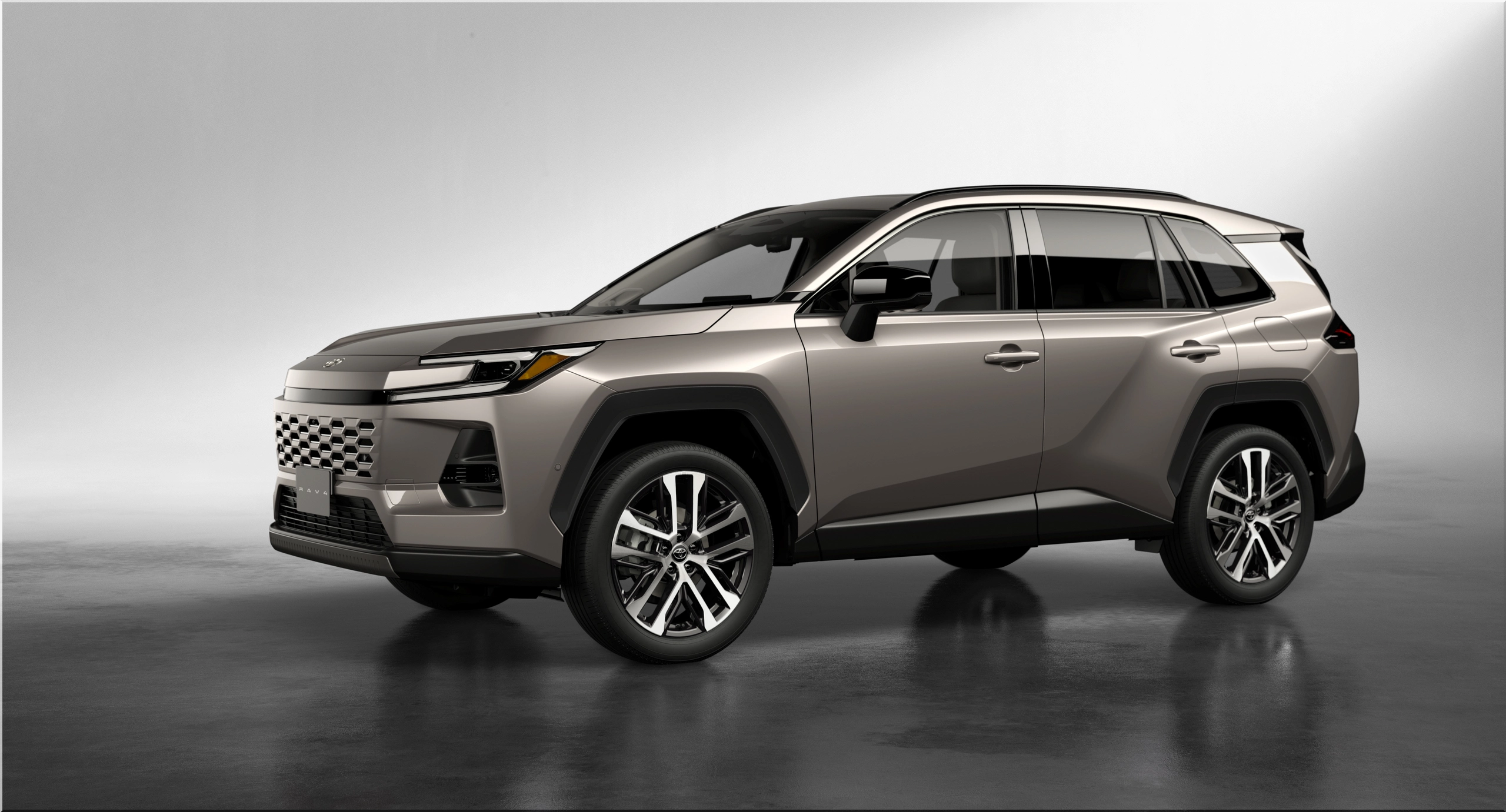
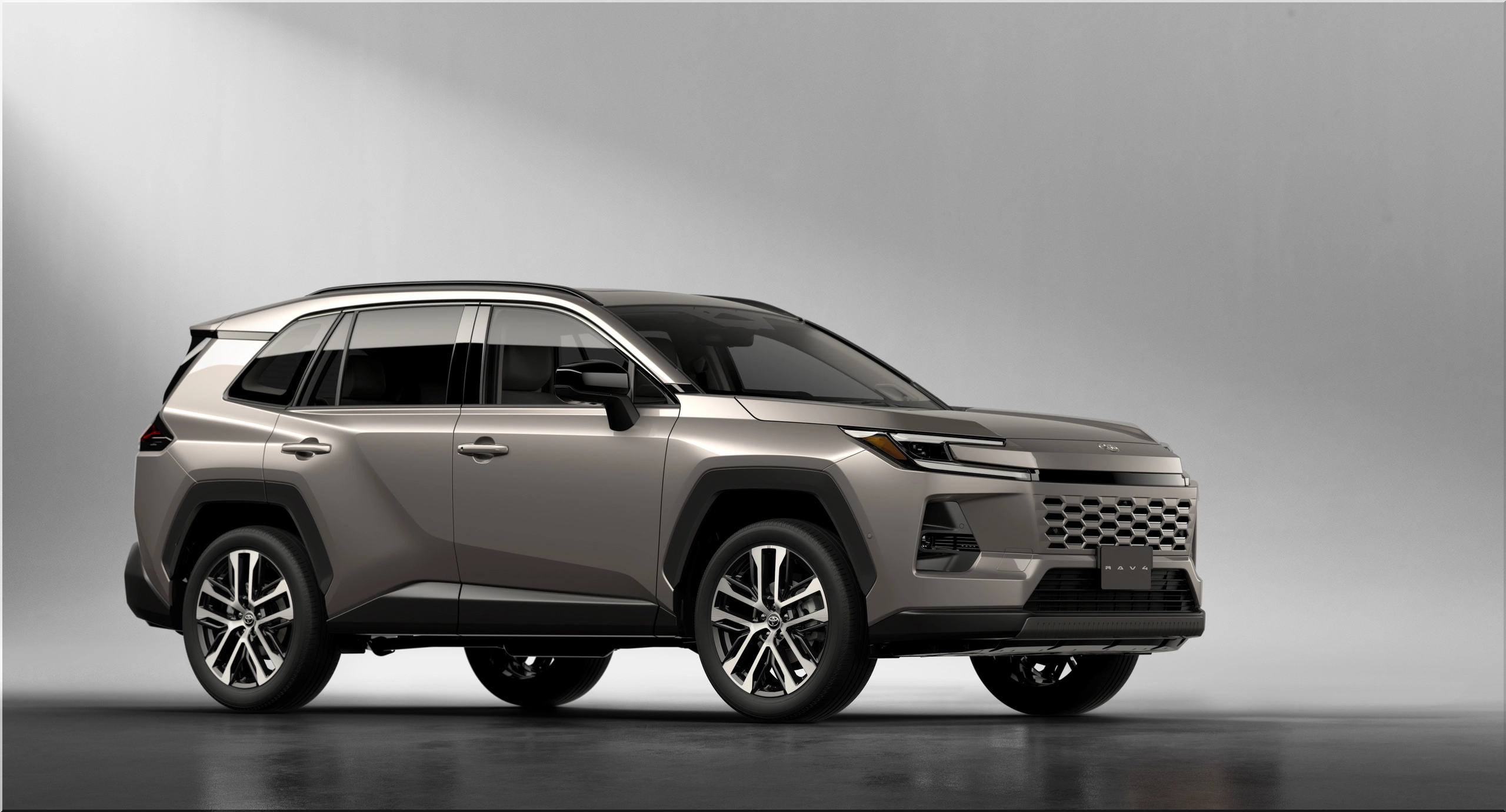
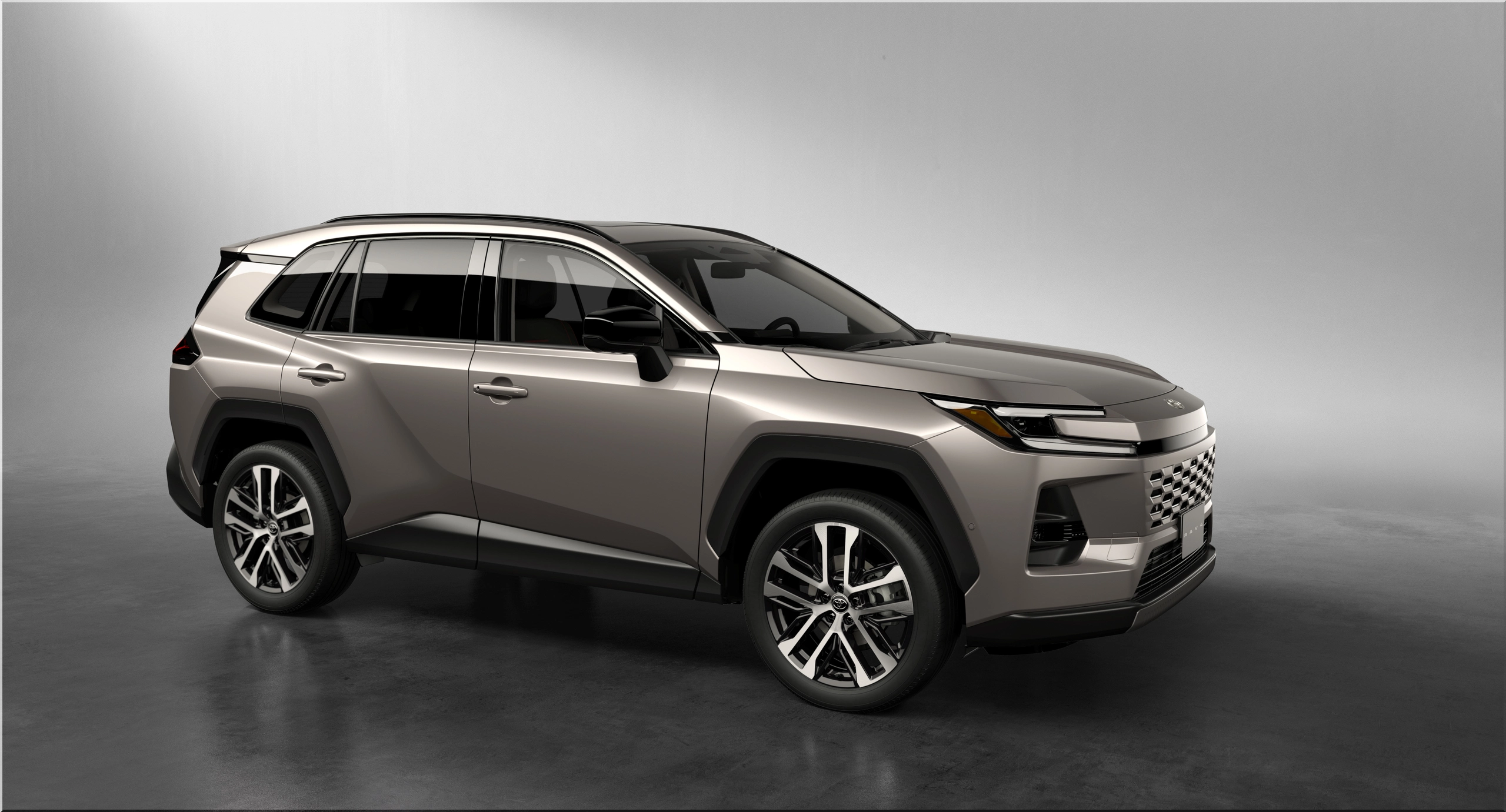
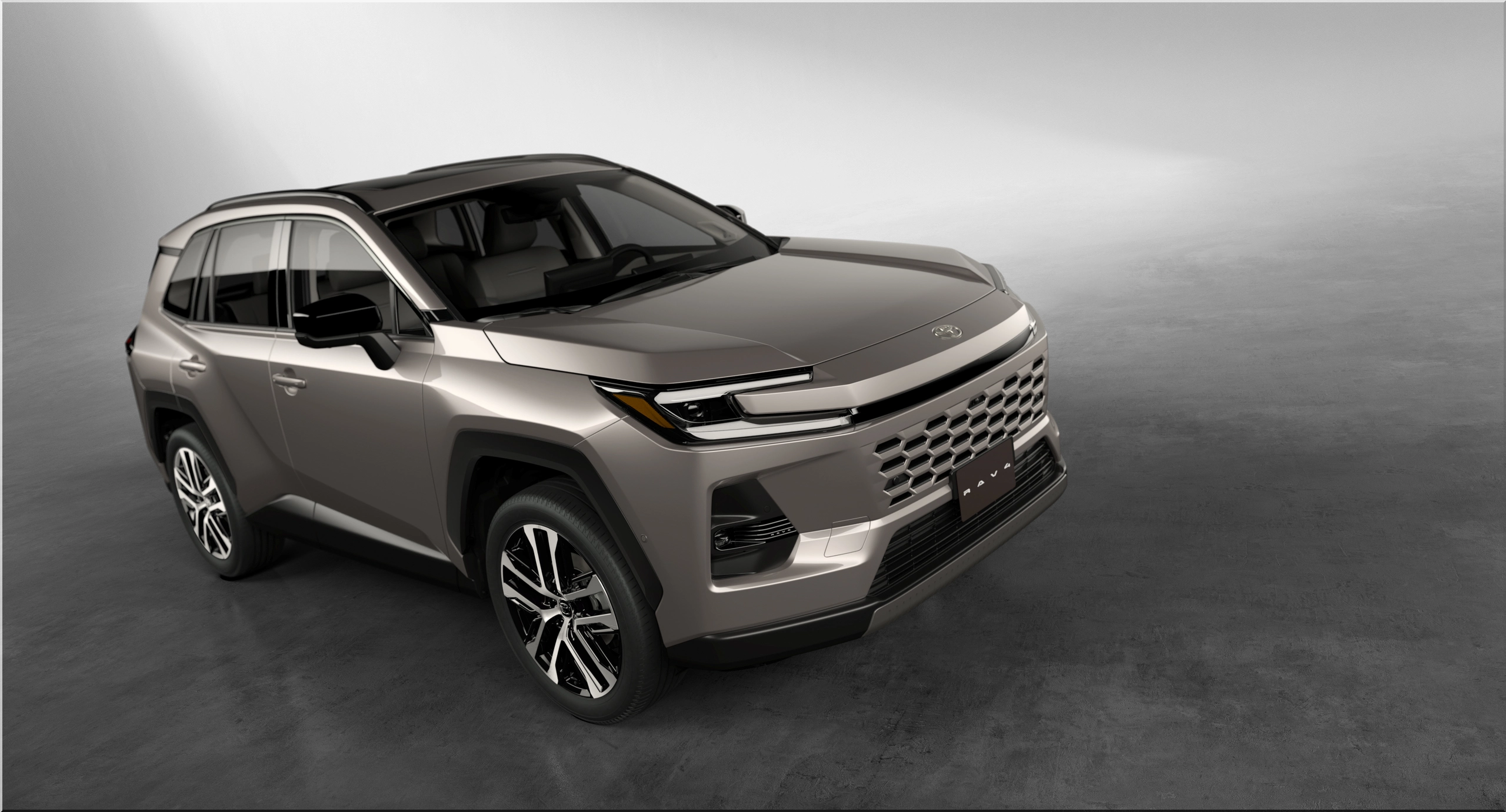
Competitive context without the fluff
The compact SUV segment stays crowded. The RAV4 HEV competes with hybrid rivals on price and trust. The RAV4 PHEV competes on electric miles and now DC fast charging. Toyota's scale, dealer reach, and parts availability still matter. The new software stack reduces feature lag between model years. The cargo and visibility changes address daily pain points. The RAV4 focuses on wins that owners feel within week one.
Bottom line
Toyota aligned the RAV4 with how people actually use SUVs. The HEV serves everyday miles with low fuss. The PHEV now supports fast charging and home power, which expands use cases. Arene makes the vehicle smarter over time. Toyota Safety Sense adds practical tools you do not think about until you need them. Packaging gets cleaner. Cargo grows. Stance remains familiar. The result is an all-new RAV4 that spends less time talking and more time delivering. @ RAV4 and Toyota.
- Add new comment
- 380 views