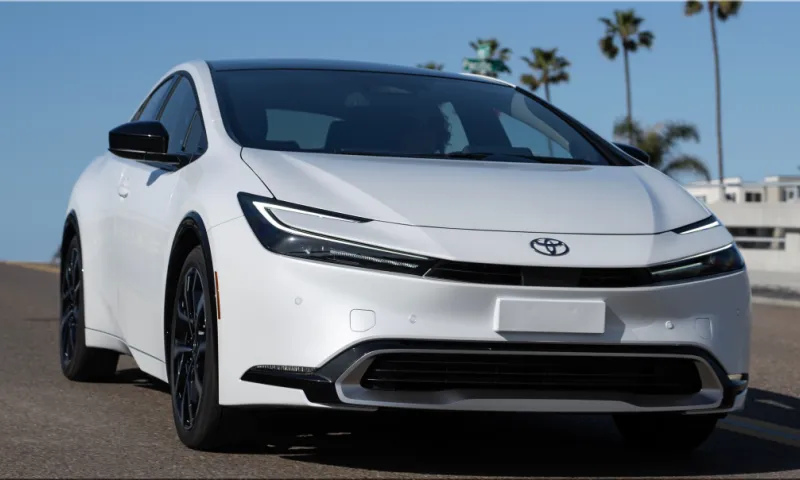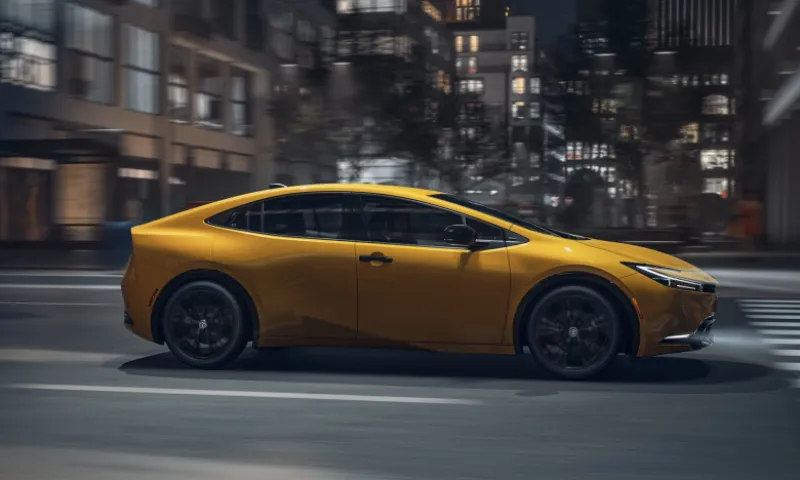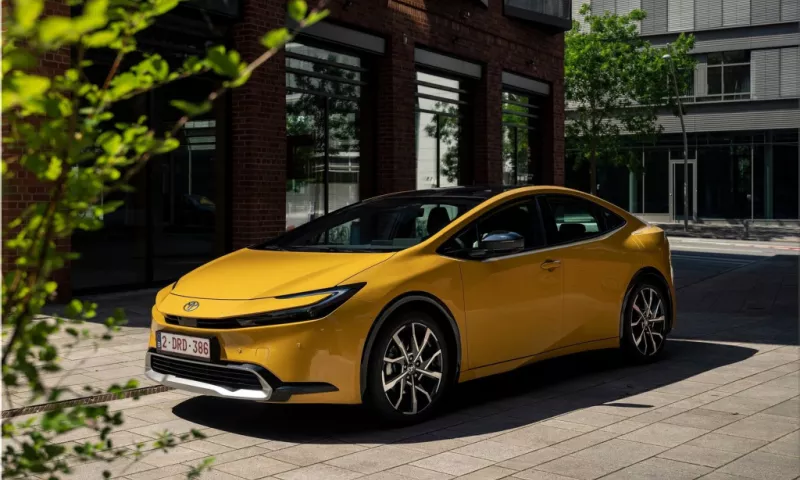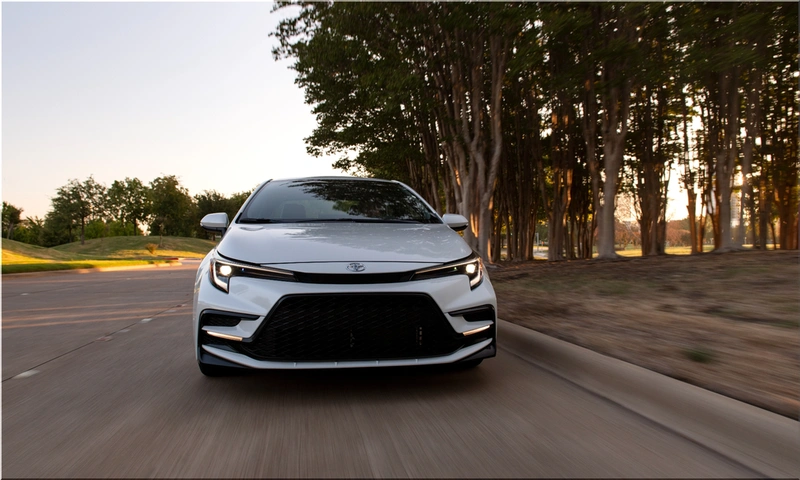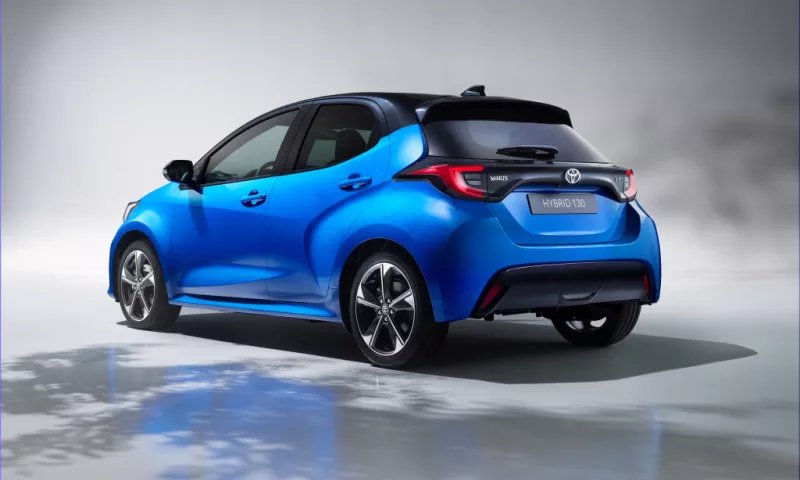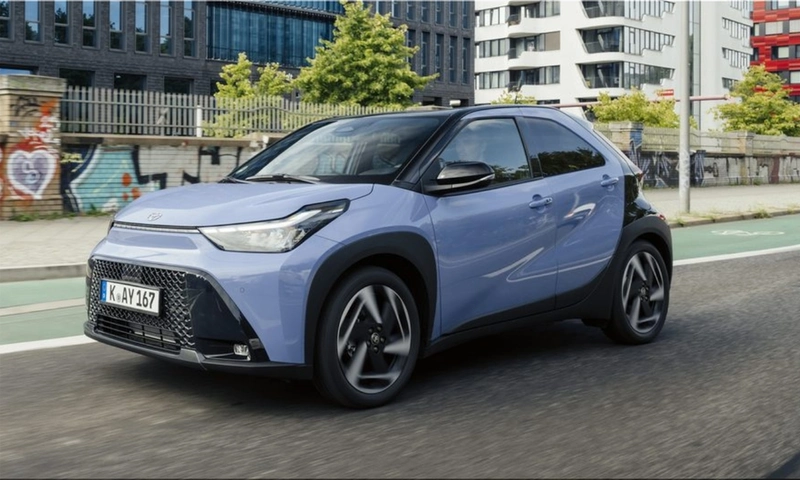
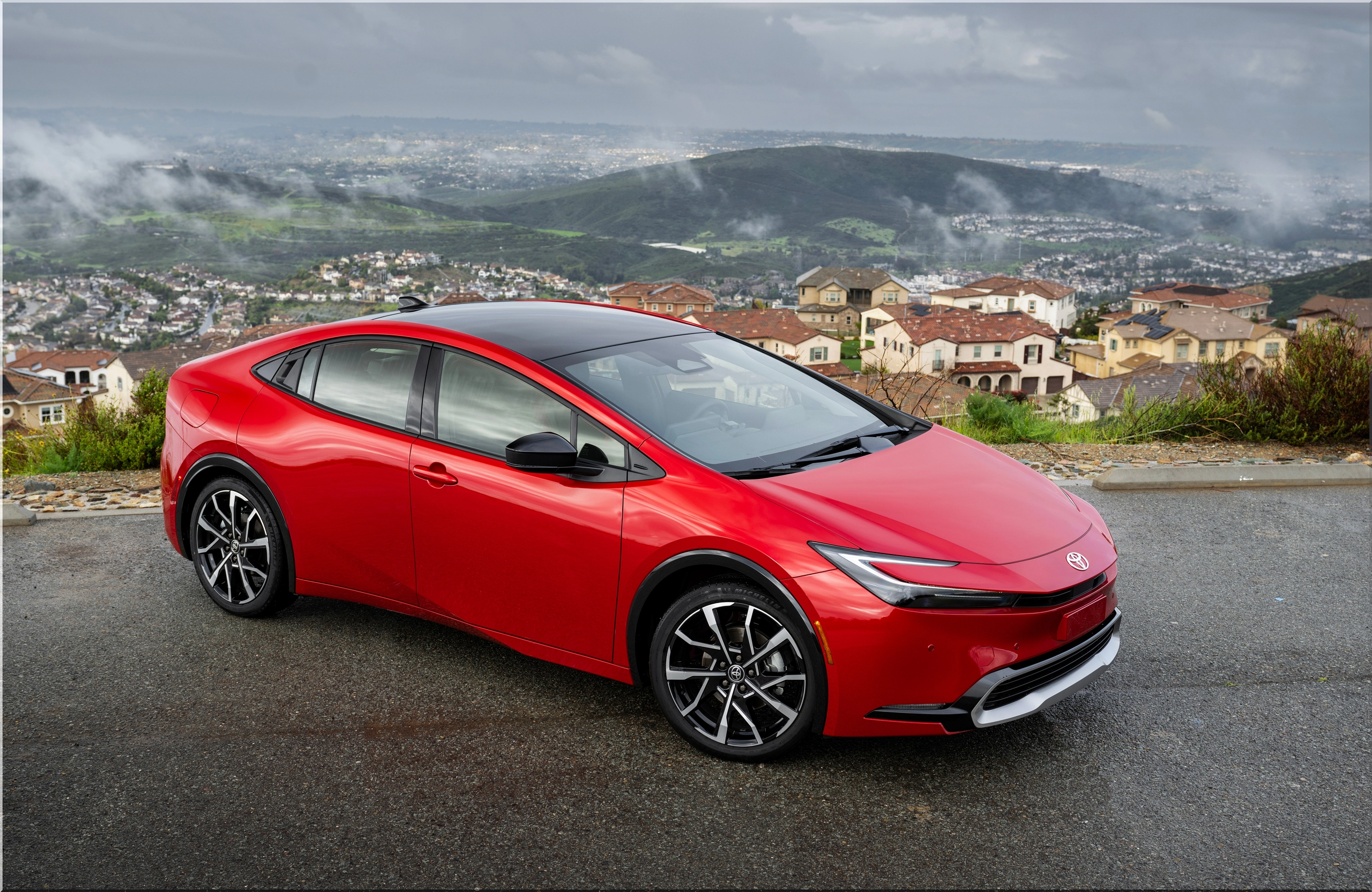
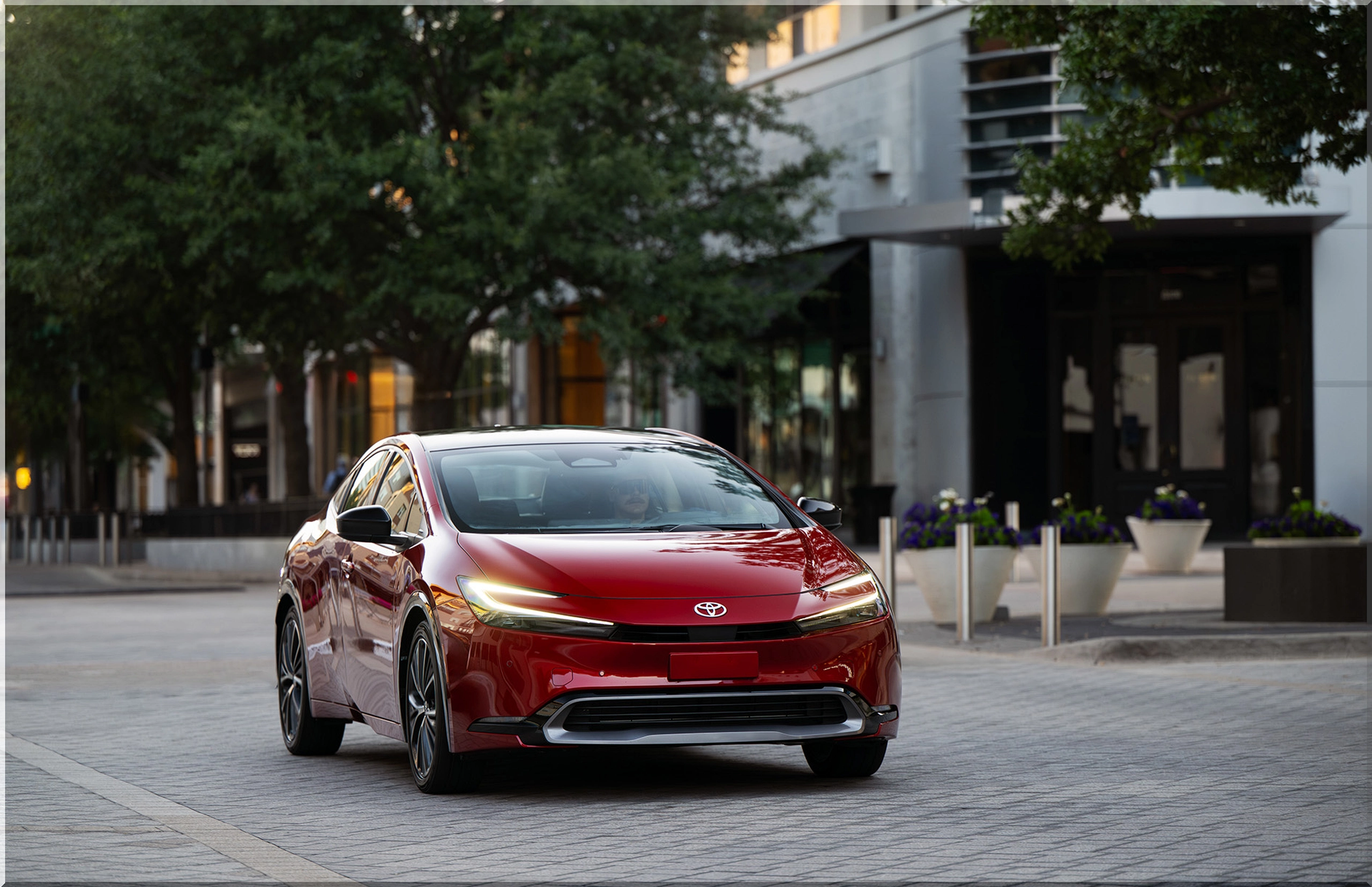
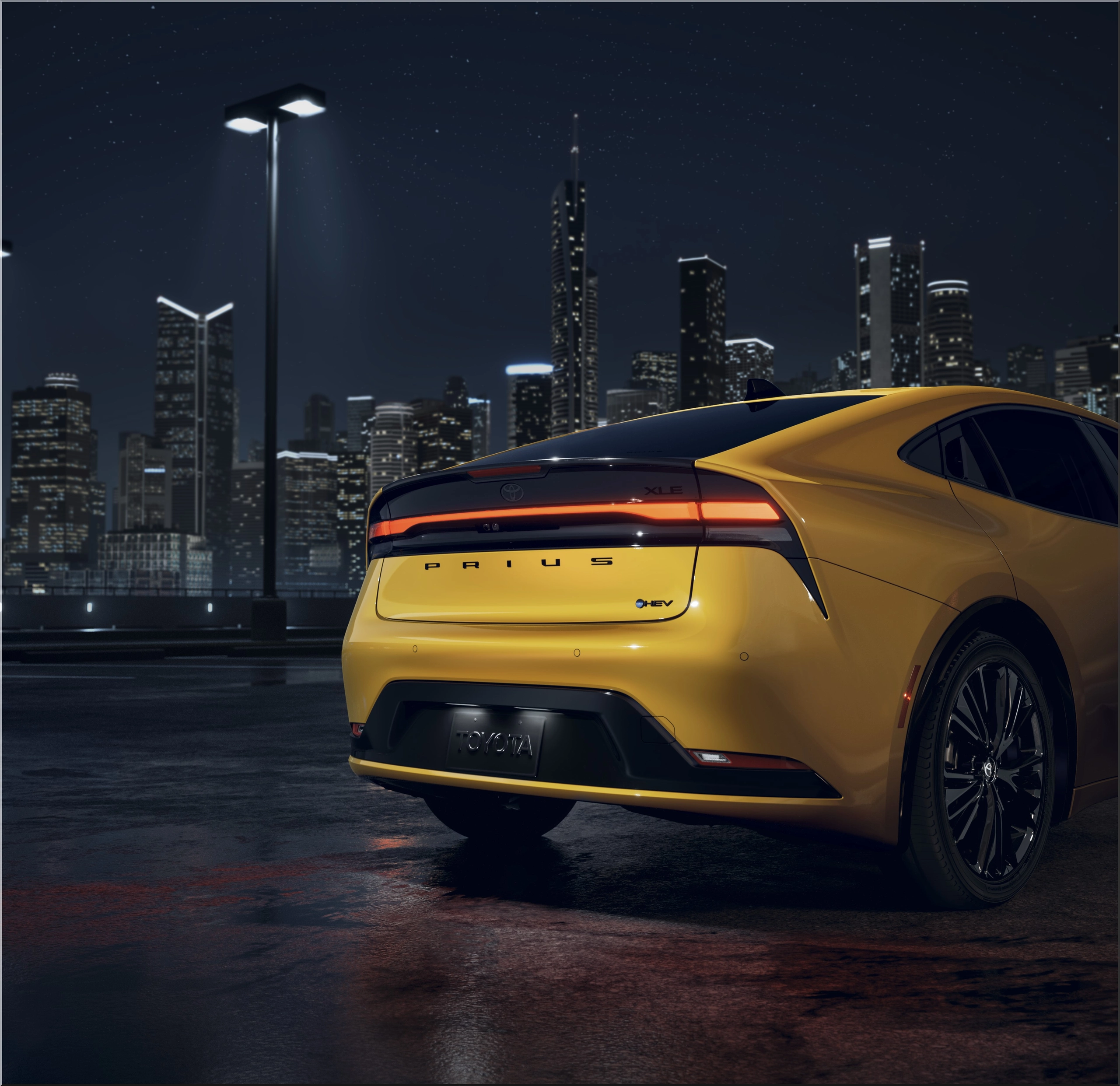
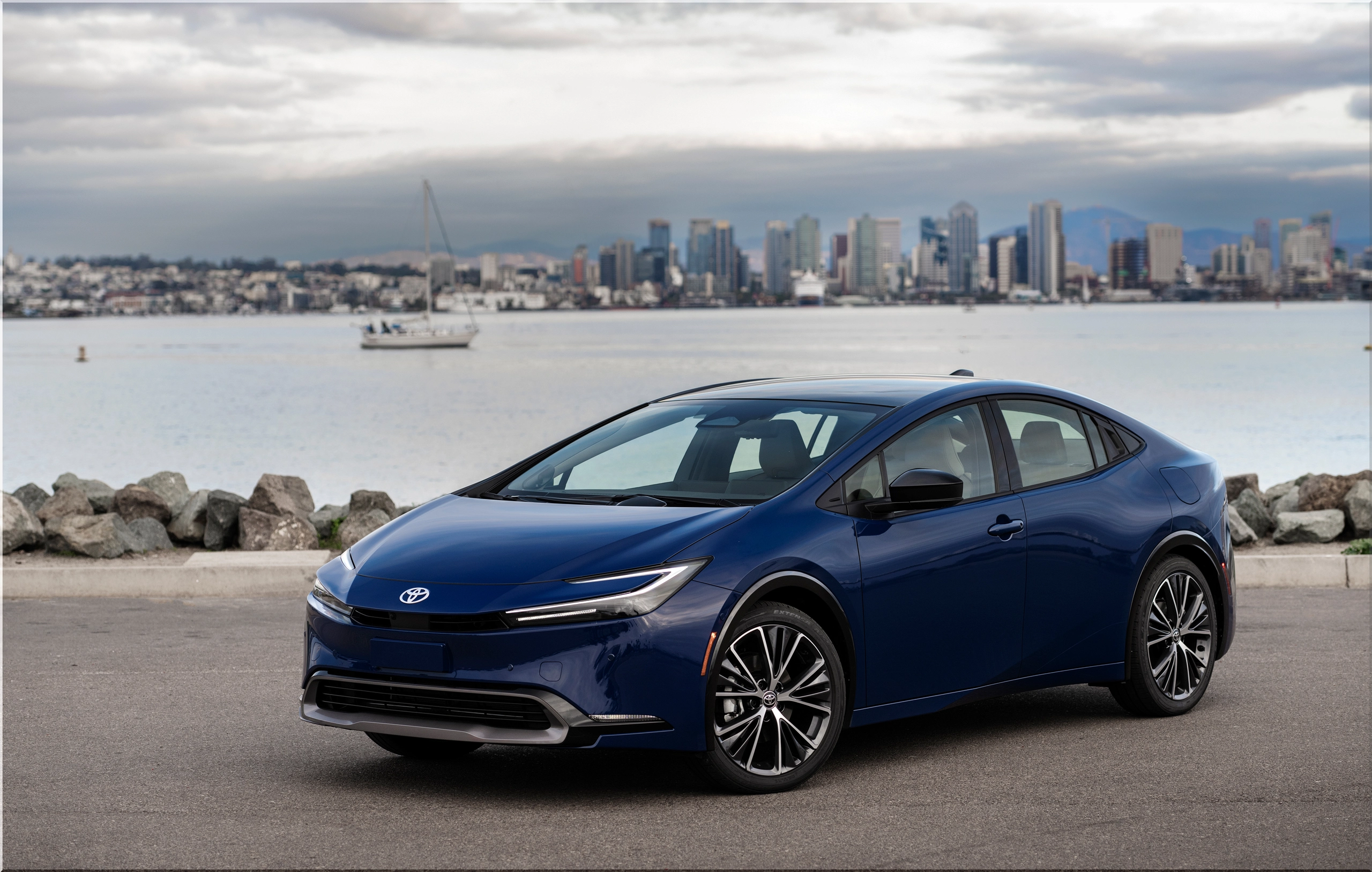
The 2027 Toyota Prius Plug-in Hybrid returns with the hardware that made the current generation unusually quick and efficient. Toyota pairs a 2.0-litre Atkinson-cycle four-cylinder engine with two motor-generators, a 13.6-kWh lithium-ion battery, and front-wheel drive. Total output reaches 220 horsepower, while the SE grade covers an EPA-estimated 44 miles on electric power before the petrol engine takes over.
Image
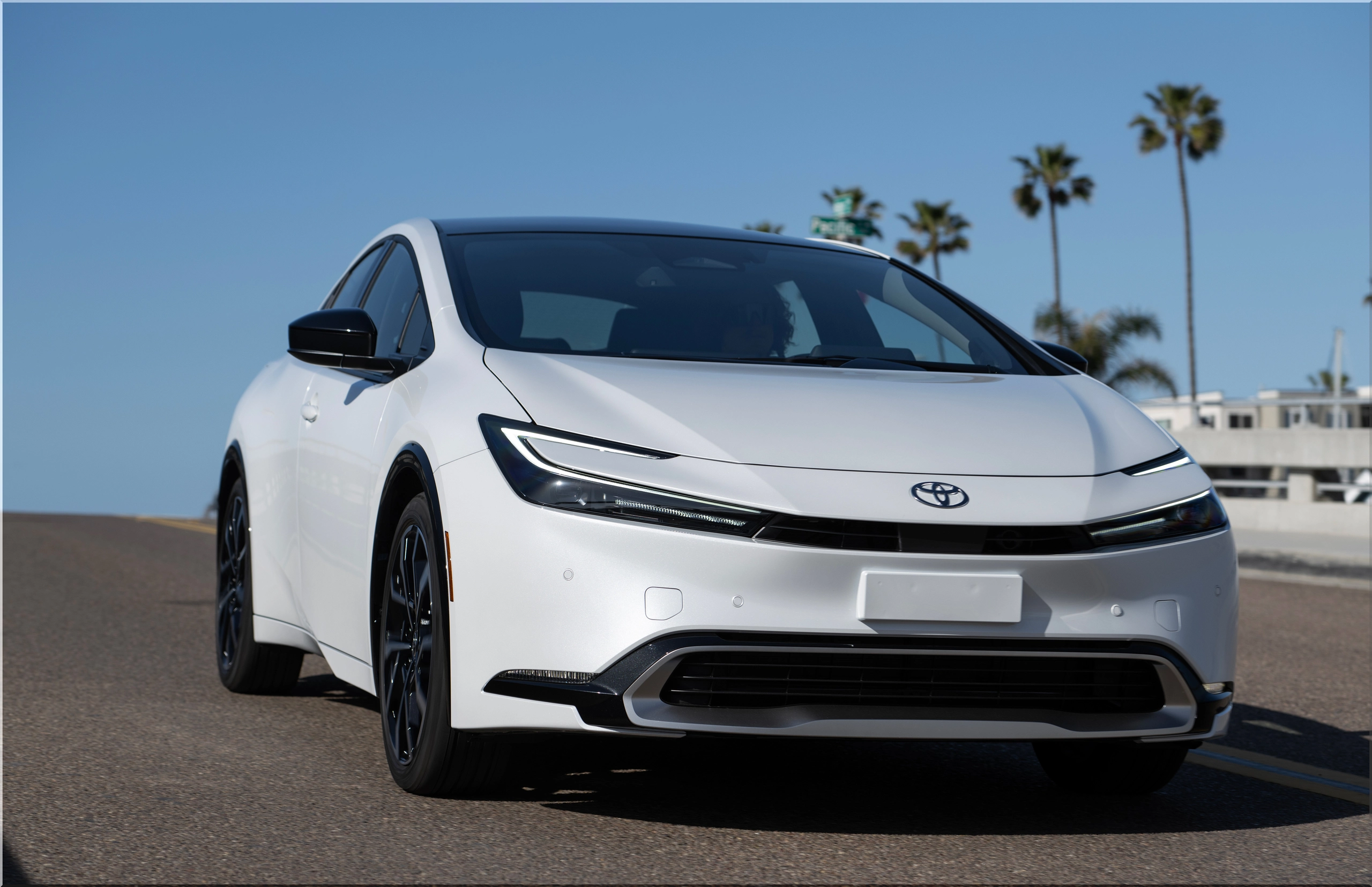
Toyota made focused changes for 2027. Dual-zone automatic climate control now comes standard, the supplied dual-voltage charging cable supports 120-volt and 240-volt outlets, and Inked joins the paint range. U.S. pricing starts at $33,980 before the $1,295 delivery fee, which places the Prius plug-in hybrid model $5,225 above the entry Prius hybrid.
That price gap creates the main buying question: can regular charging justify the extra cost? Daily mileage, home charging, energy prices, and trim choice drive the answer.
2027 Toyota Prius Plug-in Hybrid Powertrain
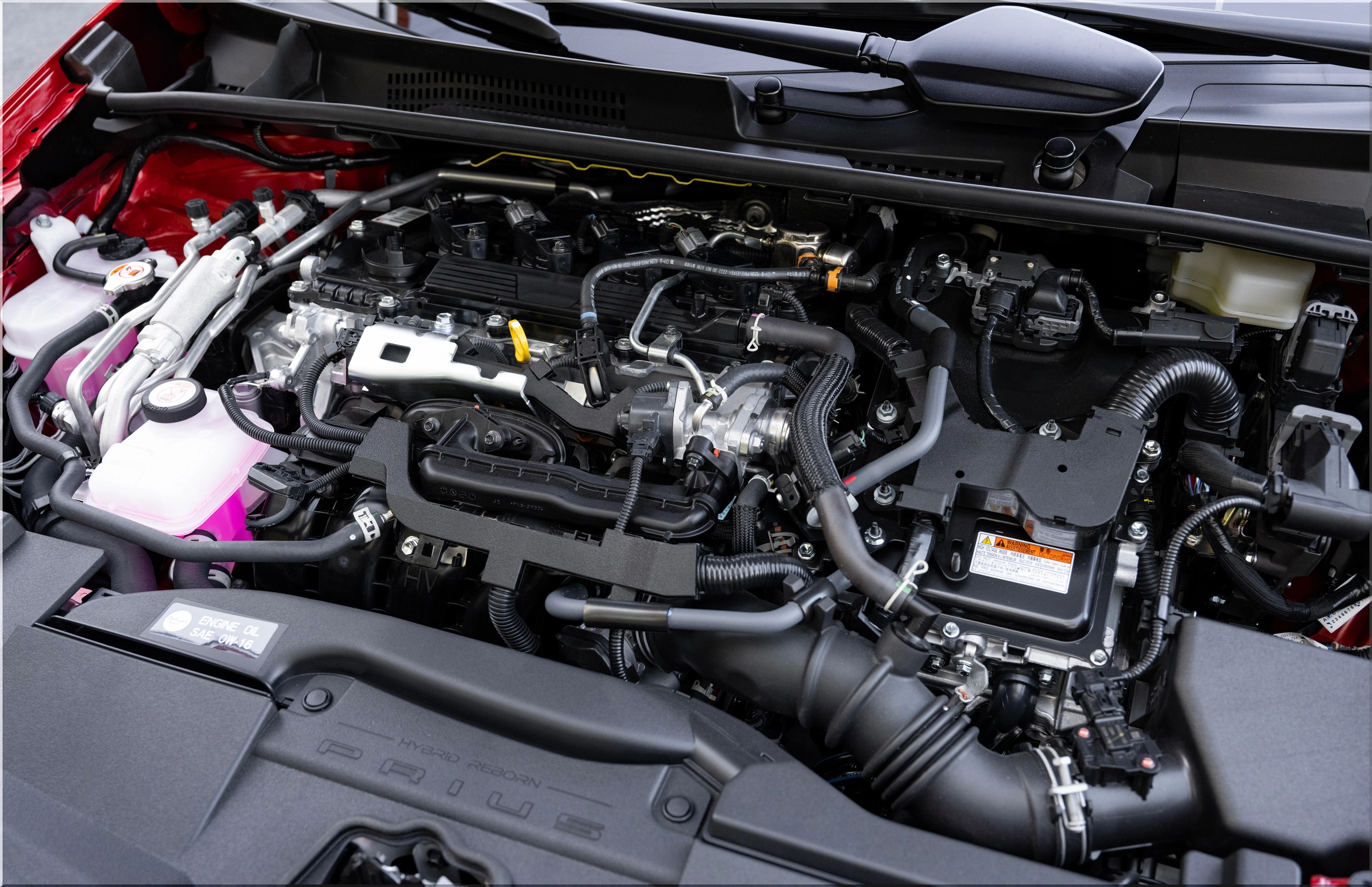
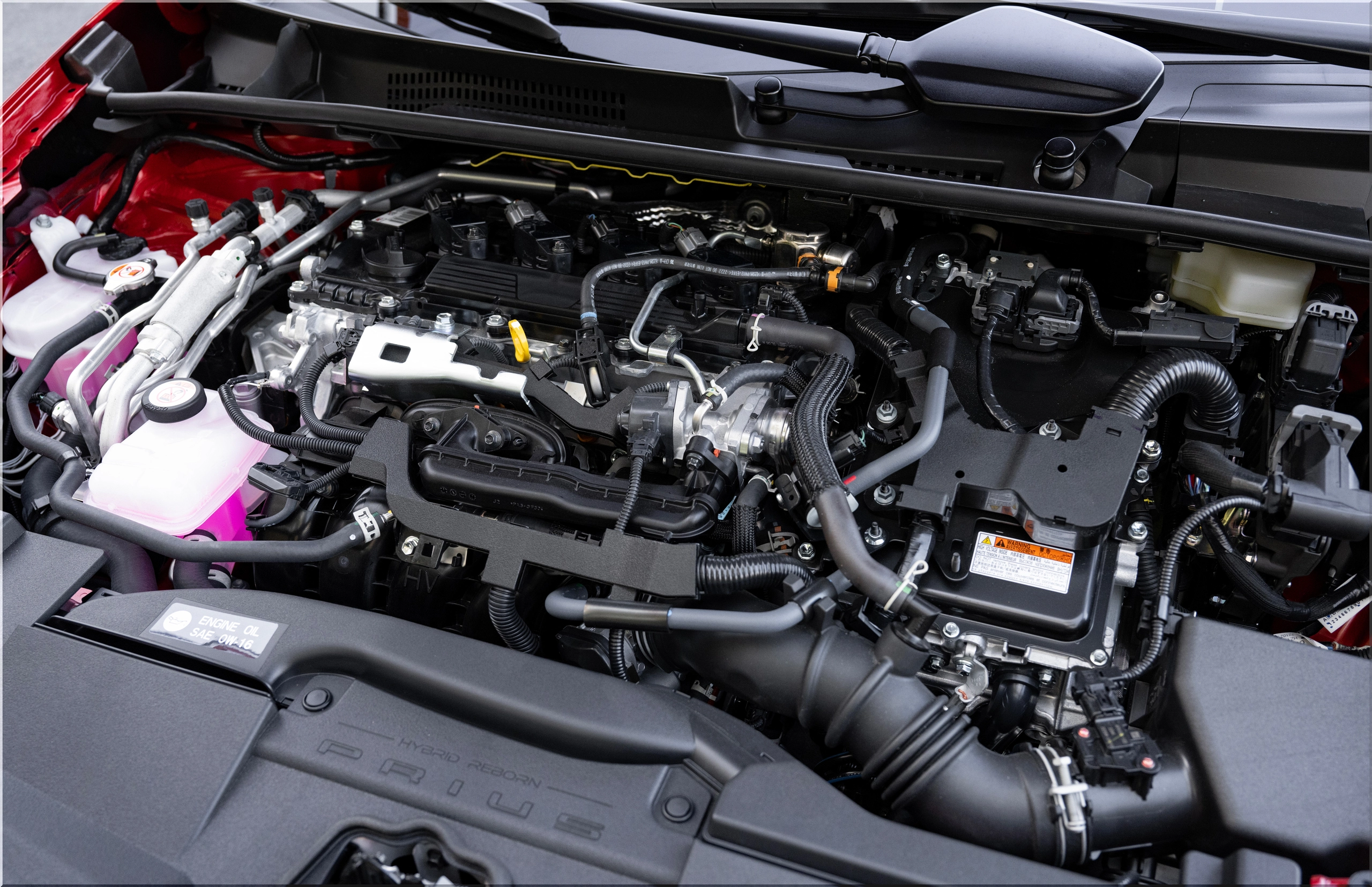
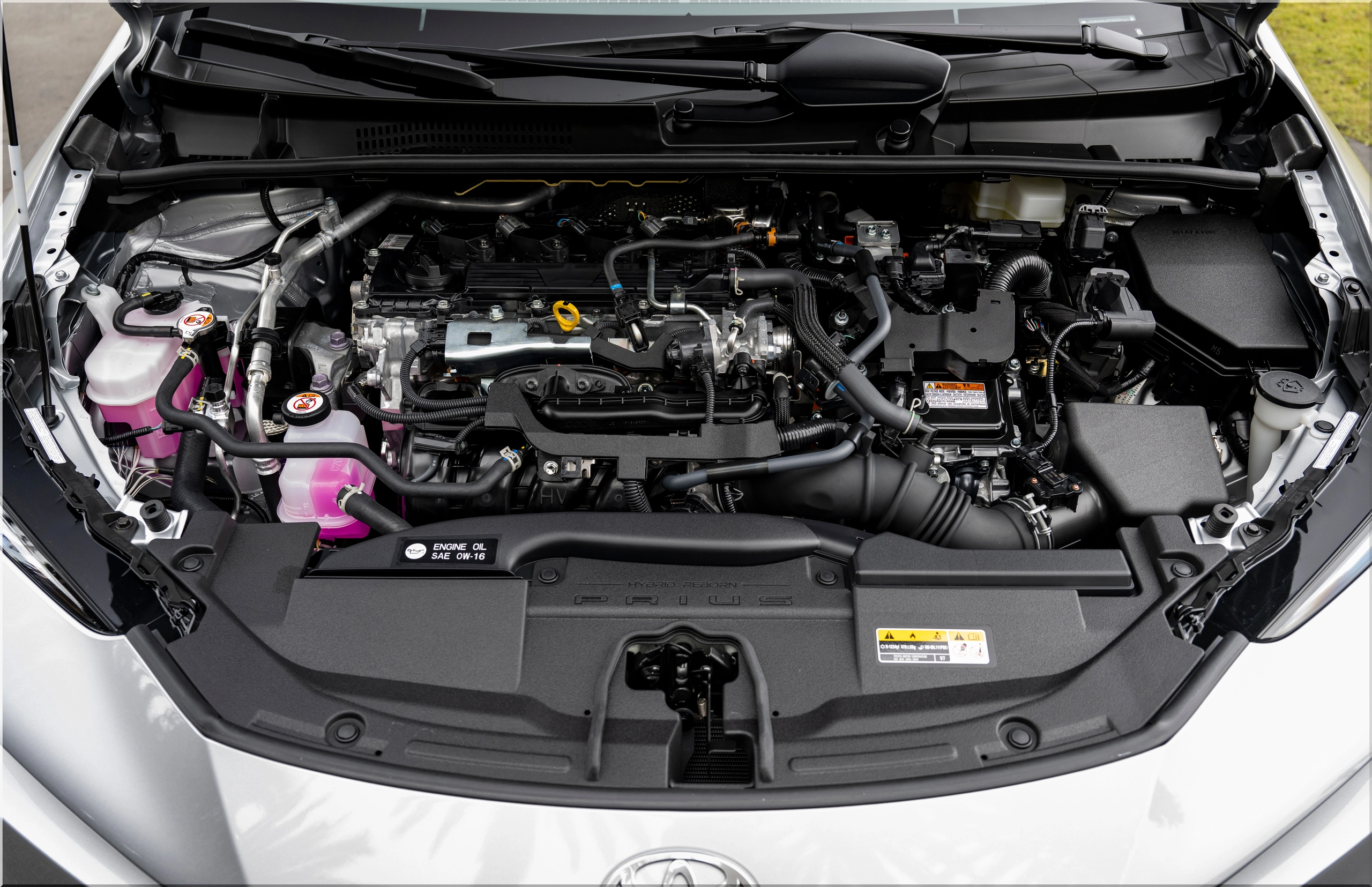
Toyota carries over its fifth-generation hybrid system. The M20A-FXS engine displaces 1,987 cc and uses a 14.0:1 compression ratio, an Atkinson combustion cycle, variable valve timing, and regular 87-octane fuel. The engine produces 150 horsepower at 6,000 rpm and 139 lb-ft of torque, while the main traction motor contributes up to 161 horsepower, or 120 kW.
The electronically controlled continuously variable transmission uses a planetary power-split device rather than belts or stepped gears. MG1 manages engine starting and generation, while MG2 drives the front wheels and recovers energy during deceleration. Software balances engine speed, motor output, battery charge, and wheel demand.
| Specification | 2027 Prius Plug-in Hybrid |
|---|---|
| System output | 220 hp |
| Engine | 2.0-litre four-cylinder |
| Engine output | 150 hp at 6,000 rpm |
| Engine torque | 139 lb-ft |
| Traction motor | 161 hp / 120 kW |
| Battery | 13.6-kWh lithium-ion |
| Onboard charger | 3.5 kW |
| Transmission | Planetary-type ECVT |
| Drive | Front-wheel drive |
| 0-60 mph | 6.6 seconds |
| Maximum EV range | 44 miles on SE |
| Upper-grade EV range | 39 miles |
| Hybrid economy | Up to 51 mpg combined |
| Electric efficiency | Up to 127 MPGe combined |
The 6.6-second run to 60 mph gives the Prius PHEV a clear edge over the 7.2-second front-drive Prius and 7.0-second all-wheel-drive Prius. Extra electric output offsets the larger battery's mass during acceleration.
Image
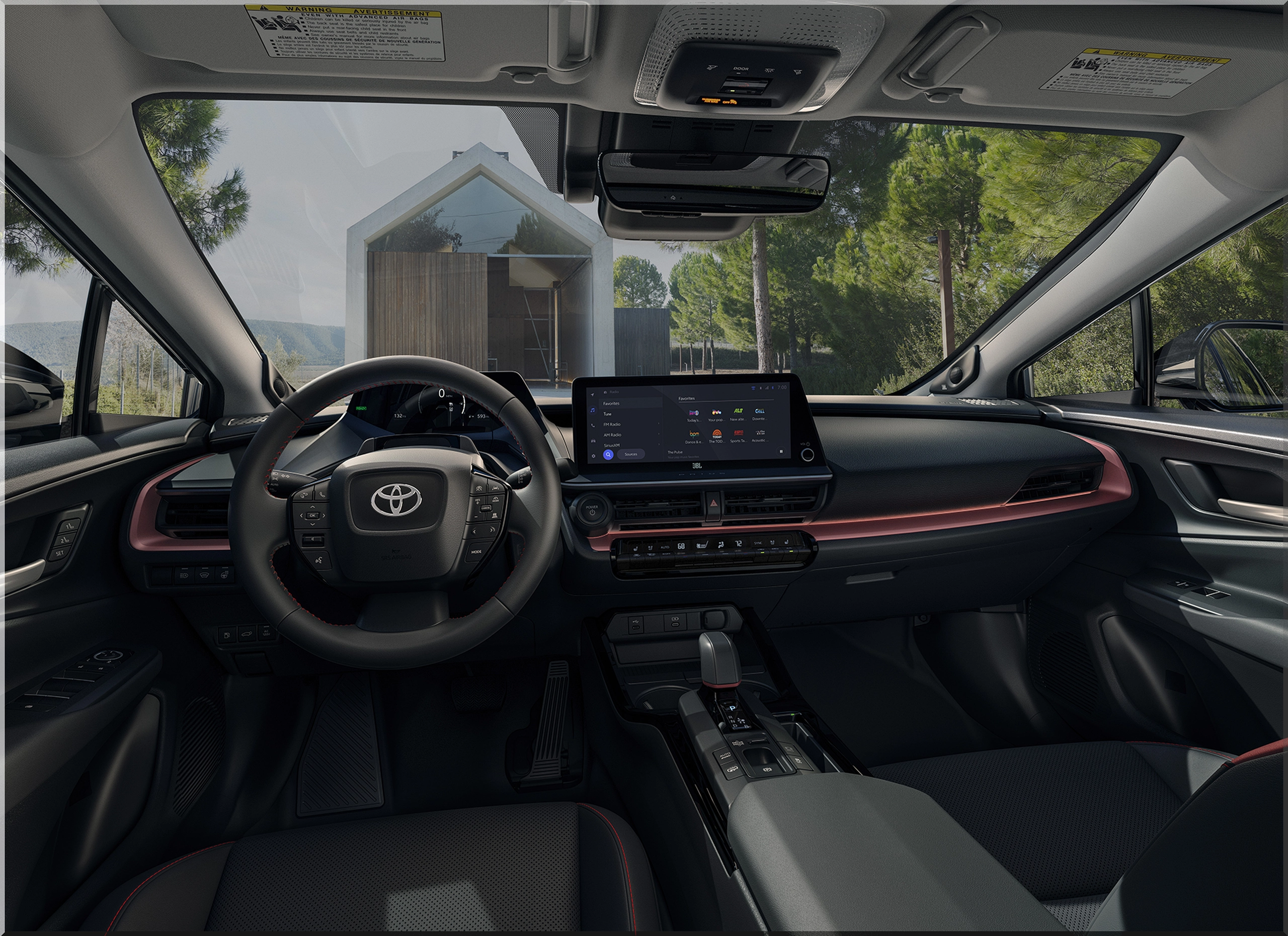
EV Range and Charging Times
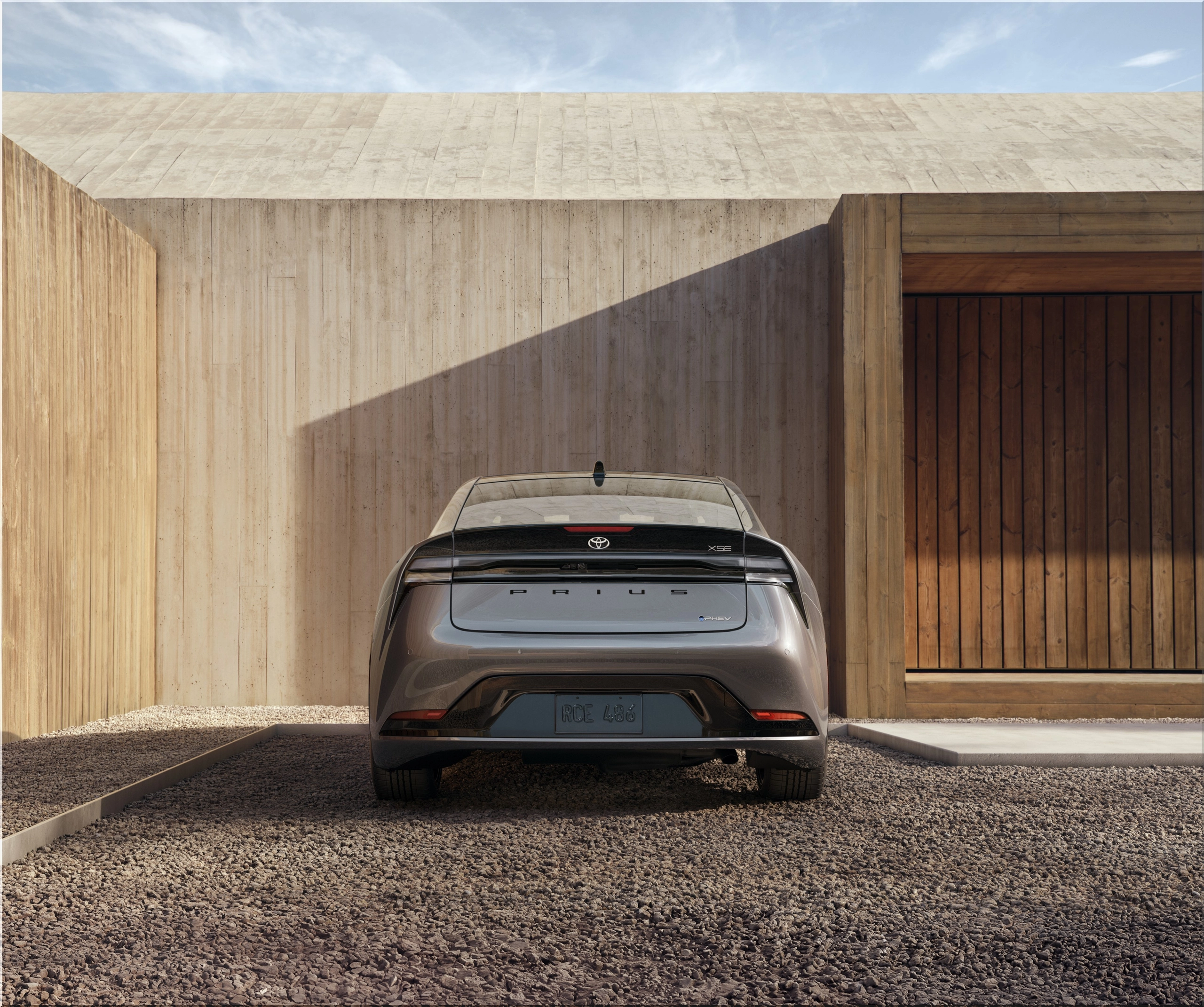
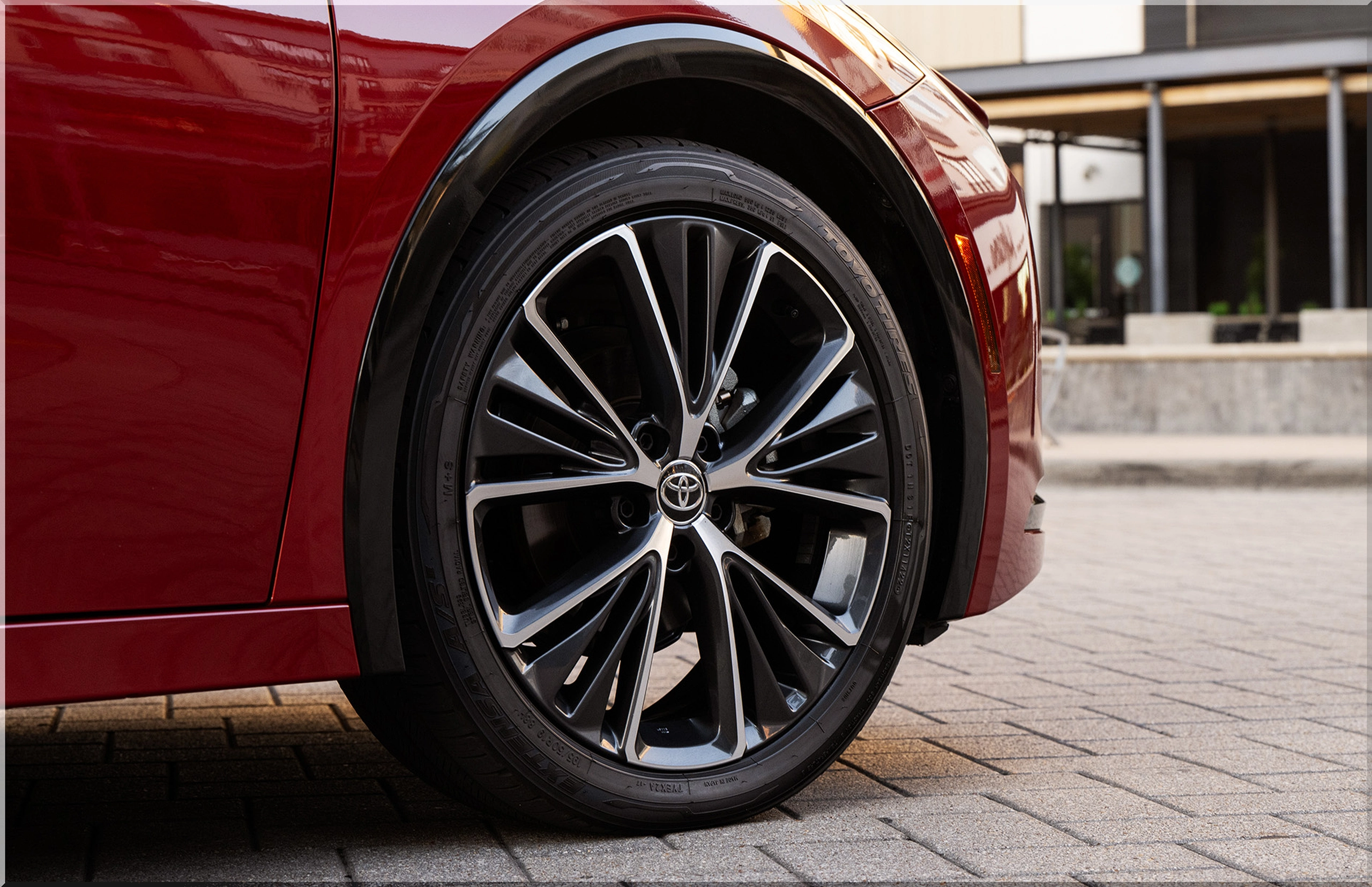
The SE earns the best efficiency numbers because Toyota fits lighter 17-inch wheels and 195/60R17 tyres. It reaches 44 miles of electric range and up to 127 MPGe. XSE, Nightshade, and XSE Premium grades use 19-inch wheels with 195/50R19 tyres, reducing rated electric range to 39 miles and efficiency to 114 MPGe.
That five-mile drop equals an 11.4 percent loss in EV range. Larger wheels add rotating mass and can increase tyre resistance and drag. Consequently, the SE favours lower running costs.
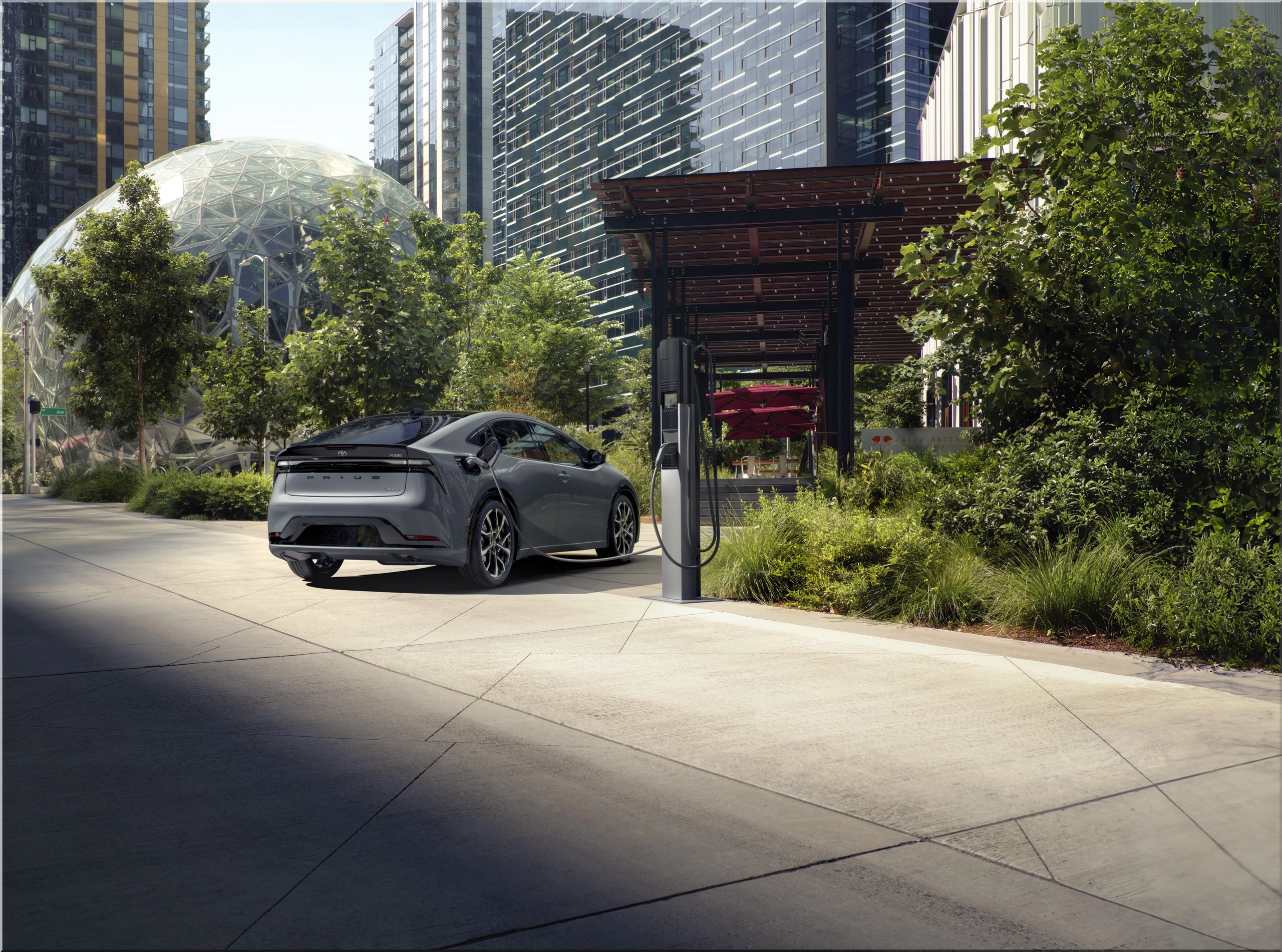
Charging remains simple:
- A 120-volt household outlet needs about 11 hours.
- A 240-volt Level 2 source needs about four hours.
- The supplied cable supports both voltages.
- Hybrid operation continues after the usable battery charge ends.
- The car does not support DC rapid charging.
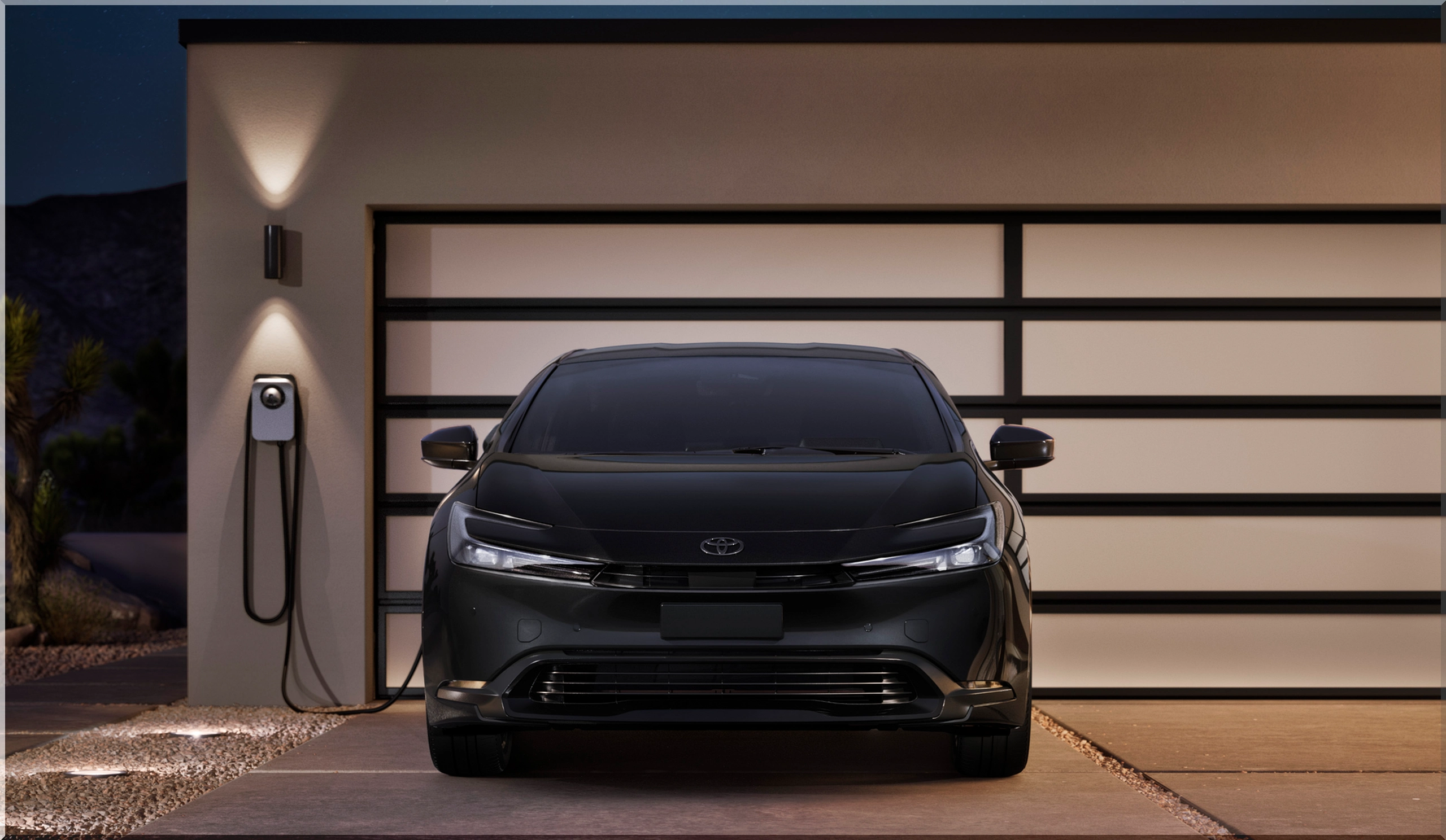
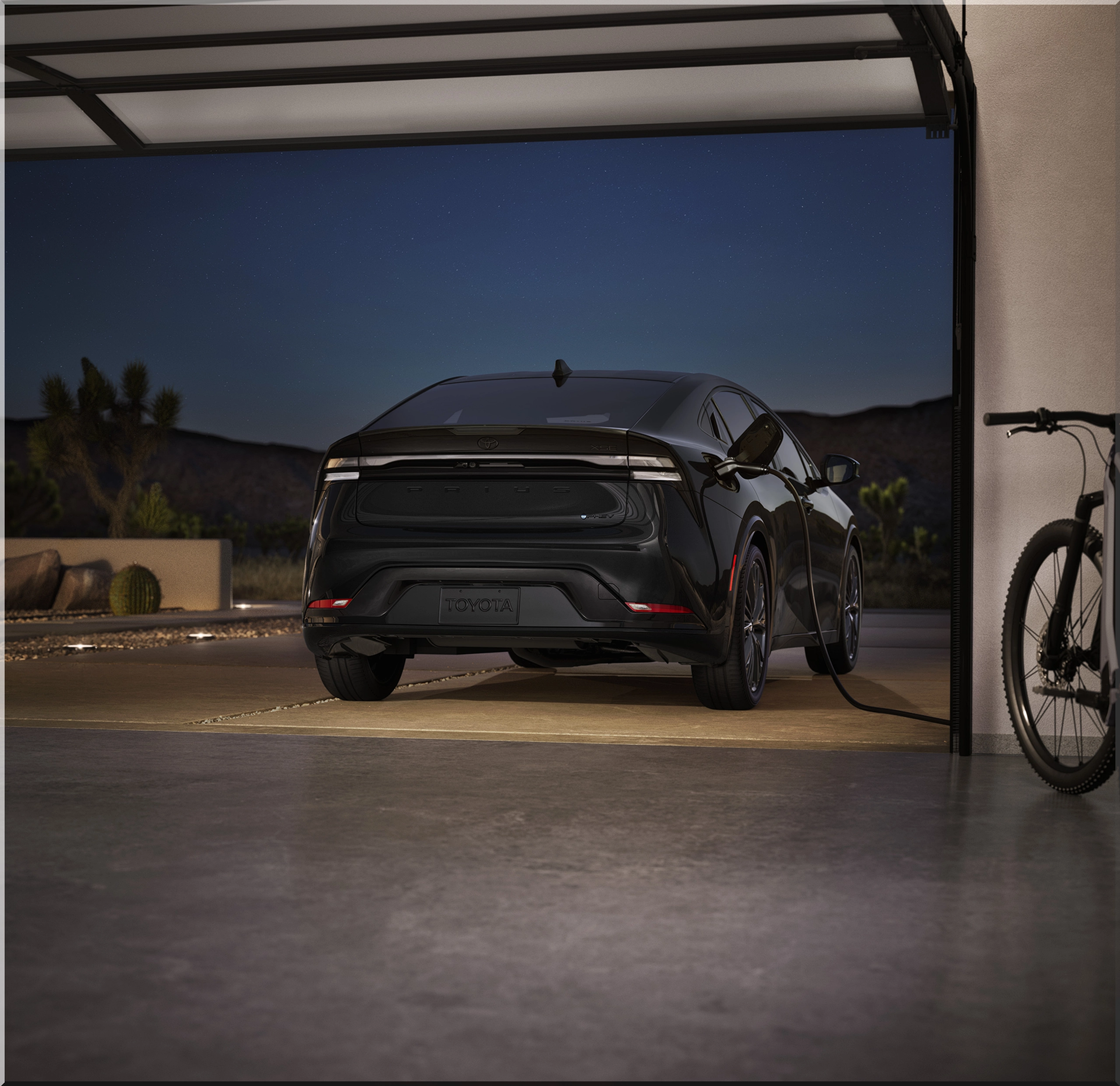
The 3.5-kW onboard charger sets the AC limit, so a suitable 240-volt circuit already provides the car's fastest home charging rate.
Image
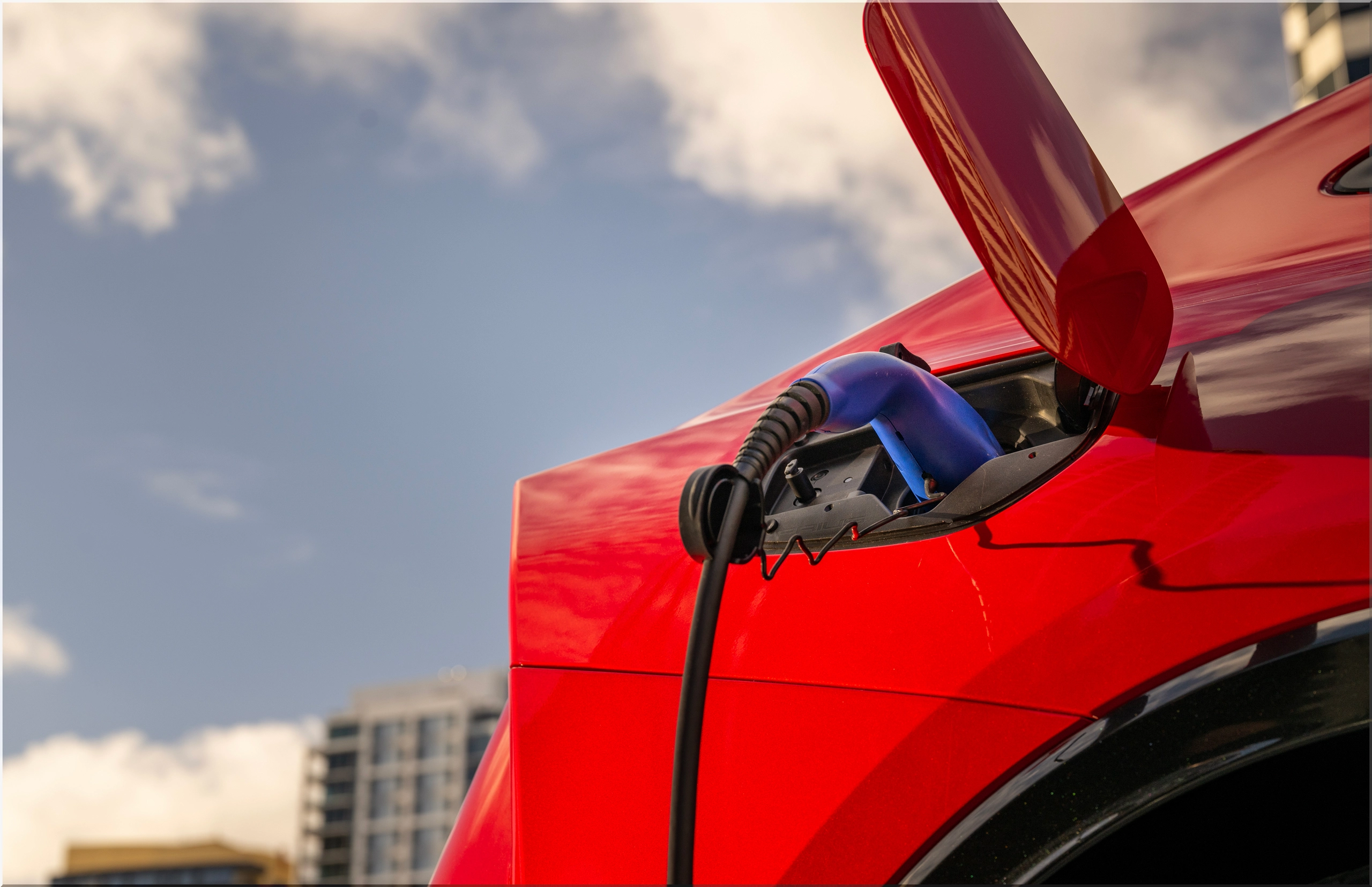
EV, Auto EV/HV, and Hybrid Modes
EV Mode uses battery power inside system limits. Auto EV/HV Mode favours electric driving but starts the engine for extra output. Hybrid Mode manages petrol and electric power after the EV portion ends.
Drivers also get Normal, Eco, and Sport settings. Eco softens accelerator response, Sport sharpens it, and Normal sits between them. These settings change response logic, not peak output.
Dimensions, Weight, and Chassis
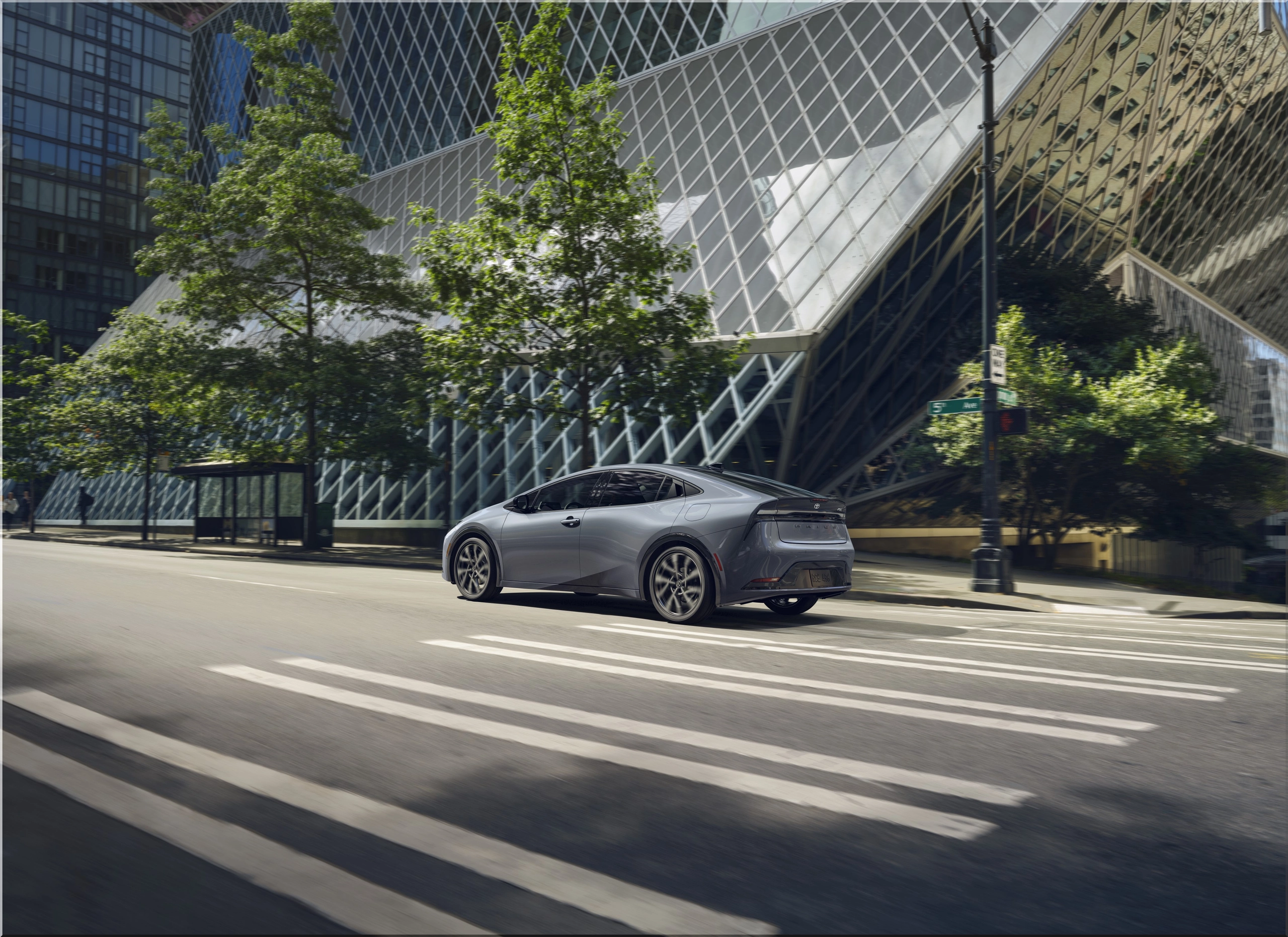
The body measures 181.1 inches long, 70.2 inches wide, and 108.3 inches between the axles. SE models stand 55.9 inches tall, while 19-inch-wheel grades reach 56.3 inches. A low-mounted battery supports a low centre of gravity but adds weight.
| Measurement | SE | XSE / Nightshade | XSE Premium |
|---|---|---|---|
| Length | 181.1 in. / 4,598 mm | 181.1 in. / 4,598 mm | 181.1 in. / 4,598 mm |
| Width | 70.2 in. / 1,781 mm | 70.2 in. / 1,781 mm | 70.2 in. / 1,781 mm |
| Height | 55.9 in. / 1,420 mm | 56.3 in. / 1,430 mm | 56.3 in. / 1,430 mm |
| Wheelbase | 108.3 in. / 2,751 mm | 108.3 in. / 2,751 mm | 108.3 in. / 2,751 mm |
| Curb weight | 3,461 lb / 1,570 kg | 3,516 lb / 1,595 kg | 3,571 lb / 1,620 kg |
| Ground clearance | 5.6 in. / 143 mm | 6.0 in. / 153 mm | 6.0 in. / 153 mm |
| Turning circle | 34.4 ft / 10.5 m | 35.4 ft / 10.8 m | 35.4 ft / 10.8 m |
| Cargo space | 20.3 cu. ft. / 575 L | 20.3 cu. ft. / 575 L | 20.3 cu. ft. / 575 L |
The chassis uses MacPherson struts at the front and a multi-link rear suspension. Front braking hardware includes 305-mm ventilated discs, while the rear uses 280-mm solid discs. The brake controller combines friction braking with regeneration to recover energy during routine stops.
Image
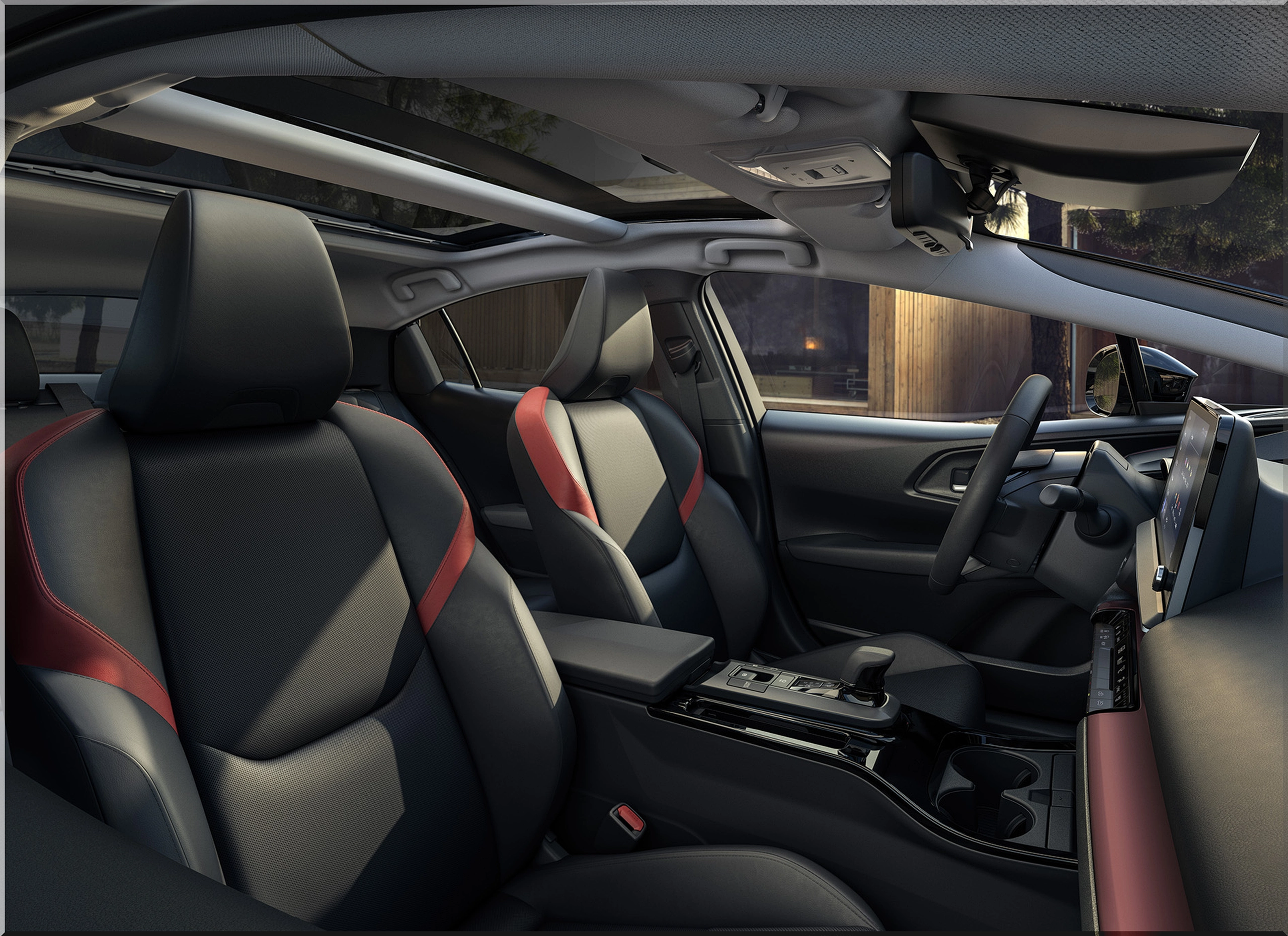
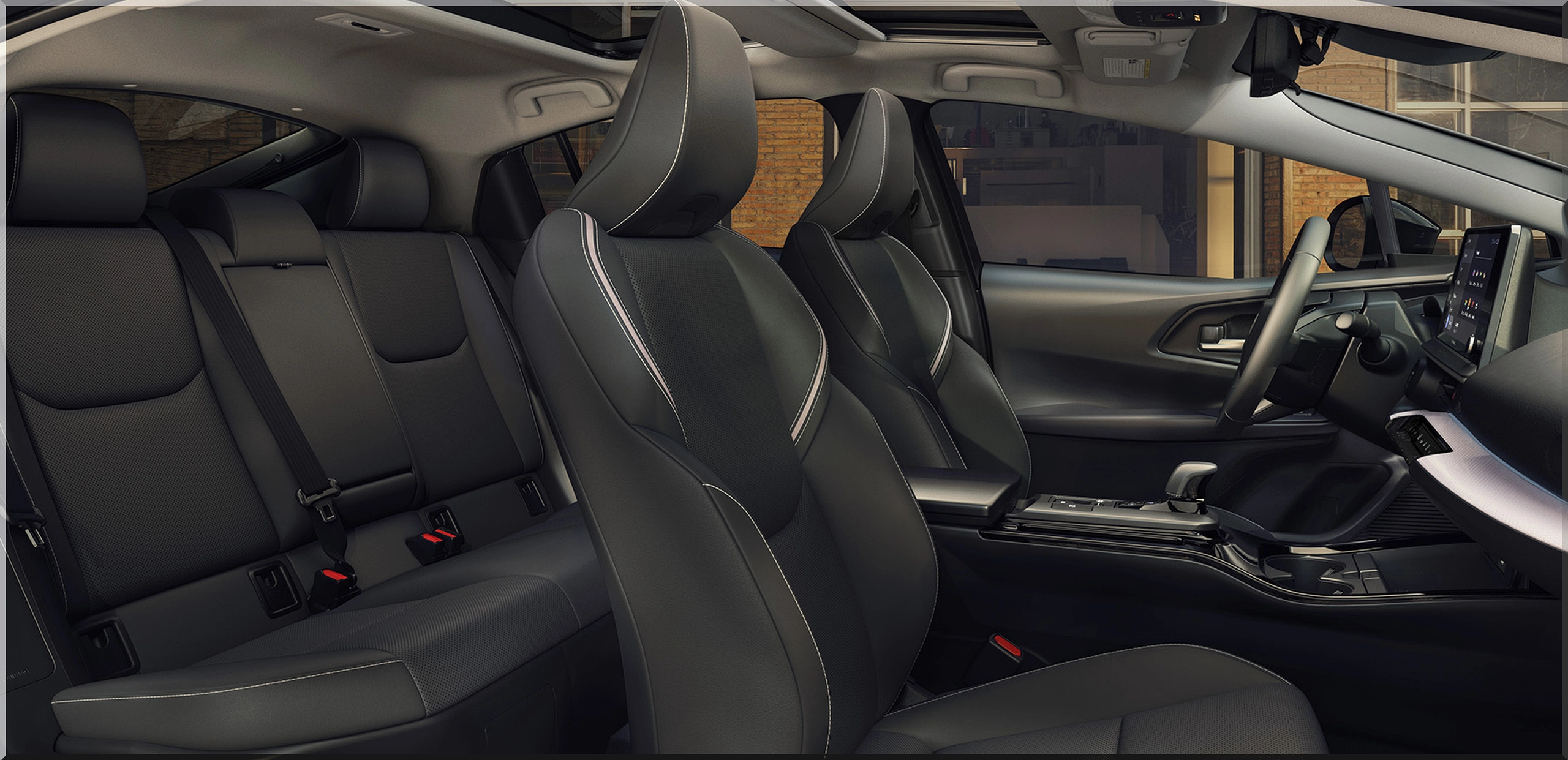
Front and rear legroom measure 43.2 and 34.8 inches. Headroom reaches 38.0 inches in front and 36.4 inches in back. The low roof helps aerodynamic efficiency, though tall rear passengers may find a Corolla Cross or RAV4 easier to enter.
Video title
2027 Toyota Prius Plug-in Hybrid
2027 Prius Plug-in Hybrid Trims and Prices
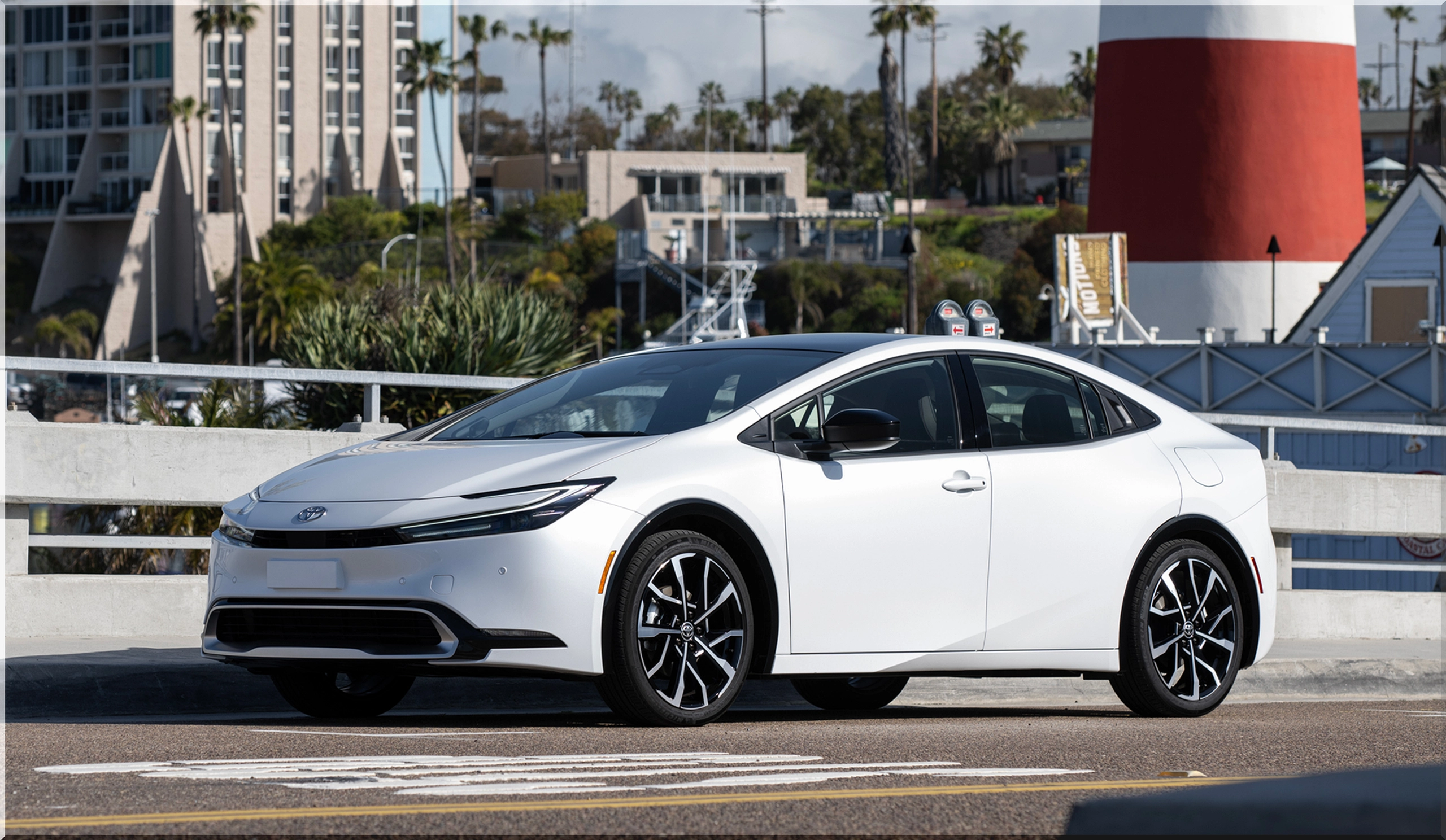
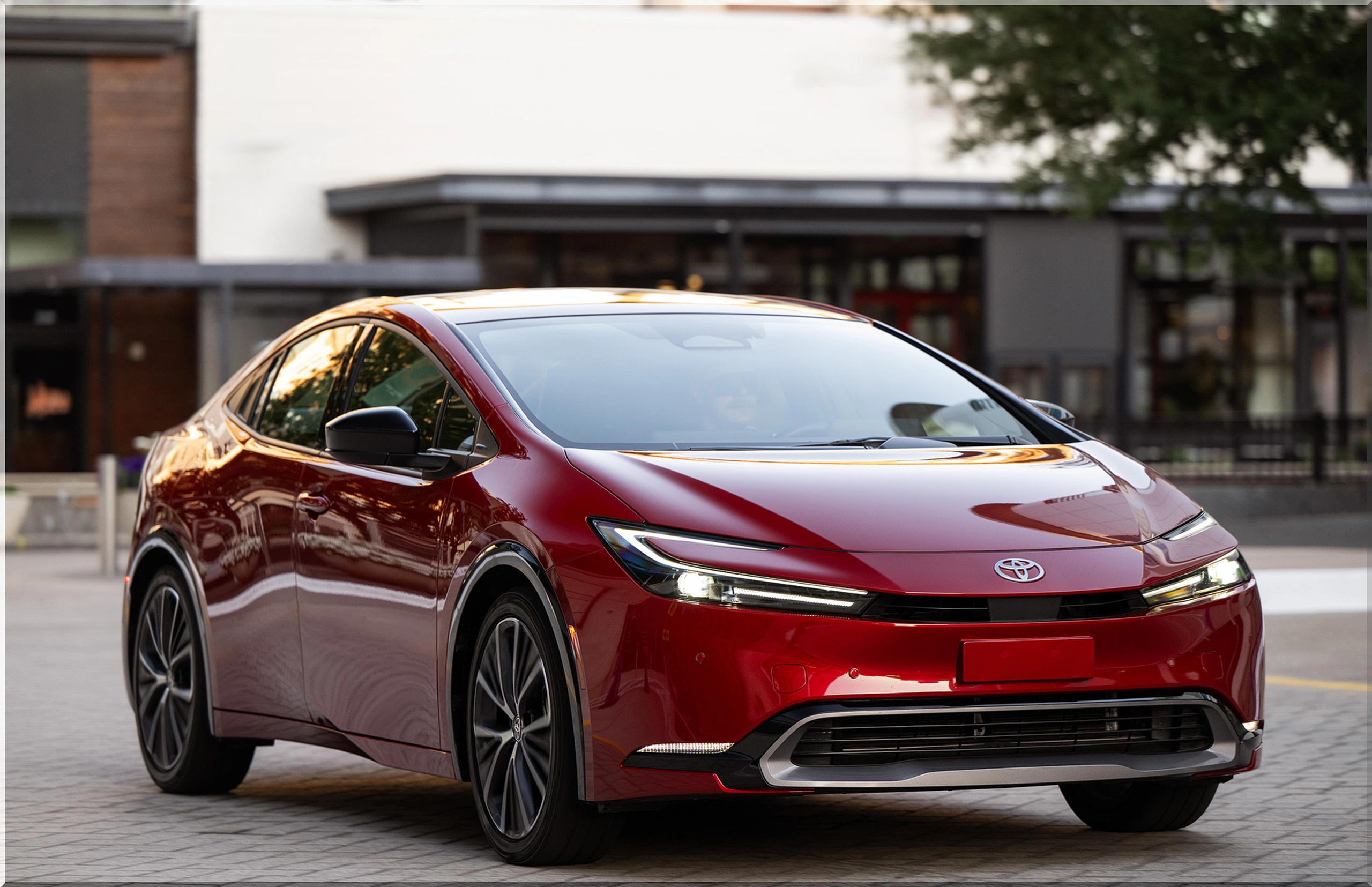
Toyota sells four U.S. grades. The SE gives buyers the longest EV range and lowest price. The XSE adds a heated power driver's seat, SofTex upholstery, parking assistance, wireless device charging, 19-inch wheels, and access to a larger screen and glass roof.
| Grade | Base MSRP | EV range | Main equipment |
|---|---|---|---|
| SE | $33,980 | 44 miles | 17-inch wheels, fabric seats, heated steering wheel, 8-inch screen |
| XSE | $37,230 | 39 miles | 19-inch wheels, heated power seat, SofTex trim, wireless charger |
| Nightshade | $38,000 | 39 miles | Black wheels, black exterior trim, grey stitching |
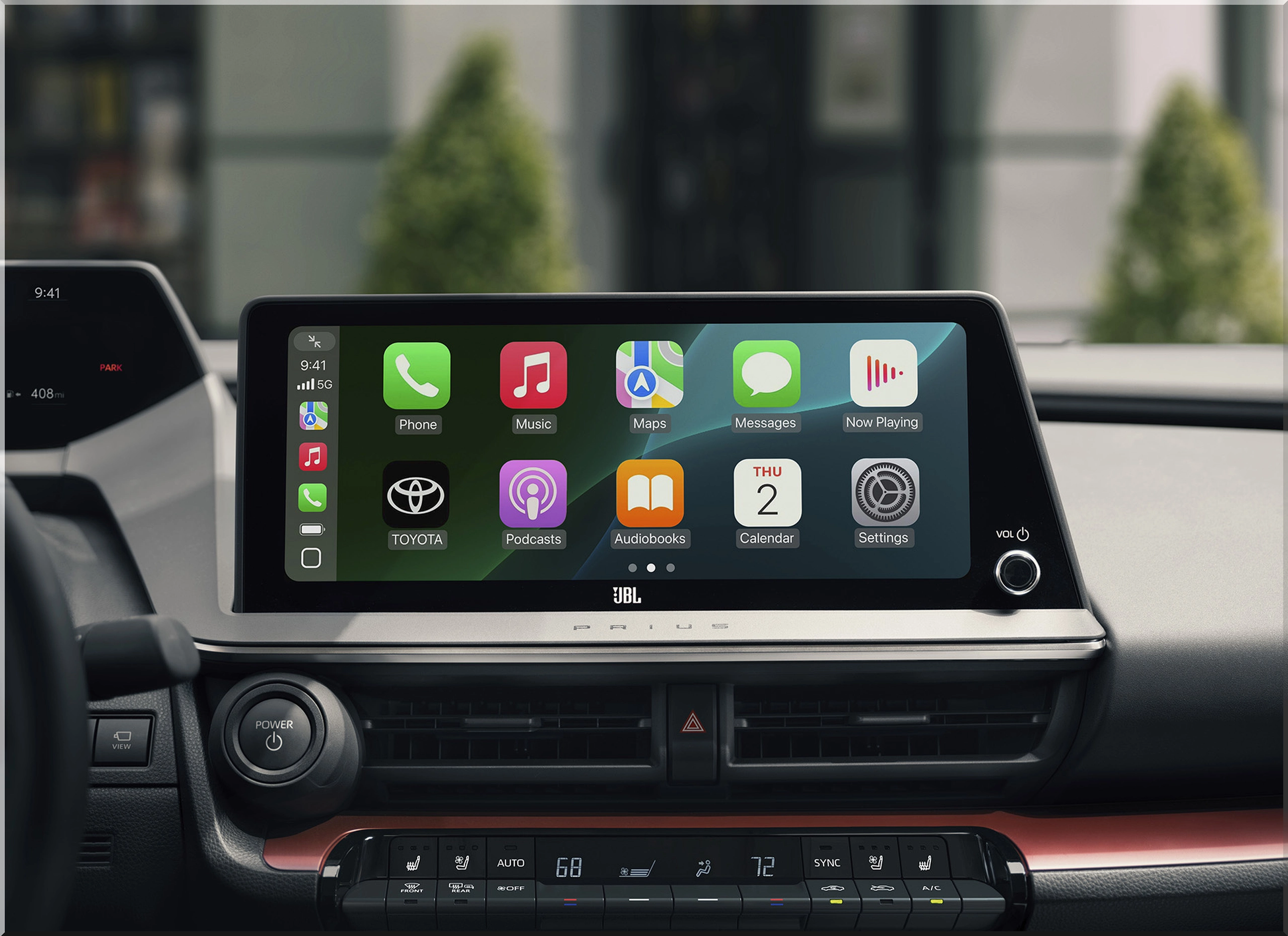
| XSE Premium | $40,675 | 39 miles | 12.3-inch screen, JBL audio, glass roof, ventilated seats, power liftback |
The Nightshade Edition costs $770 more than the XSE and focuses on appearance. XSE Premium adds $3,445 and packages the larger display, upgraded audio, ventilated front seats, driver memory, glass roof, and powered hatch.
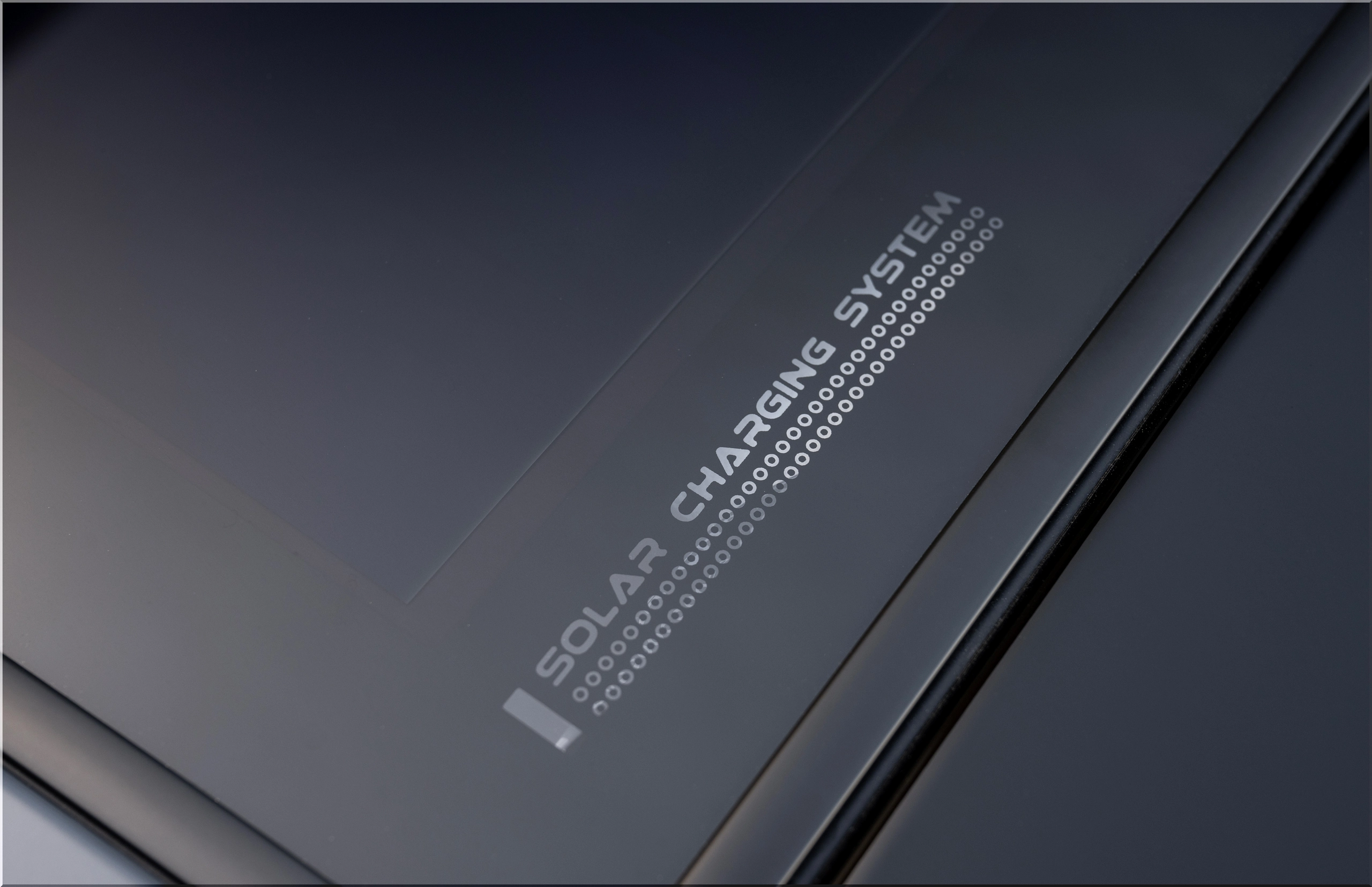
XSE Premium options include a panoramic-view camera, digital mirror, heated rear seats, Advanced Park, and a 185-watt solar roof. The panel can add energy while parked, but regular plug-in charging remains necessary.
Image gallery
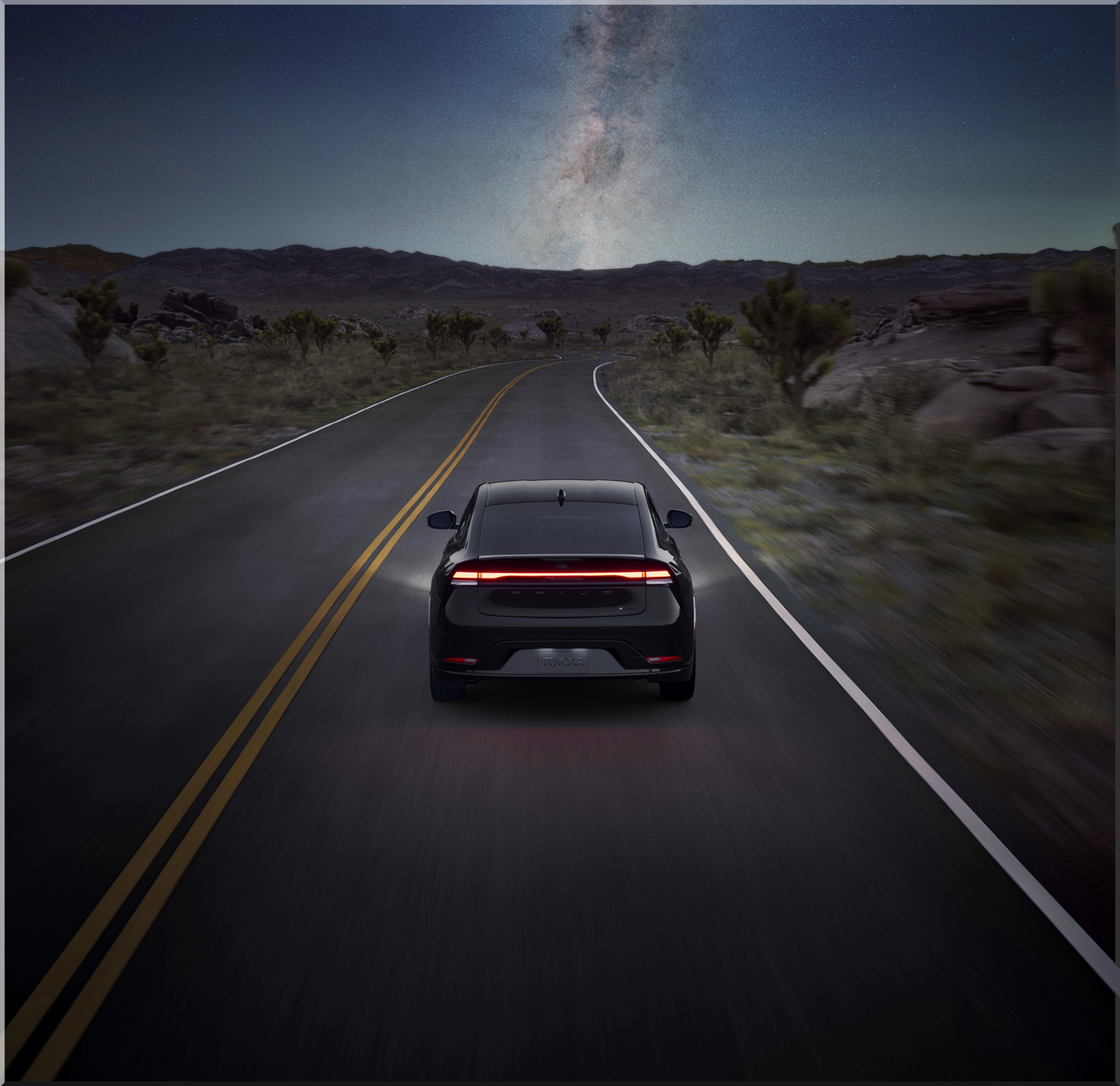
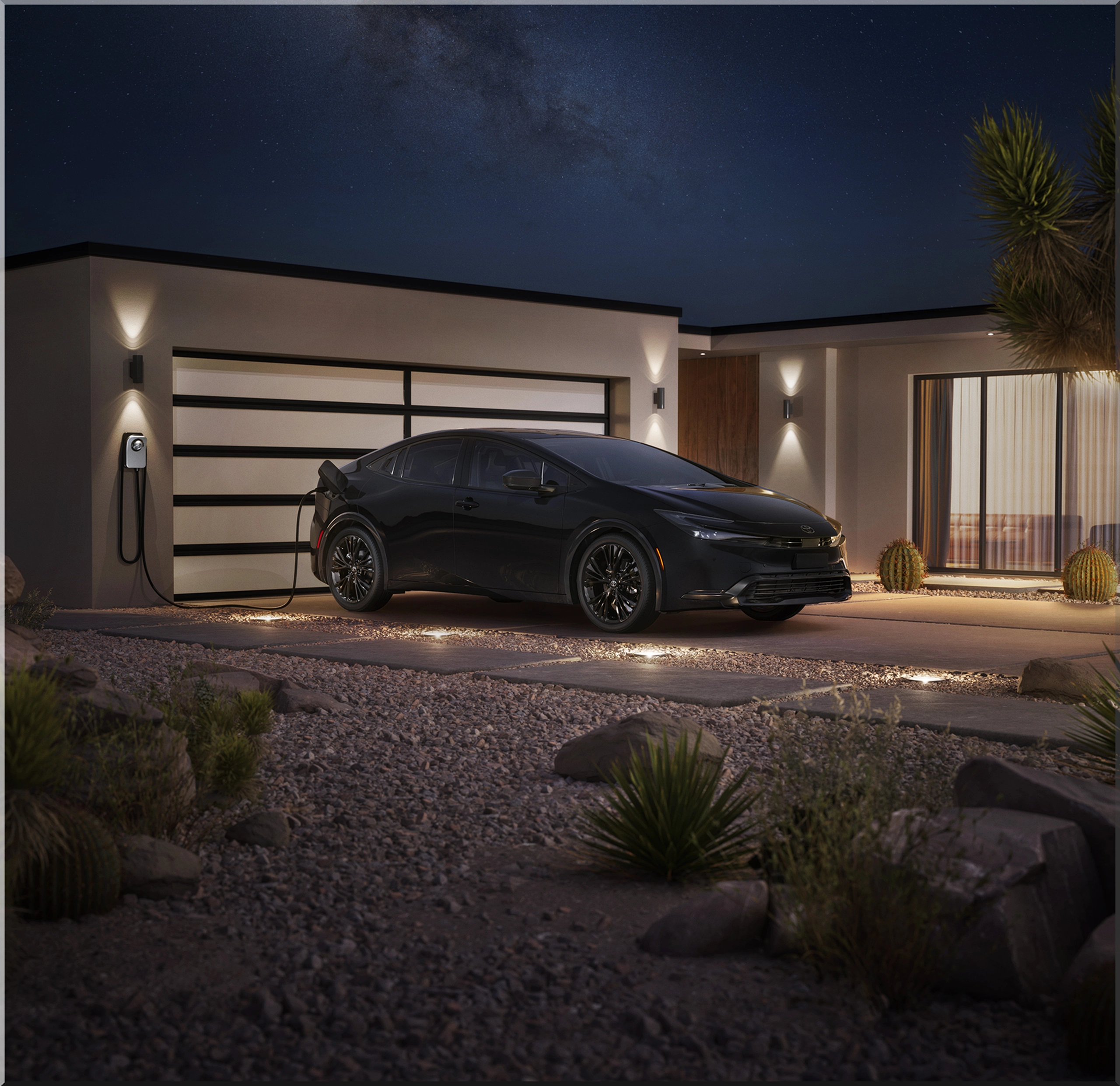
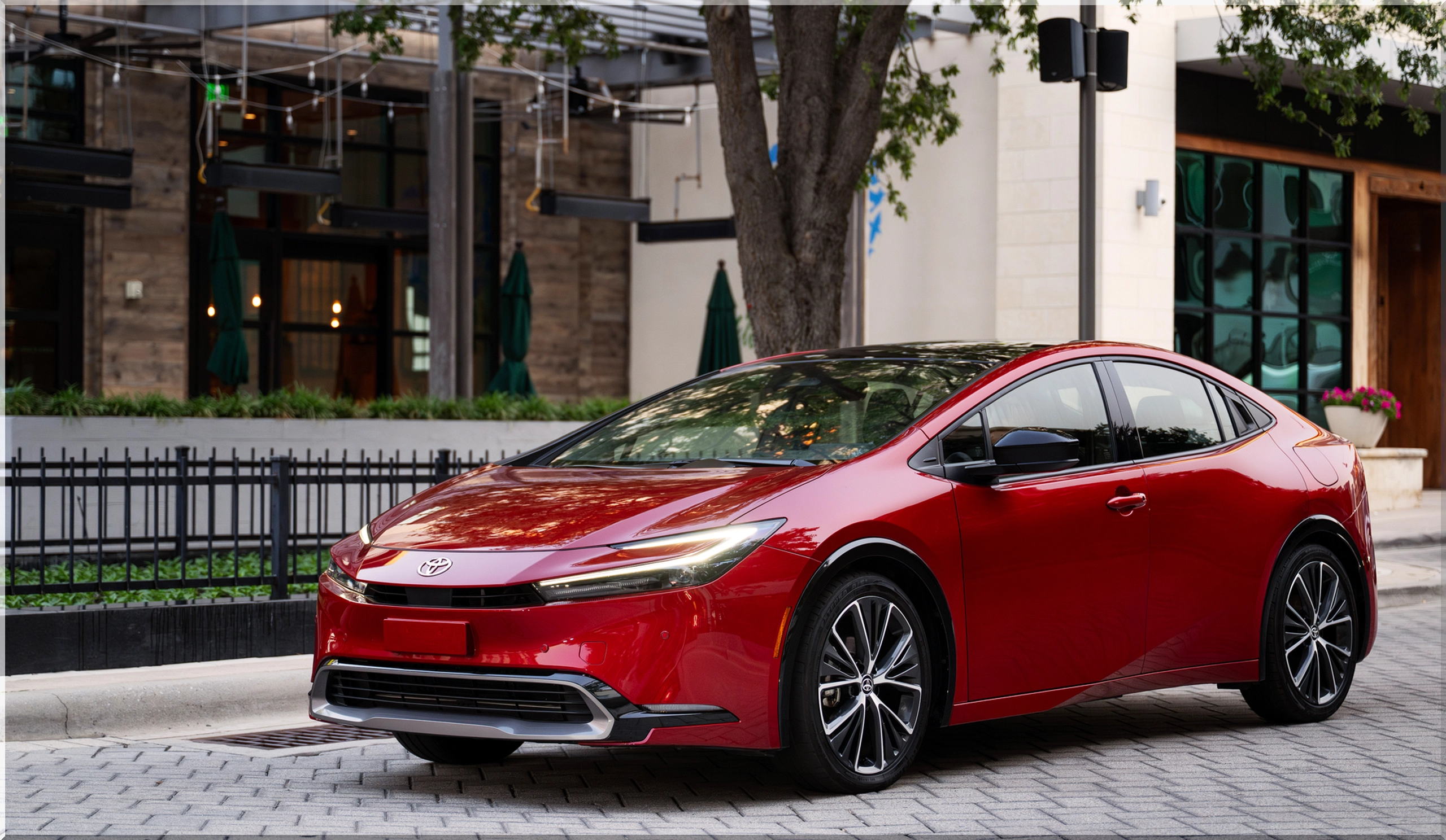
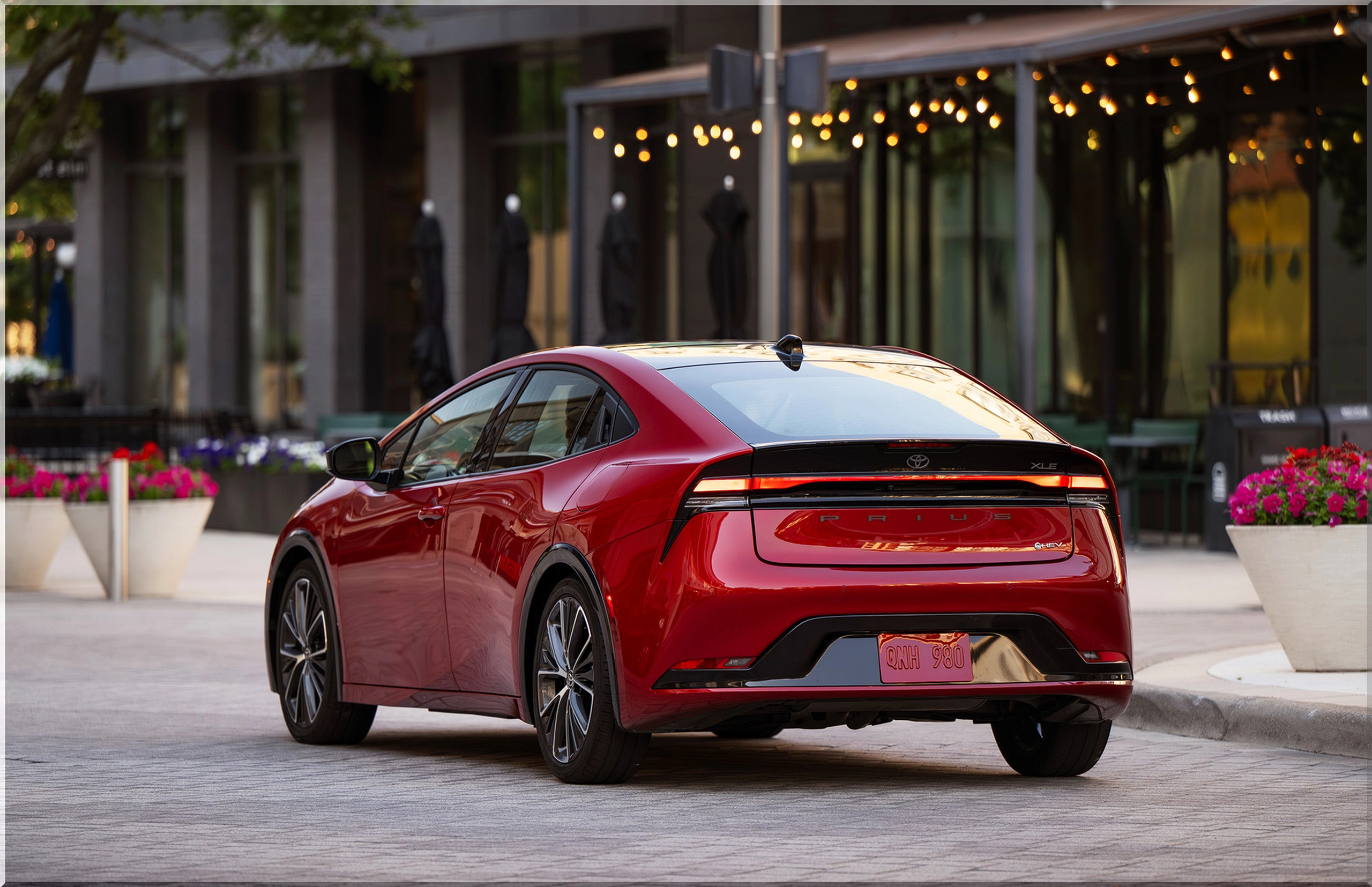
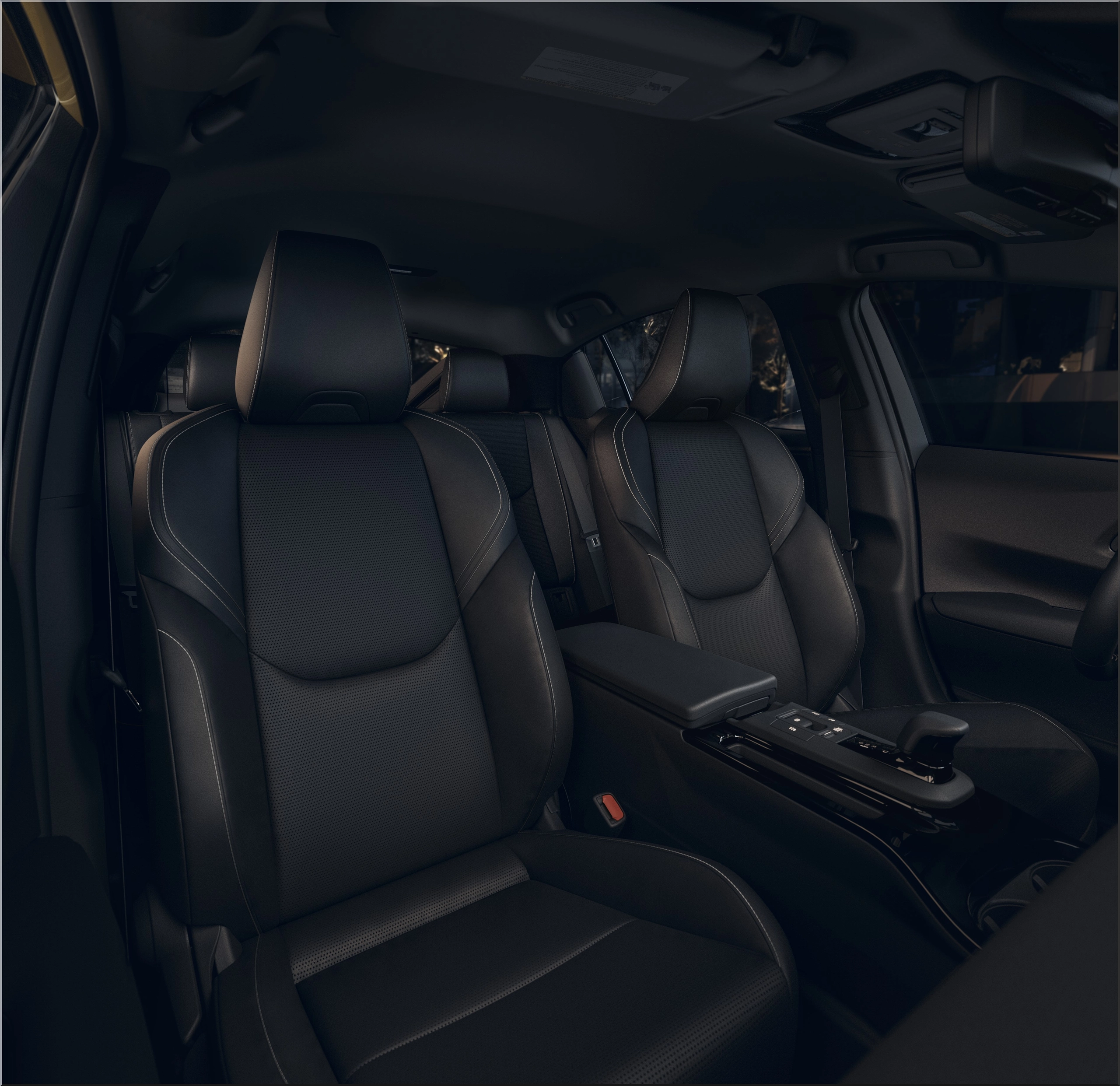
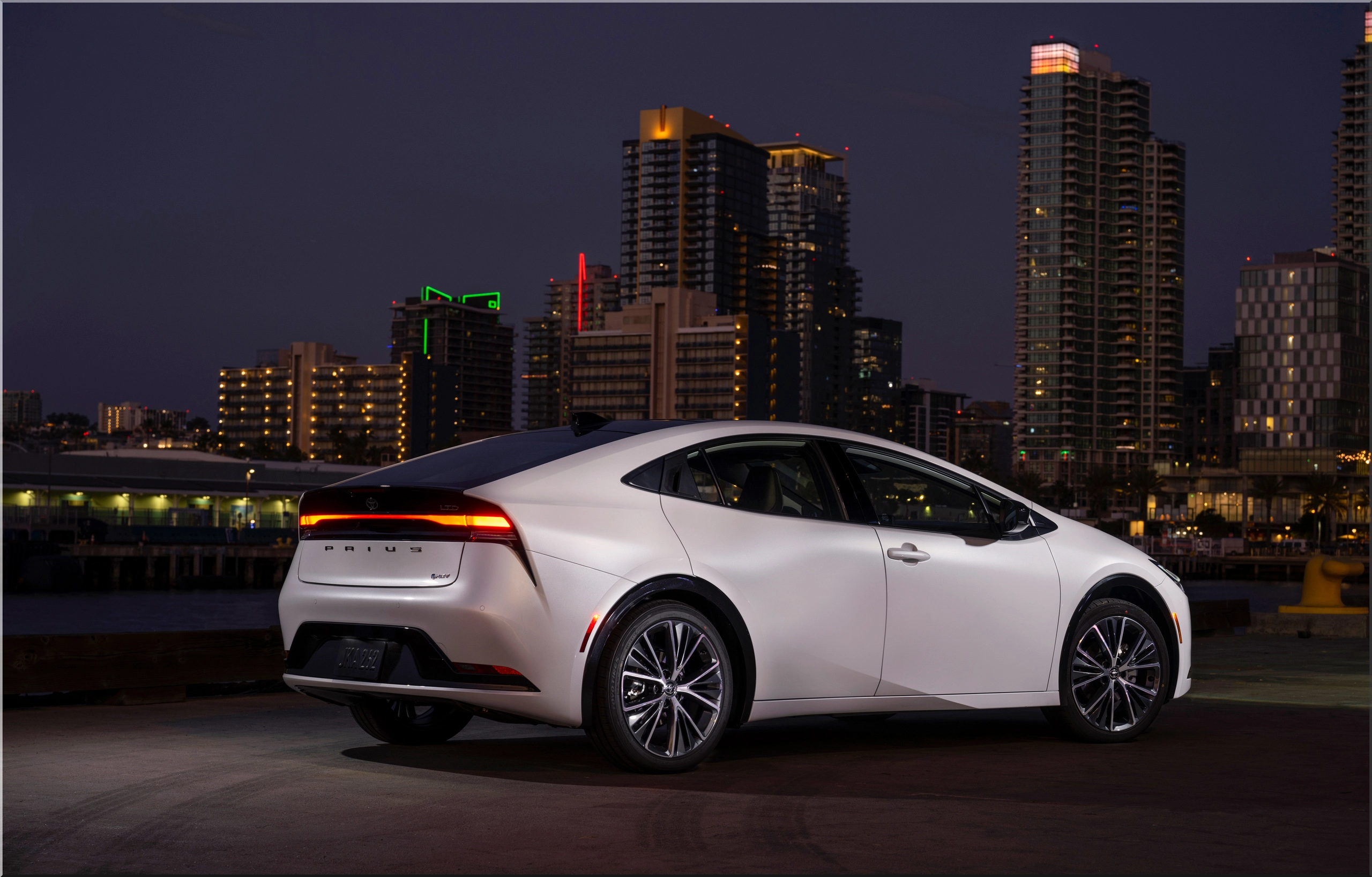
Prius Plug-in Hybrid Versus Prius Hybrid
The regular 2027 Toyota Prius starts at $28,755, produces 194 horsepower with front-wheel drive, and returns up to 55 mpg combined. The all-wheel-drive version produces 196 horsepower and starts at $30,155. The PHEV costs more and offers no all-wheel drive, but it delivers stronger acceleration and useful electric commuting range.
| Category | Prius PHEV SE | Prius LE FWD | Prius LE AWD |
|---|---|---|---|
| Base MSRP | $33,980 | $28,755 | $30,155 |
| Output | 220 hp | 194 hp | 196 hp |
| 0-60 mph | 6.6 sec | 7.2 sec | 7.0 sec |
| Drive | Front | Front | All |
| EV range | 44 miles | Limited low-speed use | Limited low-speed use |
| Combined economy | Up to 51 mpg after depletion | Up to 55 mpg | Up to 53 mpg |
| Price difference | Baseline | $5,225 less | $3,825 less |
Drivers in snowy regions face a clear trade. The standard Prius offers electronic all-wheel drive, while the plug-in sends power through the front tyres. Good winter tyres improve traction, but they do not provide rear-axle propulsion.
Image
Cabin Technology and Safety
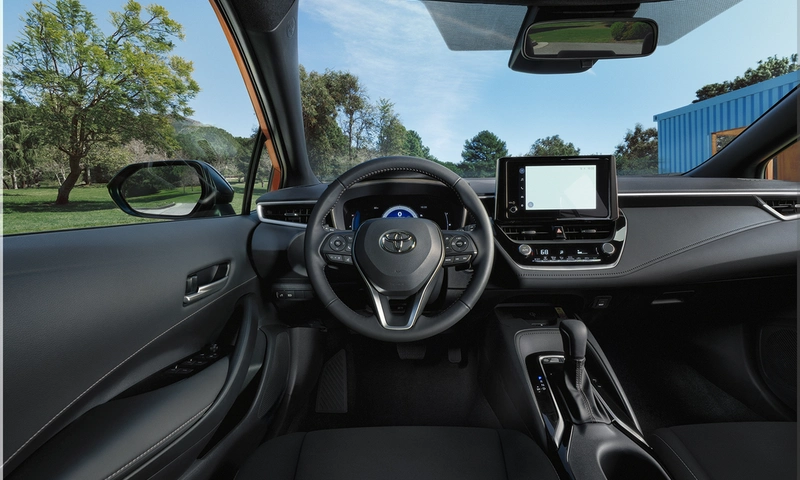
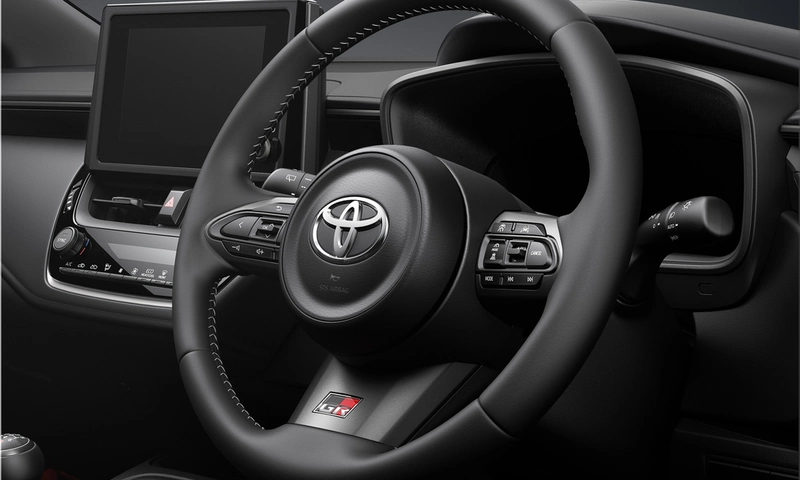
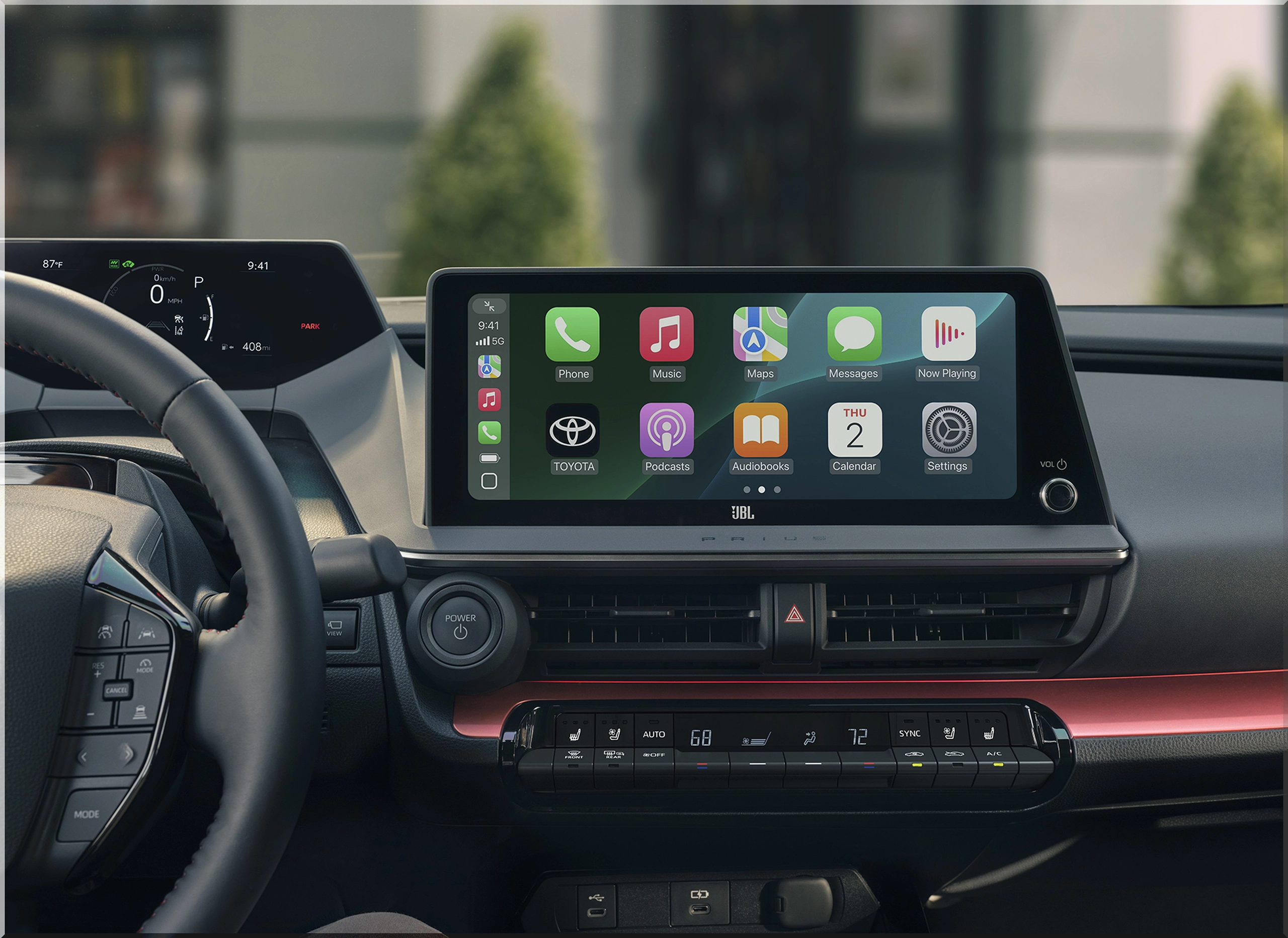
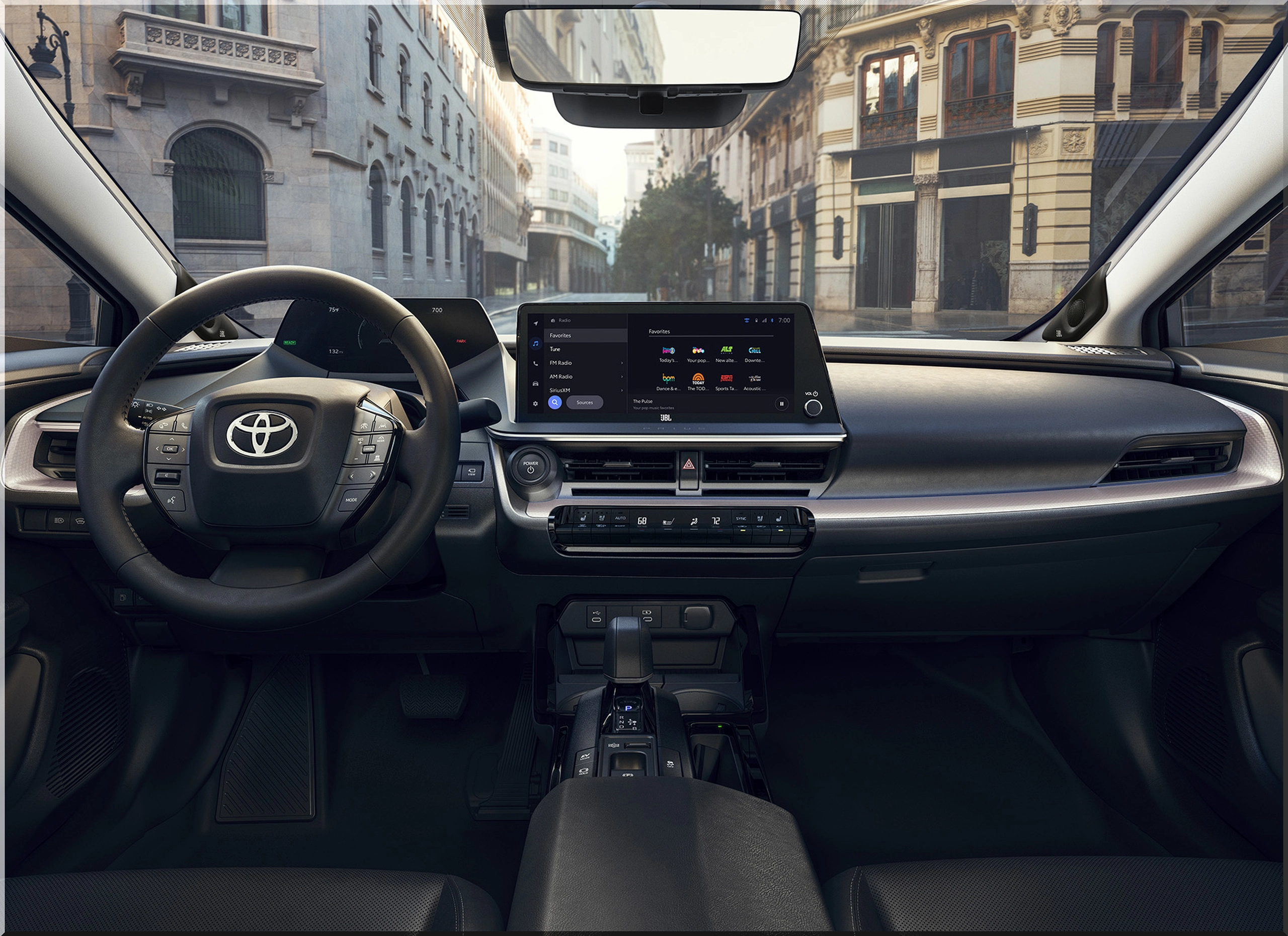
Every grade includes a seven-inch digital instrument display, wireless Apple CarPlay and Android Auto, and Toyota Safety Sense 3.0. SE, XSE, and Nightshade receive an eight-inch touchscreen as standard. XSE Premium gets a 12.3-inch unit, and Toyota offers that larger display on XSE and Nightshade.
Toyota fits six USB-C ports in the SE. Higher grades add a wireless charging pad. XSE Premium also receives upgraded audio, ventilated front seats, driver memory, a glass roof, and a power liftback.
Toyota Safety Sense 3.0 includes pre-collision braking, full-speed adaptive cruise control, lane-departure steering support, lane tracing, road-sign recognition, automatic high beams, and proactive driving support. Blind-spot monitoring, rear cross-traffic alert, and safe-exit alert also come standard.
New dual-zone climate control carries real value in a plug-in vehicle. Aggressive heating or cooling can reduce electric range, so owners should pre-condition the cabin while connected to household power before departure.
Image
Real-Use Cost Example
A plug-in hybrid produces its strongest financial result when the owner charges often. At 127 MPGe, the SE uses the energy equivalent of about 26.5 kWh per 100 electric miles. At an assumed home rate of $0.18 per kWh, 10,000 electric miles cost about $477 before charging losses.
Driving the same 10,000 miles at 51 mpg and an assumed petrol price of $3.50 per gallon costs about $686. That creates an estimated annual energy saving near $209. At $4.50 per gallon, the saving rises to roughly $405.
Fuel savings alone may need years to recover the $5,225 entry-price premium. Low overnight rates, employer charging, higher petrol prices, purchase support, and short daily trips improve the case.
Image
Pro-Tips for Lower Running Costs
- Choose the SE for maximum efficiency. Its 17-inch wheels add five EV miles and usually reduce tyre cost.
- Charge after practical trips. Frequent charging keeps more local mileage electric.
- Use scheduled charging. Off-peak tariffs can lower cost.
- Pre-condition while plugged in. Household power can heat or cool the cabin before departure.
- Track petrol and electricity separately. Monthly totals show the real cost per mile.
- Avoid oversized charging hardware. A suitable 240-volt circuit already reaches the car's onboard limit.
Image gallery

Should You Buy the 2027 Toyota Prius Plug-in Hybrid?
Buy the 2027 Toyota Prius Plug-in Hybrid when daily driving often stays below 44 miles, home charging remains available, and stronger acceleration adds value. The SE gives the best economic case because it combines the lowest price, longest electric range, smallest wheels, shortest turning circle, and lowest curb weight.
Choose the standard Prius when reliable charging remains unavailable, all-wheel drive carries greater value, or the lowest purchase price takes priority. Choose the XSE PHEV when comfort equipment outweighs the five-mile range loss. XSE Premium suits buyers who want the larger screen, ventilated seats, upgraded audio, glass roof, and powered hatch in one package.
Toyota retained the 220-hp hardware for 2027, added practical charging flexibility, improved cabin climate control, and kept four clear grades. For disciplined home chargers, the result can cover a normal commute on electricity, run efficiently after battery depletion, and reach 60 mph in well under seven seconds.
- Add new comment
- 152 views