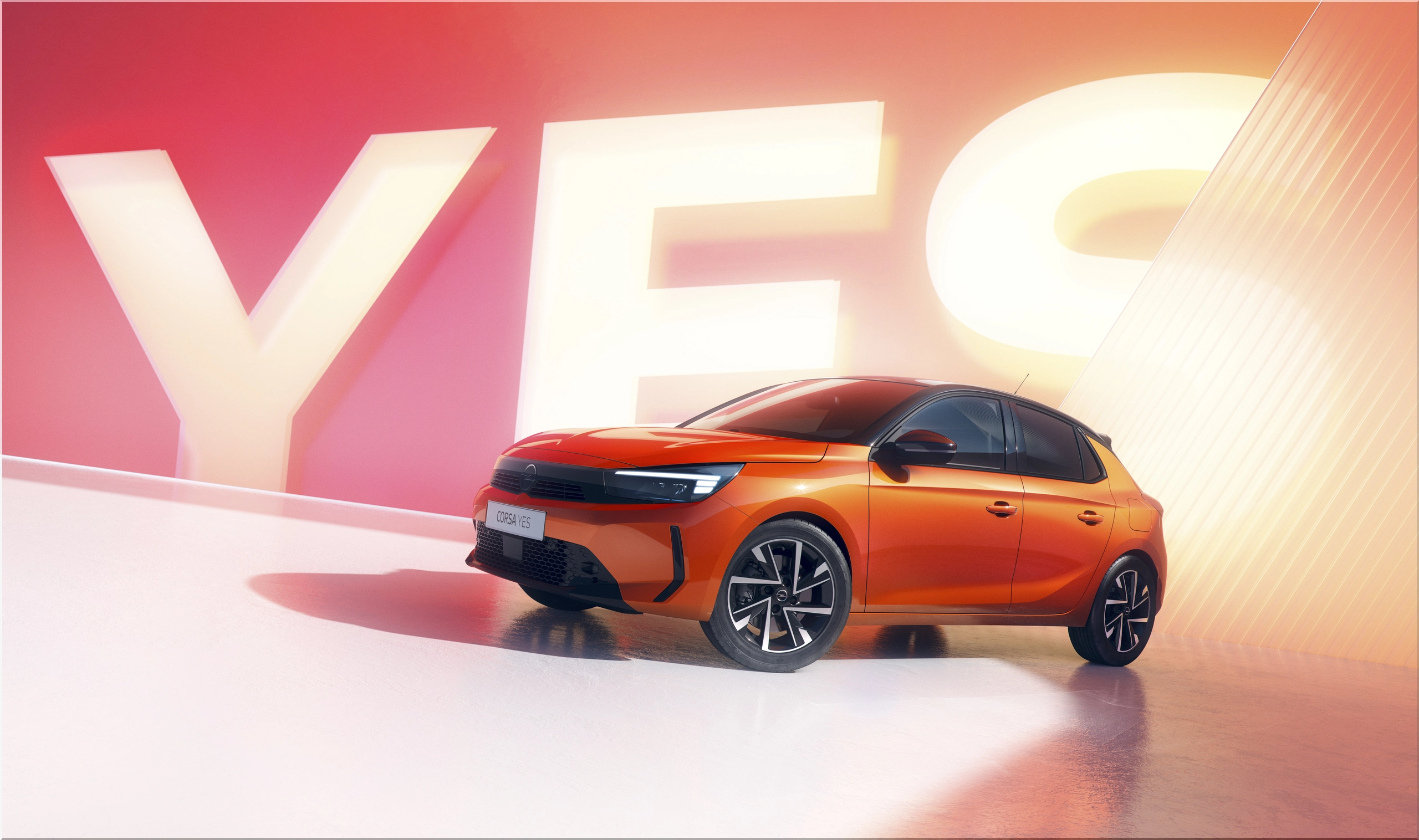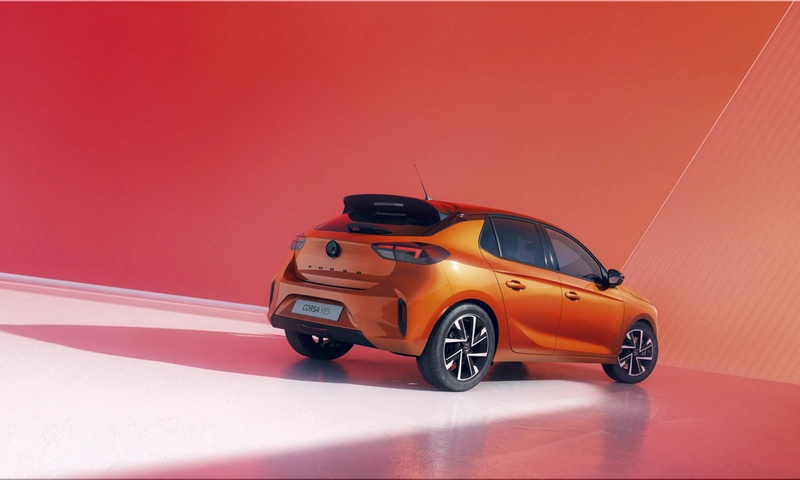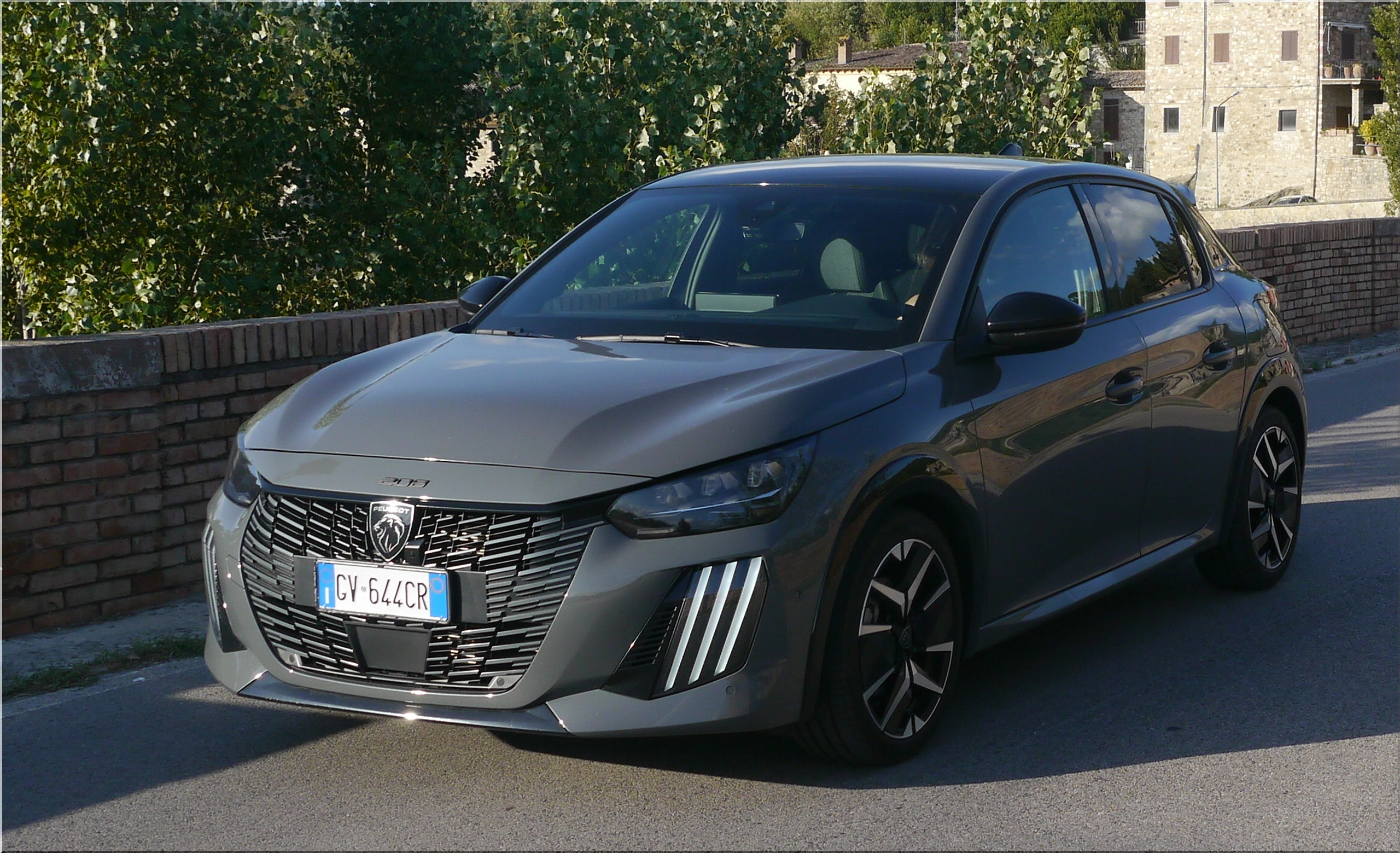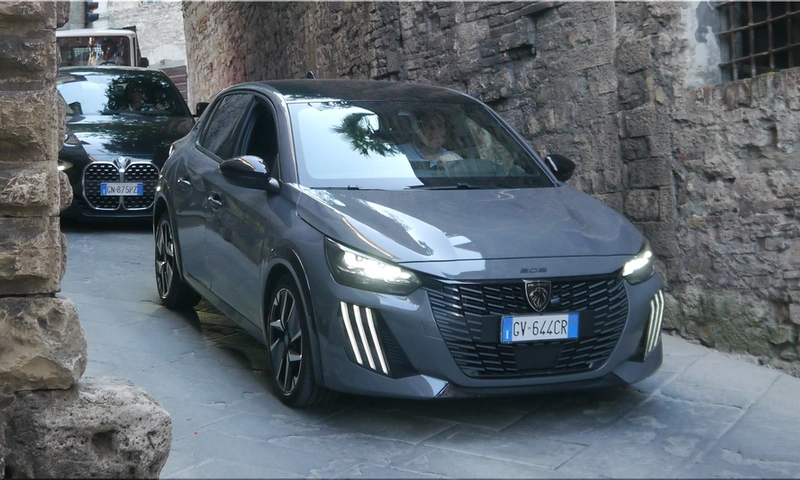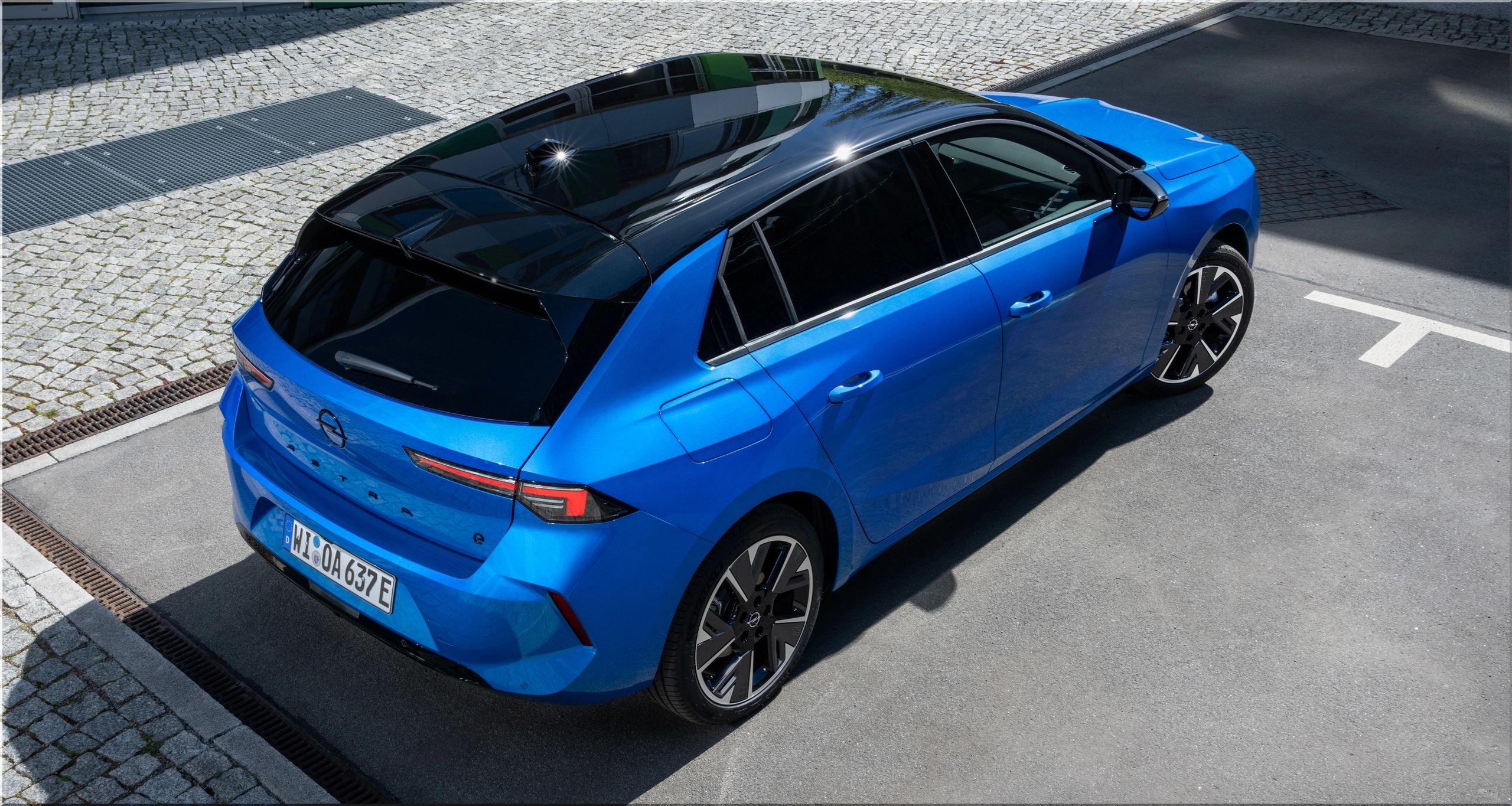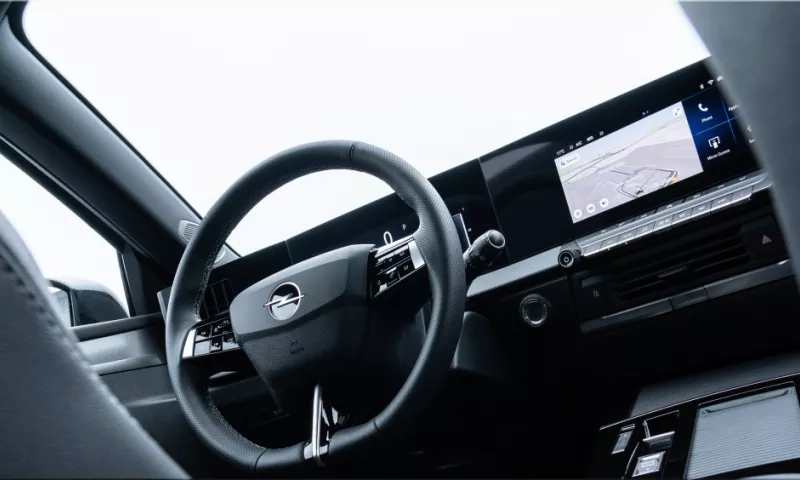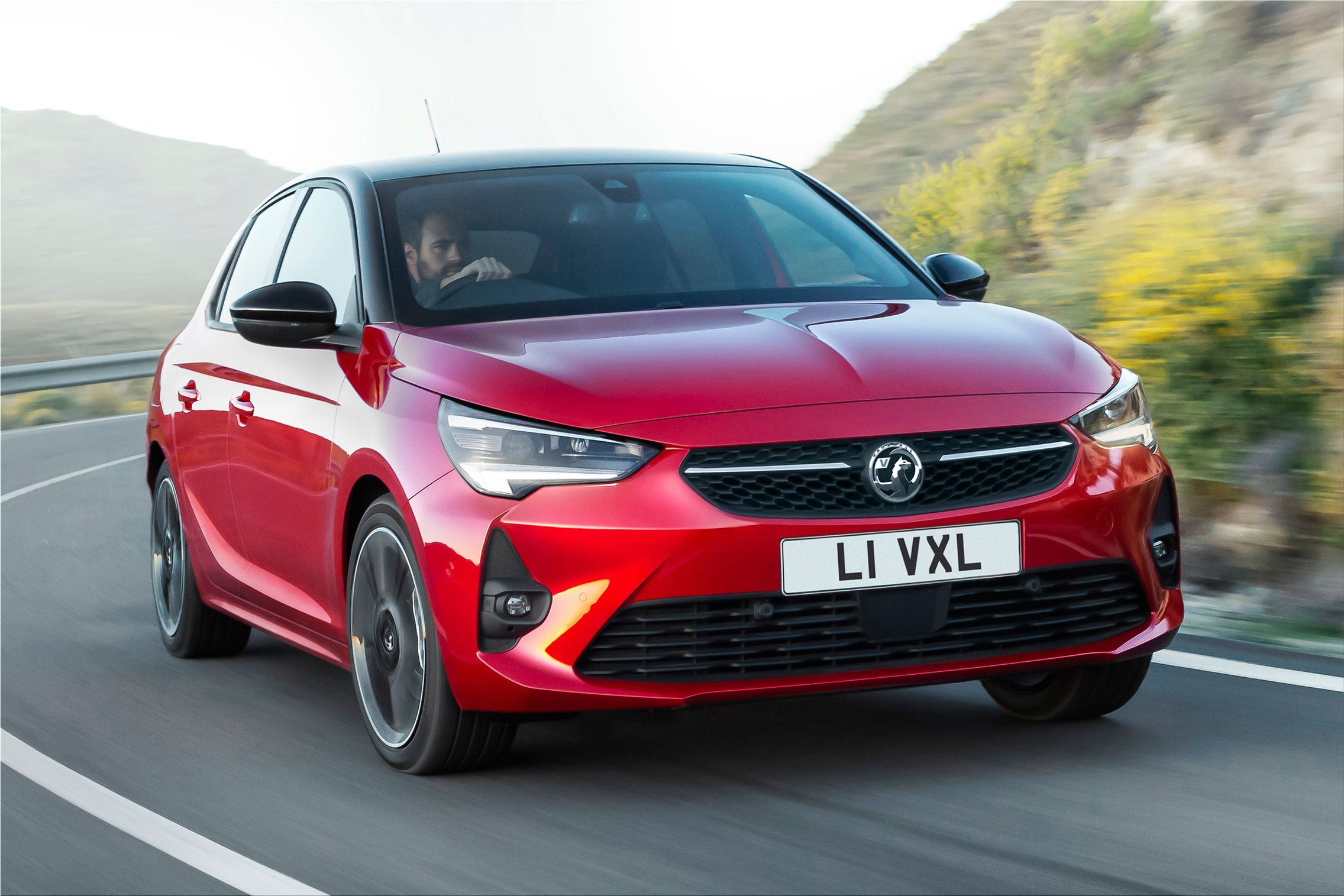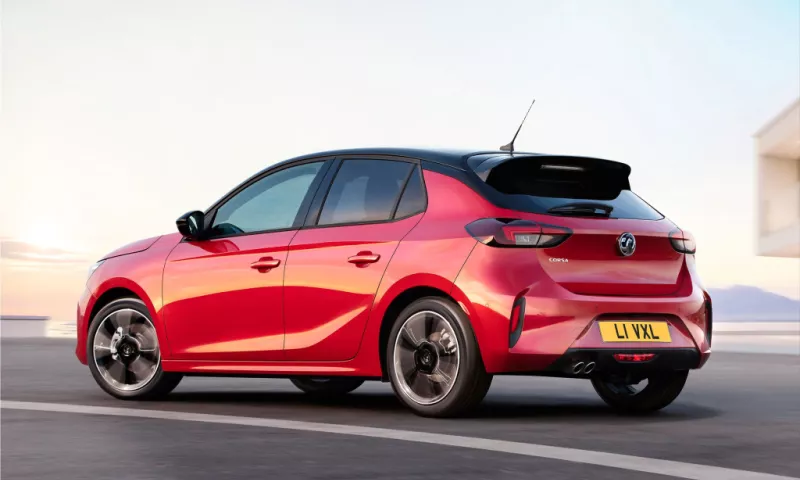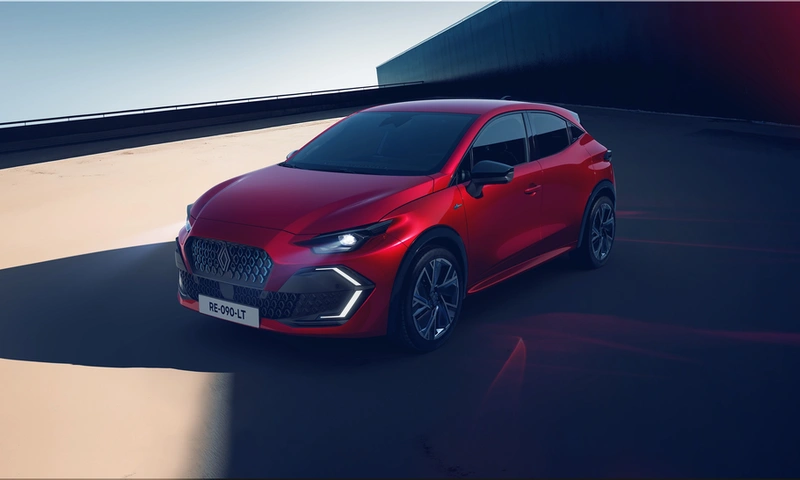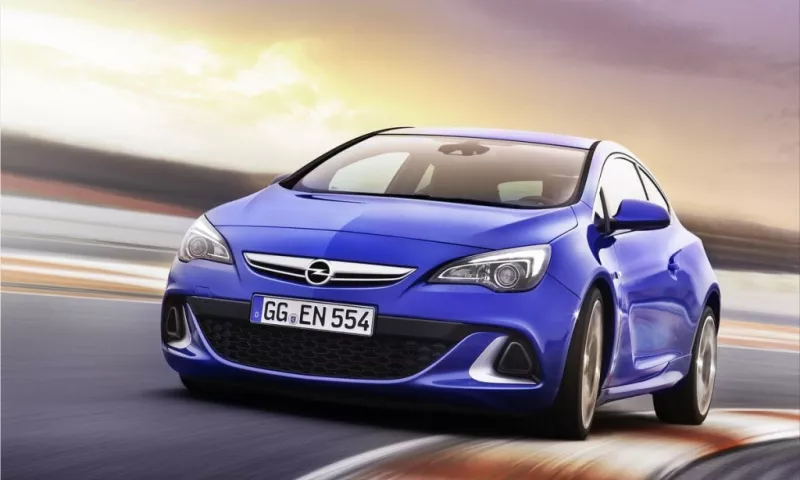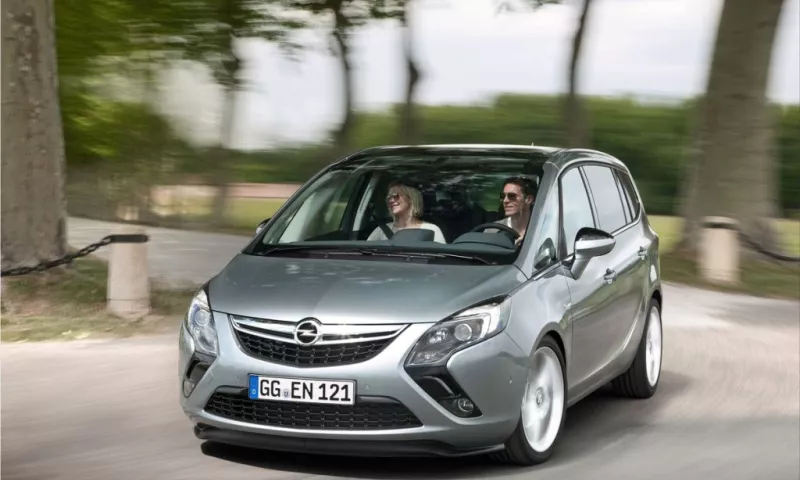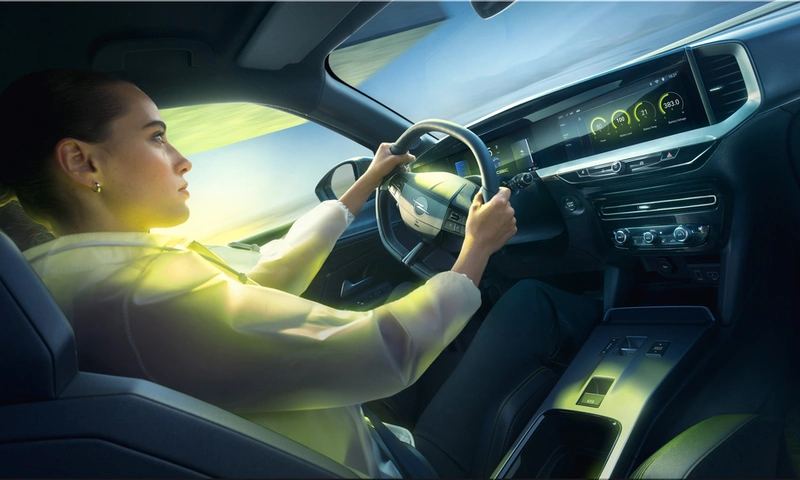

The Opel Corsa has defined the European small car market for more than four decades. Since its debut in 1982, it has sold over 13.6 million units, proving that affordability, efficiency, and practicality never go out of demand. Now under the Stellantis umbrella, the latest Corsa F shows how a compact hatchback can survive — and thrive — in the era of electrification.
Image
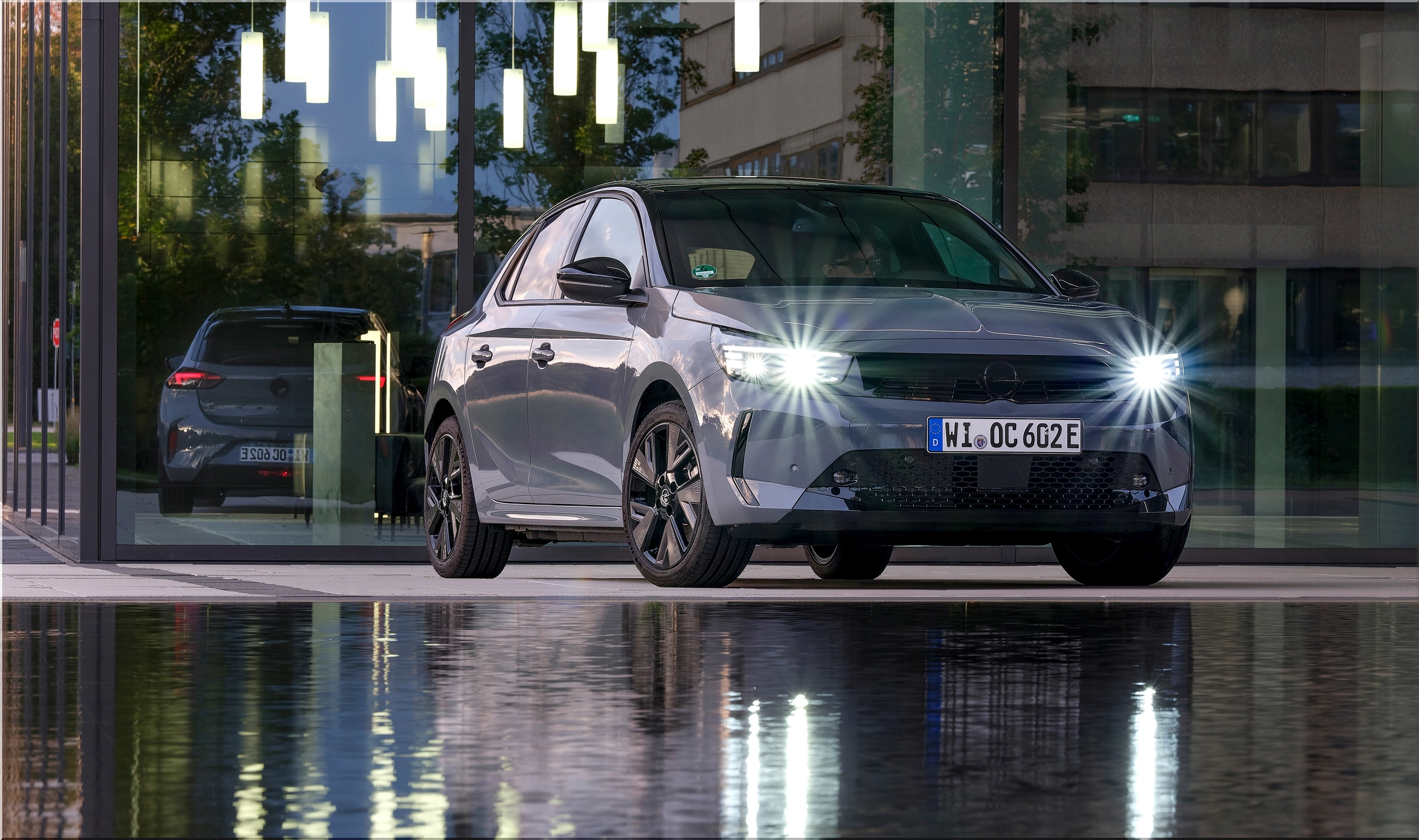
Evolution of the Opel Corsa: 1982–2025
Each generation of the Opel Corsa reflects how European buyers redefine what a small car should deliver. From bare-bones efficiency to connected, electrified mobility, the Corsa has evolved alongside shifting consumer needs, regulatory pressure, and technological change.
Image
1982–1993: Corsa A – Affordable Mobility for the Masses
- The first Corsa A offered low weight, front-wheel drive, and affordable maintenance.
- General Motors sold it under the Vauxhall, Holden, and Chevrolet brands, giving it global reach.
- Its success laid the foundation for the Corsa’s long-term dominance in the B-segment.
1993–2000: Corsa B – Safety and Comfort Take Center Stage
- Airbags, ABS, and stronger body structures entered the lineup.
- The model grew in size, meeting growing consumer demand for comfort without losing agility.
2000–2006: Corsa C – Engineering and Reliability
- Introduced at the 2000 Paris Auto Show.
- Featured improved corrosion protection, more airbags, and Easytronic automated manual transmission.
- Represented Opel’s push to raise build quality in the small car segment.
2006–2014: Corsa D – Moving Upscale
- The Corsa D introduced larger cabins, new powertrains, and higher refinement.
- Buyers gained more engine options, including efficient LPG variants.
2014–2019: Corsa E – Digital and Connected
- Added touchscreen infotainment and improved connectivity.
- Crossed the 12 million sales mark, cementing its reputation as Europe’s go-to small hatchback.
Video title
Opel Corsa 2015
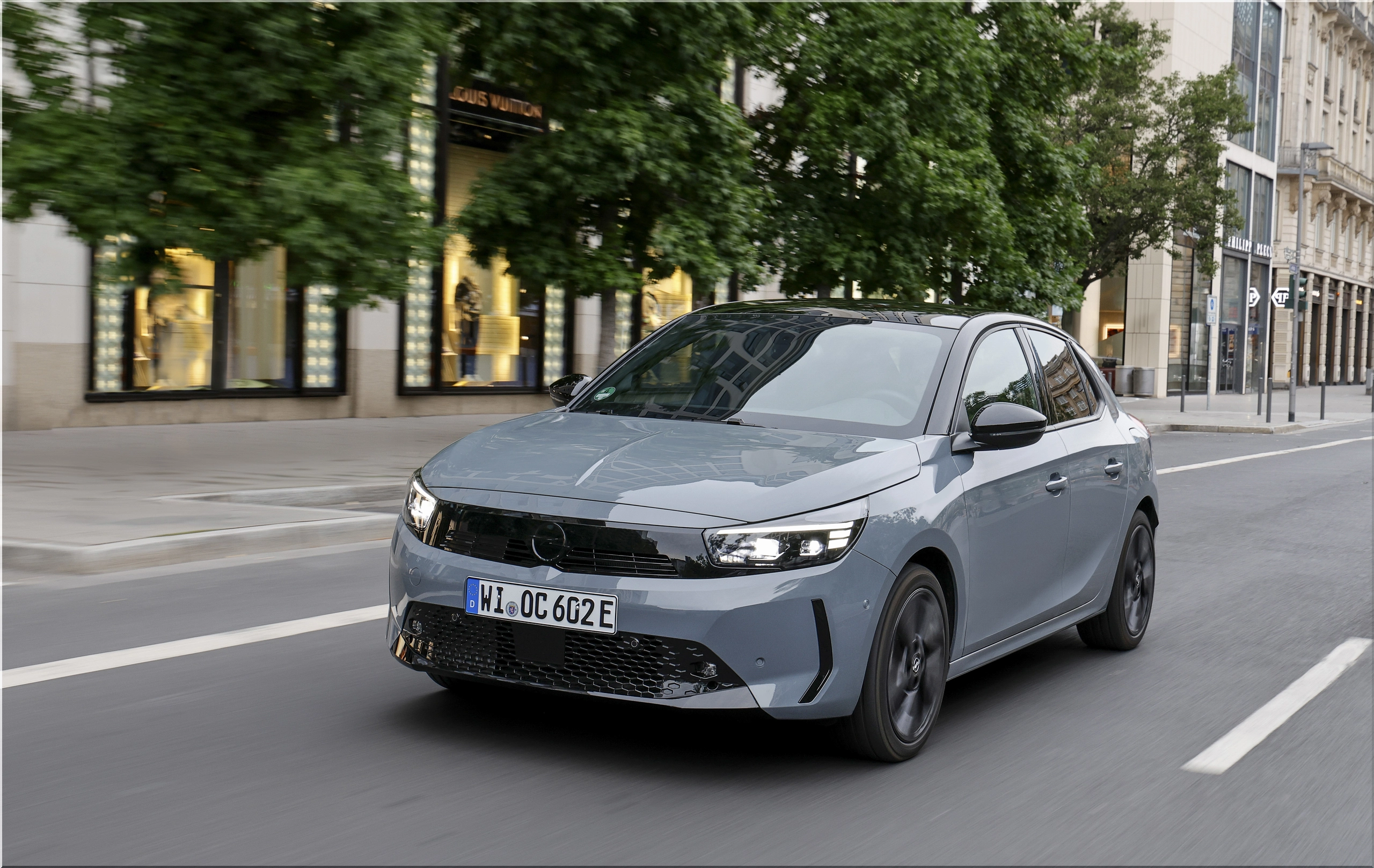
2019–Present: Corsa F – Multi-Energy and Electrified
- Built on Stellantis’ CMP/e-CMP platform, offering gasoline, mild hybrid, and electric variants.
- Produced in Zaragoza, Spain, sharing 75% of components with the Peugeot 208.
- Crossed one million global sales in early 2025.
Image
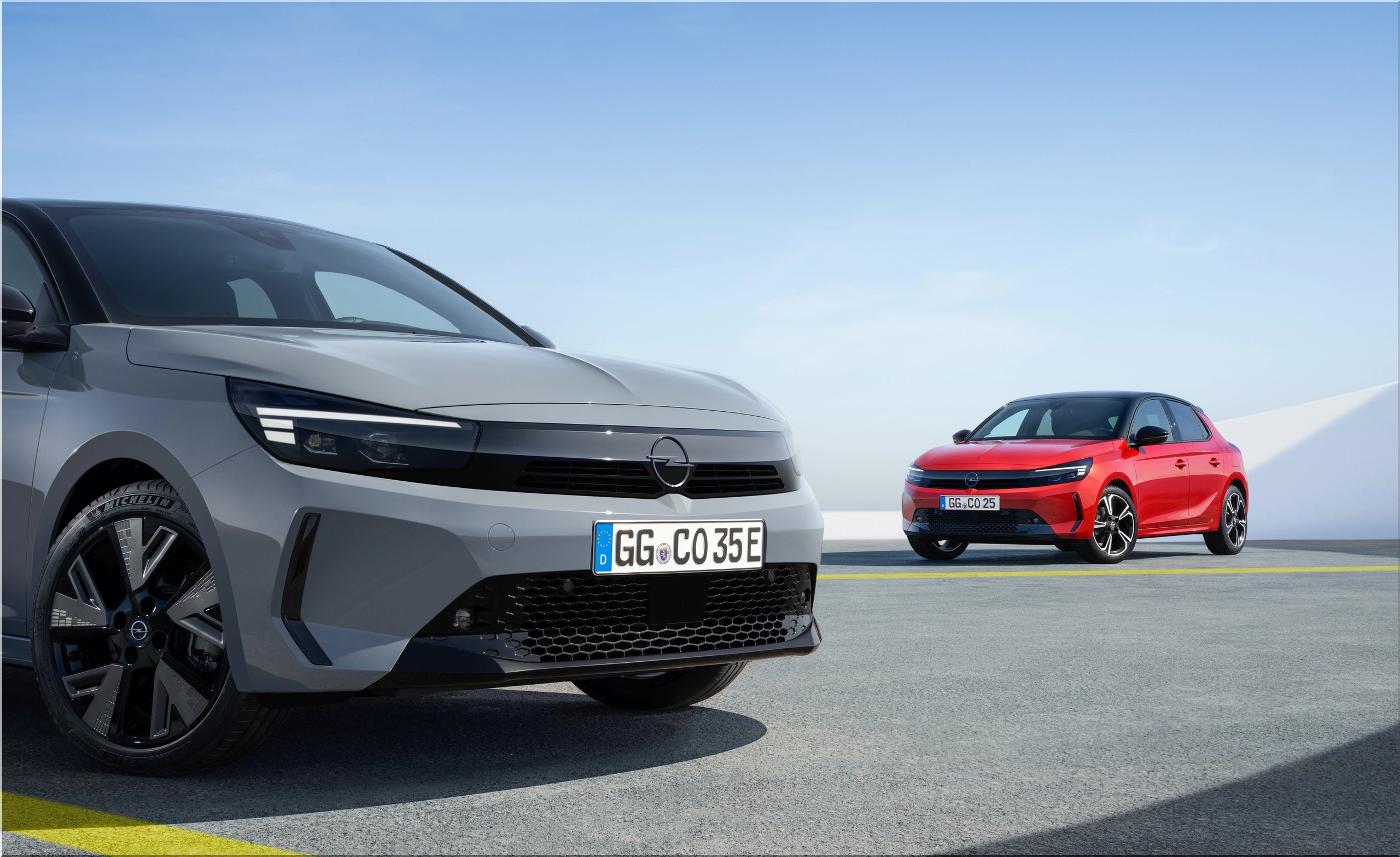
Why the Opel Corsa Still Dominates the B-Segment
Despite SUVs taking most headlines, small hatchbacks remain a cornerstone of Europe’s market. The Corsa continues to lead its class because it stays relevant — efficient, well-priced, and practical for urban life.
- In Germany, Corsa topped its class in 2024 with 43,467 registrations.
- In the UK, more than 200,000 units have been sold since 2019.
This consistency gives Stellantis a clear data signal: compact cars can still deliver profit through shared architectures, scalable powertrains, and localized production.
Powertrain Options: Gasoline, Hybrid, and Electric
1. Gasoline
- Uses a 1.2-liter three-cylinder engine producing 75–100 hp.
- Available with 5- or 6-speed manual or 8-speed automatic transmission.
- Ideal for low-mileage urban drivers seeking an affordable entry point.
2. Mild Hybrid (48V)
- Combines a 1.2-liter turbocharged engine with a 48V electric motor and a 6-speed dual-clutch gearbox.
- Delivers up to 15% lower fuel consumption in city driving.
- Provides smoother acceleration and improved efficiency in stop-and-go traffic.
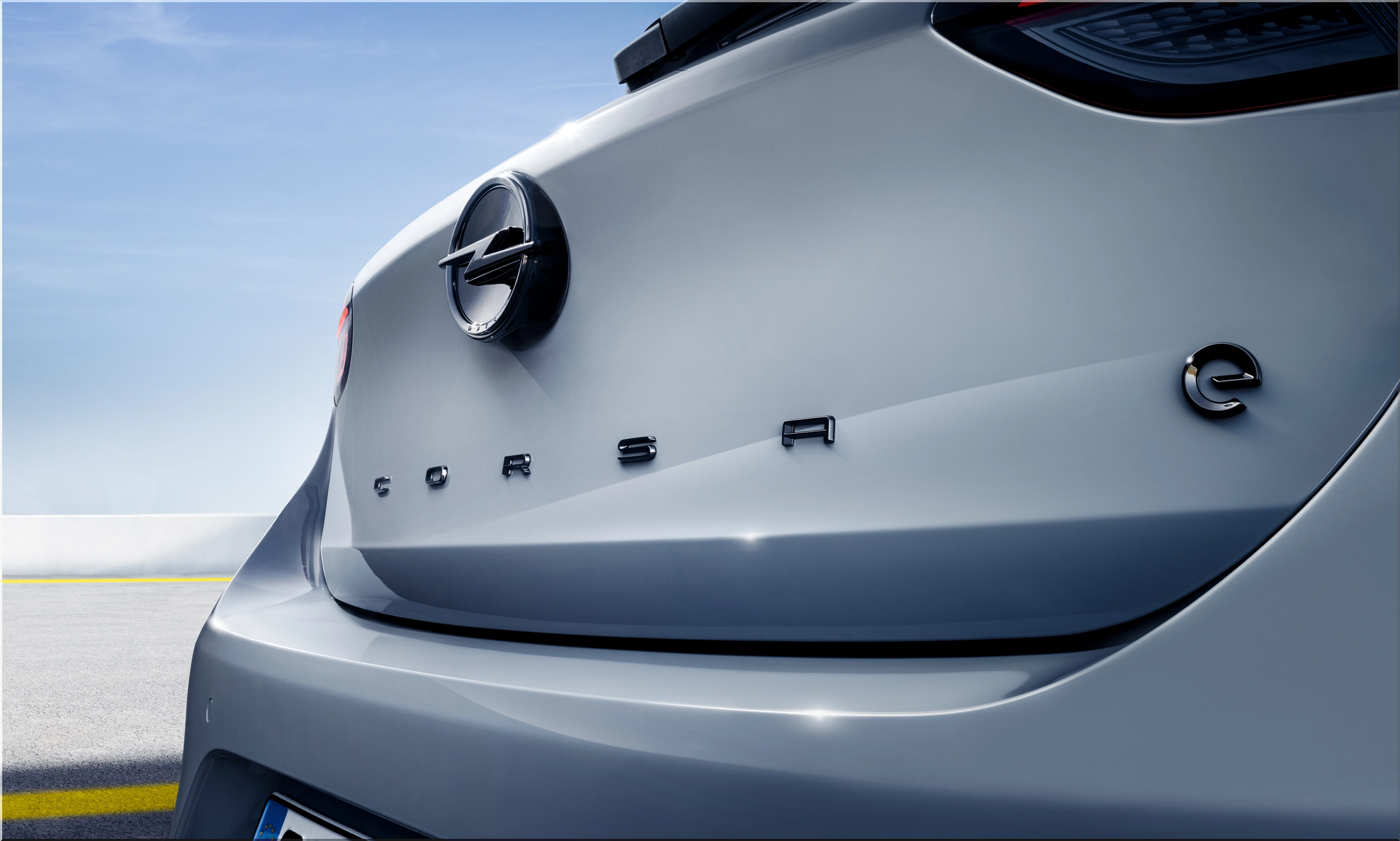
3. Corsa Electric
- Equipped with a 51 kWh battery and 115 kW (156 hp) motor.
- Offers 267 miles (429 km) of WLTP range.
- Supports 100 kW DC fast charging, reaching 10–80% in under 30 minutes.
Image
Key Electric Specifications
| Specification | Corsa Electric Long Range |
|---|---|
| Battery Capacity | 51 kWh |
| Power Output | 156 hp |
| Torque | 260 Nm |
| WLTP Range | 267 miles |
| DC Fast Charge (10–80%) | <30 min |
| 0–62 mph | 8.1 seconds |
Pricing Overview (Converted to USD)
Pricing varies by country, but conversions show how Opel maintains affordability across trims.
- Opel Corsa Electric Long Range (Netherlands): €29,999 ≈ $32,400
- Opel Corsa Electric GS Line: €37,999 ≈ $41,100
- Opel Corsa 48V Hybrid (UK): £22,900 ≈ $29,000
These prices position the Corsa below many rivals, keeping it competitive in both combustion and electric forms.
Image
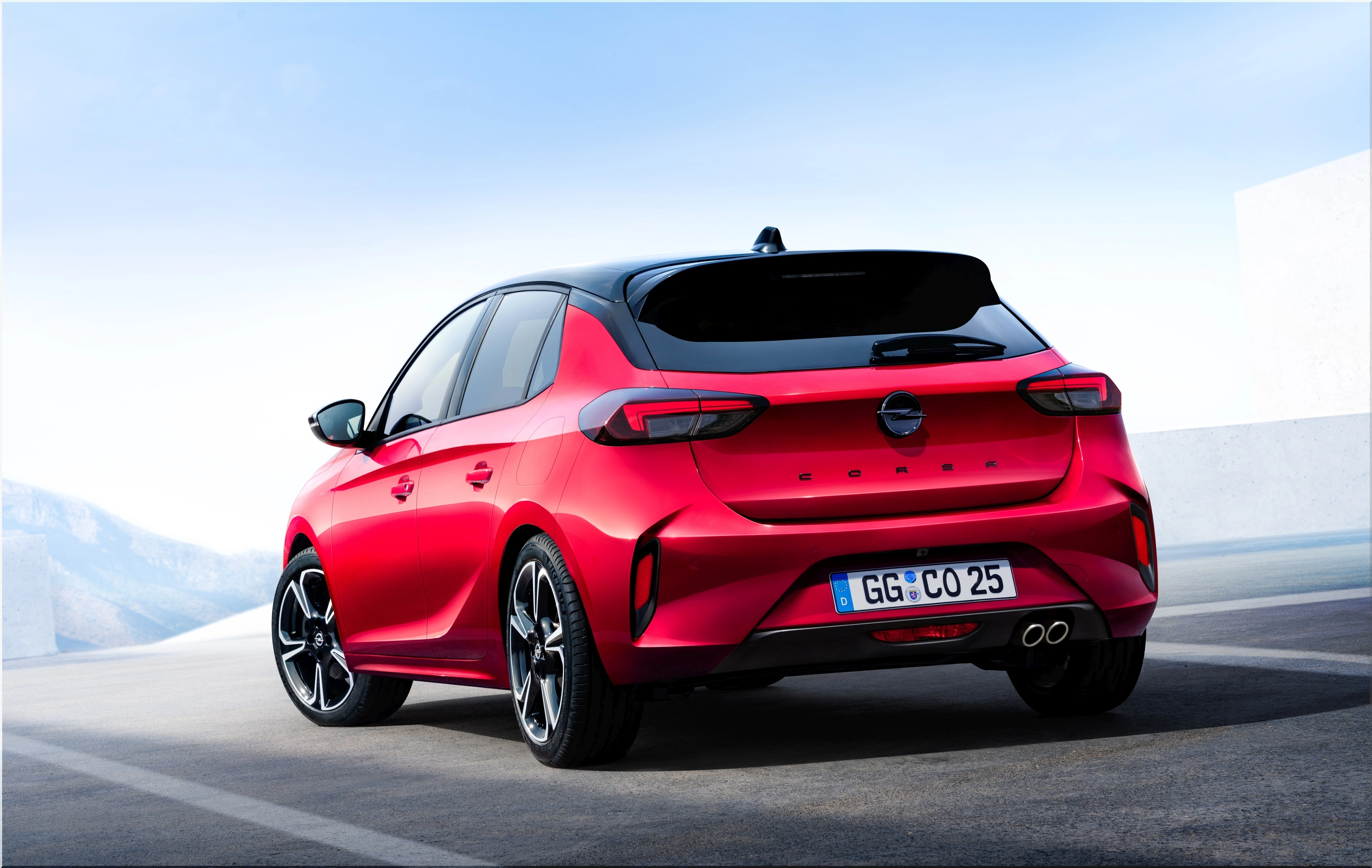
Technology: Compact Car, Premium Features
The 2025 Opel Corsa integrates high-end technologies once limited to larger vehicles:
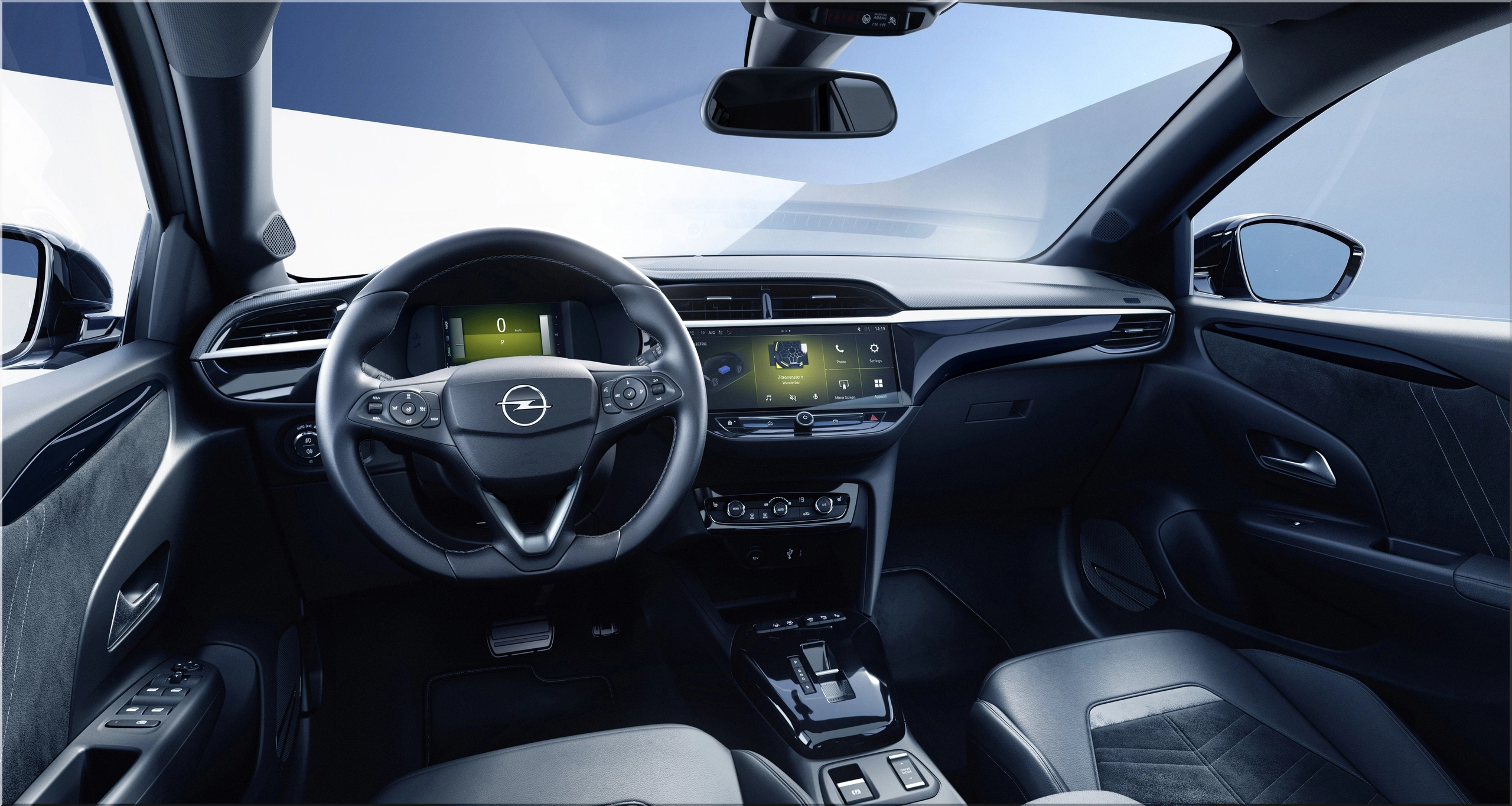
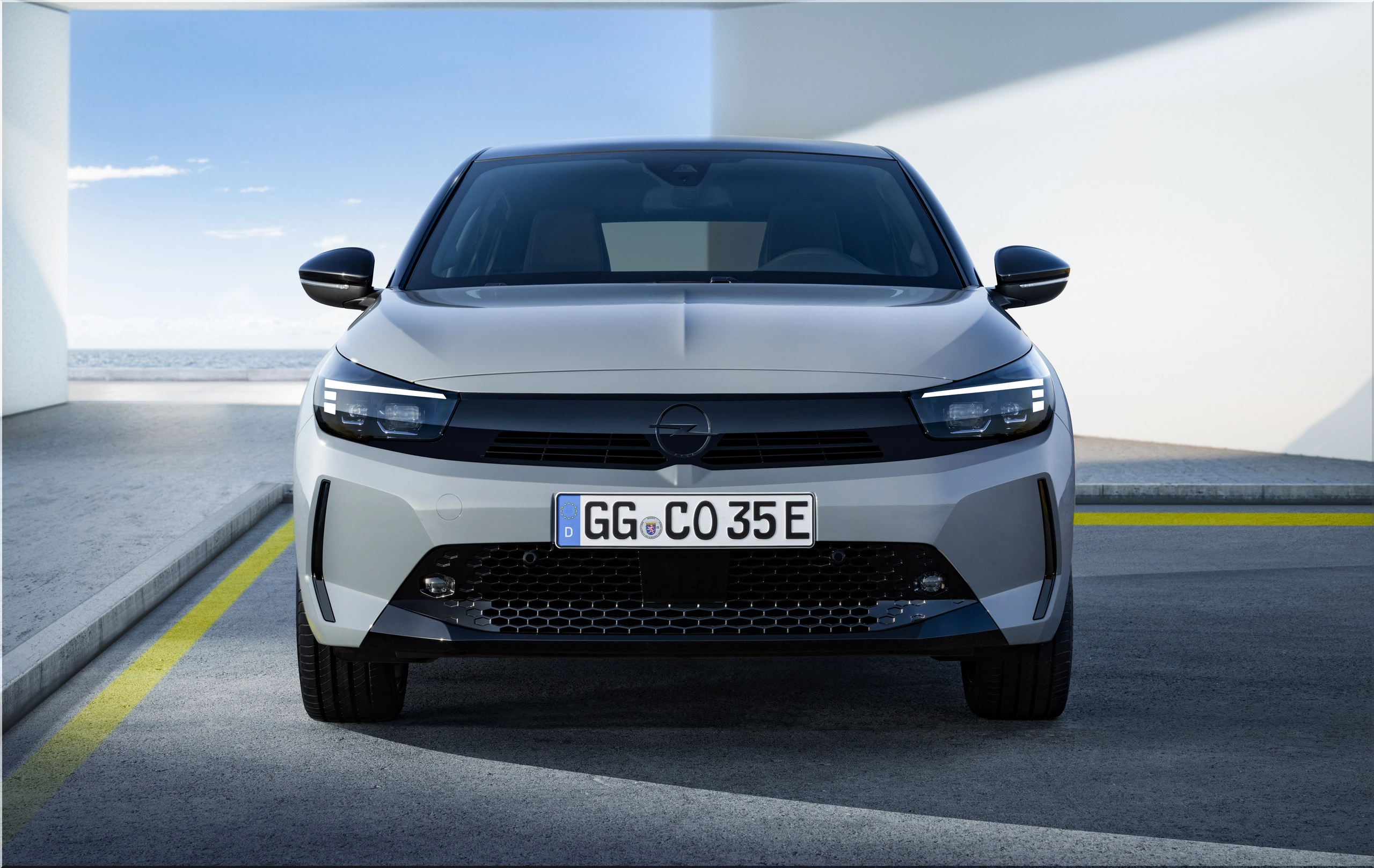
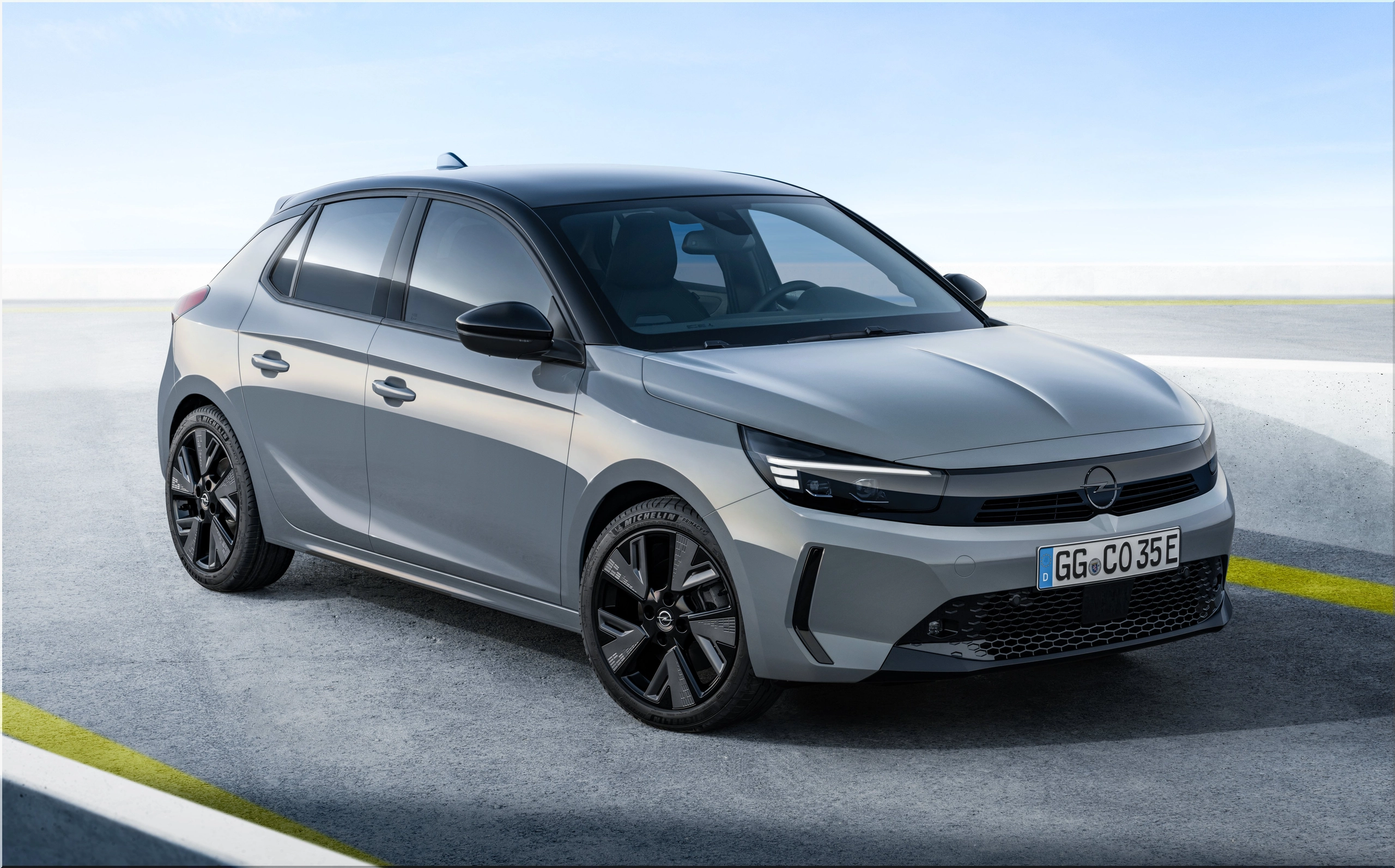
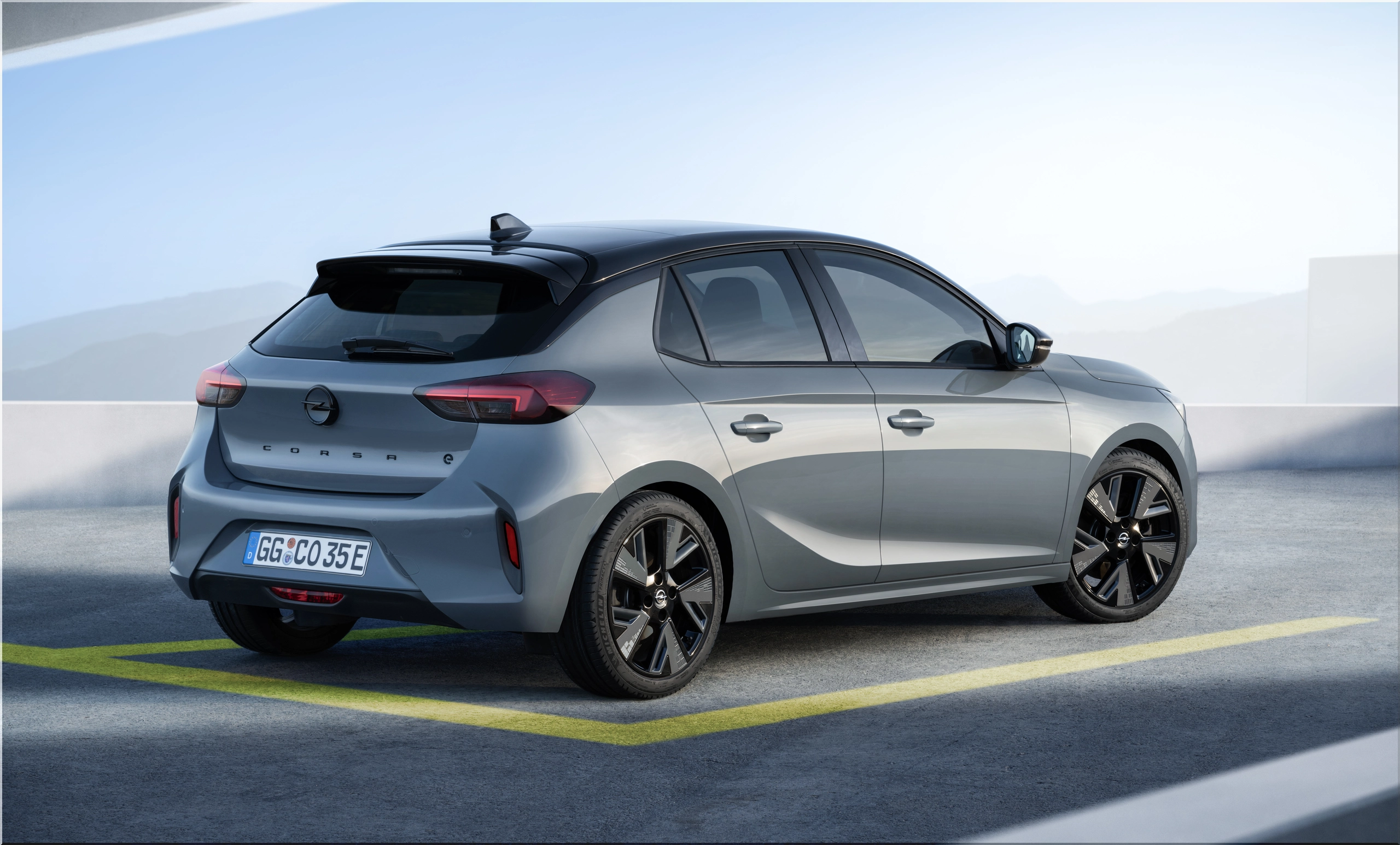
- Matrix LED IntelliLux headlights for improved night visibility.
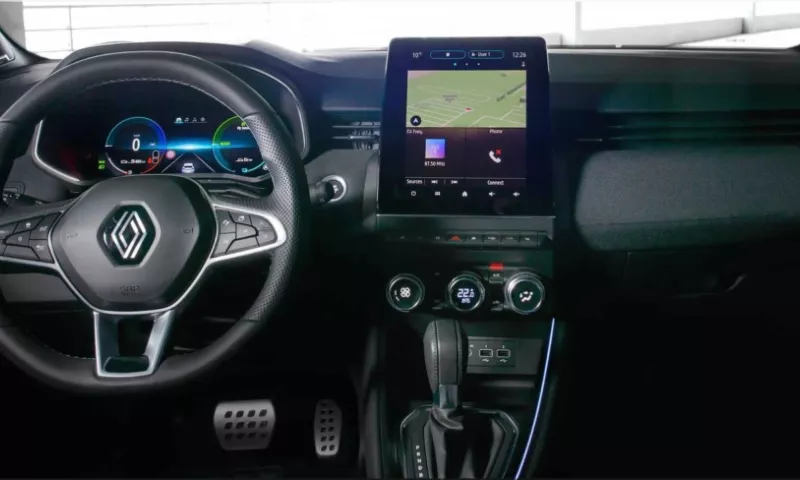
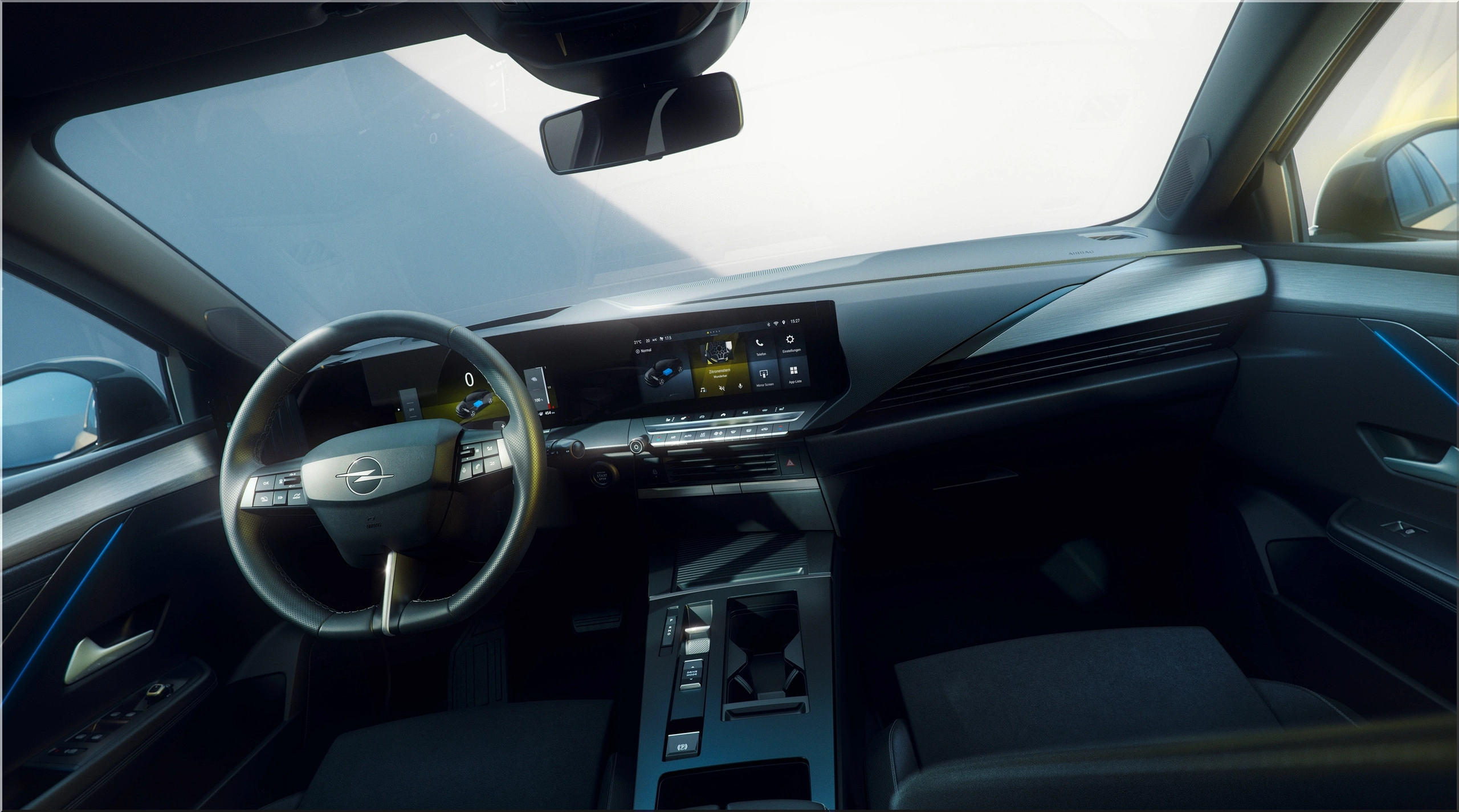
- Digital instrument cluster and updated infotainment interface.
- Advanced driver-assist systems, including lane keeping, sign recognition, and adaptive cruise control.
- High-definition rearview camera for safer parking and city maneuvering.
By leveraging Stellantis CMP architecture, Opel shares components with the Peugeot 208 and DS 3, cutting development cost while maintaining innovation speed.
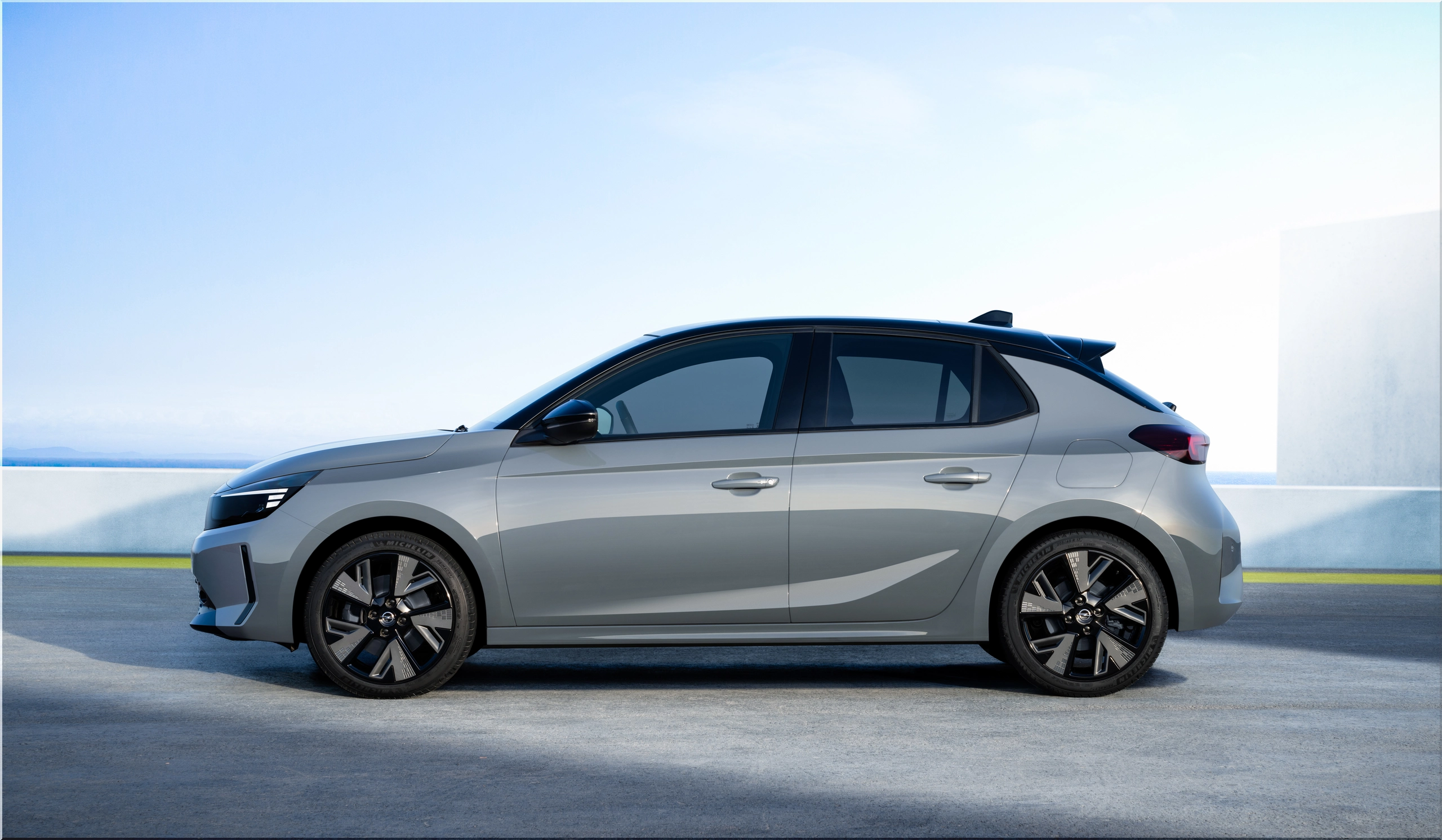
Image gallery
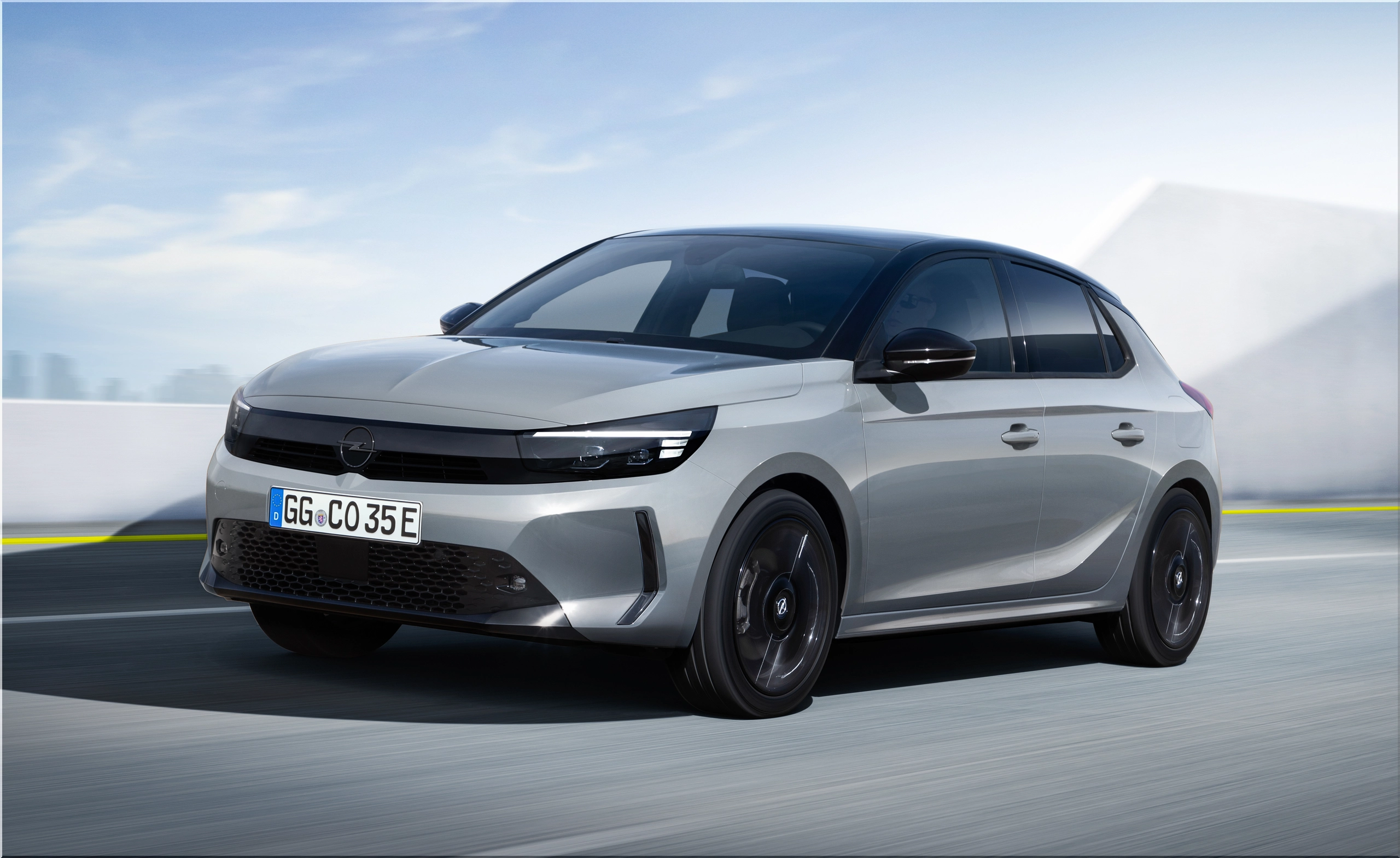
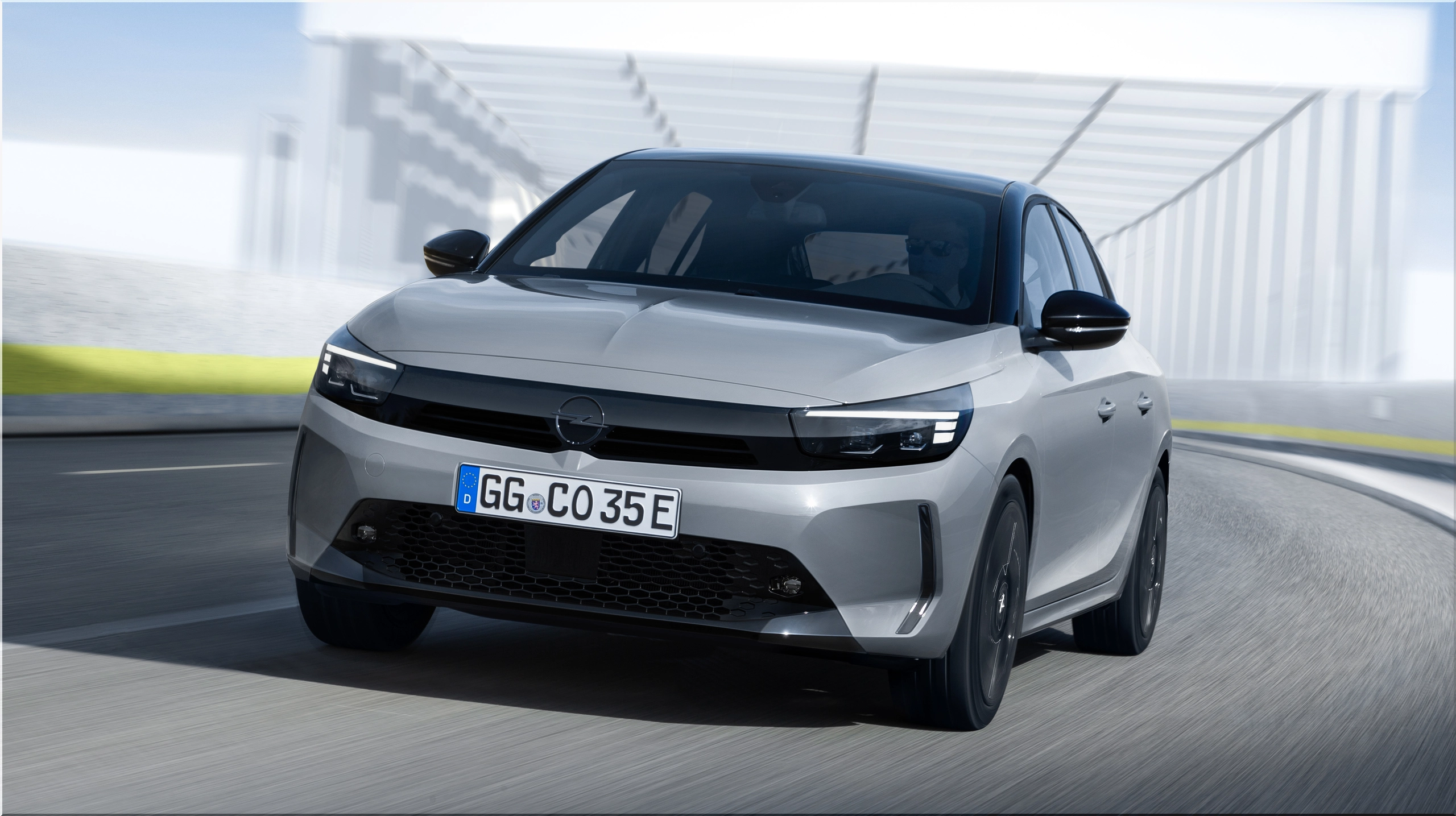
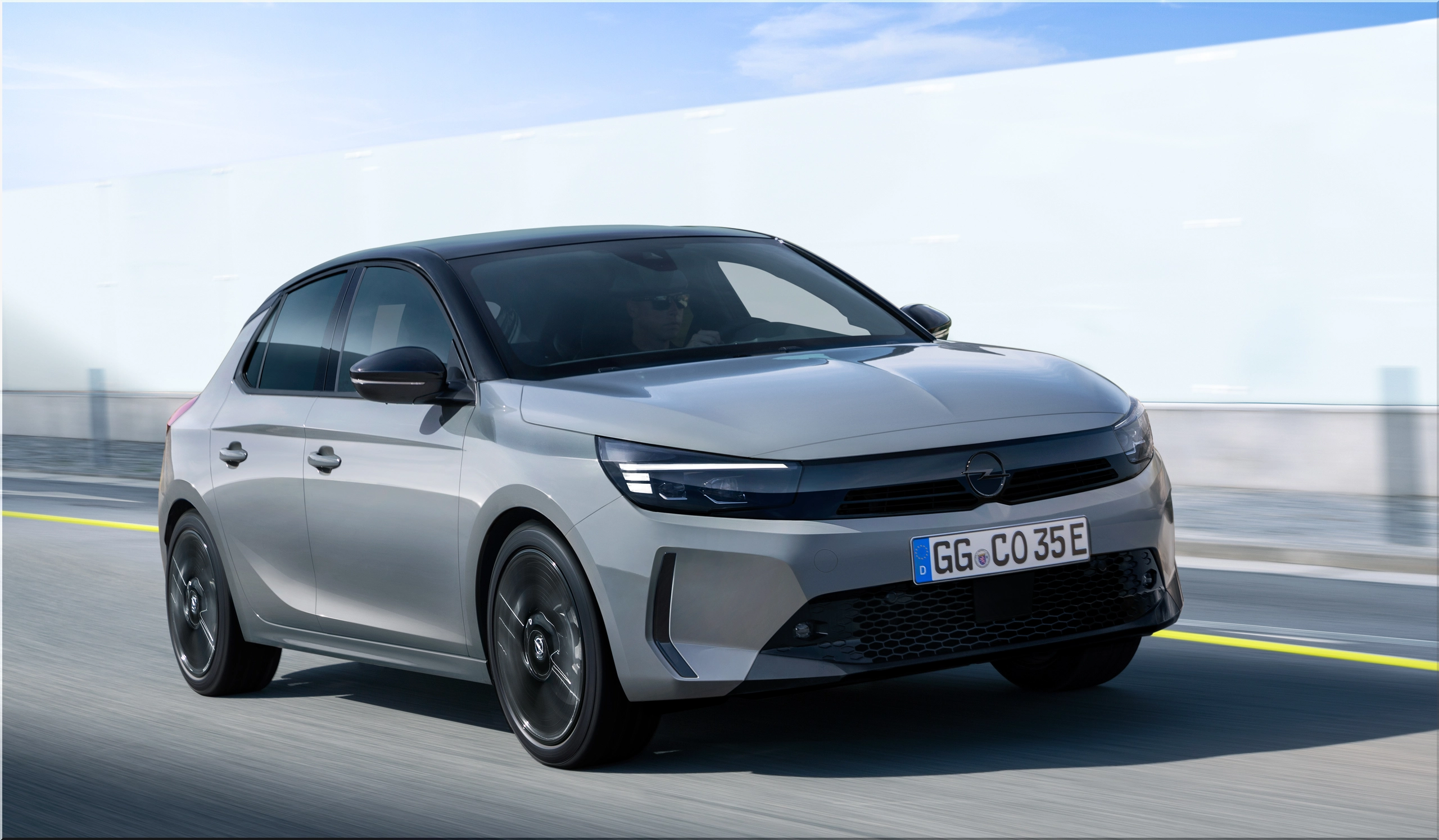
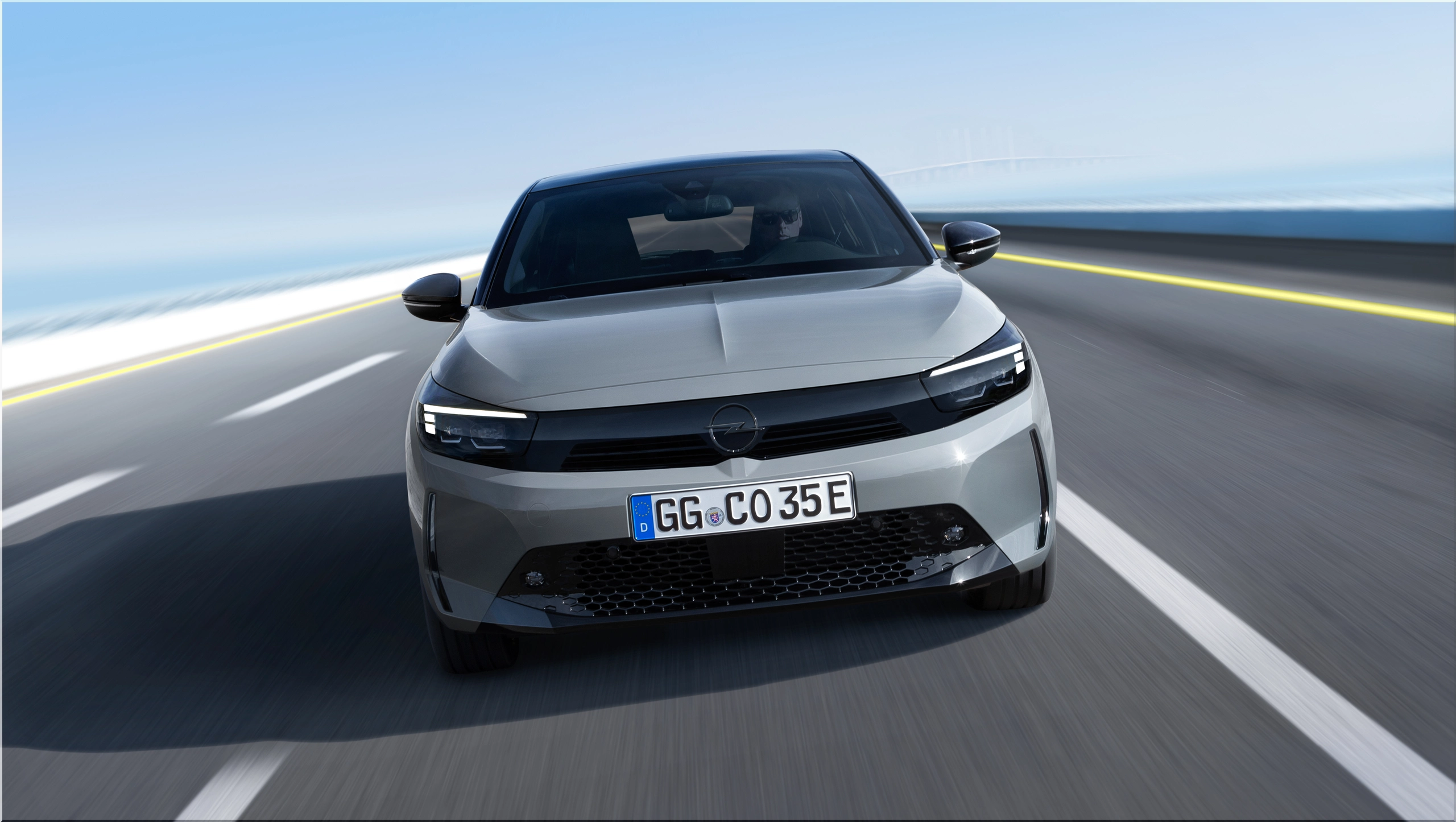
Strategic Value for Stellantis and Opel
The Opel Corsa serves as a cornerstone in Stellantis’ European strategy.
1. Volume and Efficiency
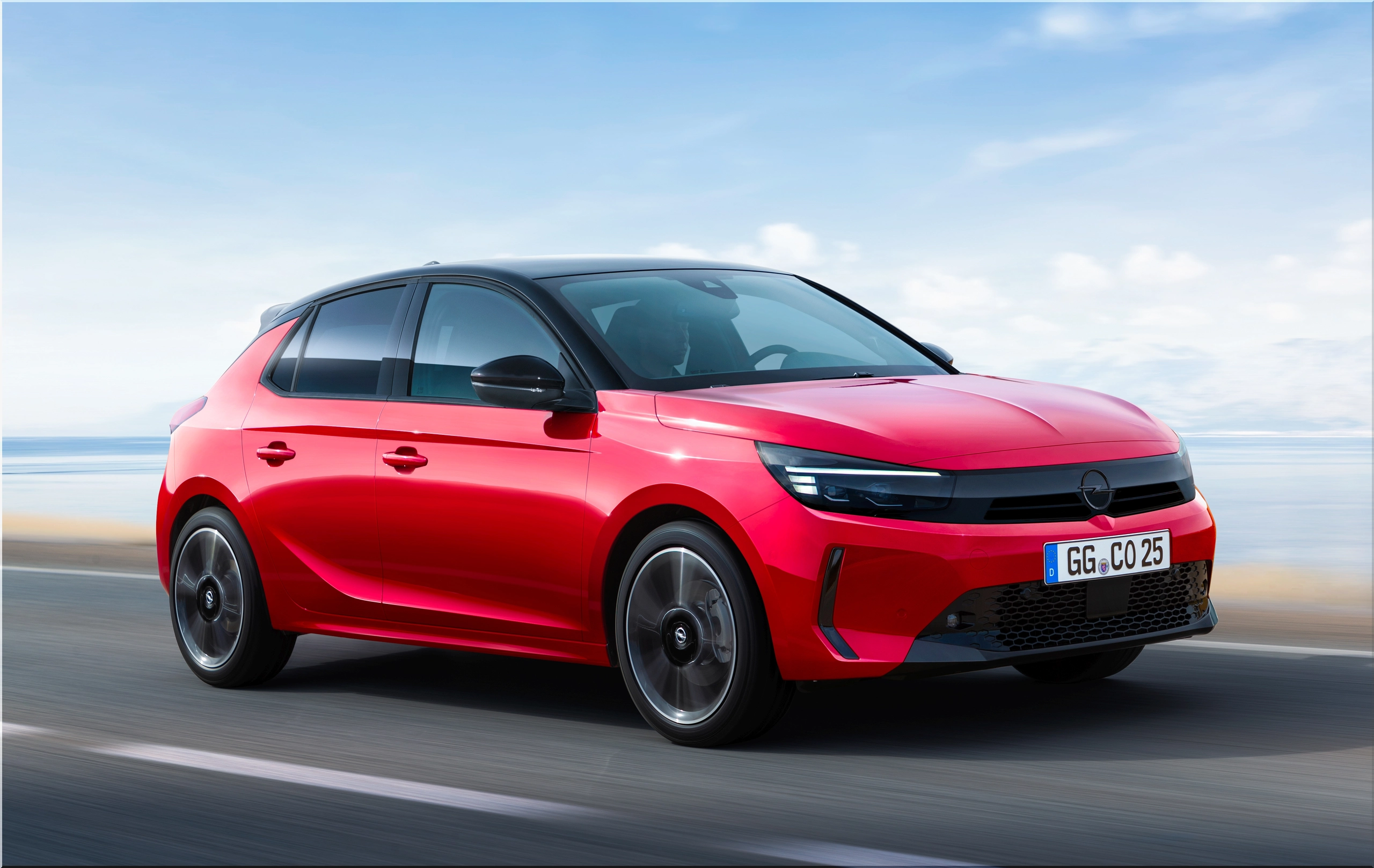
With over 1 million units sold in six years, Corsa F ensures steady utilization of the Zaragoza plant, stabilizing Stellantis’ European operations.
2. CO2 Compliance
Each Corsa Electric helps Stellantis lower its fleet emissions, balancing gasoline and hybrid models within EU regulations.
3. Profit Defense
The Corsa protects Stellantis against low-cost EV challengers such as Dacia Spring and Citroën ë-C3.
Opel is already targeting a next-gen Corsa EV priced around $27,100 (≈ €25,000) by 2027, aiming to meet upcoming affordability thresholds.
Image
Future Outlook: Transition to STLA Small Platform
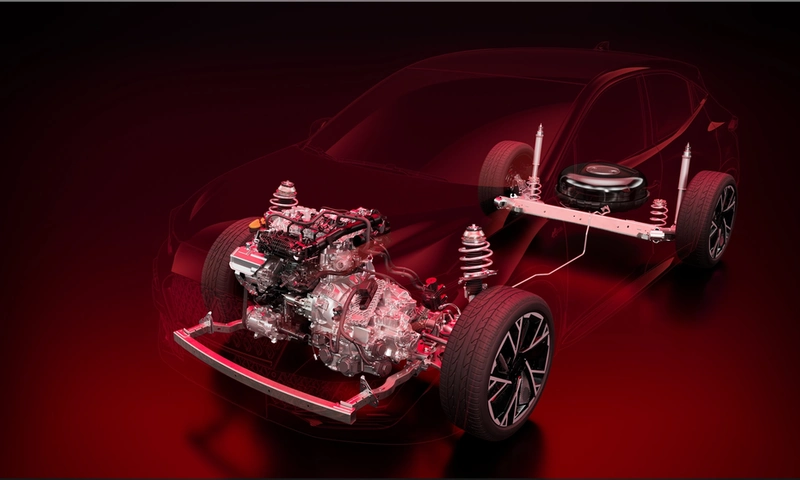
The next generation Corsa will migrate from CMP to the STLA Small platform, optimized for full-electric use. This transition promises:
- Improved range through next-gen battery chemistry.
- Lower manufacturing costs thanks to EV-specific design.
- More interior space from a flat floor layout.
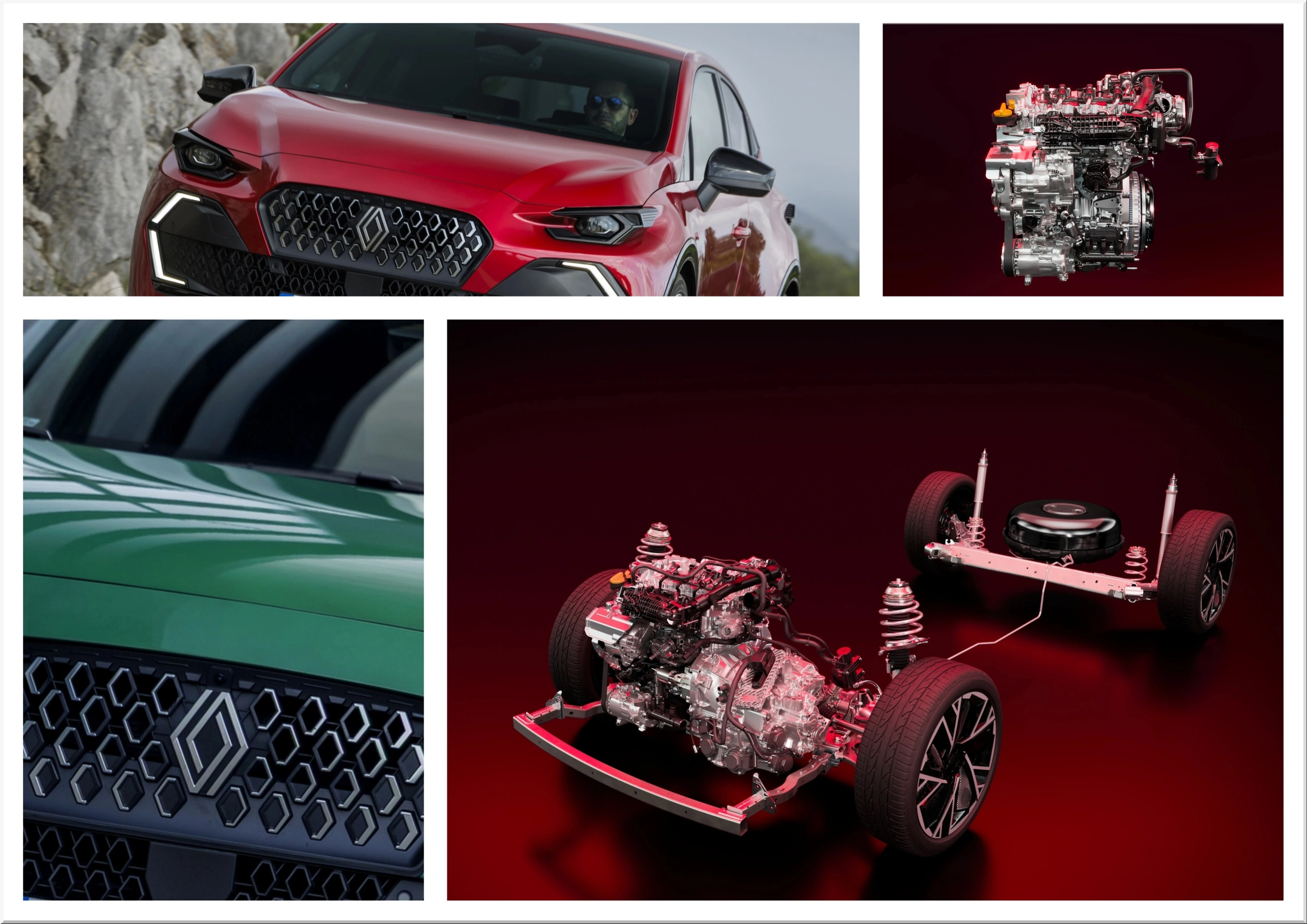
The STLA Small platform will debut with the next Peugeot 208, setting the stage for Corsa’s evolution into a pure EV product line.
Which Corsa Fits Which Driver
| Driver Profile | Best Corsa Option | Key Benefit |
|---|---|---|
| Urban commuter, low mileage | Gasoline Corsa | Lowest purchase price |
| City driver, frequent stop-and-go | Mild Hybrid | Lower fuel use, automatic driving feel |
| Daily EV driver with home charging | Corsa Electric | 267-mile range, fast charging |
Market Indicators to Watch
The B-segment remains volatile, shaped by EV adoption and cost pressures. Three market factors will define the Corsa’s next decade:
- Battery cost per kWh – Profit depends on achieving below $90/kWh.
- Charging infrastructure uptime – Key to converting hybrid drivers to full electric.
- Residual value stability – Maintaining over 55% after three years keeps leasing affordable.
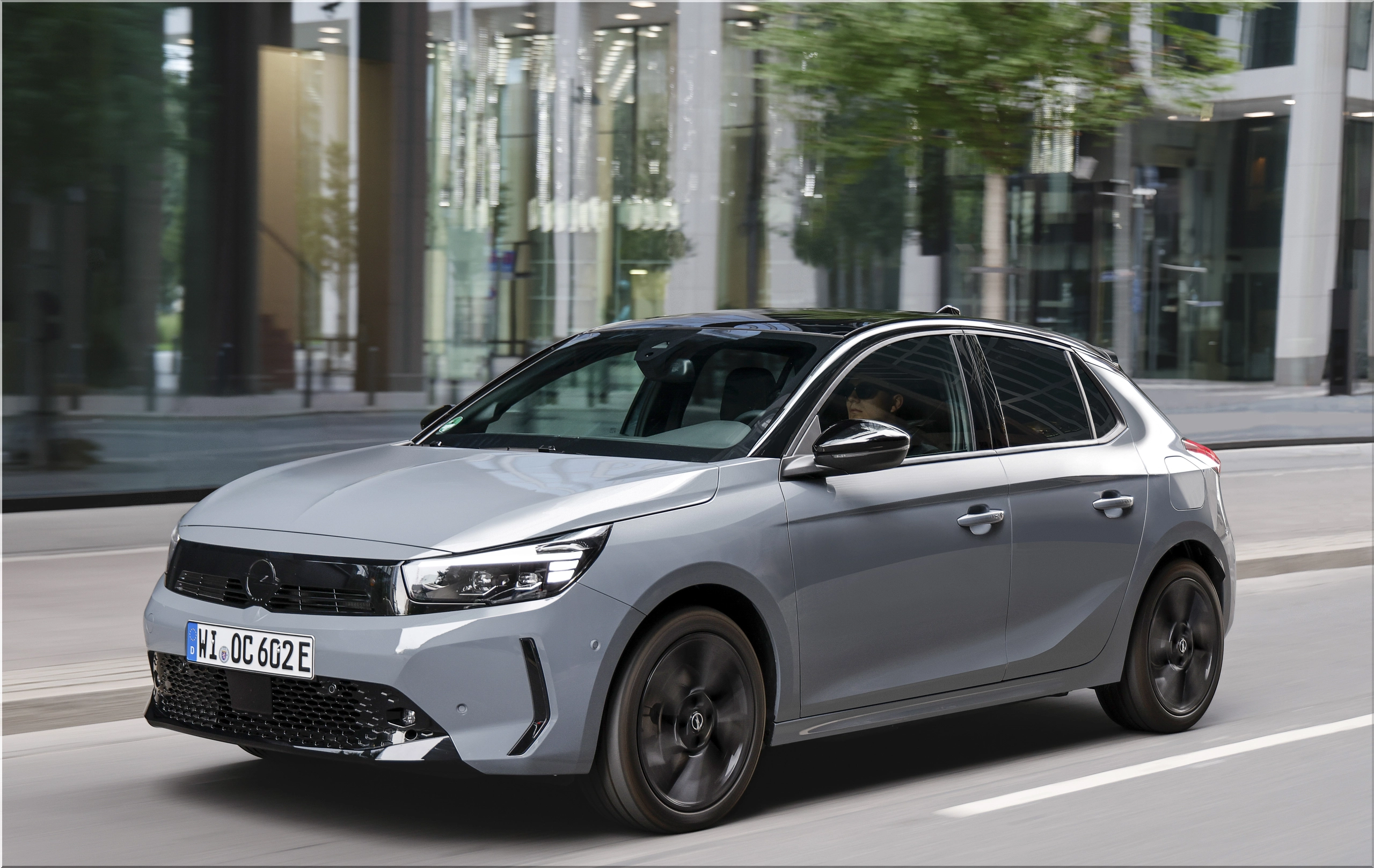
Stellantis’ move toward modular electric architectures positions the Corsa to perform well under these metrics.
Image gallery


The Bottom Line
The Opel Corsa has remained one of Europe’s top-selling small cars for more than 40 years because it adapts faster than its rivals. Its combination of affordability, technology, and multi-energy flexibility keeps it relevant in every market shift.
With Stellantis investing in EV platforms and cost-efficient production, the next Corsa Electric could become Europe’s benchmark for sub-$30,000 electric mobility.
For now, the message is clear: the Corsa continues to prove that smart engineering, not size, drives automotive success.
- Add new comment
- 196 views