Volkswagen Commercial Vehicles has given the new Volkswagen Transporter Commerce Pro S a clear job. It must carry tools, stock and crews like a serious medium van, while also looking sharp enough for businesses that treat every vehicle as part of their public image. That mix matters in 2026, when buyers want payload and towing numbers, but they also want a van that does not look stripped down the moment it pulls into a client car park.
Image
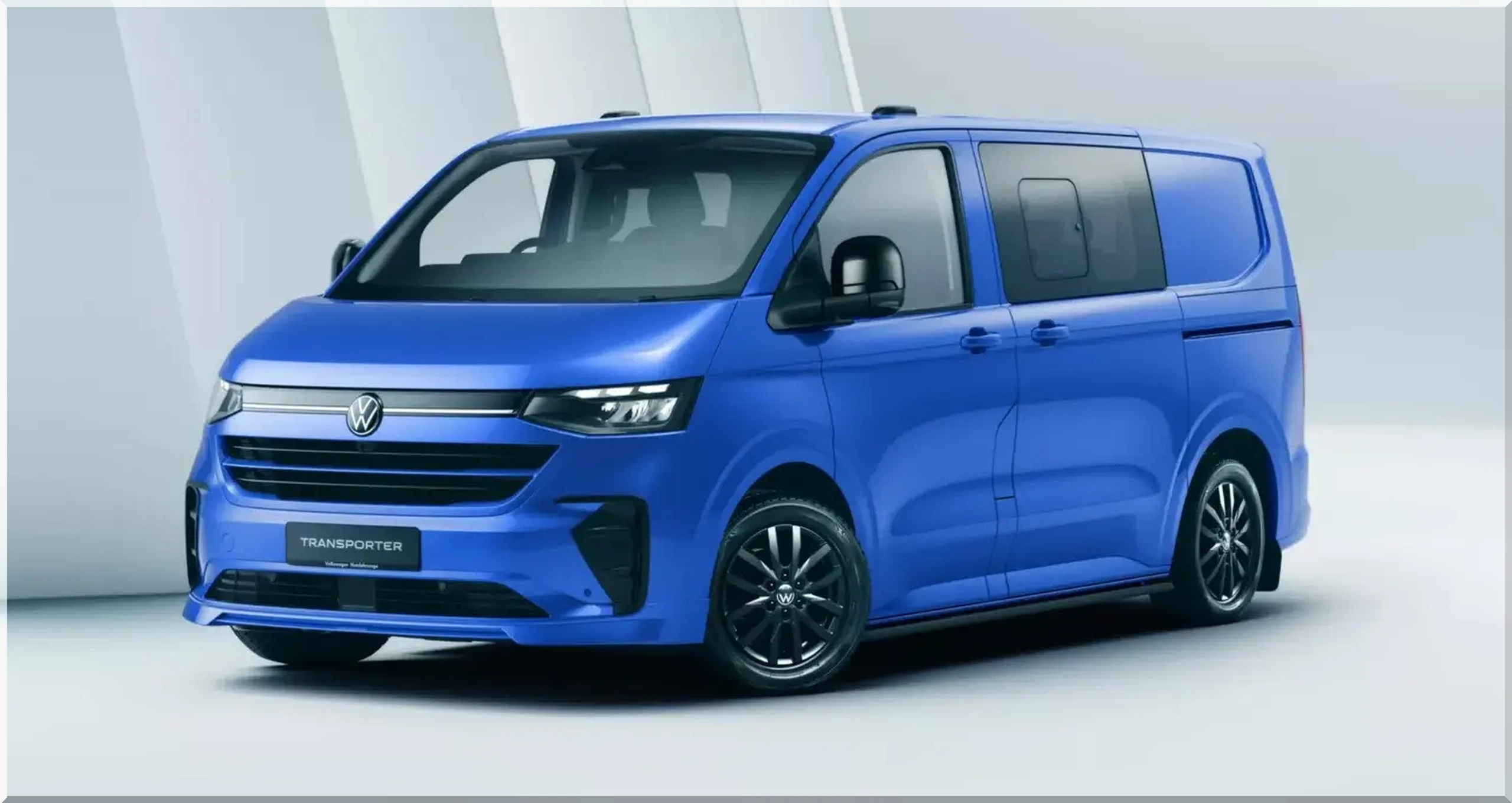
The result is a version of the latest Volkswagen Transporter that leans harder into appearance, cabin comfort and driver-facing technology without drifting away from commercial use. It still sits on the same new-generation platform that improves cargo space, payload and towing. It simply presents those strengths with more polish.
What the Volkswagen Transporter Commerce Pro S actually is
The Commerce Pro S sits as a high-spec version of the new Transporter. Volkswagen designed it for operators who need one van to cover multiple roles. It can work as a panel van during the week, show up at customer appointments without looking basic, and still feel civilised enough for long motorway runs.
That strategy makes sense. Many vans now serve as rolling billboards for small firms, service providers and mobile technicians. A rough, low-rent look can hurt first impressions. A better-finished van signals order, reliability and professionalism before the driver even steps out.
Key positioning points
- High-spec trim within the new Transporter range
- Focus on business image, comfort and daily usability
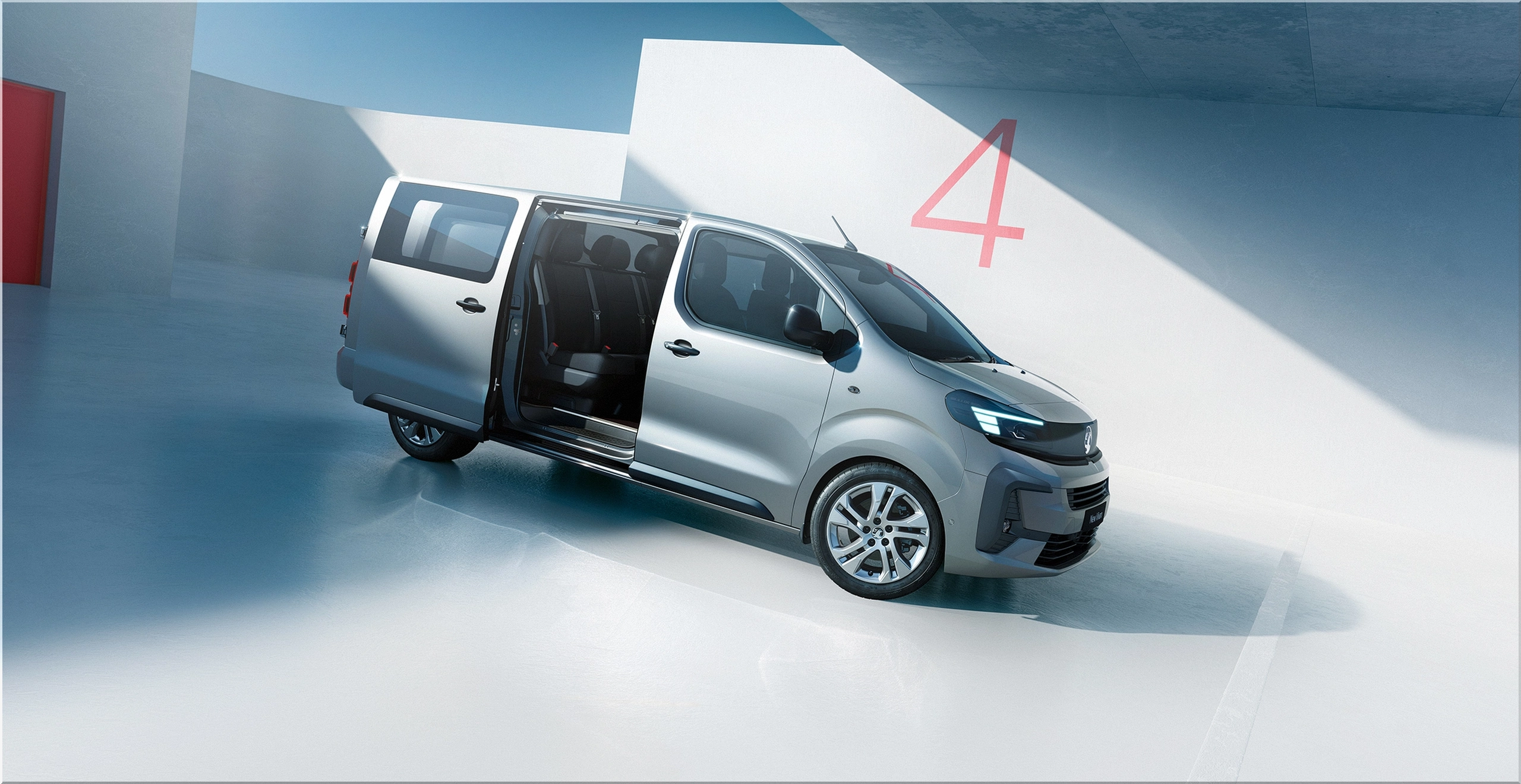
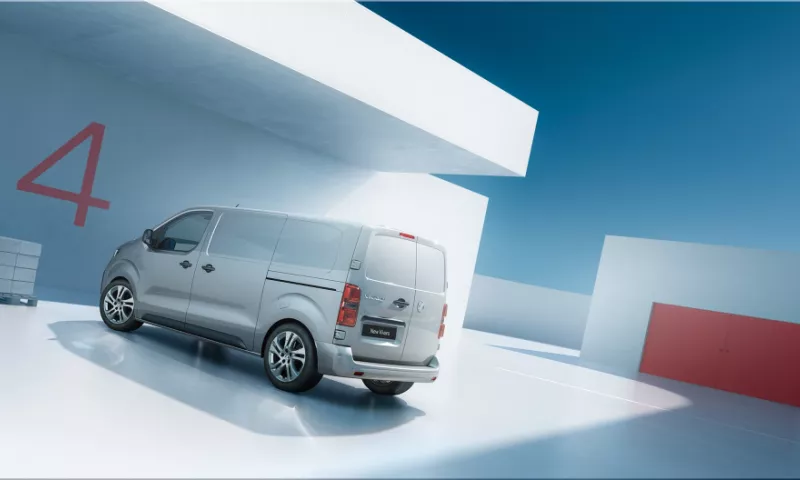
- Available in panel van and Kombi forms
- Offered with diesel power first, with broader electrified support across the wider range
Exterior design that targets business buyers with an eye for detail
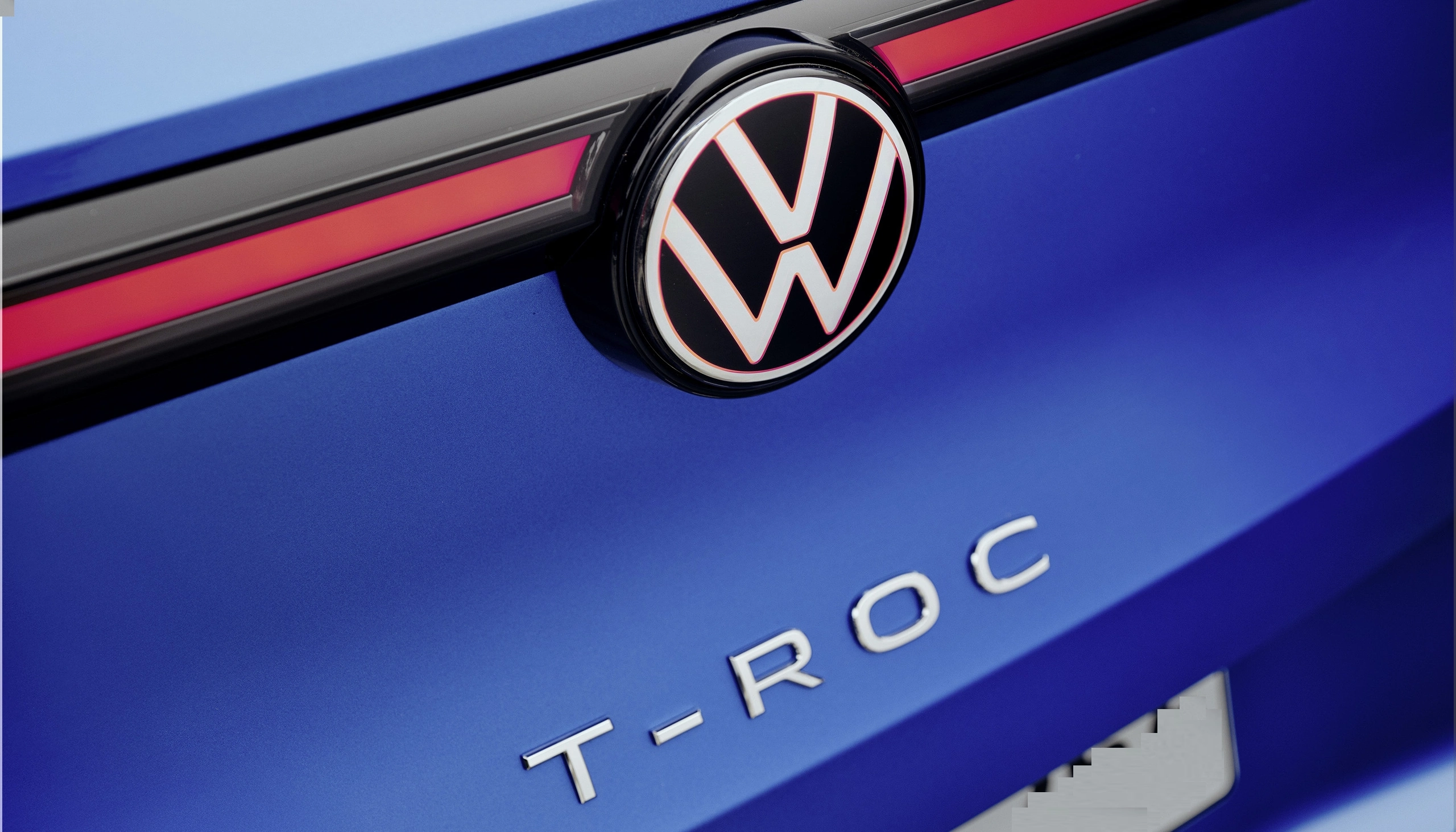
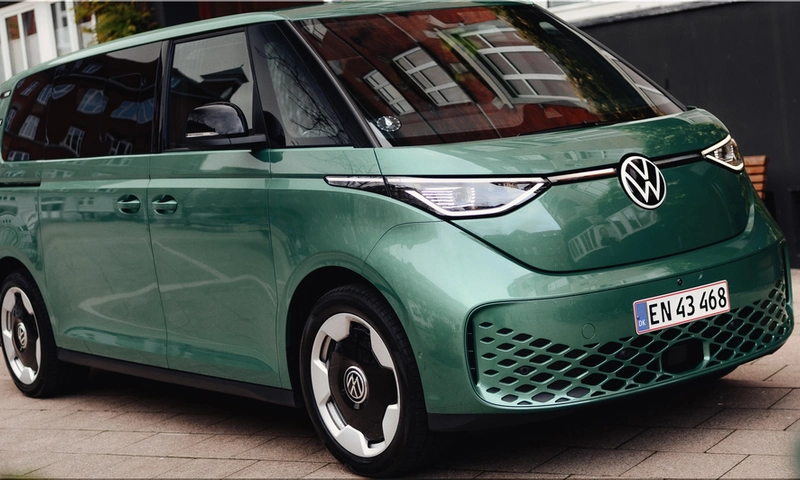
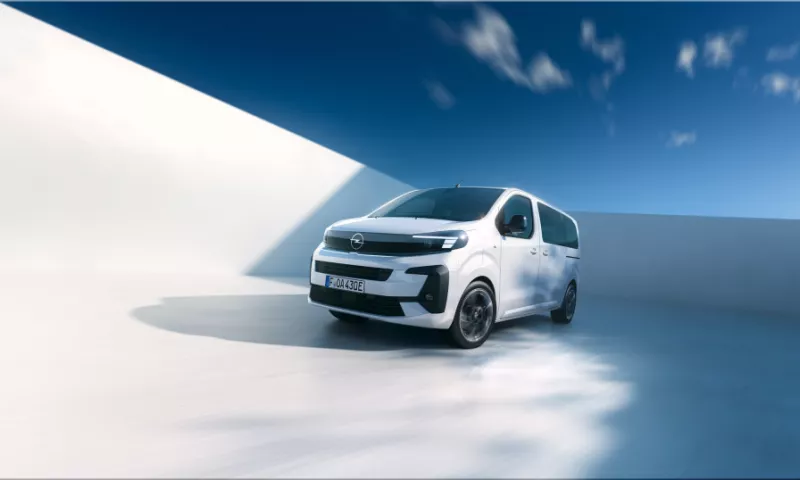
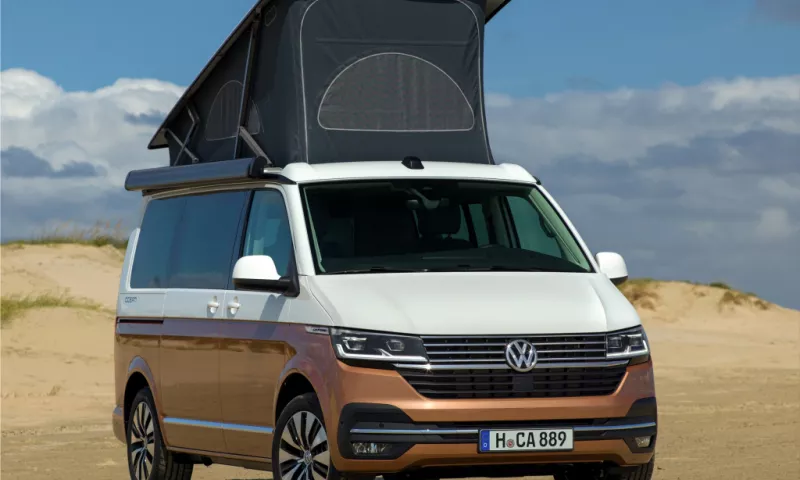
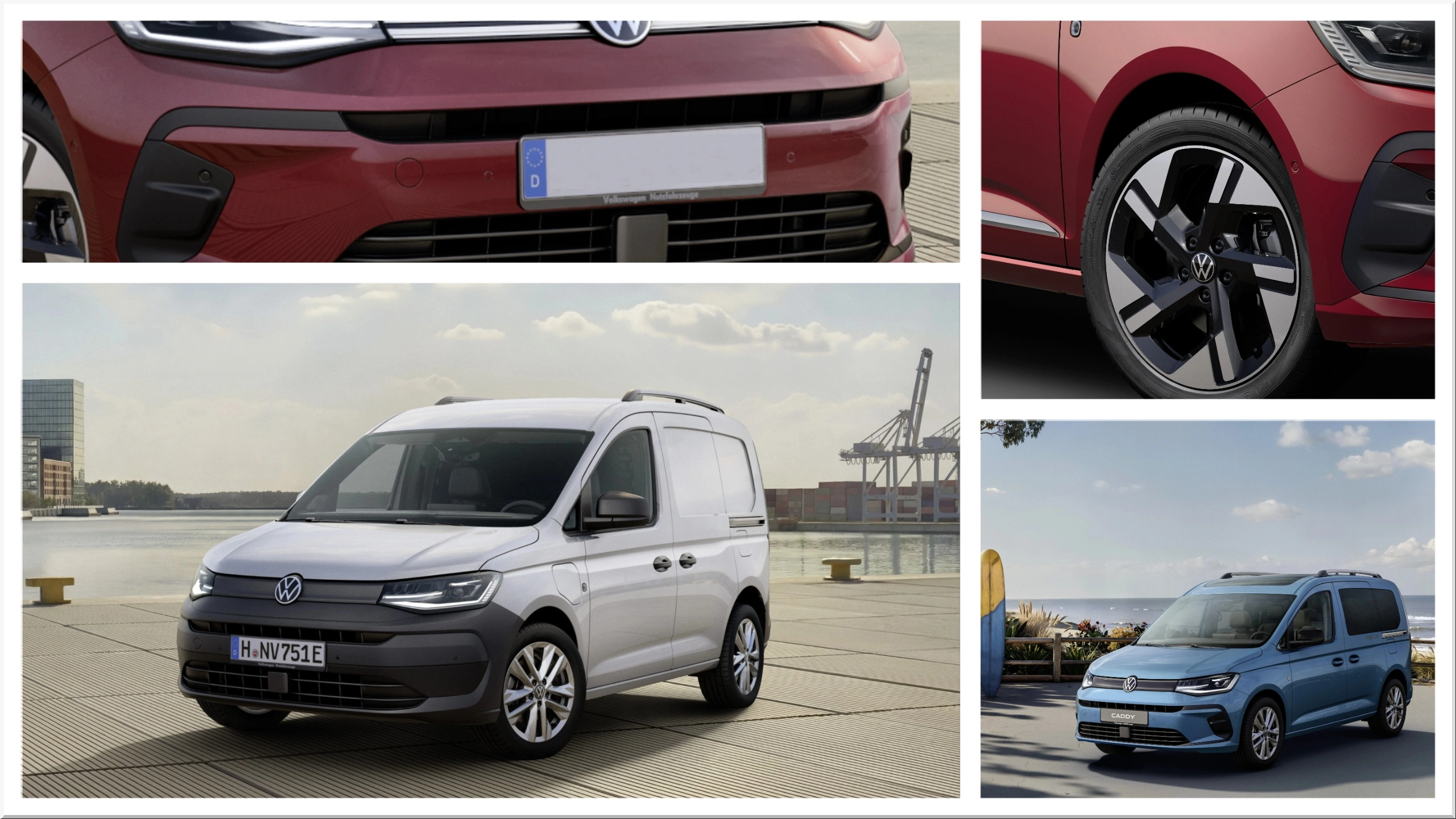
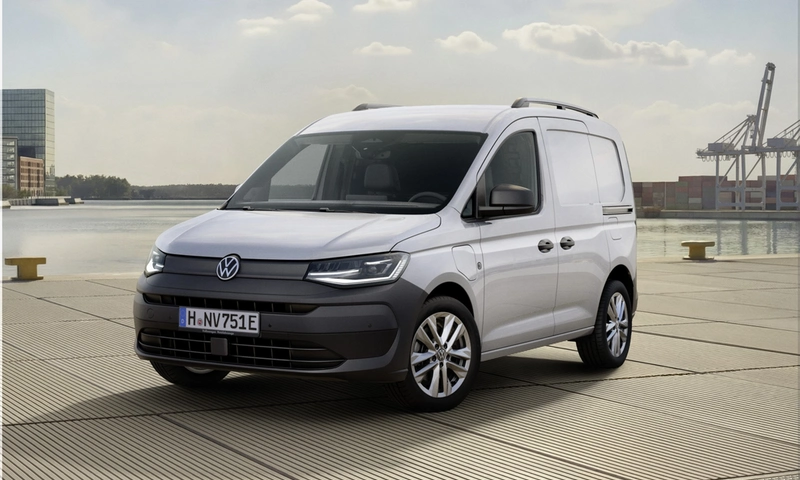
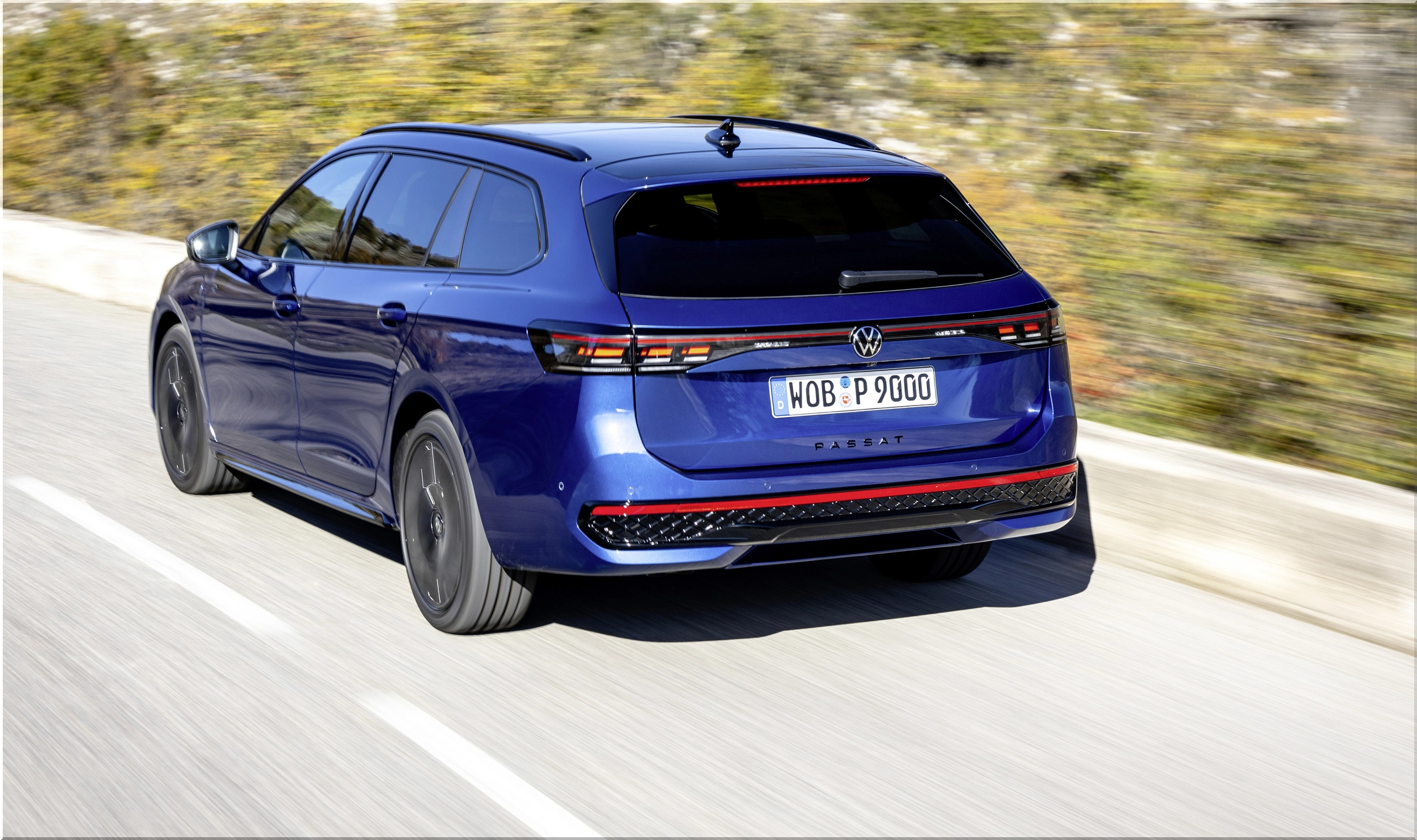
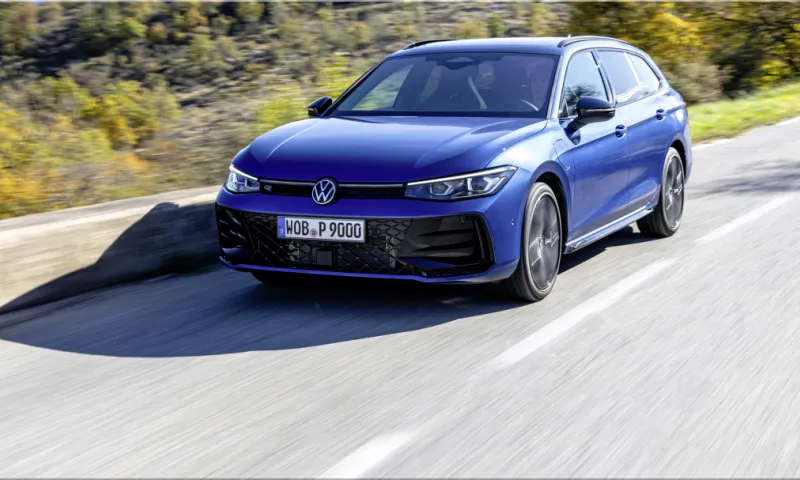
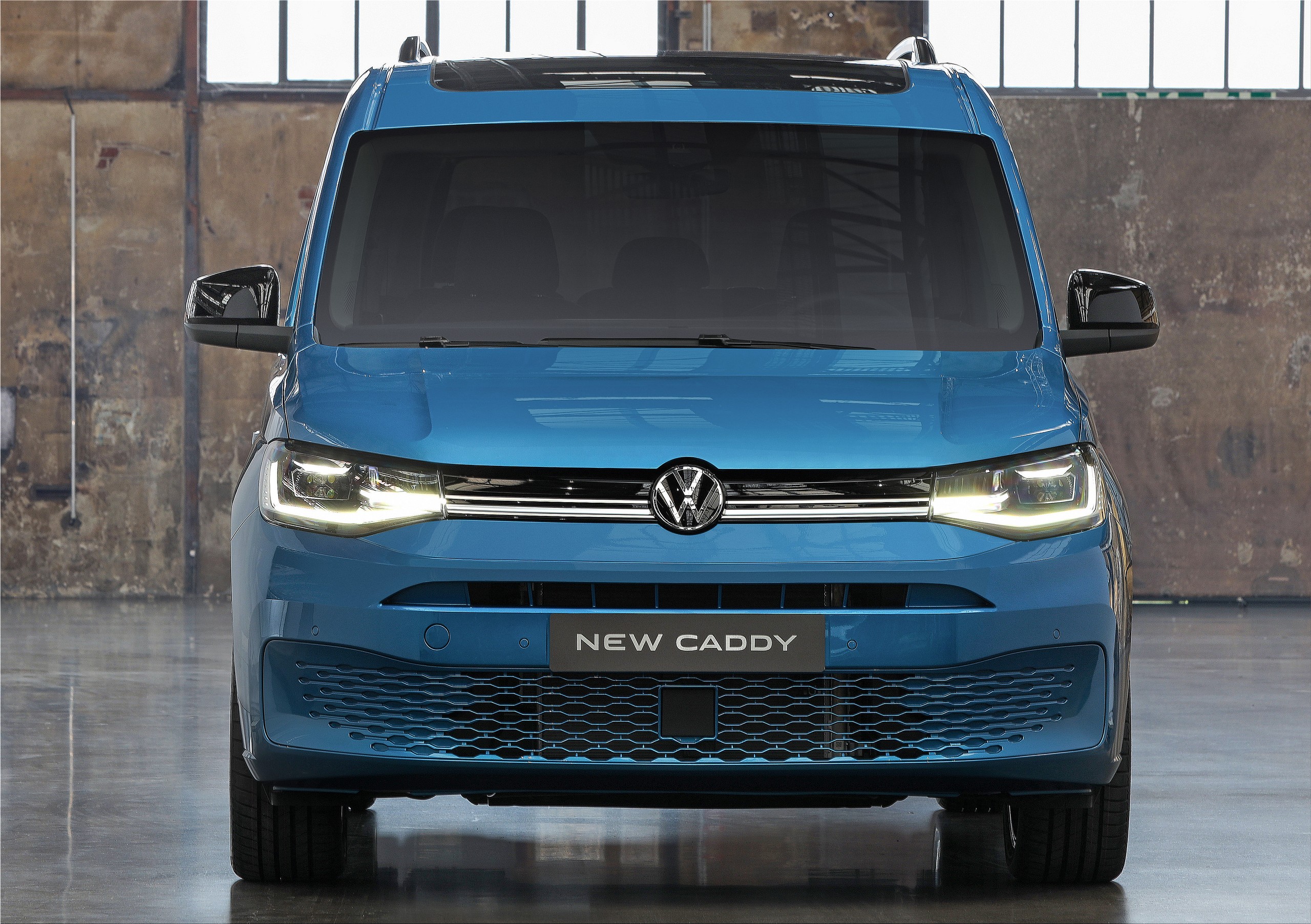
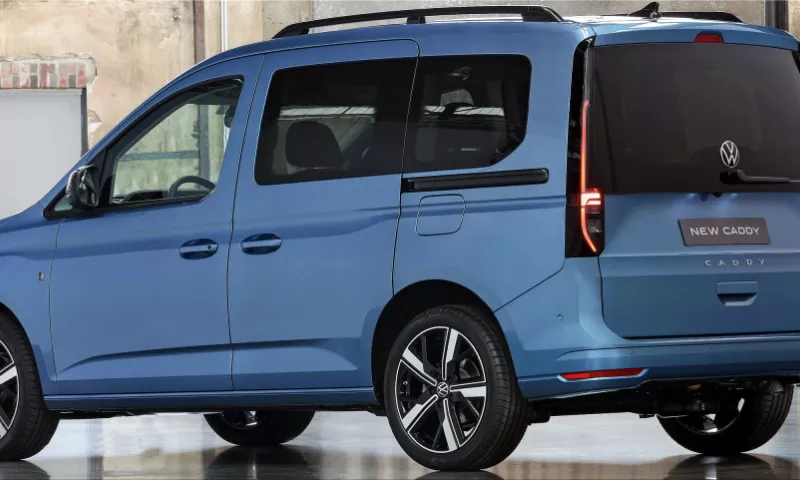
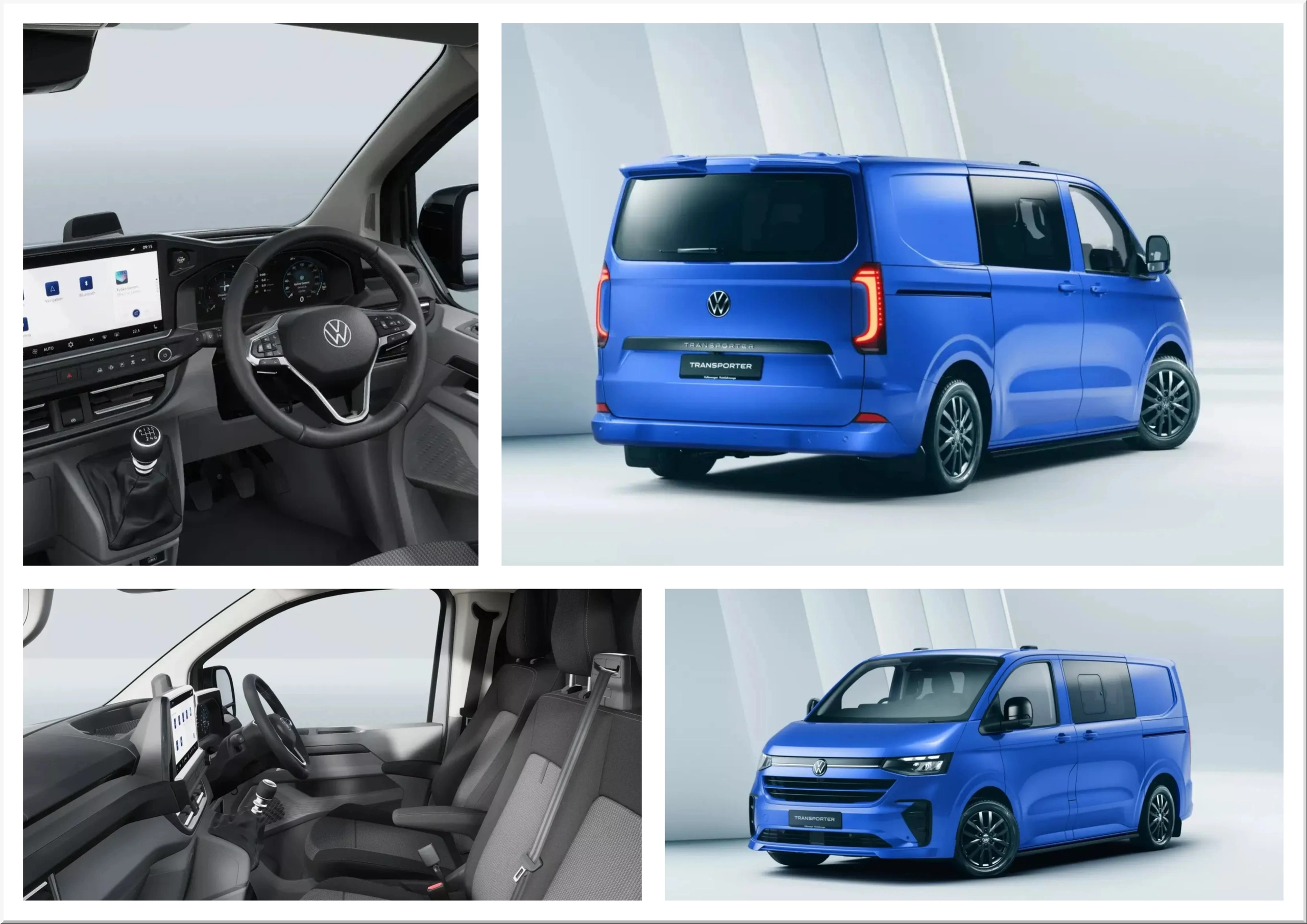
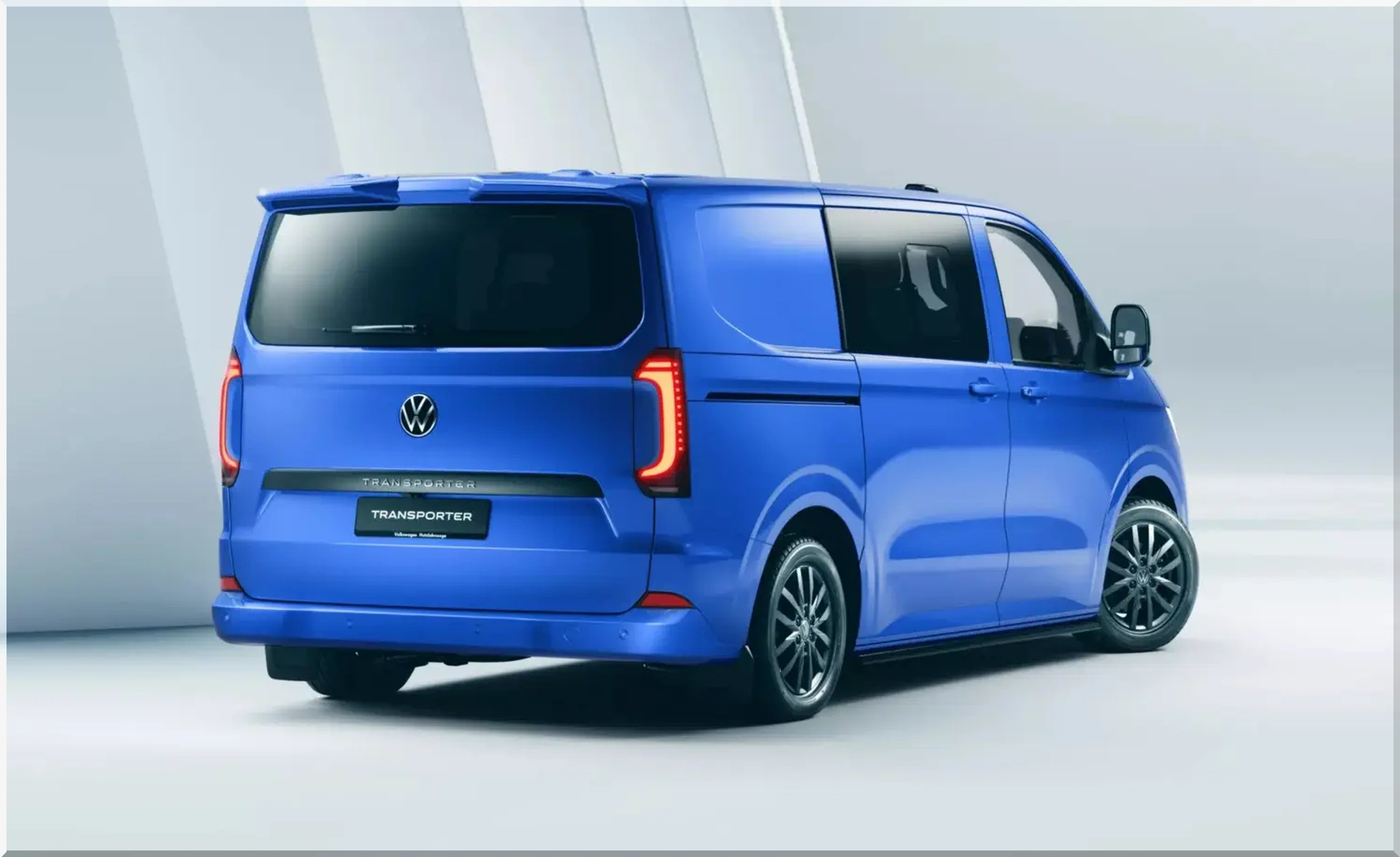
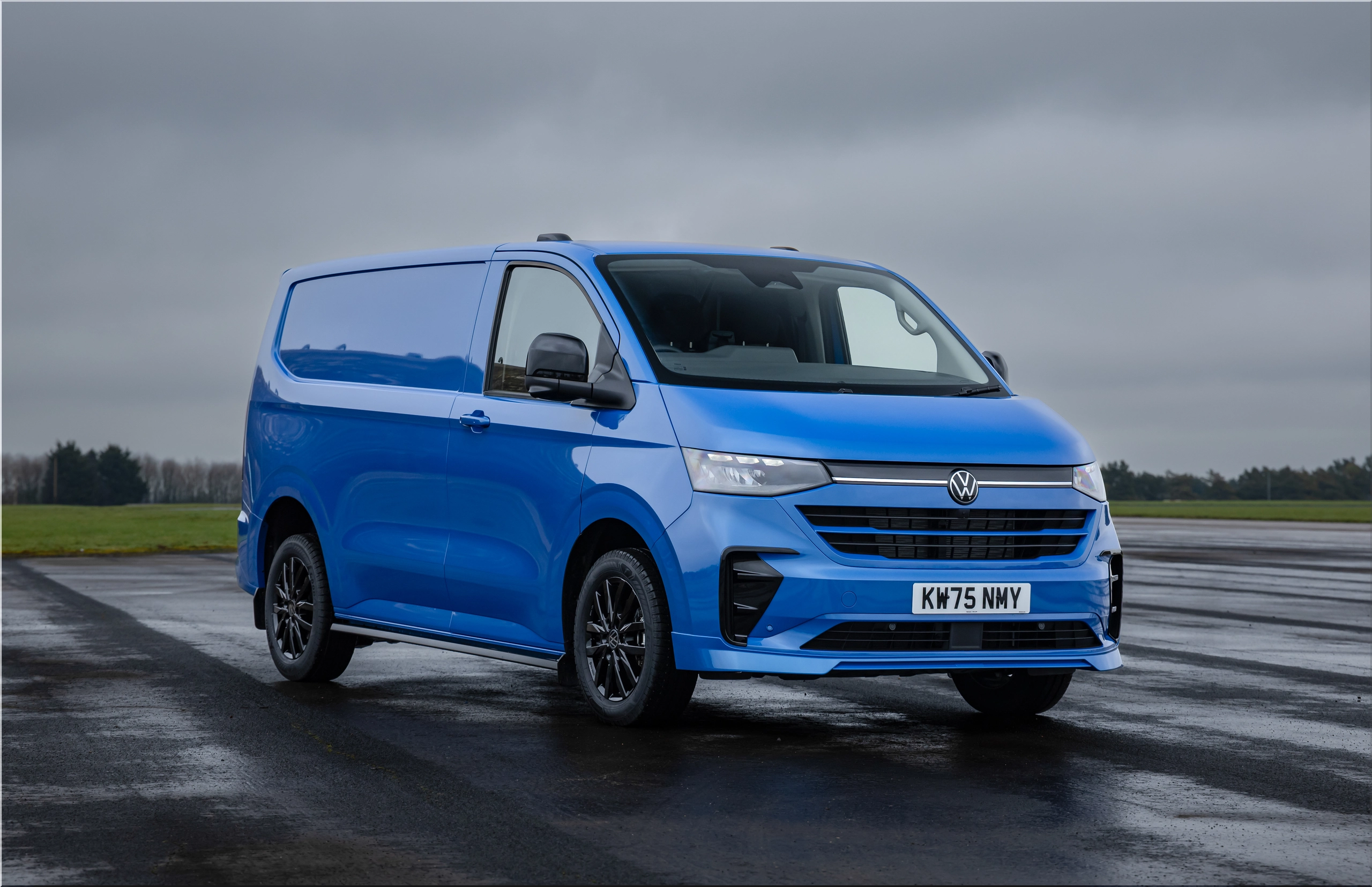
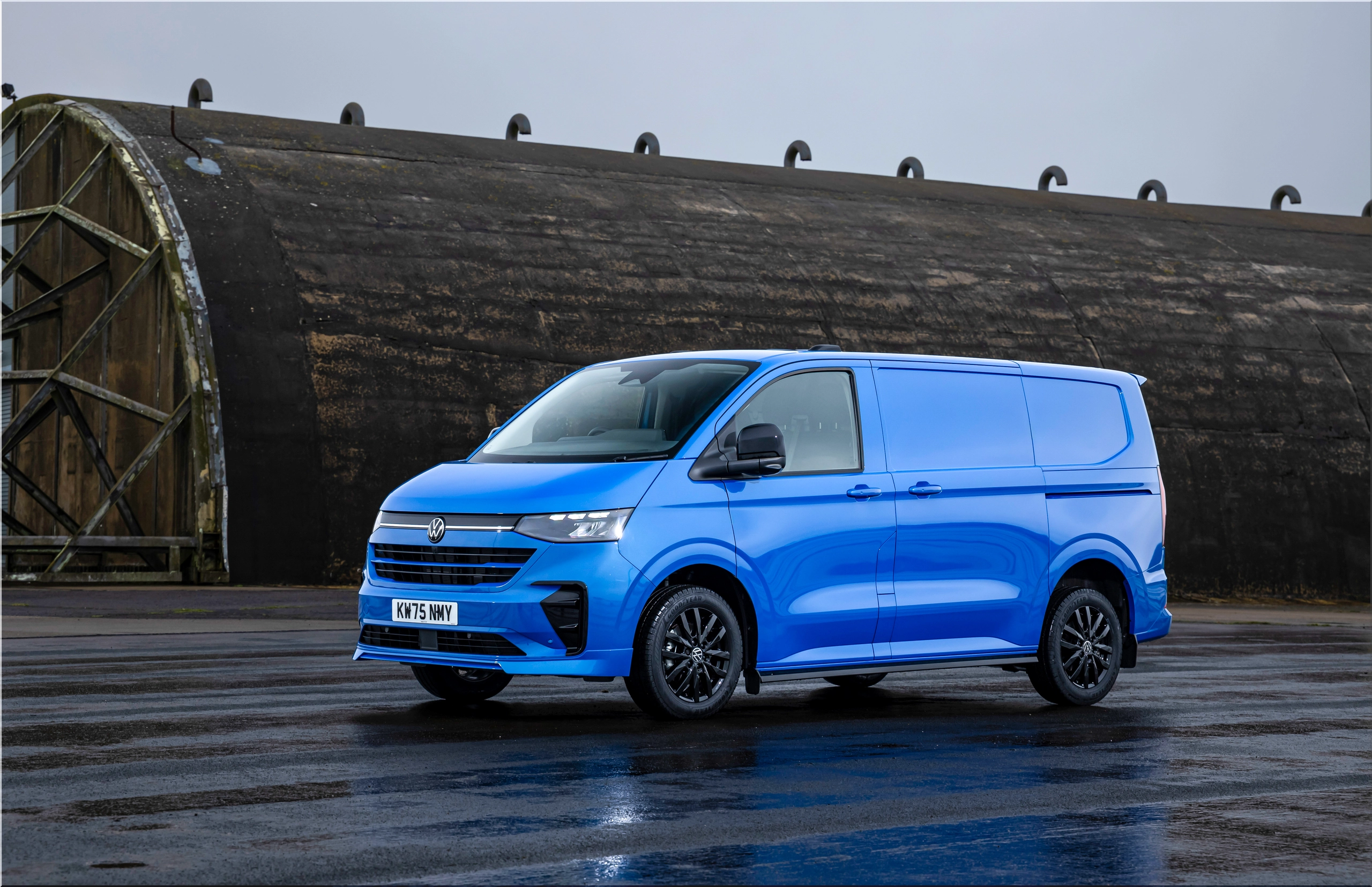
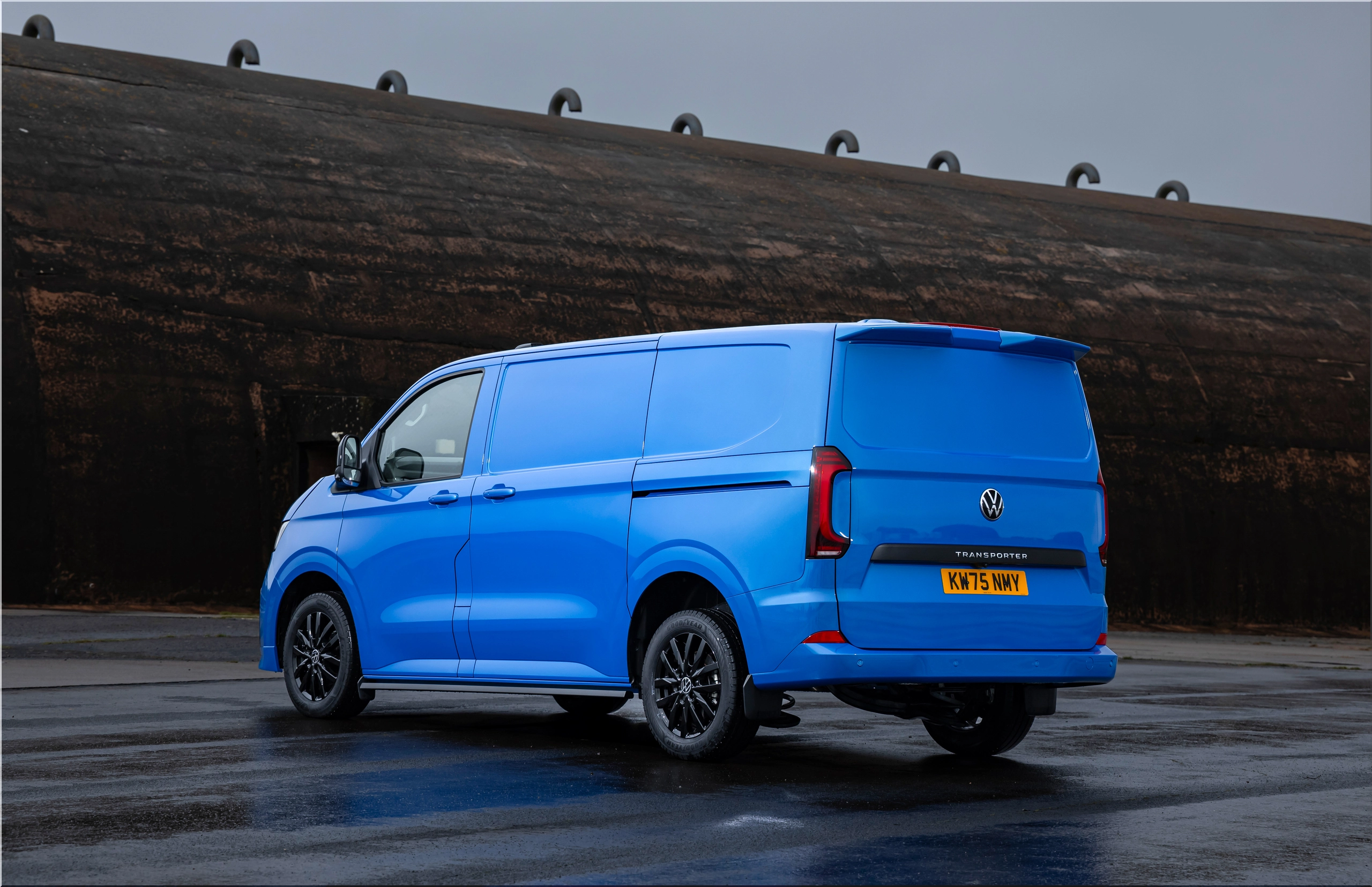
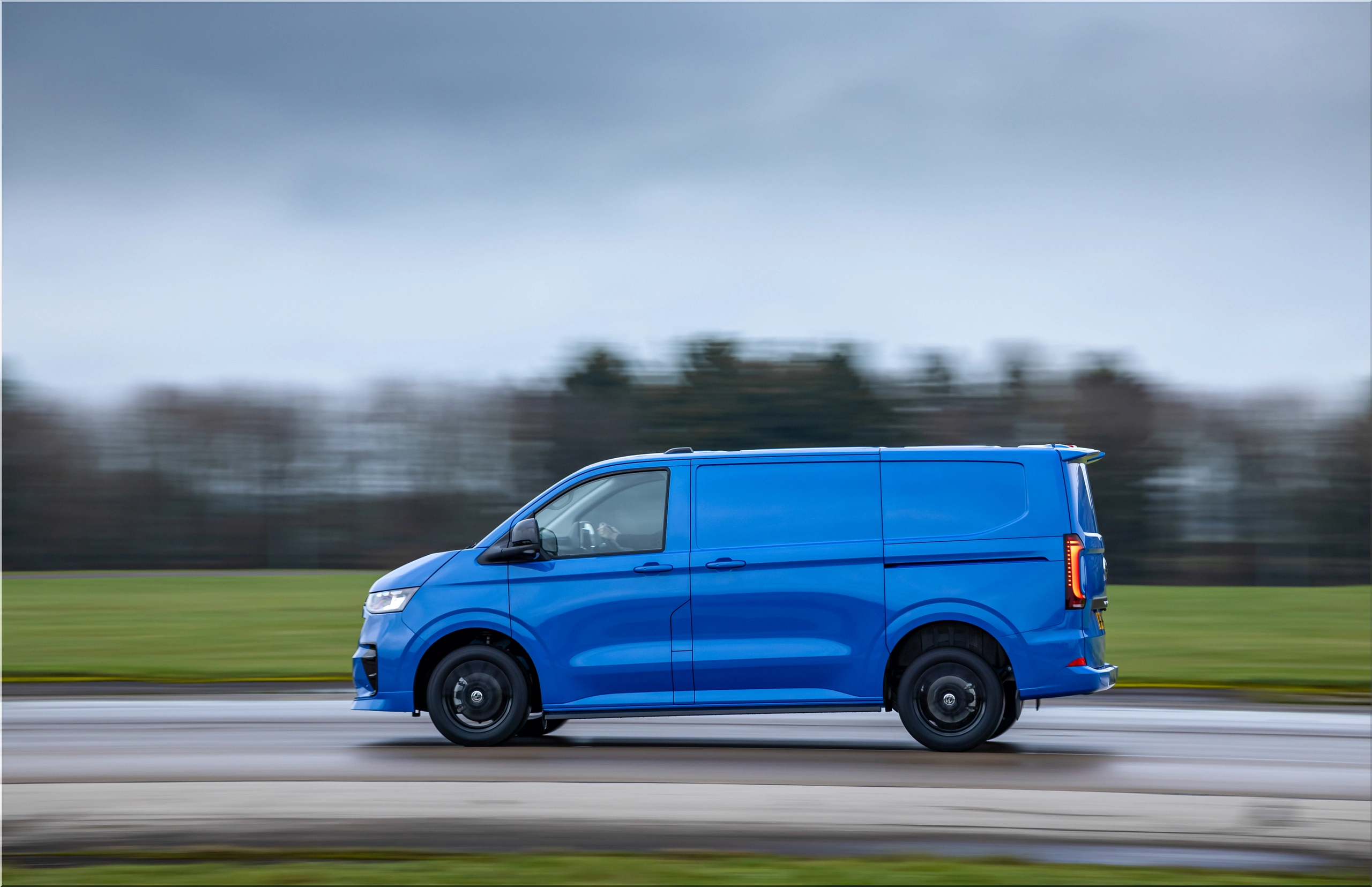
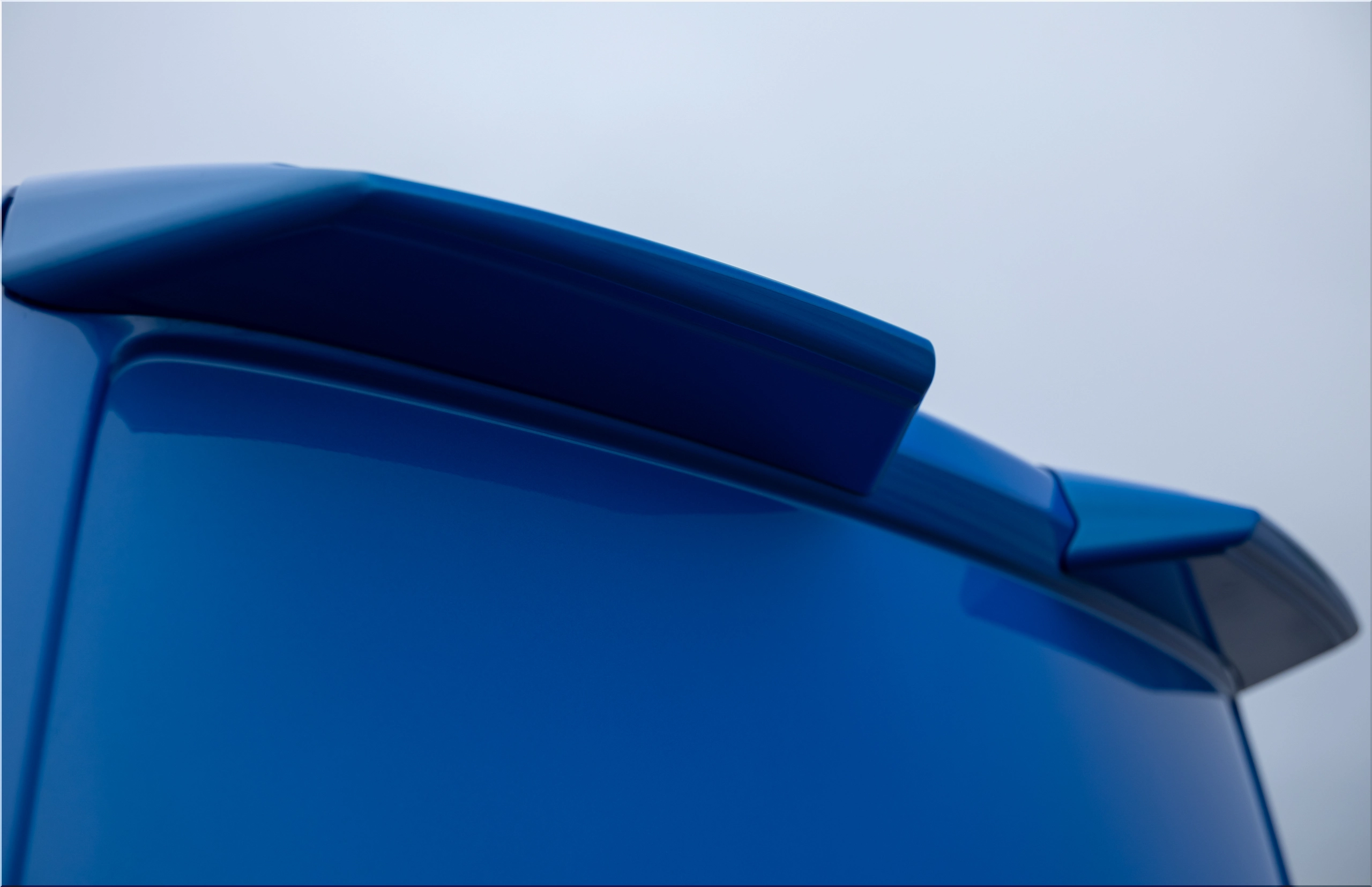
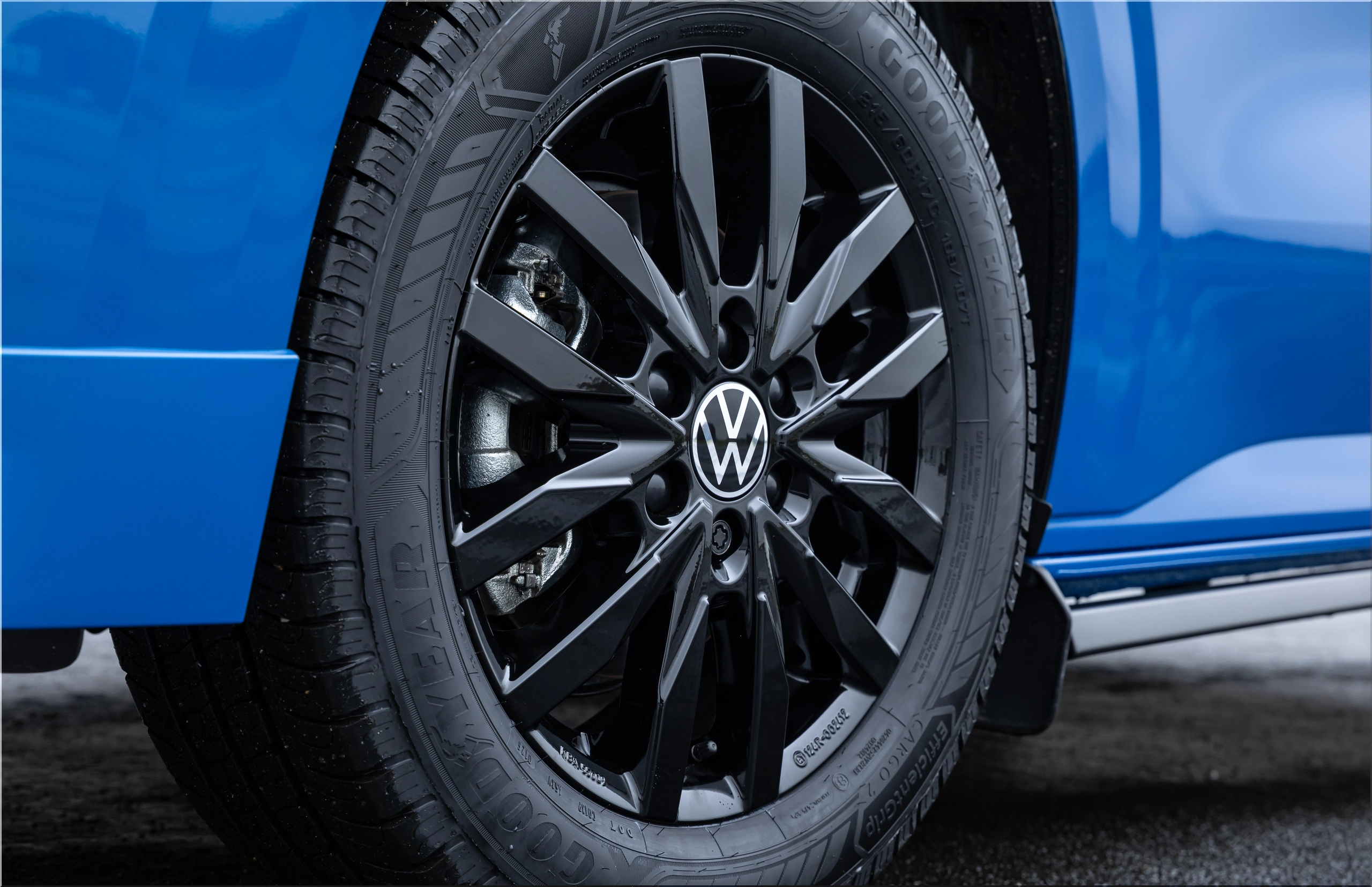
The most obvious part of the 2026 Volkswagen Transporter Commerce Pro S is its styling package. Volkswagen adds 17-inch gloss black alloy wheels, black exterior accents, body-colour detailing, side bars and a rear spoiler. Those changes do not alter the van's core function, but they change how it reads on the road.
That matters more than some buyers admit. A van used by an electrician, contractor, hotel shuttle operator or specialist installer often becomes part of the firm's brand identity. A cleaner, more deliberate design can help smaller businesses look established, while larger fleets can use it to create a more premium visual standard across their vehicles.
Image
Cabin upgrades push the new Transporter closer to passenger-car standards
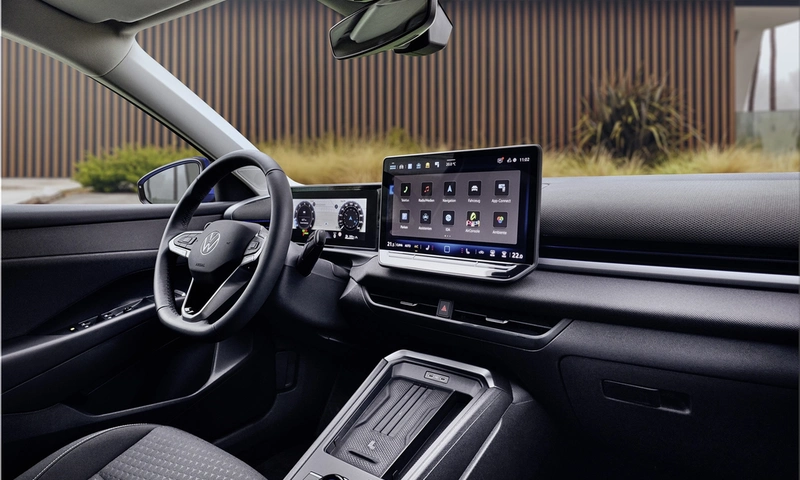
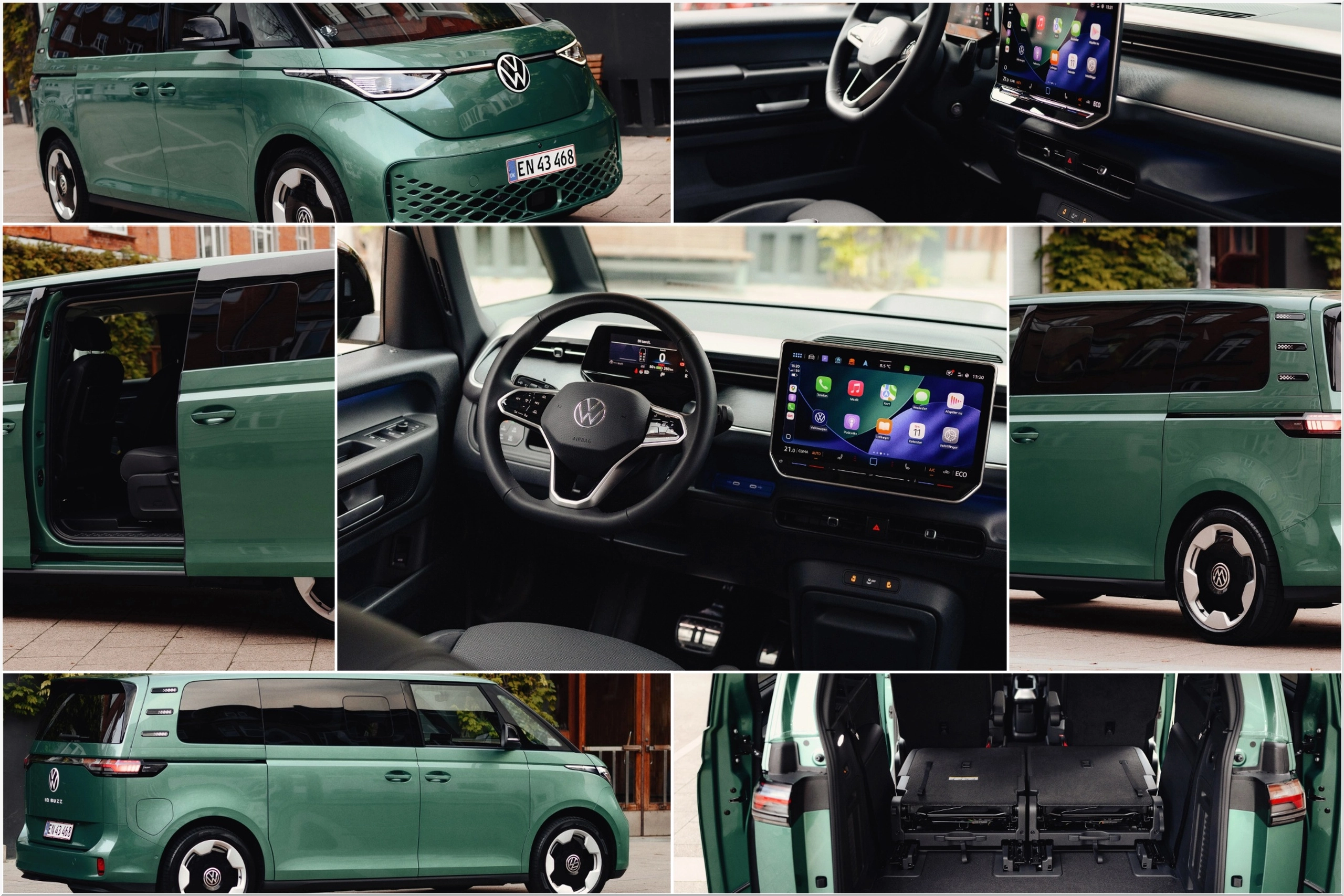
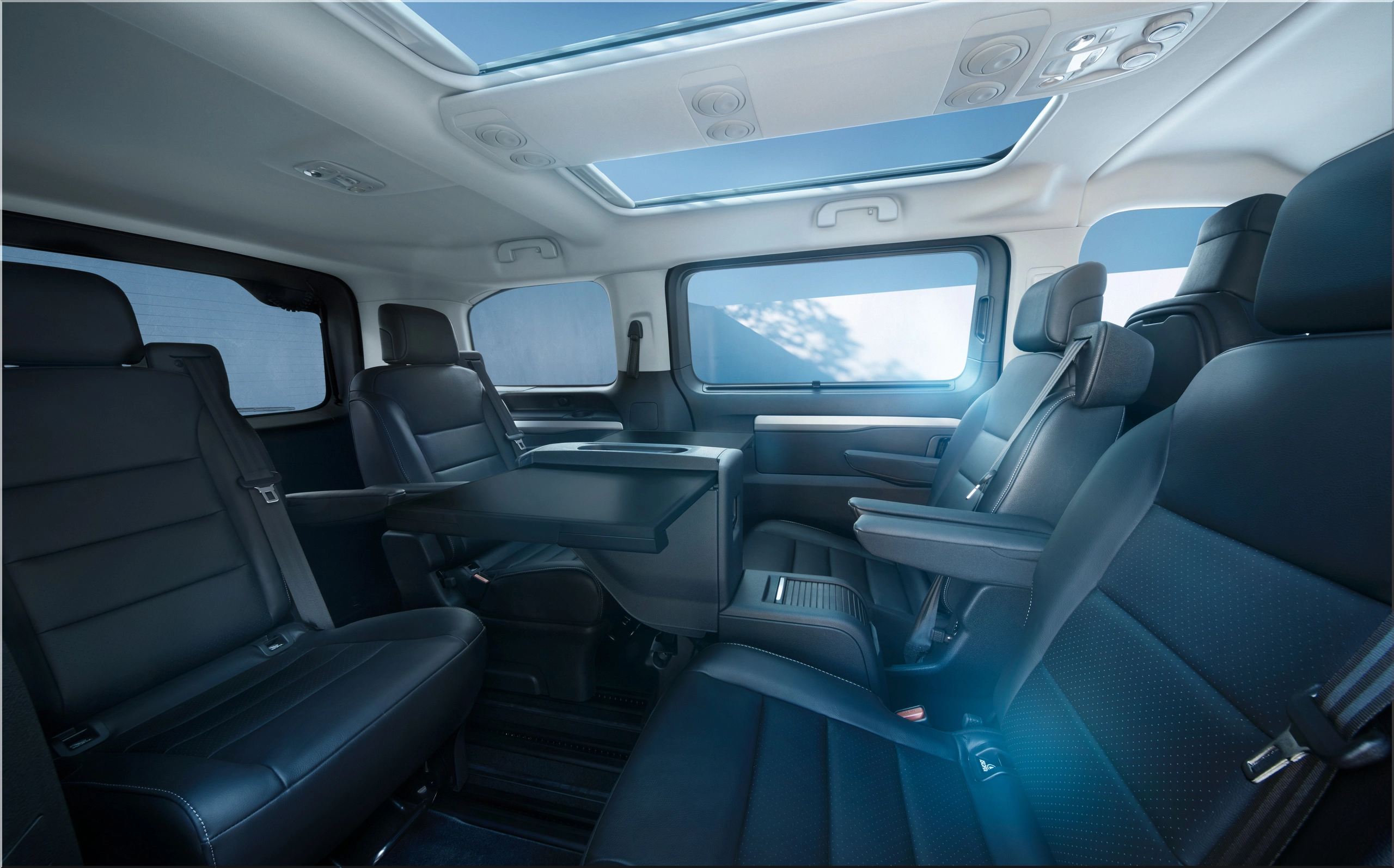
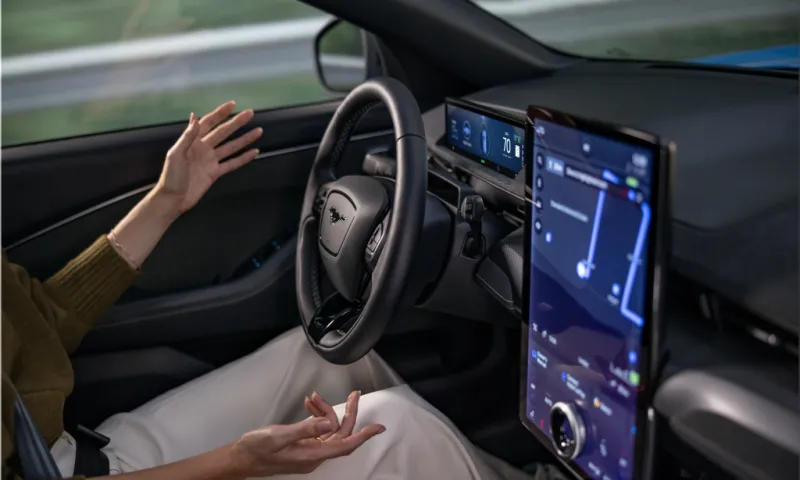
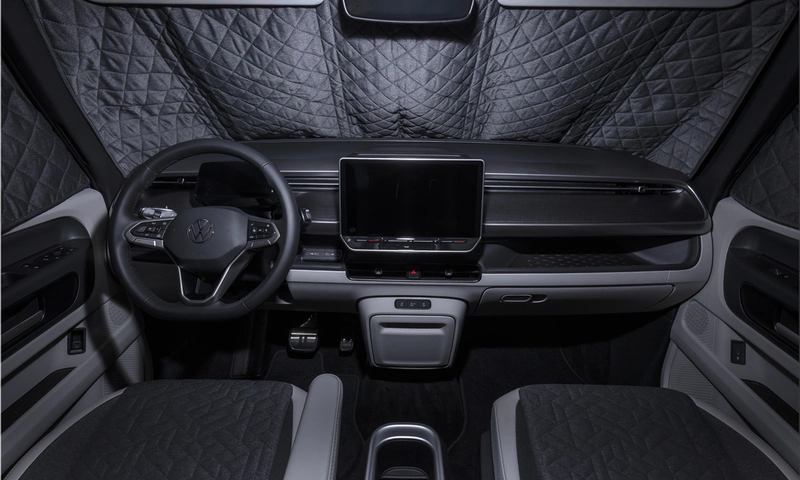
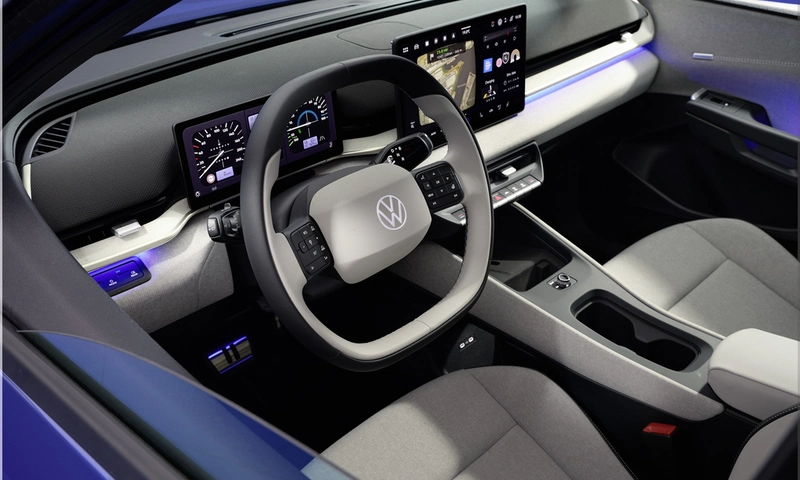
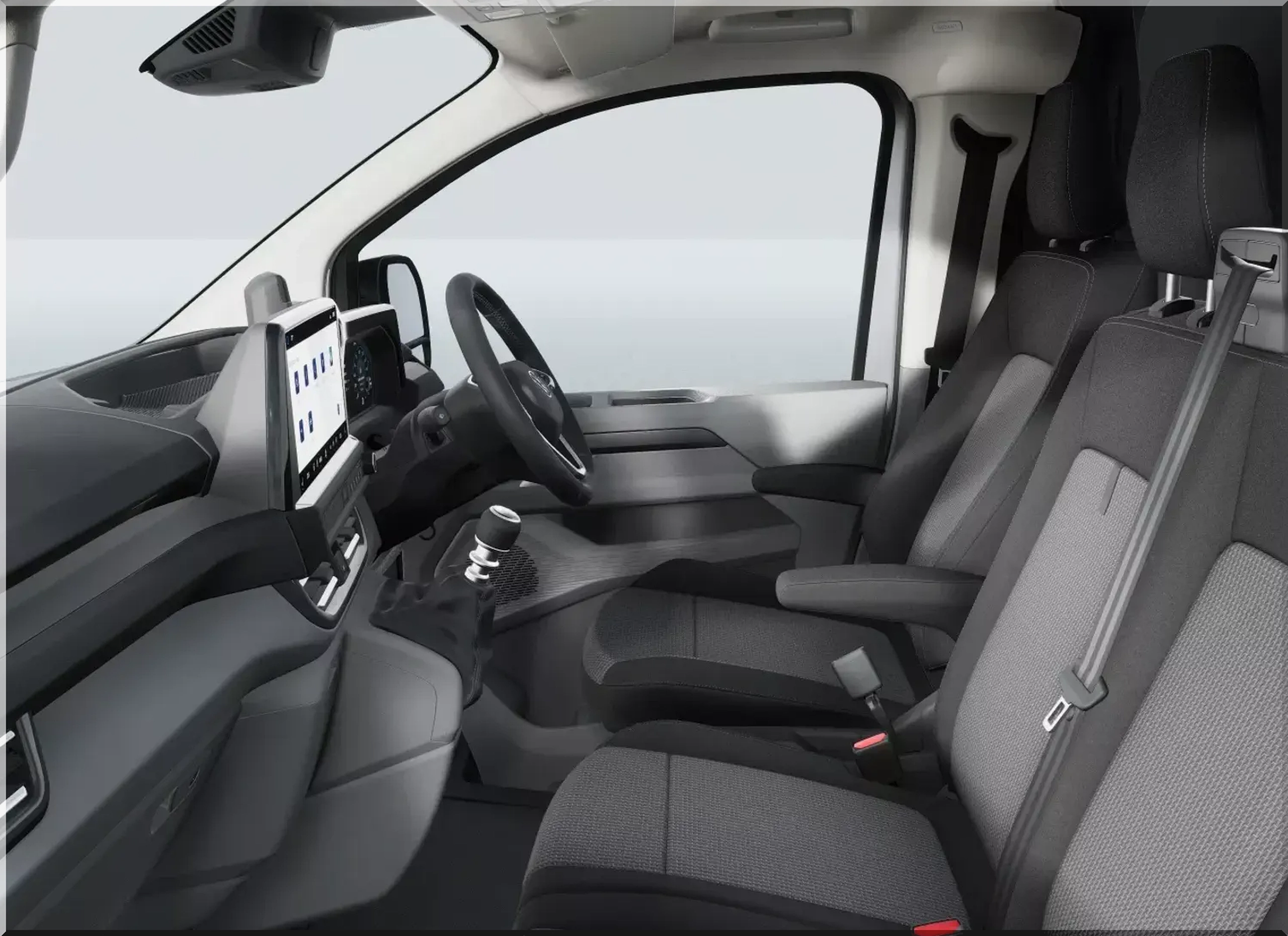
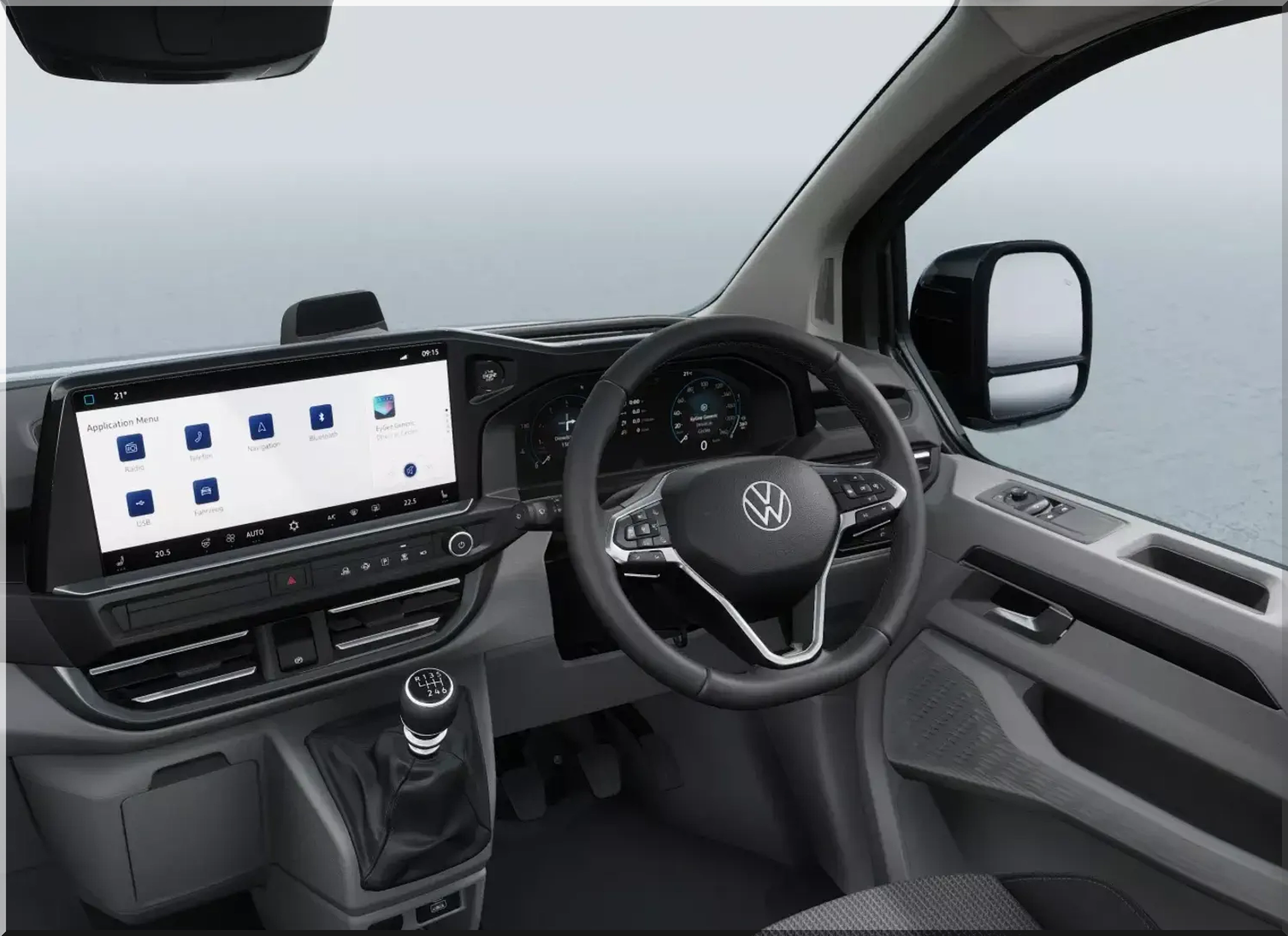
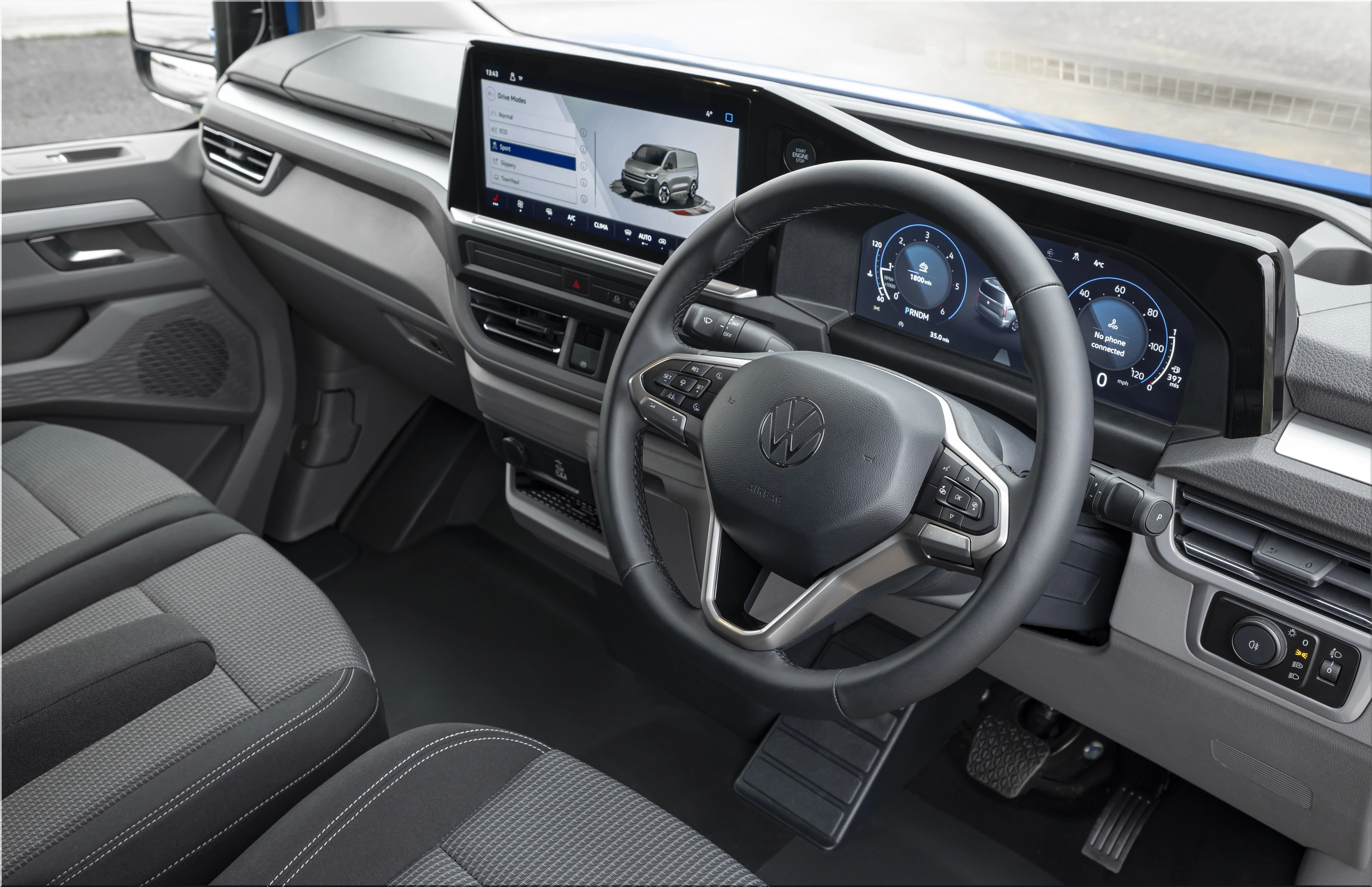
Inside, the new Transporter Commerce Pro S continues that theme. The cabin uses a more modern dashboard layout, a digital instrument setup and a large central infotainment display. Trim details add visual lift, but the real gain comes from the way the cabin works.
Volkswagen has moved the 2026 Volkswagen Transporter away from the old-school van formula where hard plastics and basic screens dominated the experience. Drivers now get a working environment that feels closer to a modern SUV or passenger car. That helps on long routes, stop-start urban work and jobs that keep drivers behind the wheel for most of the day.
Cabin features that matter in daily use
- Digital cockpit display
- Large central touchscreen
- Improved smartphone connectivity
- Cleaner control layout
- Higher-grade trim finishes
- Better long-distance comfort for drivers and crews
The real story sits in the van's working numbers
The visual upgrades help sell the Commerce Pro S, but the engineering underneath closes the deal. The new Volkswagen Transporter brings stronger figures where van buyers care most: load capacity, cargo access and towing ability.
Volkswagen's latest Transporter platform increases usable load area, adds width between the wheelarches and improves maximum towing. Those are not cosmetic gains. They affect how easily the van handles pallets, tools, shelving systems or mixed cargo loads during a normal working day.
Image
Transporter capability overview
| Specification | Figure |
|---|---|
| Maximum load volume | Up to 9.0 m3 |
| Maximum payload | Up to 1,300-1,330 kg |
| Maximum towing capacity | Up to 2,800 kg |
| Extra load length vs previous model | 61 mm |
| Extra width between wheelarches | 148 mm |
| Long-wheelbase load length | Over 3,000 mm |
Looking at the data, the extra width between the wheelarches may be one of the smartest upgrades in the whole van. It improves packing flexibility and reduces awkward loading angles. That saves time, and in commercial use, saved time usually turns into saved money.
Engine and drivetrain choices keep the Transporter flexible
The wider 2026 Volkswagen Transporter van range gives buyers several ways to configure the van around real work. Diesel remains the backbone, with 2.0-litre TDI options in multiple output levels. Manual and automatic gearboxes are available, while selected versions add all-wheel-drive capability for operators who face poor surfaces, winter routes or heavier towing duties.
Volkswagen also supports a wider powertrain spread across the broader line-up, including electric and plug-in hybrid variants. That gives the Transporter range room to serve city fleets, regional operators and mixed-use businesses without forcing every buyer into the same solution.
Powertrain direction
- 2.0-litre TDI diesel options
- Multiple output levels
- Manual and automatic transmission choices
- Available all-wheel drive on selected versions
- Wider range strategy includes electric and plug-in hybrid options
Safety and camera tech add value where fleets feel it
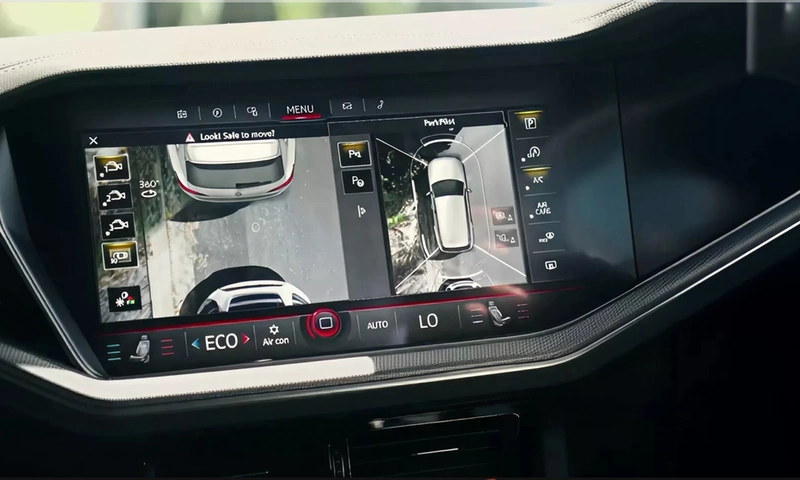
Volkswagen also packs the new van with the kind of assistance systems that buyers now expect in the medium-van sector. Features such as adaptive cruise control, lane support, autonomous emergency braking, blind spot assistance and a 360-degree camera system do more than fill a spec sheet.
They cut fatigue, reduce parking damage and help less experienced drivers handle a larger vehicle with more confidence. That improves the ownership case for fleets and owner-operators alike, because small repairs and downtime can chip away at profit faster than fuel bills sometimes do.
Image gallery
Should buyers choose the Volkswagen Transporter Commerce Pro S?
The answer depends on how visible the van will be. Buyers focused only on pure cost and carrying ability may find enough value lower in the Transporter range. Buyers who treat the van as a public-facing tool should look closely at the Commerce Pro S.
It works best for firms that want a strong first impression without giving up commercial credibility. That includes service businesses, mobile technicians, premium delivery operators and mixed passenger-cargo users who need a van that looks organised, current and capable.
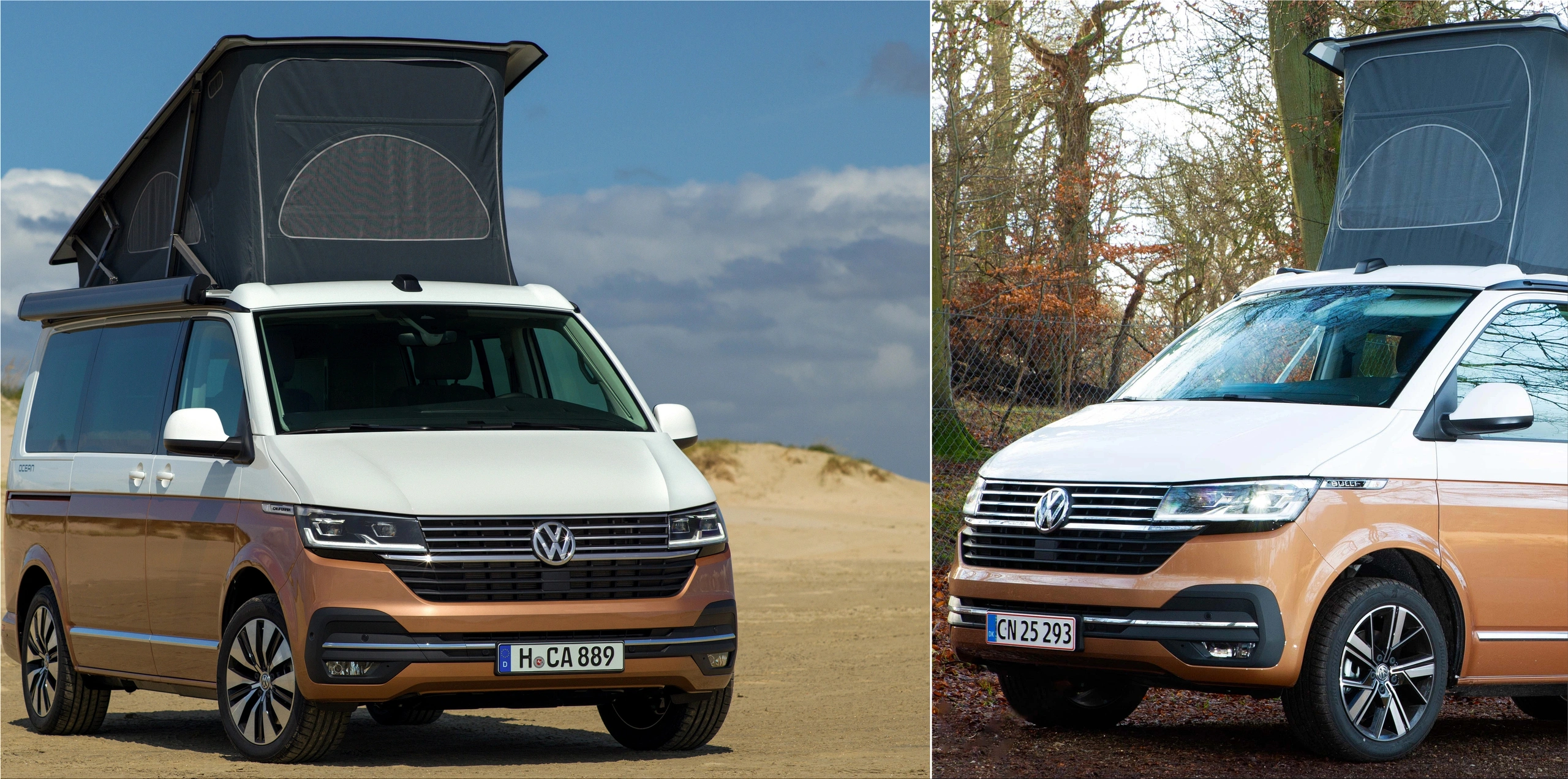
The new Transporter can serve as a solid platform for projects that go beyond standard trade work, including camper-focused ideas inspired by brands such as Tonke Basecamp. In that context, the sharper exterior trim, improved cabin and stronger technology package give the van extra value, since a better-looking and better-equipped base vehicle makes more sense when the van will be seen, used and lived with in more varied ways.
Image
Pro-Tips
- Choose long-wheelbase form if load length drives your workload.
- Stay with diesel power for heavy towing and long-distance duty.
- Consider the Kombi if you regularly move staff and equipment together.
- Treat the styling pack as a business asset, not a vanity extra.
Image gallery
What now?
The 2026 Volkswagen Transporter Commerce Pro S succeeds because it stays focused. It does not try to turn a working van into a lifestyle prop. It takes a more capable new Volkswagen Transporter, adds smarter design, a better cabin and stronger visual presence, then leaves the commercial fundamentals intact. For many buyers, that will be the exact point. @ Volkswagen Commercial Vehicles.
- Add new comment
- 184 views