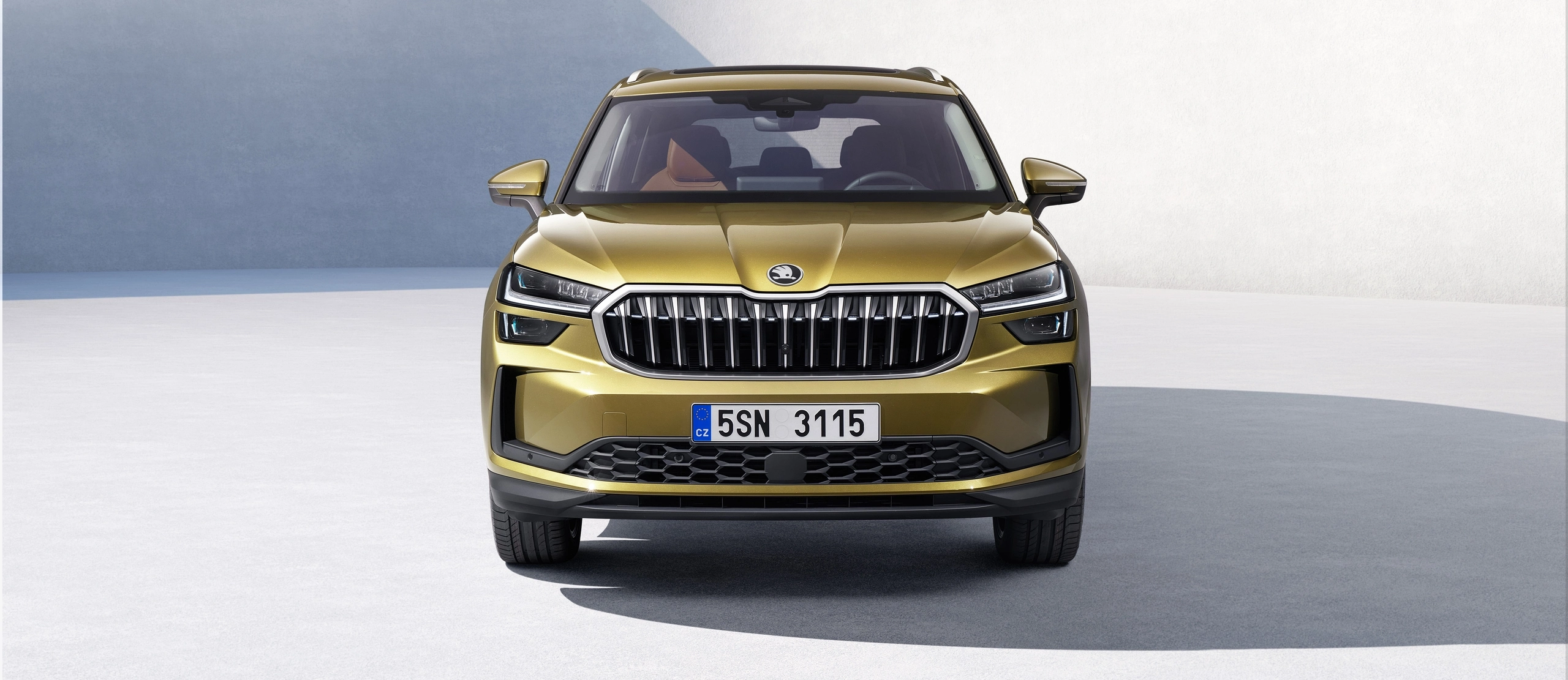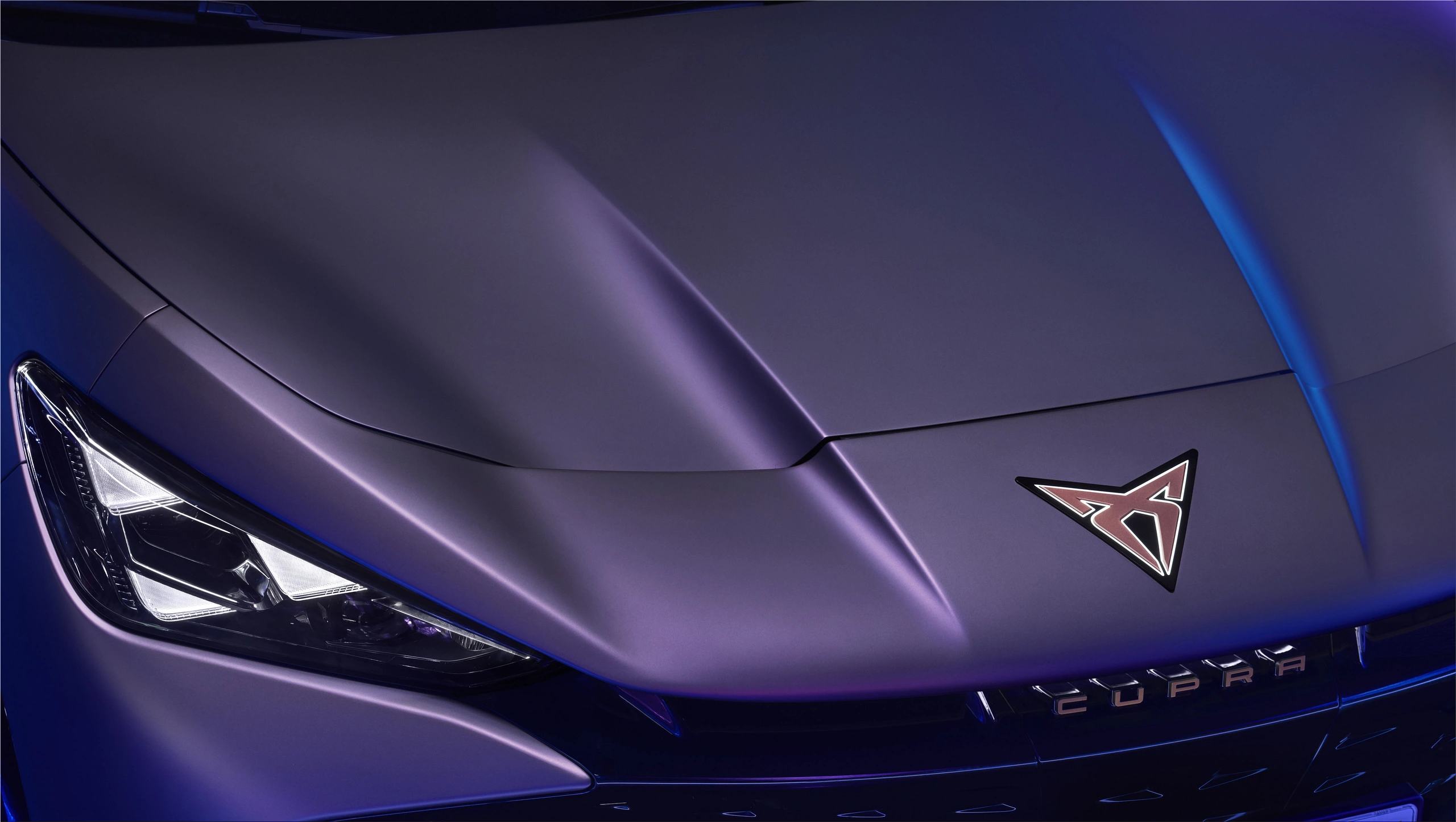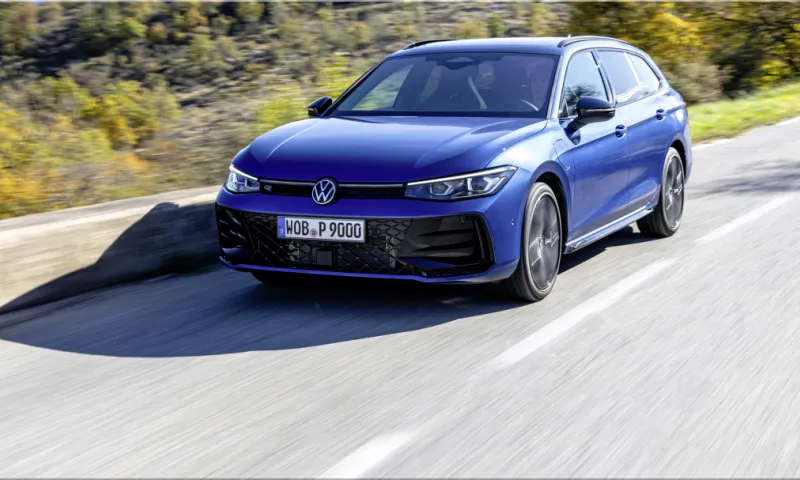
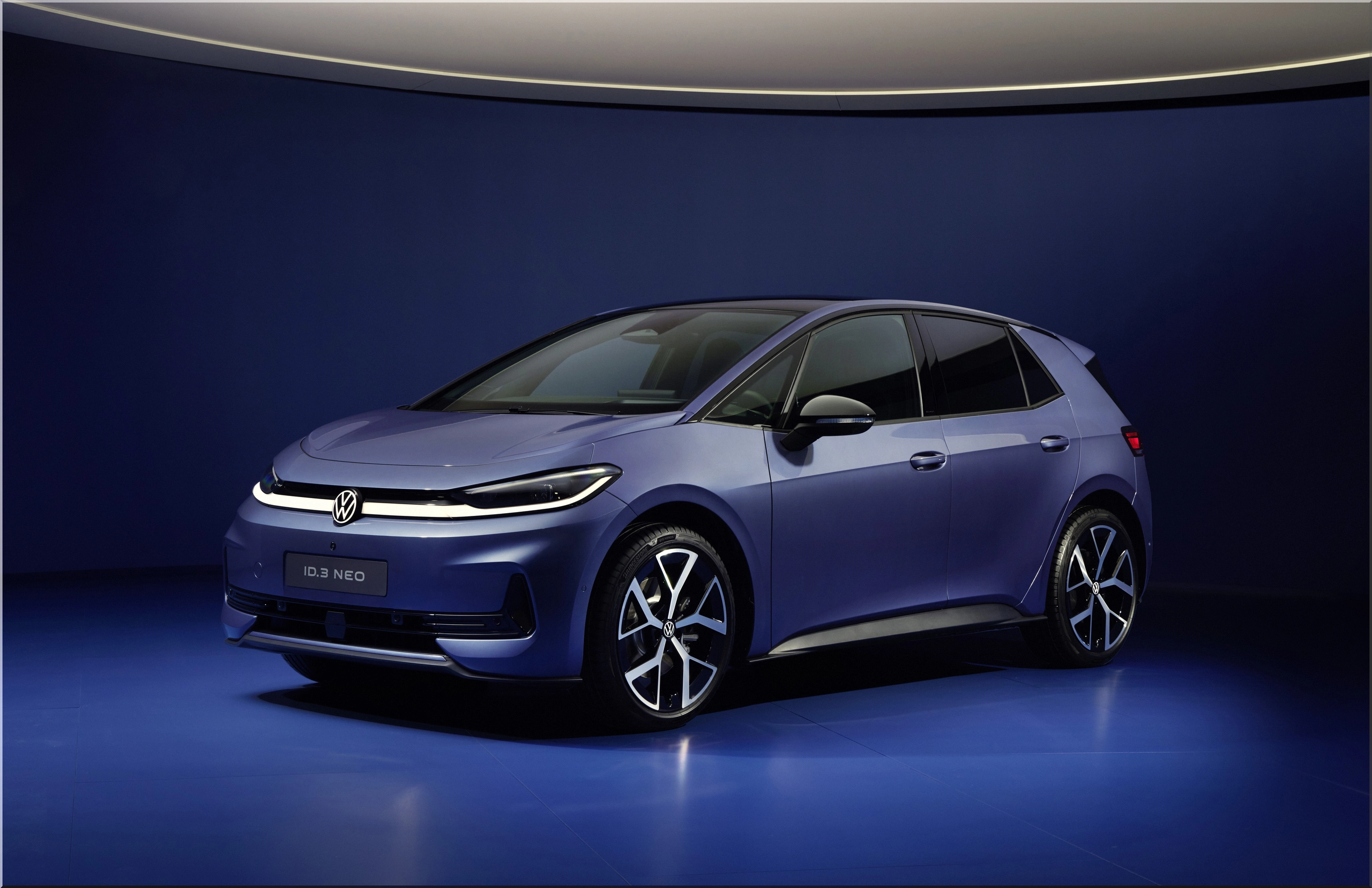
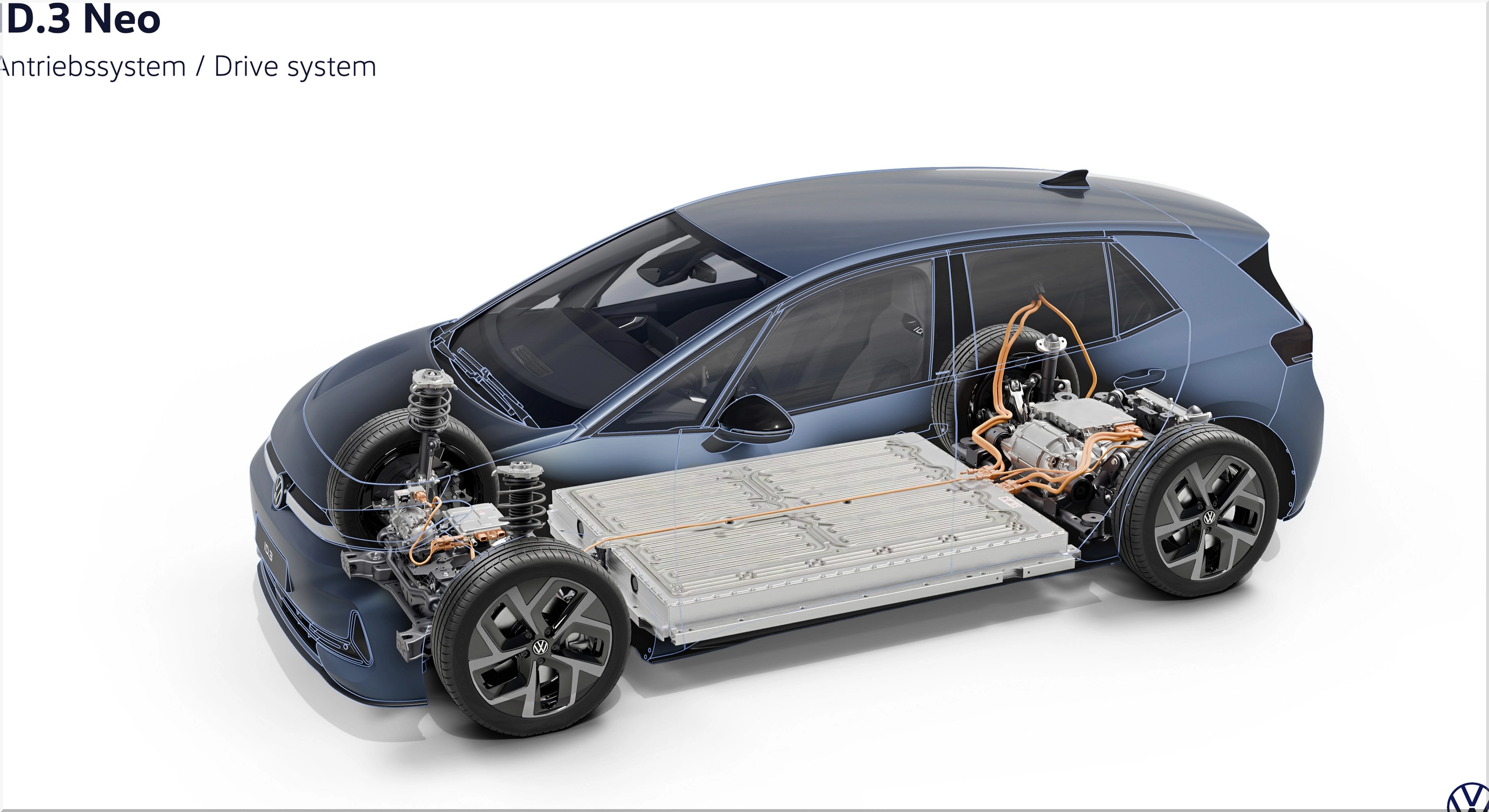
Volkswagen has renamed the ID.3 as the Volkswagen ID.3 Neo, and the move signals more than a badge update. The compact electric hatchback now gets a cleaner front end, a richer cabin, better software, more physical controls, and a new efficiency-focused drive system with up to 630 km WLTP range, or about 391 miles.
Image
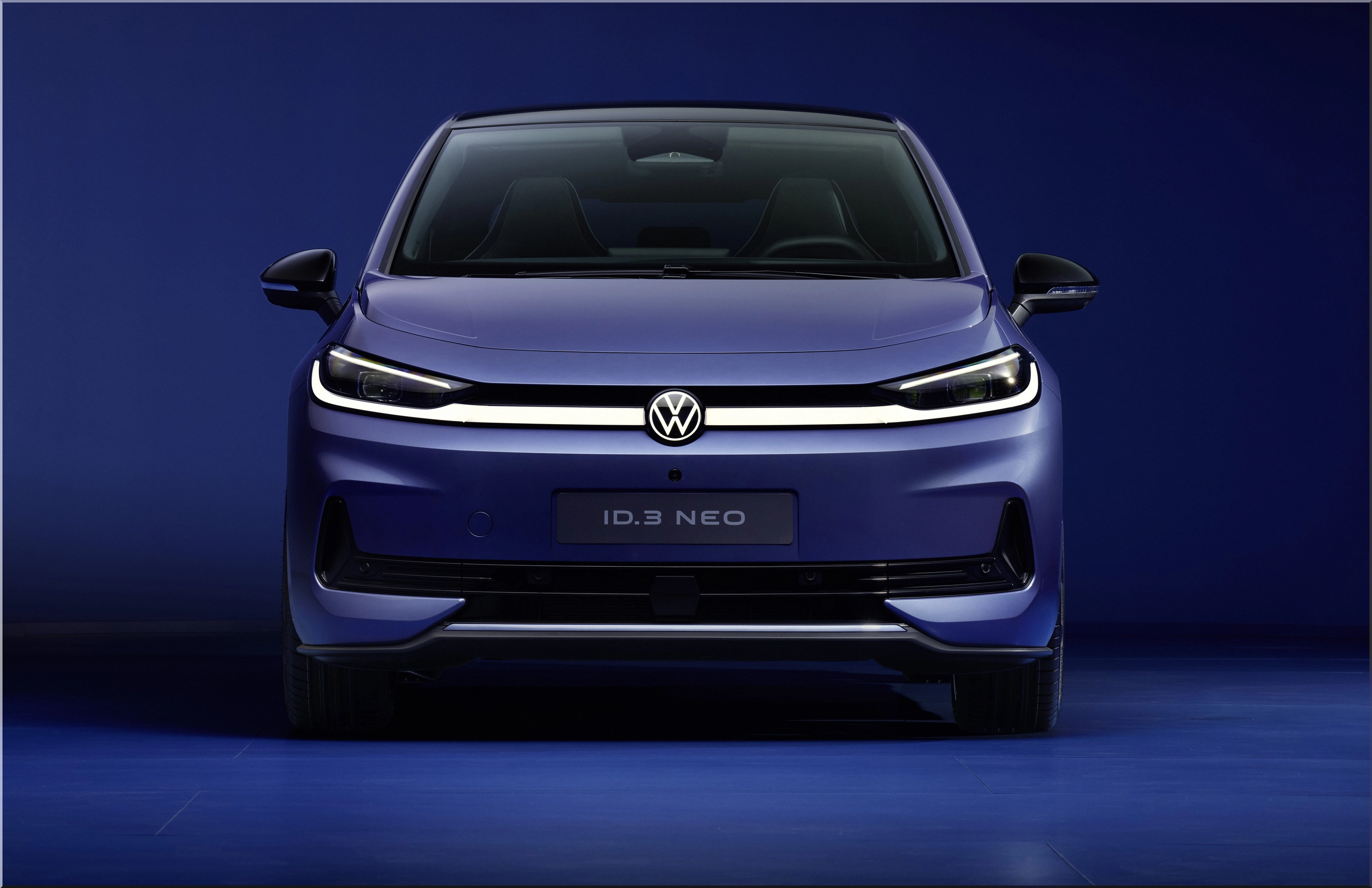
This matters because the old ID.3 carried strong fundamentals but weak execution. Owners liked the packaging and rear-drive EV layout. They criticized the touch-heavy controls, sparse cabin materials, and early software rough edges. The ID.3 Neo facelift answers those complaints with a more conventional Volkswagen user experience.
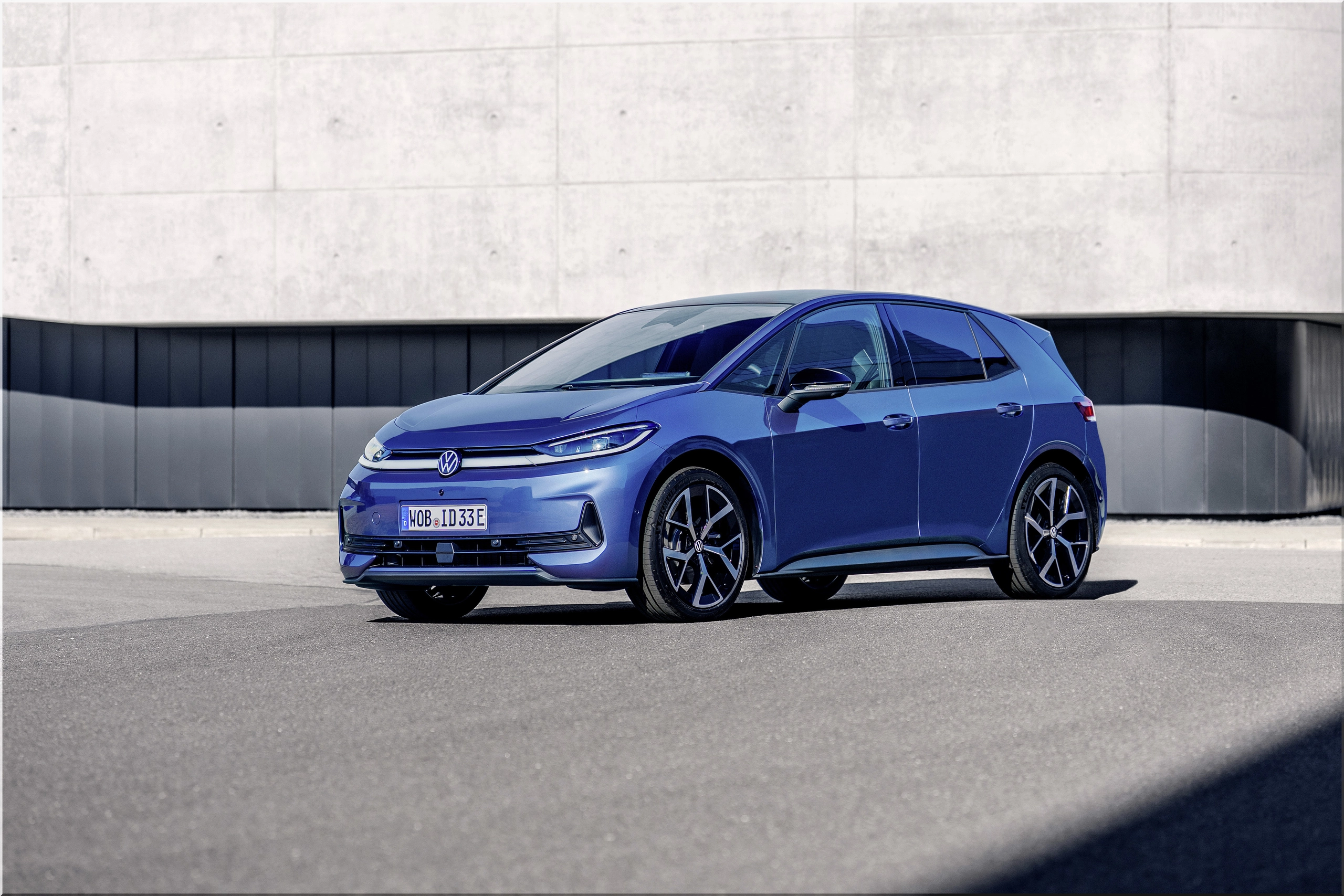
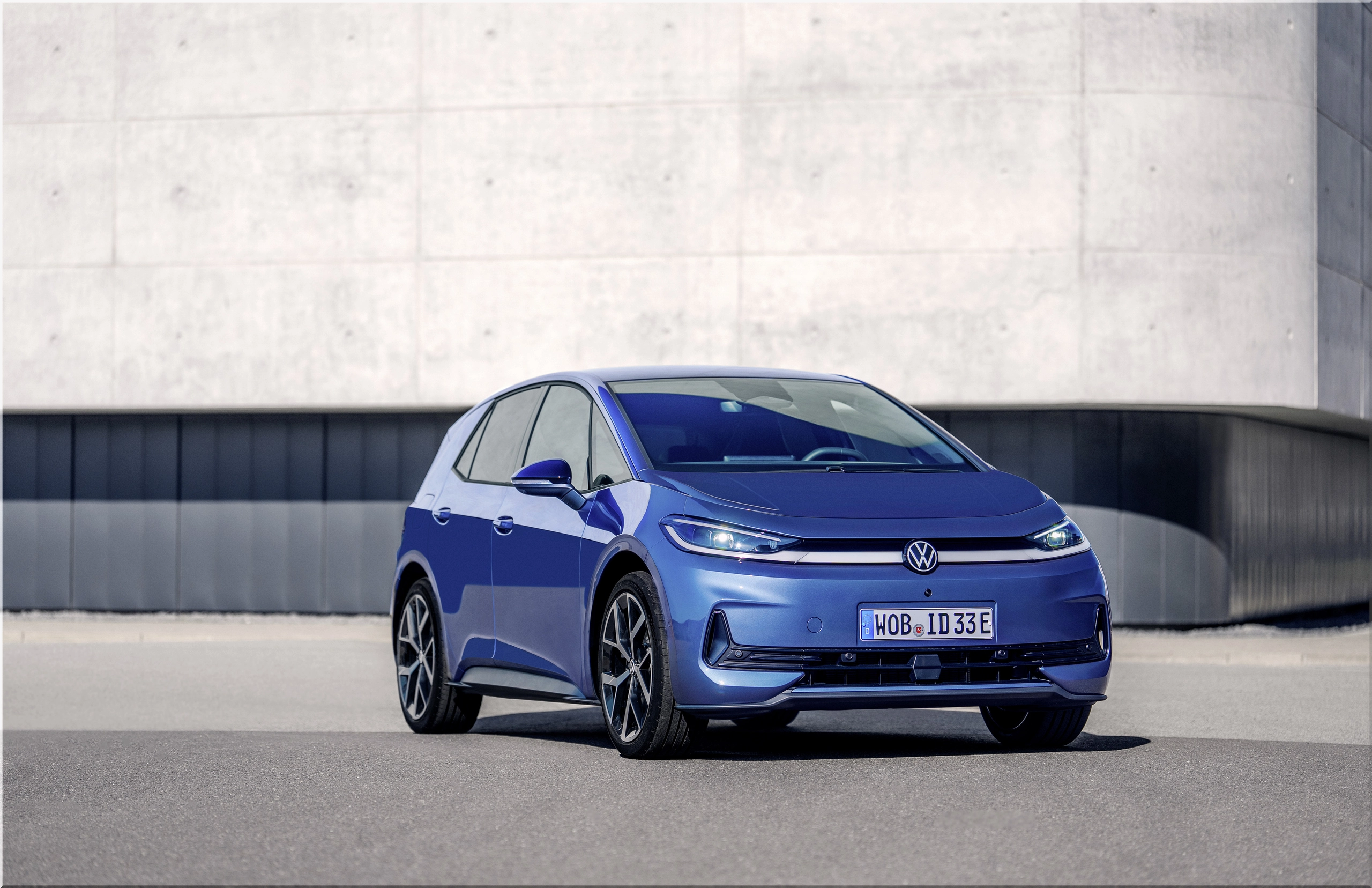
Volkswagen ID.3 Neo Design: A Sharper ID Family Face
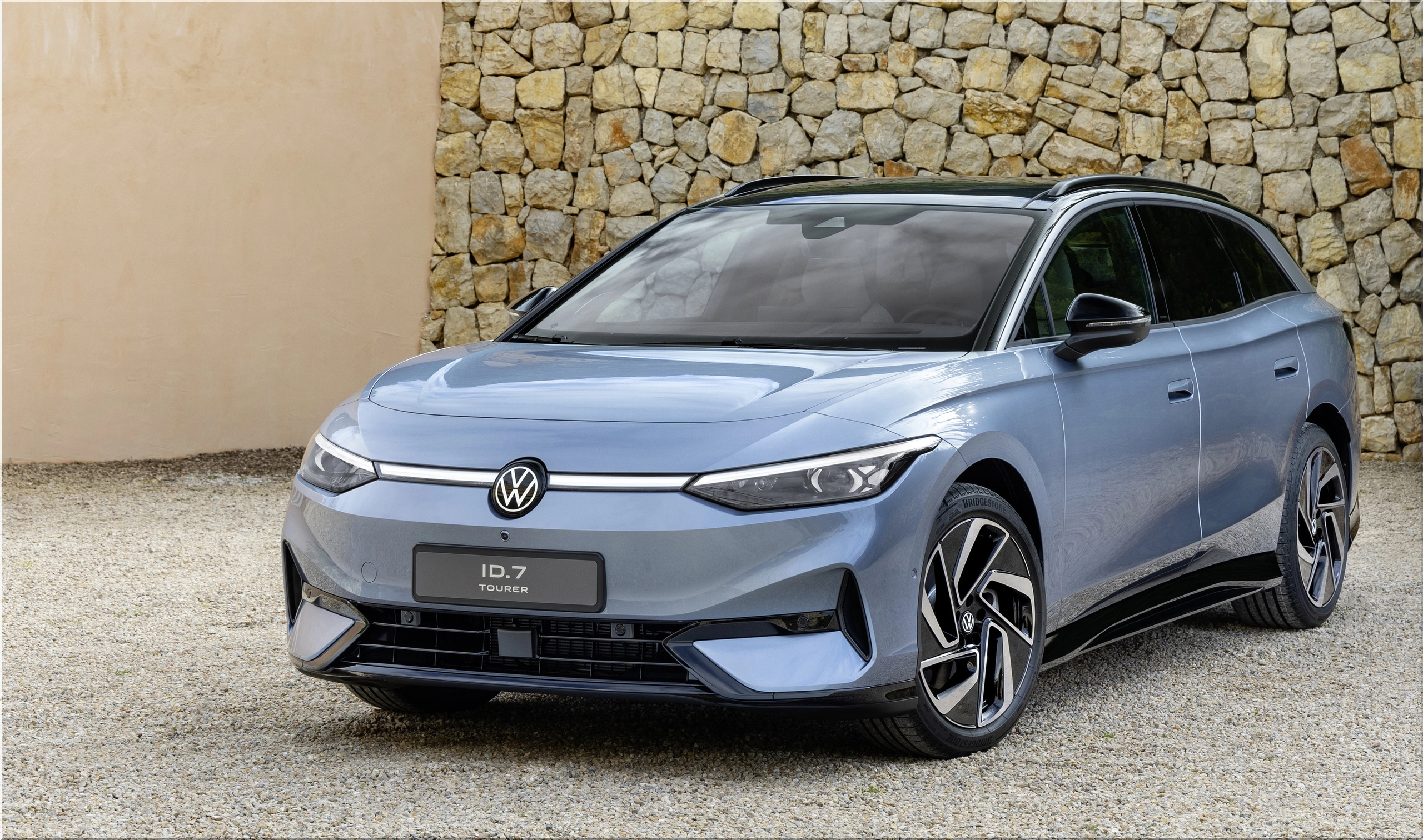
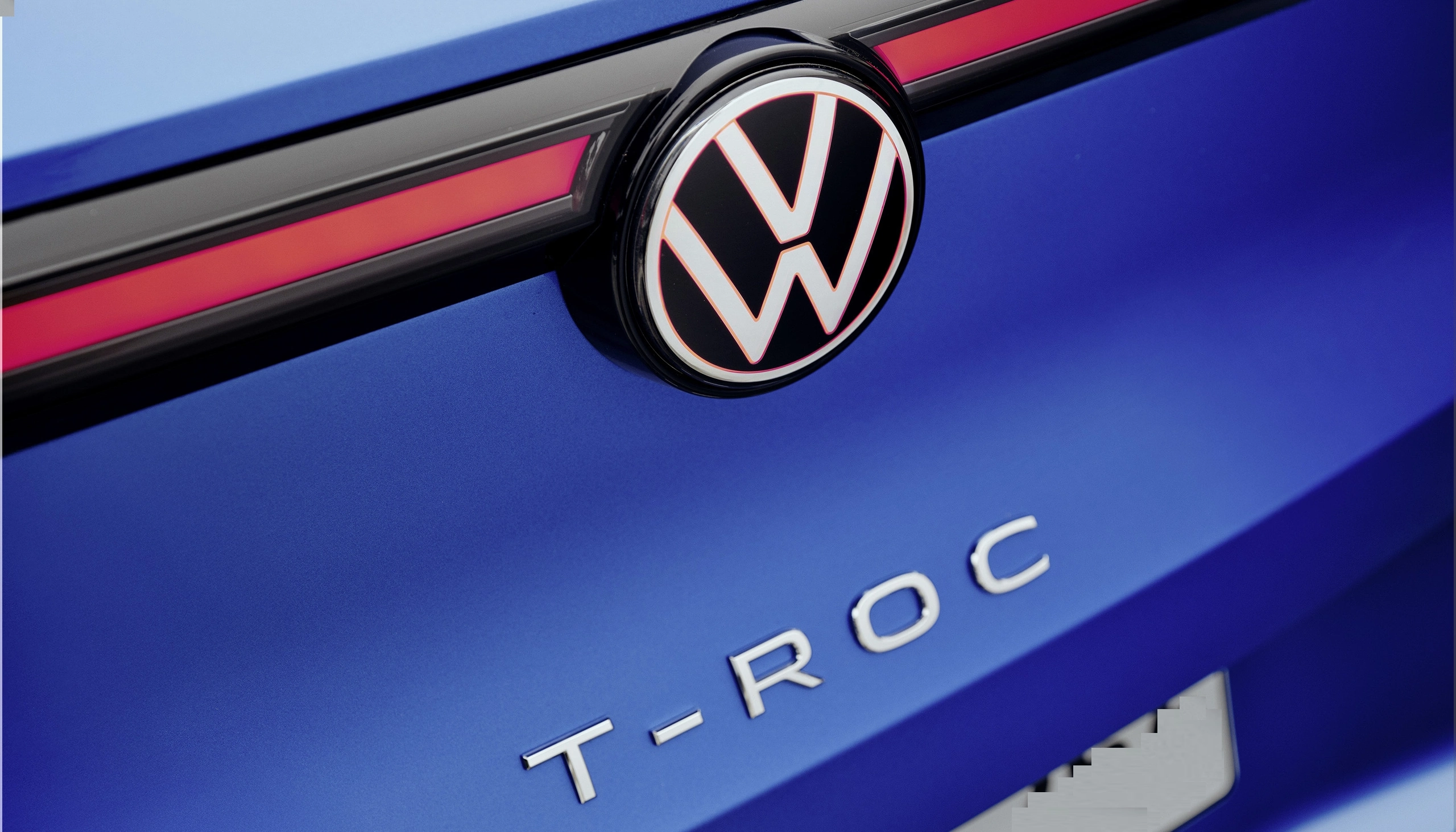
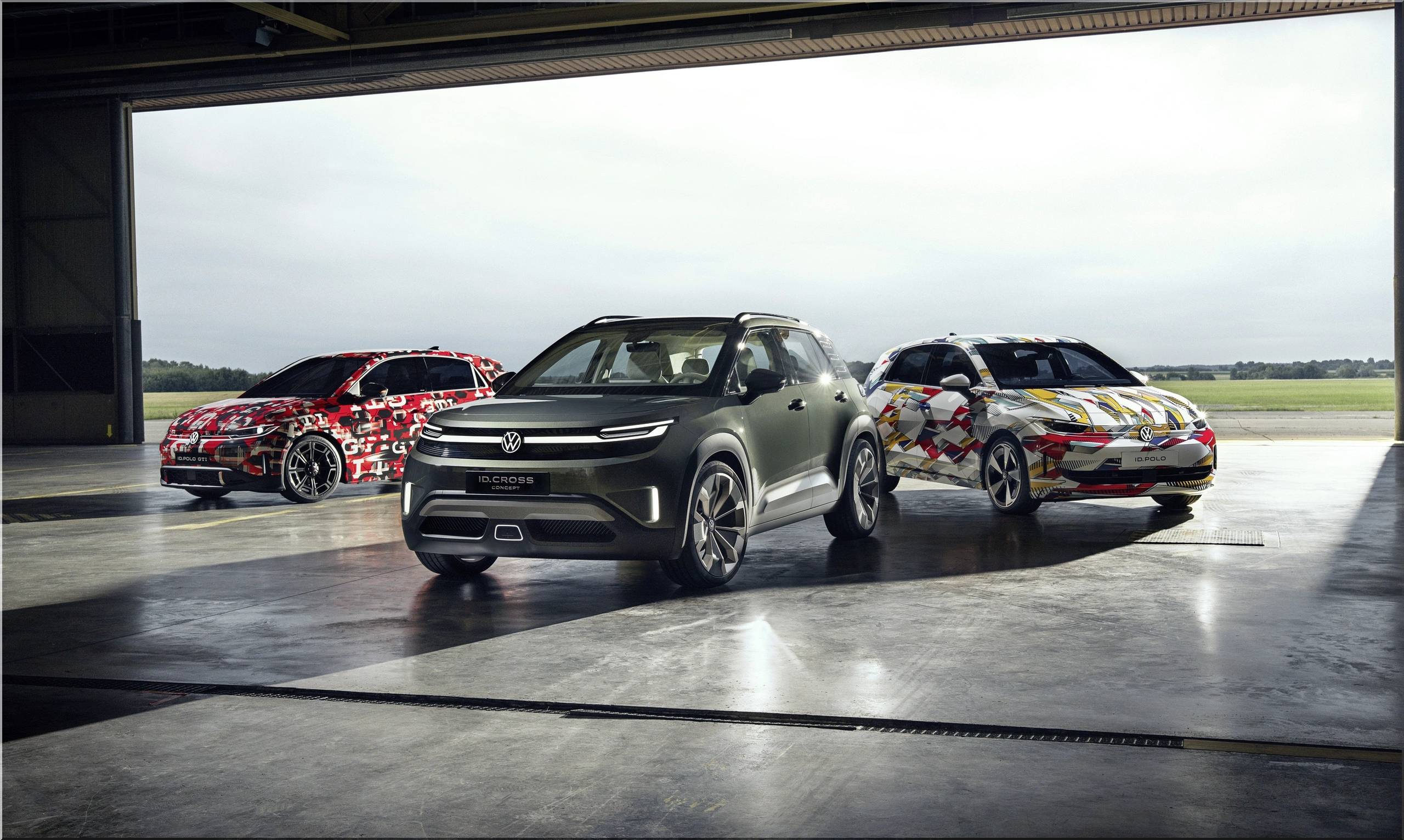
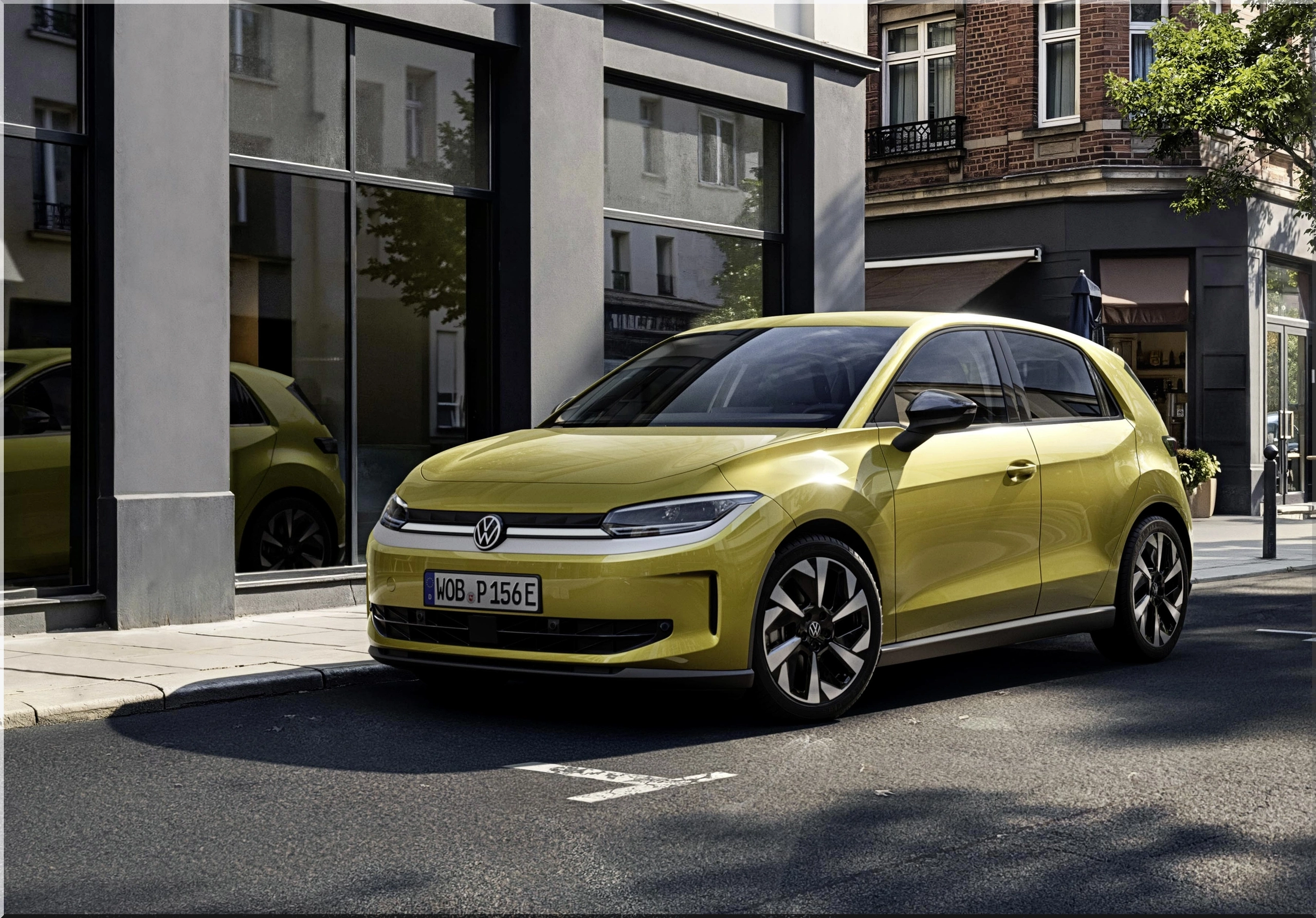
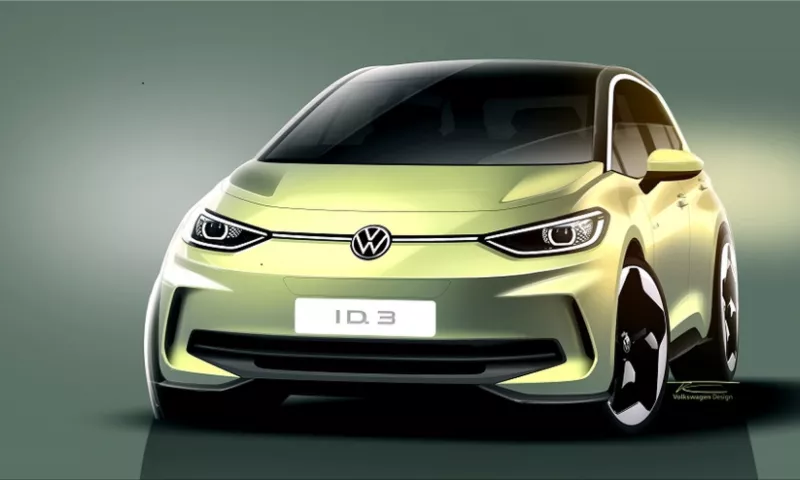
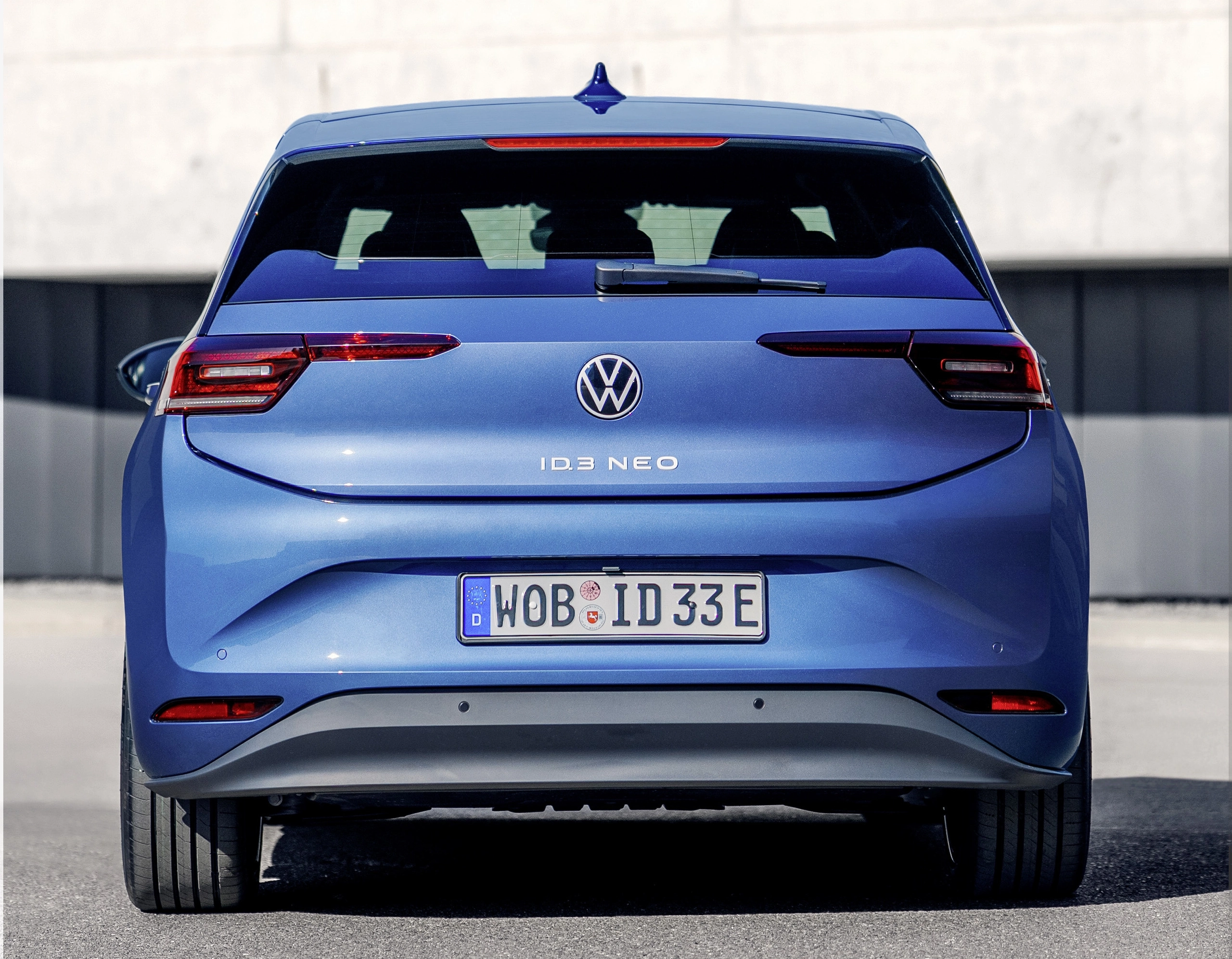
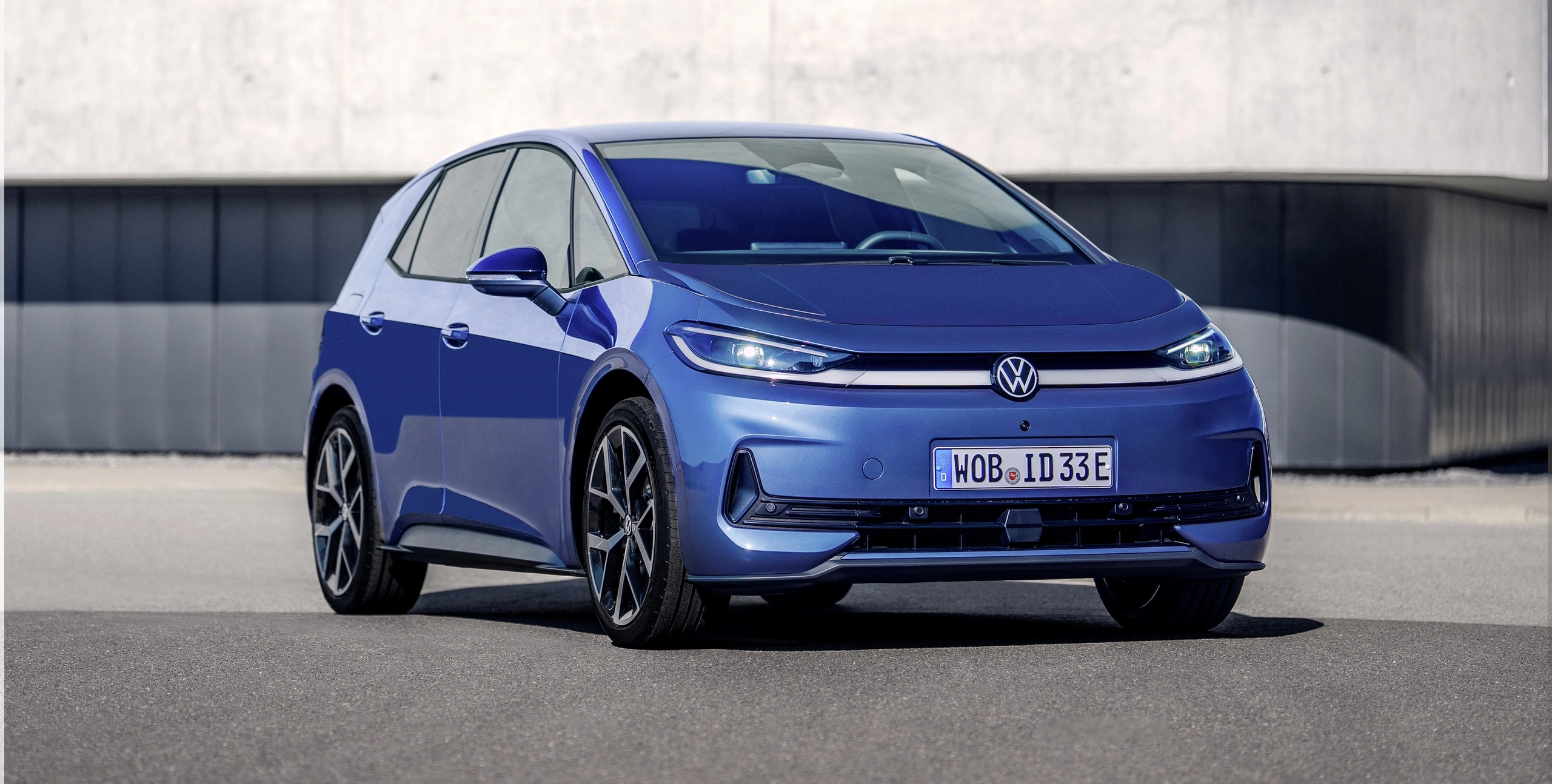
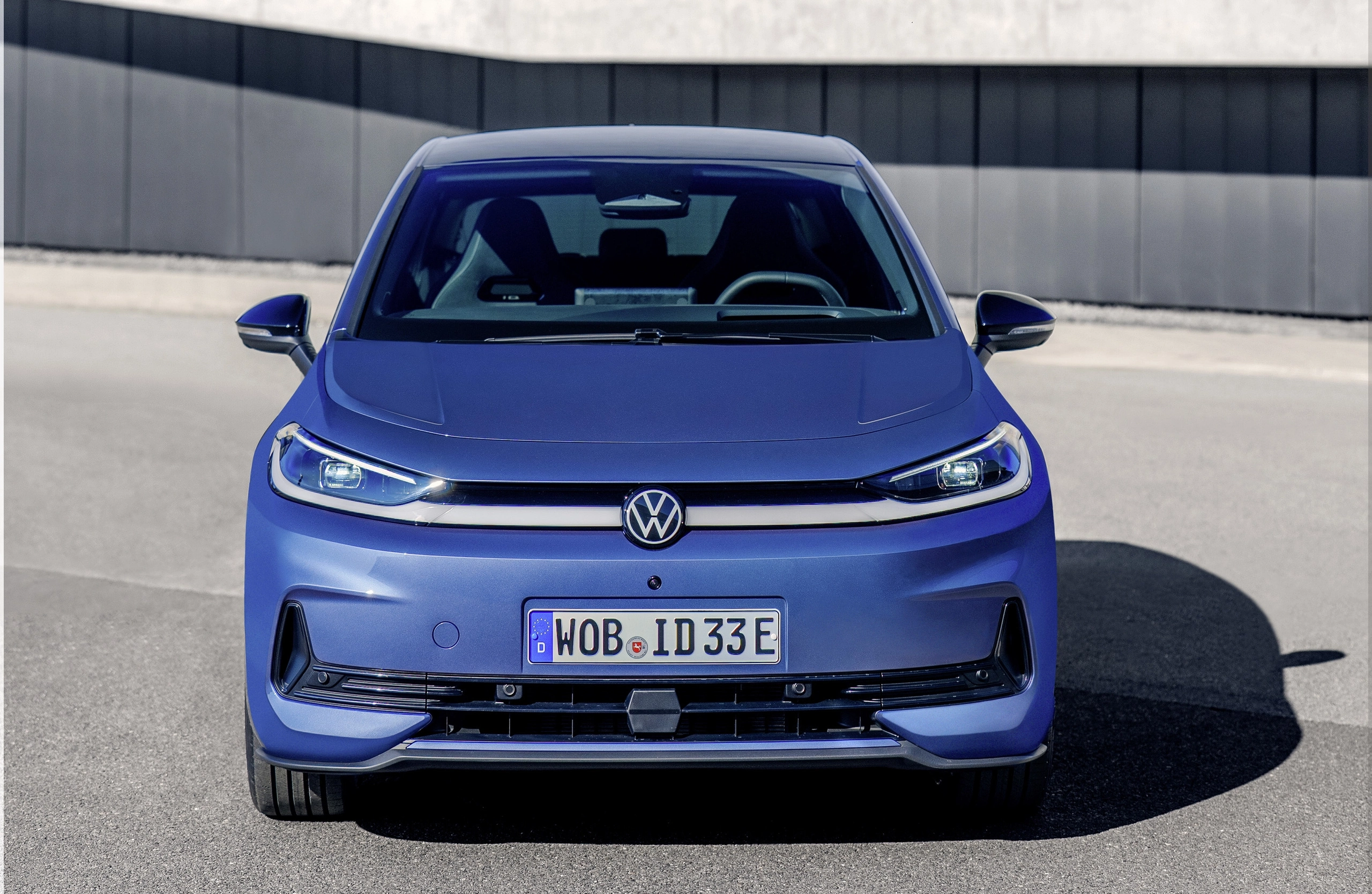
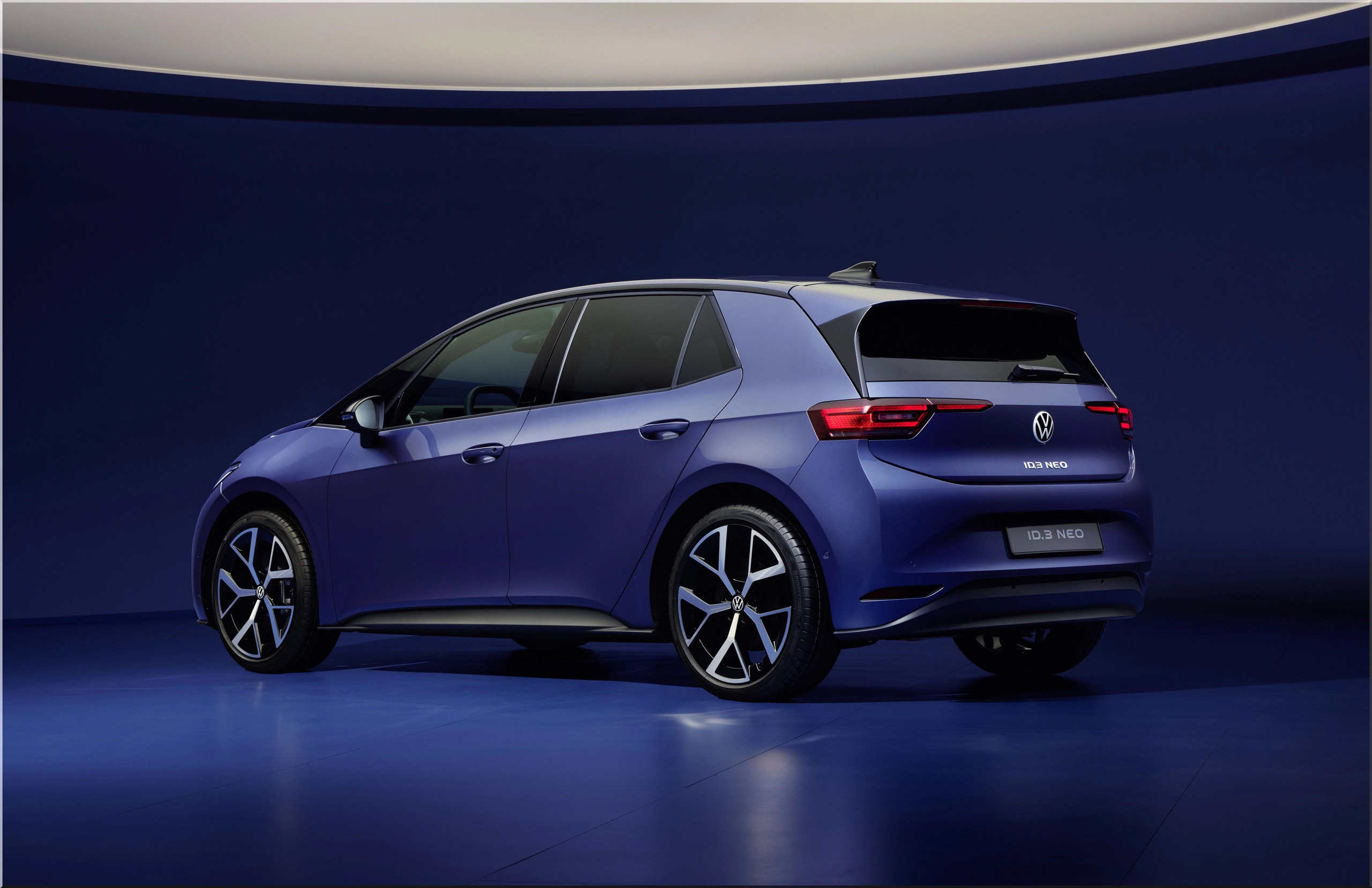
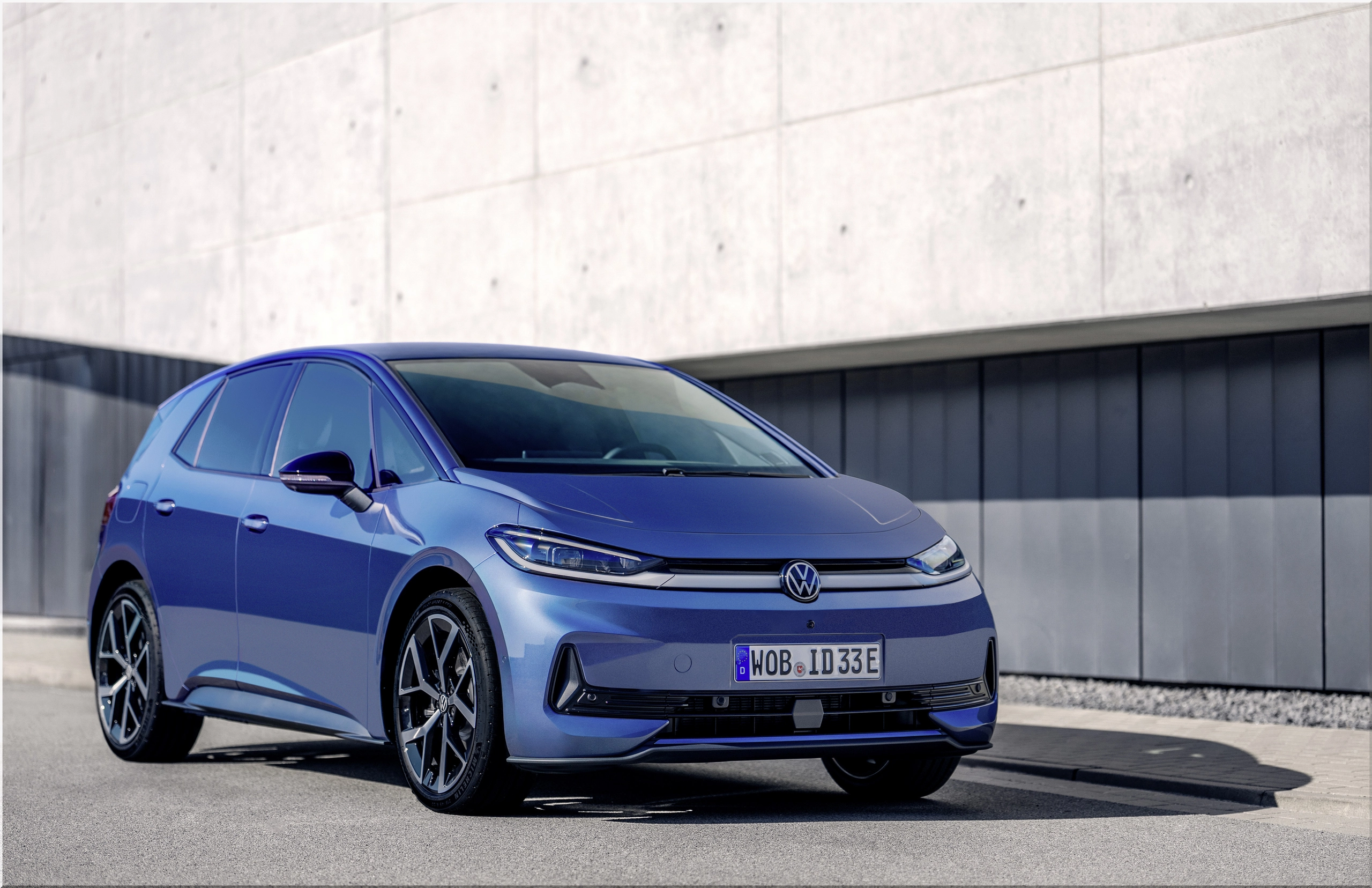
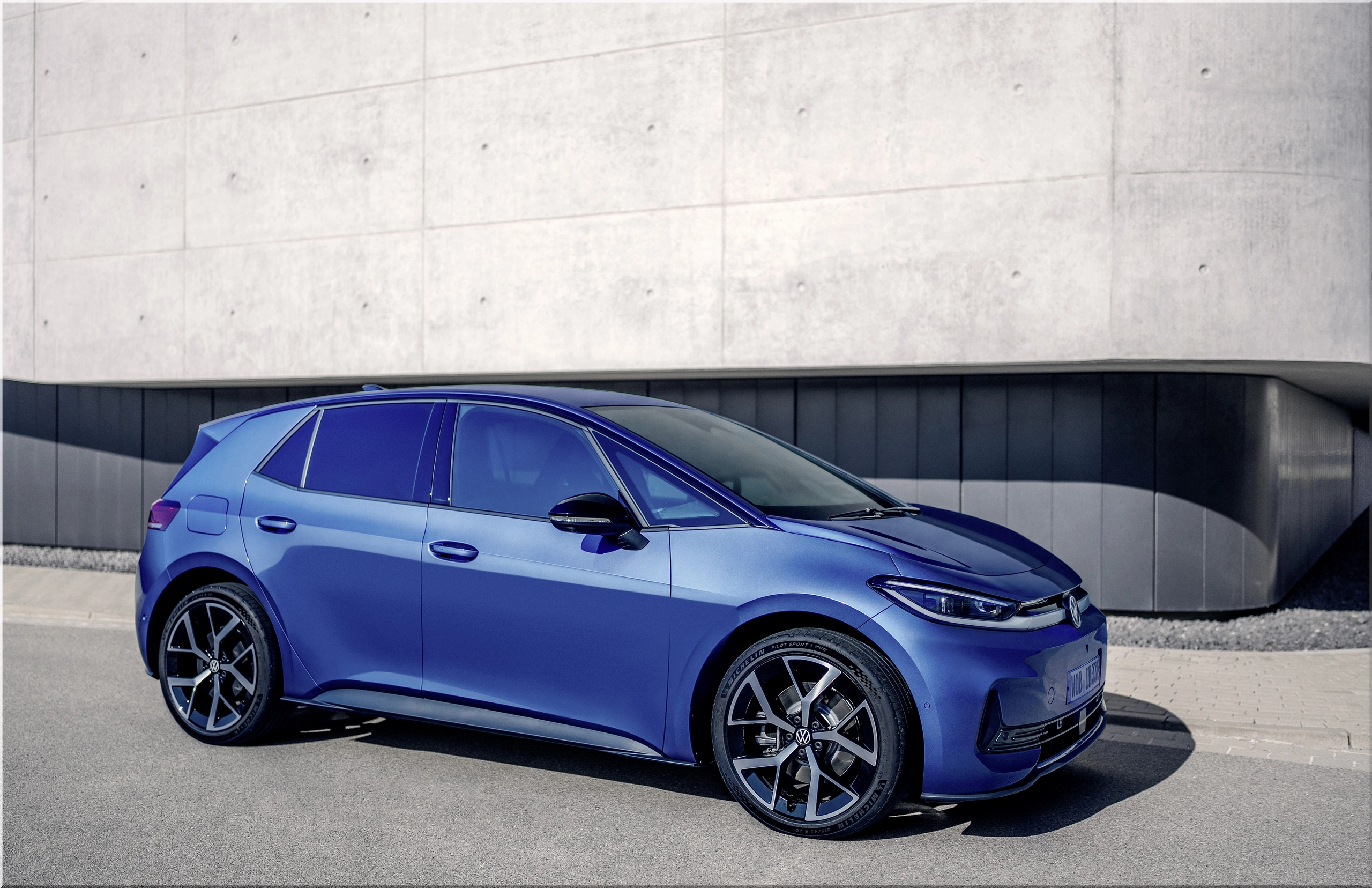
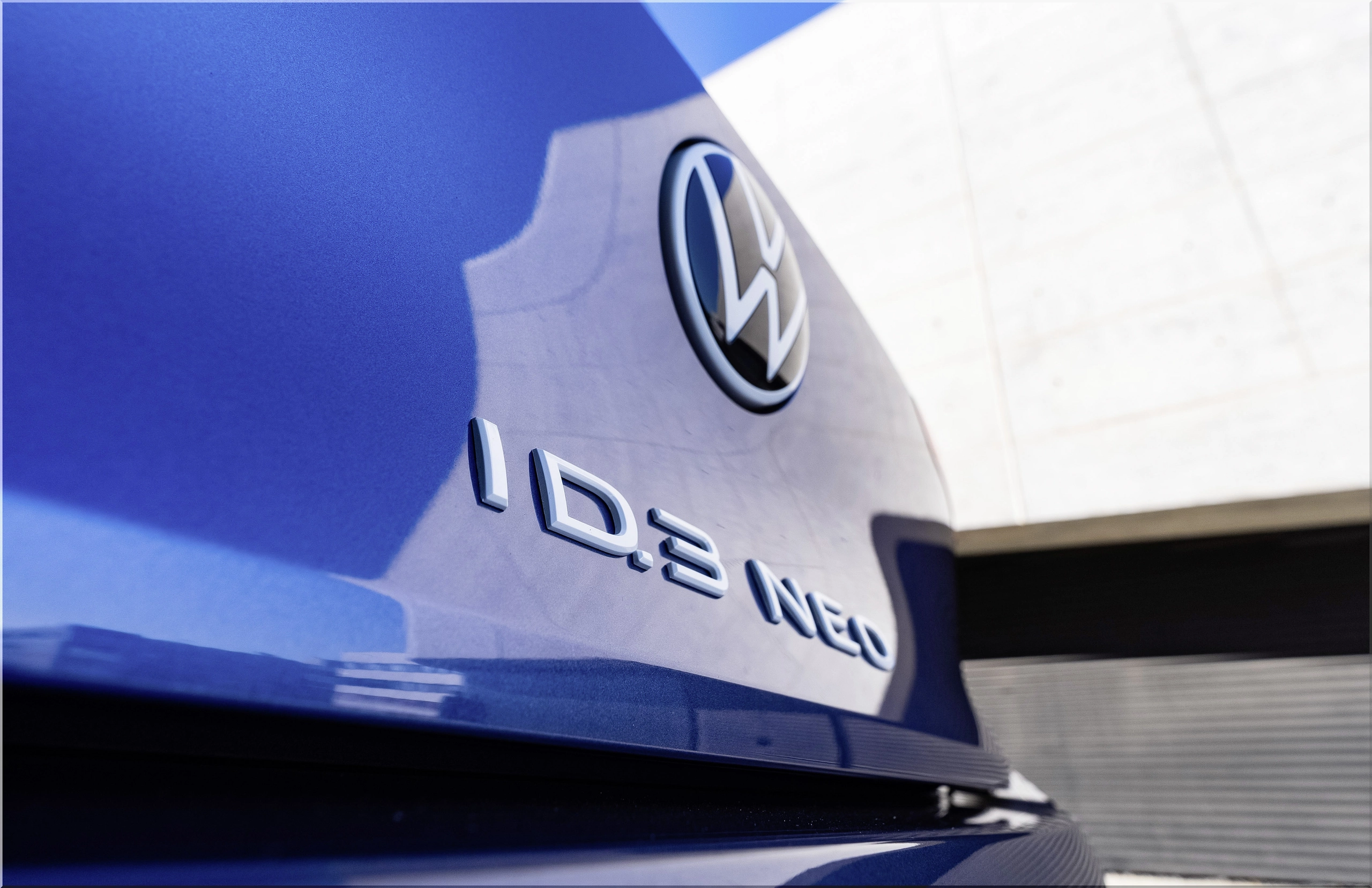
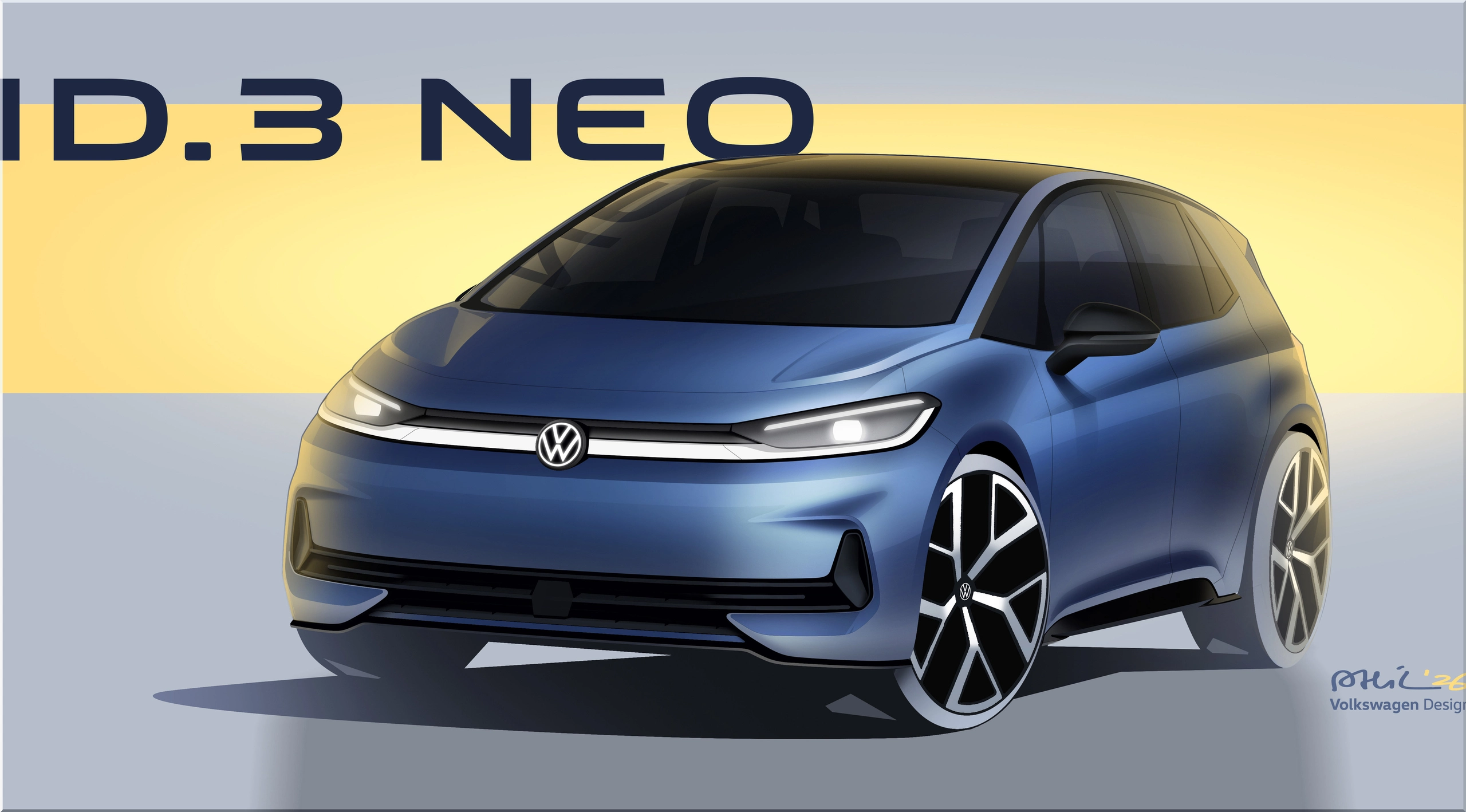
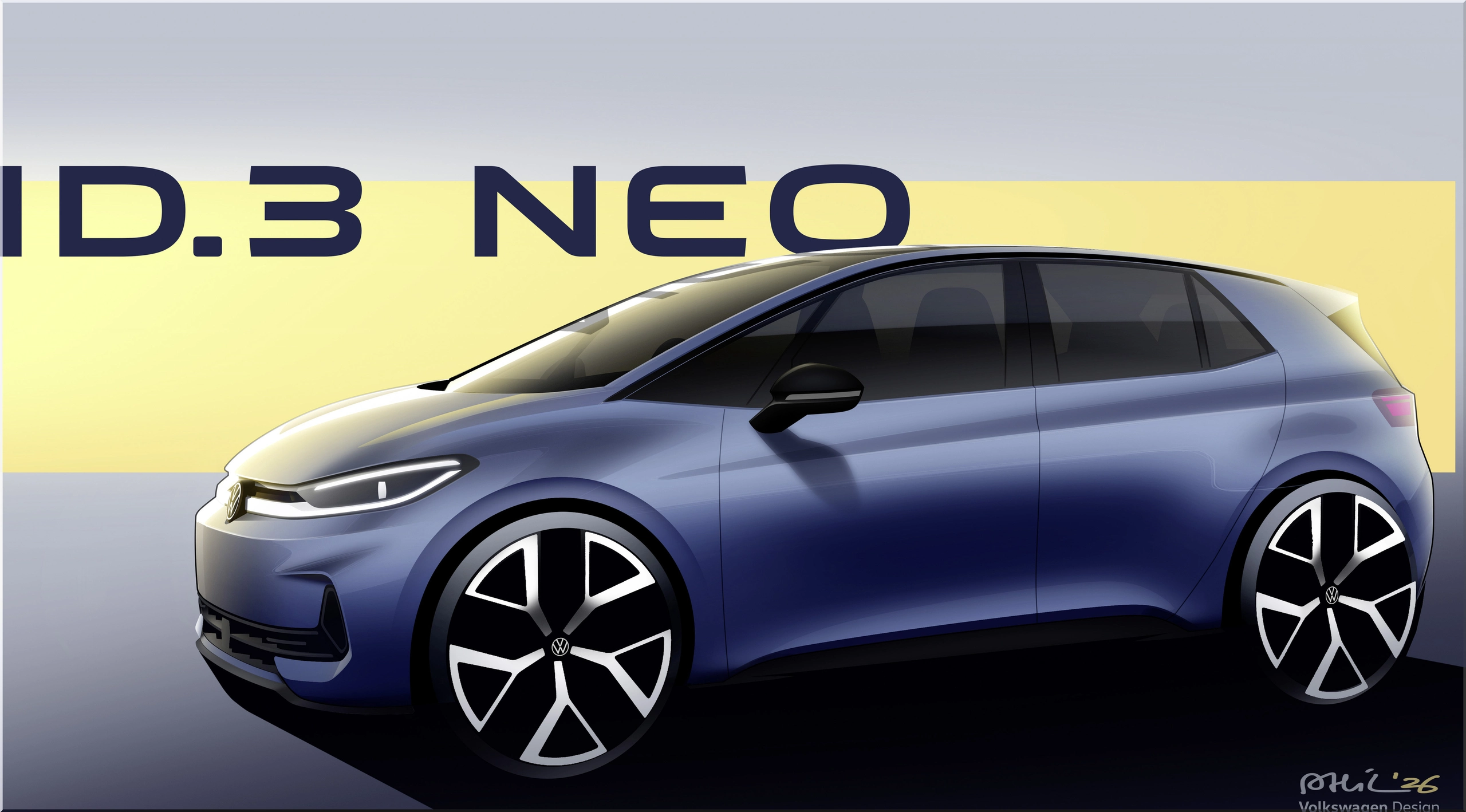
The exterior follows Volkswagen's newer Pure Positive design language. The front fascia now uses slimmer headlights, a full-width light bar, and an illuminated VW badge. That brings the ID.3 Neo closer to the upcoming ID. Polo and ID. Cross, giving Volkswagen's compact EVs a more consistent family identity.
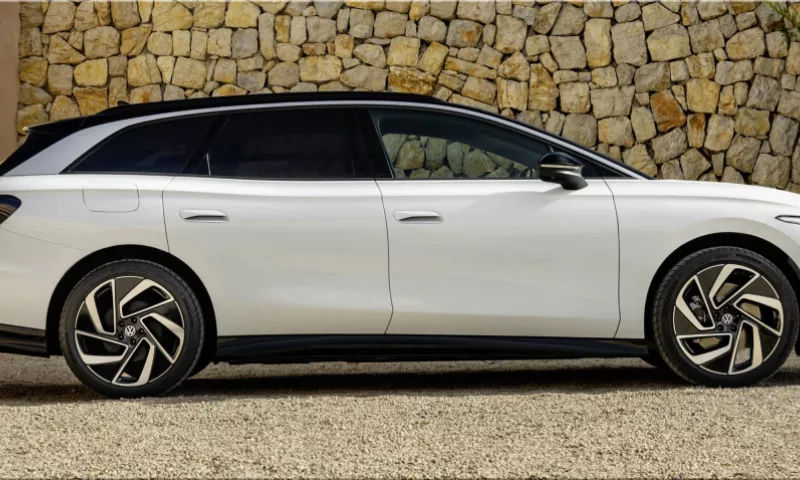
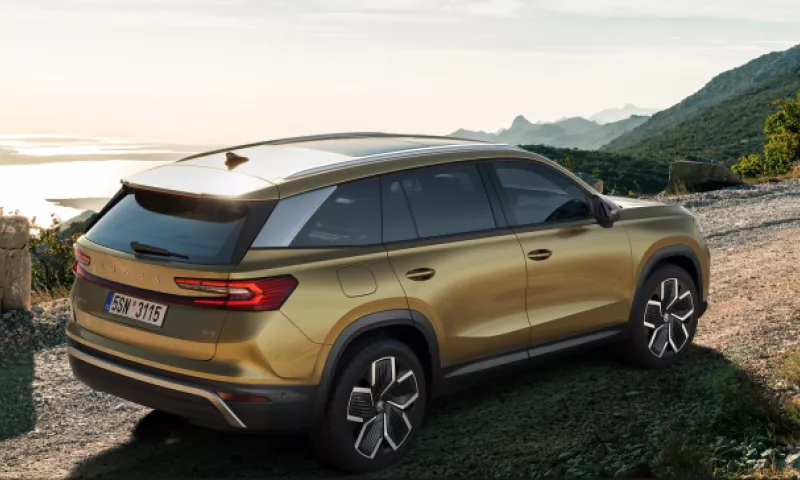
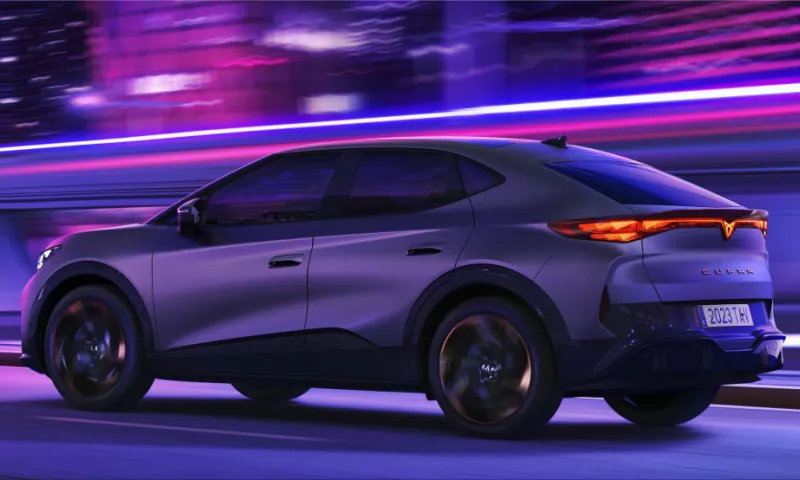
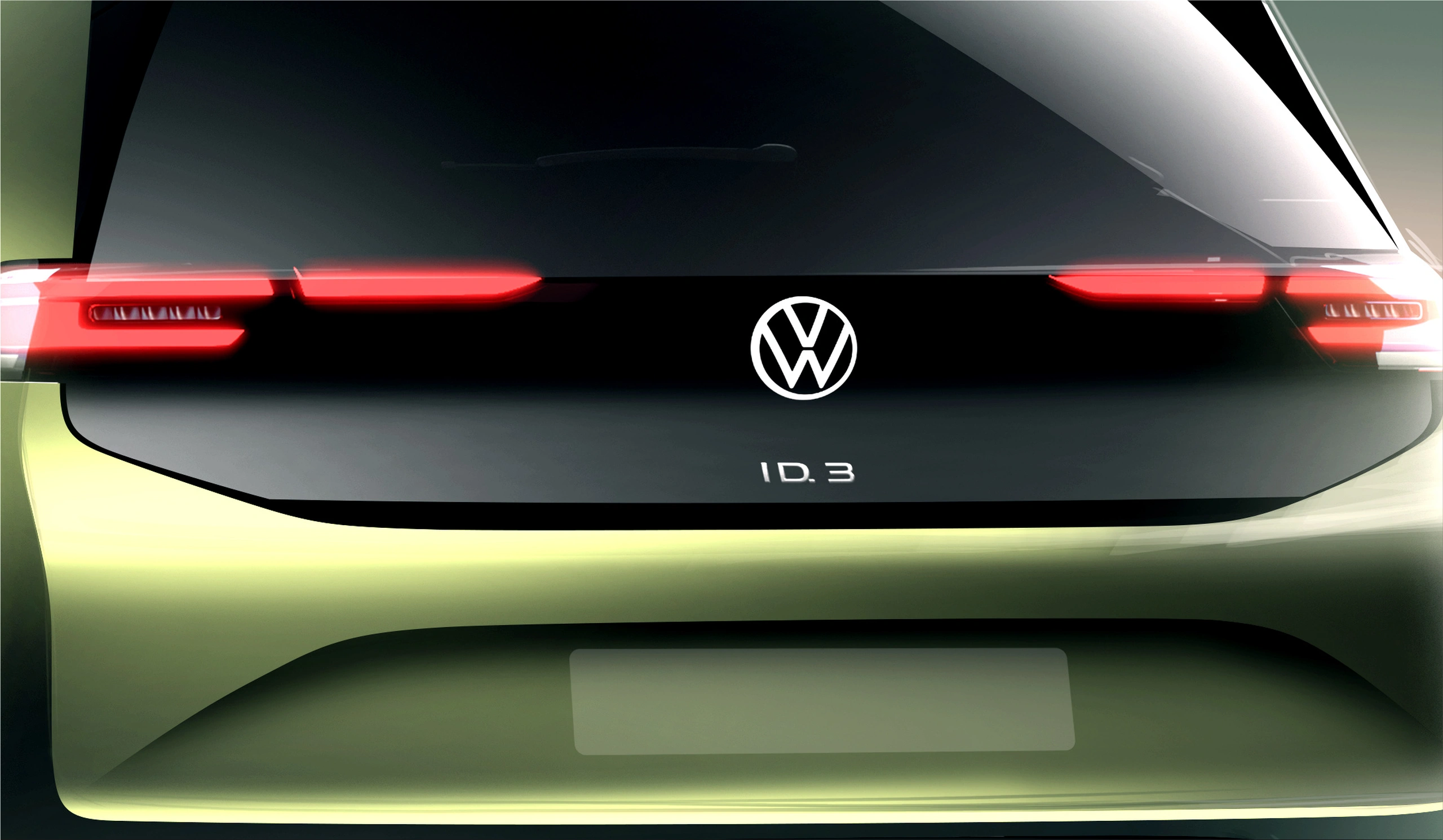
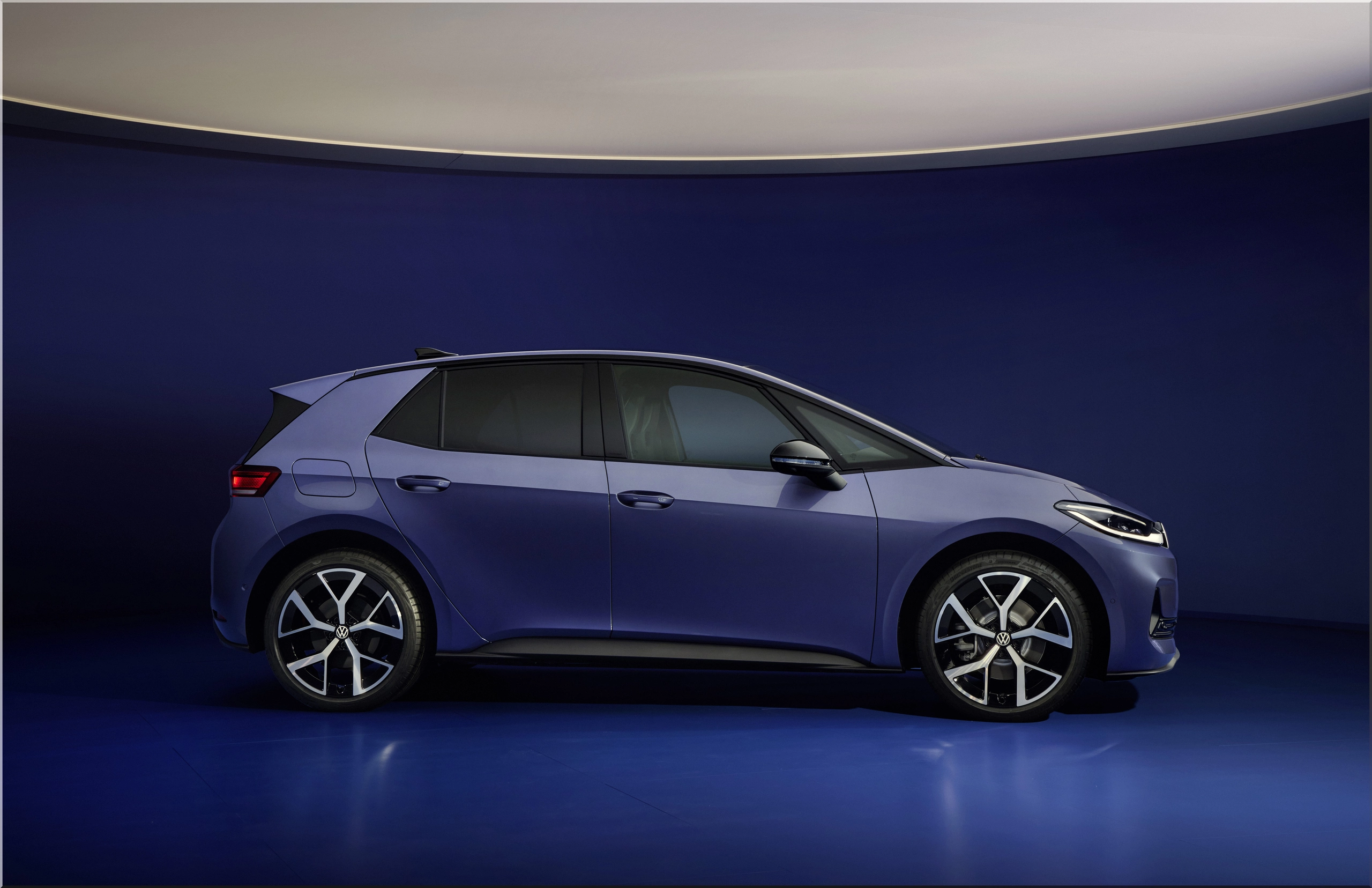
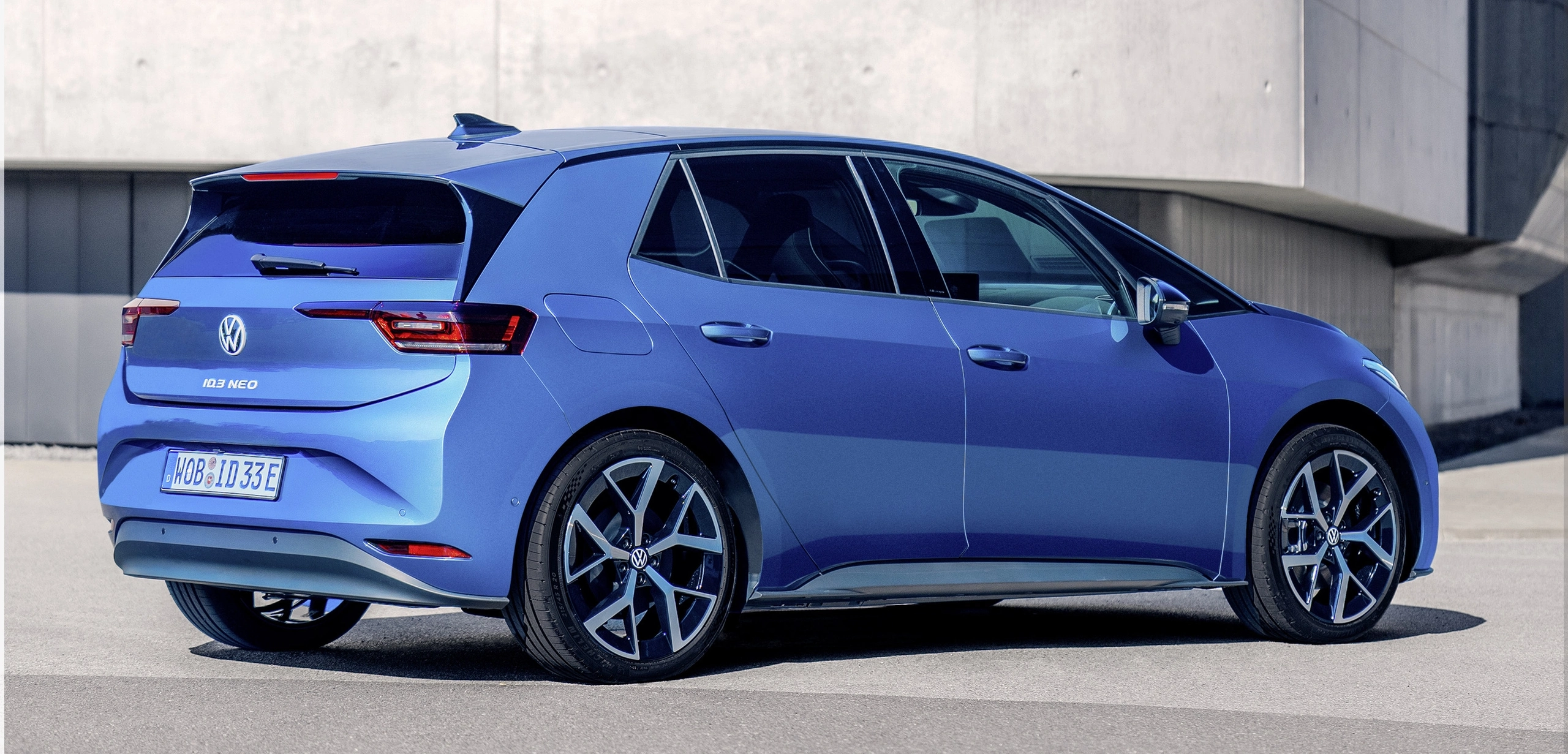
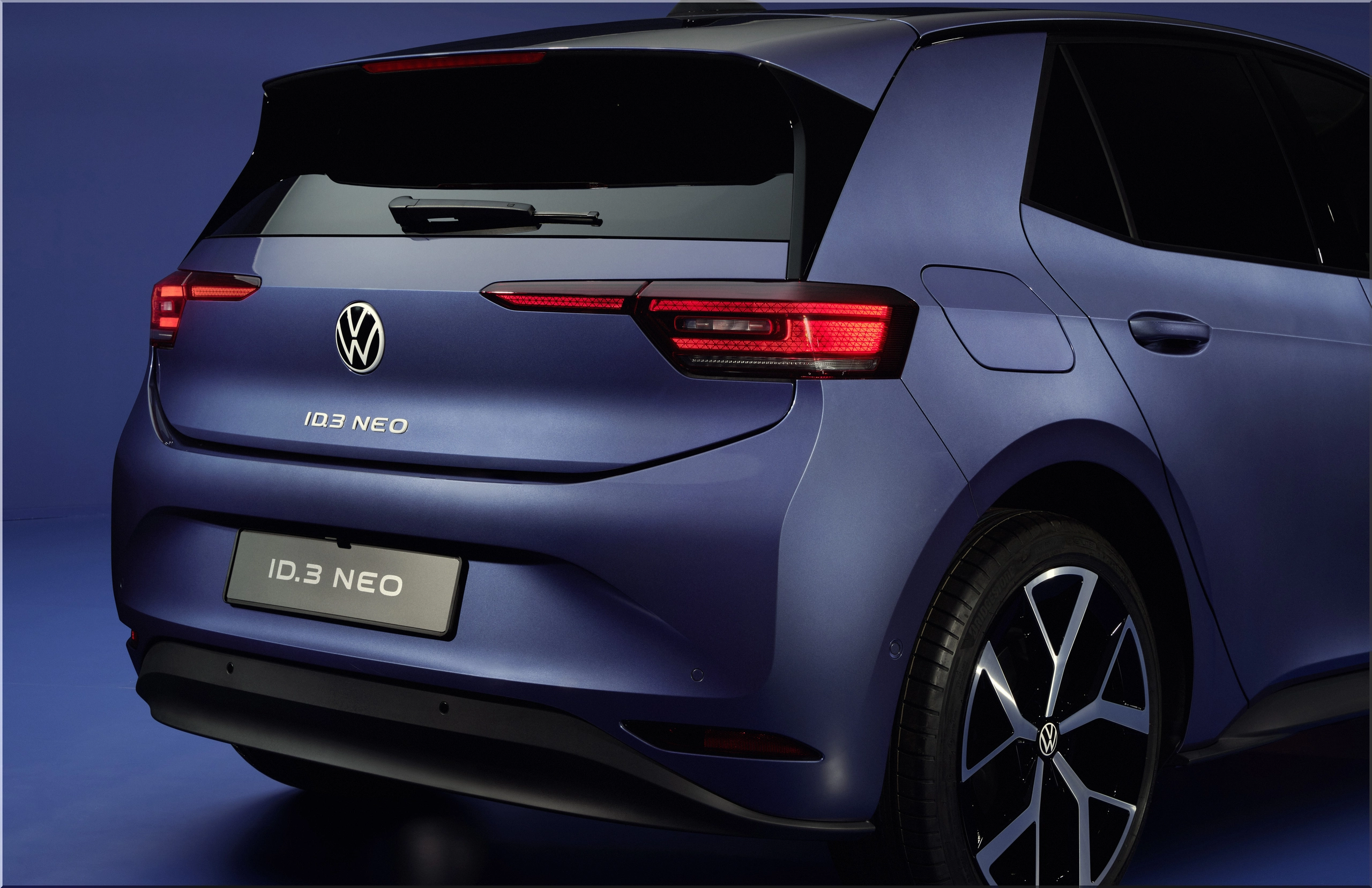
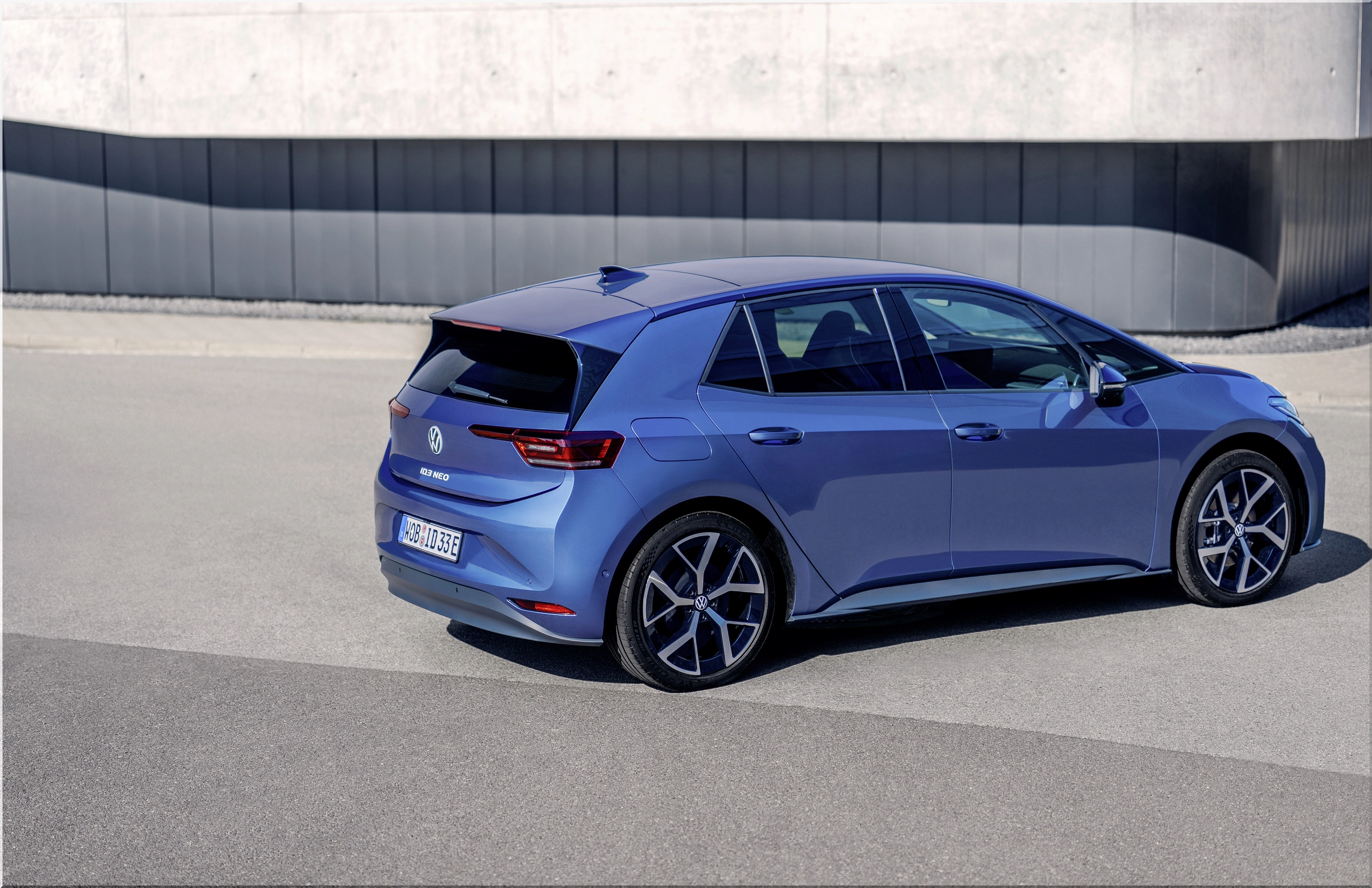
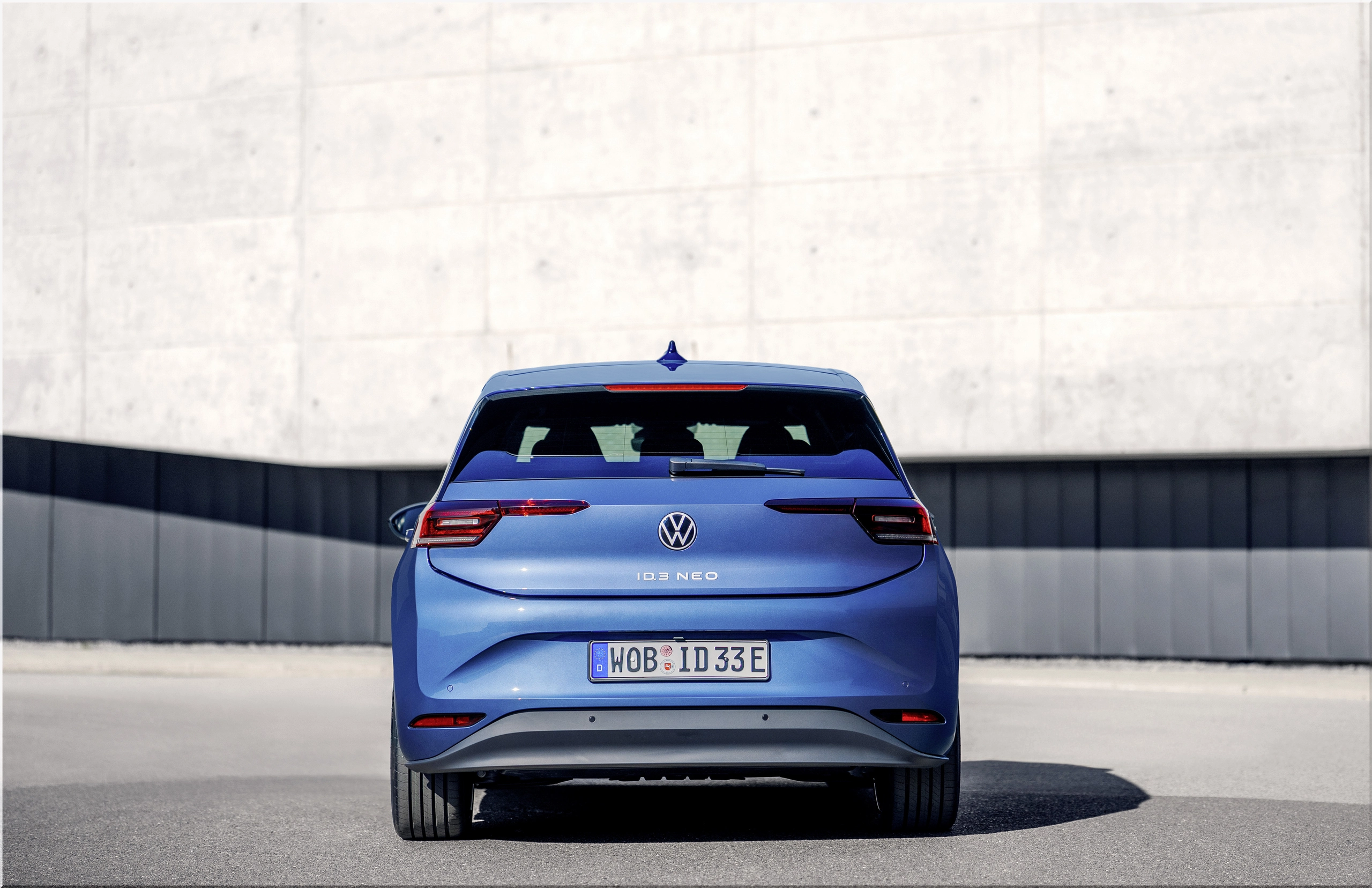
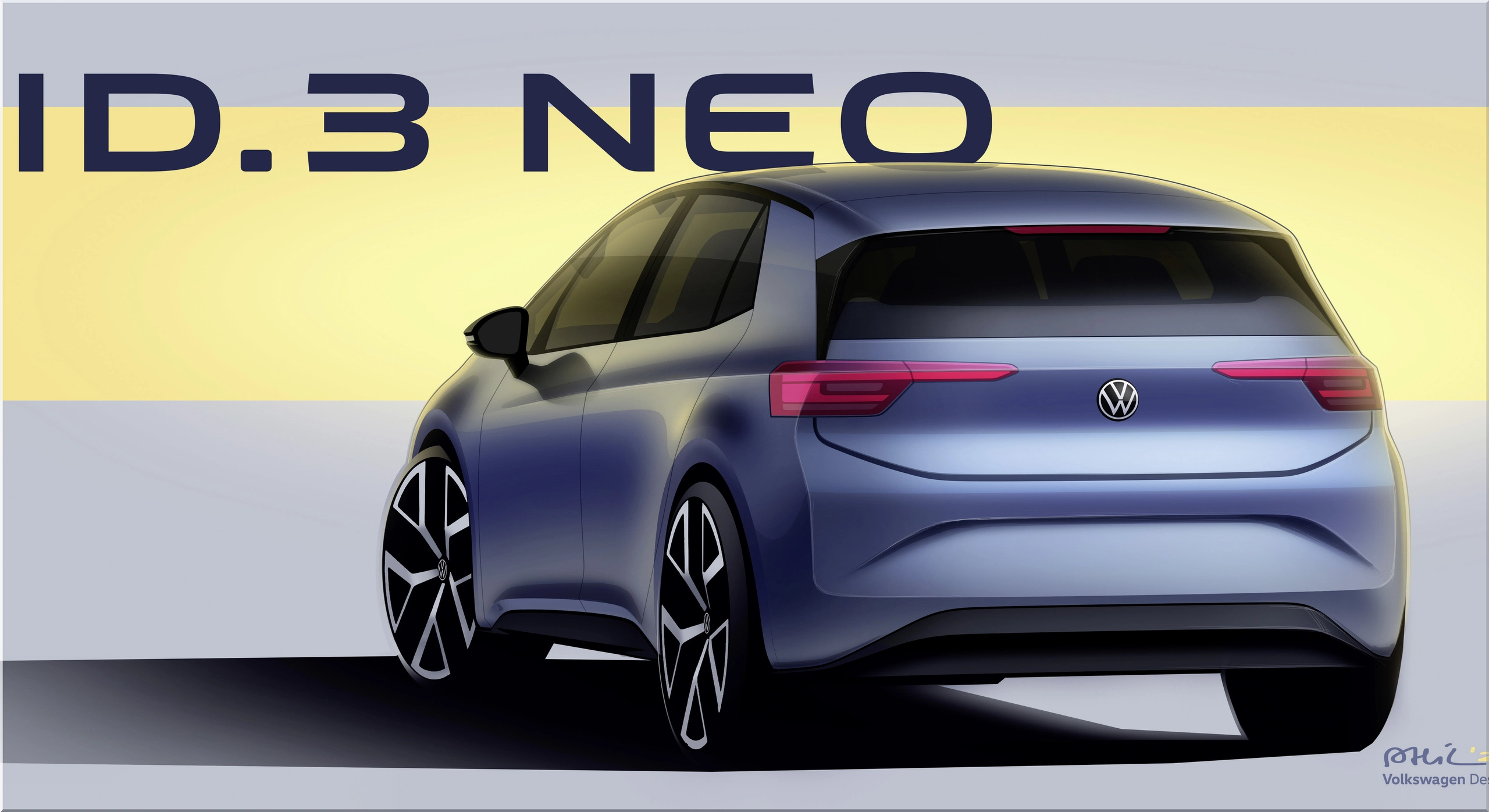
In addition, Volkswagen painted the roof, rear spoiler, and tailgate in body color. That change removes the old black-tailgate look and visually stretches the car from the side. It sounds minor. It works because color continuity reduces visual mass at the rear and gives the hatchback a lower, longer stance without changing its core platform geometry.
Image
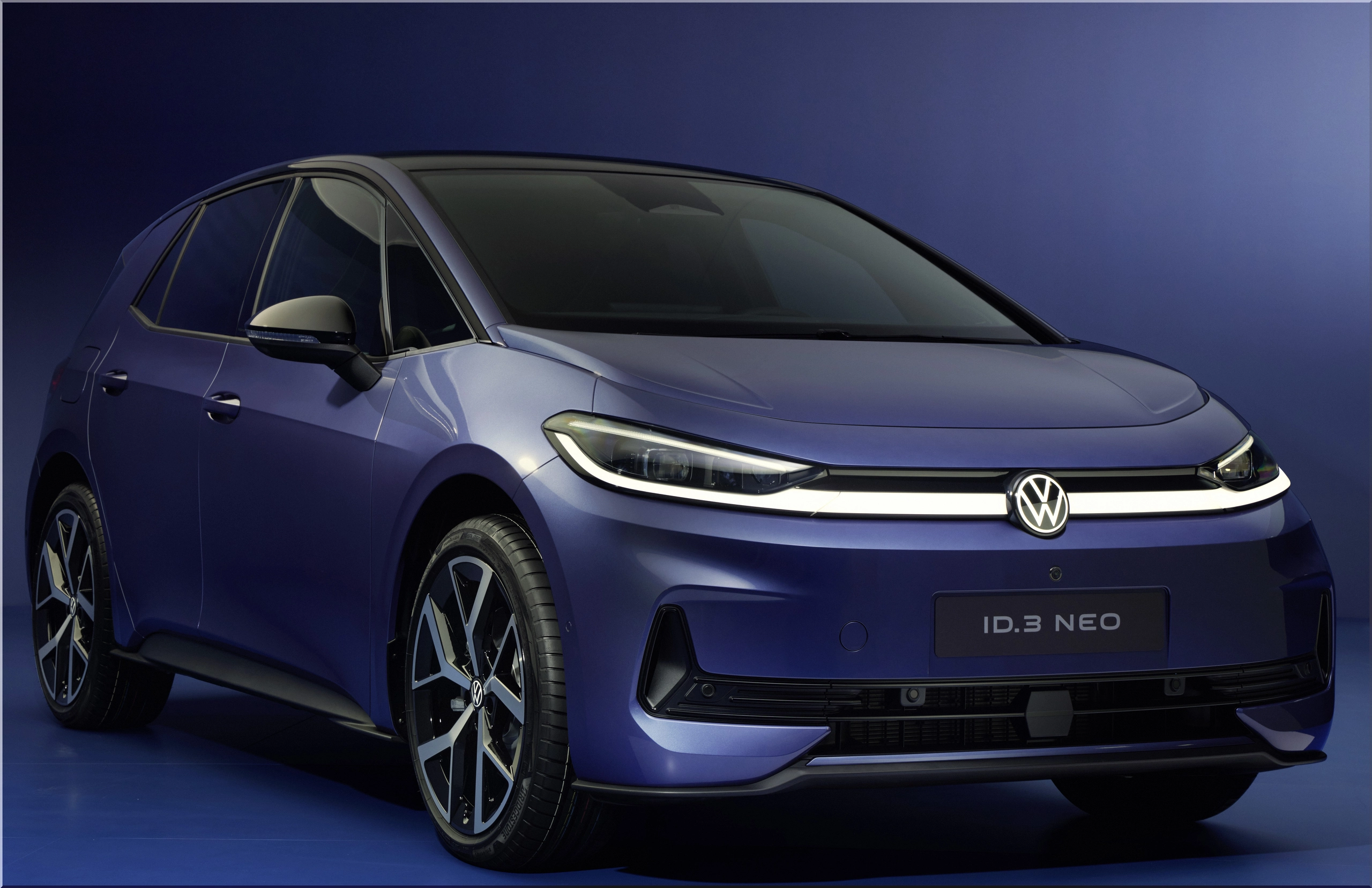
Exterior Changes At A Glance
| Feature | Previous ID.3 | New ID.3 Neo |
|---|---|---|
| Front design | Earlier ID face | Pure Positive front end |
| Lighting | Model-dependent ID lighting | Full-width light band, slimmer lamps |
| Rear hatch | Black visual panel | Body-color tailgate |
| Roof and spoiler | Darker contrast treatment | Body-color treatment |
| Badge position | Conventional rear branding | Centered ID.3 Neo rear name |
| Visual effect | Taller, plainer stance | Lower, longer, cleaner stance |
Video title
Volkswagen ID.3 Neo
Interior: Volkswagen Fixes The Controls
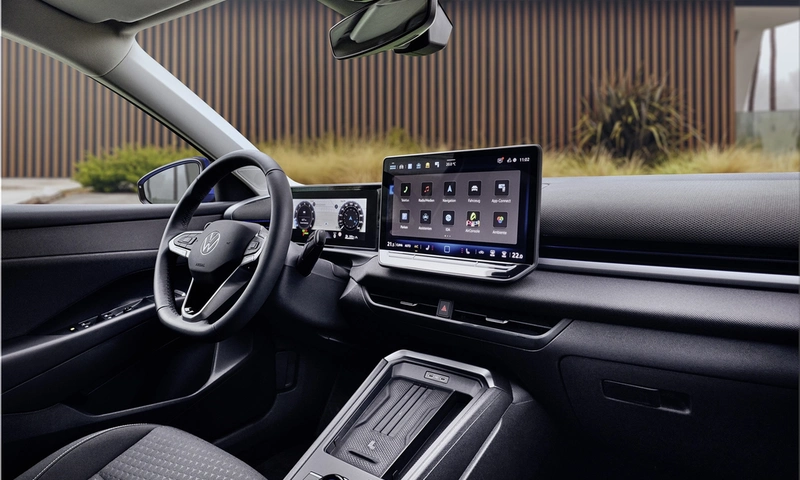
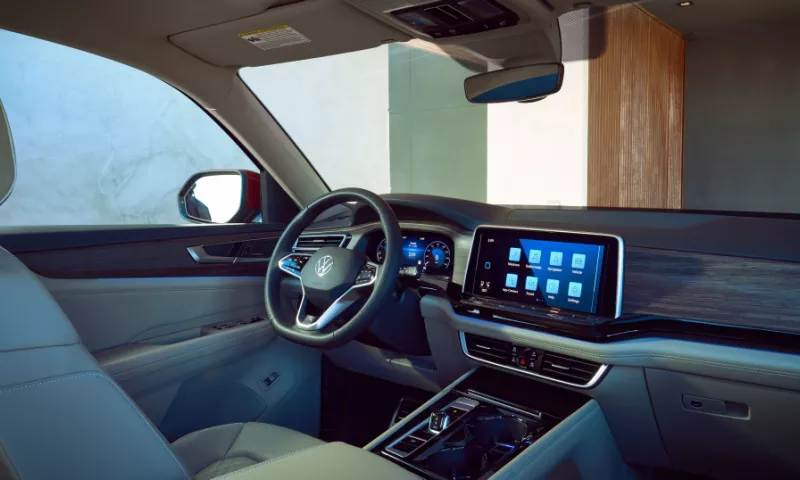
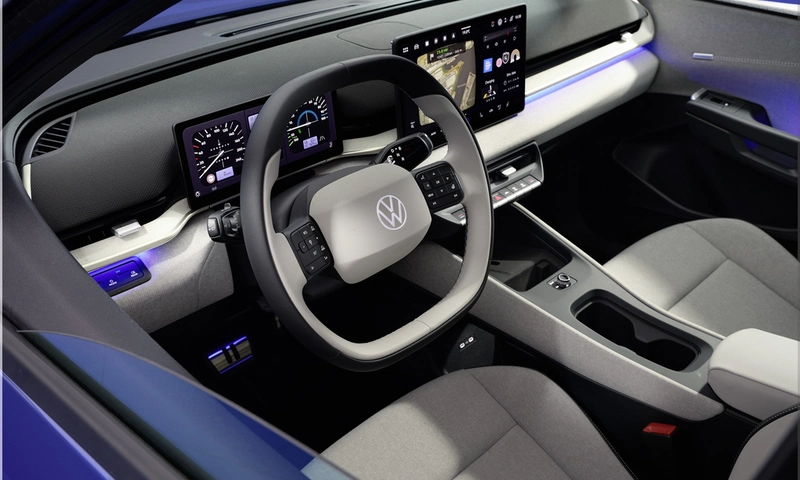
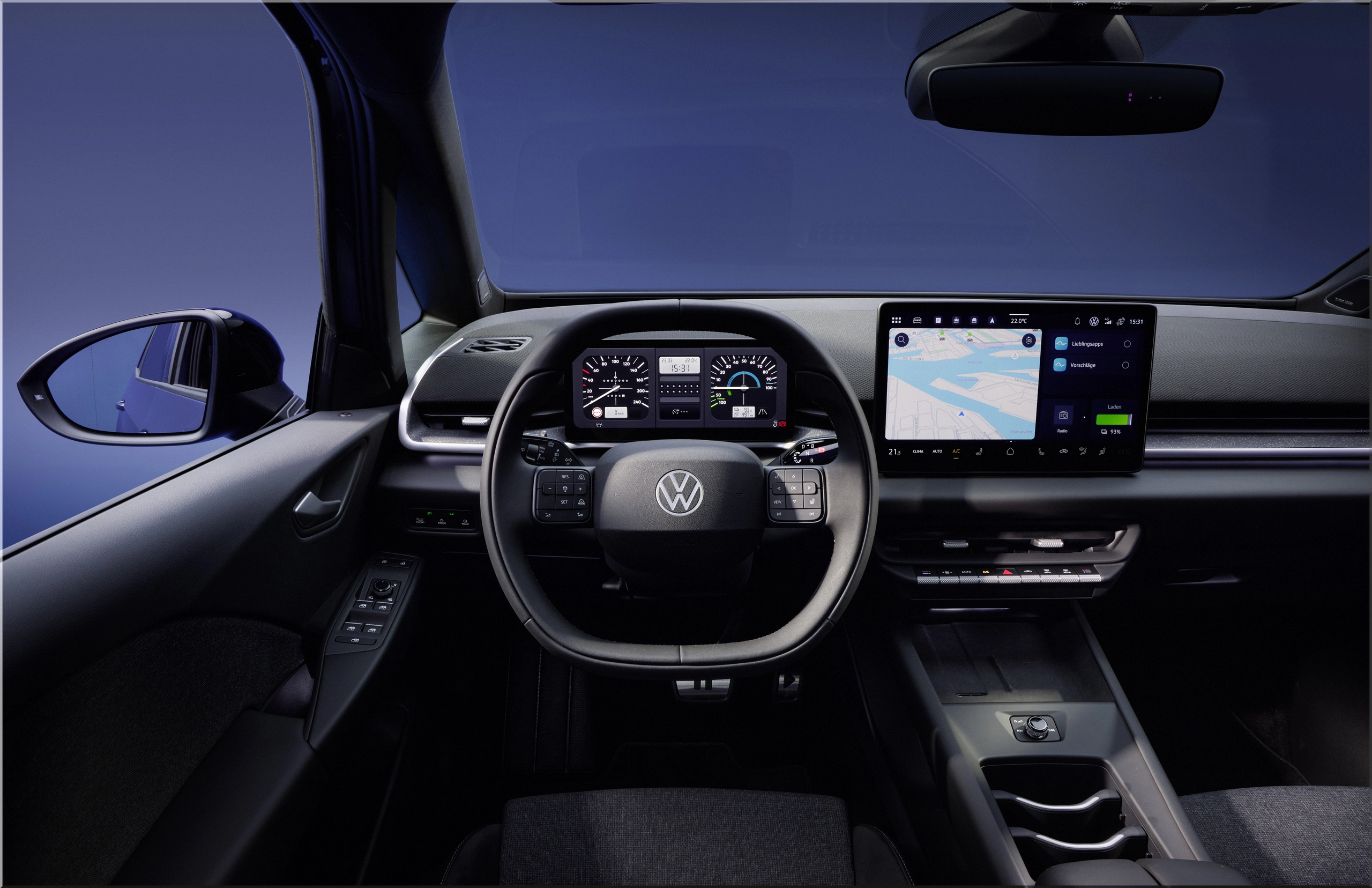
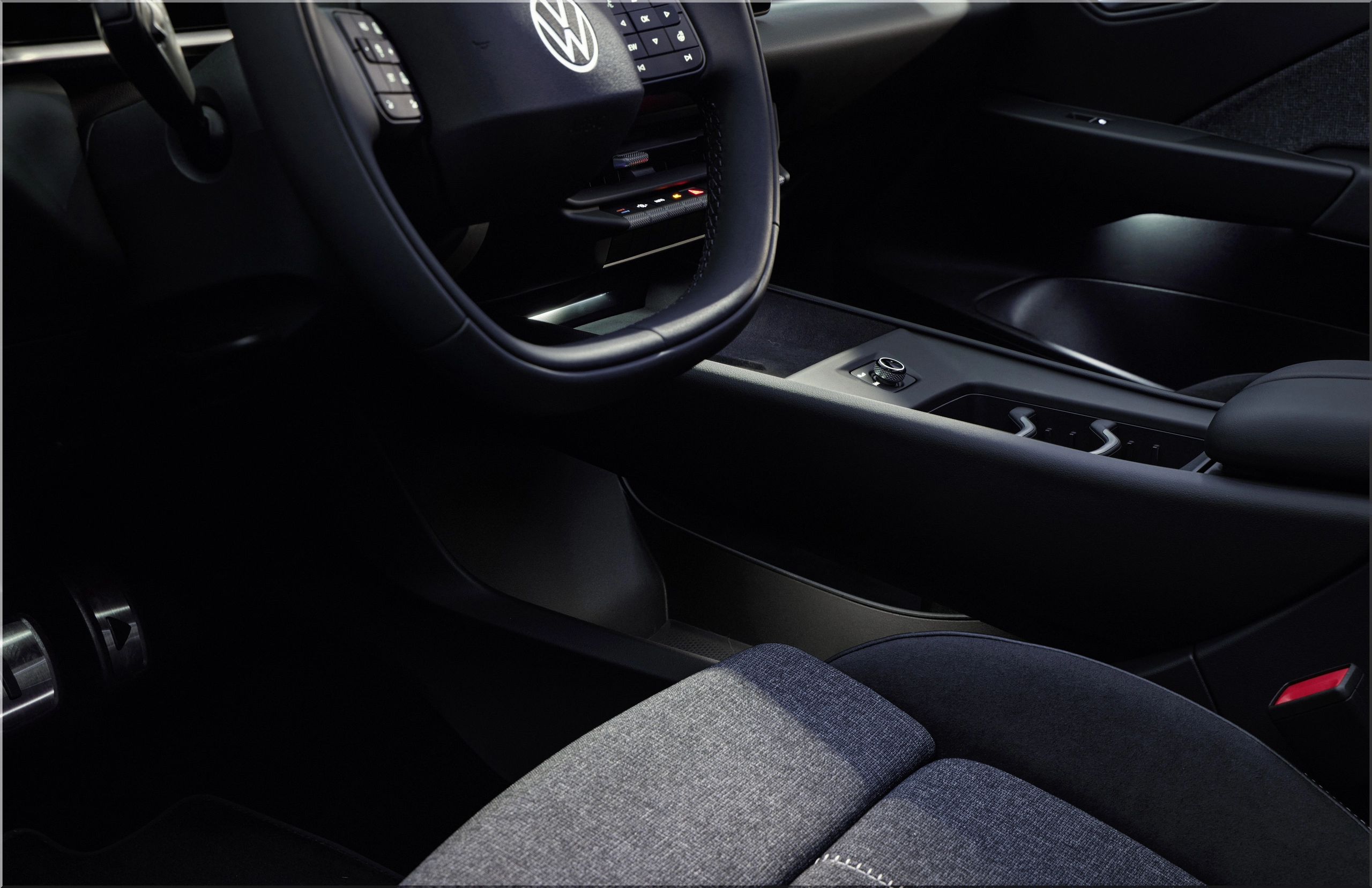
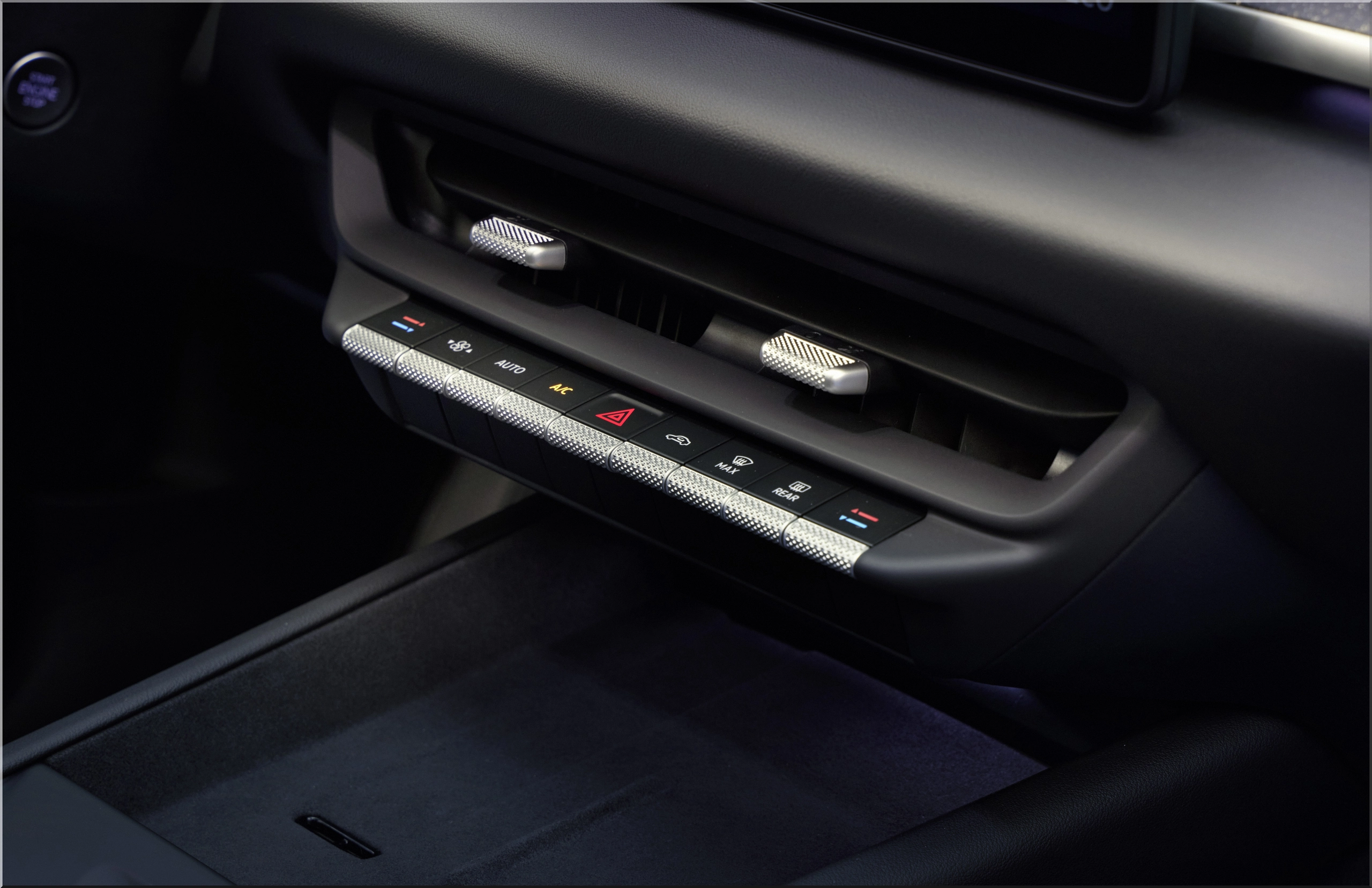
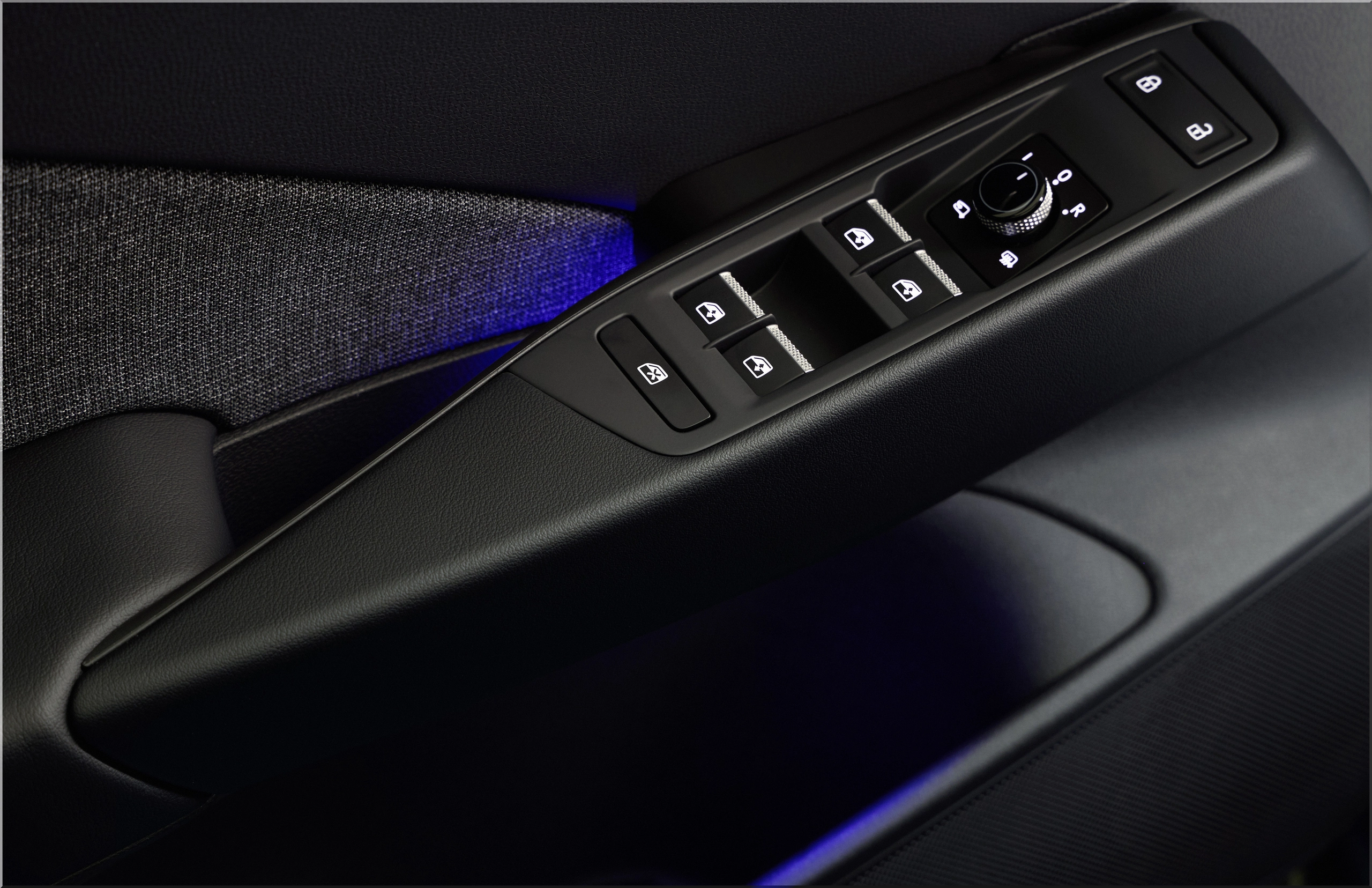
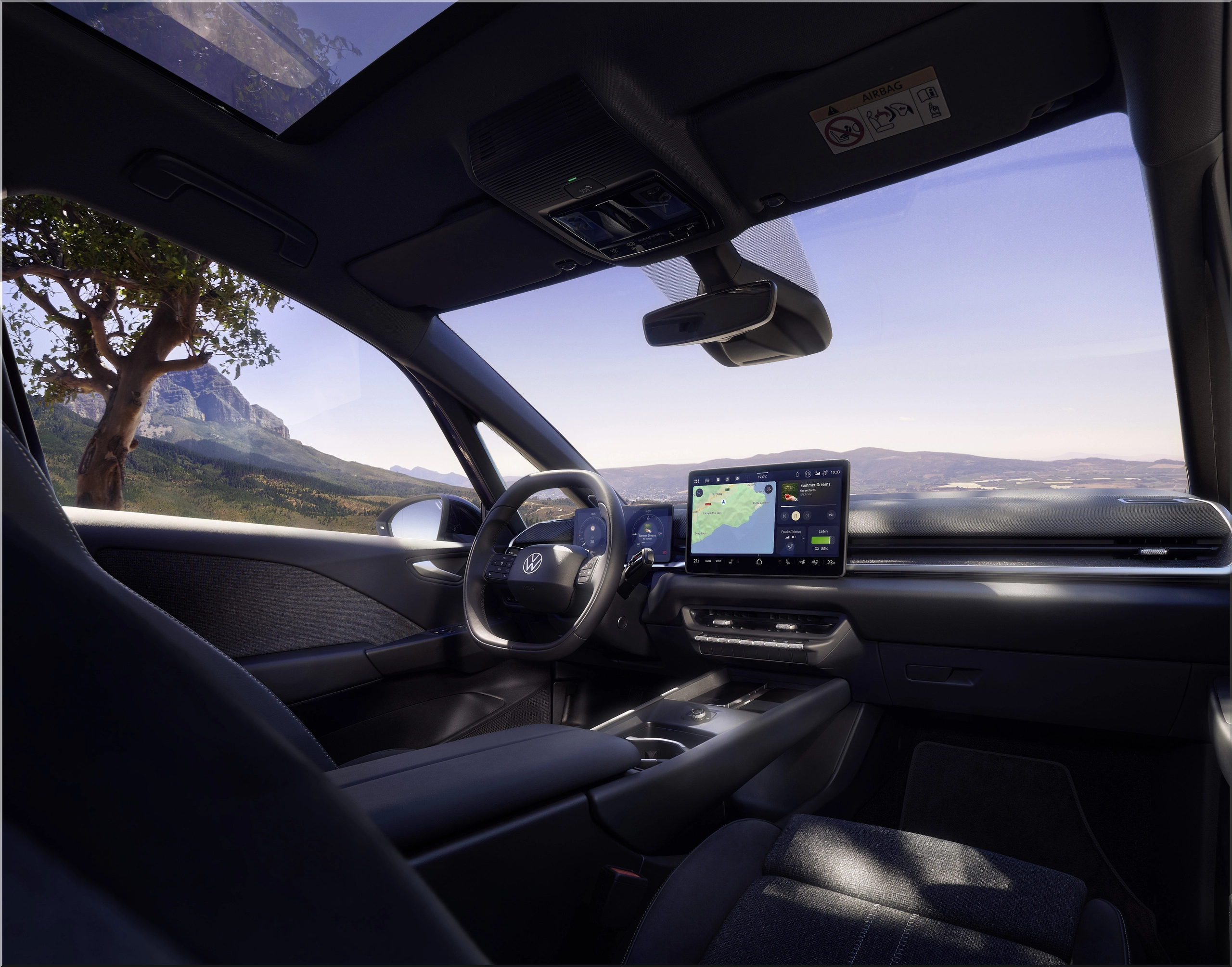
The biggest gain sits inside. Volkswagen redesigned the cockpit around physical buttons, better haptics, softer materials, and a more horizontal dashboard layout. Specifically, the driver door again uses four separate window switches, and the steering wheel gets organized push-button panels rather than touch-sensitive pads.
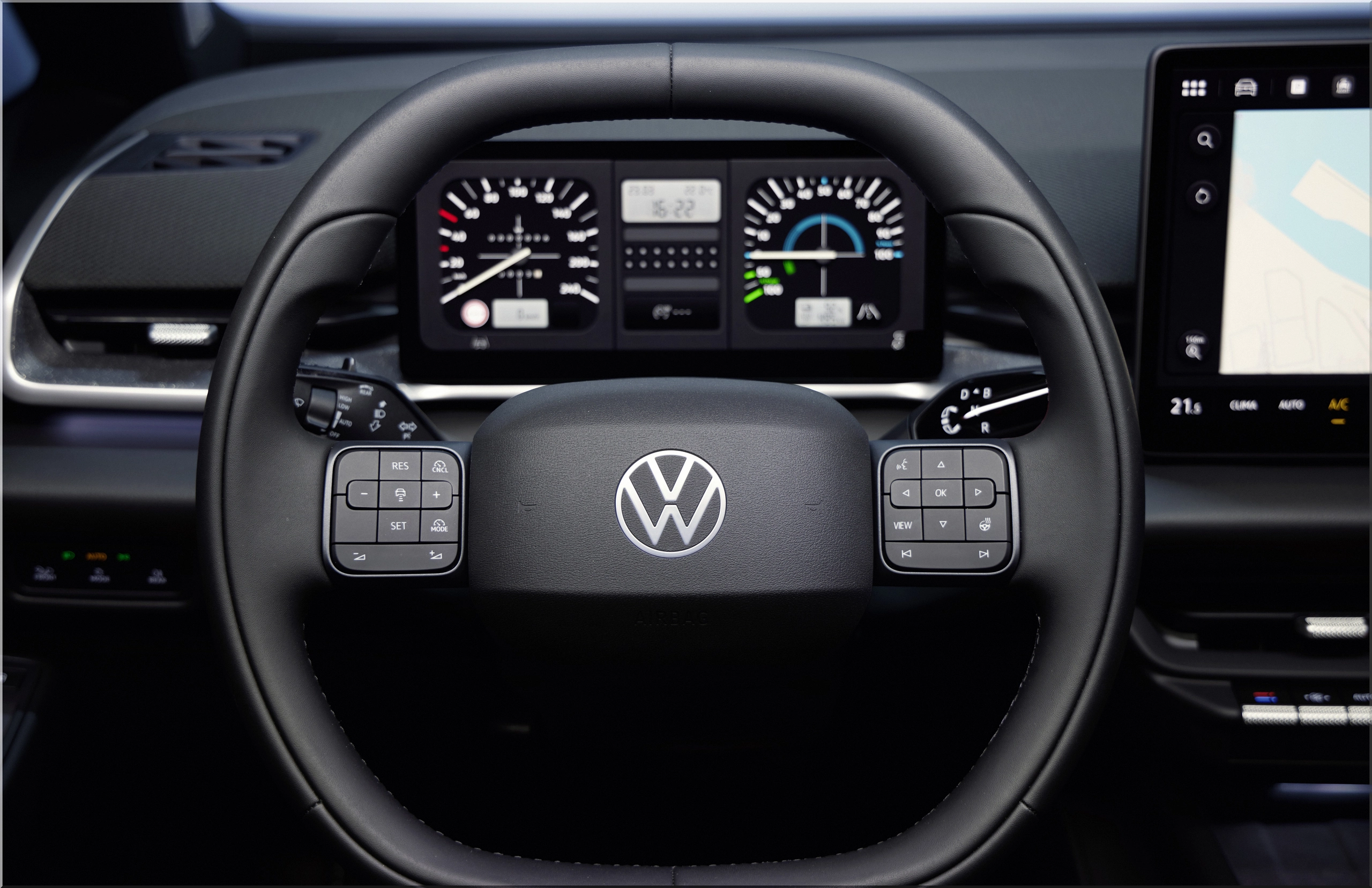
That decision matters. A driver can locate a real switch by feel, which cuts glance time and reduces distraction. The ID.3 Neo also adds a redesigned multifunction steering wheel with flattened upper and lower sections, plus a clearer center-console control layout.
Image
Volkswagen pairs a 10.25-inch Digital Cockpit with a 12.9-inch Innovision infotainment display. The interface adds smoother graphics, an integrated app store, downloadable services, and multiple instrument views, including a retro-style cluster inspired by early Golf gauges.
Video title
Volkswagen ID.3 Neo
Pro-Tip: Buyers who disliked early ID.3 controls should test the ID.3 Neo before dismissing the car. The switchgear changes directly address one of the most persistent ID-era complaints.
ID.3 Neo Powertrain, Batteries, Range, And Charging
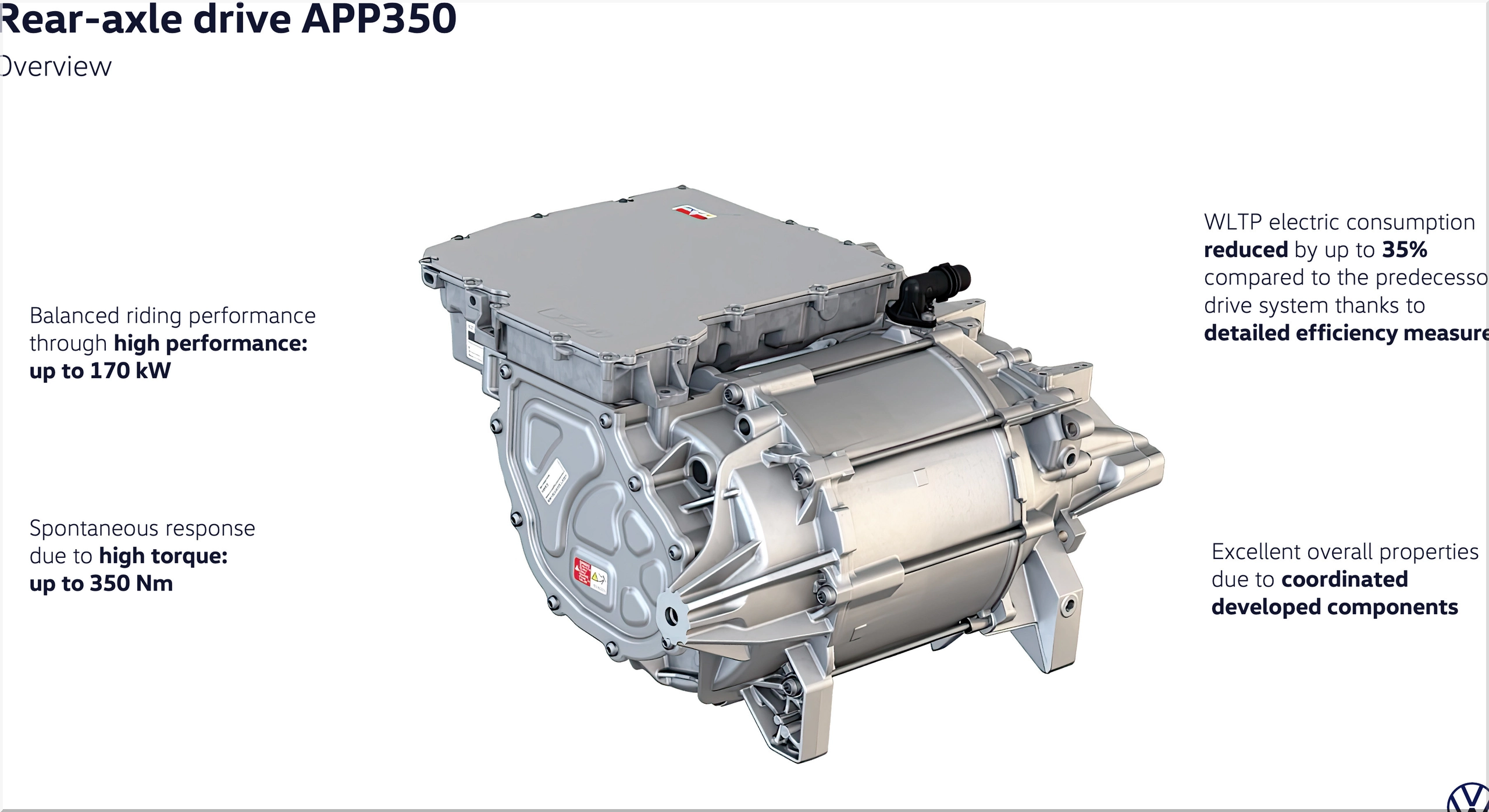
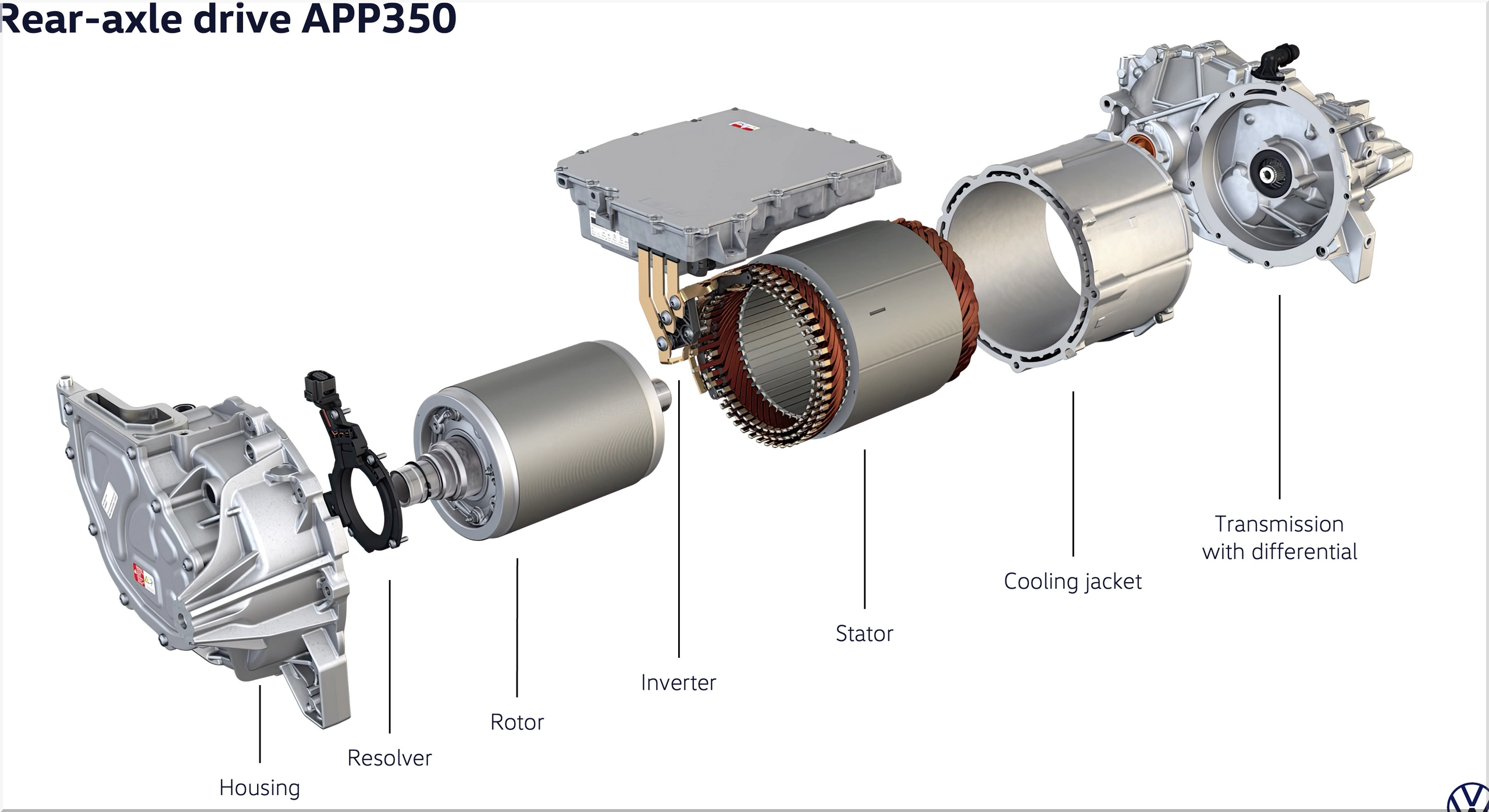
Volkswagen launches the ID.3 Neo electric hatchback with three output levels, three battery sizes, and three trims: Trend, Life, and Style. The base Trend pairs a 125-kW motor with a 50-kWh net battery. Life and Style can step up to a 58-kWh net battery and 140-kW motor, or a 79-kWh net battery and 170-kW motor.
Looking at the data, the 79-kWh version offers the strongest long-distance case. It reaches up to 630 km WLTP, while its 183-kW DC fast-charging peak improves charging speed versus the smaller packs. The 50-kWh and 58-kWh batteries accept up to 105 kW on DC fast chargers.
| Version | Net Battery | Output | Horsepower | WLTP Range | DC Fast Charging |
|---|---|---|---|---|---|
| ID.3 Neo Trend | 50 kWh | 125 kW | 170 hp | About 416-417 km | Up to 105 kW |
| ID.3 Neo Life | 58 kWh | 140 kW | 190 hp | About 492-494 km | Up to 105 kW |
| ID.3 Neo Style | 79 kWh | 170 kW | 231 hp | About 629-630 km | Up to 183 kW |
By comparison, the old ID.3 range already delivered usable EV efficiency, but the ID.3 Neo range gives Volkswagen stronger numbers in the compact EV segment.
Image gallery
Software And Driver Assistance: More Than A Screen Update
The Volkswagen ID.3 Neo technology package brings a newer software generation, and that change affects daily driving more than a spec sheet suggests. The car gains One Pedal Driving, which lets regenerative braking slow the vehicle down to a standstill after the driver lifts off the accelerator.
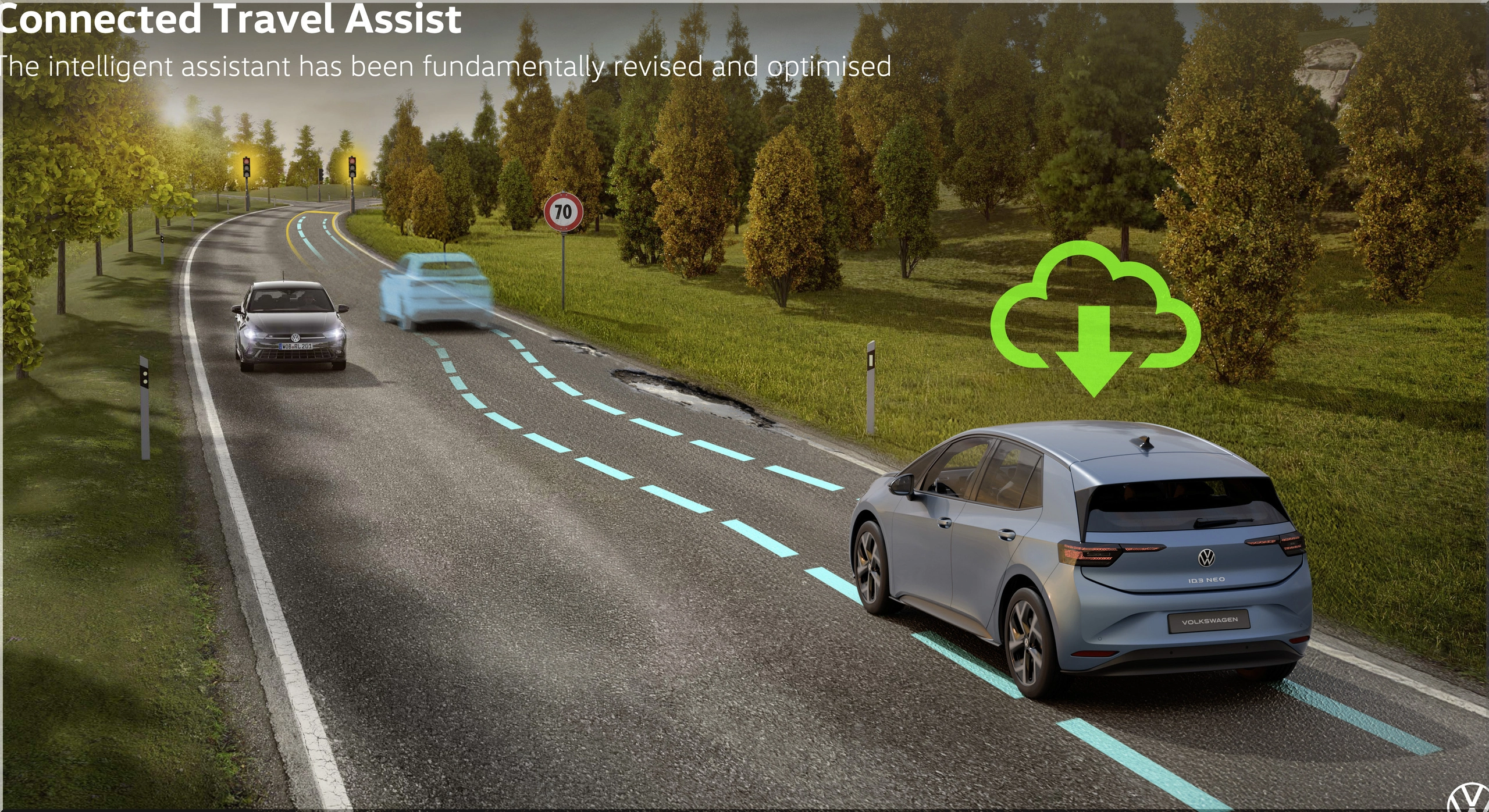
In addition, optional Connected Travel Assist can use traffic-light detection and react to red lights. Standard assistance systems include Lane Assist, Front Assist, and a turn-braking function. The car also supports Vehicle-to-Load, allowing owners to power external devices at up to 3.6 kW from the high-voltage battery.
Key available features include:
- Augmented-reality head-up display
- Area View 360-degree camera system
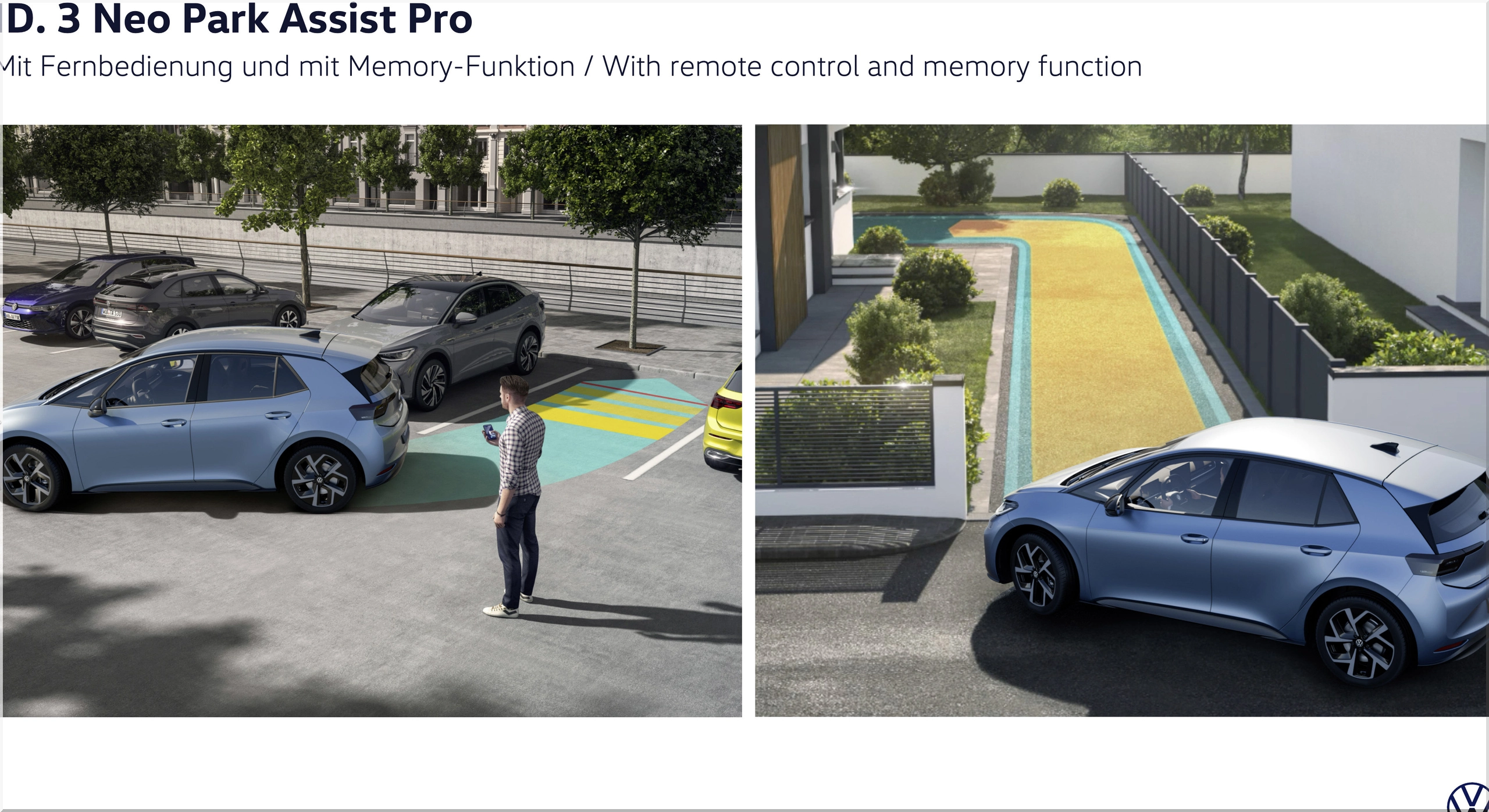
- Park Assist Pro with memory function
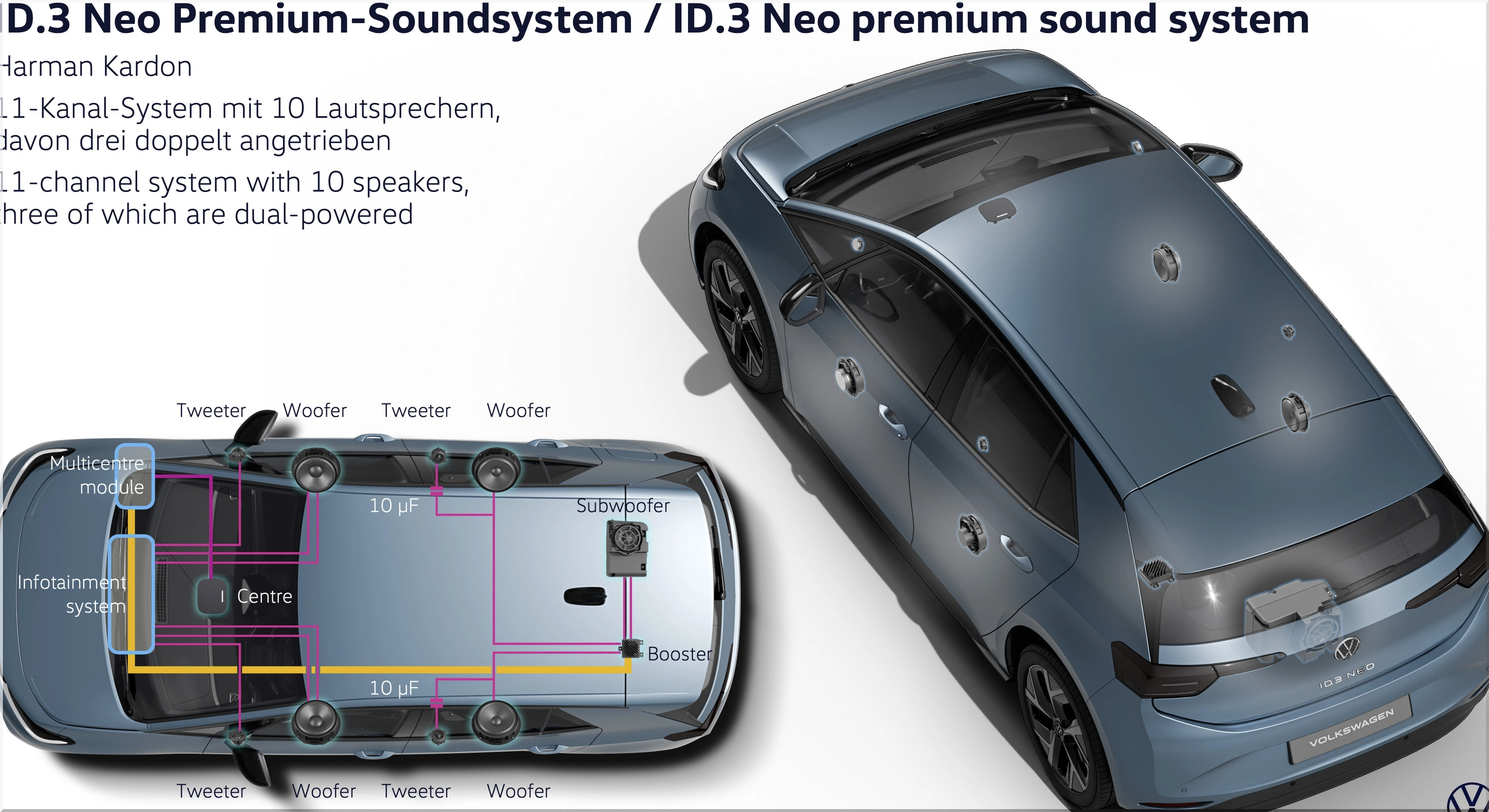
- Harman Kardon premium audio
- Panoramic glass roof
- Front-seat massage and memory functions
- Removable bike-carrier mount with up to 75 kg nose load
- Digital Key access through smartphone or smartwatch
Which ID.3 Neo Trim Makes The Most Sense?
Trend should work for commuters who want the lower entry point and still value wireless phone integration, adaptive cruise control, parking sensors, automatic climate control, and voice features. Life adds stronger daily usability through 18-inch wheels, dual-zone climate control, wireless charging pads, a rear camera, and added interior trim variation.
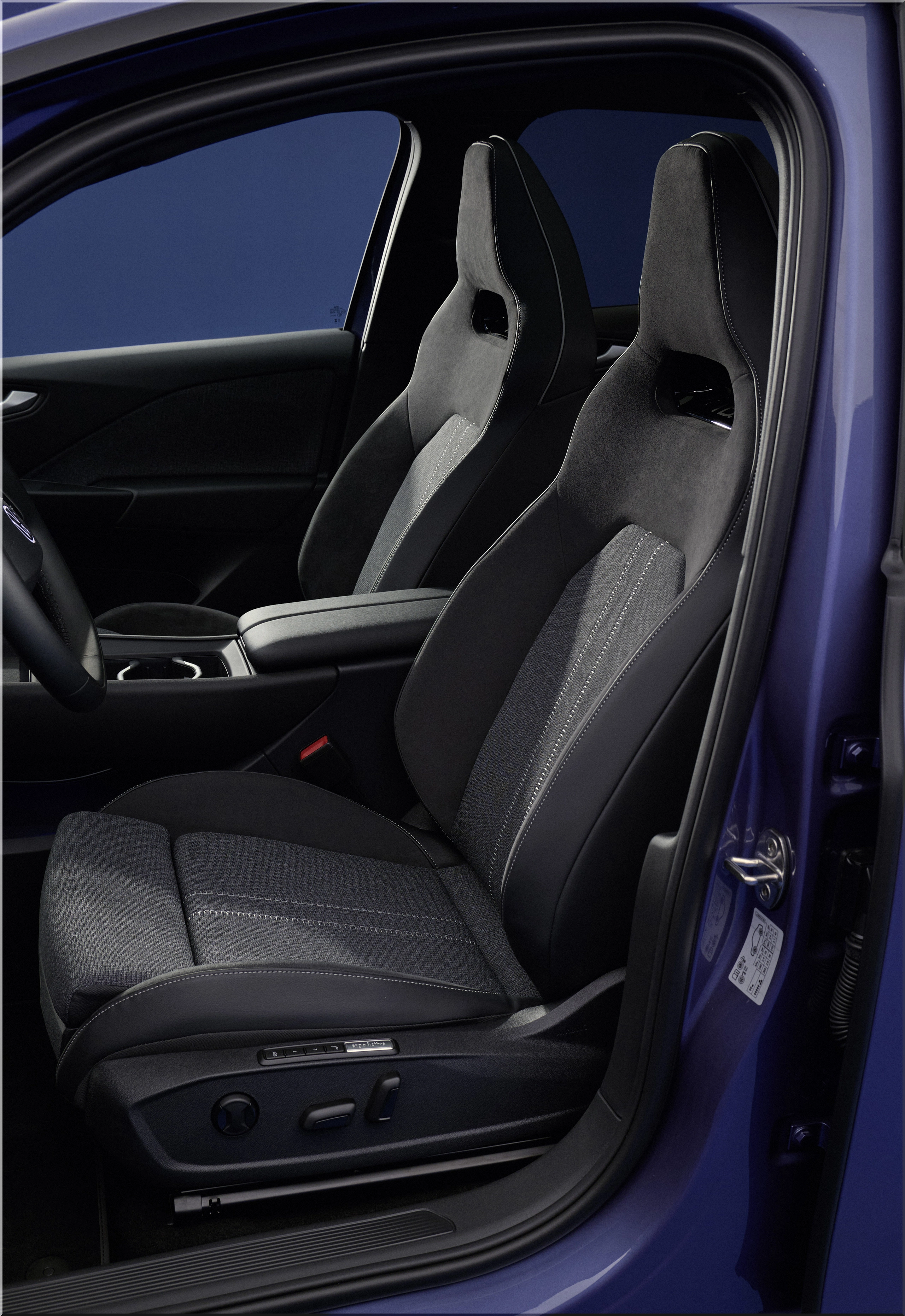
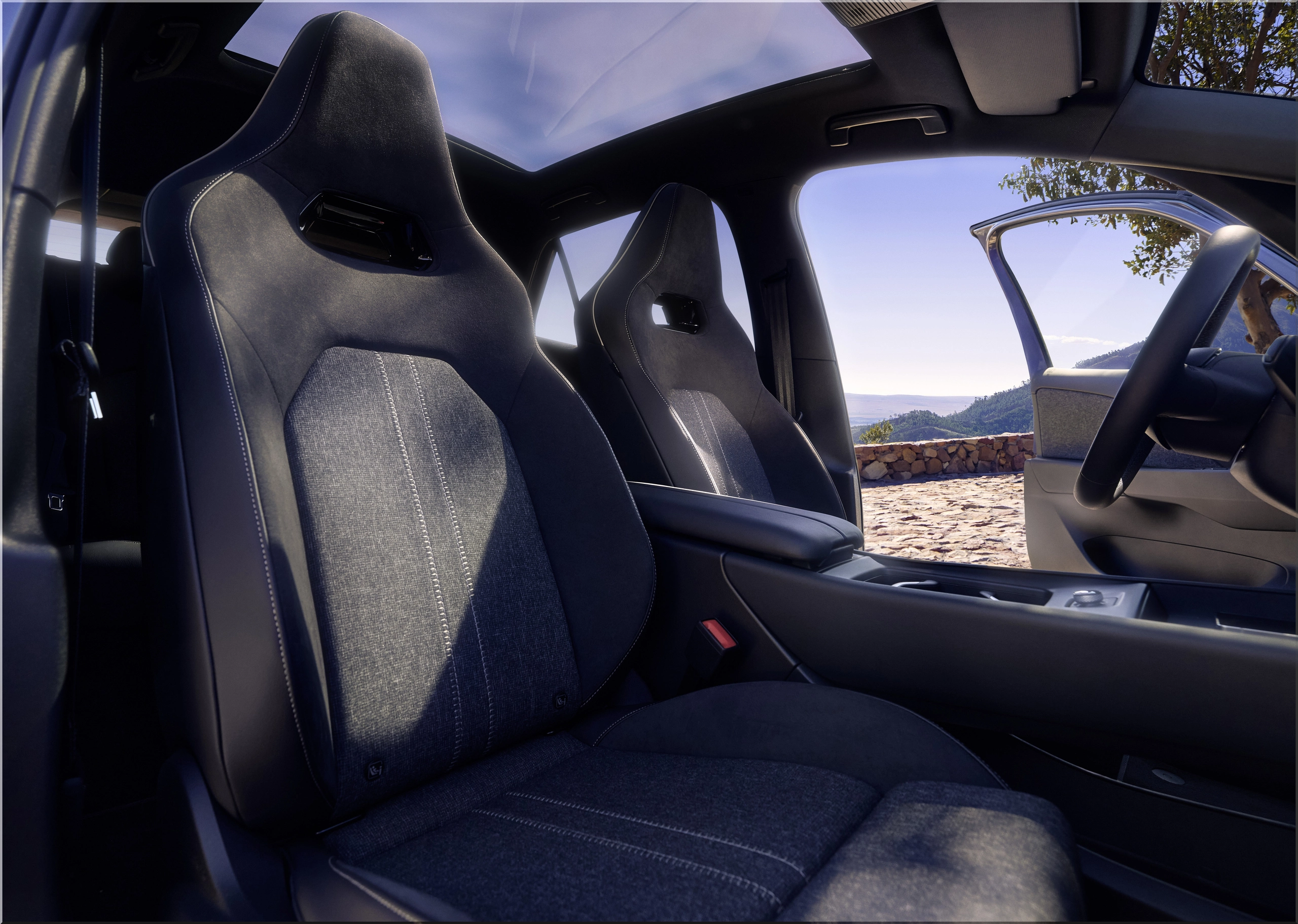
Style makes the strongest showroom impression. It brings IQ.LIGHT LED matrix headlights, illuminated logos, Dynamic Light Assist, sport seats, expanded ambient lighting, and richer cabin detailing. From an expert perspective, the value play depends on pricing, which Volkswagen had not fully released at the premiere. The 58-kWh Life may land as the rational pick; the 79-kWh Style makes sense for drivers who make frequent highway trips.
Image gallery
What Now?
Buyers should wait for final market pricing, but the early signal looks clear: the new Volkswagen ID.3 Neo gives Volkswagen's compact EV a cleaner identity and fixes the exact pain points that held the original car back. The range climbs. The cabin feels less bare. The controls work more like a Volkswagen should.
Consequently, the ID.3 Neo now looks like a serious second-phase product rather than a light facelift. For shoppers comparing electric hatchbacks in Europe, the 79-kWh model deserves the first test drive. For daily users, the 58-kWh version may deliver the best cost-to-range ratio once final USD-equivalent pricing arrives.
- Add new comment
- 181 views