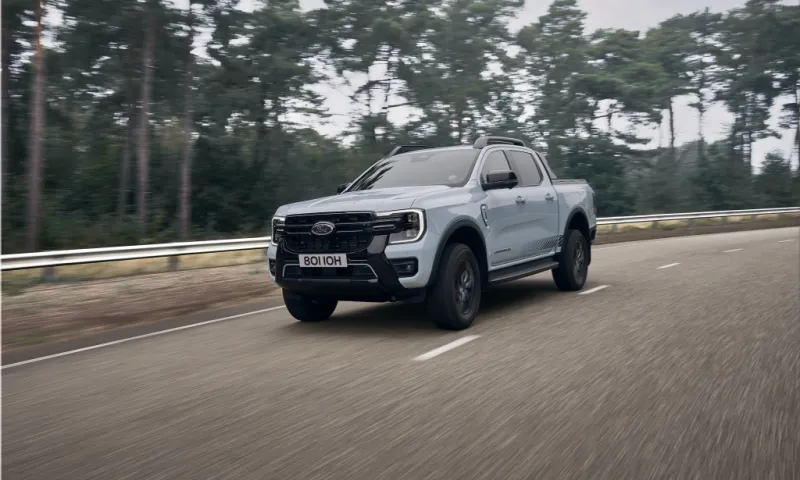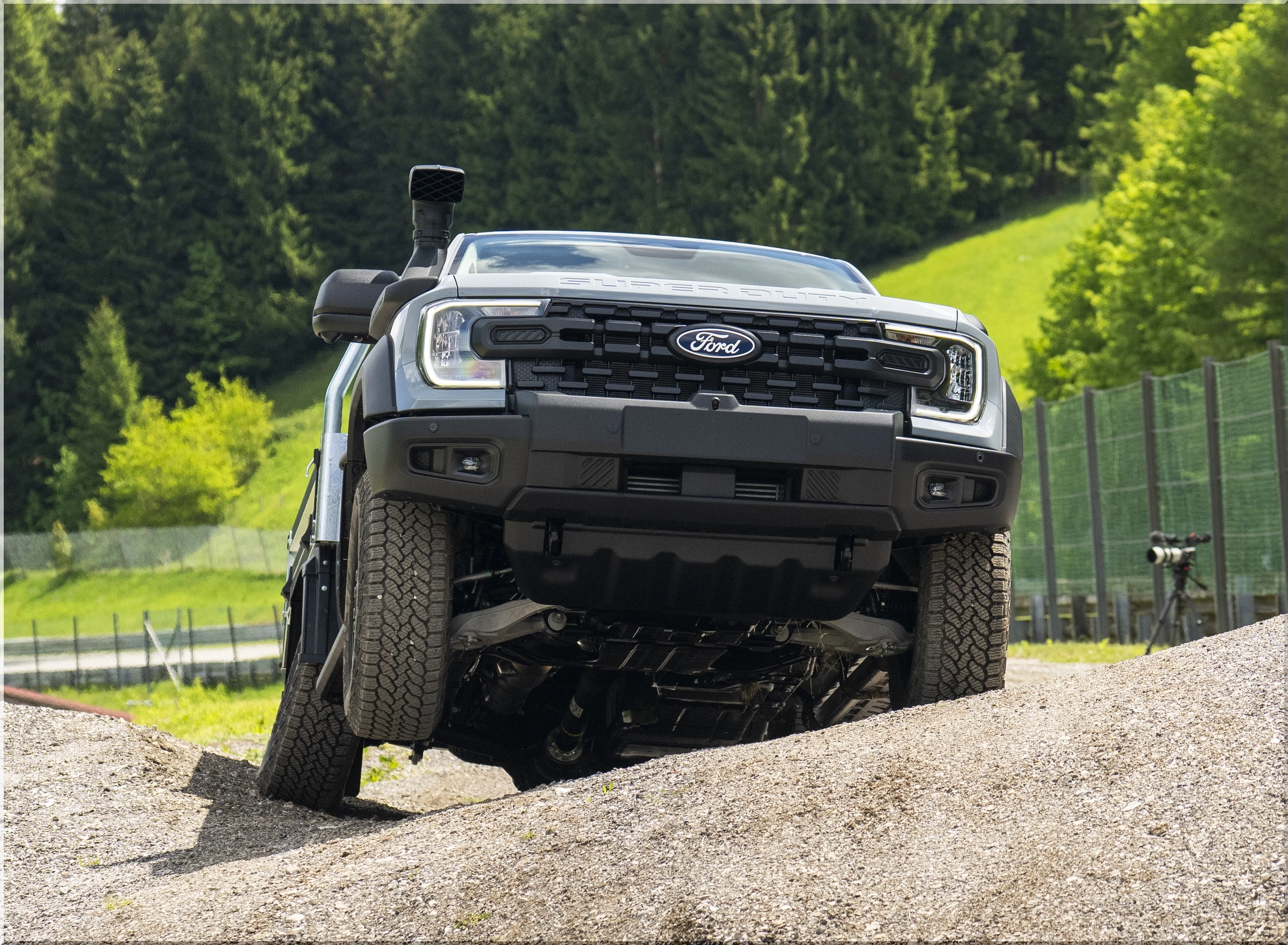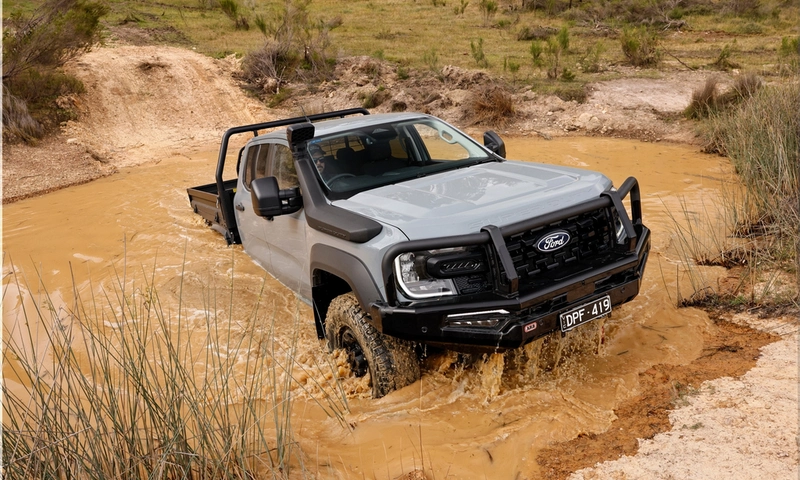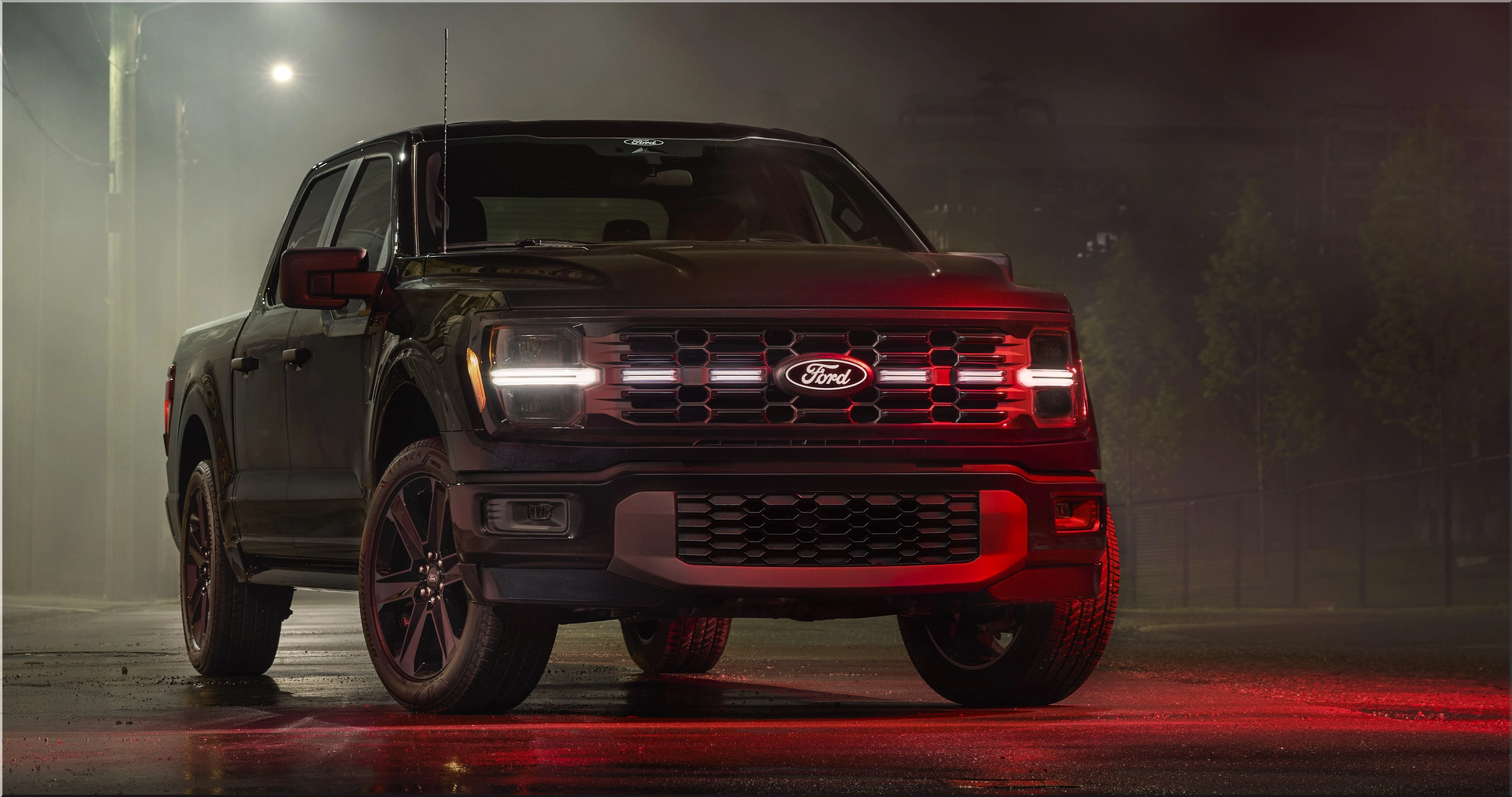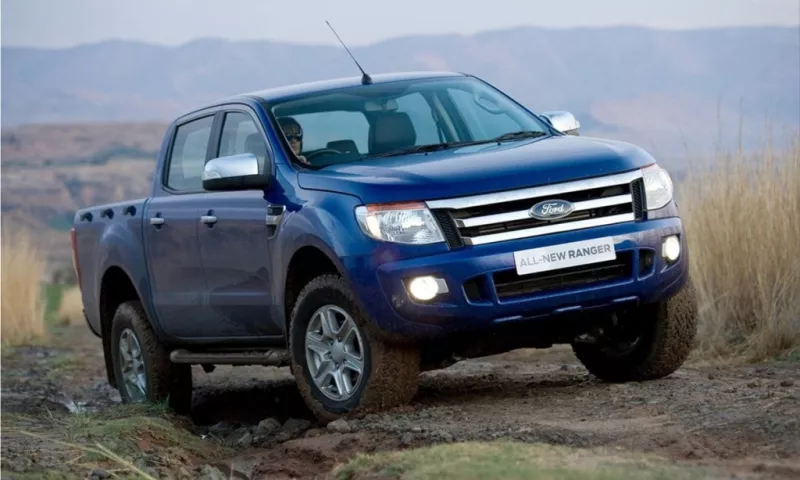
Why this plug-in hybrid pickup matters now
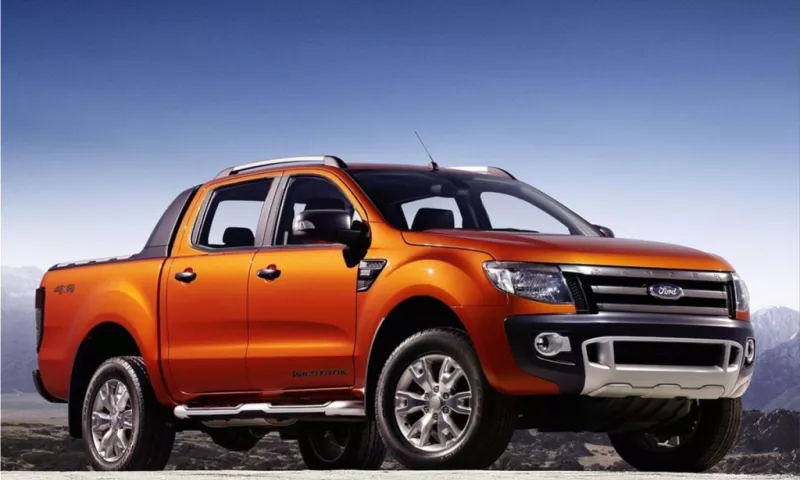
Ford Ranger Plug-in Hybrid targets work and play with clear numbers. 281 hp, 697 Nm, 3,500 kg towing, and up to 43 km EV range. Pro Power Onboard adds 2.3 kW or 6.9 kW of exportable power. Deliveries have started in Europe. Fleet buyers and tradespeople can use that power at sites. Weekend users can power gear off-grid. The pitch is simple: do the job, then power the tools.
Headline specs at a glance
- Power: 281 hp
- Torque: 697 Nm
- Battery: 11.8 kWh (usable)
- EV range: up to 43 km
- Towing capacity: 3,500 kg
- Payload: up to 1,000 kg
- Driveline: e-4WD with low range and rear diff lock
- Onboard power: 2.3 kW or 6.9 kW across three 230 V outlets
What the numbers mean
The 697 Nm figure matters for trailers and payload. It tops any production Ranger to date. The 281 hp rating pairs with a 2.3L EcoBoost engine and a 75 kW electric motor. The 11.8 kWh battery supports short electric trips. Daily runs under 43 km can use mostly electricity. The 3,500 kg tow rating keeps heavy trailers in play.
Powertrain and driving modes
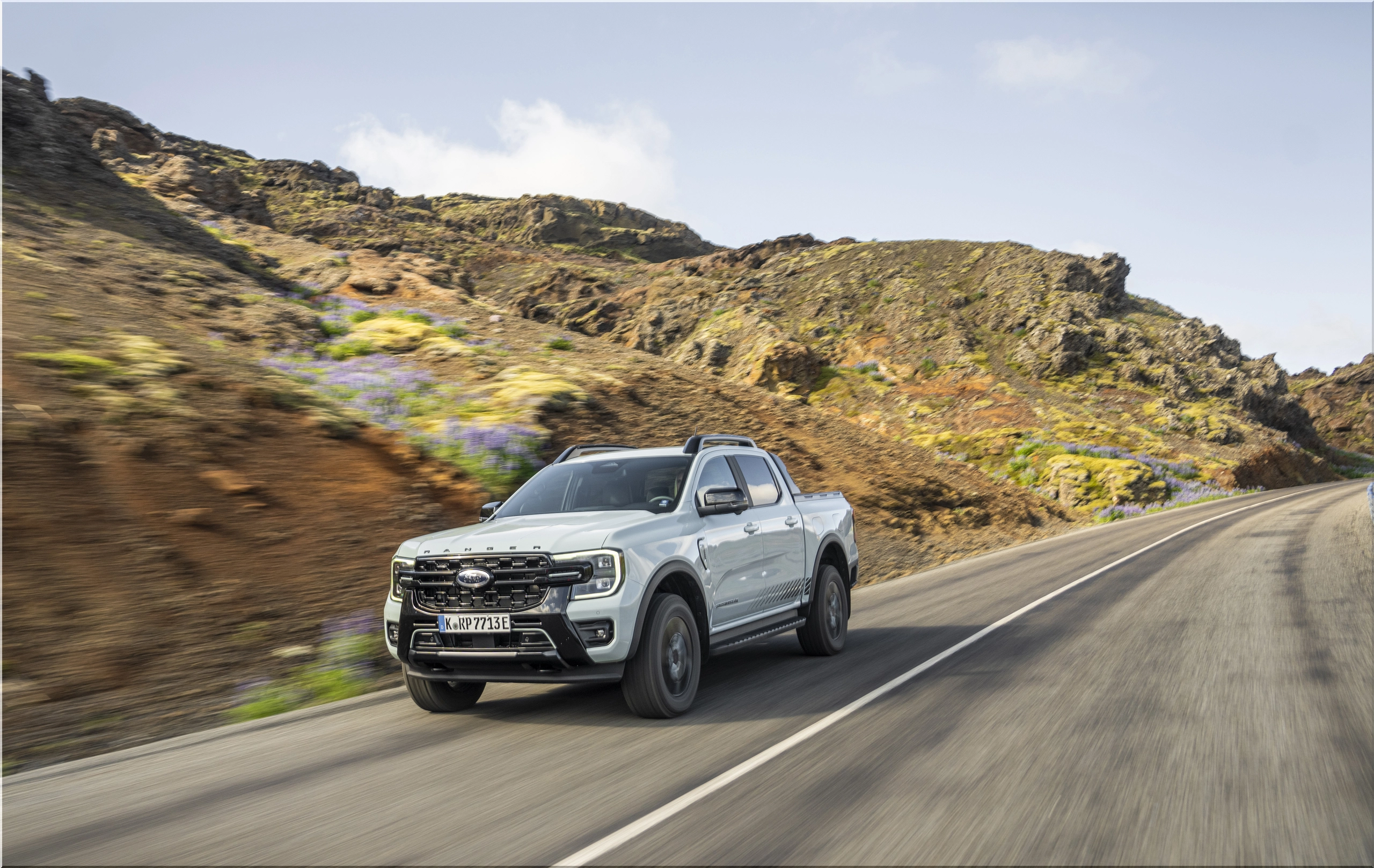
Ford combines a 2.3L EcoBoost with a 10-speed automatic and a 75 kW motor. The motor sits in a modular hybrid transmission. The truck offers Auto EV, EV Now, EV Later, and EV Charge modes. Use EV Now for short city trips. Use EV Later to save charge for low-speed off-road work. Regenerative braking adds control on descents with loads.
Off-road and traction tech
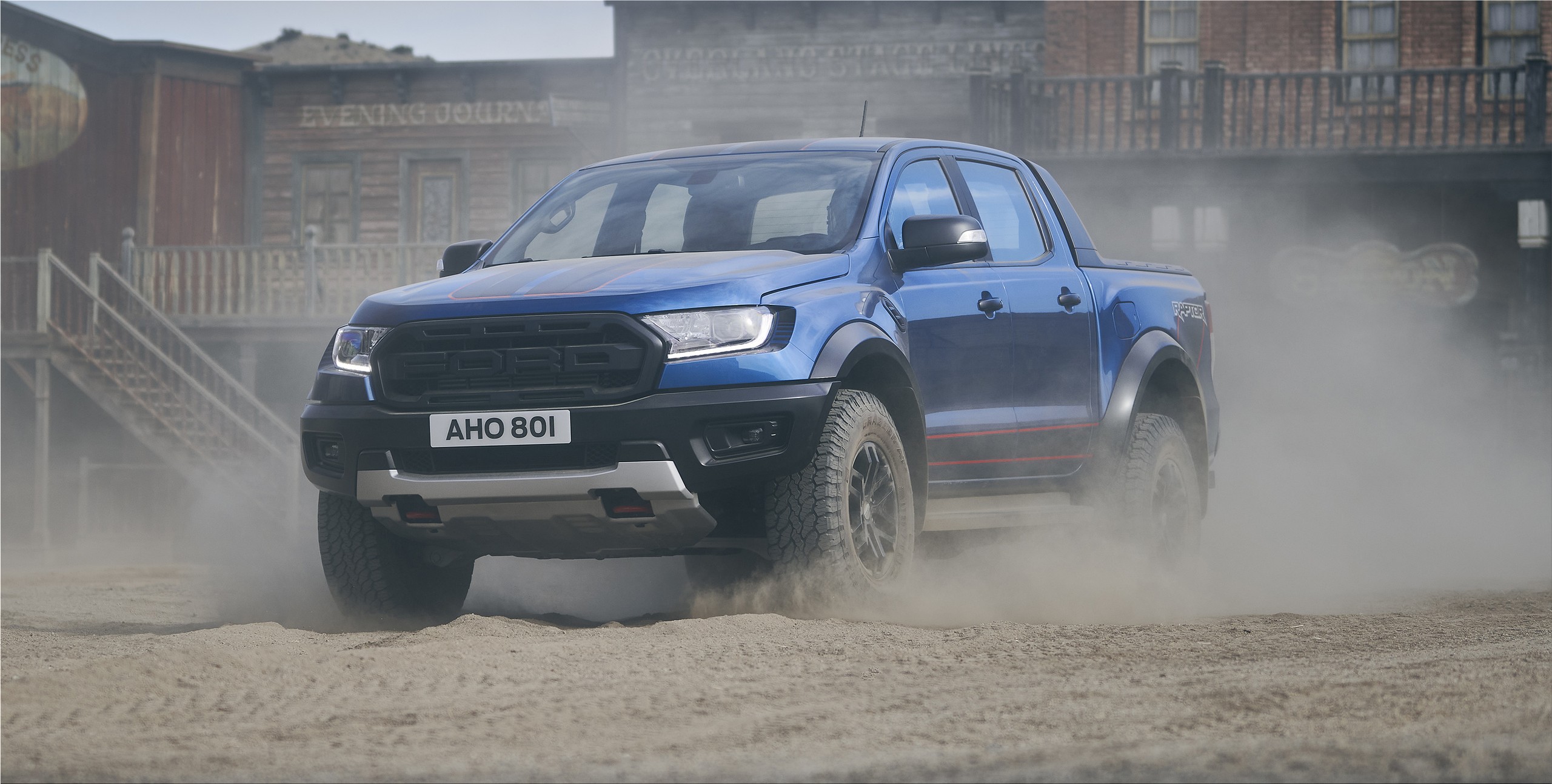
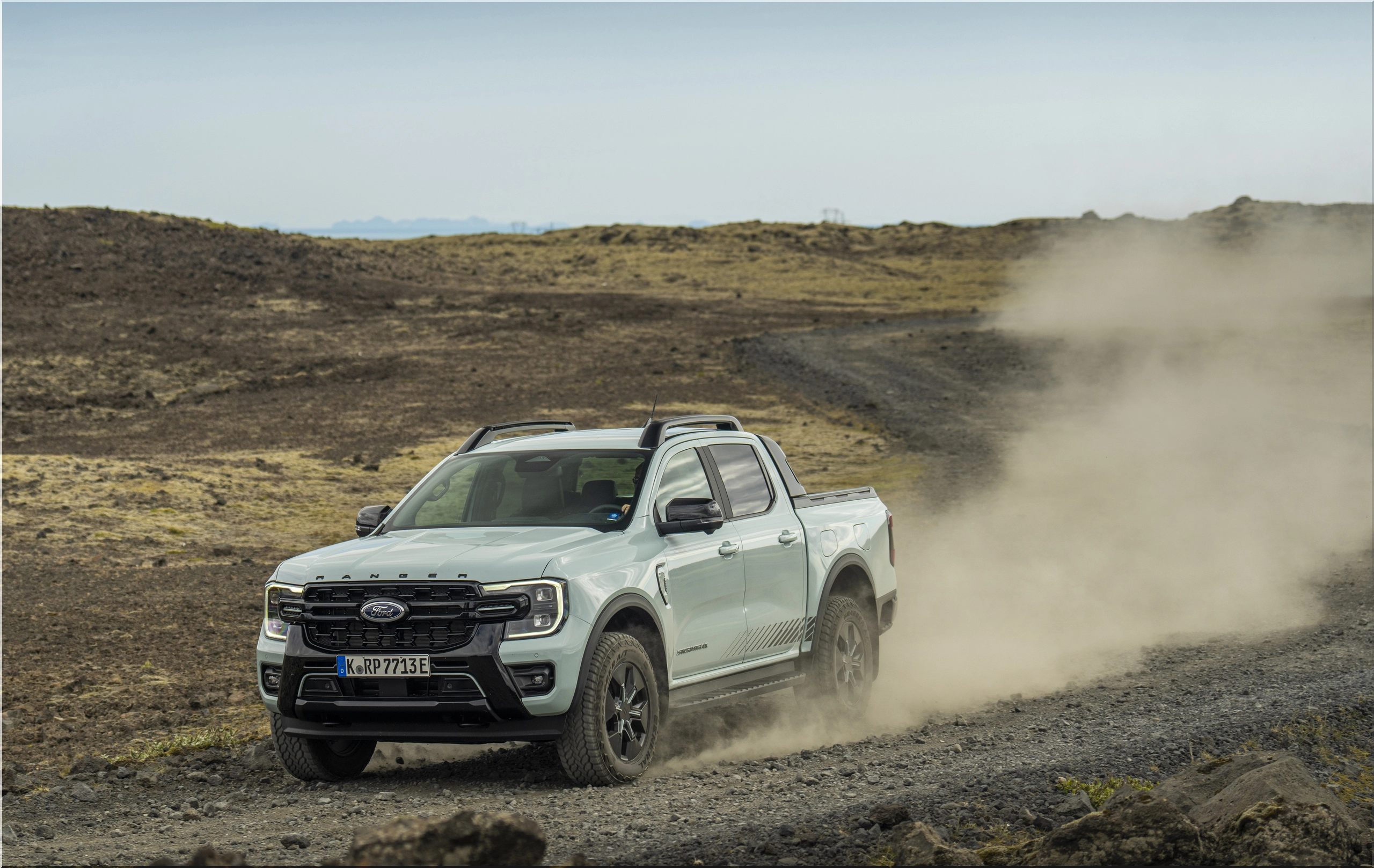
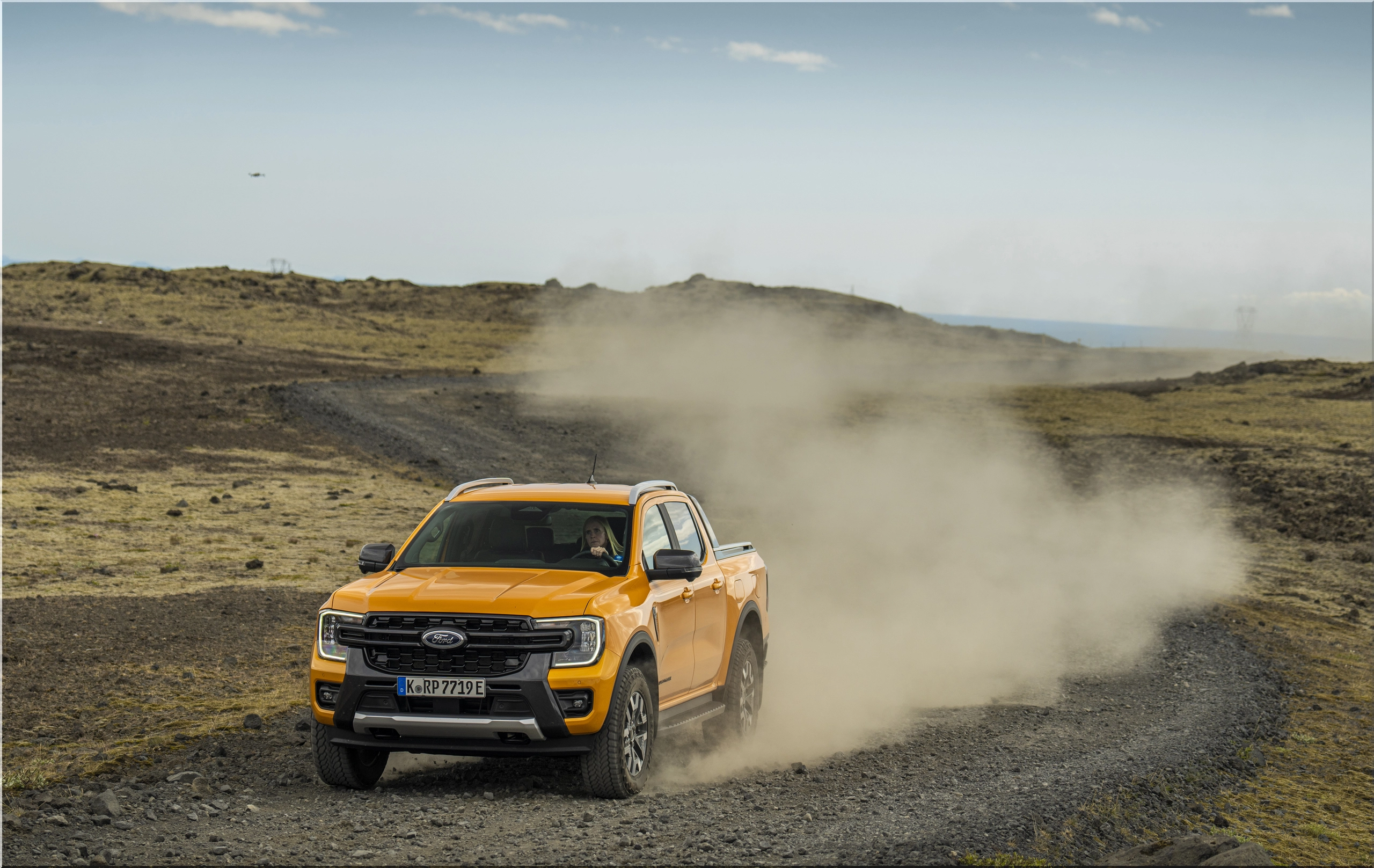
The e-4WD system can send torque to all four wheels. You get a dual-range transfer case and rear differential lock. Drive modes include Normal, Eco, Sport, Slippery, Tow/Haul, Mud/Ruts, and Sand. The setup aims at steady traction, not headline lap times. Electric torque helps at low speeds. It also smooths throttle in technical terrain.
Pro Power Onboard: what you can actually run
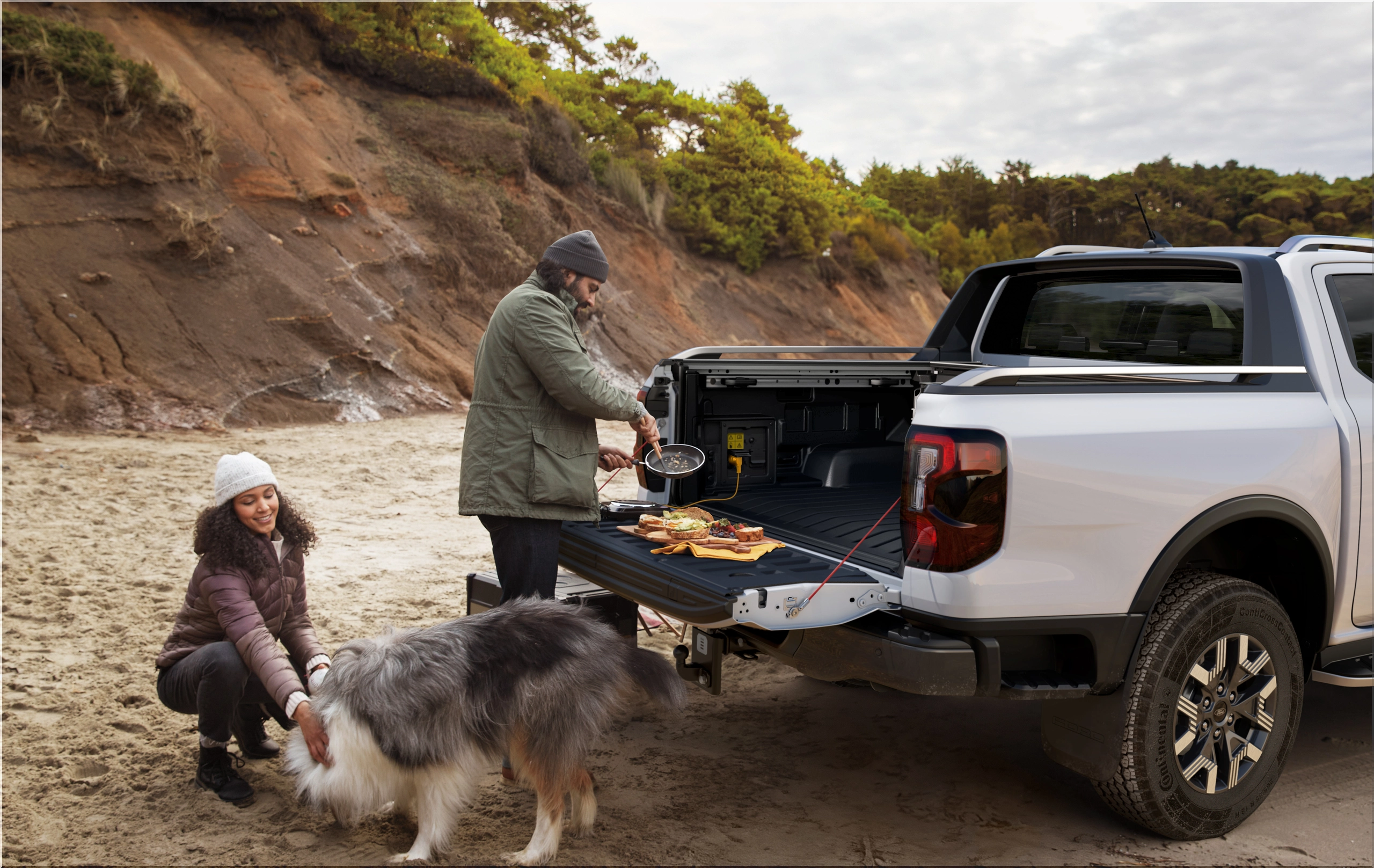
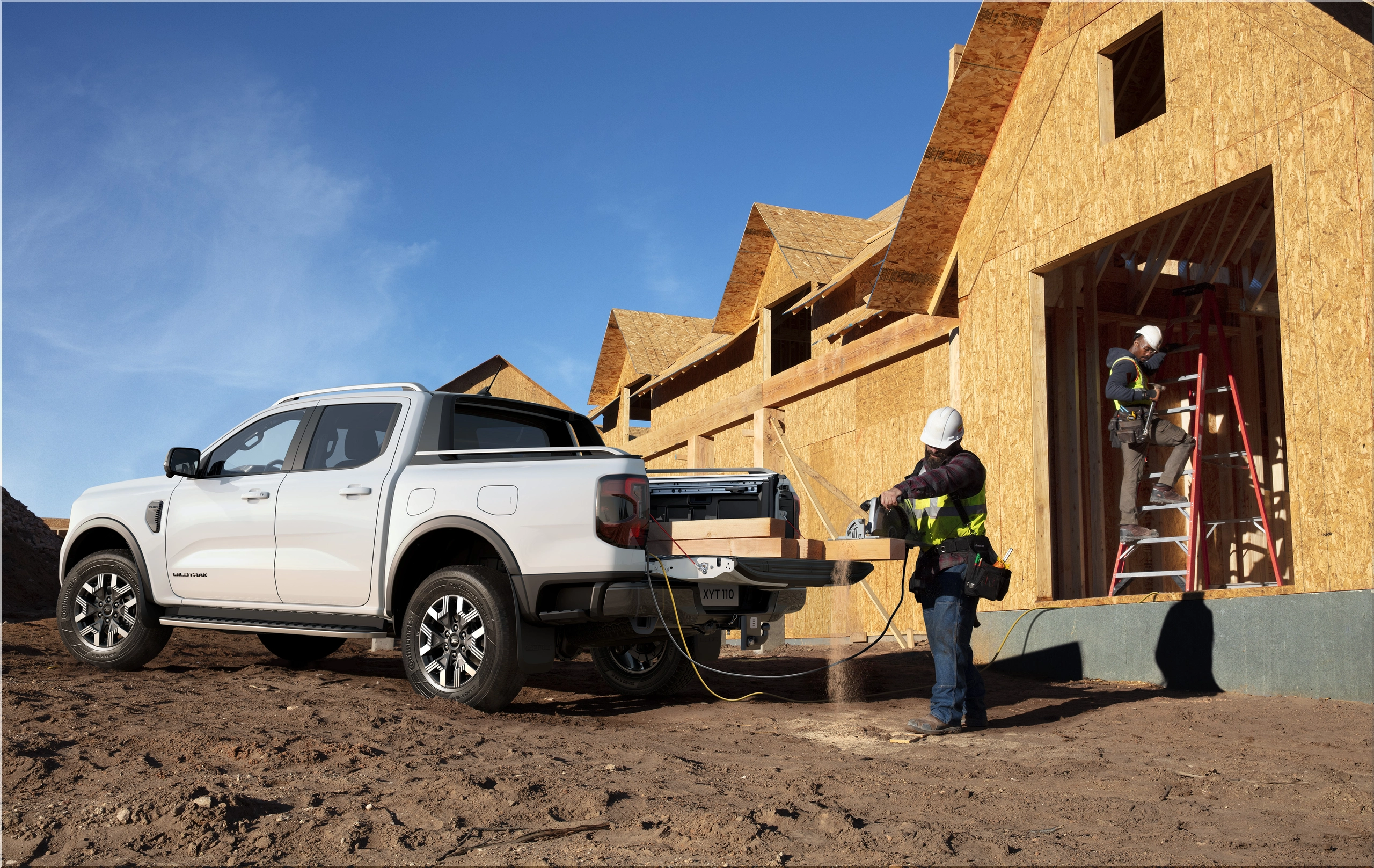
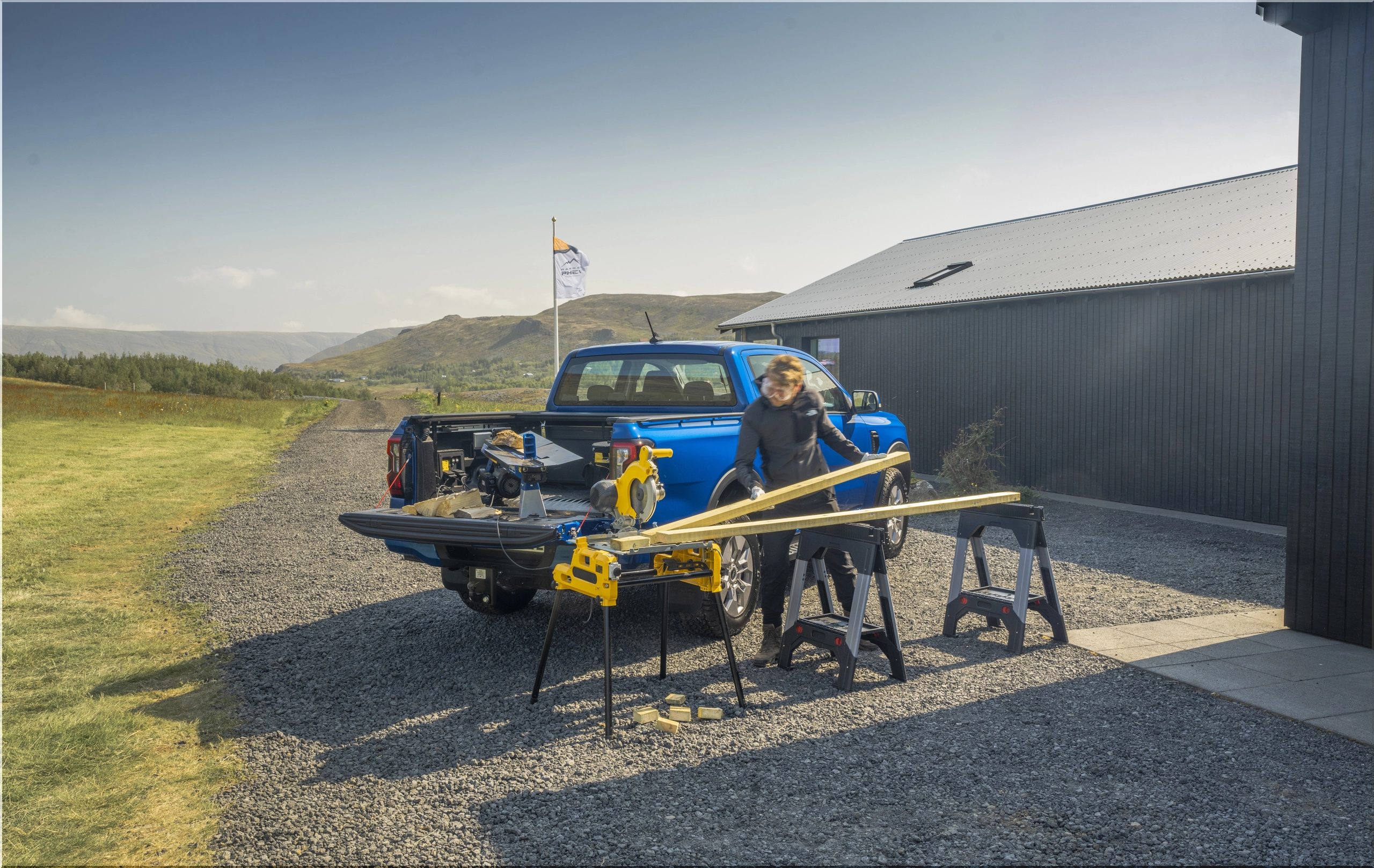
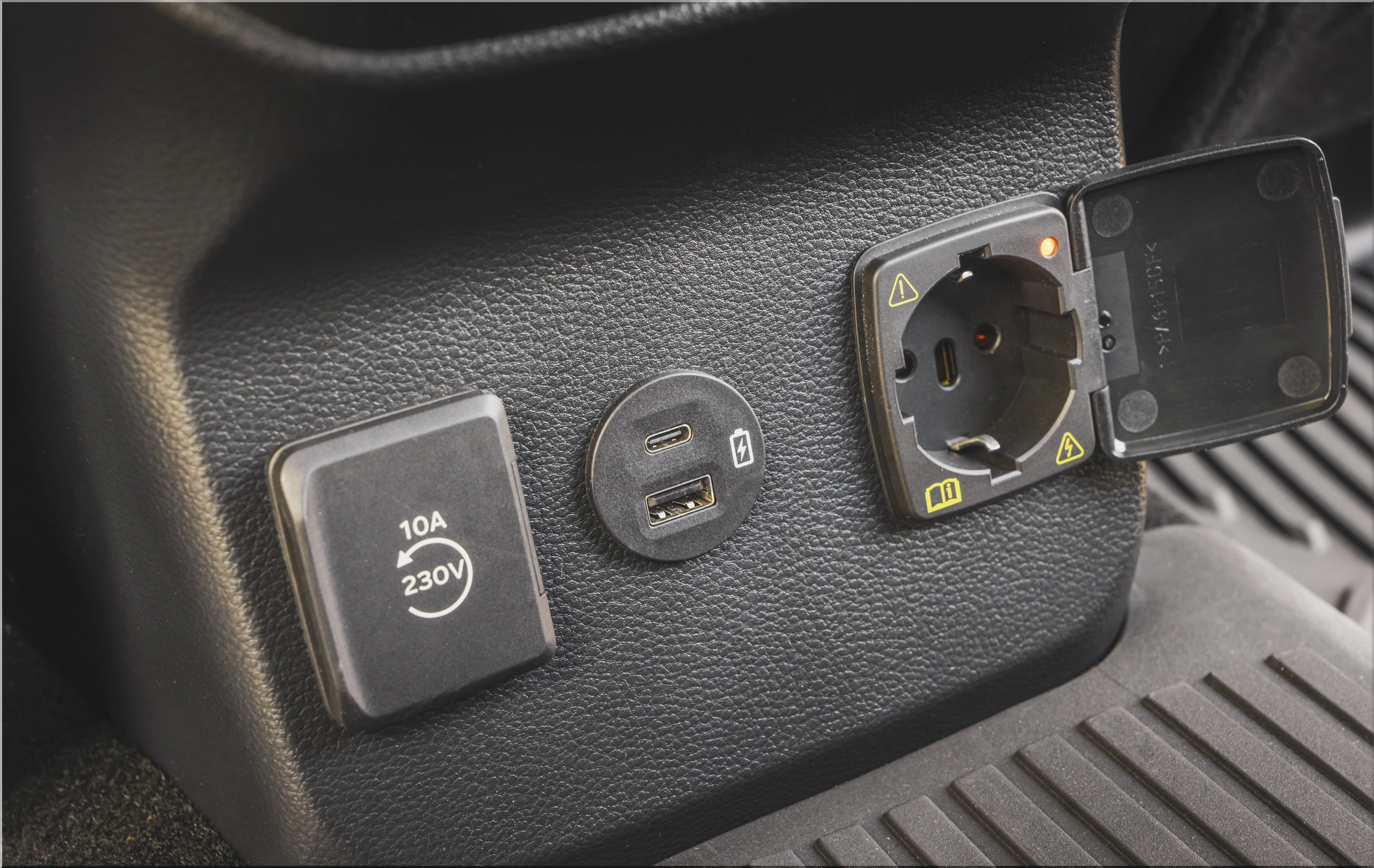
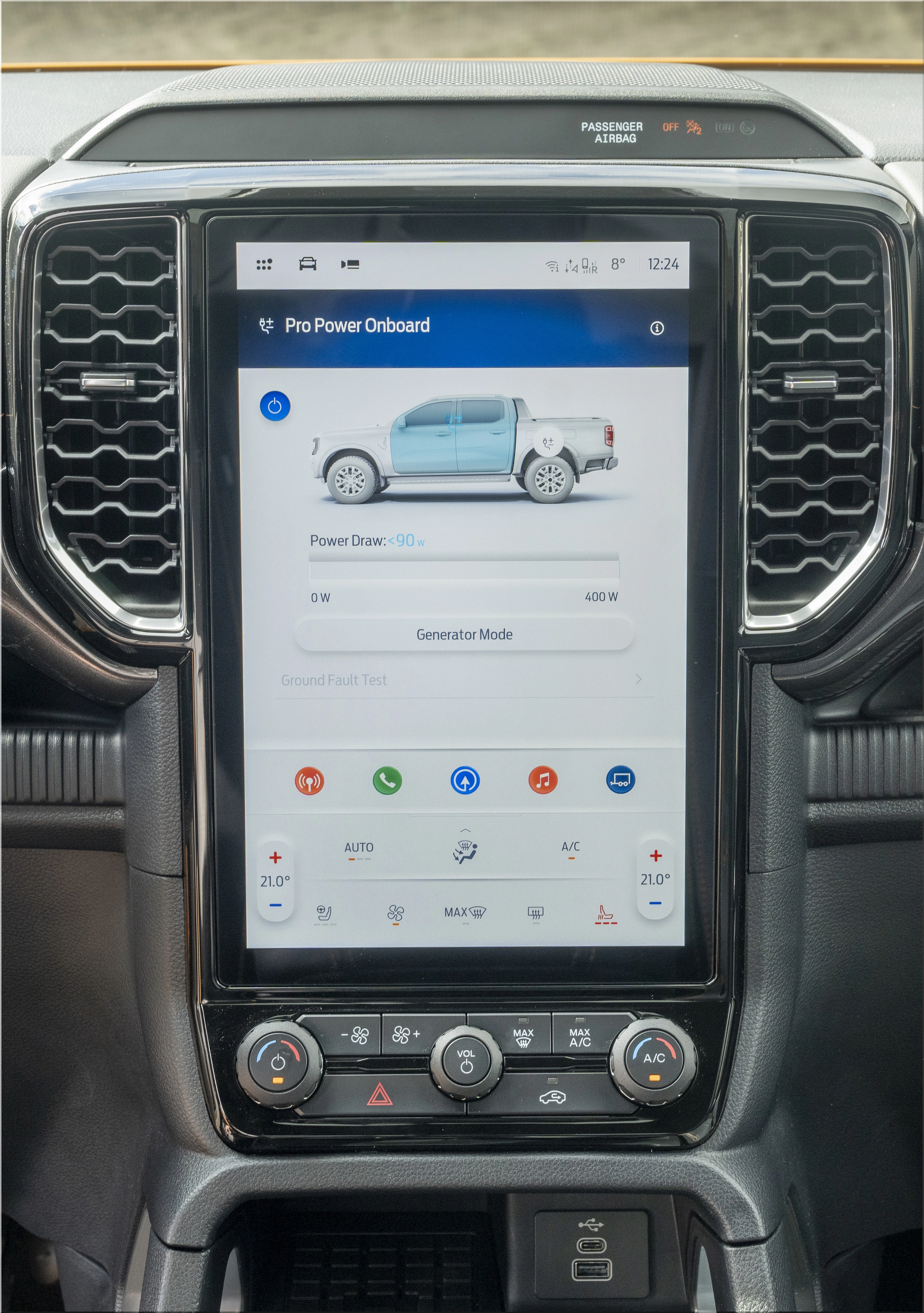
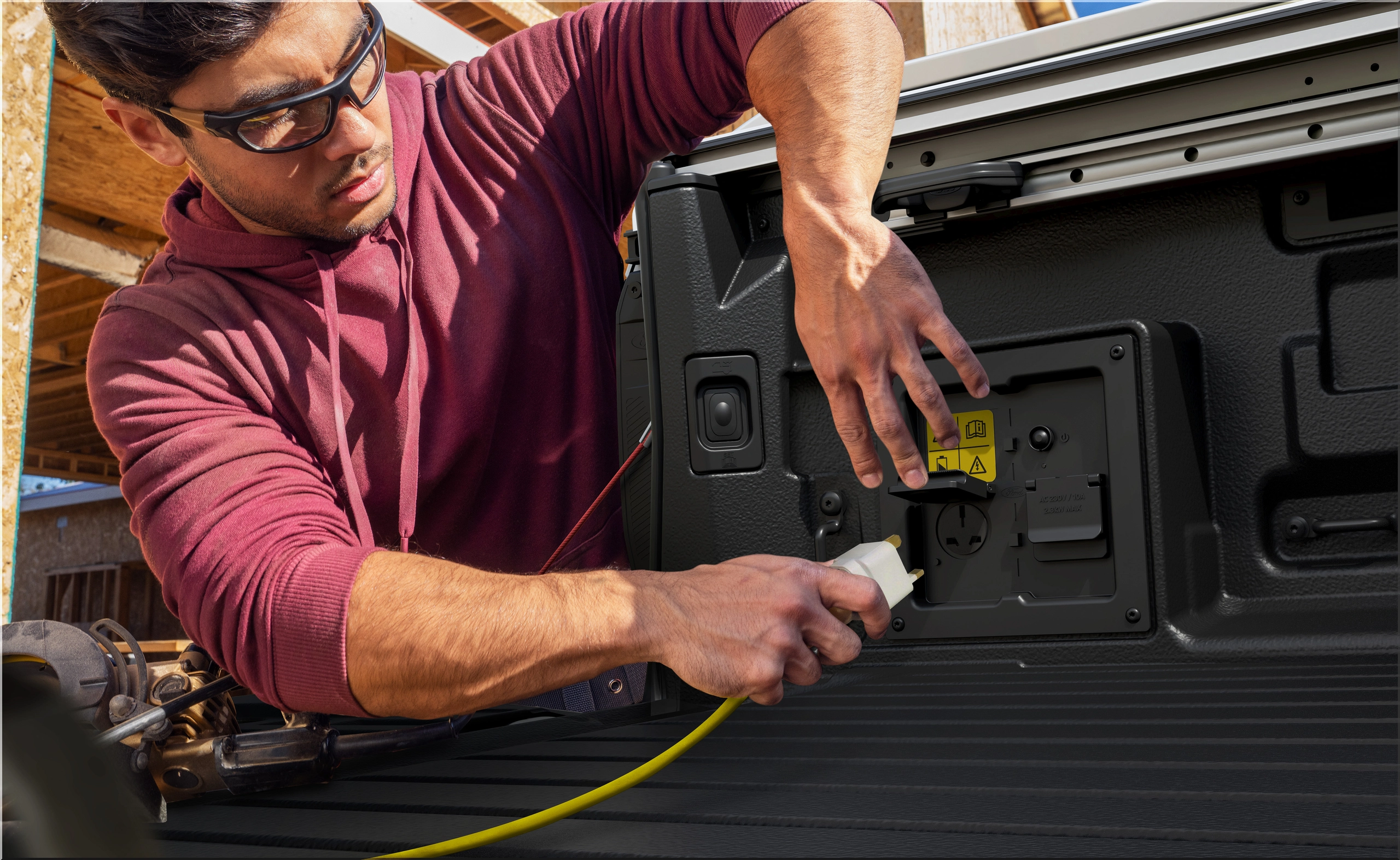
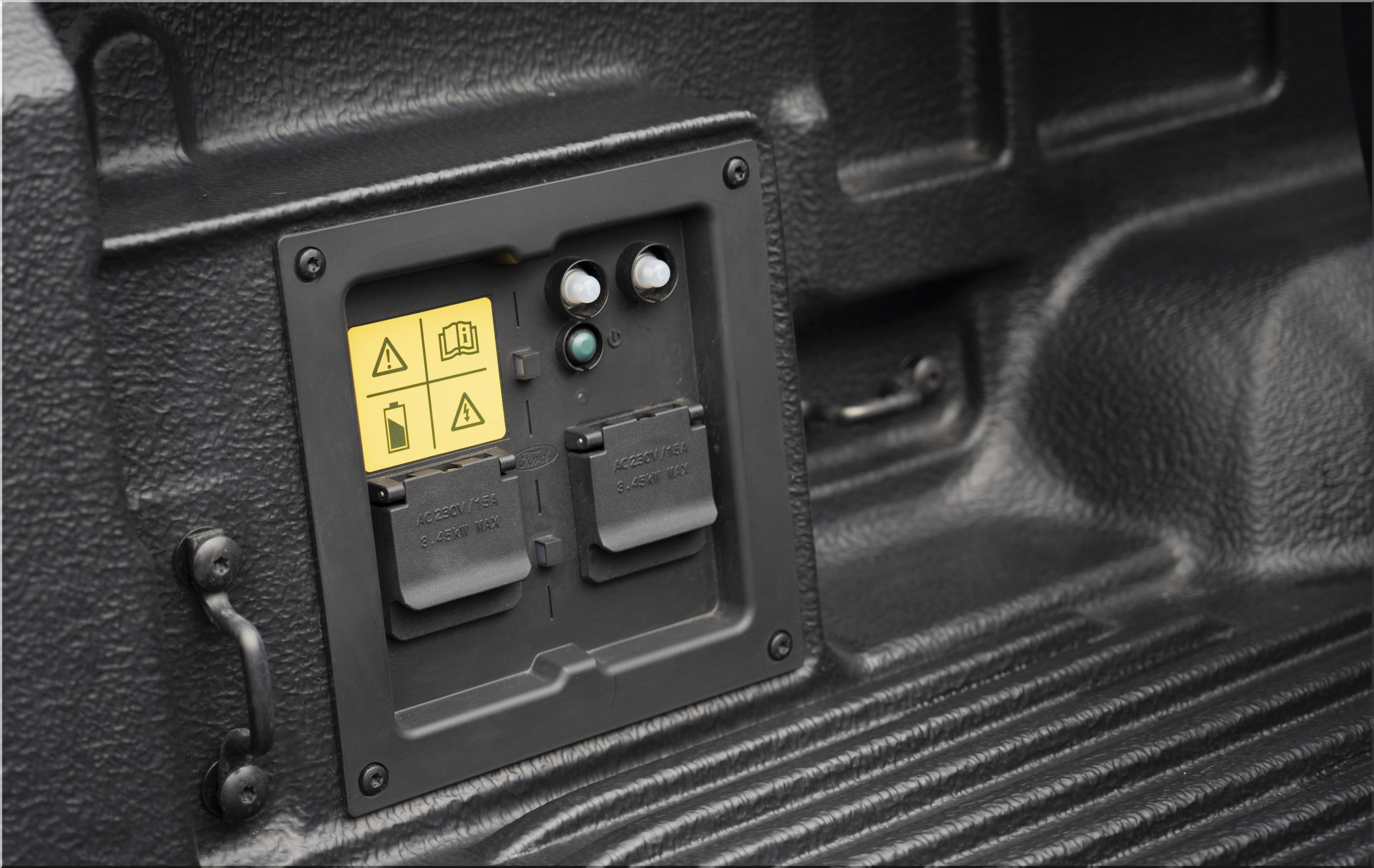
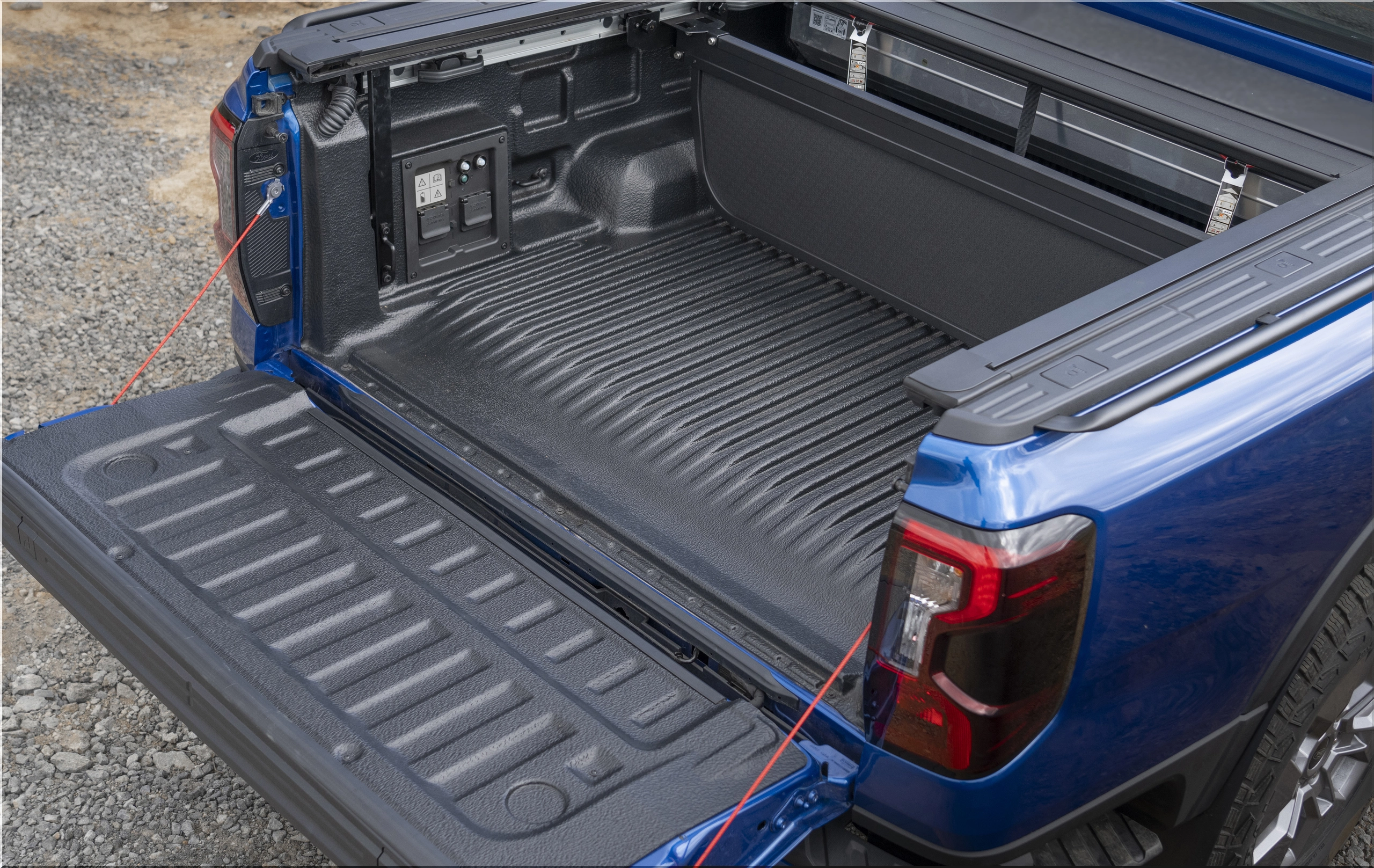
Pro Power Onboard turns the Ford Ranger PHEV into a mobile power source. Choose 2.3 kW or 6.9 kW. Both use three 230 V outlets: one in the cabin and two in the load box.
Real-world examples for the 6.9 kW option:
- Compact cement mixer: ~1,500 W
- Angle grinder: ~3,000 W
- Flood lights: ~800 W
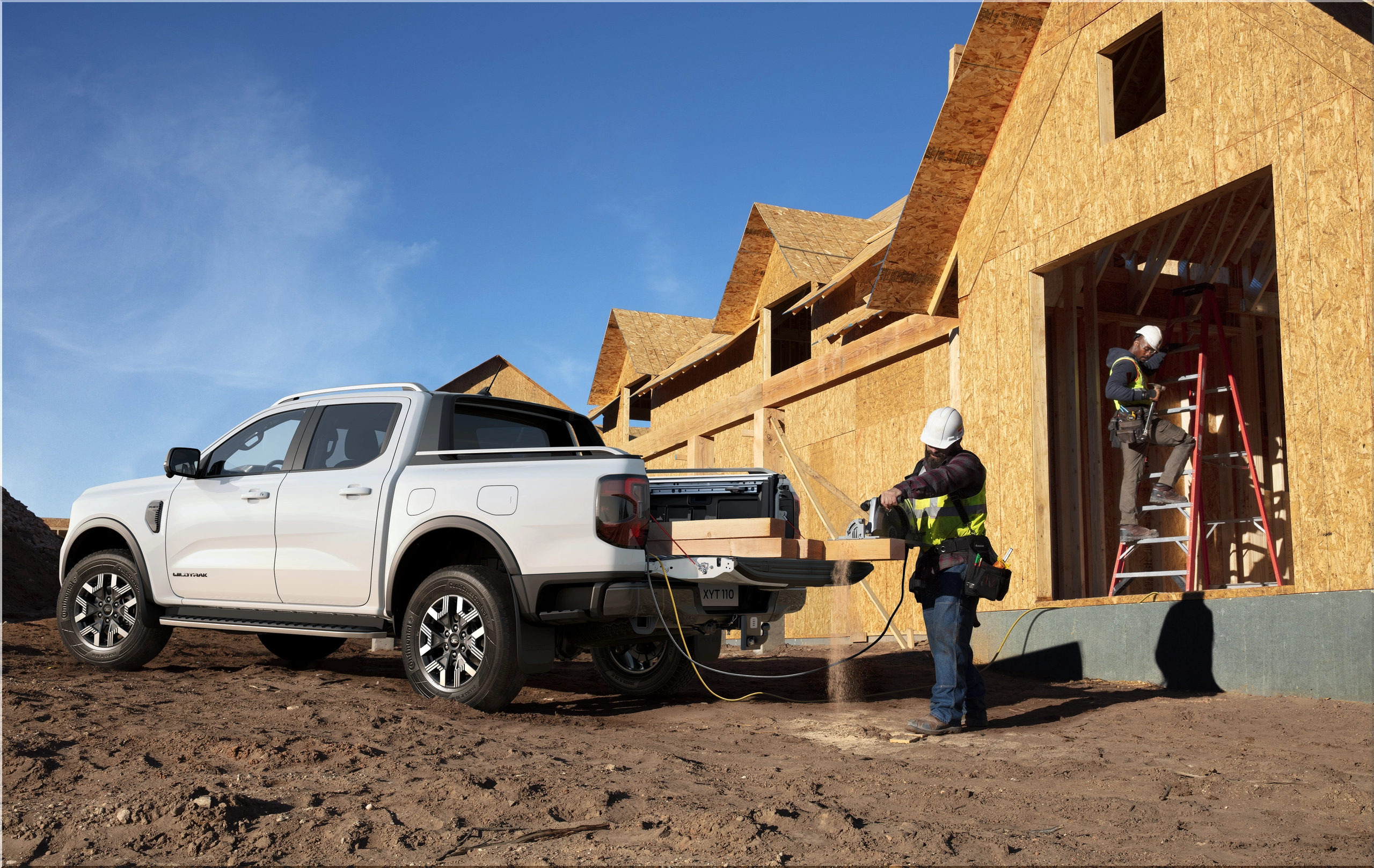
Run them at once without a separate generator. For weekend use, charge e-bikes, power a fridge, or run a small projector setup. The system draws from the battery when parked. If the pack runs low, the engine can auto-start to keep power flowing. A Low Power mode activates when the total driving range drops near 80 km. That protects the trip home.
Pro Power Onboard configurations
| Variant | Cabin outlet | Load box outlets | Total exportable power |
|---|---|---|---|
| 2.3 kW | 1 x 230 V | 2 x 230 V | 2.3 kW total |
| 6.9 kW | 1 x 230 V (10 A / 2.3 kW) | 2 x 230 V (15 A / 3.45 kW each) | 6.9 kW total |
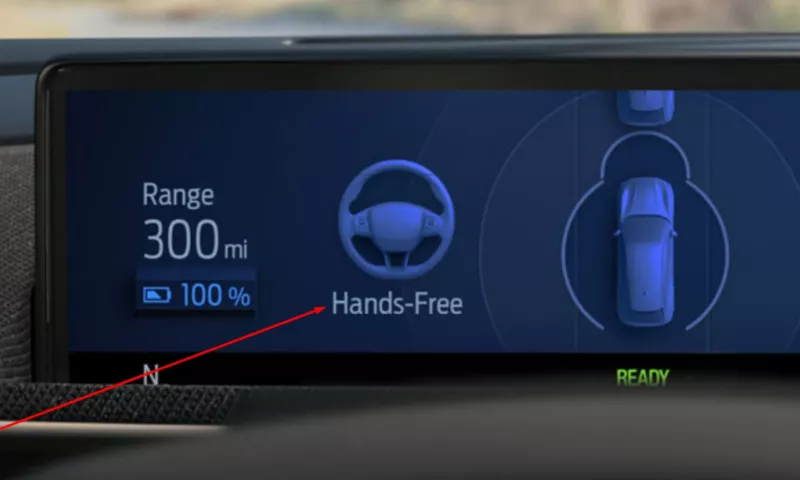
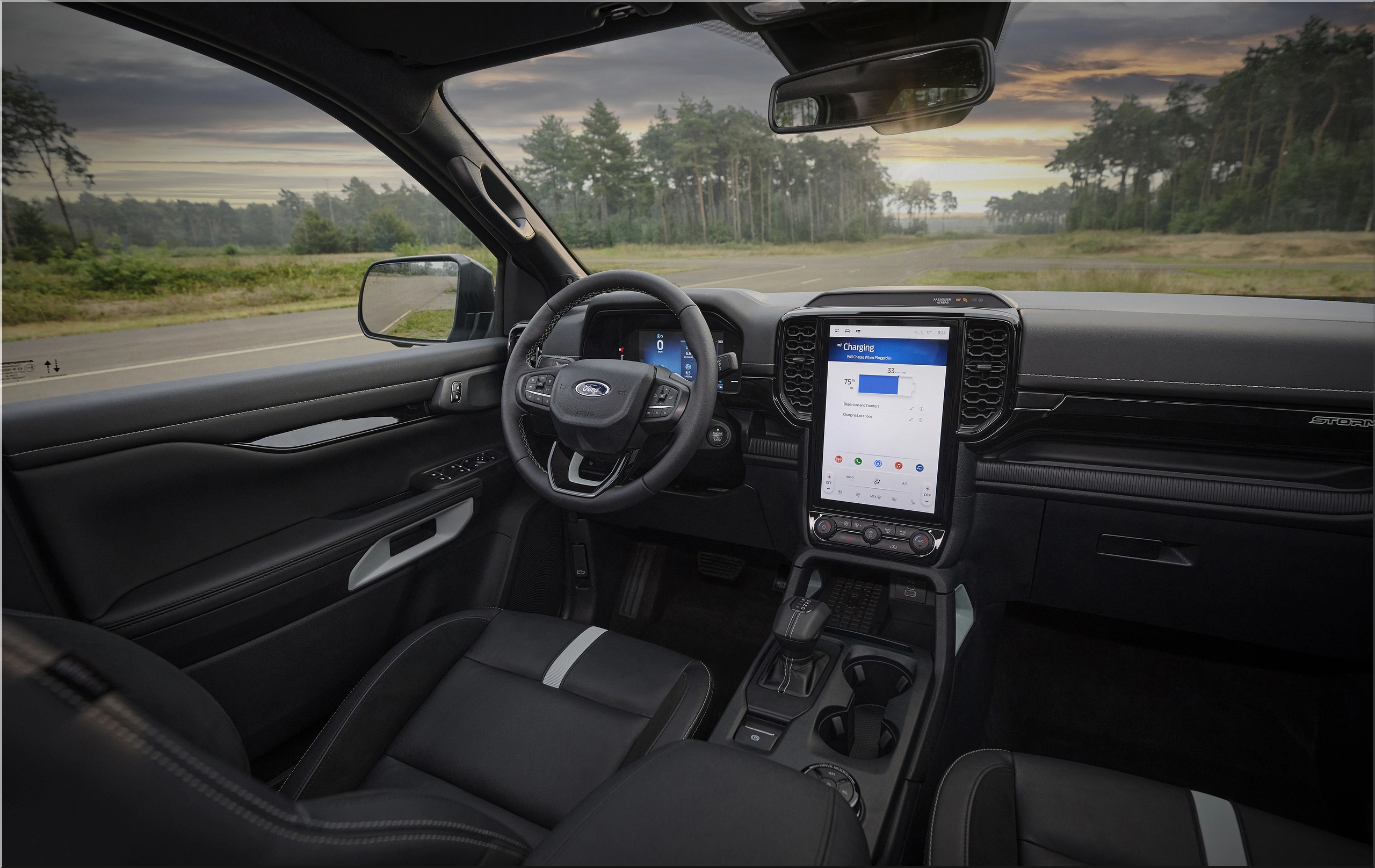
Use the SYNC 4 screen to switch outlets and view draw. A default 400 W cabin socket remains live when the system is off.
Charging time and daily use
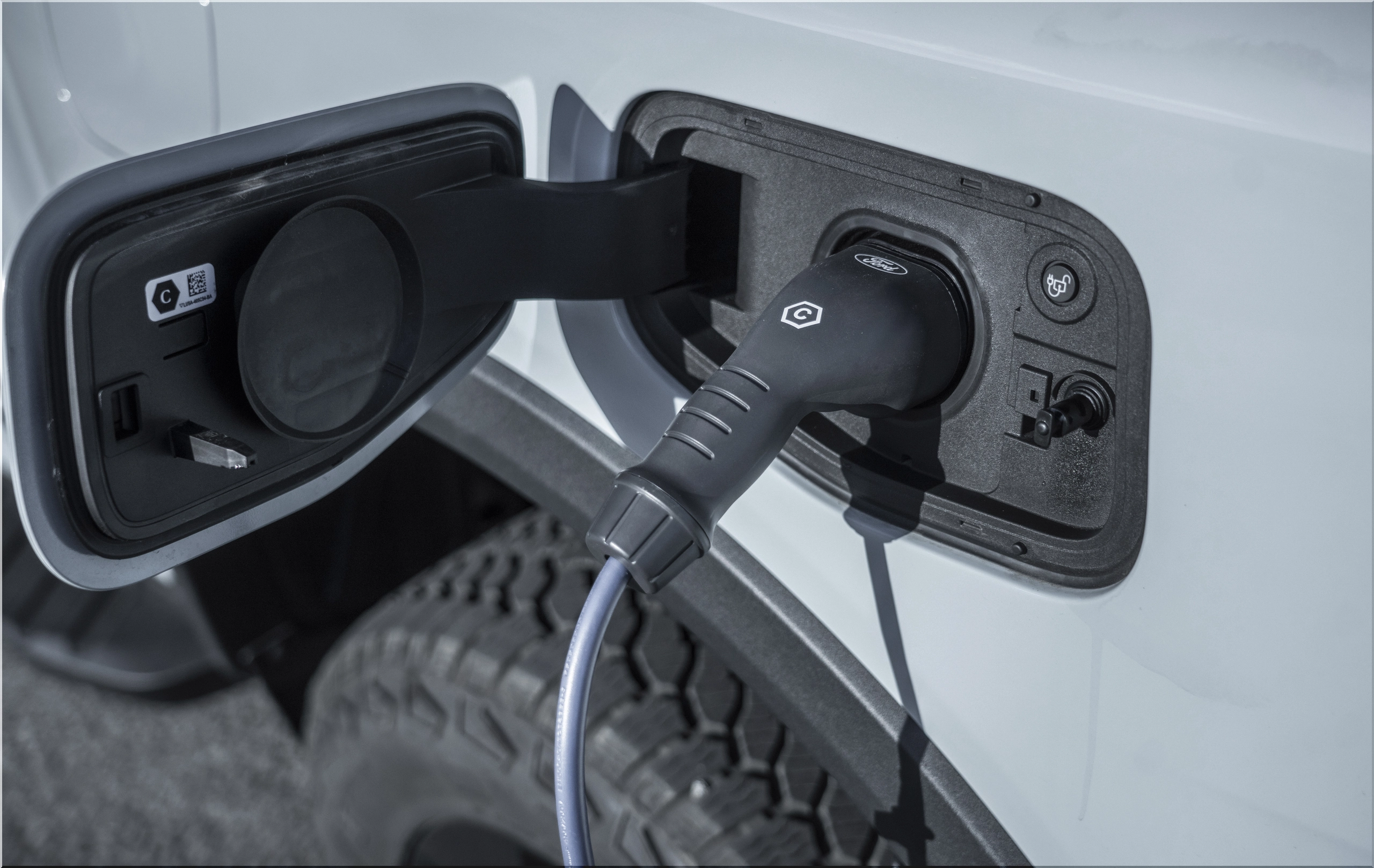
Charge from empty to full in under four hours using a single-phase 16 A AC source. Many owners can charge overnight at home or depot. Keep the pack topped for daily city work. Use EV Later when cruising at steady highway speeds. Save battery for slow traffic, sites, or trails.
Towing, payload, and body
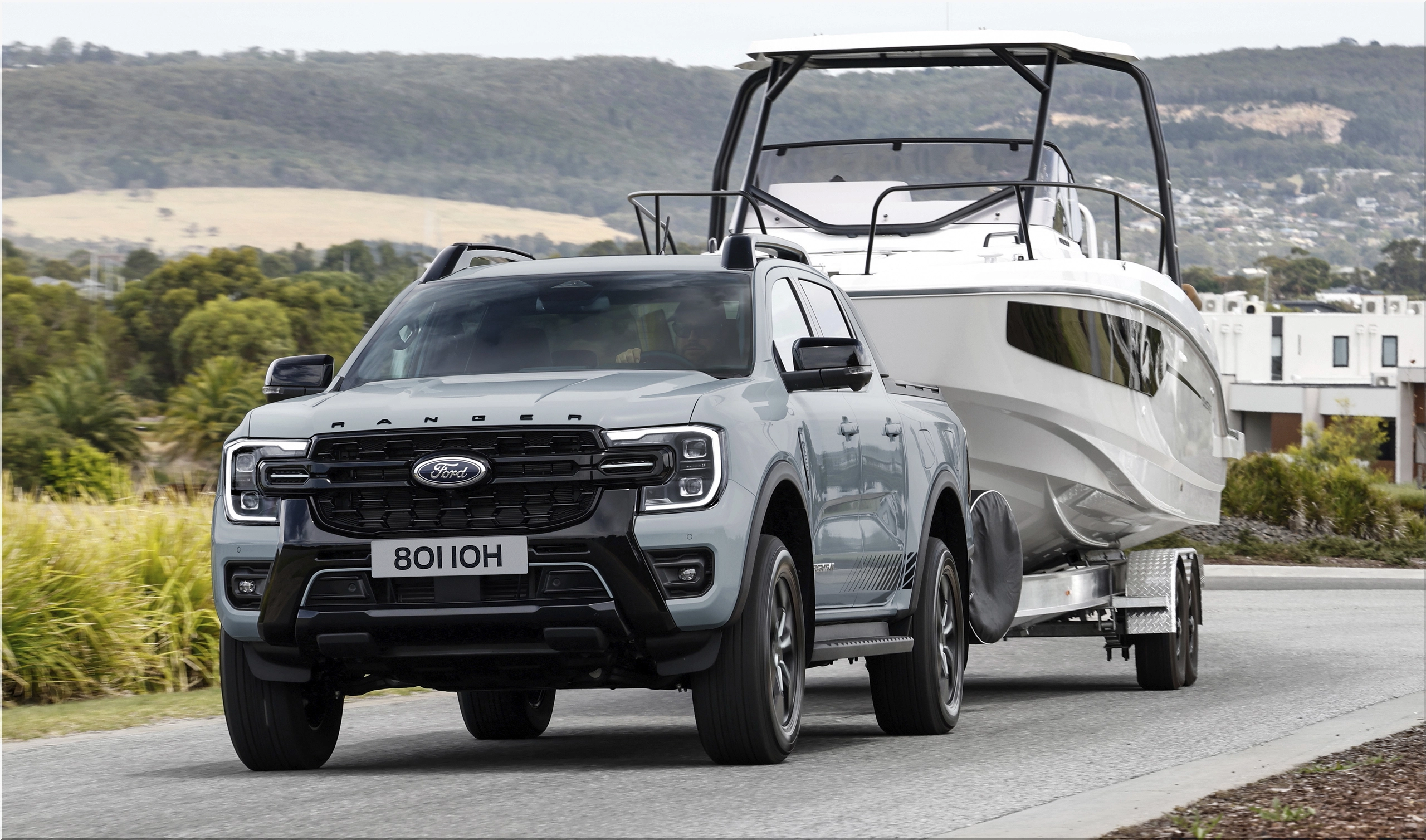
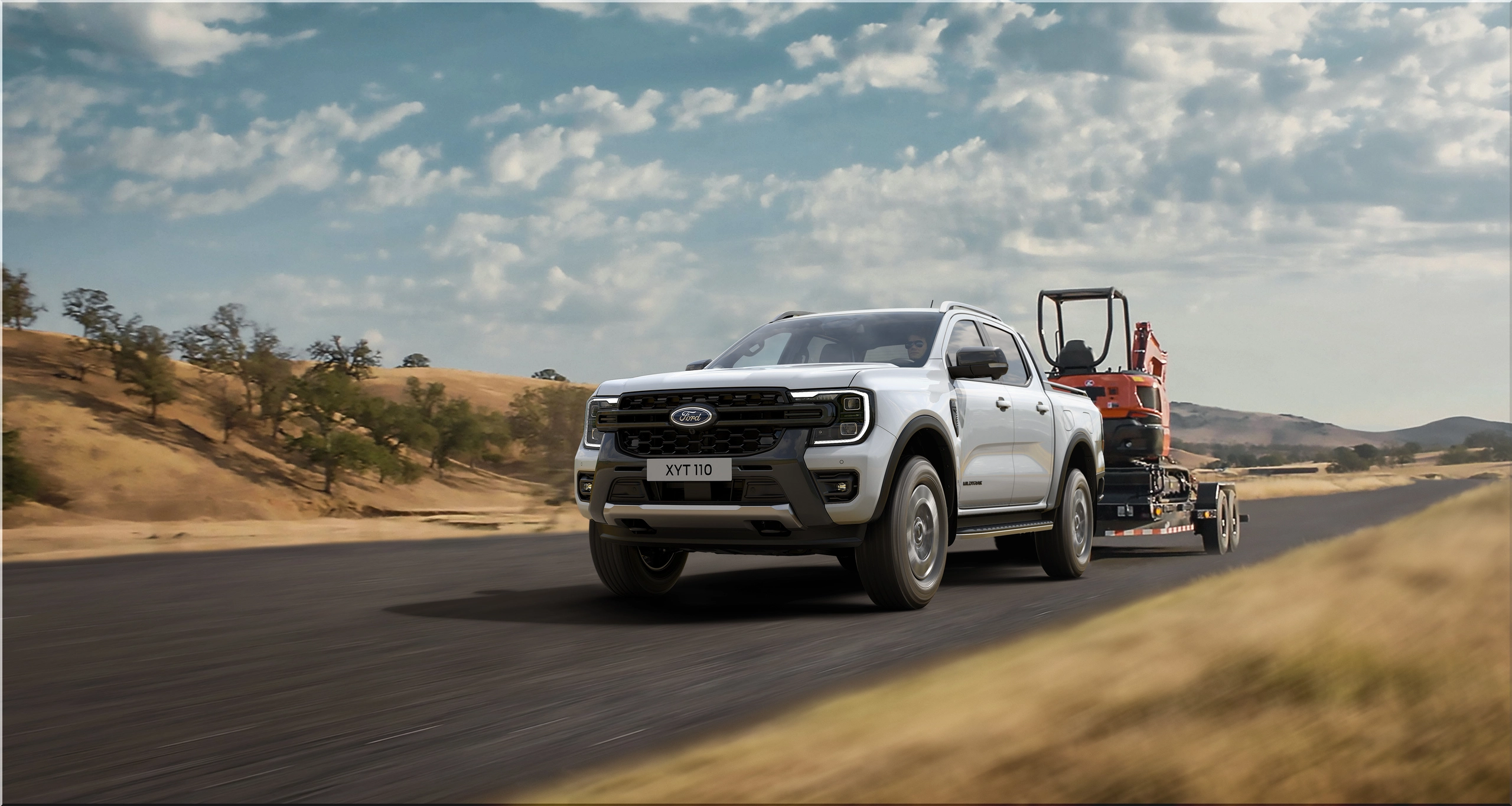
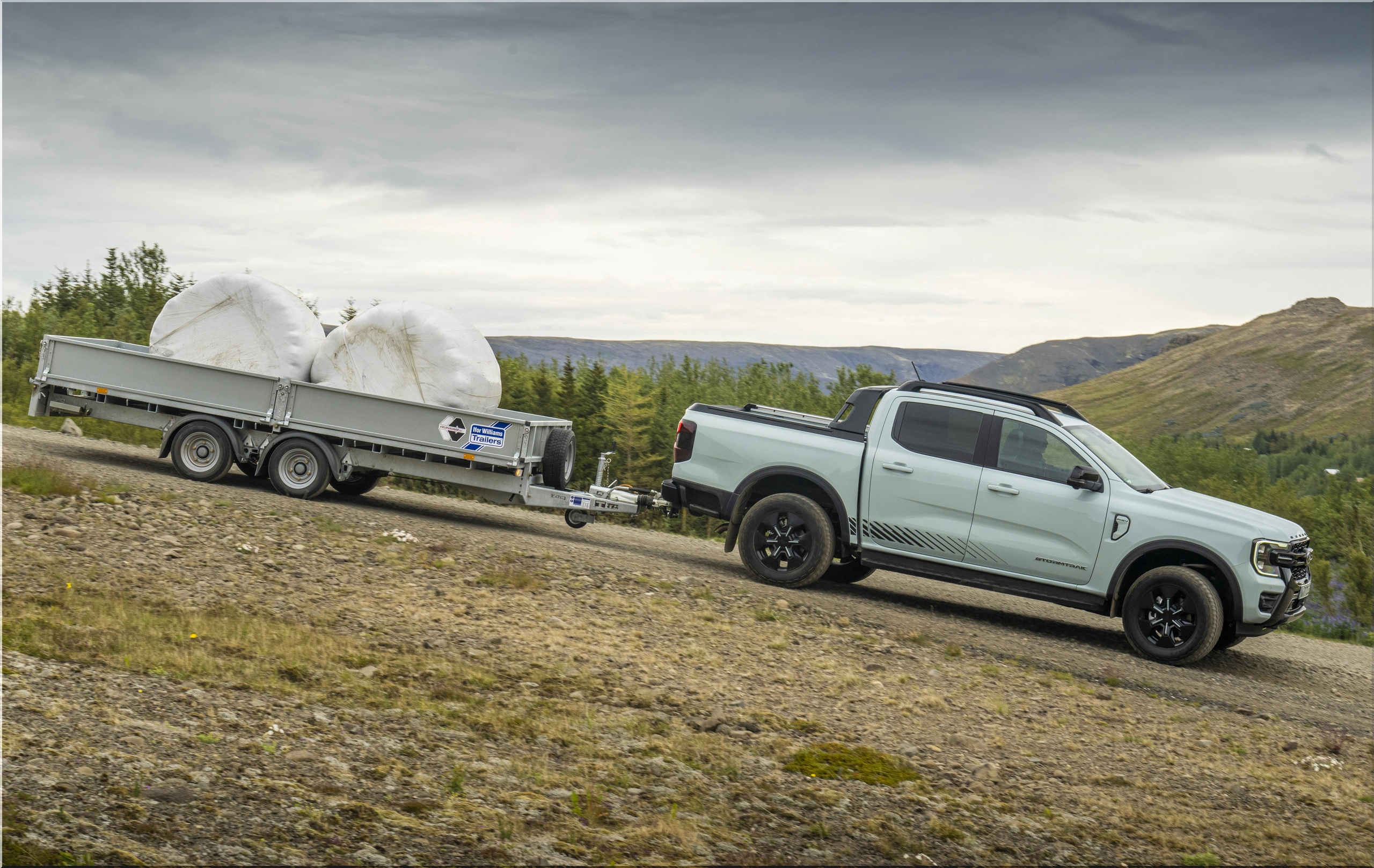
Towing capacity reaches 3,500 kg when properly equipped. Payload targets up to 1,000 kg. The Double Cab fits five seats. The load bed takes a Euro pallet between the wheelhouses. The Easy Lift tailgate and cargo lighting support night work.
Trims, equipment, and onboard power availability
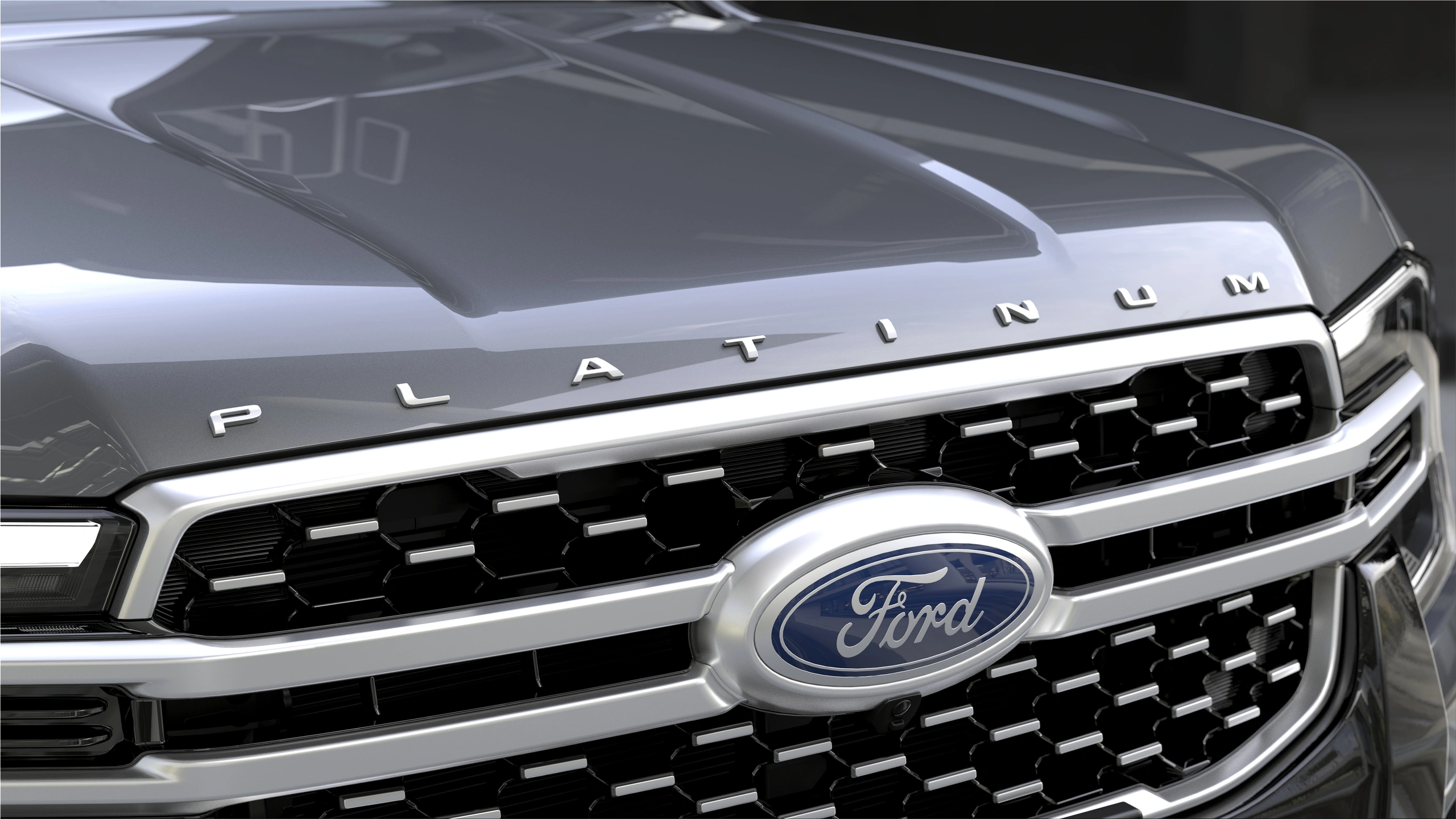
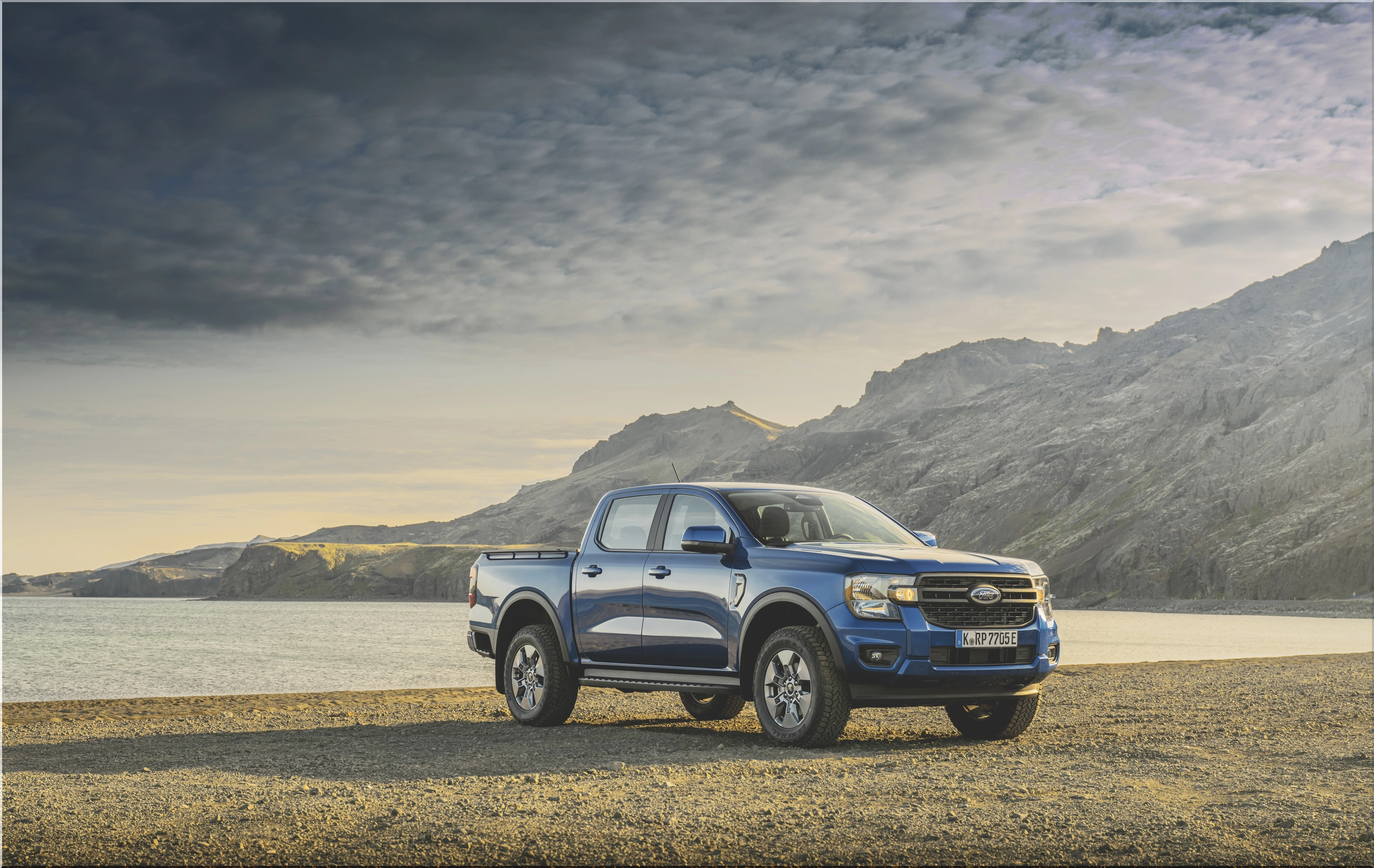
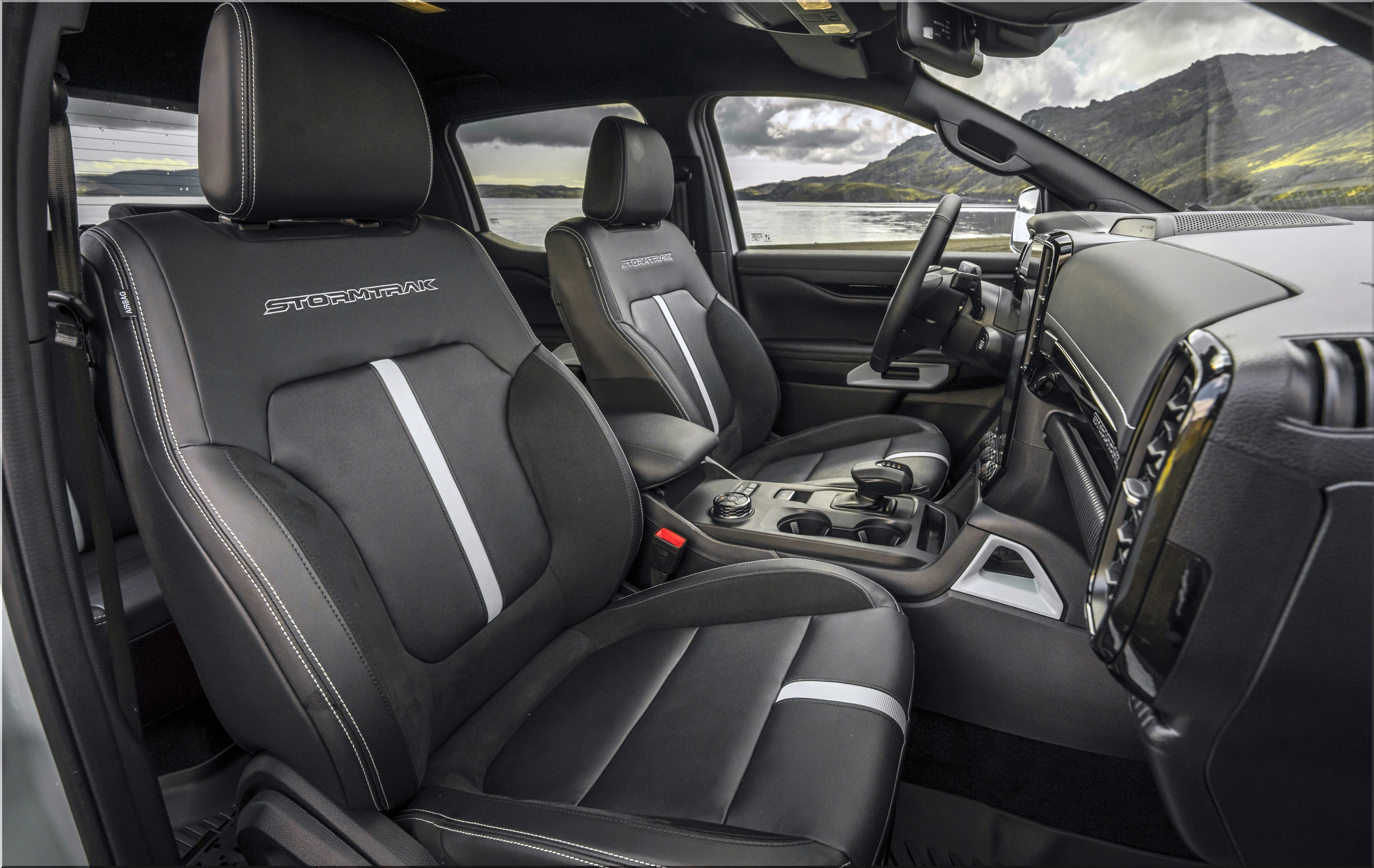
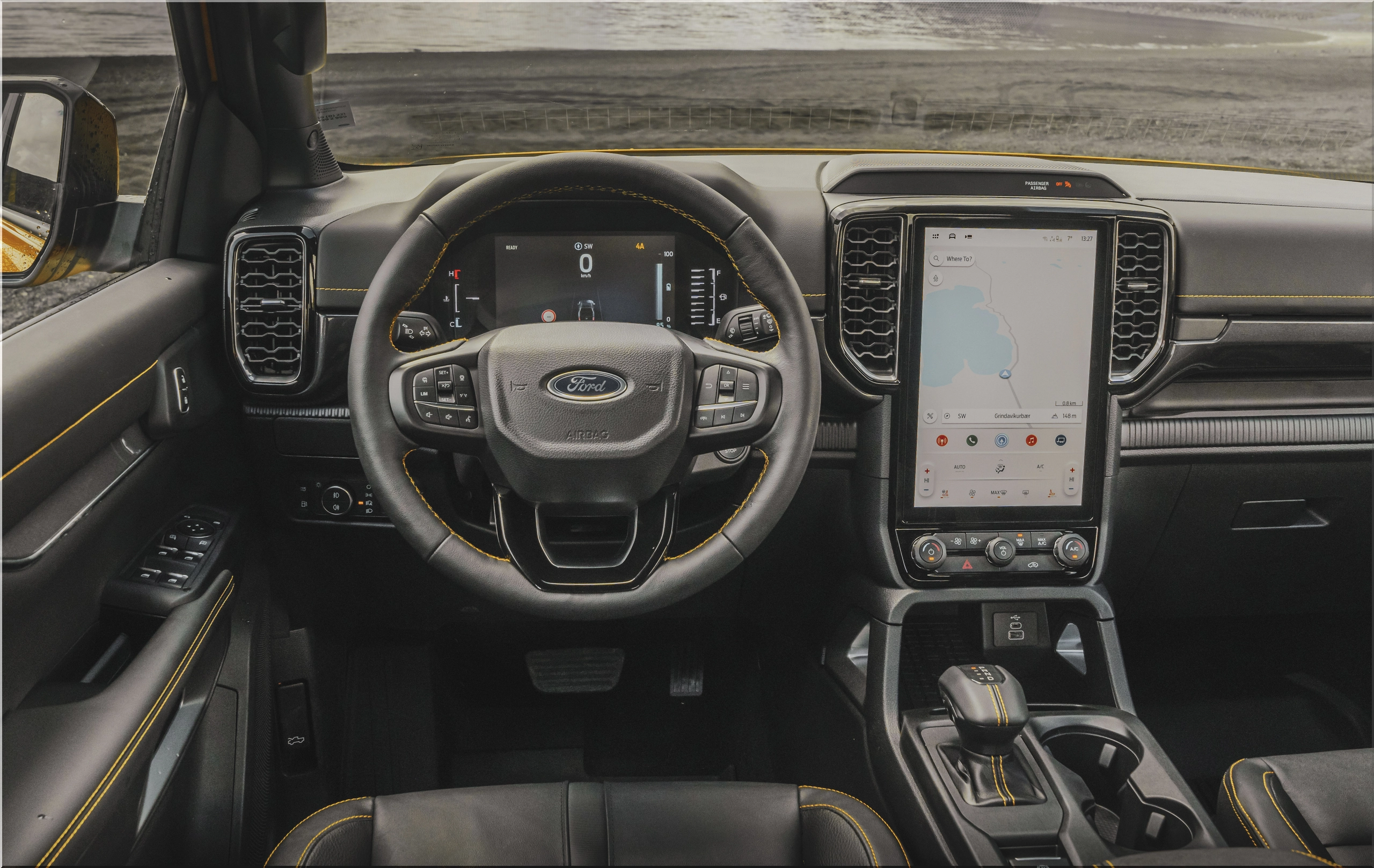
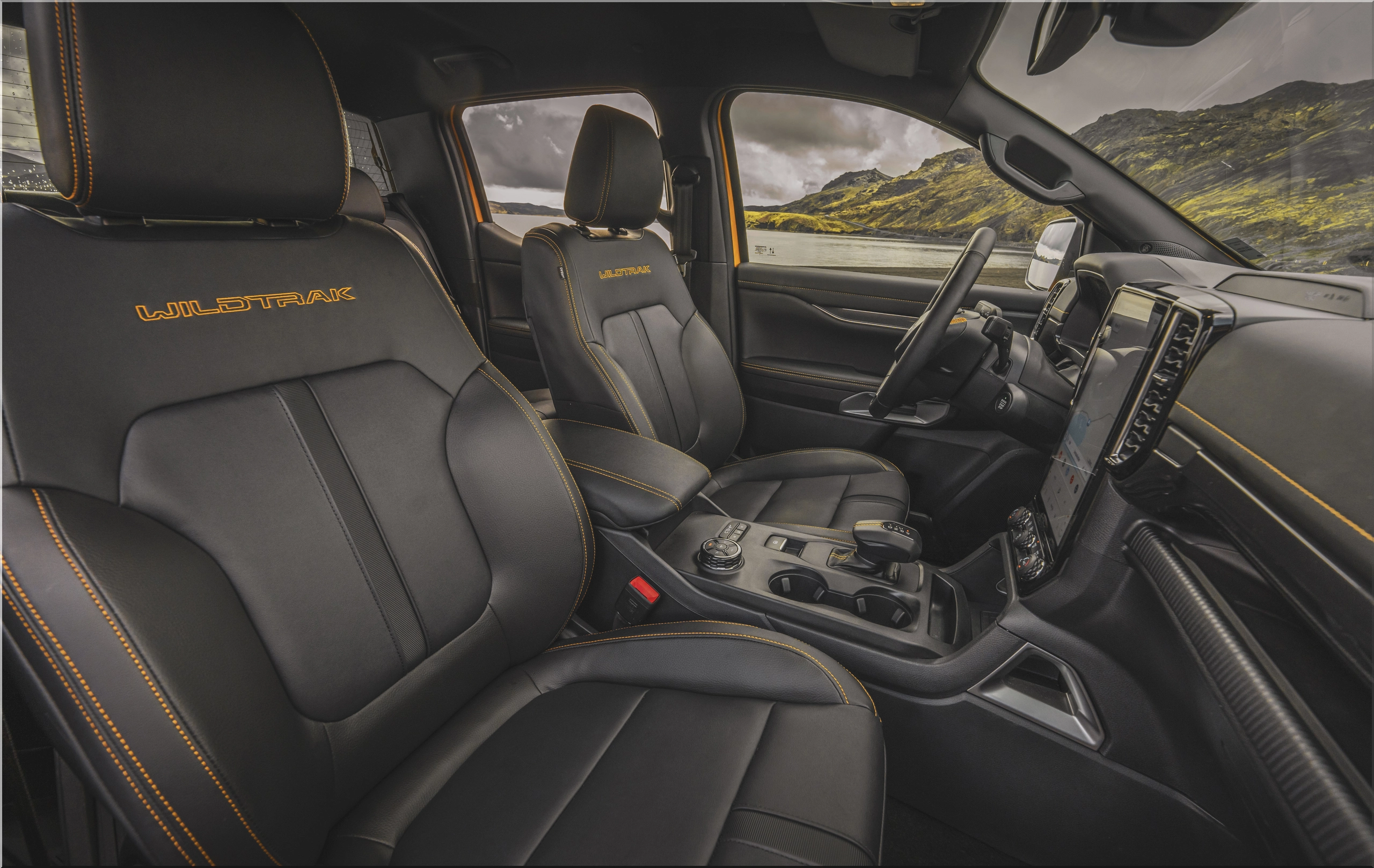
Ford offers XLT, Wildtrak, and Stormtrak launch edition. All include SYNC 4A with a 12-inch vertical touchscreen and 8-inch cluster. Wireless charging is standard. Driver assistance includes Pre-Collision Assist, Lane Keeping Aid, and a rear-view camera. Wildtrak adds heated seats, a heated wheel, and 360-degree Zone Lighting. Stormtrak adds Matrix LED headlamps, B&O audio, Flexible Rack System, and 2.3 kW Pro Power Onboard as standard. You can upgrade Pro Power Onboard to 6.9 kW on Stormtrak. XLT and Wildtrak offer 2.3 kW or 6.9 kW.
Trim and feature table
| Trim | Seat/Body | Infotainment | Driver aids | Onboard power |
|---|---|---|---|---|
| XLT | Double Cab, five seats | SYNC 4A, 12-in screen | Core safety and assists | 2.3 kW or 6.9 kW |
| Wildtrak | Double Cab, five seats | SYNC 4A, 12-in screen | Adds heated seats, wheel, Zone Lighting | 2.3 kW or 6.9 kW |
| Stormtrak | Double Cab, five seats | SYNC 4A, B&O audio | Matrix LED, Flexible Rack System | 2.3 kW standard, 6.9 kW optional |
Pricing in USD
Norway pricing gives a clear guide to total cost. XLT starts at 717,000 NOK. Stormtrak lists at 862,300 NOK. At an exchange rate near 0.0977 USD per NOK on Aug 17, 2025, the approximate USD prices are:
- Ranger PHEV XLT: about $70,020 USD
- Ranger PHEV Stormtrak: about $84,210 USD
These figures vary by market, taxes, and options. Treat them as directional.
Image gallery
User experience and cabin tech
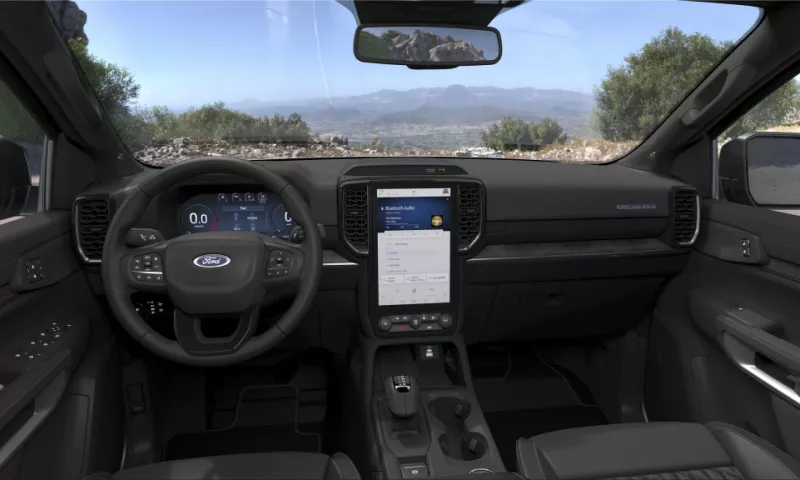
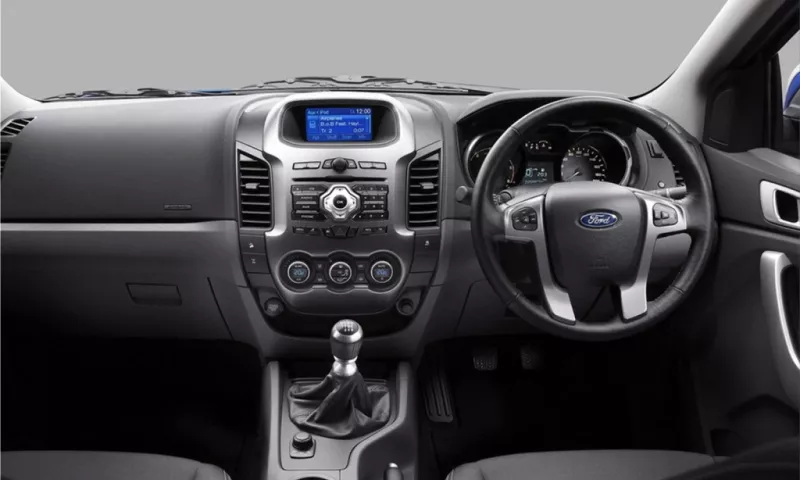
The cabin design follows the latest Ranger layout. The 12-inch vertical screen handles Pro Power Onboard controls and energy data. SYNC 4A brings cloud-connected navigation and over-the-air updates. Hybrid menus show charge state, EV usage, and drive modes. The 8-inch cluster stays simple and clear. Wireless charging and USB ports cover devices.
Fleet and trades: what changes day one
- Onboard power cuts generator use and fuel for tools.
- EV miles reduce fuel use in stop-start urban work.
- High torque helps with heavy loads and towing.
- Scheduled charging can use cheaper off-peak electricity.
- Service intervals and parts usage may change with hybrid duty cycles.
Quick deployment checklist
- Map routes under 43 km to target EV use.
- Set depot or home charging with 16 A AC.
- Assign 6.9 kW trucks to high-draw tool users.
- Train drivers on EV modes for route profiles.
- Track fuel and electricity costs by vehicle ID.
Outdoors and lifestyle: what owners gain
- Silent EV driving on early trailheads.
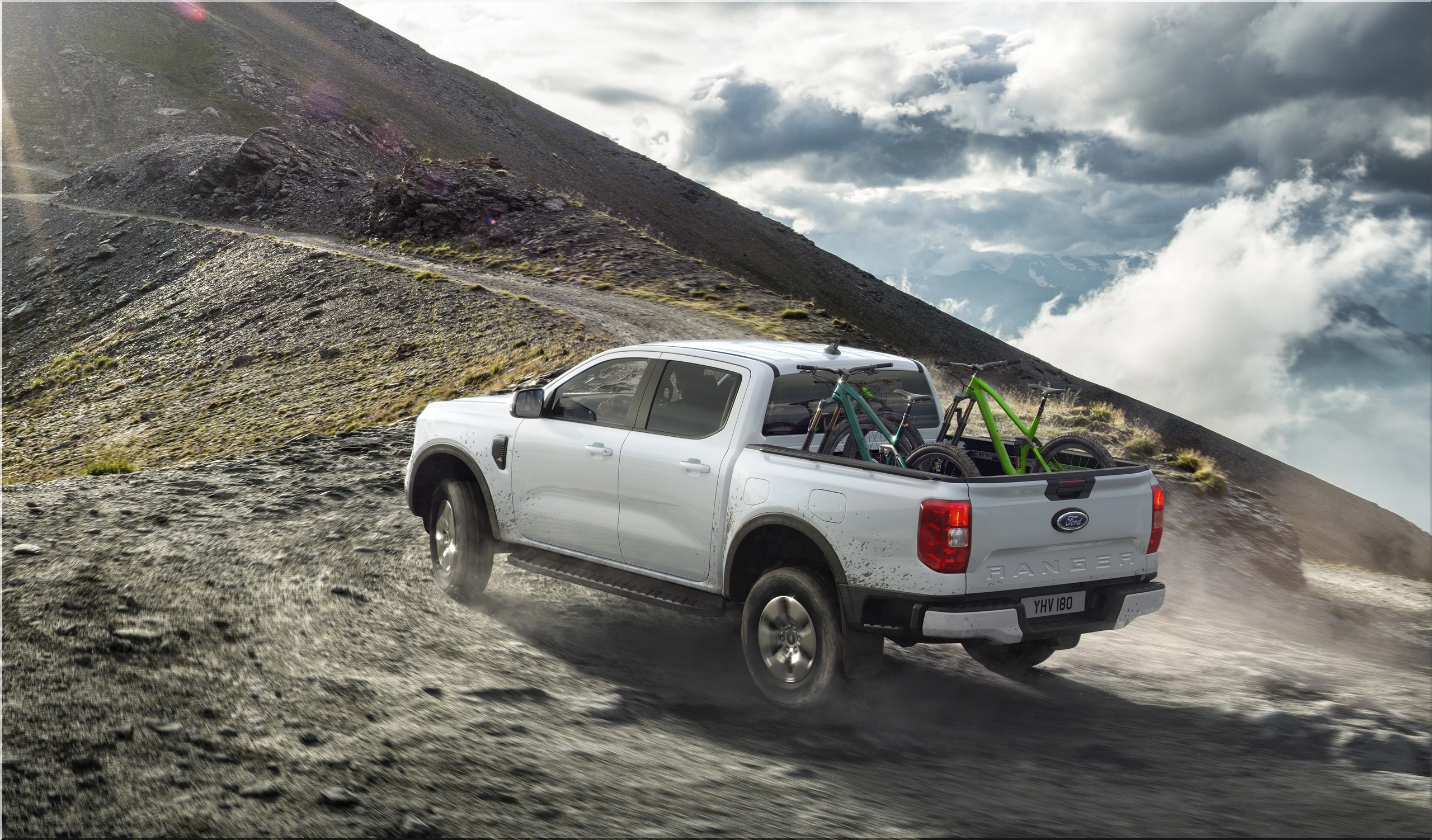
- Off-grid power for bikes, coolers, and lights.
- Tow ratings for boats and campers stay intact.
- Low-speed torque helps on rough climbs.
Limitations to plan around
- EV range tops at 43 km, so plan charging.
- Battery capacity is 11.8 kWh, not a long-range pack.
- AC charging only; no DC fast charging in spec sheets.
- Curb weight rises with the hybrid system, which can affect payload on some builds.
- Fuel economy depends on route, climate, and load. Real results vary.
What sets Ranger PHEV apart
Two factors separate this truck from rivals. First, 6.9 kW Pro Power Onboard with two 15 A outlets in the bed and a 10 A cabin outlet. That supports a serious small site. Second, 697 Nm torque. That torque simplifies starts with trailers and steep grades. The package keeps 3,500 kg towing and up to 1,000 kg payload. The setup serves contractors first. It also serves active families who want power anywhere.
Buying guide: which Ranger PHEV suits you
- Choose XLT if you prioritize price and capability. Add 6.9 kW if you power tools daily.
- Choose Wildtrak for heated features and night visibility. Add 6.9 kW for equipment or camping rigs.
- Choose Stormtrak if you want a launch model with premium trim. Upgrade to 6.9 kW if you run heavy gear.
Image gallery
Competitive context
The midsize pickup class in Europe values towing and payload. Ranger leads sales by a wide margin. This plug-in hybrid keeps the core tasks intact. It adds exportable power that rivals lack at this scale. The e-4WD system, drive modes, and EV torque sharpen control. For many users, that is the key improvement.
Bottom line
Ford Ranger Plug-in Hybrid pushes capability with data you can use. 6.9 kW of Pro Power Onboard turns the truck into a site tool. 697 Nm helps with loads. 3,500 kg towing remains. Up to 43 km EV range covers short trips and urban jobs. If your day needs power and payload, this truck fits the brief.
- Add new comment
- 248 views