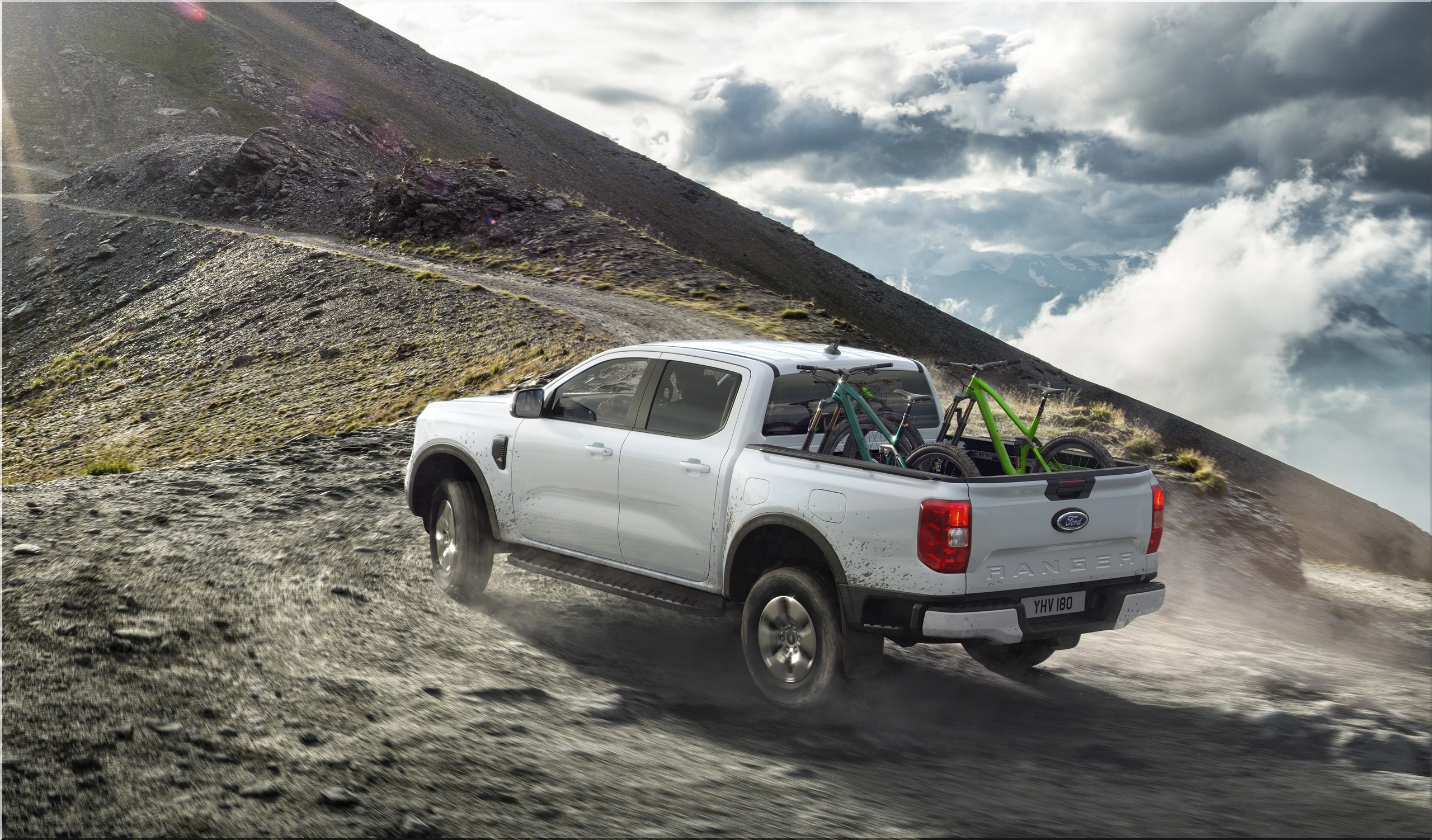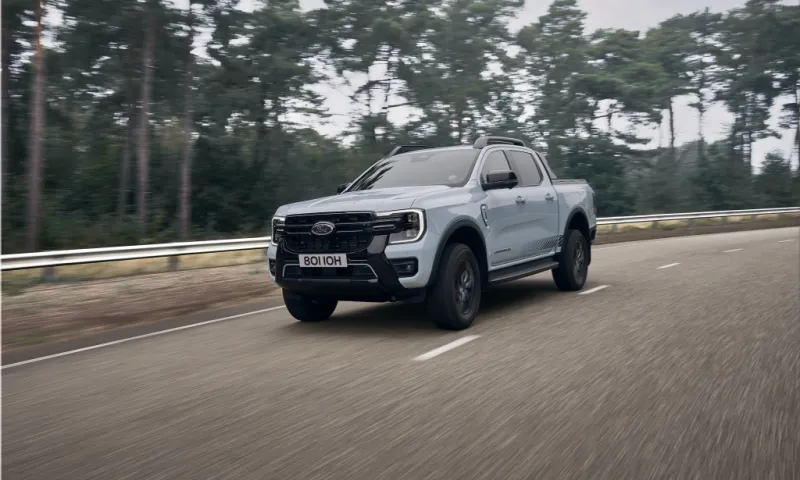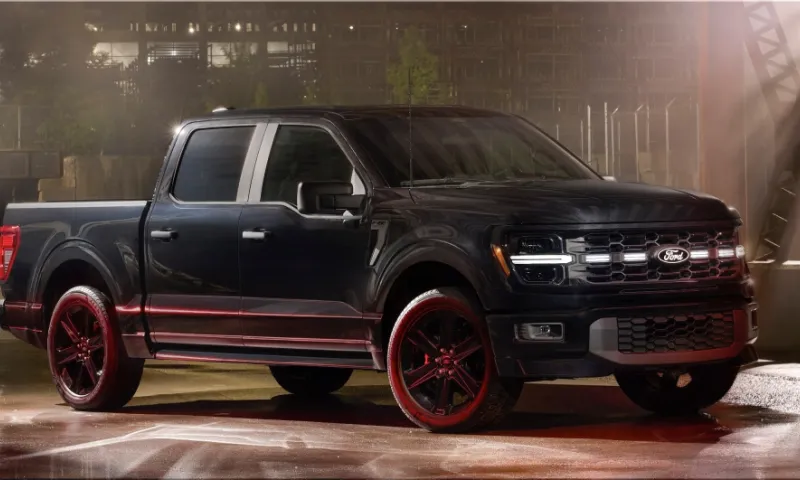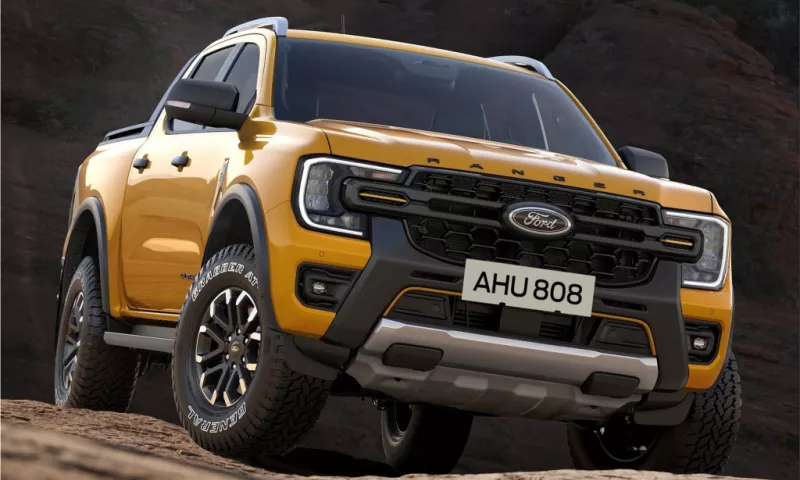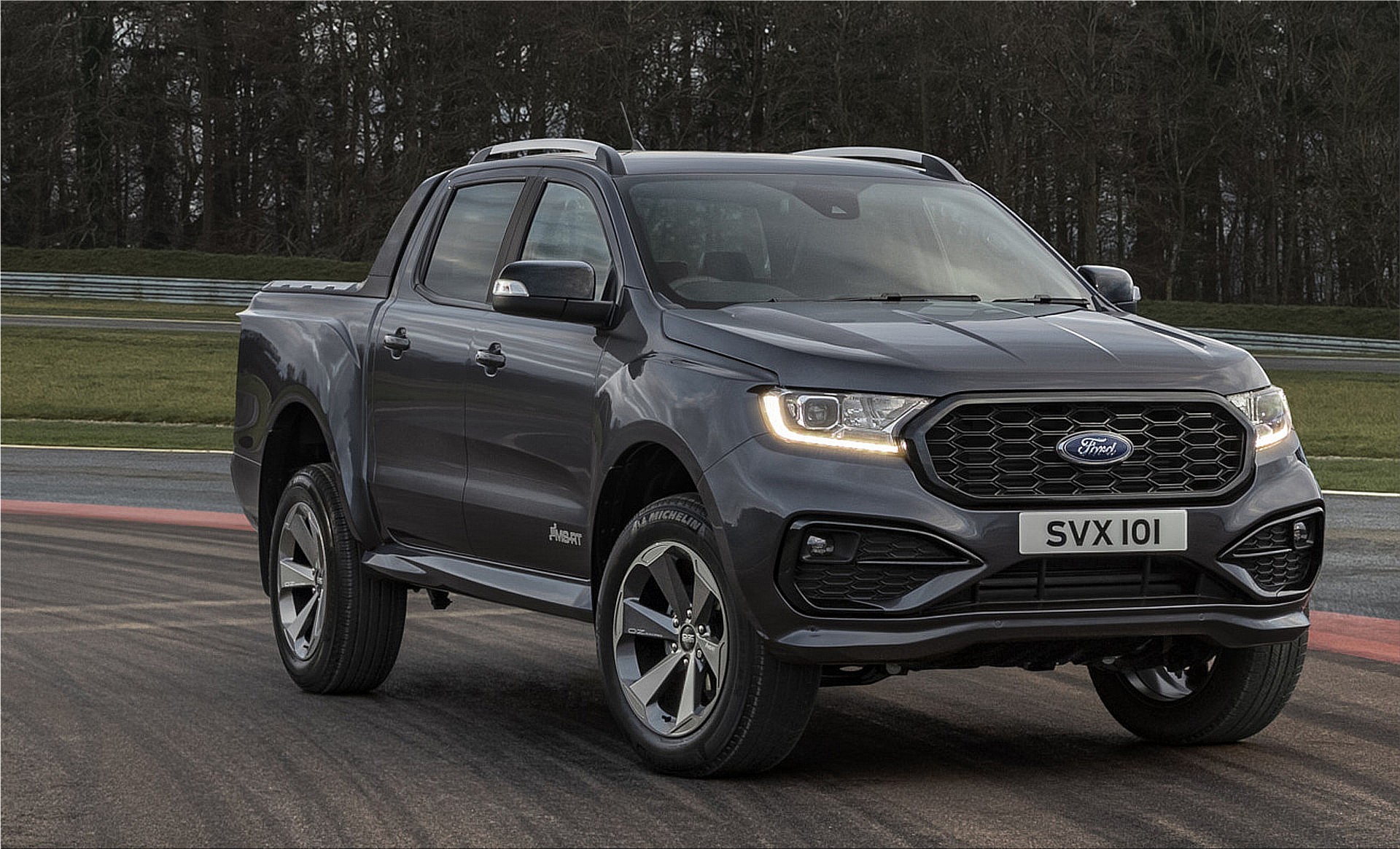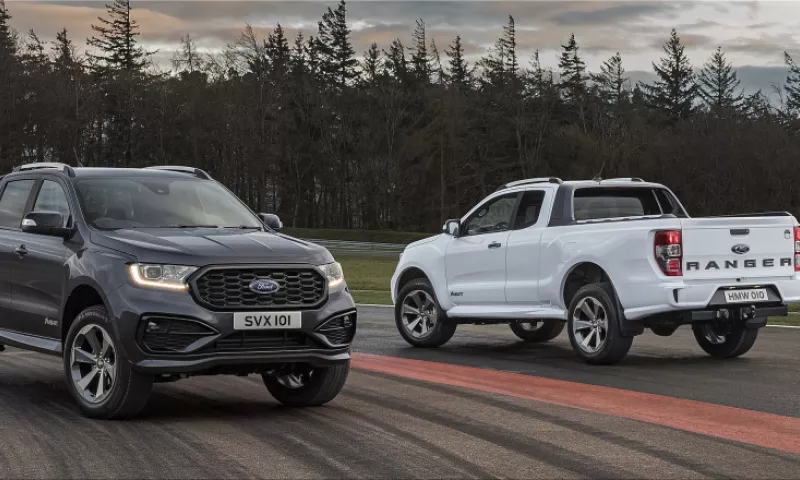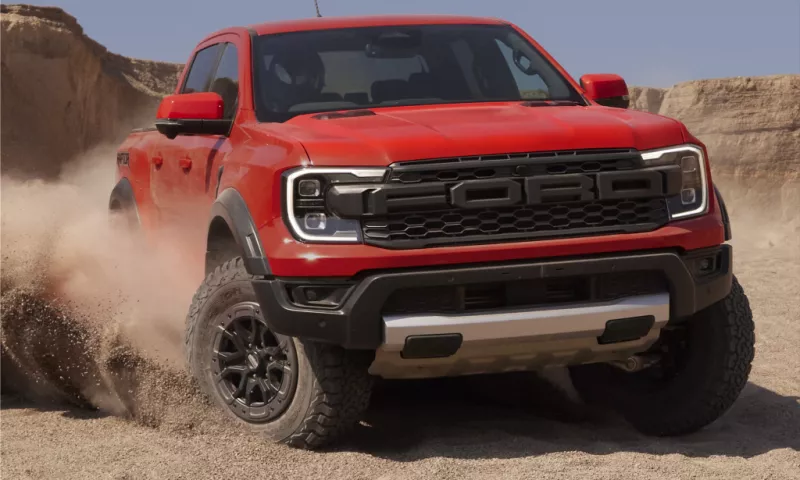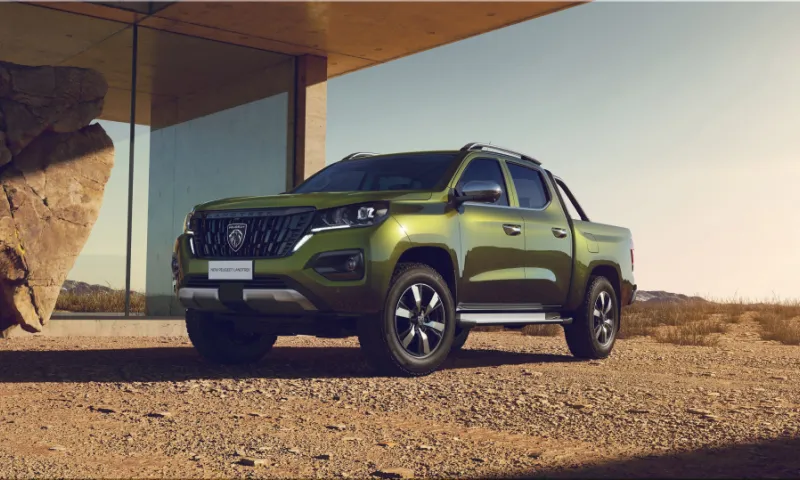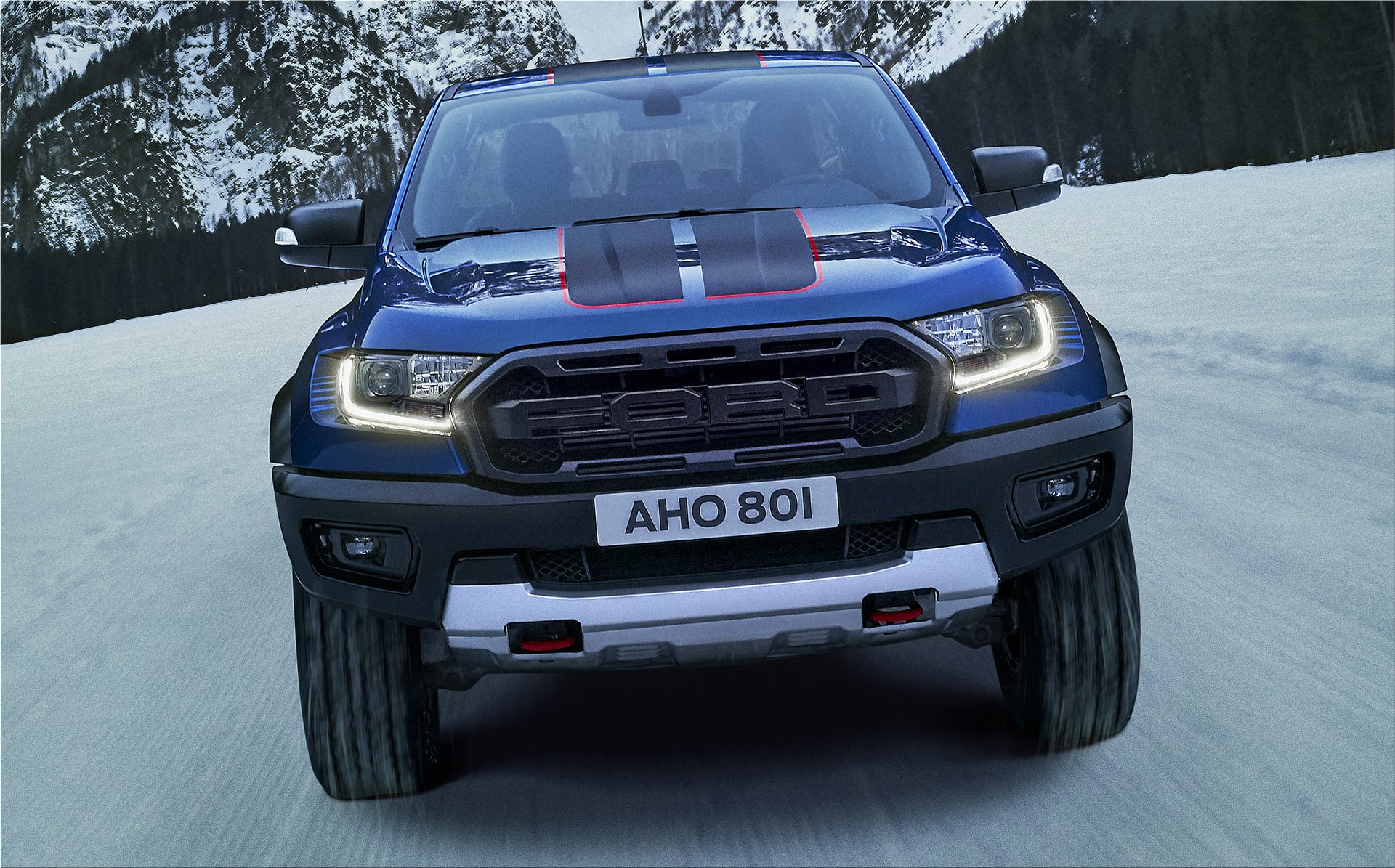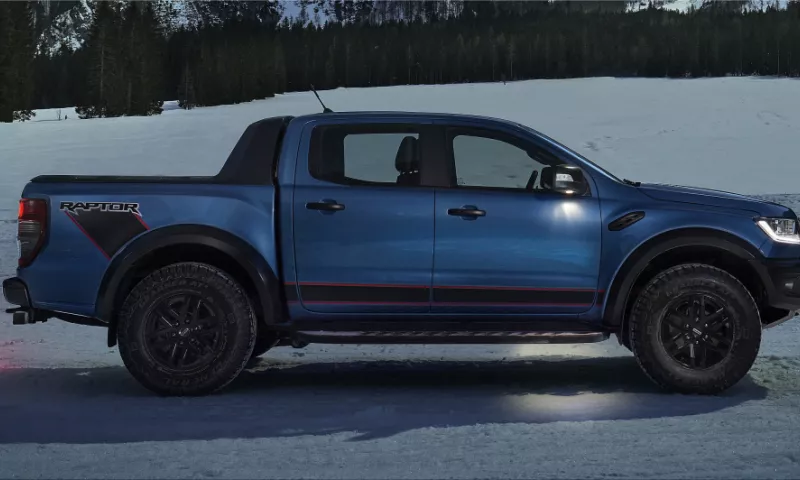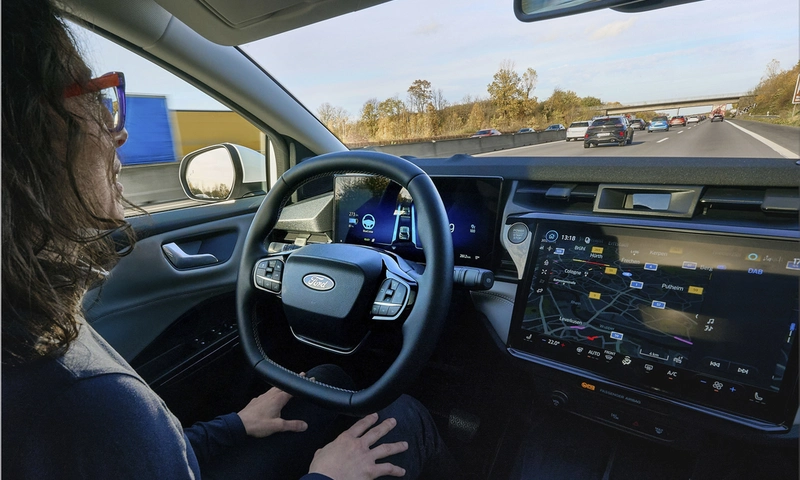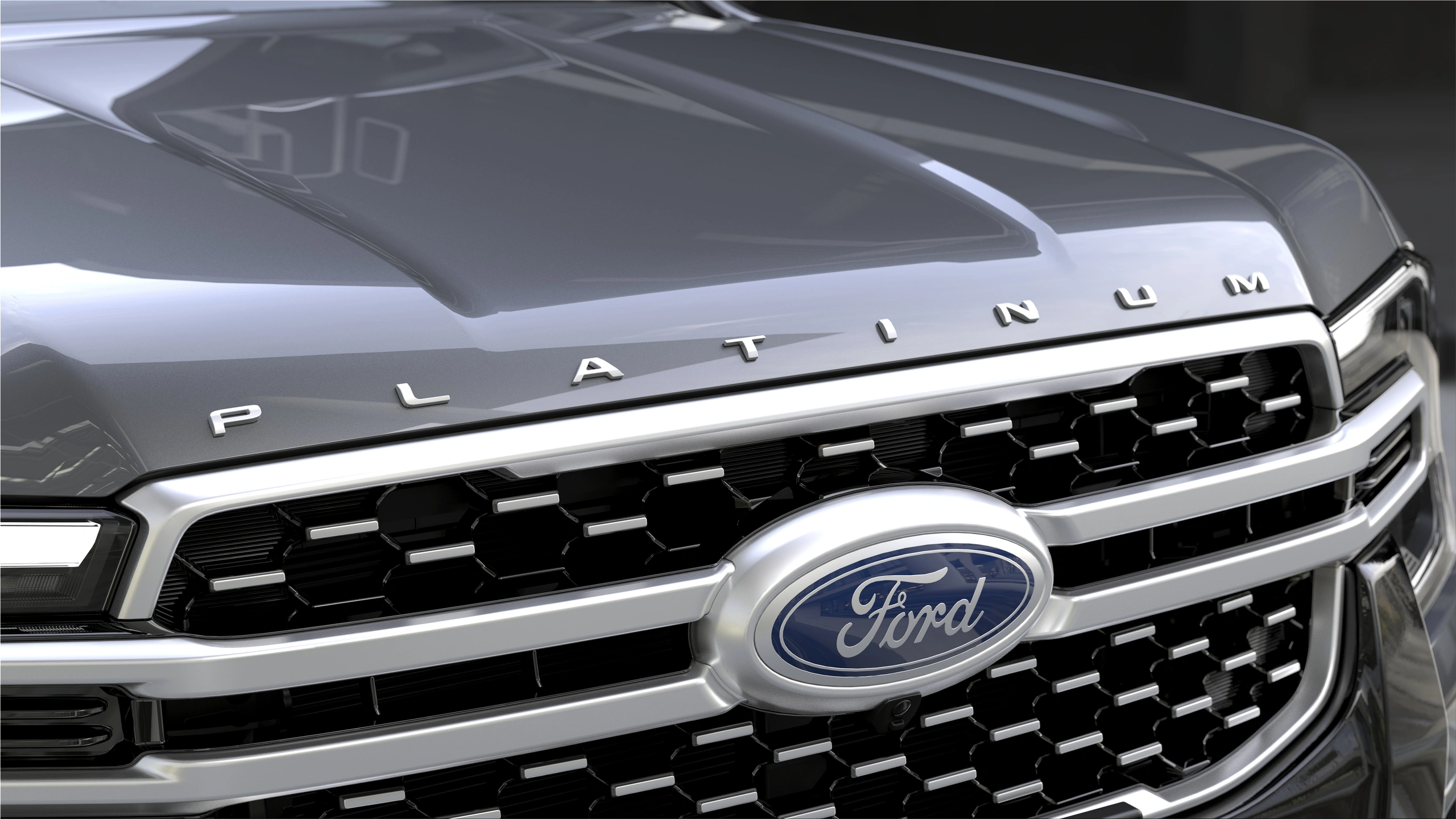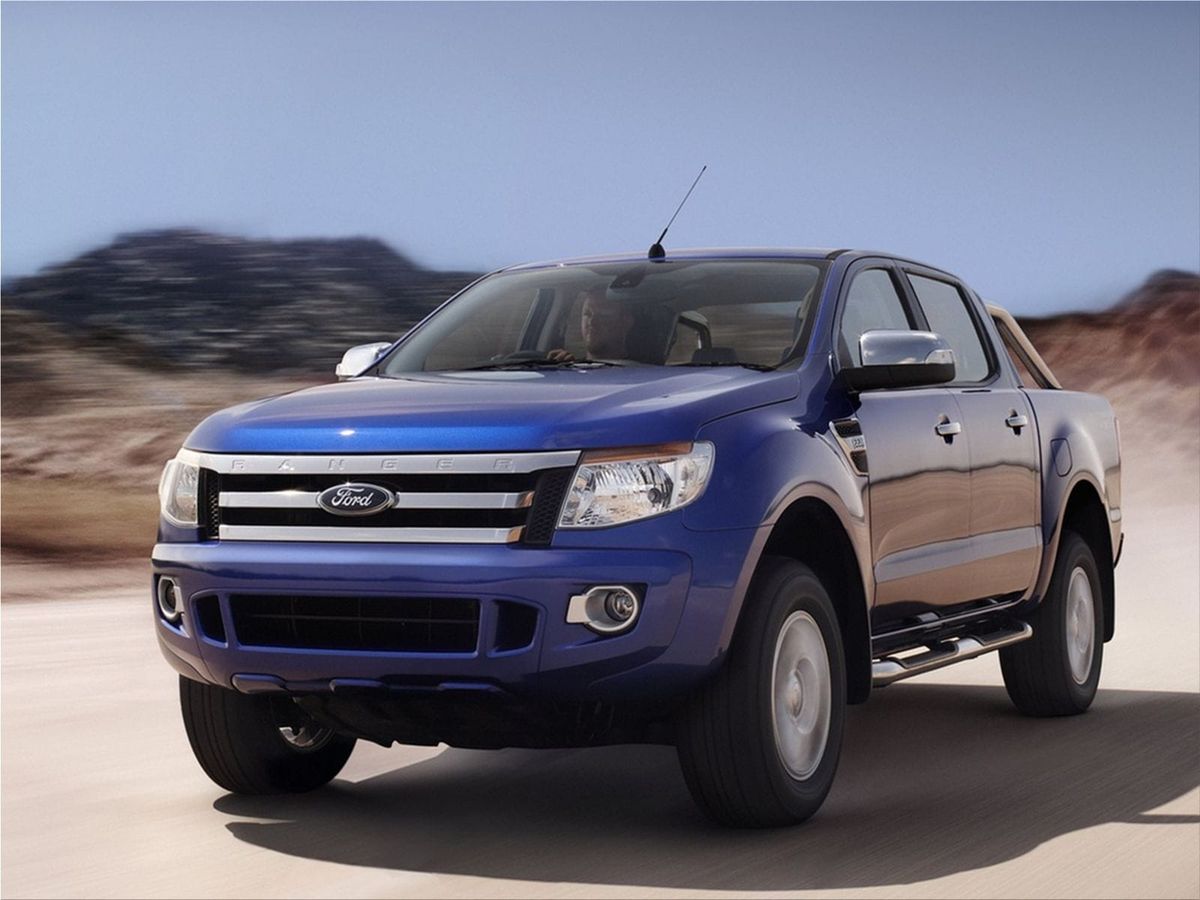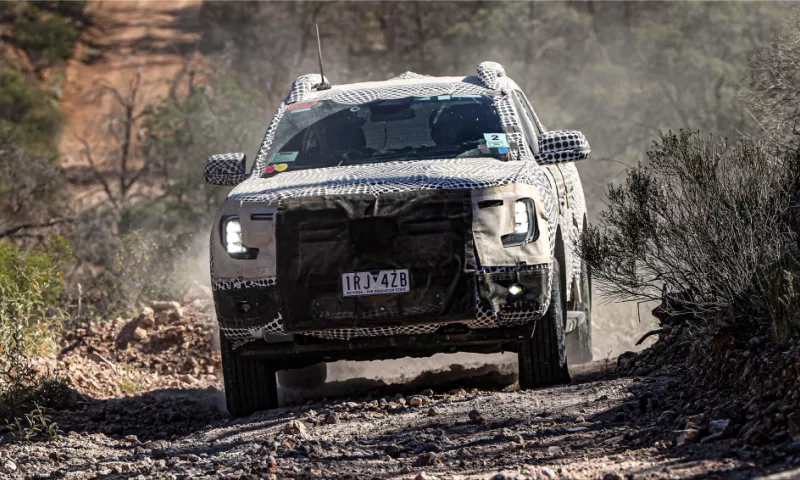
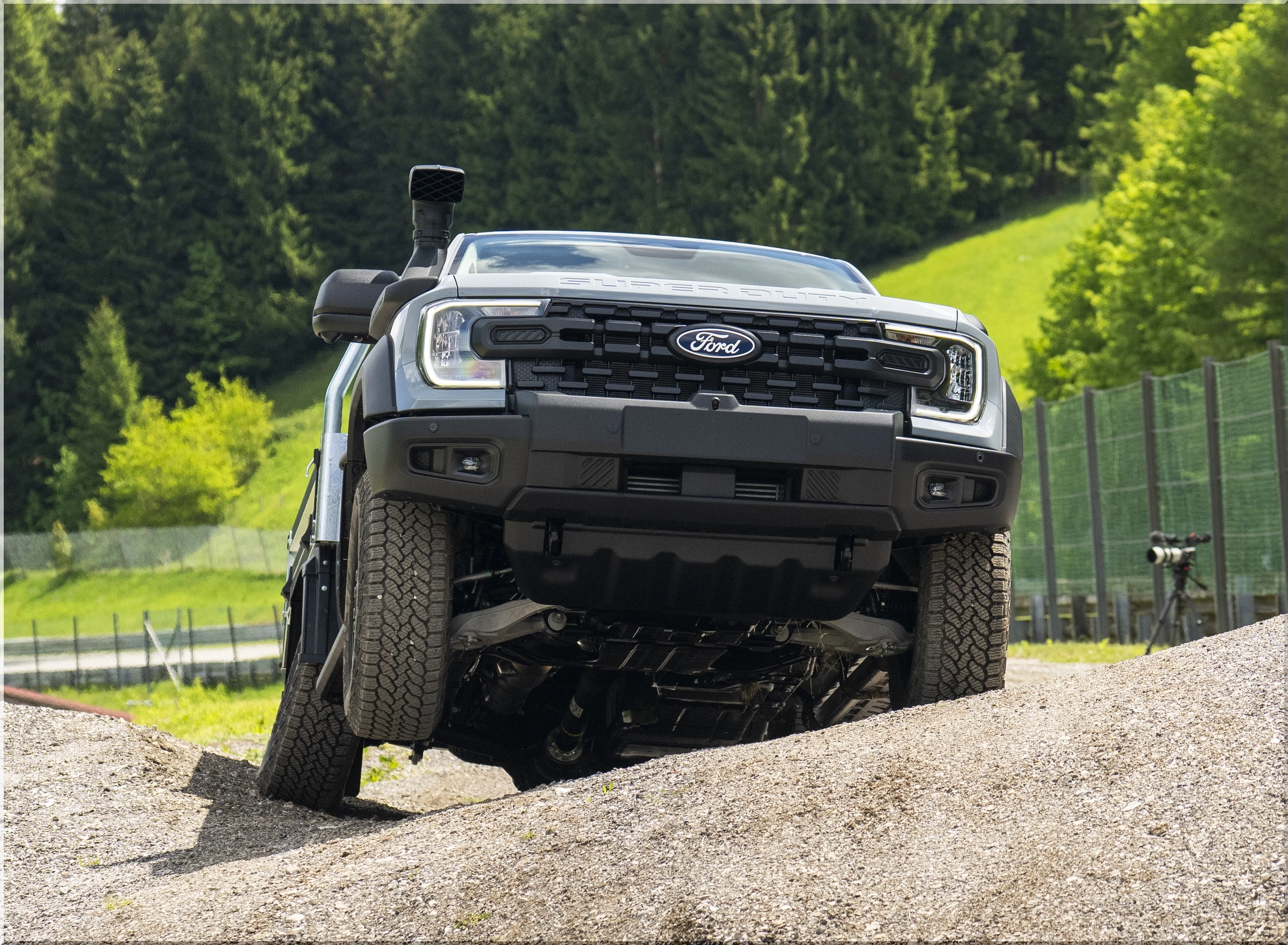
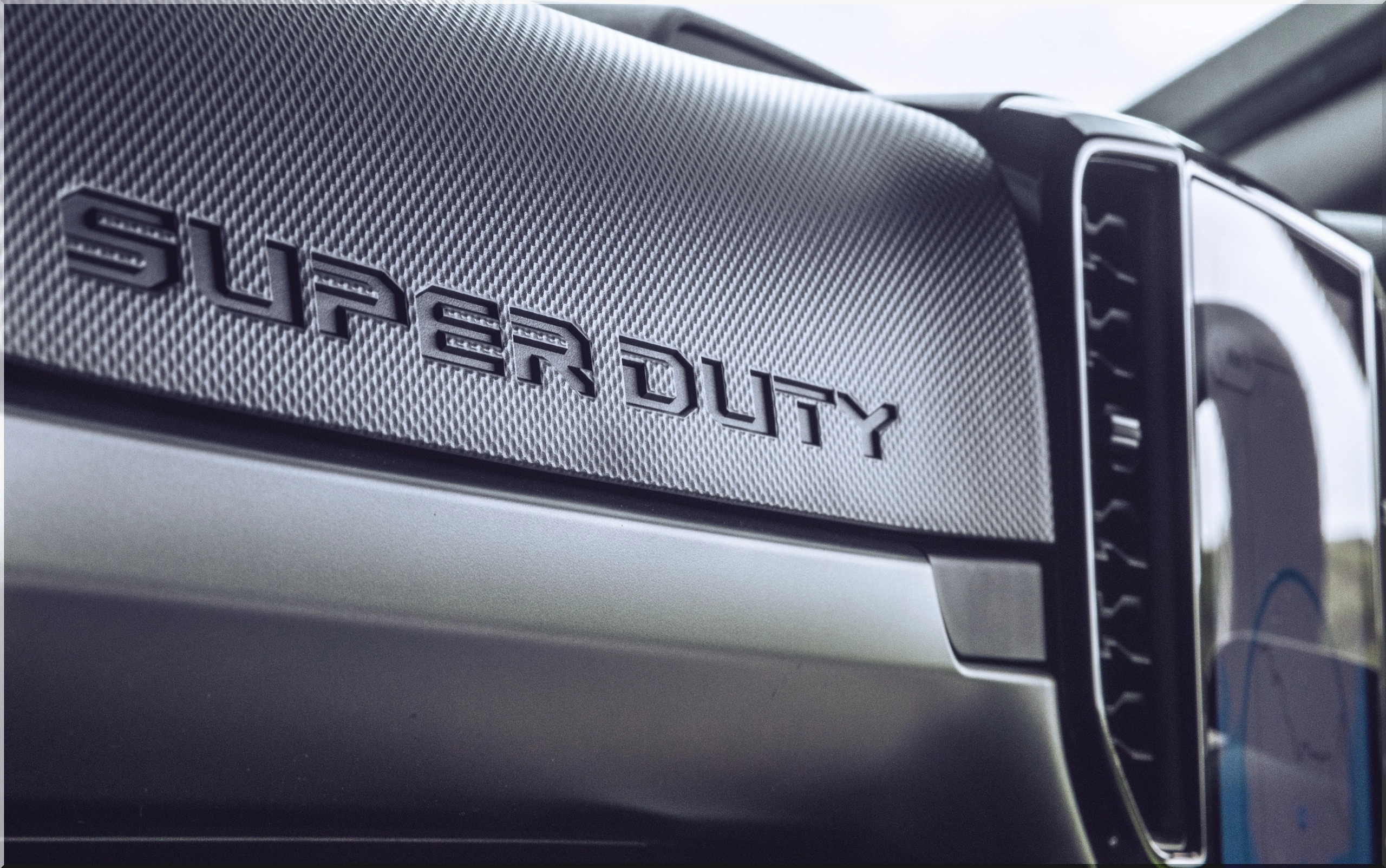
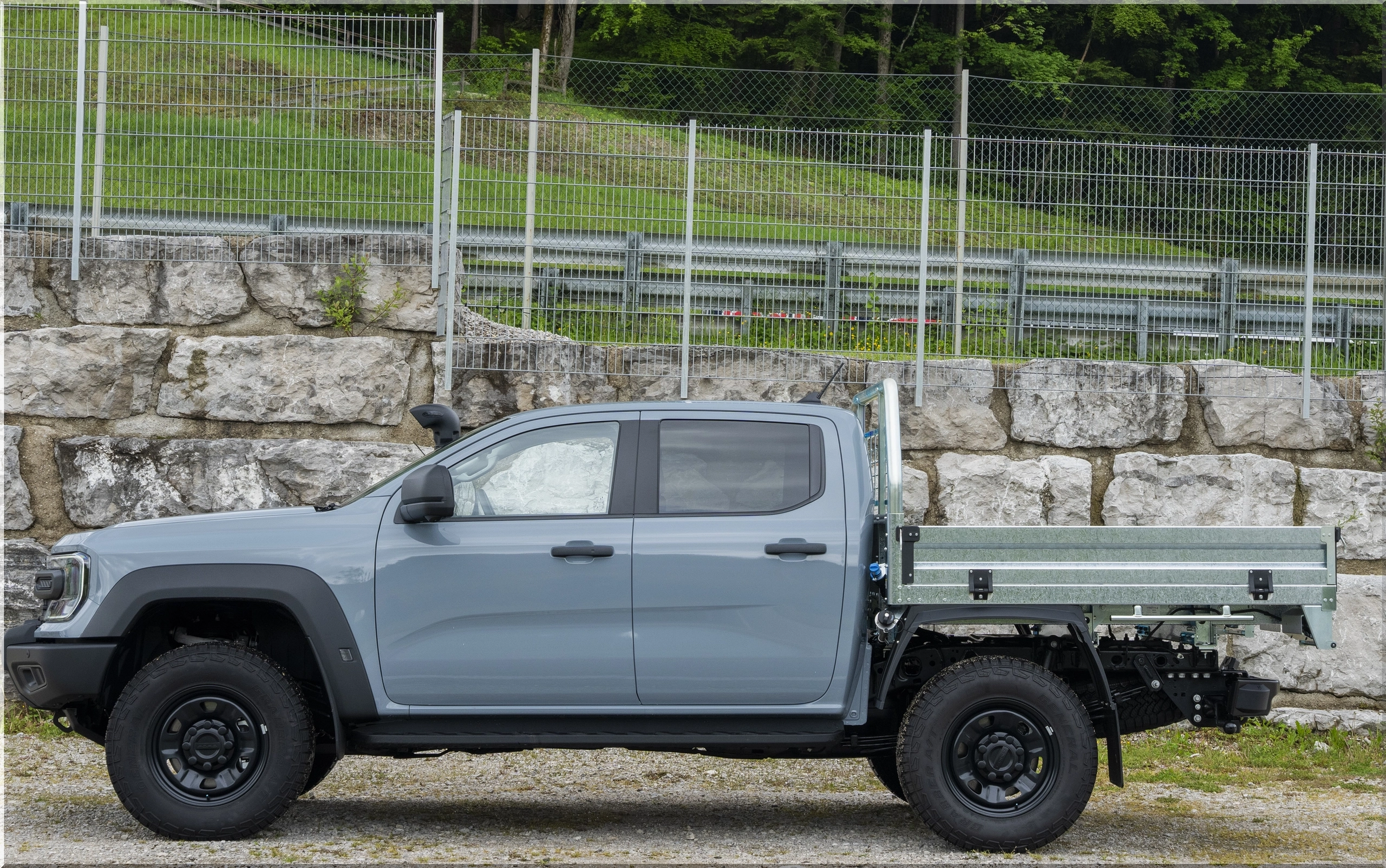
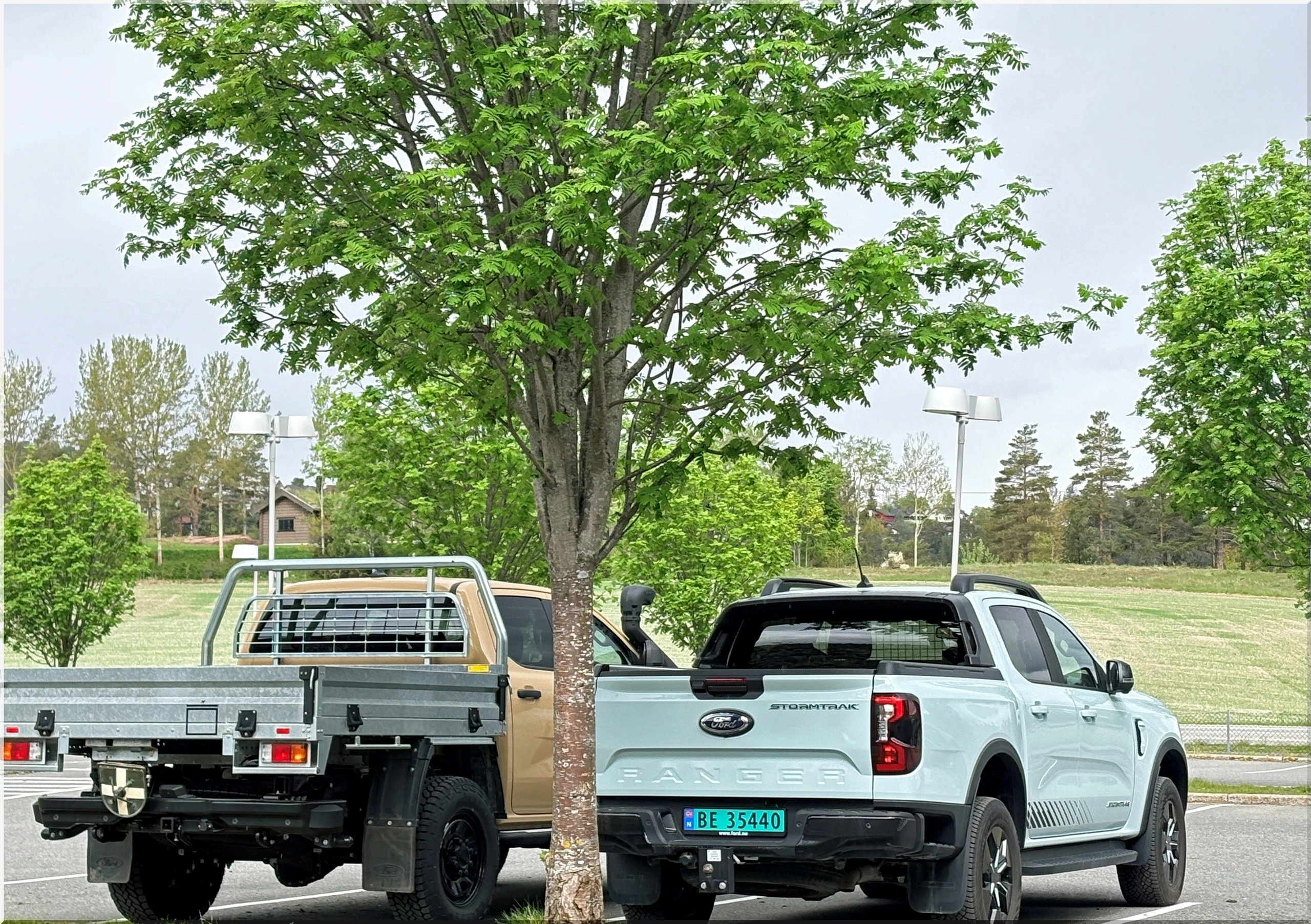
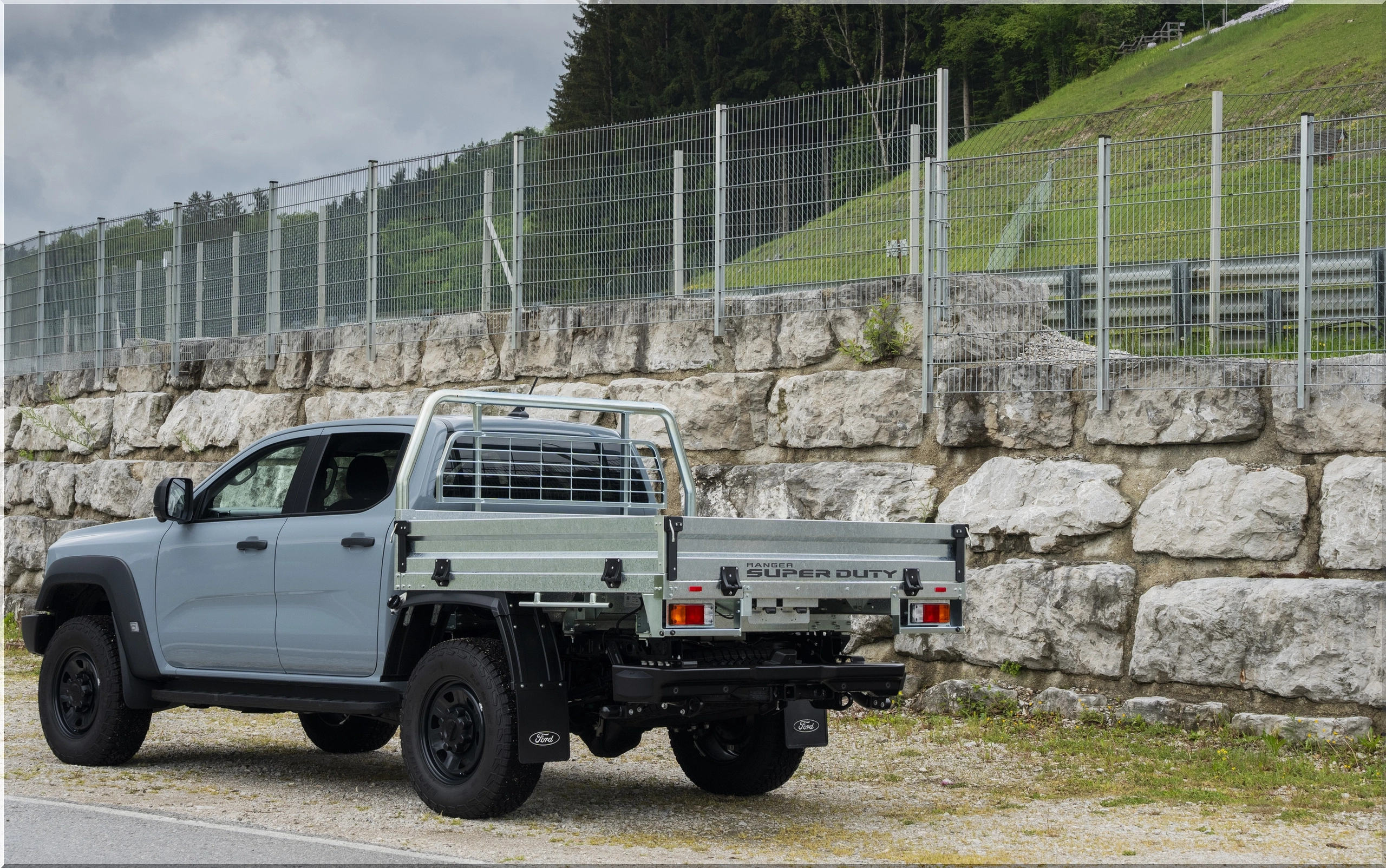
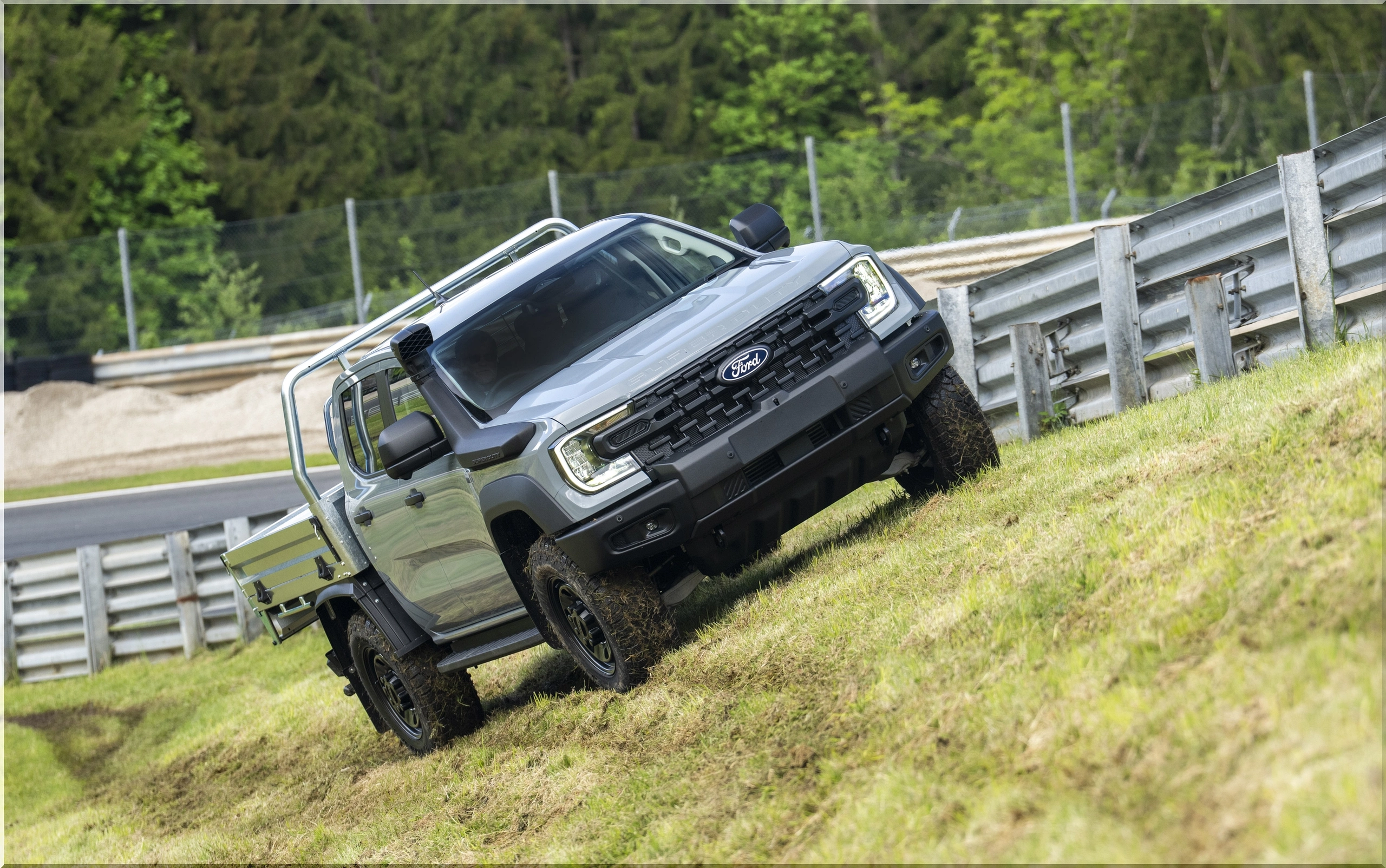
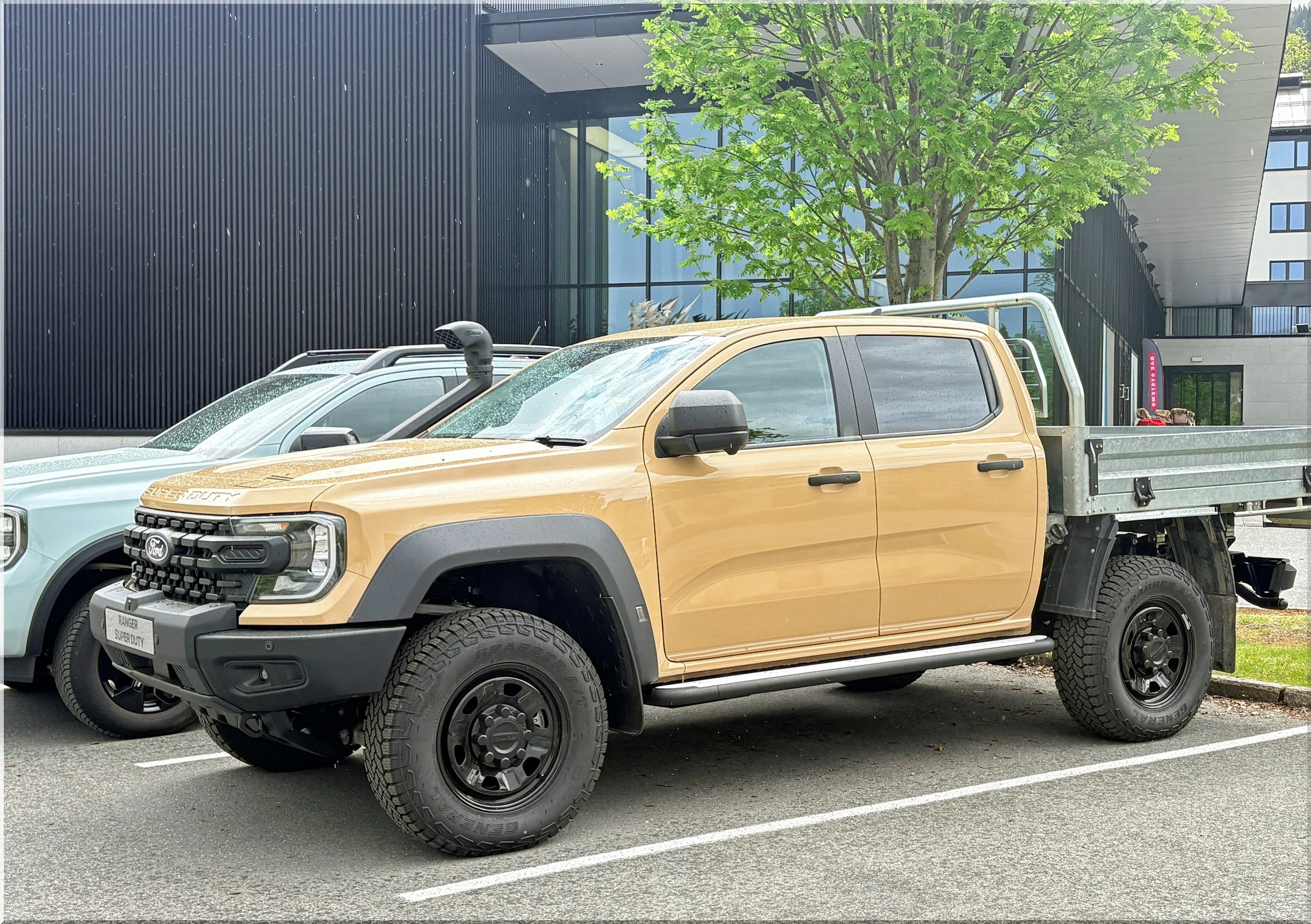
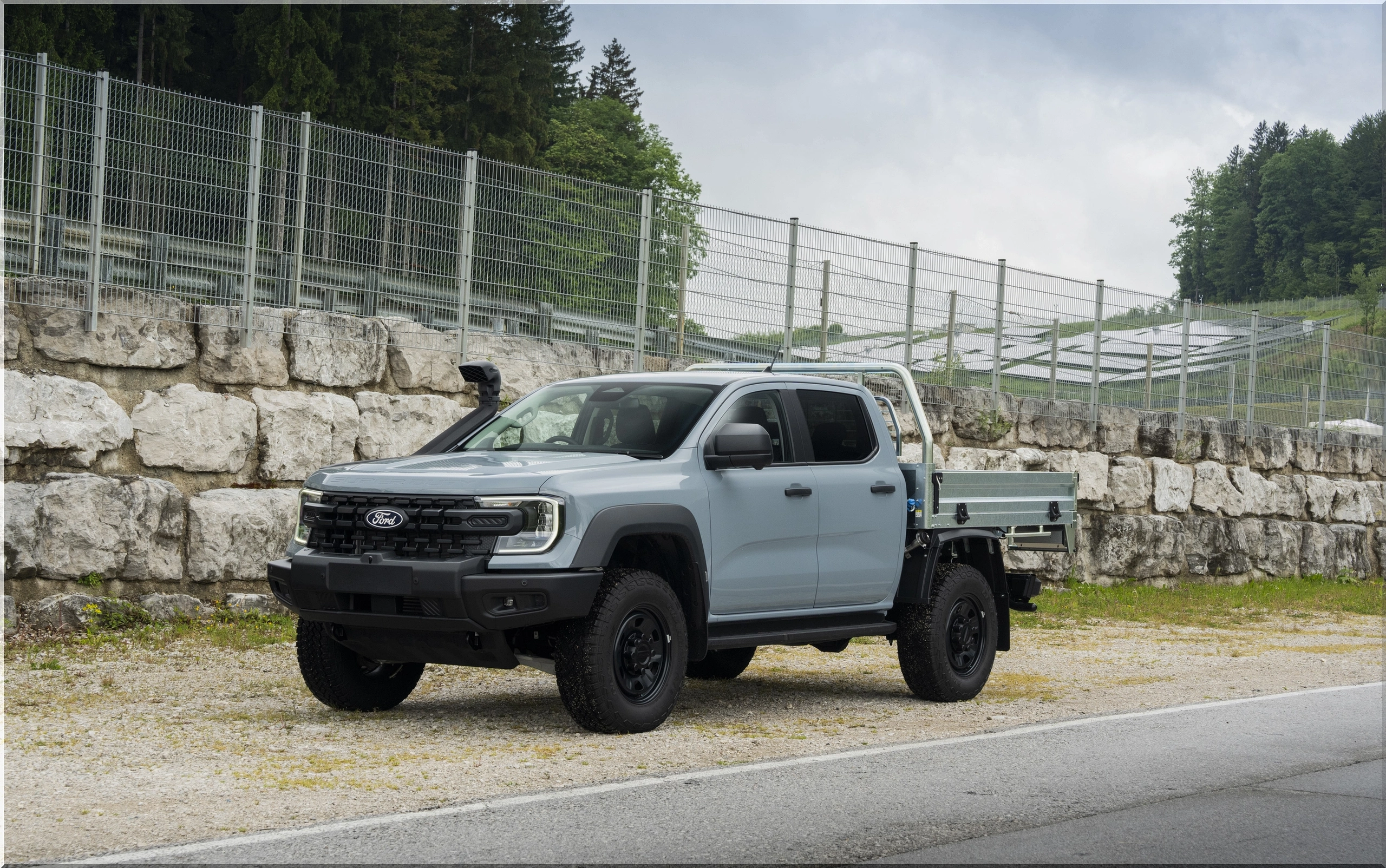
Ford will bring the Ford Ranger Super Duty to Europe and Norway with a clear mission: serve fleets that overload normal pickups before lunch. This Ford Ranger version targets emergency services, mining, forestry, infrastructure teams, rescue operators, and specialist converters that need a mid-size truck with near full-size working numbers.
Image
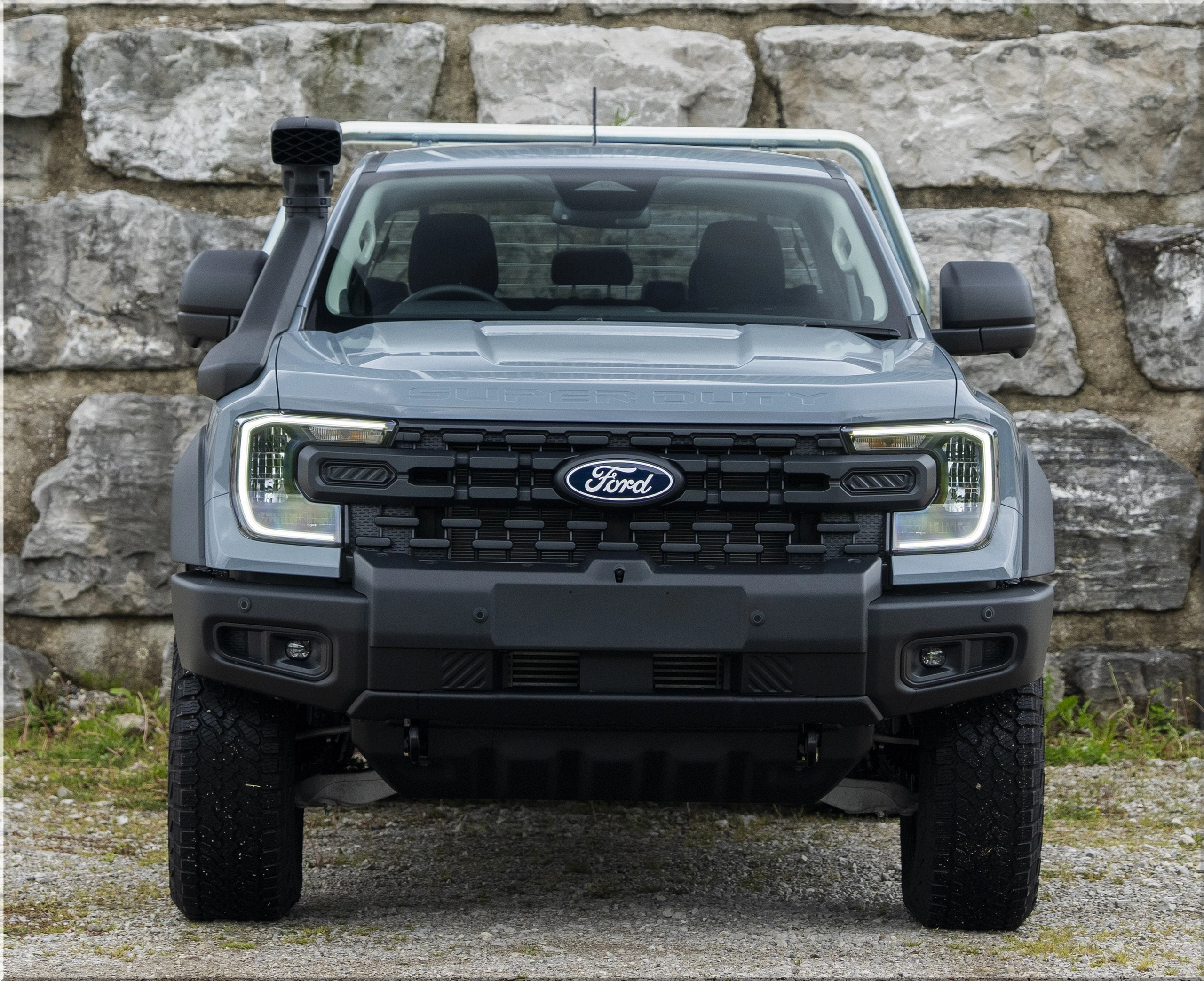
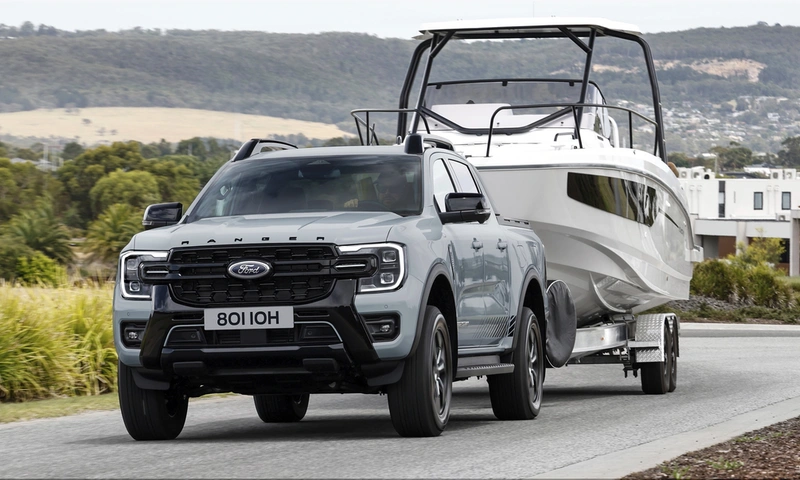
The Ford Ranger Super Duty offers up to 4,500 kg braked towing, up to 1,982 kg payload, and an 8,000 kg gross combination mass. In addition, Ford says it nearly doubles the payload of the strongest current Ranger versions while adding one full tonne of trailer capacity.
Ford Ranger Super Duty Specs: The Numbers That Matter
| Specification | Ford Ranger Super Duty |
|---|---|
| Engine | 3.0-litre V6 turbo diesel |
| Power | 209 hp |
| Torque | 600 Nm |
| Transmission | 10-speed automatic |
| Braked towing capacity | 4,500 kg |
| Maximum payload | 1,982 kg |
| Gross vehicle mass | 4,500 kg |
| Gross combination mass | 8,000 kg |
| Ground clearance | Up to 299 mm |
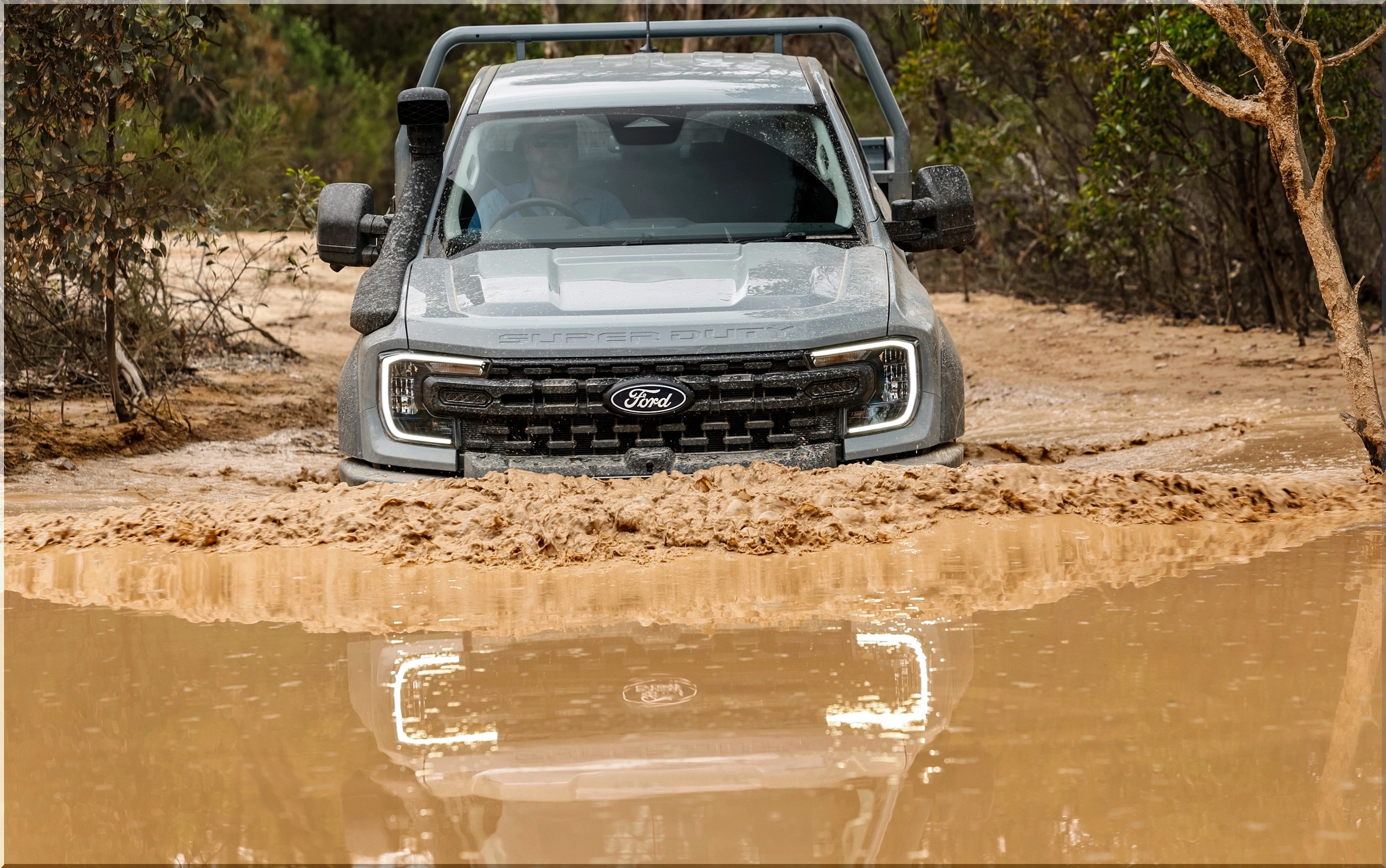
| Wading depth | 850 mm |
| Approach angle | Up to 36 degrees |
| Departure angle | Up to 29 degrees |
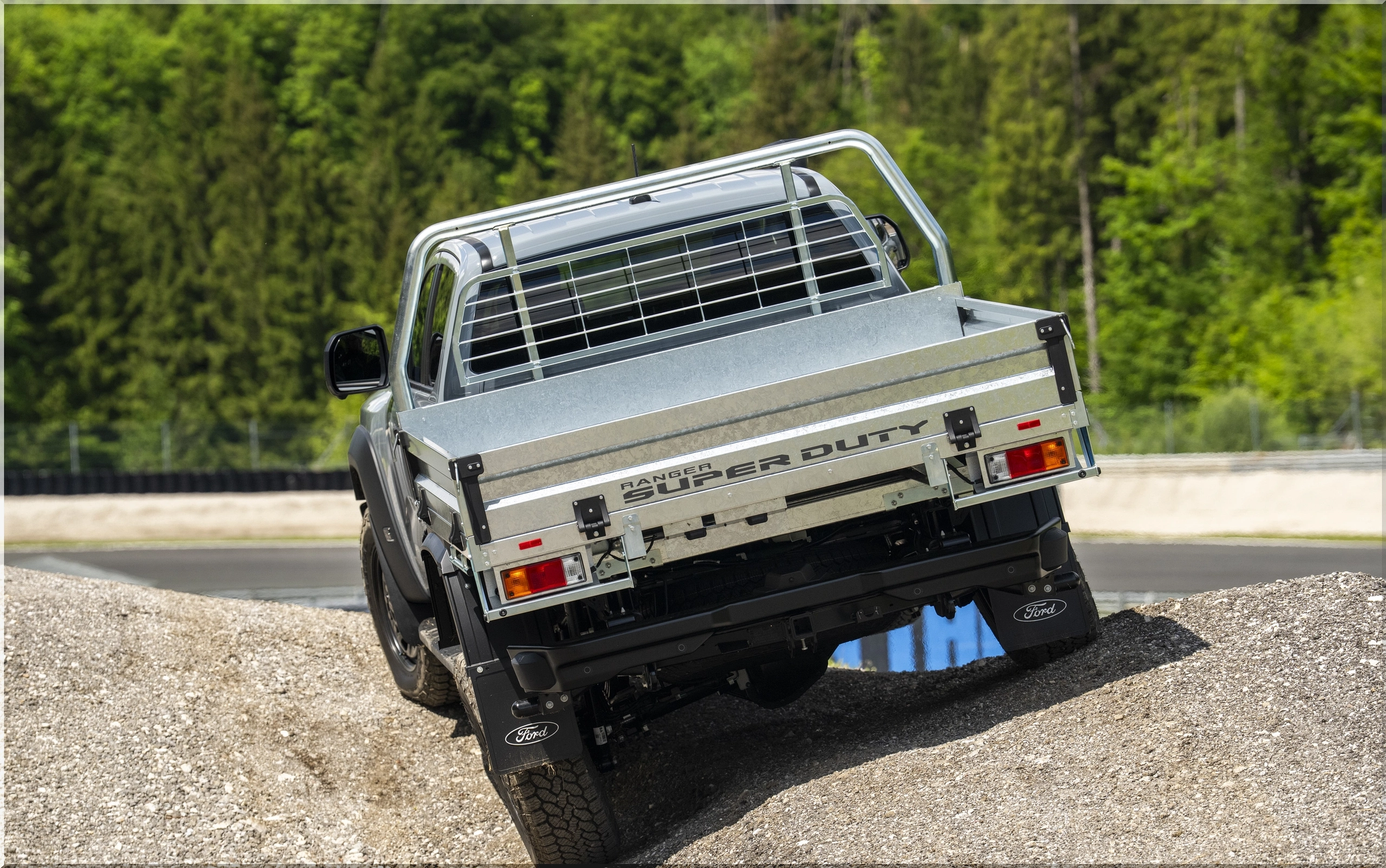
| Ramp-over angle | 26 degrees |
Looking at the data, this truck attacks a gap in Europe. Most mid-size pickups stop at 3,500 kg towing and roughly one tonne of payload. The Ford Ranger Super Duty Europe package pushes both numbers at the same time, which matters because fleets rarely tow with an empty bed.
Why Ford Reinforced The Ranger Instead Of Starting Fresh
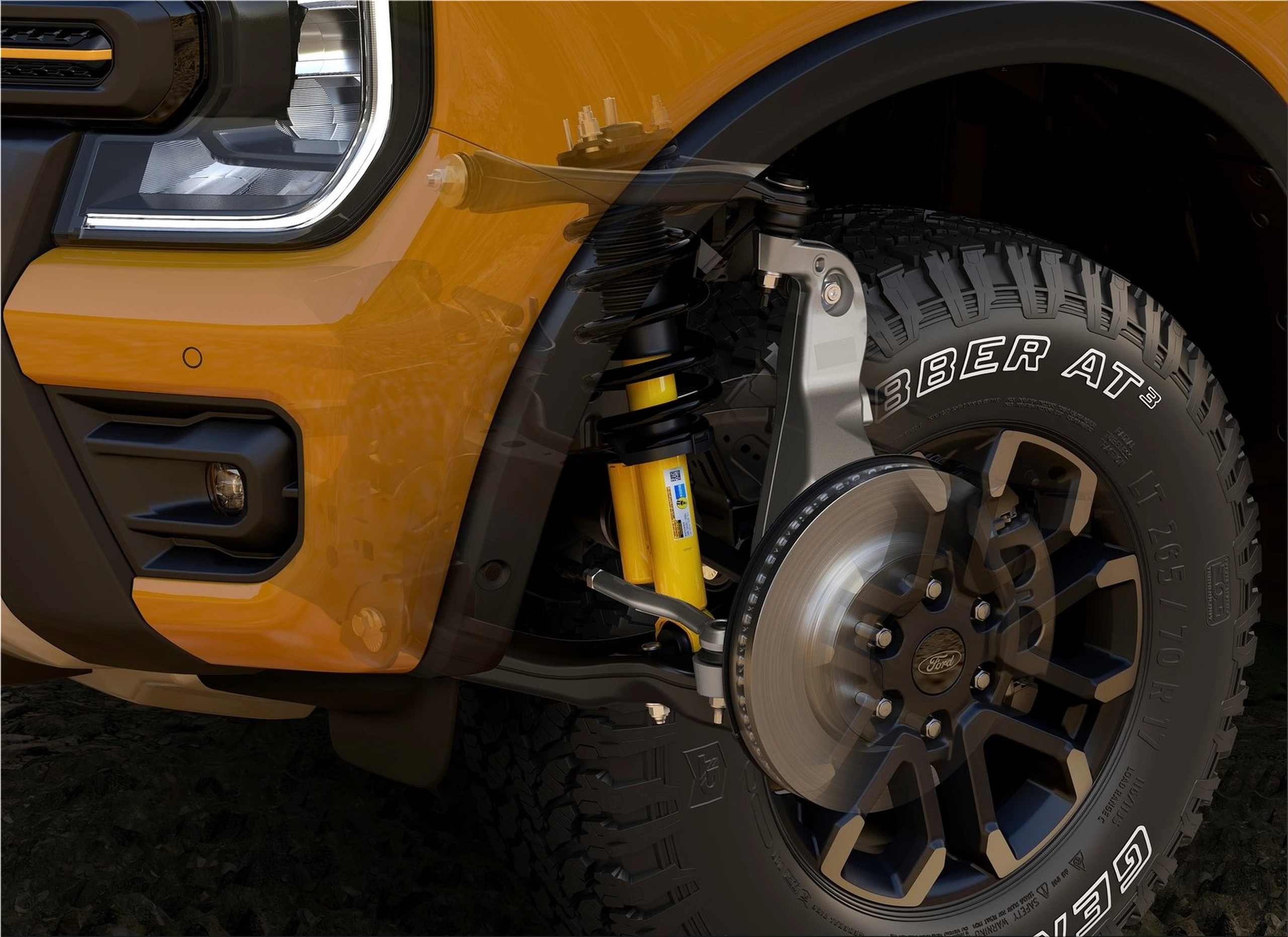
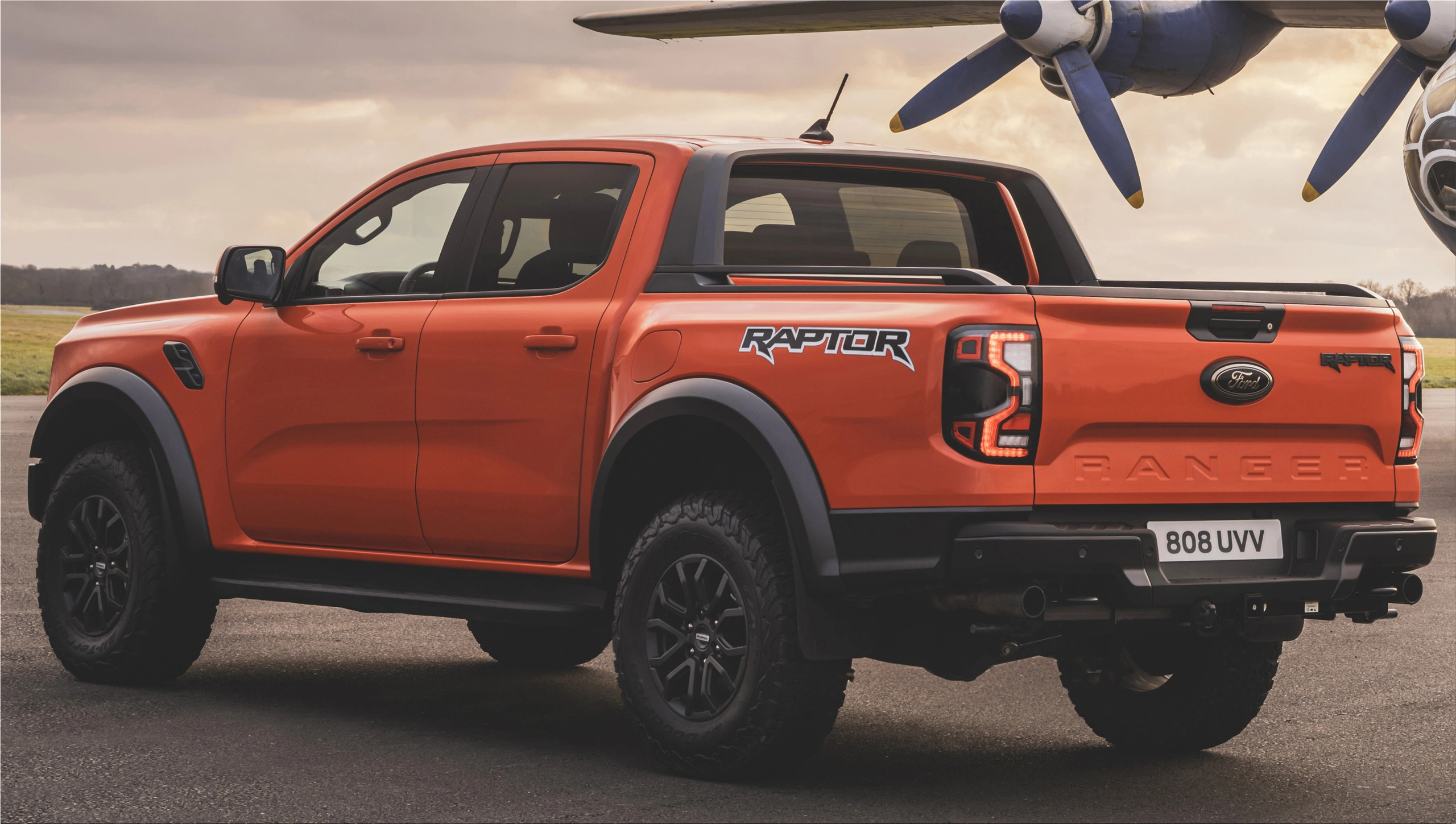
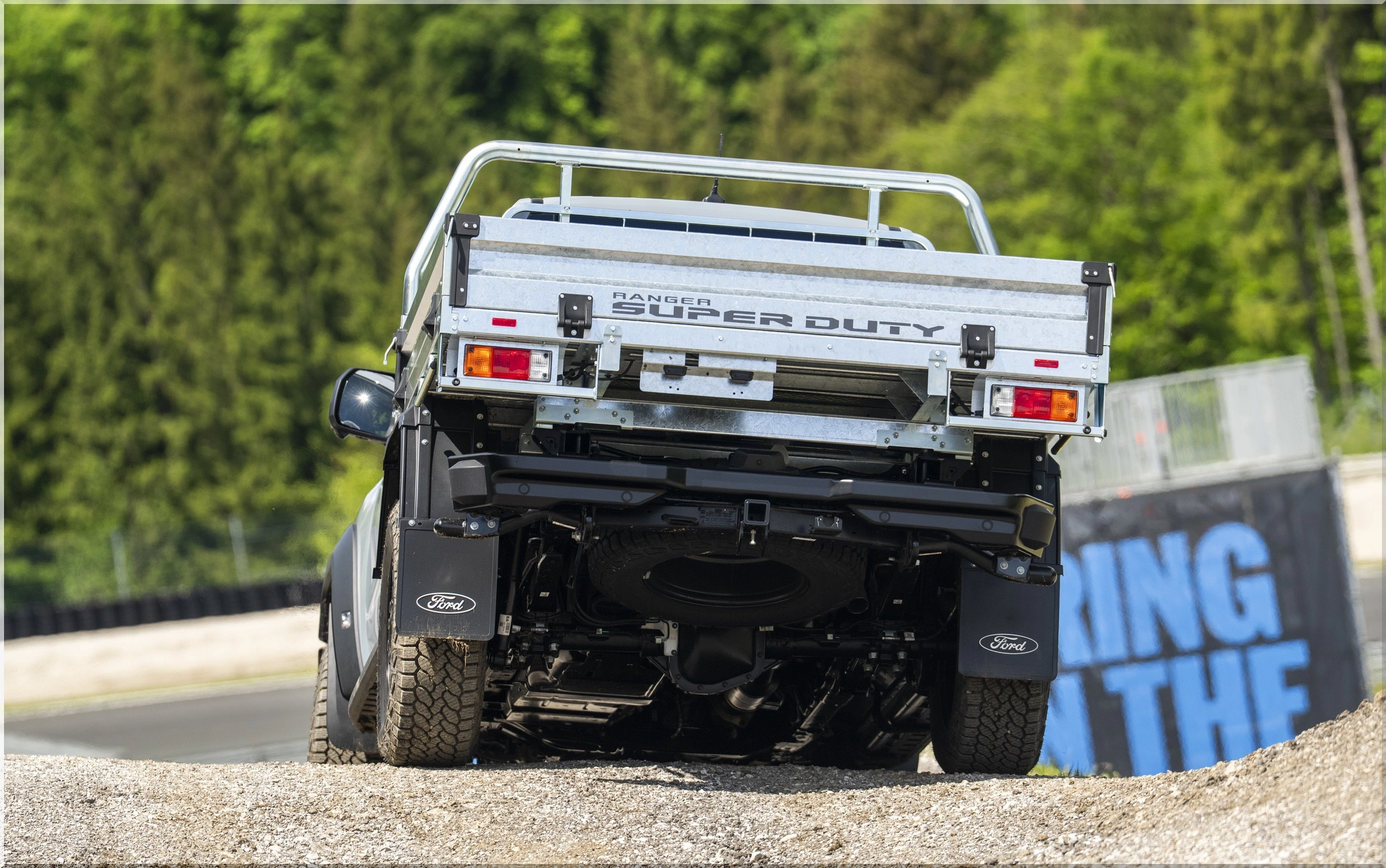
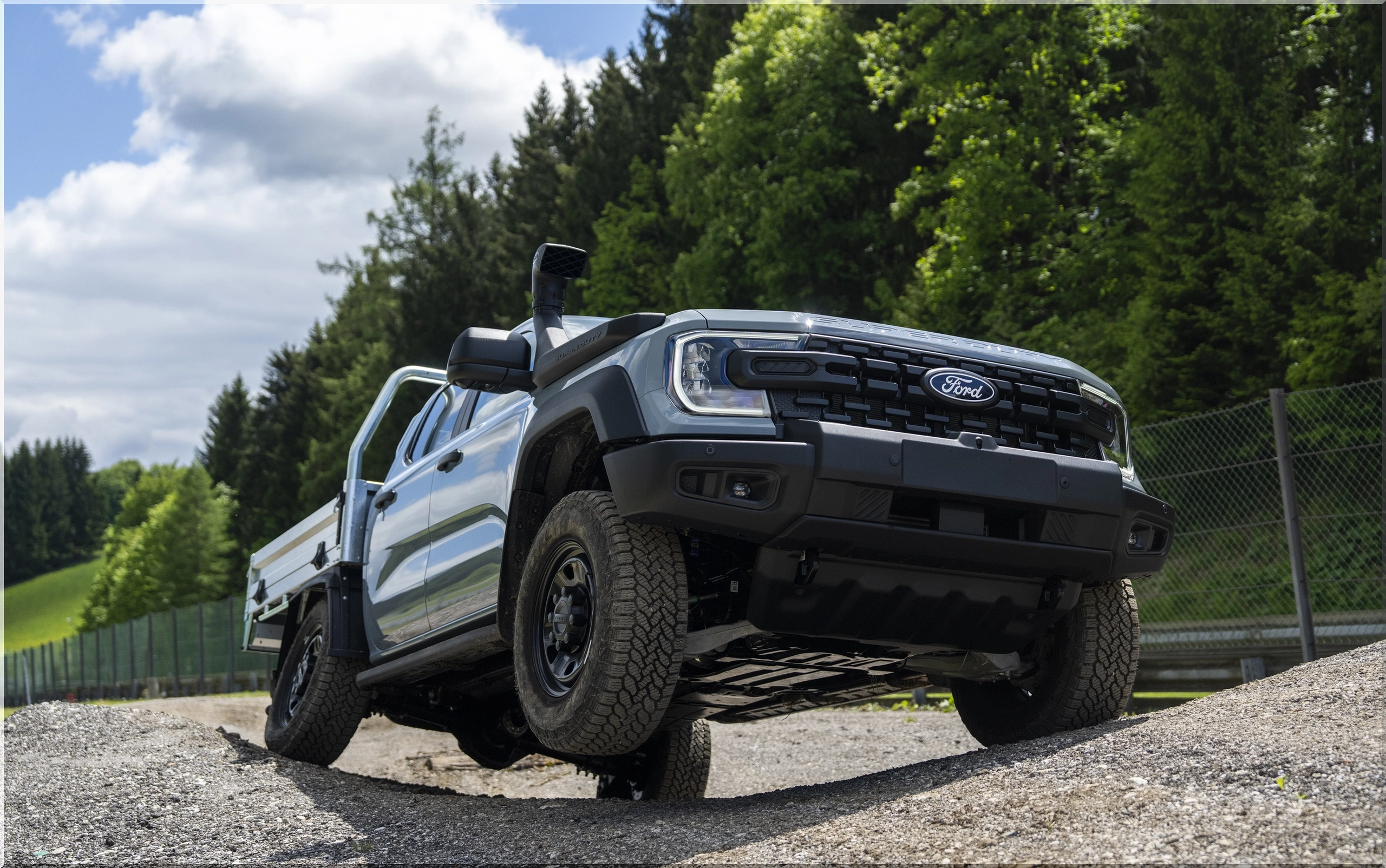
Ford kept the exterior size close to a regular Ranger, but it strengthened the structure where load paths punish a pickup most. Specifically, Ford reinforced the frame, suspension mounts, towbar area, and rear axle package. The rear axle now carries the highest load rating ever fitted to a Ranger.
The truck also uses eight-stud wheel hubs with larger wheel bolts and torque indicators. That detail matters. Higher payload and towing loads generate larger clamping demands at the hub, so Ford moved the Super Duty closer to commercial-truck hardware rather than relying on cosmetic upgrades.
In addition, Ford fitted thicker driveline parts, stronger low-range hardware, underbody protection in high-strength steel, front and rear rated recovery points, and a redesigned cooling package for the 3.0-litre diesel. The engine meets Euro 6.2 emissions rules, which gives Ford a diesel workhorse for operators that still need range, torque, and uptime.
Off-Road Hardware Built For Work Fleets
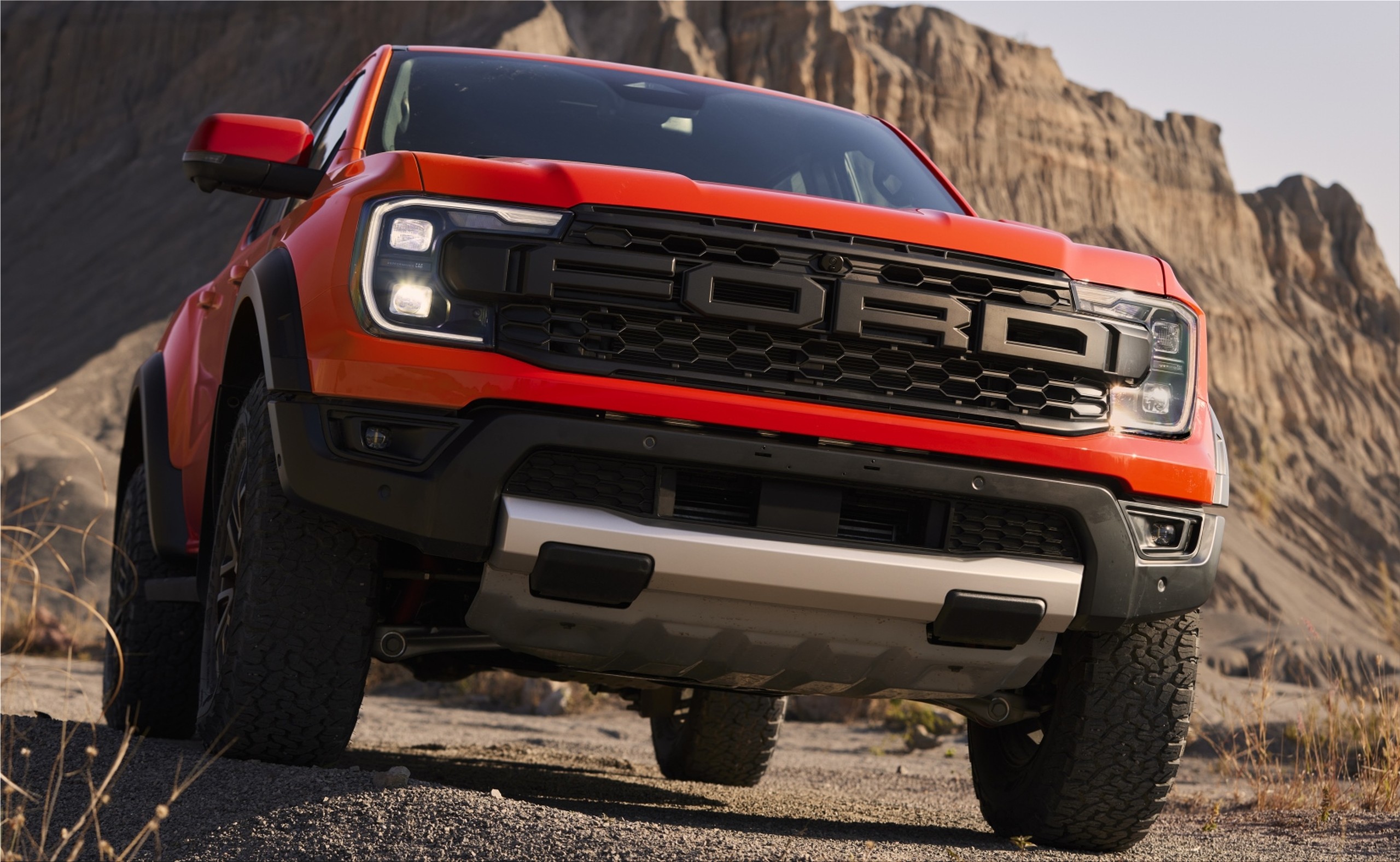
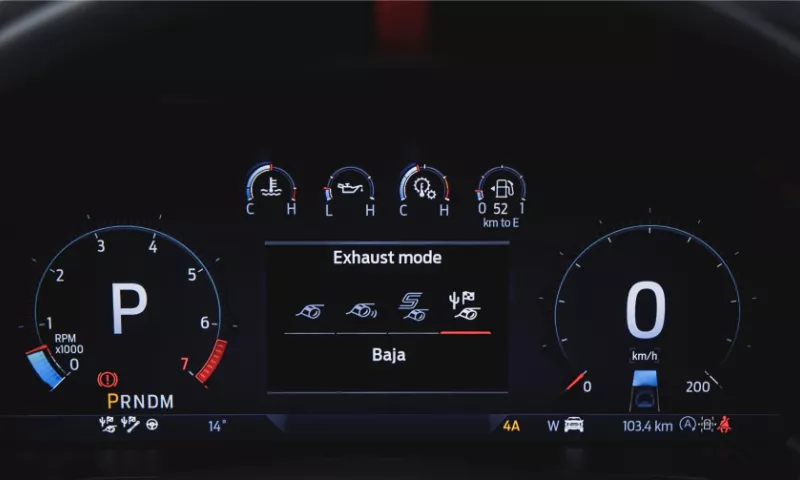
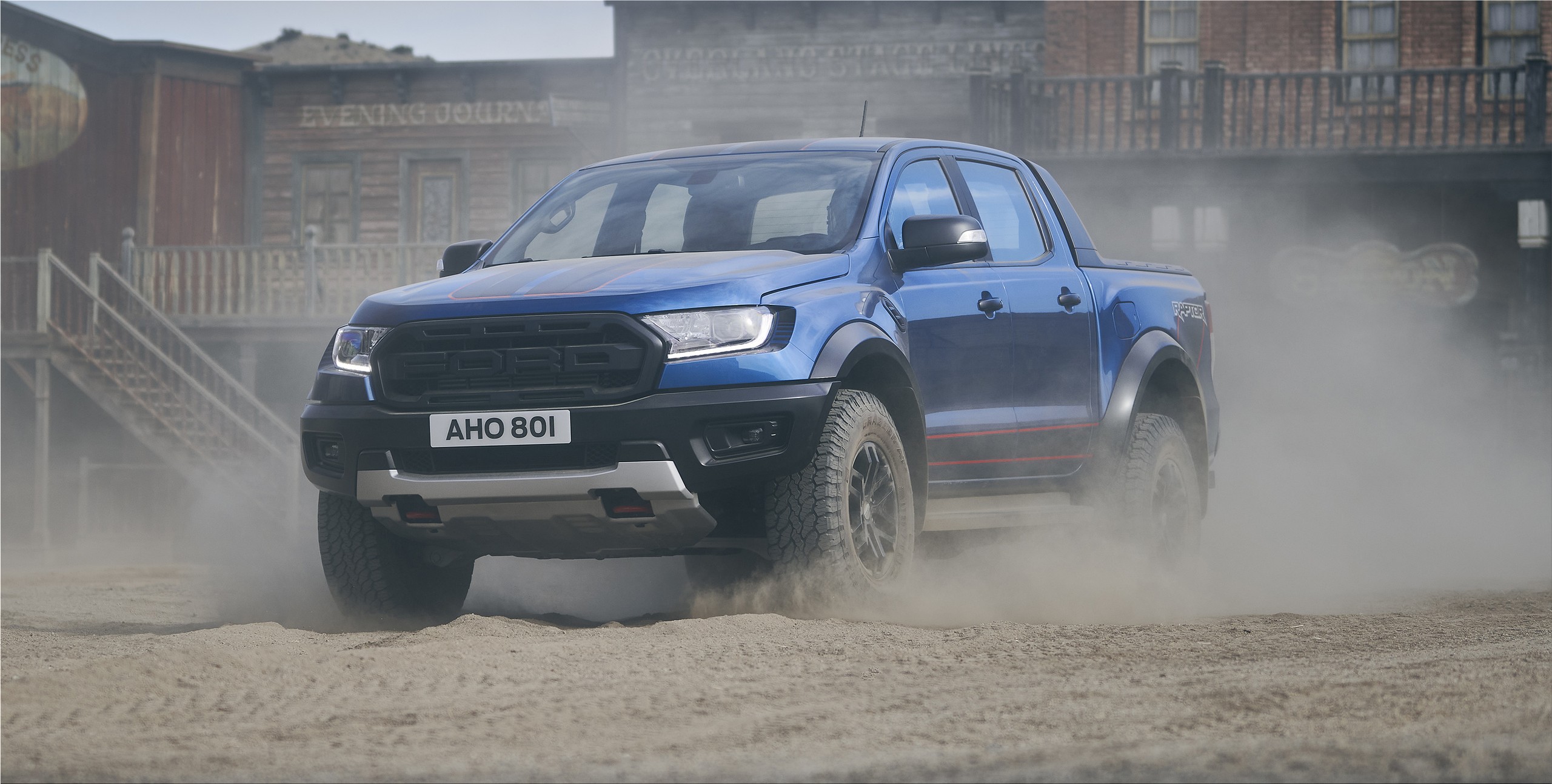
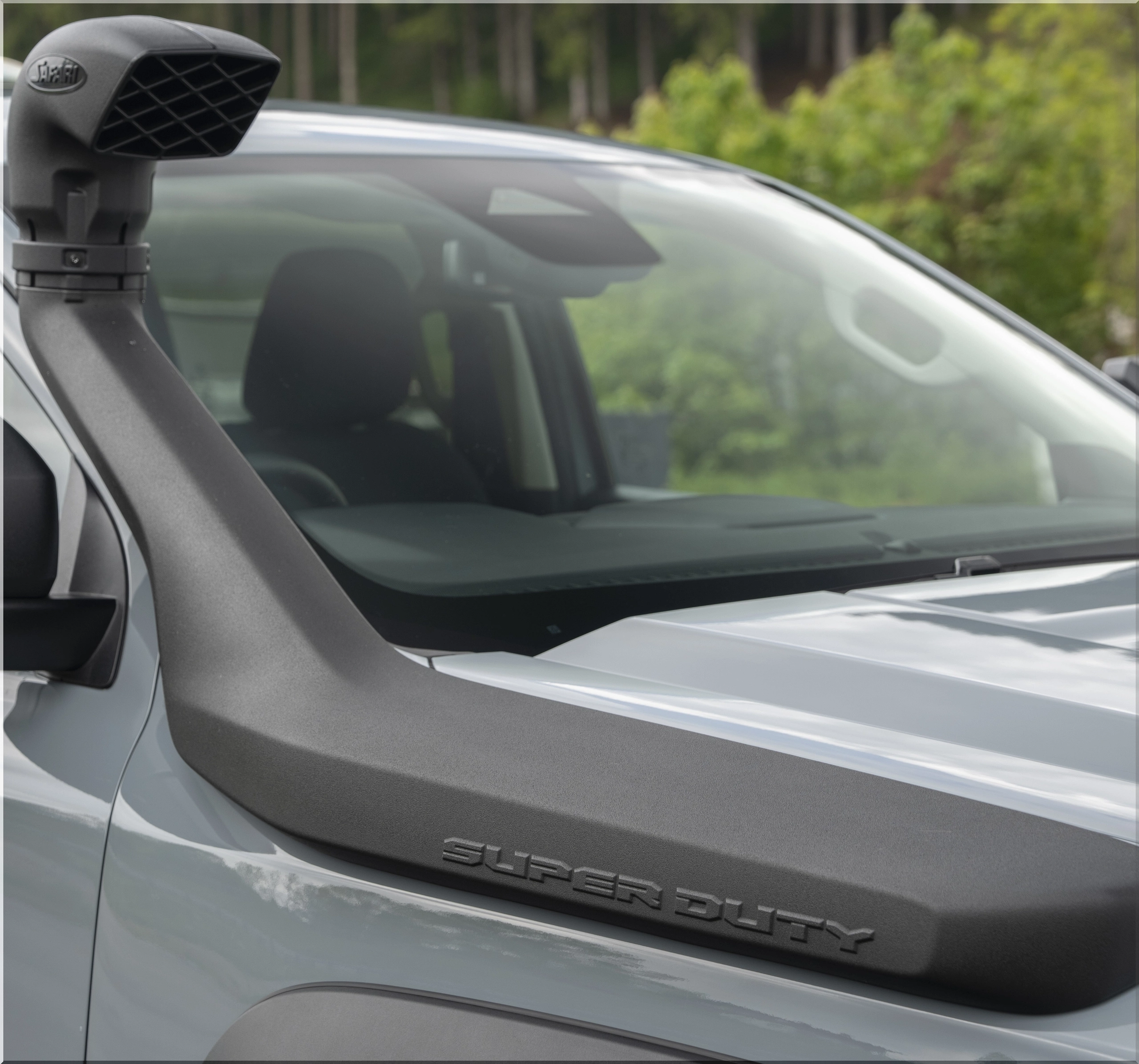
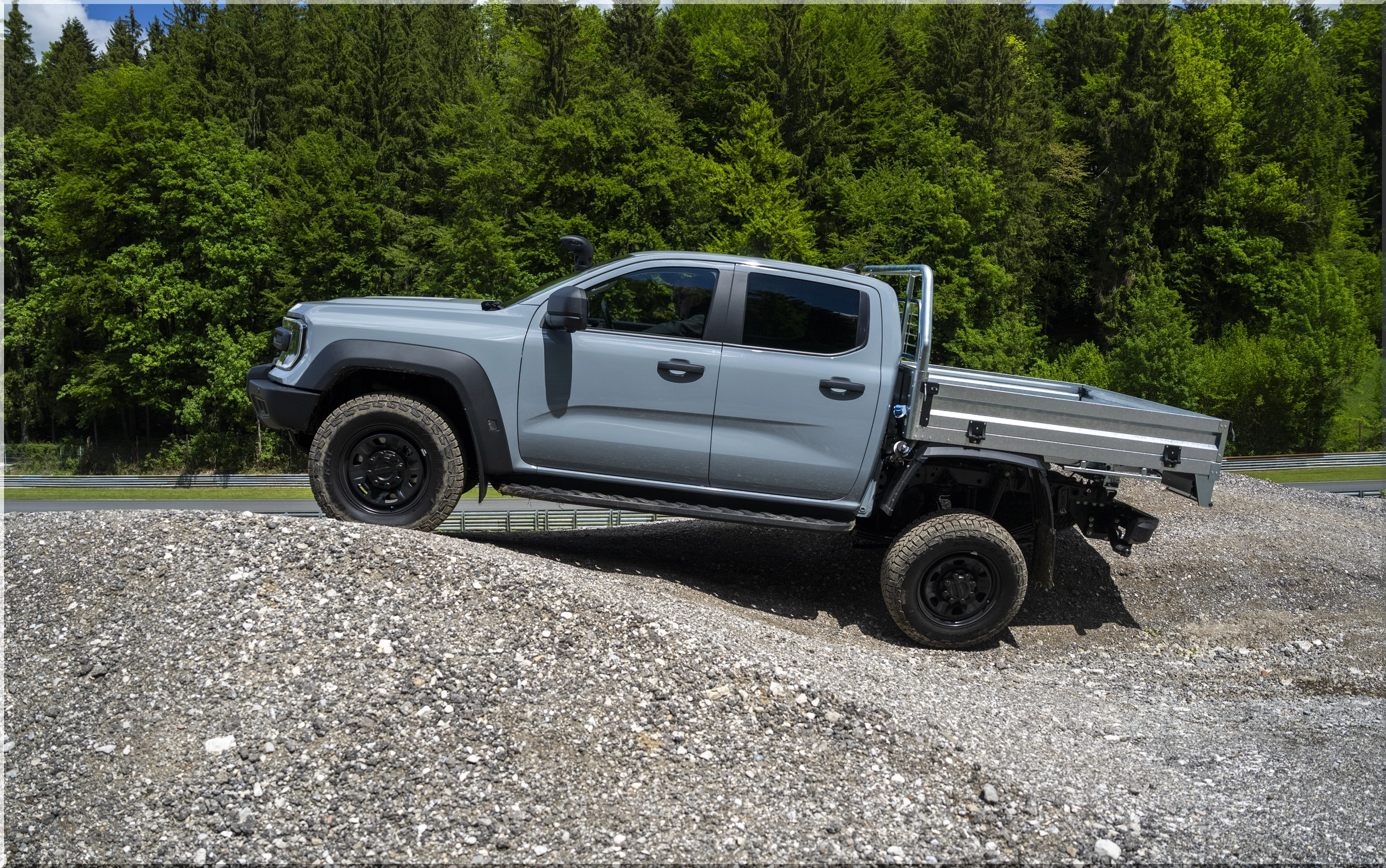
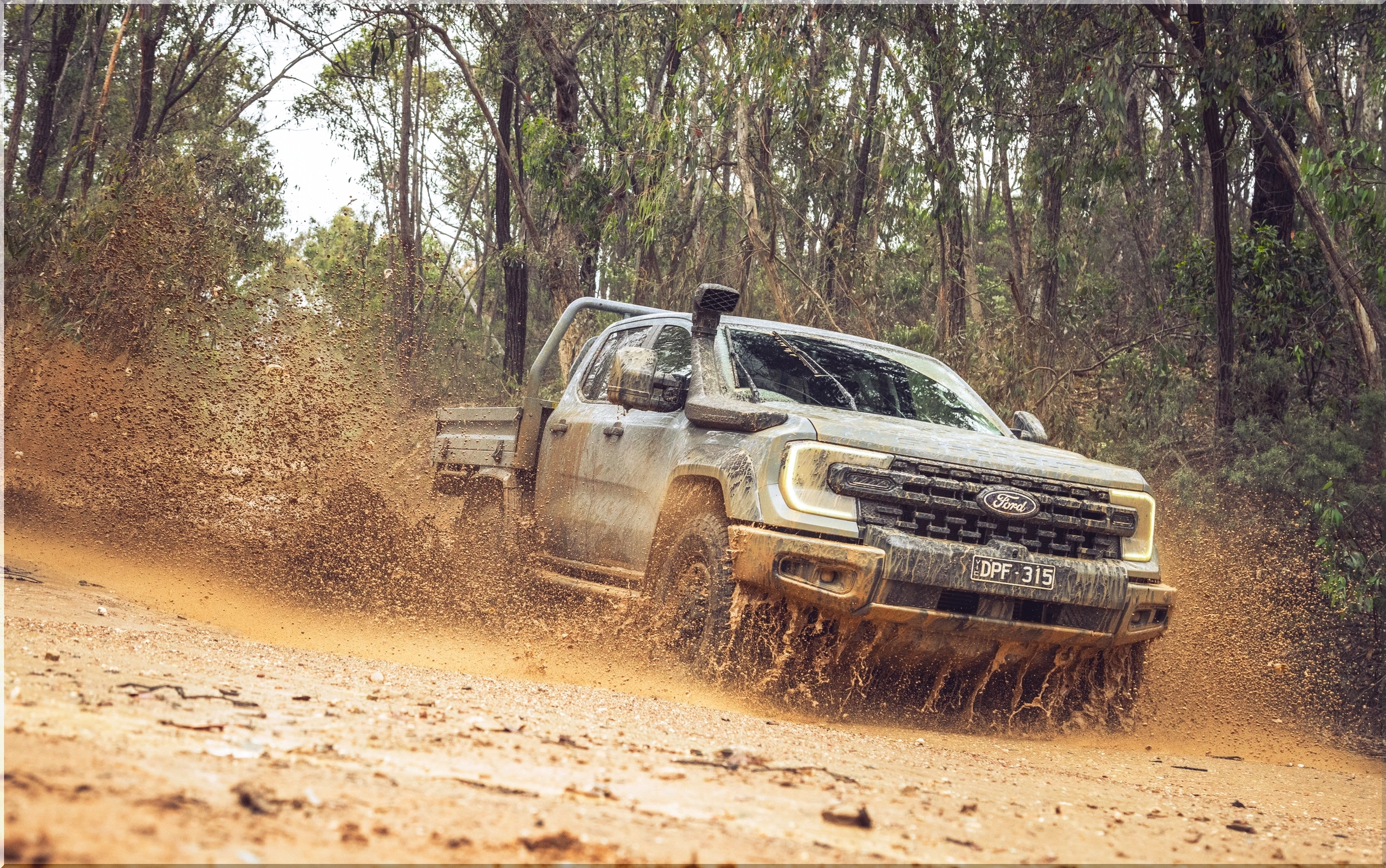
The Ford Ranger Super Duty uses six drive modes: Normal, Eco, Mud/Ruts, Sand, Rock Crawl, and Tow/Haul. From an expert perspective, the bigger story sits underneath. Ford pairs the latest four-wheel-drive system with a standard rear differential lock and a front differential lock in low range.
Image
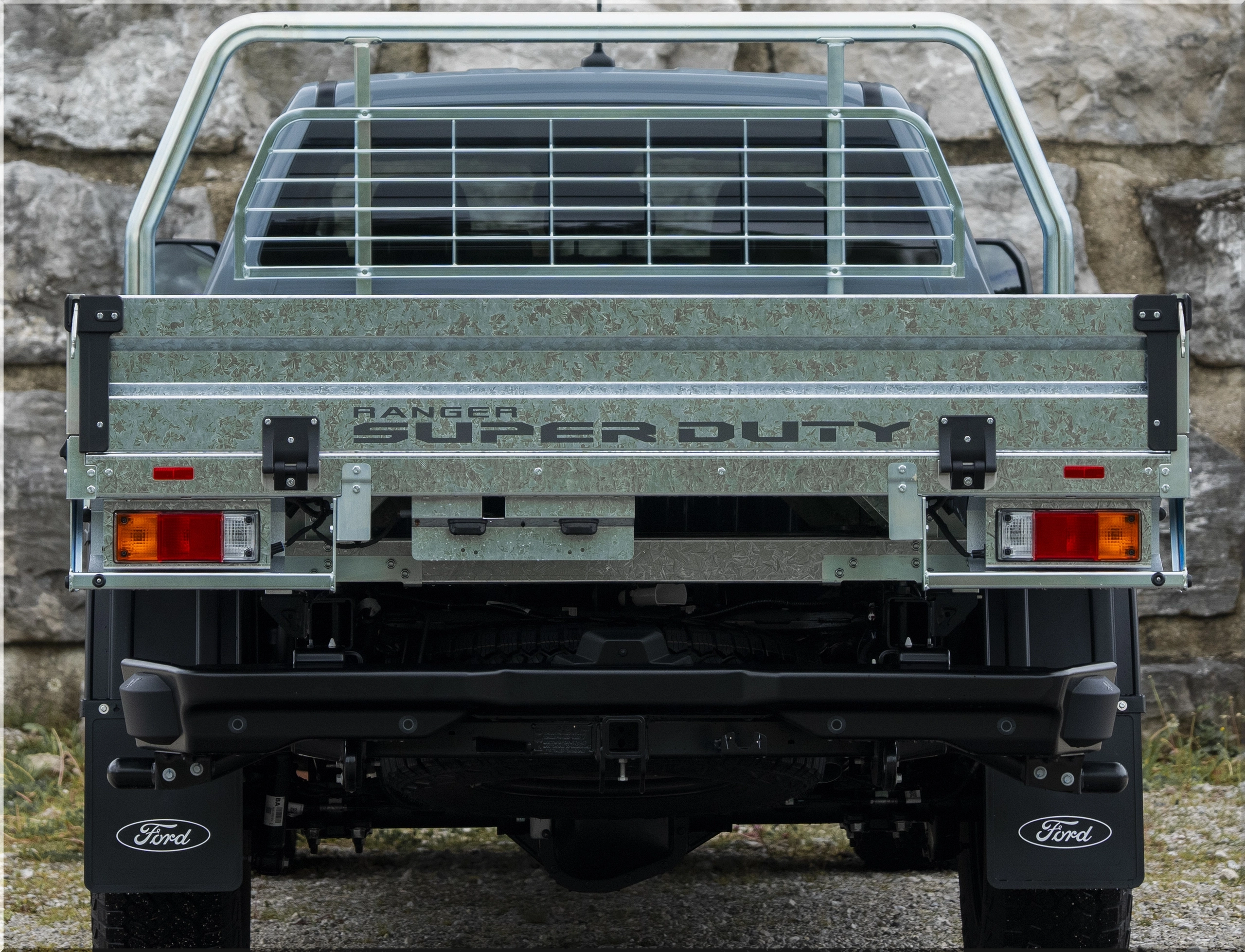
Key off-road equipment includes:
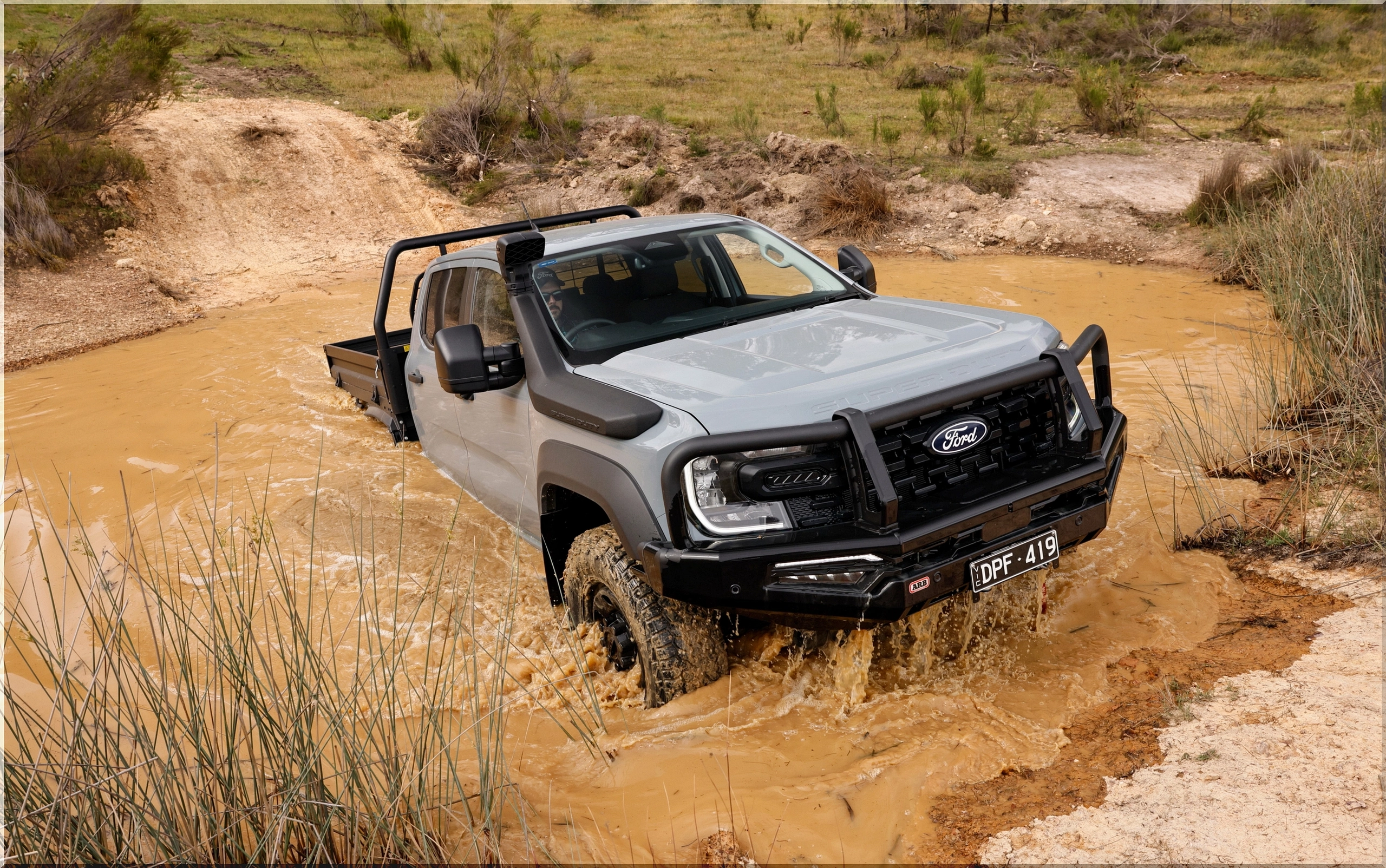
- 850 mm wading depth
- 299 mm maximum ground clearance
- 36-degree approach angle
- 29-degree departure angle
- 26-degree ramp-over angle
- Front and rear differential locks
- Trail Control
- Trail Turn Assist
- Steel underbody protection
- 33-inch all-terrain light-truck tyres
- 1,710 mm track width
Consequently, the Super Duty aims at technical access work rather than lifestyle posing. A rescue unit, forestry team, or utility contractor needs repeatable traction with weight on board, not a showroom lift kit.
Towing Tech And Conversion Logic
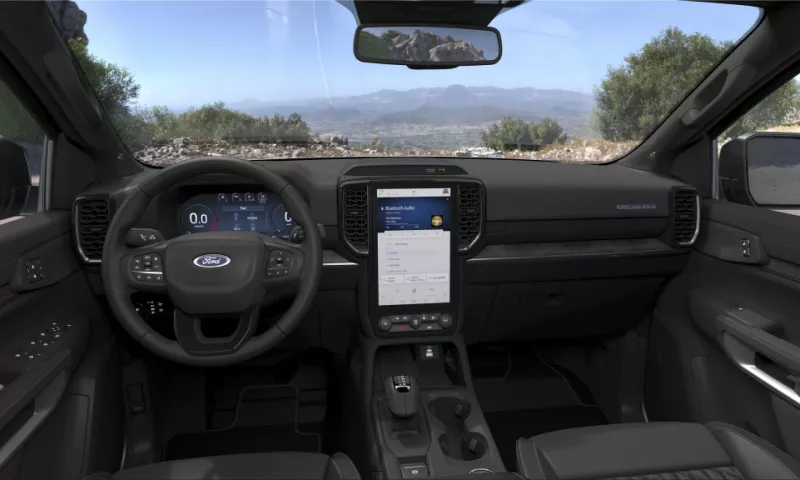
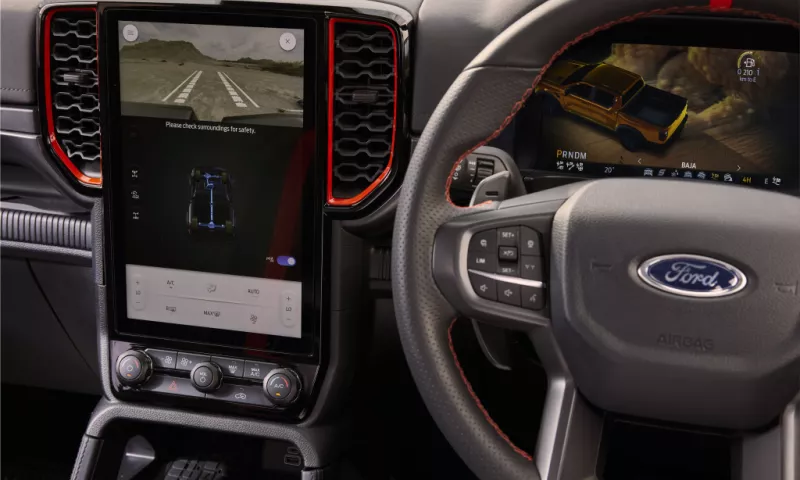
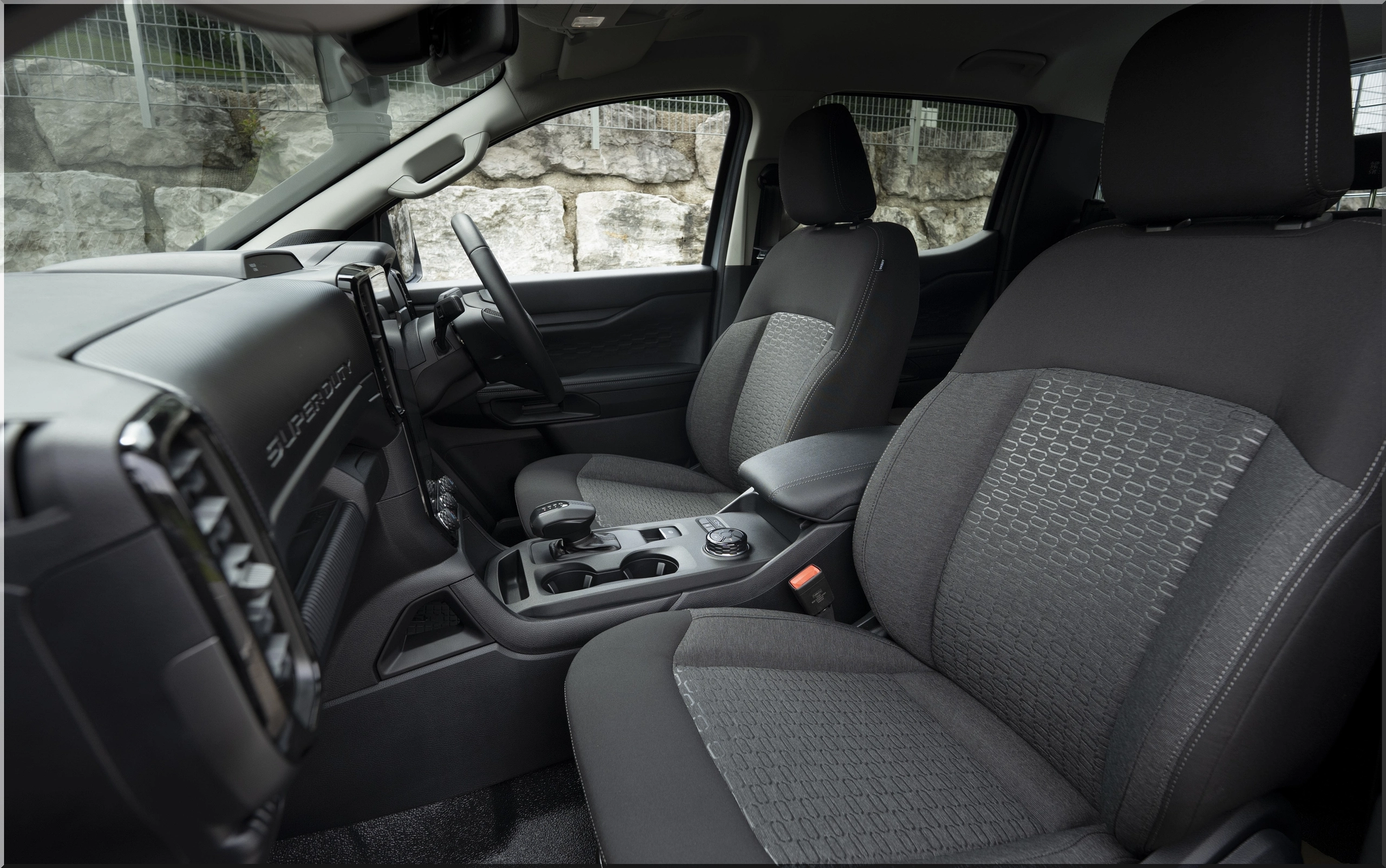
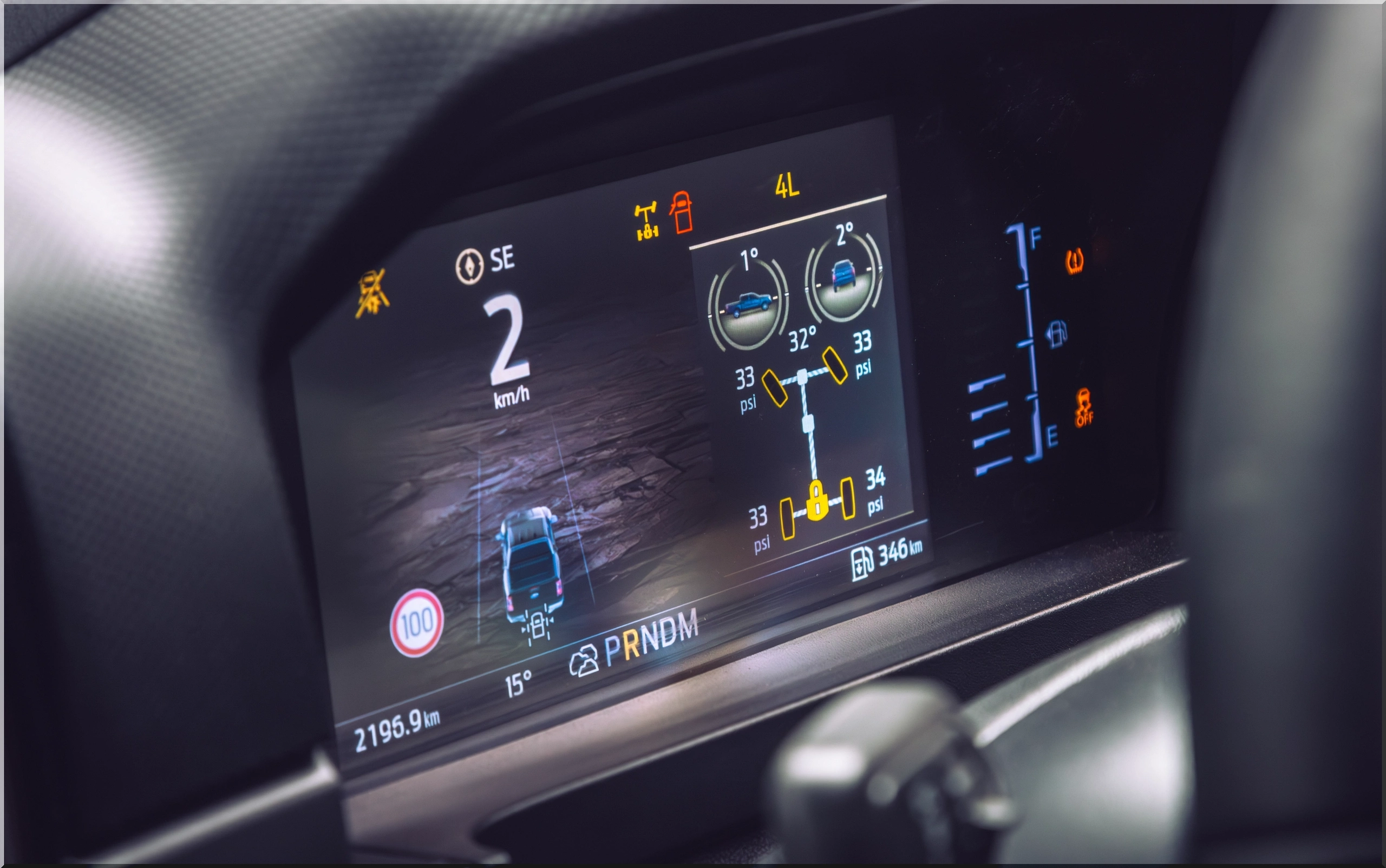
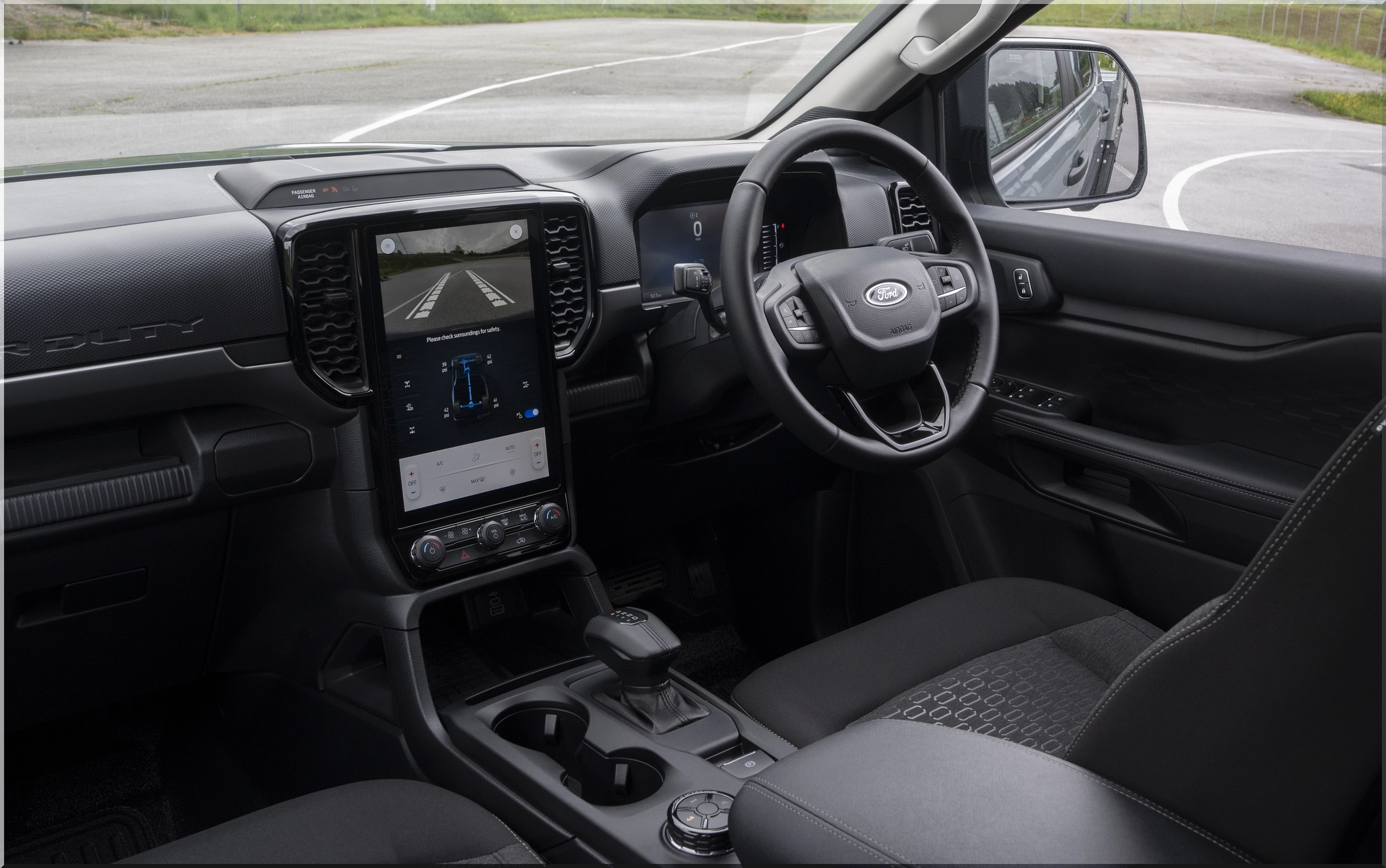
Ford fitted Smart Hitch and Onboard Scales to help operators manage trailer nose weight and bed payload from the 12-inch touchscreen. The system gives real-time load guidance, though operators still need proper weighing for legal compliance.
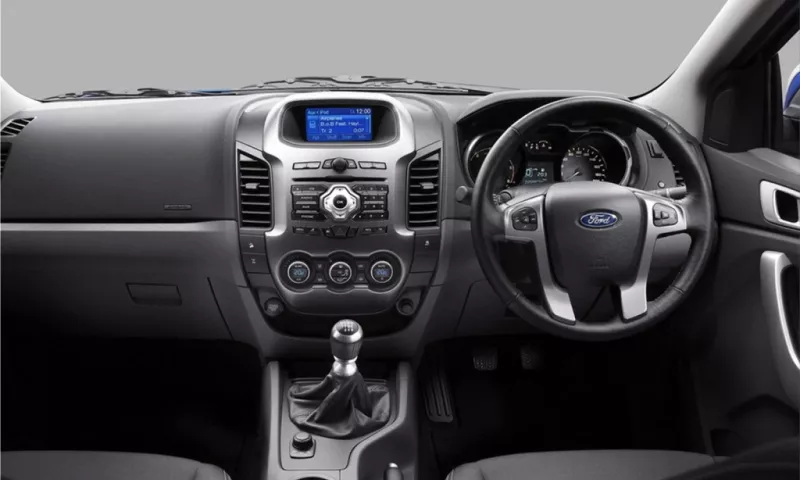
The cabin also includes six pre-wired auxiliary switches with 60A capacity. That matters for blue-light gear, work lights, winches, compressors, radio systems, and specialist control units. In addition, Ford groups rear cameras and sensors in a way that simplifies specialist bodywork.
Pro-Tip: Who Should Buy It?
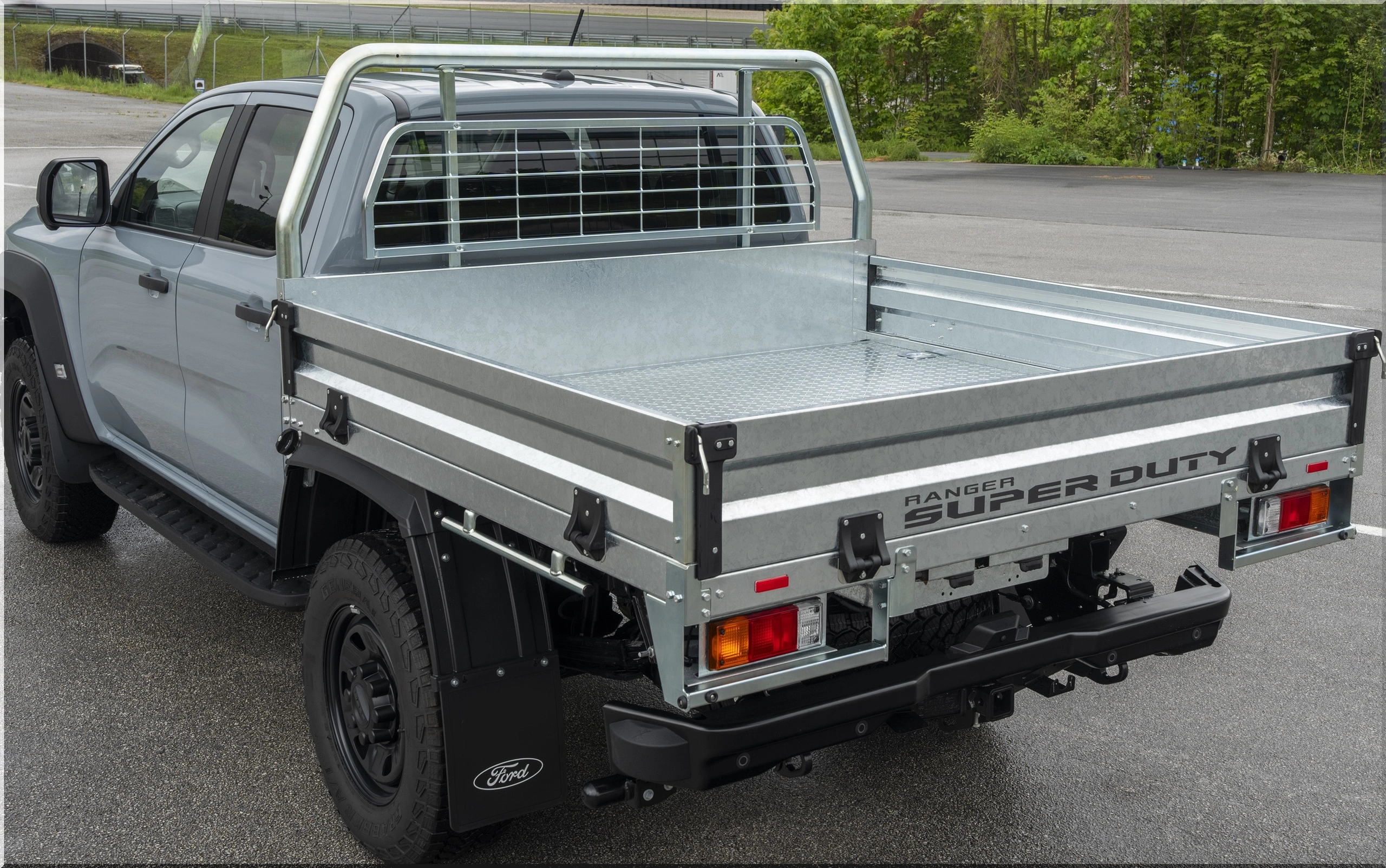
Choose the Ranger Super Duty only when your fleet regularly exceeds normal pickup limits. A standard Ranger, Hilux, or D-Max makes more sense for lighter jobs. Pick the Super Duty when you need a tipper body, emergency equipment, tool storage, a heavy trailer, or off-road access with close to two tonnes of payload.
Image gallery
Ford Ranger Super Duty Vs European Pickup Rivals
| Model | Braked towing | Payload | Key advantage | Key loss vs Ranger Super Duty |
|---|---|---|---|---|
| Ford Ranger Super Duty | 4,500 kg | Up to 1,982 kg | Highest load and tow figures here | Price by request, specialist approval needed |
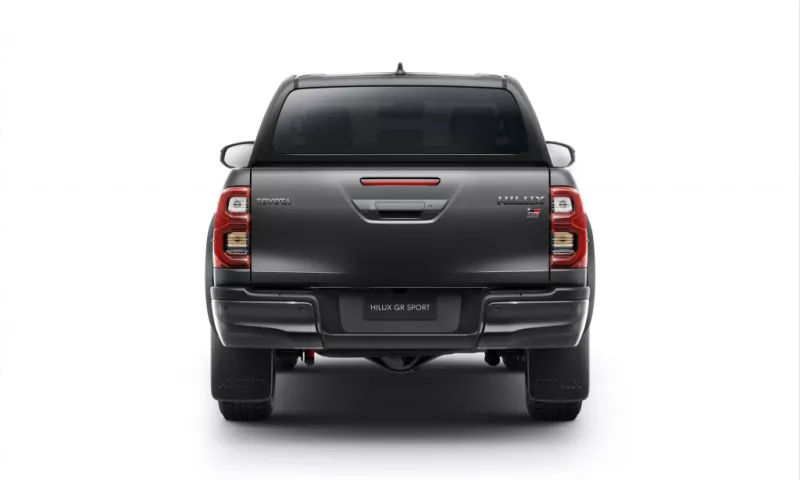
| Toyota Hilux | 3,500 kg | Around 1,040 kg | Dealer reach and durability record | 1,000 kg less towing |
| Isuzu D-Max | 3,500 kg | Around 1,000 kg | Simple fleet-friendly diesel package | Much lower payload |
| Ineos Grenadier Quartermaster | 3,500 kg | Up to 835 kg | Serious off-road geometry | Lower payload and towing |
By comparison, the Ranger Super Duty does not merely beat rivals by a small margin. It changes the operating class. A 4,500 kg trailer rating and 1,982 kg payload create a clear win for specialist fleets, while the Hilux and D-Max remain better fits for standard commercial use.
Image gallery
Europe Gets A Specialist Truck, Not A Normal Retail Pickup
Ford says the first European vehicles will arrive in the second half of 2026, with orders already open. There is a catch. In Norway, Ford says the model does not yet carry normal European type approval for road use with standard registration plates, so approved converters or qualified specialist operators must handle individual approval.
Pricing also sits outside normal retail channels. Ford will provide prices on request, and all values should be treated in Euro once market-specific taxes, conversion costs, and approval fees become clear.
The verdict is simple: the Ford Ranger Super Duty Europe launch gives Ford a credible heavy-duty pickup for operators who find a regular one-tonne truck too light, but do not want a full-size American pickup. It brings serious payload, serious towing, and conversion-ready hardware into a footprint Europe can actually use.
- Add new comment
- 210 views