
Have you ever faced a sudden car issue that could have been avoided with a little care earlier?
Most drivers focus on fixing problems only when something goes wrong. But the truth is, taking small steps before issues appear can save time, money, and stress.
Preventive car care is not about doing more work—it’s about doing the right things at the right time.
What Is Preventive Car Care?
Preventive car care means maintaining your vehicle regularly to avoid bigger problems later. It includes simple actions like checking fluids, inspecting tires, and servicing parts before they fail.
Instead of reacting to breakdowns, you stay ahead of them.
Examples of Preventive Care:
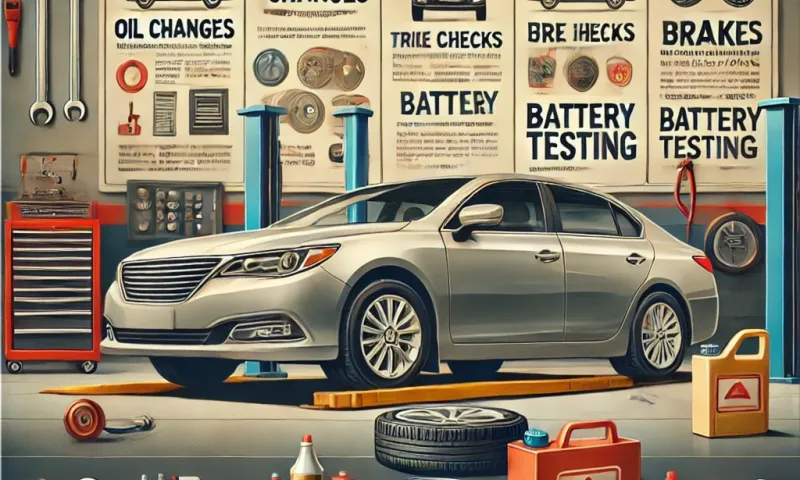
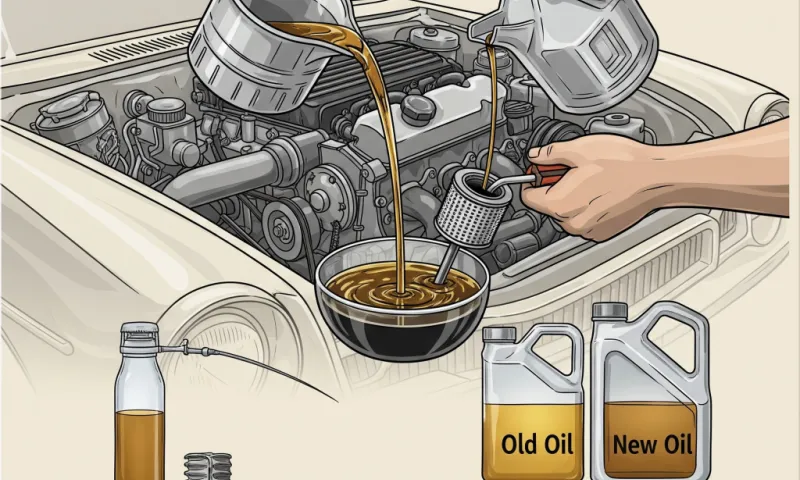
- Regular oil changes
- Tire pressure checks
- Brake inspections
- Battery testing
- Cleaning and protecting surfaces
These steps may seem small, but they play a big role in keeping your car in good condition.
Why Repairs Alone Are Not Enough
Repairs fix damage after it happens. Preventive care reduces the chance of damage in the first place.
When you depend only on repairs:
- Problems often grow before you notice them
- Costs become higher
- Your car may stop working at the wrong time
Preventive care gives you control, while repairs usually come with urgency.
Key Benefits of Preventive Car Care
1. Lower Long-Term Costs
Fixing a major issue is always more expensive than avoiding it.
For example:
- Replacing an engine part costs far more than regular oil changes
- Ignoring worn brake pads can damage the entire braking system
Small maintenance expenses help you avoid large repair bills.
2. Better Safety on the Road
A well-maintained car is a safer car.
Preventive care helps ensure:
- Brakes respond properly
- Tires grip the road well
- Lights work clearly at night
These factors reduce the chances of accidents caused by mechanical failure.
3. Improved Vehicle Performance
Cars perform best when all parts are working smoothly.
Regular care helps:
- Engine run efficiently.
- Fuel usage stays balanced.
- Driving feels smoother.
Even small things like clean filters or correct tire pressure can make a noticeable difference.
4. Longer Lifespan of Your Car
Every car goes through wear and tear. Preventive care slows this process.
Instead of parts failing early, they last longer with proper attention. This means you can use your vehicle for more years without major trouble.
5. Fewer Unexpected Breakdowns
Breakdowns rarely happen without warning. There are usually signs strange noises, reduced performance, or minor leaks.
Preventive care helps you catch these early.
This reduces:
- Sudden stops during travel.
- Emergency repair situations.
- Stress during important trips.
Common Areas That Need Preventive Attention
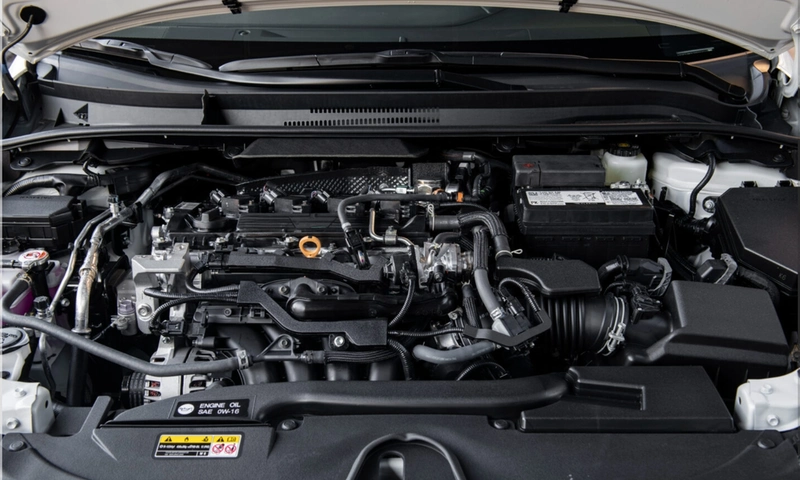
Engine Care
The engine is the heart of your car. Keeping it healthy is essential.
Basic steps include:
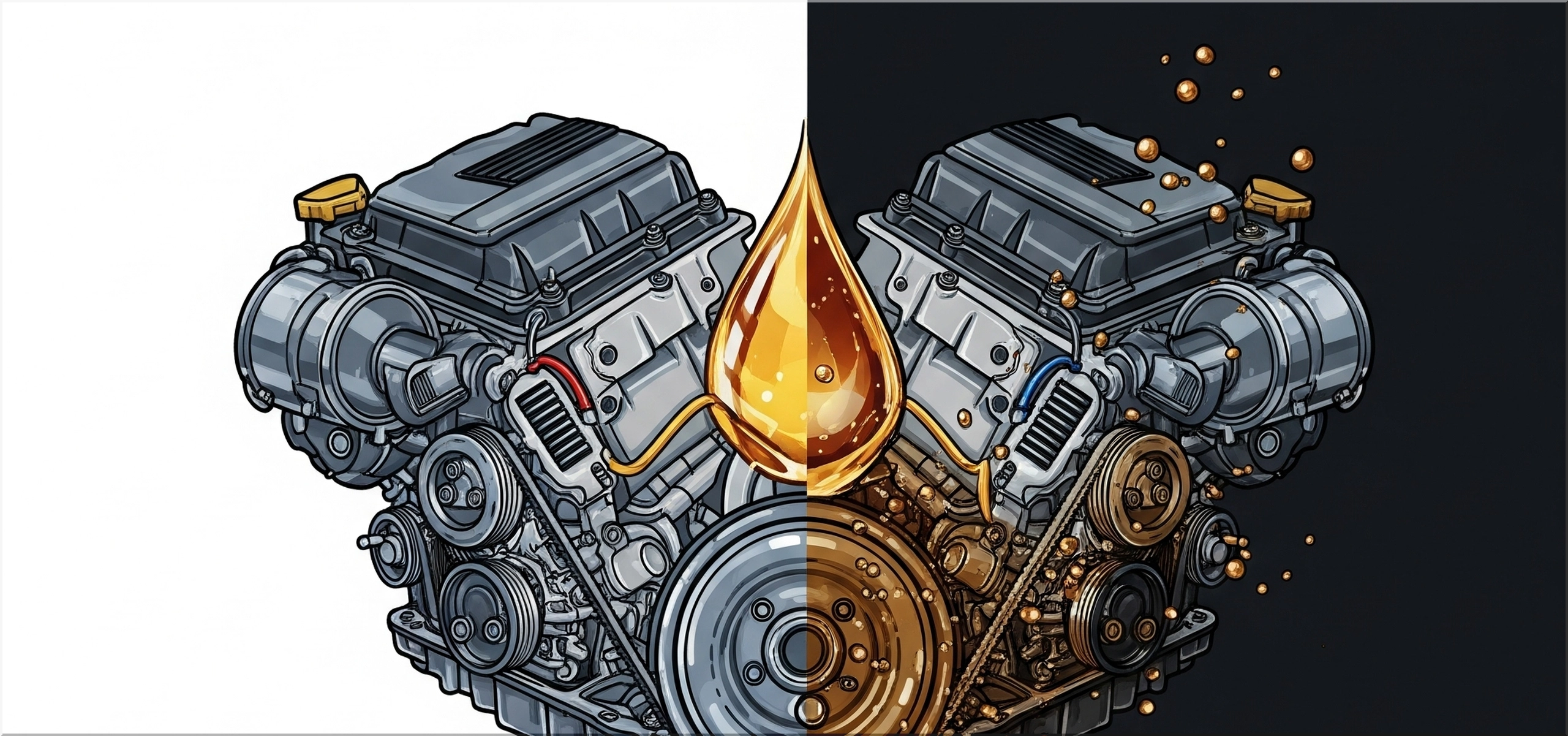
- Changing engine oil on time.
- Checking coolant levels.
- Replacing air filters.
Skipping these can lead to overheating or reduced performance.
Tire Maintenance
Tires affect safety, comfort, and fuel use.
Make it a habit to:
- Check tire pressure regularly.
- Rotate tires when needed.
- Inspect for wear and damage.
Proper tire care also improves road grip and handling.
Brake System
Brakes must always be in top condition.
Watch for:
- Unusual sounds
- Delayed response
- Vibrations while braking
Early inspection prevents more serious damage.
Battery Health
Car batteries often fail without notice.
Simple preventive steps:
- Check battery terminals.
- Ensure proper charge levels.
- Replace old batteries on time.
This avoids getting stuck due to a dead battery.
Exterior and Interior Care
Cleaning your car is not just about appearance.
It also:
- Protects paint from damage.
- Prevents rust.
- Keeps the interior comfortable.
Regular washing and basic protection go a long way.
Preventive Care vs Repairs: A Quick Comparison
Aspect | Preventive Care | Repairs |
Timing | Before problems occur | After problems occur |
Cost | Lower and manageable | Often higher |
Stress Level | Minimal | Usually high |
Impact on Vehicle | Improves lifespan | Restores function |
Planning | Scheduled | Unexpected |
How to Build a Simple Preventive Routine
You don’t need expert knowledge to take care of your car. A basic routine can make a big difference.
Monthly Checks
- Tire pressure
- Fluid levels
- Lights and indicators
Every Few Months
- Oil condition
- Brake inspection
- Battery check
Yearly Maintenance
- Full service
- Filter replacements
- Alignment and balancing
Keeping track of these tasks helps you stay consistent.
The Role of Awareness in Car Care
Many car problems happen because small signs are ignored.
Pay attention to:
- Changes in sound
- Reduced fuel efficiency
- Warning lights on the dashboard
Understanding these signals helps you act early.
Even when creating or reviewing content about vehicle care, tools like an AI detector free checker can help ensure the information remains clear and natural for readers.
Practical Example
Imagine two car owners:
- One changes oil regularly, checks tires, and services the car on time
- The other ignores maintenance and waits for problems
After a year:
- The first car runs smoothly with fewer expenses
- The second car faces multiple repairs and higher costs
This simple difference shows how preventive care leads to better results.
Final Thoughts
Preventive car care is not complicated. It’s about paying attention, acting early, and staying consistent. Small efforts today can prevent bigger problems tomorrow.
Image gallery
- Add new comment
- 116 views