A Hybrid Support Vehicle Designed by Trainees
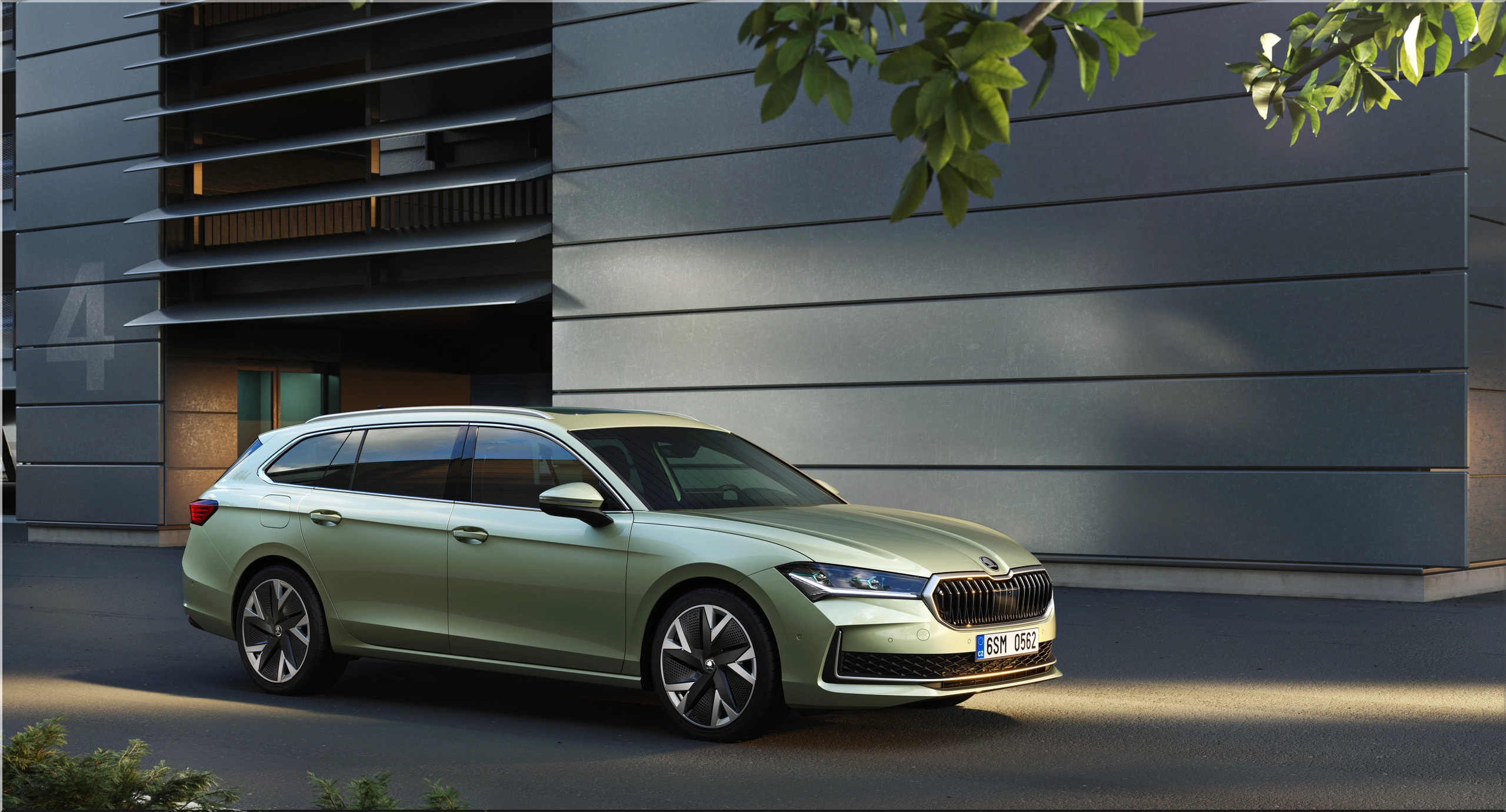
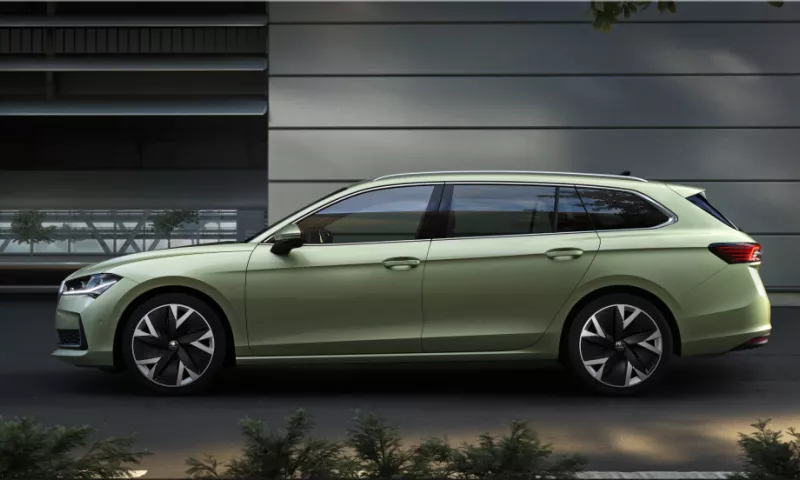
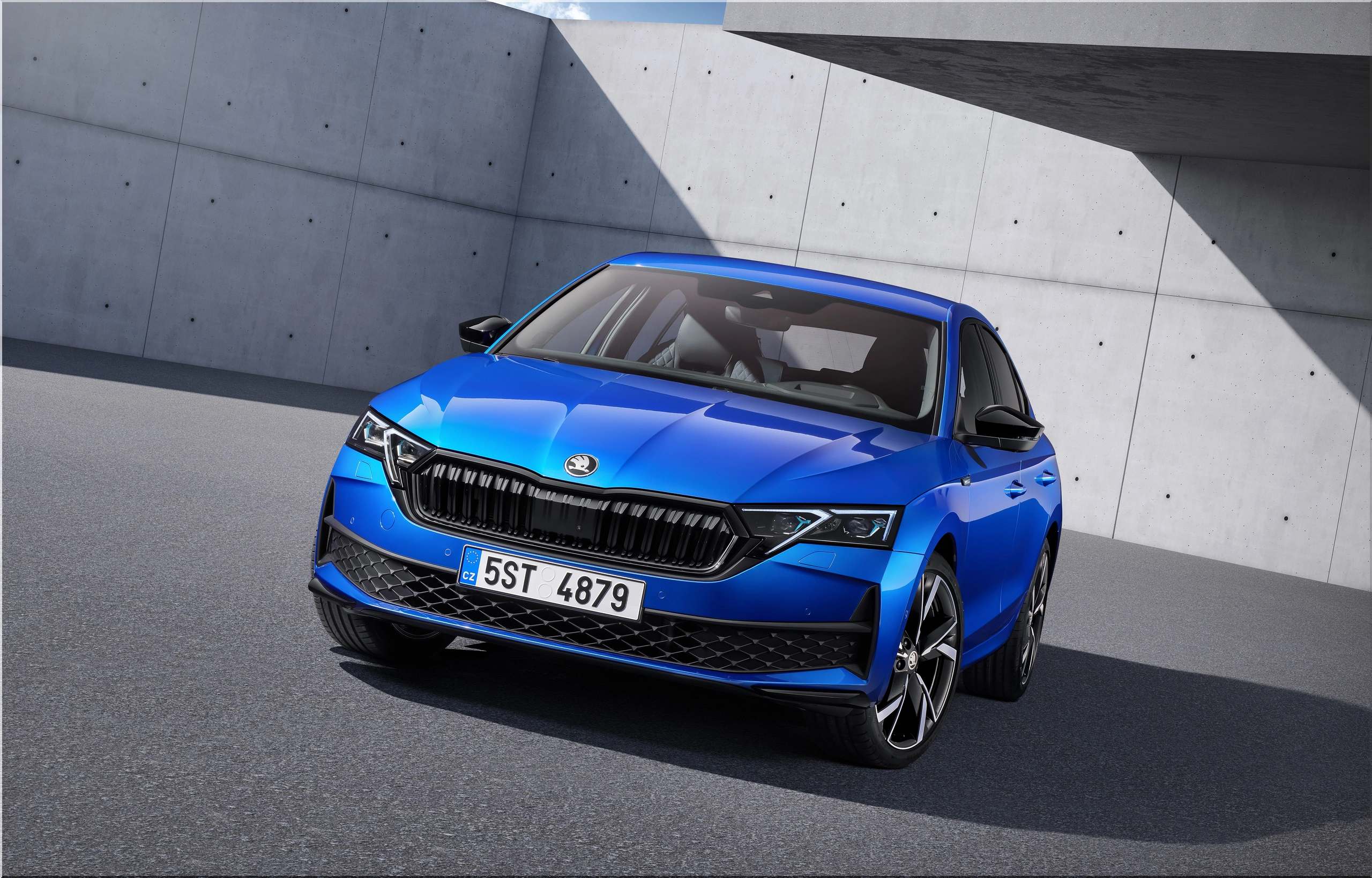
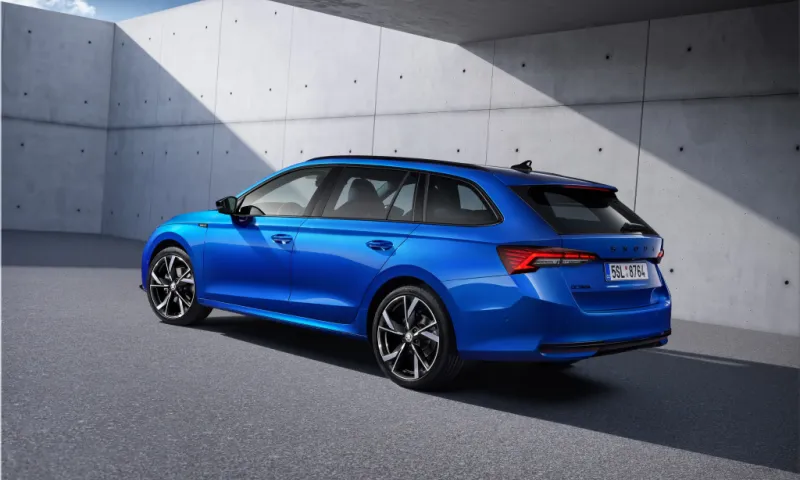
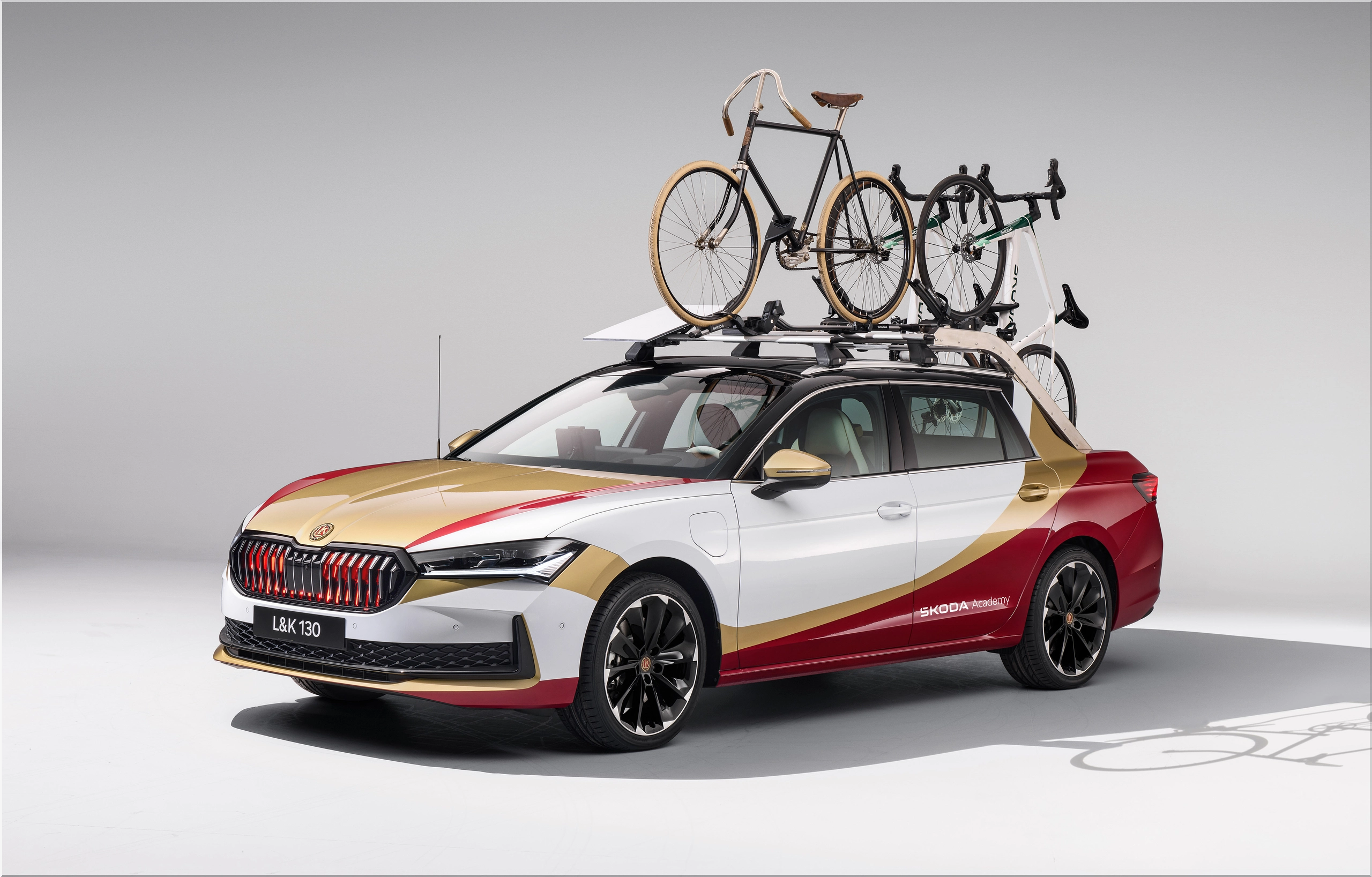
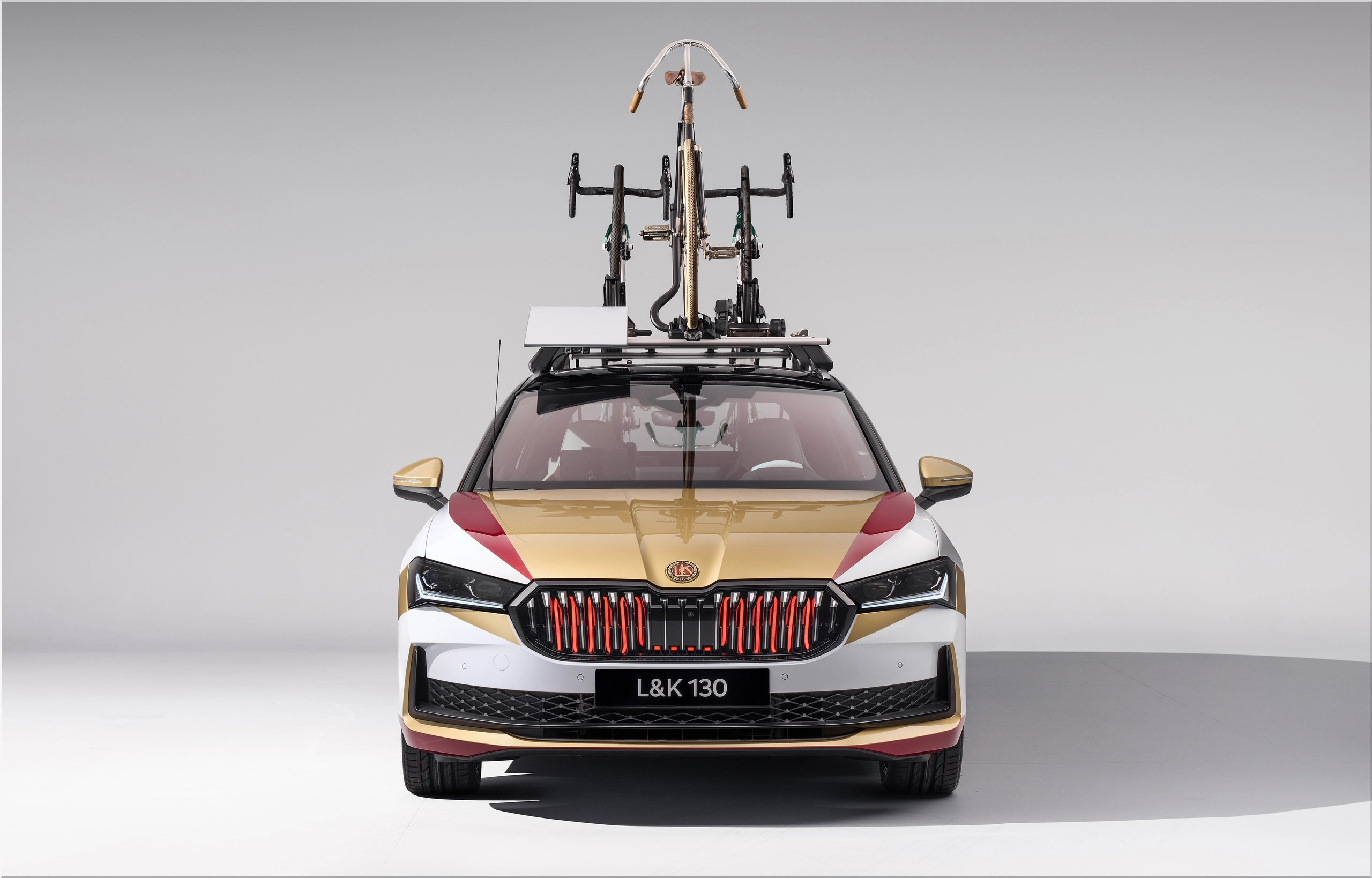
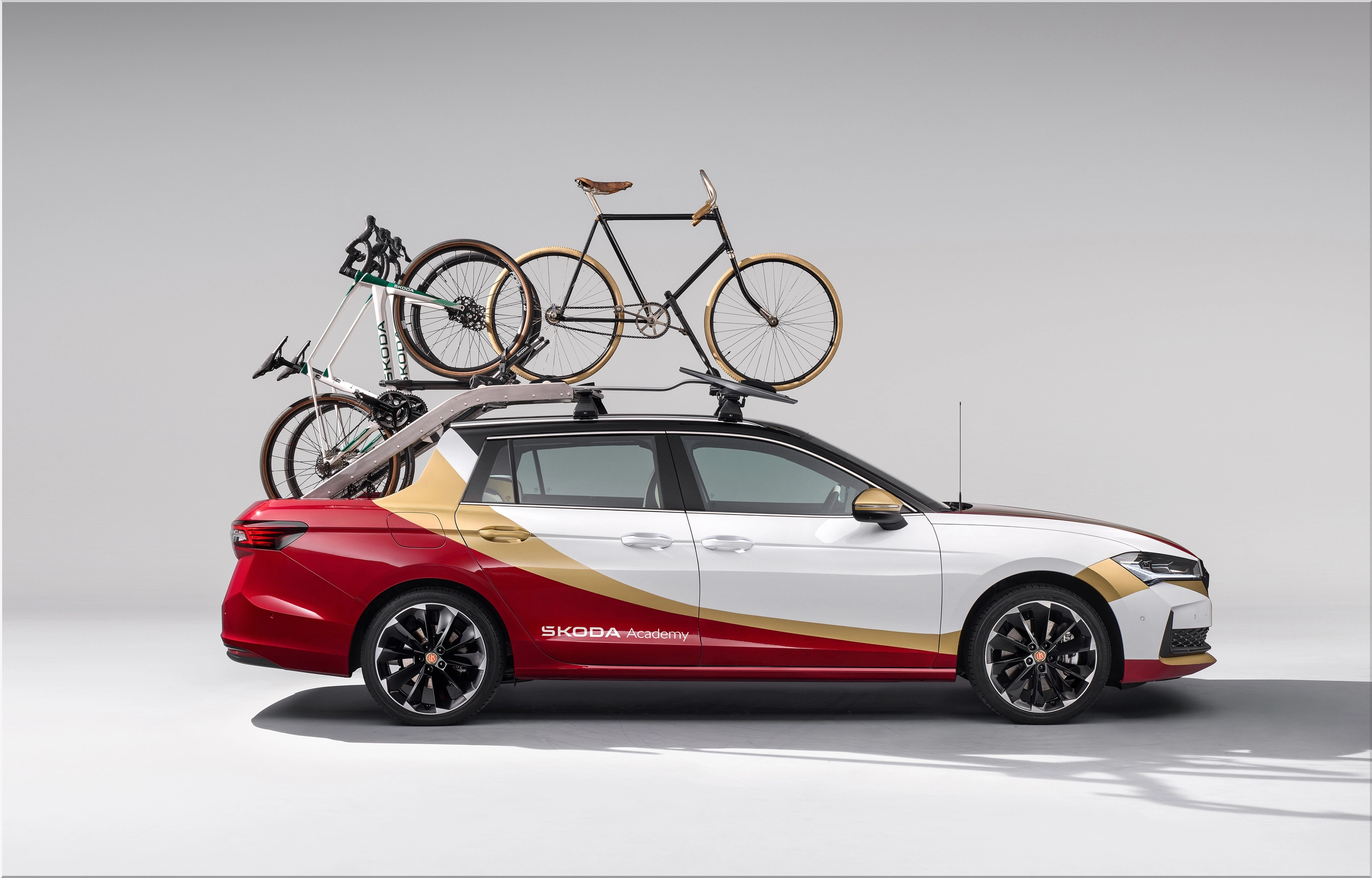
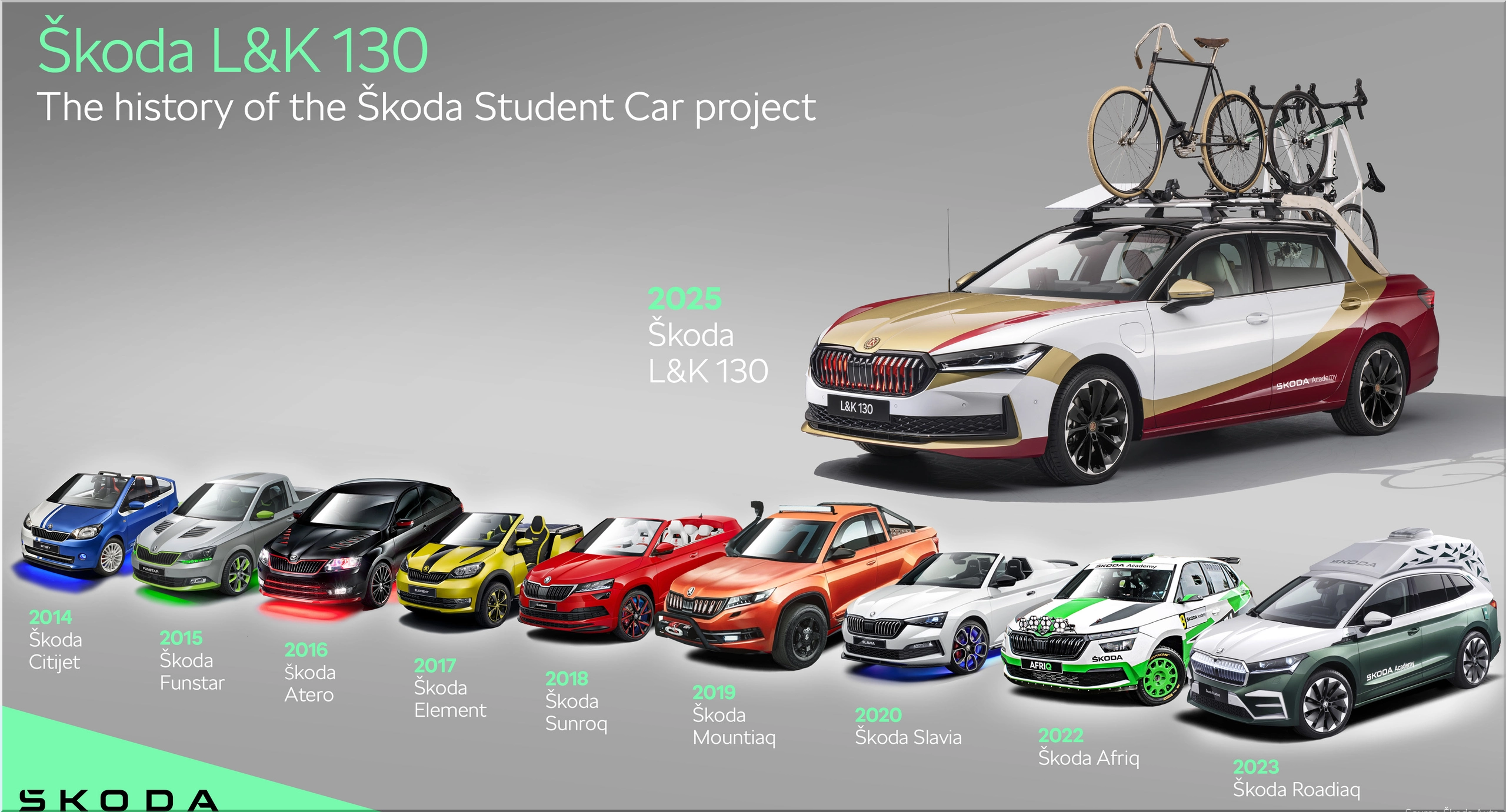
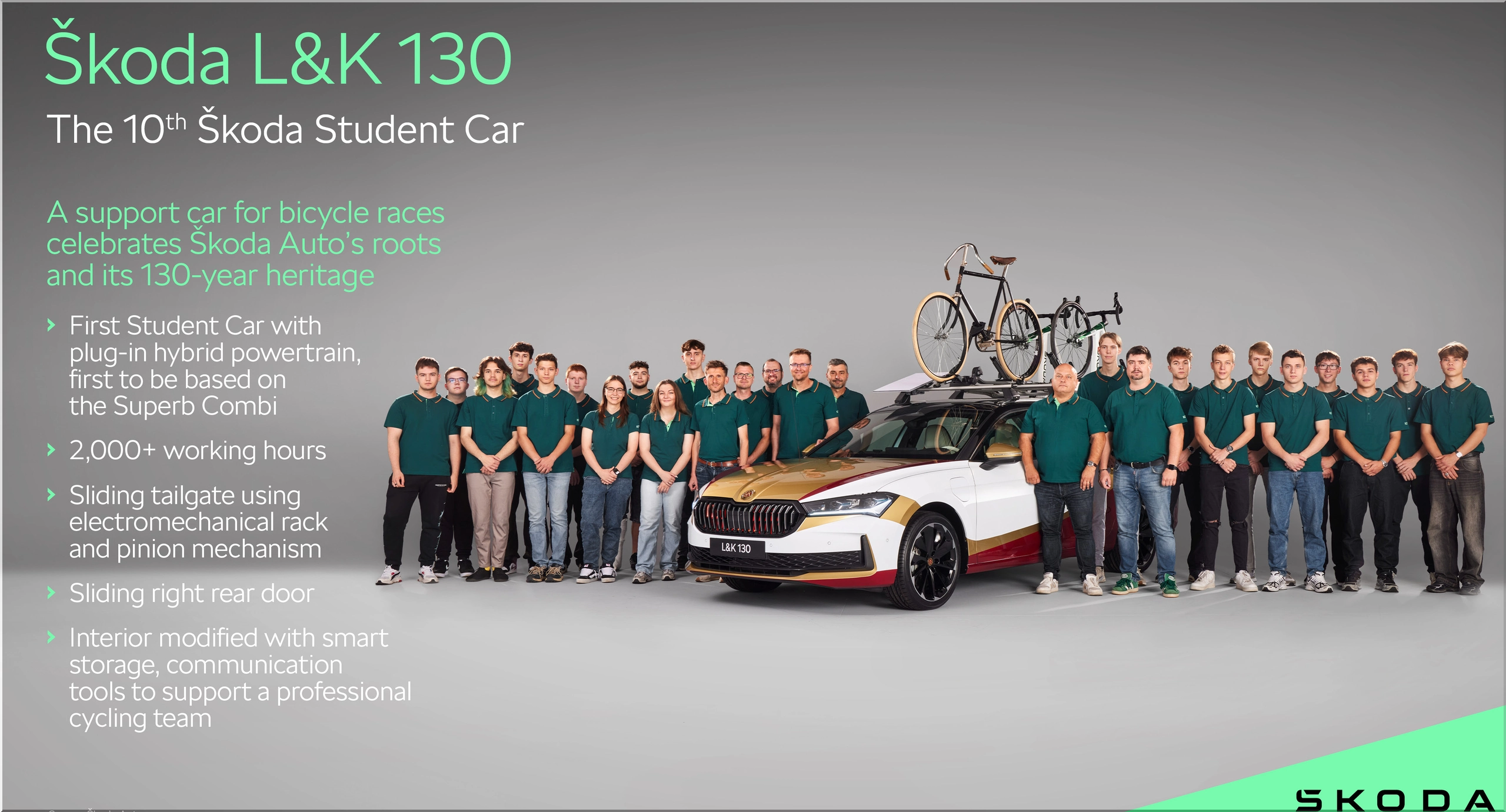
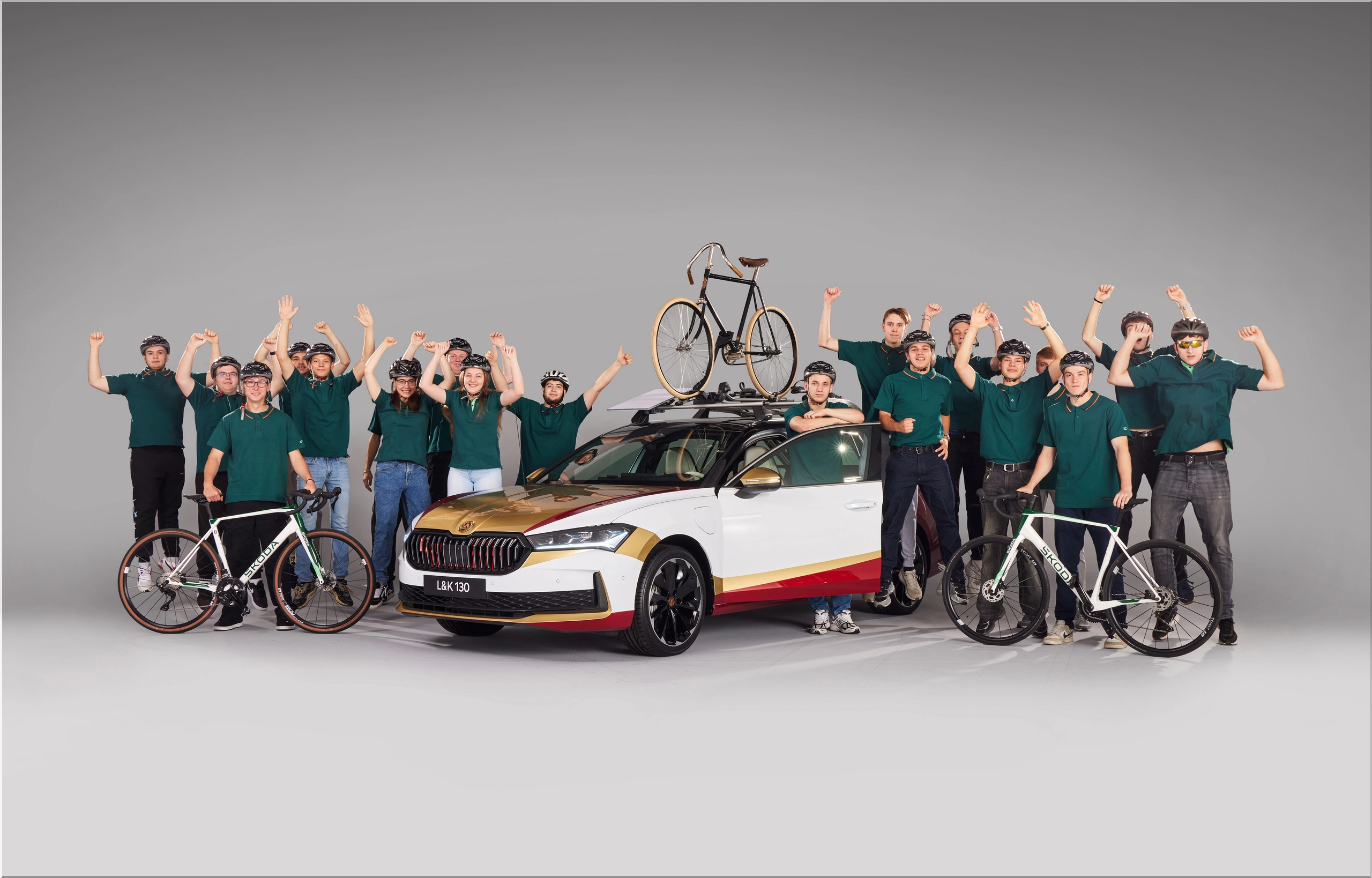
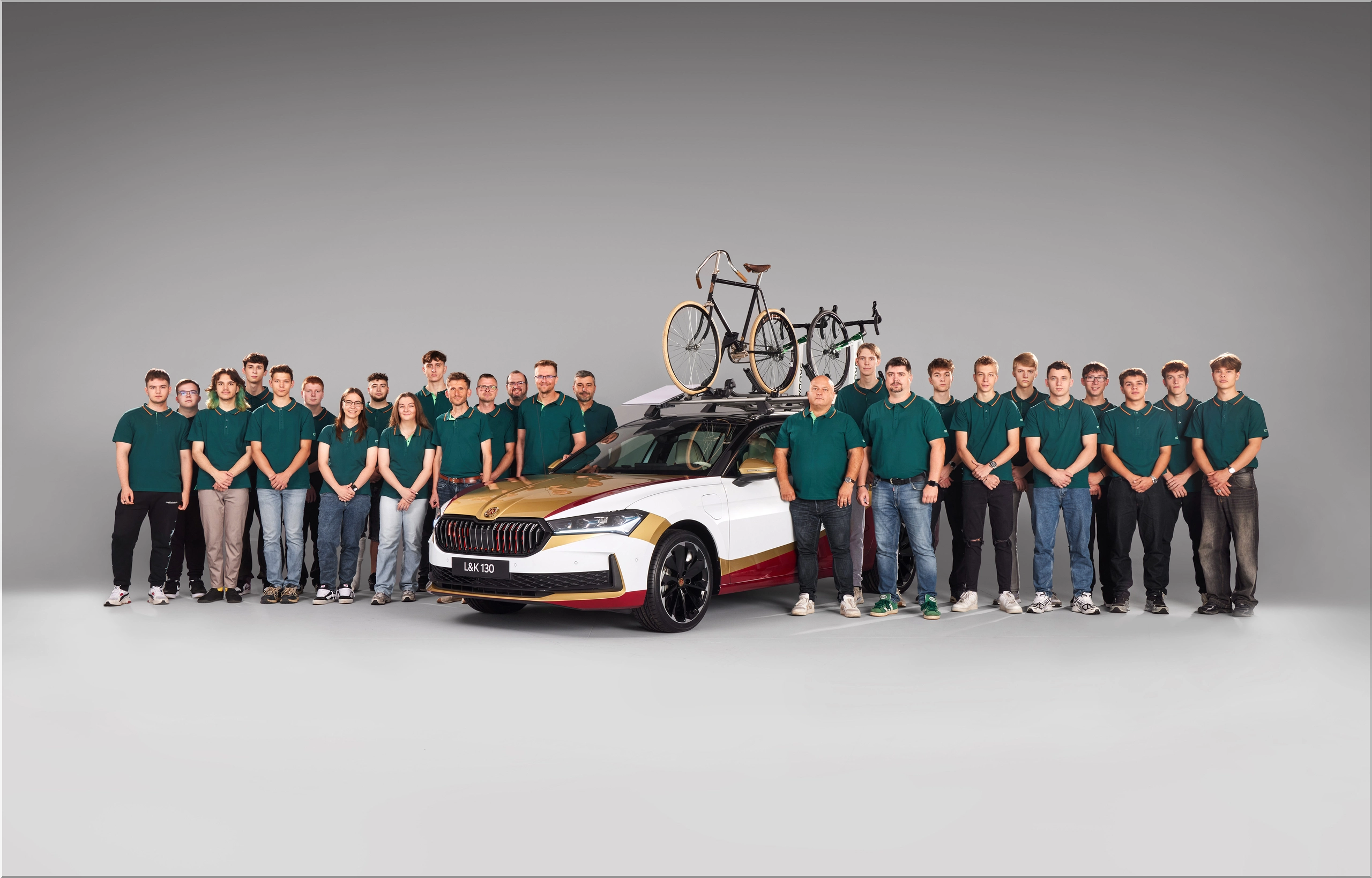
The Škoda L&K 130 is a one-off build by 28 students from the Škoda Academy. Based on the Škoda Superb Combi, this modified vehicle celebrates the company's 130-year connection to cycling. The project aligns with Škoda’s long-term support of international bike races, including the Tour de France, where this car will appear from July 5–27, 2025.
Key Facts About the L&K 130 Build
- Donor car: Škoda Superb Combi
- Powertrain: Plug-in hybrid, 204 hp combined
- Battery: 25.7 kWh gross capacity
- Drivetrain: Front-wheel drive
- Primary role: Race support vehicle
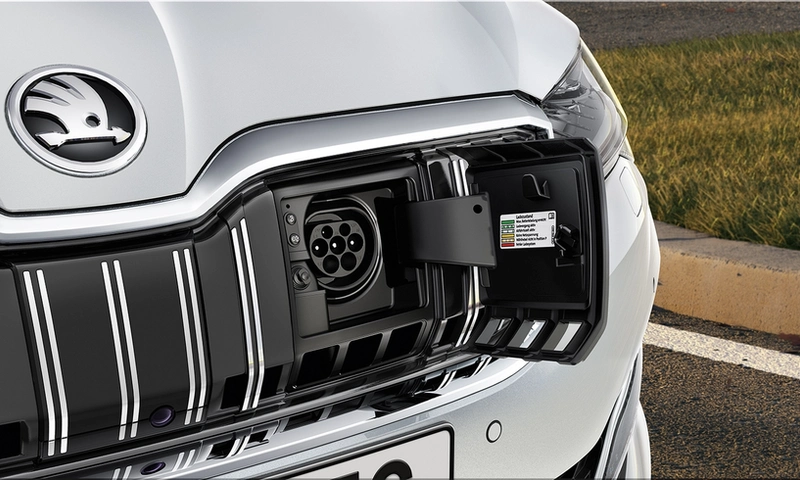
- Charging port: Same as production Superb iV
- Build time: Over 2,000 labor hours
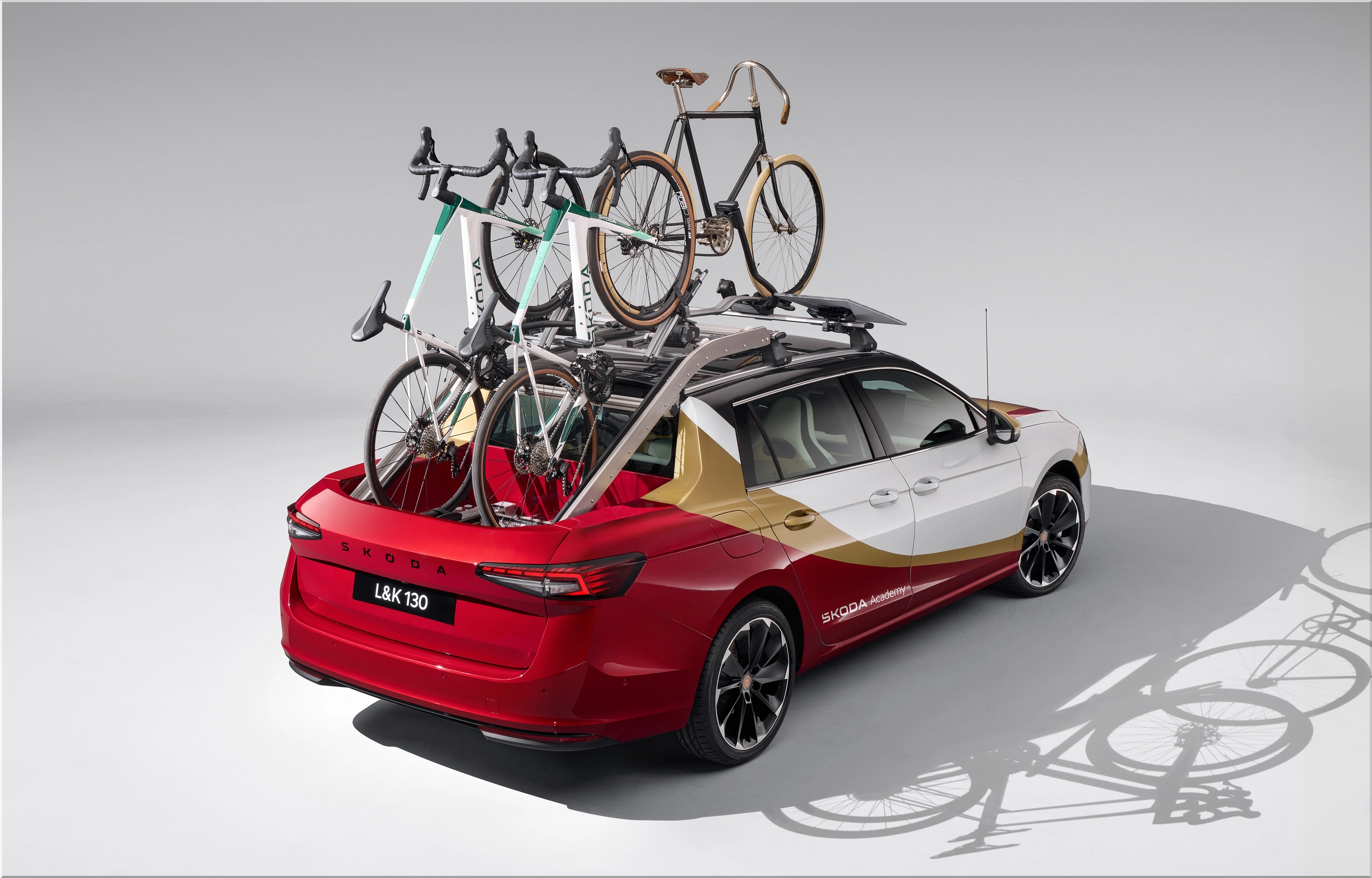
- Unique features: Electrically extendable cargo bed, sliding rear door, custom electronics
L&K 130 is the First Student Car to Use a Plug-in Hybrid Powertrain
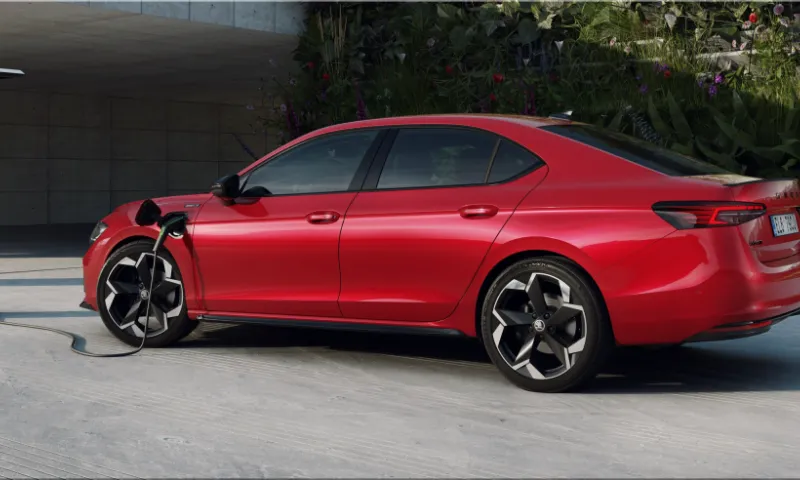
The L&K 130 uses the Superb Combi iV plug-in hybrid system: a 1.5-liter TSI gasoline engine paired with an electric motor. The system produces 204 horsepower (150 kW).
Efficiency Specifications (Combined, WLTP)
- Fuel consumption: 0.4–0.5 L/100 km
- Electricity usage: 15.8–17.5 kWh/100 km
- CO₂ emissions: 8–11 g/km
- Battery capacity: 25.7 kWh gross
- Electric-only range: Not officially stated, but suitable for multi-stage support
This hybrid drivetrain makes the L&K 130 ideal for use in low-emission zones during races.
Image gallery
Functional Conversion: From Wagon to Pickup
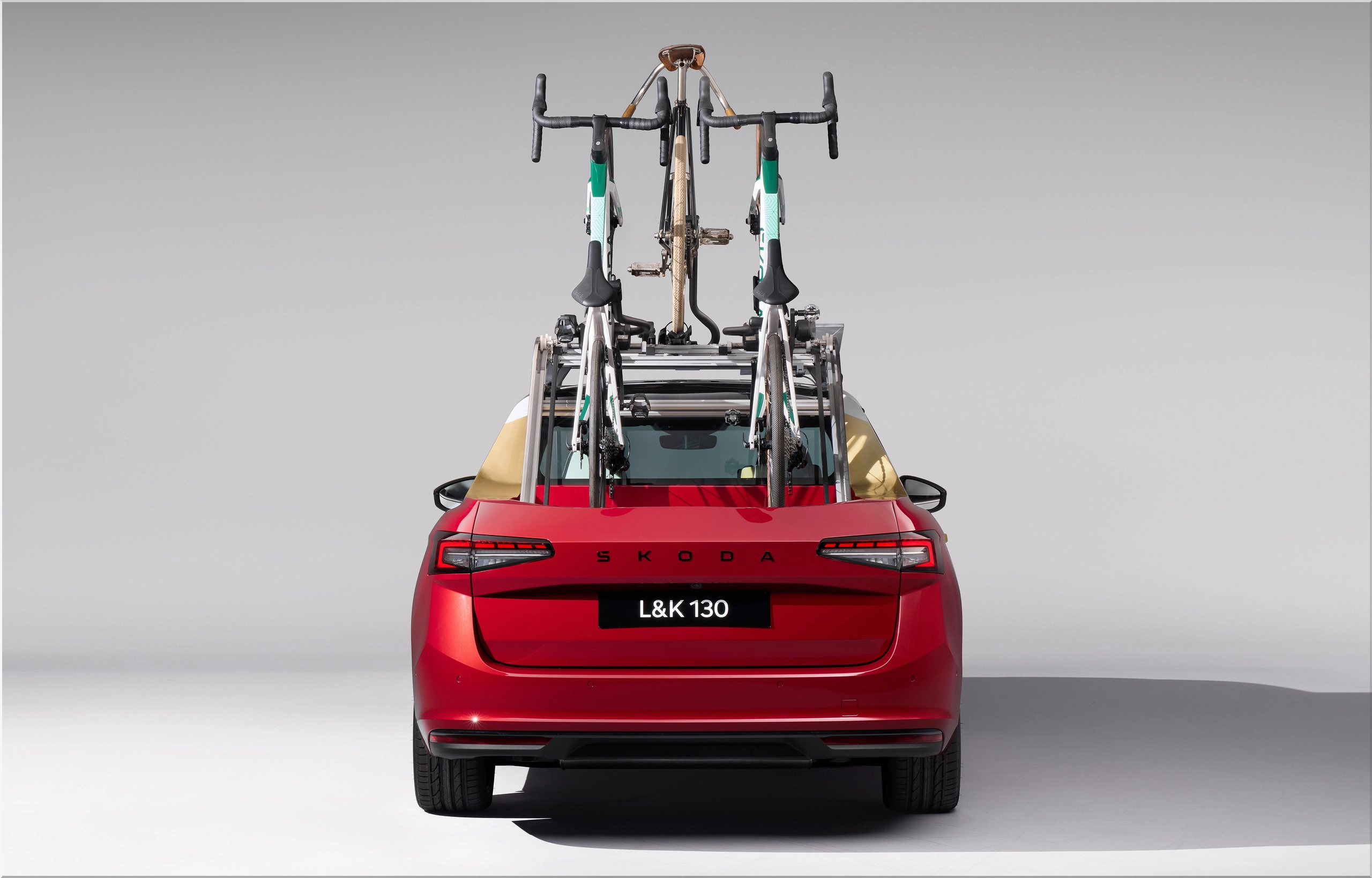
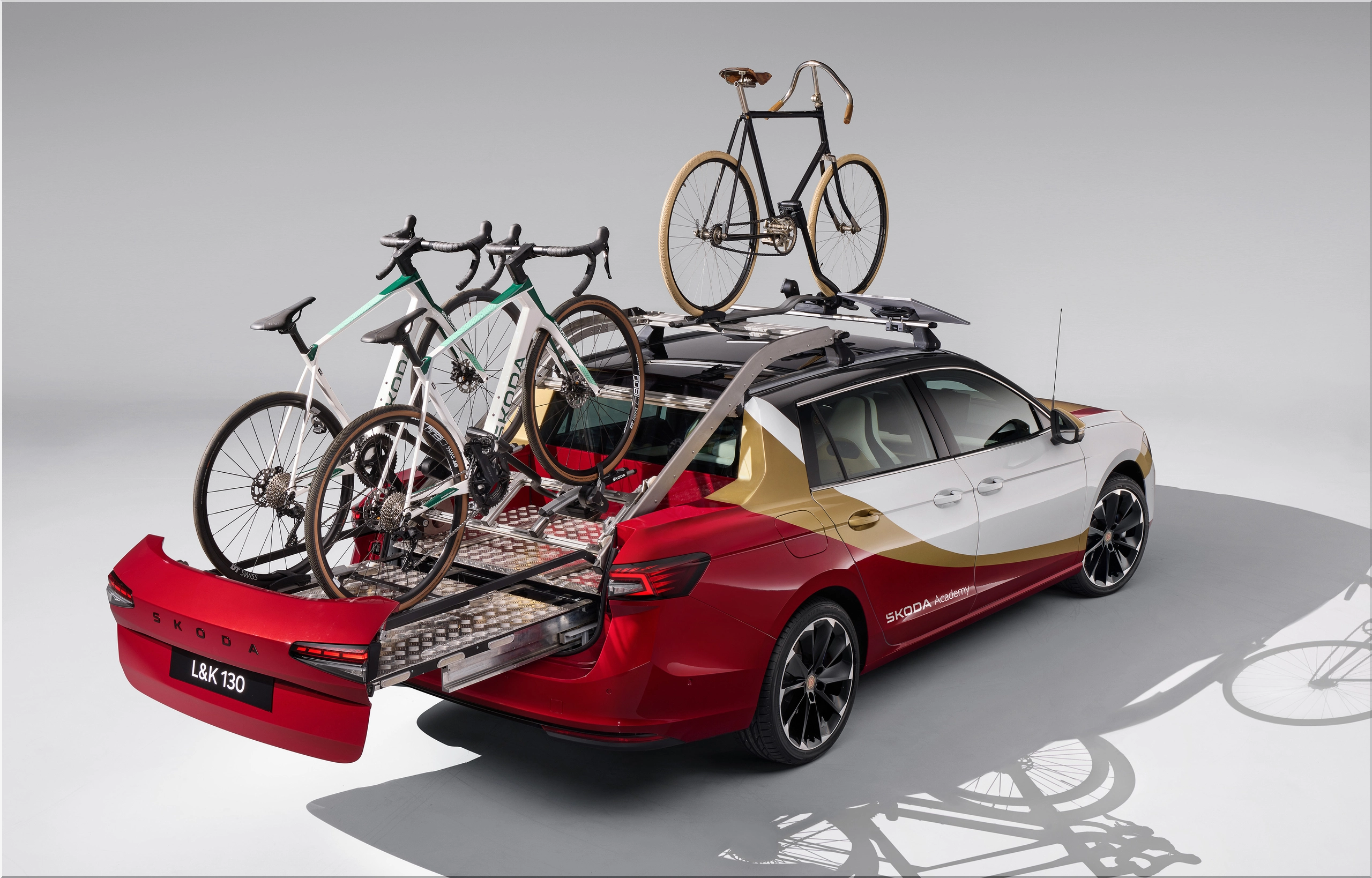
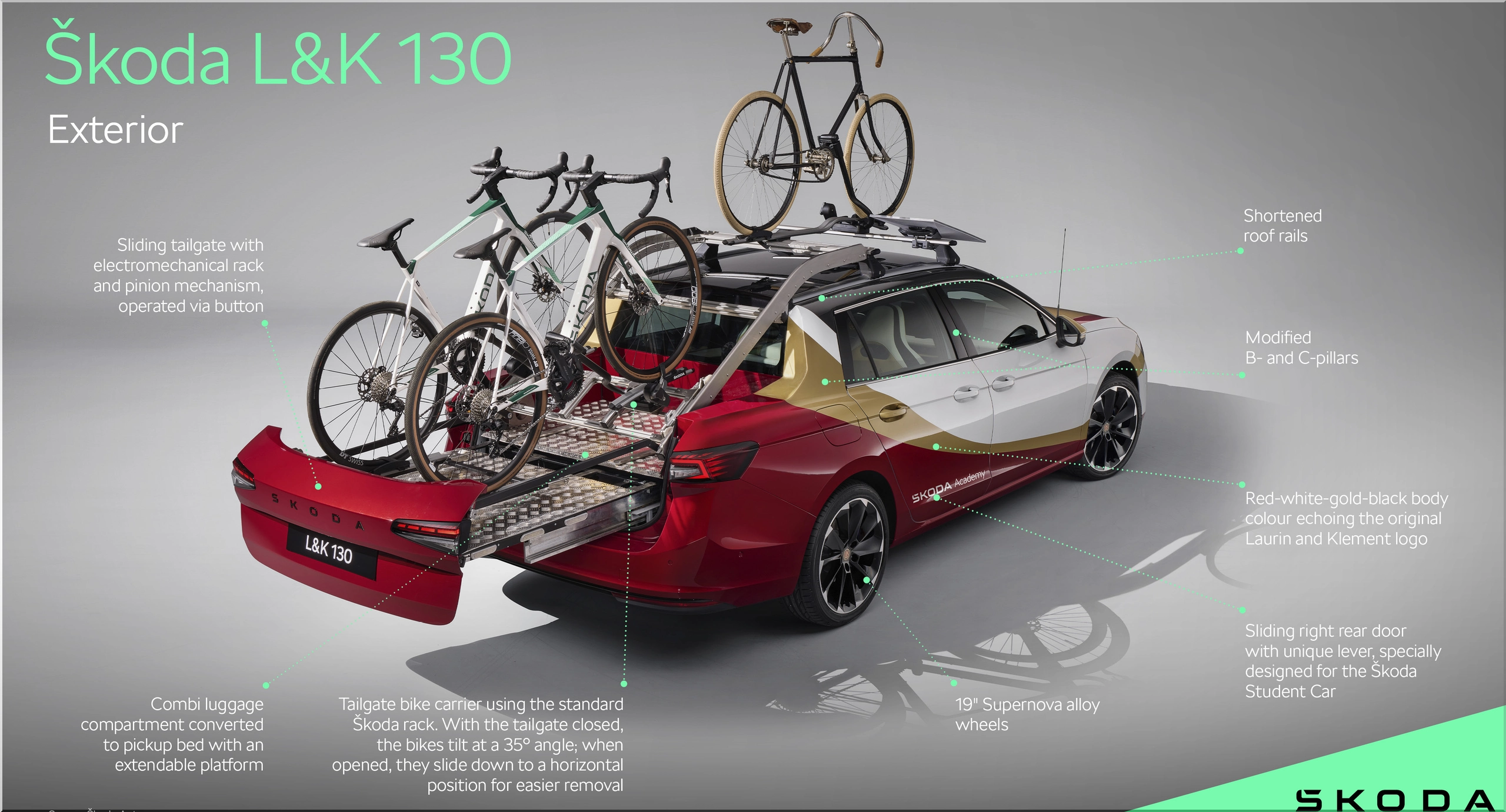
To turn the Superb Combi into a race-ready pickup, the students reengineered the vehicle structure. They removed the rear roof section, reconfigured the C-pillars, and added a fully functional rear bulkhead with a new window.
Cargo Setup Optimized for Fast Wheel Swaps
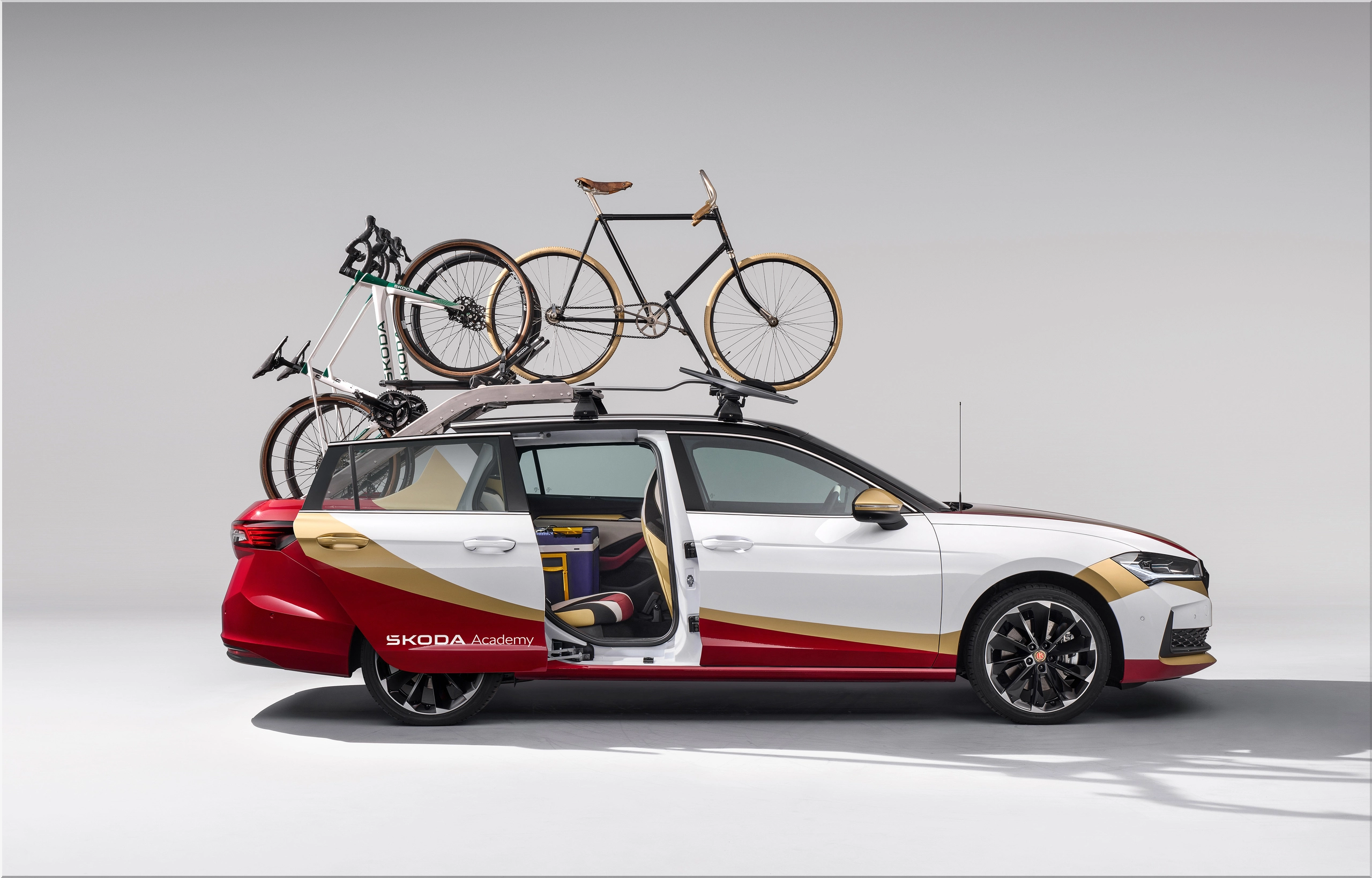
The trunk space was transformed into a flatbed that can be electrically extended. A rack-and-pinion system moves the platform outward at the push of a button. Two standard bike racks are mounted directly to this bed, and a third bike sits on a roof rack.
- Bikes can be loaded or swapped during the race without opening rear doors.
- When retracted, the vehicle retains the original Superb Combi length.
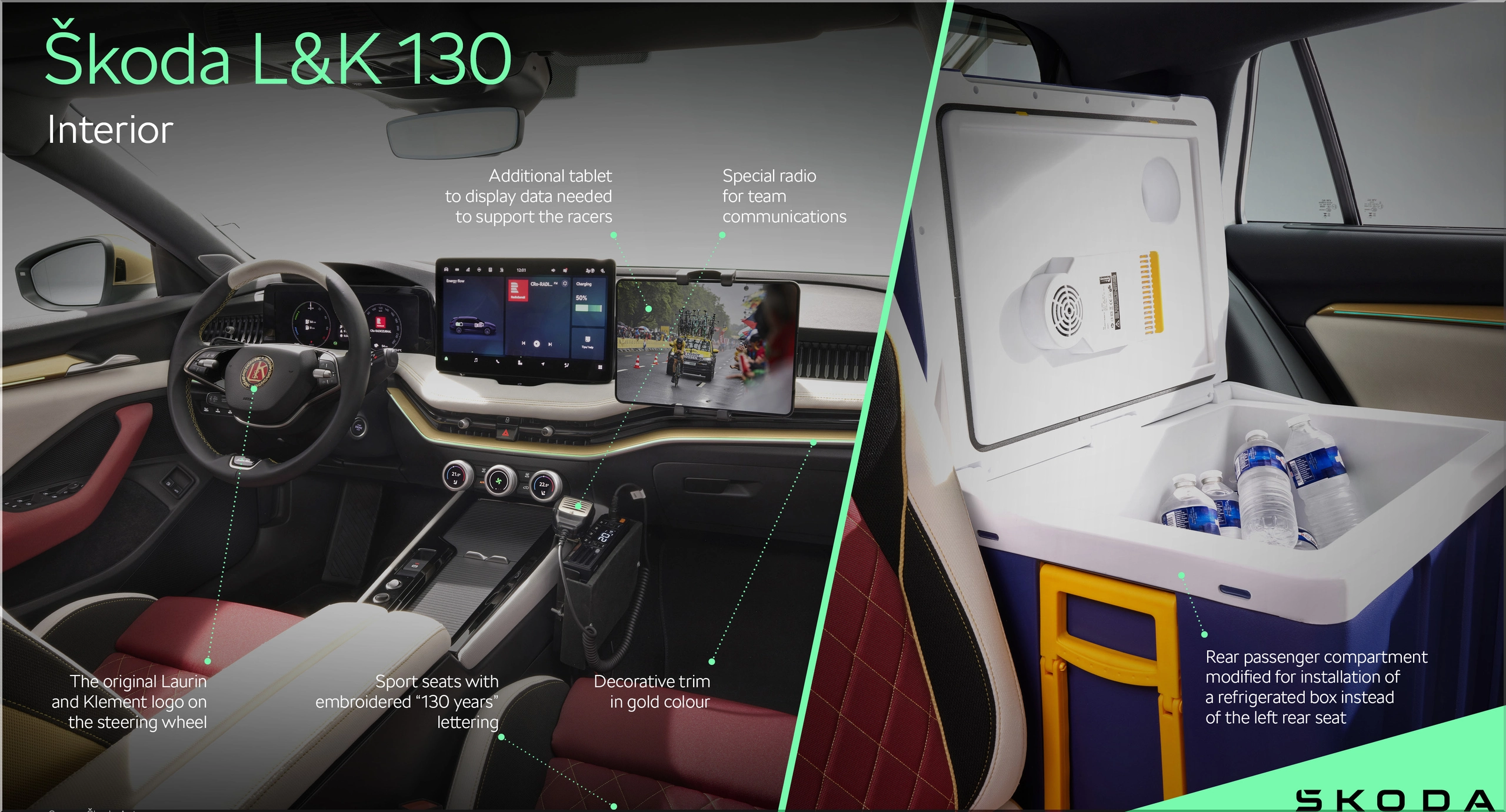
Interior Rebuilt for Race-Day Use
The interior of the Škoda L&K 130 is purpose-built. Instead of luxury, the design focuses on utility for race logistics:
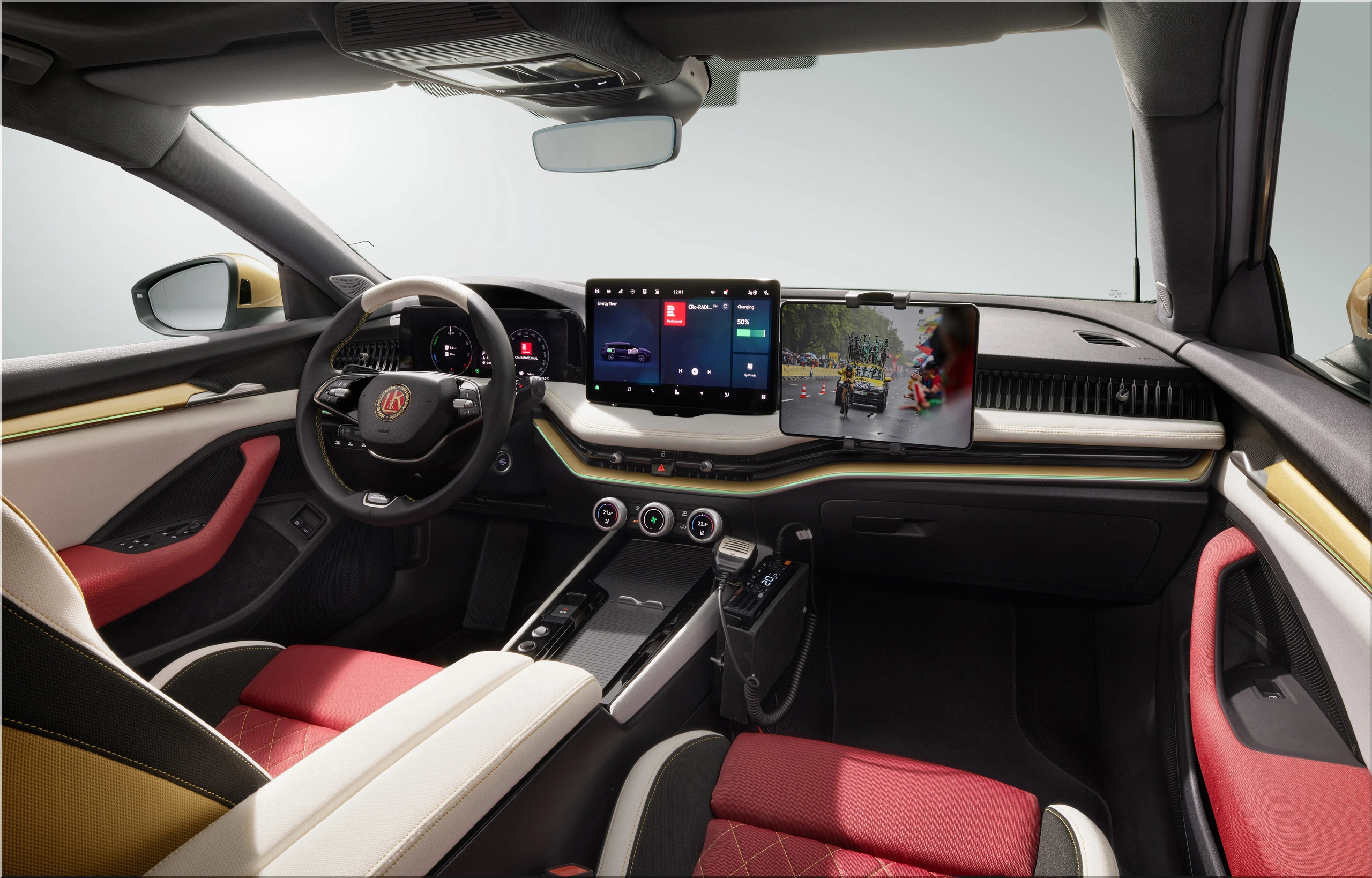
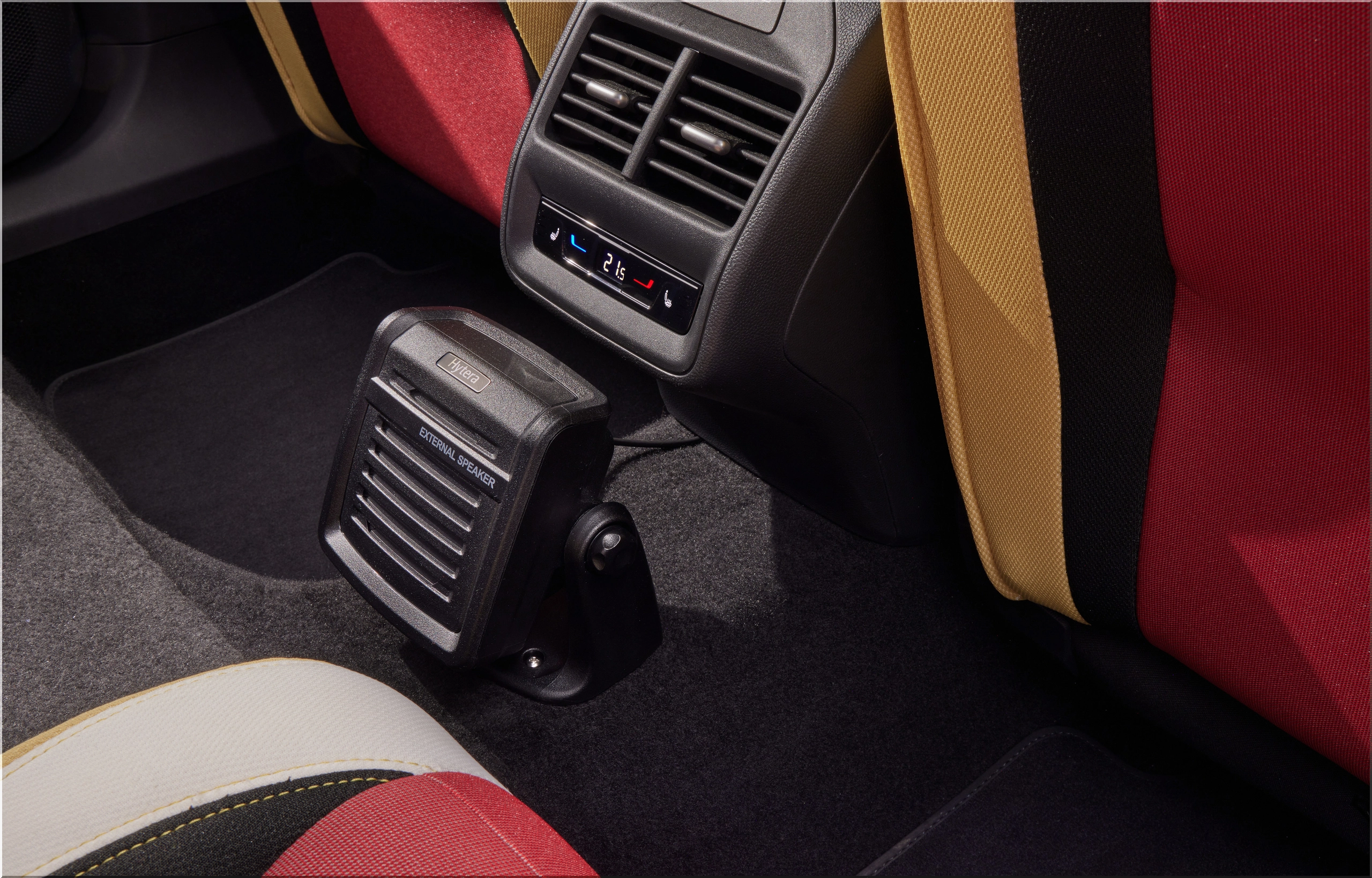
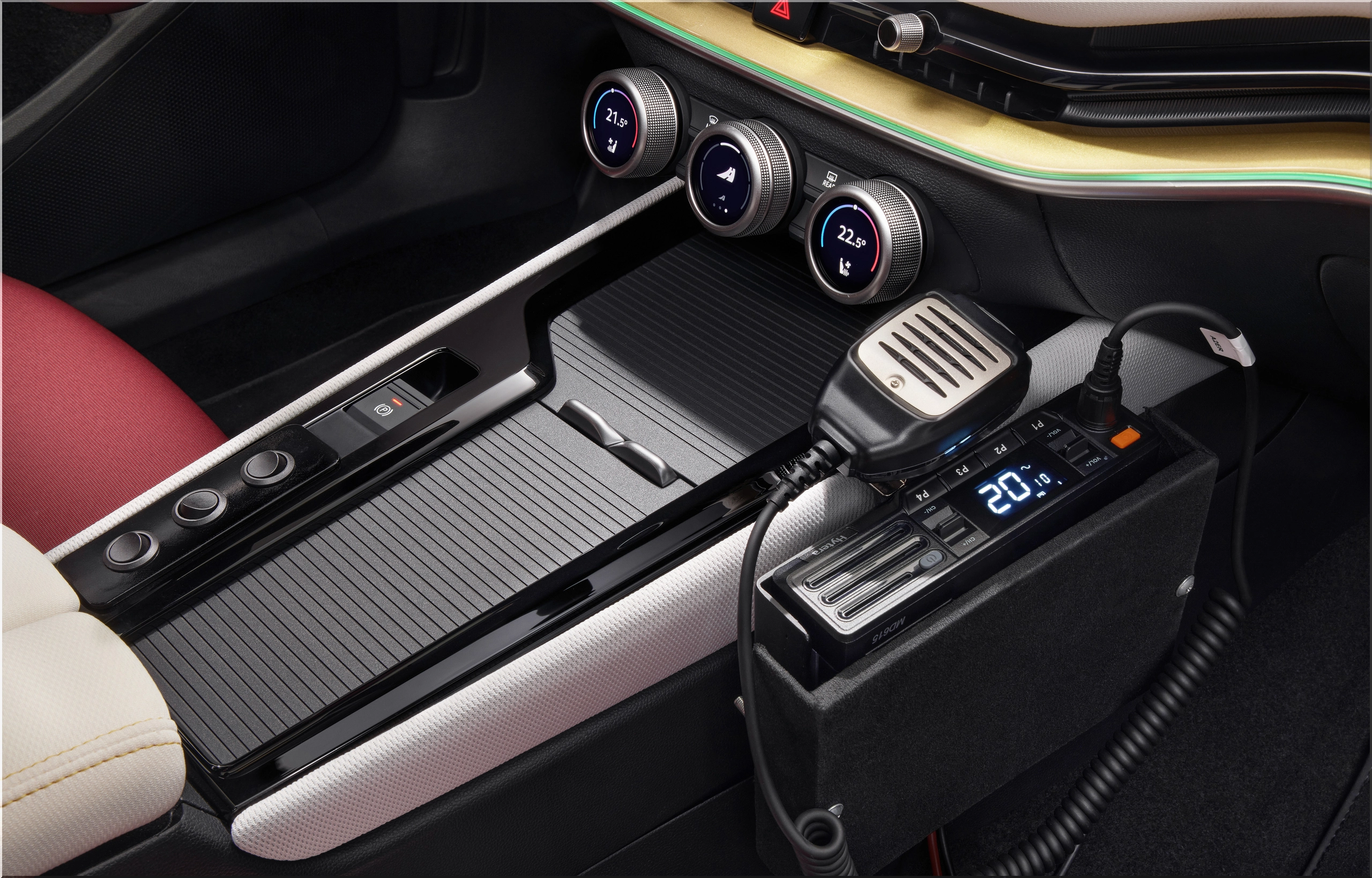
- Right rear seat: Remains for technician, with rear-facing display
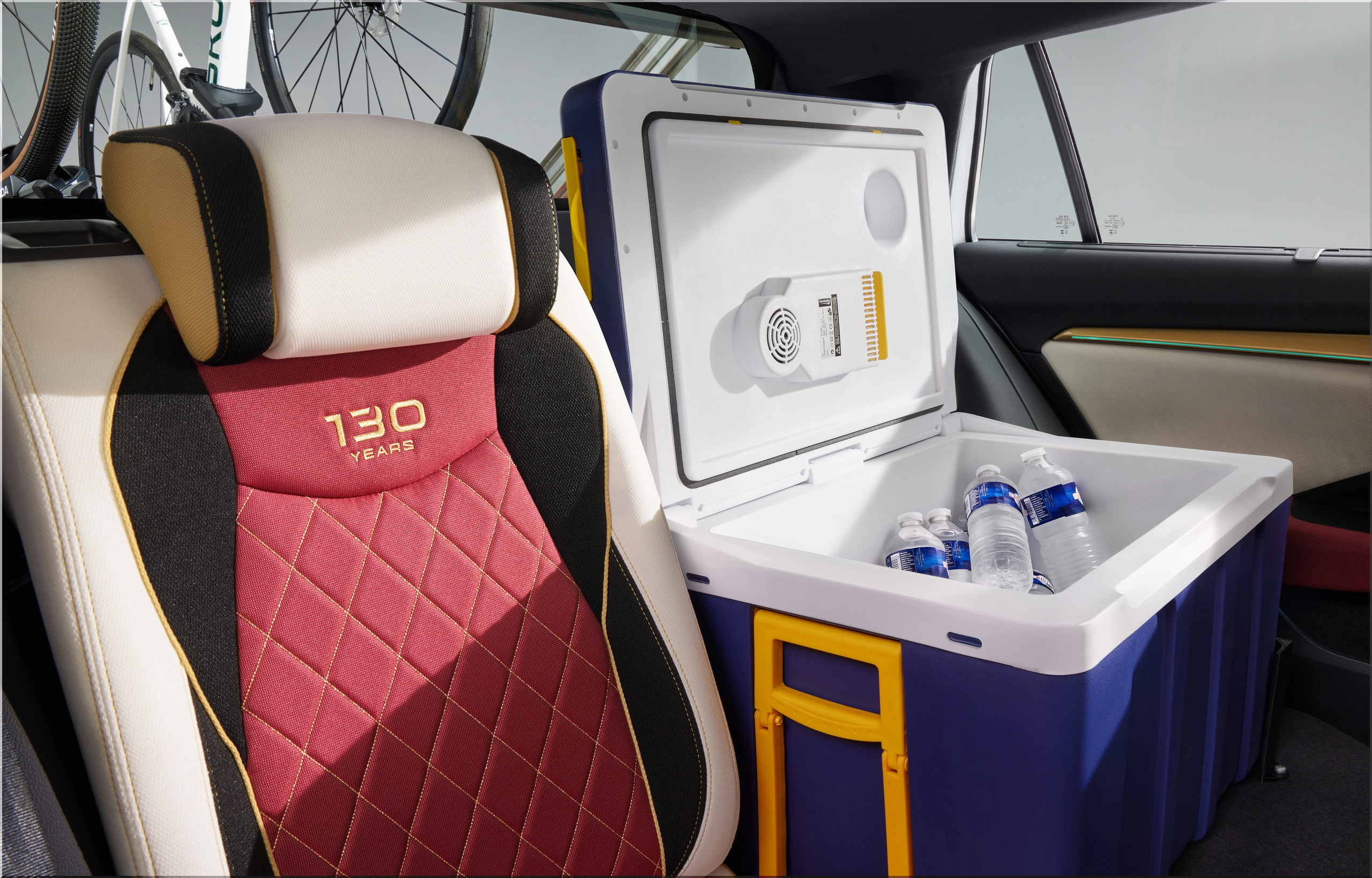
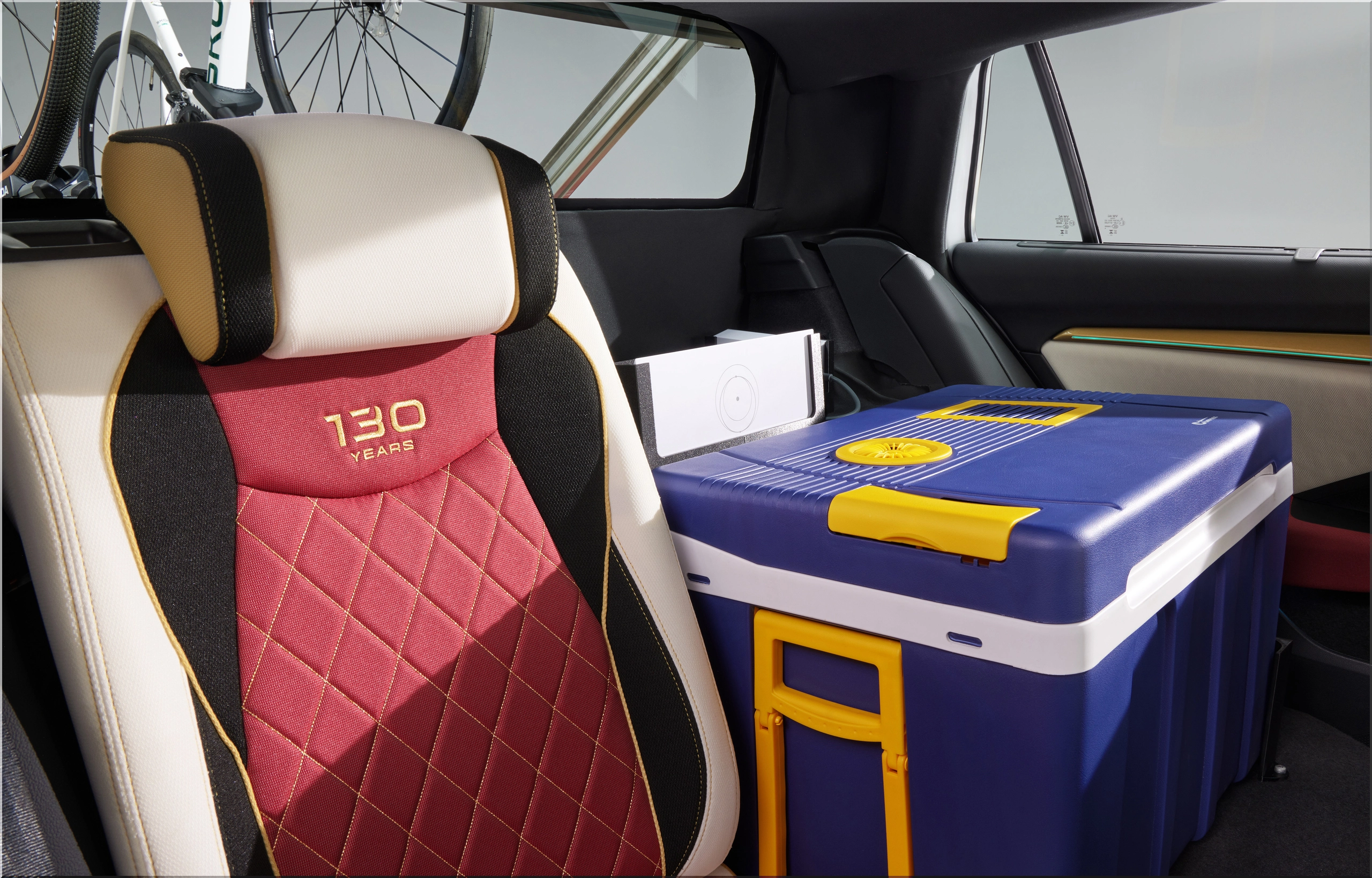
- Left rear seat: Removed, replaced with a cooler for water bottles
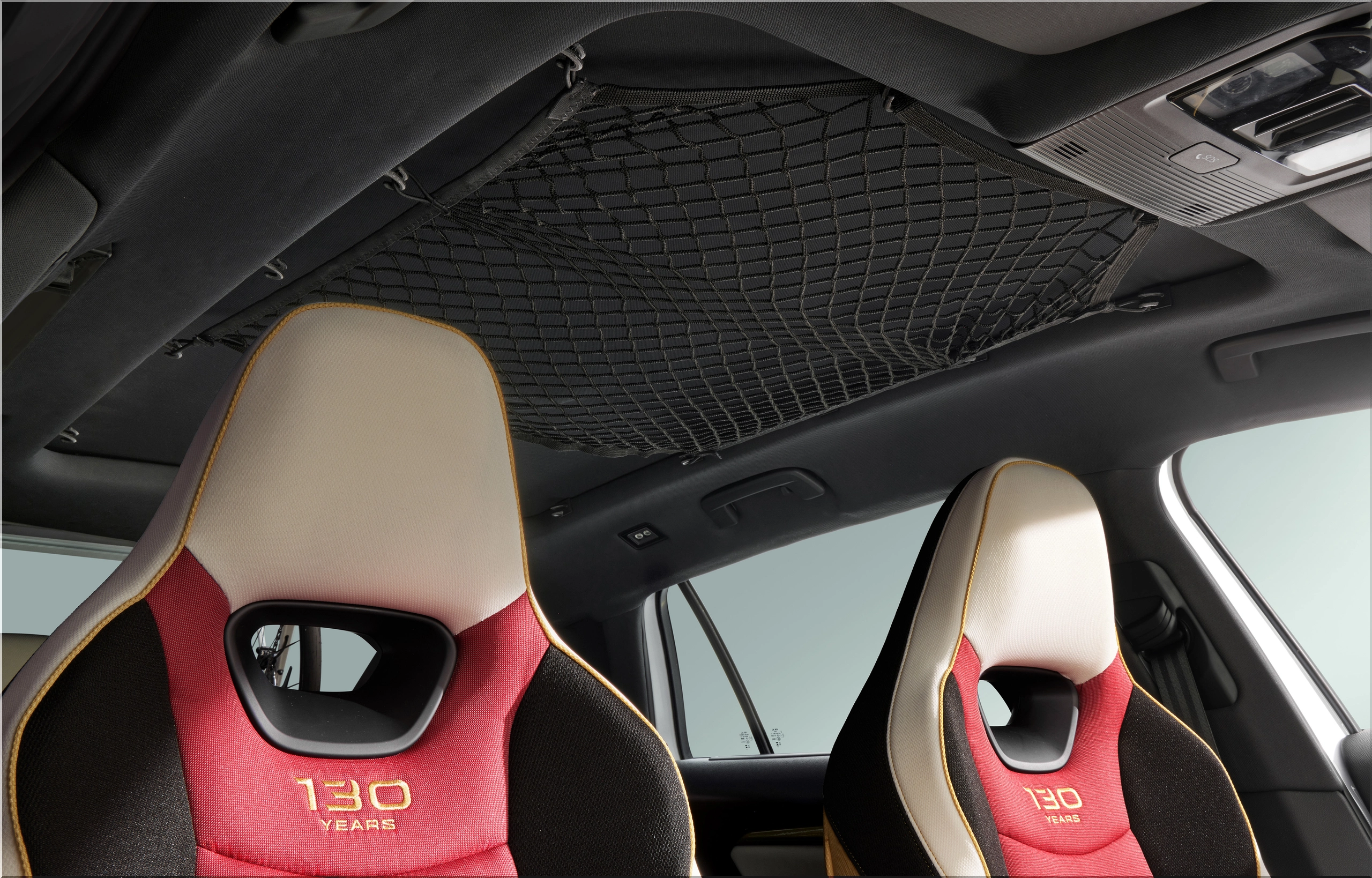
- Roof net: Holds energy bars, medical kits, and other soft items
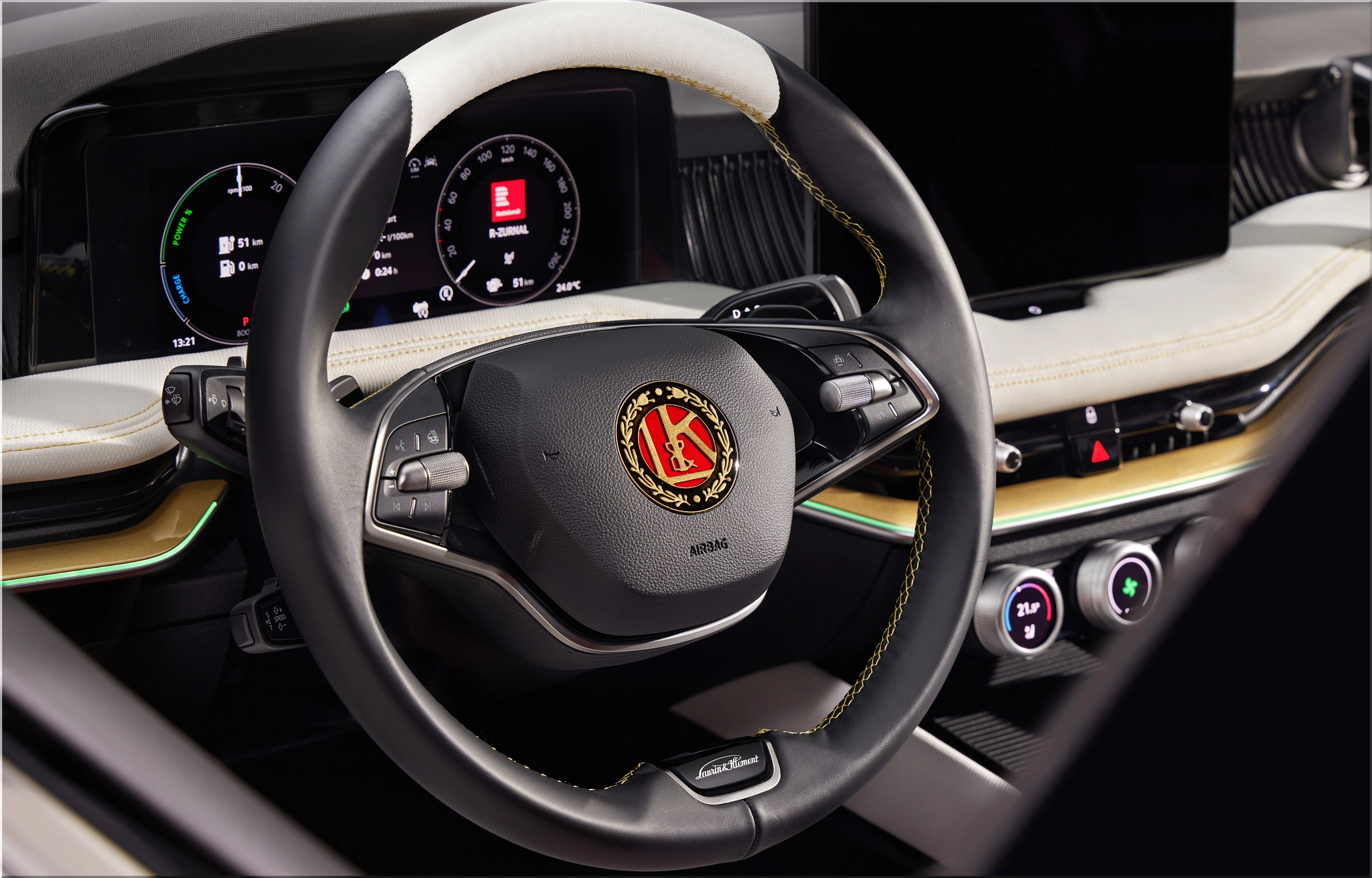
- Dashboard: Includes passenger-side digital display for race data
- Team communication: Integrated radio system
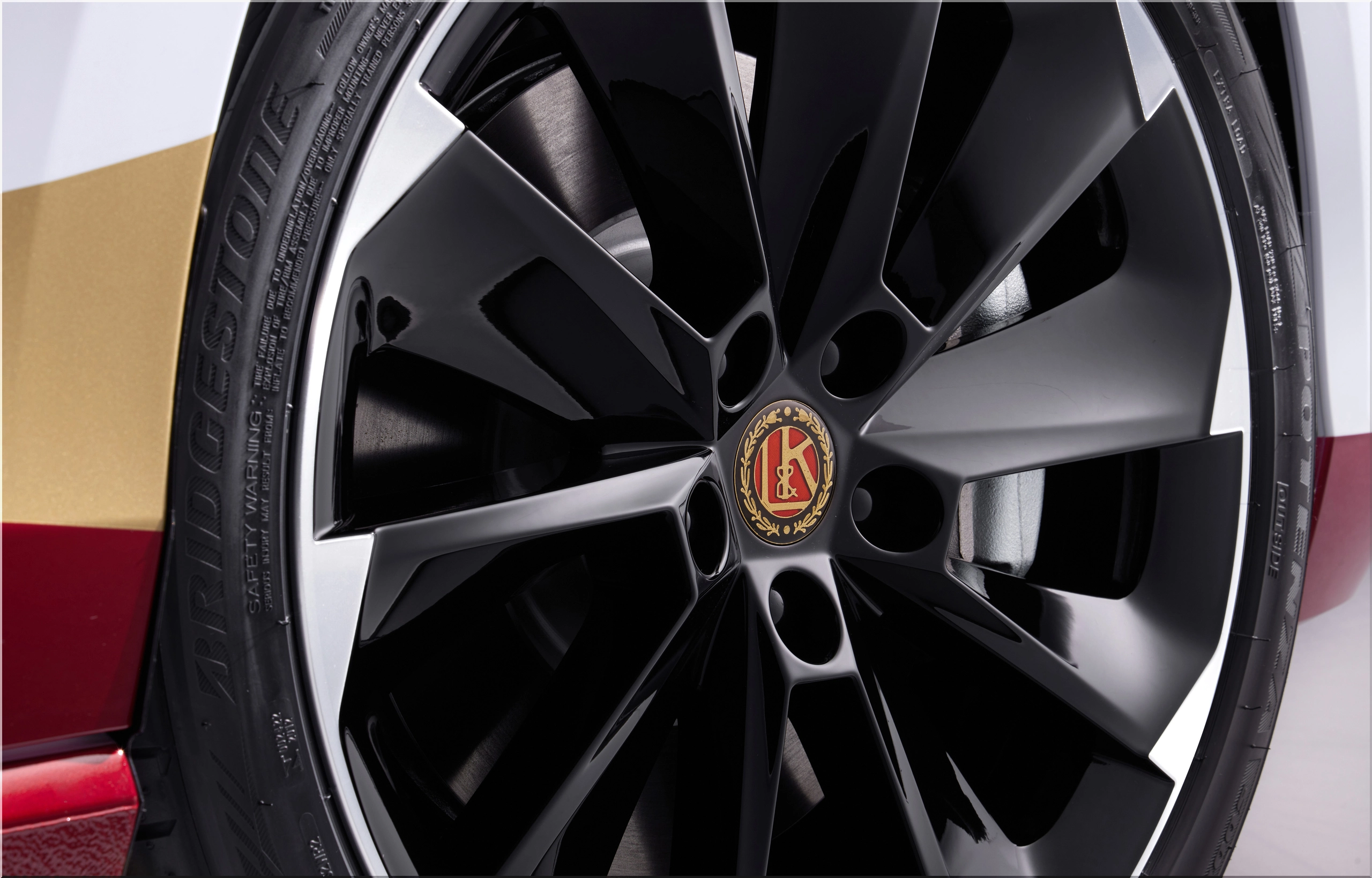
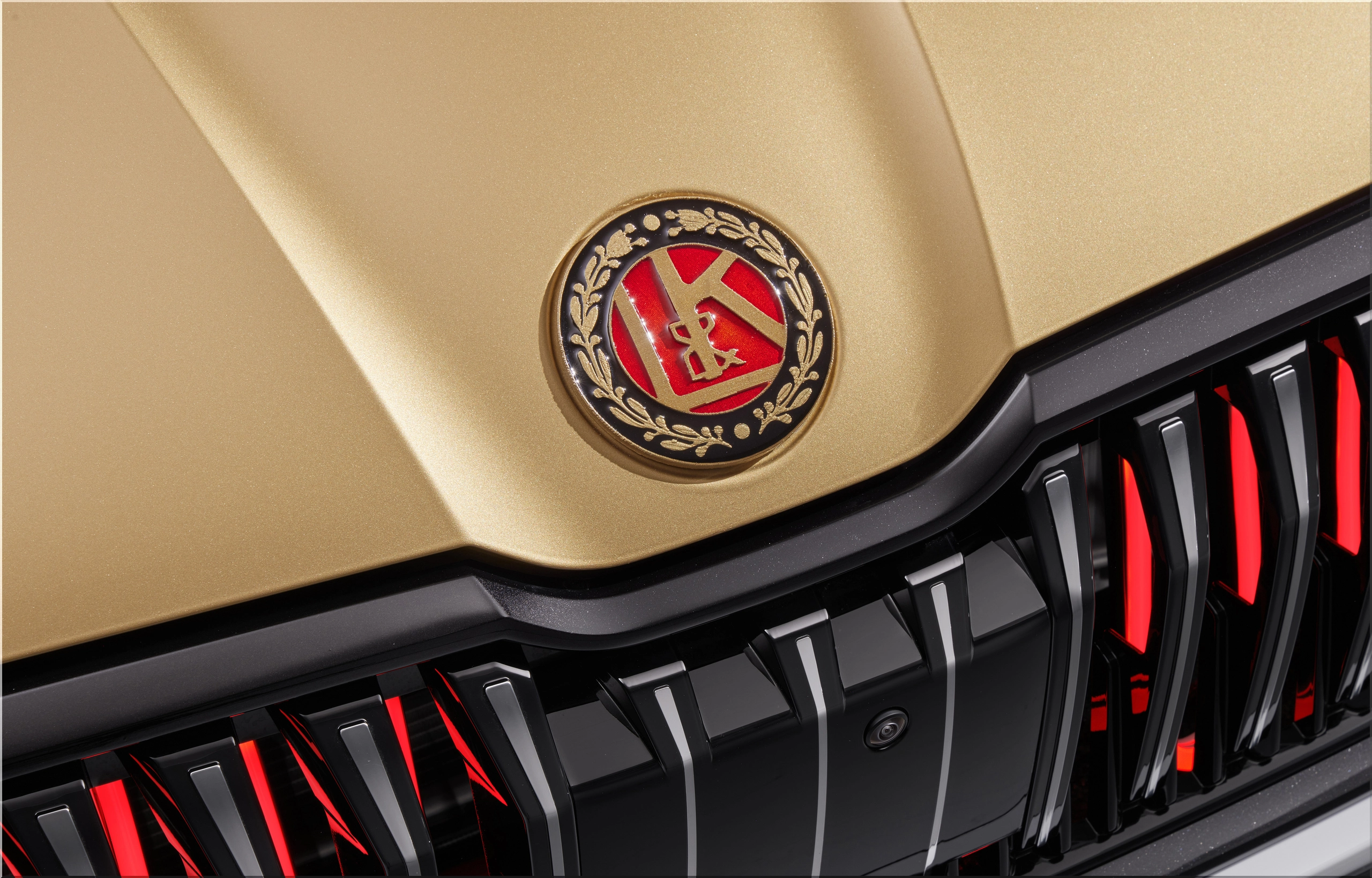
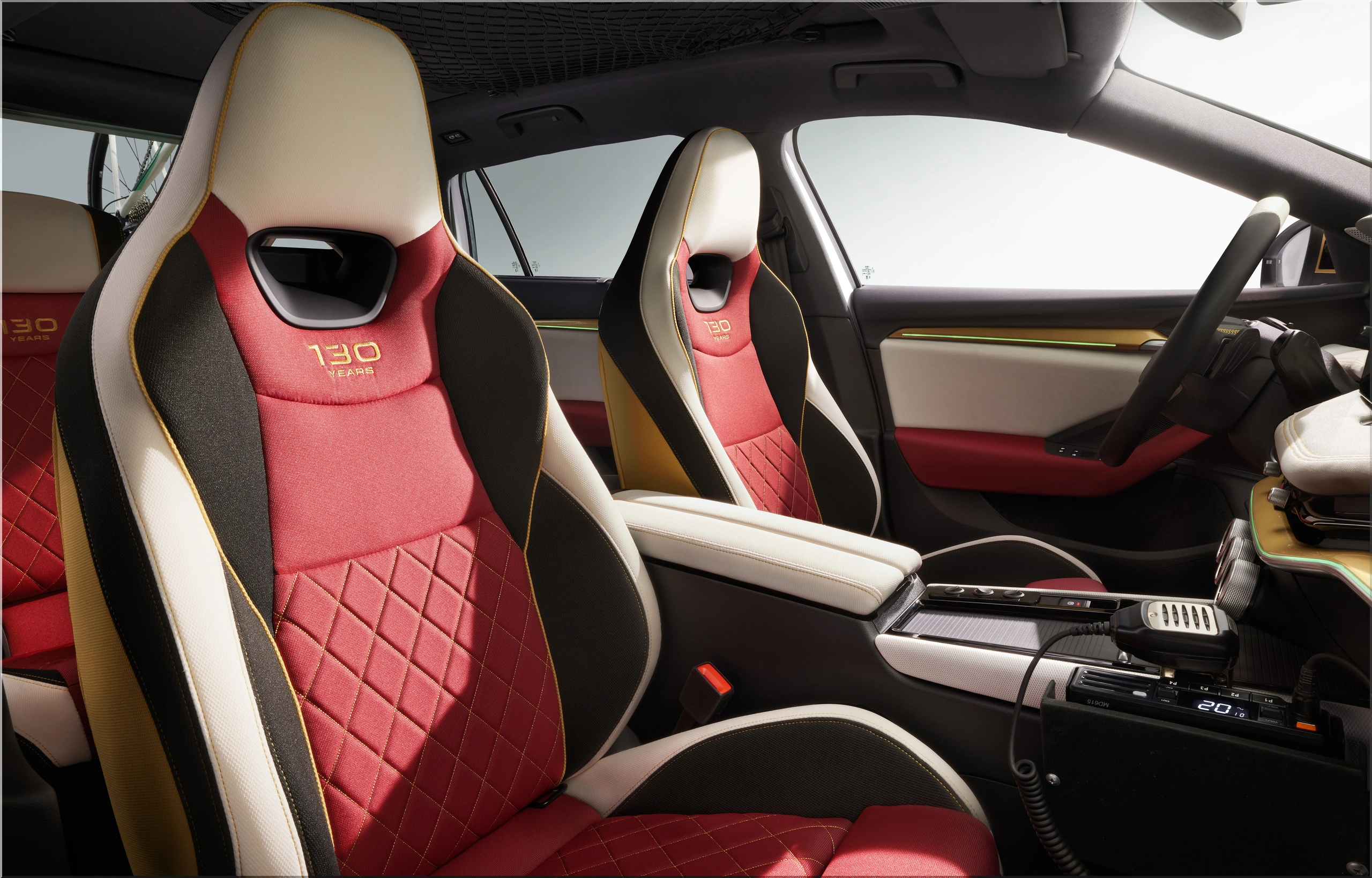
- Trim: Gold, red, black, and white — echoing Škoda’s L&K heritage
- Upholstery: Includes “130 Years” embroidery
- Parts: Many 3D-printed, including storage hooks and internal logos
Built Over 2,000+ Hours Across Departments
This project involved students from mechanical engineering, electronics, and automotive design. The goal was to simulate real production workflows while offering practical education.
Sliding Rear Door Enables Safer Race-Side Operation
The right rear door features a custom-designed sliding mechanism. Unlike a conventional swing door, this system reduces the risk of interference with cyclists during close-quarters race support.
- Opens inward along the vehicle body
- Allows quick access even when cyclists ride alongside
- Developed with Škoda’s engineering team
Škoda’s Cycling Strategy Extends Through 2028
Škoda Auto remains a key player in global cycling support. The company began with bicycles in 1895 and still maintains that identity today.
Supported Events (Through 2028)
- Tour de France and Tour de France Femmes avec Zwift
- La Vuelta (Spain)
- One-day races like Paris–Roubaix and Liège–Bastogne–Liège
- Over 20 global cycling events each year
This strategy enhances brand visibility while reinforcing Škoda’s historic cycling DNA.
Pick-up Transformation Adds Real-World Utility
The L&K 130 isn't a styling exercise. The modifications serve race-day logistics and rapid mechanical support.
At-a-Glance Table: Key Functional Additions
| Feature | Description |
|---|---|
| Electrically extended platform | Moves rear bed outward for faster bike access |
| Integrated bike carriers | Two horizontal racks on bed, third rack on roof |
| Rear cabin window | Separates crew from cargo area |
| Sliding rear side door | Opens flush to body, safer during races |
| Cooler and radio | Keeps water cold, maintains live team communications |
| Auxiliary technician display | Offers rear-seat mechanic race updates |
| 3D-printed components | Custom holders, clips, and logo pieces |
Why Škoda Built the L&K 130
The Azubi Car program is about more than PR. It’s designed to:
- Provide real-world training for technical students
- Let Škoda test new body styles and technologies
- Celebrate company history through functional prototypes
Each year’s project also strengthens cross-department collaboration at Škoda’s HQ in Mladá Boleslav.
Škoda’s Broader Electrification Goals
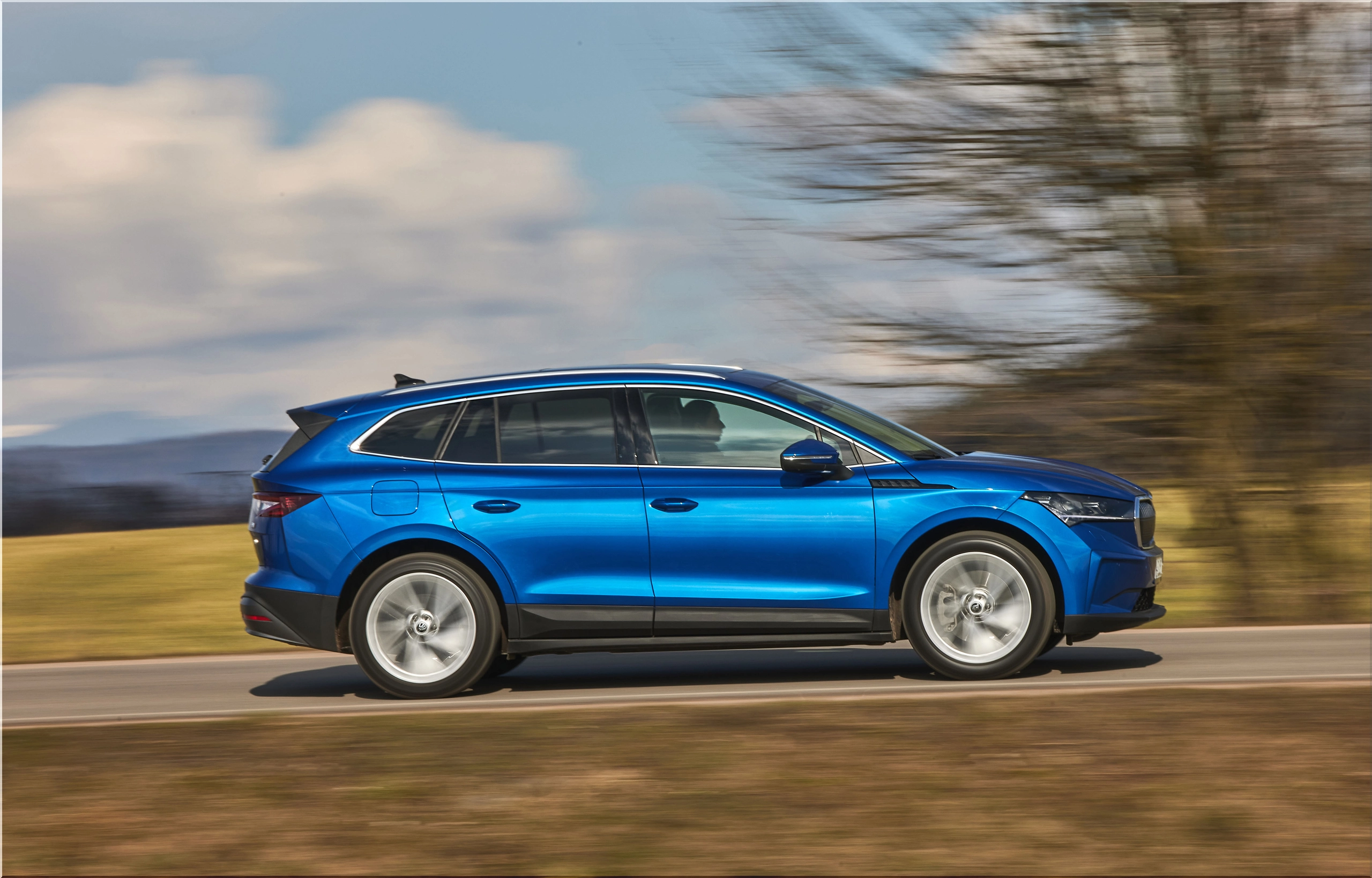
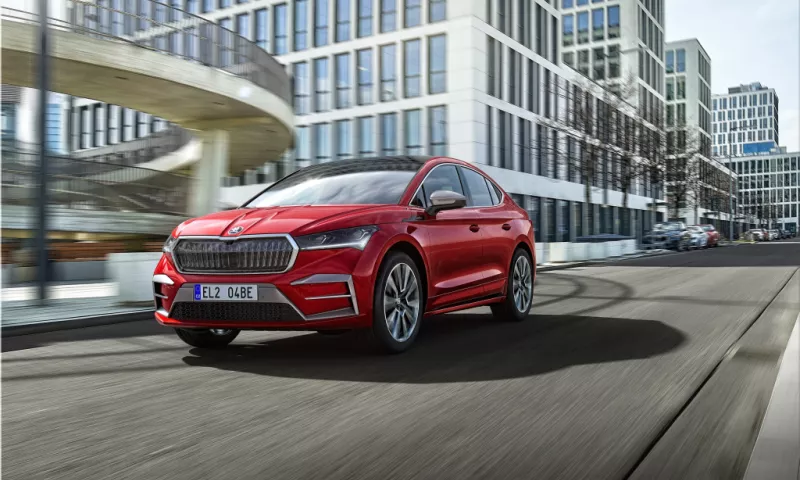
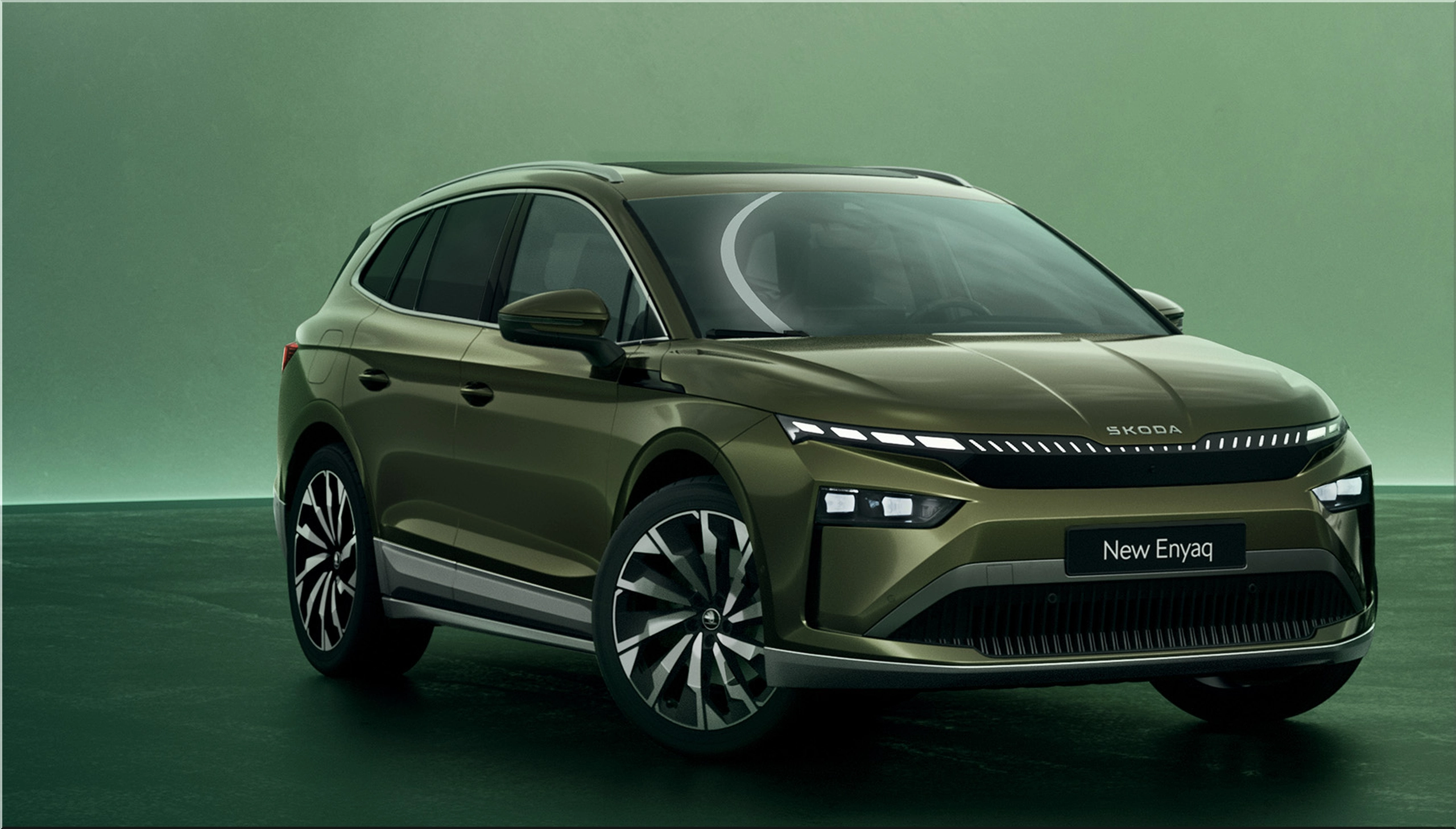
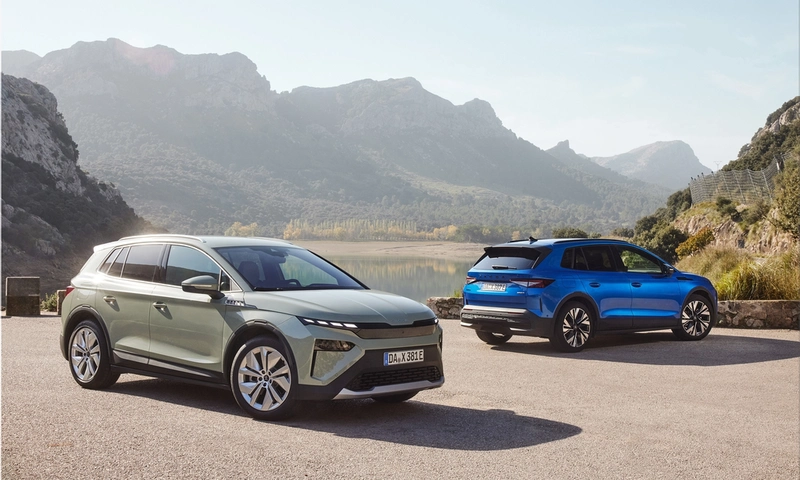
Škoda delivered 926,000+ vehicles worldwide in 2024. Its 12-model lineup includes EVs like the Skoda Enyaq and Skoda Elroq. The brand aims to:
- Become a top 5 volume brand in Europe by 2030
- Expand in India, North Africa, and Vietnam
- Increase focus on plug-in hybrids and small EVs
- Share modular platforms across Volkswagen’s CORE brand group
Image gallery
U.S. Takeaway: This Car Shows What’s Coming Next
Škoda doesn’t sell vehicles in the U.S. But the L&K 130 shows Volkswagen’s wider strategy: utility-focused hybrid vehicles with support applications.
Expect to see this thinking in:
- Scout Motors’ EVs
- Future ID. California vans
- Possibly even new PHEV-based pickups for VW's North American strategy
Conclusion: One-Off Today, Production Logic Tomorrow
The Škoda L&K 130 will not be mass-produced. It was never meant to be. But it demonstrates the technical feasibility of hybrid support pickups, race-focused utility, and Škoda’s dedication to hands-on education. The lessons learned here could shape the future of modular EV support platforms across the entire Volkswagen Group.
- Add new comment
- 267 views