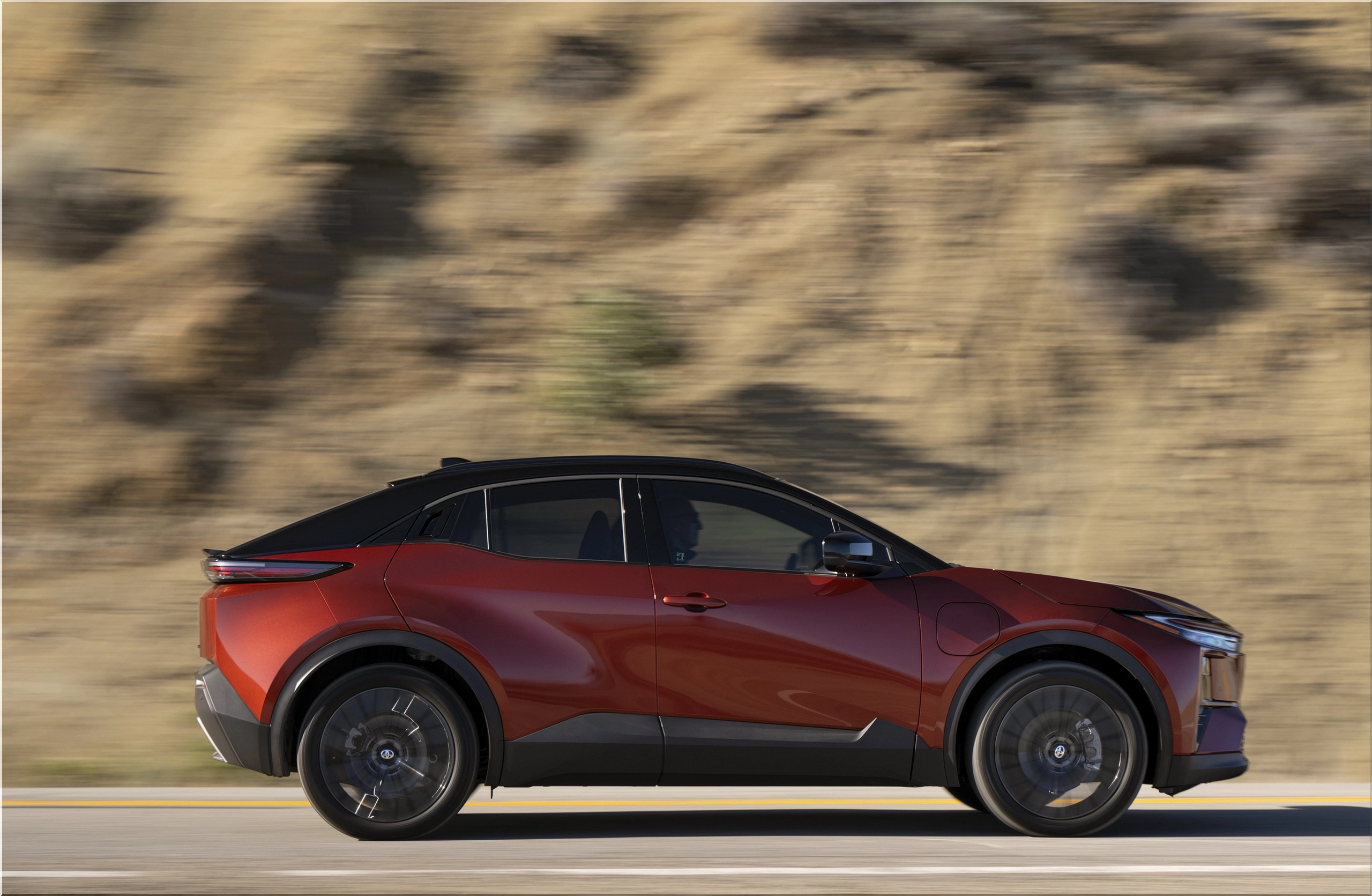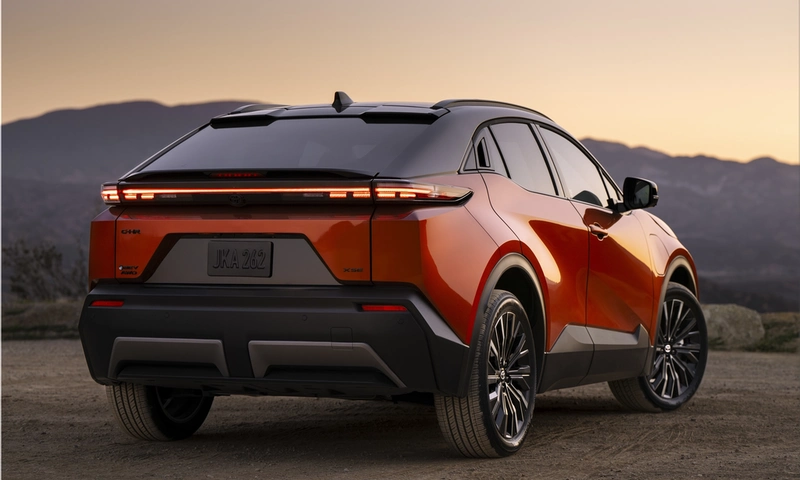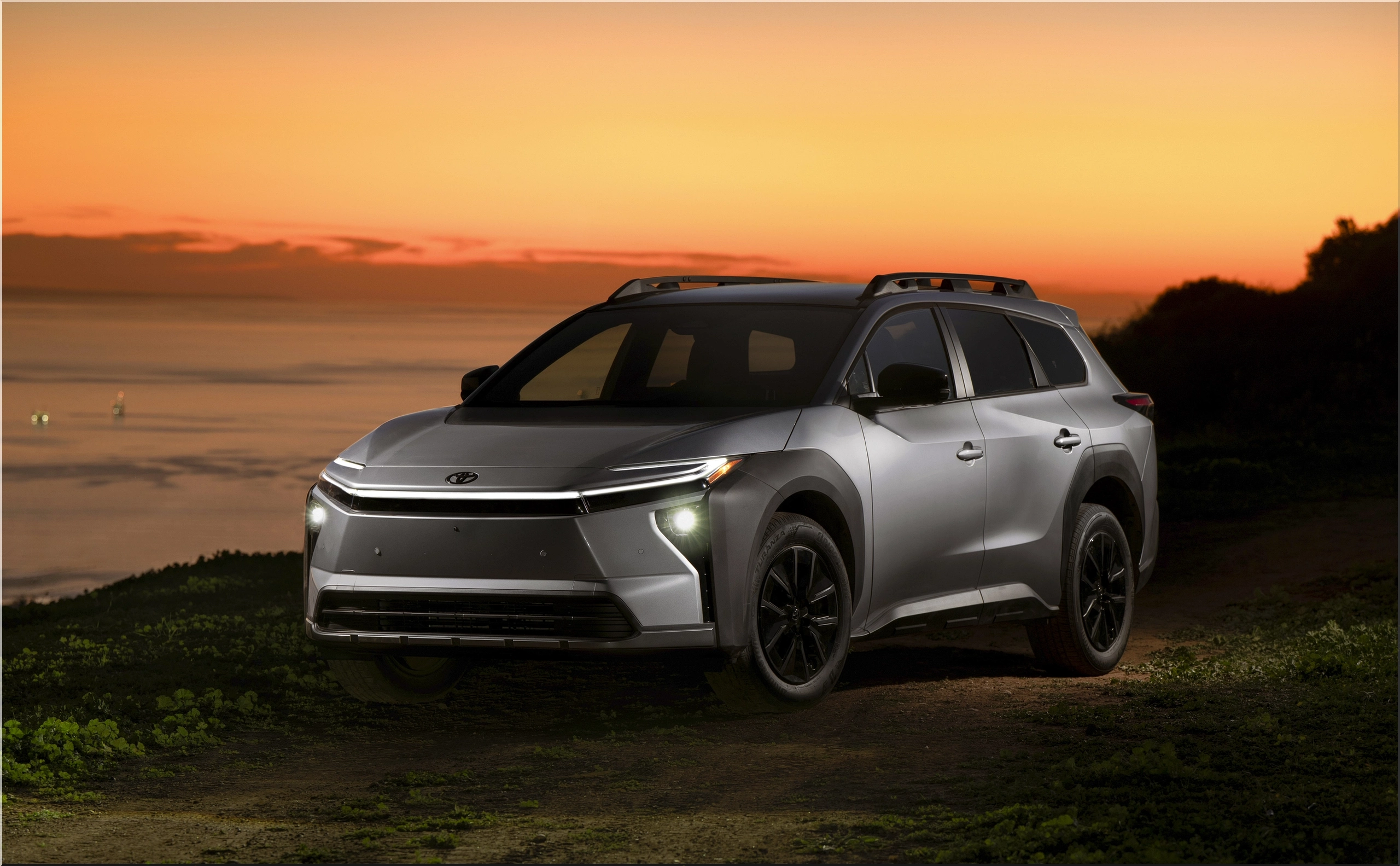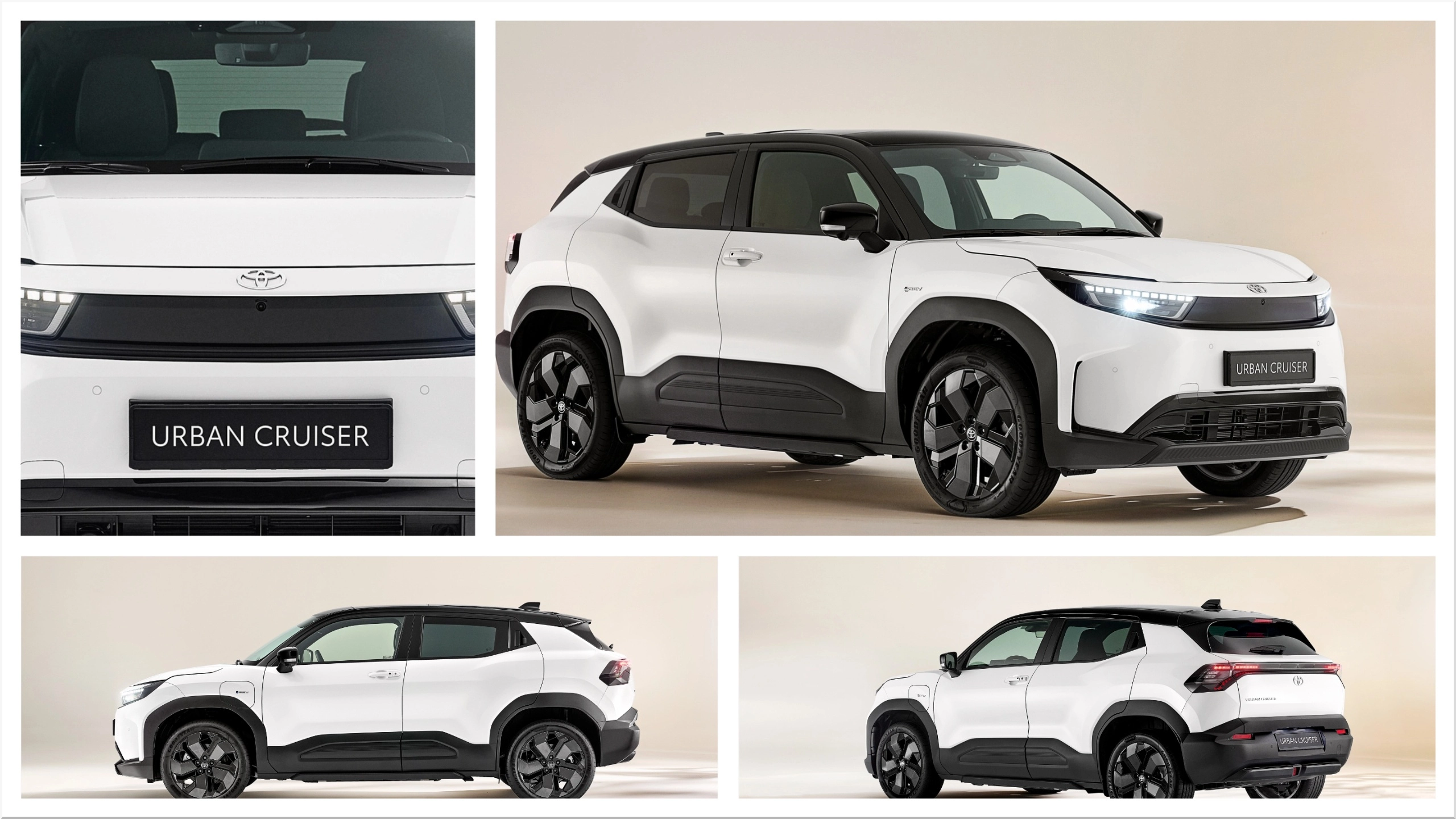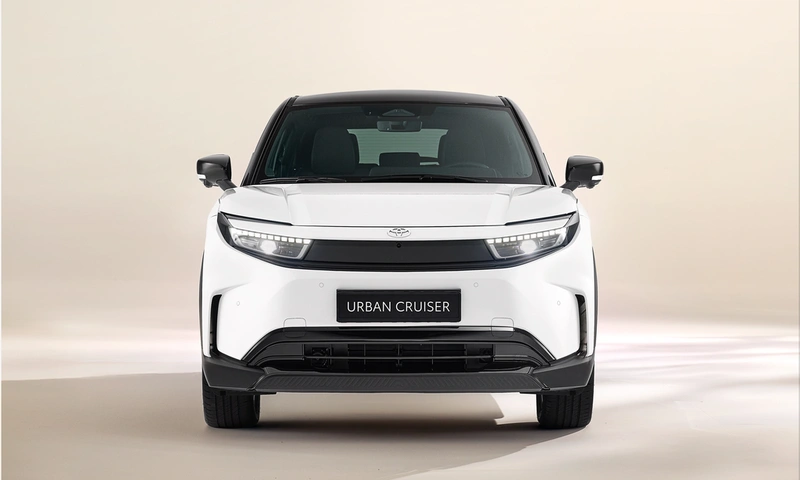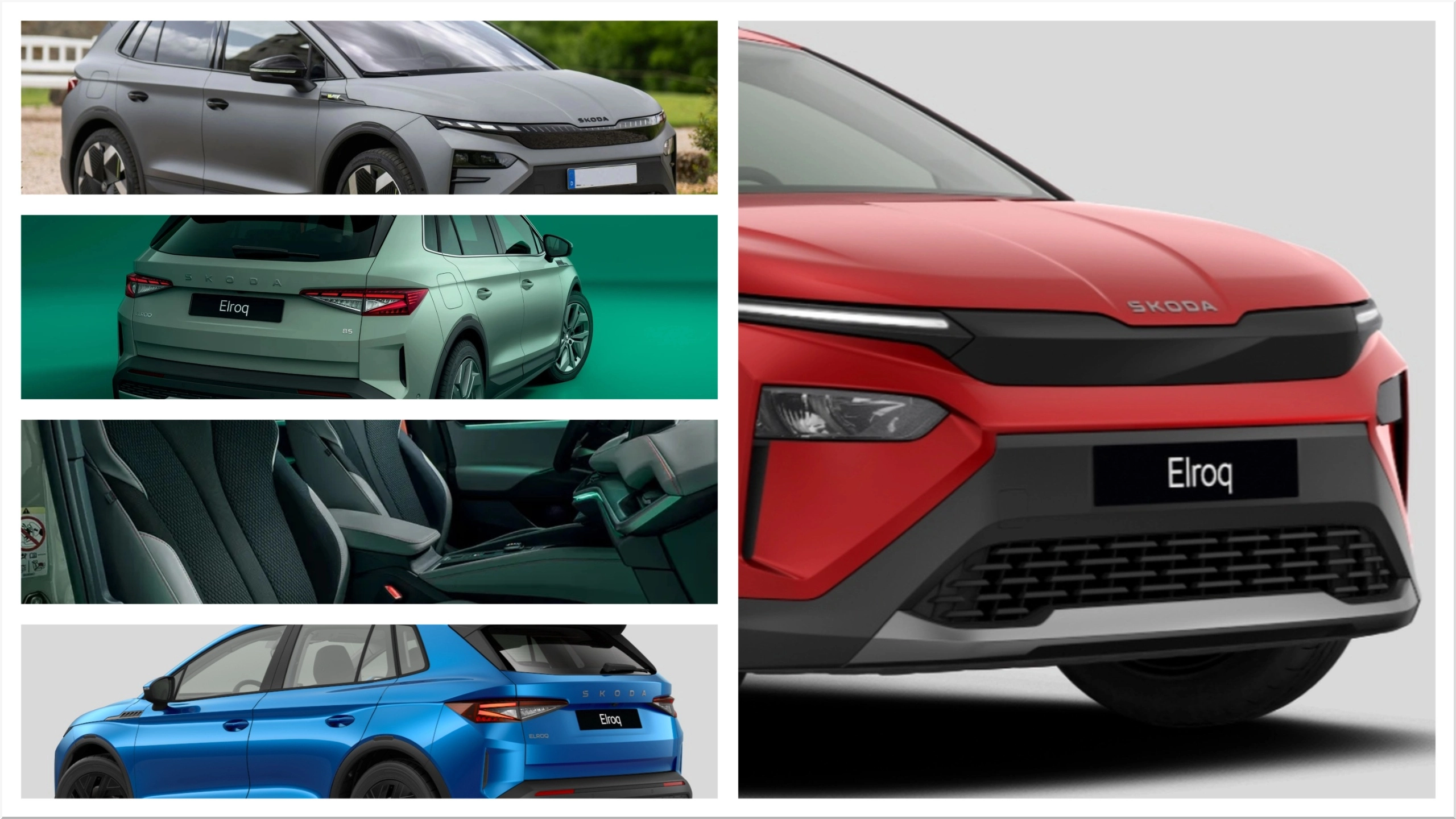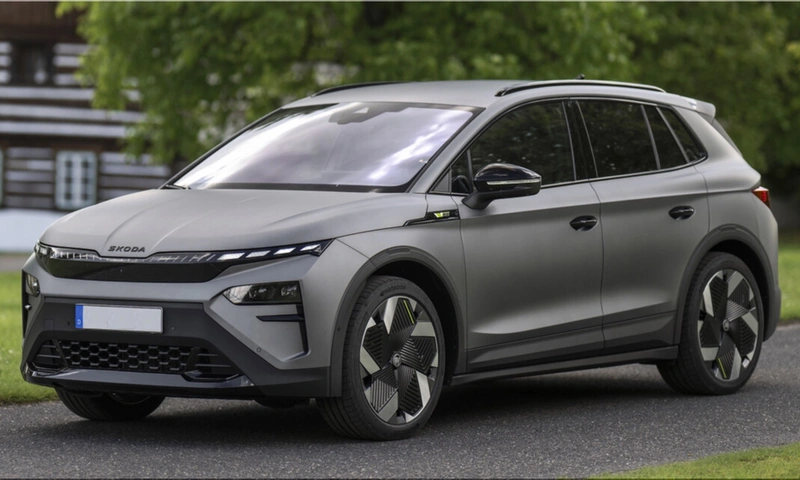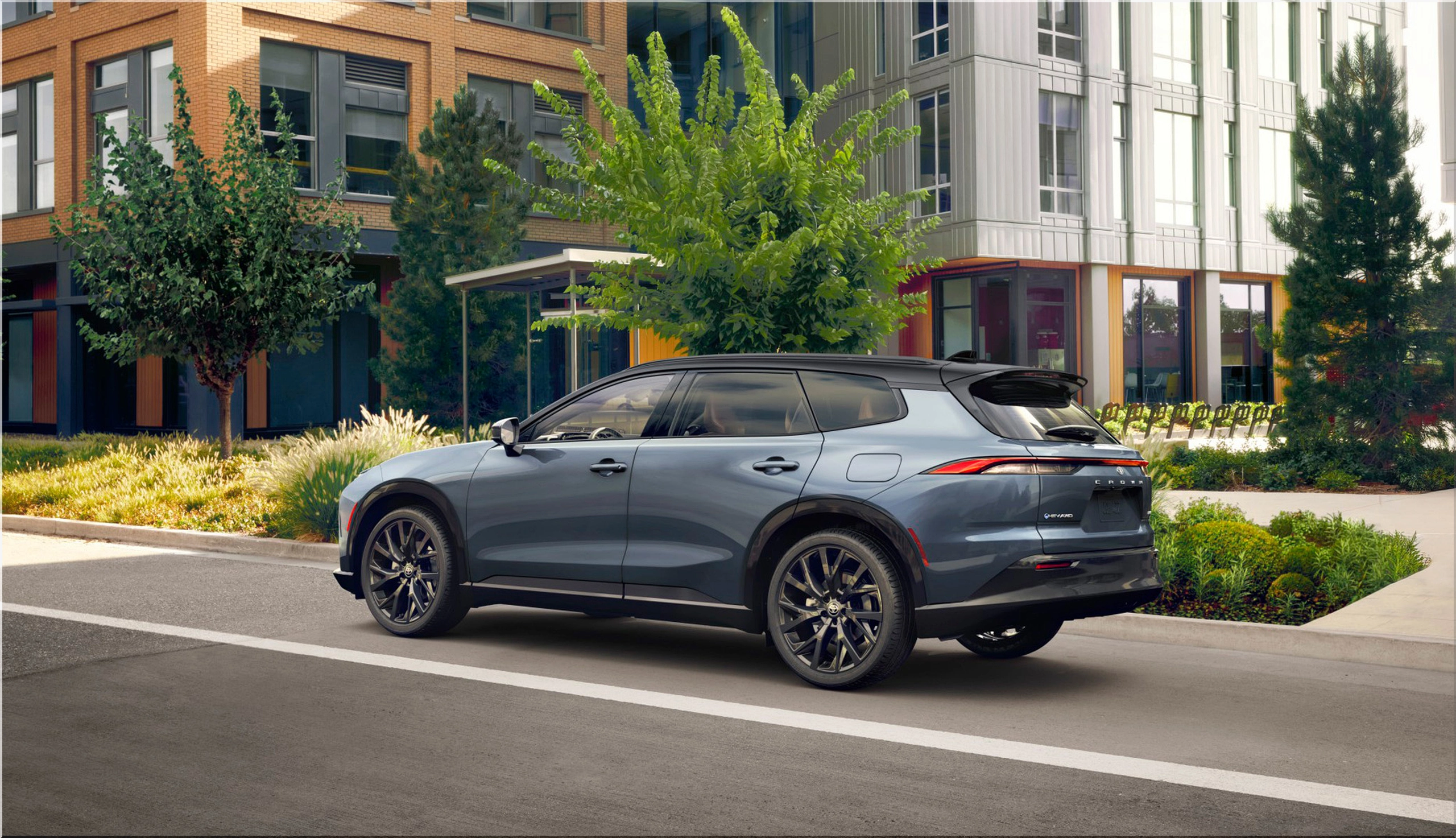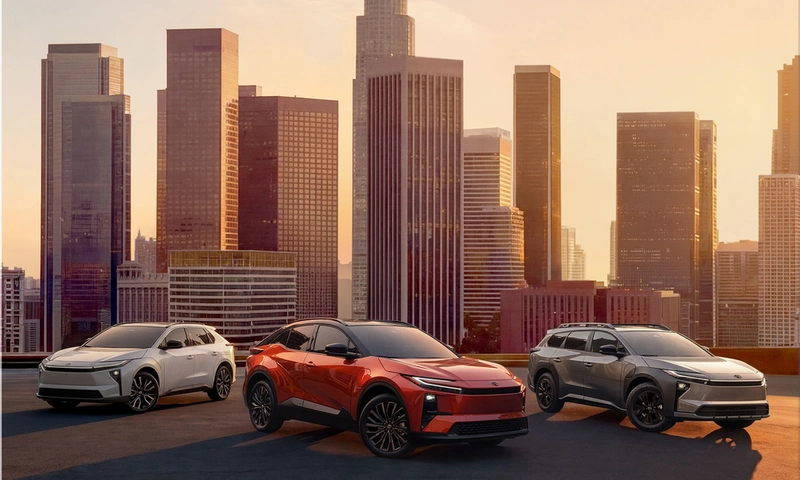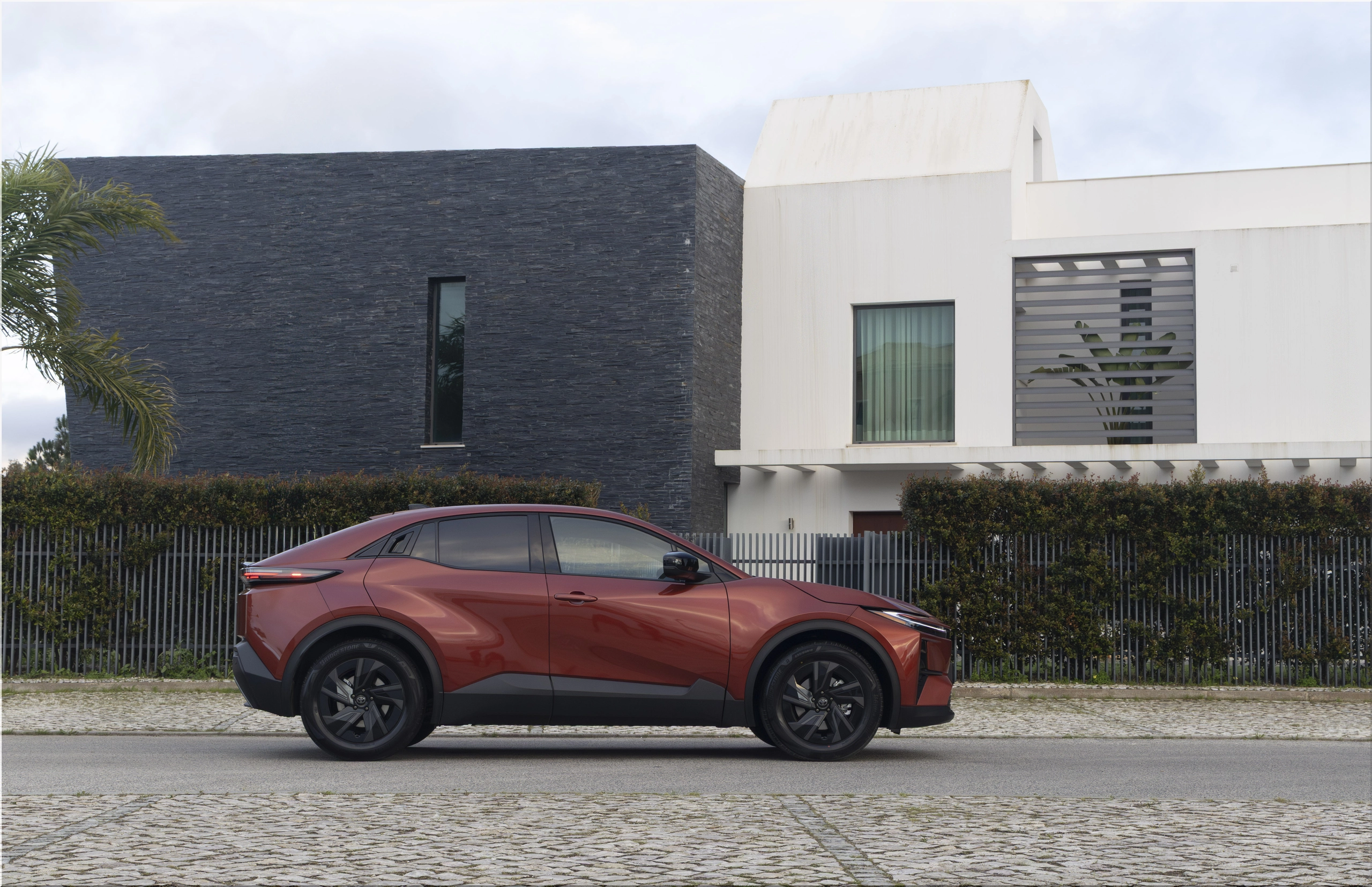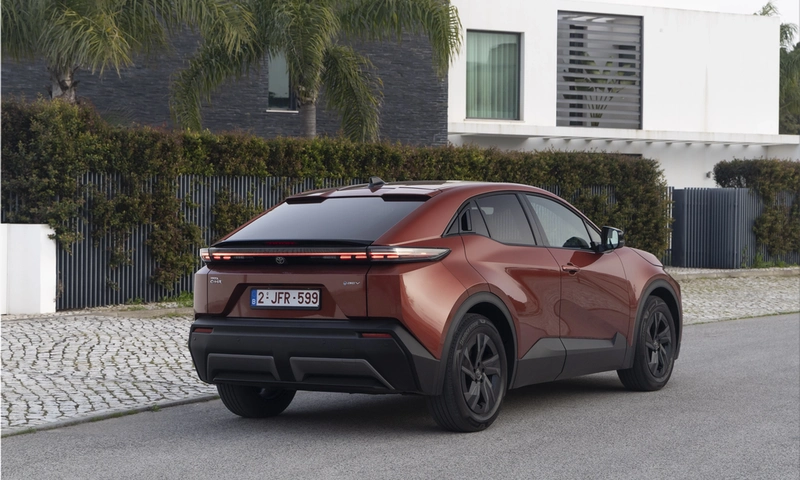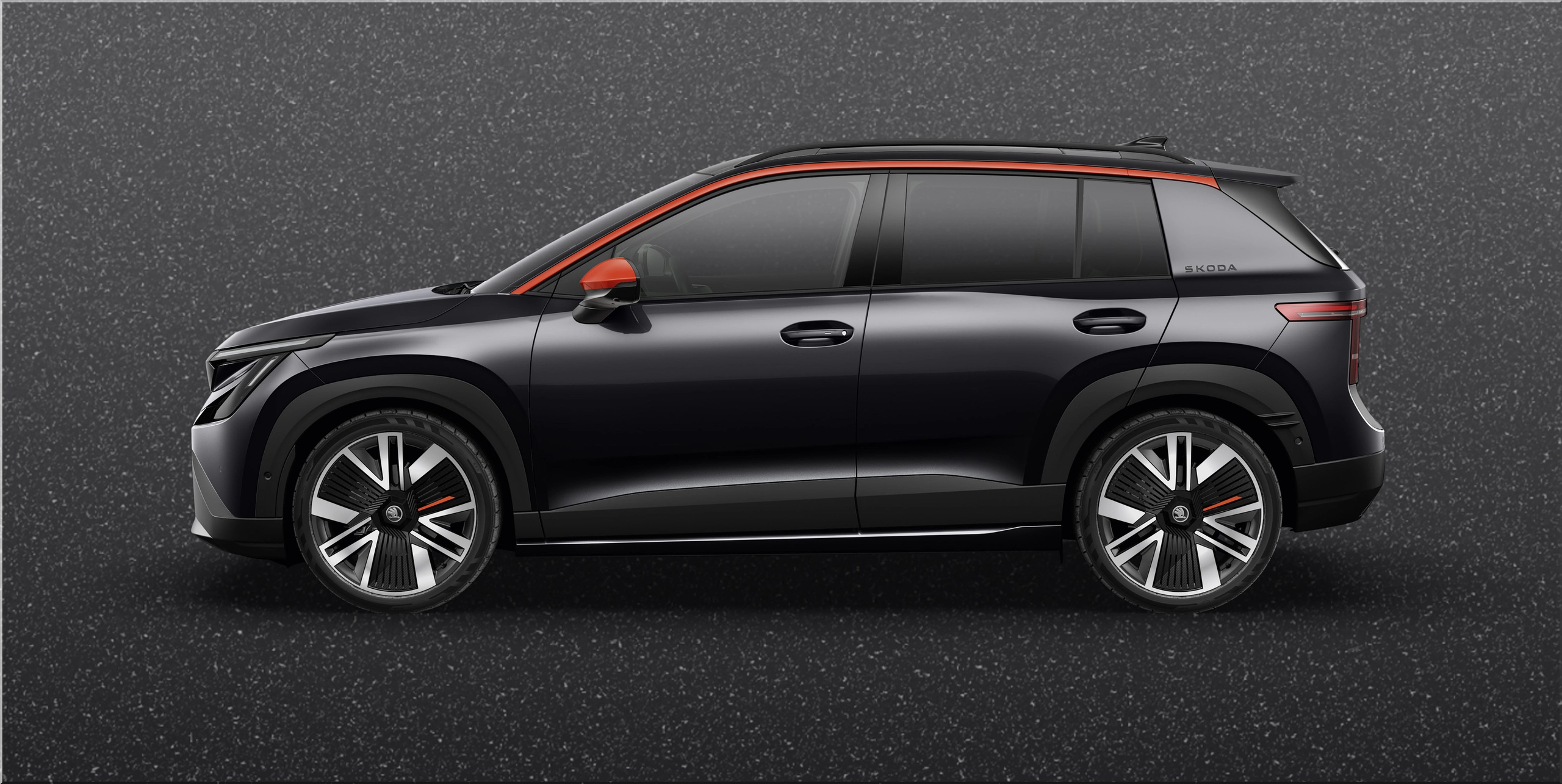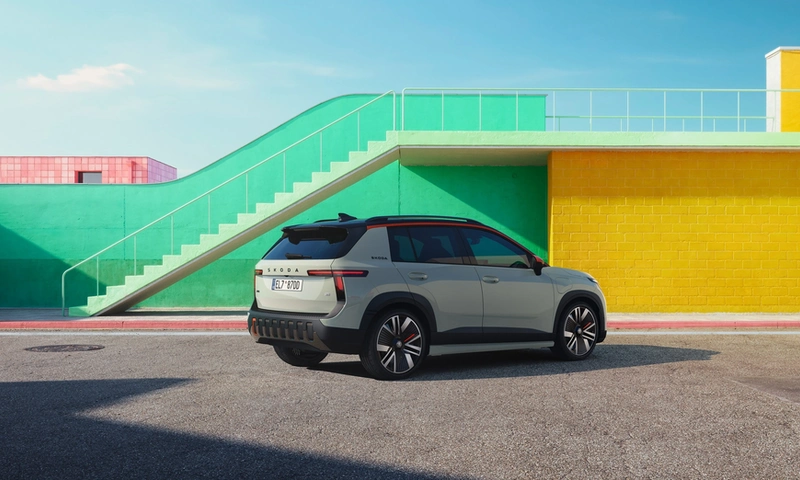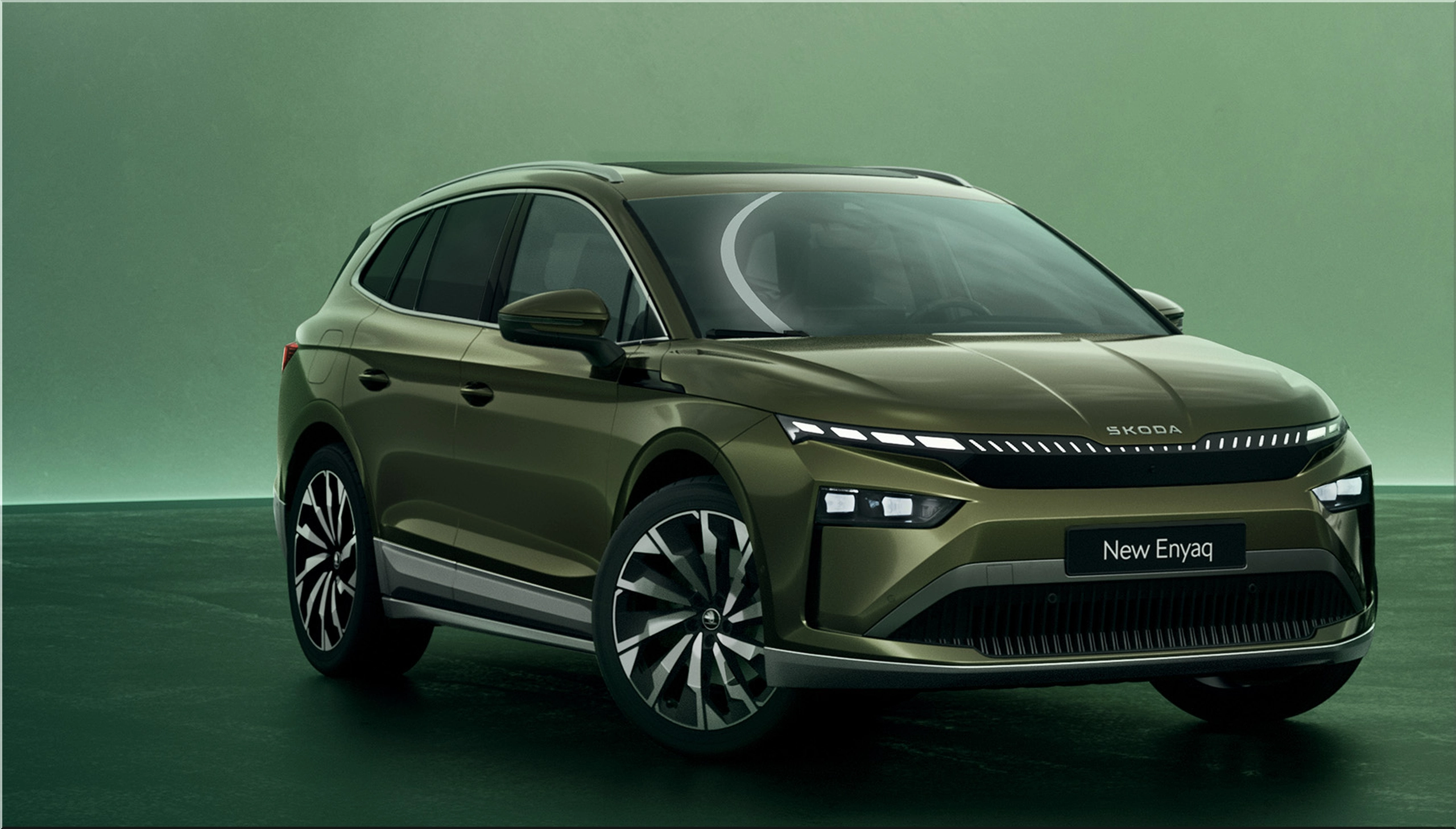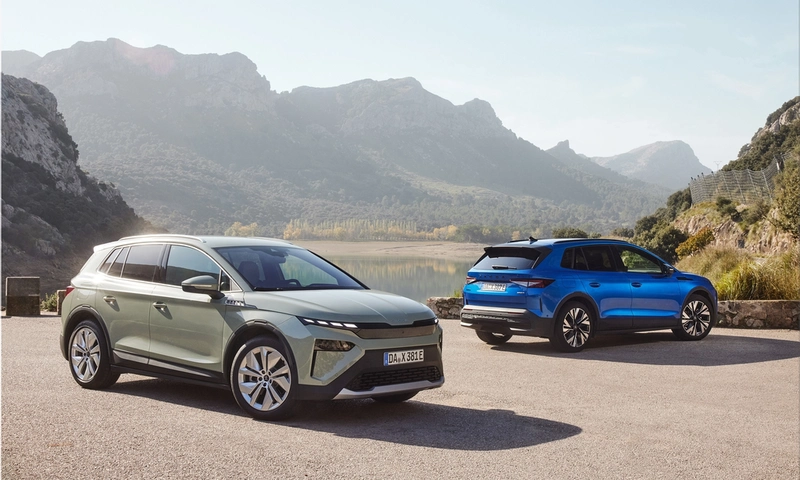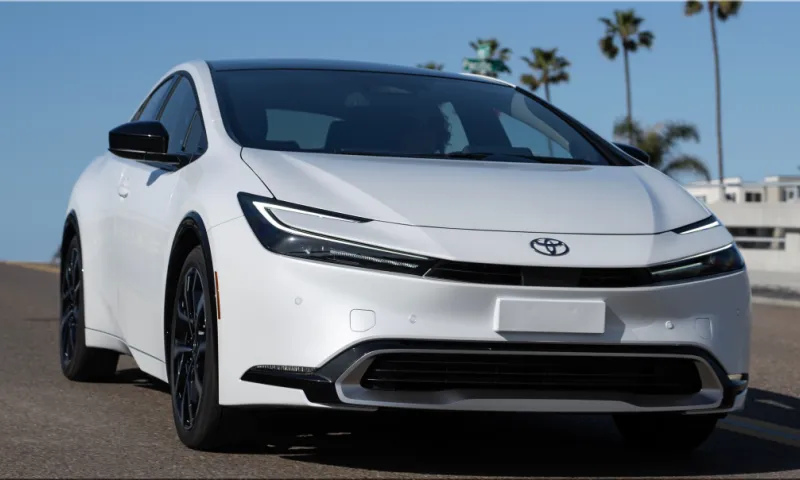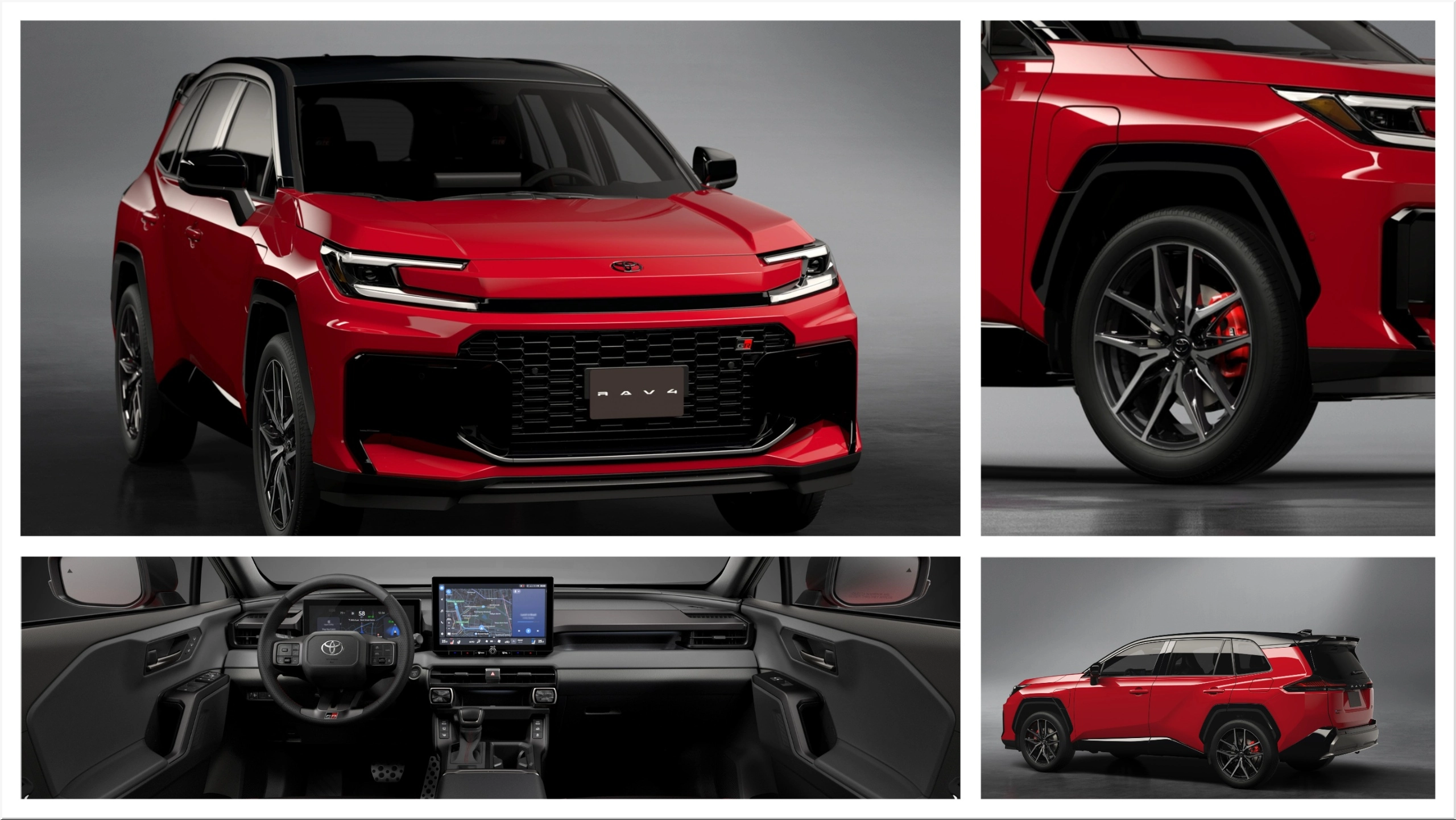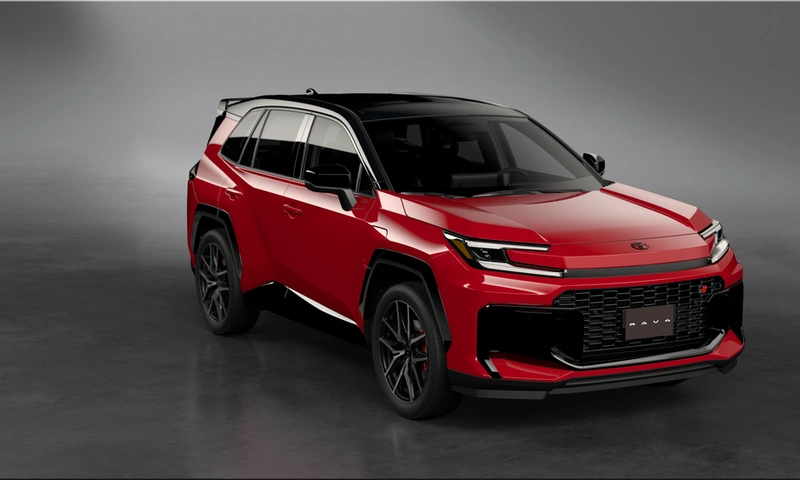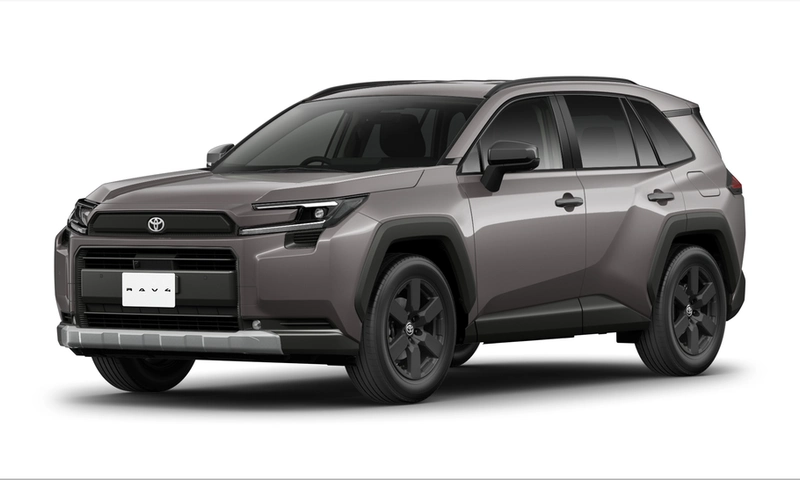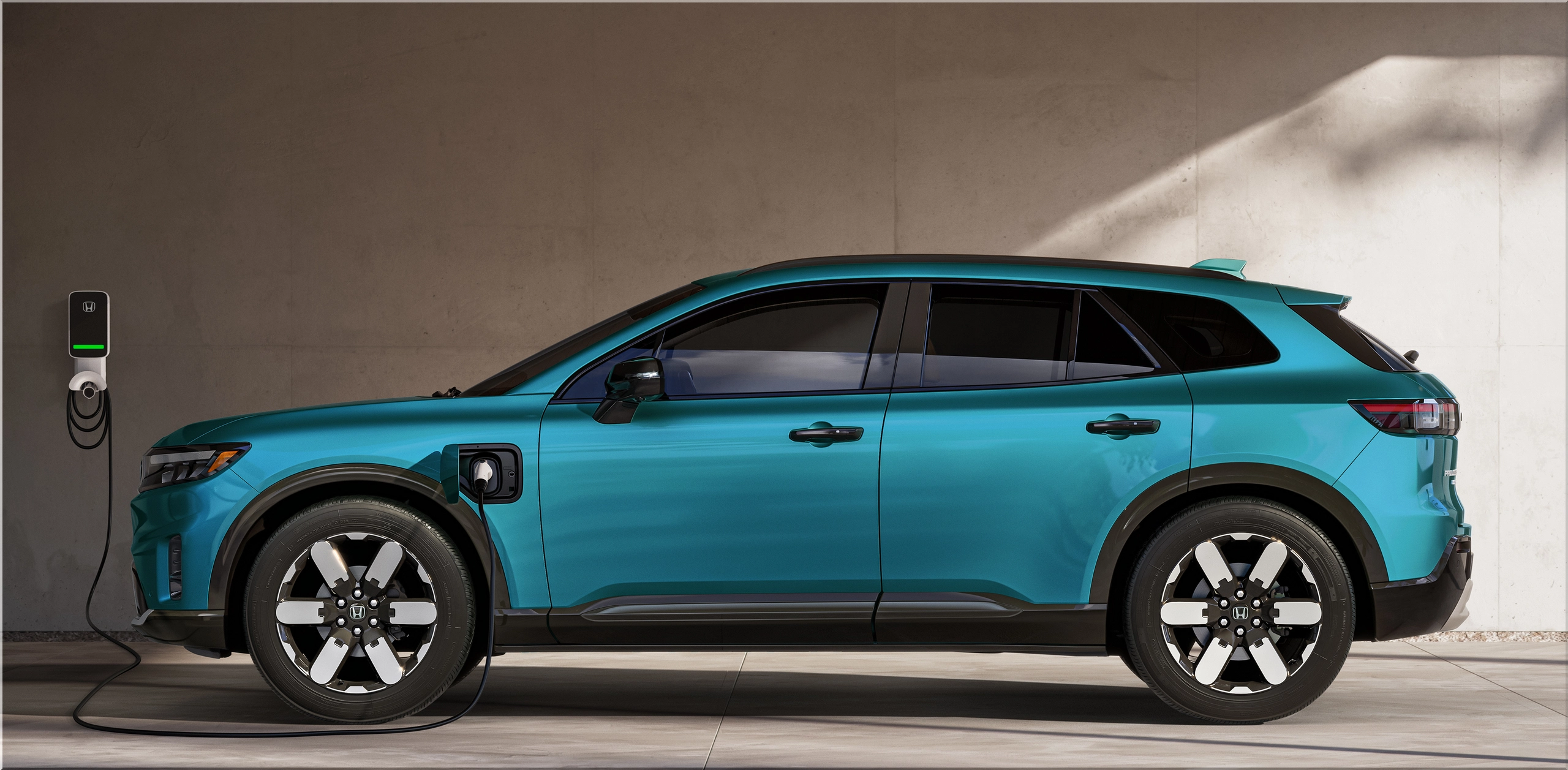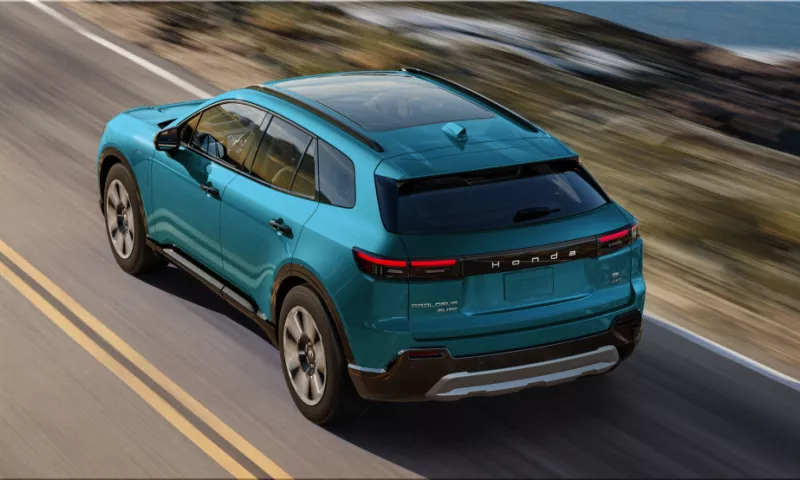

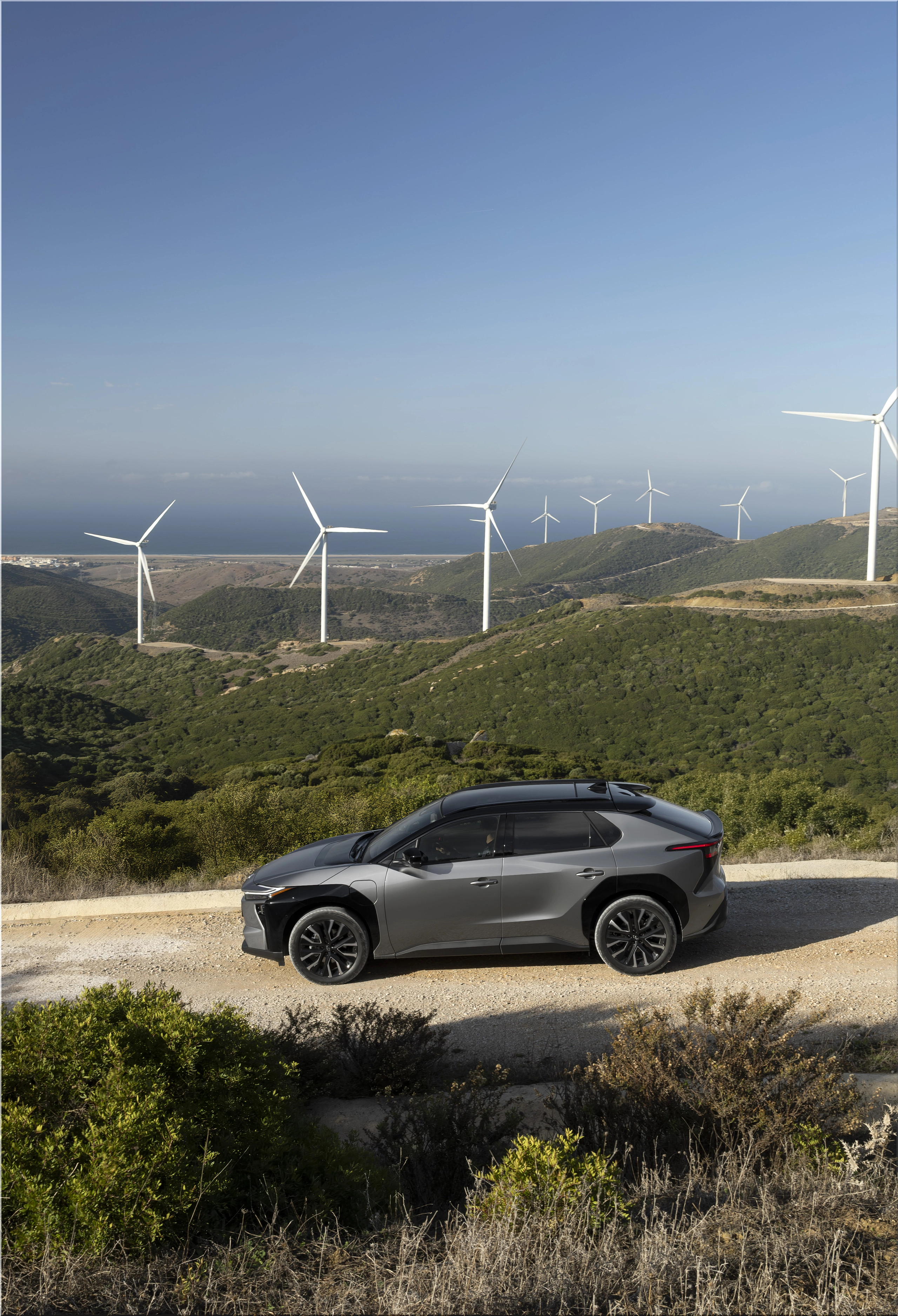
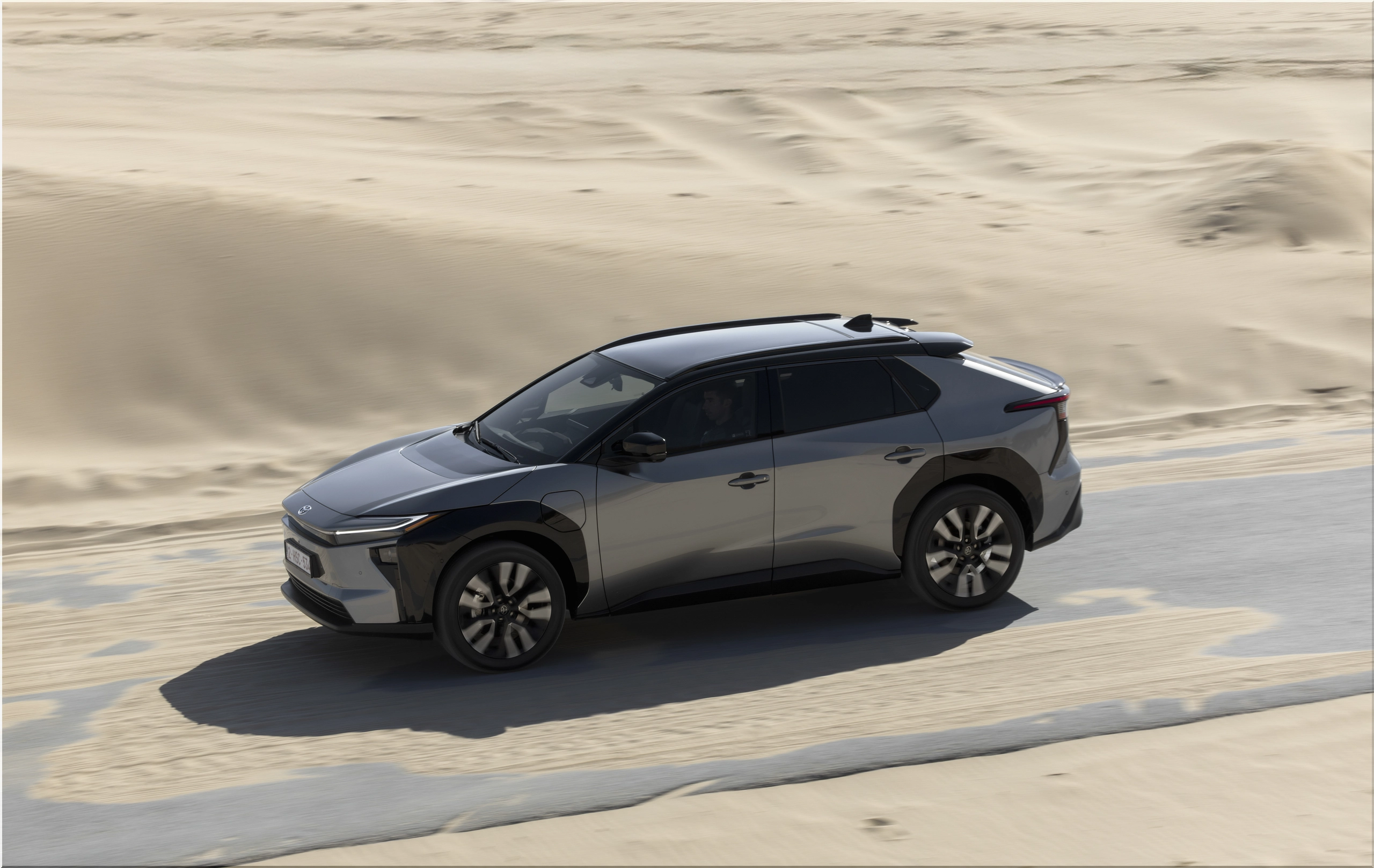
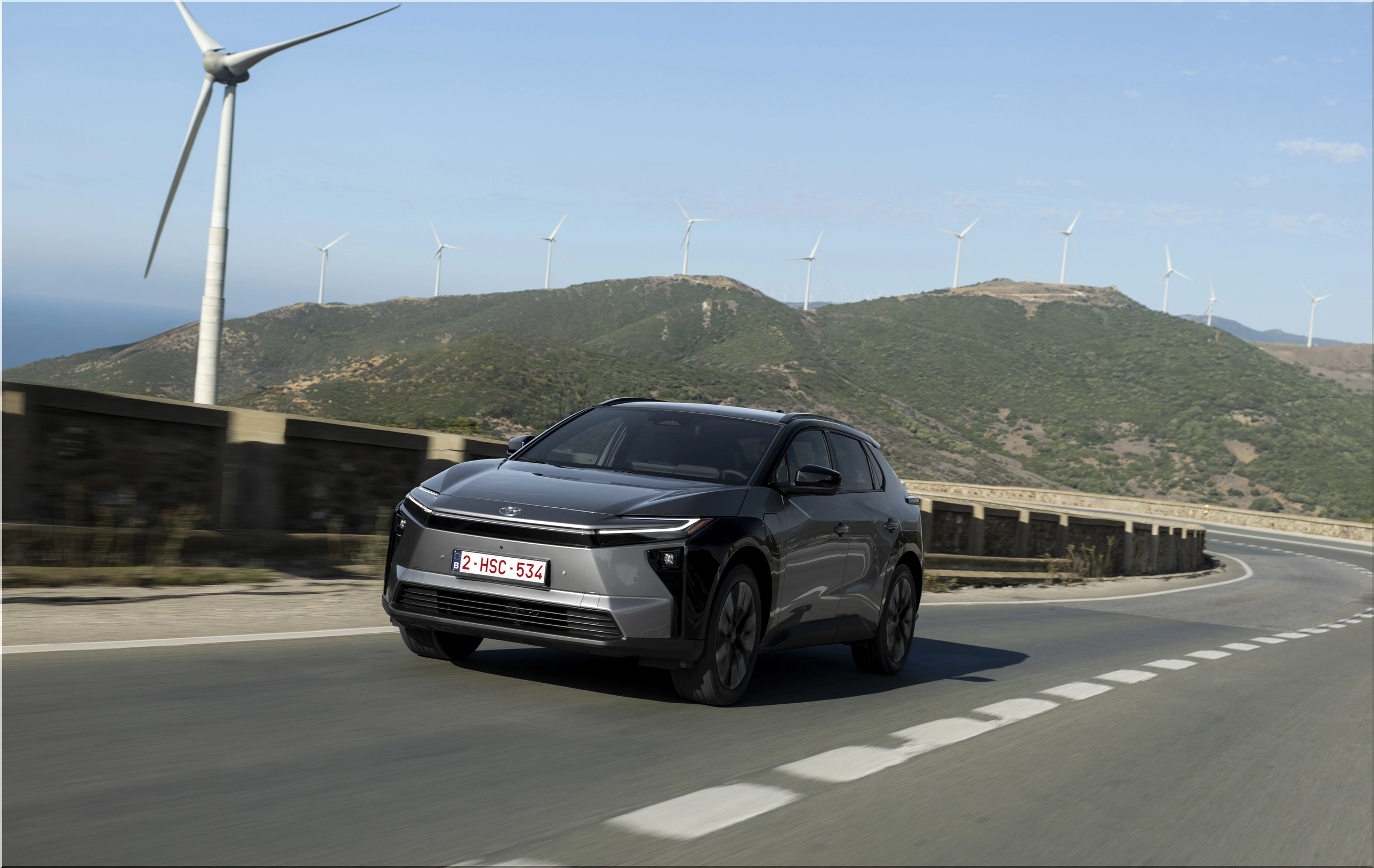
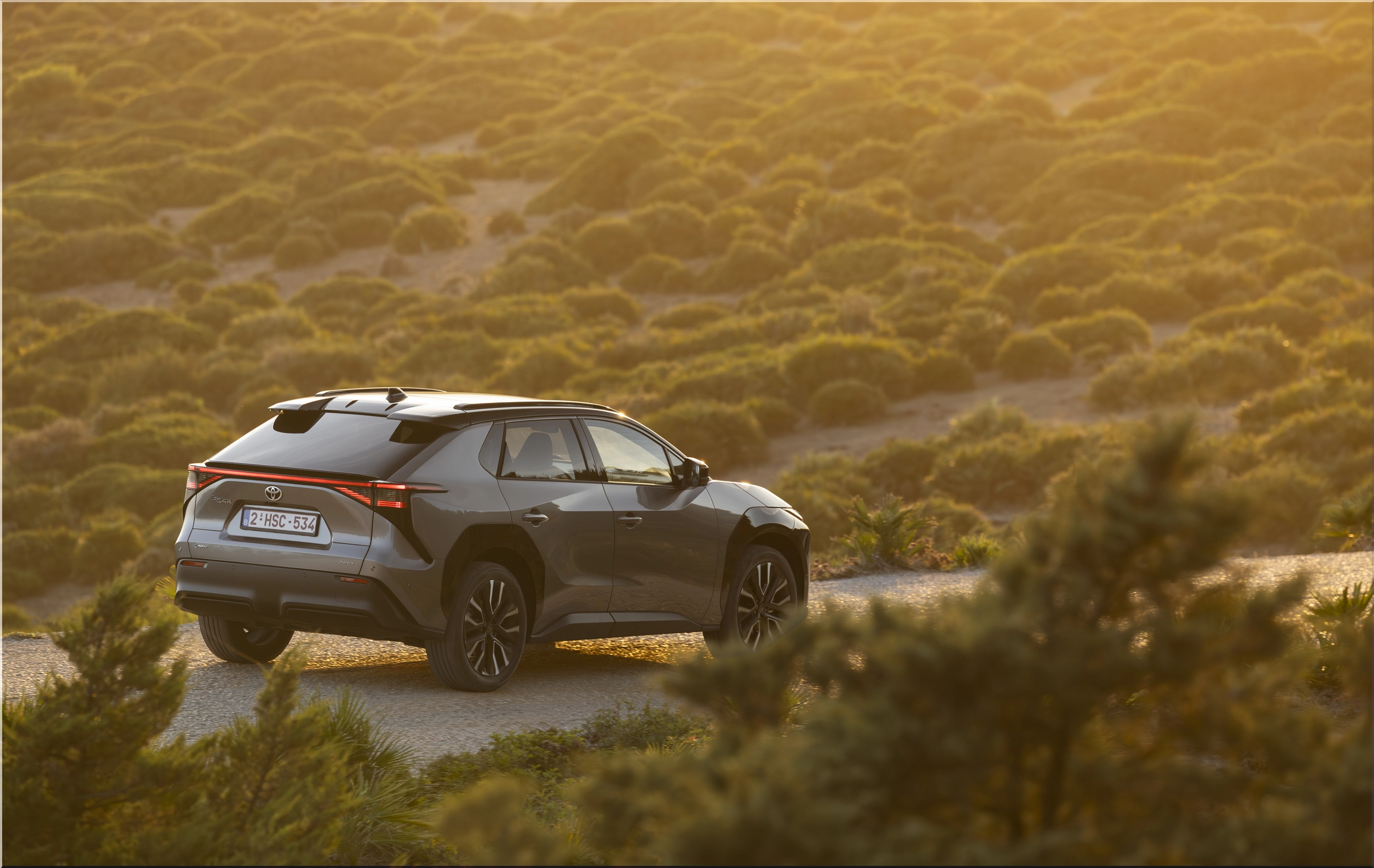
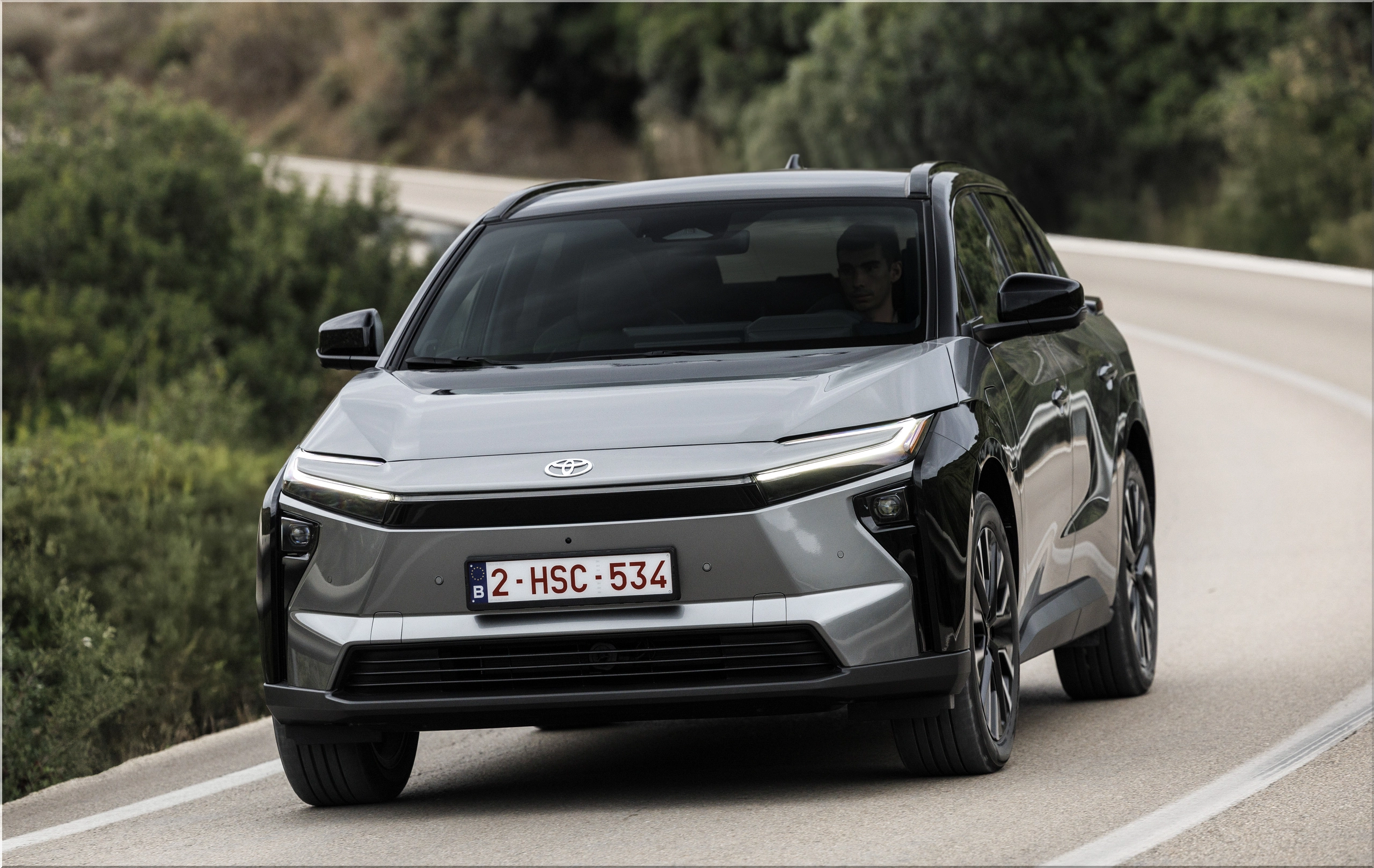
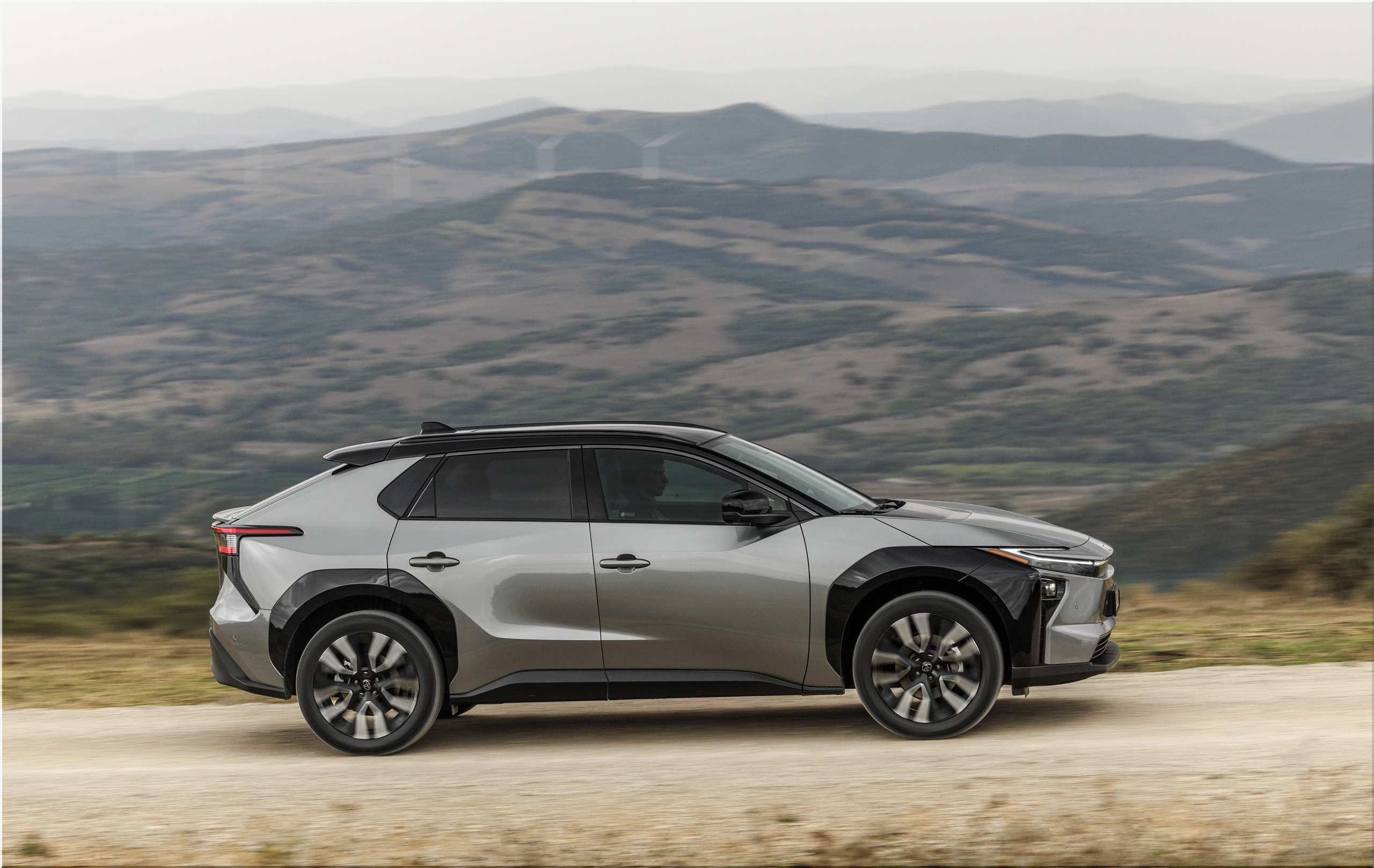
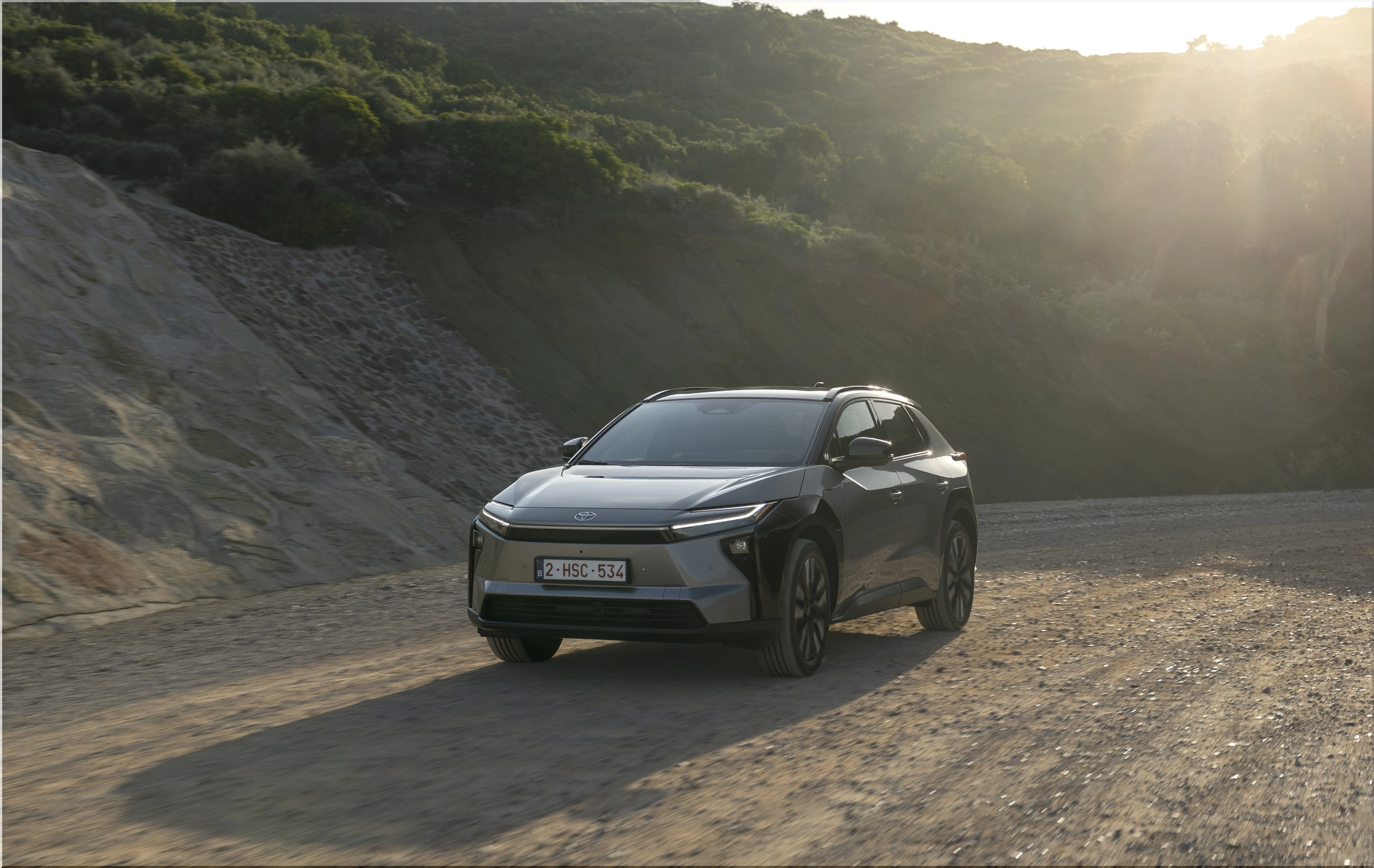
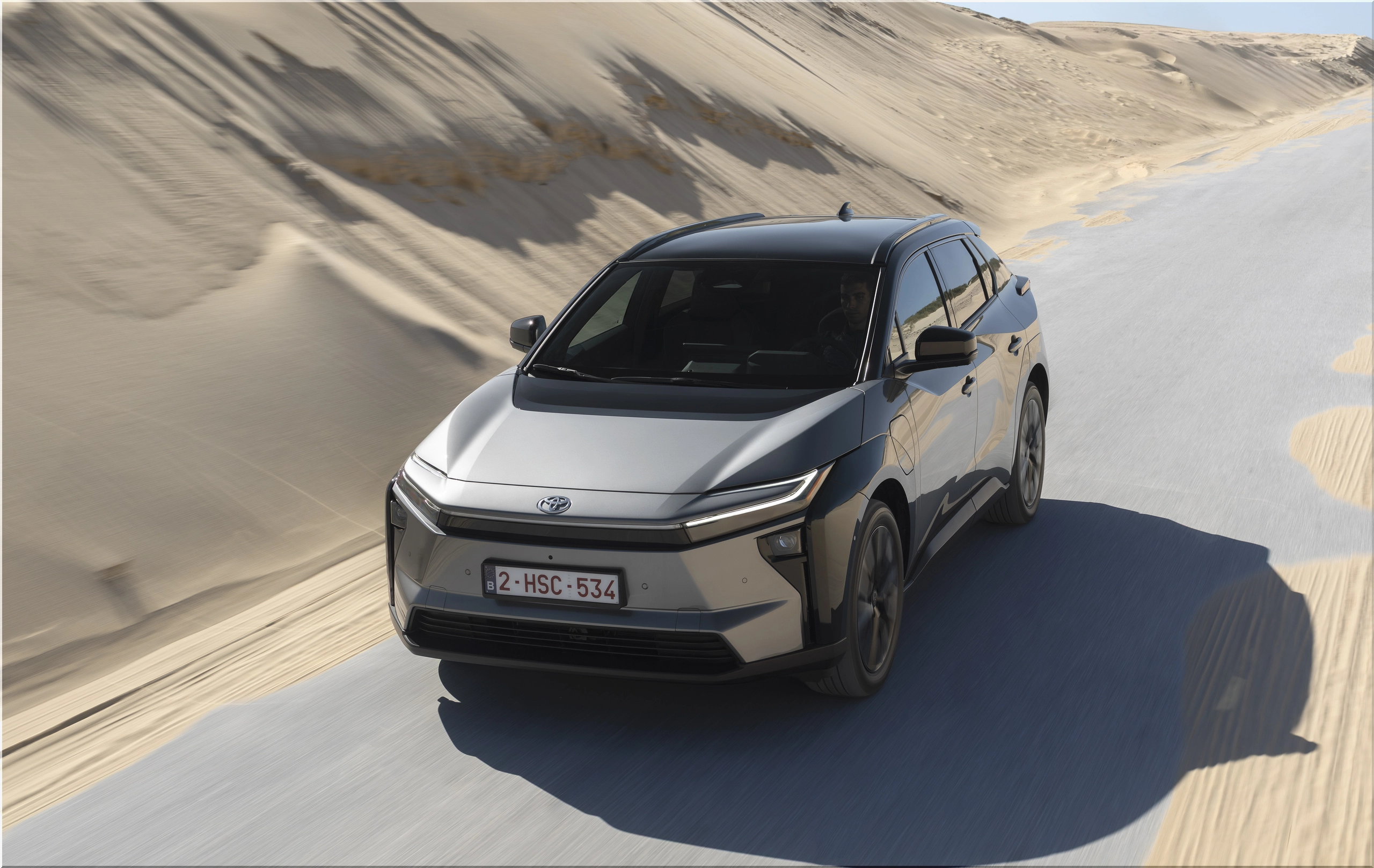
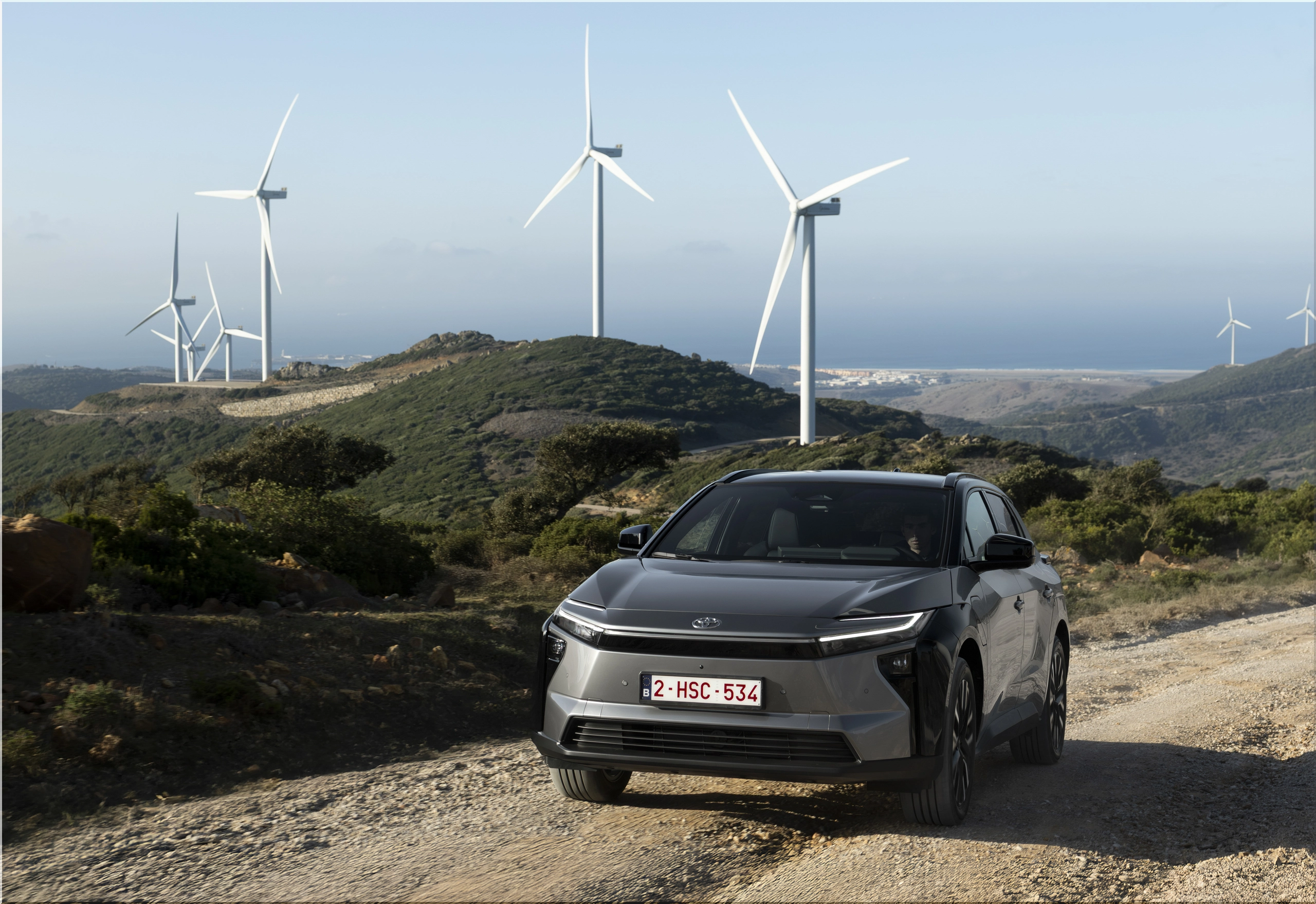
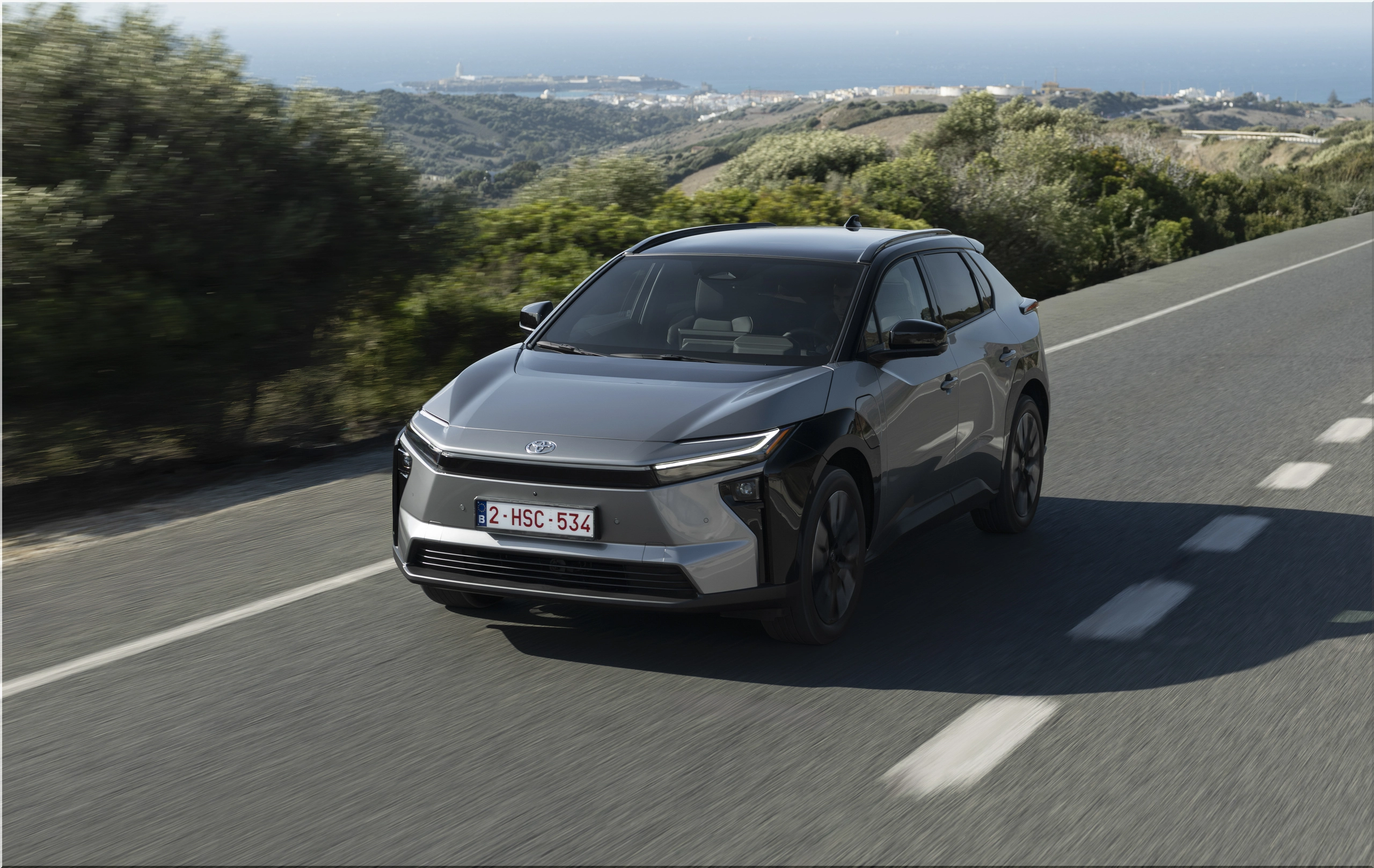
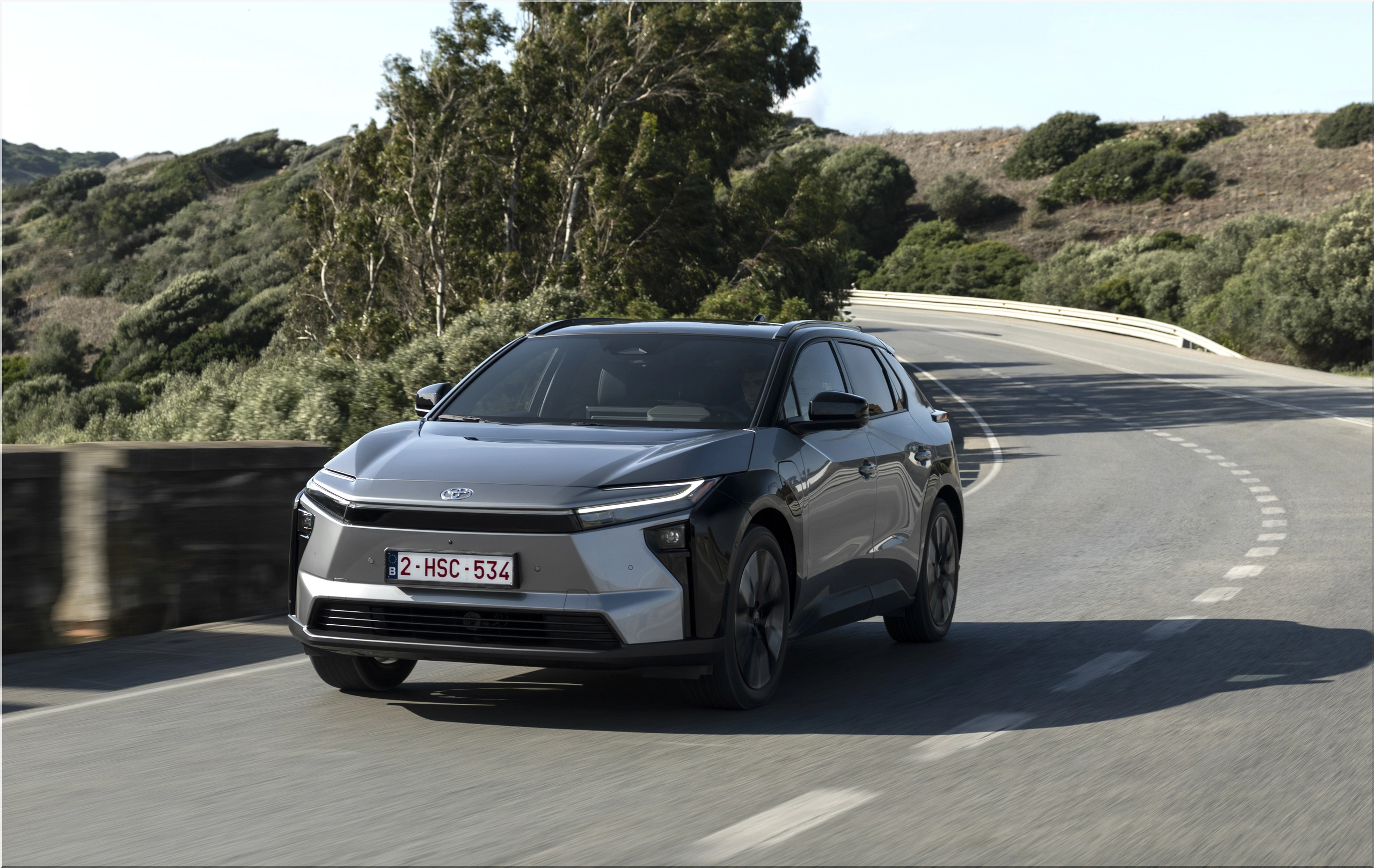
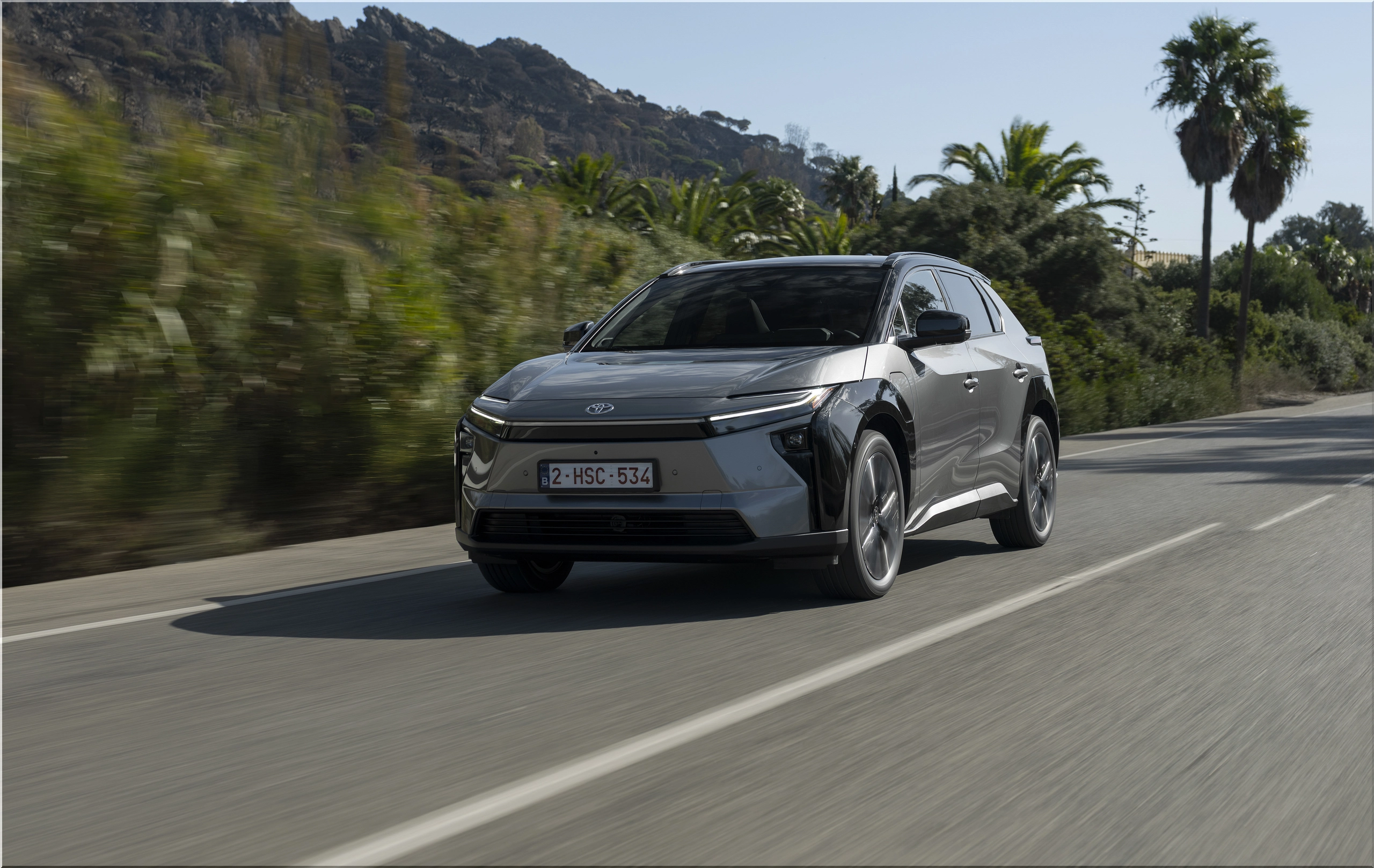
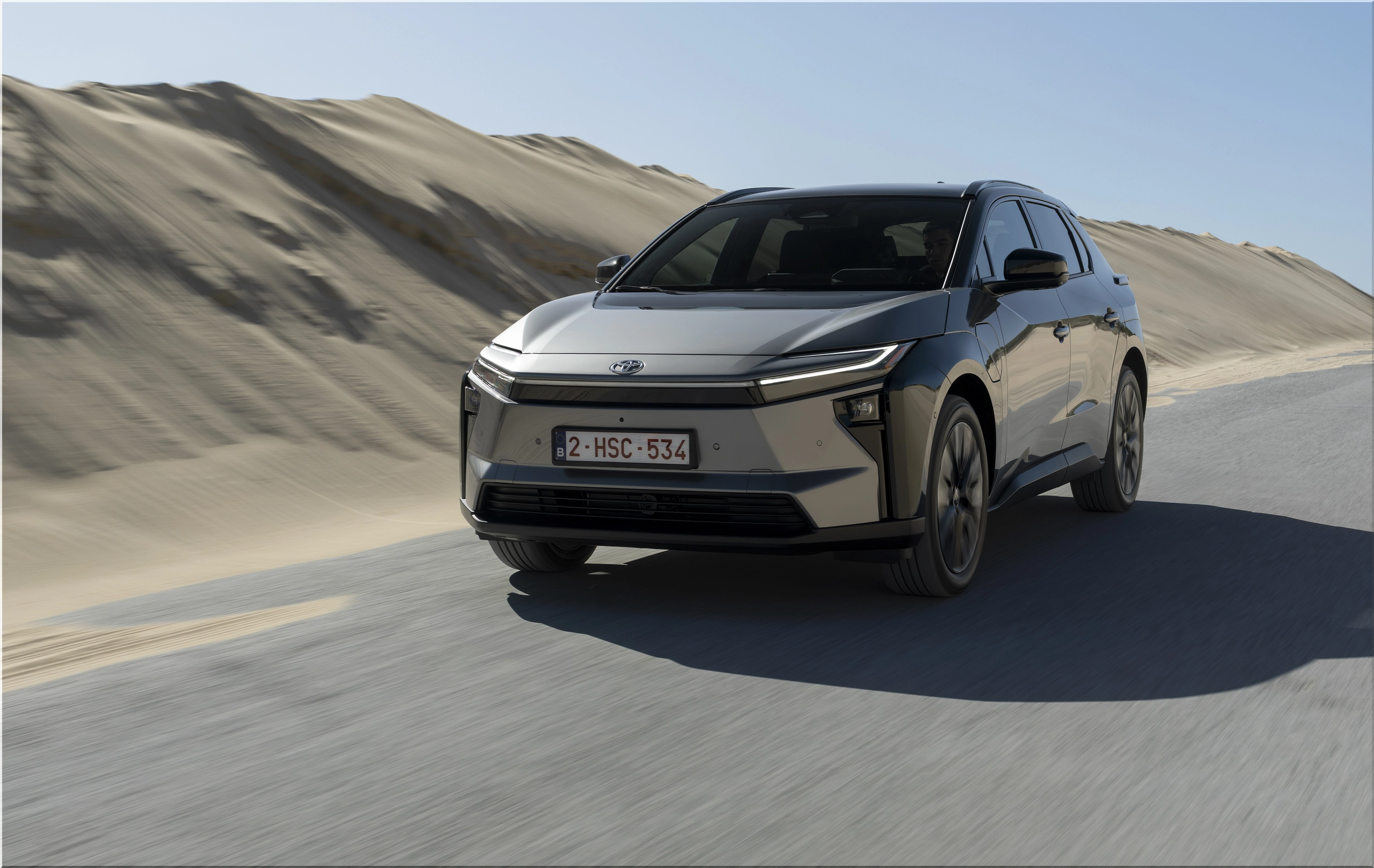
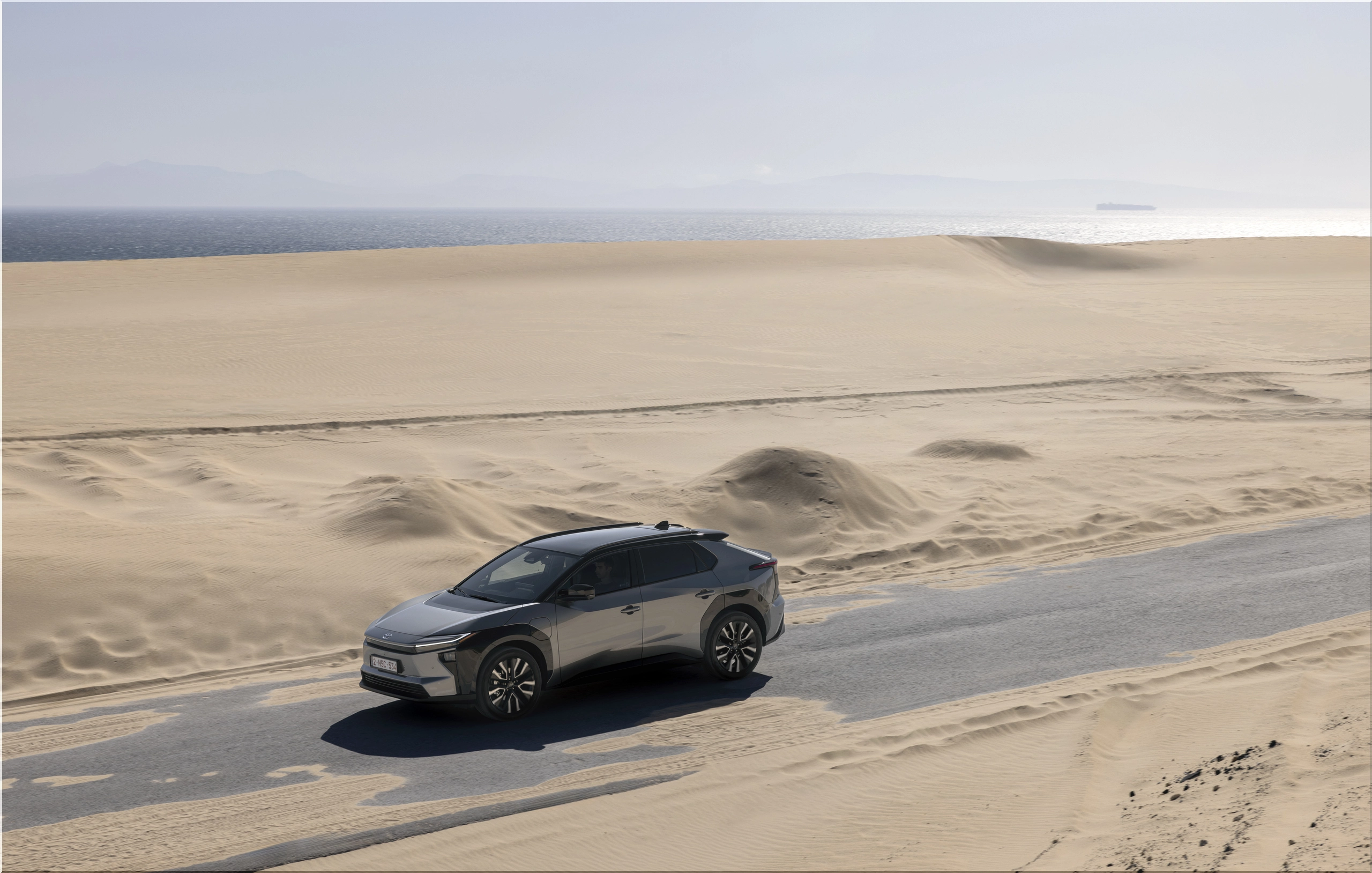
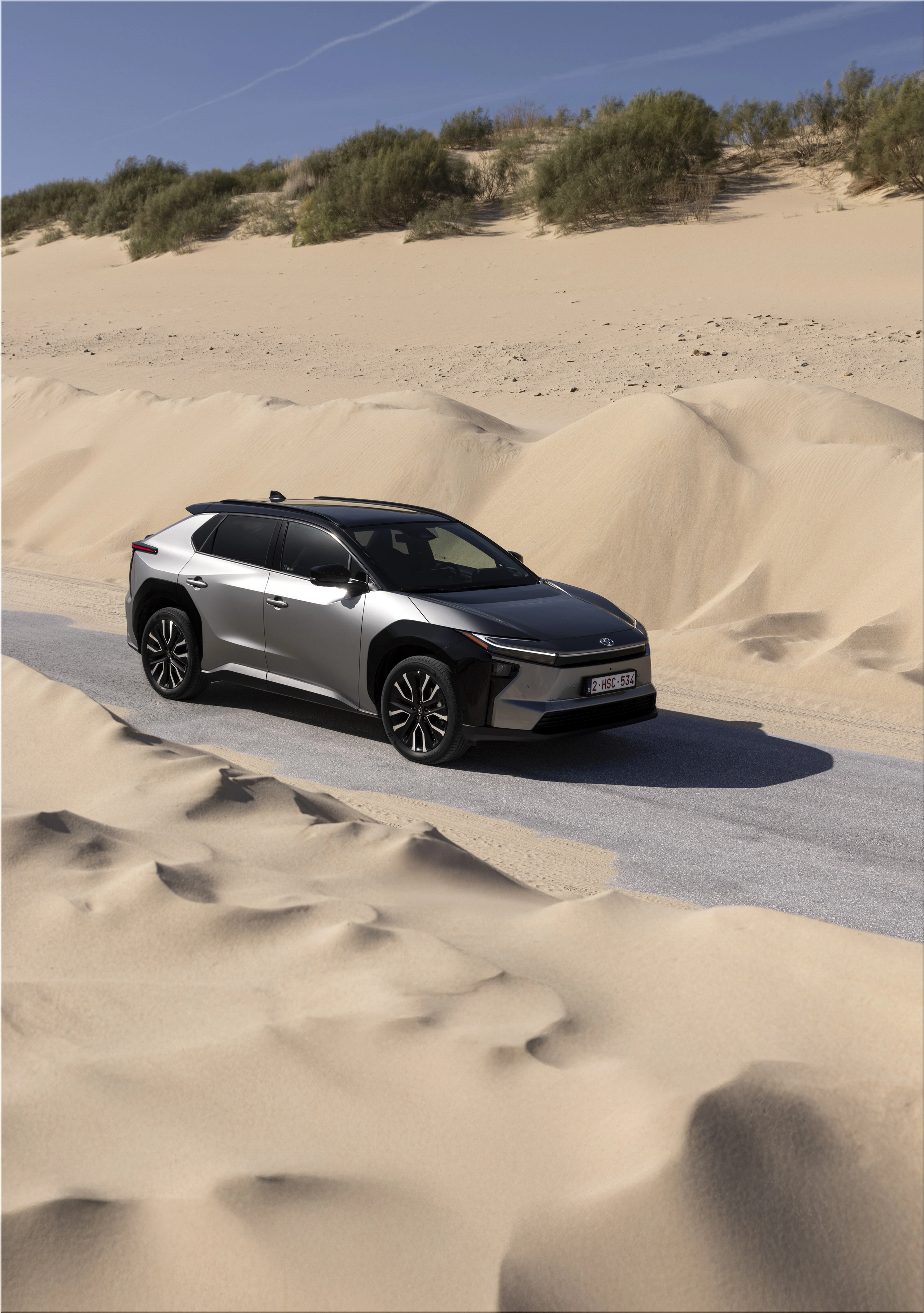
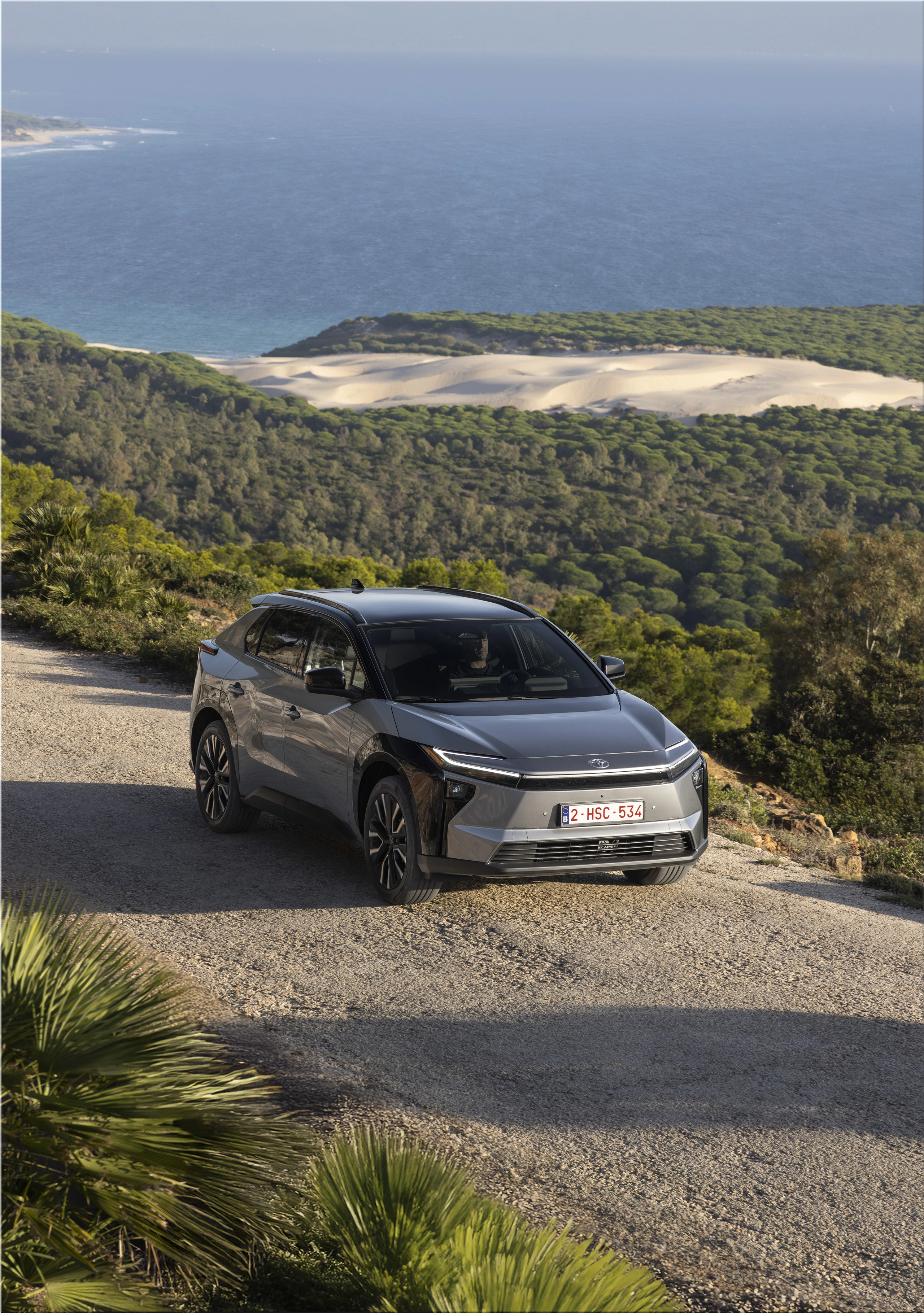
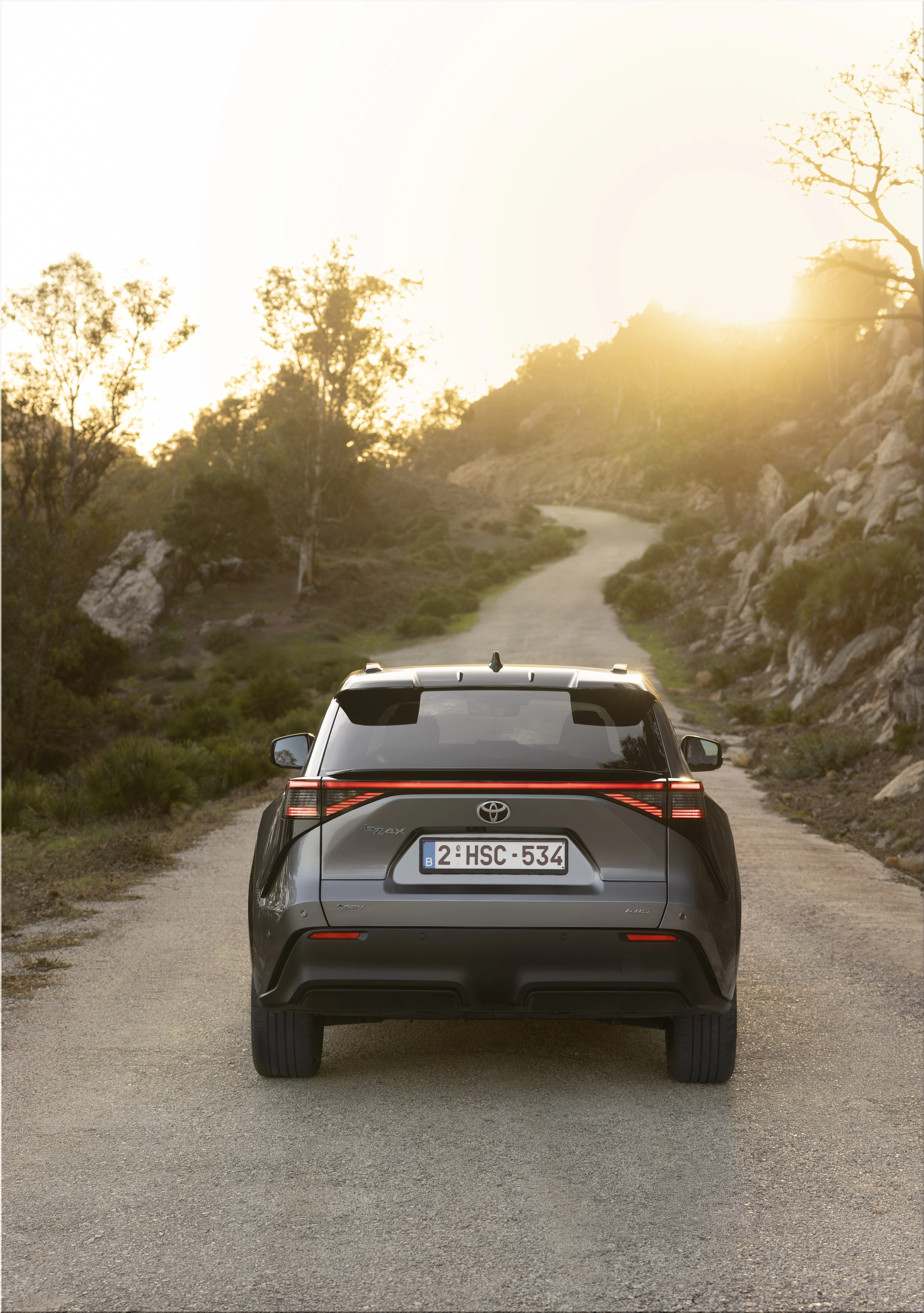
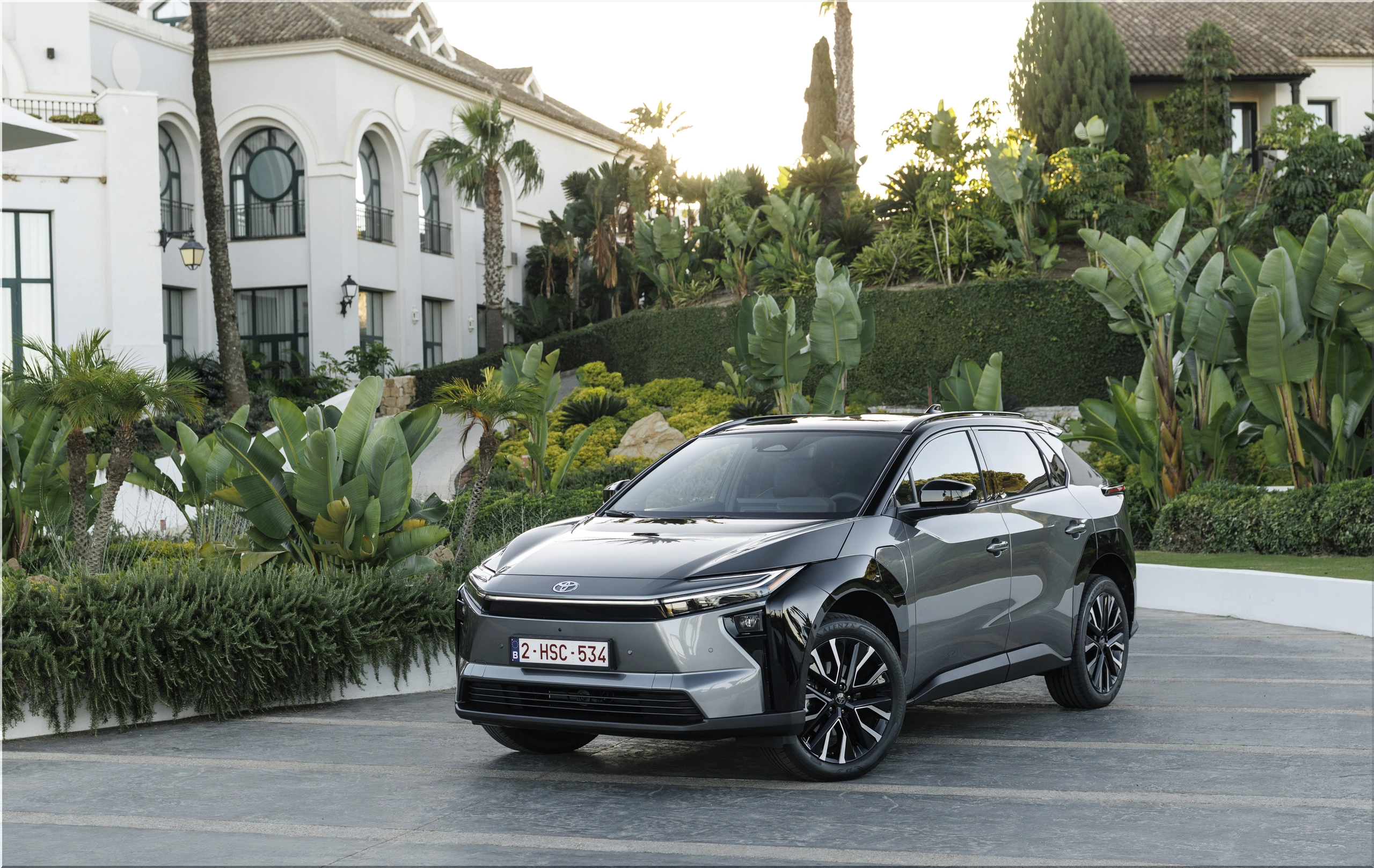
Toyota corrected course with the 2026 Toyota bZ4X. This update focuses on measurable gains, not design theatrics or software promises. Power rises, range improves, charging stabilizes, and ride quality tightens. Toyota addressed early weaknesses head-on and repositioned the bZ4X as a credible compact electric SUV for daily use.
The context matters. Compact electric SUVs now define the mainstream EV market. Buyers compare numbers quickly and punish gaps fast. Toyota responded with changes that affect ownership, not headlines.
Image
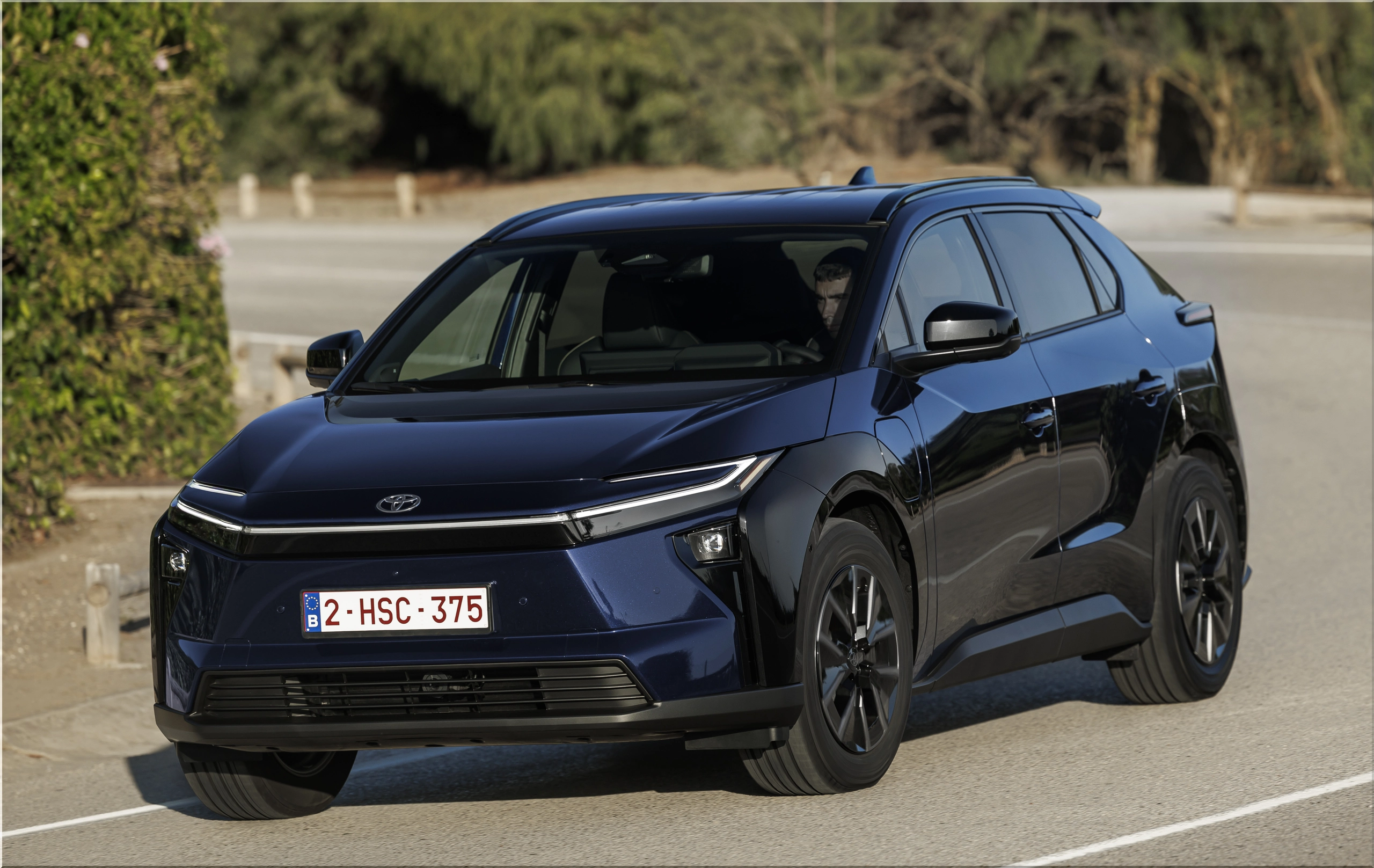
What Toyota Fixed for 2026
Toyota approached the update with restraint. Engineers targeted efficiency, drivability, and charging behavior. Each revision supports repeatable performance instead of peak claims.
Powertrain Revisions
Output increases across both configurations.
- Front-wheel drive models deliver about 201 horsepower
- All-wheel drive versions rise to roughly 214 horsepower
Acceleration feels more linear at city speeds. Highway passing requires less throttle input. Toyota tuned motor response to feel predictable instead of aggressive, which suits commuter use.
Battery Strategy and Efficiency
Toyota avoided a large battery increase. Engineers focused on thermal control and energy management.
- Maximum estimated range reaches about 320 miles
- AWD versions exceed 285 miles, depending on wheel size
- Cold-weather efficiency holds steadier than before
These changes reduce range swings during seasonal shifts. Owners gain confidence during winter driving and highway travel.
Charging Performance Updates
Charging reliability ranked as a top complaint. Toyota responded with system-level fixes.
- DC fast charging peaks near 150 kW
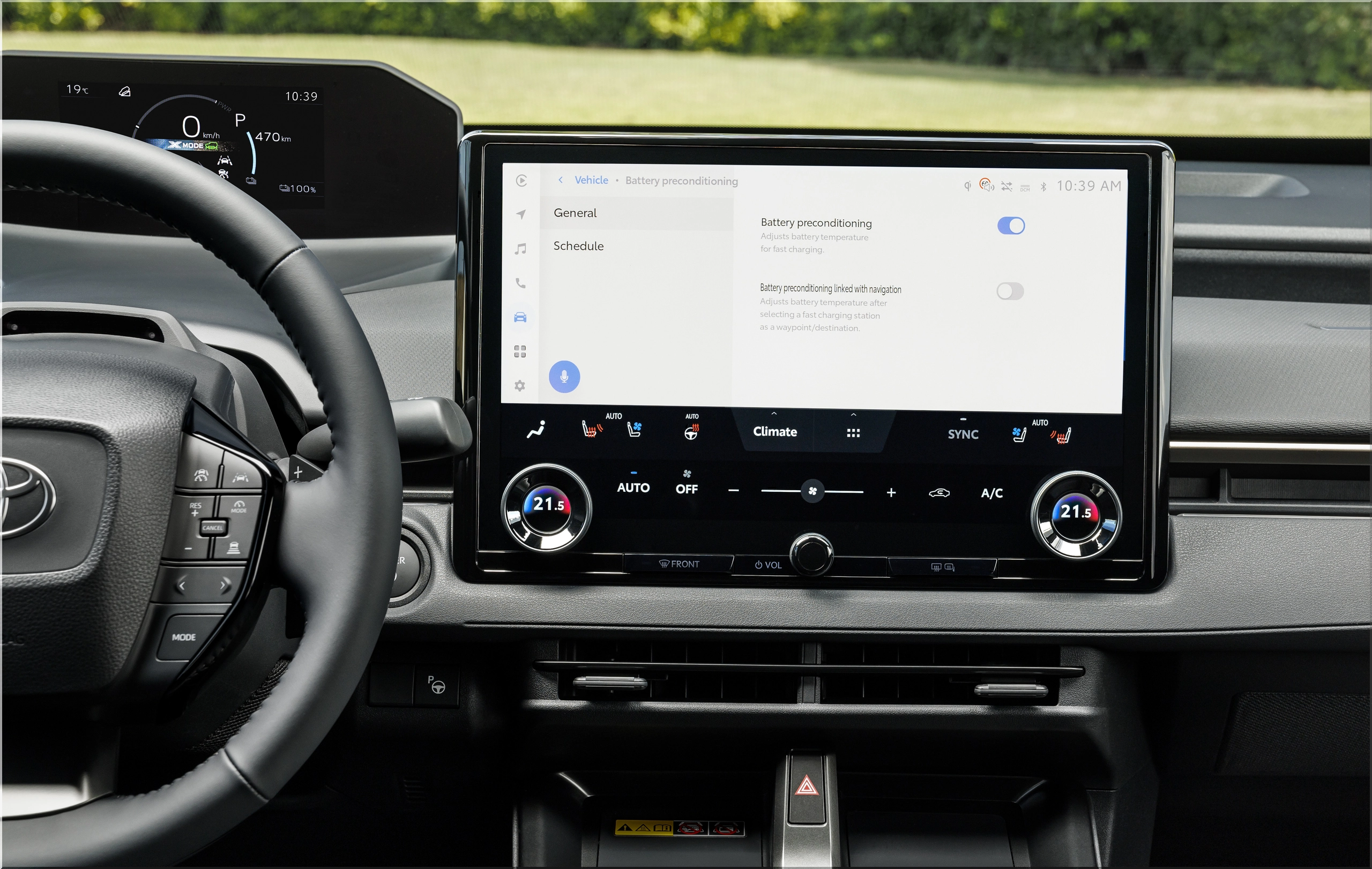
- Battery preconditioning stabilizes charging speeds
- Charge curves hold higher rates for longer sessions
The bZ4X still trails some rivals in peak speed. Consistency improves, which matters more during real trips.
Ride Quality and Chassis Tuning
Toyota reworked suspension calibration and body isolation. These updates target comfort during long drives.
- Softer initial damping smooths uneven pavement
- Revised bushings reduce vibration transfer
- Added insulation lowers road and wind noise
Highway stability improves at sustained speeds. Steering remains light and controlled. Toyota favored composure over sharp turn-in.
Interior Execution and Technology
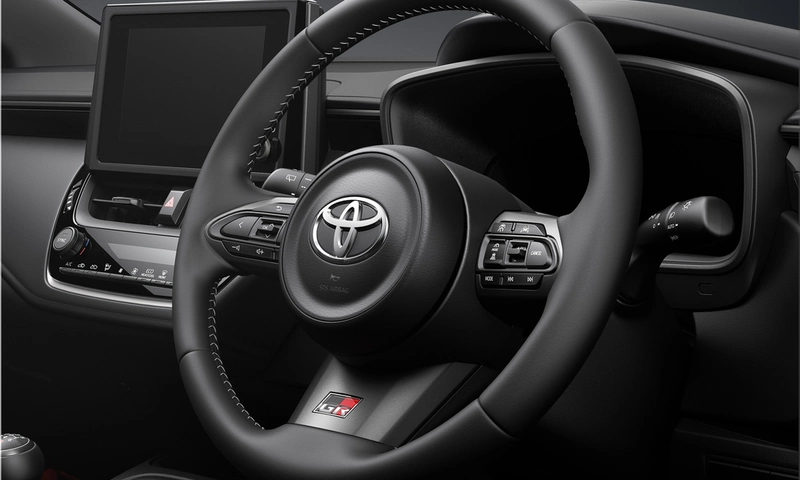
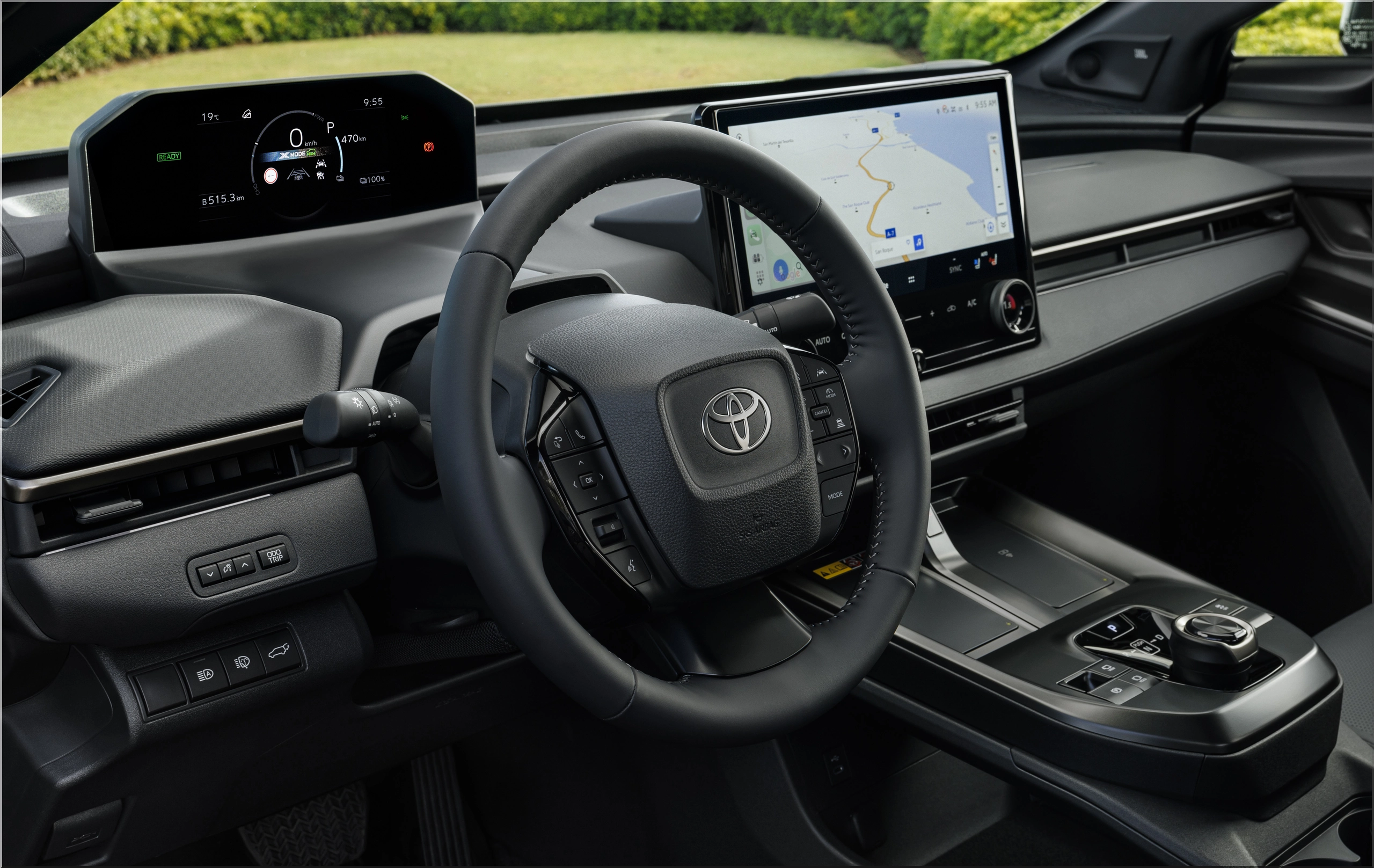
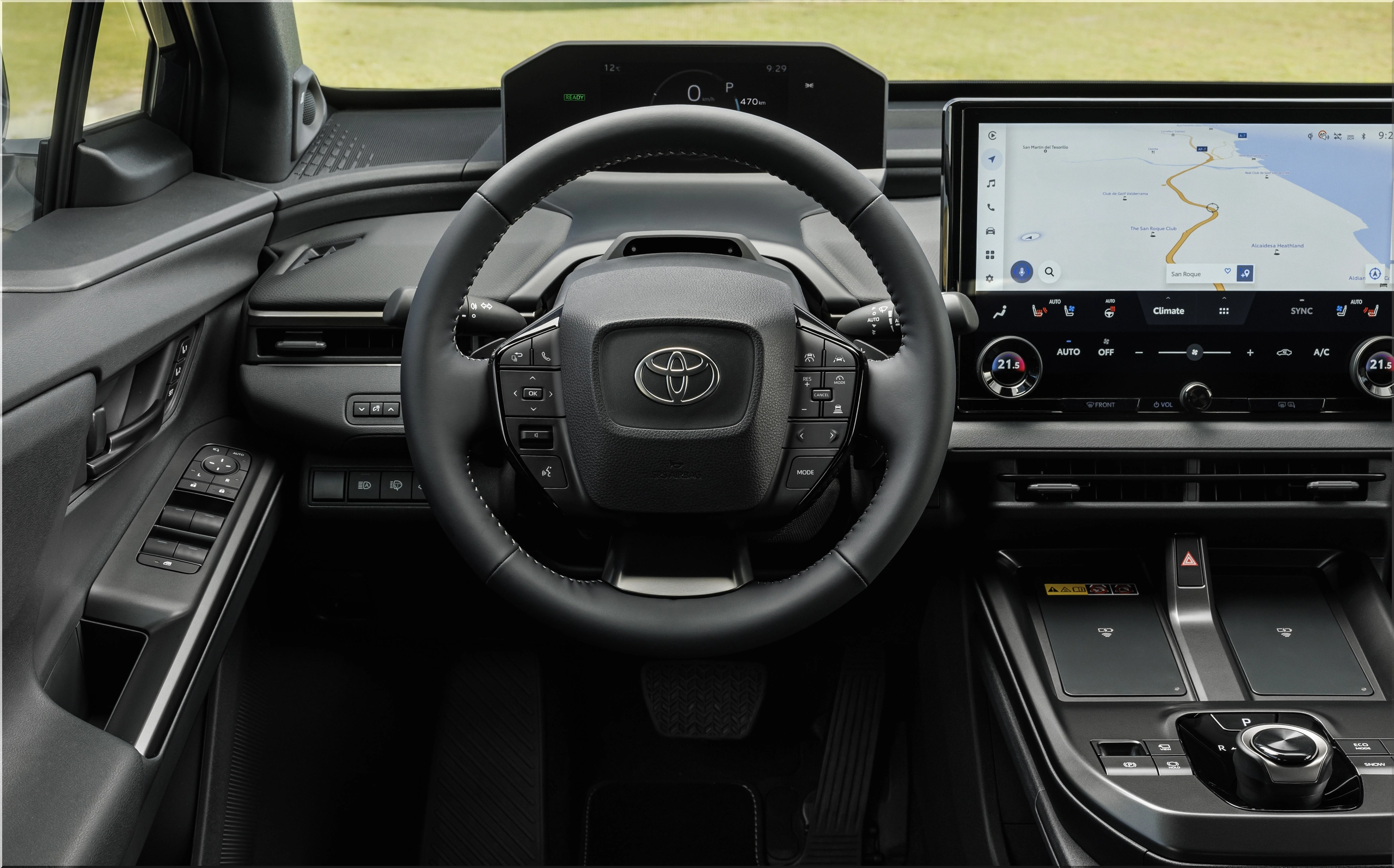
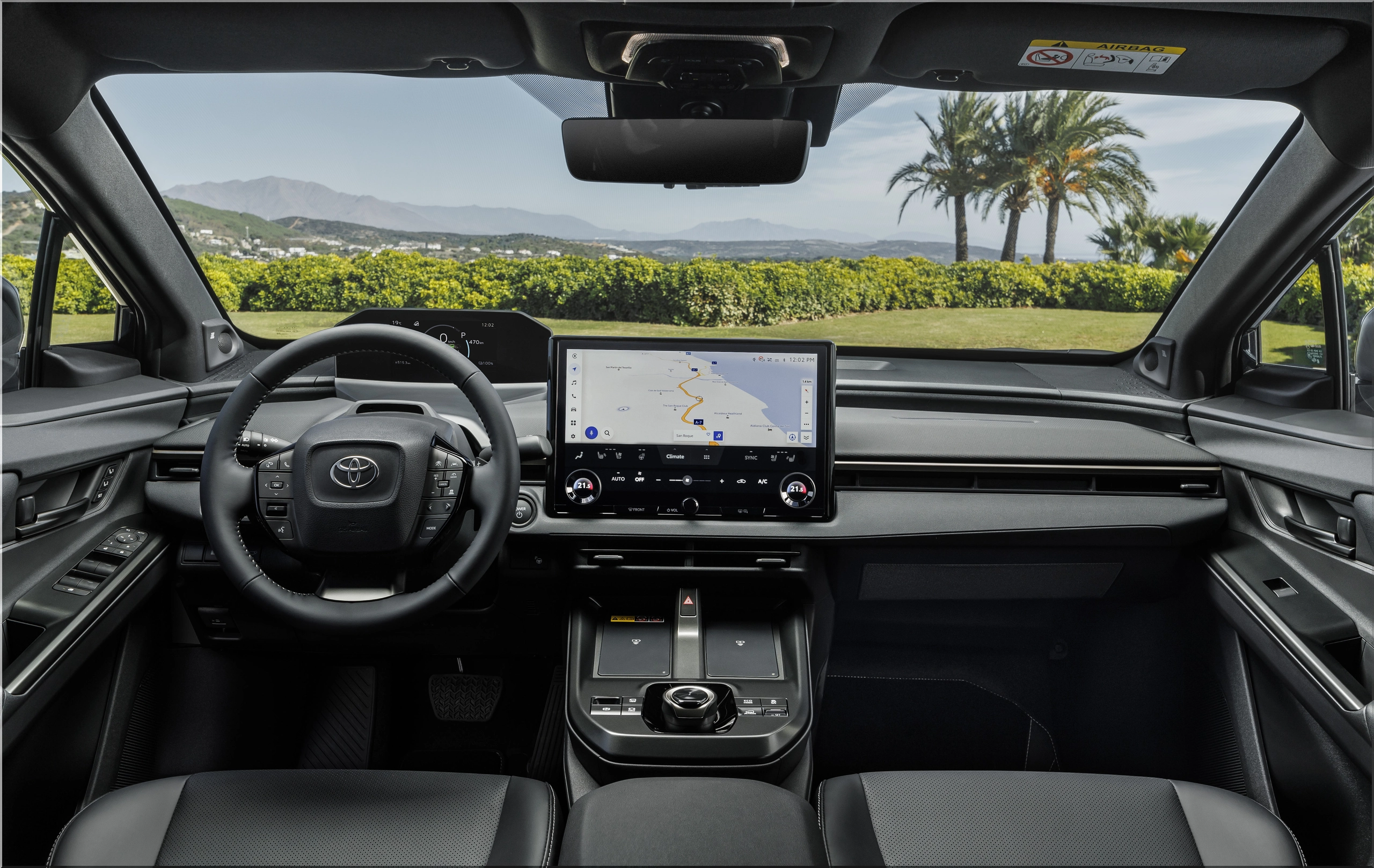
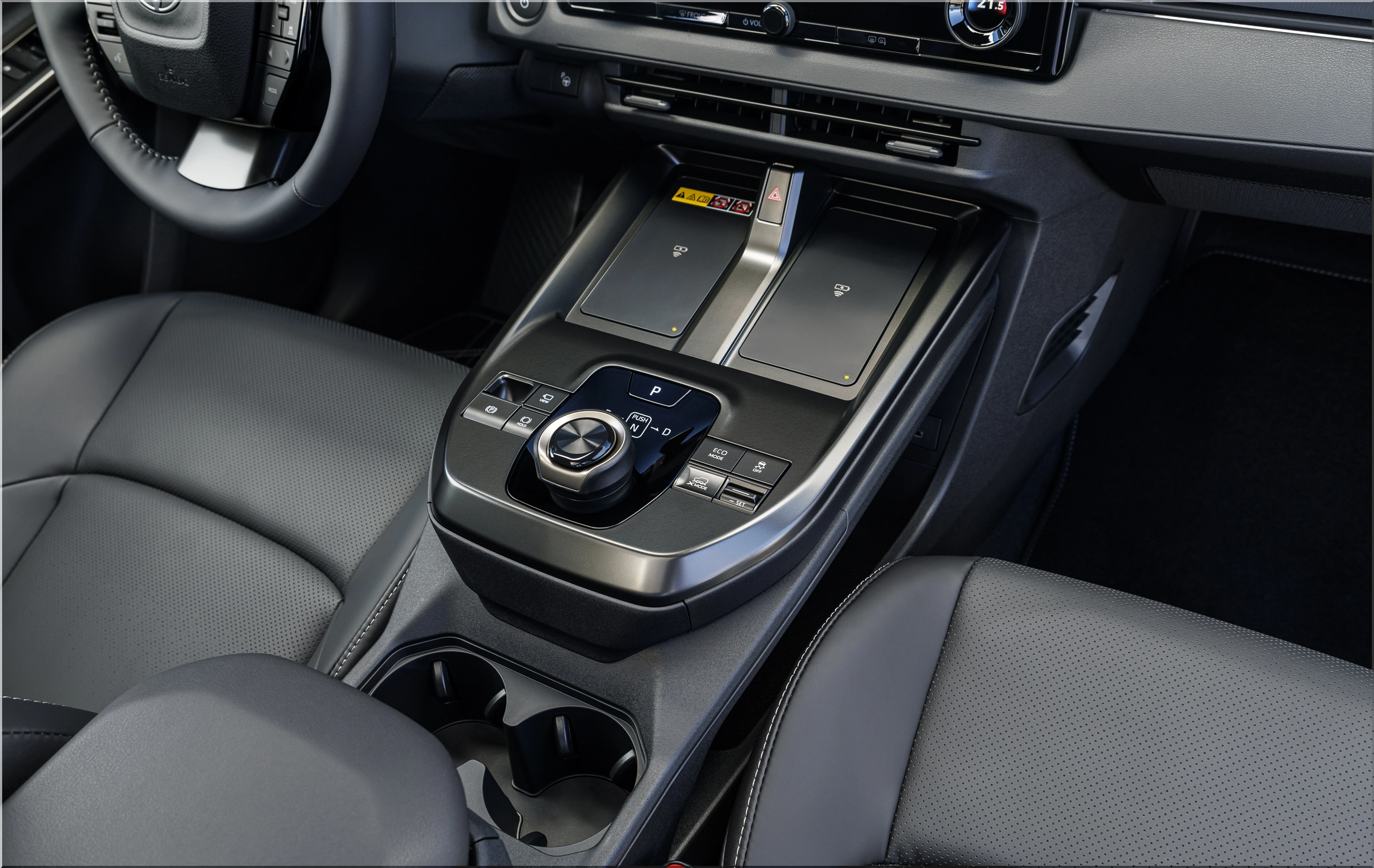
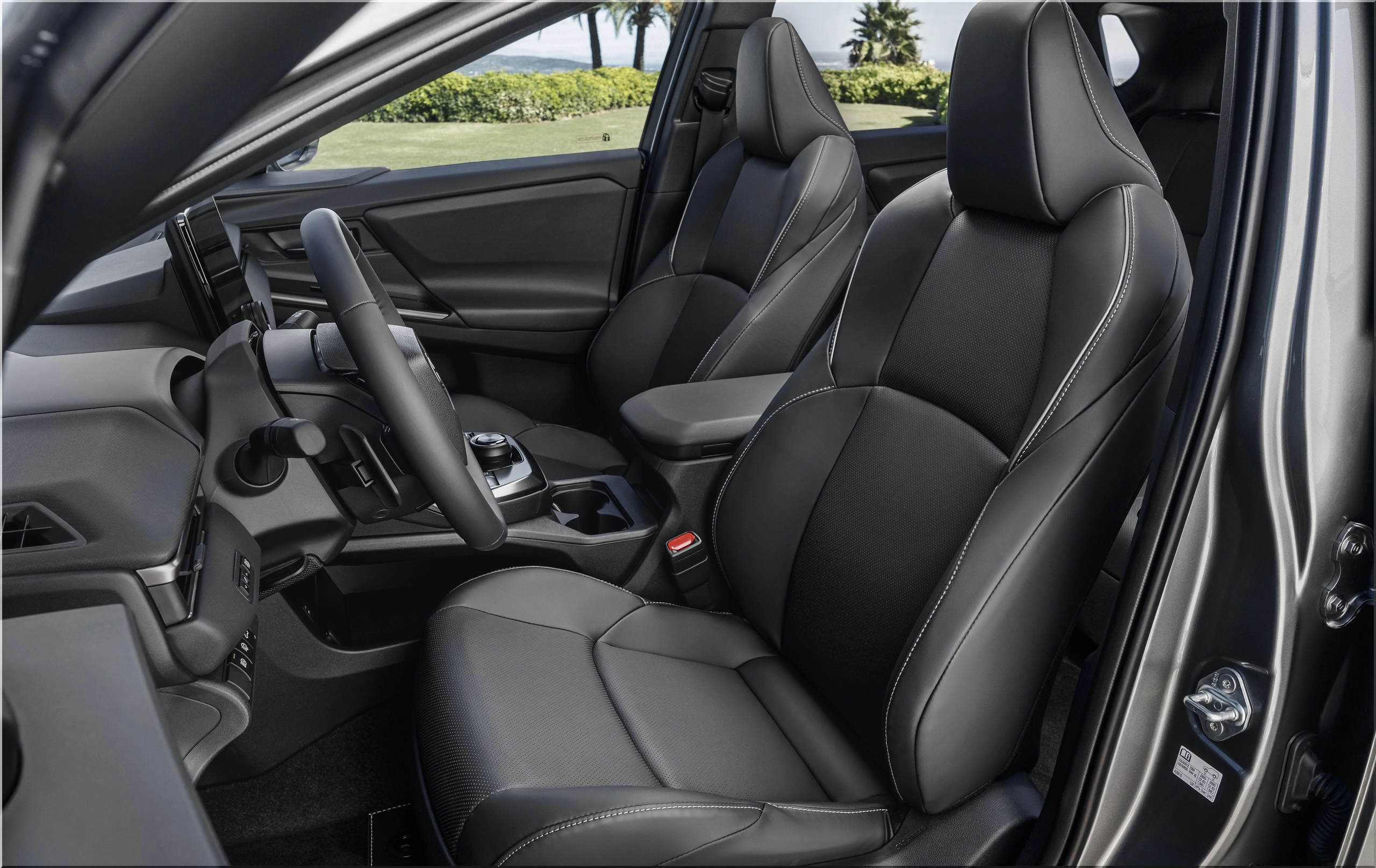
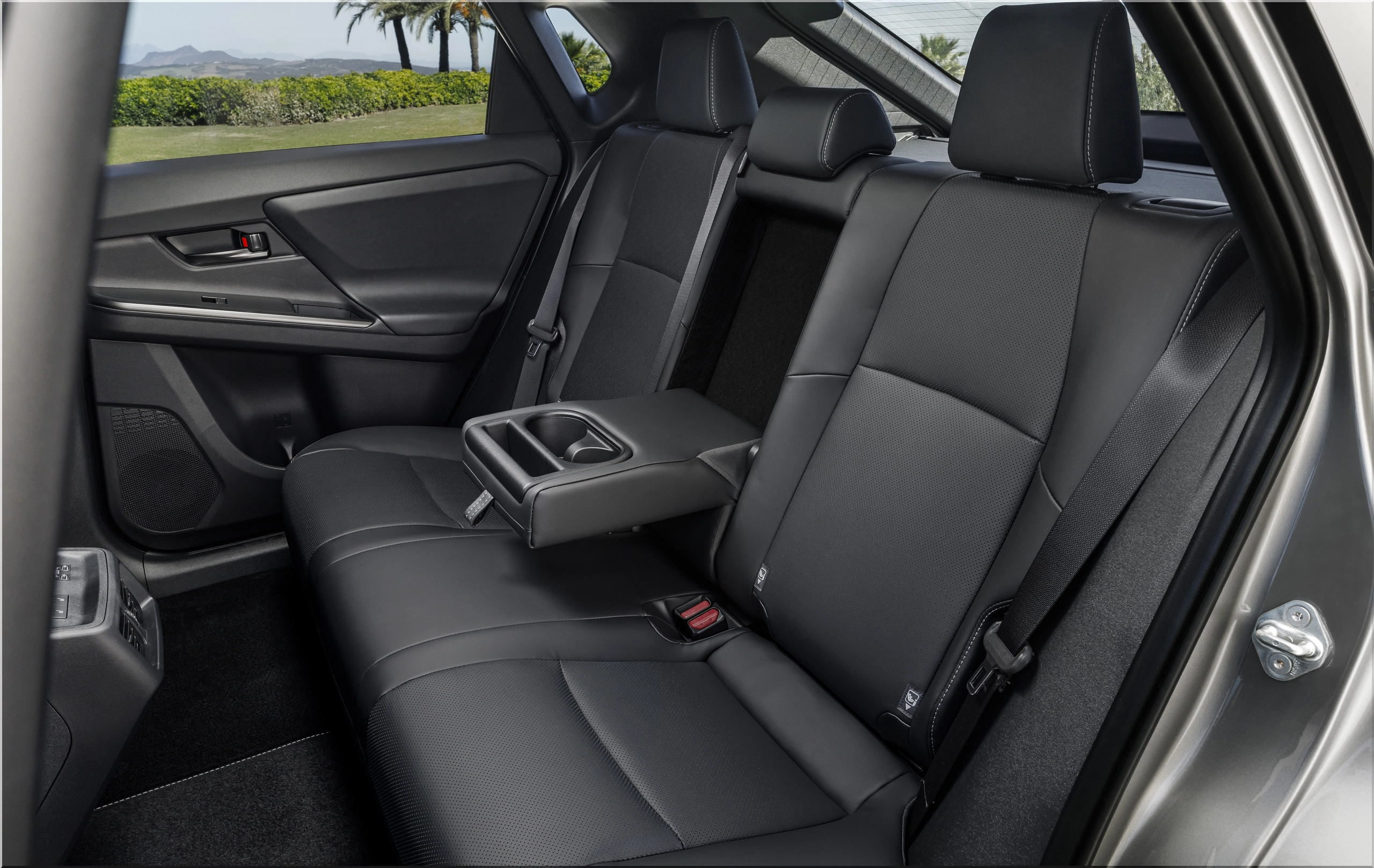
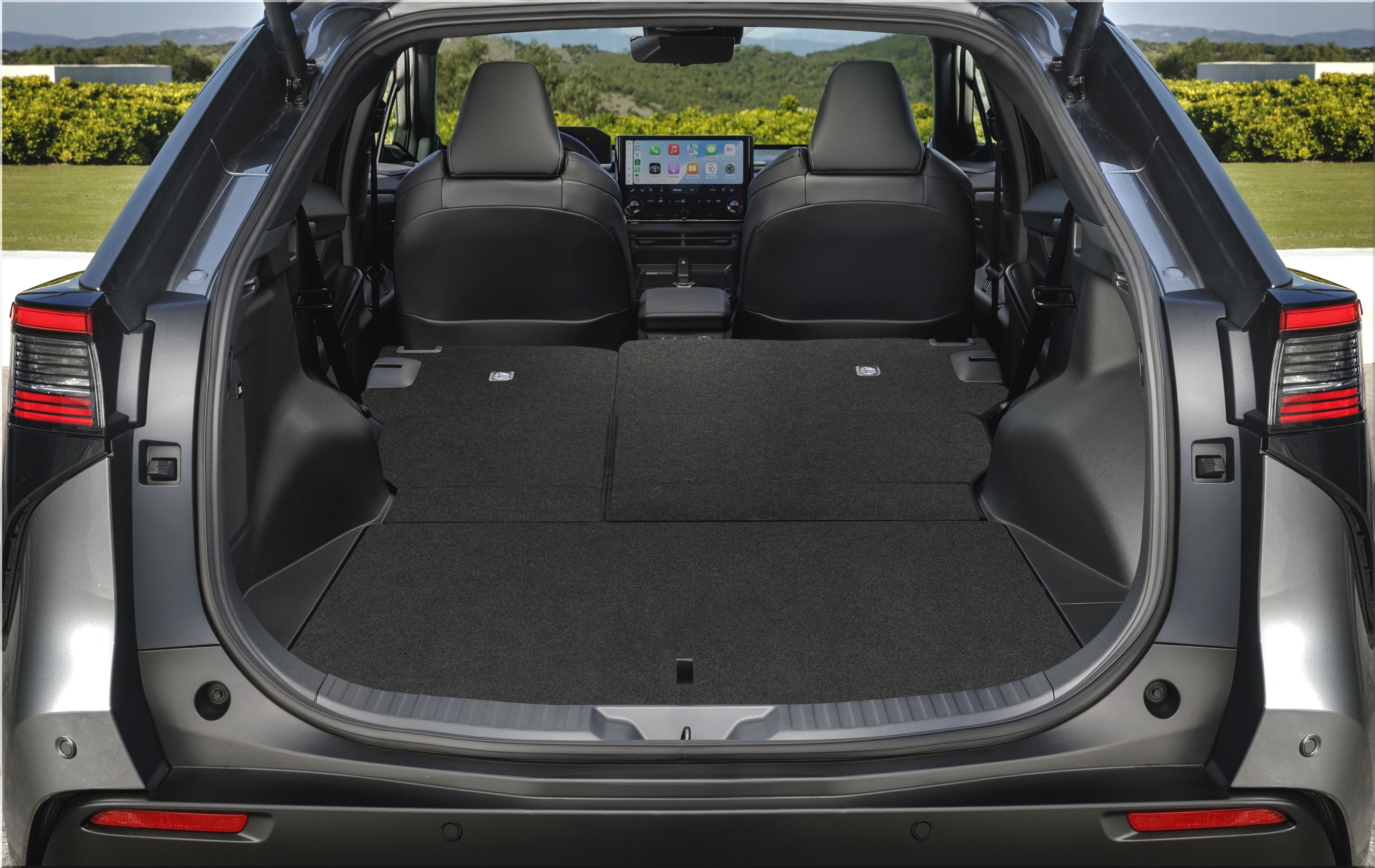
The cabin remains conservative by design. Toyota prioritized ease of use over visual drama.
Image
Infotainment and Controls
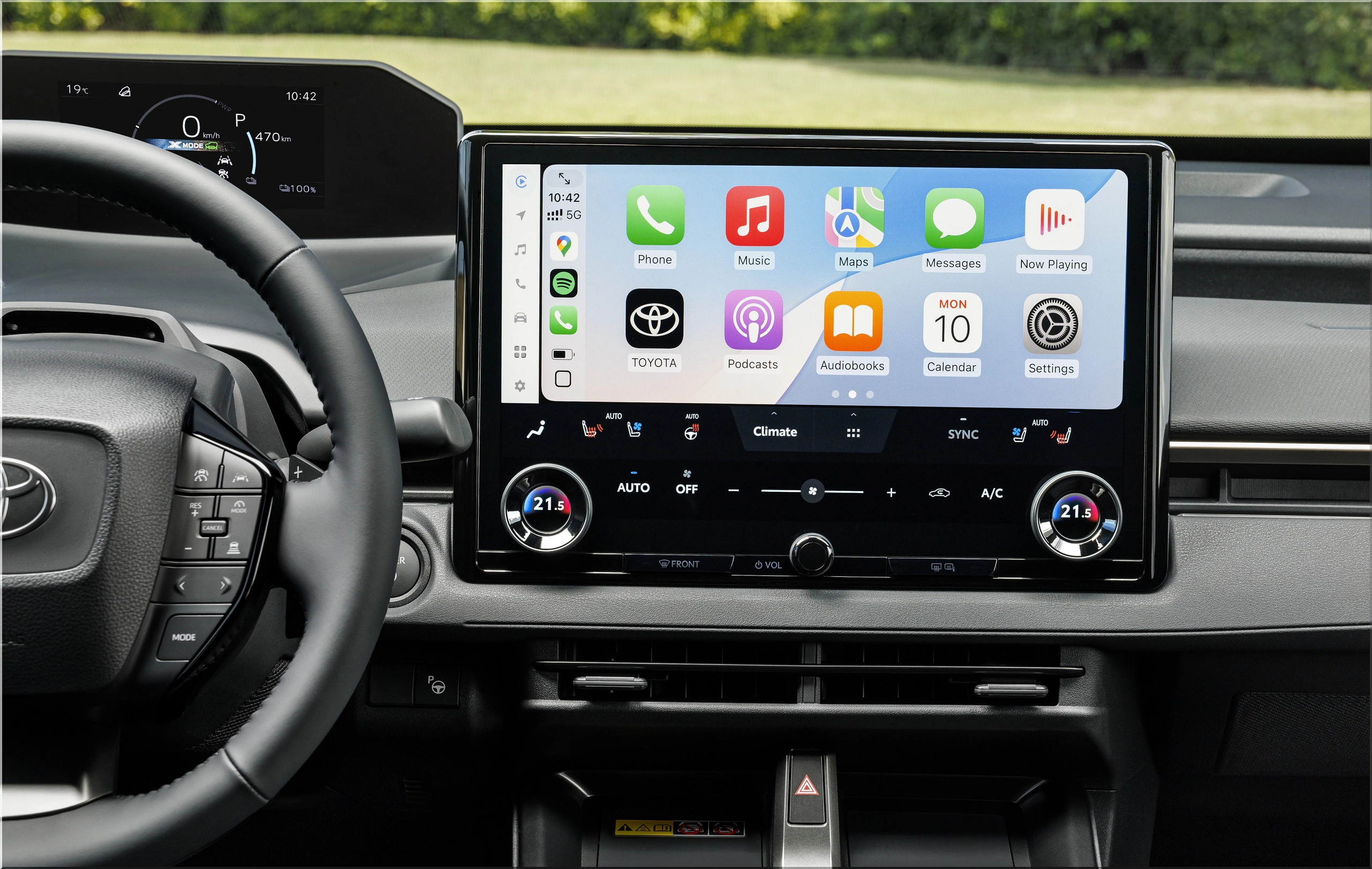
- Larger touchscreen with faster processing
- Wireless Apple CarPlay and Android Auto standard
- Simplified climate controls reduce menu reliance
Physical buttons stay in place for core functions. Drivers spend less time learning basic operations.
Driver Assistance Systems
Toyota installs its latest assistance package as standard equipment.
- Adaptive cruise control with smoother lane centering
- Improved traffic jam support
- Enhanced detection for pedestrians and cyclists
These systems operate predictably and require fewer driver corrections during highway use.
Pricing and Market Position
Toyota keeps pricing within the segment norm.
- Estimated starting price: about $44,000 USD
- Well-equipped AWD trims approach $50,000 USD
Toyota avoids undercutting rivals. Instead, it leans on reliability, dealer coverage, and resale stability.
Image
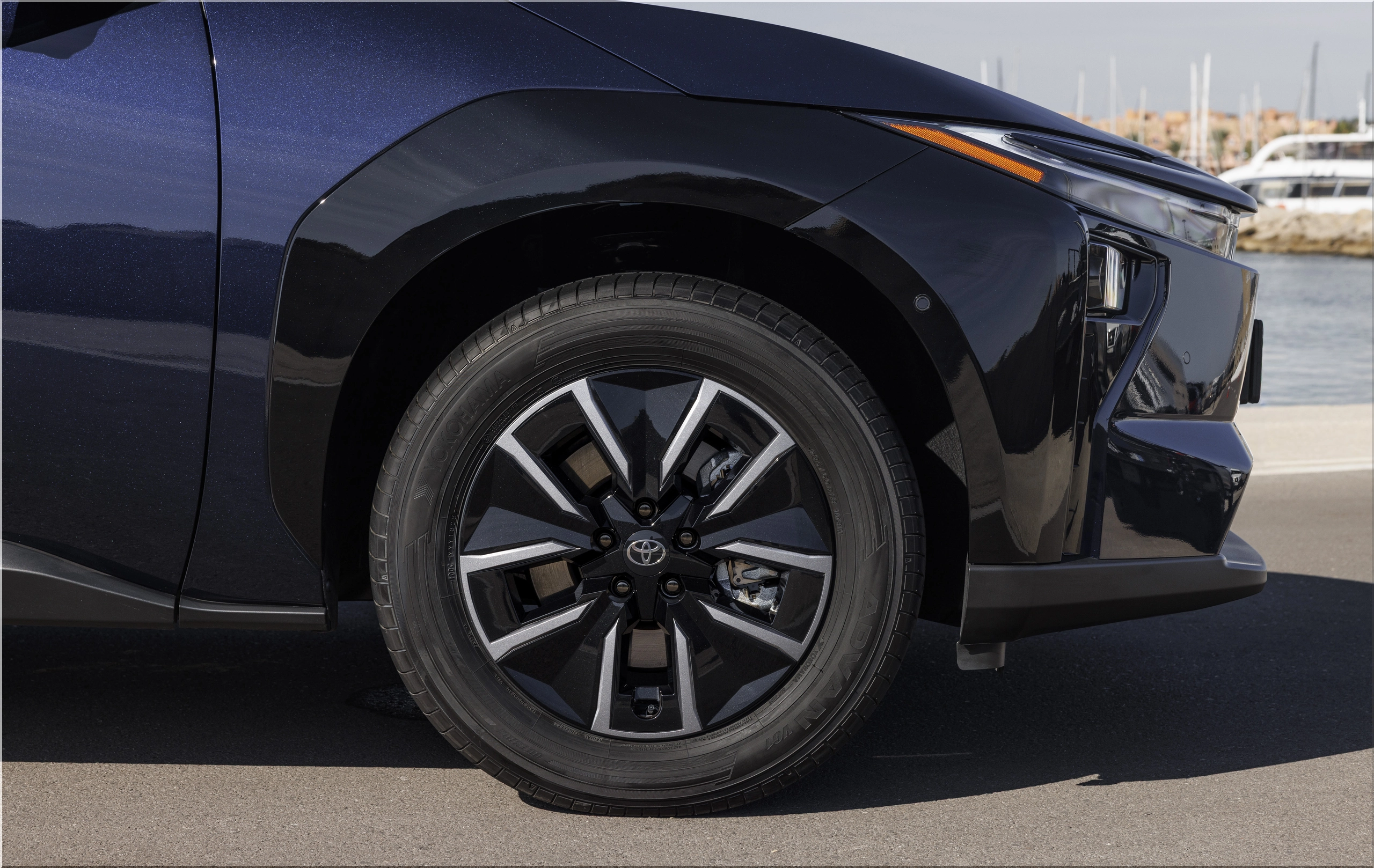
Competitive Context: Where the bZ4X Sits
The 2026 Toyota bZ compact electric SUV field now runs deep. Buyers compare range, charging speed, and cost within minutes.
Compact Electric SUV Comparison
| Model | Power (hp) | Max Range (miles) | DC Fast Charge | Starting Price (USD) |
|---|---|---|---|---|
| Toyota bZ4X (2026) | 201-214 | Up to 320 | 150 kW | ~$44,000 |
| Tesla Model Y | 295+ | Up to 330 | 250 kW | ~$43,000 |
| Hyundai Ioniq 5 | 225-320 | Up to 303 | 235 kW | ~$42,000 |
| Volkswagen ID.4 | 201-295 | Up to 291 | 170 kW | ~$41,000 |
Toyota still trails Tesla and Hyundai in charging speed. It counters with efficiency stability and conservative engineering.
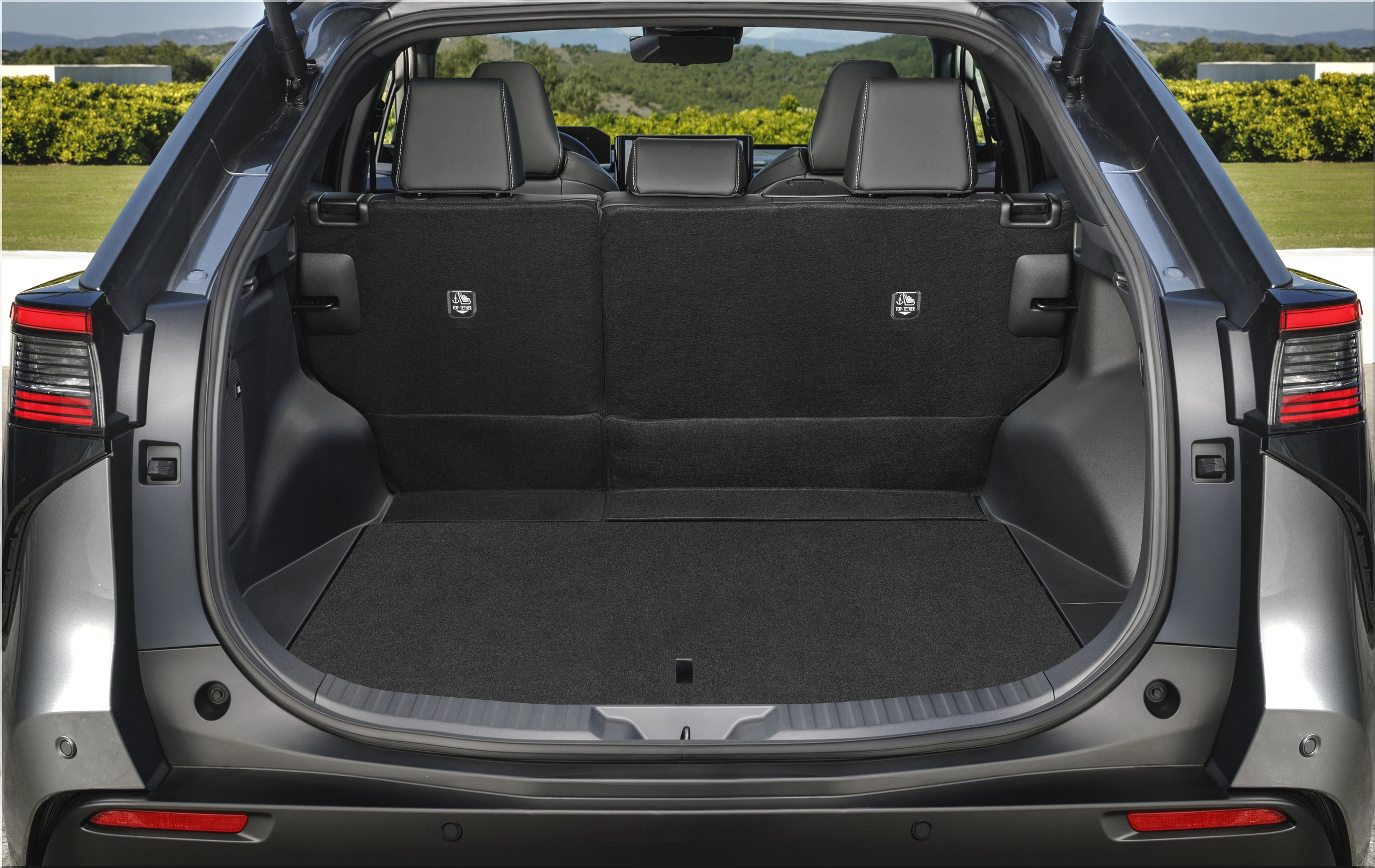
Image gallery


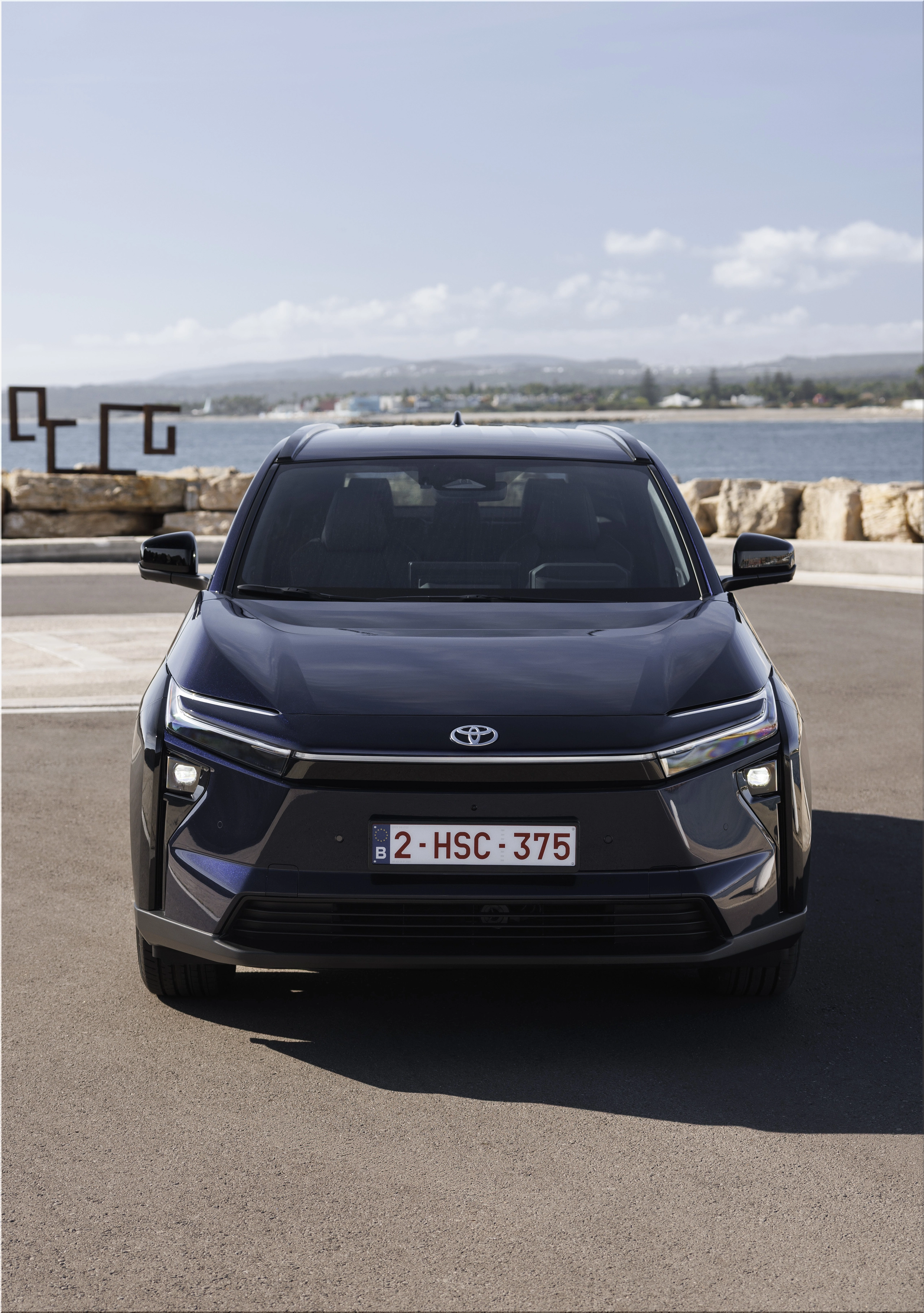
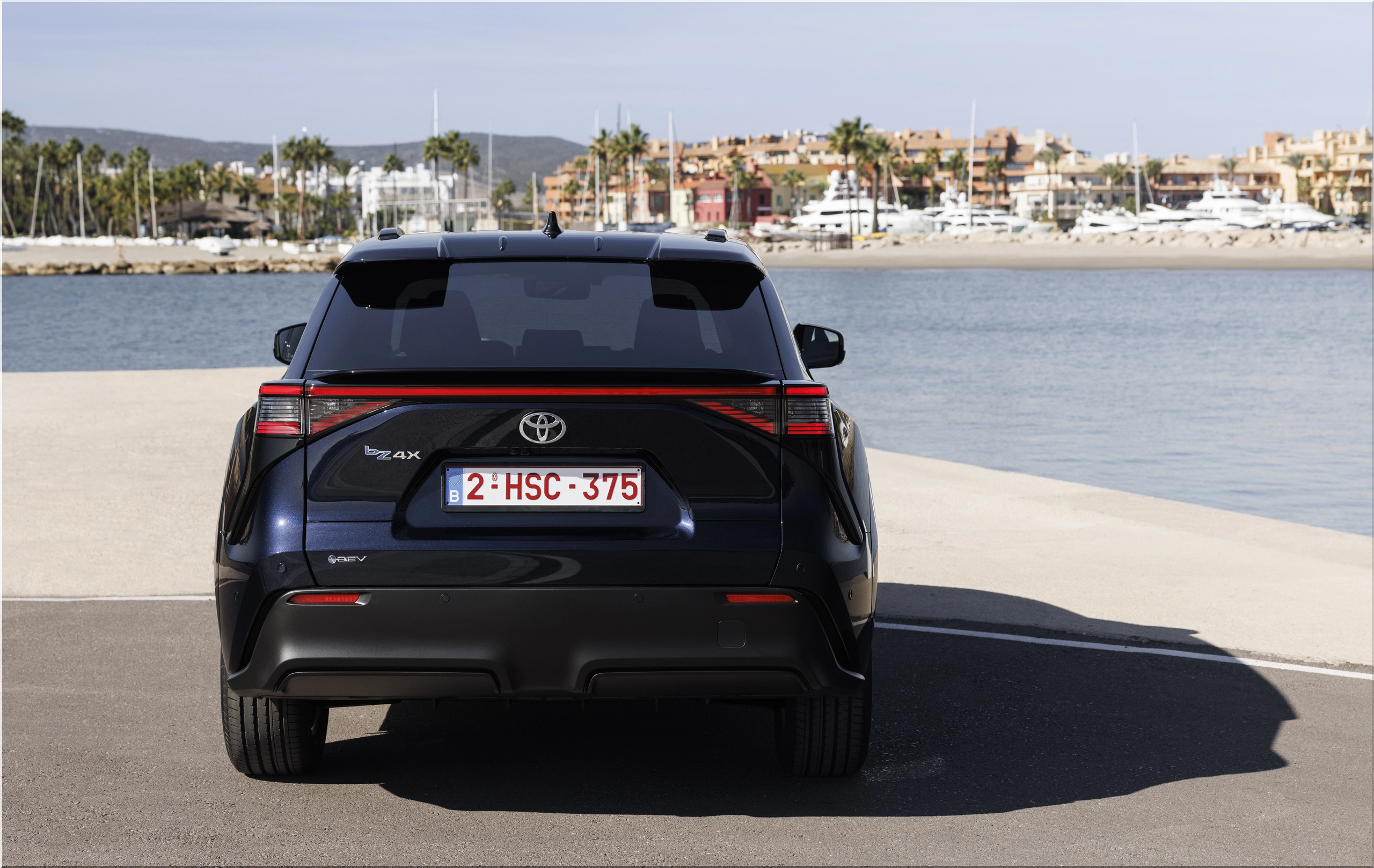
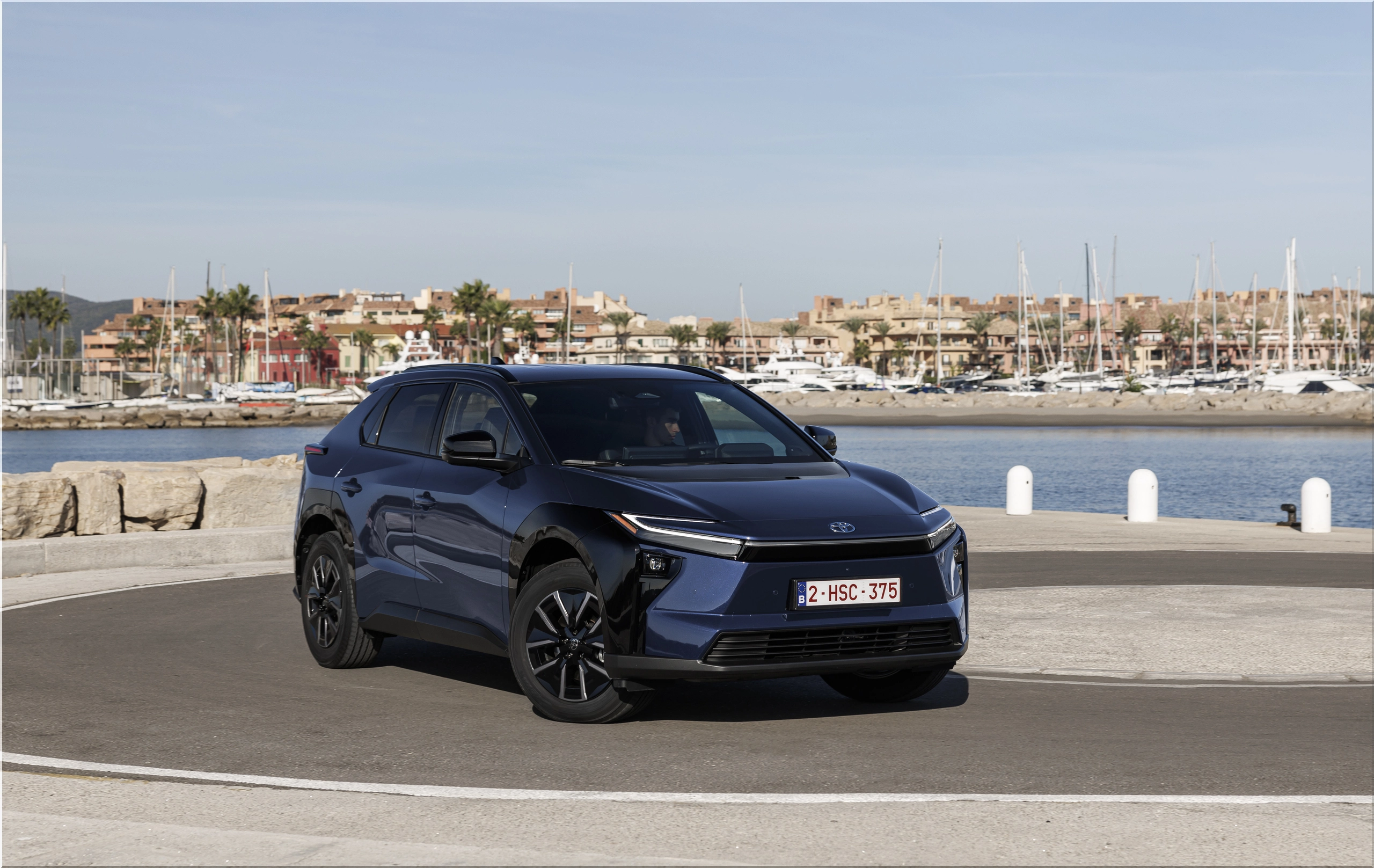
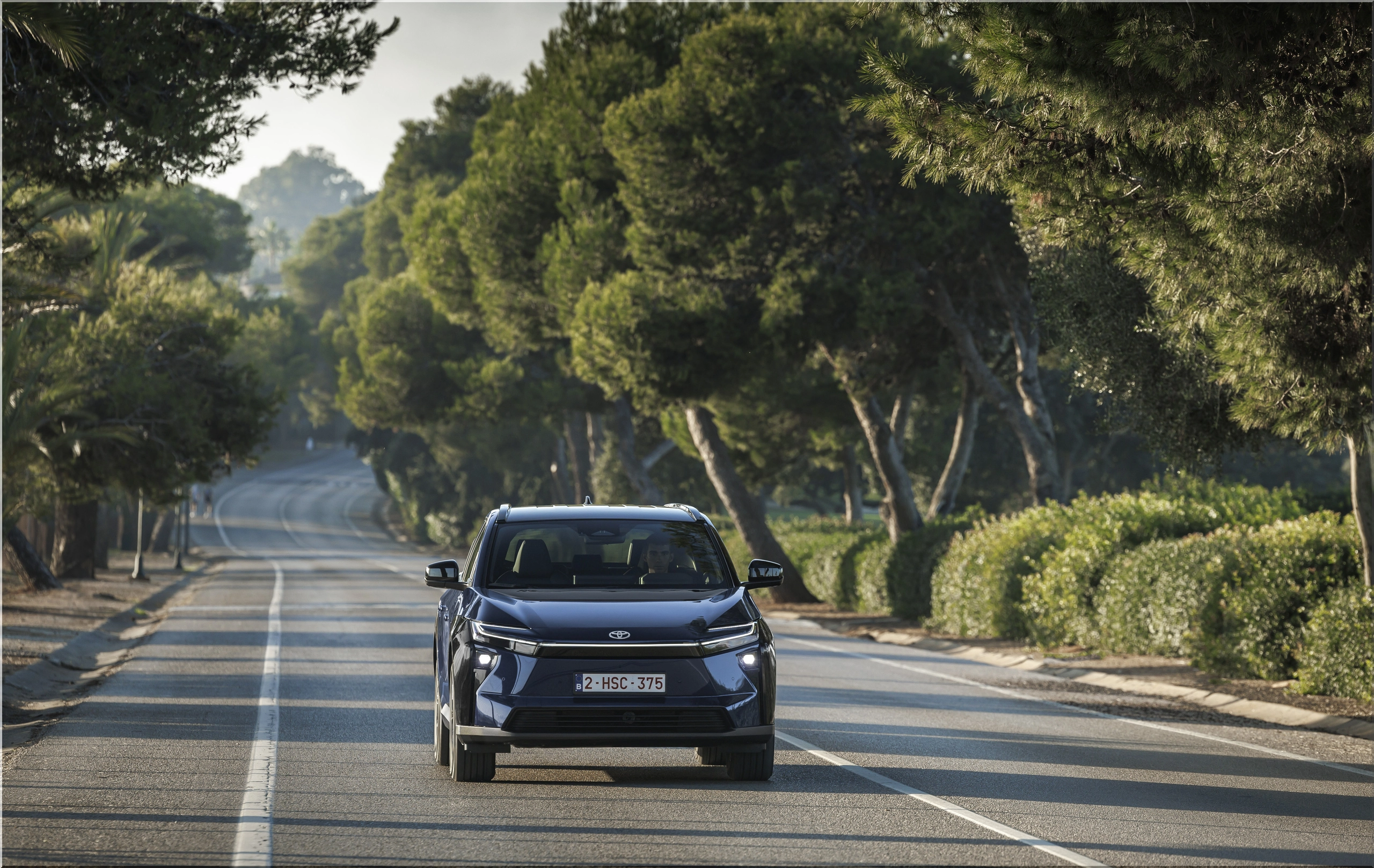
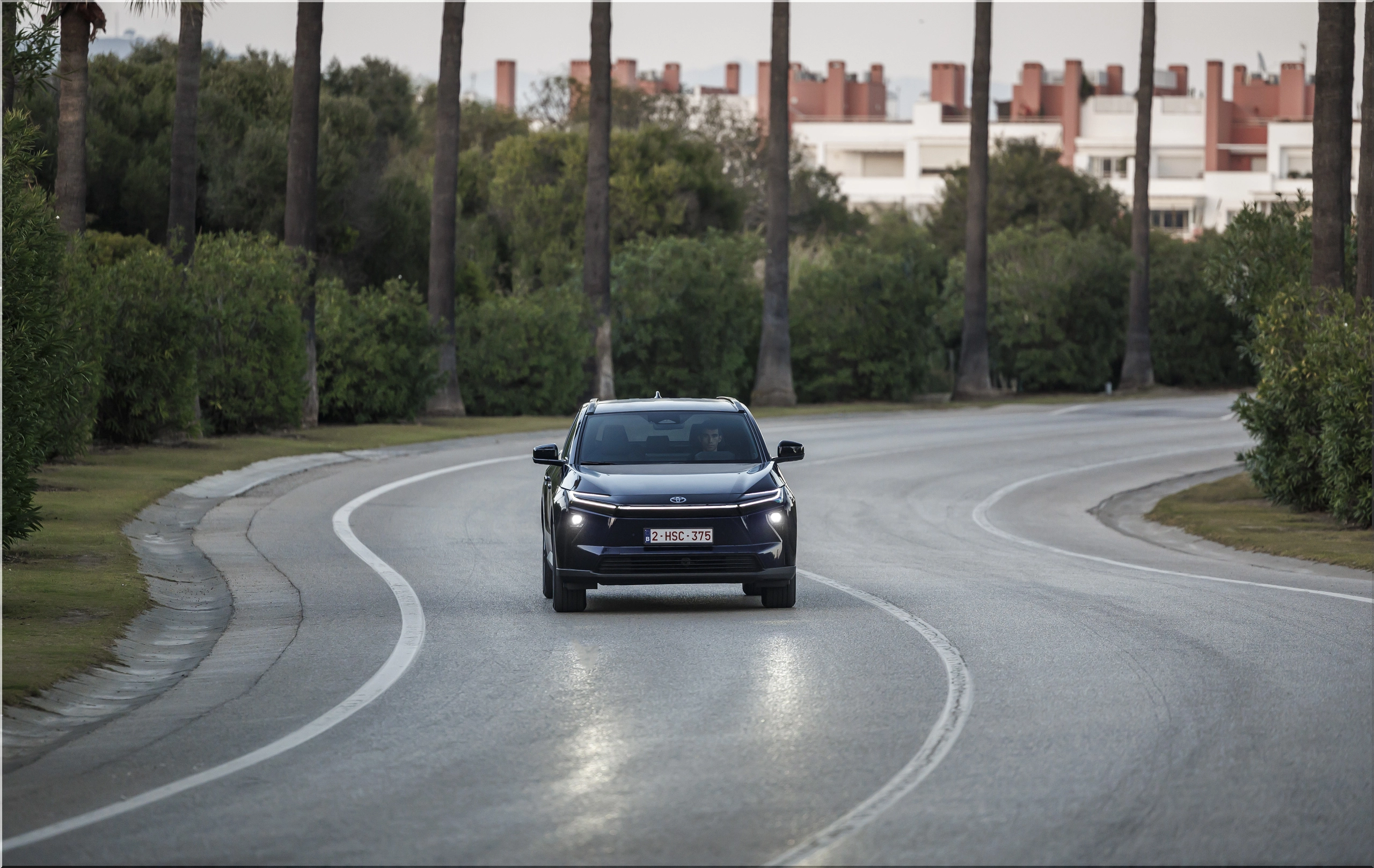
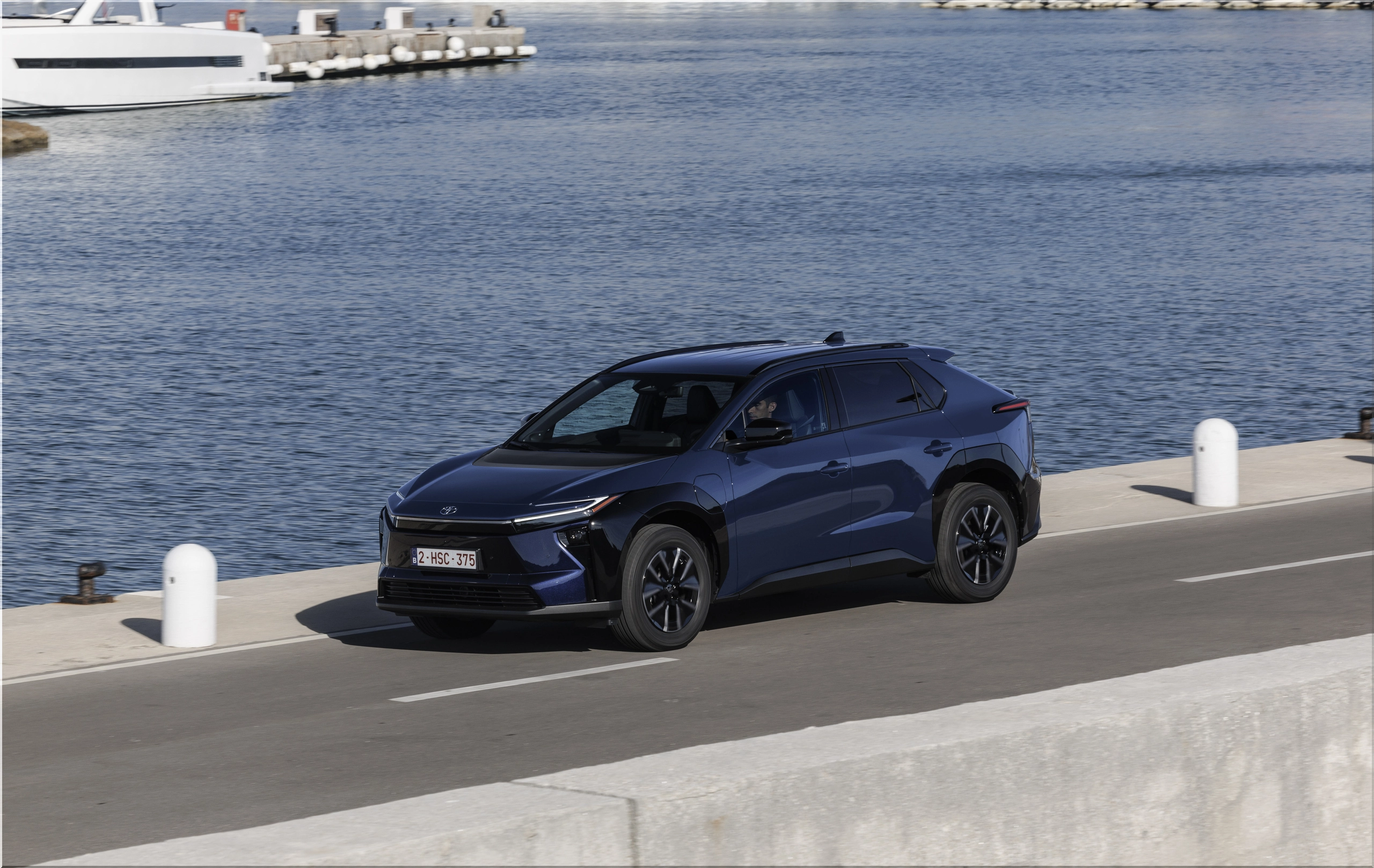
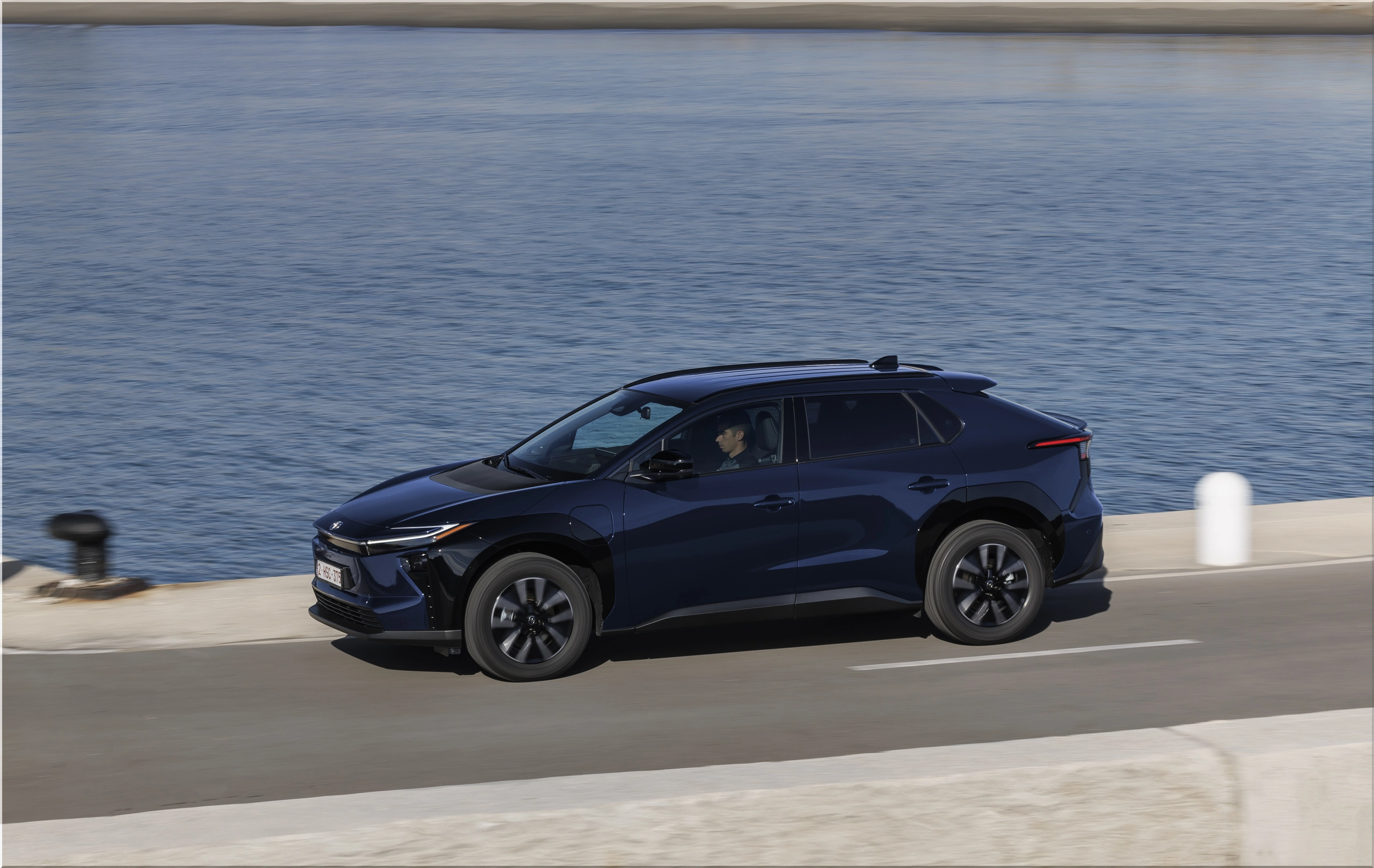
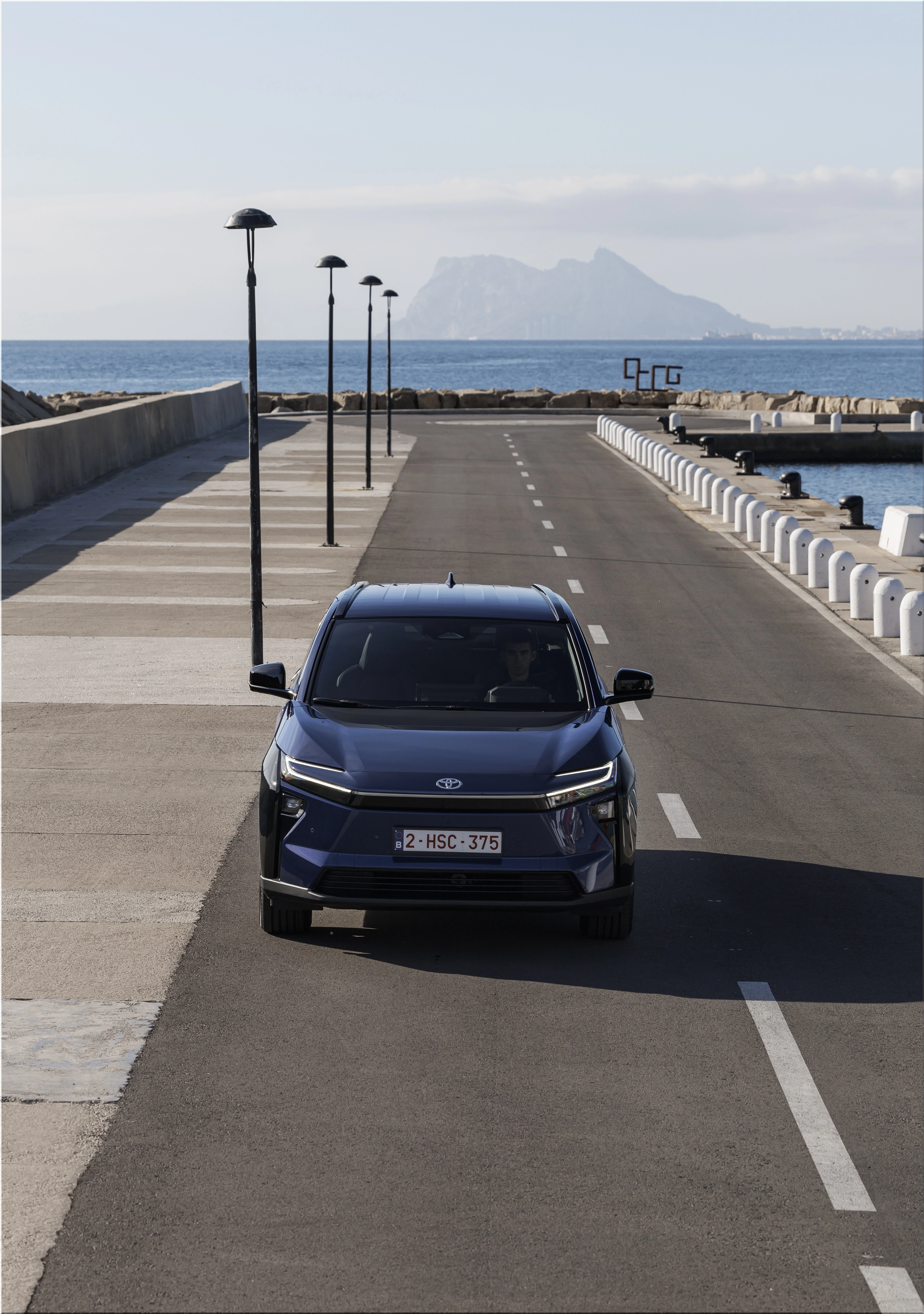
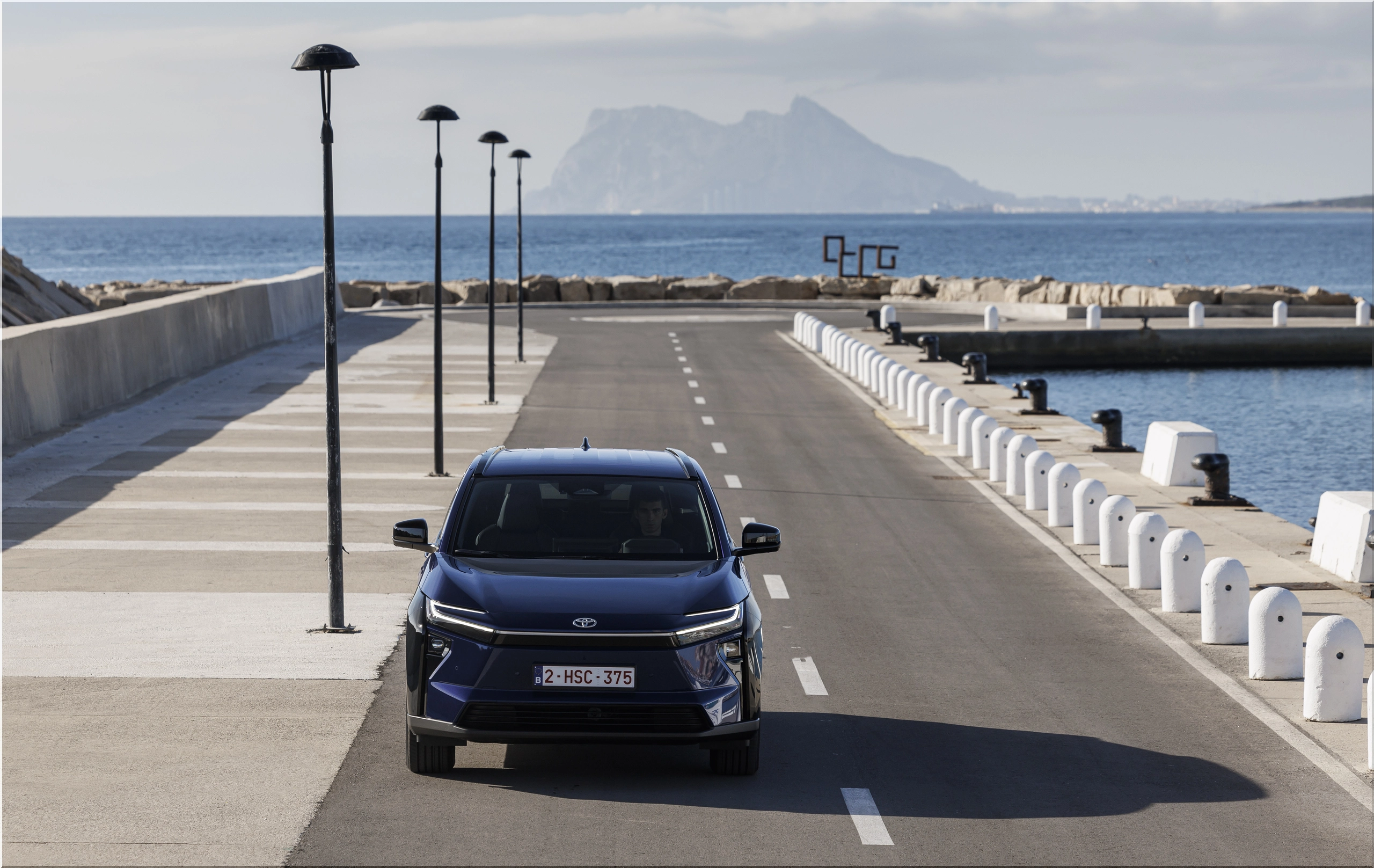
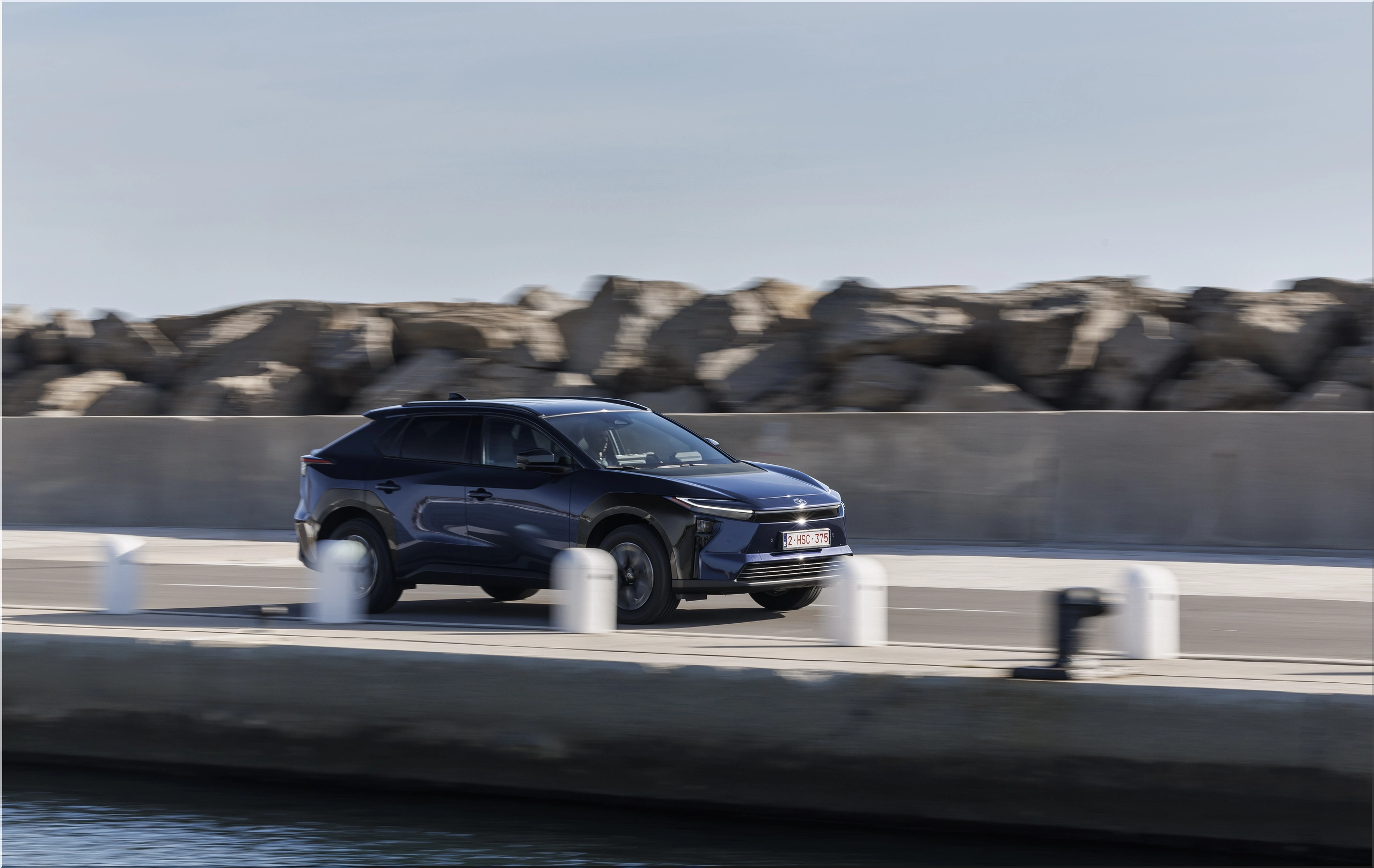
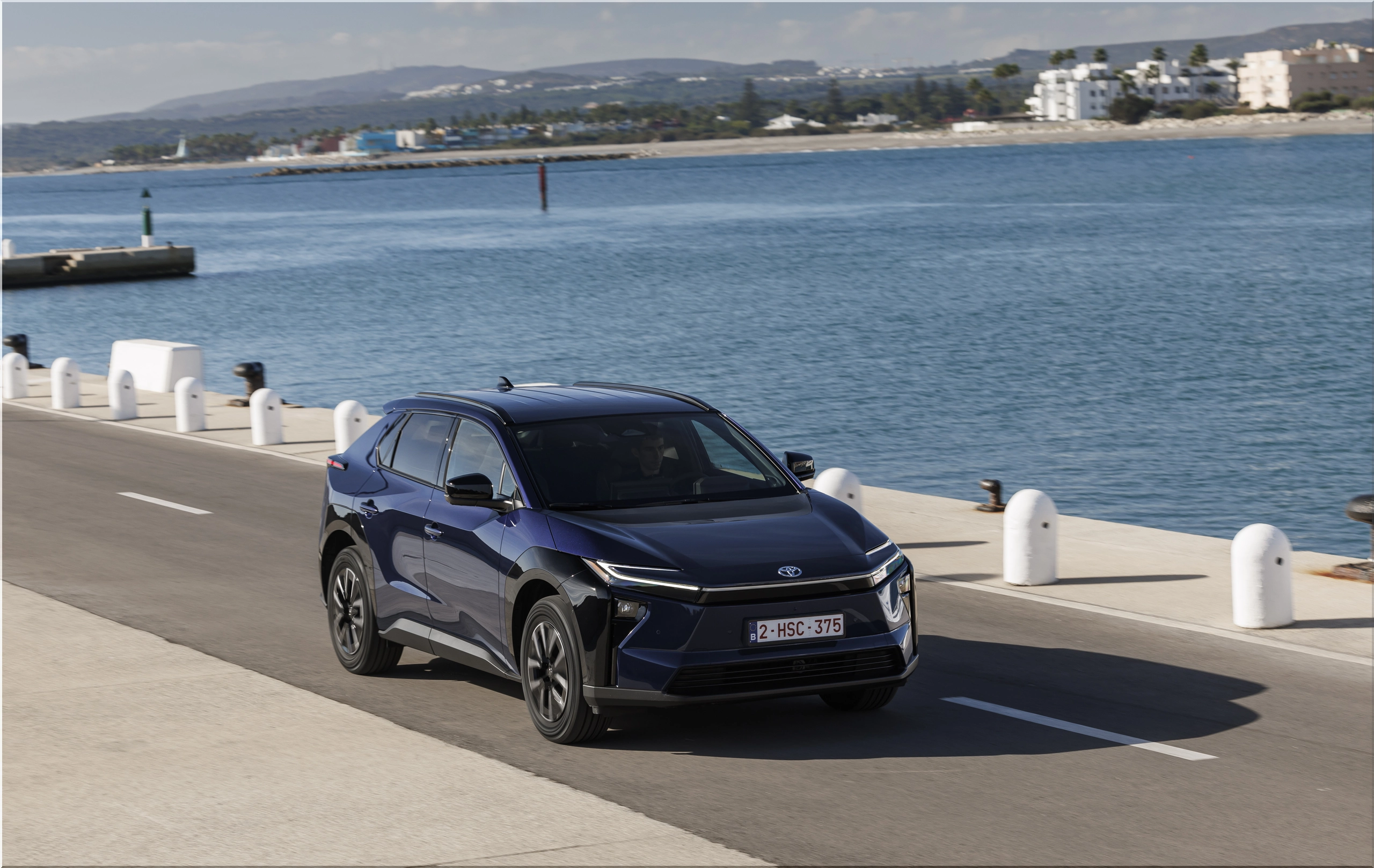
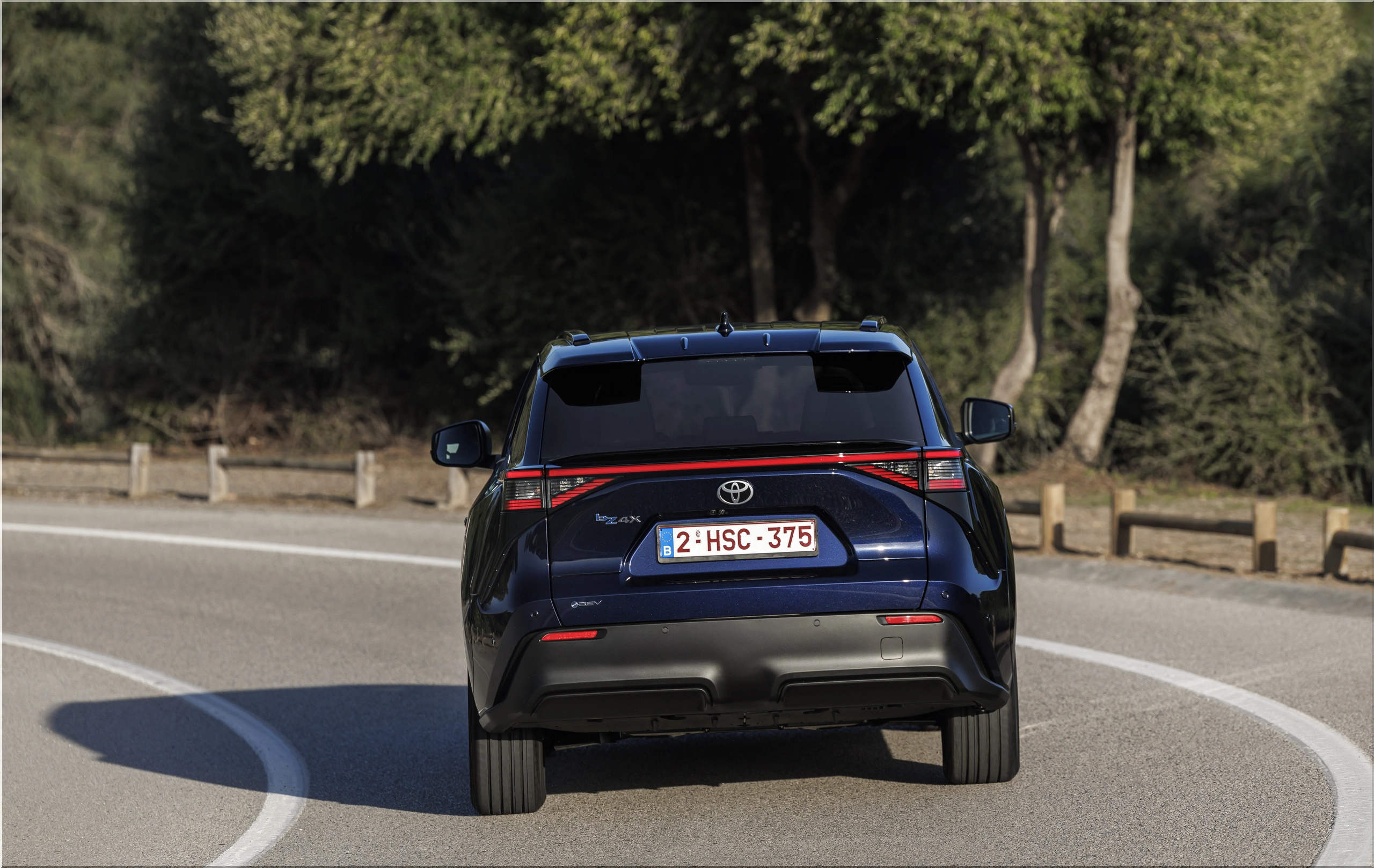
Ownership Profile and Use Cases
The Toyota bZ4X electric SUV targets buyers who value predictability. It suits daily commuting and long-term ownership plans.
Ideal use cases include:
- Consistent daily driving with minimal range anxiety
- Cold-weather regions where efficiency stability matters
- Owners who plan to keep vehicles past warranty periods
Toyota avoids experimental interfaces and aggressive software updates. That restraint supports long-term reliability.
Video title
Toyota bZ4X
Reliability and Long-Term Outlook
Toyota applies its durability playbook to EVs.
- Conservative charging limits protect battery health
- Thermal management prioritizes cell longevity
- Dealer networks support EV service at scale
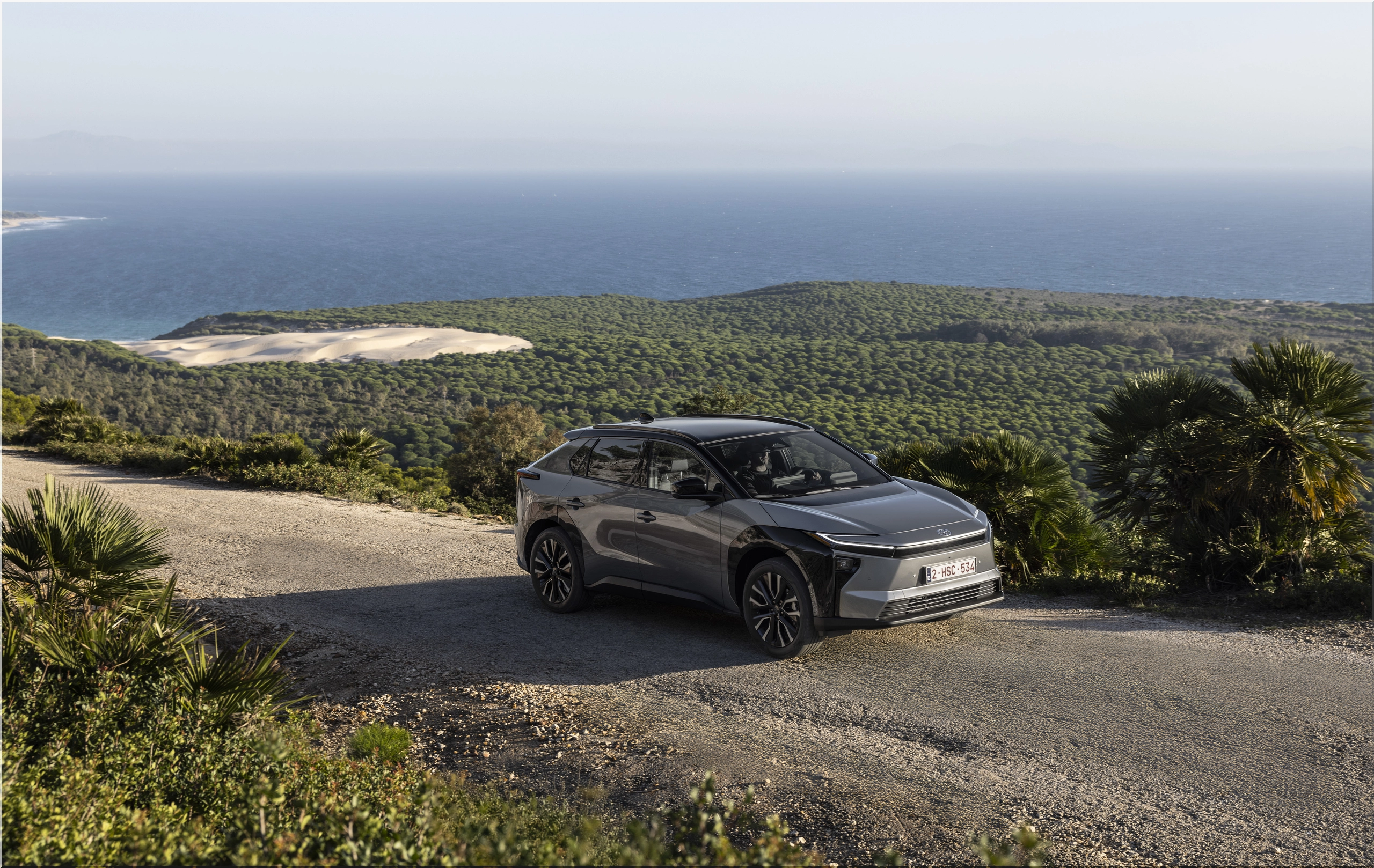
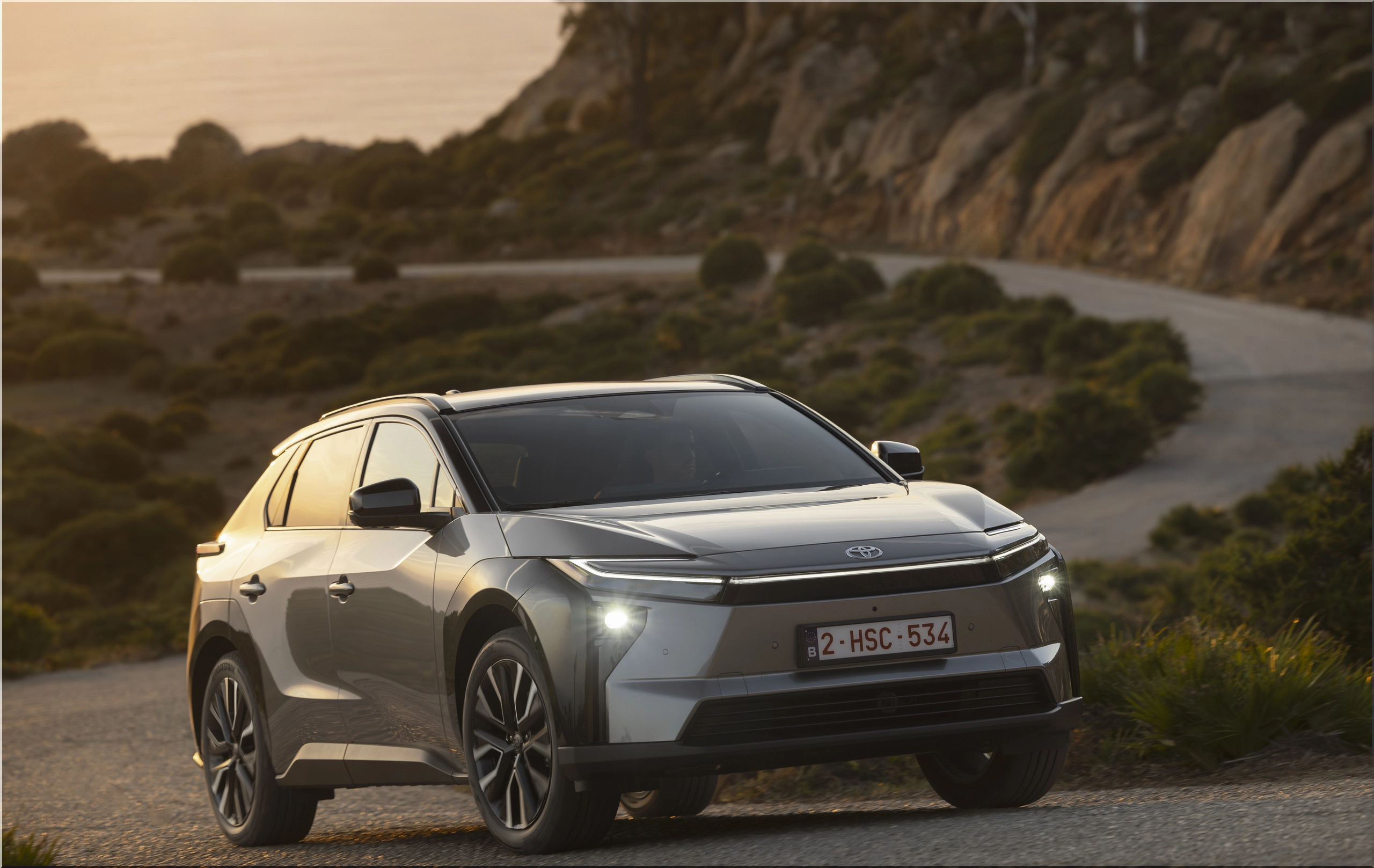
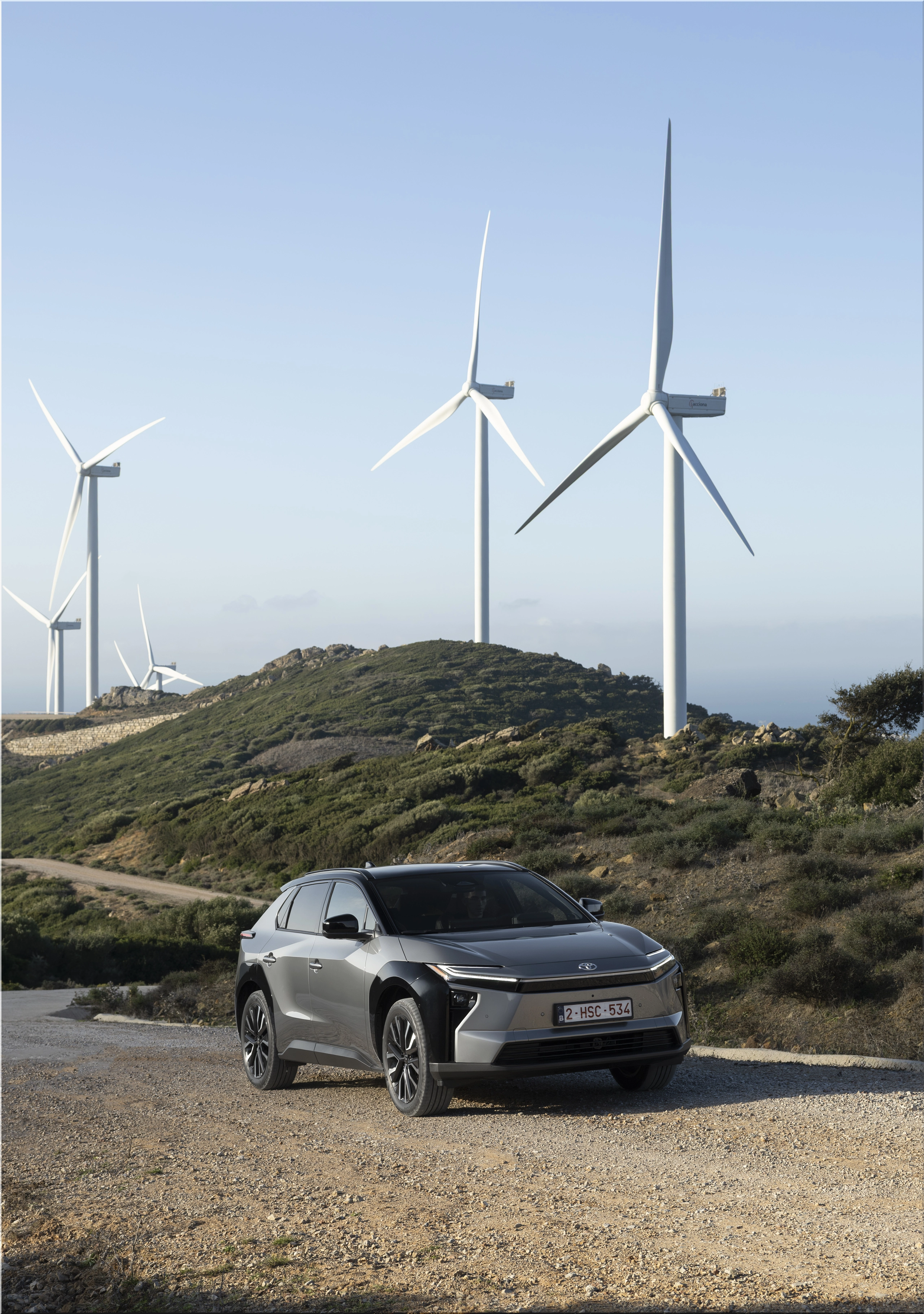
These factors influence total cost of ownership. Buyers who value long service life benefit most.
Image gallery
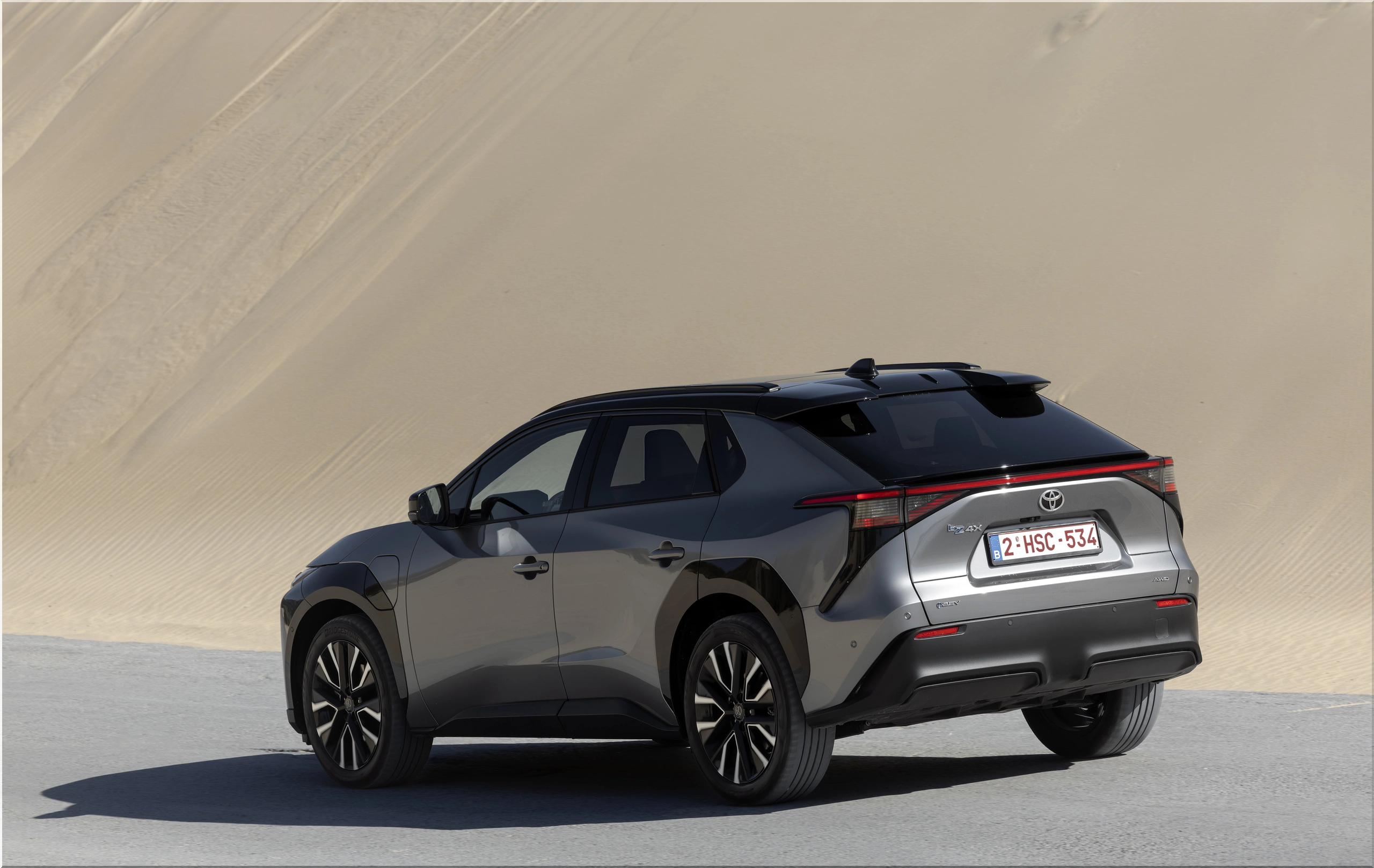
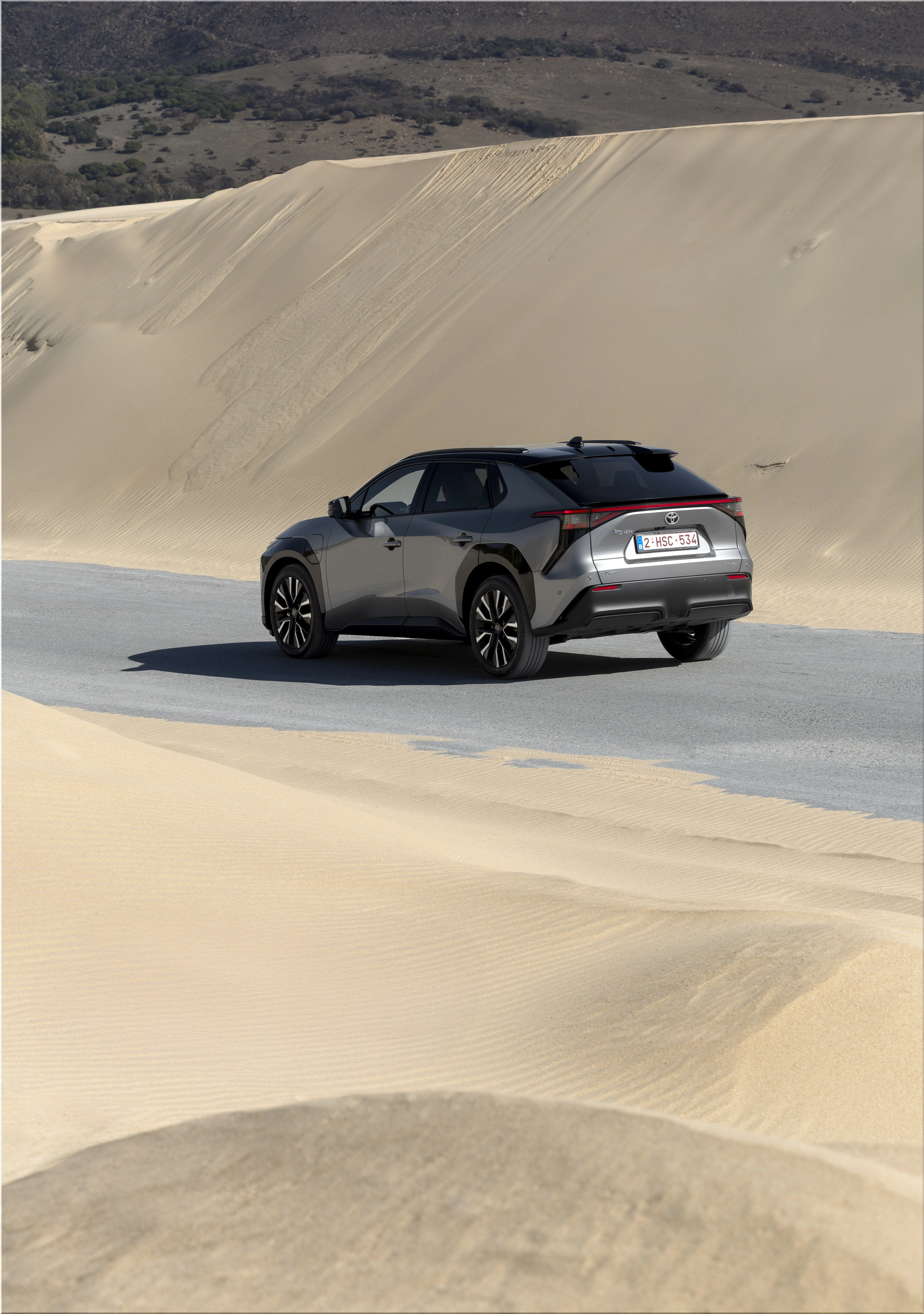
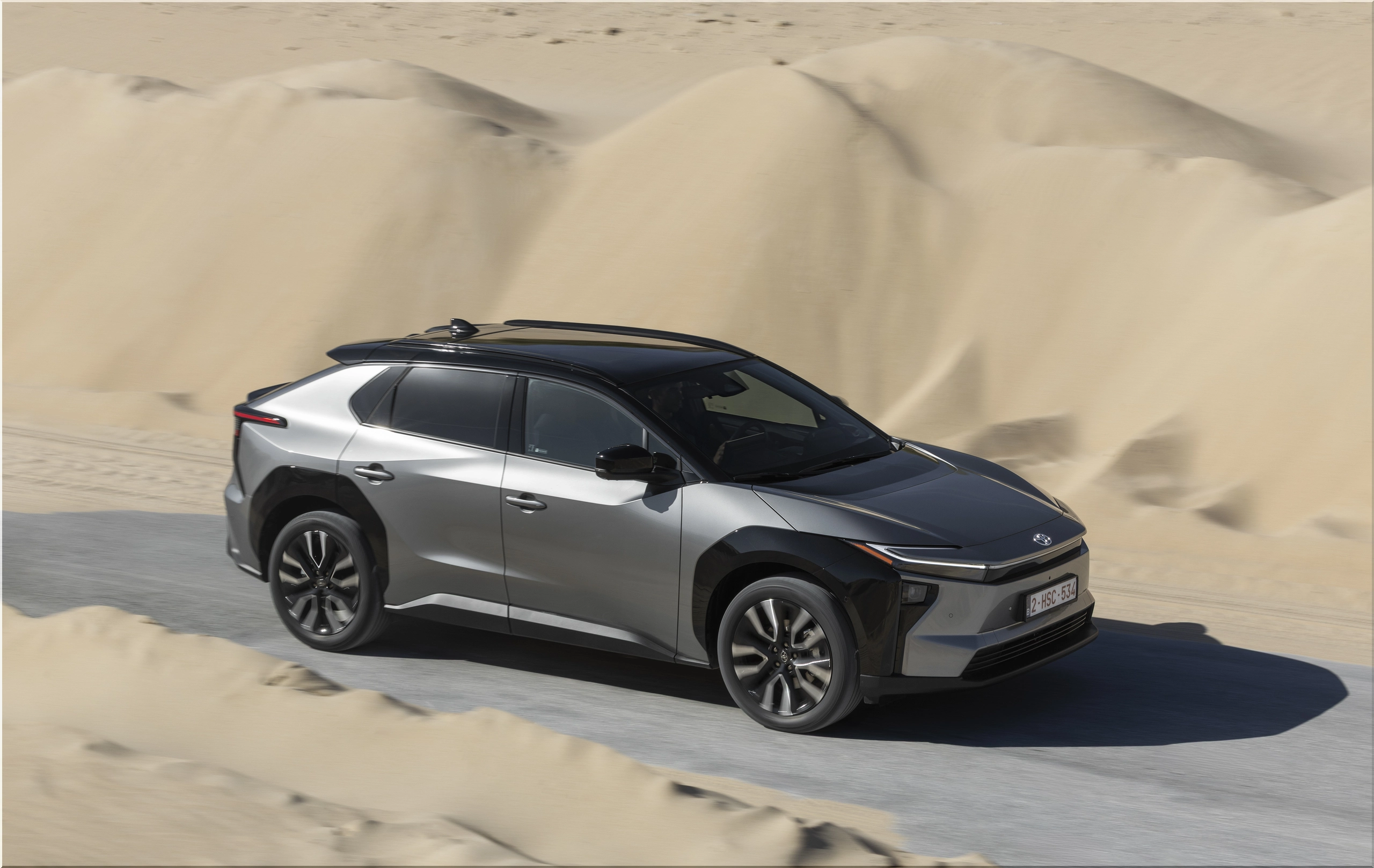
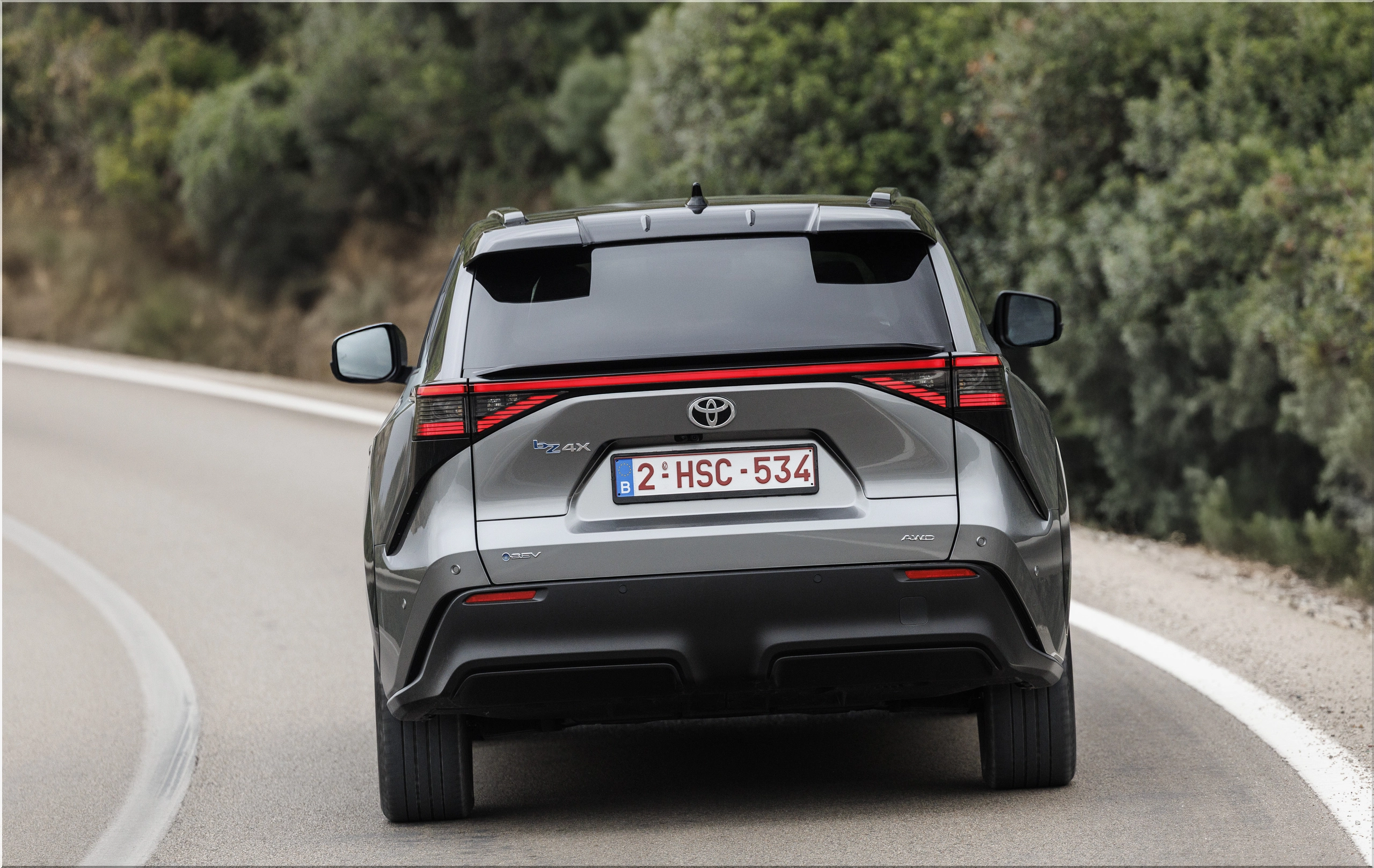
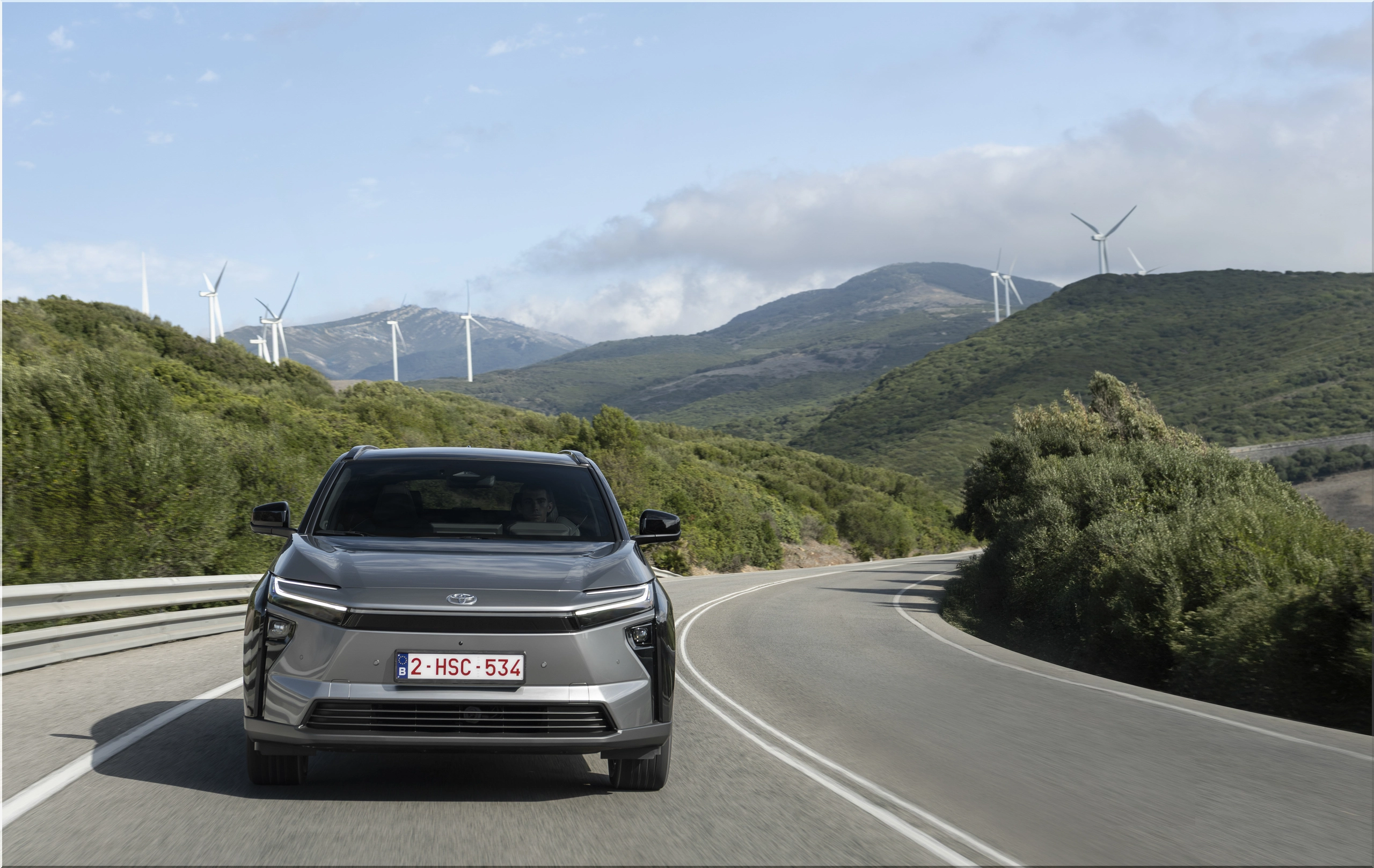
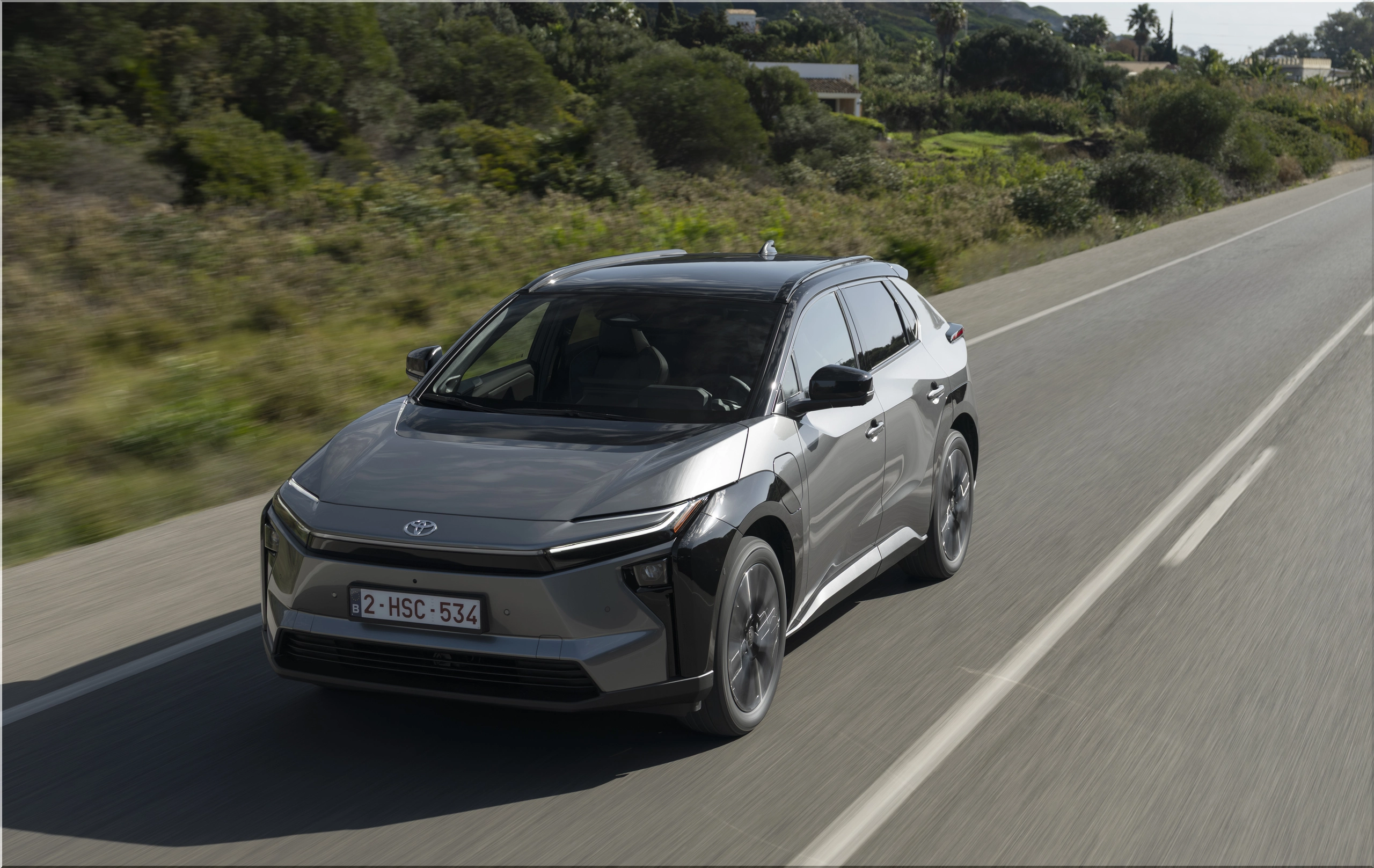
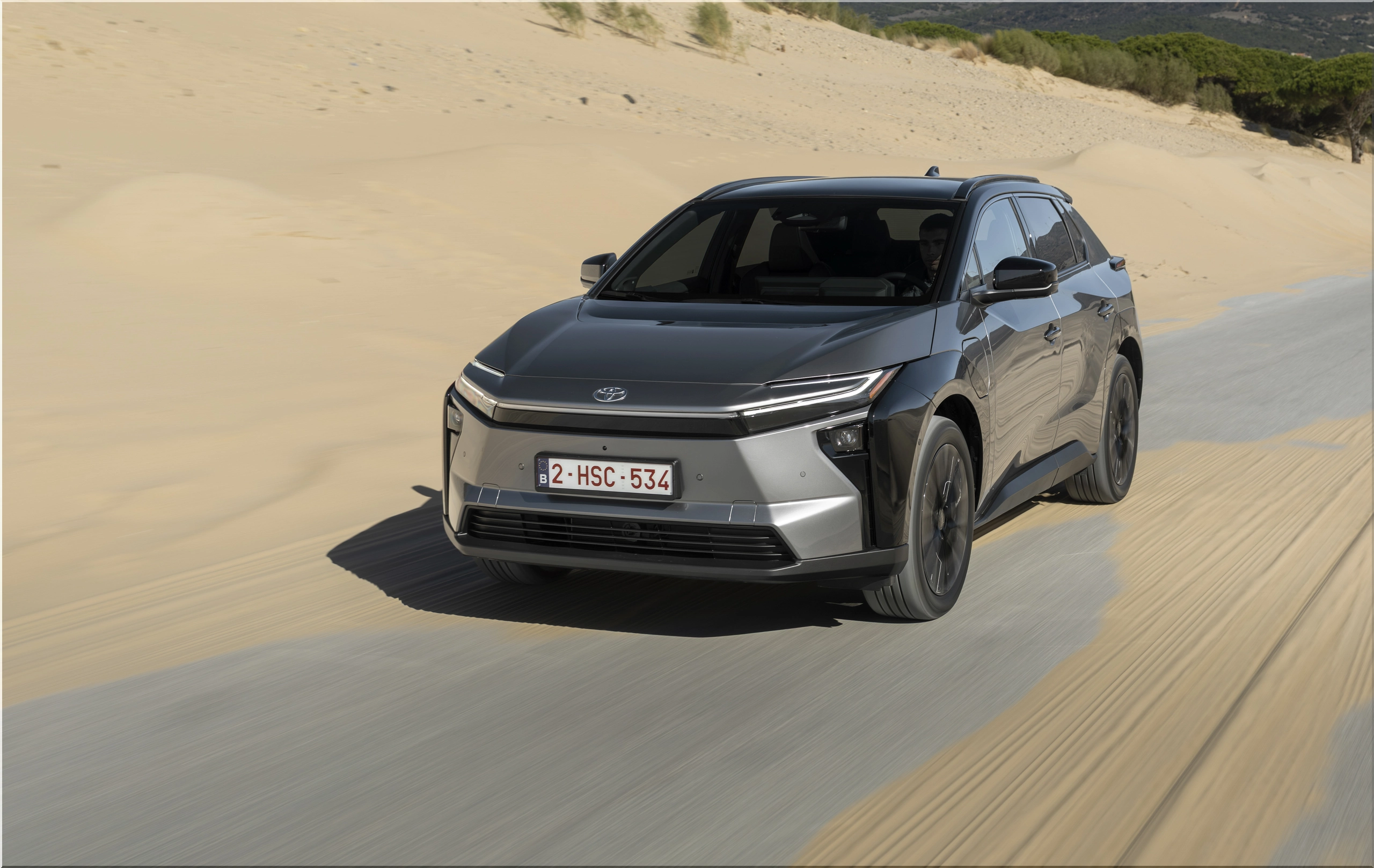
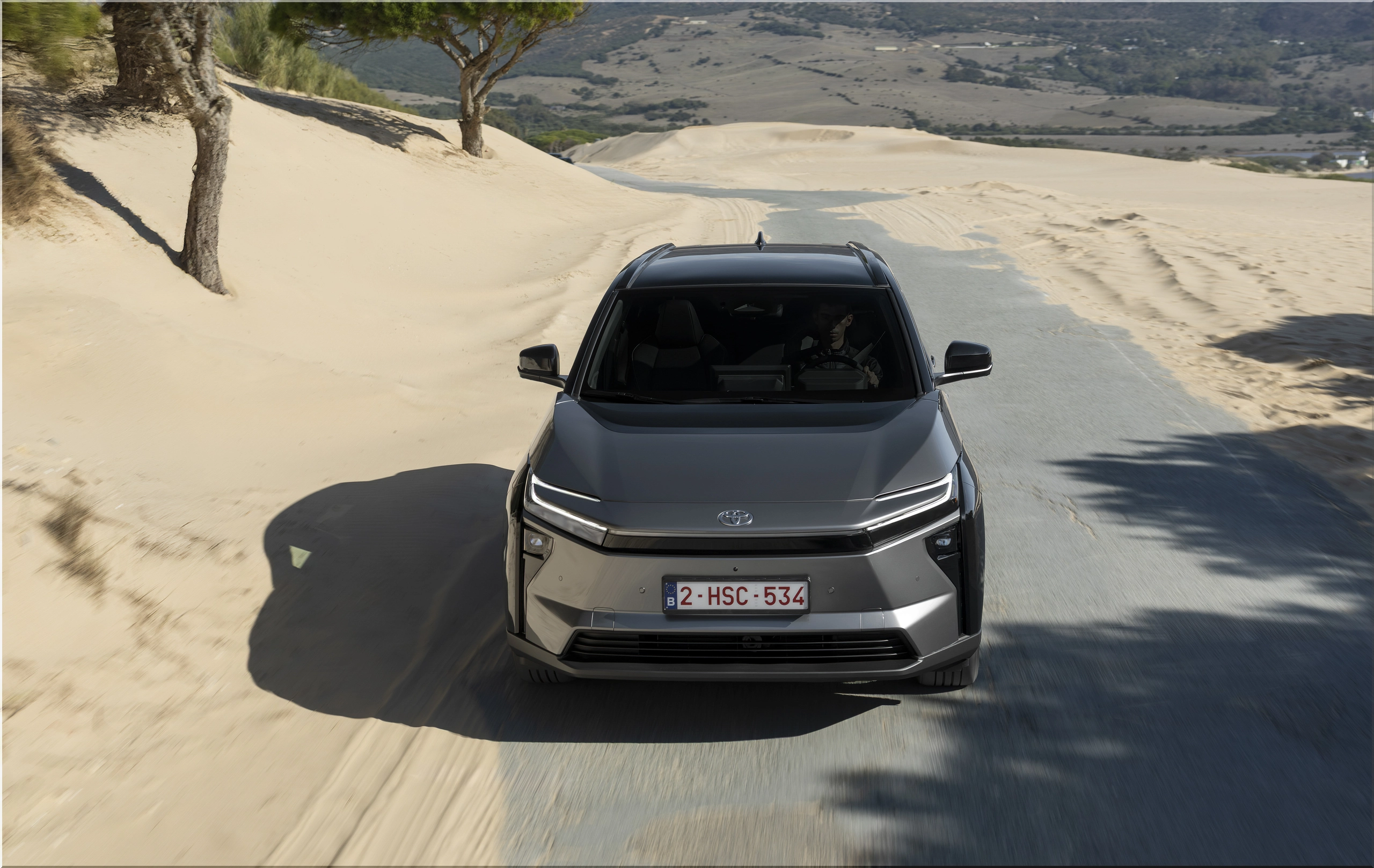

Definitions: Key EV Terms
DC Fast Charging
High-voltage charging that restores significant driving range in under an hour.
Battery Preconditioning
A system that prepares battery temperature before charging to improve speed and consistency.
Energy Efficiency (mi/kWh)
A measure of how far an EV travels per unit of electricity.
Pro Tips for Buyers
- Smaller wheels improve range consistency.
- AWD improves traction but reduces efficiency.
- Home Level 2 charging simplifies daily use.
These choices shape ownership experience more than peak output numbers.
What Now: Does the 2026 bZ4X Make Sense?
The 2026 Toyota bZ4X finally competes on fundamentals. Range improves. Power increases. Charging behavior stabilizes. Ride quality advances.
Buyers who skipped earlier versions should reassess. Toyota corrected meaningful flaws without inflating cost or complexity.
This update marks a turning point. Toyota now competes with data, not excuses.
- Add new comment
- 260 views