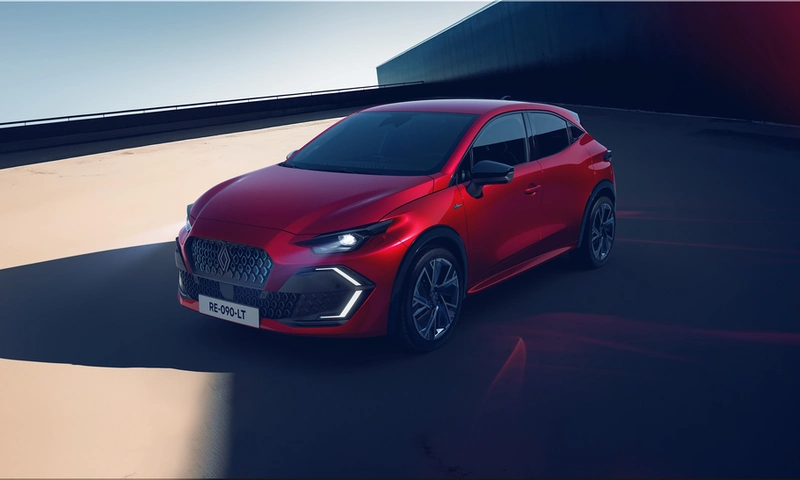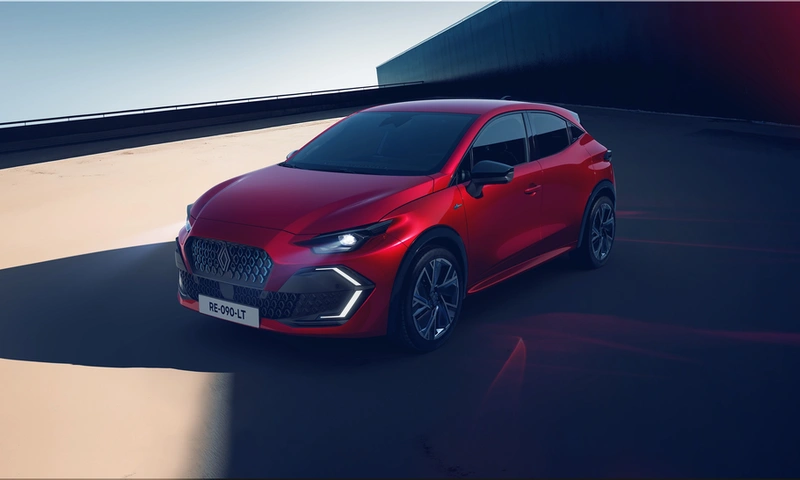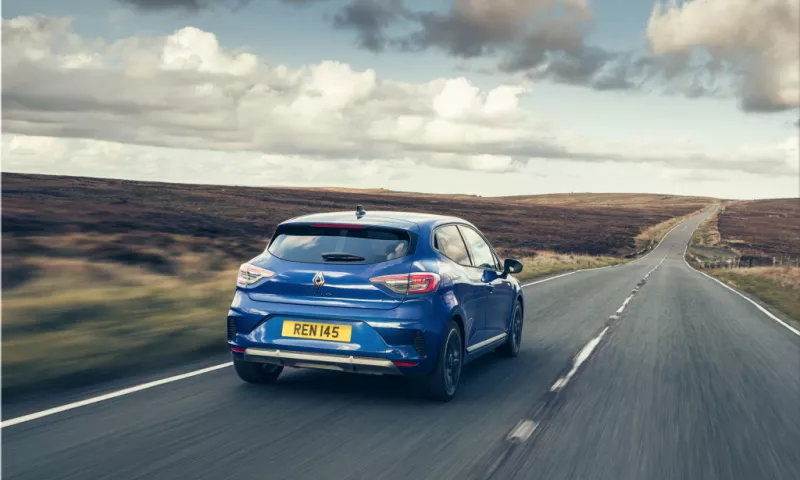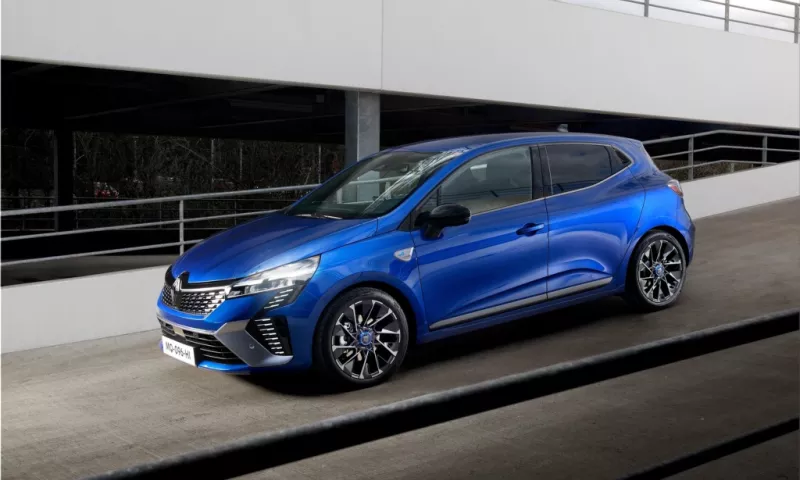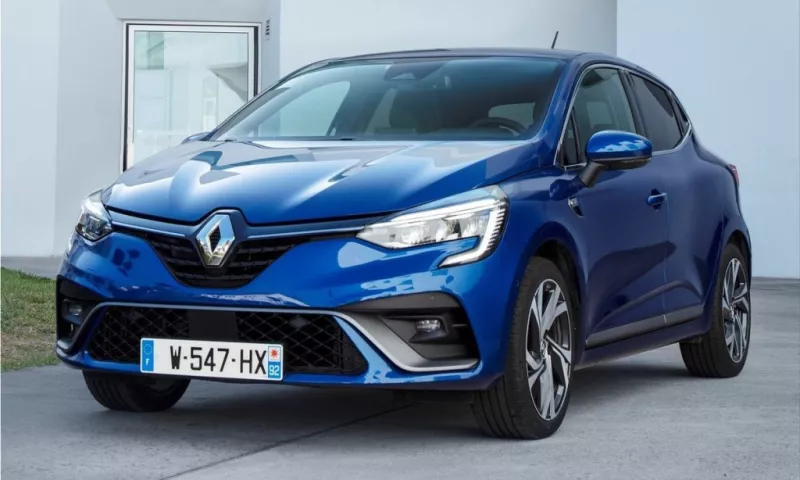
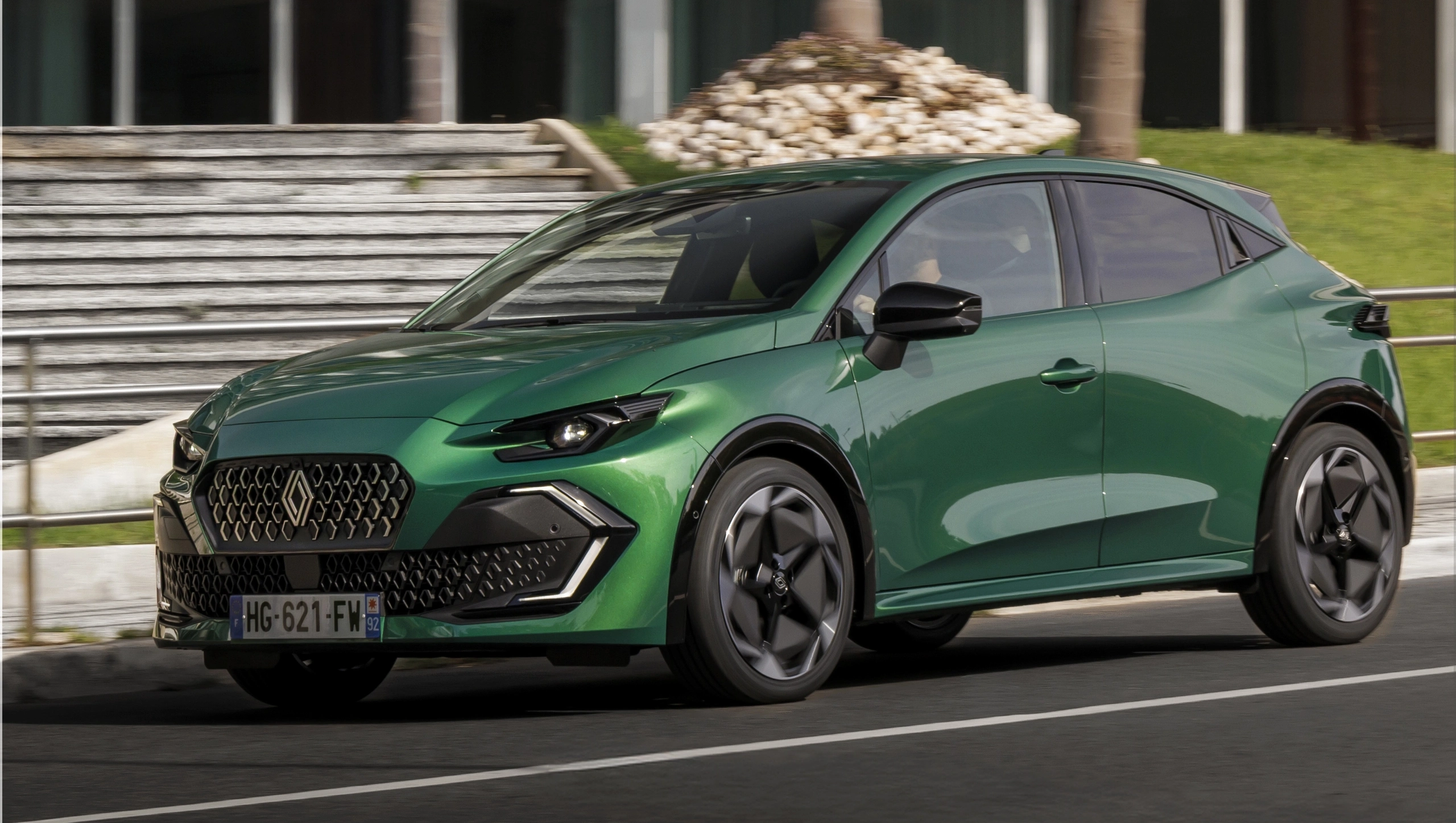
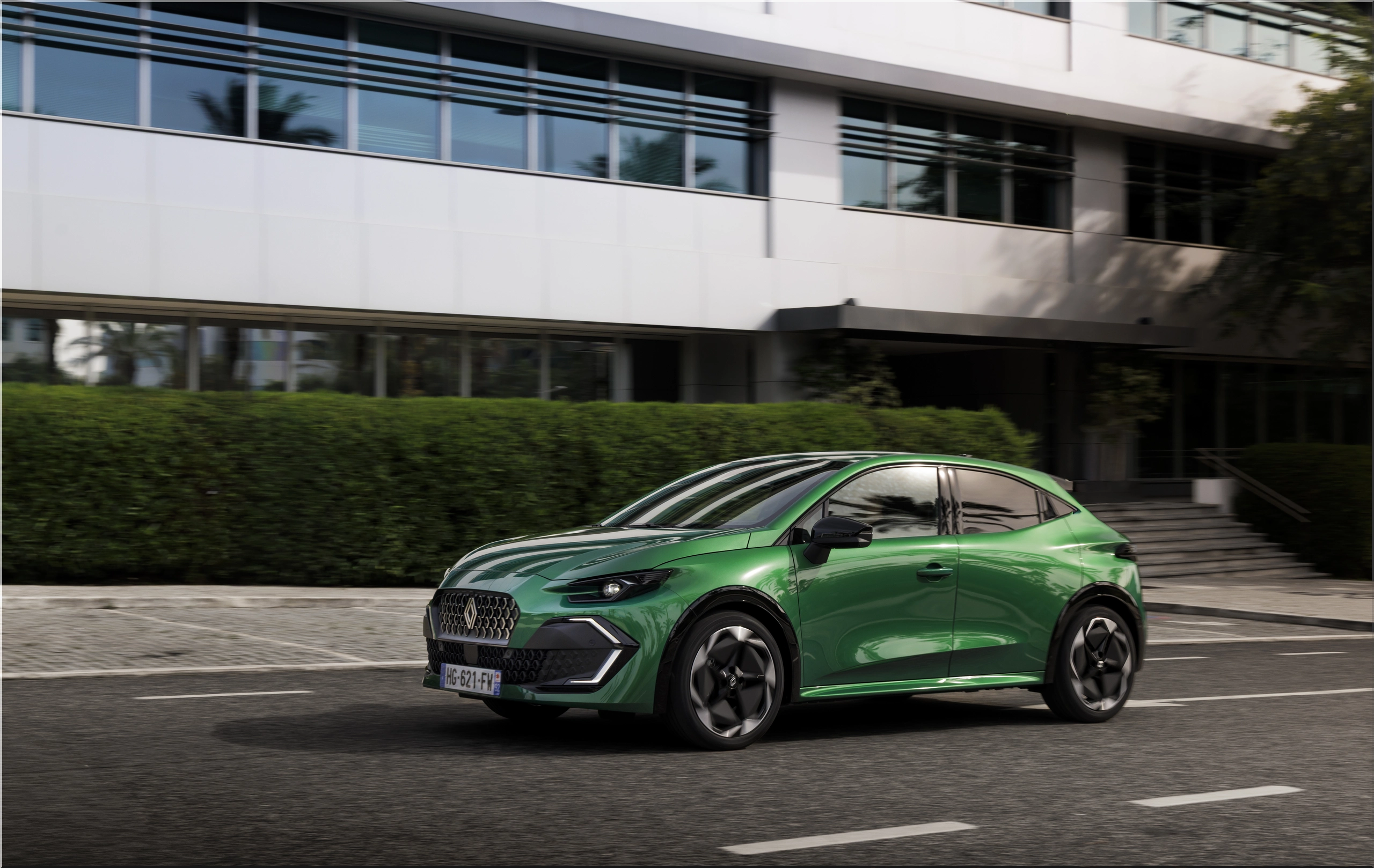
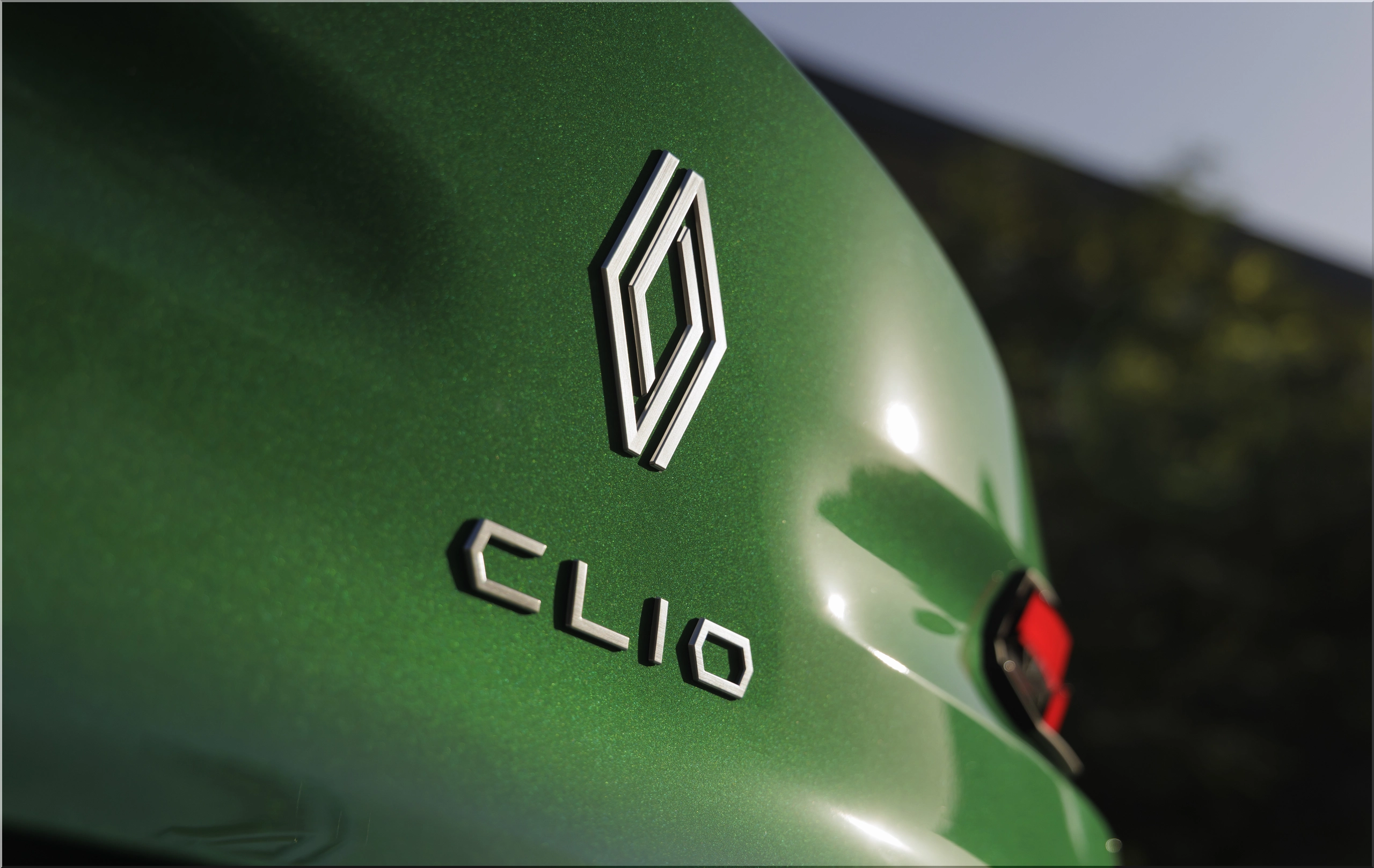
Renault did not play it safe with the new Renault Clio. The sixth-generation model keeps the Clio nameplate's mass-market pull, but it pushes harder on design, cabin tech, and powertrain efficiency than any Clio before it. That matters, because this car sits in one of Europe's toughest classes, where buyers compare every millimeter, every liter of cargo room, and every tenth of a second in the 0-62 mph run.
Image
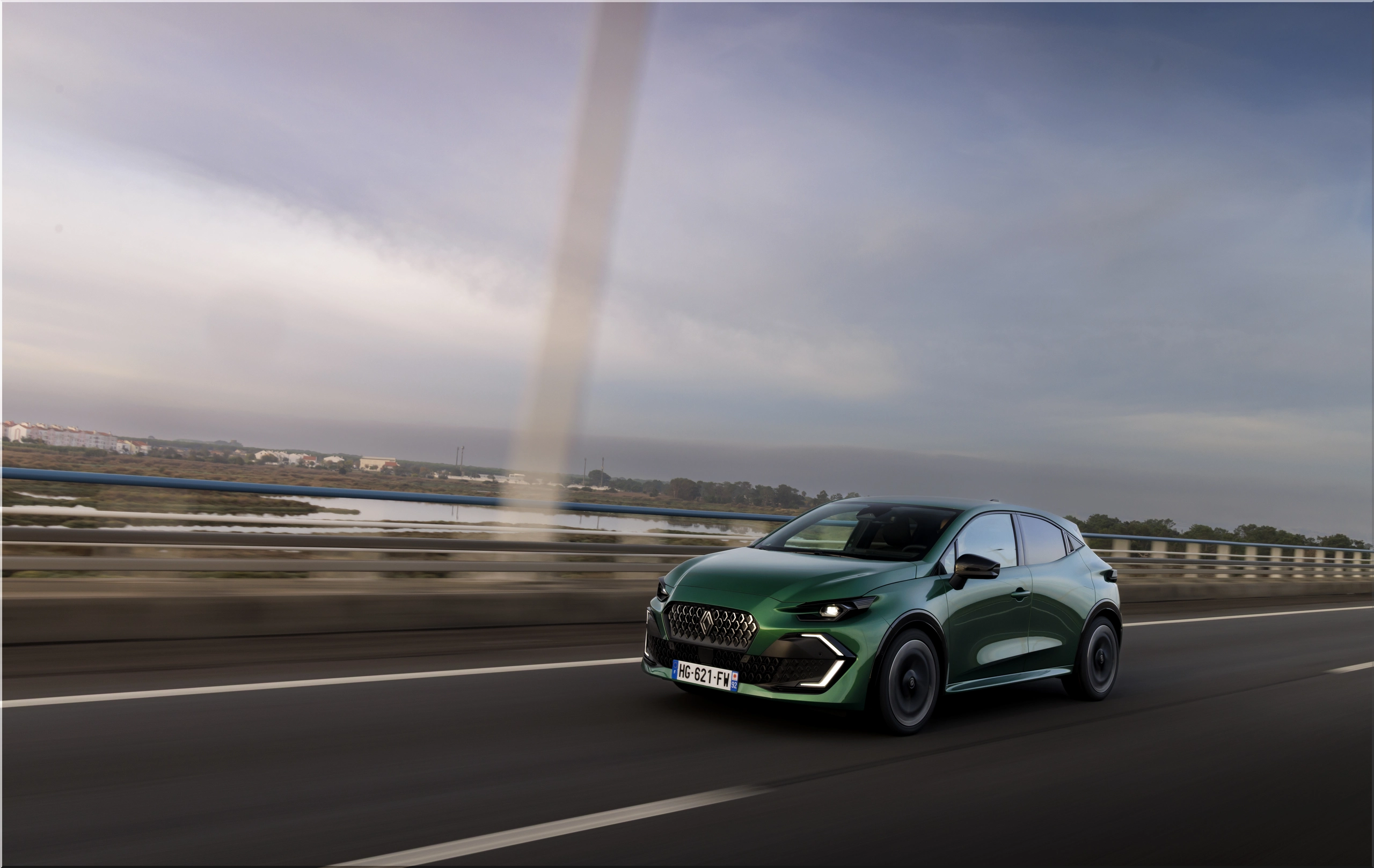
Looking at the data, Renault has attacked the exact pain points that decide this segment. The new car grows to 4,120 mm in length, gains width, stretches its stance, adds a stronger entry petrol engine, upgrades the hybrid to 160 hp, and folds in OpenR Link with Google built-in plus up to 29 ADAS functions. That combination tells you Renault wants this car to pull budget-minded buyers, private owners, and fleet users into the same showroom.
Why the sixth-generation Renault Clio matters
The Clio already had the hard part nailed. It had brand recognition, broad appeal, and scale. Renault says the model has sold nearly 17 million units globally across 120 countries, and the Clio remained Europe's best-selling model in the first half of 2025. The sixth chapter had one job: move the car upmarket without pushing it out of reach.
Specifically, Renault used three levers:
- More visual presence
- Better hybrid efficiency
- Higher-value cabin tech
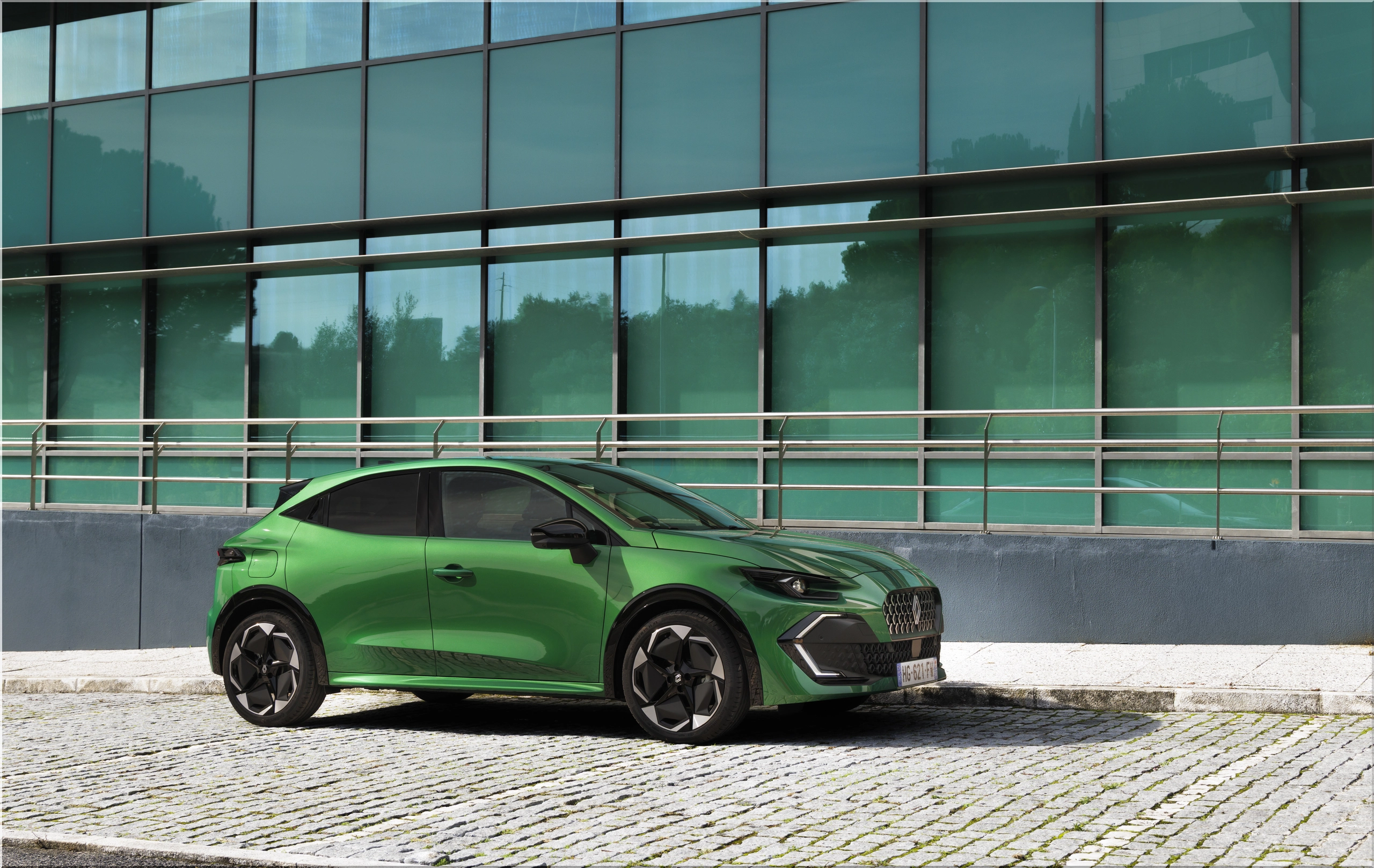
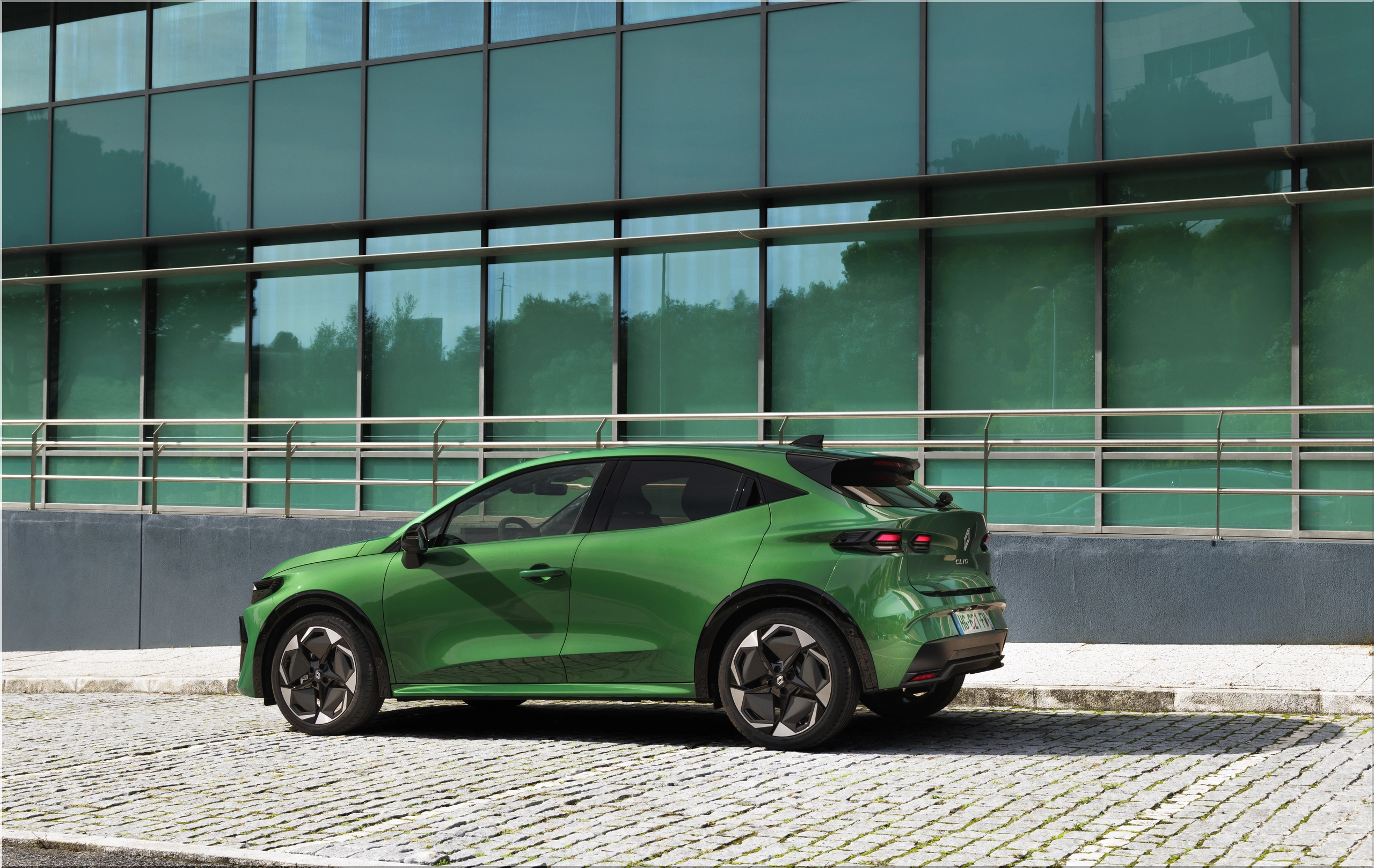
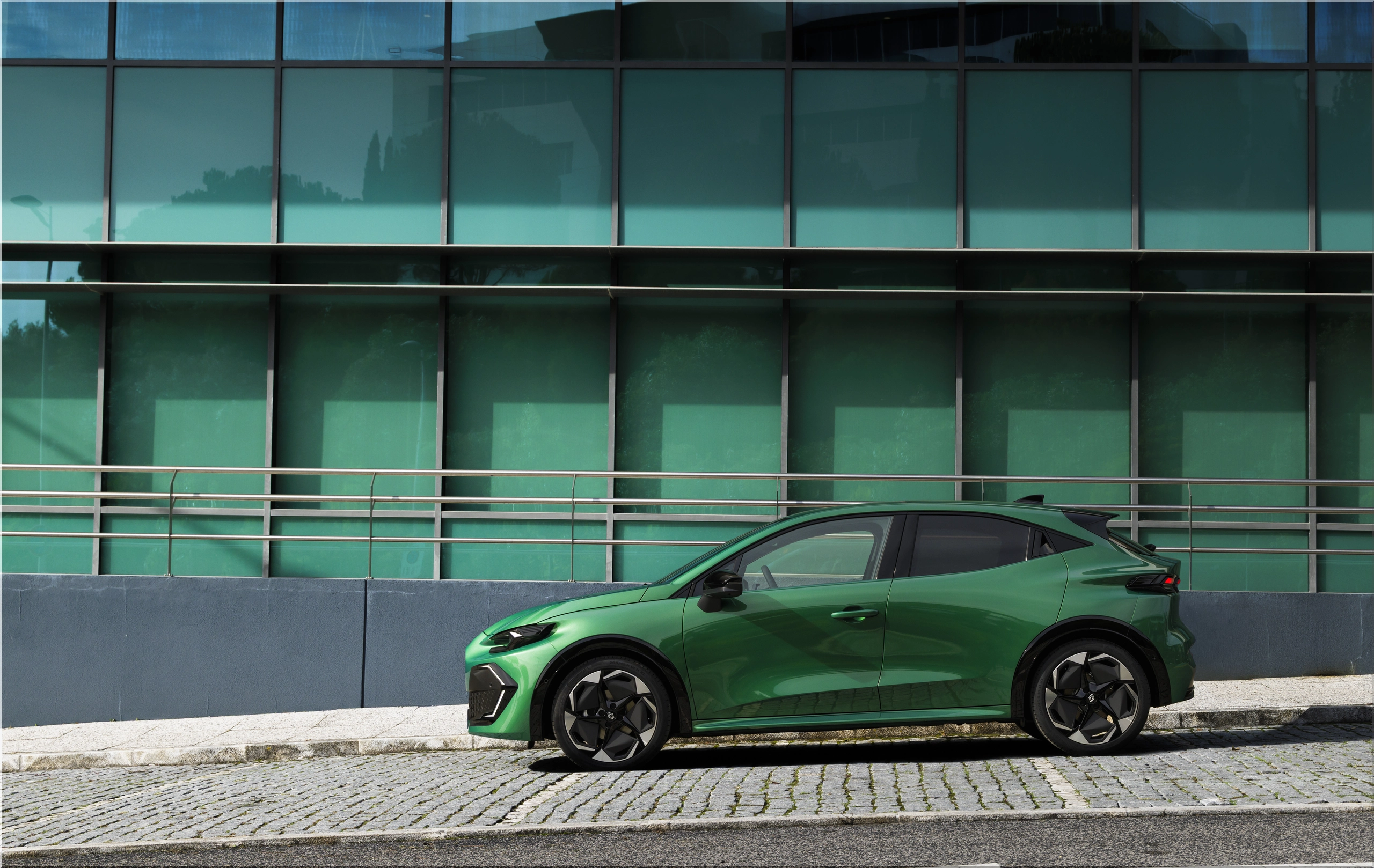
That sounds obvious, but the execution matters. In B-segment hatchbacks, size creep often adds visual heft without fixing interior packaging. Renault partly follows that pattern here. The car gets longer and wider, yet the wheelbase gain stays modest. In plain terms, Renault spent some of that extra length on stance and front-end proportion, not pure cabin space. That tells you design and road presence ranked high in the engineering brief.
Renault Clio dimensions, specs, and key figures
The latest Renault Clio specs show a car that now presses against the upper edge of the supermini class.
Core measurements and powertrain data
| Metric | 2026 Renault Clio TCe 115 | 2026 Renault Clio E-Tech Full Hybrid 160 |
|---|---|---|
| Length | 4,116 mm | 4,120 mm |
| Width | 1,768 mm | about 1,807 mm |
| Height | 1,452 mm | about 1,440-1,452 mm |
| Wheelbase | 2,591 mm | about 2,591 mm |
| Power | 115 hp | 160 hp |
| Torque | 190 Nm | 172 Nm engine torque, with hybrid assistance |
| Transmission | 6-speed manual | multi-mode clutchless dog box |
| 0-100 km/h | 10.2 sec | 8.3 sec |
| Top speed | 180 km/h | n/a in source set |
| Fuel consumption | 4.9 l/100 km | from 3.9 l/100 km |
| CO2 emissions | 114 g/km | from 89 g/km |
| Boot capacity | 391 L | up to 391 L cited for new range, hybrid boot may vary by spec |
| Kerb weight | 1,153 kg | about 100 kg heavier than TCe per road-test comparison |
Two things jump out. First, the TCe 115 looks like the rational pick for drivers who still want a manual gearbox and a lighter nose. Second, the E-Tech Full Hybrid 160 finally gives Clio the kind of combined output that feels credible against stronger rivals, rather than merely efficient.
Why the new E-Tech 160 powertrain matters
Renault's new full hybrid E-Tech 160 does not add power for bragging rights alone. It changes the car's use case.
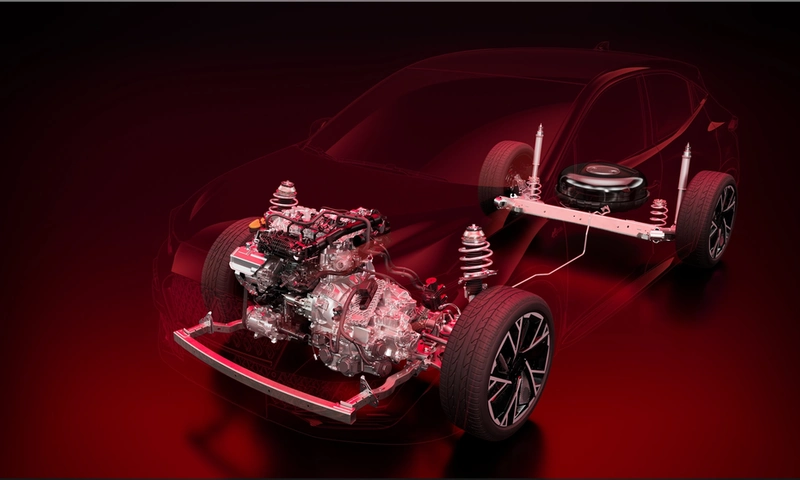
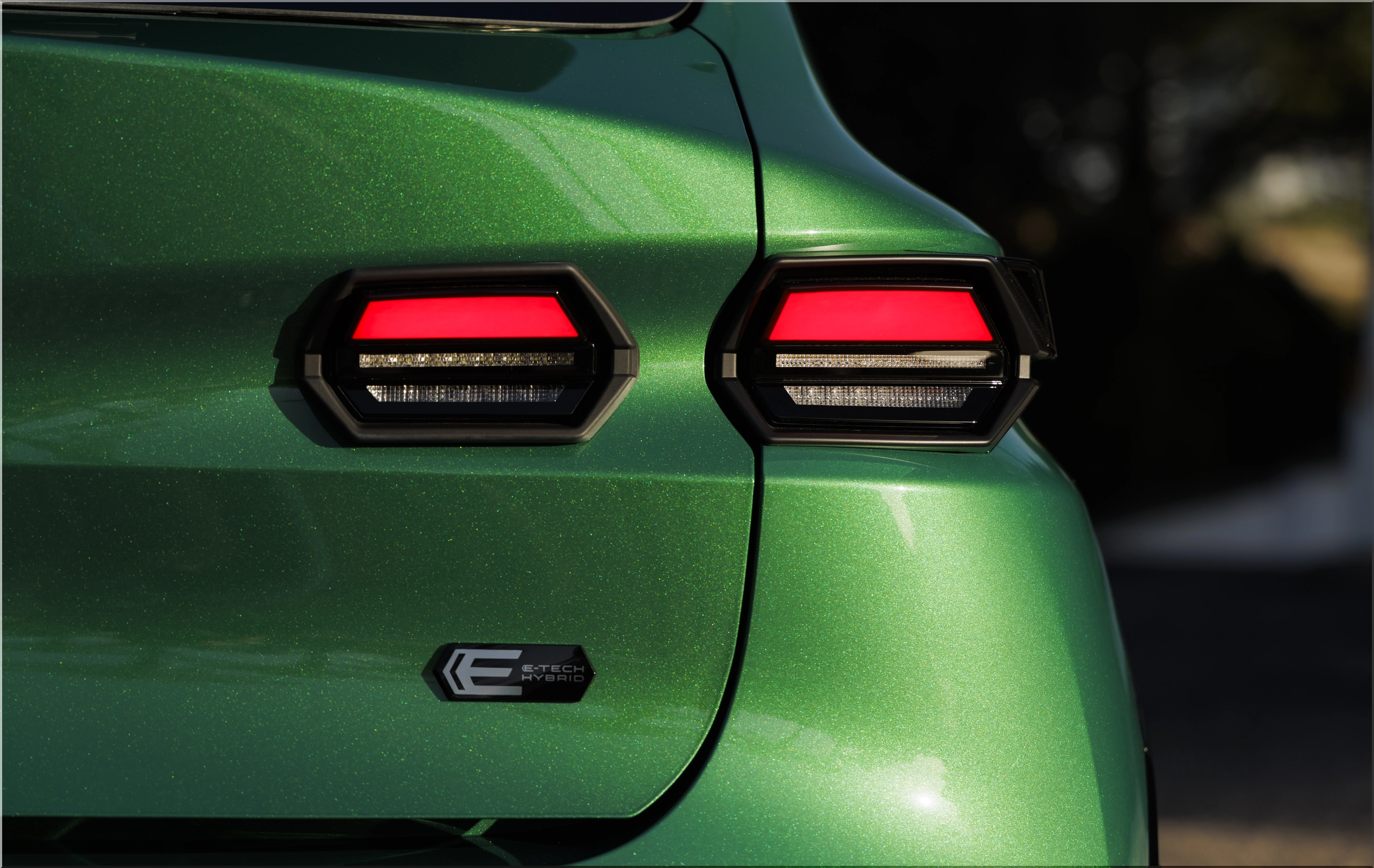
The hybrid system pairs a 1.8-liter four-cylinder petrol engine with two electric motors, a 1.4 kWh battery, and a revised multi-mode clutchless dog box. Renault says the petrol engine alone now makes 109 hp and 172 Nm, with peak torque arriving around 2,000 rpm. Consequently, the new setup should feel less strained during mid-range acceleration, motorway merges, and overtakes.
Image
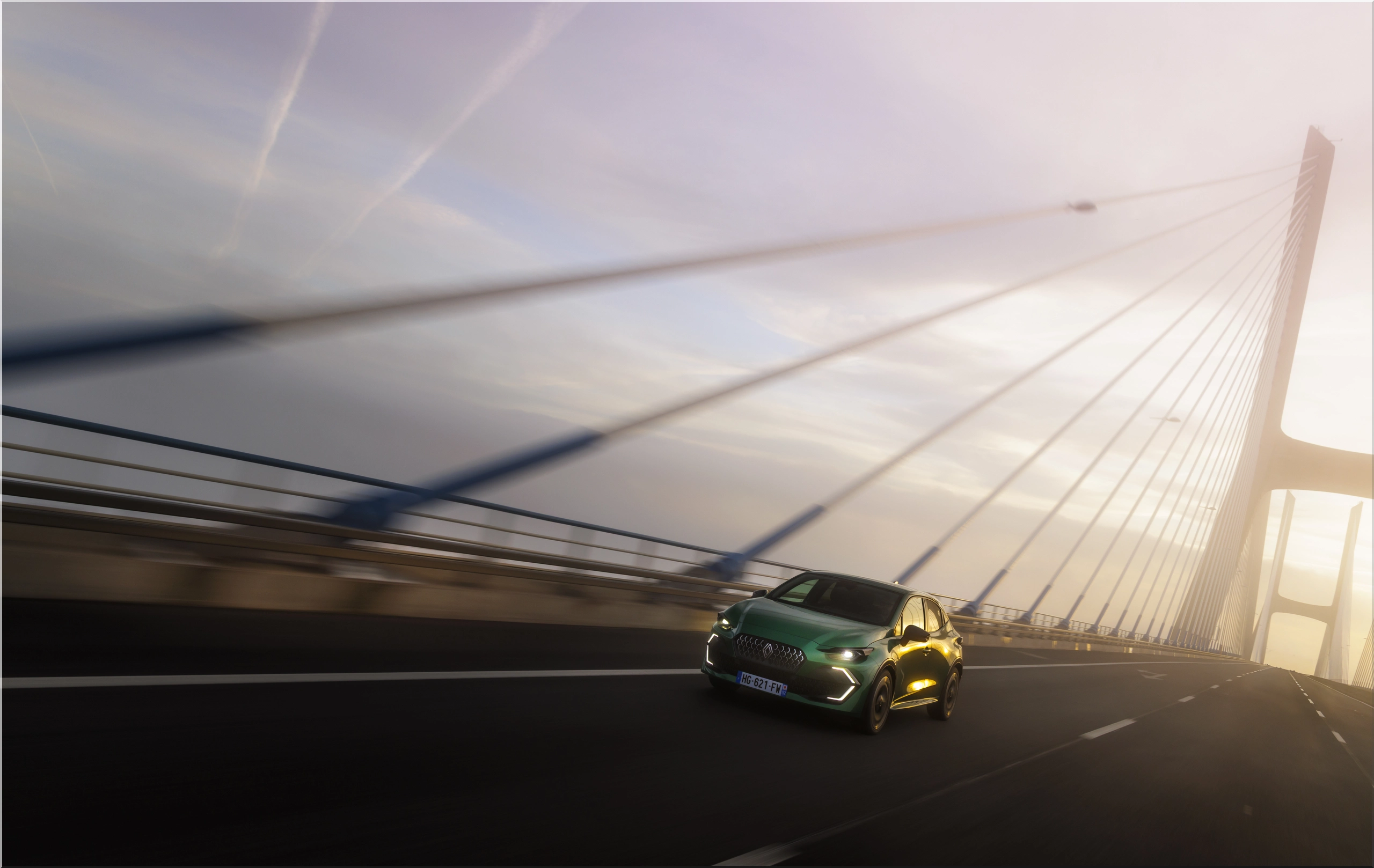
That gearbox choice deserves attention. A clutchless dog box cuts friction losses compared with a more conventional automatic, which helps efficiency. Renault also says it retuned the unit for smoother, quicker shifts. From an expert perspective, that matters because earlier E-Tech systems could feel clever on paper yet slightly awkward in transitional moments. Smoother calibration fixes a real customer complaint, not a brochure problem.
What Renault improved in the E-Tech 160
- Power rises from the earlier 145 hp class to 160 hp
- Combustion-engine torque rises by 25% to 172 Nm
- Battery capacity grows from 1.2 kWh to 1.4 kWh
- Fuel use drops to 4.3 l/100 km in Renault's wider E-Tech 160 application, while Clio claims from 3.9 l/100 km
- Electric running time in city use can reach up to 80% of driving time
By comparison, the lighter TCe 115 still wins on simplicity, lower purchase cost, and a more involved drive. Dutch testing also found it easier to enjoy in everyday traffic because it weighs about 100 kg less than the hybrid and gives you a bigger luggage area than the hybrid version.
Interior, tech, and day-to-day usability
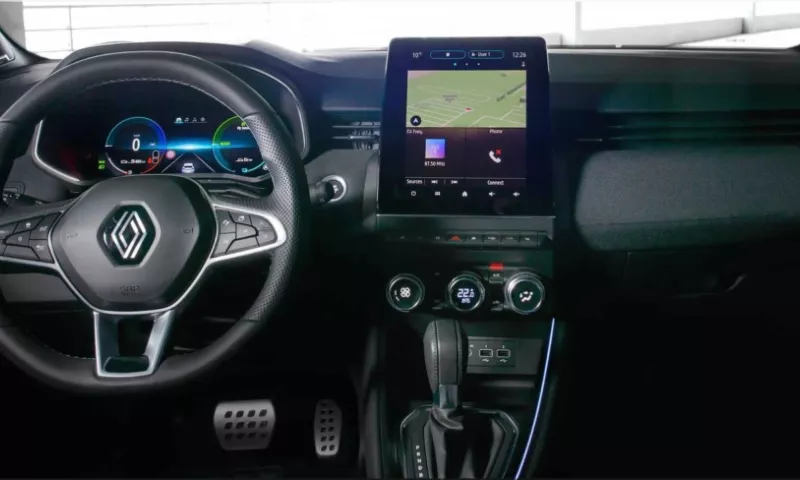
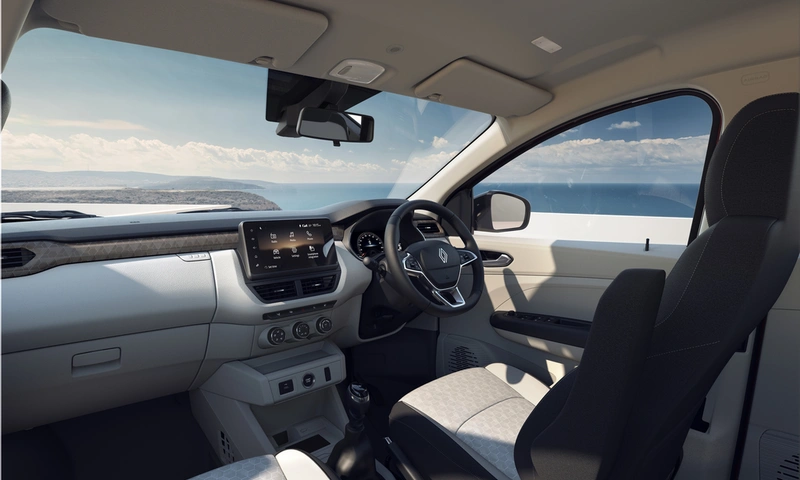
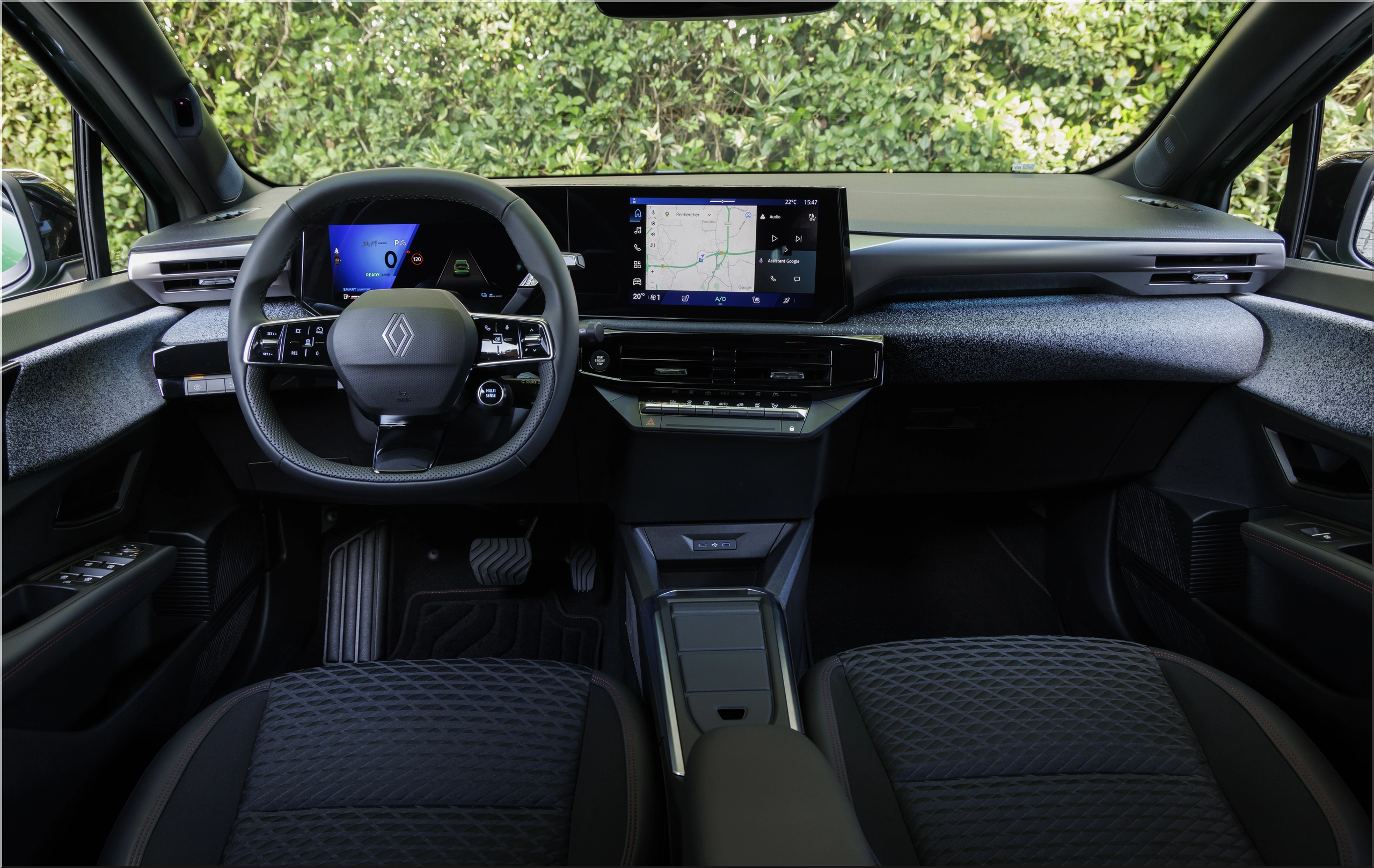
Renault clearly wants the new Clio interior to punch above class norms. The dashboard layout prioritizes the pieces buyers touch and use every day: screens, climate functions, seating position, and materials in the main contact zones. Reviews also point out that Renault kept physical controls for frequent-use features, which remains the correct call in a car that will spend a lot of time in urban traffic.
The big tech play comes from OpenR Link with Google built-in. That includes native Google Maps, Google Assistant, and access to Google Play services on supported trims. In addition, Renault offers a strong safety and convenience stack, with features such as adaptive cruise control, blind-spot warning, rear cross-traffic alert, rear automatic emergency braking, and driver-assist functions that usually sit a class up. You can always try the Renault Clio configurator.
Trim-level logic
| Trim | Main Value Play | Key Equipment |
|---|---|---|
| Evolution | Price-led entry point | Adaptive cruise control, 10.1-inch central screen, climate control, rear parking sensors |
| Techno | Best all-rounder | OpenR Link with Google built-in, reversing camera, auto high beam, mood lighting, 16-inch alloys |
| Esprit Alpine | Image and equipment leader | 18-inch wheels, Alcantara trim, inductive charging, expanded parking aids, blind-spot warning, active driver assist |
Renault Clio pricing in USD
- TCe 115 from €19,900 = about $23,166
- E-Tech Full Hybrid 160 from €24,600 = about $28,637
- AutoGids test car at €28,300 = about $32,944
That spread explains Renault's two-track strategy. The petrol car stays within reach of buyers who watch monthly cost first. The hybrid asks for more money up front, but it pays back with lower fuel use, stronger performance, and better urban efficiency.
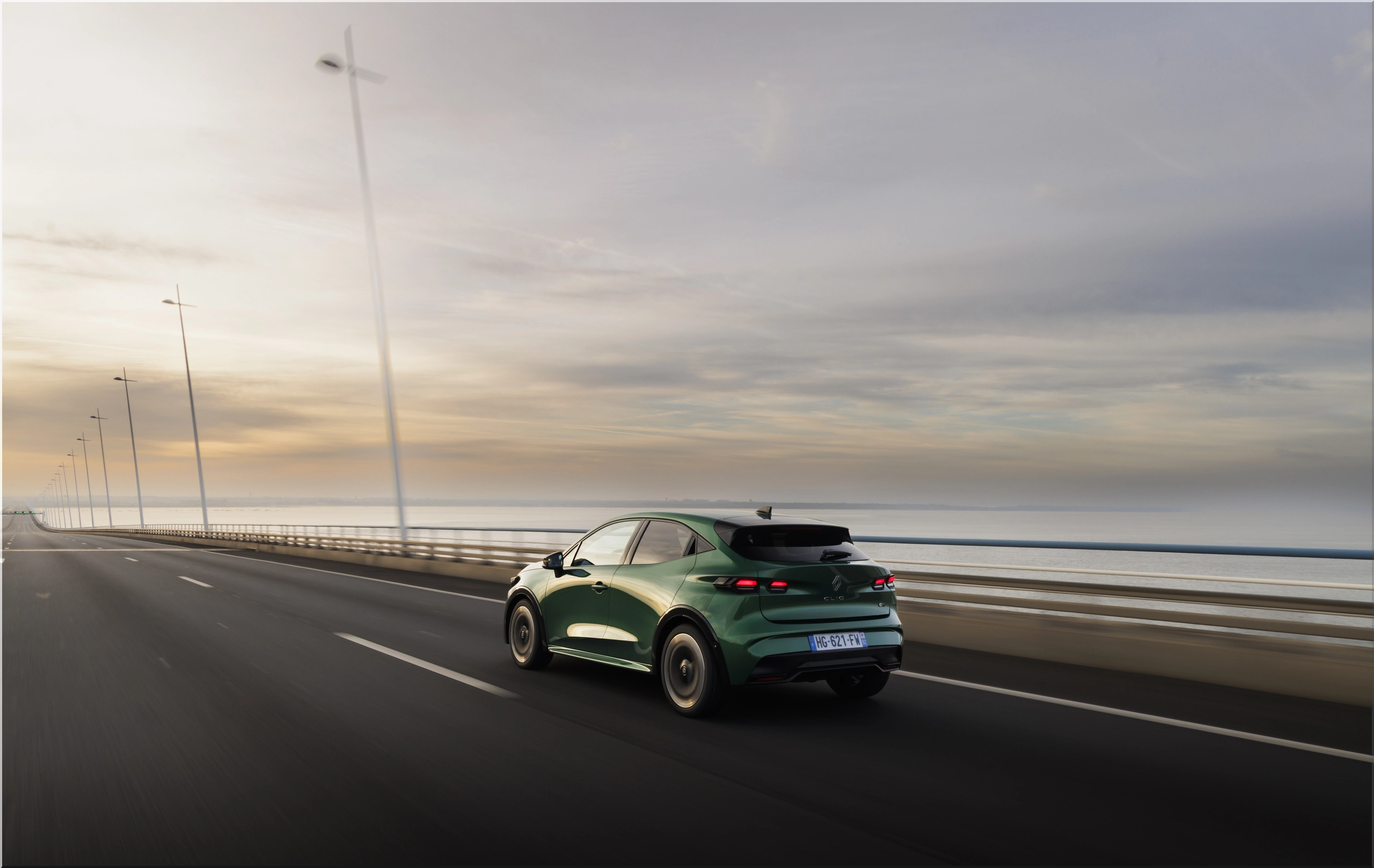
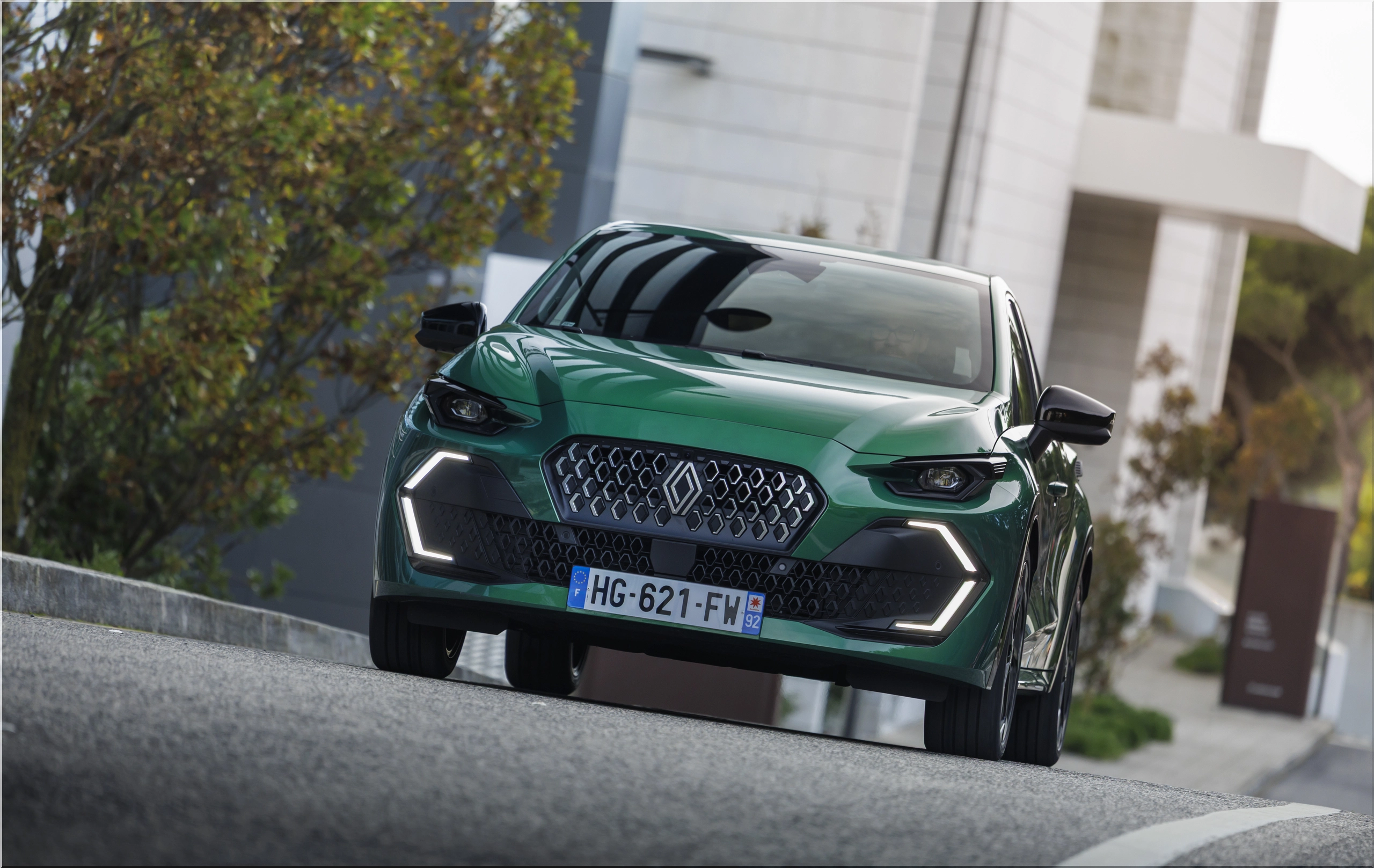
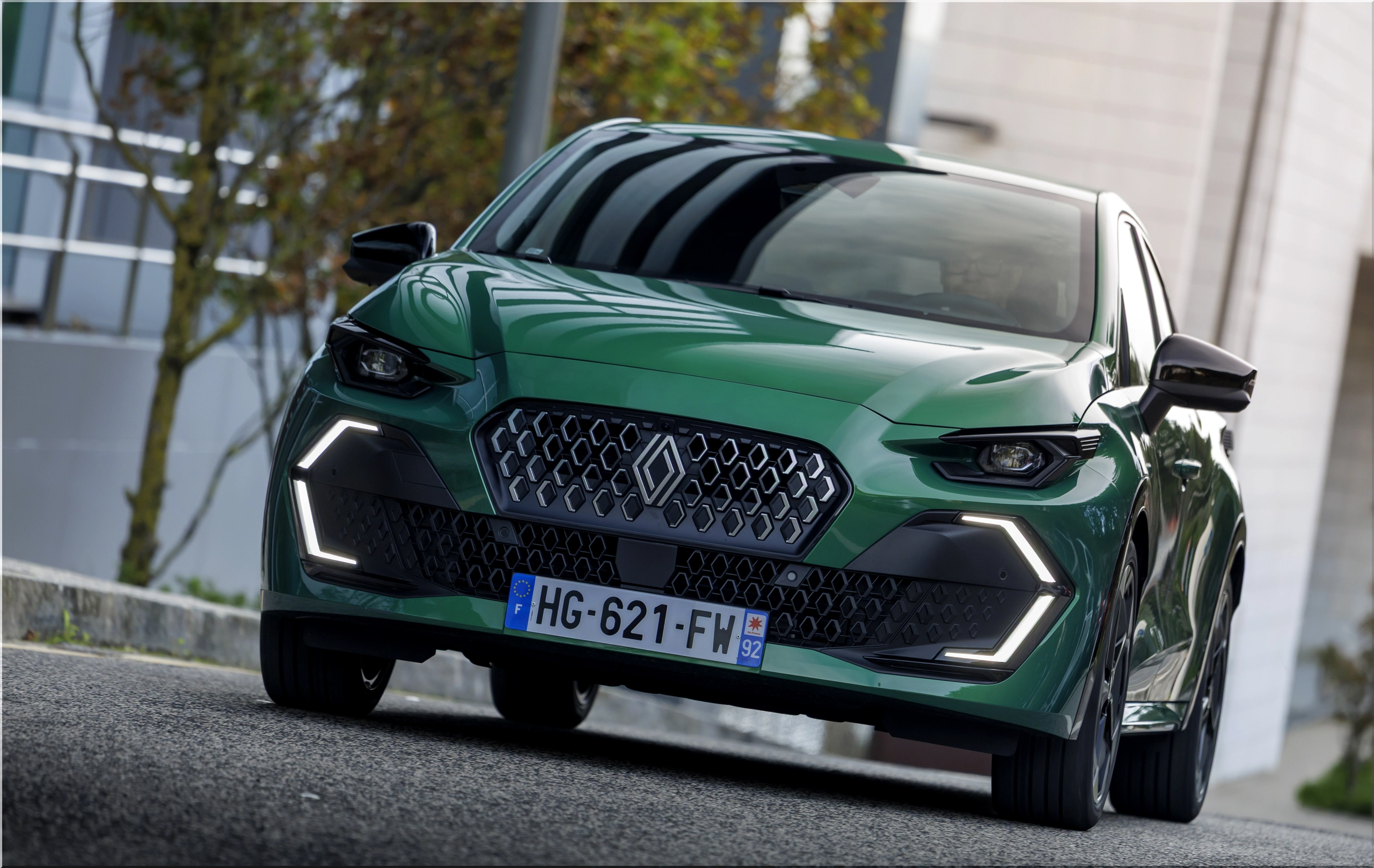
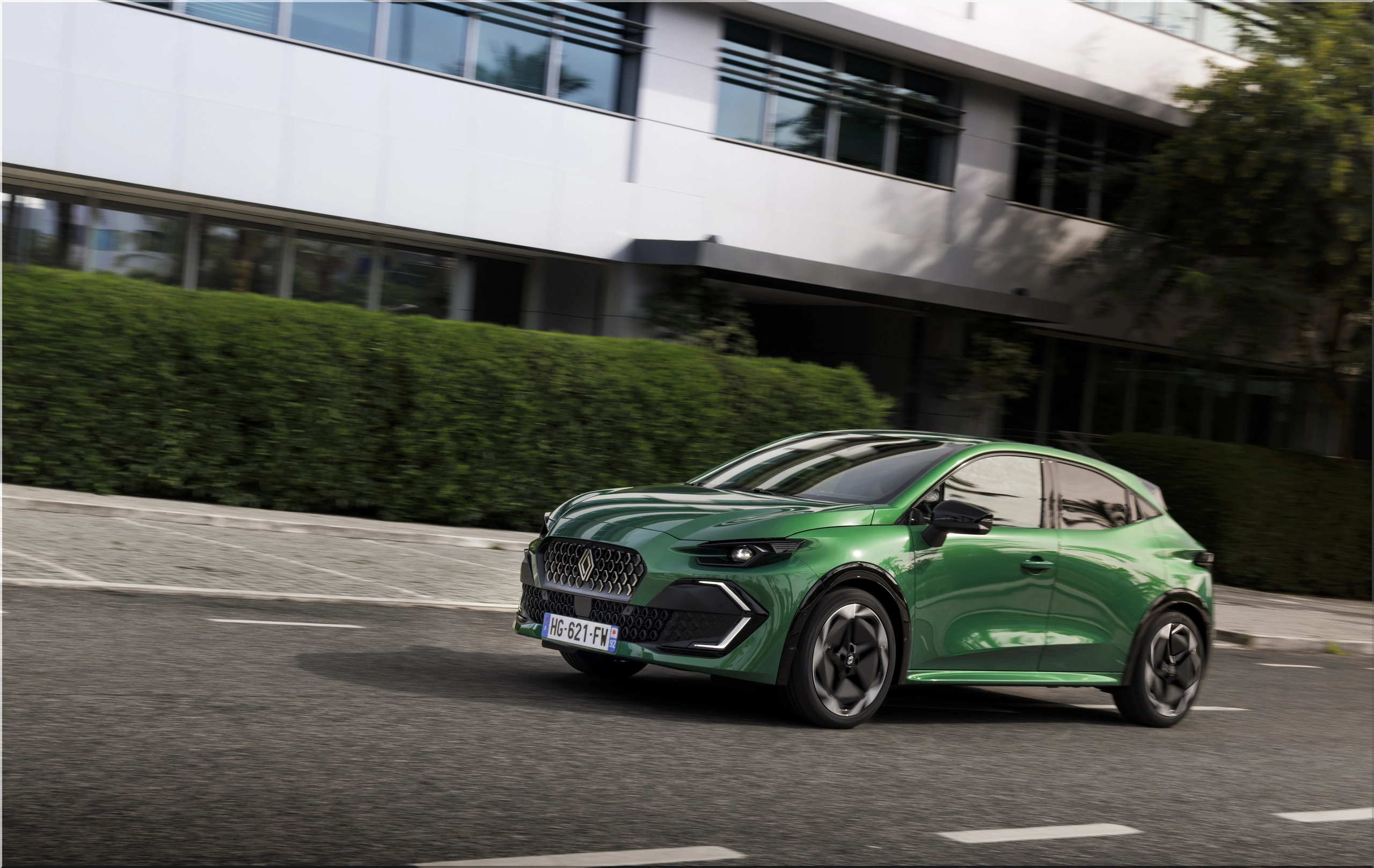
Image gallery
Renault Clio vs rivals
The Renault Clio does not fight in a vacuum. Its strongest direct rivals still come from Toyota, Volkswagen, and value-focused hybrid players.
B-segment comparison table
| Model | Power | 0-100 km/h | Length | Wheelbase | Boot | Key edge |
|---|---|---|---|---|---|---|
| Renault Clio E-Tech 160 | 160 hp | 8.3 sec | 4,120 mm | about 2,591 mm | up to 391 L | Strong hybrid output, Google-based infotainment |
| Renault Clio TCe 115 | 115 hp | 10.2 sec | 4,116 mm | 2,591 mm | 391 L | Lower weight, manual gearbox, lower entry price |
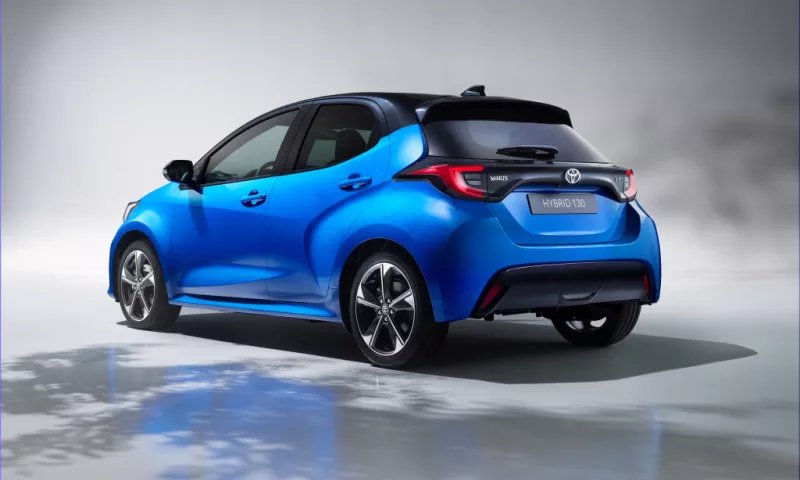
| Toyota Yaris Hybrid 130 | 130 hp | 9.2 sec | about 3,940 mm | about 2,560 mm | smaller than Clio | Efficiency record, mature hybrid tuning |
| Volkswagen Polo 1.0 TSI 95 | 95 hp | 10.8 sec | about 4,074 mm | about 2,564 mm | about 351 L | Space efficiency, mature ergonomics |
| MG3 Hybrid+ | 194 hp system output | n/a here | 4,113 mm | 2,570 mm | 293 L | Straight-line shove, aggressive value play |
Win/loss view
Where Clio wins
- Stronger hybrid output than Yaris Hybrid 130
- More cargo room than several direct rivals
- More premium-looking cabin and feature count than older class staples
- Better petrol entry power than many base-engine rivals
Where Clio still has work to do
- Wheelbase growth stays modest, so rear-seat gains look limited
- Hybrid price climbs fast in upper trims
- Toyota still holds a hard-earned reputation for hybrid smoothness and efficiency discipline
Pro-Tips for buyers
Pro-Tip: Pick the TCe 115 if you drive mixed roads and want the best value
The manual Clio TCe 115 gives you enough torque, lower mass, and a larger boot. It also avoids the price jump to the hybrid.
Pro-Tip: Pick the E-Tech 160 if you spend real time in traffic
The hybrid's math works best in dense suburban and city driving, where regenerative braking and electric running time cut fuel use.
Pro-Tip: Techno trim looks like the sweet spot
It adds the pieces most owners use every day, including Google built-in, without pushing as deep into Esprit Alpine money.
Image gallery
What now?
For actual buyers, the choice comes down to use pattern. Buy the petrol car for lower entry cost and less weight. Buy the hybrid for urban efficiency, faster acceleration, and a stronger feature story. Either way, Renault has moved the Clio from familiar supermini territory into a sharper, more ambitious part of the market.
- Add new comment
- 427 views