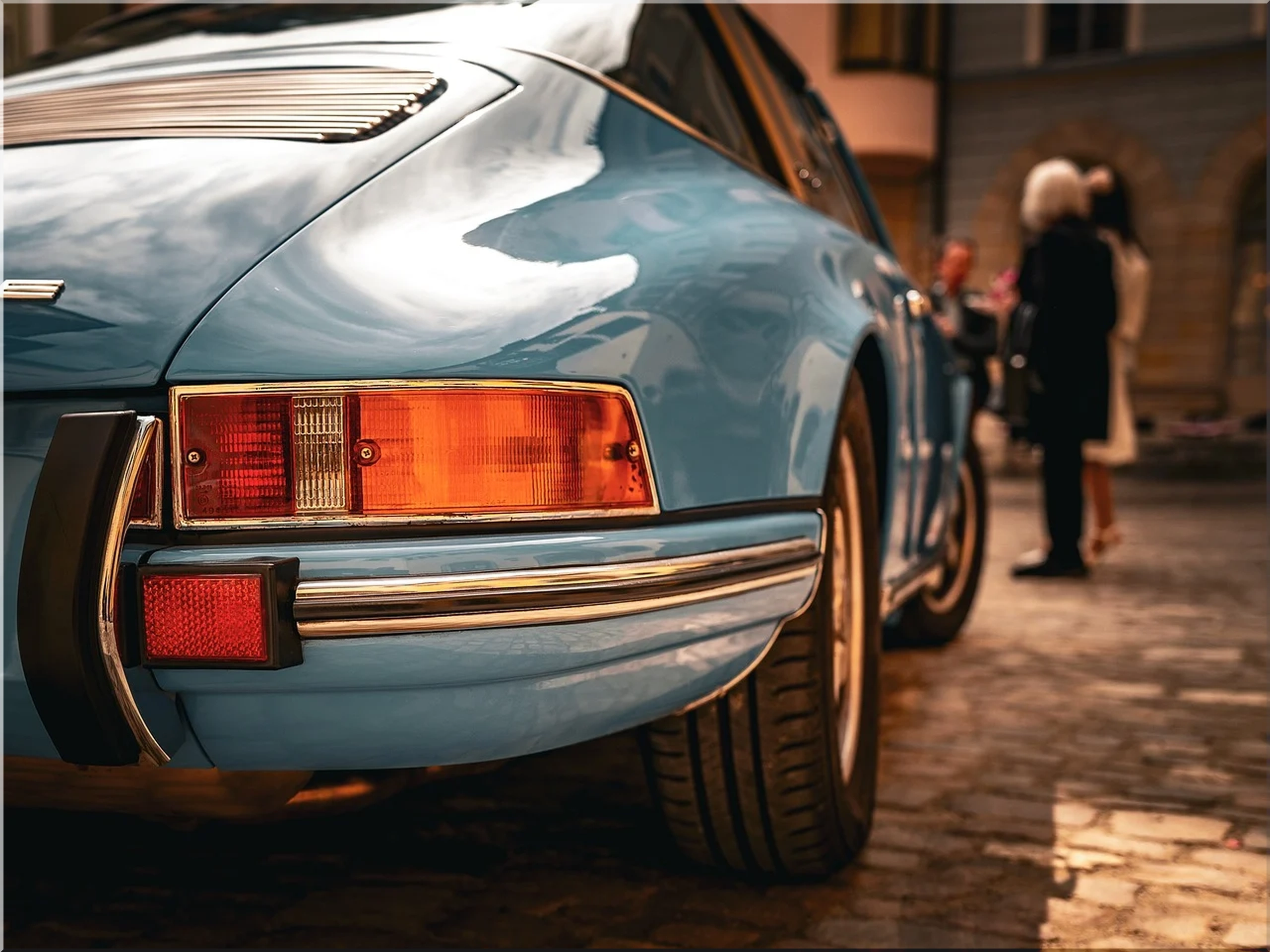
Speeding is often blamed when young drivers crash. Though speed does play a part, the issue is often more complex. Many younger motorists struggle with the behavioral side of driving powerful vehicles rather than the mechanical side alone.
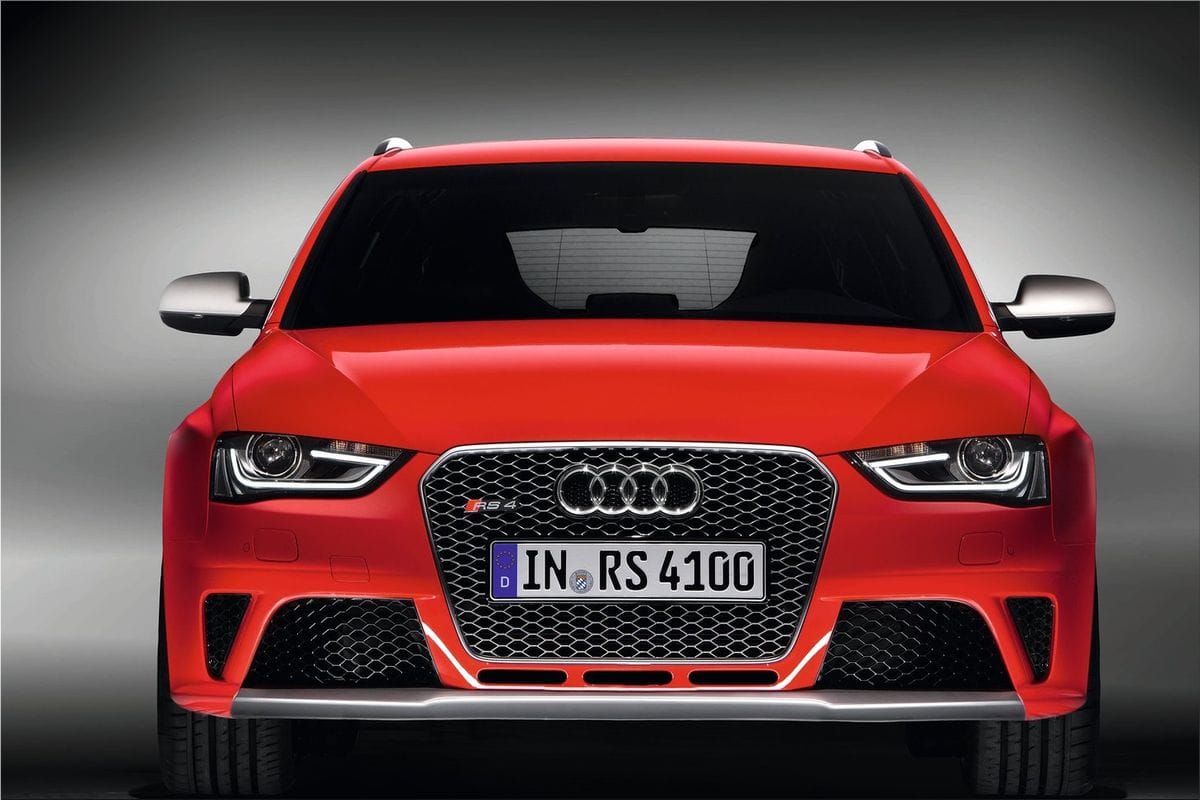
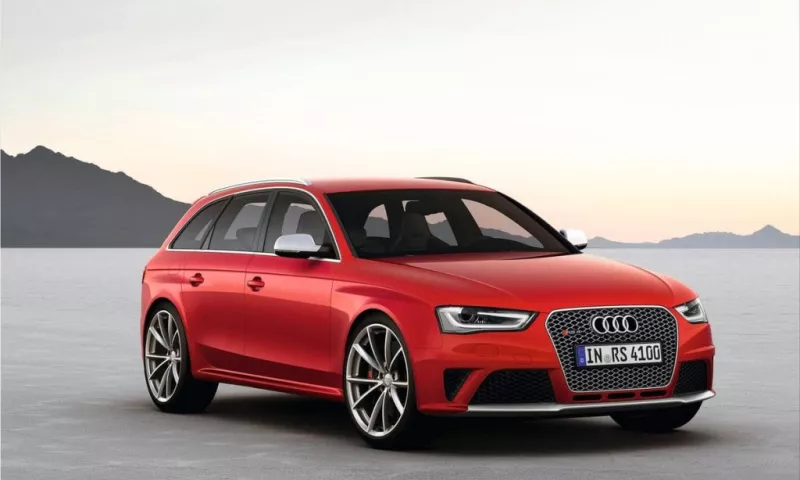
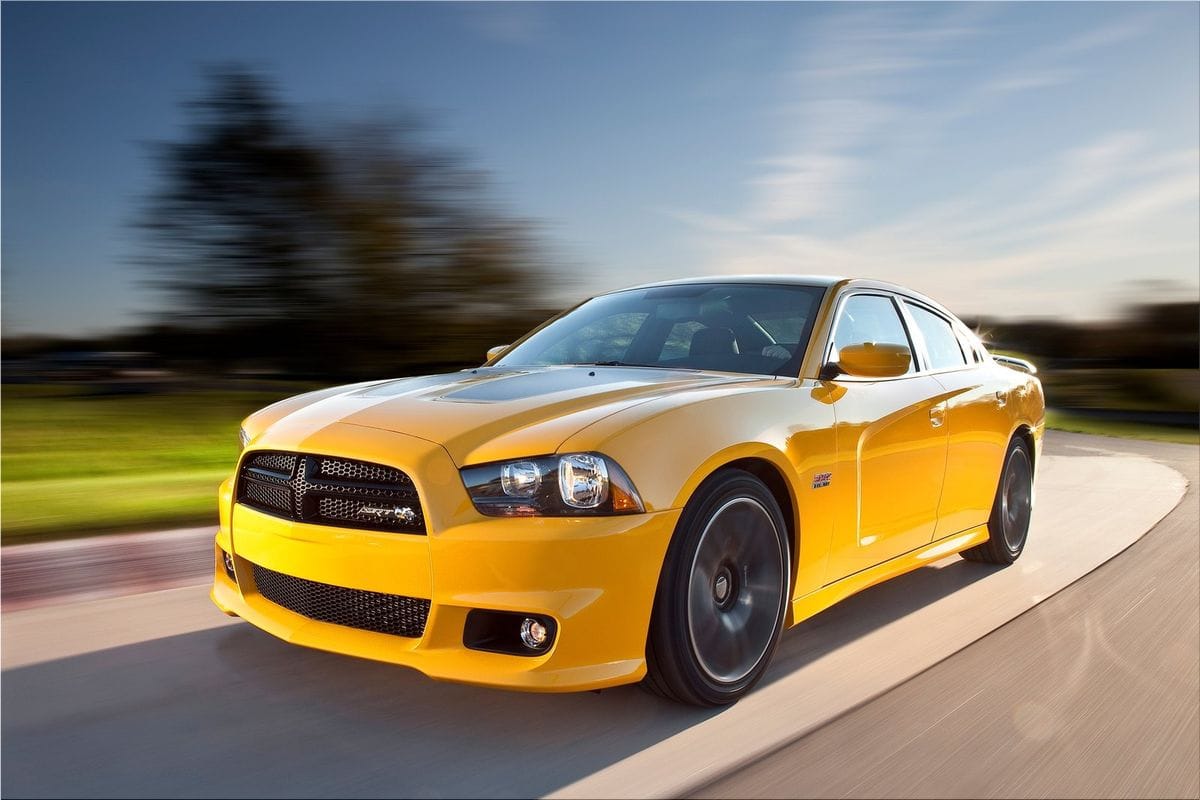
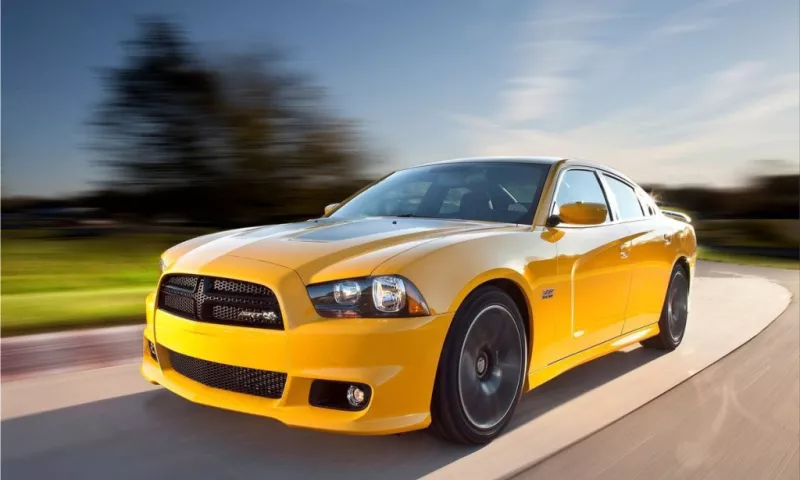
Performance-oriented cars are designed to react quickly. Steering feels sharper. Acceleration is more immediate. Braking systems respond differently compared to ordinary commuter vehicles. A new driver may be familiar with what controls to use, they may not realize how quickly things inside a high-powered vehicle. The contrast between driving a vehicle and truly understanding it leads to risks that are easily overlooked.
Fast Cars Reward Confidence Before Skill
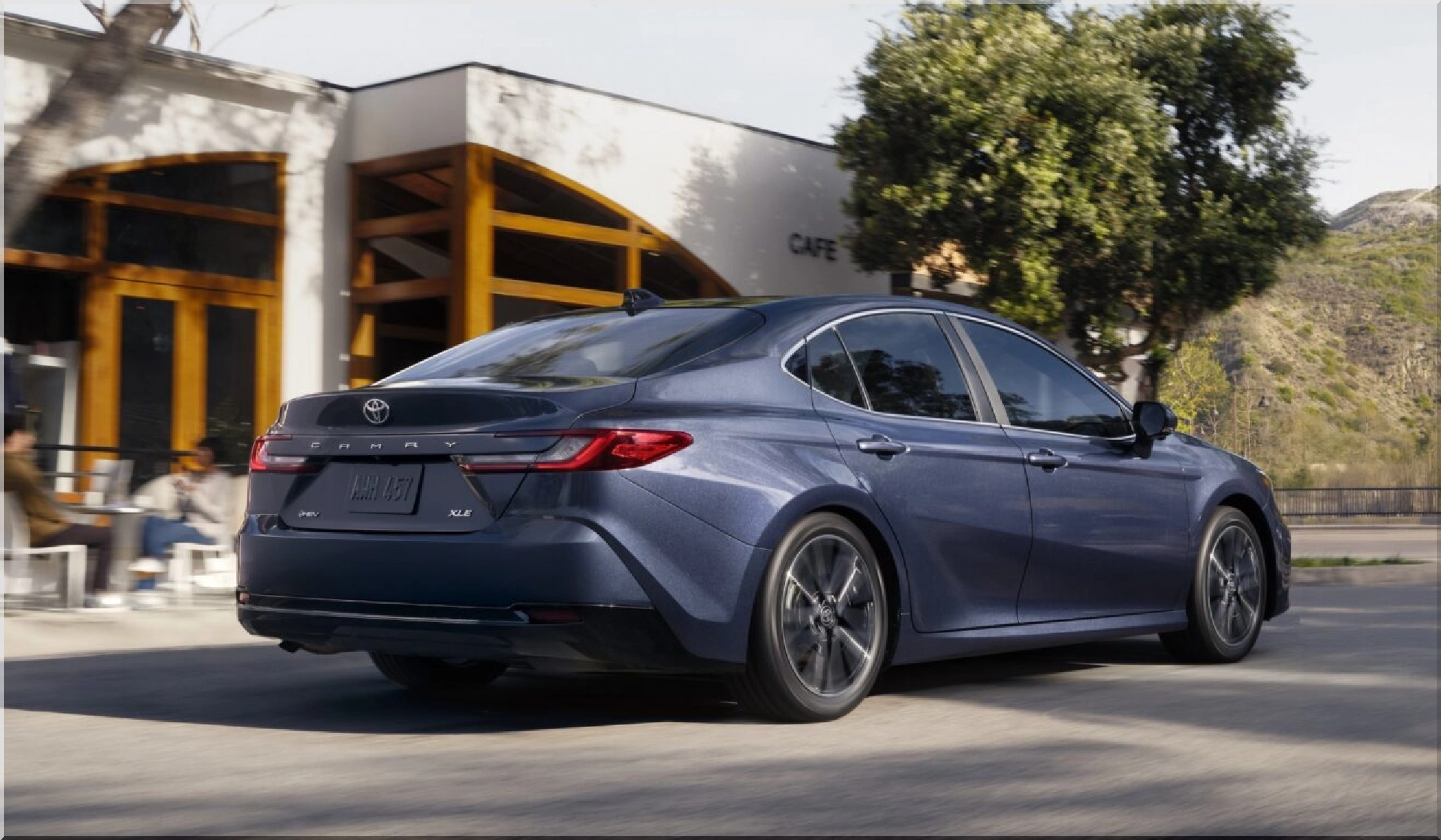
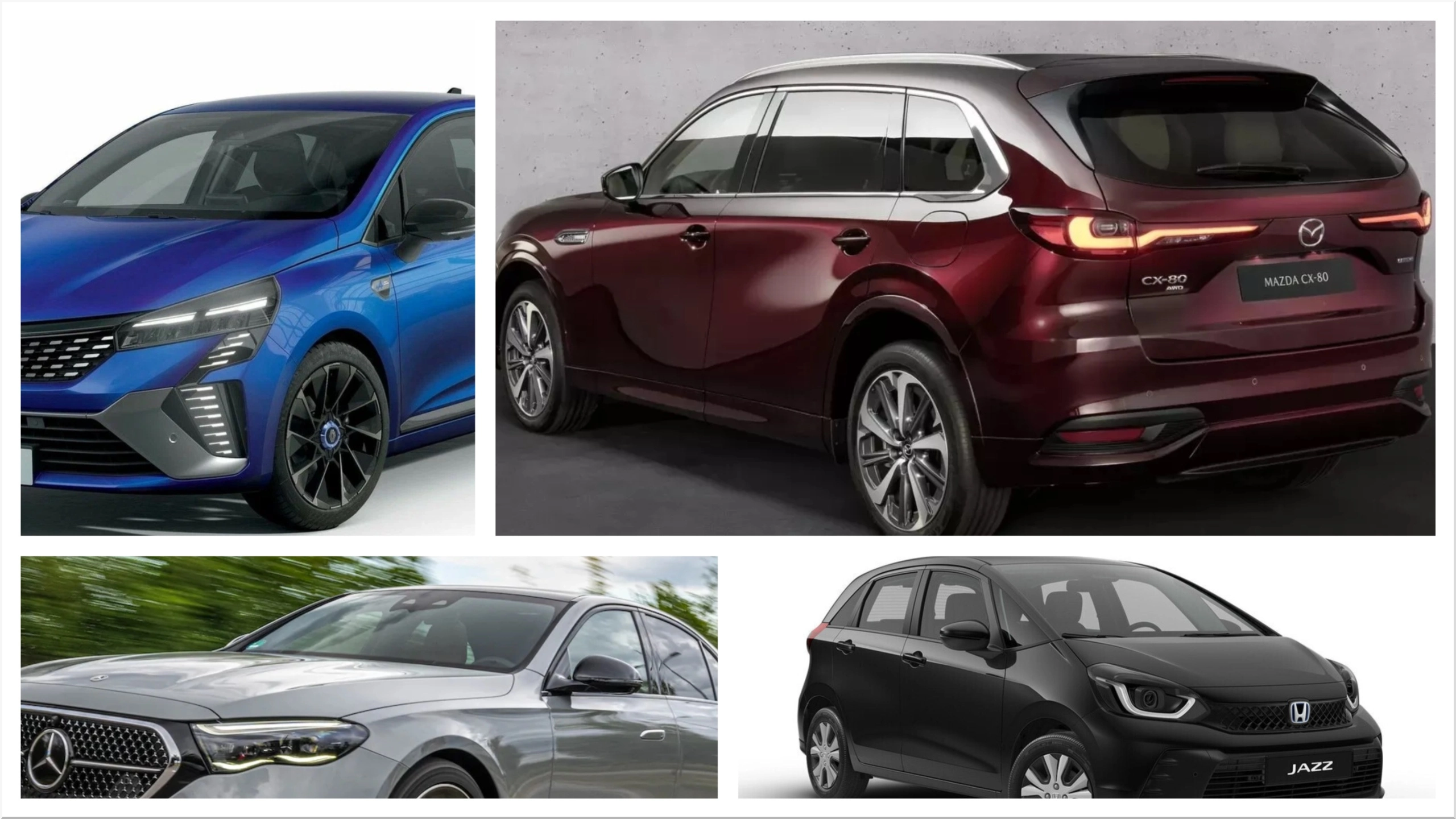
Performance vehicles can give younger drivers a sense of control, which contributes to their higher accident rate. Today's sports sedans and turbocharged coupes are stable at higher speeds. The sophisticated suspension systems and electronic driving assistance make driving a superbly quiet and pleasant experience. You feel so safe until suddenly you are not.
Older generations learned to drive cars with fewer technological protections. Younger motorists frequently begin with vehicles that mask mistakes instead of exposing them early. The car feels capable, so the driver assumes they are capable as well. That confidence can quickly become dangerous during lane merges, wet-road braking, or sudden highway traffic changes.
Social Media Has Changed Driving Culture
The online landscape has a significant impact on the culture of driving today. Drifting, street racing, aggressive starts, and high-speed pulls on the highway are all shown as entertainment. Even when they are known to be set-up or exaggerated, such content slowly normalizes risky behavior over time.
The problem is not limited to illegal racing. Small habits also become influenced by online trends. Hard acceleration at traffic lights, weaving through traffic, or testing rapid cornering starts feeling less extreme after repeated exposure to performance-driving content. Cars that were once viewed as precision machines are now often marketed through excitement and adrenaline alone.
Maintenance Problems Often Get Ignored
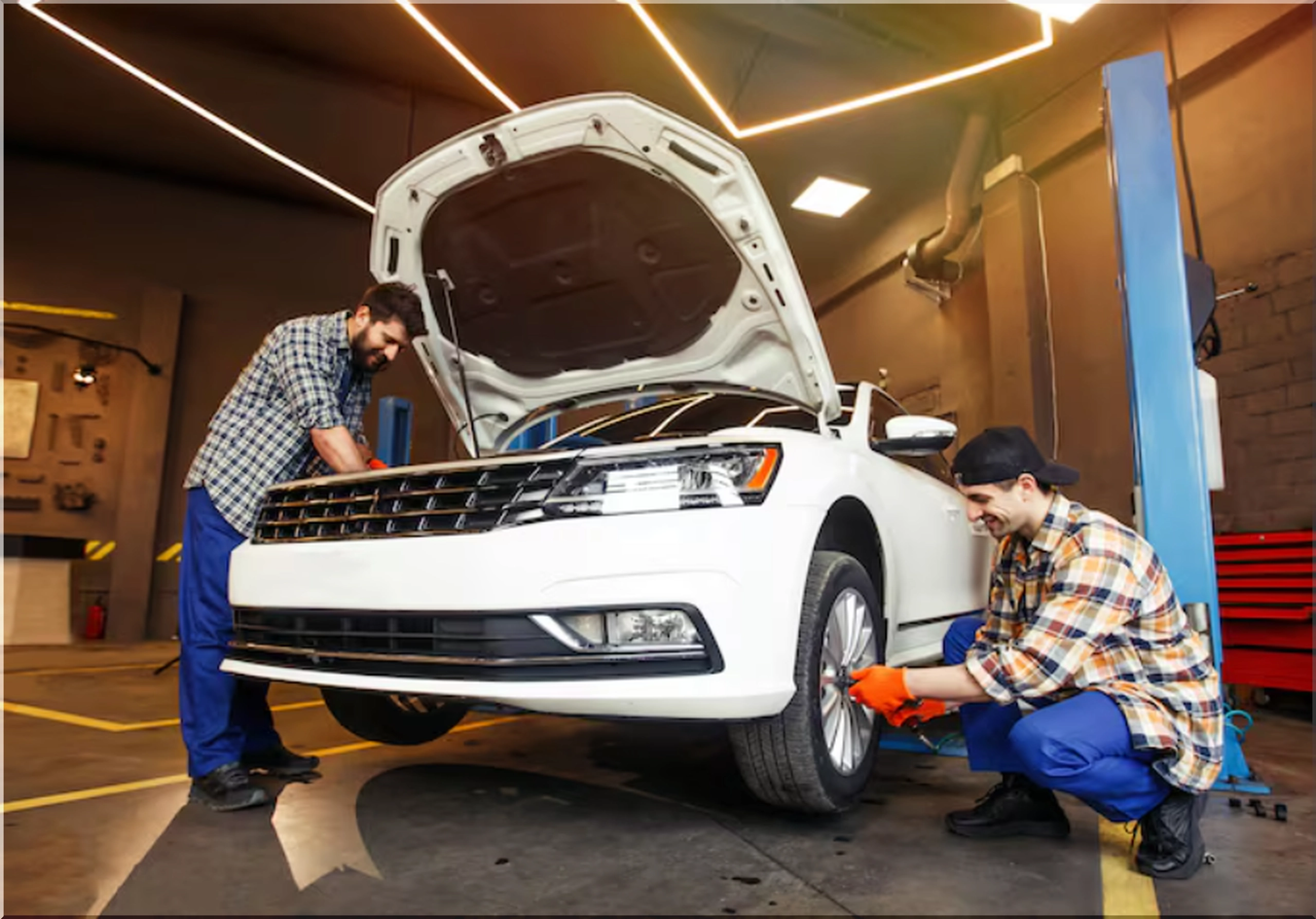
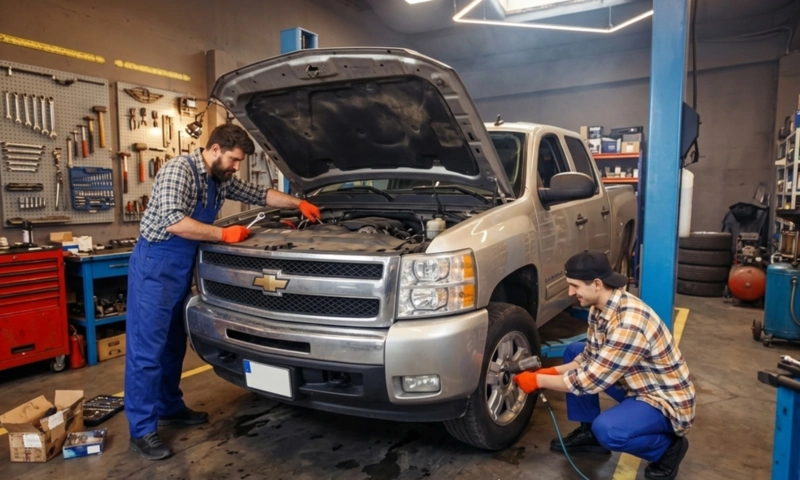
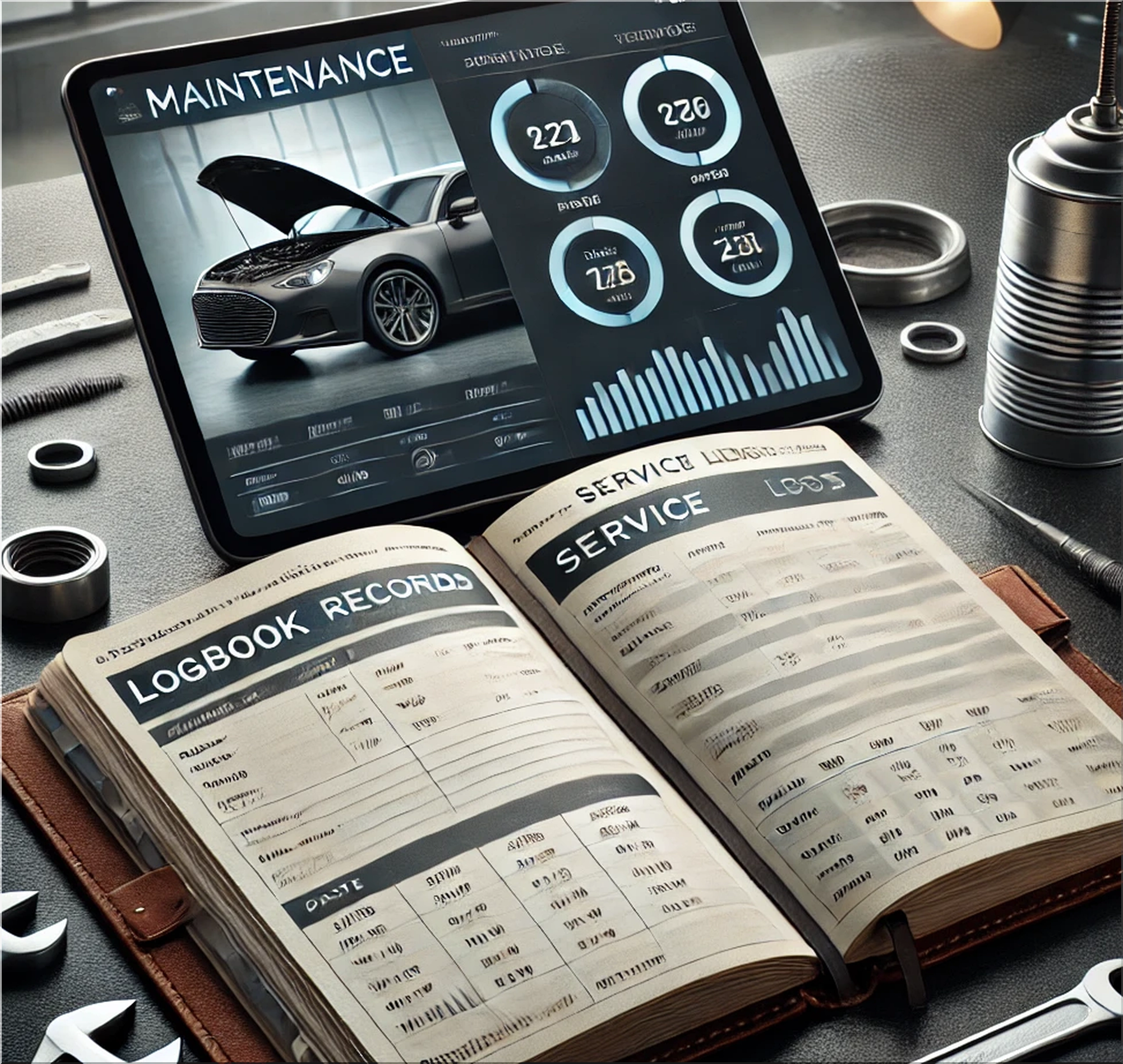
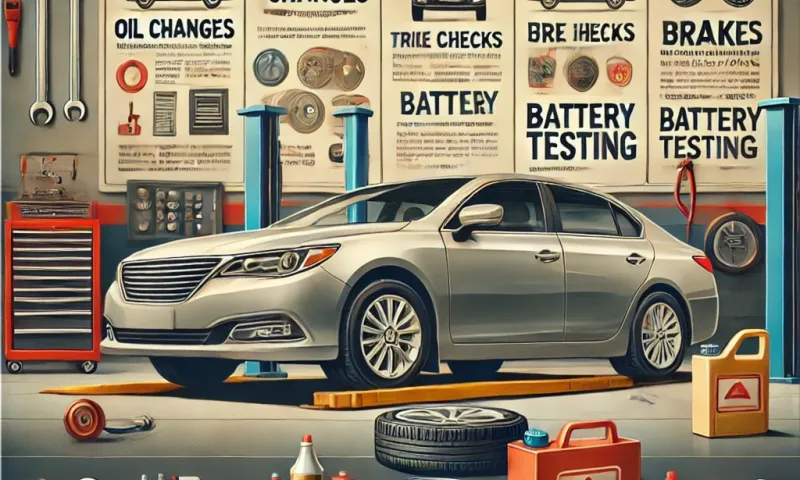
Younger car owners tend to put off maintenance. Their focus is on aesthetics. Expensive wheels, lighting kits, or exhaust work is done at expense of the tire quality, brake wear, or electrical reliability.
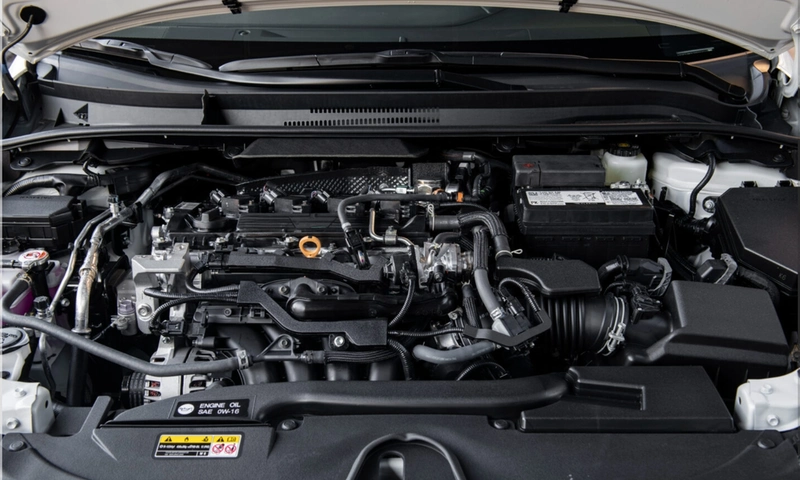
A dying car battery is a minor problem, but it can be much more significant in an electronic-intensive performance vehicle. Unexpected stalls, malfunctions, or start-up problems can easily lead to risk situations.
Some drivers make performance changes without realizing their ramifications on handling and braking. Oversized wheels, lowered suspension, etc. can make the vehicle look faster or cooler. Though improper installation or misalignment can make the car less stable.
Insurance Companies Already Understand the Pattern
Insurance pricing tells an important story about accident trends. Younger drivers with any degree of confidence consistently tend to be in higher risk categories when driving performance cars. Insurers review thousands of accident reports, repair claims, and driving records annually.
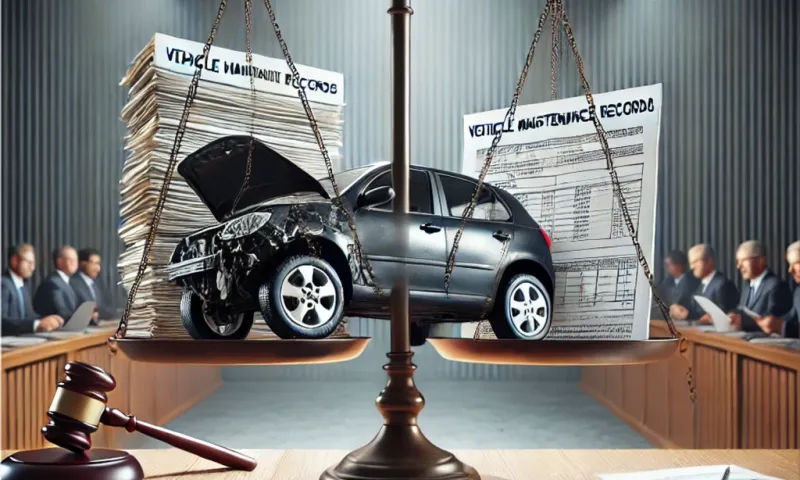
The data repeatedly shows a trend of inexperienced drivers being involved in collisions with high-powered vehicles. In many legal disputes after major accidents, professionals like Attorney Steve Lee examine the crash itself, they will also look at:
- Driving behaviors
- Vehicle condition
- Road circumstances
Driver decision-making is now a key topic in accident investigations, not just speed.
Endnote
Performance cars are not automatically dangerous. In fact, many contain exceptional safety systems and advanced engineering. The real issue is timing. Drivers often gain access to vehicles capable of extreme handling and acceleration long before they fully develop hazard awareness, patience, and defensive driving instincts.
Image gallery
- Add new comment
- 248 views