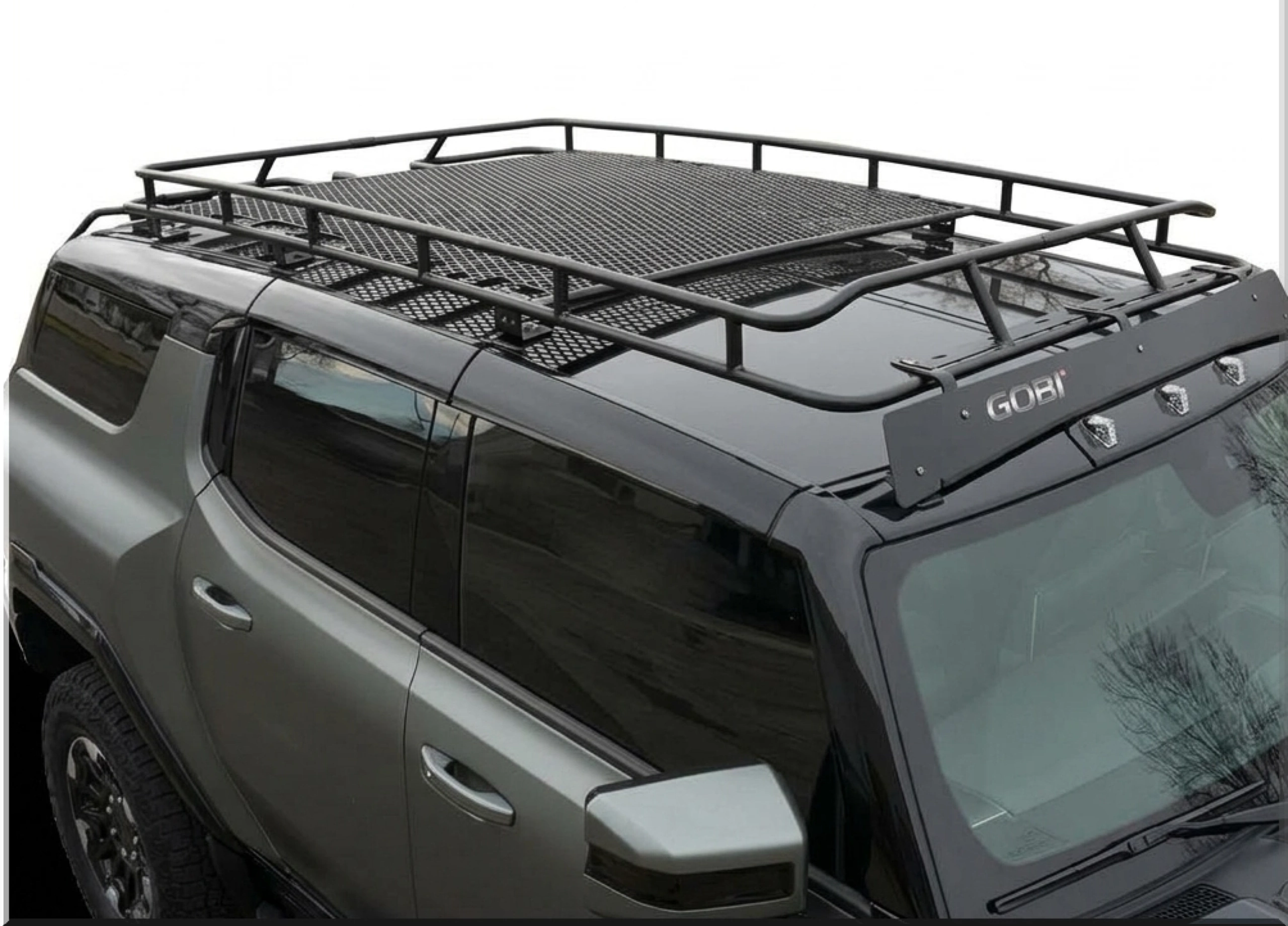
The Grand Cherokee swallows groceries and luggage without complaint, but camping gear, kayaks, and ski weekends quickly outgrow the cargo area. Adding storage up top solves that, and you have three main options: crossbars, baskets, and platforms.
Crossbars suit light, frequent loads like bikes and skis. Baskets handle bulky, oddly shaped gear. Platforms are the choice for overlanders who need a flat, modular deck for recovery boards, awnings, or a rooftop tent.
Start With Your Generation and Roof Setup
Fitment depends on which SUV sits in your driveway. The WK2 generation ran from 2011 through 2021, while the redesigned WL arrived for 2022 and includes the three-row L. Mounting points, roof curvature, and rail spacing differ between them, so a system built for one rarely transfers cleanly to the other.
Next, look at the roof itself. Many trims ship with raised side rails, which make installation simple because towers clamp directly around them. Some configurations have flush rails or none at all, which calls for a fit kit or a model-specific mount.
Finally, find the dynamic load rating in your owner's manual. That figure caps the combined weight of the rack plus everything on it while driving. Static capacity, the weight supported when parked, is higher, which matters for rooftop tents.
Crossbars: The Lightweight, Versatile Foundation
Crossbars are two horizontal bars spanning the roof from side to side. They are the most affordable entry point and the base layer that baskets, cargo boxes, bike mounts, and ski carriers attach to.
Factory Mopar bars work for occasional use, but aftermarket aerodynamic designs such as the Thule WingBar Evo and Yakima JetStream cut wind noise and reduce the fuel economy penalty.
Their T-slot channels also let accessories slide in without extra hardware.
- Best for: commuters, cyclists, and skiers who carry light items often
- Pros: low weight, quiet, removable, accessory-friendly
- Cons: limited surface area; loose gear needs a carrier
Cargo Baskets: Built for Bulky, Awkward Loads
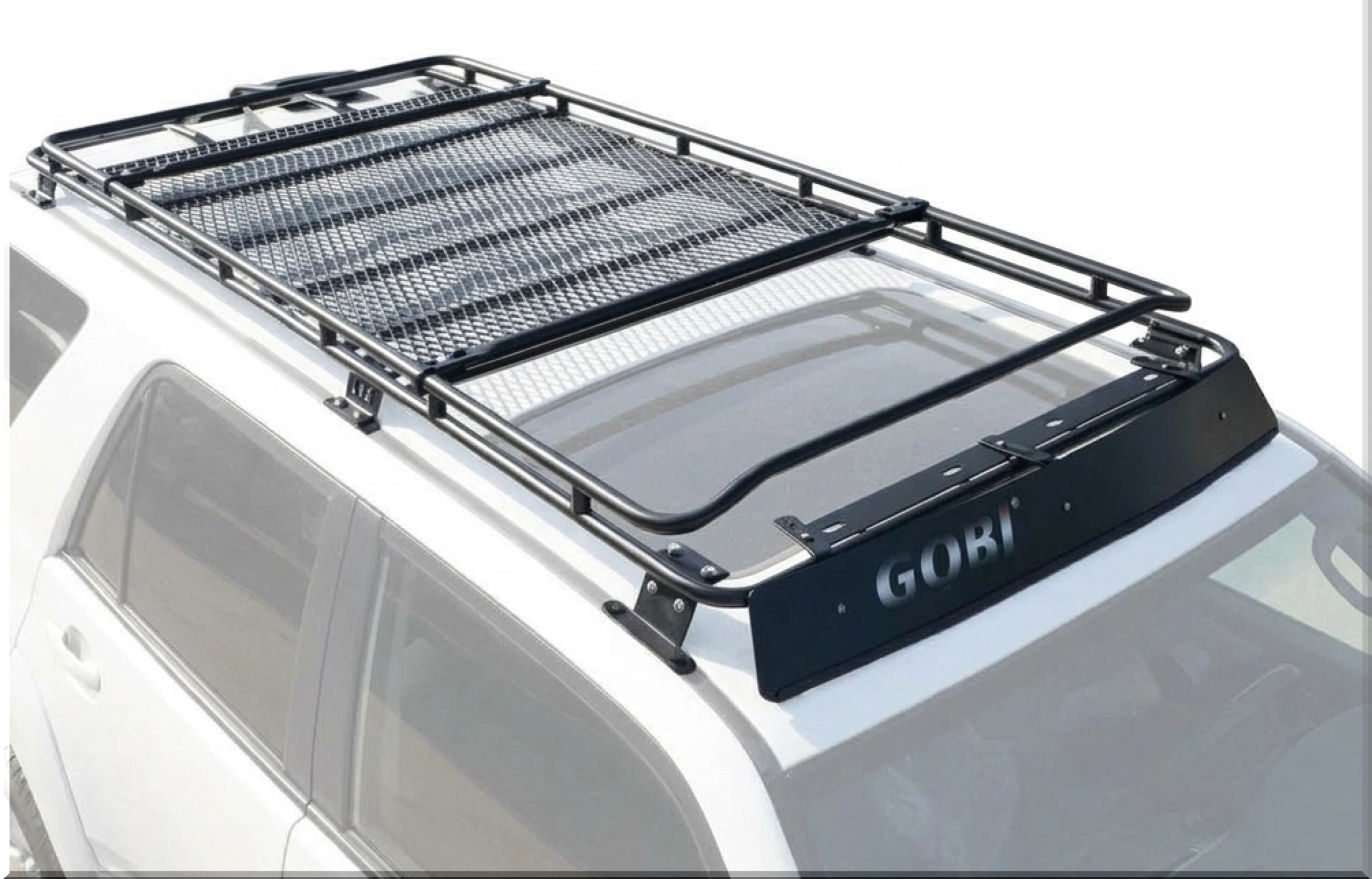
A basket is an open tray with raised side walls and a mesh or slatted floor, usually mounted on top of crossbars. The walls keep coolers, duffel bags, firewood, and spare tires from shifting, and a cargo net secures everything underneath.
Popular choices include the Yakima LoadWarrior, Thule Canyon XT, and Rhino-Rack's steel and alloy trays. Many offer extensions, letting you lengthen the deck for family road trips.
- Best for: campers and families hauling irregular gear
- Pros: flexible capacity, easy tie-down points, rugged look
- Cons: more wind noise and drag; basket weight eats into your load rating
Platform Racks: The Overlander's Choice
A platform is a flat, low-profile deck that covers most of the roof. Instead of sitting high on crossbars, it typically mounts closer to the roofline, lowering the center of gravity and keeping the profile sleek.
The Front Runner Slimline II and Rhino-Rack Pioneer lead this category. Both use slotted surfaces that accept recovery boards, shovel mounts, jerry can holders, awnings, and LED light bars, so the deck becomes a modular gear station.
Gobi is another name worth knowing. Many off-roaders discovered the brand through the GOBI roof rack for the Jeep Wrangler JKU, a ladder-style design that became a trail favorite, and the company applies a similar approach to Grand Cherokee models. Confirm fitment for your exact year before ordering.
Platforms are also the go-to base for rooftop tents. Check that both the deck and your roof's static rating can support the tent plus occupants.
- Best for: overlanders, off-road travelers, and rooftop tent owners
- Pros: maximum space, modular mounting, low profile
- Cons: higher cost, heavier, more involved installation
Side-by-Side Comparison
| Feature | Crossbars | Basket | Platform |
| Cost | Lowest | Moderate | Highest |
| Weight | Light | Medium | Heavy |
| Wind noise | Minimal | Noticeable | Low to moderate |
| Cargo versatility | Needs accessories | High | Highest |
| Rooftop tent ready | Sometimes | Rarely | Yes |
Buying Checklist
- Confirm fitment by year, trim, and rail type.
- Calculate total weight, including the rack, mounts, and cargo.
- Think about garage clearance, since added height can block entry.
- Consider noise, as wind fairings help on highway-heavy drives.
- Plan accessories now so your system grows with your adventures.
- Secure your investment with locking cores.
Frequently Asked Questions
Will a rack hurt fuel economy? Yes, slightly. Aerodynamic bars have the smallest effect, while loaded baskets and platforms create the most drag. Removing an empty setup between trips helps.
Does a WK2 system fit the WL? Usually not without new towers or a fit kit, because roof dimensions changed with the redesign.
Can I install one myself? Most crossbars and baskets bolt on in under an hour with basic tools. Platforms may take longer and benefit from a second person.
Which setup is quietest? Aerodynamic crossbars, followed by low-profile platforms with a wind deflector.
The right upgrade depends on what you carry and where you drive. Choose crossbars for everyday flexibility, a basket for bulky weekend gear, or a platform for serious off-grid travel. Match the system to your generation, respect the load rating, and your Grand Cherokee will carry far more than it ever could on its own.
Image gallery
- Add new comment
- 68 views