Why Opel's Update Matters
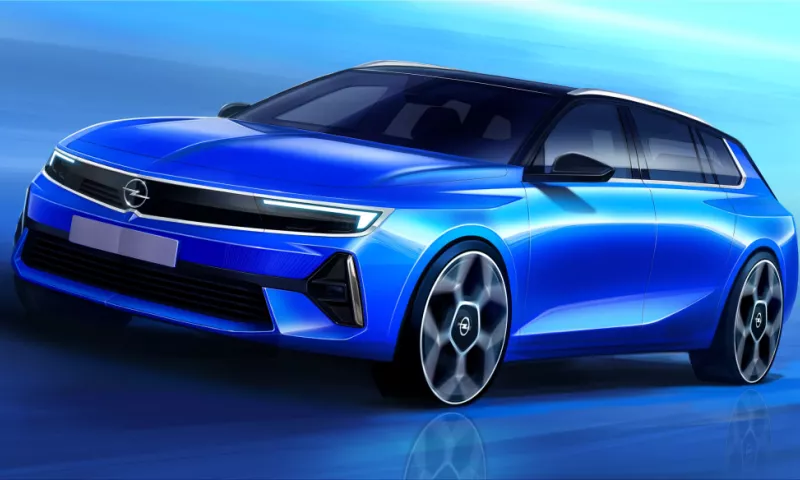
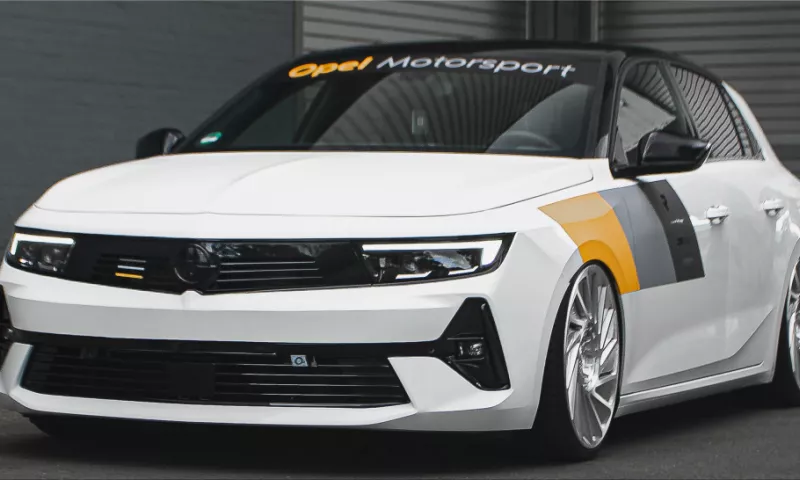
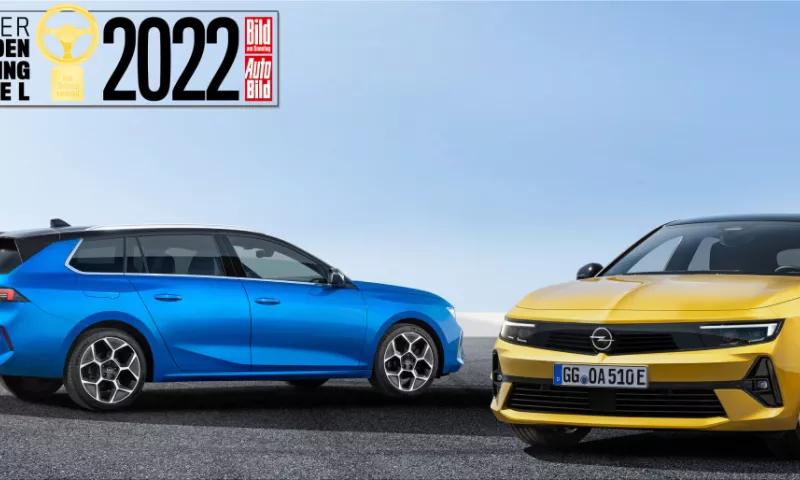
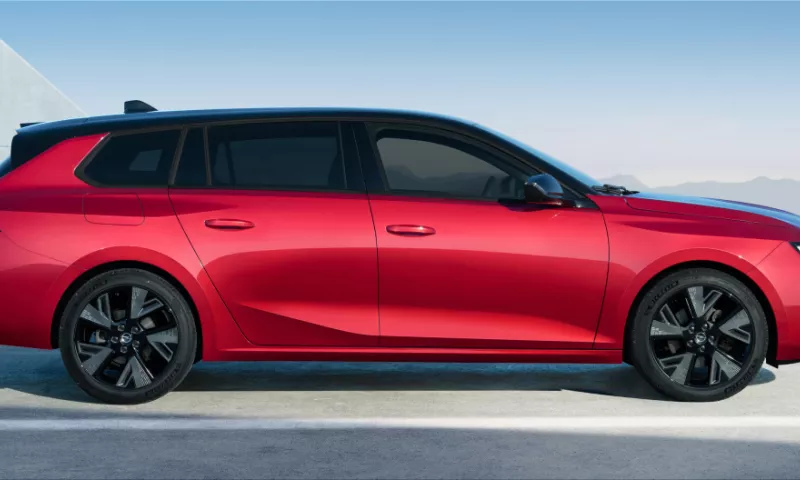
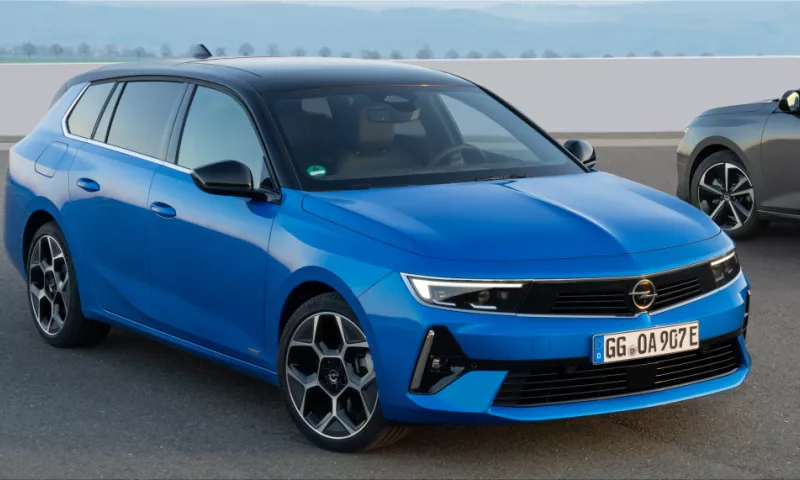
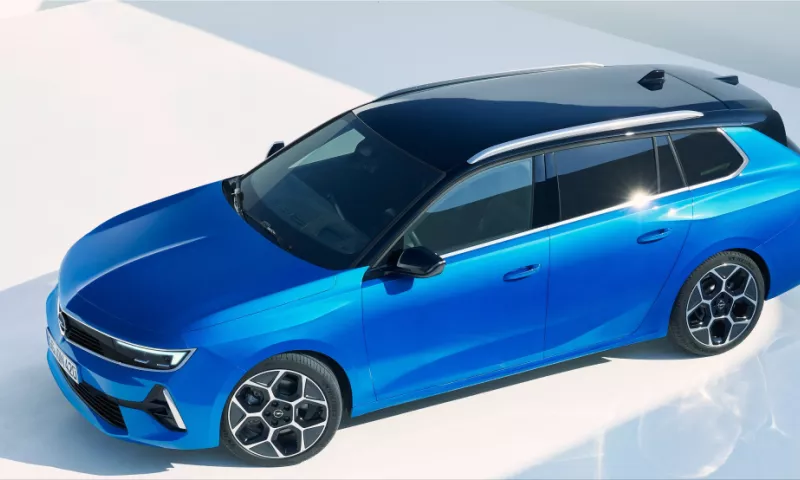
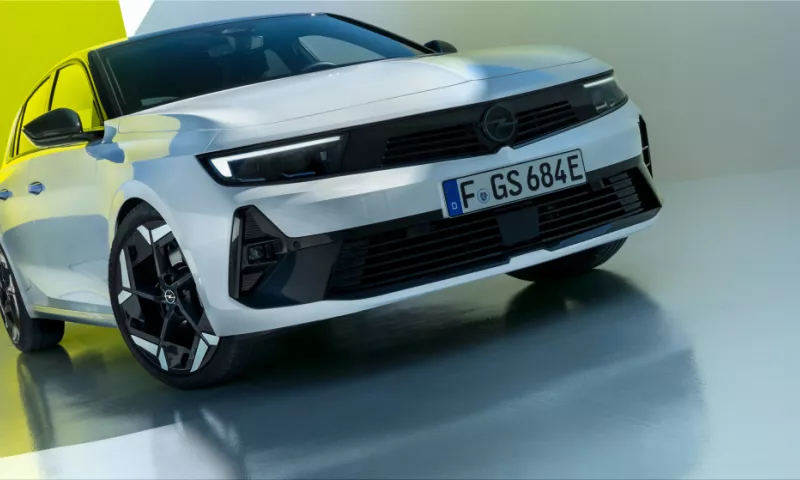
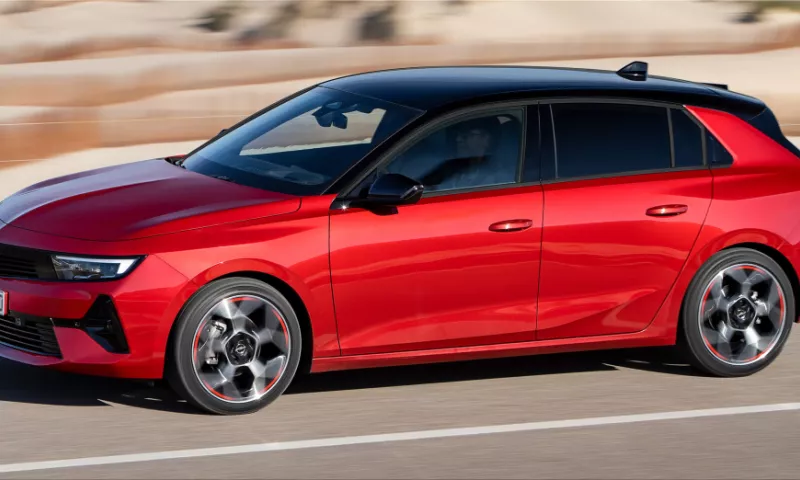
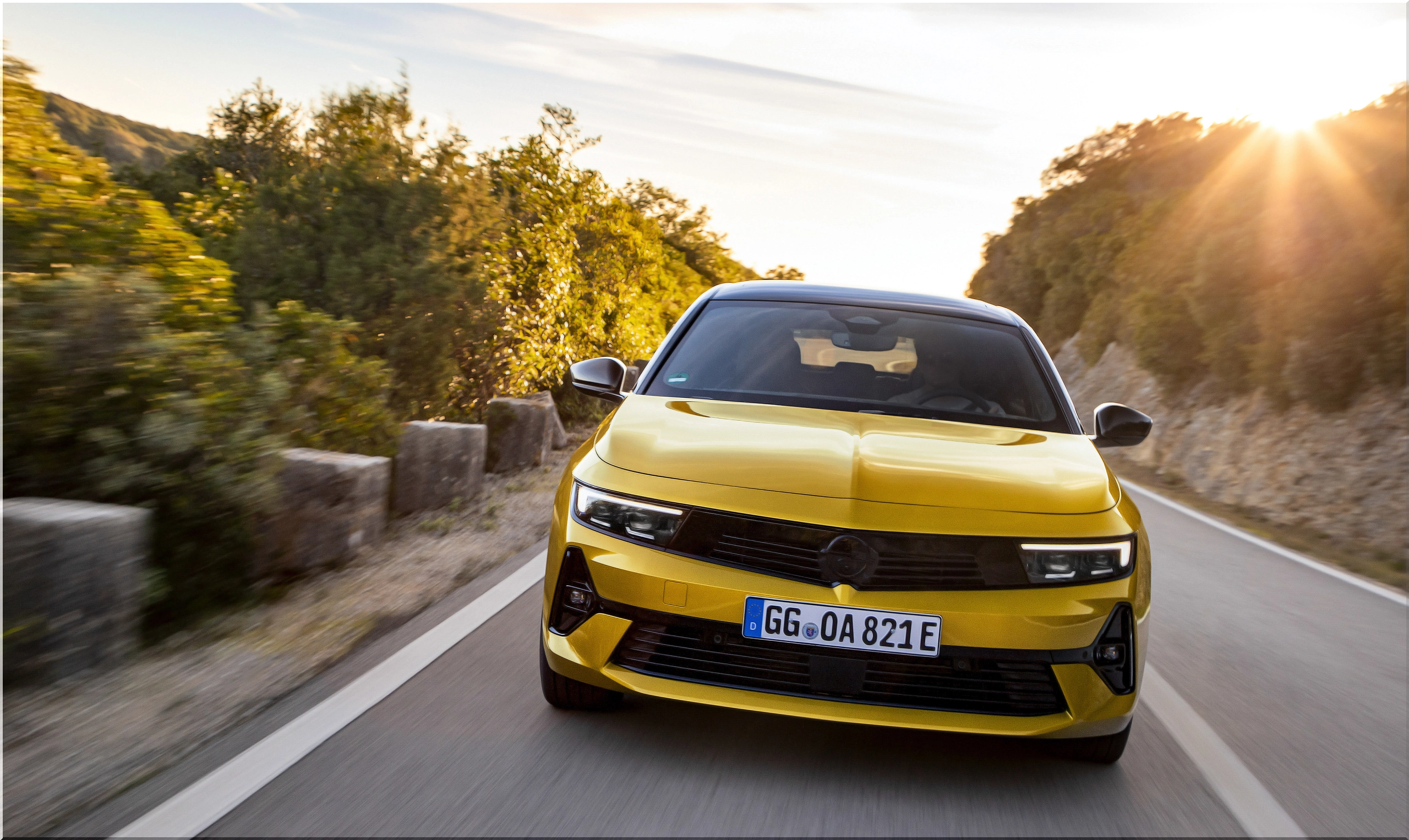
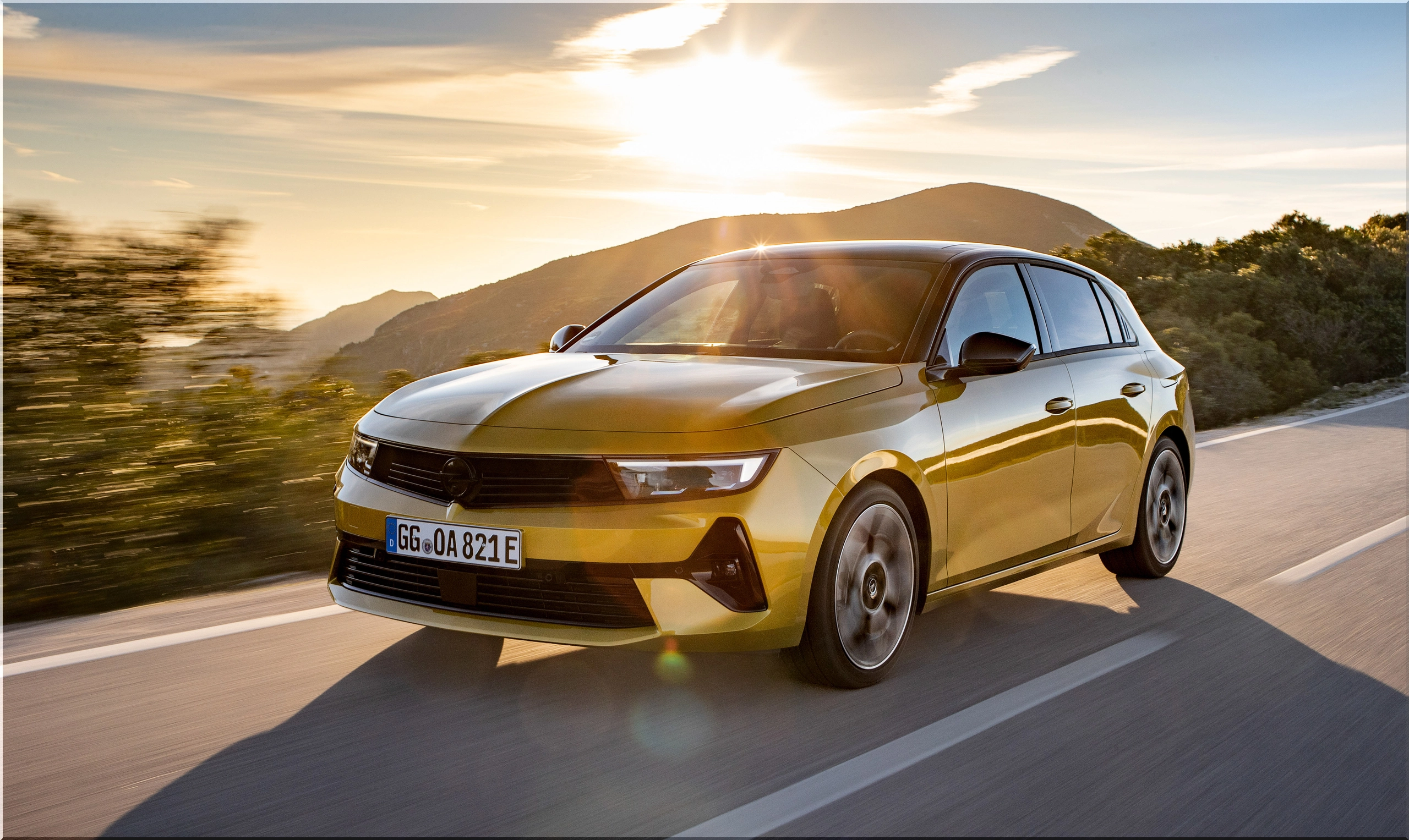
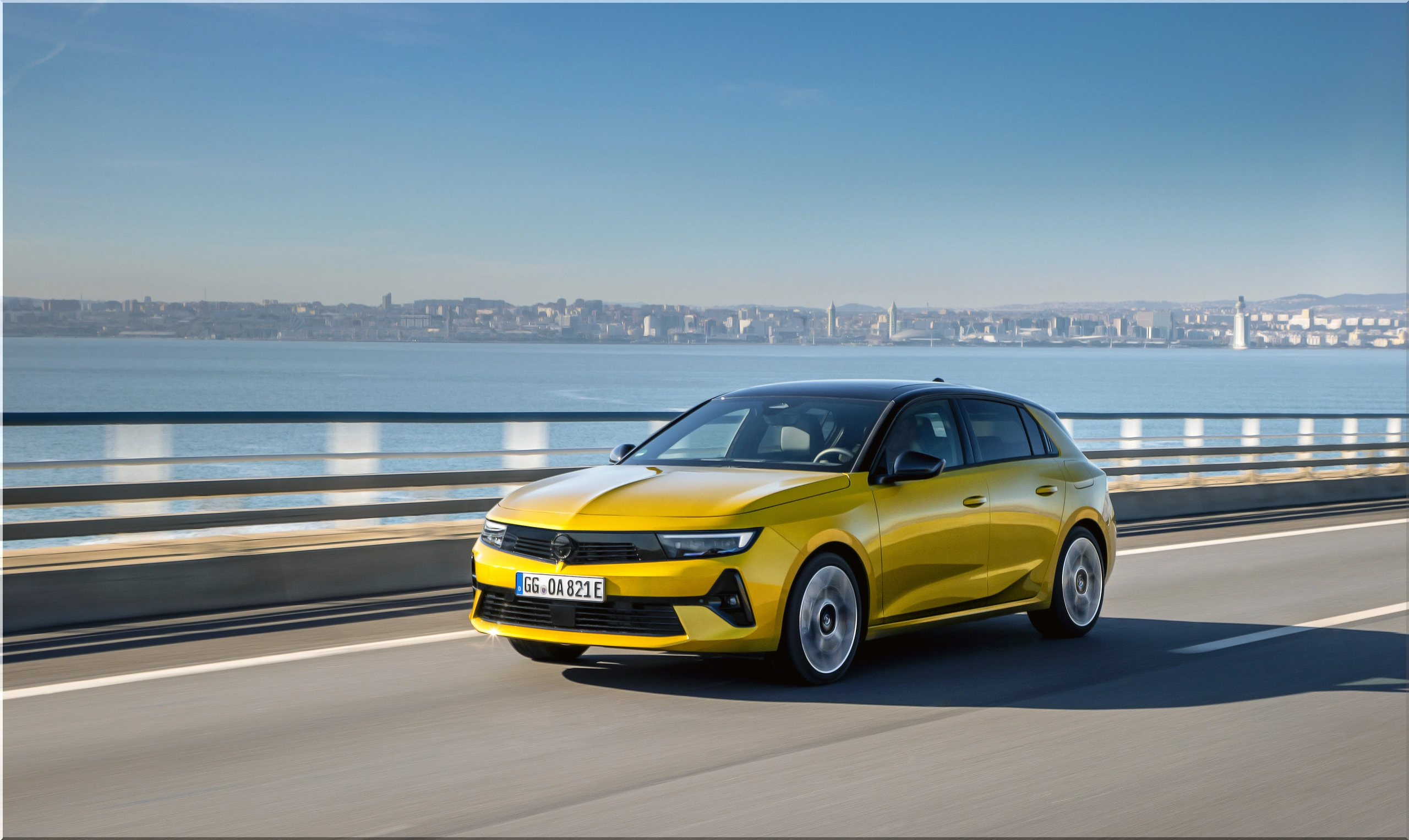
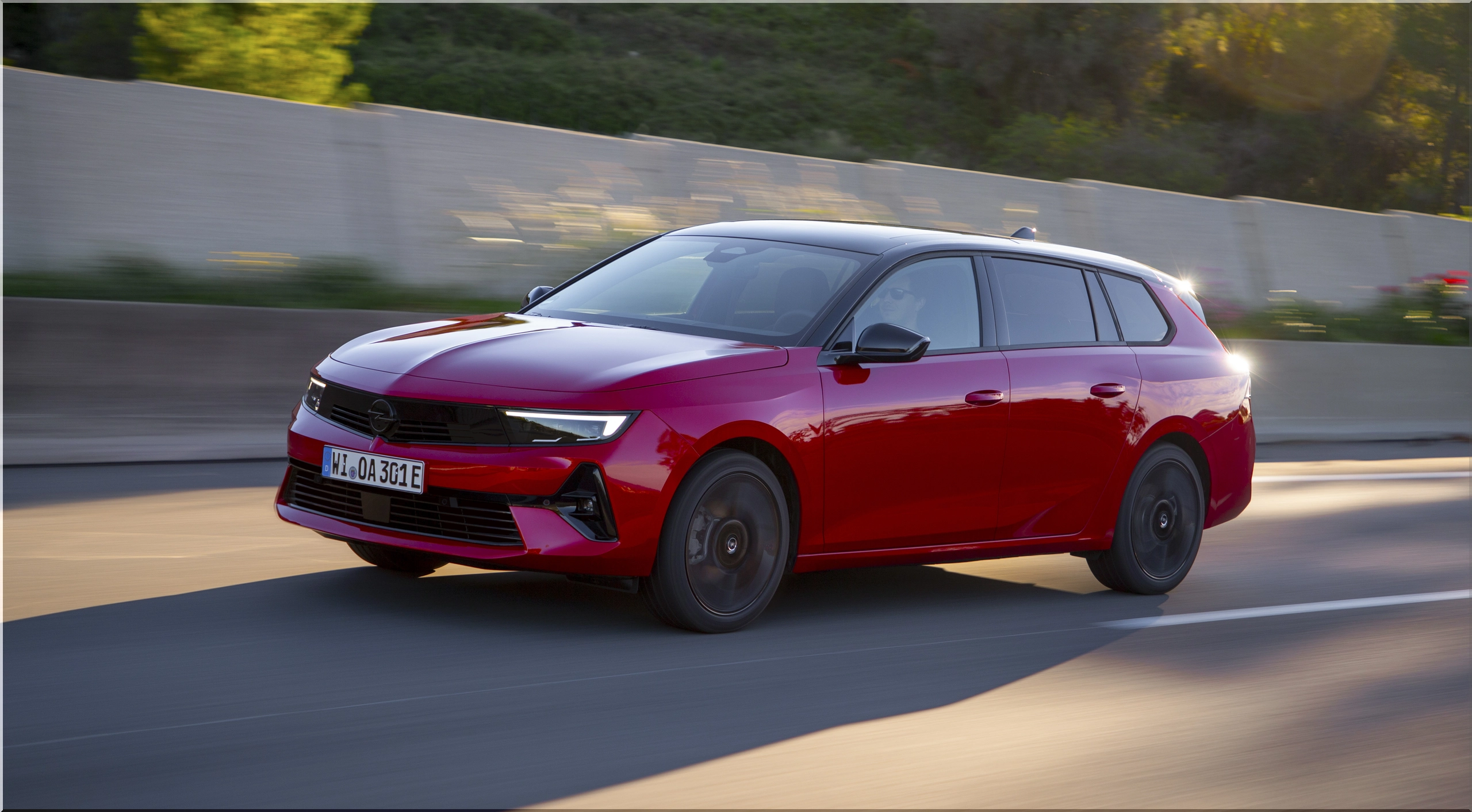
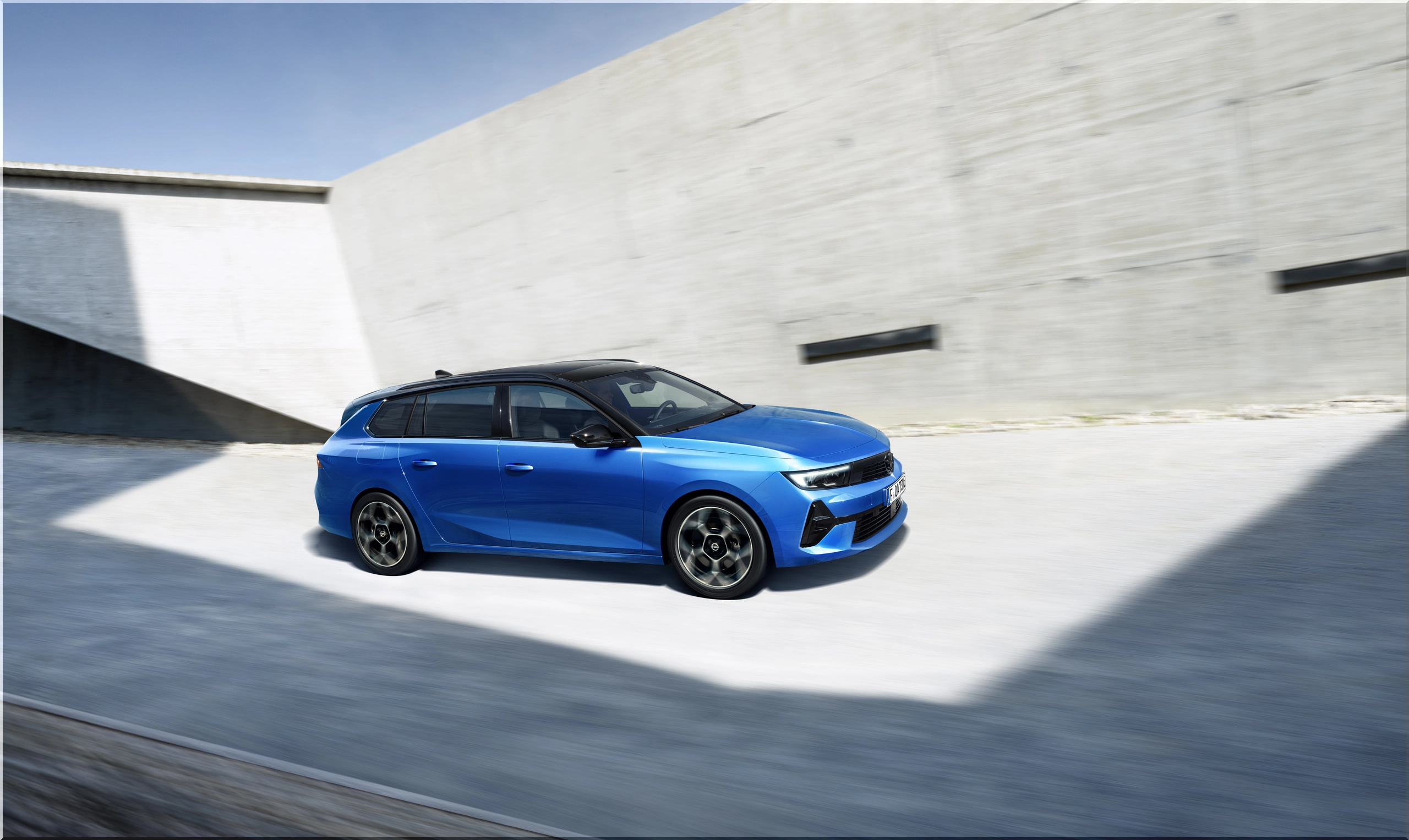
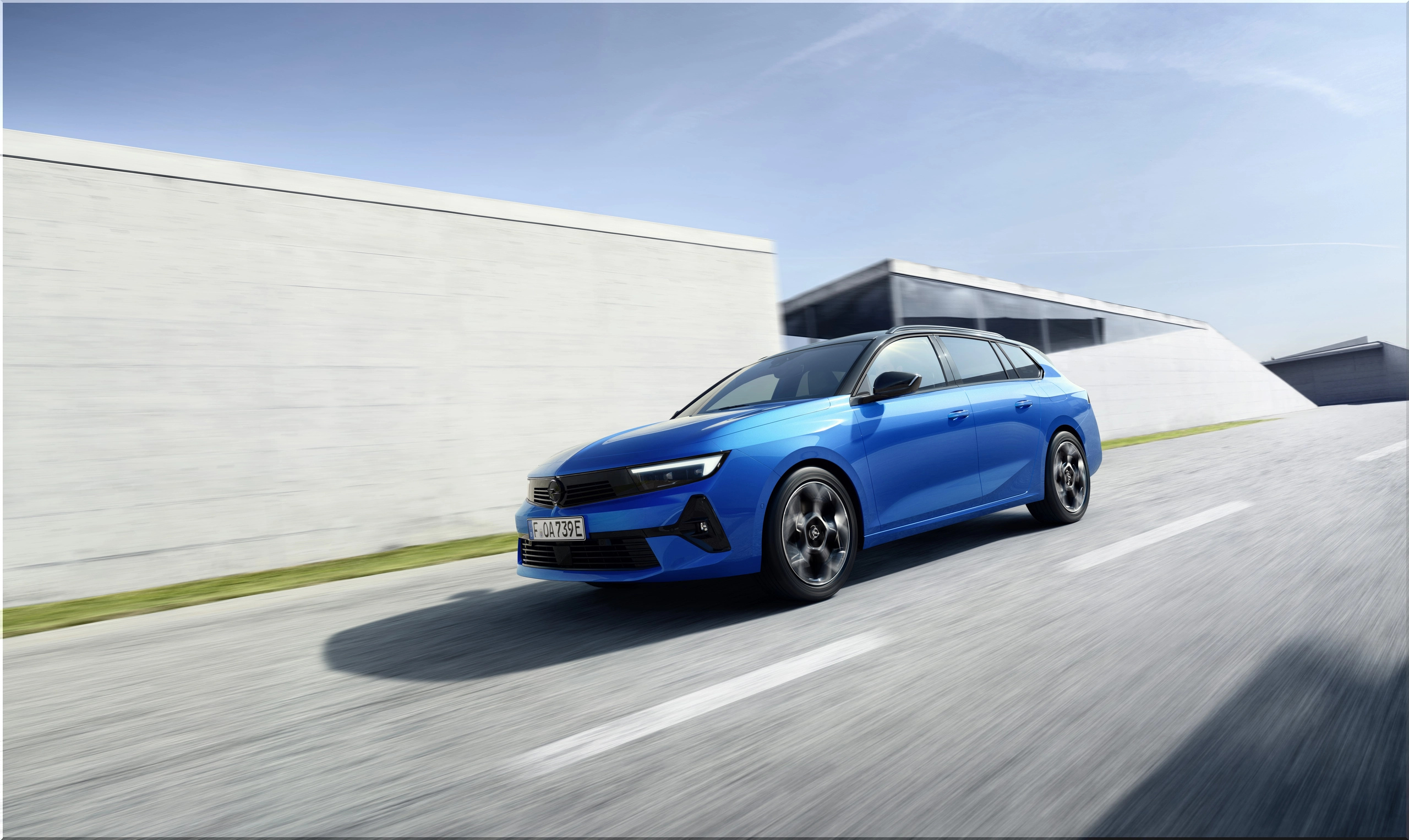
Opel has updated the Astra Plug-in Hybrid and Astra Sports Tourer Plug-in Hybrid with more power and more electric range while keeping prices unchanged. This move positions Opel to compete directly with other compact plug-in hybrids at a time when pricing pressure and efficiency are driving consumer decisions.
Key Specs and Changes
The 2025 Opel Astra plug-in hybrid brings three major updates:
- Power increase: Total system output rises to 196 hp (144 kW), up from 180 hp.
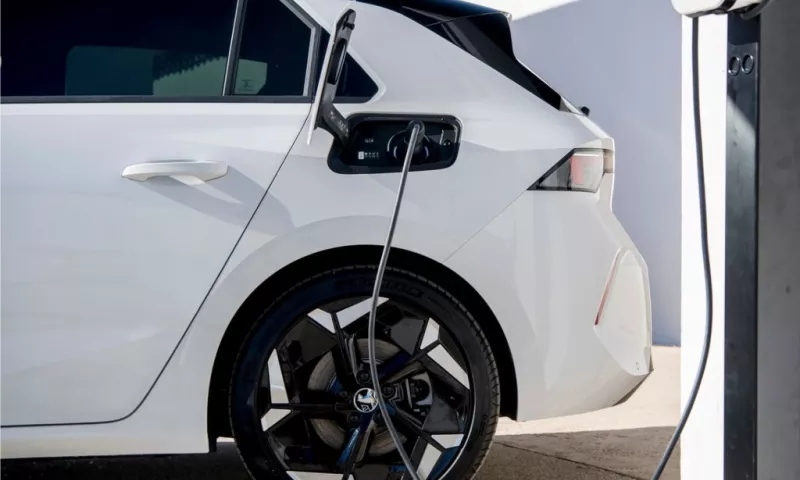
- New battery: Capacity grows to 17.2 kWh, boosting electric range to 83 km (51 miles) WLTP.
- Transmission: A new 7-speed dual-clutch electrified gearbox improves efficiency and driving comfort.
Prices remain the same in Italy:
- Opel Astra GS Plug-in Hybrid: €42,050 (~$45,600 USD)
- Opel Astra Sports Tourer GS Plug-in Hybrid: €43,250 (~$46,900 USD)
Performance and Efficiency
The Astra PHEV now delivers 360 Nm of torque, paired with a 1.6L turbocharged four-cylinder and an upgraded electric motor.
- Gas engine: 150 hp (110 kW)
- Electric motor: 125 hp (92 kW), up from 110 hp (81 kW)
- Acceleration: 0–100 km/h in 7.6 seconds (Sports Tourer: 7.7 sec)
- Top speed: 225 km/h (140 mph)
Efficiency data:
- Electricity consumption: 12.7–13.1 kWh/100 km
- Fuel consumption: 2.2–2.4 L/100 km (WLTP)
What the Range Means for Buyers
An 83 km (51 miles) electric-only range makes the Astra one of the most practical compact PHEVs for city use. For most European commuters, this covers daily driving without using gasoline. The hybrid system still provides long-distance flexibility.
This balance of range and efficiency matches what buyers in this segment demand: low running costs without EV charging stress on long trips.
Why the Transmission Matters
The shift from a six-speed to a seven-speed dual-clutch gearbox is more than a mechanical change. It reduces shift interruptions, keeps the powertrain in its efficiency band, and better matches the extra torque from the electric motor. This upgrade directly improves drivability, making the hybrid experience closer to that of a traditional combustion car.
Trim, Features, and Standard Tech
Every Astra Plug-in Hybrid comes equipped with modern tech:
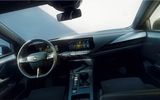
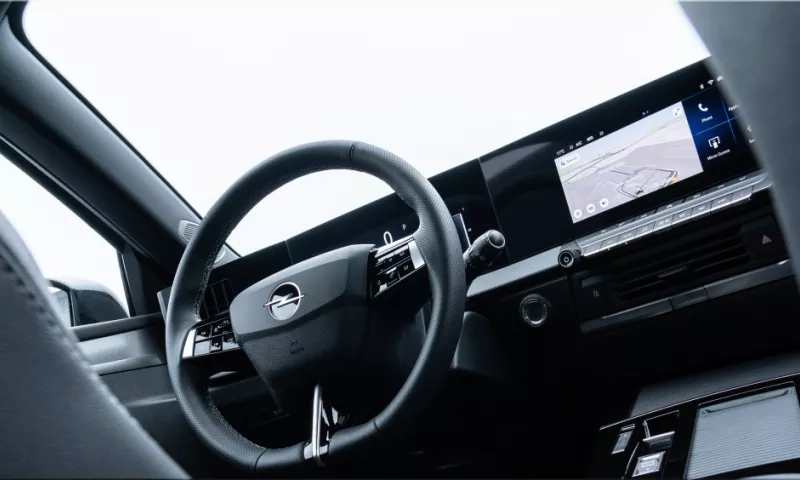
- 10-inch infotainment touchscreen
- 10-inch driver display
- Wireless Apple CarPlay and Android Auto
- Keyless Start system
These features are standard, not optional extras. Opel positions the Astra PHEV as a plug-in for buyers who expect EV-level technology in a compact car package.
Price Context in the Compact Segment
Here is how the Astra compares to competitors in Europe:
| Model | Electric Range (WLTP) | Power (hp) | Starting Price (USD approx.) |
|---|---|---|---|
| Opel Astra Plug-in Hybrid | 83 km (51 mi) | 196 | $45,600 |
| Peugeot 308 Plug-in Hybrid | 60 km (37 mi) | 180 | $46,000 |
| VW Golf eHybrid | 100 km (62 mi est.) | 204 | $47,500 |
| Ford Kuga Plug-in Hybrid | 64 km (40 mi) | 225 | $48,200 |
The Astra matches or exceeds rivals in electric range while undercutting some on price. Opel’s decision to hold the line on pricing strengthens its position.
Image gallery
Why Opel Held Prices
Keeping prices flat while increasing specs sends a signal. Opel wants to keep Astra buyers inside the brand while making the PHEV a stronger option against rivals. The move also protects residual values of older models by aligning upgrades with consistent pricing.
Industry Implications
The compact PHEV segment is growing as buyers wait for charging networks to expand before committing to full EVs. Opel is addressing this reality: better range without higher cost gives the Astra a competitive edge.
Competitors like Volkswagen and Peugeot will face pressure to update range and pricing strategies. Opel’s pricing stability could accelerate adoption of PHEVs in Southern European markets where incentives are lower and buyers are more price-sensitive.
Image gallery
Opel’s Electrification Strategy
Opel, part of Stellantis, already offers a battery-electric Astra Electric and now strengthens the hybrid lineup. This dual approach—battery EVs for early adopters and PHEVs for mainstream buyers—lets Opel scale electrification without losing customers who want flexibility.
Outlook
The Opel Astra Plug-in Hybrid 2025 is not about radical design shifts. It’s about incremental gains where buyers see value: range, power, and cost. Opel’s strategy reflects the wider market reality—EV infrastructure still lags, so PHEVs remain a bridge technology.
For buyers, this update means more electric driving, lower fuel use, and zero price penalty. For Opel, it means keeping the Astra relevant in Europe’s most competitive car segment.
- Add new comment
- 502 views