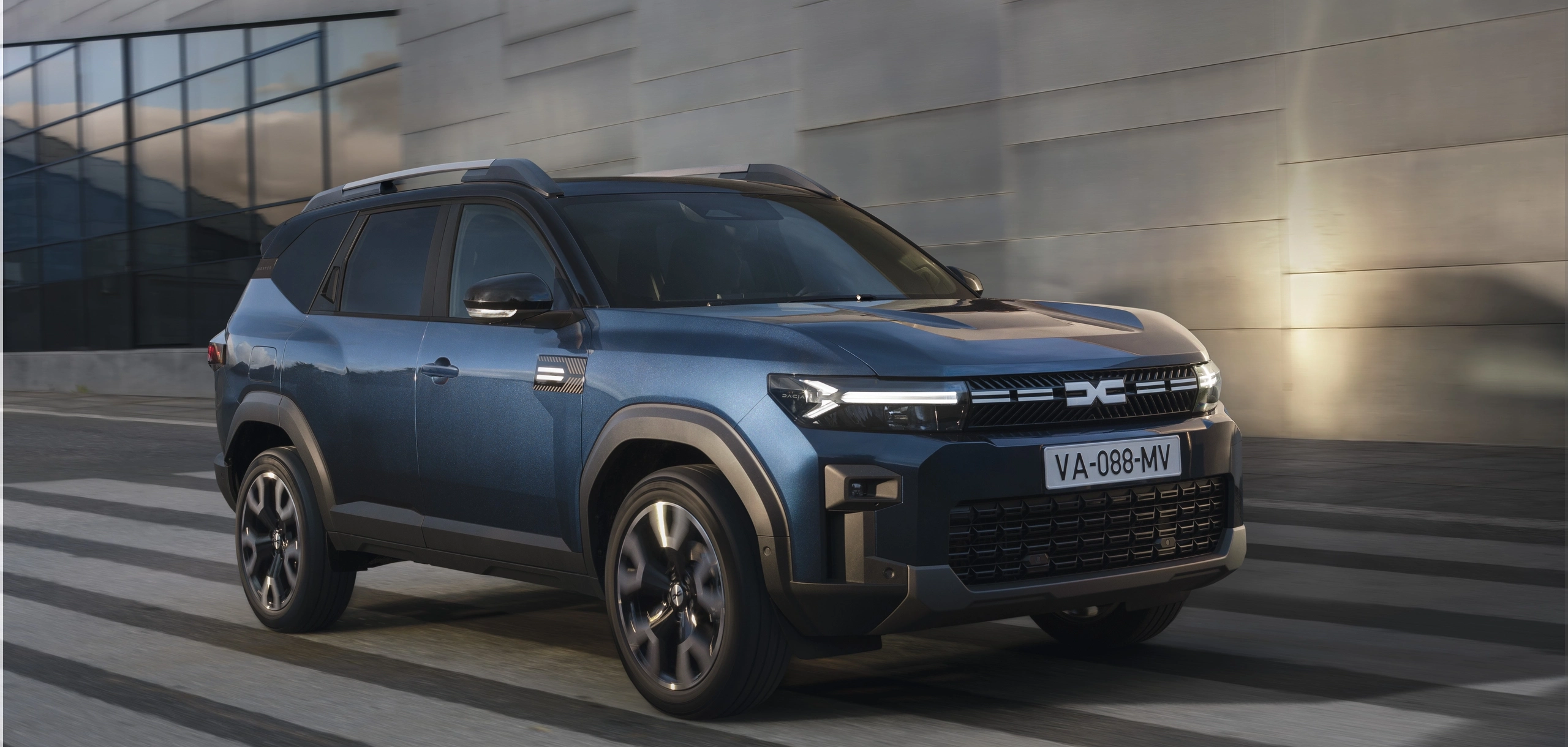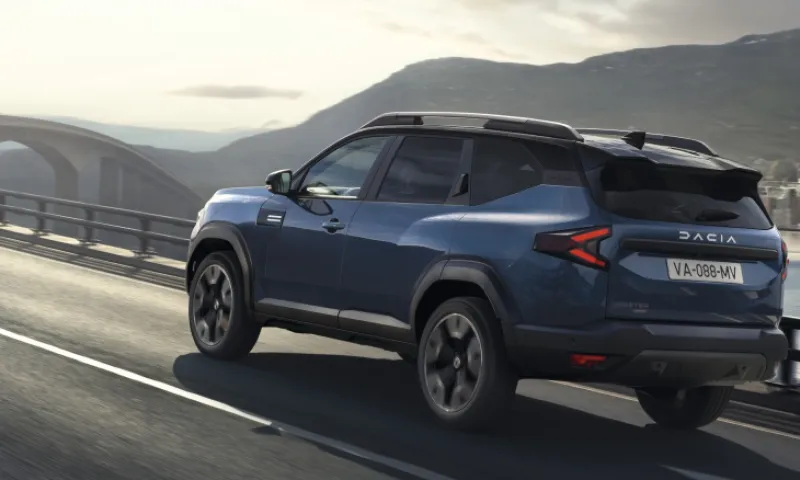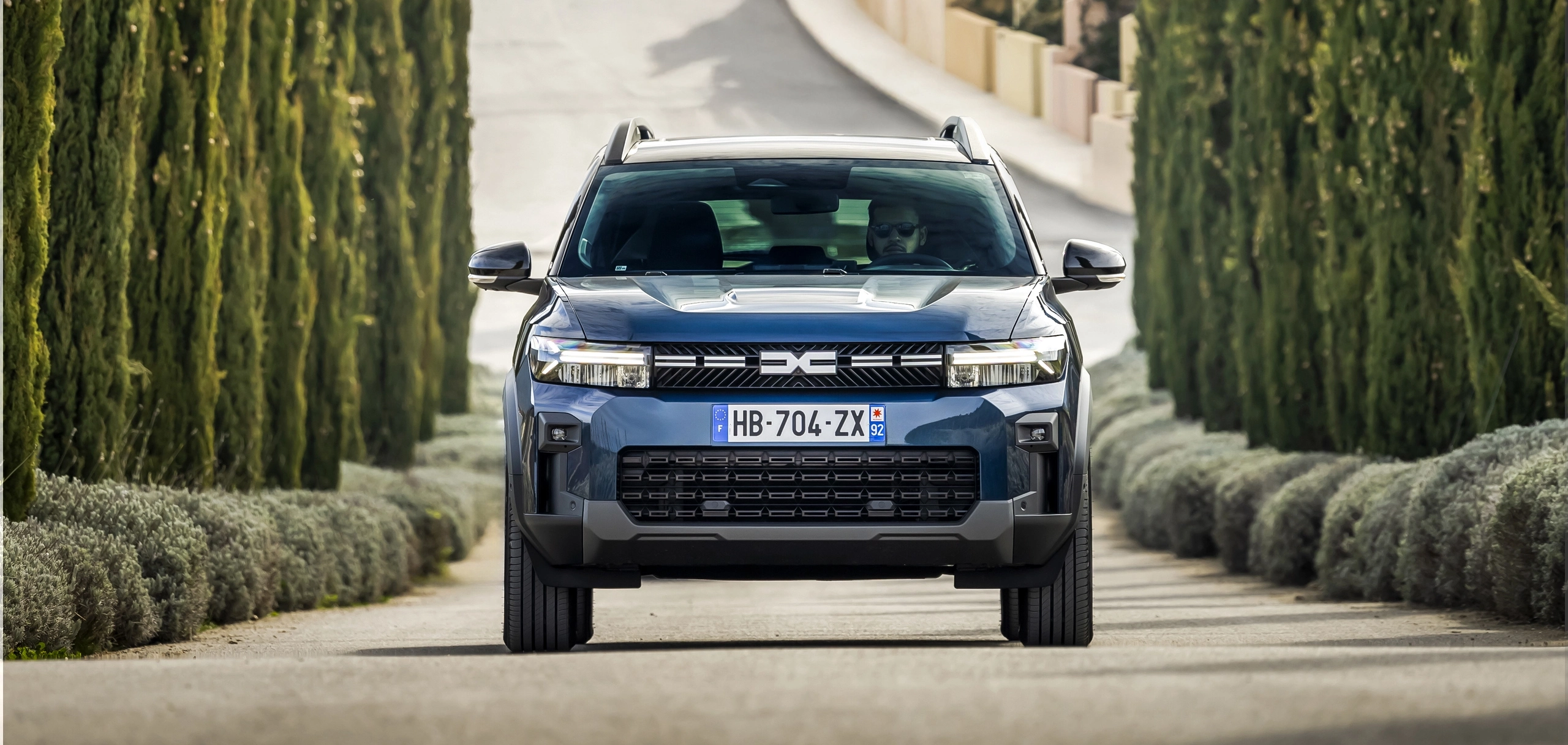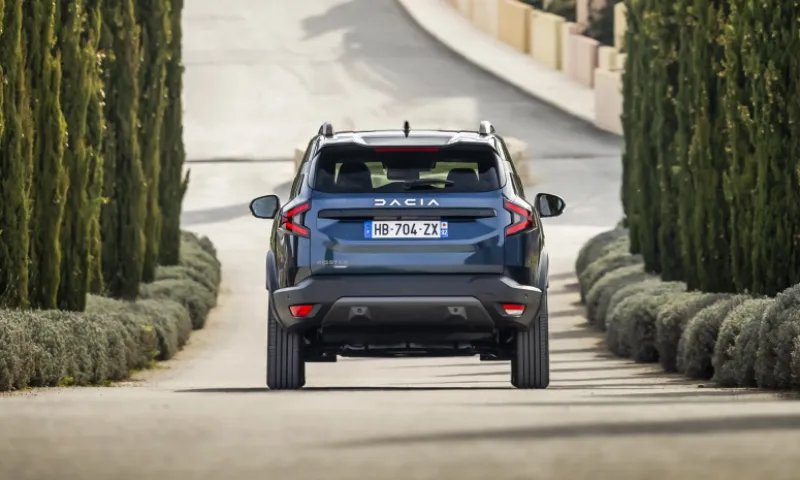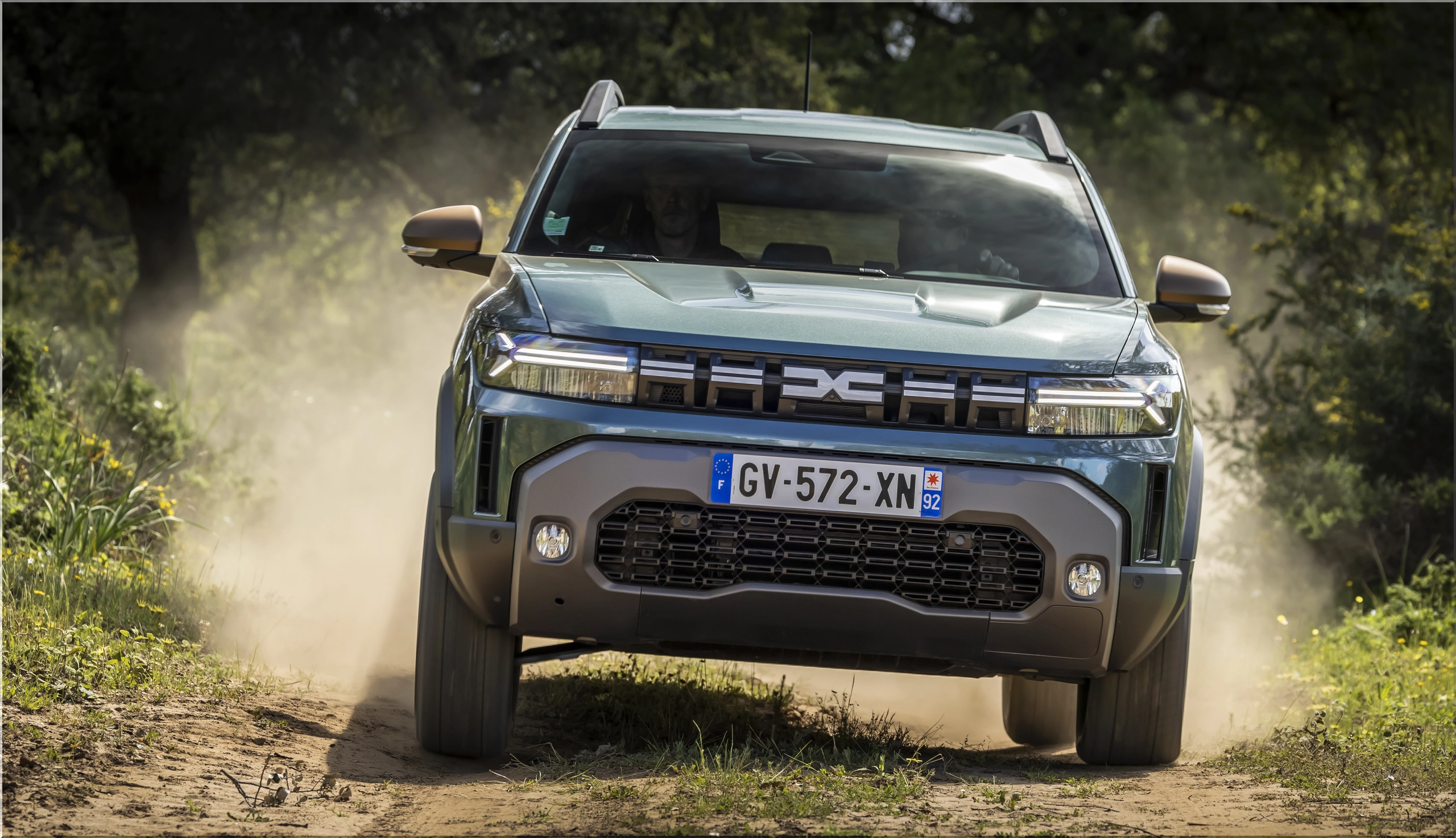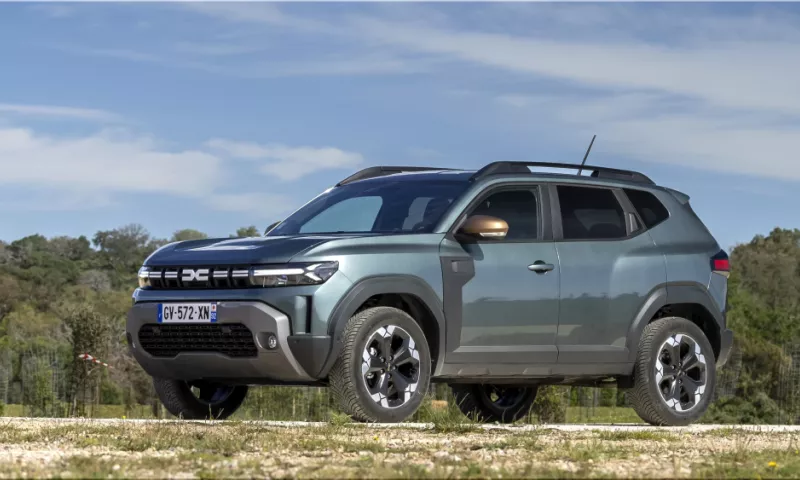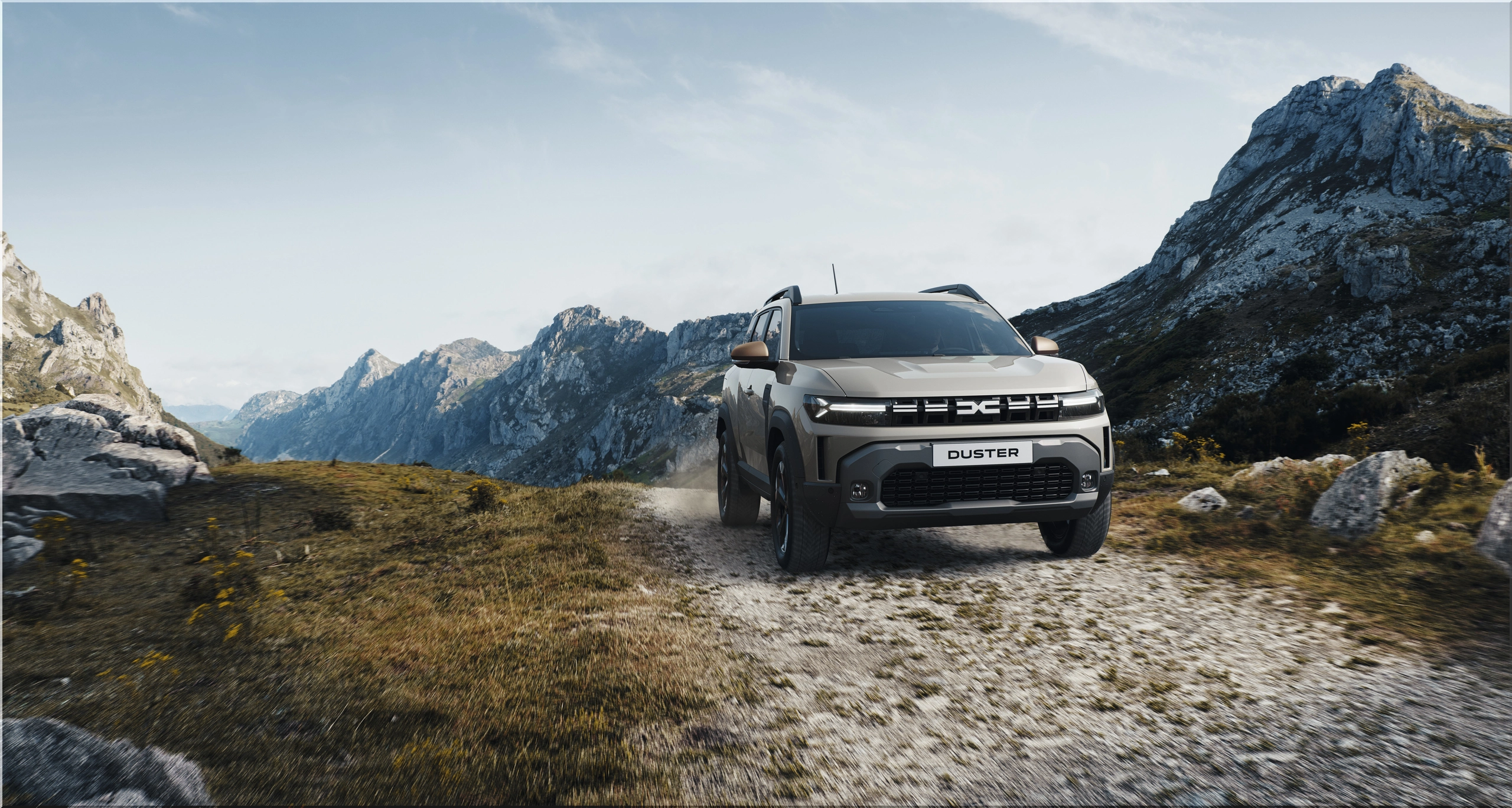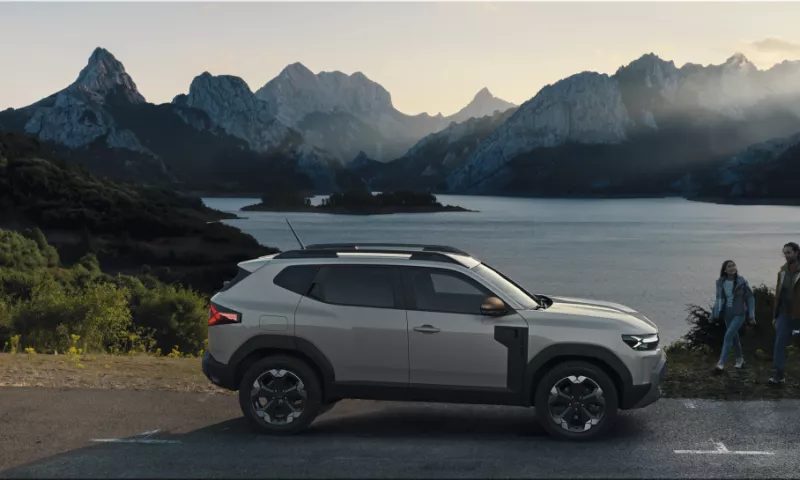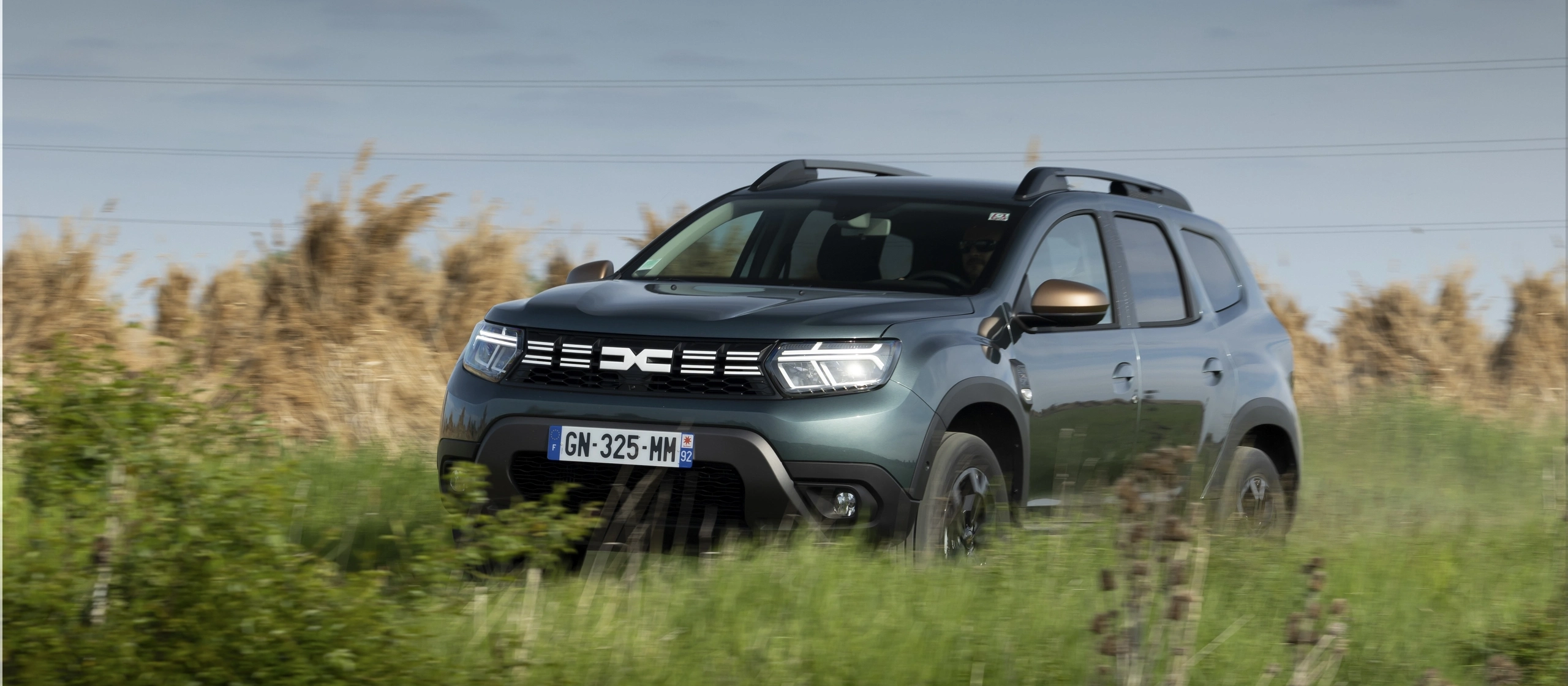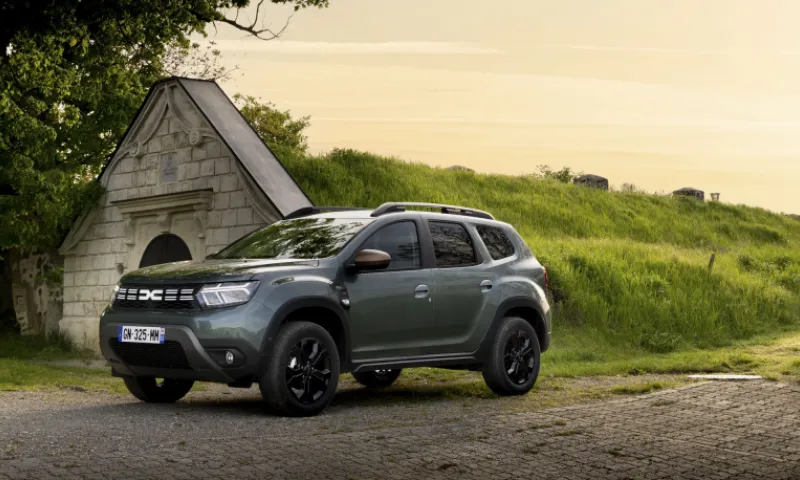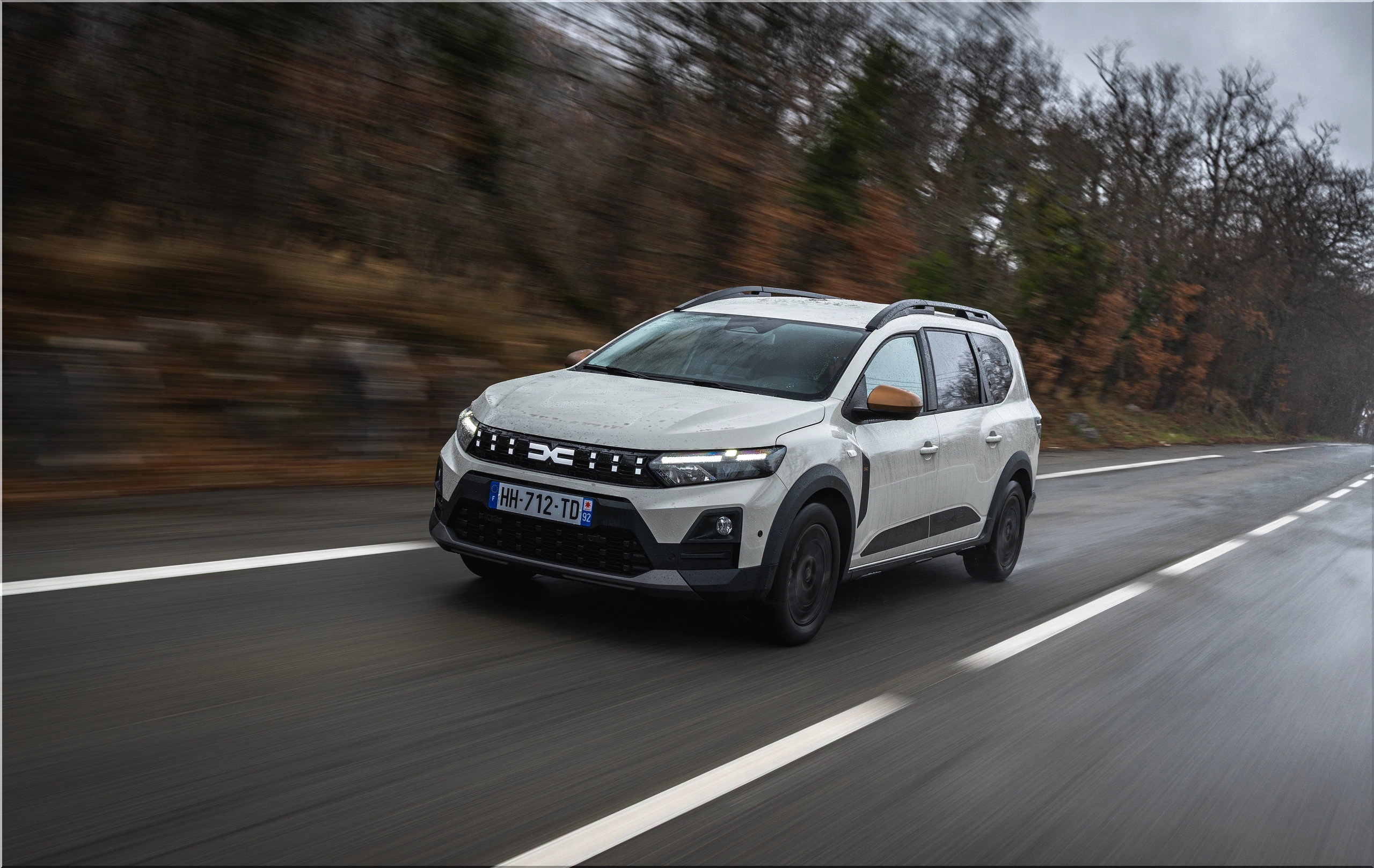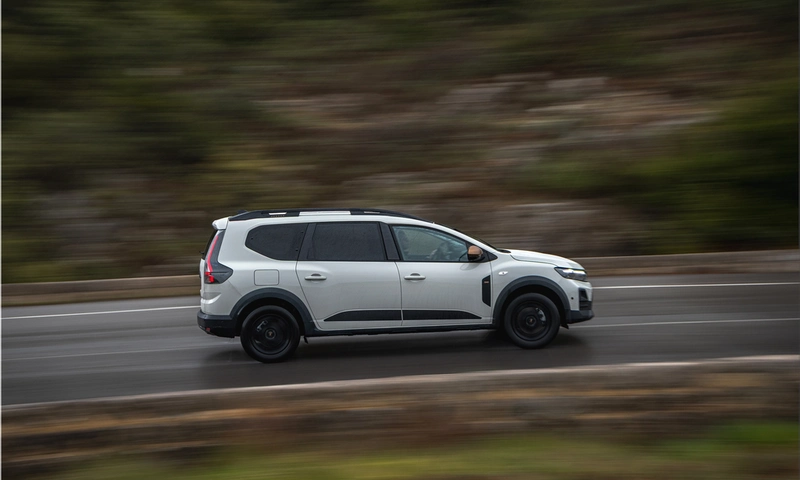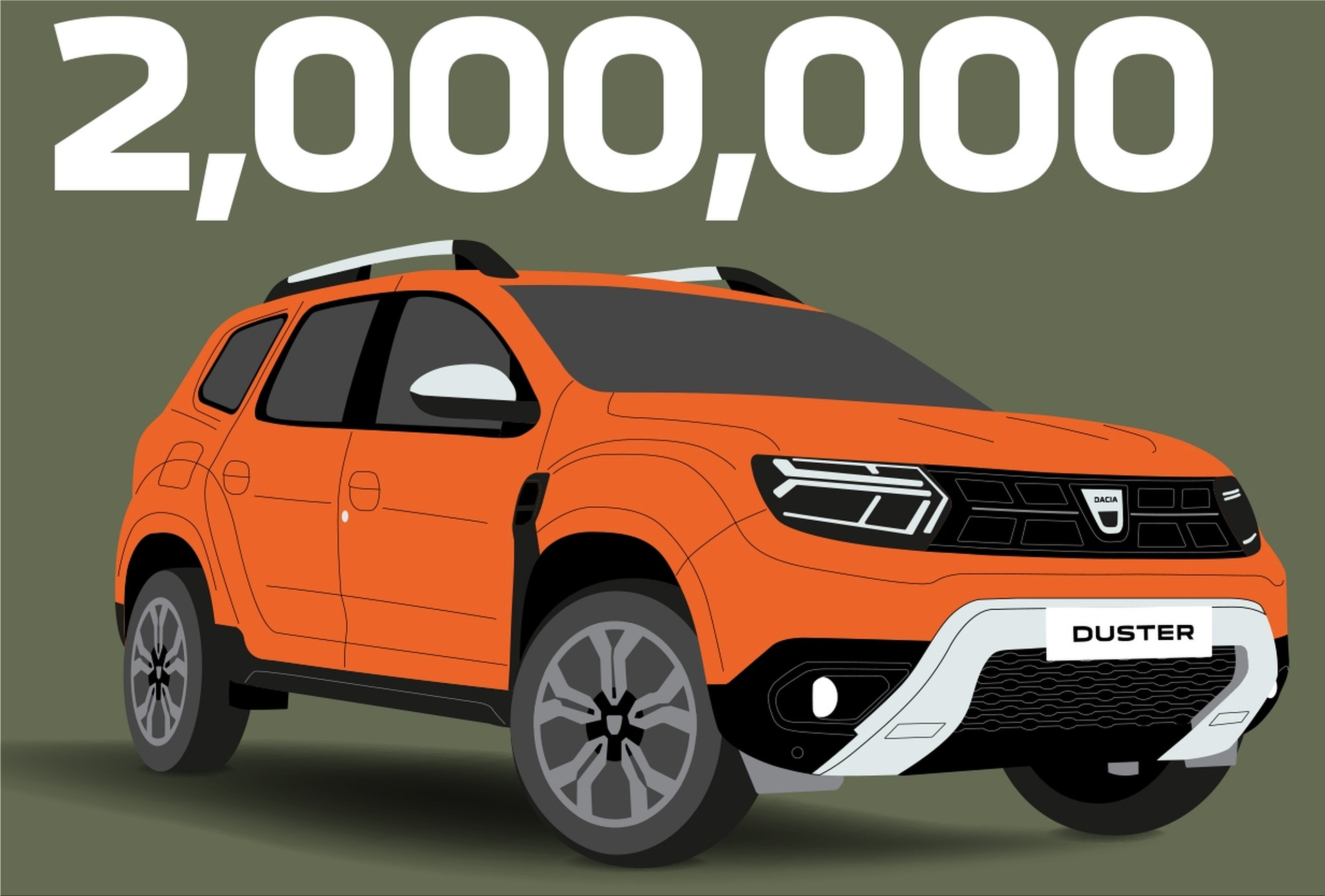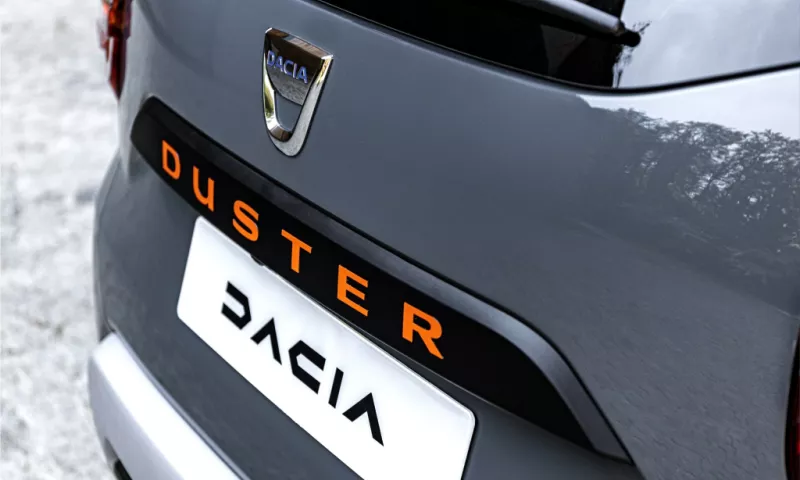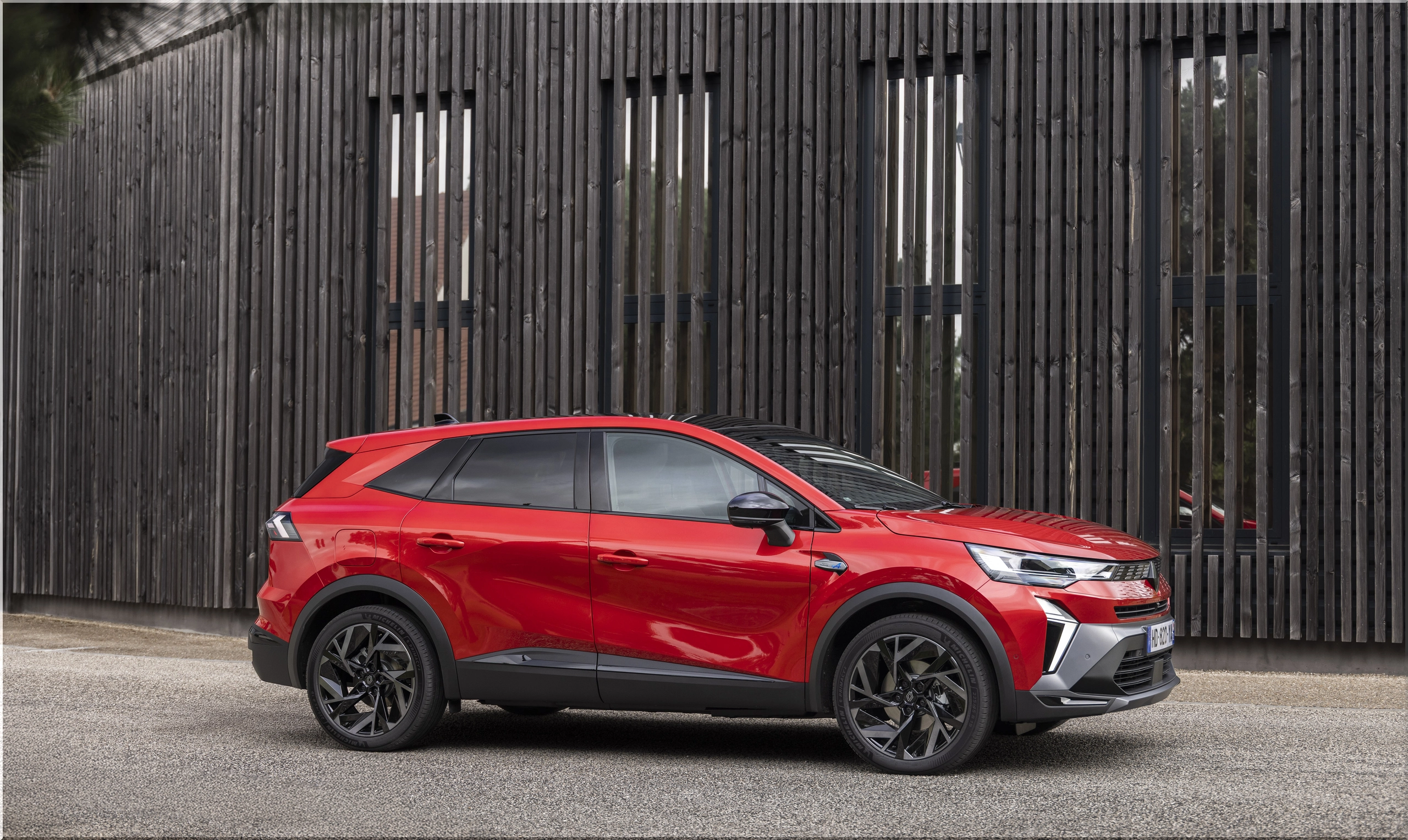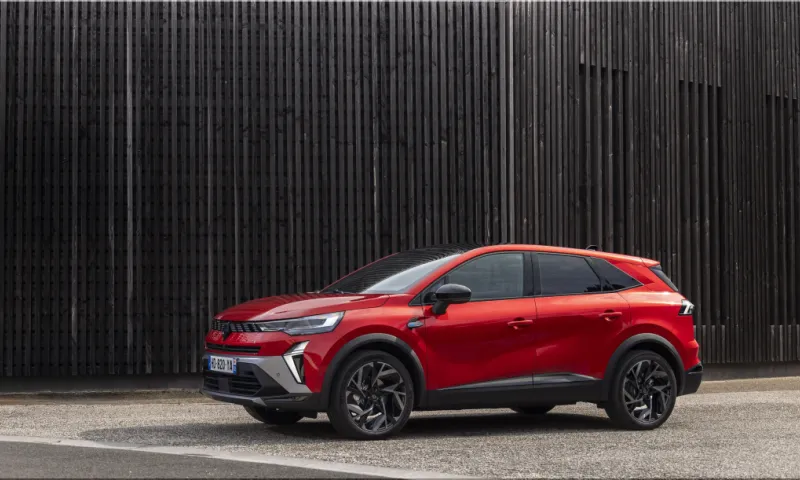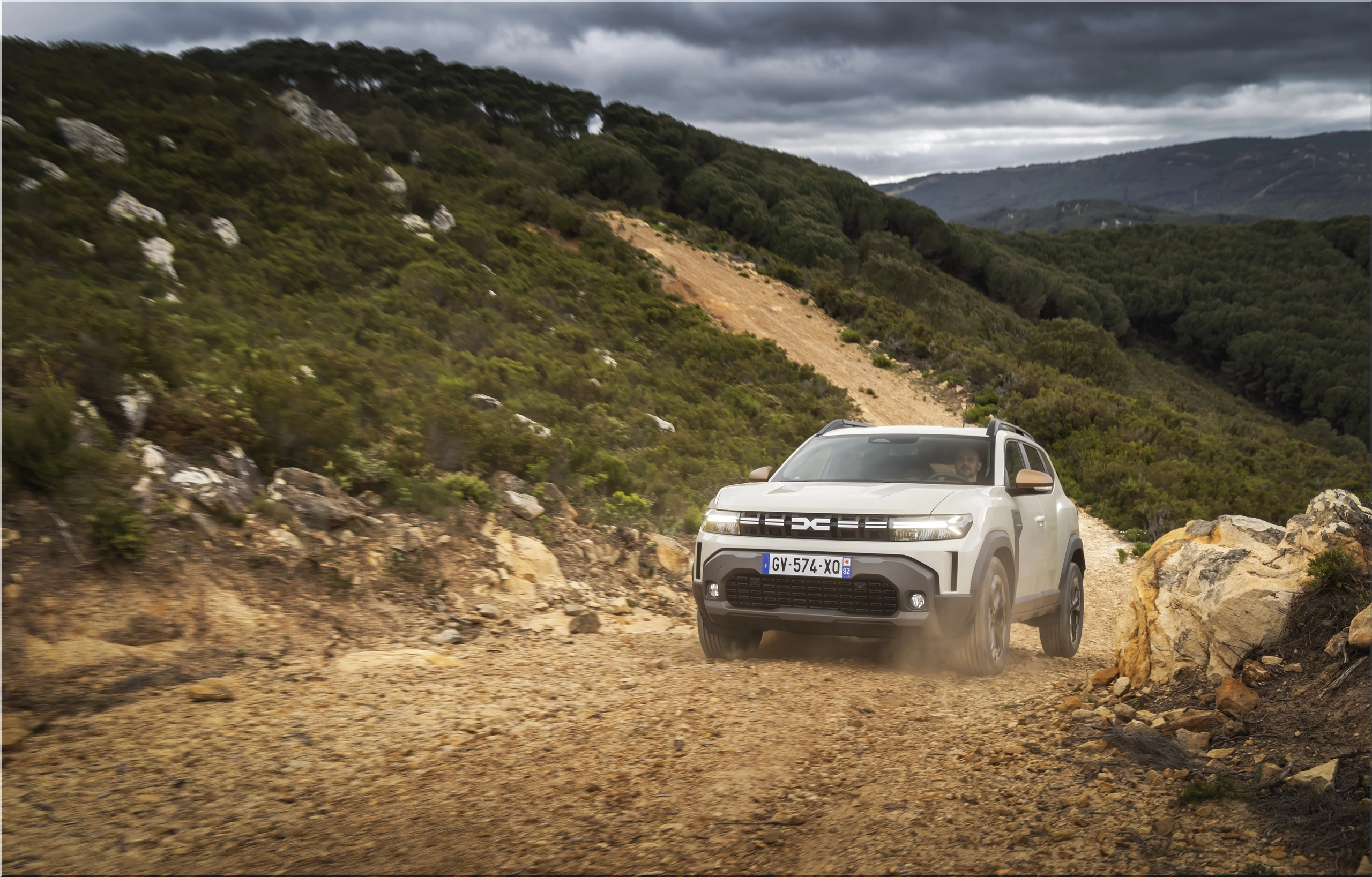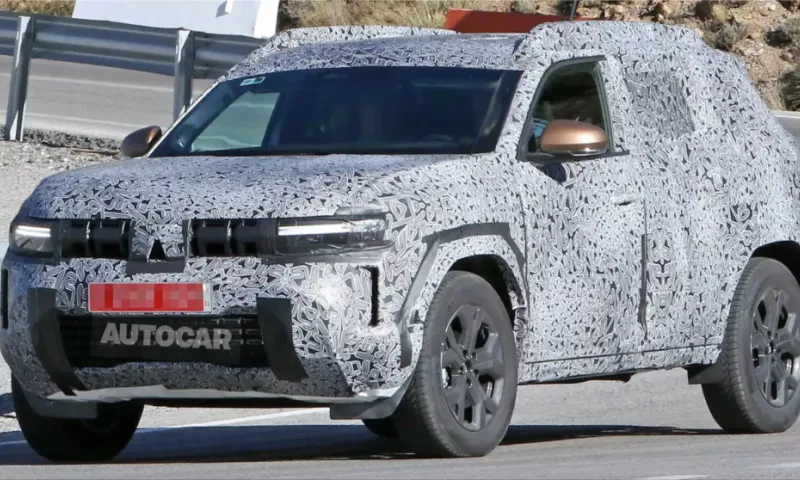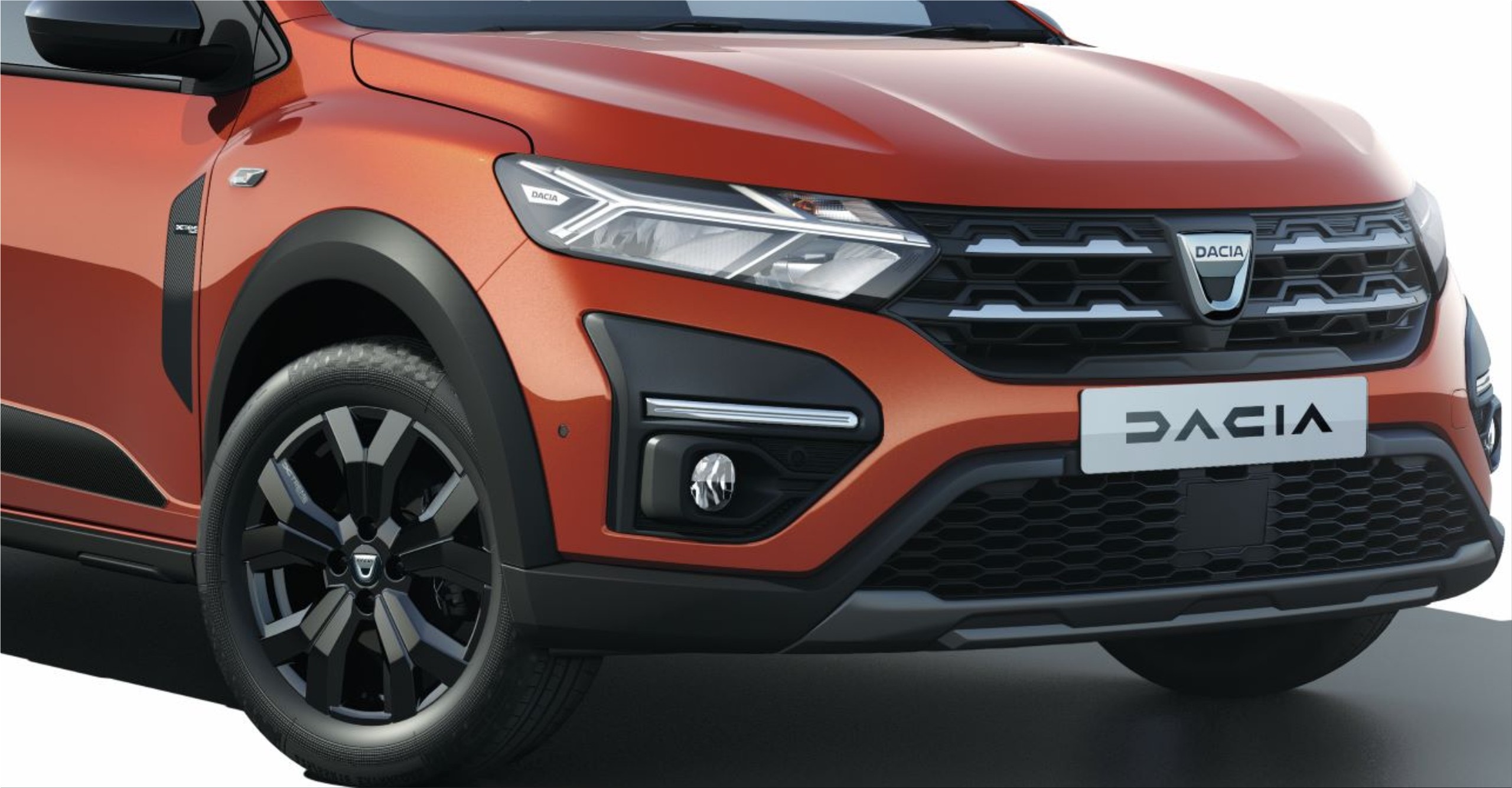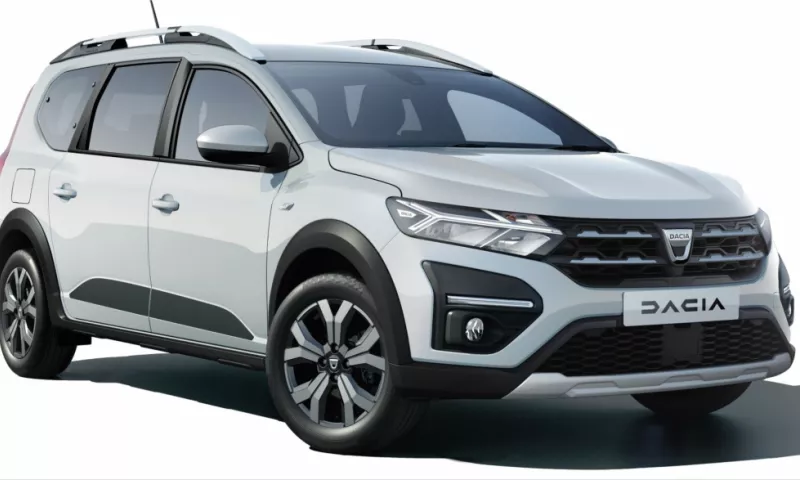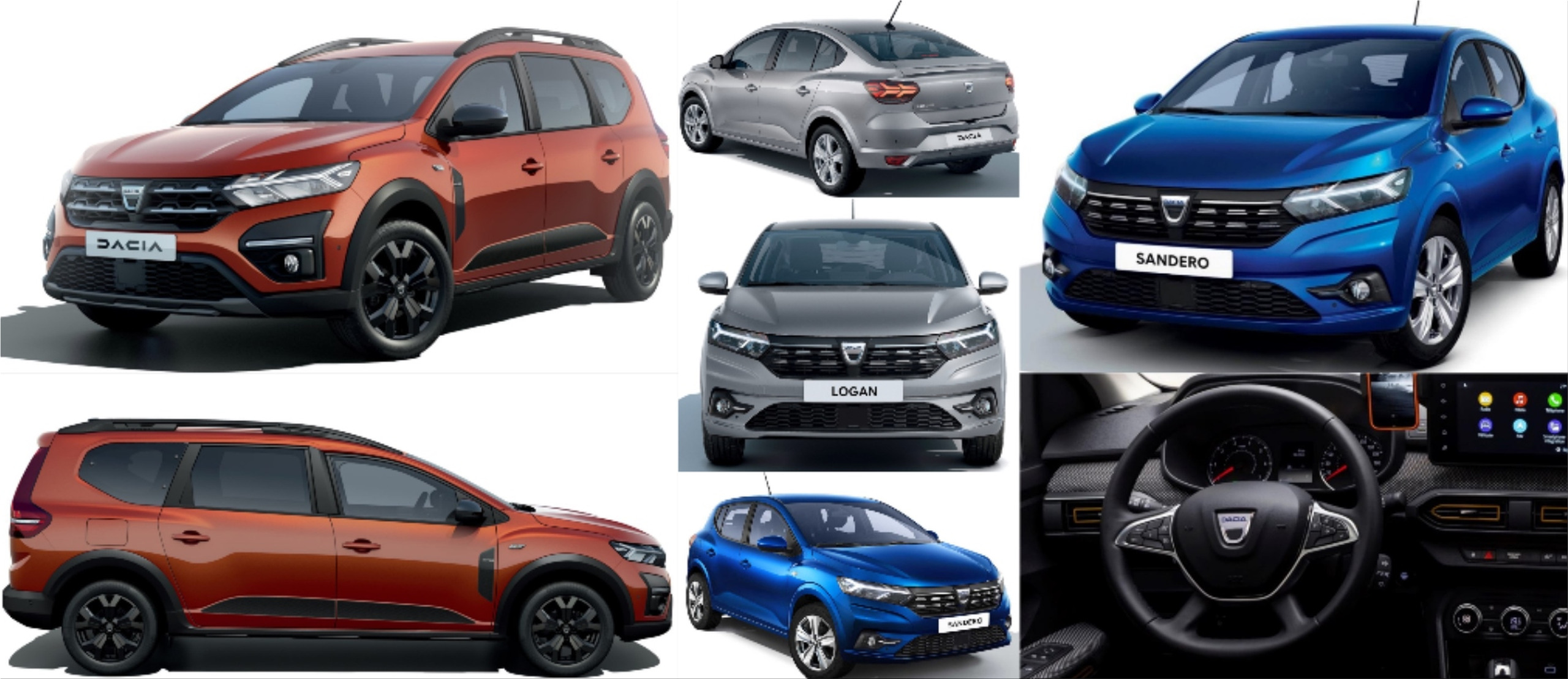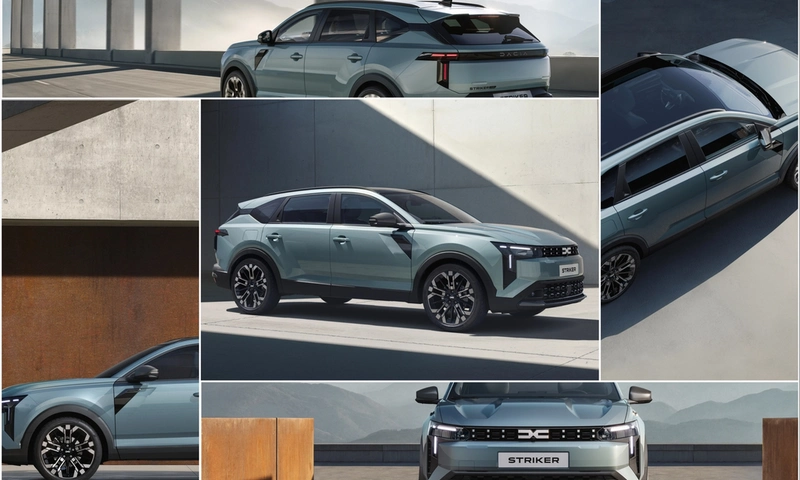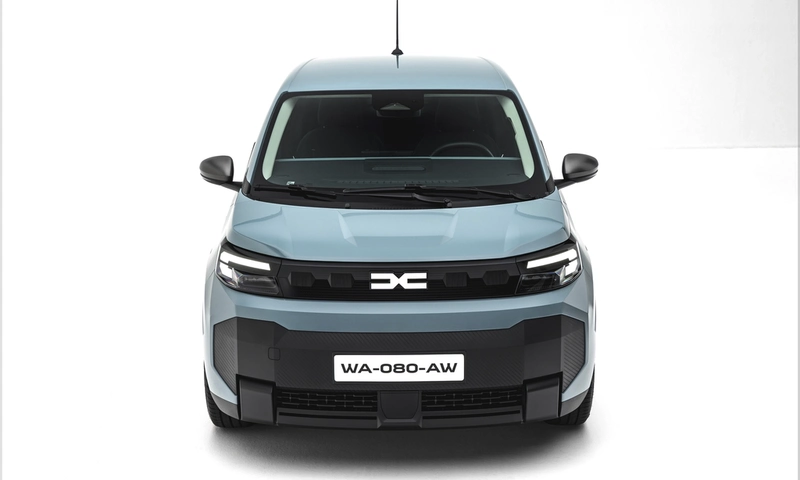
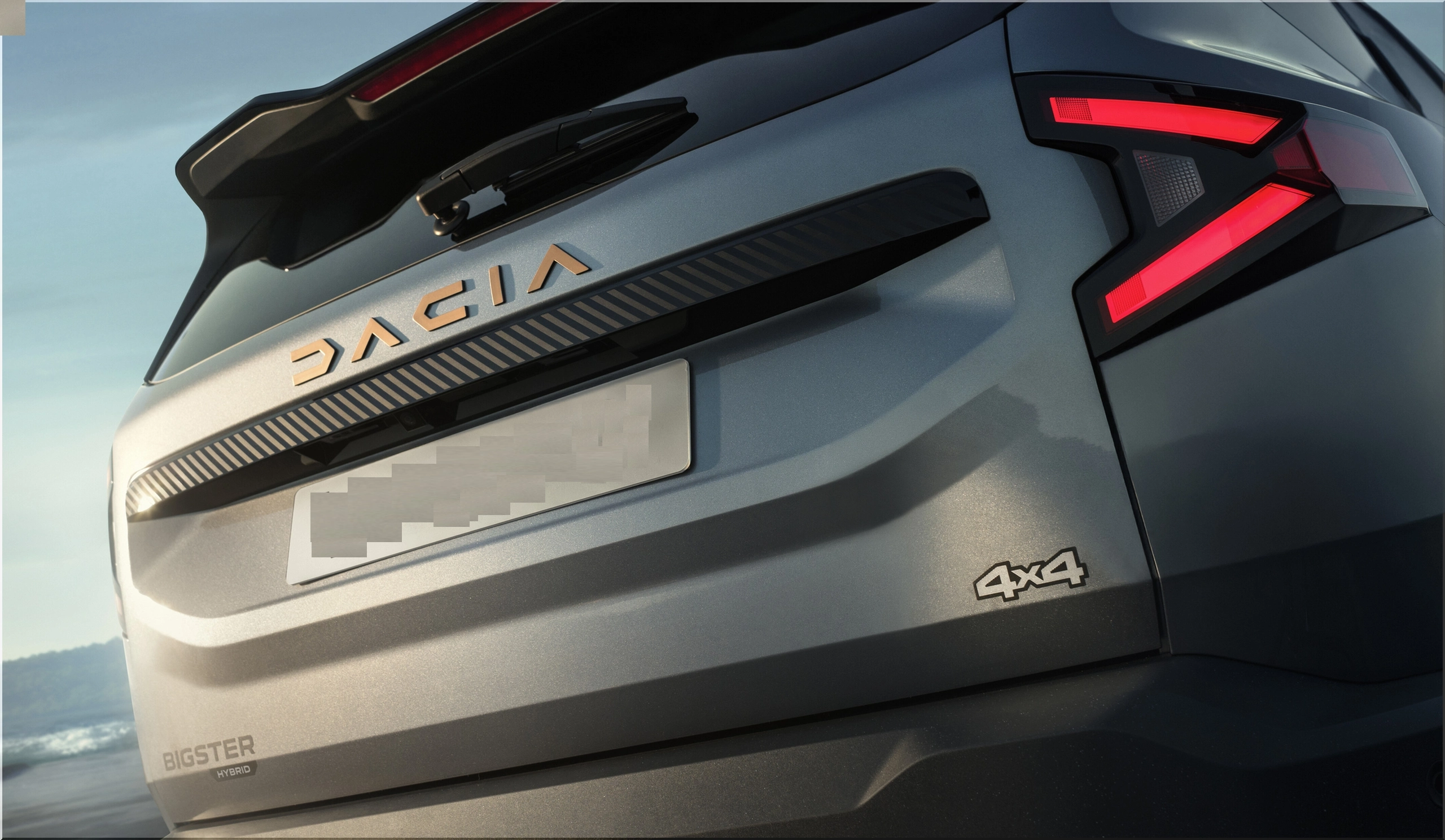
Dacia has expanded the Bigster and Duster powertrain lineup with a set of new options that aim to combine efficiency, range, and versatility. The announcement introduces a world-first hybrid bi-fuel 4x4 system and updates across the model range. For buyers, the key takeaway is more choice with better efficiency at lower running costs.
Hybrid-G 150 4x4: A New Benchmark in Affordable SUVs
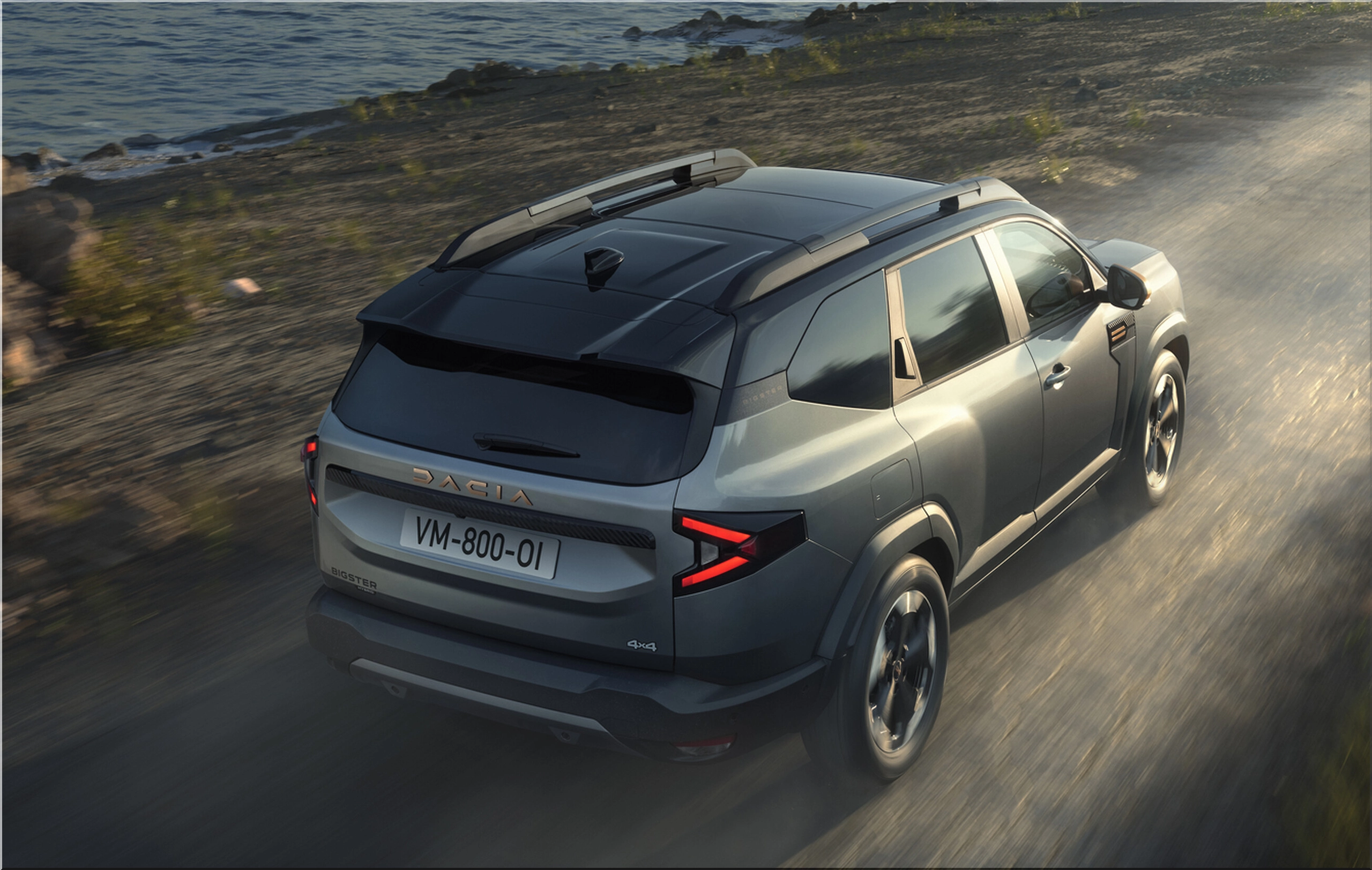
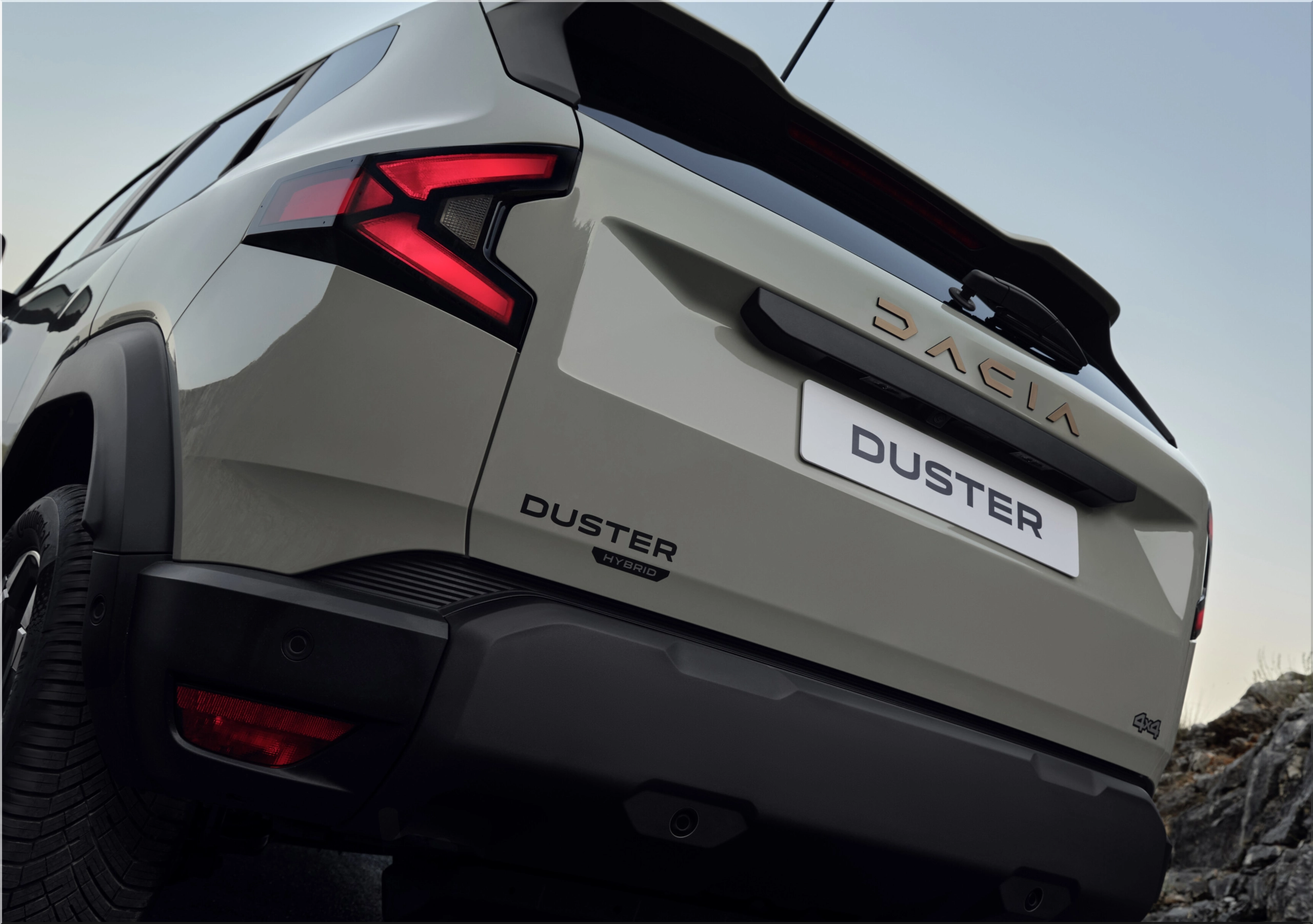
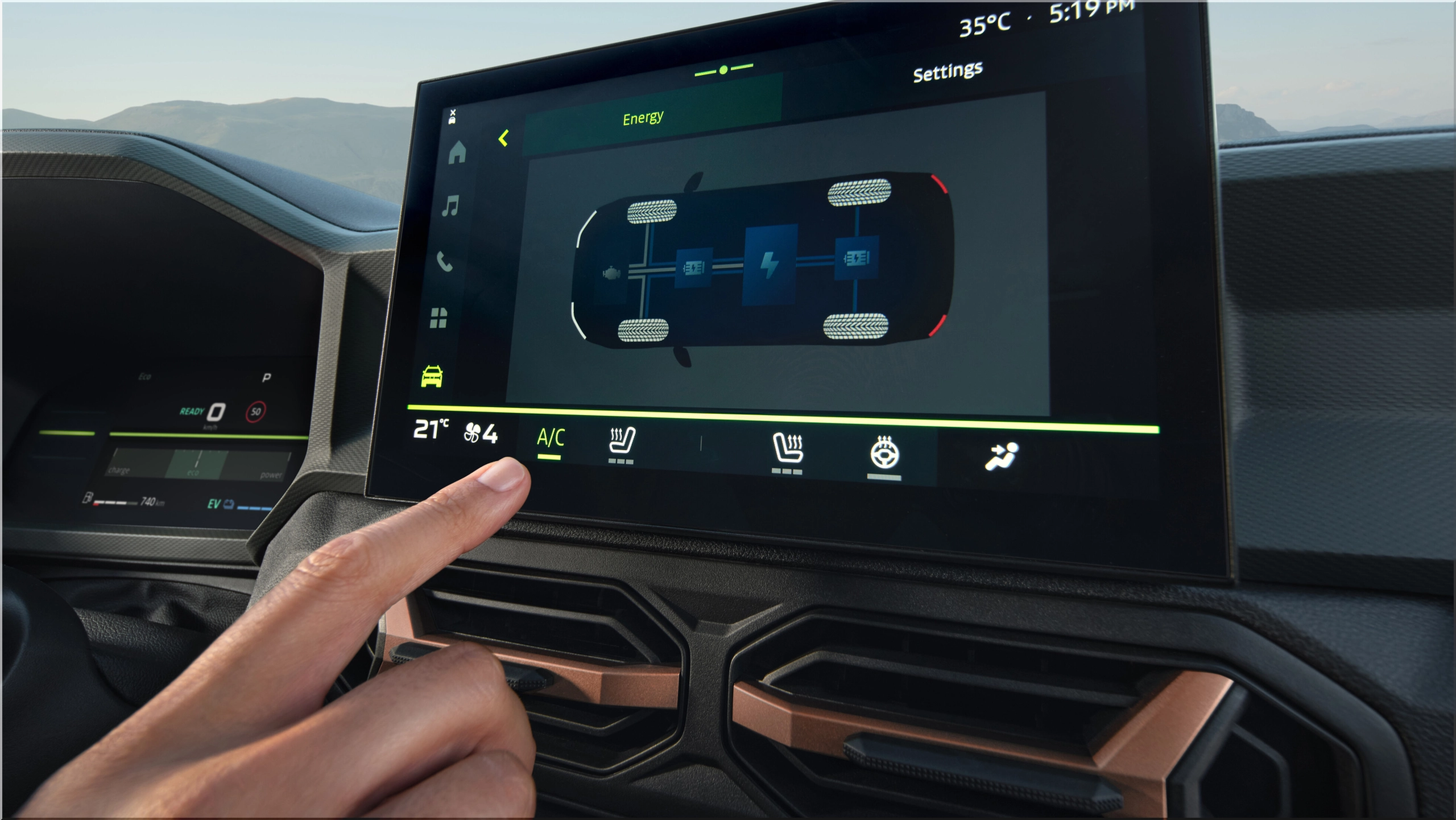
The Hybrid-G 150 4x4 is the headline update. Available on both Bigster and Duster, this system combines multiple technologies into one drivetrain:
- 1.2-liter 48V mild-hybrid engine on the front axle with 140 hp.
- Rear-mounted electric motor with 31 hp and a two-speed gearbox.
- Total output: 154 hp and up to 317 Nm combined torque.
- Transmission: 6-speed dual-clutch automatic with paddle shifters.
This setup allows up to 60% electric driving in city conditions. With two 50-liter tanks (one petrol, one LPG), range reaches 1,500 km (WLTP). Drivers also see 30% lower running costs compared to a conventional petrol engine.
For context, LPG pricing in France in September 2025 is around $1.05 per liter, significantly cheaper than petrol.
Why the Twin-Speed Rear Gearbox Matters
The rear-mounted 48V motor uses a twin-speed gearbox, a first in the industry.
- First gear: Delivers torque for low-speed off-road driving.
- Second gear: Extends electric drive and efficiency up to 87 mph.
- Neutral mode: Disengages the rear axle for highway efficiency.
This technology balances off-road capability with fuel economy, something not often found in budget SUV segments.
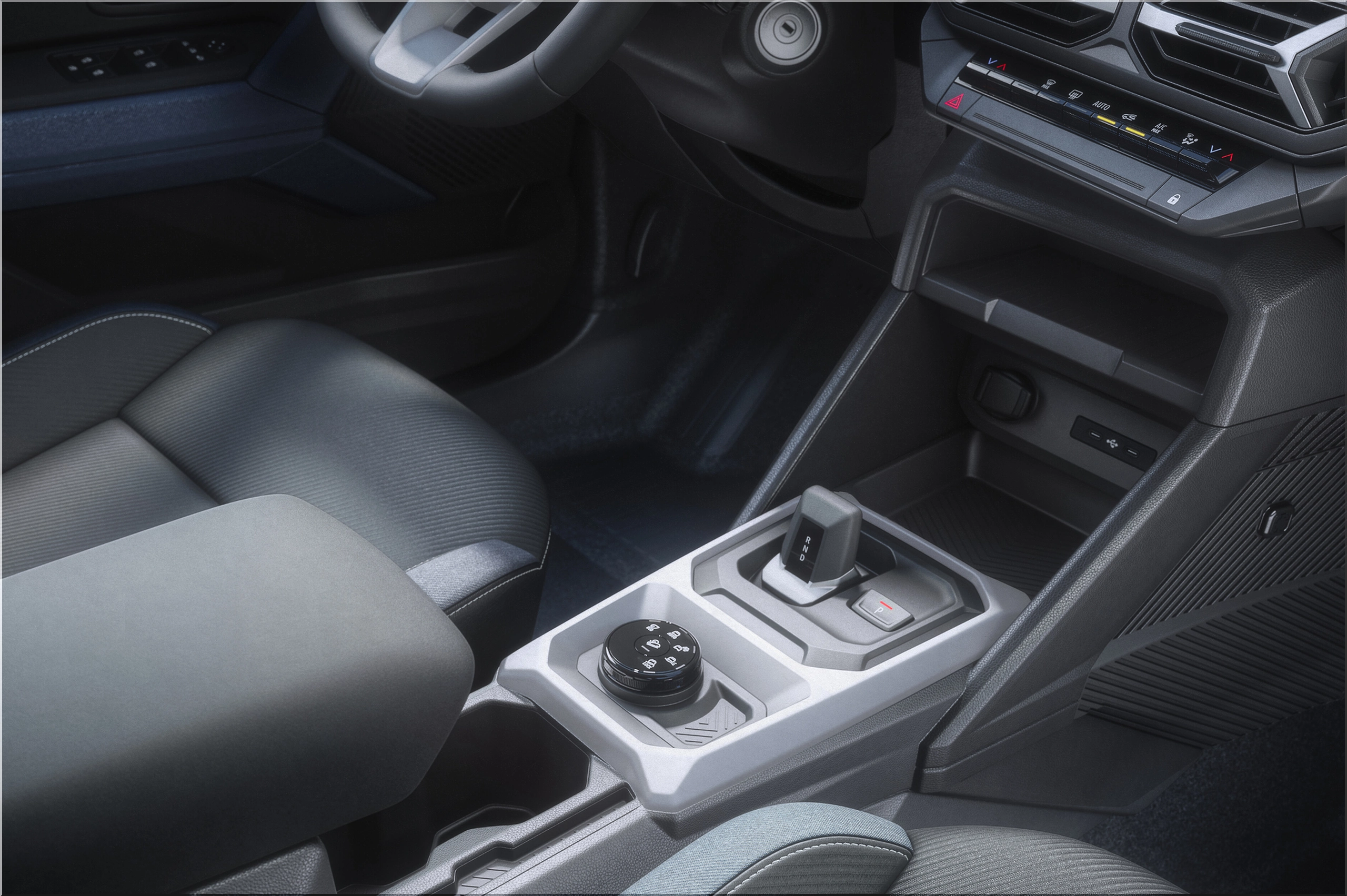
Driving Modes for Every Condition
Both Duster and Bigster now feature six driving modes:
- Auto – Switches between 2WD and 4WD automatically.
- Eco – Prioritizes efficiency, engaging 4WD only when grip is lost.
- Snow – Locks into 4WD for slippery conditions.
- Mud/Sand – Optimized 4WD for loose surfaces.
- Lock – Full-time 4WD for rugged terrain.
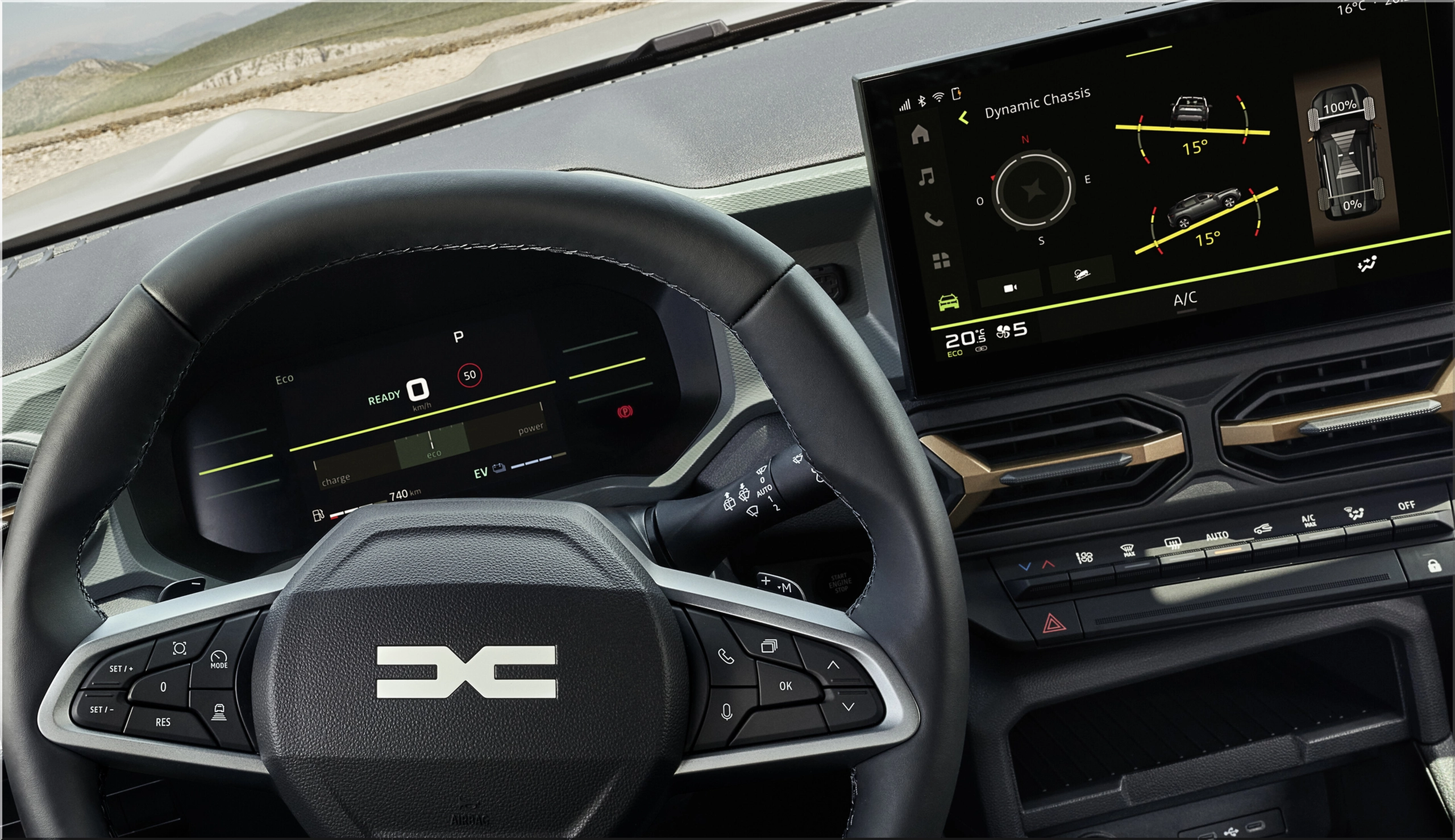
- Hill Descent Control – Stabilizes downhill driving between 2–19 mph.
This brings real versatility for customers who use their SUVs both on highways and rough trails.
Efficiency and Emissions Data
Dacia provided certification data for both models:
| Powertrain | Fuel | Consumption (l/100 km) | CO2 (g/km) | Range (km) |
|---|---|---|---|---|
| Hybrid-G 150 4x4 | LPG | 7.1 – 7.2 | 116 – 118 | 1,500 |
| Hybrid-G 150 4x4 | Petrol | 5.5 – 5.6 | 124 – 126 | 1,500 |
| Hybrid 155 (Duster) | Petrol/Electric | 4.6 | 105 | 900+ |
| Mild Hybrid 140 | Petrol + 48V | 5.4 | 122 | 800+ |
| Eco-G 120 | LPG | ~7.2 | ~112 | 1,380 |
These figures position the Duster and Bigster as leaders in efficiency in the affordable SUV segment.
Updated Powertrains for Duster
Beyond the Hybrid-G 150 4x4, the Duster lineup gains three more updates:
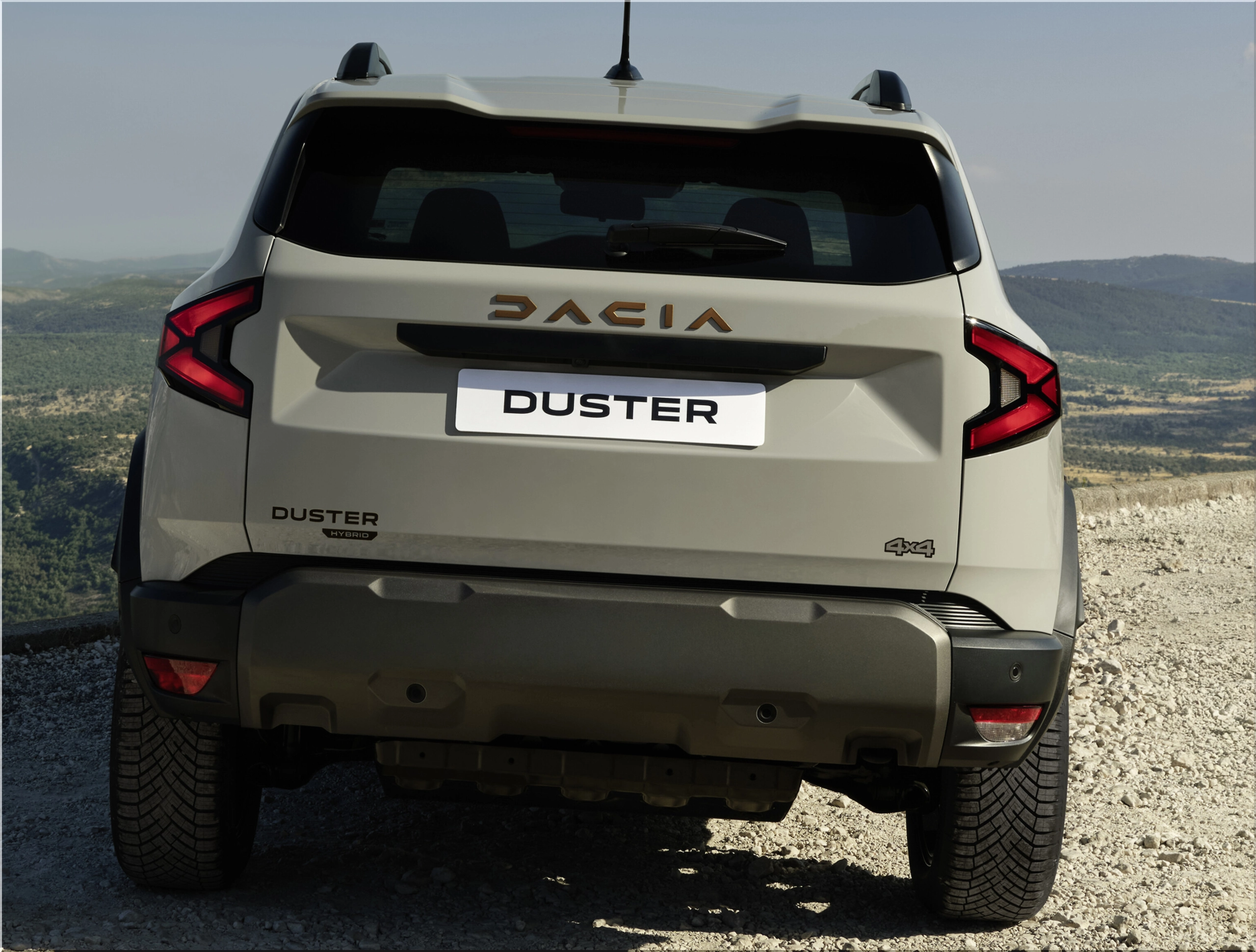
- Hybrid 155 – Combines a 109 hp petrol engine with two electric motors and a 1.4 kWh battery. Electric mode up to 80% in city driving.
- Mild Hybrid 140 – 1.2L turbo petrol, 48V support, manual gearbox. Cuts CO2 by ~10% vs equivalent petrol.
- Eco-G 120 – More powerful LPG engine, with 20 hp more than before. Offers 1,380 km range with dual tanks.
Off-Road Capabilities Remain Intact
Duster and Bigster both retain full off-road ability:
- Instant torque from rear electric motor.
- Two-speed gearbox for better low-speed traction.
- Hill Descent Control for controlled downhill driving.
This ensures that Dacia’s SUVs continue to serve customers who need more than highway commuting.
Interior and Trim Updates
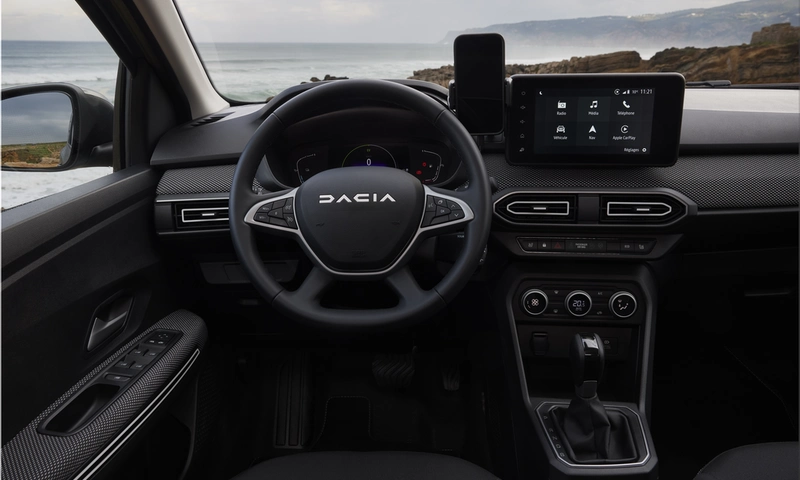
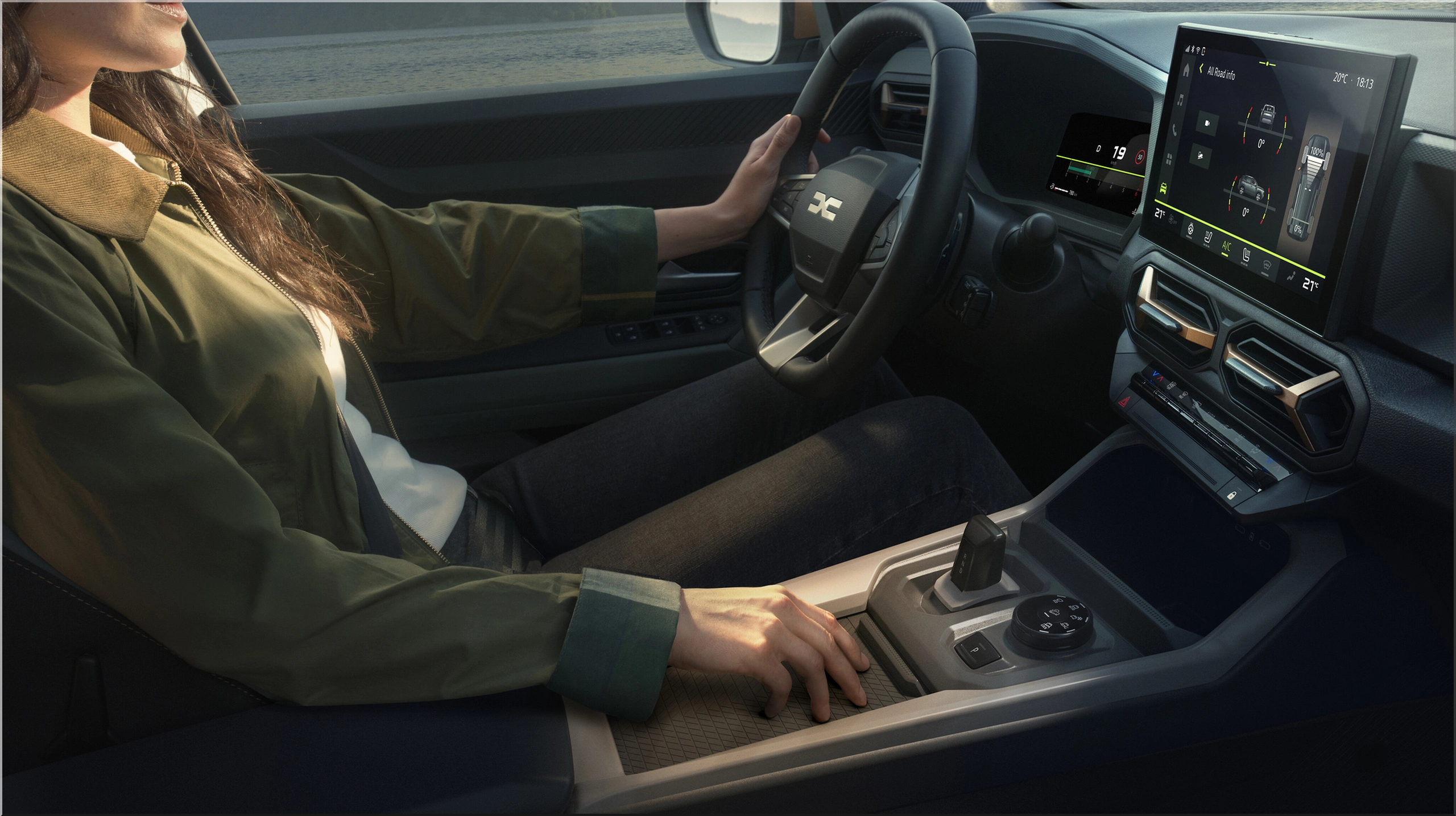
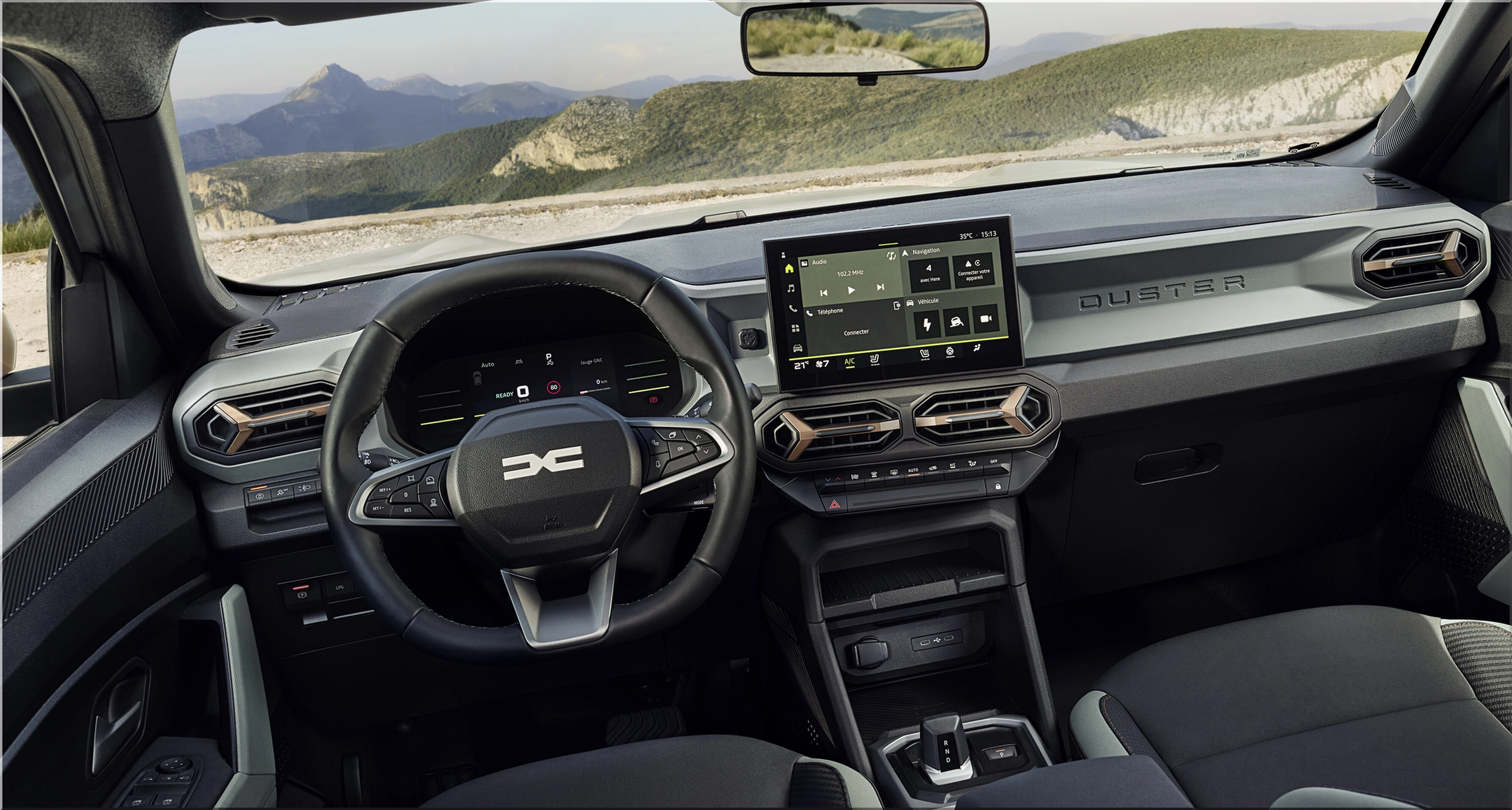
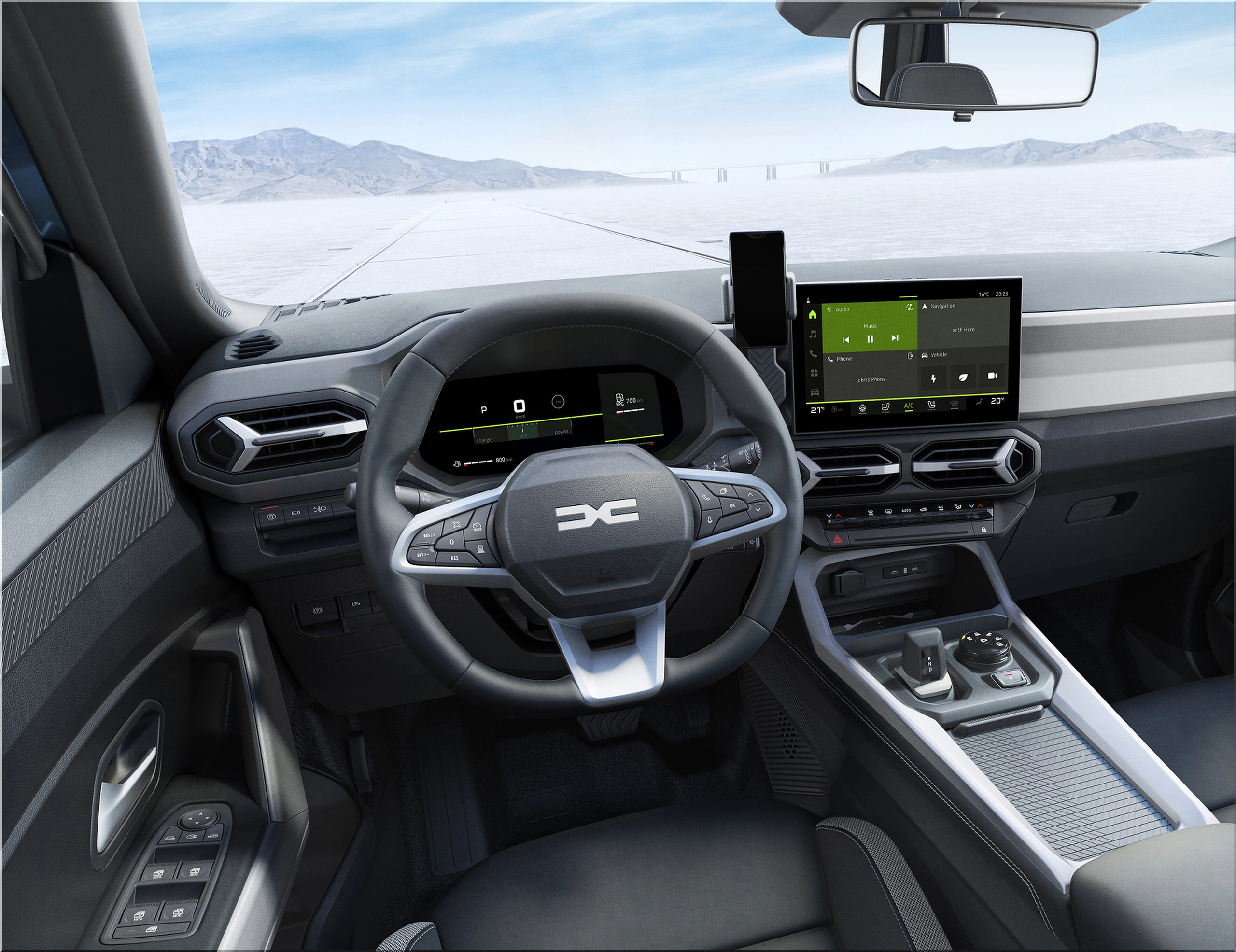
Alongside the new engines, Duster gains a new interior finish with upgraded upholstery and lumbar support for the driver.
- Adaptive cruise control now available on both trims.
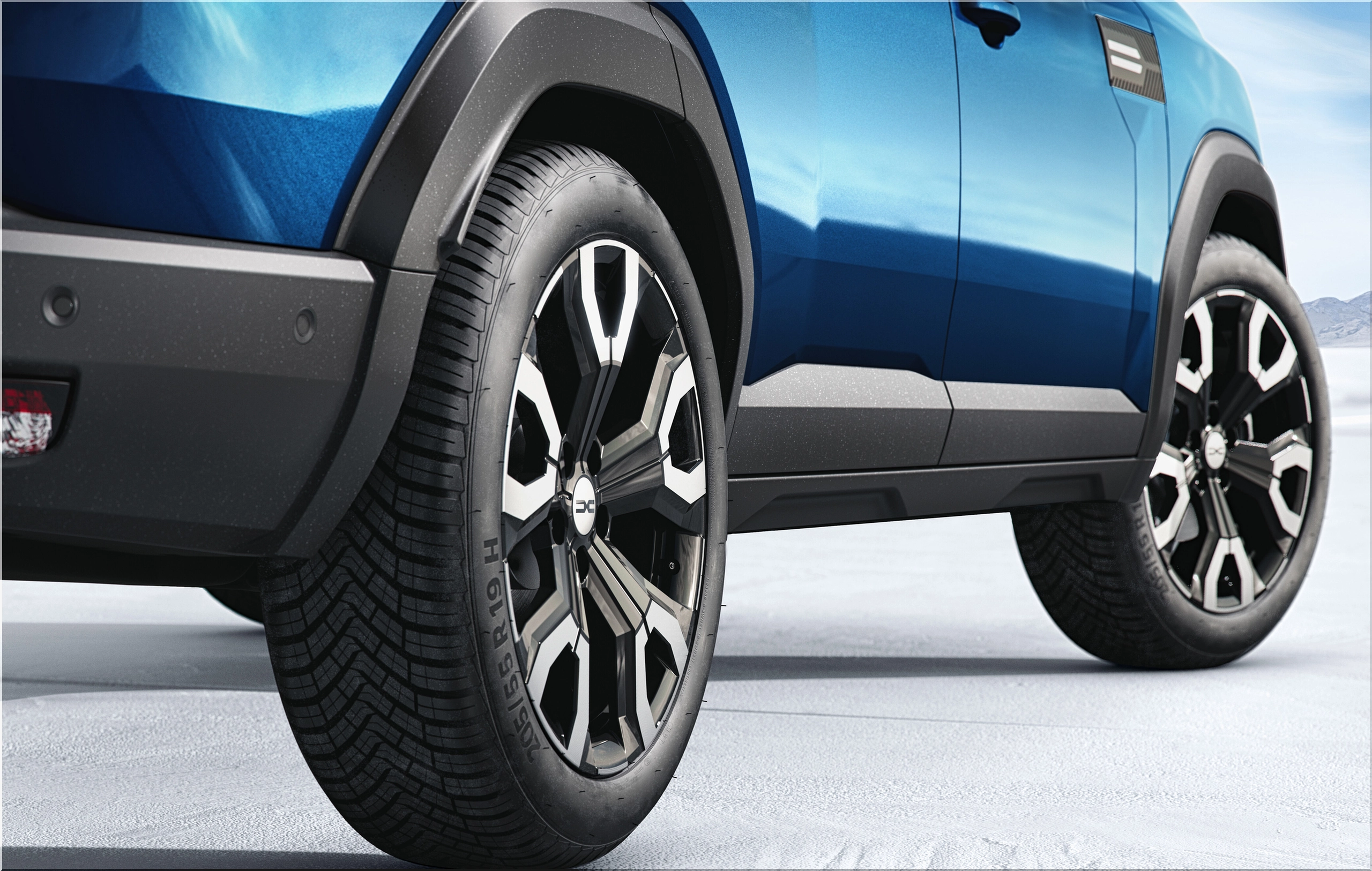
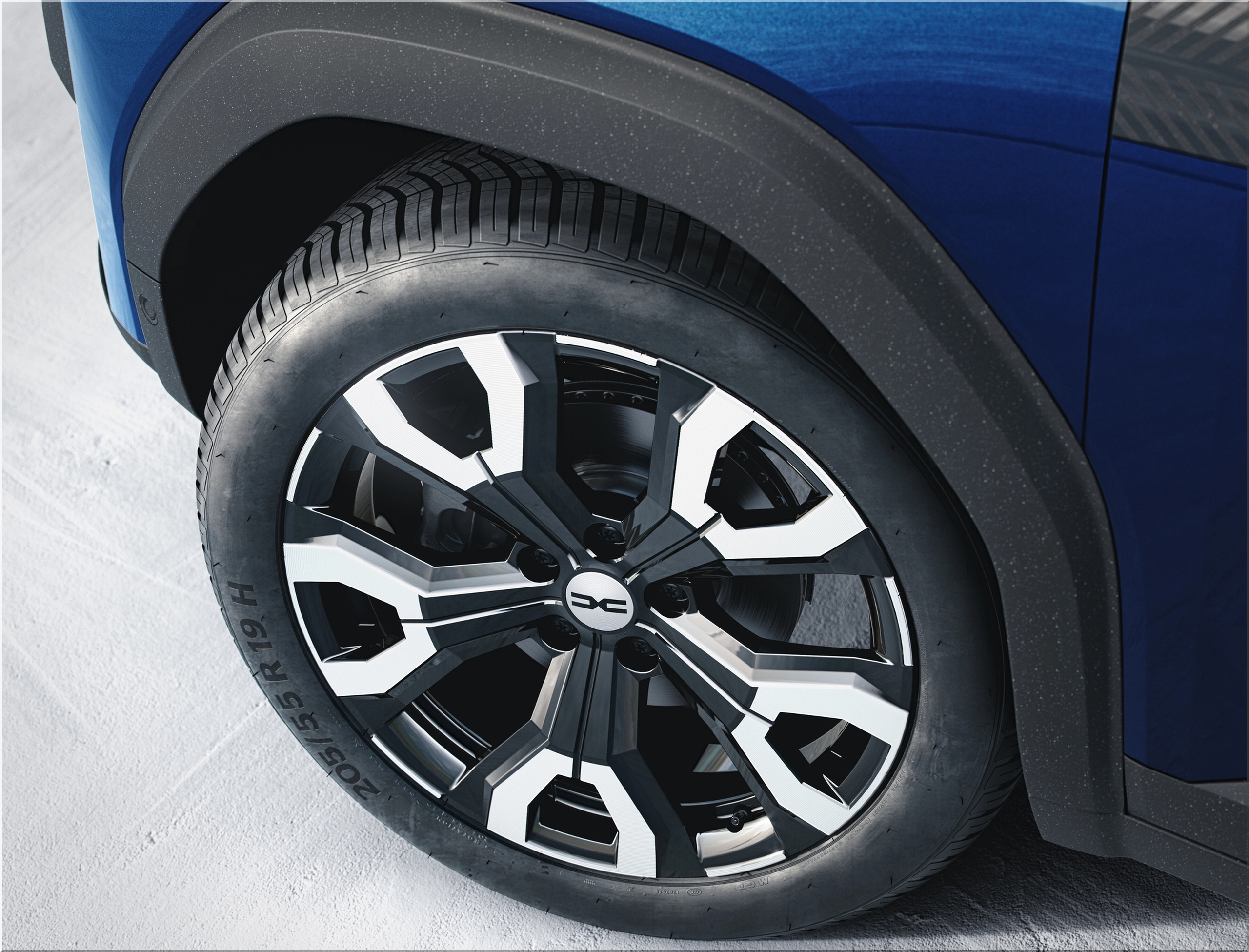
- Black alloy wheels added to Extreme finish.
Image gallery


Why This Matters for the Market
Dacia has sold over nine million vehicles since 2004, with the Duster being Europe’s best-selling retail SUV since 2018.
By adding hybrid, LPG, and 4x4 automatic options, Dacia positions the Duster and Bigster to keep leading the value-driven SUV market. The combination of low-cost LPG fuel, extended driving range, and electric assistance gives customers more efficiency without higher upfront costs.
Key Takeaways
- Hybrid-G 150 4x4 brings a world-first hybrid + LPG + AWD powertrain.
- 1,500 km WLTP range possible with dual tanks.
- 30% lower running costs compared with petrol-only models.
- Hybrid 155, Mild Hybrid 140, Eco-G 120 expand options in the Duster lineup.
- New driving modes and two-speed electric gearbox boost capability.
Image gallery


Conclusion
Dacia’s latest updates make the Bigster and Duster stronger players in the affordable SUV space. By combining hybrid technology, LPG, and AWD in one package, Dacia delivers range, efficiency, and flexibility.
For buyers, the message is simple: lower running costs, more options, and no sacrifice in capability.
- Add new comment
- 418 views