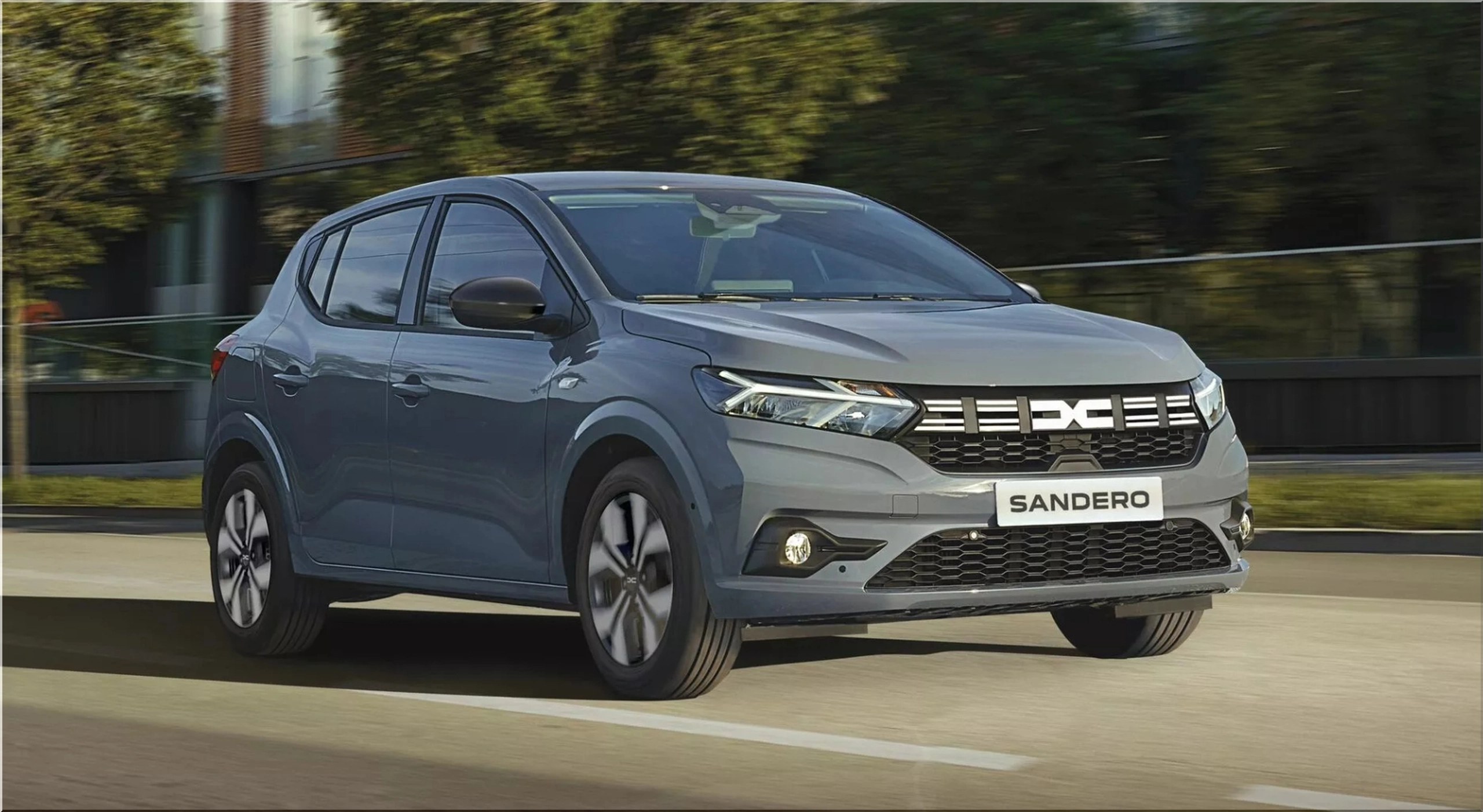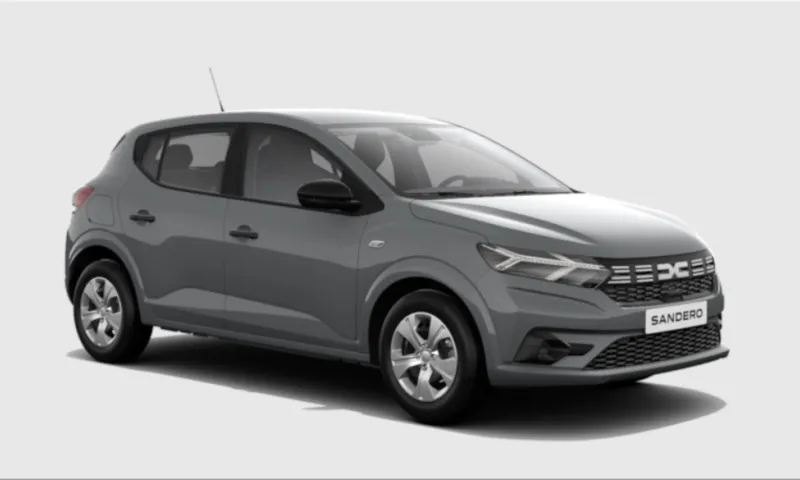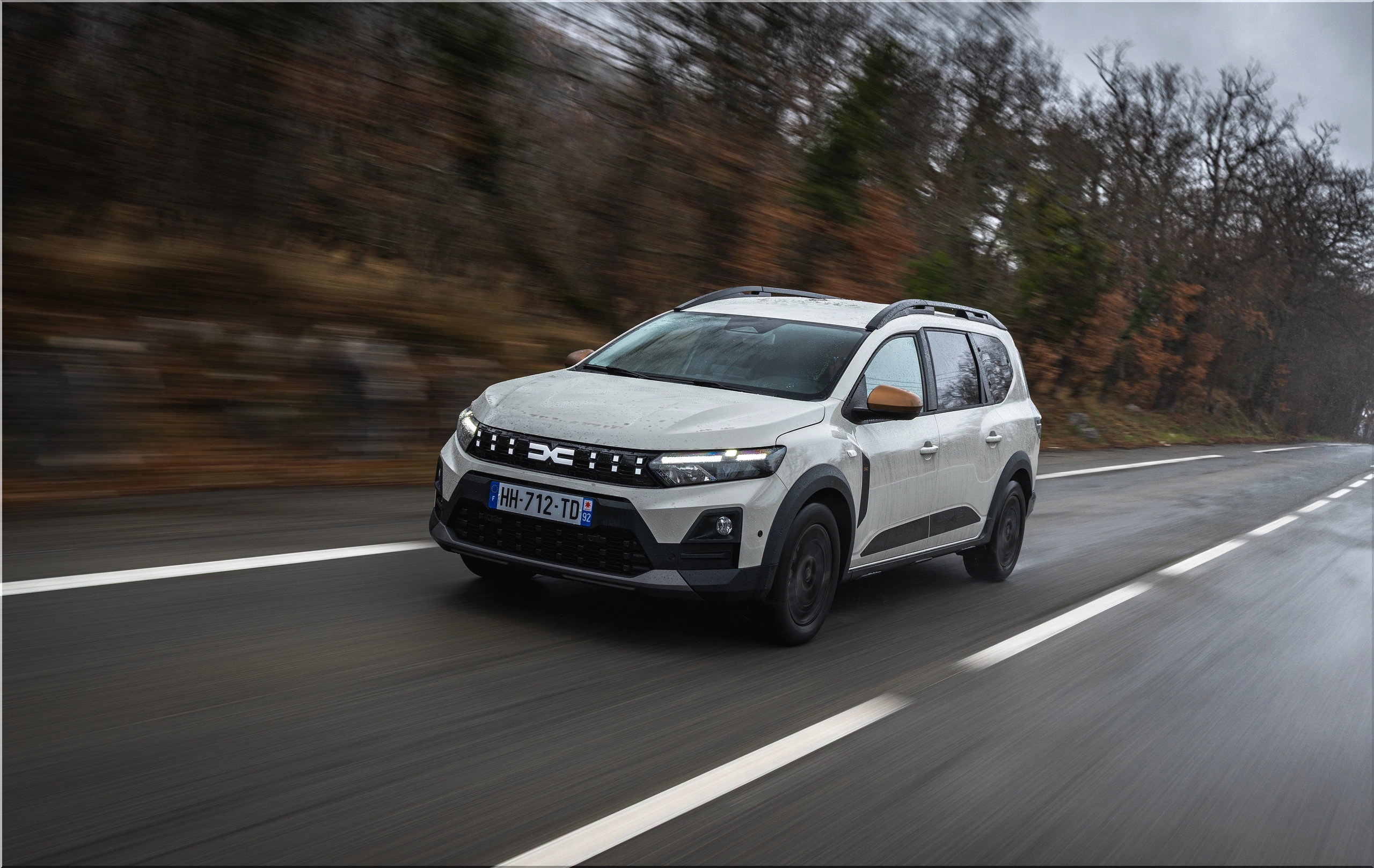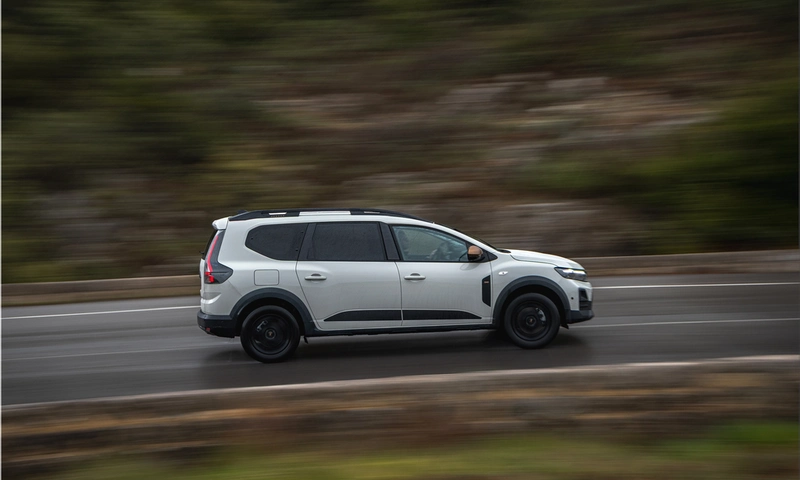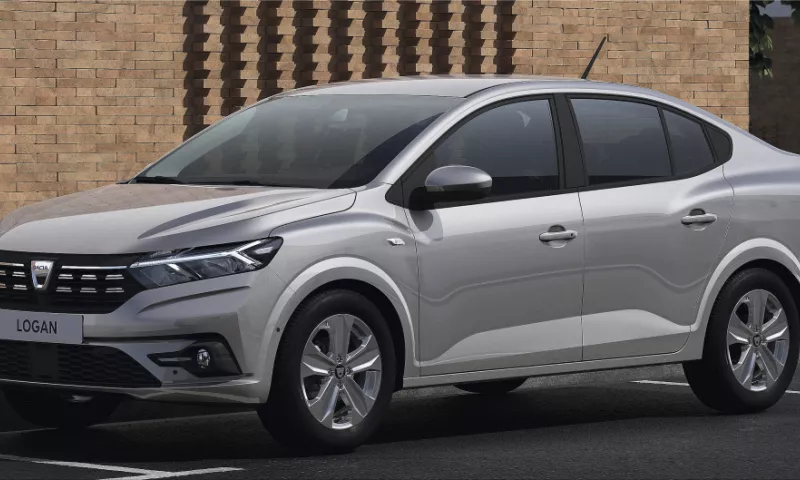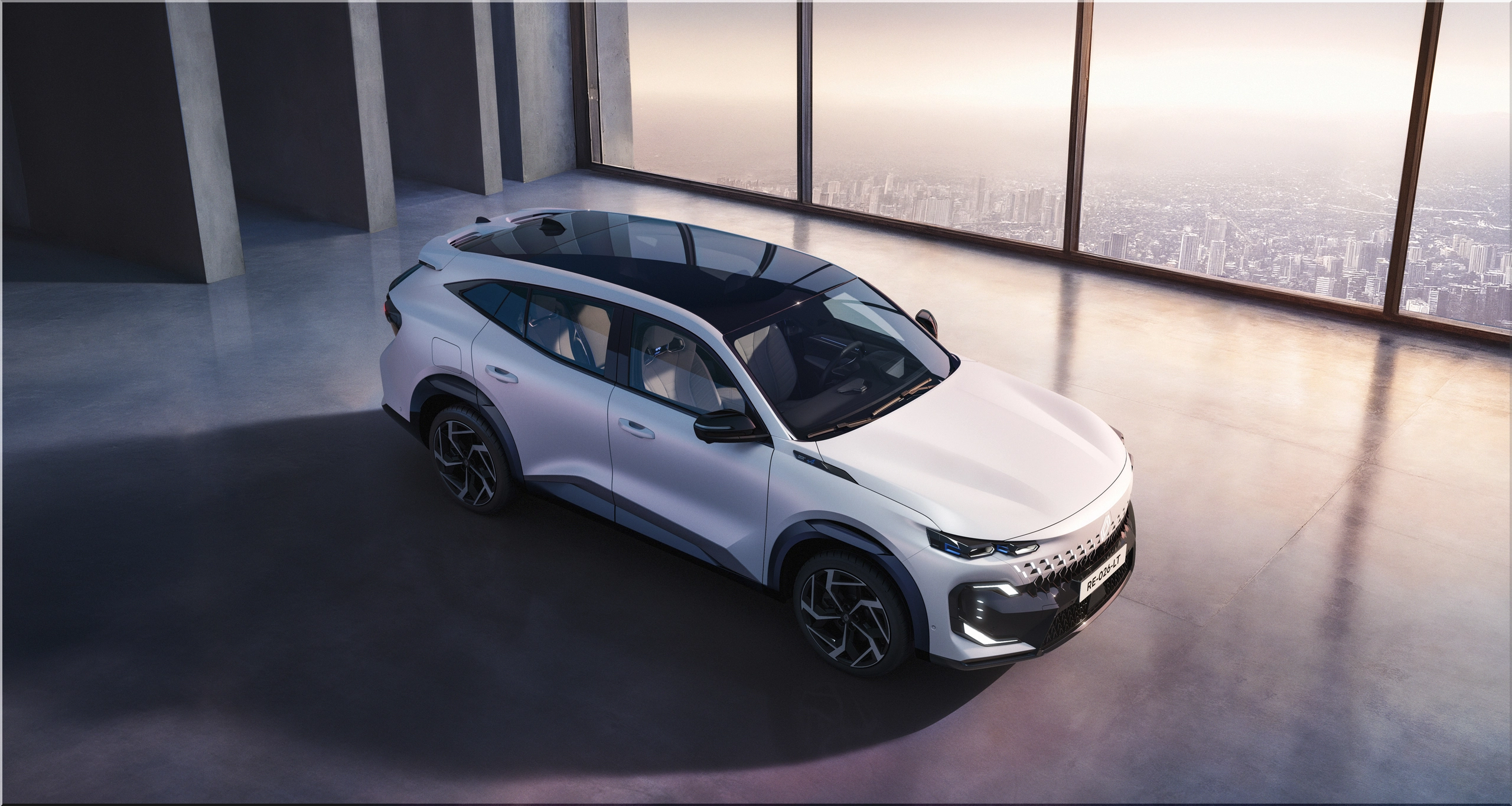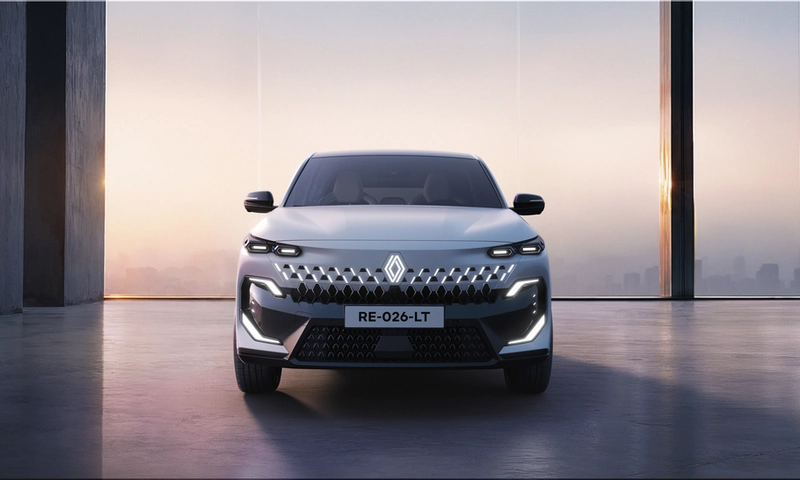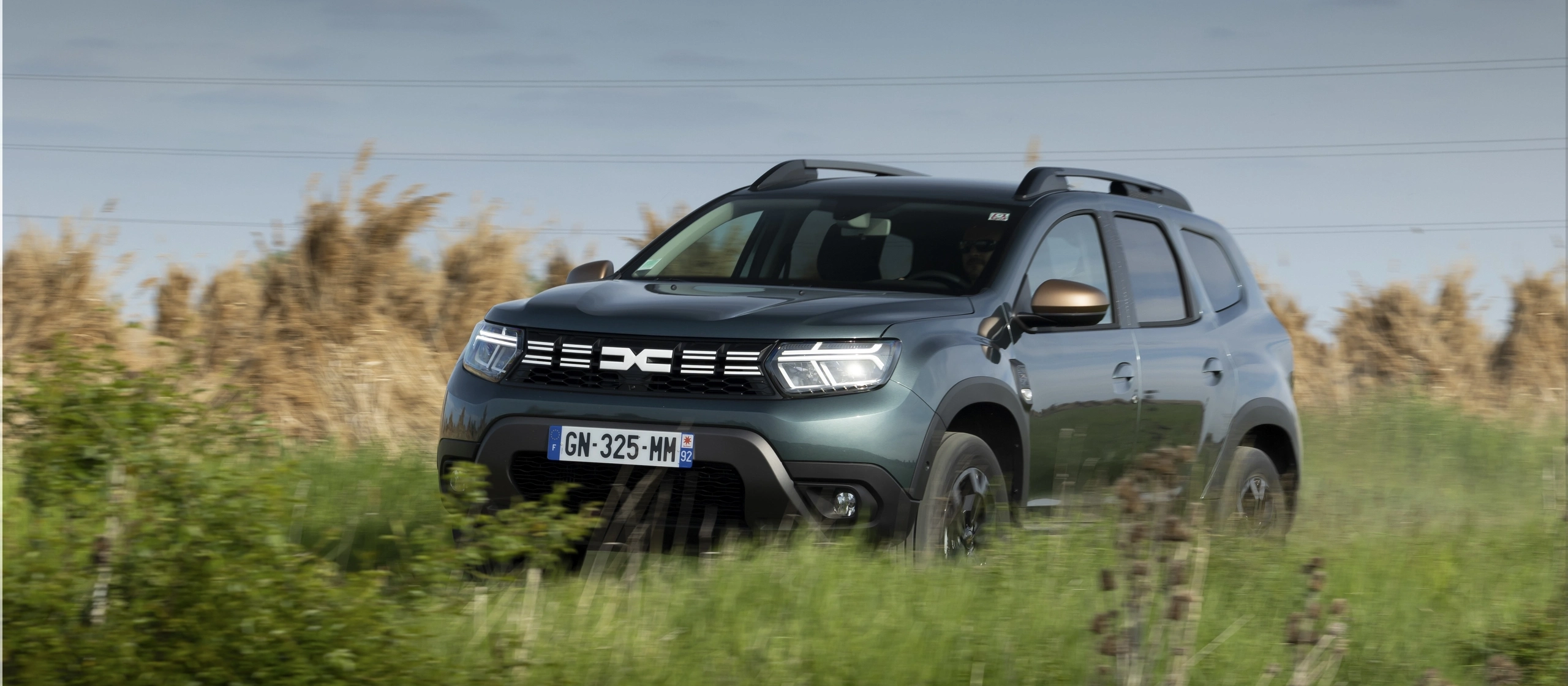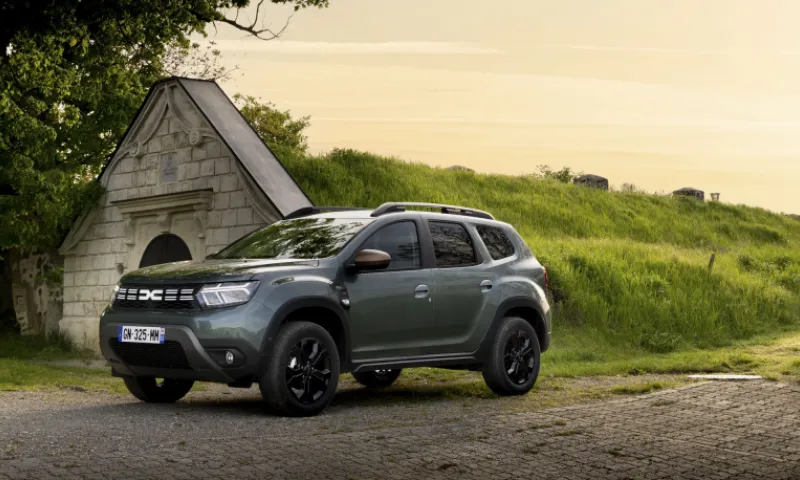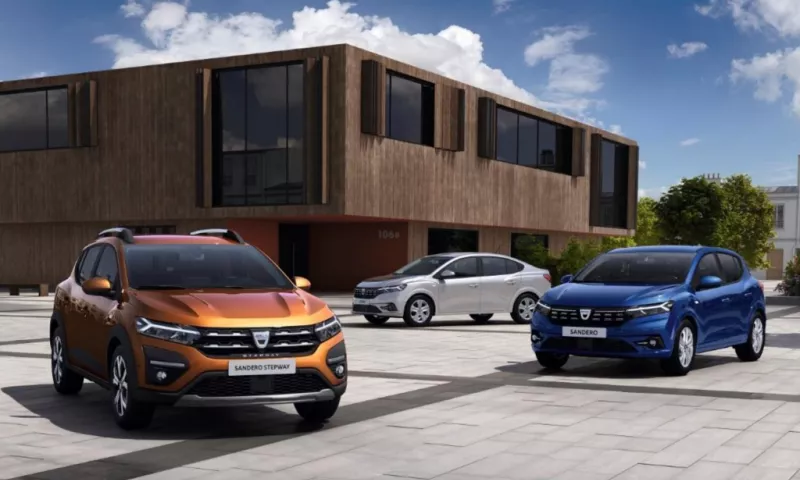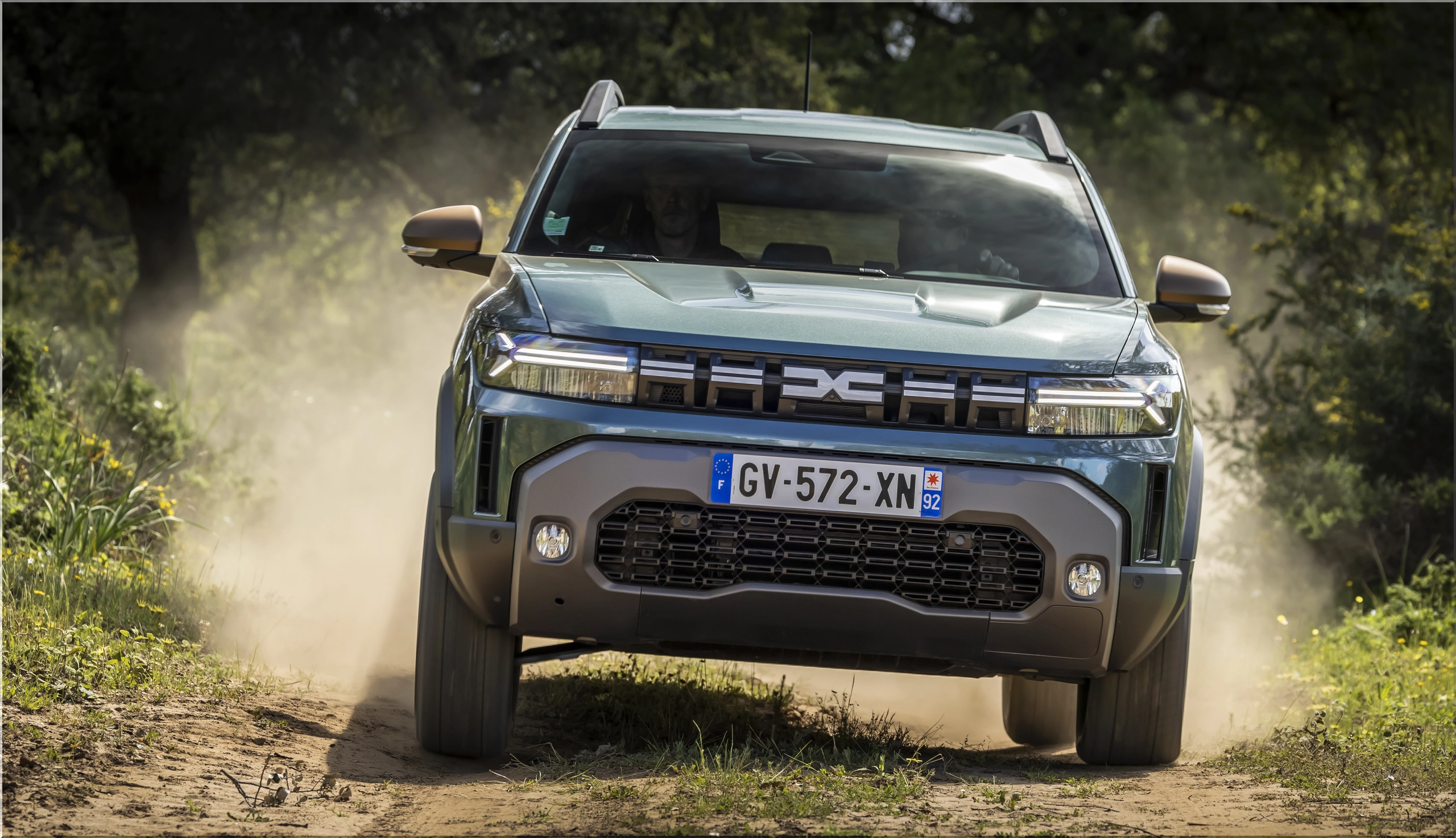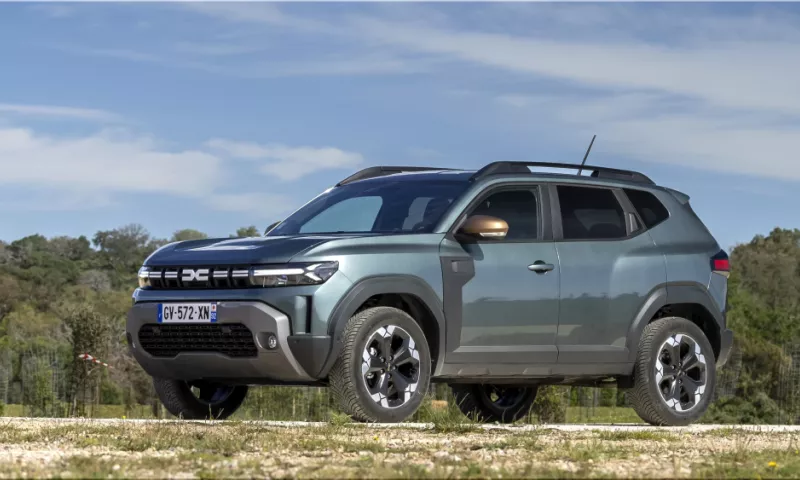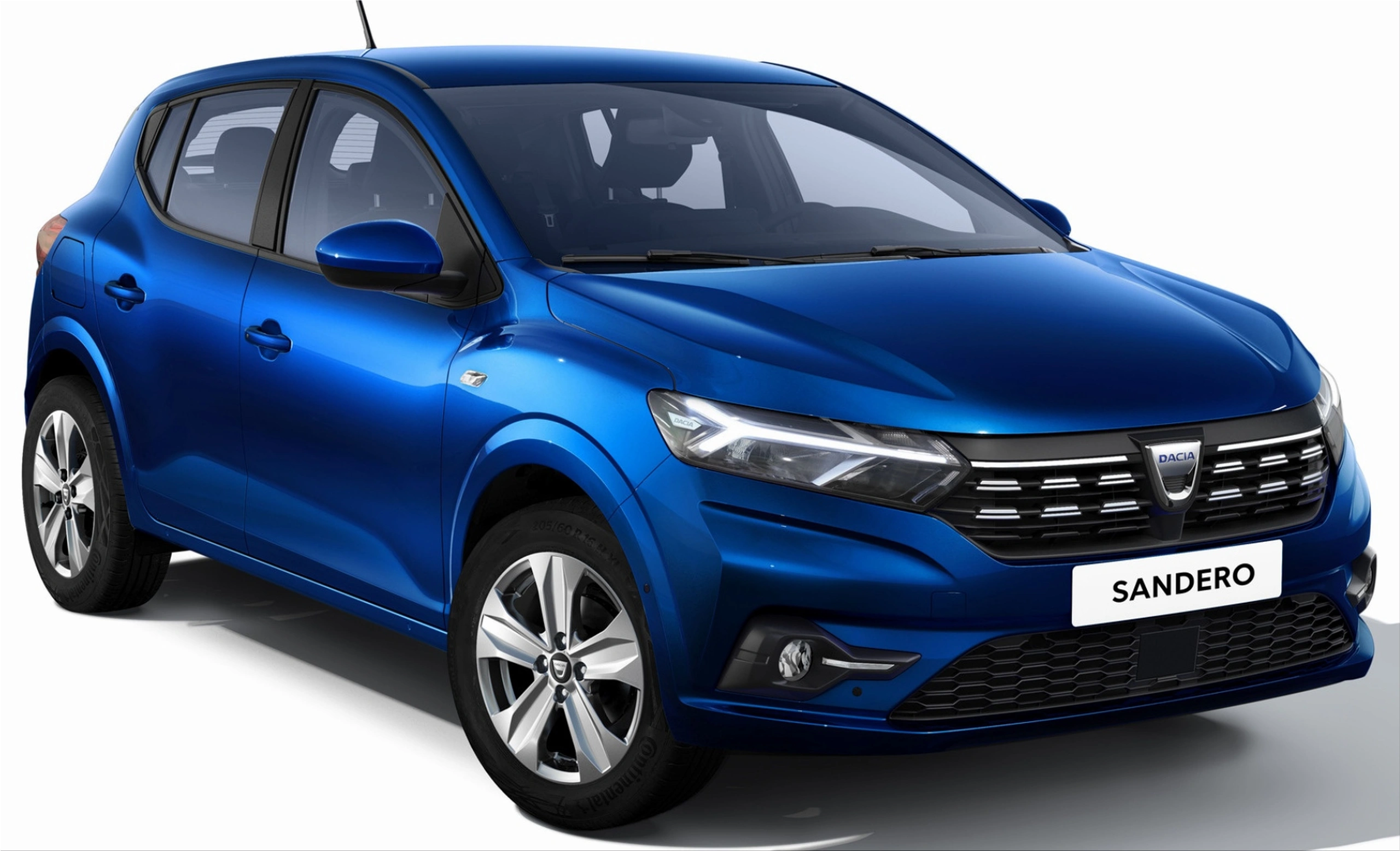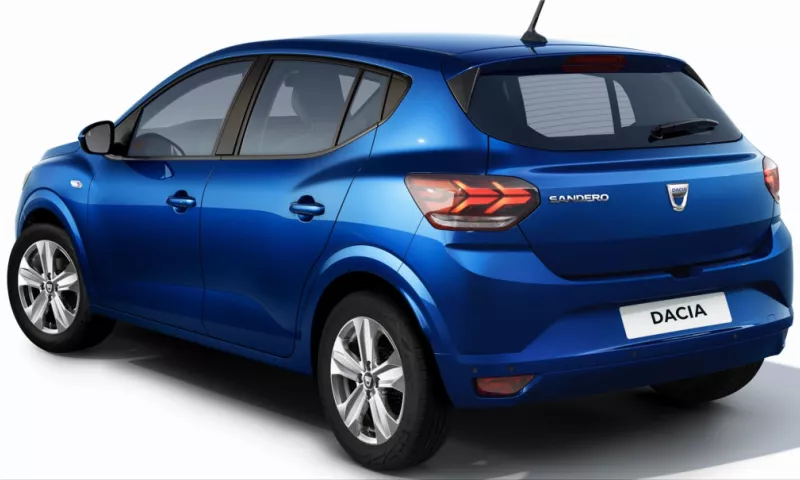
The 2026 Dacia Sandero Stepway is a solid example of how to build a budget-friendly car without cutting the wrong corners. For this mid-generation refresh, Dacia focused on what European drivers actually need: a car that's easy to park in the city but tough enough for a weekend camping trip. By building it on the proven CMF-B platform, they’ve managed to keep the car compact on the outside while squeezing out a surprising amount of room on the inside.
Image
Powertrain Evolution: The Eco-G 120 and Automatic Integration
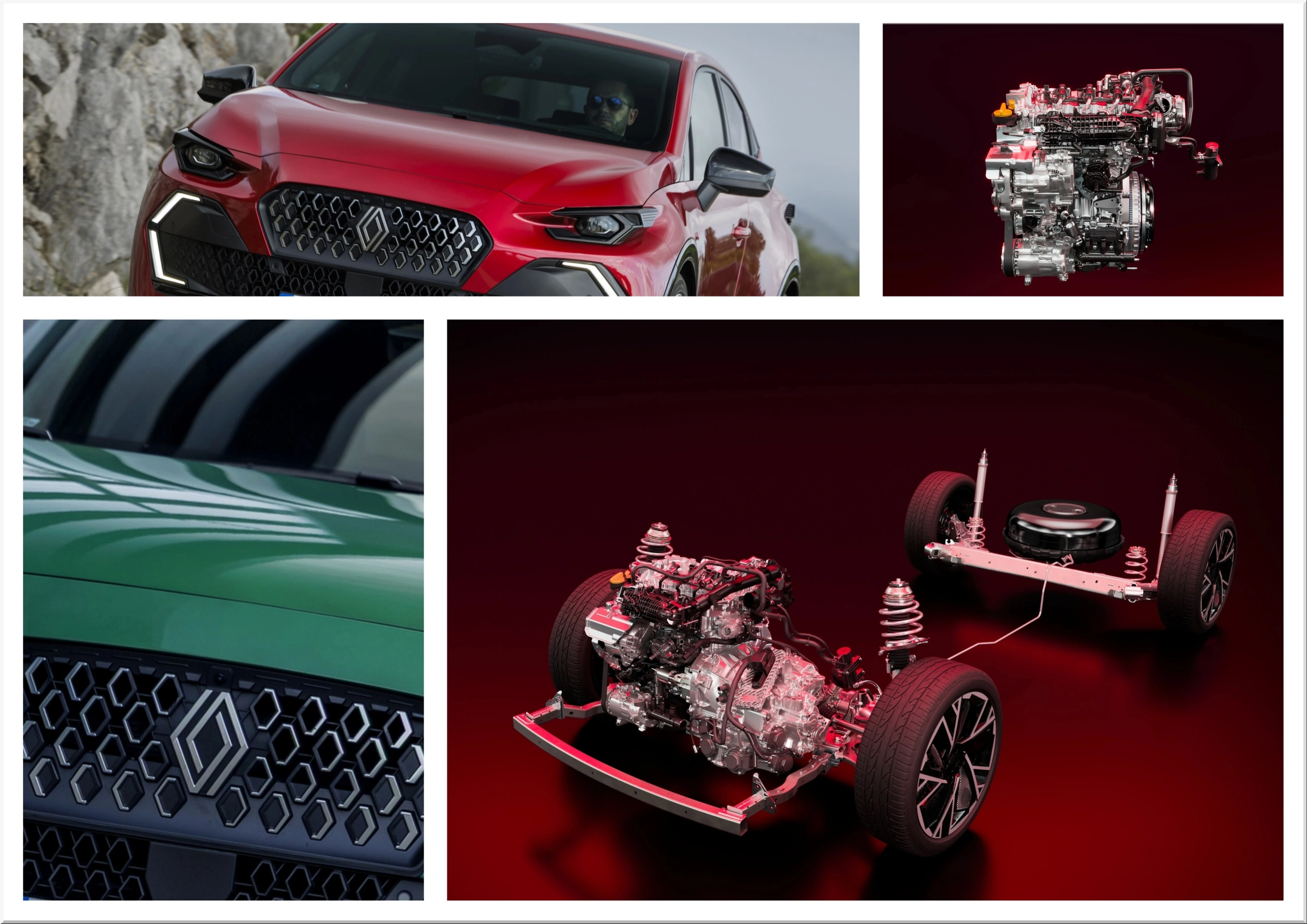
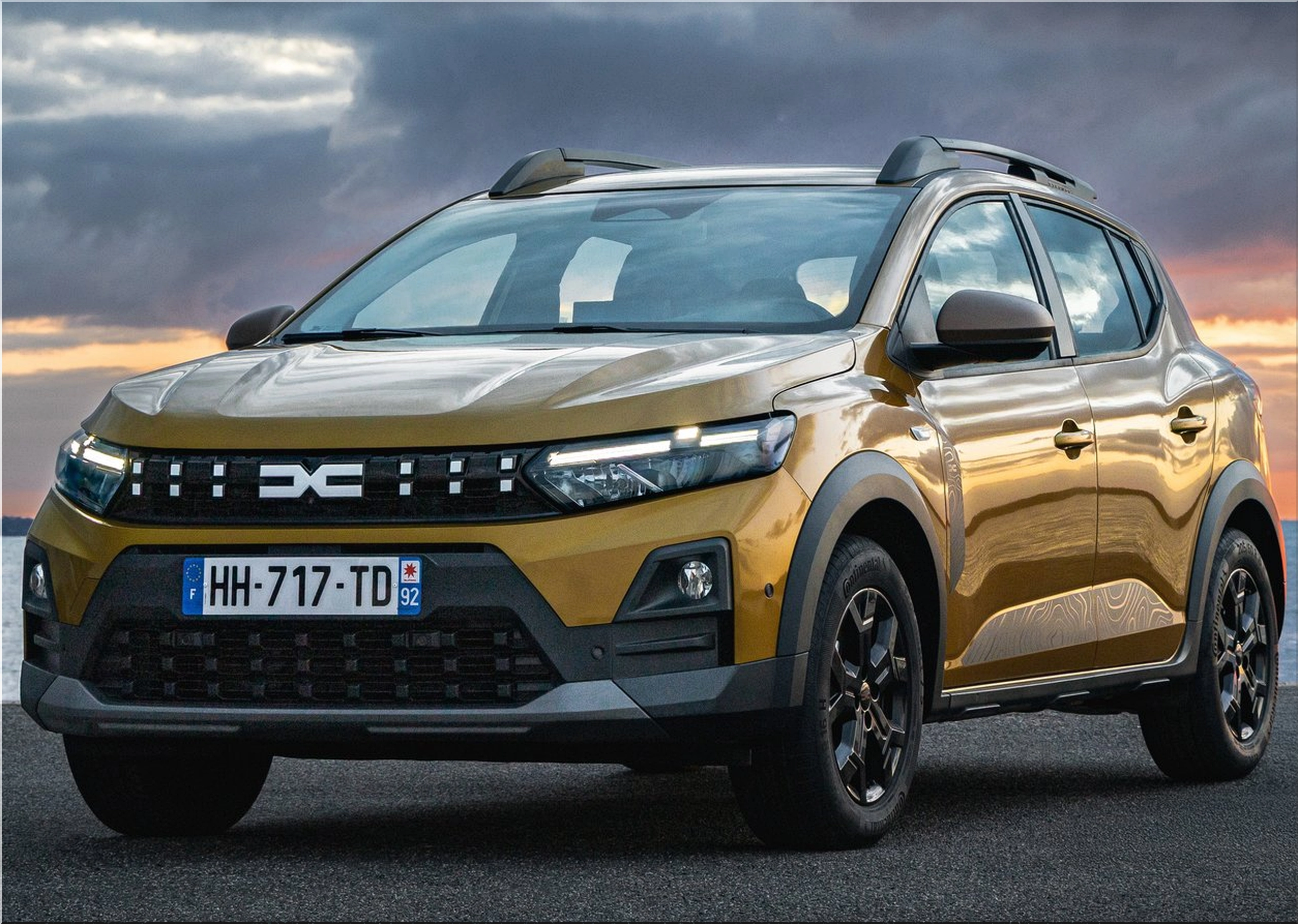
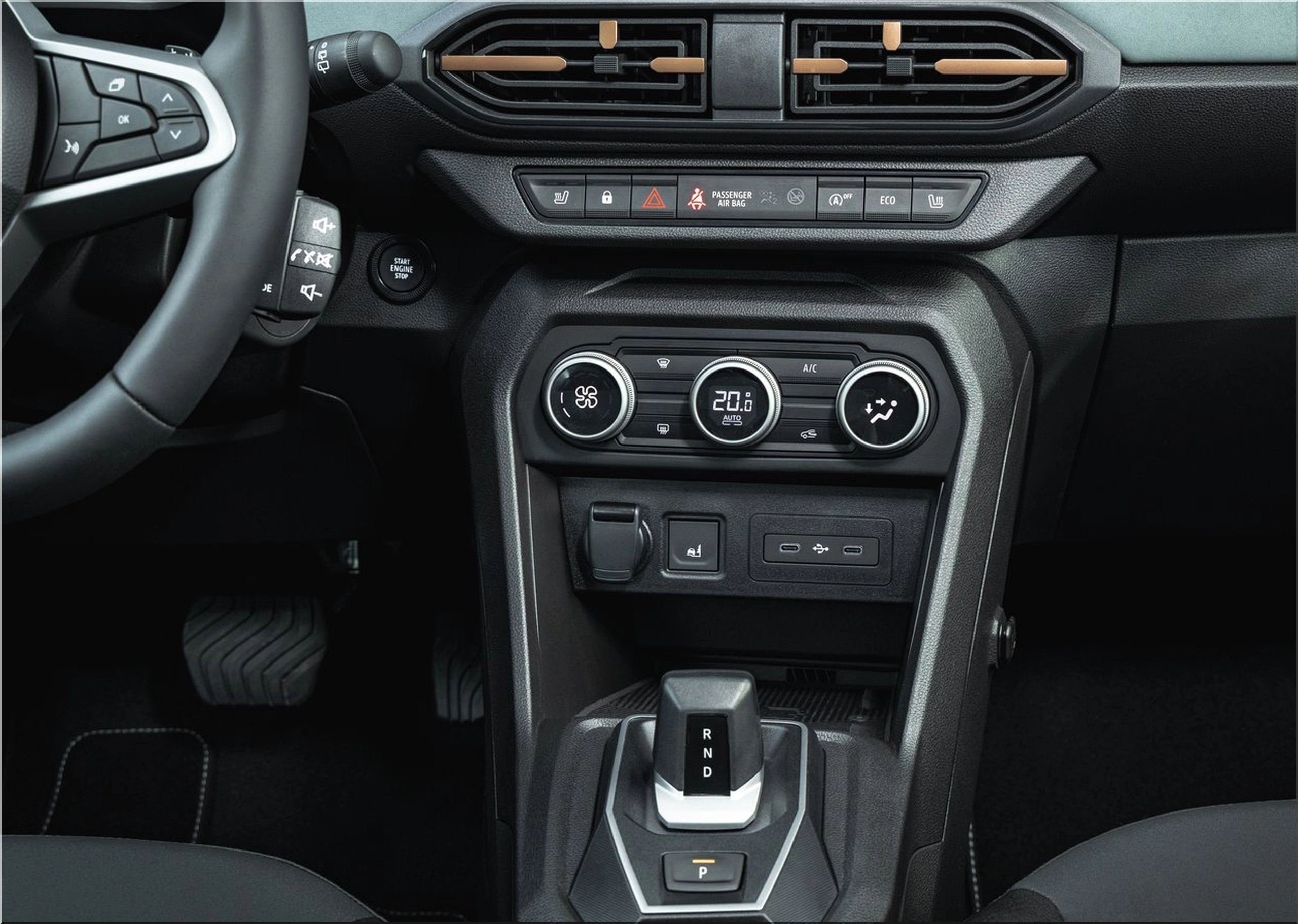
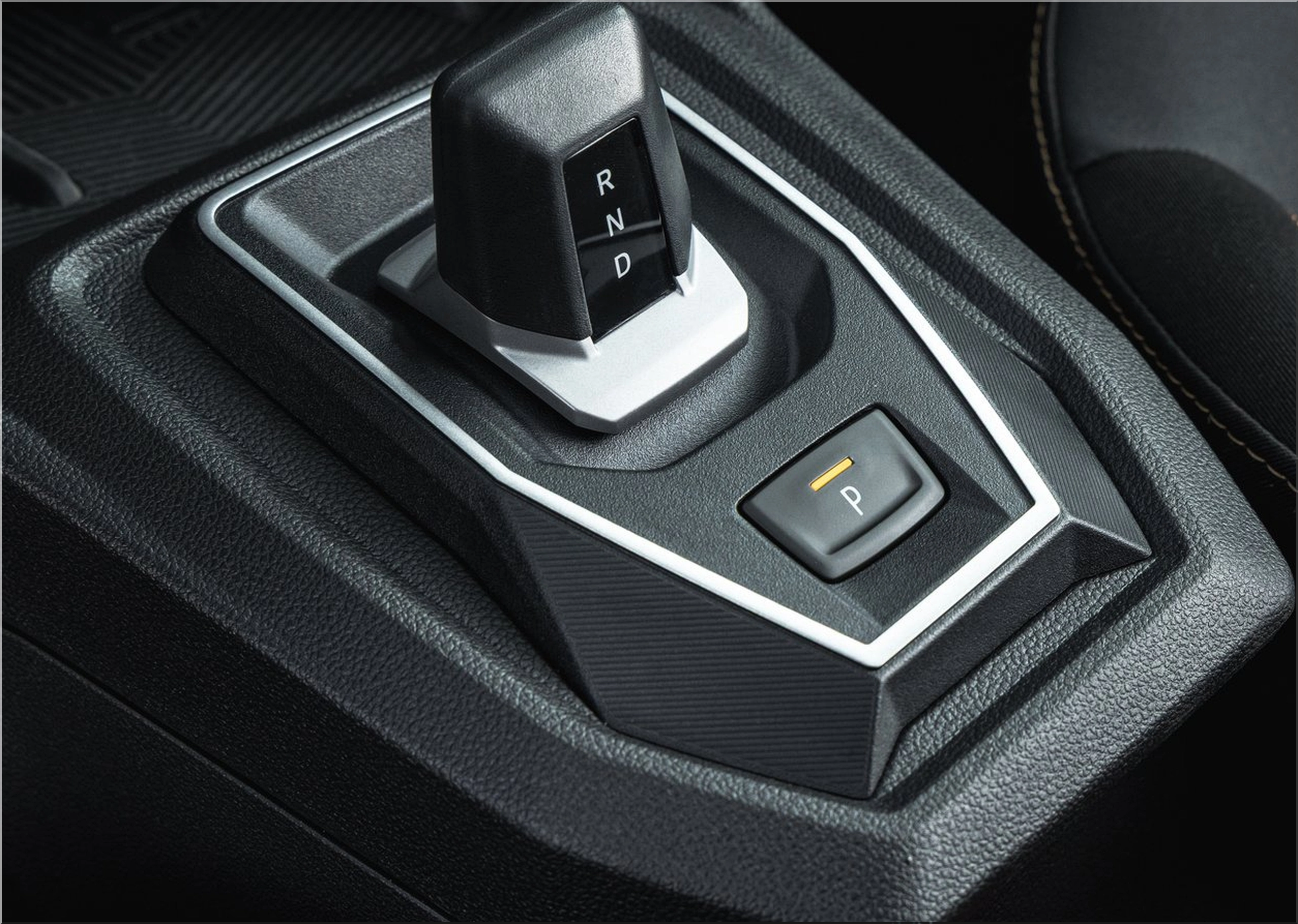
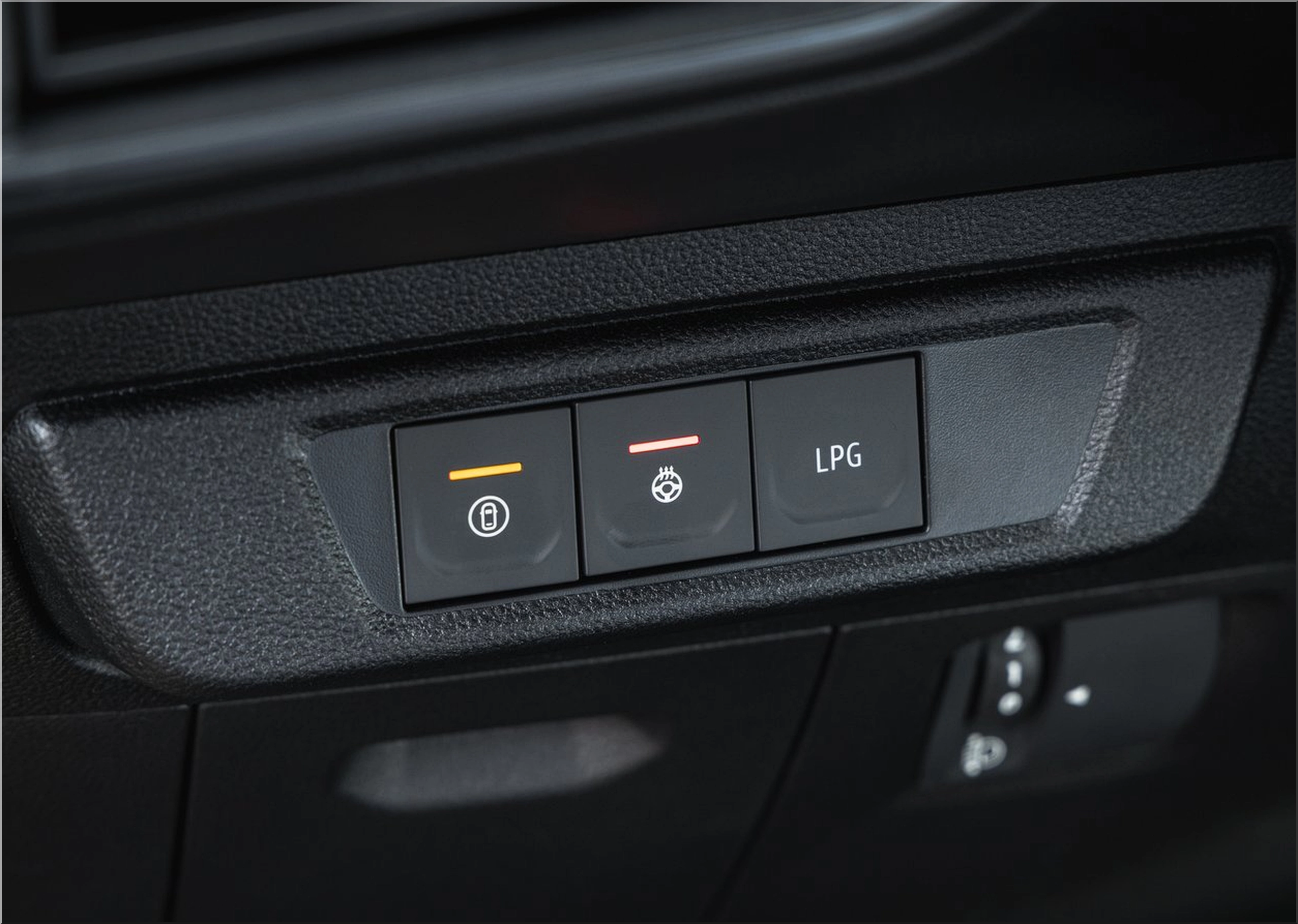
Dacia engineers focused heavily on the expansion of the bi-fuel lineup for the 2026 Sandero Stepway model year. The introduction of the Eco-G 120 powertrain represents a significant leap in functional efficiency for the brand. This 1.2-liter three-cylinder turbocharged engine generates 120 hp, a marked improvement over the previous 100 hp output. Specifically, the integration of a six-speed dual-clutch transmission (EDC) with this LPG-compatible engine marks a historical first for the manufacturer.
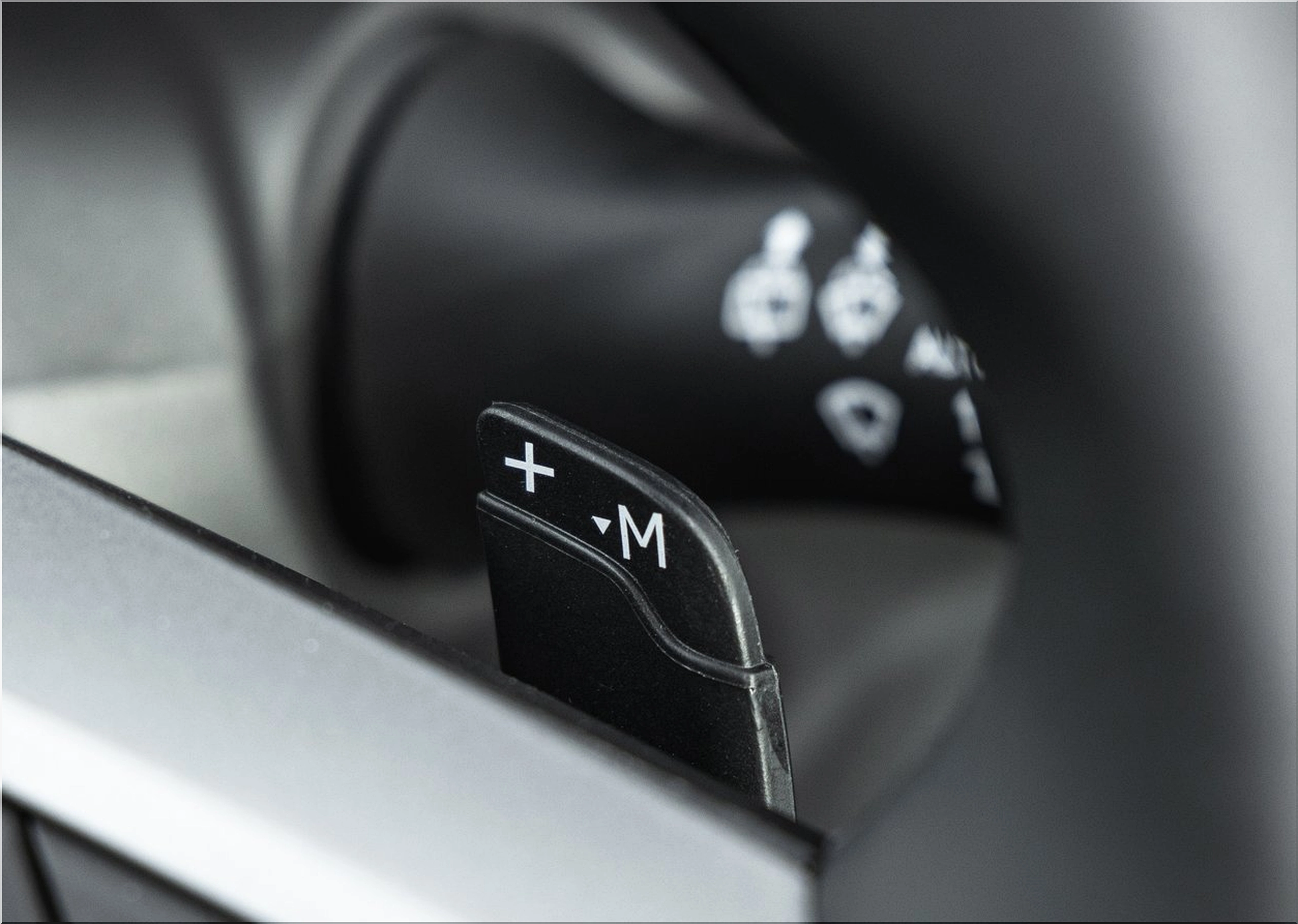
The dual-clutch system utilizes two separate clutches to manage odd and even gear sets independently. Consequently, gear changes occur with minimal interruption to torque delivery, providing a smoother acceleration curve than traditional automated manuals. From an expert perspective, the addition of steering-wheel-mounted paddle shifters gives the driver granular control over shift points, enhancing the engagement of the 120 hp unit.
LPG Range and Tank Engineering
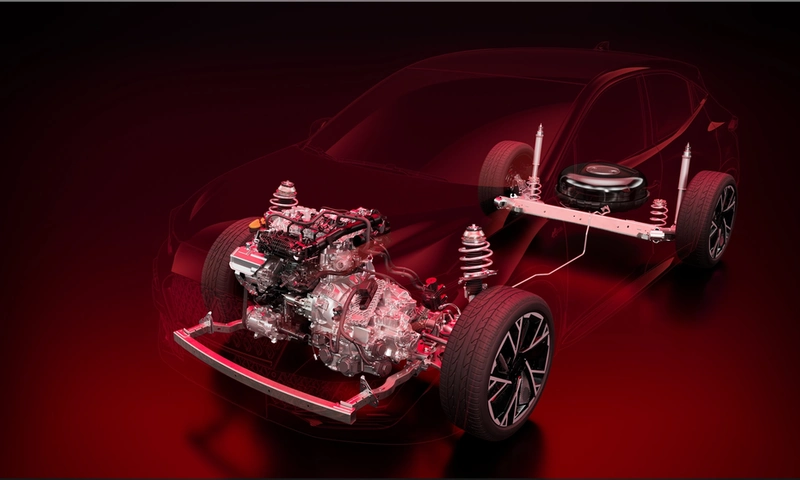
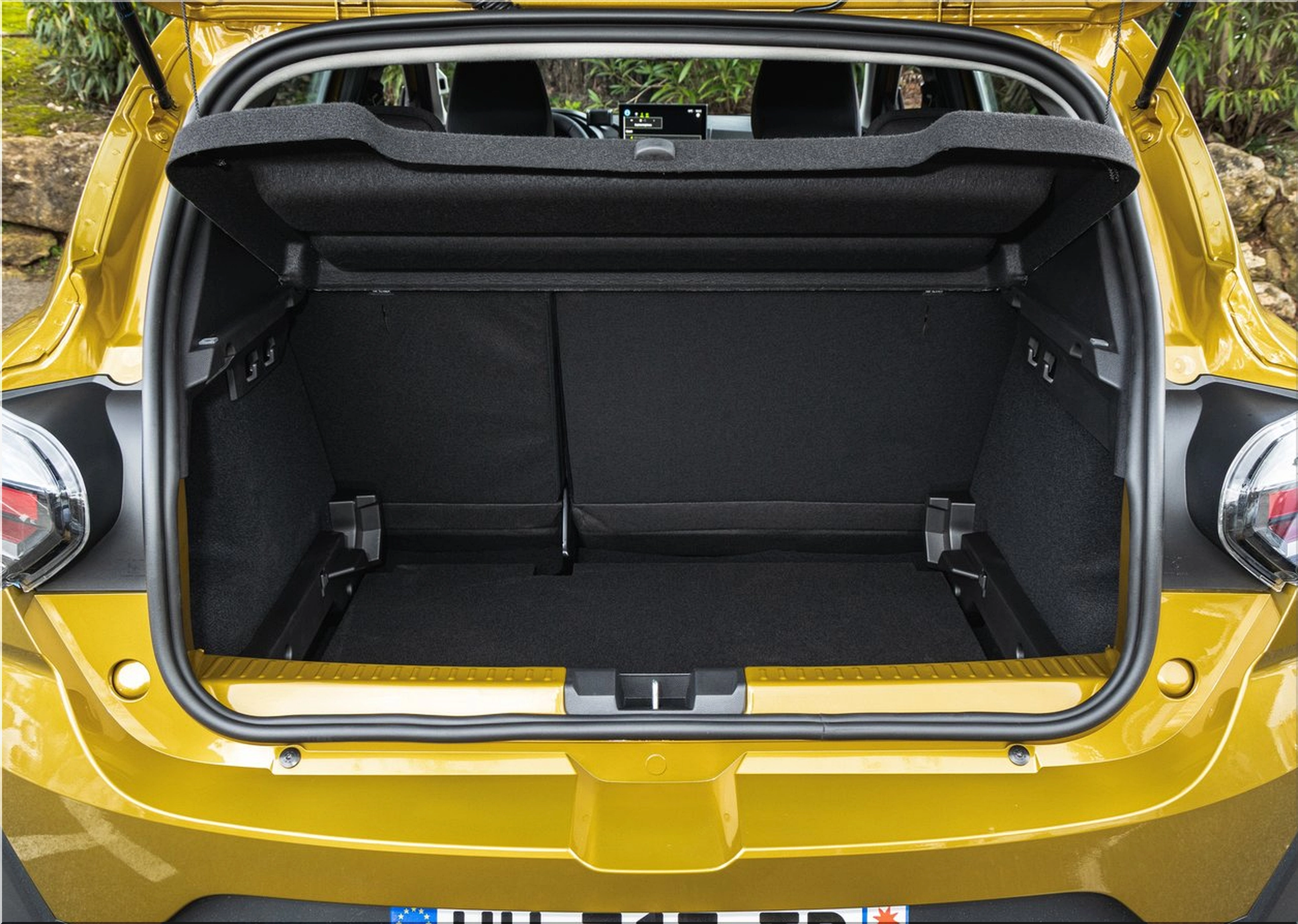
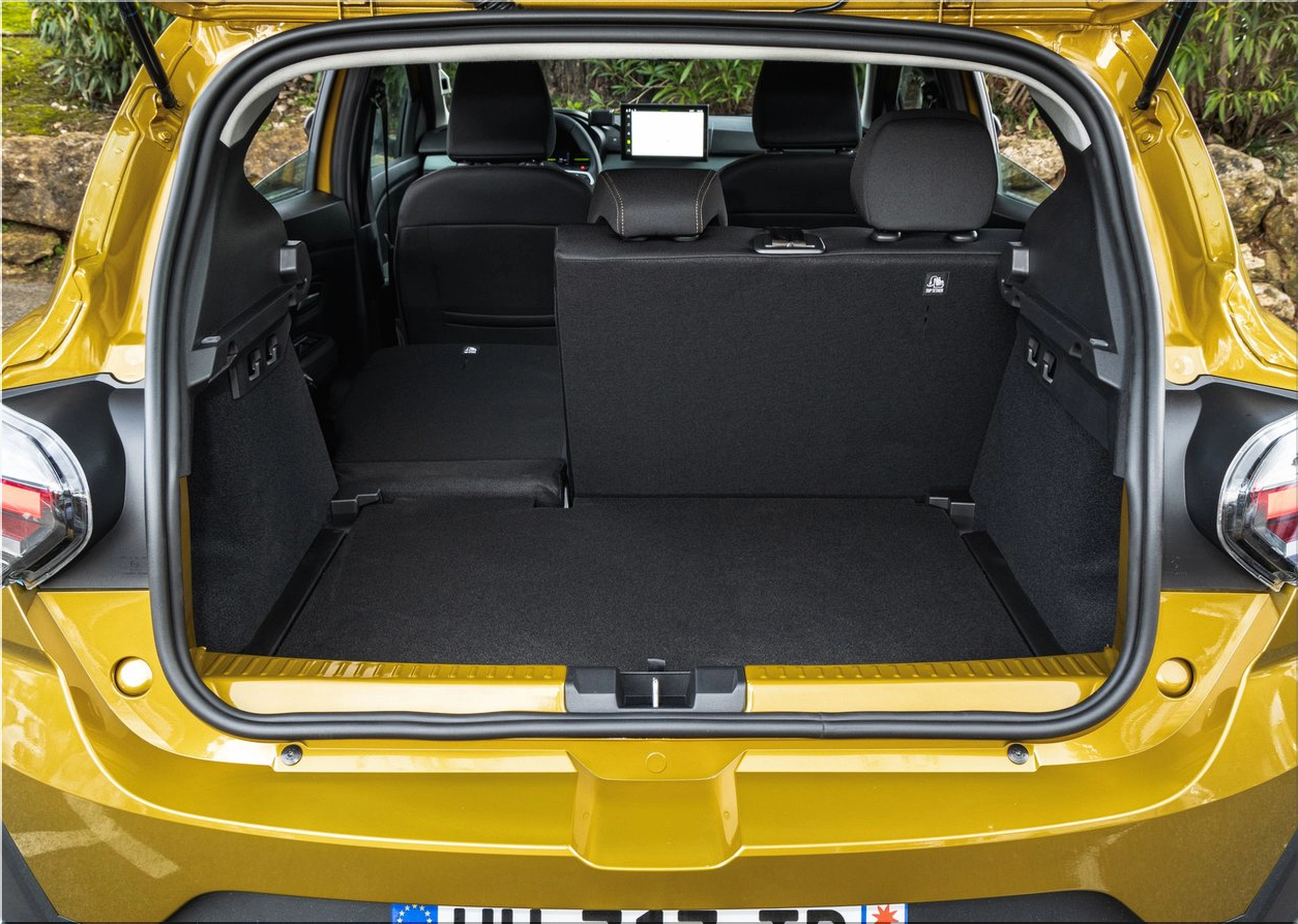
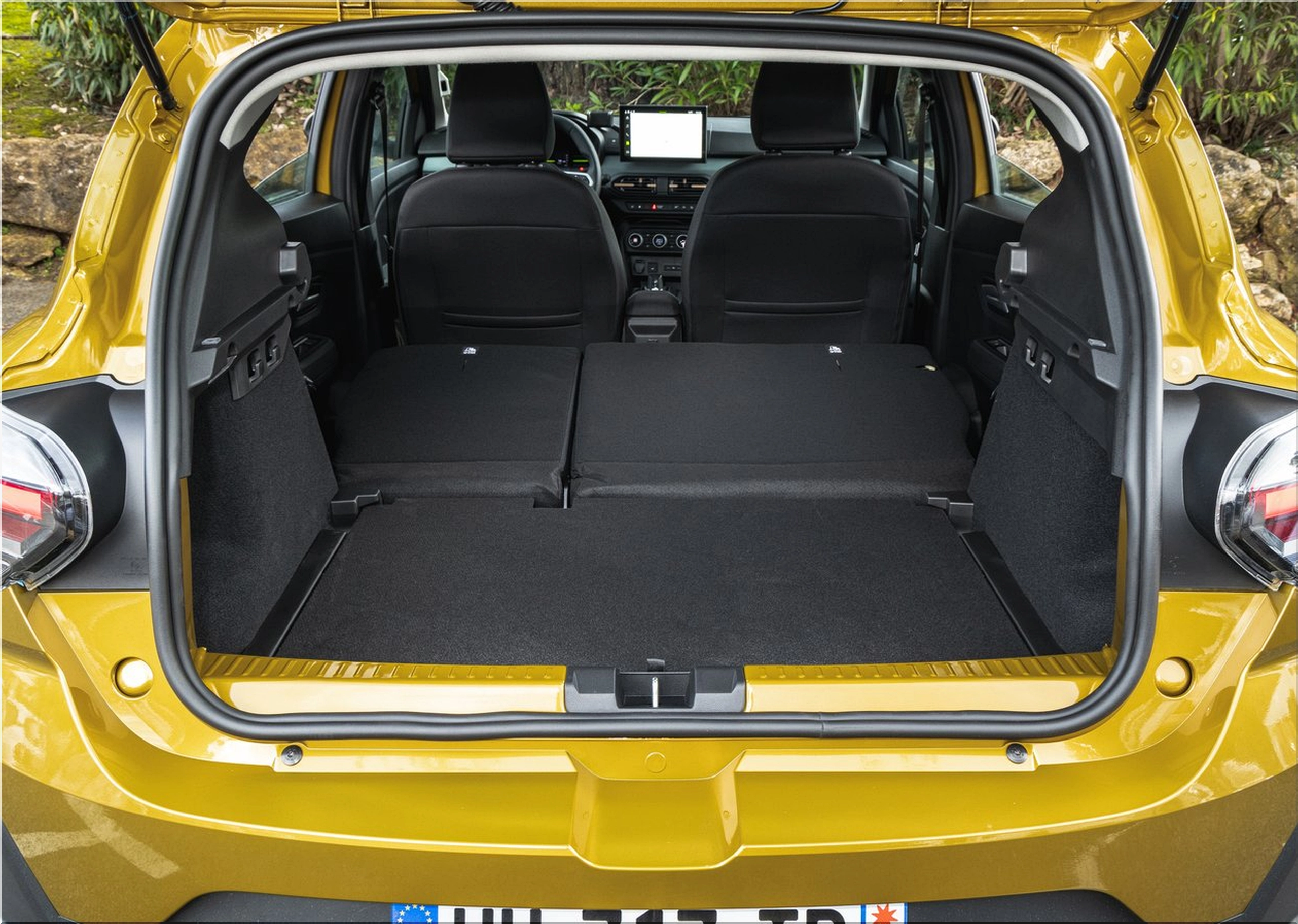
Efficiency remains the primary driver for Dacia's bi-fuel strategy. Looking at the data, the 2026 Sandero Stepway features an enlarged LPG tank capacity of 49.6 liters, up from the previous 40-liter unit. This engineering change results in a 20% increase in LPG-specific range. When combined with the standard gasoline reservoir, the vehicle achieves a total range of approximately 988 miles (1,590 km). By utilizing a toroidal tank located in the spare wheel well, Dacia preserves the 13.1 cubic feet (371 L) of cargo volume while doubling the fuel source.
Image
Design and Aerodynamics: The Inverted T Signature
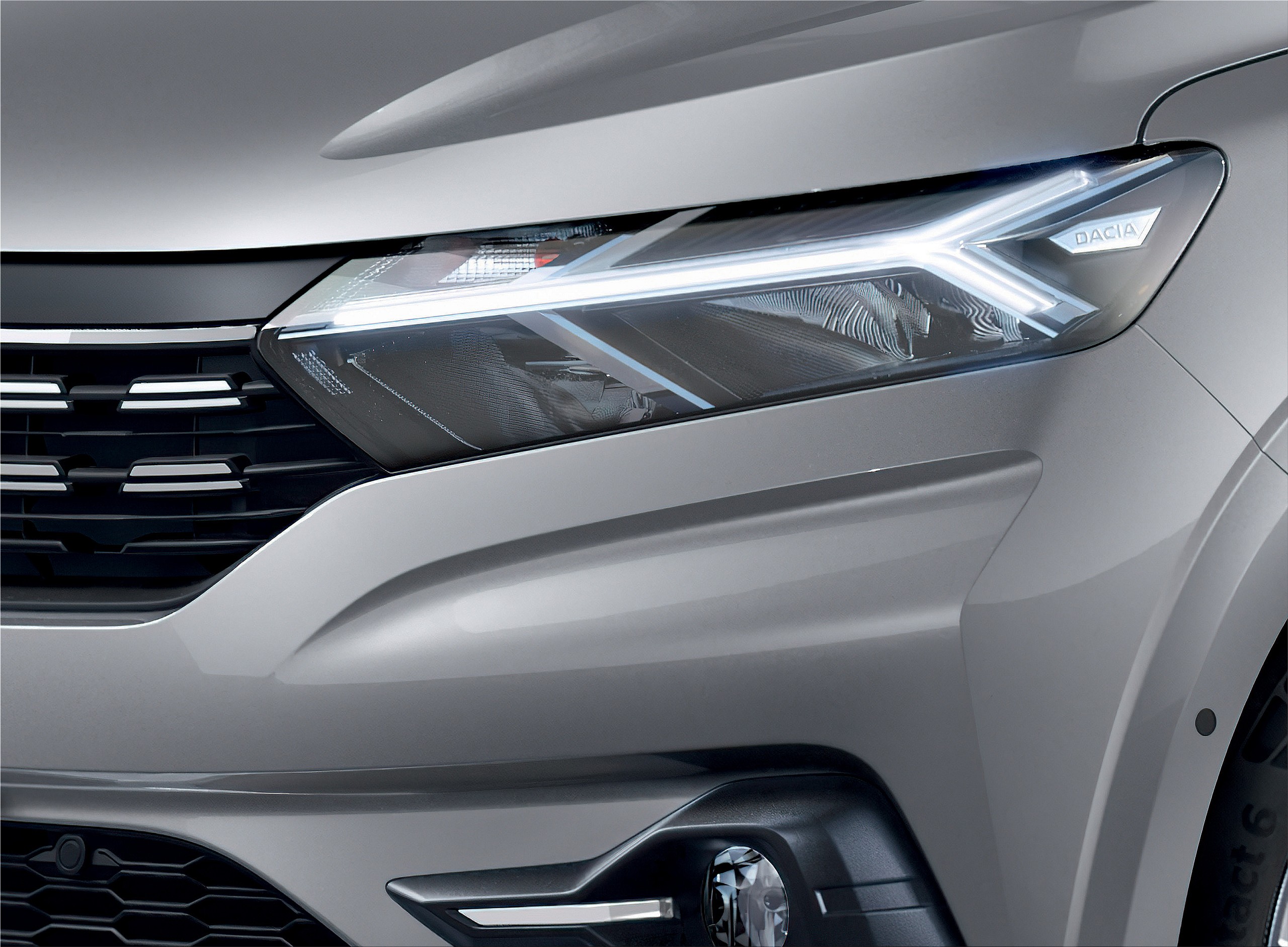
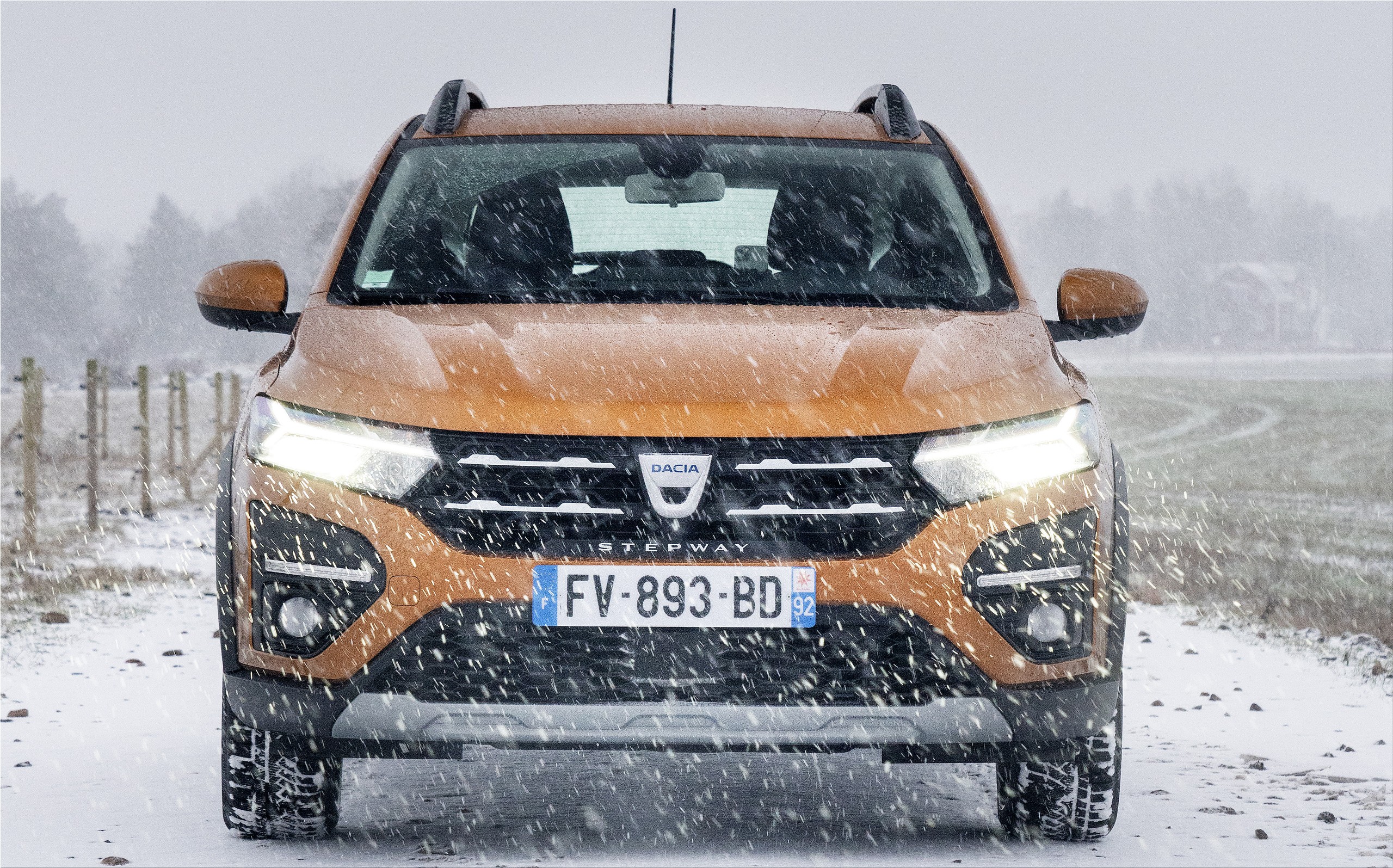
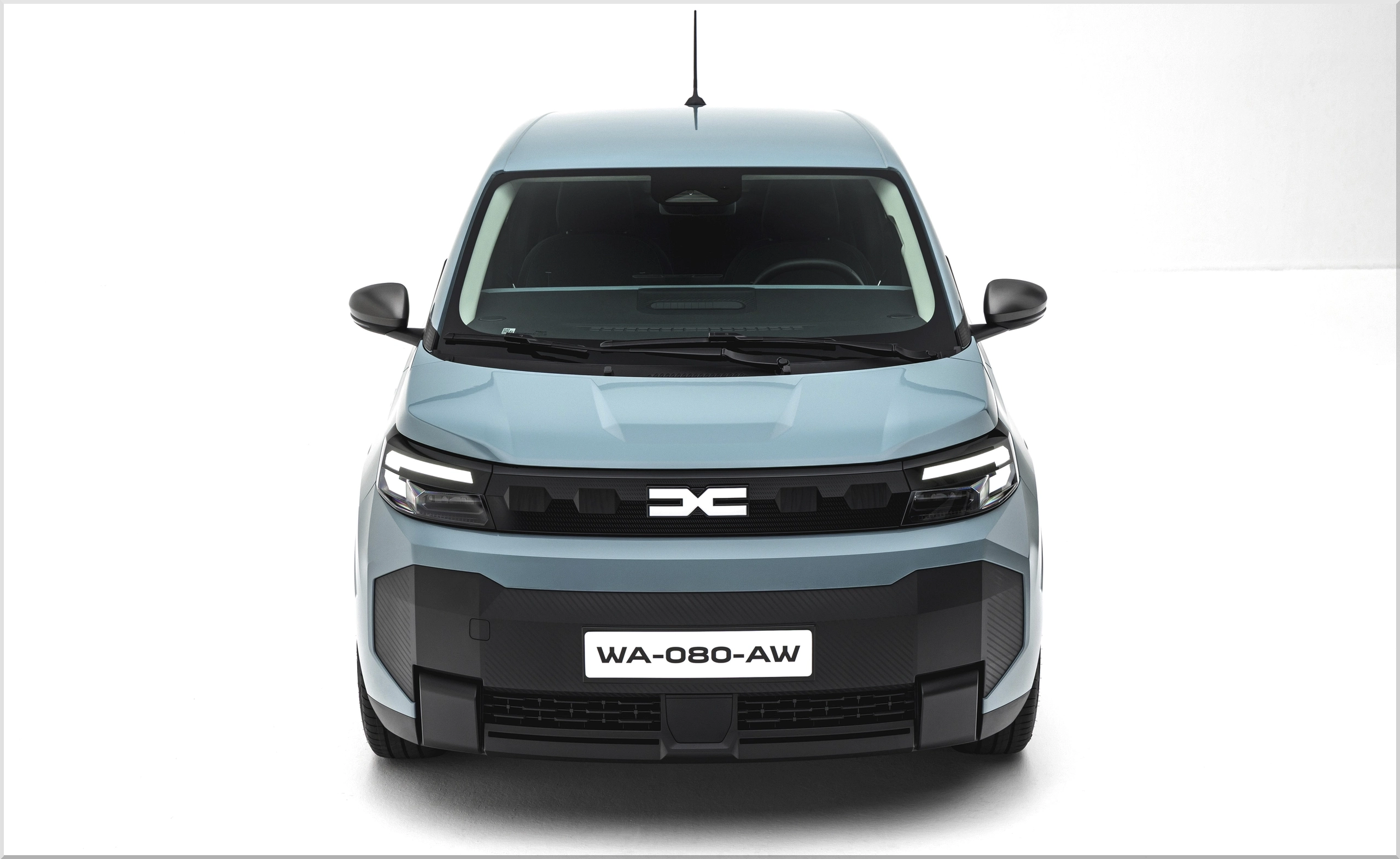
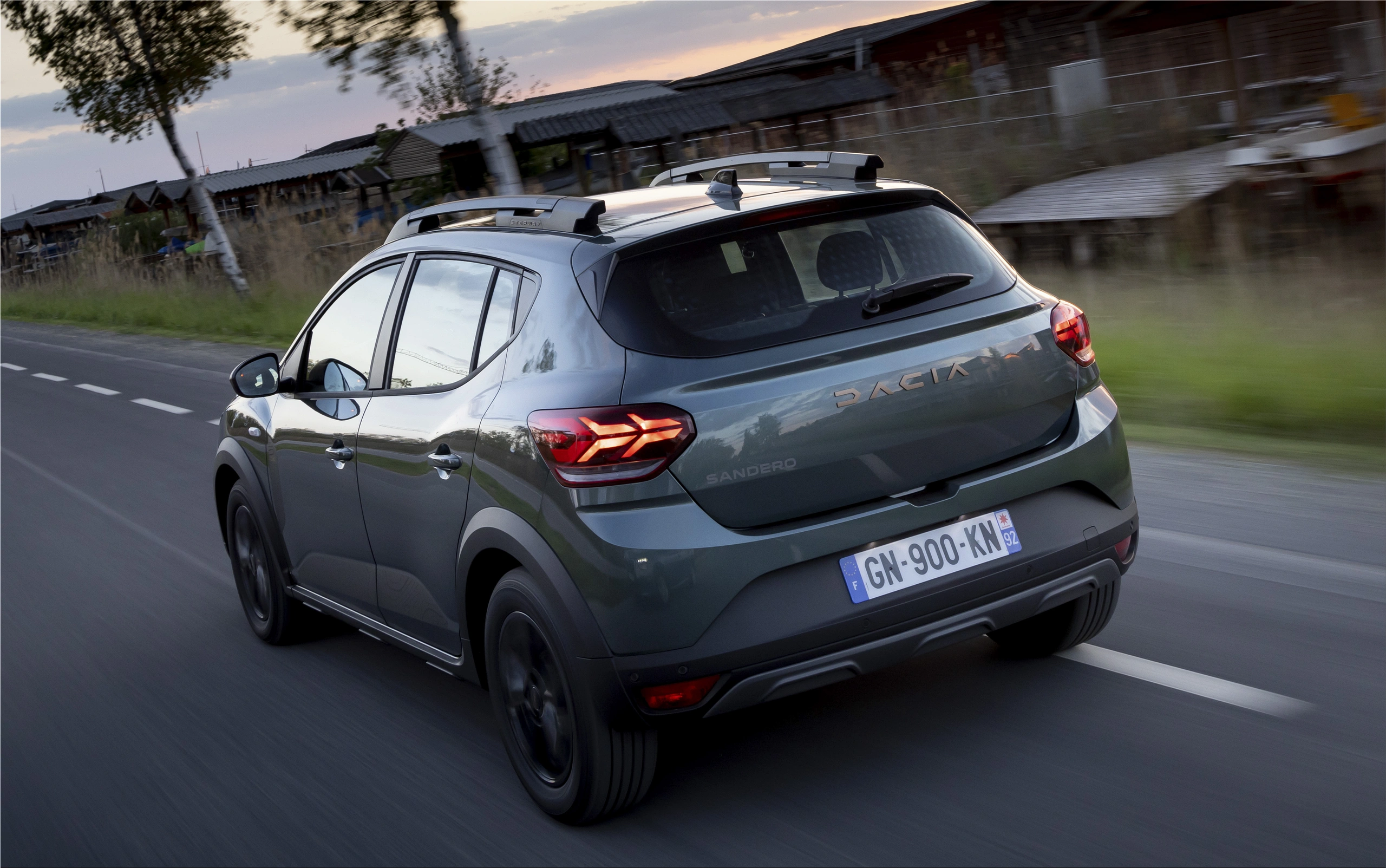
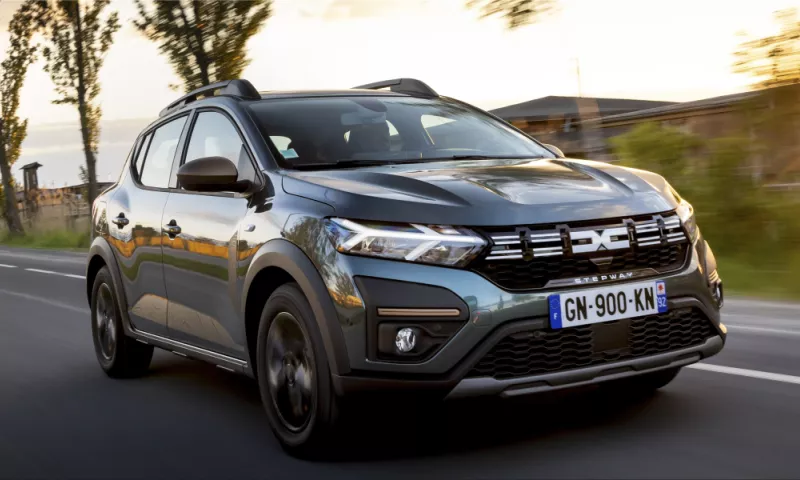
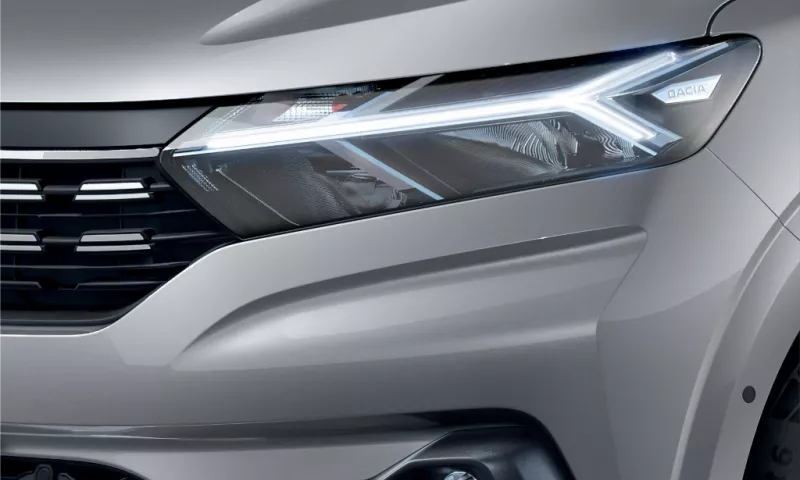
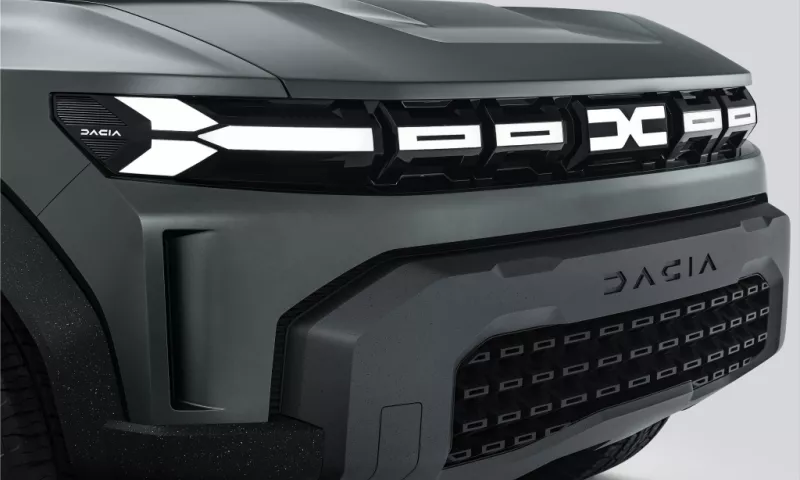
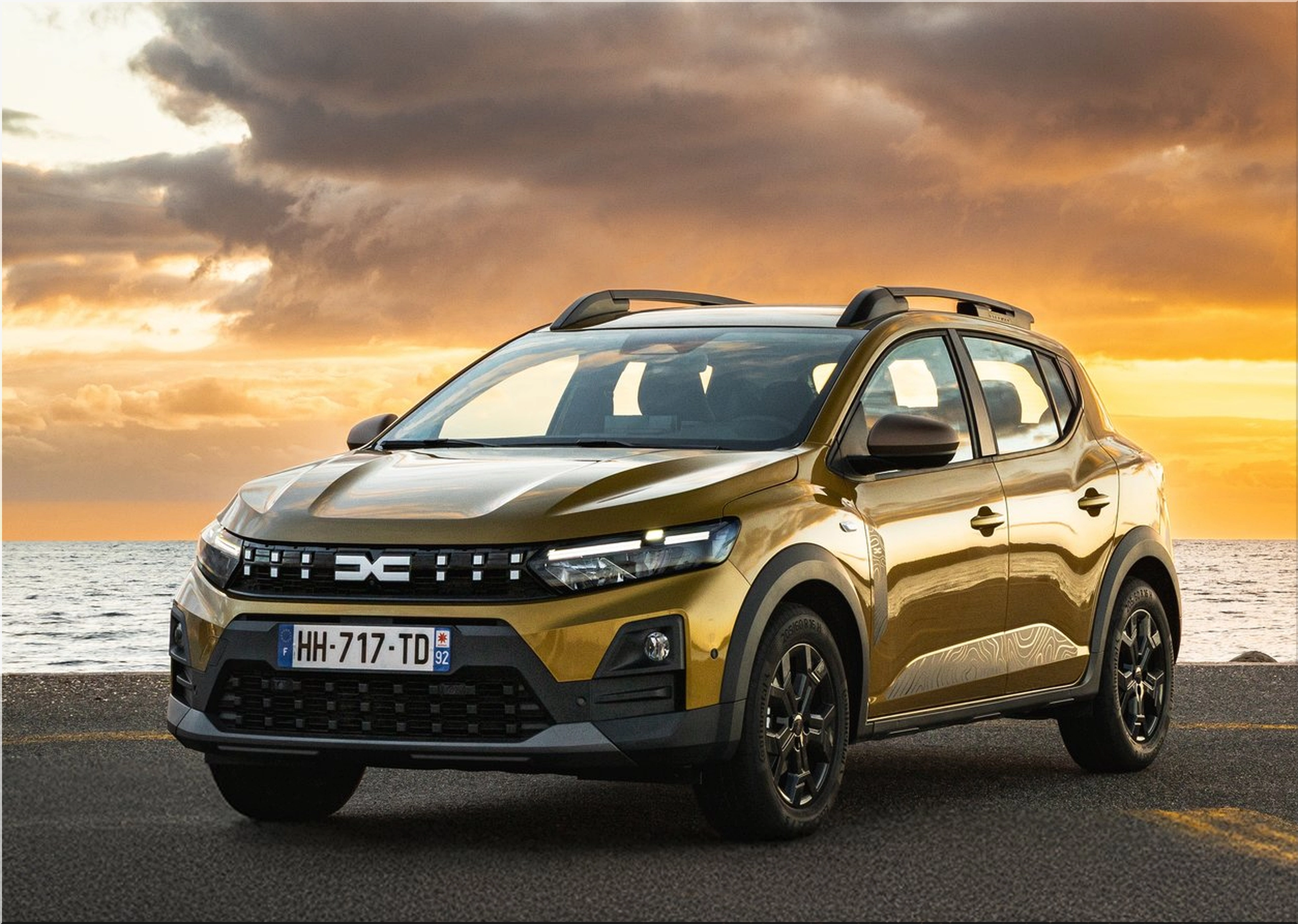
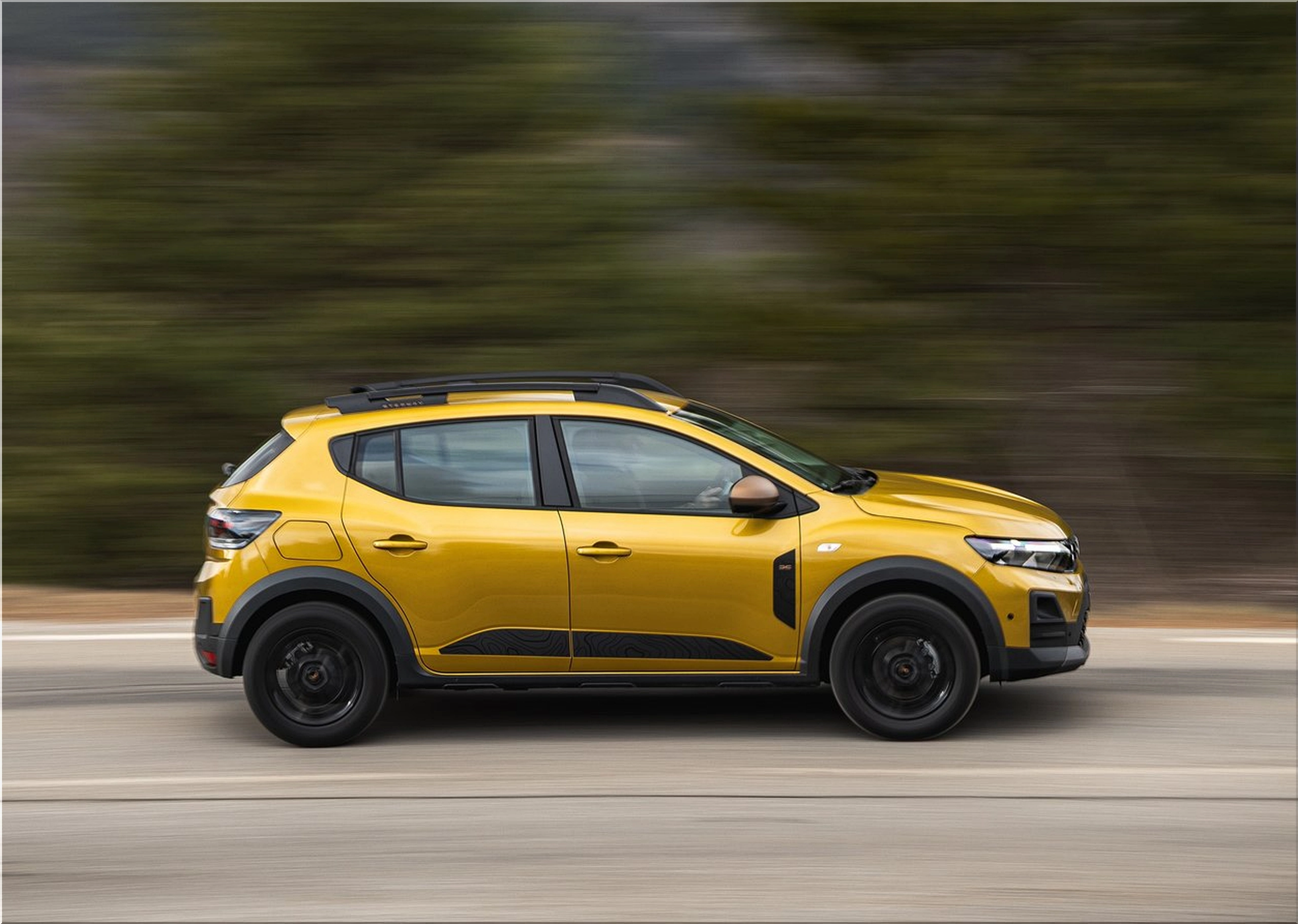
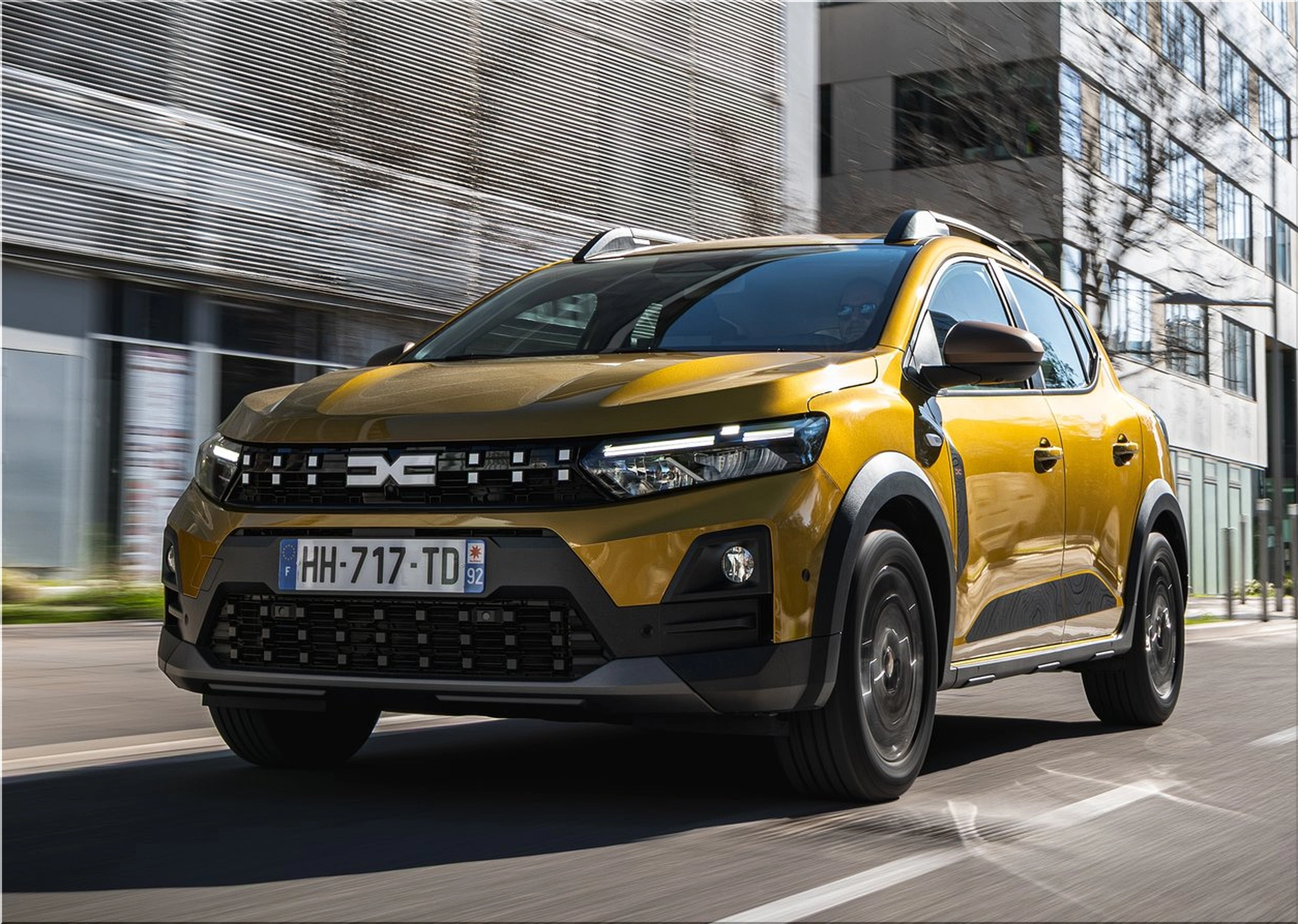
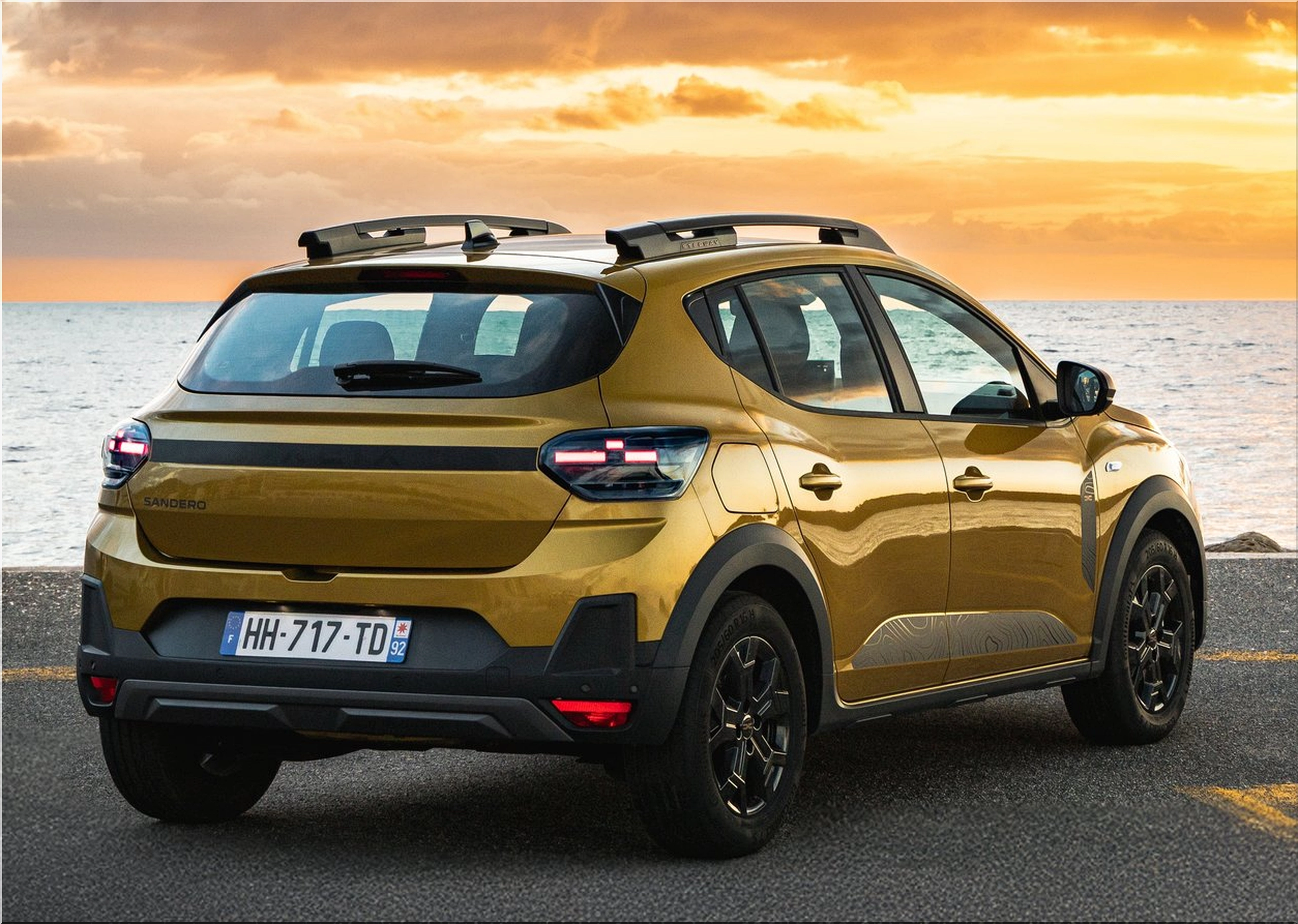
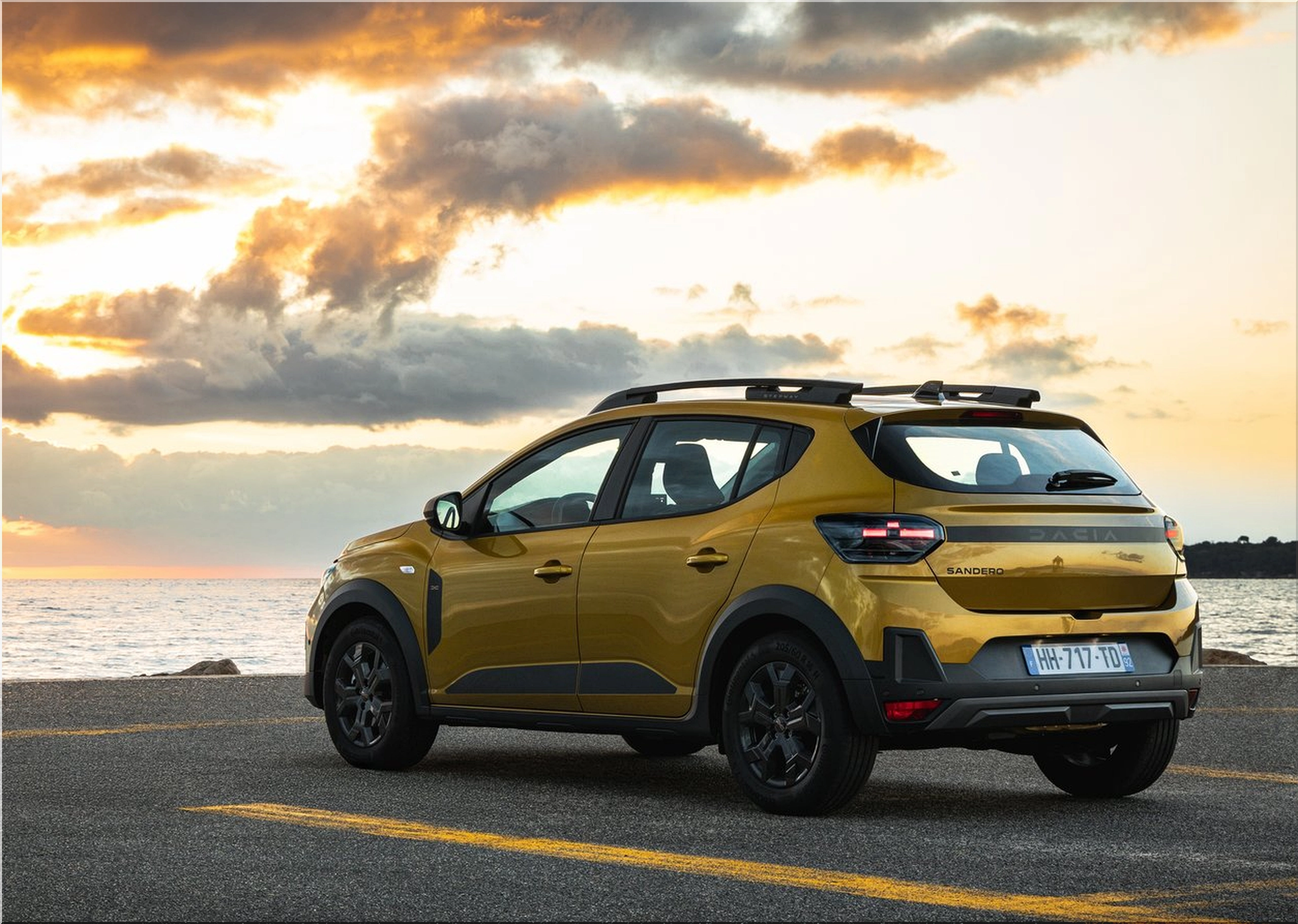
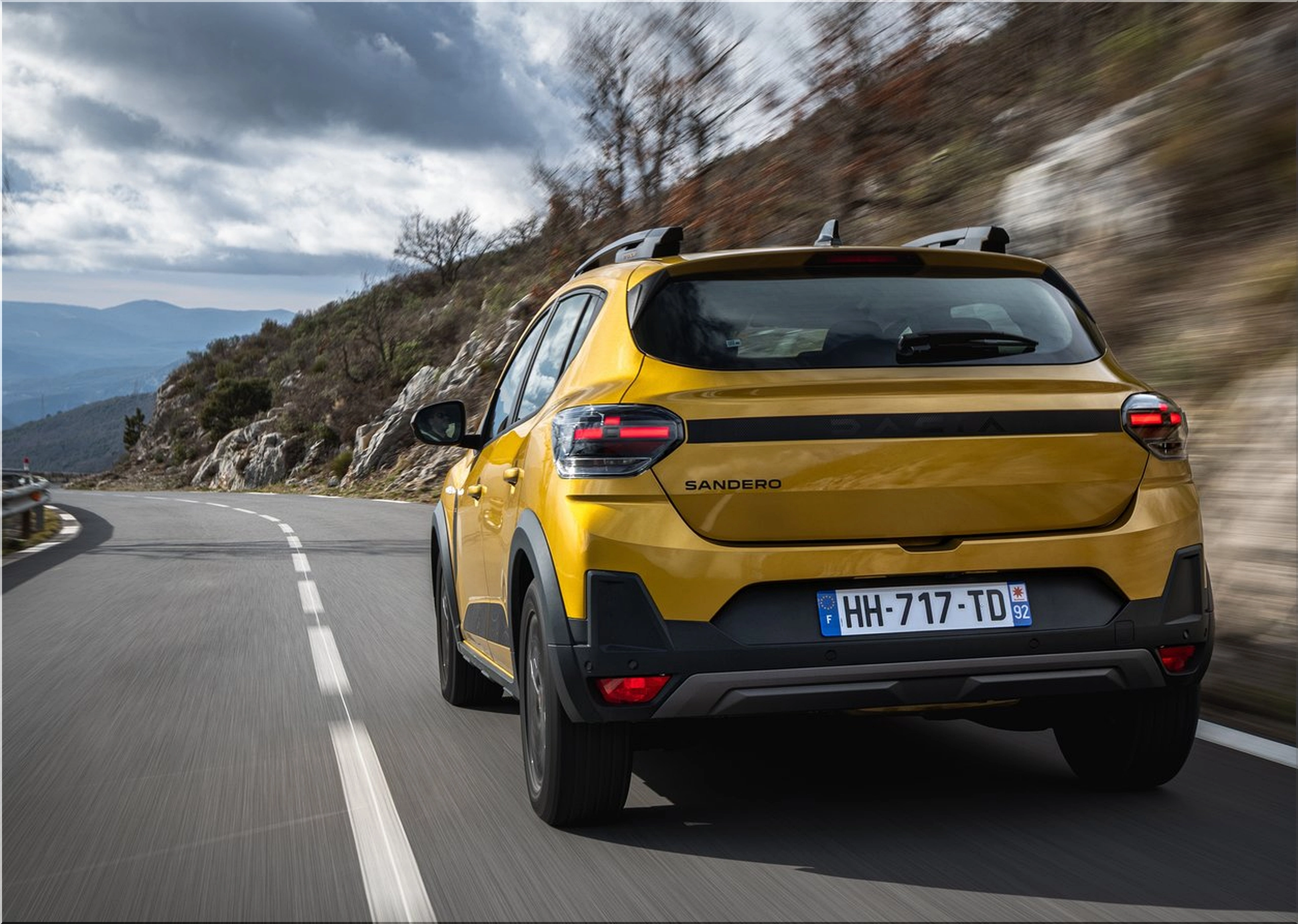
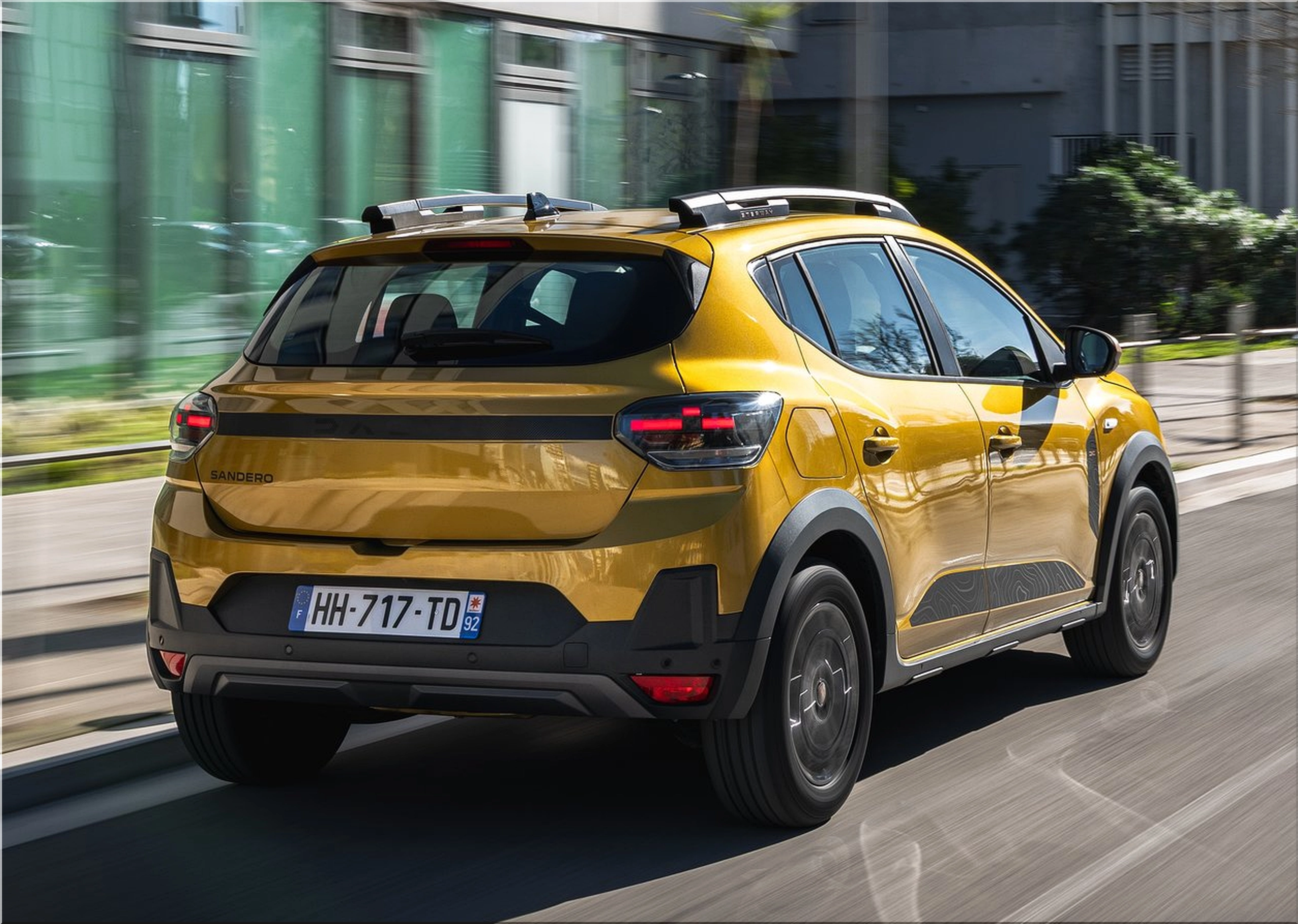
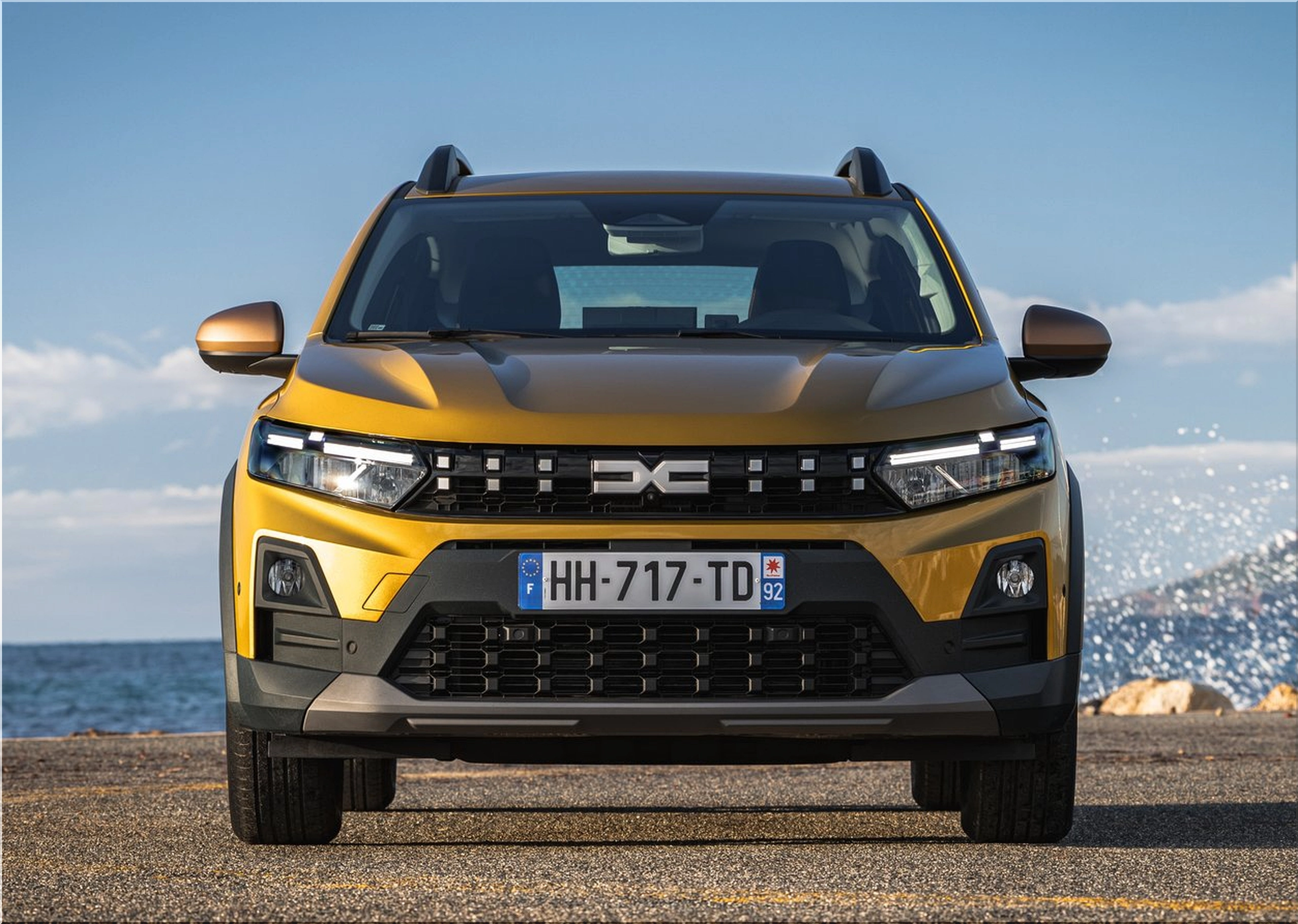
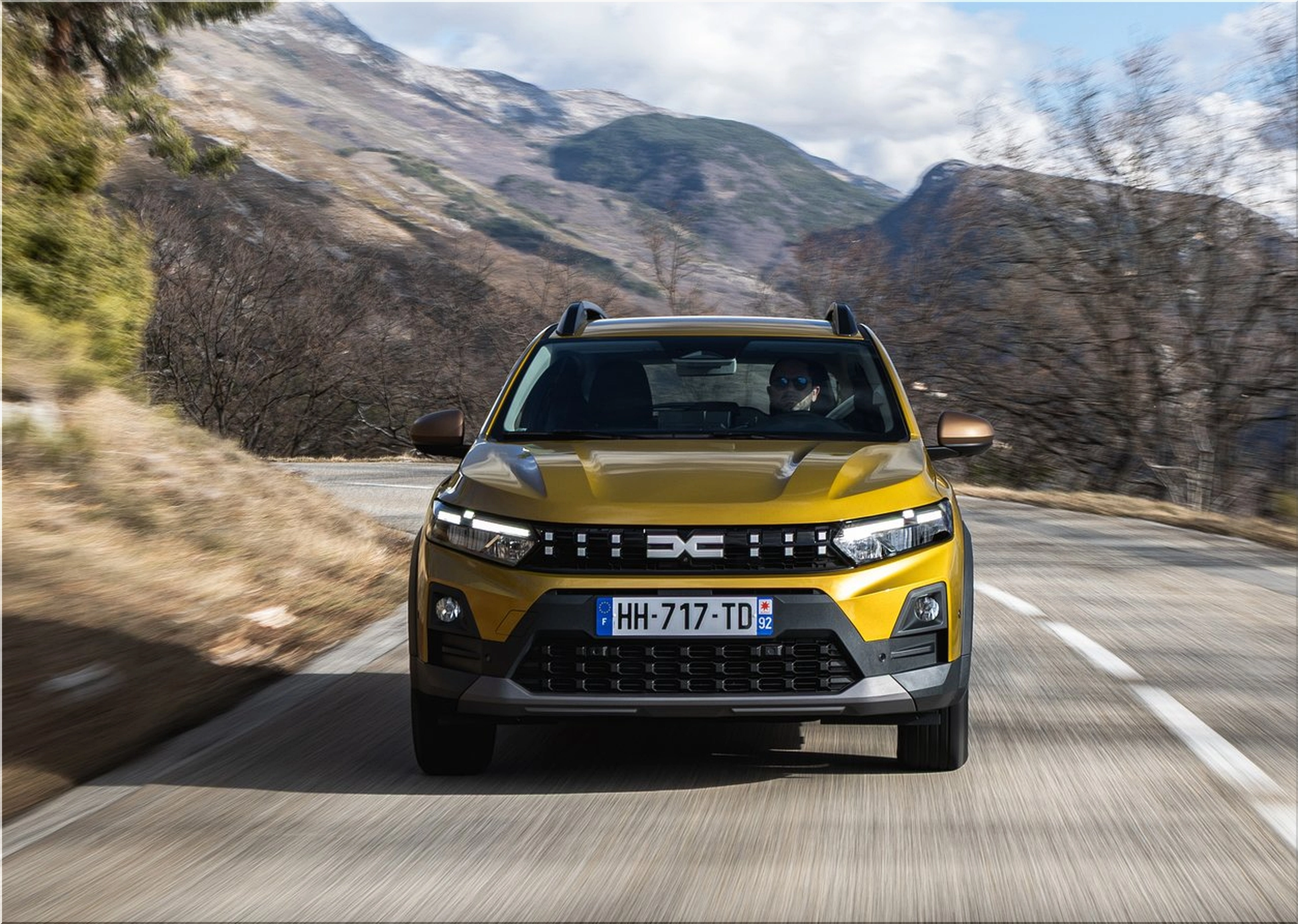
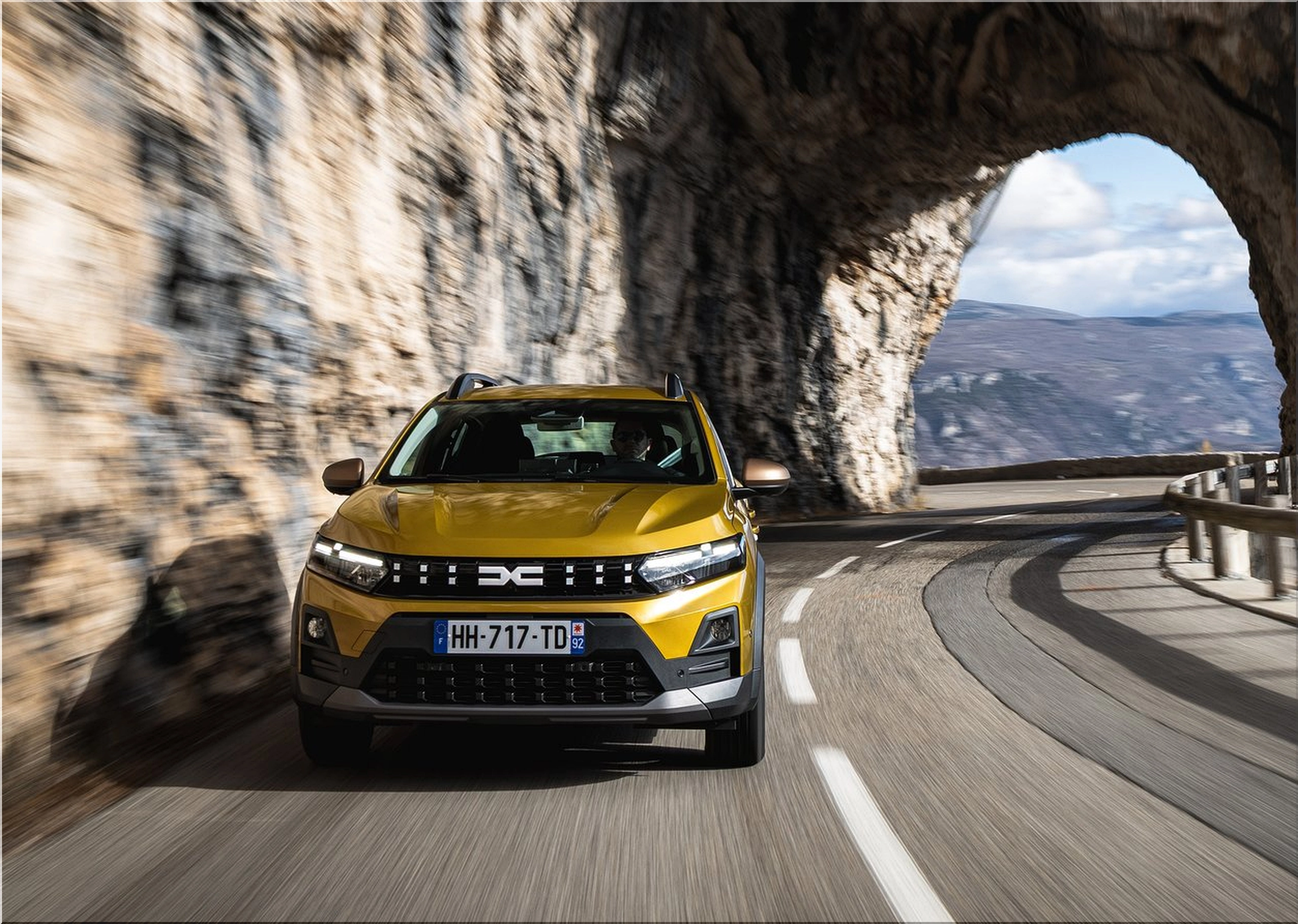
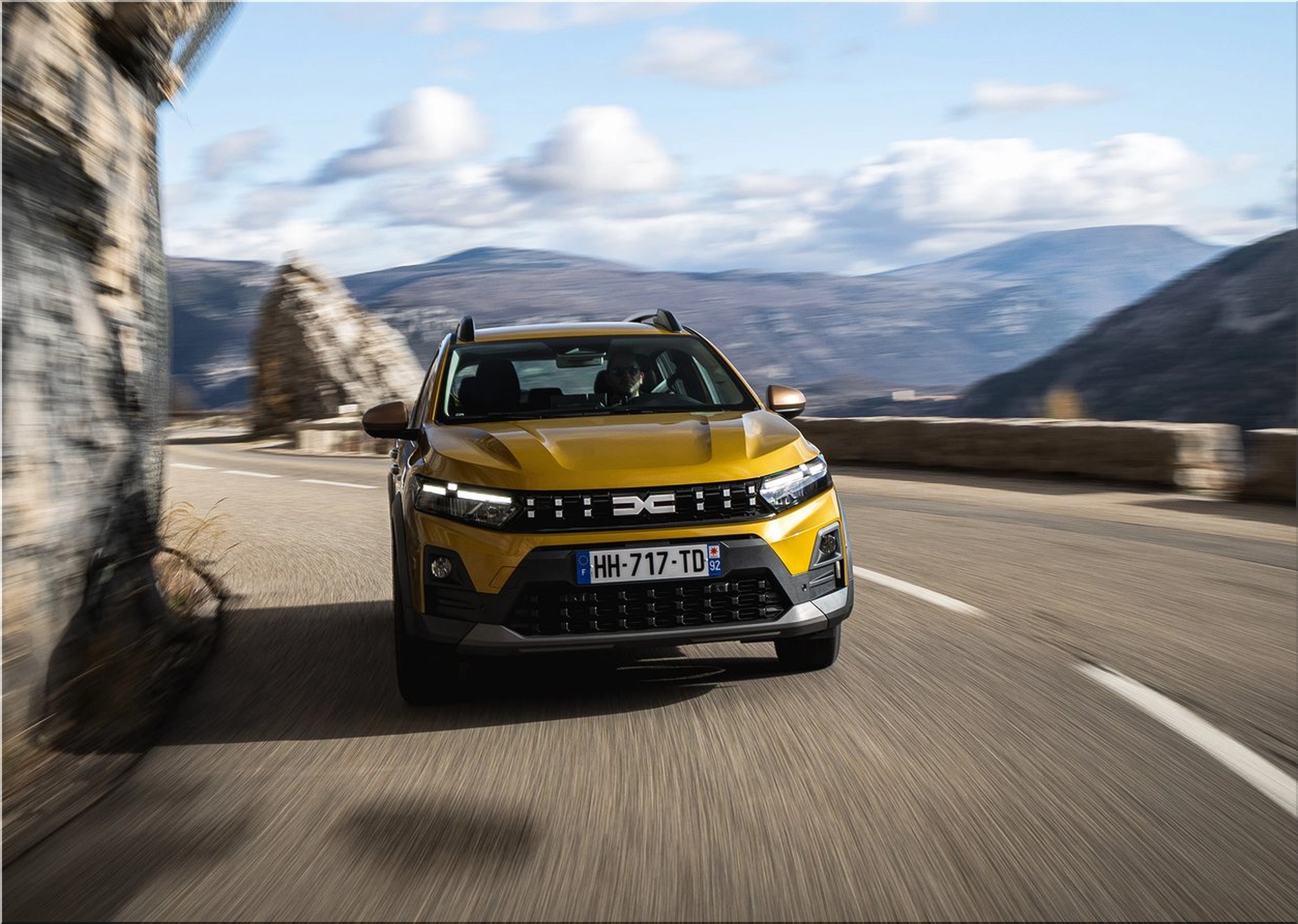
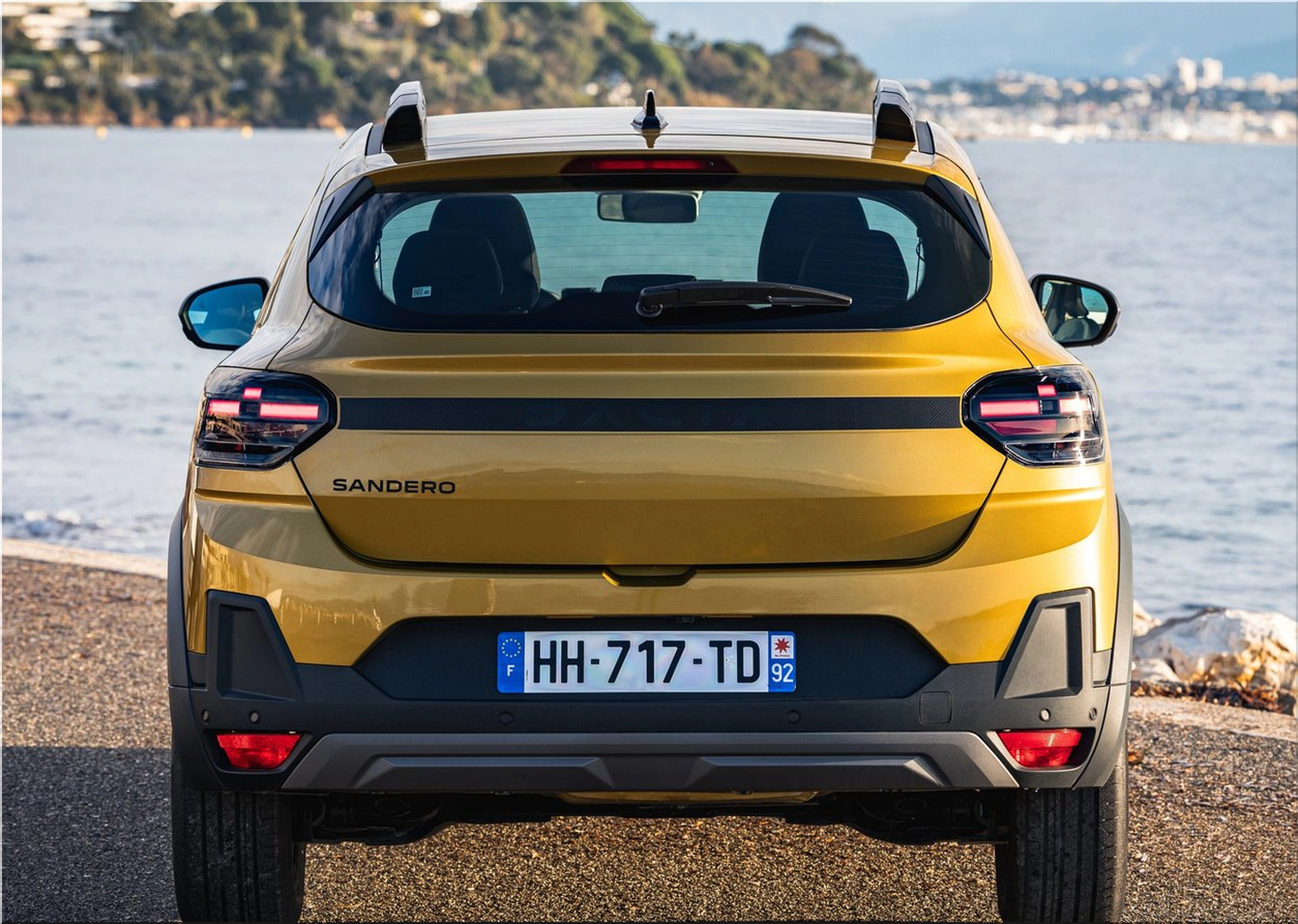
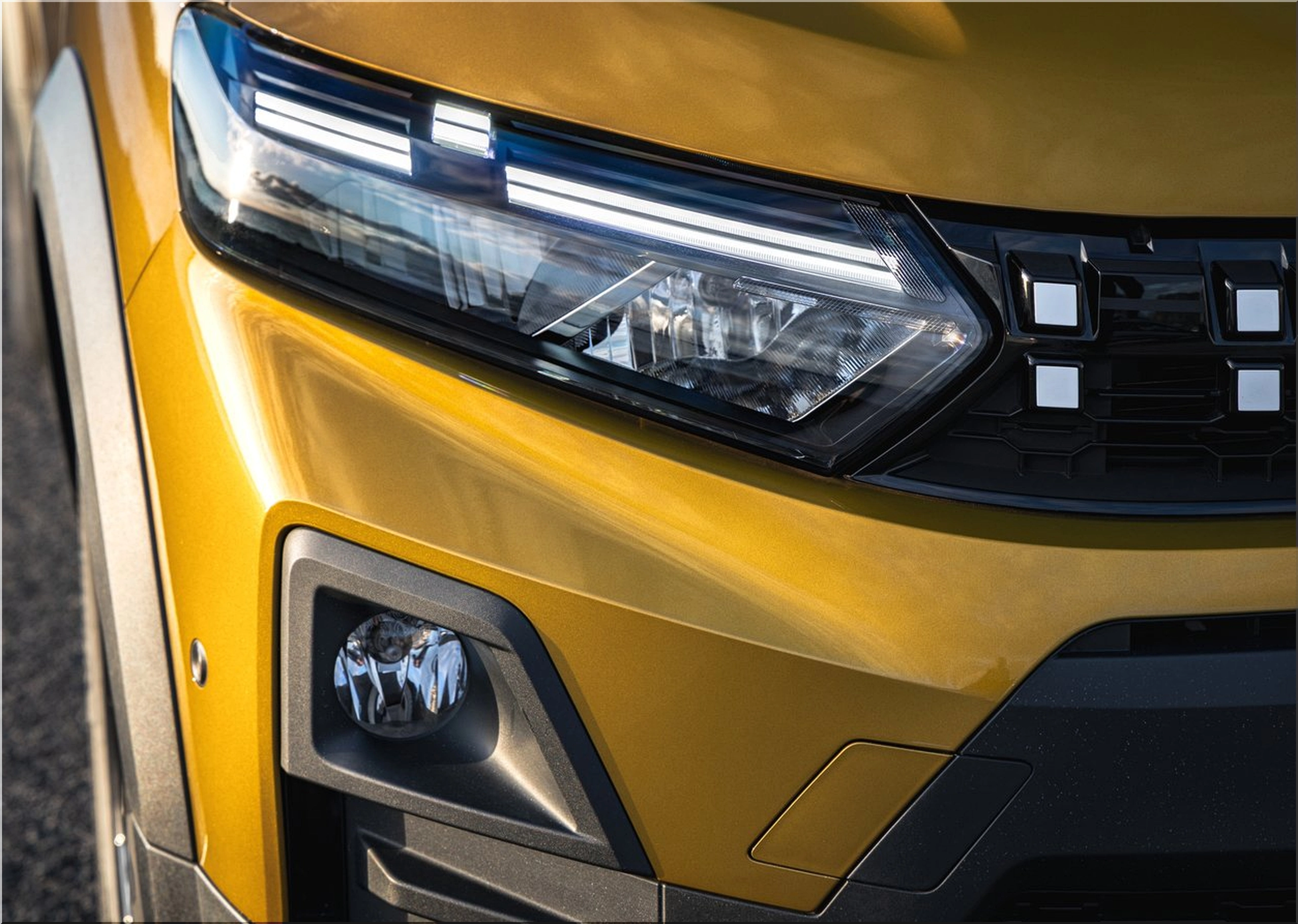
The exterior overhaul of the 2026 Dacia Sandero Stepway prioritizes both brand identity and functional durability. At the front, the new LED light signature utilizes an inverted "T" graphic to widen the perceived stance of the vehicle. This lighting arrangement does more than just update the aesthetics; it improves night-time visibility and safety through increased lumen output.
Starkle Material Science
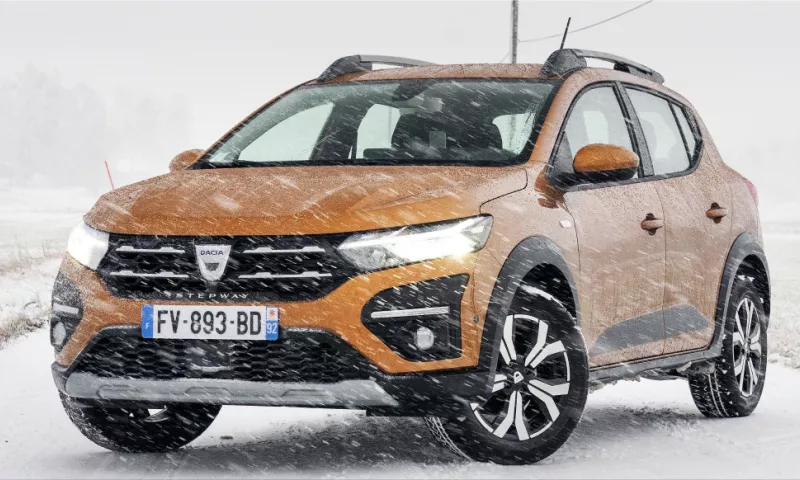
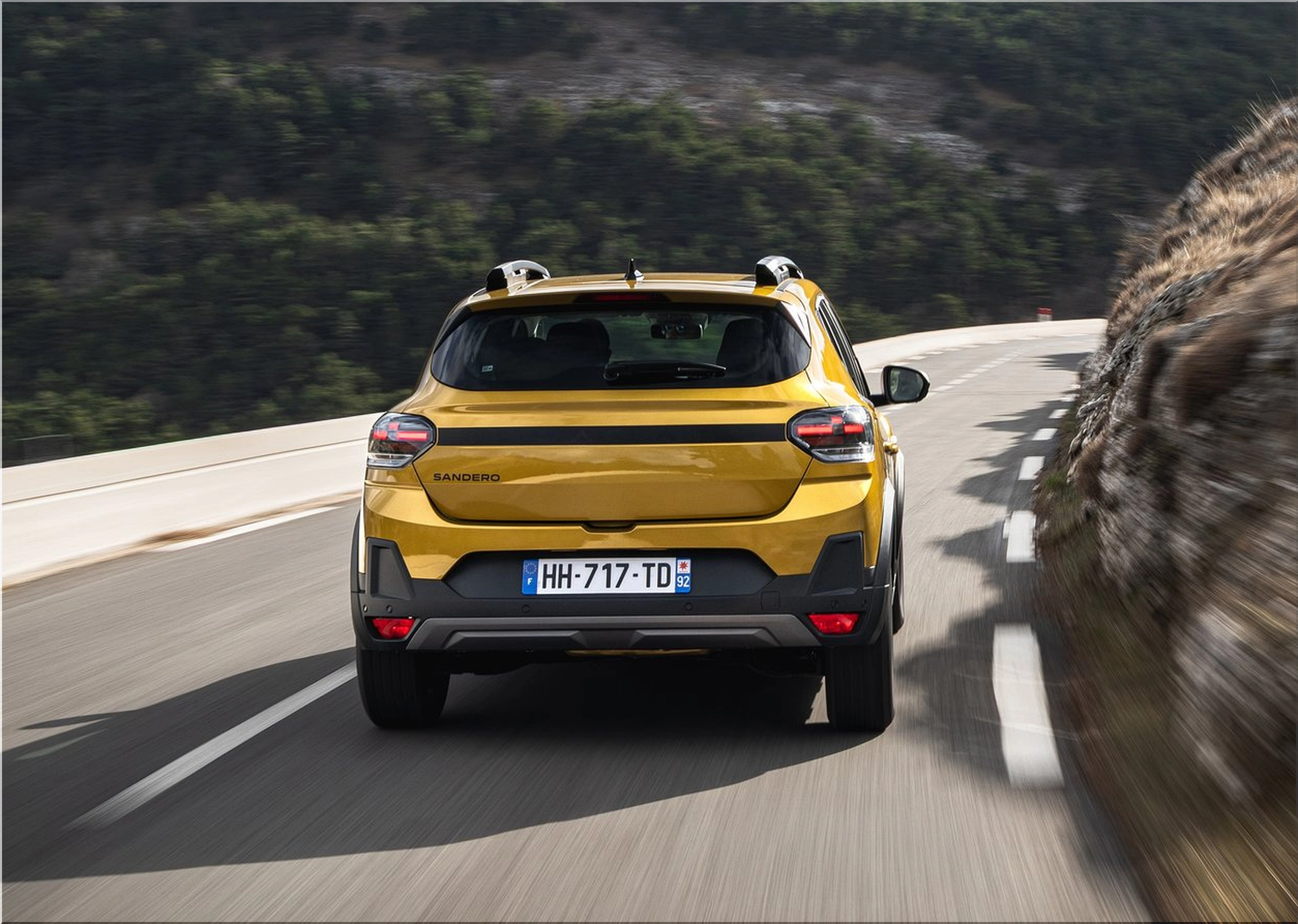
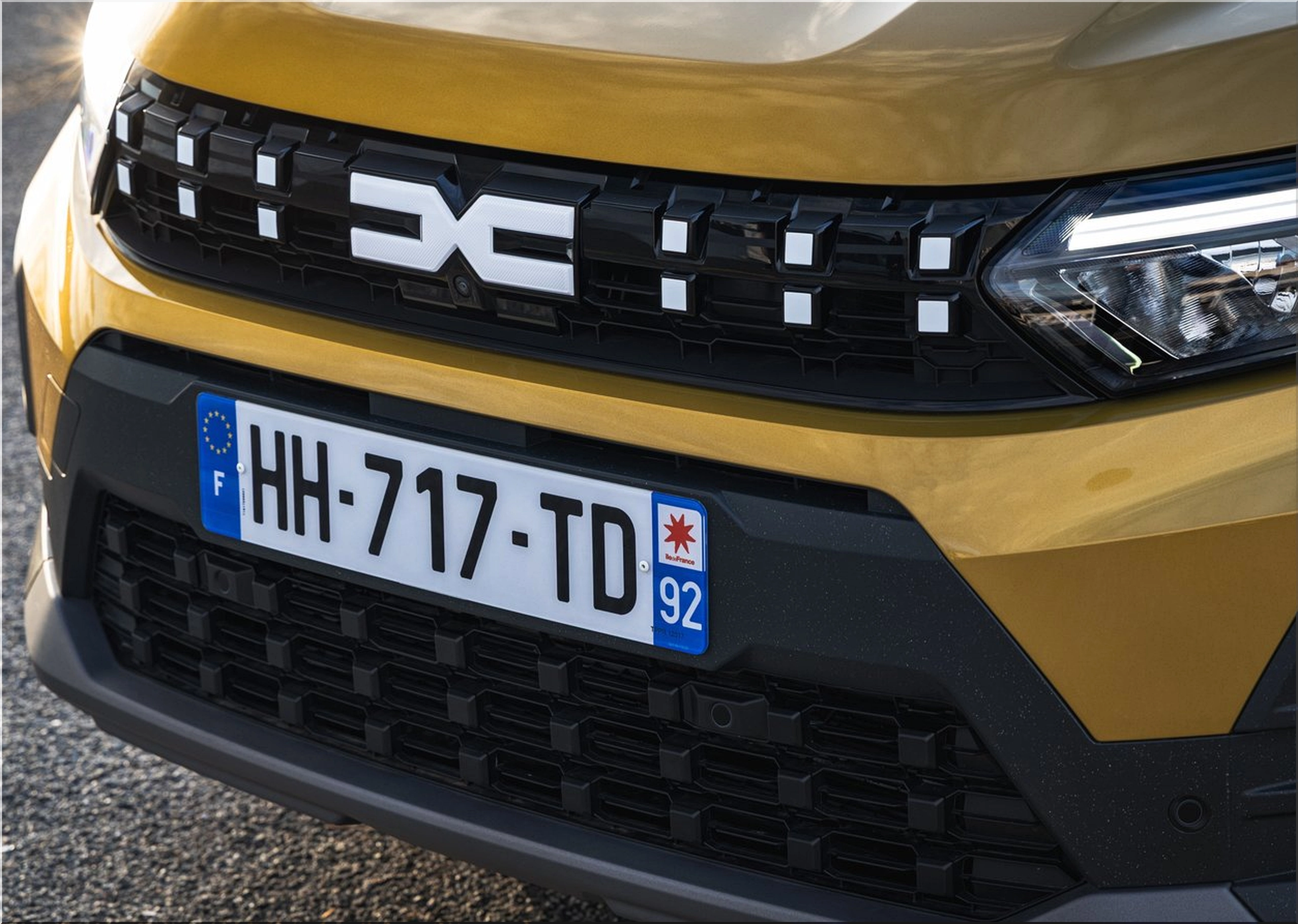
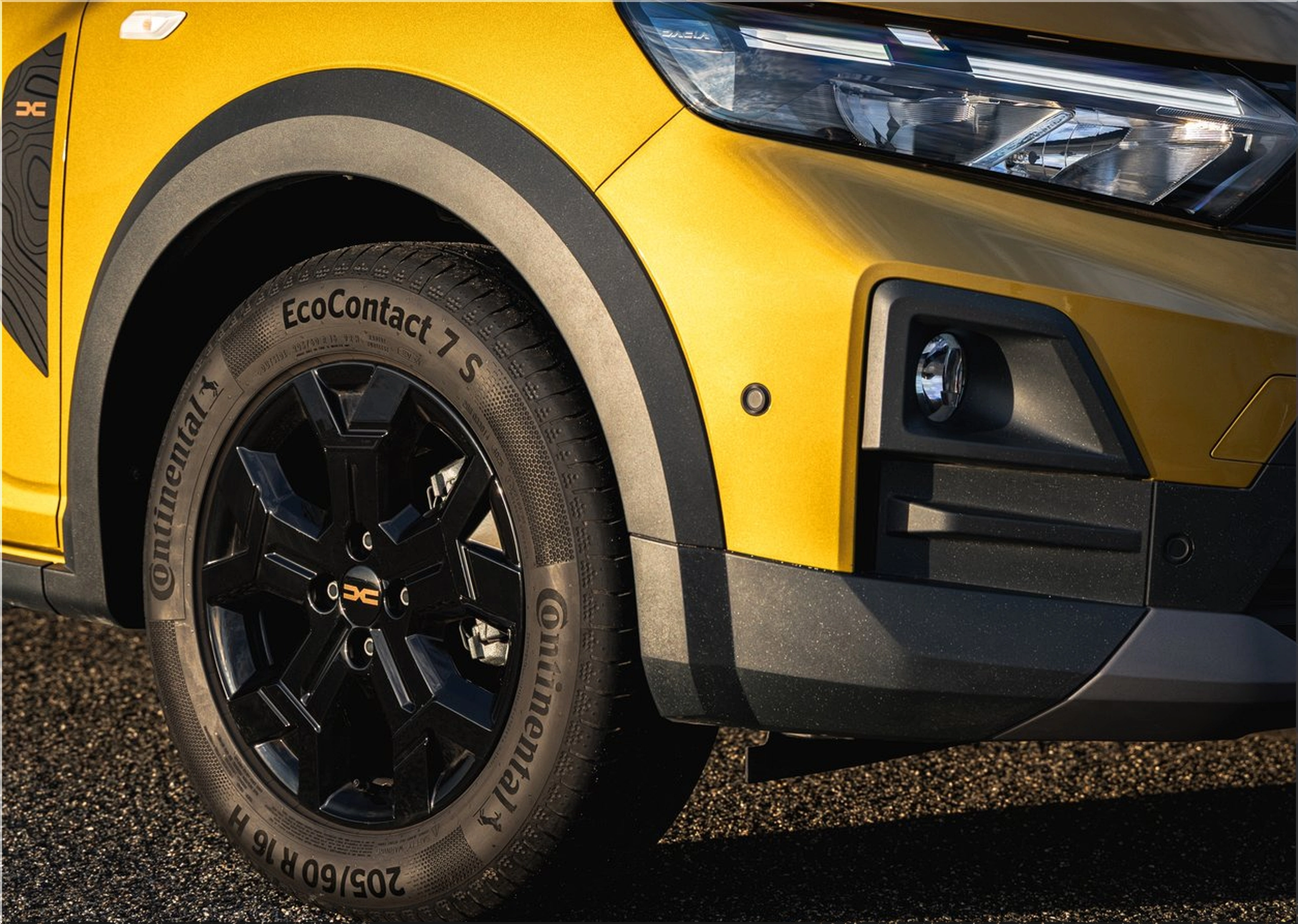
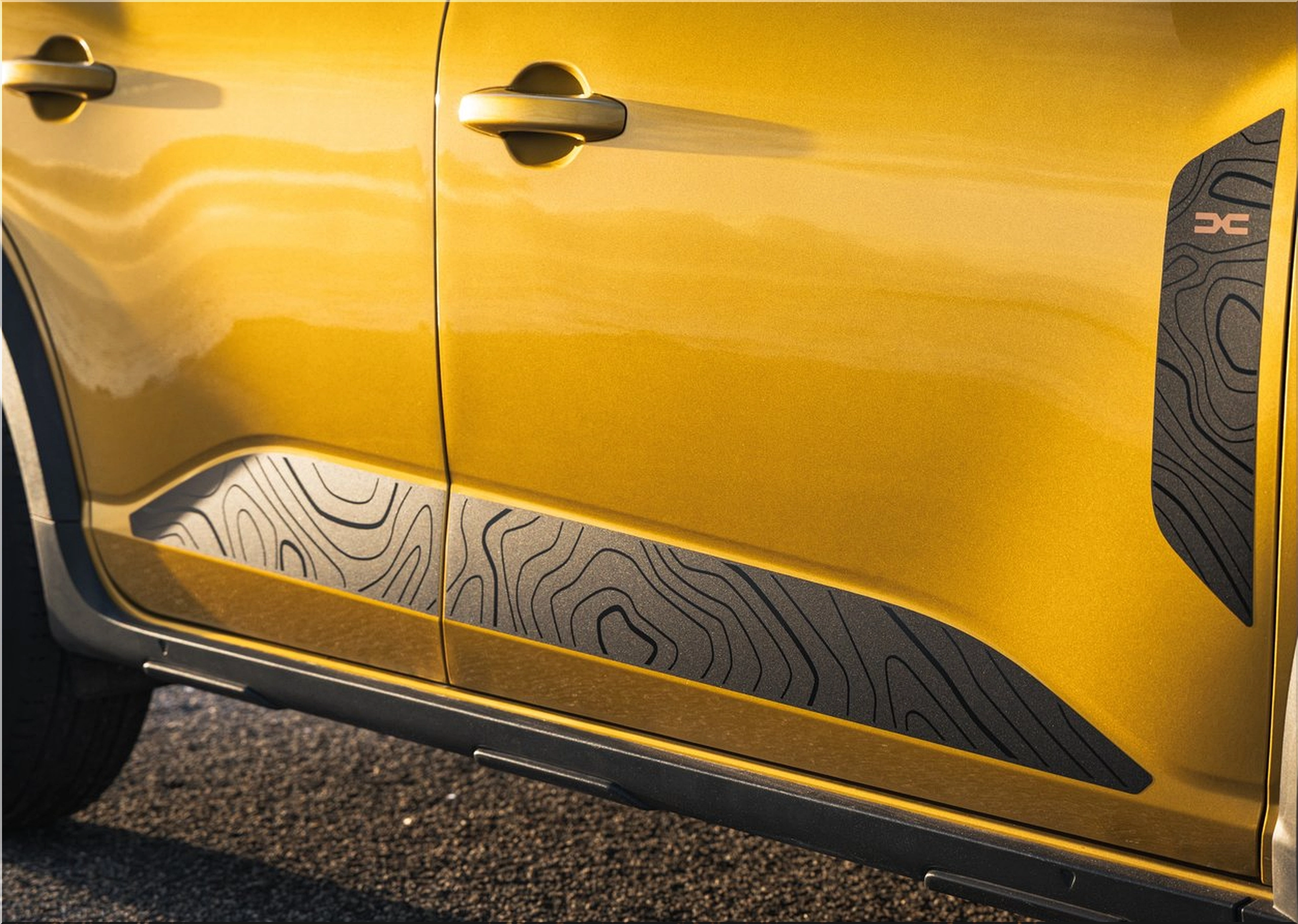
One of the most innovative technical additions to the 2026 model is the use of Starkle. This material, which contains 20% recycled plastic, appears on the wheel arches, lower body cladding, and fog lamp surrounds. Dacia engineers designed Starkle to be used untreated and unpainted. This decision serves a dual purpose: it reduces the carbon footprint during the manufacturing phase and ensures the bodywork is less vulnerable to everyday scratches. Because the color is impregnated throughout the material rather than applied as a surface layer, scuffs do not reveal a different base color.
Exterior Dimensions and Ground Clearance
The 2026 Dacia Sandero Stepway maintains its crossover-inspired geometry with a ground clearance of 7.9 inches (201 mm). This height is critical for navigating unpaved paths or high urban curbs without risking underbody damage. The wheelbase measures 102.5 inches (2604 mm), providing a stable foundation for the suspension geometry.
| Dimension | Metric (mm) | Imperial (inches) |
|---|---|---|
| Length | 4102 mm | 161.5 in |
| Width | 1854 mm | 73 in |
| Height | 1585 mm | 62.4 in |
| Front Track | 1519 mm | 59.8 in |
| Rear Track | 1509 mm | 59.4 in |
| Wheelbase | 2604 mm | 102.5 in |
Digital Architecture and Interior Ergonomics
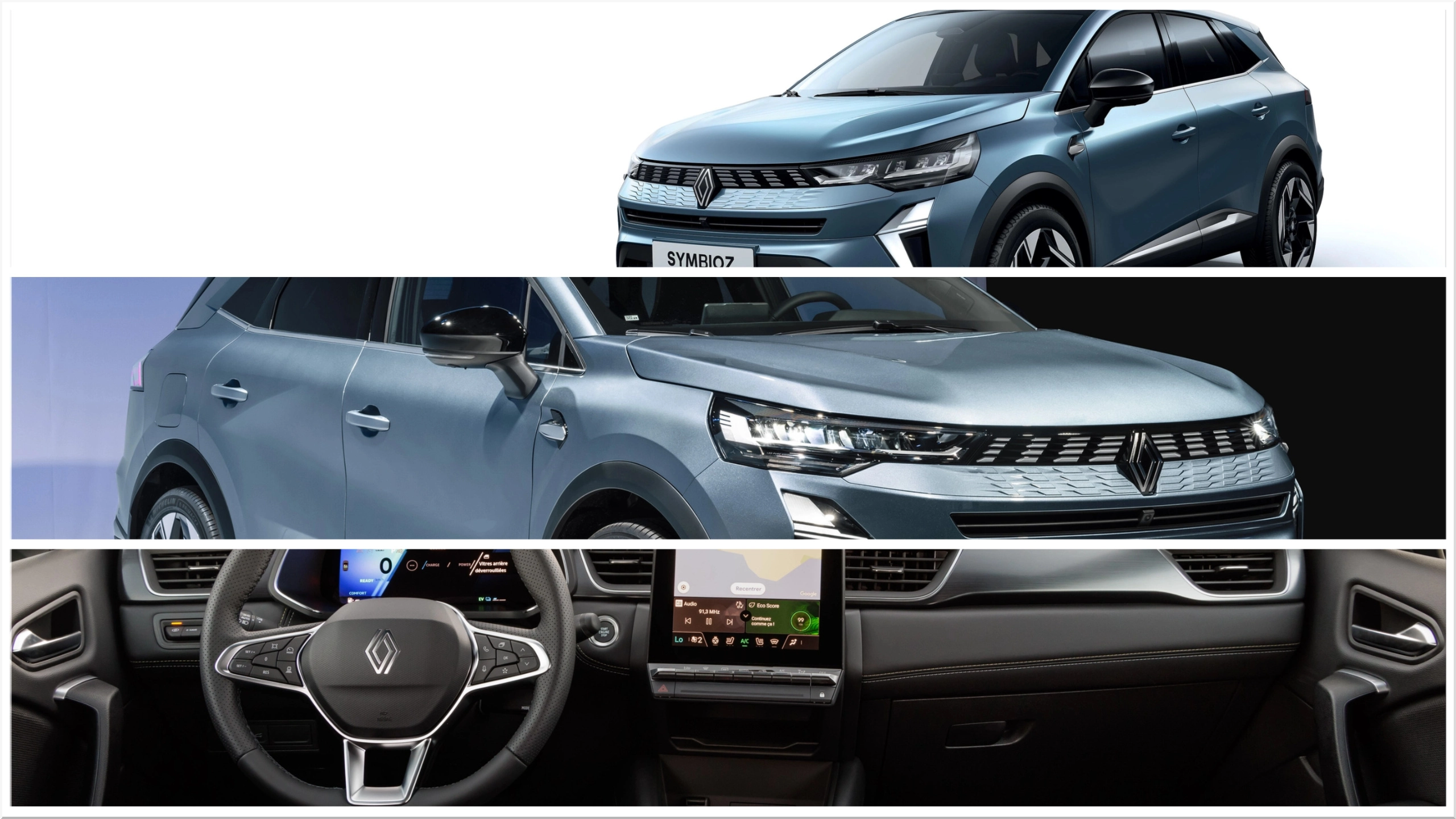
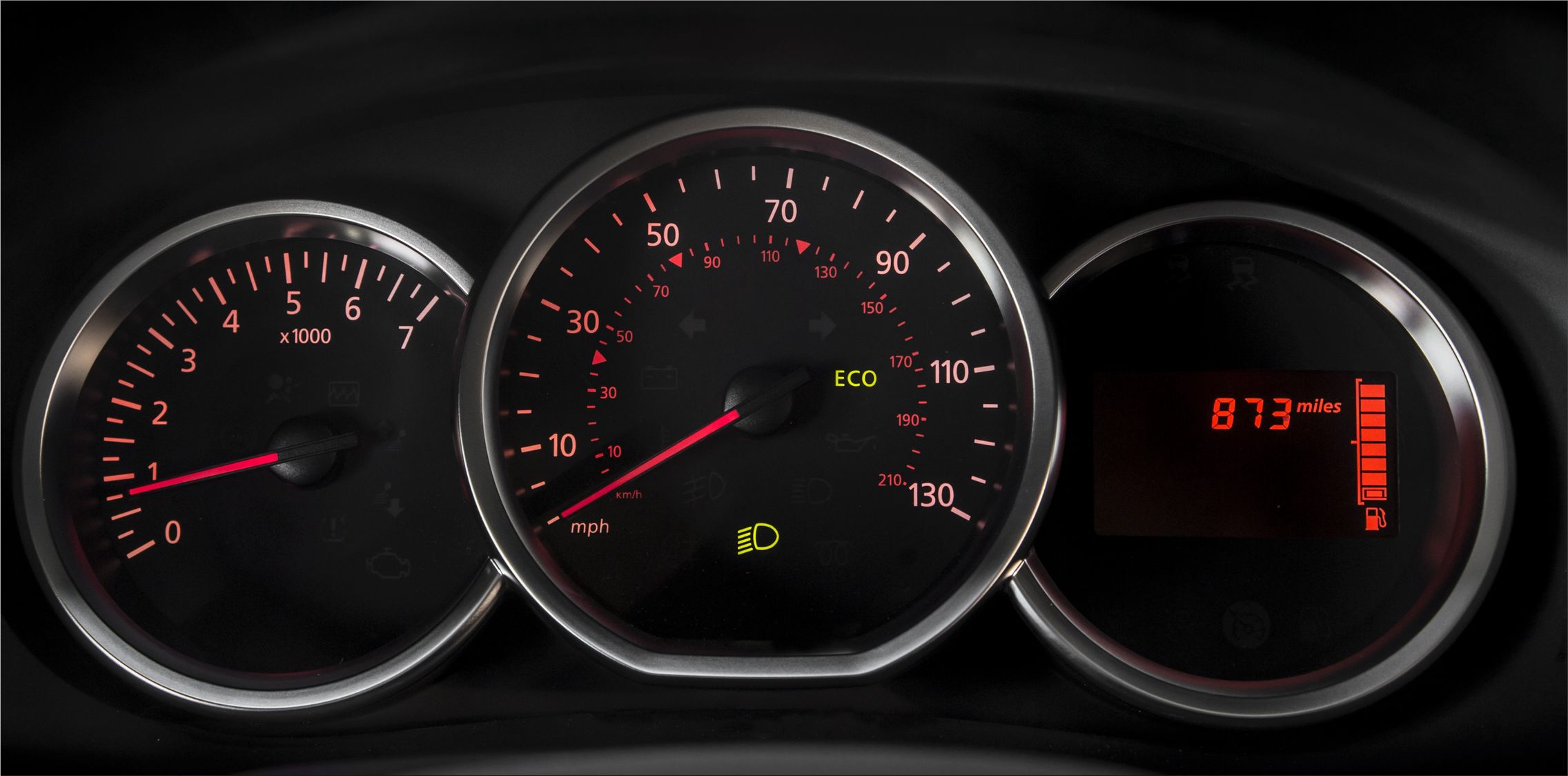
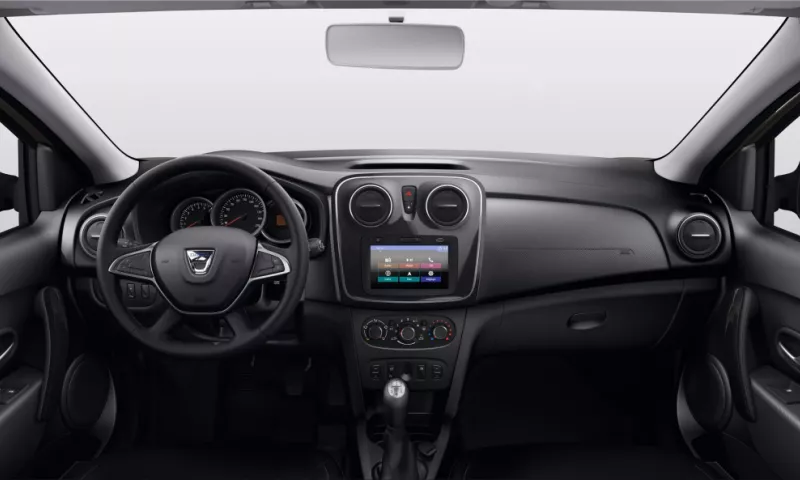
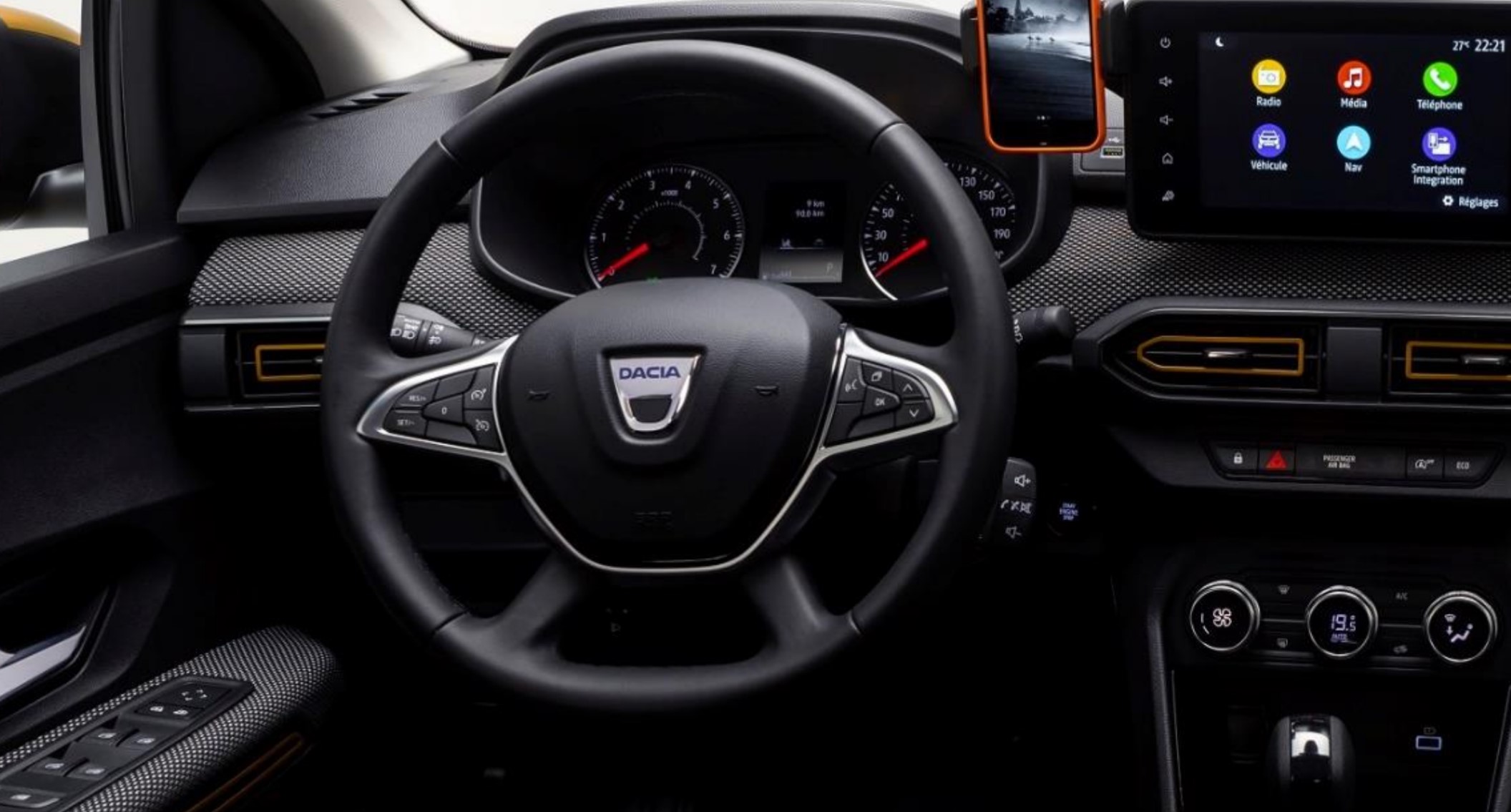
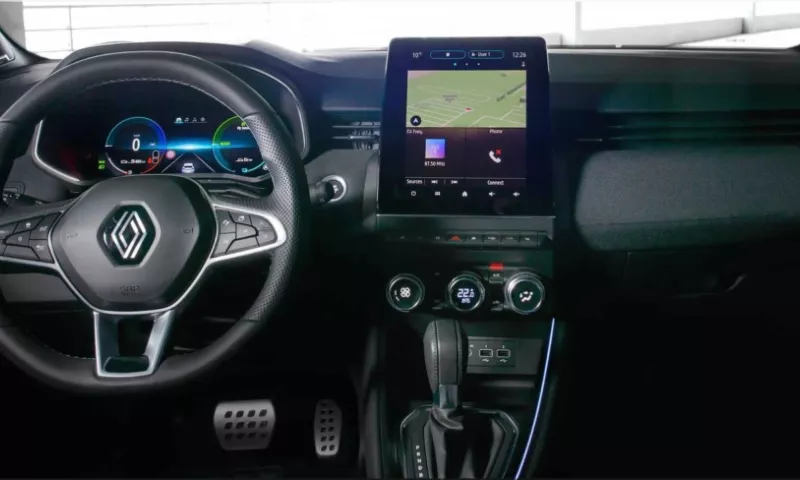
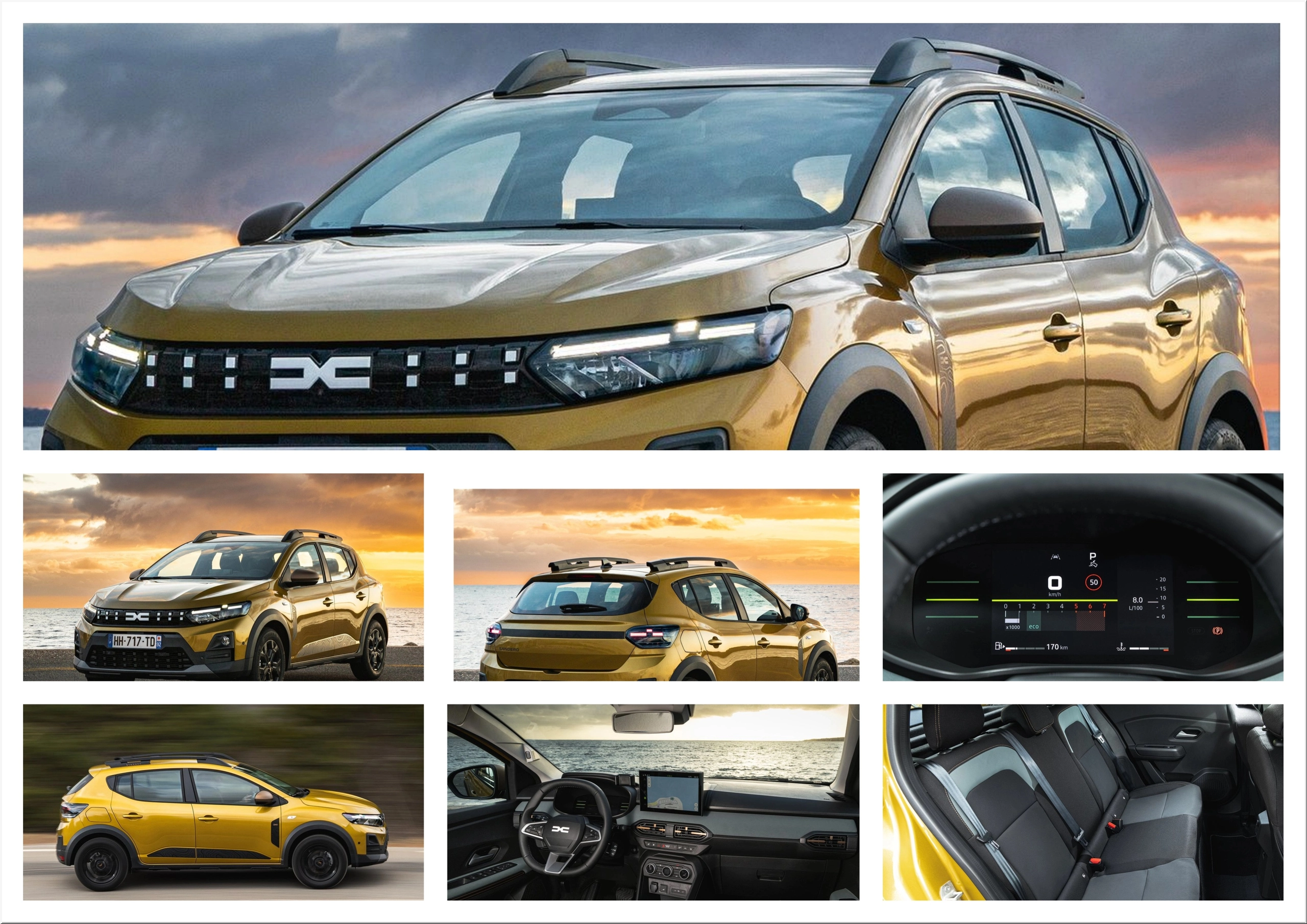
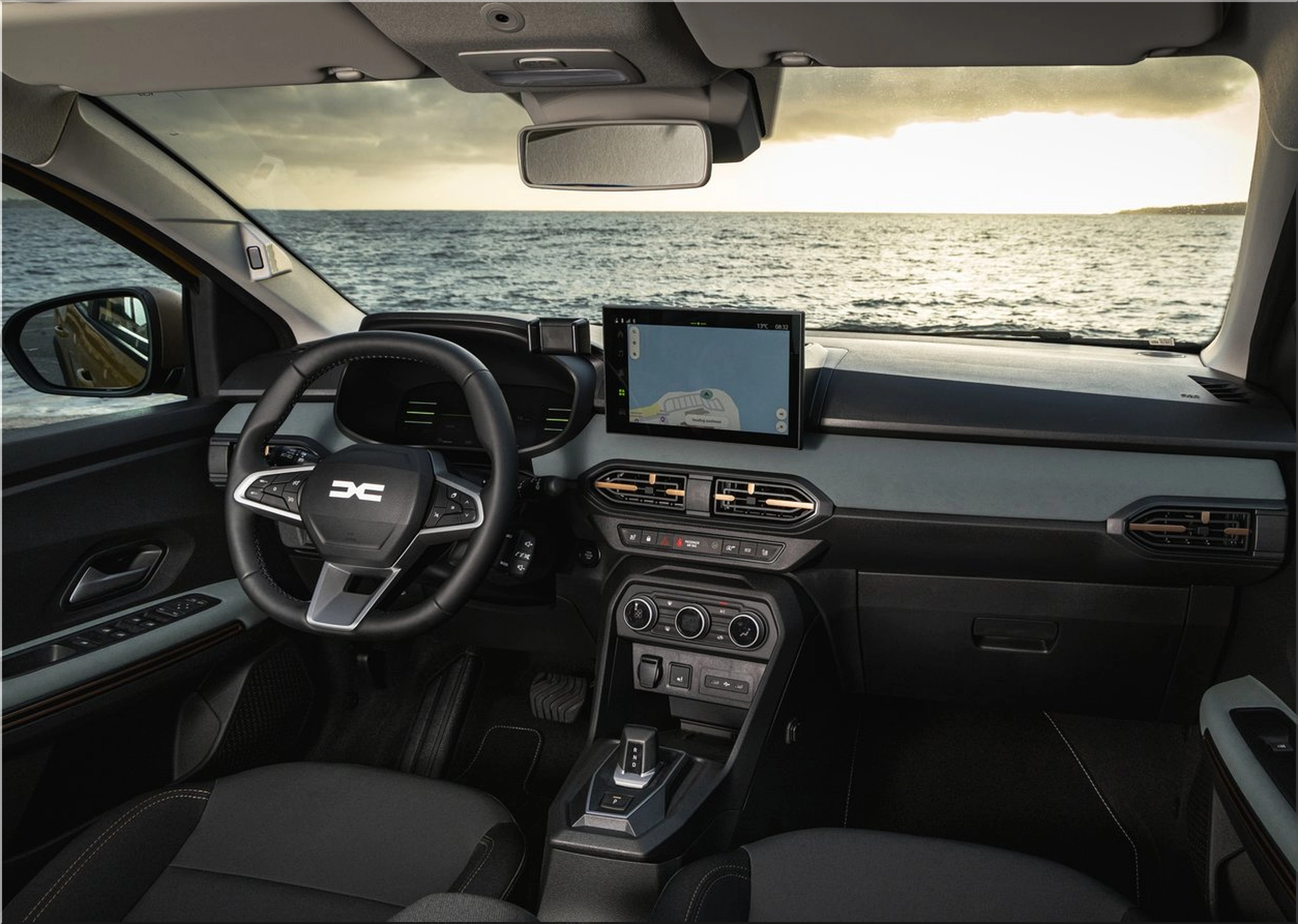
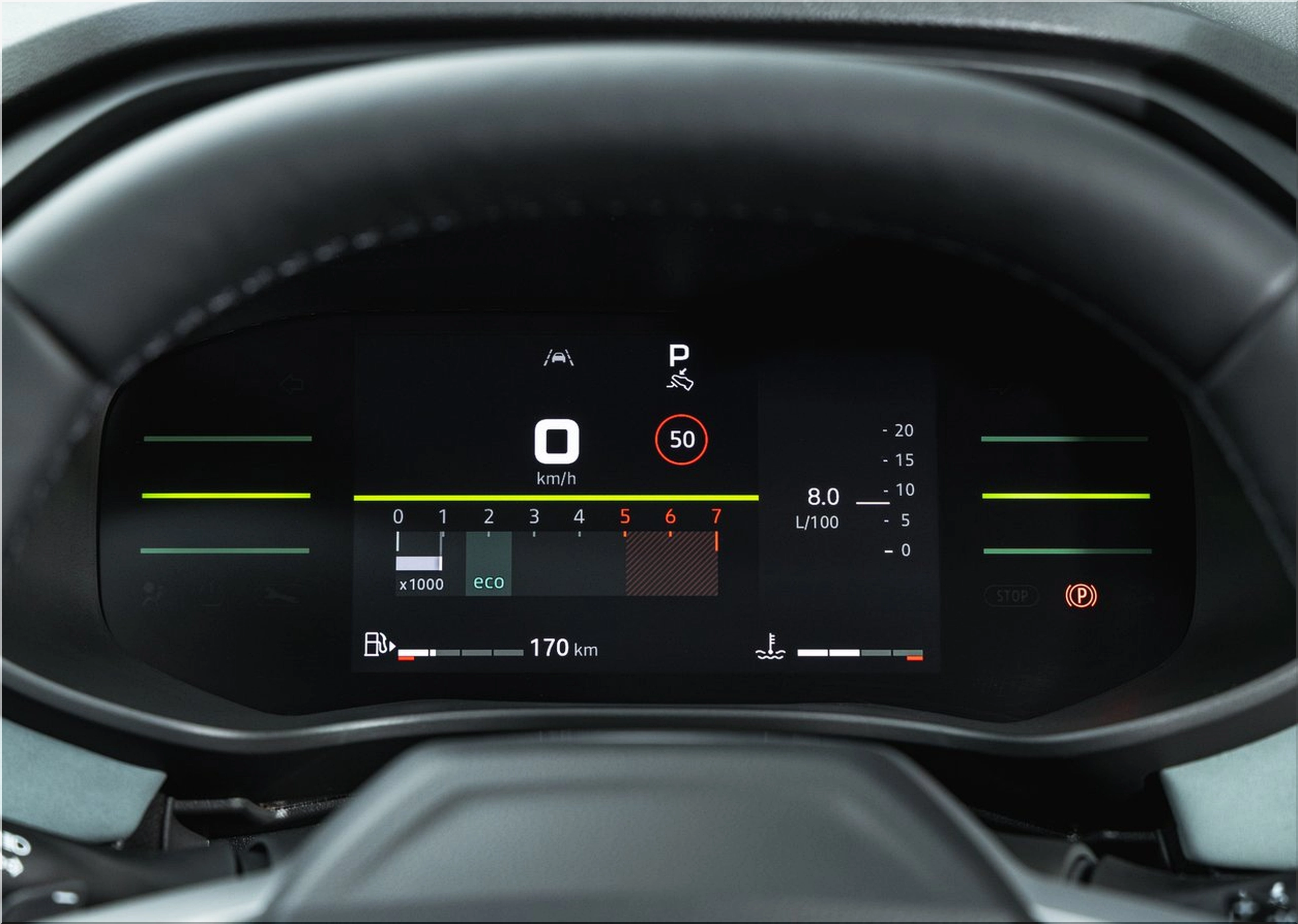
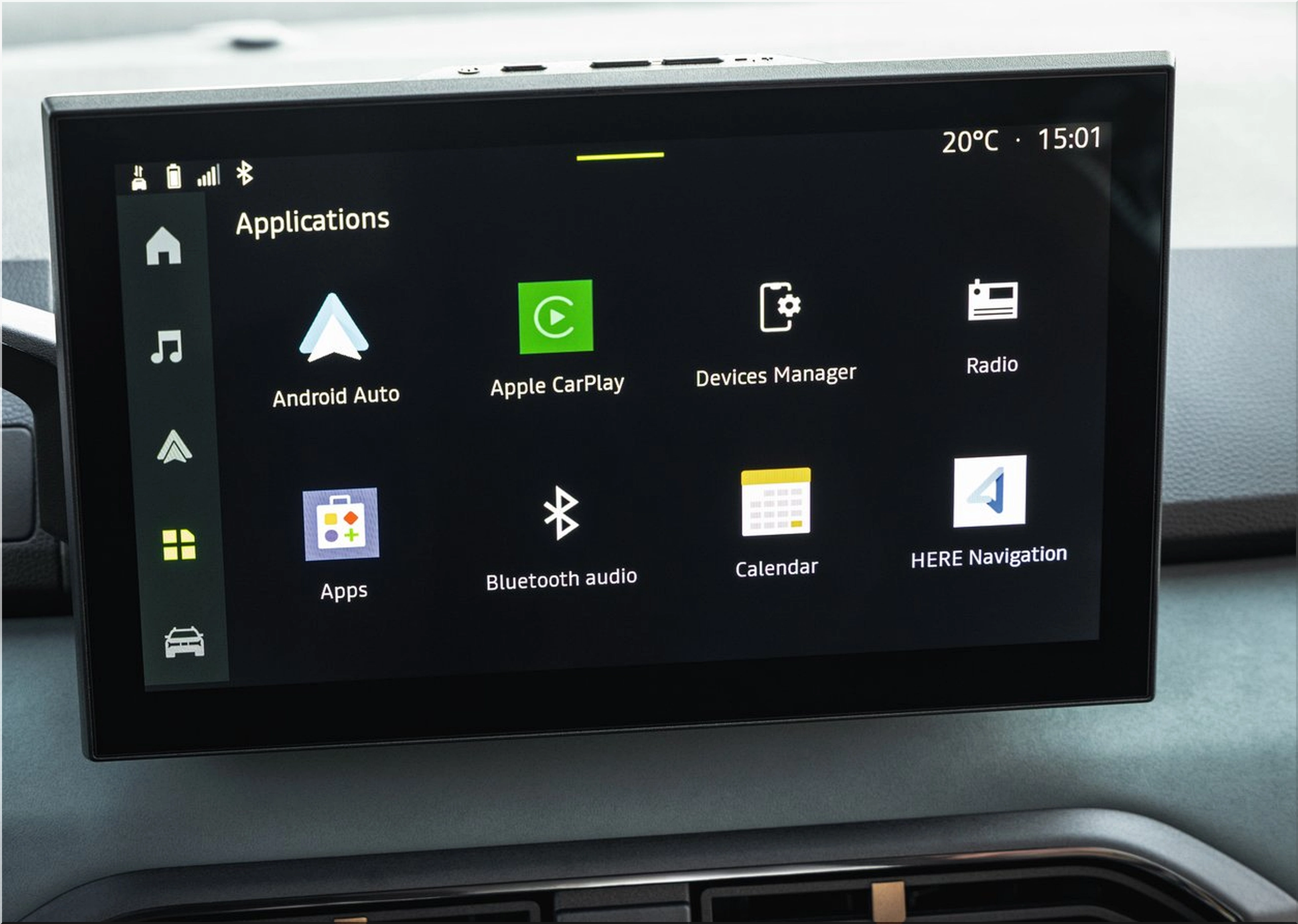
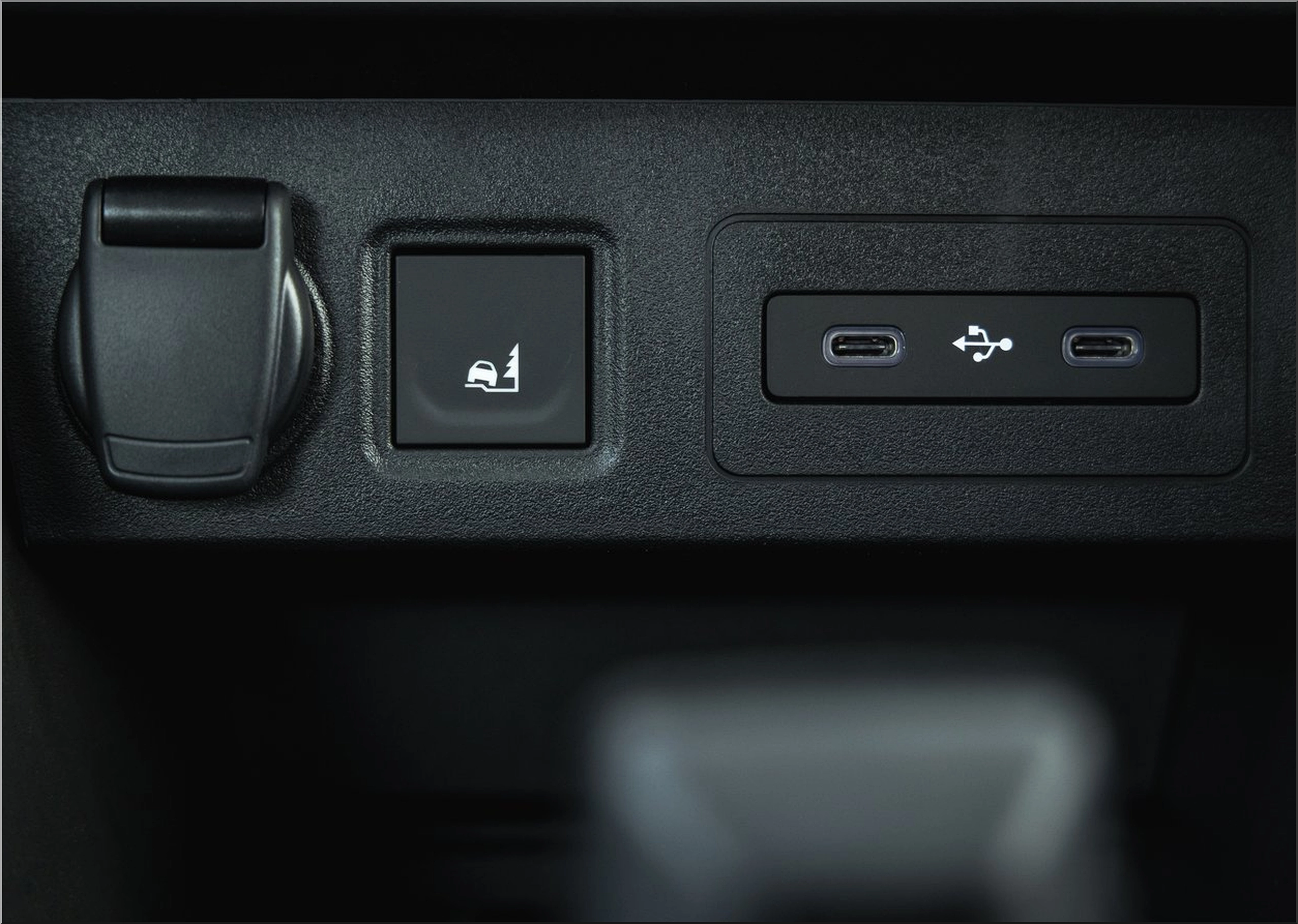
The 2026 interior reflects a shift toward high-density information displays. High-trim versions now feature a 7-inch digital instrument cluster derived from the Duster lineup, paired with a central 10-inch touchscreen. The Media Nav Live system supports wireless Apple CarPlay and Android Auto, eliminating the need for physical tethers.
Image
YouClip Accessory System
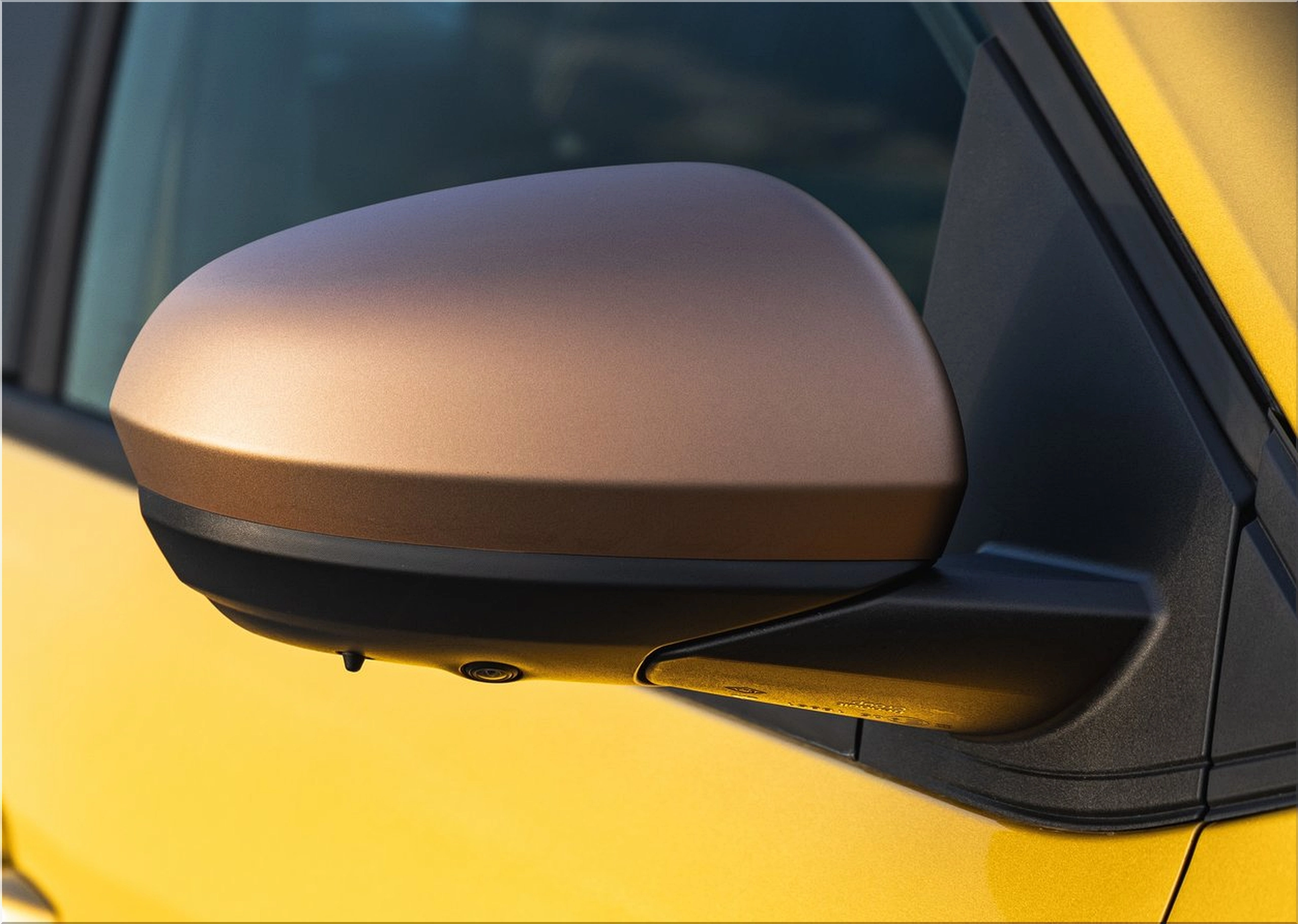
Logic-based utility defines the cabin layout through the implementation of the YouClip system. This modular mounting interface allows users to secure various accessories, such as phone holders, tablet mounts, or inductive charging pads, directly to the dashboard or headrest supports. In addition, the 2026 model introduces power-folding door mirrors and a multi-view camera system to assist in low-speed maneuvers.
Performance Benchmarks and Weight Specs
The unladen weight of the TCe 110 version sits at 2,414 lbs (1,095 kg). This relatively low mass ensures that even the smaller displacement engines provide a responsive power-to-weight ratio. The gross weight limit is rated at 3,494 lbs (1,585 kg). In terms of fuel economy, the WLTP low cycle reports 36.8 mpg (6.4 L/100km), reflecting the efficiency of the three-cylinder architecture.
Competitive Market Analysis: B-Segment Comparison
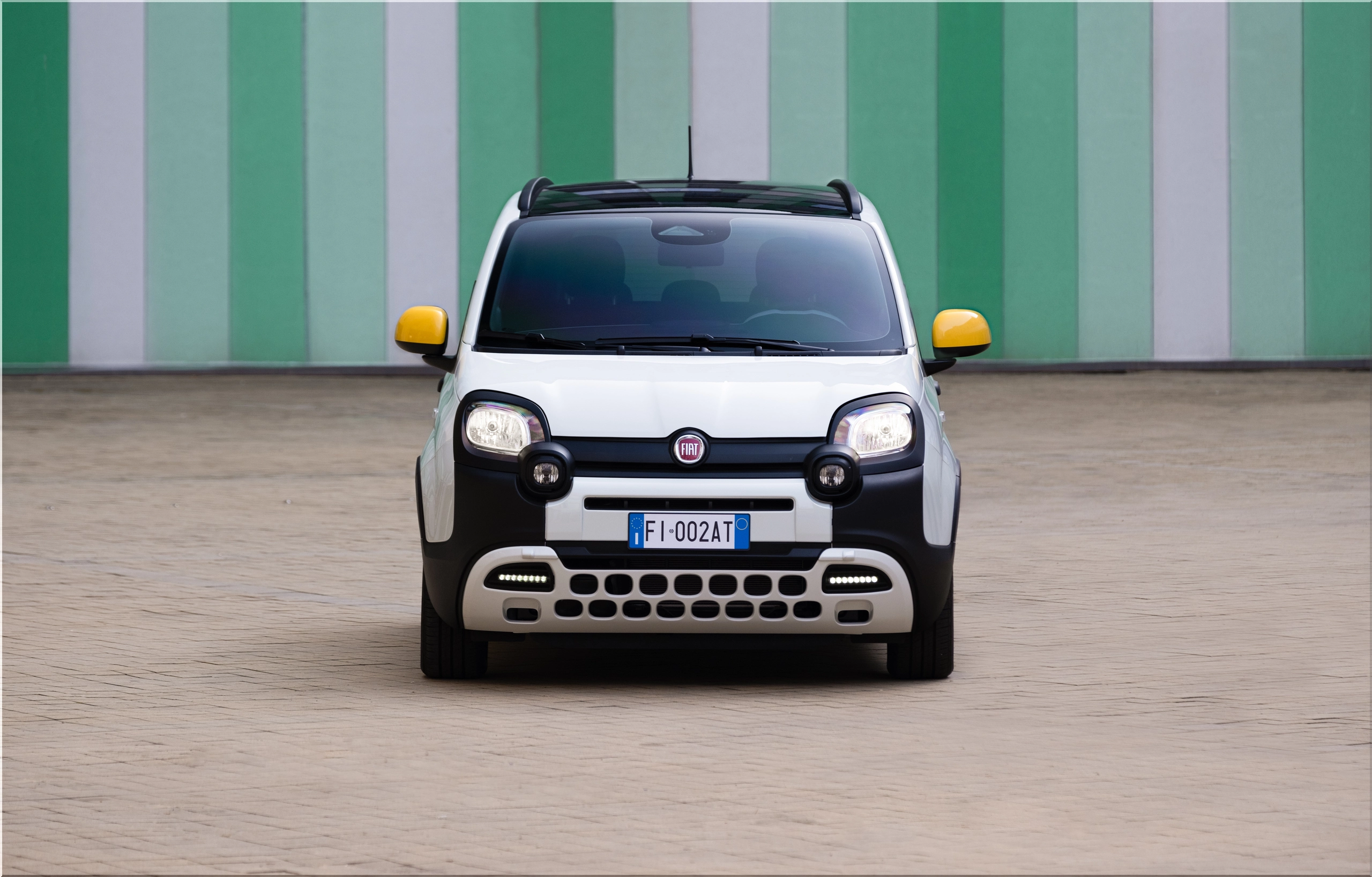
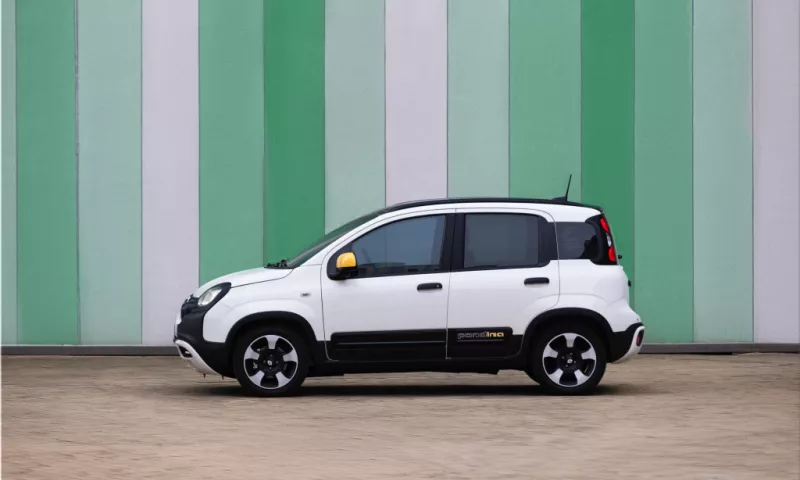
The 2026 Dacia Sandero Stepway competes in a crowded field of subcompact crossovers and jacked-up hatchbacks. Its primary competitors include the Suzuki Ignis, the Toyota Aygo X, and the Fiat Panda Cross. While these rivals offer similar footprints, the Dacia differentiates itself through interior volume and bi-fuel availability.
| Metric | Dacia Sandero Stepway (2026) | Suzuki Ignis (Hybrid) | Toyota Aygo X |
|---|---|---|---|
| Engine Output | 120 hp (Eco-G) | 83 hp | 72 hp |
| Ground Clearance | 7.9 inches | 7.1 inches | 5.7 inches |
| Cargo Volume | 371 L | 260 L | 231 L |
| Fuel Type | Petrol / LPG | Petrol Hybrid | Petrol |
| Starting Price | ~$25,230 (€23,800) | ~$22,500 | ~$20,000 |
Pro-Tip: Total Range
If you are looking for the maximum driving range in the B-segment, the Dacia Sandero Stepway 2026 provides a combined range of 988 miles (1,590 km) using its bi-fuel (LPG/Gasoline) system. This makes it an ideal choice for long-distance travel where refueling stops need to be minimized.
Image gallery


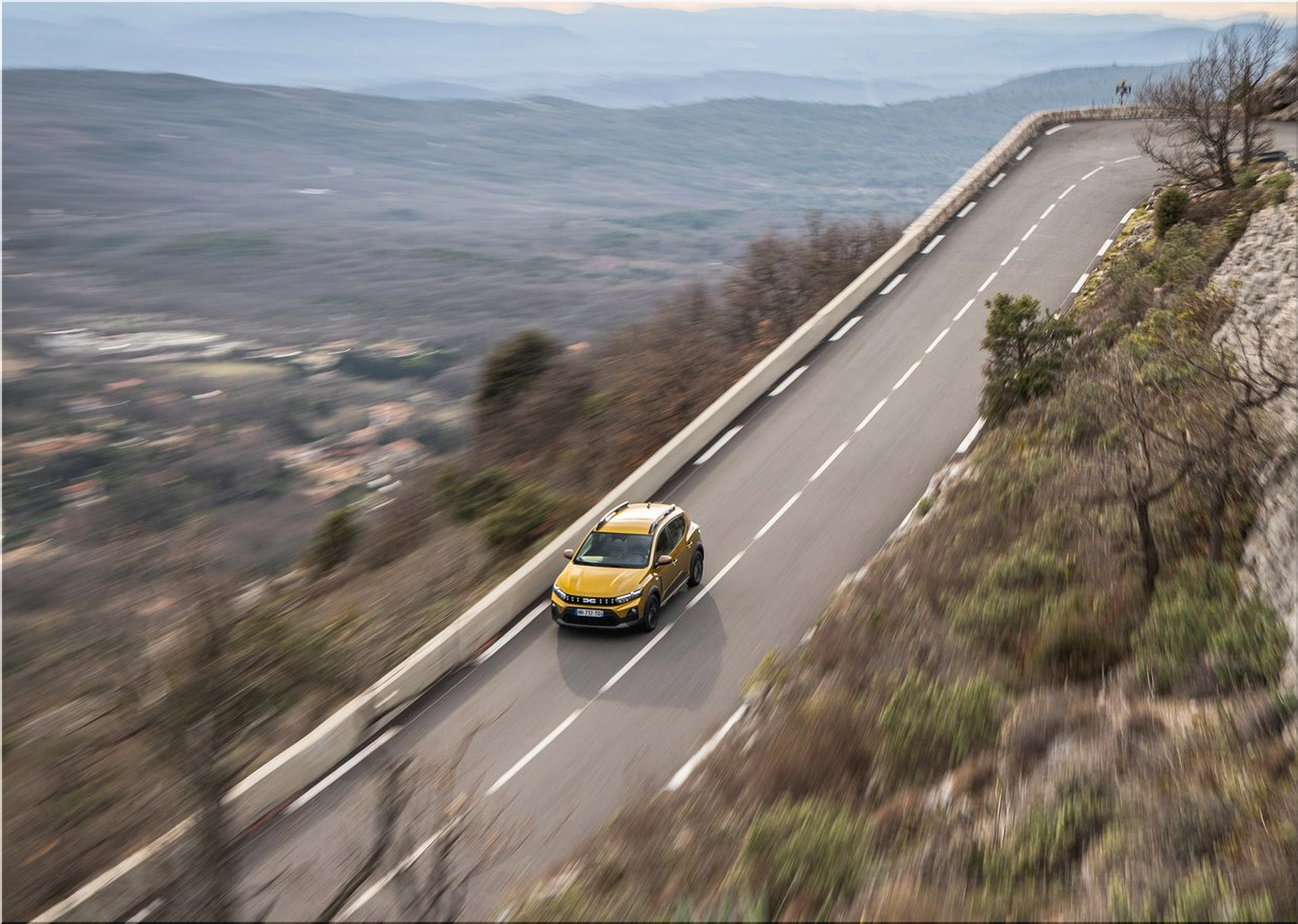
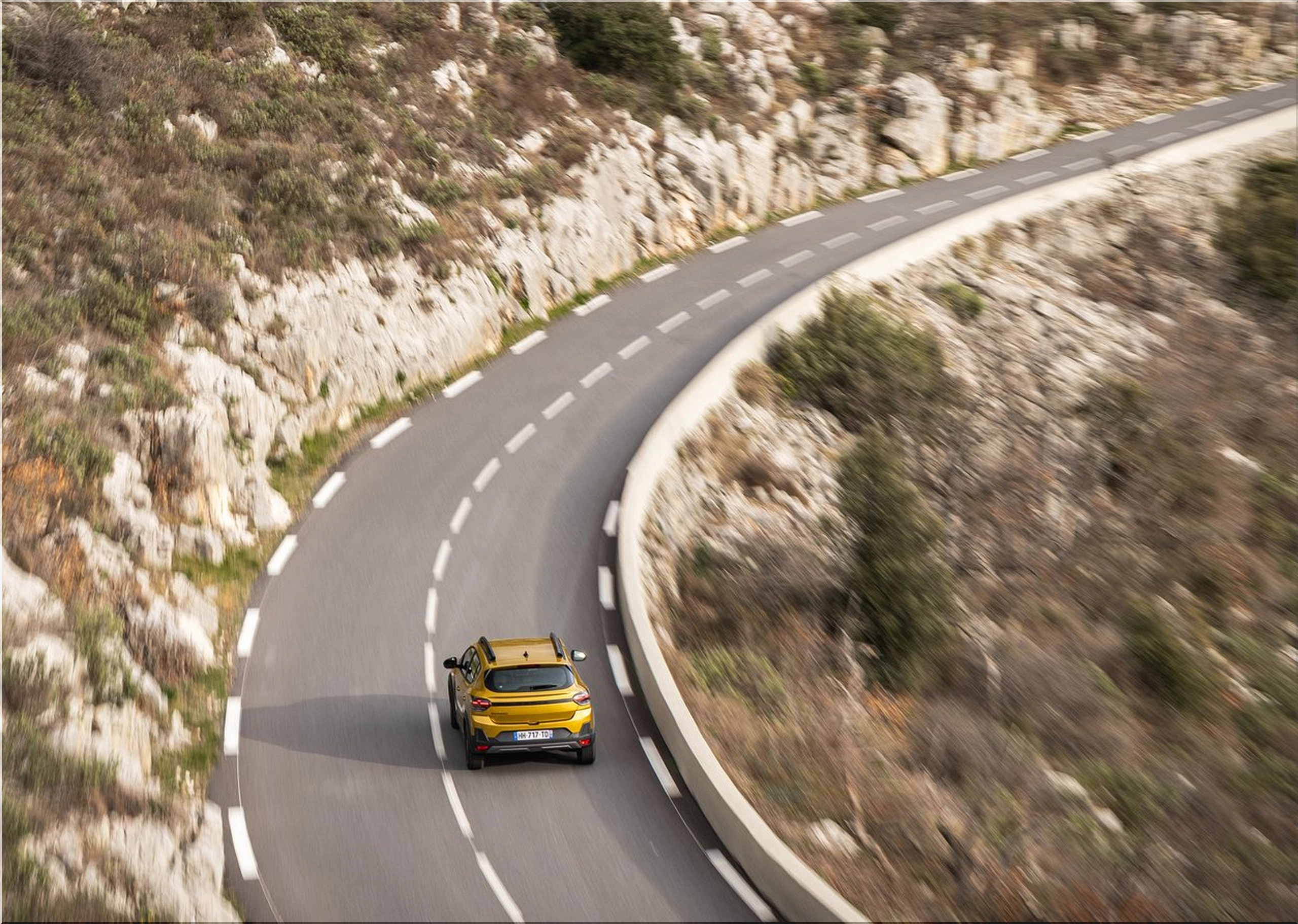
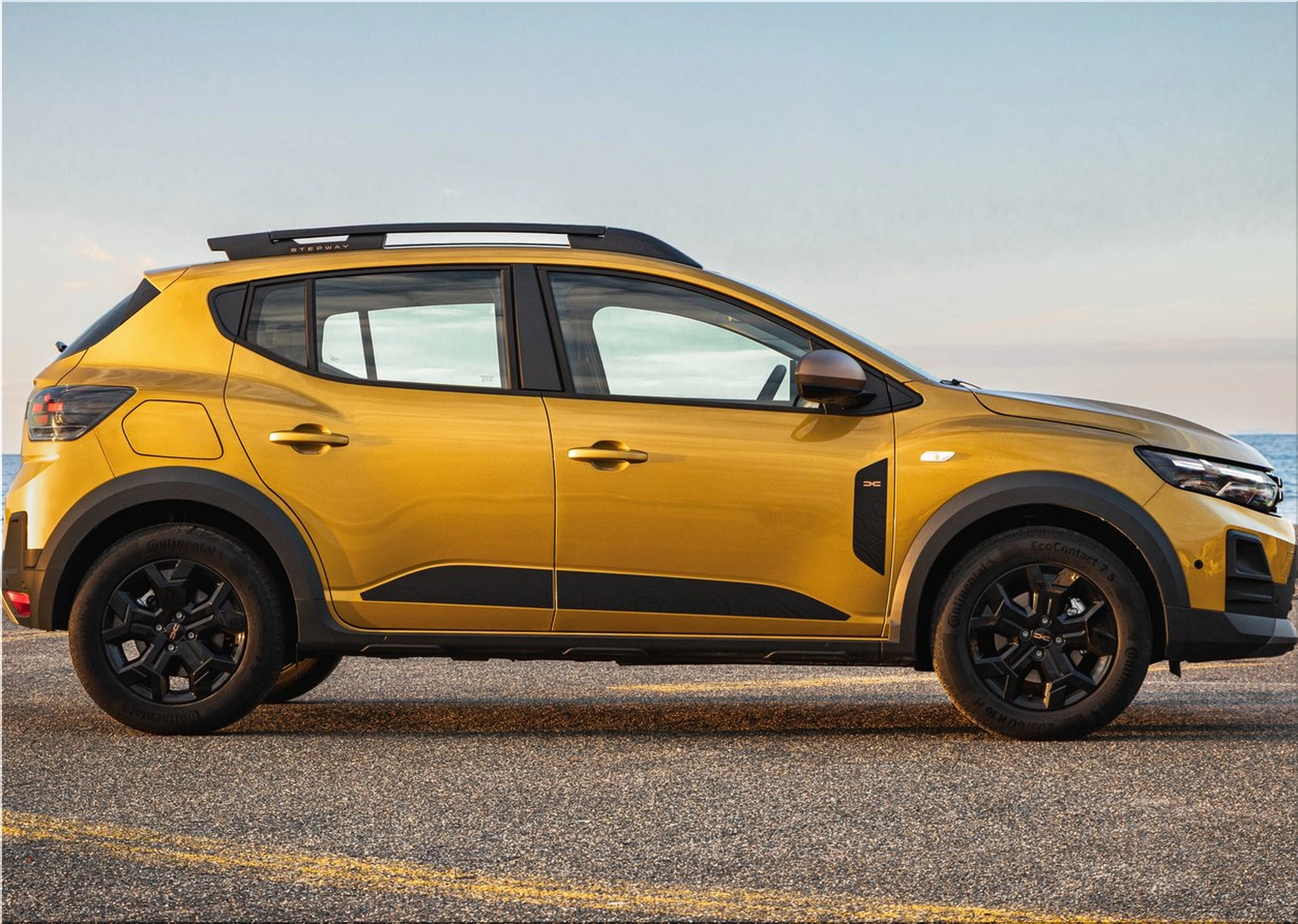
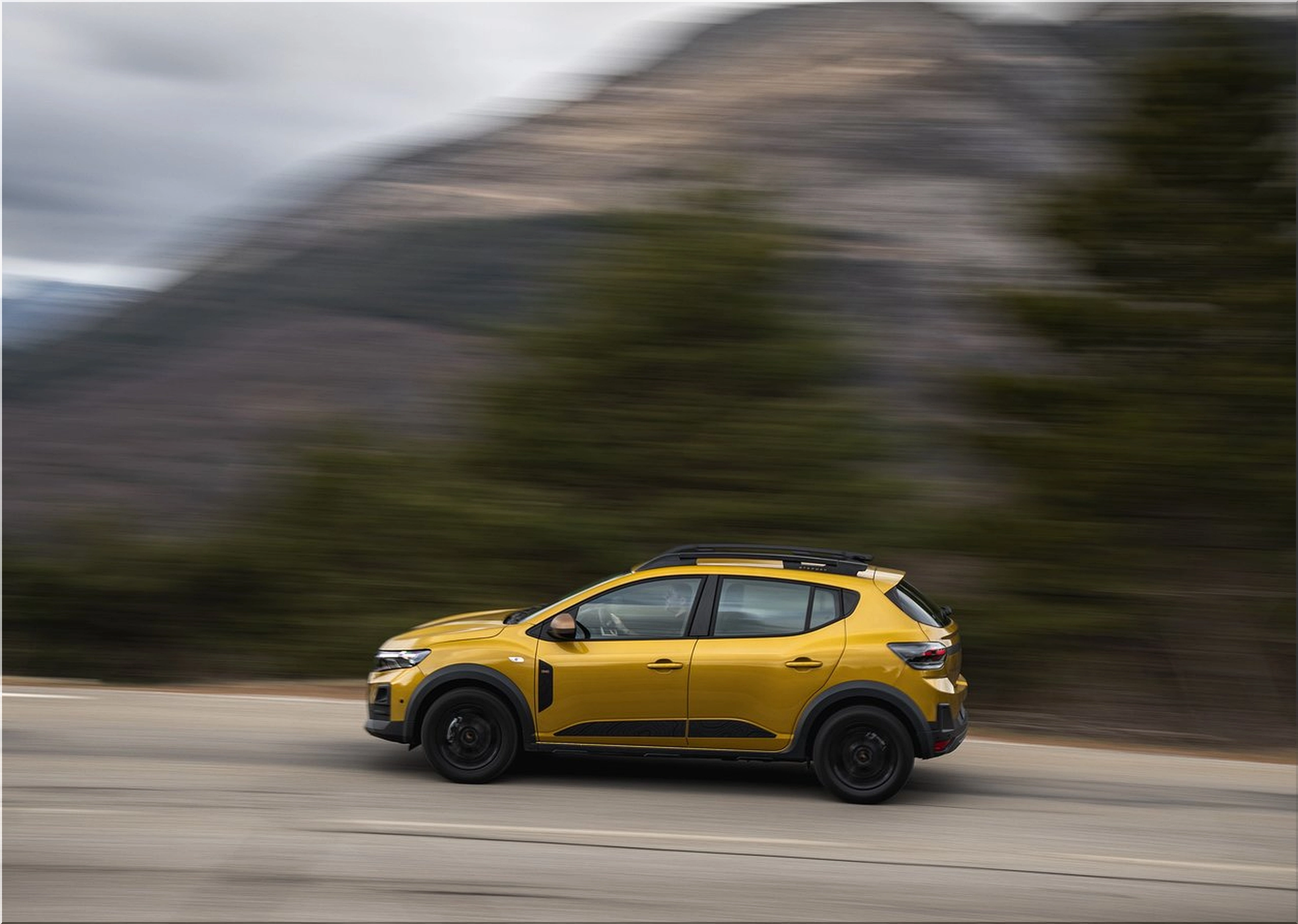

Advanced Safety and Autonomous Integration
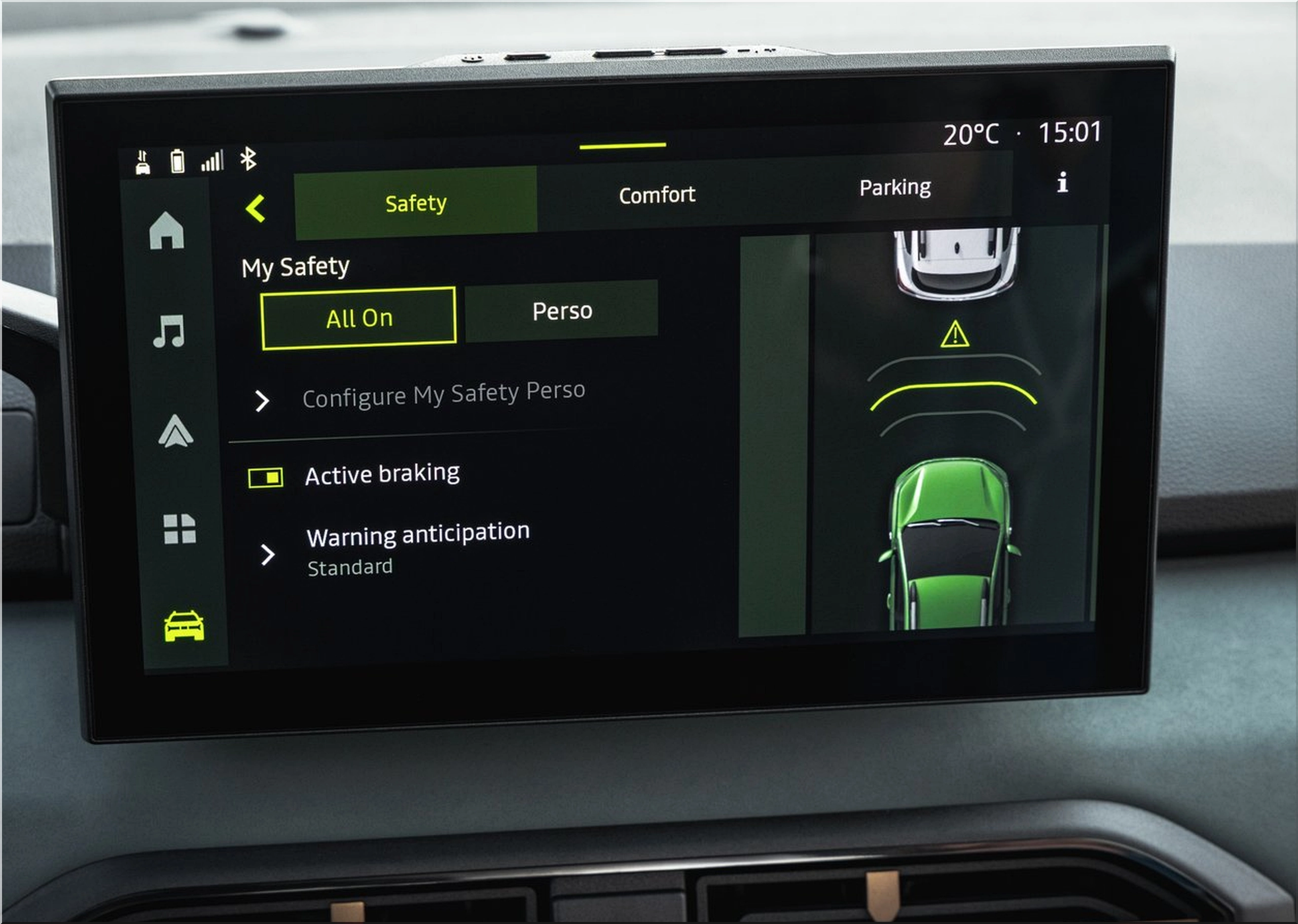
The 2026 Dacia Sandero Stepway model complies with updated safety regulations by incorporating SAE Level 1 autonomous systems. Specifically, the car includes automatic emergency braking with pedestrian and cyclist detection. Looking at the data, the inclusion of lane-keep assist and traffic sign recognition further modernizes the driving experience. These systems rely on a suite of sensors and cameras to monitor the vehicle's perimeter, providing active intervention when the driver fails to respond to external hazards.
Image gallery

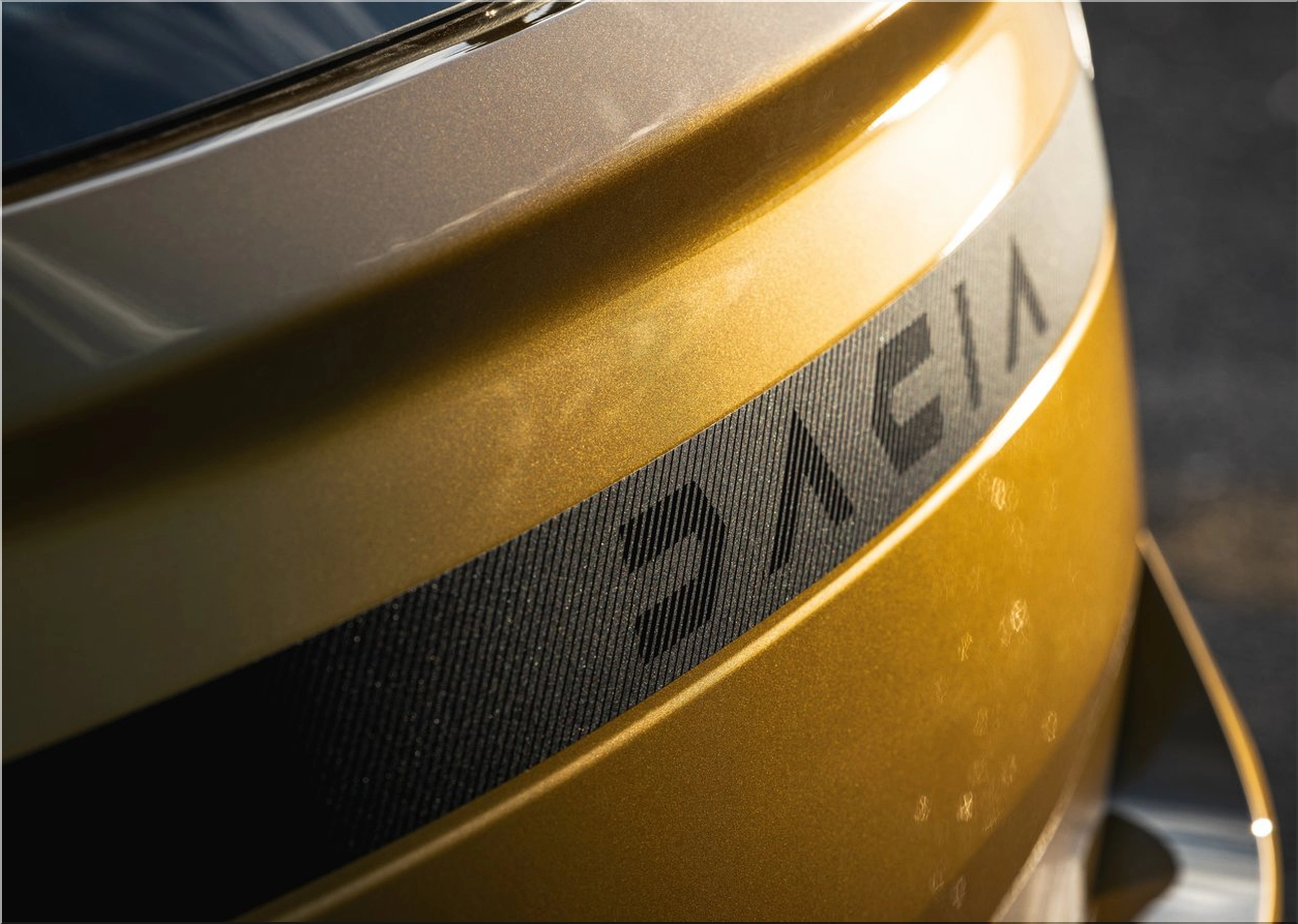
Strategic Logic: Why Dacia Chose the CMF-B Platform
The use of the CMF-B platform is the foundation of the Stepway's success. This modular architecture allows Dacia to share components with higher-priced Renault models, driving down the cost of advanced features like the dual-clutch transmission. By comparison, competitors using older or bespoke platforms cannot achieve the same level of technology at this price point. The platform's rigidity also improves NVH (Noise, Vibration, and Harshness) levels, making the 2026 model significantly quieter at highway speeds than its predecessors.
From an expert perspective, the 2026 Dacia Sandero Stepway represents the peak of essentialist engineering. It discards superfluous luxury in favor of high-utility features and sustainable materials. The 120 hp LPG engine, coupled with the first-ever automatic bi-fuel option, positions this vehicle as a versatile tool for both city dwellers and rural explorers.
- Add new comment
- 782 views