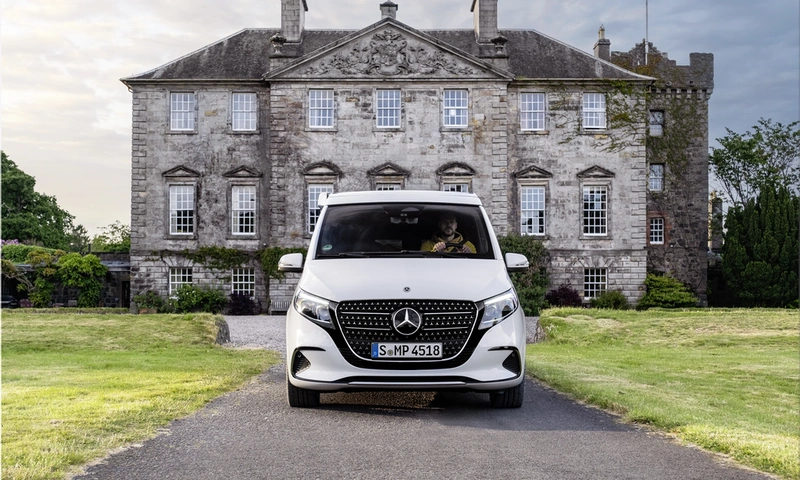

GLC EQ
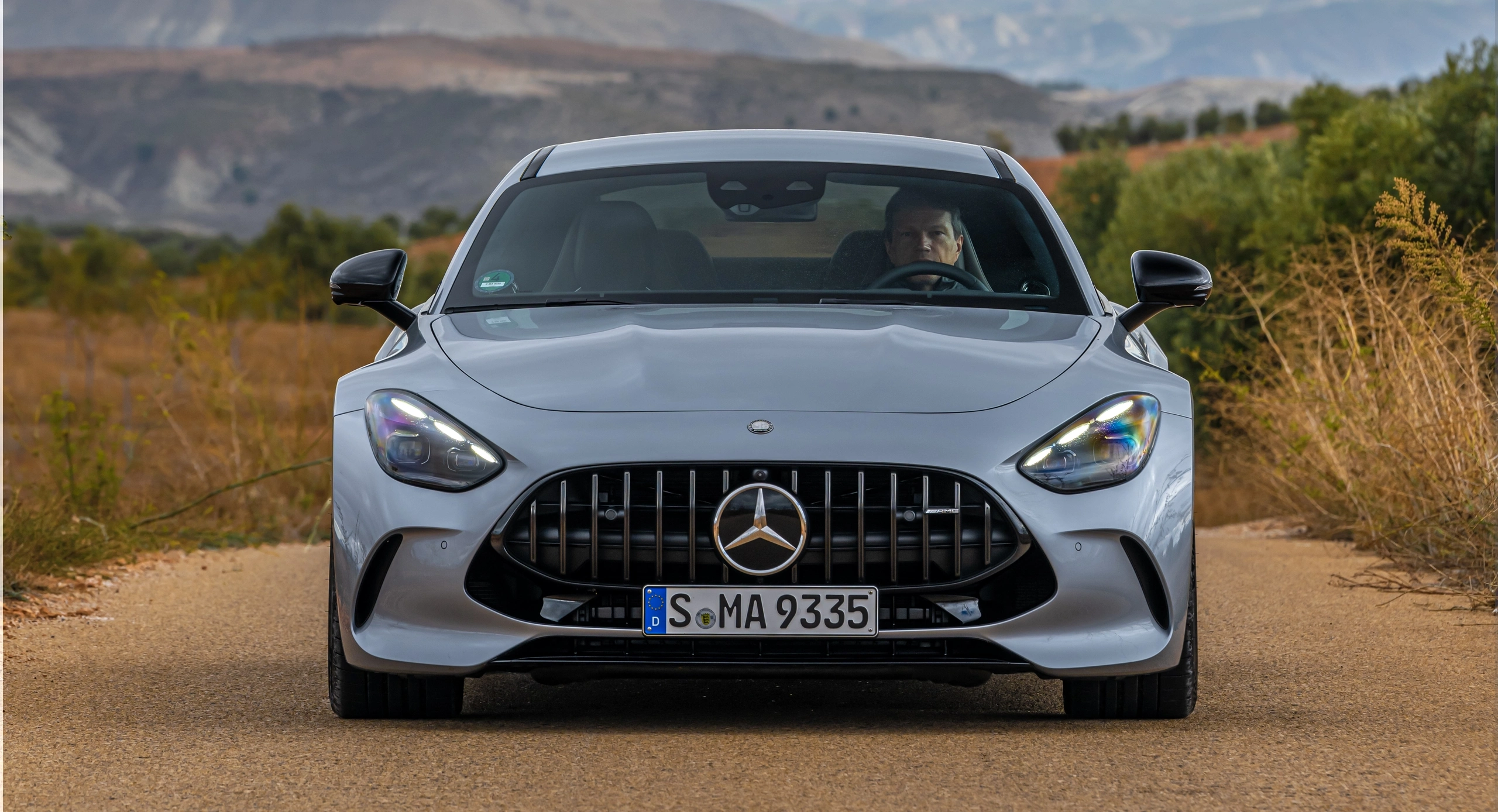
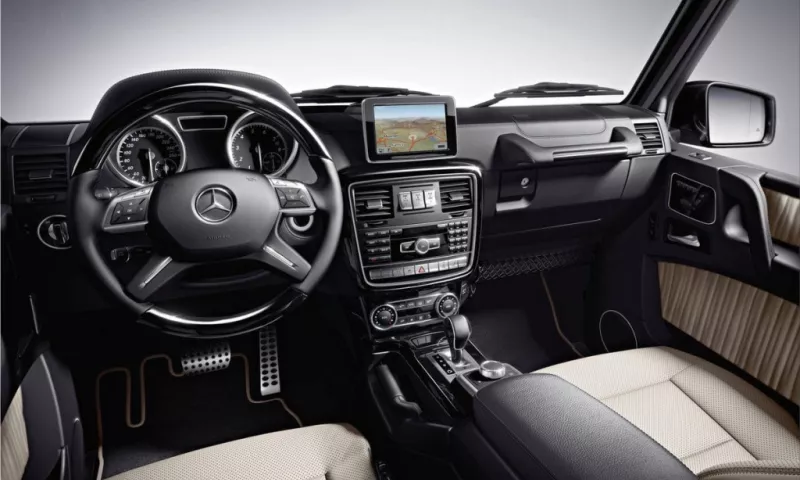
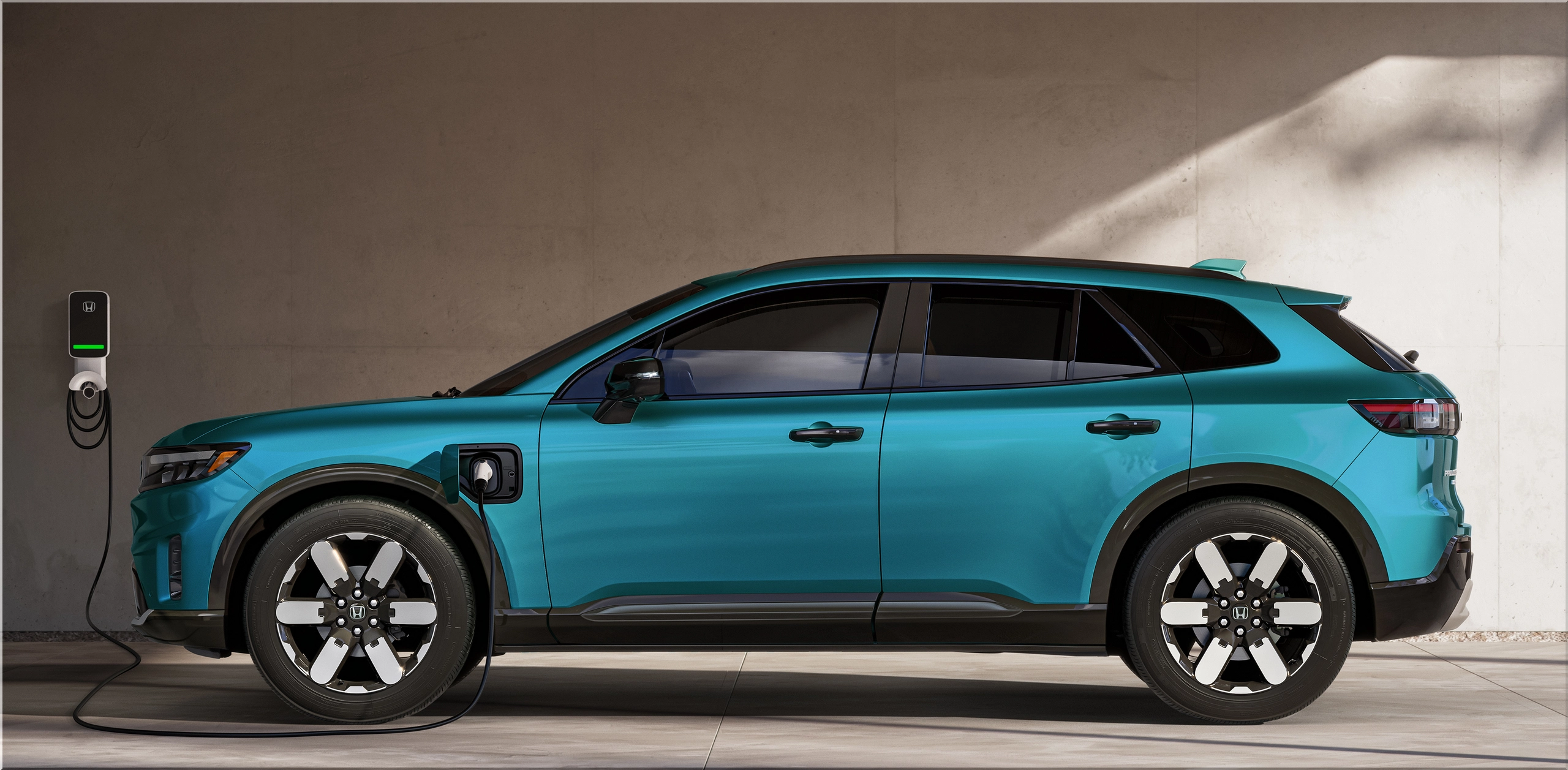
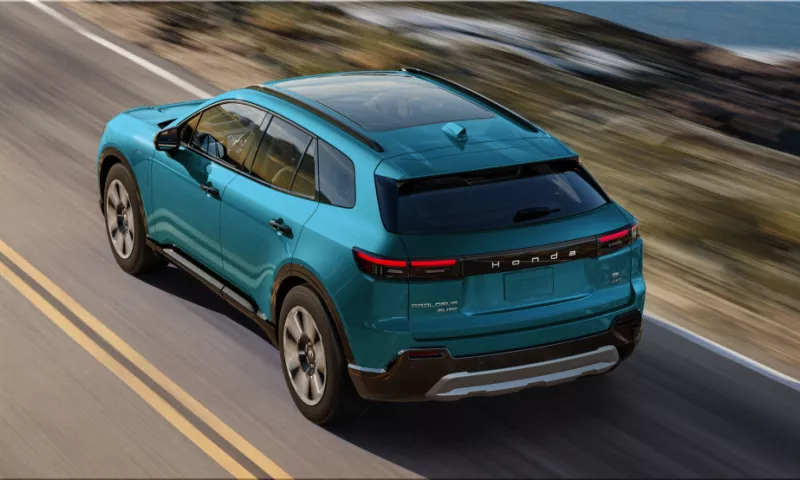
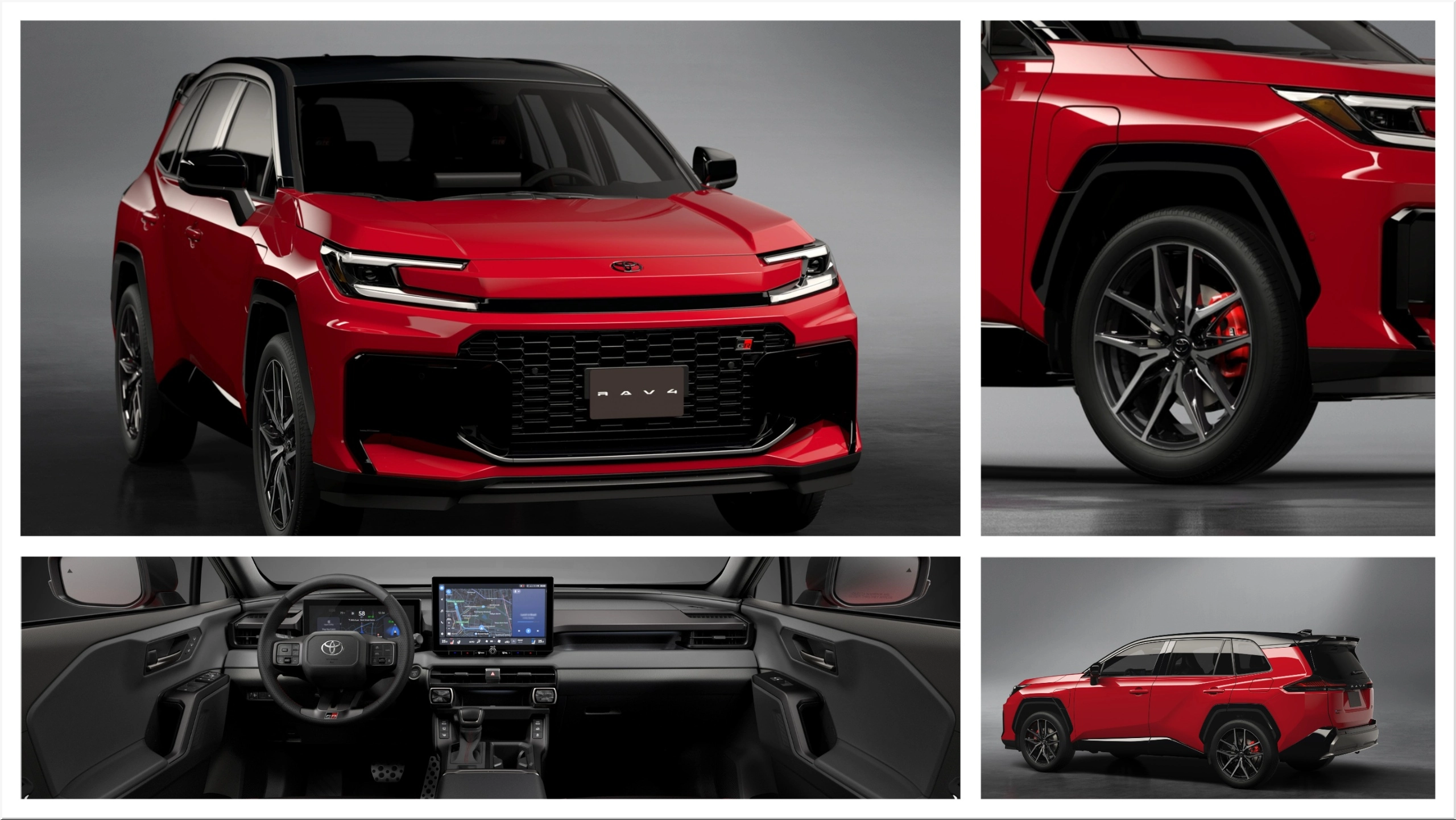
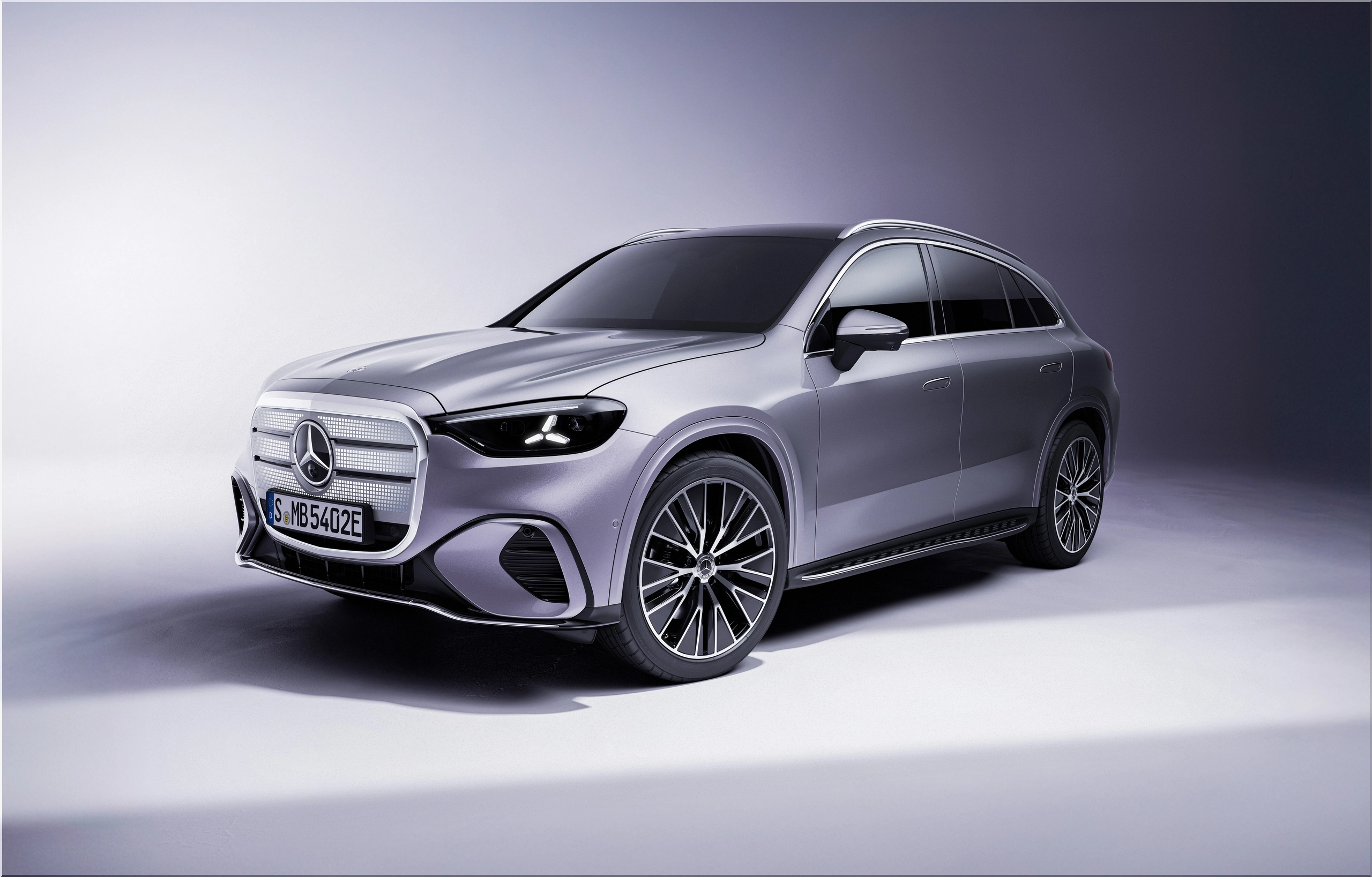
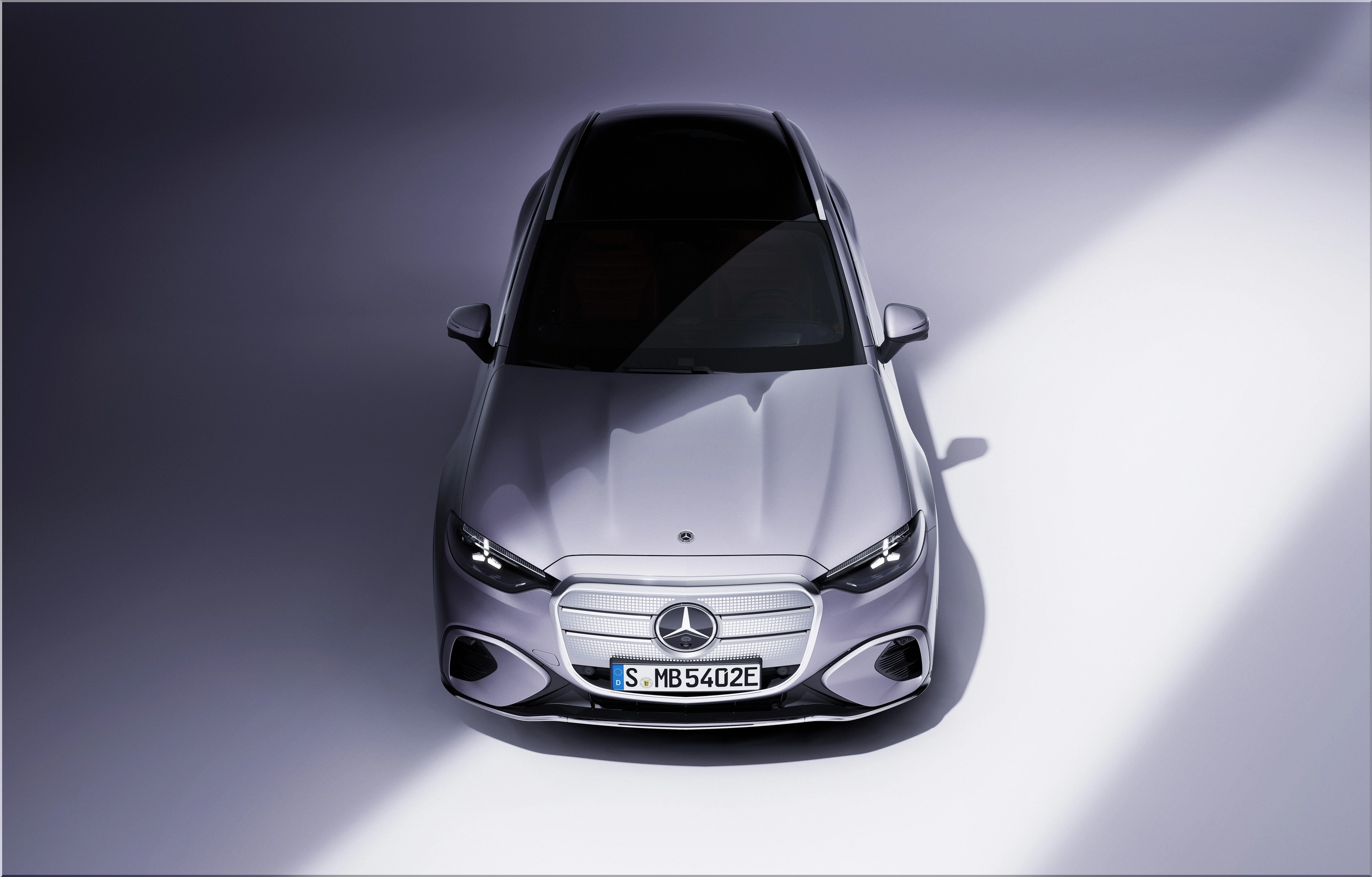
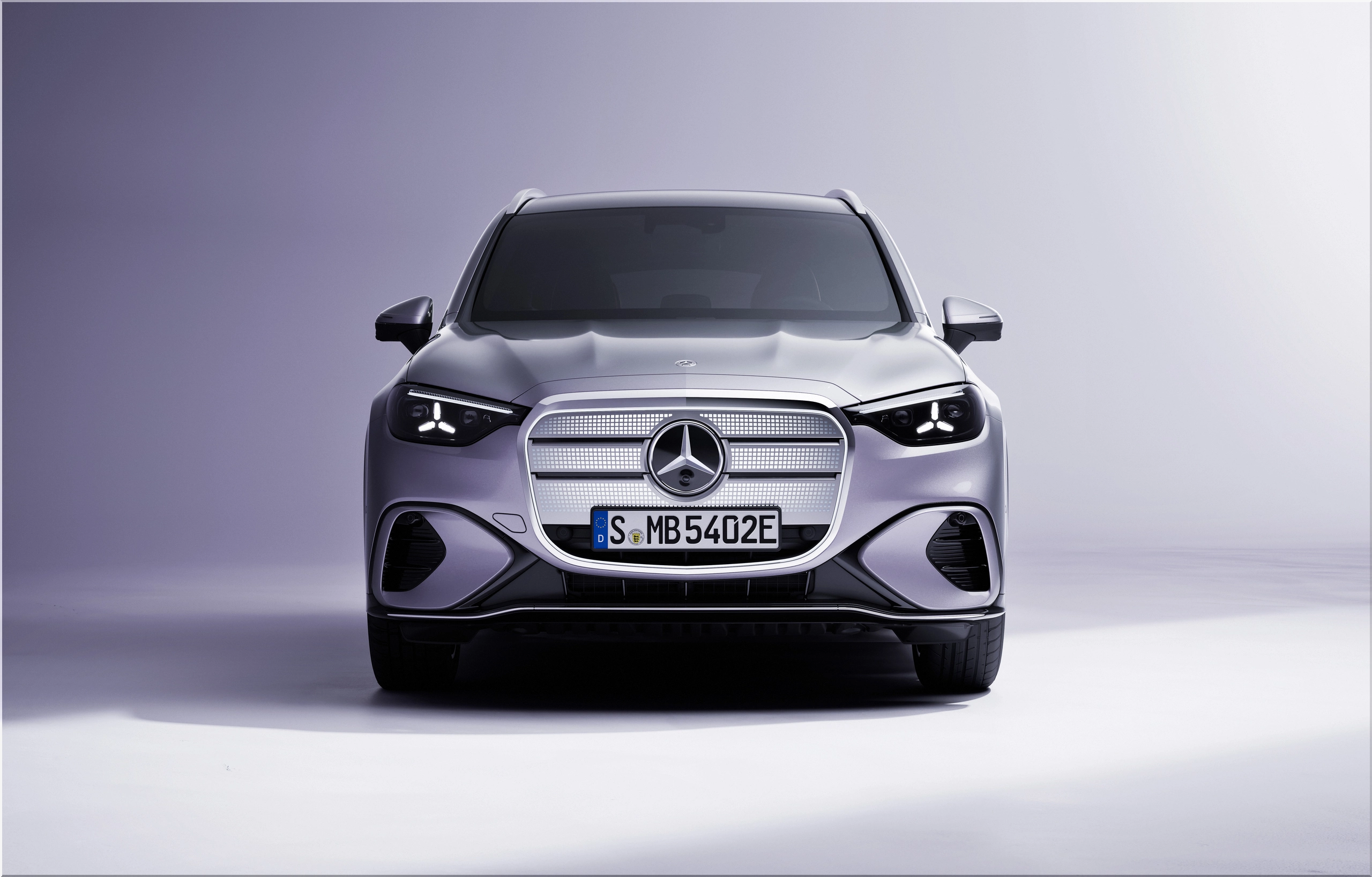
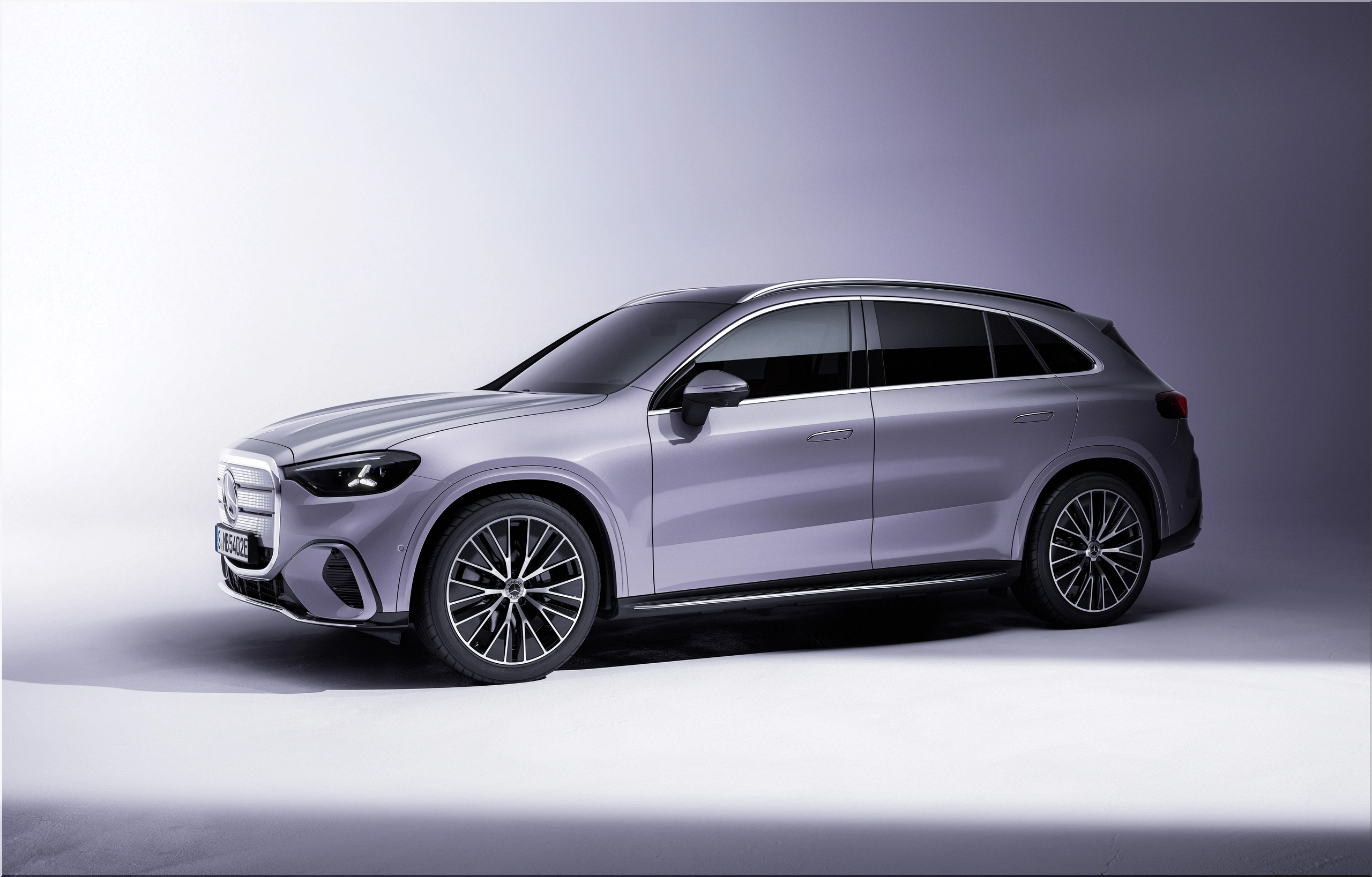
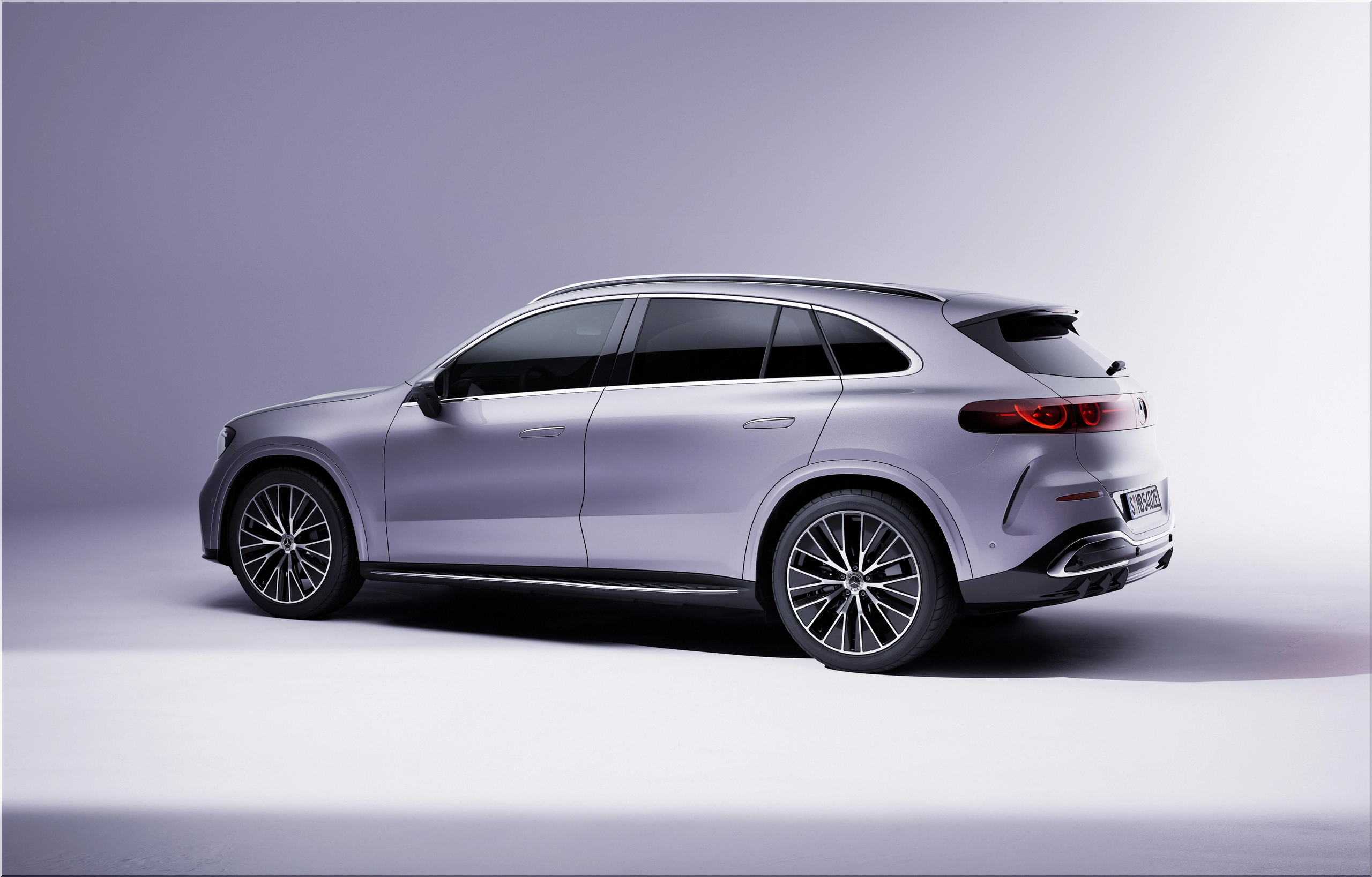
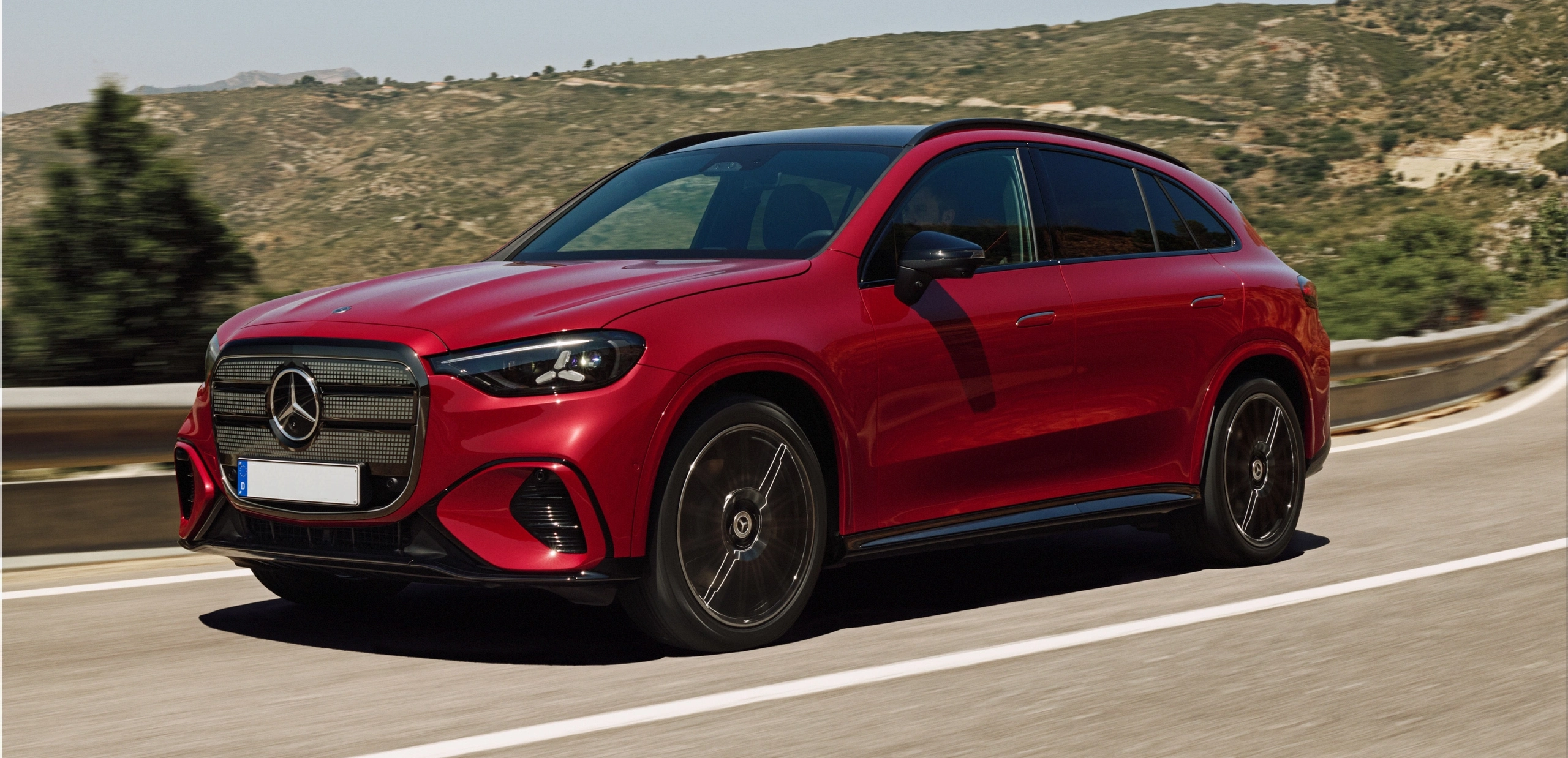
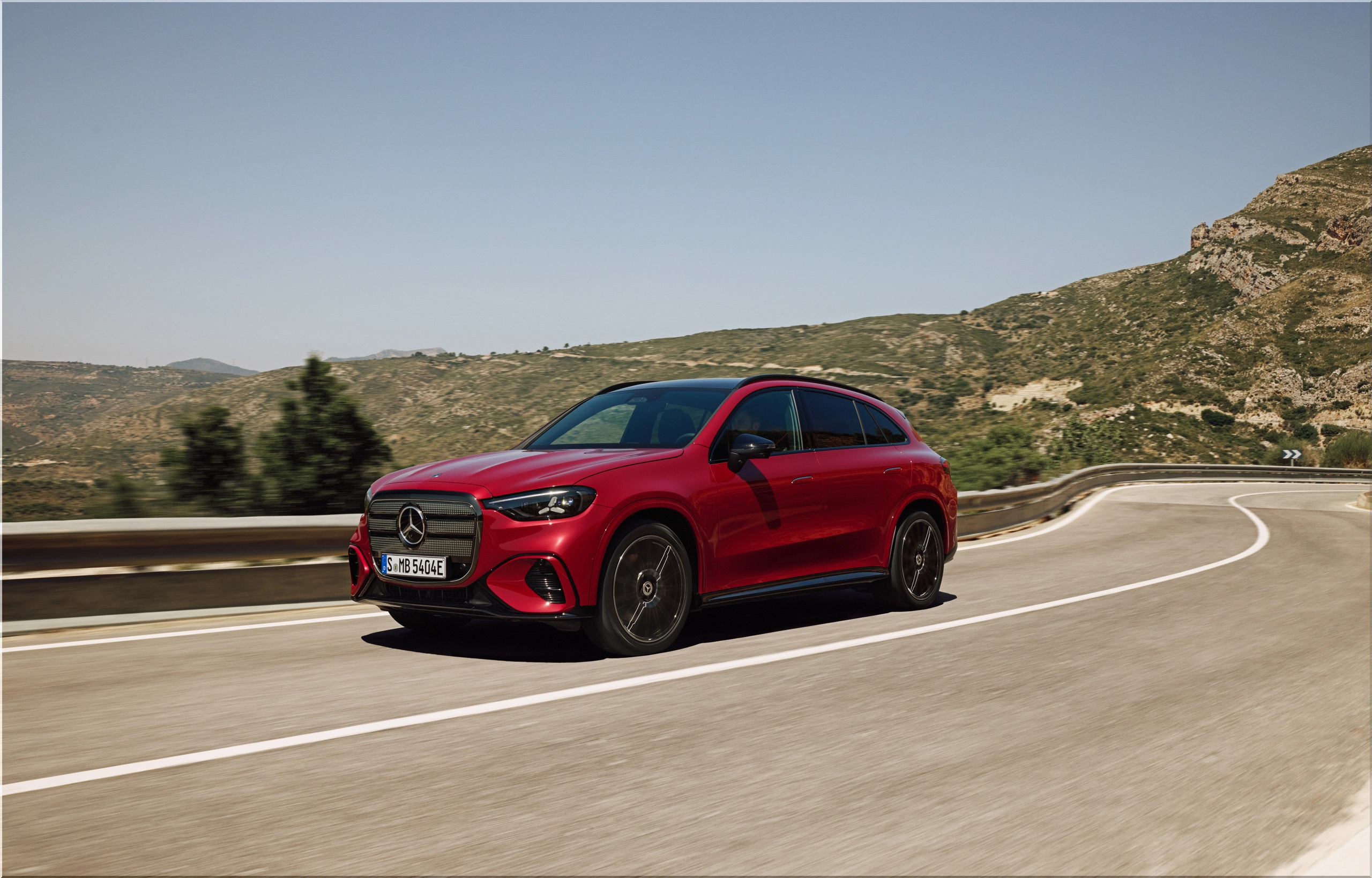
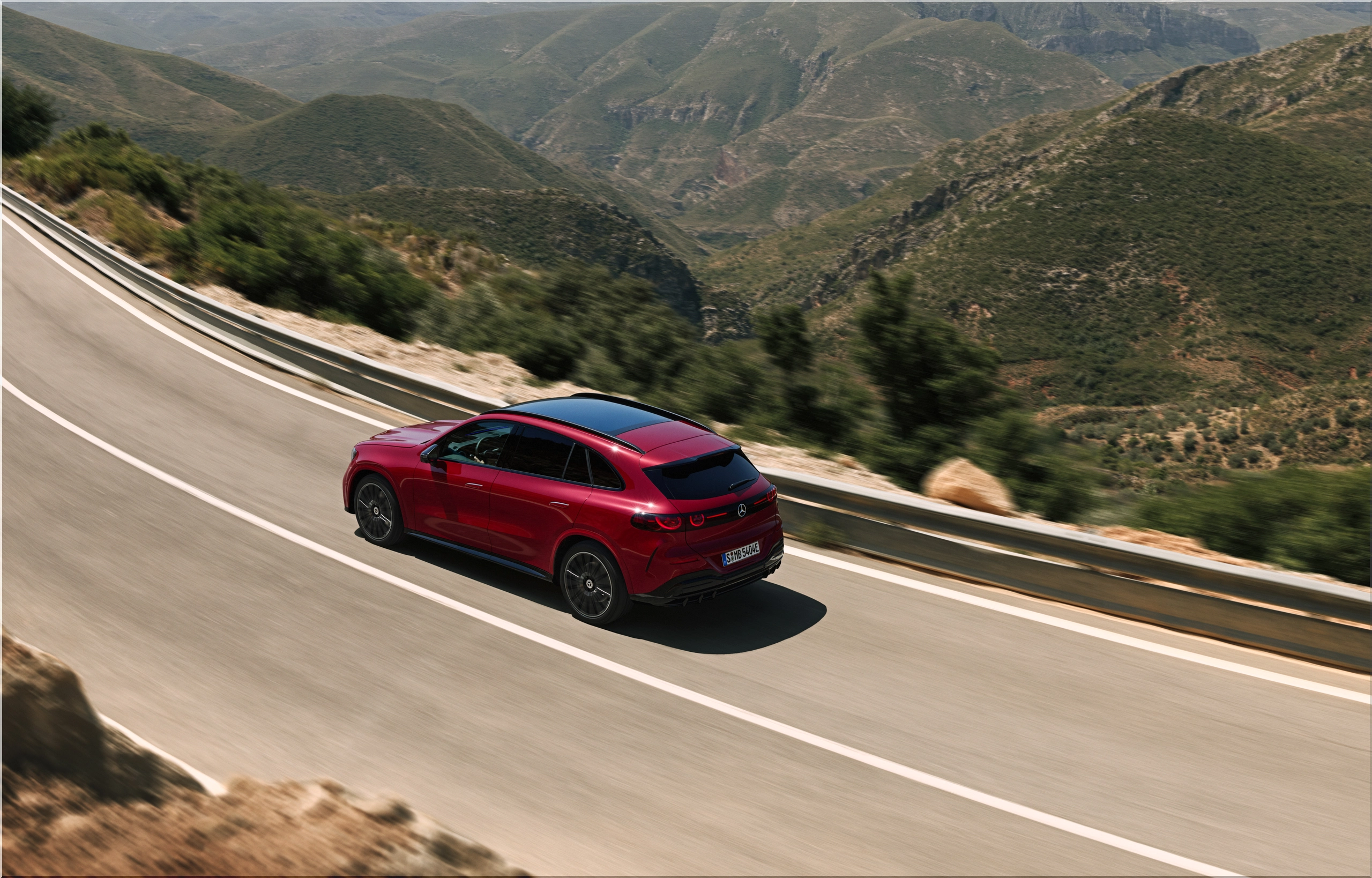
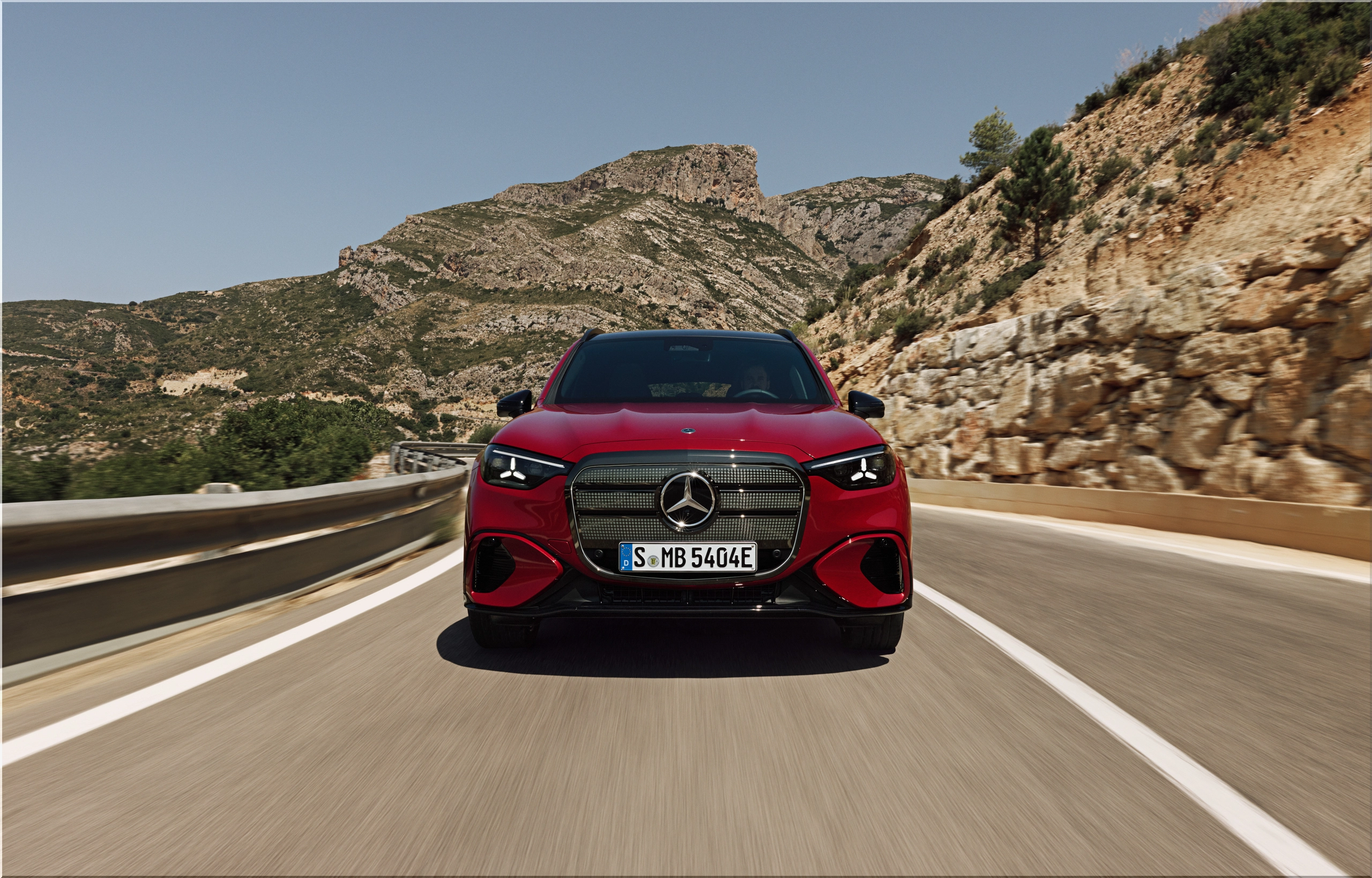
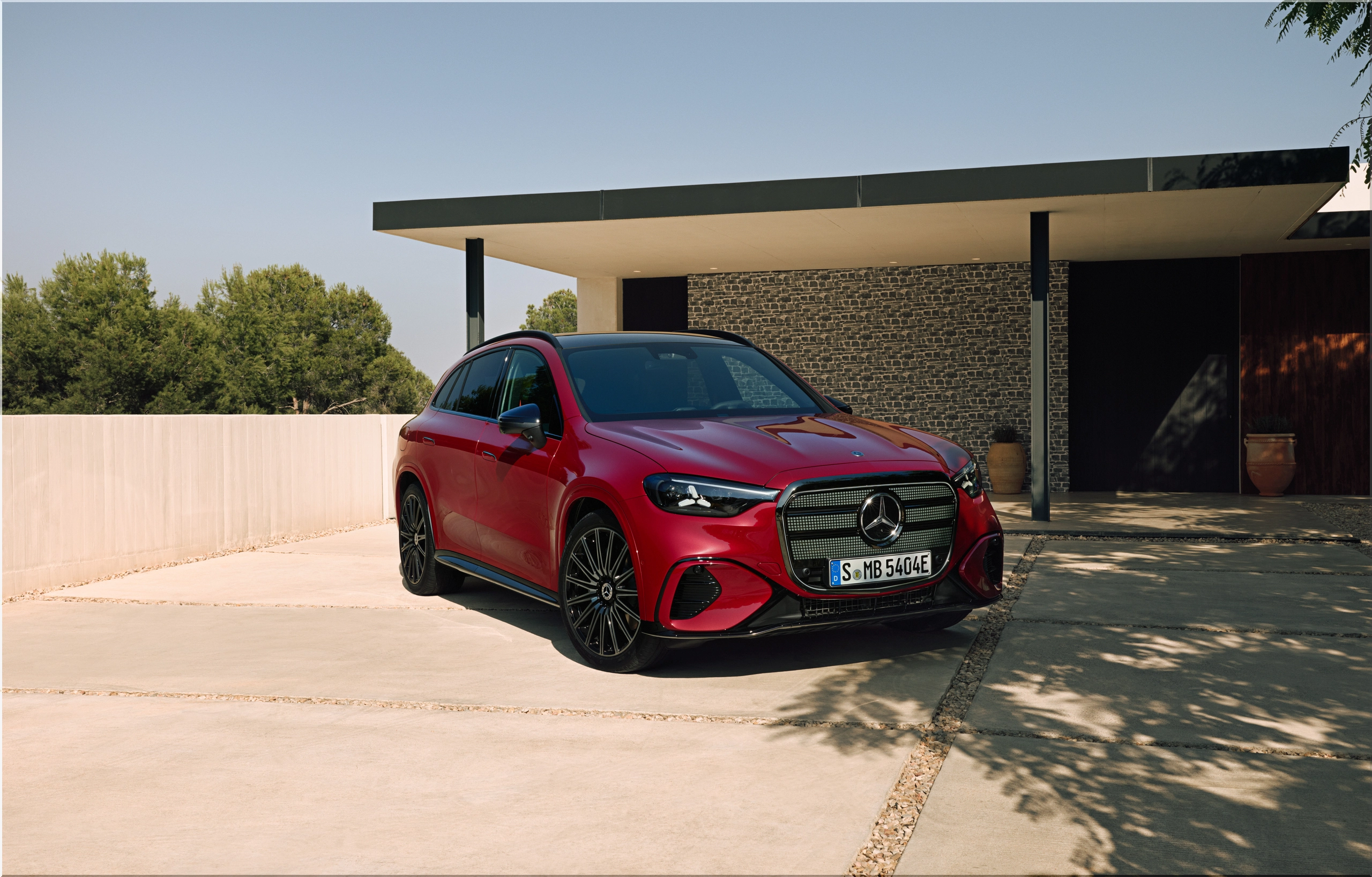
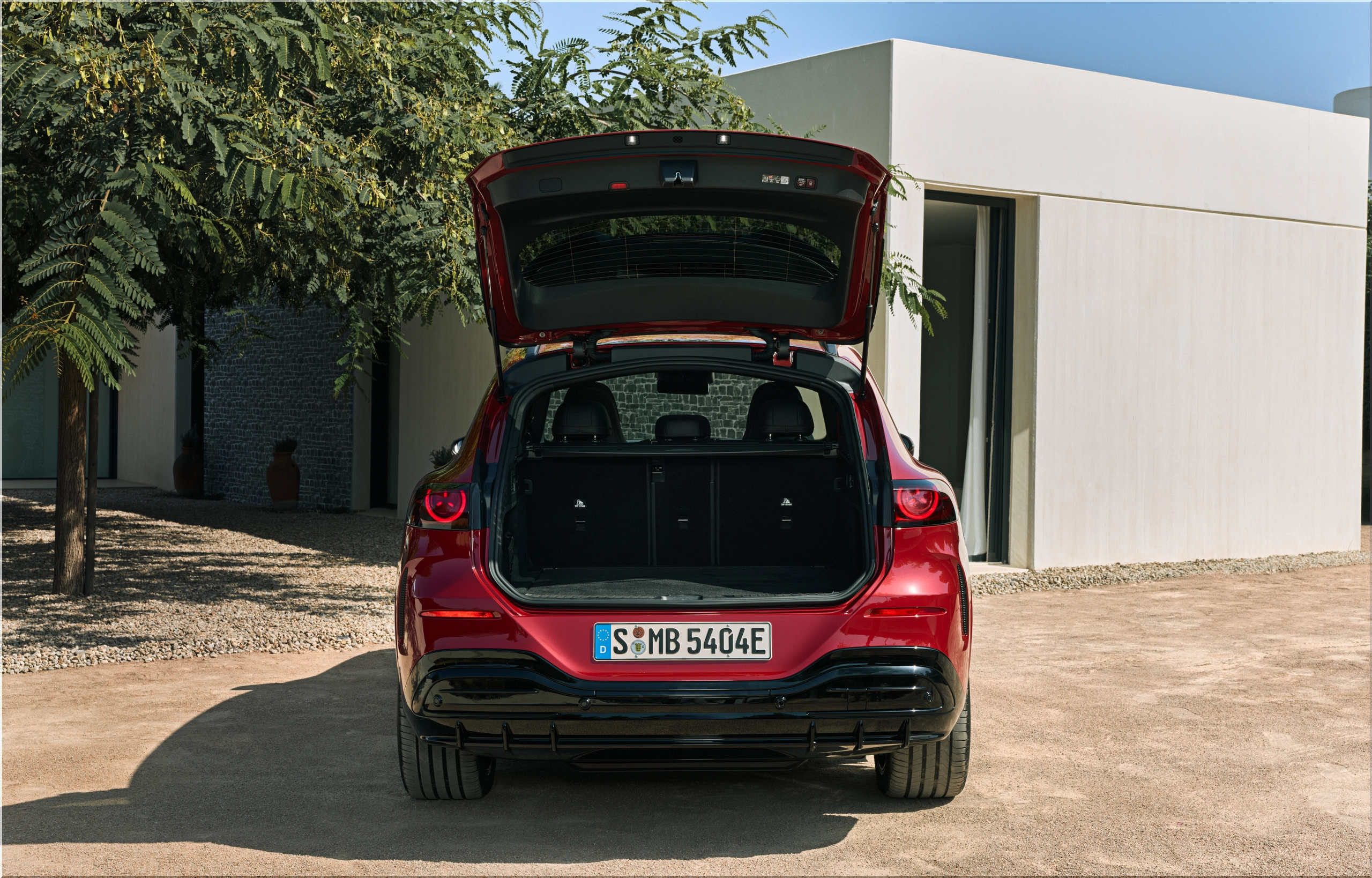
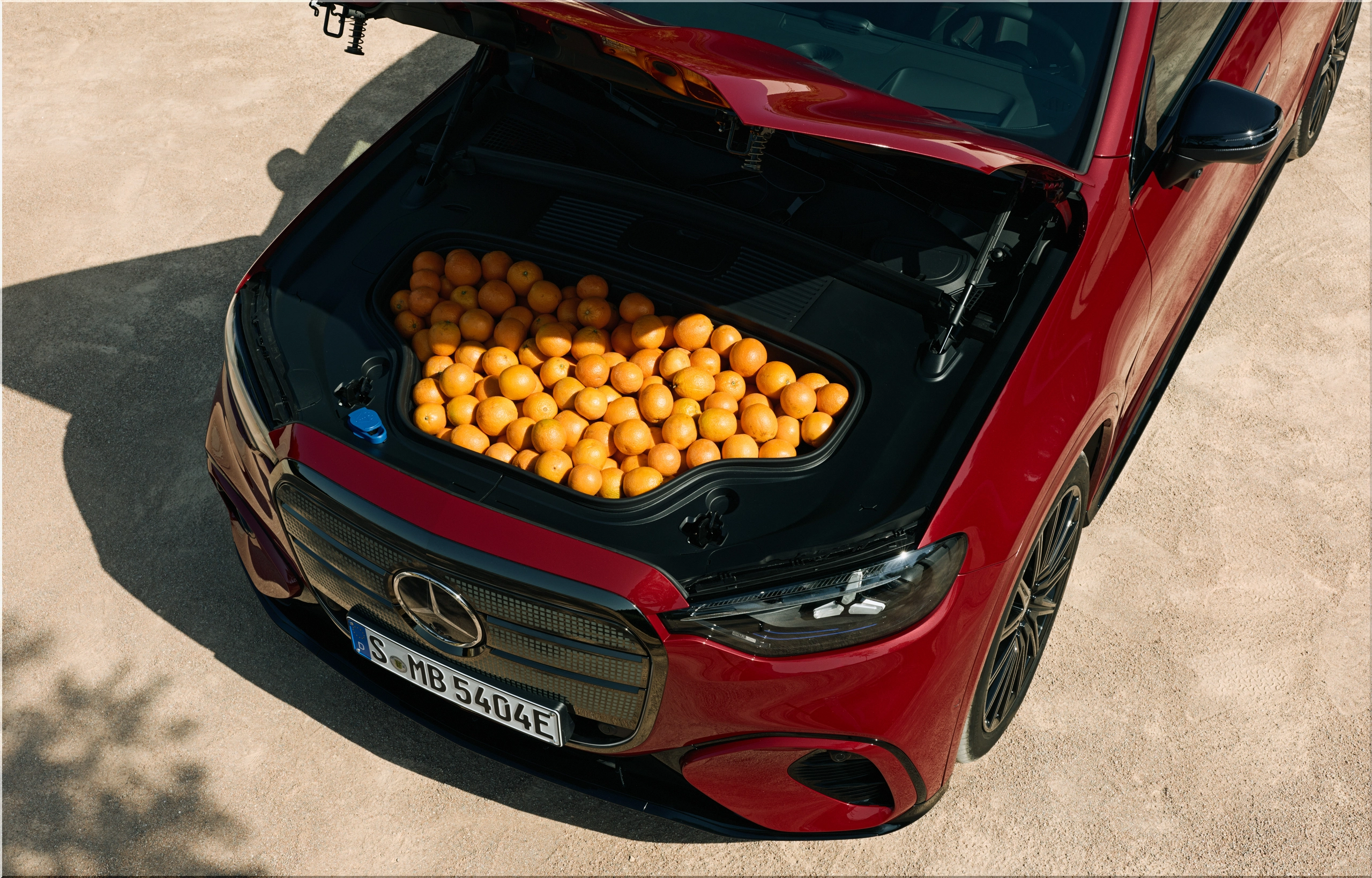
Mercedes-Benz is launching its new GLC 2026 with EQ Technology to accelerate electrification in its high-volume SUV core. The goal: shift buyers from combustion GLCs to electric models with minimal friction. The vehicle delivers strong range, fast charging, premium tech, and sustainability at scale. Below are full details + what this means for Mercedes and competitors by region.
Key Technical Specs & Value Metrics
- Range: ~ 713 km (WLTP) for top GLC 400 4MATIC model (~ 443 miles) under optimal conditions.
- Power/Drivetrain options:
- Base rear-wheel drive (“GLC 300+ W/EQ Technology”): ~ 369 hp, 371 lb-ft torque.
- Top model (GLC 400 4MATIC): ~ 483 hp, 596 lb-ft, 0-60 mph near 4.4 seconds.
- Chassis / Charging: 800-volt architecture (faster charging), multiple recuperation levels.
These numbers place the GLC EV clearly in the premium EV SUV segment, with strong performance and long range.
U.S. Pricing Expectations
Mercedes has not yet published final U.S. pricing for all electric versions of the GLC. Data so far suggests:
| Trim / Variant | Expected U.S. Price* |
|---|---|
| Base GLC 300 (mild hybrid / RWD) | ~$49,550 MSRP for 2026 version. |
| AWD version (non-EV) | ~$51,550 MSRP. |
| Plug-in Hybrid (GLC 350e) | ~$60,300 MSRP. |
| AMG GLC 43 (performance) | ~$67,550 MSRP. |
* These are for combustion / hybrid models. For the fully electric GLC, pricing likely will be at least 20-40% higher than base hybrid/GCTL (GLC 300) versions, depending on trim, battery options, incentives, and features. That suggests a starting price in the U.S. in the $65,000-$75,000 range for base EV, and higher for AWD/performance trims.
Competitive U.S. Comparison
- Tesla Model Y Performance: lower starting price for comparable performance, but less utility & premium interior.
- BMW iX models: in similar price range, but often higher cost for same range & towing.
- Audi Q6 e-tron / other German EV SUVs: price likely similar or above for equivalent battery / tech.
Mercedes must manage cost vs profit margin: EVs cost more in materials & battery, but volume and economies of scale (e.g. recycled materials, manufacturing scale) can reduce per unit cost.
Image gallery

Europe Outlook
EV Market Trends
- Battery Electric Vehicles (BEVs) in Europe may surpass 50% of new light-vehicle sales by 2032.
- Many European countries already approaching ~30-40% EV penetration for new cars, driven by emissions regulation and subsidies.
Mercedes’ Position
- The Mercedes-Benz GLC 400 4MATIC EV must compete against EU & domestic EVs that often have lower cost due to local battery manufacturing, subsidies, and smaller battery packs.
- Premium pricing remains possible, especially in Germany, UK, Nordics. Customers in those markets accept high tech, high cost.
- To maintain margin, Mercedes uses recycled content, streamlined battery supply, local production to limit tariffs & logistics costs.
China Outlook
Market Status
- China already drives close to one-half of its car sales from electric vehicles (BEV) in recent months.
- EV price competition in China is intense. Domestic brands produce EVs with very low cost relative to premium imports. Subsidies & policy still matter.
Mercedes’ Strategy
- Mercedes aims at "value over volume” in China. It prioritizes profit margin over pure unit sales.
- The GLC EV is critical for regaining traction; many competitors from both domestic and foreign brands are pressing in this mid-premium SUV space.
Future-Facing Projections
EV Adoption & Market Share
| Region | EV Share of New Cars Forecast | Key Drivers / Risks |
|---|---|---|
| Europe | BEVs > 50% by ~2032. Emission rules, infrastructure expansion, incentive programmes push this. | Rising cost of materials; subsidy fatigue; consumer price sensitivity. |
| U.S. | Slower growth. BEV share may lag Europe by years. Policy uncertainty, tax credit changes, fuel price behavior matter. | Trade/tariff issues; charging infrastructure; EV incentives may fluctuate. |
| China | Already high BEV adoption, likely to increase. Domestic competition lowers margin; scale will increase. | Subsidy cutbacks; regulatory risk; currency/material cost inflation. |
Mercedes’ Profit & Volume Balance
- Mercedes must sell EVs like the GLC at volume to amortize development and battery costs.
- It must also protect margins: premium finishes, safety tech, sustainability measures all add cost.
- Use of recycled materials, vegan interior, carbon-neutral assembly will help reduce material-cost and regulatory risk.
Potential Risks
- Price sensitivity: Electric versions will cost more. If premiums are too high, some GLC buyers may shift to less expensive EV brands or stay with combustion/hybrid.
- Infrastructure limits: Fast charging network availability still uneven (particularly in U.S., certain European countries).
- Policy risk: Subsidies, tax credits, CO₂ penalties may change.
What the GLC EV Must Do to Win
- Deliver real value vs rivals on range, towing, charging speed. Buyers in premium segment expect quantifiable advantages.
- Manage pricing tightly, especially vs Tesla and Chinese entrants. If base EV GLC sells at ~$70,000 with few extras, it risks being undercut.
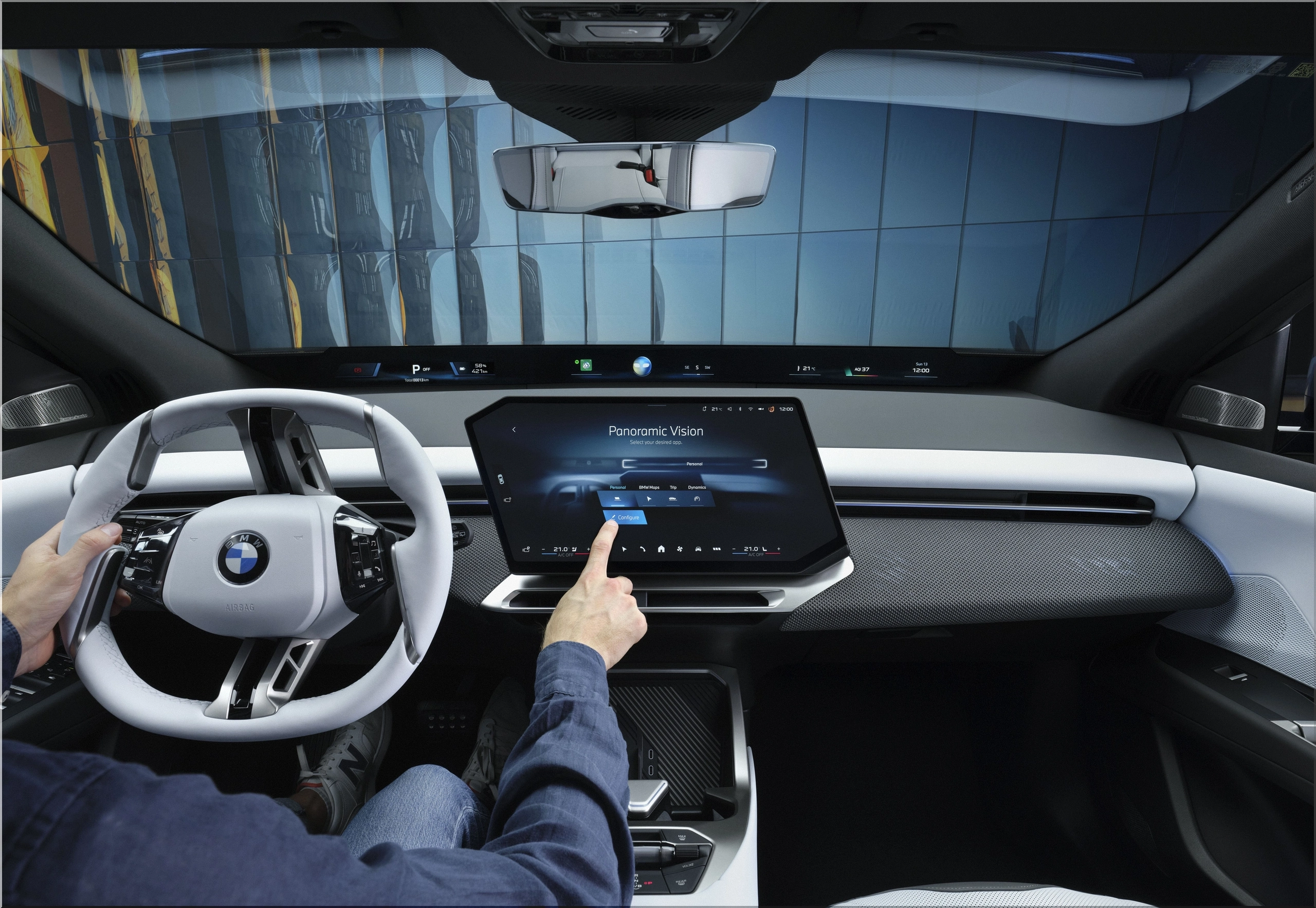
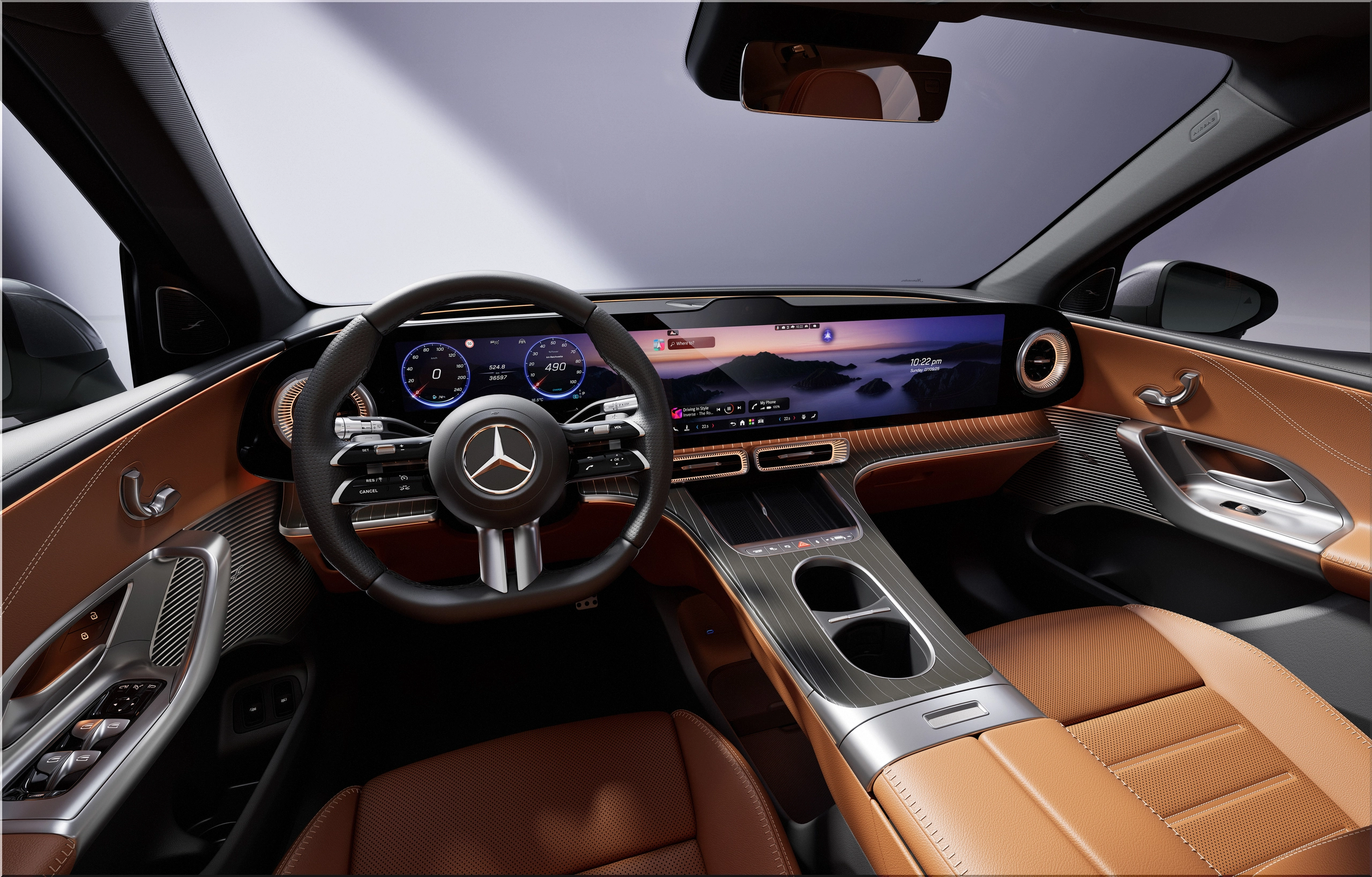
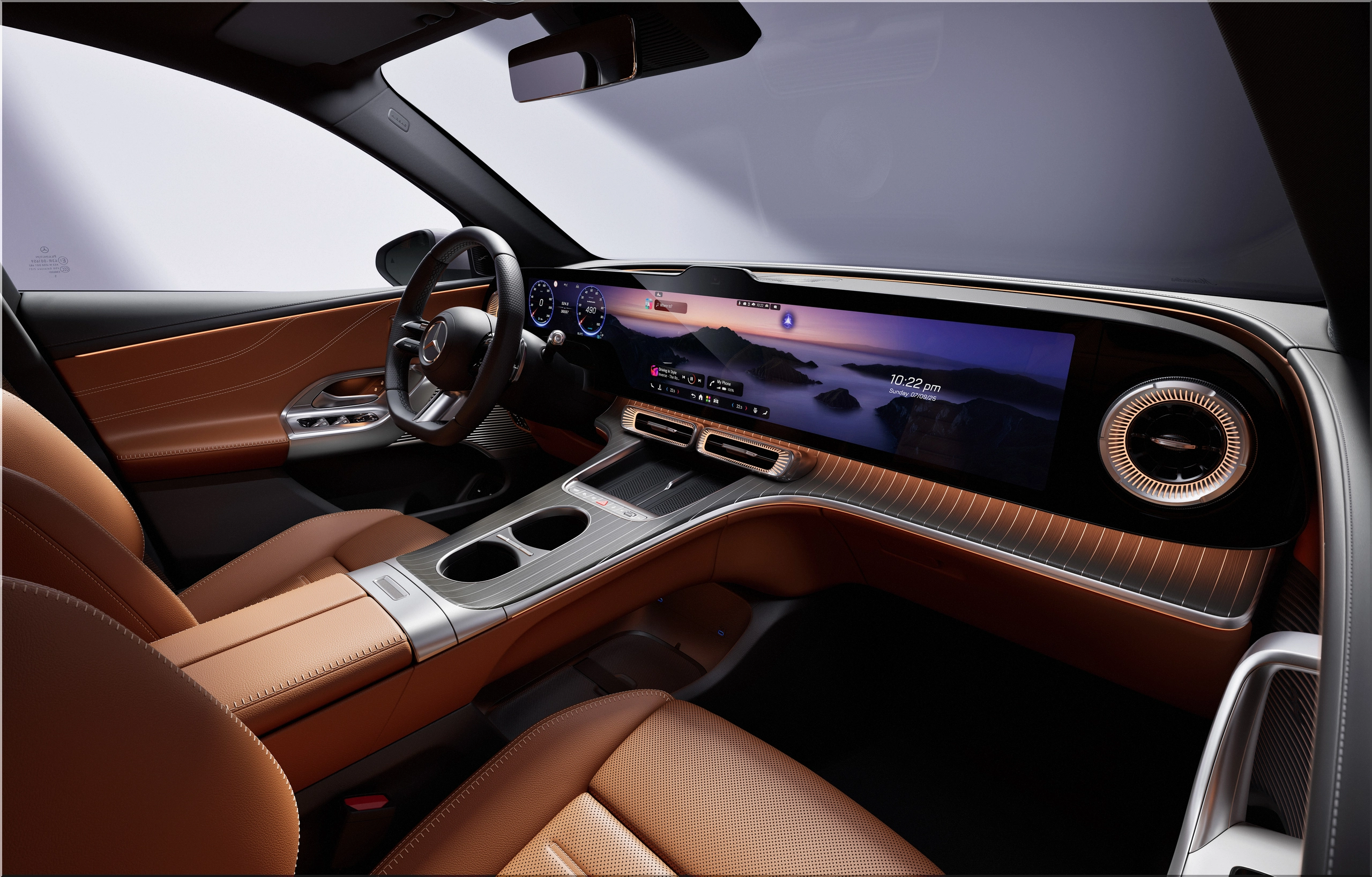
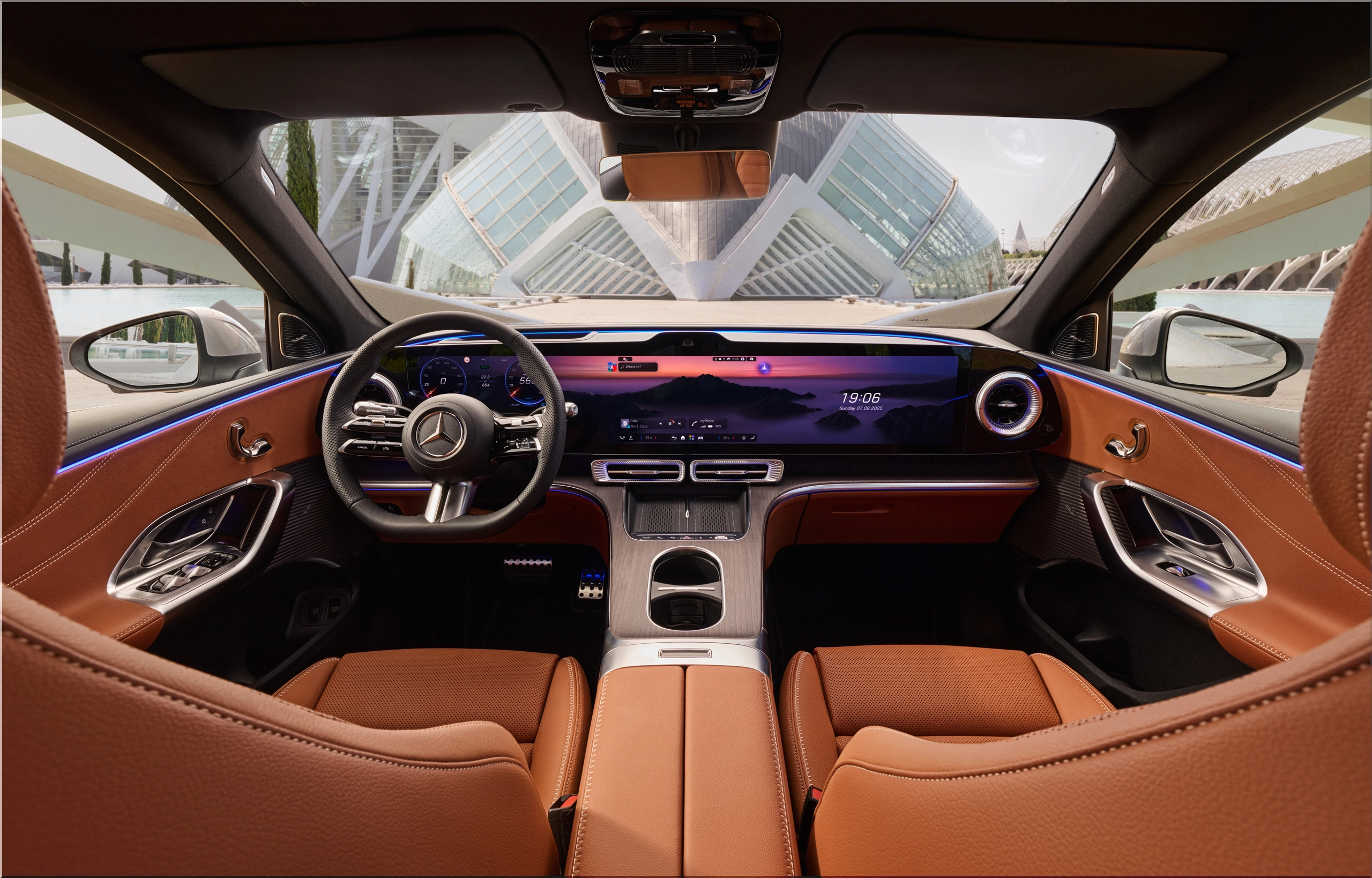
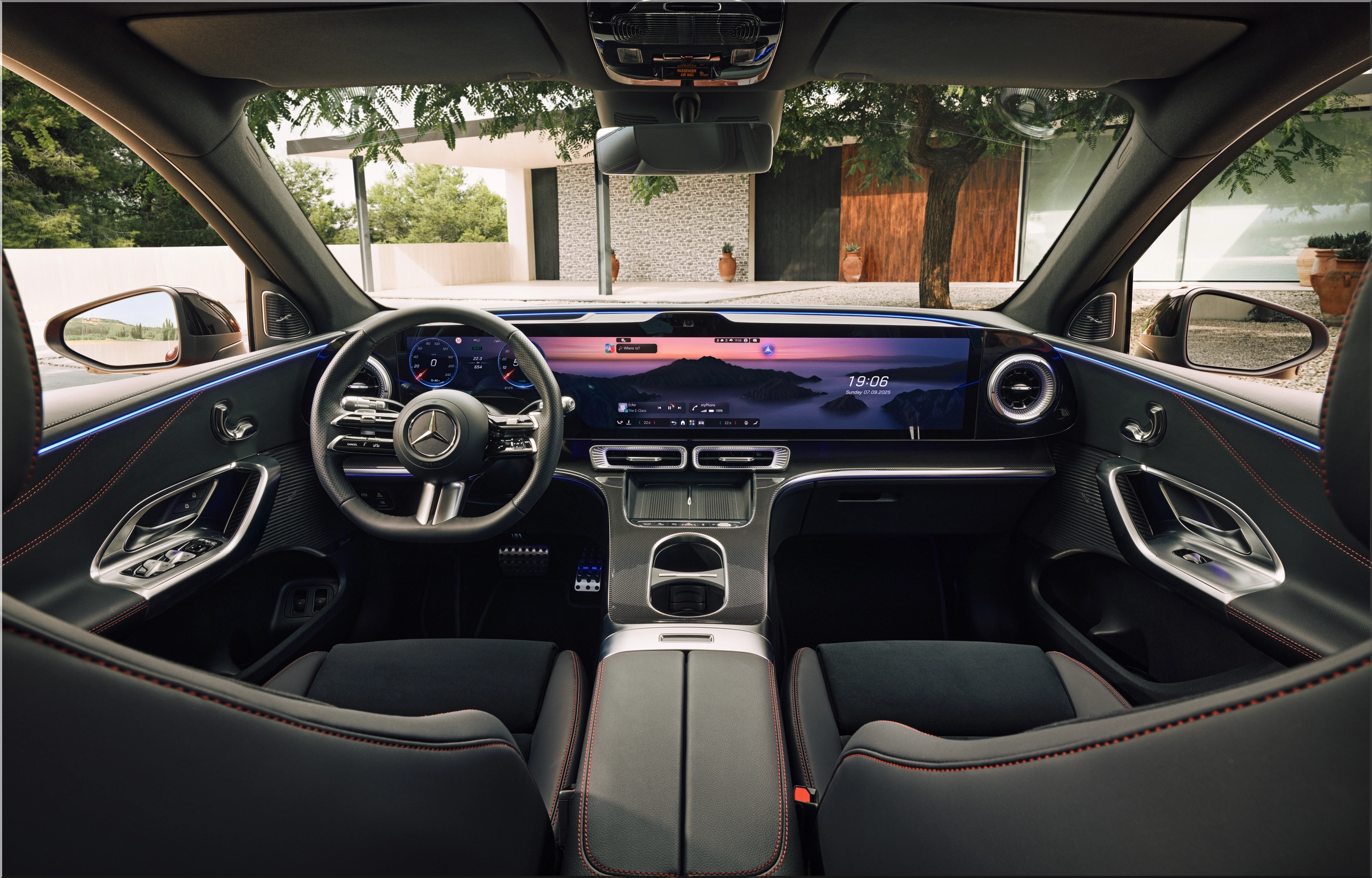
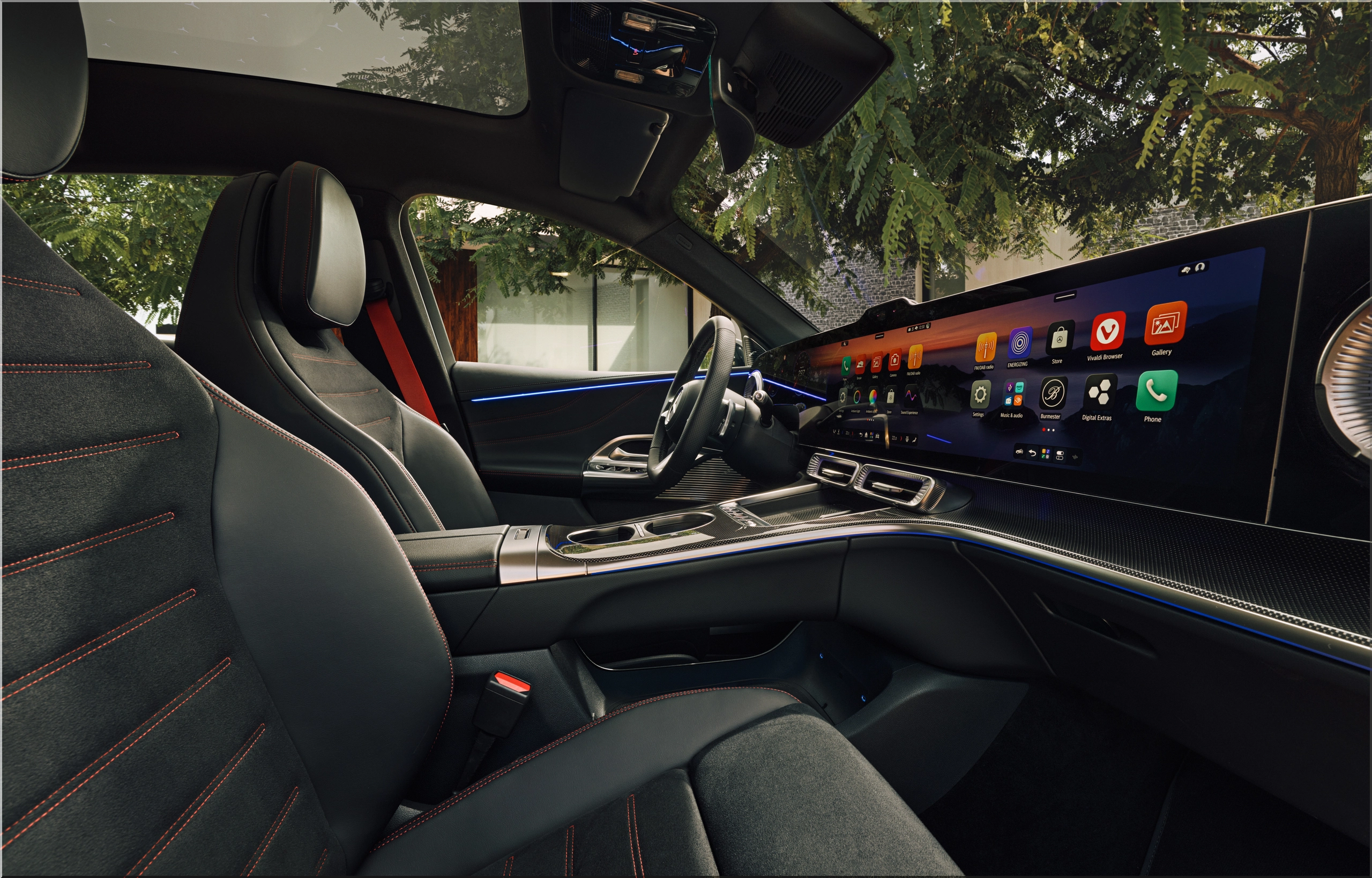
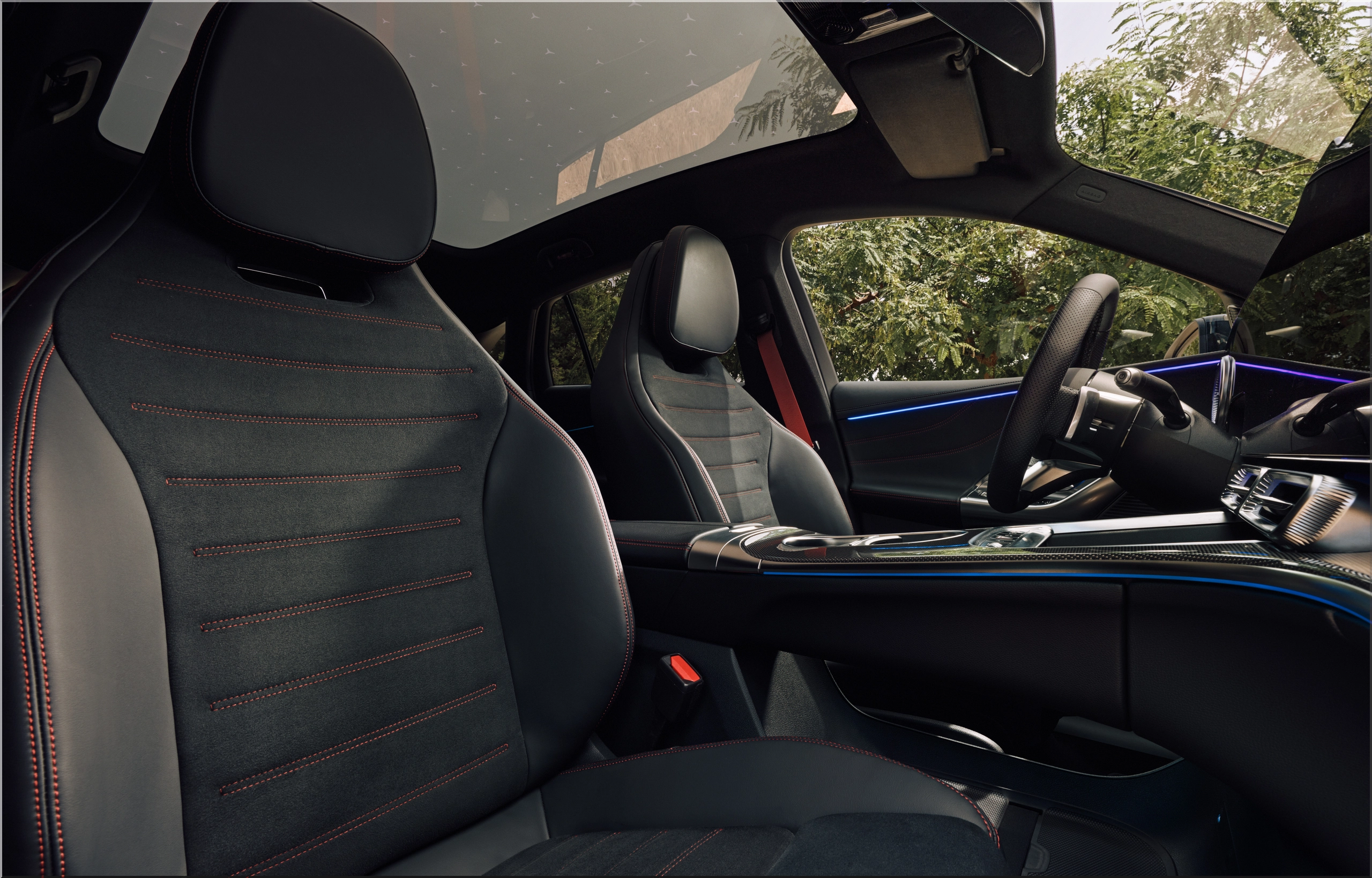
- Ensure quality and interior tech are best in segment. Big screens, sustainability credentials, comfort features will justify premium.
- Capitalize on supply chain strengths: battery production, recycling, aluminum supply, local manufacturing to reduce cost and risk.
- Lean on regional incentives: tax credits, EV policies, emission penalties.
Regional Sales Outlook: Volume Estimates
Here’s a rough estimate of how the electric GLC might perform in annual units, by region, once fully in production (mature sales years, e.g., 2026-2028 timeframe):
| Region | Estimate Annual Sales of GLC EV (all trims) | Share vs Total GLC / Mercedes SUV Sales |
|---|---|---|
| Europe | 40,000-70,000 units | 20-30% of GLC sales in strong markets (Germany, Nordics, UK) |
| U.S. | 25,000-40,000 units | Lower % of GLC sales given pricing & infrastructure constraints |
| China | 30,000-50,000 units | Could be higher if favourable policies / local production help |
These estimates assume that Mercedes hits its quality, charging/infrastructure, and pricing targets. Deviations in any of those will change performance significantly.
Image gallery







Conclusion & Strategic Insight
- The GLC 2026 with EQ Technology could be a linchpin for Mercedes’ electric transition. It sits where the majority of GLC buyers expect to go.
- Success depends on pricing, battery performance, technology, and regional policies. Mercedes must hit the balance: premium enough for margin, accessible enough for volume.
- Europe offers best odds for rapid adoption and higher sales. China offers growth but margin pressure. U.S. offers scale but risk from policy and competition.
- Add new comment
- 420 views