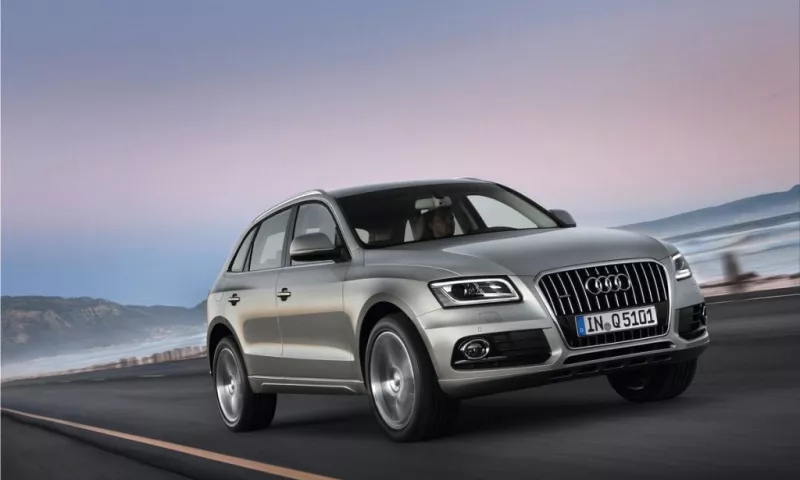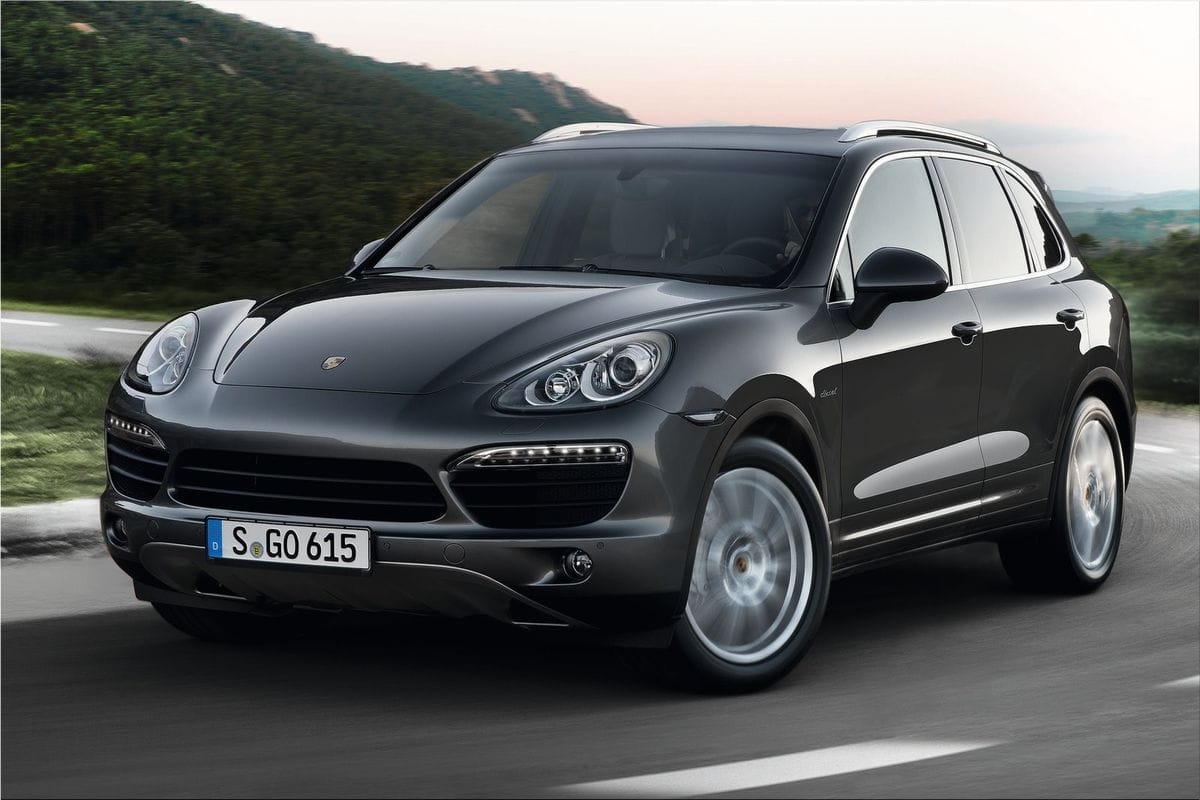
Merging looks simple until traffic is moving fast and one small guess turns into a problem. Most close calls happen because someone checks too late, speeds up at the wrong time, or forgets another driver has nowhere to go. Below, we’ll discuss how to spot danger before moving, control speed without rushing, and give other drivers enough room to react.
Check Blind Spots Before Changing Lanes
Before changing lanes, check the side mirror, rearview mirror, and the blind spot beside your shoulder. Keep the glass clean, since vehicle maintenance records often show how care affects safety.
Blind spots matter even more near ramps, work zones, and packed city traffic, where drivers change positions quickly. When someone says a merging accident who is at fault, the answer often depends on signals, spacing, speed, and whether each driver looked properly.
Match Traffic Speed and Signal Early
Speed matters most when a car joins moving traffic. If you enter too slowly, drivers behind may brake hard. If you rush in too fast, you lose control of the gap. Build speed smoothly on the ramp, then merge when traffic pace matches yours.
Signal before you need the lane, and not while your wheels are already crossing over. A turn signal gives nearby drivers time to read your move, and car safety tech can add support, but clear human communication still matters most.
On highways, use the acceleration lane to get up to a steady speed. Watch the lane you want, and avoid stopping unless traffic leaves no choice. A stopped car at the end of a ramp creates a harder problem.
Newer cars can help, but they cannot drive the merge for you. Speed warnings, lane guidance, and advanced driver assistance can support safer choices, but your hands, eyes, and judgment still need to control the move itself in real traffic.
Leave Space and Avoid Aggressive Merging
When drivers crowd each other, no one has time to correct a bad angle or sudden brake. Keep enough distance so another can enter without turning a normal lane change into a panic move.
Do not race a car that is trying to merge. Holding your speed can be fine, but speeding up to block someone creates confusion fast. Let the gap open, or pass cleanly before they move over. Half-decisions cause many close calls.
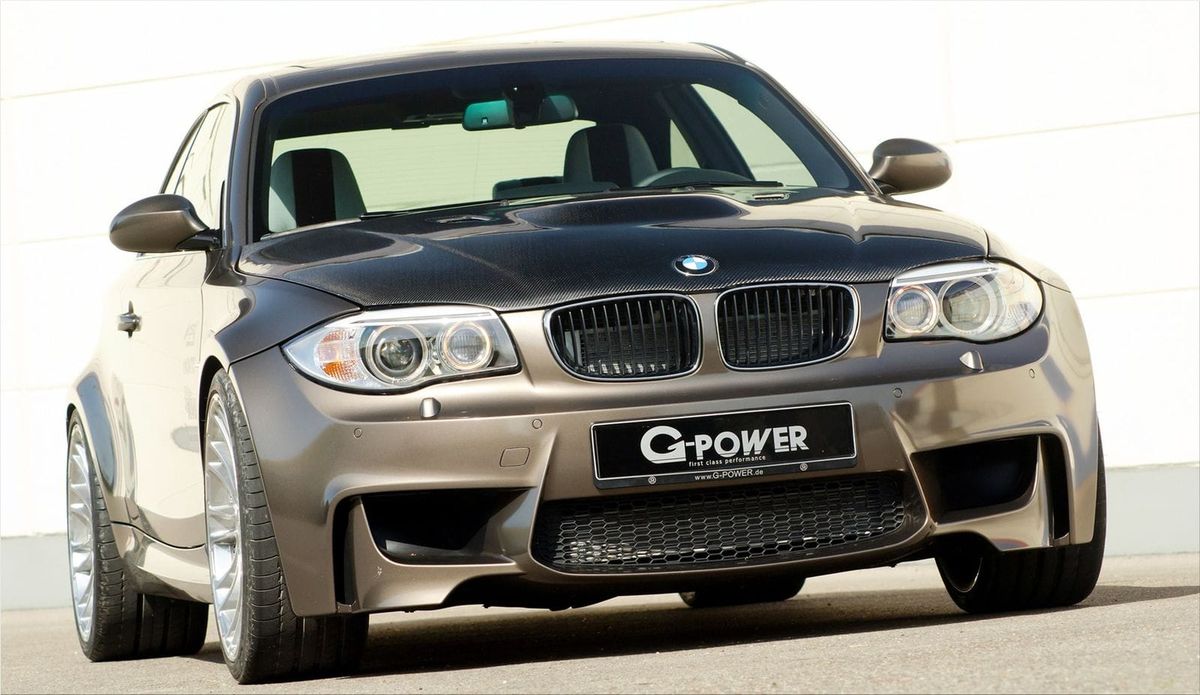
Aggressive merging usually starts with impatience. A driver sees a small opening and treats it like the last chance, even when a better one is coming. That risk can climb with younger drivers in performance cars, where speed and confidence narrow judgment fast.
Leave yourself an escape option, especially near exits and heavy traffic. If the opening disappears, stay calm and keep moving until another space appears. Missing one merge is annoying, sure, but forcing it can damage cars, schedules, and real people.
Endnote
Safe merging comes down to attention, timing, and patience. Blind spots need real checks, signals need to come early, and speed should match traffic before the lane change starts. Slow the decision down, leave room, and never force a gap. Getting there safely beats winning a few rushed seconds.
Image gallery
- Add new comment
- 138 views