Mercedes-Benz Hits 30-Year Milestone with the Sprinter Van
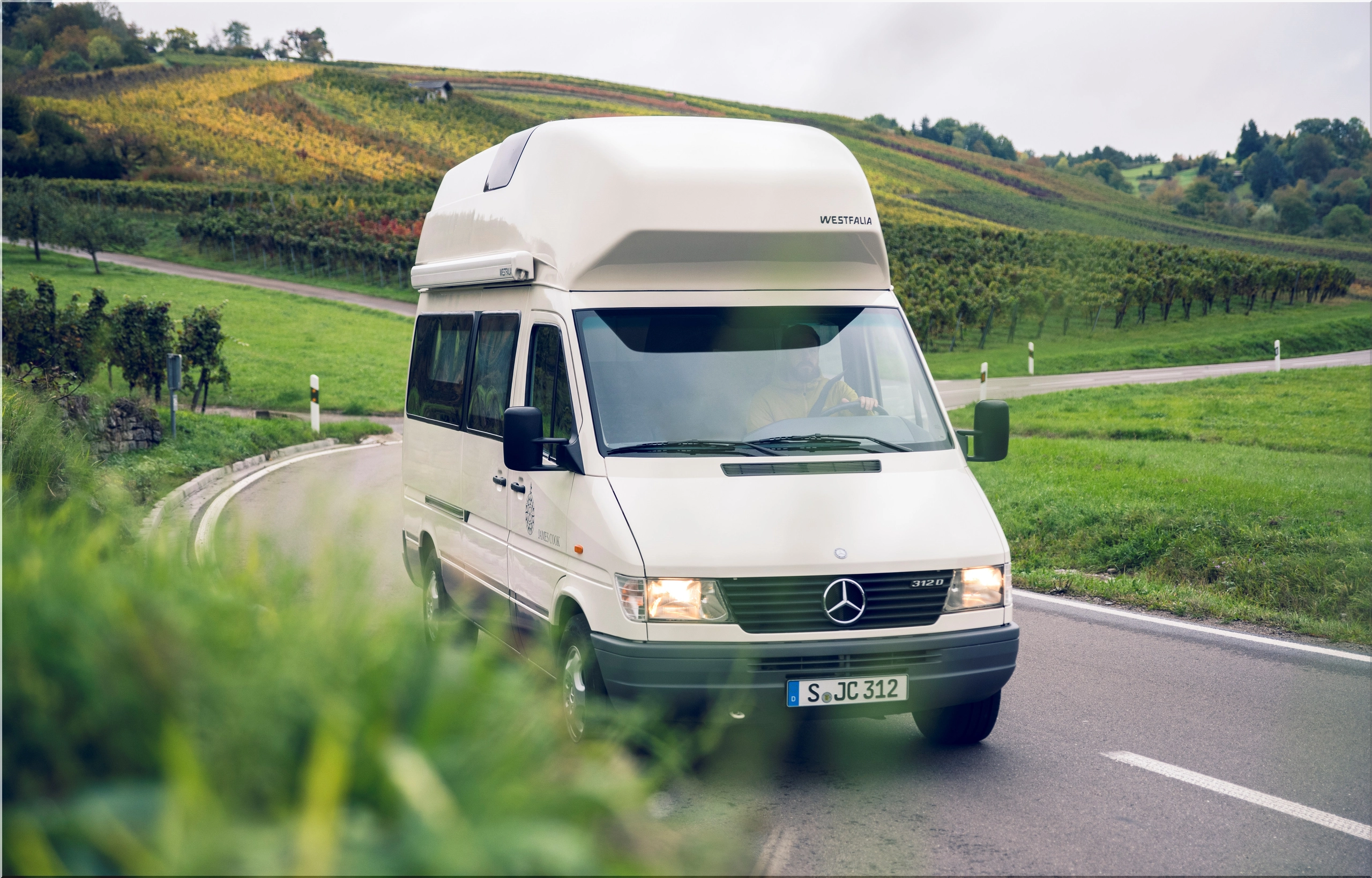
The Mercedes-Benz Sprinter just hit a critical benchmark. One in every ten Sprinters sold globally now enters the market as a motorhome. That’s not a marketing slogan—it’s a shift in demand.
Over the last three decades, Mercedes-Benz has redefined the commercial van with Sprinter. Now, it’s cashing in on its growing dominance in the RV sector. The company celebrated this momentum at the 2025 Caravan Salon Düsseldorf, using the event to reinforce its status as a primary mover in the motorhome market.
Sprinter: The Backbone of the RV Boom
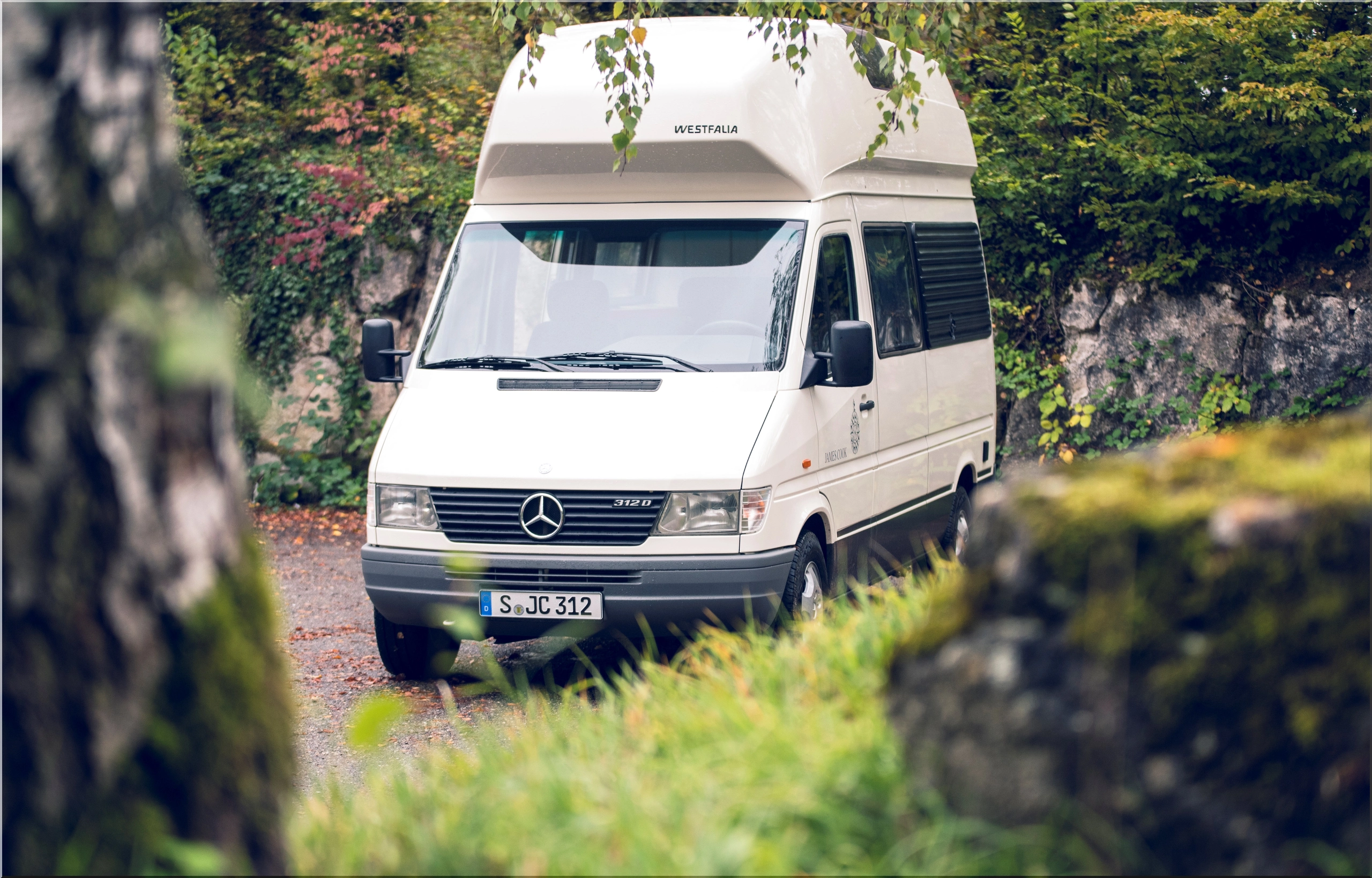
Mercedes-Benz sold its first Sprinter in 1995. From the start, the van’s modular platform made it an attractive choice for motorhome manufacturers.
- Chassis options: panel van, chassis cab, tipper, flatbed
- Multiple roof configurations: flat, high, and later super-high
- Wheelbase options: 3,000 to 4,025 mm
The Sprinter was engineered to be built on—literally.
By 2006, the second generation added more body lengths and safety features like ESP and bi-xenon headlights. In 2013, Crosswind Assist debuted, a valuable addition for high-profile RVs.
Today’s Sprinter isn’t just safer—it’s smarter. The third-gen model, launched in 2018, added:
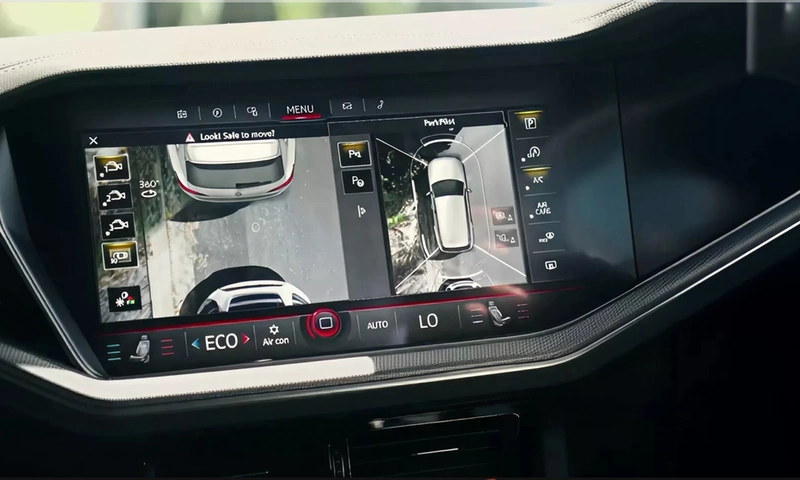
- MBUX touchscreen infotainment
- Voice control
- Multifunction steering wheel
- Digital Extras (like trailer navigation)
All this tech improves driver confidence. Especially important when you're piloting a 22-foot, 8,000-pound rolling home.
The Traction Head Variant: A Platform That Works
More than 50% of all Sprinter-based RVs in Europe now rely on the traction head variant. Why? It offers flexibility. With this platform, RV builders can design from the cabin back. That freedom enables better weight distribution and more interior living space.
Mercedes-Benz expanded the drivetrain choices, too. Buyers can now select:
- Rear-wheel drive
- All-wheel drive (AWD)
- Front-wheel drive
The AWD system, updated in 2021, distributes torque variably between the front and rear axles. It adapts to terrain conditions—key for camper vans navigating snow or gravel.
Also worth noting: the addition of Hibernation Mode for seasonal storage, and stationary heating options integrated at the factory.
OEMs Choose Sprinter for Premium RV Builds
At this year’s Caravan Salon, top-tier motorhome manufacturers displayed new models built on the Sprinter. Brands included:
- Alphavan: Multisport & Regeneration
- Bürstner: Habiton HM 6.0
- Carthago: C2-tourer 141 KB-LE and C-line I 4.9 LE
- CS-Reisemobile: Encanto
- Frankia: Next
- HIP Campers: 4Family
- Laika: Kreos
- Malibu: I 450 RB-LE
- Niesmann+Bischoff: Arto 84E
The consistency is clear—these builders aren’t experimenting. They’re betting long-term on the Sprinter chassis.
Mercedes-Benz Doubles Down: Factory Tours, New Architecture
To celebrate the Sprinter’s 30th anniversary, Mercedes-Benz opened factory tours at its Düsseldorf plant, one of three global production hubs for the van. With 5,500 employees, it’s also one of the region’s largest industrial employers.
But Mercedes-Benz isn’t just reflecting on past success. It’s building a scalable future.
The next generation of Sprinter and all Mercedes vans will move to the modular Mercedes-Benz Van Architecture:
- VAN.EA: Fully electric variants
- VAN.CA: Combustion-powered models
The company is positioning itself to supply EV and ICE van platforms for both passenger and recreational applications, at scale.
V-Class Marco Polo HORIZON Debuts at the Show
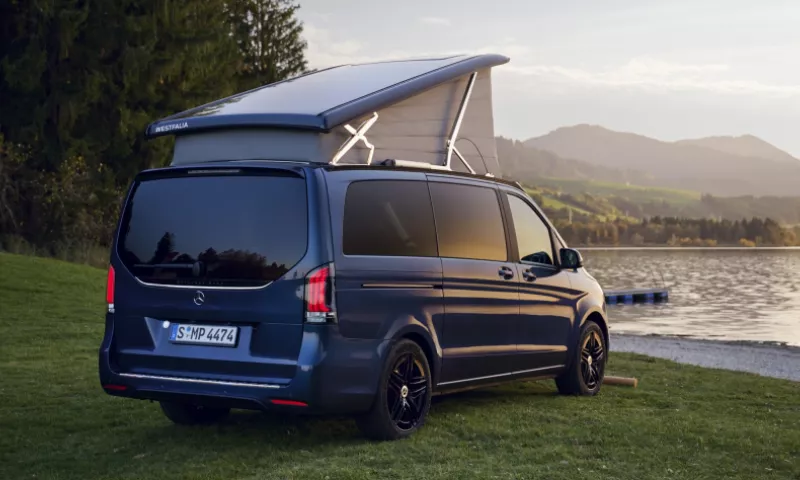
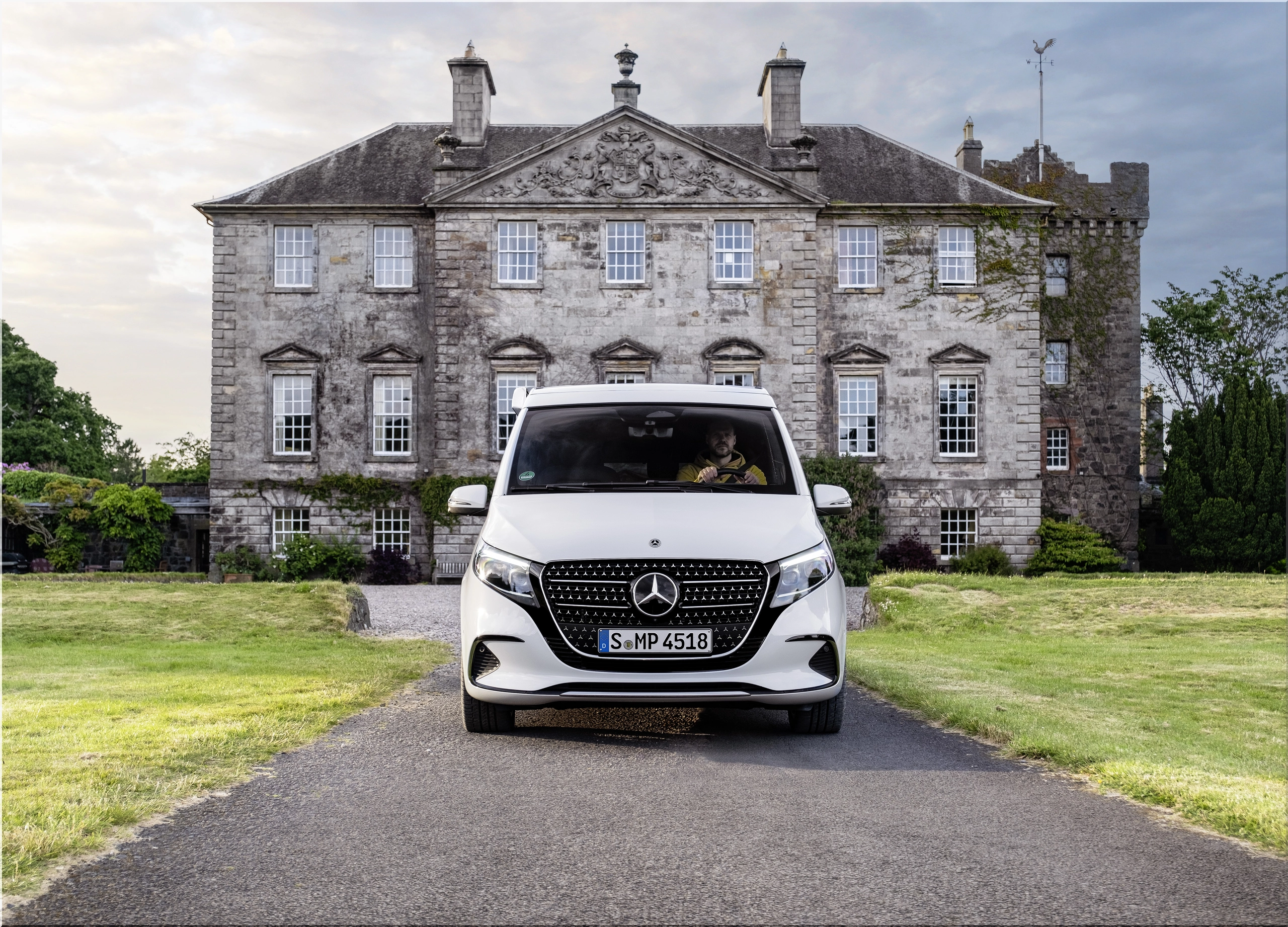
Alongside the Sprinter showcase, Mercedes debuted the updated V-Class Marco Polo HORIZON, a leisure-focused van available direct to end users. Think of it as a daily driver with camping features built-in.
Key specs:
- Under 2 meters tall: fits in garages and parking structures
- OM654 diesel engine
- Two 12.3-inch interior displays
- Ambient lighting with 64 color options
- Three-seat bench that converts into a bed
- Pop-up roof with integrated roof bed
- Swiveling front seats and optional folding table
- Stationary heater and external power port (optional)
It’s built for buyers who want weekday utility with weekend flexibility.
Image gallery


The Data Behind the Sprinter’s RV Success
Here’s why RV builders keep choosing the Sprinter:
| Feature | Impact for RV Builders |
|---|---|
| Multiple drivetrain options | Better flexibility for terrain and layout |
| Flat-floor cabin | More usable living space |
| Digital Extras & Trailer Nav | Safer for towing and oversized vehicles |
| Optional all-wheel drive | Improves handling in inclement weather |
| MBUX infotainment | Improves usability, adds premium feel |
| Factory-integrated camper tools | Cuts third-party retrofit costs |
The Sprinter isn’t the cheapest option on the market. But its long-term ROI for RV manufacturers is unmatched.
Competitive Pricing—With a Premium Edge
Prices for Sprinter-based motorhomes vary widely. Here’s a rough cost comparison (approximate USD):
| RV Model | Estimated Starting Price (USD) |
|---|---|
| Alphavan Multisport | $190,000 |
| Bürstner Habiton HM 6.0 | $110,000 |
| Carthago C-line I 4.9 LE | $180,000 |
| CS-Reisemobile Encanto | $160,000 |
| Malibu I 450 RB-LE | $150,000 |
| Niesmann+Bischoff Arto 84E | $220,000 |
These are not entry-level options. But the market is shifting toward premium builds with long-term utility.
What’s Next: Combustion, Electric, or Both?
Mercedes-Benz will continue to offer combustion-powered vans under the new VAN.CA platform. In parallel, VAN.EA supports fully electric models.
This strategy allows the automaker to:
- Serve EU markets pushing toward full electrification
- Maintain combustion support for regions with poor charging infrastructure
- Offer both chassis types to RV upfitters based on regional demand
That flexibility is rare—and gives Mercedes a clear advantage over one-size-fits-all rivals.
Image gallery

Conclusion: Sprinter Dominates by Design
The Mercedes-Benz Sprinter didn’t stumble into its success in the motorhome market. It earned it.
Thirty years of platform evolution and strategic upgrades have made it the default choice for premium RV builders. The new architecture—both electric and combustion—ensures Mercedes-Benz stays at the front of the segment for the next decade.
With more than 50% of Sprinter-based RVs in Europe built on the traction head variant, and a product portfolio designed for adaptation, Mercedes-Benz isn’t just competing in the RV sector—it’s dominating it.
- Add new comment
- 300 views