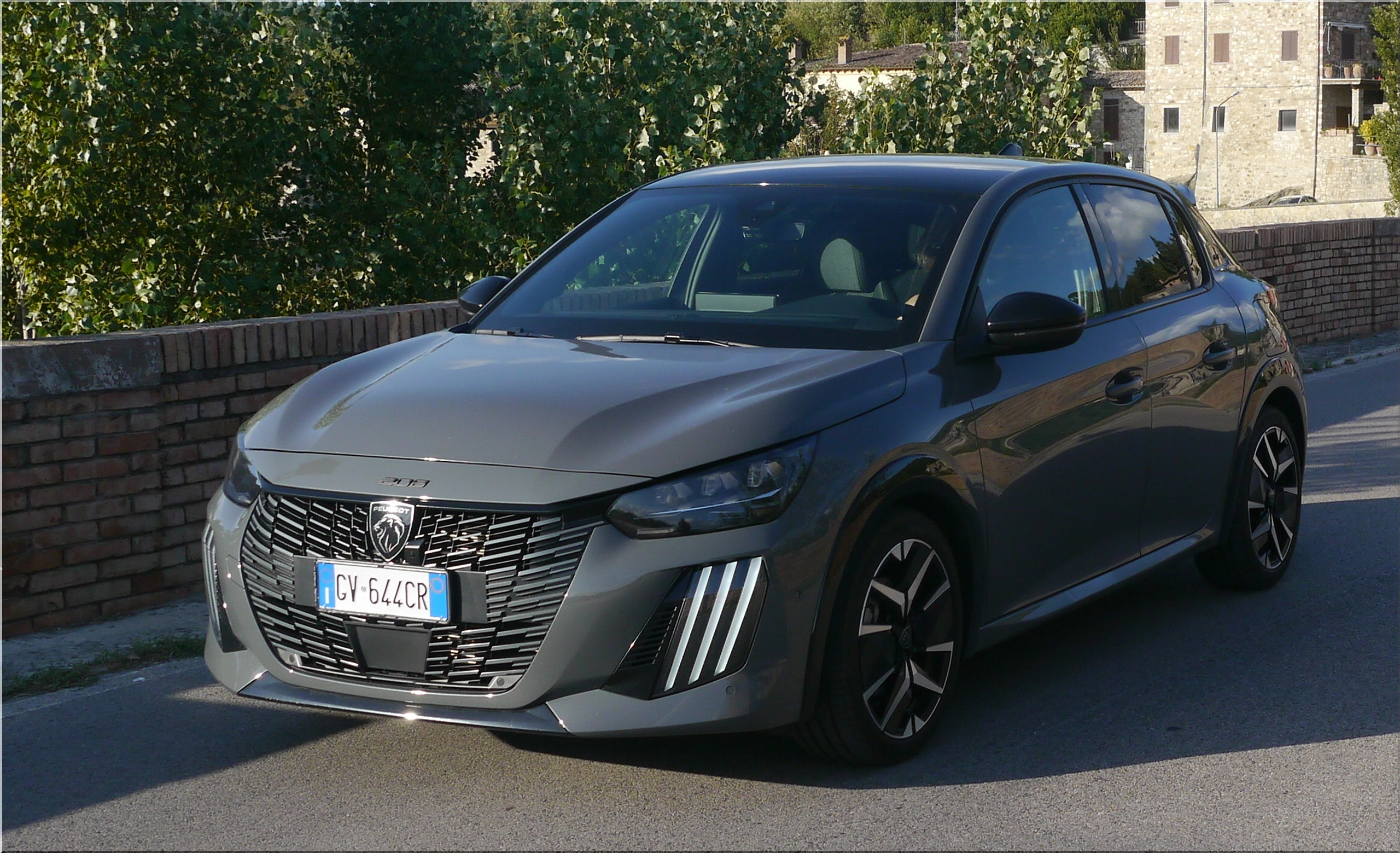
GT Hybrid
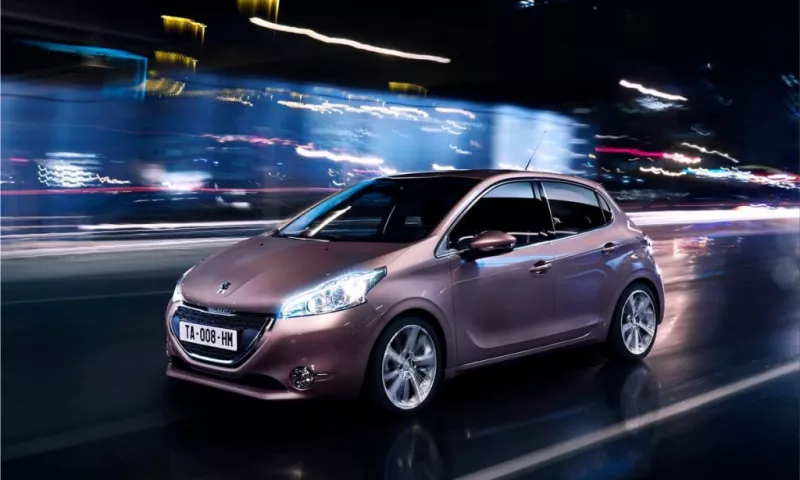
The Peugeot 208 GT Hybrid is the latest update to one of Europe’s most successful compact cars. It combines a 136-horsepower gasoline engine with an electric motor, offering smooth acceleration, reduced emissions, and better fuel savings. Built for tight city streets and modern commuting, the car reflects Peugeot’s commitment to sustainable mobility without sacrificing performance.
Key Highlights of the Peugeot 208 GT Hybrid
- Powertrain: 1.2L turbocharged gasoline engine + hybrid motor, delivering 136 hp.
- Transmission: Automatic E-DCS6 dual-clutch gearbox for smoother gear shifts.
- Hybrid Mode: Short-distance electric-only driving for city use.
- Efficiency: Lower fuel consumption compared to traditional gasoline models.
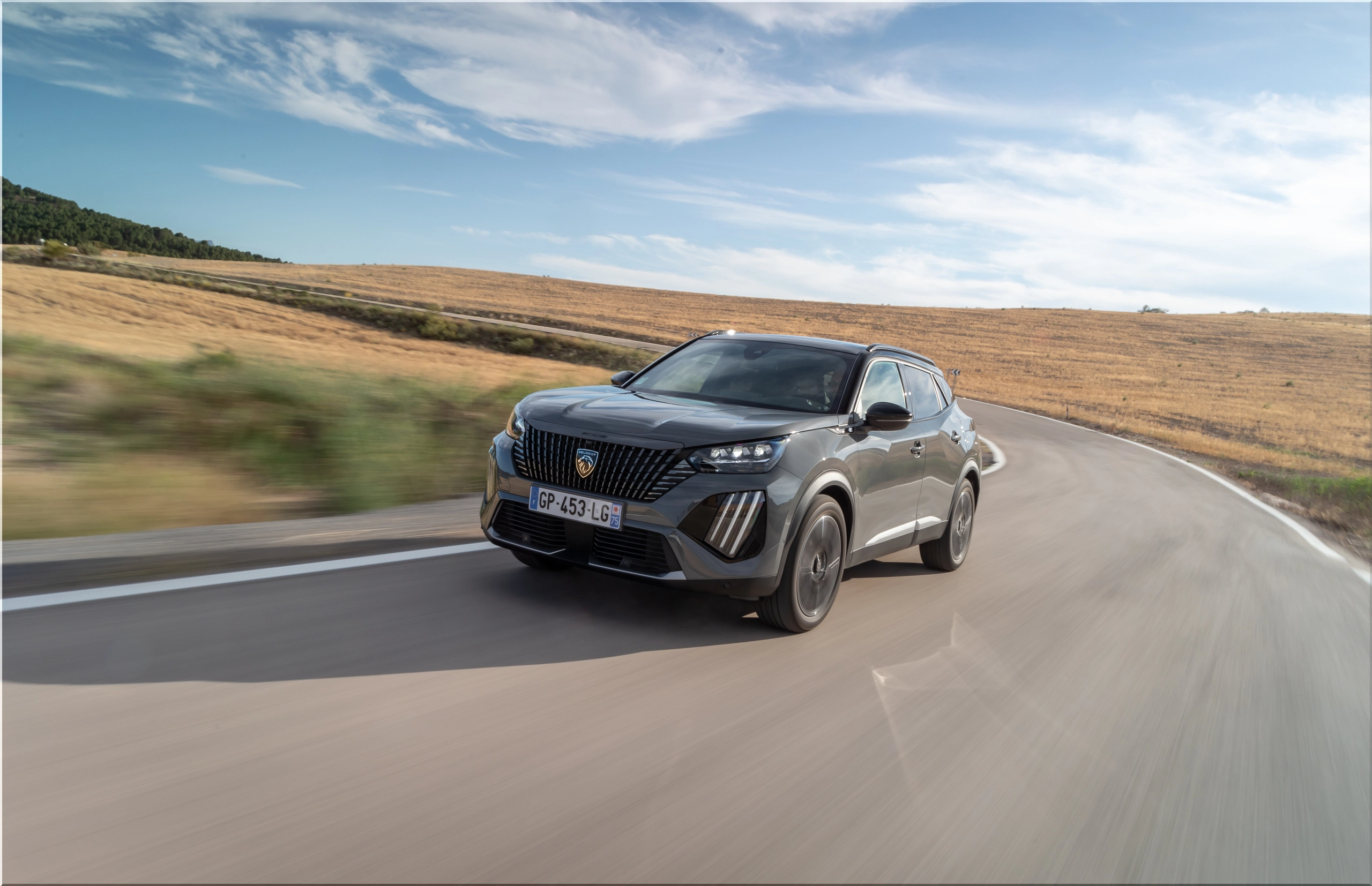
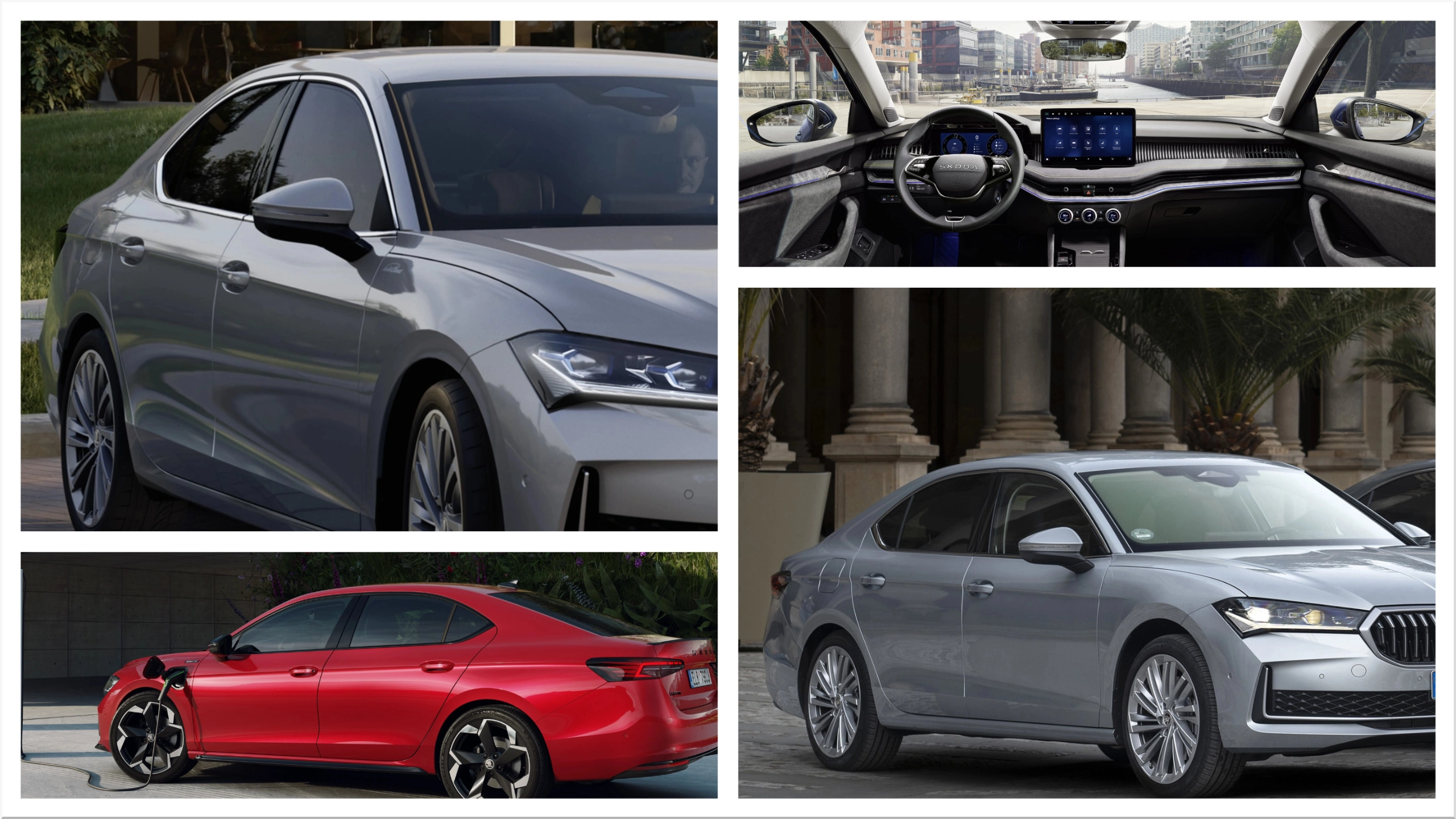
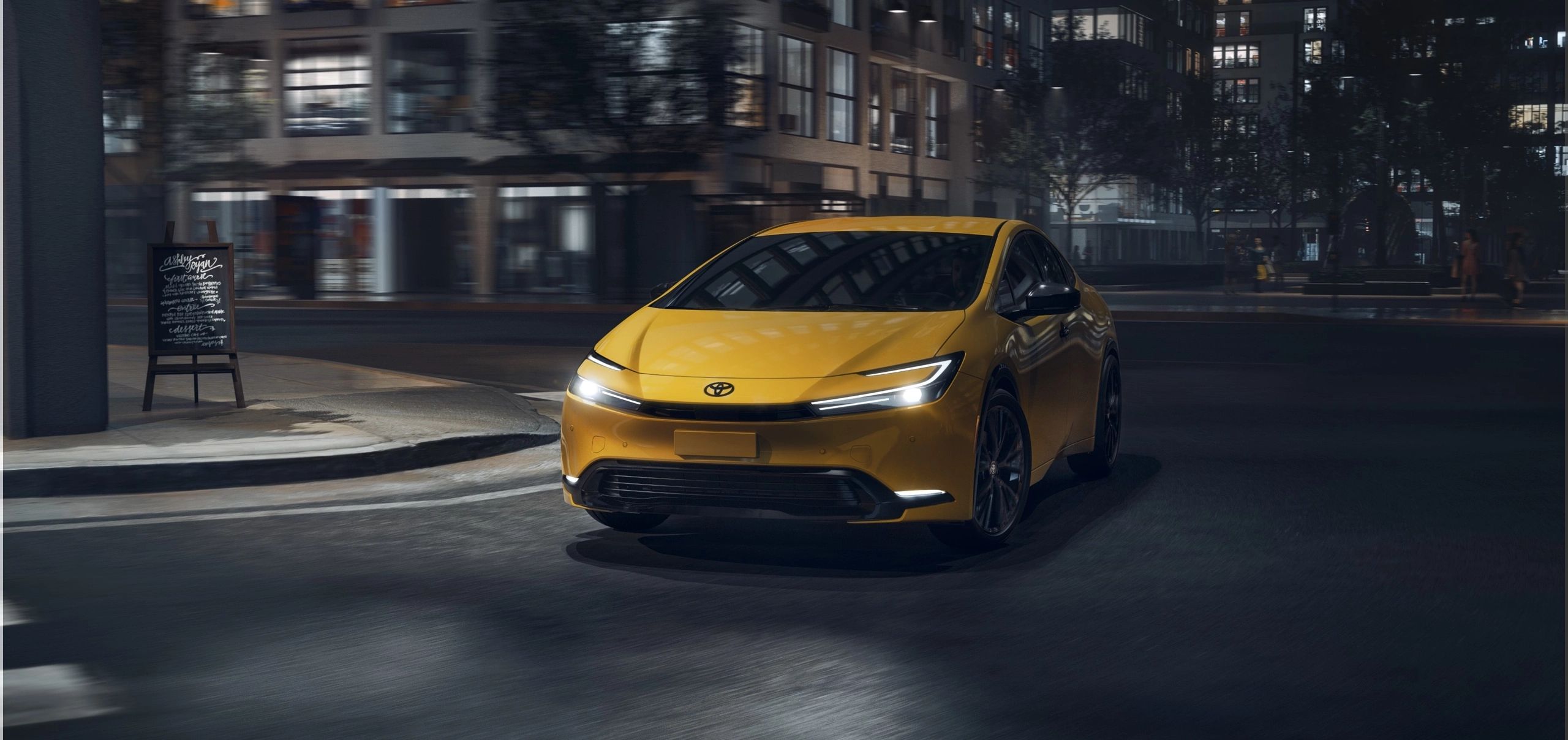
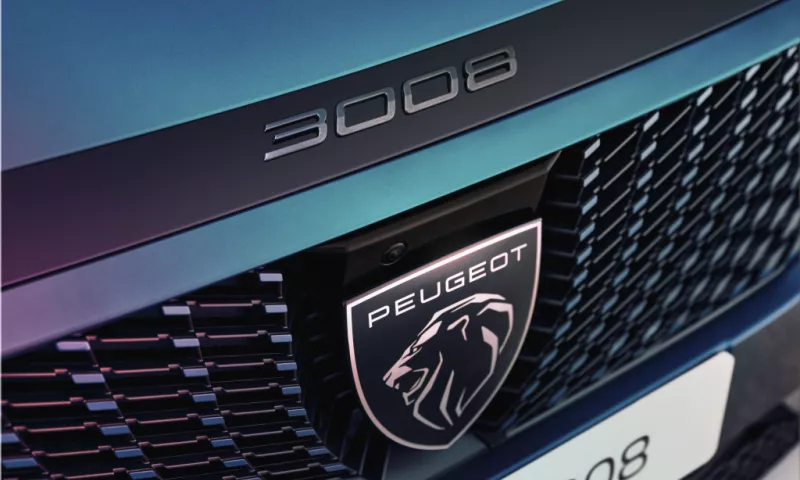
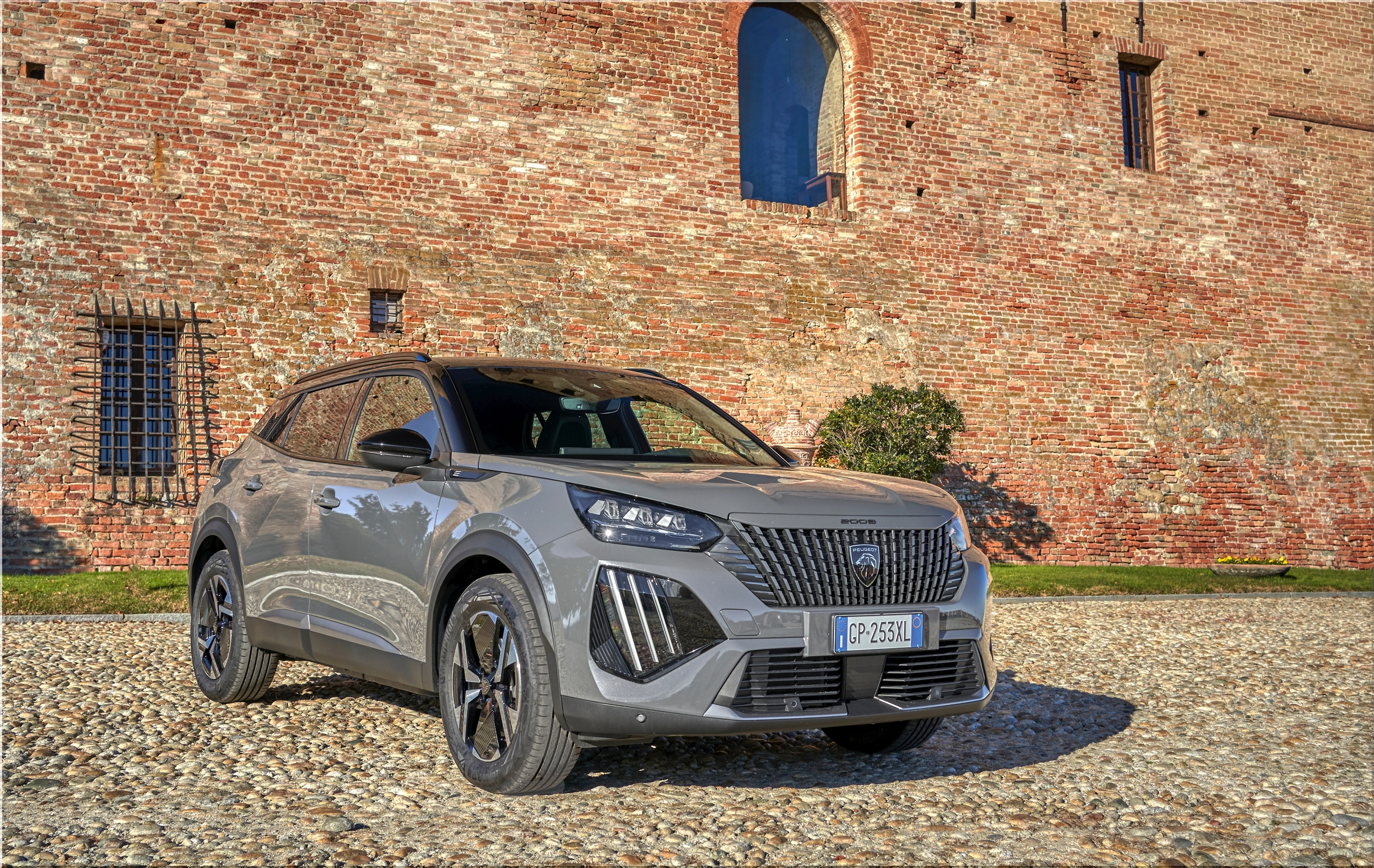
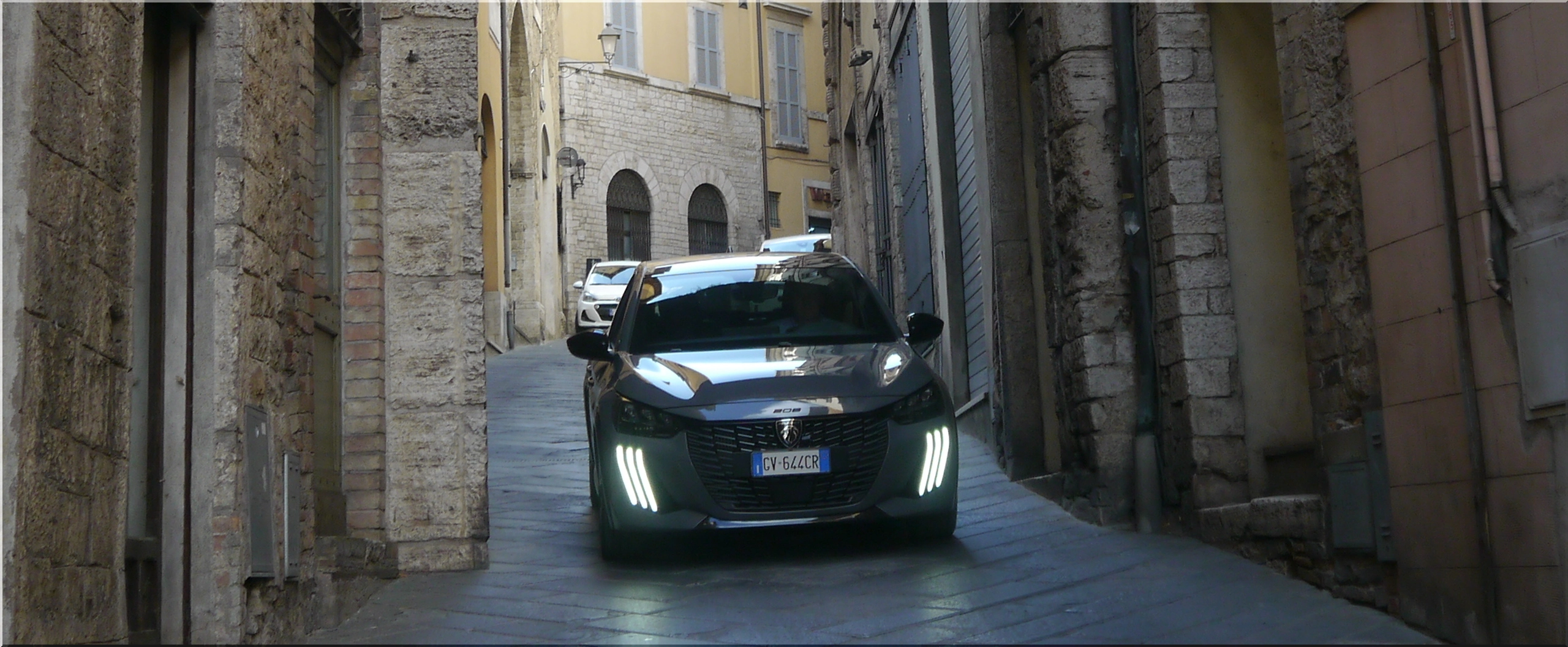
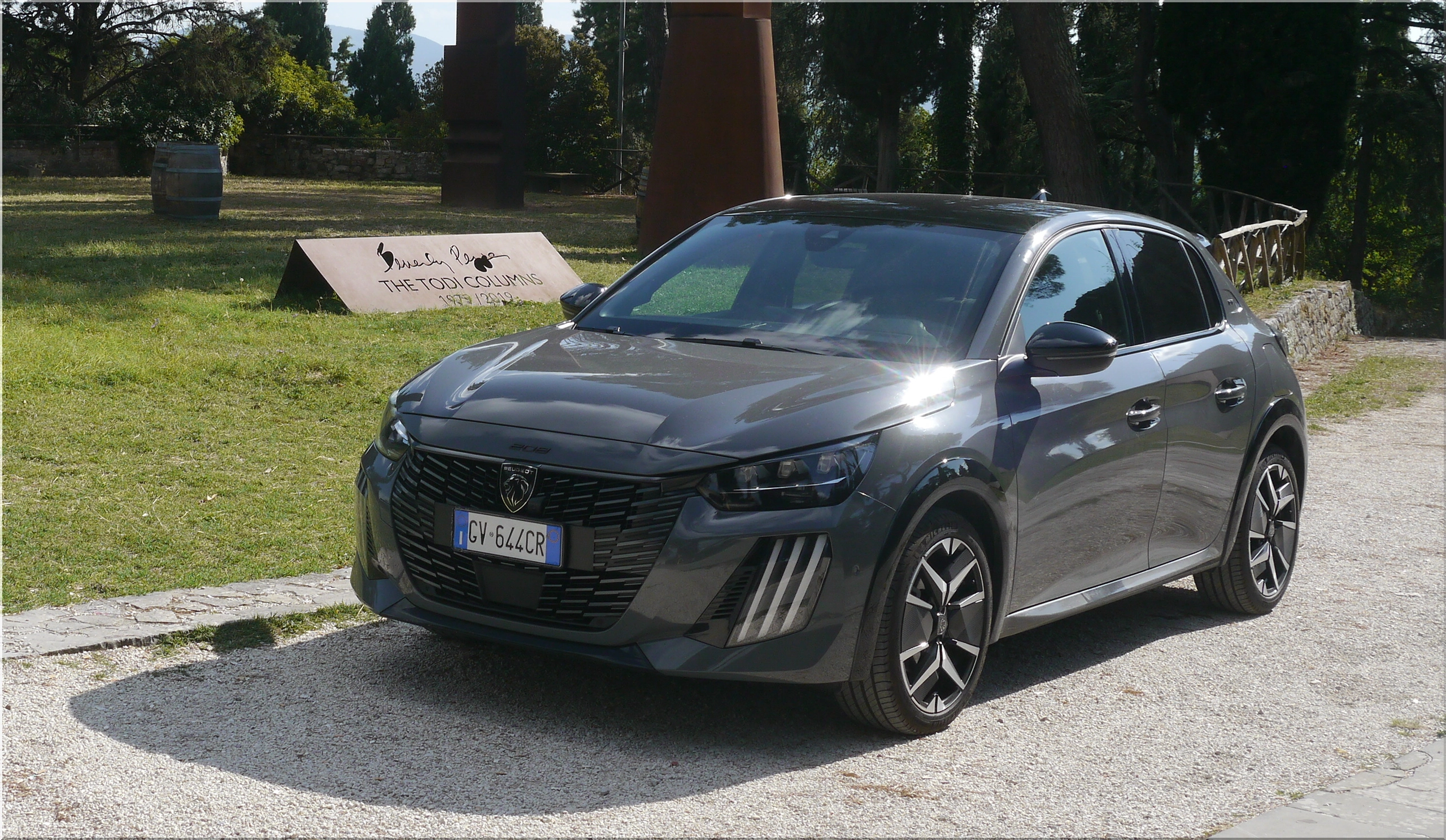
- Design: LED three-claw headlights, bold grille, compact body (just over 4 meters).
- Interior: Peugeot i-Cockpit 3D, 10-inch touchscreen, and connected driving aids.
- Market Fit: Urban drivers needing agility, style, and hybrid efficiency.
Exterior Design: Compact but Distinct
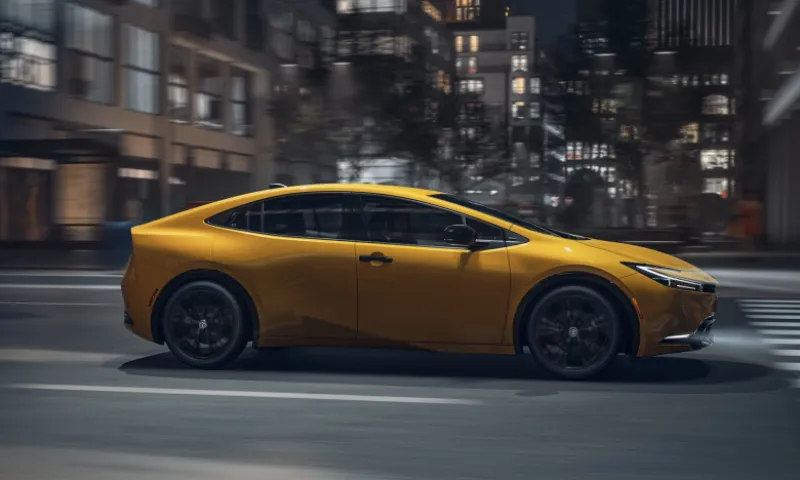
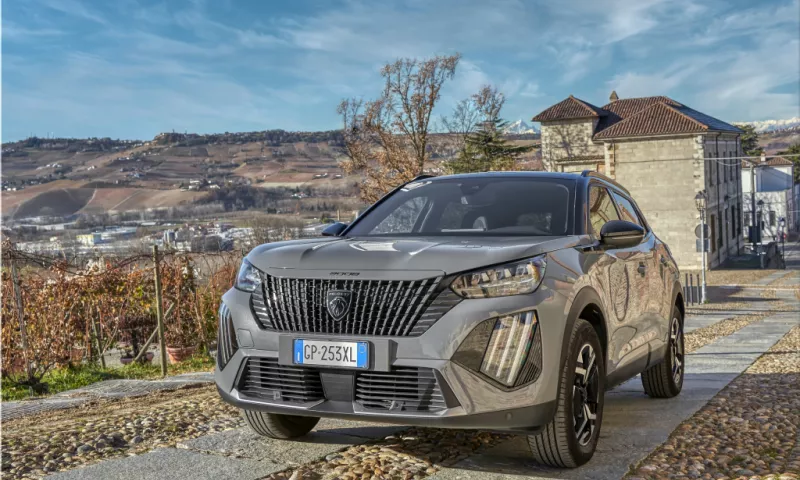
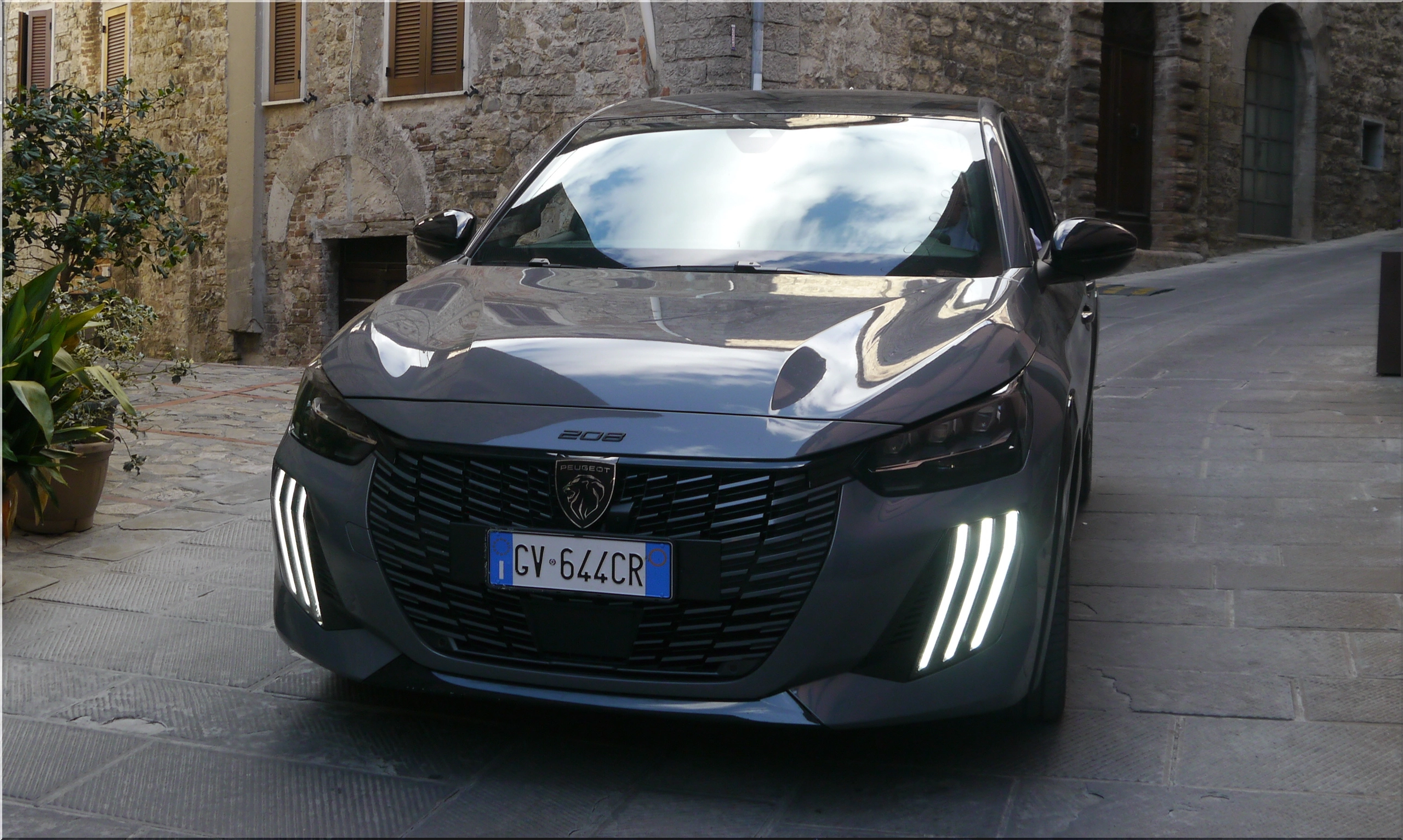
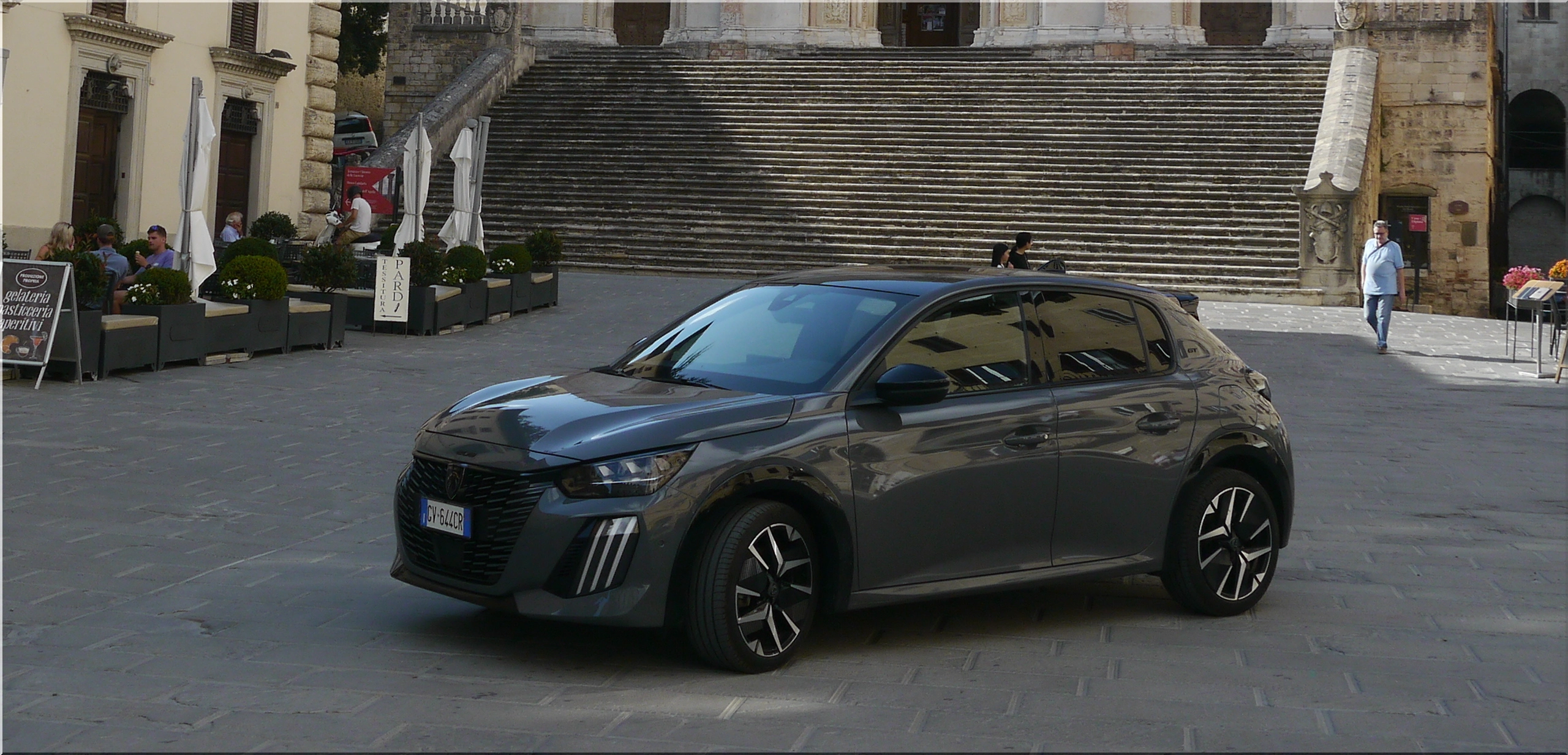
Peugeot designed the 208 GT Hybrid to stand out while remaining practical for urban environments. Its LED light signature, aggressive grille, and aerodynamic profile present a modern compact look. The three-claw headlights signal Peugeot’s design language, also seen on its electric models.
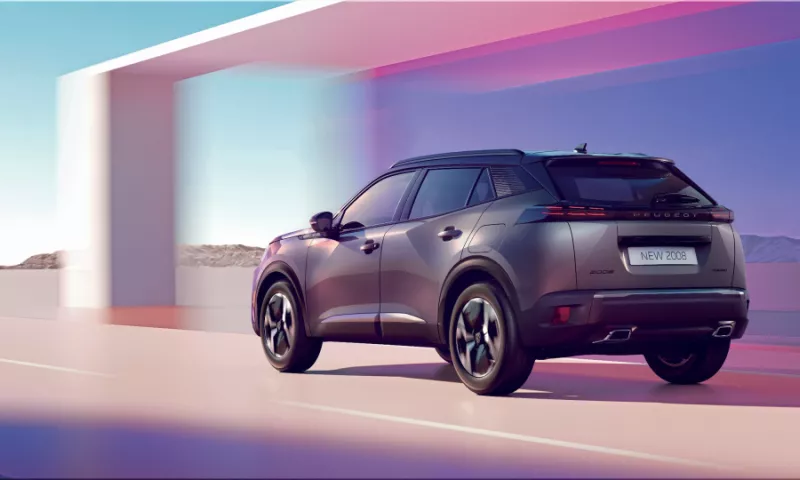
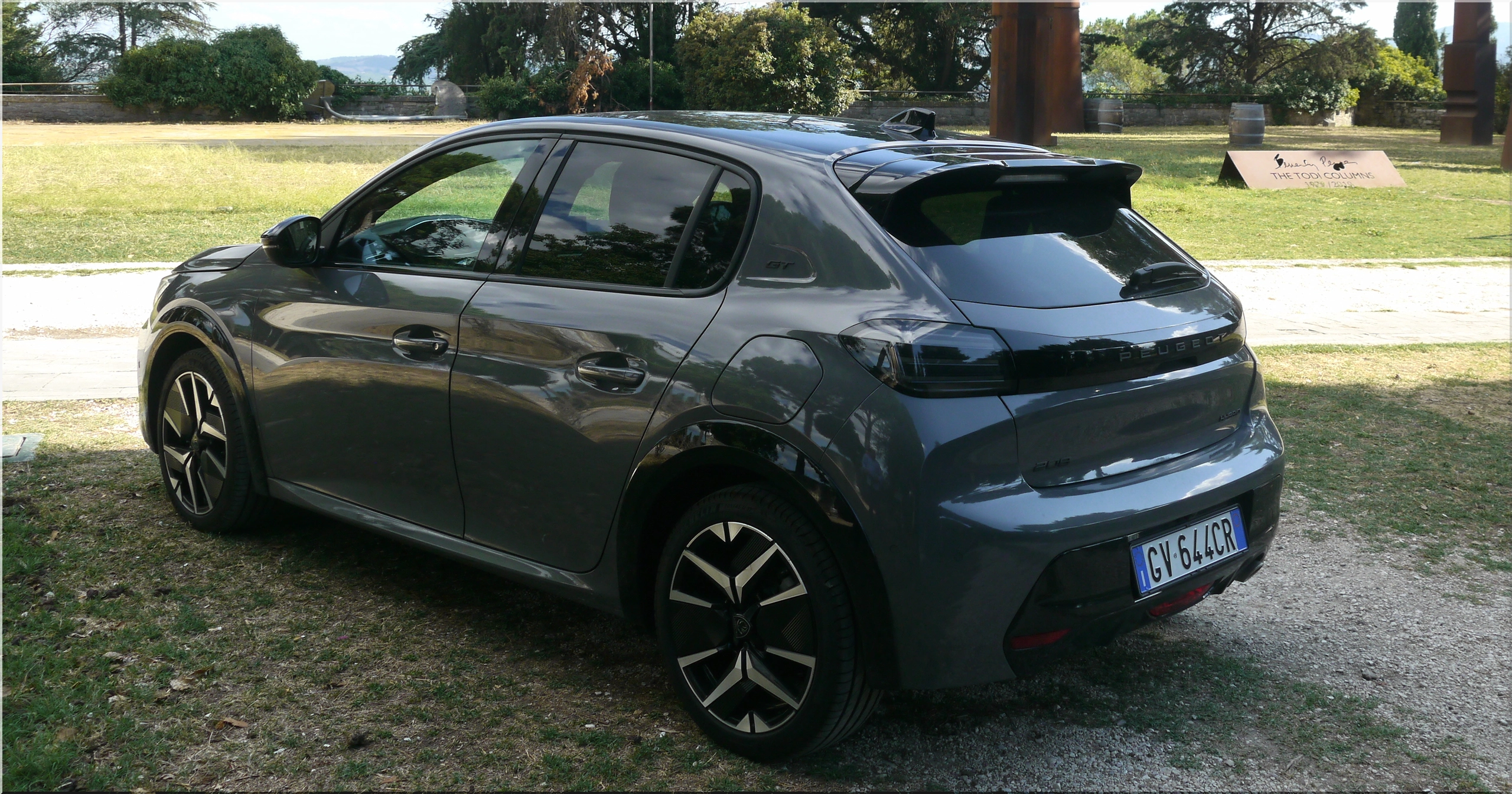
Despite its small footprint (around 4.05 meters long), the car offers a strong presence. The compact size allows easier parking in dense cities, while the sharp lines give it a sporty edge.
Powertrain and Performance
The 208 GT Hybrid uses a hybrid system combining gasoline and electric power. The 136 hp output makes it responsive while keeping fuel consumption low.
Key performance details:
- Gasoline Engine: Turbocharged, paired with a 48-volt electric system.
- Hybrid Motor: Supports silent starts and low-speed driving without fuel.
- Driving Modes: Automatic switching between electric, hybrid, and gasoline operation.
- Transmission: The E-DCS6 gearbox enables smooth transitions and better fuel economy.
For city driving, the ability to run short distances in electric-only mode reduces emissions and noise. On highways, the hybrid system supports higher speeds without range anxiety, unlike fully electric cars.
Driving in Urban Settings
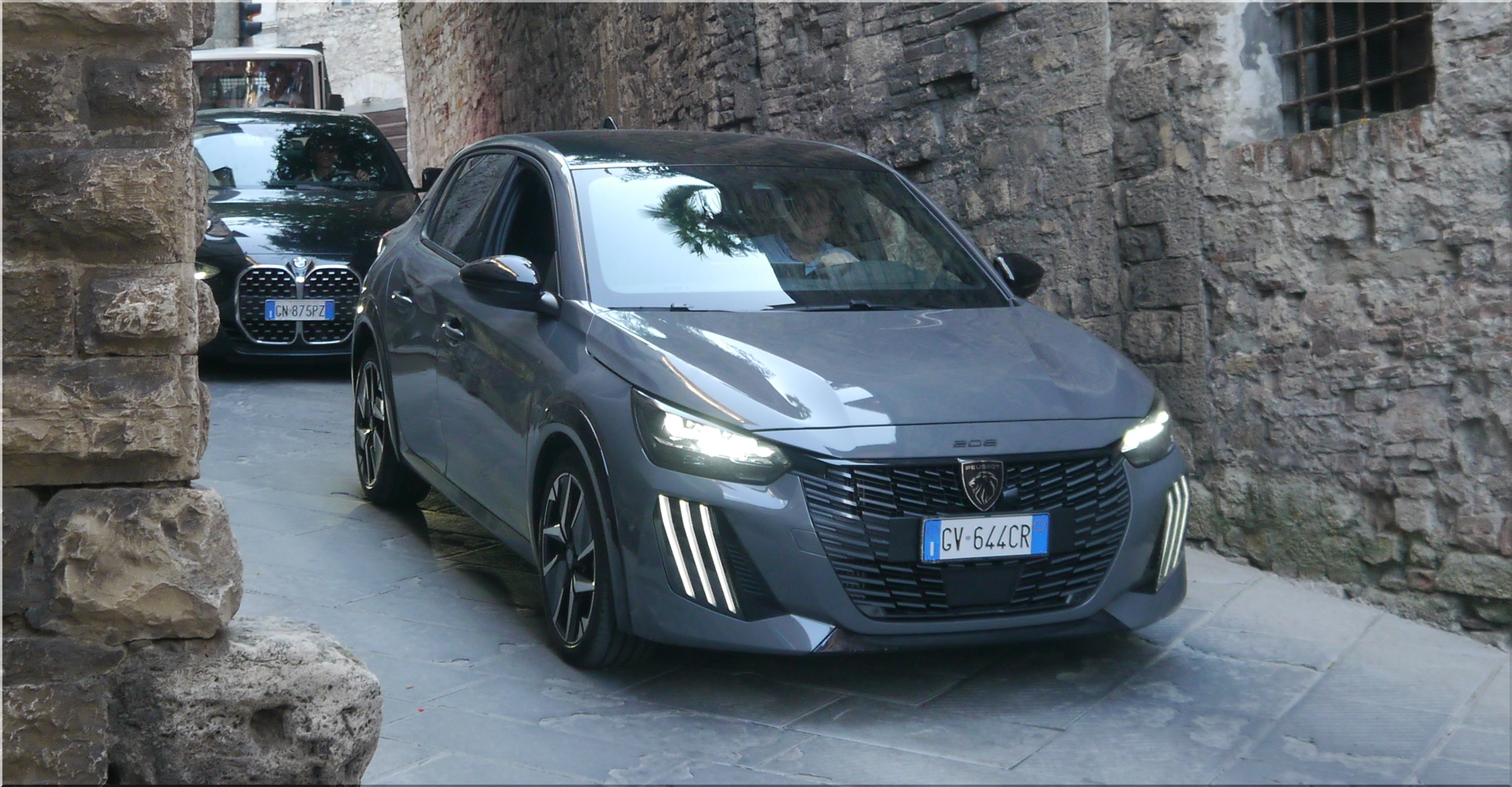
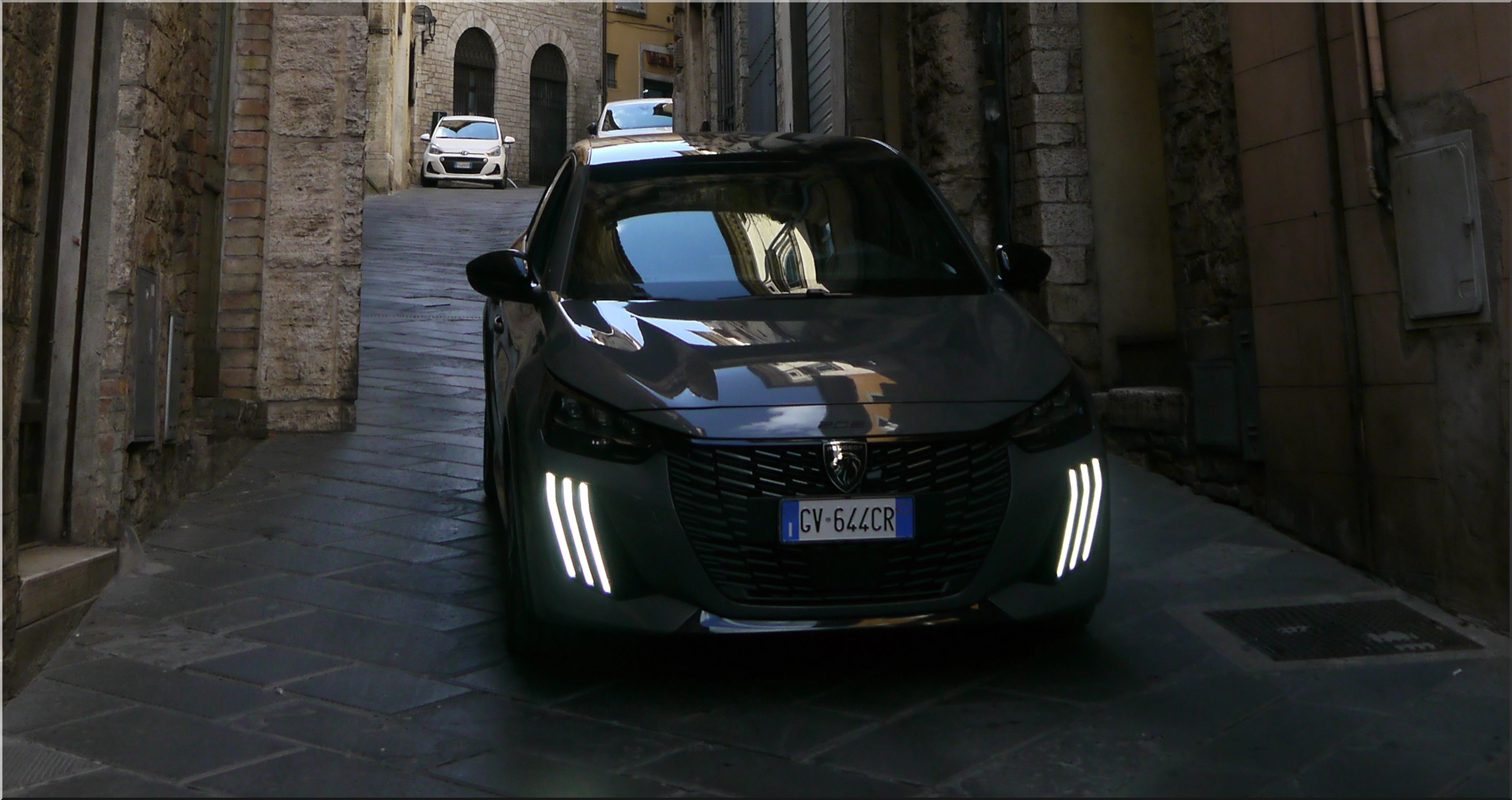
Cities with historic centers, like Todi in Italy, test the car’s agility. The compact size and tight turning radius allow easy maneuvering in narrow alleys. The hybrid system provides a quiet drive, important in pedestrian-heavy areas.
Peugeot included regenerative braking, capturing energy during deceleration. This extends electric range and reduces wear on traditional brakes. For commuters, this means fewer fuel stops and smoother daily driving.
Interior Technology and Comfort
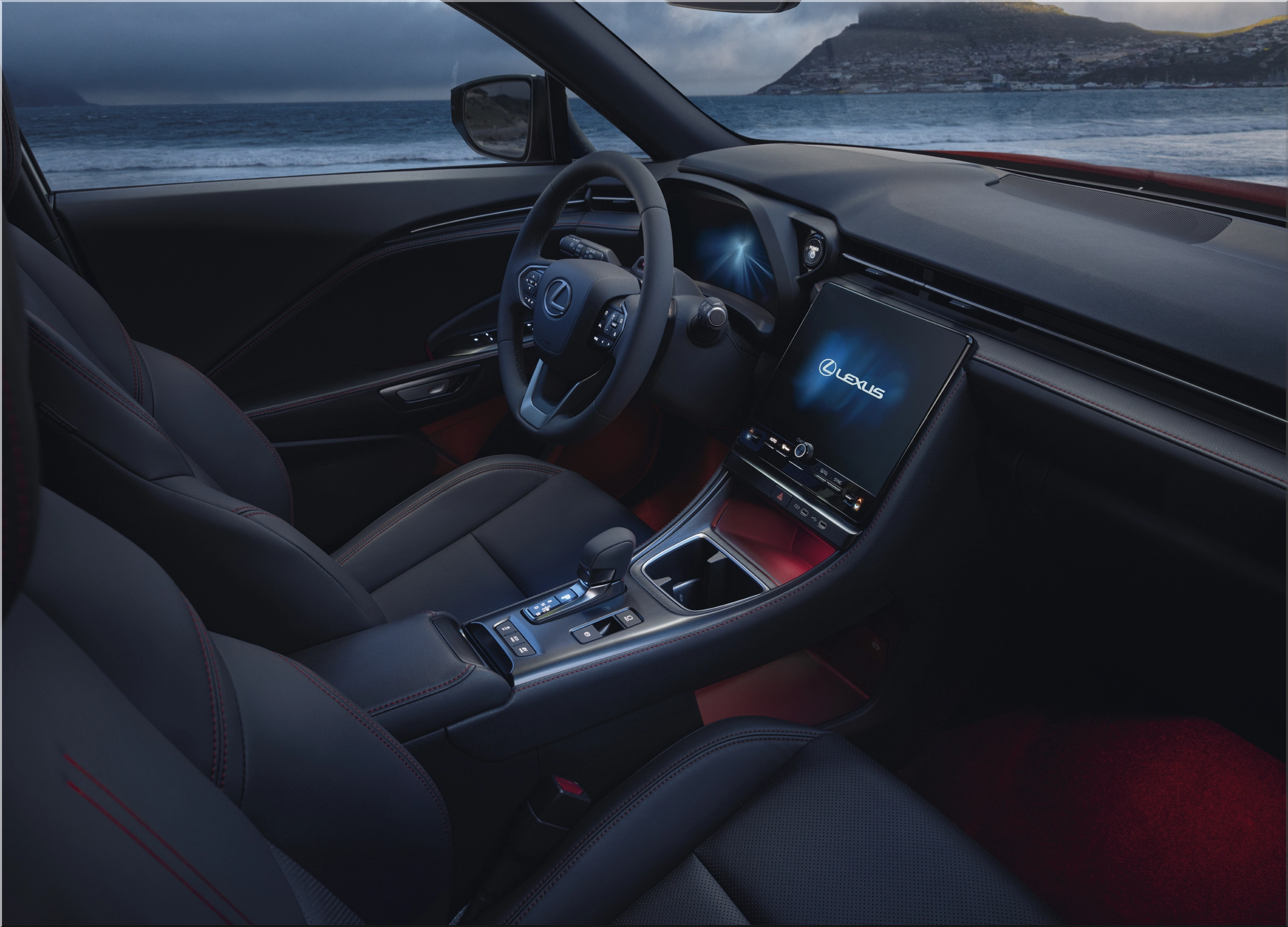
Inside, the Peugeot i-Cockpit 3D dominates the experience. It places a compact steering wheel below the digital cluster, improving visibility and response.
Key interior features:
- 3D digital instrument panel.
- 10-inch central touchscreen with connectivity.
- Advanced driver assistance systems (ADAS), including:
- Adaptive cruise control.
- Automatic emergency braking.
- Lane-keeping assist.
Despite its compact size, the 208 GT Hybrid includes premium finishes, giving it a more upscale feel compared to standard B-segment cars.
Image gallery

Safety and Driver Assistance
Peugeot’s hybrid integrates safety technologies that help urban and highway drivers alike. The driver assistance suite includes:
- Adaptive Cruise Control: Maintains safe following distance.
- Lane Positioning Assist: Keeps the car centered in its lane.
- Automatic Emergency Braking: Detects obstacles and reacts quickly.
- Traffic Sign Recognition: Keeps drivers updated on speed limits.
These features align with Peugeot’s strategy to make compact cars safer and more intelligent.
Market Position and Pricing
The Peugeot 208 is already a top seller in Europe. The GT Hybrid strengthens the brand’s presence in the B-segment by offering an affordable entry into electrification without the higher costs of full electric vehicles.
Expected price range:
- In Europe, similar Peugeot hybrids start near $28,000 USD.
- Pricing will vary depending on trim and market incentives.
For many buyers, the 208 GT Hybrid serves as a bridge technology—more efficient than traditional gasoline but less expensive than full EVs.
Peugeot’s Electrification Strategy
Peugeot plans to expand its electrified lineup rapidly. By 2024, models like the E-3008, E-5008, and E-408 joined the range. The 208 GT Hybrid complements these by addressing entry-level buyers seeking efficiency at lower cost.
The company offers an 8-year / 100,000-mile warranty on its electric and hybrid systems, reducing buyer hesitation about battery reliability.
Comparison with Competitors
| Model | Powertrain | Horsepower | Approx. Price (USD) | Key Advantage |
|---|---|---|---|---|
| Peugeot 208 GT Hybrid | Gasoline + Hybrid motor | 136 hp | ~$28,000 | Compact, stylish, hybrid tech |
| Toyota Yaris Hybrid | Gasoline + Hybrid motor | 114 hp | ~$27,500 | Proven hybrid system |
| Renault Clio E-Tech | Gasoline + Hybrid motor | 140 hp | ~$28,500 | Efficient city performance |
| Honda Jazz Hybrid | Gasoline + Hybrid motor | 109 hp | ~$26,500 | Spacious interior for the class |
The table shows Peugeot positioned competitively. The 208 GT Hybrid balances power and price while maintaining French design appeal.
Who Should Consider the 208 GT Hybrid?
The car targets:
- Urban drivers needing a compact, agile car.
- Commuters wanting better fuel economy than gasoline-only models.
- Buyers hesitant about full EVs but interested in reduced emissions.
- Style-conscious consumers attracted to Peugeot’s design.
Image gallery
Conclusion
The Peugeot 208 GT Hybrid demonstrates how compact cars can adapt to modern demands for efficiency and sustainability. With a balance of hybrid technology, compact design, and advanced features, it offers a practical solution for urban mobility.
For buyers who want lower emissions and lower running costs without moving to a full EV, this car provides a smart alternative. Peugeot strengthens its position in the European compact market, while continuing its push toward full electrification.
- Add new comment
- 578 views