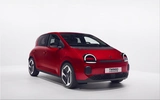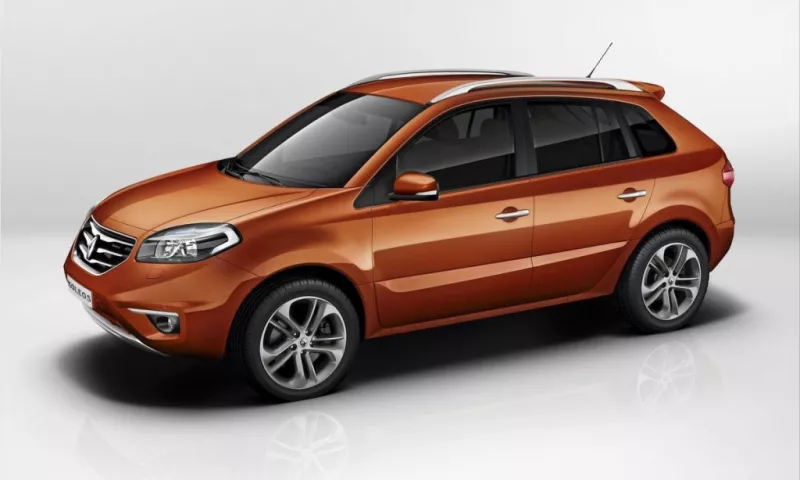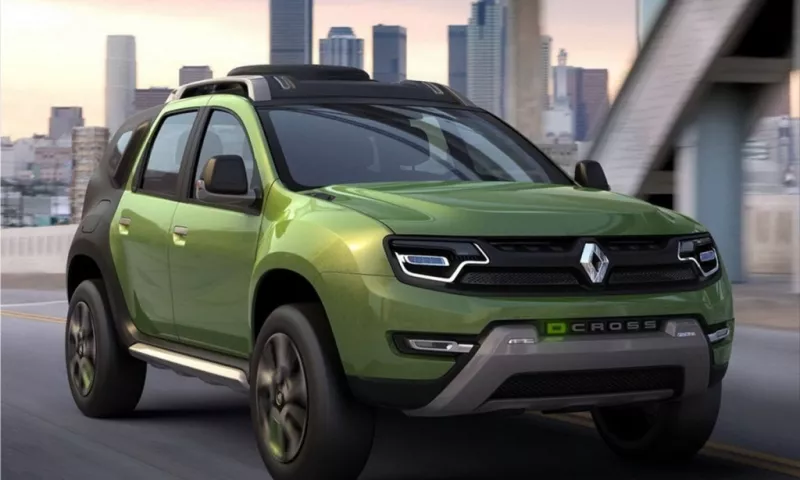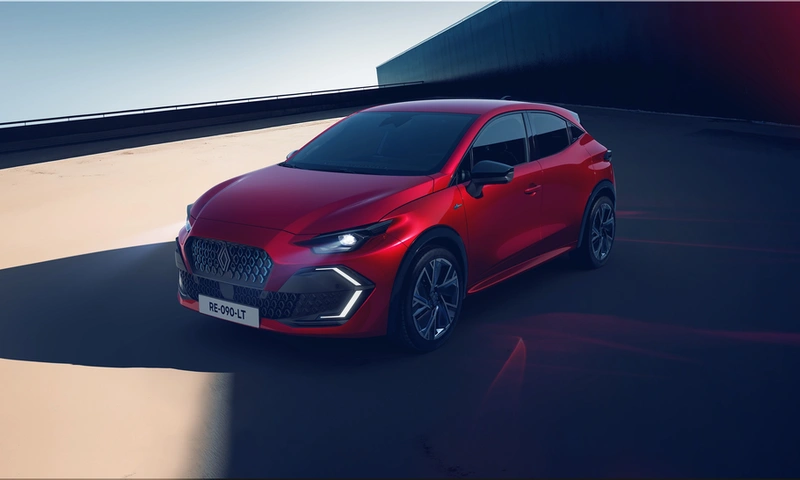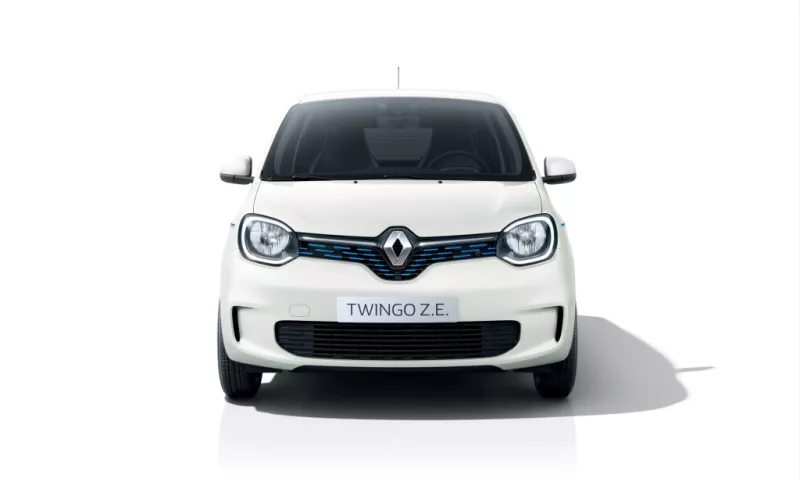

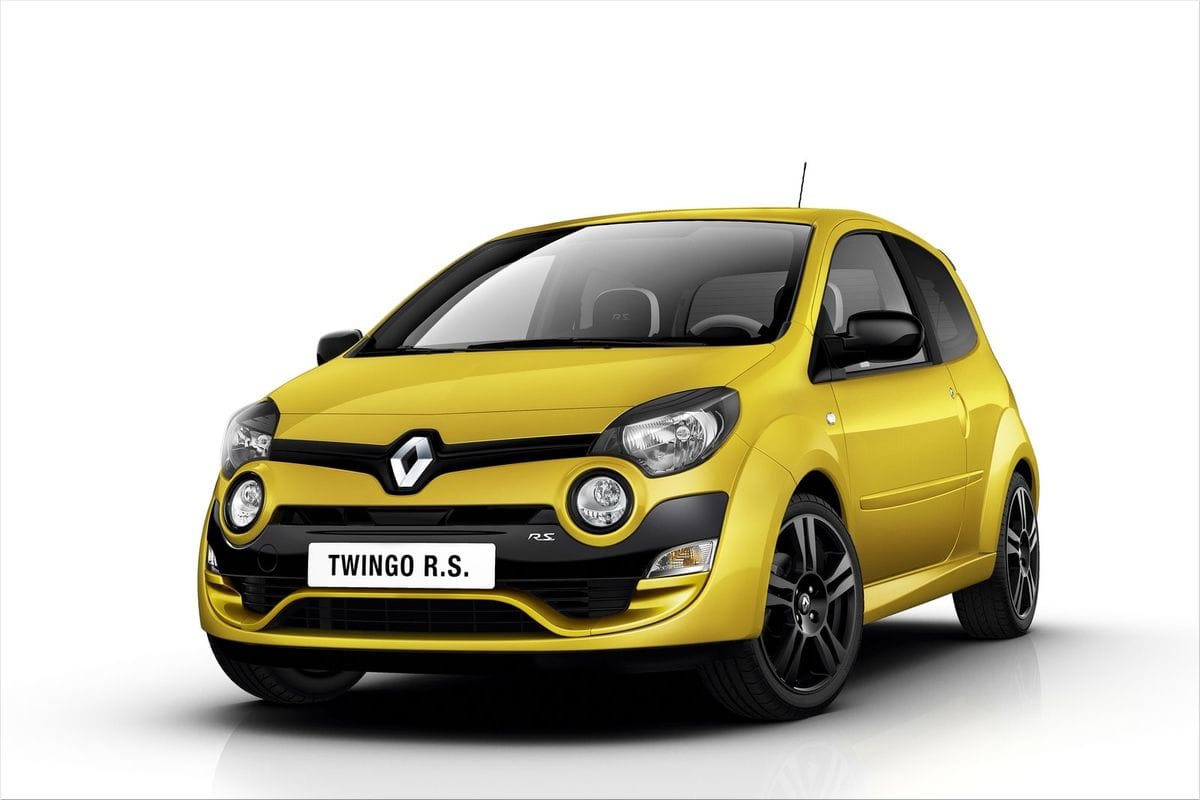
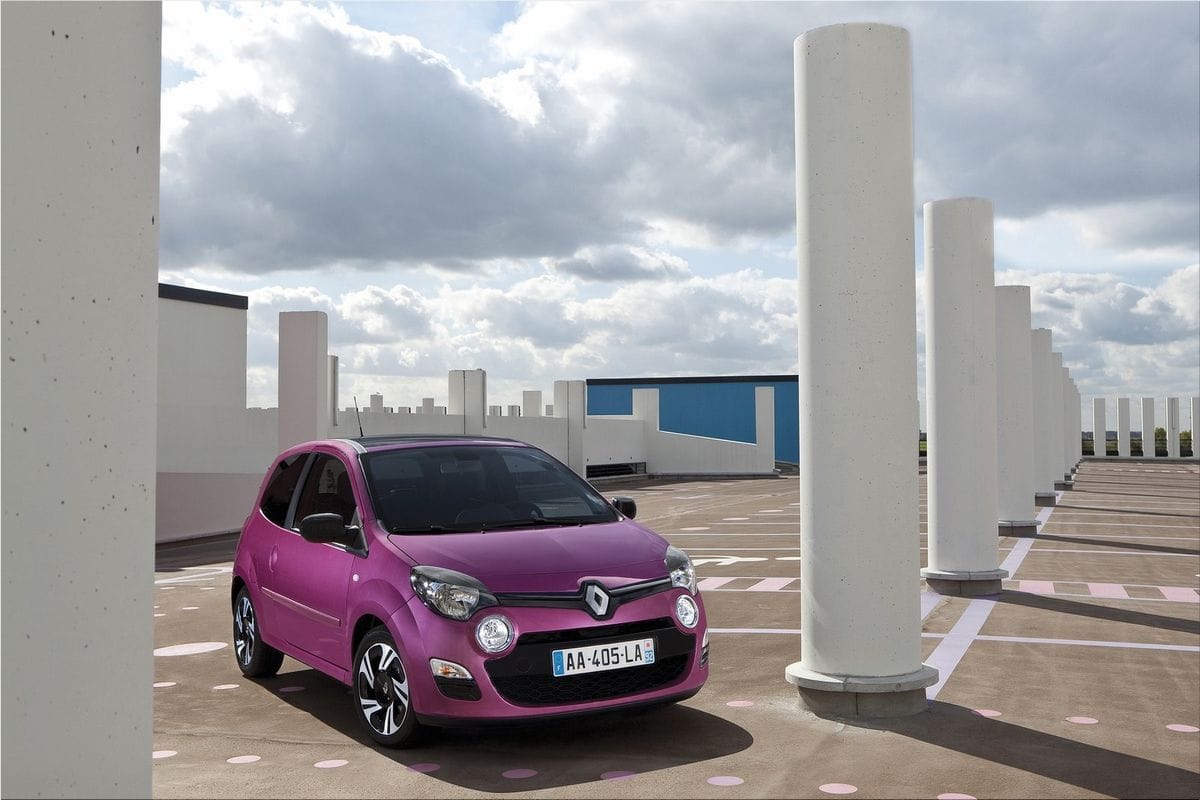
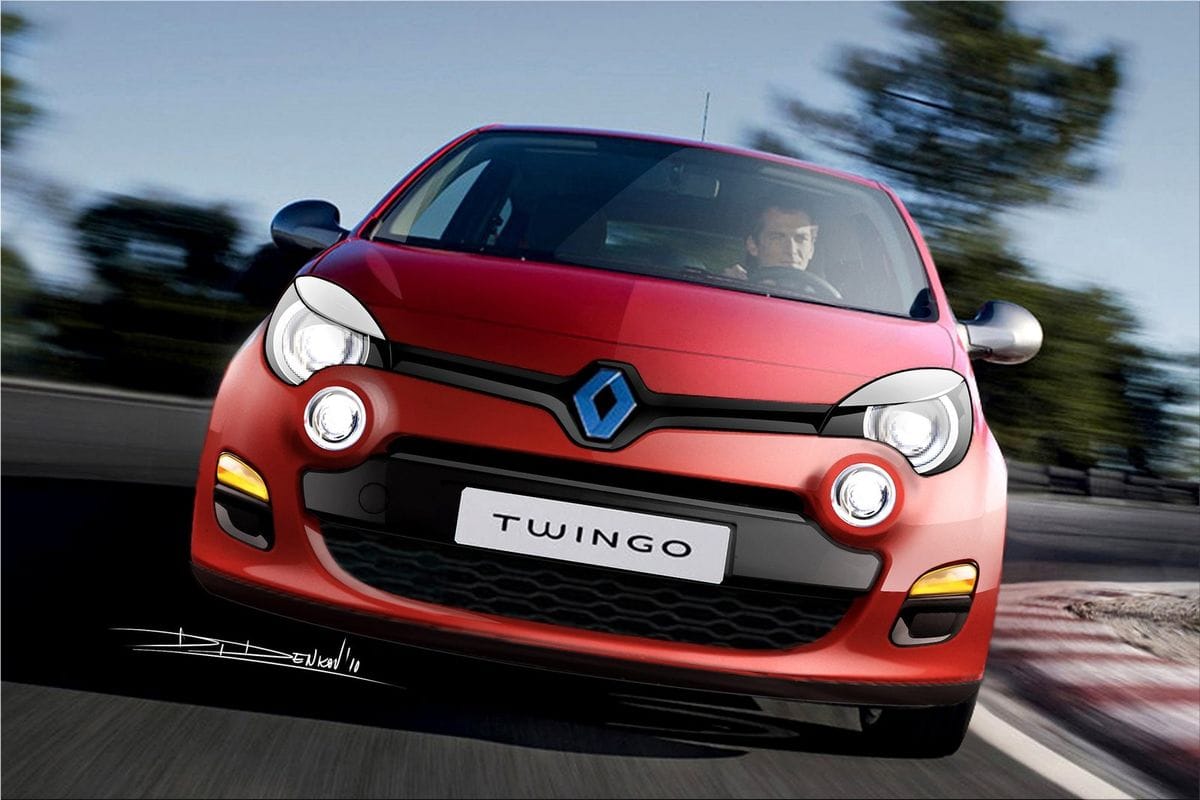
Renault finally remembered that the Twingo works best when it refuses to take itself too seriously. The 2012 facelift moves away from the anonymous styling of the 2007 debut and embraces a bold, expressive face. With its oversized fog lights and playful lines, this city car prioritizes character and customization over clinical efficiency.
Design and Visual Identity
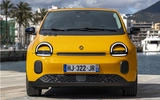
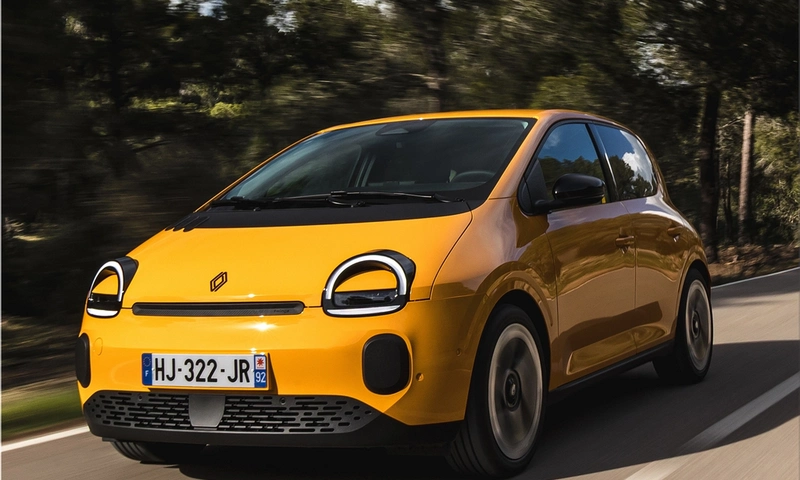
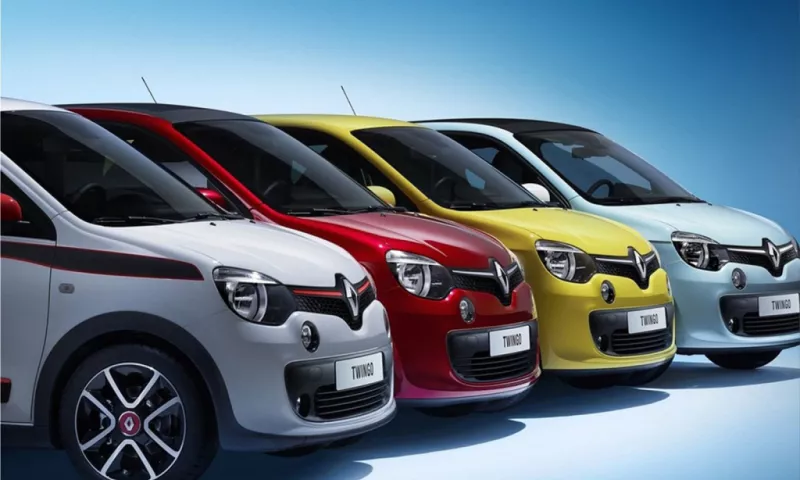
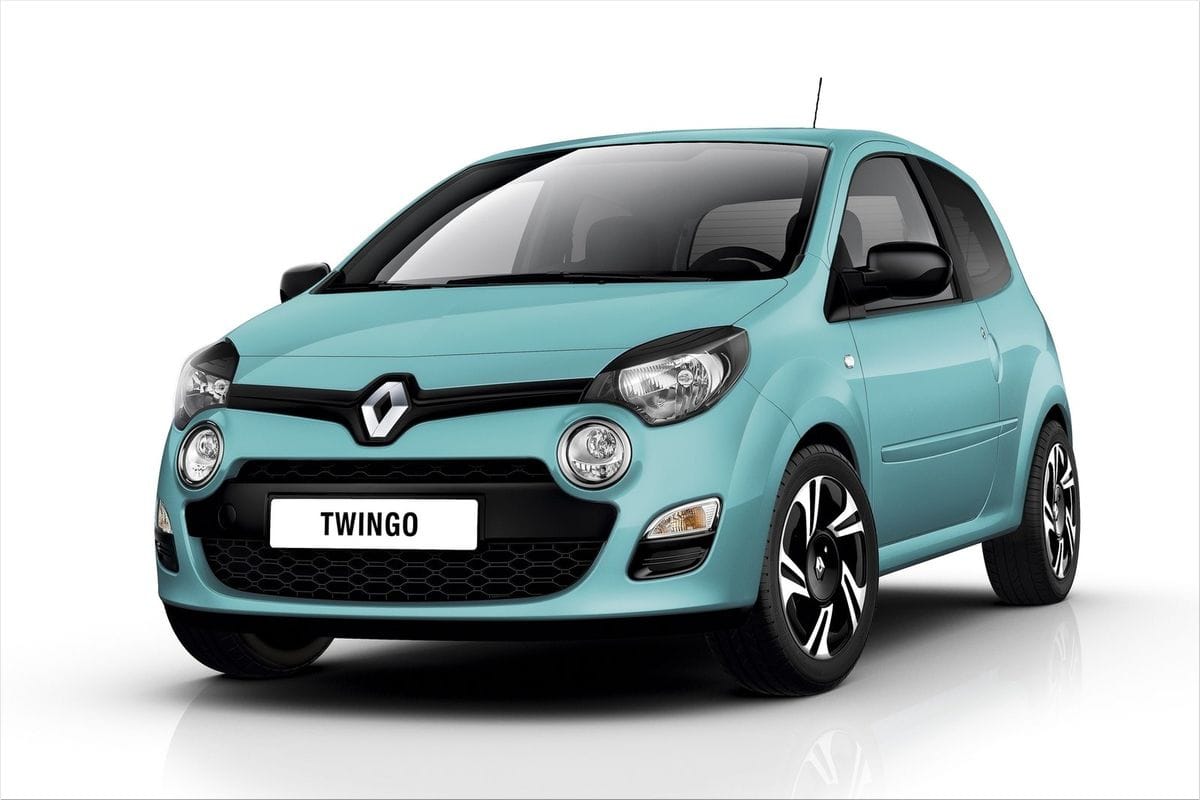
The most striking change involves the new front end. Renault reintroduced the circular light clusters that evoke the original 1990s icon. This design shift gives the car a distinct "smile" that differentiates it from the crowded B-segment market.
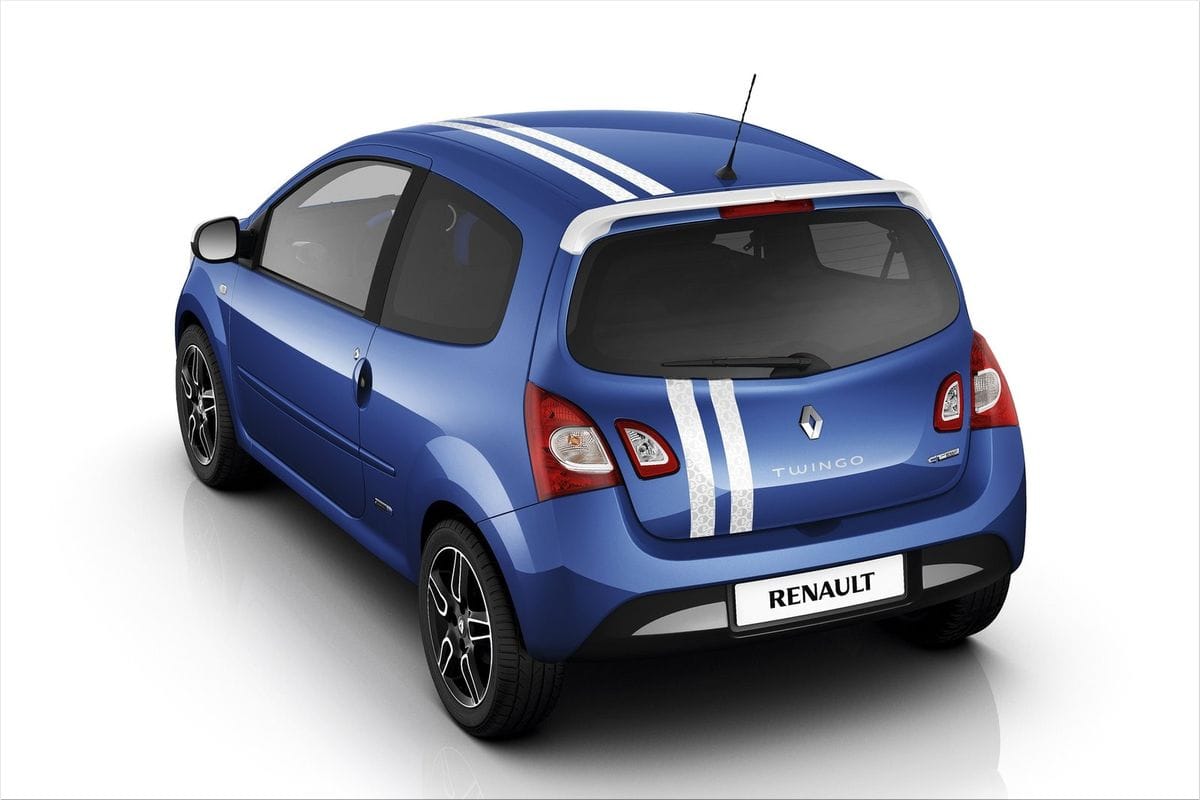
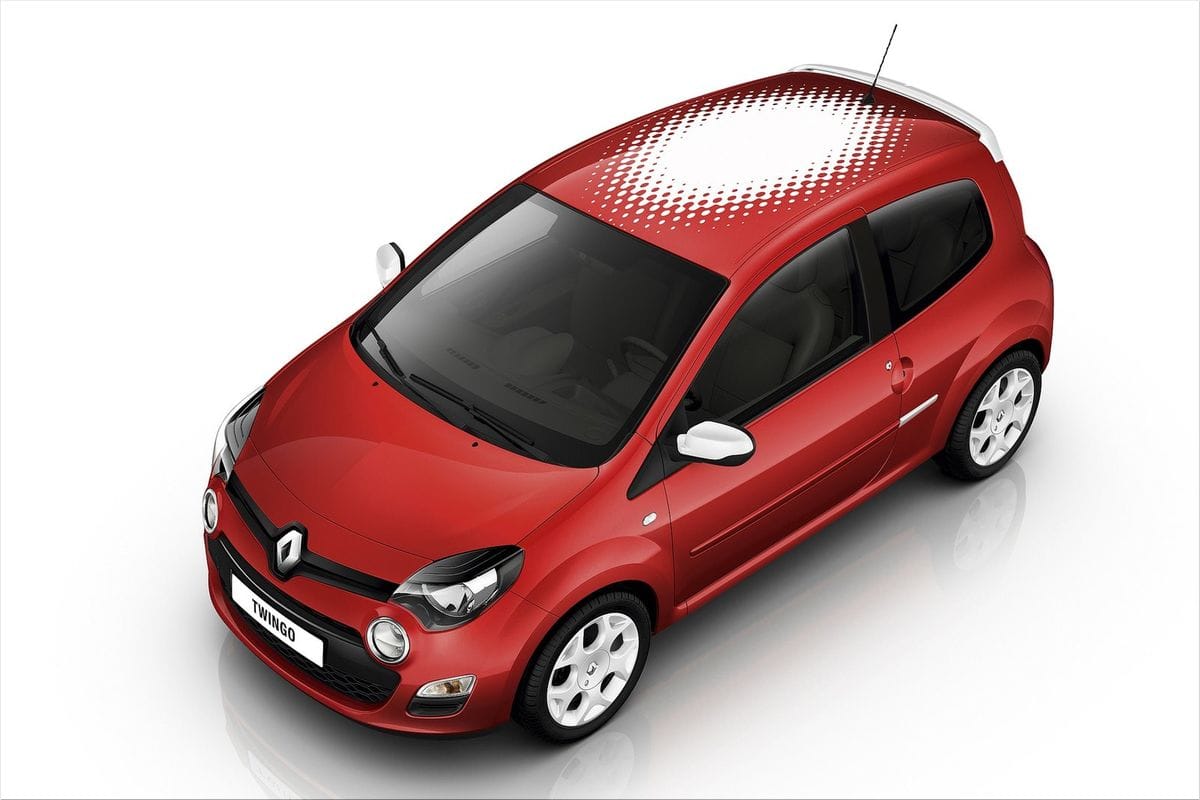
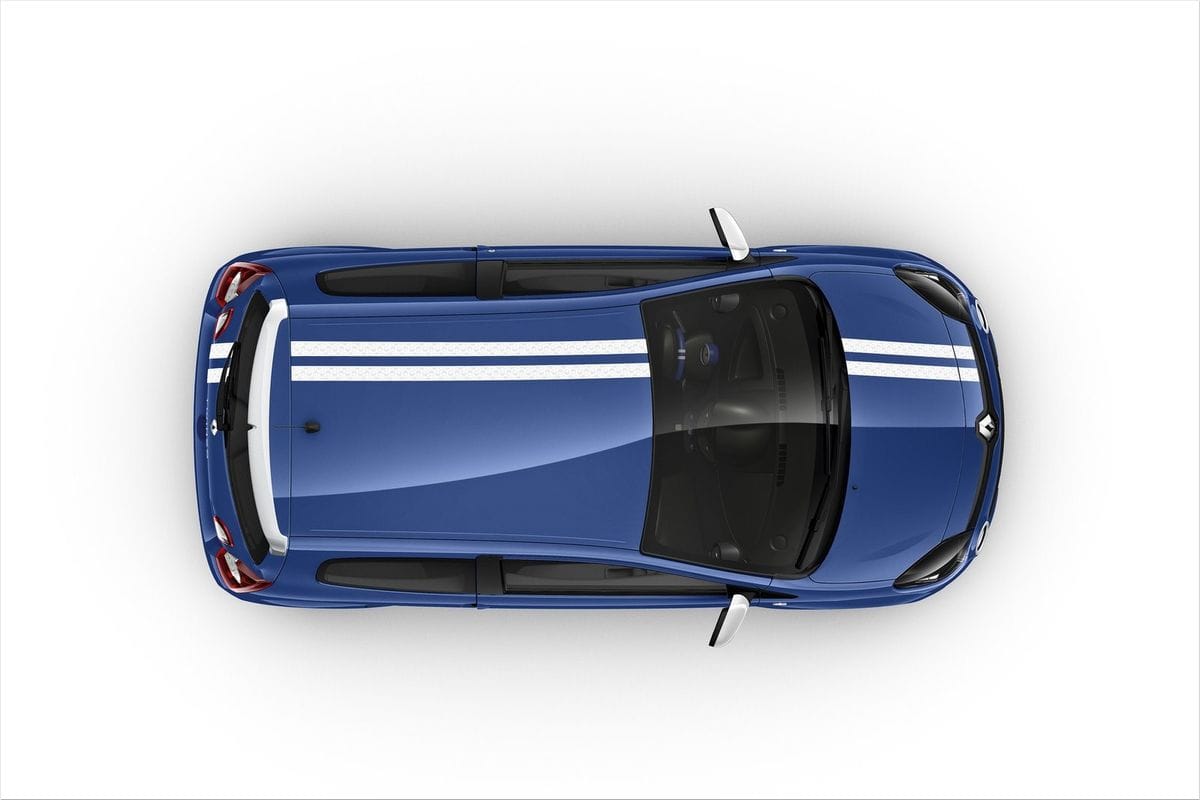
Personalization drives the appeal of this updated model. Buyers can choose from various roof decals and contrasting wing mirror colors. This modular approach ensures the Twingo feels like a fashion accessory rather than a mere appliance.
Interior Versatility and Space
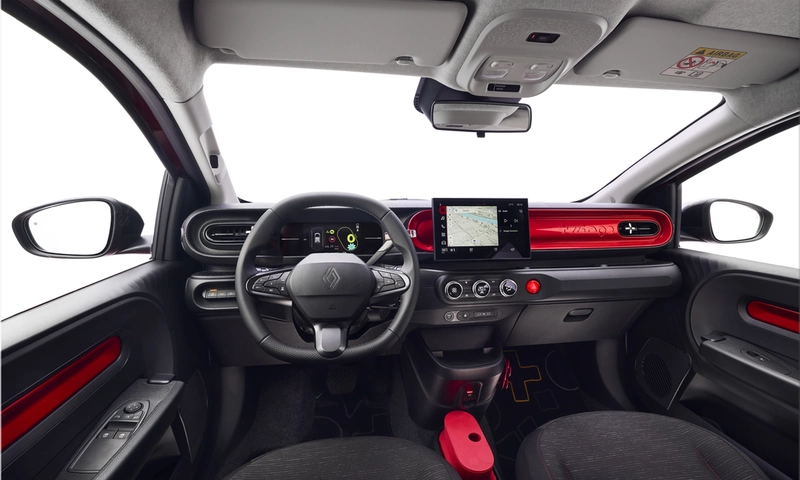
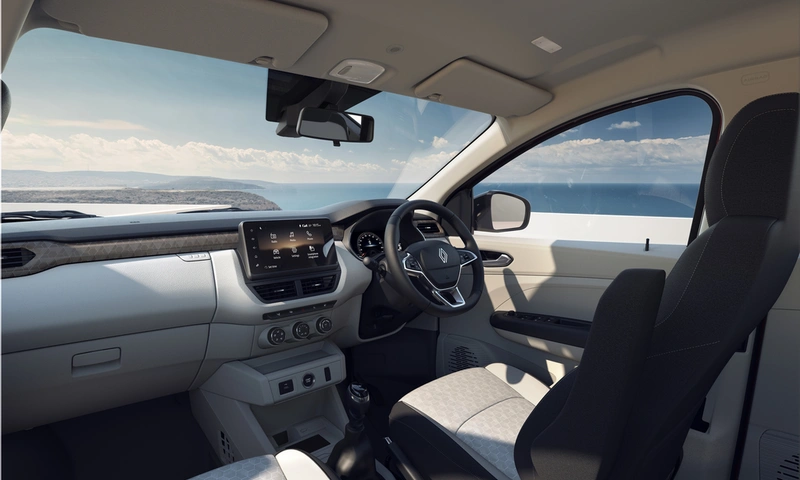
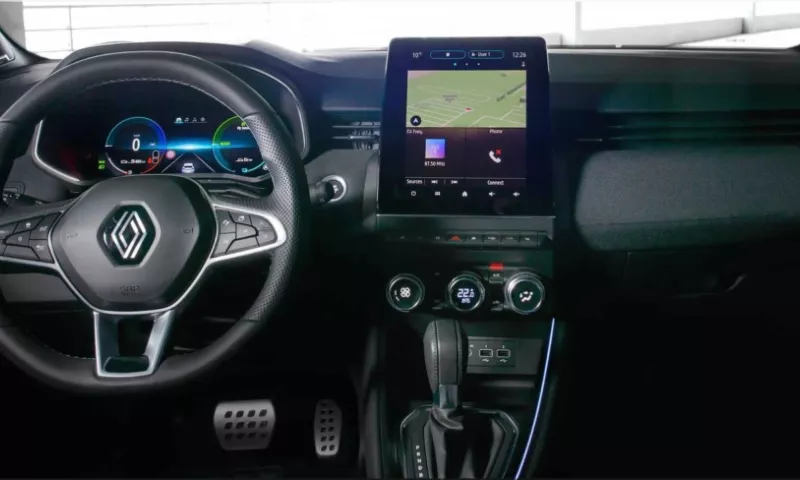
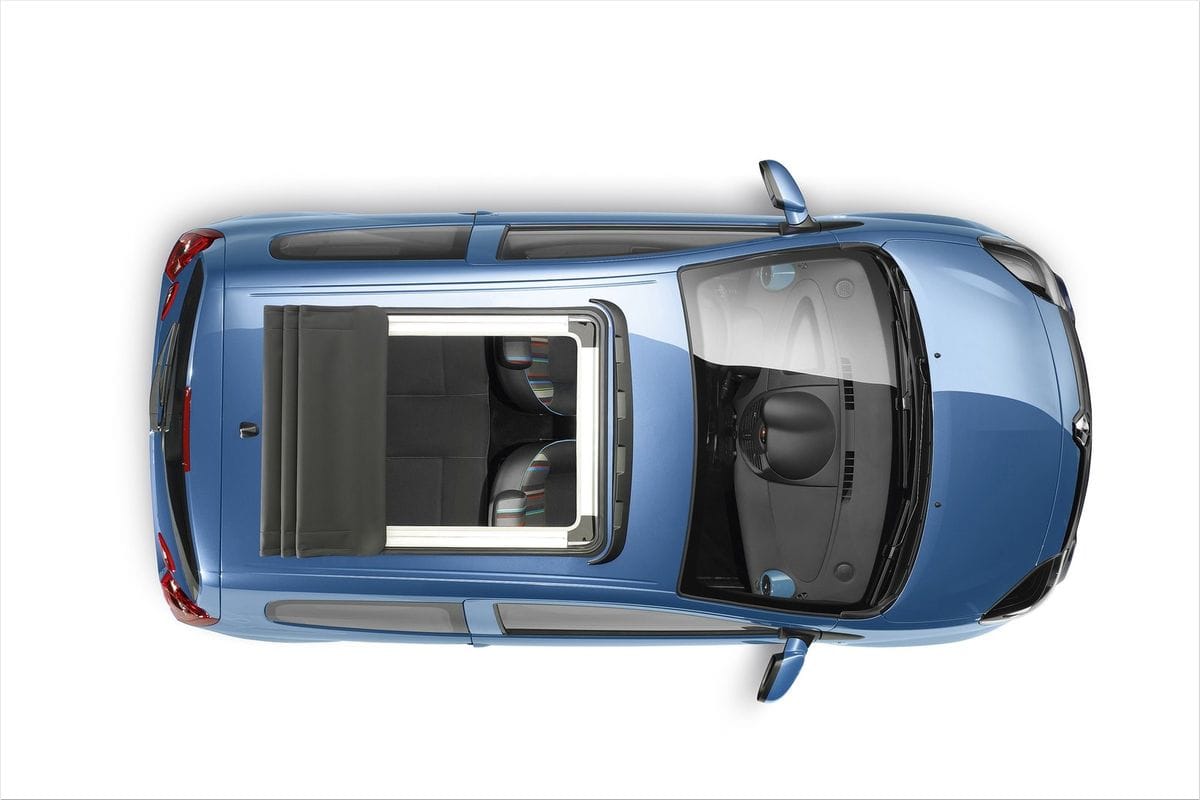
The cabin remains one of the most practical in its class. While the plastics are hard to the touch, the layout is intuitive and airy. The digital speedometer sits centrally on the dashboard, keeping the driver's view clear and focused.
- Sliding Rear Seats: Individual rear seats can slide forward or backward independently.
- Boot Capacity: Volume ranges from 165 to 285 liters depending on seat position.
- Storage: Plenty of cubbies for phones and water bottles throughout the cabin.
Performance and Driveability
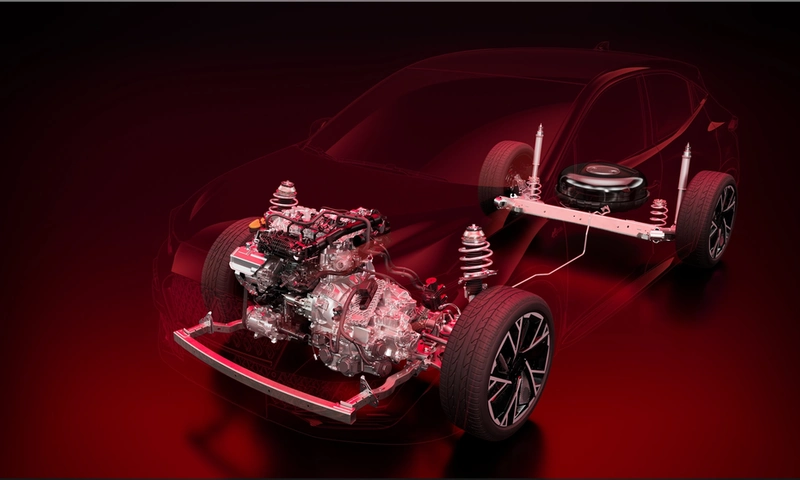
The Twingo excels in urban environments where its tight turning circle makes parking effortless. Its lightweight chassis means even the smaller engines feel surprisingly zippy away from the lights. The suspension is tuned for comfort, though it can feel slightly unsettled on rougher motorway stretches.
Under the hood, the 1.2-liter petrol engine remains the staple for city dwellers. For those seeking more excitement, the 1.2 TCe turbo provides a healthy 100hp boost. It transforms the car from a commuter tool into a genuine "warm hatch" that loves a winding road.
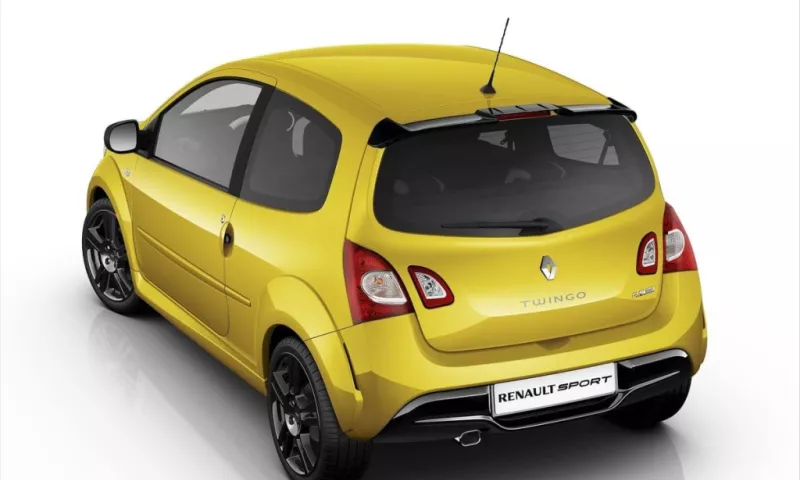
Pro-Tip: Opt for the Renaultsport 133 variant if you want a true driver's car. It offers one of the best power-to-weight ratios in the subcompact category.
Fuel Economy and Running Costs
Running a Twingo is remarkably affordable. The dCi 85 diesel engine is the efficiency champion, claiming fuel consumption figures that will please your wallet. However, the petrol units are better suited for the short, stop-start trips these cars usually face.
| Engine Type | Fuel Economy (Combined) | CO2 Emissions |
|---|---|---|
| 1.2 16V Petrol | 55 mpg | 119 g/km |
| 1.2 TCe Turbo | 49 mpg | 130 g/km |
| 1.5 dCi Diesel | 83 mpg | 90 g/km |
Image gallery

Verdict: The Urban Specialist
The 2012 Renault Twingo is a successful course correction. It recovers the charm and wit that made the original a legend while maintaining modern safety standards. It is not the most refined car on the highway, but it is undeniably one of the most enjoyable in the city.
If you value maneuverability and low running costs, this car belongs on your shortlist. It proves that small cars don't have to be boring. The Twingo is back to doing what it does best: making the daily commute feel like less of a chore.
What now? Test drive the TCe 100 engine to see if the extra punch fits your driving style. Check for local Renault dealer incentives on customization packs to make your Twingo truly unique.
- Add new comment
- 502 views