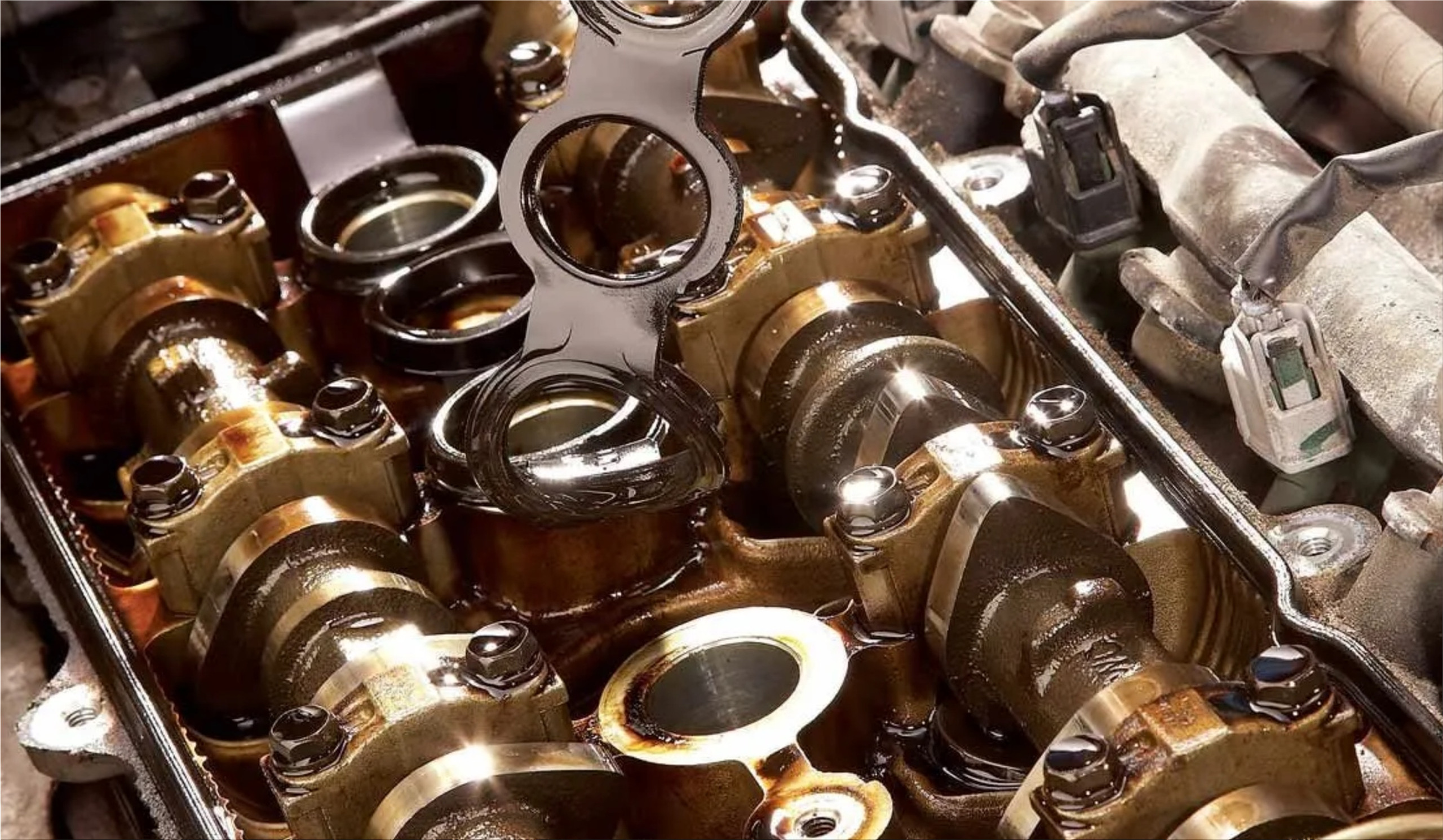
If you're experiencing a slow leak in your car's engine, you might want to consider gasket replacement. This thin piece of rubber acts as a seal between the engine block and cylinder head. Unfortunately, replacing a gasket can be difficult. Read on to learn more about gasket replacement and how to tell if your car needs it. And keep reading for the cost of a gasket replacement. And remember, the sooner you have it replaced, the better.
Symptoms of a blown head gasket
If your engine is overheating and your head gasket is leaking coolant, it could mean more than just a loss of power. If the head gasket is damaged, exhaust fumes could leak into the cooling system, causing damage to the catalytic converter and alloy cylinder head. Eventually, this problem can cost you a fortune to fix. Other symptoms of a blown head gasket include milky liquid on the oil filler cap or a milkshake-like substance on the dipstick. A blown head gasket will also cause the engine to overheat, resulting in a loss of power and loss of compression.
While you can try to fix the problem yourself, a blown head gasket is a serious problem. In some cases, you can limp your car to the mechanic's shop by using a head gasket sealer. While this will help you get the car to the shop, it is not a good solution. Instead, you should have a professional mechanic inspect your engine to determine what the problem is.
Blown head gaskets are not very common, but you should act quickly to get them repaired if you have any of the following symptoms. Blown head gaskets can cause engine problems in addition to the displacement of oil and coolant. If your engine is running hot, it can fail due to excessive pressure on the cylinders. A blowout head gasket can also cause the engine to overheat and lose compression.
The function of a head gasket
A head gasket is an essential component of an engine. Its principal function is to channel coolant through the engine to keep it at the right temperature. In addition, the head gasket prevents coolant from mixing with oil because of its smaller openings. Often, it will need replacement when it is damaged or fails to perform its function. To learn more about this vital component, read on. But, first, here's a brief explanation of its operation.
One of the most common symptoms of a broken head gasket is overheating. This can be caused by either a lack of coolant or oil leaking into the coolant system. The lack of coolant will cause the engine to run hot and cause it to overheat. Another subtle symptom is discolored engine oil. This happens when oil and coolant mix. Therefore, you'll need to get your engine inspected as soon as possible.
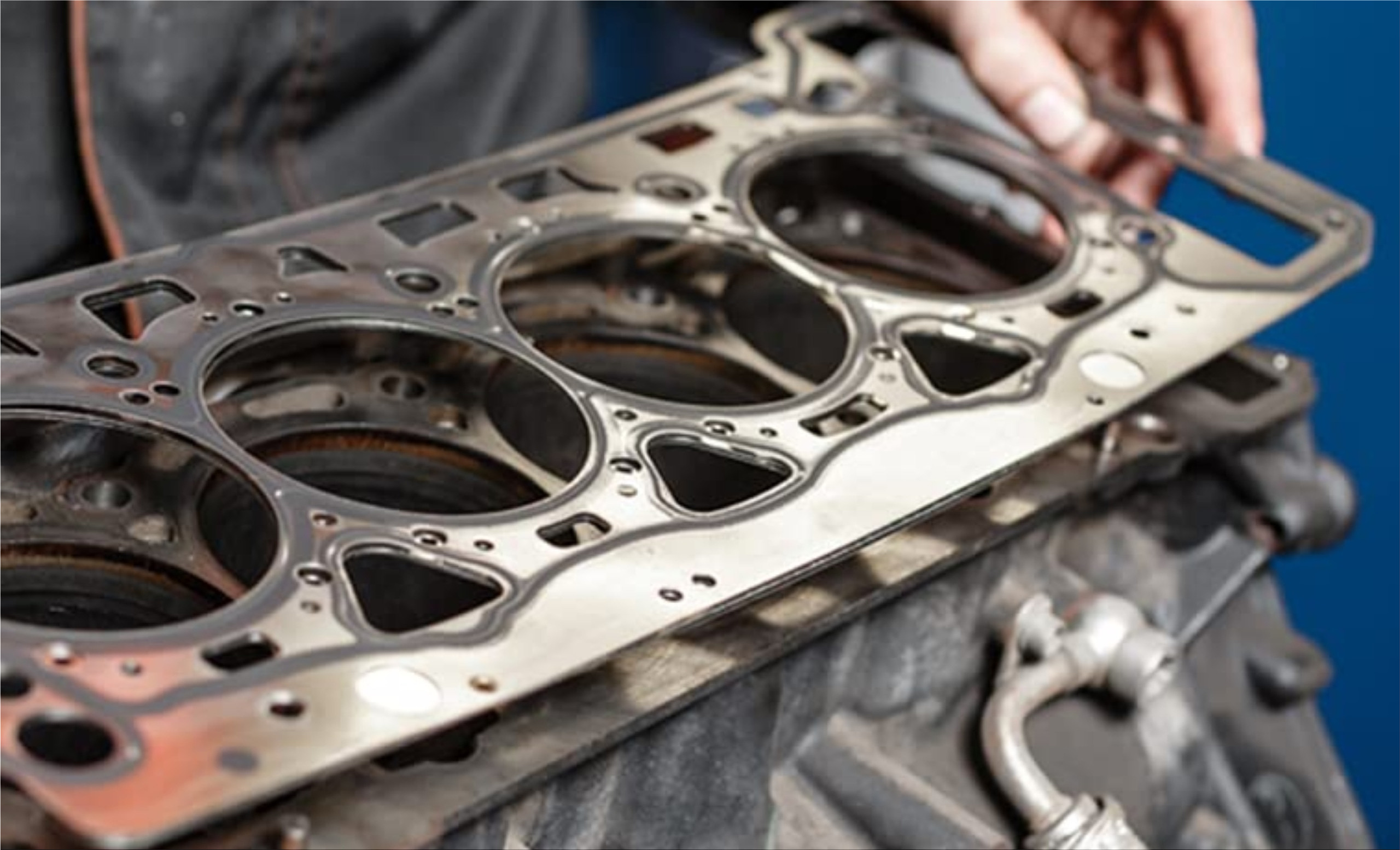
A head gasket is an engine component between the cylinder head and the engine block. Its primary function is to keep the engine at the proper temperature and pressure for combustion. It also prevents oil and coolant fluid from mixing, leading to engine overheating. This is a severe issue, as it can cause the engine to fail quickly and require a significant amount of money in repairs.
Cost of a head gasket replacement
The cost of replacing a head gasket varies based on the vehicle and the extent of the damage. For example, a mechanic at a primary dealer is likely to charge more than a local mechanic, while the same repair at a mechanic's shop might be less expensive. According to gasket replacement Hampton VA the price also depends on the brand of the vehicle and its engine size. Higher-end imports are generally more costly to repair than domestic cars, and mechanics often don't want to take on these vehicles. In addition, six-cylinder cars tend to have larger engines than four-cylinder cars, which means a head gasket replacement will cost more than a four-cylinder vehicle.
If you decide to repair the head gasket yourself, you'll have to spend about $1500 or more. That cost is primarily due to the labor involved. First, a technician must completely disassemble the engine to get to the head gasket. Then, the timing gears and camshaft must be reset to get the car back up. Because the repair requires a significant amount of labor, it's likely to cost you between $950 and $1500, depending on the car model and mechanic.
A failing head gasket can let coolant, water, and anti-freeze into the engine. This can cause damage to the radiator. The cost of a head gasket replacement depends on the severity of the injury, but you can save hundreds of pounds by repairing it yourself. Ask your mechanic about the procedure if you're unsure whether you need a head gasket replacement. If your car is a classic case of overheating, a head gasket replacement could save you hundreds of pounds.
Image gallery
- Add new comment
- 461 views