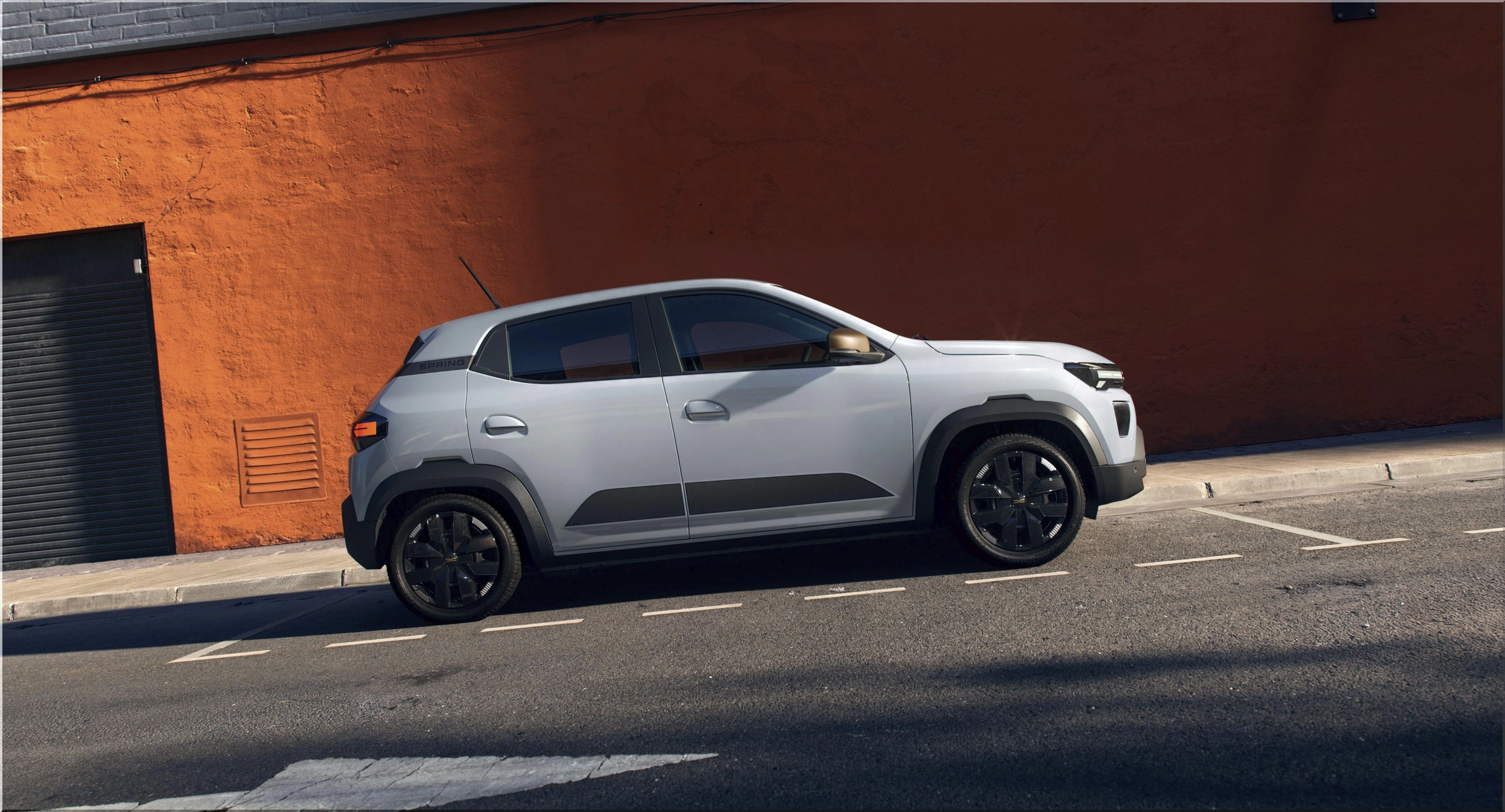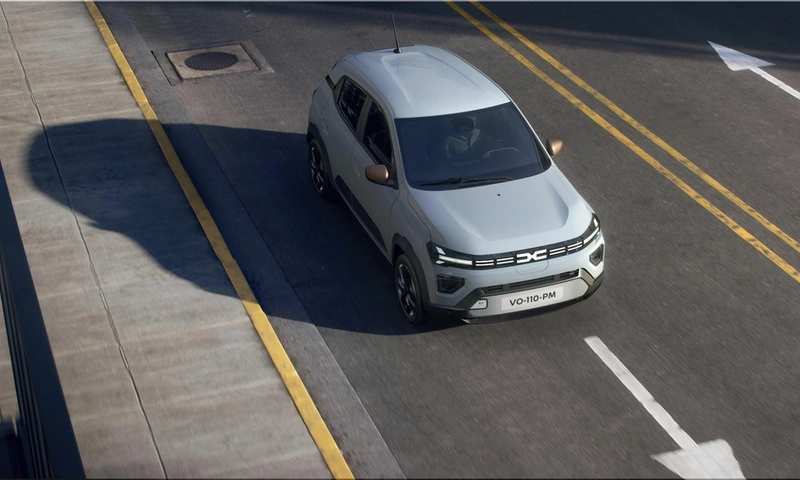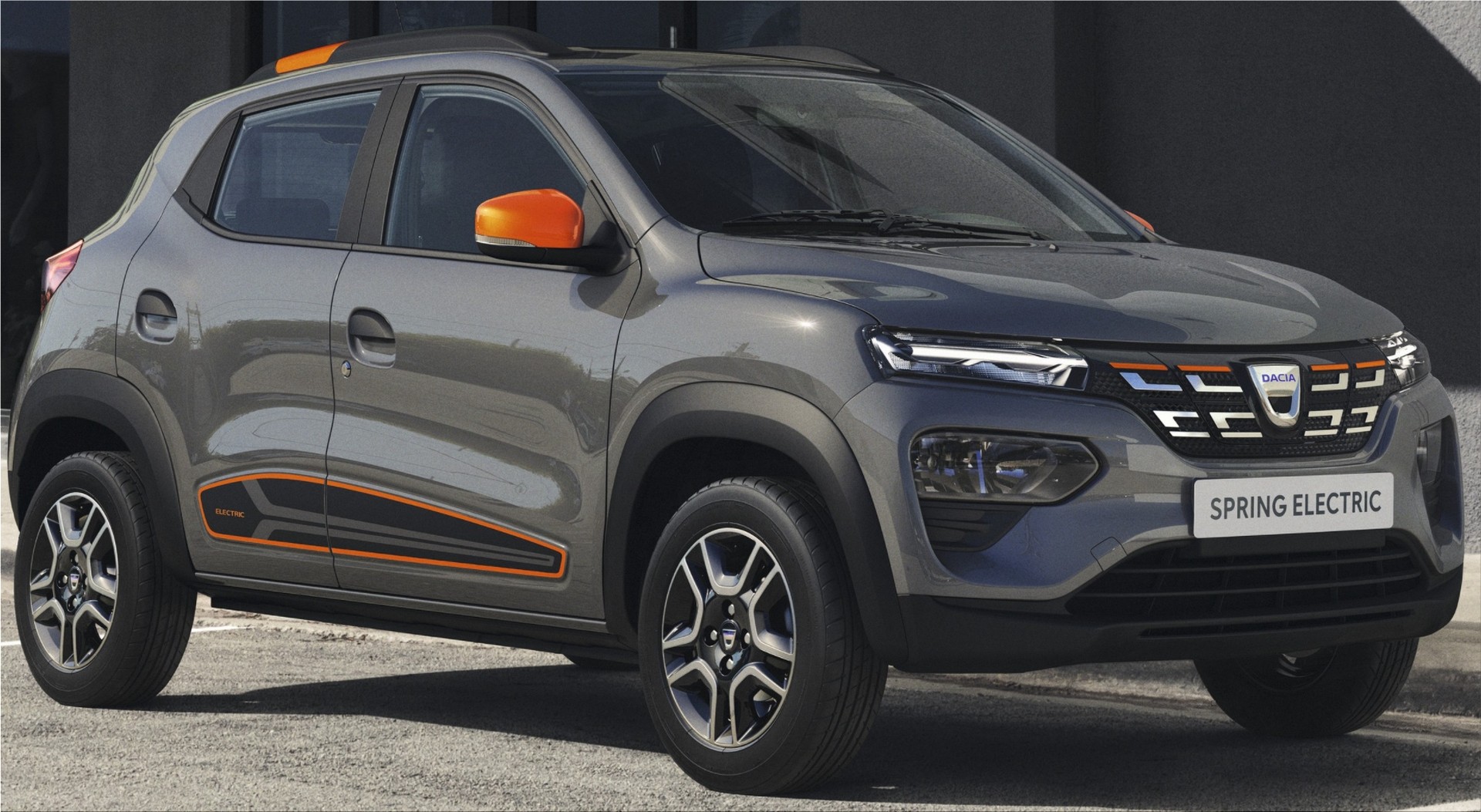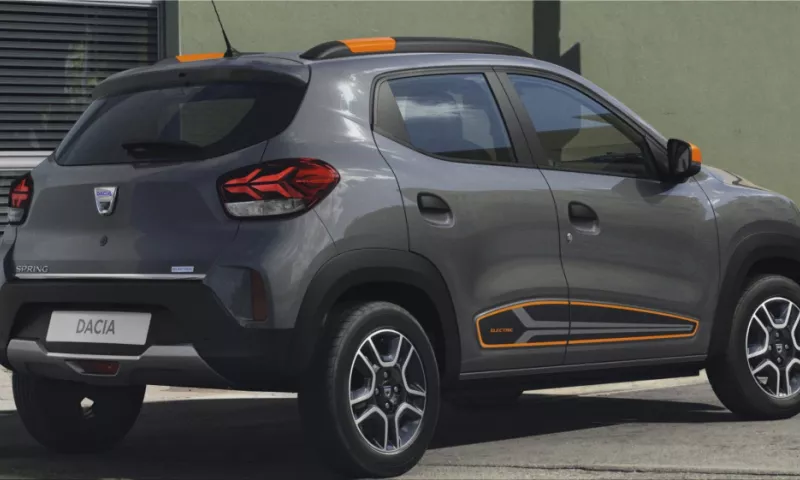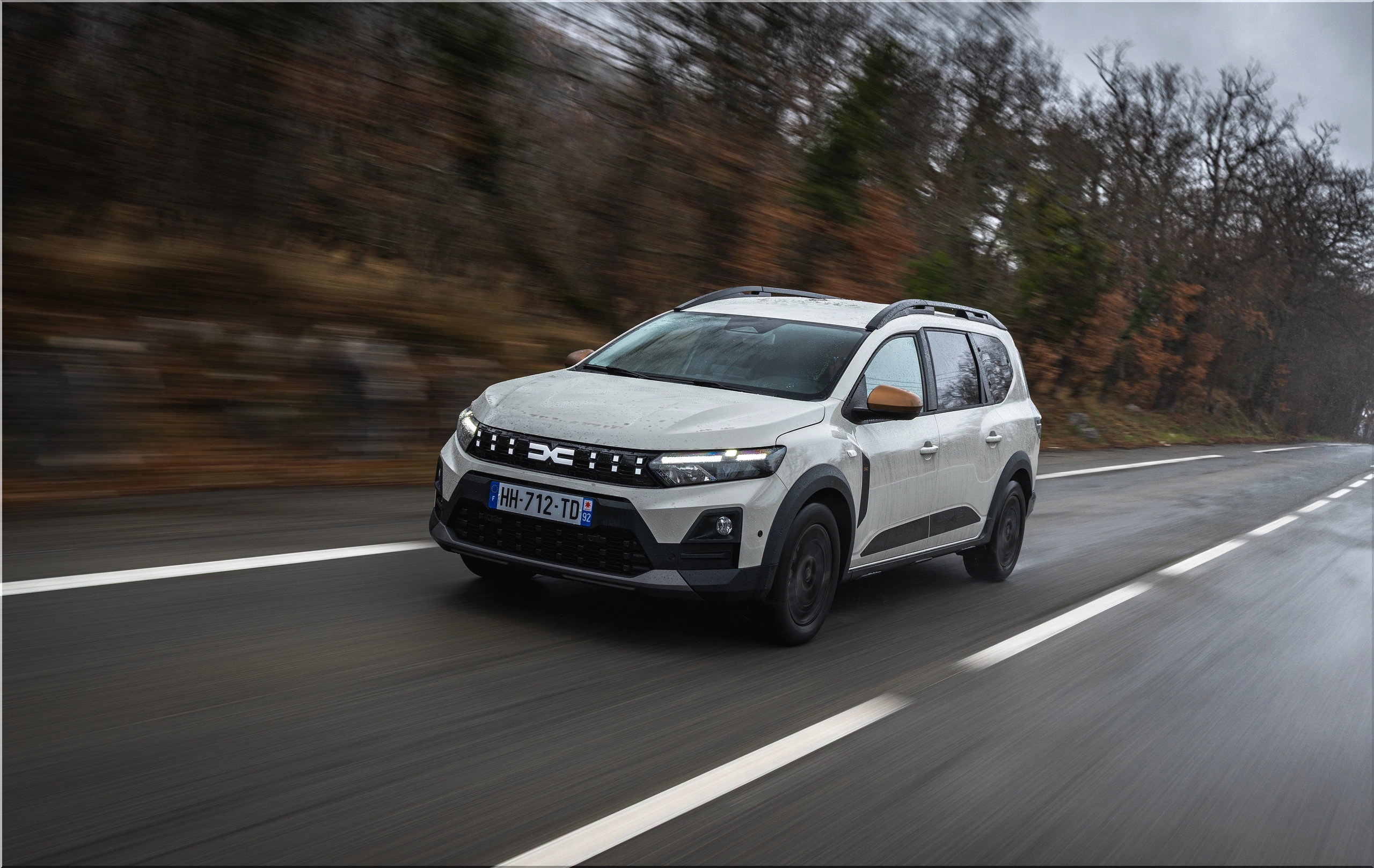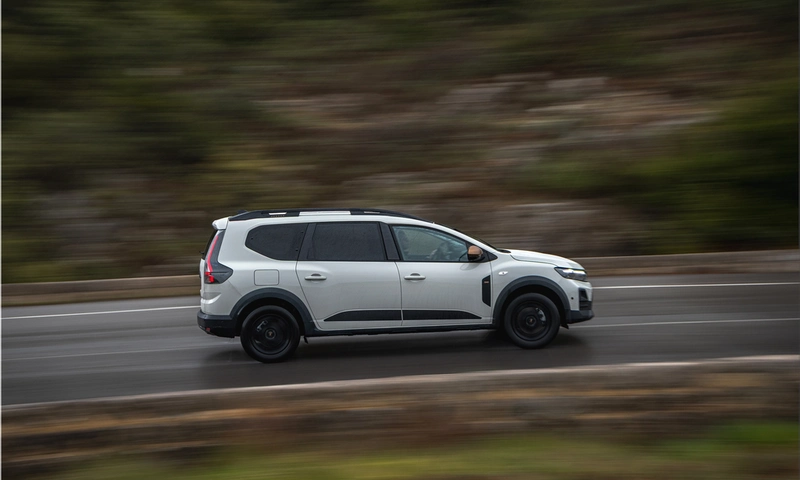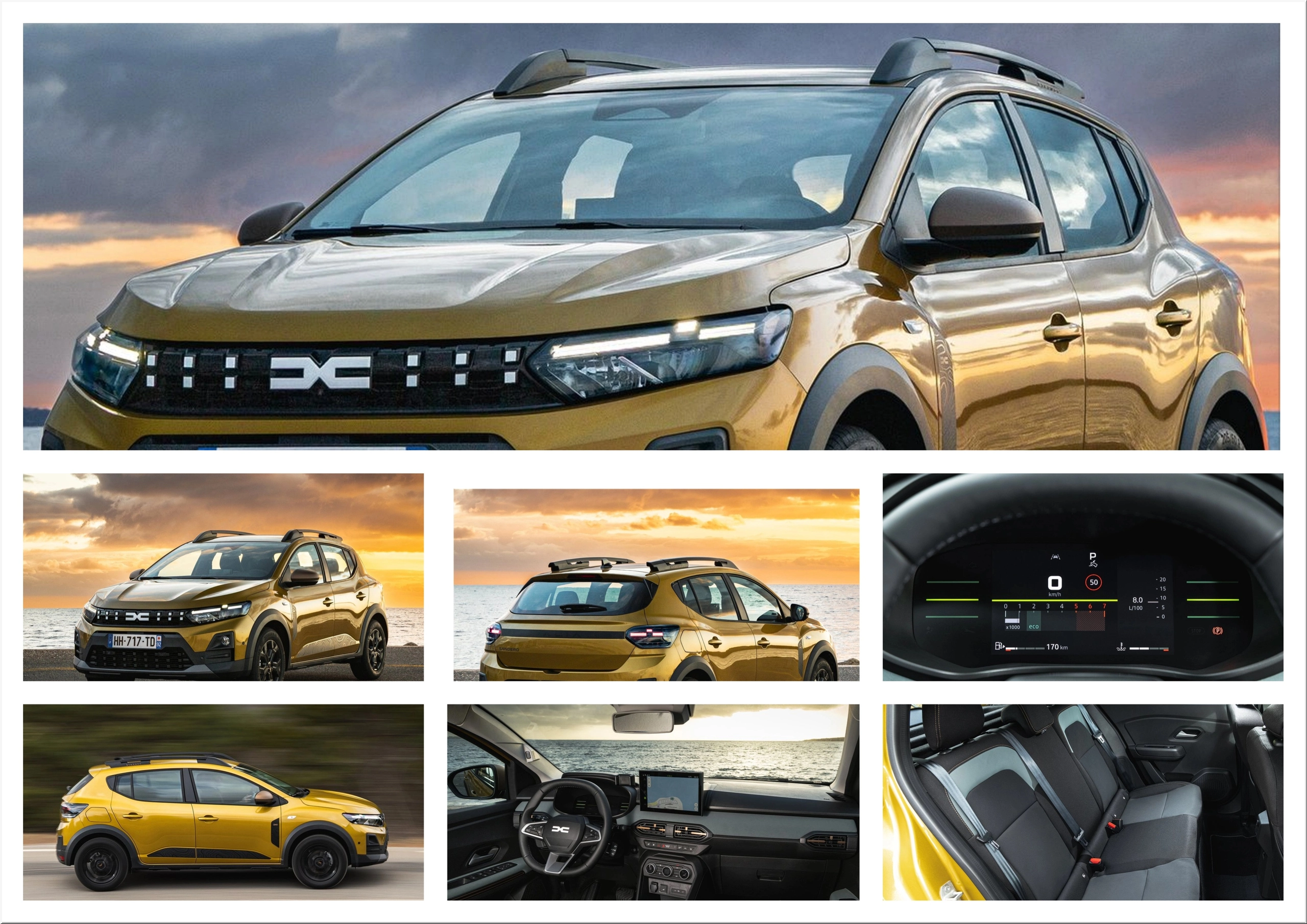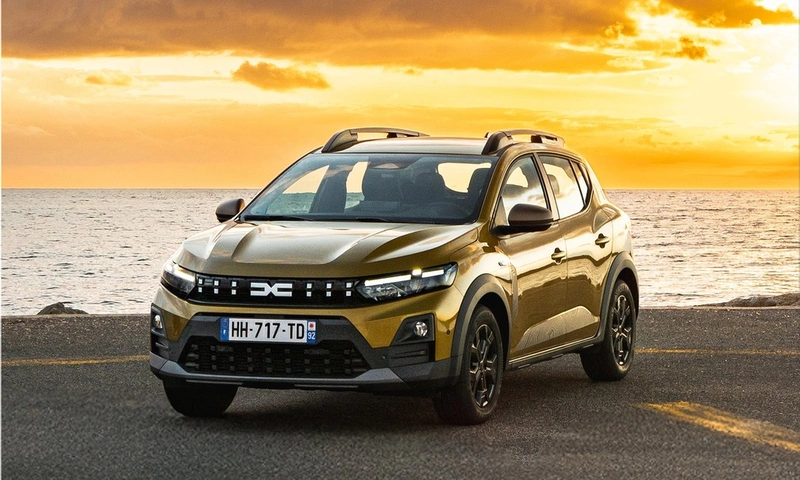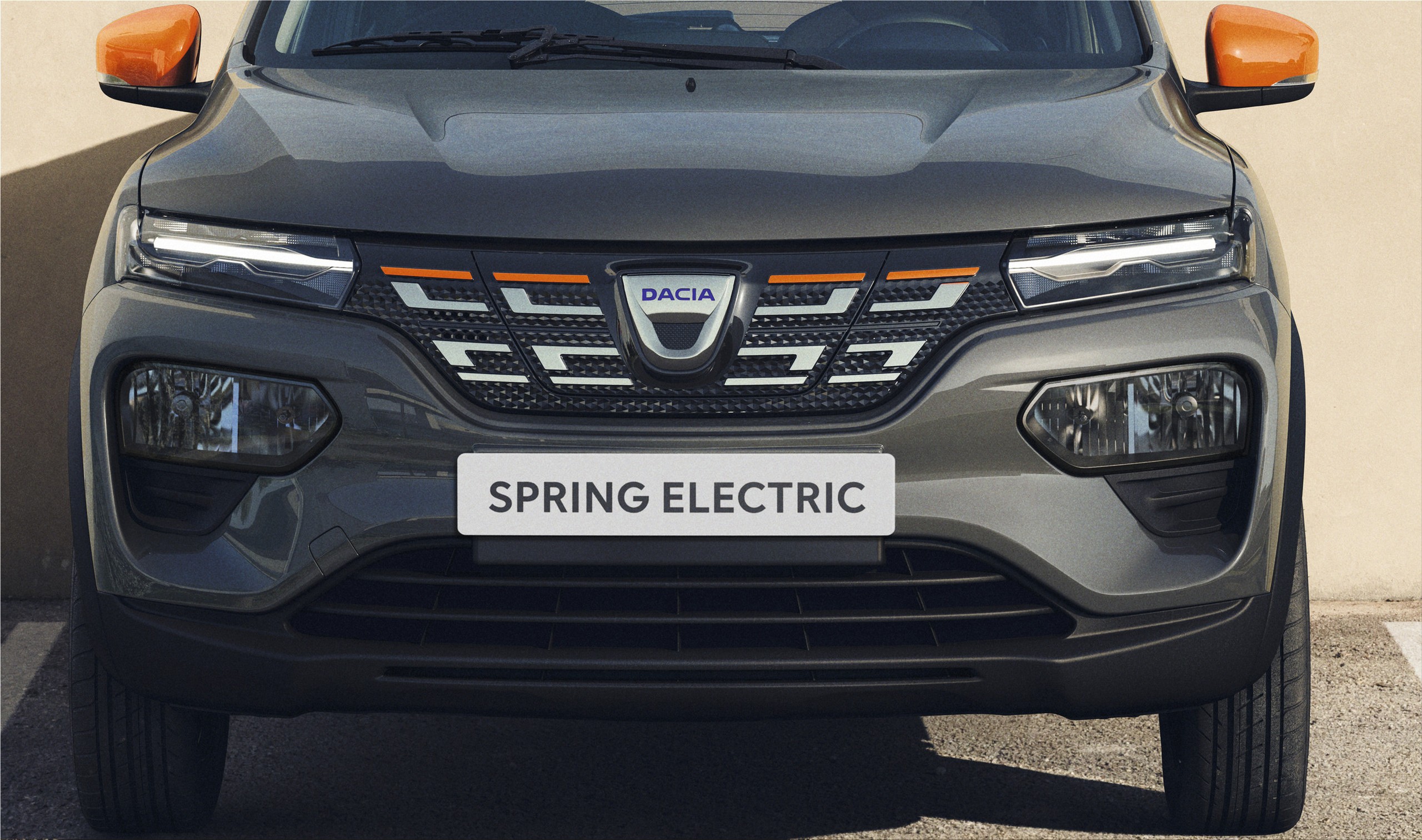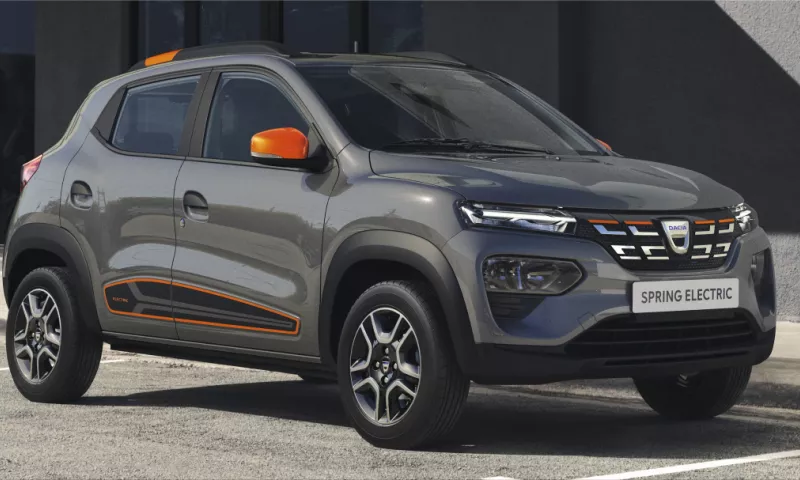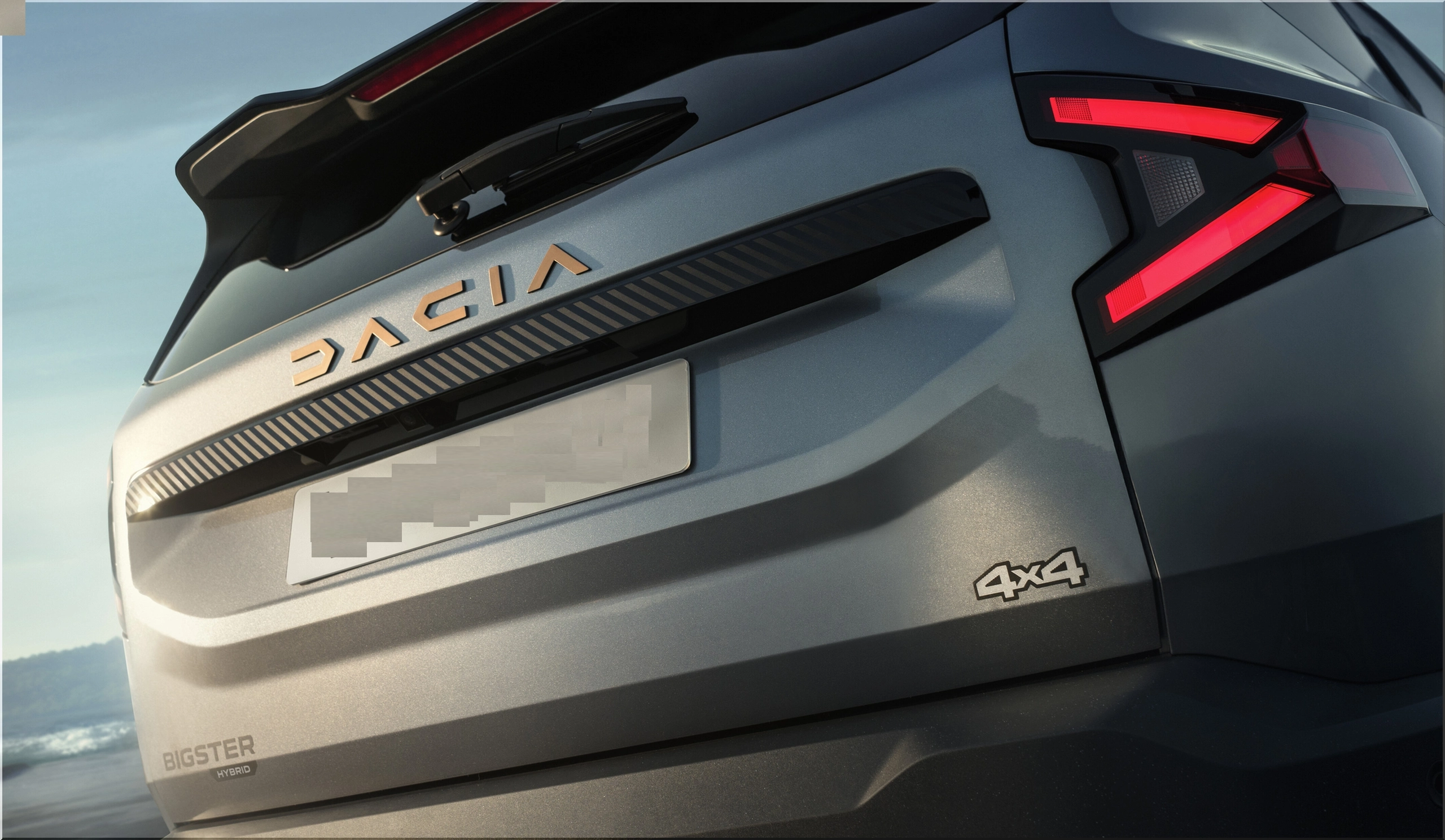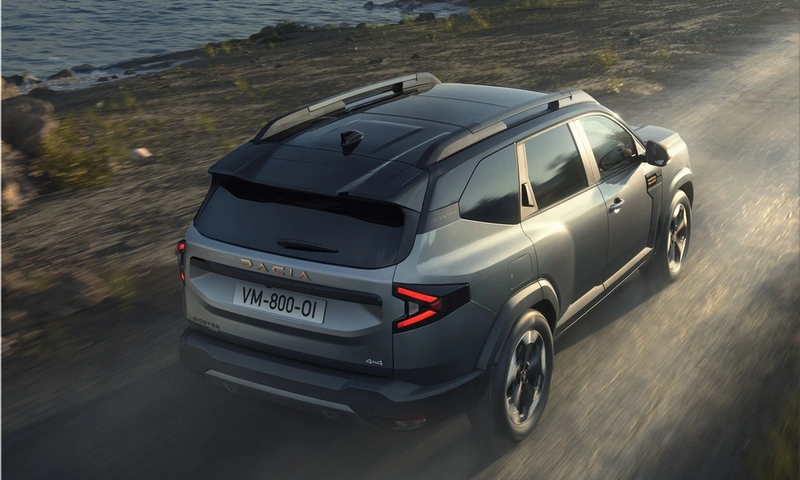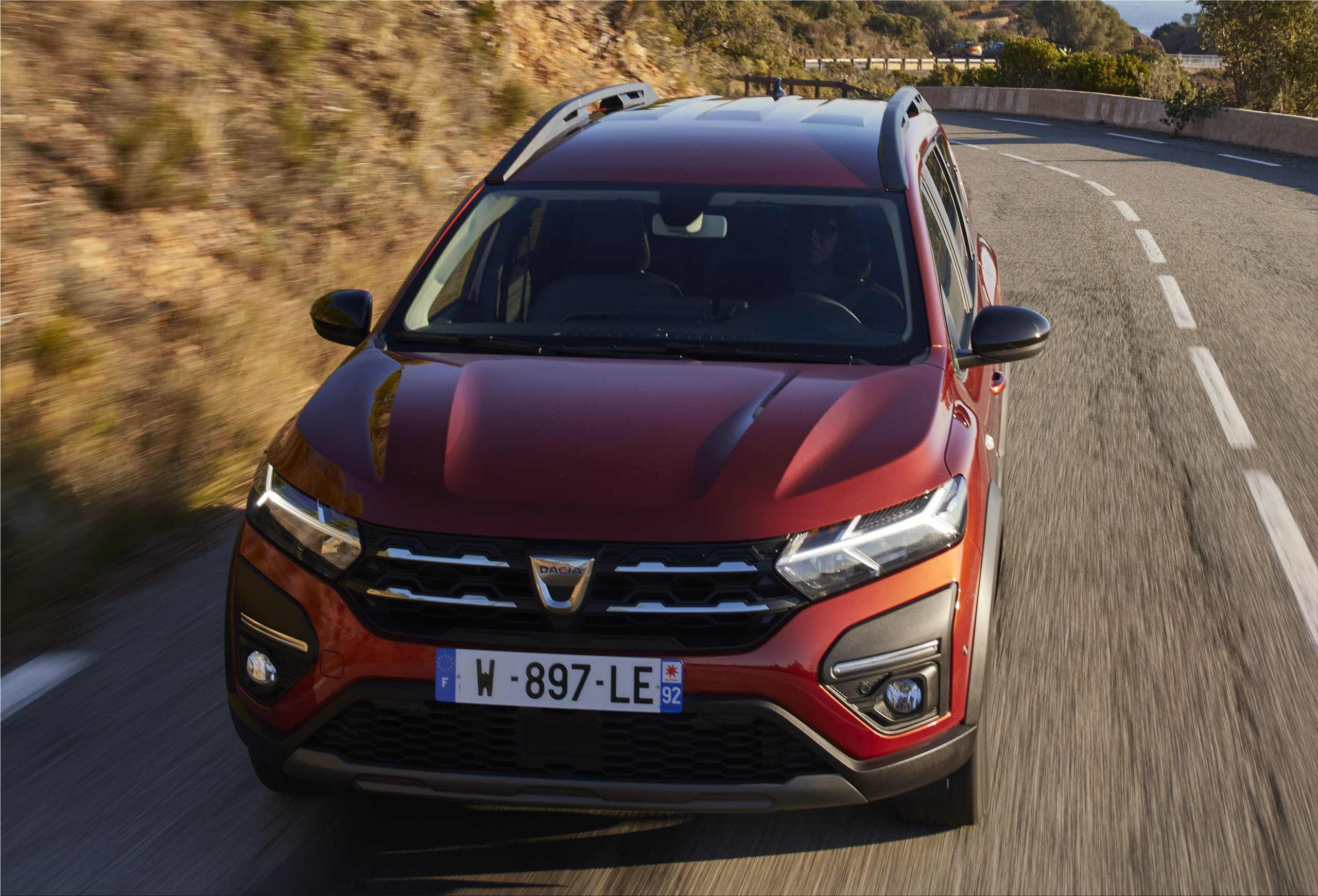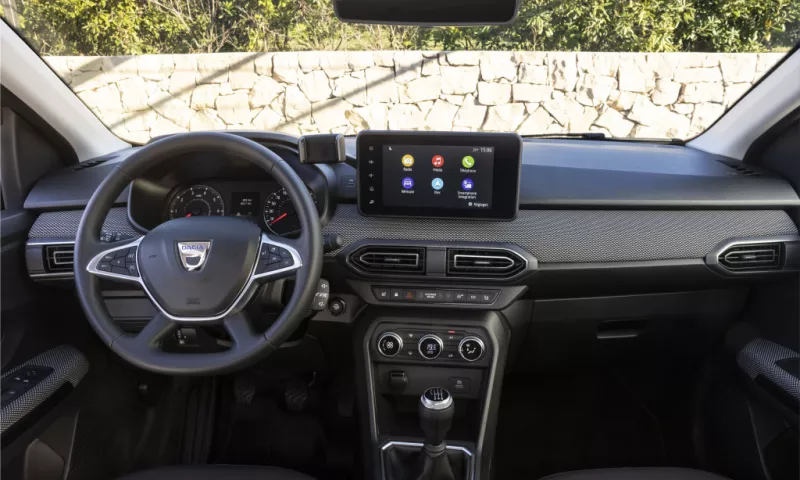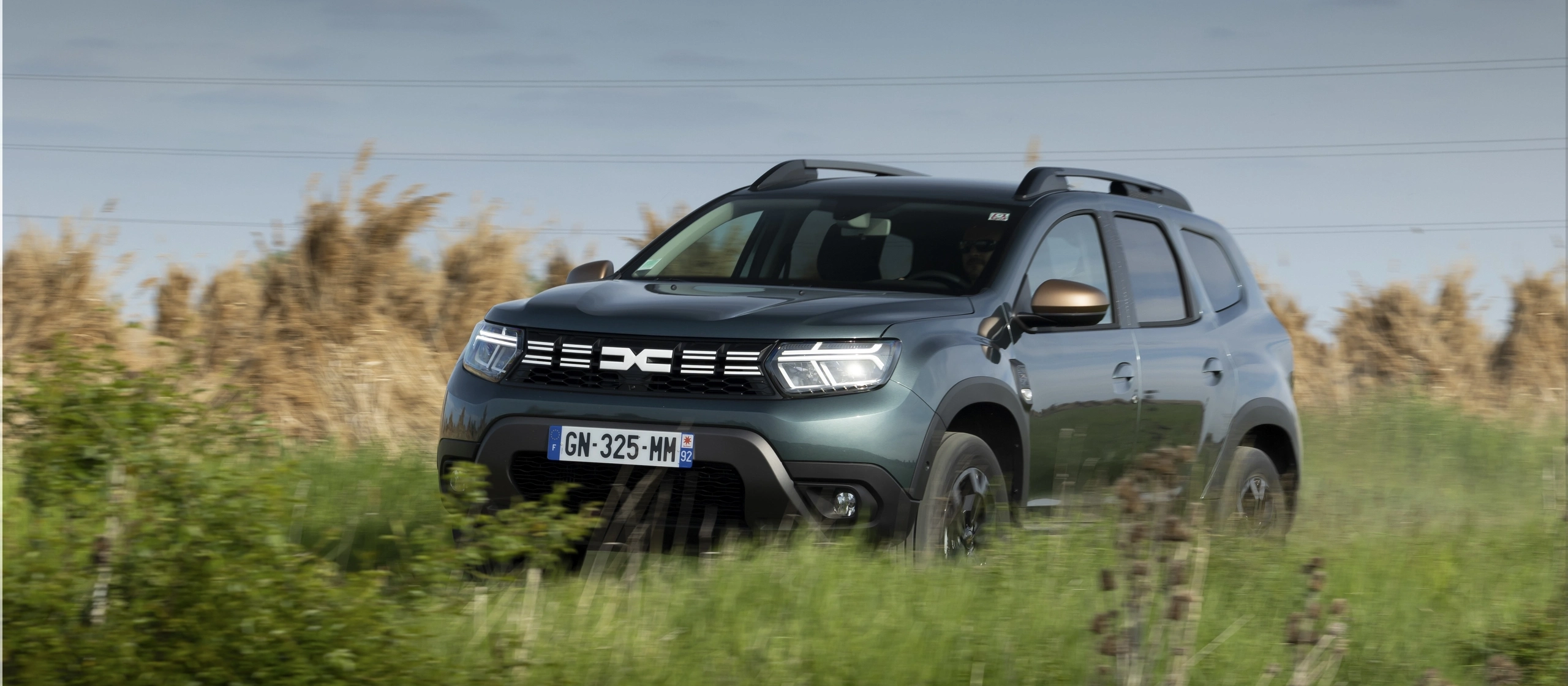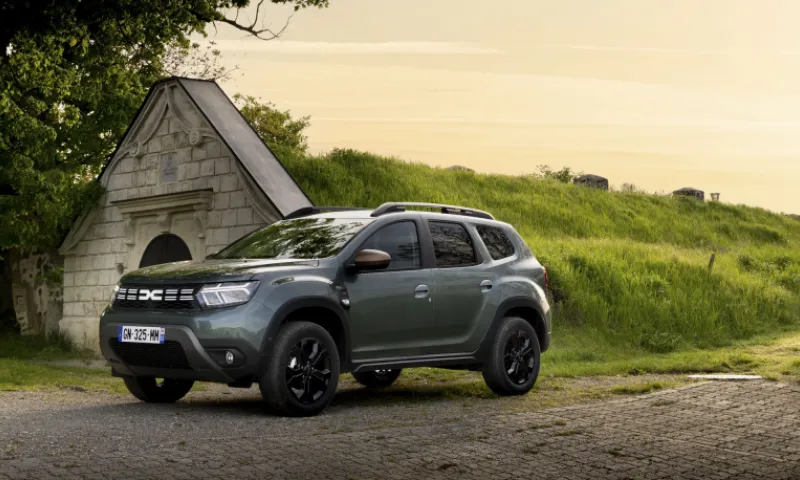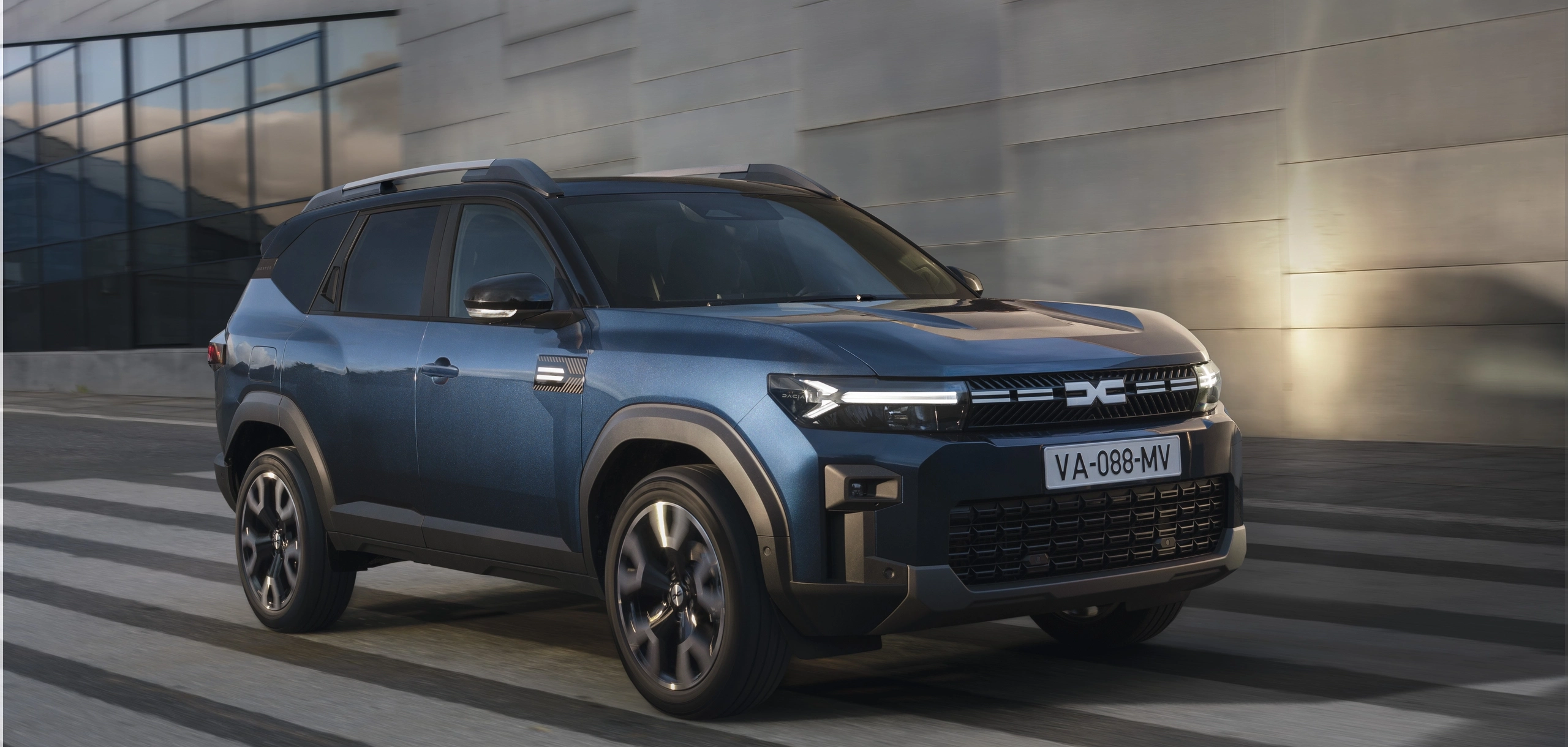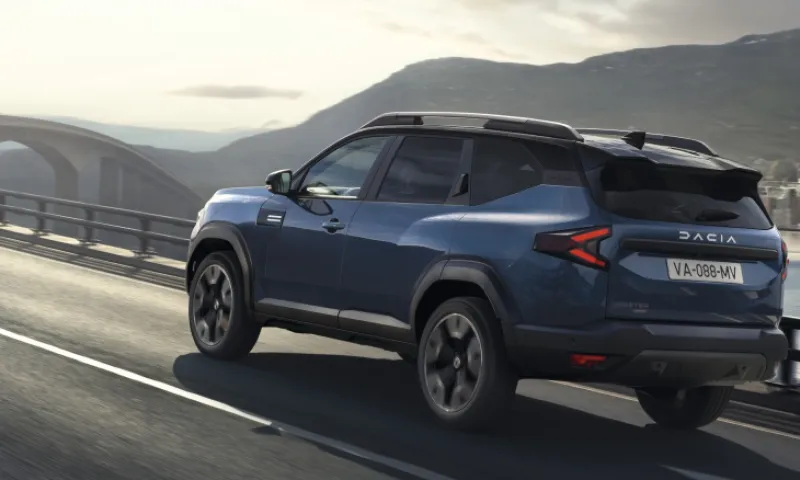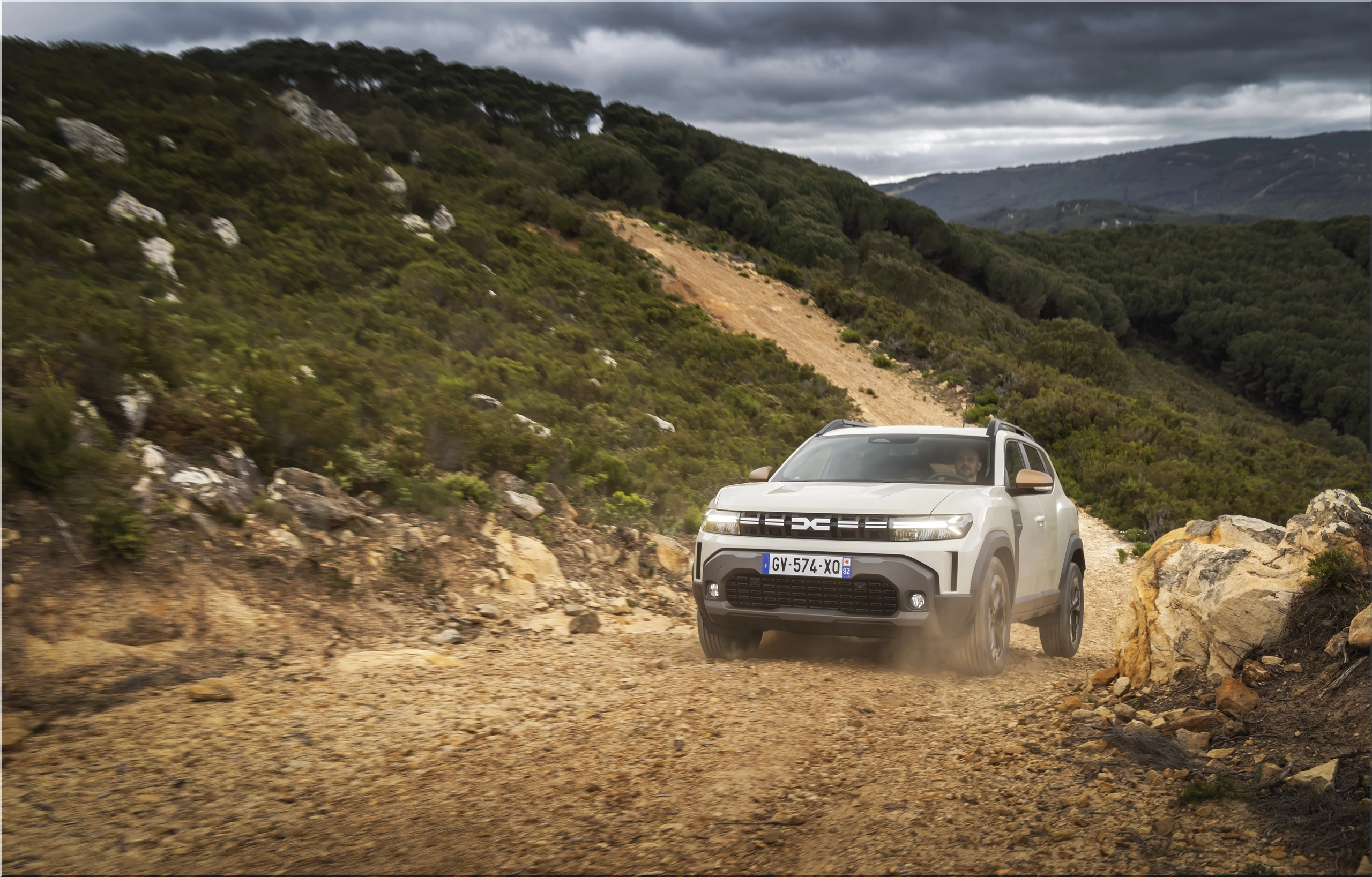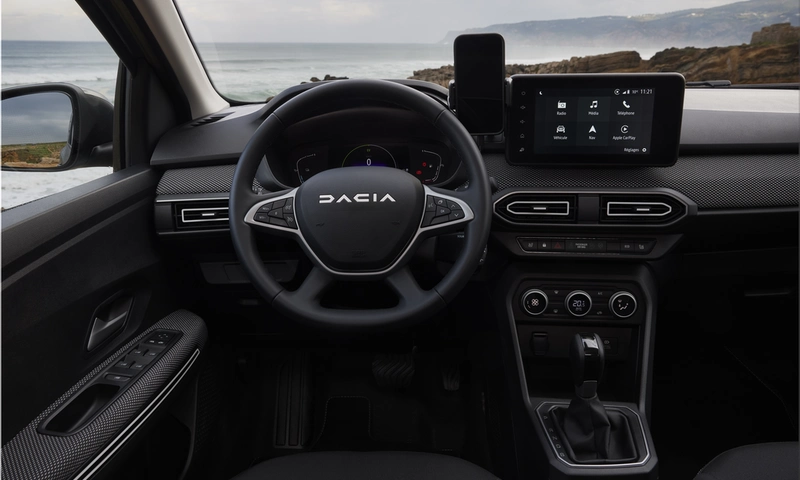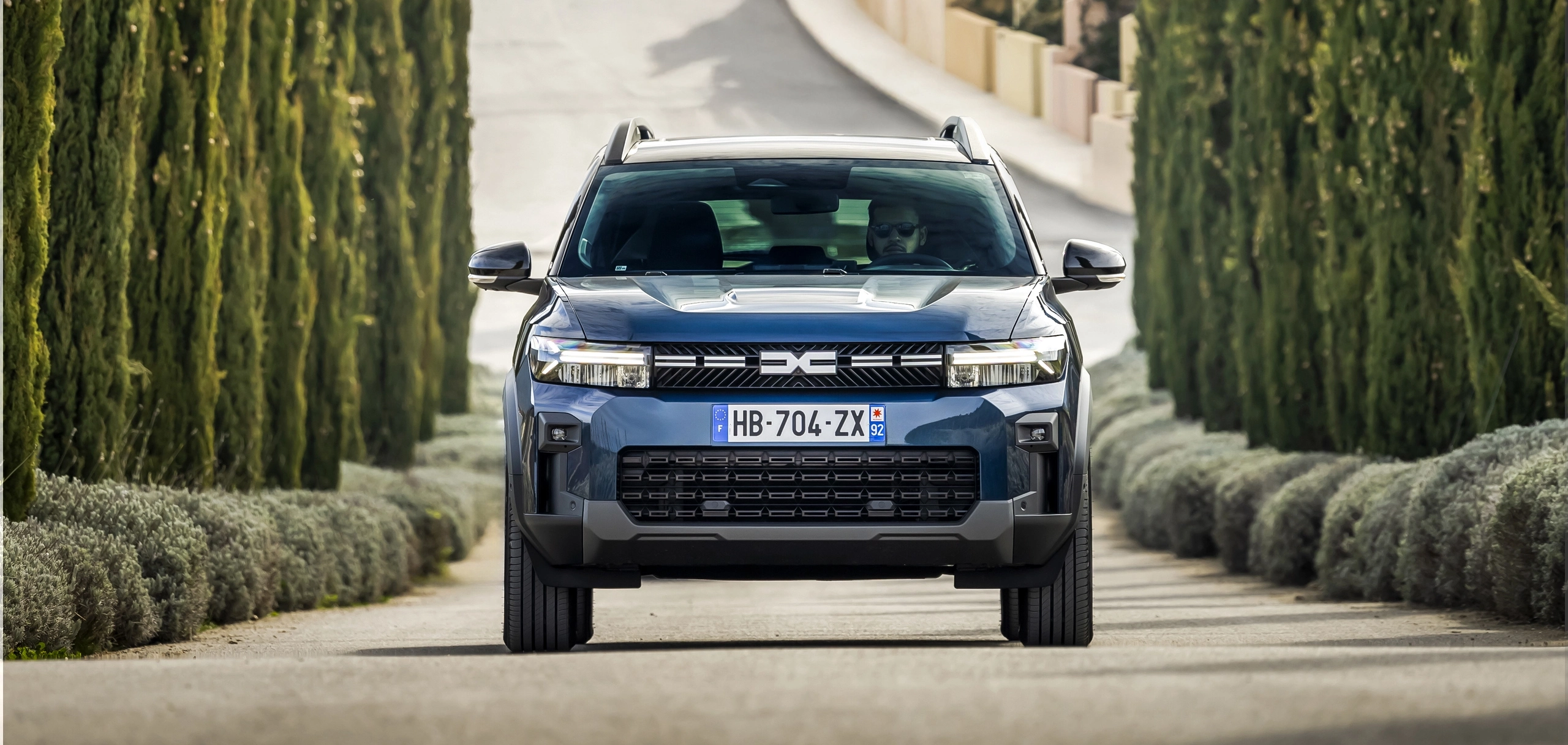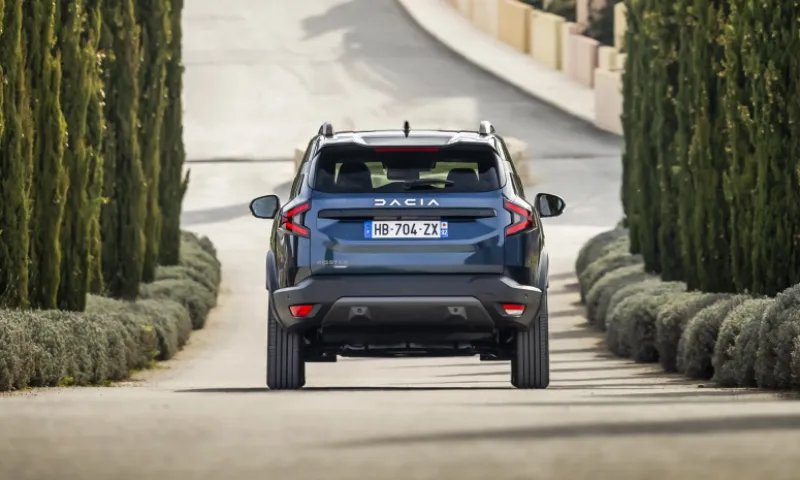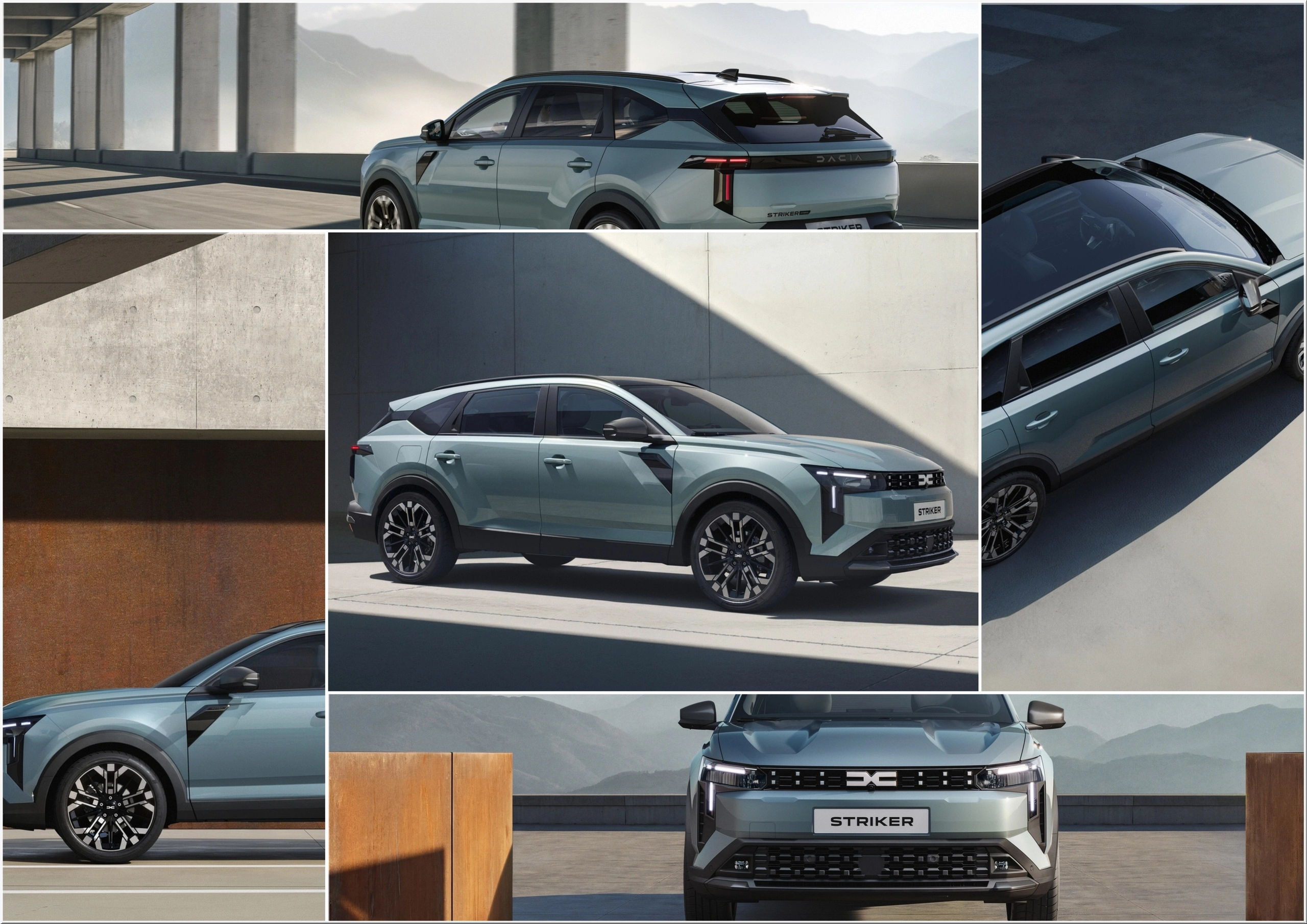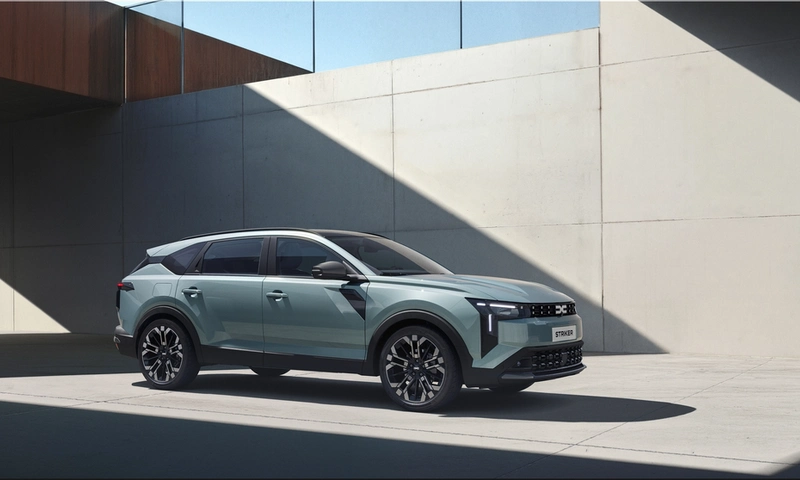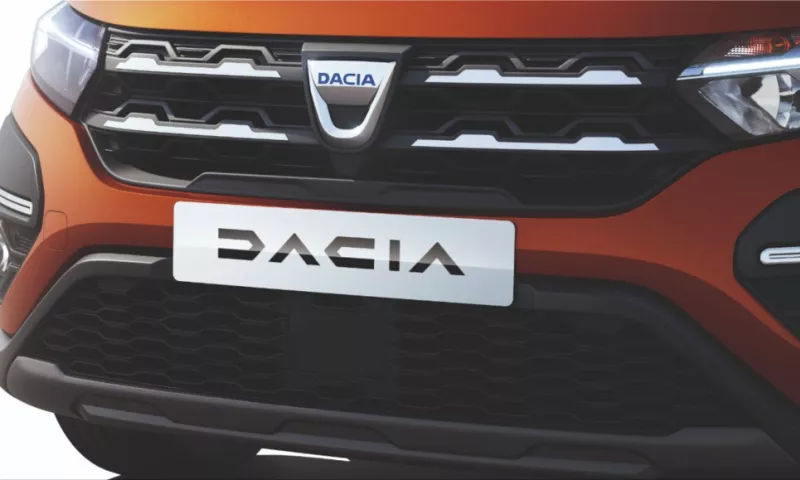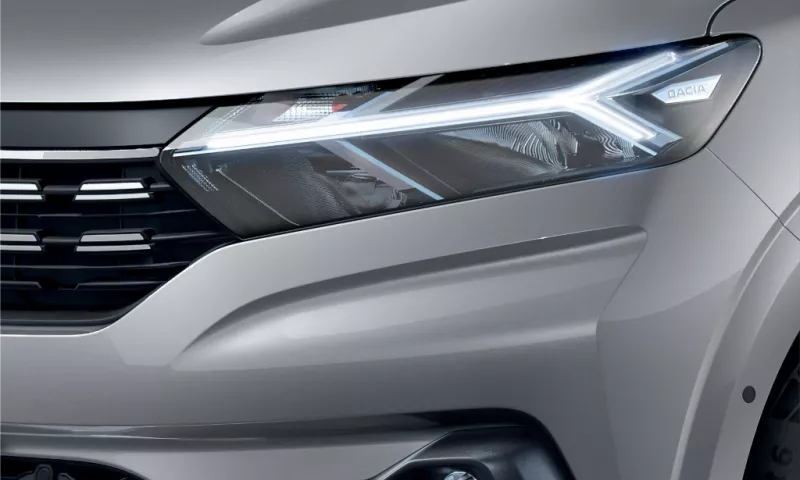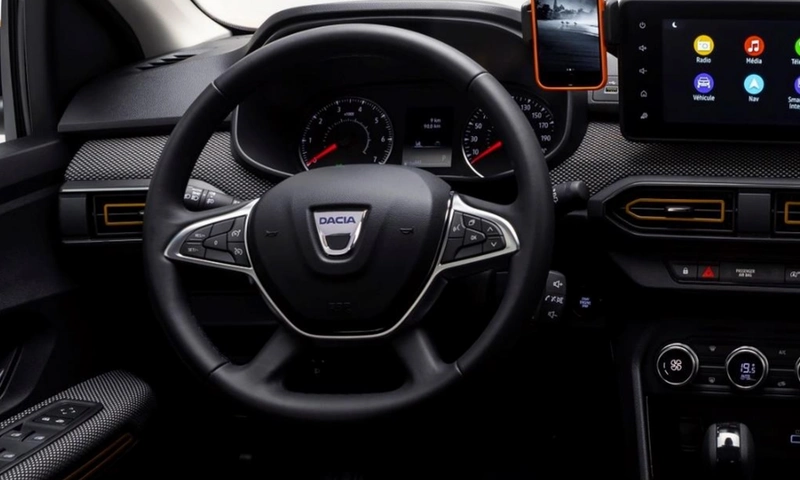
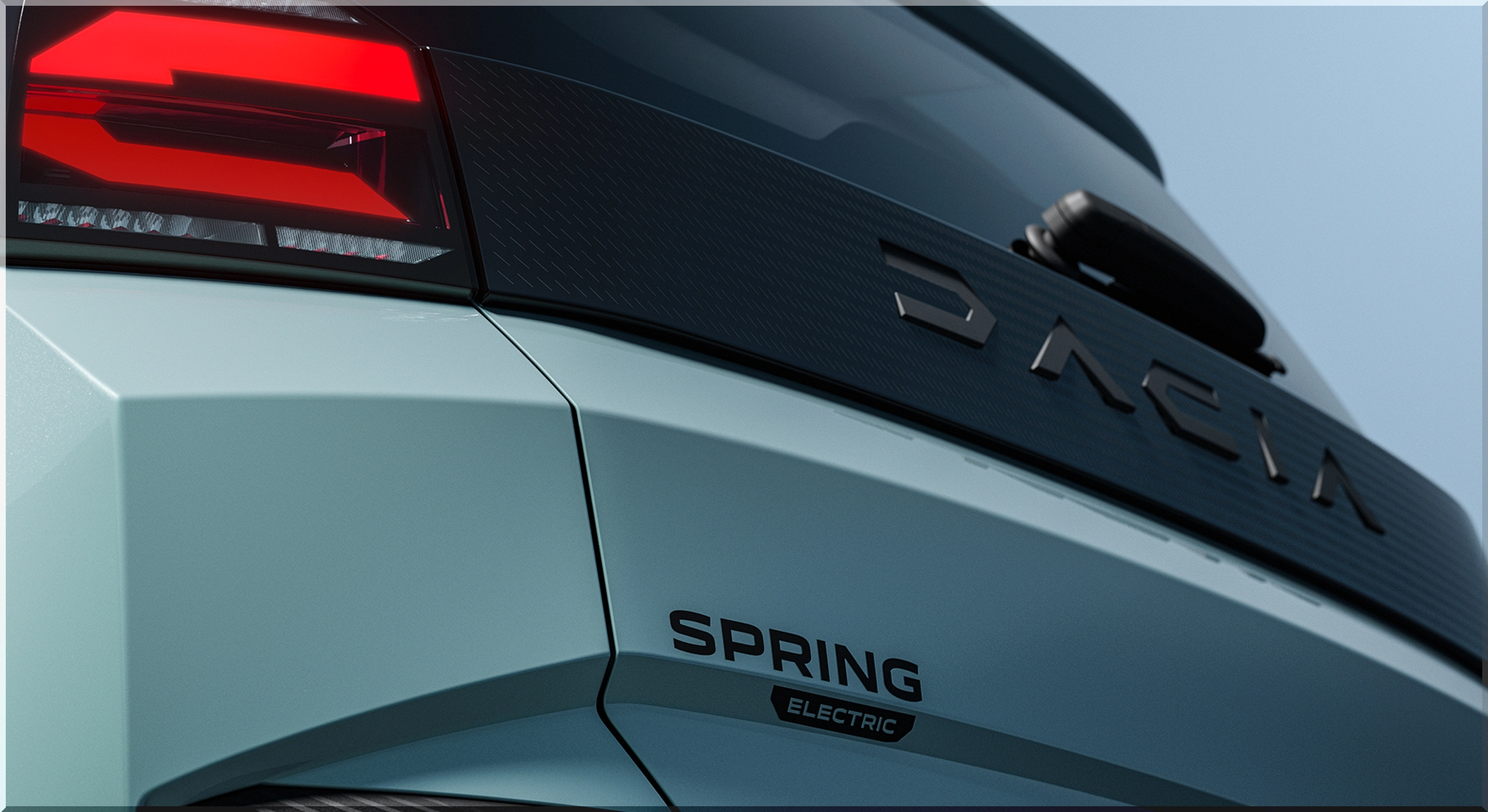
The Dacia Spring story starts with a smart decision: Dacia kept the name. That matters because Spring already carries real weight in Europe's low-cost electric car segment. Since 2021, the model has drawn nearly 210,000 European buyers by selling a simple idea with unusual discipline: four seats, a usable boot, a 100% electric drivetrain, and a price structure that avoids luxury-car theatre.
Image
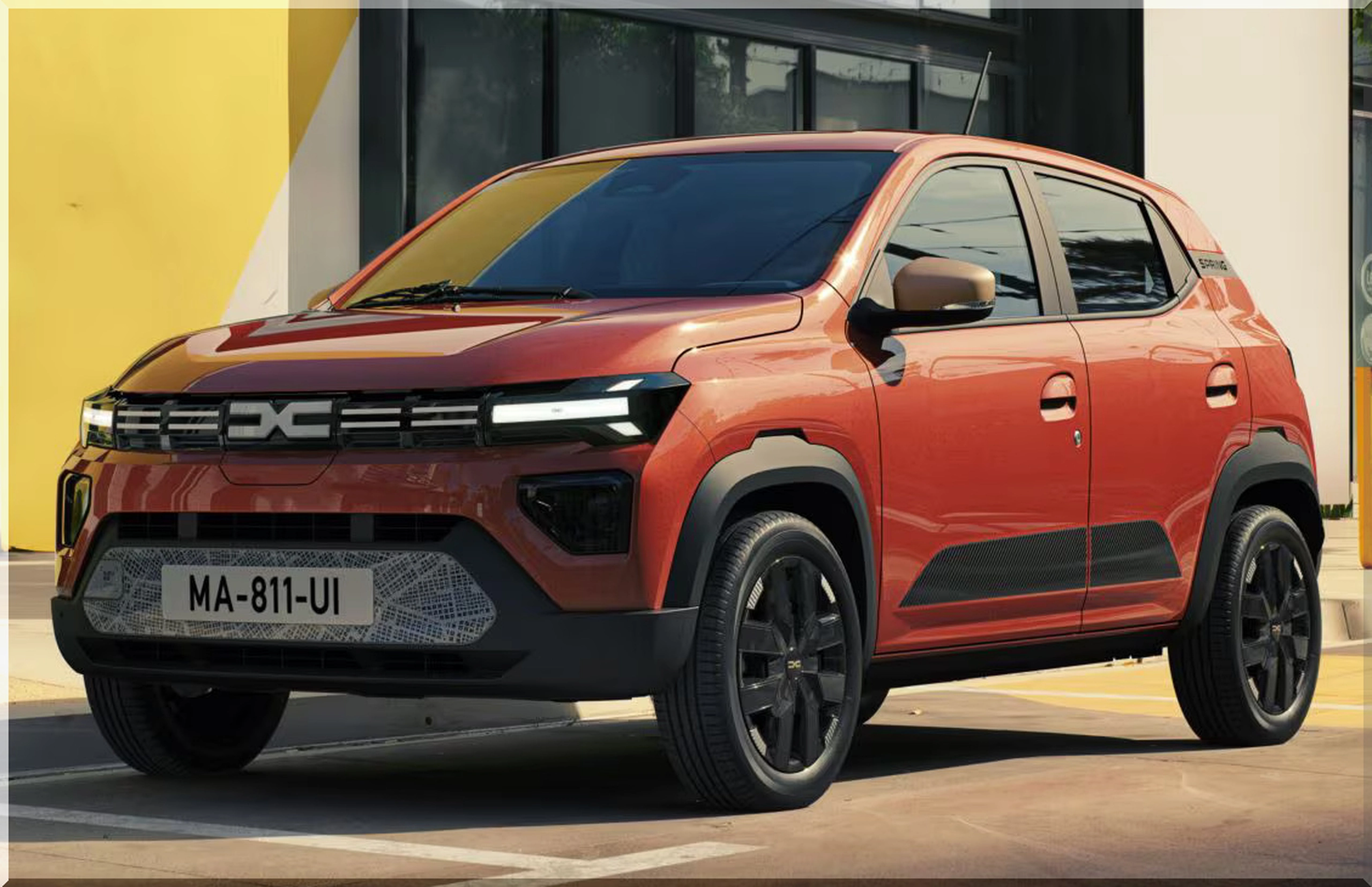
Dacia now moves Spring into its second generation while keeping the model's core mission intact. The new car targets drivers who want a cheap electric city car with low running costs, easy parking, and enough range for normal weekly use. Looking at the data, Dacia has not tried to turn Dacia Spring into a premium EV. It has made the small electric car quicker, safer, more useful, and easier to live with.
Why The New Dacia Spring Name Still Works
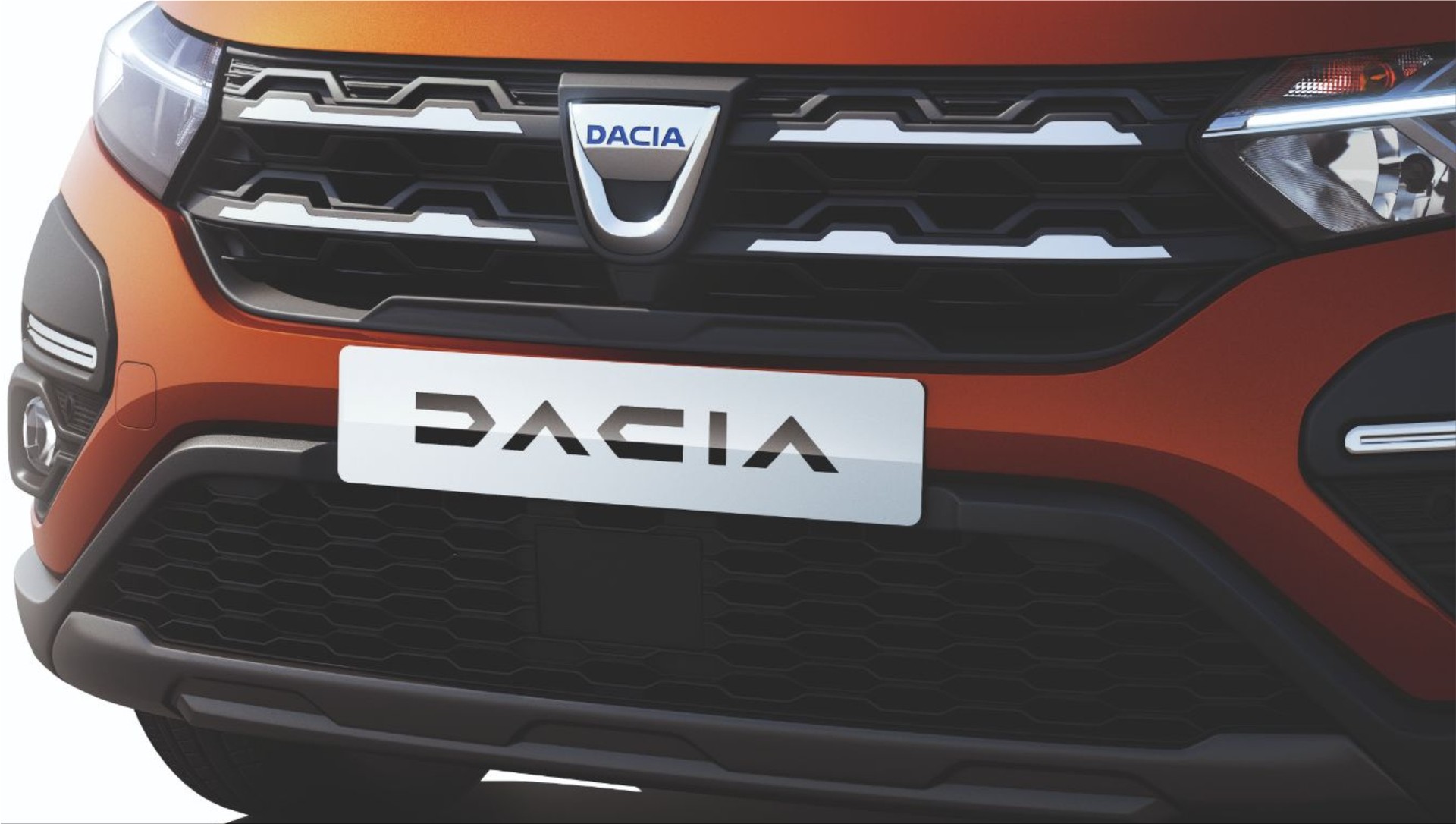
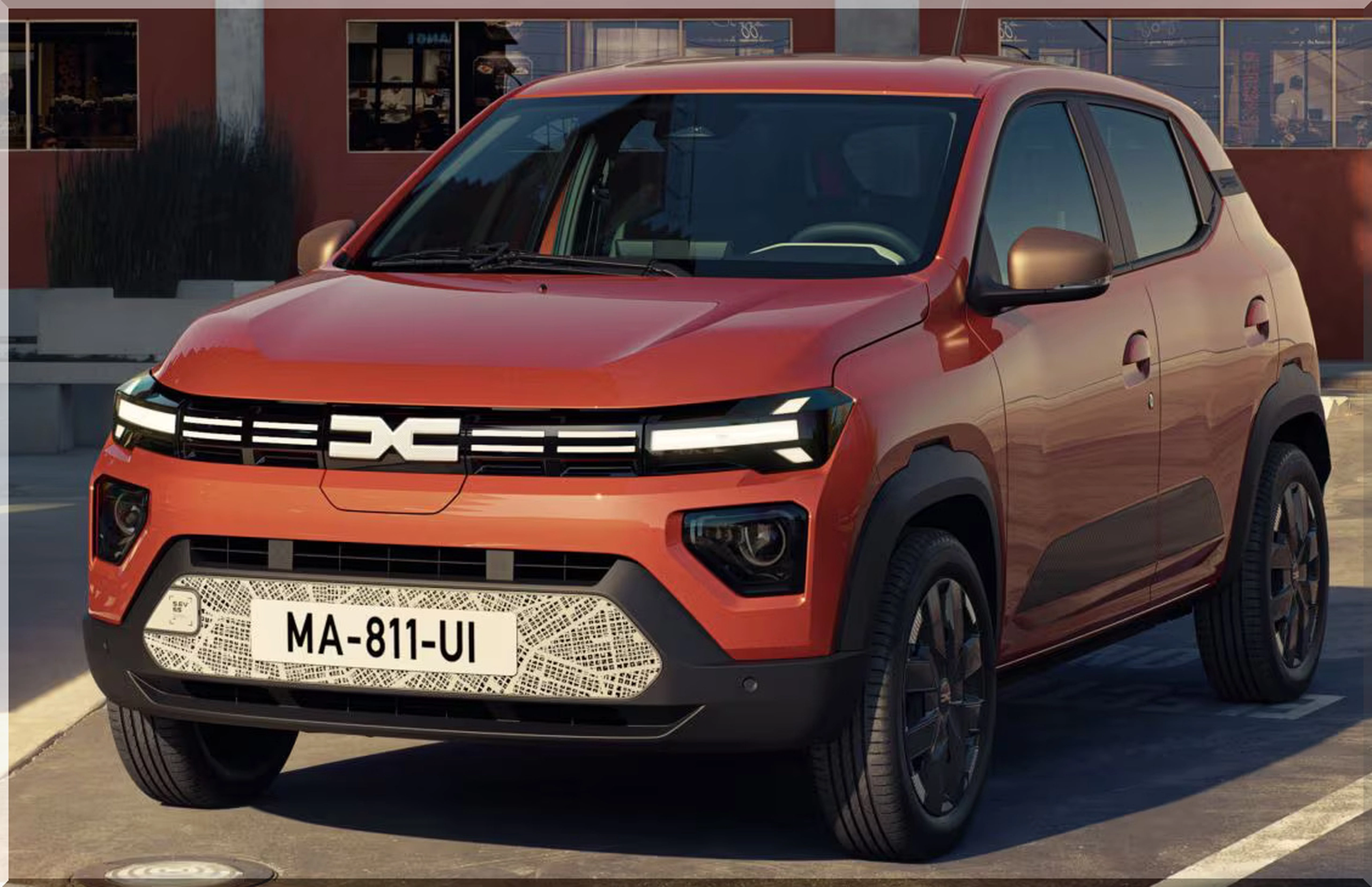
Spring sounds simple because it needs to. Dacia says the name points to renewal, energy, and accessibility, but the commercial logic runs deeper. In Europe, Spring already signals low-cost electric mobility, so Dacia avoids wasting buyer awareness on a new badge.
Image
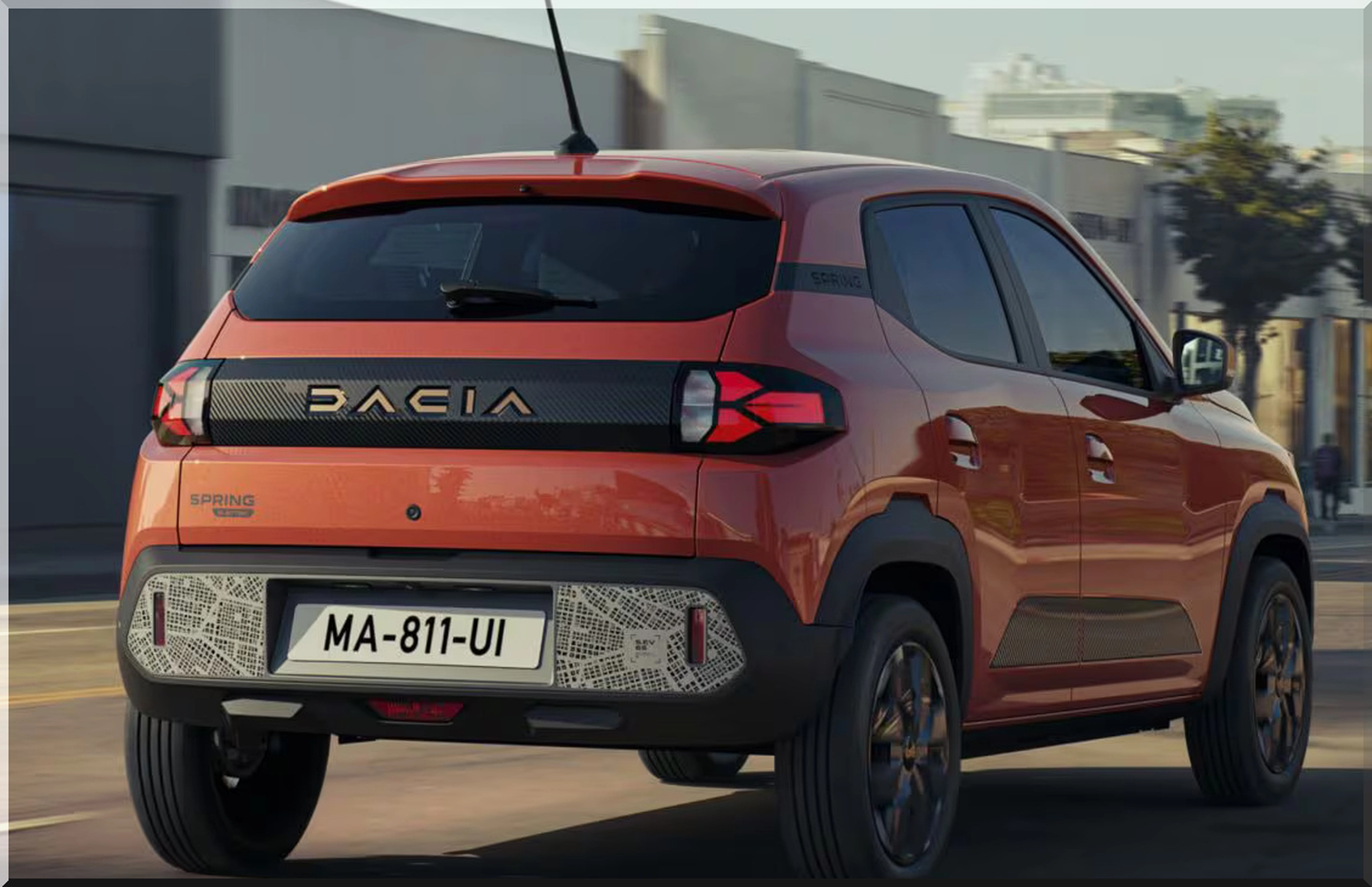
From an expert perspective, that strategy fits the car. A city EV buyer rarely wants mystery. They want price clarity, range clarity, and charging clarity. The new Dacia Spring keeps that direct pitch and adds European production to strengthen the value argument.
Dacia Spring Powertrain And Battery Specs
The biggest technical shift comes under the skin. Dacia now uses two electric motor outputs: 70 hp and 100 hp. Both work with a 24.3 kWh LFP battery, a chemistry that suits a cost-sensitive EV because it targets durability, thermal stability, and lower material cost.
Specifically, the 100 hp version changes the Spring's road manners. Earlier versions felt happiest below urban speeds. The stronger motor cuts the 80-120 km/h passing time to 6.9 seconds, which gives the Spring far better confidence on ring roads and short motorway sections.
| Dacia Spring version | Output | 80-120 km/h time | Best use case |
|---|---|---|---|
| Spring 45 previous model | 45 hp / 33 kW | 26.2 sec | Dense city driving |
| Spring 65 previous model | 65 hp / 48 kW | 14.0 sec | Mixed urban use |
| Spring 70 | 70 hp / 52 kW | 10.3 sec | City plus suburban roads |
| Spring 100 | 100 hp / 75 kW | 6.9 sec | Urban use with faster roads |
Consequently, the Spring no longer asks drivers to plan every overtake with a calendar. It still runs as a front-wheel-drive, single-motor EV, but the stronger output gives it a wider operating window.
Image
Range, Charging, And Daily EV Logic
The Dacia Spring electric offers up to 225 km in the WLTP combined cycle and up to 315 km in WLTP city use. Those figures suit the car's mission because Dacia says Spring customers average about 34 km per day across four trips. That usage pattern gives the car a clear weekly rhythm: charge once, drive through the working week, repeat.
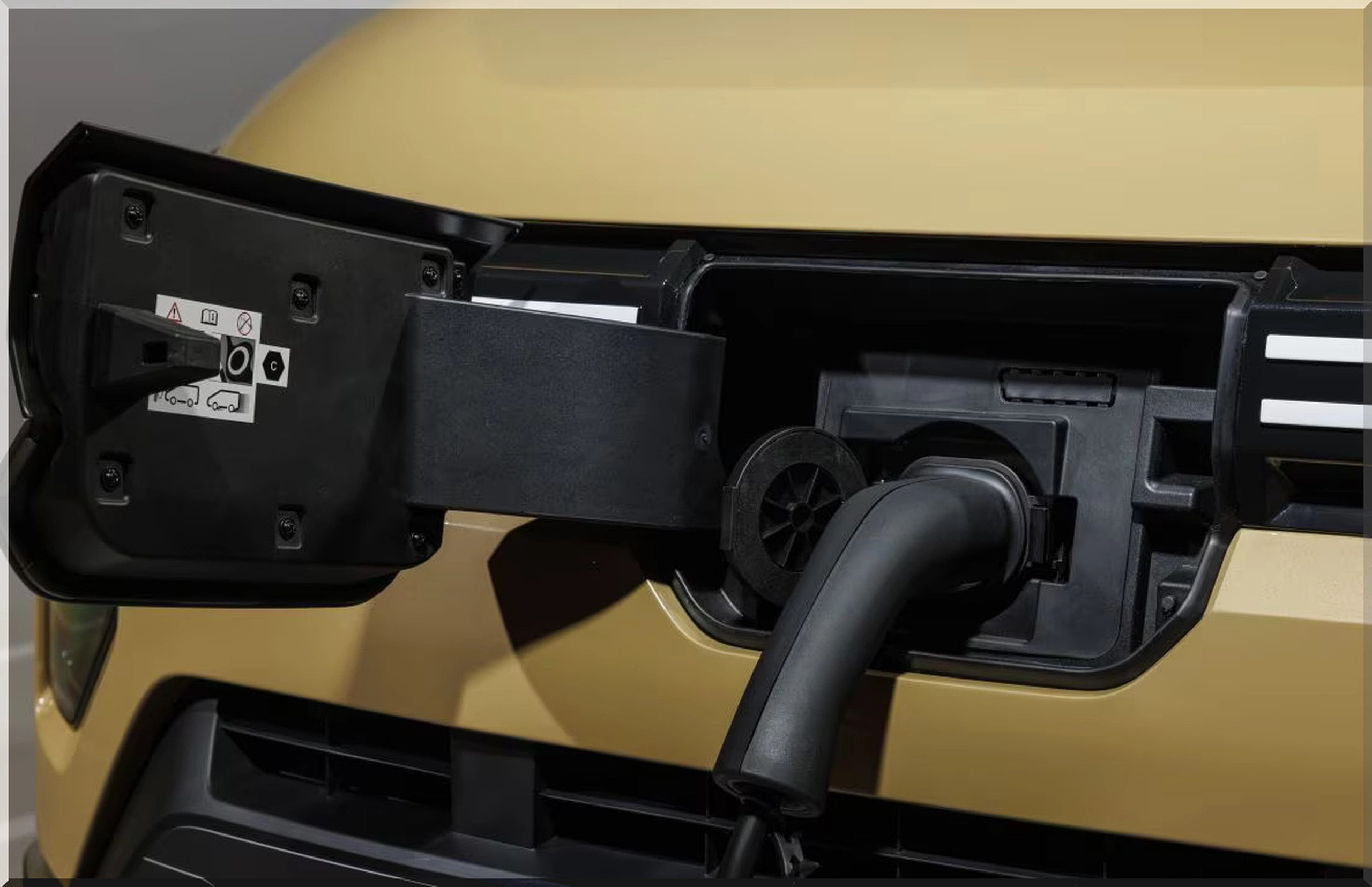
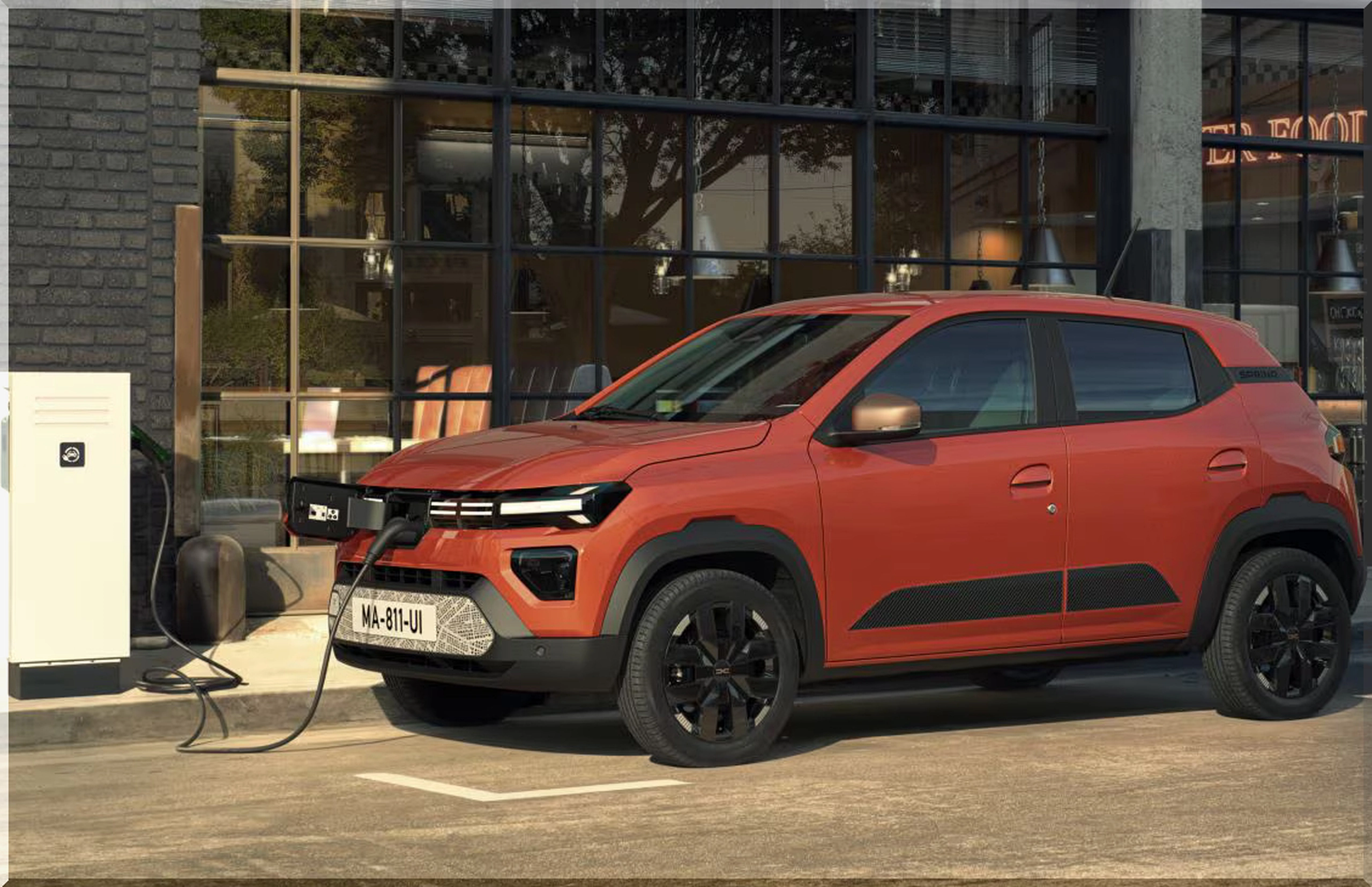
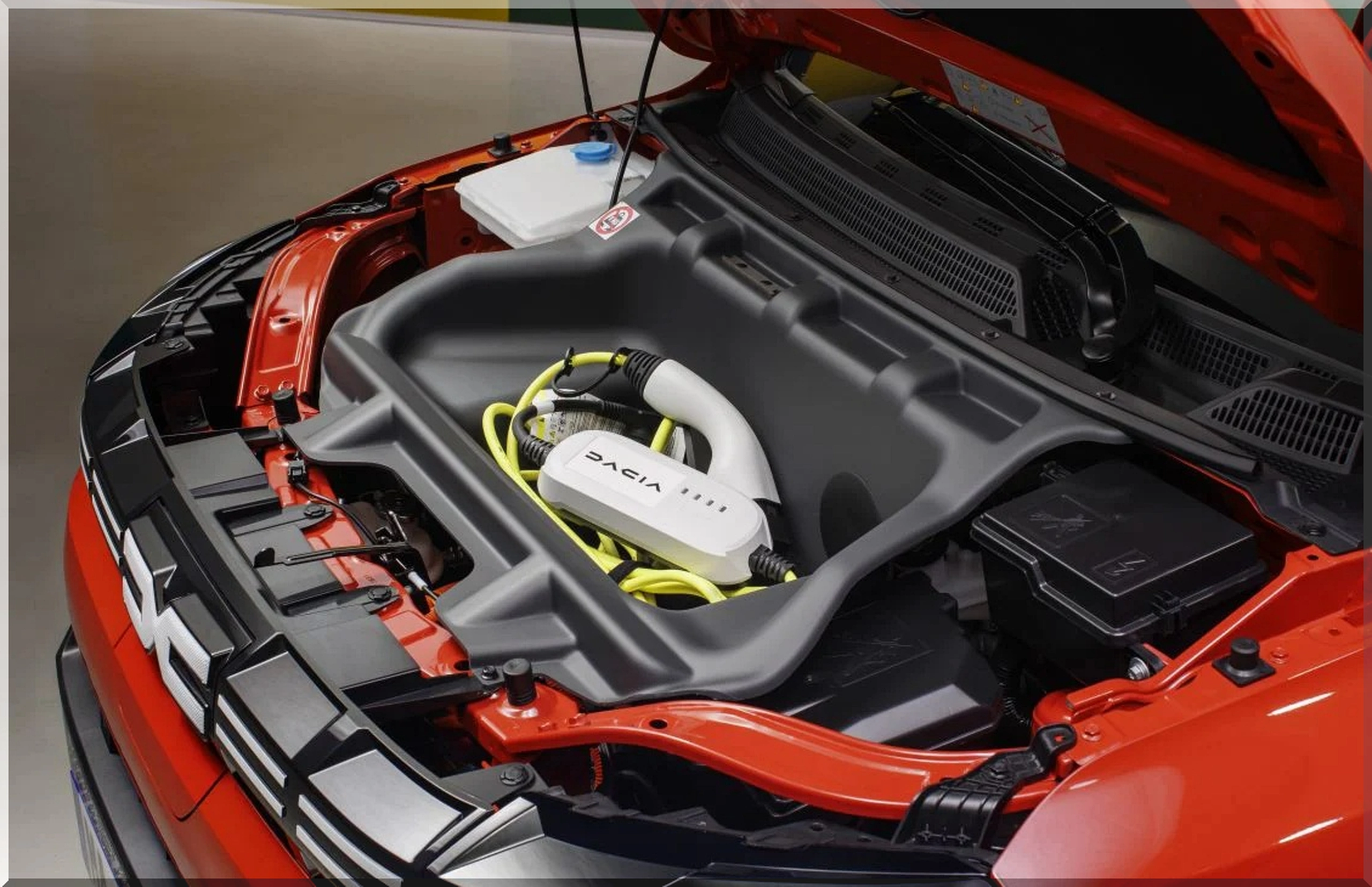
In addition, Dacia improved charging. A 7 kW AC charger comes standard, while a 40 kW DC charger comes as an option depending on market and trim. The DC unit charges the battery from 20% to 80% in 29 minutes, which makes short public charging stops far less painful than the old 30 kW setup.
| Data point | New Dacia Spring figure | Practical meaning |
|---|---|---|
| Battery | 24.3 kWh LFP | Lower-cost chemistry with strong durability logic |
| Combined WLTP range | 225 km / 140 miles | Enough for many weekly urban routines |
| City WLTP range | 315 km / 196 miles | Strongest use case for the car |
| DC charging | 20-80% in 29 min | Useful top-up speed for public chargers |
| AC wallbox charging | 20-100% in 3 hr 20 min | Easy overnight or evening charging |
| Domestic socket charging | 20-100% in 10 hr 11 min | Works for slower home charging |
Size, Boot Space, And City Packaging
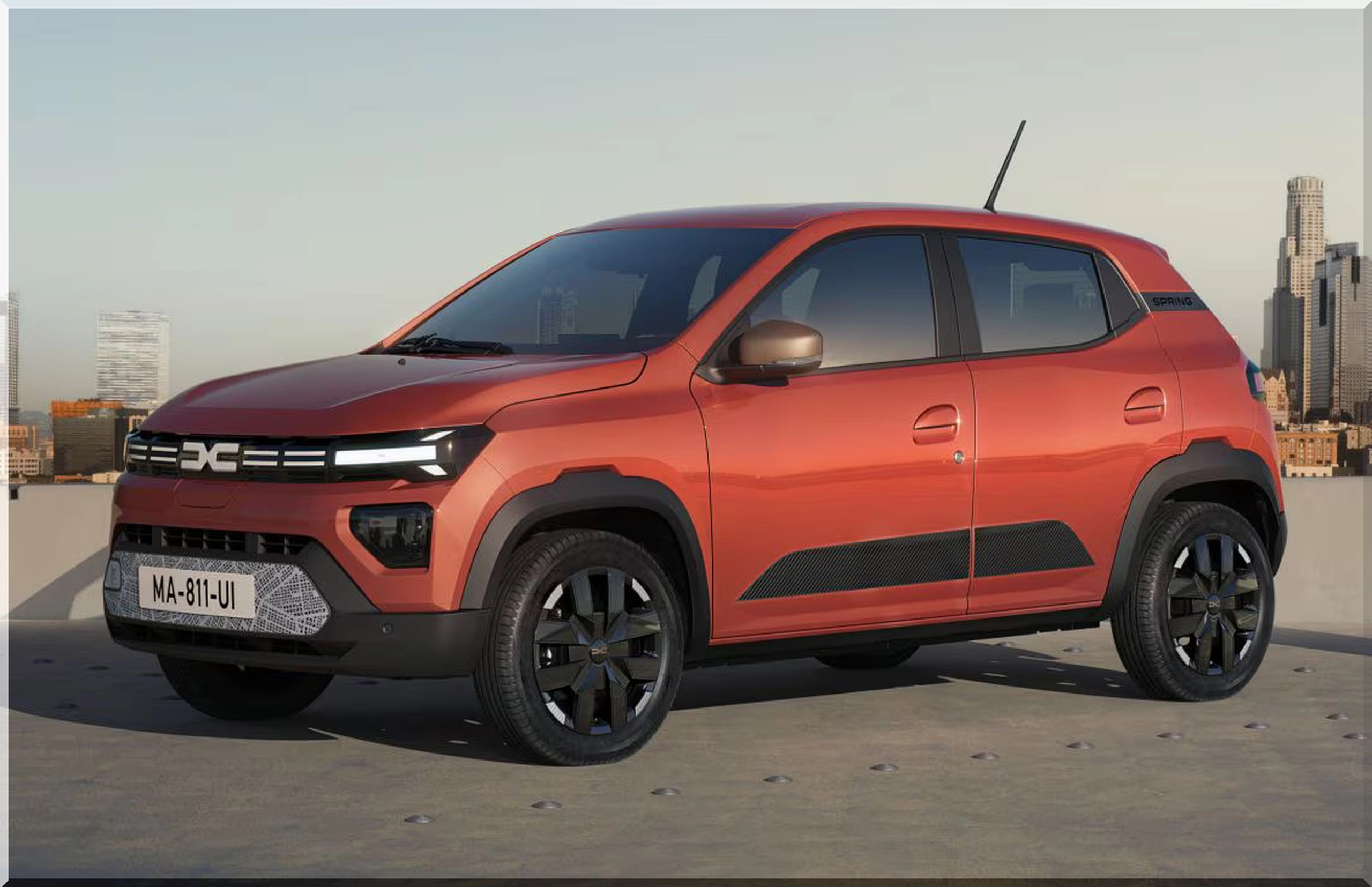
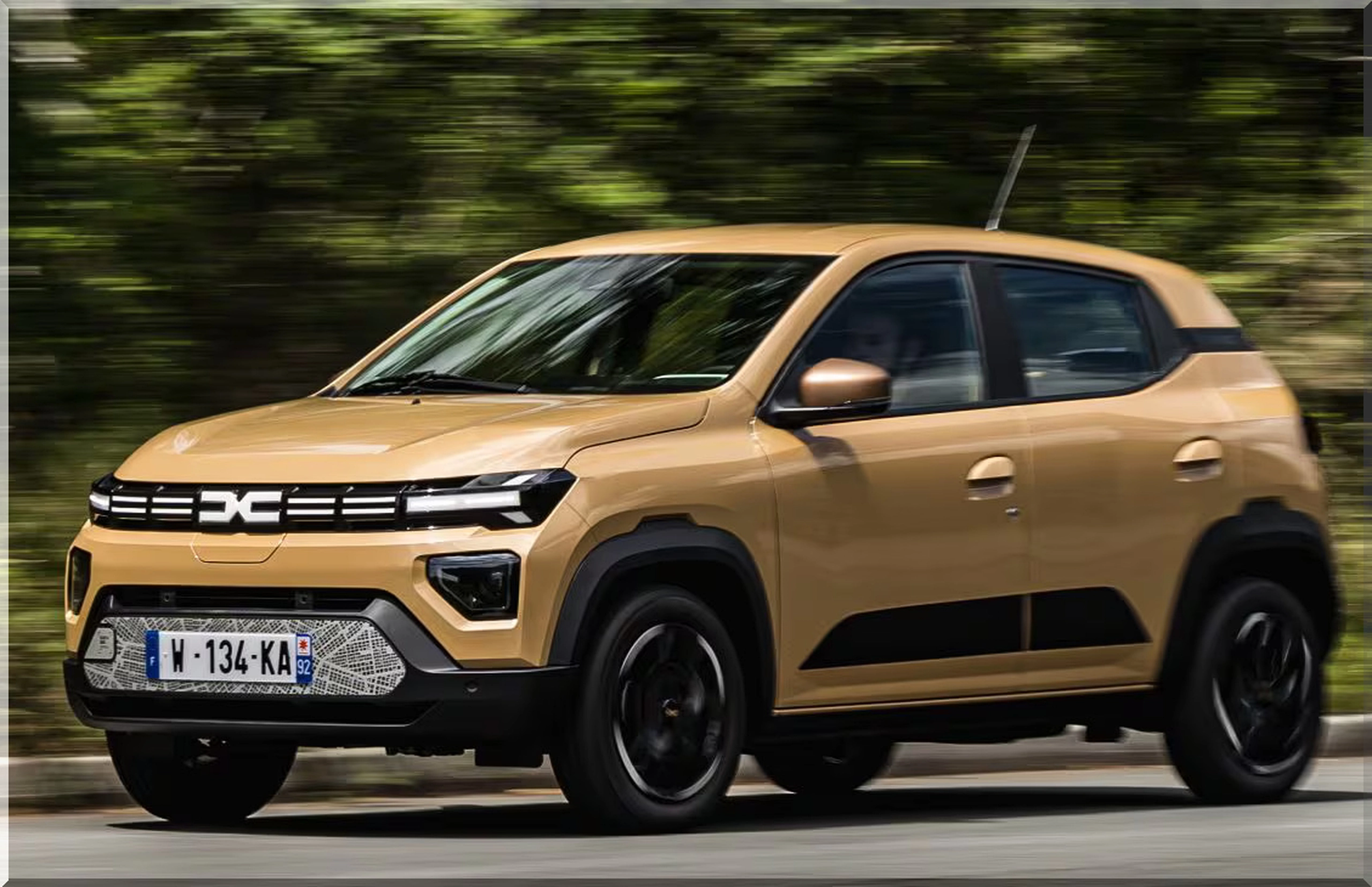
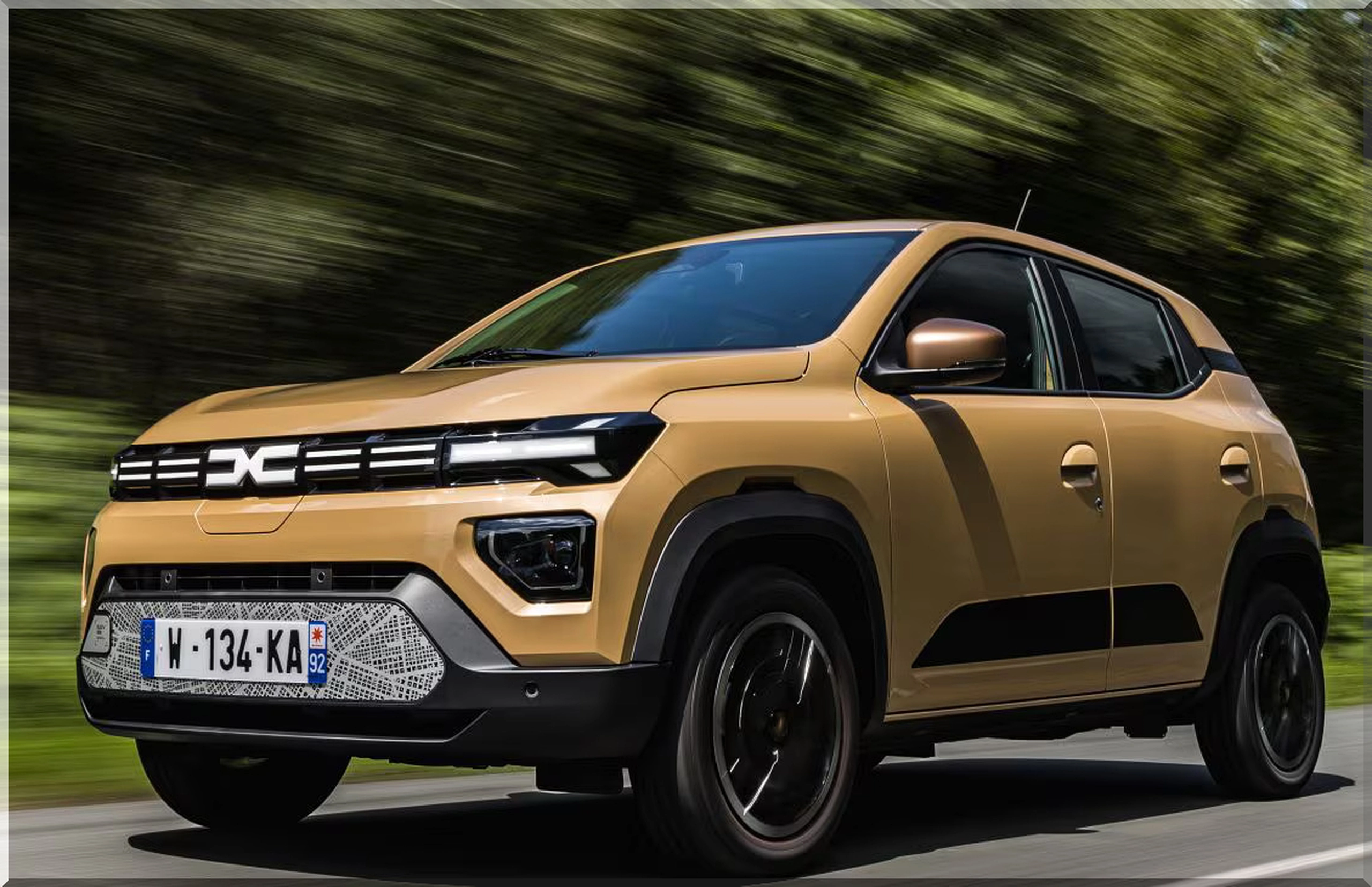
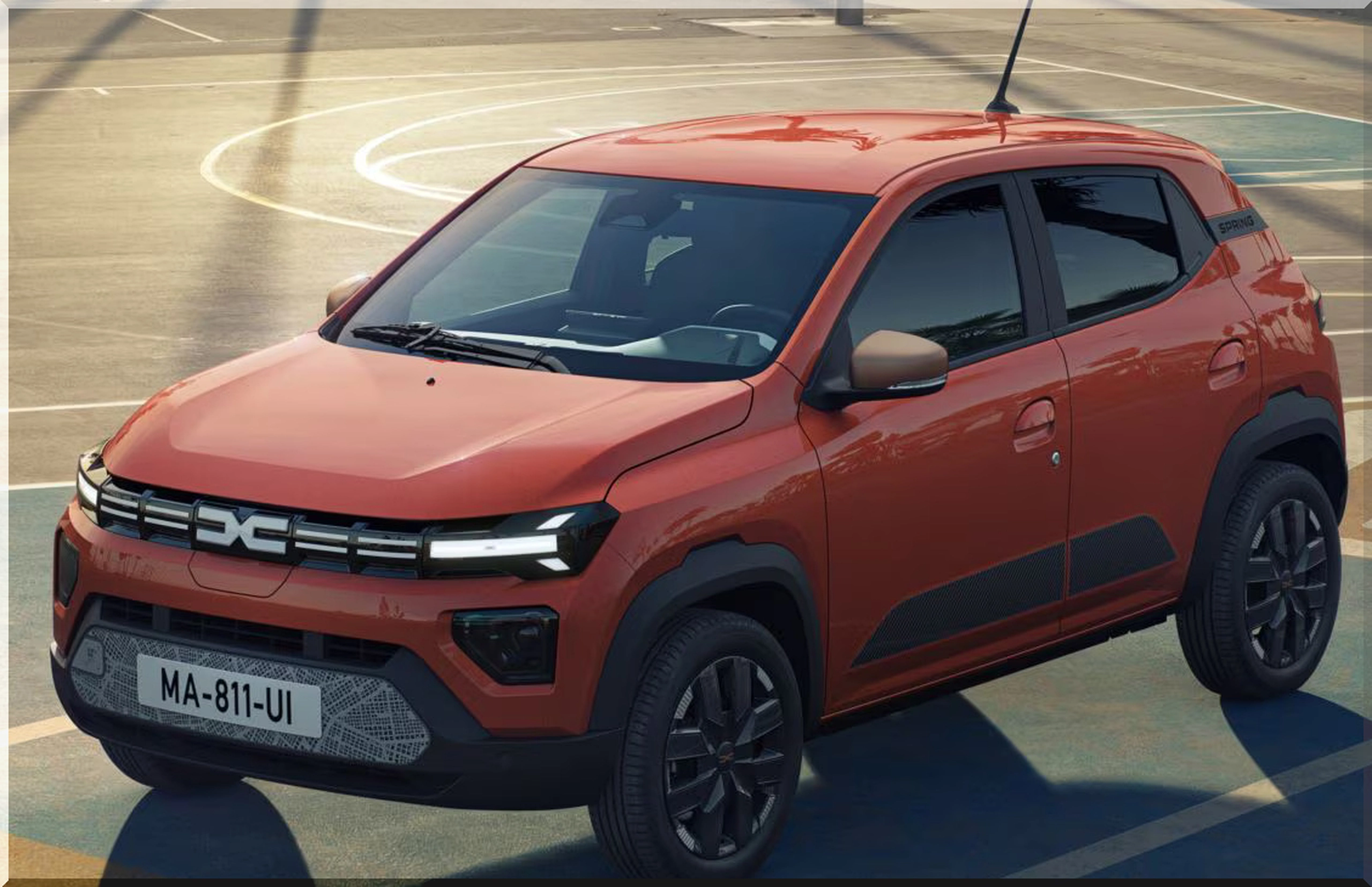
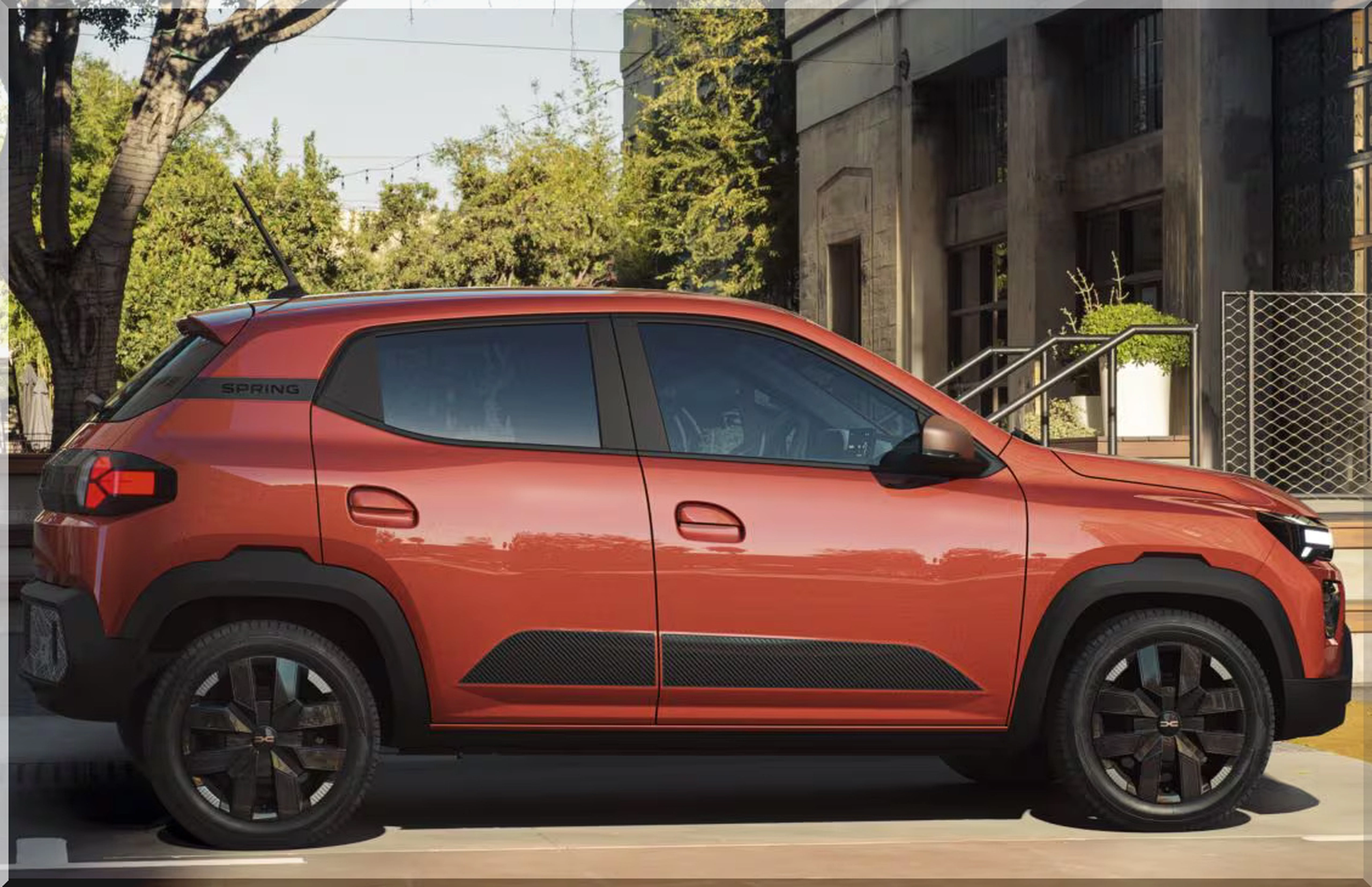
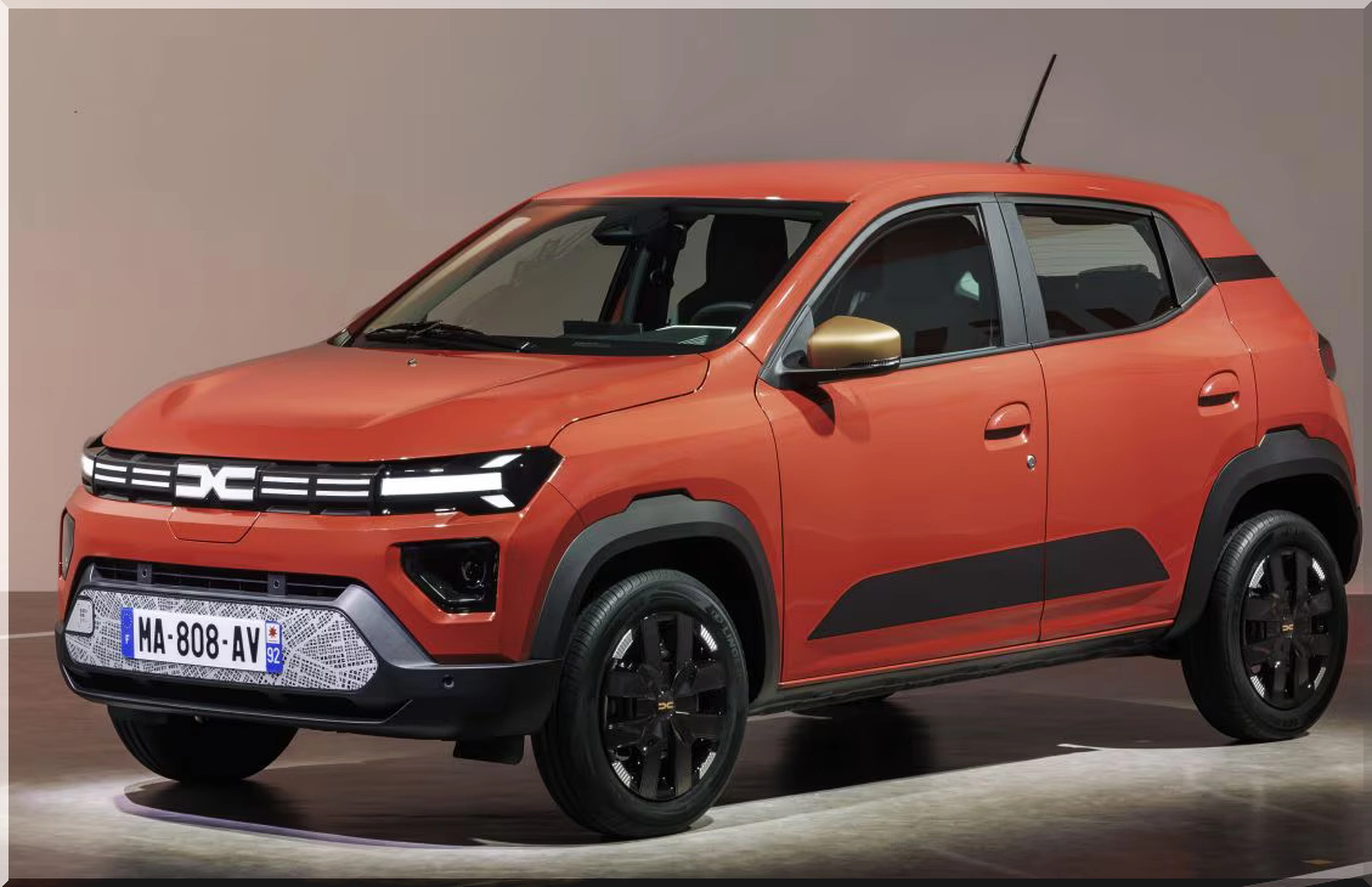
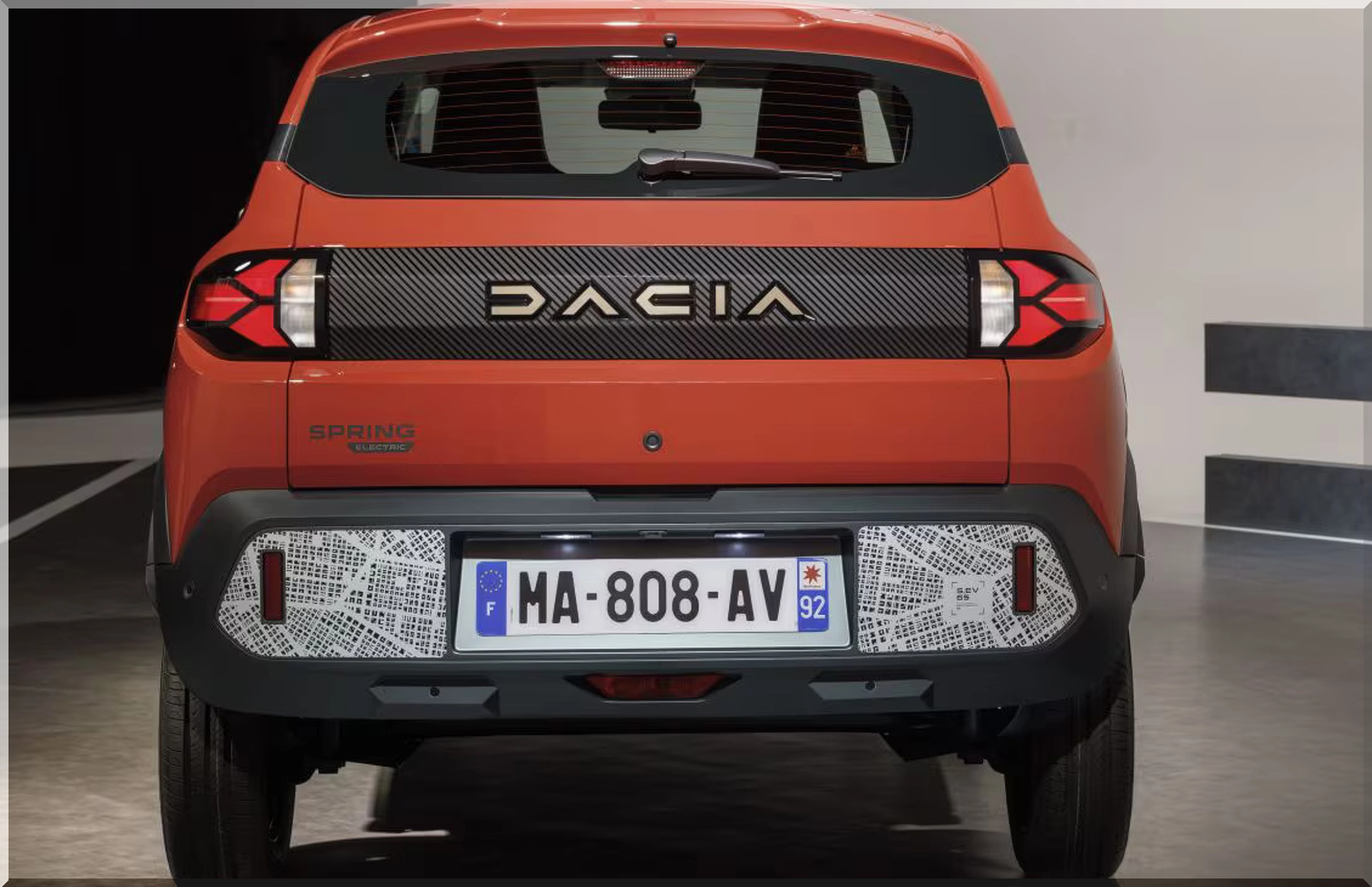
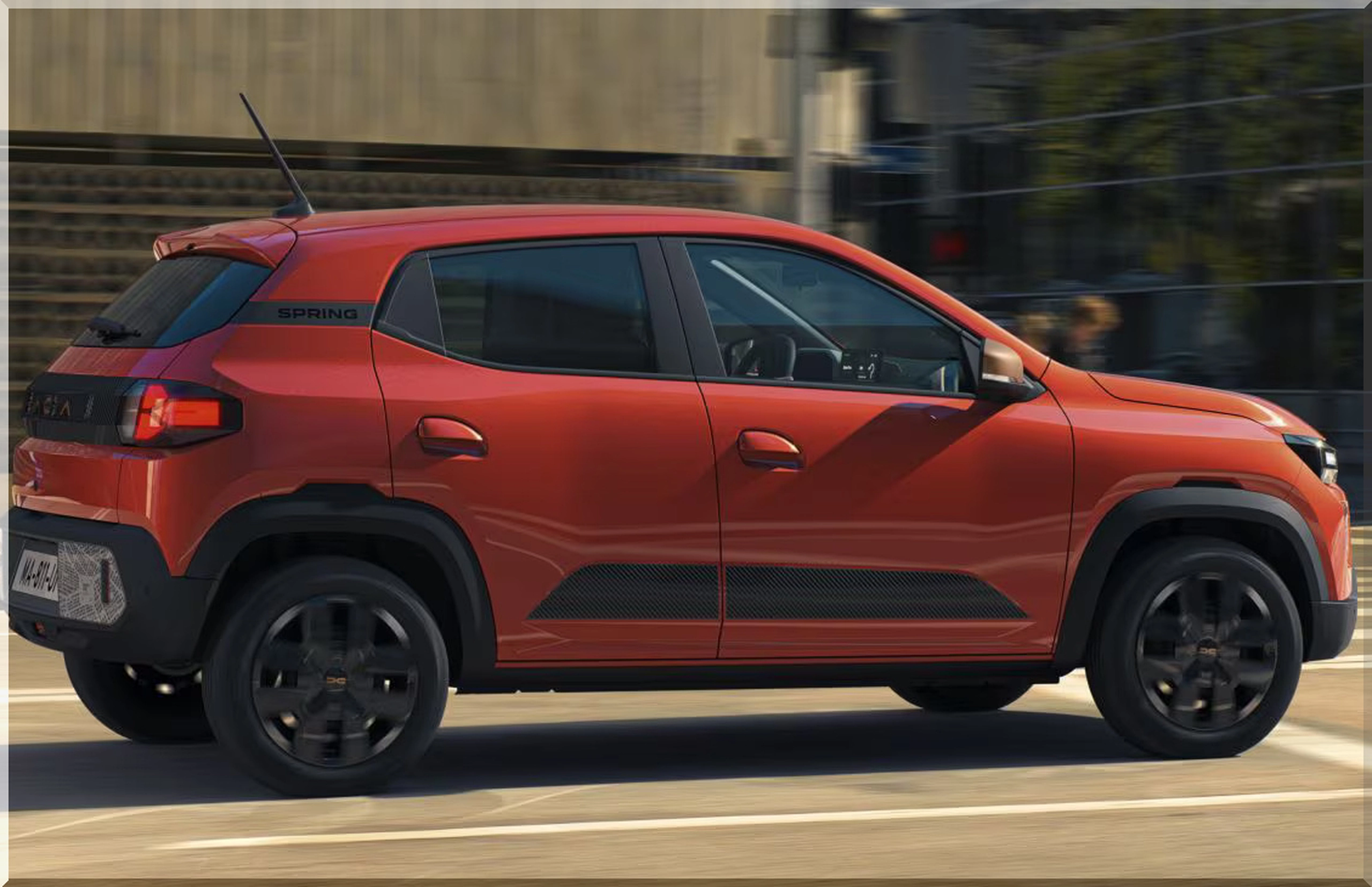
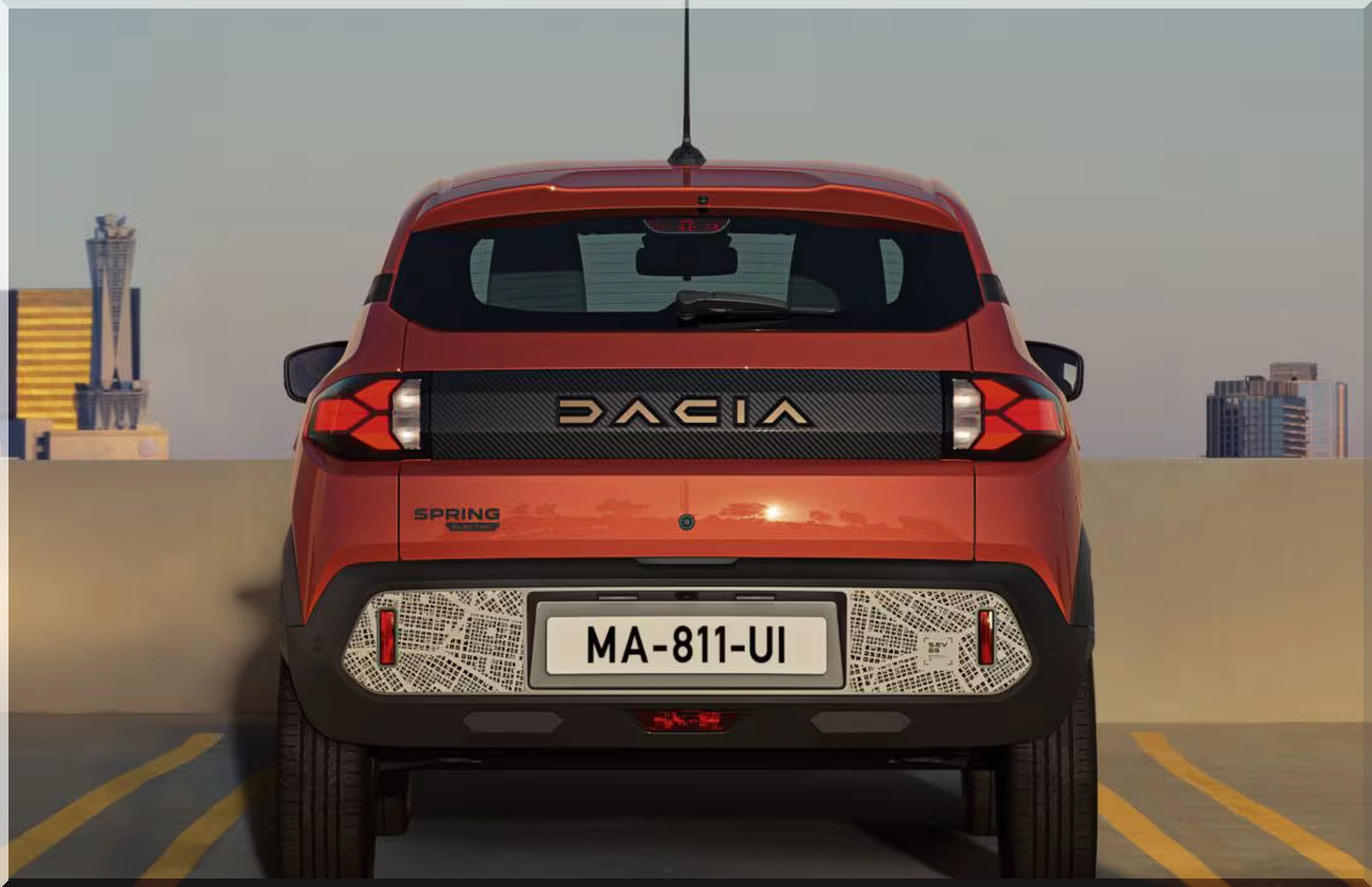
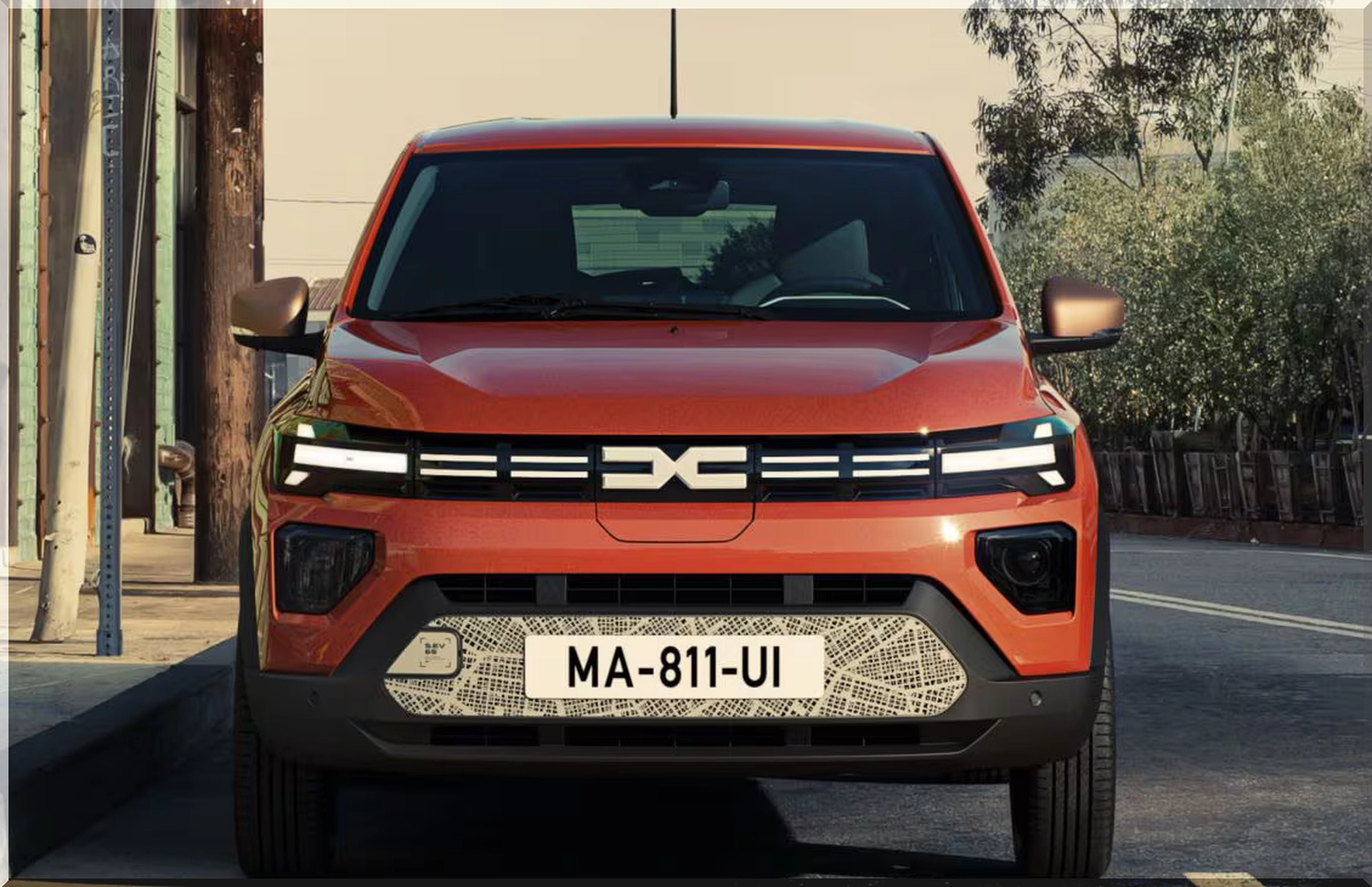
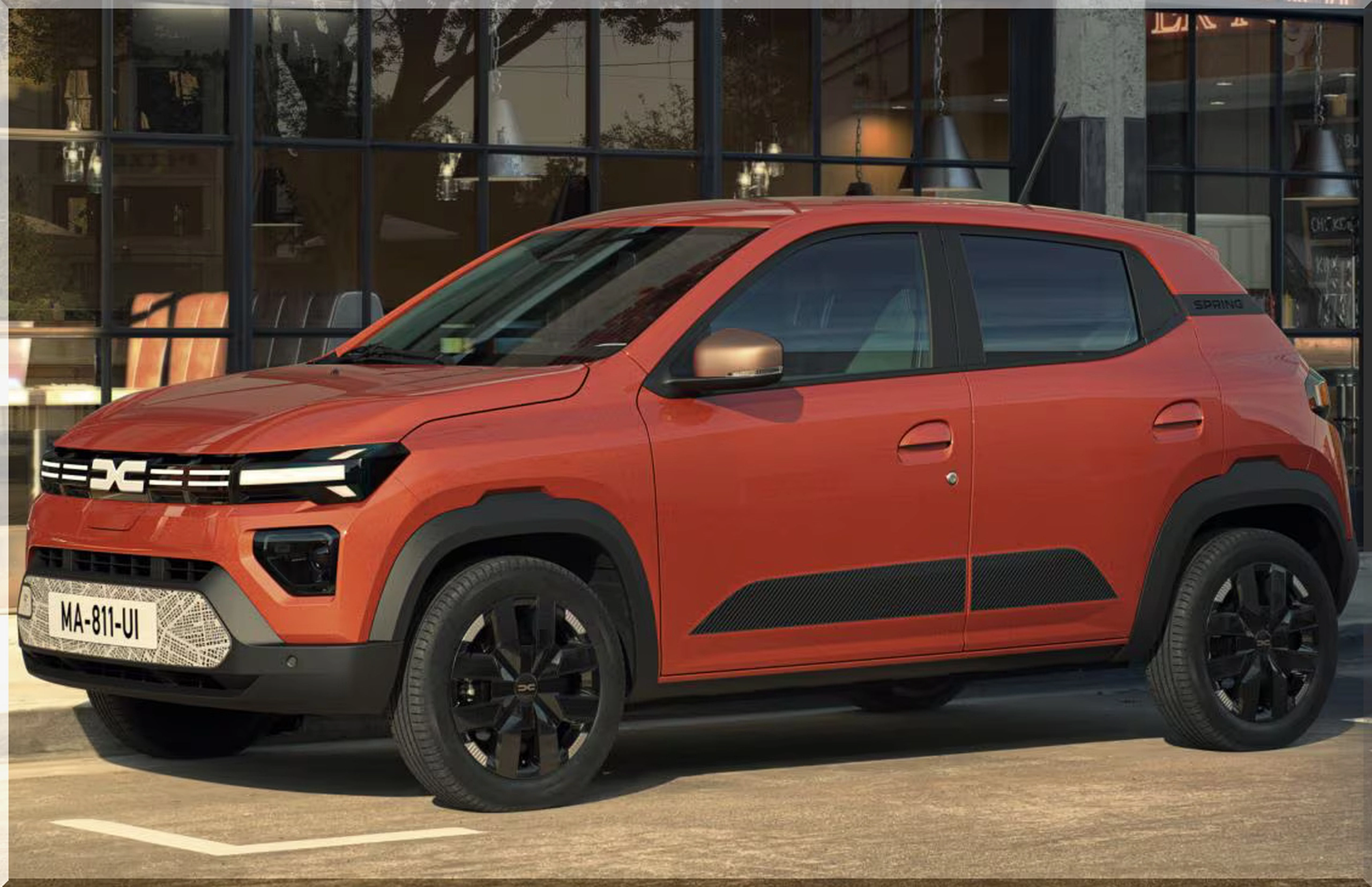
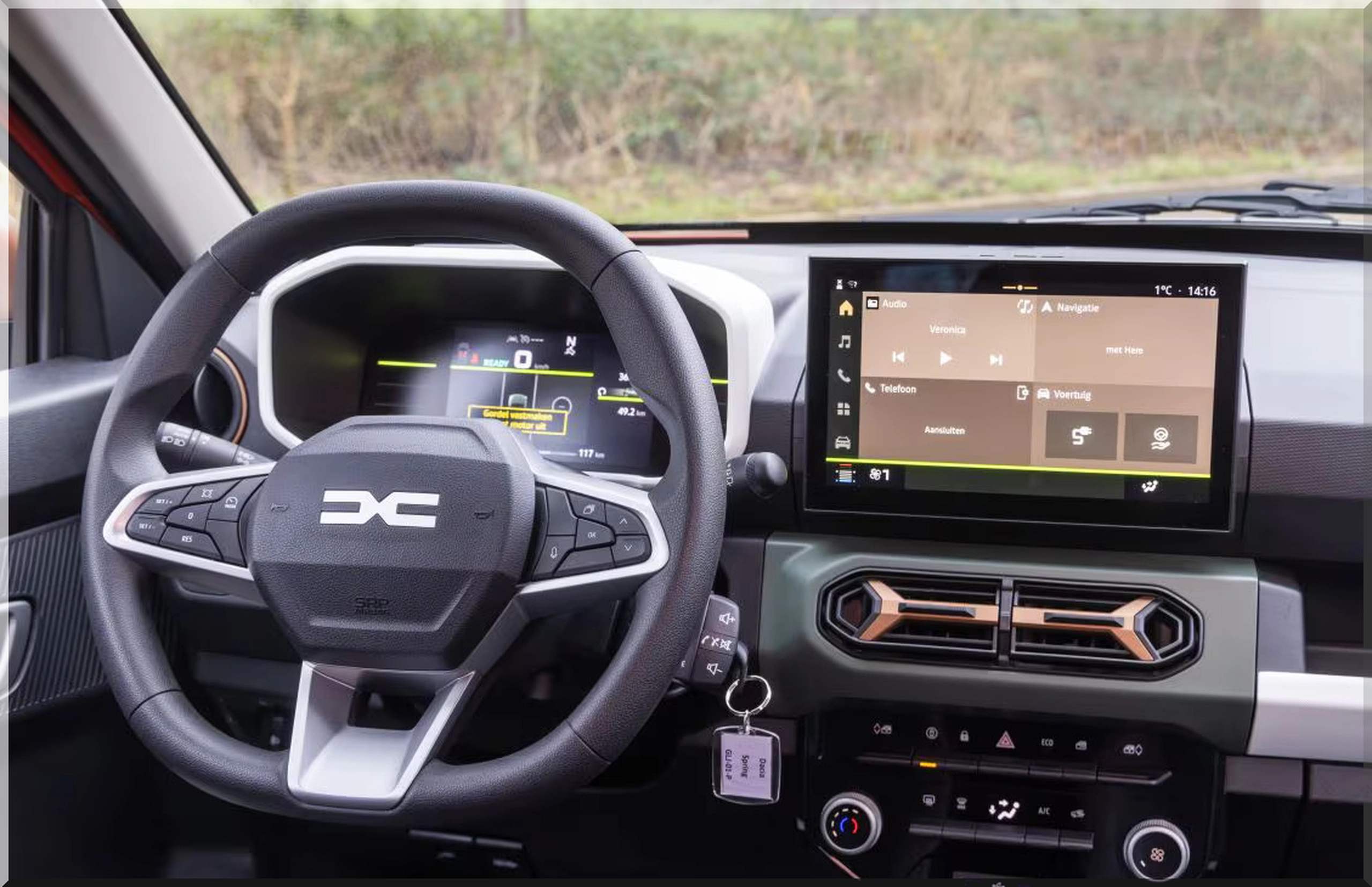
The Dacia Spring keeps a small footprint. It measures 3,701 mm long, 1,583 mm wide without mirrors, and about 1,489 mm high. In inches, that equals 145.7 in long, 62.3 in wide, and 58.6 in tall. The wheelbase sits at 2,423 mm, or 95.4 in.
By comparison, many small EVs chase extra battery capacity and add weight. Dacia takes the opposite route. It keeps Spring close to one tonne, then uses low mass to support efficiency, range, tyre life, and brake wear.
The packaging also works hard:
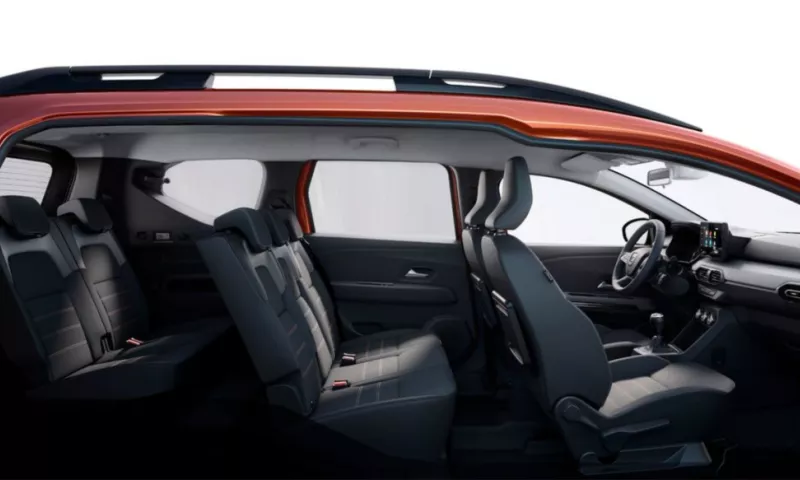
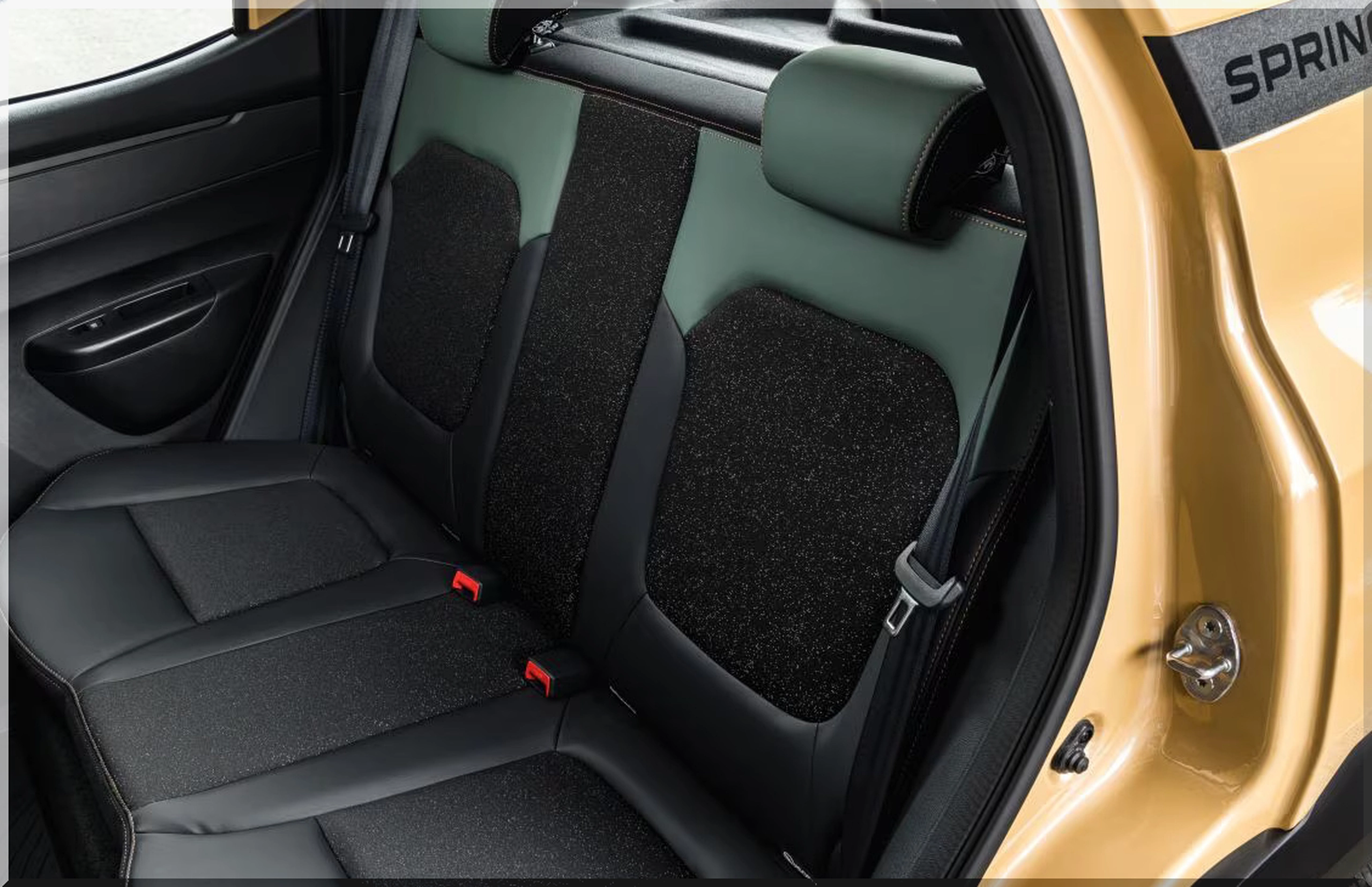
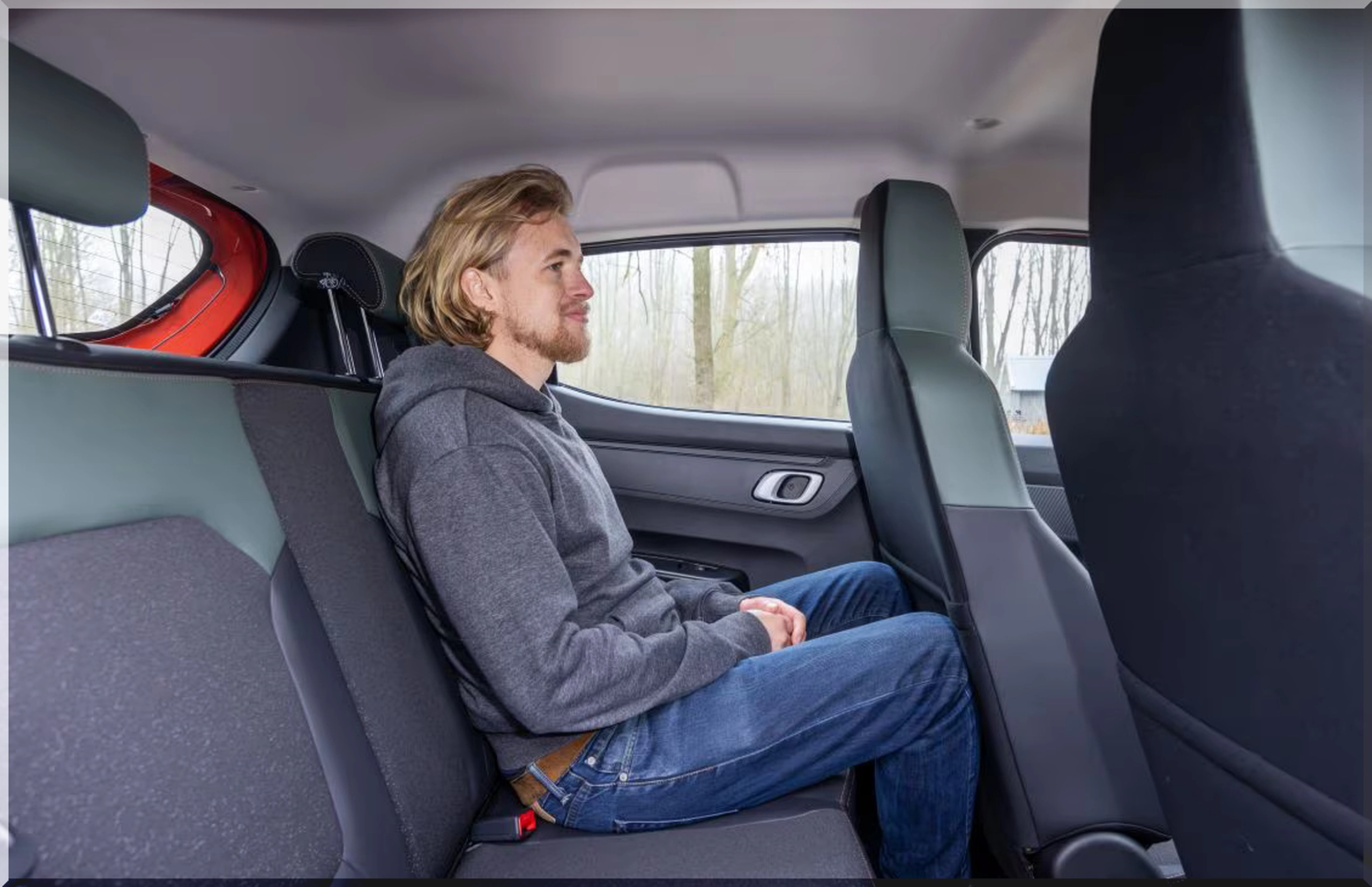
- Four real seats for everyday passenger use
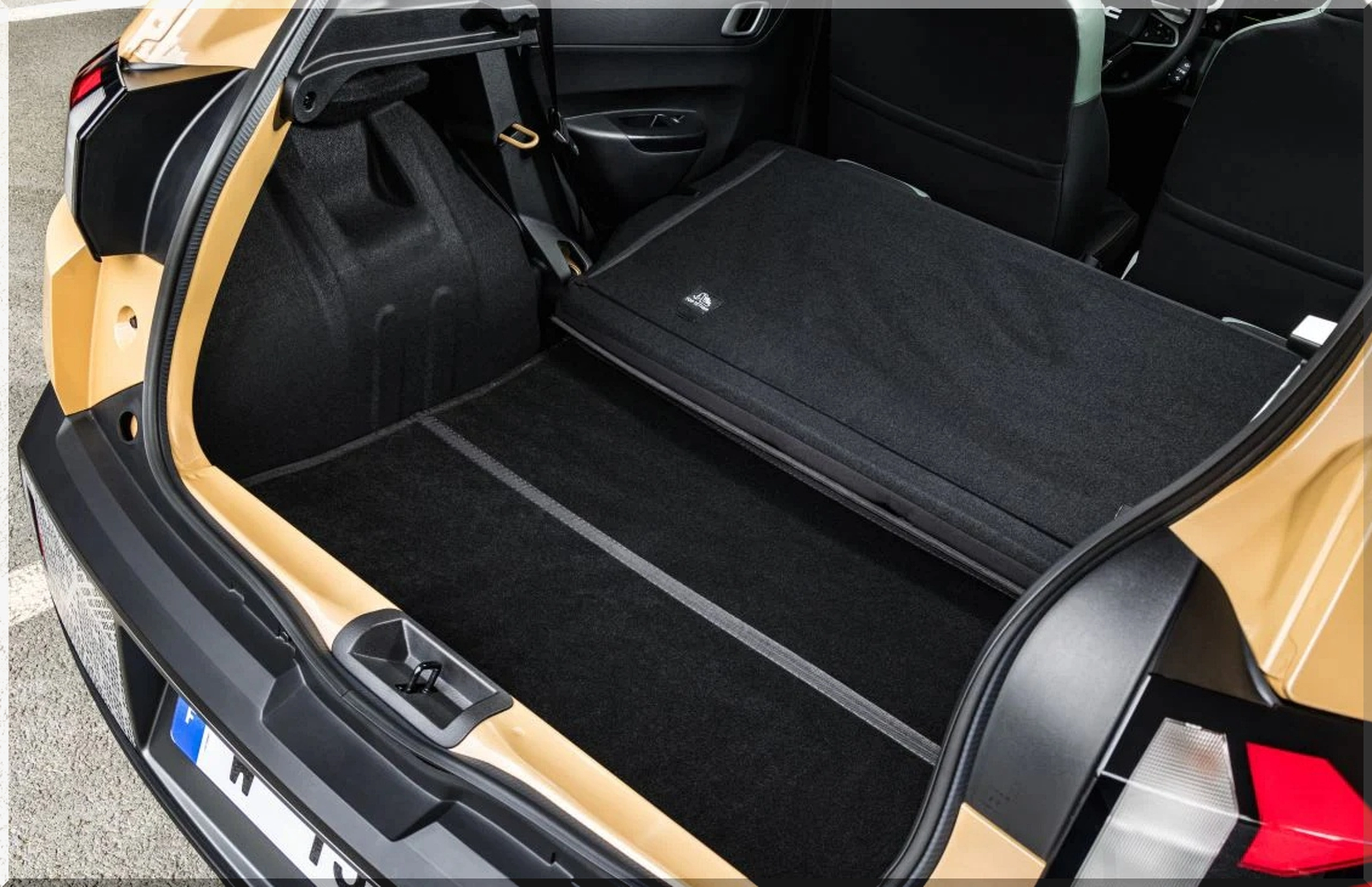
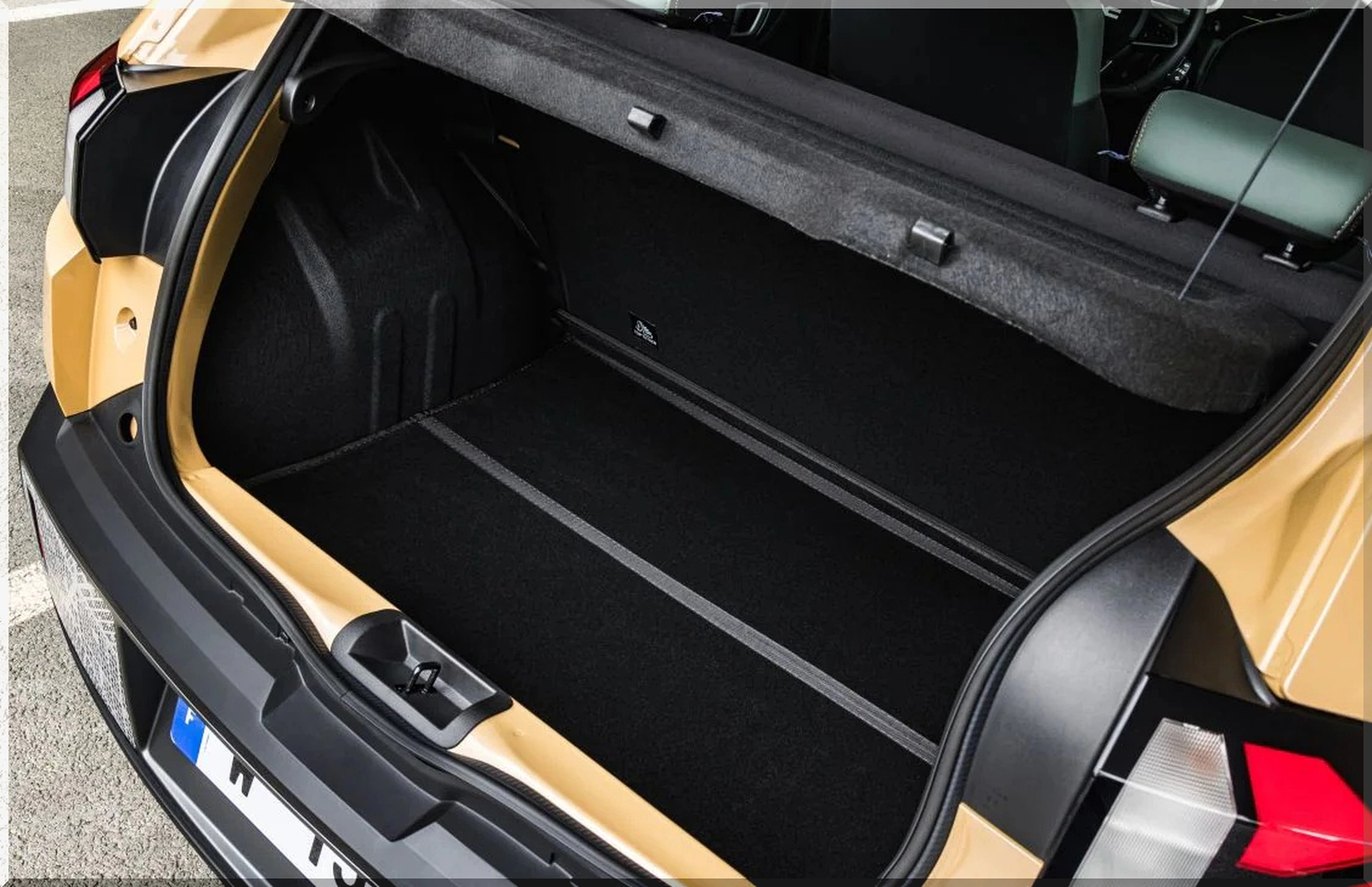
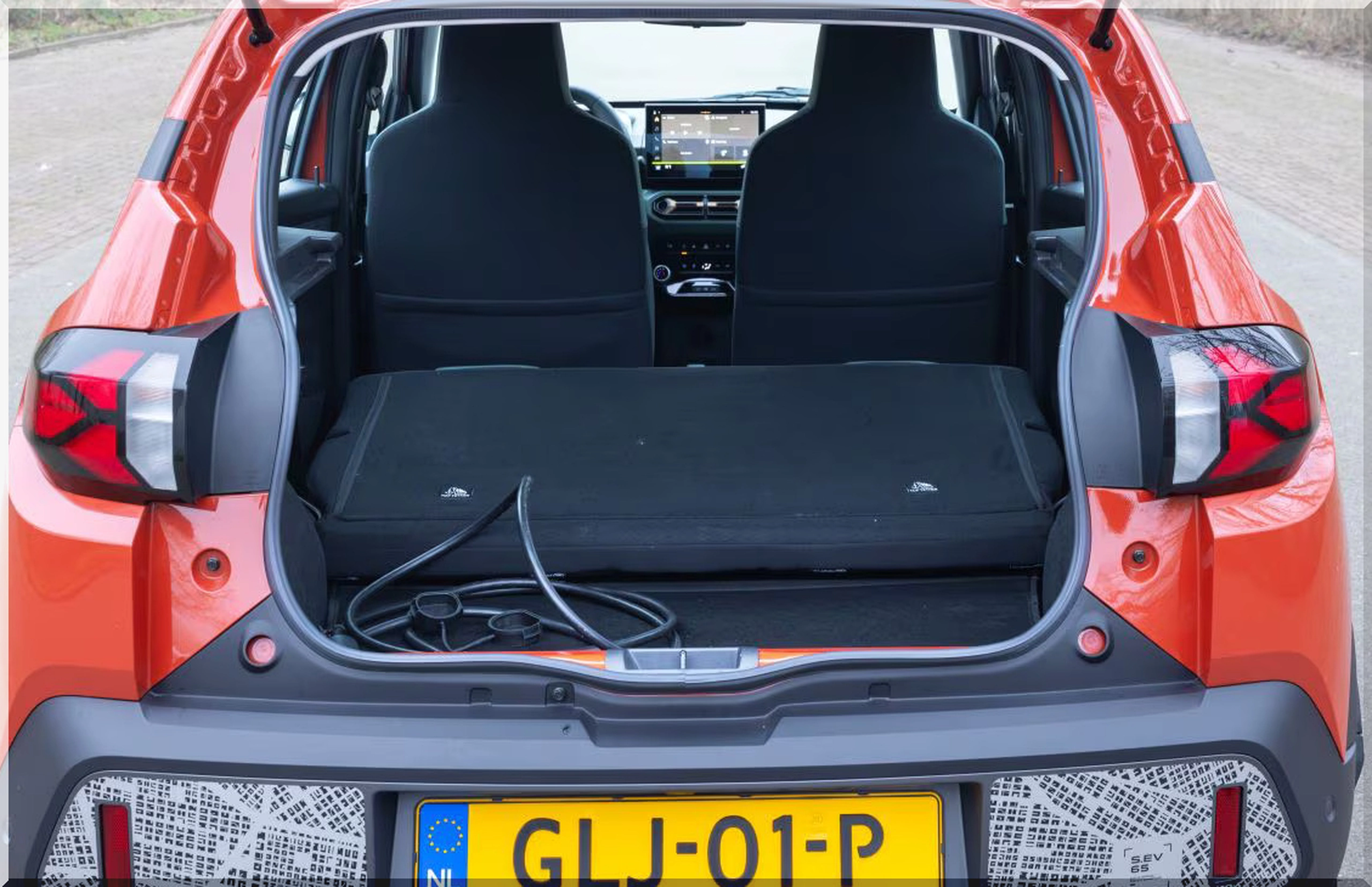
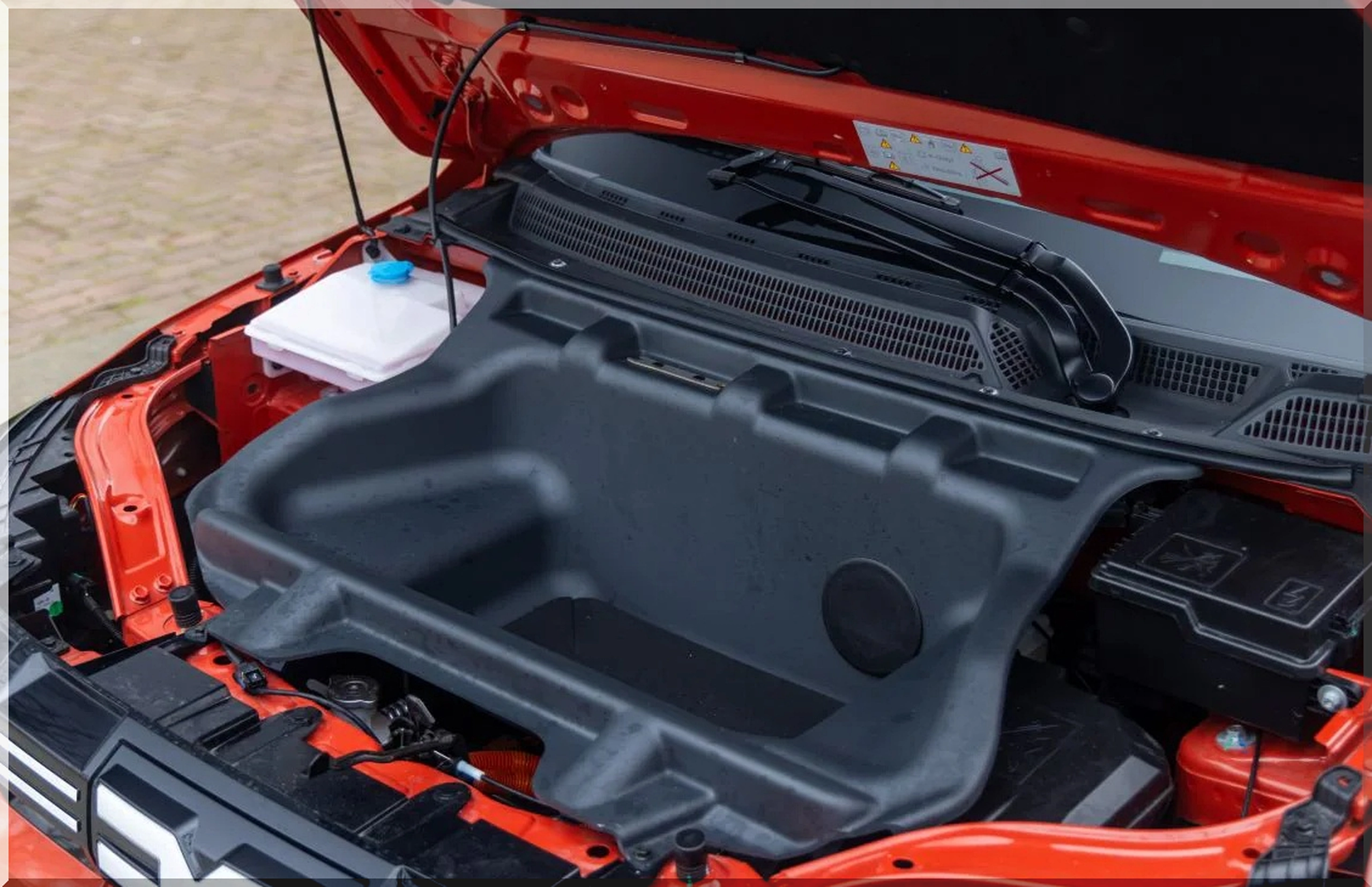
- 308 litres of boot space with rear seats up
- 1,004 litres of load space with rear seats folded
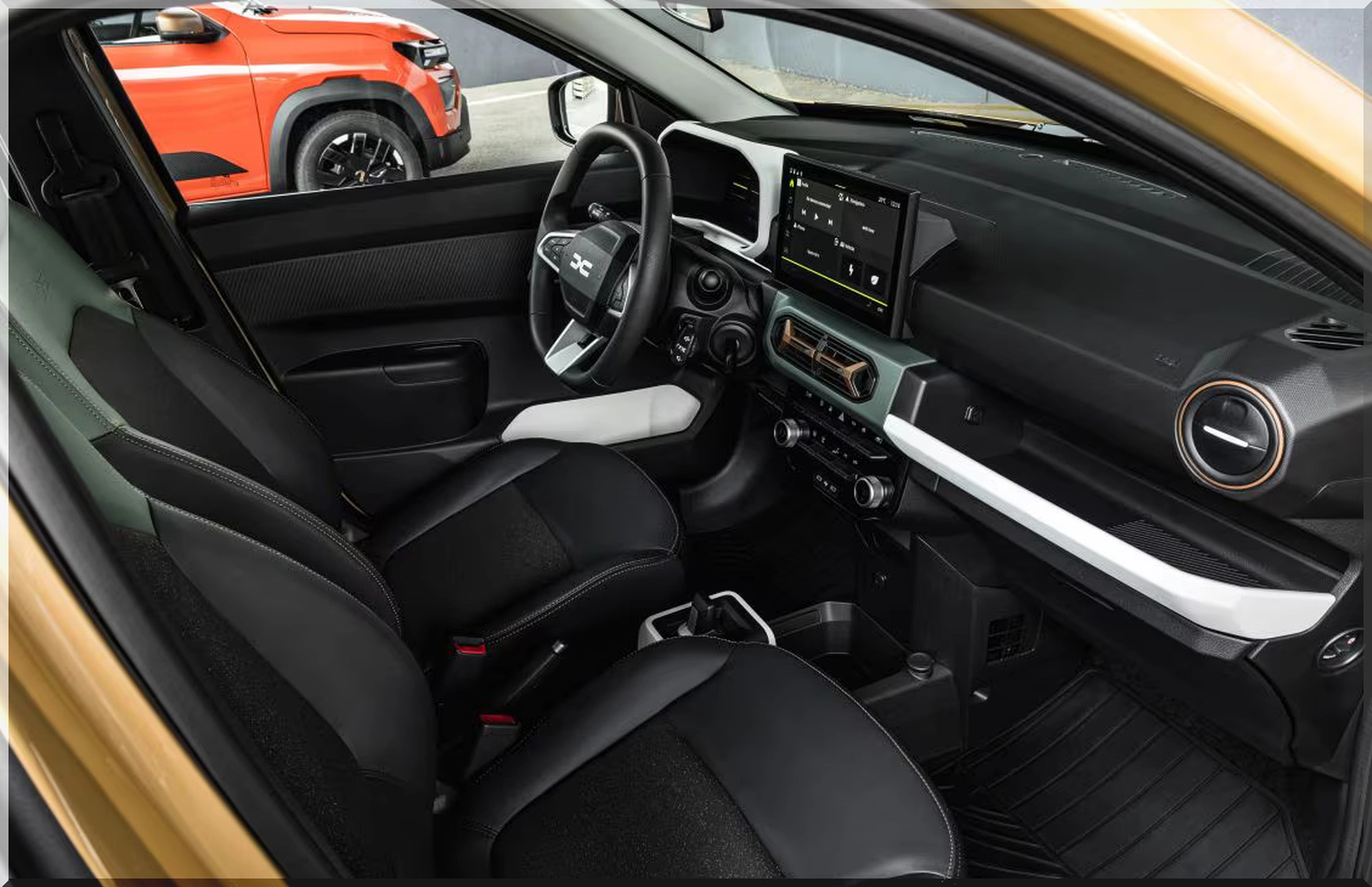
- 32.7 litres of interior storage
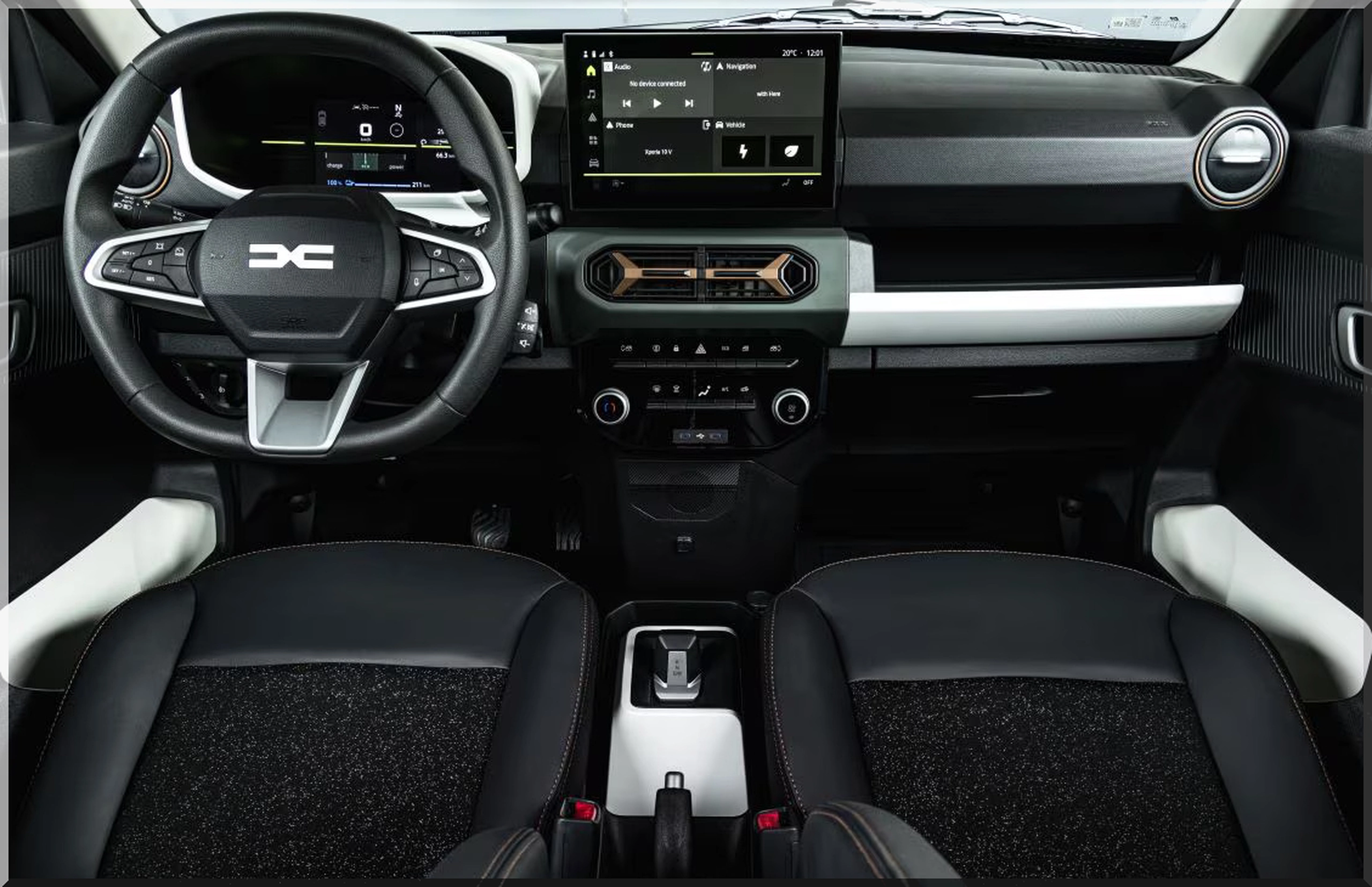
- Optional V2L power supply for external devices
- Three YouClip anchor points for cabin accessories
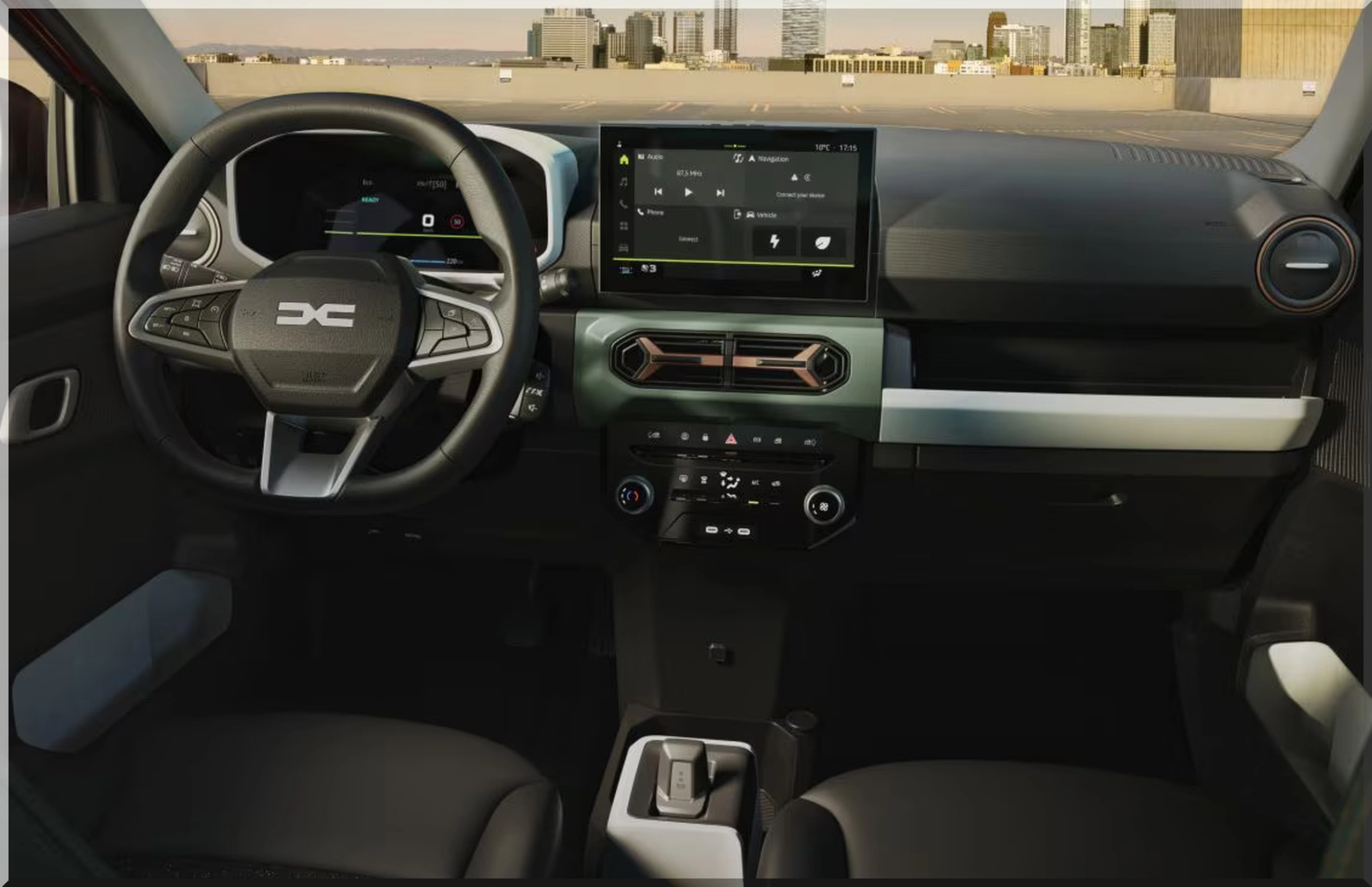
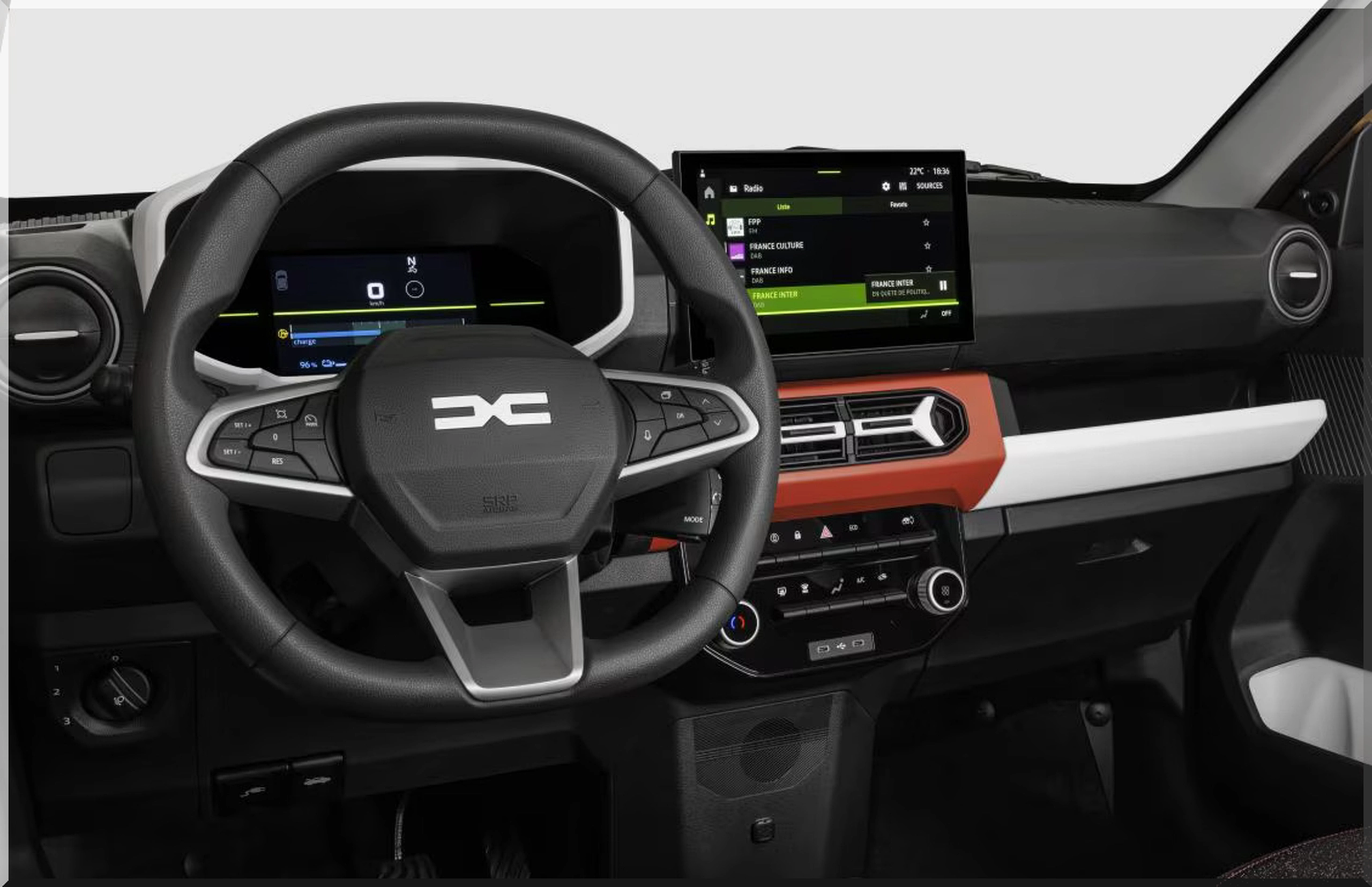
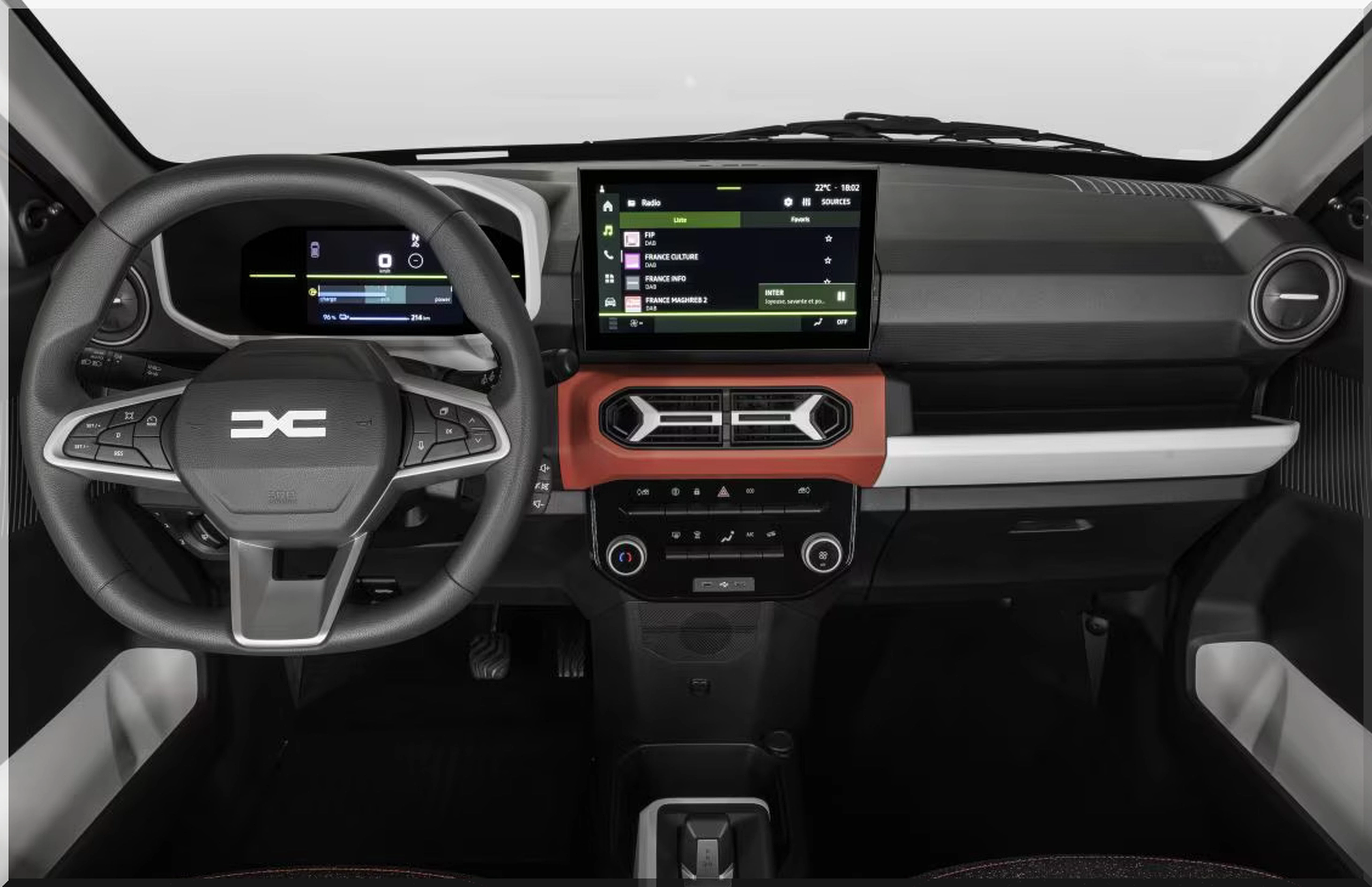
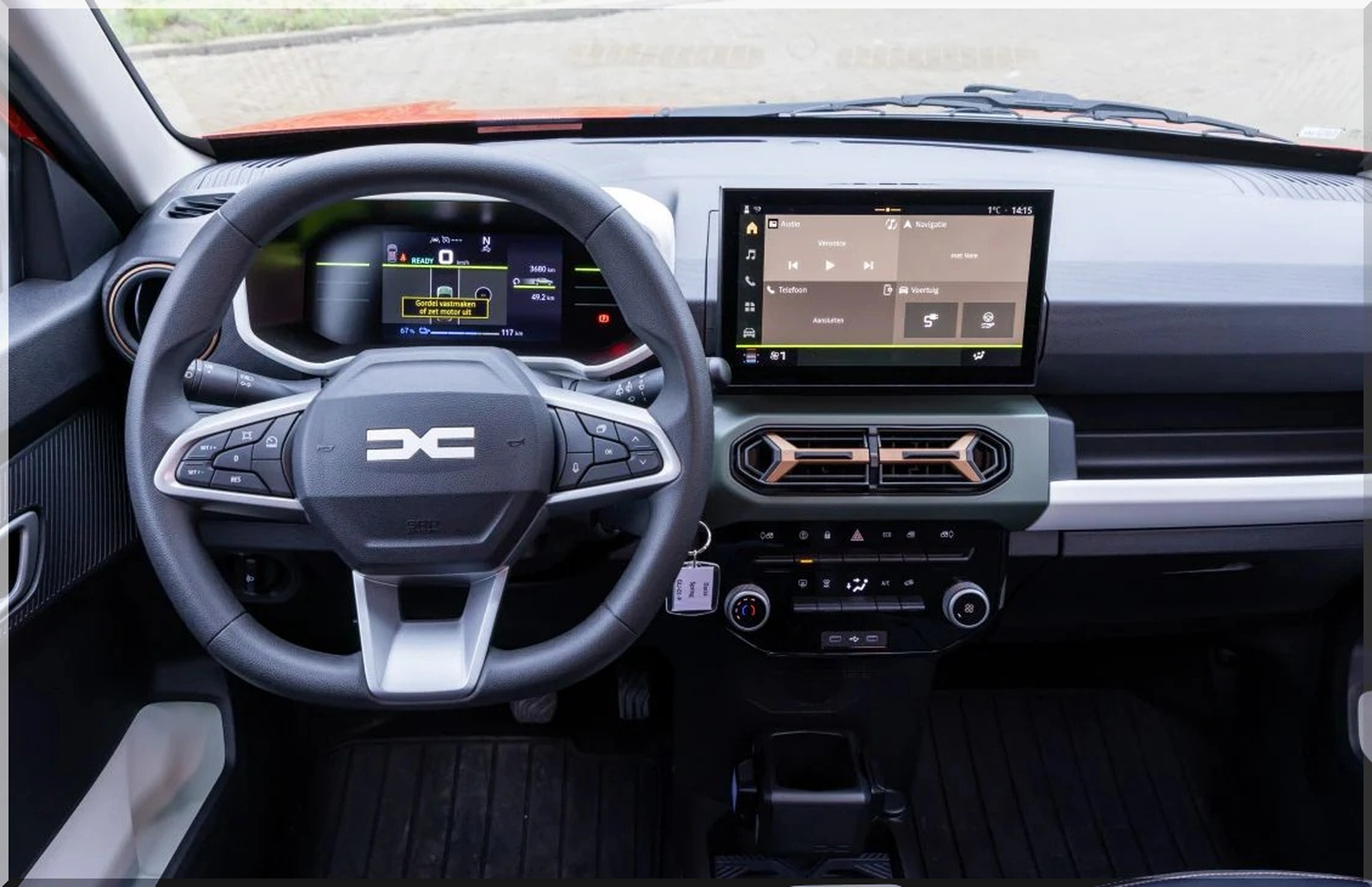
Image gallery
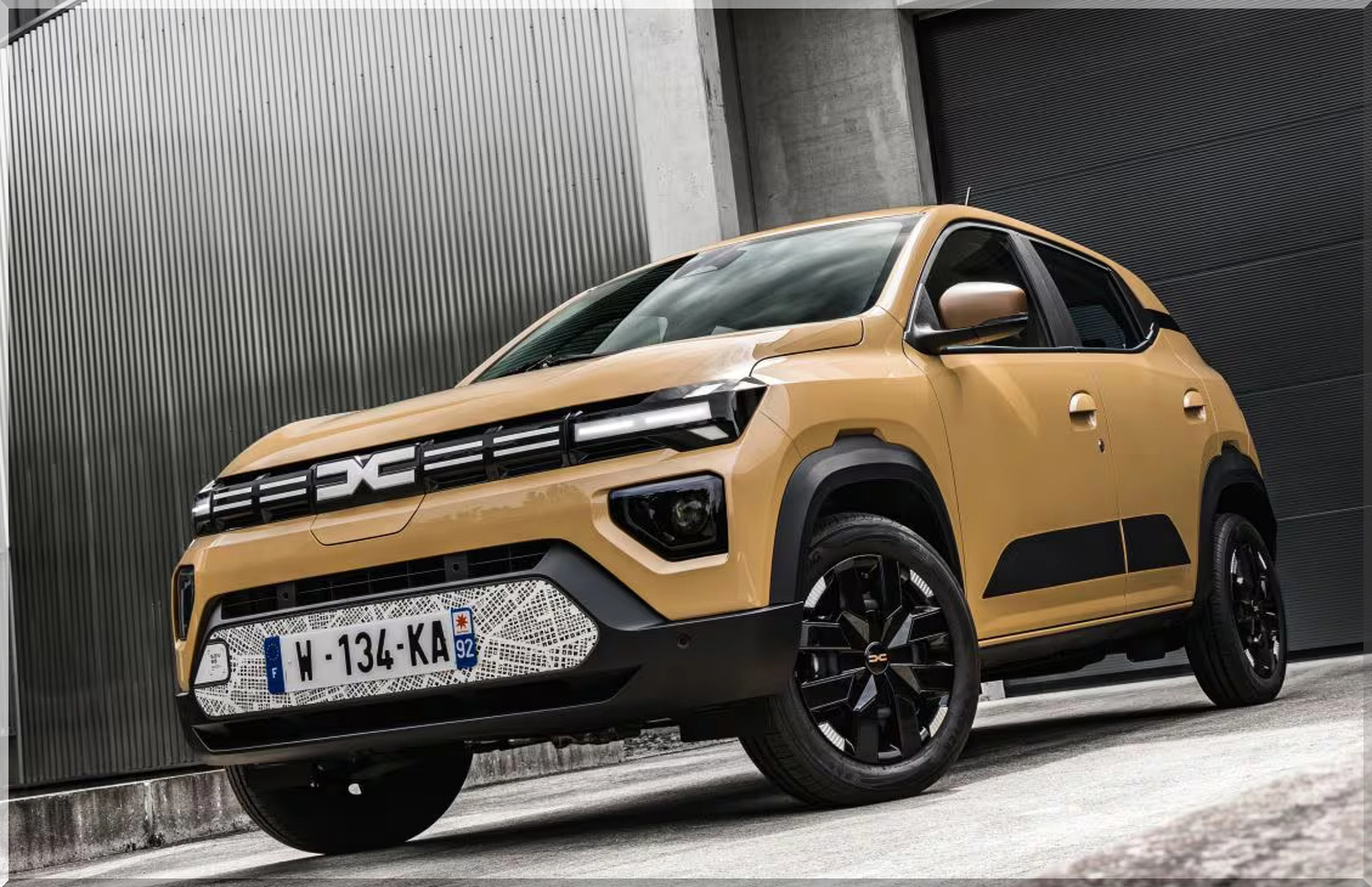
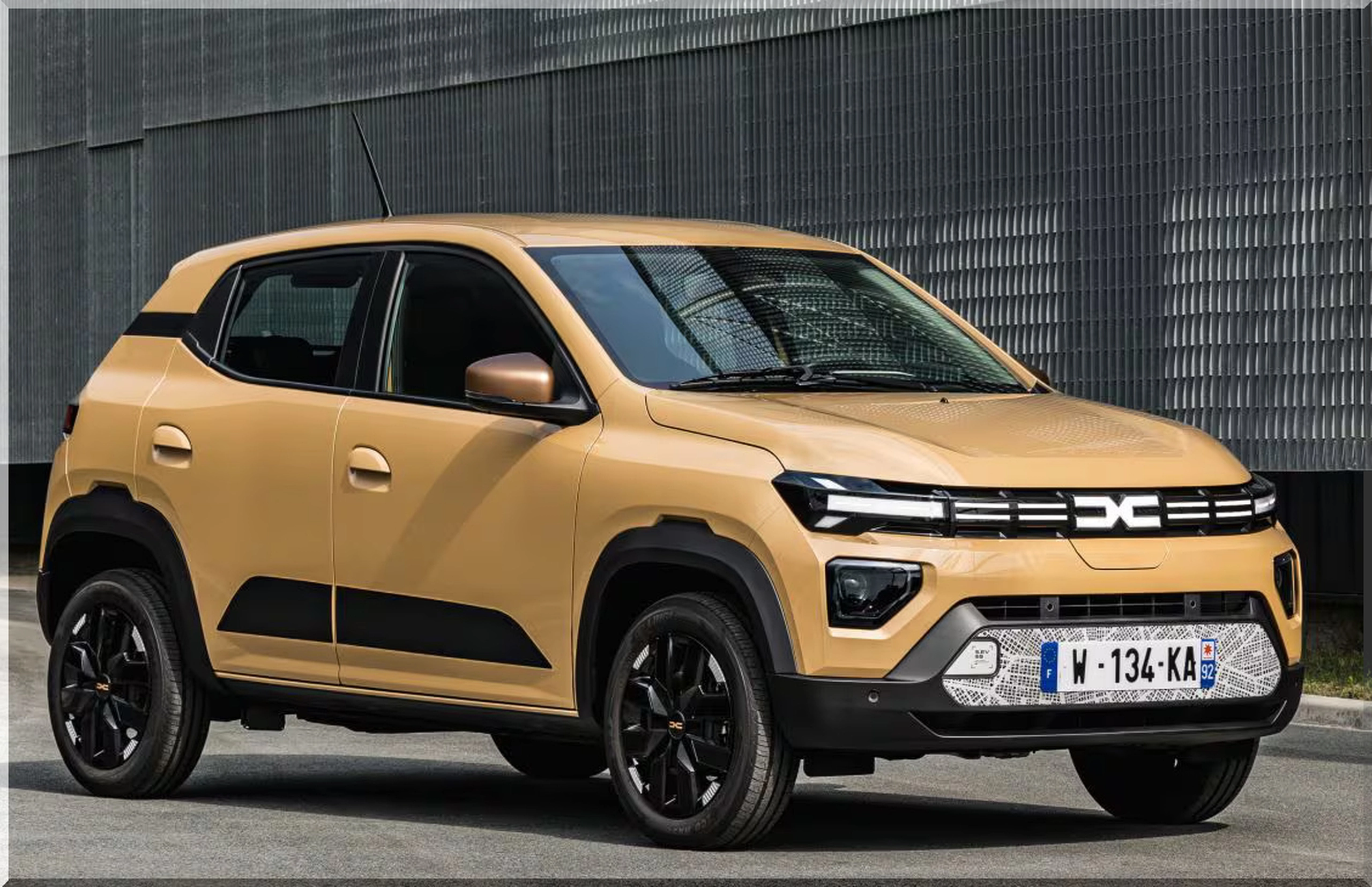
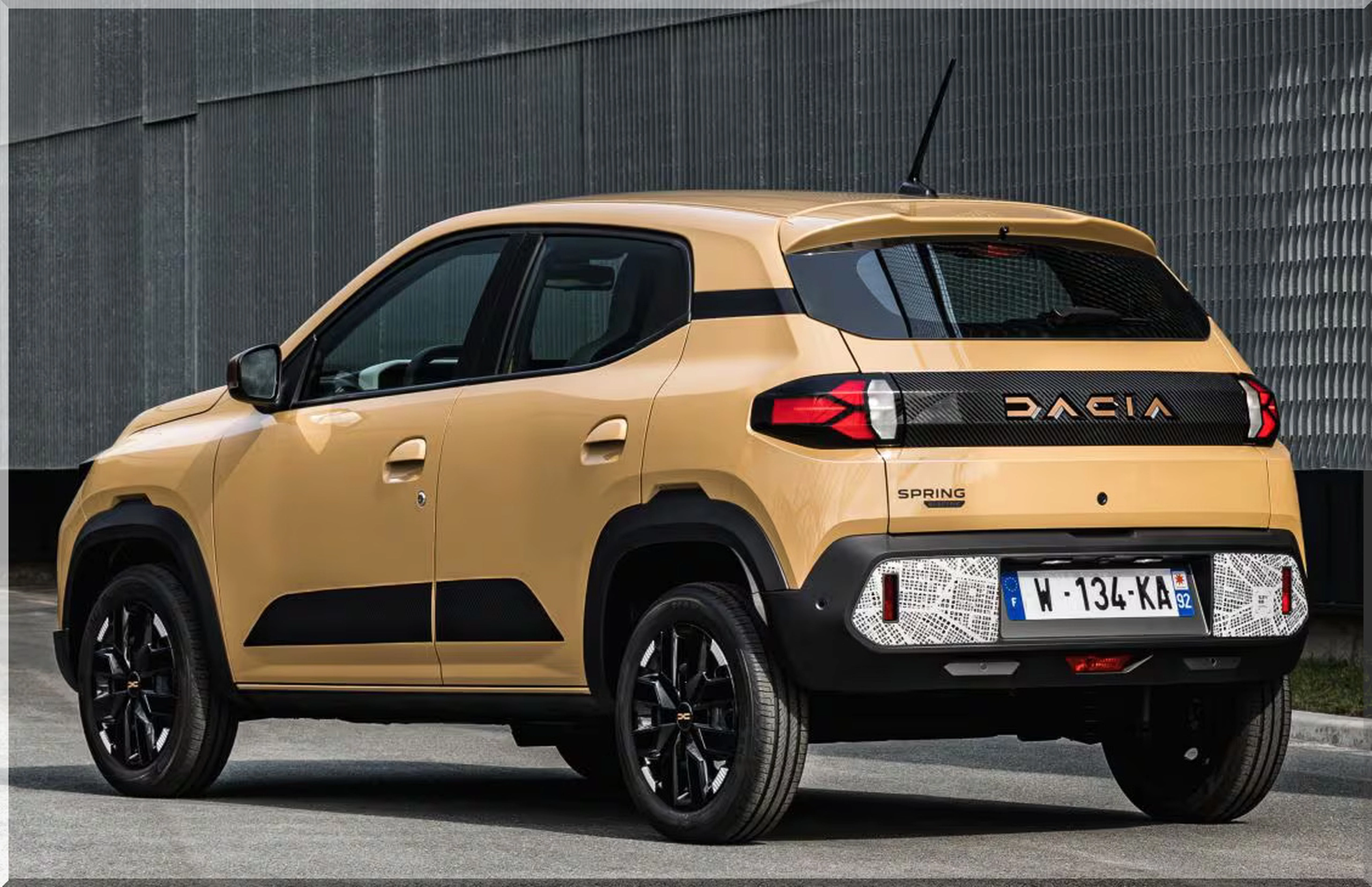
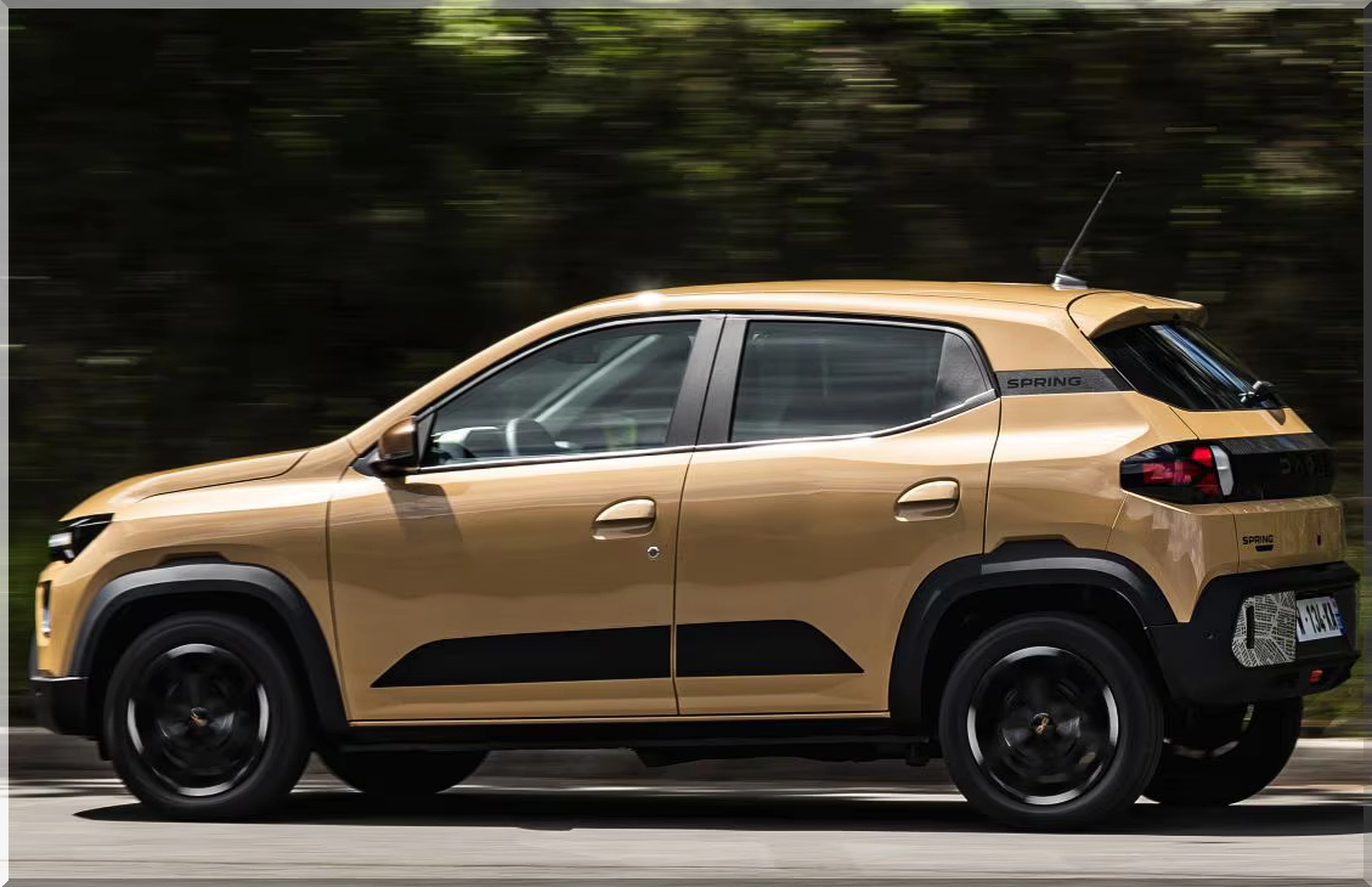
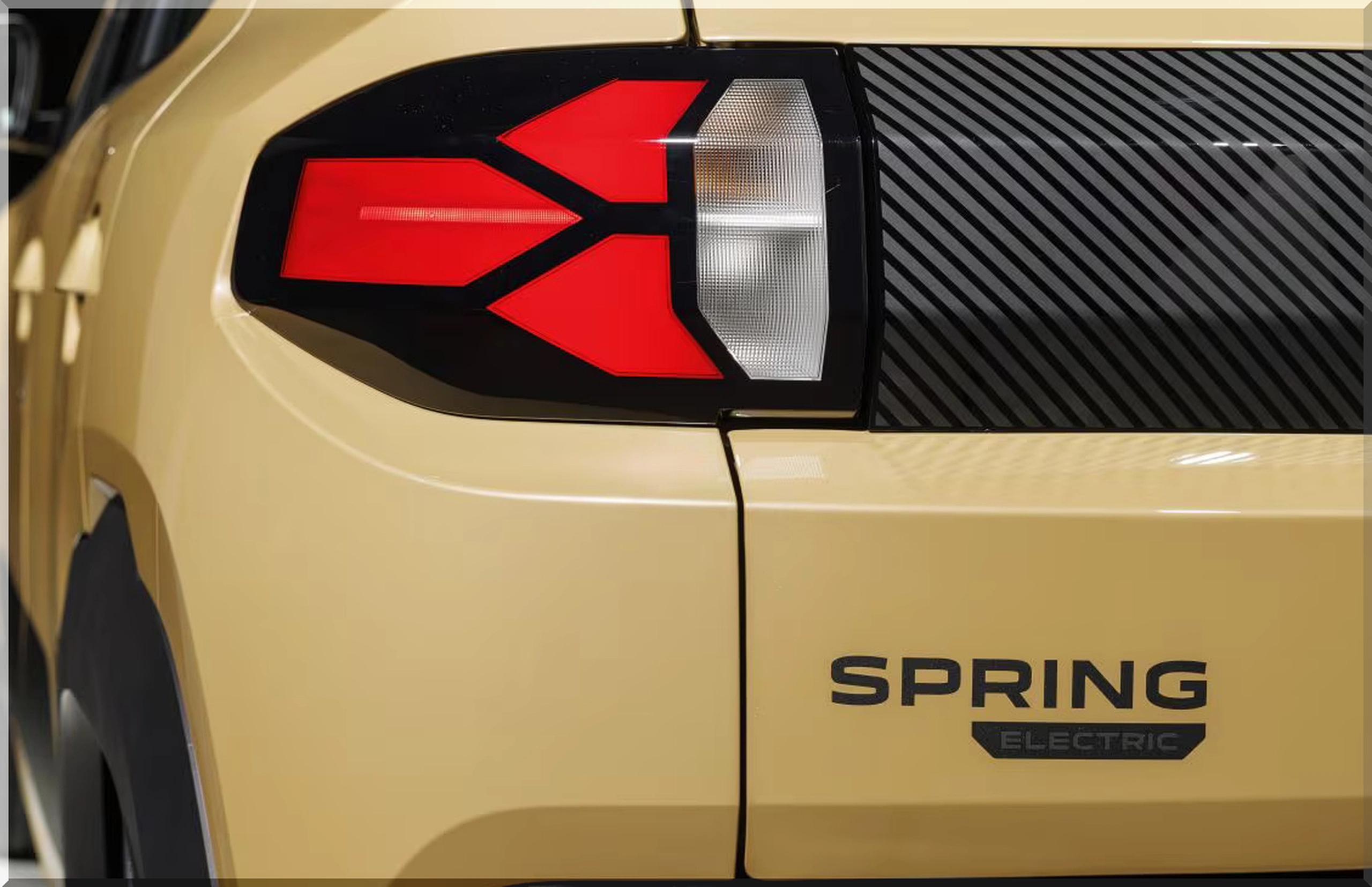
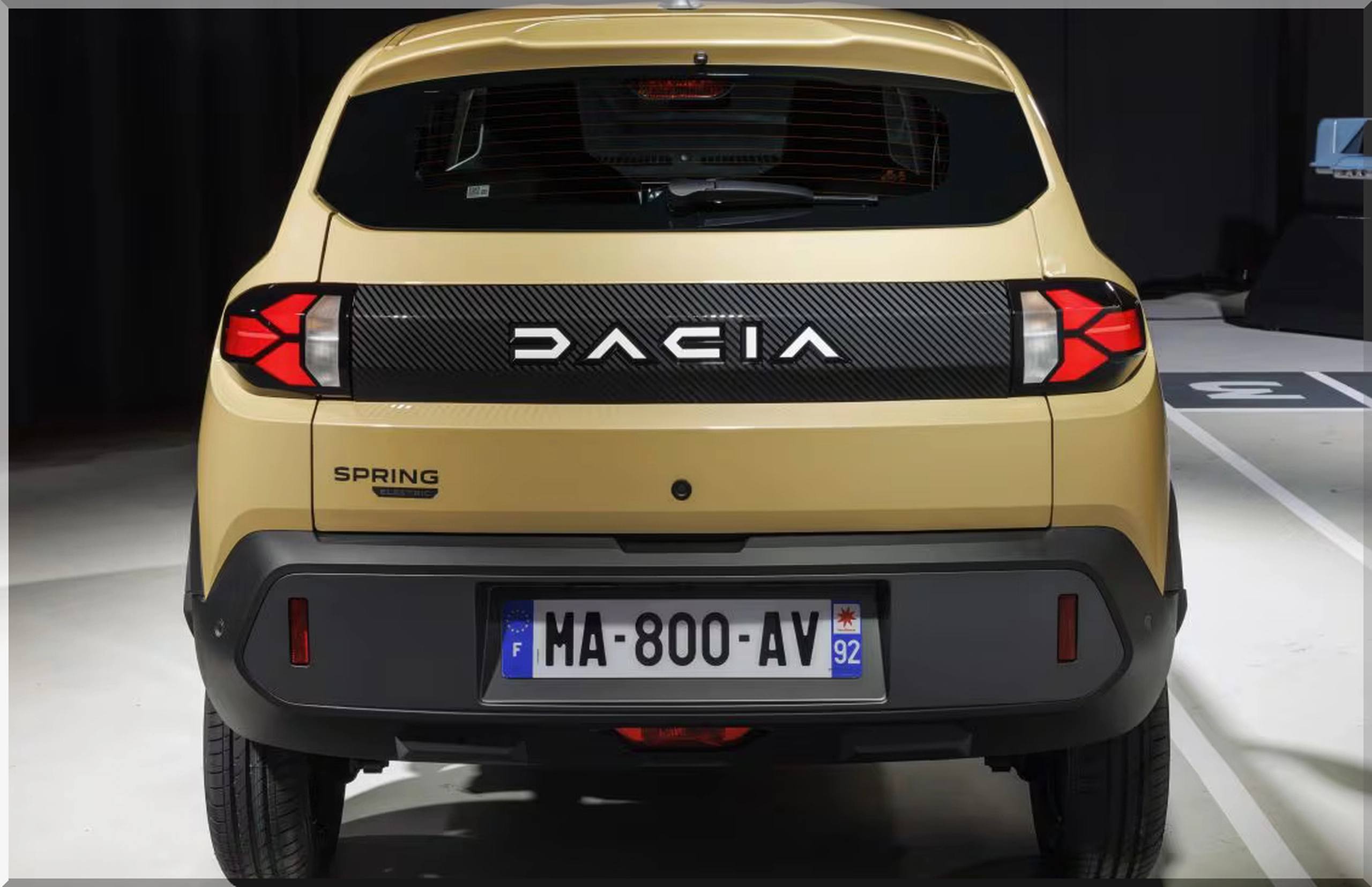
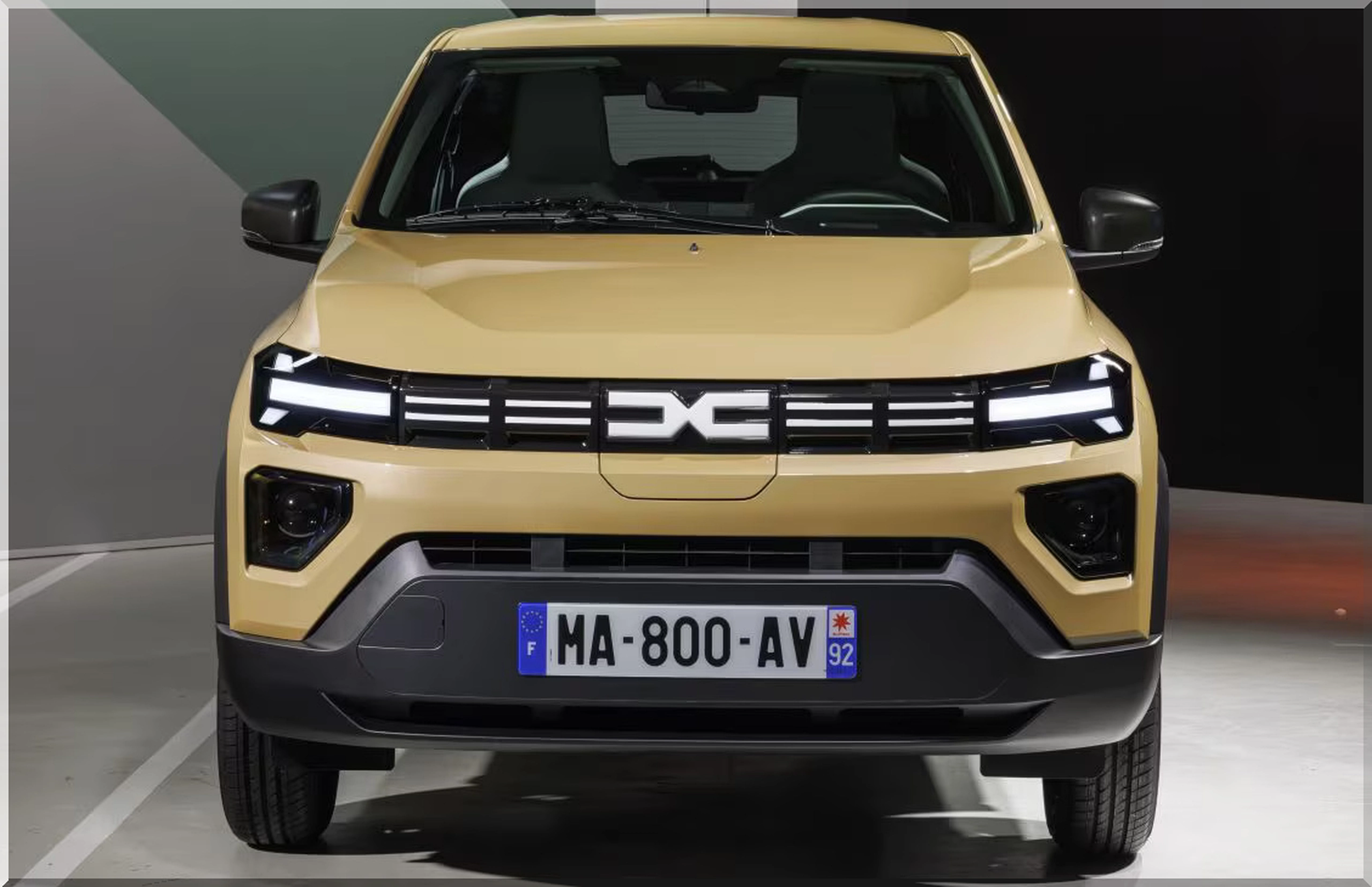
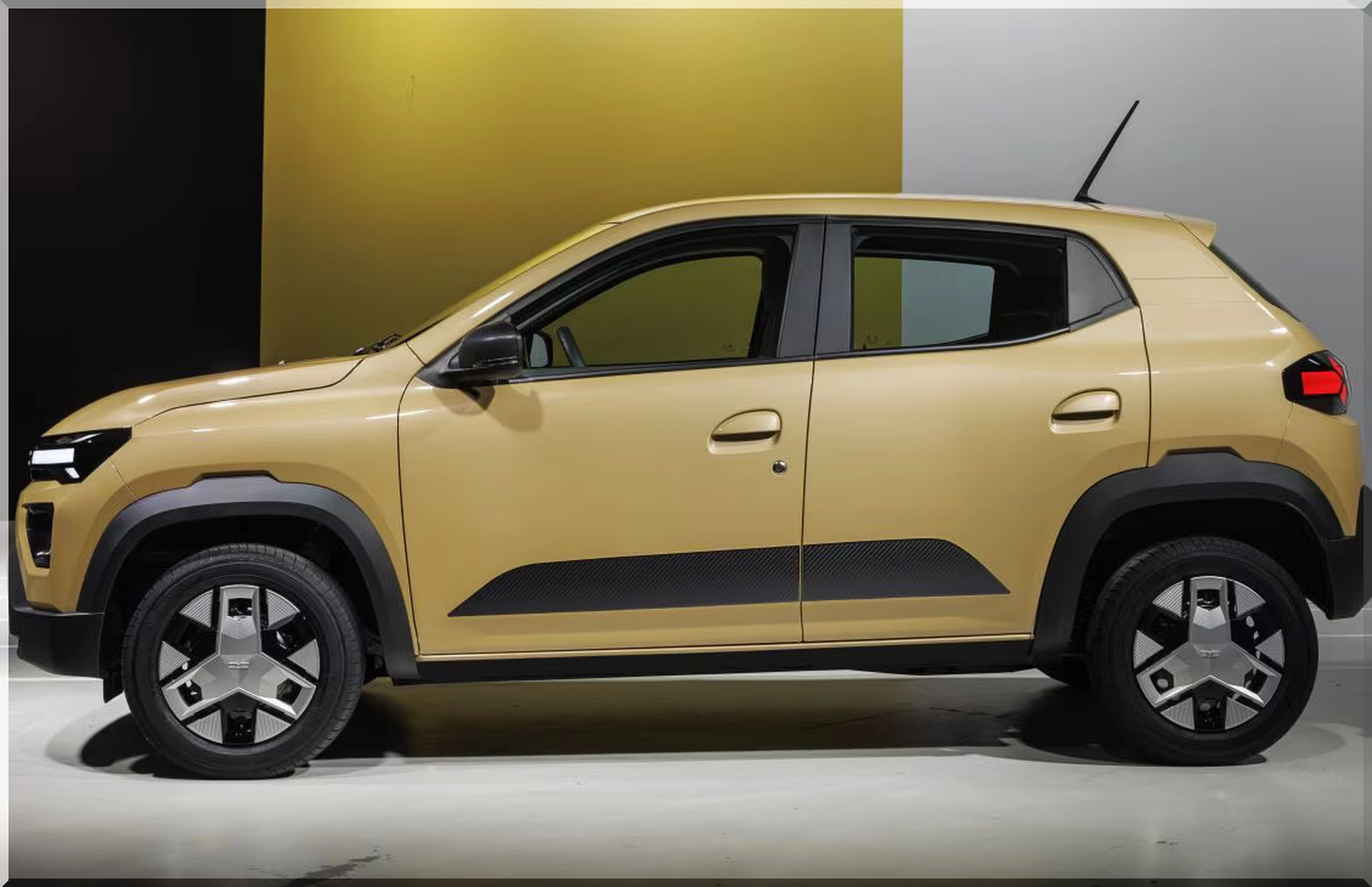
Chassis, Aero, And Safety Upgrades
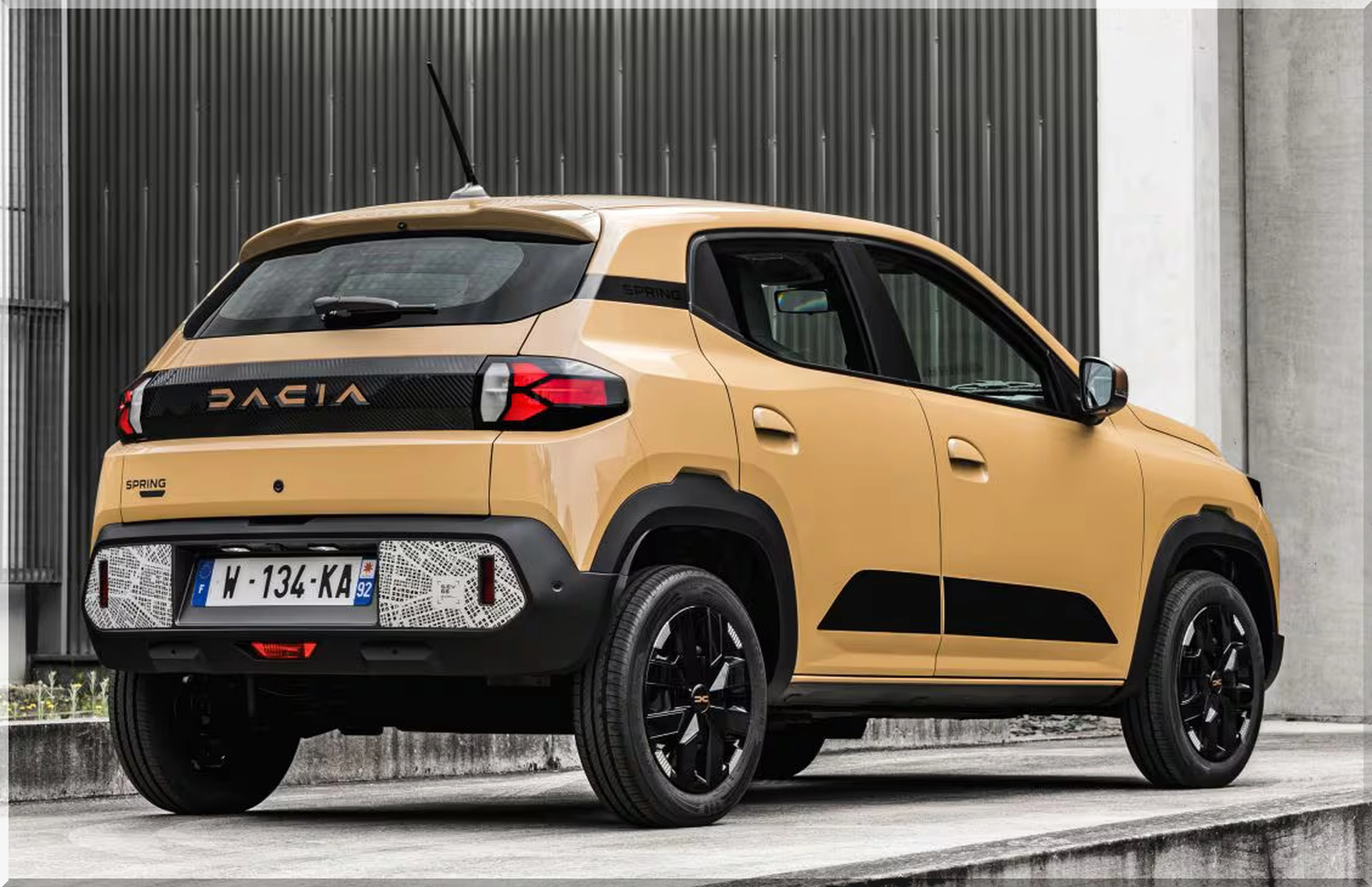
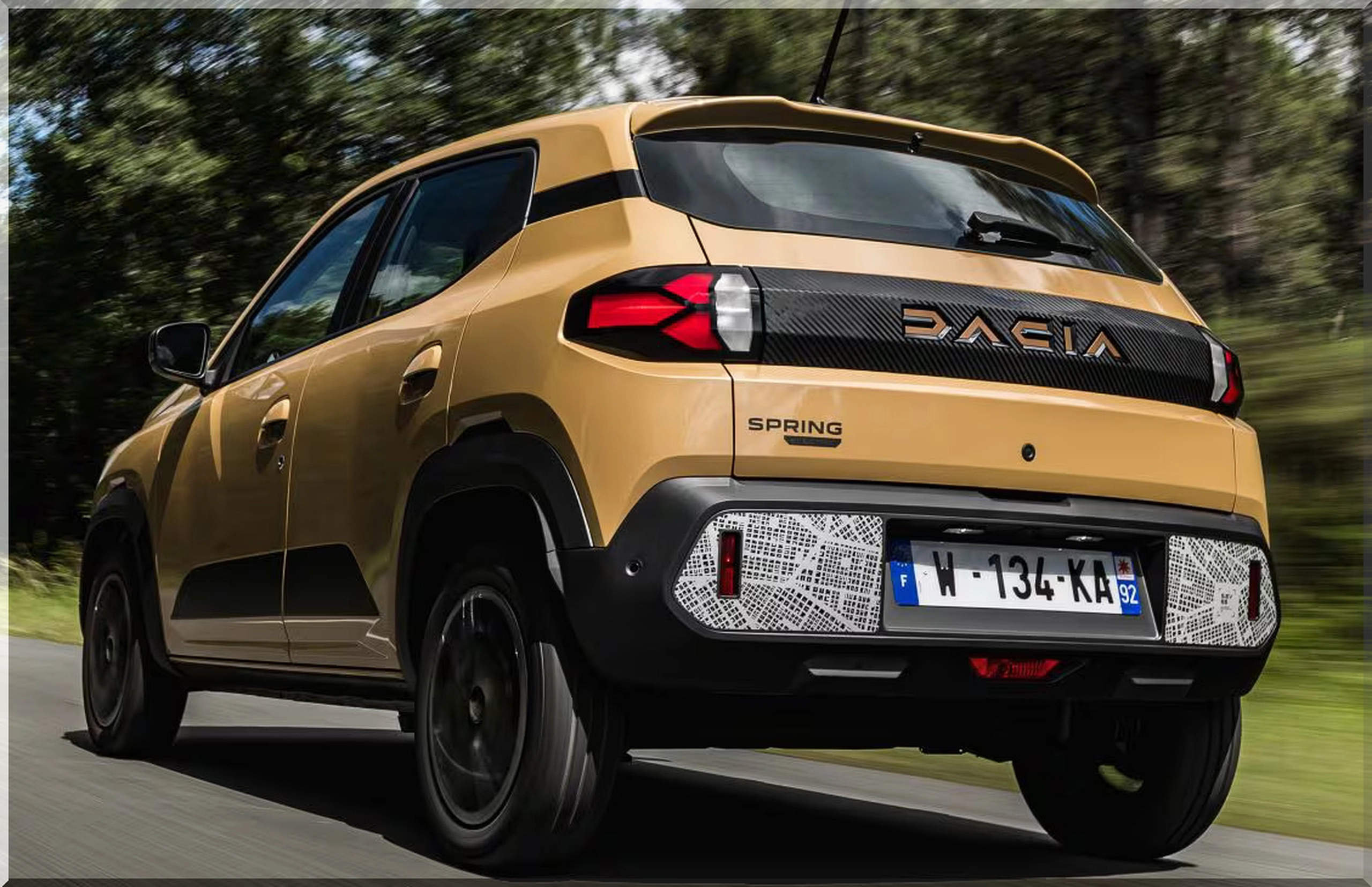
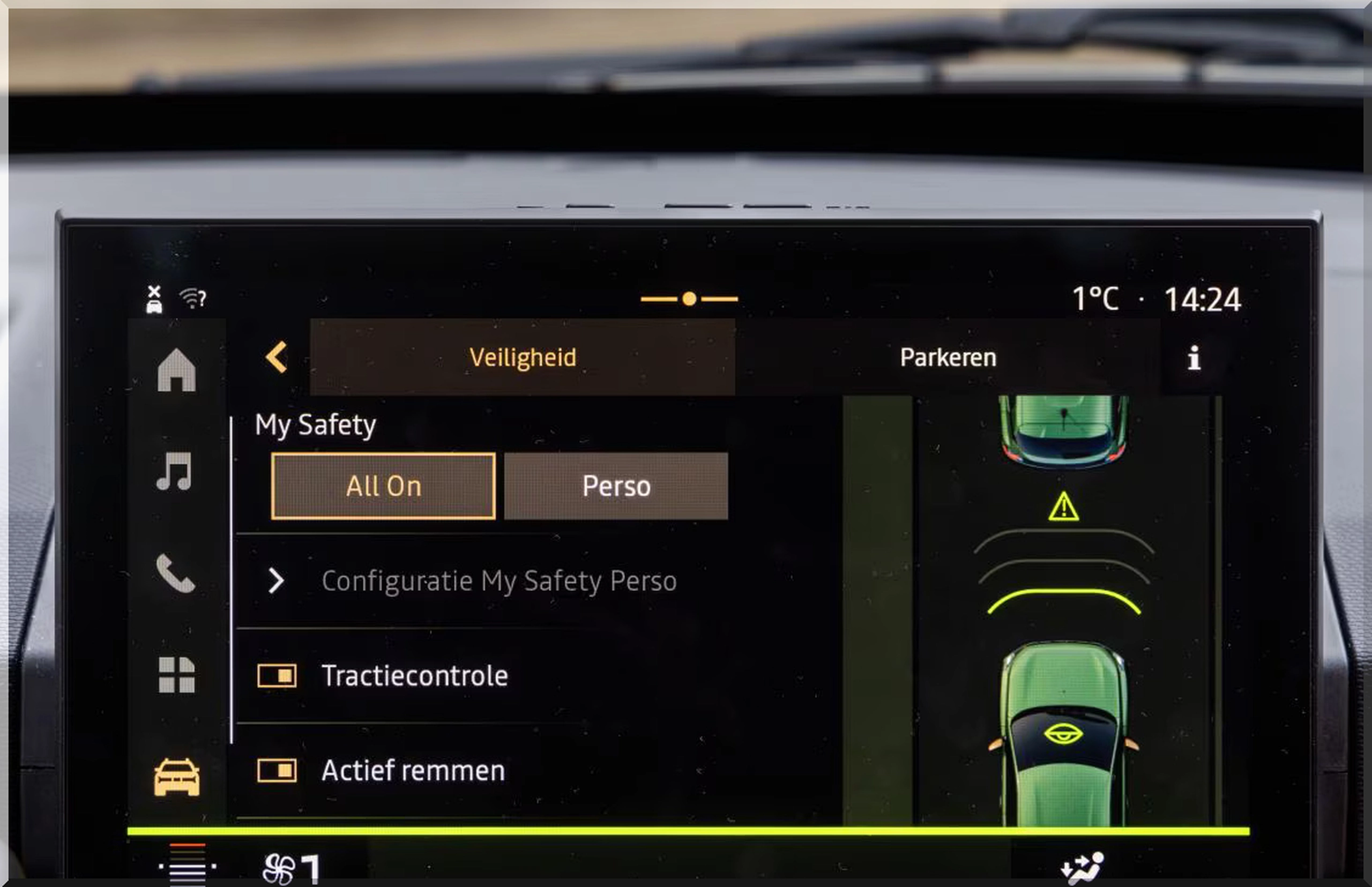
Dacia revised the platform around the battery, stiffened the central structure, and improved weight distribution. It also added an anti-roll bar as standard on all versions, retuned the springs and dampers, and fitted more powerful brake assistance. The result should give the Spring tighter body control and more predictable cornering than earlier models.
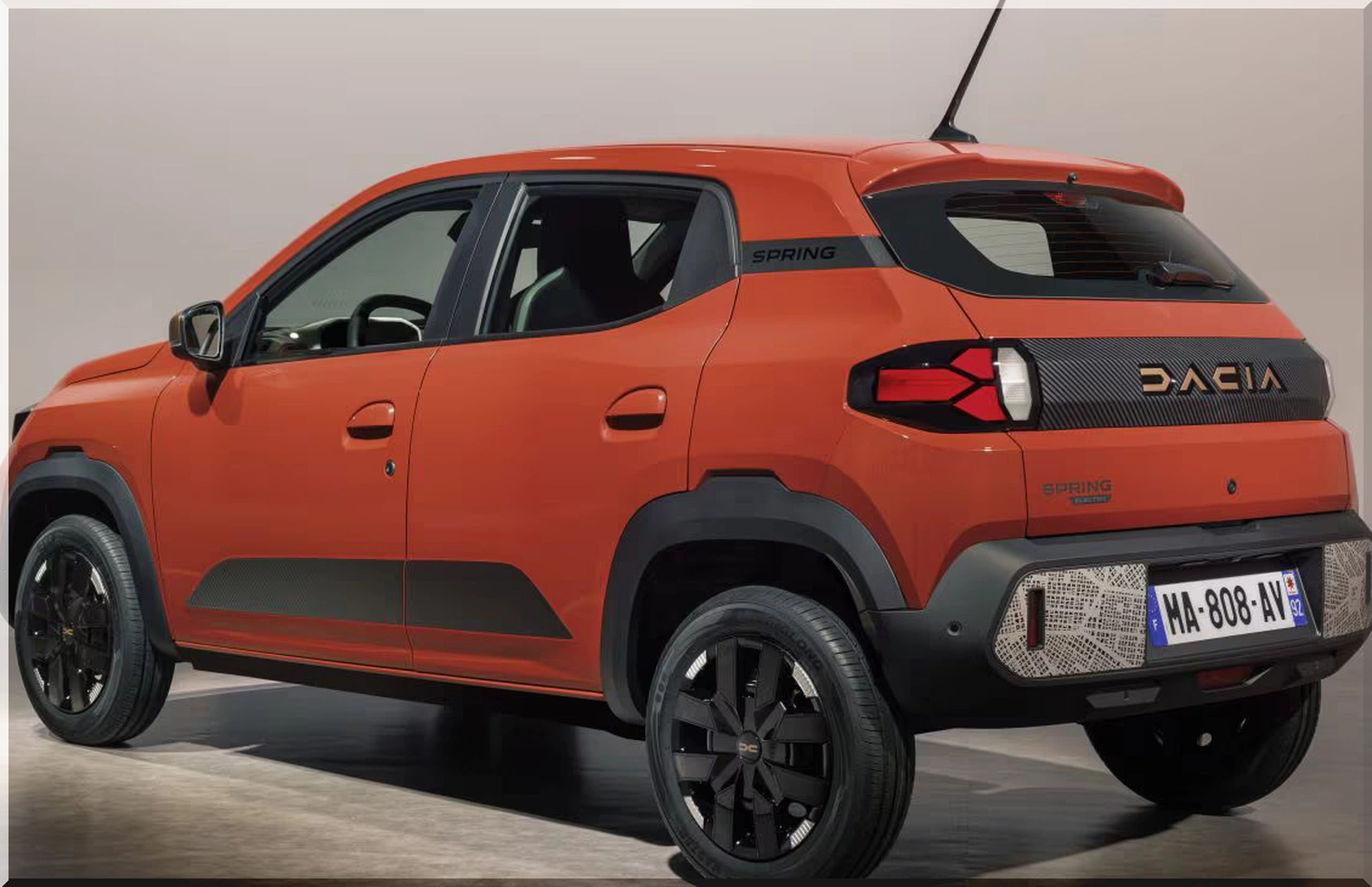
Aerodynamics also gained attention. Dacia added underbody fairings at the front, sides, and rear, plus a new rear spoiler. The SCx figure drops from 0.745 to 0.660 on 14-inch wheel versions and from 0.743 to 0.665 on 15-inch wheel versions. That matters because drag punishes small batteries at higher speeds.
Btw, here is a preview of the 2027 Dacia Spring:
Video title
Dacia Spring 2027 preview
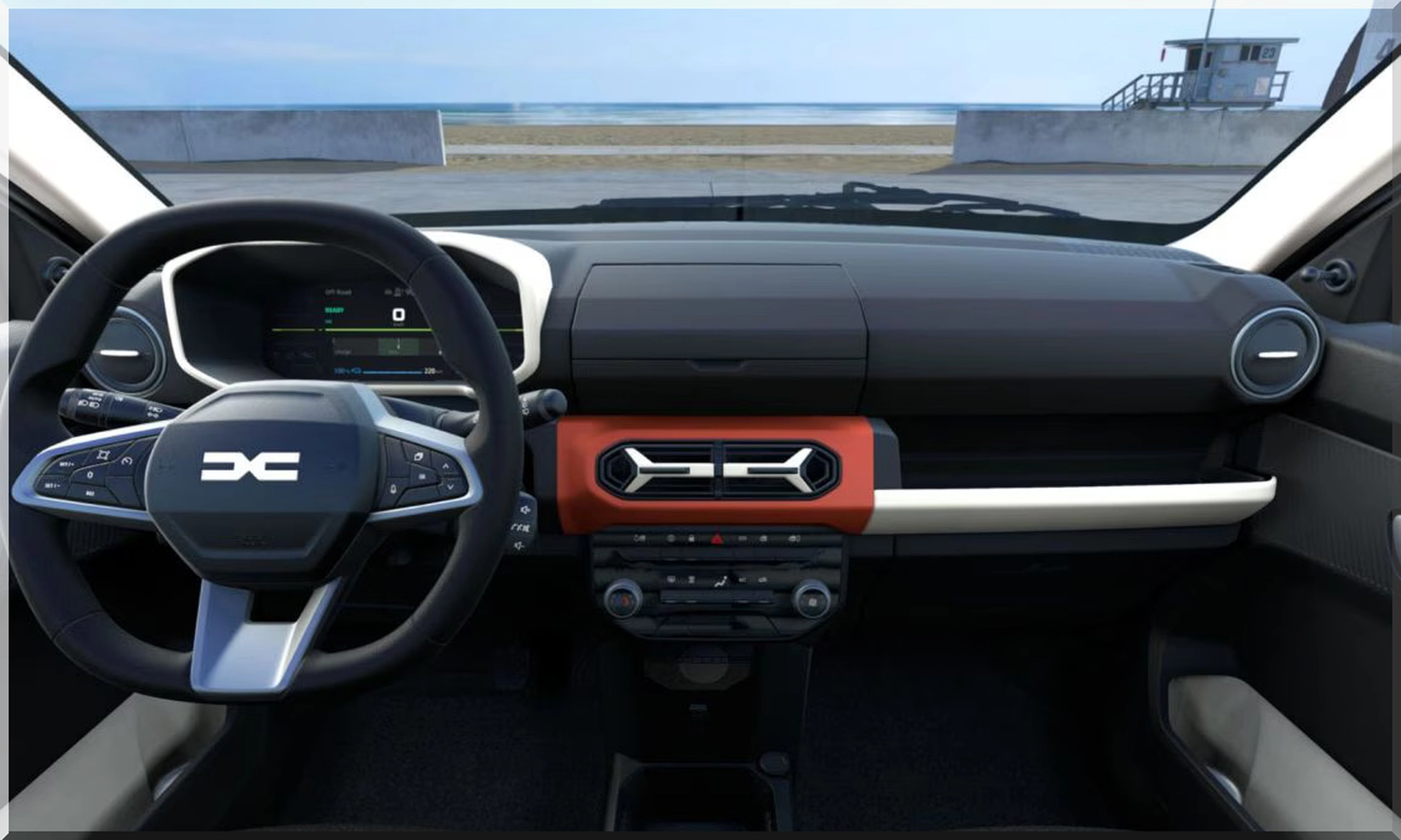
Pro-Tips For Dacia Spring Buyers
- Choose Spring 70 for short commutes, school runs, and low-speed urban work.
- Choose Spring 100 if your route includes fast bypasses or motorway slip roads.
- Add the 40 kW DC charger if you lack reliable home charging.
- Skip unnecessary accessories before you price the car against used Volkswagen ID. Polo electric and Fiat 500e models.
- Treat 225 km WLTP as a planning number, not a winter motorway promise.
Image gallery
Should You Wait For The New Dacia Spring?
Yes, if you want a budget electric car with better acceleration, stronger charging, and a more stable chassis than the old Spring. No, if you need long-distance comfort, rapid charging power above 50 kW, or regular motorway cruising with four adults.
The Dacia Spring makes the most sense as a second car, commuter EV, urban delivery tool, or low-cost entry point into electric driving. It does not chase glamour. It chases usefulness. That makes it very Dacia, and that makes it interesting.
- Add new comment
- 87 views