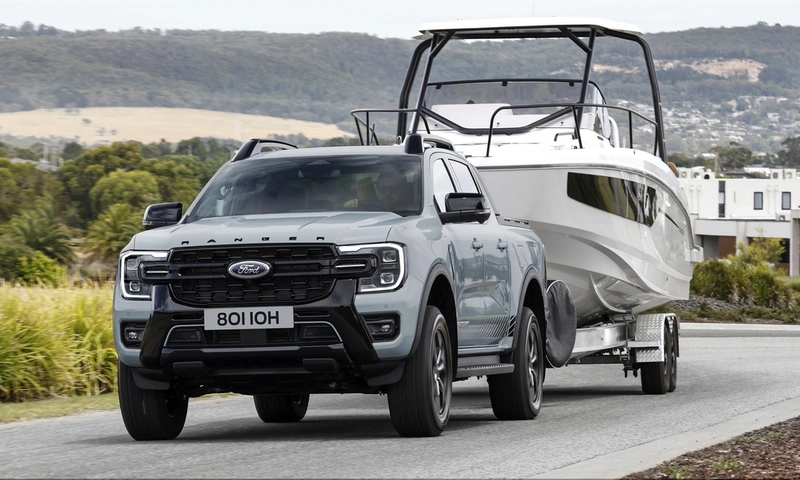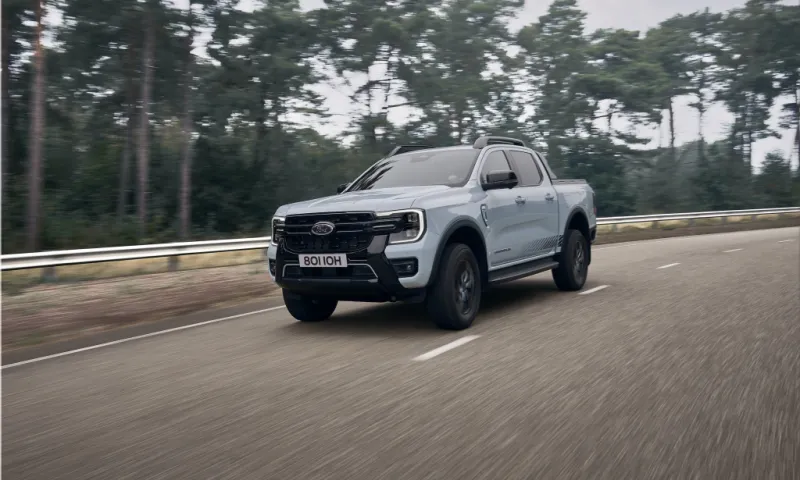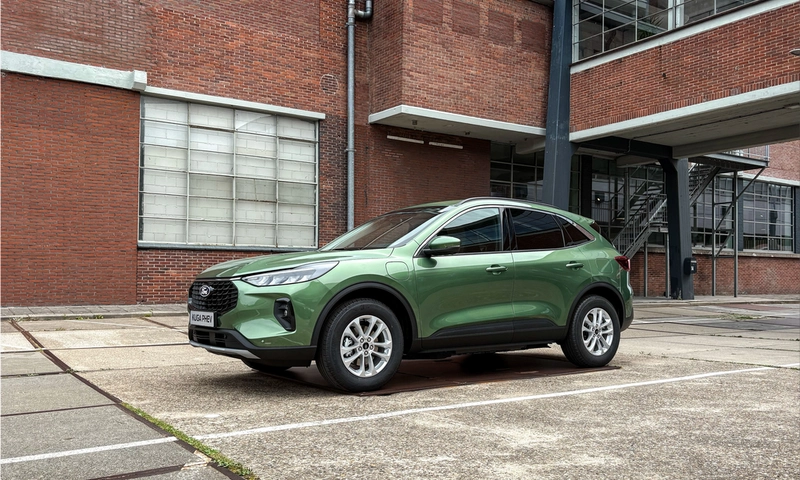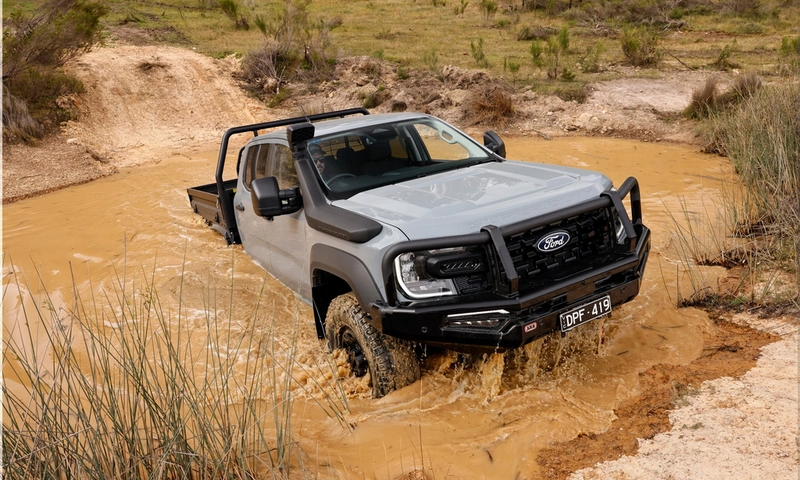
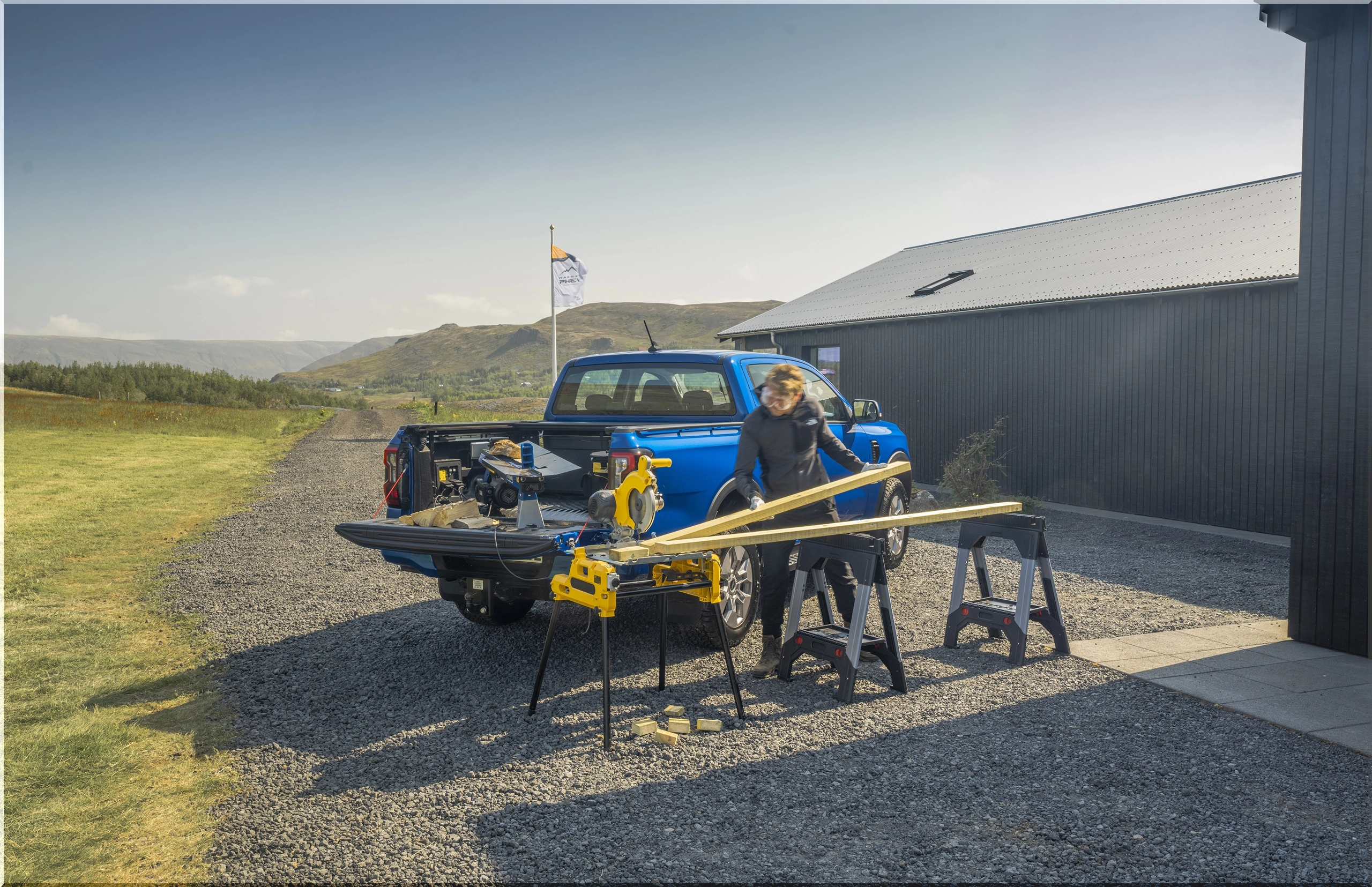
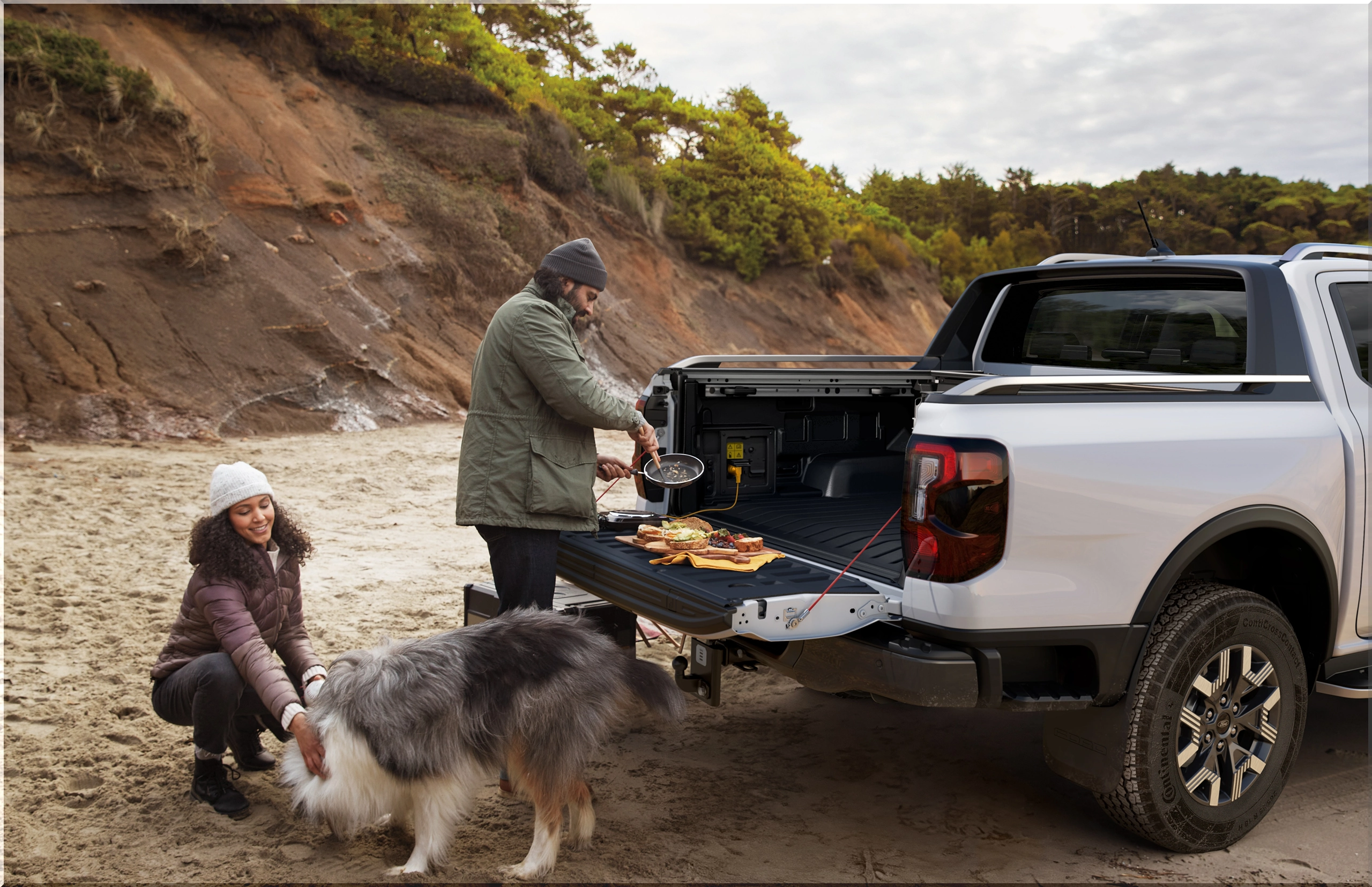
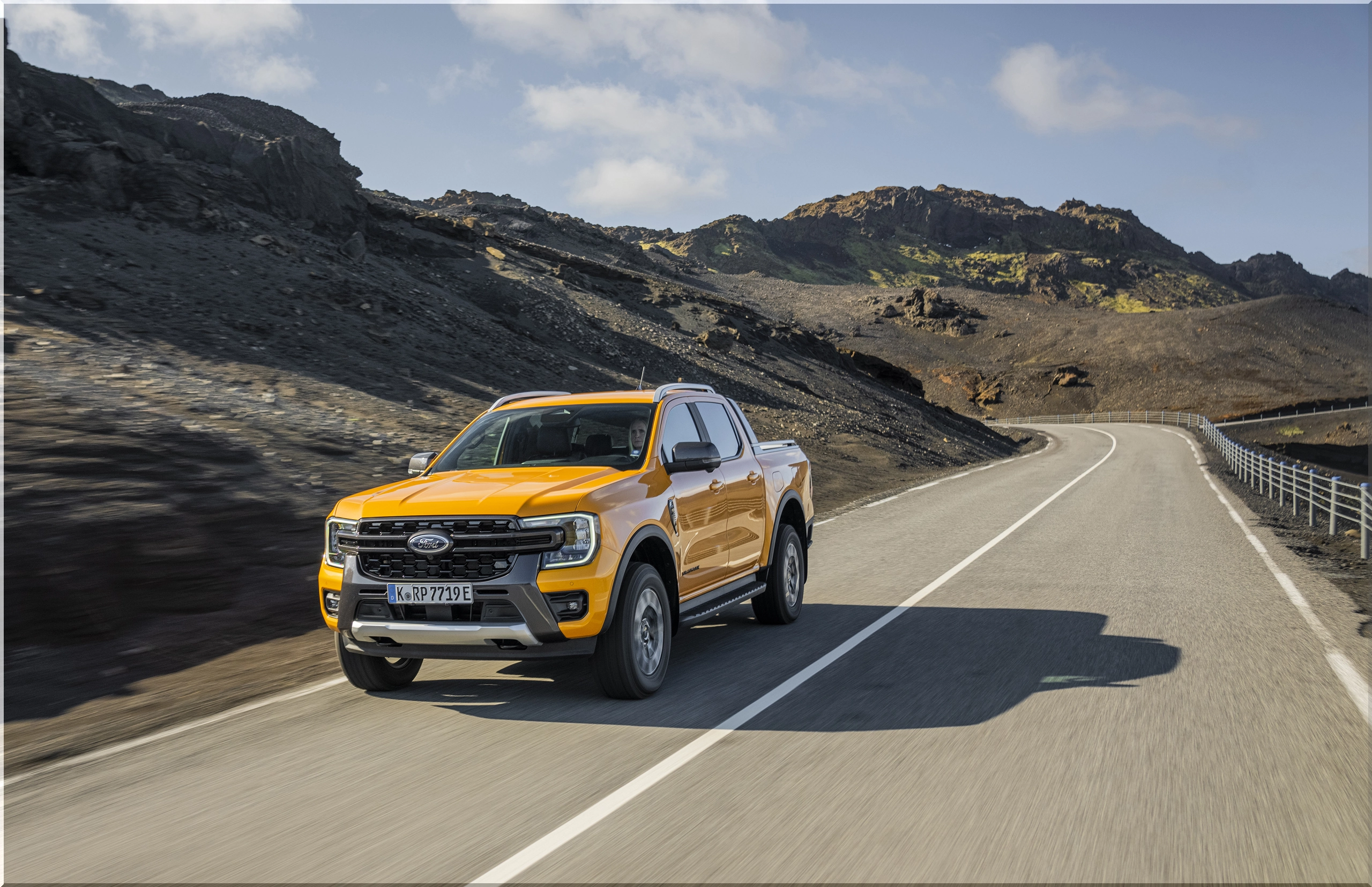
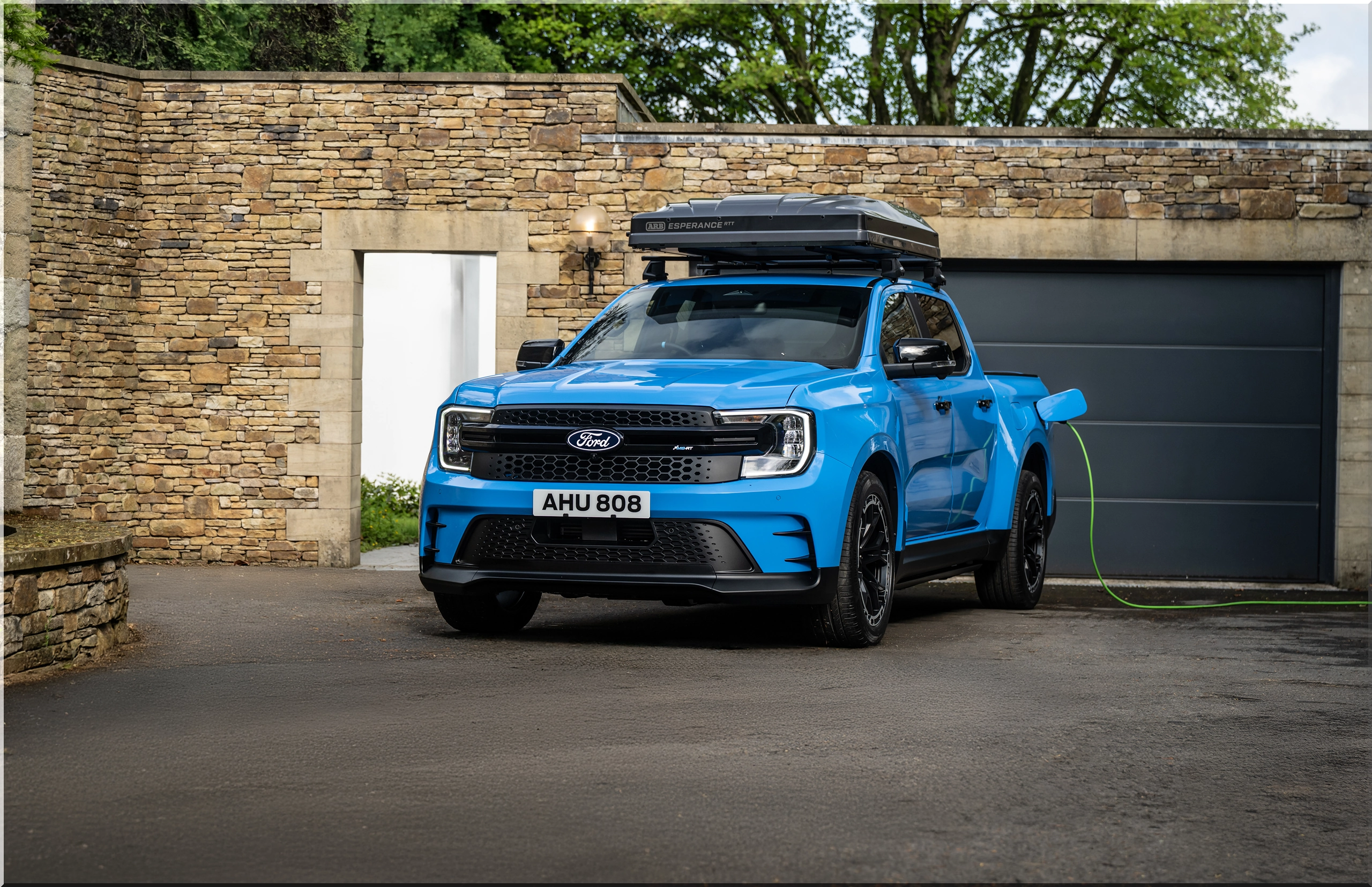
The Ford Ranger Plug-in Hybrid can replace a separate generator on some jobs. The Ford Ranger PHEV generator test found lower fuel consumption and sharply reduced local pollutants against one 4 kW petrol unit. For Europe's best-selling pickup, the benefit extends to powering tools after the driving stops.
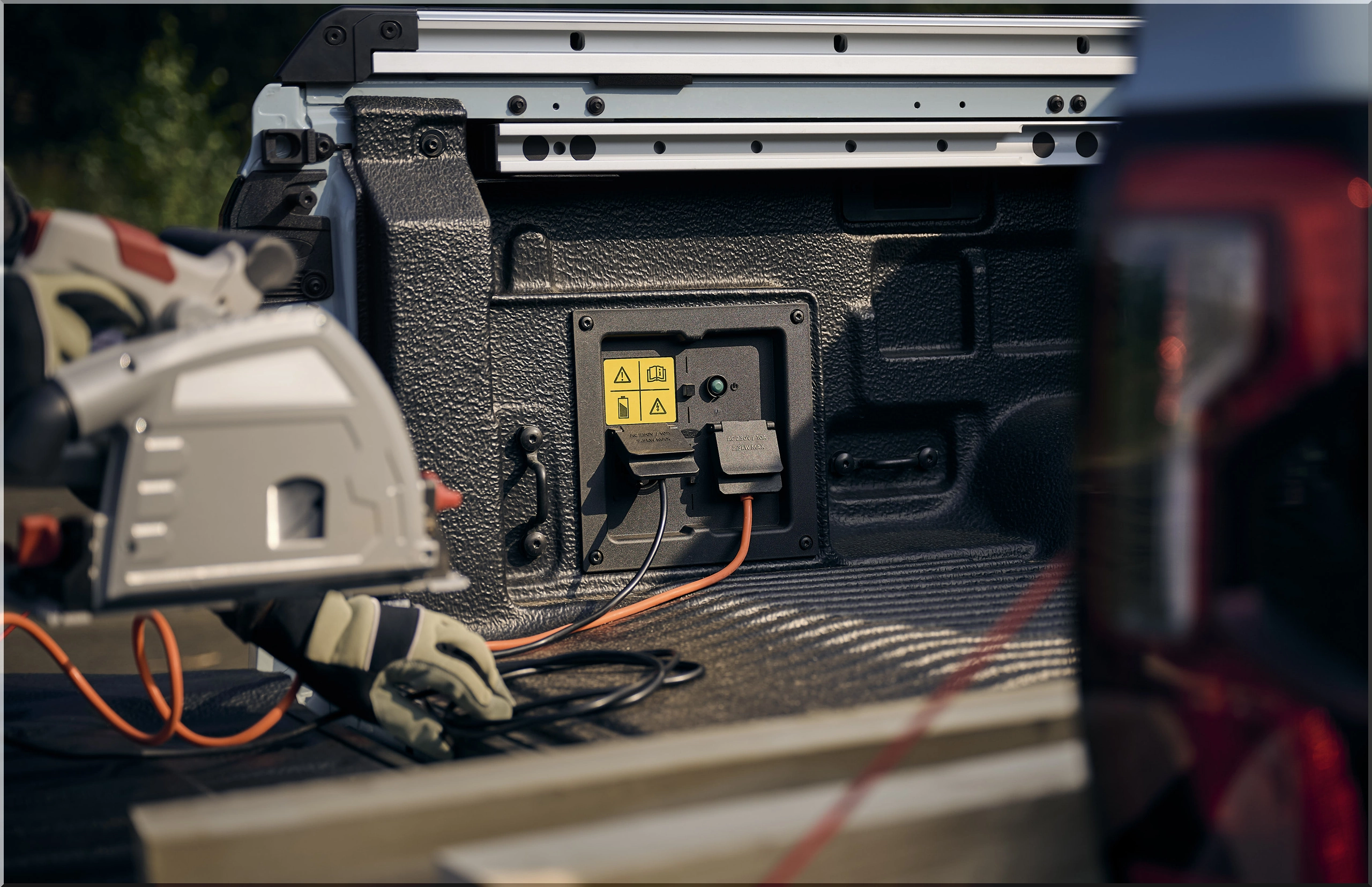
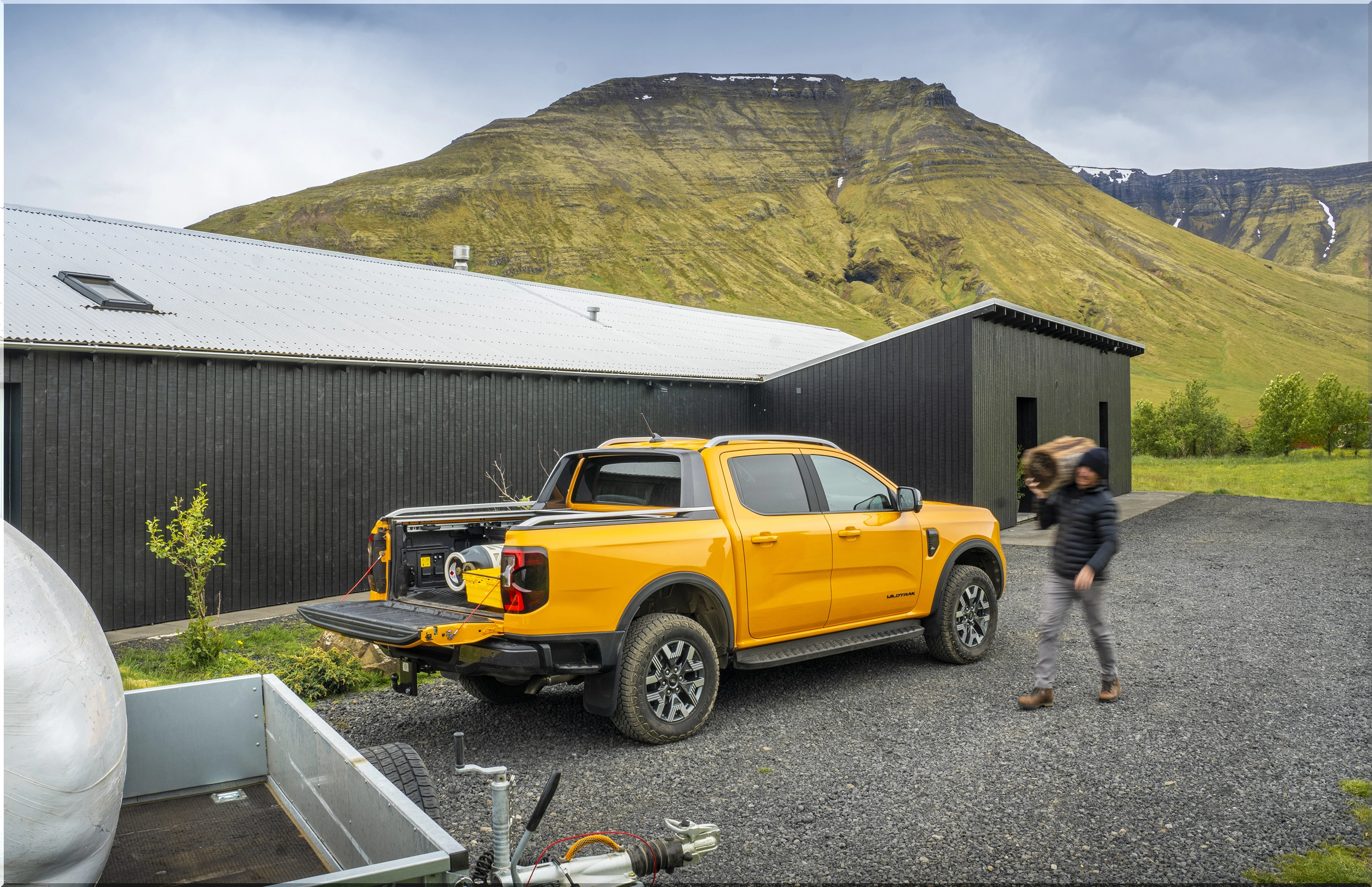
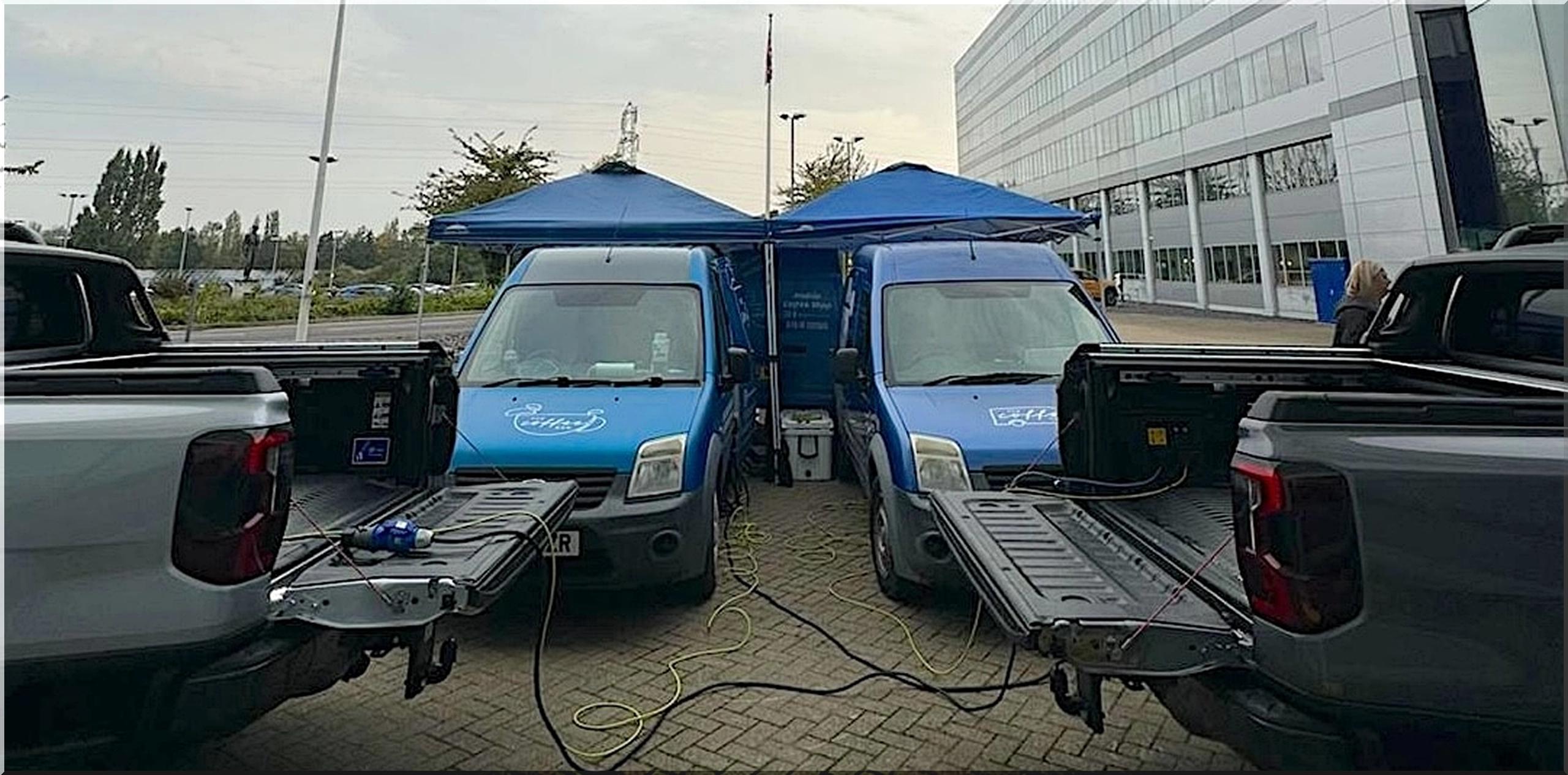
How Pro Power Onboard Supplies 6.9 kW
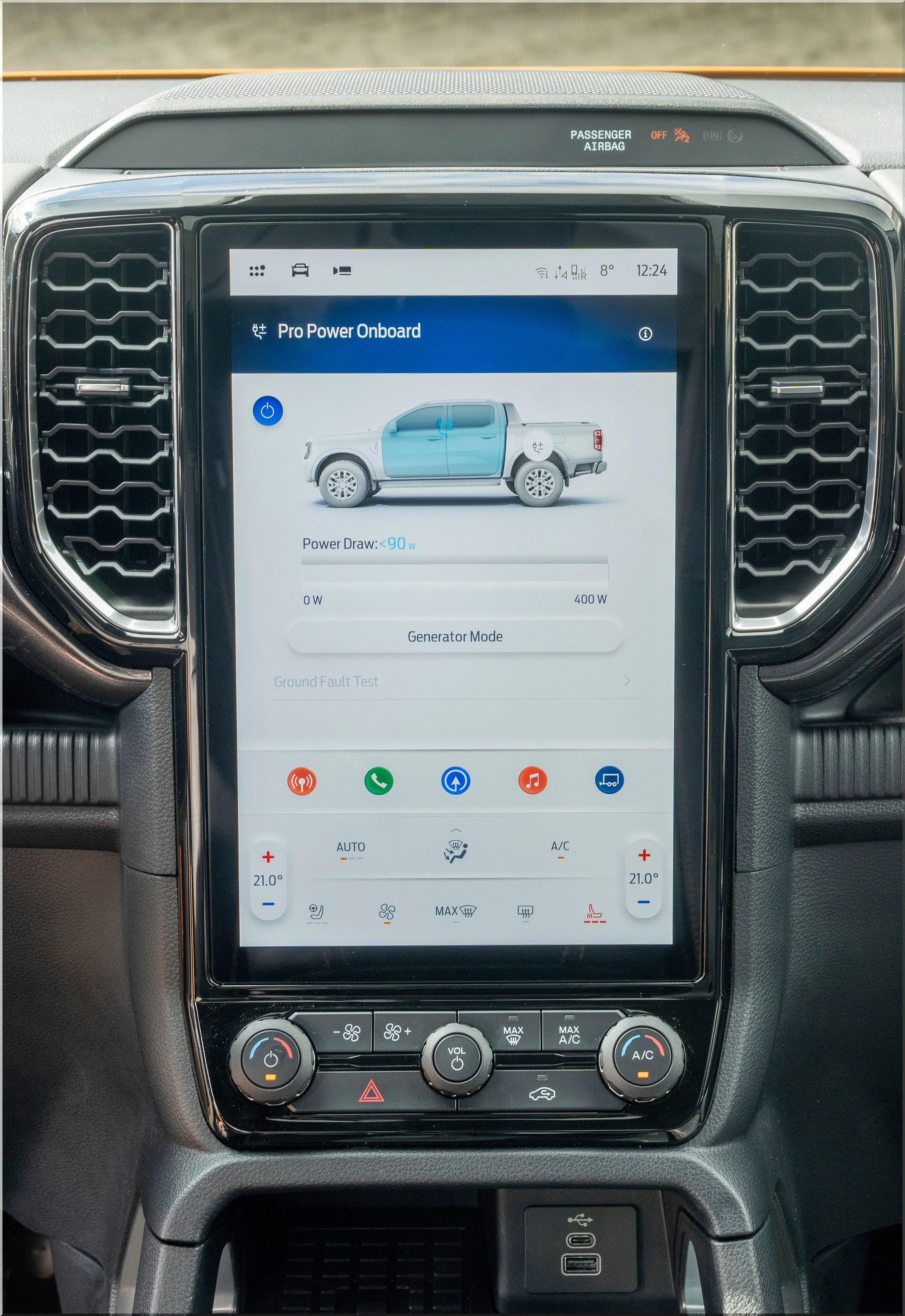
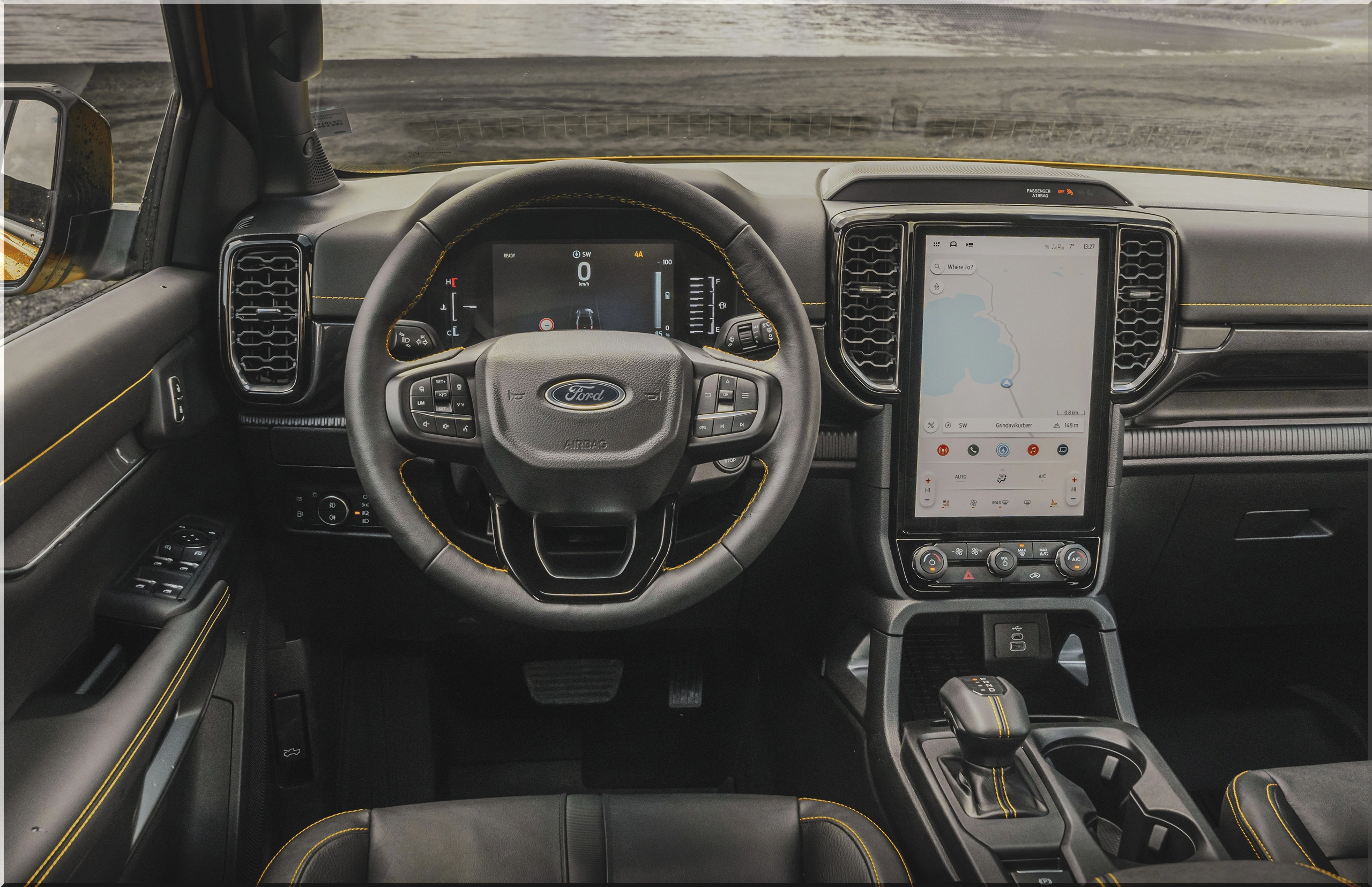
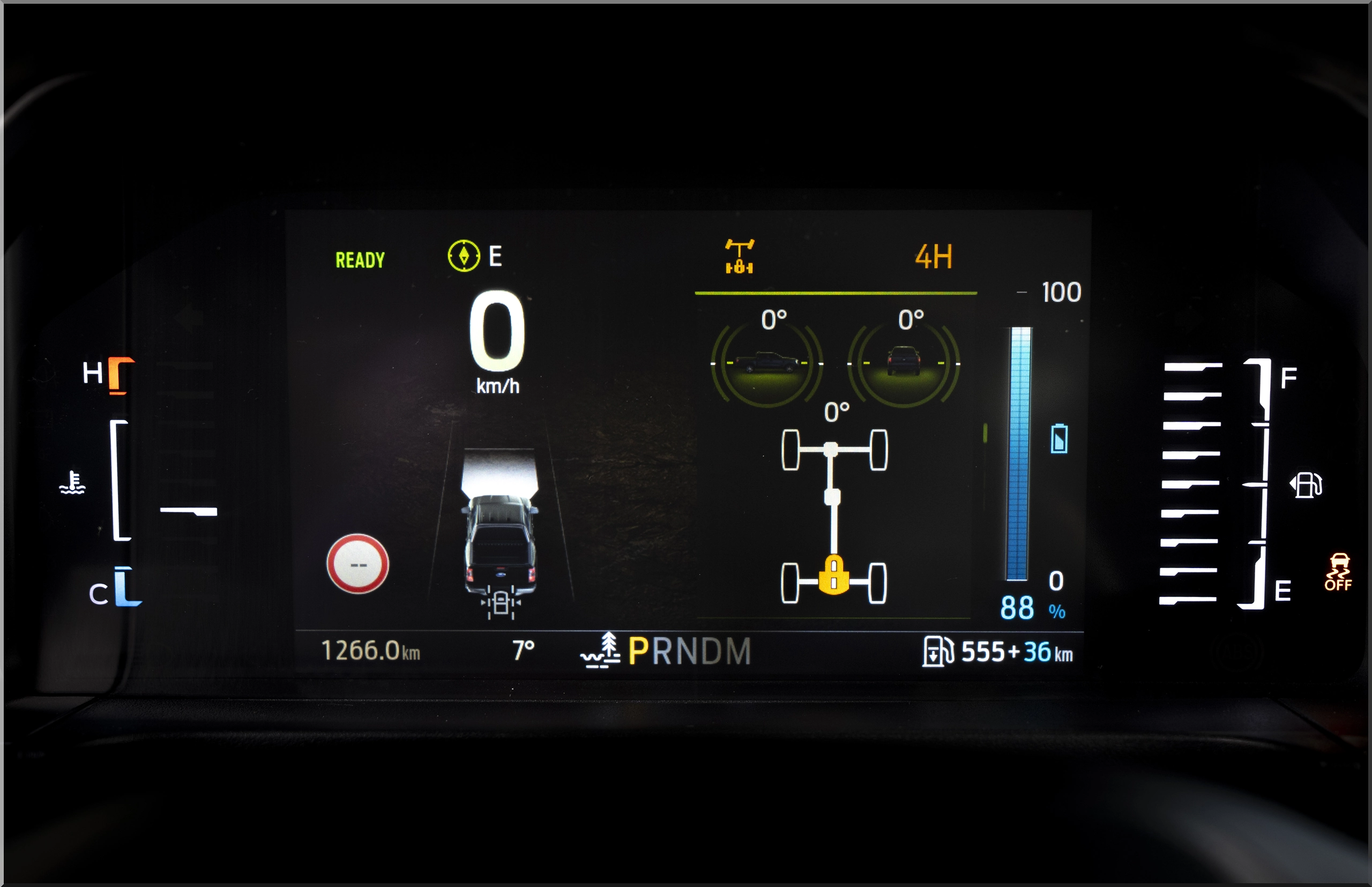
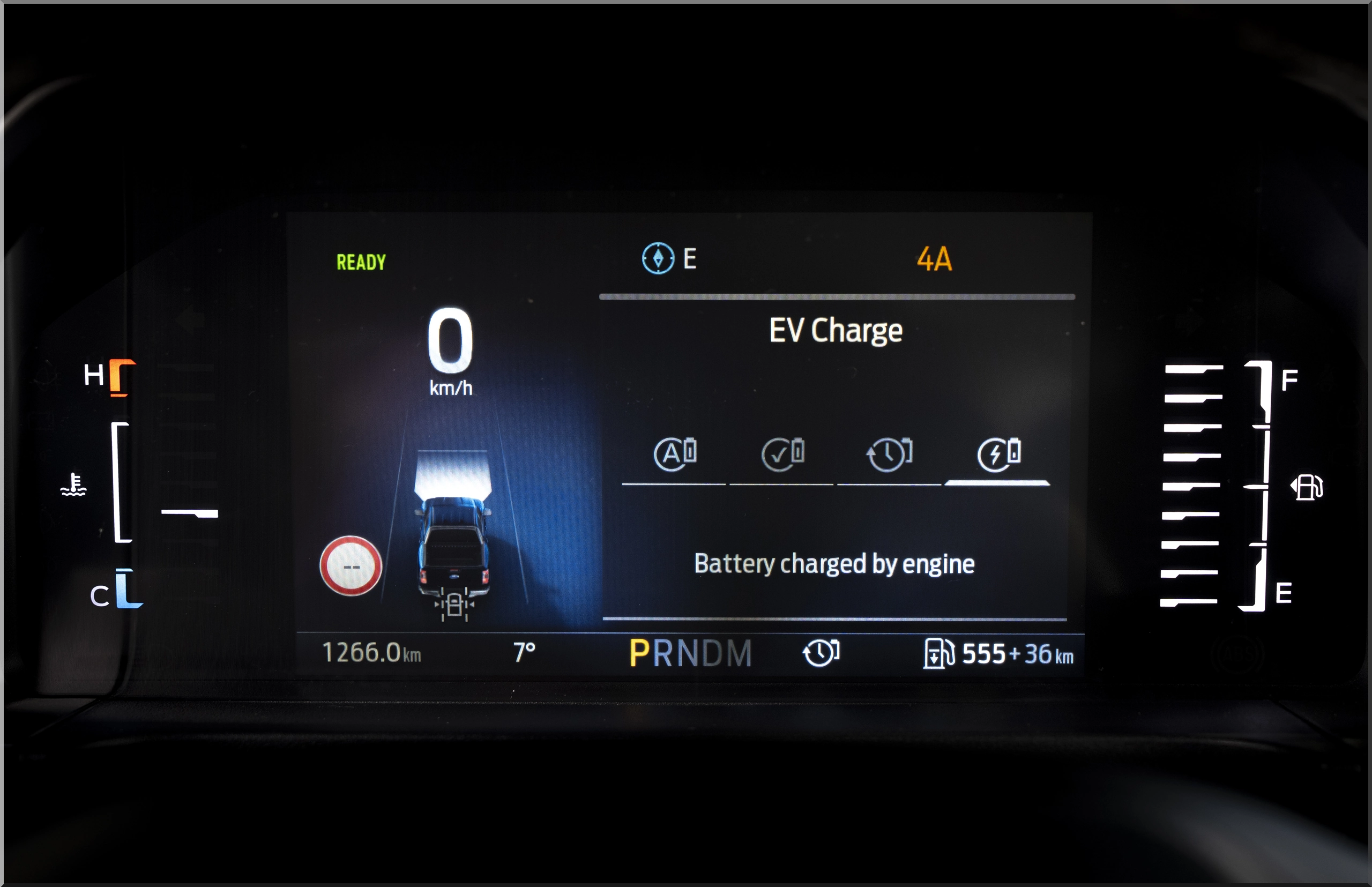
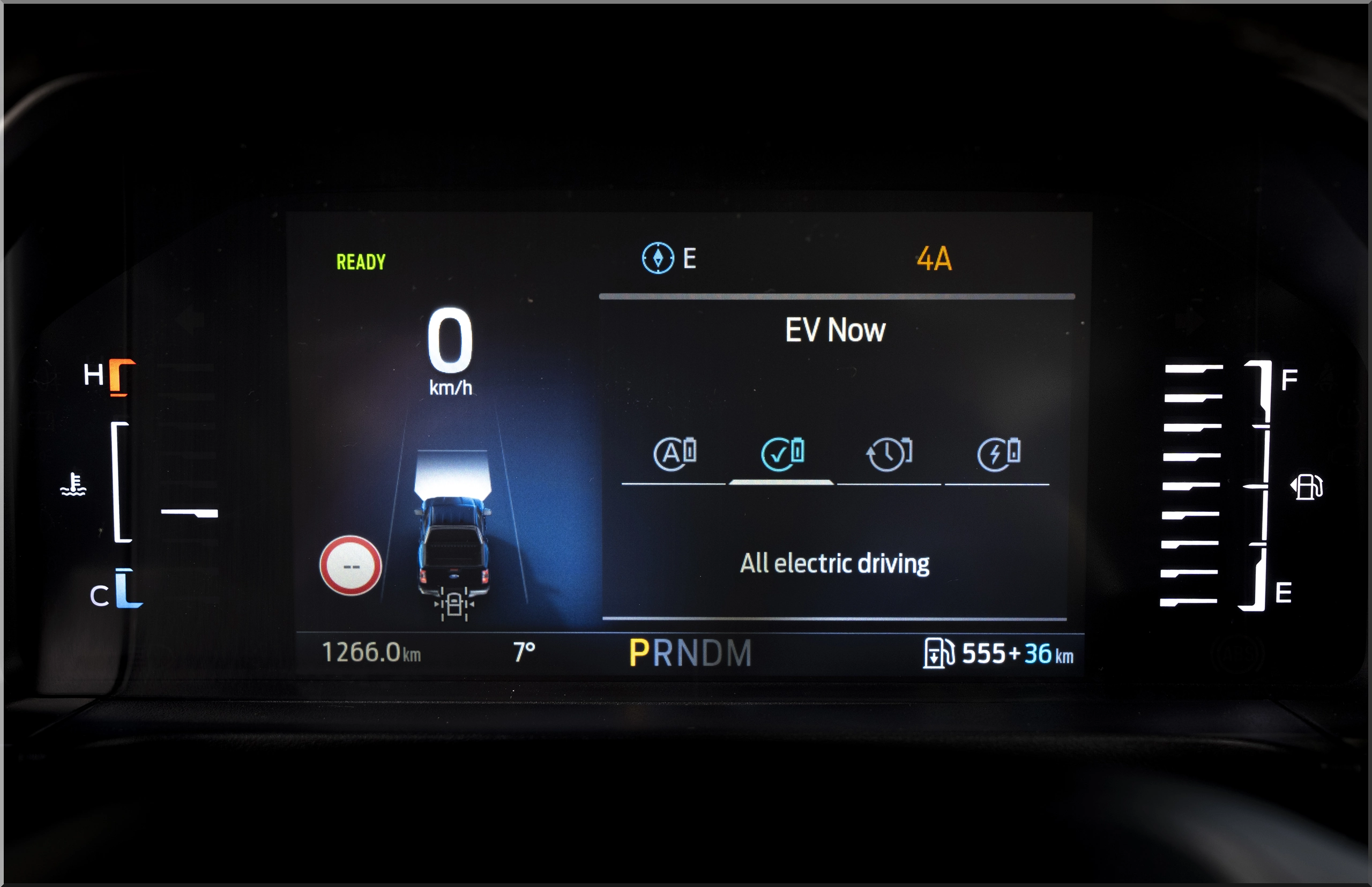
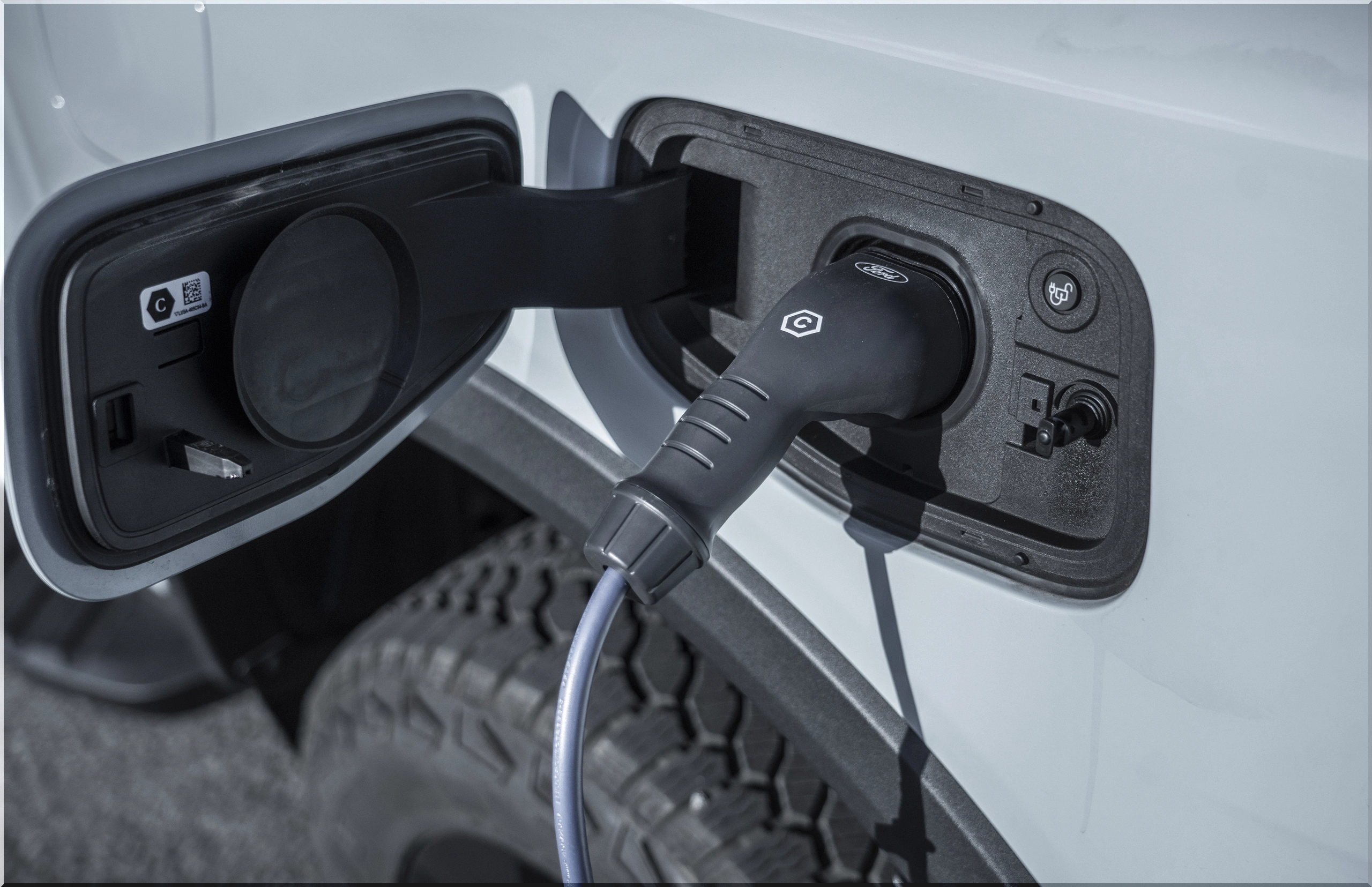
Pro Power Onboard draws energy from an 11.8 kWh usable battery. The petrol engine starts automatically when the system needs to maintain charge, so a low battery needn't stop work. Drivers manage output through the touchscreen.
| Electrical specification | Ranger PHEV | Ford's comparison generator |
|---|---|---|
| Maximum output | Up to 6.9 kW; 2.3 kW alternative | 4 kW |
| Energy supply | Traction battery plus petrol engine | Petrol engine |
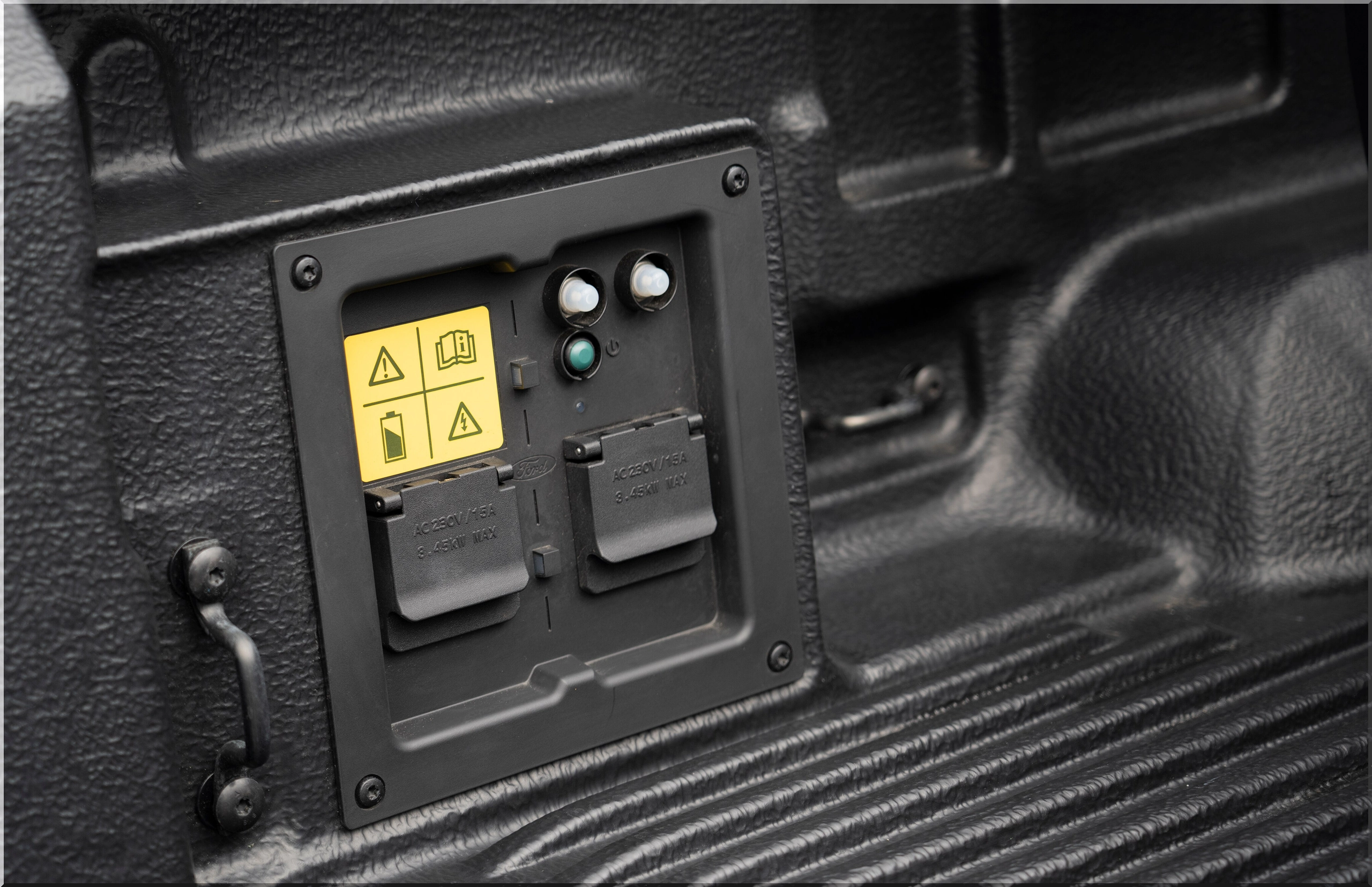
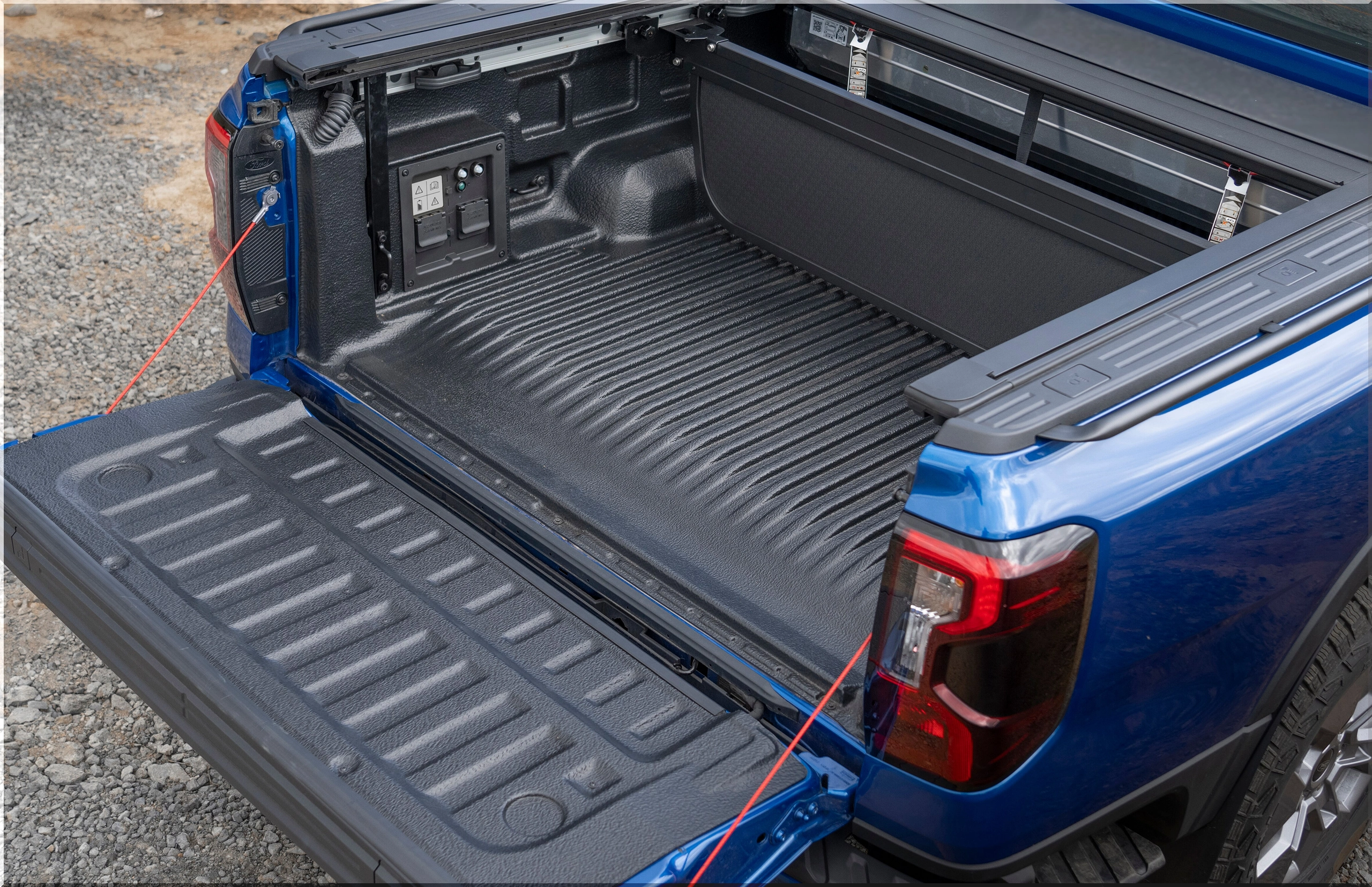
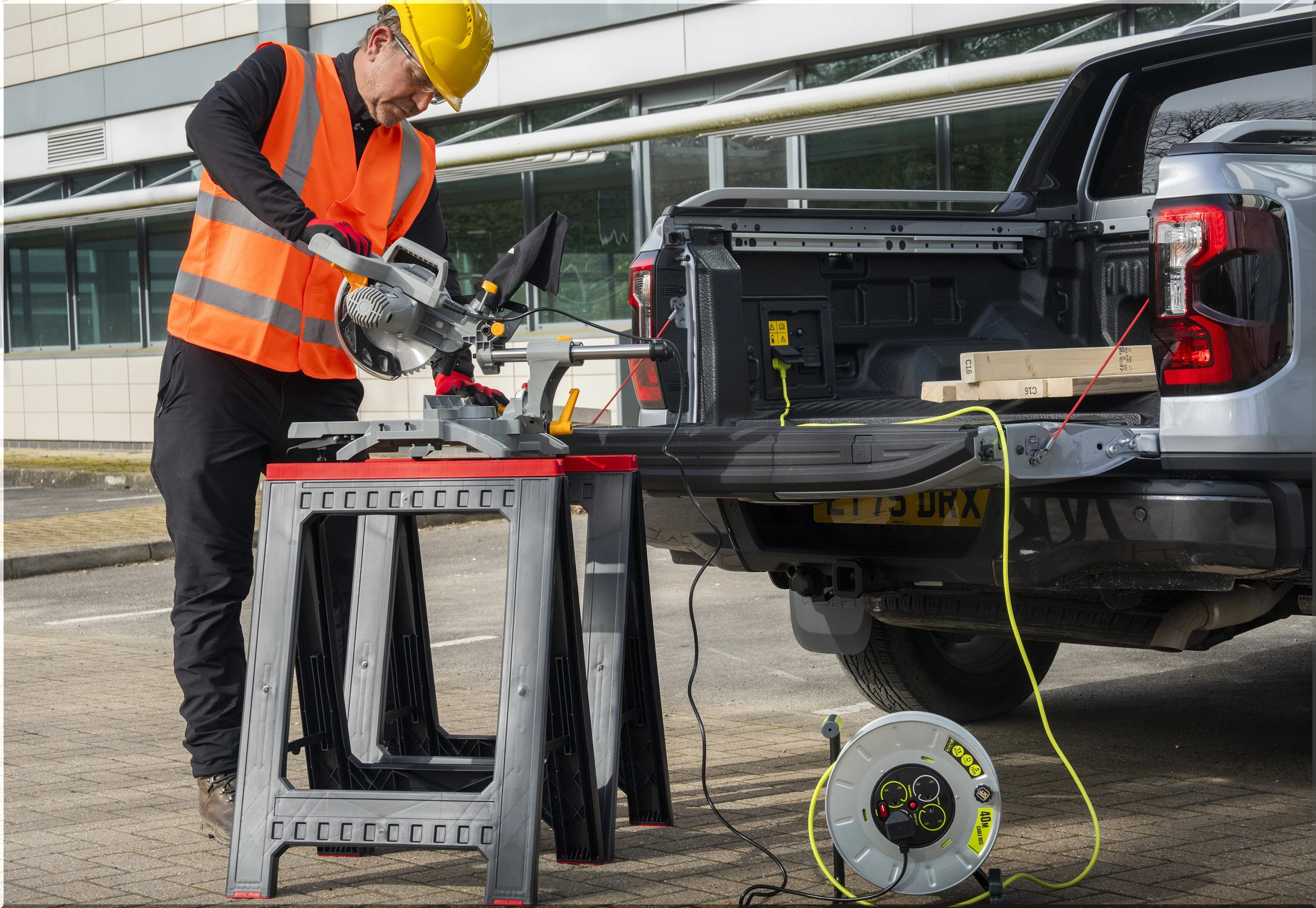
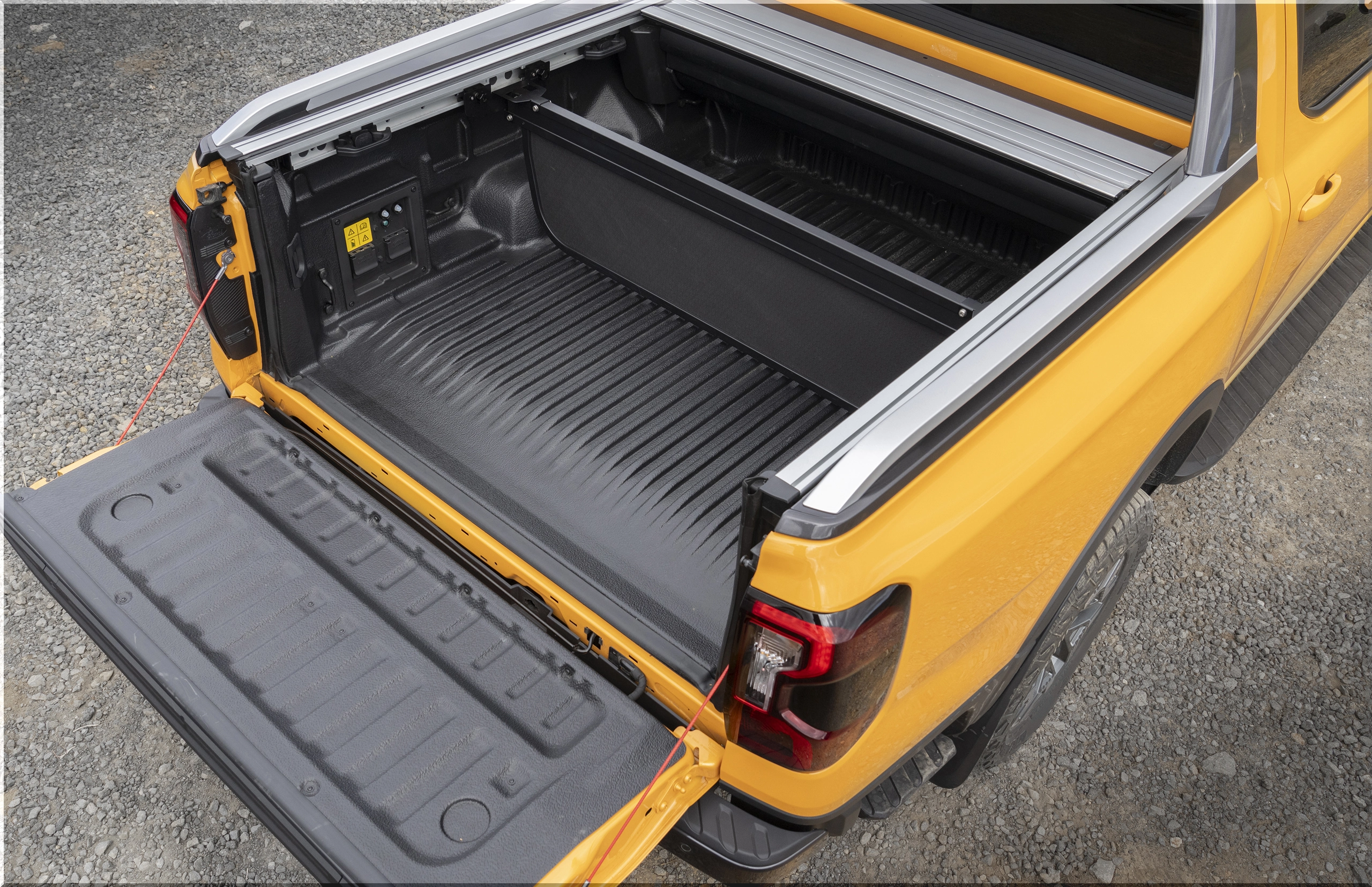
| Higher-output bed sockets | Two 230 V sockets, 15 A and 3.45 kW each | Ford doesn't specify socket ratings |
| Cabin supply | Additional 230 V outlet within system limit | No vehicle cabin |
Specifically, 6.9 kW onboard power means 72.5% more rated capacity than the tested generator. Each bed socket still has its own ceiling; one socket won't supply the full system output.
Image gallery
What Ford's Generator Test Actually Shows
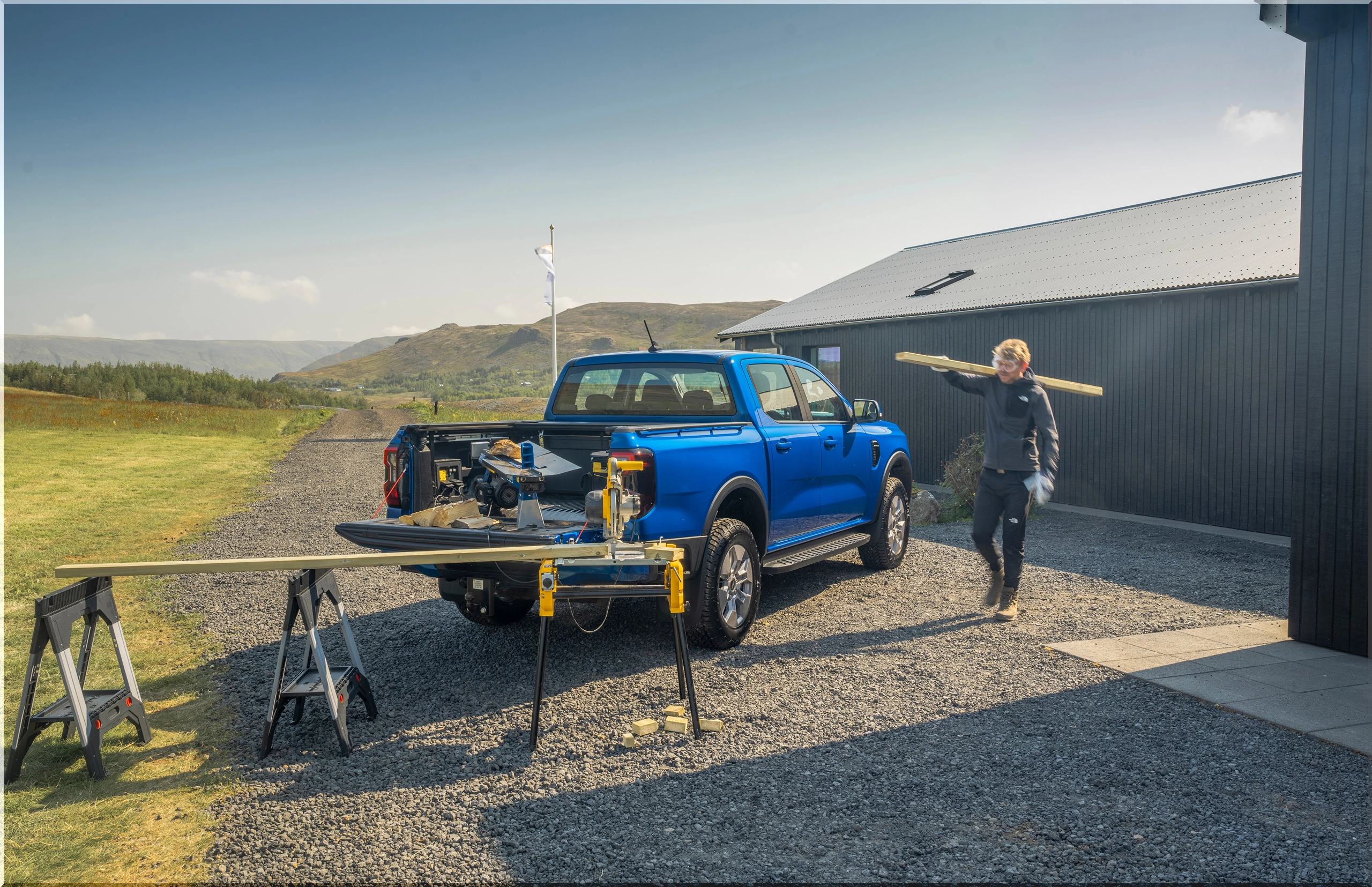
Ford tested loads from approximately 300 W to 4,000 W at Dunton, England. These manufacturer results describe one generator and specific operating conditions, rather than every portable unit.
| Test condition | Ranger result against the petrol generator |
|---|---|
| 4 kW draw, depleted battery, cold engine | Lower fuel consumption |
| 4 kW draw, warm engine | Approximately half the fuel consumption |
| 4 kW draw, engine maintaining battery charge | Approximately one-third of the fuel cost |
| CO2 from cold start | Ranger initially produced more |
| CO2 after roughly five minutes, above 2 kW | Generator produced more |
Ford's comparison footnote reports 452 times more carbon monoxide and 98 times more combined hydrocarbons and nitrogen oxides from the generator at a 4 kW draw. Those figures describe local exhaust emissions, rather than lifecycle carbon savings. The likely engineering explanation involves exhaust aftertreatment: its effectiveness changes as it warms.
Image gallery




Should You Replace Your Generator?
For Ford Pro fleet operators who already need a pickup, integrated mobile power can remove a separate machine from the load bed. Ford's fuel-cost assumptions put the generator at approximately £5.40 per hour: 3.44 litres/hour at £1.57/litre. That historical test input doesn't represent a current pump-price quote; battery charging, vehicle purchase and servicing also affect the business case.
Pro-Tips:
- Add up continuous tool demand and motor-starting surges before selecting 2.3 kW or 6.9 kW.
- Charge before work; battery energy supports engine-off operation.
- Compare total costs across your actual working hours.
- Operate outdoors and follow Ford's instructions: automatic engine starts can produce exhaust.
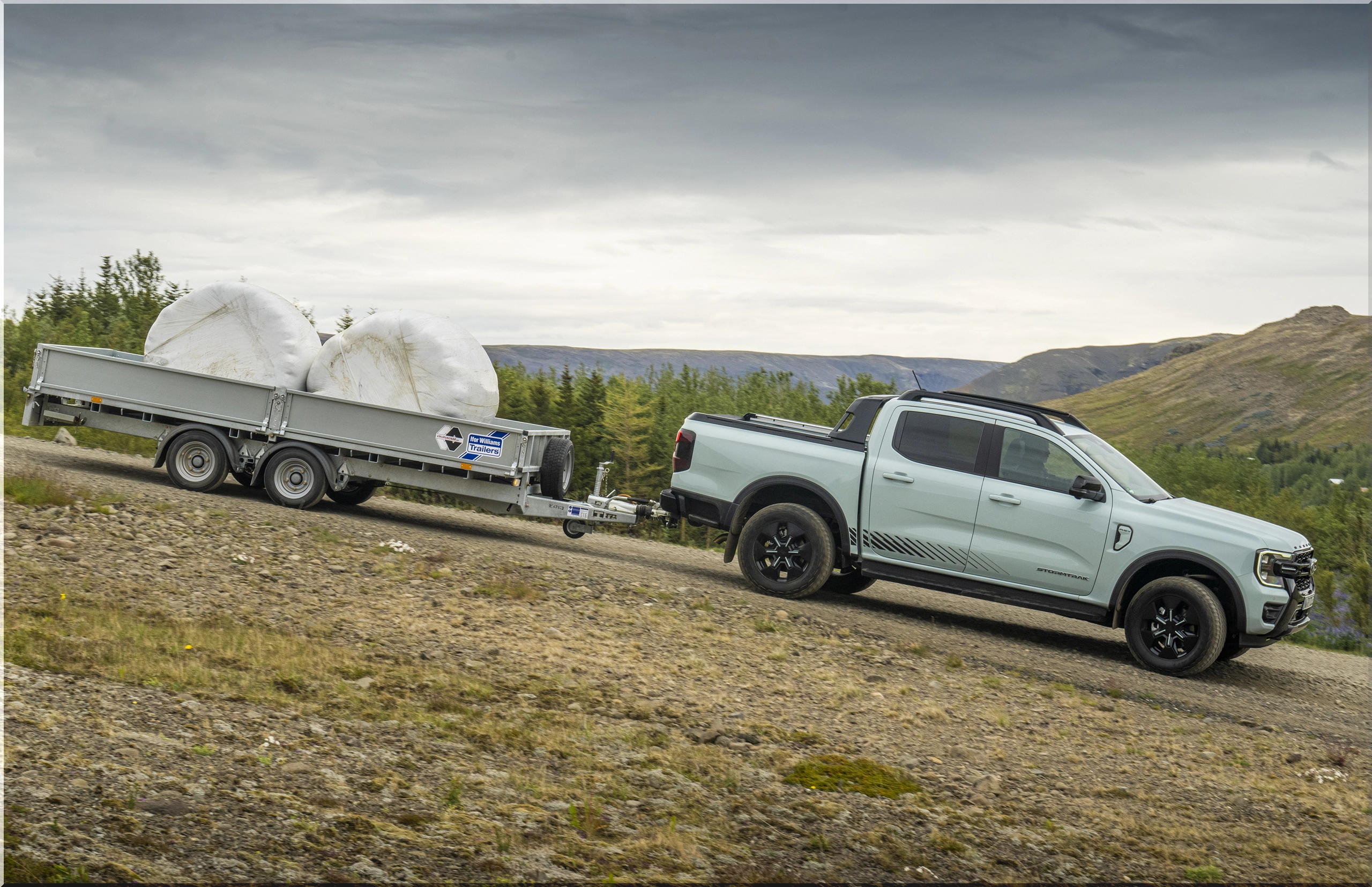
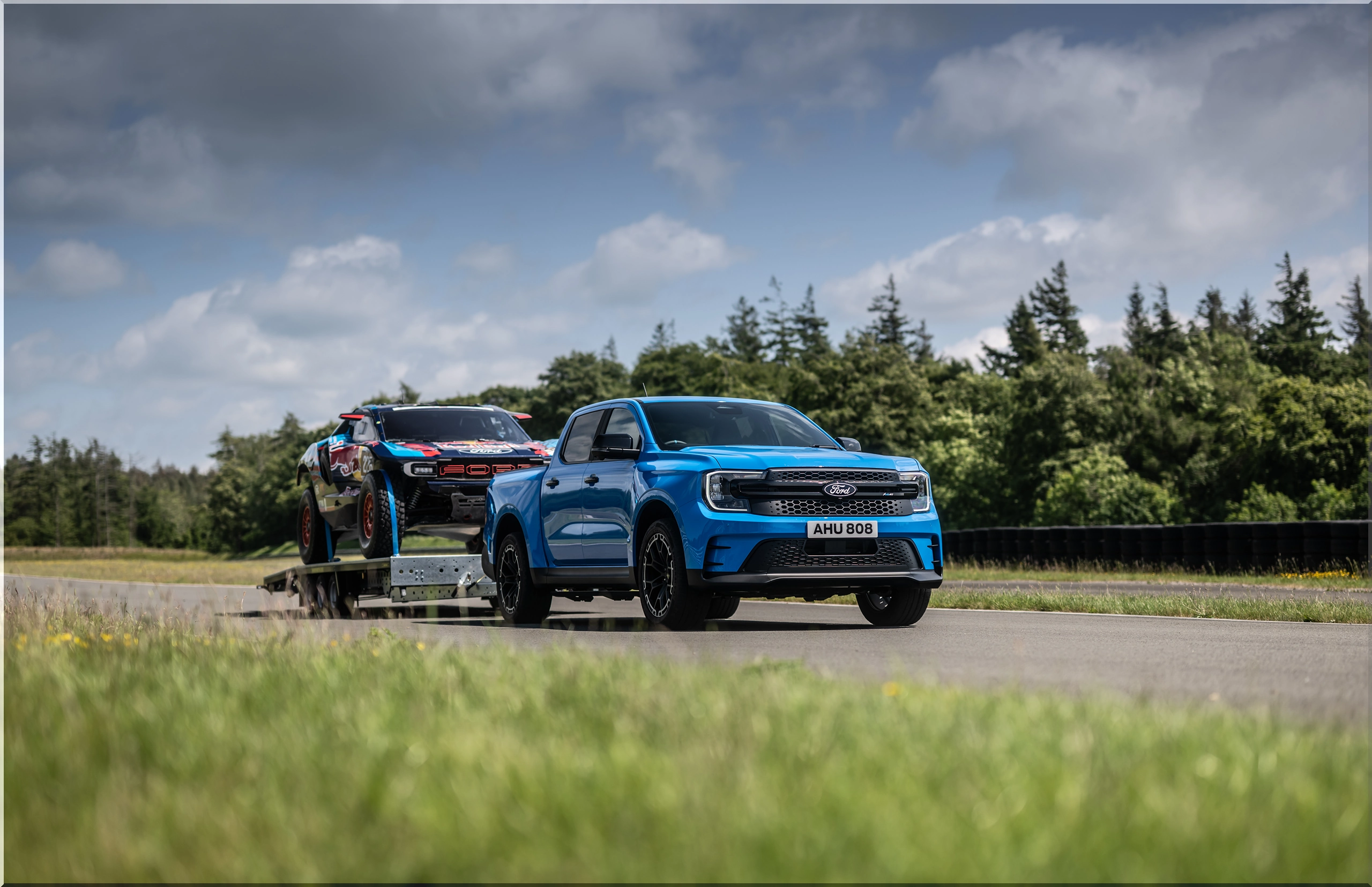
The pickup combines a 2.3-litre EcoBoost, 75 kW electric motor and 10-speed automatic, producing 281 PS and 697 Nm. It also offers 3,500 kg towing and up to 43 km electric range, subject to specification and conditions.
For diesel off-road alternatives, compare Wildtrak X and Tremor. For heavier towing requirements, compare the Ford Ranger Super Duty separately; its higher ratings don't transfer to the PHEV.
- Add new comment
- 12 views