
Buying a new car should be exciting — not stressful. But what if your dream car turns out to be a nightmare, with constant mechanical issues and repeated repair visits? That’s where California’s Lemon Law steps in to protect you. This powerful consumer law helps you get a refund or replacement for defective vehicles that can’t be fixed after multiple attempts. In this guide, we’ll walk you through everything you need to know about using the Lemon Law in California for defective cars.
What is Lemon Law California? Understanding the Basics
The California Lemon Law is one of the most robust consumer protection statutes in the United States. Enacted under the Song-Beverly Consumer Warranty Act, it safeguards consumers who experience significant recurring problems with new or certain used vehicles. The essential objective of the lemon law is to ensure that if your car cannot be repaired after a reasonable number of attempts, you may be entitled to a refund, replacement, or cash settlement.
While buying a new car or leasing a car is often an exciting experience, unresolved issues can quickly turn your purchase into a source of frustration. California’s lemon law provides recourse for consumers holding valid warranties—whether through factory coverage or extended warranties—who endure persistent issues that impair a vehicle’s use, value, or safety. This legal framework also underpins key consumer protection requirements for auto dealerships, reinforcing fair practices and giving buyers the confidence that their rights will be respected.
Within the state, institutions such as the Department of Consumer and Business Affairs (DCBA) in Los Angeles County play a vital role in helping the public navigate lemon law claims. The DCBA, along with city agencies in areas like Santa Monica, West Hollywood, and the City of Los Angeles Office of Wage Standards, assists consumers with filing, mediation, and dispute resolution. The lemon law is a pivotal tool all California car buyers and lessees should understand, particularly when considering the terms of service contracts and the risks of avoiding fraud.
Which Cars and Defects Qualify Under the Law
Vehicles Covered Under California Lemon Law
The California Lemon Law applies to a wide variety of vehicles, including:
- New cars purchased or leased for personal, family, or household use.
- Certain used cars sold with remaining factory warranties or under certified pre-owned programs.
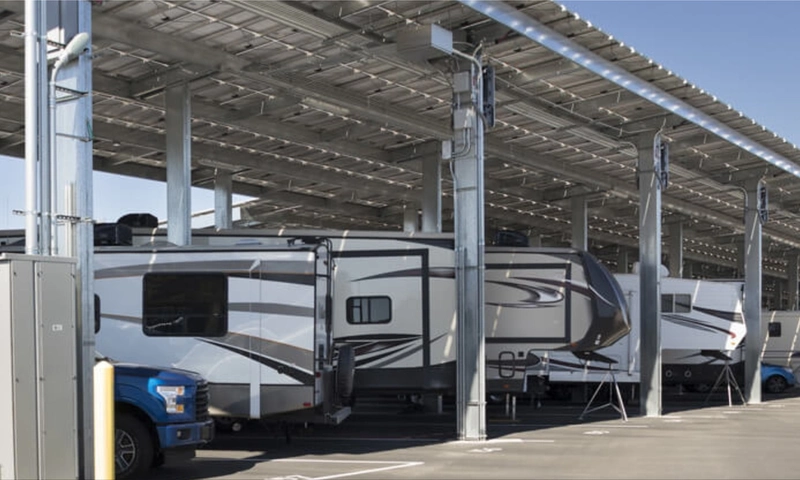
- Light trucks and SUVs, demonstration vehicles, and the chassis, chassis cab, and drivetrain of motorhomes.
For those buying a used car, it’s critical to consult the dealer or review the documentation to clarify if any warranty coverage remains that might trigger California lemon law protection. Likewise, leasing a car can create entitlement if the vehicle comes with a new car warranty.
Motorcycles, scooters, and off-road vehicles may qualify if they are registered for use on public highways. However, certain types, such as commercial vehicles over a specific weight threshold, may not be covered. Always review your vehicle’s status directly with legal resources or the DCBA before assuming that protection applies.
What Defects Are Eligible
Not every issue with your car is considered a “lemon.” California law mandates that the defect must:
- Substantially impair the vehicle’s use, value, or car safety.
- Be covered by the manufacturer’s original warranty or a compliant service contract/extended warranty.
- Persist after a “reasonable number” of authorized car repairs.
Common qualifying defects include recurring engine problems, transmission failure, severe brake malfunction, electrical system faults, airbag or seat belt failures, emissions system issues, and other conditions affecting safe operation. Recall-related repairs, such as those linked to child car seats or urgent car safety recalls, may also intersect with lemon law protections.
Exclusions: Damage caused by owner negligence, unauthorized repairs, or aftermarket modifications are not covered by the California lemon law. Disputes can arise over warranty coverage, which is why documenting every repair and communication is vital to supporting your car claim.
Image
The Step-by-Step Lemon Law Claim Process
Documenting Your Issue
A successful lemon law claim in California depends on meticulous documentation. Keep copies of all car repairs invoices, service contracts, and detailed logs describing symptoms and outcomes for each visit. If you are buying a new car or buying a used car, ask dealers to specify warranty terms in your contracts at the time of purchase to avoid later disputes.
Notifying the Manufacturer or Dealership
Once a qualifying defect is evident, you need to:
- File a complaint directly with the manufacturer or authorized dealer. Use their official channels, either through mail, their website, or in person. The Department of Consumer and Business Affairs offers sample complaint letters.
- Allow the manufacturer a “reasonable number” of attempts to fix the problem—typically at least two for serious safety defects or four for non-safety issues per California law.
- If the matter is unresolved, request mediation or arbitration using programs endorsed by the manufacturer, or via county resources such as the countywide dispute resolution program managed by the DCBA in Los Angeles County.
Should mediation be unsuccessful, you may need to escalate:
- Use the small claims court system for qualifying disputes, following DCBA guidance on how to sue, presenting evidence, and understanding the potential for judgment and appeals.
- Seek legal counsel for more complex cases. California has a robust landscape of consumer law specialists familiar with both the lemon law and other statutes in the car buyers bill of rights.
The DCBA also provides assistance via social channels (e.g., Facebook, Instagram, YouTube, Twitter) and its informational hotlines, as listed on ready.lacounty.gov and alert.lacounty.gov.
Your Rights and What Remedies are Available
Key Consumer Protections and Remedies
If your car meets the criteria under the California Lemon Law, you have several consumer protection rights and possible remedies:
- Replacement: The manufacturer can be compelled to replace your car with a new, comparably equipped vehicle. This is often an attractive outcome when original features or color are important to you.
- Refund (Buyback): The most common remedy is a repurchase, where you receive the cost of your car (including taxes, licensing, and fees), with allowable deductions for mileage.
- Cash Settlement: Manufacturers sometimes offer a negotiated cash compensation for repairs and inconvenience if you choose to keep the car.
- Repair Costs: Reimbursement for documented expenses for eligible car repairs and associated service contracts.
These remedies are designed to keep the consumer whole and balance out the inconvenience, financial loss, and sometimes safety risks experienced.
Your Broader Consumer Rights
The lemon law works in coordination with other protections, such as statutes on car title loans, vehicle repossessions, canceling a contract, collection agencies, and explicit language requirements in contracts. Should the situation escalate, recourse through small claims, mediation, other agencies, or legal channels ensures you aren’t left without options.
Consumers in Los Angeles County also benefit from resources like smarter seniors programs, financial literacy workshops, neighborhood outreach, and specialized help for tenants & landlords through the training institute coordinated by DCBA. Visit McMillan Law Group site for more information.
Tips for Maximizing Your Lemon Law Case Success
Image
Take Proactive Steps
- Keep Detailed Records: Store and organize all paperwork related to purchases, repairs, service contracts, and any credit/debit cards charges.
- Communicate in Writing: Document all correspondence with the manufacturer, dealership, and repair facilities.
- Act Quickly: Promptly file a complaint upon recognizing a recurring defect, and adhere to deadlines set out by your warranty or contracts.
- Request Mediation: Don’t hesitate to use mediation services provided by agencies, including the countywide dispute resolution program in Los Angeles County, before moving to litigation.
- Consult Authorities: If you are uncertain, consult the DCBA or the State of California Industrial Relations for advice and up-to-date lemon law developments.
- Be Persistent: Don’t be deterred by initial setbacks—appeals and further legal action are valid courses if you believe your claim has merit.
FAQs
What is the first step if I believe my car is a lemon in California?
Start by documenting all car repairs and notify the manufacturer or car dealership in writing about the issues. Make sure your vehicle is still under a valid vehicle warranty or service contract before proceeding.
Can I file a lemon law claim for a used car purchase?
Yes, but only if the used car purchase includes a manufacturer’s warranty, extended warranty, or certain service contracts. Vehicles sold “as is” without any warranty are generally excluded.
Does the lemon law apply if I am leasing a car?
Leasing a car is covered under California lemon law, provided the vehicle is still within its warranty period and meets the criteria for a defective vehicle.
How many repair attempts are required before I can file a complaint?
The law typically requires at least two to four unsuccessful warranty repair attempts for the same problem, or the vehicle is out of service for more than 30 cumulative days due to warranty repairs.
What can I do if the manufacturer refuses my lemon law claim?
You have the right to request mediation, use county mediation programs, file a complaint with DCBA, seek dispute resolution resources, or pursue legal action, including small claims or consulting a lemon law attorney.
Am I entitled to a refund or replacement if my car is a lemon?
Yes, your remedies include a refund of your purchase (or lease) price, a replacement vehicle, and sometimes reimbursement for incidental expenses under consumer protection law statutes.
Do I need a lemon law attorney to file a claim?
You are not required to have an attorney, but for complicated cases or disputes with the manufacturer or dealer, consulting a qualified lemon law attorney may improve your chances of a favorable outcome.
Image gallery
- Add new comment
- 136 views